

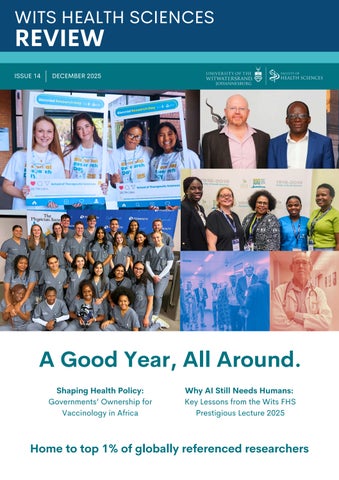
Shaping Health Policy: Governments’ Ownership for Vaccinology in Africa
Why AI Still Needs Humans: Key Lessons from the Wits FHS
Prestigious Lecture 2025
Home to top 1% of globally referenced researchers
Appointees C O N T E N T S
Message from the Dean
High-Impact Research
Highlights
News
Student News
Alumni
Achievements
Funding & Partnerships
Opinions & Thought Leadership
Events

As we reflect on the past quarter, and draw close another productive year, I marvel at the extraordinary resilience, creativity, and dedication that define our Faculty of Health Sciences This issue of our Review focuses on mental health, an area of increasing global urgency Over the past quarter, our Faculty and students have advanced the science of mental health, but also embodied its principles in supporting one another, fostering inclusion, and cultivating environments of care.
This was especially evident during Mental Health Awareness Month, where our community came together through a wide range of meaningful activities, from wellness workshops to reflective dialogues, each reinforcing the importance of people at the heart of our mission These efforts reflect our shared belief that caring for mental health is foundational to scientific excellence, compassionate patient care, and sustainable academic culture.
There were several highlights of this quarter, including the research days held across our Schools, celebrating the depth and breadth of our research enterprise These events highlighted the creativity and rigor of our staff and students and showcased the collaborative spirit that powers discovery across disciplines
Throughout this review, you will also see many examples of thought leadership from our researchers. Their voices through high impact publications, media engagements, international collaborations, and policy engagement continue to shape conversations far beyond our institution
One of the closing highlights of the quarter was our Prestigious Research Lecture, which challenged and inspired us to imagine the future of healthcare in the age of artificial intelligence (AI) The lecture and panel discussion underscored the imperative that we remain not just informed but ahead of the curve in how we integrate artificial intelligence into health data, diagnostics, and patient care. As AI reshapes scientific landscapes worldwide, our Faculty is well positioned to steer its ethical and innovative application for societal benefit
I am also pleased to spotlight the remarkable achievements of our postgraduate and undergraduate students, whose awards, initiatives, and research contributions continue to elevate the Faculty’s profile Their energy and curiosity are essential to our research mission, and their successes affirm a vibrant pipeline of future scientific leaders
As we look forward to 2026, let us continue to build on this solid foundation, striving for excellence, supporting one another, and leading with purpose in research, education, and service Thank you to all our staff, who continue to make this faculty a place of impact, innovation, and humanity I wish you all a period of rest and restoration
Shabir A Madhi Dean: Faculty of Health Sciences

Wits researcher involved: Carolyn Padoa, Dhriti
Sengupta, Nigel J Crowther
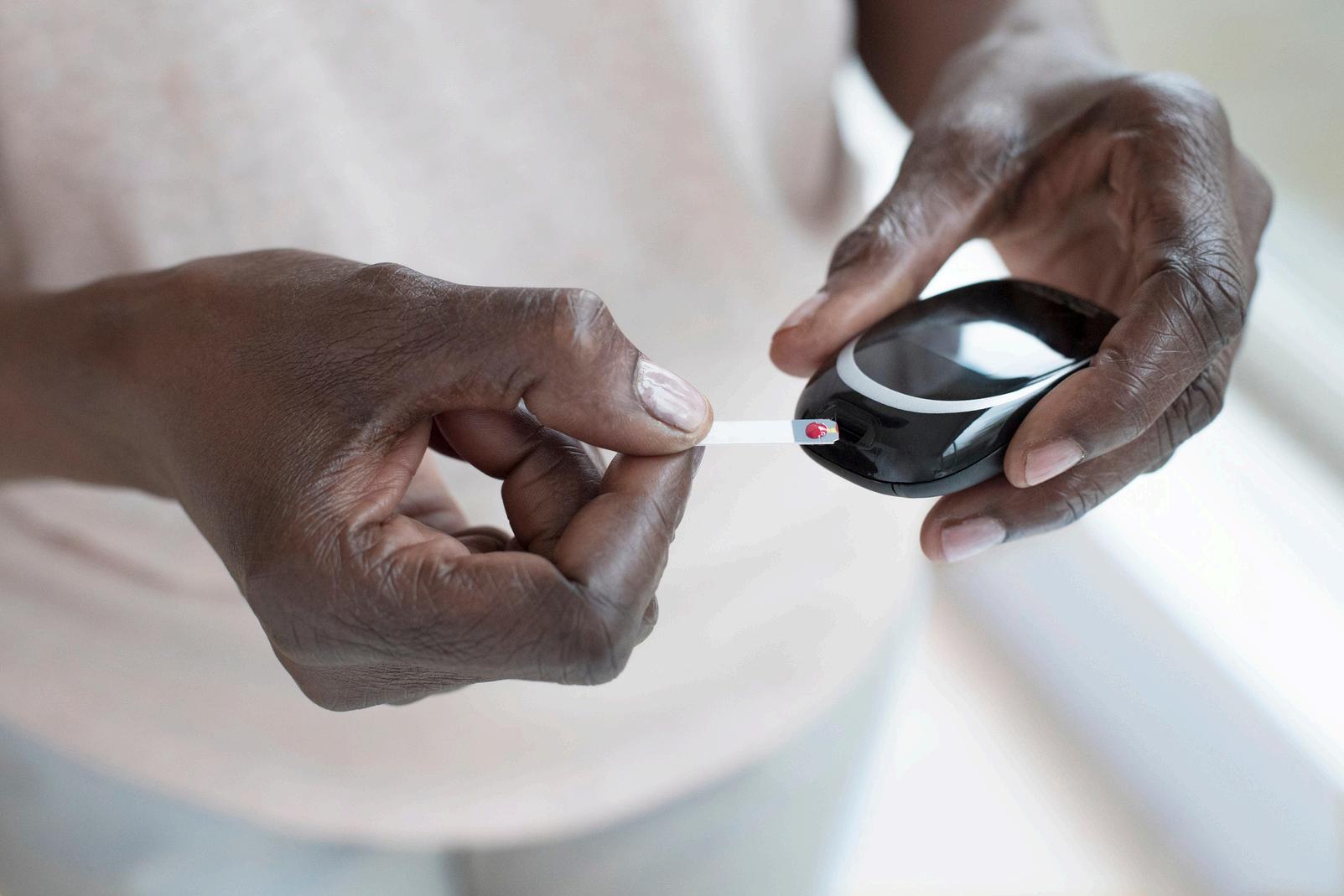
A study investigated the phenotype of diabetes in children and young adults across Cameroon, Uganda, and South Africa, challenging the assumption that most cases are autoimmune type 1 diabetes, as typically assumed in young patients.
Published in Lancet Diabetes and Endocrinology, the ‘Young-Onset Diabetes in sub-Saharan Africa (YODA) study’ enrolled 894 Black African individuals under the age of 30 years who had been clinically diagnosed with type 1 diabetes The main aim of the study was to determine how many participants had autoimmune type 1 diabetes, which has an earlier onset (childhood or adolescence) when compared to the more prevalent type 2 diabetes, which usually develops later in life. Type 1 diabetes is treated with exogenous insulin due to the severe insulin deficiency caused by the destruction of the insulin-secreting β-cells within the islets of Langerhans of the pancreas
Auto-immune induced diabetes
Tests revealed that 65.1% were autoantibody-negative, suggesting that most have a non-autoimmune form of diabetes “The presence of different diabetes types means that a one-size-fits-all approach to treatment may not work, and the clinicians need to consider alternative diabetes subtypes when diagnosing and planning treatment for the children and young adults of African ancestry,” explains Dr Dhriti Sengupta, Researcher at the Sydney Brenner Institute for Molecular Bioscience (SBIMB)
All the type 1 diabetics in the study were receiving insulin therapy Furthermore, Fellow Wits researcher and co-author, Professor Nigel Crowther, says that those who were autoantibody-negative had higher levels of C-peptide, a good measure of insulin secretory capacity. It is therefore feasible that these participants may require lower insulin doses than those who were autoantibody positive.
When comparing their data to that from the SEARCH for Diabetes in Youth study, in the United States, the nonautoimmune subtype of the disease was also observed in African Americans, but not in white type 1 diabetic participants below the age of 20 years.
Sengupta says this highlights that ethnic and environmental factors may play a significant role and that these findings “question the long-held assumption that insulin-dependent diabetes in young people is predominantly autoimmune”.
Malnutrition-associated diabetes has been welldocumented in Africa and other populations. Although the YODA study did not find a link between diabetes and malnutrition among its participants, other studies have linked poverty as a common risk factor for delayed development and diabetes endemic among young African individuals.
The YODA study shows that not all young people in subSaharan Africa who are diagnosed with type 1 diabetes have the same form of the disease. Primary health providers should consider alternative diabetes subtypes when diagnosing young and older African patients
“Thus, it is possible that older patients who are lean and insulin-deficient may also have this form of nonautoimmune type 1 diabetes but have been misdiagnosed with type 2 diabetes,” says Crowther Making subtype classification before treatment is crucial Regular monitoring is important, as early intervention improves long-term outcomes. Read the full study
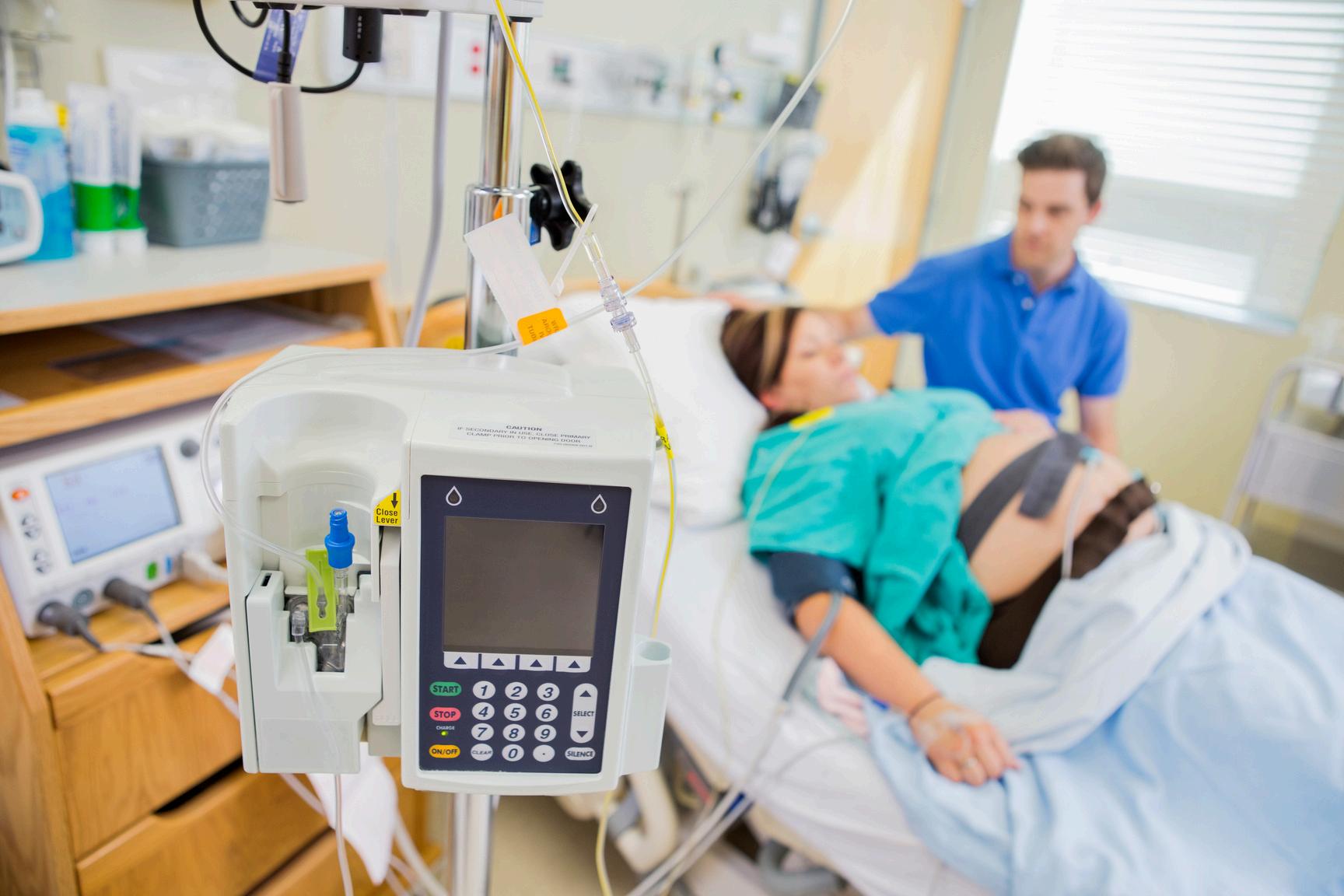
Wits researchers involved: Justus Hofmeyr
Although effective treatments exist, postpartum haemorrhage (bleeding after giving birth) remains a leading cause of maternal mortality. The main reason for this is that women at risk of this complication are not identified early enough to ensure adequate intervention that could be lifesaving. Because of the lack of large-scale studies from diverse populations, there is no consensus on how to identify women at risk of postpartum haemorrhage.
To address this need, a global study published in The Lancet in October 2025, titled ‘Prognostic accuracy of clinical markers of postpartum bleeding in predicting maternal mortality or severe morbidity: a WHO individual participant data meta-analysis' led by the World Health Organization (WHO) analysed individual participant data from over 300,000 women across 23 countries to assess the prognostic accuracy of various clinical markers in predicting maternal death or severe morbidity following childbirth The study showed that traditional clinical thresholds for postpartum haemorrhage may not be sensitive enough for predicting life-threatening maternal outcomes
In the study, the thresholds of five key clinical indicators, including measured blood loss, pulse rate, systolic and diastolic blood pressure, and the shock index (pulse divided by systolic blood pressure), were used to assess the sensitivity of these markers in predicting adverse maternal death or severe morbidity Traditionally, postpartum haemorrhage has been diagnosed when a woman loses 500 mL or more of
blood after giving birth However, this study suggests that waiting for blood loss to reach this threshold may be too late to protect mothers at risk
To determine a new acceptable blood loss threshold, researchers lowered the threshold to 300 mL, which improved the identification of women who will progress to experience maternal death or severe morbidity due to postpartum haemorrhage. However, this reduced the risk factor for women who will not experience severe outcomes from 81% at the historical threshold to 54%. This trade-off highlights the importance of balancing early detection with diagnostic precision.
When assessing vital signs alone, they were less reliable as markers, as only one met the WHO’s optimal criteria of over 80% sensitivity and at least 50% specificity when used in isolation.
Combined approach for better prediction
The researchers suggest that the lower blood-loss threshold, combined with early warning signs such as an abnormal pulse, blood pressure, or shock index, is far better at identifying women in danger of severe illness or death. These vital signs are already part of widely used maternal early-warning systems, so incorporating the new criteria could be relatively easy in many facilities.
The combined approach improves early detection, especially after vaginal births, allowing clinicians to identify and treat postpartum haemorrhage earlier. This will potentially reduce maternal mortality, especially in low-resource settings where delays in care can be fatal.
However, it is likely to increase the number of diagnoses of postpartum haemorrhage, particularly in hospitals that are newly adopting more accurate methods for measuring blood loss or managing caesarean births. This shift will have resource implications, including training demands and changes to clinical workflow, but the potential benefits for maternal survival are significant
Wits Researchers involved: Shabir Madhi
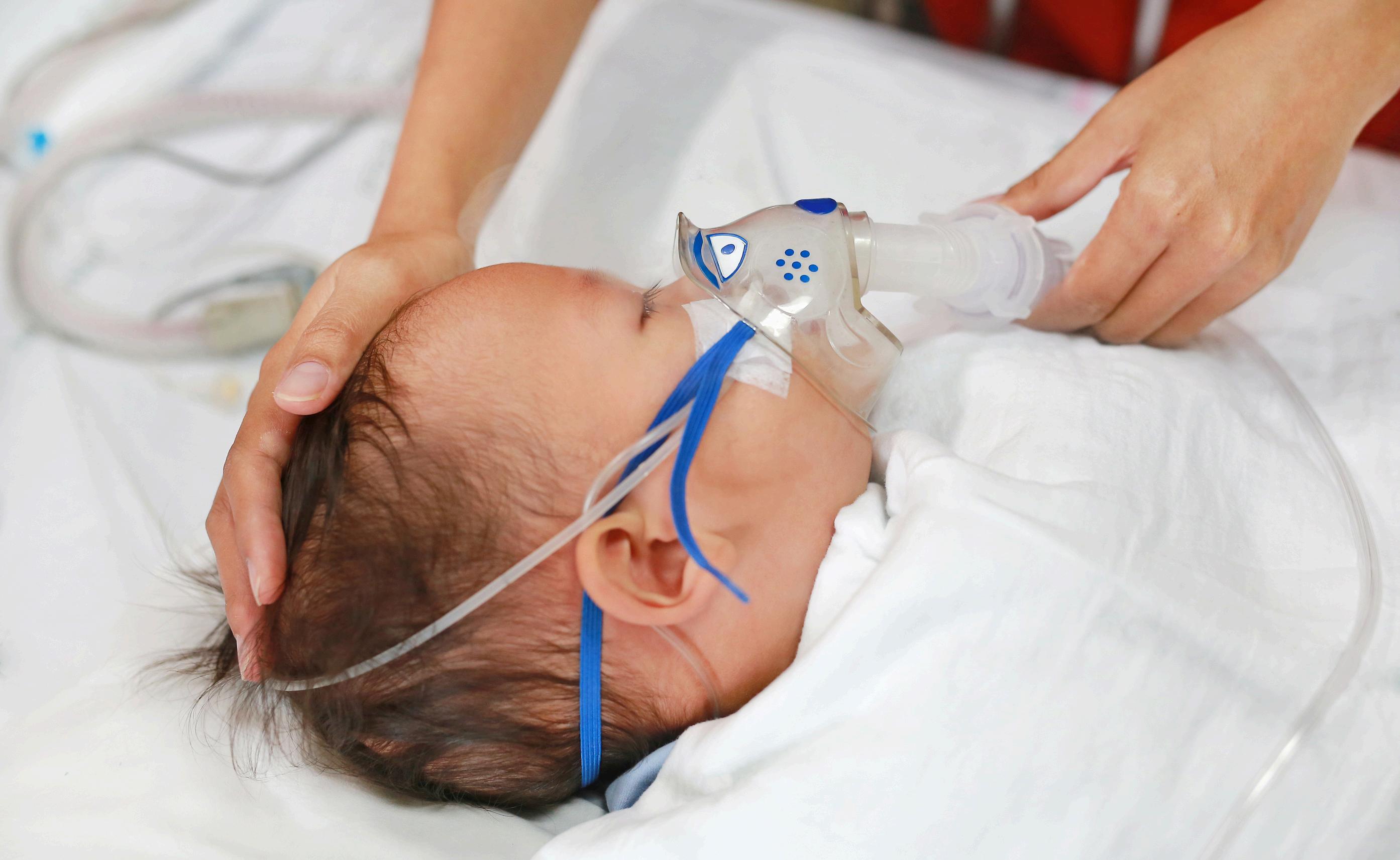
Every year, millions of babies around the world face a dangerous threat: respiratory syncytial virus (RSV). RSV is the most common cause of hospitalisation of children in South Africa and globally. This common virus, which causes an epidemic each year in South Africa between February and June, causes severe lung infections, sending more than three million infants to hospitals annually. While premature babies are especially vulnerable, most hospitalisations happen in healthy, full-term infants during their first six months of life.
Although several licensed therapeutic inventions such as Nirsevimab (a monoclonal antibody) and maternal RSV vaccines are currently available, the incidence remains high Therefore additional strategies to reduce the disease burden are needed.
Recently, a new breakthrough therapy Clesrovimab (another long acting monoclonal antibody) have been developed, which is designed to shield babies from RSV with just one injection per season. The study, ‘Clesrovimab for Prevention of RSV Disease in Healthy Infants’, was published in The New England Journal of Medicine in October.
A dose per season keeps babies protected In a large international study involving over 3,600 infants, scientists tested whether a single dose of Clesrovimab could prevent RSV infections.
Participants were between three and six months old The results were striking Among babies who received Clesrovimab, only 2.6% developed RSV-related lung infections, reducing the risk by 60%. Protection lasted for at least six months, the length of a typical RSV season, and was against severe illness
Rolling out Clesrovimab globally could have a transformative impact on infant health. RSV is a leading cause of hospitalisation in babies under one year, with the highest burden in low- and middleincome countries (LMIC) where access to intensive care is limited. “Real-world experience with the first long-acting monoclonal antibody (Nirsevimab), to be licensed, has demonstrated a reduction of 80% and above for RSV hospitalisation in children who received it,” says Professor Madhi, Wits vaccinologist and contributing researcher to the study He adds that the same would now be expected of Clesrovimab but stresses that it would only be possible if “provided that it is affordable and accessible to where most of the RSV burden exists”
Beyond clinical benefits, widespread use of interventions against RSV in infants could alleviate emotional and financial stress for families. “The public health value, especially in LMIC, of the recent licensed interventions against RSV will only materialise should the intervention be more accessible and equitable worldwide,” he explains.
Read the full study and article here
In neuroscience, synapses connect nerve cells to enable thought, memory, and movement Similarly, communities thrive when care, mentorship, and solidarity create networks of support. High readmission rates in psychiatric hospitals show that treatment alone is not enough, community care is essential
“Mental health remains a global challenge In Africa, countless cases go undiagnosed or underdiagnosed, and access to appropriate care is far from optimal,” noted Professor Aletta Millen, Faculty of Health Sciences Assistant Dean for Research She says addressing systemic barriers, cultural perceptions, and resource limitations are essential to transformative action.
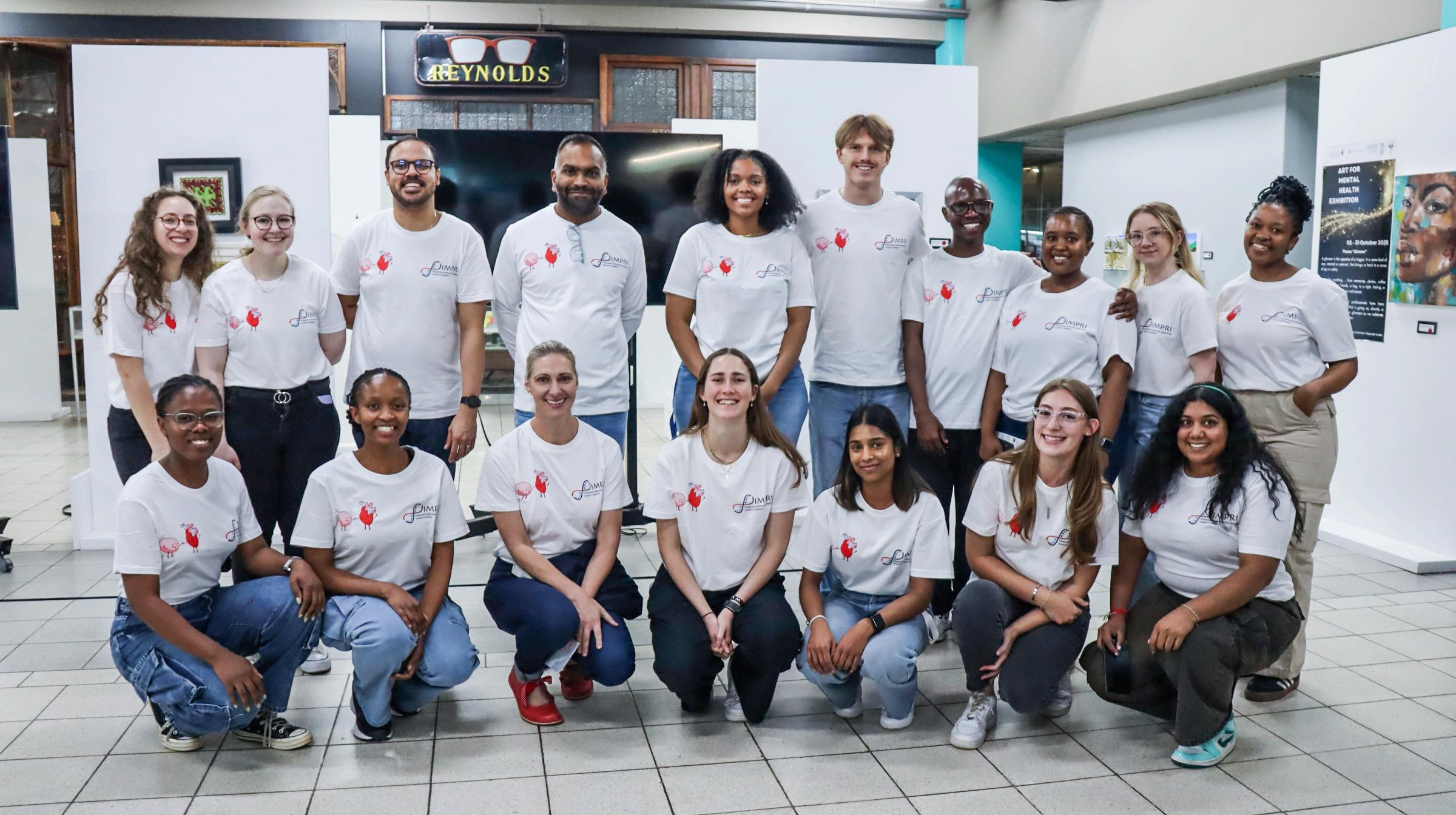
On 29 October 2025, in honour of Mental Health Awareness Month, the Faculty of Health Sciences hosted its first Mental Health and Neuroscience Fair, featuring mental health research focused presentations and stimulating activities.
The fair centered around mental health research to encourage collaboration among scientists in the faculty By breaking down silos between clinicians, scientists and public health specialists, the event fostered stronger networks capable of securing funding and ensuring impactful research
The event organiser, Professor Sooraj Baijnath, explained that the theme for the fair, ‘Synapses of Support’, showcases research in ways that allow audiences to engage “The idea was to give researchers in the faculty an opportunity to showcase their work, by providing different stations of activities where people could interact, discuss ideas and show the translational relevance for the community,” he said.
The highlights of the day included mapping the neuro circuit of emotion, exploring the gut brain axis (a system where gut microbes, nerves, and hormones influence both physical health and mental wellbeing), and using big data to redefine diagnosis and treatment More than research, the day was about community, networking, and collaborating to address South Africa’s pressing health challenges.
The five-minute-long “pop-up” presentations spanned various disciplines, demonstrating the complexity of mental health. From policy translation to treatment‑resistant depression. They also explored topics like innovations in neuropsychopharmacology, advanced drug delivery, and neurodegeneration Other sessions highlighted students’ mental health, linking some cases to childhood traumas and vulnerabilities.
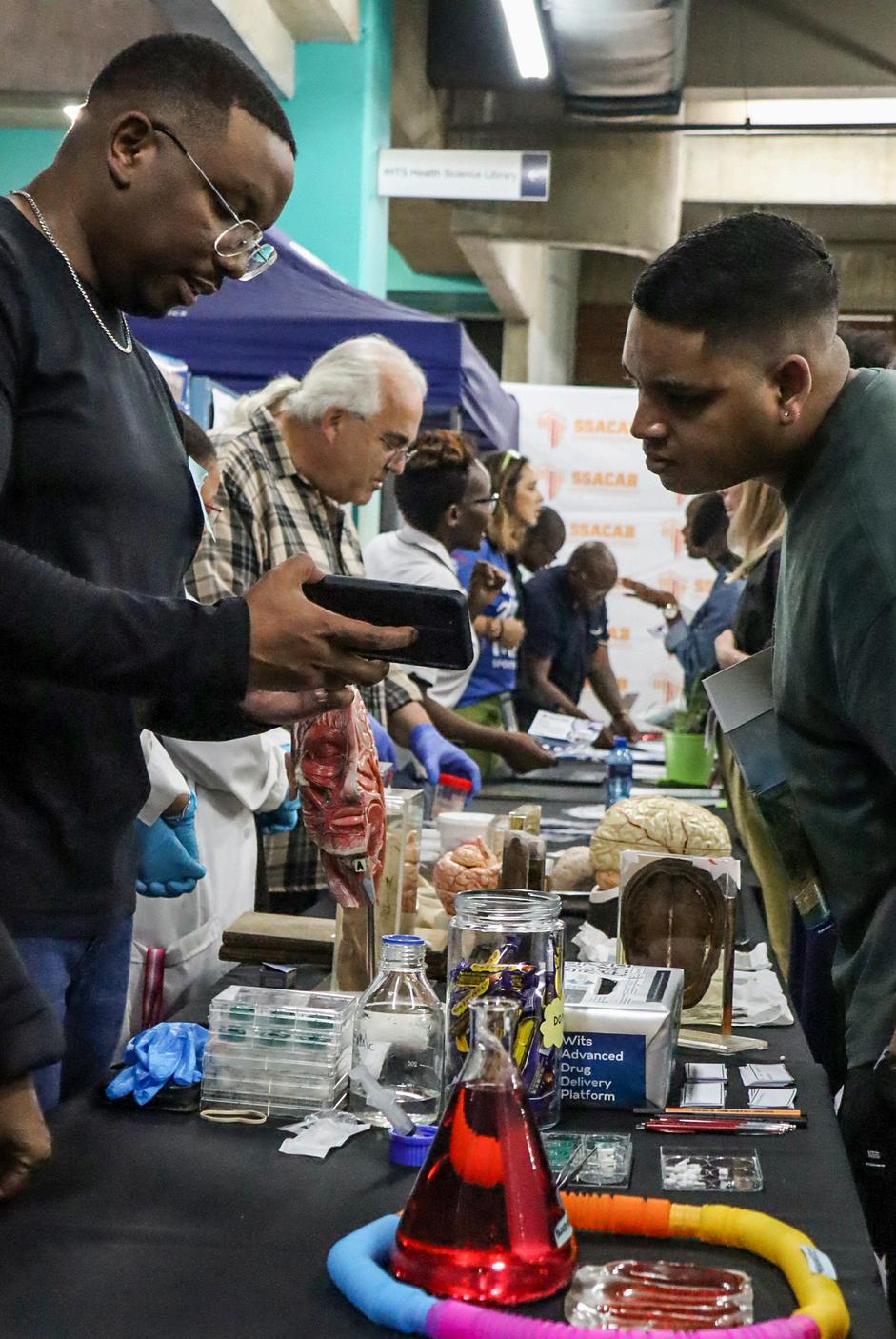
Stalls showcasing ongoing within the Faculty of Health Sciences and its research entities
Professor Paul Manger, Research Professor at the Department of Anatomical Sciences, presented on the BRICS Neurosciences Society, which aims to establish a lab in each BRICS-affiliated country. Neuroscience is the study of the brain’s structure and function, including thoughts, emotions, and behaviours
“We’re now drawing up documents between the governments across the BRICS countries and we’re hoping that next year we could start with phase one which is establishing the BRICS Neurosciences consortium which are five national key laboratories One in each BRIC country,” explains Manger
This initiative has the potential to put the spotlight on the universal surge in mental health diseases and disorders “In the last 30 to 40 years, not a single neurological disease has been cured. Despite the amount of work done on so many different things. So, we thought we’re going to try something new.”
Set to begin in 2027, the program will offer funding opportunities to support pioneering research advancing mental health treatments.
Up to 50 student, post-doctoral and staff travel fellowships will be awarded each year, with a total annual investment of $USD 500,000
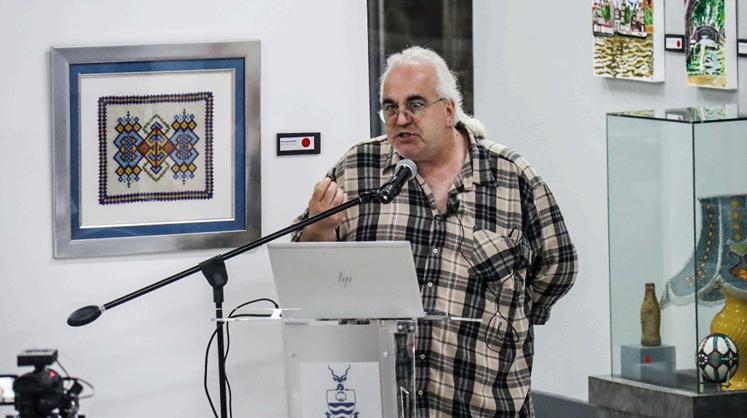
Professor Paul Manger presenting the BRICS Neurosciences consortium initiative
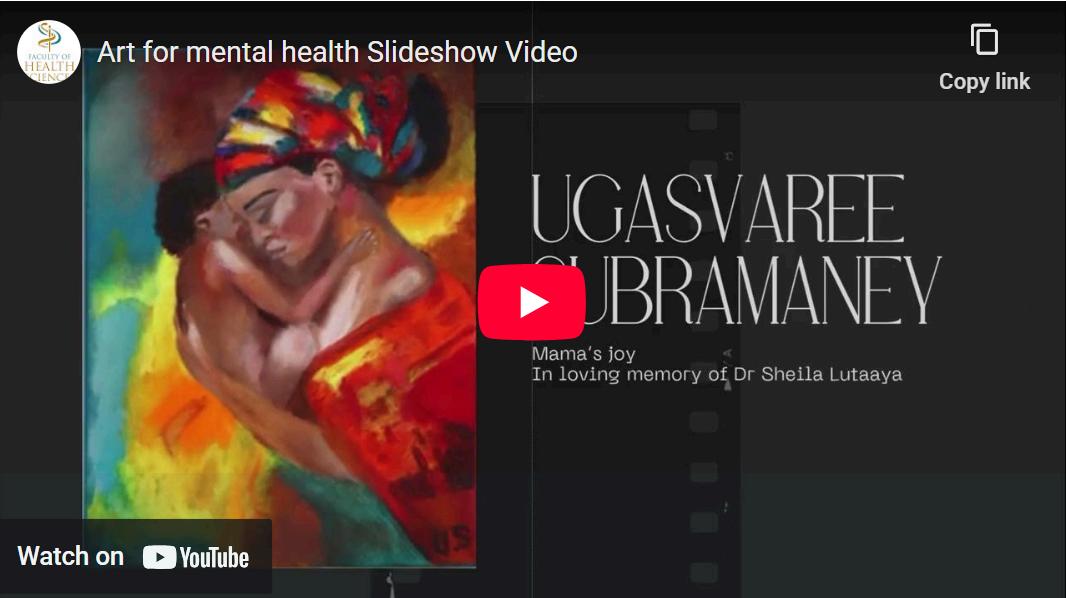
The fair was enriched by the Art for Mental Health Exhibition, which showcased artwork by faculty staff, students and alumni. This annual exhibition runs throughout October to observe Mental Health Month. This year’s exhibition was themed ‘Glimmer’ – the opposite of a trigger It comprised a cultural gallery of students' paintings, music, and photography, reminding us that mental health can be created both clinically and through creative therapy.
In conclusion, the inaugural Mental Health and Neuroscience Fair demonstrated that science and community are strongest when they connect The fair not only showcased groundbreaking innovations but also fostered dialogue, cultural expression, and support networks

In South Africa, projections suggest that more than one million people will live with dementia in the upcoming decades. This is roughly the entire population of the Eastern Cape’s Nelson Mandela Bay.
Indeed, by 2050, Africa as a whole will be at the frontline of increasing neurodegenerative challenges with an older population growing at an unprecedented rate.
In light of this significant health concern pressing on already constrained health systems, Professor Stephen Tollman, the Director of the SAMRC/Wits Rural Health Transitions Unit (Agincourt), was invited to serve on the Africa Task Force on Brain Health established by the Davos Alzheimer’s Collaborative.
The collaborative has published an article in the prestigious journal Nature Medicine connecting brain health with economic resilience
Significantly, an ambitious yet practical five-year framework (the 6x5 plan) will accelerate Africa’s preparedness
“Brain health runs through every stage of life and every sector of society,” says Tollman “It connects health, education, equity, and opportunity. If we integrate it into what Africa is already doing well, we can protect our ageing citizens and sustain our economies ”
Dementia is caused by brain changes that damage and eventually kill nerve cells. In Alzheimer’s disease, this
includes abnormal protein build-up that disrupts communication between cells and leads to brain shrinkage.
Early signs include memory lapses, word-finding difficulties and disorientation, progressing to impaired reasoning, personality changes and loss of recognition
The 6x5 plan to strengthen Africa’s preparedness “We stand at a decisive moment Brain health is not just about the well-being of older people but also about their growth and development when they are much younger. Indeed, brain health is critical to the economic and social prosperity of society as a whole. In later life, a person’s cognitive decline, which is a product of cumulative health and social challenges along the life course, affects everyone: families, households and the workplace,” says Tollman.
“Africa can realise this plan, using much of what it already has,” says Tollman.
The 6x5 plan identifies six immediate priorities for the continent to pursue over the next five years, with task forces established to drive progress The six working groups, aligned with the priorities, comprise experts from across Africa’s five geopolitical regions and are multilevel and multisectoral.
Brain health is shaped across the life course
Fast-transitioning settings, including AgincourtBushbuckridge, witness rising hypertension, diabetes, stroke and kidney disease. These are risk factors for dementias but also occur alongside them Notably, the unit’s research shows that brain health is shaped across the life course, beginning with maternal, infant and child health, strengthened by education, supported by mental well-being in adolescence and adulthood, protected through risk reduction in midlife, and sustained by care and support in later life
The 6x5 plan provides a practical roadmap for the next five years. The Davos Alzheimer’s Collaborative notes that Africa has the evidence, the infrastructure, and the partnerships to act With coordinated effort, ageing can become a source of resilience rather than vulnerability, and Africa can lead the world in innovative, communitydriven approaches to brain health.
HIV significantly affects sleep, with many affected people living in a state akin to chronic jet lag.

A new study with Wits researchers published in The Lancet HIV describes how People living with HIV (PLWHIV) experience higher rates of sleep issues even when virally suppressed, which has been associated with a higher risk for heart disease, depression and cognitive decline
“Sleep is the missing vital sign in HIV care,” say Professors Xavier Gómez-Olivé and Karine Scheuermaier, the Wits contributing authors to the study Despite how common poor sleep in PLWHIV is, most healthcare providers don’t routinely ask patients about their sleep, leaving a major gap in care that affects daily function and long-term health. Moreover, PLWHIV do not always raise the issue of sleeping difficulties
The researchers call for sleep equity and the treatment of healthy sleep as a fundamental health right, not a luxury
“We routinely check viral load and blood pressure, but not whether our patients are sleeping Poor sleep undermines everything else. This includes immunity, cognition, mental health, and treatment adherence,” explains Gómez-Olivé, associate professor at the SAMRC/Wits Rural Public Health and Health
Transitions Research Unit (Agincourt).
In The Lancet HIV study, authors recommend a resource-aware, contextually relevant framework to help clinicians recognise and manage sleep problems early
hidden burden of disordered sleep
In rural Bushbuckridge, 500km northeast of Johannesburg and bordering the Kruger National Park, Gómez-Olivé’s team measured body-clock rhythms in adults with and without HIV Both groups went to bed and woke up at similar times, yet PLWHIV showed delayed biological clocks with a potential effect on sleep quality.
Roughly 60 percent of people living with HIV reported non-restorative sleep, a figure far above that in the general population Most of these cases do not meet the formal diagnostic thresholds of insomnia or obstructive sleep apnoea, so they remain invisible in clinic records
The Lancet HIV review identifies three interacting causes of disordered sleep in the study population, namely inflammation and immune activation, treatment side effects and circadian misalignment The latter is because HIV-related proteins, such as Tat, may delay the circadian clock
The authors propose a practical pathway that any healthcare provider can apply, even outside specialised sleep clinics It begins with a single question: “Have you had trouble falling or staying asleep, or felt unusually sleepy during the day?”
From there, clinicians can follow four key steps. First, they should screen for sleep-related issues using brief tools such as the Pittsburgh Sleep Quality Index (PSQI), the Insomnia Severity Index (ISI), or the STOP-BANG questionnaire to assess the risk of sleep apnoea. Next, it is important to identify and address modifiable factors, such as depression, pain, substance use, antiretroviral therapy (ART) side effects, and environmental stressors, before making a formal diagnosis of a sleep disorder

for example. Humans will always provide the necessary quality.”
Therefore, human-led expertise, and particularly, AI trained on African-specific data, was central to the prestigious lecture’s overall message Professor Collen Masimirembwa, Senior Scientist at the Sydney Brenner Institute for Molecular Bioscience at Wits, who also presented at the lecture, reminded the audience that should AI be meaningfully used in healthcare, data reflecting African biology, epidemiology and treatment responses are critical.
In the near future, people, pharmacists and employers won’t need to decipher difficult-to-read doctors’ scripts and sick notes.
An ambient scribe, an AI tool that listens in on a medical consultation and automatically generates a written document, could also cut hours of administrative work, ease doctors’ burnout, and redirect more time to actual patient care This was relayed by Professor Bruce Bassett, AI Chair at the Wits Machine Intelligence and Neural Discovery (MIND) Institute, who presented at the Wits Faculty of Health Sciences’ 2025 Prestigious Research Lecture, “From Data to Diagnosis: Rethinking Medicine in the Age of AI.”
There’s little doubt that AI is reshaping medicine, but pertinent questions and challenges remain, including reliability and ethics. Encouragingly, human expertise and locally-generated data remain at the centre of any meaningful healthcare interaction.
“Tools such as the ambient scribe are only as reliable as the data that feeds them The adage ‘garbage in, garbage out,’ will continue to be true,” said Professor Bassett. He explained that flawed or incomplete data can lead to misdiagnosis, biased treatments and inappropriate treatment.
“AI can’t compensate for the absence of African genomic information or inconsistent health records,
“Africa has the highest genomic diversity in the world, but remains underrepresented in global medical datasets. African populations have about 200 times more genetic variation than Europeans, but diagnostic tools, risk scores and pharmacogenetic studies are based on non-African data,”
explained Professor Masimirembwa.
He has done extensive work on the antiretroviral drug, efavirenz (EFV). When African patients took the standard 600 mg dose of EFV, they reported neuropsychiatric symptoms, including increased suicidal thoughts. Professor Masimirembwa found that patients from Zimbabwe and Botswana carried a gene variant that increases EFV metabolism, making the standard dose (tested in non-African populations) toxic Indeed, genomic studies in Botswana showed that 13.5% of the population would not benefit from EFV-based therapies at all.
“Lower genomically guided doses at 400mg led to increased treatment compliance and better HIV viral control. These results have profound impacts on national HIV policies. Indeed, Botswana shifted to dolutegravirbased regimes,” said Professor Masimirembwa
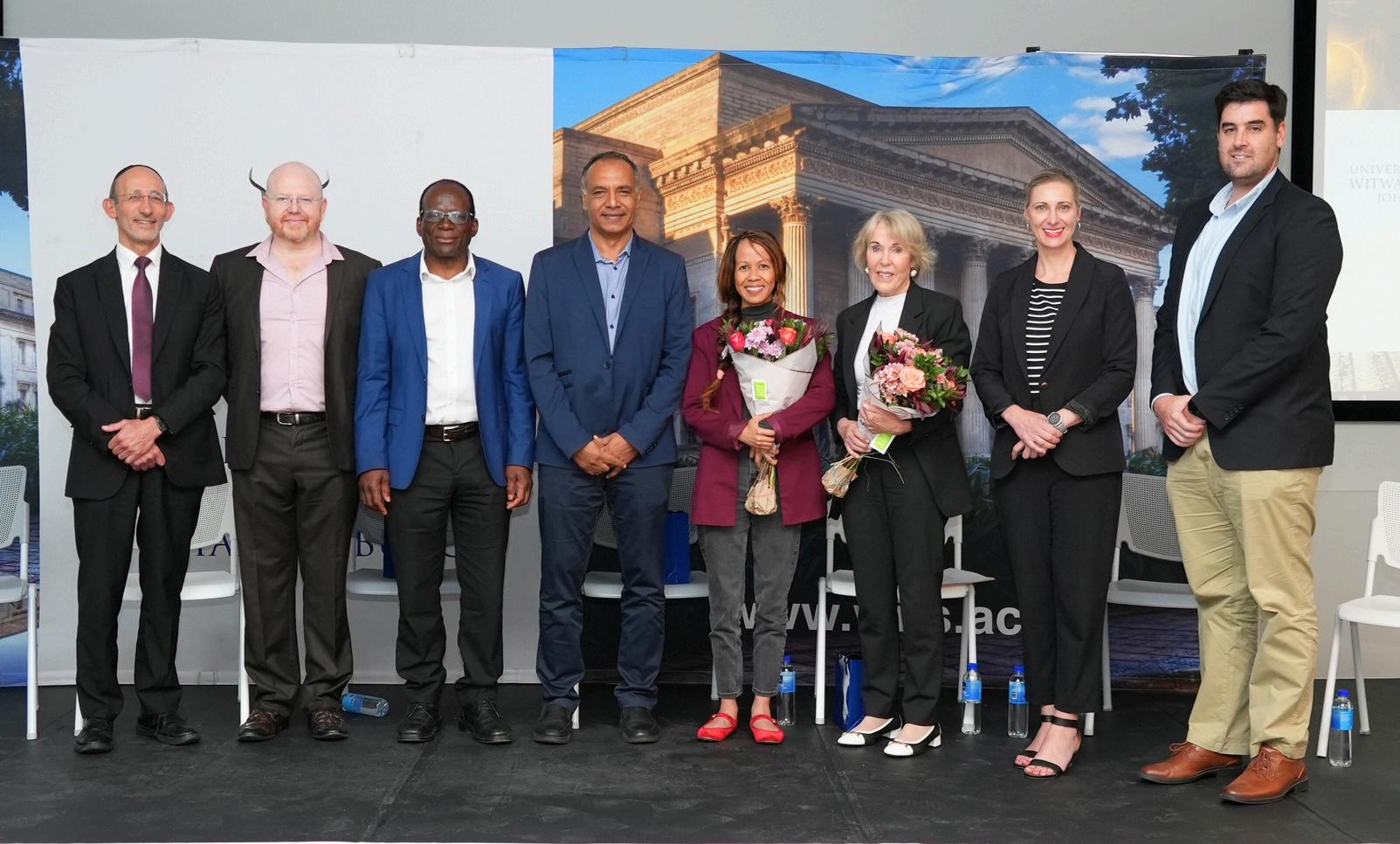
The presentations were further deliberated on during a panel discussion chaired by Professor Helen Rees, the executive director of Wits RHI Panellists included Dr Maurice Goodman, Discovery Health’s Chief Medical Officer, Dr Scott Mahoney, Senior Programme Officer for AI and Health at the Gates Foundation and Dr Aisha Pandor, co-founder and CEO of Pandora Health. Read the full article
In the lead-up to the G20 Health Ministerial meetings in Polokwane, Wits Reproductive Health and HIV Institute (Wits RHI) had the privilege of hosting two high-profile international delegations, underscoring the institute’s role as a global leader in health research and innovation
On 5 November 2025, Professor Helen Rees, the founder and Executive Director of Wits RHI, welcomed the United Kingdom (UK) Health Minister, Zubir Ahmed, accompanied by senior officials from the UK Department of Health and Social Care, as well as representatives of the British High Commission Shortly thereafter, a second delegation from the South Korean Ministry of Health and Welfare, led by Second Vice Minister Hyunghoon Lee, visited the institute
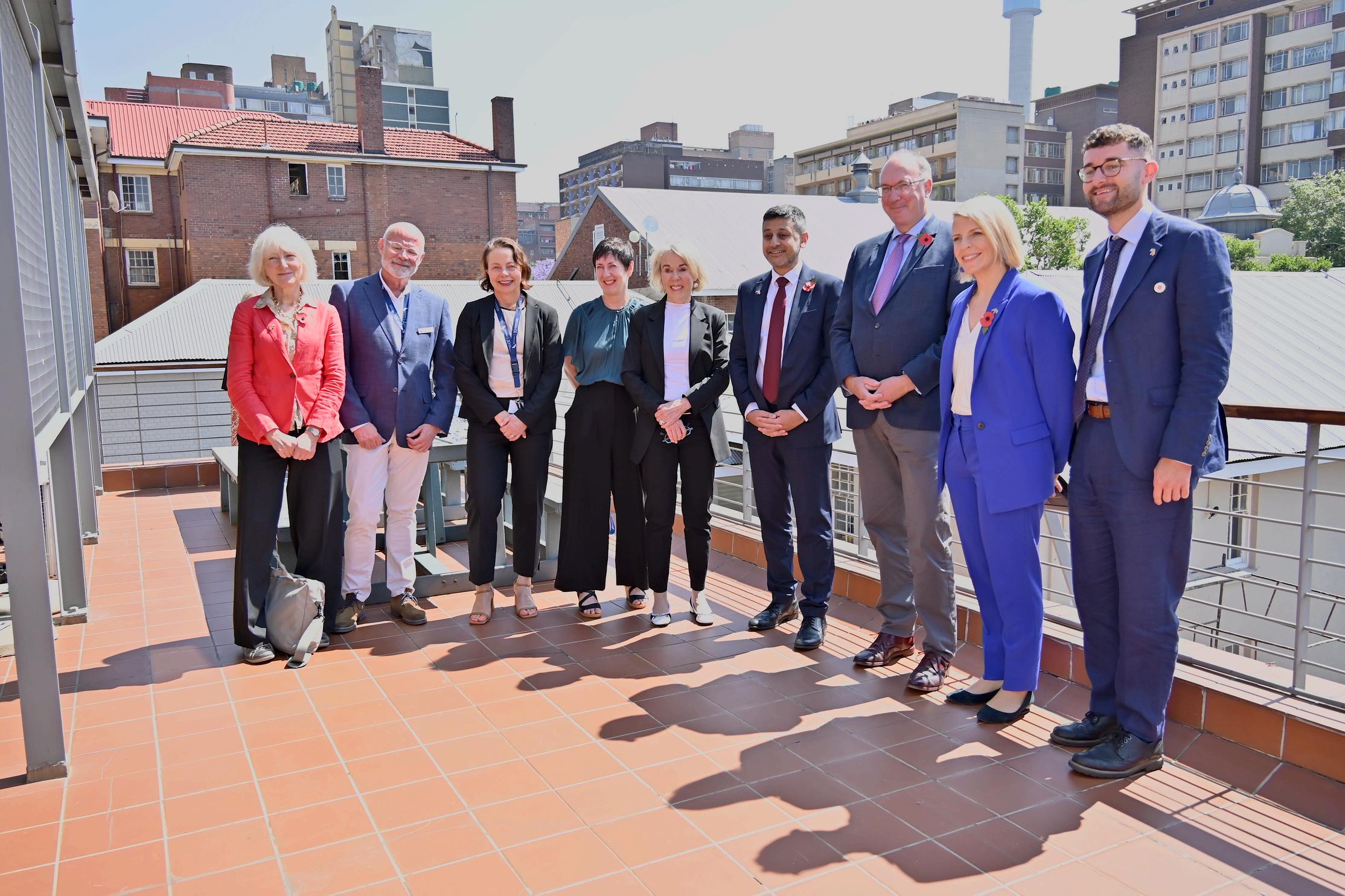
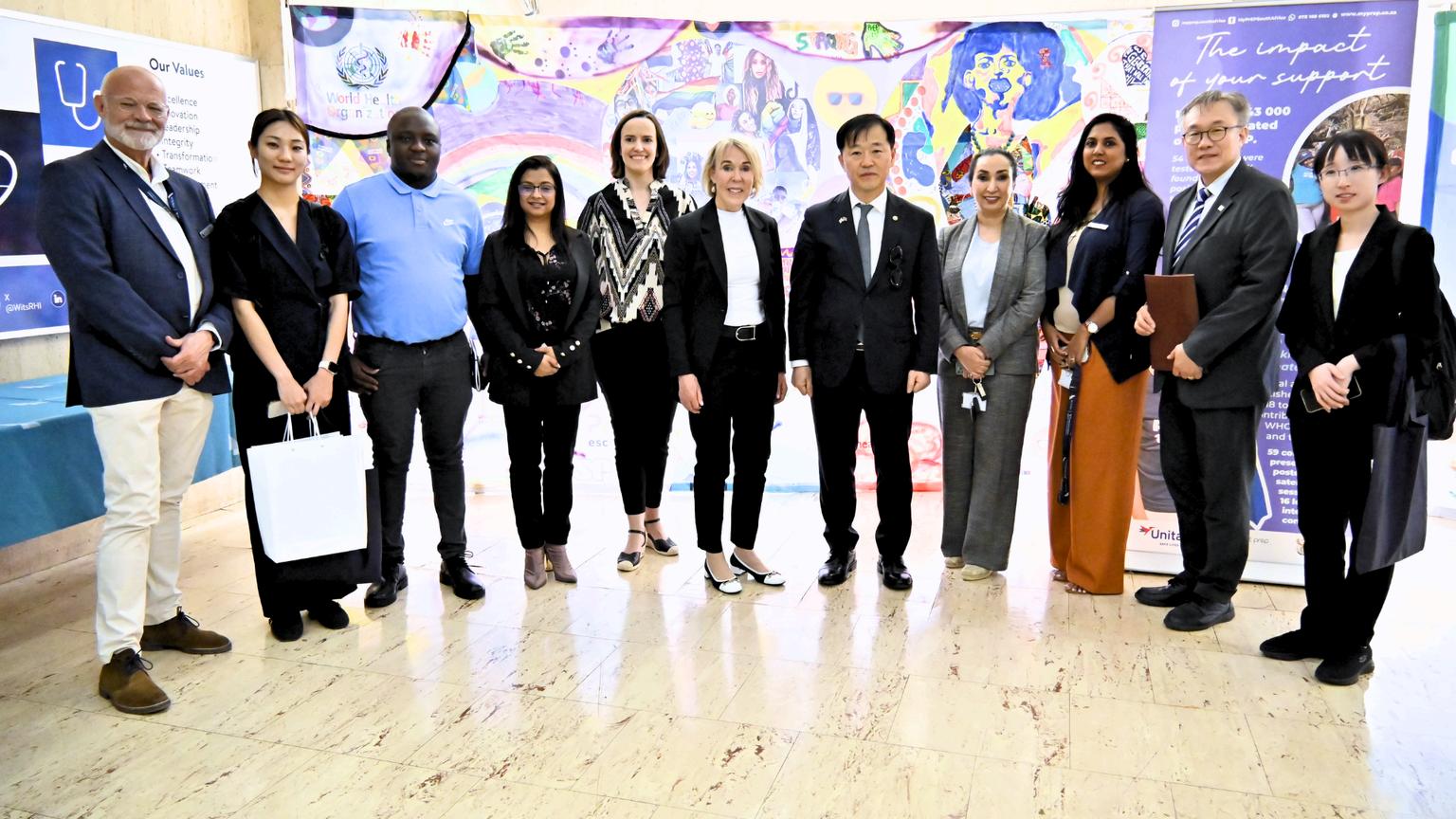
These visits provided an opportunity to showcase Wits RHI’s research capacity and its commitment to delivering healthcare in some of the most challenging environments Delegates were given insight into how the institute ensures that the most vulnerable populations often the poorest of the poor gain access to free, quality healthcare services. This work remains central to Wits RHI’s mission to advance health equity and combat HIV, TB, and other pressing health issues.
The Health Economics and Epidemiology Research Office (HE2RO) is proud to have contributed to the newly launched Lancet Series on Innovations in Sexual & Reproductive Health (SRH) This landmark series brings together global expertise to address pressing challenges and opportunities in SRH.
The paper, “Who pays, and what pays off, in SRH”, provides a rapid review of the cost and costeffectiveness of SRH interventions. HE2RO researchers Associate Professor Gesine Meyer-Rath, Dr Lise Jamieson, and the HE2RO team explore the future funding implications for these essential services.
Sexual and reproductive health interventions are among the most cost-effective health interventions worldwide. Yet, they face severe funding constraints
These include HIV and STI prevention, contraceptive services, and abortion care
In 2023, approximately US$35 billion was spent across low- and middle-income countries, falling short of the US$52 billion needed annually. Donor funding, which supports HIV treatment and contraceptive commodities, has declined since 2017, with major cuts in 2025 following the discontinuation of USAID funding
The paper highlights that cost-effectiveness improves when interventions expand the eligible population group, coverage, uptake, and demand. This can be achieved through community provision, integrated programming, and earlier care initiation Read the full article
Vaccines can prevent serious illness, disability, and death from diseases such as measles, polio, pneumococcal disease and rotavirus. On the African continent, an increase in vaccine coverage has reduced infant mortality by half and, according to the World Health Organization (WHO), saves 800 000 lives every year.
Appearing on the Sabin Institute podcast “Getting to Zero”, hosted by Dr Nginache Nampota-Nkomba, recipient of the 2021 Sabin Rising Star award, Professor Shabir Madhi discussed the successes and challenges in vaccinology on the African continent and future opportunities
Prof Madhi, Dean of the Faculty of Health Sciences and Director of the Vaccines and Infectious Disease Analytics (Wits VIDA), said, “I think we have very much of a success story over the past decade or so when it comes to confidence around vaccines and [their] uptake ”
Despite these accomplishments, he noted multiple challenges that vary by country, including vaccine stock-outs, limited access to basic health facilities, and migration and civil unrest He says the COVID-19 pandemic highlighted Africa’s dependency on external vaccine procurement
To ensure access to existing and new vaccines, Prof Madhi said, “For us to make that leap, it requires African governments to take greater ownership of the immunisation programs But in addition to that, governments need to become much more involved in the actual procurement of vaccines. We do recognise
that there are resource constraints across many African countries, and there’s a need for prioritisation ”
Prof Madhi highlighted that vaccination is one of the most cost-effective health interventions that contributes to lifelong health in a population. “When you're investing a dollar, [their] return to economies to $20.00. From a financial perspective, it's a no-brainer that governments need to invest in ensuring a
healthy population, which leads to healthy children, and which leads to productive individuals later in life. So for me, one of the big issues is government needs to take on greater responsibility ”
Describing academic institutions across Africa as “pockets of excellence”, he emphasised the need for governments to consciously support research and development at these institutions by allocating funding for researchers, be it for vaccinology or research in general.
Lessons from the COVID-19 pandemic, a crucial period for the field of vaccinology, were also discussed Over the past two decades, scientists have been involved in vaccine research on various diseases such as respiratory viruses and HIV across the continent This experience and expertise, combined with their participation in collaborative research networks, enabled them to address the crisis. For example, Wits VIDA conducted clinical trials in South Africa for two COVID-19 vaccines
When asked about the continent's priorities and future opportunities in vaccinology, he highlighted the need to first address the existing “major gaps” in basic research, vaccine development, and vaccine manufacturing. While “seedlings have been sown” for the local manufacturing of vaccines across the continent, the way forward requires increased investment in the people involved across the entire vaccinology value chain
Read full article
The Wits Faculty of Health Sciences is proud to have contributed to Radio 702's “The Series Edition” in October. This feature covered medical innovations and discoveries, which our experts shed light on.
Dr Aadilah Omar, Oncology researcher in the Department of Internal Medicine.
Associate Professor Ismail Kalla, Academic Head of Internal Medicine.
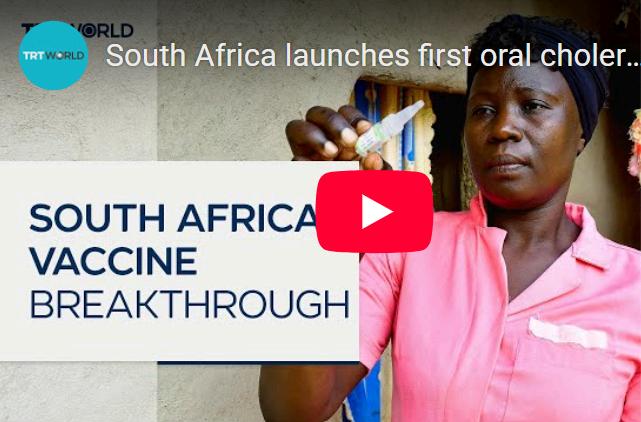
SA leads landmark trials in search for first oral cholera vaccine.
Speaking to the Cape Town Times, SAMRC Chief Scientific Officer and Wits Faculty of Health Sciences Distinguished Professor, Professor Glenda Gray, said “We are honoured to lead the clinical trials for the oral cholera vaccine, a historical landmark for our country and a vital step in strengthening our country’s ability to respond to infectious diseases ”
WATCH | Prof Gray calls trial a milestone: Africa’s first fully produced vaccine
Professor Shabir Madhi, Professor of Vaccinology and Director of the South African Medical Research Council Vaccines and Infectious Diseases Analytical Research Unit (VIDA).
READ | Amid all the noise, how well is SA’s immunisation programme actually doing?
EP 4 | Futuristic Healthcare in Africa
Associate Professor Zané Lombard, Head of Division for Human Genetics, spoke about the future of human genetics and precision medicine
John Perlman speaks with Professor Glenda Gray about the significance of establishing the WITS BioHub in Africa They discuss how it will bridge gaps in global health research and accelerate the development of vaccines, diagnostics, and treatments
South Africa’s immunisation programme has stagnated after major early gains, with coverage below WHO targets. Structural barriers, not vaccine hesitancy, drive low rates Wits Vaccinologist, Professor Shabir Madhi, calls for electronic tracking, better data, and targeted interventions to prevent outbreaks. Read the full article Spotlight
READ | Who should get the first doses of the twicea-year HIV prevention jab?
It could be in 360 clinics by February Health Minister, Aaron Motsoaledi, cites data from the Health Economics and Epidemiology Office (HE2RO) for modelling analysis Read the full article on Bhekisisa


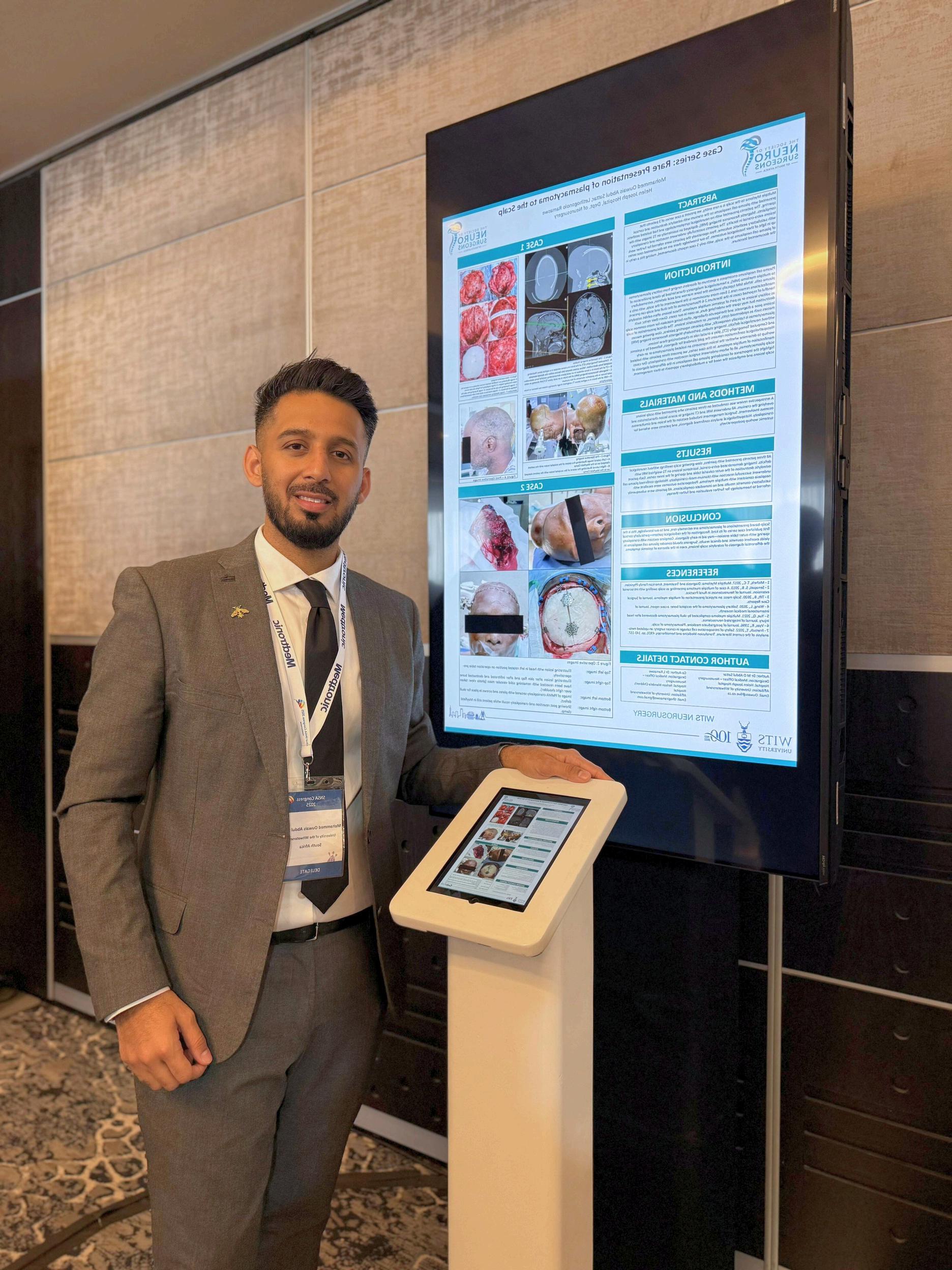
Congress in Dubai, where his abstract ranked among the Top 50 submissions from Africa
He says that representing South Africa and Africa at the WFNS Congress is both a privilege and a responsibility “I hope to share insights from our work and help showcase the quality and potential that exists within African neurosurgery,” adds Satter
Dr Mohammed Ouwais Abdul Sattar, Neurosurgical Registrar at Wits, has received the prestigious World Federation of Neurosurgical Societies (WFNS) Scholarship, awarded by THE Continental Association of African Neurosurgical Societies (CAANS.)
This scholarship will enable him to attend the WFNS
Notably, Satter was part of the pioneering team that performed Malawi’s first-ever endoscopic transsphenoidal brain surgery in 2023 This reaffirmed his commitment to strengthening neurosurgical services beyond borders. “Africa’s neurosurgical capacity will only grow if countries collaborate, share expertise, support one another with training, and contribute to building sustainable systems,” shares Satter
Read full article
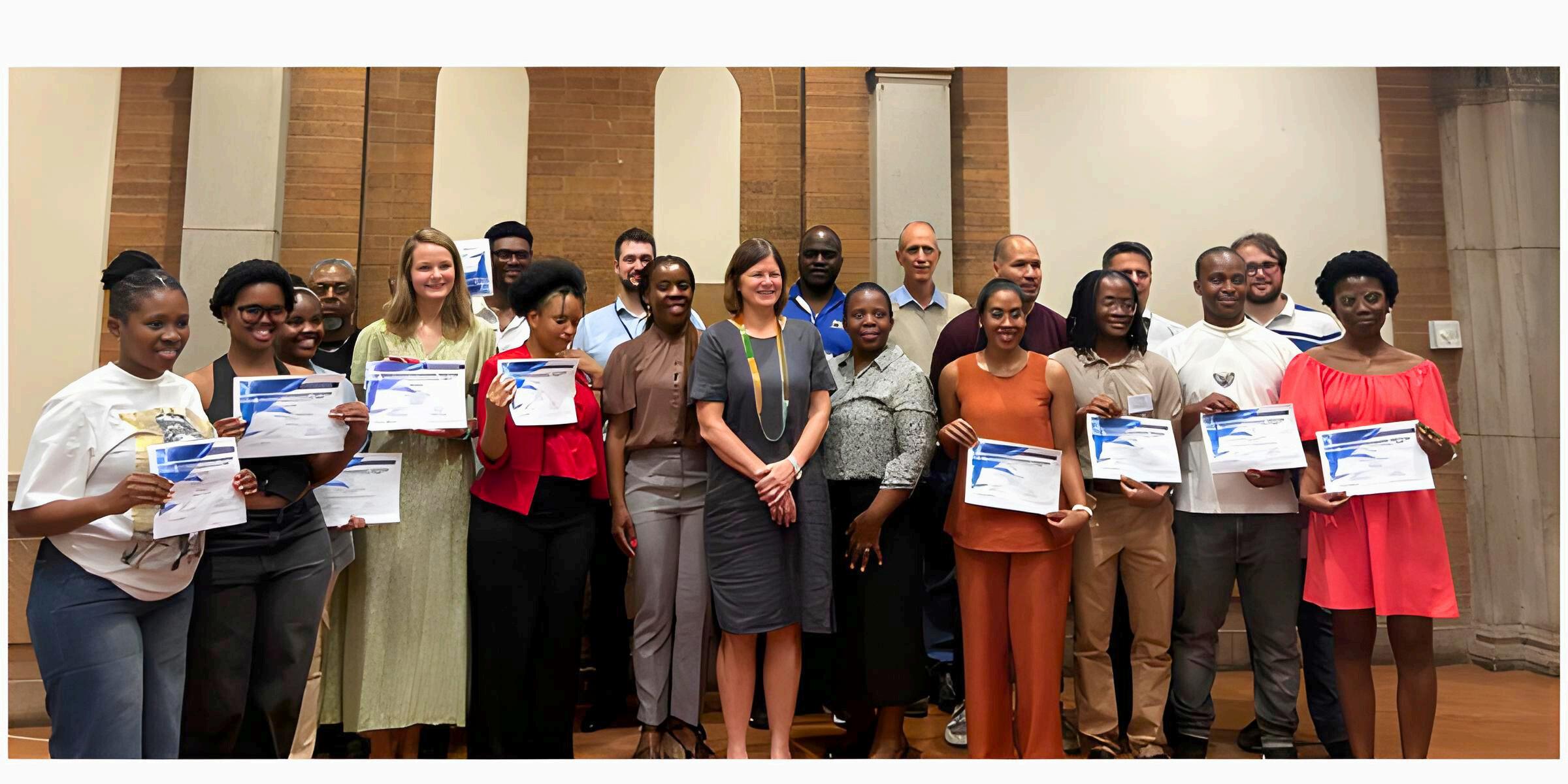
The 16th Cross-Faculty Postgraduate Symposium at Wits University, held from 10–12 September 2025 at the Wartenweiler Library, showcased the exceptional research contributions of postgraduate students across disciplines. Among the standout participants were students from the Faculty of Health Sciences, whose innovative work drew significant attention.
Hosted by the Postgraduate Research and Development Office, the symposium promotes interdisciplinary collaboration and research excellence Professor Lynn Morris, Deputy Vice-Chancellor: Research and Innovation, emphasised the importance of engaging beyond disciplinary boundaries to broaden perspectives.
The symposium featured a distinguished panel, including Dr Christopher Ealand from the Centre of
Excellence for Biomedical TB Research.
Health Sciences Achievements
Students from the Faculty of Health Sciences delivered outstanding research presentations that addressed critical issues in healthcare and biomedical innovation.
PhD Oral Presentations:
1st Place: Naeema Hussein El Kout
3rd Place: Cleopatra Ndhlovu
Poster Presentations:
3rd Place: Murunwa Nemaguvhuni
These projects reflect the students’ aspirations to address pressing health challenges through innovative research, from advancing disability rights to pioneering biomedical materials for improved patient care.
Read the full article
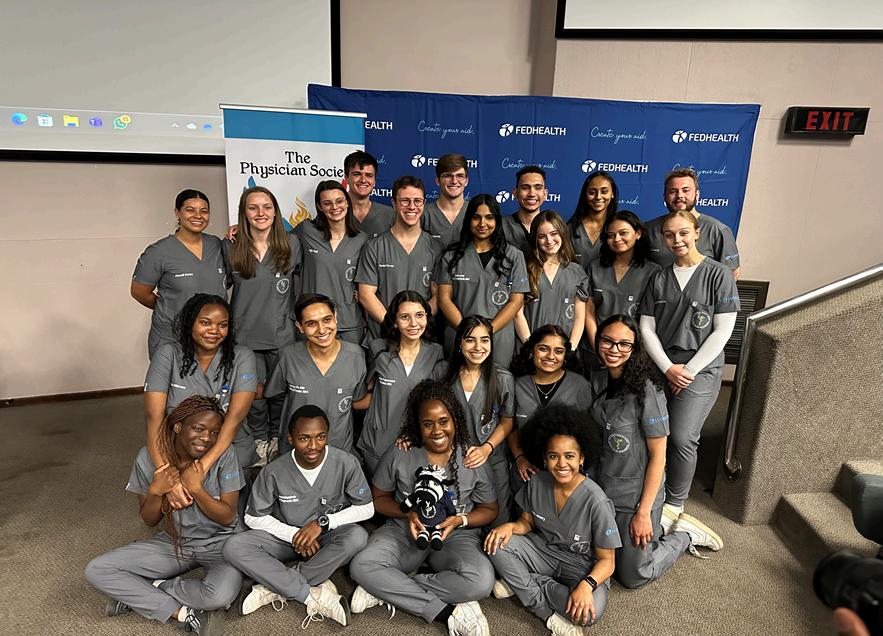
The South African Undergraduate Medical Research Competition (SUMRC) was created to expand meaningful research opportunities for undergraduate medical students. The Wits Students’ Physician Society (WSPS) launched a national platform that celebrates student-led research to bridge a gap between strengthening academic collaboration and promoting a culture of inquiry.
“As students, we learn research theory but seldom engage in authentic scholarly work and the publication process at an undergraduate level,” explains Andonia Papavarnava, President of WSPS.
The initiative was also expanded nationally in
Undergraduate Journal in Health (URJH), which operates independently and manages all editorial and peerreview processes to ensure integrity and rigour
The Faculty is proud that Wits Students occupied the top two positions, winners and runner-up, in all categories “We are immensely proud of our Wits students. Their success motivates us all to continue cultivating a culture of research and curiosity across all our academic levels,” says Professor Aletta Millen, Faculty of Health Sciences Assistant Dean for Research.
The review category was awarded to Wits students as follows:
Yudarshan Pillay, joint-winner, third-year MBBCh student. Read the paper here
Amukelani Sambo, joint-winner, final-year BHSc student. Read the paper here Franco Vosloo, runner-up, third-year MBBCh student. Paper to be published in the next issue of URHJ
The short communications category was awarded to Wits fourth-year medical students as follows: Andonia Papavarnava, winner. Read the paper here Muhammad-Yaseen Wadee, runner-up Paper to be published in the next issue of URHJ
The success of this inaugural competition demonstrates the impact of collaboration between student organisations and academic partners in building research confidence and reinforcing the professional alues essential to future clinicians. Read the full article
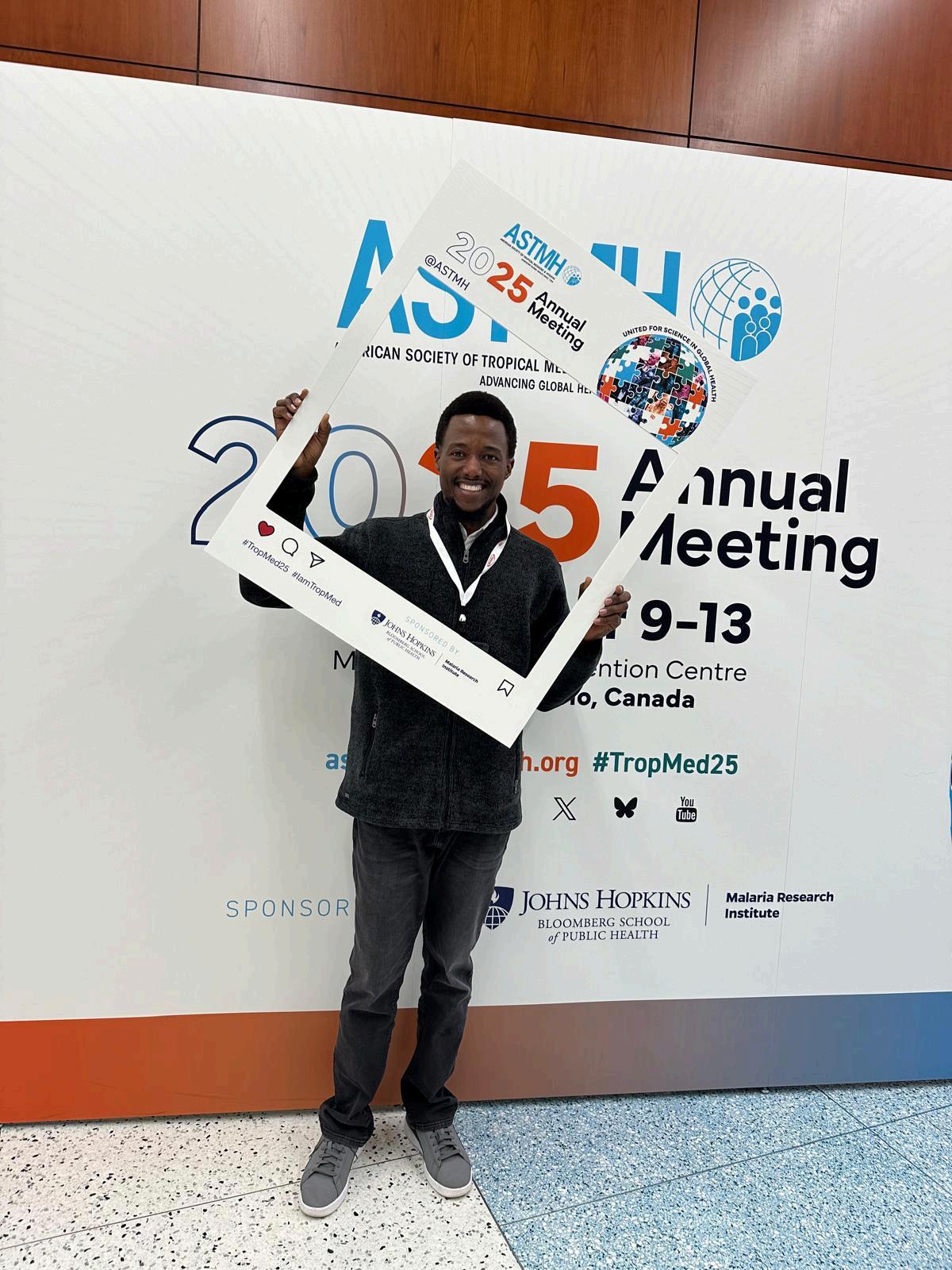
MSc student, Paul Mrosso, received the prestigious Young Investigator Award for presenting his research findings at the 2025 American Society of Tropical Medicine and Hygiene (ASTMH) Annual Meeting in Canada
His project tackled improving the breeding success of Anopheles funestus mosquitoes in insectary settings, which is a major challenge in malaria research. Anopheles funestus is one of Africa’s most efficient malaria vectors, yet it is notoriously difficult to rear in laboratory environments. This limitation has long hindered scientists’ ability to study its biology and behaviour, critical steps toward advancing malaria prevention Read the full article

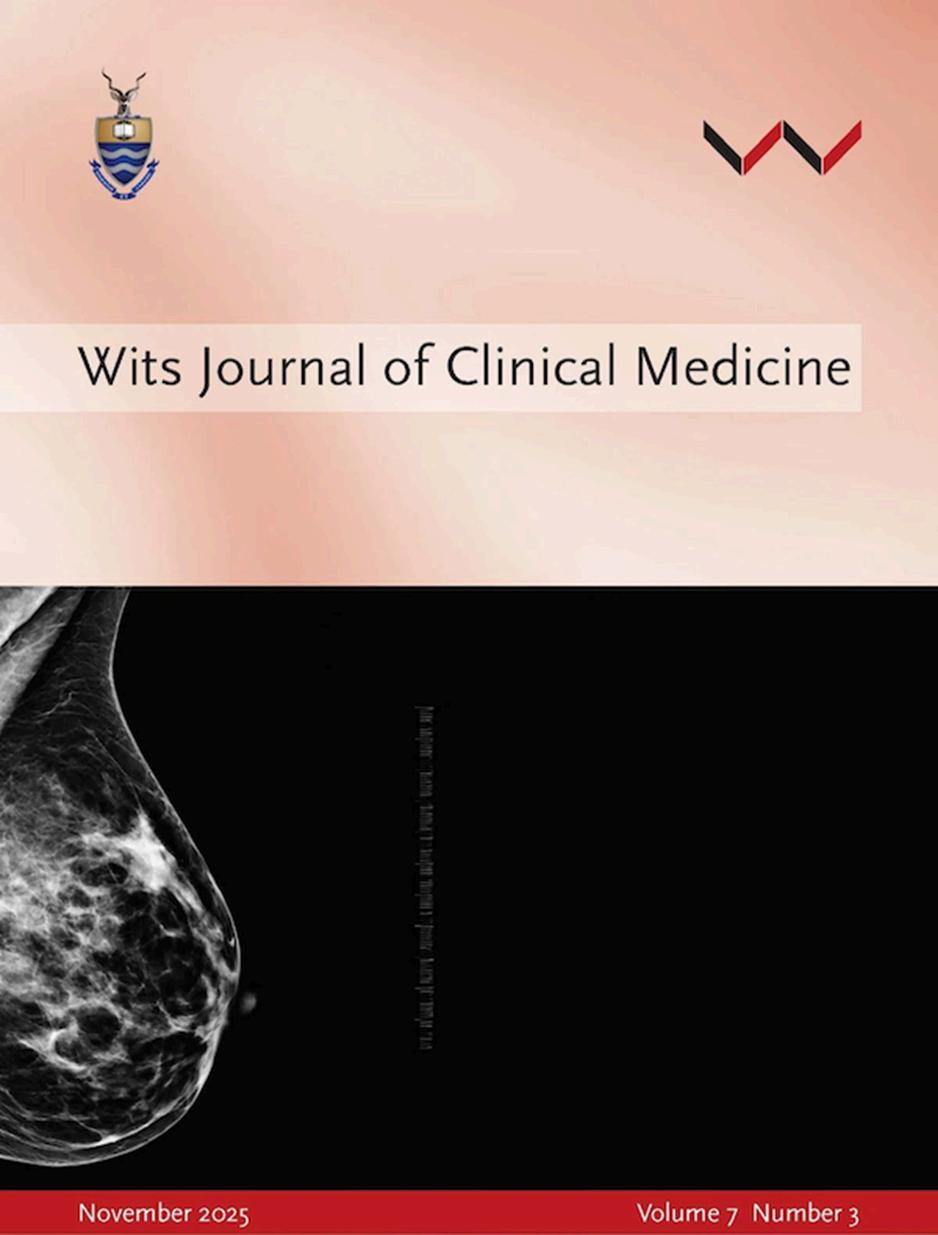
The November 2025 issue explores diverse clinical challenges and innovations, including maternal health outcomes for small-forgestational-age newborns, digital interventions to boost mammography screening, and pediatric-to-adult care transitions for anorectal malformations It features insights on infectious diseases, nanomedicine applications, and collaborative surgical initiatives. Rare case reports, such as thyrotoxicosis from gestational trophoblastic disease and post-polio syndrome, highlight diagnostic complexities, while imaging advances and public health perspectives enrich this multidisciplinary edition.

Read the guidelines here Read the guidelines here
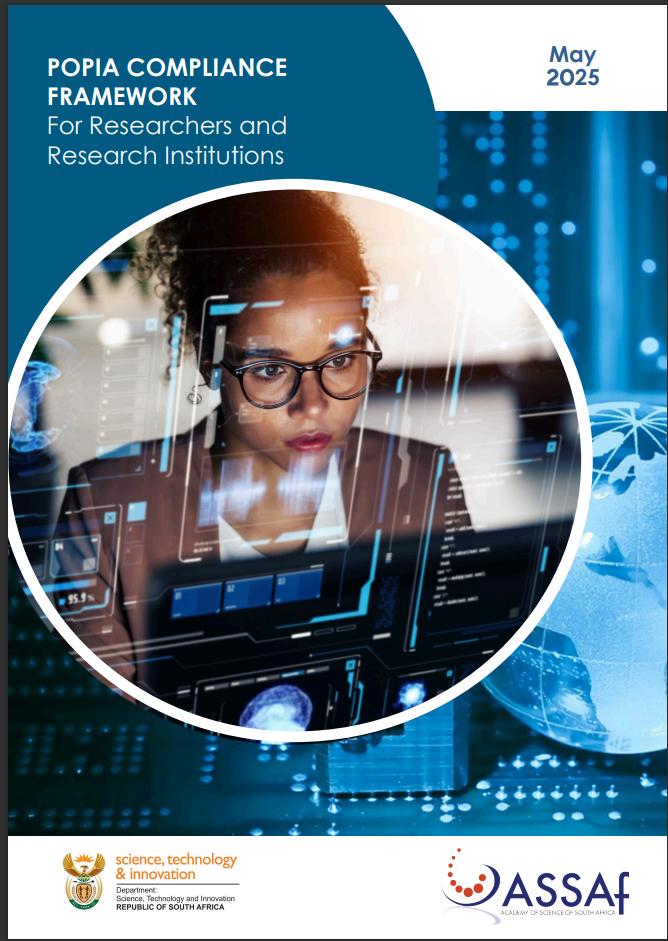
Wits Faculty of Health Sciences researchers were among the Academy of Science of South Africa (ASSAf) members who contributed to the POPIA Compliance Framework for Researchers and Research Institutions. Professor Michèle Ramsay, Wits Professor in Human Genetics and Director of the Sydney Brenner Institute for Molecular Bioscience (SBIMB), chaired the committee that wrote the report.
Read the guidelines here Read the guidelines here

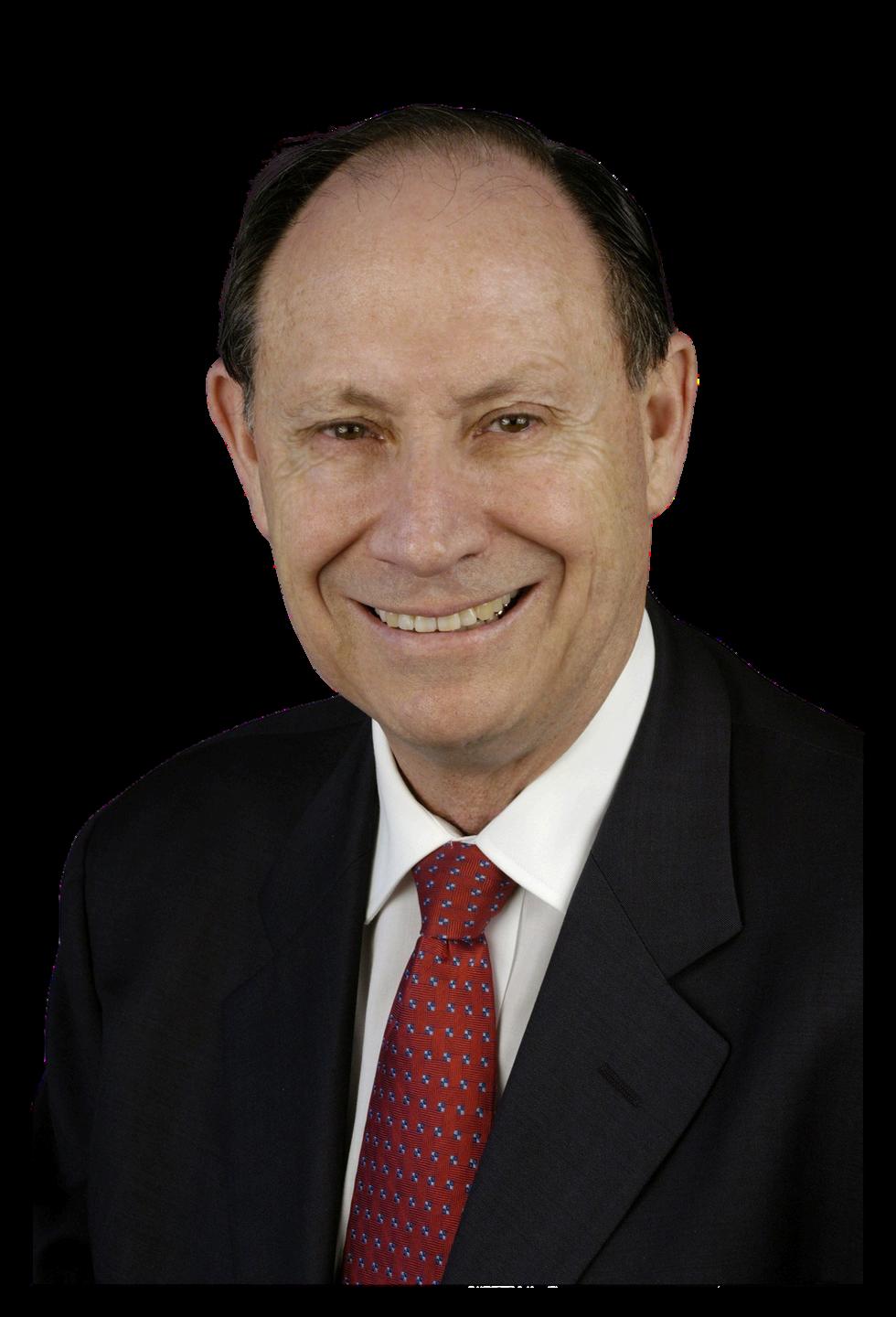
Roger Dansey (MBBCh 1978, DOH 1987, MMed 1987) was appointed to the board of directors of Bicycle Therapeutics He is the former interim Chief Oncology Officer and Chief Development Officer of Pfizer Oncology.
Kirti Ranchod Featured at Global Conference on Ageing
Dr Arthur H Ru mnus (MBBCh 1960, d a remarkable trib ons to medicine and
A research facility, the Arthur and Denise Rubenstein Research Building, at the University of Pennsylvania, has been named after him and his wife in recognition of his transformative impact on Penn Medicine.
An internationally acclaimed endocrinologist, Dr Rubenstein currently serves as Professor in the Department of Medicine, Division of Endocrinology, at the Raymond and Ruth Perelman School of Medicine, University of Pennsylvania His career spans decades of groundbreaking research in diabetes, inspired teaching, and visionary leadership.
From 2001 to 2011, Dr Rubenstein served as Executive Vice President of the University of Pennsylvania Health System and Dean of the Perelman School of Medicine, elevating Penn Medicine to national prominence. Previously, he was Dean of Mount Sinai School of Medicine and Chair of Medicine at the University of Chicago A prolific author with over 350 publications, Dr Rubenstein has received numerous top honors, including the George M. Kober Medal, the Banting Medal, and the Abraham Flexner Award He was elected to the National Academy of Medicine in 1987.
Born in South Africa, his enduring legacy continues to inspire excellence in medical education, research, and patient care worldwide
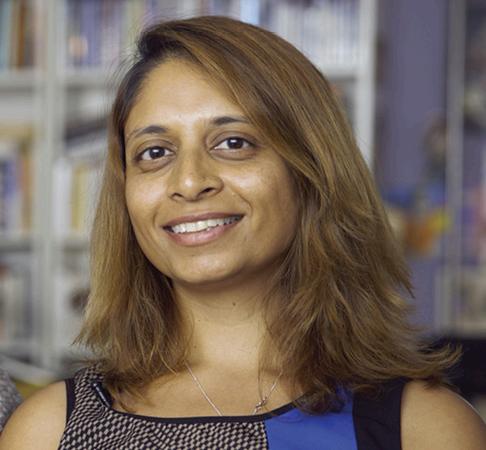
Dr Kirti Ranchod (MBBCh 1998) joined the line-up of the 17th Global Conference on Ageing, hosted by the International Federation on Ageing (IFA) in Cape Town in September 2025
As a featured speaker and masterclass co-leader, she brought critical insights into the intersection of neuroscience, cultural practices, and healthy ageing within the African context
She co-led a pre-conference masterclass titled “Brain Health and Cultural Enrichment within the African Context”. She session explored how cultural heritage and traditional art forms can support cognitive wellbeing and brain health
Her thought leadership extended beyond the conference halls. She was prominently quoted by Sunday Times, saying “We can train the brain for what we want to do We all have this potential with the right resources, discipline and practice.”
In July this year, Dr Kirti was hosted by the Origins Centre Museum for her ‘Neuroplasticity in Art & Science’ talk The interactive discussion relayed how to improve plasticity and why it is important for brain health

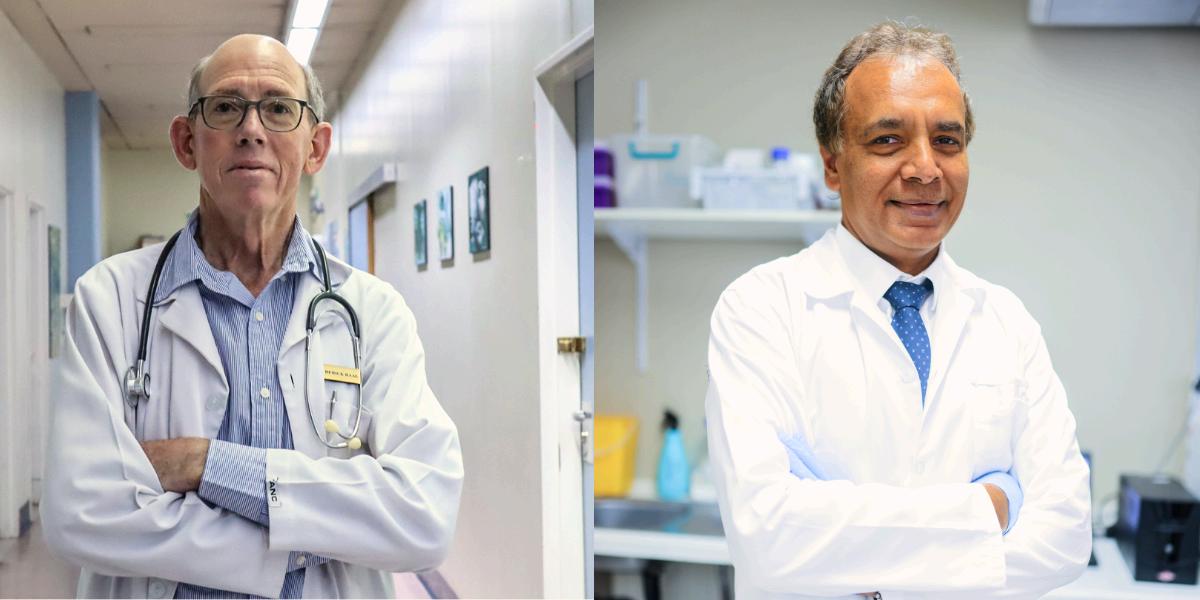
Clarivate, an accolade that honours scientists whose work has had a profound and wide-reaching impact on their fields. This distinction places them among the top 1% of globally referenced researchers
The recognition is also based on expert evaluation of the depth and originality of their research elements that numbers alone cannot capture.
Prof Frederick Raal’s research performance in 2025
Continuing his five-year streak as a Clarivate Highly Cited Researcher, Professor Raal his scholarly output remains exceptional, with 437 publications indexed in the Web of Science Core Collection, an H-index of 61, and a cumulative citation count of 26,842. Prof Raal was also appointed as scientific advisor to Repair Biotechnologies, a biotechnology company
Prof Shabir Madhi’s research performance in 2025
Professor Shabir Madhi, who debuted on the Clarivate list in 2024 This year, he had a scholarly influence with an H-index of 91, 786 publications, and an impressive 44,821 citations. In addition to his publication record, Professor Madhi secured 14 competitive research grants, enabling innovative projects that advance vaccine development and infectious disease prevention
Beyond academia, both researchers have informed policy, as they were cited in policy documents, demonstrating the translational impact of their clinical practice on health systems These achievements reinforce the pivotal role of scientific research in shaping global health strategies and improving outcomes for vulnerable populations.Read full article
Professor Marietjie Venter awarded the prestigious Marloth Medal by the Royal Society of South Africa
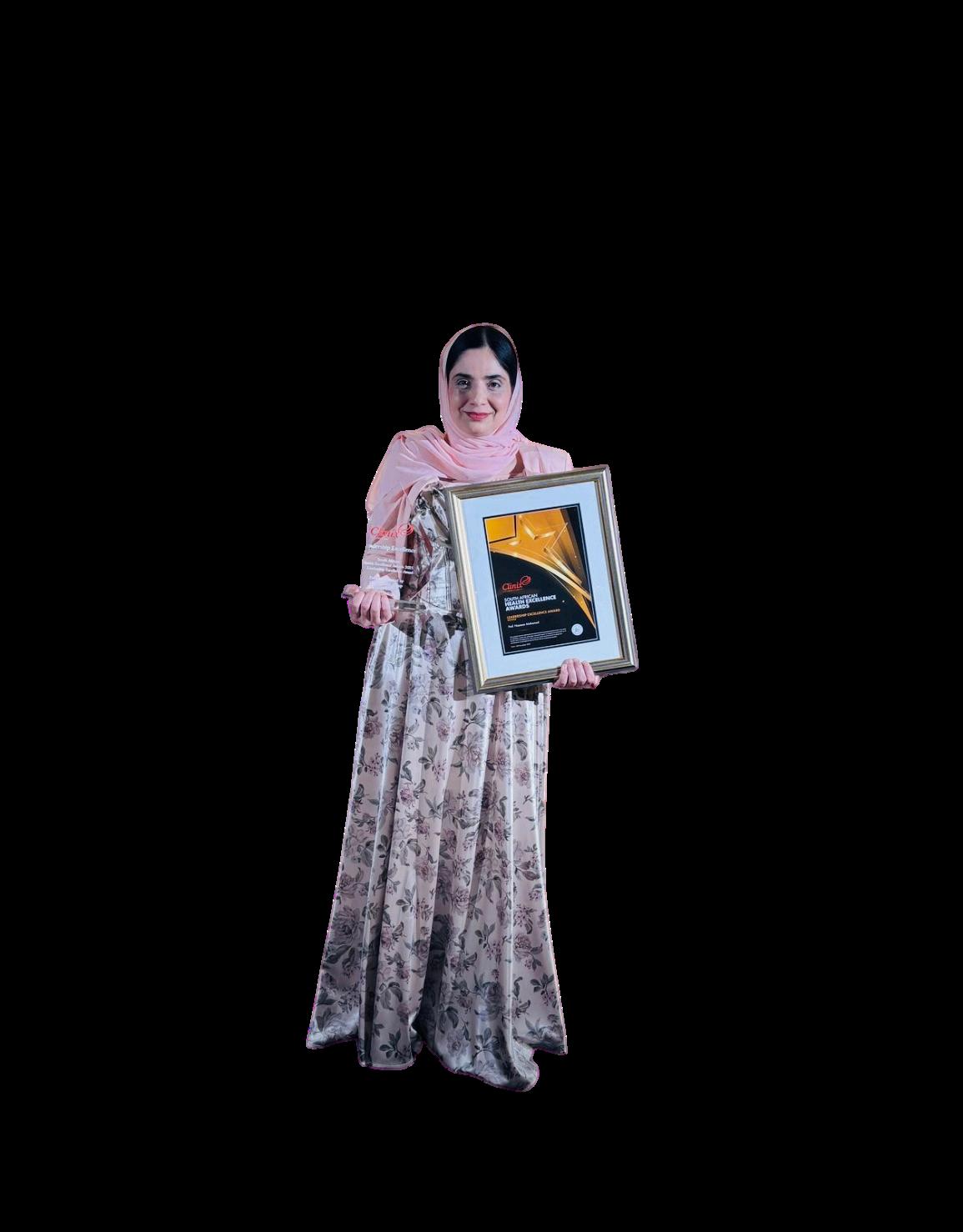
Professor Nasreen Mohamed was awarded the Leadership Excellence Award at the South African Health Excellence Award
Professor Ruchika Meel was awarded the South African Heart Association Research Scholarship Award
Professor Alisha Wade was elected to the Board of the International Society of Endocrinology (ISE). She was also inducted into the ASSAf
Professor Desiré Brits named as the new President of the Anatomical Society of Southern Africa for the term (2025 – 2028)
Dr Natalie Benjamin-Damons’ term as the president of the South African Society of Physiotherapy has been extended for a year.
Researchers Recognised for Impactful Scholarship at the Open Access Author Awards
On 29 October 2025, Wits Libraries, in partnership with Elsevier, hosted the Wits Open Data Vault Launch and Open Access Author Awards.
While the launch marked advancing research visibility, the highlight of the day was the Elsevier Authorship Recognition Awards, honouring scholars for outstanding research contributions and dedication to open access.
Faculty of Health Sciences achieved top honours, with two of its researchers receiving the Wits Most Cited Author Awards for publications in Elsevier journals (January 2024 – June 2025). Dr Michael Boachie was awarded for First Place and Dr Whiteson Chodziwadziwa Kabudula for Second Place
Read the full article
The Academy of Science of South Africa (ASSAf) is the official national science academy established to promote the use of science for societal benefit across all fields of inquiry It represents the country in the global community of science academies.
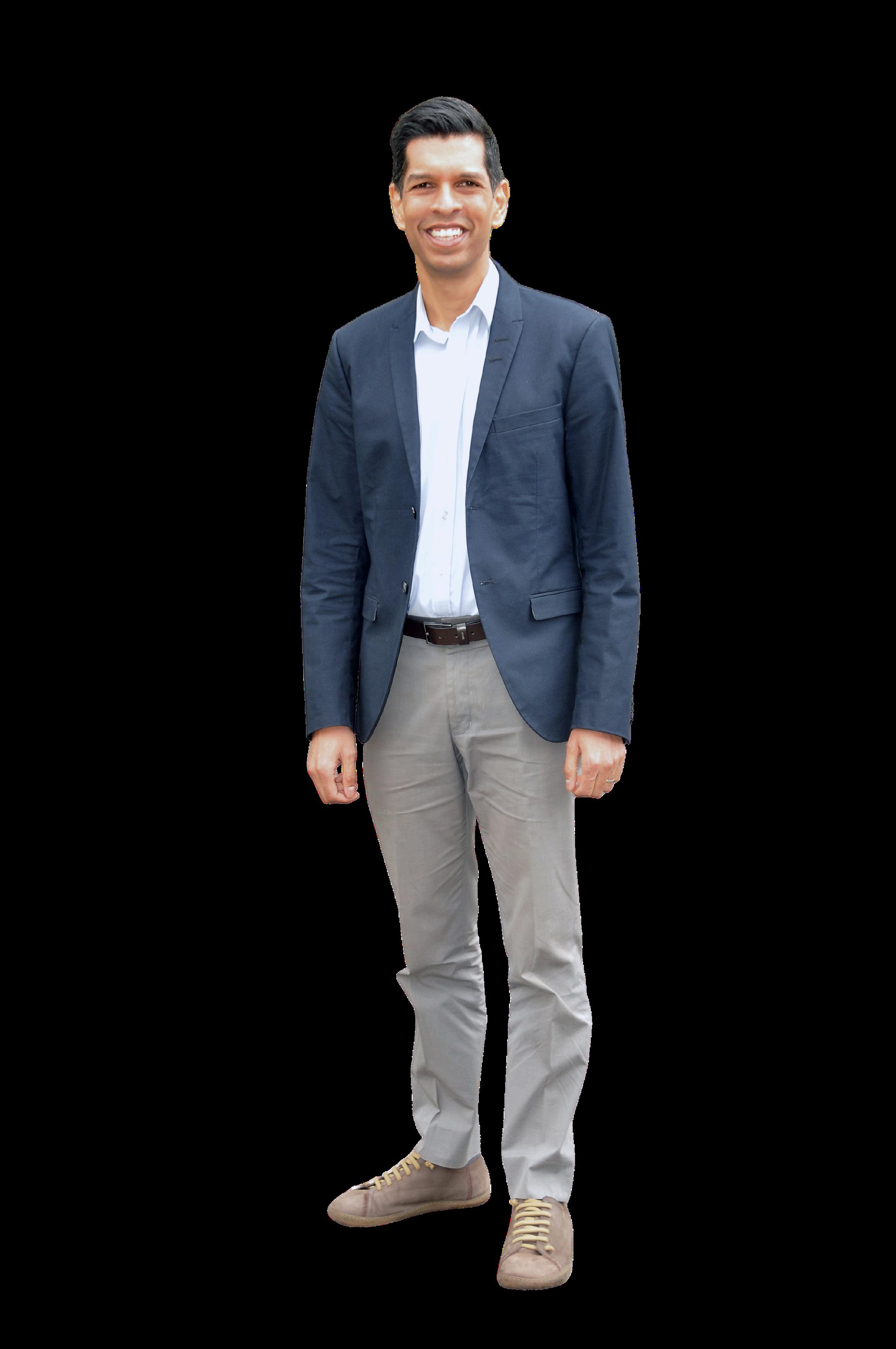
Prof Kevin Behrens
Director: Steve Biko
Centre for Bioethics
Prof Nelesh Govender Head: Divisio of Mycology
The Royal Society of South Africa is the country’s leading multi-disciplinary scientific organisation, which unites scientists across regions and promote a national culture of scientific excellence The society ecognises outstanding scientists through Fellowships and awards, encourages interdisciplinary appreciation, and serves as a prominent advocate for science in South Africa
The Vice-Chancellor’s Awards are among Wits University’s most prestigious honours, celebrating exceptional talent and contribution across teaching, research, innovation, academic citizenship, transformation, and professional service Winners are selected through rigorous adjudication, and each award is accompanied by a grant or cash prize
Professor Bavesh Kana received the VC’s Research Award which acknowledges an exceptional Wits scholar who has demonstrated high levels of research excellence over a sustained period of time
Professor Nicola Christofides received the VC’s Supervision Award for her tailored and empathetic approach to supervision, commitment to mentoring women and African scholars, and her dedication to building the next generation of supervisors and academic leaders
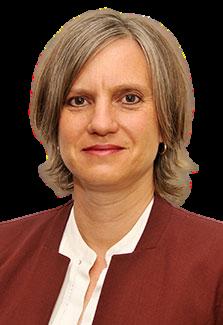
Prof Michelle Groome
Principal Researcher: Wits VIDA
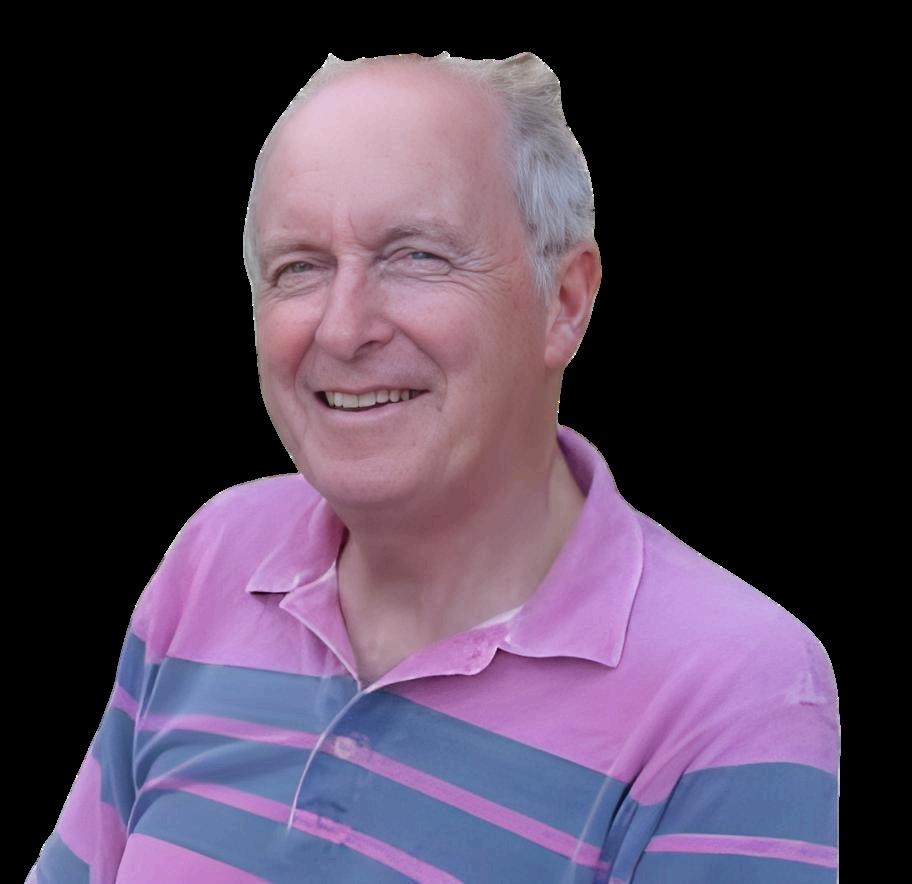
Prof Christopher Mathew
Professor: SBIMB
Prof Michelle Groome
Principal Researcher: Wits VIDA

Prof Bavesh Kana
Head: School of Pathology
Ms Allison Gilbert and Dr Craig Keyes received the VC’s Team Award. They were jointly recognised for their collaboration with the South African Forensic MedicoLegal Laboratories, the Victim Identification Centre (SAPS), and the International Committee of the Red Cross to uphold standards of excellence in training, case management, and the humanitarian imperative to restore dignity and identity to the deceased.
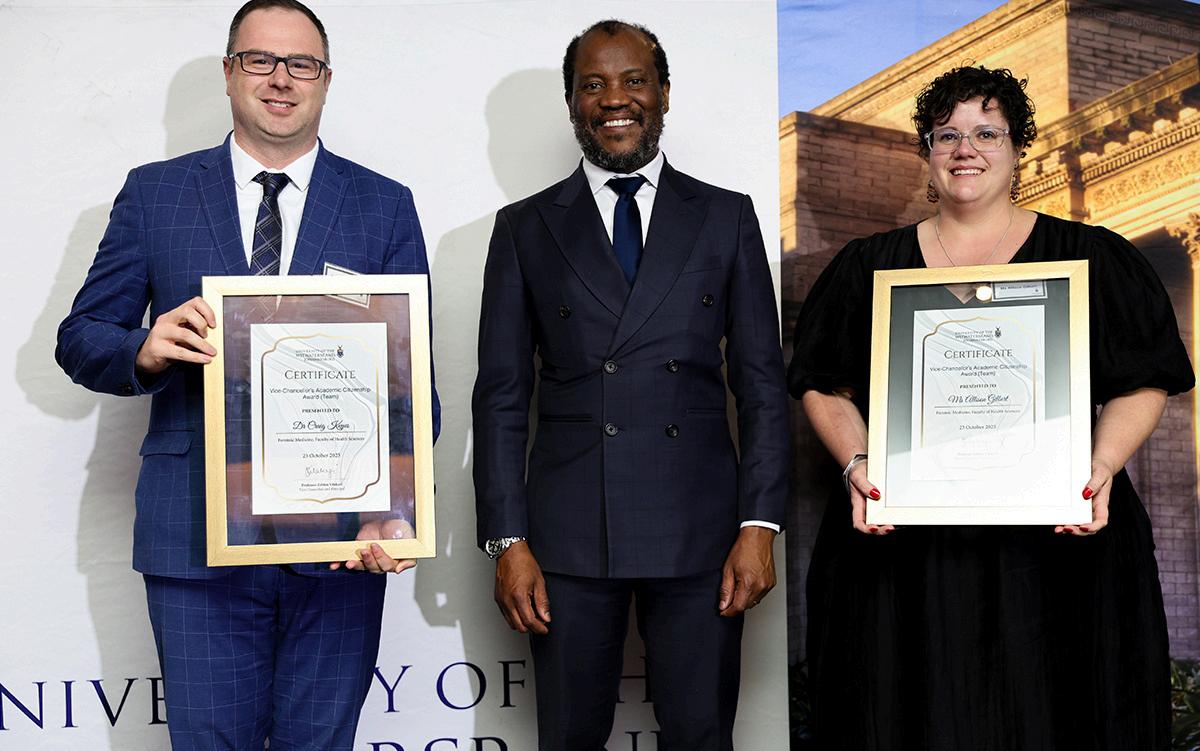
(L-R): Dr Craig Keyes, Professor Zeblon Vilakazi (Wits VC), Ms. Allison Gilbert photographed at the award ceremony

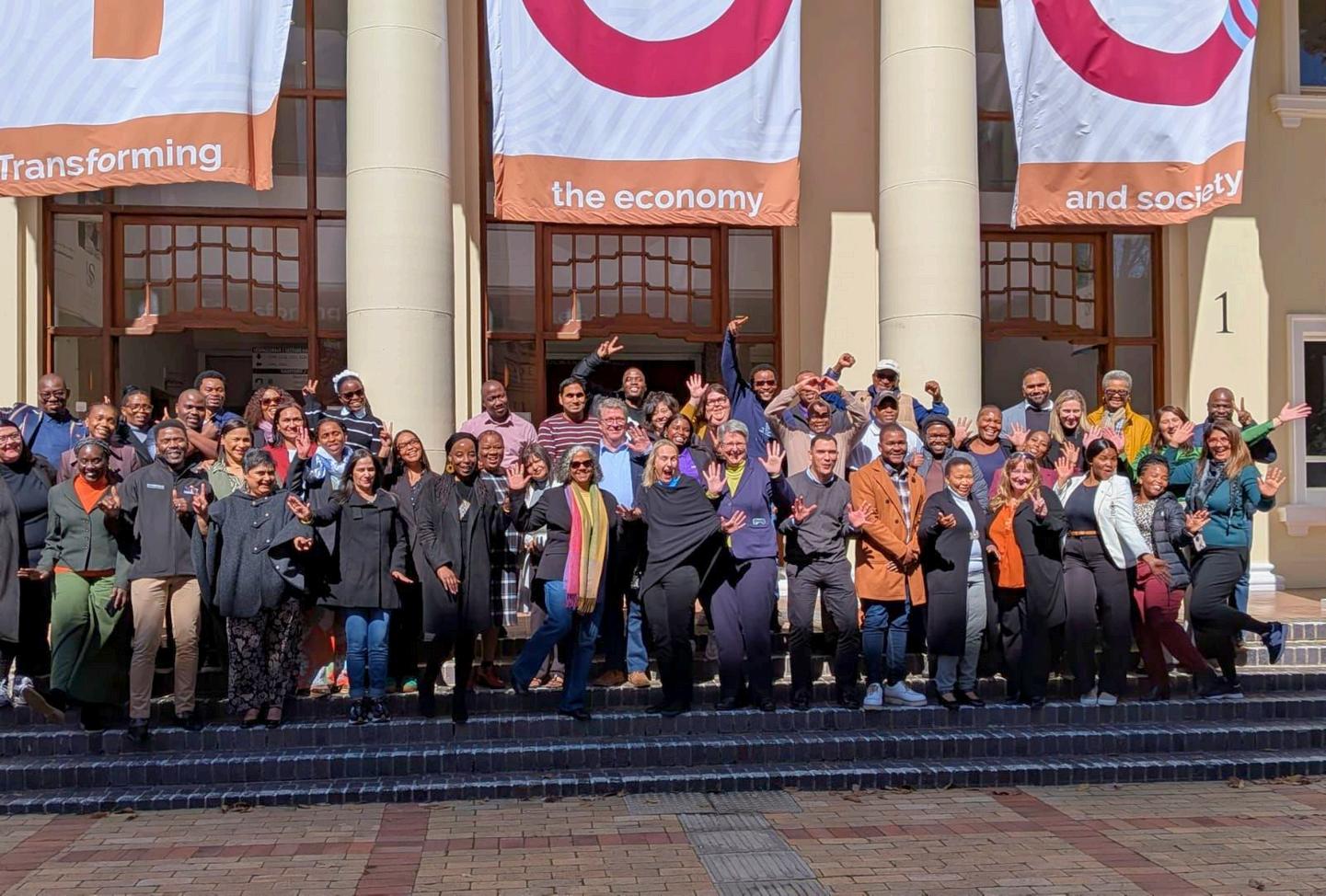
The South African National Research Foundation (NRF) and the Swedish Foundation for International Cooperation in Research and Higher Education (STINT) have awarded research grants to the South Africa Sweden University Forum (SASUF).
SASUF is a partnership between 25 South African universities, including Wits University, and 12 Swedish universities to co-create solutions to today’s challenges.
The NRF awarded over R6 million and STINT, R18
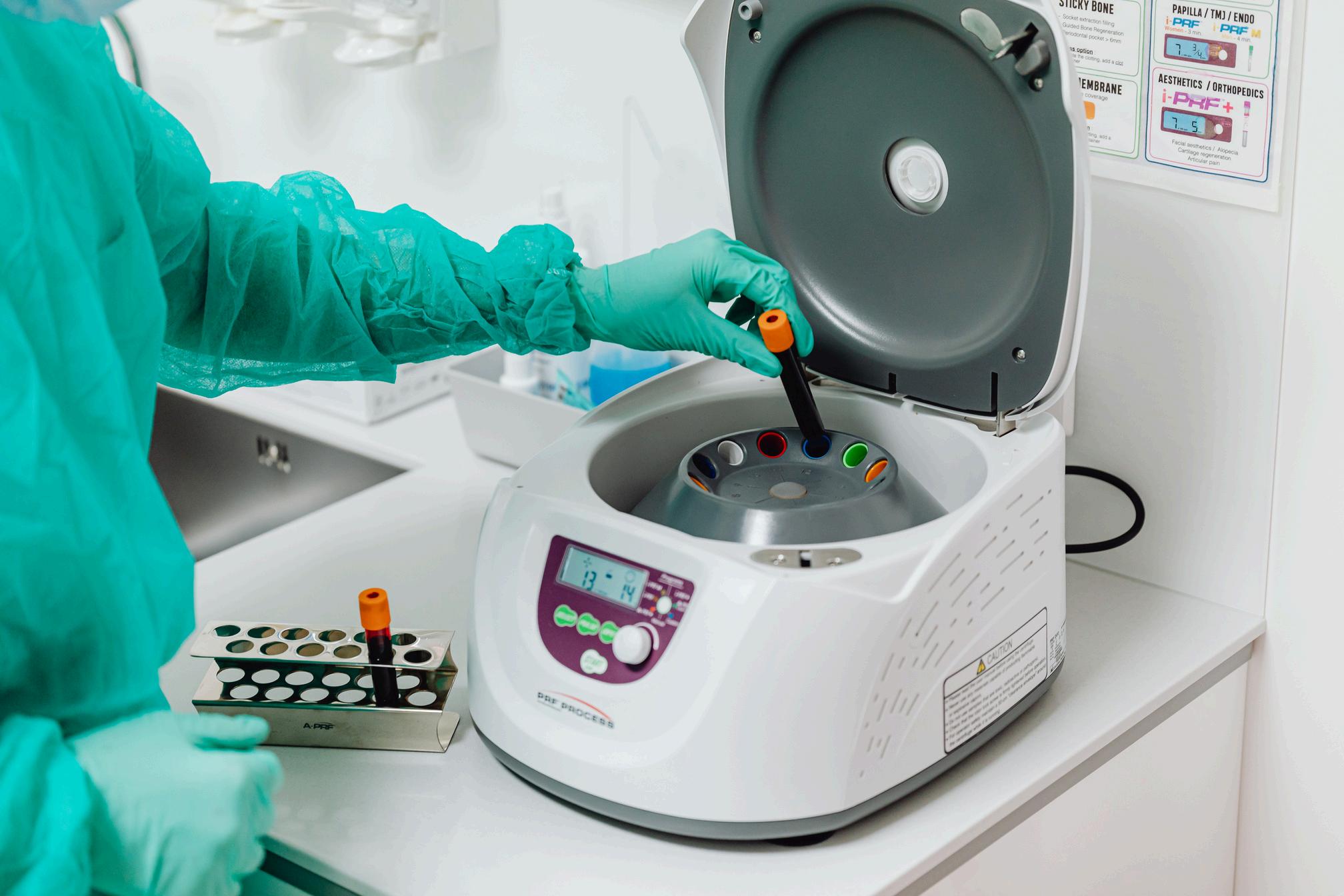
A $5.1 million grant from the Gates Foundation will fund research on Klebsiella pneumoniae and Escherichia coli infections in infants under 90 days old. The study will be conducted by Wits VIDA to establish serological thresholds of risk reduction (SToRR) by measuring maternally acquired IgG antibodies (antibodies passed from mother to baby during pregnancy) This will pave the way for maternal vaccines to prevent lifethreatening neonatal infections in Sub-Saharan Africa
Wits RHI’s Director of Research, Professor Sinead Delany-Moretlwe, has been awarded a $2 9 million grant by the Gates Foundation. The funding is for the the study Clinical Evaluation & Implementation Research for STI Point-of-Care Diagnostics in South Africa.
The objective will be to support clinical evaluation and implementation research that enables the development and introduction of point-of-care STI tests, aimed at improving treatment outcomes.
The Gates Foundation funds funds Phase IIIb trial spearheaded by Wits VIDA across South Africa, Ghana, Kenya, and Gambia to evaluate the safety of the RSVA/B-preF vaccine in pregnant women and its effectiveness in preventing severe RSV-related illness in infants. RSV is a leading cause of child hospitalisation and 100,000 annual deaths globally, mostly in Africa
The study will provide critical evidence to support maternal RSV vaccination in African settings

Wits researchers involved: Glenda Gray, Shabir Madhi, Francois Venter
In an urgent appeal, a coalition of international medical professionals has addressed the Israeli Medical Association (IMA), urging it to uphold the ethical standards that define the medical profession The letter, published in The Lancet, raises grave concerns about alleged violations of medical ethics in Israeli detention facilities and the broader context of the conflict in Gaza.
The authors respected figures from South Africa, the UK, and the USA among them Wits personnel and a former Faculty of Health Sciences dean, Dr Max Price, highlighted:
Physician complicity in torture and abuse of detainees
Medical neglect, including denial of life-saving treatment
Destruction of Gaza’s healthcare infrastructure, with hospitals targeted and healthcare workers killed. Read the full letter

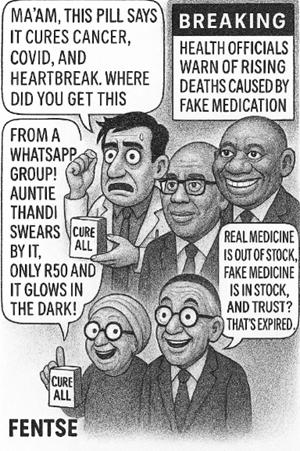
Cartoon commentary on the phenomenon of fake medication.
The World Health Organisation estimates that 1 in 10 medical products in developing countries is substandard or falsified This can lead to serious health risks, treatment failures and even death
Fentse Maseko works in the Department of Pharmacology She holds a MCom in health economics and is a PhD applicant/candidate (awaiting registration) in Health Economics at the School of Law and Commerce Her interests are in health regulation, falsified medication, and medication prices

researcher Professor Glenda Gray delivered a thought-provoking keynote address titled “Can the Afrikan Continent Contribute to HIV Vaccine R&D?” Her insights set the tone for a day of dynamic engagement and scholarly exchange
Participants then dispersed across four parallel oral presentation sessions, followed by two engaging poster sessions. A highlight of the day was the
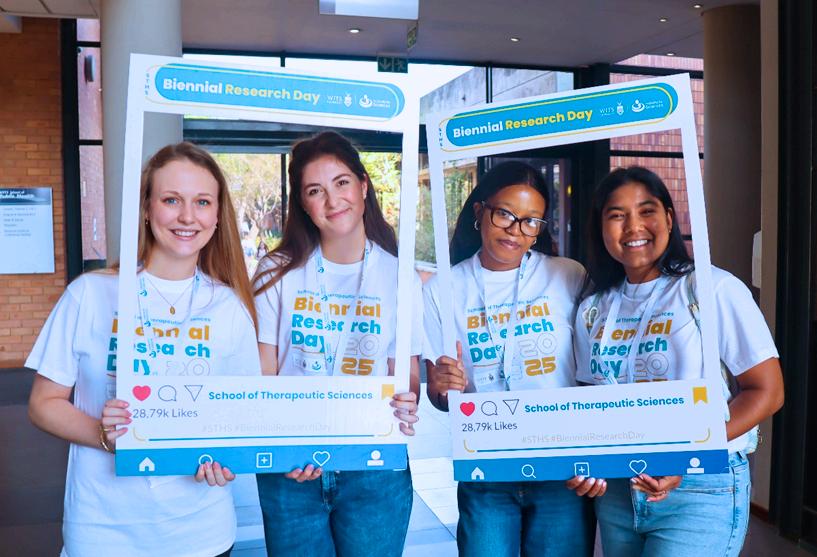
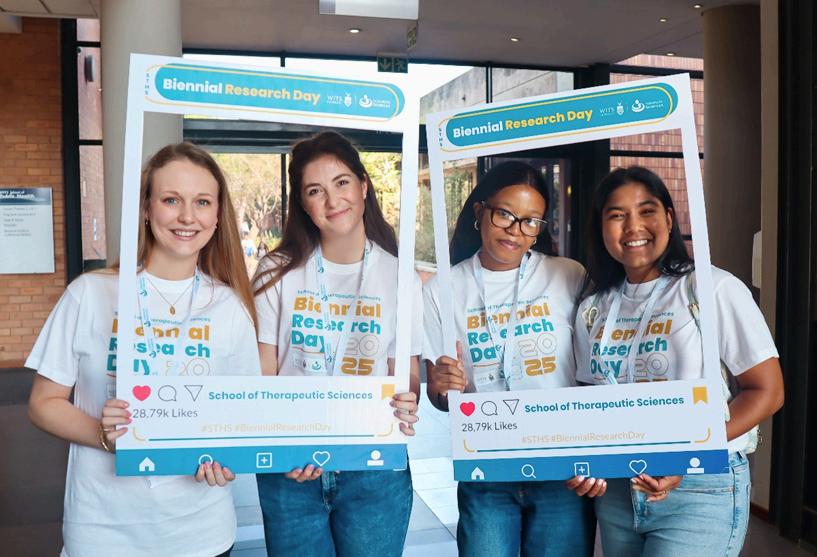
The 2025 School of Therapeutic Sciences Biennial Research Day brought together staff, invited guests, postgraduate students, industry representatives, and clinicians under the compelling theme “Resilient Health Systems in Public Health Crisis.” The event served as a vibrant platform for showcasing cutting-edge research and facilitating collaboration among postgraduate students and academic staff.
With over 80 abstracts submitted, the day began in the School of Public Health Auditorium, where renowned
roundtable discussion on “Predictive Analytics in
Healthcare,” expertly facilitated by Amanda Olivier. The panel featured thought leaders Ronelle Klinck, Eileen du Plooy, Prof Pradeep Kumar, Karin Olivier, and Oluwarotimi Randle, who explored the transformative potential of data-driven approaches in improving healthcare outcomes.
The event concluded with a forward-looking keynote by Professor Aletta Millen, who outlined the Faculty’s strategic plan for research, innovation and priorities for future growth. Click here to read more
showcase cutting-edge research across the disciplines of Anatomy and Physiology that comprise the school. As a new school, we used this Research Day to foster collaboration and academic excellence.
The maiden School of Biomedical Sciences research day was themed “Biomedical Sciences: A Gateway to Medical Discovery and Innovation”. This Research Day marked a significant milestone in our efforts to
We had 150 delegates registered for the day and about 180 in attendance. A total of 36 abstracts were received and split between oral and poster presentations based on quality and representation of the various research niches in the school. The keynote address was delivered by Professor Yahya Choonara, while the Assistant Dean of Research, Professor Aletta Millen, presented on strengthening research in the Faculty of Health Sciences.
Click here to read more
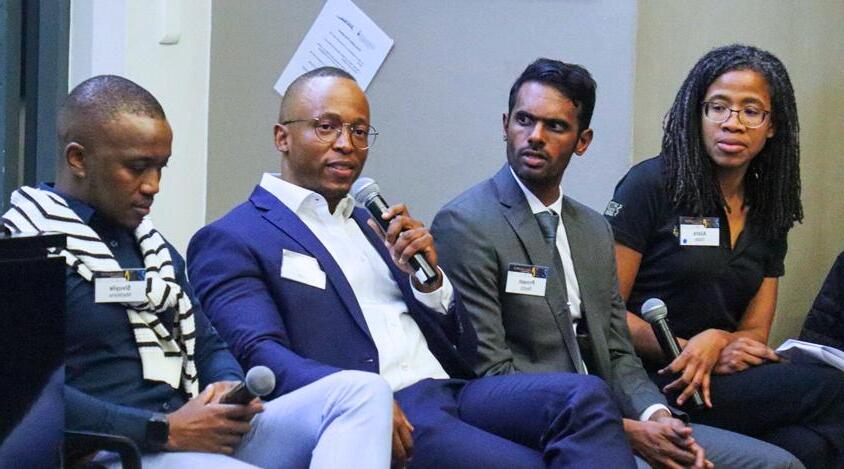
The 2025 Wits School of Clinical Medicine (SOCM)
Biennial Research Day was themed “Precision Medicine in an Unequal World: Bridging Innovation and Access”.
As always, the event was a showcase for the innovative research conducted in the School and an excellent opportunity for Masters and PhD students and early career researchers to gain experience in presenting and discussing their research in a conference setting The response to the Research Day was excellent, with 347 pre-registered delegates and strong support from industry partners.
The Dean, Professor Shabir Madhi, opened proceedings and emphasised the pivotal role the School plays within the Faculty’s research endeavours and initiatives that foster research productivity.
The keynote addresses of the day were delivered by:
Lynn Morris, the Deputy Vice-
Chancellor of Research and Innovation, Glenda Gray, Director of the Infectious Diseases and Oncology Research Institute, Prof. Kevin Behrens, Director of the Steve Biko Centre for Bioethics, and Ziyaad Dangor, clinical research director at the Wits Vaccines and Infectious Diseases Analytics Research Unit (VIDA).
The day also featured parallel lunchtime sessions on varied topics that target young and early researchers as well as established academics. These ranged from preparing for a career in industry to understanding the promotions process at Wits, to focused mentoring, to Click here to read more
This year, the 5th Life Sciences Imaging Facility (LSIF) Research Day was held at the Origins Centre It takes place every 2 years and serves as a friendly networking platform for the microscopy community, offering young researchers an opportunity to form collaborations and explore the latest advances in microscopy techniques.
The theme for this year was the potentials of light microscopy The event welcomed participants from all areas of the Life Sciences including oncology, virology, neuroscience, pharmacology, animal and plant sciences, and environmental studies, among others “This year, we were delighted to host numerous visitors from the University of Johannesburg, the University of
Pretoria, UNISA, North-West University, the NHLS, and the NICD,” says Dr Aurélie Deroubaix, Manager of the LSIF
The highlight of the day was the talks by two distinguished guest speakers who shared their insights on cutting-edge developments in high-end microscopy Dr Chris Power, 3D Imaging Specialist at a Germanybased manufacturer, Carl Zeiss, delivered an astute presentation on Advances and trends in Laser Scanning Microscopy. Professor Ben Loos, the Chair of Physiology at Stellenbosch University, also spoke on the Power of microscopy in unravelling neuronal cellular health and disease. Click here to read more
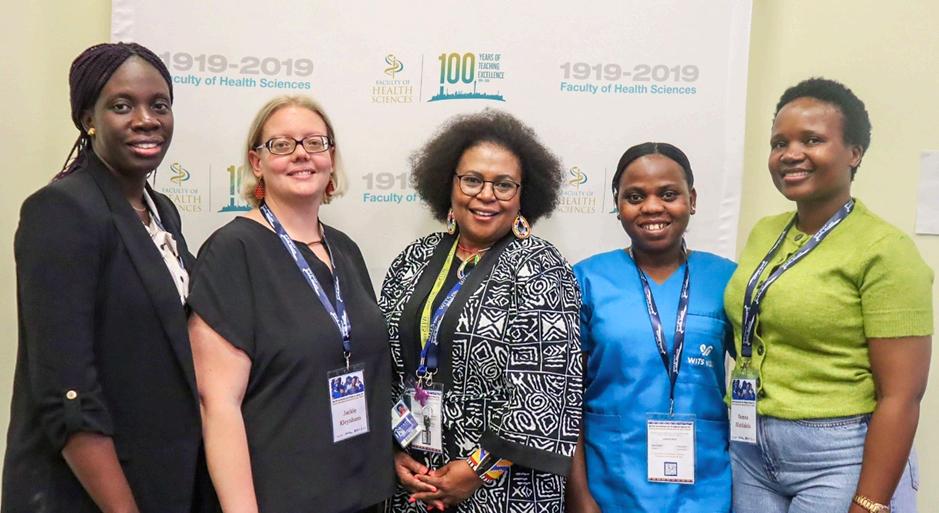
speakers included Professors Shabir Madhi (Dean, Faculty of Health Sciences), Sue Goldstein (Director, Wits MRC Centre for Health Economics and Decision Science), and Ntobeko Ntusi (CEO, SAMRC).
Discussions explored sustainable funding models and their impact on African health systems
The School of Public Health (SPH) Biennial Research Day held at the Wits SPH Building in Parktown, brought together researchers, students, and public health leaders under the theme: “Accelerating equitable policy and practice through public health research in Africa ”
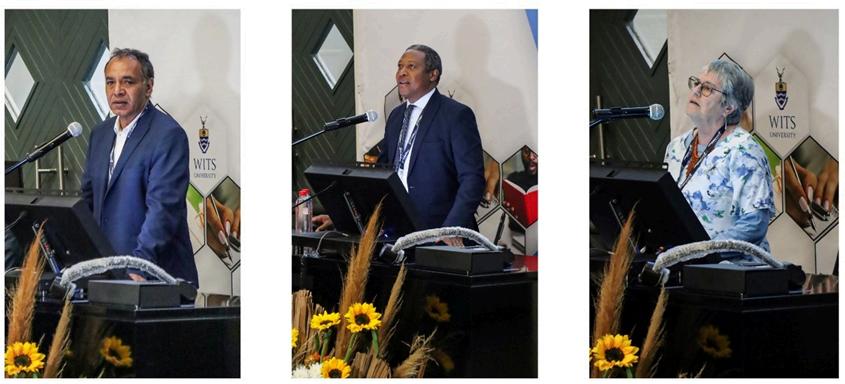
The day began with welcome remarks by Associate Professor Tobias Chirwa, Head of the Wits School of Public Health. He emphasised the value of the school’s bi-annual research event and the vital role of public health research in Africa. Professor Chirwa highlighted that meaningful progress requires stronger collaboration between researchers, government and communities, and stressed the need to ensure that the work produced at Wits does not remain academic but is translated into real policy and practice. “Events like this are essential because they remind us why our work matters Public health research must not stay on paper; it must translate into real change for communities”.
This set the tone for a day as a keynote panel followed, addressing “Public Health Research Funding in the Wake of USAID – Implications for Equity ” Esteemed speakers included Professors Shabir Madhi (Dean, Faculty of Health Sciences), Sue Goldstein (Director, Wits MRC Centre for Health Economics and Decision Science), and Ntobeko Ntusi (CEO, SAMRC)
Discussions explored sustainable funding models and their impact on African health systems. Click here to read more
Research funding equity
This set the tone for a day as a keynote panel followed, addressing “Public Health Research Funding in the Wake of USAID – Implications for Equity ” Esteemed
Prof Sue underscored the importance of funding models that support research grounded in community needs and capable of shaping effective national policies She noted that “strong, sustainable investment is essential for work that genuinely improves people’s lives”.
Nurturing a generation of young researchers
The Biennial Research Day was more than a showcase of groundbreaking studies it was a platform for students to engage with pressing public health challenges and present innovative solutions From exploring health equity and social determinants to leveraging technology for real-world impact, student researchers demonstrated how fresh perspectives can shape the future of healthcare.
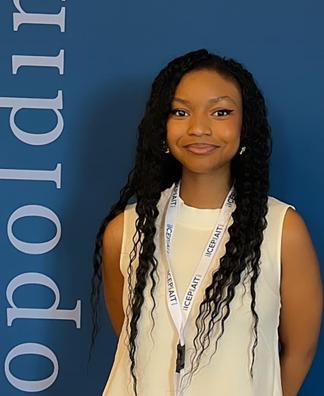
A standout moment was the presentation by Amukelani Sambo, a second-year BHSc Biomedical Sciences student, on “Ageing Across the Spectrum ” Her research, part of the International Collaboration and Exchange Program (ICEP) facilitated by Columbia University, examines strategies for Healthy Ageing across diverse populations She explains the relevance of the topic: “While medical and technological advancements have extended life expectancy, reduced frailty read more
Amukelani Sambo
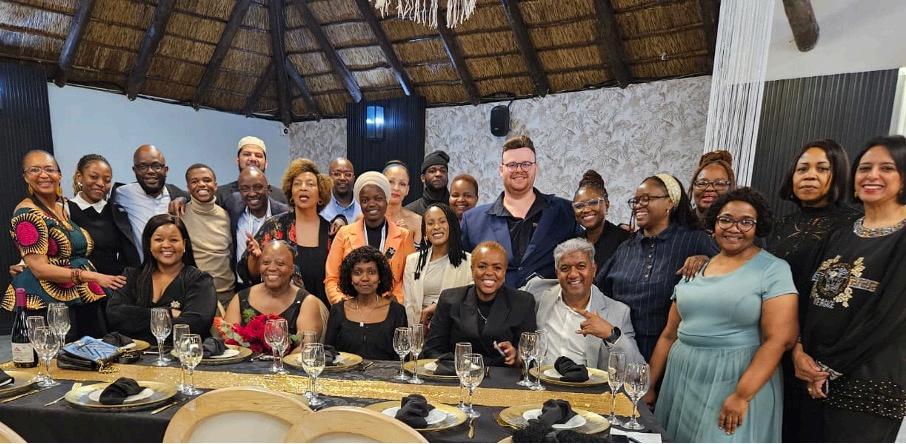
The Wits School of Oral Health Science Local Organising Committee, Chaired by Dr Mpho Molete, convened the 54th Scientific Meeting of IADR.
The Wits School of Oral Health Science Local Organising Committee, Chaired by Dr Mpho Molete, was delighted to convene the 54th Scientific Meeting of the South African Division of the International Association for Dental, Oral, and Craniofacial Research (IADR).
The conference, held on the 11 September at the Indaba Hotel and Conference Centre in Fourways, th was themed “Mapping the future for Oral Health Research and Practice in the era of Artificial Intelligence (AI).” This prompted delegates to
Designing the right drug is only part of the challenge in pharmacology. Indeed, ensuring it reaches the right place, in the right amount, at the right time is critical. Traditional drug-testing methods can be slow and costly, and they may not fully capture the complexity of the human body.
The Computational Methods in Pharmacology and Pharmacokinetics/Pharmacodynamics (PKPD) workshop, co-organised by WADDP and Queen’s
reflect on how to advance dental research and practice by leveraging the benefits of AI, while also being conscious of its ethical considerations.
Professor Risimati Rikhotso opened the meeting on behalf of the IADR and the Wits Oral Health Centre (WOHC). This was followed by insightful presentations by internationally recognised experts, Professors Habib Benzian, Nileshkumar Dubey and Lekan Ayo-Yusuf.
“The thread of aligning AI to the professional was consistent, and the Keynote speakers emphasised the call to action in using our research towards bringing impactful change and advocating for oral health outside our siloed spaces,” adds Molete as she reflected on the key events of the day.
University Belfast, brought together researchers and students to explore how computational tools are helping to solve this challenge.
Professor Pantelis Sopasakis from Queen’s University Belfast shared how his team develops mathematical and AI-based models that predict how drugs move through the body and how long they stay active. He focuses on developing riskaware, optimal control systems that balance safety and effectiveness.
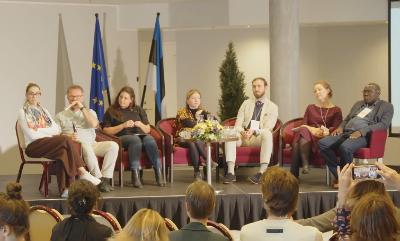
Wits researchers took centre stage at the Enhancing Belmont Research Action (ENBEL) 2025 Conference, contributing to the global conversation on the impact of climate change on child health. They tackled one of the most pressing challenges in public health: how to accurately measure the health impacts of anthropogenic climate change—and use that evidence to shape policy, guide investment, and drive global action.
Organised by the Global Heat Attribution Project (GHAP), the special panel session, titled “Disambiguating Attribution: Are We Speaking the Same Language?” brought together leading voices in climate-health research, including Professor Matthew Chersich, Research Professor and Executive Director, Wits Planetary Health Research (Wits PHR) , Dr Nicholas Brink, and Dr Danielle Travill, both clinical researcher at Wits PHR, a division of Wits Infectious Diseases and Oncology Research Institute (IDORI). They are working on the GHAP project, and they showcased Wits’ growing leadership in climate-health research, highlighting maternal and newbornoutcomes in regions most vulnerable to climate shocks.
‘Attribution’ in climate and health research refers to statistical analyses that isolate what proportion of a poor health outcome can be attributed to anthropogenic climate change (as opposed to natural climate variation and other causes).
This calculation builds on analyses of how the probability or intensity of a specific climate event, such as a flood or heatwave, was increased by anthropogenic climate change.
Prof Chersich, who is also a Research Fellow in Public Health and Primary Care at Trinity College Dublin’s School of Medicine, highlighted the project’s goal to develop practical tools that can drive real-world action. “I think the exciting part of this project is you try and then use these attribution analyses to really make a practical difference to the field,” he said, adding that understanding how many cases of preterm birth in a country or district come from climate change contextualises its consequences.
Central to this effort is GHAP’s development of a global federated data system, which integrates birth outcomes, climate data, and socioeconomic indicators from as many as 20 countries. He says governments and decision-makers can use this information to allocate resources more effectively, design targeted interventions, and, where necessary, hold contributors to climate change emissions accountable through legal processes.
Dr Travill reflected on the challenges of working across fields such as epidemiology, law, and climate science. She recalled that, in an early GHAP workshop, researchers from different disciplines all used the term “attribution”, but with different underlying meanings—an eye-opening moment that underscored the need for shared definitions. “Speaking the same language is incredibly important, particularly when you’re trying to move forward and advocate for change at such a large scale ,” she said.
Read the full article
25–30 January 2026
Genetic epidemiology of kidney disease in African populations
Learn more

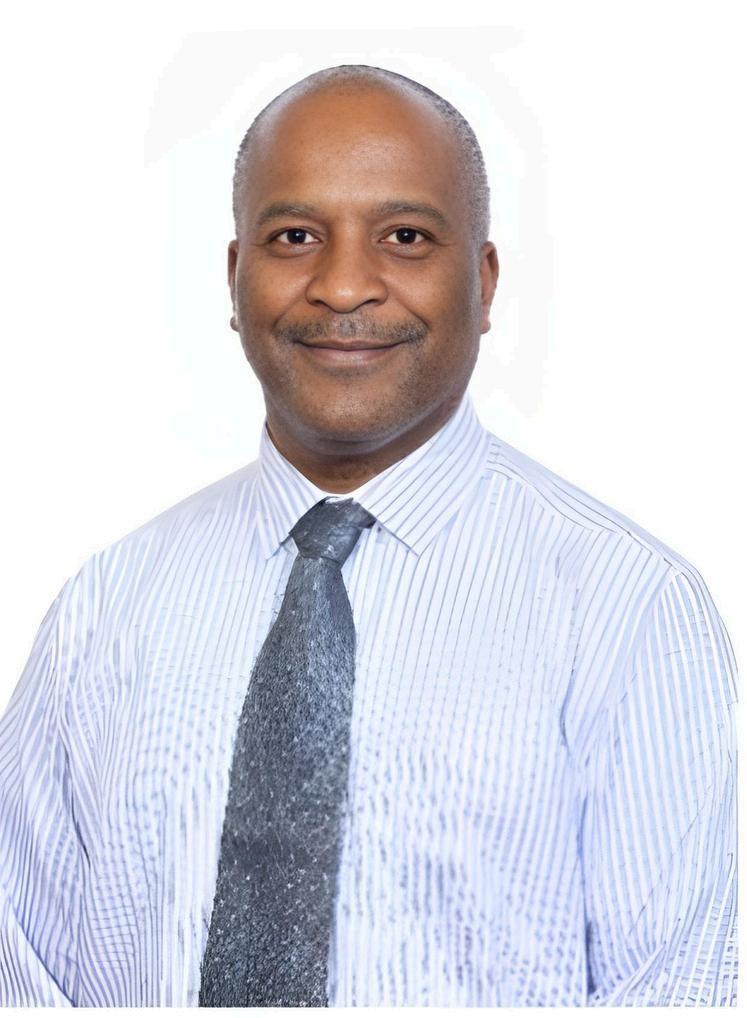
Head of School: Biomedical Sciences
Professor Kennedy H. Erlwanger
Kennedy Erlwanger joined the then School of Physiology as a lecturer in May 2003, after holding various of academic roles at the University of Zimbabwe, including acting Deputy Dean of the faculty Veterinary Science He has served as President of the Physiological Society of Southern Africa, on the council of the African Association of Physiological Sciences, and as Editor-in-Chief of its journal. Kennedy has received several awards, including the Phillip V Tobias Medal, Wits Convocation Distinguished Teacher’s Award, the Helen Laburn Research Prize (Wits) and a Lifetime Career Award from the Physiological Society of Southern Africa
Head of Department: Neurosciences
Professor Susan Williams
Sue Williams is an associate professor in the Division of Ophthalmology where she runs the glaucoma unit at Charlotte Maxeke Johannesburg Academic Hospital In 2013, Sue obtained a PhD in Ophthalmology and Molecular Genetics with her thesis entitled “The Genetics of Primary Open-Angle Glaucoma in Black South Africans”. She was subsequently awarded a clinician post-doctoral fellowship from the Carnegie Corporation and a National Research Foundation grant for her research into gene expression in exfoliation syndrome
Deputy Faculty Registrar: Undergraduate
Mrs Tabea Lephuthing
Tabea Lephuthing brings over two decades of experience in higher education and a deep passion for supporting students throughout their academic journey Her career has spanned roles in enrolments, admissions, and student support, giving her a holistic understanding of the student lifecycle. From managing complex faculty-specific admissions processes to guiding students from inquiry to graduation, Tabea has consistently championed excellence and care in every interaction She holds a BA Honours in Psychology and is currently registered for a Master of Education in Education and Work.

Director: PRICELESS SA
Dr Darshini Govindasamy
Darshini Govindasamy is a Health Economist and former specialist scientist in Health Economics at the Health Systems Research Unit of the South African Medical Research Council (SAMRC) She led the Health Economics Cluster, which primarily conducts economic evaluations alongside clinical trials, performs econometric analyses to understand causal pathways using large datasets, and develops investment cases in areas such as mental health, gender-based violence, and HIV prevention for vulnerable populations. The team also undertakes methodological research on valuing quality-of-life outcomes in economic analyses In addition, Govindasamy and her team served as health economics advisors on several National Department of Health Working Groups, including the Technical Working Group for the WHO Healthcare Financing Progress Matrix.


1 Nobel Prize Winner
1 DSI/NRF Centres of Excellence
2 ANDI Centres of Excellence

6 Research Intensive Schools


8 DSI/NRF SARChI Chairs
9 A-rated Scientists

28 Research Entities

123 NRF-rated Scientists