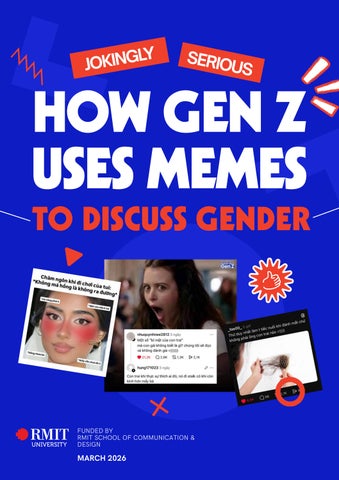
HOW GEN Z USES MEMES JOKINGLY
SECTION 1: SETTING THE SCENE
Page 3-Project Introduction
Page 4-Overview: Memes in Vietnam
Page 5-Overview: Gen Z in Vietnam
SECTION 2: THE MEMES
Page 8-“I'm just a girl”–Top 5 popular topics
Page 9-It’s a plot twist!–Top 5 rhetorics used in the memes
Page 10-A (funny) picture is worth a thousand words–Top 5 visual styles
Page 11-Is he a ‘red flag’?–Top 5 most popular linguistic devices
Page 12-Section Conclusion: Old and new
SECTION 3: THE COMMENTS
Page 14-'I don’t think guys are like this”-Top 5 pages and memes with the highest interaction level
Page 15-Consensus: Play along with the joke
Page 16-Negotiation: ‘It’s not always like that, you know’
Page 17-Opposition: Nah, that’s not true!
Page 18-Section Conclusion: Gender is open for debate
SECTION 4: APPLICATIONS
Page 20-For brands: Don’t be tone-deaf! 3 tips to use memes in campaigns towards Gen Z
Page 21-For brands: Gender-related campaigns that did it right
Page 22-For educators: Gen Z, Gender&Studying: Ambition With a Sense of Humor
Page 23-For educators: A handy checklist: How should your classroom approach gender topics?
Page 24-For businesses: Through memes, you’ll understand the ‘weird’ Gen Z colleagues
Page 25-Beyond Vietnam: Is There a Regional Meme Language?
Page 26-Section Conclusion: Why Understanding Gen Z’s Meme Language Matters
SECTION 5: CLOSING
Page 28-Final notes: Memes are more than just silly entertainment
Page 29-What comes next?
Page 31-Acknowledgements
‘BOYS
WILL BE BOYS’ AND
‘IT’S
A GIRL THING’
HOW DOES GEN Z IN VIETNAM SAY IT WITH MEMES?
What is the project about?
This e-zine comes from an academic study on how Vietnamese Gen Z uses memes as a language to discuss gender and gender equality in the digital space
The research team consists of lecturers and researchers in the fields of media, culture, and gender, aiming to bring academic research findings closer to the public

LET’S DIVE INTO THE
Where
did we get the data?
Data was collected from popular meme communities on Facebook during the period of 2024-2025, focusing on visual content, language, and user responses
This e-zine not only presents the main findings of the study but also opens up practical applications in education, media, and society. Our team aims to promote dialogue on gender equality in the spirit of SDG 5 (Gender Equality).
SECTION1 OVERVIEW
MEMES IN VIETNAM

Since 2017,
Common types of memes
has been re-purposed many times
In Vietnam, memes have become the language of people between the age of 13 and 27 (Generation Z). Gen Z, who has been online since they were little, is happy to express themselves through this visual platform
To them, it’s fun to make and respond to memes. On social media, they repost memes, tag their friends in the comments, and share their opinions about the memes’ content, building a vibrant community of both creators and sharers
The Chill Guy meme that took over social media in 2024
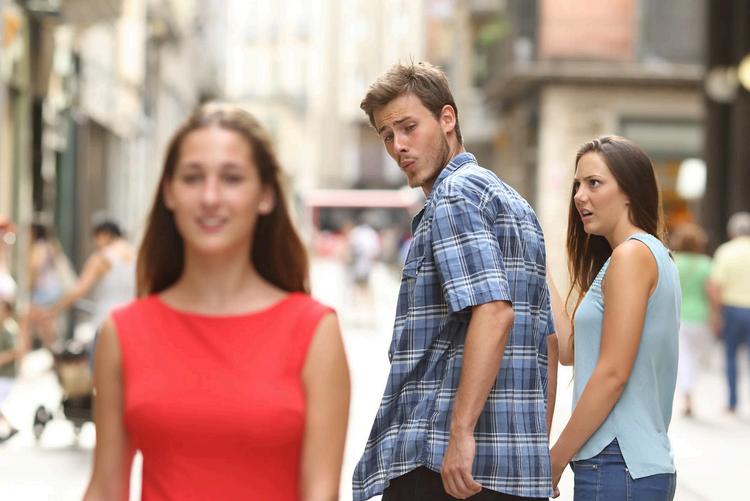
the Distracted Boyfriend meme
GENZ
SOCIALMEDIA
On average, Gen Z spends 7 hours a day on their phonehigher than any other generation
Facebook is the most popular social media platform in Vietnam
are the 2nd most followed type of social media accounts in Vietnam
Reasons for memes’ popularity
Simple (to create and understand) Featuring ttrendy opics Featuring relatable situations
Sources: DataReportal 2025, Nielsen 2025, Q&Me 2025, Oxford Dictionary, Kenh14, Brands Vietnam, VN Express, Hoa Hoc Tro, Wired
Some popular community pages in Vietnam that frequently post memes
Data as of December 2025
Some
meme
trends in 2025
SECTION2 THE MEMES
I'M JUST A GIRL
TOP 5 POPULAR TOPICS
‘I don’t use logic’
Our team found great diversity in the memes’ content –they addressed a wide range of gender stereotypes (in either positive, negative or mixed manners) Here are the top five most common stereotypes found in our data:
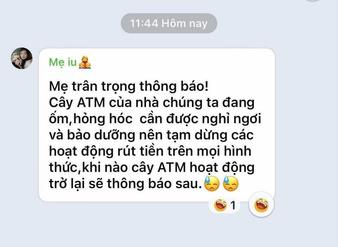
‘Strong men will win’ ‘Sisterhood forever!’
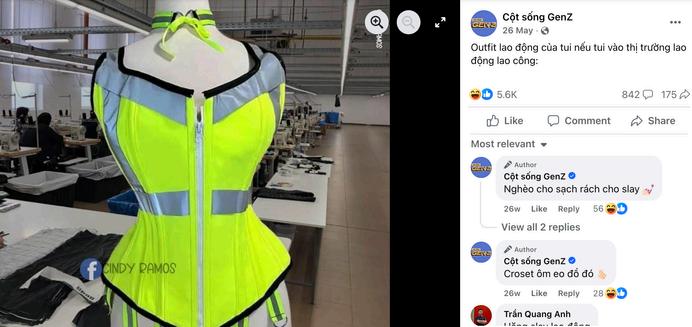
'I want to look good’
In each meme, the author either agreed with, showed mixed emotions towards, or disagreed with these stereotypes. Here’s a quick breakdown of the viewpoints:
31% POLYSEMY 11% CHALLENGE
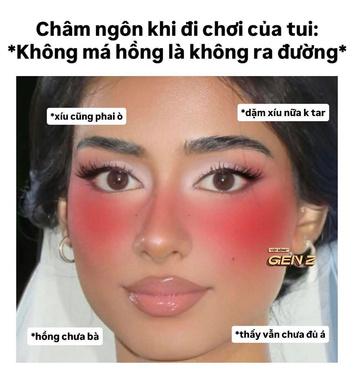
58% REINFORCE
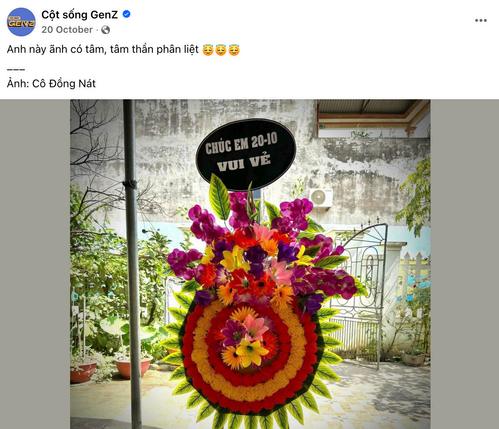
“The ignorant male’
58% REINFORCE: Our memes tend to agree mostly with the ‘irrational woman’ stereotype, followed by the ‘female bonding’ and ‘superior men’ ones.
31% POLYSEMY: These memes are either ambivalent, or they feature a mix of stereotypes, or they’re open to different interpretations
The top stereotype in this category is ‘irrational woman vs rational man’
11% CHALLENGE: Many memes disagree with the ‘ignorant male’ beliefs, as well as ‘women are weak’ stereotypes
Vietnamese Gen Z is vocal about various gender matters, and have a wide range of feelings towards common stereotypes. Thanks to memes, these seemingly difficult topics have become much easier to grasp.
A PLOT TWIST!
Each meme in our list is a story in itself, full of twists and turns that can leave readers rolling in laughter In particular, Gen Z authors aren't afraid to show off their story-telling skills with the clever rhetorical tools below:
Metaphor
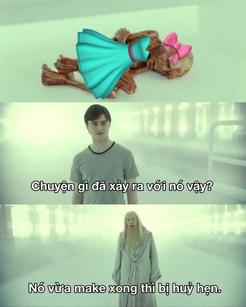
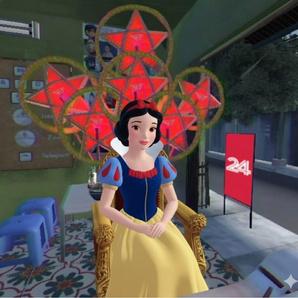
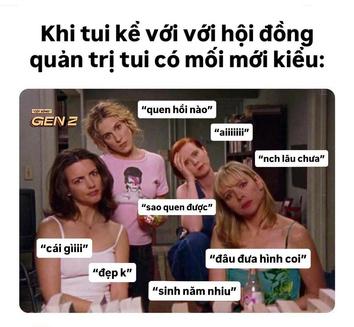
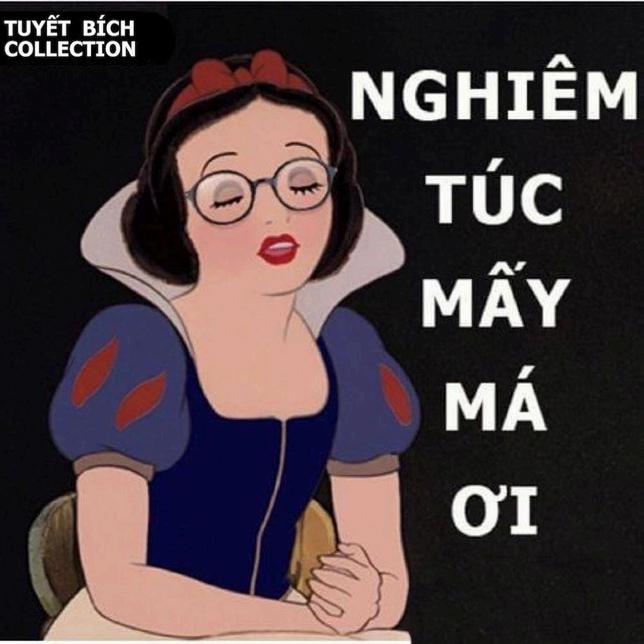
Isn’t it Snow White in this meme? Or Hello Kitty? Oh wait, it’s in fact the sitcom Sex in the City!
Many memes use popular culture, such as taking characters in movies and novels out of context, to maximise the humour
Sarcasm

Nothing is more vivid than a good metaphor – and meme authors understand this well From legal terms and snakes to math equations and cars, memes paint powerful images that convey the message quickly
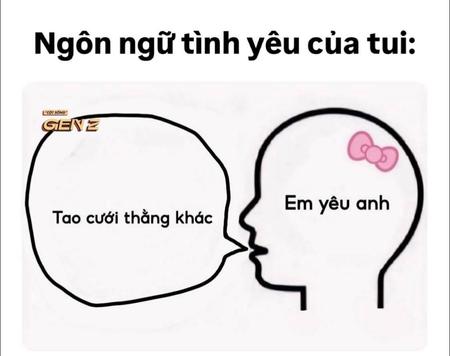
It might be more fun to say things that mean the opposite of what you mean – especially when you are being critical Since gender stereotypes can be sensitive, authors can let readers guess that they mean without being confrontational.
Plot twist
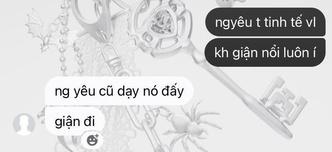
It starts one way but – surprise! – ends in a completely different manner Unexpected storylines keep readers on their toes, especially when they mention predictable tropes.
Irony
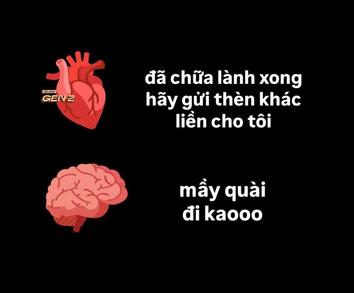
Very similar to sarcasm is the use of irony. To mock gender stereotypes in a subtle and hilarious manner, memes’ authors write the opposite of what they mean, or place two contrasting situations next to each other
THE TOP 5 VISUAL STYLES
Together with words, visuals help memes convey the message. An eyecatching photo, or graphic, is even more crucial given that memes belong to social media, where audiences spend only a split-second reading content
Here are the 5 visual techniques found in our memes:
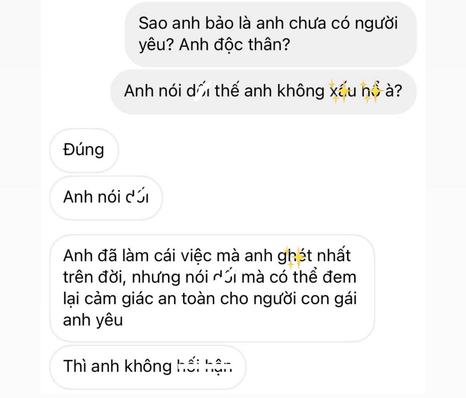
Recap of online chat
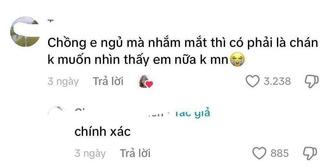
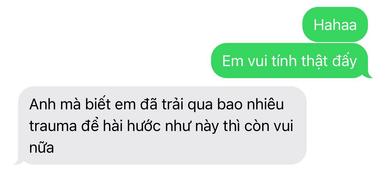
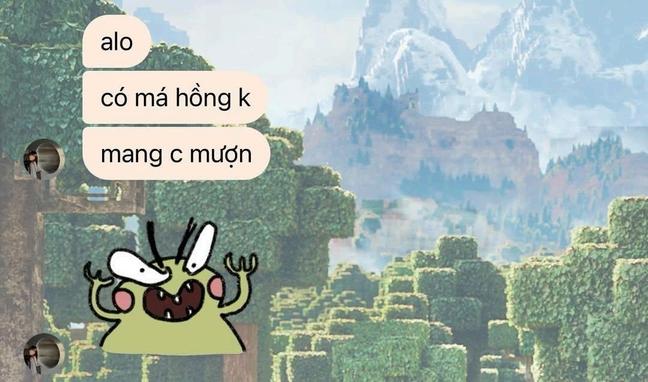
The most popular visual style is screenshots of private chats on Facebook The screenshots usually feature back-and-forth arguments, explanations, or reactions between couples and friends –where gender stereotypes emerge
Personal story sharing
If the meme only features one person, the visual tends to be a recap of that person’s internal thoughts about gender roles, and how their actions are influenced by their own gender. It can also be a question they posed to fellow netizens – and any responses that they received
Meaningful visuals
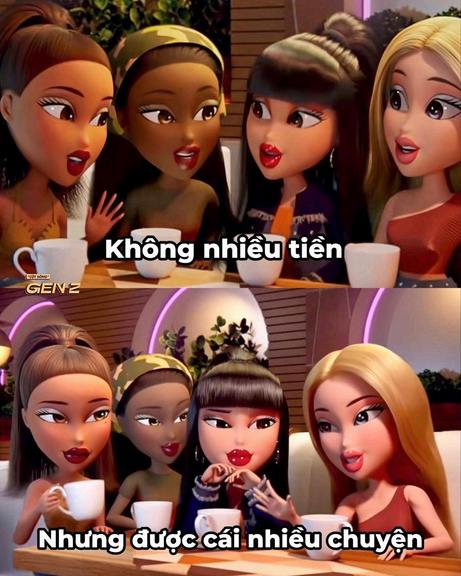
To help express feelings, memes also include meaningful visuals such as emojis, stickers, and trendy cartoon characters
This is similar to how Gen Z text their friends on social media, which enhances the memes’ ‘relatable’ aspect.
4 Parody of popular culture
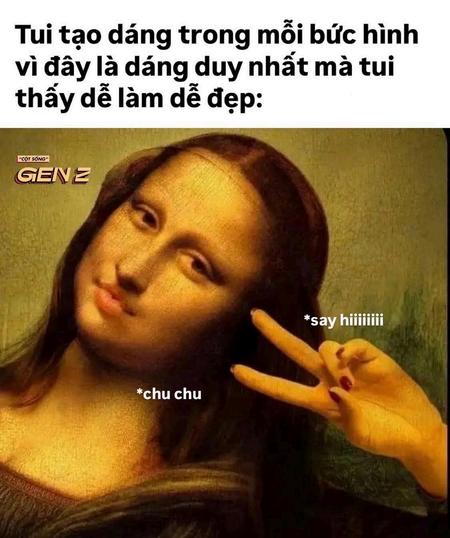
Meme parodies of pop culture, such as Harry Potter, Disney characters or popular Vietnamese novels, usually include a photoshopped picture of those characters. The humour lies in these taken-out-of-context photos, which originally have nothing to do with gender stereotypes
5 Parody of existing photos
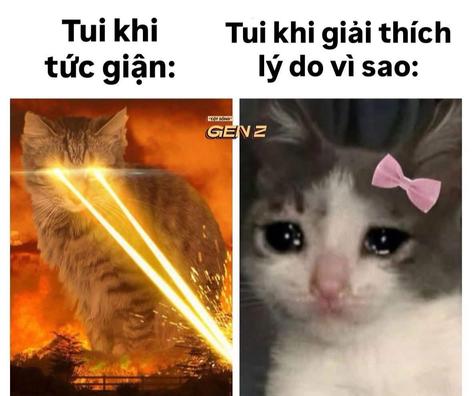
Any photos can be used in these memes: Random photos of animals, students, couples, friends, or celebrities usually accompany the text For this type of visual, the text does the heavy lifting since photos are for illustration purposes only.
IS HE A ‘RED FLAG’?
A core aspect of humour is linguistic devices, and memes are chockfull of them In fact, we believe that meme authors are indeed poets, as their skills shine through a variety of methods below:
Slangs
Trendy social media slangs, such as ‘trap girl’ (unfaithful girl) or ‘boy phố’ (urban guy), usually make their way to the memes’ captions
This practice connects the memes to trends, ensuring Gen Z has a good laugh out of them.
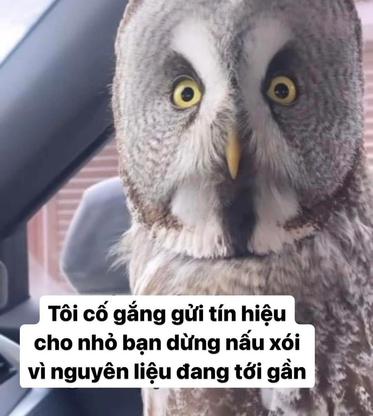
Spoonerism
If there’s a contest for the most witty linguistic device in the Vietnamese language, spoonerism should take the top place
Gen Z authors, being witty Vietnamese themselves, also use this ageold method in memes – such as ‘nấu xói’ instead of ‘nói xấu’ (gossiping).
English code-switching
Globalisation, and increasing English literacy among young Vietnamese, means that trendy English slangs are also common in memes
It’s very easy to find phrases such as ‘overthinking’, ‘Hey Siri’, ‘joke of the day’, ‘red flag’ and ‘pmg’ (pick-me-girl)
Emojis
Young people anywhere love their emojis and Vietnamese Gen Z is no different, especially in memes that feature online texting.
An interesting point: Emojis aren't just for expressing literal feelings –they're also a device for sarcasm and irony.
Serious language
Sometimes, to maximise irony and sarcasm, memes also feature formal language with proper grammar and pronunciation
For example, serious phrases, such as legal terms or pseudopsychology sentences, are often placed next to trendy slangs. Formal language is also a sign of generation gap, in which Gen Z authors mock their parents, or older partner, for texting in a serious manner
OLD AND NEW
Overall, we can say that gender memes in Vietnam are diverse in terms of topics, rhetorics, visual styles and linguistic devices
Through witty methods such as sarcasm, parodies and a good chunk of slangs, Gen Z authors show that they’re willing to address gender stereotypes head-on
The memes are indeed fun, but they aren’t silly or meaningless. In fact, these memes have proven to be powerful tools for young people to engage in a centuries–old debate: How do gender roles shape the lives of Vietnamese men and women?
TRY THIS!
The next time you come across a gender meme (and probably have a good laugh about it), how about going a bit deeper? Let's try these fun questions to help you engage a bit more with them:
What topic does the meme talk about? Is it a popular stereotype in your culture?
What makes it funny?
Did the author use metaphor, plot twist or sarcasm?
Is there anything special about the visual style? Is it a parody of pop culture, or a personalstyle story sharing?
THE COMMENTS SECTION3
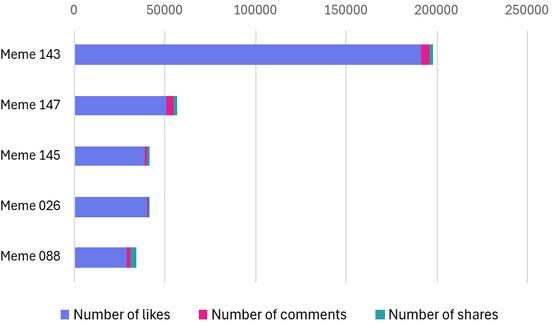
TOP 5 MEMES WITH THE HIGHEST INTERACTION
TOP 3 PAGES WITH THE HIGHEST INTERACTION
The top three meme pages recorded 49,254 to 161,922 interactions per post. This also confirms the popularity of meme pages on Vietnam’s social media – users love a good laugh, and they’re willing to show that.

'I DON’T THINK GUYS ARE LIKE THIS”
On the next page, we’ll discuss in more detail the types of responses that these memes receive from Facebook users
PLAY ALONG WITH THE JOKE
In consensus comments, users agree with the meme’s message They either accept the joke as it is, or repeat and reinforce the humor.
In our study, memes receiving a high level of consensus comments often focus on common gender stereotypes
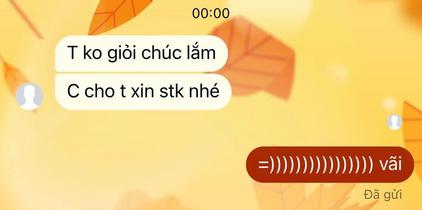
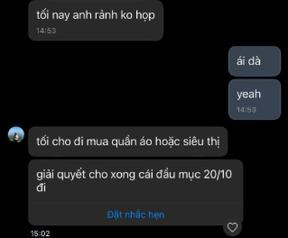
Reinforces the idea that men must provide for their women
Relevant comments: 131 Consensus : 100%
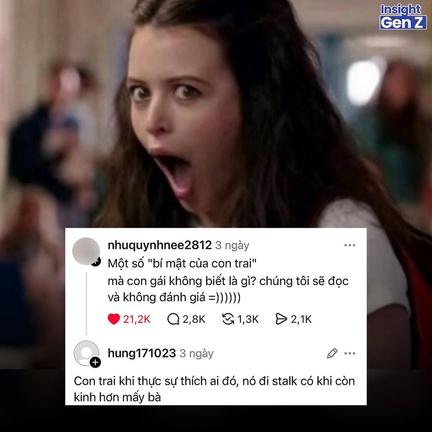
For example, many users agree with memes that say women are emotional beings who tell friends everything about their lives, and obsess over their appearance
They also love the portrayal of men as providers, decision-makers, or the ones who take the lead in romantic situations.
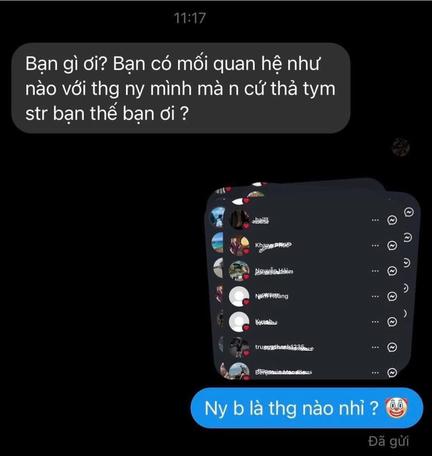
Reinforces the idea that women are emotional and irrational
Relevant comments: 65 Consensus : 100%
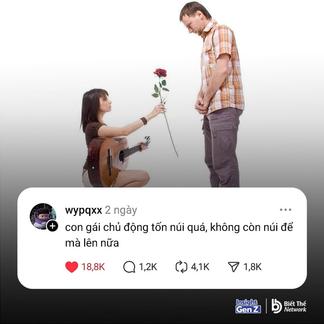
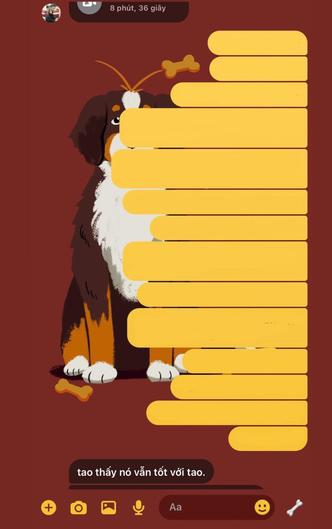
Reinforces the idea that women are emotional, irrational and that they tell their friends about relationship
Relevant comments: 70 Consensus : 100%
Overall, the consensus comment sections are filled with users laughing along, tagging their friends, repeating similar views, or giving personal examples to illustrate the stereotypes.
NEGOTIATION
‘IT’S NOT ALWAYS LIKE THAT, YOU KNOW’
In negotiation comments, users partly agree with the meme but adjust its meaning. They soften, reinterpret, or slightly challenge the gender stereotype instead of fully accepting it. For example, in response to memes that portray women as irrational, users re-frame female emotions as situational, exaggerated, or humorous
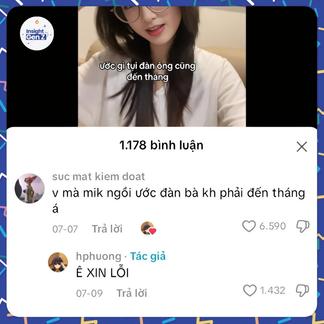
Challenges the idea that men don't care about women's health and reinforces the idea that women think they suffer more than men due to menstruation
Relevant comments: 20 Negotiation: 75%
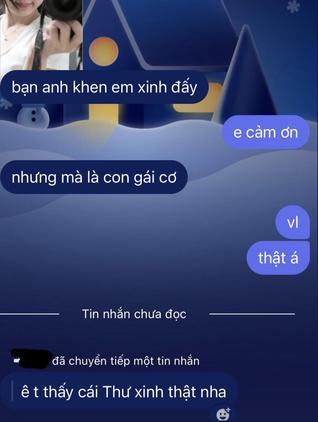
When memes discuss what a man ‘should be like’, many users question what counts as “normal” male behaviour in the context of modern masculinity. For instance, some comments argue that the men they know also do housework, or they believe that women can take the lead in dating

Reinforces the idea that women are emotional and irrational
Relevant comments: 99 Negotiation: 66%
Reinforces the idea that men are not crafty, challenges the idea that men are emotionally distant in a relationship
Relevant comments: 44 Negotiation: 45%
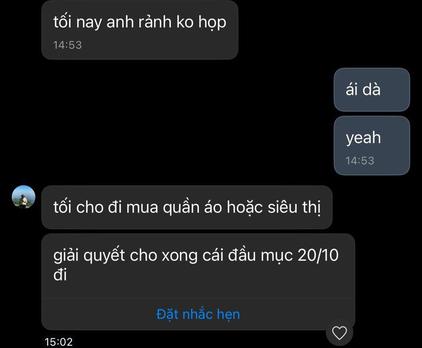
These comments show how young people negotiate between old and new gender expectations, using humour and everyday examples to talk about fairness, double standards, and shifting social norms.
OPPOSITIONCOMMENTS
NAH, THAT’S NOT TRUE!
In opposition comments, users challenge the joke, question the humor, or push back against the stereotype shown in the meme Memes with a high level of opposition comments trigger strong pushback because they rely on stereotypes that many Gen Z find outdated or harmful.
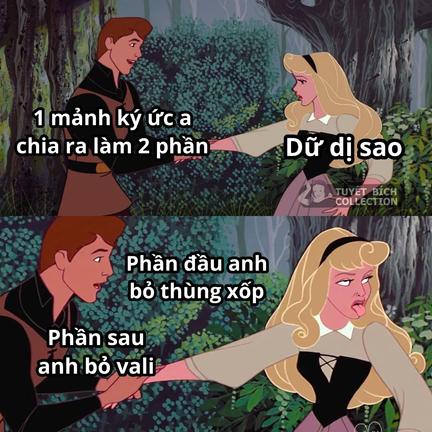
Reinforce the “predatory male” trope and "romantic pick-up lines" trope, also reinforces the “dramatic woman” stereotype
Relevant comments: 38 Opposition 55%
For example, users reject the memes that believe women are weak, dependent on male support, and defined by beauty Commenters want to re-frame women as capable and self-reliant.
Reinforces the generation gap, and the idea that older men are unfamiliar with trendy Gen Z terms
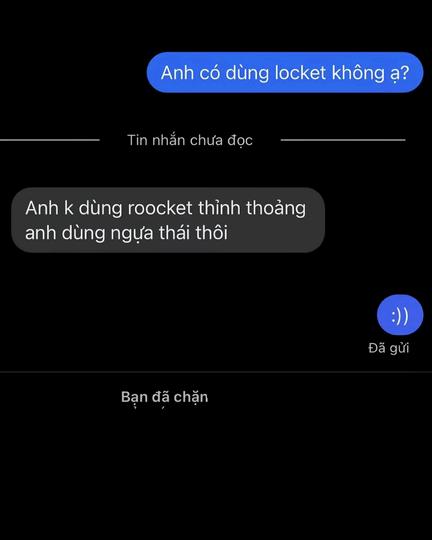
Relevant comments: 12 Opposition: 50%
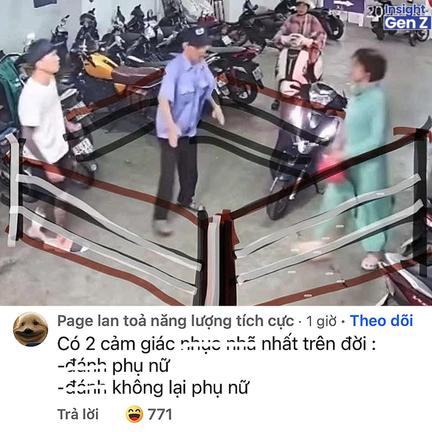
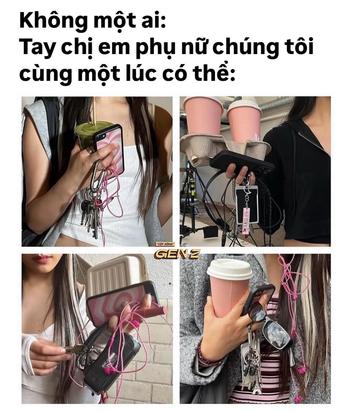
Challenges the idea that women are weak and can't take care of themselves
Relevant comments: 12 Opposition: 50%
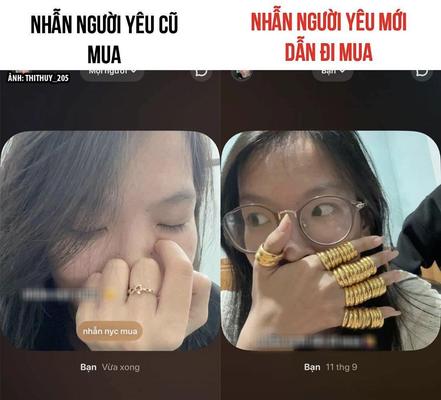
We can see that memes exaggerating traditional gender roles, or reversing them in extreme ways, are criticised by users. Opposition comments also challenge toxic masculinity stereotypes. They instead promote more nuanced ideas of modern masculinity.
CONCLUSION
GENDER IS OPEN FOR DEBATE
Young audiences are not passive consumers of meme content Through comments, they interpret and reshape memes based on their point of view and personal experience Some go along with the joke; others tweak it, and some push back. They also tag their friends and reply to each other’s comments, creating a lively debate in the comment section
In summary, Gen Z often agrees with familiar and relatable jokes These usually draw on well-known stereotypes.
However, Gen Z tends to negotiate when memes touch on changing gender norms.
In these cases, comments sound like “this is kinda true, but it depends,” blending agreement with reinterpretation
Gen Z is most likely to push back when memes feel clearly sexist or harmful That’s when comment sections shift from humour to calling out bias and demanding fairer portrayals
TRY THIS!
The next time you see a gender meme, scroll through the comments
Which comments agree, disagree, or show mixed feelings about the meme?
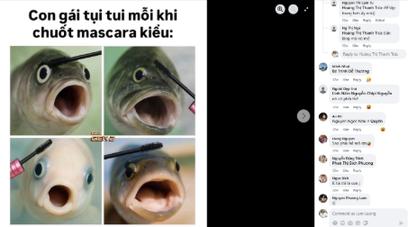
What is your opinion?
Why do you have that reaction to the meme’s message?
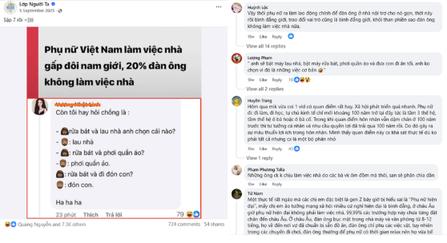
APPLICATIONS SECTION4
3 TIPS TO USE MEMES IN CAMPAIGNS TOWARDS GEN Z
What marketing managers should know:
For gender memes used in marketing campaigns, the risk includes brands trying to hop on the funny bandwagon, without understanding the specifics of Gen Z humour
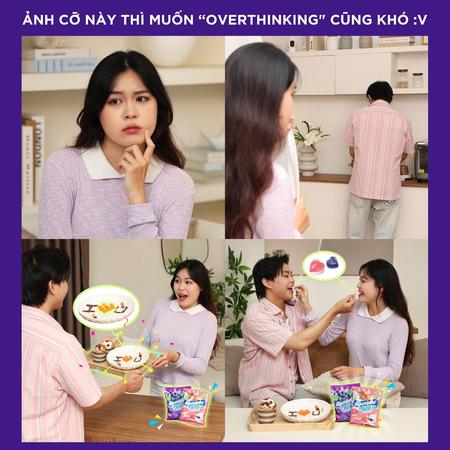
Our most engaged branded memes worked because they felt emotionally real Using familiar GenZ chat formats, soft colours, and everyday rituals like milk tea, these memes slipped brand messages into moments of vulnerability, care, and quiet humour
But there’s a catch. While these memes connect deeply, they often rely on the same “cute” gender scripts The humour softens it, the aesthetics modernise it yet the imbalance stays
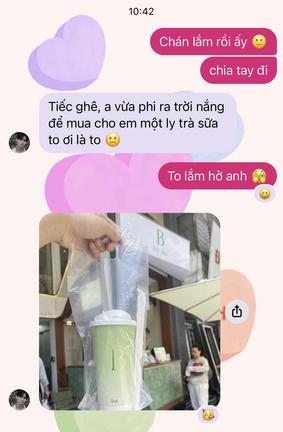
Less-engaged branded memes showed why subtlety matters When the product or playful “bribe” becomes too obvious, emotional moments feel deflected, and the meme reads more like marketing than culture
OUR BRANDED MEMES WITH THE HIGHEST ENGAGEMENT

OUR BRANDED MEMES WITH THE LEAST ENGAGEMENT
FORBRANDS GENDER-RELATED CAMPAIGNS THAT DID IT RIGHT
Case study 1
Genderation Vietnam
Here are three marketing campaigns that managed to address gender issues in an engaging, and respectful, manner
Case study 2
Organizer: Closeup
Organizers: Oxfam, CISDOMA, TUVA Communication
A youth-focused initiative encouraging young people to rethink gender norms through conversation rather than instruction.
Its strength lies in a bottom-up approach that mirrors Gen Z meme culture open, non-preachy, and participatory.
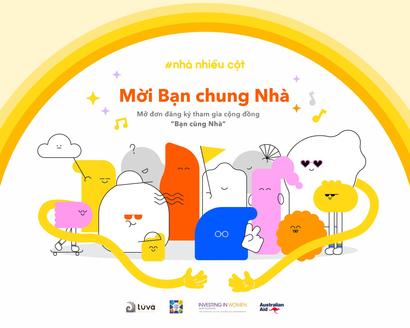
Like memes, it allows humour and everyday language to negotiate stereotypes instead of imposing fixed messages.
Case study 3
It Your Way” “I Do” Campaign
A youth-oriented brand campaign that reimagines dating and intimacy on Gen Z’s own terms
Rather than prescribing how relationships should look, it celebrates choice, self-expression, and emotional openness

Through playful visuals and relatable moments, the campaign uses soft humour and romantic irony to normalise diverse relationship styles This is a lot like memes that gently negotiate gender expectations instead of enforcing them
Across these cases, one pattern stands out: Gen Z engages most with gender communication that feels open, negotiable, and emotionally grounded
Memes offer a powerful reference for how marketing and advocacy can challenge stereotypes, without triggering resistance or backlash
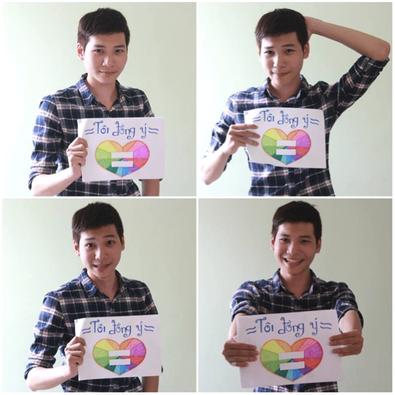
Organizers: Institute for Studies of Society, Economics and Environment (iSEE) and the ICS Center
A social campaign advocating recognition of samesex marriage. Its success came from visual symbolism, remixing, and shareability elements
Gen Z easily turned into meme-like expressions
Rather than confronting traditions directly, the campaign used emotional storytelling to softly challenge norms around love, gender, and family
FOREDUCATORS GEN
Z, GENDER & STUDYING: AMBITION WITH A SENSE OF HUMOR
What educators should know:
The most-engaged school memes show Gen Z students treating academic pressure with warmth, irony, and emotional realism not drama
In highly engaged memes, gender roles are present but flexible These joke works because it acknowledges the stereotype while quietly questioning whether it still fits By contrast, the least-engaged school memes lean into emotional manipulation
When academic advice is mixed with passive-aggressive care or egodriven messaging, the humour turns sour Gen Z readers seem quick to disengage when “support” feels controlling, rather than empowering.
OUR MEMES WITH THE HIGHEST ENGAGEMENT ABOUT SCHOOLING:
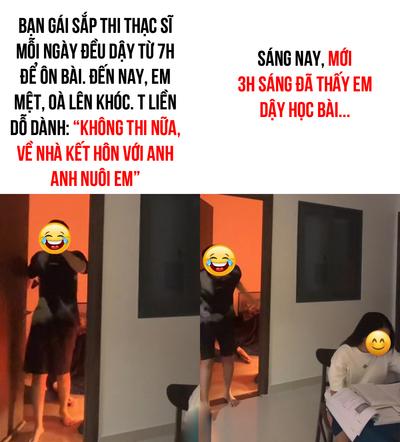
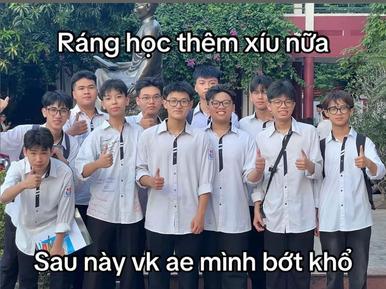
OUR MEME WITH THE LOWEST ENGAGEMENT ABOUT SCHOOLING:
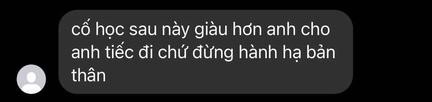
In an academic setting, Gen Z students might respond best to meme content that:
A HANDY CHECKLIST: HOW SHOULD YOUR CLASSROOM APPROACH GENDER TOPICS?
Use humour to open discussion about academic stress and emotional pressure
Help students recognise when “care” becomes control in academic or personal contexts
Analyse how gender expectations shape ideas of studying, ambition, and success
Critically reflect on provider narratives linked to education and future roles
Encourage discussion on balancing independence, relationships, and academic goals
Compare individual motivation with peer-group or collective motivation
Examine how relatable humour can still reinforce gender stereotypes
Discuss why emotionally warm, supportive content drives higher engagement
Task students with designing inclusive, stereotype-aware academic messages
FORBUSINESSES
The oldest Gen Z have begun their career, and it’s important that businesses understand this cohort's social values and sense of humor
This will help businesses build a stronger workplace culture, and attract the best employees
What businesses should know:
Our study reveals that Gen Z cares a lot about gender issues. Highengagement memes often celebrate female financial independence, or reimagines provider roles.
By contrast, rejected or low-engagement memes portray women as dependent or irrational.
Similarly, workplace or relationship memes that rely on male ego, passive-aggressive “care,” or emotional manipulation perform poorly.
Gen Z audiences also push back against rigid masculinity in professional and personal contexts.
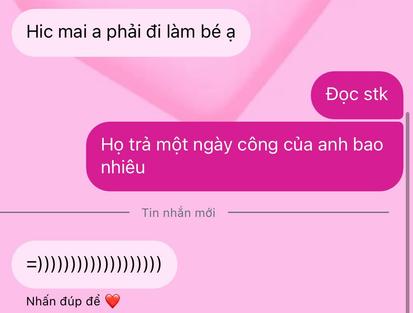
BEYONDVIETNAM
Finally, let’s zone out a bit. Do Vietnamese Gen Z speak the same meme language as their Southeast Asian peers? From our research, not really! Memes’ meanings are shaped by local culture, language, and social norms
IS THERE A REGIONAL MEME LANGUAGE?
Thailand: Cute Rage, Safe Expression
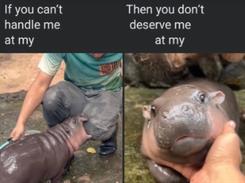
In Thailand, viral memes like Moo Deng — a baby pygmy hippo from a zoo — show how cuteness becomes a socially acceptable way to express frustration, emotional overload, or “female rage.” By using animals and playful visuals, Thai memes allow strong emotions to surface without direct confrontation, reflecting a culture that values indirect expression and symbolic humour.
Indonesia: Memes as Voice and Critique
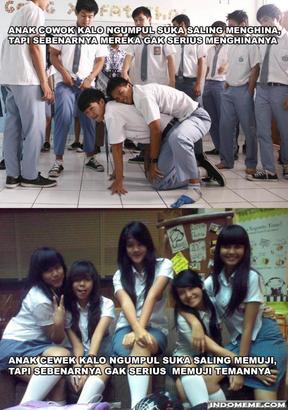
They are used to comment on society, express identity, and respond to political or social issues. Linguistically rich, these memes rely on sarcasm, hyperbole, slang, and code-mixing. Gender memes are often direct, exaggerating stereotypes about women’s roles or personalities, and openly reinforcing or challenging power structures.

Philippines: Memes as Everyday Language
In the Philippines, memes are deeply embedded in daily communication. Using Taglish and regional references, they resonate strongly with local audiences and even shape how people speak offline. Brands actively participate in this meme culture, gaining high engagement.
Vietnam: Soft Resistance Through Humour Takeaways!
Vietnamese Gen Z memes take a different path. Rather than parody or activism, they use gentle irony, emotional nuance, and relational humour.
Gender issues are approached carefully, often through layered jokes and implied meanings.
This “soft resistance” invites negotiation rather than confrontation, allowing audiences to agree, disagree, or reinterpret.
Your meme language reveals where you’re from
Memes may look similar across Southeast Asia, but they do not speak one language.
WHY UNDERSTANDING GEN Z’S MEME LANGUAGE MATTERS
Gen Z’s memes are not random jokes they are a shared language that carries values, boundaries, and expectations.
Understanding this language matters because different sections of society interact with Gen Z in different ways
For brands, meme literacy helps distinguish emotional connection from forced relatability
In education, when used thoughtfully, memes encourage dialogue When misused, they reveal power imbalances that Gen Z quickly resists.
At the societal level, especially at work, memes act as micro-level advocacy. They allow young people to negotiate gender norms, question stereotypes, and express disagreement without confrontation.
Looking across the region, Vietnam’s meme culture highlights the importance of context
Unlike protest-driven or confrontational meme cultures elsewhere in Southeast Asia, Vietnamese Gen Z relies on soft resistance layered humour, emotional nuance, and implied meaning
In summary: Understanding Gen Z’s meme language is not about copying formats, but about recognising how humour, emotion, and silence work together.
CLOSING SECTION5
FINALNOTES
MEMES ARE MORE THAN JUST SILLY ENTERTAINMENT
Overall, memes serve both as a tool for humorous and creative expression, and as a space where social stereotypes are reproduced and debated Through humour and irony, memes act as soft power, supporting the goals of SDG 5 (Gender Equality) by making sensitive topics approachable rather than confrontational. Influenced by Confucian ideas about gender and family roles, many memes reproduce or play with traditional expectations, but audience reactions reveal shifting values.
The concise images, abbreviated language, and satirical style help messages spread quickly At the same time, the comment section has become spaces of social participation where young people actively agree, negotiate, or reject what they see This confirms that memes not only reflect online culture but also actively participate in shaping contemporary social discourse

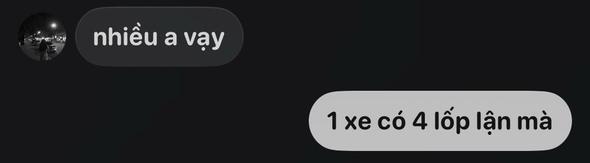
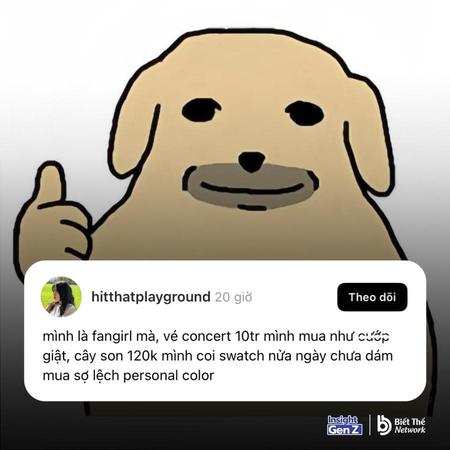
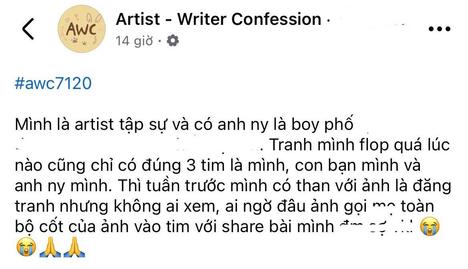
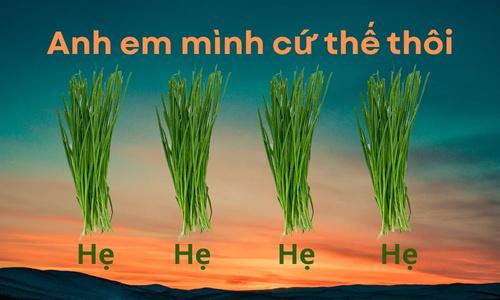
“You have so many guys!”
“A car has 4 tires, so...?”
My sister asked me to lend her the makeup blush right before she went into labor”
For research
FUTUREPLANS
WHAT COMES NEXT?
For your own use
When you scroll Facebook and see a gender meme, let’s spend a few minutes for these fun activities:
Pay attention to the message, ongoing patterns and tone
Participate in discussions by commenting politely, asking open-ended questions, sharing personal experiences, and avoiding attacks or prejudice.
Follow pages for academic research, media outlets, social organizations, and community campaigns on gender equality.
OUR SOURCES
Our research project analysed memes from the following Facebook pages:
Cot Song Gen Z
Dai Tieng Noi Gen Z
Insight Gen Z
Insight Mat Long
Truong Nguoi Ta
Tuyet Bitch Collection
Why So Serious
Lop Nguoi Ta
This magazine used photos, facts and figures from the following sources:
@indomemescom on X
BoredPanda through Inkl
Brands Vietnam
Close-up
DataReportal
Hoa Hoc Tro
Kenh14
iSEE
Nielsen
Q&Me
Oxfam & Tuva Communication
Oxford Dictionary
Shiela Marie Dagasdas on YouTube
Phillip Banks on X
Wired
VNExpress
COPYRIGHT AND DISCLAIMER
All information in the magazine belongs to the research team of RMIT University Vietnam and the companies, organizations and individuals that originally owned the information (referenced accordingly in the magazine).
Any form of copying, using or distributing this information (for both profit and non-profit purposes) is not allowed without written consent.
All information in this magazine is for reference only and updated until December 2025. RMIT University Vietnam’s research team makes no guarantees regarding completeness of the content and accepts no liability for any errors or omissions.

TEAM
Ms. Nam-Phuong Nguyen (Wendy) Associate Lecturer & Project Manager phuong.nguyen167@rmit.edu.vn



Dr. Liem Bui Lecturer
liem.buiquoc@rmit.edu.vn
Ms. Lam Luong Associate Lecturer lam luong2@rmit edu vn
Dr. Lena Bucatariu Lecturer lena bucatariu@rmit edu vn
EDGEMENTS
The research team would like to express our sincere gratitude to the SCD Seed Funding project for its support.
We also appreciate the contributions of the research assistant, designer, and translator who have been instrumental in the completion of this magazine.