
UVA SCHOOL OF MEDICINE
2025 ANNUAL REPORT
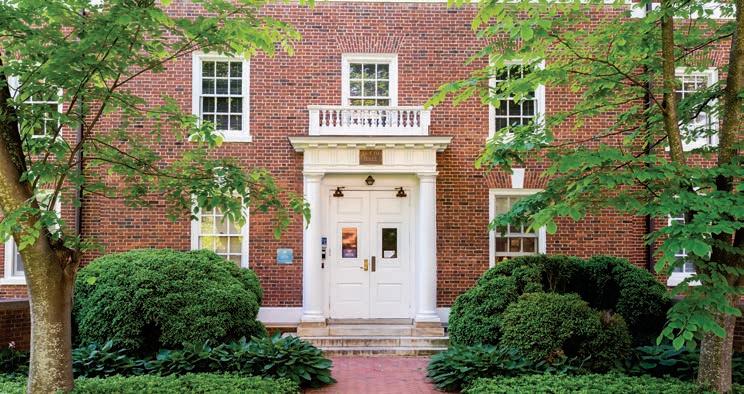


In this 2025 Annual Report, we are proud to highlight some of the achievements of our faculty, staff, students, and trainees at the UVA School of Medicine. Our School has a tradition of excellence that serves as the foundation of our work and keeps us focused on what’s most important—providing outstanding patient care in our community and across Virginia, and inspiring hope for a healthier future through research and education. Before I was named interim dean in August, I had the privilege of working as a physician, researcher, and chair of our Department of Radiology and Medical Imaging. As the interim dean, I am now in an intensive phase of learning more about so many other aspects of this great School.
Our people and culture are what make the School of Medicine an exceptional place to work and train. We join together daily to deliver high-quality, compassionate care to patients, pioneer groundbreaking research, educate the next generation, and engage with our community.
Last year we saw many great initiatives that elevate our clinical mission, like the launch of a new mobile health unit that increased patient access to healthcare outside of brick-and-mortar buildings. Also, our UVA Health University Medical Center and Children’s Hospital were nationally recognized as the No. 1 hospitals in Virginia.
In education, we were proud to expand the number of degree programs in biomedical sciences to include computational biology. Our incredible educators consider it an honor to train and mentor the talented medical and graduate students who join our School each year. Our research continued to produce exciting scientific discoveries that translate to improved therapeutics. Despite the national NIH funding uncertainties, our world-class researchers remained steadfast in their commitment to advancing science in medicine, which led to potential new treatments for diabetic blindness and seizures, among others. And Alzheimer’s research, a top initiative for the new Paul and Diane Manning Institute of Biotechnology, was bolstered with new philanthropic funding.
The successes of this past year reflect the dedication and hard work of our School of Medicine community. As you read this annual report, I hope you’ll join me in celebrating all of the people who make our School such a special place. am excited about building momentum to accomplish One Future Together.

Sincerely, Colin P. Derdeyn, MD Interim Dean, UVA School of Medicine


“We are shaping the future of medicine through groundbreaking research in labs that translates to promising new treatments for patients.”
Pioneering discoveries that advance science and pave the way for innovative treatments are the driving force behind UVA School of Medicine research. With over $269 million in total research dollars and $156 million in NIH awards, our world-class researchers develop next-generation medicine that improves lives on a global scale.

RESEARCH BY THE NUMBERS
—Jeffrey R. Martens, PhD, Senior Associate Dean for Research $269M Total Research Dollars
198 NIH-Funded Investigators 3 Nobel Prize Awards
23 Members of the National Academies 594 Active Clinical Trials 4,211 Clinical Trial Subjects Enrolled
Clinical Research Revolutionizes Medical Care
Transforming research discoveries in laboratories into life-saving treatments is at the core of clinical research. With an expanded Clinical Trials Unit, UVA has enhanced support for researchers testing innovative drugs and techniques, while collecting essential data that could lead to groundbreaking therapies for patients.
A clinical trial led by Jayakrishna Ambati, MD, tested a long-approved HIV drug’s impact on patients experiencing a blinding complication of diabetes. In the U.S., over 37 million adults live with diabetes, and 1 in 14 develops diabetic macular edema, which causes fluid buildup in the retina of the eye. Ambati’s clinical trial suggests that the oral medication lamivudine could improve vision, and provide patients with an alternative to monthly injections directly into their eyes. His research garnered attention from media outlets worldwide, including U.S. News and World Report and The Express UVA also made headlines for receiving a $9.3 million initial award from the National Institutes of Health for a $30 million, five-year clinical trial to determine the effectiveness of ketamine in treating prolonged, life-threatening seizures. Jaideep Kapur, MBBS, PhD, co-director of the UVA Brain Institute and epileptologist, is leading a team of researchers in this national, 60-site trial to improve treatment guidelines for dangerous seizures that can cause permanent brain damage or death.
Linda Duska, MD, MPH, oversaw UVA’s participation in an international clinical trial to improve treatments for cervical cancer. This trial combines the immunotherapy drug pembrolizumab, known by the brand name Keytruda, with concurrent chemoradiotherapy treatment for patients with locally advanced cervical cancer. The trial data indicates that this combination therapy reduces risk of death by 33%, with findings published in The Lancet.
Jayakrishna Ambati, MD
Jaideep Kapur, MBBS, PhD
Linda Duska, MD, MPH
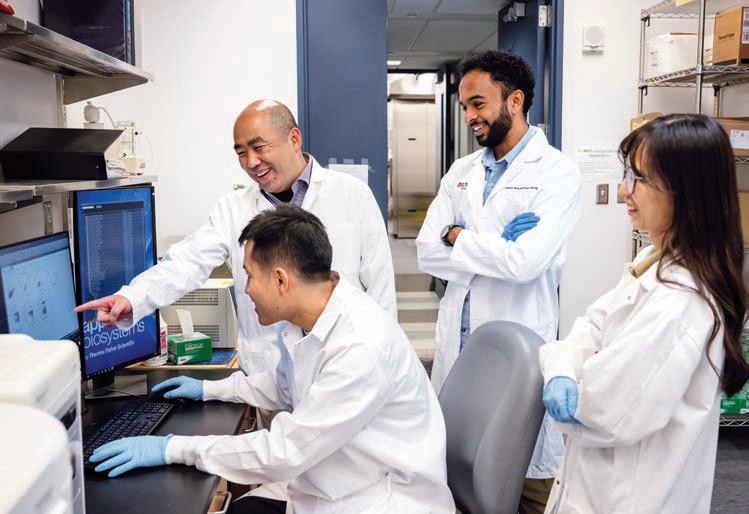
Cutting-Edge Respiratory Research for Chronic Lung Conditions
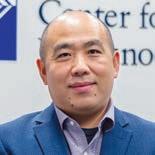
UVA is at the forefront of cutting-edge research to develop new treatments for respiratory infections and chronic lung conditions. Pediatric pulmonologist W. Gerald Teague, MD, led new research about recurrent wheezing in children and “silent” lung infections. His findings revealed 22% of children with severe wheezing had undetected lung infections that did not display typical cold symptoms. These infections respond better to antiviral medications instead of commonly prescribed steroids. Teague’s research was published in the Journal of Allergy and Clinical Immunology and was covered in 100s of media outlets nationwide.
Research scientist Jie Sun, PhD, published innovative research in the prestigious journals Nature and Science about the cause and potential treatments for persistent lung problems after infections. Using state-of-the art technologies like spatial transcriptomics, Sun’s lab and collaborators at Cedars-Sinai identified faulty immune processes responsible for persistent lung inflammation and scarring. Findings indicate existing arthritis drugs could halt the lingering lung problems. In another study, Sun’s team discovered severe viral infections like the flu can destroy immune cells’ ability to repair the lungs. Early testing shows a drug for treating patients with high levels of ammonia in their blood may reverse cell damage. Sun’s research has earned $6.2 million in new grant funding from the National Institutes of Health to further unravel respiratory diseases.
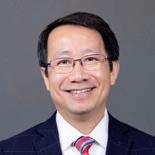
Epidermal Stem Cells Could Reverse Hair Loss
Researchers discovered epidermal stem cells are essential for hair growth, new foundational knowledge about follicle biology that could lead to novel treatments for balding. The findings by Lu Le, MD, PhD, and his research team challenge the long-accepted belief that hair growth begins in the bulbous base of the follicle known as “the bulge.”
Re-activating stem cells located closer to the skin’s surface could play a role in reversing hair loss.
Le’s research was featured on the cover of The Journal of Clinical Investigation in December 2024.
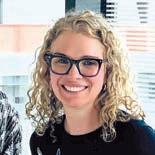
Surprising Trigger for Cold Sore Flare-Ups Identified
Department of Microbiology, Immunology, and Cancer Biology researchers, led by Anna Cliffe, PhD, discovered an unexpected way the herpes virus re-activates in the body. They identified the first viral protein required for the herpes simplex virus to wake up from dormancy, surprisingly by triggering the body’s immune system responses. Instead of fighting the virus, the protein highjacks the antiviral process in nerve cells so the virus makes a comeback. In addition to new treatments for cold sores caused by herpes simplex virus, Cliffe’s research may lead to new therapeutics for genital herpes.
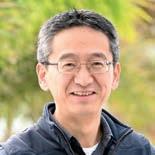
Alzheimer’s Disease Research Sees Boost in Funding
The National Institute on Aging awarded UVA’s Ling Qi, PhD, and Zhen Zhao, PhD, at the University of Southern California, a $4.1 million grant to research complex mechanisms driving Alzheimer’s disease. The researchers are studying how the STING pathway, an integral component of the immune system, interacts with the endoplasmic reticulum-associated degradation, ERAD, system in Alzheimer’s disease pathogenesis. The collaboration explores the significance of the ERAD-STING axis to identify innovative new therapeutics for this progressive neurodegenerative illness affecting over 7 million people in the U.S.
Fostering Research Excellence Through Institutional Advancements
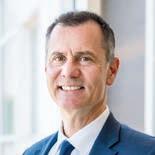
Biomedical Research Expert Named Head of Manning Institute
In May, Mark T. Esser, PhD, was named the inaugural chief scientific officer and head of UVA’s Paul and Diane Manning Institute of Biotechnology. By attracting top-tier scientists and physicians, fostering a vibrant culture of entrepreneurship, and advancing public-private partnerships, the Manning Institute aims to become a global leader in biomedical research by the year 2030. Construction on the 350,000-square-foot building began in December 2023 and is scheduled to open in late 2026.
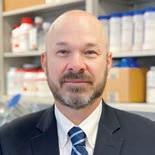
New Department of Genome Sciences Approved
The State Council on Higher Education in Virginia approved the transition of the Center for Public Health Genomics to departmental status in July 2024. It became the ninth research department at the School of Medicine, with Charles Farber, PhD, named its inaugural chair. The department advances genetics and genomics research by recruiting talented faculty to investigate the etiology of complex human diseases.
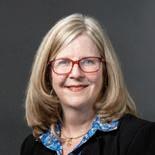
Young Women Suffer Menopause Symptoms Silently
A new study co-authored by Jennifer Payne, MD, revealed more than half of women ages 30 to 35 suffer from moderate to severe symptoms of menopause, but don’t seek treatment until decades later. The study analyzed data from more than 4,400 American women who self-reported symptoms through an online survey and the Flo app. Many women assume they’re too young to have symptoms related to menopause and suffer in silence. A better understanding of symptoms improves care and support for women as they enter perimenopause. Payne’s research published in npj Women’s Health was covered by global news outlets.
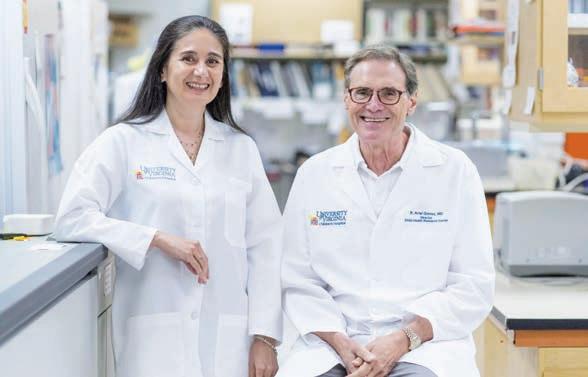
Researchers Uncover How Cells Maintain Blood Pressure and Kidney Health
UVA researchers made groundbreaking discoveries about the renin-expressing cells in kidneys that help control blood pressure. Maria Luisa S. Sequeira-Lopez, MD, and R. Ariel Gomez, MD, and their collaborators, have discovered how smooth muscle cells lining our arteries “switch” to produce renin, a substance that maintains blood pressure. They identified nine genes that play key roles in regulating renin production, findings that could lead to better ways to treat high blood pressure and cardiovascular disease. In another study, Gomez led research that explains kidney damage caused by longterm use of commonly prescribed blood pressure drugs called renin–angiotensin system inhibitors. Prolonged use can scar kidneys, turning the focus away from blood filtration to producing renin. The article about the discovery was featured on the cover of the scientific journal Circulation Research.
Lu Le, MD, PhD
Anna Cliffe, PhD
Ling Qi, PhD
Jennifer Payne, MD
Mark Esser, PhD
Charles Farber, PhD
W. Gerald Teague, MD
Jie Sun, PhD
Education
UVA School of Medicine’s world-class educational programs train future healthcare leaders through collaborative, hands-on learning. Dedicated and experienced educators advance knowledge in the medical sciences, while cultivating a supportive learning environment.
EDUCATION BY THE NUMBERS 631


PhD Program in Computational Biology Launched
The State Council of Higher Education for Virginia approved a new PhD training program in computational biology. It is the ninth degree-granting program in the School of Medicine’s Biomedical Sciences Graduate Program. Emphasizing the principles of open science, computational biology prepares students to conduct advanced analyses of large collections of biological data. Quantitative approaches used include mathematical modeling and simulation.
Nathan Sheffield, PhD, is the inaugural director of graduate studies for the new computational biology doctoral program. He oversees the development of courses and recruits top-notch faculty mentors at UVA to support trainees in their research and education.


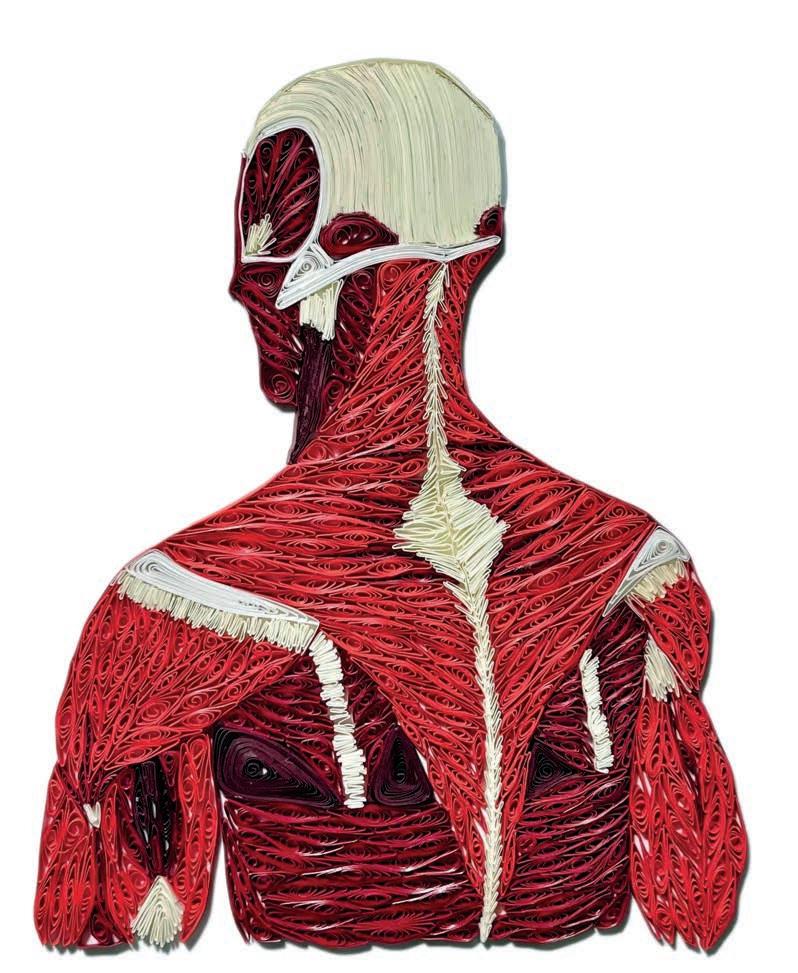
Tuyet-Minh Tran’s artwork was featured on the cover of the journal Academic Medicine in May. She used paper quilling, the technique of rolling thin strips of paper into small coils and gluing them onto a backing, to illustrate the muscles of the human body. Tran created the art during her second year of medical school as part of an anatomy lab assignment. She is a Bowman Scholar and a 2025 graduate of the School of Medicine, currently pursuing her residency in ophthalmology at UVA.
Nathan Sheffield, PhD
Biomedical Sciences Graduate Students
Revive Neuroscience Outreach
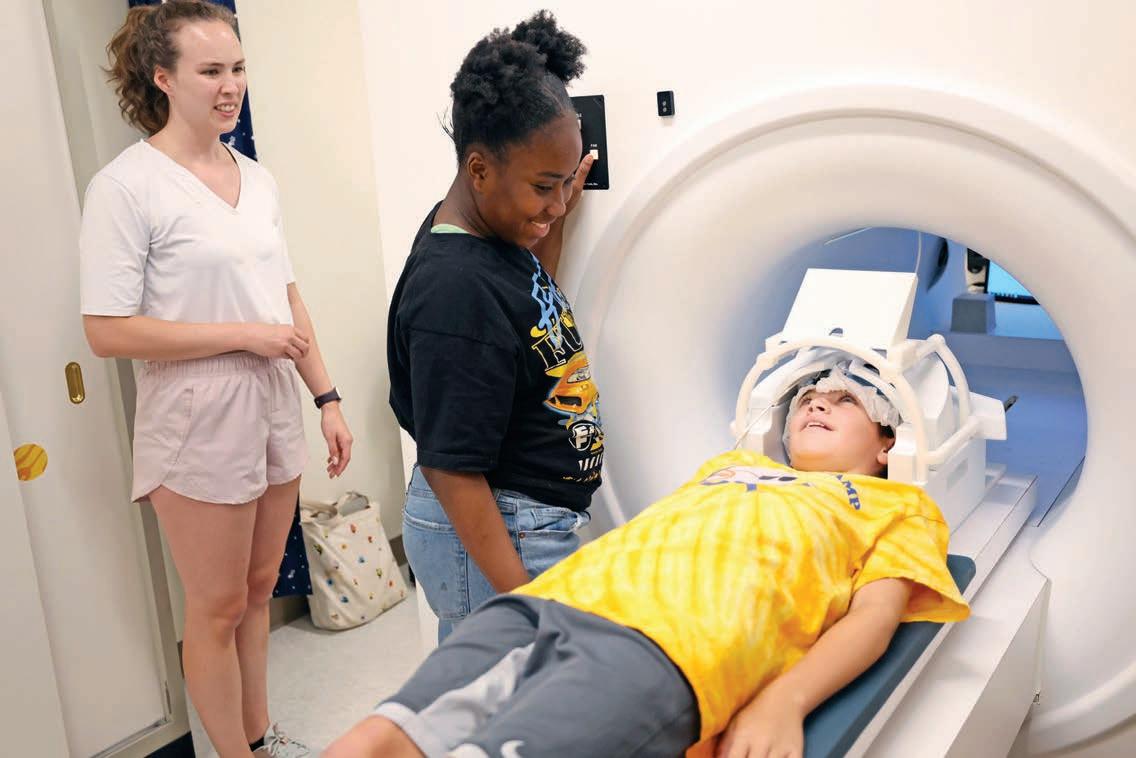
Neuroscience graduate students and faculty led an initiative to revive the Brain Awareness Outreach program for local K–12 students. They enlisted and trained new volunteers from the School of Medicine and College of Arts and Sciences and refined presentations about the nervous system, tailoring them for each age group. Educational materials included hands-on activities and examples of real human brains. Outreach efforts have impacted nearly 1,000 students and continue to grow.
A unique component of the program involves neuroscience researchers visiting art classrooms at Charlottesville High School. The students in turn visit the researchers’ labs at UVA and later create a science-inspired piece of art. The student artwork is displayed at the annual Magnify Art Show at a local gallery.
First UVA Medical Student Appointed to National Ethics Council
The American Medical Association elected Ishaan Rischie to the AMA Council on Ethical and Judicial Affairs. He is the first UVA medical student appointed to the council, which is composed of seven physicians, one resident or fellow, and one student. The group’s role is to maintain and interpret the AMA Code of Medical Ethics, a living document that guides the professional conduct, patient-physician relationships, and moral obligations of physicians. Richie’s term on the AMA council is for two years.
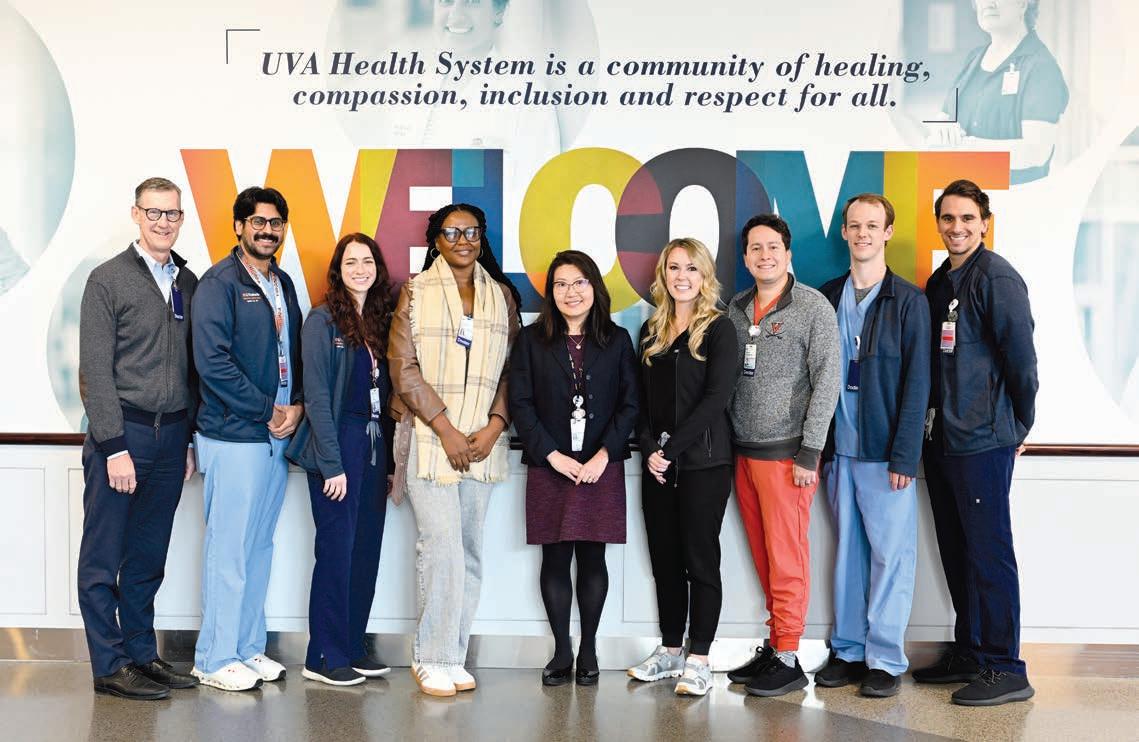
Residents Excel as Global Healthcare Leaders
School of Medicine residency programs prepare physicians to become the next generation of world health leaders by offering a Global Health Leadership Track. The training provides an opportunity for residents to explore international health challenges through a comprehensive curriculum, clinical rotations, and research at partnering institutions around the world, such as Guatemala, Uganda, and Tanzania. Trainees develop the knowledge and skills to practice culturally competent medicine in low-resource settings. The Department of Surgery is one of the latest departments to receive approval from the Accreditation Council for Graduate Medical Education to develop a new global health surgery track.
Pioneering Art-Based Clinical Skills Program Enriches Medical Education
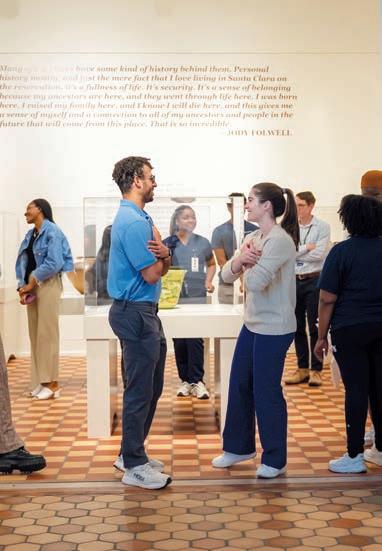
More than 100 medical schools across the nation partner with art museums to offer art-based clinical skills training for medical students. The UVA School of Medicine was an early pioneer of this effort to engage students with visual art to improve their observation and other core clinical skills in preparation to become doctors. Since 2013, UVA’s Clinician’s Eye program has partnered with The Fralin Museum of Art to integrate arts and humanities into first-year medical student curriculum. Students attend a week-long interactive workshop where they sharpen visual thinking, listening, and reflection skills, improving their diagnostic acumen and preparing them to become compassionate and resilient physicians. The success of the Clinician’s Eye program has led the School to begin creating an iteration for biomedical scientists called the Investigator’s Eye.
Ishaan Rischie
“The School of Medicine is committed to delivering the most advanced, lifesaving treatments available to our patients every day.”
High-quality, compassionate care is at the heart of the UVA School of Medicine’s clinical mission. As part of a $4.8 billion healthcare enterprise, the School’s 20 clinical departments and more than 1,000 physicians are committed to reshaping medical practice and meeting the health needs of our community and beyond.
CLINICAL BY THE NUMBERS #1
—Melina Kibbe, MD, Dean, UVA School of Medicine and Chief Health Affairs Officer, UVA Health (2021–2025) #1
U.S. News & World Report Best Children’s Hospitals in Virginia
Newsweek Best Hospitals in Virginia 996 Hospital Beds
2.1M
Ambulatory Visits
51.3K Procedures Performed
4 Hospitals
125.2K Telehealth Engagements
Blazing a Trail With Innovative Treatments
UVA is committed to bringing the latest advancements in medical care to improve patient health outcomes. Last year, skilled multidisciplinary teams performed innovative treatments for the first time at UVA Health.
UVA Cancer Center was the first healthcare provider in Virginia to offer the drug tarlatamab to treat small cell lung cancer. The drug works by supercharging the body’s immune system to fight the disease. The groundbreaking therapy provides hope for patients who have exhausted other treatment options.
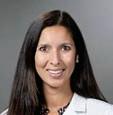
Personalizing cancer care took another step forward with UVA Health’s first treatment of metastatic peritoneal cancer using cytoreduction surgery and hyperthermic intraperitoneal chemotherapy. The surgery, performed by Samantha Ruff, MD, involves removing visible cancer from the abdomen and circulating heat chemotherapy to treat microscopic cancer cells left behind.
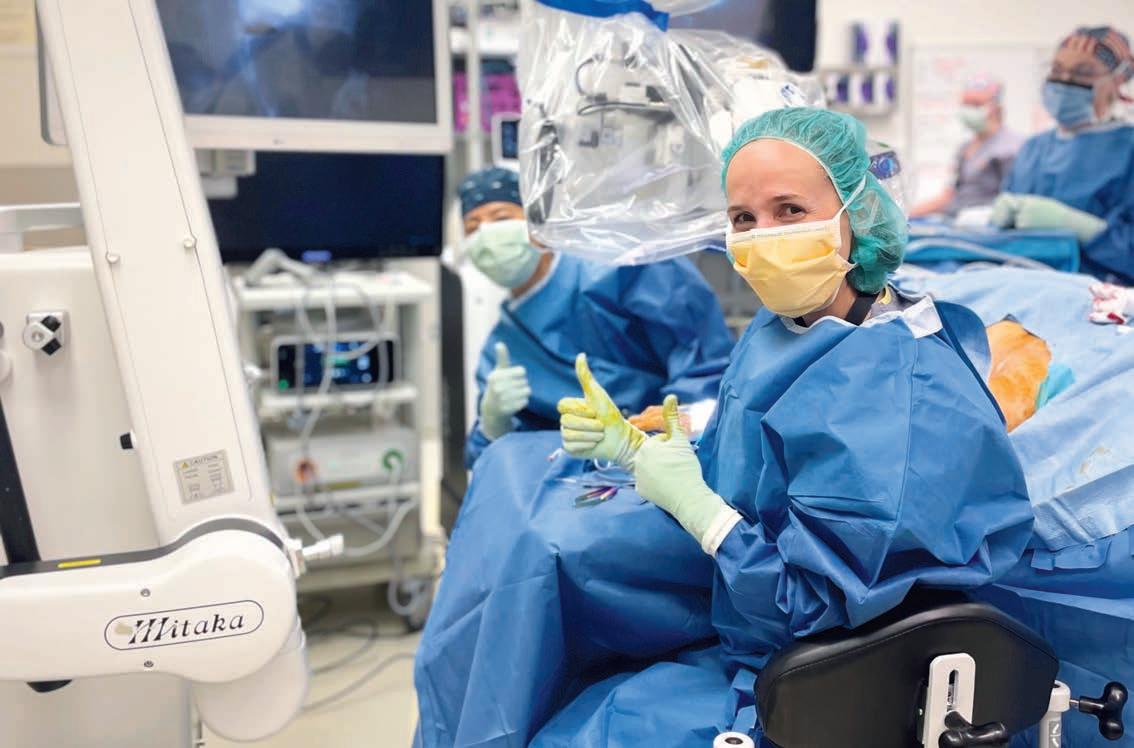
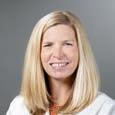
UVA’s first lymphatic-venous bypass to treat breast cancer-related lymphedema was performed by Amanda Silva, MD (pictured above). The innovative surgery requires powerful microscopes using high magnification and laser imaging capabilities. Positive health outcomes include reduced swelling, pain, and risk of infection.
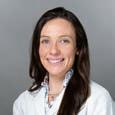
The Department of Otolaryngology completed the first recurrent laryngeal nerve reinnervation procedure in a pediatric patient at UVA. Ariana Greenwell, MD, and Vanessa Torrecillas, MD, performed the surgery in a three-year-old with longstanding vocal fold paralysis.
The first radiofrequency ablation procedure to treat benign thyroid nodules was performed by Anna Fashandi, MD, in the Department of Surgery. It uses noninvasive thermal treatment to address solid tumors in patients experiencing symptoms like choking or difficulty swallowing.
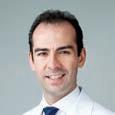
Behzad Farivar, MD, and the UVA aortic team were the first in the state to use the FDA-approved Gore Excluder® Thoracoabdominal Branch Endoprosthesis, or TAMBE, to repair a thoracoabdominal aortic aneurysm in a patient. The minimally invasive procedure eliminates the need for major surgery in the treatment of complex aortic disease.
Samantha Ruff, MD
Ariana Greenwell, MD
Anna Fashandi, MD
Vanessa Torrecillas, MD
Behzad Farivar, MD
Clinical
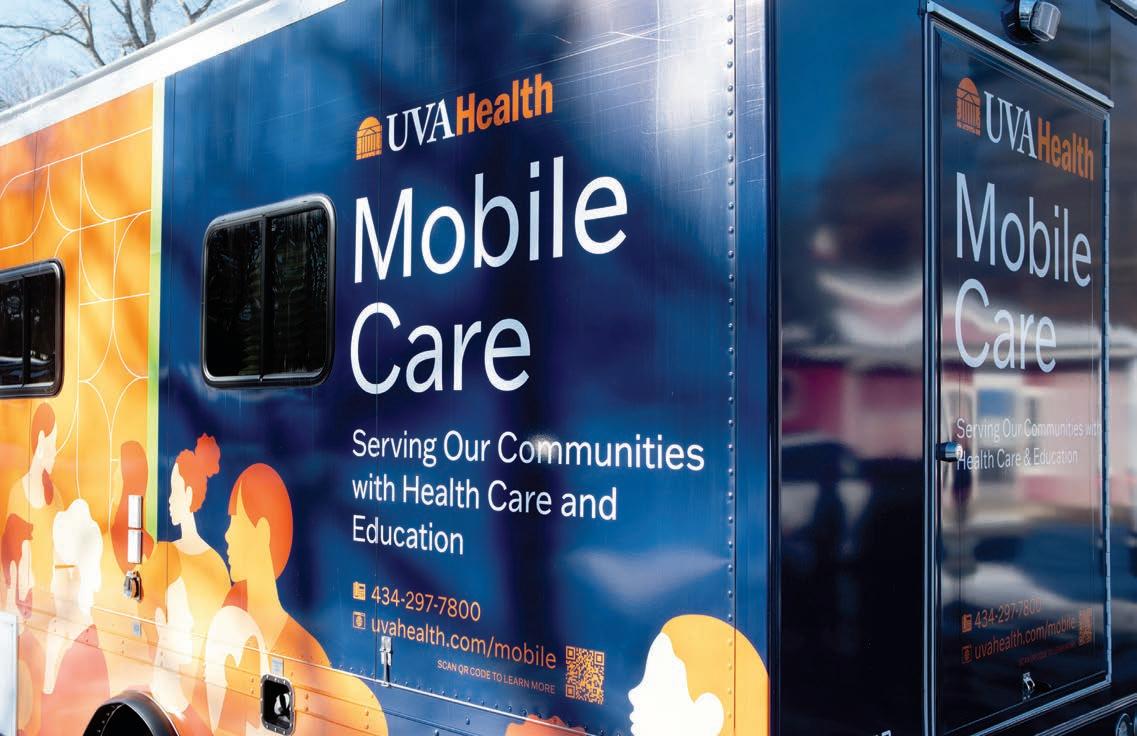
New Mobile Healthcare Unit Launched
The launch of the UVA Health Mobile Care Unit in January marked a significant milestone in the journey to cultivate healthy communities and belonging for all, an important component of the 2022–2032 UVA Health Strategic Plan.
The new mobile care unit makes it easier for patients who have challenges accessing traditional healthcare facilities to receive care. The dedicated mobile care team offers general health check-ups, chronic disease management, treatment for minor illnesses and injuries, lab tests, and women’s health services.
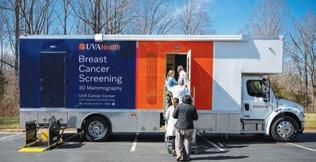
In February, mobile healthcare further expanded its reach when the UVA Health Breast Care Center and the Department of Radiology and Medical Imaging introduced a new mobile mammography unit. Its smaller size allows care teams to travel to new locations in the community that were previously inaccessible. A state-of-the-art Hologic 3D mammography system provides patients the same quality care available at UVA Health’s permanent mammography locations.
UVA Health is committed to improving health outcomes for underserved populations through mobile care services. It was one of five health systems selected nationwide to receive a $10,000 grant from the Lowenstein Foundation to participate in a mobile care collaborative through October 2025.





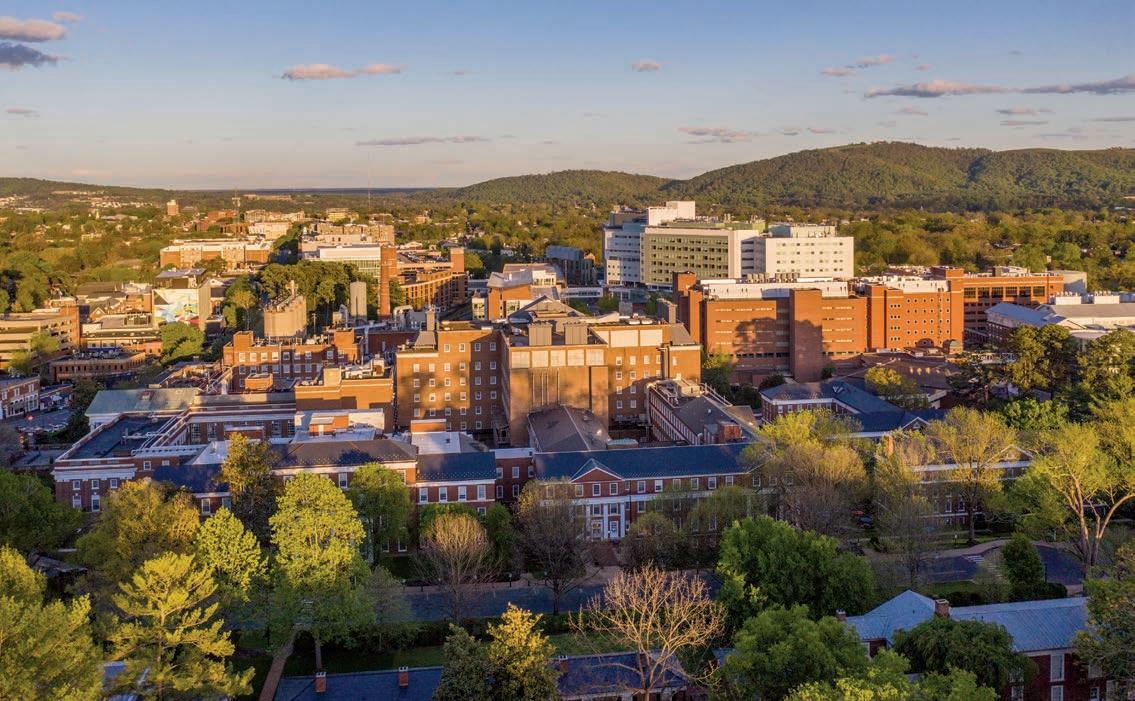
Newsweek, USNWR, and Forbes Commend UVA Health
In Newsweek’s “World’s Best Hospitals 2025” guide, UVA Health University Medical Center was ranked the No. 1 hospital in Virginia and among the top 50 hospitals nationally. Newsweek also named nine specialties at University Medical Center and UVA Health Children’s as some of the best in the country. Seven specialties were ranked No. 1 in Virginia: pediatric gastroenterology, cardiology and endocrinology; and orthopedics, neurology, cardiology, and cancer care. In 2025, Newsweek honored University Medical Center on its “America’s Best Maternity Hospitals” list and inaugural list of the nation’s best weight-loss centers.
UVA Health Children’s was named the No. 1 children’s hospital in Virginia for the fourth consecutive year by U.S. News & World Report. High-performing specialties in its “Best Children’s Hospitals” guide were neonatology, nephrology, cardiology and heart surgery, gastroenterology and GI surgery, pulmonology and lung surgery, orthopedics, neurology, and endocrinology. Forbes ranked UVA Health No. 11 among health systems in its survey about best employers for women and No. 40 overall.
Becker’s Hospital Review recognized UVA Comprehensive Cancer Center as a leader in cancer care, research, and community outreach. The center was named to Becker’s list of 100 hospitals and health systems with great oncology programs. UVA Health neuroscience and spine programs were also honored for exceptional patient care, innovative treatments, and research.
Four UVA Health teams earned Press Ganey HX Pinnacle of Excellence Awards based on top ratings from patients. The national award recognizes healthcare teams who have maintained three years of excellence on patient surveys.
New mobile mammography unit provides cutting-edge diagnostic technology to patients at locations up to three hours away from Charlottesville.
Community
UVA School of Medicine deepens meaningful relationships with the community by providing expert, compassionate medical care and educational and philanthropic outreach that improves health outcomes for all Virginians.
“Prioritizing outreach that helps build longlasting relationships is essential for a healthy community.”
—Tracy M. Downs, MD, Senior Associate Dean for Medical Sciences Outreach
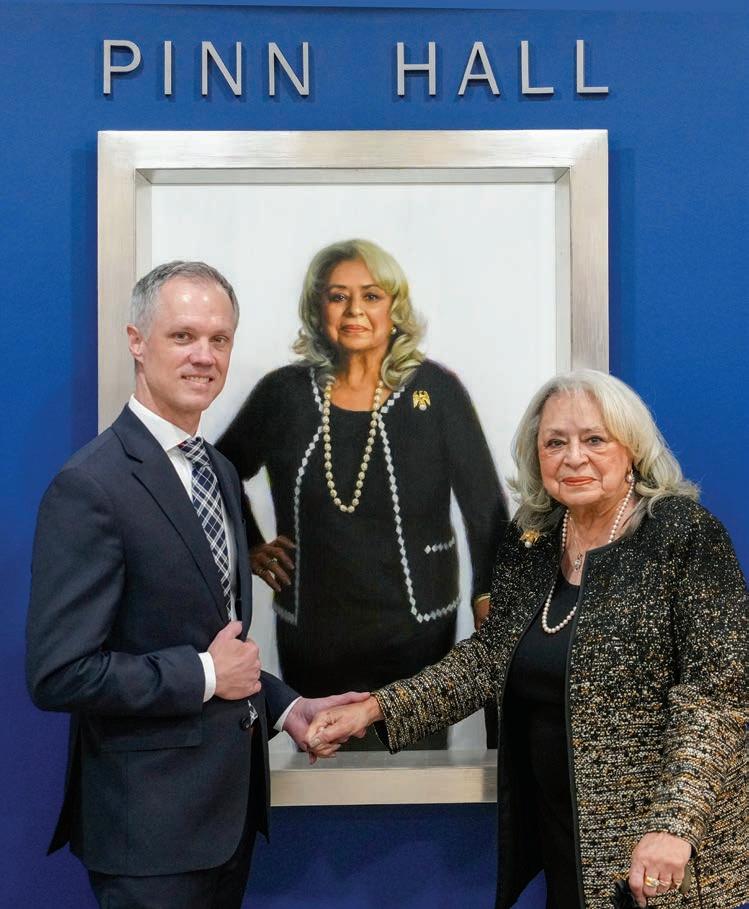
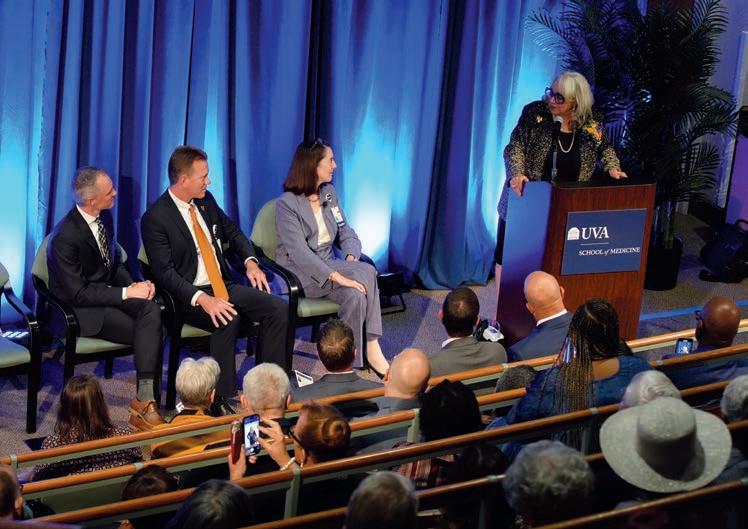
Portrait of Vivian Pinn, MD, Honors a Legacy of Excellence
In October, the School of Medicine unveiled a portrait of Vivian Pinn, MD, to honor her significant contributions to medicine and research. Dr. Pinn graduated from the School in 1967 as the only woman and African American in her class. She joined the faculty at Tufts University and was later appointed as the chair of Howard University’s Department of Pathology. In 1991, she became the first full-time director of the National Institutes of Health Office of Research on Women’s Health and also served as the NIH associate director for Women’s Health Research. Throughout her career, Pinn has received numerous honors and awards in recognition of her impact on science. One of the medical student colleges at the School is named after her, and in 2016, the UVA Board of Visitors named Pinn Hall in her honor.
Community
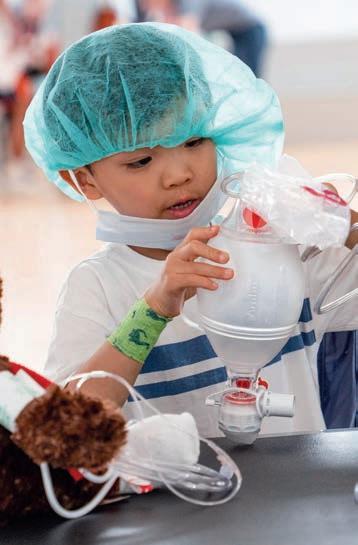
Community Teddy Bear Clinic Connects
Pediatricians With Kids
A free teddy bear clinic and health education fair was held by UVA Health Children’s pediatricians at the Boys and Girls Club of Charlottesville. After performing health checkups on the bears, the kids were able to take them home, along with other free giveaways like books and bike helmets. The goal was to make kids more comfortable with medical visits and to provide educational resources on topics such as childhood literacy and screen time.


Program Supports Healthy Lifestyles Among Rural Cancer Survivors
Helping cancer survivors maintain healthy lifestyles after treatment is the focus of a new study led by Kathleen Porter, PhD. The weSurvive program supports adult cancer survivors living in rural Appalachia through group and individual health coaching and weekly supportive text messages. Participants can join activities from the comfort of their homes using telehealth. There are 18 million cancer survivors in the U.S., with almost 50% managing chronic health conditions like diabetes or high blood pressure. Few programs are available to provide resources for maintaining good nutrition and physical activity. Porter’s innovative study fills that gap by supporting healthier living among post-treatment cancer survivors in rural communities and improving their quality of life.

New Partnership Improves Opioid-Use Disorder Care
A new partnership with The Haven, a multi-resource day shelter and housing support center in Charlottesville, was formed to provide opioid-use disorder care for unhoused members of the community.
Led by Nassima Ait-Daoud Tiouririne, MD, the SmART program is funded by a grant from the state Opioid Abatement Authority and builds on services offered through an existing UVA Health clinic at The Haven. The initiative delivers integrated and compassionate care to displaced individuals with opioid-use disorder who are unable to seek treatment on their own. The SmART program team includes a UVA Health physician, nurse, and social worker who also visit other locations in the city to connect with unhoused people in need of care.
Outreach to Undergraduates
Nationwide Sparks Interest in Kidney Research
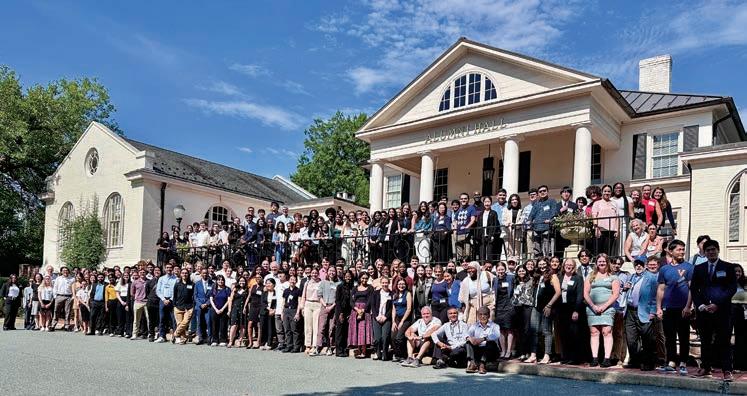
Students from across the country attended the Kidney, Urologic, and Hematology Summer Undergraduate Research Symposium held at UVA. Backed by a grant from the National Institutes of Health, the Department of Medicine’s Nephrology Division organized this educational event, which immersed nearly 200 undergraduates in the field of nephrology. Keynote speakers included Griffin Rodgers, MD, the director of the National Institute of Diabetes and Digestive and Kidney Diseases. Students also presented research and connected with their peers and faculty mentors, while exploring potential careers in kidney research.
Kathleen Porter, PhD
Nassima Ait-Daoud Tiouririne, MD
The UVA School of Medicine cultivates a culture of respect and well-being to support employee engagement and advancement. Faculty, trainees, and staff are highly recognized for their excellence and innovation in pursuit of strategic growth that strengthens all mission areas.
“The expertise and compassion of our employees serve as the foundation for excellence in academic medicine.”
—Susan M. Pollart, MD, Senior Associate Dean for Faculty Affairs and Development
PEOPLE BY THE NUMBERS
1,436 Faculty 217
Endowed Professors 93 Faculty Applicants Promoted
Prominent UVA Faculty
Superb teaching and world-class care define the faculty at the UVA Schol of Medicine. At the same time, faculty members shape clinical care nationwide by their service with prestigious medical societies and publications. They are making a difference every day both in Virginia and across the nation.
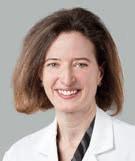
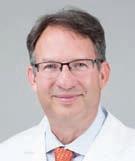
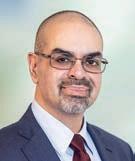
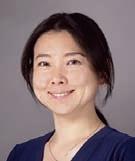
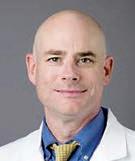
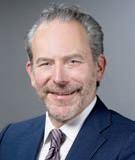
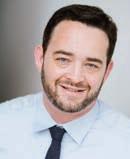
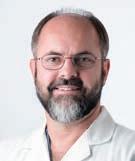
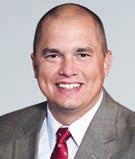
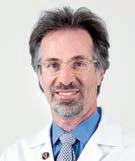
Presidents of Distinguished Societies and Associations
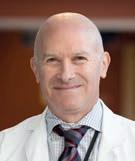
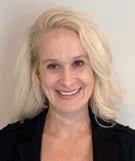
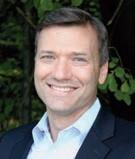
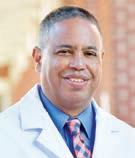
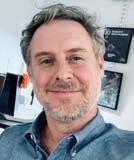
Editors-in-Chief of Impactful Journals
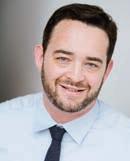
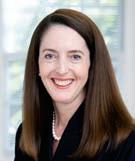
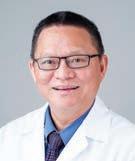
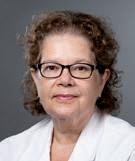
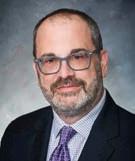
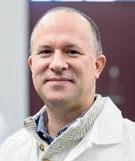
Authors of Essential National Guidelines
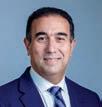
Jamieson Bourque, MD, served as first author on a consensus statement about cardiovascular infection imaging published in the Journal of the American College of Cardiology.
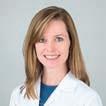
Reza Daugherty, MD, published a policy statement in the Annals of Emergency Medicine about optimizing advanced imaging of pediatric patients in the emergency department.
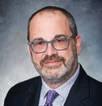
Nabil Elkassabany, MD, published a consensus study in the journal Regional Anesthesia & Pain Medicine about standardizing nomenclature in regional anesthesia.
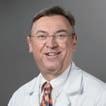
Linda Martin, MD, authored a consensus document published in The Annals of Thoracic Surgery regarding management of pleural drains after pulmonary lobectomy.
Steven Munger, PhD, wrote an NIH-sponsored white paper published in the journal Chemical Senses about implementing chemosensory testing in U.S. healthcare.
Mark Worthington, MD, served as first and corresponding author for guidelines about sclerosing mesenteritis published in Clinical Gastroenterology and Hepatology.
Career Development Grants Bolster Research Opportunities
Four researchers earned National Institutes of Health “K” awards. The grants serve as a vital funding source for faculty research and career development, and become a launchpad for future research opportunities.
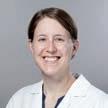
Jennifer Hendrick, MD—awarded a K23 Mentored Patient-Oriented Research Career Development grant to study diarrheal disease, a leading cause of childhood morbidity and mortality worldwide. Her research is focused on examining the immune response to infection.
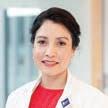
Patricia Rodriguez-Lozano, MD—received a K01 Research Scientist Development award to study coronary microvascular disease in women with nonobstructive coronary artery disease. Her research is poised to fill a critical gap in cardiovascular care, specifically among younger women.
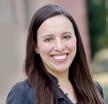
Brady Spencer, PhD—earned a K22 Career Transition award to investigate how secreted bacterial proteins and toxins promote Group B Streptococcus in pregnant mothers and contribute to neonatal infections.
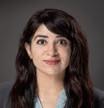
Ifrah Zawar, MD—awarded a K23 Mentored Patient-Oriented Research Career Development grant to investigate how seizures and dementia interact causing faster cognitive decline. Her focus is development of a risk stratification algorithm to identify people with dementia at high risk for epilepsy.
Scott Hollenbeck, MD American Society of Plastic Surgeons
Nao Hagiwara, PhD Social Personality and Health Network
Peter Hallowell, MD Midwest Surgical Association
Kristen Atkins, MD American Society of Cytopathology
Christopher Kramer, MD American College of Cardiology
Daniel Murrie, PhD American Psychology-Law Society
Brant Isakson, PhD Microcirculatory Society
Howard Goodkin, MD, PhD American Epilepsy Society Ankush Gosain, MD, PhD Society of Asian Academic Surgeons
Wendy Lynch, PhD College on Problems of Drug Dependence
Michael Nelson, MD, PhD American Board of Allergy and Immunology
Winston Gwathmey, MD Clinics in Sports Medicine
William Brady, MD The American Journal of Emergency Medicine
Ziv Haskal, MD International Journal of Gastrointestinal Intervention
M. Beatriz S. Lopes, MD, PhD Brain Pathology
Melina Kibbe, MD JAMA Surgery Brant Isakson, PhD Journal of Vascular Research
Li Li, MD, PhD, MPH Family Medicine and Community Health
Steven Munger, PhD Chemical Senses Jason Papin, PhD PLOS Computational Biology
Andrew Dudley, PhD Angiogenesis
Recipients of Prestigious Awards Making National Headlines
Awards
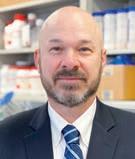
Charles Farber, PhD Elected Fellow, American Society of Bone and Mineral Research
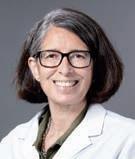
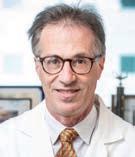
Gynecologic Oncology
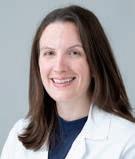
Casey
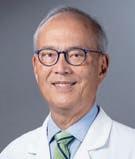
Ziv Haskal, MD Distinguished Alumni Award, Boston University School of Medicine
Alan Matsumoto, MD A Teacher, Leader, And Scholar Award, VIVA Foundation
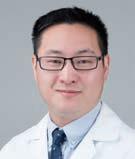
Philip
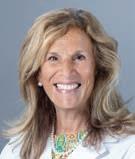
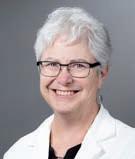
Kathleen Fuchs, PhD Distinguished Service to Neuropsychology, American Board of Professional Neuropsychology
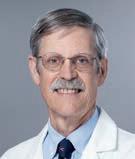
James Harrison, MD, PhD Frank W. Hartman Outstanding Service Award, College of American Pathologists
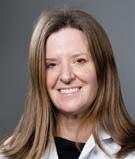
Lynn Kohan, MD Presidential Commendation, American Academy of Pain Medicine
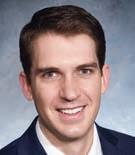
Samuel Oyer, MD Honor Award, American Academy of Otolaryngology
Awards
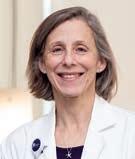
Linda Duska, MD, MPH Surgical Mentor Award, Society of Gynecologic Oncology
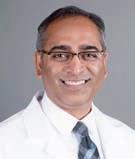
Patel, MD Education Award, Society for Cardiovascular Magnetic Resonance
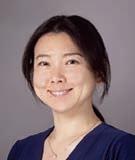
Hagiwara, PhD Choice Award for Outstanding Academic Title in Psychology, Association of College and Research Librarians
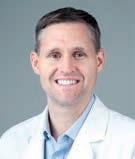
William Horton, MD Rising Star in Endocrinology Award, American Association of Clinical Endocrinology
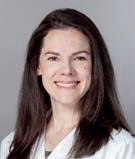
Sara Raiser, MD Innovator and Influencer Honoree, American Academy of Physical Medicine and Rehabilitation
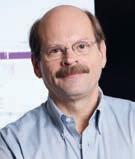
Stephen Rich, PhD
F. Steiner Award for Outstanding Achievement in Diabetes Research, University of Chicago
Awards
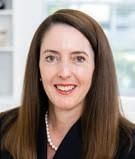
Melina Kibbe, MD Alumni Award for Professional Achievement, University of Chicago
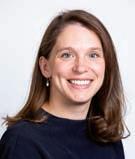
Rebecca Krukowski, PhD Publication of the Year Award, International Society of Behavioral Nutrition and Physical Activity
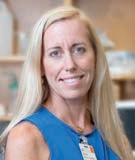
Shayn Peirce-Cottler, PhD Eugene M. Landis Research Award, The Microcirculatory Society
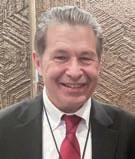
Bruce Schirmer, MD George Berci Lifetime Achievement Award, Society of American Gastrointestinal and Endoscopic Surgeons
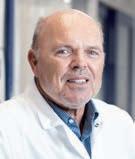
Harald Sontheimer, PhD International Prize for Translational Neuroscience, German Max Plank Society
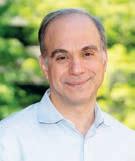
James Zimring, MD, PhD Tibor Greenwalt Memorial Award, Association for the Advancement of Blood & Biotherapies
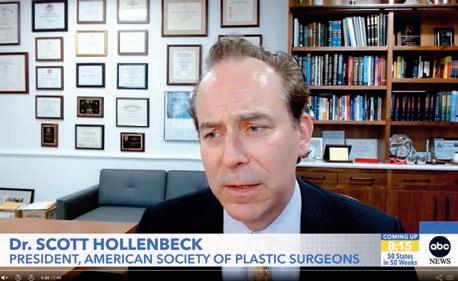
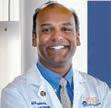
Scott Hollenbeck, MD
Cited in a U.S. News & World Report article about face transplants that was featured on Good Morning America and in more than 100 news outlets.

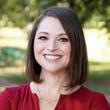
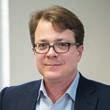

Bruce Greyson, MD Interviewed for The Oprah Podcast and The New York Times about near-death experiences.
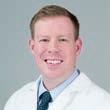
Kara Anderson, PhD—Discussed how intense exercise suppresses appetite in U.S. News & World Report article covered by more than 100 national news outlets.
Arun Krishnaraj, MD—Featured in U.S. News & World Report and 100s of media outlets about how MRI may spare rectal cancer patients from surgery.
Melissa Little, PhD—Featured in USA Today and more than 50 national media outlets about hiccups caused by nicotine use.
Avery Michienzi, DO—Interviewed by NBC News, Time, and other international news publications about safety of mushroom gummies.
Andrew Parsons, MD, MPH—Featured in over 100 national news outlets including U.S. News & World Report about artificial intelligence impact on doctors’ diagnoses.
Kevin Pelphrey, PhD—Provided insights into autism spectrum disorder for article in USA Today that was covered by more than 50 newspapers nationwide.
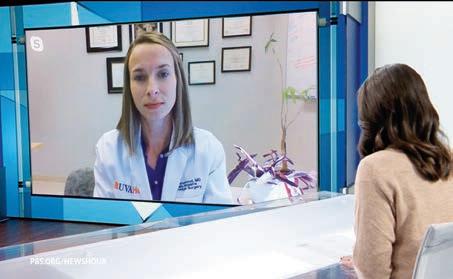
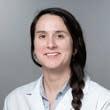
Laura Homewood, MD Interviewed for PBS News video about endometriosis, a condition affecting one in 10 women of reproductive age around the world.
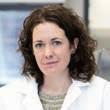
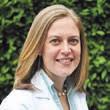
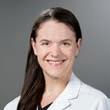
J. Kim Penberthy, PhD—Wrote an article for The Conversation about grief support that was covered in nearly 100 news outlets including Scientific American
Mitchell Rosner, MD—Cited in The Wall Street Journal about risks of overhydration, especially in the hotter summer months.
Melanie Rutkowski, PhD—Interviewed for story in The Scientist about how bacteria in the microbiome may help improve understanding of breast cancer tumor growth.
Rebecca Scharf, MD—Featured in Scientific American discussing the value of children doing chores to support their growth and social development.
Catherine Varney, DO—Interviewed for Associated Press article about using weight-loss drugs to treat obesity that was featured in more than 300 national news outlets.
Paola Gehrig, MD Distinguished Leadership Award, Society of
Leadership
Cavanagh, PhD
Barbara A. Keeton Volunteer of the Year Award, Society for Health Psychology
Julie Fanburg-Smith, MD Founders Medal, International Skeletal Society
Chow, PhD Extraordinary Dedication Award, International Society for Research on Internet Interventions
Alumni
The UVA Medical Alumni Association and Medical School Foundation promote lifelong connections among alumni, students, staff, and faculty that advance medical education. Fostering support in the alumni community helps maintain and enhance excellence at the UVA School of Medicine.
“Building support for the next generation of clinicians and researchers inspires our daily work.”
—Barry J. Collins, Associate Dean for Medical Alumni Affairs
BY THE NUMBERS
Creating Meaningful Connections
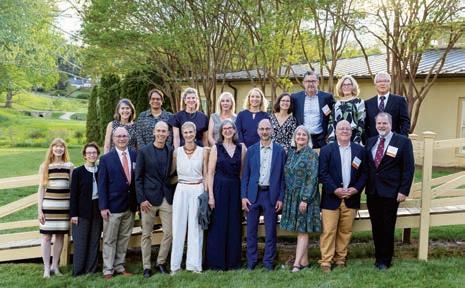
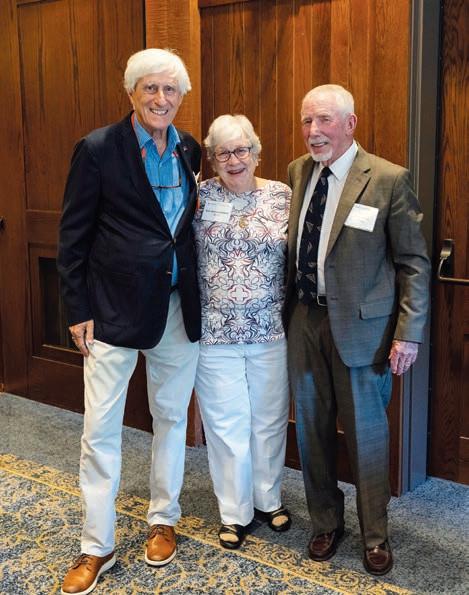
There are more than 18,000 alumni and former trainees of the UVA School of Medicine. Throughout the past year, dozens of events took place to provide opportunities for connection and networking. These events included Fall Alumni Weekend and Medical School Reunion Weekend, regional events, networking receptions at national specialty conferences, and department alumni events. Many of these events were hosted or supported by the UVA Medical Alumni Association, which has been proudly serving the alumni community since 1949.
Bolstering Student Success
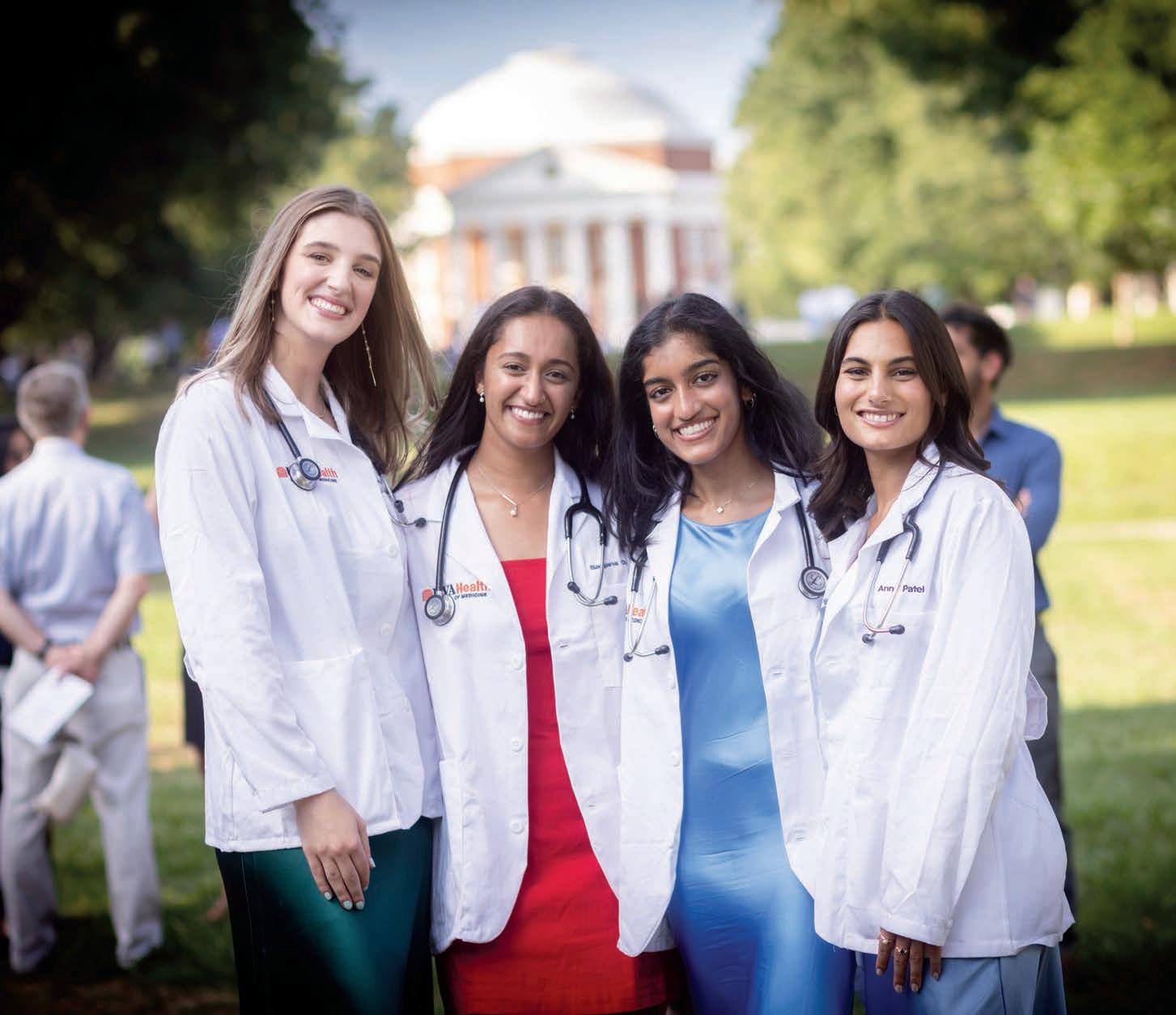
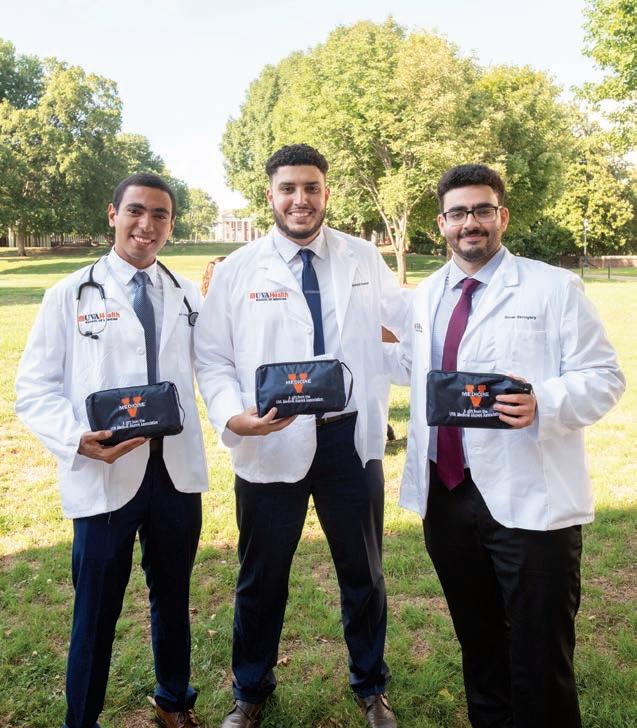
MD students in the School of Medicine’s Class of 2029 received a warm welcome at the 2025 White Coat Ceremony, endowed by the Class of 1965. The annual event is a milestone for incoming students and marks the beginning of their careers in medicine. Each student receives a personally embroidered white coat, as well as a tool kit from the UVA Medical Alumni Association. In addition to a stethoscope that was partially funded by the Class of 1963, the kit included a blood pressure cuff, tuning fork and reflex hammer. This gift is made possible by alumni support of the Annual Fund.
Alumni Make an Impact
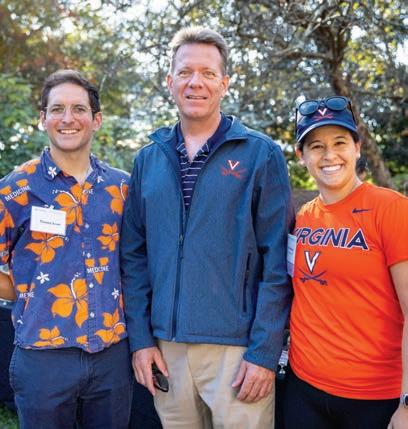
Alumni have many opportunities to make a meaningful impact on the next generation of physicians, scientists, and healthcare leaders who are walking the same UVA halls today that they once did. From volunteering as mentors to making philanthropic contributions, alumni make a difference.
Spotlight on Alumni Achievements
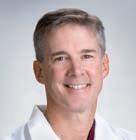
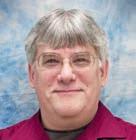
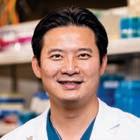
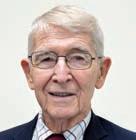
At a ceremony in April, John Lukens, PhD ’08, the inaugural director of UVA’s Harrison Family Translational Research Center in Alzheimer’s and Neurodegenerative Diseases, was recognized as the recipient of the 2024 Early Achievement Award in Biomedical Sciences. A dedicated educator and generous mentor, Lukens was among six UVA School of Medicine alumni, former trainees, and faculty who received 2024 awards from the UVA Medical Alumni Association. Awardees also included:
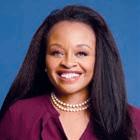
Philanthropy to UVA Health, including to the School of Medicine, totaled $173.8 million. Among the contributions were two transformative $25 million estate gifts to the Paul and Diane Manning Institute of Biotechnology. This generosity from our alumni, grateful patients, foundations, and other visionary donors supports scholarships and fellowships, the recruitment and retention of world-class faculty and staff, scientific research, and clinical programs.
“Our donors are essential partners in the School’s mission. Their support empowers students and faculty, fuels groundbreaking research, and advances lifesaving patient care.”
—Amy S. Karr, Senior Associate Vice President, UVA Health Development
BY THE NUMBERS
$28.1M Endowments
8,809 Gifts
9,286 Donors
Generous Gift Funds New Heart Research Using Artificial Intelligence
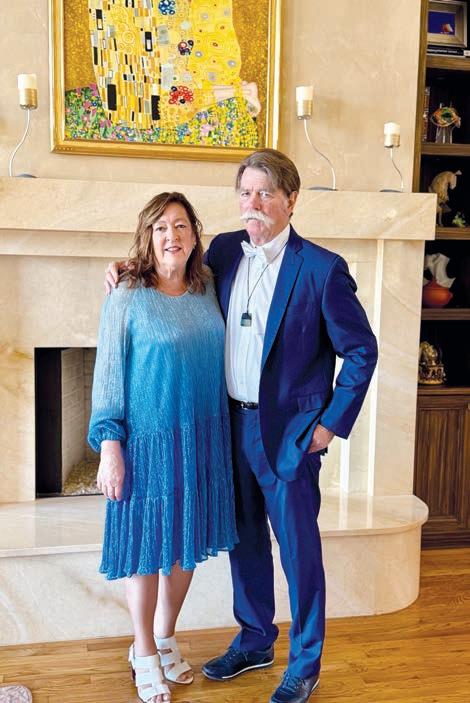
Stephen Stowers, MD (Med ’78), his wife, Bonny Stowers, and his sister, Sandy Stowers, made a commitment to support a new research study in the Division of Cardiovascular Medicine called the “AI Reveal Quality Improvement Study.” During the study, the investigators will apply AIenabled algorithms to chest CT scans to identify individuals with a moderate to high burden of coronary artery atherosclerosis. Individuals who are identified as high risk will be offered a cardiovascular evaluation as part of a dedicated heart attack prevention program.
Endowed Scholarship Benefits Out-of-State Medical Students
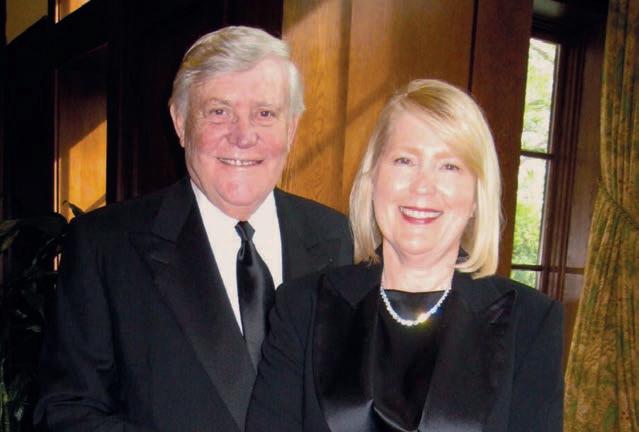
Mary Anne Teperson, the widow of UVA School of Medicine alumnus David Teperson, MD (Med ’61), made a commitment through her estate to endow a scholarship in the School of Medicine. When realized, the David S. Teperson, MD and Mary Anne Teperson Scholarship Fund will provide need-based scholarships to out-of-state medical students. Dr. Teperson was inspired to make this gift after witnessing the financial struggles of his medical school classmates from outside Virginia. UVA always held a special place in his heart and he especially enjoyed his time here. Recipients of the scholarship will receive funding for all four years of medical school including room and board, reducing the burden of student loans upon graduation.
Paying It Forward to Support Exceptional Faculty
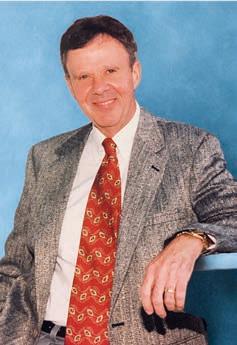
Burton Goodwin, MD (Col ’58, Med ’62, House Staff ’63), increased his intended bequest to endow funds for research, education, and faculty excellence in the School of Medicine. Dr. Goodwin received a scholarship to attend medical school and was inspired to pay it forward. The Burton D. Goodwin, MD Fund will endow a professorship in pediatric radiology, a faculty excellence fund to support the recruitment, retention, and development of exceptional teaching faculty in the School of Medicine, and a research fund to fuel the discovery of new approaches to treating atrial fibrillation.
Increased Giving Advances Alzheimer’s Research
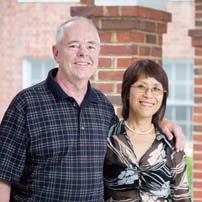
Howard Clayton “Clay” Smith Jr., MD (Col ’73, Med ’79), increased the value of his commitments to endow a new Alzheimer’s research fund in honor of his mother and a new medical scholarship in honor of his father. Once realized, the Dr. Howard Clayton Smith Jr. & Katherine Moffett Smith Endowed Alzheimer’s Research Fund will support new research in the Department of Neurology, and the Dr. Howard Clayton Smith Jr. & Howard Clayton Smith Endowed Medical Scholarship Fund will provide need-based scholarships to medical students.
Expanded Support for Need-Based Scholarship
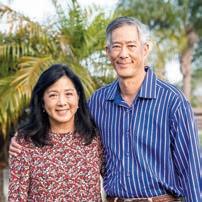
Alice Mo, MD (Med ’91), and Theodore Tchang made a pledge through their family foundation to augment the Dr. Alice Mo and Theodore Tchang Scholarship at the School of Medicine. The couple created the needbased scholarship through a philanthropic gift in 2015; it was first awarded for the 2019–2020 academic year. Dr. Mo and Mr. Tchang have also recently committed to increasing their support of the scholarship through their estate.
The University of Virginia School of Medicine is building the future through financial stewardship.
“Our highest ever consolidated revenue is an indicator of success across all the missions of the School.”
—Jeremy Sibiski Chief Operating Officer






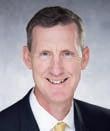
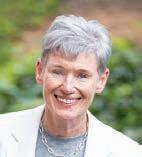
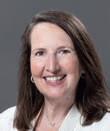
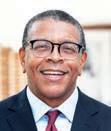
CLINICAL DEPARTMENT CHAIRS
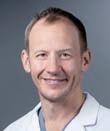
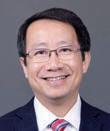
RESEARCH DEPARTMENT CHAIRS
To be the nation’s leading public academic health system and best place to work, while transforming patient care, research, education, and engagement with the diverse communities we serve. OUR VISION
Michael Mazzeffi,
University of Virginia School of Medicine
McKim Hall 3009
1415 Jefferson Park Avenue
PO Box 800793
Charlottesville, VA 22908-0793
med.virginia.edu