
A CASE FOR SUPPORT
UC Epilepsy Center
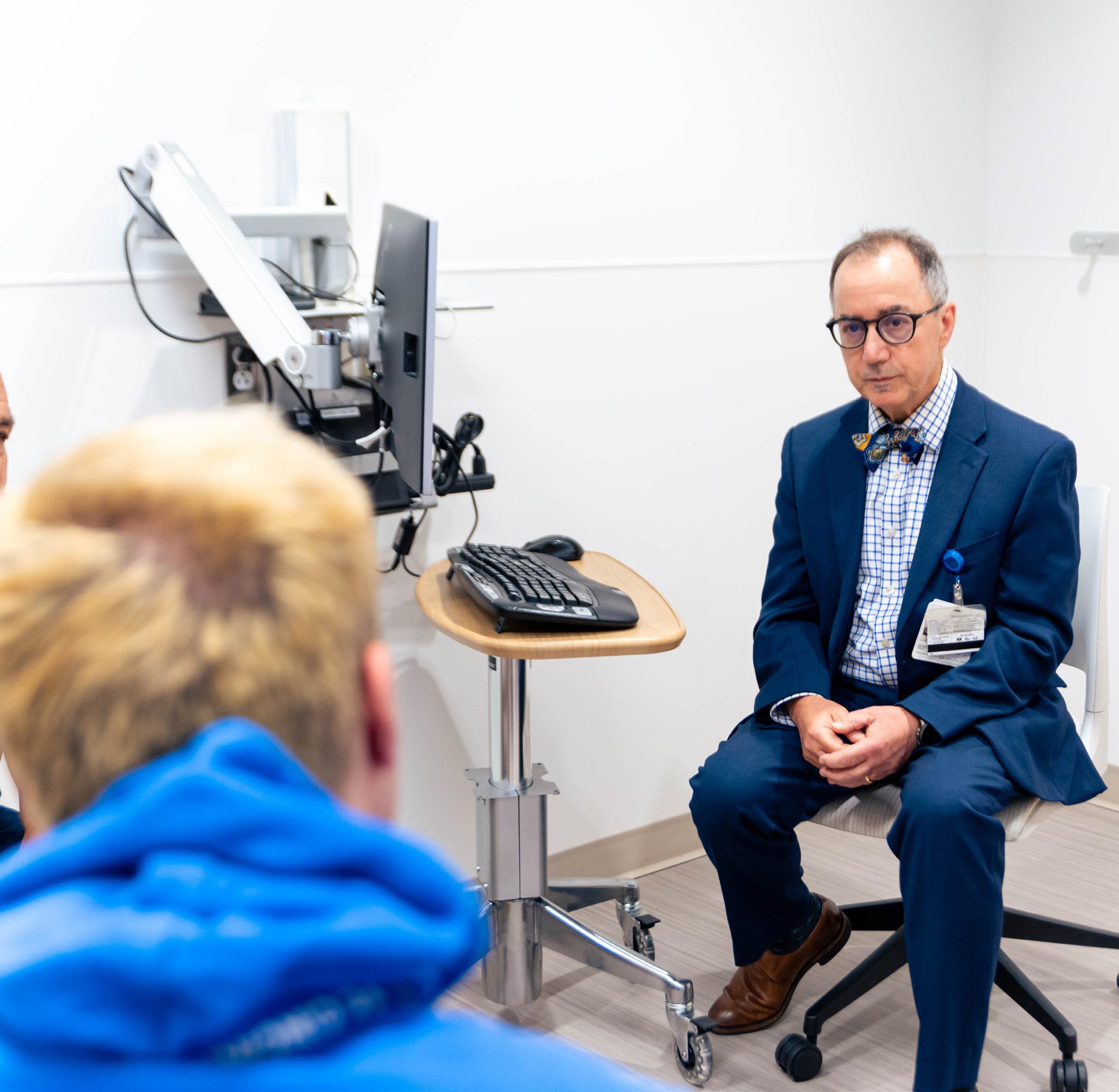
“There is so much we are still learning about epilepsy. At the UC Epilepsy Center, we provide the latest evidence-based treatments and our research uses personalized data to better forecast when seizures risk is highest. Our team of epileptologists is helping patients here and around the world experience better quality of life."
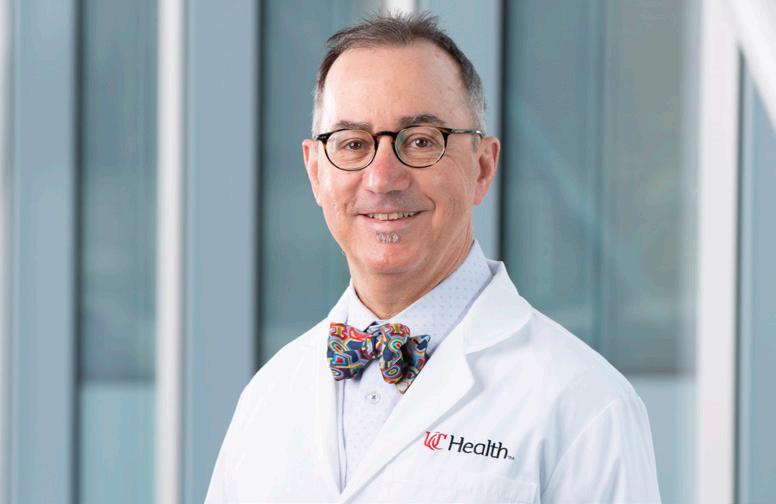
MICHAEL PRIVITERA, MD
Matthew B. Lindner and Michael Privitera, MD, Endowed Chair Director, UC Epilepsy Center
Dear Friend,
At the University of Cincinnati Epilepsy Center, we are driving progress in epilepsy care through innovative research and personalized treatment. One in three people living with epilepsy experience seizures that cannot be controlled by medication, and for half, the cause of the seizures remains unknown. Our work seeks to answer these urgent questions and improve lives.
We are proud to be home to the region’s only adult Level IV epilepsy center, providing expert care, surgical treatments and clinical trials as well as integrative therapies. Our center is uniquely positioned to lead advancements in seizure treatment and brain health.
Our center’s strengths:
• We treat over 6,000 patients and host multiple clinical trials annually.
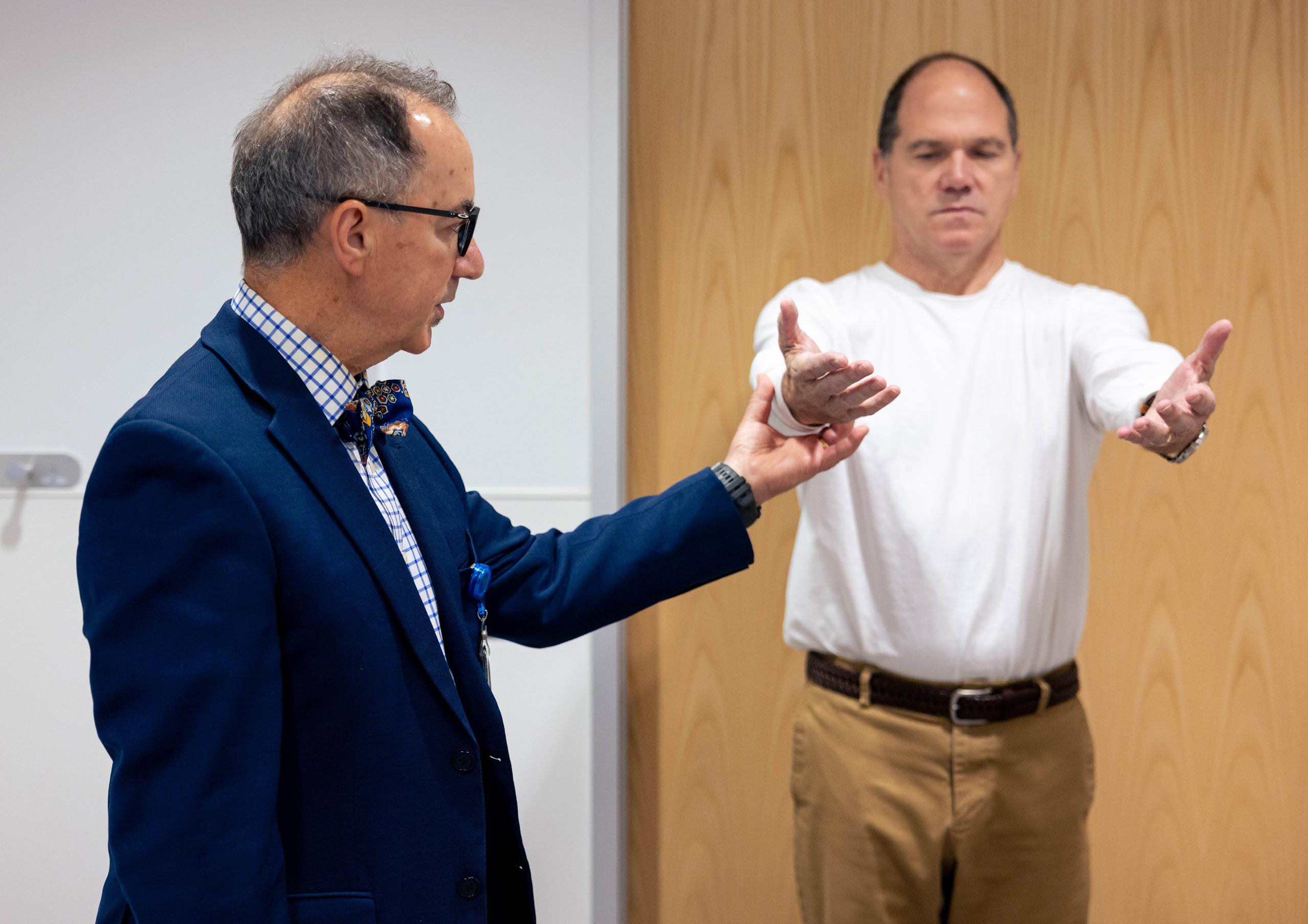
• Our two epilepsy monitoring units (EMUs) offer 24-hour observation and monitoring to define the seizure type and precisely map the brain area where seizures originate.
• Our world-renowned team includes 12 neurologists and neurosurgeons with advanced training in epilepsy.
• In the past 40 years, we have published over 250 articles in peer-reviewed journals, and spearheaded international studies in new seizure treatments.
• New programs in partnership with the Osher Center for Integrative Health at UC provide our patients with therapies to improve seizure control through evidence-based stress reduction, nutrition and exercise.
We strive to not only improve quality of life for individuals with epilepsy but also expand our understanding of how epilepsy affects the brain over time. By identifying patterns and predictors of seizure activity or long-term memory decline, we can move closer to offering customized treatments and meaningful support for patients and their families.
We are deeply grateful for your thoughtful consideration to support this vital work. Together, we can make a lasting difference in the lives of patients in Greater Cincinnati and around the world.
Michael Privitera, MD Director, UC Epilepsy Center
Matthew B. Lindner and Michael Privitera, MD, Endowed Chair
RESEARCH
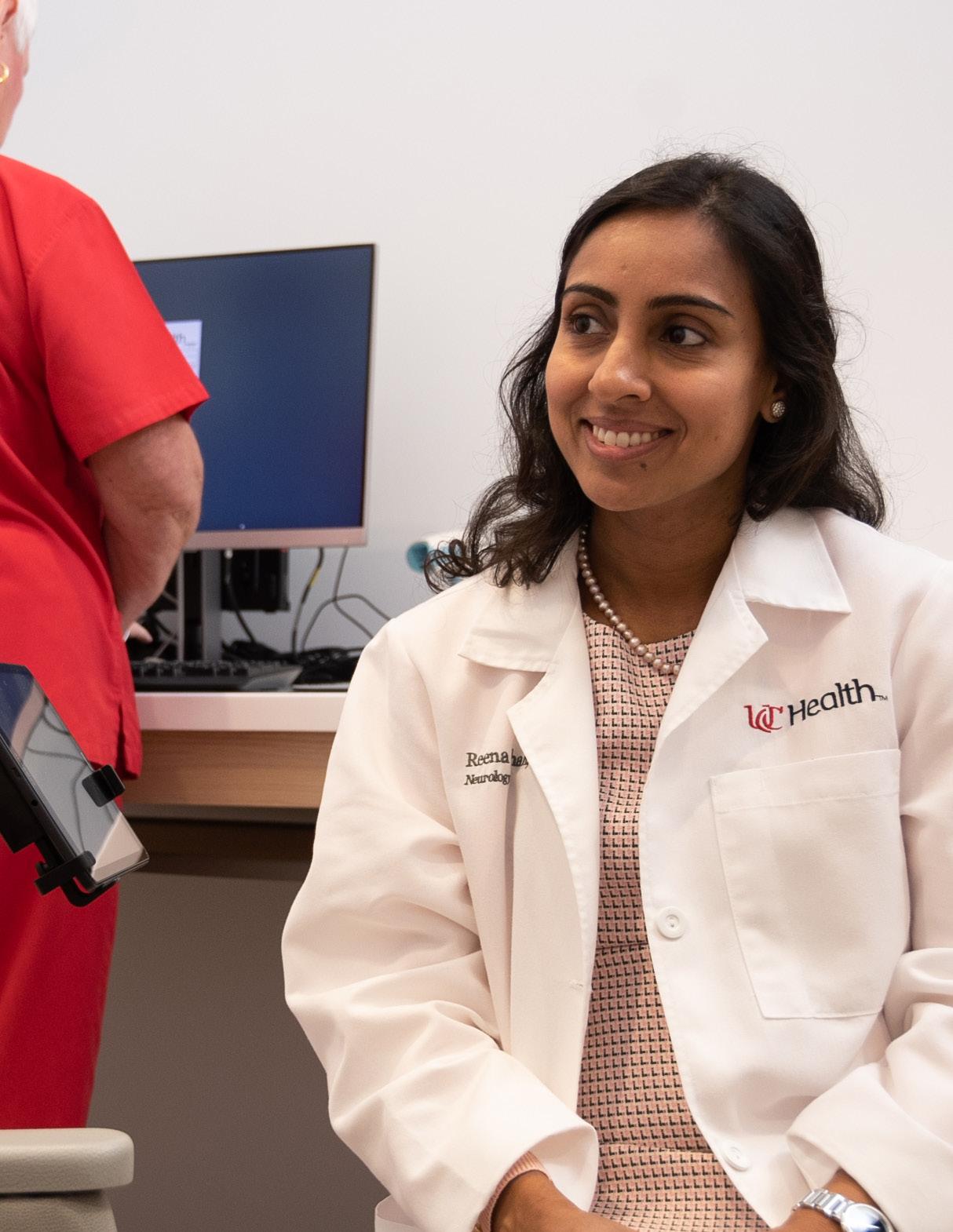
Growing and retaining top talent
At the UC Gardner Neuroscience Institute, our faculty leaders bring an evidence-based focus to everything we do. To attract rising-star researchers and expand our quests for discovery, we must evolve our resources to maintain the fast pace required for continual health care innovation.
Endowed chairs for clinical leadership and research faculty
Historically, endowed chairs were a want-to-have luxury; today they are a need-to-have tool in order for UC to be competitive with other nationally ranked academic medical centers. Chairs are essential to our ability to recruit and retain top talent among a competitive field of other neuroscience institutes. Establishing new chairs builds permanency and sustainability in our areas of excellence:
Clinical leadership advances the subspecialty care in epilepsy including epileptologists, neurosurgeons and neurologists.
Neuroscience research chairs expand clinical trials and basic neuroscience research, to enable the discovery of new medications and treatments, and protect time for physicianscientists to balance patient care with research and teaching. An endowed research chair allows us to recruit new thought leaders or retain vital faculty and ensures continuity of important research efforts at the university.
Paired with our advanced facilities and research operations, endowed chairs will attract nationally and globally recognized faculty to the UC Gardner Neuroscience Institute. This accelerates the research and development of new treatments, all to directly benefit more patients.
Expanding research for improved outcomes
MRI research technology
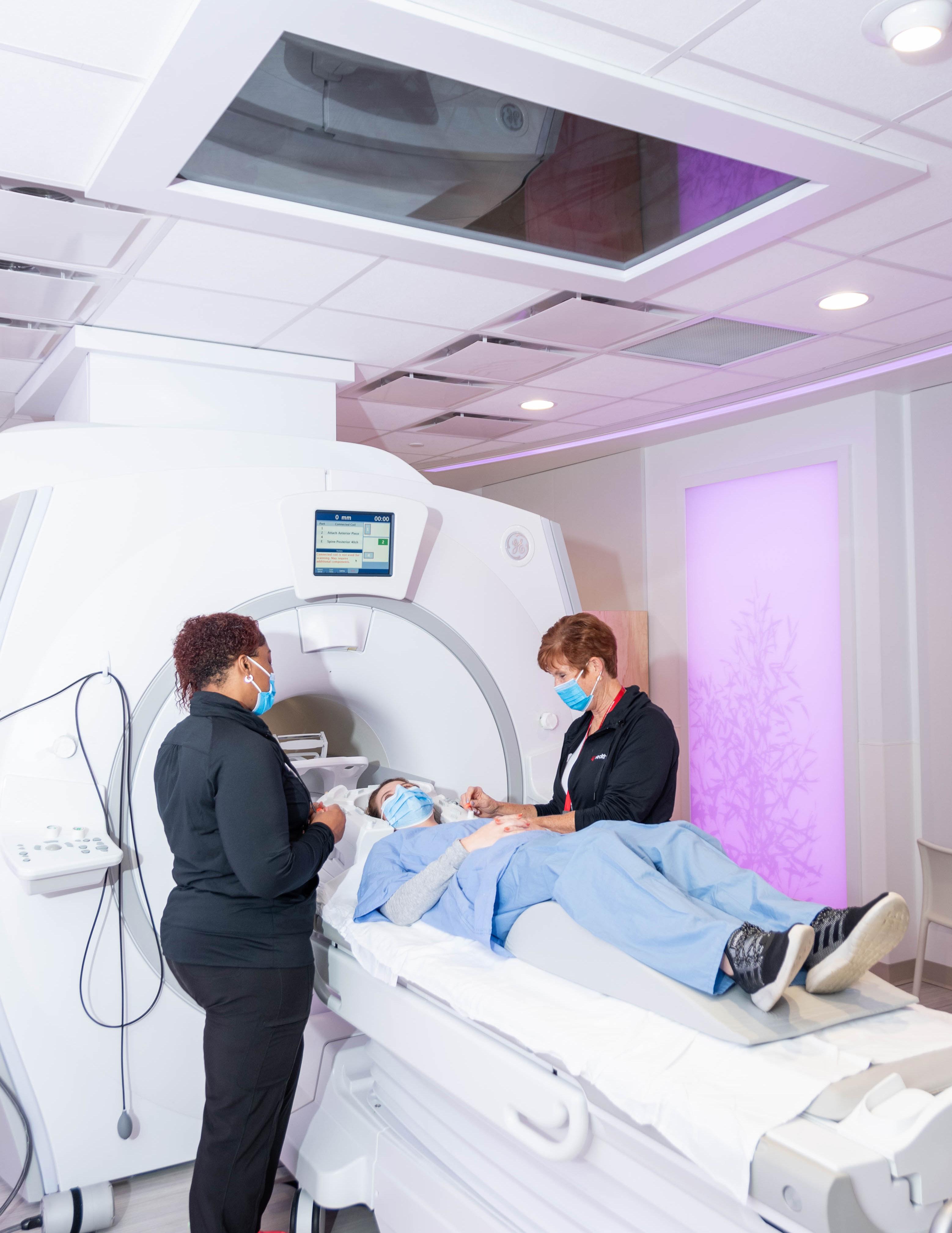
MRI scans are now a key component of clinical research trials at the neuroscience institute—including in Parkinson’s disease, stroke, epilepsy, memory and mood disorders. Neuroimaging research allows a physician or researcher to evaluate a patient’s baseline or see how they respond to new medications or therapies. To support our robust research efforts, the institute is in need of a dedicated research scanner.
An MRI focused entirely on research, with staff trained in neuroinformatics and the latest imaging techniques, will broaden our discovery efforts across all specialty areas. The outpatient facility (that opened in 2019) was built to accommodate an additional MRI with researcher staffing space.
For example, the Cincinnati Cohort Biomarker Program, led by Alberto Espay, MD, involves a comprehensive collection of health data. It requires many MRI scans per year for its more than 1,000 study participants. With the evolution of personalized medicine our team now takes multiple images throughout a patient’s care journey to evaluate in real time how they are responding to medicine or therapies.
Research endowment fund
Neuroscience is the most prolific research area throughout the academic health center and the entire university. Creating a substantial research endowment will encourage further cross-disciplinary projects across departments and centers and can spark “high-risk/highreward” ideas that are less likely to find support through conventional grant funding.
Pilot grants are the mustard seeds of research. Their results lead to much larger grants from the National Institutes of Health and other external foundations.
For example, $925,000 in pilot grant funding from 2014 to 2020 resulted in $16,236,369 in monies from the government and external foundations—a 17 to 1 return on investment.
A research endowment fund is critical to progress and will allow investigators to pursue more novel, long-term and untested research projects, giving them the security to take the risks that will yield breakthrough discoveries right here in Cincinnati.
Studying seizure prediction through wearable tech
For people with epilepsy, one of the most debilitating aspects of the disease is the unpredictability of when a seizure will occur. The UC Epilepsy Center has launched a first-of-its kind clinical study of seizure occurrence and prediction—made possible by philanthropic support.
Building on an initial UC-led study of epilepsy and stress management that used electronic diaries, researchers found that a subset of people with epilepsy can identify days or hours of higher seizure risk, suggesting that seizures are not entirely random events.
The FORETELL study will use smartwatches to collect patient activity and physiological data, including sleep quality, heart rate variability and stress levels. The study will then combine this patient data with self-reported diary information and stress hormones in saliva to improve seizure forecasting.
Through this data collection we aim to provide patients and families with a better understanding of the factors that contribute to high and low risk seizure times. These insights could help with adjustments in medication, support, travel and even social events during high-likelihood seizure times. Accurate seizure forecasting would improve people’s lives and potentially avoid in some cases, sudden death.
We foresee this study as having the potential to map out a patient’s high risk and low risk days, improving their daily life. The structure of this study could also be emulated for other chronic conditions that are exacerbated by stress like migraine, asthma and angina.
Epilepsy Center and Memory Care and Brain Health Center Study
New research is underway with memory disorder researchers at the UC Gardner Neuroscience Institute to investigate whether people with epilepsy are more likely to develop memory problems later in life. Prior research, including studies conducted at UC, indicates that both people with epilepsy, and those with Alzheimer's disease, have similar blood markers.
Because we have been performing epilepsy surgery for nearly 40 years at UC, we have the unique opportunity to study brain samples that have been collected and carefully preserved. Our study will take samples of people with epilepsy who had surgery many years before and test them for the presence of Alzheimer’s markers. We will then evaluate the same individuals today using neuropsychological and memory assessments, along with the newest Alzheimer’s blood biomarkers.
This study is a unique opportunity to learn why some people with epilepsy develop Alzheimer’s and see what changes may occur in the brain in the 10 to 30 years before a memory disorder is diagnosed.
CLINICAL CARE
Grow our patient data infrastructure, strengthen services for our centers of excellence, creating a national destination for care
The power of big data: Improving patient outcomes
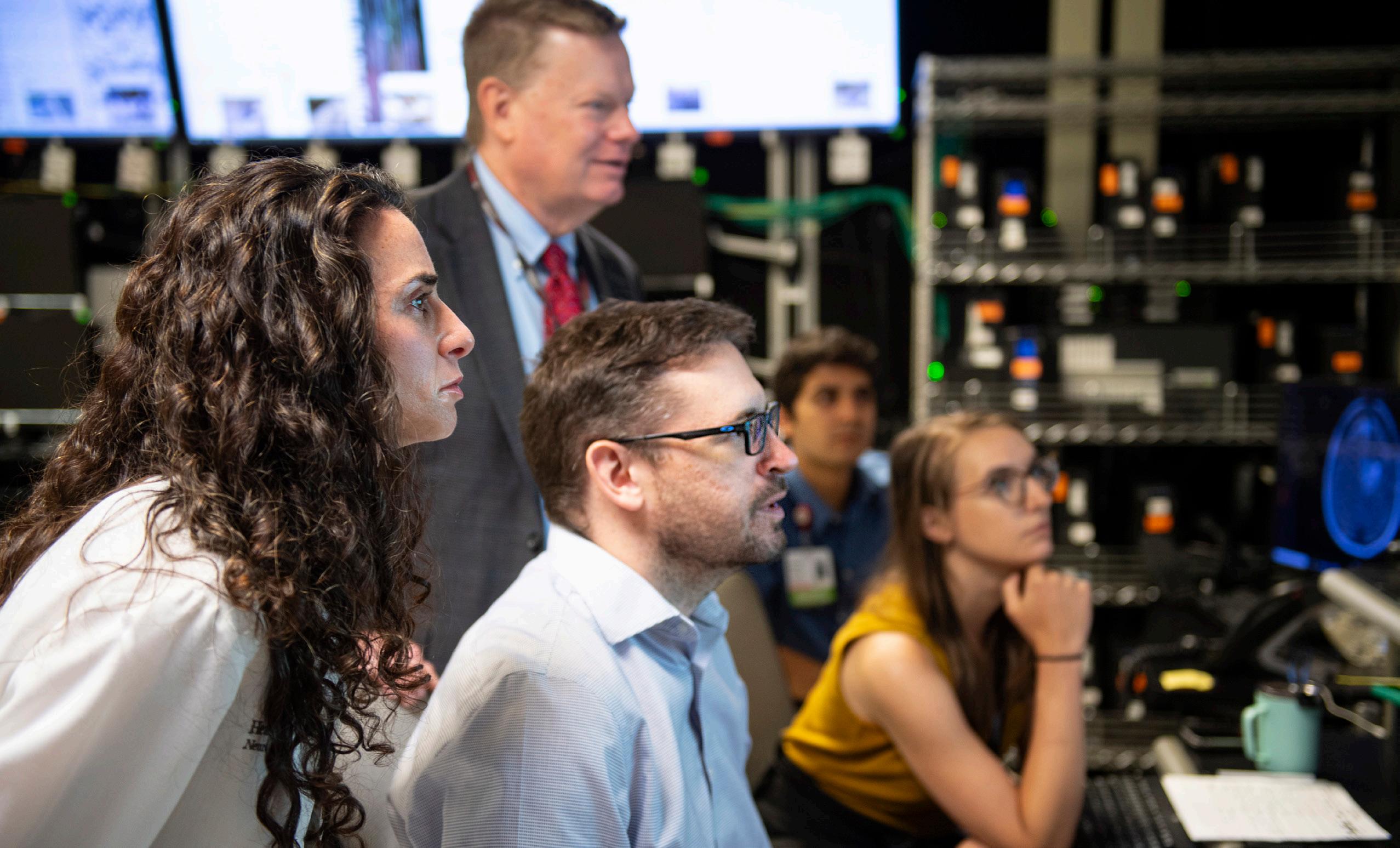
To offer truly world-class care for our patients, we need to rely on not just the expertise of one doctor, but leverage the expertise of every single doctor in our institute and beyond. We must continue to scale our approaches to personalized treatment for our patients, understanding that care is unique to each individual.
With the vast amount of health data now available, a physician has millions of data points at their fingertips. The flow of new information never stops as biomedical knowledge from new research doubles every 73 days. However, the time lag from putting new knowledge into practice currently takes more than a decade.
The UC Gardner Neuroscience Institute is building an integrated network of research, clinical data and quality improvement processes that will rapidly deliver new learnings to the bedside, vastly improving patient care and quality and longevity of life.
This network will connect all of our centers of excellence, and eventually connect us to peer neuroscience institutes like the top-ranked Weill Institute at UC San Francisco. These connectors multiply the expertise of our institute, identifying new approaches and treatments that will improve patient outcomes not only in our region, but worldwide.
Adopting a big data approach to care
Before
• Average 17 years from evidence to practice.
• Lacks patient input and learned experience.
• Disparities in practice, decision-making.
• Measures process with outcomes.
After
• Less than 3 years to apply new evidence to patient care.
• Patient-driven research and resources.
• Aligned use of best practices, efficient and accessible evidence.
• Measures real-time patient outcomes, to continuously modify care.
Leveraging big data
This approach to care will measure real-world outcomes from our patients and make immediate and continuous improvements to the system as a result. Our leaders have already demonstrated how an integrated, data-driven approach can optimize patient outcomes for brain and mental health care.
For example, UC’s epilepsy team has focused on controlling seizures and reducing patient barriers to regularly taking their medication. By partnering with patients to identify common issues, 30% of people with epilepsy were found to have at least one barrier to medication— including access or cost, forgetting to take the medication, or not taking it due to side effects.
With patients contributing data in between visits, through wearable apps, surveys and/or seizure diaries, it drives both quality improvement and research. The care teams can view all of this in a digital dashboard to look for patterns and make immediate adjustments to a patient’s treatment plan.
“Getting to the truth of a patient’s problem and how best to cure it, requires data scientists, analysts and biostatisticians—people and tools that aren’t normally part of the healthcare model. And I think this is where philanthropy and the generosity of our community and patients can make a big impact.”
JOSEPH CHENG, MD
Associate Director for UC Gardner Neuroscience Institute
Frank H. Mayfield Endowed Chair & Professor of Neurosurgery
ABOUT THE OSHER CENTER FOR INTEGRATIVE HEALTH
The Osher Center for Integrative Health at the University of Cincinnati is one of only 11 Osher Centers across the globe, with a mission rooted in a commitment to whole-person care that combines the best of conventional medicine with tried-and-true integrative therapies and lifestyle medicine approaches.
The Osher Center at UC is at the forefront of transforming health care from a primarily disease-care system to a well-care system focused on prevention and self-care. At the heart of the center’s work are the core pillars of integrative and lifestyle medicine. These serve as the foundation for improved health outcomes and more engaged, resilient and healthy communities:
• Food as medicine—providing nutrition education.
• Movement as medicine—promoting the benefits of movement through classes.
• Mindfulness as medicine—offering a robust set of mindfulness and stress management programs.
• Nature as medicine—as the only health system in the region prescribing time in nature, a proven evidenced-based care approach.
• Music and art as medicine—incorporating expressive therapies such as art, music and dance as whole person care.
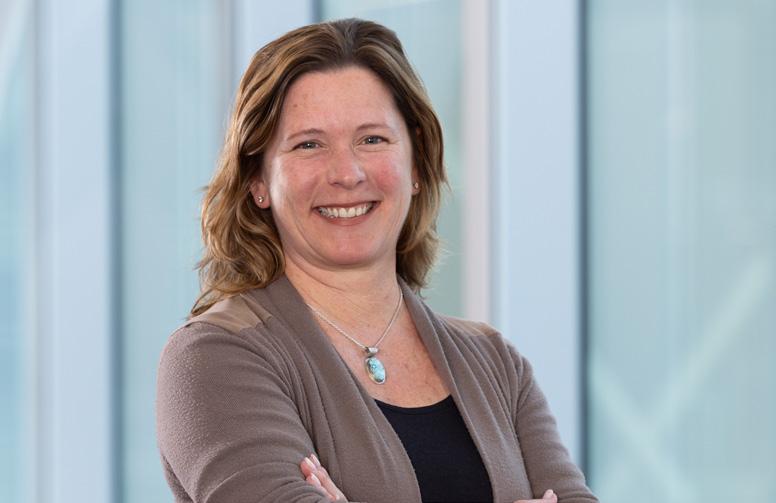
“We are seeing growing evidence that adopting regular stress reduction techniques like mindfulness, journaling or meditations can help manage seizure occurrence, improving quality of life for people with epilepsy. We look forward to expanding therapies and wellness classes in partnership with the Epilepsy Center and other areas for neurological care.”
SIAN COTTON, PHD Director of the Osher Center for Integrative Health at UC Turner Farm Foundation Chair
Enhanced clinical services
Expanding talented, highly trained staff is crucial to provide the most comprehensive care to our patients and their caregivers. In addition to our physician leaders, these key roles include:
• Nurse navigators who provide an essential core of clinical expertise for our center.
• Patient education programs that empower individuals with epilepsy by offering resources for healthy diet, exercise and stress management tools, as well as community support.
As our patient outcomes continue to excel, new technology and comprehensive services in support of the whole person will evolve across the institute. Our current priorities include:
• Integrative medicine programs and clinics offered by the Osher Center for Integrative Health at UC, providing complementary therapies like classes for nutrition, exercise and mindfulness.
• Primary care physician education that will address gaps in epilepsy treatment by training providers on the complexities of epilepsy from diagnosis to treatment and offering ongoing resources on new findings.
EDUCATION
Building excellence in care, training and specialized staffing
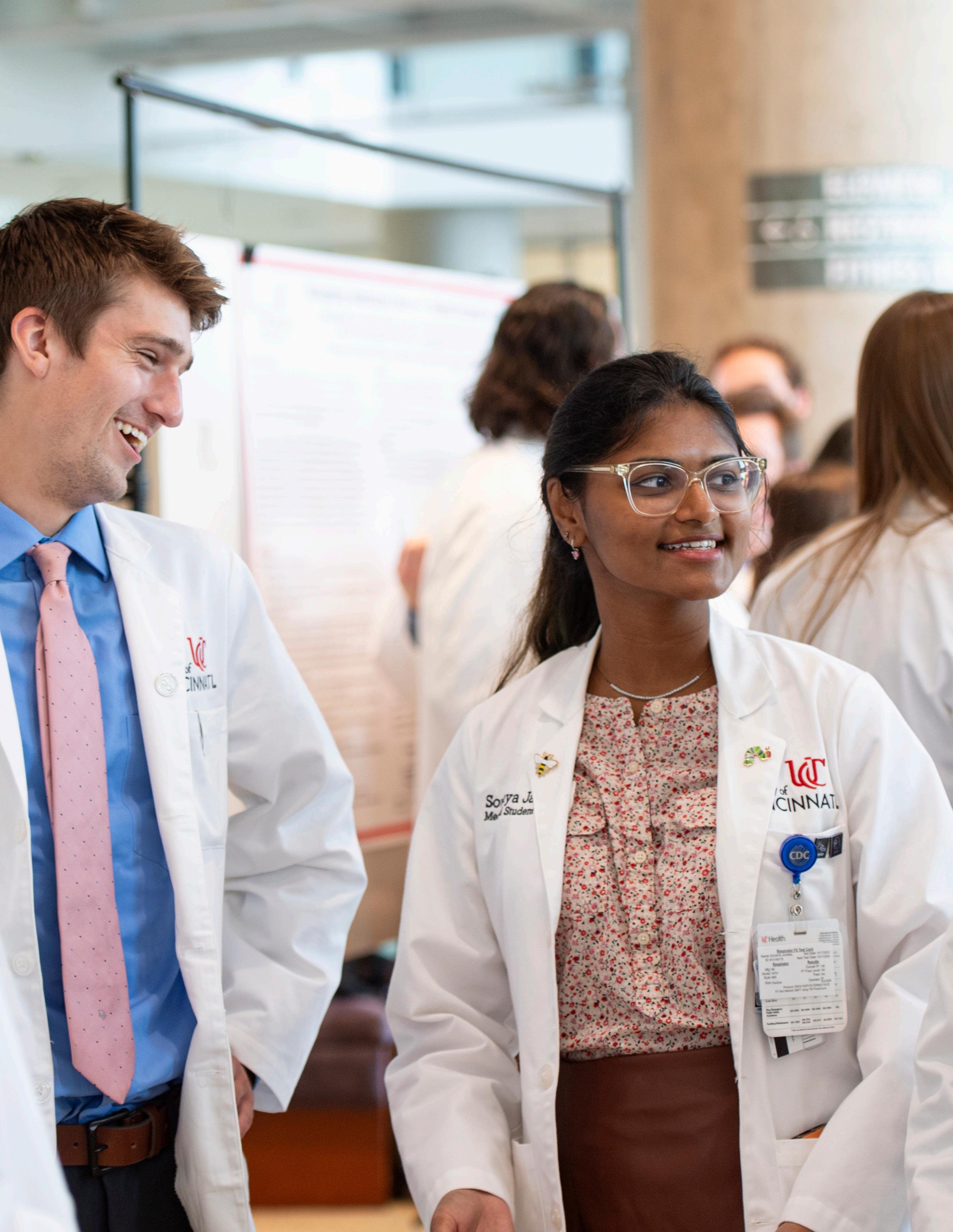
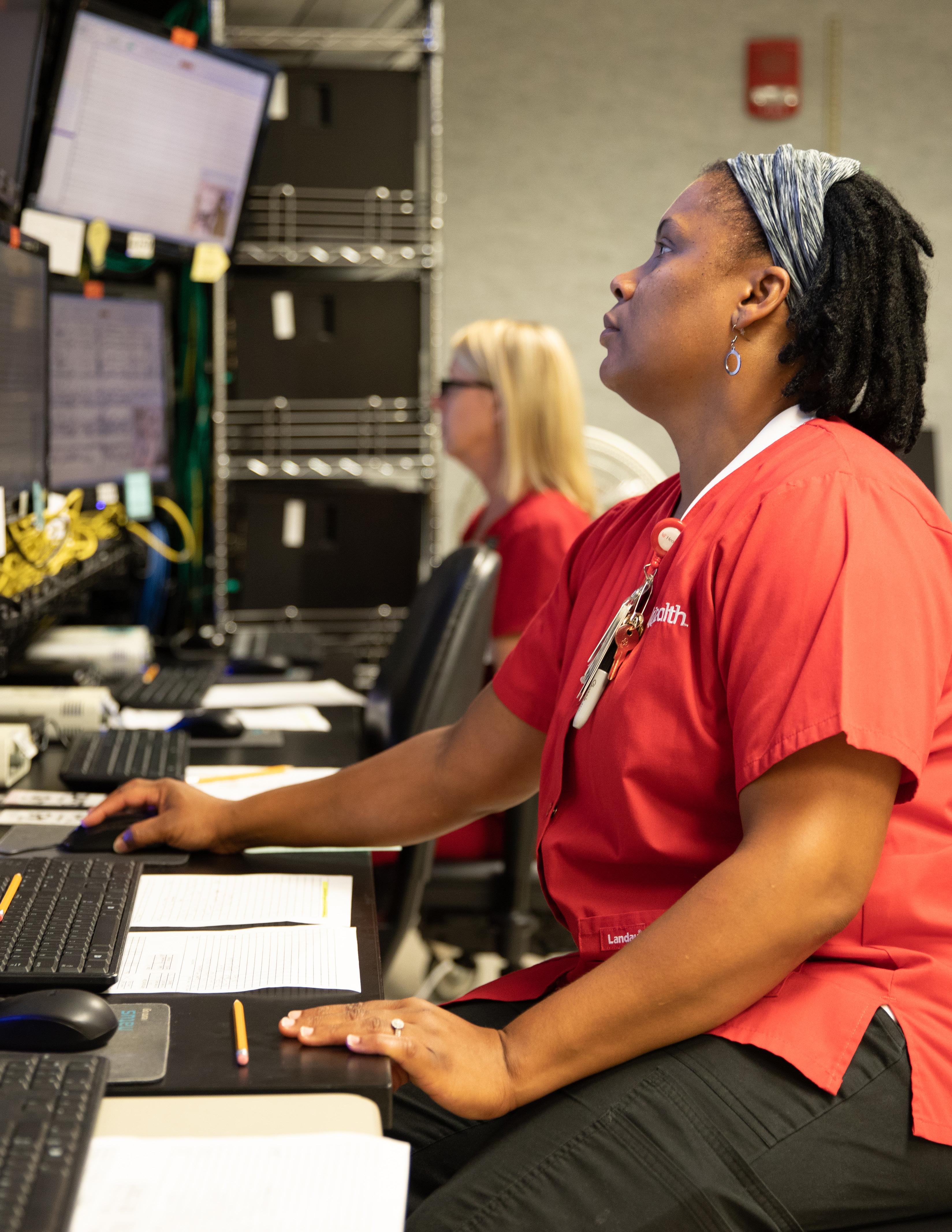
In the hospital setting, talented nurses, resident physicians and support staff often spend more time with patients and families than the attending physicians. These expert care teams provide compassionate, research-driven care to the bedside—and are a key component to becoming the neuroscience institute by which all others are measured.
Nursing endowment and expansion of programs
The demand for neuroscience nurses is high, due in part to an aging patient population and a growing rate of neurologic conditions, paired with a national nursing shortage. This high demand is also due to the extensive and ongoing requirements for continual, progressive education and skills training that nurses need to provide care in the neurological specialty and stay abreast of evolving advances and technologies.
An endowment fund will build opportunities for nurses to train, advance and contribute to the science of neurological care, further positioning our institute as a national leader in treating complex neurological problems.
Investments in nursing education within UC and area schools will grow the pipeline of passionate, skilled nurses, as well as help talent retention. Additional investments will enhance our ability to support nurses with patient mobility and ambulation, technology improvements and continuing education.
Fellowship positions
One- and two-year postgraduate training programs provide the opportunity to advance in a subspecialty area of neurological care. Fellowship positions will include MDs but also extend to opportunities for physician assistants and nurse practitioners who wish to pursue specialized training. Fellows will work in outpatient, inpatient and ICU settings across all subspecialty areas of clinical neurology and neurosurgery.
In epilepsy for example, a one-year fellowship allows trainees to become adept at complex EEGs and outpatient management of people with epilepsy. A second year of fellowship brings experience in complex decision-making for epilepsy surgery, and protected time for research. Additionally, two-year fellows gain independence in managing complex situations like epilepsy during pregnancy, managing implanted devices for epilepsy, and proper use of the newest antiseizure medications.
Unlike residency programs, funding for fellowships is not typically covered by federal programs like Medicare. We rely on philanthropy and other efforts to provide the funding to train the next generation of subspecialists in neurological care.
Education and training programs
The UC Gardner Neuroscience Institute is a magnet of talent, attracting out-of-state high school graduates and potential graduate students to Ohio with the promise of a world-class education, mentors in research and industry, and access to leading laboratory and clinical facilities. We plan expansion and support of the following areas:
• Simulation lab space and training support
Several of the top programs in the country use simulation-based training: realistic clinical environments that blend learning with virtual and hands-on experiences through a model of team-based patient care. At UC, leadership from across the academic health center and UC Health have articulated a high-level vision and operational model for a simulation center that will teach not only basic procedures but also complex neurological care skills.
• Student recruitment and programming
The UC College of Medicine is committed to building a physician workforce that accurately reflects the community we treat. Our mission is to recruit and retain the most talented students, residents and faculty to our academic medical center and support them in pursuing neuroscience specialties.
• Continuing medical education
Training programs will provide continuing medical education in our areas of excellence. New programming will offer primary care physicians opportunities to enhance learning in often requested specialties like depression and anxiety.
MEASURES
OF SUCCESS
Philanthropic support will speed our time to impact in the areas of research, patient care and training the next generation. We will track and measure our success in these areas through improved scores and metrics in:
Research
Our research portfolio will grow and be measured by: the number of publications in top level journals, faculty presentations at conferences, and scores/rankings from the National Institutes of Health and Blue Ridge Rankings. Additionally, we will track membership growth in premier research networks such as StrokeNET, Mood Disorders and the Alzheimer’s Disease Research Centers (ADRCs).
Clinical
Investments into personalized medicine and clinical advancements will be measured by: improving patient outcomes (relevant to a patient’s quality of life including symptoms, functionality, and physical, mental and social health), impacting key hospital metrics like decreasing mortality and re-admissions rates, and improving patient safety and satisfaction. These will additionally support our reputation rankings in mass media outlets like U.S. News and World Report.
Education
Being a destination for complex neurological care also means being a destination for the best and brightest talent—from students pursuing our residency and specialty fellowship programs to new clinicians and researchers. As demand increases for limited spots (for example, hundreds of fellowship applicants for 10 openings), so will competitiveness and the strength of applicants, along with the quality of care and research across the institute. Professional physician networks like Doximity and professional organizations like Association of American Medical Colleges will help us measure this.
THANK YOU
We’re grateful for your thoughtful consideration of a leadership gift to UC Epilepsy Center in support of our 10-year Vision for Neuroscience.
CONTACT
Chris Higgins
Vice President for Development, Academic Health Enterprise University of Cincinnati Foundation
Chris.Higgins@foundation.uc.edu
614-246-1585

To learn more about how philanthropy can make a meaningful impact, scan the QR code or visit foundation.uc.edu/ucgni/epilepsy