




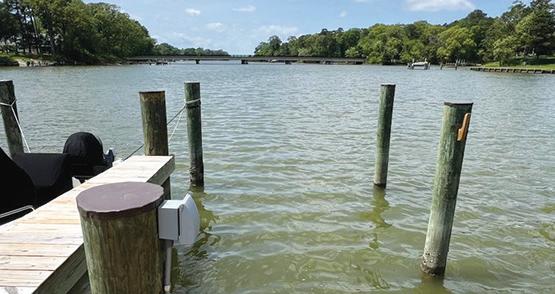
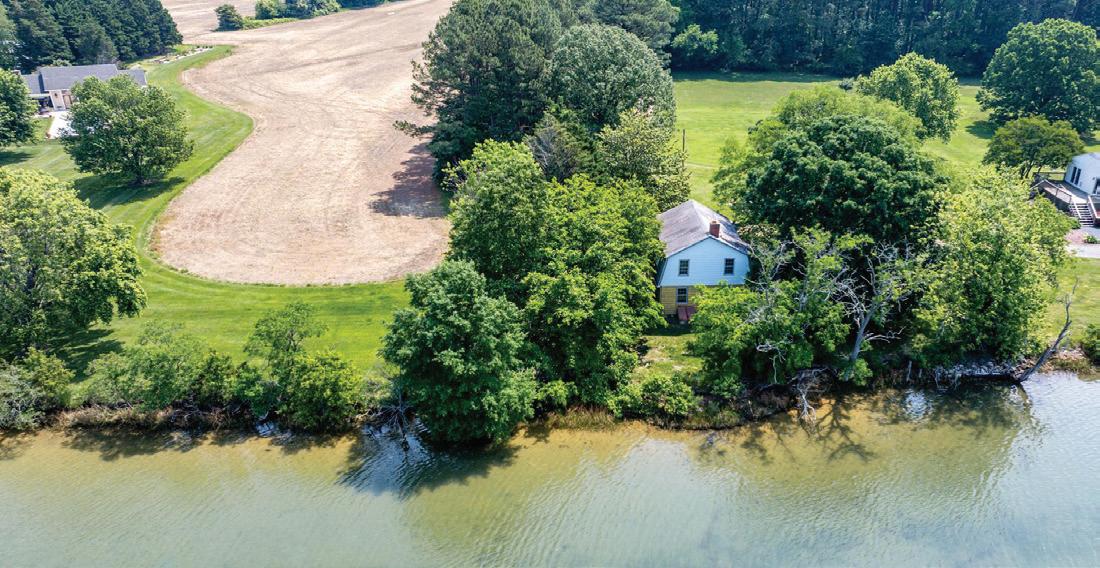
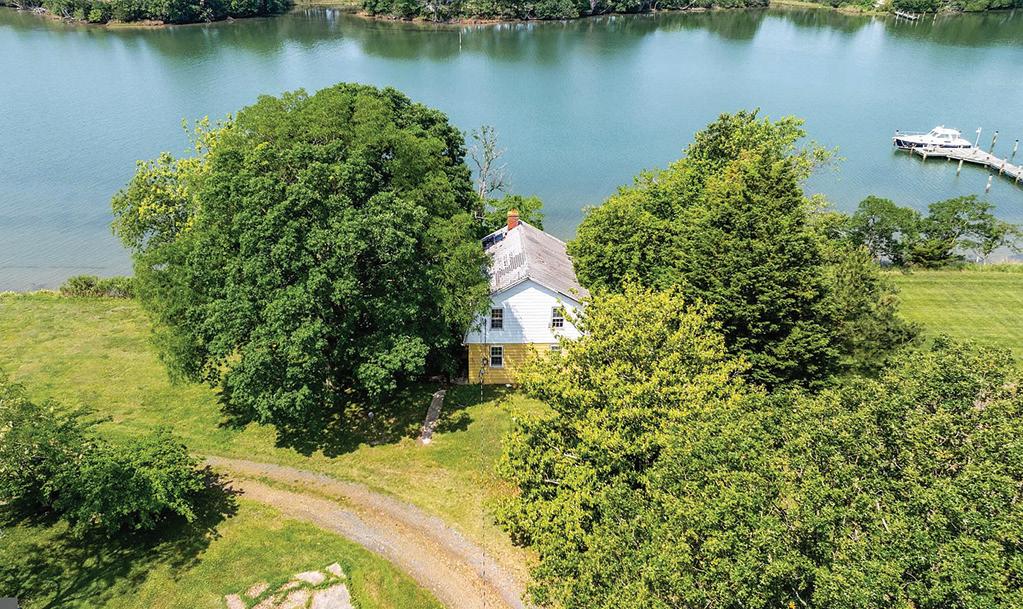
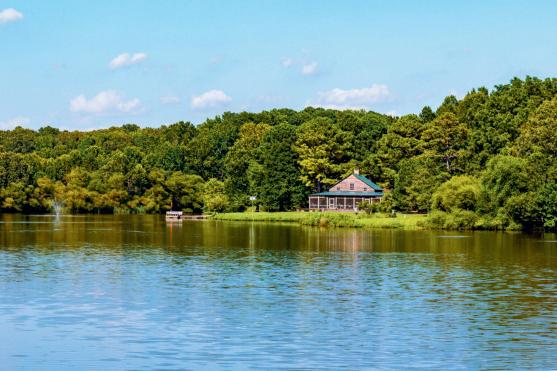
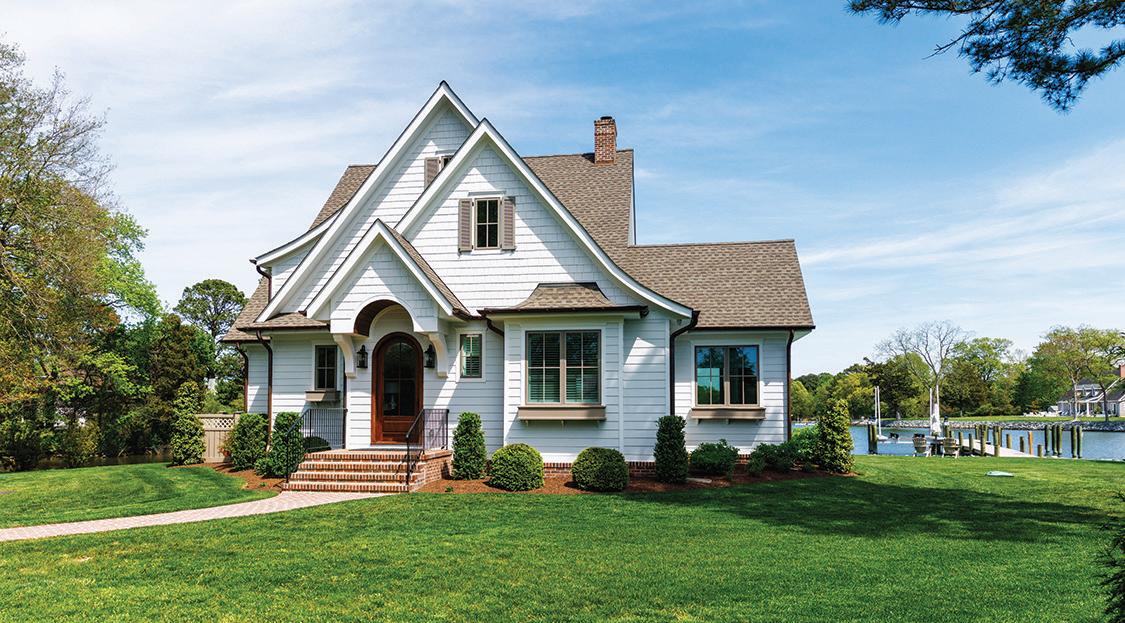
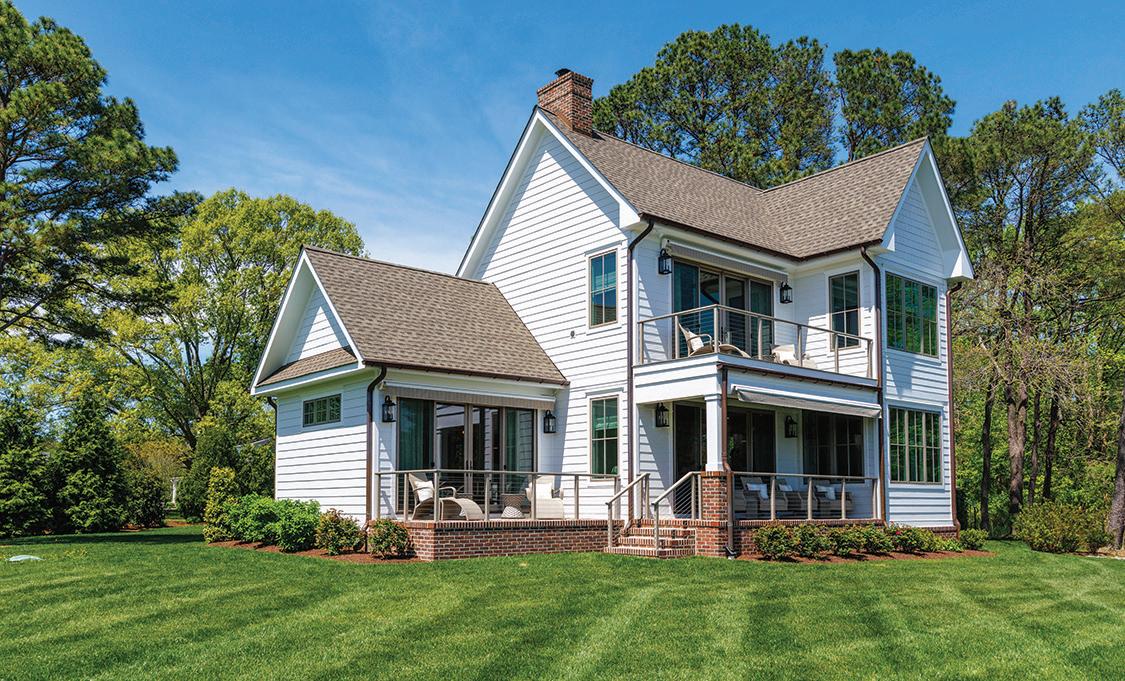
Rio Vista, St. Michaels - Nestled in the trees on a quiet cul-de-sac just 5 minutes from the historic district, this handsome home features a first floor primary suite plus two bedrooms and a bonus room upstairs. Rio Vista offers boat slips ($225 for the season) and a waterfront picnic area, plus public sewer and water but no town taxes. $549,900

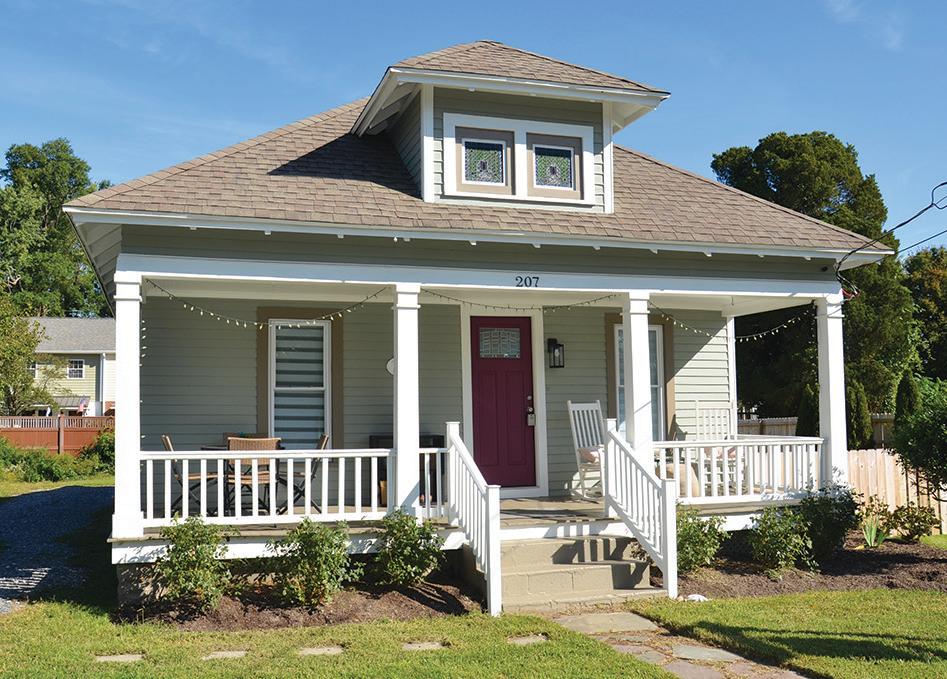
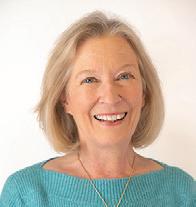
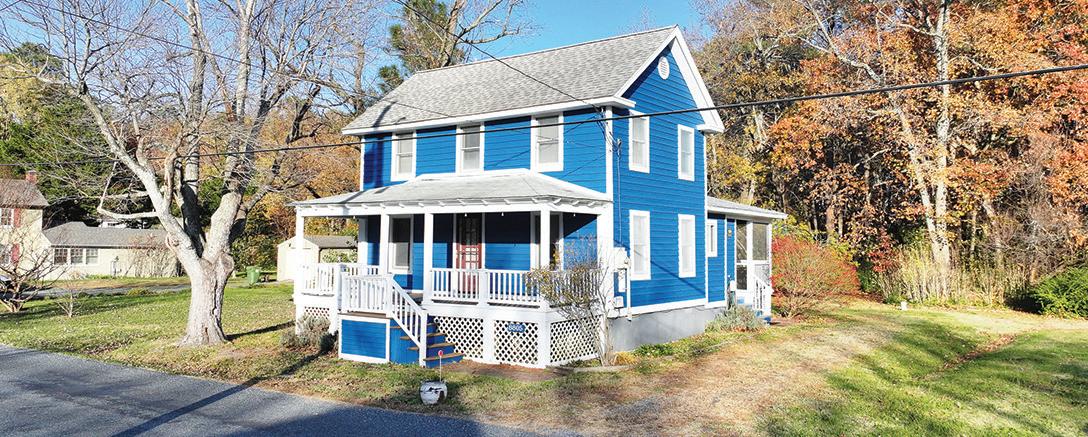
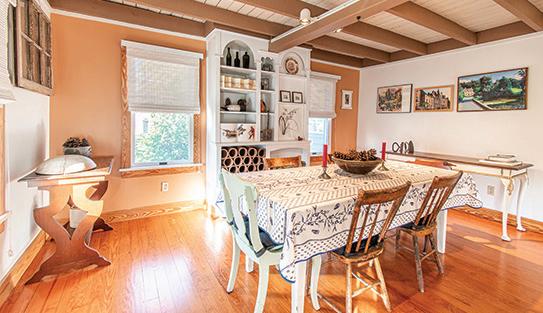
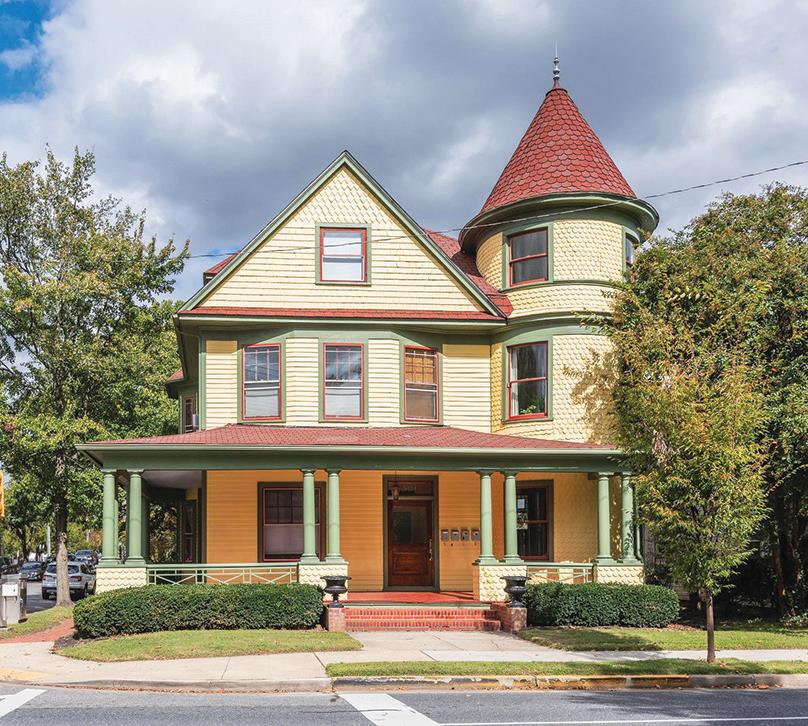
St. Michaels Downtown is fabulous 1910 bungalow with welcoming front porch has been renovated throughout. Two bedrooms and baths, great light, blond wide plank wood ooring, gorgeous kitchen with cultured stone countertops, and a large fenced yard for your furry friends. Plenty of room for future expansion or a garage. $499,900






















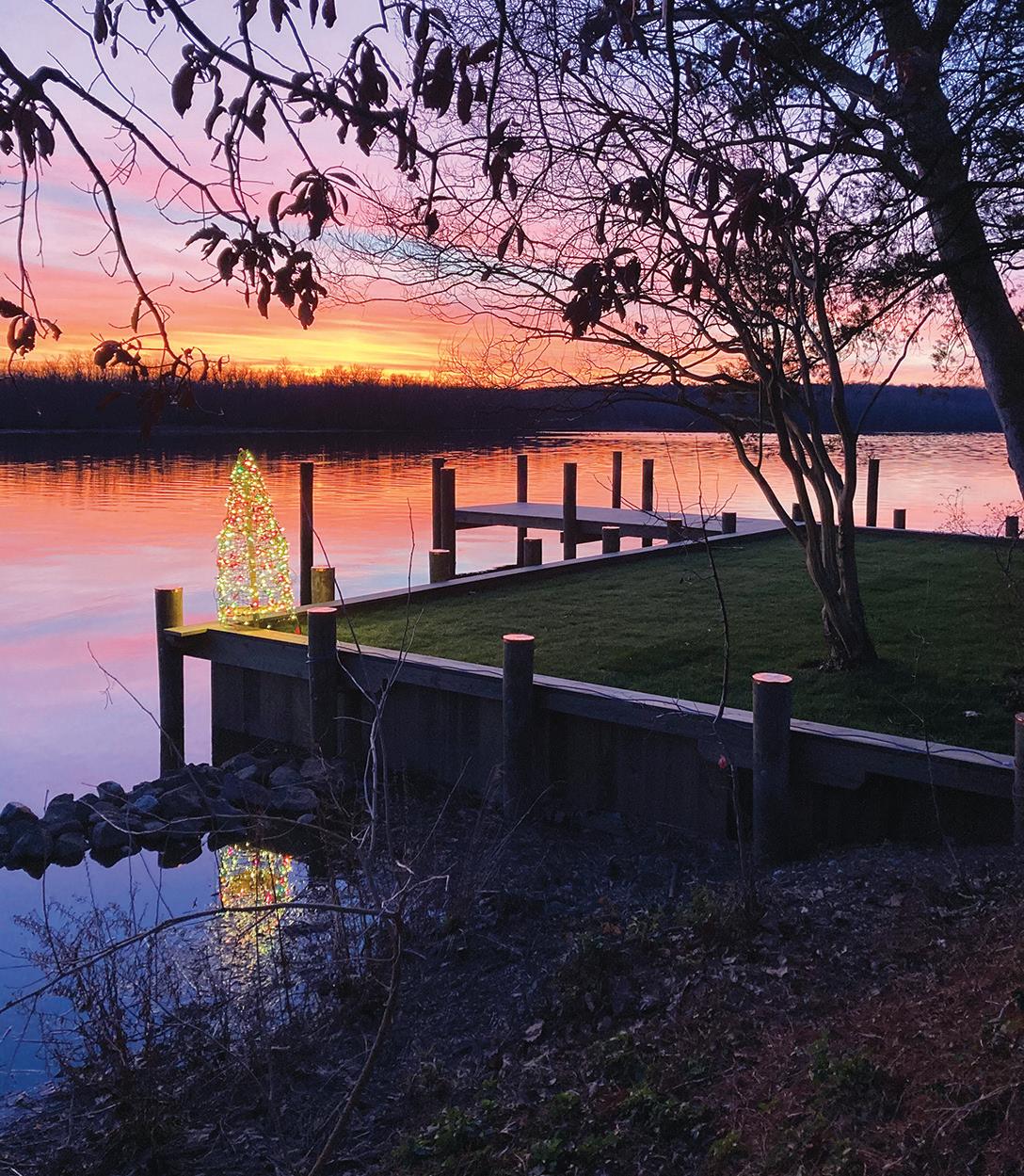




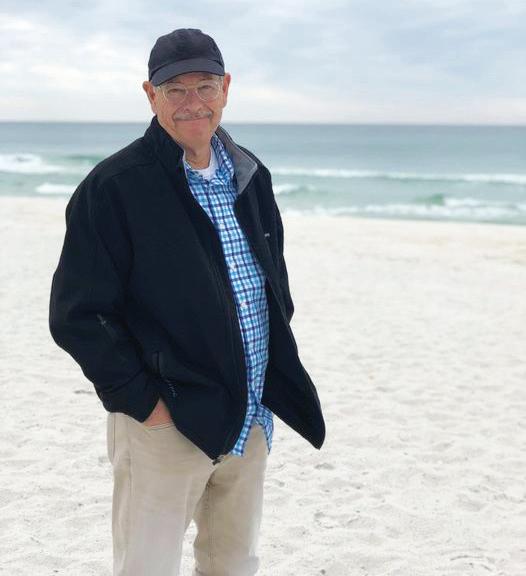
Originally from Alabama, Mark is an avant-garde artist who paints and creates from his home in Saint Michaels. He is a retired product designer and developer who worked for an international manufacturer/ importer of Christmas and gift items. Mark now stays busy with commissions and gardening. He has twice been selected as an artist for the Oxford Fence Auction benefiting the Talbot Humane shelter.



New Location Opening Soon

This is the time of year we give thanks for all of our blessingsfamily, good food on the table and dear friends.
For us, family includes our Tidewater Times family - from our writers, editor, delivery specialists, and printers. We are also so very thankful for you, or readers and advertisers. This magazine would
not be possible without all of you. So, as we head into our 74th year in publication, we would like to take this opportunity to personally thank all of you.
We realize that this is also the season for giving. At the end of the magazine we have included the contact information for all of the Mid-Shore Volunteer Fire Departments. Your dollars enable them to help everyone, and it's tax deductible.
In closing, whatever your belief system, we would like to wish you a warm and loving holiday season with family, and the people you choose to call family!


Merry Christmas from all the nuts here at Tidewater Times!


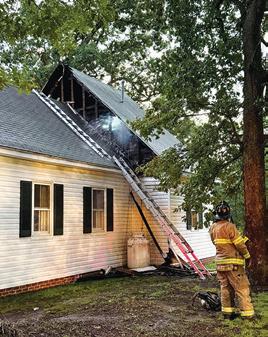

The moment of impact caught on a neighbors security camera.
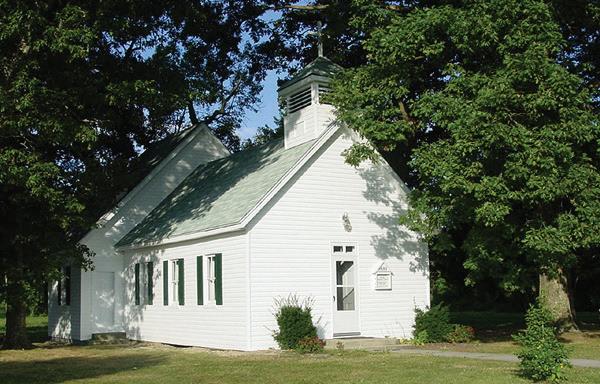
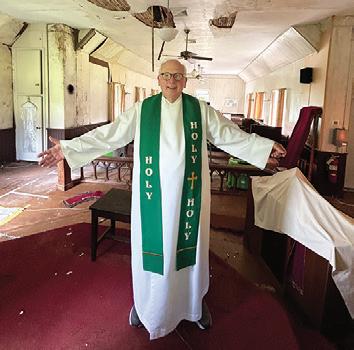
Faith Chapel United Methodist Church is currently accepting donations for its rebuild following being struck by lightning and the resulting devastating fire on July 8, 2025. Many thanks to the Trappe, Oxford and Easton Volunteer Fire Departments for their quick response!
Contributions may be sent to:



Helen Chappell
So there I was on the treadmill, huffing and puffing away, when the lady next to me asked what I did.
“I’m (huff puff) a writer,” I said.
“(Huff puff) Do you write Bibles?” she asked.
That took me back for a second. I was about to tell her the Old Testament had been written six thousand years ago, more or less, and the New Testament about two thousand years ago, and there had been a number of rewrites, including the King James version circa 1630 or thereabouts, but I realized not only did she not want or need a lecture
on the history of the Bible; what she meant was did I write religious texts.
I huffed and puffed and told her I had written forty-two books and a column for Tidewater Times, but I don’t think she got it. By that time, we were both huffing and puffing, for one thing, and for another, a friend of hers came in and climbed on the other treadmill, so that was the end of that conversation.
No, I don’t write bibles. Now, at one point, in another life, I spent a brief and gloriously overpaid six months in California writing for a






Huang
The Bible
long-defunct soap opera. And that, like all serial stories, has a bible. The soap bible is basically the backstory of every character and every event that has ever happened on that drama.

If the soap has been on the air for as long as, oh, say, General Hospital (not the soap I worked on), which has got to be in its mid-sixties, you’re talking about a soap bible probably thousands and thousands of pages thick, with more being added every day. Now, I imagine it’s all stored in the cloud somewhere, but in those days, it was all hard copy, and it was huge. And they called it a bible for a good reason. You had to adhere to the continuity of the storylines come hell or high water. Characters, actors and stories came and went on forever. And when you joined the writing staff, your head writer had

The Bible
charge of a copy you were allowed to consult but not remove from the writers’ room. I think they were afraid you’d steal their plots and sell them to Agnes Nixon or something.

Anyway, together with about a dozen other writers, I labored away
pretty happily on my assigned characters and storyline. We were under the watchful eye of the head writer and the producer, and it was rare that any of our breathless original dialogue or storylines ever came from any actor. Everything was revised and revised and revised again by at least five or six people, including the actors, before it actually went in front of the cameras.
But I was making more money than I’d ever seen in my life, living in Venice, California. At the time, in spite of living in SoCal, I thought I was in high cotton.
Of course, it didn’t last. The ratings sagged slightly, and since writers are at the bottom of the entertainment industry pile, we were all



Bible
pink-slipped. Only the head writer, who couldn’t write his way out of a wet paper bag, was retained. And that was the beginning and the end of my Bible writing.
But since that lady asked (huff, puff ), if I were to write a Bible, it would be short and pithy. There would be about three commandments, and that would be it.
The fi rst commandment: Play nicely. Treat other people the way you’d like to be treated.
The second commandment: Put on your big girl panties and deal with it. Life is not easy, and it’s not fair. But after you take your fi fteen minutes of whining about how awful and unfair and utterly rotten it all is, you have to get it together and

deal with it. At least try to solve the problem. Sometimes there is no solution. You deal with that and have a Plan B.
The last commandment is the most serious and the most traditionally theological. Just because you think something should be whatever, does not mean it is the will of the Divine. In short, don’t mistake your will for that of God. Because that puts you on the royal road to blasphemy, and that is a road no one wants to travel.
There. That’s pretty simple, isn’t it?
It’s certainly a lot simpler than a soap opera bible, where generations of improbable misery and heartbreak kept ’em coming back for half and hour a day, five days a week. You name it, we wrote it. Adultery, alcoholism, murder, illegitimacy, stolen babies, people who went off a cliff in an accident on Friday and came back as a whole different actor on Monday, drug addiction, secrets and lies, blackmail, terminal illness, amnesia (at least once a year someone had amnesia, although it is so rare in reality that textbooks are written about documented cases), more secrets and lies, more adultery, alcoholism and terminal diseases.
We did ’em all and somehow sucked people into following the misadventures of our town, which we referred to as Pain Valley). Notice I didn’t say No Stealing,


The Bible

because we stole. We stole mercilessly from every source, from Shakespeare to other soaps. I’ll let you in on a secret. Nothing is original. Even Shakespeare stole from other writers.
It was a great earn-while-youlearn situation, and I was sorry to lose the paycheck, although not
sorry to come back east.
The soap, which shall remain nameless even though it’s been off the air for years, is probably still in bible form in a safe deposit box somewhere.
But just like the real Bible, you can bet writers are still recycling plotlines from it over and over again. The big difference is that now the stories are on at night.
When The World Was Young & Restless
And We Were Worried About The Days of Our Lives
GOD said You Are All My Children
Let Me Be Your Guiding Light And I Will Take You To Another World
Helen Chappell is the creator of the Sam and Hollis mystery series and the Oysterback stories, as well as The Chesapeake Book of the Dead . Under her pen name, Rebecca Baldwin, she has published a number of historical novels.







Wishing everyone a happy, healthy and safe holiday season. Thank you for all of your support this year!


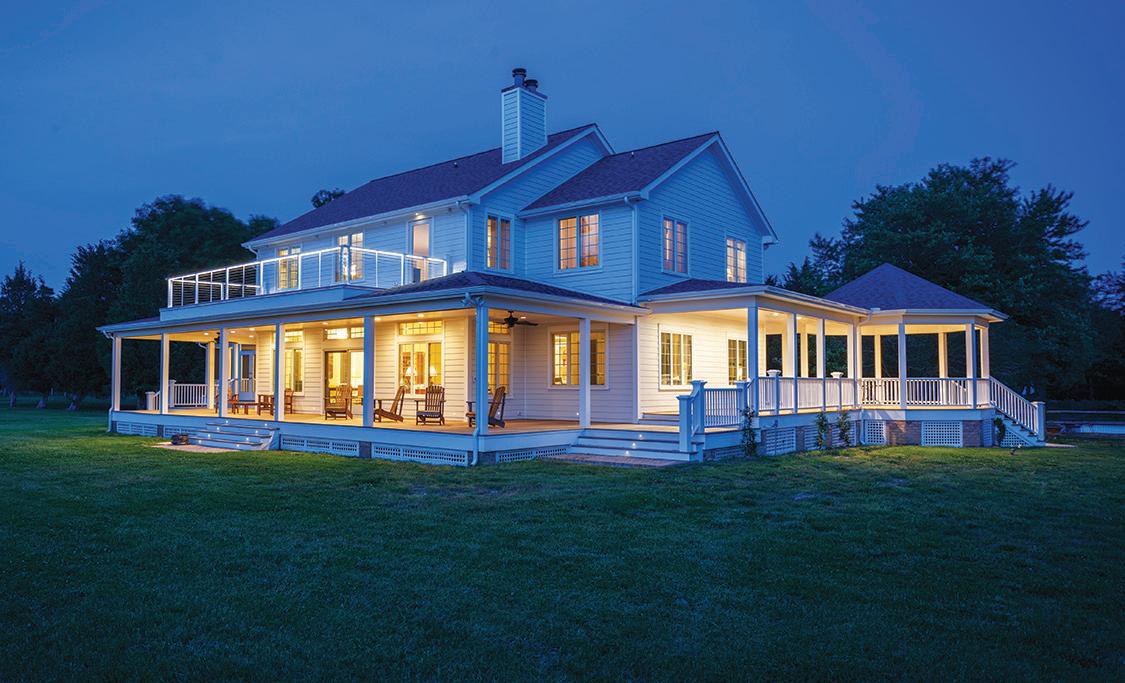
This custom waterfront home in the Oxford Road corridor offers breathtaking views, an open one-level layout and vaulted ceilings. Boasting 3 bedroom, 2.5 baths waterside primary suite, fabulous kitchen, private den & cupola studio. A well appointed 1 bedroom guest apartment provides extra space. Enjoy a screened porch, waterside deck, and a private setting, perfect for serene waterfront living. $1,695,000

by Bonna L. Nelson
Fairy clock. Lion’s teeth. Little dragon. Eye of the star. Calendula. Meadowsweet. Juno’s tears. These plants conjure enchanted worlds, brighten our gardens, enrich our meals, heal our bodies, freshen our air, soothe us before sleep. If one wants to believe in magic, one might do well to begin with the study of herbs. ~ Herbal Handbook The New York Botanical Garden
My friend, Katie (Moose) Barney, invited me to attend a potluck dinner gathering of the Chesapeake Bay Herb Society (CBHS) a year or so ago. She was the speaker of the month and planning to discuss Colonial
Herb Gardens. Katie was born in Baltimore, a descendant of the Clagett family (early Colonial settlers), and is the author of numerous cookbooks, guidebooks, and children’s books, a lecturer and cooking teacher, as well




as a fellow world traveler. She is one of my heroes, she inspires me. That night I was introduced to the magic and wonder of herbs. Members of the CBHS, ladies and gents, warmly greeted me as I entered Christ Church Easton (my church’s) Parish Hall, home to most of the
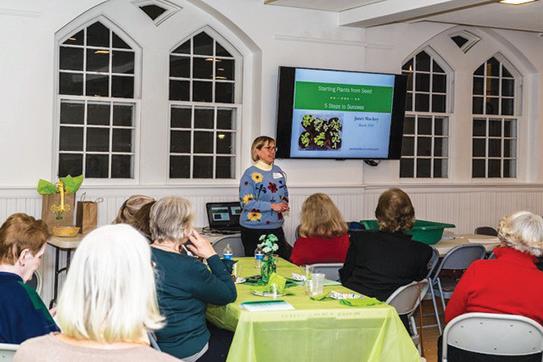
group’s monthly meetings. Tables were gaily decorated with flowers and packets of herb seeds. I was directed to make a name badge, then escorted to the beverage table, and finally to the scrumptious-looking herb-themed potluck buffet. Most of the proffered dishes incorporated herbs suggested by the CBHS’ herb theme of the month.
Katie enlightened us with stories about using herbs in Colonial times for cooking, household, and personal purposes. Many colonial settlers had herb gardens near their kitchen doors. I recognized multiple herbs that we still use in cooking today such as rosemary, sage, thyme, chives and garlic.
One of my personal favorites, lav-








Herb Society

ender, also brightened the Colonial herb garden and home. I was hooked. I wanted to learn more about these plants that have been with us for thousands of years. I applied for membership that night and continue to enjoy our monthly gatherings.
Though I mostly grow herbs in pots with only a few in the ground, all are welcome to join CBHS. You do not have to be an experienced gardener or herbalist, just have an interest in learning about and using herbs. I since learned that basil, thyme, bay, sage, oregano, chives, dill, parsley, rosemary, and lavender are the top ten favorite herbs of members of the U.S. Herb Society of America. I would like to add mint and chamo -
mile to that list as additional favorites of many folks.
At the Tidewater Times, we traditionally present stories about local nonprofit organizations during the holiday season to inform our readers about their mission and accomplishments. We hope that our readers will then be inclined to join and support the organizations in the spirit of the season. I think that you will be fascinated by this story about the CBHS, an educational nonprofit.
I learned from Mary Carpenter, vice president; Dana McGrath, treasurer and founding member; and Penny Hall, long time member that CBHS, a 501(c)3 nonprofit educational organization, was formed in 2002 by Lou Russell to share the love, knowledge, and uses of herbs with the local Shore community.




Lou was a Pickering Creek Audubon Center (PCAC) volunteer, and he was the spark that lit the CBHS creation to take over the herb garden management from the Center and expand it for educational purposes.
The centerpiece of the CBHS, the Herb Garden lovingly maintained by the group at PCAC, is coordinated by gardener extraordinaire, Stephanie Wooten, supported by multiple CBHS members. It delights me to share that busloads of Eastern Shore schoolchildren visit the CBHS Herb
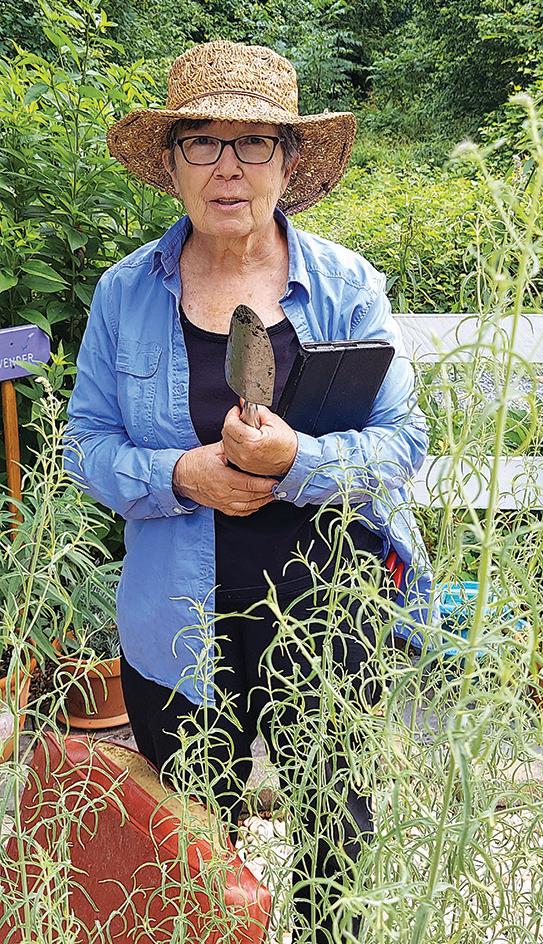
Garden at PCAC every year to learn more about nature and the enchantment and many purposes of herbs.
Members of the CBHS, led by Stephanie, enjoy gathering in the Herb Garden every Monday morning almost year-round. So popular is the CBHS Herb Garden that in the fall Pickering asked the group to hold off cutting back the garden for fall/ winter to allow more children and other visitors to continue to visit and learn more about the wonder of herbs and take pleasure in its bounty.
Sue Abrahams, CBHS President encourages members and visitors to, “…visit our herb garden…whether you get your hands dirty or not… learn about different herbs and their uses…Even if you are not an active participant, your ideas, and suggestions are welcome.”
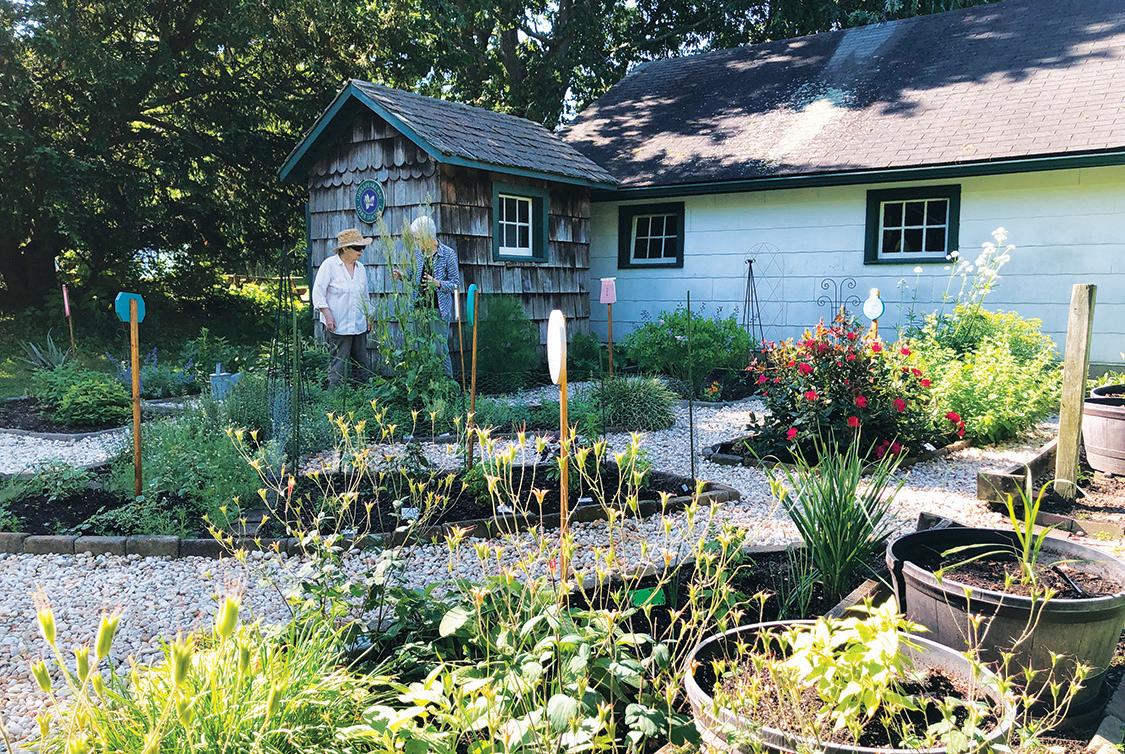
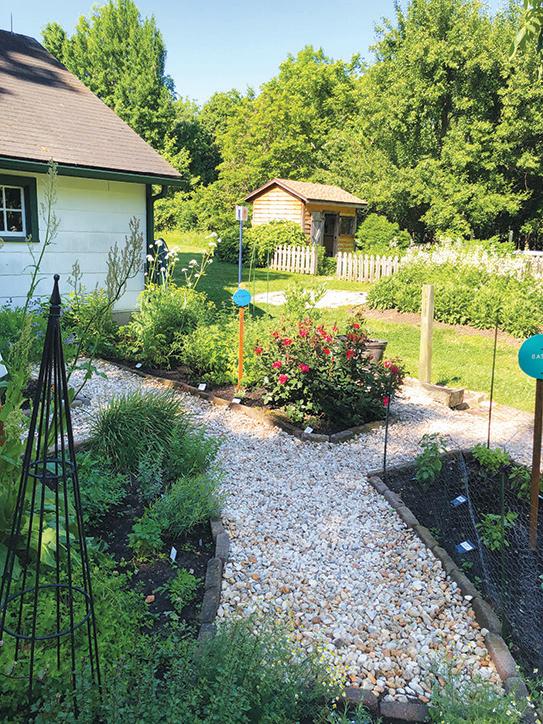
Dana shared that the CBHS Herb Garden at Pickering includes 15 different herb beds in a maze pattern that contains over 120 herbs for culinary, sensory, and medicinal purposes as well as a pollinator bed next to it managed by Pickering staff.
Herb bed types include Basil, Bee & Butterfly, Culinary, Dye, Fragrance, Lemon, Pizza, Remedy, and Tea amongst others. The demonstration garden has been designed, planted, trimmed, weeded, watered, and lovingly cared for by dedicated CBHS volunteers since 2003, that is 22 years!
Some specifics about the herb beds that Dana described includes an herb


bed dedicated to various types of basil. I just love Caprese salad with fresh basil, tomatoes and mozzarella cheese, don’t you?
The medicinal bed includes herbs that have been used for centuries as natural alternatives to traditional medicine to ward off illness as well as provide remedies for numerous ailments. Chamomile, for example, is used for its calming and antiinflammatory properties, and is one of my favorite bedtime teas to ease into a deep sleep. The fragrance bed is “scentalicious” with plants used in potpourri and perfumes including lavender and lemon balm.
CBHS invites you to wander
through its demonstration herb garden along its pea gravel paths under swaying tall oaks and black walnut trees tucked away near the main parking area of Pickering Creek Audubon Center. It is a space of wonder, camaraderie, learning and peacefulness. Signage identifies the herbs and gardens and a beautiful mural depicting the gardens and God’s creatures created by local artist Sue Stockman decorates the side of a building near the garden. A bench and nearby picnic tables welcome you to sit, mediate and observe.
I enjoy the fragrance bed with lovely lavender sharing its aromatic properties along with lemon balm, both relaxing delicate scents. Who doesn’t like the pungent aroma of



rosemary? And for mint lovers peppermint and spearmint provide an invigorating scent.
On Mondays, during growing season, the CBHS team weeds, cleans, trims, and rakes the Herb Garden during the cooler mornings. Later in the day Stephanie sends out an email with photographs describing and showing CBHS members the work accomplished and delights found in the garden, our team at work and an herb of the week. Sometimes a spectacular herb or flower like thyme, Cuban oregano, aster, or nasturtium, or a cute critter, maybe a little frog, a butterfly, hummingbird, or rabbit appear in the Monday, garden day photo gallery. Members learn which herbs are at their peak and are invited to take cuttings from the garden to include in a favorite recipe or to provide scent to the home.
There were about twelve original
CBHS members including long-time treasurer, Dana McGrath. The group swelled to 75 pre-Covid, and we are approximately 60 members now and always welcoming new folks to join.
What are herbs? According to the Herbal Handbook, botanically an herb is a plant that produces seeds but does not develop a woody stem. Another definition is any plant with leaves, flowers, seeds, stems or roots that can be used for seasoning, medicine, or perfume. “Despite a multiplicity of uses, you’ll find herbs reassuring in their simplicity: they need water, and they (mostly) love sun.”
In addition to the educational component of the CBHS Herb Garden at Pickering and its accompanying weekly herb e-report, CBHS hosts monthly potluck dinners and talks. The yearly handbook and monthly e-newsletter are other sources of information about herbs and CBHS events.
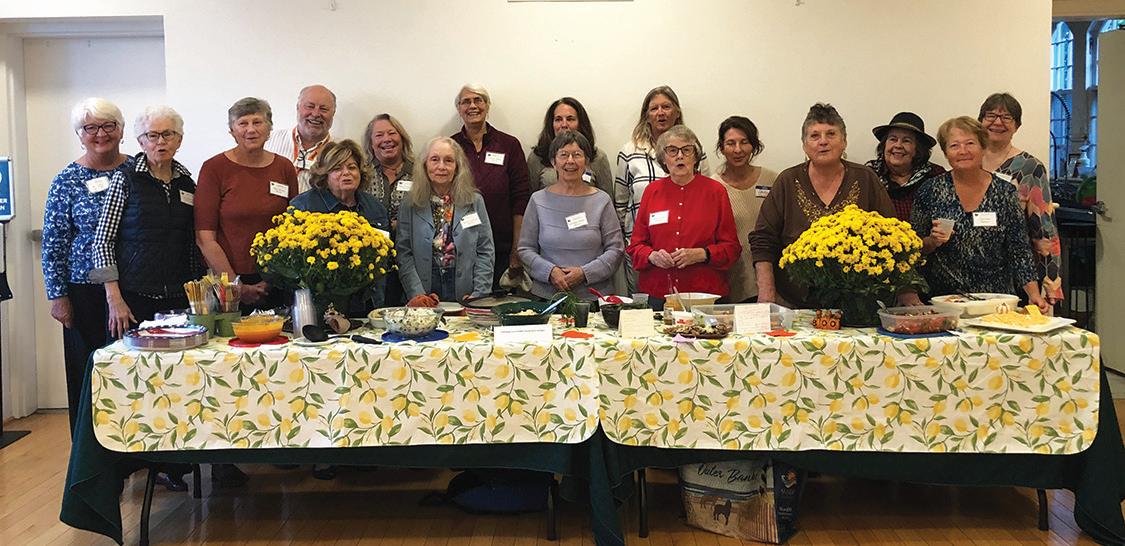

The monthly dinners are another favorite aspect of the Society for me. Each year the group determines monthly herb-related themes for the potluck meals which are published in their directory.
The delightful monthly e-newsletter prepared by Mary Carpenter, vice president, is another educational component of the CBHS. The newsletter includes member comments and observations, upcoming event dates, helpful herb-themed tips, and related information as well as links to relevant articles. Also included in the newsletter is a Culinary Letter about the herb theme of the month with recipes. Yours truly writes some of those letters along with Katie Barney and Bobbi Wells.
For 2025, international countries which had significant holidays in a particular month, such as an independence day, were the herb-related topic of the month. The most popular herbs used in those countries were described in the Culinary Letter as well as descriptions of the country and its dishes and recipes. We learned more about countries including Ireland, Senegal, Croatia, Sweden, Argentina, and Botswana, and their herbs.
As an example, I wrote about Argentina. I described my visit to a Buenos Aires ranch and eating its popular empanadas and barbeque dishes seasoned with thyme, rose -
mary, and tarragon. CBHS potluck dinner entrees, apps, sides, and desserts then feature those monthly herbs in preparation when possible but all dinner contributions, herbed or not, are welcome.
2025 educational program topics following dinner included Herbal Teas with Monika Mraz, Restoring the Bay One Wetland at a Time with Bobbi Wells, Microgreens Benefits with Candace Gasper, Plant Pests and Diseases Clinic with Stephanie Wooton and the Pickering Creek Mural Story with Sue Stockman. Upcoming topics include Wine and Food Pairing with long time members Denis Gasper and Spencer Garrett and Using Herbs for Charcuterie with Meghan Weismiller. We welcome new guest speakers and

topics. Our contact information is at the end of the article.
CBHS field trips offer more educational opportunities for members. This year, in addition to visiting our Herb Garden at PCAC and having our annual picnic there, Stephanie Wooten shared her home garden and provided a plant clinic for members. We also carpooled to nearby Gross Coate Farm near Easton on the Gross and Lloyd Creeks and Wye River with a beautiful brick Georgian structure dating from 1760. We wandered through its herb, vegetable, and flower gardens and learned tricks of the trade from our generous hostess, Mrs. Patricia Saul and expert gardener, Susan Davies.
Past CBHS trips included the Paca House and Garden in Annapolis for history lessons and tour of a
classic older garden. A tour of ten herb-themed garden beds at the US Arboretum/National Herb Garden revealed how important plants are in many aspects of our lives. At the Mediterraneum Market in Salisbury, MD we were introduced to enticing flavors, herbs and spices used in Mediterranean cooking. At the Lavender Farm in Millington the owner led us through fields of lavender, heavenly!
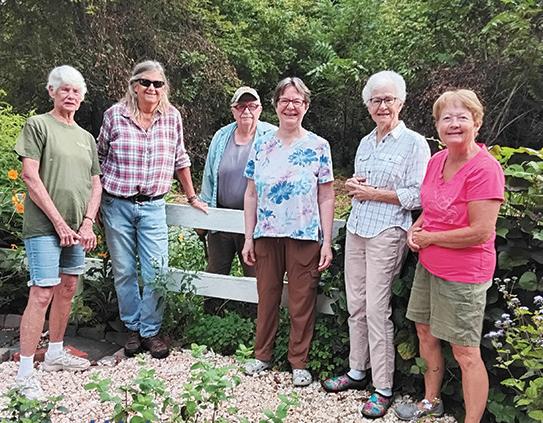
CBHS welcomes new members with interests in planting, growing, cooking with, eating, learning, and/or teaching all things herbs at whatever level of knowledge or skill they bring to the table. There is great camaraderie, enthusiasm, warmth, and friendship in the group. Members share their talents and wisdom.
The CBHS, 501©non-profit organization Mission Statement:
CBHS shares knowledge and enjoyment of herbs through gardening, cooking, and other uses of herbs.
CBHS benefits the community by maintaining a demonstration herb garden at Pickering Creek Audubon Center.
Monthly herb-themed potluck meetings are usually scheduled for the second Thursday of each month at 6 p.m. in the Parish Hall of Christ Church, 111 S. Harrison Street, Easton, MD. Our next meeting will be held on February 12, 2026, with speaker Sam Droege on “How to Save the World from Your Own Backyard.” Our country theme for the month is Estonia with herbs including chico -



ry, lavender, rosemary, and mustard. Contributions and dues ($35 per year) are gratefully received to help in maintaining the demonstration garden open to the public at PCAC. Funds are used to purchase new seeds and plants, gardening materials and to maintain paths, educational signage, and structures around the garden as well as for professional speakers’ fees. Please complete checks payable to Chesapeake Bay Herb Society and send to 29437 Dutchman’s Lane, Easton, MD 21601 c/o CBHS Treasurer.
Pickering Creek Audubon Center is a 450-acre, working farm on the Eastern Shore of Maryland located

Four styles - 100 pieces each

410-822-7716 · 7 S. Washington St., Easton visit us online at www.crackerjackstoys.com
at 11450 Audubon Lane, off Sharp Road, Easton, MD Talbot County, www.PickeringCreek.org, open in the summer from 7 a.m.-8 p.m. and winter from 7 a.m.-5 p.m. During those hours visitors may enjoy and learn from the beautiful CBHS maintained Herb Garden.
For more information about CBHS, meetings, garden, newsletters, speakers, etc. contact Sue Abrahams at 203-260-9228, email CBHS at chesapeakebayherbs@gmail.com, and/or visit their Facebook page at http://www.facebook.com/chesapeakebayherbsociety.
Join us to discover the magic and diversity of herbs in our gardens and on our tables. Discover peace and tranquility in these difficult times and feel better physically and mentally surrounded by friends and nature.
Bonna L. Nelson is a Bay-area writer, columnist, photographer and world traveler. She resides in Easton with her husband, John.










1. Mon.
2. Tues.
3. Wed.
4. Thurs.
5. Fri.
6. Sat.
7. Sun.
8. Mon.
9. Tues.
10. Wed.
11. Thurs.
12. Fri.
13. Sat.
14. Sun.
15. Mon.
16. Tues.
17. Wed.
18. Thurs.
19. Fri.
20. Sat.
21. Sun.
22. Mon.
23. Tues.
24. Wed.
25. Thurs.
26. Fri.
27. Sat.
28. Sun.
29. Mon.
30. Tues.
31. Wed.
SHARP’S IS. LIGHT: 46 minutes before Oxford
TILGHMAN: Dogwood Harbor same as Oxford
EASTON POINT: 5 minutes after Oxford
CAMBRIDGE: 10 minutes after Oxford
CLAIBORNE: 25 minutes after Oxford
ST. MICHAELS MILES R.: 47 min. after Oxford
WYE LANDING: 1 hr. after Oxford
ANNAPOLIS: 1 hr., 29 min. after Oxford
KENT NARROWS: 1 hr., 29 min. after Oxford
CENTREVILLE LANDING: 2 hrs. after Oxford
CHESTERTOWN: 3 hrs., 44 min. after Oxford
3 month tides at www.tidewatertimes.com12:10 1:03 1:58 2:53 3:48 4:44 5:41 6:39 7:40 8:44 9:51 10:58 11:5912:18 1:04 1:51 2:37 3:21 4:04 4:46 5:28 6:13 7:03 7:57 8:55 9:55 10:56 11:57 -

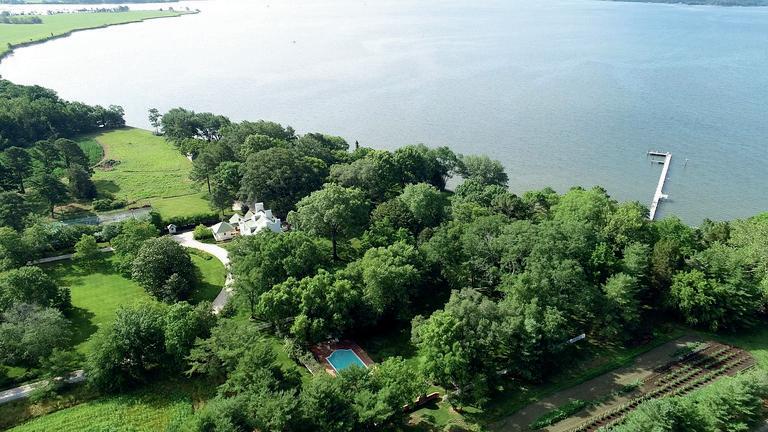
Duvall Farm ±525 ac, 30 Parcels Easton | Oxford | https://tr.ee/duvall


3 BR 2 full 2 half BA | 300 Dixon St Easton | https://tr.ee/dixonsq


Perc Approved for 3 BR on ±2 ac Denton | https://tr.ee/asbury


3 BR 2 full 1 half BA l Easton https://tr.ee/michaelave


Wilderness Estate ±234 ac | Trappe | https://tr.ee/wilderness m: 410-443-9242 o: 410-770-9255

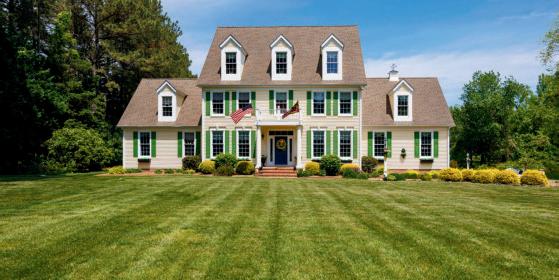
±2.3 ac | 4BR 4.5 BA | Waverly Isl Est Easton | https://tr.ee/playtor

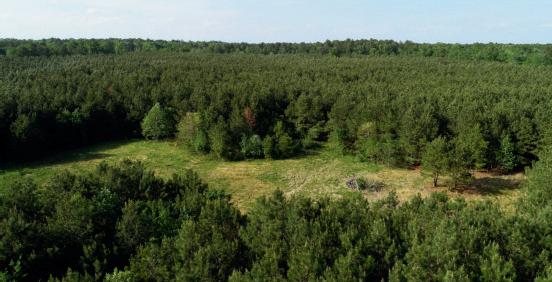
±63 ac with 2 ac Perc Appr Clearing Preston | https://tr.ee/doverbr
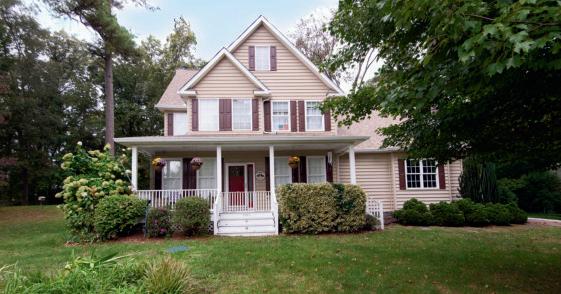


4 BR 2 full 1 half BA l Preston https://tr.ee/harmonywoods



by Tracey F. Johns
Taking a walk through Adkins Arboretum’s forests and meadows with Suzy Moore felt like a literal and figurative breath of fresh air.
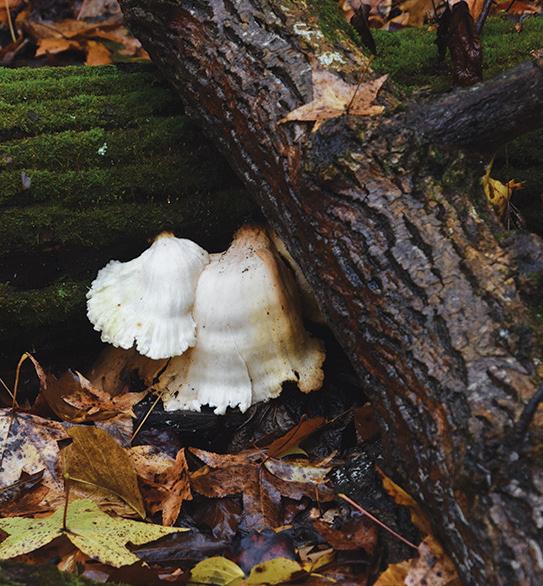
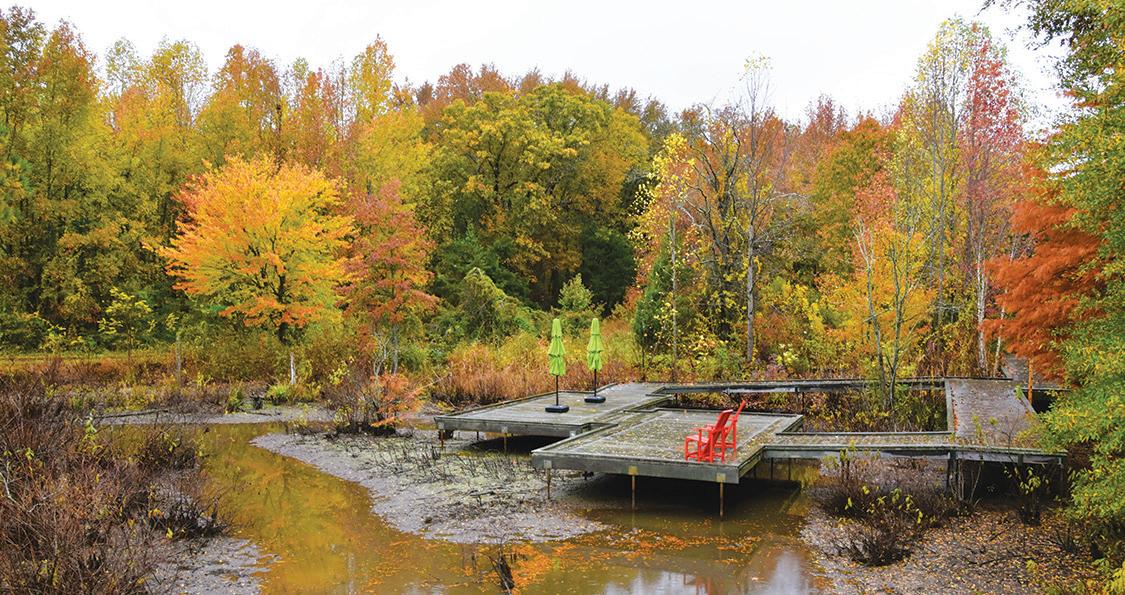
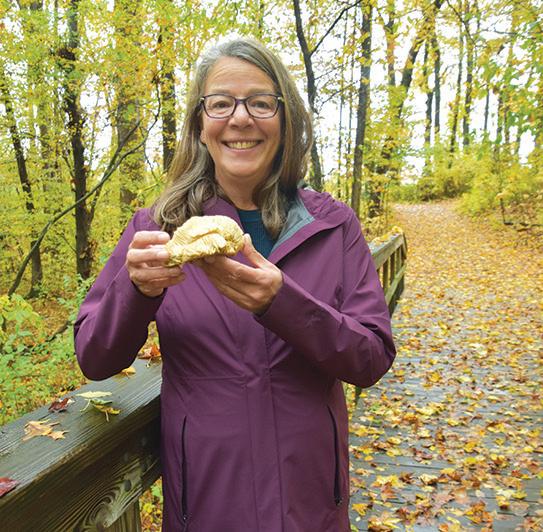
Rain threaded through the canopy in gentle bursts as we stepped around puddles and fallen branches. Tadpoles rippled the wetland water under the entrance bridge, and mushrooms pushed up from damp logs. A lion’s mane clung to a trunk beside our first footbridge,
a small prize greeting us at the trail’s start.
When the sun broke through, it lit the sumacs and river birch in a blaze of fall color, underscoring the importance of being outdoors. As we walked, we shared the restorative power of time in nature while I learned how Moore intends to help more people access it.
Moore, long a cornerstone of the Mid-Shore region’s cultural life,
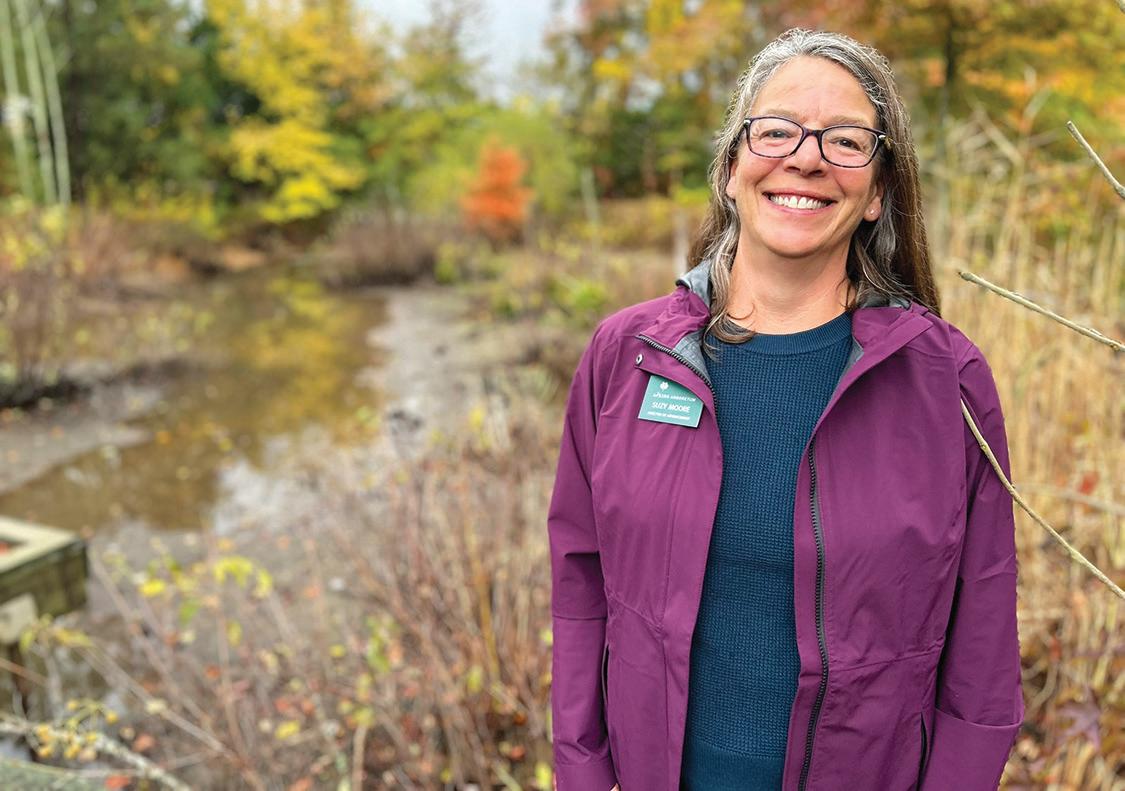
is widely recognized for building community and booking talent at the Avalon Foundation. For more
than two decades, she developed programming, welcomed artists and helped grow the internationally known Plein Air Easton Festival.
The Avalon remains close to her heart. Yet this fall, she began a new chapter as Director of Advancement at Adkins Arboretum, a 400acre native garden and preserve situated within the Tuckahoe watershed near Ridgely. The shift represents both a professional move and a profoundly personal one.
“Despite people thinking I’m an extrovert, that job demanded a lot of energy,” she said as we paused along the River Birch Loop. “Being out here feels calming and rejuvenating. This is my recharge.”



28872 Jasper Lane, Easton, MD $770,000
Cooke’s Hope Townhome - Welcome to this beautifully maintained 4 bedrooms, 2.5 bath end unit where you will find the perfect blend of elegance and modern convenience. The main level features hard wood floors throughout the living and dining areas, kitchen and office/den. In the open living space, the skylight, oversized windows, and French doors fill the home with abundant natural light. Recent updates to this unit include a new roof, heat pump, and GE Cafe appliances. The rear brick patio provides a private setting with direct access to the community walking trail. Ideally situated between Easton and Oxford, the Cooke’s Hope community offers exceptional amenities such as walking trails, a dog park, ponds, tennis courts and more. This turn-key unit is an exceptional opportunity for those looking to downsize or for anyone seeking a low-maintenance second home.
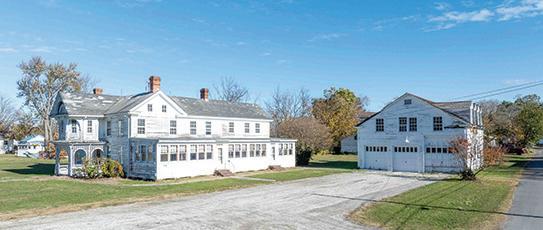
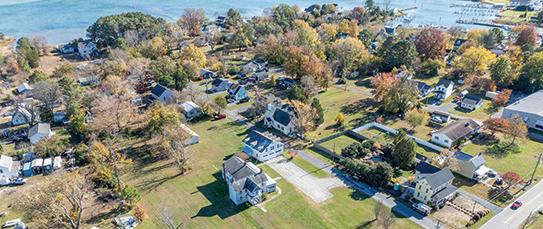
21486 Mission Road, Tilghman, MD $549,000
Investment Opportunity - This historic property known as “The Elms” was built in 1900 and used as a fishing lodge. The property sits on 2 acres and has public sewer and well water. The building holds virtually no value unless an extensive renovation was completed, but the property and location offer a great investment opportunity. Tilghman is an historic waterfront town that features a waterman’s museum, marina, many restaurants, and established neighborhood/communities such as Tilghman of the Chesapeake, Fairbanks and Black Walnut Point.


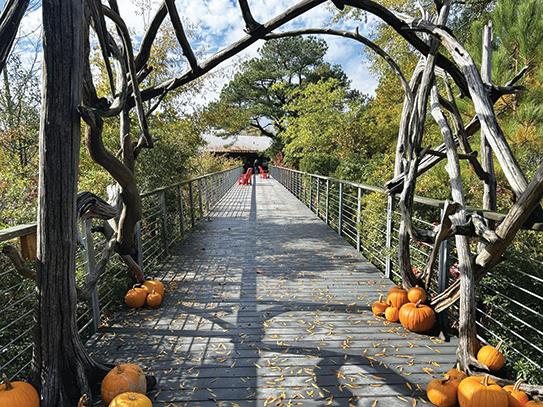
Moore has always belonged outside. “If we were bored as kids, we were told to go outside or read a book,” she said. After time in Montana and Seattle in the early 2000s, she returned to Talbot County, where she immersed her -

self in arts programming and the small-town partnerships that sustain cultural life.
To her, advancement is the practice of stewarding relationships and supporting the mission of a place while helping colleagues succeed. “It is not only advancing the mission and all the excellent things already happening,” she said. “It is connecting resources and finding funding that makes work easier or reaches more people. I am ready to advance.”
That word anchors her vision at a moment of growth. Adkins is developing initiatives that bring art and ecology together, expand exhibition space and enhance educational opportunities.
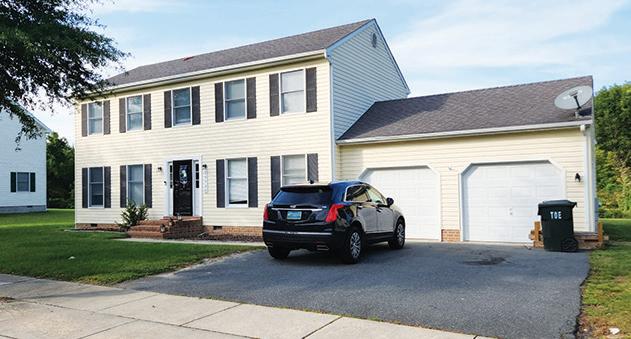



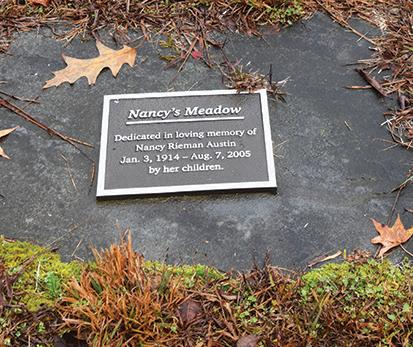
One major project is Woodhenge, a permanent art installation proposed for Nancy’s Meadow. Inspired by Stonehenge, the work will form a circle of monumental timbers that invite contemplation, community and a sense of rootedness in the landscape.
“If you stand here and look through this opening, you will be able to view Woodhenge right
there,” Moore said, pointing across the meadow.
Artist and woodworker Vicco von Voss has received planning support for Woodhenge from the Maryland State Arts Council and will be applying for an implementation grant from MSAC in December. A model of Woodhenge is displayed in the Arboretum’s Visitor Center, and the community is invited to provide feedback on the next phase of the project, with an aspirational completion timeline of 2027.
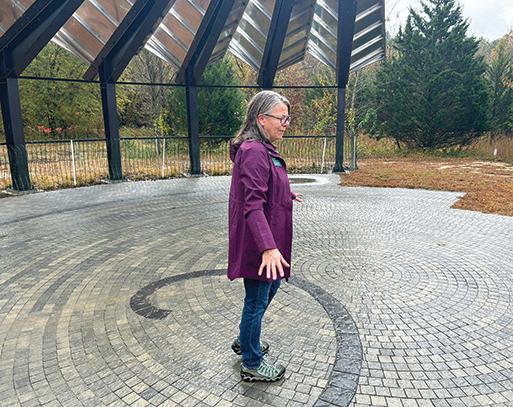
Nearby, Adkins has completed the terrace and shade structure of Nestled in Nature, a gathering and reflection space created by artist Mike Pugh at the high point of Nancy’s Meadow. A series of circular benches to be installed in January 2026 will outline a subtle labyrinth, and five Dalle de verre panels that interpret the





meadows’ ecological succession will complete the project.
“So many art pieces on our trails are temporary,” Moore said. “As a permanent structure, this will become a cherished destination designed for reflection and may one day be a site for events and classes. ”
We walked on as light shifted through the branches. “The flameleaf sumacs are gorgeous right now, especially when the sun hits them.”
Adkins also plans to expand its building to create a larger, northfacing gallery. The addition will
enable the current gallery to return to its dedicated classroom use, improving the space for botanical drawing, youth programs, and workshops. The expansion will also allow for the proper display of three-dimensional work.
“Right now, the gallery has to do double duty,” Moore said. “With the expansion, we can support sculptors, for example, and still run classes without bumping into one another.”
Architect Scott Edmonds has been engaged for the project. Donors recently had an opportunity to hear early design ideas and walk to the Nestled in Nature site.
“Hearing design concepts while
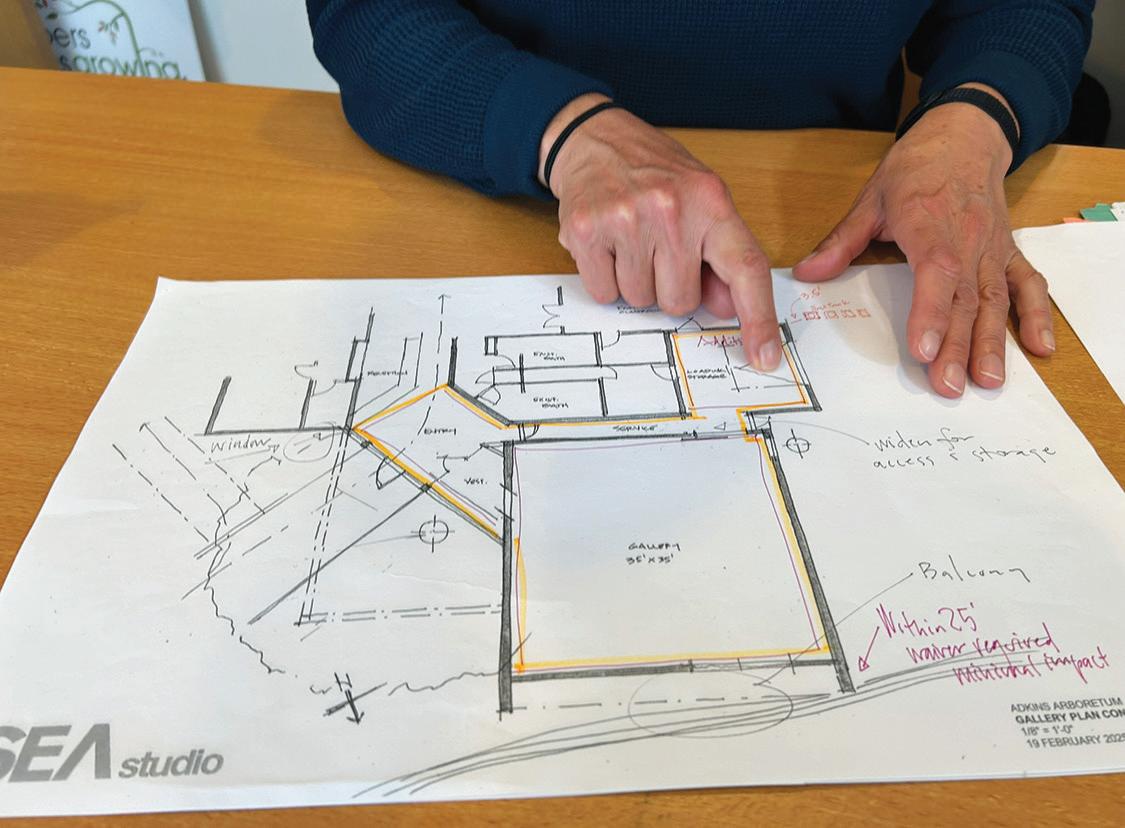












standing in the landscape helped people see what is possible,” she said.
As Director of Advancement, Moore focuses on memberships, annual giving, the endowment and partnerships that bring students and families to the property. Last year, Adkins shifted to free admission for members, aligning with a growing movement among museums and nature centers to reduce barriers. This alone allows the staff to focus more deeply as stewards of the land.

“Member-supported admission means people who value time in nature can help ensure access for everyone,” Moore said. Members also receive discounts on programs and native plant sales, as well as gift shop perks.
Adkins is developing an Accessibility Plan to improve surfaces, signage and mobility access on high-traffic routes. “Access for ev-

Tues-Sat: 10 a.m. - 4 p.m.


eryone is super important,” Moore said. “Even this trail can work for a wheelchair or rollator when it is dry, and we want to keep improving those options.”
Her work spans the intimate and the strategic. On our walk, she stopped at a newly placed memorial bench selected by a family to honor a loved one. It sits beneath a black walnut, angled toward a long view ideal for birdwatchers.
“Some people may see a bench and need a break,” she said. “For this family, every detail matters. That level of care is part of advancement, too.”
Moore’s career has taught her



how to build lasting relationships. At the Avalon, she organized residencies, outreach and a packed performance schedule, making the venue a constant presence in community life. Those skills translate naturally to the arboretum, where she works to cultivate what she calls “a lifelong relationship with nature.”
She recently welcomed a group of fourth graders on their first field trip to the Arboretum, strengthening ties with public schools and youth programs. “You can turn that connection on, and your blood pressure will decrease,” she said, glancing toward the wetland full of tadpoles. “I stop there every morning.”


















At Londonderry on the Tred Avon, a 62+ independent living cooperative, residents are deeply invested in their community. From serving on the Resident Board to leading activities, retirement here is filled with purpose, joy, and connection. With the peace of mind that comes from onsite maintenance and neighbors who feel like family, Londonderry is more than a home, it’s a true community. Nestled along the banks of the Tred Avon and just a stone’s throw from historic downtown Easton, Londonderry offers the perfect blend of tranquility and convenience. This holiday season, discover a place where every day feels warm, welcoming, and full of heart.
our Sales & Marketing Team today at 410-820-8732.


Holiday programs and seasonal events continue to knit Adkins into daily life. Holiday Greens workshops, volunteer days and donor gatherings fill the calendar alongside bird walks, trail runs and informal family visits. “There is unity in community,” Moore said, noting a recent gift made in her honor. “That phrase stays with me.”
Even as she learns horticulture and land stewardship—working toward becoming a certified master gardener—Moore keeps returning to the deeper reasons behind her move.
“I never felt like I closed the book at the end of the day,” she said of her previous work. “Here, I do. I walk away, and I have my life, and I feel much better.” She paused. “It is a soul shift.”
That shift is not a retreat. It is a rebalancing. She describes it as
harnessing the focus of an introvert who loves people, in the right proportions, and aligning her professional chapter with what her heart desires in midlife.
“I still have the bandwidth to learn something new,” she said. “I come with a lot of nonprofit experience, and this feels like the perfect fit.”
Crossing the bridge again, the sun slipped behind clouds then glimmered through, brightening the loblolly and bronze cedar near the planned gallery site—a green heron lifted from the reeds.
In that moment, Moore’s ambitions felt more grounded than grandiose: more art in nature, education in rooms designed for it, membership easing access, accessibility broadening it and a culture of stewardship rooted in the simplest invitation.
“Spend time here,” she said, looking back down the trail. “It changes you. It has certainly changed me, and it just might help you see the world with new wonder.”
Tracey Johns has worked in communications, marketing and business management for more than 30 years, including non-profit leadership. Tracey’s work is focused on public and constituent relations, along with communication strategies, positioning and brand development and project management.


Happy Holidays and Best Wishes for a Prosperous New Year, from our Work Family to yours!


by Michael Valliant
Working at a church as the calendar year closes can be disorienting. Most of the world enters December as the end of the year. For the church, Advent (which begins on November 30 this year) is the start of a whole new year. Those who live in both worlds—Advent and calendar December—experience endings and beginnings at the same time. Some of the endings are not things we choose or want to go through. This fall, my friend Mike Hiner died of cancer, more specifically the treatment that was hoped
would save him. Many people knew Mike through his many years of running Willow Construction. And through his service as part of Rotary. I came to know him through his role as a Lutheran Deacon. We would meet on Fridays at the Bagery in Easton and talk faith, sermons, life, books, and what it meant to serve congregations. Leading up to Christmas last year, Deacon Mike and I led a series of “Blue December” services that were held for people who have a tough time with the Christ-

Mike Hiner
mas season, whether because of grief, stress, anxiety, loneliness, or whatever reason. These LutherEpiscopalian services were well attended by people from various denominations and those who attended shared how much the services meant to them.
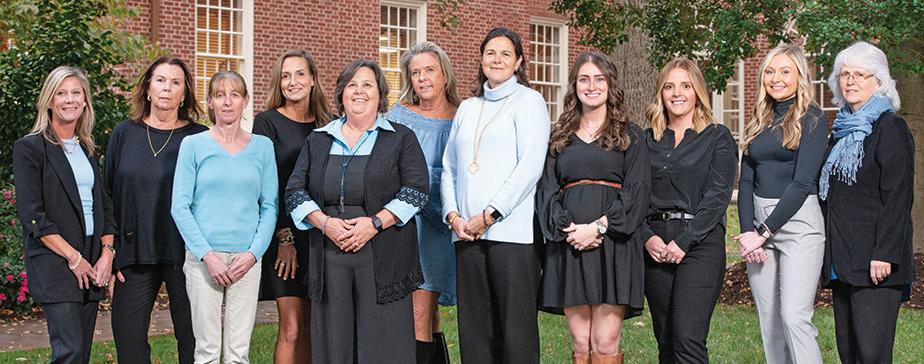
Mike passing is difficult for his family, friends, and the community. This year, Christ Church Easton’s Blue December service, on December 10, will be in memory of Deacon Mike Hiner. The ending of Mike being physically with us brings with it the beginning of those who love him carrying his memory and his dreams and hopes for all of us for-
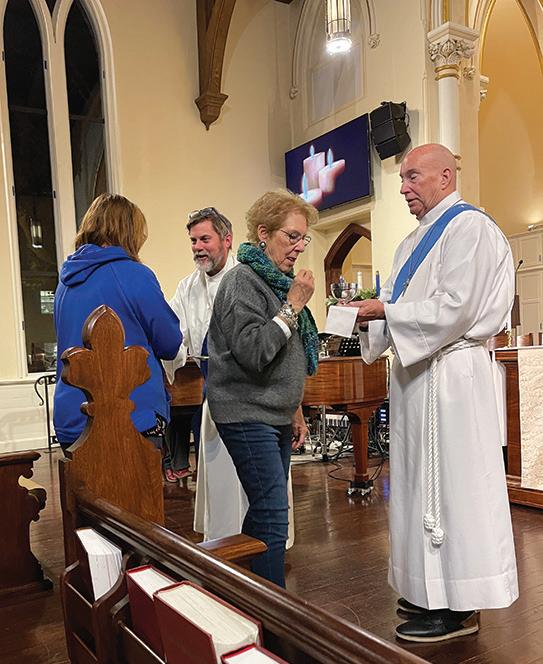
ward. That’s the beginning, albeit a difficult one.
In a book Mike gave me, I read

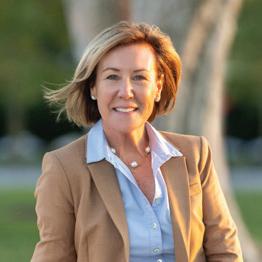





a Carl Jung quote that said, “Life is a luminous pause between two great mysteries, which themselves are one.” In that sense, these kind of endings and beginnings are temporary, a part of something bigger, which is one.
Christ Church has experienced a number of endings and beginnings lately. Two years ago, Fr. Bill Ortt, the rector/pastor there for 24 years, retired. After a two-year search, Rev. Anne Wright is just beginning as the next rector.

When I asked Rev. Anne what she loves about parish ministry, she said:
“I love the people and building relationships. So many people are looking for a place to belong. I love creating spaces for those who wonder where their place is in the world, who wonder if they are lov-
able, who wonder what their life’s purpose is. God loves everyone, no exceptions… it’s too bad not everyone knows it. I believe it’s the job of the church to welcome everyone into the family of God and show them they are, indeed loved and have a purpose.”
She brings 20 years of ordained ministry with her from Virginia and the western shore of Maryland and her starting the next chapter of her story in Easton is the kind of beginning I am excited about.
The seasons also hold endings and beginnings. Fr. Bill pointed out every December that December 21, the Winter Solstice, was his favorite day of the year. Personally, I struggle with it getting dark so early in the winter, having no daylight in the evening after work. How in the world would the shortest day of the year be someone’s favorite day?
Fr. Bill said that after the winter solstice, every day has a little more light. Each day for the next six months gets a little brighter than the day before. That’s a powerful way of looking at endings and beginnings when it comes to light.
Winter is a season where the leaves are off the trees, and the branches are bare. For those of us who love to watch birds, it’s also the season when birds are the most visible and easiest to see. They are eating at the feeders in the yard. And they stand out during hikes





through the woods. Those are experiences I treasure.

The end of the warm weather and the beginning of the cold months of December, January, and February, also bring with them fires in wood stoves and fireplaces, fleece blankets for watching movies at home, and times when we can find more reasons to be inside reading, writing, drawing, painting, or as my daughters like to do, building floral and architectural Legos or coloring or doing puzzles.
If we are smart about winter, in the way that certain creatures hibernate, we can also use the time to rest and recharge.
My good friend and mentor John Miller has me frequently reading and reflecting on Stanley Kunitz’s poem, “The Layers,” which begins:
e Mid-Shore’s Leader in Real Estate Title Services
“Why settle for less when you can settle with the best!”







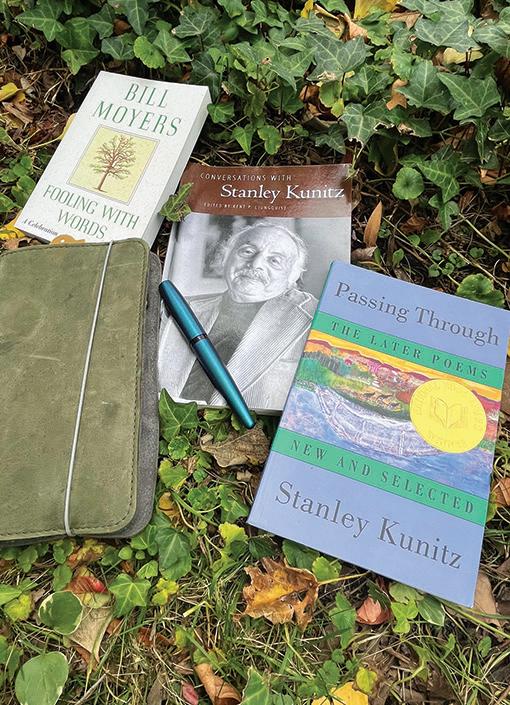
I have walked through many lives, some of them my own, and I am not who I was, though some principle of being abides, from which I struggle not to stray.
Kunitz lived to be 100 years old, won the Pulitzer Prize for Poetry, and was twice appointed the United States Poet Laureate. He wrote of poetry:
“If you’re reading a poem, you are not receiving a communication, you’re participating in a discovery, and as a reader you participate in that discovery as a collaborator. We
use communication; we participate in communion.
Writing and reading as discovery, as communion. Living to be 100, grieving the loss of family and friends, while still being grateful to be alive and living in wonder, and actively writing for the entirety of his life, Kunitz came to understand endings and beginnings in a deeply personal way, even looking at his own life, “I have walked through many lives…”
He concluded “The Layers” by writing:
In my darkest night, when the moon was covered and I roamed through wreckage, a nimbus-clouded voice directed me: “Live in the layers, not on the litter.”
Though I lack the art to decipher it, no doubt the next chapter in my book of transformations is already written.
I am not done with my changes.
Beginnings and endings are inherent in everything. In the seasons, in our lives, in our relationships. Some of them are wonderful and welcome, some of them are devastating. December is a month, with Advent and with the end of the calendar year, that is made up of endings and beginnings.
Let us live in the layers. In our book of transformations, we are not done with our changes.
Michael Valliant is the Assistant for Adult Education and Newcomers Ministry at Christ Church Easton. He has worked for non-profit organizations throughout Talbot County, including the Oxford Community Center, Chesapeake Bay Maritime Museum and Academy Art Museum.





Serving Caroline, Dorchester, Kent, Queen Anne's & Talbot Counties
The Mid-Shore Community Foundation connects private resources with public needs in order to enhance the quality of life throughout the Mid-Shore Region. We provide tools that enable donors to easily and effectively support the causes they care about - immediately or via bequest.
102 East Dover Street Easton, Maryland 21601 410-820-8175
www.mscf.org








Kent County is a treasury of early American history. Its principal towns and back roads abound with beautiful old homes and historic landmarks.
The area was first explored by Captain John Smith in 1608. Kent County was founded in 1642 and named for the shire in England that was the home of many of Kent’s earliest colonists. When the first legislature assembled in 1649, Kent County was one of two counties in the colony, thus making it the oldest on the Eastern Shore. It extended from Kent Island to the present boundary.
The first settlement, New Yarmouth, thrived for a time and, until the founding of Chestertown, was the area’s economic, social and religious center.
Chestertown, the county seat, was founded in 1706 and served as a port of entry during colonial times. A town rich in history, its attractions include a blend of past and present. Its brick sidewalks and attractive antiques stores, restaurants and inns beckon all to wander through the historic district and enjoy homes and places with architecture ranging from the Georgian mansions of wealthy colonial merchants to the elaborate style of the Victorian era.
Second largest district of restored 18th-century homes in Maryland, Chestertown is also home to Washington College, the nation’s tenth oldest liberal arts college, founded in 1782. Washington College was also the only college that was given permission by George Washington for the use of his name, as well as given a personal donation of money.
The beauty of the Eastern Shore and its waterways, the opportunity for boating and recreation, the tranquility of a rural setting and the ambiance of living history offer both visitors and residents a variety of pleasing experiences. A wealth of events and local entertainment make a visit to Chestertown special at any time of the year.
For more information about events and attractions in Kent County, contact the Kent County Visitor Center at 410-778-0416, visit www. kentcounty.com or e-mail tourism@kentcounty.com . For information about the Historical Society of Kent County, call 410-778-3499 or visit www.kentcountyhistory.org/geddes.php . For information specific to Chestertown visit www.chestertown.com .


Caroline County is the very definition of a rural community. For more than 300 years, the county’s economy has been based on “market” agriculture.
Caroline County was created in 1773 from Dorchester and Queen Anne’s counties. The county was named for Lady Caroline Eden, the wife of Maryland’s last colonial governor, Robert Eden (1741-1784).
Denton, the county seat, was situated on a point between two ferry boat landings. Much of the business district in Denton was wiped out by the fire of 1863.
Following the Civil War, Denton’s location about fifty miles up the Choptank River from the Chesapeake Bay enabled it to become an important shipping point for agricultural products. Denton became a regular port-ofcall for Baltimore-based steamer lines in the latter half of the 19th century.
Preston was the site of three Underground Railroad stations during the 1840s and 1850s. One of those stations was operated by Harriet Tubman’s parents, Benjamin and Harriet Ross. When Tubman’s parents were exposed by a traitor, she smuggled them to safety in Wilmington, Delaware.
Linchester Mill, just east of Preston, can be traced back to 1681, and possibly as early as 1670. The mill is the last of 26 water-powered mills to operate in Caroline County and is currently being restored. The long-term goals include rebuilding the millpond, rehabilitating the mill equipment, restoring the miller’s dwelling, and opening the historic mill on a scheduled basis.
Federalsburg is located on Marshyhope Creek in the southern-most part of Caroline County. Agriculture is still a major portion of the industry in the area; however, Federalsburg is rapidly being discovered and there is a noticeable influx of people, expansion and development. Ridgely has found a niche as the “Strawberry Capital of the World.” The present streetscape, lined with stately Victorian homes, reflects the transient prosperity during the countywide canning boom (1895-1919). Hanover Foods, formerly an enterprise of Saulsbury Bros. Inc., for more than 100 years, is the last of more than 250 food processors that once operated in the Caroline County region.
Points of interest in Caroline County include the Museum of Rural Life in Denton, Adkins Arboretum near Ridgely, and the Mason-Dixon Crown Stone in Marydel. To contact the Caroline County Office of Tourism, call 410-479-0655 or visit their website at www.tourcaroline.com .


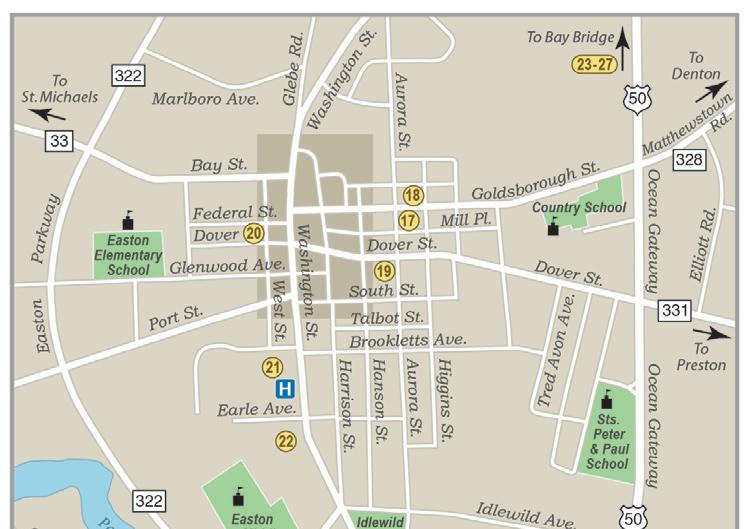
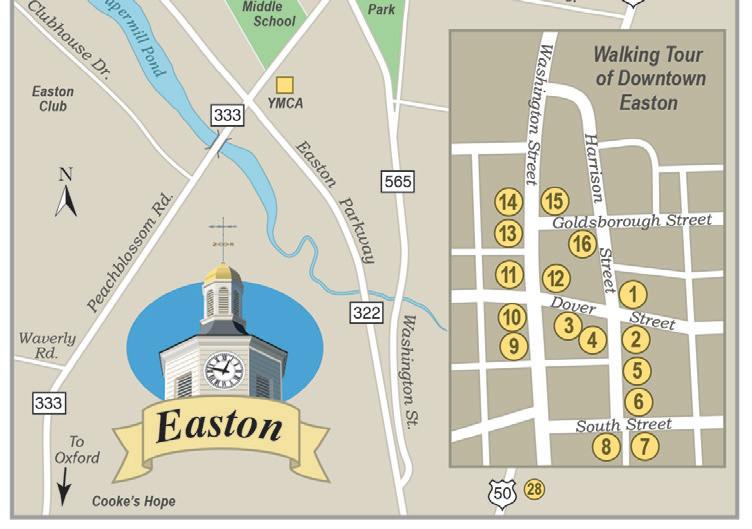

The County Seat of Talbot County. Established around early religious settlements and a court of law, Historic Downtown Easton is today a centerpiece of fine specialty shops, business and cultural activities, unique restaurants, and architectural fascination. Treelined streets are graced with various period structures and remarkable homes, carefully preserved or restored. Because of its historical significance, historic Easton has earned distinction as the “Colonial Capitol of the Eastern Shore” and was honored as number eight in the book “The 100 Best Small Towns in America.” With a population of over 16,500, Easton offers the best of many worlds including access to large metropolitan areas like Baltimore, Annapolis, Washington, and Wilmington. For a walking tour and more history visit https:// tidewatertimes.com/travel-tourism/easton-maryland/.







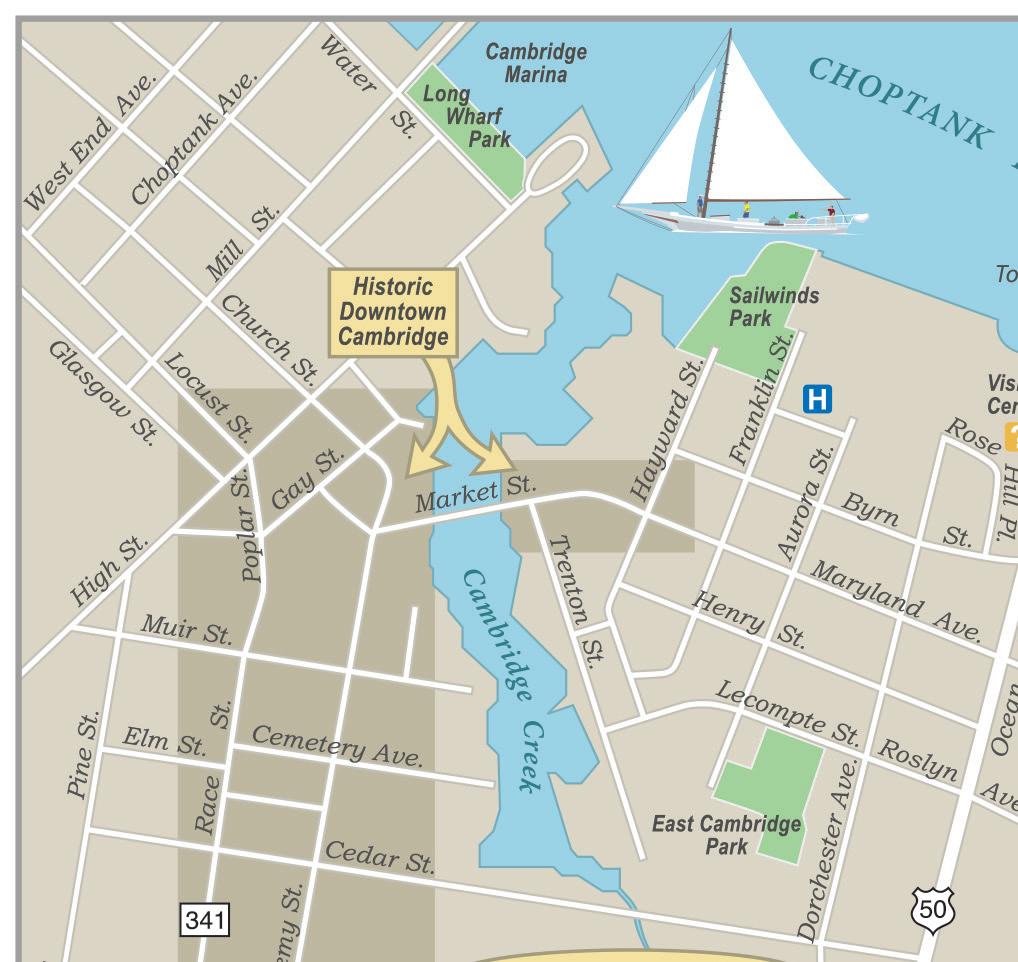



Dorchester County is known as the Heart of the Chesapeake. It is rich in Chesapeake Bay history, folklore and tradition. With 1,700 miles of shoreline (more than any other Maryland county), marshlands, working boats, quaint waterfront towns and villages among fertile farm fields – much still exists of what is the authentic Eastern Shore landscape and traditional way of life along the Chesapeake.
For more information about Dorchester County visit https://tidewatertimes.com/travel-tourism/dorchester/.


by K. Marc Teffeau, Ph.D.

December is a quiet month in the gardening calendar. However, the activities you undertake now, such as maintenance, protection and planning, will contribute to a healthier, more beautiful garden in the coming year. One of those activities is tool care.
Few things are more frustrating
in the spring: getting ready to till the garden and the tiller will not start, or planning the first mowing of the lawn and the mower is dead. You can avoid this problem by winterizing your lawnmower, tiller and weed eater now. Drain the gas from the tank and replace the oil with fresh. If the equipment has an

air or oil filter, remove it and either clean or replace it. Check all nuts and bolts to be sure they haven’t vibrated loose. Mower blades and tiller tines can be sharpened. Inspection of wheels, belts and other moving parts is essential. Replace any loose or worn belts.
For your hand tools, like shears and loppers, get them in good shape for next year. Clean them with mineral spirits or a similar solvent to remove dirt and sap from the blades. Oil the blades to prevent rusting over winter. Adjust the tension screw and give them a good sharpening. Be sure to use a broad file while sharpening. Tools
Quality Builders Since 1936

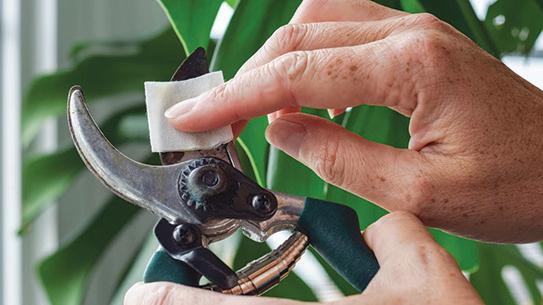
sharpened with a power grinder will overheat and lose their temper, increasing the likelihood of chipping or breaking.
Remove dirt and debris from shovels, rakes and other garden hand tools with liquid detergent and bleach, drying thoroughly. Apply a light coat of household oil. Blades of shovels and hoes can be sharpened with a file. Treat all wood handles with a coat of linseed oil. Clean all pressure sprayers and dusters before putting them away for the winter. Make sure they are functioning correctly before storage.

What would a December Tidewater Gardening column be without a discussion of holiday flowers? Of course, the poinsettia is



the number one potted flowering plant sold in the USA during the Christmas holiday season. Still, other plants can serve as “holiday plants.” Many of them are available at the florist shops, garden centers, supermarkets and greenhouses for the Christmas season.
Kalanchoes are holiday plants that are tough and can last in our homes for a couple of months during winter. If you compare the leaves of the kalanchoe to the common jade plant, you will notice a resemblance. They both have thick, firm, fleshy leaves. However, the kalanchoes are flatter and more tightly packed than the jade plant.
The kalanchoe likes it hot and dry. If you need a plant that can tolerate a hot room (like where the wood stove is located) or drafts
from the nearby radiator or heat vent, this plant will do well. You can even forget to water it sometimes; however, if you do, flowering will be reduced. When choosing your kalanchoe, look for at least two to three flower clusters on a four-inch plant and four or five on a six-inch plant. Make sure that the plant has lots of color and little or no dead flowers.
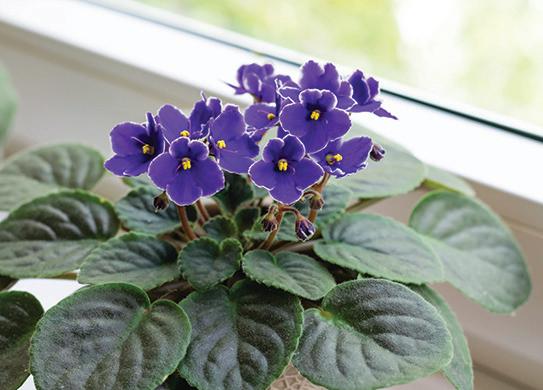
African violets are always popular as a holiday gift plant. Have you considered purchasing a close relative—the gloxinia? They are large, low-growing and spreading plants with small, trumpet-shaped flowers. You can treat gloxinias like African violets. Avoid direct, highintensity sunlight and water them from the bottom of the pot with warm water. Never water African violets or gloxinias from the top of the pot, as this can cause stem rot. Keep the soil moist but not waterlogged and avoid cold and hot drafts.
Look for plants that have at least three to five open flowers and at




least that many more buds growing in the center of the plant. A six-inch gloxinia will have a dozen or more buds and will continue to flower for three to four weeks if properly cared for. If you let the plant dry out or place it in a dark room, the flower buds will fall off. Gloxinias come in a wide range of colors, including white, purple, pink and bicolor.
Colorful fruiting plants are also popular holiday options. The ornamental cherries and peppers display vivid yellows, reds and oranges in their fruit. These plants prefer a sunny location and even soil moisture. They will flower and retain their fruit longer than many of the holiday flowers. Depending on the species, the fruit can be poisonous, so don’t garnish your Christmas or New Year’s salad with it.
Custom Yearly Programs
Mosquito and Tick Control
Fertilizing
Weed Control
Insect Control



Organic
Disease and Fungal Control
Soil Amendments Overseeding Aeration


Complete Lawn Renovations Grading
For your gardening friends or relatives who are also gourmet cooks, don’t forget herbs as holiday gifts. Your family member or friend who is “into herbs” might appreciate a gift of an herb plant or plants for the holiday. They can plant them outdoors in the spring.
Lavender is one herb with a multitude of uses, from flower bouquets to flavoring meats and tea. Lavender is a perennial that usually will not bloom from seed the first year. An exception to this is the “Lady’s English” lavender. Grown from seed, it will consistently flower the first year and is hardy in our area if planted outdoors. The tender lavender varieties do best in winter window

gardens. Grow them in pots with a well-drained medium and place them in a sunny window.
Rosemary has a long association with Christmas, especially in Europe. Topiary rosemary in the





form of a wreath or a tree is a nice holiday gift plant. These plants do require a little extra care to maintain their form. Leave the supporting wires for the wreath or topiary in place.
For a standard form with a single bare stem, you will need to occasionally loosen the ties that hold the stem to the stake. The stem will not get any taller, but it will expand in diameter. If you don’t loosen the ties, the stem will girdle itself as it grows. You can shape the tree form and the wreath by periodically clipping them. Dry or use the clippings in cooking.

Place your rosemary plant in a sunny, south-facing window and let it dry out almost to the point of wilting. It is susceptible to excessive water. Remember that many of our herbs are Mediterranean in origin and do not require much water.








Of course, let us not forget the Christmas cactus. Christmas cacti are not only popular holiday gift plants but also the subject of frequent debate among gardeners. Properly cared for, they can and do thrive for many years. It is not unusual for 40- or 50-year-old plants to outlive their owners. They are often passed down to the next family generation, i.e., grandmother’s plant or Aunt Mary’s Christmas cactus. These long-lived plants will develop what appears to be bark and reach several feet in height, with hundreds of blossoms during the annual flowering period.
There appears to be much confusion about these unique tropical cacti, especially regarding care, maintenance and how to get them to rebloom. All the holiday cacti — Thanksgiving, Christmas and Easter — have similar cultural requirements. We typically think of cacti as heat-tolerant, but Christmas cacti will keep their blossoms longer in cooler temperatures. The Christmas cactus prefers humid conditions, and homes are often dry. One way to raise the humidity — just for your cactus — is to place the pot with its drip pan on top of a small container filled with pebbles. Pour water over the pebbles, but do not allow the water to rise
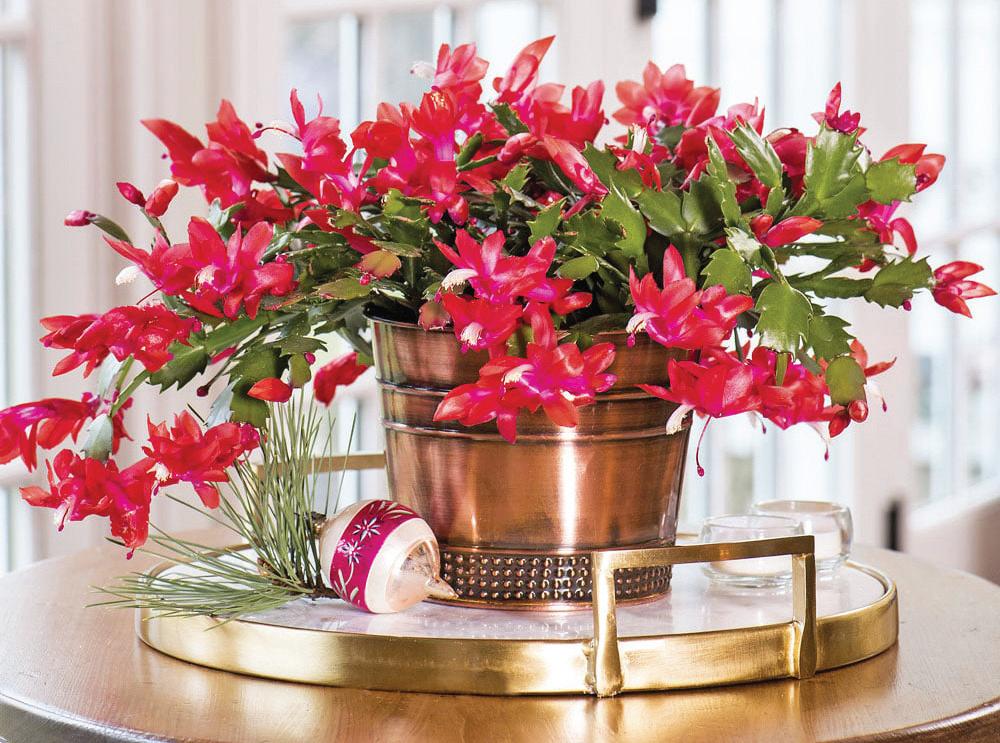





above the bottom of the top layer of pebbles. The water will evaporate, increasing the humidity around the cactus. Keep the plant in a well-lit location away from heat vents, fireplaces, or other sources of hot air. Drafts and temperature extremes can cause the flower buds to drop from the plant before they have a chance to open.
Since Christmas cactus is a tropical type of plant, it may, in fact, drop flower buds if the soil gets too dry. The plants will wilt when under drought stress—water thoroughly when the top inch or so of soil feels dry to the touch. The time between watering events will vary with air temperature, light levels, growth rate and relative humidity.
The plant does not need to be fertilized while in bloom. Still, most gardeners enjoy the challenge of keeping it after the holidays for
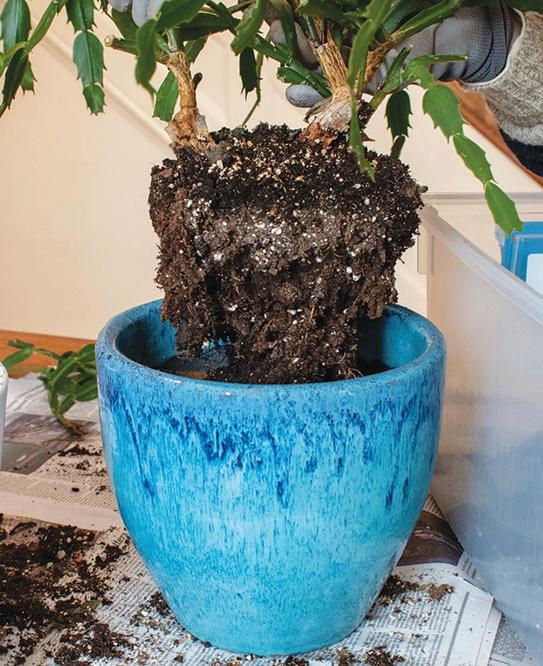
rebloom the following year. While plants are actively growing, use a blooming houseplant-type fertilizer and follow the directions. If your plant tends to dry out and/or wilt frequently, it may be time to repot the plant into a slightly larger container. Christmas cacti flower best when they are a little pot-bound; however, don’t go overboard on the larger pot size.
Well-drained soil is a must for Christmas cactus. Use a commercially packaged potting mix for succulent plants or mix your own by combining 2 parts plain potting soil with 1-part clean sand or vermiculite. Pruning your Christmas cactus after blooming will encourage the plant to branch out. Remove a few sections of each stem by pinching them off with your fingers or cutting them with a sharp knife. These

sections can be rooted in moist vermiculite to propagate new plants.
Whether you buy a flowering plant, a fruiting plant or an herb for a holiday present, choose the fresh-
est plant possible. Avoid extremes in temperature and light when locating them in the house. If the outside temperature is less than 45 degrees when taking the plant home, have it sleeved to protect it. Buy these plants last on your shopping trip. Please do not leave them in a cold car while you continue to shop. Only an hour or so of exposure to freezing temperatures can result in leaf and blossom drop. Happy Gardening and Happy Holidays!
Marc Teffeau retired as Director of Research and Regulatory Affairs at the American Nursery and Landscape Association in Washington, D.C. He now lives in Georgia with his wife, Linda.


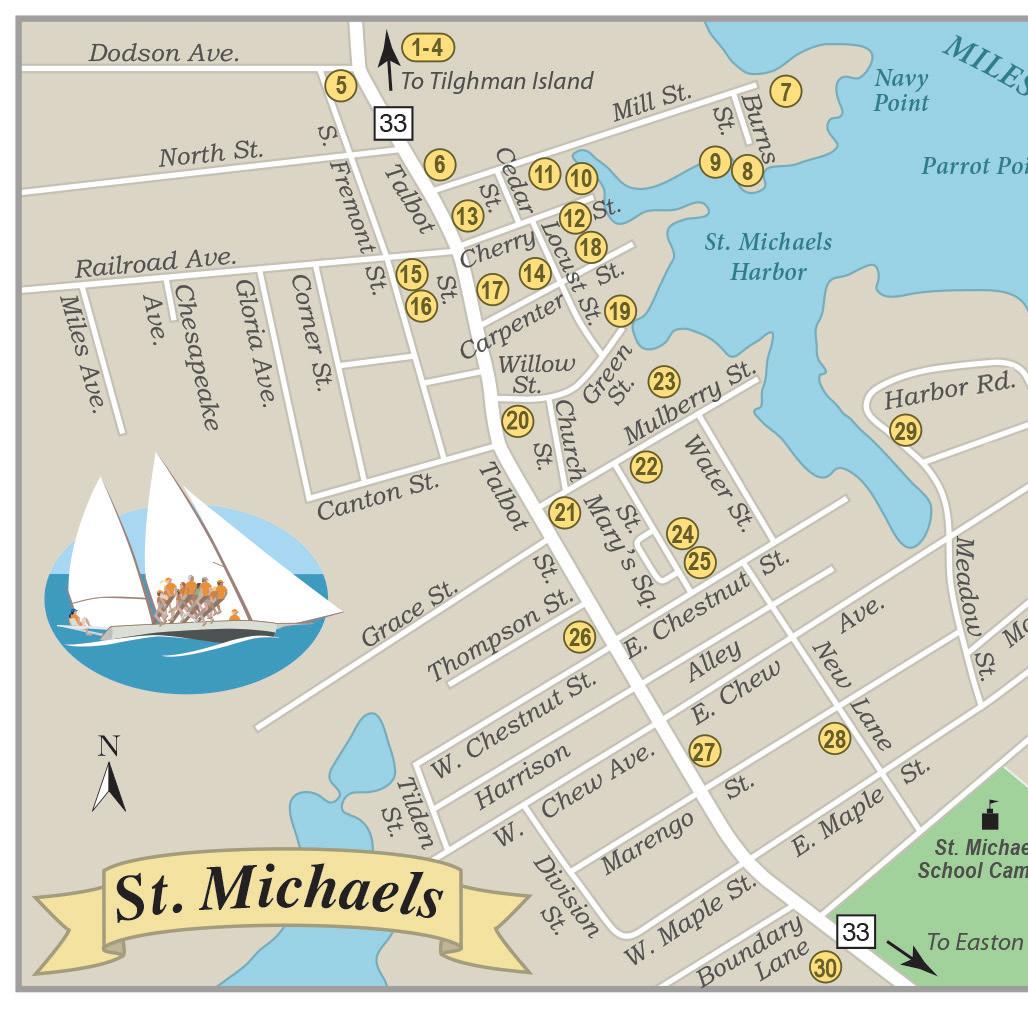


On the broad Miles River, with its picturesque tree-lined streets and beautiful harbor, St. Michaels has been a haven for boats plying the Chesapeake and its inlets since the earliest days. Here, some of the handsomest models of the Bay craft, such as canoes, bugeyes, pungys and some famous Baltimore Clippers, were designed and built. The Church, named “St. Michael’s,” was the first building erected (about 1677) and around it clustered the town that took its name.
For a walking tour and more history of the St. Michaels area visit https://tidewatertimes.com/travel-tourism/st-michaels-maryland/.






In the real world, some nameless spies die in bed of natural causes. History remembers those who make dicier career choices. The reverse is true of Benedict Arnold and John André. Major André was hanged; General Arnold died naturally. Among Revolutionary veterans, only the fame of George Washington exceeds that of Benedict Arnold, whose name entered our language as a synonym for
betrayal. In this country, André is relatively forgotten.
André epitomized a British hero: handsome, charming, artistic, diplomatic, fluent in several languages. He was sought out in Philadelphia society while Sir Henry Clinton headquartered there, before moving British headquarters to New York in 1778. When they relocated, the Continental Army moved into Philadelphia and Gen-
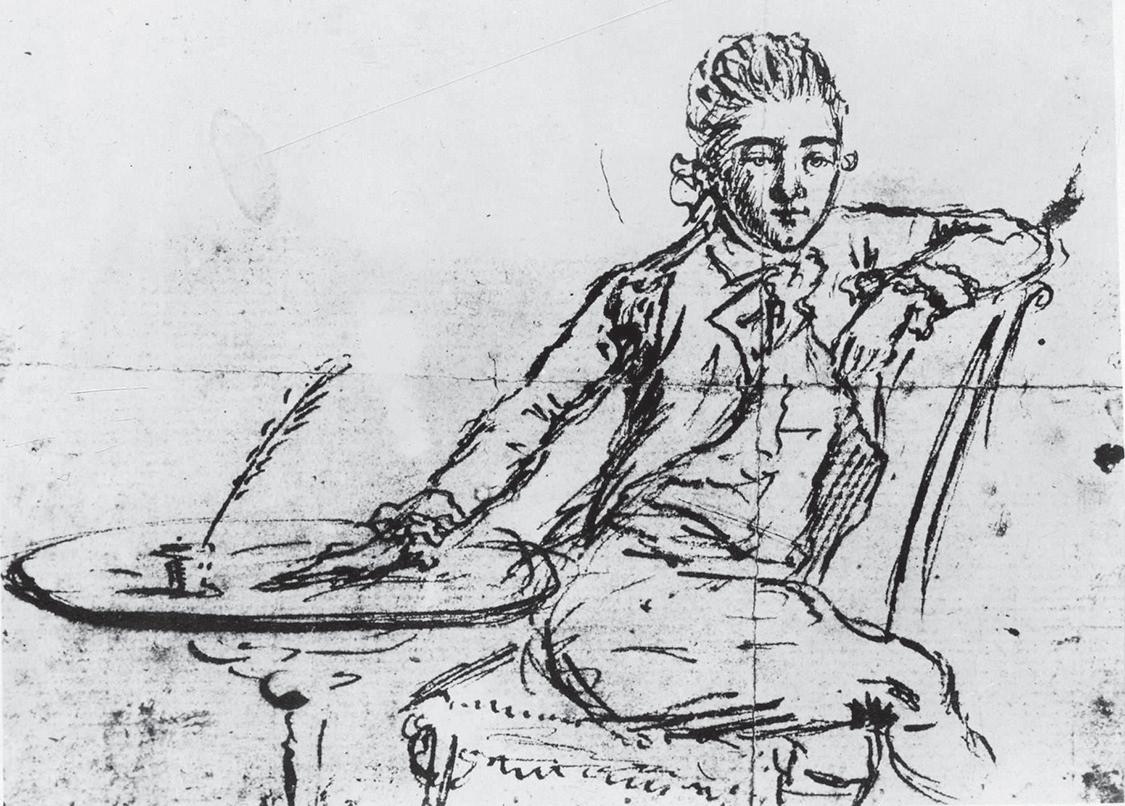
eral Washington assigned Major General Benedict Arnold as military commander of the region. Arnold, considered a hero of Saratoga victories, was recuperating from wounds suffered there. Clinton’s posh Philadelphia residence became Arnold’s. He also assumed Clinton’s lifestyle, hobnobbing with aristocratic society to which he aspired.
Arnold soon became smitten with Margaret “Peggy” Shippen, teenaged daughter of a prominent judge with Loyalist leanings. The petite ingenue transferred her attentions from André to Arnold.
To assure Judge Shippen he could


support Peggy’s accustomed lifestyle, Arnold borrowed heavily, buying her Mount Pleasant, ninety-six riverside acres with a mansion John Adams called “the most elegant seat in Pennsylvania.” On May 8, 1779, Judge Shippen hosted the wedding of nineteen-year-old Peggy to General Arnold, whom they had not known a year. The groom was twenty years her senior, a widowed father of three, impaired by wounds shortening one leg two inches, marring his onceagile movements. Arnold rented out Mount Pleasant to meet mortgage payments. Though General Washington recognized Arnold’s physical courage and military abilities, his fiscal in-
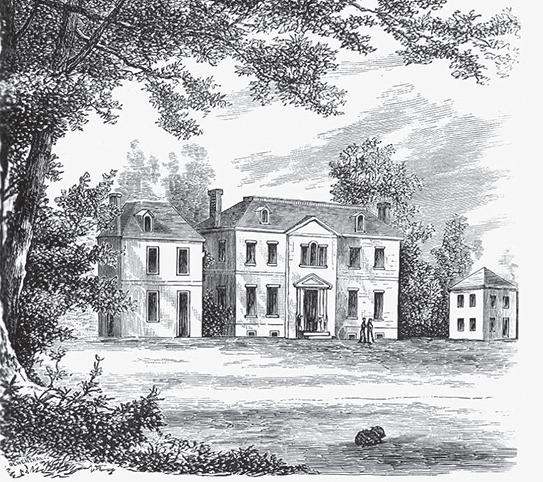
tegrity came into question. A court martial found him guilty of two minor charges and Washington sent a reprimand. When the Continental Congress promoted others ahead of him, Arnold wrote Washington, “Having become a cripple in the

Come See Us in the Christmas Parades
Easton

Saturday, December 6th, 6:30pm
St. Michaels
Saturday, December 13th, 10:30am








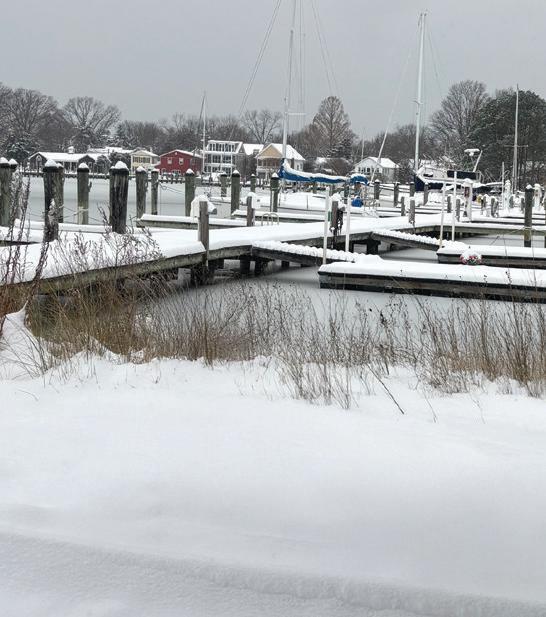
Oxford is one of the oldest towns in Maryland. Although already settled for perhaps 20 years, Oxford marks the year 1683 as its official founding, for in that year Oxford was first named by the Maryland General Assembly as a seaport and was laid out as a town. In 1694, Oxford and a new town called Anne Arundel (now Annapolis) were selected the only ports of entry for the entire Maryland province. Until the American Revolution, Oxford enjoyed prominence as an international shipping center surrounded by wealthy tobacco plantations. Today, Oxford is a charming tree-lined and waterbound village with a population of just over 700 and is still important in boat building and yachting. It has a protected harbor for watermen who harvest oysters, crabs, clams and fish, and for sailors from all over the Bay. For a walking tour and more history visit https://tidewatertimes. com/travel-tourism/oxford-maryland/.
service of my country, I little expected to meet ungrateful return.” Arnold became persuaded that his new in-laws’ Loyalists would eventually prevail over the Patriots. Meanwhile, Sir Henry had made 30-year-old Major André master of Britain’s spy network. Ongoing correspondence between André and Peggy provided Arnold a convenient link. Her letters came to include coded messages written in invisible ink. In spring of 1780, Arnold warned the British of a possible invasion of Canada. In July he lobbied for command of West Point and wrote secretly to Clinton that reappointment by Washington

would enable him to supply “drawing of the works…by which you

might take [West Point] without loss.” Arnold began burning personal bridges, selling a property in Connecticut and transferring proceeds to London. In August, his hoped-for reappointment came.
West Point crucially impeded Britain from controlling Hudson River Valley. Its fort overlooked a narrow bend in the strategic waterway, where a cross-river cable blocked passage. The Hudson flowed north-south into New York Harbor, dividing New England from colonies farther south. A long-awaited French Army under comte de Rochambeau had just landed and encamped in Rhode Island. In September, General Rochambeau was to meet his nominal
commander, General Washington, in Connecticut to discuss a joint strategy.
Peggy had given birth to her first of seven children in April, a son named Edward. In August Ar -

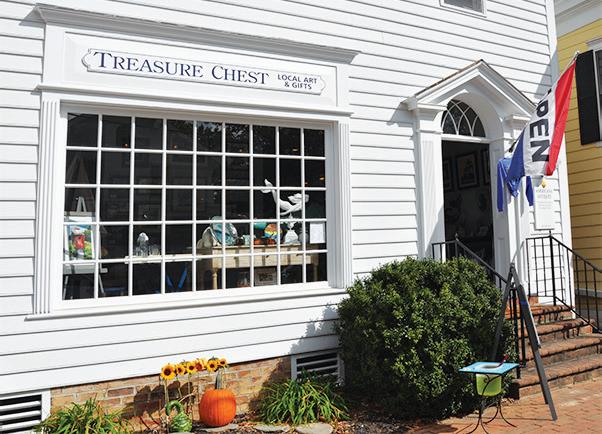

Dec. 5 - Dec. 7
10%-50% off most items in the store.
Furniture Painting Classes Available, Register Online.


111 S. Morris St., Oxford MD 410-924-8817 www.treasurechestoxford.com Wed. ~ Mon. 10 AM to 5 PM, closed Tues. · treasurechestofoxford@gmail.com
nold left for the Hudson River and found an eastbank residence two miles south and opposite the Point. Peggy and the infant joined him there. On the morning of September 24, Arnold was at home entertaining Alexander Hamilton and James McHenry (for whom the fort was later named). Washington’s two aides had been sent ahead to say the general would inspect West Point after leaving his much-anticipated meeting in Connecticut. The prospect of an inspection likely curbed Arnold’s appetite, even before his meal was interrupted by a courier: Three militiamen downriver had seized one John “Ander-
son” with documents in his boot detailing West Point defenses. Arnold was about to be unmasked. He abruptly excused himself from breakfast, ran upstairs to Peggy, then fled downriver by barge.



















Three days earlier, sloop HMS Vulture had sailed André upriver from New York Harbor to rendezvous face-to-face with Arnold. Fifteen miles south of West Point, a Loyalist ally and Arnold took André from Vulture by rowboat to the ally’s house. The spies negotiated and plotted all night. Arnold agreed to weaken defenses, provide intelligence the enemy would need, and surrender West Point. In exchange, he would be paid £20,000 and commissioned in the British Army. Agreement reached, Arnold left at daybreak. Before André could reboard Vulture , two Patriots near the river spotted and fired on the sloop. Militiaman John Peterson, a sharpshooter of African- and Native American an-
cestry, was a 34-year-old veteran of the Battle of Saratoga. A stray splinter from the marksman’s shot wounded Captain Andrew Sutherland’s nose and he set sail for New York, stranding André. Deserted in enemy territory with priceless, secret documents, André donned civilian clothes, put incriminating papers in his boot, and started on foot for the city.
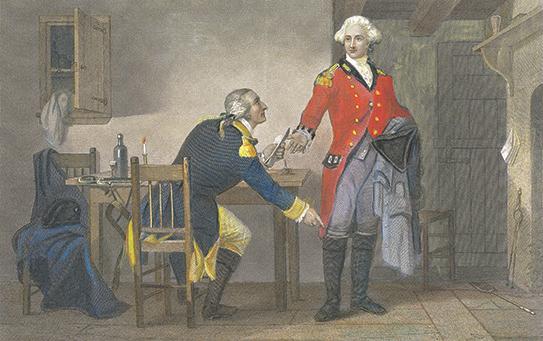
Two days later, after Arnold’s puzzling departure from breakfast, Hamilton was reading dispatches, including news of “Anderson’s” capture. All the while, Peggy lay upstairs, apparently unhinged when her husband revealed himself a traitor. Her shrieks reached the dining room below and Hamilton sent an aide to investigate the commotion. When the aide arrived, Peggy clutched five-monthold Edward, feigning fear the aide came to vent revenge against the baby. With the house in an uproar upstairs and down, Washington arrived with the faithful marquis de Lafayette, who had interpreted for the two generals. Washington had just left West Point after finding its
Tidewater Residential Designs since 1989
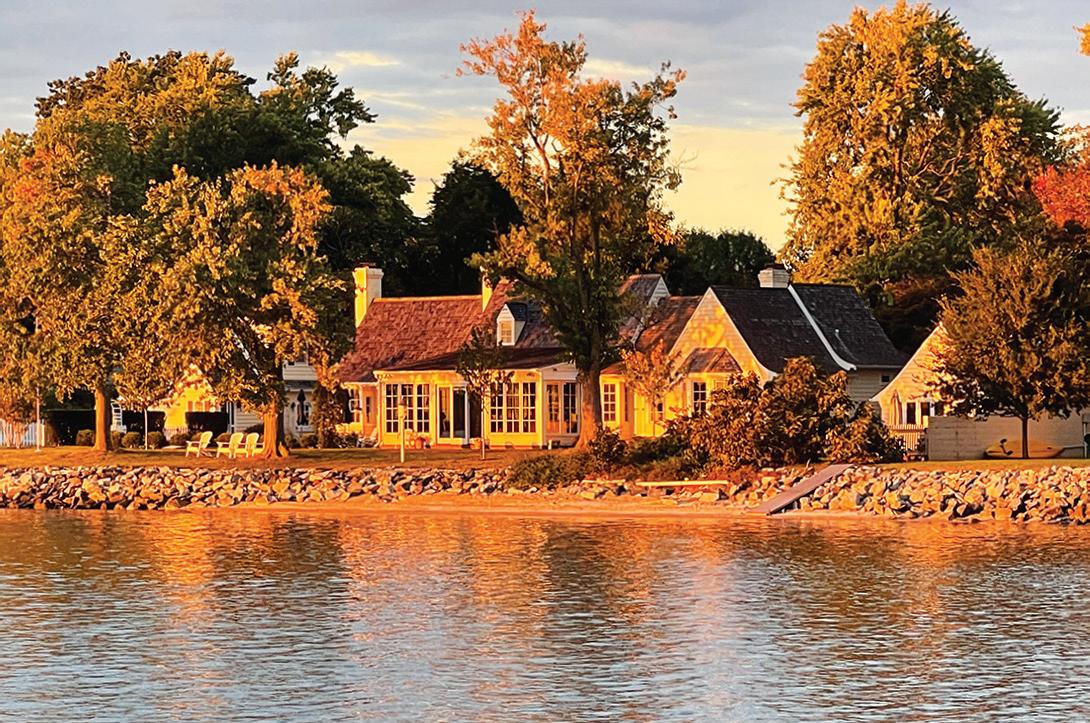
commandant absent from the neglected fortification. He recrossed the river to the house, where his host was missing and his normally stoic aides were in shock. Hamilton described Arnold’s flight on learning of the arrested spy. Holding back tears, General Washington lamented, “Arnold has betrayed us. Whom can we trust now?”

Peggy later bragged to a confidant about the impotence of Washington and his aides. She claimed they were powerless facing her charade: lying abed in gauzy nightdress, her blond ringlets in disarray, hysterically protecting her innocent child from their vengeance.
Others described Washington as the only gentleman who remained calm. He issued a pass to assure the distraught young woman safe travel to her Philadelphia family. She joined her husband in New York City, where he was commissioned and salaried a British brigadier general. For treachery, he received a disappointing £6,315 (discounted for the plot’s failure), plus an annuity.
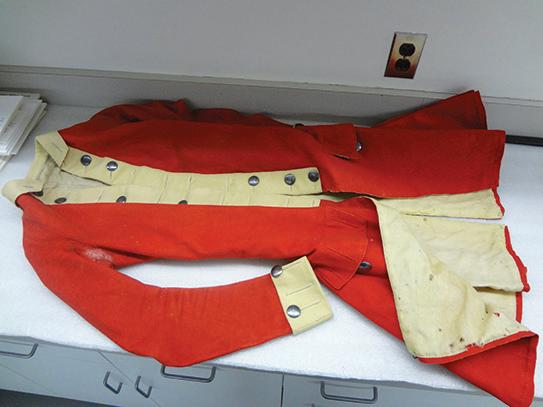
Changing uniforms, Arnold took command of a unit of Loyalists. Clinton hoped Arnold’s military fame might attract more Loyalists to enlist. Arnold sailed south, reaching Virginia with 1,600


troops on January 1, 1781. Governor Thomas Jefferson had recently relocated the capital from Williamsburg to Richmond. British forces overwhelmed a thinly established defense, and Jefferson had to flee by carriage. Arnold’s command easily scattered two hundred militia, then had freedom to loot and burn Richmond and surroundings. An outraged Virginian, George Washington, offered £5,000 for Arnold and ordered him hanged if taken.
A victorious Arnold returned to New York, where he urged several more aggressive moves that
Clinton rejected. That fall of 1781, Clinton targeted New London and Groton, Connecticut, on Thames River downriver from Arnold’s Norwich birthplace. The native son attacked zealously. New London was torched. The battle for Groton came to be called the Fort Griswold Massacre. British continued firing after valiant but badly outnumbered Patriots surrendered. Historians differ on what ignited the carnage in Britain’s last northern victory.
The following month, Washington and Rochambeau met in the Hudson River Valley en route to
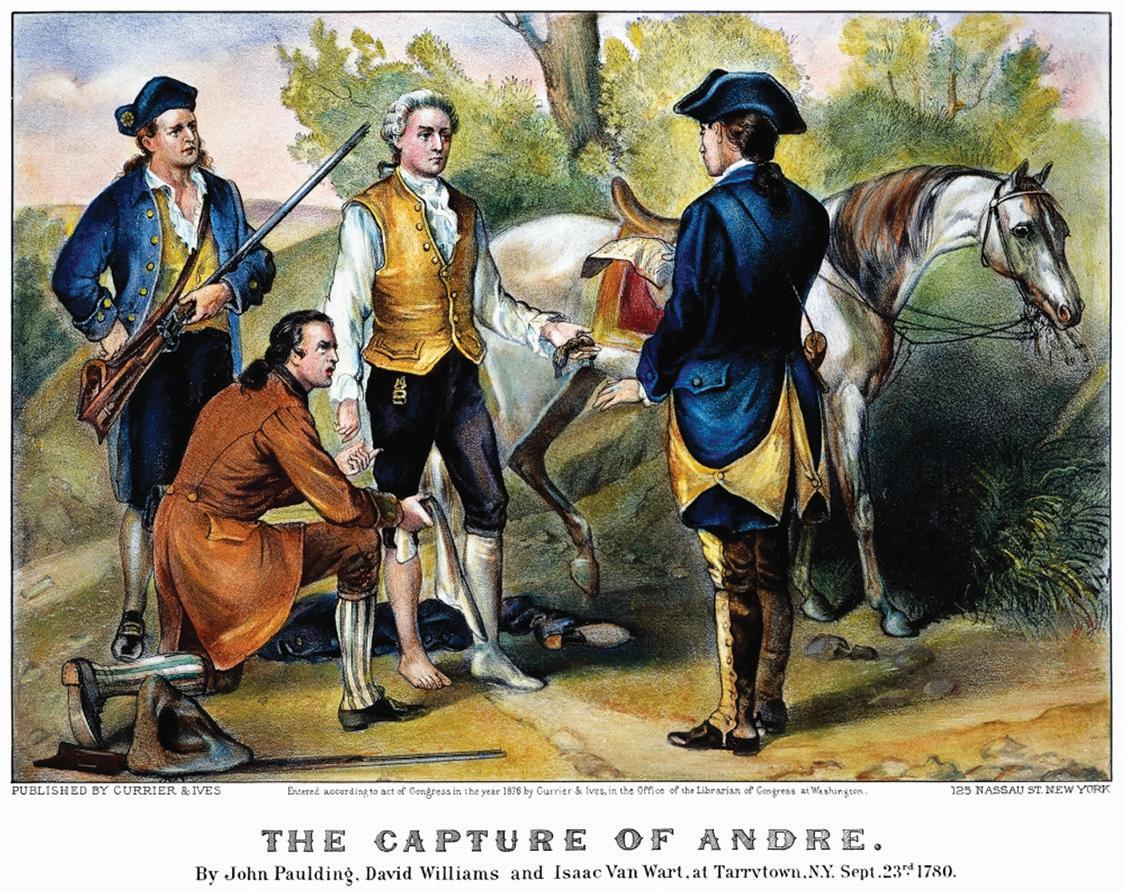
battle Lord Cornwallis at Yorktown. After that British surrender, Benedict and Peggy Arnold sailed for England, where he urged King George III to resume hostilities. In addition to her husband’s annuity, Queen Charlotte granted Peggy one of £100. King George III gave her £350 “for her services, which were meritorious.” Despite Arnold’s zeal, he never received a regular army commission. British officers shunned him, a turncoat who’d escaped unscathed on the ship intended for their fondly remembered comrade, André. Washington had attempted to swap the captive André for Arnold, but Clinton refused. André requested execution by military firing squad, but that was deemed inappropriate because of his civilian disguise. He met a spy’s death by hanging with admirable dignity,

jolted from a horse-drawn wagon bed, making even his foes squeamish. The British lionized him. His remains were taken to London from Tappan, New York, and interred in Westminster Abbey. In the British telling, he was caught by three ruffian militiamen stealing his boots. Perhaps, but André’s military bearing had likely aroused their suspicions. Unfortunately for him, one of his three captors was literate.
In the second War with Britain in 1812, James McHenry opposed America’s entry. During the bombardment of the fort named in his honor, he remained on his 94-acre Baltimore estate—named Fayetteville after his friend, the Marquis. On his death in 1816, his wife Peggy Caldwell McHenry wrote, “Here we come to the end of a life of a courteous, high-minded, keen-spirited, Christian gentleman. He was not a great man, but participated in great events and great men loved him…he was faithful to every duty and was the intimate and trusted friend of Lafayette, of Hamilton, and of Washington.”
Forty-some years ago, A.M. Foley swapped the Washington, D.C. business scene for a writing life on Elliott Island, Maryland. Tidewater Times kindly publishes Foley’s musings on regional history and life in general.














December is the season of comfort, cozy mornings and a little extra sweetness — and these goodfor-you goodies deliver all that and more. Whether you need a quick breakfast on a chilly morning or a nourishing anytime snack, these wholesome homemade muffins, cookies, bars and breads are guaranteed to hit the spot. You’ll love the
Applesauce Cookies for grab-andgo energy, Cranberry Nut Bread, Pumpkin Spice Cake and Gingerbread Boys that sparkle with flavor and Crunchy Granola Bars that are perfect for packing or gifting. Each bite brings the perfect balance of nourishment and nostalgia — simple, feel-good treats made to share all season long.


Keep your kitchen stocked with these everyday ingredients to make healthy baking easy and delicious! Flour Swap: Try oat or whole wheat flour instead of white flour for extra fiber. Sweetener Swap: Use honey or pure maple syrup instead of refined sugar. Fat Swap: Olive oil or coconut oil can replace butter in most recipes. Milk Swap: Use almond, oat or dairy milk — whatever you have on hand. Boost It: Add chia seeds, flaxseed or nuts for texture and nutrients.
If you ever want to skip baking soda for simplicity, you can use 1½ tsp. baking powder per cup of flour as a general rule for light baked goods made with whole-grain or oat flour. You definitely want a little salt in each recipe — even in sweet
or “healthy” treats. Salt doesn’t just make things “salty”; it balances sweetness, enhances flavor and even helps leavening work better. Use fine sea salt or Himalayan salt for subtle flavor. Avoid coarse salt unless dissolved first. For muffins and quick breads, a little healthy fat (butter, olive oil or coconut oil) is important — not just for richness, but also for moisture, texture and even shelf life.
These are my sweet 2nd cousin Elizabeth’s recipe. She started my love for baking. Tender, lightly sweet cookies made with wholesome applesauce, oats and cinnamon are naturally soft, chewy and just right with a cup of tea or cider. This recipe makes 6 dozen.
¾ cup coconut oil, melted ½ cup maple syrup 1 cup applesauce, warmed

1 teaspoon baking soda
1 teaspoon nutmeg
1 teaspoon cinnamon
¼ teaspoon cloves
2 ½ cups whole wheat flour
¾ cup raisins
1 cup favorite nut; pecan or walnuts
Mix coconut oil and maple syrup together. Dissolve the baking soda in the warmed applesauce, add the oil and maple syrup mixture. In a medium bowl, mix together the flour, nutmeg, cinnamon and cloves. Whisk together to mix the spices into the flour. Then mix together with the wet ingredients.
Drop by spoonfuls on greased cookie sheet or line with parchment paper. Bake at 350 degrees for 20 minutes. These cookies do not spread.
A festive, hearty loaf with tart cranberries, crunchy nuts and a hint of orange zest. Delicious toasted with a swipe of butter or served as a holiday gift loaf. This is wonderful — the cranberries taste so fresh. It’s not a sweet bread. This recipe is from my mom’s dear friend Lynn Mills.
2 tablespoons coconut oil, melted
¾ cup orange juice with the zest of an orange
1 egg, well beaten
2 cups whole wheat flour
½ cup maple syrup

1 ½ teaspoons baking powder
½ teaspoon baking soda
½ teaspoon salt
2 cups cranberries, cut in half (fresh
Tidewater Kitchen or frozen)
½ cup chopped nuts, (pecans or walnuts)
Mix melted butter with orange juice, zest and egg. Mix dry ingredients. Add liquid ingredients to dry ingredients and mix together. Fold in cranberries and nuts. Pour into a greased loaf pan. Bake at 350 degrees for 1 hour.
Delish! Moist, fragrant and perfectly spiced, it brings all the cozy flavors of the season into one bite. Made with real pumpkin, oats and a touch of cinnamon, it’s a healthy

twist on a holiday favorite — ideal with a warm mug of tea or cocoa.
Makes: cake or 8–10 muffins
½ cup maple syrup
1 can pumpkin (2 cups), I love to use fresh
4 eggs
1 ¼ cup coconut oil
½ teaspoon nutmeg

½ teaspoon cloves
½ teaspoon ginger
3 teaspoons cinnamon
3 cups whole wheat flour
1 cup raisins
½ cup chopped nuts, optional
2 teaspoons baking powder
2 teaspoons baking soda
¼ teaspoon fine sea salt
Preheat oven to 350°F. Line a muffin tin or grease and flour a tube or 12-cup bundt pan.
Cream sugar, oil, eggs and pumpkin. Sift together and add flour, baking powder, baking soda, salt and spices. Fold in nuts and raisins.
Spoon into muffin cups and bake 18–20 minutes or until set. For bundt pan or tube, bake at 350 de-
grees for 1 hour.
Cool slightly — enjoy warm with a pat of butter or almond spread. It you make it into a cake, you can sprinkle with powdered sugar.
Tip: Add mini chocolate chips or walnuts for a festive twist!
Classic spiced cookies with notes of molasses, ginger and cinnamon. Crisp on the edges, soft in the center — a nostalgic favorite for baking days with kids. Keep in tin (tight) and will keep for months.
4 ½ cups flour, sifted ¼ teaspoon baking soda ½ teaspoon salt


1 teaspoon cinnamon
½ teaspoon ground cloves
½ teaspoon ground ginger
1 cup firmly packed brown sugar
½ cup butter, soft
½ cup lard
1 ½ cups molasses (12-ounce bottle)
½ teaspoon cider vinegar
Raisins, currants, powdered sugar and egg whites
Preheat oven to 350 degrees. Sift together first 6 ingredients, add brown sugar, cut in butter and lard. Gradually add molasses and cider vinegar. Mix and chill.
Grease and flour baking sheets. Roll out dough on baking sheet to 1/8”. Cut with cookie cutter, remove excess dough with a table knife. Use raisins and currants to decorate front of cookies, press in firmly. Make a hole in top of head to insert ribbon for hanging in tree. Bake for










10 minutes. Cool.
Decorate with Royal Icing.
4 pasteurized egg whites or 3 tablespoons meringue powder mixed with 9 tablespoons room temperature water, plus more if needed. 4 cups sifted confectioners’ sugar
1 teaspoon lemon or vanilla extract (optional)
Beat egg whites in a large bowl with an electric mixer at high speed until foamy. Gradually add sugar and lemon extract; continue to beat on high speed until thickened. Add to confectioners’ sugar.
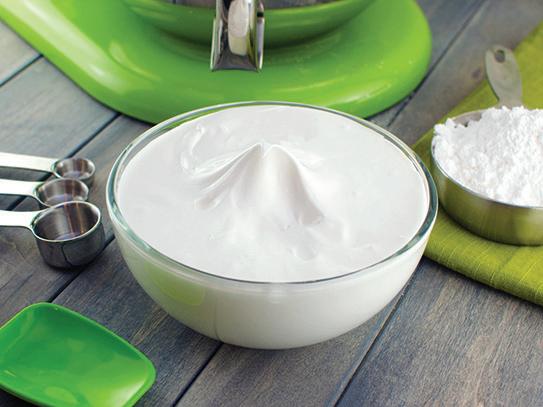
Fill pastry bag with tip. Use to pipe or decorate cookies.
Tip: You can prepare this icing 2–3 days ahead of time. I suggest transferring it to a smaller bowl or container and tightly sealing for up to 3 days in the refrigerator. When you’re ready to use it, let it come to room temperature, then mix it up

with a whisk a few times as it may have separated. Whisking in a few drops of water is helpful if it thickened.
A naturally sweet, hearty loaf that feels like a hug from the oven.
Ripe bananas and dried figs blend into a moist, fiber-rich bread that’s lovely toasted with a pat of butter or almond spread. Great for breakfast, gifting or freezing for later. Makes 1 loaf.
2 ripe bananas, mashed ½ cup chopped frozen figs

2 eggs
1 teaspoon baking soda
½ teaspoon fine sea salt
1 ½ cups almond flour or whole wheat flour
¼ cup olive oil or melted coconut oil
1–2 tablespoons maple syrup or honey
1 teaspoon cinnamon
Preheat oven to 350 degrees. Grease a loaf pan. Mix bananas, eggs and oil in a large bowl. Stir in flour, baking soda, cinnamon and figs until just combined.
Pour into pan and bake 35–40 minutes or until golden and firm in center. Let cool before slicing.
Crunchy, chewy and full of wholesome goodness, these bars are made for energy on the go. With oats, peanut butter and a drizzle of honey, they’re simple to make and endlessly satisfying — a perfect lunchbox or travel companion. Makes 36 bars.
7 cups rolled oats
½ cup coconut oil
½ teaspoon salt
½ cup favorite nut or seed, I love sesame seeds
½ cup unsweetened coconut
½ cup packed brown sugar, if you like them sweeter you can add more ¾ cup honey
1 teaspoon vanilla extract



1 teaspoon ground cinnamon ½ cup dark chocolate chips, for drizzle
Make sure the oven rack is in the middle position. Preheat the oven to 375 degrees. Line an 18” by 12” rimmed baking sheet (jelly roll pan) with parchment. In a bowl, mix the oats, oil and salt until the oats are evenly coated. Transfer the mixture to the baking sheet and spread into an even layer. Bake, stirring every 10 minutes, for about 30 minutes, until a light golden brown.
In a small saucepan, mix the honey and brown sugar until they are
blended together. Turn off the heat. Add the vanilla and cinnamon. In a large bowl, mix the oats, sesame seeds, unsweetened coconut and the rest of the ingredients. Once mixed together well, pour it back in prepared baking sheet. Pack it down really well with a dampened wooden spoon or rubber spatula. Bake for 45 minutes. Cool for 10 minutes. Optional: Drizzle with melted dark chocolate for a holiday touch. Cut into the favorite size bar you’d like with a chef knife. 2” x 3” is my favorite. Wrap in parchment paper or foil.
Each of these treats brings together the comfort of homemade baking with the simplicity of real ingredients — perfect for kids to help with, teens to grab on the go and adults to enjoy guilt-free with coffee. Wishing you warmth, wellness and sparkle this season.
Pamela Meredith, formerly Denver’s NBC Channel 9 Children’s Chef, has taught both adult and children’s cooking classes.
For more of Pam’s recipes, visit the Story Archive tab at tidewatertimes.com.







by James Dawson
September 2025 saw three skipjack races. Previously, there had been two September races, at Deal Island and Cambridge, but this year the Sandy Point race that started in 1965 was revived after a 35-year hiatus. It had been cancelled in 1990 because, as the Baltimore Sun put it, the skipjack fleet had “badly dwindled” and there weren’t enough left to race. But there were dozens more skipjacks in 1990 than there
are now, and yet the race just started up again, so it would seem that the more the skipjacks depreciated, the more they are appreciated.
To recap, the skipjack was developed in the late 1800s, specially designed for dredging oysters, which by Maryland law must be done under sail. There used to be hundreds, but now, according to the Last Skipjacks Project, there are 30 skipjacks left floating with 15 of
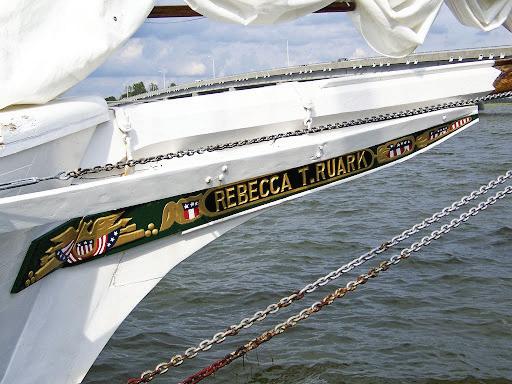
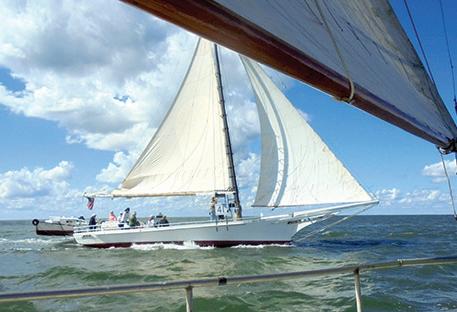
those still dredging, and one of them is the Rebecca T. Ruark .
Built in 1886 on Taylors Island, the Rebecca T. Ruark is the oldest skipjack and has dredged many oysters and won many races in her 139 years. Her first recorded race was in the Chesapeake Bay Championship Workboat Race in 1921, where she came in third in the skipjack class. She has won the Deal Island race more times than any other boat: 12 times. However, the Ida May is catching up with seven wins. Rebecca also won the Choptank Heritage Skipjack Race five times. Both the Ida May and the Rebecca T. Ruark are on the National Historic Register of Historic Places.
Last year’s Deal Island race was the Rebecca ’s first race since her new captain, Capt. Wade Murphy III, took ownership of her from his father, Capt. Wade Murphy Jr., after Rebecca was damaged in 2022 when a pickup truck ran off the wharf, crashed into her stern and wrecked
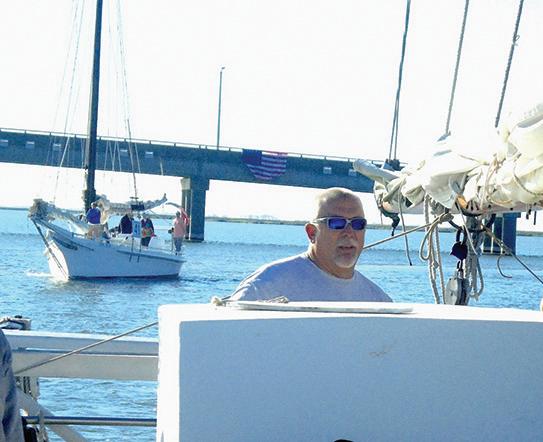
her cabin while she was docked at her berth at Dogwood Harbor in Tilghman. Capt. Murphy III had her repaired and fiberglassed. He also added a power winch this year to help raise and lower the yawl or pushboat, which has a motor and can be used to power the boat when not oystering or racing.
Deal Island is the self-proclaimed “Home of the Skipjacks” because so many were built there, including the Ida May. This year was the first year that the Deal Island race officially had two separate classes for the skipjacks: working and non-working. And if you are wondering why that should make a difference, nonworking skipjacks are not weighed down with literally a ton of dredges and winders used for harvesting oysters and so other things being roughly equal, a lighter boat will have the advantage over a heavier
Crown
boat because the heavier a boat is, the lower she sits in the water, which means more resistance for the hull as she goes through the water.
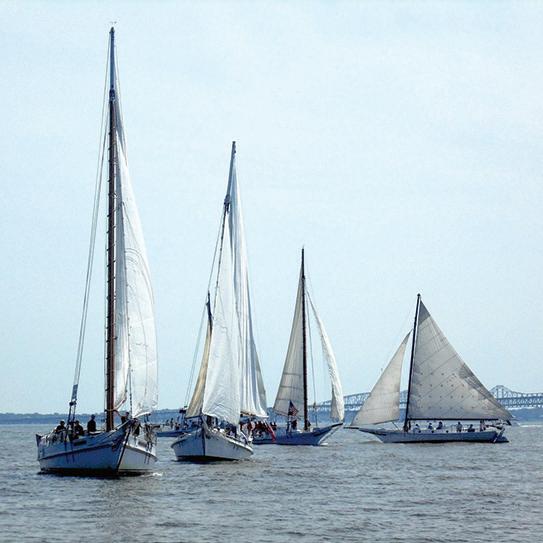
Capt. Murphy III was kind enough to invite me to go along—as ballast, probably, since I have no sailing skills except for keeping out of the way of the crew on board who do.
We were docked by the Deal Island bridge and as we left the harbor by our pushboat to get to the racecourse, we threaded our way between crab pot markers to the oval racecourse, which was marked by buoys at either end.
Although the wind was calm on shore (excuse me—watermen say “cam,” not ”calm”), out in the Sound it was about 20 mph. Just enough to make a few whitecaps, but not enough to be a problem. You might think that for a sailboat race, the more wind the better, but that is
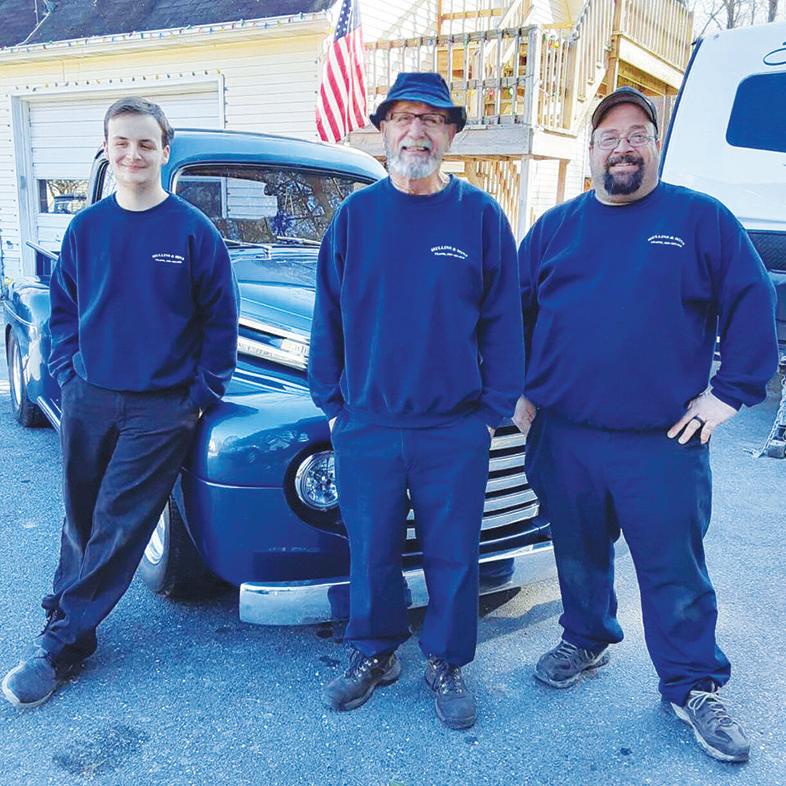
3 Generation Family Run Auto Service Shop with over 31 years experience. Offering a wide variety of services to include but not limited to: Brakes, Diagnostics, Tire Rotation, Rv & Trailer


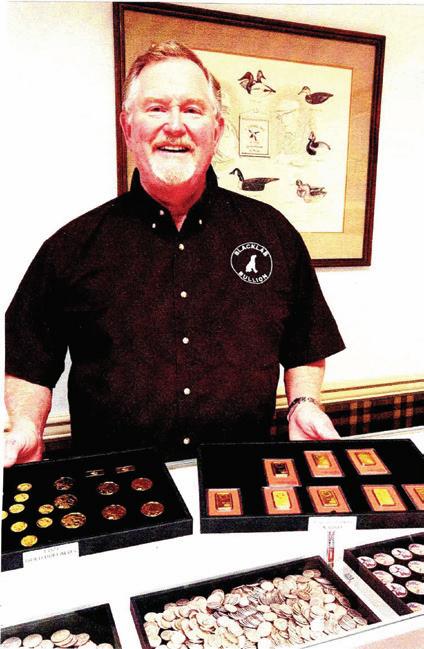
not necessarily true. Too much wind can be bad. Last year’s Deal Island race saw stronger winds still, which resulted in some equipment damage and a few minor injuries to some on the skipjacks. There were lots of whitecaps and plenty of spray, and it’s harder to raise, lower and adjust the sails in very windy conditions, as everything is done by hand. Optimum wind for racing skipjacks is about 8 to 10 m.p.h.
The Rosie Parks dropped out, the Wilma Lee got off course and Rebecca missed a buoy, so the Ida May won first overall, but the Rebecca won in the working boat category.
And for a final note, the crab cakes and oyster sandwiches there are delicious.
The 26th Skipjack Heritage Days Race, Sandy Point State Park, Sept. 14
This race was held in conjunction with the Maryland Seafood Festival. The skipjack race was on “Sunday! Sunday!! Sunday!!!” as the old Bowie racetrack announcer used to say. Each of the 17 skipjacks there got $3,000 just for showing up, which helped with expenses.
Sandy Point State Park was easy to get to as it’s the first exit coming from the Eastern Shore across the bridge past the toll booth. It’s very well marked how to get to the park, but once you’re inside, there’s
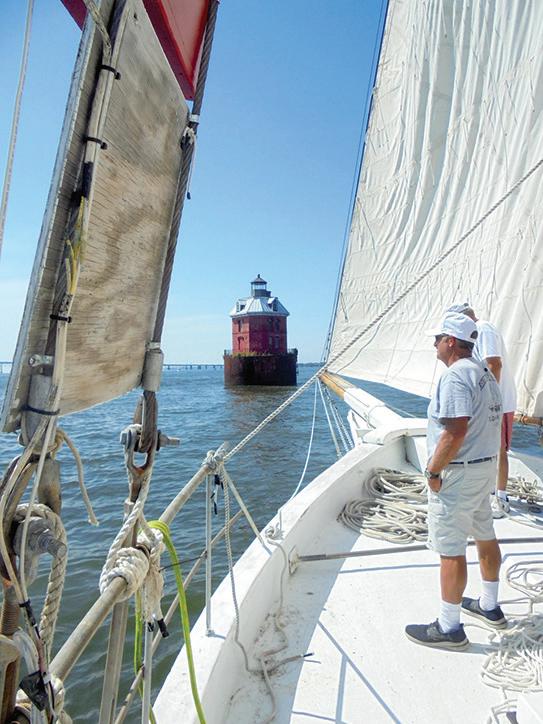
virtually no signage for any of the events. I finally found the skipjacks after spotting their masts poking up against some trees.
I parked in one of the huge parking lots and walked over to the marina where the skipjacks were docked and rafted together, which in landlubber terms would be double and triple parked to save dock space, so to get to the outside boat that was triple parked, you walked across the decks of the first two inner ones.
I shook hands with Capt. Murphy III and said hi. Looking around, I pointed out that the Rebecca was docked by a sign that said “No fishing or crabbing,” which amused me because the Rebecca Ruark is still a working workboat. But Captain Murphy III did me one better by



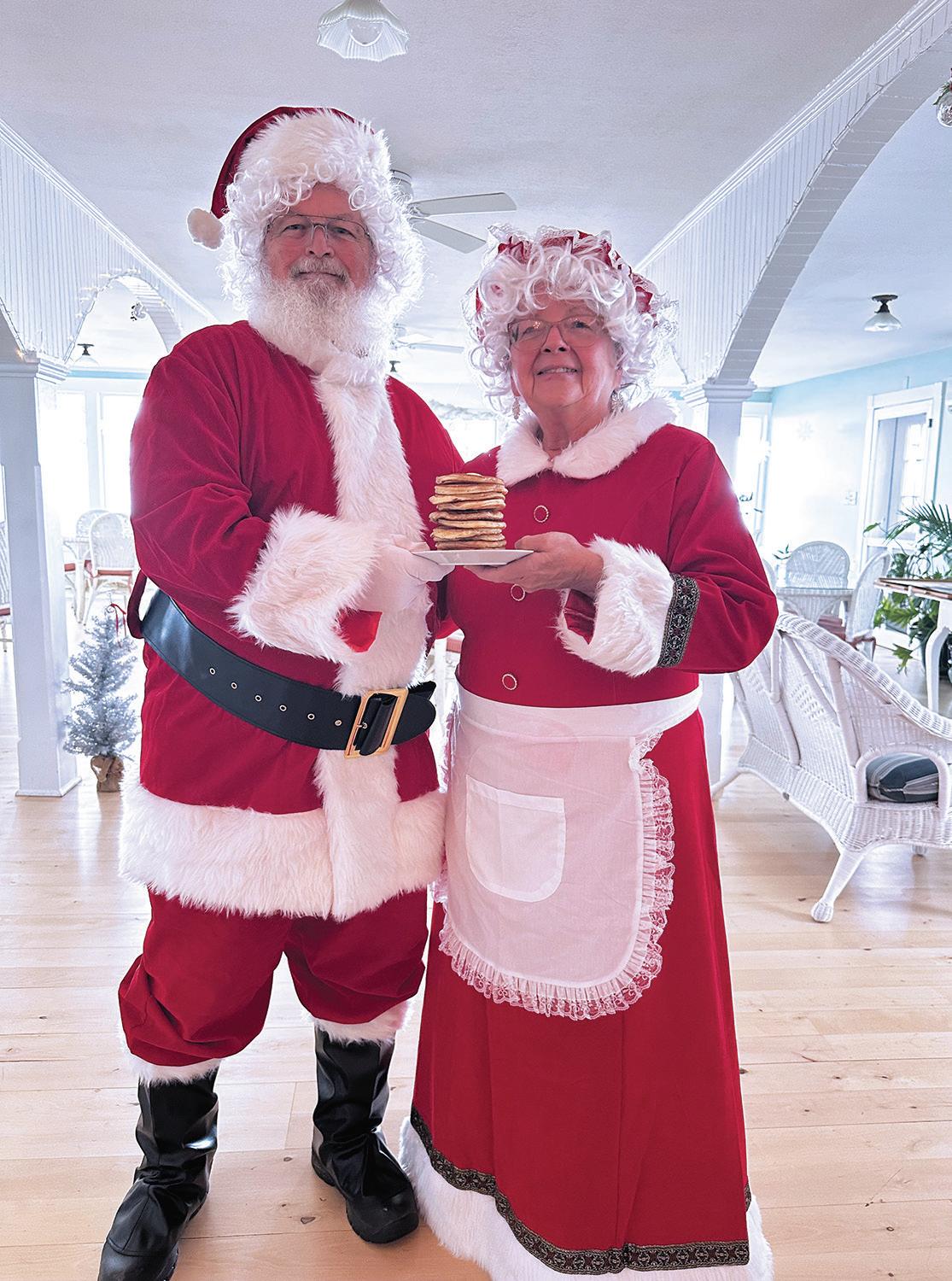
pointing out that the sign on one of the pilings she was tied to said “No docking.” But that was temporarily allowed because of the skipjack festival, so hopefully we wouldn’t be getting a dock parking ticket.
It’s been many years since so many skipjacks were together at one location, so I propose that the collective noun for such a gathering should be called a “catch” of skipjacks.
It was quite a sight seeing all
the skipjacks in single file parading out of the harbor and past the jetty, which is right next to the huge double spans of the Gov. William Preston Lane Jr. Memorial Bridge. It was interesting to see so many antique wooden skipjacks silhouetted against the modern steel girders and concrete pilings of the bridges. And the view was even better from the deck of one of the skipjacks.
Since there wasn’t much wind, the race was delayed in the hope that it would breeze up a bit. We all lined up at the invisible starting line between the Sandy Point lighthouse and the black and white icebreaker A.V. Sandusky, or tried to because while waiting for the race to start even in a light breeze, it’s hard to keep the sailboats reined in line as we bobbed about for half an hour.
Anchoring them is not practical for purposes of a quick start as, of course, the boats don’t have emergency brakes. Despite our best




efforts, we drifted away from the starting line and so Capt. Murphy III radioed for a friend, Mike Gosman in his workboat Chester, to swing us around and tow us back in line.
When the cannon boomed to announce the start of the race, the skipjacks didn’t exactly bolt out of their watery stables at full speed. Plus, there was a large luxury yacht blocking the course, which had to move. It was a drifting contest at best, with a slow-motion swarm of skipjacks tacking back and forth crossing and recrossing each other at a snail’s pace, each boat trying to gain the advantage of the occasional cat’s paw puff of wind scattered in among the cam spots in the water.
After two hours of this, we were still about where we started. This is no reflection on Capt. Murphy III or any of the other captains because you can be the best sailor in the world, but if the wind says “no,” then a sailboat won’t go. And, as Capt. Murphy Jr. pointed out to me, we also had the tide running against us, as I could see by the tidal current rushing by one of the stationary buoys. So the race was called because of not enough wind and maybe too much tide. If we had had several more hours, we could’ve made the approximately 2 miles up to the Baltimore lighthouse, and then coming back we


Monday-Saturday 10:30-5:30 Open Thursdays ‘til
might have had some wind behind us, except by then the tide might have reversed.
But no wind, no race. Still, it was a pleasant day with temperatures in the low 80s, so it was a great time to be out on the Bay, a part of the largest fleet or “catch” of skipjacks that anyone might ever see again.
We then made our way back to the dock under pushboat power. Of course, the skipjacks can’t use their powered pushboats during a race, but my idea is that when there is a race with no wind, then why not have a pushboat-assisted race?
Oh, and then I almost got lost trying to get back home, as there was no
exit marked for Rt. 50 East, so I was thrust out into the endless tsunami of traffic and then had to circle back to go home. The cars didn’t have to worry about winds or tides and were going lots faster than we had been, but I’d bet that their day wasn’t as memorable as ours.
There were nine skipjacks in attendance. The Rebecca was rafted between the Thomas Clyde and the Annapolis Maritime Museum’s Wilma Lee . As we were standing around on shore before the race, chatting and eating donuts provided by the race committee, all eyes were


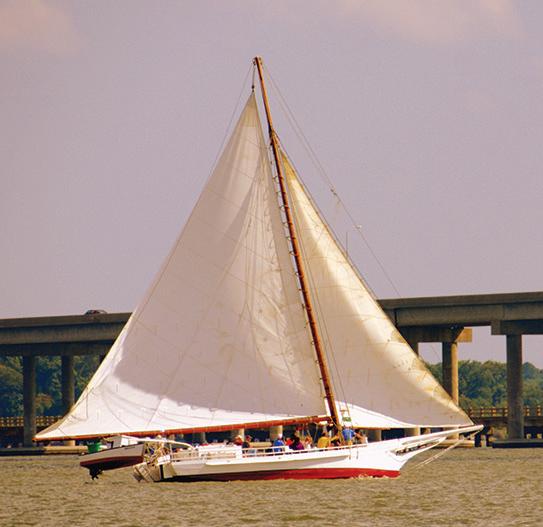
on the flags on the flagpole rustling in the breeze. At least conditions were better than the previous year, when the Choptank race had to be cancelled because of no wind. Then we got on board the boats and there was a pushboat-powered parade out to the Choptank, where there was more wind. The starting line was for the boats to go between the buyboat Dudley and the small number- four buoy. This time the bridge was the Frederick C. Malkus bridge across the Choptank to Cambridge.
With Capt. Murphy III at the helm, we were first across the starting line and never looked back (except to see everyone else we left behind us)!
There was some drama out in the river when a crabber in a workboat tending his trot lines cut across directly in front of us, so there was a brief vocal dispute about who had the right of way. It was the classic ex-
ample of the age-old battle between sail vs. power boats. P.S., we were in the right and he was wrong.
Then there was more drama. During one of our turns we cut it a little close to the bulkhead by the Choptank River lighthouse on Long Wharf at Sailwinds Park. As you can imagine, it’s not easy to change course quickly or slam on the brakes with a 47-foot-long, 50,000-pound sailboat. I am sure that we gave the spectators standing there a thrill, but fortunately the tack was suspenseful but not impactful, and we safely made the turn, thanks to Capt. Murphy III’s skillful piloting.
As we heard later, the Nathan of Dorchester wasn’t so fortunate, as apparently she was caught in the tide and pushed into the concrete retaining wall there. She had to be towed away, hopefully with just some minor scratches and scrapes.
And all this time, the Ida May was farther and farther behind us. This was surprising, since she had been on a winning streak since 2017 both at Deal Island and the Choptank races, but this time we left the Ida
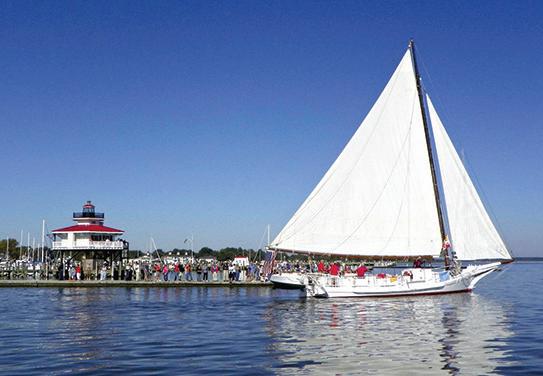
May in our dust, or rather our spray.
As we rounded the buoy off of Hambrooks Bay, the sail back would require no tacking as we had a fair wind behind us. It was clear sailing and a straight shot to be fi rst across the fi nish line.
It was a fantastic race and a lot of fun and thanks to Captain Wade Murphy number three, we were number one! They say winning isn’t everything, but that’s loser talk!
Once the race was over, the captain and crew lowered to the pushboat and dropped the jib and the mainsail. I even helped pull on a couple of lines (that’s ropes to you landlubbers). Then back in the harbor, Capt. Shawn Ridgley of the Ida May came over to congratulate
Capt. Murphy III on his win, and they shook hands like the gentlemen they are. The Ida May is a very fi ne skipjack and deserves all of her victories. She has been owned by the same family for three generations.
The Rebecca won fi rst in her class at Deal Island and fi rst overall at Cambridge, and so she nearly won the Chesapeake Skipjack Triple Crown, but of course that wasn’t possible this year because the Sandy Point Race was called off, so I guess we won the Chesapeake Skipjack Double Crown.
Maybe there’s a Triple Crown waiting for us next year!
James Dawson is the owner of Unicorn Bookshop in Trappe.



B. P. Gallagher
On October 7th, 1941, Earl Higgins strolled through the wroughtiron gates of the state penitentiary and repurchased his freedom at a cost of five and a half years of his young life. A model prisoner, he had earned an abbreviated sentence for good behavior. Hard bought, the same way he’d earned the time in the first place.
That wasn’t the whole of it, of course. By design, nothing in the bureaucratic apparatus of the judi-
cial system was simple as all that. Braddock, Maggie, and Jonah (his brother-in-law was now a fullfledged lawyer) had proven instrumental in securing his early release, pulling strings for him unseen from the outside. But for Earl living the day-to-day realities of lock-up, it’d been a matter of toe the line and hope it one day leads you out the doors. The journey to this point had been long, full of false-starts and paper-thin ice. Occasionally Earl had fallen through—this wasn’t his first time around for early release.
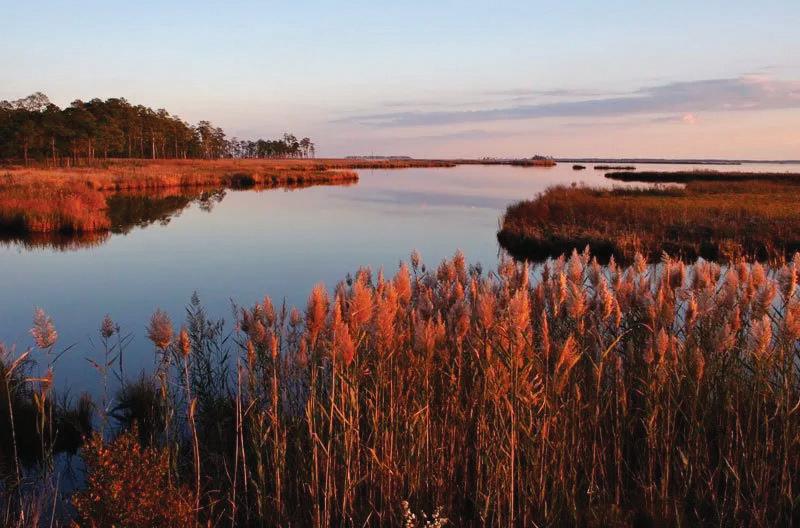
At his first and second parole hearings, Tyler Calhoun and members of his family had made strident cases against his being freed. This time around, none of them showed up. Since Tyler Calhoun wasn’t the forgive and forget type, Earl figured the recently sworn-in Sheriff must be too busy with his new duties to attend. As for the rest of the Calhouns, they probably had their eyes on a world at war, like everybody else. Whatever the reasons, Earl was grateful. He would never recover the five years and change excised from his prime, but at long last, he’d toed the line to its end. Debt to society paid, it was time for
him to get on with beginning again. He hadn’t mentioned the success of his latest bid for freedom to Maggie, though if she didn’t know already given her role in facilitating it, she was bound to find out soon enough. Earl was grateful for her and her husband’s tireless help, but neither had he forgotten whose hand first set him on the path to imprisonment. That wound was still raw after all this time, and it would heal better in the absence of the hand that inflicted it. Besides, Albany was a hell of a long trip just to pick up a jailbird. Likewise, Earl was loathe to impose on Leon for a ride to the Shore when his brother and sister-in-law had already agreed to take him in. So when the








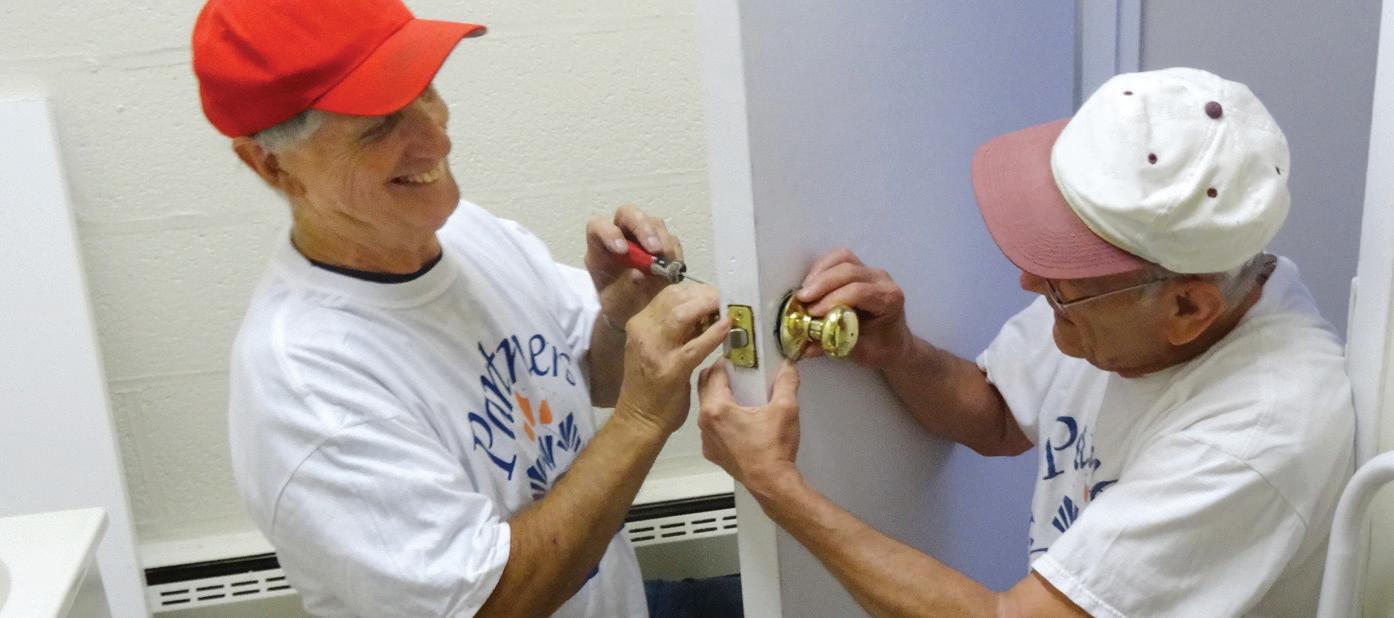
date of his release arrived, neither Maggie nor Leon met him at the prison gates, and even Braddock (who’d helped arrange the date as Earl’s attorney) kept his distance. That was just as well.
Unshackled at last, Earl wanted nothing more than to stroll for a while. He’d have plenty of opportunity to do so. It was many miles to Moore Island, and if he wanted to make it home by low tide, he needed to get moving and not look back. Feeling every bit the prodigal son, he started to walk. And walked, until his calves sang and sweat rolled down his brow despite the autumnal weather.


When he was far enough from the prison to hitch a ride without inviting suspicion, he flagged down a chicken truck and rode partway down the Shore among the stinking, squawking crates. But the sights and sounds and even the smells were no bother, only the perfume of life in these parts, dearly missed. Soon he would lay eyes on that muddiest of pearls, those beloved haunts of his childhood to which he’d often escaped in dreams during his imprisonment. Then, and only then, would he know he was free beyond the shadow of a doubt.
Earl parted ways with the chicken truck and its raucous passengers somewhere outside of Salisbury. Then it was back to walking, traips -








ing down dusty farm lanes that trickled like streams to the Nanticoke Road, which he found unchanged from the day Betsy broke down alongside it all those years back. The walk assumed a dreamlike quality as Earl absorbed increasingly familiar sights with a mix of nostalgia and loss. Not much had changed, in truth, but enough to sense the passage of time now lost to him forever.
A thin veneer of newness covered all like morning frost, like the translucent skin of a bubble that might pop at any moment and plunge him back into his cold hard cot in the penitentiary. Would this feeling of otherness pass? Yes, he thought so. Already his mind was contemporizing, that layer of strangeness melting away as he reacquainted himself with his surroundings. In time it would evaporate, and the scenery would return to being scenery, nothing more. A backdrop for the events of his life. Reconciling what had come before with what came next, that would be the real challenge.
Dusk fell as Earl walked across the Moore Island causeway alone, like a stranger. A few folks heading home from work on the Shore passed him in their automobiles, but none slowed to offer him a ride, and Earl made no effort to flag them down. For now, he was content with
not being recognized. Why should they recognize him? He wasn’t the same man he’d been when last they saw him, in more ways than one. Older and stronger, grown into himself. His beard was thick and full, his hair cropped short, and the wiry, youthful frame with which he’d entered prison had filled out with muscle. It remained to be seen whether he was any wiser. He hoped so.
Halfway across the causeway Earl stopped, overcome by a feeling of relief as palpable as the breeze sweeping off the Bay, bearing upon it the briny, boggy notes of brackish water. This was no dream. He was free. He might have wept. Instead, he stood watching the sun set over the Sound, where the ebb and flow of daily life continued as surely as the coursing of blood through his veins.
Workboats bobbed on the horizon, on their way to clog the Hooper Strait after a long day on the Bay, or the Tangier Sound, or Fishing Bay, or the Nanticoke and Wicomico Rivers, or whichever tributary of the Chesapeake Bay Watershed sustained them. Might the Jimsonweed be among them? Probably, Earl mused, and at her helm the kennel-keeper, breeder of puppies, lover of ice-laden voyages on the Blackwater in the darkest hours of the night. Earl shivered. The air was chilly here, where water lapped against the road like grim memories at the corners of his mind.
Elsewhere, secreted beneath the


silt and stained depths of the Blackwater, brittle bones stripped bare by the years settled deeper into the bog mud. The last vile shreds of Peter Calhoun’s flesh had sloughed off and seeded the peat long ago. Would the pastor’s skeleton stay buried, slumbering through the decades? Could it? Perhaps, perhaps not. But even should it reemerge, its specter no longer held much fear for Earl Higgins. He had done his time on that account. Now he must look forward, devote his energies to making a future for himself. He was back at the helm at last, with the whole rest of his life in the offing.
It would be hard to avoid becoming enmired in the past here, steeped as it was in ghosts. Mom and Pop, Shane, his unnamed baby sister, Robert Gibbs. They would always have a place in his heart and mind, and reminders of them would be ever-present on the island. Likewise for the bad memories. But this was the only home Earl had ever known outside of a prison cell, and he couldn’t bear to leave it behind. Now more than ever, it seemed to need him. Whereas Earl had grown in the few, long years since he visited here last, Moore Island had shrunk and sunk, its shoreline stolen away in tiny, greedy mouthfuls by the insatiable waters of the Sound.
Lights were on in the den of the
Higgins house, and woodfire smoke belched from the chimney. An island unto itself, as ever it had been. Even more so now. Leon hadn’t been lying in his letters; Moore Island was practically a ghost town compared to before. The windows of neighboring homes were dark, hearths unlit, driveways empty. An overabundance of empty slips along the island’s piers and docks told a similar tale. The Gibbs house had long been reduced to ashes, its blackened foundations left standing as a final injustice, or maybe as an act of protest against the cruel years.
In the upper room of the Higgins house, the master bedroom, a new light flicked on. Electric, by its glare. That was new. So too the telephone poles that lined the lane like stark trees. Signs of minor progress against a tide of decline. In the illuminated upstairs window of the Higgins residence, someone pushed aside the curtain and peered out, as if watching for his arrival. Somebody had forewarned them of his impending release. Maggie’s work, no doubt.
Earl smiled. He’d head home next. But first, he couldn’t resist a walk around the island as the last brilliant streaks of orange and pink daylight leached from the sky. As he strolled between vacant houses, past acres of scrubby yard and stands of trees where he and his siblings had played as children, a
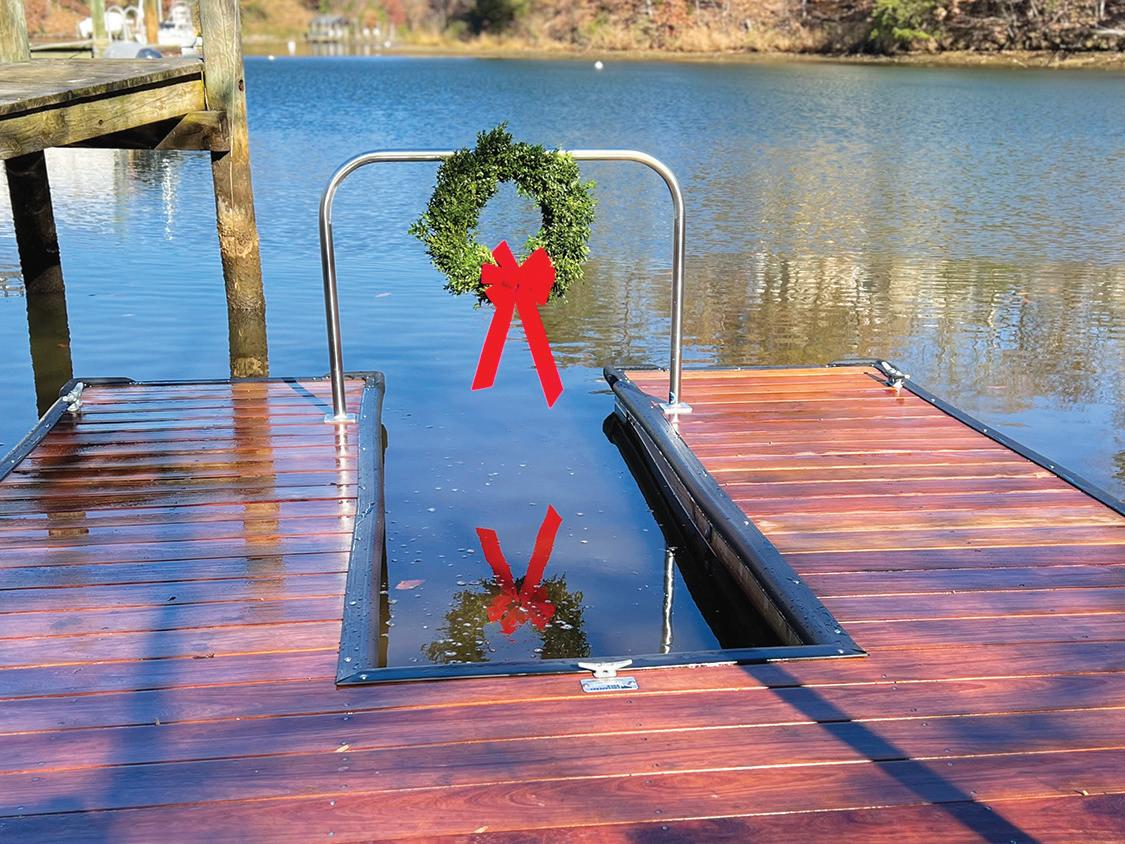

grin spread across his still-young features. The smile didn’t fade as he crossed through the cemetery, laying an affectionate hand on the headstones of his loved ones in passing, reminiscing indiscriminately.
For all the dark times, all the low tides and loss, there were at least as many bright ones, glad memories that buoyed his spirit and gave him hope for the future. He would see much more of both good and bad, he knew. Life would bring him defeat and triumph, sorrow and joy, and in the end he would relish it all, as well as he could. High tide would come back around sooner or later to put things in perspective. It always did.
Reaching the end of the dock, Earl peered over the inky expanse of rolling water and remembered, tasting salt spray and hope on the air. In the distance, too far off to be worrying, dark clouds assembled aimlessly. In a few hours they might decide to threaten with a squall or disperse over the sea, leaving only a warm breeze behind. Earl paid them no heed. Come what may tomorrow.
For today, for this brief moment, all was quiet on the Sound.
Epilogue (29): Afterwards
The quiet would be short-lived. Within two months, war reached America’s doorstep, borne on the
spotted wings of Japanese kamikazes. A year later, the U.S. Navy commenced testing munitions on nearby Bloodsworth Island. The bombardment, clearly audible to the residents of shrinking Moore Island, drove most of its few holdouts to abandon their lifelong homes.
In 1937, Tyler Calhoun, hitherto a part-time deputy to the Wicomico County Sheriff, was named the county’s first full-time deputy. By the time of Earl Higgins’s release from prison, Deputy Calhoun had become Sheriff. When America entered into the Second World War, Sheriff Calhoun was enjoying the first of a four-year term in office. A couple years later, he was cut down by German machine gun fire while charging a Normandy beachhead on D-Day.
Carlisle Barnhart, captain of the Jimsonweed and cousin of John Barnhart, also served in the Allied landings, as a paratrooper. He went on to be awarded a medal for bravery for his actions in combat there.
Leon enlisted in the Army a week after the attack on Pearl Harbor, and Earl soon followed him on a felony waiver. He’d been a model prisoner, after all. That accorded certain privileges. Ultimately, one measly charge of accessory to murder proved little obstacle to fulfilling his patriotic duty. It just didn’t feel right to let Leon go off to fight in the Pacific on his own.
In Leon’s absence, Clara raised


their son Shane while picking up shifts at the cannery to help out with the war effort. Up in Albany, Jonah Everett registered for the draft but wasn’t called upon to fight. He went on to have a successful career as an attorney. Maggie found a job as a typist during the war that morphed into a career as a journalist after it. She always was clever like that.
Moore Island no longer exists, stolen by the Sound many years ago. It persists only in memory now, and eventually that too will erode. The remains in its cemetery were not disinterred and relocated, but given unto the waters from which a dozen
generations had culled their livelihoods. Like the bones of the islanders themselves, the ruins of their homes were left behind to crumble and sink.
The Higgins house, located near the center of the island, was among the last to topple into the Sound. For months it stood alone, marooned on a point of crumbling land a few miles from anywhere.
An island unto itself, to the bitter end.
Brendan Gallagher is a 2013 graduate of Easton High School and is currently finishing up a Ph.D. in Social-Personality Psychology at the University at Albany.

Since 1982

















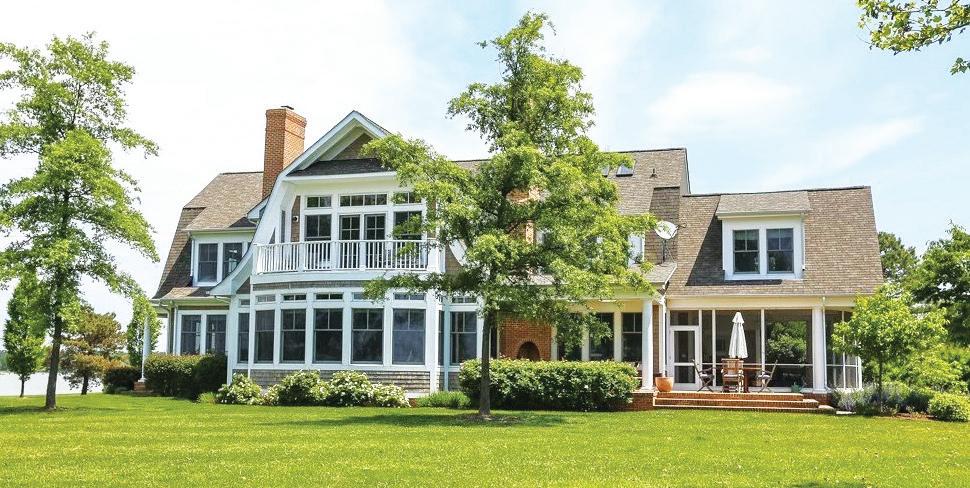


The history of Queen Anne’s County dates back to the earliest Colonial settlements in Maryland. Small hamlets began appearing in the northern portion of the county in the 1600s. Early communities grew up around transportation routes, the rivers and streams, and then roads and eventually railroads. Small towns were centers of economic and social activity and evolved over the years from thriving centers of tobacco trade to communities boosted by the railroad boom. The county is named for Queen Anne of Great Britain, who reigned when the county was established in 1706.
Queenstown was the original county seat when Queen Anne’s County was created, but that designation was passed on to Centreville in 1782. It’s location was important during the 18th century, because it is near a creek that, during that time, could be navigated by tradesmen. A hub for shipping and receiving, Queenstown was attacked by English troops during the War of 1812.
Construction of the Federal-style courthouse in Centreville began in 1791 and is the oldest courthouse in continuous use in the state of Maryland. Today, Centreville is the largest town in Queen Anne’s County. With its relaxed lifestyle and tree-lined streets, it is a classic example of small town America.
The Stevensville Historic District, also known as Historic Stevensville, is a national historic district in downtown Stevensville, Queen Anne’s County. It contains roughly 100 historic structures, and is listed on the National Register of Historic Places. It is located primarily along East Main Street, a portion of Love Point Road, and a former section of Cockey Lane.
The Chesapeake Heritage and Visitor Center in Chester at Kent Narrows provides and overview of the Chesapeake region’s heritage, resources and culture. The Chesapeake Heritage and Visitor Center serves as Queen Anne’s County’s official welcome center.
Queen Anne’s County is also home to the Chesapeake Bay Environmental Center (formerly Horsehead Wetland Center), located in Grasonville. The CBEC is a 500-acre preserve just 15 minutes from the Chesapeake Bay Bridge. Over 200 species of birds have been recorded in the area.
Embraced by miles of scenic Chesapeake Bay waterways and graced with acres of pastoral rural landscape, Queen Anne’s County offers a relaxing environment for visitors and locals alike.
For more information about Queen Anne’s County, visit www.qac.org .
Dorchester County:
Rescue Fire Co.- P.O. Box 766, Cambridge, MD 21613 · 410.228.1670
Neck District Vol. Fire Co.- 954 Cook Point Rd., Cambridge, MD 21613 · 410.228.2434
Church Creek Vol. Fire Co. - P.O. Box 16, Church Creek, MD 21622 · 410.228.4156
East New Market Vol. Fire Depart. - P.O. Box 280, East New Market, MD 21631· 410.943.3663
Hurlock Vol. Fire Co. - P.O. Box 178, Hurlock, MD 21643 · 410.943.3110
Madison Vol. Fire Co. - P.O. Box 23, Madison, MD 21648 · 410.228.8703
Eldorado Brookview Vol. Fire Dept. - 5752 Rhodesdale-Eldorado Rd., Rhodesdale, MD, 21659 · 410.943.4004
Secretary Volunteer Fire Dept. - 115 Myrtle St., Secretary, MD 21664 · 410.943.3545
Taylors Island Vol. Fire Co. - P.O. Box 277, Taylors Island, MD 21669 · 410.397.3524
Vienna Vol. Fire Co. - P.O. Box 5, Vienna, MD 21869 · 410.376.3319
Michaels Fire Depart.,Inc. - 1001 South Talbot St., St. Michaels, MD 21663 ·























Local agent Will Linthicum has rejoined the Benson & Mangold team, bringing his marketing background, hometown knowledge, and passion for helping clients achieve their real estate goals.
Will is a licensed real estate agent with Benson & Mangold Real Estate, proudly serving Maryland’s Eastern Shore.
A Trappe native and High Point University graduate with a marketing background, Will combines local expertise and strong communication skills to guide clients with confidence. Outside of real estate, he enjoys the outdoors and time with his son, William.
Contact Will today for your real estate needs.
Will Linthicum
Benson & Mangold Real Estate
Cell: 443-521-1268 Office: 410-228-0800
wlinthicum@bensonandmangold.com

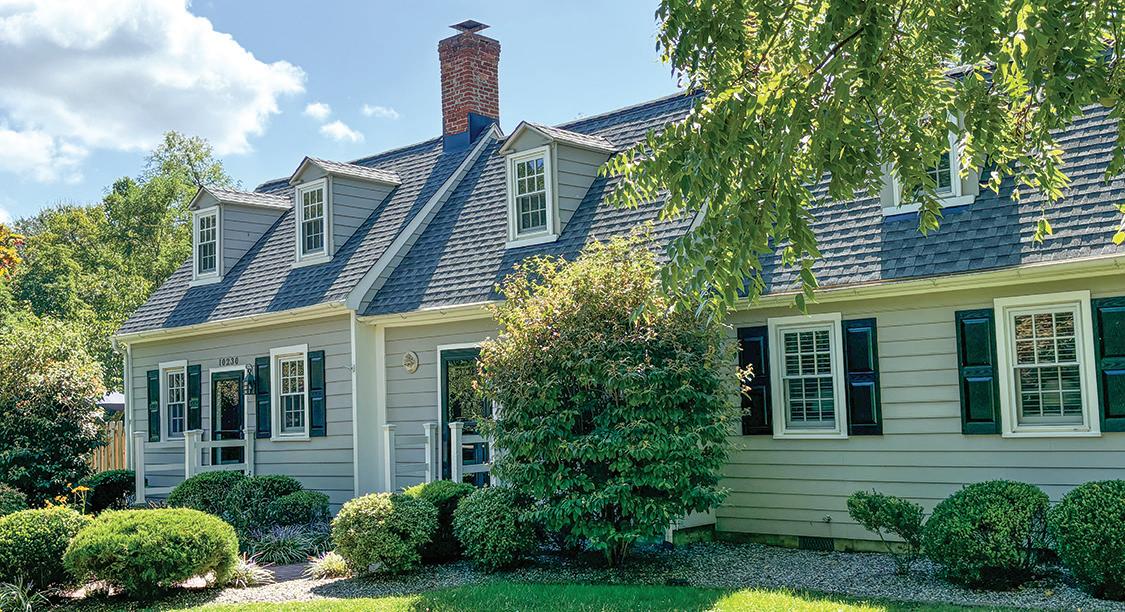
Perfectly maintained 18th Century residence with addition of two first story primary BRs each with bath. Beautiful floors and woodwork. Marina with dockage, pool, restaurant less than a mile away. $750,000
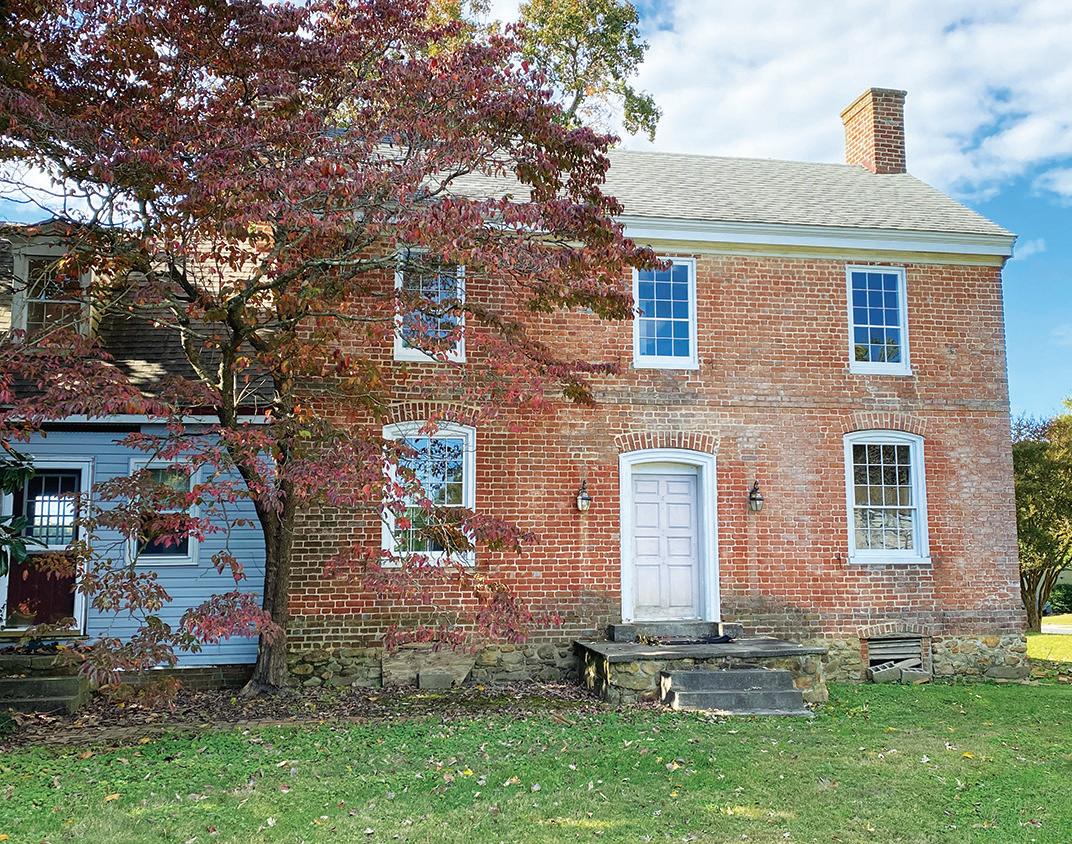



EMANUEL JENKINSON HOUSE - Easton Quaker residence in need of extensive restoration. Multiple bricks dated “1763”. Extensive Georgian paneling, six-panel doors. Mature magnolia and dogwood trees. $279,000