Kei Wakao Solo Collection
若尾 経-個展
Curator’s Notes
There is a kind of patience that the best ceramics demand — not passive waiting, but active, engaged anticipation. That is how I have been thinking about the two years since Kei Wakao’s work first came to The Stratford Gallery.
A small group of pieces appeared in our exhibition ‘Summer Shuki 2024’ and stopped the room. What struck visitors — and me — was not the facility of the glazes, though these are among the most technically complex and beautiful in contemporary Japanese ceramics. It was the confidence of the work. The sense that each piece had arrived at itself through a long and patient process, and was in no hurry to explain itself. Collectors who rarely returned to look at a piece came back several times. Enquiries came not just from existing collectors but from people encountering Japanese studio ceramics for the first time.
The collection you are now viewing is the result of the decision I made that day: that Kei Wakao’s work required a dedicated consideration, and that the collection should be built around the chawan — the form at the heart of his practice, and the form that, in Japanese ceramic culture, carries more accumulated meaning than any other.
Eighteen chawan, one incense burner and one flower vase. This is not a survey exhibition. It is something more focused and more demanding: a concentrated encounter with one of the finest
contemporary practitioners of the glazed tea bowl tradition, spanning five distinct glaze styles — each one a different answer to the same fundamental question of what a tea bowl can be, and what it can ask of the person who holds it.
In bringing the collection so closely around the chawan, the experience becomes more concentrated. There is less immediate variety, but more to be found through time and attention. Nothing more is asked than that. Sometimes that is enough in itself; sometimes it opens a door.
Howard Clegg Director
The Stratford Gallery
Kei Wakao Artist Biography
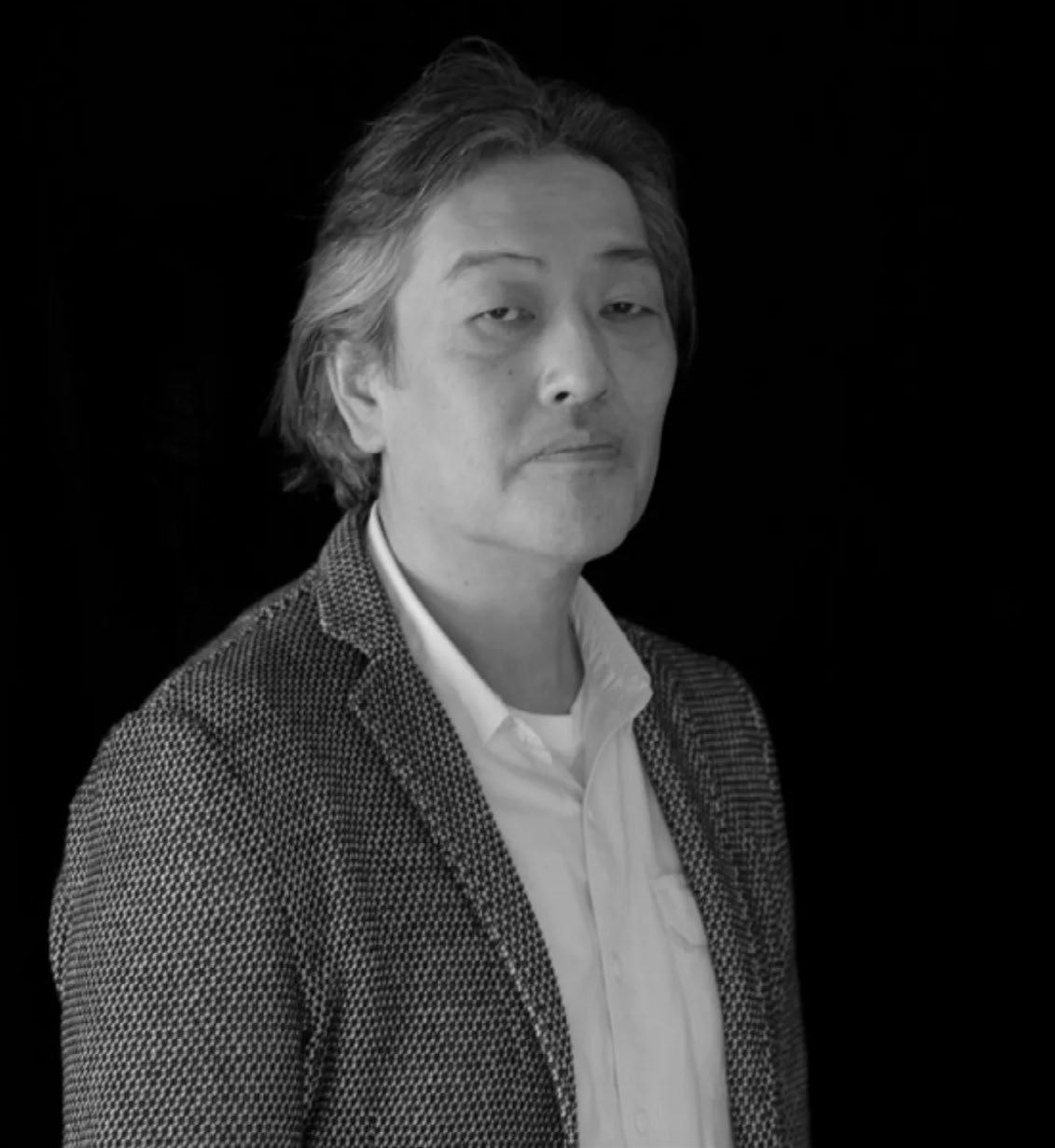
Wakao Kei was born in 1967 in Tajimi, Gifu Prefecture — the ancient heartland of Mino ware, a ceramic culture that has flourished since the seventh century and produced the great traditions of Shino, Oribe, Kizeto, and Setoguro.
He is the eldest son of Wakao Toshisada, an Important Intangible Cultural Property of Gifu Prefecture, recognised for his mastery of nezumi Shino — the iron-grey, cloud-like Shino glaze, decorated in the style of the Rinpa school, rooted in the Momoyama-era tea aesthetic.
Where his father found his voice in the earthen warmth of Shino, Kei turned to look further east and further back, finding his masters in the ceramics of Song dynasty China (960–1279): the pale luminous ding wares and the jade-like celadons of Longquan. It was a quiet act of independence that was also, paradoxically, a deepening: the Japanese ceramic tradition has always understood itself in conversation with China, and Kei Wakao inhabits that conversation with full awareness of its depths.
After studying photography at the College of Art, Nihon University — an education that trained his eye for surface, light, and tone — he completed formal ceramic training at the Tajimi City Pottery
Design and Technical Centre in 1995. He established his kiln, Torakei-gama — the Kiln of the Tiger Valley — in Tajimi, and has worked there since.
Recognition came swiftly. In 1997 his work entered the Nihon Dento Kogeiten (National Traditional Crafts Exhibition); that same year he received the rising star award at the Asahi Togeiten. Further prizes followed at the Kanazawa International Ceramics Festival and the Shigaraki Ceramics Arts Exhibition.
In 2010 he was awarded the Grand Prize at the Paramita Ceramics Awards — one of the most significant honours in the field. His work has been shown at the National Museum of Modern Art, Tokyo, held in public collections including Hamilton Museum, Australia and is collected internationally by private collectors.
This collection at The Stratford Gallery is Wakao Kei’s first dedicated presentation to UK collectors.
Chawan Japan’s most revered ceramic form
To place a chawan before a collector is to place before them the entire history of Japanese ceramic art. There is no form more freighted with meaning, more studied by tea masters, more obsessively pursued by potters, more consequential to the culture that produced it. Of the fourteen ceramic objects designated as National Treasures of Japan, eight are tea bowls. That statistic alone speaks to the chawan’s singular status.
The tea bowl’s journey begins in Song dynasty China — in the iron-dark tenmoku bowls that Japanese monks carried home from Mount Tianmu in the thirteenth century, coveted by the aristocracy as symbols of refinement and imported prestige. But it was a century of aesthetic revolution that transformed the chawan from symbol of status to vessel of spirit. In the late Muromachi period, the tea master Sen no Rikyū turned away from the glamour of Chinese tenmoku toward something altogether more radical: the rough, asymmetrical, apparently imperfect bowls made by Korean peasants for their daily meals. Objects that had been nothing in Korea became, under Rikyū’s gaze, everything in Japan. The chawan’s defining lesson — that the highest beauty resides not in flawlessness but in the unforced expression of materials and making — was established in that moment and has governed the form ever since.
The bowl is not merely looked at. It is held with both hands, rotated to study it’s changing vistas, brought to the lips, cradled in contemplation. Its weight, its warmth, the texture of the foot against the palm, the way glaze pools in the interior: these are the criteria by which a chawan is truly known, and they can only be discovered through use.
A great chawan reveals itself slowly, across many encounters and many seasons. This is the reason serious collectors return to the same chawan for decades and still find it new. For a contemporary ceramicist of Kei Wakao’s ambition, the chawan is not a form to be exhausted — it is a form to be returned to again and again, as the fundamental question.
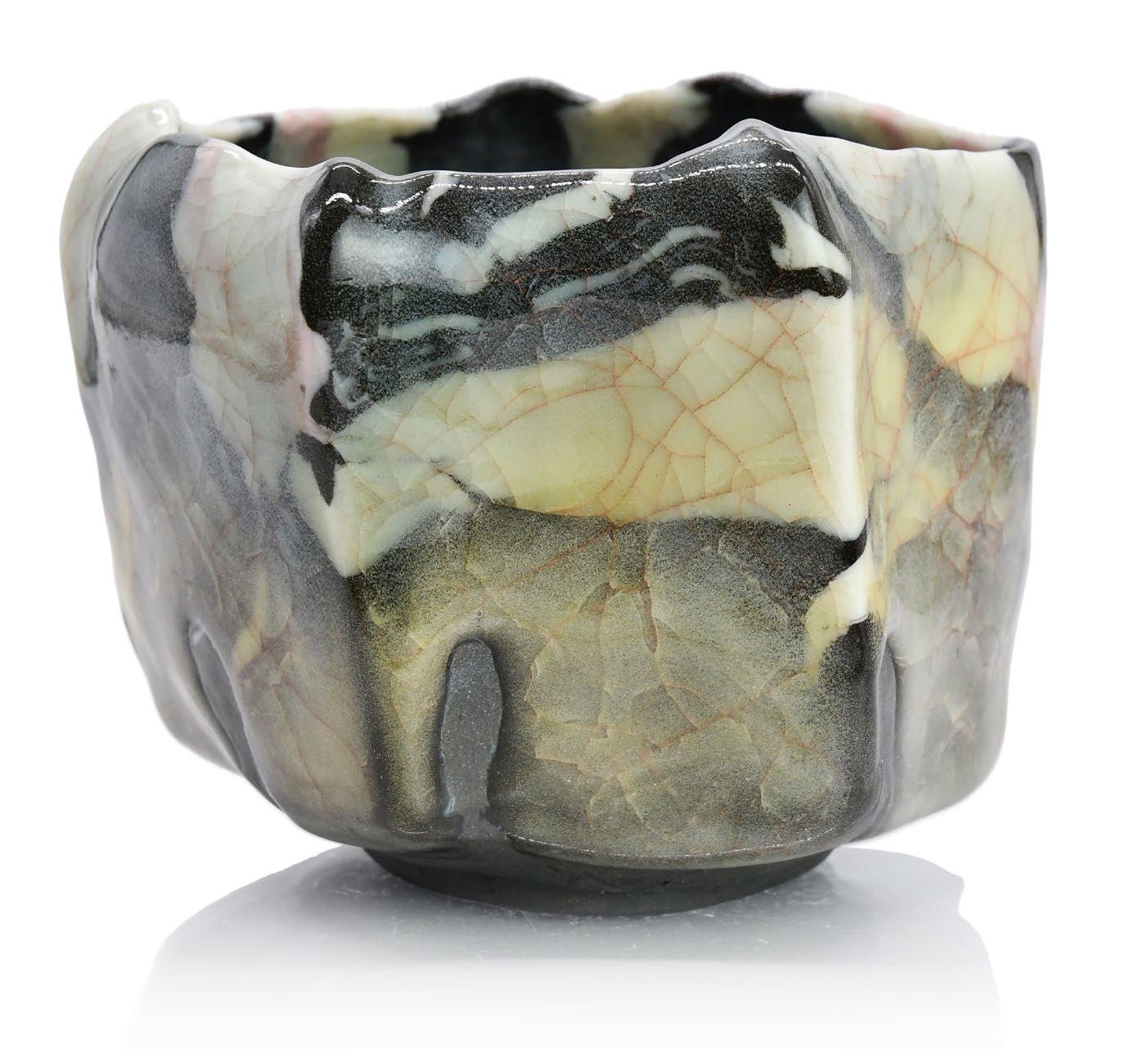
The complete range of his glaze practice — the ivory craquelure of zōgeji, the jade depths of seiji celadon, the kiln-born drama of yōhen, the patterned earth of nerikomi, the stark beauty of carbonised glaze — each finds its fullest expression in the tea bowl, because the tea bowl is where the potter’s hand, the maker’s intelligence, and the kiln’s own will are most completely concentrated.
To acquire one of these tea bowls is to acquire a small and
permanent portion of that concentration — and of the eighthundred-year conversation that produced it.
Kei Wakao
Solo Collection
April 2026
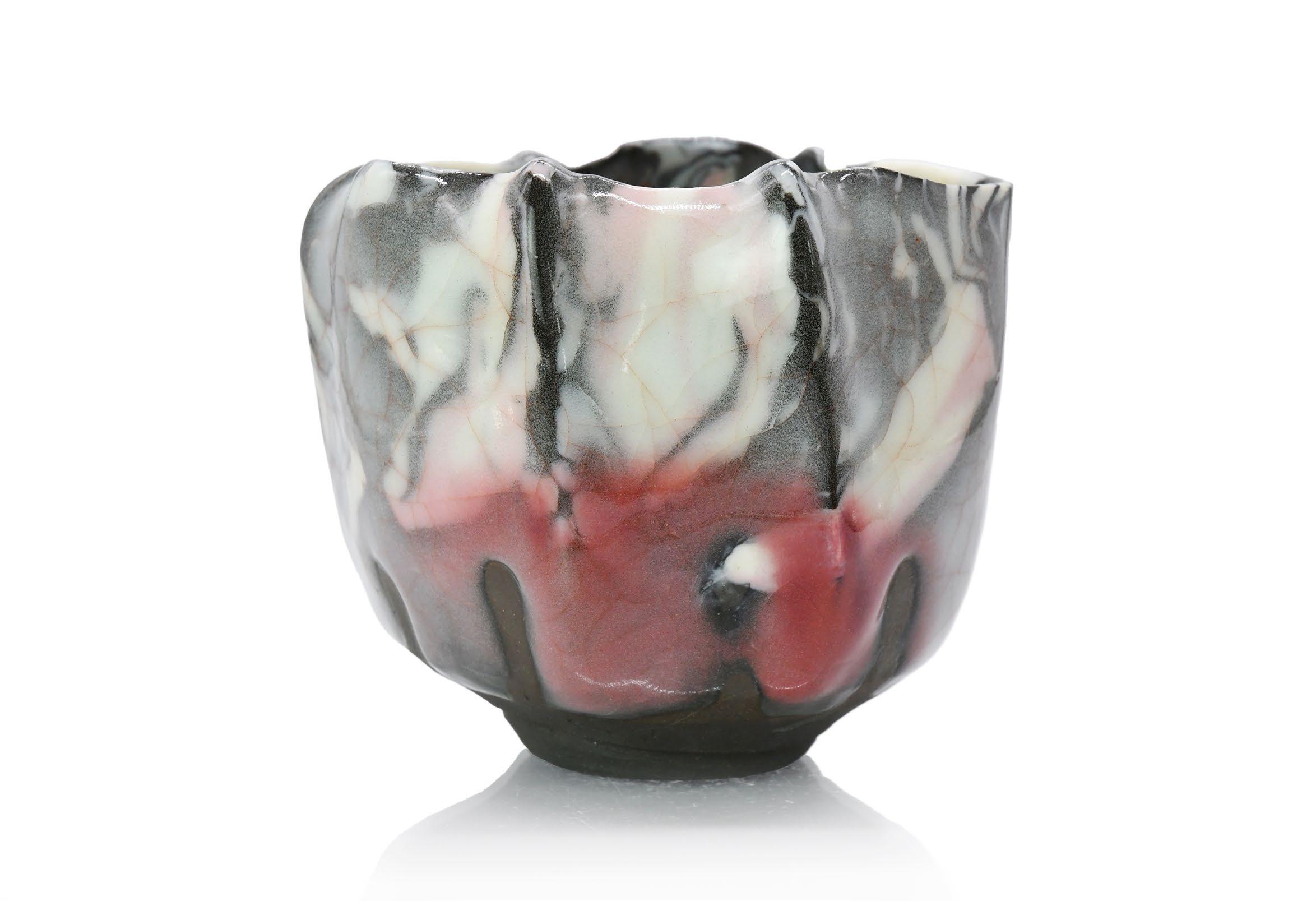
Seiji Chawan, 2026
Porcelain, celadon glaze
(Wakao_K007)
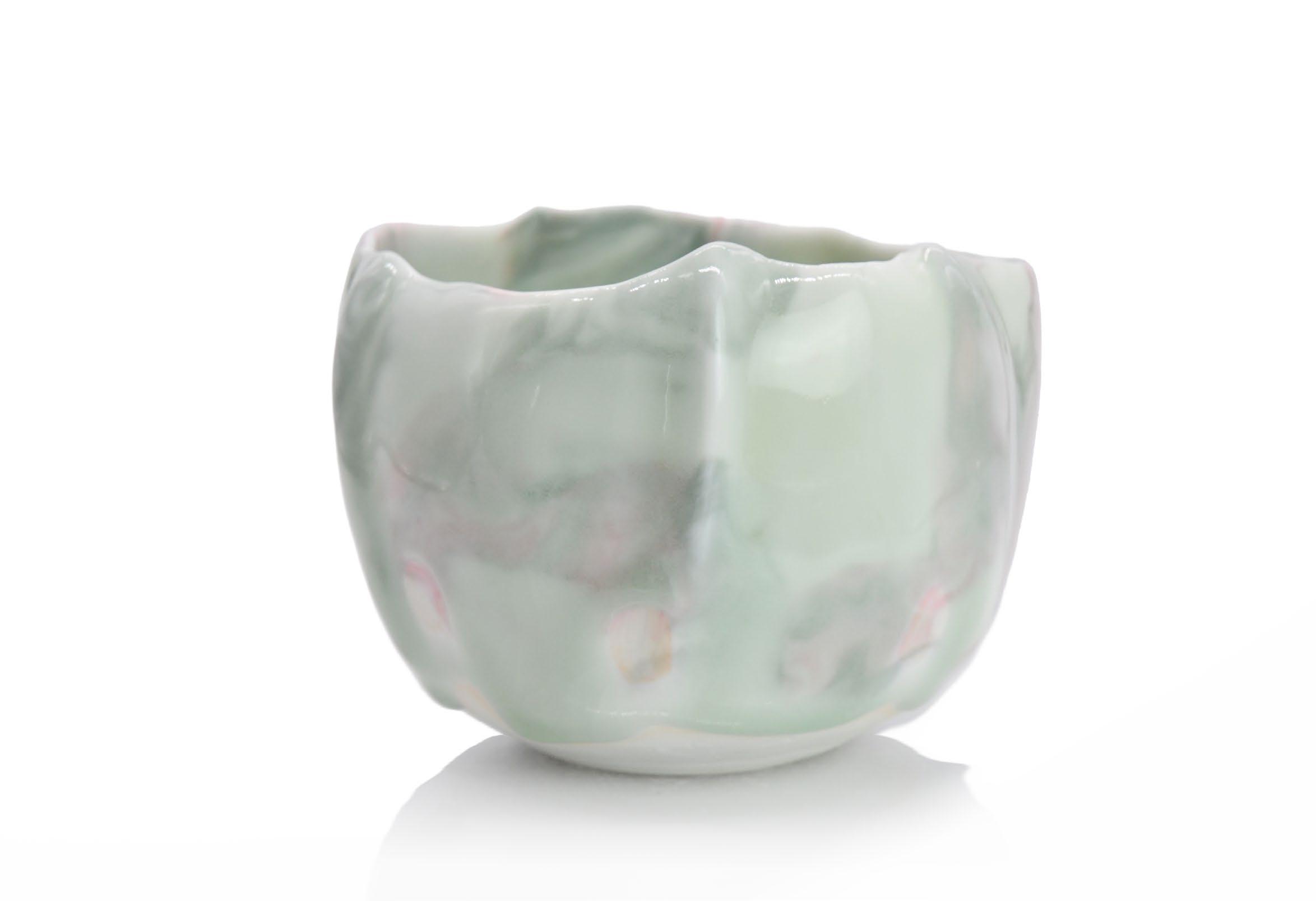
Seiji Chawan, 2026
Porcelain, celadon glaze
(Wakao_K008)
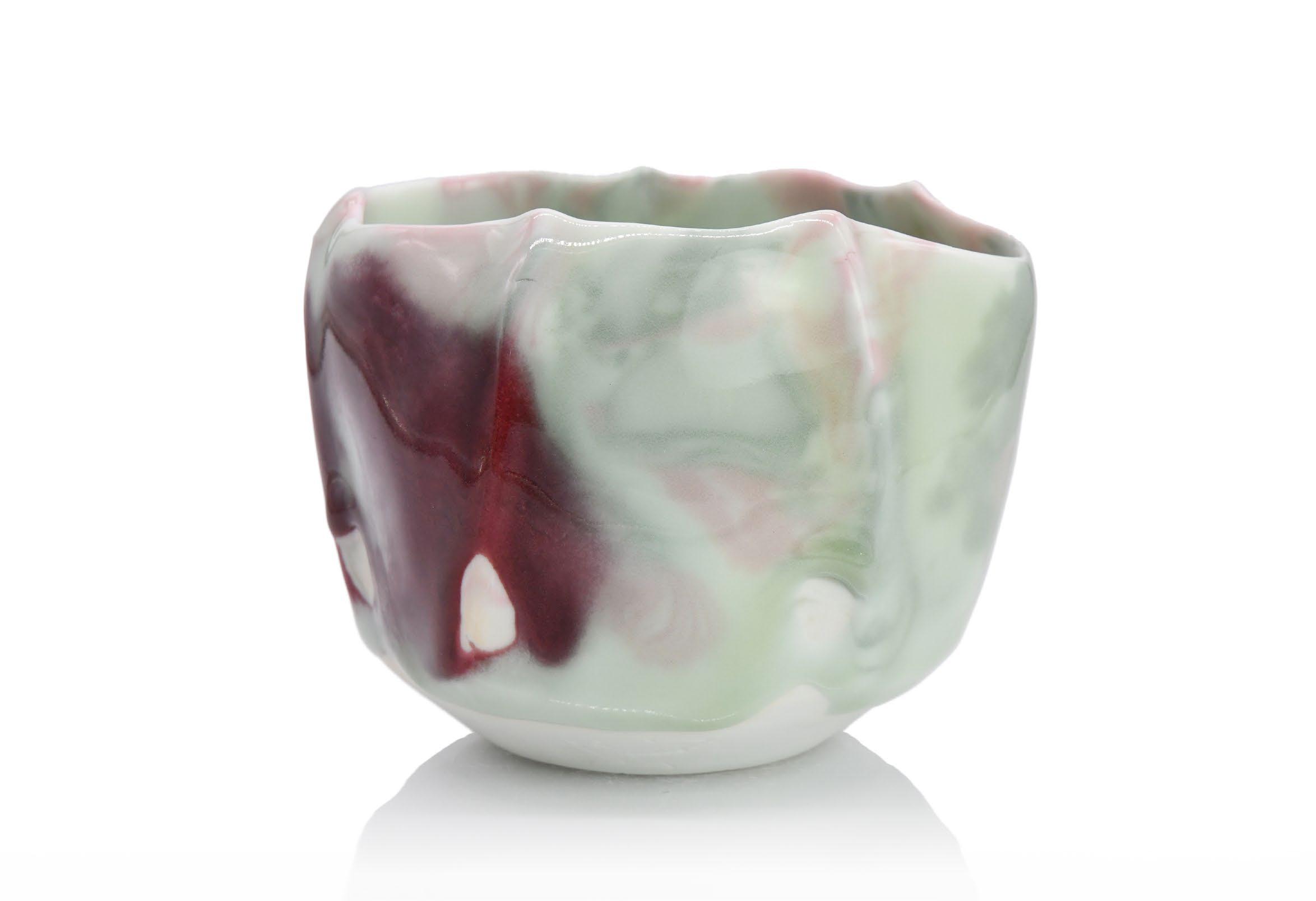
Seiji Chawan, 2026
Porcelain, seiji glaze
(Wakao_K009)
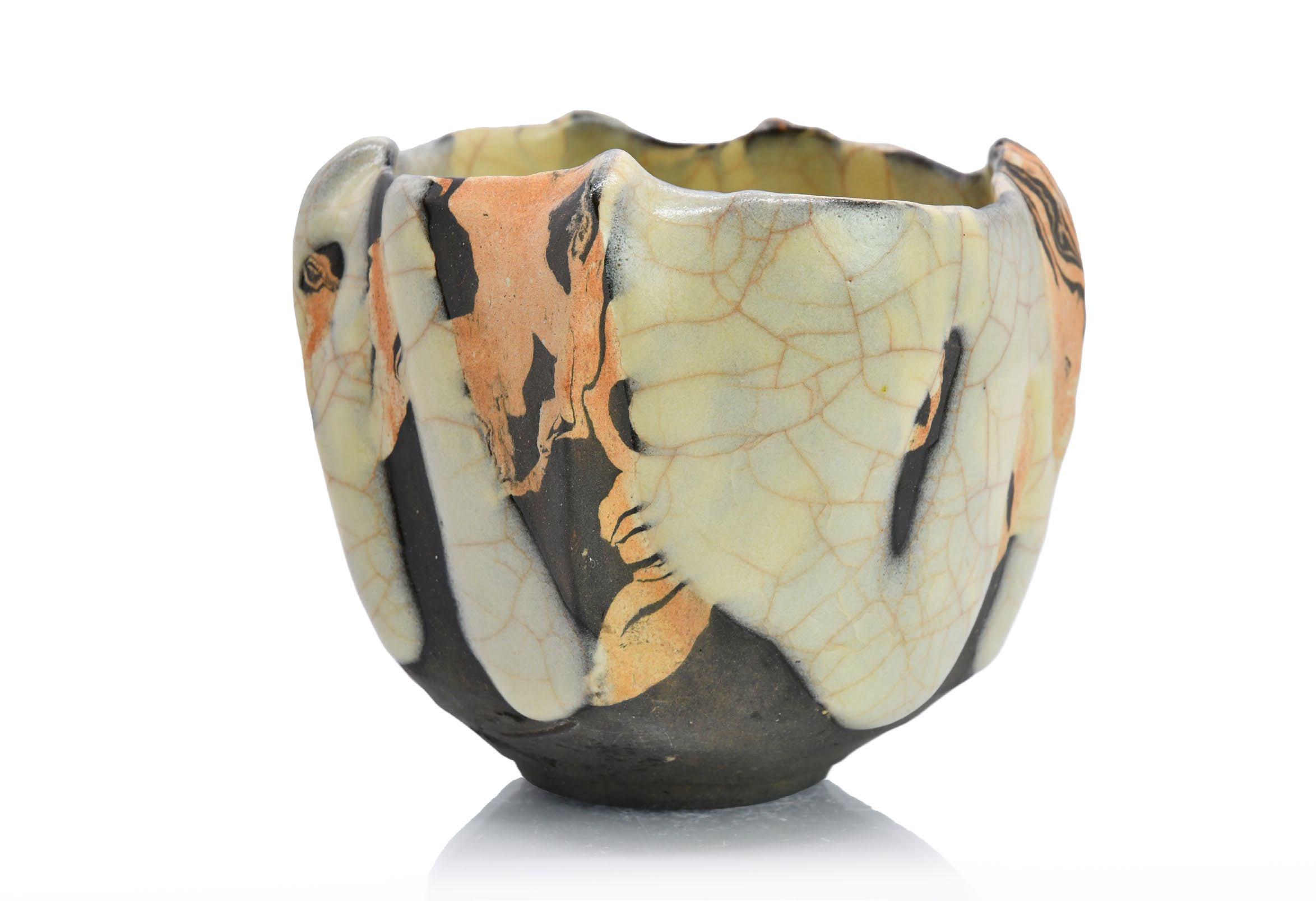
Zōgeji Ivory Celadon Chawan, 2026
Stoneware, Ivory celadon glaze (Wakao_K010)
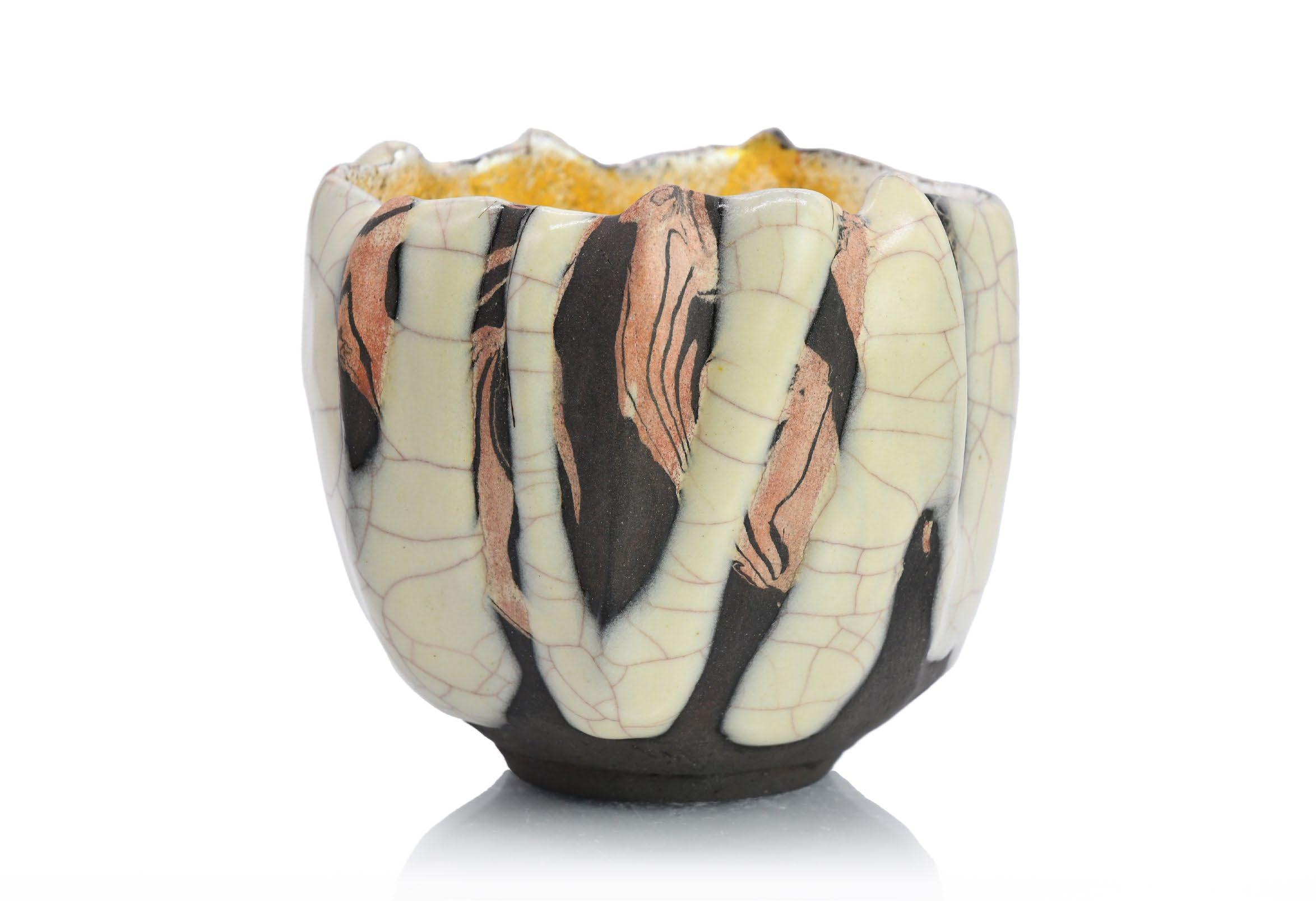
Zōgeji Ivory Celadon Chawan, 2026
Stoneware, Ivory Celadon glaze (Wakao_K011)
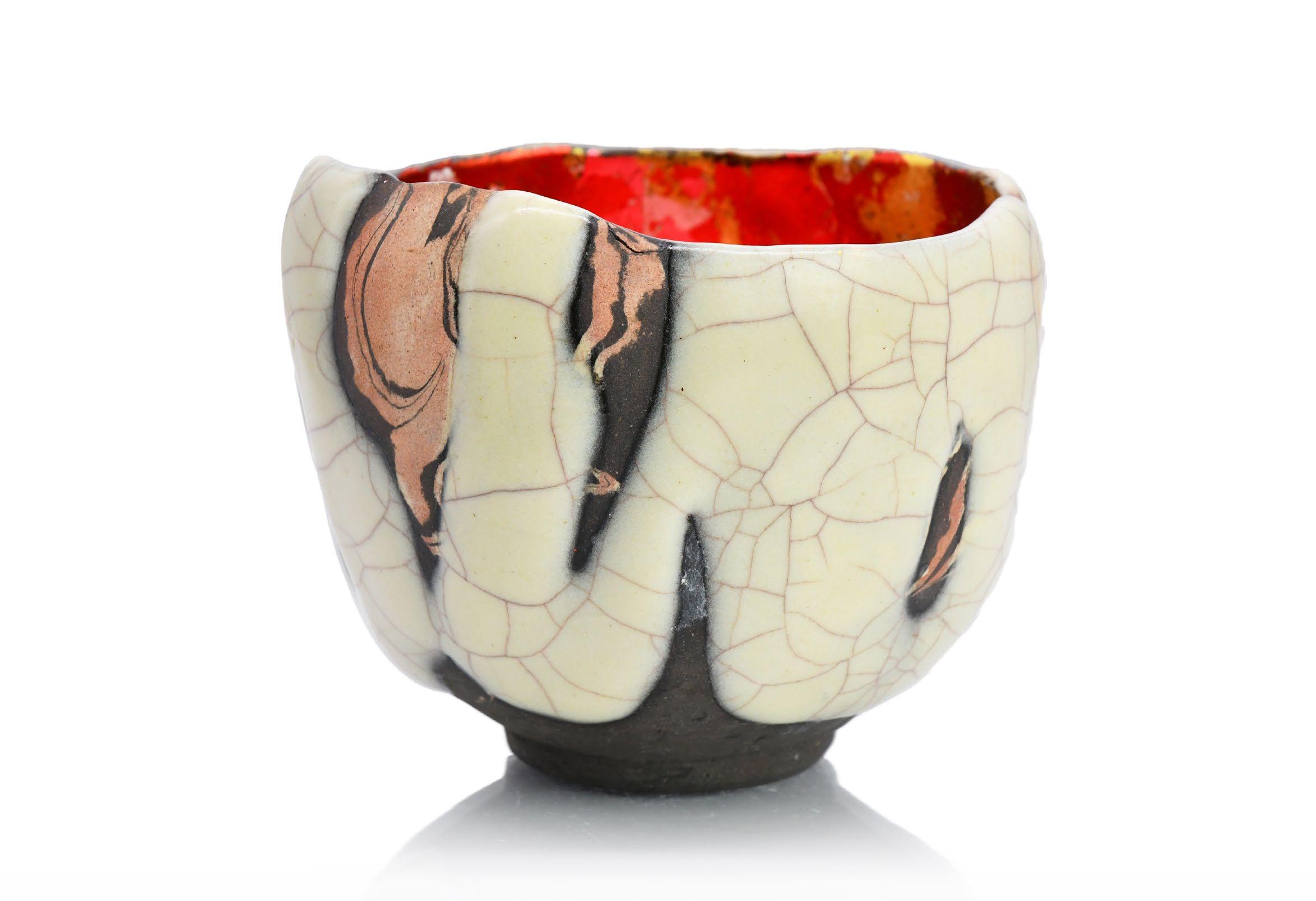
Zōgeji Ivory Celadon Chawan, 2026
Stoneware, ivory celadon glaze (Wakao_K012)
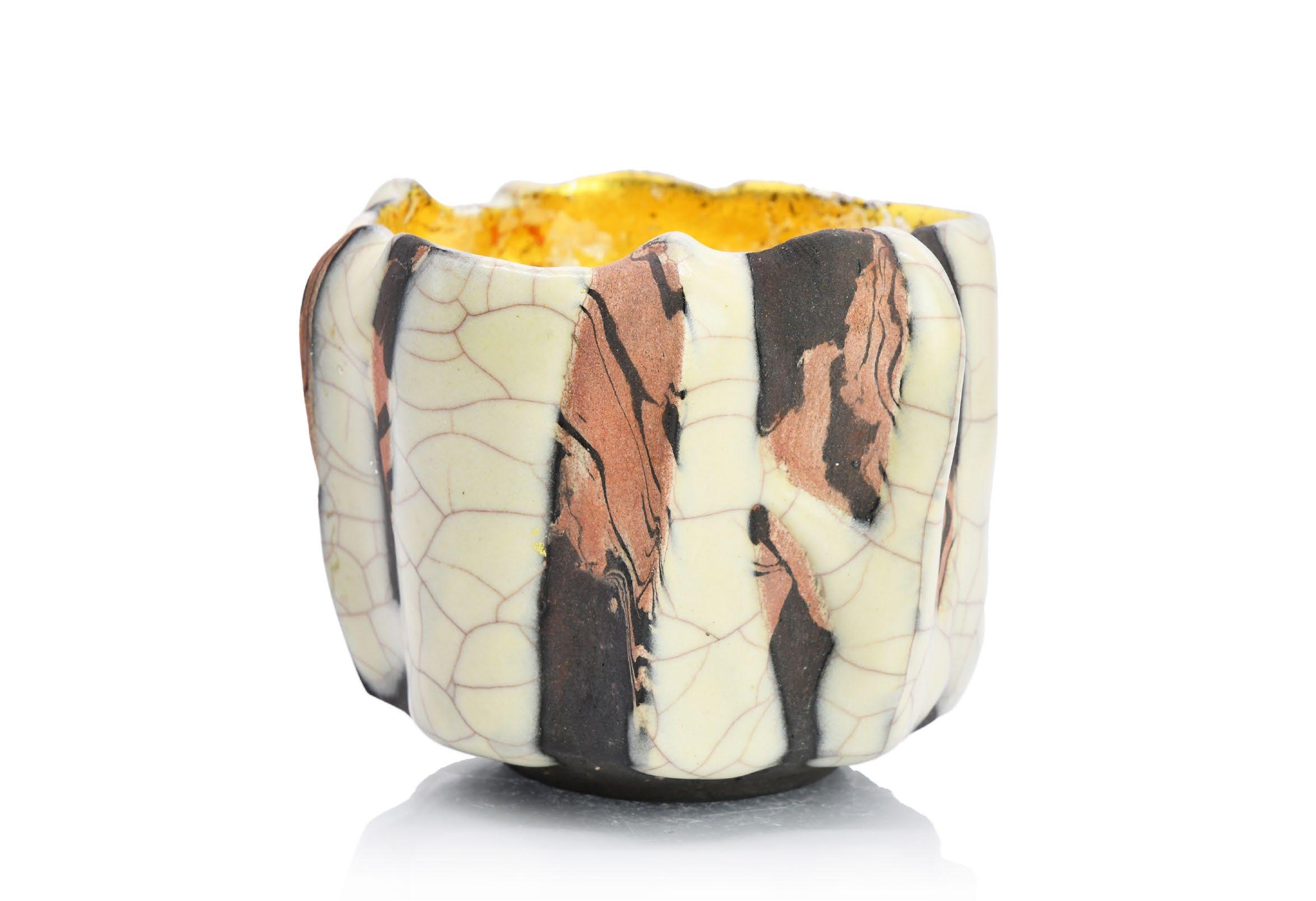
Zōgeji Ivory Celadon Chawan, 2026
Stoneware, ivory celadon glaze (Wakao_K013)
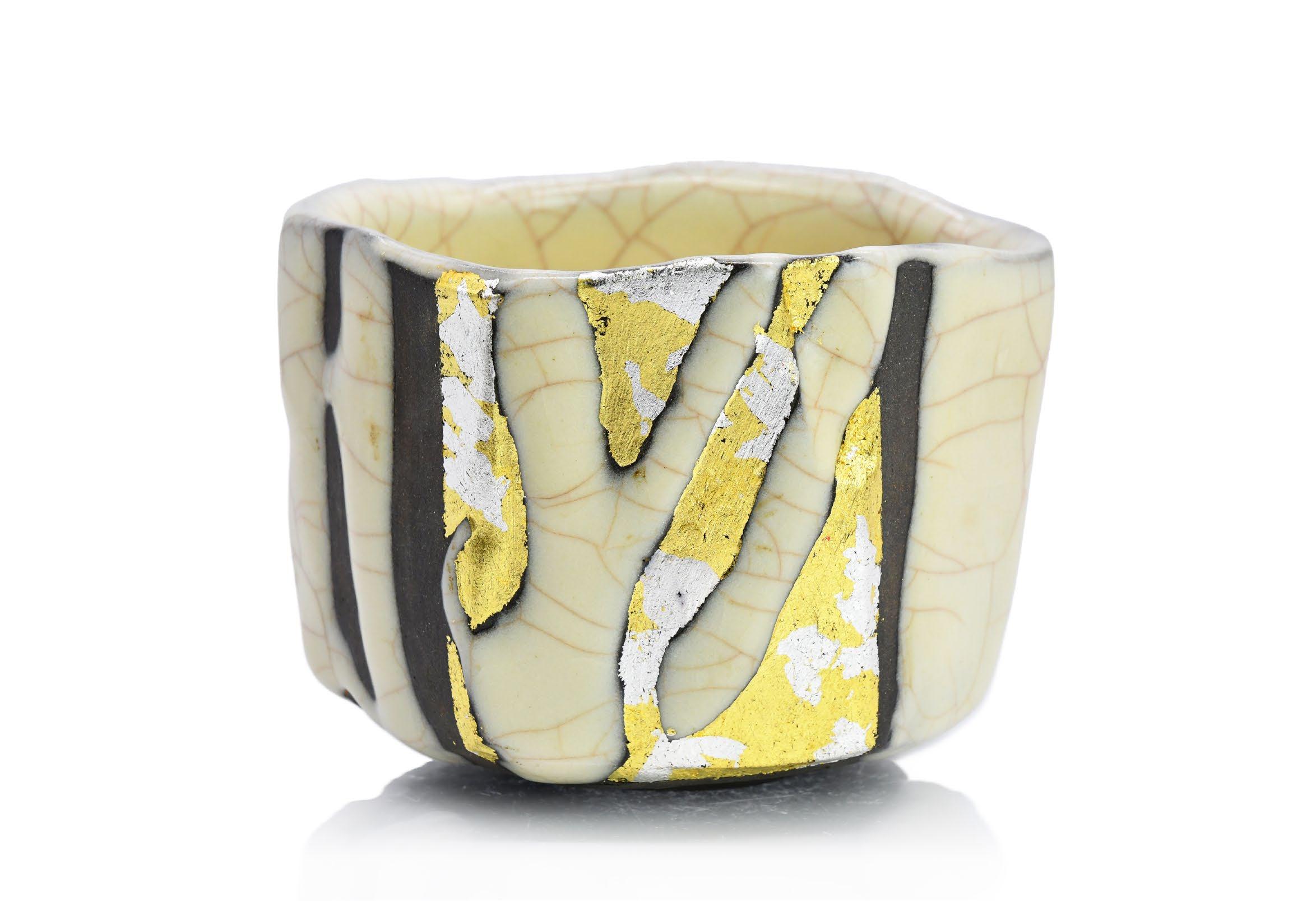
Zōgeji Ivory Celadon Chawan, 2026
Stoneware, ivory celadon glaze (Wakao_K014)
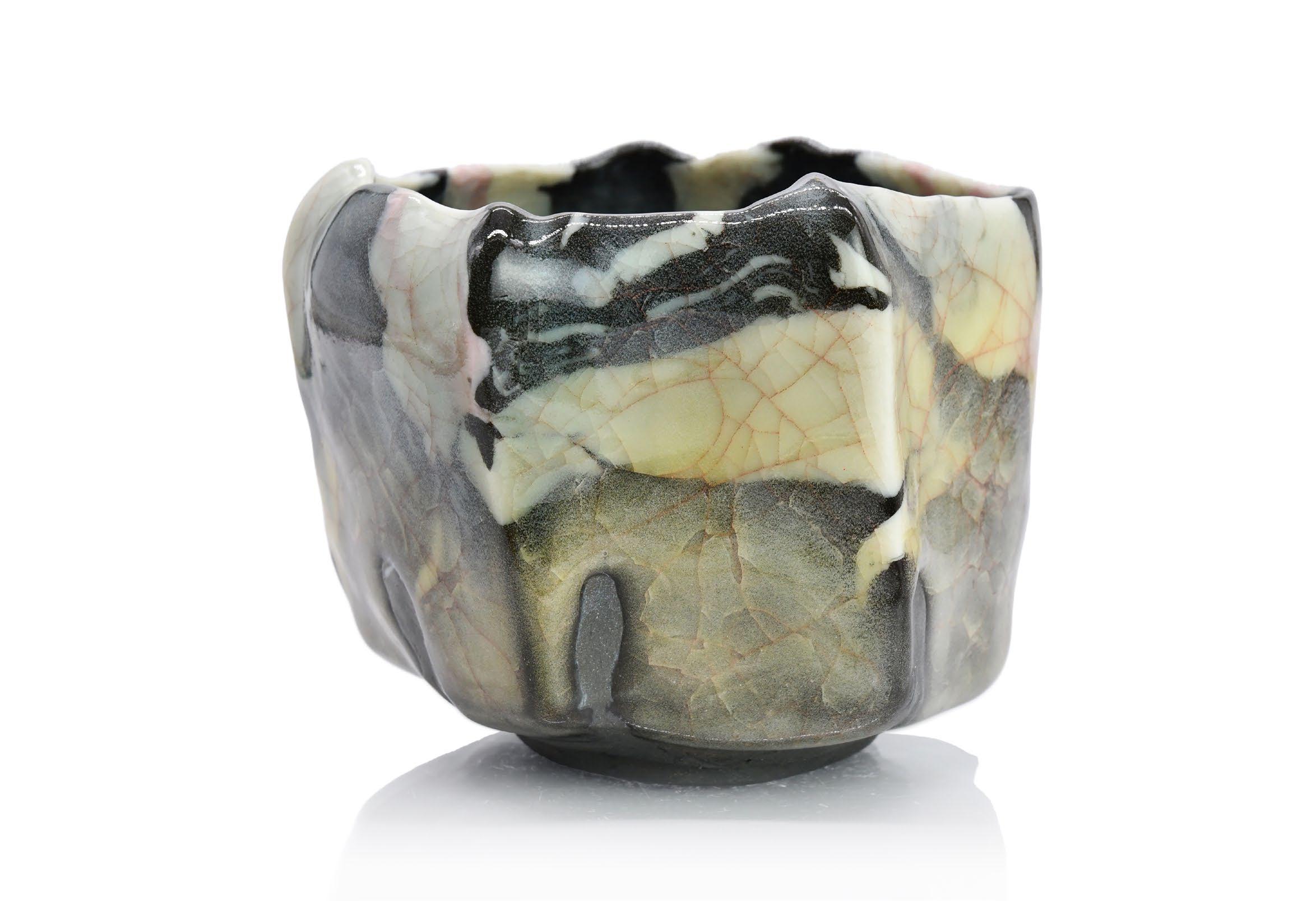
Yōhen Seiji Chawan, 2026
Porcelain, celadon glaze (Wakao_K015)
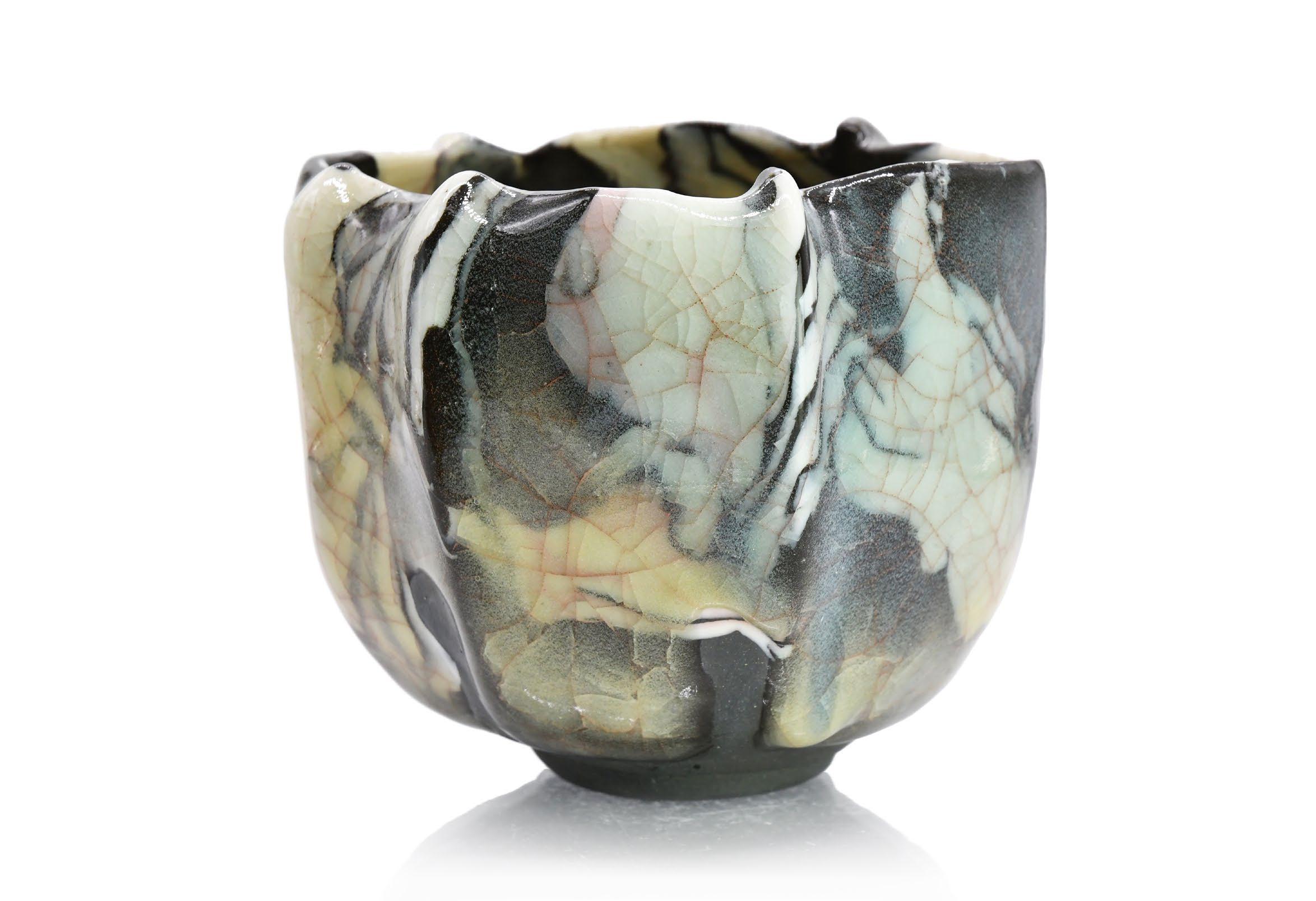
Kome-iro Yōhen Seiji Chawan, 2026
Porcelain, celadon glaze (Wakao_K016)
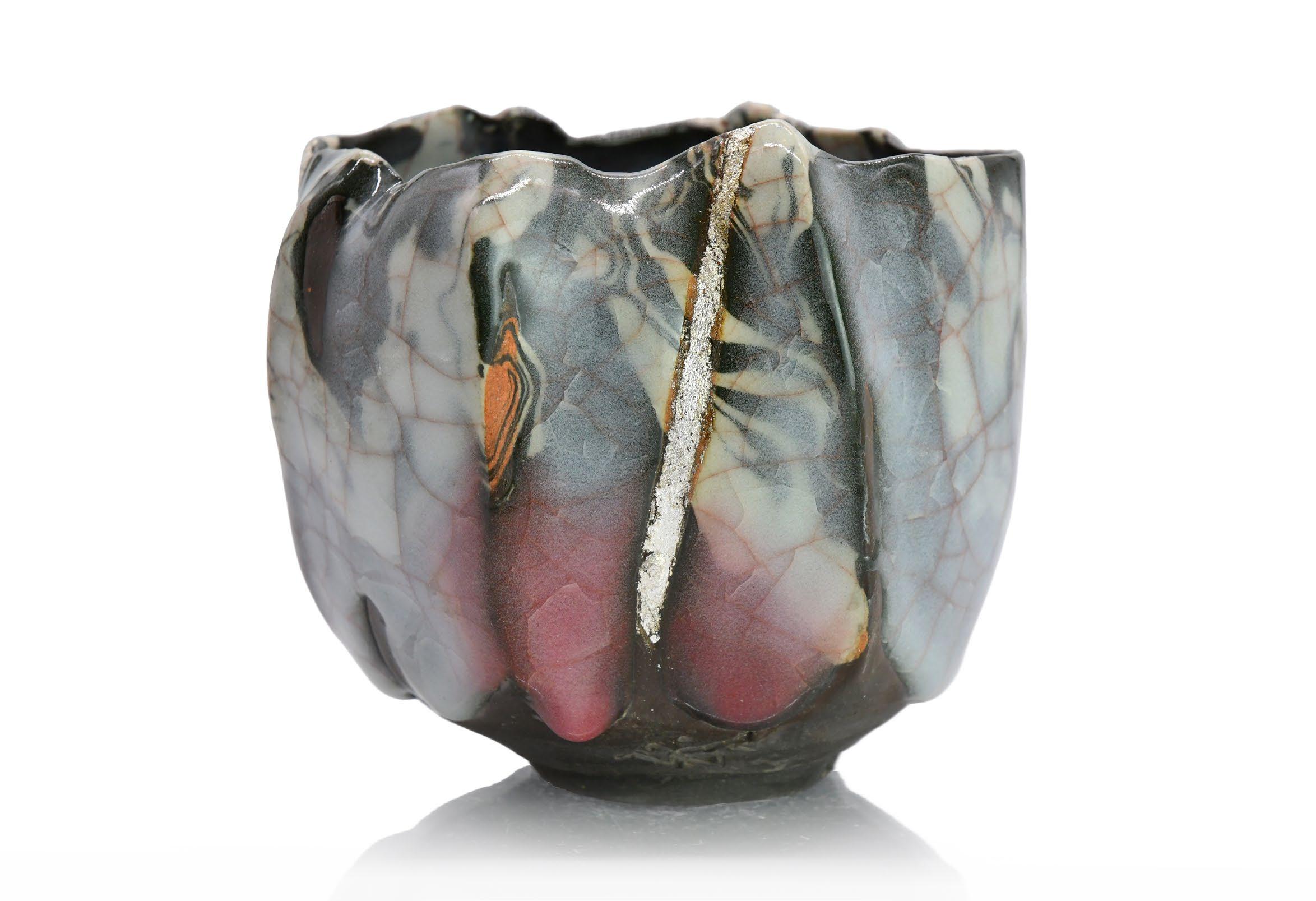
Nerikomi Seiji Celadon Chawan, 2026
Stoneware, celadon glaze (Wakao_K017)
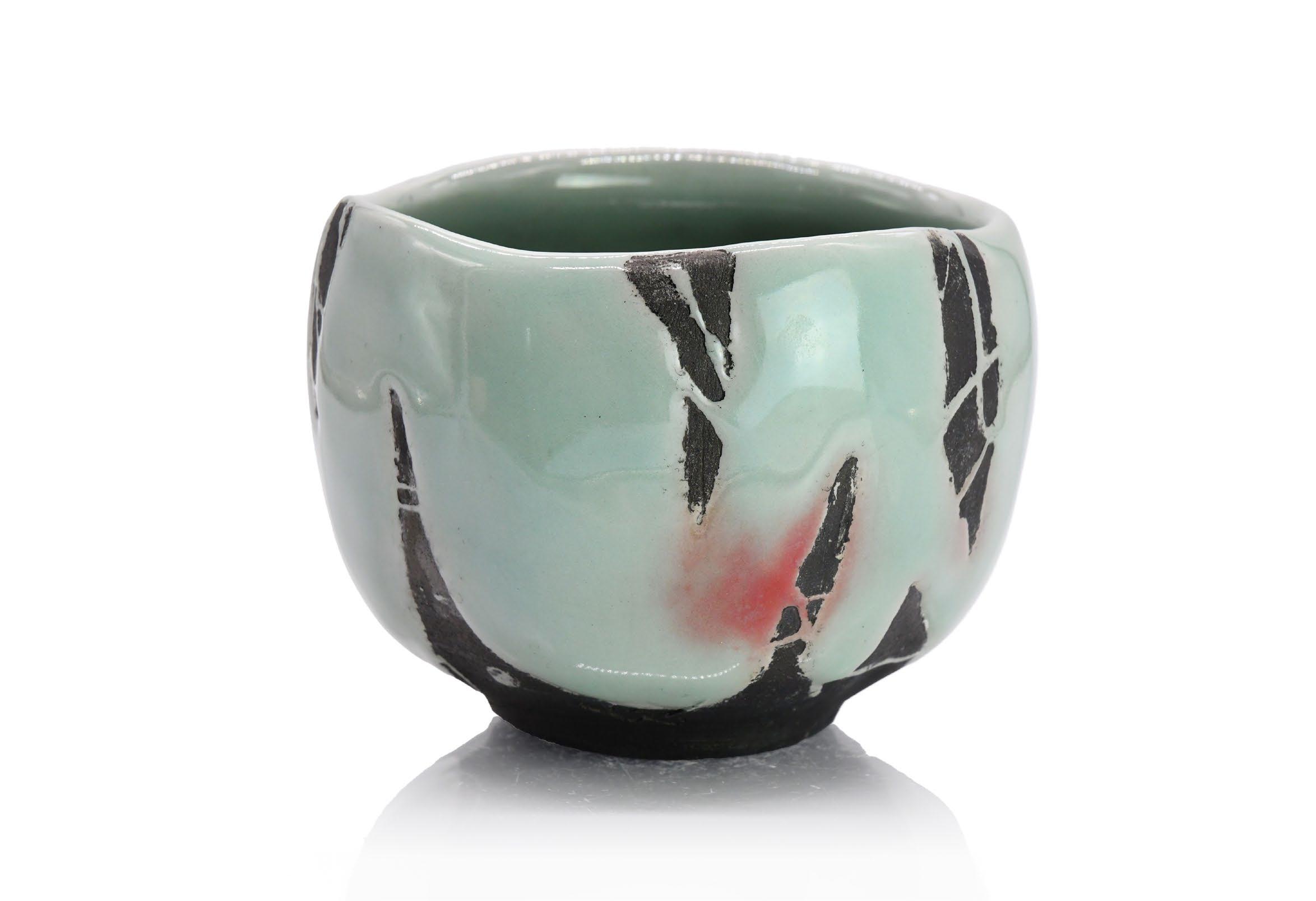
Seiji Chawan, 2026
Stoneware, celadon glaze (Wakao_K018)
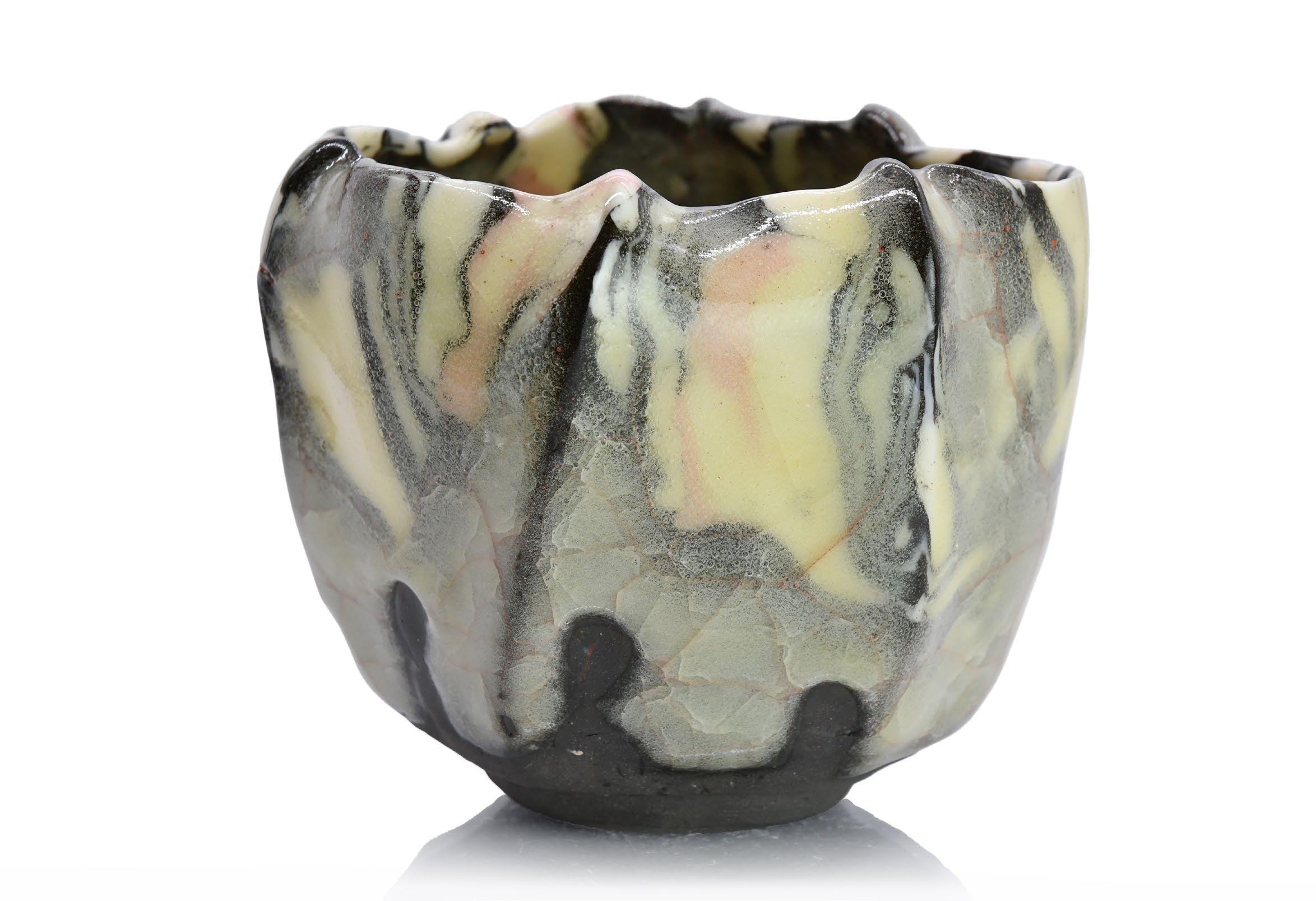
Kome-iro Seiji Chawan, 2026
Porcelain, kome-iro glaze (Wakao_K019)
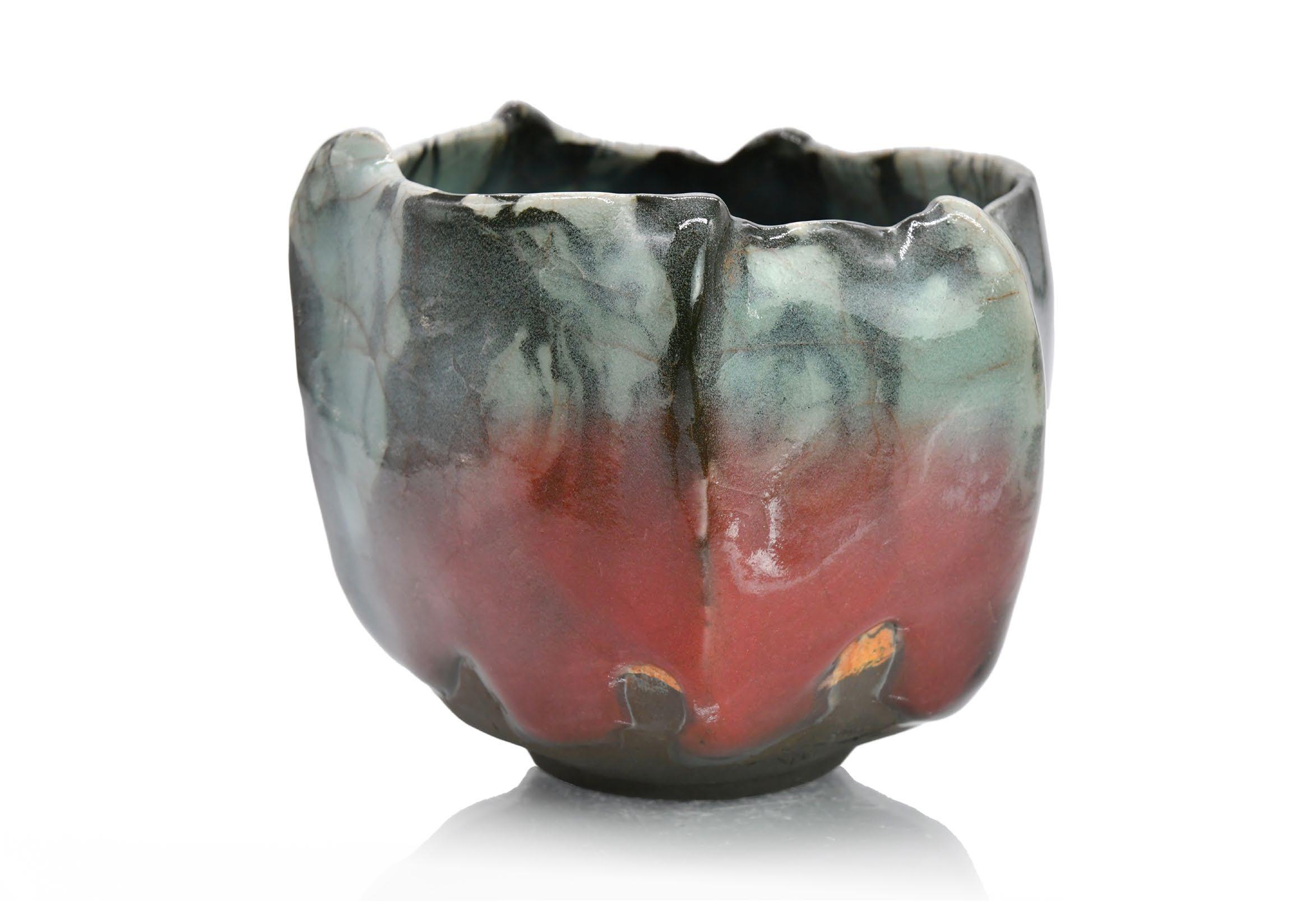
Nerikomi Seiji Celadon Chawan, 2026
Stoneware, celadon glaze (Wakao_K020)
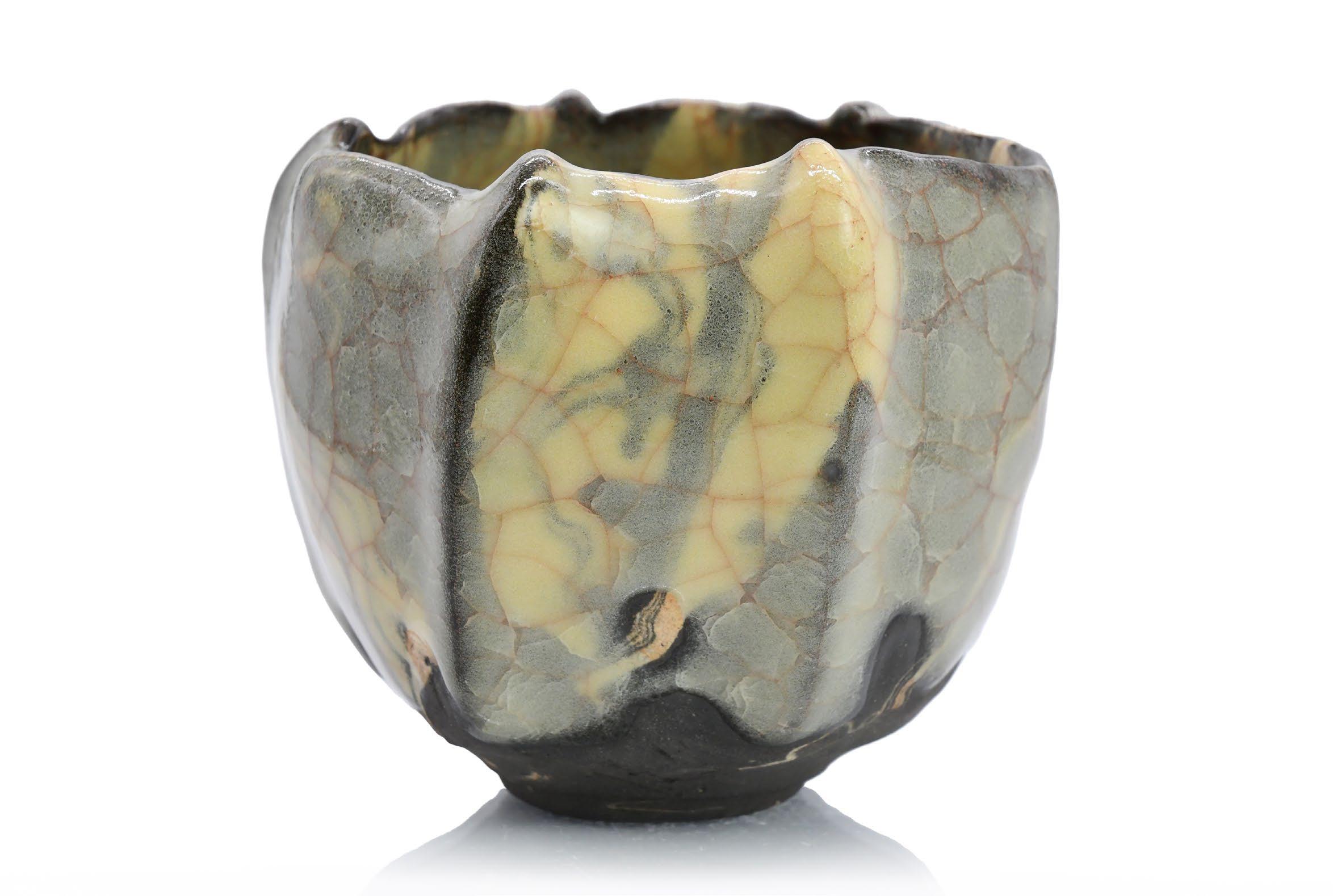
Stoneware, kome-iro seiji glaze (Wakao_K021)
Nerikomi Kome-Iro Seiji Celadon Chawan, 2026
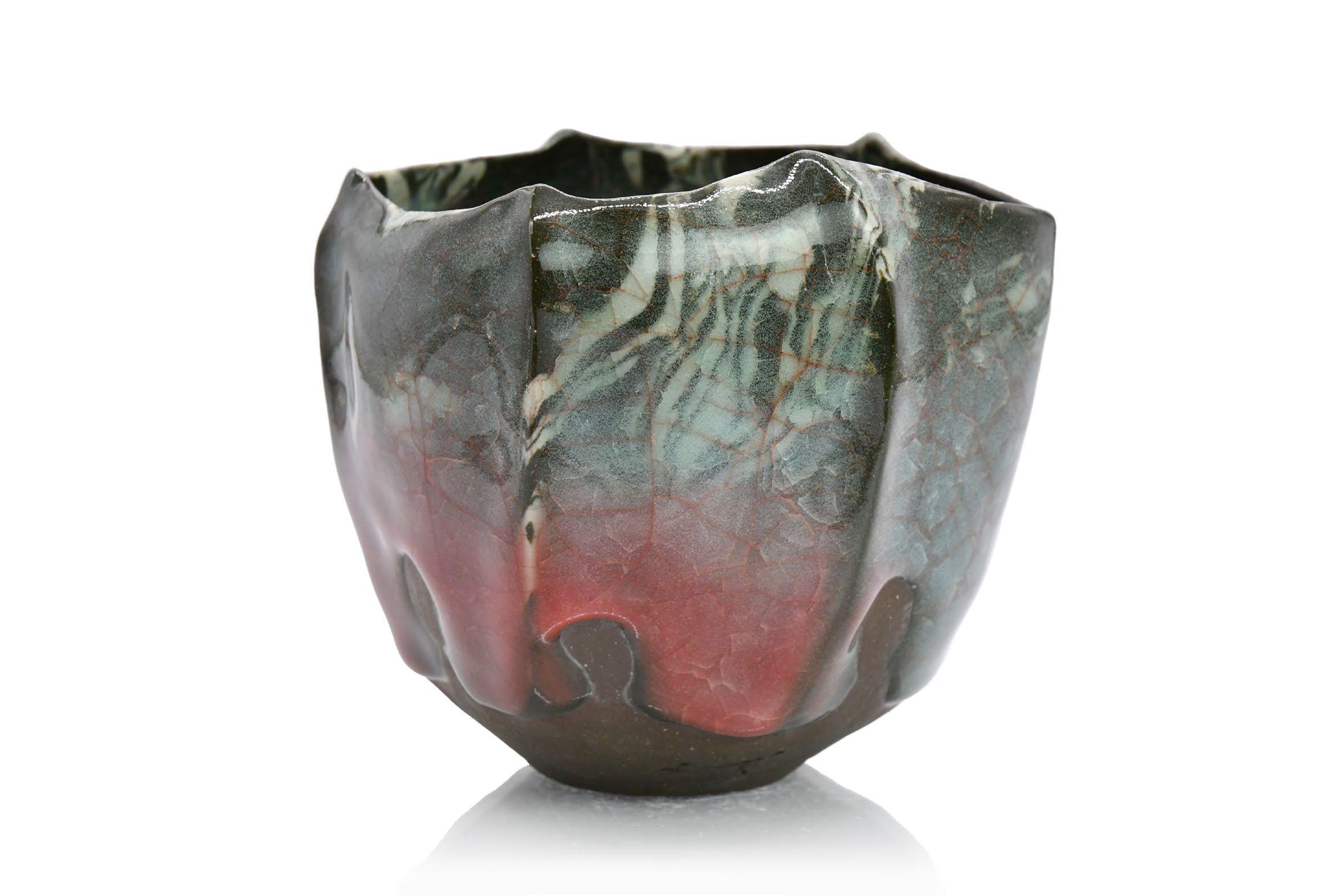
Nerikomi Seiji Celadon Chawan, 2026
Stoneware, seiji glaze (Wakao_K022)
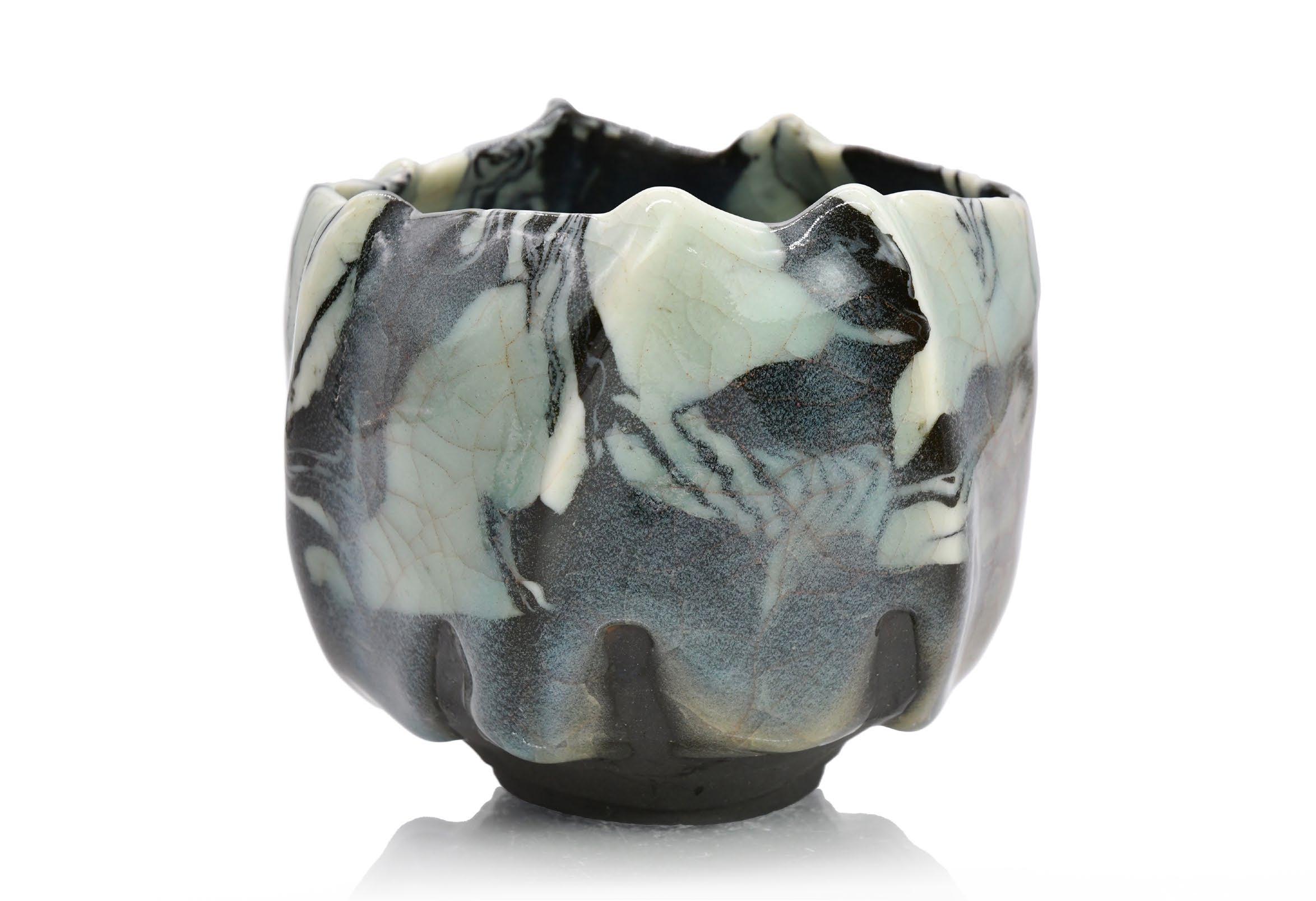
Yōhen Seiji Chawan, 2026
Porcelain, seiji glaze
(Wakao_K023)
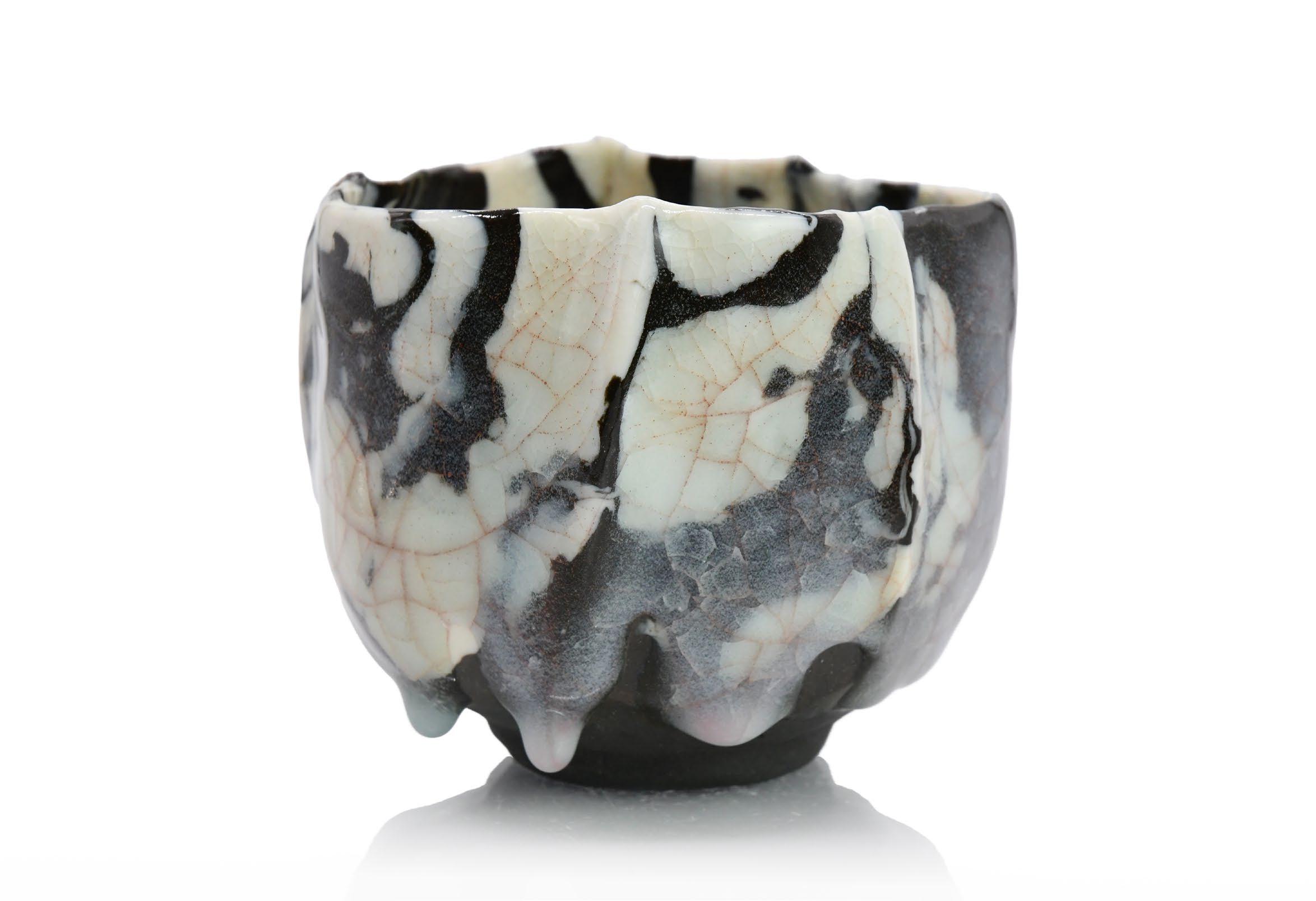
Seiji Chawan, 2026
Porcelain, seiji glaze
(Wakao_K024)
Tanka Seiji Hanaire
(ceremonial carbonised celadon flower vase), 2026 Stoneware, seiji glaze (Wakao_K005)
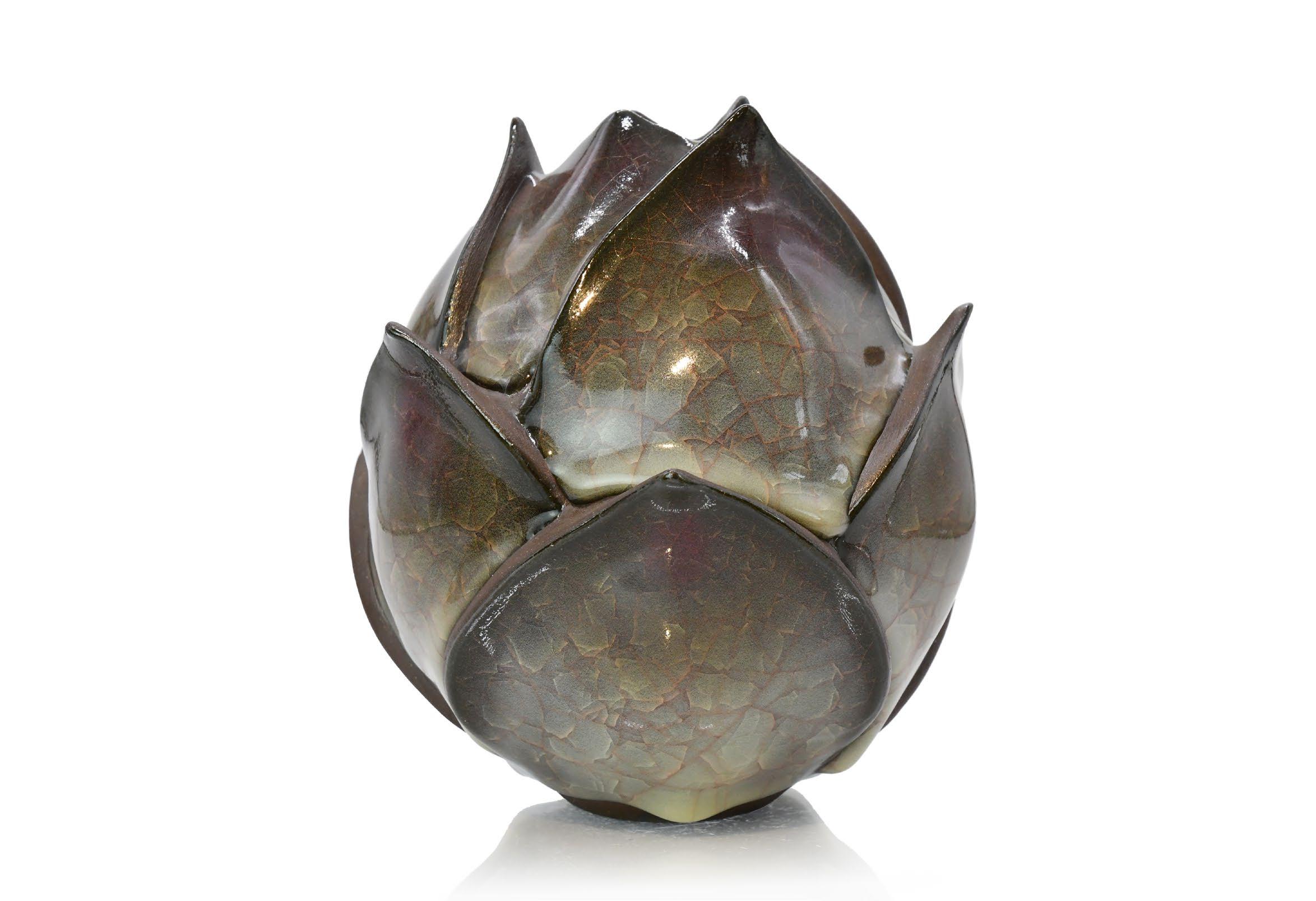
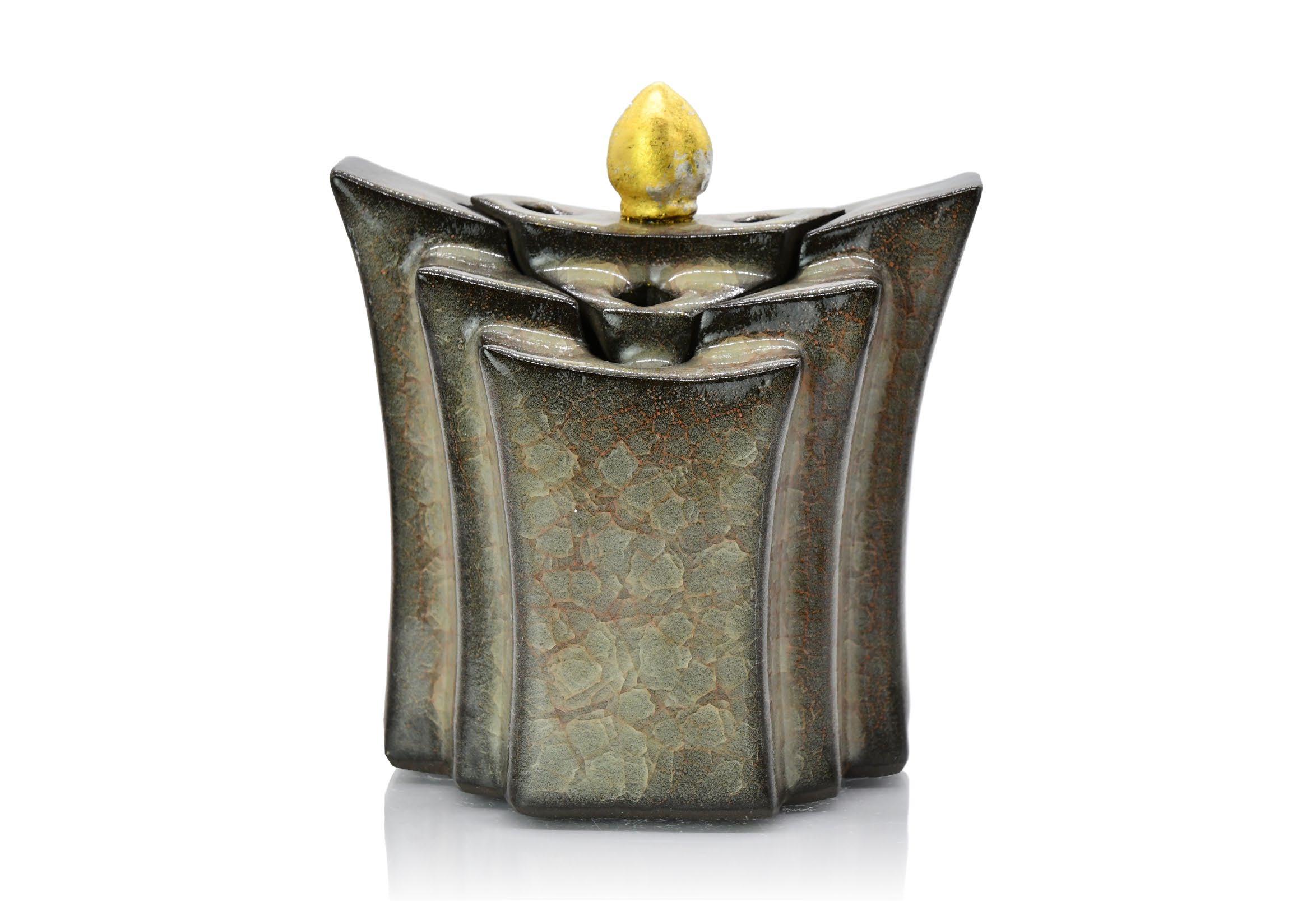
Tanka Seiji Kōro (ceremonial carbonised celadon incense burner), 2026 Stoneware, cleadon glaze, gold, silver (Wakao_K006)