
Foxtel’s intuitive Business iQ

connection and engagement.
Published by:
Positive Impact Media Pty Ltd
ABN 51 063 279 630
41 Bridge Road, Glebe NSW 2037 Australia
Ph: 02 9660 2113 Fax: 02 9660 4419 www.intermedia.com.au
Managing Director & Group Publisher: Simon Grover
Editor: Natasha Egan
Journalist: Katarina Lloyd Jones
Freelance Journalist: Jodie Wolf
National Advertising & Marketing Manager: Mark Ryu
Graphic Designer: Leanne Hogbin
Production Manager: Jacqui Cooper
Subscriptions: subscriptions@intermedia.com.au ph 1800 651 422
Tech and positive ageing

This edition of Australian Ageing Agenda has a double focus – a technology theme throughout and a dedicated section on our upcoming Positive Ageing Summit.
This includes a report from our recent webinar Deep Dive into AI in Aged Care: Readiness, Risk and Governance. It has practical advice for aged care providers from Gary McDonald, senior account manager at Epicor, David Richter, sales and marketing director at Acredia, and Luke Benson, principal consultant at Blue Bike Solutions.
They say to take your time, look to trusted vendors and think about your people. Another takeaway is that free versions of AI tools should not be considered safe or accurate (page 20).
This issue we also hear from University of Queensland researchers about the importance of ethics when using technology for dementia care (page 18), and from Dementia Australia and Uniting AgeWell about the value of virtual reality workshops in building knowledge and empathy (page 38).
You can also read an update on the ELDAC Dashboard and about how it is improving palliative care (page 34) and find out about Wound Logic, a new wound care platform targeting quality and cost that residential and home care providers are invited to trial and evaluate (page 52).
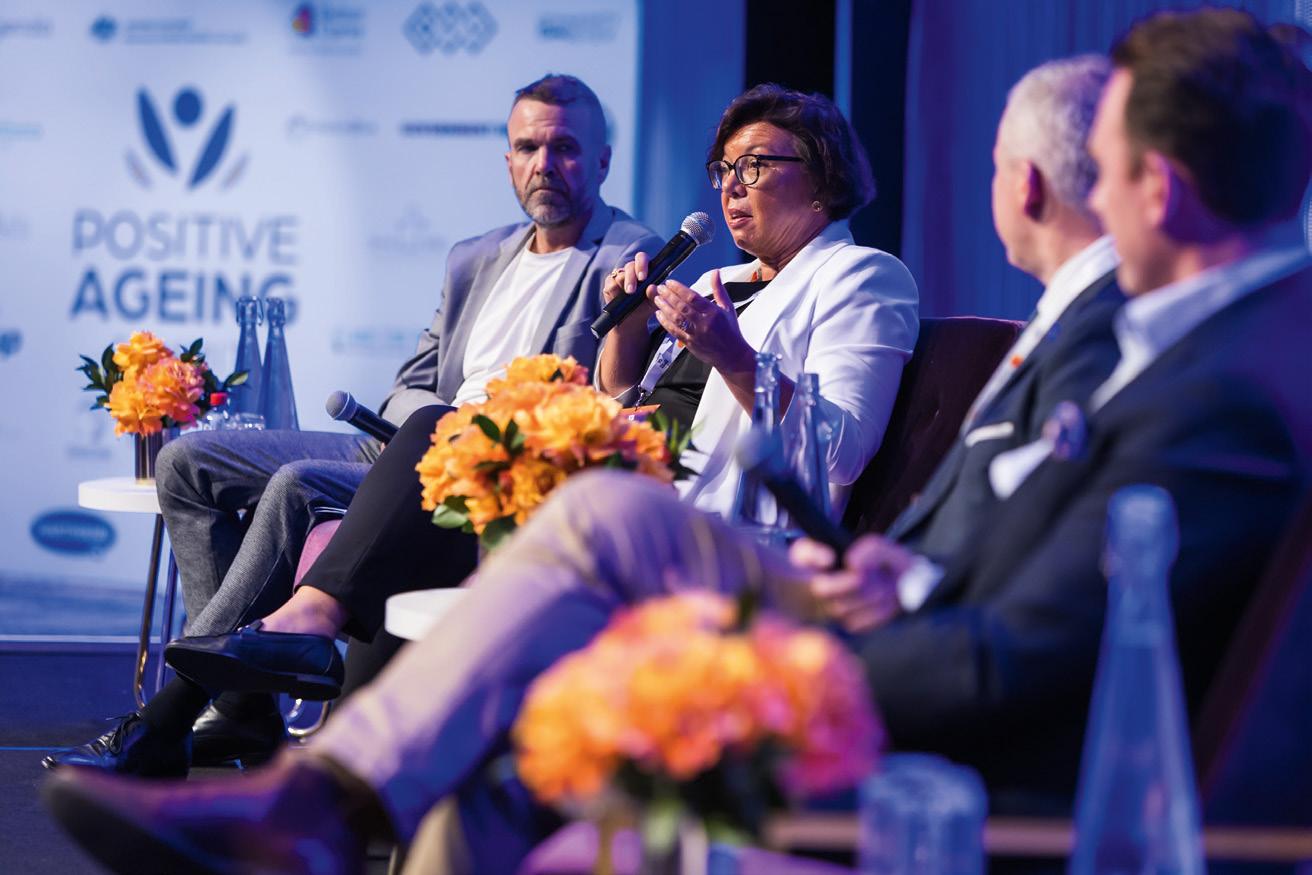
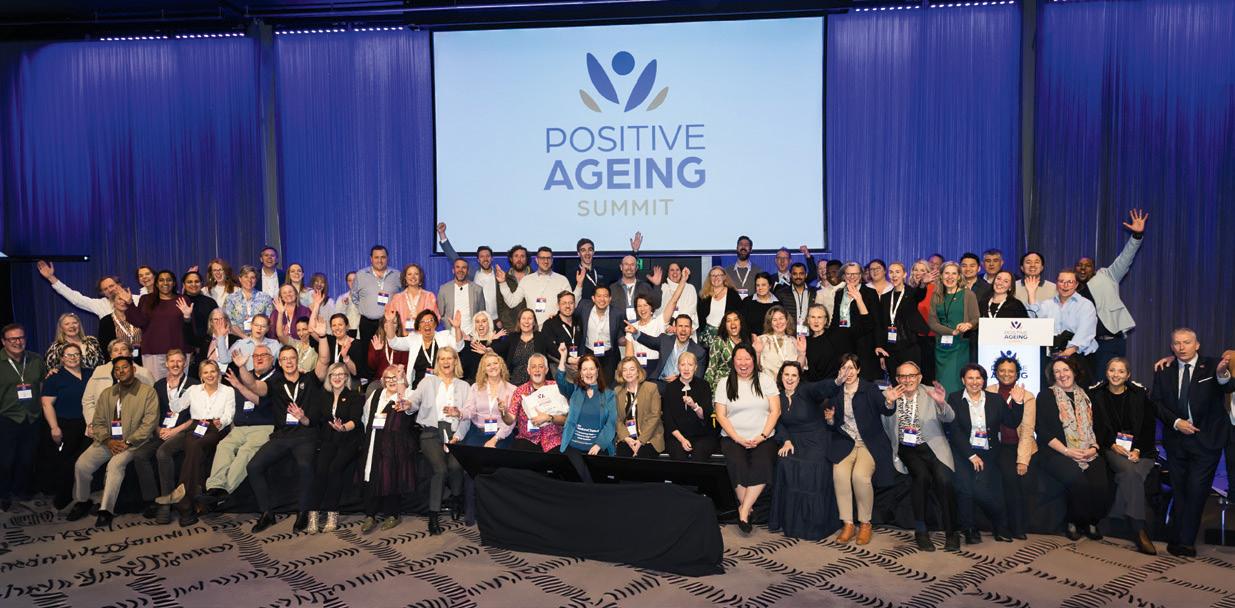
I also invite you to read our Positive Ageing Summit 2026 section, which previews a range of speakers and sessions ahead of the two-day event at Hilton Adelaide on 20–21 May.
This includes four summit stakeholders answering the question: How is technology improving positive ageing (page 38) and Q&As with aged care provider leaders Marcus Riley (page 42) and Peter Williams (page 46).
have been created by a variety of different entities and, to the extent permitted by law, the Publisher accepts no liability for materials created by others. All materials should be considered protected by Australian and international intellectual property laws. Unless you are authorised by law or the copyright owner to do so, you may not copy any of the materials. The mention of a product or service, person or company in this publication does not indicate the Publisher’s endorsement. The views expressed in this publication do not necessarily represent the opinion of the Publisher, its agents, company officers or employees. Any use of the information contained in this publication is at the sole risk of the person using that information. The user should make independent enquiries as to the accuracy of the information before relying on that information. All express or implied terms, conditions, warranties, statements, assurances and representations in relation to the Publisher, its publications and its services are expressly excluded save for those conditions and warranties which must be implied under the laws of any State of Australia or the provisions of Division 2 of Part V of the Trade Practices Act 1974 and any statutory modification or re-enactment thereof. To the extent permitted by law, the Publisher will not be liable for any damages including special, exemplary, punitive or consequential damages (including but not limited to economic loss or loss of profit or revenue or loss of opportunity) or indirect loss or damage of any kind arising in contract, tort or otherwise, even if advised of the possibility of such loss of profits or damages. While we use our best endeavours to ensure accuracy of the materials we create, to the extent permitted by law, the Publisher excludes all liability for loss resulting from any inaccuracies or false or misleading statements that may appear in this publication. Copyright © 2026 – The Intermedia Group Pty Ltd.
Environmental statement: The Intermedia Group takes its Corporate and Social Responsibilities seriously and is committed to reducing its impact on the environment. We continuously strive to improve our environmental performance and to initiate additional CSR based projects and activities. As part of our company policy we ensure that the products and services used in the manufacture of this magazine are sourced from environmentally responsible suppliers. This magazine has been printed on paper produced from sustainably sourced wood and pulp fibre and is accredited under PEFC chain of custody. PEFC certified wood and paper products come from environmentally appropriate, socially beneficial and economically viable management of forests.
We hope you join us there and enjoy these and the many more stories inside.
Until next time,
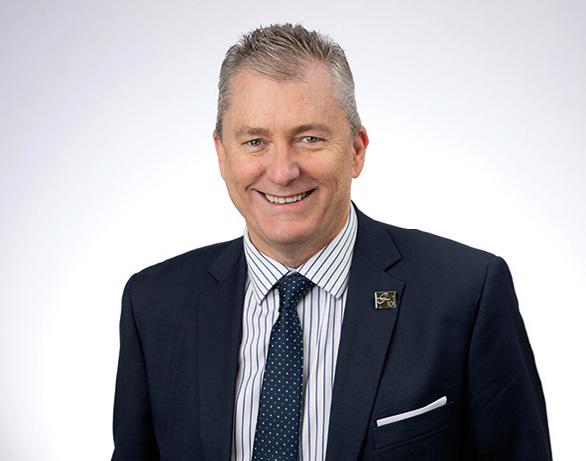
Natasha Egan Editor
Tel: 02 8586 6132
Email: negan@intermedia.com.au




Katarina Lloyd Jones Journalist
Jodie Wolf Freelance Journalist
Manager
Contents

Comments
They said it
20 Deep Dive into AI: No need to rush
One on one with James Britton
Insights on integrating care
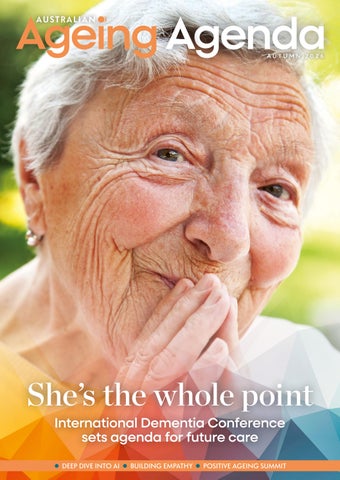
26 The whole person, the whole point: International Dementia Conference sets agenda for future care
Operations
30 Building empathy for dementia
The sector is ready
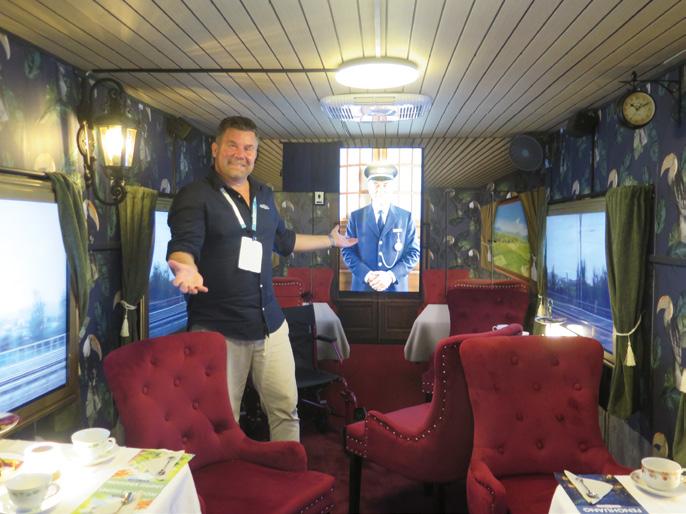
Residents travel the world from home
and day 1
44 Take away advanced skills: masterclass previews
46 Session spotlight: Peter Williams and day 2
48 A career highlight
50 Products and services from exhibitors
A tech connection
52 Tool targets quality and cost
54 Mobile X-ray transforms care
56 Dementia: Compassion is a muscle – here’s how to train it
In pursuit of healthier ageing 38 The question: How is technology improving positive ageing?

DR WEI QI KOH and DIVYA ANANTHARAMAN discuss why ethics cannot be an afterthought when mixing technology with dementia care (page 18).
DR JOHANNES SCHWABE and colleagues share the most beneficial aspects of primary care for older people and why these should be prioritised in integration efforts in residential aged care (page 24).
Palliative care nursing expert DR PRIYANKA VANDERSMAN says the response to the ELDAC Dashboard shows the sector is heading in the right direction (page 34).
Australian Healthcare Week 2026

Author and trainer MARY FREER explains why compassion is a disciplined, courageous practice that must be actively trained and sustained in health and aged care (page 56).


Comments
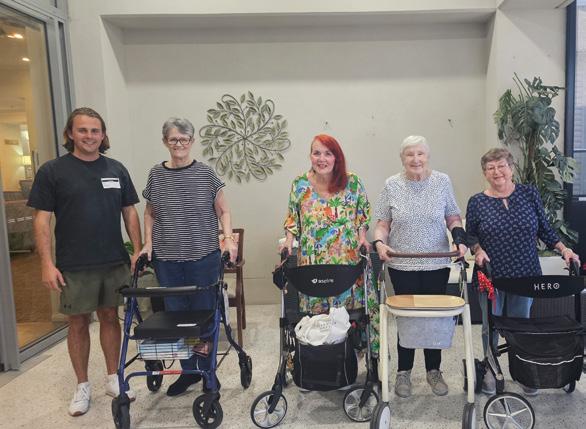
“Such a great common-sense initiative that should be widely replicated.” Peta Jurd comments on LinkedIn about Bolton Clarke’s The Terraces at Varsity Lakes balance training initiative
Thank you, Tom for publicly clarifying that the taskforce did not recommend particular co-contribution rates. You’ve explained that the taskforce accepted a principle. But the department relies on quoting the taskforce as an excuse when the adverse effects of the 80 per cent contribution rate for domestic and shopping services (for selffunded retirees) are mentioned. Thank you also for drawing attention to the false but often-repeated statement that overall costs have gone up 40 per cent when they have not. The lack of appropriate communication from the department created the environment in which this misinformation can easily spread – and continues to do so. Adrian Morgan comments on AAA on our Q&A with Tom Symondson

“Anthony Albanese’s announcement about Ozcare being selected for the new aged care facility in Palmerston is wonderful news for the community. The focus on expanding quality aged care services is essential for supporting our ageing population with dignity and respect.”
Loma Naser comments on LinkedIn about Ozcare delivering a new Palmerston home
iStockphoto.com/milanvirijevic

“A stunning home complete with passionate and caring team members. We’re all super excited!” Leisa Barwell comments on LinkedIn about the news of Infinite Care opening its new Knoxfield home in Victoria


“Sadly, many Australians think that aged care is a hugely profitable undertaking.” Kevin McCreton comments on LinkedIn about news that bed shortages are likely to worsen

“Given so much conversation about Support at Home and the challenges experienced by both providers and their employees, and the older people using the service, the results of this survey will be VERY interesting.” Jacqueline Letford comments on LinkedIn about a survey on Support at Home challenges
“Great outcome! Obviously, I don’t know her circumstances but lucky that she (Sue Brennan) had a home to move back to after 16 months.” Sarah Fogg comments on AAA on news of a residential aged care reablement program resulting in a woman going from bed-bound to back home


They said it
“All of that confusion and noise has its own cost layer to the delivery of care because there are people answering phones, or they’re ringing the help desk or ringing us.”

Marisa Galiazzo, LPA CEO
“We’ve seen a number of CEOs of organisations announce resignations in the last two months, the highest number I’ve ever seen in a short period of time, and a lot of that is because of burnout.”
Tom Symondson,
Ageing
Australia CEO
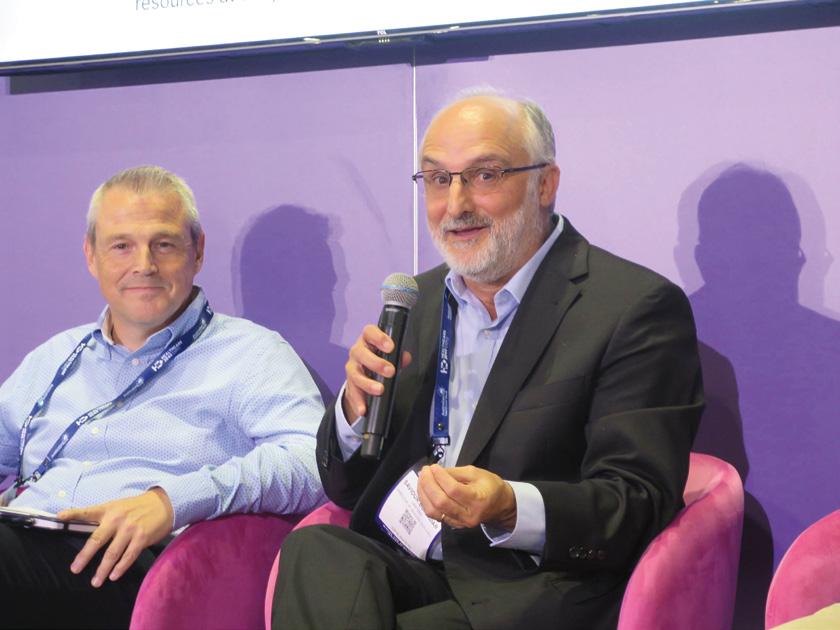
“I just find it really frustrating that every conversation we have when we talk about ageing is about residential aged Saviour Buhagiar, Uniting NSW.ACT director of seniors’ services
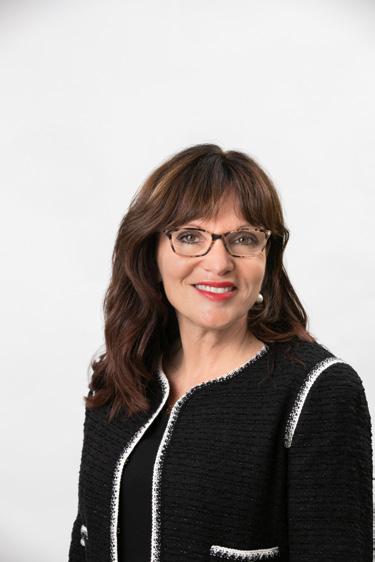
“The pipeline of baby boomers requiring care means an additional 100,000 residential aged care places are likely needed over the next 10 years, costing up to $5.5 billion per annum in new capital nationwide... Where will the capital come from?”
Rachel Argaman, Opal HealthCare CEO

Call for submissions
The next issue of Australian Ageing Agenda (Winter 2026) includes a special focus on allied health throughout the magazine.
Topics may include:
• a holistic approach to better ageing
• exercise, reablement and restorative care
• nutrition, dental, mental health and wellbeing
• vision, hearing, music and art therapy
• evidence-based strategies and bestpractice programs across disciplines.
Get in touch if you have something to share: editorial@australianageingagenda.com.au
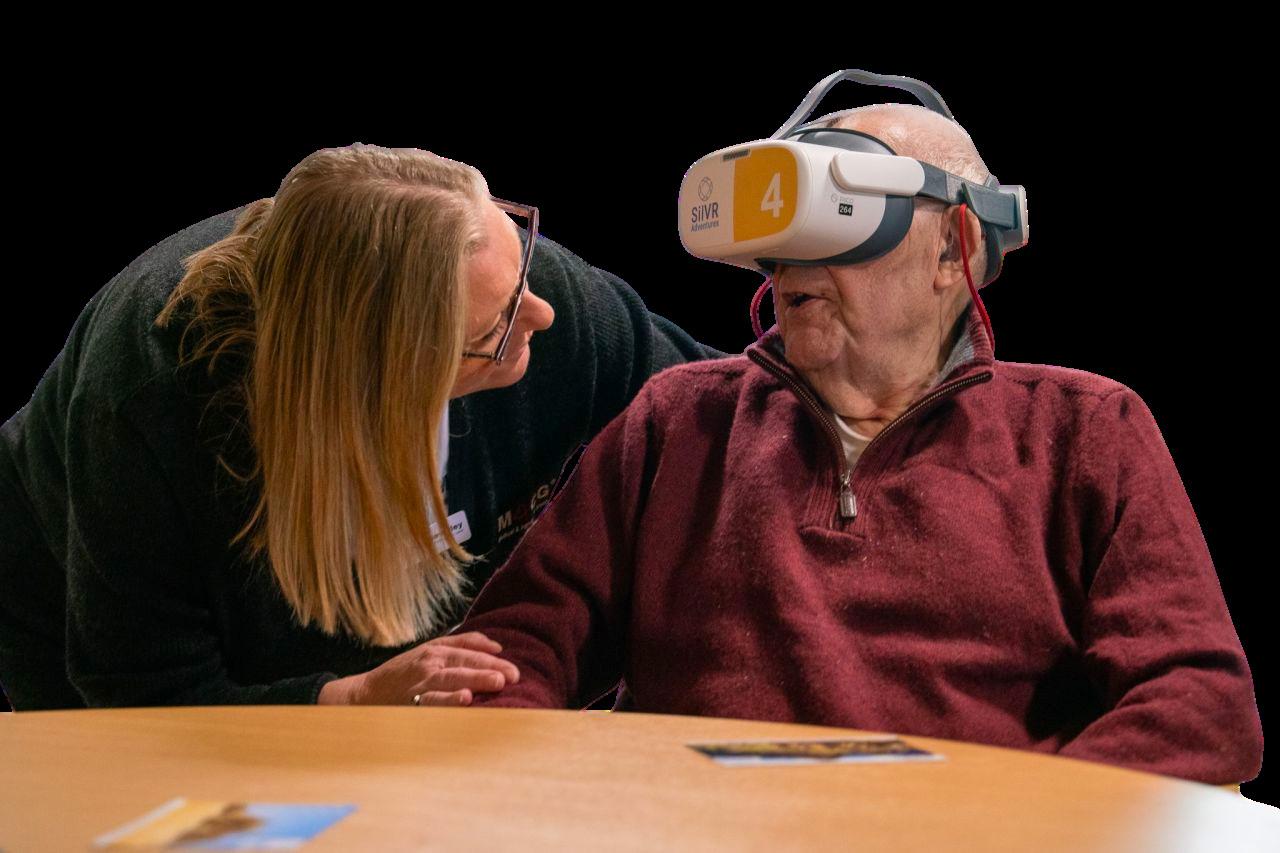
SilVR Pathways helps providers deliver more personalised, consistent, and visible engagement at scale.
SilVR is helping aged care and retirement living providers move beyond great individual VR sessions and toward a smarter engagement program.

Pathways is the intelligence layer behind SilVR, helping teams personalise more easily, deliver more consistently, and build stronger visibility into engagement over time.
EOFY Offer
Confirm a new SilVR package by 30 June and receive Pathways early access plus Real-Time Google Earth for Year 1 included Book a demo: silvradventures.com.au



Two Inspiring Days
Hear From The Voices Driving Change

Interactive Masterclass Series
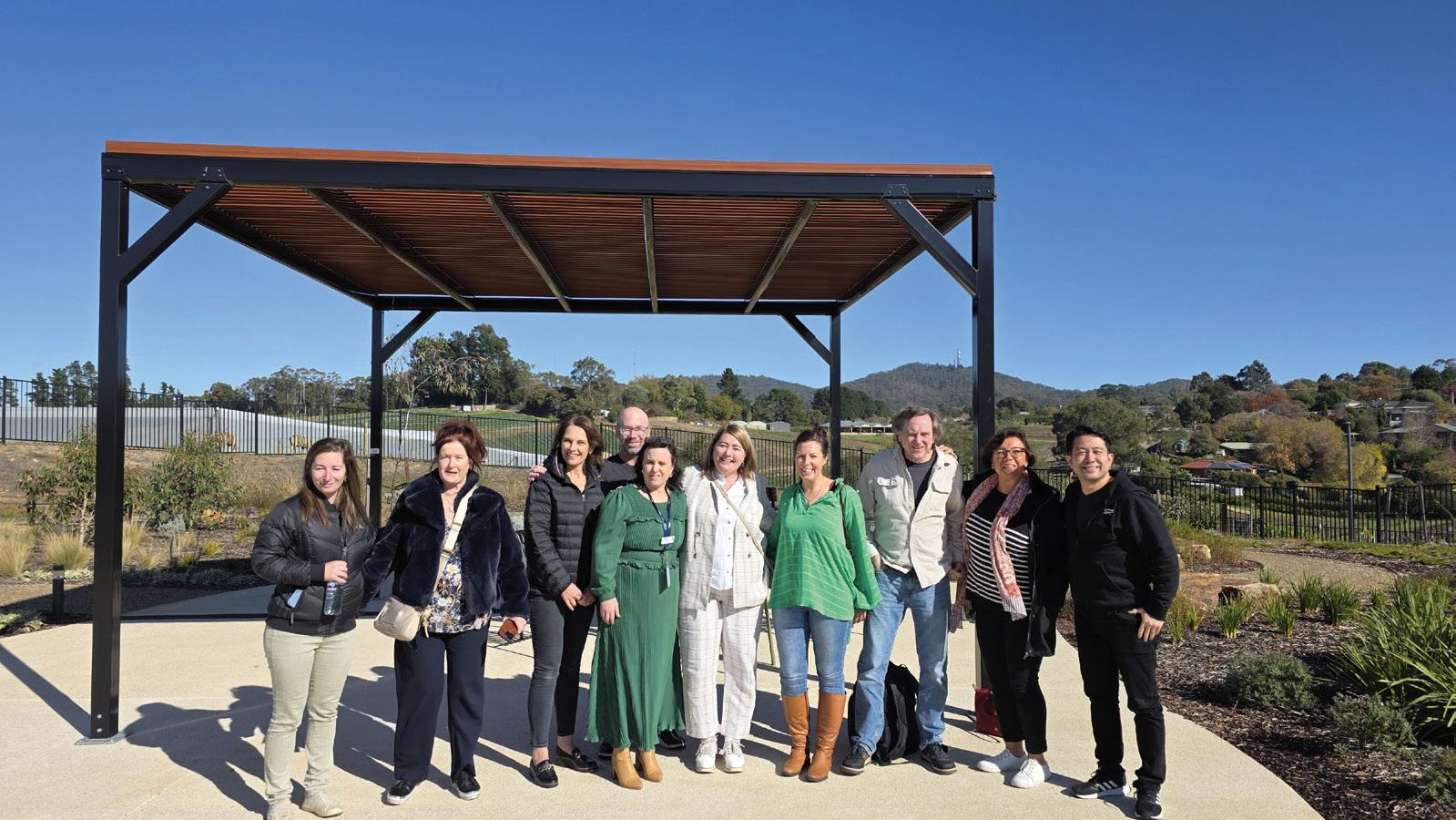
Site Tours
Designed to equip professionals with practical tools and ready-touse resources for residential and community care. Focus areas:
Strength and balance: Reablement and falls prevention
Embedding innovation into practice with ARIIA Reablement at mealtimes
Networking Opportunities
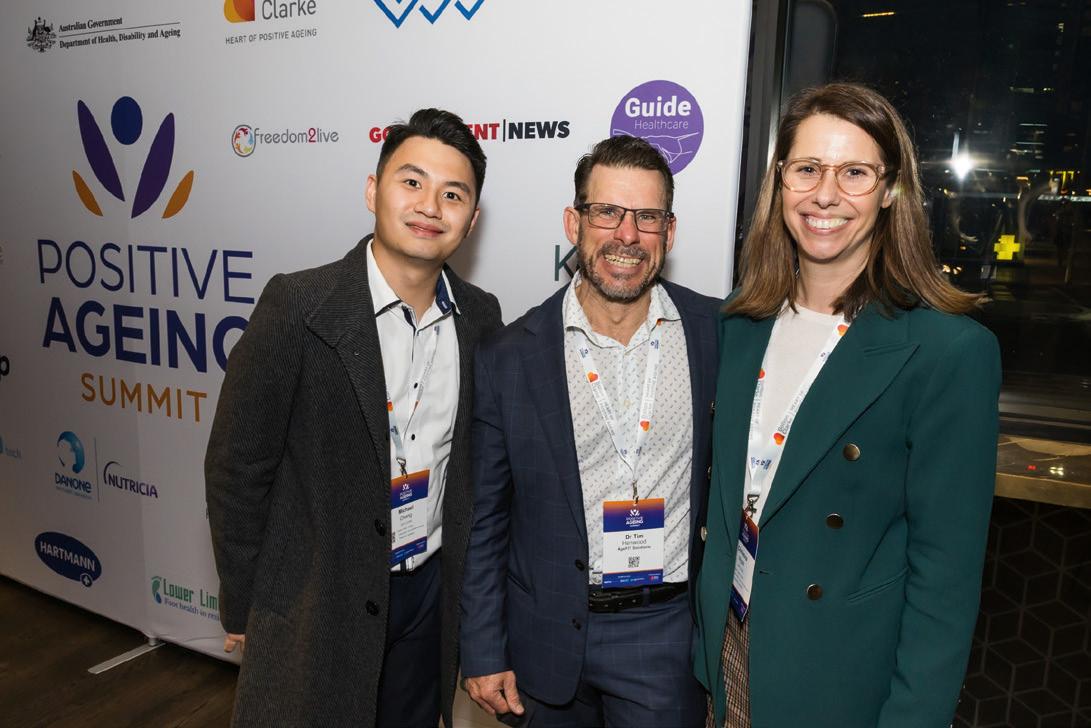
Connect with peers and industry leaders across two days of showcases, workshops and an evening cocktail reception.
Friday 22 May 2026
Two curated experiences offering practical insights into leading care approaches.
• Reablement in Action
Gain practical insights into mobility, independence and allied health integration by seeing reablement in practice at ACH Glenelg, Kieser Glenelg and Adelaide Exercise Physiology.
• Wine, Wisdom and Walking in Their Shoes
Experience dementia care firsthand over lunch while exploring person-centred care at d’Arenberg Winery, Swell Brewery and Mollydooker Winery, McLaren Vale.
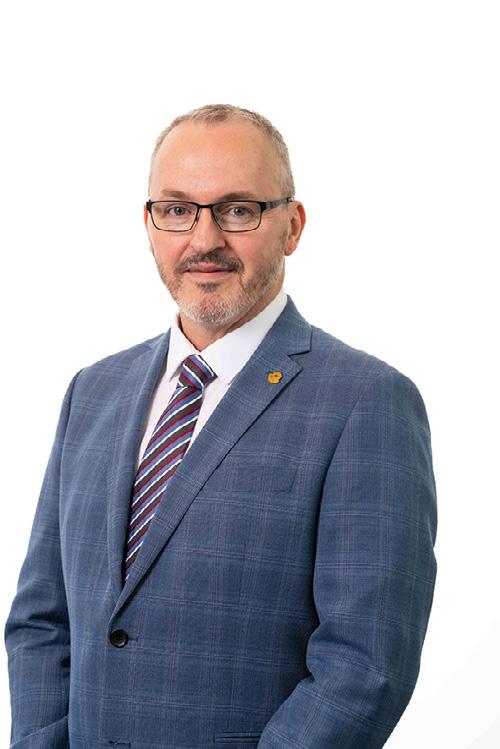
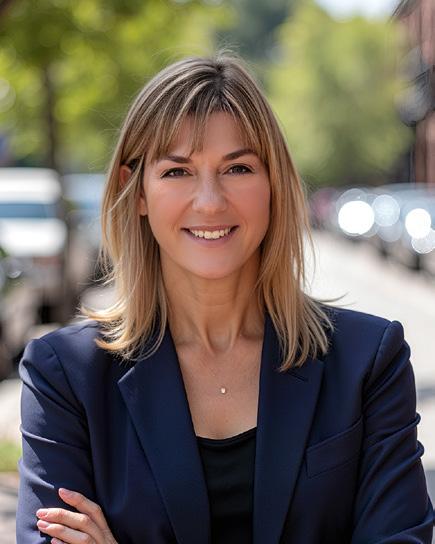
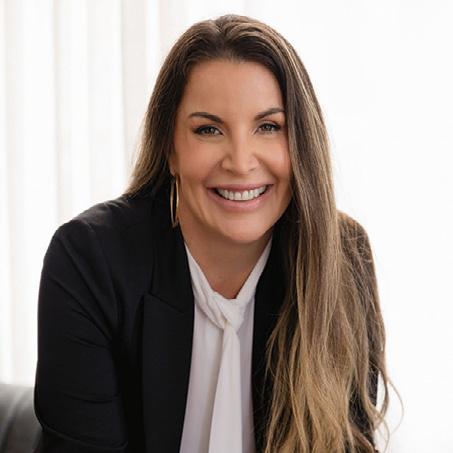
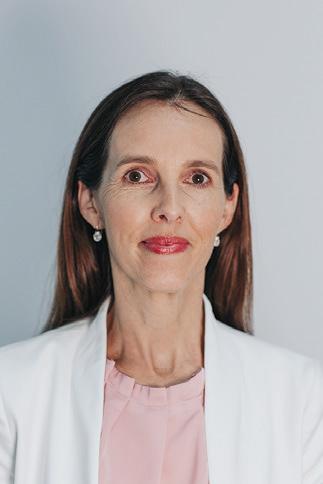
Maria Fiatarone Singh Keynote Speaker Professor The University of Sydney
Peter Williams Keynote Speaker Chief Executive Officer OneCare
Natalie Siegel-Brown Inspector-General of Aged Care Office of the Inspector-General of Aged Care
Anita Hobson-Powell Chief Allied Health Officer Department of Health, Disability and Ageing
Dr Mandy Callary Chief Clinical Advisor Aged Care Quality & Safety Commission
Gary Rake Deputy Commissioner Regulatory Operations Division Aged Care Quality & Safety Commission
Rachael Cook CEO Inclusee
David Moran CEO Southern Cross Care (SA, NT & Vic)
DIARY
23 June
Reporting date for Senate inquiry into the transition of the Commonwealth Home Support Program to Support at Home
1 July
Deadline to table the final report of the Residential Aged Care Accommodation Pricing Review in Parliament
FPACA backs Acredia
BY KATARINA LLOYD JONES
For Purpose Aged Care
Australia has announced a strategic investment in aged care platform Acredia.
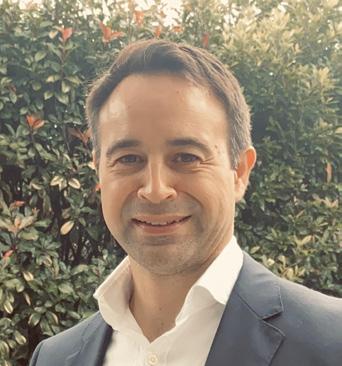
FPACA CEO Matt Filocamo tells Australian Ageing Agenda the partnership is focused on a longterm, research and development-led rebuild of the platform rather than incremental feature additions. Key areas of development include:
• the use of AI to strengthen risk management
• governance and decision support
• building more flexible, userconfigurable workflows that better reflect how care teams work.
“There is also a strong emphasis on mobile-first design, recognising that frontline staff need systems that are intuitive and usable at the point of care, not just at a desk,” he says.
FPACA chose to invest in Acredia because it combines modern cloud-based architecture with a platform that has already proven it can operate at scale in aged care, Filocamo says.
“We need systems that can scale, adapt to regulatory change, and support consistent care delivery. Acredia demonstrated both the technical foundations and operational maturity to meet those requirements,” he tells AAA
FPACA is exploring the acquisition of other care management systems.
Assessment tool questioned
BY KATARINA LLOYD JONES
The algorithm behind the Integrated Assessment tool – introduced in November 2025 –has been questioned by Senators and providers alike.
Flexi Care general manager Adrian Morgan says on LinkedIn that since the assessment algorithm was switched on at the beginning of November, 37 per cent of their participants who had been assessed for an upgrade to their funding level had their applications rejected.
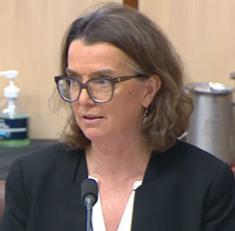
and Ageing was then grilled about the IAT by shadow aged care minister Anne Ruston during Senate estimates on 11 February. Between the commencement of the Support at Home program on 1 November 2025 and 23 January 2026, the department received 414 requests for review of inaccurate IAT results. Out of these 414 appeals, 167 relate to classification levels, 133 to the priority category and 36 to both. The remaining are a mixture of other appeal points.
Independent member for Kooyong Dr Monique Ryan questioned Minister for Aged Care and Seniors Sam Rae on the efficacy of the tool during Question Time on 9 February, pointing to the 120,000 Australians waiting for an automated assessment and asking whether the reforms are just “robo aged care”.
Rae disagreed with the question’s premise and said that assessors still play a “critical role in achieving high quality assessment outcomes.”
The Department of Health, Disability
Just two had been completed at the time – which department representative Robert Day told the hearing is due to a high volume of home care package program cases also requiring attention.
Ruston asked the department outright if it acknowledged the “kind of quantum” being discussed as “cause for concern and immediate response” and if it “stands by the accuracy” of the IAT.
Sonja Stewart, a department deputy secretary, responded saying she stands by the tool, and that it provides equity and fairness and removes bias.
Warrigal trials radar technology
BY KATARINA LLOYD JONES
Not-for-profit aged care provider
Warrigal has partnered with cloud-based technology provider Ericome to test the impact of the radar-based health monitoring technology Care Companion.
The 12-month trial will take place at Warrigal Goulburn and marks the first time the technology is being used in an Australian healthcare setting.

The small, ceiling-mounted devices are powered by the Xandar Kardian contactless sensors that monitor changes in heart rate, breathing and movement patterns. This generates a “probability of baseline change score” that is designed to support the early identification of subtle health changes, timely clinical assessment and intervention before an incident occurs.
But the technology will not replace clinical judgement or face-to-face care,
Warrigal CEO Jenni Hutchins tells Australian Ageing Agenda. Hutchins says the trial reflects Warrigal’s commitment to purposeful innovation grounded in improving care for older people.
“Innovation isn’t just about adopting new technology. It’s about being willing to explore new ways of supporting better outcomes for older people,” she says.
“This trial is a considered step to explore what’s possible. We already use a range of approaches to support and monitor resident wellbeing, and this technology allows us to test whether an additional layer of predictive insight could further assist residents, families and staff. As with any trial, careful evaluation will determine what comes next.”
Residents, families and staff have responded positively to the trial, she says.
Matthew Filocamo
Jenni Hutchins
Sam Rae Anne Ruston
Exploded view of Care Companion radar technology
Design for sensory loss
BY NATASHA EGAN
A Bolton Clarke project working with retirement village residents and clinicians is helping to design environments that will boost health and wellbeing for people affected by hearing loss.
About one in six Australians live with hearing loss, increasing to almost half of those aged over 75.
The Bolton Clarke Research Institute has been working with residents, frontline teams and clinicians with expertise in ageing to support people with hearing loss through a range of hearing interventions.

These include bringing regular hearing checks onsite, trialling new technologies and working with University of Queensland researchers on implementing hearing- and vision-friendly design principles for built environments including retirement villages.
Senior research fellow Dr Carly Meyer says the work responds to consecutive health and wellbeing surveys that identified hearing loss as a key barrier to positive ageing for retirement living residents.
“Hearing and vision loss are highly prevalent among older adults,” Meyer says. “But we know hearing is important for ageing well, including building and
maintaining relationships, having the confidence to learn new things and staying connected to communities.”
“Most research to address this has focused on improving device uptake and adherence, but an alternative approach is to consider hearing and vision-friendly design in built environments that service older people, like communal areas in retirement villages,” she says.
“By designing to decrease background noise, reducing echo and reverberation from hard surfaces and taking advantage of assistive listening technology like hearing loops and Bluetooth devices, we can help people feel confident to keep engaging in their communities.”
Futureproofing the care economy
BY KATARINA LLOYD JONES
Australia’s population is ageing but workforce shortages, long waitlists to access home care, residential aged care bed shortages and a complex regulatory landscape has made it difficult for the sector to keep up with demand.
Technology can help address some of these challenges by improving productivity, reducing administrative burden and supporting interoperable systems. But there are challenges in adopting technology at scale, says Care Economy Cooperative Research Centre CEO Carmela Sergi.
Still, there is “significant opportunity” to better utilise fit-for-purpose solutions if co-developed, Sergi tells Australian Ageing Agenda ahead of her presentation at ITAC Conference 2026.
“Futureproofing Australia’s care economy requires a coordinated approach to improving productivity, workforce capability and the adoption of fit-for-purpose technology across the sector,” she says.
The $327 billion care economy – which encompasses aged care – is Australia’s largest and fastest growing employer, yet
it continues to grapple with low productivity and low levels of innovation, says Sergi.
The Care Economy CRC model aims to codevelop, implement and scale solutions to these problems by bringing together care providers, researchers, peak bodies and technology partners and focusing on “practical, industryled innovation” to support a more sustainable care system, Sergi adds.
Digital upgrade
BY KATARINA LLOYD JONES
Catholic health and aged care provider
Mercy Health has partnered with Melbourne-based analytics specialists
Data Agility.

The collaboration will provide 24/7 managed services for clinical integration and strengthen the reliability and performance of digital systems to support real-time information flow across services.
Data Agility will deliver continuous monitoring, proactive incident resolution, escalation management, routine maintenance and detailed performance reporting for Mercy Health. This aims to improve system reliability and reduce downtime for critical applications that clinicians rely on.
The collaboration is a key milestone in the organisation’s digital strategy, says Mercy Health chief information officer Dr Paul Jurman. “By introducing specialist integration support now, we’re on target to meet our priorities to strengthen the digital foundations required for later phases of transformation.”

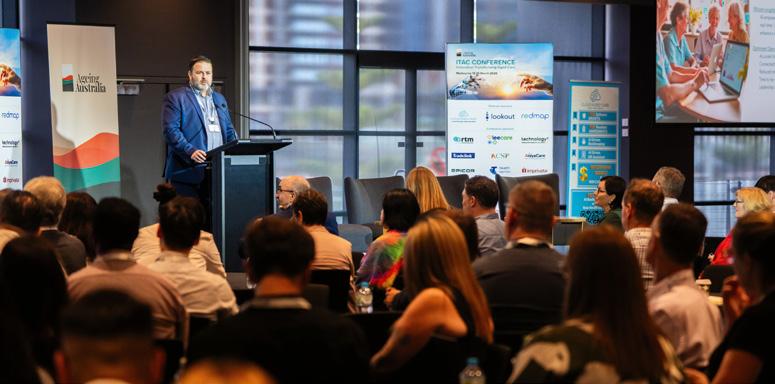
Other sessions include:
• international lawyer Dr Kobi Leins on human-centred AI for aged care
“Importantly, innovation must focus on enabling a skilled and adaptable workforce to deliver quality care more efficiently, ensuring the care system can respond to growing demand while maintaining quality and sustainability.”
In addition to her presenting role, Sergi says she is looking forward to seeing Fay Flevaras – chief digital and information officer of the Department of Health, Disability and Ageing – speak about the digital future of aged care and attending the panel on building a connected aged care system.
• Whiddon CEO Chris Mamarelis on building the culture and capability for innovation
• International Federation on Ageing secretary general Gregor Sneddon discussing innovation, AI and global collaboration for healthy ageing
• St Vincent’s Health digital health executive Jayne Barclay on scaling virtual and homebased care through digital innovation.
The ITAC 2026 conference takes place on 6-7 May at the Royal International Convention Centre, Brisbane.
Australian Ageing Agenda is a media partner of the event and will be in attendance
Dr Paul Jurman
Carmela Sergi
News by numbers
93.5%
World watch











245
Residential care services that met 24/7 RN coverage requirement*







Number of days between assessment approval for package and service commencing 4.2%





Increase in residential services meeting 24/7 RN coverage since 2023-24*




$117,393












58,995


Average annualised government subsidy per claim day using new AN-ACC system*



45.9%








Shanghai adds elder care leave
Approximately 38 per cent of Shanghai’s population is aged 60 and above, and to make caring for older parents easier, the region has introduced five days of paid leave for employees, and seven for only children, when a parent aged over 60 is hospitalised. Entitlements in China vary by jurisdiction and the number of siblings someone has. Only children in Zhejiang are entitled to five days, while only children in Anhui, Guizhou, Heilongjiang, Henan, Inner Mongolia, Shaanxi, Tianjin, Yunnan, Xi’an and Xinjiang receive 20 days. The entitlements are annual but cannot be carried forward.






Nepal launches home support program















SIRS notifications received by ACQSC from aged care homes*



















Residential care sites meeting total care minutes*
6,053
SIRS notifications received by ACQSC from home care providers*
$120,467
Average annualised cost per occupied bed day*
$673
Average expenditure per aged care assessment*
43 days
Median wait time for community-based aged care assessment*
*Nationally in 2024-25
Source: Productivity Commission Report on Government Services 2026






Graduates celebrate new training program



















In a first-of-its-kind initiative between the Reformation Ministries and Churches Network education and training service and Cheshire Disability Services in Papua New Guinea, 16 trainees have completed a six-week aged care training program. The program saw the trainees undertake hands-on training at CDS, and RMCN director Sabina Mong says it could bring international opportunities to the trainees. RMCN and CDS have also agreed to formalise the partnership through a memorandum of understanding to ensure ongoing collaboration.







Kathmandu Metropolitan City has launched a new health program designed to improve access to health services at home for people aged over 70. As part of the program, one nurse and one health volunteer will visit households with older residents to provide medical check-ups, assess health conditions, distribute medicine, provide counselling services and make referrals to hospitals. The program has been praised for improving health accessibility, but citizens are unsure of its long-term sustainability, The Rising Nepal reports.

Estonian seniors struggling with digital world














Care Corner celebrates 90-year-old volunteer


Singaporean neighbour network Care Corner is celebrating 90-year-old Ratnam Periowsamy who is still checking in on neighbours and organising activities for seniors across the Toa Payoh estate’s Active Ageing Centre. The retired after-school care teacher has been volunteering since she was a student, giving tuition to children in need. The project started in 2023 in one block at AAC where Periowsamy was one of seven founding members. It has now expanded to all nine AACs run by Care Corner in both Toa Payoh and Woodlands and has a network of more than 80 trained volunteers, all aged 60 or older.

Older Estonians are engaging regularly with the digital world but are struggling with the reduction in physical social spaces, according to ERR News. Media literacy researcher Maia Klaassen says the challenge for older Estonians isn’t finding information online, but the need to sift through an overwhelming amount of it. There is also a higher risk of older Estonians falling victim to misinformation and AI-generated content due to digital illiteracy. To combat this, she says there needs to be efforts to teach seniors about the systems behind the apps they use.

“[Otherwise] the moment your dear grandchild has shown you to press the yellow button, log in and then pay your bill, the second that yellow button turns green, the sequence falls apart.”
Lack of social care leads to hospital admissions
A new analysis from the National Centre for Social Research in the United Kingdom has found older adults with unmet social care needs are significantly more likely to be admitted to hospital in an emergency than those without. The study drew on a decade’s worth of data from the English Longitudinal Study of Ageing and NHS hospital records. It also found that among those with unmet social care needs, one in four emergency admissions were potentially avoidable conditions, highlighting that social care often arrives after a crisis instead of preventing one.
Thailand proposes tax reform amid ageing population
Thai political party Bhumjaithai has proposed tax incentives that allow employers to deduct twice the cost of hiring elderly workers – up to 30,000 Thai Baht (approximately $1,363 AUD) – and income tax reductions of up to 50 per cent for seniors earning no more than 1.5 million THB a year (approximately $68,211 AUD), ahead of the 2026 general elections, Bangkok Post reports. The proposed tax incentives aim to respond to workforce challenges associated with Thailand’s ageing population, with the National Economic and Social Development Council estimating a loss of five million working-aged people between 2025 and 2040 and a rise in the elderly population from 14 million to 20 million in 15 years. ●
Did you know?
In 2050, 80 per cent of older people will be living in low- and middle-income countries, according to the World Health Organisation.
Industry movements
Regis CEO steps down
Dr Linda Mellors has resigned as CEO and managing director of Regis Healthcare after more than six years in the role to pursue opportunities outside the sector. Mellors says it has been a privilege to lead Regis since her appointment in late 2019 and that she is proud of the achievements made while navigating the Covid pandemic, the royal commission and the introduction of the new Aged Care Act.
Two new Mercy Health execs
Gavin Young has been appointed the chief executive of healthy ageing at not-for-profit aged care provider
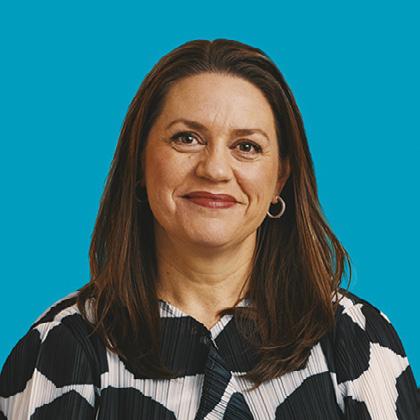

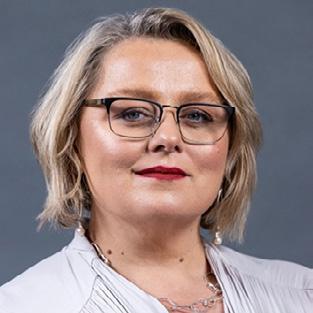
Mercy Health following the retirement of Clare Douglas earlier this month. Young played a key role in strengthening operational capability across the provider’s residential aged care portfolio while the executive general manager of residential operations since January 2024. Meanwhile, Monika Lancucki has been named executive director of mission, communications and stakeholder relations.
Nancarrow to lead home services
Two new execs for FPACA For Purpose Aged
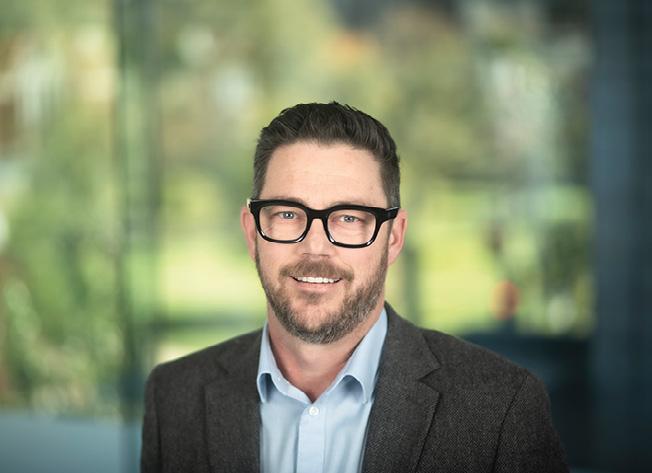
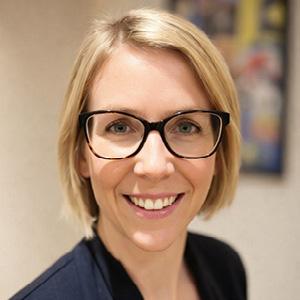
Care Australia has appointed former Regis Aged Care executive Gregg Funston as chief operating officer in charge of the provider’s 2,000-plus aged care beds. FPACA also appointed former Boston Consulting Group principal Rebecca Gill as general manager of strategy and performance.
CCH boosts board in pursuit of growth

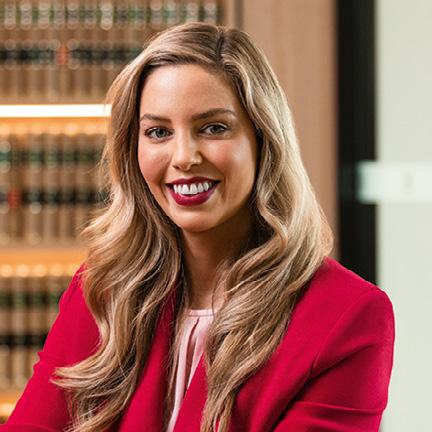
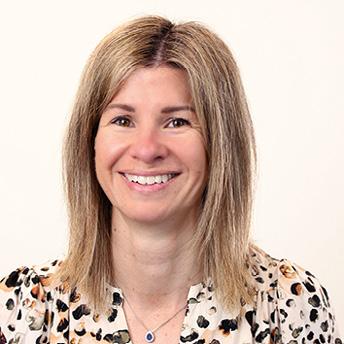
ECH – Enabling Confidence at Home – has appointed former chief financial officer Merrin Nancarrow as the head of home and community services. Nancarrow was previously acting in the role, which includes overseeing domestic support, nursing and home care, allied health services and respite. She commenced the role in January as did Alan Morrison who was named chief executive in October 2025.
McCormack joins ACAC
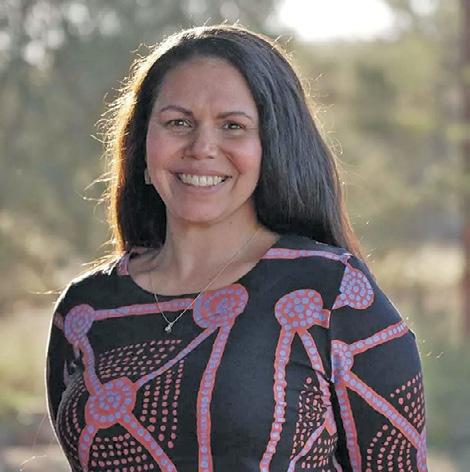
Arrernte, Warumungu, Alawa and Kija woman Natasha McCormack has joined the National Aged Care Advisory Council for a two-year term ending on 31 December 2027. She replaces Mununjahli Yugambeh woman Professor Jody Currie, who served on the council from July 2022 to September 2025. McCormack is deputy CEO of the Western Desert Nganampa Walytja Palyantjaku Tjutaku Aboriginal Corporation – commonly known as Purple House – in Mparntwer (Alice Springs).
Muir steps down from RSL
LifeCare
Janet Muir has resigned as CEO of NSW and ACT aged care and veteran services provider RSL LifeCare after three-and-a-half years in the role. Muir says she hopes to continue leading and supporting purpose-driven organisations. Chief financial officer Drew Pearce has been appointed interim CEO to ensure continuity of leadership and operations.
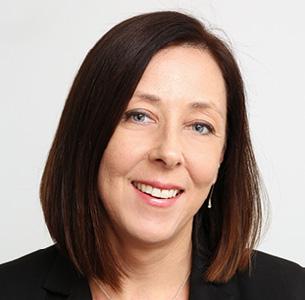
South Australian notfor-profit aged care provider Clayton Church Homes has appointed long-standing board member and governance professional Nicolle Rantanen Reynolds Barrister Philippa Ewens and finance executive Antony Pivato have joined as non-executive directors of the skills-based board. Rantanen Reynolds says the new board members bring fresh perspectives and valuable insights at a pivotal time for the sector and the organisation, which is embarking on a new era plan under the stewardship of chief executive Michael Elias.
Uniting NSW.ACT CEO retires

After eight years at the helm, Tracey Burton has announced she will step down from her role as CEO of Uniting NSW.ACT to retire later this year. She says the introduction of a rights-based Aged Care Act that places senior Australians at the centre of the system has been one of the sector’s most significant milestones during her tenure. “Reform is ongoing. But we are beginning to build a system that better reflects the worth of older Australians and the value of those who care for them,” Burton says.
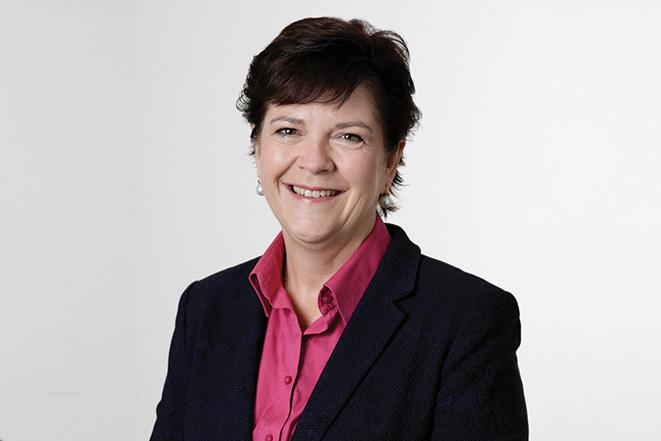
Carr named Amana Living chair
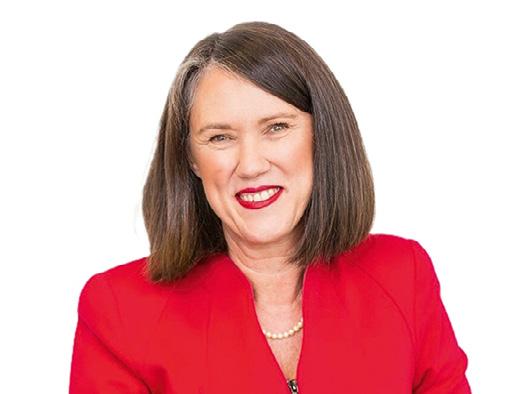
Amana Living has appointed Elizabeth Carr as chair. Carr joined the board in May 2025 and has extensive experience across government, major technology and infrastructure projects, education, and not-forprofit leadership including aged care. Due to commence in the role in April, she replaces Sue Wilson, who served on the board for nine years, including four and a half years as chair and two years as deputy chair.
MACG appoints Maya COO
Fabio Maya has been appointed chief operating officer of Medical and Aged Care Group. He brings over 30 years of leadership experience to the Victorian-based provider, including CEO roles at Signature Care, Menarock Life Aged Care and Sapphire Care.

Merrin Nancarrow
Natasha McCormack
Janet Muir
Monika Lancucki
Gavin Young
Dr Linda Mellors
Gregg Funston Rebecca Gill
Philippa Ewens
Antony Pivato
Nicolle Rantanen Reynolds
Tracey Burton
Elizabeth Carr
Fabio Maya
Reviewing tech impacts
BY KATARINA LLOYD JONES
As Australia’s population ages, technological interventions present promising solutions for addressing the complex needs of older adults living in aged care facilities.
A scoping review by researchers Michael Chew, Sonja Pedell, Diego Muñoz and Marija Basic notes there is existing literature highlighting significant potential of technological interventions in boosting wellbeing among residents – including in reducing loneliness, enhancing cognitive function and improving emotional health.
But the review also notes there is a gap in knowledge on the sustainability of these benefits.
Published in Technologies, the review highlights varied technological interventions that can improve wellbeing. Using the three lenses of user experience, relational experience and contextual experience, the research team observed the impacts of 17 qualitative studies, four quantitative analyses and five mixed-method approaches.
It found all 26 interventions showed potential for yielding significant wellbeing options.
The research team says there needs to be longer-term studies so the sustainability of the interventions can be analysed further. There is also a critical need to develop user-friendly interventions that need very little facilitation.
“Finding flexible ways to involve users in the design process without overburdening them will enhance the effectiveness and adoption of these interventions, ultimately maximising their positive impact on well-being in aged care settings,” the report concludes.
Peanut butter for muscle health

Associate Professor Sze-Yen Tan
BY KATARINA LLOYD JONES

New research from Deakin University’s Institute for Physical Activity and Nutrition has found a daily heaped tablespoon of natural peanut butter over six months has helped older adults gain muscle power and muscle protein.
Positively, this increased intake of protein and unsaturated fat did not result in weight gain.
Published in the Journal of Cachexia, Sarcopenia and Muscle, the Older Individuals after Nut Supplementation study found peanut butter is an easy and affordable way to improve nutrition and muscle health in older adults who are at risk of falls due to muscle weakness. It is also a more palatable option for older people with dentition issues who may struggle to eat whole nuts.
The study involved 120 adults aged
between 66 and 89. All were living independently in their community but were at risk of falls.
Half the participants were randomly allocated to the intervention group, where they ate 43 grams of natural peanut butter every day. The remainder were asked to maintain their usual lifestyles. 108 participants completed the study.
Those who ate the required amount of peanut butter were able to complete a fivetime sit-to-stand test faster than the group that did not eat the peanut butter, says lead researcher Associate Professor Sze-Yen Tan.
“Being able to complete the test faster means greater muscle power. Muscle power allows older people to do everyday things such as climb stairs and stand up from a chair. It also lowers the risk of falls, which is a common reason for loss of independence, reduced quality of life, and even premature death,” he says.
He says the study shows commercially available natural peanut butter can be used alongside exercise and resistance training to further improve muscle power.
Mnemonic tool for drug safety
BY KATARINA LLOYD JONES
Researchers from Monash University and a multidisciplinary team of healthcare professionals and medication safety experts have developed Australia’s first national consensus list of medicines with a high risk of harm in residential aged care.
Led by Dr Amanda Cross – a senior research fellow from the Centre for Medicine Use and Safety at the Monash Institute of Pharmaceutical Sciences –the study found there are 15 high-risk medications or medication classes that require specialised monitoring when being administered in an aged care setting, carrying a risk of harm or death if misused.
To curb some of this risk, the research team has launched the OZ-ABCD tool.
Cross says the OZ-ABCD mnemonic she developed fills a “critical void” in Australia’s aged care safety resources – which does not have a tailored list to suit the unique and complex needs of the sector.
The OZ-ABCD mnemonic stands for Opioids, Z-drugs and benzodiazepines, Antipsychotics and lithium, Blood

thinners, Chemotherapeutic agents and methotrexate, and Diabetes agents with a high risk of hypoglycaemia.
“The OZ-ABCD tool gives busy clinicians and aged care staff a simple, memorable way to identify high-risk medications and ensure systems and monitoring are in place to keep residents safe,” says Cross.
The list was developed through a rigorous national consensus process involving a multidisciplinary group of healthcare professionals and medication safety experts.
The research has been published in the Australasian Journal on Ageing.

SINCE




Innovation requires time and effort
What are the current gaps in digital maturity at the provider level?
We’ve seen some of the gaps providers had in their systems through the Support at Home transition and that run-up to 1 November. One of the things it encouraged was a lot of investment in technology. We always said it should have been funded by government, and there wasn’t enough support for it, but it was still a valuable process to go through to invest in those systems.
In hindsight, a lot of providers are very glad they did that. But not every vendor is created equally, and so we have seen problems. Some of them have been highly publicised, where vendors’ products have not kept up with demand or needs. That showed the Australian technology environment – the vendors themselves – is not as mature as it needs to be.
One of the things we’re doing at ITAC is bringing international experts to talk at the conference about their experiences, and we want to do much more of that, because we want to challenge the Australian technology sector to lift its game. There’s some wonderful innovation that happens in this country, but it’s variable. We need to improve that because if providers are trying to lift their game, there needs to be products out there that can help them. Whilst there are great products and there are great technology vendors, that’s not everybody.
The other thing is we are not seeing those more concrete innovations like falls detection in residential aged care homes. That is not universally being rolled out because it’s still very expensive to do.
Where are Australian aged care providers shining in tech and innovation?
There are the obvious things like the organisations that are leaning
into robotics, such as Australian Nursing Home Foundation. There’s also mecwacare who use robotics. There’s the robotics end, but we haven’t seen as much of that rolling out as I think the vendors thought we would, partly because it’s quite difficult to work out how to use them in our environment. I haven’t seen as much of that as I thought I would. They’re also very expensive until lots of people are using them.
The things that we are seeing more of, but probably not enough, are those innovative technologies around monitoring. One of the things that we can’t have is a physical camera in someone’s room watching them. So how do you monitor whether they’ve stopped breathing or they’ve fallen or they haven’t moved in their bed for a period of time? Those technologies that do that are through radar technology, but there’s no visual of the person that can tell their status. Wearable technologies are increasingly being used. That’s where I think we’re making strides. I would just like it to be faster.

a problem here”. Whereas in the olden days, pre-all of this stuff, you had to wait until the nurse turns up to do a clinical assessment. You’re still going to have to send that nurse to do a clinical assessment, but at least you know you have to send them.
in chief innovation officers, or tasking people in the executive team to have innovation as one of their focus areas. But not everybody. This is not a preserve of big providers. Small providers can do this too. They might not have it as formalised, but every provider needs to have a view of its technology future, its innovation future.
It’s not just when will we update the laptops or the nurse call devices. How will we make use of AI? How will we protect ourselves from the problems with AI? How will we realise
The other thing that is happening increasingly and is very exciting, is the use of analytics, AI or otherwise, to use the data that we’ve got more effectively. The systems that allow a provider to see data trends from the huge numbers of data points that get put into their systems every day.
If they’re a home care provider, they can look at every interaction that one of their staff or associates has had with a client and tell from that information that someone’s health state is declining without having to do a health assessment.
For example, every time someone goes into that person’s house, whether it’s a cleaner, a gardener or someone picking them up for a visit to the GP, using their observations of “the client wasn’t as happy as they were last week”, or “they’re
Are these examples of things showing promise or things already bringing the benefits? They’re bringing the benefits to those who use them, and this is the reason we have ITAC. This is a very innovative sector in a very innovative country, but it is not consistent. There is innovation everywhere, but it’s poorly scaled up and poorly shared. That is something I’ve observed in other sectors in Australia. It’s not just aged care. There are pockets of innovation everywhere, but most people don’t know about them.
What’s your advice to providers about their tech strategies and being ready to take advantage of these potential benefits? Firstly, they need to have one. The days where you can see technology and innovation as someone else’s problem are gone. A lot of providers are bringing
This is something that I heard at one of the first ITACs I went to. You won’t lose your job because of AI, but you will lose your customers to someone who’s using AI. In our environment, that’s a real risk if we’re not quite the bleeding edge, but the leading edge of change in AI and other technologies. That’s the first thing, have a strategy. Don’t think it’s someone else’s problem or we at Ageing Australia will send you out a fact sheet on what you need to do. It’s not as simple as that. We can do it, but then you have to apply it, and we can’t do that for you.
The other thing is spend time outside the service. That’s a hard message at the moment because people are saying to us, we haven’t got any time to spend outside our services because of what we need to be doing. But then you will never get out of the day-to-day.
If you’re going to look at innovation, you have to devote time and effort to it. We’ve continued to produce the ITAC event because we want to give people an opportunity that’s as easy as possible to access, because not everybody can go off and spend time in the US or in Japan looking at different technology options. Come to Brisbane, it’s much easier, much cheaper. ●
As told to Natasha Egan on 6 March 2026
Tom Symondson, chief executive officer of Ageing Australia
Strong consumer protections are critical
The release of COTA Australia’s 2025 State of the Older Nation report delivered the kind of clarity that should make policymakers uncomfortable. The data is unambiguous: the popular narrative of older Australians as uniformly wealthy is inaccurate and it’s actively harmful.
For the 28 per cent of older Australians living comfortably, there’s one in four (25 per cent) living in poverty – counting every dollar, skipping meals, or delaying healthcare. And there’s another two in four in the middle neither wealthy nor in poverty, just getting by.
Older people have told COTA for many years that people who can afford to pay more should, and the new co-contribution regime adopts that philosophy. What isn’t clear is whether the hip pocket amount people are being asked to pay as a co-contribution is fair and affordable.
percentage contribution rates were set without knowing what the final unit prices would be
• February analysis of My Aged Care prices showed the lowest price for assistance with self-administration of medication was $65 and the highest $120 while a chiropractor cost $74 – $320
asking a pensioner to contribute 5 per cent for a chiropractor would mean a range from $3.70 to $16.50 as service needs grow due to frailty, the hip pocket impact on those one in four pensioners in poverty increases – not all of whom are protected by current hardship settings price caps remain an important consumer protection that are unfortunately missing until 1 July 2026.
Other consumer protections from the design of the system have also not been implemented, leaving older people feeling unsupported in the system.
For example, allowing multiple providers to register and bill the government directly was delayed until July 2027. A rise in reports of allied health and assistive
technology providers forced to pay kickbacks for every service hour referred to them, illustrates the importance of this reform.
Providers are required to publish prices online to allow participants to compare their costs before rolling over onto new contracts. Yet as at 1 February 2026 around one in seven providers still have not listed prices online. Emerging reports of discrepancies between published prices on My Aged Care, websites or service agreements, and monthly statements, are worrying.
Strong consumer protections in the new system are critically important. Older people report the protections in place are not solving the problems they face. This isn’t good enough and needs to be addressed urgently to give older people greater confidence in the system. ●
Technology can strengthen social wellbeing
Social connection is central to positive ageing, yet many older Australians still face barriers to maintaining strong relationships and community ties. As digital tools become part of everyday life, they offer new ways to foster connection, identity and participation –provided they are accessible, inclusive and designed with older people in mind.
Research led by the eSafety Commissioner shows that intergenerational digital mentoring builds the confidence and capability of older adults online, with younger people emerging as trusted and effective digital guides. These insights highlight how technology can support both skills building and meaningful relationships across generations.
AAG members are actively engaged in exploring innovative digital approaches to strengthening social bonds.
For example, work by Professor Jennifer Waycott and her team demonstrates how digital storytelling technologies – such as mixed reality tools, hybrid games and generative AI – help older people feel seen, valued and connected. Their findings show that digital experiences can support memory, identity and emotional wellbeing while reducing social isolation, particularly for those living alone.
Members have also contributed to the digital inclusion strategy recommended by the NSW Ministerial Advisory Council on Ageing. Policymakers emphasise the need to address barriers to digital inclusion so all older people can participate fully in community life. Programs like Be Connected, evaluated by Swinburne University for the Department of Social Services, show that community based digital literacy programs can significantly improve older
a major challenge. COTA Australia’s analysis of the Australian Digital Inclusion Index finds that people aged 75 and over have the lowest digital ability of any age group. Many also face affordability pressures,
with around 12 per cent needing to spend more than 10 per cent of their household income on access. Without targeted support, older Australians risk exclusion from essential services, community engagement and digital social spaces.
Ethical considerations also matter; while technology can enhance connection, it cannot replace direct human interaction. We must remain mindful of the ageist assumptions that can shape its design and implementation. As cautioned by Lachie Greene in this publication (Spring 2025), innovation without clear purpose can undermine older people’s agency. Ultimately, “innovation with intent” ensures technology strengthens, not substitutes, the human connections that make positive ageing possible. ●

Anita Westera, president of the AAG
Act with intention
When technology meets dementia care, ethics can’t be an afterthought, write DR WEI QI KOH and DIVYA ANANTHARAMAN.
One in 12 Australians over 65 is living with dementia. In residential aged care, it’s more than half of all residents. These are not statistics in a report – they are people, in corridors and common rooms, who rely on others to support them to make decisions or make good decisions on their behalf.
Increasingly, those decisions involve technology.
Technology use in residential aged care started simply. Mattress sensors and nurse call systems are examples of monitoring tools designed to reduce falls and help overstretched staff respond faster. These were practical solutions to physical problems.


a hike or at a farm that they loved 40
Research suggests these technologies can lift mood, spark conversation, create connections and ease a sense of loneliness that might be hard to reach in other ways.
As dementia numbers grow and workforce pressures mount, we will keep turning to innovative technologies as means to provide good dementia care. That much is certain.
Where it gets complicated
However, we face more than just physical concerns when providing good quality dementia care. Nearly half of the people living in residential care experience loneliness and social isolation – a quiet crisis that safety technology cannot fix.
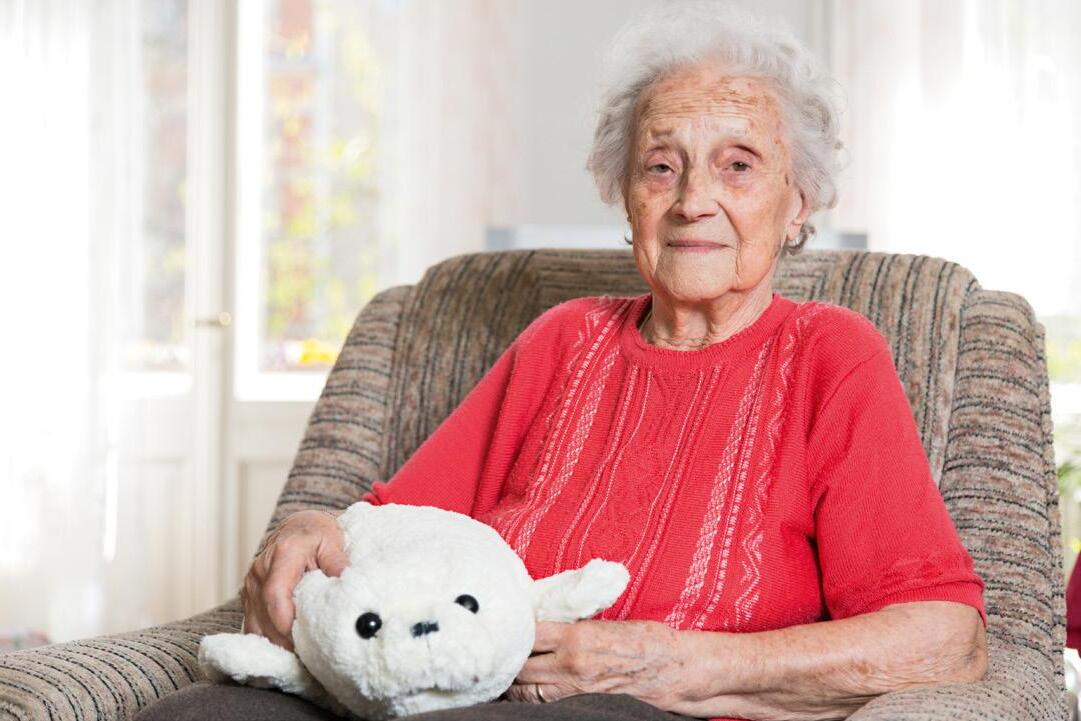
In the last decade, robotic pets and virtual reality have moved from research labs into care homes. These tools are designed to stimulate, engage and connect.
can’t tell the difference, who is responsible for how we introduce the experience?”
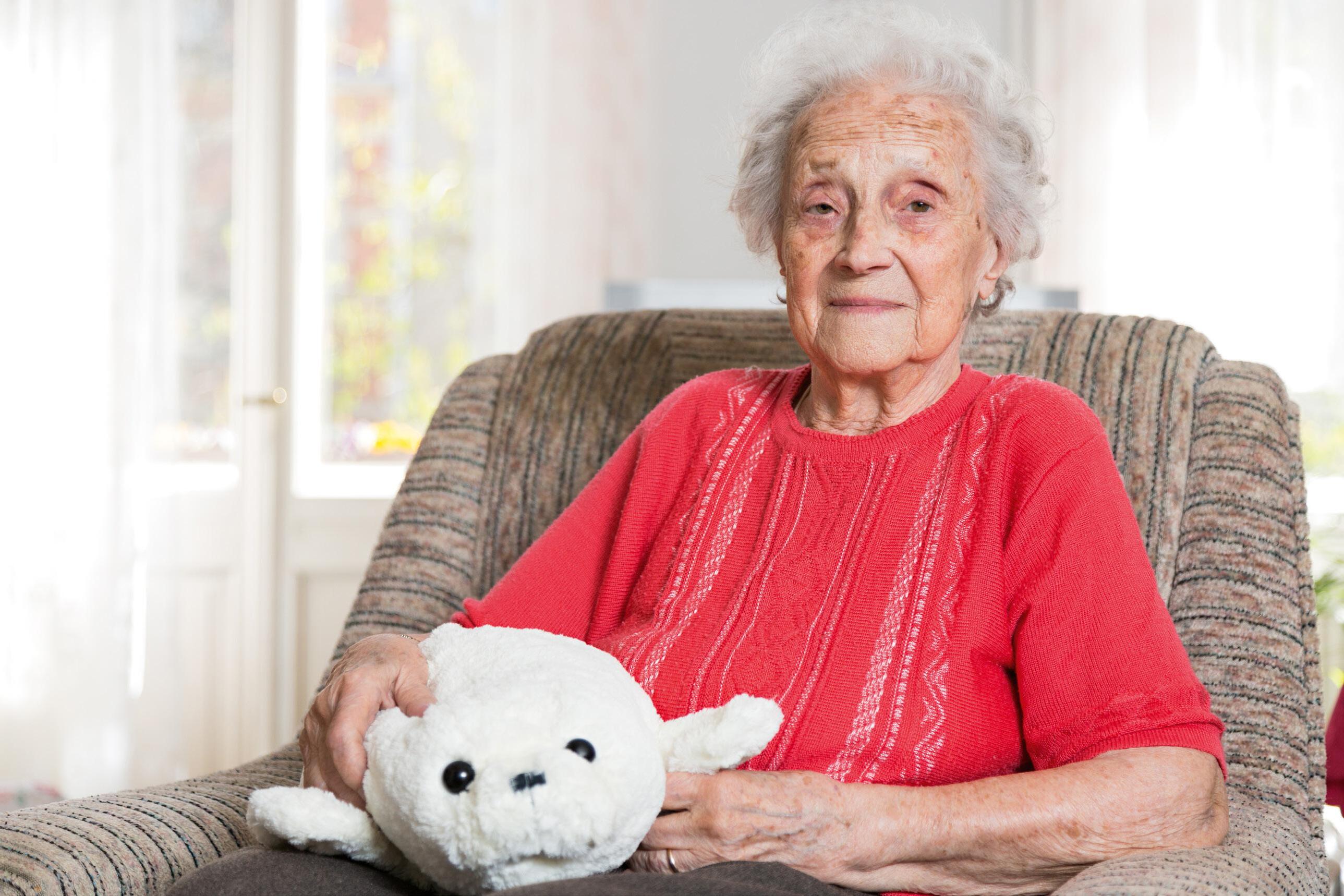
Robotic pets like cats, dogs or seals can provide a range of responses. Virtual reality headsets can provide immersive experiences, like placing someone back in a holiday destination, on
Robotic pets feel real. Virtual environments look real. For many people living with dementia, the line between simulation and reality is already blurred –and these technologies are designed, deliberately, to blur it further.
This raises many questions we haven’t properly answered yet: when someone can’t tell the difference, who is responsible for how we introduce the experience?
Some ethicists and care professionals argue that people with dementia should always know they’re interacting with a simulation – that anything less is deception. Others place less weight on that, and more on outcomes: if a robotic pet reduces distress and loneliness, does the label matter?
Divya Anantharaman
Dr Wei Qi Koh
Then there is the question of attachment. These technologies are designed to be loveable – and for people with dementia, that can sometimes work almost too well.
What happens when someone forms a genuine bond with a robotic pet, and the device breaks? Or is removed because funding runs out? Or stays behind when they move to a new facility?
The grief is real, even if the relationship wasn’t. We don’t yet have good answers for how to handle that – and in many care settings, no one is asking the question.
There is also a harder, more uncomfortable dilemma underneath all of this. If a robotic pet or virtual reality headset can keep someone calm and occupied, it could free up staff time. That is a genuine benefit.
But it is worth asking honestly: are we reaching for these tools because they genuinely improve lives – or because they are cheaper and easier than sitting with someone for 20 minutes?
Technology should supplement human connection, not replace it. When it becomes a substitute, we are not solving the loneliness problem. We are just making it quieter. How do we strike a balance?

Both positions have merit. But the gap between them means care can vary widely depending on which staff member is in the room, and what they personally believe. That’s not good enough for the people who depend on us to support and advocate for them.
What comes next
The technology is moving fast. Guidelines are not keeping up. And the people most affected – those living with dementia – are often the least able to advocate for themselves in how these tools are used.
That is not a reason to stop. It is a reason to think carefully, and to act with intention rather than convenience. Because the same systems that took decades to build dignity into physical care now have the chance to do it right from the start – before the technology becomes too embedded to question.
That’s exactly why we are conducting research, funded by Dementia Australia Research Foundation, to develop the evidence needed to guide the ethical use of these technologies in dementia care (dementia.org.au/research/our-researchers/wei-qi-koh).
Because getting this right isn’t optional. It’s what we owe the people in those corridors and common rooms.
Dr Wei Qi Koh is a lecturer in occupational therapy and Divya Anantharaman is a senior research assistant and PhD candidate in the School of Health and Rehabilitation Sciences at the University of Queensland



“Getting this right isn’t optional.”


No need to rush
Good governance and incremental adoption are key to the safe adoption of AI in aged care, say industry experts. NATASHA EGAN reports.
AI is the future of aged care. Take your time. Consider your people.
These are among the key takeaways from a recent webcast to help residential and home aged care providers plan for the safe implementation of artificial intelligence across care and operations.
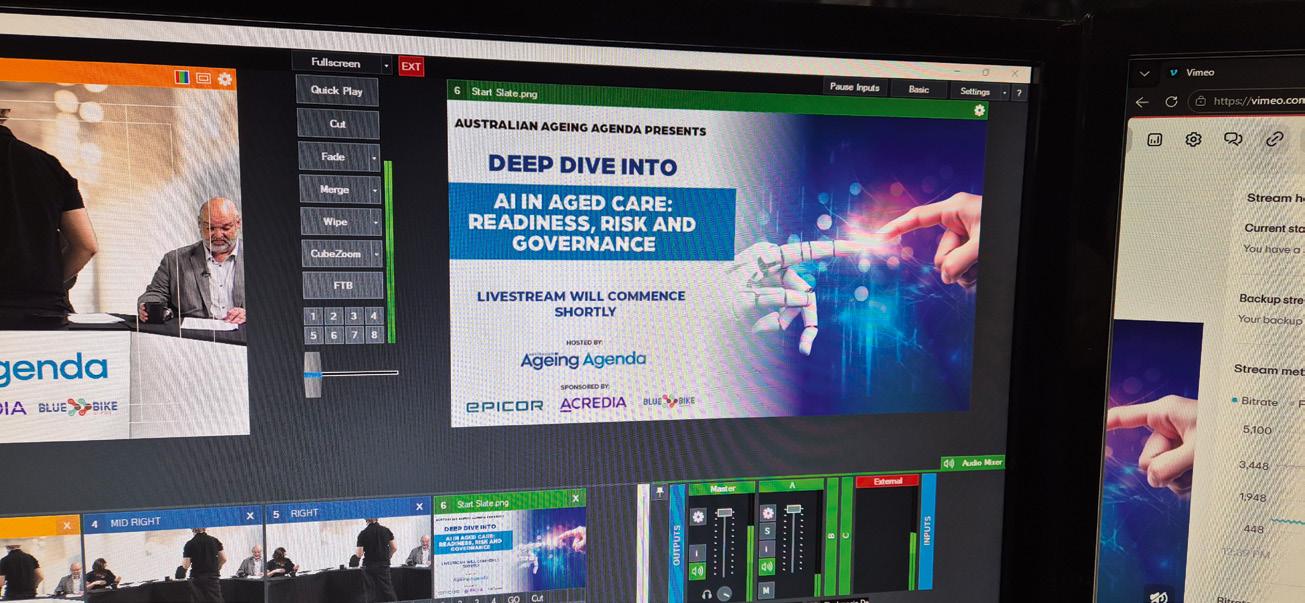
Deep Dive into AI in Aged Care: Readiness, Risk and Governance is an initiative of Australian Ageing Agenda sponsored by Epicor, Acredia and Blue Bike Solutions. Streamed live on 4 March 2026, the recording is available to watch online.
Gary McDonald, senior account manager at software solution provider Epicor, says AI promises to improve productivity and operational efficiencies.
“It’s the future, and the future is months away, not years away. Even today or tomorrow. AI will be driven by productivity benefits,” he says. “We want to get away from notepads and bits and pieces of paper all over the place. We said that with standard software, but there was still an older way of communicating to the system.
This is a new way of communicating to the system.”
David Richter, sales and marketing director at Acredia, tells providers to start small and ensure AI tools are well-understood and tested before they are rolled out.
“Don’t run before you can walk. And like Gary said, it’s here. Watch what the early adopters do, watch what your [own] and other software vendors are creating. Take your time, adopt what is relevant for you and your organisation, and ask your team, are they ready? Do they want this? Are you ready personally, as a board member or a CEO, CFO, CTO, CIO? Are you guys ready for this? Because there’s a lot of change to come, so take your time.”
“Just worry about the people for a bit.”
Luke Benson, principal consultant at Blue Bike Solutions, says it’s important to address staff anxiety.
“As the technologist, I’d say, let’s just worry about the people for a bit. There’s a massive amount of anxiety, fear, uncertainty and doubt out there. There’s a lot of potential job insecurity. People saying 1,000s of [jobs] cut from banks and telcos. And first of all, this sector is the sector that is least likely to be impacted from

The Deep Dive into AI panel ahead of the discussion: (from left) Natasha Egan, Gary McDonald, David Richter and Luke Benson
any job pressure from AI, because humans helping humans is inherently something robots can’t do.
“So we’ve got a natural opportunity over the next, say, six months, to proactively get out there – town hall [style] – let people ask questions that are driven by anxiety, and use that time to reassure and learn and listen. And it won’t be time poorly spent. It’ll be a good use of this period as the software gets good enough for us to be getting our people comfortable with it.”
Throughout the 60-minute discussion, McDonald, Richter and Benson share practical information to help aged care providers wherever they are in their AI journey.
Topics discussed include:
• the current state of digital maturity across the aged care sector
• AI readiness: where providers stand and the critical gaps
• data integrity and the foundations required for safe AI adoption
• key risks and how to mitigate them
• governance and accountability in an AI-enabled environment
• moving from pilot projects to an organisation-wide strategy.
Readiness
On readiness, panellists talk about the importance of data quality, upgrading systems to handle AI tools, and seeking help if internal assessments show a need.
“I just need everyone to understand that if you are looking at AI in any way, the AI engine or tool that you’re using will only be as good as the input that it receives,” says Richter.
“We need to look firstly at the national standards that will give you a really good set of data points that you need to be ingesting during your daily care, weekly, monthly, etc. If you don’t have that already, and you’re looking at AI, you’re just going to amplify your problems, because the AI engine may not know your specific abbreviations, or industry codes,” he says.
“When you’re trying to ready your business for this, you need to start at the core basis. What do my systems capture? Do they connect? Do they talk to each other etc? These are the most important things.”
Clear policies and procedures, involving legal, clinical and IT teams in planning, and guardrails for staff are other important elements, according to the panellists.
Risk
Up-to-date software and robust company policies on the use of AI will help aged care providers mitigate the security, legal, ethical and other risks the new technology brings, say panellists.
When it comes to exploring AI responsibly, McDonald says to look for reputable partners who are investing appropriately in getting AI right and make sure you know what is happening with your data.
“If you’re dealing with responsible software providers and consultants, they’re going to lead you down the right path, because they’re probably, if not definitely, nearly there with a lot of stuff that’s coming into the market,” he says.
“From a responsible aspect, you’re going to reputable companies to get an answer. Not the cheapest,” says McDonald. “You’re going for reputable in conjunction with all the things we talked about –data security and everything around it and mitigating the risk.
“We go back to this legal side of it, your data is your data. You don’t want people in that industry taking that data from you. And I think everybody around this table would say, you should be able to control it, and so the mitigation is making sure you do control it. You just don’t say, oh, there’s my data. Go and do something with it. You want to know what they’re doing with it, where it’s being stored, how it’s being used.”
Governance
On governance and accountability, the panellists agree that everyone in an aged care organisation has a role to play. It is also important for providers to ensure outputs are accurate and reliable.
“There are different governance aspects across the organisation, but the technology governance sits with the CIO, CTO and that person in that role needs to be thinking about two important aspects. One is transparency and explainability, especially where bias is a risk,” says Benson.
“We’re going to see patterns where, when we use AI models, we also ask at the same time, what were you thinking when you gave me this answer?” The answer will be saved as a record of how it got into the system, he says. “We may not need it, but we may go back to it later for investigations or to look at patterns.”
The other thing to note is that unlike traditional software, you should not assume the new version of AI hasn’t gone backwards or broken things that worked before, says Benson.
“One of the techniques we’re seeing used is a catalogue of prior knowledge questions, things that you know the answer to, and you can evaluate the answer, ask the same question of any model and expect a consistency of answer. So when a new version comes out … there is a chance for the technology team to evaluate it first and say, ‘wait, it’s performing worse against these topics, we’re not going to actually deploy that upgrade’, which I think will be a new concept we’ve never really had before of testing a model.”
Beware of free
The discussion is followed by a viewer Q&A session.
A question drawing a crystal-clear answer came from a small provider starting to trial the use of ChatGPT for writing tasks.
Before I, as discussion moderator, finished the question, panellists were shaking their heads and saying “no” in response to: “Is the free business version of ChatGPT safe in terms of privacy and data?”
Richter is adamant: “No, not even the privacy, but the output. No.” He adds, “it’s not safe” in data and privacy terms and not accurate in other layers. “You cannot guarantee that the free version will give you anything close to what you need.”
Businesses do not give away their best products, says Benson. “If you become a paid user, you will see the difference.”
But that doesn’t mean it’s perfect, adds Richter, who builds on previous comments from Benson.
“Even if you’re a paid user, a new version that comes out will give you different results and may become better at improving image quality or image outputs, but it has deteriorated in another area. If you’re on an unpaid version, assume that your outputs are nowhere near,” says Richter.
“It’s a business model. Sam Altman is a billionaire for a reason, so don’t assume he’s going to give you what you need for free.” ● Scan the QR code to watch the webcast
Webinar operations
Tech bridges access gaps
We’re sitting on a treasure trove of data that can improve clinical insights, JAMES BRITTON tells JODIE WOLF.
As an industrial and systems engineer, James Britton believes he has had an uncommon path to working in the aged care sector. He describes his career as gradually getting “closer and closer to the patient.”
Britton is chief executive officer of Geriatric Care Australia. The for-purpose organisation has a team of specialists and doctors providing bulk-billed medical care to Australians aged 65 wherever they live.
His engineering background has given him a view of “how complex systems, processes and incentives” shape patient outcomes.
It also led him to Lean Six Sigma – a collaborative, data-driven methodology “all about operational efficiency,” he says. And then to Harvard Business School, where he was exposed to different models around the world.

An approach that resonates with Britton is “value-based models of care” – which focus on improving outcomes that matter to people while also reducing health system costs. He notes costs are “unsustainable” in aged care.
Britton spent his early career at big medical technology organisations in the United States –including GE Healthcare and Medtronic – moving from engineering operations into leadership and overseas to roles in Australia and Singapore.
“I was building and scaling systems. Technically, it was very strong but then I became aware that if you don’t develop a system based on patient experience, lived experience, or outcomes and things that really matter to patients, then you’re missing the point,” Britton tells Australian Ageing Agenda
This is why “I got into integrated and valuebased care models” and implementing them at big healthcare organisations, says Britton. “It’s around moving from volume to value. Trying to be less transactional in healthcare.”
After more than six years at Medtronic, Britton finished up as director of value-based healthcare and integrated health solutions Asia Pacific. He returned to Sydney and led Brellah, a group of multidisciplinary and integrated medical centres, for four years. With this experience, plus an MBA from the Australian Institute of Business and the executive program on value-based care at Harvard Business School, Britton began his role as CEO of GCA in early 2024.
The transition to aged care was driven by the complex and human aspects of the sector and “value alignment,” says Britton.
“I’m super passionate about improving outcomes and access to care for older people.”
“We started as a very small organisation. Now we’re the largest of what we do in the country. It brings together that systems level thinking that I got very early on in my career. Also, clinical care, technology scale and a very clear focus on not just improving outcomes. In Australia, it’s also the inequities of access to care and improving access to people in underserved regional, rural and remote areas. Making sure they can have the access and outcomes that anyone else can get in a metro area,” he says.
“It doesn’t matter where you live or how much money you have, you should have access to high quality health care.”
The organisation aims to make everything as “easy as possible” and provide “timely access to care,” says Britton. GCA provides free care to underserved areas.
Everything is bulk billed. GCA also provides education within aged care homes, and aims to help with compliance, engagement and retention. Family education is “quite impactful,” he adds.
Technology as an enabler
To improve access to care and enhance efficiency, Britton emphasises the importance of integrating technology, particularly telehealth and artificial intelligence.
“I’m super passionate about improving outcomes and access to care for older people, and technology by itself is not necessarily going to do that,” he tells AAA. “You need models or systems in place that enable these things to happen.”
The goal is for the technology to be an enabler for both the GCA team and aged care homes, he says.
“You have to use digital health technologies such as telehealth to enable better access. Is it the best model of care? Of course, in person is always better. Whether this person receives care or not, some level of video-based care is better than none. We’re the largest provider of telehealth in regional and remote areas in the country. We have great outcomes and data that prove that it works.”
The development of AI, large language models and natural language processing can provide a “treasure trove” of data that can “enable improved clinical insights” for doctors and frontline workers to treat more people, more “efficiently and effectively,” Britton says.
“Of course, there’s governance, compliance, privacy concerns; those all obviously need to come first,” he says. “But that doesn’t negate the fact that
James Britton
we’re sitting on tech that can truly make a difference if we enable it in a system style way.”
Balancing innovation with care today
Britton touches on the challenges he faces day to day, such as balancing innovation with immediate care and addressing fragmented funding models.
“There’s a real tension, at least for our team and where we sit in the aged care ecosystem, between innovation and access,” he says.
“Innovation takes time, data, resources, research, and funding. At the same time, people need care right now, and balancing building better systems for the future while making sure no one else misses out on care today is honestly one of my biggest challenges. Because I’m trying to look forward while also trying to treat what’s ahead of us with the resources that I have.”
Driven by impact
When it comes to the parts of the role Britton values the most, he says the ability to “measure and drive” real impact is at the top.
“No one would be in aged care in my role, or any kind of leadership role, if they didn’t really, really like the impact,” says Britton.
“How do we improve outcomes and reduce the inequities of access to care for older people across the country? To me, that’s a challenge – which is another thing that I love, secretly.”
In aged care, if you can get the “right technology” to come together with the “right people, place and time,” you will see “better and measurable outcomes,” he says.
“Things like fewer hospitalisations, improved access to care, reduced medications. These things make an impact for older people and their families. That’s motivating. I work with a multidisciplinary team. They’re all amazing. They have a shared purpose. Being able to go to work every day and know that we’re aligned around designing better care is very fulfilling, which is nice. Even though there’s a tsunami of work ahead of anyone in aged care.”
James Britton is a:
• graduate of the University of Florida, the Australian Institute of Business, and Harvard Business School
• self-confessed “pretty good” wakeboarder
• keen surfer
• Lean Six Sigma black belt from the University of North Florida.
Connected interests
“Being able to go to work every day and know that we’re aligned around designing better care is very fulfilling.”
Outside of GCA, Britton contributes to aged care innovation through leadership roles in several different organisations. This includes Ageing with Grace, a national charity connecting socially isolated older people with volunteers to combat loneliness and depression.
He says he is proud of the organisation’s impact on social and emotional wellbeing, despite the challenges of measuring these outcomes.
“I’m on the board of Ageing with Grace and as much as I do a lot of great work with doctors and I can talk all day about clinical outcomes, there’s still a social and emotional impact that is hard to measure with how you can improve lives of older people, whether they’re ageing in place or in residential aged care homes,” Britton says.
“Matching volunteers with these people, as much as we know that we’re making an impact that is profound, I wish we could do more of it. I’m very proud to sit on the board and have a great CEO of that organisation and team that enables that to happen.”
Britton is equally passionate about his role with the Australian Association of Gerontology – the national membership organisation aiming to improve the experience of ageing by connecting gerontological research, policy and practice.
“I sit on the New South Wales executive committee. They’re trying to make it more translational and more implementation focused and more real world focused. It’s a great team there, and another organisation doing the right thing by bringing the right people together to drive impact.”
Working for balance
Britton, 38, lives with his wife Beth and their twoyear-old groodle, Ziggy. As our conversation nears the end, he reflects on the challenge of balancing work and personal life and says enjoying life outside of aged care is important for him.
“I’m not very worky outside of work. Friends and family hear about what I’m doing and why I’m doing it and a lot of them can’t put two and two together,” he says with a smile in his voice.
“I go to work with intention and wanting to make a difference. It’s very much game time in some ways. Outside of that, life is meant for living, relaxing and having a good time, which is probably more my status quo,” says Britton.
“The work never ends. You’ve got to be able to switch off.” ●
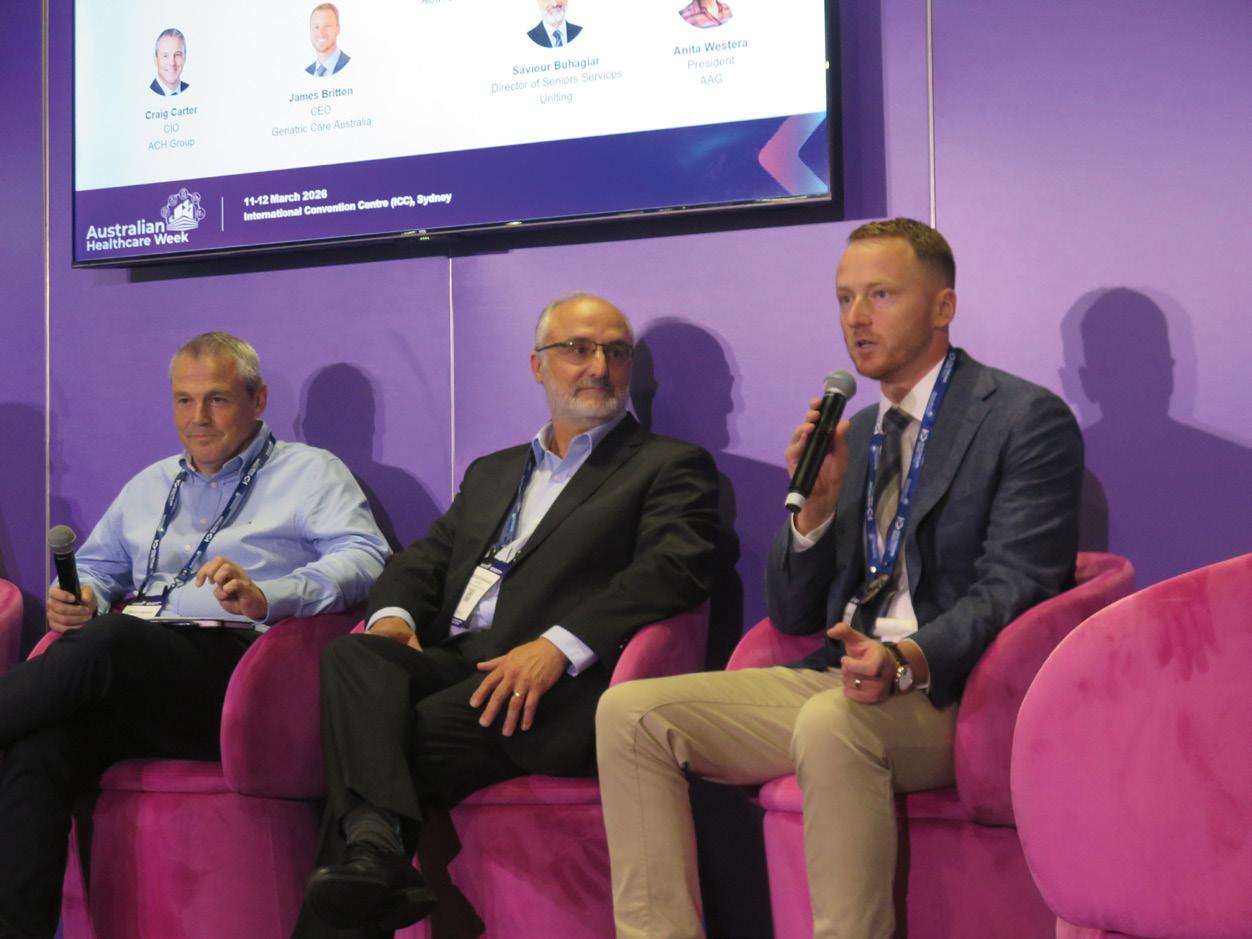
James Britton (right) at Australian Healthcare Week 2026

Insights on integrating care
Prevention, continuity, and nurse practitioner care are the most beneficial aspects of primary care for older people and should be prioritised in efforts to integrate it into aged care, writes DR JOHANNES SCHWABE.
Person-centred and integrated care is key to health and wellbeing for our older population. When designing care systems that support older people, the challenge is not only to overcome current issues, for example wait times for services, but also to design systems that are sustainable and realistic in the face of growing future demands.

While the quality of nursing care delivered through aged care supports will continue to play an important role in supporting older people, any future aged care model will rely heavily on an efficient and effective primary health care system.
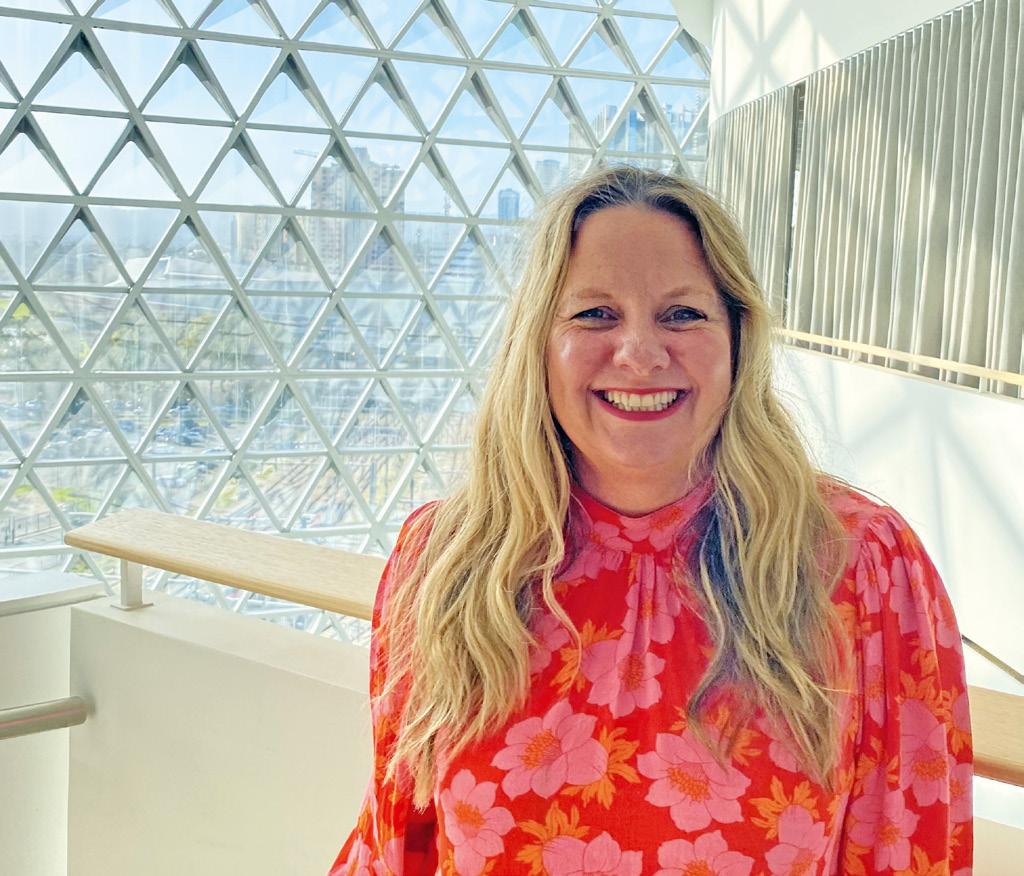
Primary care is a central pillar of high-quality care for older people, whether at home or in residential settings, and services provided by general practitioners will continue to be key in preventing and managing chronic conditions, ensuring safe medication use, and keeping older adults healthy and out of hospitals.

To inform the design of the future aged care system, we need good evidence of what primary care services and delivery models offer the most benefits for older people. The need for this evidence was the impetus for a national research study conducted over the past five years, supported by the Medical Research Future Fund and led by Professor Maria Inacio and Professor Gillian Caughey.
This study of transdisciplinary experts included epidemiologists, pharmacoepidemiologists, biostatisticians, general practitioners, aged care consumer representatives, representatives of peak
the benefits of primary care for older people receiving aged care.
The research, which was recently published in the journal Age and Ageing, provides clear and policy-relevant results (10.1093/ ageing/afag026). The most important part of primary care is not about one specific service, but about utilising a suite of preventive primary care services together, such as health assessments, chronic disease management plans and allied health services.
This pattern of service use, when compared with other patterns of care, offered the most benefit to older people, especially when compared to patterns of care that rely heavily on urgent and nonurgent out-of-hours primary care.
Dr Johannes Schwabe
Professor Gillian Caughey
“Preventive primary care, often delivered by multidisciplinary teams, offers downstream benefits and will keep older people in residential care out of hospitals.”
A second key finding is that a high continuity of general practitioner care when older people transition into care is a strong protective factor against several of the outcomes examined.
Older people who kept their GPs when entering residential care had 6–21 per cent lower risks of hospitalisations and emergency department presentations than those who switched to new GPs. In addition to GP-provided services, the study found that nurse practitioner care, even though rare, was associated with benefits too.
These results matter because they identify and quantify the aspects of primary care – prevention, continuity, nurse practitioner care – that offer the most benefit to older individuals. As such, these aspects should be prioritised when working towards stronger integration between primary and aged care, and in the ongoing reforms that support this.
How to apply findings
Based on these results, we have developed the following practical recommendations for policymakers and providers to bridge the divide between aged care and primary care.
Firstly, preventive primary care, often delivered by multidisciplinary teams, offers downstream benefits and will keep older people in residential care out of hospitals. Reactive patterns of care – such as urgent and non-urgent after-hours visits – should not be the preferred model for primary care delivery.
Secondly, continuity of general practitioner care is key for those transitioning to residential aged care. While difficult for providers and families to ensure, with some disruptions unavoidable, GP continuity needs to be front and centre during the transition into care. This means it should be monitored, incentivised and well documented. Where disruptions are unavoidable, it is important to monitor the quality of the handover process, understand the downstream consequences, and minimise where possible.
Thirdly, in the absence of an abundant general practitioner workforce and other primary care challenges, professionals like nurse practitioners play a significant beneficial role in the residential aged care sector. The study suggests that when nurse practitioner care was available, individuals had significantly better outcomes. As nurse practitioners are currently few and far between nationally, investment in their training and capacity is necessary.
Most importantly, however, the study demonstrates that primary care is central to an older person’s health and wellbeing. For it to continue to play this role in the future, it must be fully supported for its optimal delivery in the aged care setting.
For this to happen, primary care funding models need to recognise and reflect the value primary care offers aged care, and clinical governance arrangements between aged care and primary care settings need better integration.
We now have comprehensive evidence on how primary care provides real benefits for those in residential aged care. This is the time to act on this data and integrate primary care and aged care more strongly, and to finally design the system we need.
Dr Johannes Schwabe is a senior research fellow at the Registry of Senior Australians Research Centre
ROSA director Professor Maria Inacio and associate director Professor Gillian Caughey contributed to this article ●
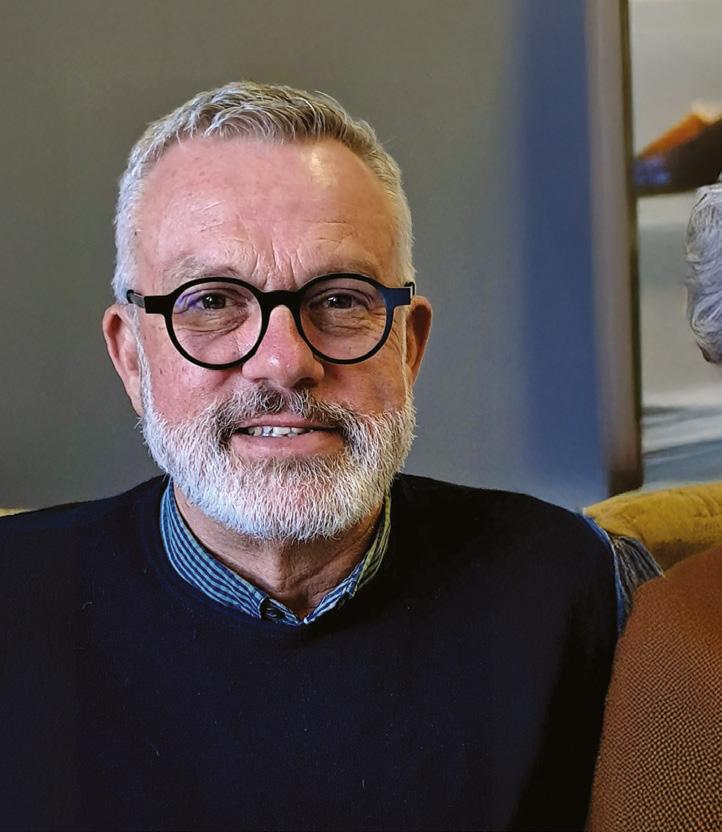

The whole person, the whole point
IDC2026 will set the agenda for future dementia care, with a stellar line-up of the most thoughtful voices.
Dementia is the fastest-growing major disease in Australia. It’s also our number one killer, with deaths rising sharply over the last decade.
But dying with dementia is only part of the story. Today, about 433,000 Australians are living with dementia – some of them for decades.
So, what does it mean for a person to live well with dementia? And how can they be cared for in a way that honours their stories – now, and in the future?
The International Dementia Conference 2026 at Hilton Sydney on 4-5 June will address these questions.
With a gathering of health professionals, researchers, advocates, scientists and those with lived experience, organisers say IDC2026 is an opportunity to discuss new ideas, new skills and new ways of doing things.
“Each IDC delivers something completely different to the sector,” explains Marie Alford, HammondCare’s General Manager for Growth and Innovation.
“Our conference team leans into the current issues but more importantly, listens to the people


we serve – those living with complex dementia – to align our international and national speakers to their needs.
“There are many conferences to choose from, but before I joined HammondCare this was my goto event. Being part of the convening team shaping this has only strengthened my position – this is the dementia event you can’t miss.”
Global experts, a groundbreaking film and legendary host
Taking the plenary stage at the conference will be a line-up of highly regarded dementia and palliative care experts from Australia and the world.
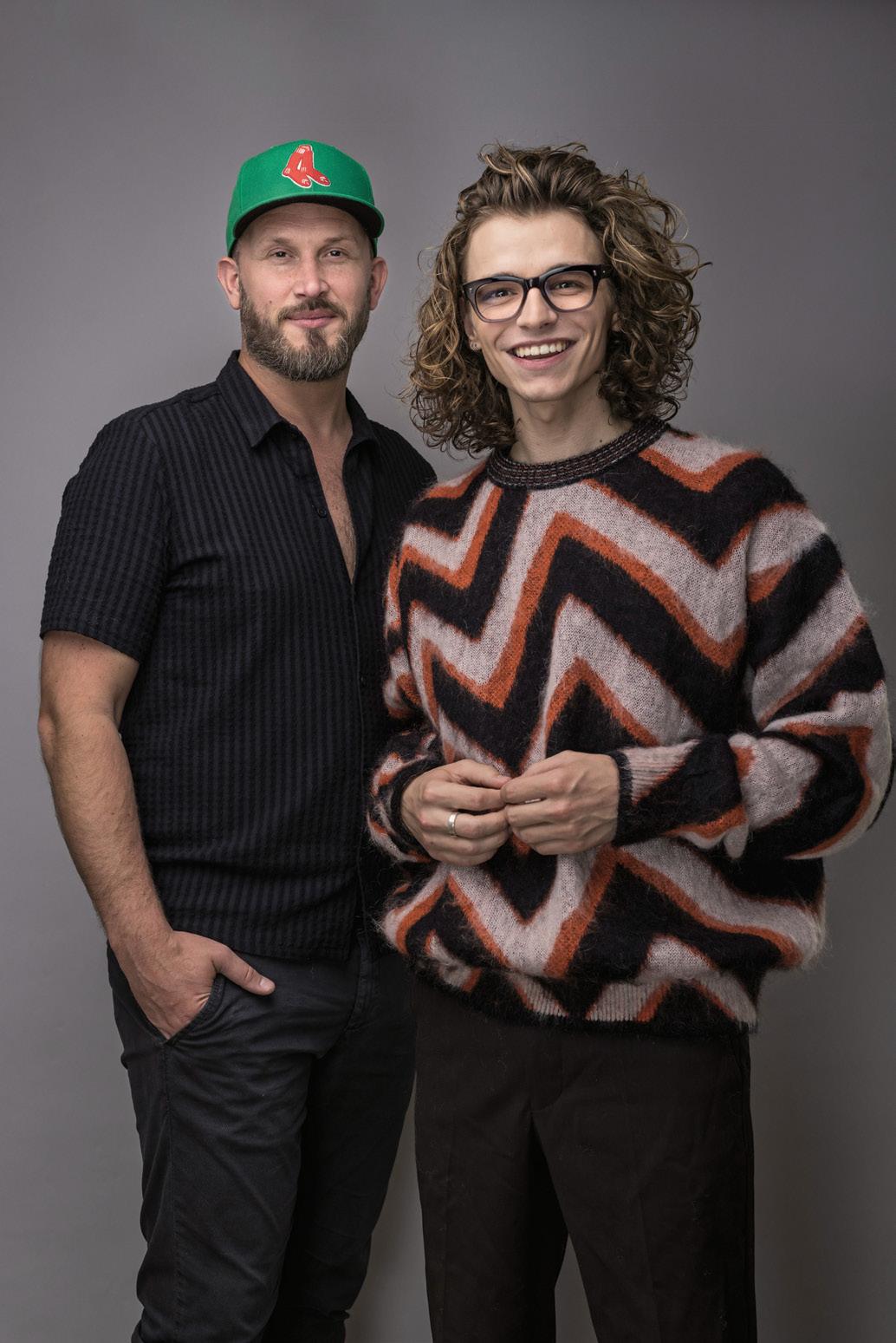
pioneering dementia educator and geriatrician Dr Allen Power from the United States, and Scottish Brain Sciences chief executive officer and founder Professor Craig Ritchie (see following pages for more on these three leaders).
They will join other keynote speakers such as health tech guru Dr Sanka Amadoru and Compassion Revolution founder Mary Freer, while panellists from a range of disciplines will debate challenges around diversity, reablement, rare dementias and dying well.

“This is the dementia event you can’t miss.”
Dementia activist Teun Toebes and filmmaker Jonathan de Jong will present their documentary Human Forever at the conference
A highlight of IDC2026 will be an exclusive Australian screening of the award-winning Dutch film Human Forever, presented by dementia activist Teun Toebes and filmmaker Jonathan de Jong.
Their book, The Housemates, tells of Teun’s three years living in what the Dutch call a “closed dementia ward”. Human Forever followed, exploring global attitudes to people living with dementia and their care. Teun will also speak at a plenary session and contribute to the panel discussion on diversity.
Guiding delegates through the compelling line-up will be legendary Australian journalist Ray Martin, who will bring his characteristic compassion and intelligence to the conversation.
Find your tribe
Organisers point out that one of the most rewarding aspects of IDC for attendees is the chance to connect with other health and aged care professionals, as well as close to 40 expected exhibitors.
Attendees are invited to a networking event on the evening of day one, followed by a special screening of Human Forever and a Q&A with Teun Toebes and Jonathan de Jong. Delegates attending both days can also choose to come to an exclusive masterclass with Dr Kathryn Mannix and Dr Allen Power or join a dementia cottage tour on Wednesday 3 June. ● Find out more at dementiaconference.com



Keeping the end in mind
Palliative care advocate and speaker
“I want to share their wisdom with the world.”
Dr Kathryn Mannix has been a palliative medicine specialist for most of her life. So, when she explains how her own family has approached the end-of-life wishes of her parents, ears all over the world should prick up.
But it turns out, it’s as much a cautionary tale as a set of guidelines.
Mannix explains that her parents wanted to give her power of attorney for health and welfare, for obvious reasons, but she was having none of it.

“I’ve got all of the ideas and stepping stones in my head completely clear already, while none of my siblings do,” she says. “With my understanding, coming from 40 years of watching other families figuring it out, I shouldn’t be making those decisions on behalf of everybody else. I should just be the advisor.”
A family meeting followed.
“Dad told us he would not want further treatment when he was unable to do what mattered to him, and said he knew Mum would feel the same,” continues Mannix.
“And Mum’s face just dropped! So, here’s the person who’s been married to her for 60 years, and it turns out they felt differently.”
Mannix describes her close family as “highly functional, where everyone loves one another”, but where – in the absence of clearly articulated wishes – they had made assumptions.
“It’s a helpful illustration of the fact that there’s no manual for this – your family has to figure it out, and the only way you can figure it out is by talking about it,” says Mannix, who will be on the main stage at IDC2026 in Sydney in June speaking about death – your own, your family’s, and those of the people you care for – and how to prepare for it.
“I’ve spent my whole career working alongside dying people and learning from them. Now, I want to share their wisdom with the world.”
At IDC2026, Dr Kathryn Mannix will particularly address end-of-life conversations in the context of dementia. She’ll also be signing her bestselling books, With the End in Mind and Listen, for delegates.
Legendary Australian journalist Ray Martin will host the upcoming IDC2026
Photo:
Phillip Castleton
Dr Kathryn Mannix
Championing a path to empathy
If you could sum up Dr Allen Power’s most urgent message in one phrase, it would be: “put yourself in their shoes”.
The well-known geriatrician and dementia advocate is the Schlegel Chair in Aging and Dementia Innovation at the Schlegel-University of Waterloo Research Institute for Aging (RIA) in Ontario.
Based in Rochester, New York, Power has spent much of his life writing and speaking about transformational models of care, particularly for those with changing cognitive abilities.

Author of two highly regarded books –Dementia Beyond Drugs: Changing the Culture of Care and Dementia Beyond Disease: Enhancing Well-Being – with a third on the way, Power wants to see a change in how we care for people living with dementia. It’s a change that puts the focus on the person at the heart of the care, with all their history, desires, relationships and needs.
“That’s what’s missing when we just care for people with the biomedical approach,” he says.
“But when we look at it through an experiential lens, we start seeing dementia differently. We have to shift the focus to
a strength-based, proactive approach to enhancing wellbeing, instead of just mitigating distress.”
So, what’s stopping us?
Power sees two big obstacles in the way of better person-centred care.
The first is the system.
“It doesn’t matter what the idea is, if you bring the idea to an institution, the institution will kill it every time,” Power says.
“So, you’ve got to shift operations if you want something to stick. And that means changing daily policies, practices, staffing patterns, ways of communicating, ways of addressing conflict.”
The second obstacle is, well, us.
“It’s still hard to keep from othering people with dementia, from seeing them as something different from themselves,” he says.
“We tend to think people living with dementia need something different than the rest of us do. But they don’t.”
Dr Allen Power believes there are ways for the aged care and health sectors to overcome these obstacles and transform care. He will expand on these in his keynote address at IDC2026.

Redrawing the brain health roadmap
Professor Craig Ritchie has been one of the loudest voices driving the global brain health agenda for over a decade, working extensively across both research and clinical settings. He is Professor of Brain Health and Neurodegenerative Medicine at the University of St Andrews and former Honorary Chair of Psychiatry of Ageing and Director of the Centre for Dementia Prevention at the University of Edinburgh.

But in 2022, frustrated with the sector’s slow uptake of new ideas, Ritchie felt compelled to take a new road, founding a neuroscience research company called Scottish Brain Sciences, which develops early diagnostic tools and treatments for people with brain conditions. It’s part of an attempt to toss out the old brain health agenda roadmap (to extend the driving metaphor) and come up with a new one.
“In the past,” says Ritchie, “we assumed that, if you made a compelling argument and you shouted long enough and often enough about it, the system would change.”
But persuading leaders – in the government,
“We have to shift the focus to a strengthbased, proactive approach.”
the sector, the community – to get on board is one thing. It turns out that action on the ground requires more time, and perhaps the pulling of different levers.
“It’s been years since the launch of the whole brain health agenda, which is now gathering huge momentum, but on the ground the clinical care for patients hasn’t changed one bit,” he points out.
“There’s a big disconnect between what people recognise in manifestos and political discourse as being the right thing to do. But when you look at clinical care in the US, UK and Australia, it hasn’t moved much from where it was 30 years ago. It is still very much focused on dementia rather than prevention.”
The problem isn’t with winning hearts and minds, Ritchie insists. Both the public and political decision-makers are motivated to act – it’s the gigantic, slow, risk-averse healthcare systems that take a long time to turn around.
Professor Craig Ritchie will suggest how the sector can change direction in his keynote address at IDC2026.
“There’s a big disconnect.”
Dr Allen Power
Professor Craig Ritchie

Building empathy for dementia
Dementia Australia’s virtual reality workshops are helping aged care staff gain practical knowledge and test new skills. JODIE WOLF reports.
Dictionaries highlight a critical distinction between sympathy and empathy. Sympathy is often described as a feeling of concern, or pity for someone else’s situation from afar, while empathy means to actively share in a person’s emotional experience.
When it comes to working with a person living with dementia, staff knowledge is paramount. Being able to call on strategies to support a person with dementia to live more confidently is something that can come from being able to empathise.
Onsite simulations developed by Dementia Australia are providing care workers with the opportunity to upskill and achieve this through virtual reality workshops.
Aged care providers can use these programs as part of their learning and development, says Professor Tanya Buchanan, chief executive officer of Dementia Australia.
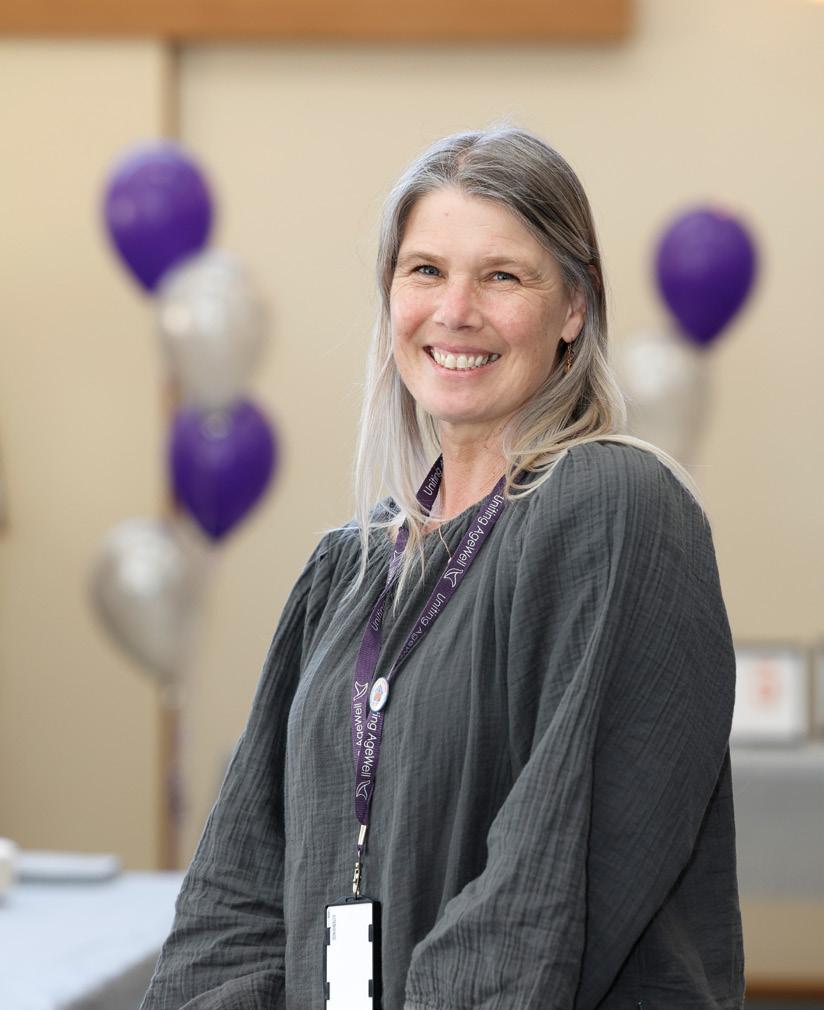
“Our evidence-based, virtual reality workshops create interactive scenarios where staff can safely test new skills and strategies with a carefully researched and realistic virtual person,” Buchanan tells Australian Ageing Agenda
Professor Tanya
“Workshops can be implemented as both stand-alone training and as complementary components within broader learning and development pathways.”
There are three workshops:
• Enabling EDIE: a VR simulation that enables participants to see
the world through the eyes of a person living with dementia
Dine with Ted: a workshop using VR to see the dining experience through the eyes of a person living with dementia
D-Esc: a workshop that provides VR de-escalation training for a behavioural emergency.
Buchanan says the programs are effective because they go beyond “traditional knowledge-based learning” and support workers who provide care to people living with dementia to learn by doing, and to build empathy and understanding.
“By integrating cutting-edge technology with traditional interactive methods, participants gain deep insights and practical knowledge in a balanced and dynamic learning environment,” she says.
“VR allows participants to step into the shoes of a person living with dementia, helping them understand the sensory, cognitive and emotional challenges often faced by people living with dementia. Participants often report that the immersive nature of the training helps them remember and apply learnings more effectively than through classroom training alone.”
Since launching in 2024, D-Esc has quickly become one of Dementia Australia’s most popular VR training programs, alongside Enabling EDIE, Dine with Ted, says Buchanan.
To date, more than 10,000 people participating in over 800 workshops have completed D-Esc. Service providers continue to ask
Buchanan
Aged care staff can upskill on dementia through virtual reality workshops
Dementia Australia
for more adaptations for specific workplace settings such as residential, community and acute care.
Karen Cameron, director of dementia care at Uniting AgeWell, says the not-for-profit aged care provider is committed to providing staff with learning opportunities to advance improvements in dementia awareness and best practice in care and education.
“It’s an integral pillar of our Dementia Framework and model of care,” Cameron tells AAA
“Implementation of the VR De-Esc workshop has included providing equitable access for staff from across our 21 residential aged care facilities and our home care teams and participation from a variety of roles including carers, enrolled and registered nurses, leisure and lifestyle staff, chaplains, allied health professionals, OHS leads and managers.”
Attendees include staff who had been working in aged care for over 25 years, as well as those who have recently completed their training and are new to the organisation.
Cameron says the VR De-Esc workshop has provided staff with an “invaluable opportunity” to immerse themselves in an “experiential learning environment” that creates a familiar scene they can learn from and apply in practice and complements other learning and development programs provided within the organisation.
“Participants were unanimous in their feedback, saying everyone supporting a person living with dementia would benefit from completing the VR DeEsc workshop,” says Cameron.
“The [VR De-Esc] workshop provides staff with a safe environment to practice de-escalation skills and see the outcome of their decisions in real time. The staff who participated in the training expressed greater confidence in understanding the escalation cycle a person living with dementia may experience and increased capability in recognising and responding to changes in emotional and physical signs of stress that a person living with dementia may express.”
Cameron tells AAA that after the training, staff reported they were confident in providing a personcentred approach by “understanding the individual’s story” and validating what the person was feeling and saying.
As a result, staff are able to recognise when to calmly offer help to assist and provide comfort and redirection to engage the person living with dementia in something meaningful to them.
“The program has been effective with staff able to apply the communication techniques and recognise the early signs of changes in the person living with dementia to prevent escalation in their emotions,” she says.
Cameron says Dementia Australia was supportive in organising and providing access to the workshops and the facilitators provided opportunity for conversation and the exploration of strategies to support people living with dementia.
“The skills learnt during the VR De-Esc workshop require ongoing integration for staff across the organisation as they share and apply the knowledge,” she adds.
“The response from staff after the training has been overwhelmingly positive. Implementation of the workshops will be supported by providing staff with access to additional information and resources to support the learning outcomes of the VR DeEsc around communication, understanding the escalation cycle, validation techniques, identifying triggers, prevention strategies and techniques to deescalate a situation for a person living with dementia.”
“It increased my confidence in situations and reinforced the importance of empathy, patience and dignity in dementia care.”
Murray Manpreet Cheema, a senior care manager at Uniting AgeWell Kalkee Community and training participant, says the three-hour training session “enhanced our professional knowledge” and “the quality of care” her team provides residents.
“It was nice to use virtual reality as it was very practical and seems like a realistic demonstration around the topic,” Cheema tells AAA
“The session provided clear, practical strategies for supporting people living with dementia, while also helping staff better understand behaviours, communication needs and personcentred care approaches.”
Cheema says the training was well structured, engaging, and relevant to her day-to-day work.
“It increased my confidence in situations and reinforced the importance of empathy, patience and dignity in dementia care,” she says. “The virtual aspects were the most interesting part. Other residential care sites would benefit from this training.”
In order to achieve the best possible care outcomes for people living with dementia, Cameron says it is “integral to focus on workforce capability” through the provision of education and to increase dementia awareness within the community to support the care relationship for the person living with dementia.
“Next steps include providing continued education to all staff to increase knowledge on dementia-related illness, causes and symptoms, and how to communicate and care for people living with dementia,” she says.

“This will include the use of eLearns, webinars, online and face-to-face learning opportunities using the latest information and innovative education methods. The relationship with Dementia Australia supports access to a range of immersive dementia education opportunities for staff.”
Buchanan explains that while overall uptake has been strong, introducing cutting-edge technology into care settings naturally involved some learning curves.
“Early challenges included logistical considerations such as coordinating time allocations for staff training and familiarising teams with VR equipment and experiential learning,” she tells AAA
“Providers have consistently reported that once integrated, the programs run smoothly and offer significant value. Dementia Australia’s facilitators have played an important role in ensuring a positive experience for participants and organisations alike.”
Tell TiNA is the latest technology Dementia Australia has launched to support the care workforce. The app-based tool aims to help workers and providers assess the strengths and areas of development within their dementia care teams.
“Leveraging from the research evaluation
“Providers have consistently reported that once integrated, the programs run smoothly and offer significant value.”
of immersive simulation, including Talk with Ted, our current work focuses on building additional high-fidelity, AI-enabled simulation scenarios that allow safe practice, reflection, and confidence-building in dementia care,” says Buchanan.
“The new simulations are tailored to the learning needs of different professions and will support the workforce caring for people living with dementia to build practical skills that strengthen their capability.”
She says care providers have reported improved engagement between staff and people living with dementia, alongside a decrease in reportable serious incidents and behavioural emergencies following VR training. This demonstrates a “clear and measurable strengthening” of quality dementia care, she says.
Dementia Australia is also making an impact on the global stage with its VR-based dementia training. D-Esc was awarded a Gold International Stevie Award for Technology Excellence in the category ‘New Product of the Year’ in 2025.
Enabling EDIE has been reviewed by two medical journal publications and one internal validation who all concluded that the virtual reality workshop is an effective component of dementia education. ●
Working group targets nurse readiness
Linda Feldt – the chief executive officer of South Australian aged care provider ACH Group – says the second industry roundtable on nurse graduate work readiness in caring for older people marks a critical shift toward solution-focused collaboration.
Taking place in late February at the South Australian Health and Medical Research Institute, the roundtable brought together leaders from health, aged care, nursing education, workforce planning, regulation and policy.
It built on the October 2025 roundtable facilitated by Aged Care Research and Industry Innovation Australia, which looked at the critical barriers affecting the attraction and retention of nurses.
The October roundtable identified the following key areas of focus:
• curriculum and training gaps – such as limited exposure to clinical complexity, aged care systems and decision-making
• inadequate placement models characterised by fragmentation and inconsistent supervision
• workplace capacity constraints driven by workforce shortages, high turnover and compliance pressures
• broader systemic issues such as fragmented governance, funding misalignment and persistent negative perceptions of aged care.
February’s roundtable focused on confirming priorities, identifying shared responsibilities, and shaping next steps to progress agreed solutions. Despite significant challenges, there is also reason for optimism, Feldt says.
“What gives me confidence is the depth of expertise and commitment in the room,” she says.
“Progress will come through incremental steps forward [by]
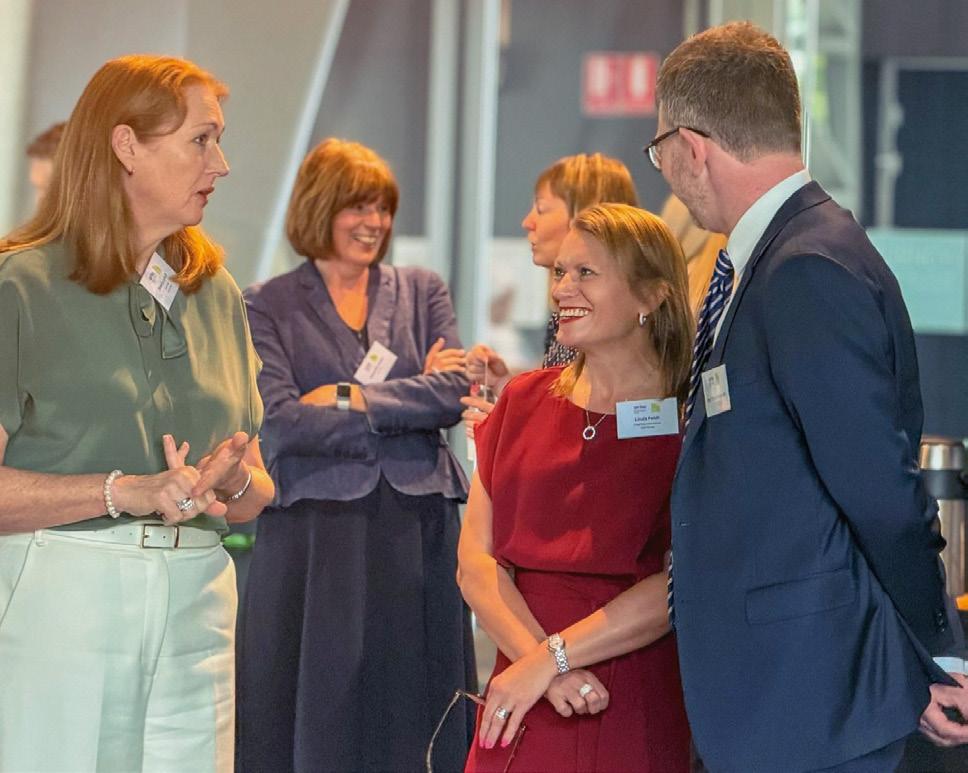
aligning education with practice, strengthening supervision, and creating clearer pathways that enable nurses to build long and rewarding careers.
“This is ultimately about ensuring older people are well supported to live good lives now and into the future.”
Australia is facing a projected nursing shortfall of over 70,000 full-time equivalent nurses over the next decade. About half of nurses leave the profession within two to three years of commencing.
Urgent, coordinated action is needed to ensure nurse graduates are supported from day one, says Feldt.
“We know graduate nurses want to do meaningful work, but too many are entering a system that isn’t consistently set up to support them to succeed. This roundtable is about moving beyond diagnosis and beginning to design practical, shared solutions.”
ARIIA will support the two working groups to come together as part of the next phase.
ACH Group Chair Imelda Lynch and CEO Linda Feldt talk with SA Minister for Health and Wellbeing Chris Picton

The sector is ready
This is what the ELDAC Dashboard response tells us, writes DR PRIYANKA VANDERSMAN.
Residential aged care is rapidly becoming the primary setting where Australians spend the final stage of their lives. With average lengths of stay now under two years and most people entering services over the age of 85, care needs are often complex, acute and life-limiting.
The sector’s role in palliative and end-of-life care is therefore undeniable. Outcome 5.7 of the Aged Care Quality Standards requires clear and demonstrable evidence of person-centred end-of-life care, and services increasingly recognise that digital infrastructure will be essential to support this work.
Last month, we released the Power BI version of the ELDAC Digital Dashboard. The response from the sector has been striking in both its breadth and its intent.
Nurses are reaching out to learn about the model and sharing it with their clinical leads.
Operations and care quality managers are requesting demonstrations and preparing cases for executive teams.
Board members and CEOs are exploring the practicalities of in-house implementation and resource planning.
Engagement is occurring across every level of aged care organisations, from bedside to boardroom.
The Power BI approach itself has resonated strongly. Services can build the dashboard in-house, configure it to suit their workflows and retain control over how it integrates with their existing data.
This matters because it represents more than a technical solution. It reflects services building their own digital capability and taking ownership of the systems that demonstrate the quality of care they provide.


“The people engaging with the dashboard include clinicians, operational leaders, data teams and executives.”
What is particularly striking in current conversations is how they cut across traditional organisational boundaries. Digital capability is no longer confined to IT teams or governance discussions.
The people engaging with the dashboard include clinicians, operational leaders, data teams and executives. There is genuine interest not only in what the dashboard does, but in how it can work within each organisation’s context.
This willingness to ask questions and explore new approaches alongside a trusted partner like ELDAC signals something important about where the sector is heading.
Many services already hold the data needed to demonstrate quality end-of-life care within their existing clinical systems. The challenge is that this information often remains fragmented and difficult to see as a whole.
Without tools that bring these data together, organisations may struggle to clearly demonstrate patterns such as early identification of palliative care needs, timely advance care
planning or coordinated responses to deterioration.
This shift is also influencing the expectations placed on clinical information system vendors. Aged care providers invest heavily in these platforms and are increasingly clear about the end-of-life care data capability they require.
Some vendors are already responding by reviewing their systems and working to make integration with dashboards easier. Others are only beginning to recognise what this means for their platforms.
While there is still variability in how systems support end-of-life data capture, the direction is becoming clear. Providers are articulating what they need, and vendors will increasingly be expected to support it.
Across the sector there is growing recognition that high-quality end-of-life care cannot rely solely on individual clinical judgement or isolated documentation. Organisations benefit from being able to see patterns in their own data. This visibility helps services understand how consistently palliative care needs are identified, how advance care planning is occurring and how teams respond as residents approach the end of life.
The ELDAC Digital Dashboard offers one practical pathway for building this capability. It is evidence-based, co-designed with the sector, aligned with the quality standards and provided at no cost.
Importantly, it approaches aged care services as capable partners in innovation rather than passive recipients of technology. The response since its release suggests that this partnership model resonates, and that the sector is ready to engage with digital solutions that respect their expertise and reflect the realities of practice.
If you have not yet connected with ELDAC about the dashboard, there is value in starting that conversation. Visit the ELDAC website (eldac.com.au) for more information or reach out to explore how the dashboard could work for your service. Digital visibility into end-of-life care is becoming an important part of the infrastructure that supports quality care.
The sector is ready. The tools are available. Services are moving forward with intent. We invite you to be part of that movement. ● Dr Priyanka Vandersman is a senior research fellow on the End of Life Directions for Aged Care (ELDAC) Project at Flinders University’s Research Centre for Palliative Care, Death and Dying
Dr Priyanka Vandersman
The ELDAC Digital Dashboard
Contact: www.throne.com.au or 02 6280 6851
3-in-1 Rail
Fold-Down




The functions of the ‘Standard’, ‘Splayed’ and ‘Fold Down’ rails have been incorporated into the ‘3-in-1’, making it the most convenient toilet support system on the market.
The benefits of the Throne Accessories ‘3-in-1’ Rail System include:
This rail replaces the previous three models
Simplified ordering... etc
The new Throne Accessories ‘3-in-1’ Rail System will be of great advantage for:
Equipment loan departments in hospitals, schools, respite care and hospice facilities
Nursing homes and retirement villages
Hotels, motels, hostels, residential and other accommodation outlets
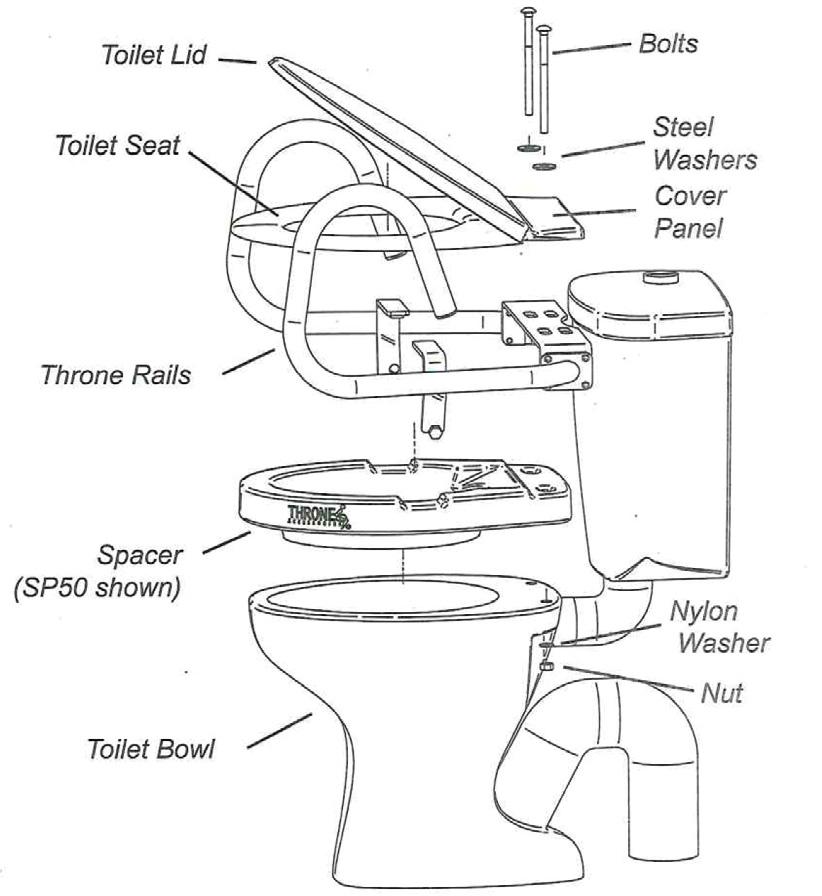
DIGNITY, INDEPENDENCE AND CONFIDENCE FOR EVERYONE
THRONE SPACER
THE ULTIMATE AND MOST VERSATILE TOILET SEAT RAISER
The Throne Spacer has been developed to add height without changing the appearance of a standard toilet and toilet seat, and offers comfort and safety.
Two sizes! 50mm & 80mm heights
The best option OT’s could hope for!

Use with or without Throne Rails
The Throne Spacer fits under the toilet seat
Unobtrusively integrates with the bathroom decor
Raises the height of toilet seats and electronic bidets Easily installed and conveniently transportable
Spacers and rails are available from reputable healthcare suppliers
BARIATRIC TOILET SUPPORT RAIL
This particular Bariatric Rail model meets the needs of the larger built person. The handgrips are supported by adjustable legs that are firmly positioned to the side of the toilet by rubber-capped feet to prevent tripping. The Bariatric model comes in polished stainless steel.

Residents travel the world from home
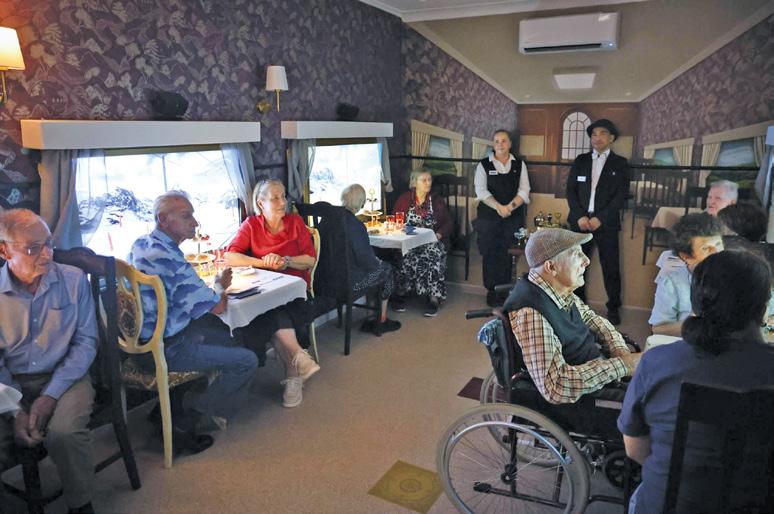
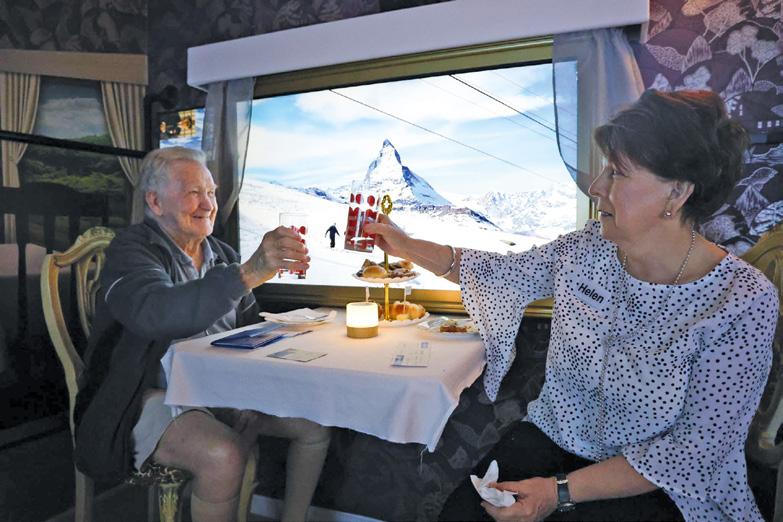
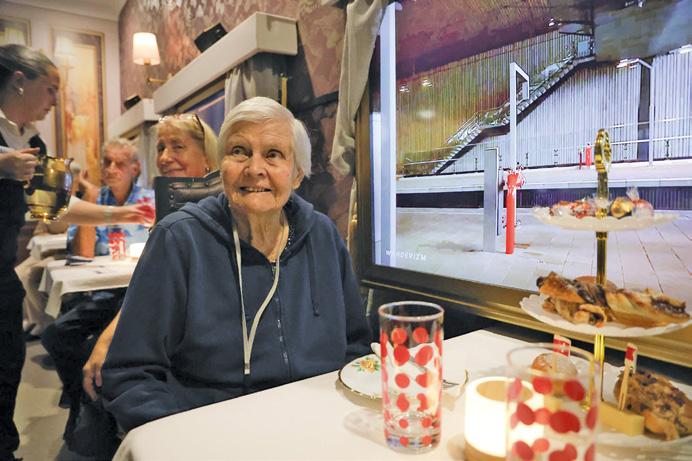
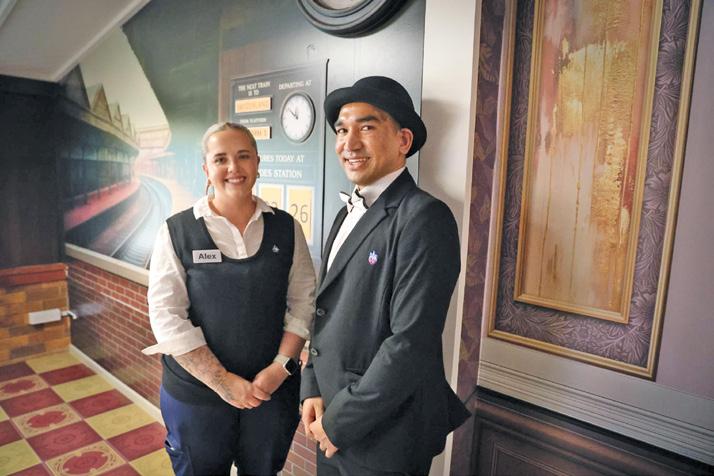
Residents at St Vincent’s Care Toowoomba can journey the world yearround without needing a passport, KATARINA LLOYD JONES reports.
Working with Che Turner –co-founder of the not-forprofit, mobile, immersive travel experience Olive Express – St Vincent’s Care Toowoomba has built the first permanent version of the initiative.
It’s called the St Vincent’s Express and features a room that has been transformed into a dining carriage with television screens acting as windows. As residents enjoy the views, an artificial-intelligence-powered avatar provides travel commentary in up to five languages.
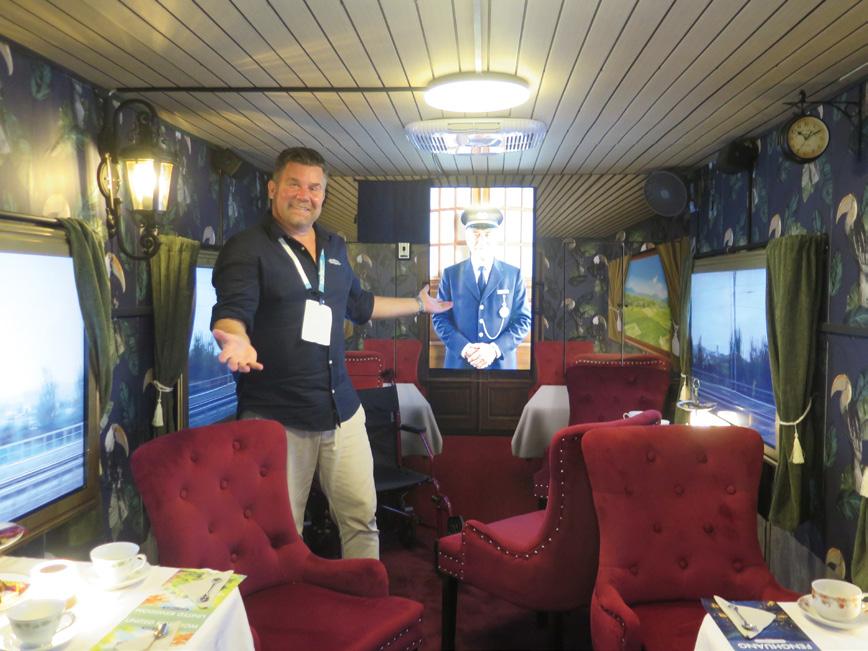
There are several destinations to choose from, and residents dine on food inspired by the regions they visit as they travel.
St Vincent’s Toowoomba residential care services manager Elzette Lategan brought the immersive experience to the home, two years after she first encountered the Olive Express.
“I had been looking for an idea that would offer a completely different experience for our residents and which would also be very stimulating for them, especially residents who had some form of cognitive impairment,” Lategan says.
“I wanted it to be innovative and fun. Almost everyone enjoys travelling and I know a lot of our residents travelled internationally when they were younger.
“Many of them would still love to travel overseas but it’s just not practical or possible for them anymore. So I thought ‘Why don’t we bring the travel and the world to them?’”
The first journey on the St Vincent’s Express took residents to Switzerland. The trip sparked joyous memories for resident and former Queensland politician Vince Lester and his wife Mary.
“This was just fantastic and all credit is due to the amazing St Vincent’s team who created this great innovation. My wife Mary and I were lucky enough to travel to Switzerland when we were younger and this immersive travel experience made us feel like we were really back there,” he says.
Onboarding the Olive Express
Olive Express is supplying video and audio content for St Vincent’s project. For other providers, the husband-and-wife team lease the immersive rooms to aged care homes in Queensland, Victoria and New South Wales. Plans are underway to expand nationally.
Aged care providers can also lease the rooms for up to a year and tour them around their homes, which Bupa did in 2024.
The inspiration for the virtual train experience was Turner’s grandmother Olive and the rail journeys the pair used to share before her mobility declined. The experience was originally geared towards end-of-life care and giving residents a final opportunity to travel or visit their homeland with a guide speaking their first language. The chairs can be swapped out and tables folded down to fit daybeds to facilitate this, says Turner.
“We’ve done that so many times now, it’s been amazing, actually,” he tells Australian Ageing Agenda
“We did a tour out west to Charleville with Queensland Health to a few hospitals,” says Turner. “It was amazing to see the reaction of the families – that they could just shut the curtains and just spend time with it.”
Research shows clinical benefits
Although the experience started as a lifestyle activity, aged care homes have started to view it as more of a clinical tool, says Turner. Olive Express has data demonstrating its benefits thanks to research conducted by the University of Queensland.
UQ researchers Associate Professor Gabby Walters, Professor Nancy Pachana and Yufan Liu interviewed 20 residents from three different Bupa homes in August and September 2024. They found that the Olive Express was a low-cost intervention that brought multiple positive effects to those with and without cognitive decline.
Through non-intrusive, wearable devices, the research team was able to show residents experienced significant emotional arousal during the experience and significant anticipation and excitement prior, during and after the experience.
Turner says a lot of aged care homes struggle to engage the relatives of residents and he’s been pleased to see the Olive Express bridge that gap and enable residents to discuss the experience at length with their loved ones.
The biometric data has shown how people’s moods change, he adds. “It does calm people and we’ve got the evidence to prove that now, which is great.”
Olive Express is developing videos of tram rides in Melbourne and Sydney and working with Queensland Rail and Tasmania Rail to develop more domestic routes. ●
Che Turner in a mobile Olive Express car
The maiden journey of the St Vincent’s Express
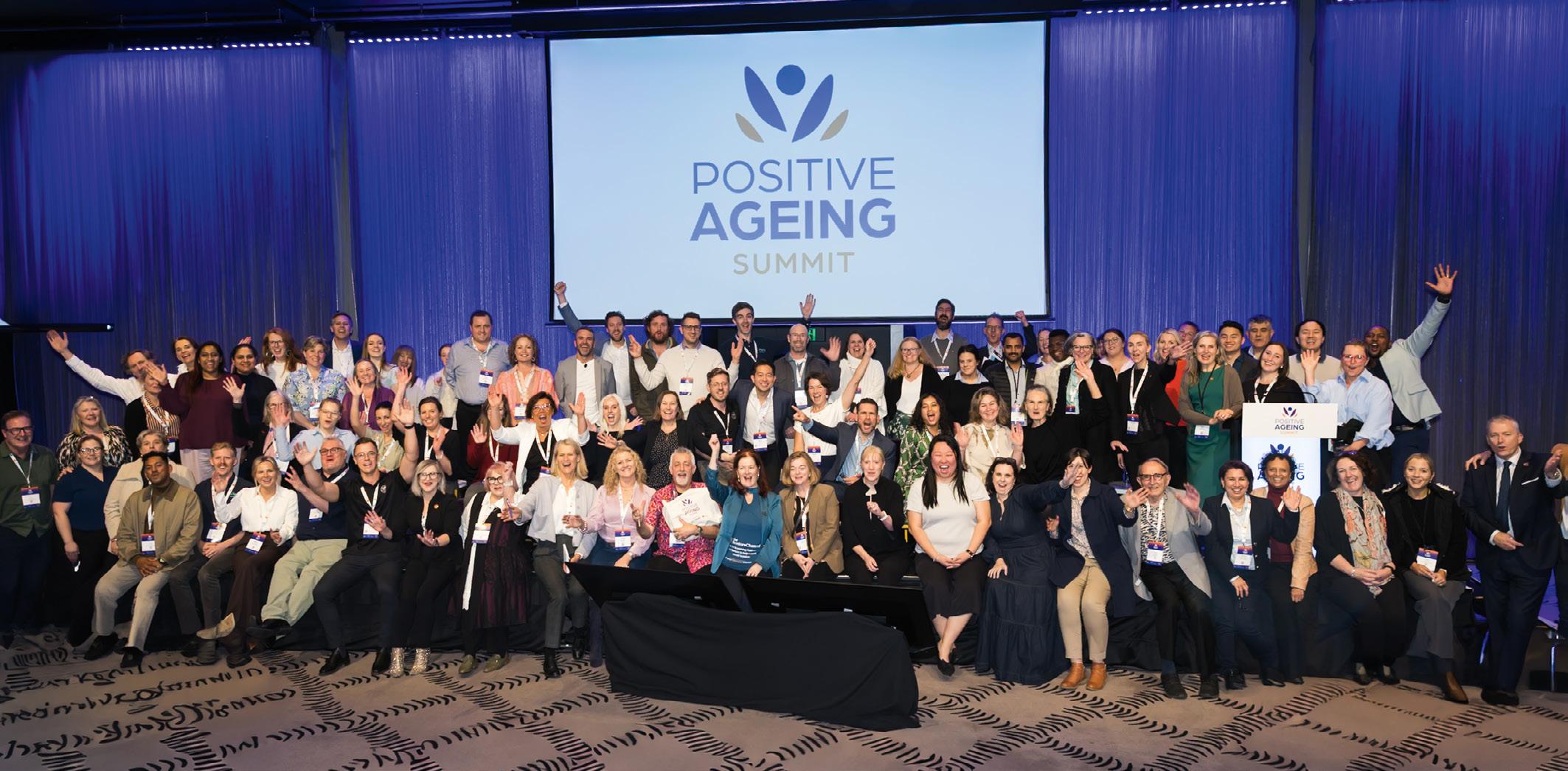
In pursuit of healthier ageing
Join us in May for a gathering of like-minded professionals, writes Positive Ageing Summit conference advisor DR TIM HENWOOD.
Last year’s Positive Ageing Summit left a strong impression on those who attended. Not simply because of the quality of the program, but also because reablement and positive ageing were finally given voice in a landscape dominated by conversations about care, compliance, and governance.
Engagement was noticeable, with attendees both absorbing information and showing a shared purpose to support older Australians to remain capable, confident and engaged in their own lives.
Across the two days, a common sentiment emerged: people felt like they had found their tribe. As a member of the organising committee, this response was both heartwarming and affirming. It demonstrated we had created something the sector had been waiting for.
Positive Ageing Summit 2026 at Hilton Adelaide on 21–22 May builds on that momentum. And while there will be familiar faces, this year’s program leans into areas that will shape the future of ageing well.
Technology is one such focus. Rather than chasing the next big thing, the discussion is grounded in practical realities, research, innovation and considerations for positive integration.
Technology is already transforming aged care and wellness – from intuitive programming and wearables data to new communication channels and increasing uptake by older adults. Whether providers feel ready or not, the landscape is changing. Ignoring this shift is no longer a viable option.
Another addition to the program is social and meaningful engagement. While the risks of social isolation are widely acknowledged, health, wellness and connection are still too often treated as separate service streams. An evidence-based approach challenges this.
When programs are designed with an understanding of behavioural change, social prescribing and individual meaning, physical wellbeing and social engagement grow together.
Reablement, at its core, is not just about exercise or clinical intervention. It is about working within a person’s capabilities, supporting their goals and strengthening autonomy, confidence, and purpose.
The summit will also feature a keynote from an internationally recognised leader in exercise and later-life health, alongside regulatory and government perspectives examining reform, sector direction and what effective reablement looks like within governance and compliance frameworks. Delegates can also expect practical workshops, experience tours and valuable exchange.
For those considering attending, the proposition is straightforward: this is not just a conference, but a gathering of like-minded professionals committed to advancing the health of ageing Australians. Dr Tim Henwood is principal consultant at AgeFIT Solutions
IN THIS SECTION:
38 Associate Professor Kim van Schooten, Zachary Bailey, Hilary O’Connell and Dr Tuire Karaharju-Huisman answer the question: How is technology improving positive ageing?
40 Rachael Cook, Jacquie Molloy and Dr Natasha Reid talk about the social, spiritual and behavioural aspects of positive ageing and how they intersect.
42 Marcus Riley offers his positive ageing insights ahead of his keynote address, alongside a preview of other day 1 sessions
44 A preview of four opt-in masterclasses, offering delegates additional practical knowledge in nutrition, reablement, innovation and dementia care
46 Peter Williams shares OneCare’s wellbeing initiatives ahead of his keynote address, alongside a preview of other day 2 sessions
48 Bernard Morrison talks about winning the Inaugural Paul Johnson Award and more, alongside more on the award and PAS site tours
50 Products and services from exhibitors
Dr Tim Henwood
We asked four Positive Ageing Summit stakeholders: Question
The How is technology improving positive ageing?
Technology is changing how we manage ageing
For decades, much of what we know about health in later life has come from occasional clinic visits or questionnaires. Today, technology allows us to see how people move, sleep and function in their everyday lives. This creates opportunities to identify changes earlier and support people at the right time, while reaching far more people than clinic visits alone.

One exciting development is wearable technology. Small sensors, similar to those used in smartwatches or fitness trackers, can measure how people walk, turn and move throughout the day. In many ways, they function like a Holter monitor for mobility, capturing continuous information about the amount and quality of movement rather than relying on a brief clinic assessment.
These everyday movements contain valuable information. Subtle changes in walking patterns can signal early mobility decline or increasing fall risk. This matters
because around one in three people aged over 65 experience a fall each year, often with serious consequences.
Changes in gait may also reflect emerging health conditions such as cognitive decline, COPD or Parkinson’s disease long before problems become obvious. In our research on safe mobility in ageing and disease, we use wearable sensors to monitor mobility in daily life and identify early signs of balance problems that might otherwise go unnoticed. These technologies are also helping us understand how factors such as sleep and medication use influence next-day mobility and fall risk.
Technology is also making evidencebased support easier to deliver. For instance, StandingTall is a digital balance exercise program that provides personalised balance training older people can complete safely at home. The program adapts to each person’s ability and allows
people to train regularly without needing to attend a clinic, making fall prevention more scalable and accessible. Our research has shown that it can reduce falls by around one in five.
For aged care providers, these technologies offer opportunities to support positive ageing. They can help identify early signs of decline, guide targeted interventions, and enable older people to maintain mobility and independence for longer.
Technology will not replace good care, but it can help care providers identify risks earlier and support older people in remaining active, confident, and engaged in everyday life.
Associate Professor Kim van Schooten is a senior research fellow at Neuroscience Research Australia and Conjoint Associate Professor at UNSW Sydney
Technology supports a preventive approach
Technology is becoming a powerful tool for supporting positive ageing, not by promising miracles, but by helping people live well for longer with greater capability, confidence, and dignity.
Loss of independence doesn’t arrive with fanfare. It unfolds gradually: small shifts in balance, reduced muscle strength, hesitating on the stairs, feeling less confident getting out and about. Most people dismiss these subtle signs as “just getting older,” yet it’s exactly at these early stages that digital tools can make a meaningful population-level impact.
When guidance is accessible, easy to understand, and grounded in everyday actions, people are far more likely to make small changes that protect their independence and quality of life. The good news is that this kind of proactive, practical support – applied consistently –can help slow age-related functional decline.
That’s the strength of iLA’s digital platforms, such as LiveUp and Keep Able. They turn evidence-based information into straightforward actions that people can use immediately. Whether it’s an older person looking for simple ways to stay active or a sector worker trying to embed reablement in their practice, these tools meet people where they are.
Together, these platforms help people notice early shifts in function, explore simple home adjustments that can reduce falls risk, build strength and balance through daily activity, stay socially connected, and understand how assistive technology can maintain – rather than replace – capability. They also support the sector by helping organisations embed reablement approaches consistently across the workforce.
Because this information is digital, it reaches people long before they appear
on waitlists or in crisis-driven care pathways, and it’s available whenever and wherever it is needed. To date, more than 1.5 million users have accessed these platforms, with a broader reach of over 5 million people receiving consistent, empowering messages about staying strong, independent, and connected.
Most importantly, none of this replaces the human relationships at the heart of positive ageing – it strengthens them. By making evidence-based advice widely available, iLA is helping shift Australia toward a more proactive, preventive approach to ageing, giving people the best chance to live the life they want as they age. Hilary O’Connell is principal advisor of healthy ageing and reablement at Independent Living Assessment – iLA
on day 1
Dr Kim van Schooten
Hilary O’Connell
PAS 2026: Associate Professor Kim van Schooten joins a panel discussing technology and innovation on day 1
PAS 2026: Hilary O’Connell delivers a session on LiveUp and Keep Able
When technology listens to real needs
When we talk about technology and positive ageing, it’s easy to default to big ideas: AI, robotics, big data and predictive analytics. But in our experience, the most powerful improvements often come from something much simpler: meaningful connection.

At Empathy Studios, through our platforms Konnekt and CareWindow, we work with older Australians, families and care providers every day. What we see consistently is that technology improves positive ageing when it removes barriers rather than adding complexity.
There is a significant opportunity in communities that have historically been overlooked. People living with advanced hearing loss, dementia or complex accessibility needs are often considered too niche or commercially small. Yet for the individual, innovative solutions can be life changing. Supporting these groups strengthens families, services and the broader aged care system.
In fact, many older people don’t struggle with technology itself. Instead, they struggle with technology that wasn’t
designed with them in mind. When devices are cluttered or assume perfect vision, hearing or dexterity, they quietly exclude people. Konnekt addresses this with simpler and more intuitive interfaces, high-quality audio and captions, personalised setup and ongoing tech support.
We empower older people. They are more likely to initiate calls, attend telehealth appointments and stay connected with confidence. Alongside the technical shifts are emotional impacts. It moves someone from “I can’t use this” to “I can do this myself.”
During our work, we’ve also learned that communication challenges rarely sit with just one person. In aged care settings, families often value visibility and clarity.
CareWindow supports this through structured updates, shared communication channels and easy access to care information, helping families and care teams stay aligned and reducing misunderstandings. When communication flows more naturally, relationships strengthen. Trust builds. And when trust is present, care feels more collaborative and
“What we see consistently is that technology improves positive ageing when it removes barriers rather than adding complexity.”
respectful, contributing to a positive care environment.
From what we’ve seen in practice, one lesson stands out: technology works best when it starts by listening to older people, to families and to frontline staff. When innovation is grounded in real needs, it supports dignity, connection and the ability to age positively in place.
Zachary Bailey is director and founder of CareWindow
PAS
2026: Zachary Bailey joins a panel discussing technology and innovation on day 1
Big data can impact all tiers of training
When discussing big data and the benefits for positive ageing and reablement, many topics can be considered, such as personalised medicine, predictive analytics and models including the prevention of falls and the progression of chronic diseases.
Data analysis is a powerful tool to improve care and coordination, strengthen operational efficiencies and reveal trends across a group.

While big data has always been a key component in research and top-level trend analysis, the current sophisticated ecosystems mean this information can now be brought directly to the user, the care team and management for analysis.
As a clinical and user example at HUR, the advancements in technology and data analytics allow us to transform every training session into an intelligent, interconnected and fully integrated computerised exercise system. Importantly, this system supports the three tiers of training:
The user can train independently, yet supervised, with an individualised training program activated via an RFID reader. The tech automatically loads the
training program on the exercise equipment and provides workout instructions, customised settings, progress visuals as well as individual goals. The user can easily track their progress, and the system allows reporting to allied health and medical professionals.
The instructor can create training programs via a library of protocols with automated adjustments for resistance, sets and repetitions easily pre-set for every user individually. The instructor can quickly and easily familiarise users with the equipment setup, as well as streamline user follow-ups, benchmarking, outcome tracking, and equipment usage reports. These features help eliminate mundane tasks and paperwork.
Facility operators can track key performance metrics of facility data, including status, equipment usage, and user outcomes via automated reporting. Outcome tracking data can be reported across time and peer groups. Multi-site management can also be streamlined via the cloud-based operating software to offer complete control in one system.
“Data analysis is a powerful tool to improve care and coordination, strengthen operational efficiencies and reveal trends across a group.”
The exercise data that in the past was reserved for research use only is now a powerful tool that can assist in educating, motivating and monitoring every user. At the same time, it is providing information for management to meet the requirements of customer groups and verify the return on investment in data-driven insights and analytics.
Dr Tuire Karaharju-Huisman is a physiotherapist, exercise physiologist and research lead at HUR Australia
PAS 2026: Dr Tuire Karaharju-Huisman and the HUR Australia team are exhibiting in the showroom both days
Dr Tuire KaraharjuHuisman
Zachary Bailey
Connection is key
NATASHA EGAN talks to three Positive Ageing Summit speakers about the social, spiritual and behavioural aspects of positive ageing and how they intersect.
For Rachael Cook, positive ageing is about staying connected, valued and seen as we age. It’s not about staying busy or independent at all costs, says Cook, who is the chief executive officer of not-for-profit social prescribing service Inclusee.
“It means having purpose, identity and belonging, not just access to services,” Cook tells Australian Ageing Agenda
“At Inclusee, we see every day that ageing well is deeply relational. When people feel socially connected, they age with greater confidence, dignity and resilience. When they don’t, loneliness and isolation can quietly erode wellbeing, regardless of how good the clinical care is.”

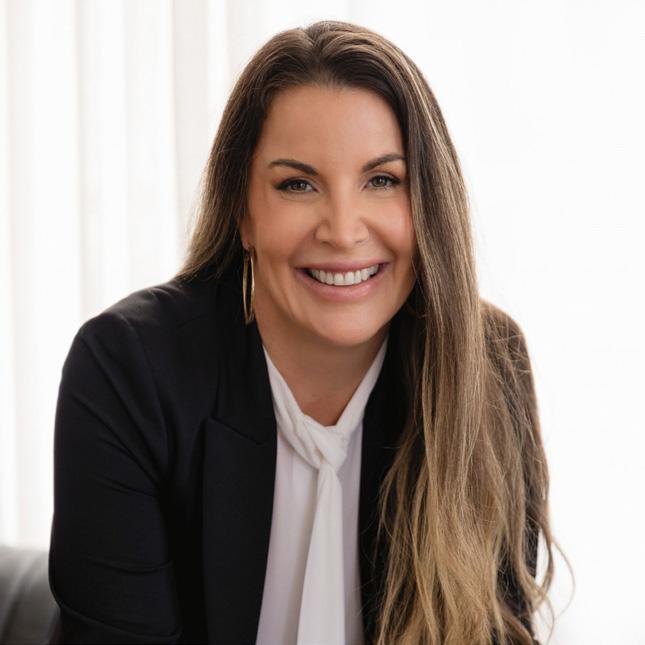
Therefore, social prescription has a key role to play in positive ageing, she says.
“Social prescription recognises something we’ve overlooked for too long: connection is a form of preventative health. Just as we prescribe exercise or medication, prescribing meaningful social engagement supports mental health, cognitive function and overall wellbeing,” she says.
“Social connection helps people rebuild routine, rediscover purpose and feel part of something bigger than themselves. At Inclusee, we see social engagement reduce loneliness and restore hope. Social prescription gives the system permission to treat human connection as essential, not optional.”
Cook says one of the biggest gaps in the aged care sector is that social connection is still treated as secondary or recreational, rather than central to care.
An essential part of being human Jacquie Molloy agrees on the importance of connection. To her, positive ageing means making friends with time.
“It’s believing that growing older can be a meaningful and fulfilling stage of life. And it requires that we look at the whole person – not only their physical health, but also their emotional, social and spiritual wellbeing,” Molloy tells AAA. Molloy is a communications specialist at Meaningful Ageing Australia – the national peak body for the spiritual care and emotional wellbeing of aged care recipients.
“Too often it relies on overstretched staff, volunteers, or assumptions that family will fill the gap. We need to design connection into care – funded, measured and prioritised. That means investing in social health pathways, embracing digital models that reach people who are isolated or homebound, and partnering with organisations that specialise in connection rather than expecting aged care providers to do everything alone.”
At Positive Ageing Summit 2026, Cook is exploring the question: what would change if we treated social connection as essential to health, not optional to care?
“If we truly reframed connection as preventative health, how would that shift funding decisions, service design and the lived experience of older people?”
Cook calls the social, spiritual and behavioural aspects of positive ageing deeply intertwined.
“Social connection supports spiritual wellbeing by reinforcing meaning, identity and belonging. It also influences behaviour: people who feel connected are more likely to engage in healthy routines, seek support and remain curious about life,” she says.
“When connection breaks down, we often see withdrawal, loss of confidence and declining wellbeing. Positive ageing happens when social, spiritual and behavioural aspects reinforce each other – and connection is the thread that holds them together.”
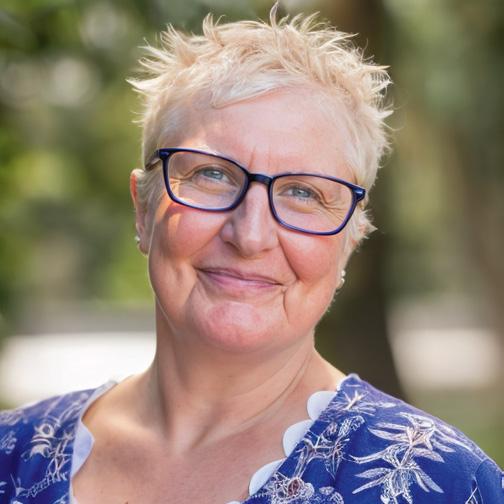
She says spirituality and meaningfulness are central to positive ageing.
“Spirituality is core to positive ageing because it is an essential part of being human. Spirituality is about how we create meaning,
hope, purpose and connection in our lives. For some, that might include religion and expressions of cultural faith. For others, it might be the peace and emotional wellbeing they experience through a connection with nature, or creativity, or through meditation or being of service to others.”
However, there’s not enough focus on spirituality and meaningfulness in the aged care sector, says Molloy.
“Much of aged care focuses primarily on clinical care, safety and physical needs. But it is the spiritual and emotional aspects that help people to experience life as worthwhile and to age with dignity, hope and connection. And often these aspects are missing or overlooked,” she says.
“This gap can be closed by organisations adopting, and the government supporting, true holistic person-centred care that recognises each person’s unique identity.”
Rachael Cook
Jacquie Molloy
PAS 2026: Rachael Cook delivers a session on social prescription on day 2
She says all staff can support this by asking simple, reflective questions such as:
• What matters most to you now?
• What gives you a sense of purpose?
• What helps you get through difficult times?
“Conversations like these help shape person-centred care plans that reflect values, identity and beliefs, not just medical needs,” she says.
At PAS 2026, Molloy will answer the question: how can we identify and understand what is meaningful to us and those we love?
Molloy agrees spirituality is just one part of the positive ageing.
“The spiritual, social and behavioural aspects of positive
Strategies to make better health choices
Likewise, Dr Natasha Reid – a behavioural scientist and senior research fellow at the University of Queensland – sees a strong connection between social, spiritual and behavioural aspects.
“These domains are very interconnected and all shape how people experience positive ageing,” Reid tells AAA
“From my perspective, social connections are vital to maintain quality of life as people age, and they are also highly important when it comes to health behaviour change. Spirituality can also very much influence how people view ageing or getting older, what they value in life, and how they approach life transitions.”
At this year’s summit, she will answer the question: what do older adults and the oldest old really want from behavioural interventions, and how can we implement it in the real world?
Behavioural scientists look at the psychological, social and environmental factors that lead to certain behaviours.
ageing are deeply interconnected and together support wellbeing, resilience and quality of life as we age.”
She says when older people experience a sense of purpose or meaning and connection in their life, they are more likely to:
• engage in positive daily activities
• maintain routines that support overall health
• draw on resilience when ill or grieving
• involve themselves in family and social or community activities.
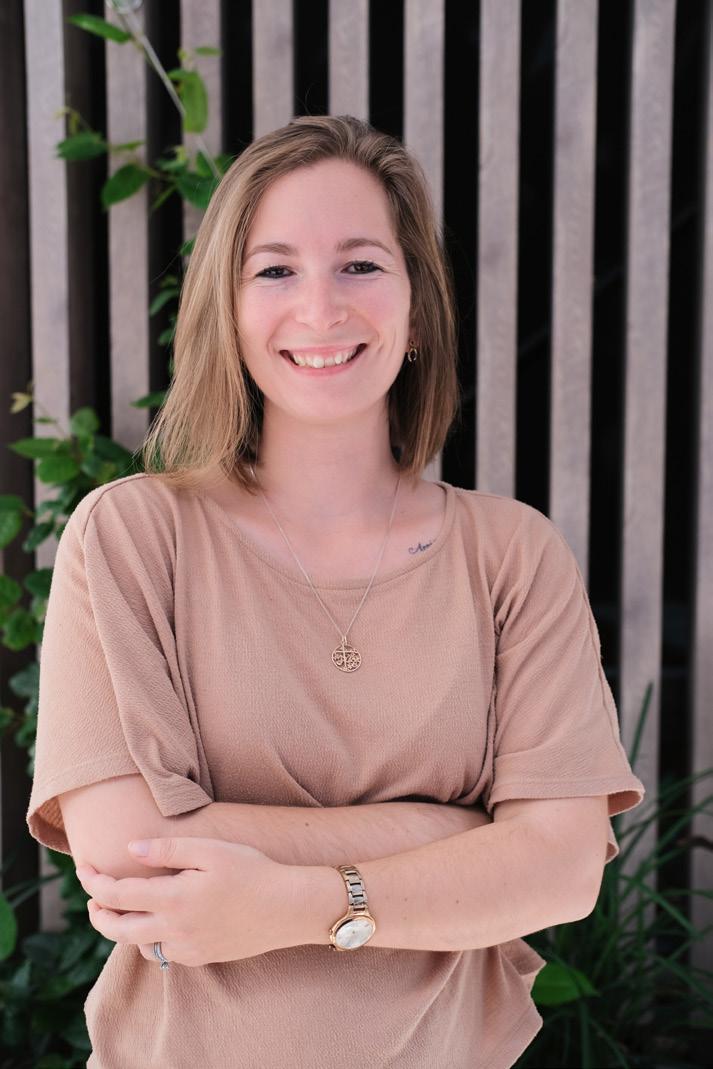
“For me, it’s around health, and designing strategies to make those better health choices easier to make and more sustainable,” says Reid.
Behavioural science is closely related to implementation science, which focuses on system and program design. Behavioural science applies to everyone in the ageing ecosystem, from older people to aged care workers and executives.
“A lot of it – particularly in residential aged care – will come down to the behaviour of staff and management, and then that will filter down to the residents,” says Reid.
A program that worked in a clinical trial might not succeed when implemented without dedicated funding and implementation support. People need to know what they’re doing and why they’re doing it, she says.
Dr Natasha Reid
PAS 2026: Jacquie Molloy delivers a session on meaningfulness on day 2
PAS 2026: Dr Natasha Reid delivers a session on behavioural science on day 2
The flicker concept
We sit down with BallyCara executive chairman MARCUS RILEY who is returning to the summit in 2026 to share more positive ageing insights.
What does positive ageing mean to you?
Positive ageing is about maximising opportunity, not managing decline. It’s the deliberate pursuit of our healthspan, purpose, connection and contribution at every stage of life. It recognises that ageing is not linear and involves three levels of responsibility – personal, community and societal – to support people to keep living meaningful, self-directed lives for as long as possible.
Tell us about positive ageing initiatives at BallyCara over the last 12 months?
Over the past year at BallyCara, the focus has been to continue embedding wellbeing, not as a program, but as a way of operating. This has included further integration of our approach across teams to create the right opportunities for people aligned to their preferences, needs and goals. We’ve also invested more in workforce wellbeing to support staff in their own pursuit of healthy and positive ageing with tremendous engagement across the organisation.
What are your PAS 2026 goals?
For Positive Ageing Summit 2026, my goal is to contribute to a
Day 1 sessions
Resistance and weight training
Professor Maria Fiatarone Singh – who is the John Sutton Chair of Exercise and Sport Science at the University of Sydney – has over 30 years of research demonstrating the value of resistance training and weight-bearing exercise for older adults. She will deliver the opening keynote about this evidence base, the relationship between strength, mobility, frailty and independence and prevention versus decline.
Medication and positive ageing
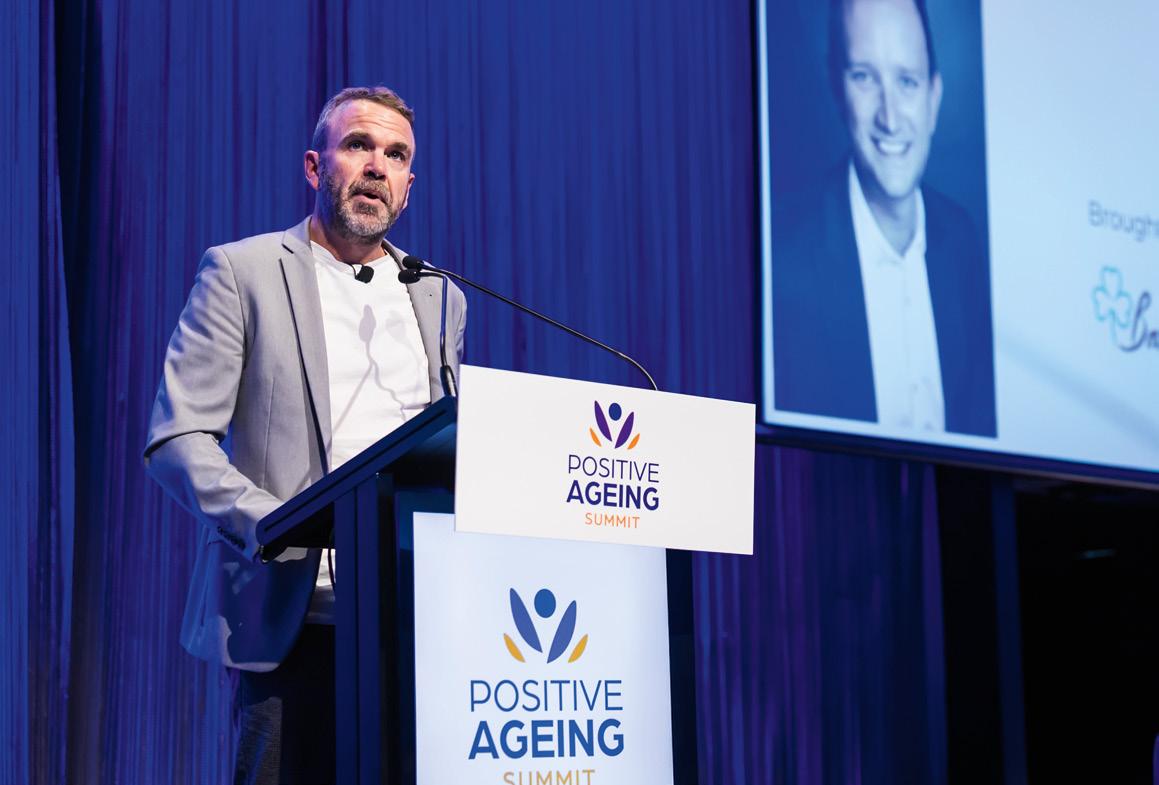
more ambitious and aligned narrative across the sector – one that positions ageing as a space of innovation, growth and value. This certainly seems possible based on the atmosphere at last year’s summit. I’m also keen to build meaningful connections that translate into action – partnerships and initiatives that move from conversation to real-world impact.
What is something PAS 2026 delegates will take away from your keynote address?
A deeper understanding of the flicker concept, which is realising a person’s ability to move between different stages of ageing. This recognises the factors at play and the corresponding positive interventions we can apply to overcome setbacks, align to our goals and move to our desired stage. We can then be clear on the roles we play as professionals, communities and organisations in the lives of people who are pursuing their preferred stage of ageing.
Technology and Innovation panel
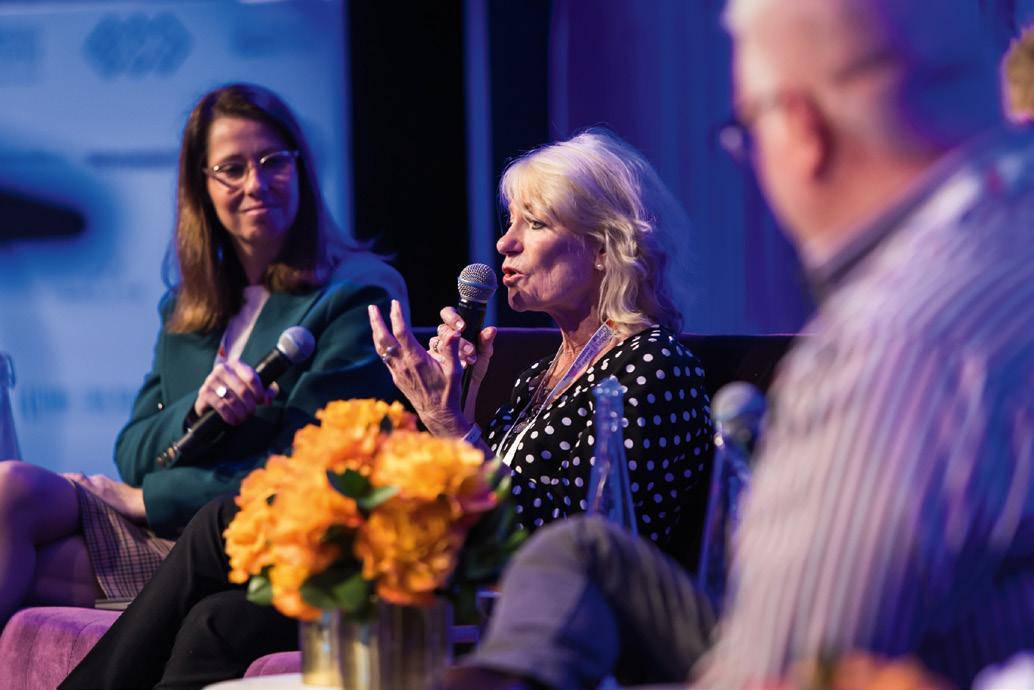
Michael Bonner is a pharmacist, the chief executive officer and owner of professional services company Choice Aged Care, and founder of not-for-profit organisation Wellness Partners Foundation. He will share the real-world impact of embedded pharmacy services and assistive technologies on positive ageing with an aim of shifting the conversation from medication management to partnering in wellness.
Allied health and aged care reform

Australia’s Chief Allied Health Officer, Anita Hobson-Powell, is back at Positive Ageing Summit this year to provide a national update on allied health. She will cover projects underway, the role of allied health in the evolving aged care system and how government views allied health within reablement, independence, Support at Home and broader reform.
Harbison CEO David Cochran (pictured) returns to PAS to moderate a discussion about the role of technology in supporting independence, engagement and person-centred care, emerging innovations and embracing digital change. The panellists
Balogi Bailey
integration and innovation perspective.
Finding your purpose panel
Jason Skennerton
Simon Kerrigan
Michael Zoumaras
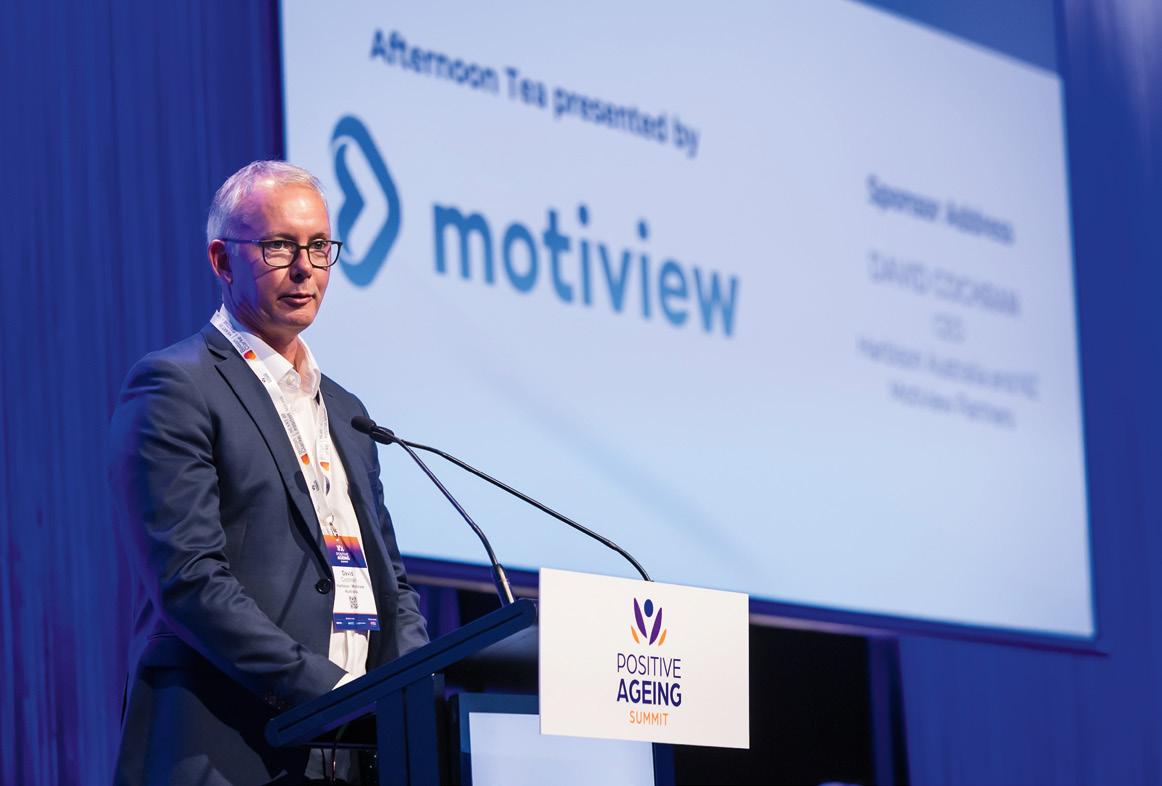
Positive Ageing Summit to this time share the stage to talk about their experiences of finding purpose and following dreams. They will also discuss their journey to aged care, reasons for staying and overcoming barriers.
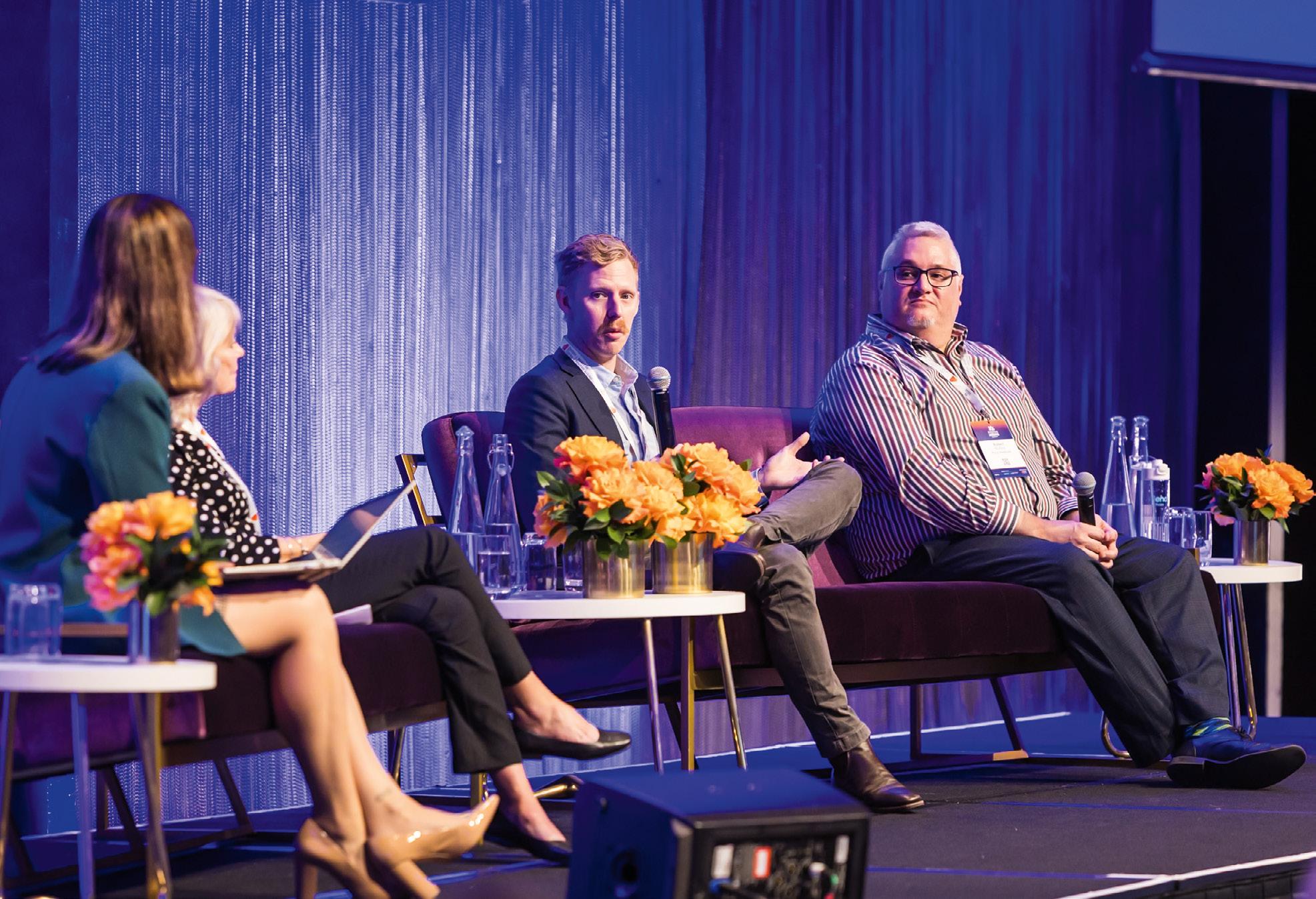
PAS 2026: Marcus Riley delivers a keynote address on leading the positive ageing movement on day 1
Marcus Riley is back for PAS 2026
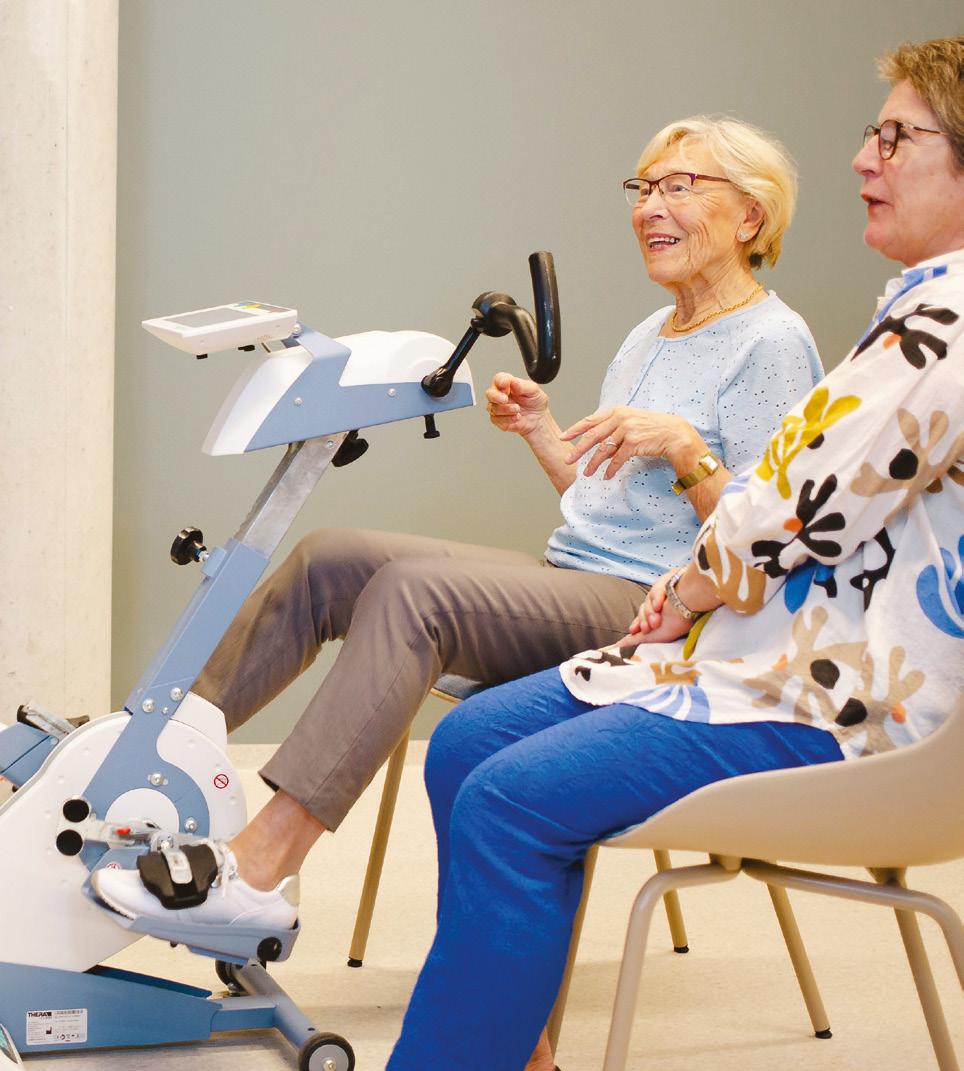
Physical
Cognitive
Social
Mental
Going places

Take away advanced skills
This year’s summit includes four opt-in masterclasses, offering delegates extra knowledge in nutrition, reablement, innovation and dementia care.
Reablement at mealtimes
Learn practical approaches to improve safety, independence and nutritional intake in this interactive session presented by Food Solutions Diet Consultants. Over 90 minutes, dietitian Kylie Walton from Food Solutions will share practical, personcentred approaches to helping people stay nourished and confident at mealtimes while maintaining choice and dignity.

This masterclass will cover how to spot nutrition and swallowing risk early using simple screening triggers, how to set up meals for success through the environment and the right level of support, and how to keep mealtimes safe and enjoyable with realistic nutrition tips and food choices that fit everyday routines.
Participants will have the opportunity to work through short case examples and leave with immediately usable actions to apply with clients, families and care workers.
Focus: Nutrition
When: Day 1, 20 May, 11am – 12.30pm
Cost: $29.95
Innovation that sticks
This 90-minute masterclass from Aged Care Research & Industry Innovation Australia focuses on implementing practical and evidence-based change for positive ageing.
Dr Rebecca Bilton, program and research director, Dr Stephanie Champion, research fellow, and Liana Donleavy, senior manager, will address the challenge of turning evidence, ideas and innovation into good practice. They will focus on practical innovation, effective change management and implementation that works in real world settings and draw on ARIIA’s national work in workforce capability building, best-practice resources and pragmatic implementation know-how.
Aged care leaders, managers and allied health professionals will takeaway clear insights they can adapt to their own roles, services and communities.
Focus: Innovation
When: Day 2, 21 May, 2pm – 3.30pm
Cost: $29.95
Best-practice
dementia care
Following last’s year successful masterclass on the role of reablement and dementia support, the team from HammondCare are back to present a breakfast session aimed at improving care for people living with dementia.
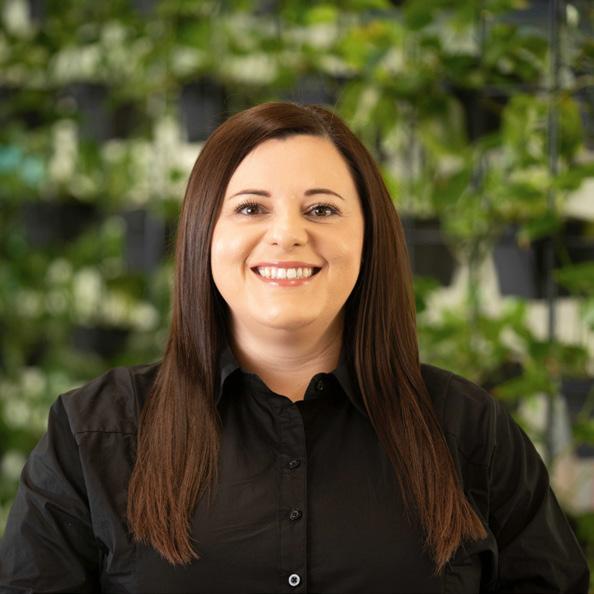


This year there is no additional cost to attend, but delegates must register. During the 50-minute session, Marie Alford will moderate a discussion between her HammondCare colleagues Associate Professor Steve Macfarlane and Professor Chris Poulos, and Tamara Henwood, a dementia doula, carer coach and consultant.
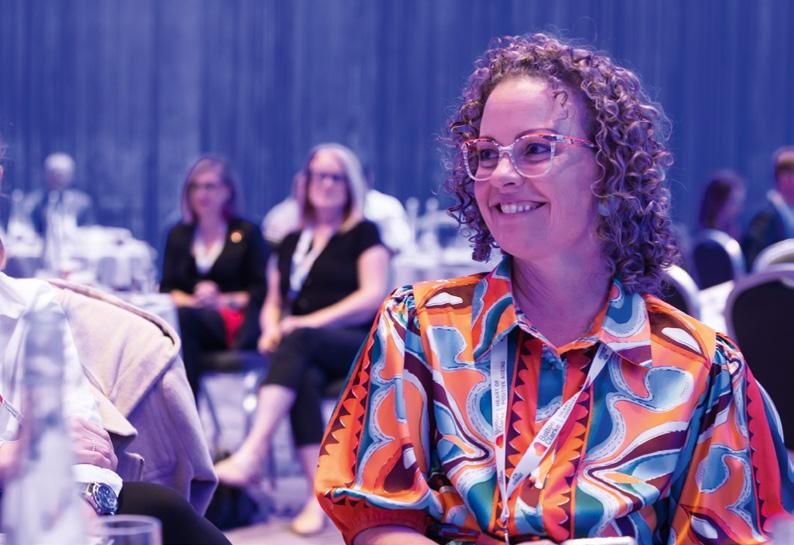
Focus: Dementia
When: Day 2, 21 May, 8am – 8.50am
Cost: Included, but registration required
Kylie Walton
Dr Jennie Hewitt
Dr Justin Keogh
Marie Alford Associate Professor Steve Macfarlane
Tamara Henwood
Dr Rebecca Bilton
Dr Stephanie
Liana Donleavy
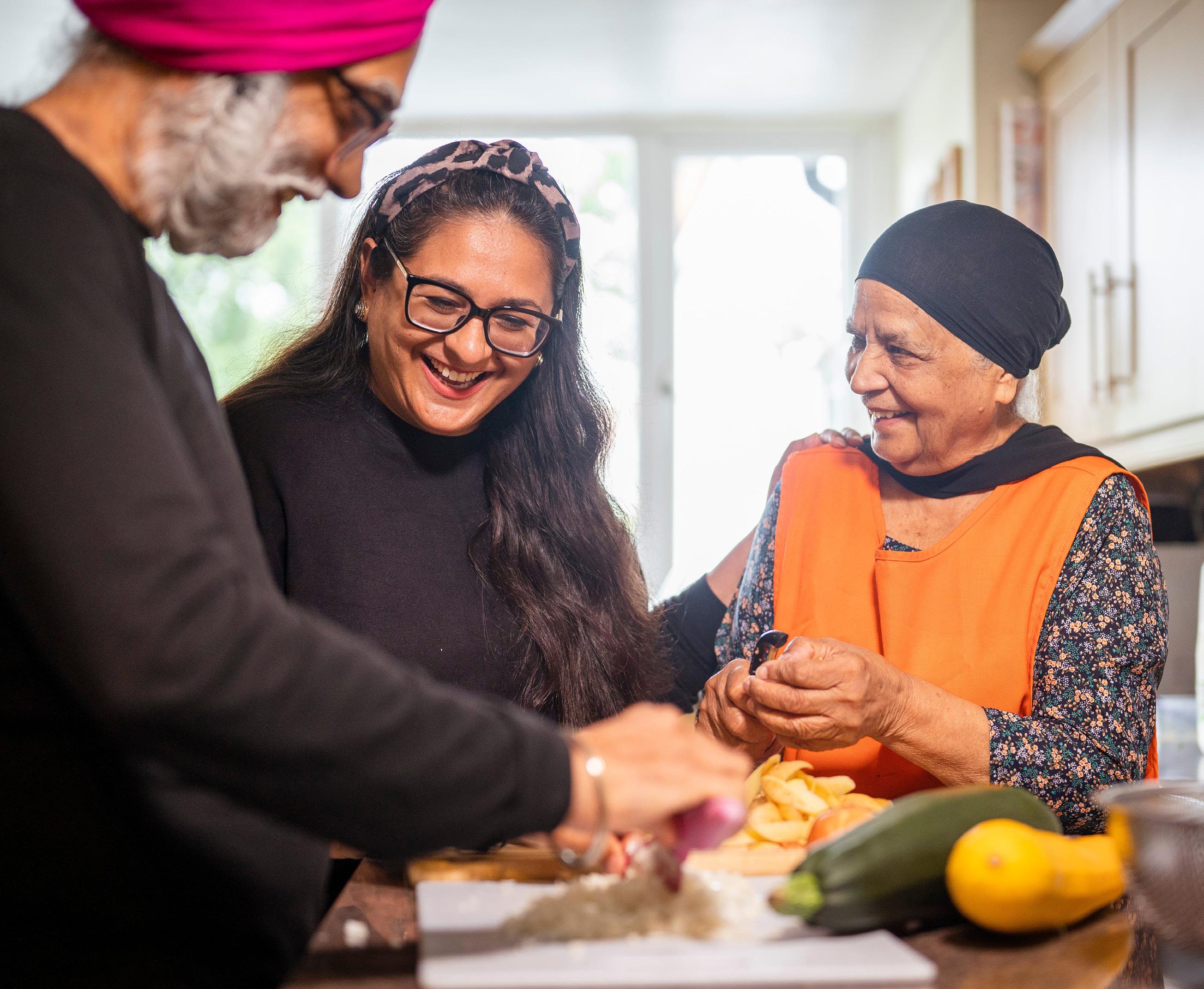
Developed in collaboration with service providers, Keep Able is designed for assessors, coordinators, allied health, and support staff.
Explore free resources, including:
A Practical resources such as guides, tip sheets, and templates to help you embed wellness and reablement in your practice.
A e-Learning modules for flexible, self-paced learning.
A Bitesized professional development sessions and presentations to build specific skills.
A Webinars and conferences with expert insights and discussions.
Ask what people want
We catch up with OneCare chief executive officer PETER WILLIAMS, who is back for Positive Ageing Summit’s second year.
What will your keynote focus on at the Positive Ageing Summit?
My keynote centres on the concept of the “last 1000 days.” When we view ageing through this lens, it shifts our thinking from decline and task-based care to a more human question: If this were my last 1,000 days, what would matter? For most people, it’s not routines or clinical care, it’s connection, purpose and meaningful experiences. At OneCare, this has challenged us to design care and environments that enable people to live well right to the end of life. The keynote will explore how we move from “doing for” to “enabling with,” and how small, intentional changes can create meaningful outcomes.
Can you share some examples of how OneCare is supporting positive ageing?
We focus on reconnecting people with themselves, others and their community. Our “bucket list” approach starts with a simple question: What do you still want to do? From there, we work with residents, families and the community to make those moments happen. We’ve also introduced shared immersive experiences that bring people together, sparking memory, conversation and joy. Movement is another key focus. Our graded walking experiences support all abilities from chair-based residents to those accessing the broader community while reconnecting people with place and history. Importantly, much of this has been achieved through community partnerships, not large investments. It’s about asking, who can help us make this possible?
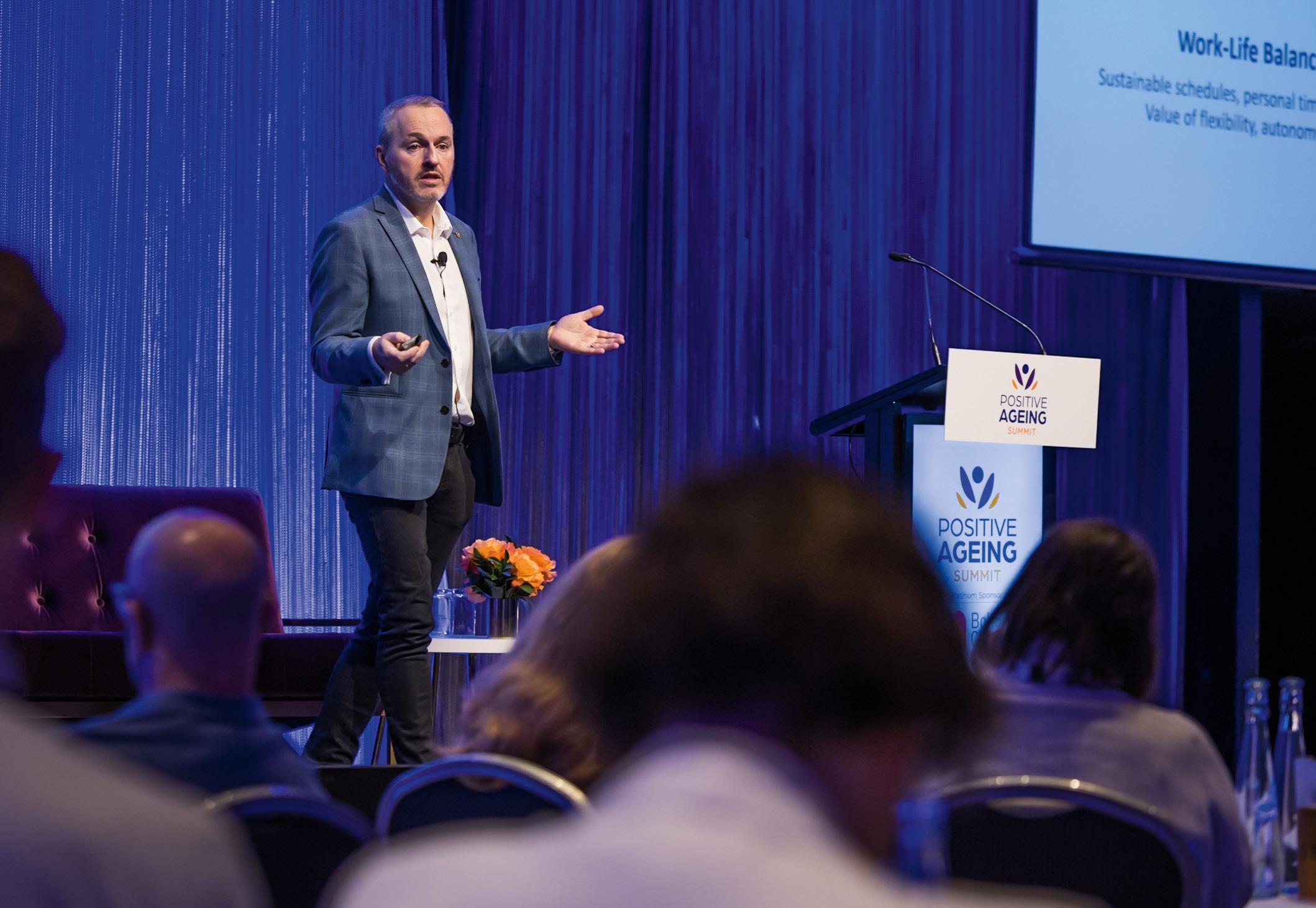
Day 2 sessions
The consumer perspective
Vector Consultants director and consumer advocate to talk about the lived experience of ageing and service engagement. She’ll also discuss what excellent support looks like, where the system works well and where it falls short.
Policy spotlight on Support at Home
Jasmine Snow
Disability and Ageing – will give an overview of the first six months of Support at Home. She will also discuss why reablement and wellness is a primary focus of the program, implementation considerations and tips for providers and programs, and long-term goals.
System oversight and reform
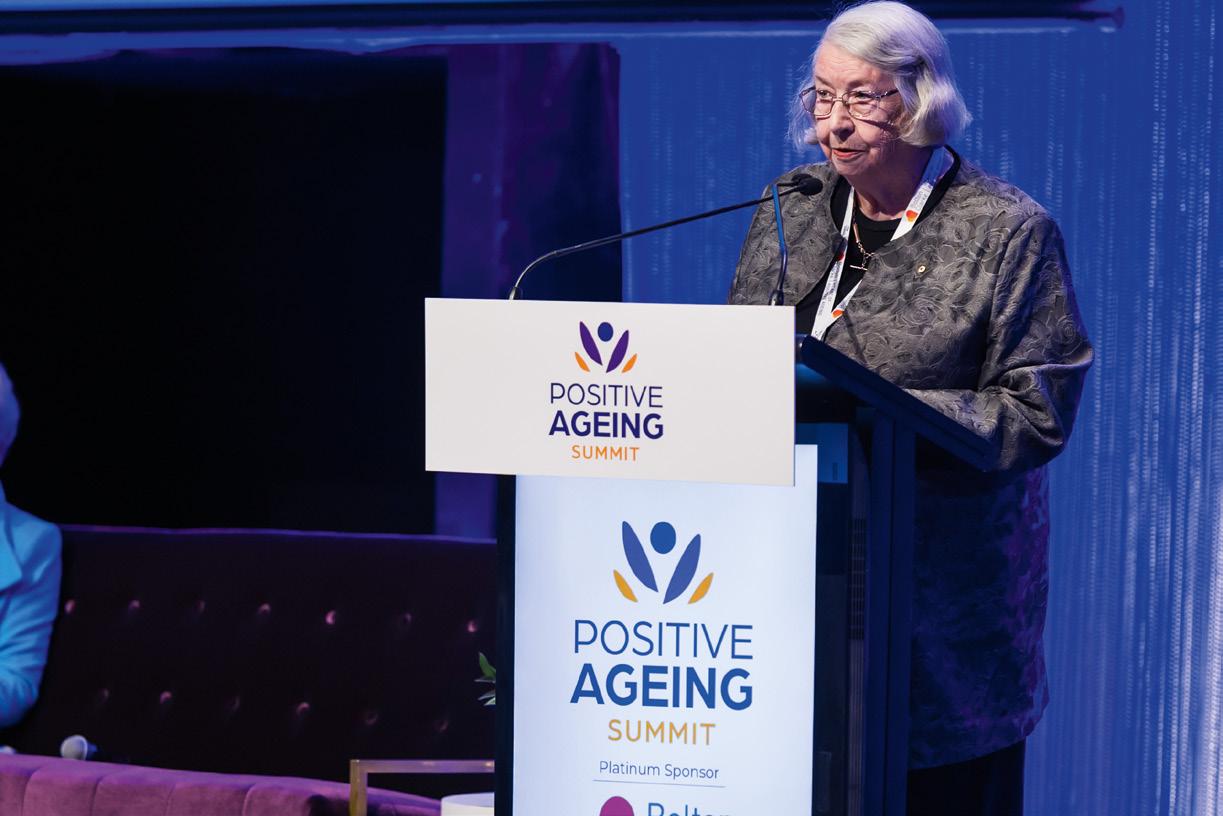
Inspector-General of Aged Care Natalie SiegelBrown will reflect on her 17 months in the role. She will highlight the system challenges that are emerging, share what consumers are telling the Office of the IG, and discuss the reforms that are underway and planned.
Better
reablement and wellness panel
LPA managing director Lorraine Poulos (pictured) is back in the moderator’s chair to this year facilitate a discussion with representatives from the Aged Care Quality and Safety Commission, including deputy commissioner Gary and chief clinical advisor Dr Mandy Callary reablement and wellness in practice and how they align with the quality standards, plus how to support independence and capability and innovation while maintaining safety.
The ex-CEOs panel
Southern Cross Care SA, NT & Vic CEO David (pictured) will facilitate a discussion with his peers about the opportunities missed and those emerging. Joining him on the stage to also talk about strategic barriers to change and lessons from leadership are former aged care CEOs Josephine Boylan most recently led Clayton Church Homes, and Frank Weits who previously led ACH Group for five years.
Find out

Peter Williams is returning in 2026
AAA/Oneill Photographics
PAS 2026: Peter Williams delivers the opening keynote address on day 2 about the provider perspective of positive ageing
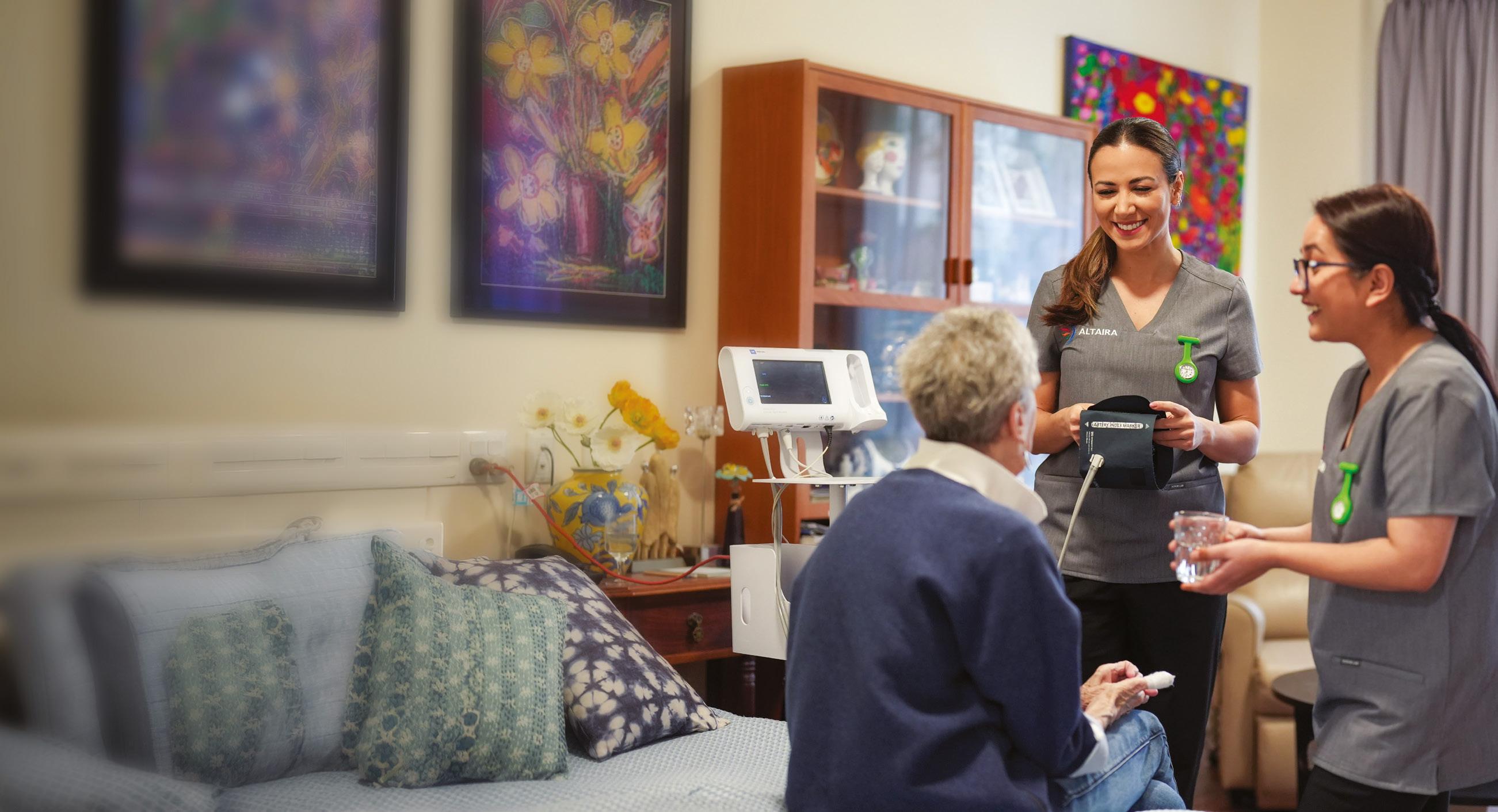








Aged
Care Immediate workforce. Delivering in minutes, not days.
Altaira delivers staffing solutions across Healthcare and Nursing, Allied Health, Hospitality, and Cleaning Services for both short-term and permanent placements.
Working in close partnership with aged care providers, we help secure economical charge rates that align with budget requirements while consistently maintaining high standards of quality, safety, and care.
STAFF WE PROVIDE
Nurses & Carers
• Registered Nurses
• Enrolled Nurses
• Personal Care Workers
• Clinical Specialists
• ACFI / AN-ACC Specialists
Management
• Quality Managers
• Care Managers
• Site Managers
Allied Health
• Physiotherapists
• Dietitians
• Podiatrists
• Exercise Physiologists
• Occupational Therapists
Hospitality & Domestics
• Kitchen Hands, Cooks & Chefs
• Food & Beverage Attendants
• Domestic & Cleaning Staff
• Administration Staff
“Altaira’s support in providing highly skilled and compassionate agency staff across our Aged Care business has been instrumental in maintaining the quality of care our residents deserve. Their responsiveness, professionalism, and understanding of the sector ensure we can meet workforce demands without compromising on standards. The key benefits of this partnership include improved workforce flexibility, continuity of care, and the confidence that comes from partnering with a team that truly understands the importance of dignity and respect in aged care. Together, we’re not just filling shifts – we’re creating meaningful change that enhances lives”
Dominic Gagliardi, EGM, Social Enterprise, AnglicareSA
“ My connection with Altaira has been long and joyful, and it is grounded in shared values: a genuine love of people, a deep respect for nurses, and a strong belief in education, training, and capabilitybuilding. Altaira supports its nurses to be confident, skilled, and valued - because when nurses feel supported, everyone benefits.”
Jo Boylan, Founding Director of Healthy Ageing in Action (Former CEO Aged Care Provider)
WHY CHOOSE ALTAIRA
15+ years sector expertise
Australian-owned aged care specialists since 2008.
High clinical governance
Rigorous standards underpinning every placement.
Innovative platform
Custom system for faster, compliant results.
Personalised matching
The right person, right shift, every time.
Comprehensive training
In-person & online education for all staff.
Economical charge rates
Meeting your budget without cutting corners.
bookings@altaira.com.au
A career highlight
We talk about wellbeing with BERNARD MORRISON – the general manager of wellbeing and allied programs at Eldercare and inaugural winner of the Paul Johnson Award.
What has winning the Paul Johnson Positive Ageing Award meant to you and your team?
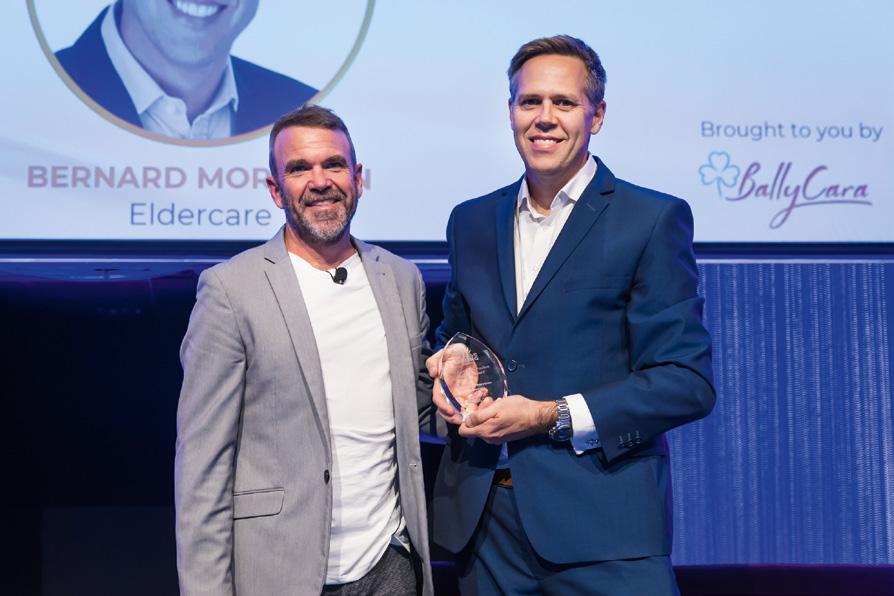
Winning the award has certainly been a highlight within my career. I am very fortunate to have been given license by Eldercare to invest time and energy to explore what wellbeing and positive ageing look like for older Australians in residential aged care. This was a bold and ambitious decision taken about nine years ago. Over that time, we have built the governance systems, the organisational literacy and a culture of innovation that will enable our focus on positive ageing to endure. Although it is a personal award, it is also a reflection of a large team effort, and I know my colleagues enjoyed having public recognition of what we have achieved over the years. Eldercare announced the award on our intranet and via various social media platforms.
Can you update us on Eldercare’s wellbeing strategy?
There is always a lot of activity being progressed with our wellbeing strategy. Over the last couple of years, Eldercare has focused on maximising the amount of time our residents spend engaging in good quality exercise, spending time outdoors,
Paul Johnson Award
and improving the transition experience into residential aged care. Recently, we have made good ground in tackling mental illness, which is a hugely neglected aspect of aged care. We have a broad mental health approach which focuses on both preventative and remedial strategies. Research has informed some of the practices that we are now developing and implementing under a restorative approach to mental health. Good quality social connection and a sense of purpose are significant drivers of human wellbeing. We have recently commenced a long-term partnership with Flinders University through an occupational therapy mental health student placement to reduce loneliness and facilitate resident participation in meaningful roles. We are also partnering with Macquarie University’s
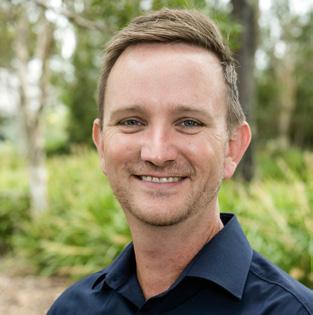
The Paul Johnson Positive Ageing Award returns in 2026 to celebrate outstanding individuals who have demonstrated exceptional leadership, innovation, and impact in promoting positive ageing for older Australians.
It is named in honour of the late Paul Johnson, who spent more than 10 years at not-for-profit aged care, retirement living and wellbeing provider BallyCara. The award is sponsored by BallyCara and includes a cash prize of $1,500 for the winner.
Scan the QR code to find out more
Lifespan Health and Wellbeing Research Centre to adapt and implement Ageing Wisely, a program of tailored psychological treatments to tackle anxiety and depression for older Australians.
What would you like to tell this year’s PAS delegates?
I would like to tell this year’s delegates to immerse yourself in the learnings available at the summit; to use the time to focus on your own activity in this space; and come away from the summit with some actionable ideas. I would like to remind the delegates that Rome wasn’t built in a day. For those who are curious about the science-base of positive ageing, and just beginning to explore deliverable interventions, just make a start. For aged care providers, some quick research will identify the most impactful opportunities – and many of these can be delivered within existing resources. And I would tell academics and practitioners to connect. Genuine success in this space will come from the implementation of methods grounded in evidence.
2026 site tours
This year’s Positive Ageing Summit features two curated experiences for delegates to join after the main program concludes.
Reablement in Action
When: Friday 22 May from 10:30am to 4pm
What: Gain practical insights into mobility, independence, and allied health integration by seeing reablement in practice.
Where: ACH Glenelg, Kieser Glenelg and Adelaide Exercise Physiology
Wine, Wisdom and Walking in Their Shoes
When: Friday 22 May from 10:15am to 4:15pm
What: Experience dementia care firsthand, enjoy lunch and deepen your understanding of person-centred care through lived experience.
Where: d’Arenberg Winery, Swell Brewery, Mollydooker Winery and McLaren Vale
Scan the QR code to the visit PAS website to find out more and purchase tickets
Paul Johnson
PAS 2026: BallyCara executive chairman Marcus Riley presents the winner at the end of day 1
Bernard Morrison (right) with BallyCara executive chairman Marcus Riley
AAA/Oneill Photographics
PAS 2026: Bernard Morrison delivers the Paul Johnson Award winner’s address on day 1
Reablement strategies for cognitive change
Learn how to apply reablement with people living with cognitive decline or dementia. Discover strategies to help them stay active and engaged in daily life.
Acknowledgement: This article was written by Dr Claire O’Connor, with copyediting by Keep Able. Dr O’Connor is a Senior Research Fellow at University of New South Wales (UNSW), Neuroscience Research Australia (NeuRA), and HammondCare.
Dementia is not a normal part of ageing, but it is more common as people get older. If you support older people living in the community or in residential care, you will likely work with someone with cognitive decline or dementia. With a reablement approach, you can support them to stay engaged and actively participate in everyday life.
What is a reablement approach?
Reablement is a person-centred approach that involves considering the person’s:
• Abilities
• Wants and values
• Support network and the environment around them

A reablement approach is about supporting the person to do the activities they want to do. This means focusing on their strengths and providing support where they may be having difficulties. When it comes to supporting people with cognitive decline or dementia, applying a reablement approach is about:
• Maintaining their abilities for as long as possible
• Delaying decline as much as possible
• Finding new ways to support them to do the things they want to do when their abilities change
Why is a reablement approach important?
When a person has cognitive decline or dementia, they may find it difficult to take part in some of the activities they would like to do throughout the day.
When you work in a support role and notice that a person is finding it difficult to do something, it’s tempting to step in and take over. But taking over leaves the person with fewer opportunities to meaningfully engage in life.
Instead, support the person to keep participating by:
• Recognising their strengths
• Supporting where needed so they can still do as much of the activity as possible
By supporting the person to participate, you’re helping them maintain their abilities for as long as possible.
That’s what taking a reablement approach is all about.
Tips for applying reablement
Get to know them
Ask the person what they want to do. If they can’t tell you what they want but have family around, ask their family what they like and which activities they might enjoy doing.
Focus on their strengths
Focus on what the person can do, not what they can’t do. This will help you find ways to involve them in activities, rather than doing the activities for them.
Here are some examples:
• If the person can’t do a whole load of washing, see if they can fold the clean laundry once it’s dry.
• If the person can’t cook an entire meal, see if they can prepare some of the ingredients.
• If the person needs help in the shower, see if they can still wash some parts of their body themselves. Check in with their care team
If possible, liaise with the person’s allied health team and ask how you can support the programs they’re delivering. Here are some ways you can do this:
• Does the person have prescribed exercises you can encourage them to complete?
• Has the person’s occupational therapist recommended they practise certain activities? Can you support them to do these activities during your visit?
Support them step by step
If cognitive changes make it difficult for the person to participate, try using support strategies to help them get involved in an activity. Here are some examples:
• Break the activity into smaller steps.
• Prompt the person by clearly telling them what to do, one step at a time.
• Show them how to do the activity instead of only telling them.
• Set up the activity so they can see what they’re being asked to do.
• Remove distractions, such as clearing clutter to create a clear workspace or turning off the TV.
The most important thing is encouraging the person to stay engaged in activities. Don’t be afraid to get creative in how you make this happen. Sometimes it takes a bit of trial and error to figure out what works best for each person.
Get more information
There are many free resources about reablement and how to use it to support people with cognitive decline or dementia. Explore them on Keep Able, or head to the Resource Library for resources covering a range of reablement topics. ●
explore, scan these QR
Dr Claire O’Connor
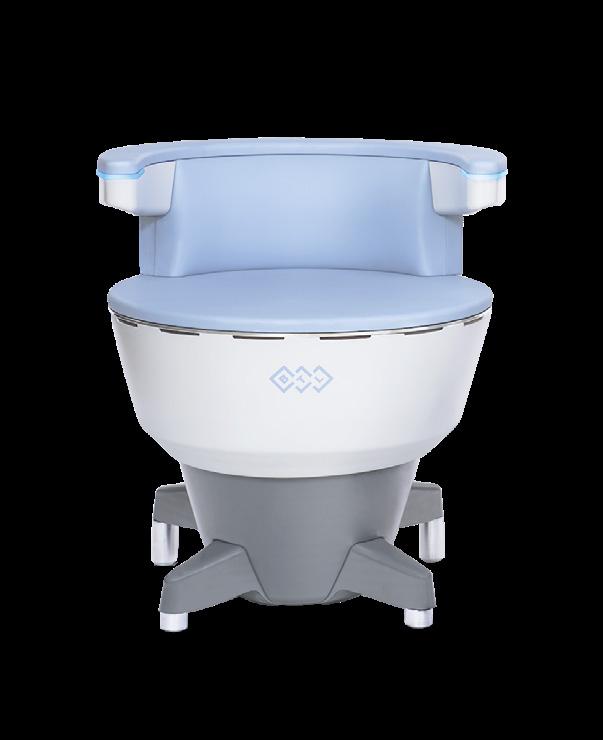
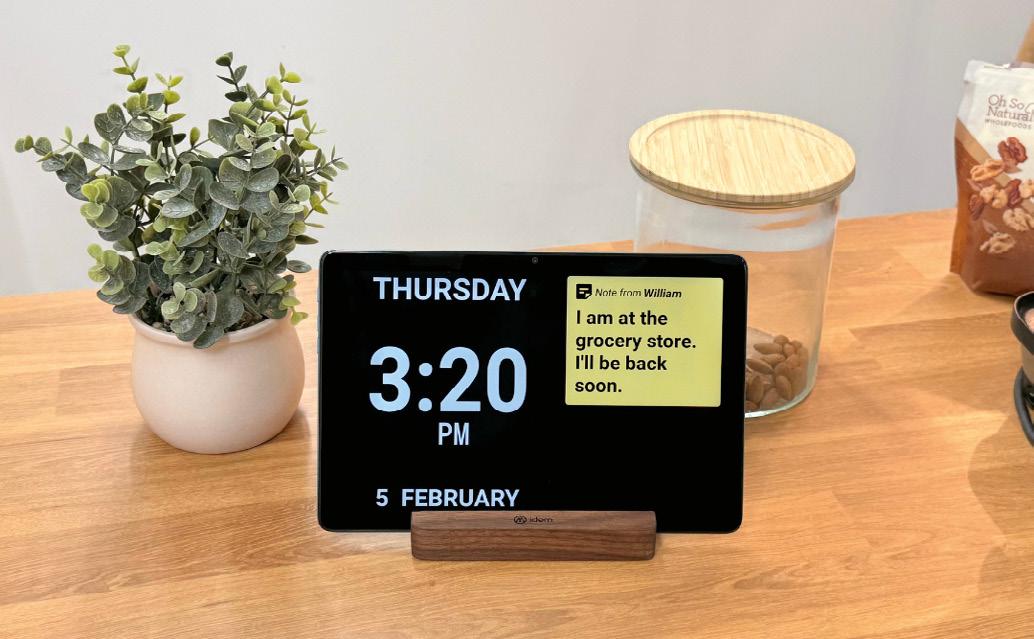

EMSELLA supports urinary incontinence and pelvic floor health
EMSELLA is a non-invasive medical device designed to treat urinary incontinence and support pelvic floor health in both women and men. Using High-Intensity Focused Electromagnetic (HIFEM) technology, it delivers thousands of deep pelvic floor muscle contractions in a single session, helping restore neuromuscular control. Pelvic floor weakness is common with ageing and can significantly impact independence, confidence, and quality of life. EMSELLA offers a discreet, fully clothed treatment with no downtime, making it suitable for a wide range of patients, including those in aged care settings. By improving continence, EMSELLA helps individuals regain confidence, stay active, and maintain a better overall quality of life. Email info@btlmed.com.au or visit btlaesthetics.com.au
idem Smart Clock – A new generation of reminder clock
The idem Smart Clock is a next-generation reminder device designed specifically for people living with dementia and cognitive challenges. It supports orientation, independence, routine, and connection while easing carer stress. The device delivers clear, tailored information without overload and offers flexible communication through reminders, calendar events, notes and imagebased messages. Carers receive real-time notifications, enabling timely support and insight into patterns. Remote scheduling via the app allows family involvement from anywhere. Features such as video calling, presence sensing, multilingual support, and integrated medication reminders further enhance safety, adherence, and overall wellbeing for both users and carers. Go to homelifetech.com.au
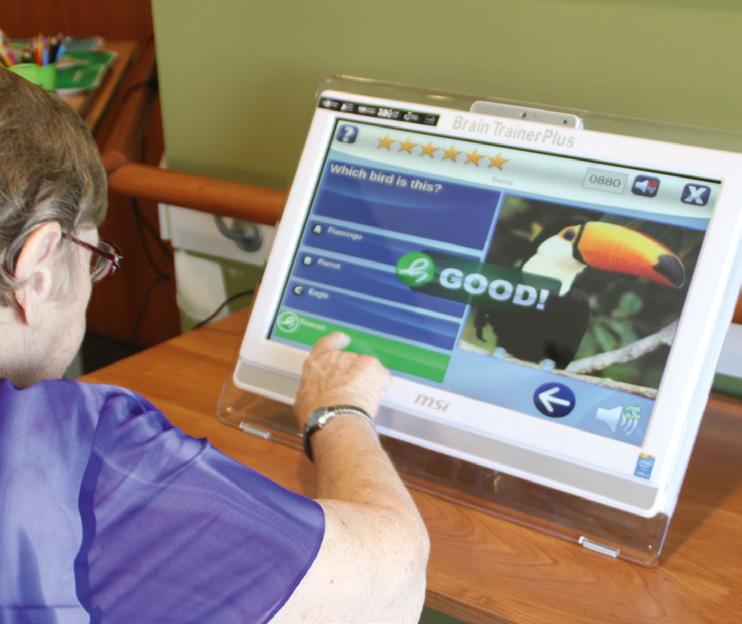
Motiview Australia supports healthier ageing
Motiview is an interactive wellbeing solution designed for older adults, combining indoor exercise with immersive virtual travel experiences. Used with stationary bikes or other equipment, it streams a global library of real-world cycling videos, enabling users to “ride” through familiar places or new destinations while staying physically active. The platform promotes increased mobility, cognitive stimulation and social engagement, encouraging reminiscence and conversation among users. Simple to use and scalable across settings, Motiview supports healthier ageing by making exercise enjoyable, meaningful and accessible. Visit motiview.com.au
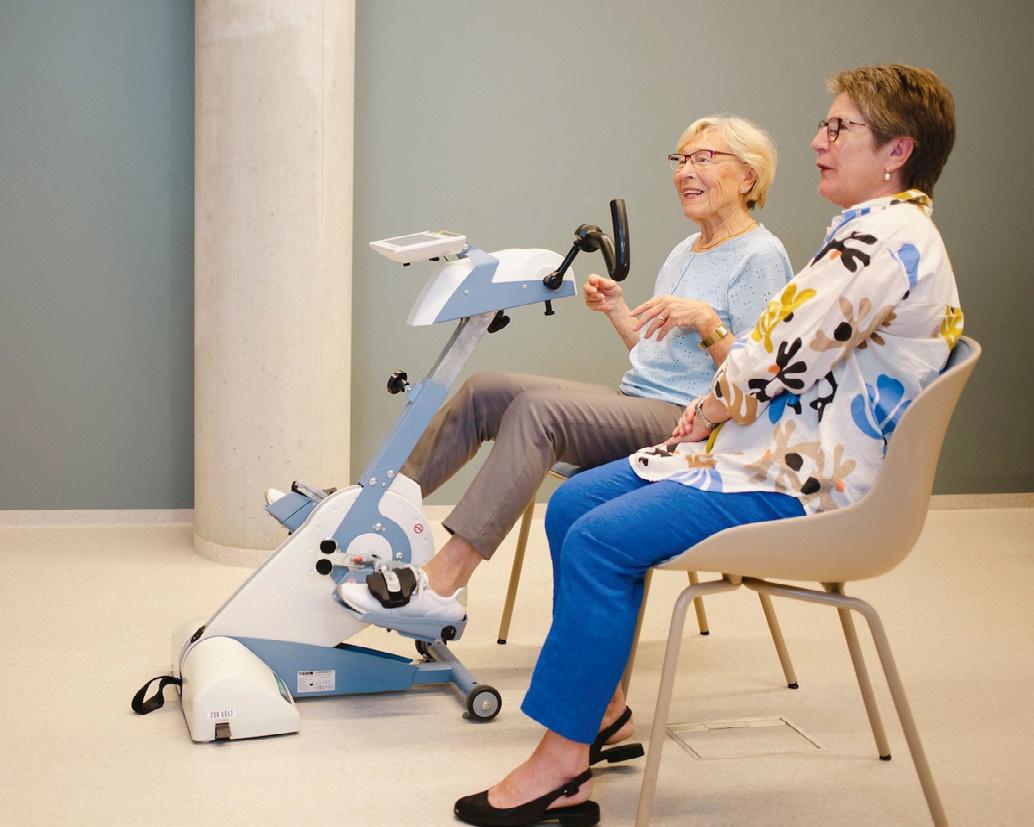
BrainTrainerPlus promotes meaningful interaction
BrainTrainerPlus is an interactive digital platform designed to stimulate cognitive function and memory in older adults through engaging, game-based activities. Developed in the Netherlands, it was inspired by a son’s desire to keep his mother mentally active and connected after she entered residential aged care. Grounded in play-based therapy principles, it supports individuals living with dementia, Alzheimer’s, depression, and cognitive decline. BrainTrainerPlus promotes meaningful interaction, mental stimulation, and daily engagement, helping reduce boredom while enhancing wellbeing. Used by care providers, it offers a practical way to support both residents and staff through enjoyable, purposeful activity. Go to braintrainerplus.com.au
A tech connection
Virtual reality sessions do more for residents than entertain, BEVERLEY DOFFAY tells JODIE WOLF.
Wellbeing team leader and lifestyle manager Beverley
Doffay is embracing technology in her role at Medical and Aged Care Group’s residential facility in Parkdale, Victoria, organising SilVR Adventures virtual reality sessions for residents.
Doffay, 59, runs eight to 10 VR sessions a day.
“We always have them out ready to go. They’re charged overnight, and as soon as we start in the morning, we’re off,” she tells Australian Ageing Agenda. “We can have four residents utilising the VR at the same time, or we can have one, two or three singly.”
Doffay and her team at Parkdale Aged Care have delivered over 1,000 hours of VR in the past 12 months. She says the VR tool is “extremely easy to use”, taking only a “couple of hours” to learn how to use it fully.
The VR experience helps residents with memory recognition, elevates mood and reduces isolation, she says. Residents can explore their past homes and cultural sites, which she says can boost emotional wellbeing.
“You can Google where somebody got married, where they went to school, where they used to live, where they used to go shopping, and it zooms in on that for them,” explains Doffay.
“That covers a great deal of culture for our residents, so they can go back to their country where they were born, where they grew up. It’s lovely.”
It’s a “fabulous” tool that all stakeholders, including staff at Parkdale Aged Care, enjoy using, says Doffay.
“Residents absolutely love it, and even family members get involved, which is really good.”
On the tool’s impact on residents, she says: “It supports calm and does far more than entertain by activating identity, memory and storytelling.”
Doffay has worked for MACG for 16 years. Prior to joining the Parkdale home, Doffay worked as a carer for 13 years at the company’s home, Casey Manor, in Narre Warren South.
In 2023 she landed an assistant lifestyle position at Parkdale Aged Care and after one month in the role was offered the team leader position and hasn’t looked back.
It’s not just VR sessions that Doffay is charged with organising daily. The list of activities range from bingo to crafts, singalongs, poetry, pet therapy, Tai Chi, gardening and dance.
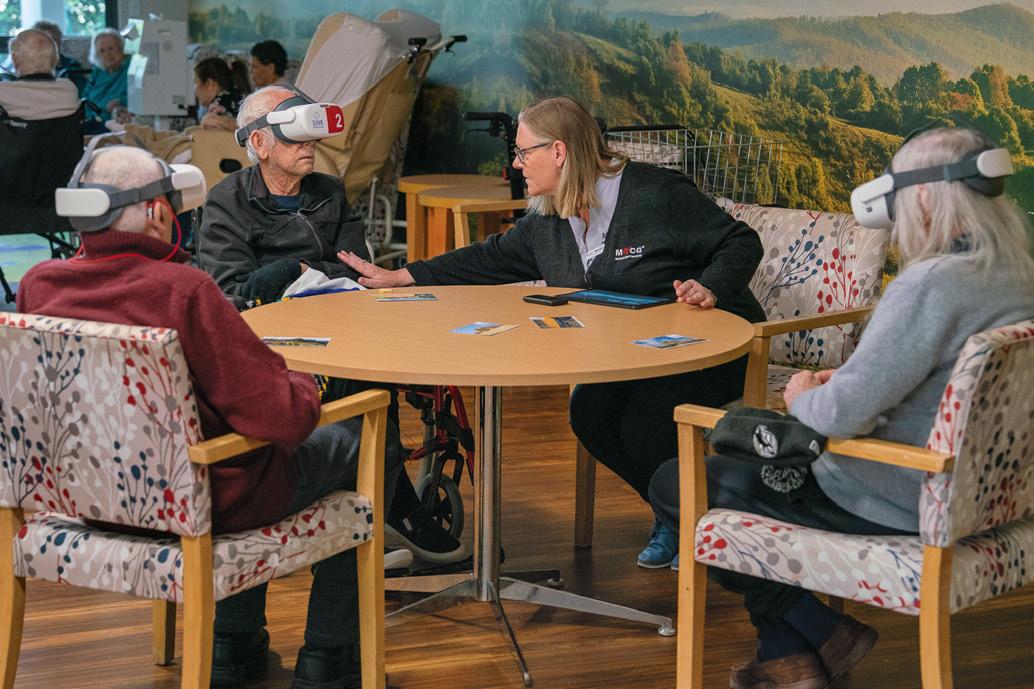
“We can have four residents utilising the VR at the same time, or we can have one, two or three singly.”
There are many positive aspects to the role, including having fun and experiencing joy each day, says Doffay. She also includes making wonderful memories among the pros.
“There’s always laughter and happy tears,” she says with a smile in her voice. “Bringing people together and making friends are all things that I love about it.”
Despite most of her job being positive, the role does come with some challenges but as she has so much experience working in the sector, it’s never overwhelming, says Doffay.
“Daily interaction with all residents can be a bit challenging at times but I always give it my best.” She adds with a laugh: “Nothing that I cannot handle.”
Doffay encourages others to pursue aged care roles, saying it is a rewarding career. She also believes there is a strong need for technology to support aged care residents in today’s world.
“Modern technology is a great thing, so anything out there that may help the residents in some way is fabulous,” she says.
Doffay returns home from work each day to her husband and “beautiful” cat Daisy.
The team leader has two daughters, one stepdaughter, and one stepson, aged 23 to 31. When asked to describe how her family feels about her role in the aged care sector, Doffay doesn’t hesitate.
“Very proud,” she says. “I love engaging with the residents and making sure they feel at home every single day. My main aim is to connect with every resident as much as possible as Parkdale is their home and they so deserve that time given with daily interaction.” ●
Beverley Doffay
Beverley Doffay leading a VR session with residents
Images: MACG

Tool targets quality and cost
Aged care
providers
who join a study for a recently launched online wound care resource will receive free education and access for the research period. NATASHA EGAN reports.
After initial implementation trials at three aged care homes in Victoria, the web-based wound care resource Wound Logic has launched and is undergoing real-world evaluation in the sector.
Wound Logic was developed over two years by Michael Breeze, a stomal therapy and wound care clinical nurse consultant at Prince of Wales Hospital in Sydney. It is informed by clinical design, content development, and aged care sector consultation.
“It delivers structured, evidence-informed education alongside fiscally responsible dressing selection strategies, enabling facilities to optimise both clinical outcomes and cost efficiency,” Breeze tells Australian Ageing Agenda

“The platform utilises a direct teaching methodology to strengthen clinicians’ competence in wound care. By enhancing understanding of wound aetiology and the appropriate use of wound care products, Wound Logic builds both knowledge and clinical confidence among staff,” he says.
“In addition, the resource supports the development of a customised wound care formulary tailored to each facility’s specific needs. Products that are clinically appropriate and financially sustainable are incorporated into a bespoke wound care plan database. This database
is accessible 24/7, empowering staff to make informed decisions at the point of care without requiring onsite consultation from a wound care specialist.”
The platform’s database catalogues over 200 wound care products with detailed information on wear time, clinical advantages, limitations, and suitable alternatives.
“Care plans are developed with consideration of application time, frequency of dressing changes, and overall product cost, ensuring both clinical effectiveness and operational efficiency,” says Breeze.
There are tutorial videos designed to reinforce best practice and enable the delivery of evidence-based wound care within aged care facilities. Wound Logic is also designed for in-home care services, and providers of short-term or respite care.
“The resource supports clinicians to deliver evidence-based wound management within the client’s usual care environment, enabling individuals to remain in familiar surroundings while receiving appropriate, timely treatment,” says Breeze.
A passion for wounds
Breeze is a registered nurse with nearly 15 years of clinical experience. He has had a passion for wound care excellence since the second year of his nursing degree.
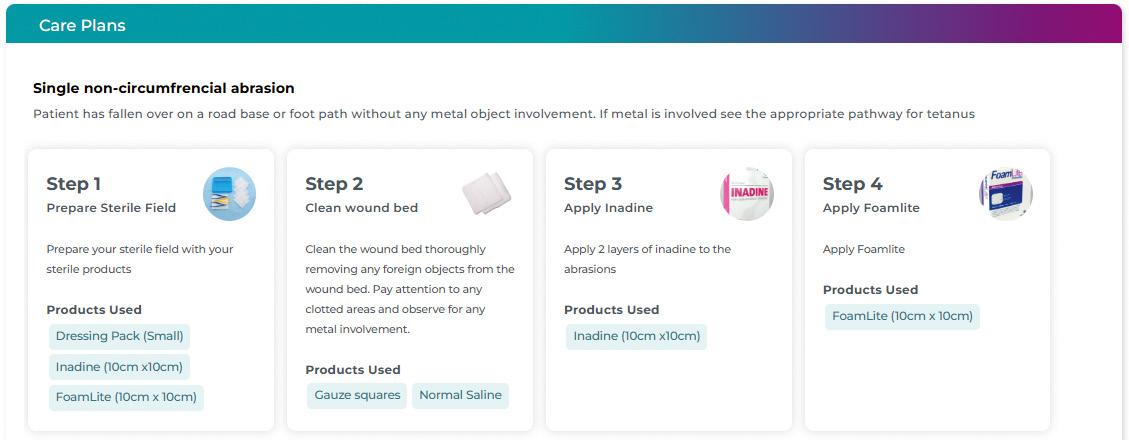
“Observing the precision, clinical reasoning, and evidence-based approach of the nursing team highlighted the profound impact that skilled wound management can have on patient dignity, outcomes, and quality of life,” Breeze says.
He has worked across a range of acute specialties, including vascular surgery, plastics, ear, nose and throat, general surgery, and surgical oncology. He credits this diverse clinical background for providing extensive exposure to complex wound presentations and the
Michael Breeze
opportunity to develop advanced assessment skills while learning from experienced nursing and medical colleagues.
Breeze has experience as a clinical nurse educator, graduate certificates in advanced nursing and stomal therapy and wound care and a Master of Nursing. He is working toward endorsement as a nurse practitioner with a specialisation in wound care.
Tech fills identified gap
Breeze decided to develop the resource after noticing a reduction in clinical confidence in wound care following the conclusion of the Covid-19 pandemic.
“There was a significant increase in requests for advice regarding dressing selection, even when clinicians were able to accurately identify wound aetiology. While assessment skills remained strong, many nurses reported feeling less confident in determining the most appropriate product choice.”
His observation was supported by a small internal study at the hospital and the aged care perspective became more prominent following a clinical experience.
Breeze was asked to review the foot wound of a resident who had been transferred from an aged care home late on a Friday afternoon. But as the transfer occurred after the wound care service had closed, the patient had to stay in hospital over the weekend awaiting specialist review.
“While the clinical issue was uncomplicated, the hospital transfer proved challenging for the individual, who was living with dementia. The unfamiliar environment contributed to understandable distress, and the resident was able to return to their care setting shortly after review. This experience highlighted the importance of supporting aged care services to manage appropriate wounds in place wherever safely possible, minimising avoidable transfers and promoting person-centred care.”
He says similar challenges exist within home care services, where in some cases, lower-cost dressings, which may require more frequent changes, are selected due to funding constraints.
“Contemporary advanced wound dressings, while sometimes higher in unit cost, can often remain in place for longer periods when clinically appropriate. When labour, travel time, and frequency of clinician visits are considered, these products may represent a more sustainable and fiscally responsible approach.”
Early data shows confidence boost
Breeze has preliminary outcome data from two small-scale pilot studies – one at a large tertiary hospital in Sydney, and the second across the three aged care homes in Victoria.
“Across both settings, participants demonstrated an improvement in dressing selection confidence ranging from 10–40 per cent following engagement with the resource,” he says. “Although the sample sizes were modest, both studies incorporated participant-level tracking throughout the evaluation period, enabling paired analysis of pre- and post-intervention results.”
More large-scale studies are planned to continue evaluating clinical, operational, and economic outcomes.
Trial resource for free
Breeze is encouraging all residential and home care providers to trial and evaluate Wound Logic. There is no cost to organisations or individuals who do, and participation comes with full and free access to the resource for the study period.
“The aim of the trial is to better understand the clinical and operational needs of the aged care sector,” he says.
“By expanding the sample size of the trial, we aim to generate more robust data regarding clinical outcomes and potential cost

efficiencies. Demonstrating measurable system-level benefits may support future advocacy at a government level, with the objective of improving equitable access to evidence-based wound care resources across the aged care sector.”
Participating services need to nominate a representative to be the primary contact to support study coordination and maintain appropriate independence in data collection. This person would oversee the administration of pre- and post-intervention surveys, says Breeze.
“Following ethics approval, participating staff would receive structured education via live video stream on how to effectively utilise the resource,” he says. “Each participant would be assigned a unique identifier to ensure confidentiality while allowing paired analysis of individual responses across the study period.”
Benefits for providers include complimentary access to a customised wound care product formulary, and tailored wound care plans addressing commonly encountered wounds and more complex or chronic presentations experienced by residents. Clinicians will receive education to strengthen knowledge and increase clinical confidence in wound management. Participating organisations will retain access to the platform for a defined period following the trial to support continued integration of evidence-based wound care practices into routine clinical care, Breeze says.
“Beyond the educational and clinical benefits, trialling Wound Logic offers aged care providers an opportunity to proactively strengthen governance, quality improvement, and fiscal stewardship within their organisation,” he says.
“From an operational perspective, the customised formulary and cost-conscious care planning framework allow providers to better understand the true cost of wound care, including labour time and dressing frequency – not simply unit price. This systemsbased approach can assist organisations in optimising resource utilisation while maintaining clinical integrity.”
Participating is also an opportunity to contribute to sectorwide innovation. “By taking part in structured evaluation and data collection, organisations help generate meaningful evidence that may inform broader policy discussions around sustainable wound care funding and equitable access across Australia,” Breeze says.
“Ultimately, trialling the resource enables providers to invest in workforce capability, resident-centred care, and long-term sustainability – while doing so at no financial risk during the study period,” Breeze tells AAA.
To participate in the study or arrange a trial of the resource email Michael@woundlogic.au. Scan the QR code (right) to find out more about the platform.

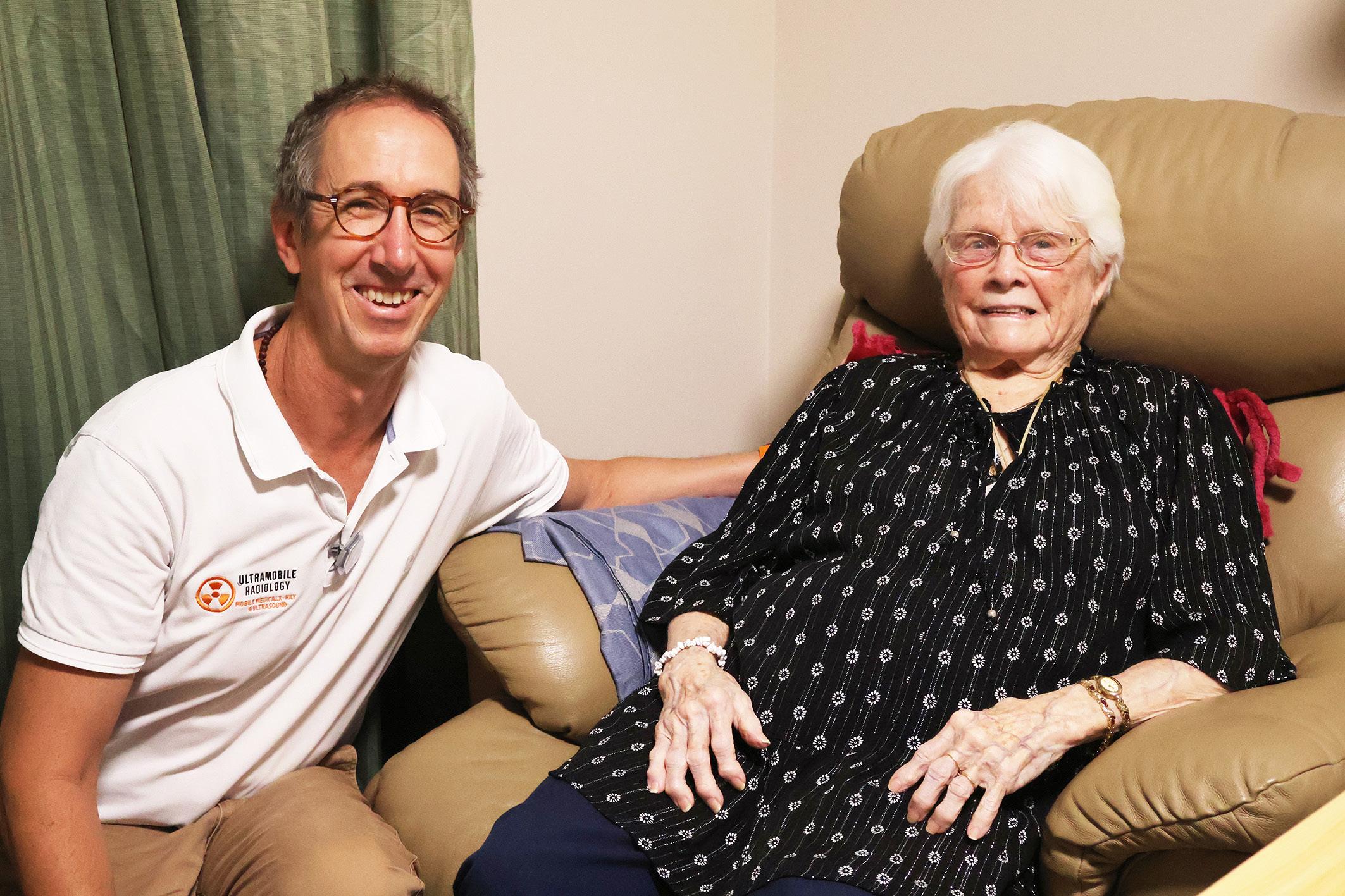
Mobile X-ray transforming care
Resthaven has reduced transfers to hospital and improved the resident experience with an onsite radiology service. KATARINA LLOYD
Resthaven Paradise aged care resident Marjorie Ware pictured herself facing a long day travelling to and waiting at the hospital after hearing she needed an X-ray.
Instead, she was able to have the scan sitting in the privacy and comfort of her own room thanks to a formalised partnership between the South Australian provider and Ultra Mobile Radiology.
Ware’s X-ray was conducted by Ultra Mobile Radiology’s managing director Leigh Bauer-Nason, who has “identified a critical gap in services provided to older people,” says Resthaven executive manager of clinical governance and operational excellence Merridy Baylis.
“In 2024, we collected data on the visits Leigh provided to our Resthaven homes and found that 719 X-rays and ultrasounds were performed. It’s a service that is valued by our residents,” she says.
Resthaven became aware of Bauer-Nason and Ultra Mobile Radiology in 2021 and understood the significant benefits an in-house service could provide residents, says Baylis.
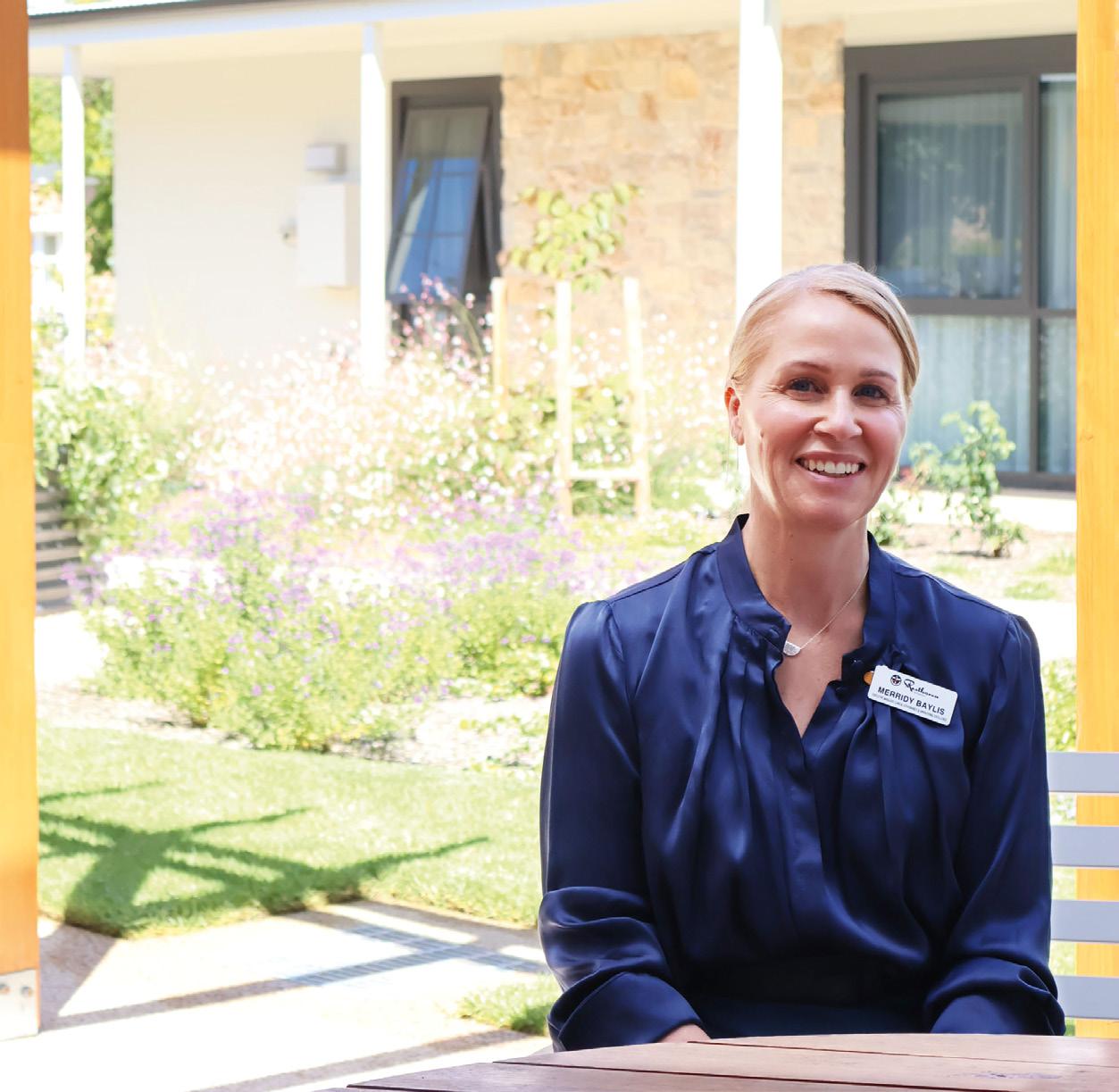
“Resthaven has a proactive approach of looking for opportunities to innovate and provide an excellent service to residents and clients. We identified an opportunity to avoid the stress that attending these types of appointments can bring on,” Baylis tells Australian Ageing Agenda
“For someone who is cognitively impaired, the
JONES reports.
emergency department can be incredibly upsetting. When we heard about Ultra Mobile Radiology, this service fit the needs of residents perfectly.”
Bauer-Nason agrees that hospital can be a daunting place and the transport there can be stressful too – particularly for people living with dementia or chronic conditions. Reducing potentially unnecessary trips to the emergency department also helps alleviate pressure on South Australian hospitals. With a mobile solution, relatives don’t need to take time off work to attend appointments. “We remove the element of having to leave the home,” Bauer-Nason says.
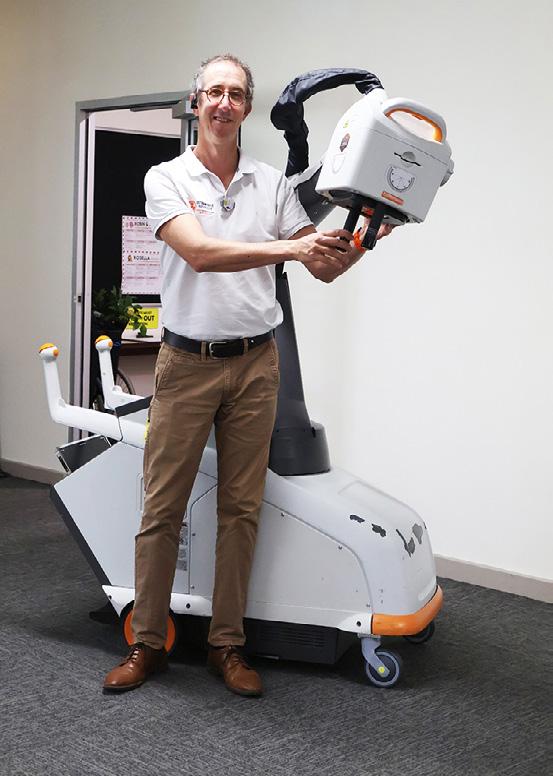
A multidisciplinary approach
In 2025, the two organisations formalised processes and a working relationship to provide better information to residents and representatives about how and when the service is used.
Bauer-Nason lets Resthaven know when he is attending so staff can make decisions with residents and their representatives. He usually attends metropolitan sites on the same day of the request or the day after, Baylis says.
Bauer-Nason then makes a report available to general practitioners via their practice software within 24 hours to assist decisionmaking, she adds.
Merridy Baylis
Leigh Bauer-Nason with the mobile radiology machine
Leigh BauerNason and Marjorie Ware
Images: Resthaven
Be up to date with the AMH 2026

TRUSTED AUSTRALIAN MEDICINES REFERENCE
Independent, evidence-based drug information for confident decision-making.

CONCISE FOR BUSY PRACTITIONERS
Provides essential and practical details to facilitate point-of-care use.

UNIQUE COMPARATIVE INSIGHTS
Comparative drug information supports users to make rational decisions.


WISE CHOICES
Prioritises the quality use of medicines, contributing to safe and effective treatment options.








































Compassion is a muscle – here’s how to train it
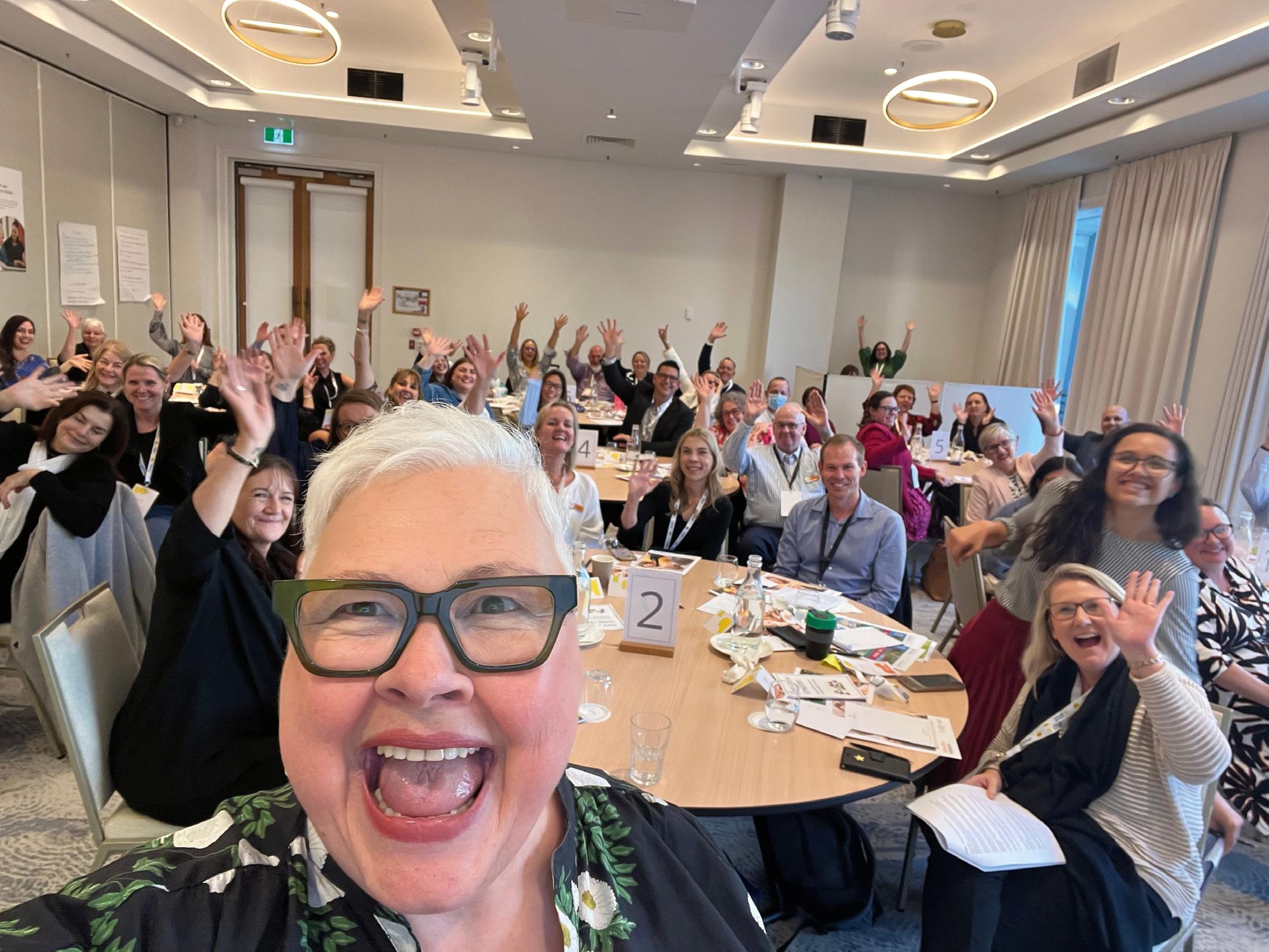
We only have to watch the news to know that humans have an incredible capacity for violence and cruelty.
But we also have a well-documented and clear biological, cultural, neurobiological, endocrinological capacity for care and compassion.
It always amazes me just how much humans can care. We all came into this world ready to love and be loved in return. If we are fortunate enough to be born into a compassionate community or family, we will develop finely tuned compassion.
Compassion isn’t soft and fluffy. The kind of compassion I’m interested in is muscular. It is brave. Compassion can be fearless and forthright. It can be quiet and still, simply holding space for what is unfolding.
Definition of compassion
My view of compassion is that it goes one giant step further than kindness. So what is compassion? Paul Gilbert and Kunzang Choden in their 2015 book Mindful Compassion say this:
“Compassion is not just about kindness or ‘softness’ and it is certainly not a weakness, it is one of the most important declarations of strength and courage known to humanity. It is difficult and powerful, infectious and influential. And, crucially, is perhaps the only universally recognised language with the ability to change the world.”
The word compassion literally means “to suffer with”. When we act with compassion we stay the distance. When we walk alongside someone with dementia, our job is to read the map and guide them, and most importantly be with them on the terrain.
Many times, health and aged care workers say to me, “I’m too exhausted for compassion” or “I don’t have time for compassion.”
I hear you. If you’re tired, worn down or feel unseen and you need to do one less thing, I implore you: don’t let compassion be the thing you let go of. Your Self needs you to give it some compassion, your Self needs you to find time to feed it and give it water.
Put very simply: Compassion is a sensitivity or awareness to suffering or distress, in ourselves and others, with a commitment to try and alleviate and prevent it.
Most of us have spent our lives thinking that compassion was exclusively about other people. You need to count yourself in.
Compassion is a skill, not a feeling or an emotion. Compassion has a set of steps that require deliberate attention and response. Most importantly, compassion requires action.
This is not always easy; in fact, it often feels like hard work. It’s the hard emotional labour of showing up and speaking up.
I see compassion as both the driving force and the touchstone of health and aged care. Anyone who has ever worked in a health or
Mary Freer (front) at her workshop with health workers
aged care organisation knows it is compassionate leadership that rises with strength and power and shines a light so we can all stay together and survive the storm.
A simple four-step practice
There are four steps in every compassionate action. I call these steps SUMA (see box right). You don’t have to count them out or make a conscious effort to follow them in strict order. SUMA is a practice and it takes some time to develop.
It’s the same as growing any muscle. Maybe you signed up for the gym, and you set the alarm to wake up. Maybe you even posted a pic on Instagram of you and the new training gear. When you got to the gym you couldn’t lift the weights and you didn’t know the routine and it was cold at 6:00am.
After two sessions, you said, “I’m not a gym person.” The difference between you and a gym person is that the gym person keeps going. That’s all it is. It’s about growing a muscle. Be kind to yourself, let yourself off the hook and create a practice. ●
Mary Freer is the chief executive officer of Compassion Revolution and the author of Compassion Revolution: Start Now. Use What You Have. Keep Going She will teach the practice of SUMA at the International Dementia Conference 2026 on 4–5 June in Sydney (dementiaconference.com)

Four steps of
compassion: SUMA
Show up: Every day we can practise coming back to the present moment.
Understand: We remain curious about what others are experiencing and begin to recognise everyone’s story is complex and there are many pathways forward.
Move closer: When things go wrong, we have a perfect opportunity to move closer. This is your invitation to celebrate our shared humanity.
Australian Ageing Agenda’s regular dementia section is guest edited by Hammond Innovations, HammondCare. For further information contact innovations@hammond.com.au
Continued from page 54
Using a triage-led approach, Ultra Mobile Radiology, residents, doctors and Resthaven nurse practitioners together develop a suitable treatment pathway.
“Even if there is a suspected fracture, once it’s identified, clinical staff at the home can manage it and create a treatment pathway to support the resident through reablement,” says Bauer-Nason.
Multiple benefits
In addition to convenience for residents, the mobile service has a positive impact on wellbeing. Previously, the thought of needing an X-ray could bring on a wave of anxiety, says Ware.
“My balance is not what it was, and I get quite anxious about getting in and out of the car and walking to appointments,” she says.
“I was also worried about having to stand up for the X-ray. Having Leigh visit me made the whole process so much easier. He put me at ease straight away. I was able to stay sitting in my chair – it was magnificent. I told my sons how much better the whole process was.”
Baylis tells AAA it is “always pleasing” to see sites utilise modern systems like sensor equipment, virtual review, and onsite imaging to review and diagnose issues so a resident doesn’t need to leave the home.
“Whilst the benefits of this are hard to quantify, anyone who has visited an emergency department knows that the opportunity to manage any situation in the comfort of their own home would always be better,” Baylis says.
“We do receive a lot of positive feedback from residents about how much easier it is for them to have the service come to them, rather than having to arrange transportation.
“The whole process is also a lot quicker for the resident and means there is less likelihood of them missing part of their normal
Act: Compassion requires us to take action. This is where we powerfully connect with others from a place of vulnerability.
routine, such as medication or social activities. For residents who live with dementia, transportation and unfamiliar surroundings can trigger anxiety. By being able to offer this service in the resident’s own room, we remove some of this anxiety.”
Nursing staff make clinical decisions
Resthaven also has specialist nursing teams and nurse practitioners meaning they rarely need to outsource specialist assessments and plans.
“We have continence specialists, wound nurse practitioners, palliative care, dementia and mental health specialists who provide excellent case conferencing and care across all sites,” Baylis tells AAA “We are currently looking at opportunities to have onsite dental clinics.”
Resthaven also has onsite podiatry, dietitian, speech pathology and vaccination services.
While Resthaven looks to see where it can provide a service to the resident within the home, Baylis notes the team also always looks to understand the risks and benefits of a mobile service. As such, the mobile radiology service may not be right for every situation, she says.
“Our nursing staff make clinical decisions about the need for imaging and emergency care. If a resident needs multiple services and urgent decisions that may involve surgery, it may be better for the person to attend the hospital,” she tells AAA
Other providers considering the introduction of mobile technology should “just do it,” says Baylis.
“By working with service providers such as Leigh at Ultra Mobile Radiology, Resthaven has been able to improve the X-ray experience for many residents. It also works to reduce our transfers to hospital and improve our national quality indicator data,” she tells AAA. ●
Mary Freer
Images: Mary Free
Transforming ageing
The AAA team joined hundreds of delegates at Australian Healthcare Week 2026 in March. The crowded ageing transformation stage featured talks on the future of home care, building community, solutions to the aged care bed shortage and strategies for healthy ageing. Scan the QR codes to read our coverage.

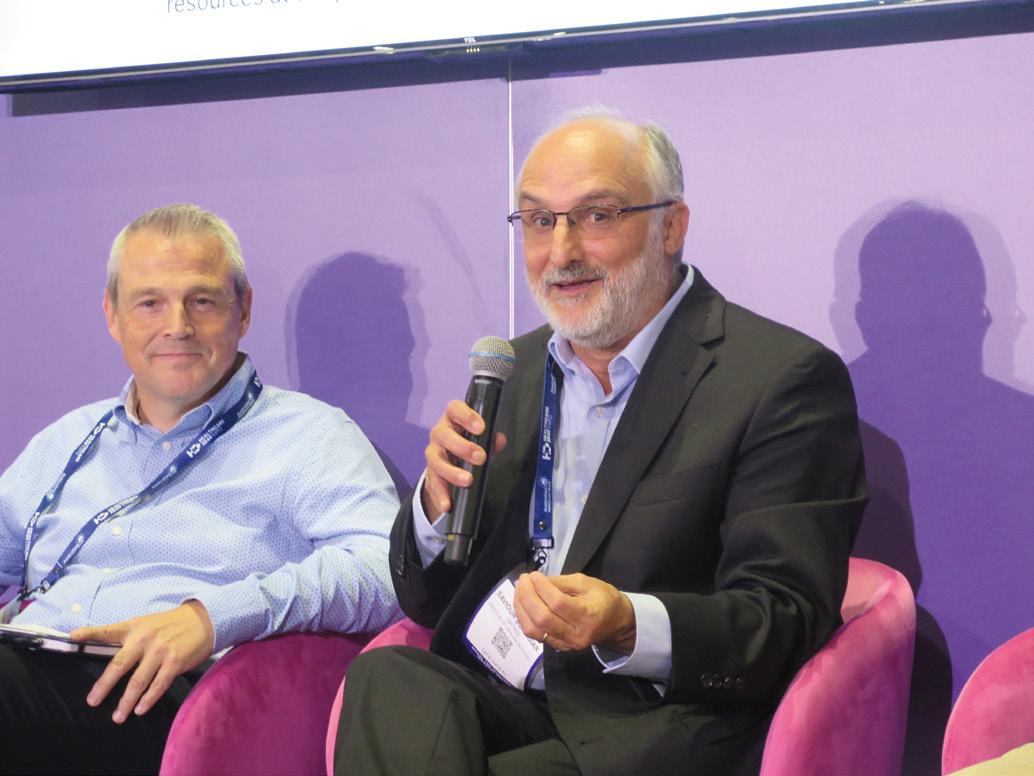
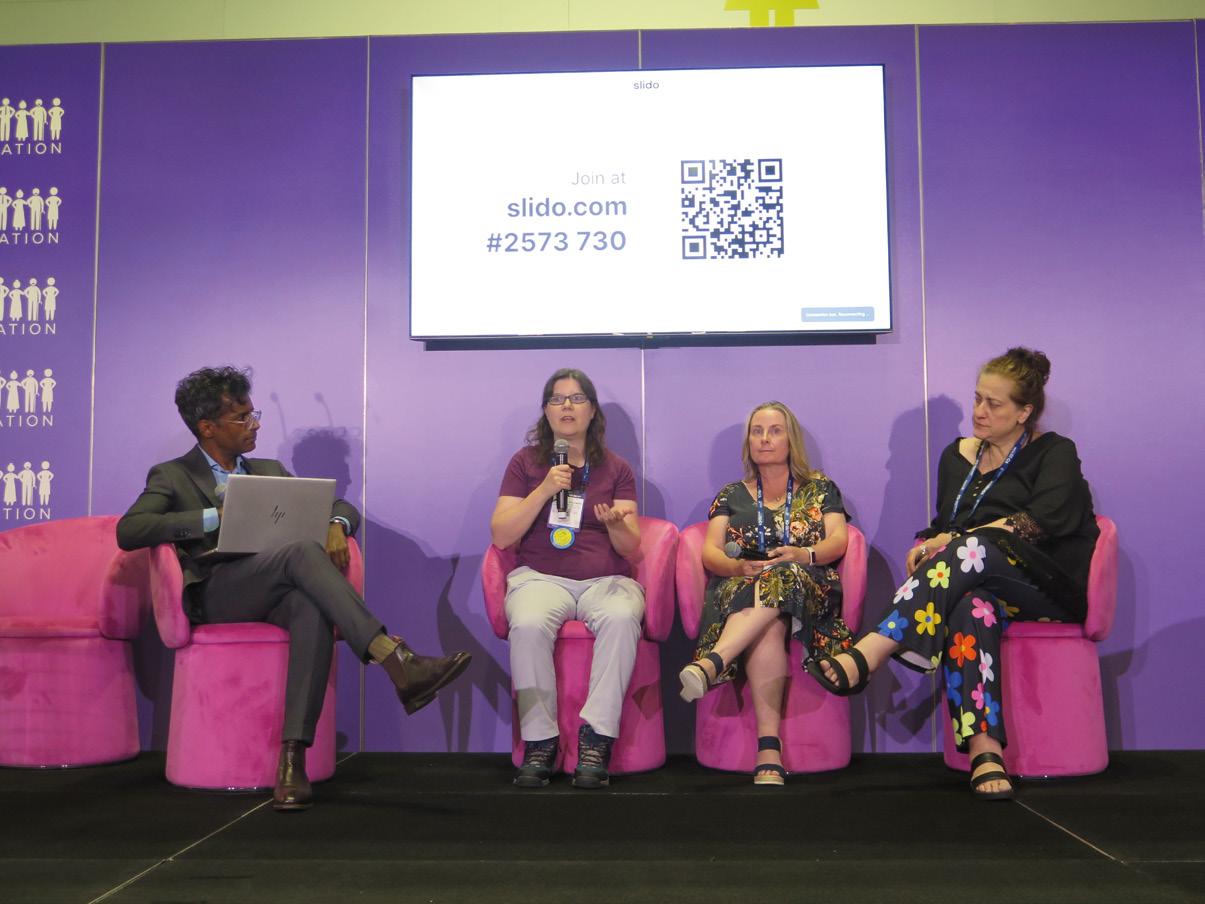
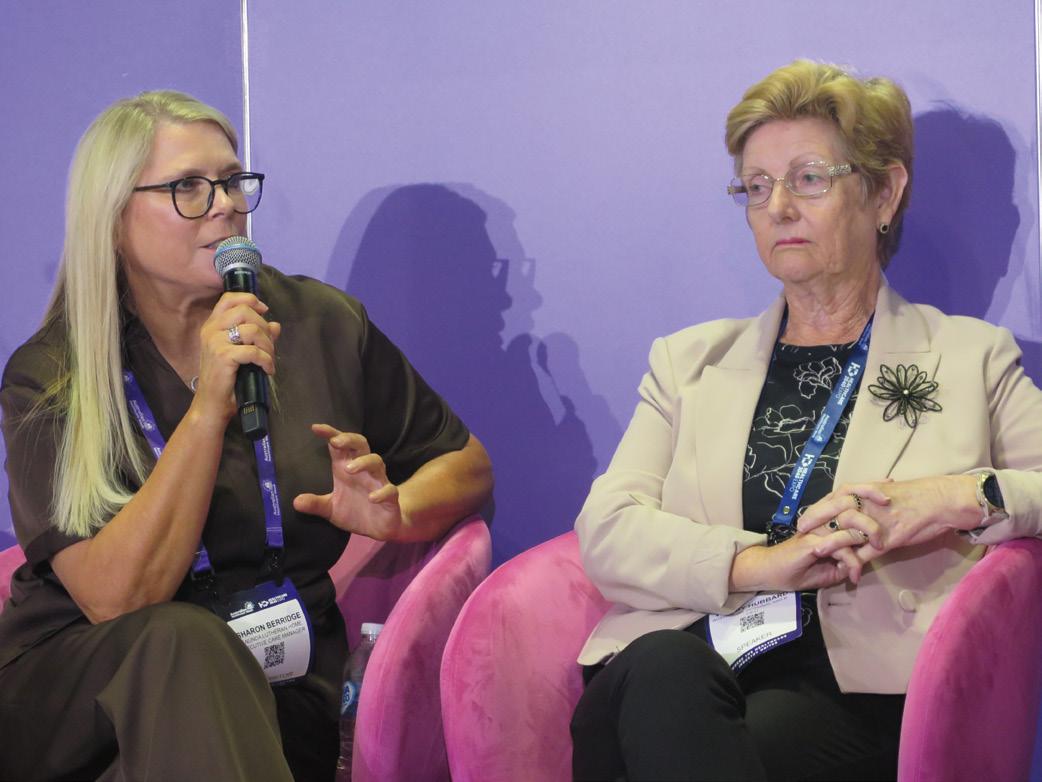
Conference coverage
Home care is ‘main game’
Conversations on ageing should focus on home and community care services rather than residential aged care, says Uniting NSW.ACT’s Saviour Buhagiar.
Aged care integral to health system
VIDEO: Dr George Margelis tells AAA that providers need to work more closely with health and social care stakeholders to find ways to make the system work better.
Community key to healthy ageing
Australians face the challenge of distance, AHW panellists acknowledge, but a focus on building more community is needed to improve wellbeing among older Australians.
Building staff loyalty
Scalabrini Communities CEO Richard de Haast shares the secrets of long-term retention success. Breaking the bed block
Hospital and aged care workers need to consider the challenges the other is facing and focus on older people’s wellbeing to solve the bed crisis, says Lou Fox. ●
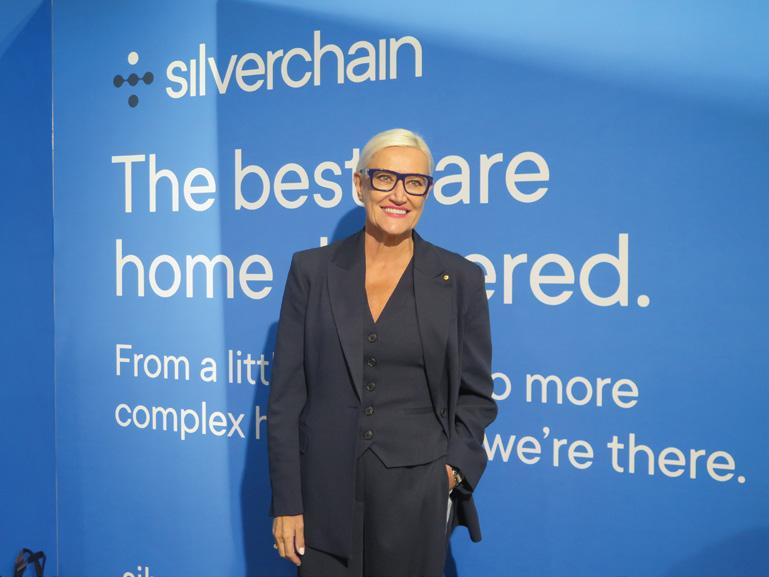
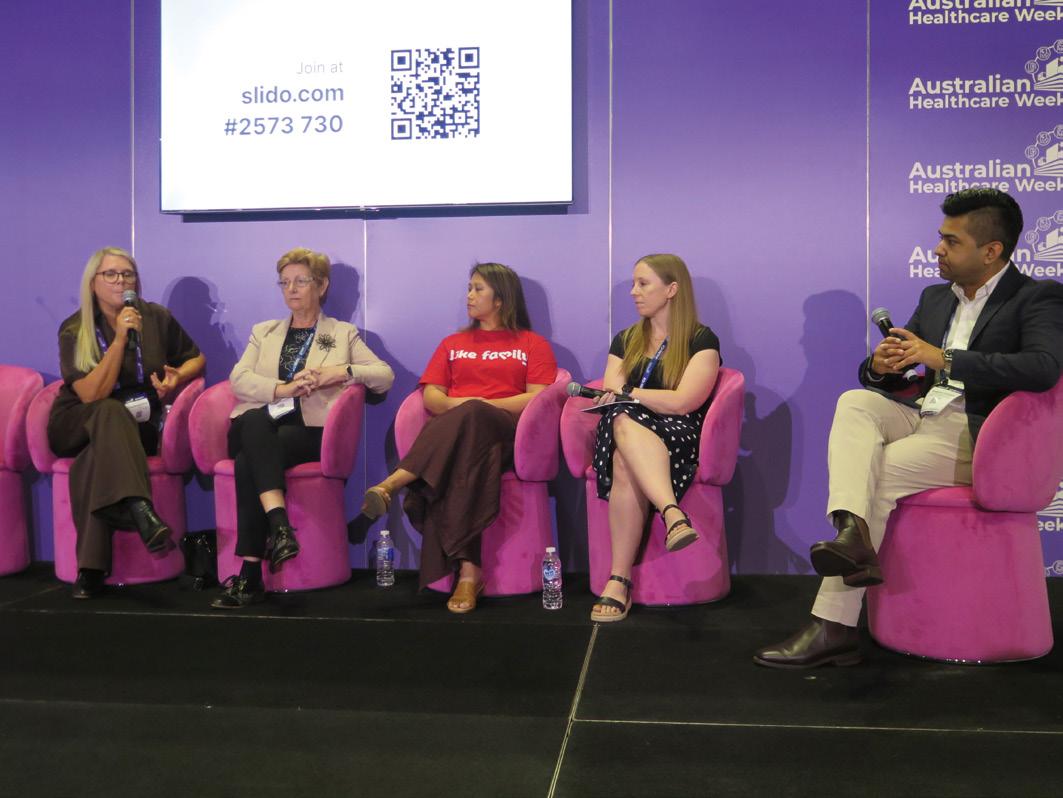
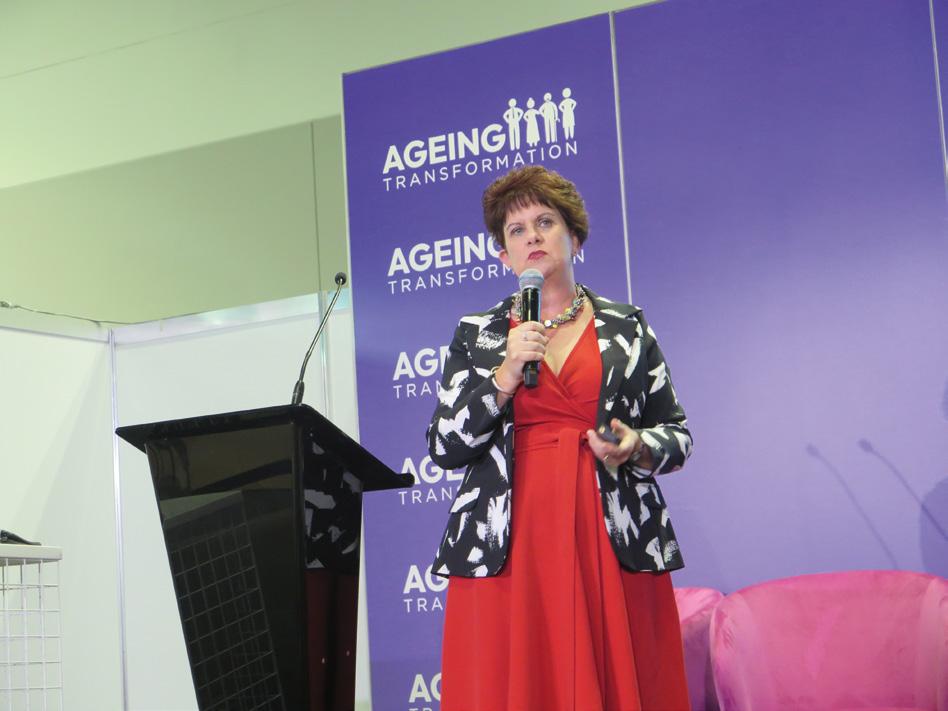
AHW delegates attending the ageing transformation stage
From left: Craig Carter and Saviour Buhagiar
From left: Sanka Amadoru, Marianne Coleman, Jacqueline Quirke and Vasso Apostolopoulos
From left: Sharon Berridge, Wendy Hubbard, Jenna Leo, Marissa Dickins and Rameez Hassan Sharon Berridge (left) and Wendy Hubbard
Silverchain CEO Dale Fisher at AHW
Tracey Johnson chaired day two of the ageing transformation stage



Most aged care operators can see their care minutes. They suspect AN-ACC funding is being missed. They know their roster could run leaner. But data alone doesn’t tell you what to fix first – or what breaks when you fix it.
How It Works
1. We collect and contextualise your data – rostering, payroll, clinical and funding.
2. We translate into a sequenced stabilisation roadmap.
3. We connect your systems into the Care Performance Nervous System.
Digital Only
Connect your systems and let the platform surface insights, flags and opportunities automatically.
Guided Strategy
Digital platform plus specialist guidance –our experts interpret the signals and sequence the right actions.
Full Nervous System
The complete experience – digital infrastructure, specialist expertise and full outcome ownership.
Proof it Works
Case Study – Smart Stabilisation Strategy
A facility was running at a 4-star care minute rating against a 3-star target – delivering more care than required, burning agency spend, and sitting on $250K in missed AN-ACC funding.
Rather than immediately chasing the funding, we stabilised first – restructuring the workforce strategy to reduce agency costs and roster inefficiency while maintaining 3-star compliance throughout.
Result: $350K funding opportunity recovered. Zero compliance disruption.
Reports tell you what happened. The Care Performance Nervous System tells you what to do next.
Book Your Care Performance Control Analysis
We’ll assess your facility’s Revenue, Workforce and Compliance alignment – and show you exactly where your risk and opportunity lie.