



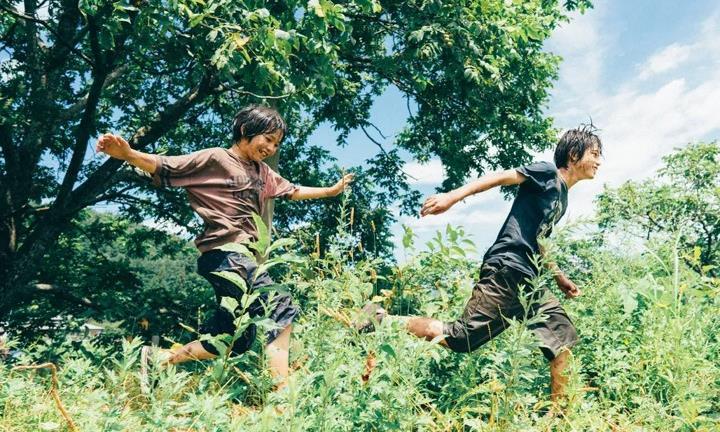
VERDICT: A gripping drama – almost a mystery – about ordinary people from Japanese master Kore-eda Hirokazu connects to viewers, despite an ambiguous ending that feels overly complex and arty.
Deborah Young, May 17, 2023

Opening Cannes competition on a reliable note, Monster (Kaibutsu) by Japanese director Kore-eda Hirokazu offers festival and art house audiences another involving story of human relationships struggling to survive in a conformist society. Sakamoto Yuji’s rapid-fire screenplay braids together a series of everyday issues like the close friendship between two 5th grade boys, abusive teachers, school bullies
and single parenting, giving them a life-and-death urgency that keeps the viewer deeply invested in the action. With all this going on, though, some scenes feel incomplete and the jumbled-up timeline unnecessarily complex. While this is a film sure to start a conversation, it may be about how to interpret the story’s ambiguities and dangling plot threads. Full Review
Mega Saudi Film Investment Fund Launched by Media Ventures and Saudi Cultural Development Fund
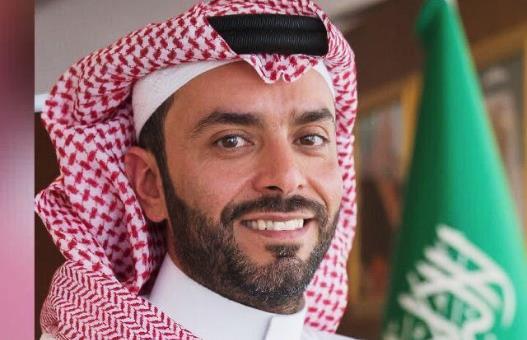
ROAA Media Ventures, Saudi Cultural Development Fund and MEFIC Capital disclosed that they have come together to establish a Film Investment Fund for the Kingdom. The agreement was announced during an exclusive industry breakfast hosted by Saudi Cultural Development Fund during the Cannes Film Festival. ROAA Media Ventures, a holding company at the forefront of Saudi Arabia’s rapidly evolving media and entertainment industry, has announced an agreement in principle with Saudi Cultural Development Fund and MEFIC Capital.
(Continues page 2)
The $100m Film Investment Fund is the first capital injection initiative to be revealed under Saudi Cultural Development Fund’s Investment Track, part of its recently launched Film Sector Financing Program. The Fund will help stimulate investments in film projects, companies and media infrastructure, support the growth of talent and create new opportunities for job creation and the overall development of the film industry in Saudi Arabia and internationally. Mohammed Bindayel, CEO of the Saudi Cultural Development Fund said, “We hope that our partnership with ROAA Media Ventures and MEFIC Capital to establish the first investment fund, marks the beginning of more public-private sector collaborations and a new chapter for the Saudi film sector, where the private sector takes the leading role in investing in its growth.”
ROAA Media Ventures will be the Technical Partner of the Fund and was selected by Saudi Cultural Development Fund because of its deep industry expertise and shared vision to create a dynamic media and entertainment industry that drives growth, innovation and creativity across the entire value chain.
Established in 2022, ROAA Media Ventures, the media venture builder, fosters local media projects, develops and nurtures regional talent and forges strategic international alliances and partnerships in alignment with the Kingdom’s cultural transformation and goals of Saudi Vision 2030. Its subsidiaries include some of the region’s most exciting and innovative media companies. Among them are Hakawati Entertainment, a leading film and TV production company, and Meridian-Hakawati Pictures, a
groundbreaking international partnership with Hollywood’s Meridian Pictures.
Commenting on the new agreement, Redha Alhaidar, Chairman of ROAA Media Ventures, said: “ROAA Media Ventures is honored to partner with Saudi Cultural Development Fund and MEFIC Capital to establish the Film Investment Fund. Through this collaboration we will be able to foster partnerships that support the expansion and diversification of the film industry, creating valuable synergies between international expertise and the rich resources and talent present in the region.”
Alhaidar continued, “The establishment of this fund signals confidence in the region’s media and entertainment industry and will help attract more private sector investments, greater international collaboration and improve the availability of talent in the region and abroad. Our appointment as technical partner to the Fund is a testament to the experience and capabilities of the ROAA Media Ventures team and we are pleased to be recognized as a positive driving force cultivating and growing the media and entertainment landscape in the region and beyond.”
ROAA Media Ventures is led by a distinguished senior executive team and board, with an exceptional track record for delivering media and production, management,
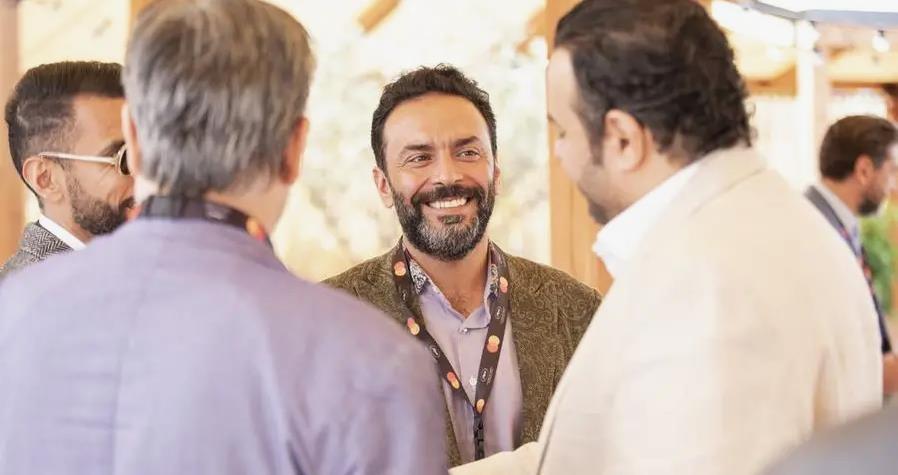
communication, investment and policy in Saudi Arabia and around the world. Combining this local market expertise with its global experience, perspective, connections and financial resources, the company is helping accelerate the growth of the Saudi media and entertainment industry. As a key partner in the Fund, ROAA Media Ventures will play a pivotal role in facilitating connections between international partners and local opportunities for filming, investment, or co-funding. It will also provide investment evaluation and management related services to the Film Investment Fund’s manager as well as technical and business assistance to the Fund’s portfolio companies, projects and assets.
“Cannes is one of the most important and prestigious film festivals in the world and we are thrilled to be here to announce such a great initiative to the international film community. We firmly believe that the power of cinema lies not only in its economic potential but also in its ability to share local cultures and values with the rest of the world, breaking down barriers and building bridges of understanding and respect. With the right financial backing, we can help unleash the full potential of talent from the Middle East to create authentic, high-quality content that can compete on the global stage,” Alhaidar added.

VERDICT: Catherine Corsini's latest film is a schematic family drama.
Boyd van Hoeij, May 18, 2023
Corsican director Catherine
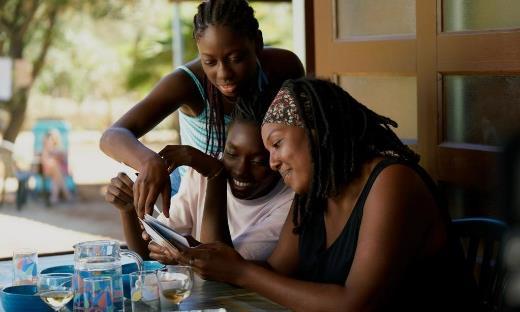
Corsini’s latest film, Homecoming (Le Retour), debuts in competition in Cannes surrounded by an air of scandal. Inappropriate behaviour towards minors was reported during the shoot, as well as other work-related irregularities, leading to the decision of one of the French funds to withdraw their financial support. Corsini’s film wasn’t originally announced as part of the Cannes lineup during the traditional press conference in mid-April as expected, with the festival suggesting they “would look into” the situation before finally announcing the feature as a late competition addition without any further comment. It seems inevitable that all this will have some kind of repercussion on the project’s commercial potential, though given that the film itself feels rather schematic and didactic, the blame for a possible failure at the box office can’t only Full Review
VERDICT: This isn’t merely a sprawling, ridiculous summer blockbuster it’s the Platonic ideal of the sprawling, ridiculous summer blockbuster, a delight for fans of the loony franchise. Alonso Duralde, May 17, 2023
One might have thought that going into space marked the apex of nuttiness for the Fast and the Furious franchise, but Fast X proves that, even Earth-bound, this series knows no limits when it comes to insane stunts, ridiculous plot twists, and cornball dialogue delivered with the straightest of faces. If you’re still on board for what these movies have to offer and the global box office indicates that quite a few people are Fast X deliriously overdelivers its delights.
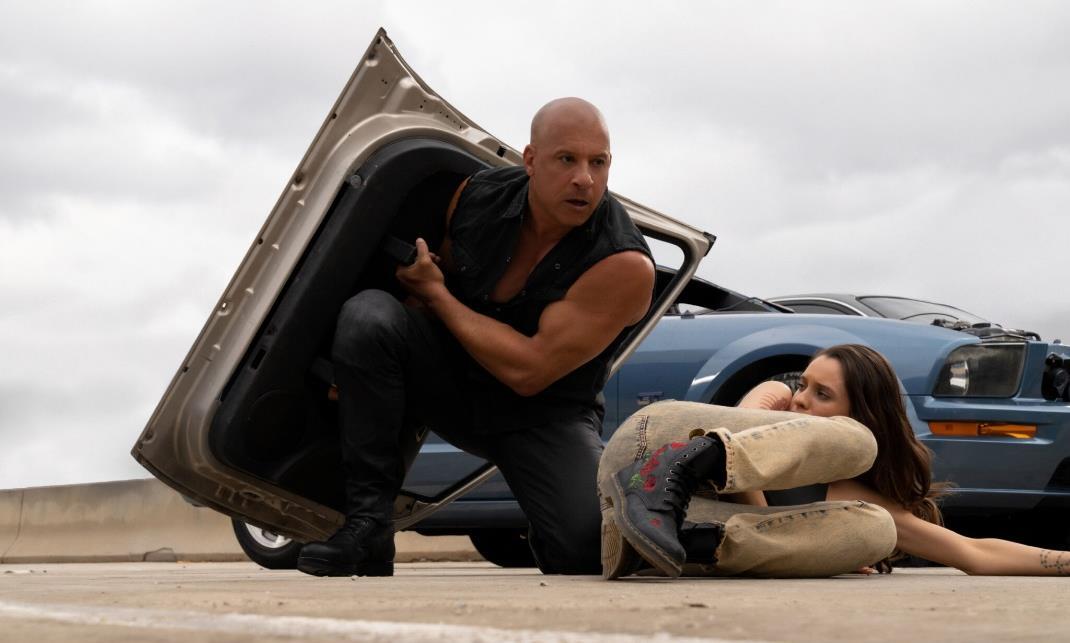
We don’t have the stratosphere this time, but we do have Jason Momoa as Dante Reyes, a fabulously over-the-top villain who is as expressive and eager to play with constructs of gender as his nemesis Dominic Torreto (Vin
Diesel) is monotone and tediously butch. Back in Fast Five, Dante’s father Hernan Reyes (Joaquim de Almeida) was the target of that film’s big Rio bank-vault heist, and Dante has spent the last decade planning his revenge on the Fast family for killing his dad. “Never accept death when suffering is due,” was one of papa’s favorite aphorisms, and Dante (retrofitted into footage from Five) has clearly taken it to heart.
Dante’s complicated scheme involves framing Dominic and his wife Letty (Michelle Rodriguez) as terrorists, along with their pals Tej (Chris “Ludacris” Bridges), Roman (Tyrese Gibson), Ramsey (Nathalie Emmanuel), and Han (Sung Kang).
Full Review

VERDICT: This riveting courtroom drama distils Pierre Goldman’s complex life into one of its defining moments while crafting a ranging reflection on past and present injustice.
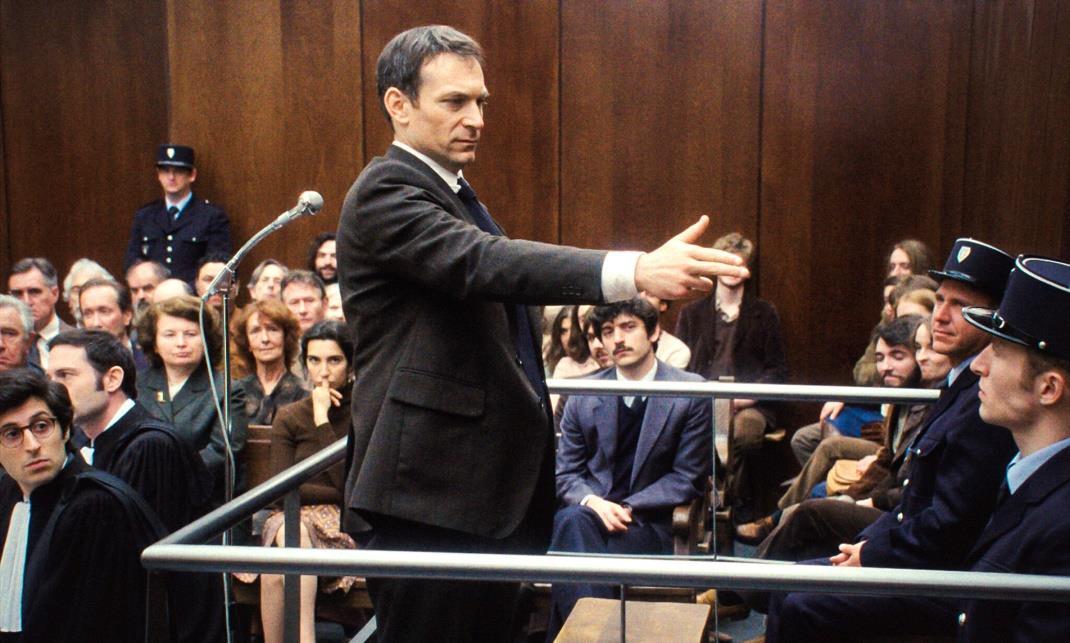
Ben Nicholson, May 17, 2023
Courtroom dramas are a mainstay of the moving picture landscape. Right from the classics of the genre to the present day, they
regularly depict morally upstanding participants attempting to overturn unlikely odds in the name of that murkiest
of concepts, justice. Cedric Kahn’s absorbing new drama The Goldman Case, which was the opening film of the Directors’ Fortnight at Cannes, thoroughly embraces the tradition’s knottier aspects. Based on a real-life case from France in the 1970s, the film depicts the trial of Pierre Goldman, using this single event as a way to study both a complicated and contradictory life and an equally inconsistent criminal justice system. Built around a virtuoso lead performance from Arieh Worthalter, it’s a gripping dialogue-heavy drama that is also a multivalent rumination on revolution, racism, disenfranchisement, and integrity. In December of 1969, a hold-up at a pharmacy in Paris resulted in two employees being killed before the assailant escaped. Goldman, a leftist agitator-cum-petty gangster, was charged with the crime along with several other armed robberies… Full Review
charmingly off-beat debut blends dark humour, social commentary, sparing use of visual effects and a healthy fondness for pulp cinema. A buzzy premiere in the Critics’ Week section at Cannes, the film’s genre-friendly elements, sassy feminist themes and sympathetic nods to the TikTok generation should boost its chances at further festival slots and commercial break-out potential.
VERDICT: Malaysian writer-director Amanda Nell Eu's groundbreaking Cannes premiere is an offbeat body-horror monster movie with sharp feminist claws.
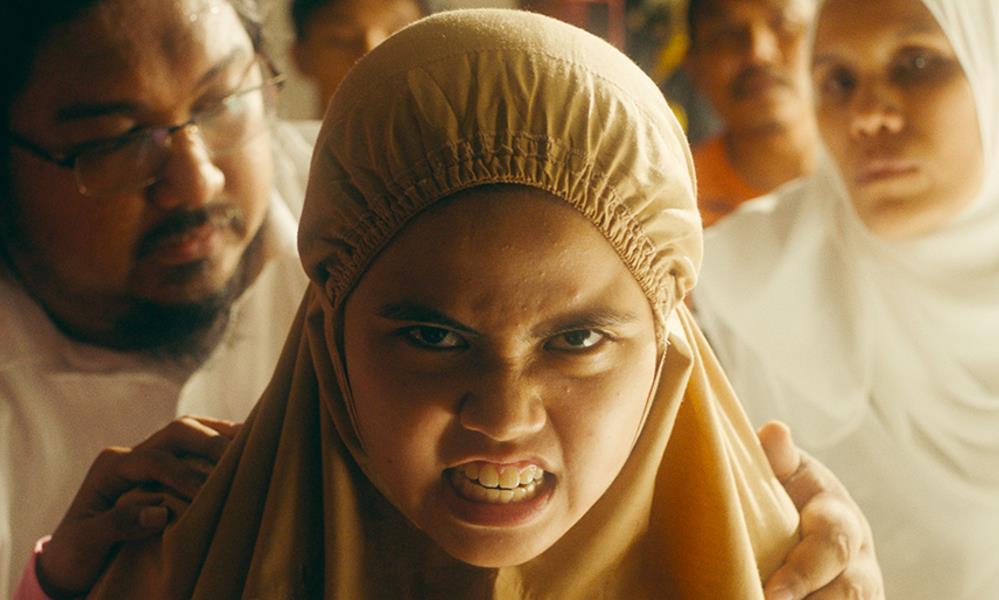
Stephen Dalton, May 17, 2023
A young woman’s coming of age becomes a body-horror nightmare in Tiger Stripes, the first ever film by a Malaysian female director to
be selected for an official Cannes festival slot. Partly inspired by her own traumatic puberty, writerdirector Amanda Nell Eu’s
Chronicling a 12-year-old girl’s mysterious metamorphosis into some kind of mythical beast, Tiger Stripes draws on south-east Asian folklore, notably the Indonesian “were-tiger” Harimau Jadian, though these pliable superstitions have equivalents across most other cultures. The story began to take shape when Eu came to recognise the female monsters familiar from her childhood fairy tales as thinly veiled projections of deep-rooted male unease about powerful, rebellious women.
Full Interview
VERDICT: Wim Wender’s new film is a visually arresting study of Anselm Kiefer, evoking the artist’s preoccupations with history and mythology to craft a suitably elegant portrait. Ben Nicholson, May 17, 2023
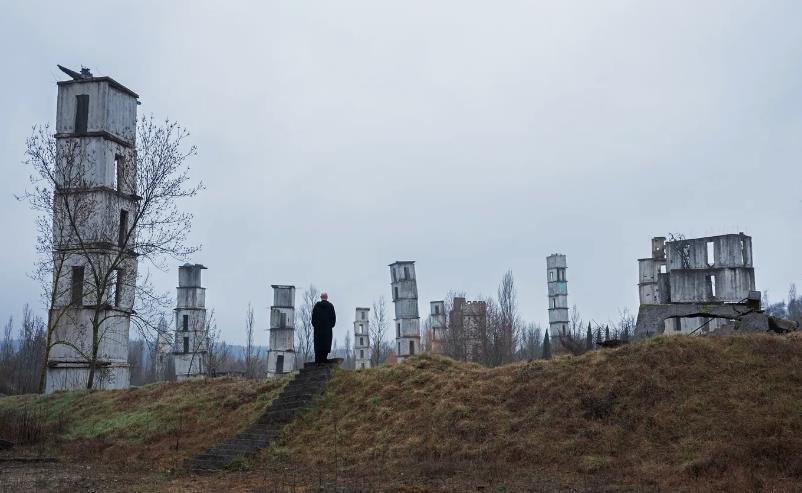
It begins in impressive fashion; with an immaculately conceived floor-length dress standing, uninhabited at the crest of a hill, and yet stood upright, as if an invisible wearer were watching the sun rise over the south of France while being serenaded by sonorous operatic vocals. The dress is one of many sculpted by the hugely successful German artist Anselm Kiefer, often titled for the historical or literary women they are intended to evoke and displayed in the landscape of his vast estate at Barjac as part of the series “Les Femmes Martyres.” Captured in pristine 6K 3D imagery, this drifting shot that opens Wim Wenders’ film about Kiefer evocatively captures the sublime sensation of the moment. Although it does tip its hat towards chronology and narrativisation, Anselm, which premiered as part of the Cannes Film Festival, is absolutely intended as a window through which to uniquely experience Kiefer’s art.
Although the opening sequences take in the various, sometimes curious internal and external landscapes of Kiefer’s hermetic world in southern France, it is only towards the end of the film that the audience is properly introduced to his 100-acre La Ribaute estate. Wenders has ostensibly organised his essay into a series of chapters that depict the artist via the different ateliers he has utilised throughout his prolific career; from the vast studio near Croissy outside Paris that he currently uses, to the far modest abode he had in Hornbach, Germany, back in the 1970s. Full Review

VERDICT: '12 Years a Slave' director Steve McQueen exhaustively chronicles the Nazi occupation of Amsterdam in this formally adventurous but lumbering documentary.
Stephen Dalton, May 17, 2023
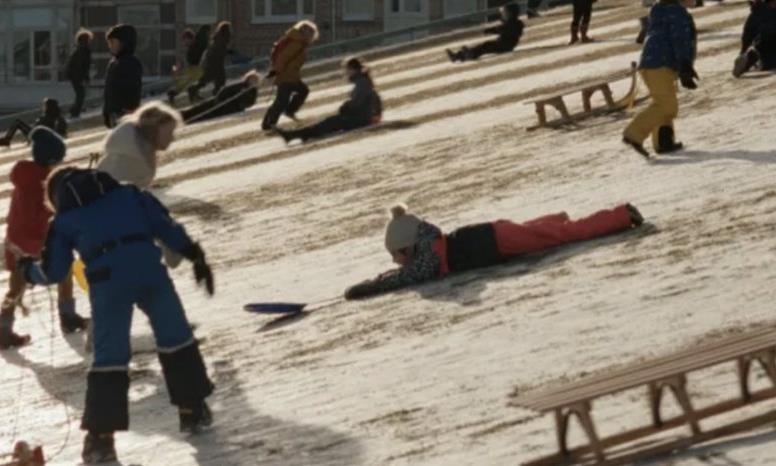
Oscar-winning film director, Turner prize-winning visual artist, and knighted cultural icon in his native Britain, Steve McQueen has the clout and kudos to make a four-hours-plus documentary about the lingering ghosts of the Holocaust. Whether he actually should have done is still open to question after seeing Occupied City, a formally ambitious but baggy, repetitive rumination on Amsterdam’s hellish five years under wartime Nazi rule. Premiering out of competition in Cannes, this uneven blend of essay film and meditative artwork will undoubtedly find an audience based on its heavyweight themes and McQueen’s track record. But as a piece of cinema, it feels like a dry and disjointed experiment, oddly low on emotional and narrative power for such richly human, world-historical subject matter.
Occupied City is a filmic interpolation of the book Atlas van een bezette stad: Amsterdam 19401945 by McQueen’s long-time partner and producer, Bianca Stigter. This is the pair’s second Holocaustthemed documentary project following Stigter’s acclaimed Three Minutes: A Lengthening (2022), which McQueen produced. While both films are formally unorthodox treatments of related topics, McQueen’s sprawling symphony of a city is a much grander enterprise, attempting to map dozens of sites where the Nazis rounded up, imprisoned, deported and murdered around 60,000 Jews in Amsterdam alone. But it also highlights places where brave Dutch families… Full Review
helping the Chinese showcase their films in Italy; distributing Italian films in China.
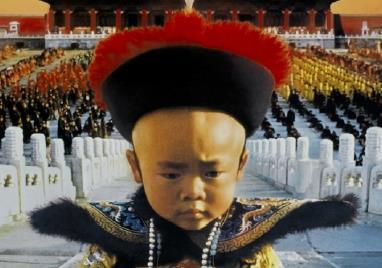
“Wherever possible, I organized Focus Italia events where our producers could get to know their Chinese counterparts, exchange ideas and projects, and figure out how to coproduce films together. Italy was one of the first countries to sign a coproduction agreement with China. The most beautiful film that Italy and China have made together was Bertolucci’s film, but that was forty years ago and back then we didn’t even have a signed agreement! I think it was the
Italy and China, two ancient lands far away from one another, have historic ties going back centuries. It is generally believed that Marco Polo, a Venetian, was the first Westerner to explore China and chronicle his journey. In more recent times, Italian filmmaker Bernardo Bertolucci brought China to Italian screens with his spectacular 1987 feature film, The Last Emperor, which won nine Oscars, including Best Picture; three BAFTA awards; four Golden Globes; nine David di Donatello awards and a Grammy.
Fresh from a successful trip to China, Roberto Stabile is now determined to revive those ties, although he admits that given the inherent peculiarities in their respective domestic markets, coproductions with China are not always easy.
“In 2016 we opened an audiovisual desk at the Italian Trade Agency’s office in China,” Stabile said in a conversation with The Film Verdict. In Italian agencies around the world he has opened many such desks, mostly known by its Italian acronym ICE
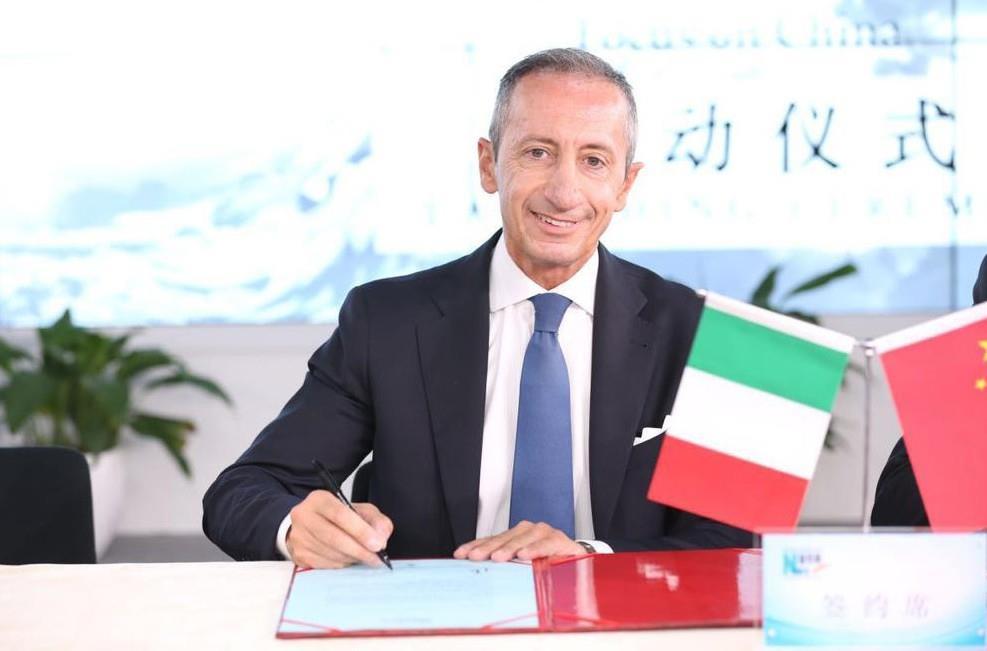
“We opened one wherever it made sense to have an audiovisual desk,” he continued, adding that in each place, he trained someone locally to become the part-time go-to person for the local audiovisual industry, as well as for anyone from the Italian AV industry who needed to contact the local industry. “In China and Los Angeles, however,” he made clear,“I have someone who does just that, full time.”
The Italians are moving on three fronts in China: looking for coproductions with the Chinese;
most beautiful film that a Western country has ever coproduced with China.”
To help foster coproductions, every year the Italians invite Chinese producers and institutional delegations to the Venice filmfest where they can meet Italian producers and discuss potential projects. So far, however, because of the cultural differences that exist between the Italians and the Chinese, these meetings haven’t led to any important projects.
“A big project hasn’t surfaced yet because, although we have a lot in common, we also have some monumental cultural differences. In the cinematic field in particular, the Chinese trend toward exaggeration. They like to step out of the normal storyline with special effects that are not just the Hollywood kind, but also in the story itself.”
One such example is a film – The Lost Legion – that the Italians and Chinese were trying to coproduce. It is the story of a Roman legion that, according toa local legend reaches a small town in the north of China while exploring the East, and then disappears. Stabile especially wanted this project because he thought it was the perfect story for a coproduction between the two countries.
“They say that in this small town the local population is different even in its DNA. They are not like the other Chinese. They say that these people descended from the ancient Romans who arrived in this very beautiful place with its very beautiful women and decided not to return to Rome and settle there instead. This was one of our most beautiful projects and we worked hard to make it happen, but it didn’t happen because the Chinese didn’t think this fascinating story was interesting enough by itself to sell well in their market. They wanted something more. They wanted to introduce into the story the Martians who kidnapped the Romans soldiers! In Italy this would have been considered a ridiculous addition to the legend, but the Chinese insisted that they needed that extra twist to be sellable to their market. So, in the end the project was pulled.”
As for the distribution of Italian films in China, here too Italian filmmakers have been faced with some hurdles, but they have been handling it very creatively: When they realized that Perfetti Sconosciuti had turned into an online phenomenon because
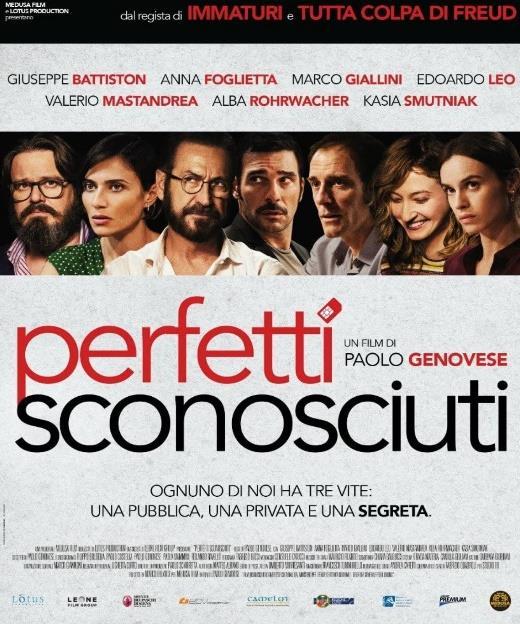
“millions upon millions” of Chinese had downloaded pirated copies of it, instead of fighting the trend they decided to turn the copyright violation to their benefit by bringing the film’s director, Paolo Genovese, to China on a promotional campaign. They even helped the Chinese remake the film.Then they released the original film in theaters across China, followed by showings of other Italian productions.“But unfortunately, our best box office results came from older films from 20, 30, and 40 years ago, such as La Vita è Bella or La Leggenda del Pianista,” said Stabile.“They were a lot more successful than the newer films.”
There is still a lot to be done. In August, Italian Screens will showcase the new Italian cinema, first in Beijing, then all across China. “We will advertise the incentives – up to $54,000 – that the Italian government offers for both theatrical and online distribution,” said Stabile.
No less important is the third front on which the Italians have been working: locations. Italy, of course, needs no introductions for its wealth of unparalleled historical cities, towns, and villages with an abundance of archeological sites, monuments, palaces, castles, piazzas, and more, that even nations as old China admire.
“Many Chinese producers have already come to Italy to shoot their films, but we want to increase those numbers. We want more of them here. We want them to come not just to shoot their movies but also to use Italy for all of their audiovisual operations.”
To make it easier for Chinese pro- ductions to come to Italy, Stabile has asked all Italian diplomatic missions around China to simplify the visa application process. “We’ve asked them to establish a sort of green line for Chinese productions and their staff. So we
are not just offering financial incentives and connecting them with our Film Commission, but we are also helping them get the visas they need. We started doing this in 2016, but then the pandemic slowed everything down.” Stabile believes that in the coming years “there will be many Chinese productions in Italy.”
But what exactly is the attraction of Italy, so far away geographically, for the Chinese? The Film Verdict asked.
“First of all, the savings we offer with tax credits and incentives from various Italian regions. My Chinese colleagues tell me that it is very advantageous for them to shoot in Italy. They usually go to Malaysia and Thailand, but they’ve gotten a little tired of those locations and exhausted that theme, so they are looking for something a little different. They are also very attracted to our monuments, and if there are savings to be had as well, then to them it’s a done deal.”
But, as mentioned earlier, Italy and China coproduced some films even before their agreement, with The Last Emperor being the most important and successful. In fact, that experience was so significant that Bertolucci’s Chinese production assistant eventually went on to become the president of the China Film Production Corporation.
For Full Article, click here
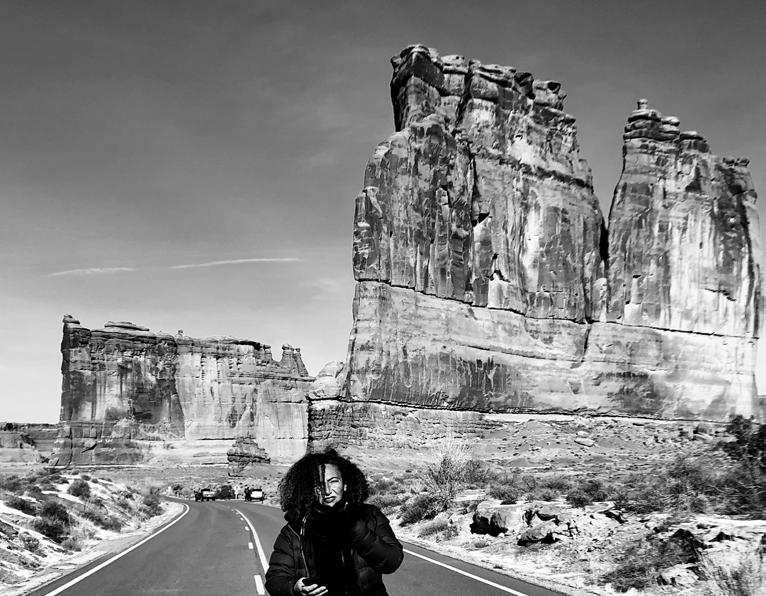
The Moab to Monument Valley region is a place with a diversity of dynamic landscapes that work for any number of projects. Our iconic red rocks have been attracting film makers since the days of John Ford and John Wayne, and our film commission dates back to 1949, making us the longestrunning film commission in the world. In addition to westerns, our arid deserts have made countless appearances as Mars or other galactic destinations, for example John Carter and Transformers 4, as well as backdrops for adventure sports dramas such as 127 Hours, highend fashion shoots, and music videos. Our endless miles of desolate roads have featured prominently in hundreds of movies including Thelma and Louise, Forrest Gump and countless commercials.
We have worked with the international community on some relatively small projects, and I would really love the opportunity to work with European
productions on a wider scale. We have such unique scenery here and I would love to expose new markets to all that Southeastern Utah has to offer. If you can dream it, we can help you make it a reality in our stunning landscape. We have an astounding diversity of locations here in Southeastern Utah. From the iconic red rock’s full of caves, canyons and tunnels,
hoodoos and spires to the nearby mountain ranges with alpine lakes, fall foliage, and snowbound yurts, the landscape changes by the month and by the mile. Sand dunes, ghost towns, breathtaking vistas – every cliff and canyon has something new to offer. Our region offers some of the most spectacular roads in the world, ranging from newly paved highways winding through the desolate
continued next page
Westworld, Shooting in Moab Courtesy of HBO
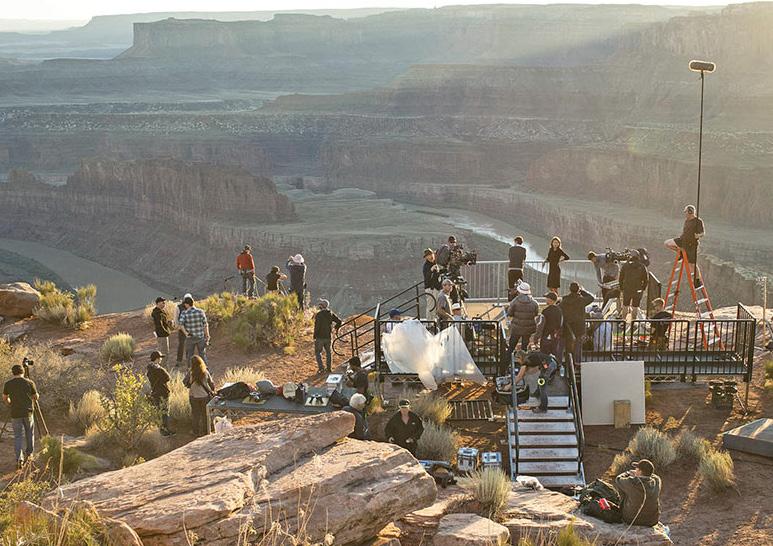
landscape and alongside the Colorado River, to four-wheeling roads through rugged and difficult canyons, to a world-class trail network for mountain bikes, horses, and off-road vehicles.
Our almost 75-year filmmaking heritage translates to a strong crew base and our rural setting means that we work closely with other entities from around the state. Local talent and crew abound, and when they cannot be found in Moab, they can travel from nearby Salt Lake City. Equipment is usually rented from Salt Lake as well, as the city is home to several equipment rental houses and production facilities but there is some availability of production equipment in the Moab area as well.
Accommodations in the area were first increased to accommodate the film industry of the 40s and 50s. There is still a motel in town that boasts, “Stay where John Wayne stayed!” If motels aren’t a good fit for your
production, there are boutique hotels, glamping tents, major chains, and of course, dude ranches. We have daily subsidized flights into and out of Moab’s Canyonlands Airport. The Moab to Monument Valley Film Commission is here to help filmmakers and production people find the perfect locations and connect to local resources. We offer gratuitous on-the-ground services to help find the perfect spot to shoot, the right hotel for your crew, the correct permitting agency, or the PAs to staff your production. Our goal is to enrich both the experience and final product of the project, as well as our local community, by doing the groundwork to connect people and places.
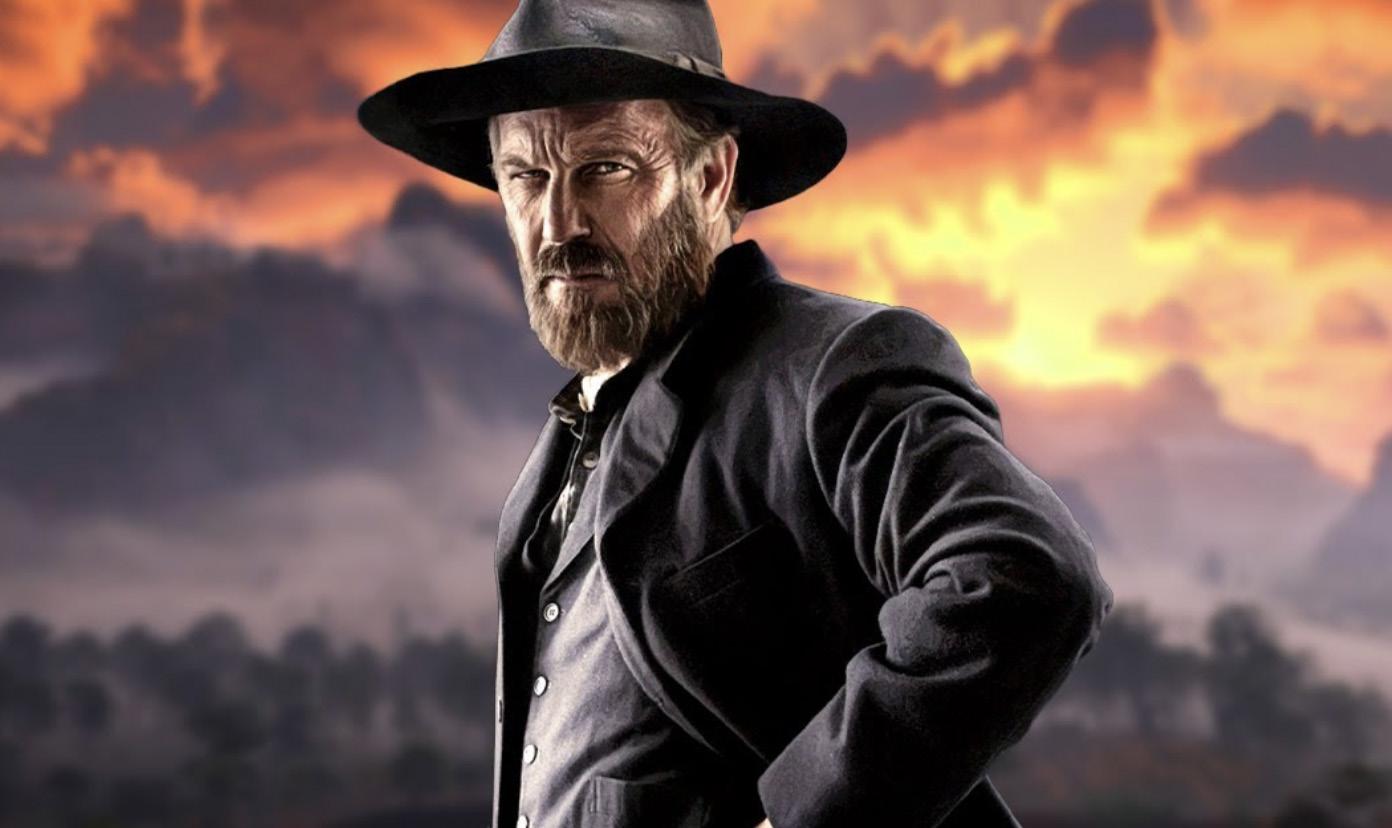
Horizon: An American Saga Kevin Costner (series of 4 films)
Three Sisters Starz - Episodic
Retreat
Fx Limited Series

The Electric State Netflix Feature - Russo Bros (plate shots and 2nd unit)
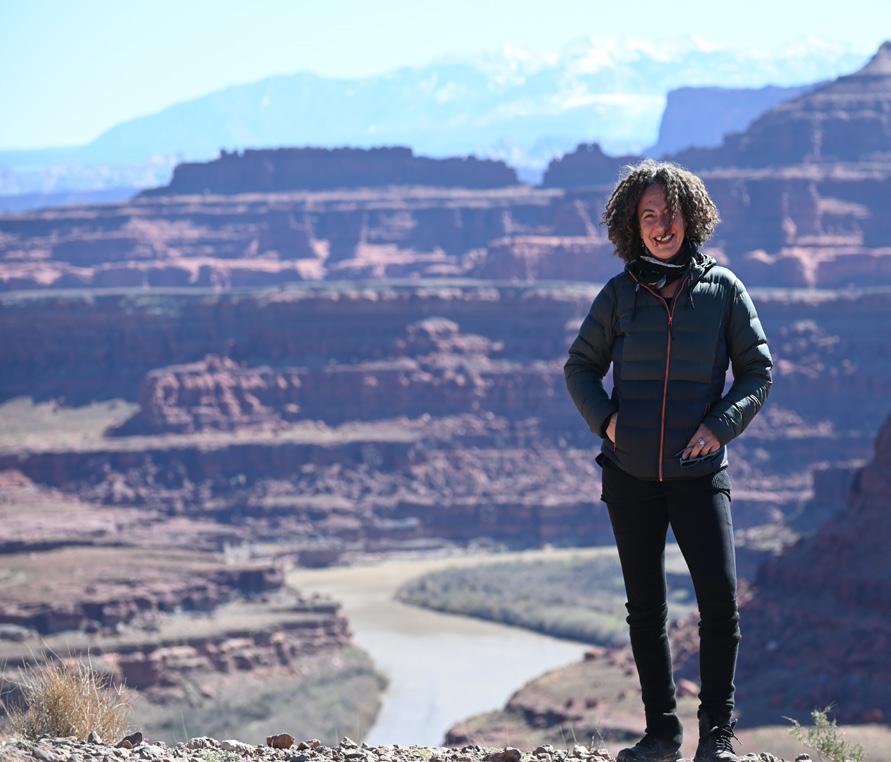
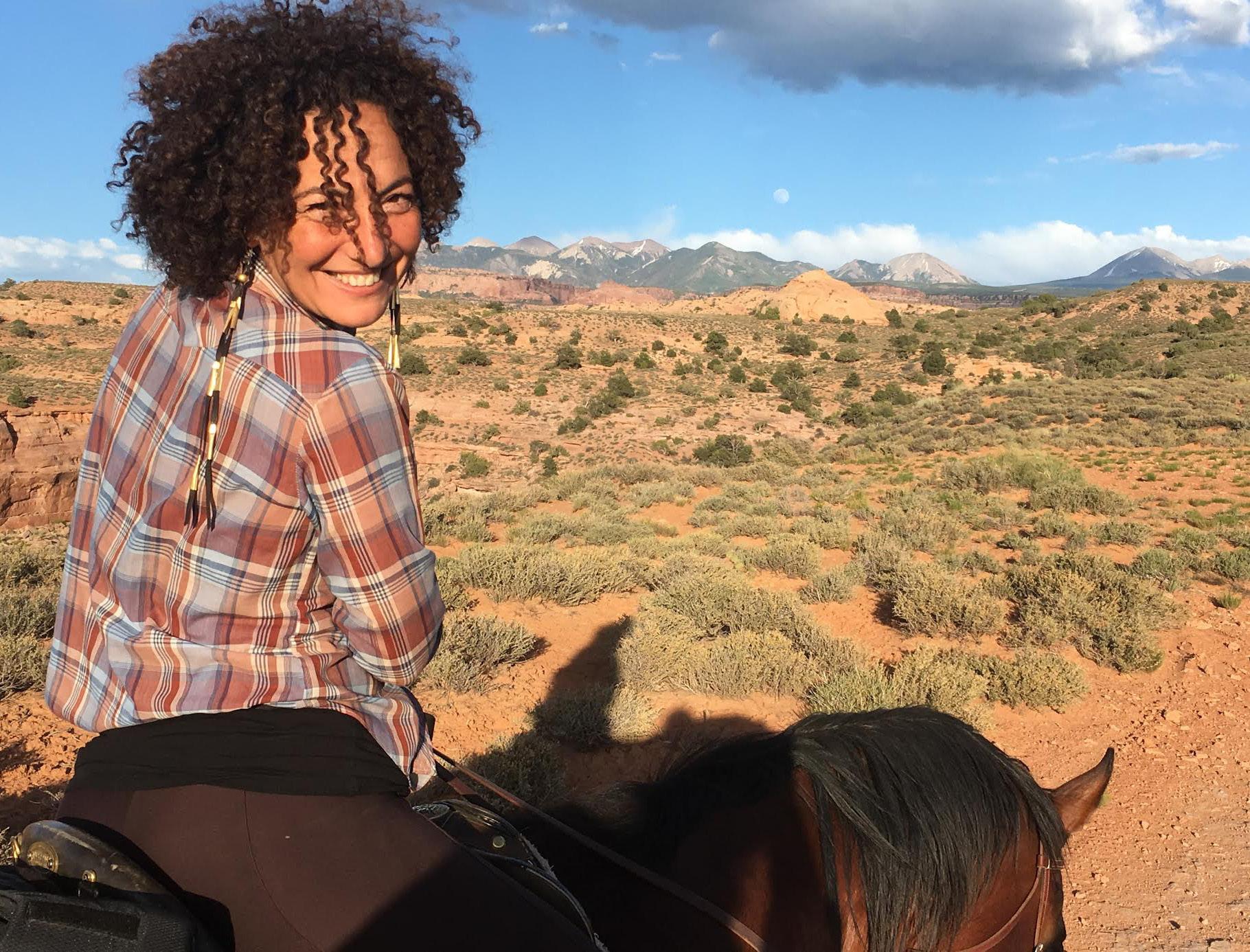
Born and raised in New York City by her director father and photographer mother, Bega Metzner was a child of the industry. Surrounded by the creativity of her parents and many brothers and sisters she was bound to head in a similar direction. She started her formal career on set working as a PA, where she met a costume designer who quickly whisked her away into the world of wardrobe –a world she worked and traveled in for over 20 years. Bega quickly worked her way up from shopper to set costumer to assistant designer, and soon took off on her own as a costume designer and stylist for film, commercials, and print. During this time, she spent her downtime in Moab, Utah, a place she first fell in love with while on a photoshoot in 1989. When Bega decided she wanted to live full-time in Moab, she started working for the Moab to Monument Valley Film Commission as the assistant director the summer of 2015, taking on the role of Director in December of 2016. She continues to be the Film Commissioner for some of the most iconic landscapes in film history.
Utah’s competitive incentive program offers a fully refundable tax credit of up to 25% on in-state spend, which helps you cut production costs without sacrificing quality.Kevin Costner’s Horizon: An American Saga (series of 4 films) currently in production. “Costner project is the largest and longest with practical builds we’ve had since before I started as film commissioner,” says Bega Metzner
VERDICT: Kazakh director
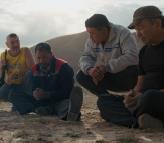
Adilkhan Yerzhanov’s reinvention of the western is a cutting political allegory, a taut revenge tale and a visual extravaganza rolled into one.

Full Review
Thursday May 18
14:15 Palais E JINGA FILMS
VERDICT: A multi-layered, intensely personal exploration of what’s at stake in an artistic life, through a sprawling portrait of French painter Apolonia Sokol.
Full Review
Friday May 19
13:45 Palais F CAT & DOCS
VERDICT: French documentarian Nicolas Philibert’s latest feature, competing in Berlin, gives voice to the patients in a psychiatric day care centre floating on the Seine.
Full Review
Friday May 19
13:45 Olympia 9 LES FILMS DU LOSANGE
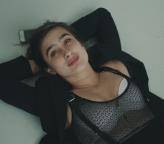
VERDICT: Lois Patiño’s latest film contains a fascinating cinematic experiment though the work as a whole will likely receive more mixed reactions.
Full Review
Friday May 19
14:15 Riviera I
BENDITA FILM SALES
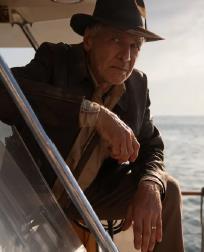
Indiana Jones returns to the Festival de Cannes for the world premiere of Indiana Jones and the Dial of Destiny, directed by James Mangold, starring Harrison Ford as the legendary hero. 15 years after the presentation in 2008 of Indiana Jones and the Kingdom of the Crystal Skull directed by Steven Spielberg, the final installment of the LucasFilm saga will be screened on Thursday, May 18 in Cannes and will be released in theaters on June 28 in France and June 30 in the United States. On this occasion, the Festival will also pay a special tribute to Harrison Ford for his career.
Below is a chart of worldwide grosses for the Indiana Jones series provided by our partner, Sceendollars.

$317,101,119
$212,222,025
$197,171,806
$179,870,271
TO BE DETERMINED
Indiana Jones and the Kingdom of the Crystal Skull
2008

Indiana Jones and the Raiders of the Lost Ark
1981
Indiana Jones and the Last Crusade
1989
Indiana Jones and the Temple of Doom
1984
Indiana Jones and the Dial of Destiny
2023