Atlantic hurricane season is June 1 to Nov. 30
Suwannee Valley

Atlantic hurricane season is June 1 to Nov. 30
Suwannee Valley
Each year, from June 1 to Nov. 30, households across Florida prepare for the hazards of hurricane season. While no two storms are alike, we all know it only takes one to change everything. That’s why it is so important to stay prepared. We hope this guide can serve as a helpful reminder and reference as we prepare for the challenges of another hurricane season together.
June 2026
Suwannee Valley Currents is a monthly newsletter published by Suwannee Valley Electric Cooperative, © 2026. It is distributed without charge to all consumermembers of the cooperative.
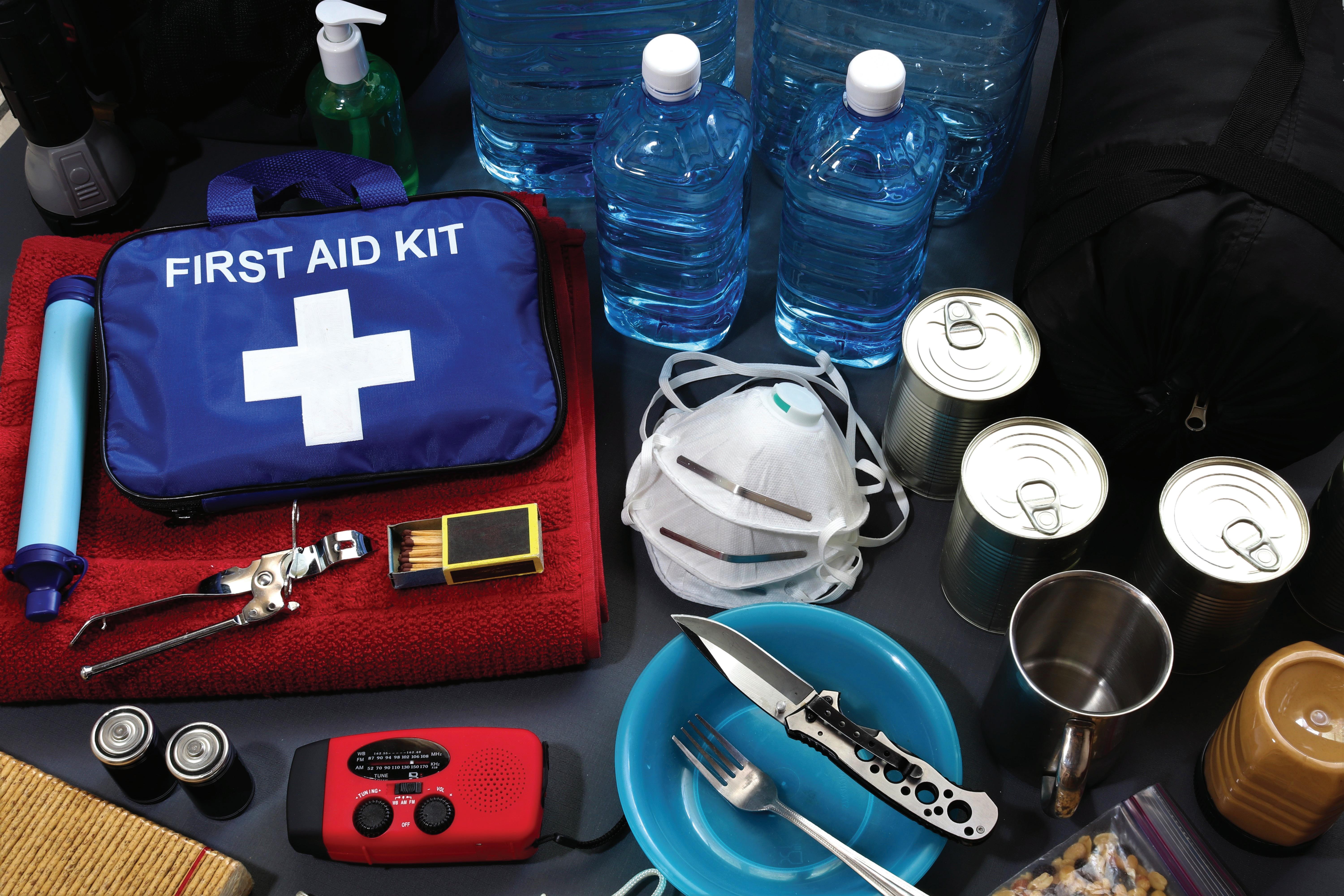
At a minimum, your storm kit should include the following items:
S Water (1 gallon per person per day for seven days)
S Nonperishable food
S First-aid kit
S At least a two-week supply of medications and medical supplies used regularly
S Specialty items for infants, small children, the elderly and those family members with a disability
S Seasonal or rain gear and sturdy shoes or boots
S Clothing
S Keep your vehicles’ tanks filled with gasoline
Pet care items:
S Pet food and water
S Bowls for food and water
S Proper identification
S Pet carrier or cage
S Muzzle and leash
S Medications
Special needs items:
S At least a seven-day supply of nonperishable, packaged or canned food and beverages, snack foods, juices, baby food and any special dietary needs
S Flashlight — Do not use candles, and be sure to have enough batteries.
S Battery-operated or hand-cranked NOAA weather radio
S Cash — Banks and ATMs may not be available after a storm.
S Bank account and credit card numbers
S Insurance cards
S Medical records
S Other personal documents
S Manual can opener
S Paper plates
S Napkins
S Plastic cups
S Utensils
S Set of car, house and office keys
S Waterproof container for storing items
S Important phone numbers, including family, friends, county emergency management, doctors, banks, schools, veterinarian and SVEC’s outage reporting number, 800-752-0025
facebook.com/sveccoop
svec-coop.com Instagram.com/sveccoop
SVEC is an equal opportunity provider and employer.
Suwannee Valley Electric Cooperative works diligently to fortify our system against storm damage, but outages are inevitable. If you lose power, there are several convenient ways to report the outage and get the lights back on quickly.
Our outage management system uses caller ID to identify your service location based on your phone number. This makes reporting easier for you and helps us respond as quickly as possible. Make sure we have your current phone number on file before you report an outage, or consider signing up to receive outage-related text messages.
After a storm, we may provide updates on status of power by substation. Members can determine which substation is theirs on the top left corner of the bill statement.
SmartHub
Use the SmartHub mobile app.
Website
Visit svec-coop.com, log in to your account and click on the “My Profile” tab.
Text
Text “out” to 800-752-0025. To enable this option, you must first authorize it by texting “SVEC” to 800-752-0025. The text option is only available to consumer-members with fewer than five accounts.
Call
Dial 800-752-0025 to report an outage.

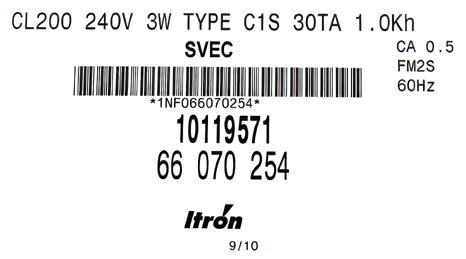
NOTE
You may be asked for your meter number. Here’s where you can find it on your meter.
DO operate your generator in a well-ventilated area outside your home.
DO start the generator before connecting appliances.
DO have a professional install an approved generator transfer switch for a stationary generator — keep your house circuits separate from the cooperative’s.
DO plug appliances directly into the outlet provided on a portable generator.
DO use a heavy-duty extension cord to connect electric appliances to the outlet on the generator.
DON’T run it in your garage or near doors, windows or vents. The carbon monoxide produced by a generator could be toxic in an enclosed space.
DON’T connect a standby generator directly to your home’s electrical system.
If you see stopped law enforcement, emergency, sanitation, utility service or tow vehicles on the side of the road, remember to move over a lane.
If you can’t move over, slow down to 20 mph below the posted speed limit. If the posted speed limit is 20 mph or less, slow down to 5 mph.
When storms damage electrical components, consumer-members often assume the cooperative bears responsibility for repairs. But depending on where the equipment is located, some fixes are your responsibility.
Whether you have above-ground or underground service, you may need to repair certain components before power to your home can be restored. These repairs may also require inspection from your county building department. Always put safety first when working with electrical equipment, and call SVEC if you have questions.
For a courtesy listing of contractors in your area, visit svec-coop.com/ contractor-listing.
County Building Departments:
Columbia: (386) 758-1008
columbiacountyfla.com/ BuildingDepartment.aspx
Hamilton: (386) 792-1060
hamiltoncountyfl.com/ building-department
Lafayette: (386) 294-1600
lafayettecountyfl.org/ departments-services/ building-department/
Suwannee: (386) 364-3407
scpermit.com
Once a storm passes, SVEC crews often work long hours to restore power. It begins with the repairs that get the lights on for the greatest number of people in the shortest time possible. Here’s a breakdown of the steps we take to restore power safely and efficiently.
These lines serve thousands of consumer-members and must be repaired so other parts of the system can operate.
Repairing damage to feeder lines can bring the lights back on for entire communities or housing developments.
Each substation serves hundreds, or even thousands, of consumer-members. Repairing this equipment can restore power to many households at once.
These smaller supply lines are next. They deliver power to transformers outside businesses, schools and homes.
Locations still without power may require repairs to the service line between a transformer and the residence or business.
While restoration timelines for Rapid Fiber Internet service vary depending on storm severity, the process always follows a similar path to electric restoration — power first, then fiber repairs from the huts outward to the home.
Inspecting the huts
Teams then inspect and repair communication huts and switching equipment so that downstream fixes can begin.

Fiber restoration moves outward from the huts along the mainline routes that connect entire communities.
Once conditions are safe, SVEC starts by clearing downed power lines safely and restoring electricity to critical network hubs.
Now, technicians can restore local taps and neighborhood connections, often bringing large groups of customers back online.
The final step is repairing individual fiber drops that run from the neighborhood line to individual homes and businesses, as well as testing service to ensure reliable connectivity.
YOUR CO-OP svec-coop.com
THE FLORIDA DIVISION OF EMERGENCY MANAGEMENT floridadisaster.org
Learn about hurricane hazards, what to do when a warning is issued in your area and how to prepare for a storm.


THE NATIONAL HURRICANE CENTER nhc.noaa.gov
Follow the path of any active hurricane to determine if the forecast places your home in an area likely to be affected.
FEDERAL EMERGENCY MANAGEMENT AGENCY fema.gov
Apply for assistance after a storm hits and learn about flood zones in your community.
READY (FROM THE DEPARTMENT OF HOMELAND SECURITY) ready.gov
Make a plan, build a preparedness kit and more with tips from this site.
Report any electrical outages in your area to SVEC.
Use protective gear, like gloves, during any cleanup.
Stay away from downed power lines.
Never attempt to remove tree limbs or branches from power lines.
Give emergency and utility vehicles the right of way to allow for faster recovery.
If evacuated, monitor reports to determine when it is safe to return home.
Contact friends and family to let them know you are safe.