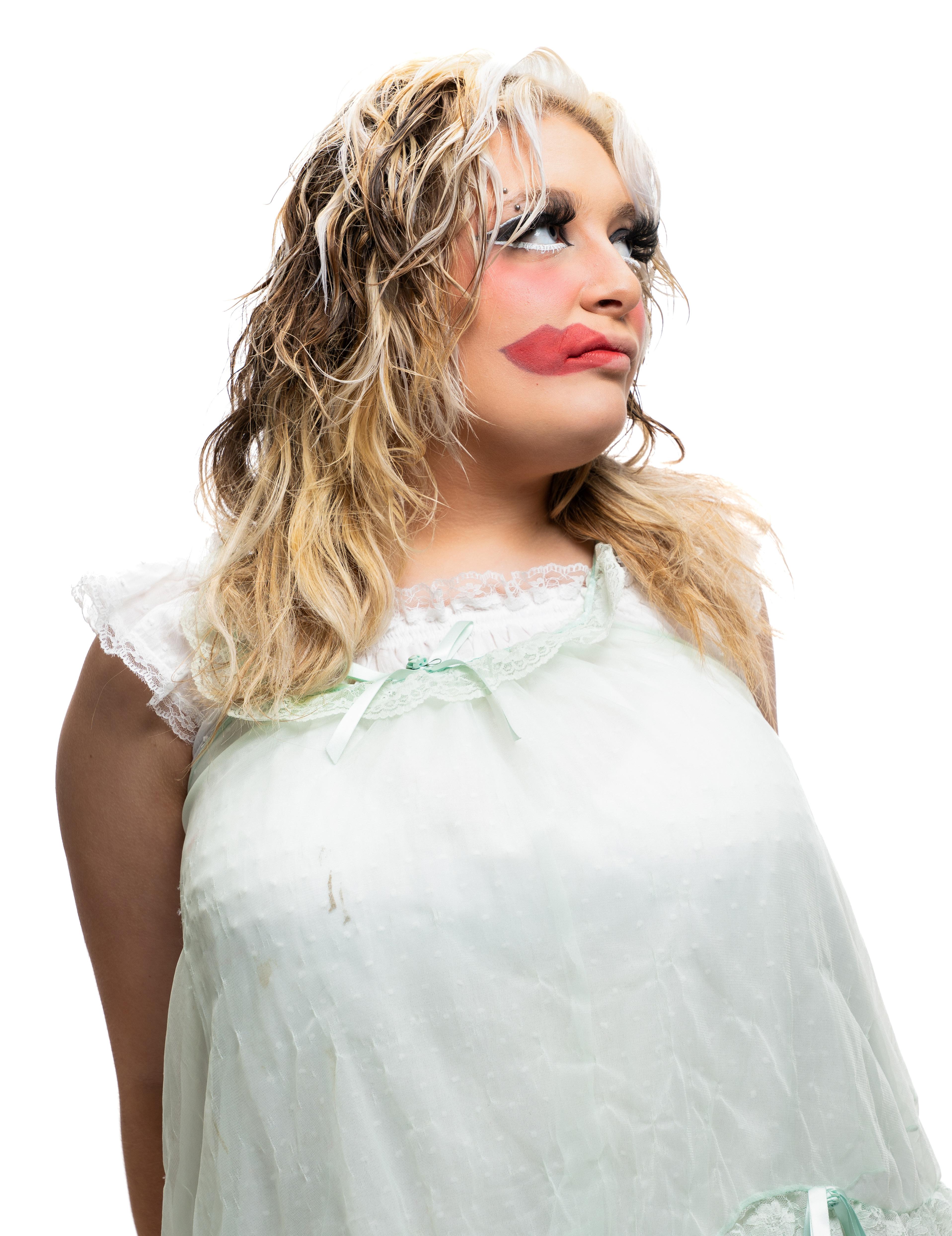
Almost
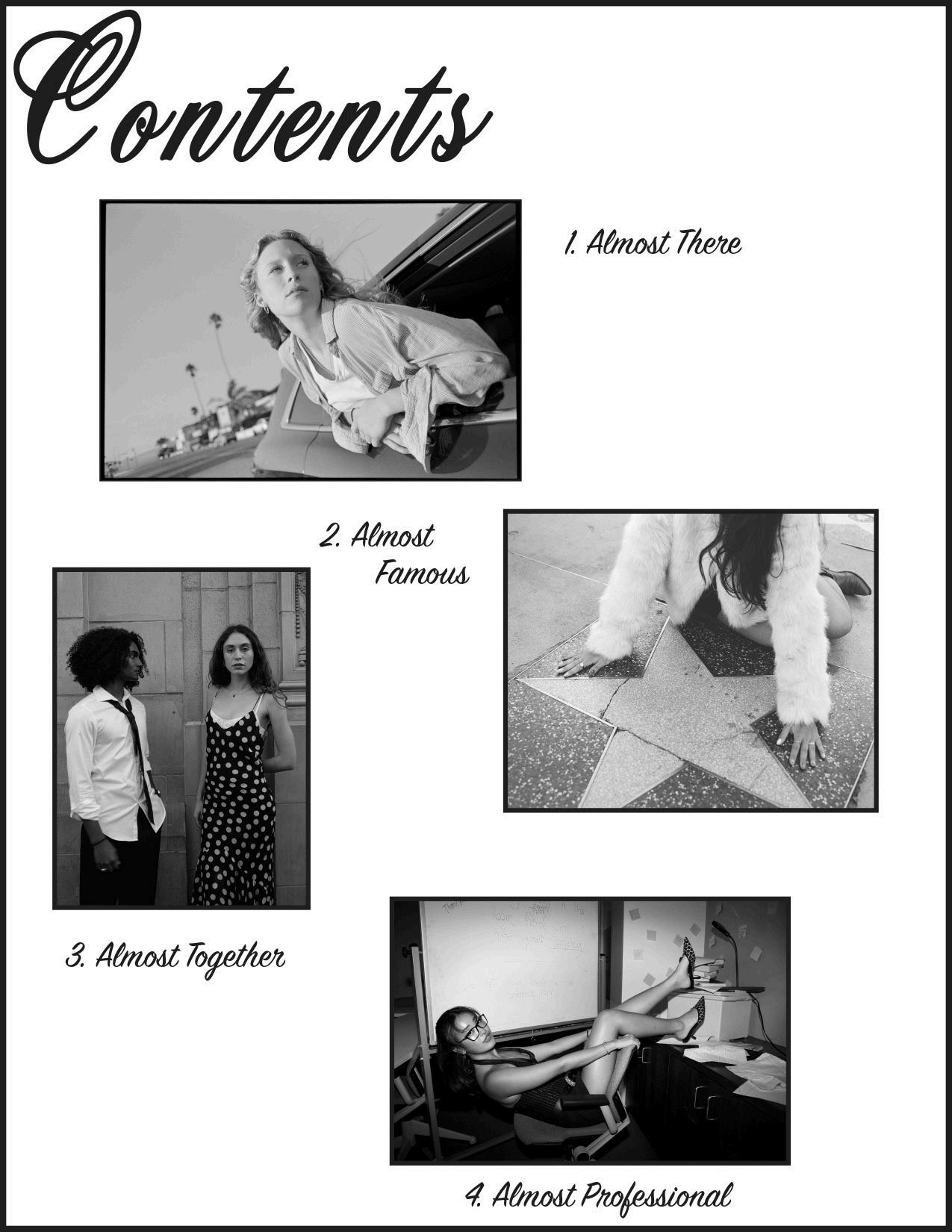
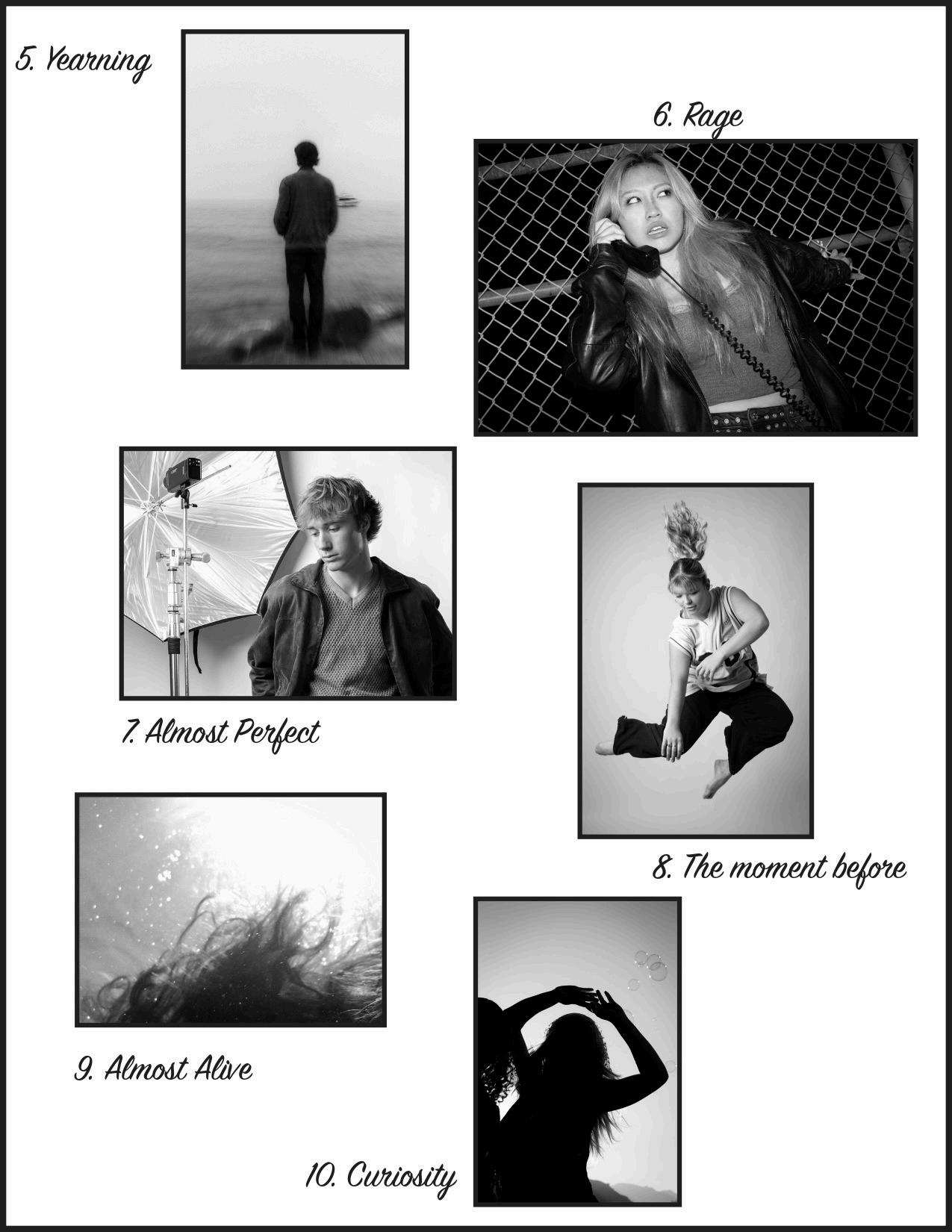
EDITOR IN CHIEF
Miranda Cardenas
CREATIVE DIRECTOR
Will Bonifas
PHOTOGRAPHY DIRECTOR
Hank Leahy
PHOTOGRAPHERS
Gabriel Dresser
Francesca Coppola
Maggie Zou
VIDEOGRAPHERS
Lexine Flores
Bella Horn
STYLING DIRECTOR
Rachelle Escurel
STYLING TEAM
Fatma AlMahmeed
Chloe McKinstry
GRAPHIC DIRECTOR
Estella Jones
GRAPHIC TEAM
Mia Toler
WRITING DIRECTOR
Maria Murphy
WRITING TEAM
Sol Alexander
Mia Burns
Kit Hayward
Madison Hayward
Lisa Jacobs
PUBLIC RELATIONS DIRECTOR
Andrea Arguello
PUBLIC RELATIONS TEAM
Gabriella Badalamenti
Melody Mulugeta
Morgan Shay
Emily Talavera
Amyli Trimble
Darya Urupina
SOCIAL MEDIA
Joey Delamore
BOOKING DIRECTOR
Inha Zakrevska
MERCH DIRECTOR
KC Clark
Editor in Chief
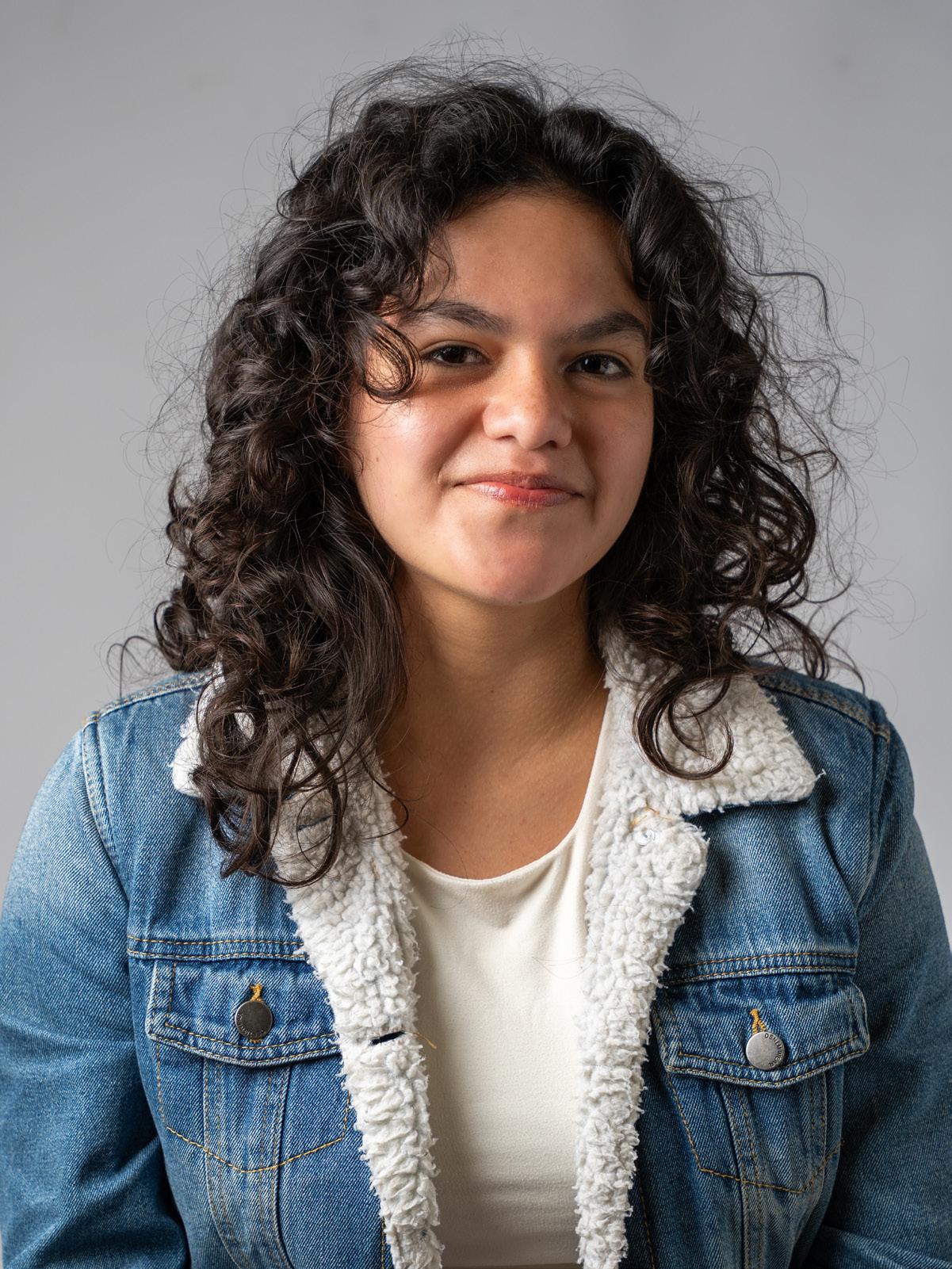
When I joined Strike Magazine as a freshman, I unexpectedly became the Photo Director, which felt both thrilling and terrifying. I just wanted to be part of something creative, so when Strike trusted me with that role, I was honestly just happy to be included. At the time I was focused on composition and lighting and framing, but quietly I was paying even closer attention to how a magazine actually comes together, the way ideas shift in a room, and the way a vision can change simply because someone asks, “What if we try this?”
Now, three years later, my third issue, and my fnal year before graduating. I’m writing this as Editor-in-Chief, and it feels surreal that the time passed so quickly.
This issue is called “Almost.” The word almost has been following me for a long time, long before we decided to build a theme around it. Almost feels like being in a constant state of becoming. It feels like standing at the edge of your own life, one choice away from the version of yourself you’ve been trying to meet. Almost is hopeful and heavy at the same time. It’s an emotional word, but it’s also a visual one for me.
During our frst production meeting, I tried to explain it using the image from Michelangelo’s Creation of Adam. That tiny space between the two hands. The air between them in the tension before they touch. It’s what college feels like. It’s what being twenty-something feels like. We made this issue inside that space. In the gap. In the stretch between what we imagined and what was possible. Almost can be frustrating. It can feel like being prepared but not fully ready, close but not close enough. But almost can also be beautiful. It holds possibility. It asks you to trust the process even when the outcome feels blurry. Our team did exactly that. Every department, every staff member, and each tiny layout fx or rewritten caption.
When I look back at my time in Strike, I started out learning how to capture images, and I’m leaving knowing how to build worlds. Being Editor-in-Chief has taught me so much about leadership and collaboration. I’ve realized that almost is not a failure and it’s not a weakness. It’s proof that we are moving and it shows we still care enough to try. It means we are brave enough to stretch our hands toward something that feels just out of reach.
And with this issue, we reached. Miranda Cardenas
Creative Director
Let me say, making this issue has been quite the process. It’s defnitely fair to say Strike has taken on a role in my life I could never have expected.
Flashing back to last year, I had my frst introduction to Strike. Ella and Tasha were tabling at a Wellness Wednesday and as I was walking around, I noticed their table. It had a white lace tablecloth with a sign that read “STRIKE Magazine LA”. I was intrigued as I did some photography for fun but wanted to do it in a more offcial capacity. So I applied. And while I didn’t get accepted for photography, I got videography. And I’m so glad I did. I guess God really does work these things out how they’re supposed to. As a videographer, I got to be at all of the shoots and became a real part of the team. I was able to apply my love for music and creative vision to make edits that have become one of my biggest passions. I have never felt like I fully had an outlet that I could really call my own, and Strike has given me that. Not only that, but a community of other creative people who share the same vision and goal. It was such a special experience collaborating with everyone who was a part of last issue and creating a project we could all call our own.
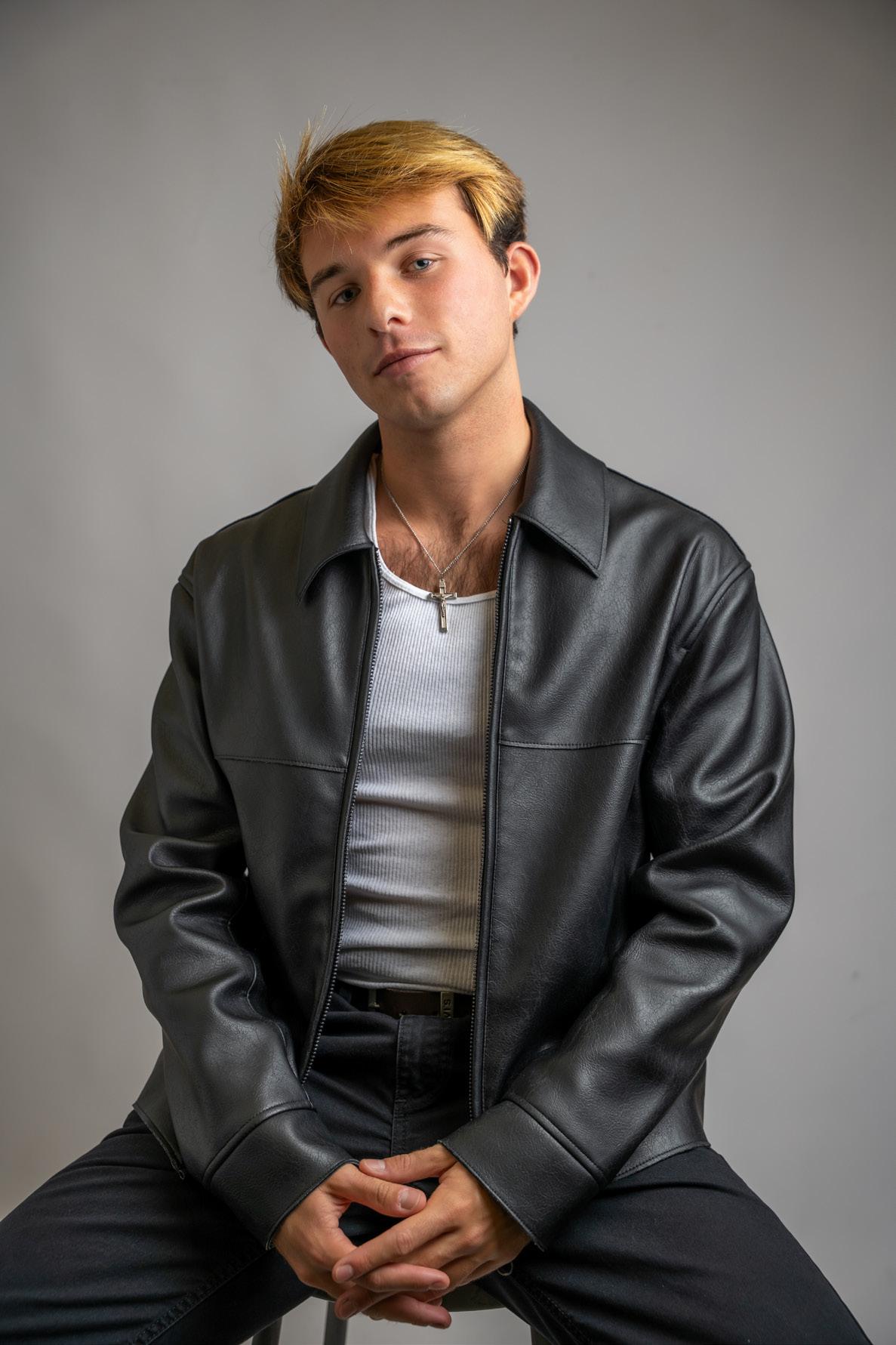
Jumping to this year, and now I’m Creative Director. I suppose that just goes to show if you take a real interest and initiative in something, it does make a difference. Being able to apply my creative vision and work with Miranda to curate Issue 3 has been the highlight of my semester. The concept of “Almost” was one Miranda had thought up, and I was immediately drawn to it. The have-nots, could-be’s, imperfections, longing, the feeling of being there but just not quite. There’s a certain tension and emotion that is strongly evoked. I’m sure each of us can relate to these constructs in our own ways: a failed relationship that still doesn’t feel over, the suffocation of life’s hardships - not able to get a break, or your appearance is never exactly to the level you want it. Whatever it might be, life is full of “almost’s”. However in accepting these imperfections and reflecting on them, there is often something good to be taken. There is beauty in the lack and shortcomings, something nearly in reach - a broader picture. There is an excitement in potential, seeing the blessings of the past and anticipation of those in the future. I hope you all may be able to relate to our ten themes in your own way and see the good in the “Almost’s” of your life.
Strike Out, Will Bonifas

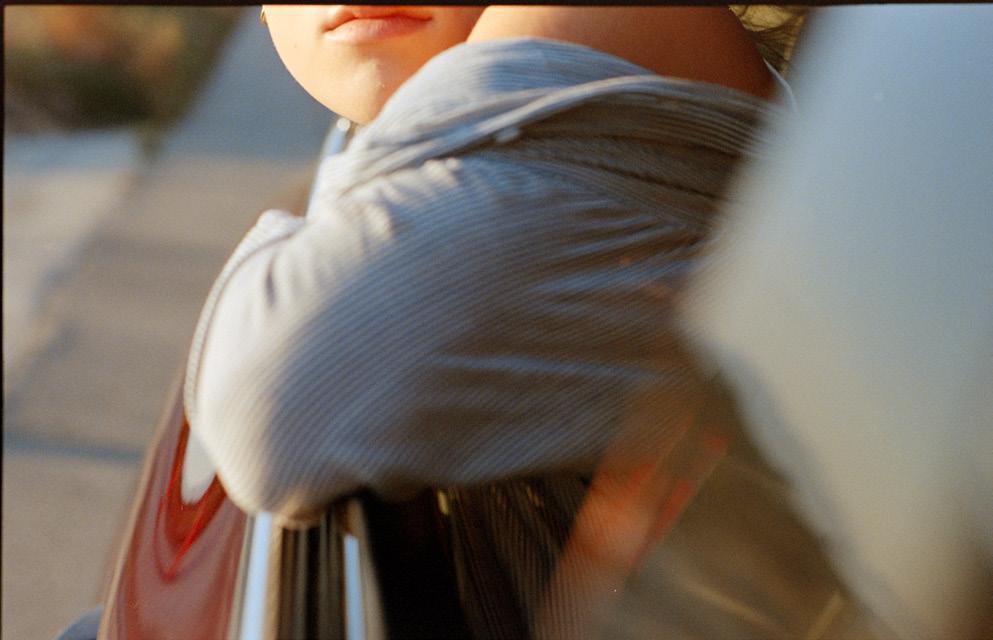
I got my frst job today
And sat in the silence of my car aferwards
Makeup feeling sticky, foreign on my face
Air conditioning lazily batting stray hairs away
My eyeliner had smeared
Like it usually does
Near the creases of my smile lines
I wonder if they thought I’d been crying
The family I greeted
From behind my new host’s desk
The picture of responsibility and maturity

With whom the mother shared a knowing glance
As she asked for extra crayons for her kids
And wasn’t hiding fearful feelings of permanence
Behind a practiced aloha smile
Which didn’t fade even later
When I brought extra napkins to their table
For the boy in green licking salt from his fngers
I’m still a kid, too, I wanted to tell them
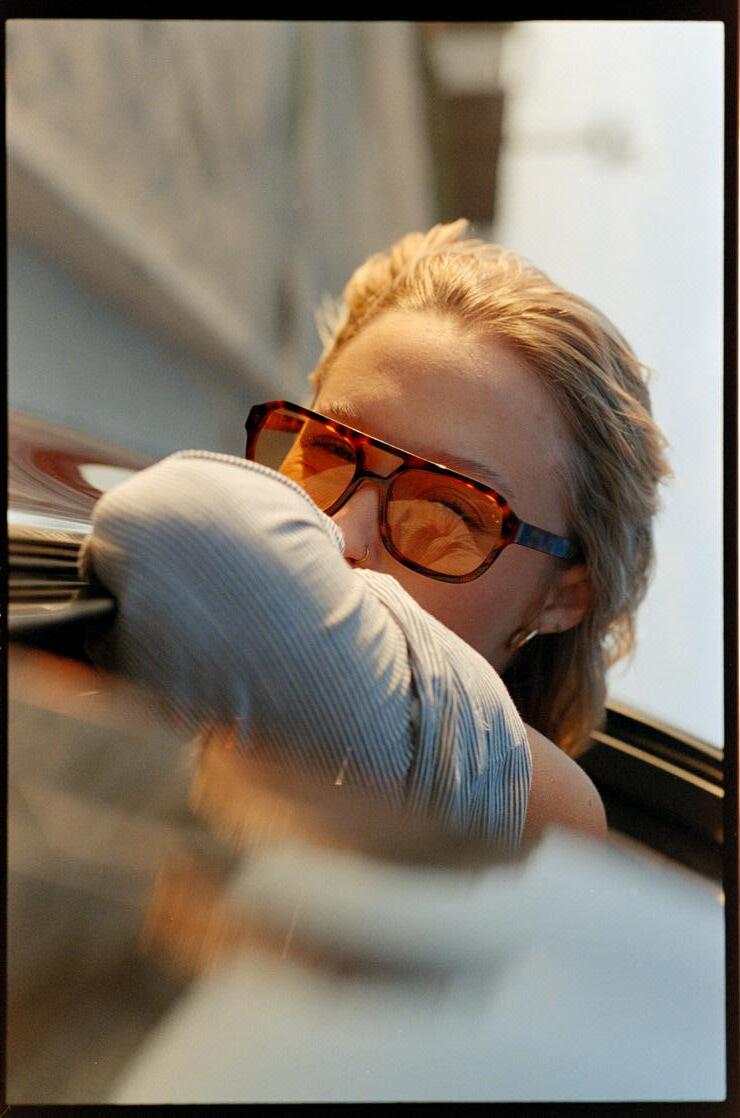
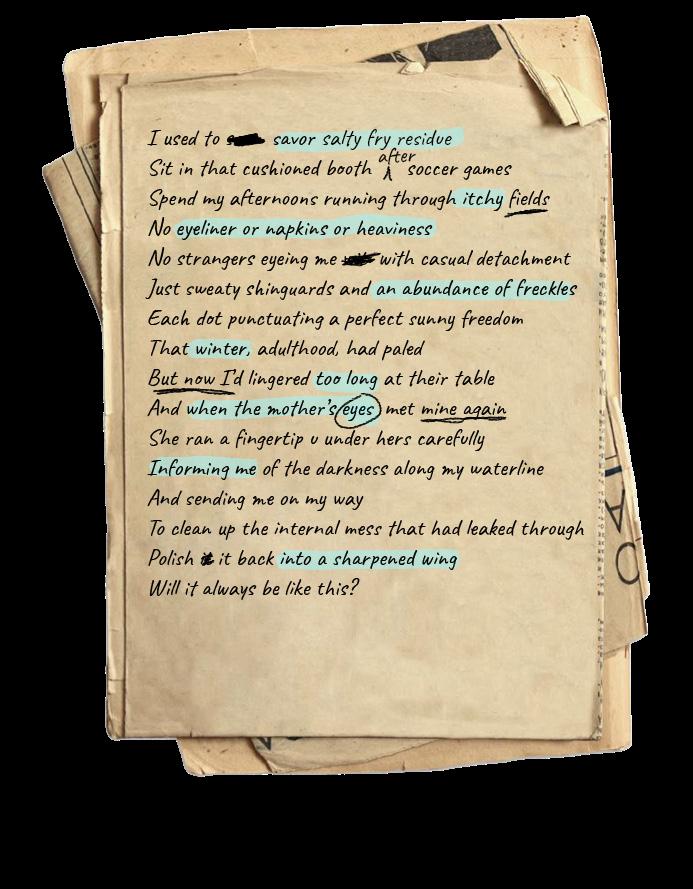
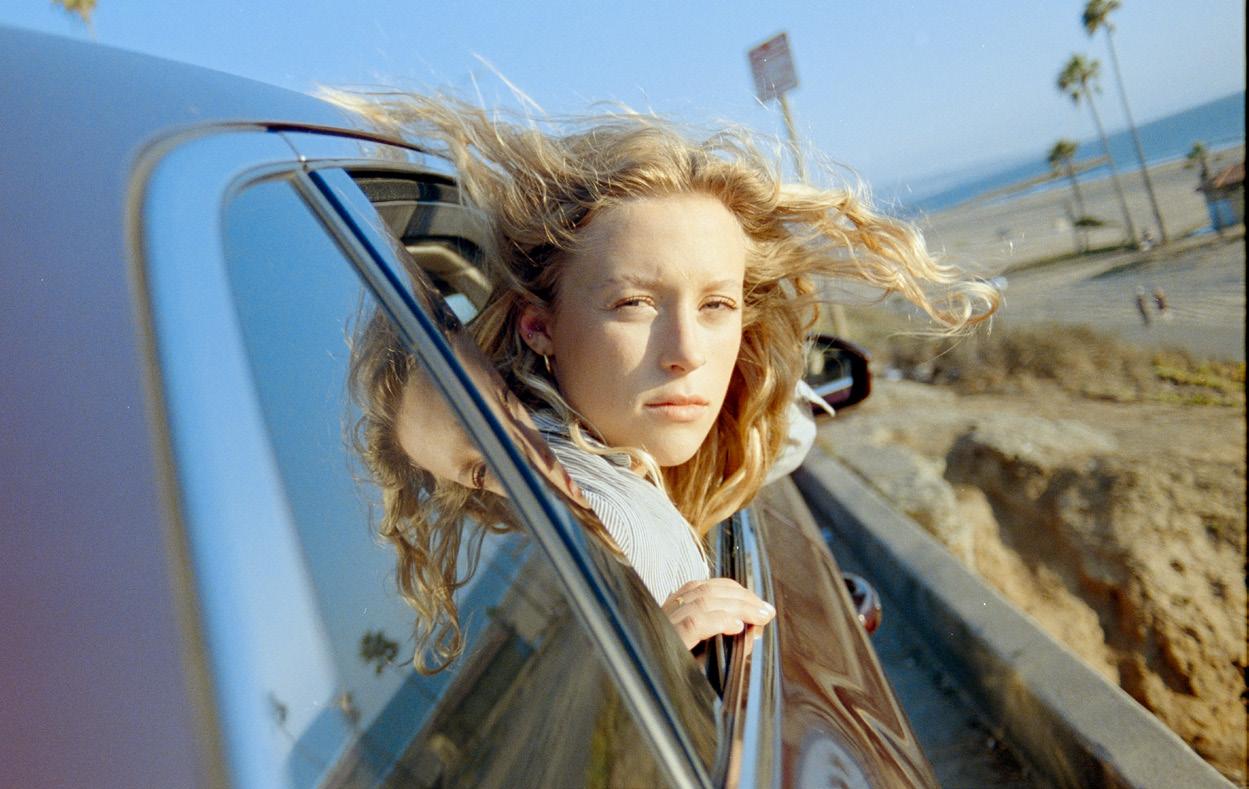
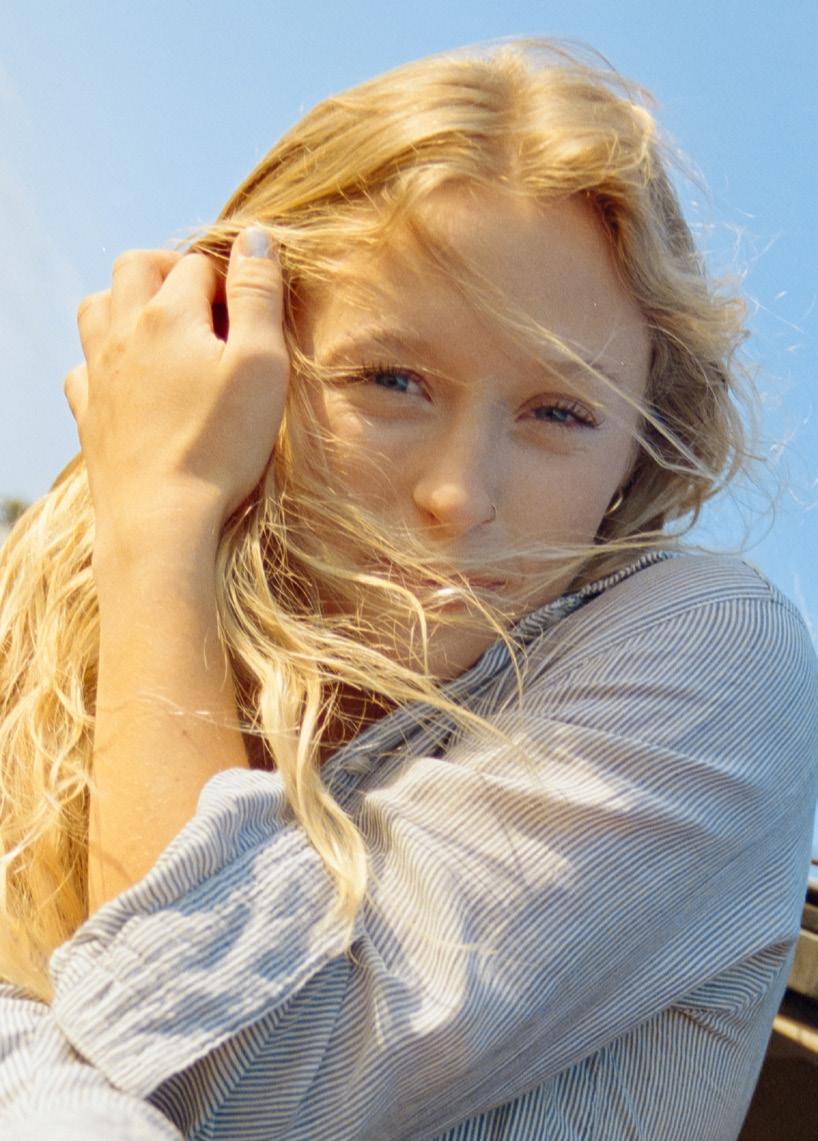
Photogepher: Hank Leahy
Talent: Jessie Passolt
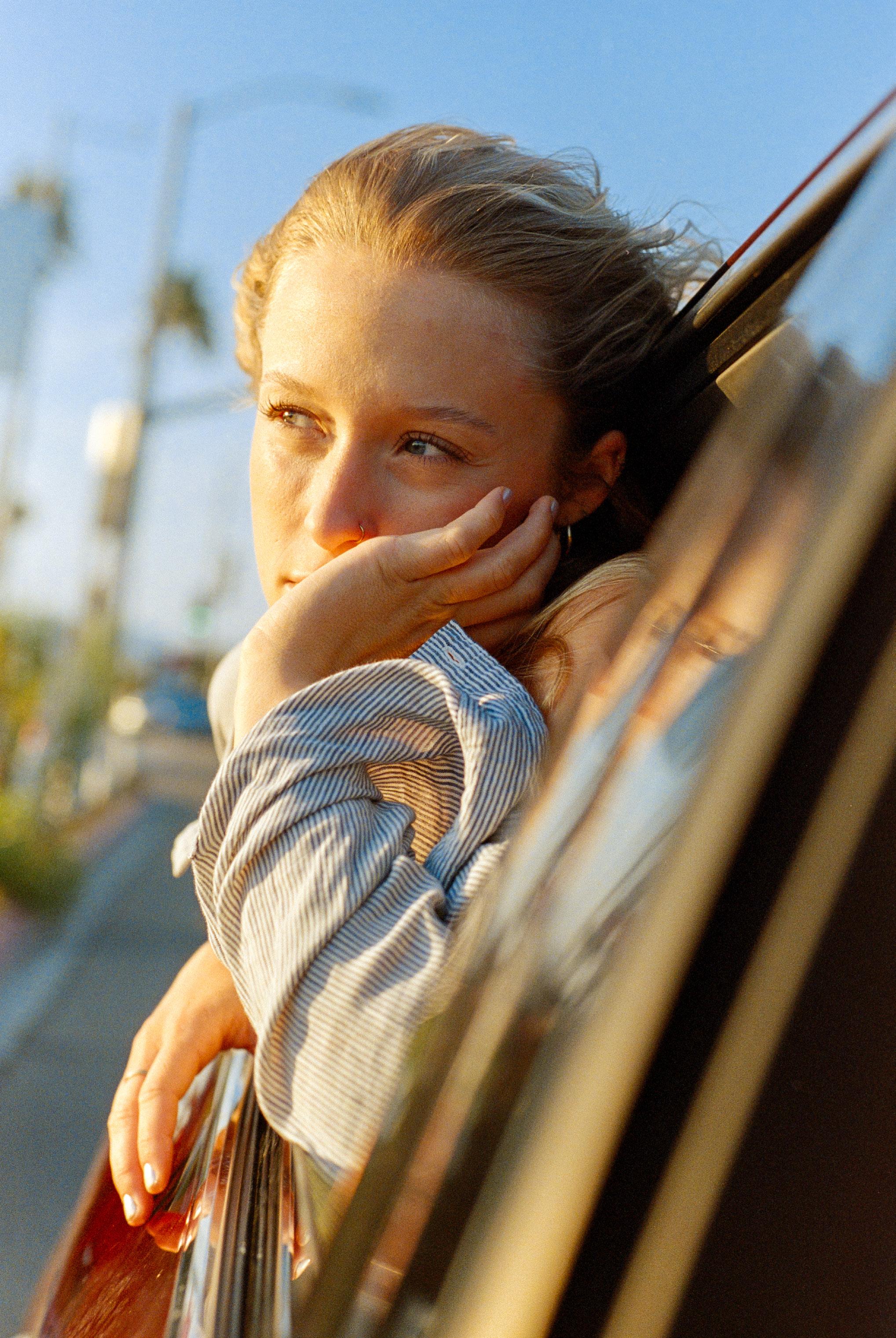
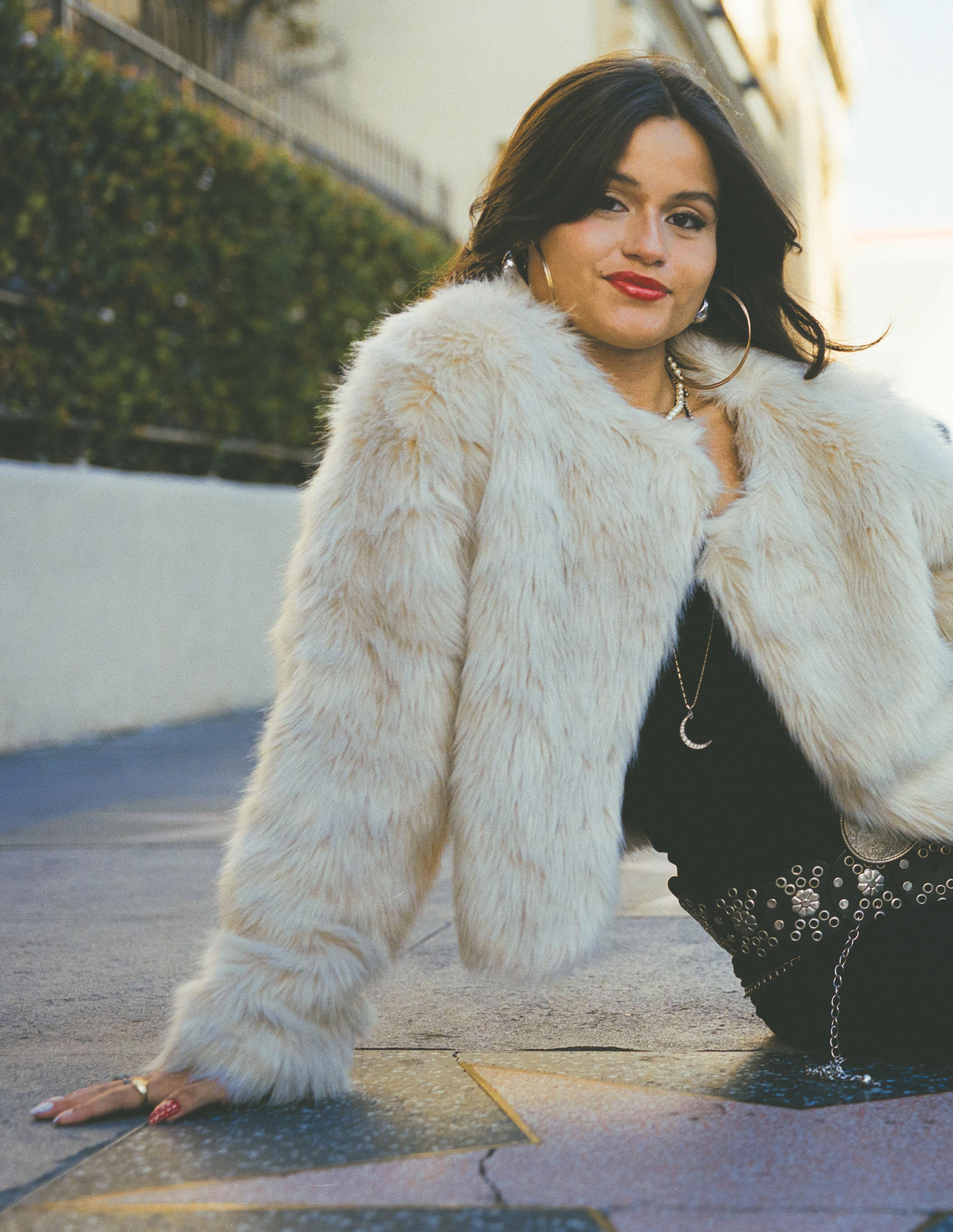
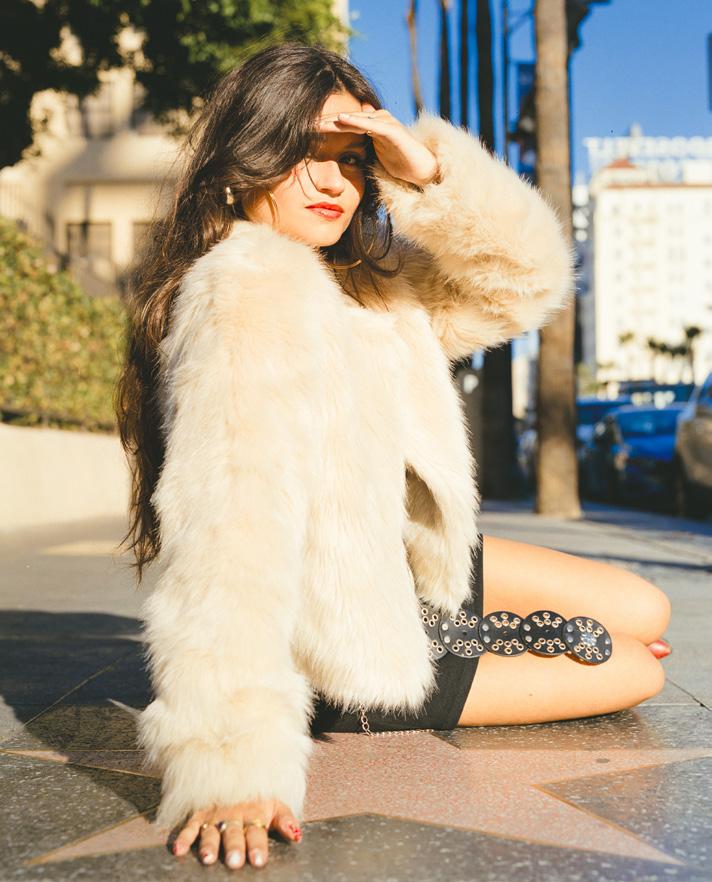
Photogepher: Hank Leahy Talent: Anna Caroline
An Interview with Cayley Spivey,
What’s your creative process like?
Sometimes I’m like driving or I’m in the shower or whatever I’m doing, and I’ll come up with like a one liner. Then sometimes I’ll write the rest of the lyrics around that one liner. All of it is like on the spot, I don’t even know if I really have a process, you know? It’s very feelings based. Yeah, like a diary.
What was your first “wow moment” where you realized that you really wanted to do music?
I realized, I think in fifth grade before I could even play music, I heard a song and it was like a rock song. And I heard it for the first time - and I’m queer, so I grew up in a small town where that wasn’t okay and I didn’t have a lot of people to relate to. So, when I heard this song, it was shown to me by my best friend who I had a crush on. So I connected my feelings for her to the song. And then that’s when I kind of realized, “oh music can be emotional” like you can get emotions out through music. And it was in fifth grade, ever since then, I was like, “I have to learn how to play music.” Like I have to be a musician.
What advice would you give aspiring musicians?
I would say trust, trust your taste. If it sounds good to you, it’s probably good. Don’t let anyone tell you otherwise. If it sounds good to you, it’s probably good.
And lastly, what’s the message that you wanna give to your fans and potential listeners?
Authenticity is key. Life is really short, if you’re not being yourself, you’d be so much happier if you just were. So seriously just trust that who you are is great and you’ll find your people.



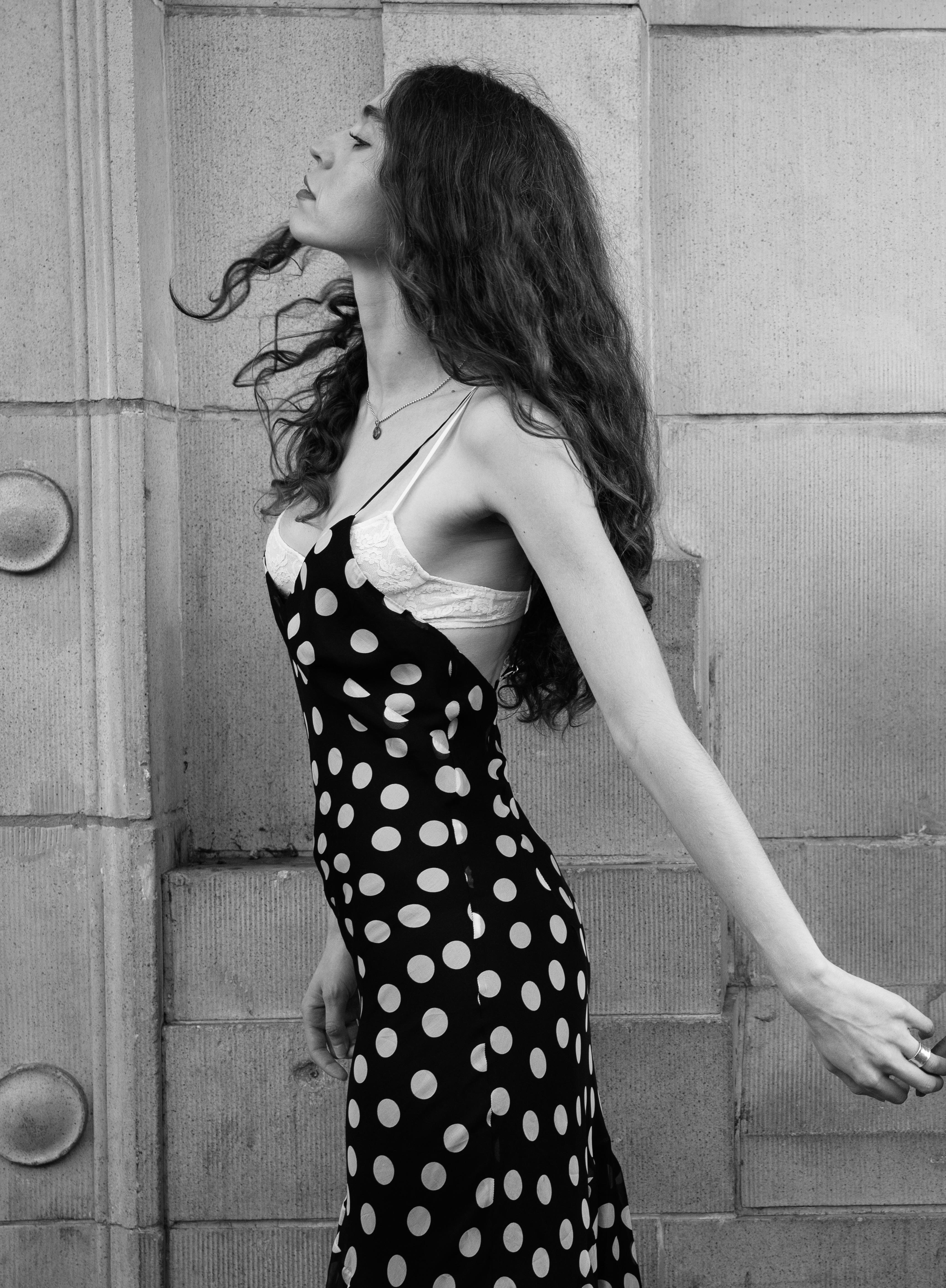
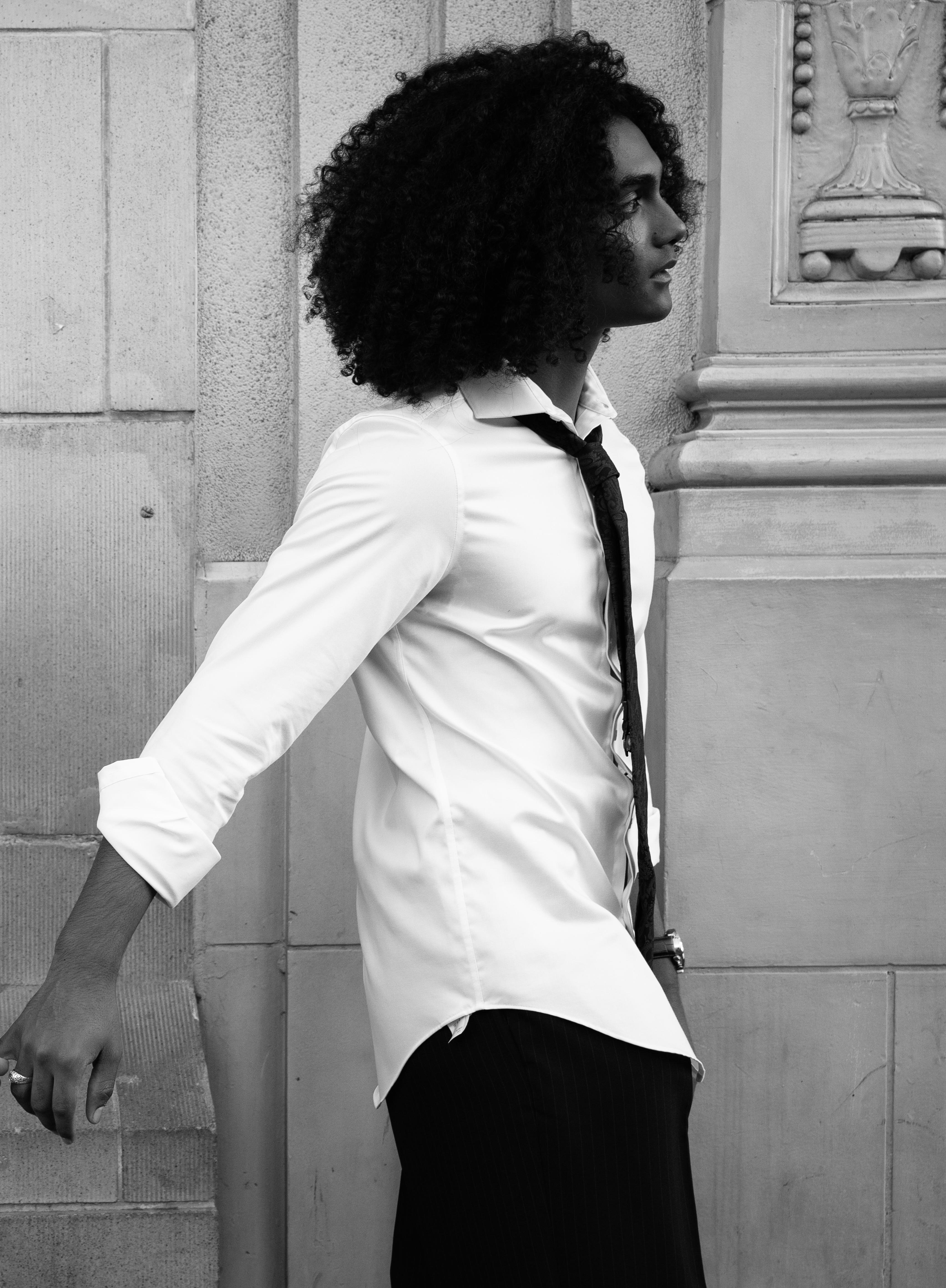

Dear Ethan,
It’s been sixty days since you told me we should just be friends. Forty-six since we resumed the song-and-dance we call our “relationship.” And 819 days since I first fell in love with you.
I used to believe in the Shakespearean kind of love—you know the one: love is not love which alters when it alteration finds, or bends with the remover to remove. Sappy, poetic, and yet somehow comforting. It was my shield—the idea that real love was eternal. That once I uncovered it, nothing could steal it away. And for a while, it actually protected me—until I met you.
I think about that day ofen - when you told me we could no longer be together. We were sitting at your kitchen table, the sickly glow of flickering fluorescent lights illuminating your stone-cold face. You looked right at me, almost emotionless, and said it as if it were a fact you had memorized for class. Two and a half years of love, chaos, and struggle dismissed in the name of tradition. You told me that this would never work, that you could even one day resent me—your words were like daggers, but I knew they just couldn’t be true. I just sat there, searching your face for any
signs, praying this was a sick joke. Your expression was cold, but your eyes were warm almost sad. Deep down, I knew this wasn’t the end, but it certainly wasn’t the beginning either. “This isn’t love,” you said, “and it never can be.”
But I disagree. I think it’s some secret third thing, some quiet in-between. Blinded by love, bonded by friendship, and torn between morality and desire.
I remember staring at you, every piece of our relationship, of you, flashing through my mind: your stupid grin, the smell of your perfume, the way you’d pick at your split ends when you were nervous. You were my everything - until you were gone.
It’s funny, in a tragic sort of way: we really were like Shakespeare’s star-crossed lovers. Defiant, reckless, and
convinced our love could free us from the realities we were so desperate to escape. But maybe his love wasn’t the only kind that mattered. Love is not love which alters when alteration finds—that’s how the story goes. Real love withstands the chaos, unfazed and unbroken.
And maybe ours did too, just in a different way. It twisted and bent, turned and shifed into something beautifully raw and almost too precious to name.
To me, it was love—every moment. And maybe one day you’ll finally see that too. You’ll set aside tradition, just for the evening, and choose you. Me. Us.
S hakespeare used to guide me through life, telling me what love should look like.
But standing here in the crossroads between passion and parting, I’m starting to think he was wrong. Because loving you was everything and so much more. I t was late-night FaceTime calls, forehead kisses, and long drives. I t was the fights, the
laughter, the tears. I t was beautiful, messy, and heartbreaking. But isn’t that the whole point?
So maybe I’m naïve, or maybe I’m just downright foolish. But no matter what, I’ll always keep loving you — even in the almost.



Dear Lily,
It’s been sixty days since I said we should just be friends. Forty-two since I broke my own rule and stopped pretending I meant it. And 631 days since I first said I love you.
You know, despite your denial, I always thought you were the hopeless romantic— quoting sonnets about tender declarations of love and tragic endings like your life depended on it. But, out of everything you said, one quote in particular always stayed with me: you used to say, “love is not love which alters when it alteration finds, or bends with the remover to remove.”
I’m not entirely sure why that one stuck— maybe it’s because you recited it a million times, or perhaps because I never really understood the point. Love wasn’t supposed to be some sorrowful, profound monologue. It was supposed to be much quieter, private, simpler.
And that’s the thing, it was never really simple with us. It always felt deeper and more complex, almost overwhelming. It was something I was always just too nervous to name. Our love scared me more than I can ever admit.
I remember that night vividly—when I told you we could no longer be together. Sitting at my kitchen table, the pale glow flickering from the overheads, casting light on your anxious expression. I remember saying the words “we should just be friends” firmly, but quietly, hoping maybe you wouldn’t hear. But you did. We sat there, staring, the silence almost unbearable. I could feel the tension growing, frustrations building, bubbling over, until we just snapped. Words poured out of my mouth, falsehoods intermixed with truths, hoping something,

And you did, for a while. But then you called, determined to hold onto what we had together. And, every time we talked, the strain grew fainter and fainter, until there was nothing left to say.
We agreed not to talk about it, hoping the impossible weight of reality would just simply disappear. But it didn’t—it only got worse. You wanted more, I could see it in your face anytime our eyes met, stolen glances and half smiles as we fought to get back some semblance of what once was. And to be honest, I did too. But you and I both know I can’t give you what you want. I’m bound by tradition that I will not abandon, values that keep my whole world afloat. Tradition I cherish and love, yet also resent—something you have no ties to and could never fully understand.
Still, that will never change the truth. I said I could no longer love you, but we both know that’s not how it really is. I think my love for you is something much deeper. An almost secret third thing: intimate, persistent, undeniable—invisible to everyone but one another.
But, however much I love you, it will never change who I am—who we are. We can never give each other what we truly want; you and I both know that. Yet, even so, that quiet, beautiful love will always be ours, even if it exists only in the almost.
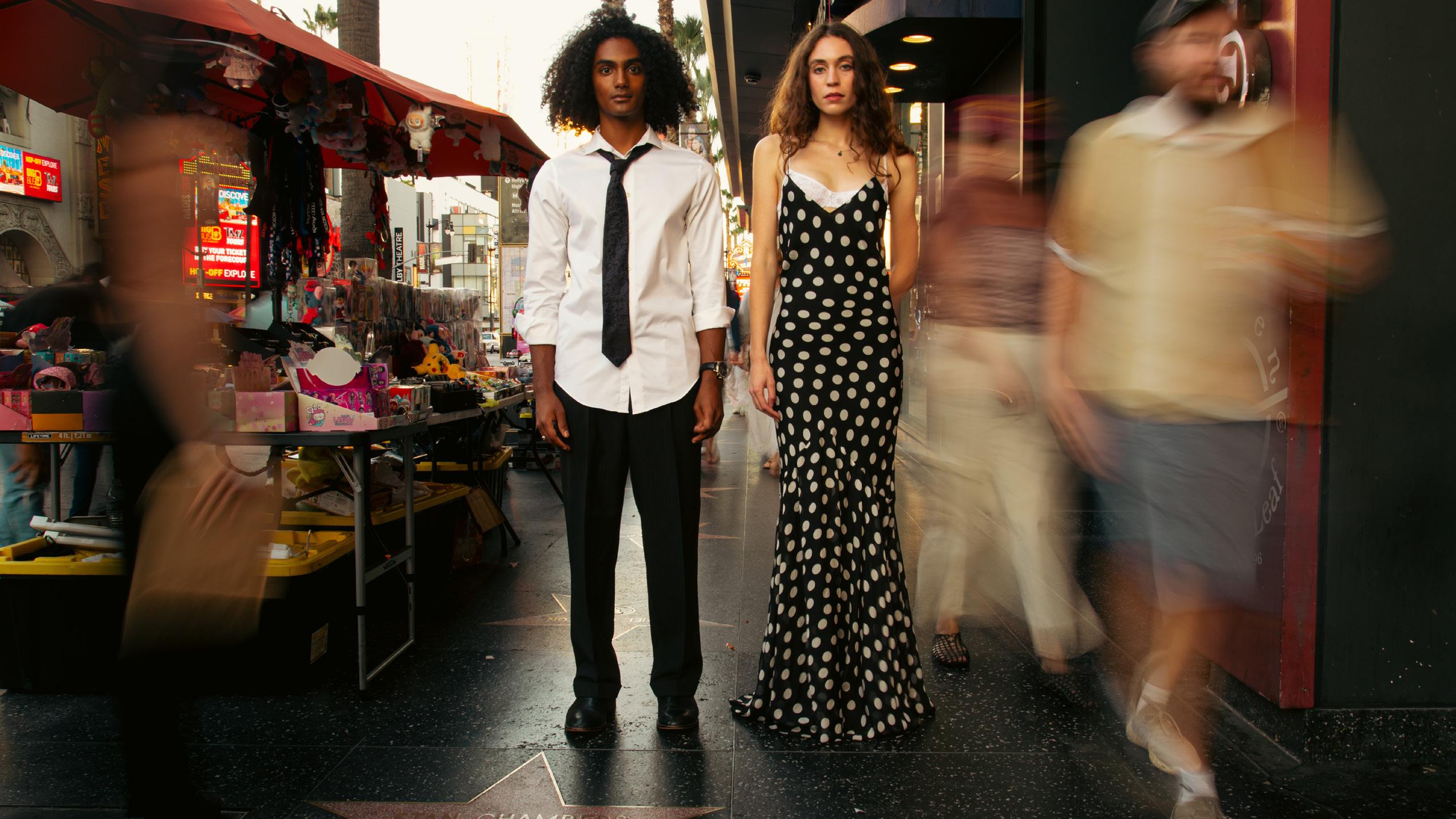
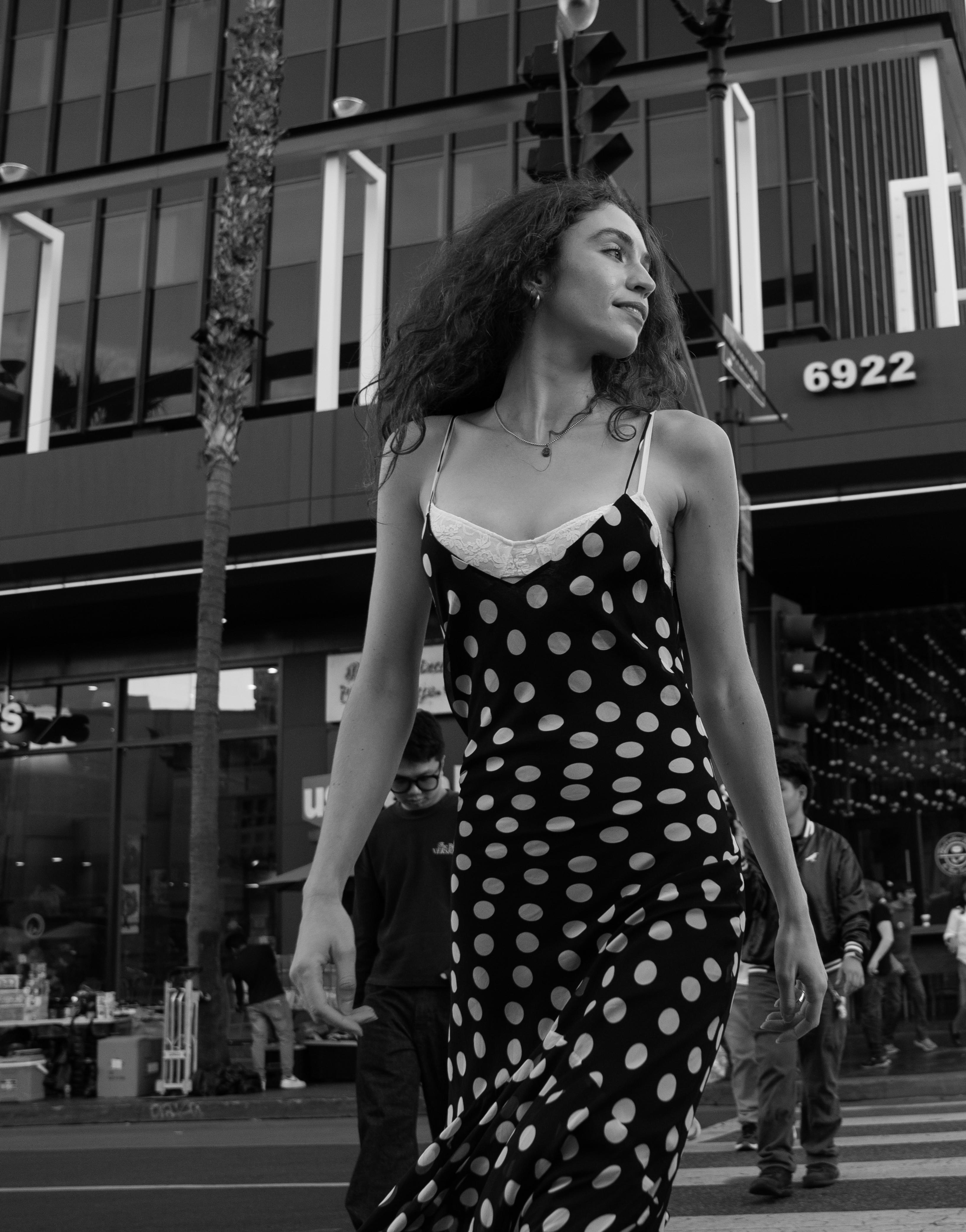
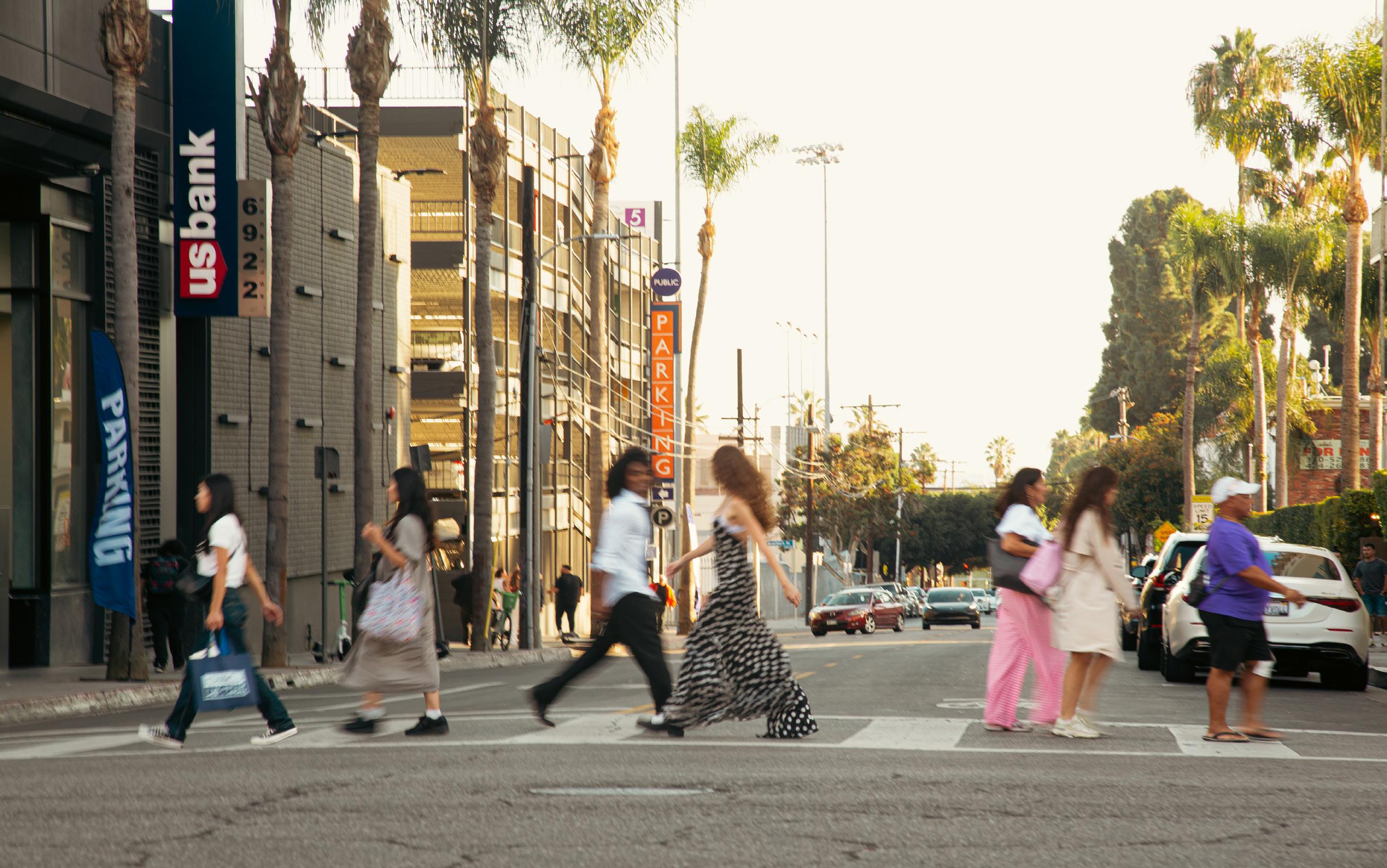
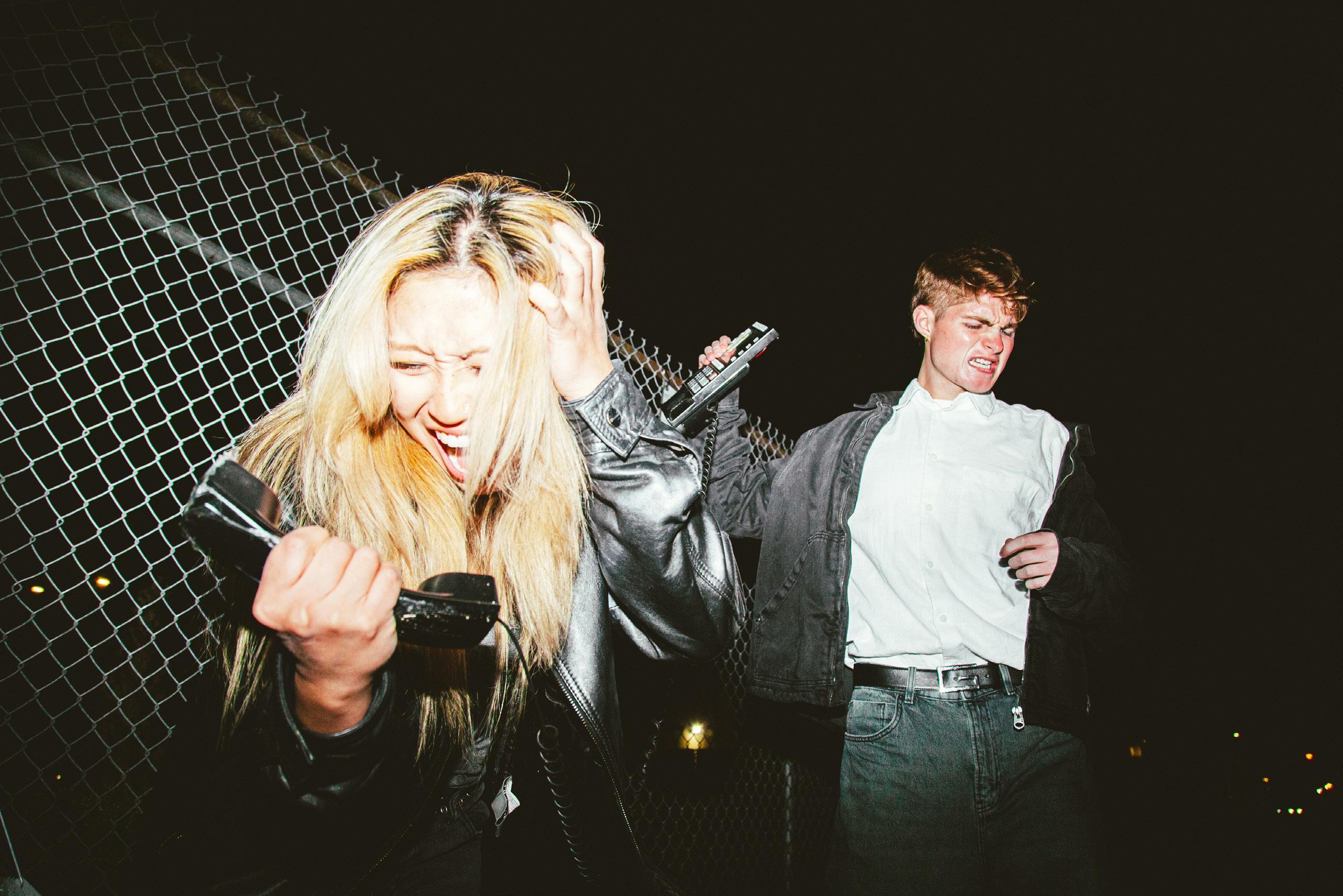
Photogepher: Hank Leahy, Francesca Coppola, Miranda Cardenas
Talent: Grayson Alexander, Callandra Hudak
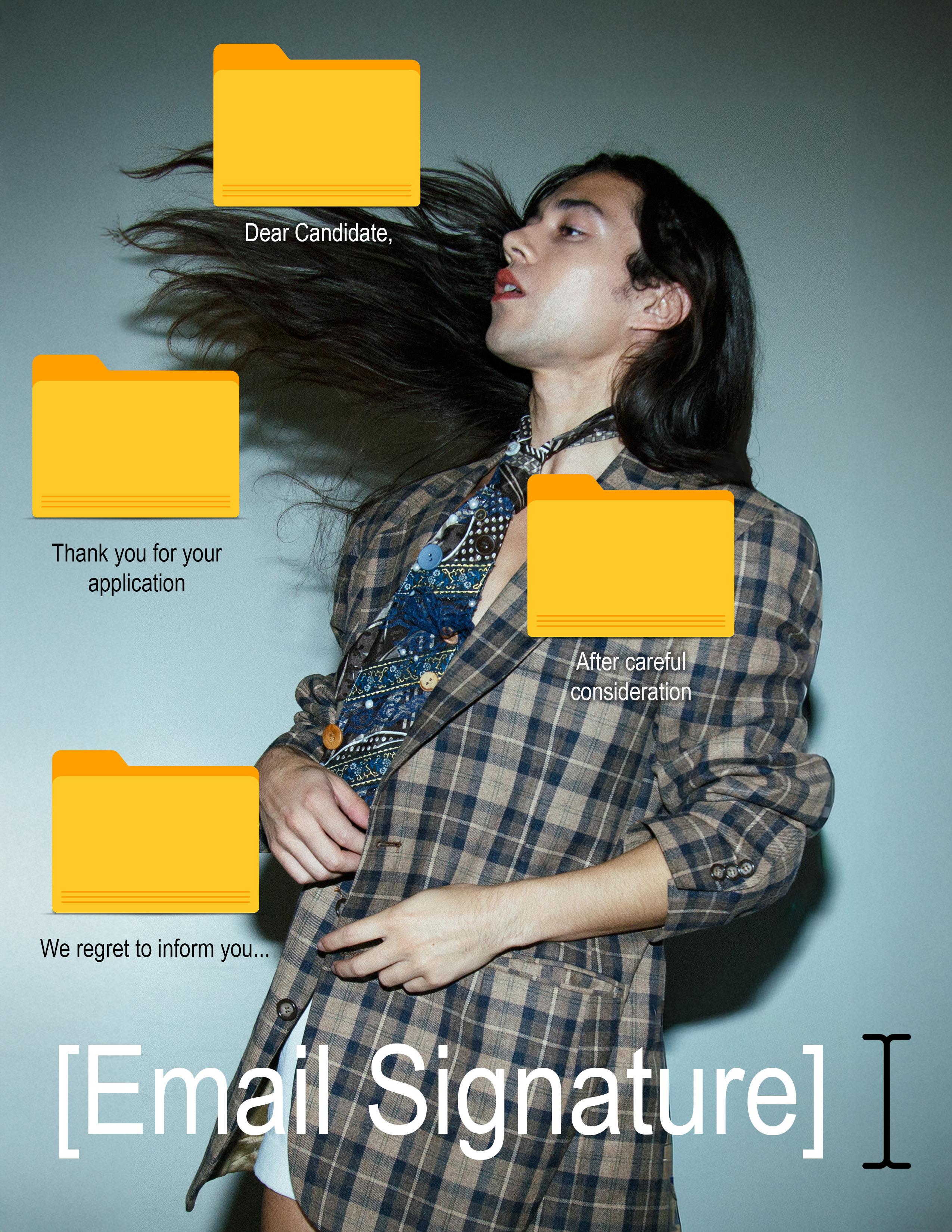
job job job job job job job job job job
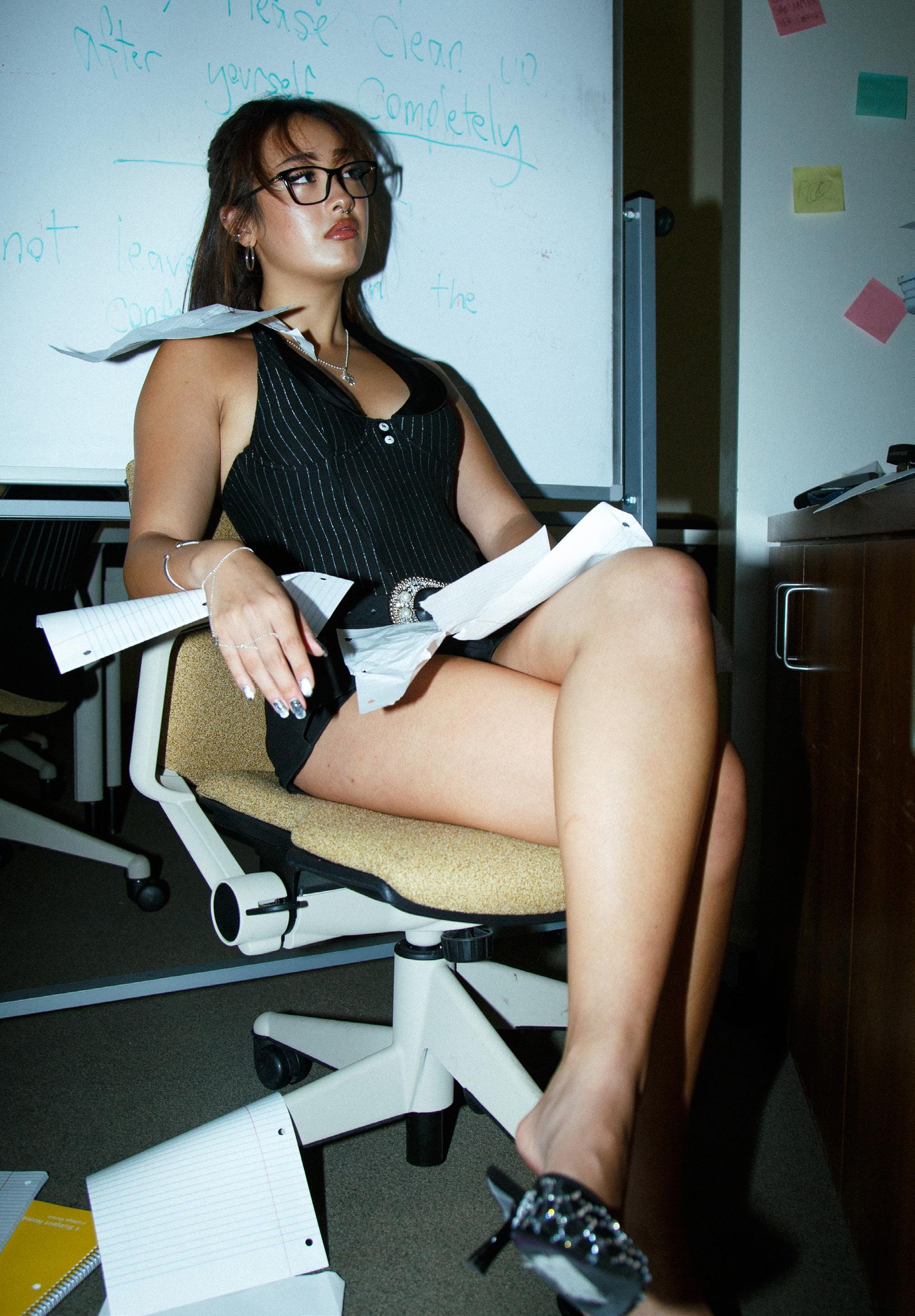
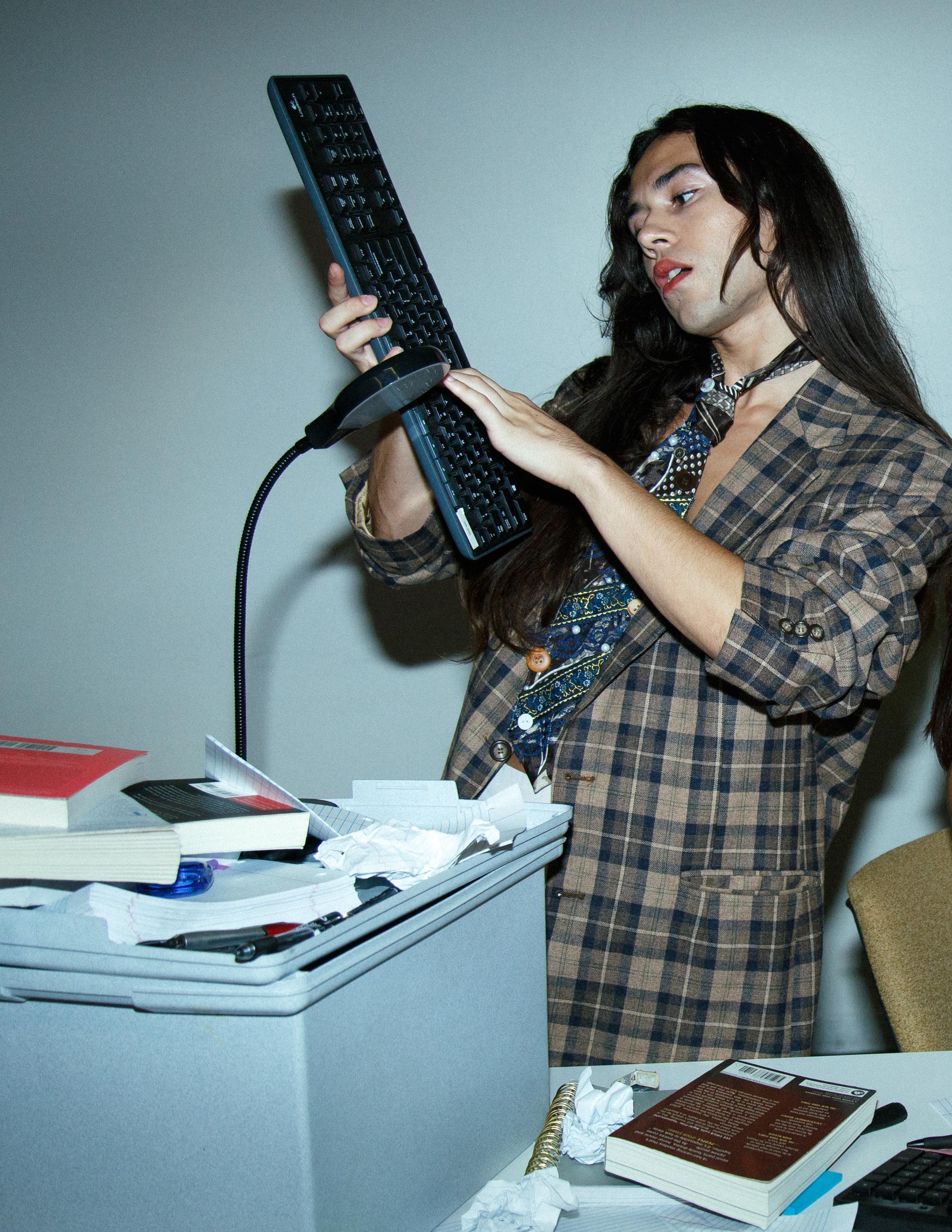
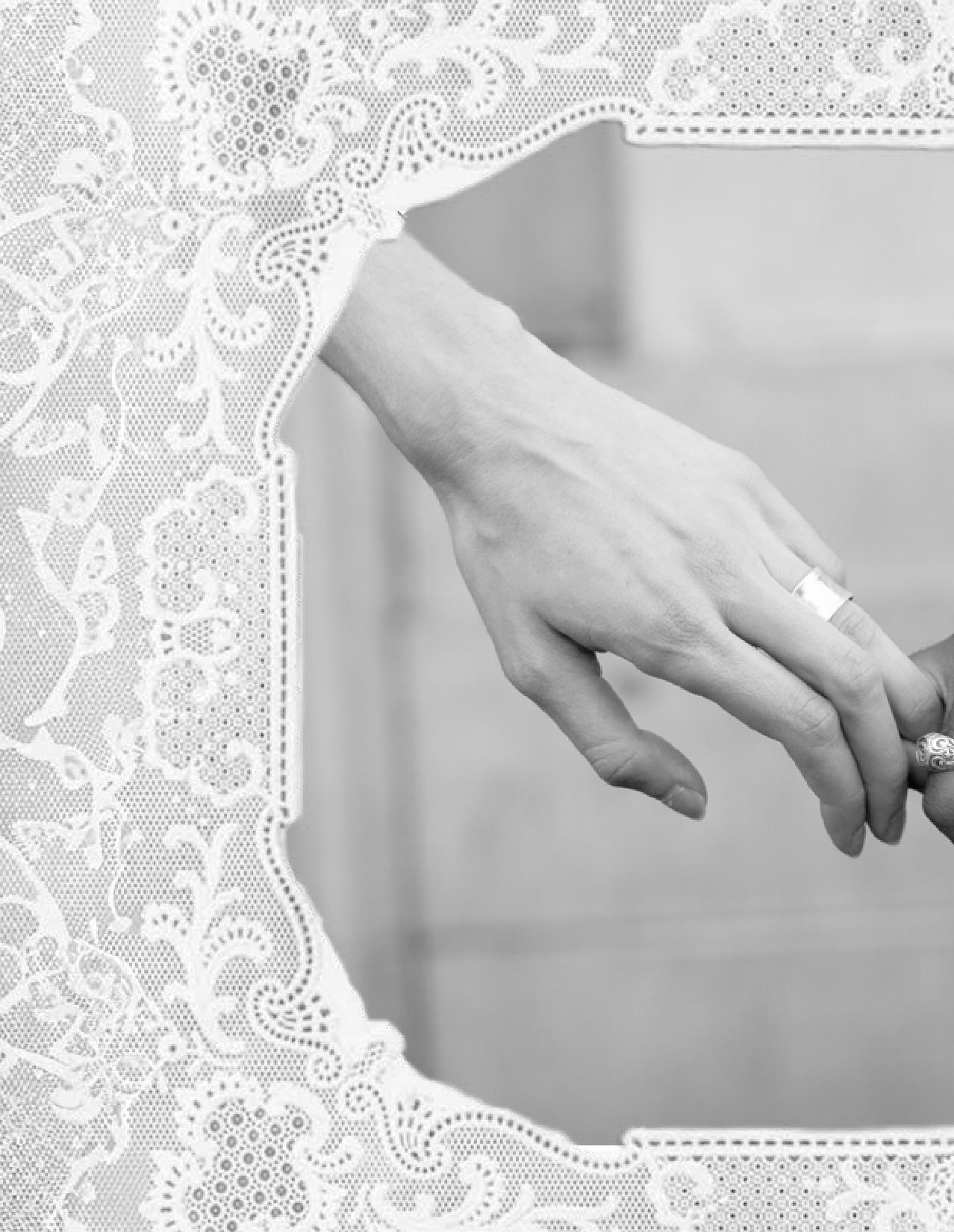
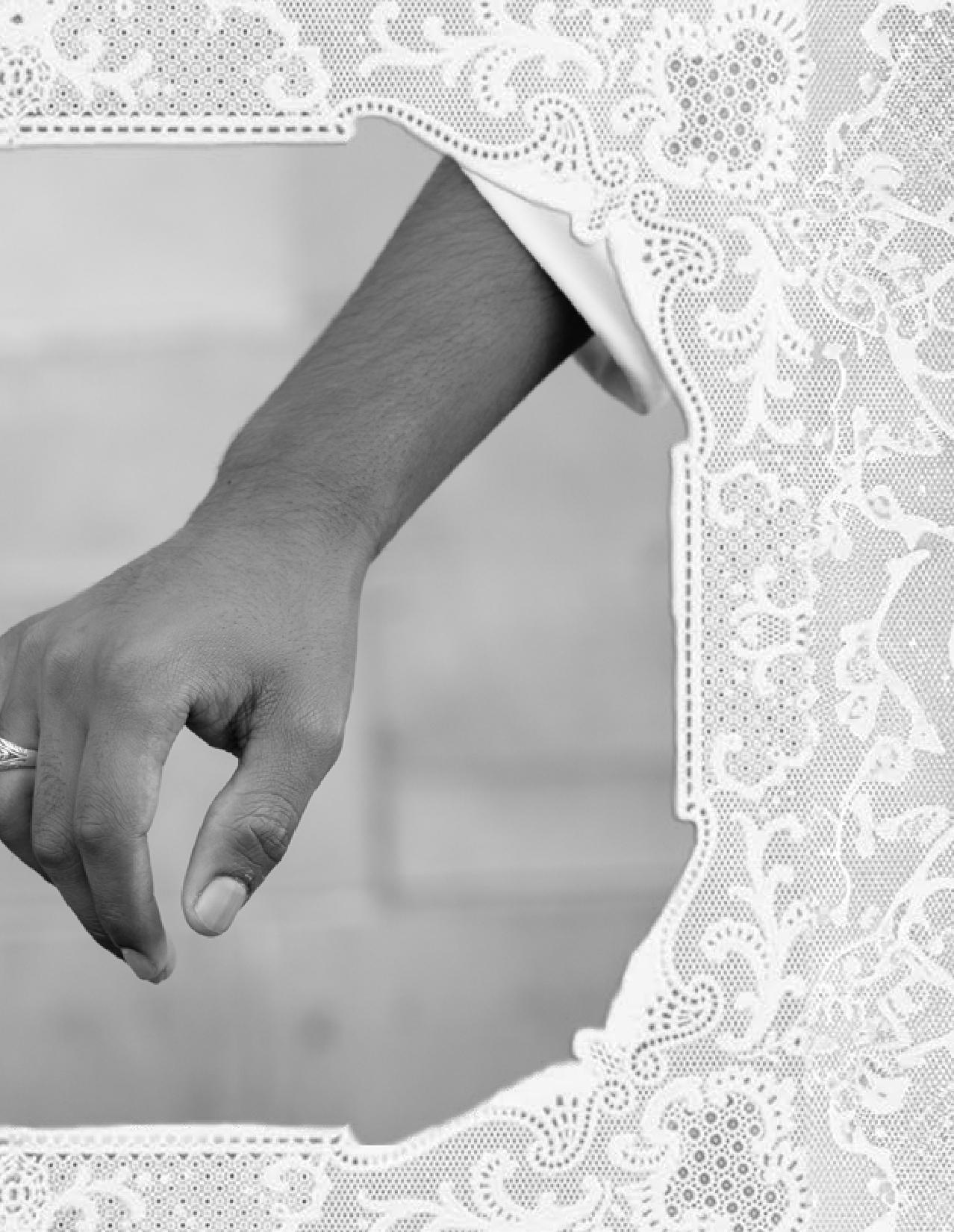
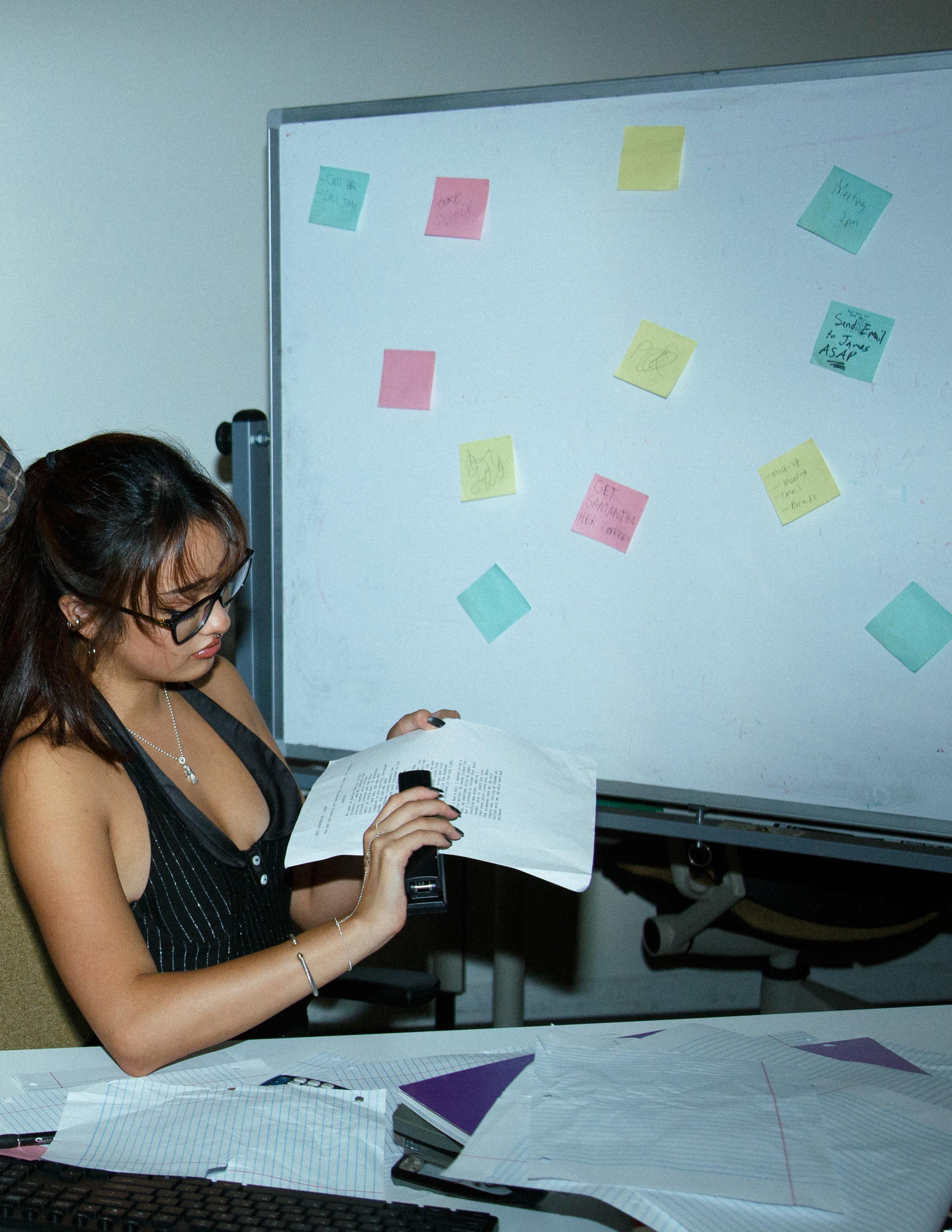
Photogepher: Miranda Cardenas
Talent: Cruz St James, Kailey Wei
Sophomore year, second semester I began my “Almost Film Career.” I didn’t know anyone in the flm industry, so I was cold applying into the void. Forty applications later, there was one company that accepted my lack of experience or connections. After the frst internship, it got easier.
The real struggle is tending to the fear that you’re not doing enough. Getting the internship is one thing, but how can you “make the most of it”? At FilmNation, there was a junior exec who I would chat with about my weekend watches. By my last week, I was debating asking the junior exec for a coffee date. As an intern, it’s diffcult to muster the courage to talk to executives, let alone ask them for coffee. Especially if your internship has built-in seminars, you don’t want to be greedy. You can see the stress that everyone is under, and you don’t want to be the cause of any more by forcing a connection that isn’t there. So when the junior exec walked to my desk and asked me for coffee, I was so surprised. That simple gesture meant everything.
It’s very true that the entertainment industry is a people-focused business. And luckily, I think my biggest strength is that I’m a people person. On that coffee date, he asked me what I liked to do outside of flm. He wanted to know who I was as a person, not just my work persona. At the end of that coffee date, as we were walking back to the offce, he told me that he could tell how much I was hustling. That he knows so many students who come from money, who have opportunities handed to them. They don’t research before an interview or a Q&A.
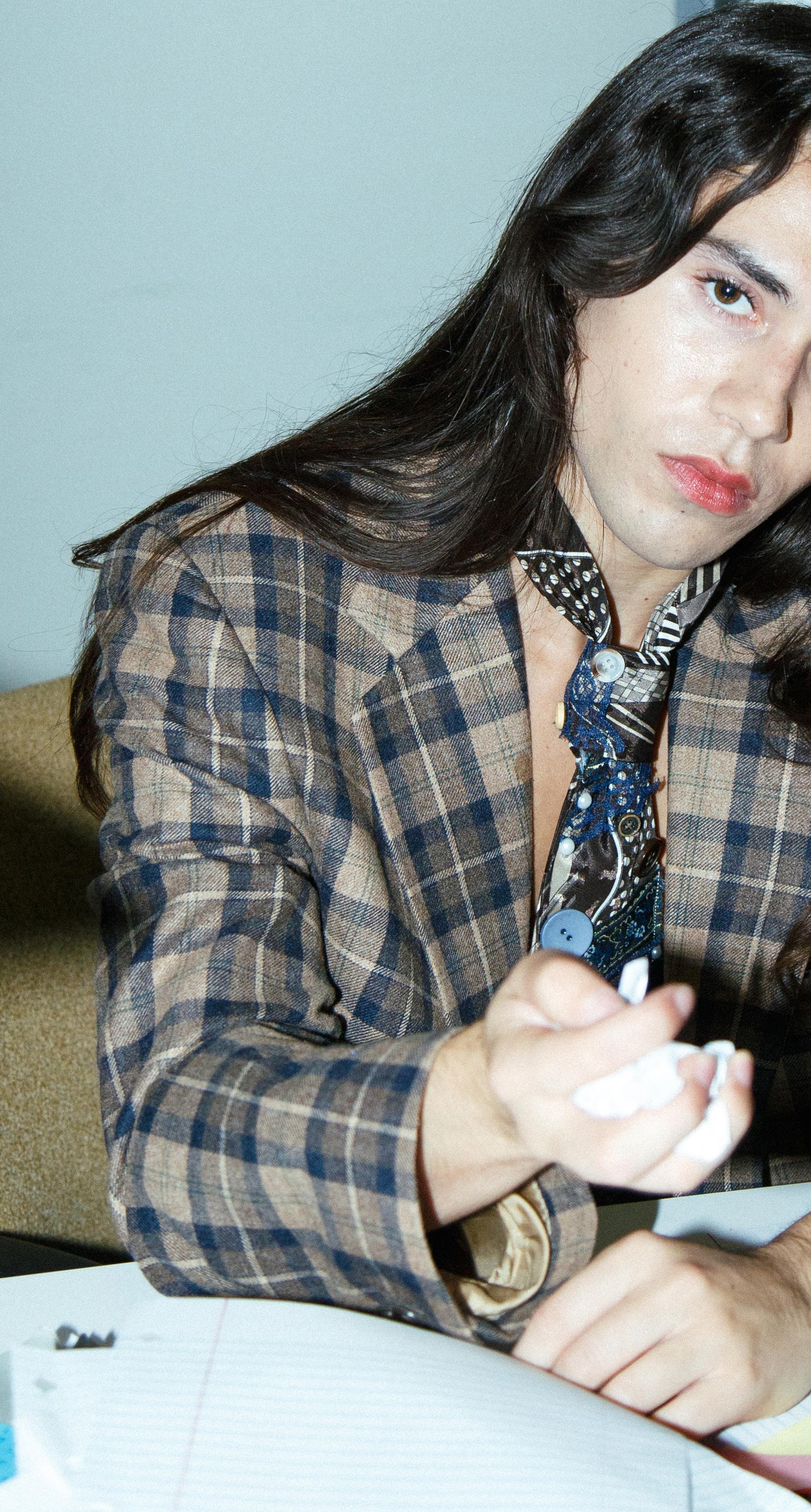
They don’t volunteer for extra work. He told me he knew how diffcult it was to succeed surrounded by people who didn’t have to try as hard. He saw that I was different, and he told me that he knew I would be successful. Listen, these are just words. But they are words that have stayed with me each day since. That was the frst time someone from the industry expressed that they recognized my value. And each day since, I have done everything that I can to ensure that he was right to believe in me.
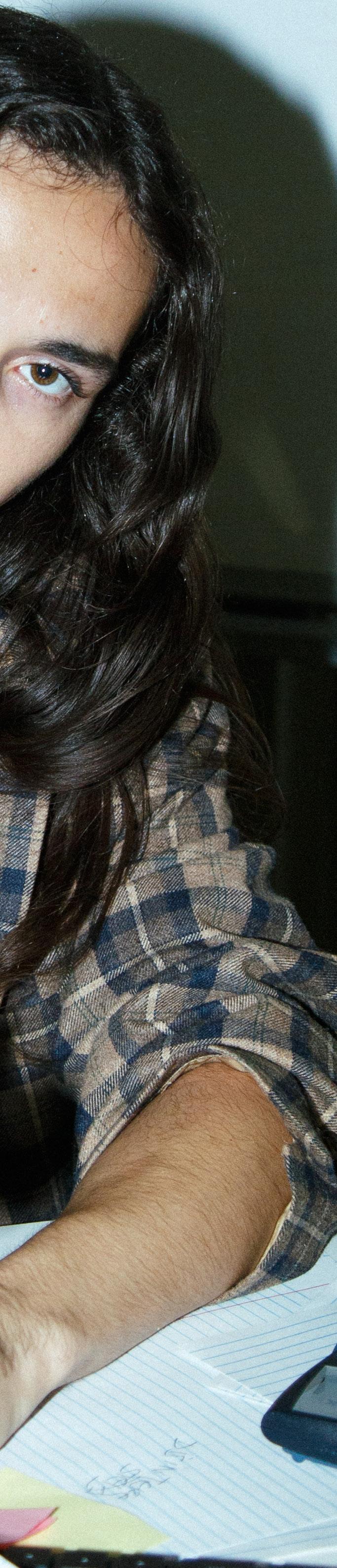

You can’t do this job for the respect or the admiration that you receive. These moments, while exciting, are short-lived. A compliment one day can be an insult the next if you don’t consistently deliver results. But after a few internships, you begin to imagine that a version of the life you want could actually be your future. And that is the most intoxicating thing. I don’t want to ever forget these frst career milestones. That rush of adrenaline when an executive remembers your name. When your lunch is catered. When your opinion on a new movie is heard and respected. Laughing with the assistants over a clerical error. Feeling accomplished when you push yourself to complete an extra assignment.
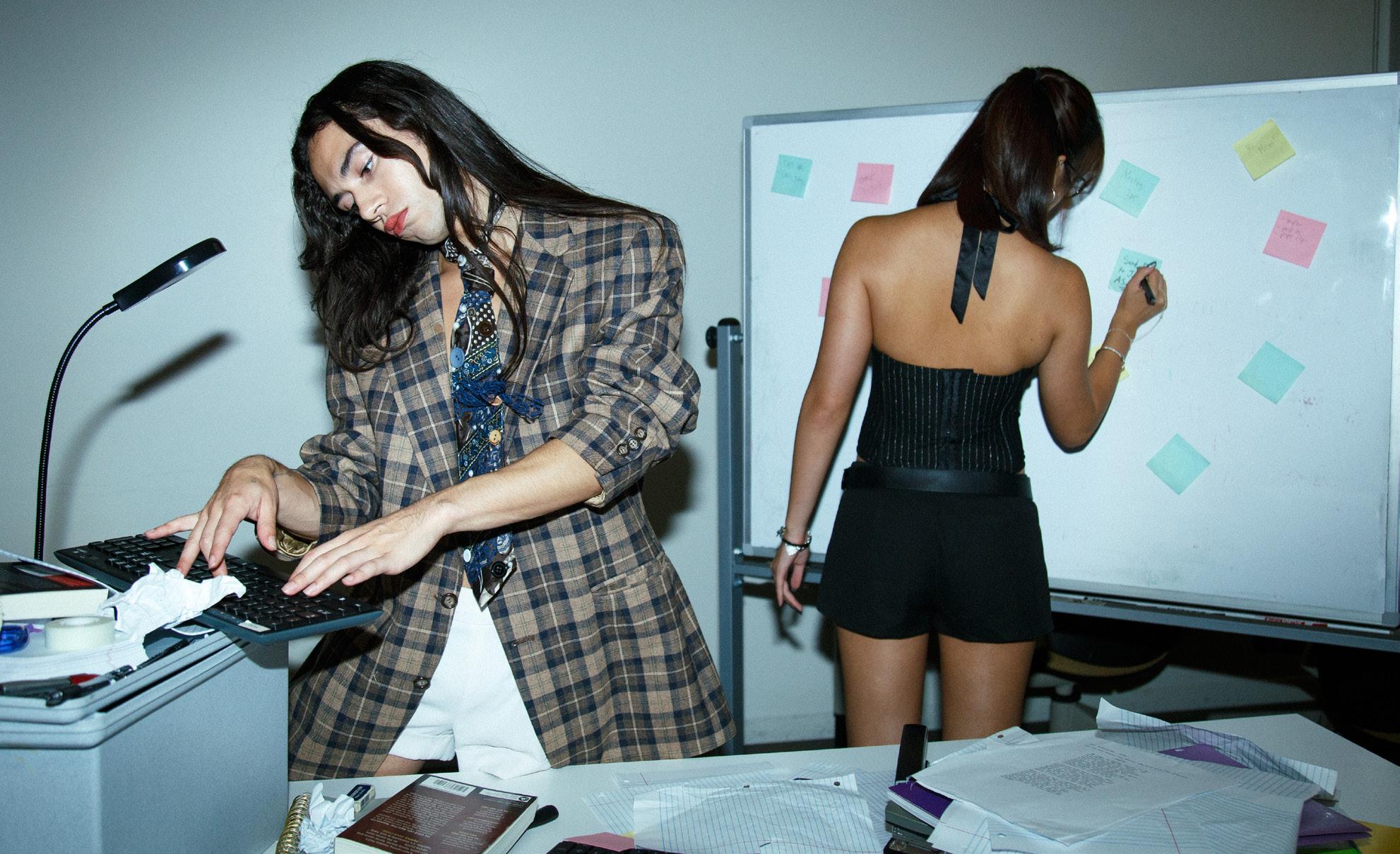


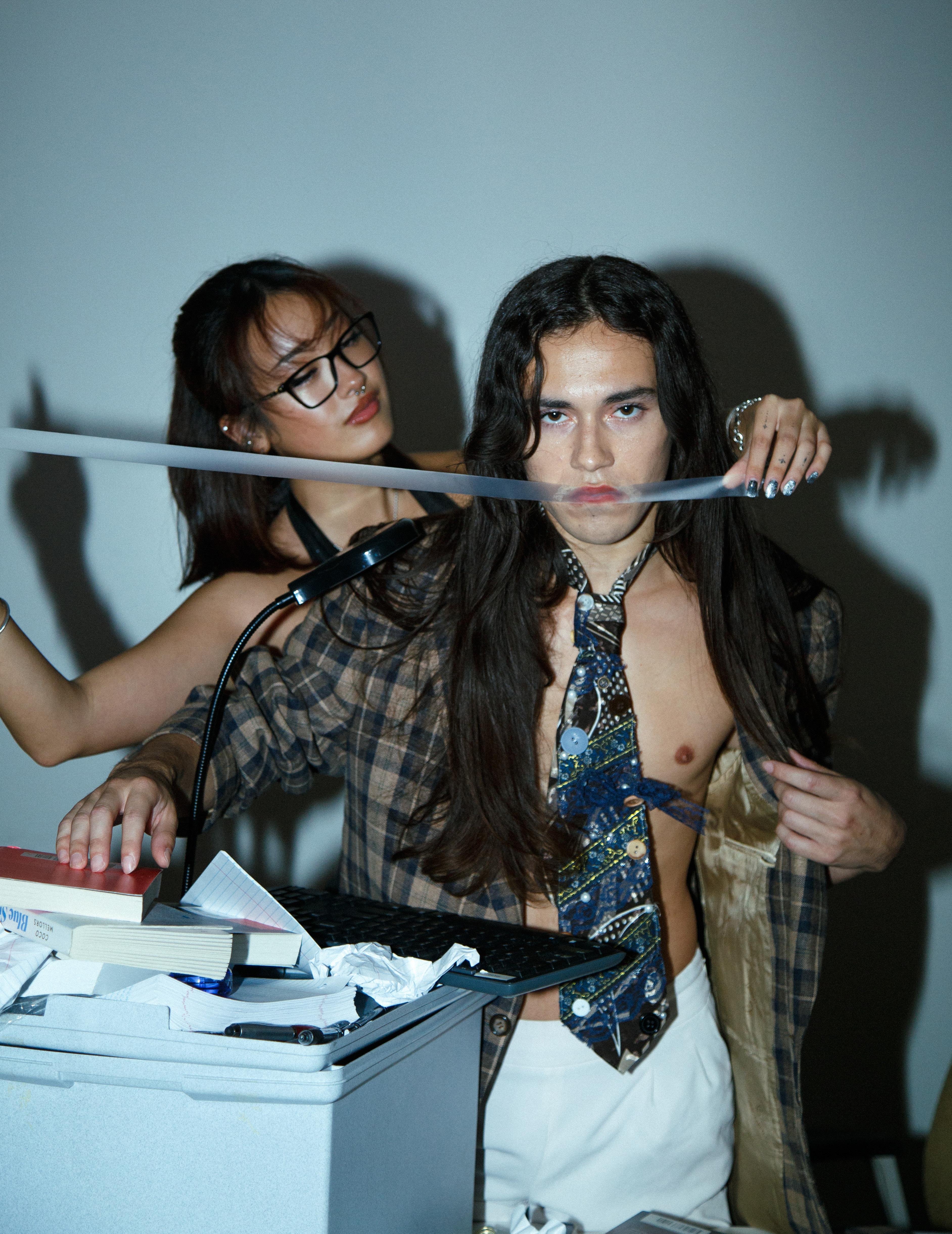
I think more than anything, I’m just jealous of everyone older than me. I’m jealous of their knowledge, their life experience, their boldness, their determination. Intern seminar after intern seminar, the main takeaway is that you learn by doing. And I can’t compare my skills to the skills of an executive. There’s no actionable way to get to that level besides putting in the work over many years. And I’m so excited to put in the work. I just hope post-grad, there is a company that will let me.
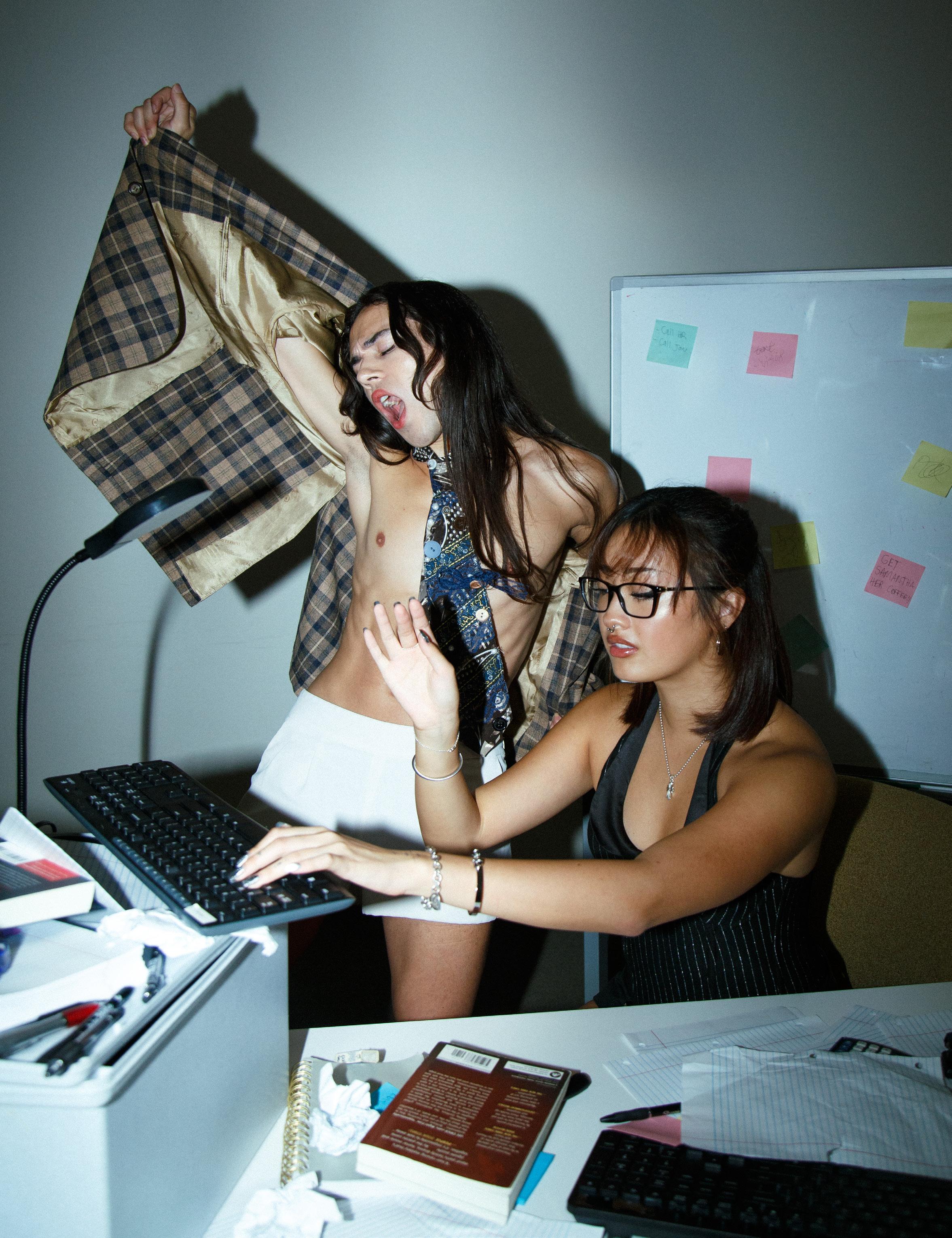
decided move
We have decided not to move forward with your application
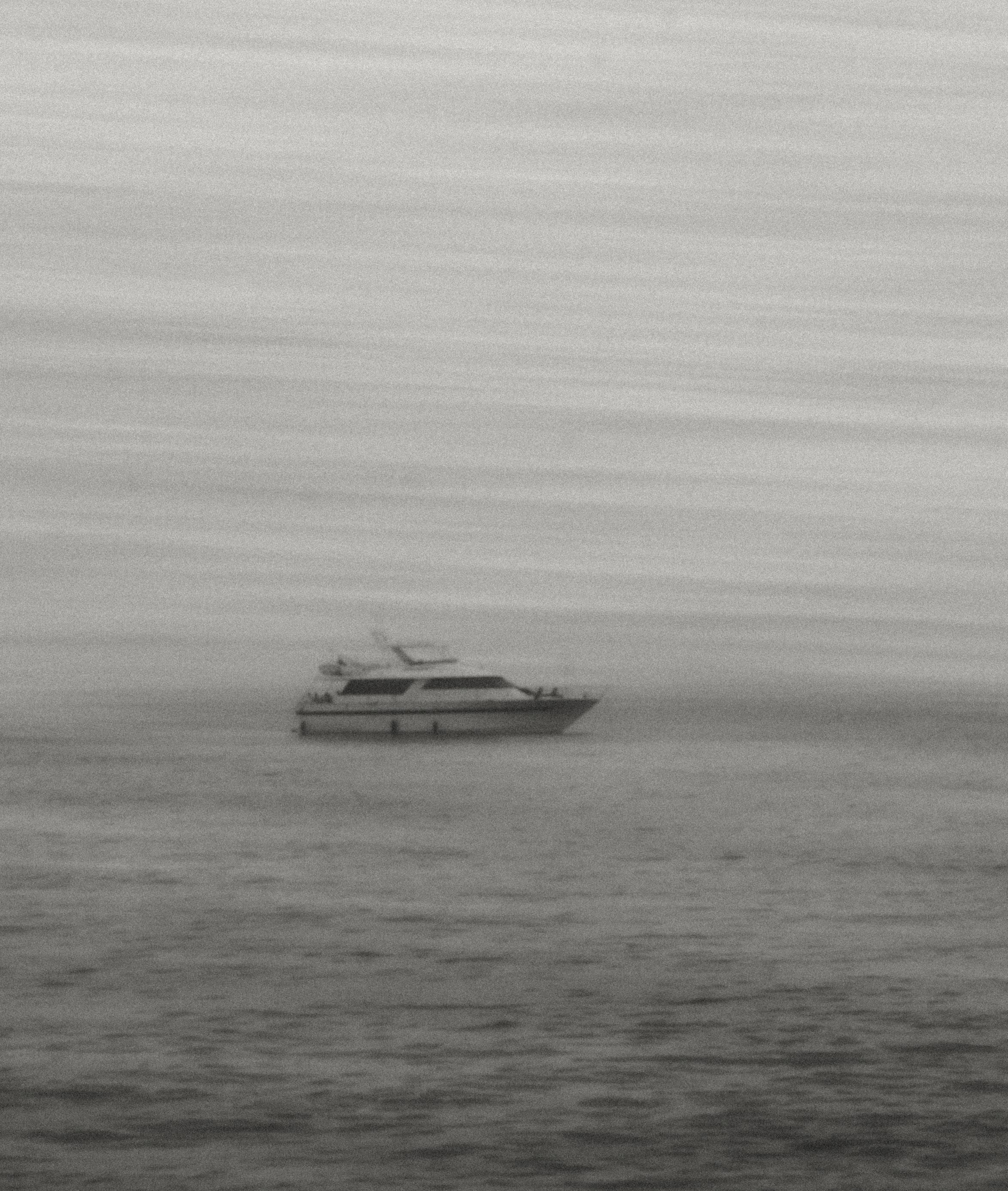
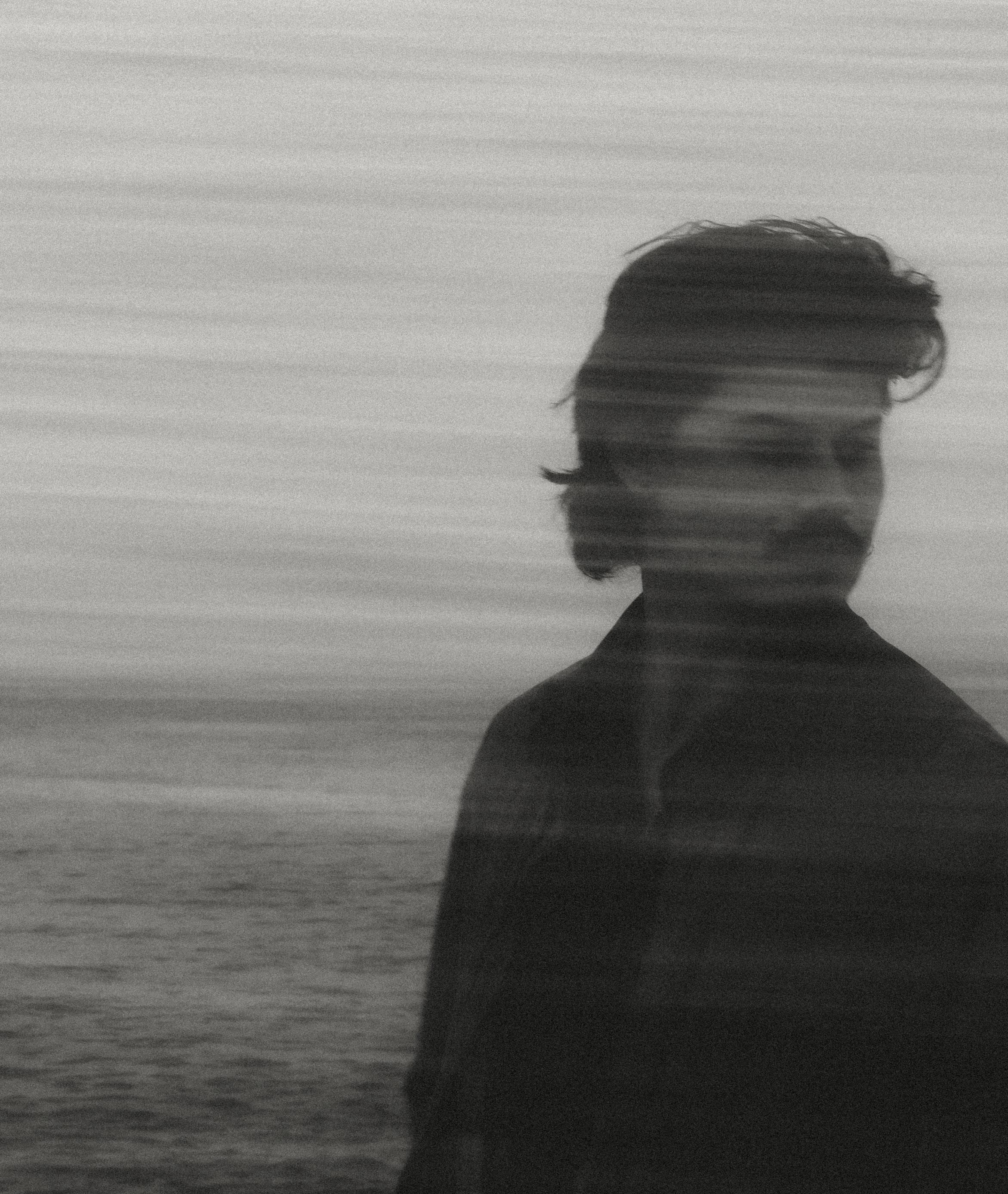
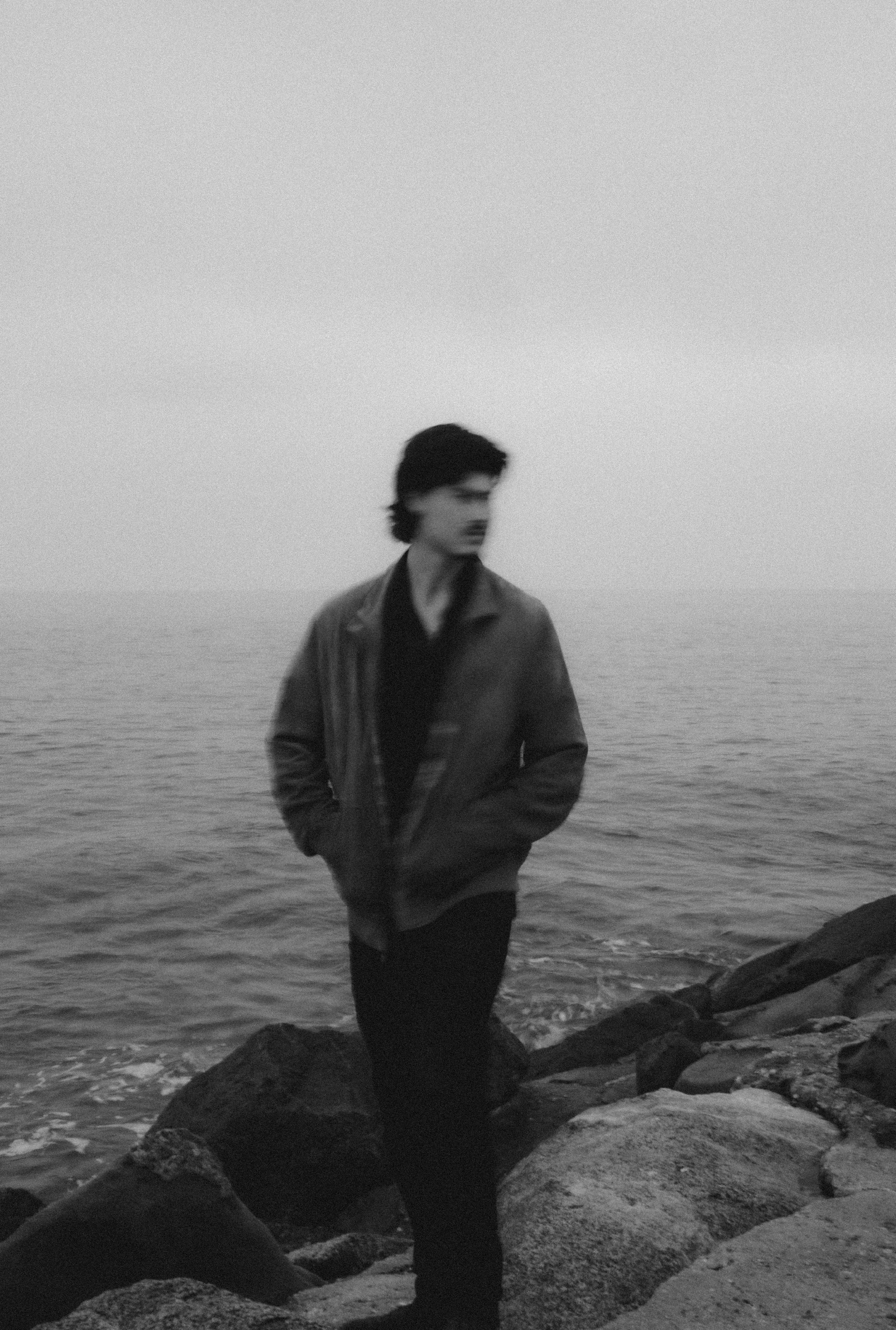
It’s been two days
You haven’t left my mind
Slender fingers drumming against the steering wheel
I’m never passenger but now it’s all I want to be
Sitting adjacent, looking at you
Nothing secretive about my glances
Tracing over pinked cheeks, strong eyebrows
Caught on the steady pulse of your neck
Did you notice me looking?
Did you find it weird?
As my eyes begged yours to leave the road
And find mine, crash be damned
Even now I can’t seem to remember their color
It’s driving me mad
A muddied blend of dirt and moss
Nature’s perfection alive with wonder
As you dreamed aloud of adventure
Dissolving into wooded forests
Salty waves lapping at our ankles
Roses lining the curve of your lips
Smiling, laughing, exhaling
Hypnotic in your everything
When you shrugged off brown leather
It took my every effort not to stare
Words died on my lips and thoughts fled my mind
I’d never felt awareness of my being before
Every bone aching, muscle tensing
Blood pumping a ragged rhythm at my fingertips
Racing up and fuzzing unfocused eyes
Existence blurring as I fought to recenter my focus, panicked
Drunk on the look and sound and scent of you
Did you notice this intoxication?
Is that why you applied a fresh layer of gloss?
To pillowed lips with careful practice
Forgive me, because I might’ve stared then I can’t fully remember
But I need to see you again
I need to see you stare at me
To know it’s a mutual obsession, dual insanity
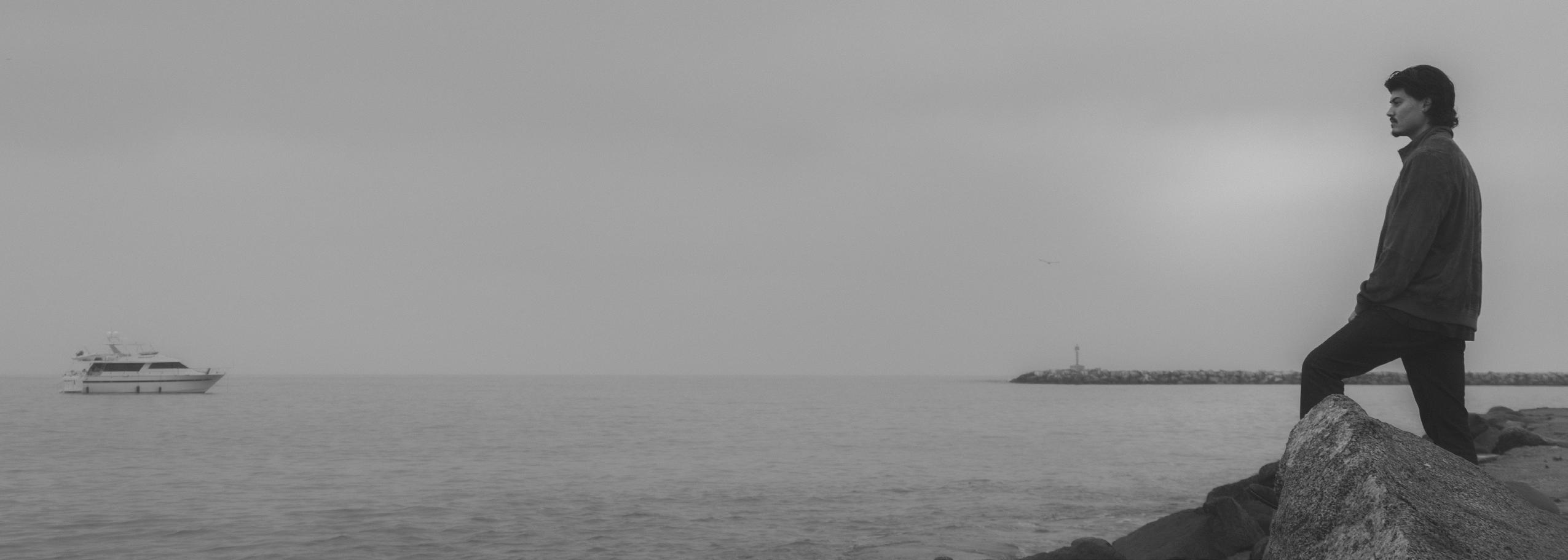
This cannot be the only poem I write
Photogepher: Gabriel Dresser
Talent: Anton Reyes

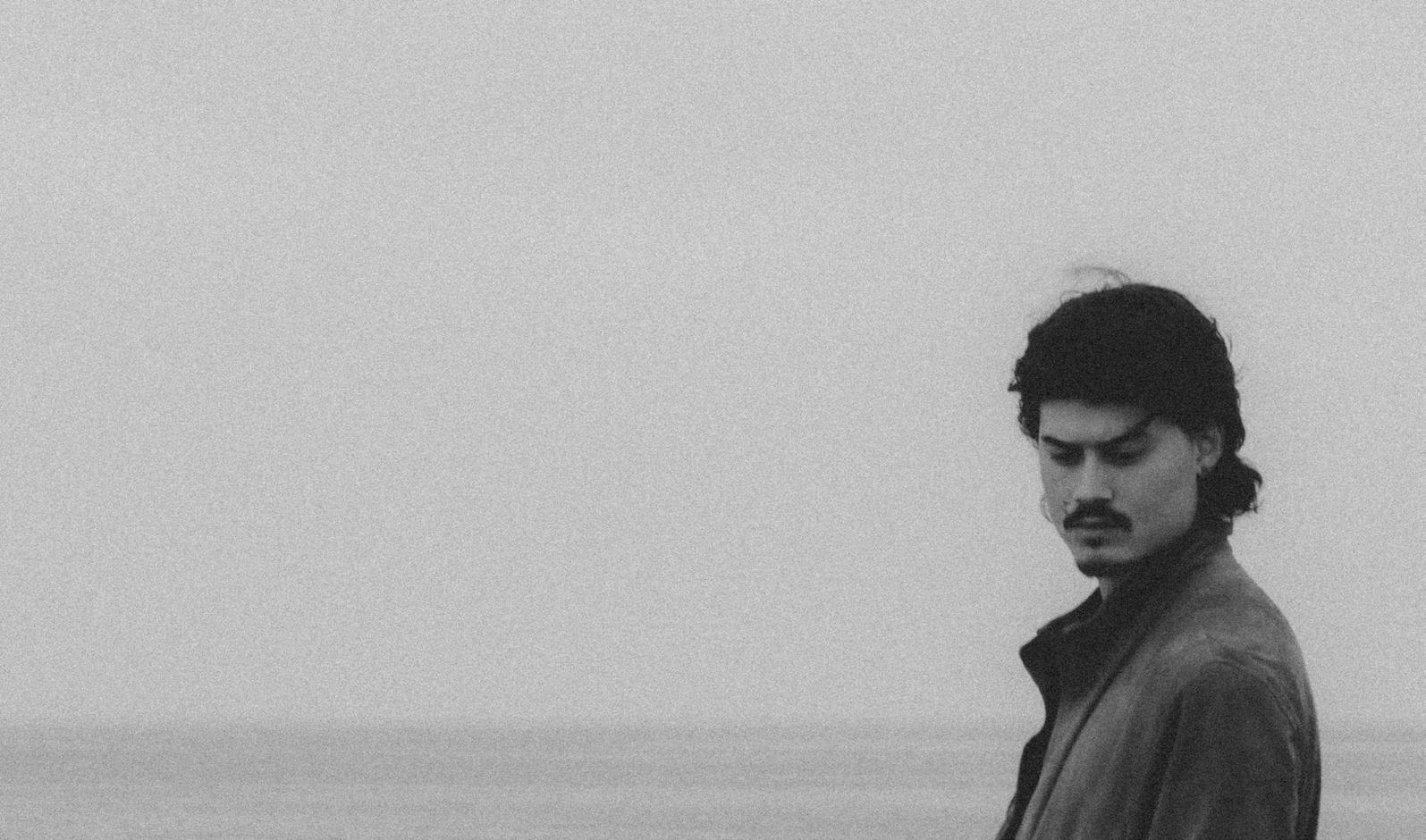
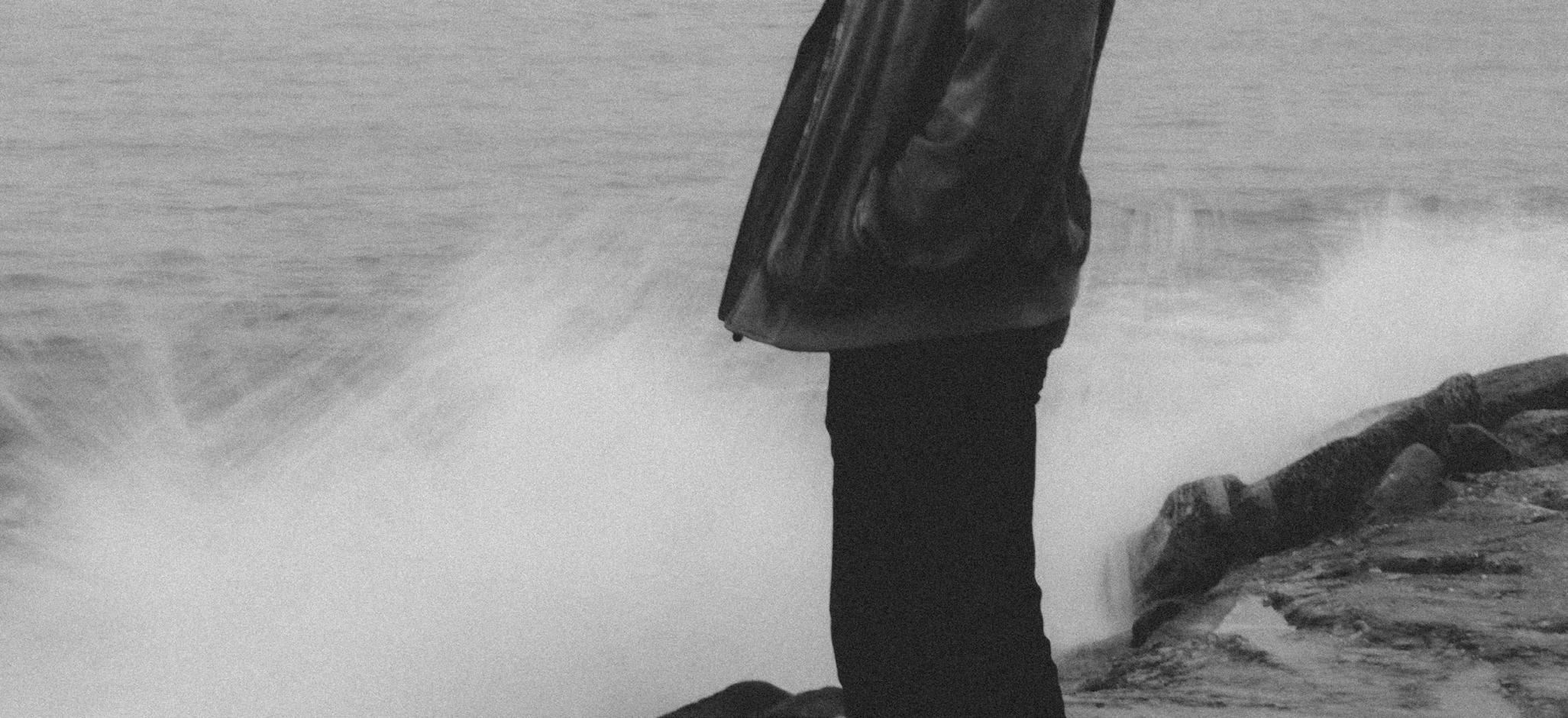
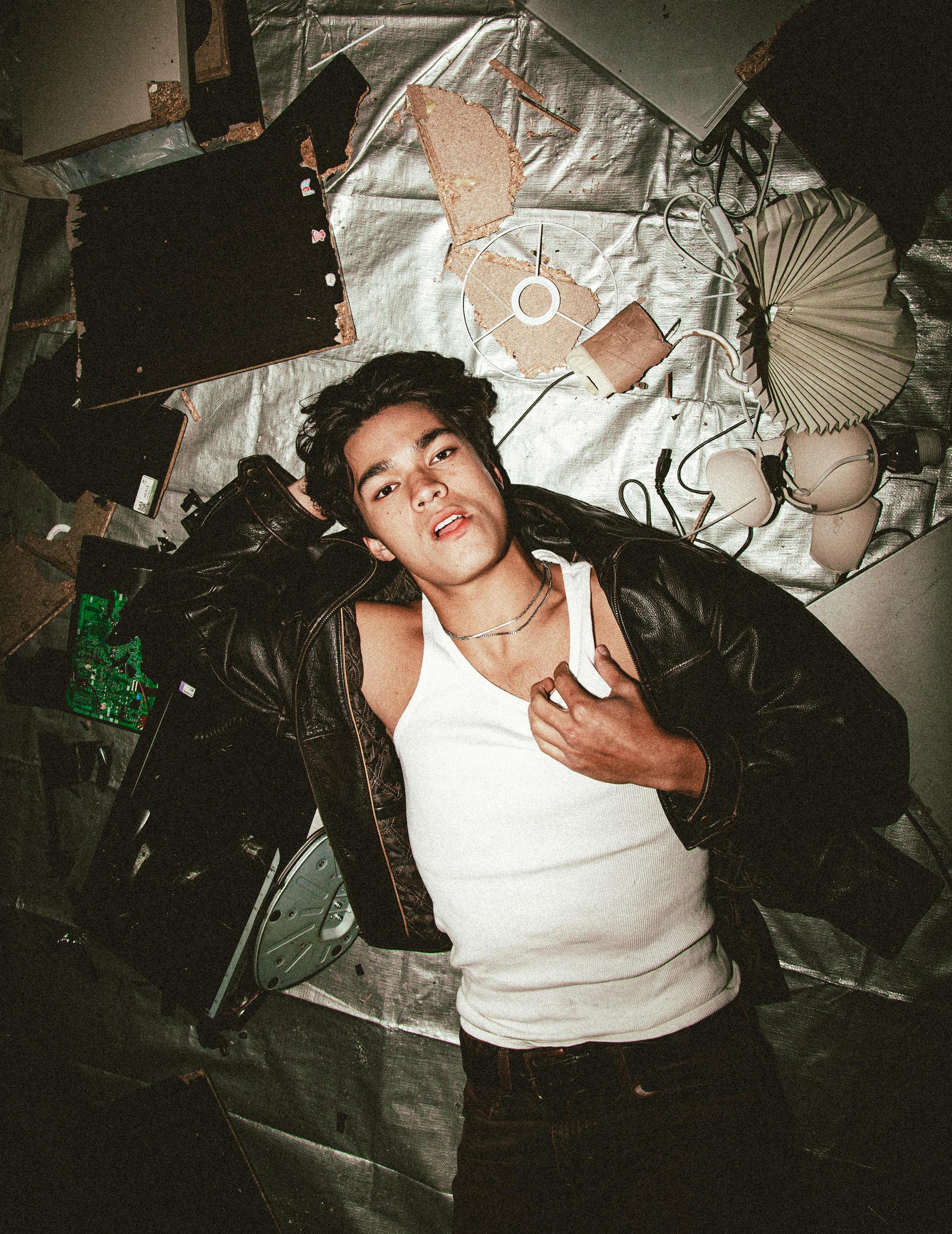
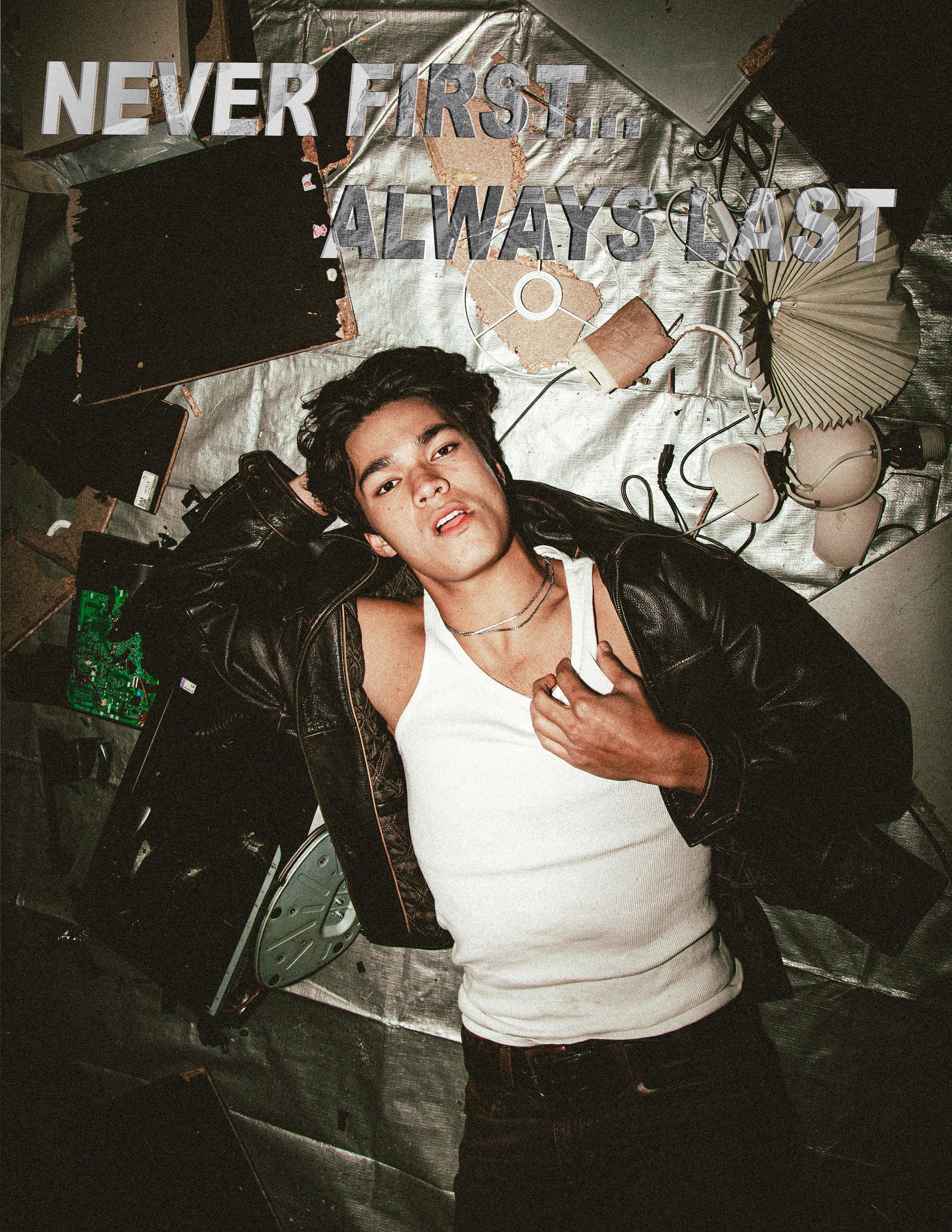
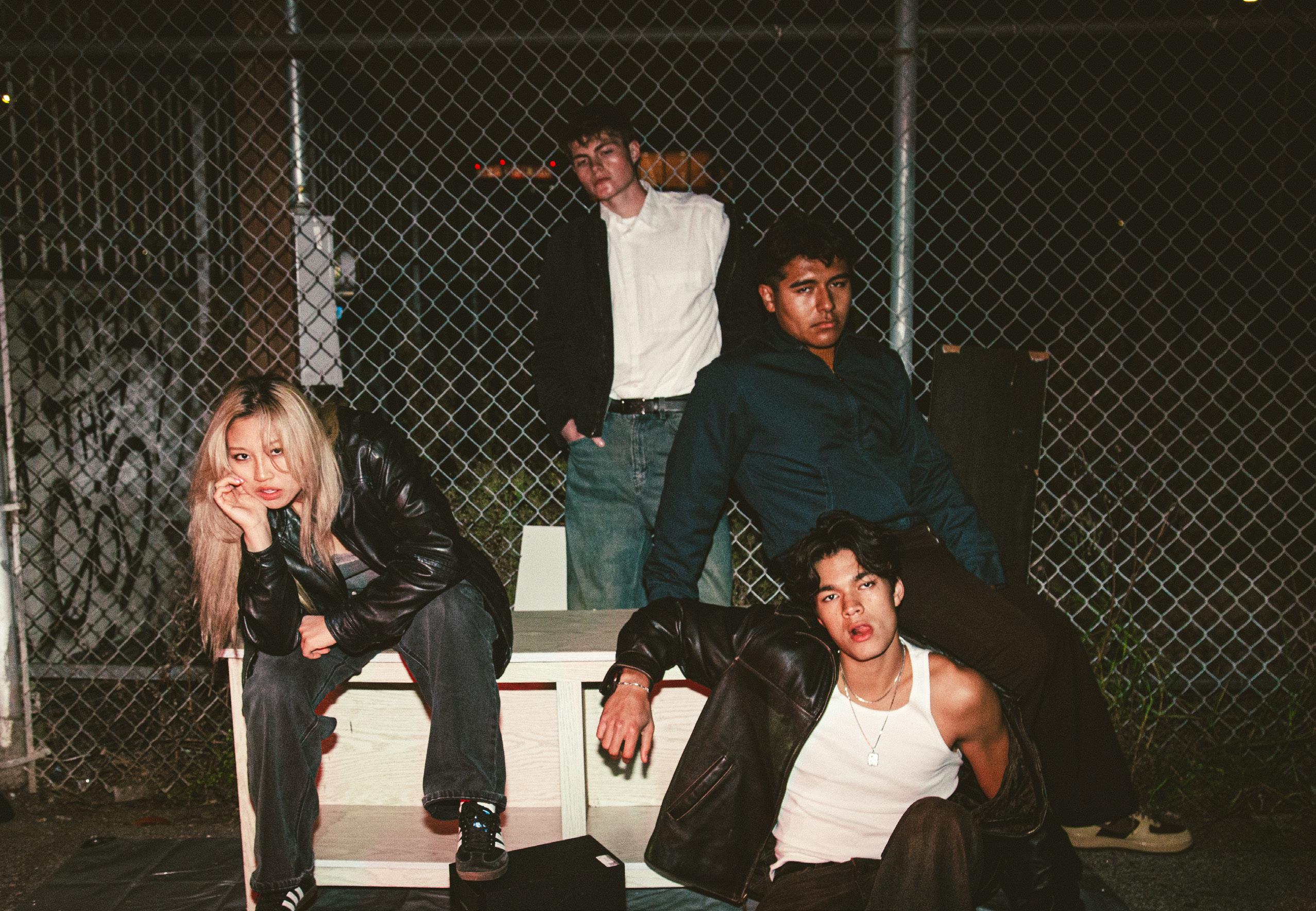
Photography: Miranda Cardenas Edits: Gabe Dresser
Talent: Noah Han, Claudia Che, Dillon Lightbody, Isaac Donado
AL MO S T PERFECT


Perfection has always been both a pursuit and a prison—a !tandard we chase and admire, yet also fear. We keep !triving higher, !training ourselves, thinking the next push will be the one that gets us there, but perfection always !eems to !lip away right through our fingers. It’s always just out of reach, like a jar on the top !helf that, no matter how many times you jump, you just can’t knock down. But how is it that this utterly unattainable idea is constantly plastered across our !creens and woven into everyday language, as outlets and people alike !eemingly echo the !ame !entiment, “I wish I had their life—they’re just !o perfect.”
Perfection takes many forms depending on who you ask. To !ome, it is flawlessness: “when no mistakes are being made,” “something that has zero flaws,” or !imply “no room for improvement.” It is the completion of !omething without errors, or an idealistic !tate where everything aligns, well, perfectly. For others, perfection is deeply personal—a profound journey rather than a singular outcome. Some claim it’s “trying, failing, learning and trying again until you are personally !atisfied with the final outcome,” while another notes, “perfection to me is happiness, when you feel fulfilled with what you have completed.” While !ome !ee it as a feeling of pride, others view perfection as a sense of awe and wonder, “the !tate of !omething or !omeone that makes the observer feel the most admiration.”
Yet many question whether perfection is truly attainable. For !ome, it is merely a construct constantly perpetuated throughout !ociety—always visible, but never achievable. Some reflect that perfection is an ideal, a target continually shifting, making it nearly impossible to hit: “every aspect of life—and the perfections of every aspect—are constantly changing… anything that you can perfect can be just as easily imperfected by time.” Others point out the relativity of concept: “perfection is generally !ubjective from person to person… [it] is
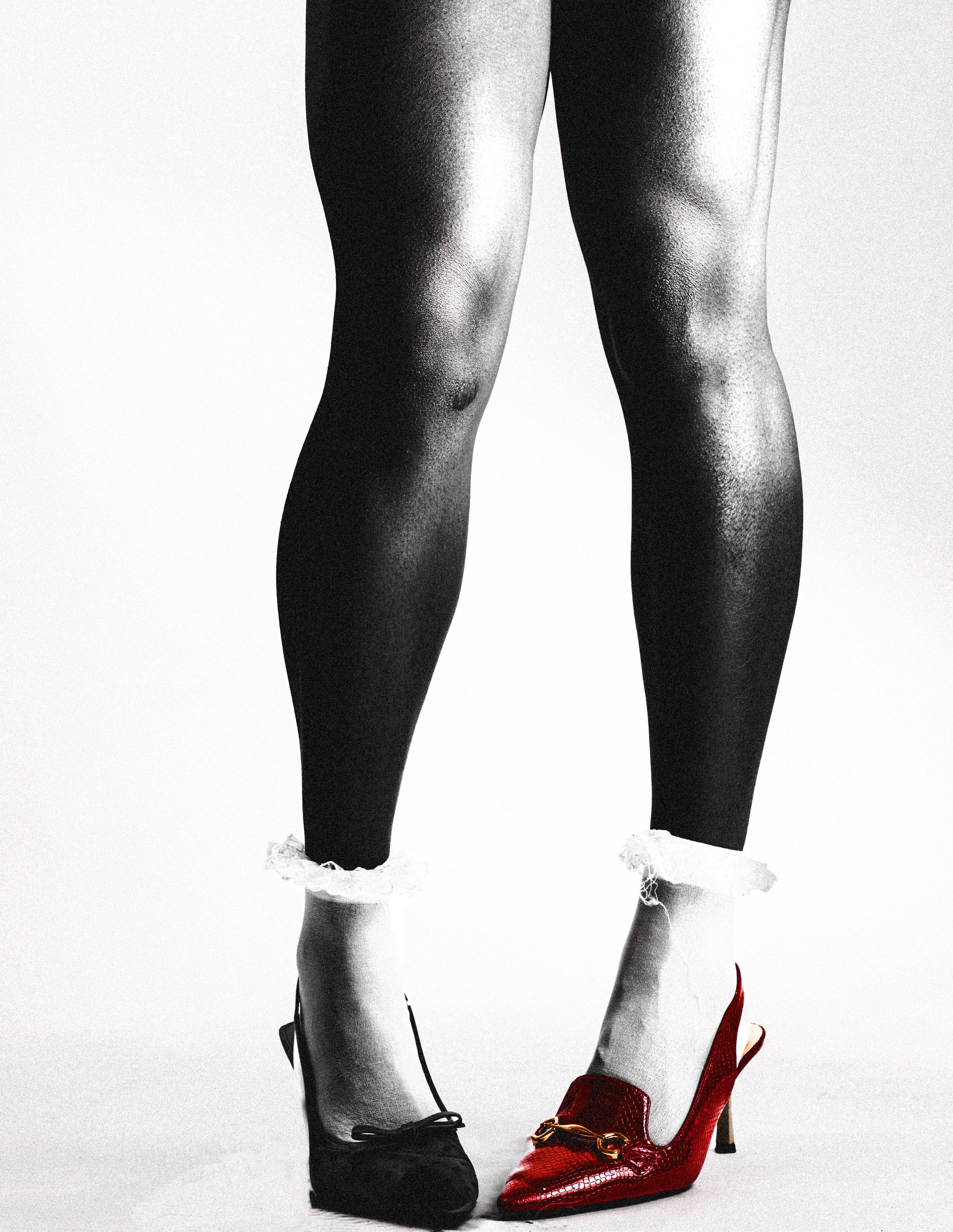
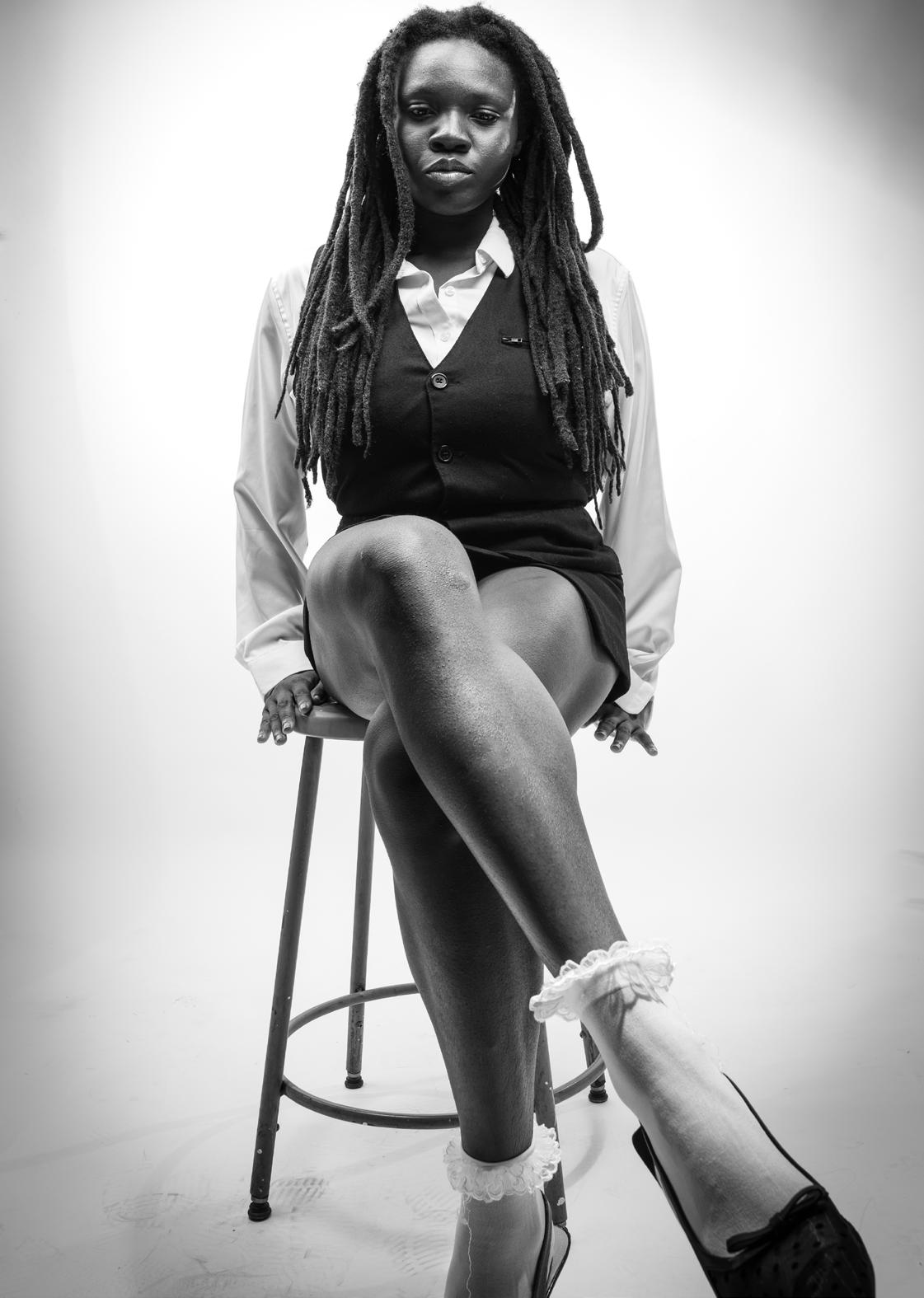
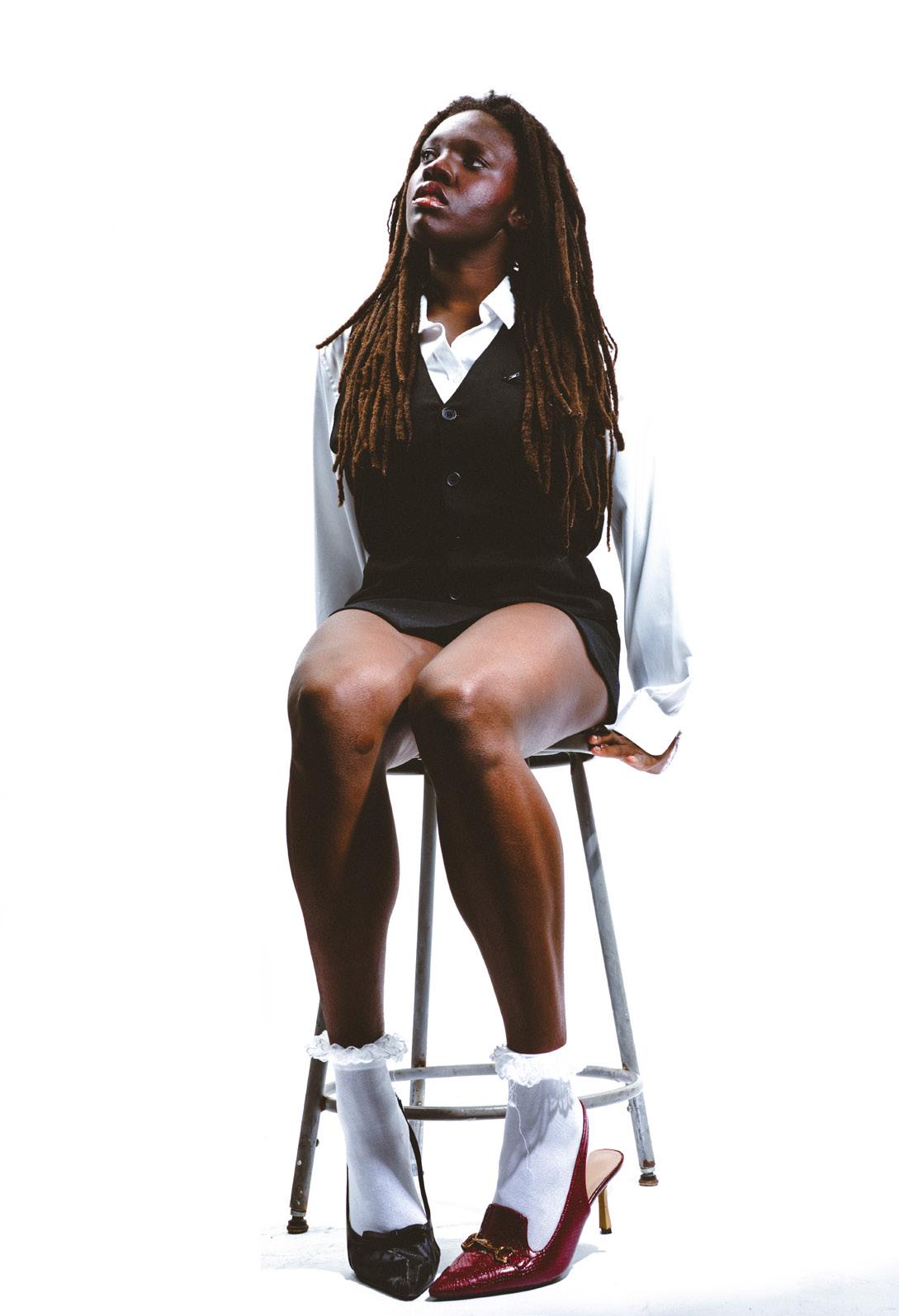
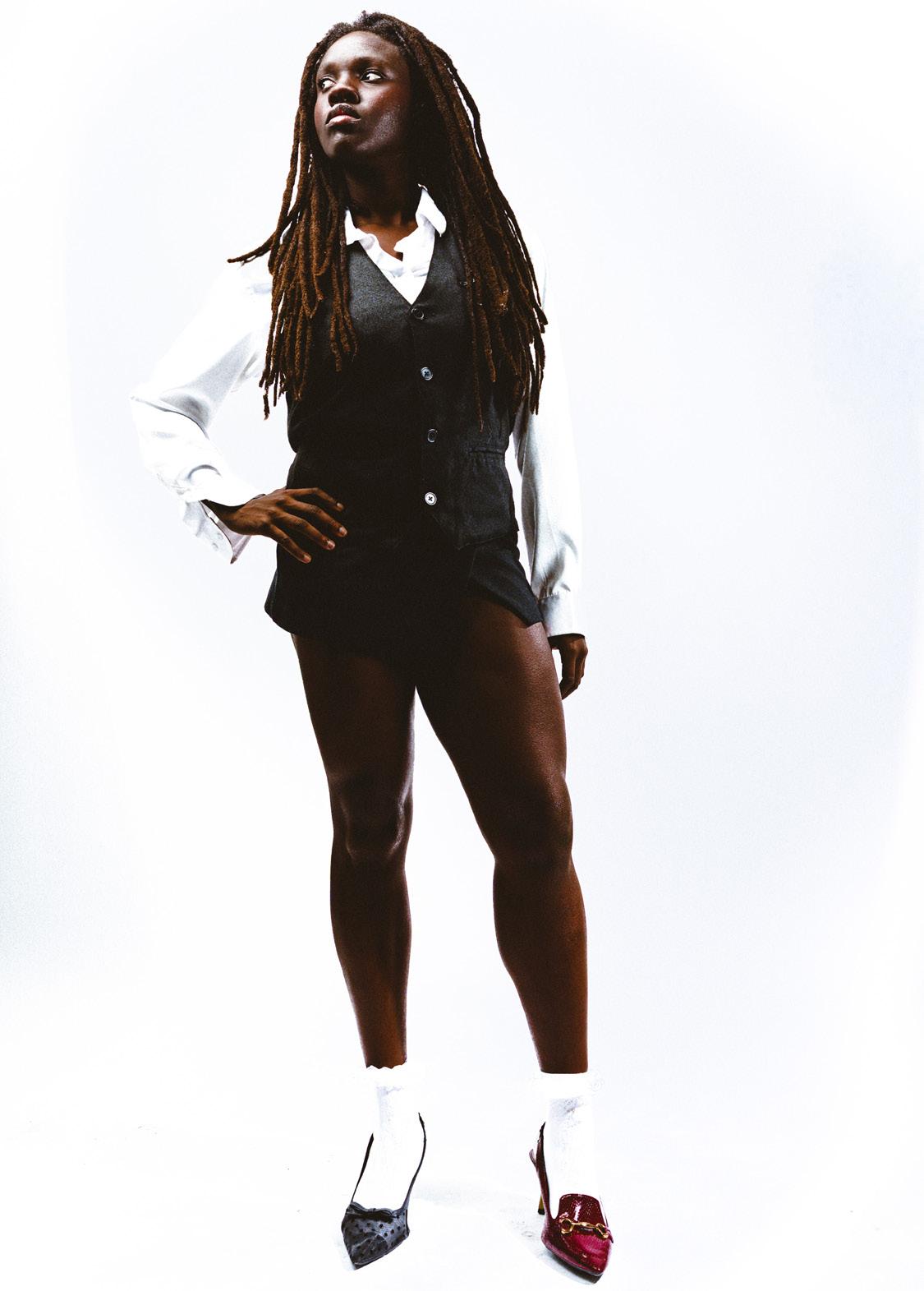
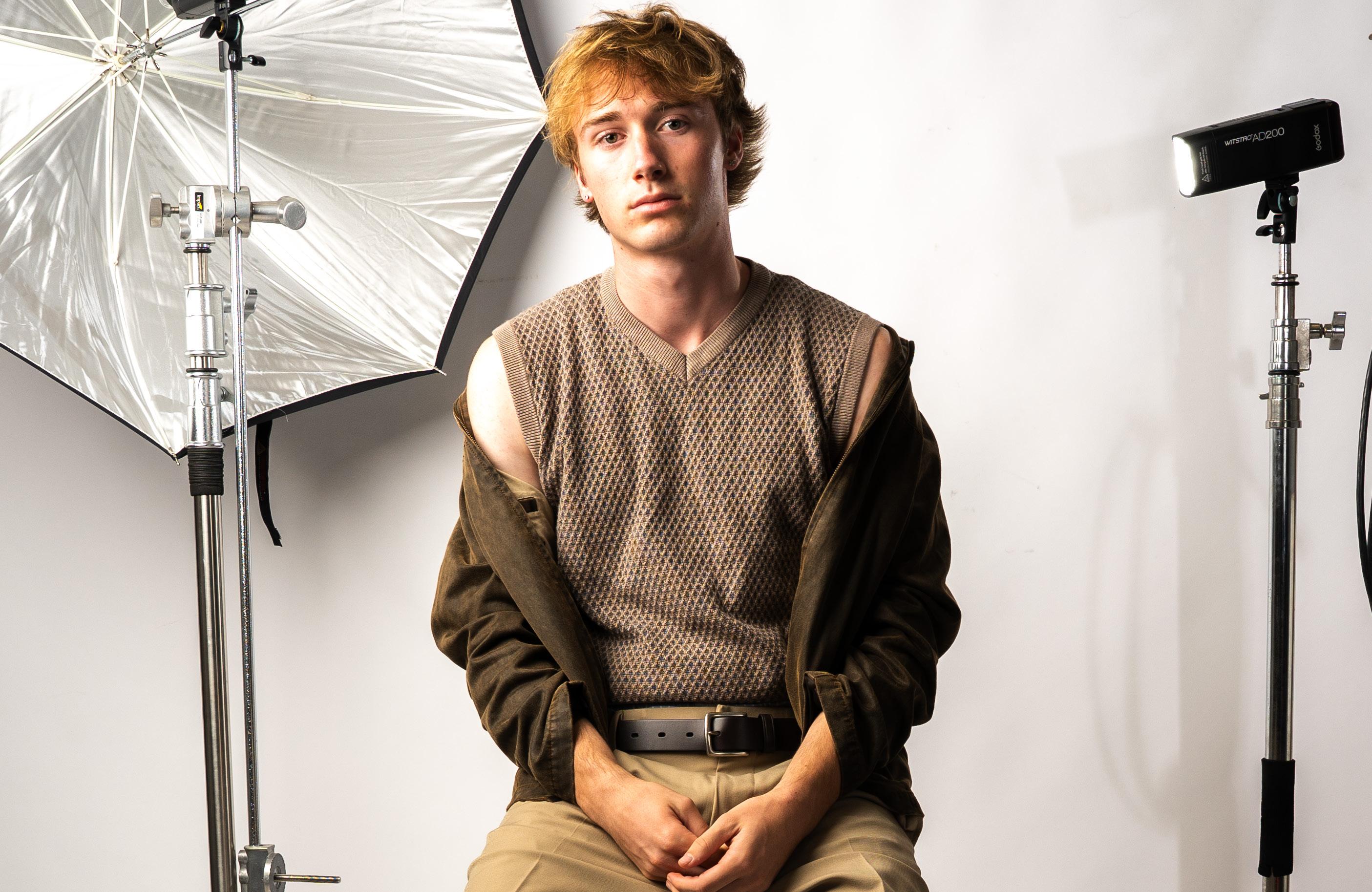
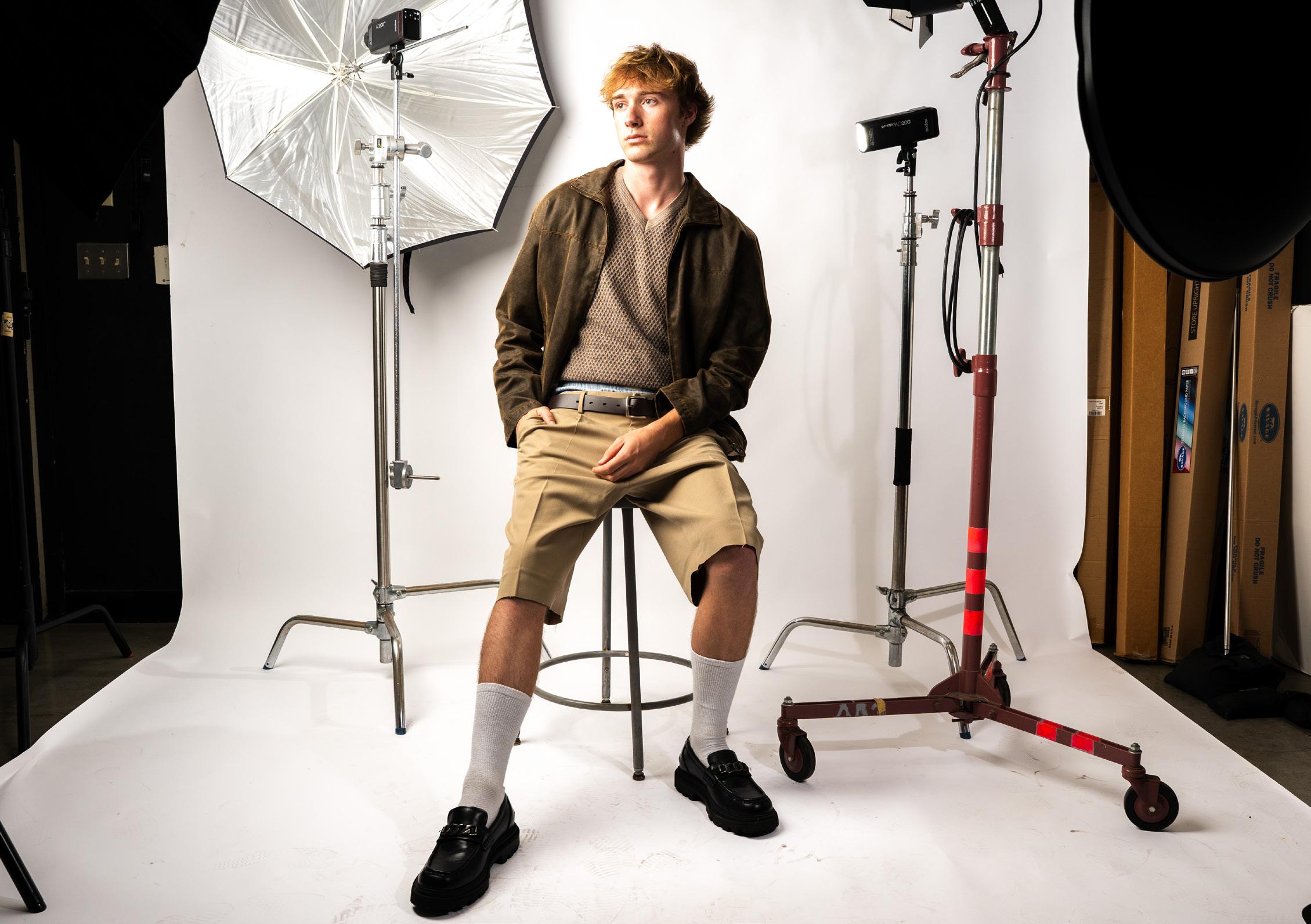
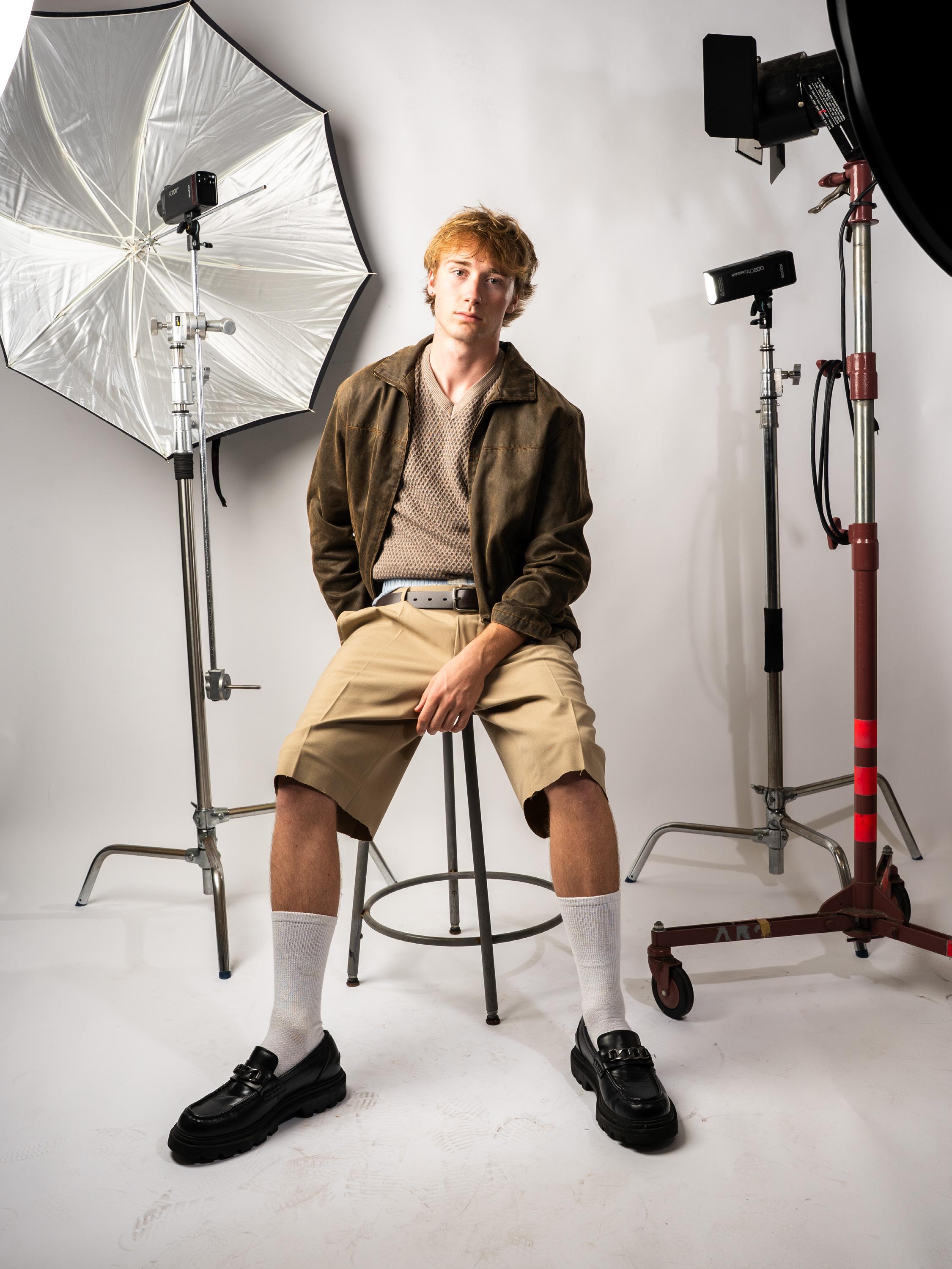
Talent:PetaJoyJolly,TosinOladokun,LiamFoehl
Photography:HankLeahy,GabeDresser
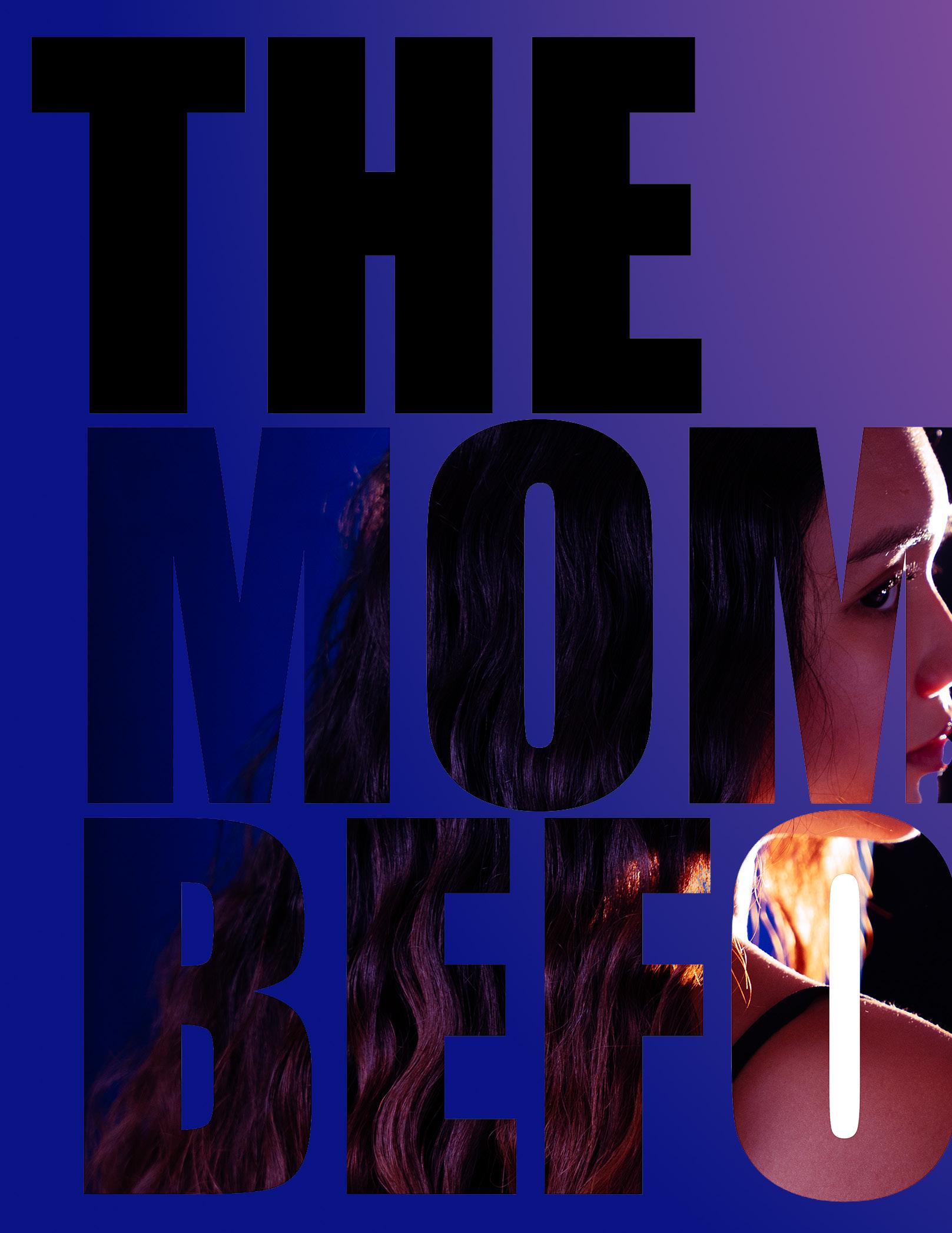
THE MOMENT
By: Will Bonifas
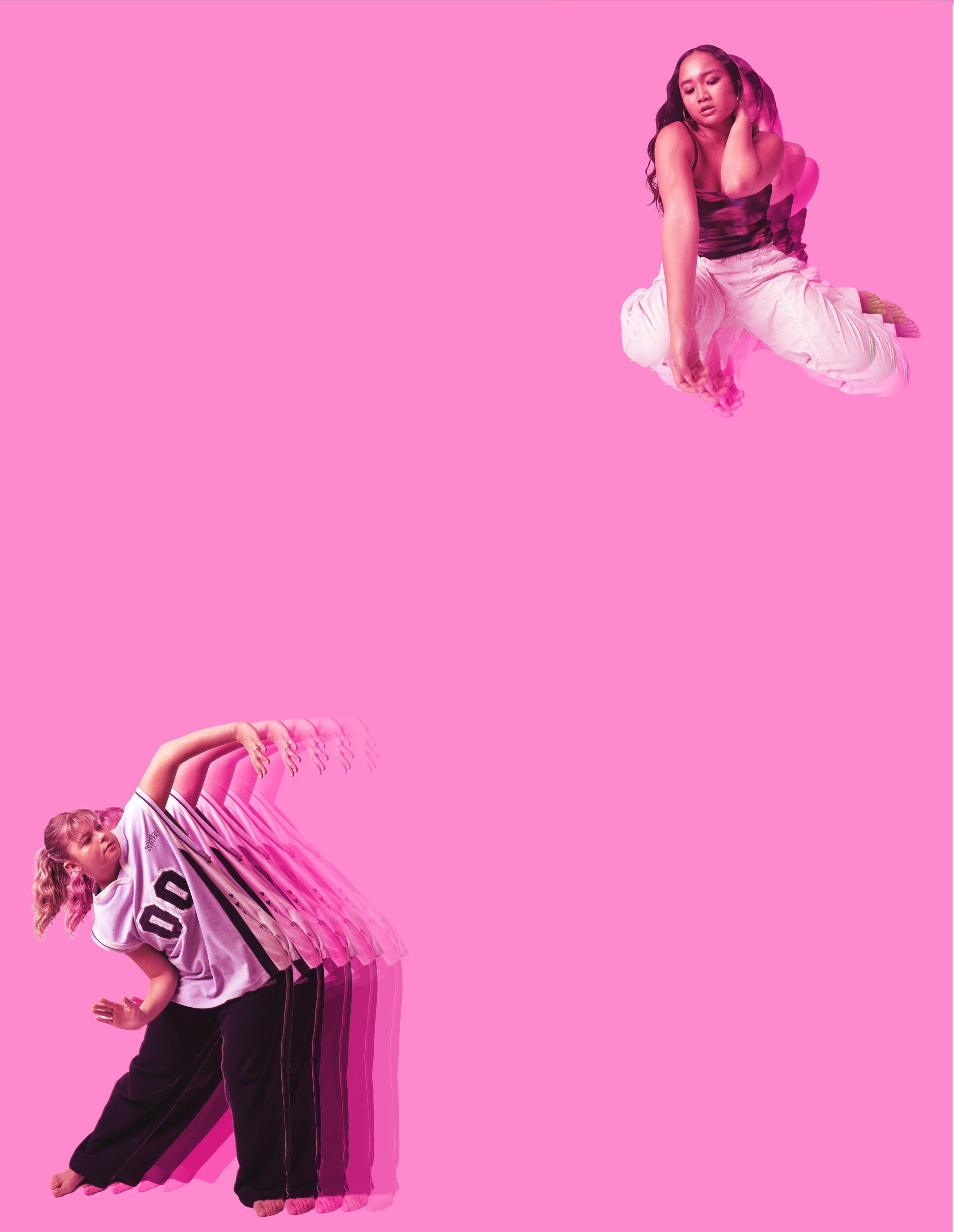
There’s a thrill to being on stage. Being behind the curtain or on the wings, waiting to walk out when it’s your time. You’ve done it a hundred times before, been through countless hours of rehearsal and tech, yet, the butterflies still remain. Maybe it’s knowing that there’s a crowd full of people waiting for you. The fear of letting your castmates down? Or, it could just be your passion shining through. Despite the glaring lights blurring your vision and uncomfortable costume, there’s still a rush of dopamine, a joy that overwhelms you. It’s an es cape, not one fleeting, but real and tangible. You take on a new identity, whatever role you are, you become it. There’s an immersion into the story, each line isn’t you, but your character. Each step and dance move, you are part of the dance, in the moment. It’s a feeling unlike any other, one you don’t want to end. But for this short time, it’s your’s to cherish. It’s your mo ment, yours to take and one you can’t let go to waste.
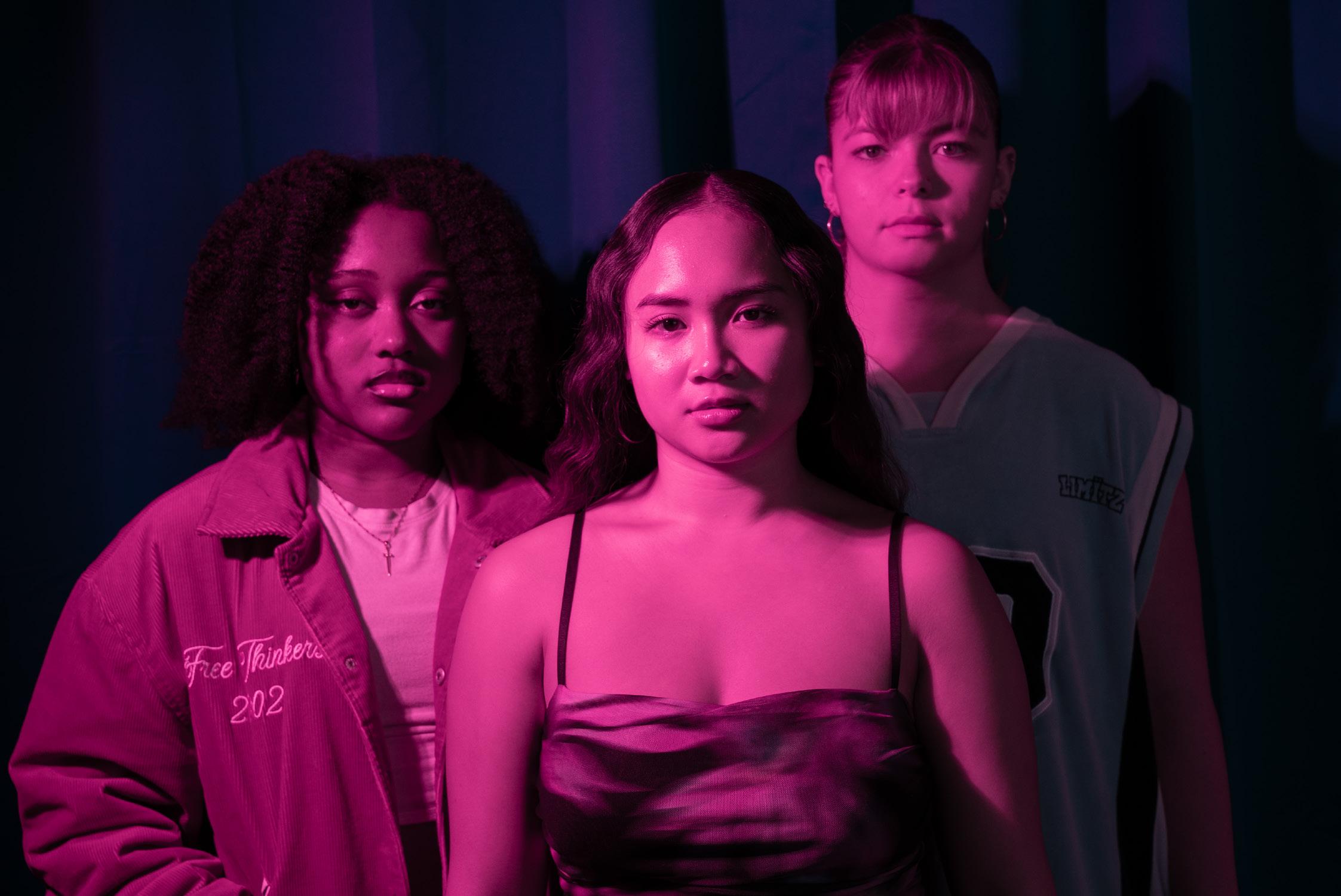
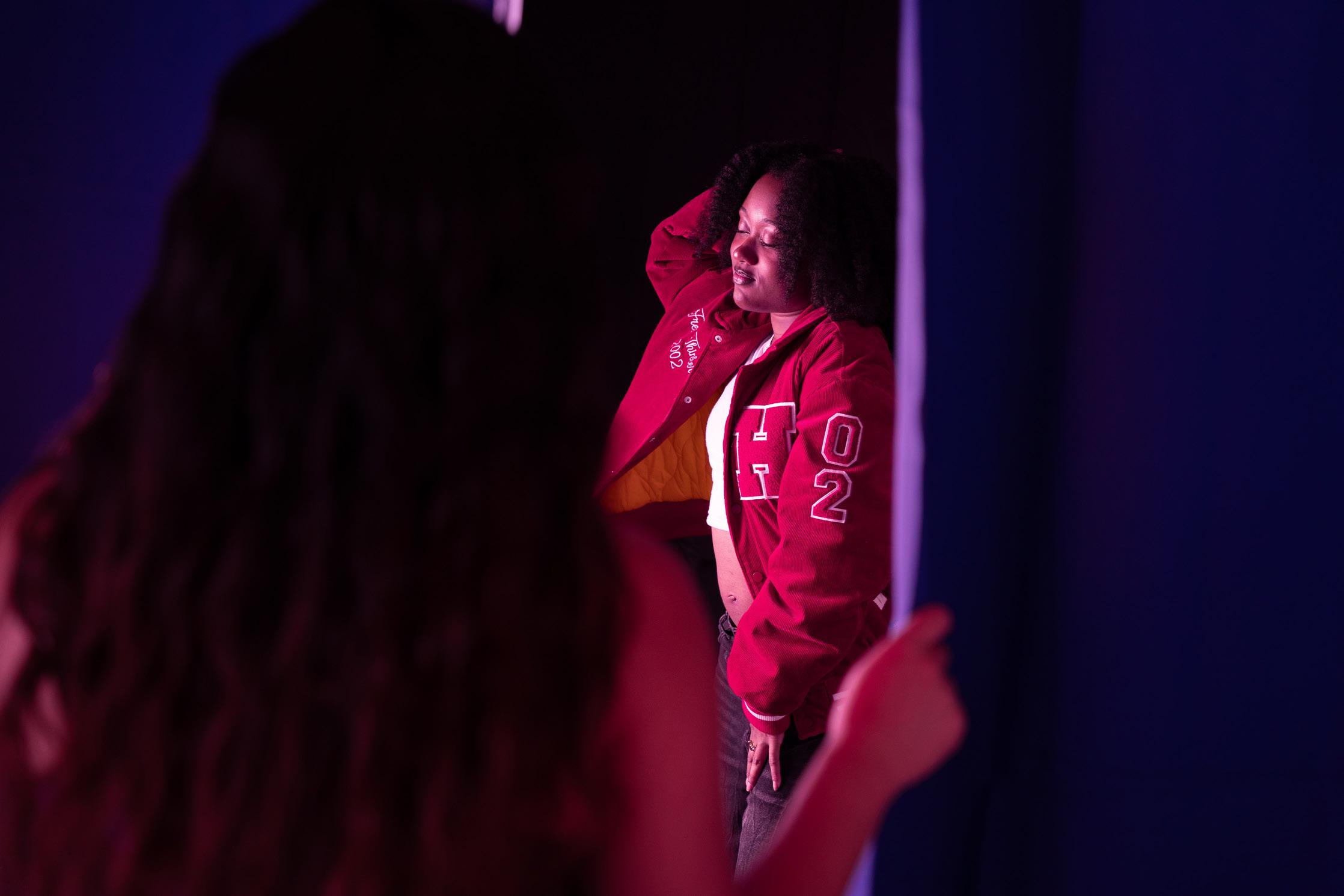
Photography: Hank Leahy Talent: Hazel Castellano, Charlotte Malone, Haley Powell

Almost Sleep
By: Mia Burns
Alive
You wake up every day exhausted. at’s how it’s been for years. You started sleeping in on the weekends when you were 14. You slept in until noon to reverse the damage done by waking up at six for school. In the summer you did the same. At rst you’d wake up at noon, still exhausted. So, you decided you could sleep a little more. And you did. Until, one day you woke up at three in the a ernoon. You couldn’t ignore the voice in your head telling you this has gone too far. Now, you force yourself to wake up at eleven. But if you wanted to, and you do, you could still sleep until three.
Photography: Miranda Cardenas
Talent: Sidney Dixon

When you were 16 you read “My Year of Rest and Relaxation by Otessa Moshfegh. It’s about a young woman who abuses prescription drugs in an attempt to sleep for an entire year. e protagonist is a terrible person. She has one friend that she hates and a sort of boyfriend who treats her as if she’s disposable. She is beautiful, smart, and rich. She could do whatever she wants with her life, but all she wants to do is sleep. To go into a coma and reset her life. You wished you could do that, sleep long and restfully. And when you rise from your slumber, you’ll feel renewed and ready to take on the rest of your life. At the end of the book, the protagonist wakes from her months-long nap with a new outlook on life. She values the time she has. She tells her friend she loves her and she actually means it. at sounds lovely, doesn’t it?
When you were 19 you read “ e Vampire Lestat” by Anne Rice. Lestat is no longer satis ed with the life he has lived. He no longer feels comfortable with the ever changing nature of society. So, he goes underground and sleeps for 50 years. He buries himself six feet under in order to heal. He no longer recognizes the world around him. He’s lost family, friends, companions. He’s alone in the same way that you feel you are. He wakes up in 1984 with a newfound lust for life. He starts a rock band and announces to the world that he’s still here. at he survived. If you could do that, you would. You wish you could die momentarily and resurrect yourself. To be renewed, refreshed, ready to forgive and forget.
But alas, you can’t sleep forever as the Protagonist did, as Lestat did. You have to endure the monotonous slog that is life. e same thing over and over and over again. One day you’ll wake up and see the value in your boring daily routine. You’ll see the beauty in the little things. As they say, it’s the little things that make life worth living. One day the world will start to look beautiful again. e sky will be a brighter shade of blue. e air will refresh your lungs. You’ll hear the birds sing and see the owers bloom. All the little things you’ll miss if you go to sleep.


Get
Curious
Overcoming the Social Panopticion
By: Sol Alexander
For being an autonomous species, we spend an awfully large amount of time self policing especially with the advent of social media. We scroll like, and post under a faint suspicion that someone, somewhere, is looking. Even ofine, this surveillance culture has permeated into too much of our everyday lives. What we wear, say, and do is often infuenced by an idea that someone is or will be watching.
Sociological theorist Michel Foucault described the panopticon as a perfect metaphor for modern social control. Its genius wasn’t in constant surveillance, but in making people watch themselves out of fear of possible surveillance.
This aspect of modern culture isn’t inherently bad. Acknowledging the possibility of being watched could have positive implications. Knowing that what you say and do may be seen and remembered often can work well for accountability, and it can make you more motivated to show up as your best self. But, more often than not, this feeling of perception can inhibit us. It can make us scared to try new things, to be goofy, to make mistakes. It can make us scared to be human.
When life is a performance, we are often held back from taking creative liberties that go against the status quo. This manifests as not trying that hairstyle you’ve been firting with, because you’re scared it’s too “out there.” funny and have always wanted to do improv, but decided against it because some people think it’s “cringe.”
Those decisions, infuenced by a deep seated fear of not being accepted, are versions of yourself that you have self-policed and neglected—the metaphoric panopticon at play.
Life is way too short and unpredictable to shackle yourself into conformity. The chains provide nothing but missed opportunity. If you choose not to pitch that idea because you fear it being rejected, or stay quiet when someone says something unkind, who are you helping? Not yourself.
Today, culture rewards “cool” when it looks efortless. But your favorite artists and changemakers aren’t efortlessly producing their work. They’re actively taking risks and creative liberties, failing and adapting in the process. The masses accept the fnal product because cool was never in the delivery. What’s cool is having the confdence to be yourself and pursue what you want. What’s cool is allowing yourself the grace and freedom to mess up, to accept that embarrassment is natural, and failure is part of the process. There is no gain from choosing to dim your light. It doesn’t actually make you seem more in vogue, it just makes your impact less memorable.
Throughout all of human history, everything created has been a byproduct of someone taking a risk and trying something new. Whether it be technological advancements, art, or even business endeavors, nothing fruitful has ever come from standing by and trying to look cool. Expressing yourself is one of the single most important, and coolest, things you could do as a human being, so don’t hold back. It doesn’t matter who might be looking.
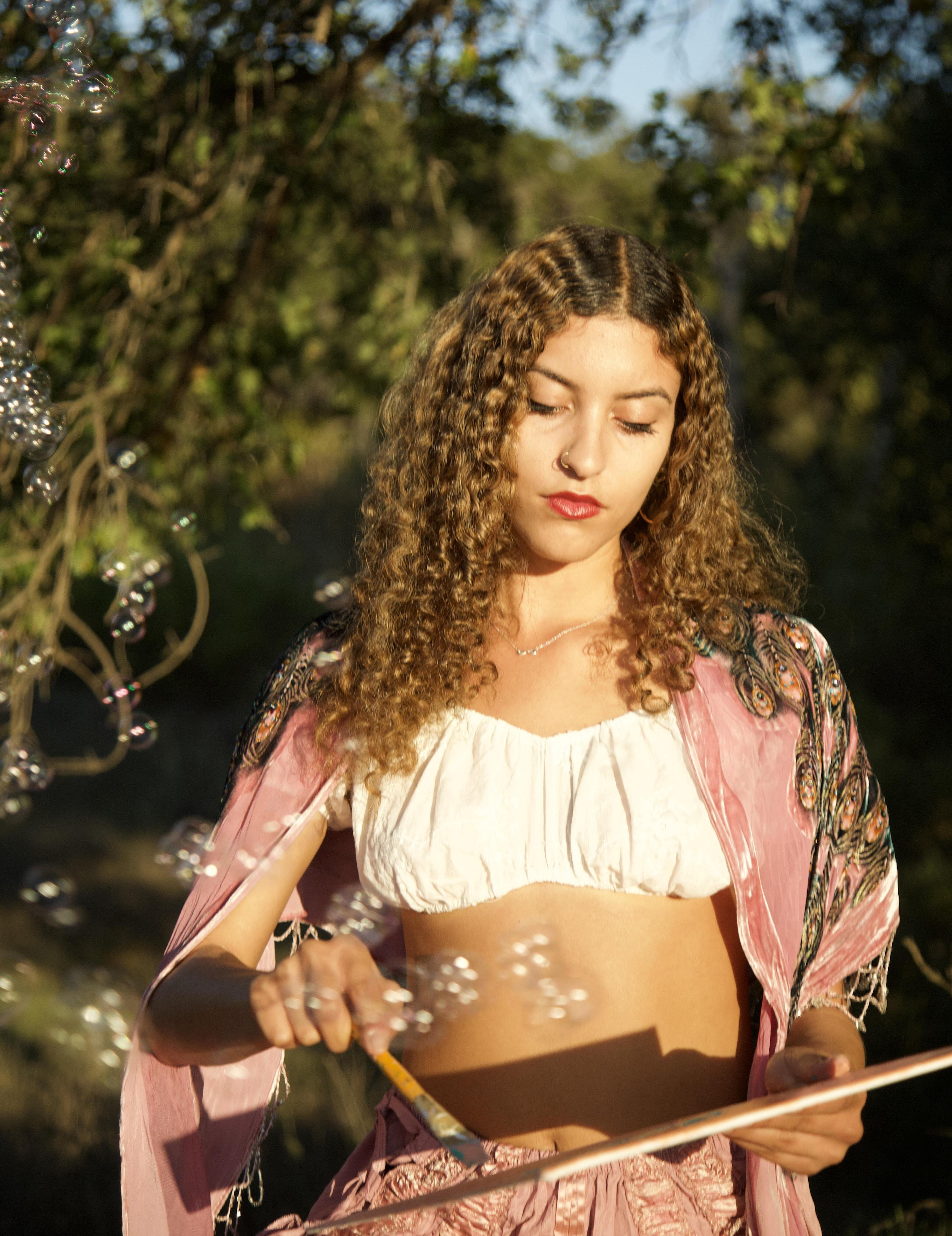
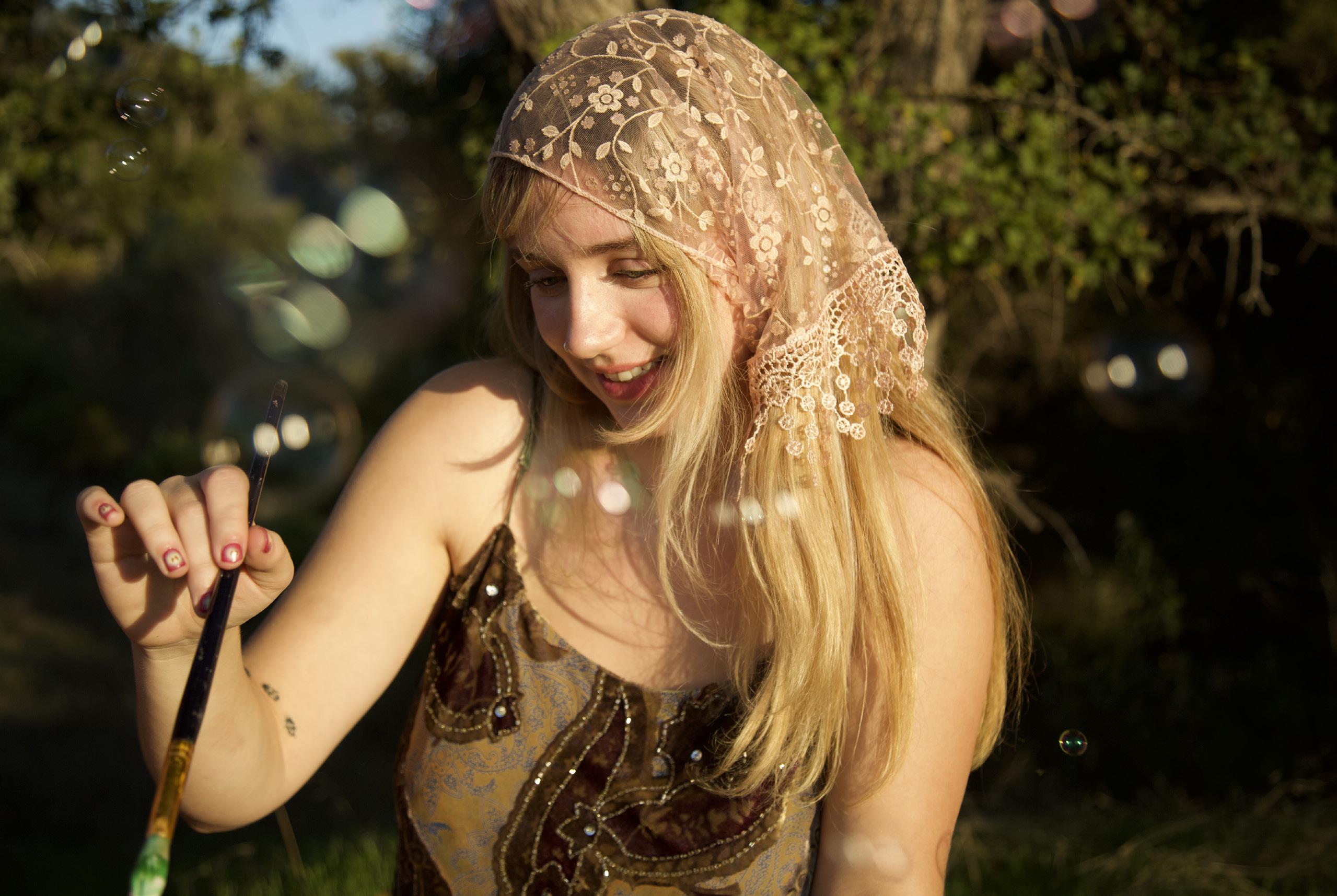
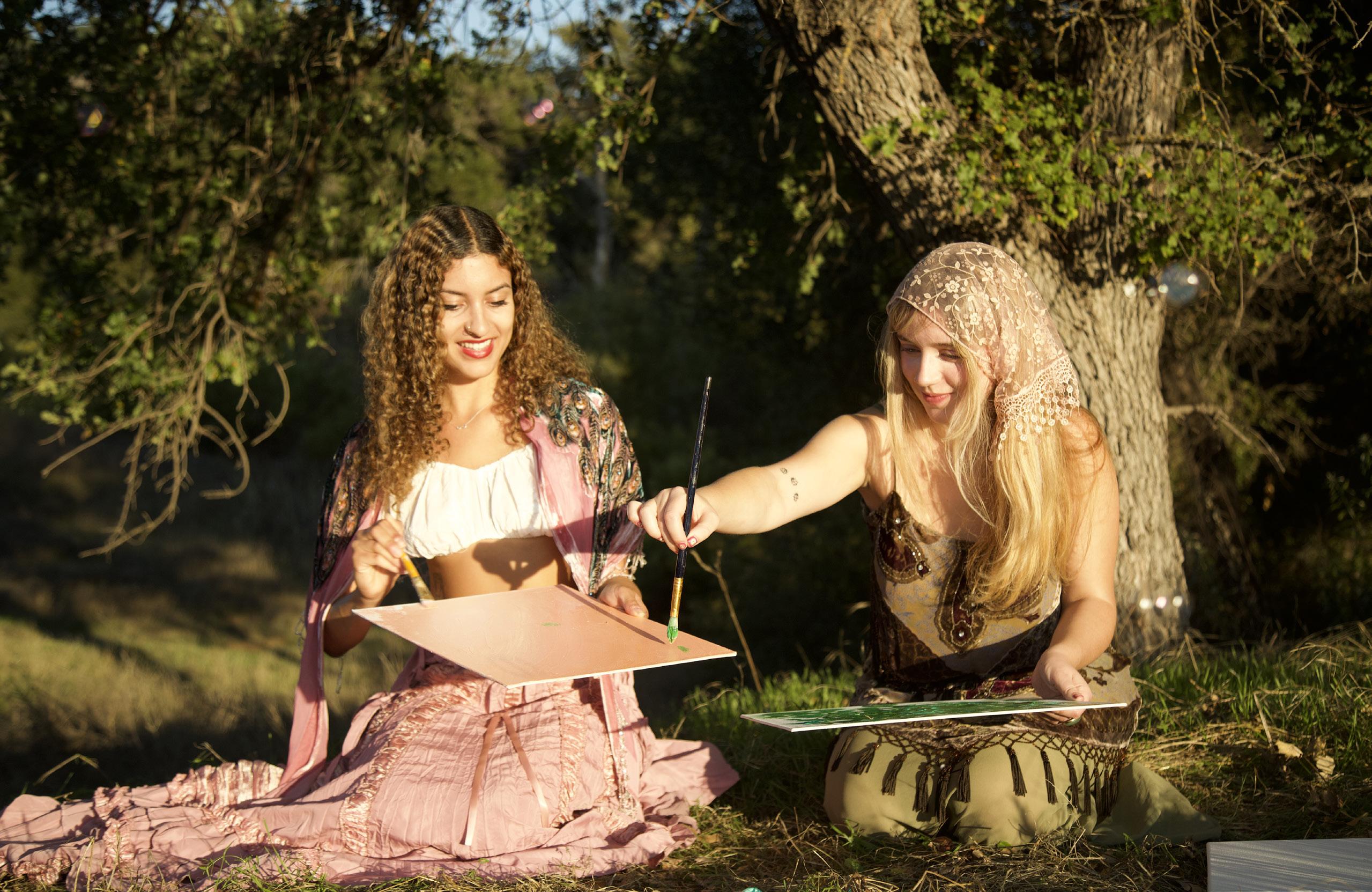
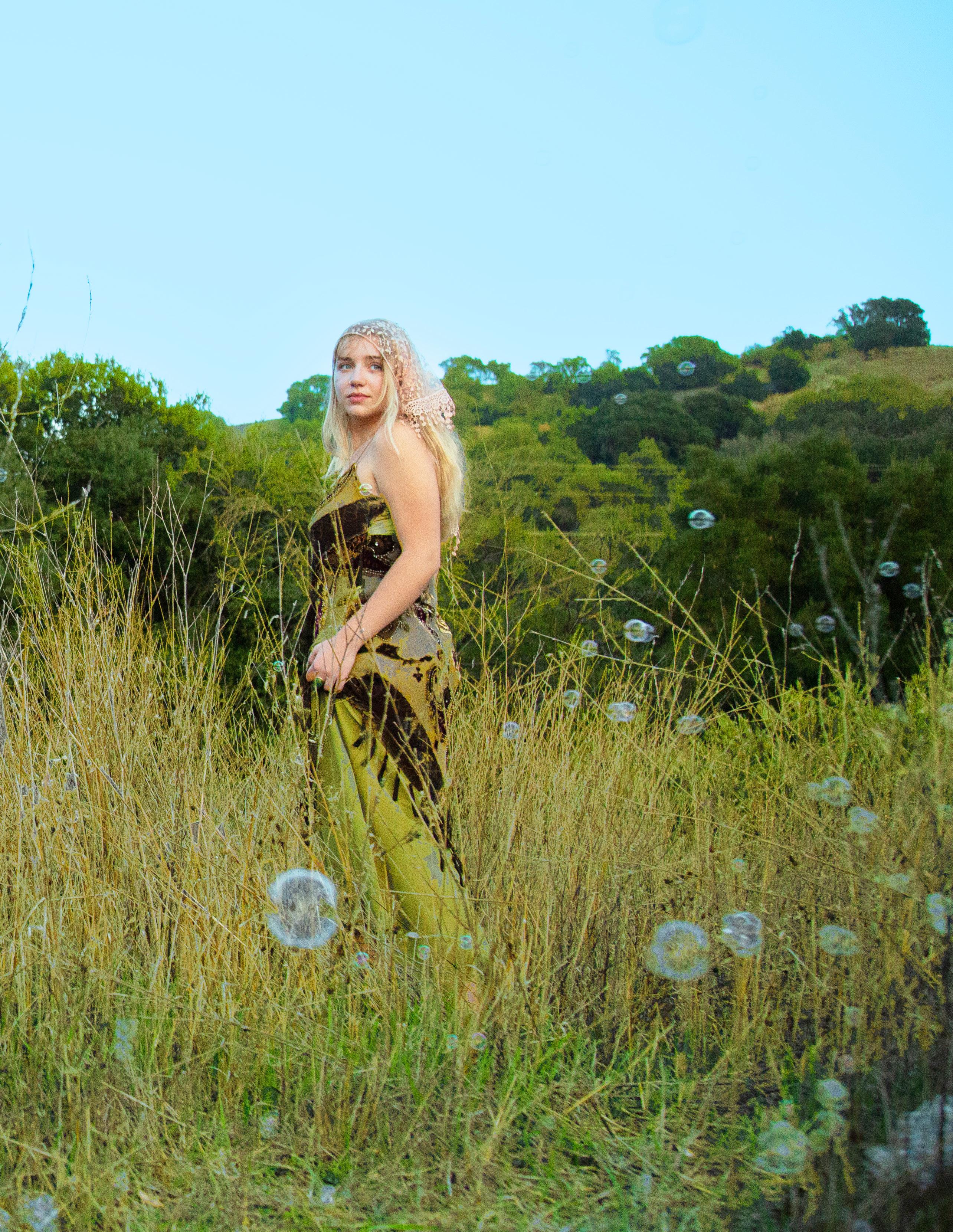
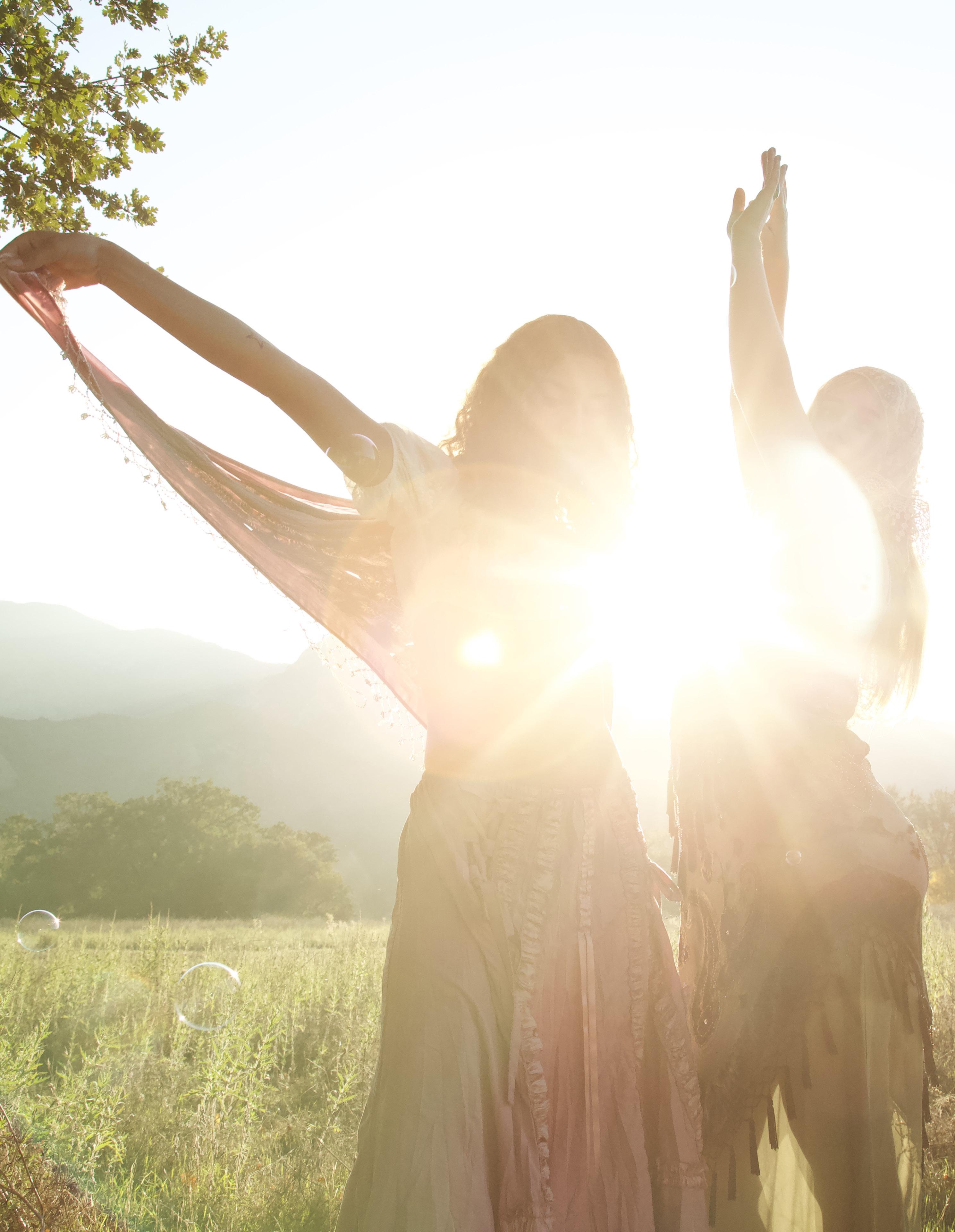
Photography: Miranda Cardenas
Talent: Ella Palmer, Francesca Whitsell