In an industry where cost is often the focus, Active IQ stands apart by delivering more - more quality, more support, more value. We know that price matters, but when it comes to qualifications, reliability, and long-term success, quality is non-negotiable.
That’s why we offer:
Industry-leading qualifications – Designed with employers to meet workforce demands
Comprehensive support – A dedicated team invested in your success
Added value – Free CPD, FitPro membership with eLearning purchases, and extra resources at no cost
A trusted partner – Transparent pricing, no hidden fees, and a gold-standard reputation.

Find out more
Why settle for less?
Begin with better. Choose Active IQ.
Active IQ - where you get more… more quality, more support, more value.
Offer
Extensive tutor and learner resources
One annual fee - Transparent pricing with no hidden fees
No charge for EV visits and sampling
Online learning platform with eLearning, marketing support and eClinics
Talent match service
High quality manuals
Dedicated External Verifier
Dedicated Customer Service Representative
Business consultancy to support growth of your business
Other Awarding Organisations

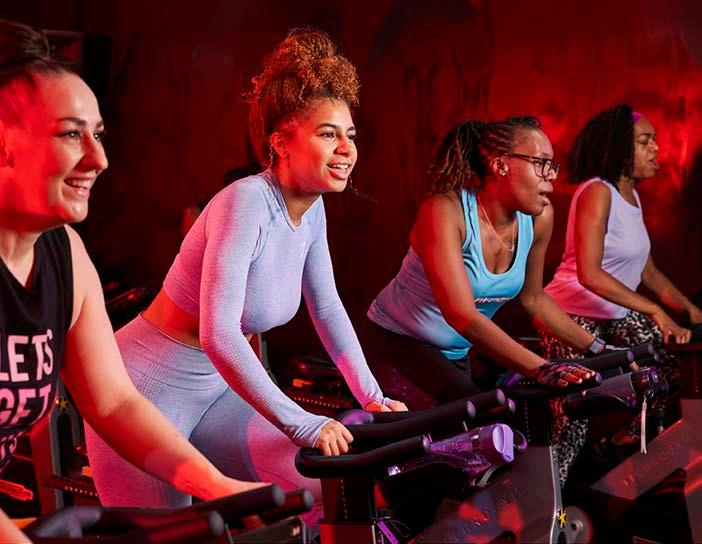
England’s 1,419 public leisure centres generated an estimated social value of £3.63bn between April 2023 and March 2025 – giving an annual figure of around £1.815bn.
The figure comes from the latest Moving Communities report, by Sport England and 4Global, which also shows that inequalities in accessing facilities are narrowing. The report utilises participation data and insights from 563 facilities across England. Participation in physical activity among those living in the most deprived areas (IMD 1-2) in England grew by 0.5%, a modest but statistically significant amount. However, the percentage of people who are classed as active among the group remains low at 16%, compared to 24% from the least deprived areas (IMD 9-10). Women now make up 53% of users – up from 52% when compared to last year’s report. However, only 61% of women do more than 150 minutes of activity a week, compared to 66% of men.
Quality standards among facilities remain high, with 82% of facilities rated “very good” or “excellent”
Quality standards among facilities remain high, with 82% of facilities rated “very good” or “excellent” in Quest assessments (up from 66%).
Overall, the report signals a more mature, data-driven and socially valuable public leisure system that has moved from ‘recovery mode’ post-pandemic, into a more stable period of ‘resilient delivery’. This is illustrated by a stabilising of the average number of unique users per site, up by less than 1% to 14,166.
Lisa Dodd-Mayne, Sport England’s executive director of place, welcomed the results from the report, but acknowledged there are still areas for improvement.



your free subscription at www.wellnation.uk
WellNation is published by Glencroft Ltd. This publication is protected by copyright and no part may be reproduced, transmitted or stored in any print or electronic format without the written permission of the publisher. Every effort has been made to ensure the accuracy of the contents of this publication and WellNation accepts no responsibility for any error or misrepresentation. Opinions expressed by the contributors and advertisers are not necessarily those of the publisher and we do not accept responsibility of losses or damages arising from them. Printed by Bigwave Marketing Ltd.
Generation Alpha will further drive demand for fitness and health services, with half saying they want to be fit and healthy as they grow into adulthood.
A study on the age group – a survey of more than 1,000 children aged seven to 14 – by industry body, ukactive, shows that 48% of respondents said they believe it is “important to keep physically active to be healthy.
Consisting of people born between approximately 2010 and 2024, Generation Alpha succeeds Generation Z and the ukactive study is the latest to suggest that Gen A will be even more aware of the importance of physical activity than Gen Z.
Gen Z has been widely recognised as driving significant demand in the fitness industry – with some studies suggesting it is the most active and health-conscious generation yet. ukactive conducted the survey in partnership with kids and family insight agency, Beano Brain.
Separate figures from Sport England’s Active Lives Survey show

Gen A will be even more aware of the importance of physical activity than Gen Z
the number of children and young people getting active in gyms and fitness facilities is growing, with a 12% rise in those taking part in gym and fitness compared to six years ago.
It means almost a quarter of children and young people (23%) are engaging in gym sessions, which equates to a
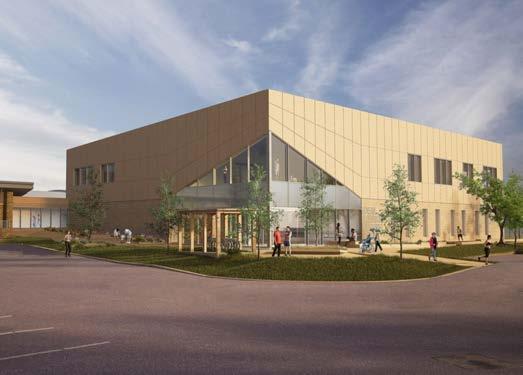
Dover District Council’s (DDC) cabinet has given the final go ahead for the £20m Deal Leisure Centre. Located in the town of Deal, the new venue will replace the Tides Leisure Centre pool building. The final approval will allow construction to begin and follows full planning permission being granted in August 2025. Construction work is set to begin shortly and the demolition of the old centre is now well underway. DDC has appointed Everyone Active to manage the new centre, which is expected to open in the summer of 2027. Facilities at Deal Leisure Centre will include a six-lane, 25m swimming pool with a viewing area, a toddler splash pad and a large health club with a 100-station gym floor, two exercise studios, indoor cycling studio and a power-assisted fitness suite equipped by Innerva. The
population total estimate of 1,697,900, and places gym and fitness in the top 10 activities that children and young people are now taking part in.
The survey results coincide with new guidance published by ukactive, titled, ‘Children and Young People in Gym and Group Exercise Facilities’.

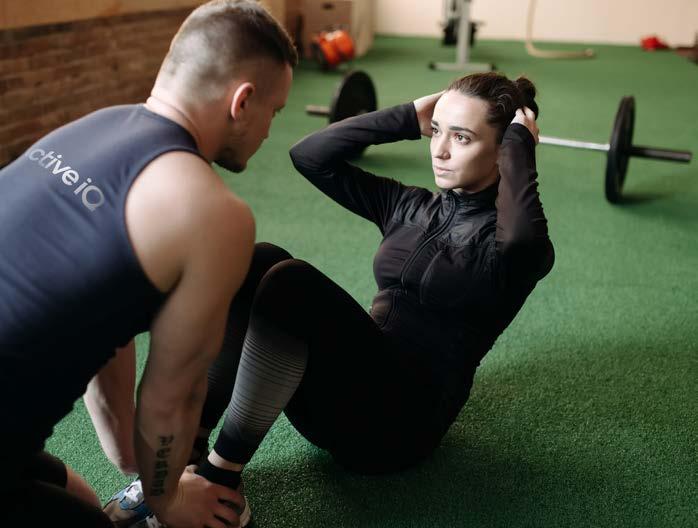
Certified fitness professionals are committed to recognised industry standards
A recent study has revealed that nearly 90% of health and nutrition influencers on TikTok and Instagram do not highlight the potential risks of the advice they share. This open failure to disclose has led to growing concerns regarding the spread of misleading and potentially dangerous health and fitness content on social media.
To tackle the issue, leading awarding organisation for the physical activity sector, Active IQ, has published a new manifesto urging social media platforms, such as TikTok and Instagram, to take greater responsibility for the role they play in shaping public health behaviours.
Recent insights surrounding ‘fitspiration’ videos on TikTok found most of the videos containing diet and exercise information are misleading or harmful, and studies show just how deep the issue goes, with the majority of diet and exercise advice shared by influencers being classed as either misleading or portraying an unbalanced view.
Part of the Trust Your Trainer campaign, Active IQ’s manifesto calls for social media companies to introduce a trust mark to help consumers understand that the advice they’re given by an influencer or content creator is backed up through a professional qualification.
Momentum for the campaign is already building, strengthened by the support of Active IQ Consultant, David Stalker, a respected leader with more than 35 years’ experience in the physical activity sector.
Jenny Patrickson, Managing Director of Active IQ, comments: “Social media can and should be a force for good in supporting healthier lifestyles, but without stronger safeguarding, it risks undermining public health and professional expertise. From dangerous weight loss hacks to unqualified influencers pushing extreme training routines or unregulated supplements, the content flooding feeds is not just misleading, but putting people at risk.”

The My Healthy Weight programme complements clinical interventions
Parkwood Leisure has launched a 12-week pilot programme designed to support individuals transitioning from medication-led to lifestyleled weight management.
The My Healthy Weight initiative, currently being trialled at Crook Log Leisure Centre in Bexleyheath, London, offers a structured combination of expert-led fitness, nutrition, and wellbeing support. The move is in response to the rapid rise in the use of GLP-1 weight-loss medications across the UK. The medications, such as semaglutide, have gained significant traction as a medical solution for weight loss.
The new control centre of the EGYM Ecosystem goes live
The new EGYM Business Suite launched on 29 October, enabling health and fitness operators to manage their entire EGYM product suite from one central platform. All EGYM products and services are accessible with a single login, and clear, databased insights track key metrics across businesses for informed, data-driven decision-making.
The EGYM Business Suite brings together all existing EGYM portals into a single central access point.
“The Business Suite is the control centre of the EGYM Ecosystem,” says EGYM’s Senior Product Manager, Melissa Mohrhäuser.
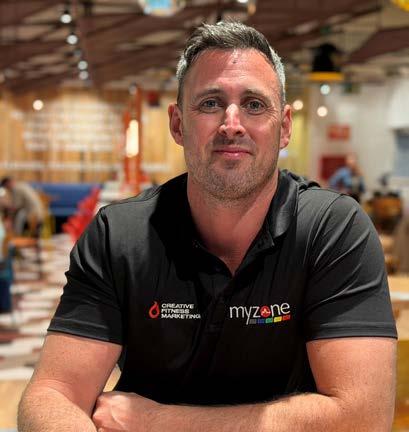
Creative Fitness Marketing (CFM) has appointed Matt Leadbitter as its new Business Development Manager. With a career spanning more than two decades, Leadbitter brings a diverse blend of leadership experience and front-line industry knowledge. His background includes roles as a Managing Director, Sales Director, consultant, business owner and personal trainer, giving him a holistic understanding of the fitness landscape.
fibodo, the SaaS company looking to shape the experience economy, has appointed Jake Shand as its new Executive Director of Strategy & Growth.
With over 20 years of experience leading marketing, strategy, and commercial growth across global brands in fitness, wellness, music, hospitality and entertainment, Jake joins fibodo at a pivotal stage. His remit is to set up the UK business, translating vision into commercial traction, driving revenue, partnerships and user acquisition before international expansion in 2026.
fibodo provides a platform for independent professionals, studios, gyms and enterprise customers, enabling them to book, manage and monetise experiences across sectors including fitness, sport, wellbeing and events. The platform’s modular suite, Core, Galaxy, Nebula, Orbit, Pulsar, & Cosmos, delivers everything from bookings and memberships to payments, streaming and marketplace integrations.
“Jake’s appointment marks a major step forward in fibodo’s

growth journey,” said Anthony Franklin, Founder and CEO of fibodo. “He brings the strategic clarity, creative leadership, and commercial discipline needed to accelerate our next phase. His understanding of the fitness and wellness economy, combined with real-world brand-building experience, makes him the perfect fit to drive fibodo’s expansion.”
Speaking on his new role, Jake Shand said: “The mission is simple but powerful: to give time back to the people who make others’ lives better – the coaches, trainers and creators who inspire communities.”
“We’re thrilled to welcome Matt to the CFM team,” said Dave Wright, owner of CFM. “His depth of experience across the industry is exceptional.
Matt has been on the ground, in the office, and in the boardroom.”
In his new role, Leadbitter will focus on developing strategic partnerships, supporting gym operators in growing their membership base, and ensuring clubs maximise the impact of working with CFM.

Horizon Leisure has announced a new partnership with transgender woman Joanne Lockwood, founder of SEE Change Happen, which provides transgender awareness and guidance to organisations and businesses. The collaboration is part of the charitable trust’s ongoing commitment to removing barriers that prevent people from accessing their health and fitness facilities across the South of England.
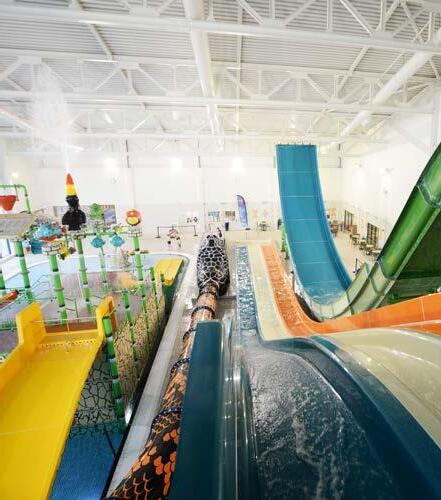
Making public leisure sustainable and building healthier communities.
285+ completed projects
81% of clients choose us for further projects
£465m+ investment in local authority leisure
Alliance Leisure are a trusted and experienced leisure development partner, with over 25 years’ experience transforming leisure facilities for local authorities.


FitnessGenes, the DNA-based health and wellness company, has announced that Justin Musgrove, former CEO of Fitness First and The Bannatyne Group, has joined the company in an advisory capacity to support new business acquisition and strategic development.
With more than 25 years of leadership experience in the global fitness and wellness industry, and having worked with some of its most iconic names, Justin brings
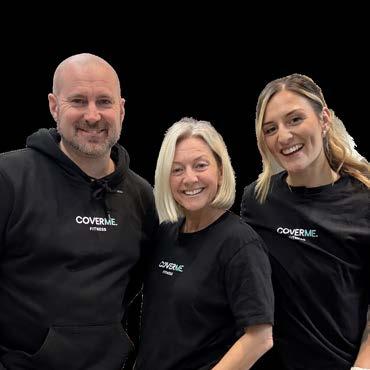
CoverMe has made a series of new appointments to support its continued growth and expansion. The on-demand management and cover solution app has appointed Richie Allan as Director of Global Sales, Caroline Ayling as National Business Manager and Jemma Wright as Business Development Consultant. The new additions to the bring a wealth of industry experience to the team that will help drive the company’s global performance as it helps operators to manage their teams and cut costs.
With more than 20 years’ experience in the sector, Allan has worked for some of the UK’s leading fitness brands, including Total Fitness, David Lloyd, Gym Group and Fitness First, where he completed the company’s Future Leaders Programme. At Xercise4less, Allan oversaw the opening of 20 clubs in two years and was named Regional Business Manager of the Year.
Ayling has also spent more than 20 years in the industry, starting out as a personal trainer before moving through club management, regional operations and commercial
leadership roles across the private, public and boutique sectors. During her career, she has worked at Ultimate Performance, Lampton Leisure, Orangetheory, Total Fitness, Virgin Active and Fitness First.
Wright has a solid background in fitness technology, having spent the past seven and a half years at Myzone. Prior to this, she worked in a wide variety of operational roles from lifeguard, swim teacher and fitness instructor to duty manager.
Allan said: “As soon as I understood how CoverMe could help operators manage their workforce, I knew I had to be involved.”
a wealth of expertise in scaling high-growth brands and developing innovative business models that put customer experience at the core. His appointment marks an important step in FitnessGenes’ mission to expand its reach in personalised health, longevity, and preventative wellness.
FitnessGenes CEO Dr Sam Decombel said: “Justin is one of the most respected leaders in the fitness industry with extensive experience growing brands.”



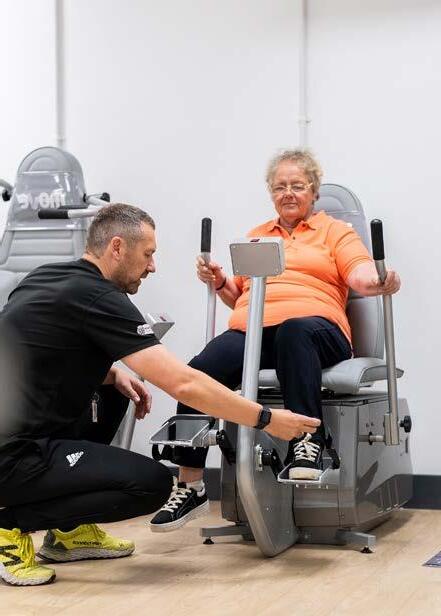
specialist, Innerva, has named Derrick Evans, MBE – better known as Mr. Motivator – as brand ambassador. Evans, a qualified fitness instructor, became an iconic figure through his exercise sessions on UK breakfast television in the early 1990s. Evans will utilise his profile to highlight the benefit of powerassisted equipment and promote and champion healthy and active ageing, encouraging more ageing people to pick up a “gym habit”.

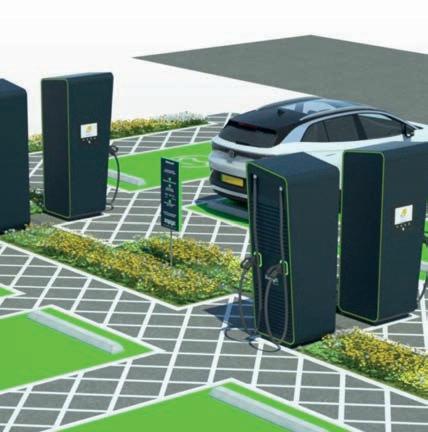







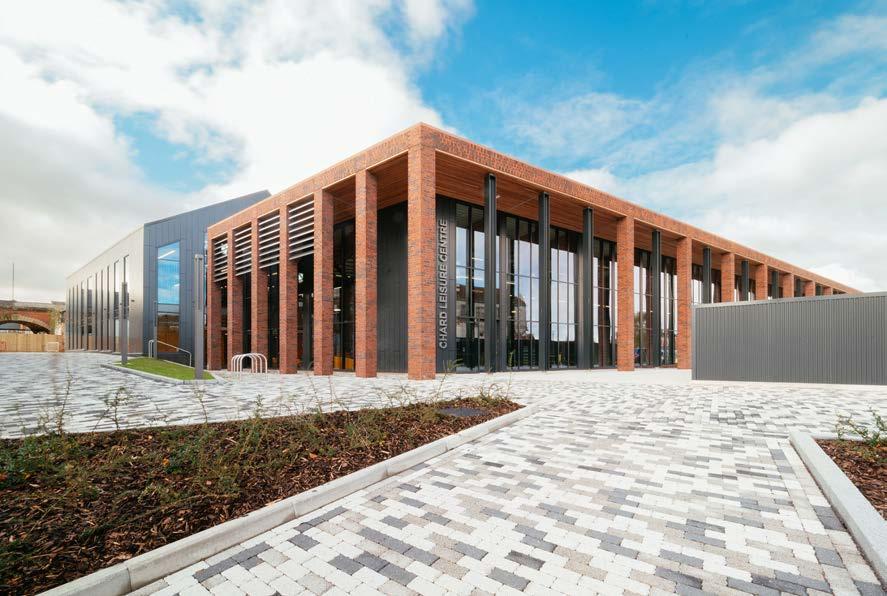
North Warwickshire Borough Council has revealed plans to build a £27m leisure centre in Atherstone.
The proposed development would feature a wide range of facilities, designed to meet the needs of residents of all ages and abilities.
Set to replace the town’s existing leisure venue, plans for the new Atherstone Leisure Centre include a main, four-lane swimming pool and a learner pool, a toddler splash pad for water play and a health club with a large gym floor and dedicated studio for group exercise classes.
Other proposed facilities include a community space for events and activities, an adventure play zone for children and a café.
The new building will sit in a similar location as the existing leisure centre and the council will now be engaging with the public and key stakeholders over the coming weeks to gather feedback and ensure the final plans “reflect local priorities”. A planning application is expected
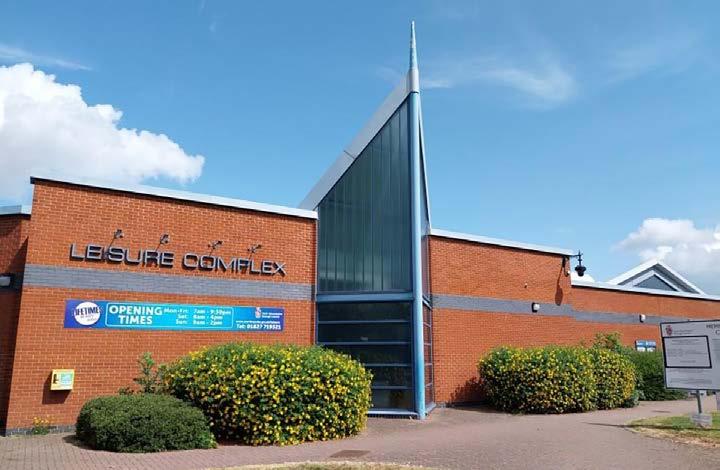
to be submitted in the new year, with construction anticipated to begin in Summer 2026.
Margaret Bell, Chair of the council’s Community and Environment Board, said: “It’s truly exciting to see this project take shape. The new leisure
centre will be a cutting-edge facility that inspires generations to come. It will offer a safe, communitycentred space where people of all ages can get active, connect, and thrive through a wide range of sports and leisure activities.”
Swim England has launched a comprehensive governance review to evaluate and shape the organisation’s governance structures and procedures.
According to the national governing body for swimming, the objective of the review will be to address some of the recommendations within the Listening Report, and to ensure the organisation is in “the best place” to deliver its One Swim England strategy.
“Starting with a blank sheet of paper, the governance review will explore what best practice governance structures and procedures could look like,” Swim England said in a statement.
“It will be rooted in the current sporting landscape with an eye on future challenges and opportunities rather than how things have always been done.”

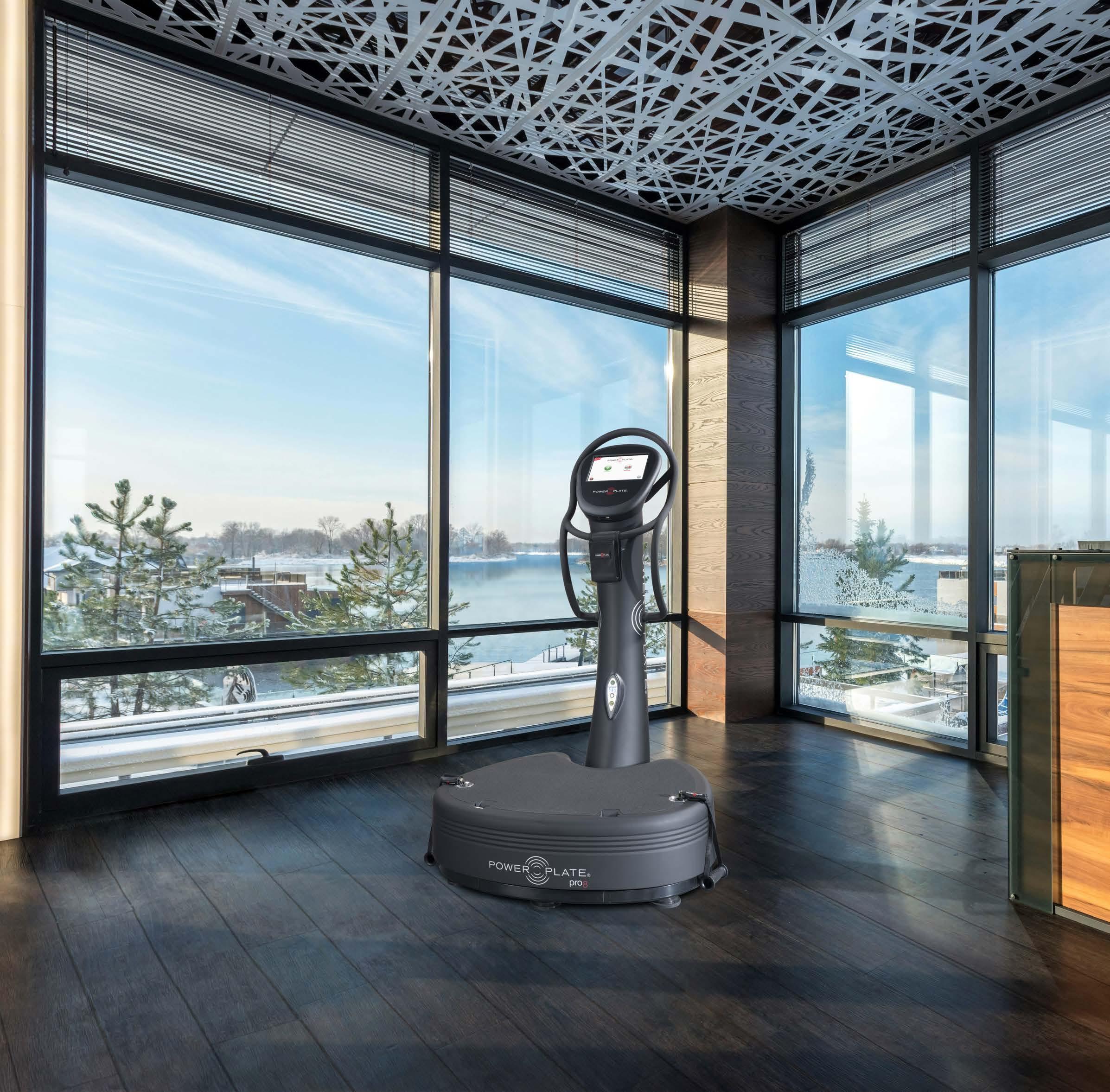
David Joerring, Founder & CEO of Healthkey, outlines why integrated tech ecosystems are becoming the new competitive advantage in fitness and leisure
Fitness and leisure operators are under increasing pressure to deliver more value to members to increase retention but without adding complexity to daily operations. Most already depend on a core digital setup that includes member management systems, access control, apps and booking tools. At the same time, wellbeing and holistic health support above and beyond just access to equipment and classes is becoming a standard expectation rather than a bonus.
This creates a practical challenge. Operators want to widen their offer into health services, but they want to do it without introducing another standalone system or extra admin. The sector is starting to move toward solutions that plug directly into the technology operators already use. This integrated approach is becoming an important way to run a simpler business and offer members a better experience.
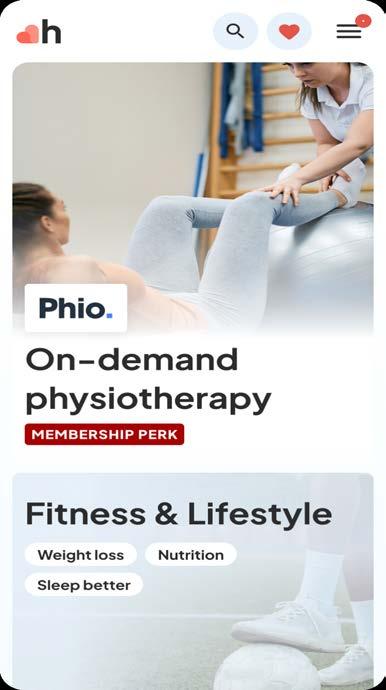
HealthKey is a perfect example of this. It seamlessly integrates into existing membership systems and empowers gym operators to offer their members a wide range of health services, including instant access to GPs, nutritionists, physiotherapists and mental health professionals.
Fragmentation creates unnecessary cost and friction
Many operators are already dealing with the impact of disconnected systems. Extra logins, duplicated workflows and inconsistent journeys waste time and increase the risk of errors. When technology stacks grow without a clear structure, it becomes harder for teams to manage and even harder for members to navigate.
The industry is gradually shifting towards a more connected model. Health services are being woven into the same digital journeys members already use, rather than sitting on separate islands.
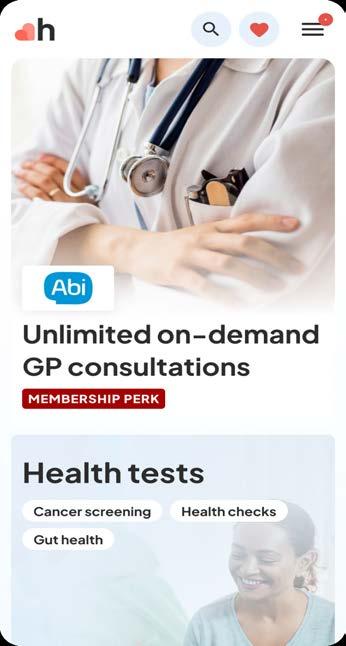
This was the case at Plymouth Active Leisure, who implemented HealthKey in a matter of weeks, benefiting from a pre-established integration between HealthKey and Gladstone.
Stephanie Lewis, Head of Business & Commercial Development at Plymouth Active Leisure says: “Introducing HealthKey has been a powerful step in our ‘powered by purpose’ approach. For us, digital transformation isn’t about replacing the human experience, it’s about supporting it. By integrating our systems, we’re removing barriers, simplifying the journey into activity, and showing that technology can be an enabler for change. When digital tools work seamlessly in the background, our guests and our team members can focus on what truly matters: improving their physical and mental wellbeing.”

Why integration is becoming essential
1. Operational efficiency through a single system of record When wellbeing access and eligibility sit inside the member management system, operators avoid manual processes and extra admin. Everything runs through one place, which keeps workflows clean and reduces pressure on staff.
James Barter, Senior Customer Success Manager, Xplor Gym, says operators are clear about what they need: “Integrations aren’t just a ‘nice to have’ anymore. They’re the foundation of an efficient, future-ready fitness business.
It gives operators a real competitive advantage and the freedom to grow with confidence
“At Xplor Gym, we’ve built our platform to connect seamlessly with the technologies operators rely on today and the innovations they’ll adopt tomorrow. When systems connect, operators can remove friction, create a compelling signature member experience, and do business their way.
That connected ecosystem cuts complexity, boosts retention, and even creates new revenue opportunities. Ultimately, it gives operators a real competitive advantage and the freedom to grow with confidence.”
2. Higher member engagement through familiar journeys
Members are more likely to use wellbeing services when they can access them through the same app they already rely on for bookings and check-ins. Keeping everything in one place removes barriers and increases visibility.
The goal of providing these services is to support members in all aspects of their health journey, so the goal of HealthKey and the companies they integrate with is to remove any barriers and encourage them to use these services, not hide them.
A core risk of offering members services provided by third parties, has always been the way it can create disjointed experiences, that result in lower engagement and can dilute the brand experience.
As holistic health memberships become central to more operators’ strategies, reliance on third-party services grows. Integrating these services into the digital pathways
members already use helps boost engagement and maintain a cohesive brand presence, strengthening rather than risk splintering how the organisation is perceived.
direction of travel for the industry
As the industry leans further into connected digital models, the benefits reach well beyond tidier processes and higher engagement. Bringing health, fitness and wellbeing into a single coherent well integrated ecosystem gives operators clearer insight into member needs, stronger foundations for personalisation and a more flexible path to expand their offer without adding operational strain.
Those moving early toward integrated set ups are positioning themselves to build deeper member relationships and introduce new value with far greater ease, a direction that’s set to influence who gains ground in the next phase of the market.
For more information about HealthKey and to set up a trial, contact CEO and Co-founder David Joerring at david@healthkey.health or info@healthkey.health
Eight of Wandsworth’s leisure, swimming and sports centres are set to benefit from £24m worth of investment designed to improve facilities and help more residents get active. The move to enhance and modernise facilities – owned by Wandsworth Borough Council – is part of Places Leisure being re-appointed to operate the eight venues on behalf of the council earlier this year. The works will be funded jointly by the council and Places Leisure.
As well as making the funding commitment, Places Leisure will launch a new Active Communities programme to encourage inactive residents to move more. It will also continue to support Access for All – a concession scheme ran by the council, which offers eligible residents 50 percent to 100 per cent discounts on key leisure services, including gym and swim memberships.
One of the first improvement projects under the agreement has resulted in a new Soft Play area being created at Putney Leisure Centre. This will be followed by the installation
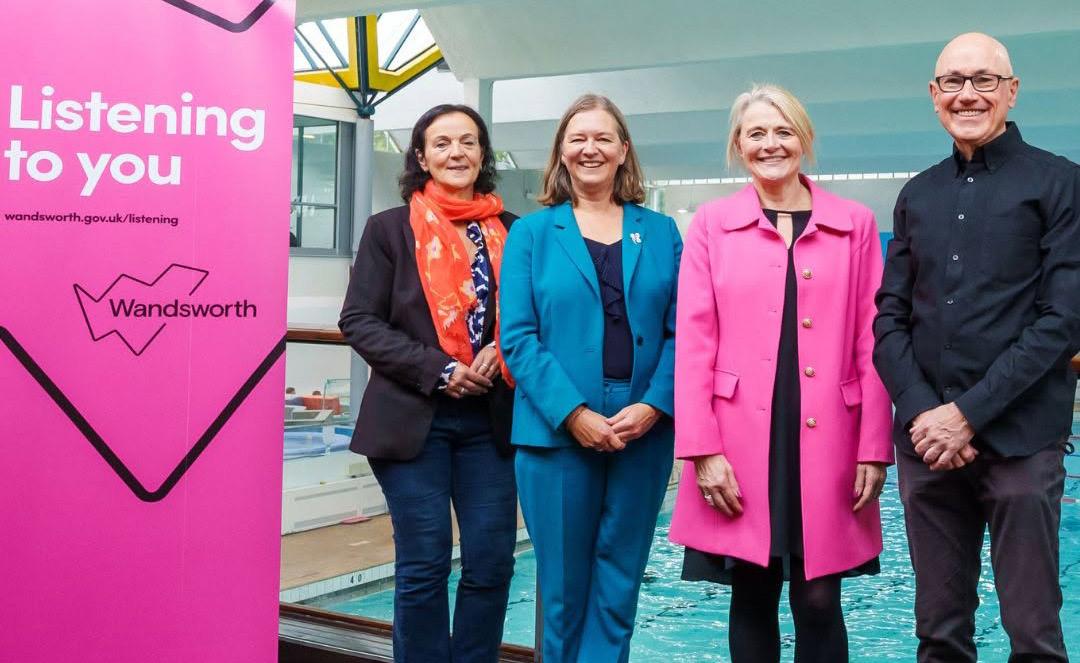
of a new £350,000 fitness suite at Latchmere Leisure Centre, which will include a refurbished gym and brand-new exercise equipment.
Paul White, Cabinet Member for Environment, said: “We’re committed to helping people move more, feel better and live healthier lives as part of our
Wandsworth Moves Together strategy.
“This new contract supports this goal, ensuring residents benefit from excellent, modern facilities both in our centres and out in the community, especially with the new £24 million investment in long over-due improvements over the next four years.
South Oxhey Leisure Centre in Watford is set for a major transformation of its fitness offer this winter.
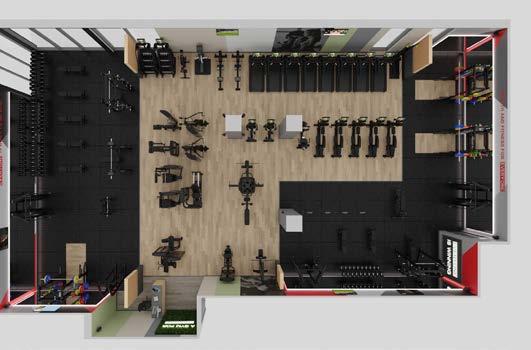
A £400,000 investment will see the gym being refurbished and equipped with a full range of new Life Fitness machines, including treadmills, cross trainers and bikes, as well as pin- and plateloaded strength machines, dumbbells, Smith machines and squat racks. A range of Theraguns will also be added to support muscle recovery.
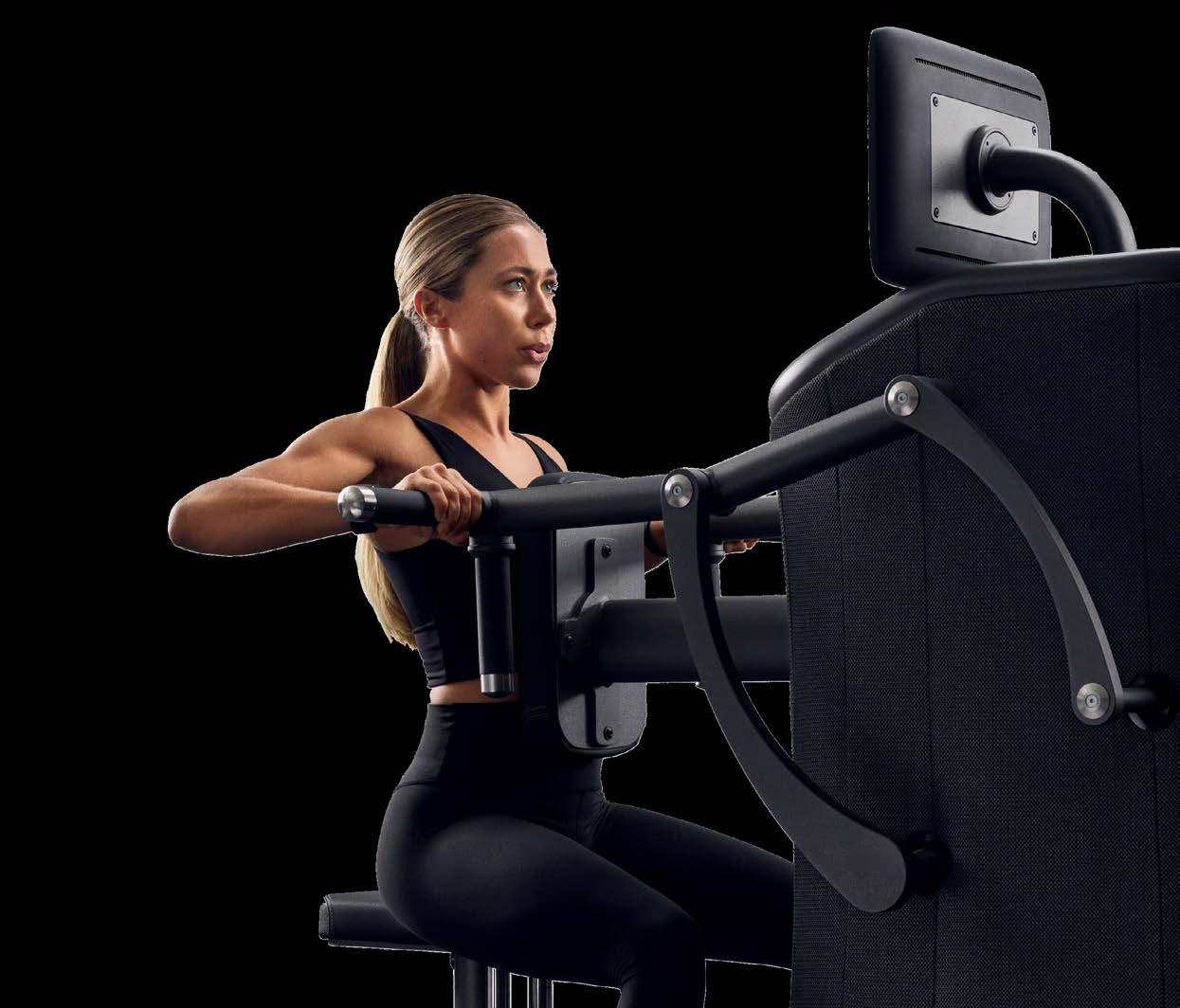
Accessibility is a key focus, with the addition of three new wheelchair-accessible strength machines – a chest press, seated row and shoulder press – and a Ski Erg with a wide base and extended handles to ensure wheelchair users can train with confidence.
Alongside the new equipment, the entire area will receive a full makeover with modern flooring, lighting and décor to create a brighter environment.


Each person working in our sector positively impacts hundreds of lives every year
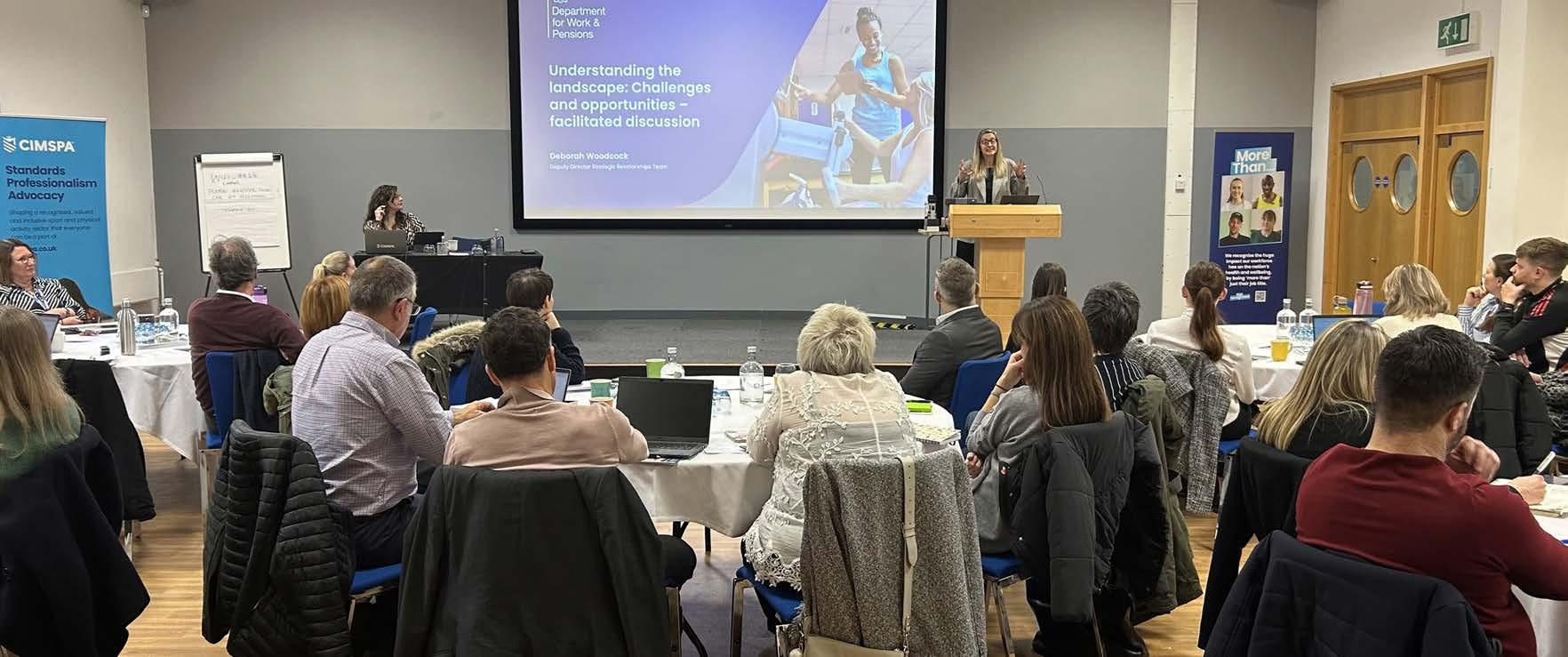
In a landmark event for the physical activity sector, the Department for Work and Pensions joined forces with CIMSPA to host a Recruitment Innovation Workshop. The event is part of a wider partnership, which saw the launch of Sport and Physical Activity Employability Academy earlier this year
In what has been described as a milestone for the physical activity sector, the Department for Work and Pensions (DWP) and CIMSPA teamed up to host an employability event on 3 December. Held at Loughborough University, the event showcased how the sector can support people into sustainable employment. Organisations in attendance included Sport for Confidence, Sport England, Serco and Coach Core.
The one-day workshop highlighted some of the great work already being done across the sector and focused on how sport and physical activity can address the unemployment crisis the country is facing. As of August 2025, 948,000 young people aged 16-24 are NEET (not in employment, education or training) – more than the population of Manchester and Edinburgh combined.
The innovation workshop provided employers and sport and physical activity-focused organisations from across the sector with the opportunity to learn about the Sport and Physical Activity Employability Academy. The academy is a collaboration between
DWP and CIMSPA which supports jobseekers with work experience, recognised training and a job interview in the sector. Following an initial referral from Jobcentre Plus local teams, the Employability Academy will provide the individuals with sector-recognised professional status, which will boost their employability and enable them to take on roles which help more people in their community become physically active.
The initiative has completed its initial pilot in Scotland with great results. The 20 learners who took part in the pilot progressed onto a full Active IQ personal training qualification.
Of these, 13 completed the full qualification to date and gained a personal trainer professional status, with an additional two learners still in training. More than half (12) of the learners have already gained employment within the sport and physical activity sector.
The next pilot will be a coaching pathway taking place in Liverpool, delivered by Liverpool FC Foundation with added occupational therapy support from Activity Alliance and Sport for Confidence to enhance candidate outcomes.
The DWP sees the sport and physical activity as perfectly positioned to support those who are seeking help from the Jobcentre in two crucial areas. Firstly, to support people back into work directly into sport and physical activity, which in turn will help to create a more diverse and representative sector workforce. Secondly, the sector can also provide support, through physical activity, in tackling physical and mental health challenges within the workforce. This, in turn, will support other sectors who require a fit and healthy employees.
Organisations working in the sport and physical activity sector are encouraged to pledge their support to the Sport and Physical Activity Employability Academy or to offer critical valuable work experience hours, in order to create structured, supported routes into employment.
Tara Dillon, CEO of CIMSPA added: “The sport and physical activity sector employs around 600,000 people and we’re seeing employers struggling to recruit the workforce that they need with thousands of vacancies across the country every month.
“Each person working in our sector positively impacts hundreds of lives every year, helping communities to get active, improving physical and mental wellbeing, preventing long-term health conditions that cost the NHS millions, and helping more people to be economically active because they are physically able to work.
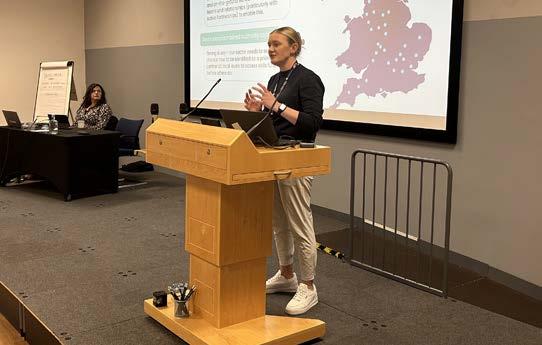
“We’re proud to be working with DWP on the Sport and Physical Activity Employability Academy, offer jobseekers a great opportunity to discover a career in our fantastic sector. Critically, this work is being led by insight which shows us the skills and roles that employers in the sector need based on local and regional priorities. It has helped to shape the training being provided as part of this pilot which all meets the professional standards defined and valued by employers.
“This approach is crucial to ensuring that those people who are part of the Employability Academy have a real opportunity to start and build a sustainable career which will benefit them with financial independence, their families and their communities.”

Award winners at the Cove Spa
Exceptional women from across Trafford were some of the first to experience the luxury spa facilities at Trafford Leisure’s move Altrincham following its multimillion pound refurbishment.
The women were winners of the leisure trust’s ‘Altrincham and Trafford Women of Inspiration’ campaign, launched for International Women’s Day earlier this year, and received exclusive experiences at the brand-new The Cove Spa in recognition of their outstanding contributions to their communities.
Elevate, the UK’s largest trade show dedicated to physical activity and fitness, has announced the launch of the Elevate Podcast Library, a resource for industry professionals to access inspiring conversations and thought leadership from the show’s most talked-about sessions.
For the first time, Elevate has transformed a selection of key sessions from the 2025 show into consumable, on-demand podcast episodes. These featured highlights bring listeners the best audio clips from the 2025 sessions, available for download or on-demand.

The hub will have a wide range of indoor and outdoor facilities
Work has begun on the South Holland Health and Wellbeing Hub, after South Holland District Council received £20m of government funding towards the project to address local health and wellbeing outcomes.
Replacing Castle Sports Complex in Spalding, Lincolnshire, which consists of a swimming pool and sports buildings in separate locations, the project will deliver an integrated hub.
The project includes a new swimming complex with a six-lane 25m pool and a six-lane, 20m teaching pool for schools, learners, families, physiotherapy and rehabilitation. A modern changing village with spaces for families and groups will enhance the offer.
Inside the Hub, facilities will include a sports hall, gym, indoor cycling and fitness studios, play zone and a coffee shop type area. Dedicated spaces will support assisted exercise and health services, including mental health, diabetes and dementia support. The Hub will be fully accessible,
with new Changing Places facilities also provided. Outside, the Hub will offer a full-size floodlit 3G football pitch, a learn-to-cycle area, BMX and mountain bike facilities and a track for walking, cycling and athletics training.
Designed with sustainability and reducing carbon emissions firmly in mind, the new centre will be all-electric and completely gas-free, featuring air source heat pumps, extensive solar PVs and electric vehicle chargers.
Expected to open to the public in early 2027, the facility is being delivered by Alliance Leisure on behalf of South Holland District Council. The project team includes contractors Willmott Dixon, Saunders Boston Architects and project managers Hadron Consulting.
Sean Nolan, regional director, Alliance Leisure, says: “South Holland has some of the lowest activity levels in the country. This project will create modern sport, leisure and recreation facilities and put essential health and wellbeing services at the heart of the community.”

































The World Health Organization has published its first global guidelines for GLP-1, recommending the use physical activity interventions to ensure the success of “fat jabs” in treating obesity
The World Health Organization (WHO) has recommended using structured physical activity interventions alongside GLP-1s in obesity treatments.
Publishing its first ever global guidelines for the use of GLP-1 in obesity treatments, WHO said GLP-1s – medications that mimic the hormone glucagon-like peptide-1 – should be accompanied by “intensive, structured behavioural interventions”, such as exercise regimes and healthy diet advice.
The use of physical activity is one of two key recommendations in the guidelines. The other is that GLP-1s should not be used by pregnant women for the long-term treatment of obesity.
The guidelines follow the approval of GLP-1 therapies in the treatment of obesity by several regulatory authorities. It brings together the current evidence base, details the development process, and distills the implications for expanding equitable access to these medications while shaping a more comprehensive ecosystem for obesity management.
“Medicines alone will not solve the problem,” the WHO says. “Obesity is not only an individual concern but also a societal challenge that requires multisectoral action.
“Intensive behavioural interventions, including structured interventions involving healthy diet and physical activity, may be offered to adults living with obesity prescribed GLP-1 therapies. This is based on low-certainty evidence suggesting it may enhance treatment outcomes.”

According to the WHO, a holistic approach, covering three key areas, is the only way to solve the obesity crisis.
“Addressing obesity requires a fundamental re-orientation of current approaches to a comprehensive strategy built with three pillars.
“These are creating healthier environments through robust population-level policies to promote health and prevent obesity; protecting individuals at high risk of developing obesity and related comorbidities through targeted screening and structured early interventions; and ensuring access to lifelong, person-centred care.”
Defined by WHO as a chronic and relapsing disease, obesity is an increasing public health challenge with over 1 billion people affected and with cases rising in almost every country in the world.
In 2024, there were 3.7 million obesityrelated deaths from noncommunicable diseases (NCDs) – chronic diseases that cannot be
transmitted from person to person – representing 12% of all NCD deaths due worldwide.
Global costs are predicted at US$3 trillion per year by 2030 and, in a country with obesity prevalence rates of 30%, the disease could absorb up to 18% of national health expenditure.
In September 2025, WHO added GLP-1 therapies to its Essential Medicines List for managing type 2 diabetes in high-risk groups.
Dr Tedros Adhanom Ghebreyesus, WHO DirectorGeneral, said: “Obesity is a major global health challenge that WHO is committed to addressing by supporting countries and people worldwide to control it, effectively and equitably. Our new guidance recognizes that obesity is a chronic disease that can
be treated with comprehensive and lifelong care. While medication alone won’t solve this global health crisis, GLP-1 therapies can help millions overcome obesity and reduce its associated harms.”
Initially developed for the treatment of people with diabetes, GLP-1 therapies and related medications have emerged as an important innovation in addressing the global obesity challenge, offering benefits that extend beyond individual clinical outcomes.
By targeting mechanisms that reduce appetite and enhance satiety along with other physiological effects, the agents provide an important complementary treatment to traditional behavioural interventions for managing obesity. The advent of the medicines could represent a tipping point in the treatment of obesity, its complications and related comorbidities.
■ To read the WHO guidelines in full, visit: https://jamanetwork.com/journals/jama/fullarticle/2842199
Everlast Gyms has opened its first Everlast Gyms+ site in West Bridgford – one of the brand’s new HYROX Performance Centres.
Offering a large cardio area and group training spaces, the site also houses a dedicated boxing zone, a Myprotein Kitchen and a premium café and lounge area with work spaces.
There is also an activation and recovery area equipped with bespoke Wattbike indoor bikes. New members will use the Wattbikes as part of their onboarding journey, undergoing a Wattbike ‘Healthspan Score’ assessment to benchmark cardiorespiratory fitness (CRF), VO₂ max, heart rate and power zones.
The Healthspan Score is a key predictor of long-term health, reflecting how well the heart, lungs and muscles work during exercise, with improvements in this score offering strong protective benefits and improving longevity. The site is the first of a planned national rollout across Everlast’s Performance
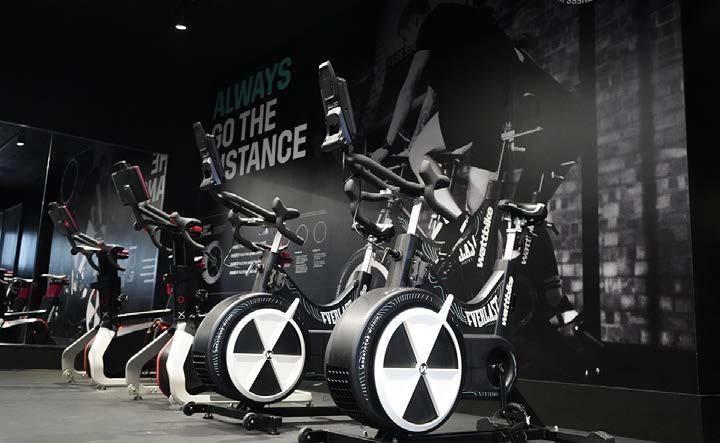
Centres, an initiative in partnership with HYROX to “transform training experiences across the UK”.
Martyn Oakey, Head of Fitness at Everlast Gyms, said: “Our mission is to bring world-class testing and data-led insights to everyone, not just elite athletes.
“Working with Wattbike enables us to do exactly that. By integrating their technology into our HYROX Performance Centres, we’re giving members the tools to measure, understand and improve not just performance, but health and longevity.”
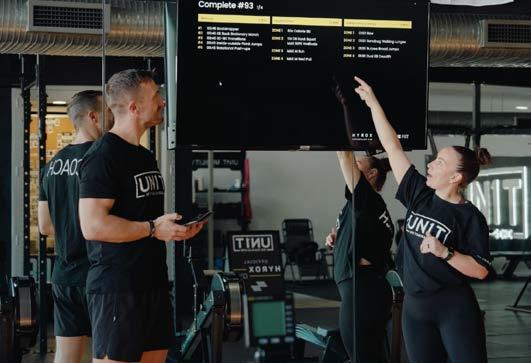
HYROX, the World Series of Fitness Racing, has joined forces with fitness technology company ONE FIIT to build and deploy the HYROX 365 Performance Hub. The smart and scalable solution is designed to transform training by equipping gyms and coaches with the tools they need to deliver structured, consistent, and engaging HYROX group classes. At its core, HYROX is about bringing communities of people together through performance-driven fitness. With a 100% year-on-year increase in participation and the 2025/26 season seeing an increase of 35% in the number of events, consistency and quality have never been more important.
Powered by ONE FIIT technology, the HYROX365 Performance Hub is designed to deliver eight professionally programmed workouts every week.


Waterlooville Leisure Centre is set to undergo a substantial upgrade over the next year.
Owned by Havant Borough Council (HBC) and operated by Horizon Leisure, the centre is in line for a wide range of works, including improvements to its gym spaces and the introduction of two outdoor padel courts.
After securing funding for the redevelopment in May 2024, Horizon Leisure and HBC completed a public consultation and the exact details of the work are now in the planning stage with surveys and designs underway.
Mike Lyons, CEO, Horizon Leisure, said: “We are really excited about the planned refurbishment and there is a lot of community excitement about the padel courts.”
Horizon Leisure recently welcomed the local MP, Suella Braverman, for a tour of the centre where she met with its wellbeing team to discuss the planned refurbishment.
During her visit, Braverman also
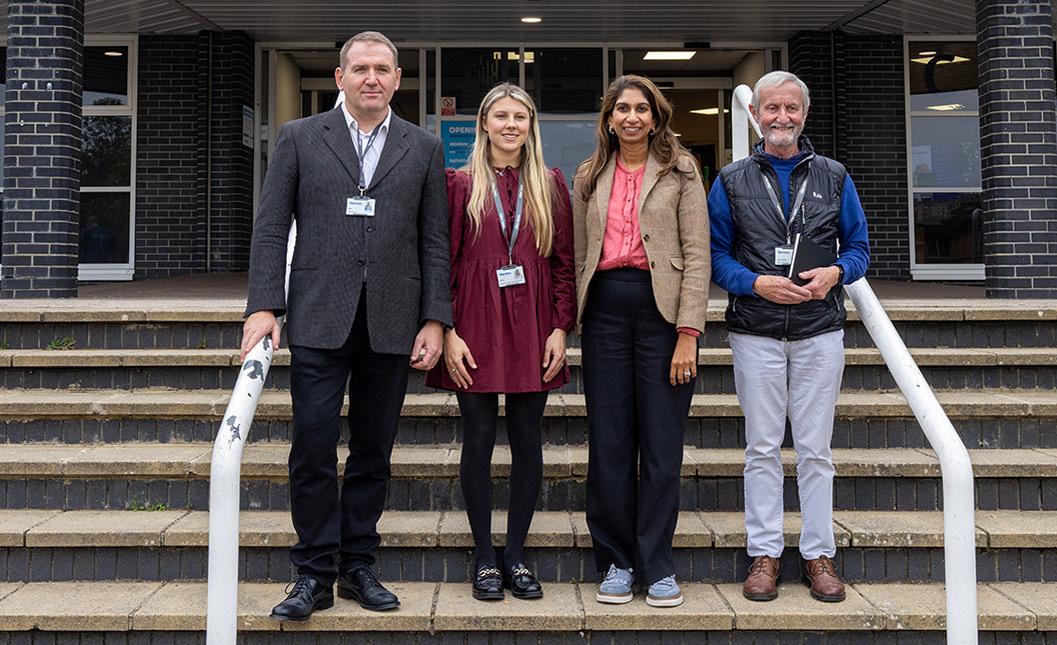
learnt about Horizon Leisure’s range of health and wellbeing programmes, which include dementia-friendly sessions, activities designed to combat loneliness and social isolation and specialist clubs for children and young people with additional needs.
“We were pleased to welcome
our local MP to find out more about our services,” Lyons said. “Her visit showcased the value of community-led initiatives and the importance of partnerships between the public sector, local residents and grassroots organisations in promoting better public health.”
South Norfolk Council is offering its junior memberships scheme for free as part of a strategy to encourage more young people to visit its facilities and get fit.
Young people aged between 13 and 18 can join for free, with no joining fee and get a month completely free.
The Junior Memberships gives access to a wide range of facilities and activities across the district. These include gym and EGYM suites at both Wymondham Leisure Centre and Long Stratton Leisure Centre.
South Norfolk Council’s Cabinet Member for Health and Leisure, Kim Carsok, said: The memberships offer an opportunity for teenagers to enjoy a variety of activities in a safe and welcoming environment.”






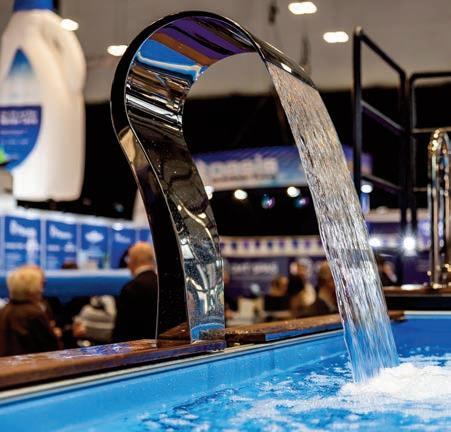
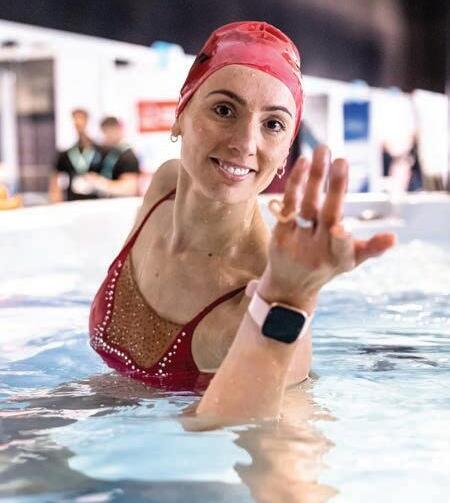
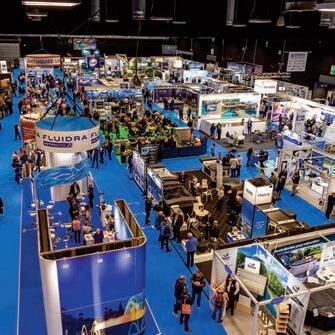
SPATEX represents all sectors of the water leisure industry from pools, spas, saunas to hydrotherapy, steam rooms and play equipment, in both the domestic and commercial arena.




























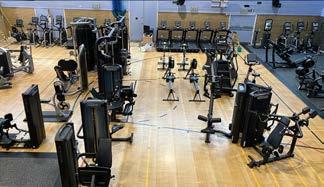
Work has begun on the first stage of improvements at Bury St Edmunds Leisure Centre in Suffolk. The first phase will include the existing gym space being refurbished and fitted with new equipment, which includes upgraded Egym smart fitness technology.
Other improvements will include the creation of a new indoor cycling studio, while the existing health suite will see the installation of a modern sauna, steam room and new solarium facilities.
The first phase is expected to finish in March 2026. During this time, the gym equipment will be in the sports hall and indoor cycling classes will continue in the current studio. The health suite will be closed to enable the works to take place. Further phases of the redevelopment will include a new water play installation and the complete decarbonisation of the site.
The centre is owned by West Suffolk Council and operated by Abbeycroft Leisure. The partners have worked together with Alliance Leisure on the project.
Councillor Ian Shipp, Cabinet Member for Leisure at West Suffolk Council, said: “This is a well-needed upgrade and enhancement, which has been designed to reflect the needs of our residents and communities, ensuring they are the best fit to enable our community to thrive.
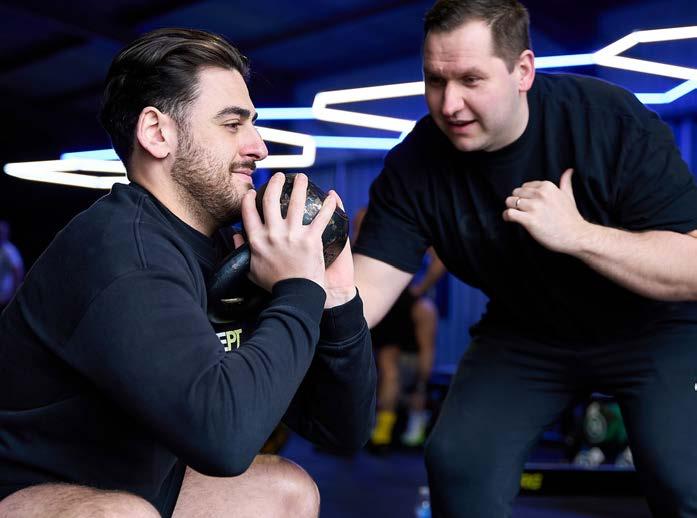
The programme will see 12 fully funded scholarships per year
Fitness training provider, Create, has launched a personal training scholarship aimed at removing financial barriers that could prevent talented individuals from entering the fitness workforce.
The Create Future Trainer Scholarship will fund one learner every month through a recognised Create qualification, providing all the support and resources needed to start a career in fitness.
The scholarship, fully funded by Create, covers the full tuition cost of an eligible Create qualification, including lifetime access to online materials, one-to-one tutor support, Ofqual and CIMSPA-recognised certification and access to Create’s professional mentorship network.
The programme was launched in November 2025, with the first recipient announced at the end of the month. A scholar will be selected every month thereafter, totalling 12 fully funded scholarships per year. Those interested in applying can do
so by enrolling on a Create qualification or career pathway package and then submitting a short, written statement answering the question: “Why do you want a career in fitness?”.
Create says that each application will be assessed on “authenticity, motivation, and potential impact rather than academic background or experience”.
According to Adam Rhodes, CEO, the scholarship is part of Create’s commitment to “give back to the sector and support those with the passion and purpose to succeed”.
“The Create Future Trainer Scholarship is about unlocking potential and widening access to our industry,” Rhodes said.
“There are passionate, capable people who could make a real difference in fitness but lack the means to get started. By removing that barrier, we’re opening doors for deserving individuals and ensuring the sector benefits from the introduction of new, motivated talent.”
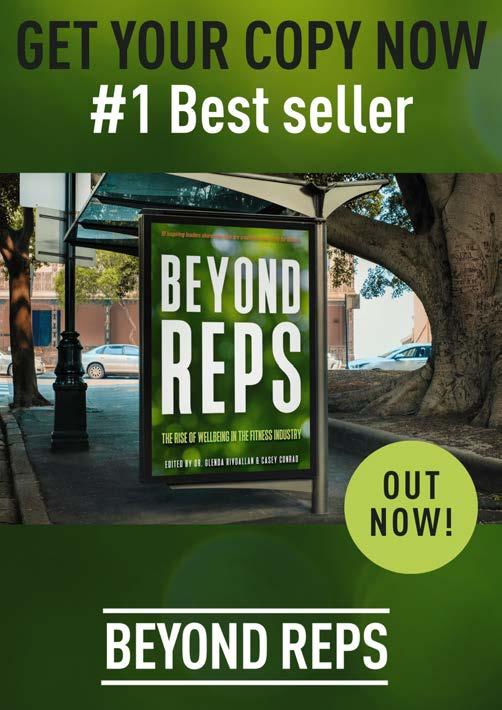
A book charting how the ��tness industry is evolving and embracing a more holistic approach to wellbeing has been making waves since its publication earlier this year
The Rise of Wellbeing in the Fitness Industry, edited by industry veterans Dr Glenda Rivoallan and Casey Conrad, has rapidly become one of the most influential and talked-about releases in the sector this year. Created to spark a long-overdue evolution in health and fitness, the book has exceeded expectations striking a powerful chord with professionals and consumers seeking a more human, compassionate and future-focused approach to wellbeing.
The book brings together 19 leading contributors, each offering a unique voice from across the wellbeing landscape. These include specialists in whole person health, resilience, positive psychology, coaching, behaviour change, weight-inclusive practice and leadership development. Collectively, their chapters form a rich, multidimensional portrait of an industry ready to expand far beyond aesthetics and athletic performance.
Since its launch, Beyond Reps has captured attention across the sector with a high demand for its insights coming from industry suppliers, operators and conference providers and the team have big plans for education activation events in 2026. The Beyond Reps authors delivered key insights at FIBO Arabia, Dubai Active, Romania Active and other private events throughout November.
The best selling book has attracted exceptional engagement, drawing international audiences and generating high-level conversation about the future of fitness. It’s quickly being recognised as both a teaching resource and a catalyst for change.
The success of Beyond Reps was marked with a party celebration in London on 11th November, hosted at the Until Club and fuelled by Calo nutrition. The event brought together contributors, industry leaders, partners and supporters for an evening that perfectly reflected the spirit of the book: innovative, communitydriven and full of energy. It was a night filled with
connection and momentum, highlighting just how powerfully Beyond Reps is reshaping conversations across the wellbeing and fitness landscape.
Speaking about the book’s success, Dr Glenda Rivoallan said: “Beyond Reps isn’t just a book—it’s a movement. The industry has been waiting for something that speaks to both the heart and the science of wellbeing, and this project has done exactly that. Casey and I are incredibly proud of the contributors, the momentum we’ve built, and the shift this book is helping to ignite.”
More than a publication, Beyond Reps stands as a collective manifest, bold, human and forwardthinking, signalling a new era where the fitness industry finally embraces what people have needed all along: wellbeing that goes far beyond reps and meets people where they are at.
Get your copy here: https://amzn.eu/d/b9gRK3U
■ For enquiries relating to the book, talks, panels and workshops contact Glenda at glenda@wetalkwellbeing.com
Tim Mathias Strategic Lead for Equality, Diversity and Inclusion ukactive
Generation Alpha are telling us they care about their health and wellbeing, but how do we ensure they are using fitness and leisure facilities in a safe way? And how can we make the facilities themselves accessible and secure?
ukactive’s new guidance, titled Children and Young People in Gym and Group Exercise Facilities, has answered this question, with practical applications around how to welcome children and young people from the age of eight into our facilities.

There is strong demand from this age group for gyms, pools and leisure centres. Sport England recently published its annual Moving Communities report, which found that an increase in gym activities over the past year was driven by growing participation among under16s, rising by 21%. Meanwhile, Sport England’s Active Lives Survey shows that almost a quarter of children and young people (23%) are engaging in gym sessions, which equates to a population estimate of 1,697,900. This means that gym and fitness activities are one of the top 10 activities that children and young people take part in.
If we are going to welcome more children and young people into our facilities and cater for this upward trend, we need to ensure these facilities and teams are prepared to support them. Our new guidance includes practical applications on how to welcome children and young people (from ages eight to 17) into fitness and leisure facilities, and covers elements like safeguarding, supervision, inductions, and the use of equipment and changing rooms.
Our guidance features some strong case studies from leading operators and suppliers in the industry, including Les Mills, Nuffield Health, Oldham Active, Lifestyle Fitness and Everyone Active. These organisations are already safely supporting children and young people with their facilities and services, running specific programmes designed to support certain age groups, such as Nuffield Health’s ‘Move Together’
We need to ensure facilities and teams are prepared to support children and young people safely
programme. This initiative, for 11 to 16-year-old girls, targets lower-income, under-served areas and aims to remove as many barriers as possible to ensure young girls are able to access activities and exercise.
The guidance also highlights how Everyone Active saw an increase of more than 50% in the number of young people joining and using its gyms since the COVID-19 pandemic. To support this growth, Everyone Active offers specific junior gym memberships for those aged 11-15, allowing children and young people to access their facilities once they have completed an induction with a qualified instructor. Using this guidance, and the case studies within it, we’re confident it can help more operators set up, improve or adapt their offers for children and young people so these groups can be active in a safe and supported environment.
At ukactive, this guidance forms part of our wider ambition to get a million more children and young people active in our sector’s facilities by 2030 and we know this is possible. Our polling with insights agency Beano Brain, shows a real motivation from Generation Alpha to use physical activity as a key part of their long-term health, with nearly half (49%) of those children and young people surveyed saying they want to be fit and healthy as they grow into adulthood. By implementing this guidance, our sector has an important role in to play in helping to support even more children to be active in our facilities and helping to instil physical activity as a lifelong habit. l To read the guidance, Children and Young People in Gym and Group Exercise Facilities, visit: https://www.ukactive.com/standards/#children











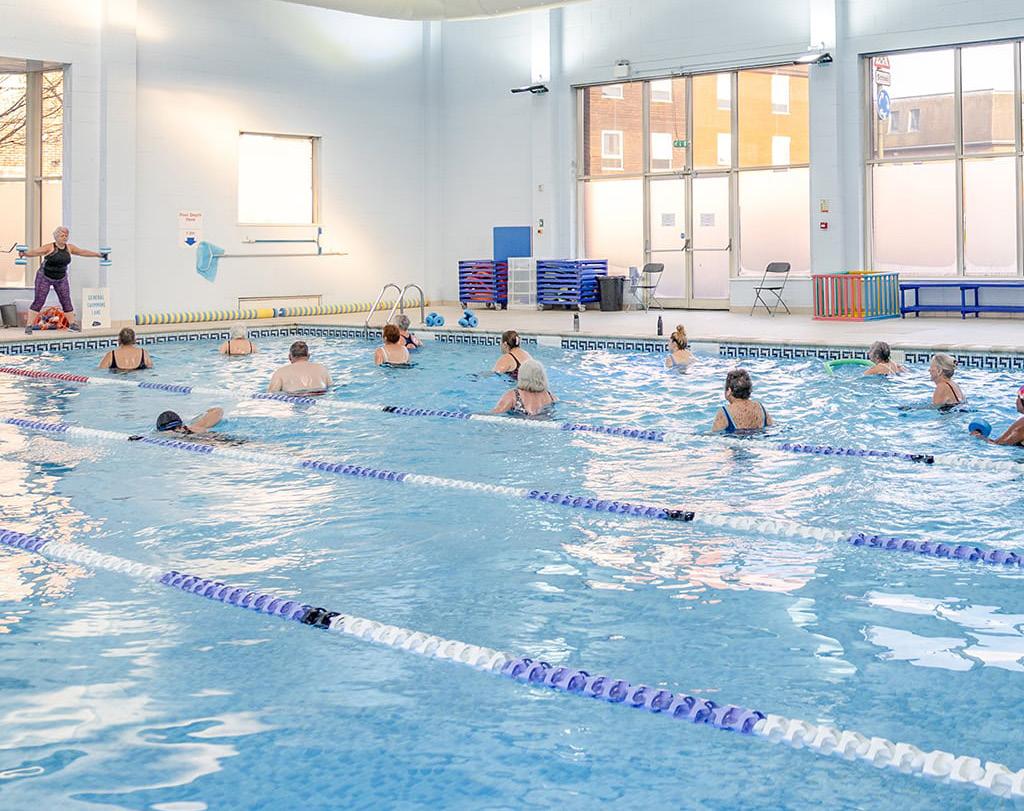
River Bourne Club in Chertsey is using data, provided by innovative occupancy sensor technology, to optimise its operations and improve member experiences.
The private members’ club looked to capture more accurate data on its visitor numbers in order to better cater for its customers.
Having historically relied on swipe data, the club partnered with Hoxton AI to place occupancy sensors across entrances, gym zones, changing rooms and pool areas.
As a result, the club’s management team was able to unlock a stream of accurate, real-time data which led to “game changing” insights.
Among these was that the club’s true footfall could reach 1,400 visitors per day – double what the swipe data showed.
The data also showed that women’s changing room areas saw 50% more footfall than men’s – linked to children’s swimming lessons – and
that there were hidden peak periods when the reception was overloaded due to third-party group arrivals (such as karate and dance schools).
Data from the sensors also allowed the club to identify a misalignment in cleaning schedules.
While the club was at its busiest between 3pm and 5pm, the cleaning happened at quieter times – often leading to customer dissatisfaction.
Matthew Russell, General Manager at The River Bourne Club, said: “We always thought we were busy. But looking back, we simply didn’t realise exactly how busy we were – or when.
“It was clear we needed to get smarter about operations – but swipe data and manual counts weren’t telling the full story. With thousands of visitors coming through each week, we turned to real-time occupancy data to unlock insight into true usage, and the results have been game changing.
“What started as a test turned into measurable improvements.”

Pure Energy Music, a provider of rights-included music for the fitness and leisure industry, has signed a major distribution deal with Warner Music’s independent distribution arm, ADA (Alternative Distribution Alliance). The partnership brings Pure Energy Music’s expertly curated catalogue to global streaming platforms including Spotify, Apple Music, Deezer, Amazon Music and more.
The move significantly extends Pure Energy Music’s reach, bringing its fitness-optimised soundtracks beyond the studio and into everyday listening environments, while continuing to serve its core community of fitness professionals and operators through the Pure Energy Music App – designed specifically for legal, in-class music use. Unlike platforms such as Spotify, which are licensed for personal listening only, the Pure Energy Music App ensures fitness operators have access to music that is fully cleared for commercial fitness settings.
Andy Pickles, CEO of Pure Energy Music commented: “We’ve always believed that music created specifically for fitness and well-being deserves a broader audience. Thanks to our partnership with ADA, our music and artists now sit alongside global names on the world’s leading platforms – reaching new listeners while staying true to our mission.”
Without our partners, much of what we do on behalf of the UK’s fitness and leisure sector would not be possible – the time and resources we dedicate, away from any commercial agenda, to share data and knowledge to inspire industry growth.
In return for their valued support, we place our partners centre stage.
■ At our events – via speaker slots, marketing and hosted roundtables
■ In our communications – from newsletters and website to our flagship reports
■ Industry updates – with our Monthly Market Tracker, highlighting the latest developments
■ In our relationship-building – brokering new connections and opening new doors
■ In our mission – as we bring partners together to shape the sector’s future
Find out more about our Partnership Programme Contact dan@leisuredb.com
Study Active has signed an exclusive UK partnership with MedFit Education Foundation, the US-based provider of medical fitness education. As a result of the collaboration, Study Active – a fitness training and qualifications provider – will offer specialised training designed to equip fitness professionals with the skills needed to work confidently and competently with clients affected by chronic disease, medical conditions and age-related challenges.
MedFit Education – through its online learning platform, MedFit Classroom – offers one of the world’s largest libraries of medical fitness specialisation courses, covering more than 20 in-demand areas. The MedFit Classroom also includes short online courses for skill enhancement, professional webinars presented by leading educators and specialisations that support prevention, treatment, and rehabilitation via exercise.
Julian Berriman, Director of Education at Study Active, says the partnership means that UK fitness professionals will now have direct access to MedFit’s wealth of knowledge.
“As the global population ages, the demand for fitness professionals who can safely support individuals with conditions continues to rise,” he said.

Plans have been revealed for a new eight-lane, 25m swimming pool and health club in Peterborough.
The proposals are part of plans to replace the Regional Fitness and Swimming Centre, which was decommissioned in March 2024 due to multiple structural issues. Peterborough City Council, which owned the venue, took the decision to demolish the site and explore options for a new facility.
Plans for the new leisure centre are the result of a feasibility study into the options for a replacement facility. The process also included consultations with stakeholders in the project, including the two Peterborough MPs, the Cambridgeshire and Peterborough Combined Authority (CPCA), ARU Peterborough, City of Peterborough Swimming Club, Friends of the Lido and Living Sport.
As well as the large pool and a 150-station gym with studios, the proposed facility would also include
poolside and balcony seating for 300 people, a 20-metre four lane learner pool with moveable floor, a café, softplay, Innerva powerassisted health suite, community room and health rooms.
Councillor Zameer Ali, Peterborough City Council’s Cabinet Member for Communities, Poverty and Public Health, said: “I am delighted that our exciting plans for this muchneeded facility are moving forward, demonstrating this administration’s commitment to collaborative working and focus on key projects. Back in the summer we welcomed the government’s £240 million funding pot for local projects and we anticipate this will pay for a substantial part of the pool. We will also work with partners to secure additional funding for this vital development.
“As one of the fastest growing cities in the country we are fully aware that Peterborough needs a new swimming pool as soon as possible.




The next wave of fitness won’t be about more data – it will be about meaning, connection and psychology
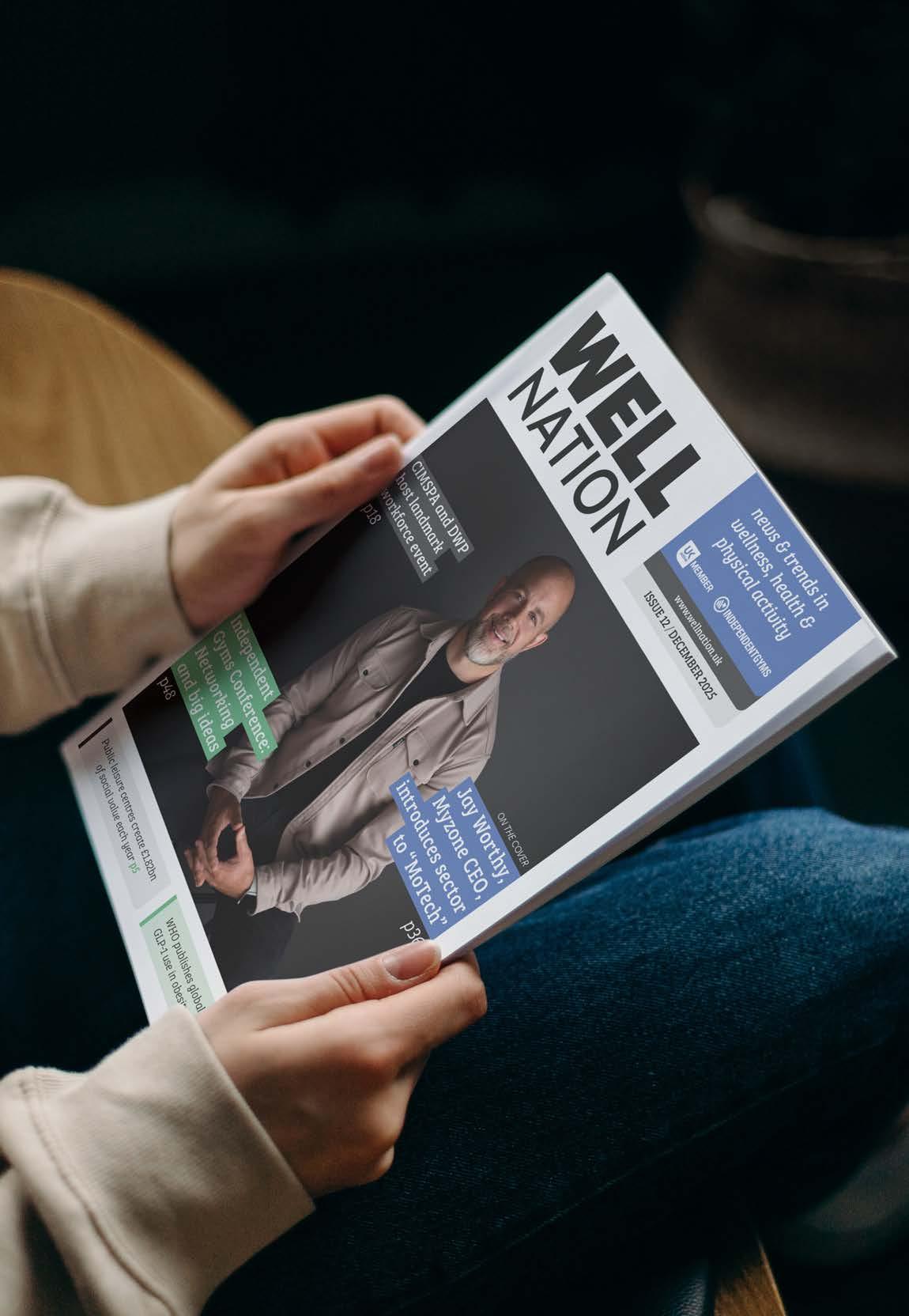
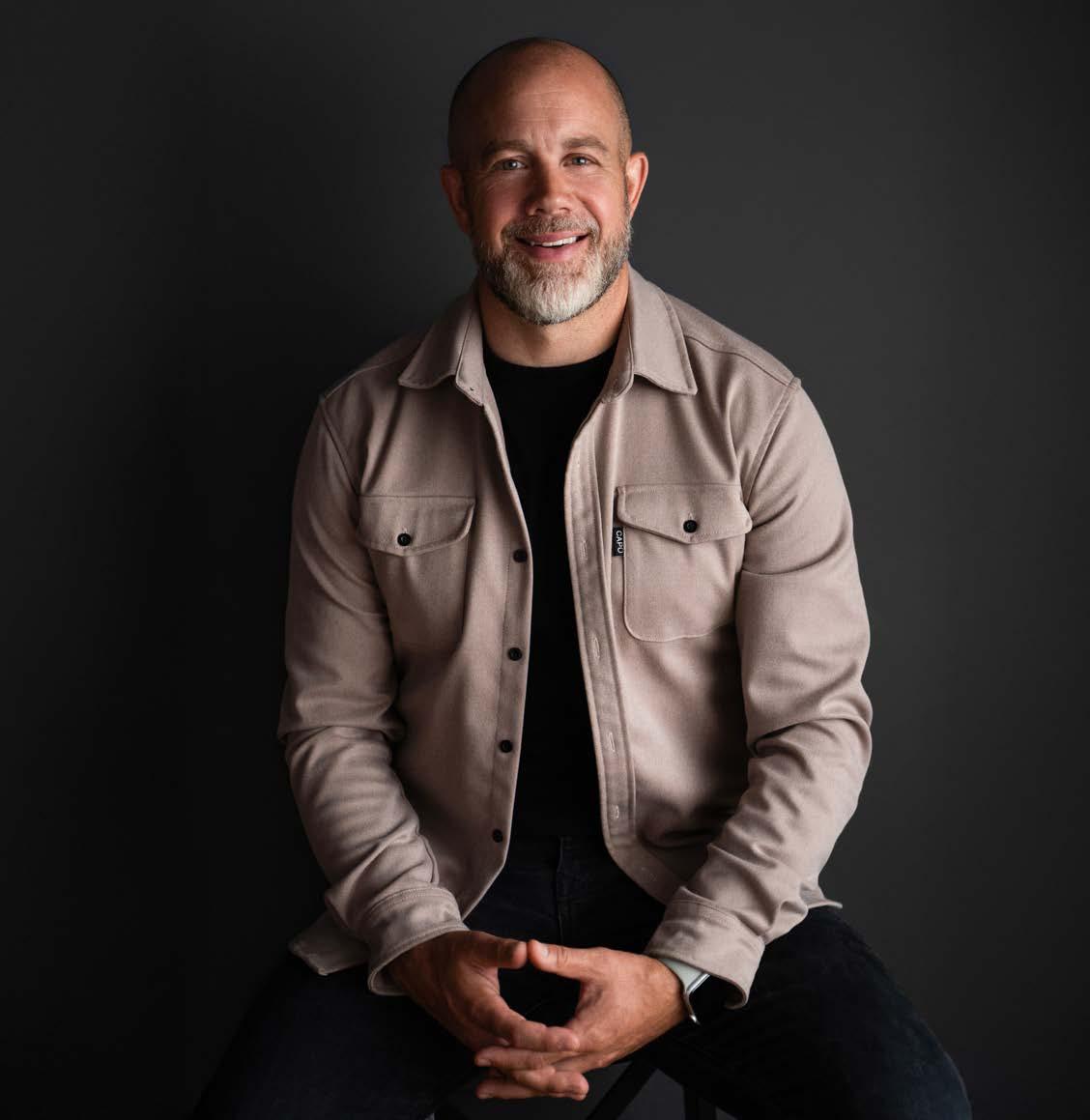
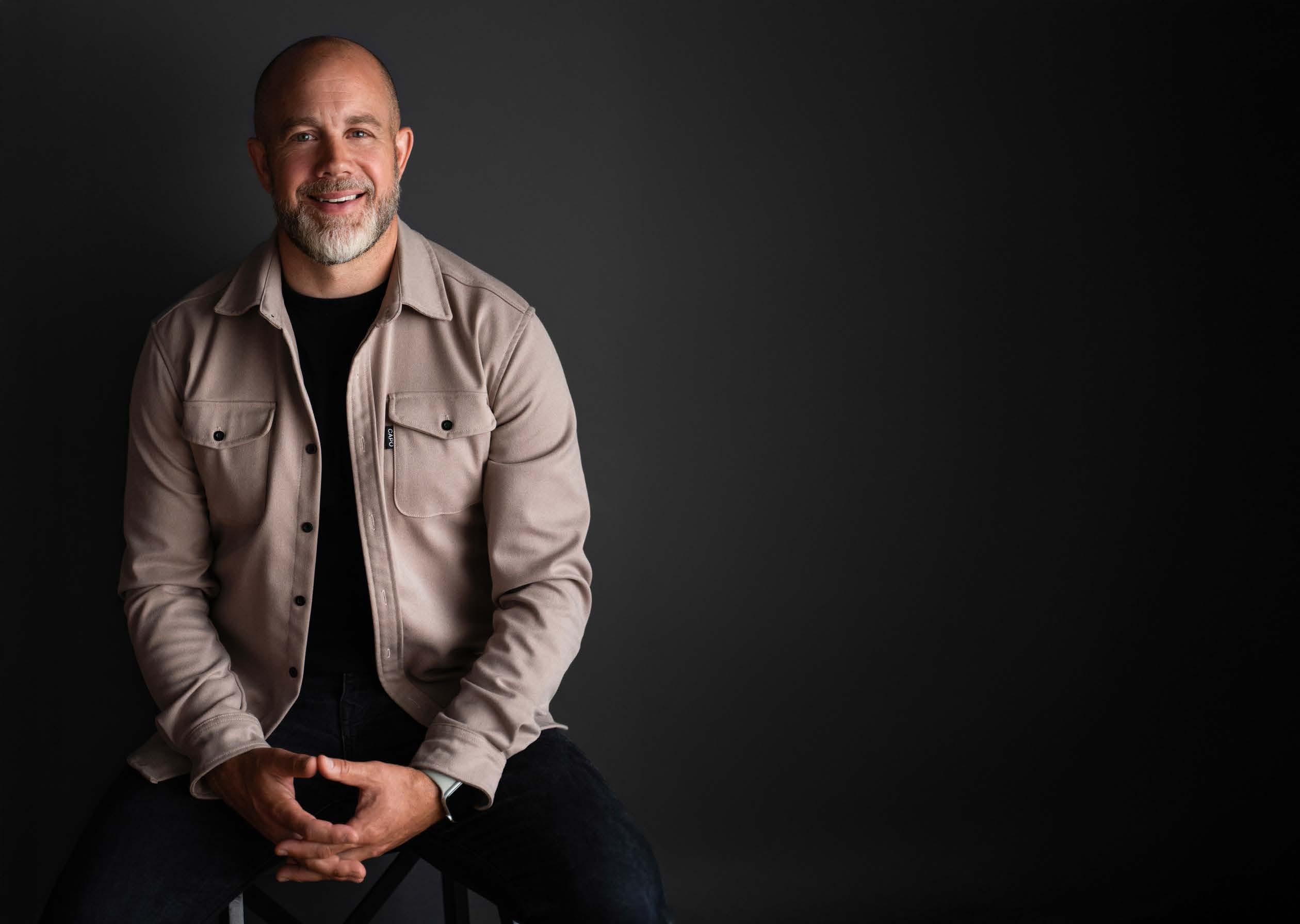
The future of ��tness isn’t just technology-enabled, it’s behaviour-enabled. So says Jay Worthy, CEO of Myzone, who speaks to WellNation about how the company is spearheading the sector’s movement towards “MoTech”
In a fitness industry increasingly shaped by data, digital expectations and shifting consumer behaviour, Jay Worthy stands out as a leader pushing for something both simpler and more profound: motivation. As Group CEO of Myzone, Worthy is guiding the company through a new strategic era centred on what it calls “MoTech” – motivational technology designed to help people sustain physical activity long enough for it to meaningfully transform their lives.
It is, in many ways, the culmination of a 25-year journey that has taken Worthy from the gym floor to the top of some of the most influential companies in the sector. Worthy describes his career path as “intentional, but not planned” – a combination of curiosity, ambition and a desire to understand human behaviour.
“I started working in a gym in the late ’90s, focused on helping people with their workouts in return for free gym membership,” he says with a smile. “I followed curiosity and generally always focused on stretching myself with every move. It was my curiosity that pulled me into every role and ultimately shaped my entire professional life.”
This approach has led Worthy to hold a range of leadership roles across the global fitness landscape,
including President and CEO of equipment giant Life Fitness, where he led a US$500m exit to private equity. Alongside this, his curiosity has seen him complete a Master’s in Human Performance Physiology and another in Nature Connection and Green Health – “both of which have shaped how I think about behaviour change, motivation, human wellbeing and sustainable performance,” he adds.
In 2024 he joined Myzone as Global CEO, a company he had used personally for years. What attracted him was not simply the product, but the underlying psychology. “I knew instinctively that Myzone wasn’t just about tracking data; it was really changing behaviour,” he says.
Now, as Myzone enters a pivotal new phase, Worthy is shaping a vision for the company – and the wider industry – based on meaning, connection and long-term adherence.
During his 25 years in the sector, Worthy has witnessed profound change. The most striking shift, he says, is the move from an equipmentled model to one that is decisively experienceled. “In the late ’90s, success was about access to facilities and machines,” he says. “Today, it’s about creating seamless, connected journeys across home, outdoors and club environments.”
We don’t have a participation problem; we have a motivation problem

Worthy’s view is that while technology has fuelled rising expectations and fitness is often described as experiencing a “digital revolution”, there is something more profound happening – a behavioural revolution.
“The biggest change isn’t really digital at all, it’s behavioural,” he says. “We’re no longer asking, ‘How do we train more people?’ but ‘How do
The shift reflects a sector increasingly aware of the motivation gap. People don’t struggle to access fitness options, they struggle to remain consistent. “We don’t have a participation problem; we have a motivation problem,” he says. “People start with good intentions but struggle to stay engaged.”
According to Worthy, fragmented digital ecosystems, rigid metrics and standardised programming only deepen the challenge. Instead, he argues, the future lies in building tools and environments that support behaviour change sustainably and psychologically.

Despite the challenges, Worthy is optimistic. He believes the industry’s greatest strength is its sense of shared purpose: “We exist to help people live healthier, happier, more connected lives and that gives the sector a level of shared
This purpose drives a global network of operators, coaches, innovators and suppliers who are motivated not only by commercial success, but by impact. What has also changed for the better, he says, is the sector’s focus on inclusivity and experience. Fitness has moved decisively beyond the hardcore gym-goer. “We’re no longer designing for athletes, we’re designing for everyone,” he says. “The industry’s mindset has broadened too. We’ve moved away from purely performance-based models toward approaches that recognise effort, celebrate progress, and support long-term habit formation.”
For Worthy, the sector’s evolution (from performance to supporting habits) mirrors the values that underpin Myzone’s own philosophy. That is why, when Worthy stepped into the CEO role, one concept quickly became central to his vision: MoTech.
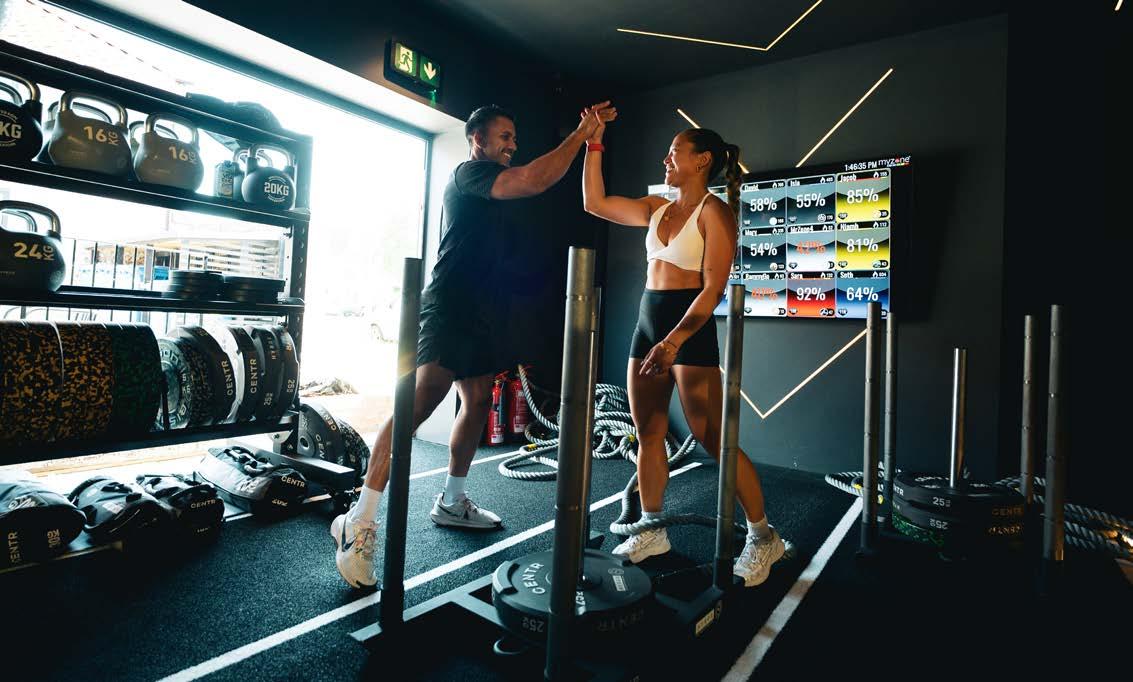
Worthy says that MoTech reframes what fitness technology should measure and why. Where traditional fitness tech focuses on tracking inputs, such as steps, calories and reps, MoTech focuses on the psychological drivers that fuel habit formation.
“MoTech is about focusing on why people move, not just what they do,” Worthy explains. “Tech has done a brilliant job tracking inputs, but it often misses the human drivers of behaviour.”
Myzone has always distinguished itself by measuring effort rather than performance. MoTech extends that philosophy into a broader behavioural framework. “MoTech bridges behavioural psychology and movement,” Worthy says. “It recognises progress and builds community. It’s motivation made measurable and meaningful.”
He believes the shift marks a major turning point for operators. In his view, the sector has spent years collecting data without sufficiently leveraging it to
support behaviour change. What the sector is seeing, is a shift from tech-enabled to behaviour-enabled.
“Operators can now go beyond offering technology features and start offering behaviour change solutions,” he says. “This is the shift from dashboards to decisions, from information to impact.”
In practice, this means using motivational insights to strengthen member confidence, personalise behavioural nudges and build supportive communities as well as create consistency across all environments and improve long-term retention. This is also where Worthy sees Myzone having a competitive and cultural edge.
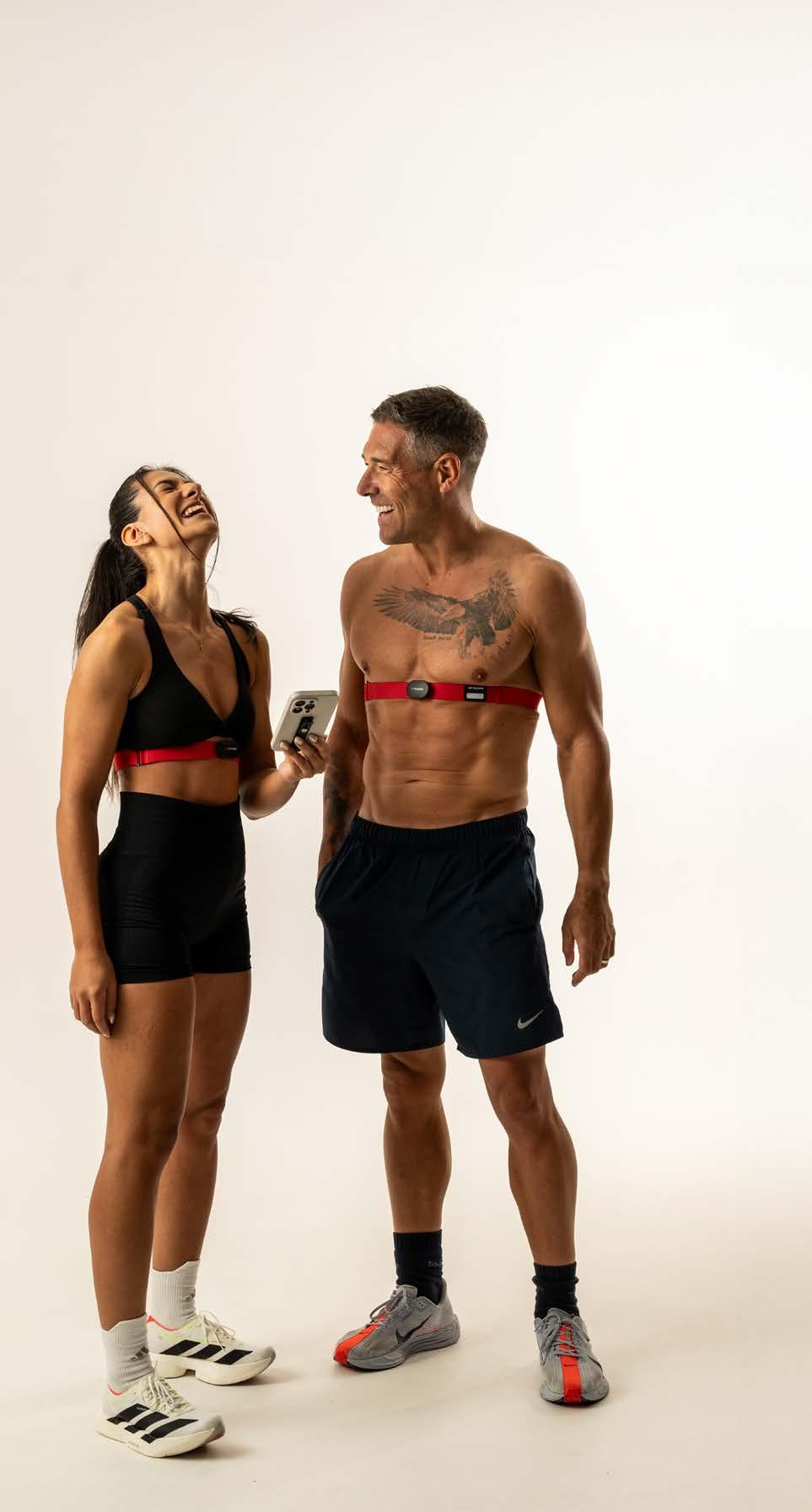
At the heart of Myzone’s evolution is the launch of Myzone Go, a new offering that extends the reach of MoTech beyond Myzone wearable devices and into smartwatches.
“Myzone Go brings the power of MoTech to anyone with a smartwatch, without the need for a Myzone device,” Worthy explains.
The new entry point has been designed to reduce friction for consumers and increase accessibility for operators. The aim is that, for clubs, it becomes a
way to engage new joiners early, meeting them where they already are technologically. For individuals, it creates a low-barrier route into the Myzone ecosystem, designed to support consistent daily movement, whether at the gym, outdoors or at home.
Worthy says that the strategy reflects an important insight: if the goal is long-term behaviour change, technology must adapt to members’ lifestyles, not the other way around.
“We’re focused on helping people move more through meaningful motivation and supporting operators with tools that meet members where they are – in the club, outdoors, at home and everywhere in between,” he says. “The next wave of fitness won’t be about more dashboards or more data. It will be about meaning, connection and psychology. That’s the space Myzone is doubling down on, and we’re excited to bring operators with us.
For Worthy, MoTech is not just part of Myzone’s future – it is its future. “It clarifies our purpose and allows operators to clearly understand the role we play in helping them improve retention,
engagement and member success,” he says.
Looking ahead, Myzone plans to expand its offering with more behaviour-led innovations, tighter integration across platforms and deeper relationships with club partners globally.
“We’re expanding the Myzone ecosystem, investing heavily in behaviour-led product design and strengthening our partnerships with clubs,” Worthy says. “You’ll see more simplicity and more ways to help members build consistent, enjoyable movement habits.”
Ultimately, Worthy sees the future of fitness as one where technology enables confidence, connection and consistency. “People aren’t looking for more data – they’re looking for more support, connection and confidence. The future will belong to those who deliver it.”
Worthy anticipates that over the next two years the sector will increasingly shift from performancedriven models toward motivation-first ecosystems. Winning operators will be those who unify experiences across all environments, build stronger communities and embrace technologies that reinforce human behaviour rather than overwhelm it with metrics.







The fitness and wellness sector continues to grow its reach – but what are the trends driving growth? WellNation spoke to Jon Monk from Performance Health Systems, who has spent the past 20+ years in the sector
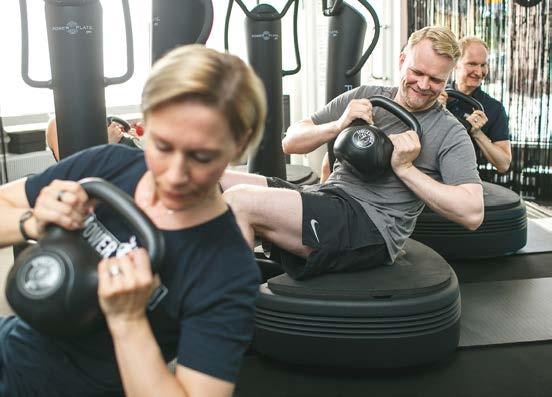
Wellness services are growing at between 7% and 8% annually across EMEA and recovery is emerging as one of the fastest-moving segments within fitness. Across the region, wellness tourism is surging too, expanding by nearly 12%, while the medical spa sector is growing even faster, at more than 15% – according to Grand View Research.
Leading operators are already responding to this shift. Virgin Active, David Lloyd and Snap Fitness are among the gym chains to have introduced restorative and recovery-focused programmes, ranging from Pilates for recovery to sound therapy sessions.
To explore how these trends are transforming the UK and European wellness landscape and how operators can leverage them, WellNation spoke with Jon Monk, EMEA Sales Director at Performance Health Systems, for his insights into the rise of recovery, longevity, and precision wellness across the continent.
Recovery and wellness services are growing fast. What’s driving this?
We are quickly learning that recovery is no longer niche - it’s reshaping fitness, wellness and hospitality. Consumers now expect experiences that enhance circulation, reduce stress, and support long-term health, over traditional workouts.
How are operators responding to these trends?
Leading operators are already adapting. For example, fitness studios, health clubs, hotels and large corporations are increasingly creating dedicated recovery zones, recognising that measurable outcomes and personalised experiences are in demand by their customers, members and employees.
How does recovery relate to longevity and health optimisation?
Recovery is the foundation of longevity and health optimisation. As operators embrace personalised diagnostics, AI-driven health plans, and preventive wellness strategies, technologies like Power Plate and bioDensity enable precision wellness at scalebridging fitness, recovery and preventative care.
What opportunities does this create for operators?
Recovery is expanding faster than traditional fitness, creating new in-club destinations where people
go to recover, prevent issues like bone decline, and feel genuinely cared for. And feelings drive behaviour: when members feel looked after, they visit more often, stay longer, and refer others. PHS enables operators to lead this shift with measurable, science-backed outcomes in mobility, strength and longevity - turning recovery into a destination that boosts both wellbeing and business performance.
With vibration technology already used in health clubs, studios, professional sports, corporate wellness, and high-end hospitality environments, PHS is uniquely positioned to help operators deliver strength, mobility, bone health, circulation and recovery. Our platforms allow facilities to create highimpact, multifaceted recovery spaces that enhance performance longevity and member satisfaction.
Looking ahead, what’s next for 2026 and beyond?
We’re hearing from our international partners that there is an increase in demand for hybrid fitness–clinic models, personalisation, and tech-enabled recovery experiences, as standard. Recovery, longevity, and health optimisation will become the new wellness currency, and PHS brands – Power Plate and bioDensity – are ideally placed to support operators in meeting this growing demand.

Physical activity sector pioneer and Soul Padel board advisor, David Stalker, explains why padel holds the key to building a more active, connected nation
After more than three decades working across health, fitness and leisure, one question continues to define my career: how do we get more people, more active, more often?
Despite progress in many areas, the UK’s inactivity crisis remains one of our greatest collective challenges. It’s not just a health issue — it’s a social one. The impact reaches far beyond the NHS balance sheet, affecting wellbeing, productivity and community cohesion. For all the campaigns and initiatives that have come and gone, many people still feel that traditional sport and fitness simply aren’t for them.
To change that, we need to offer activities that are instinctively inclusive, social and joyful, where the first step feels easy and the barriers to entry are low. Which is why I believe padel could be one of the most powerful catalysts we’ve seen in decades.
I first encountered padel in Portugal a few years ago. What struck me immediately wasn’t just the pace and energy of the game, but the diversity of the players. Four people of completely different ages, abilities and backgrounds, all laughing, competing and connecting. It was fast, tactical and fun – but above all, it was social.
That’s the magic of padel. It doesn’t feel like exercise in the traditional sense, yet it delivers all the physical and mental benefits of movement. It attracts people who might never set foot in a gym or join a running club. It’s accessible, engaging and easy to pick up –everything a mass participation activity needs to be. According to the LTA, more than 400,000 people played padel in Britain in 2024, up from just 15,000 in 2019. Awareness has nearly doubled year-onyear, with almost half of UK adults now familiar with the sport. Behind those statistics lies something even more significant: genuine momentum.
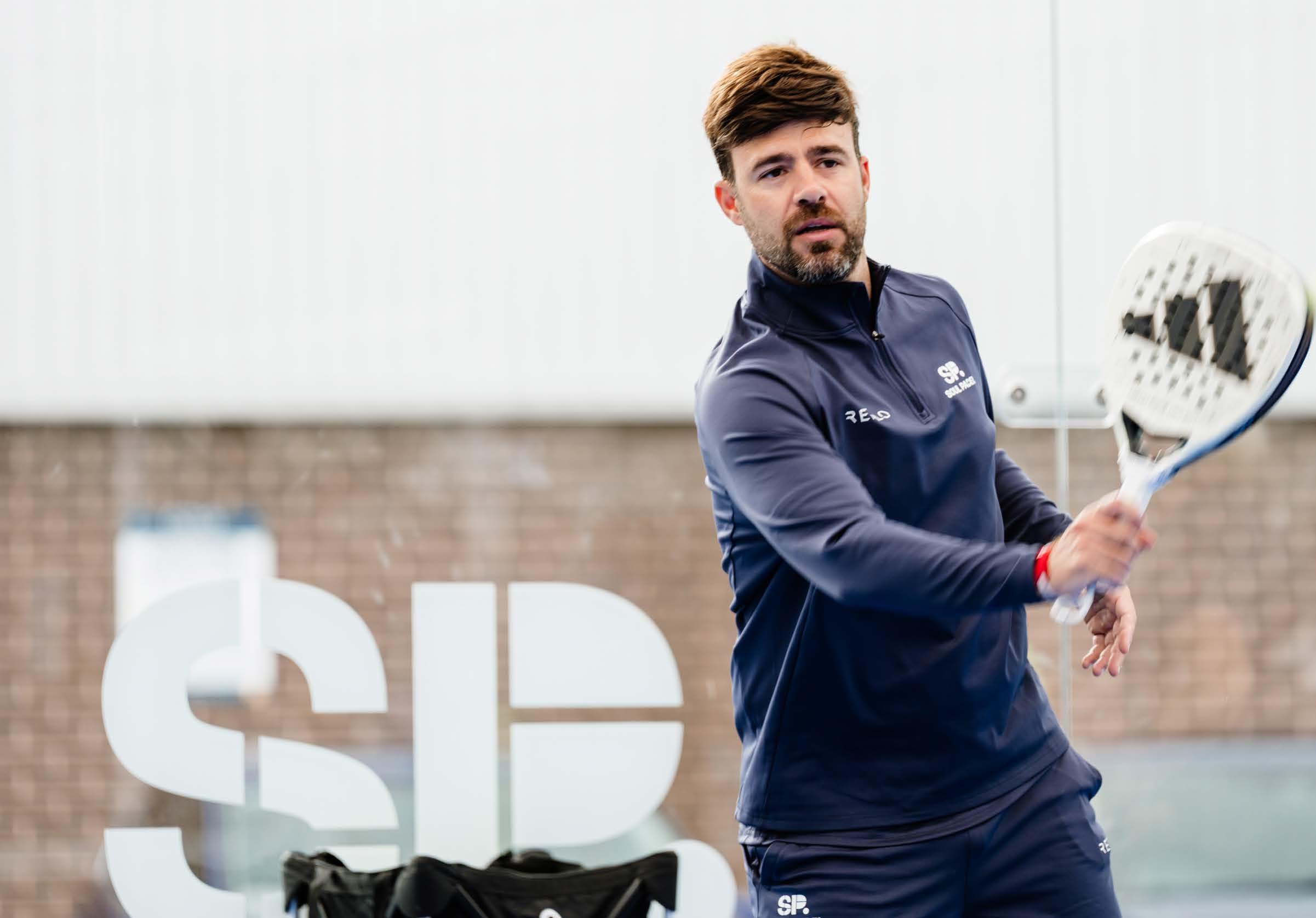
Padel sits at the intersection of everything our sector has been striving for – movement, connection and fun
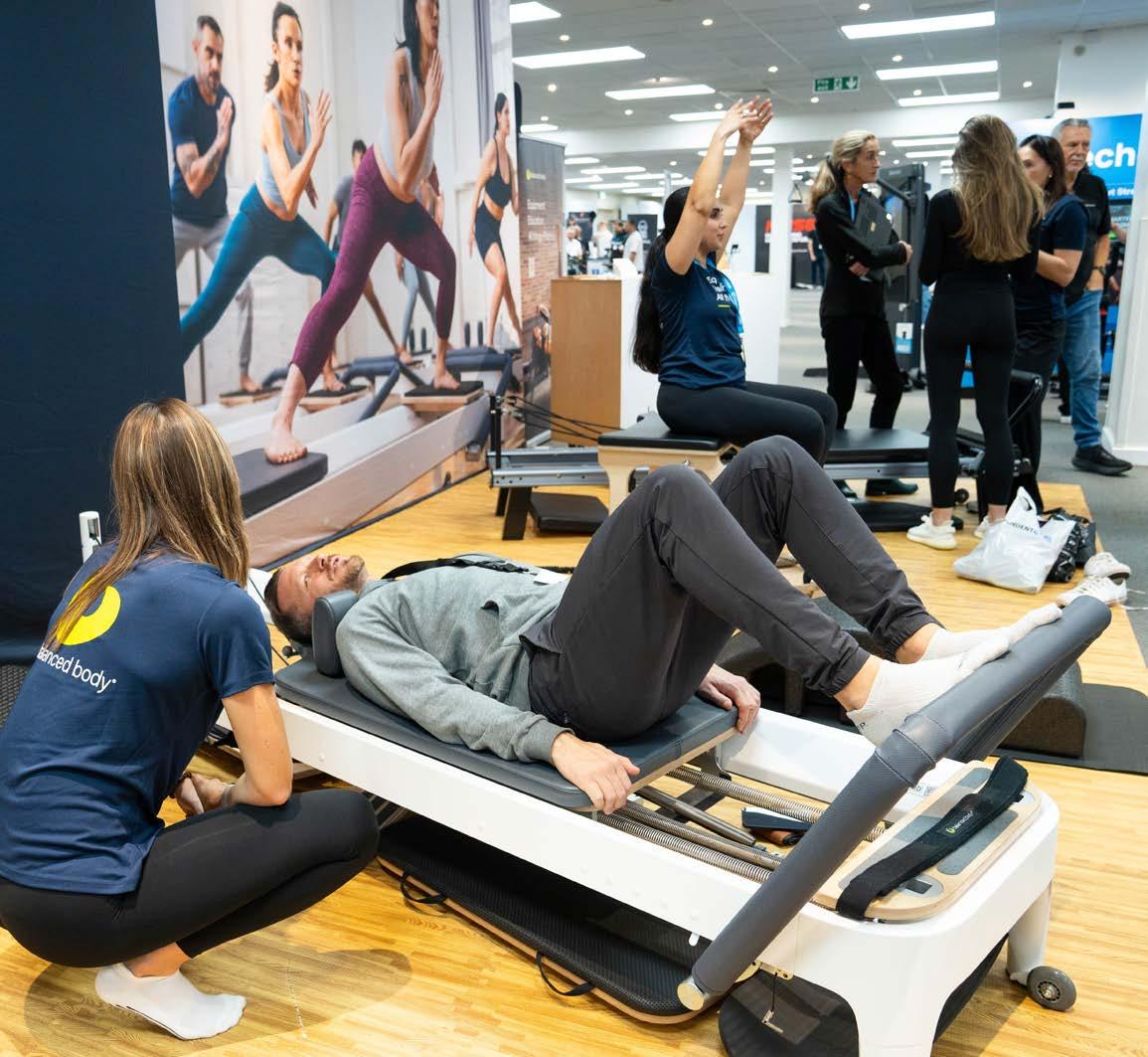
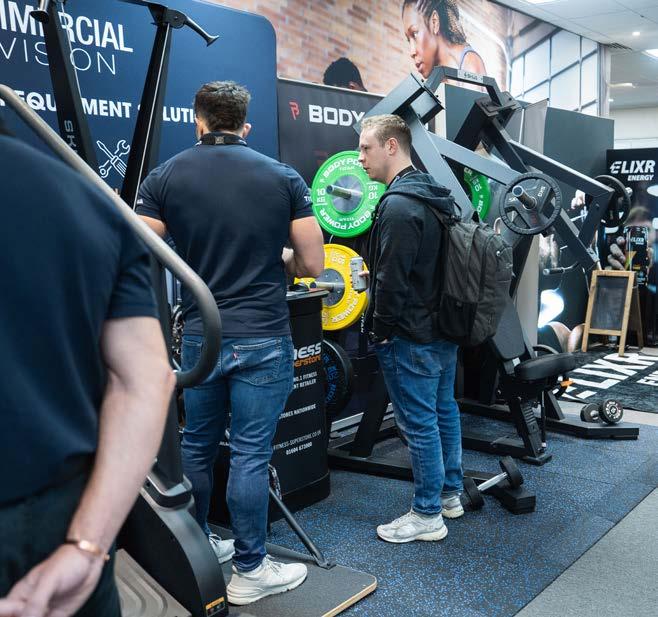
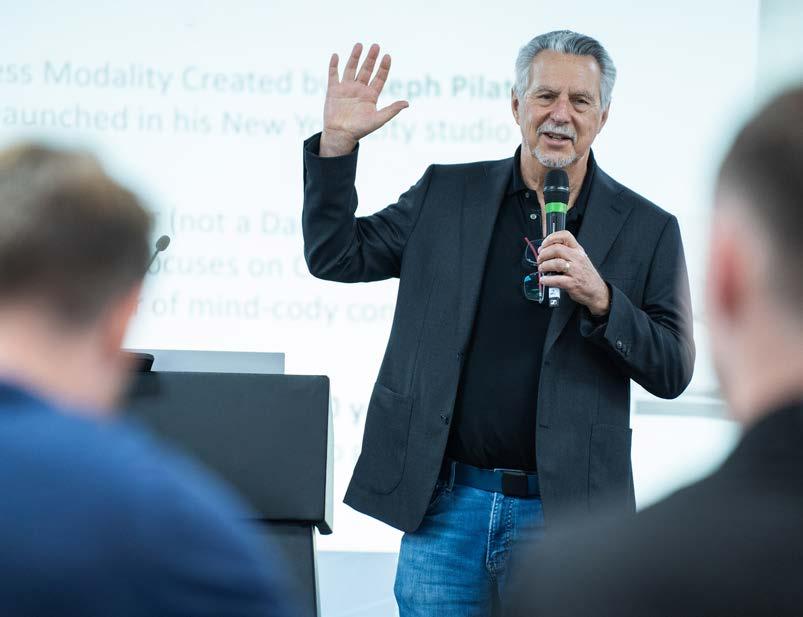
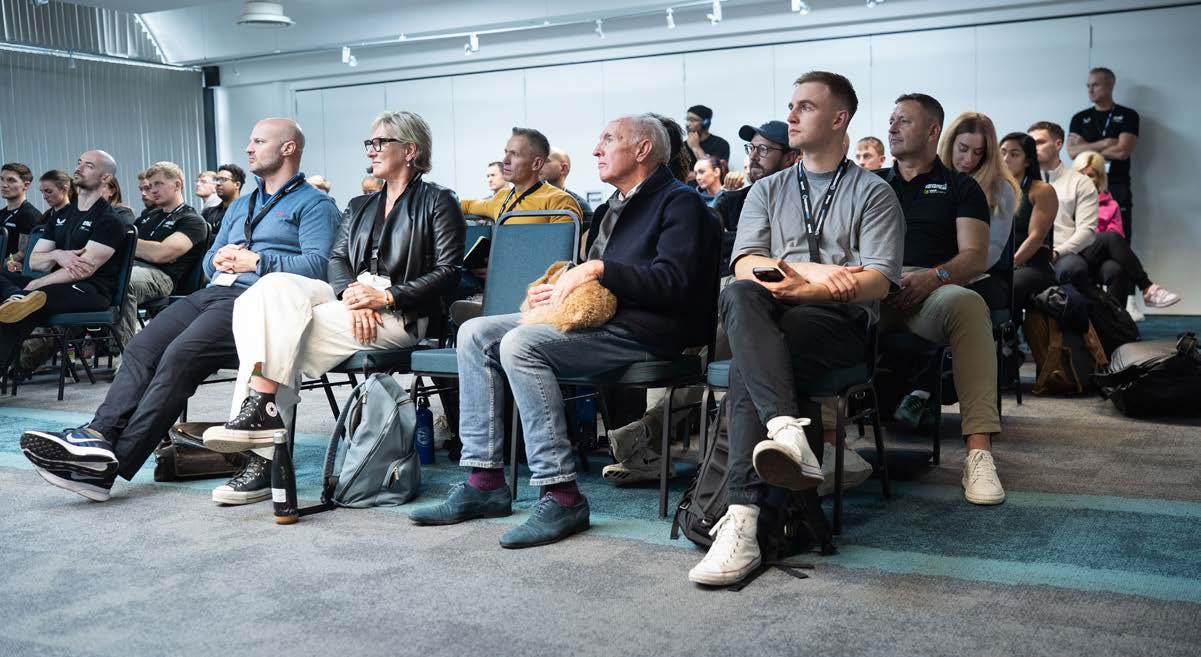
This year’s Gym Operator Conference attracted a bumper crowd of delegates. Held over two days for the first time, the event saw plenty of networking and some bold ideas on what it takes to run a successful operation in today’s fitness landscape
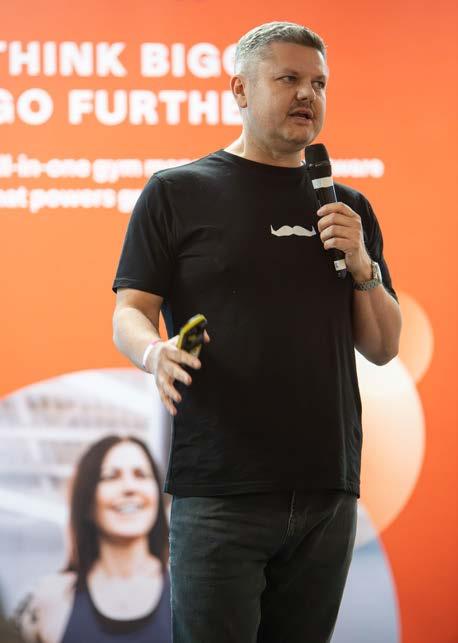
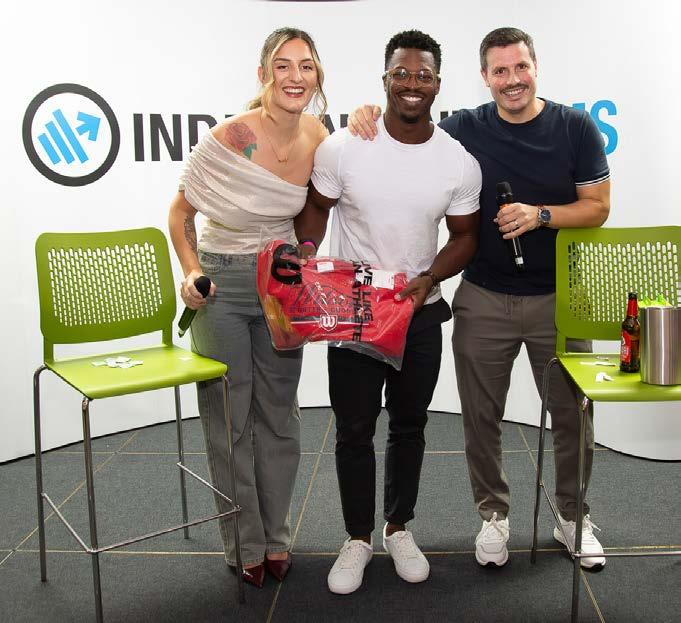
The Gym Operator Conference, powered by Independent Gyms, brought together more than 400 gym owners and personal trainers at Cranmore Park Conference Centre in Solihull, marking one of the most energising and connective moments for the UK fitness industry. Over two days, attendees had access to four speaker stages that held several keynotes and sessions covering critical topics, such as business growth, operations, marketing and industry trends. A dedicated Group Exercise stage shone a spotlight on evolving class formats and the future of group fitness.
In addition to the main conference, there was a connected stream of learning for personal trainers (PTs). Level UP by Your PT ran alongside, a powerful strand aimed squarely at PTs, whether freelance or in-gym, giving them education, tools and fresh networking opportunities.
The exhibition floor was buzzing with around 60 leading brands and service providers showcasing their latest offerings, from technology and software solutions to training equipment. Whether people came to strike commercial partnerships, explore new solutions, or simply to reconnect with the community, there was something for every gym owner.
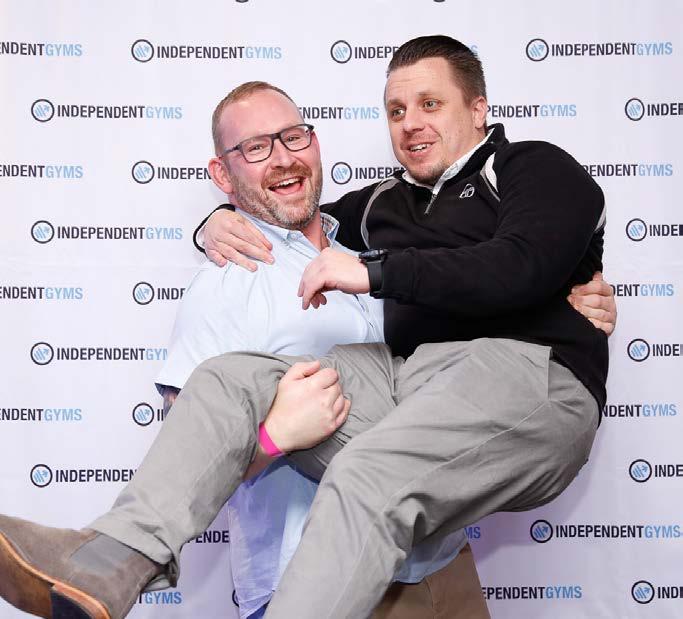
On top of the formal sessions, there was real heart in the networking. Gym owners, operators and fitness professionals mingled, shared challenges, and sparked collaborations. Many commented that beyond the insights, just being in a room with others “who get it” was incredibly valuable.
Overall, the conference felt like a strong reminder of where the independent fitness space is headed: collaborative, ambitious and innovation driven. As one attendee put it, “I left more confident, more connected and ready to take my gym to the next level.”
Robert Handy, founder of Independent Gyms, said: “We’ve grown our events year on year, but this one definitely felt special.
“The 2025 edition was our first two-day format and there was a real buzz in the air as we watched owners, operators and our partners connect over two days. Nothing stuffy, just down-to-earth connections that will benefit our members both now and in the future, we’re already excited about our plans for 2026!”
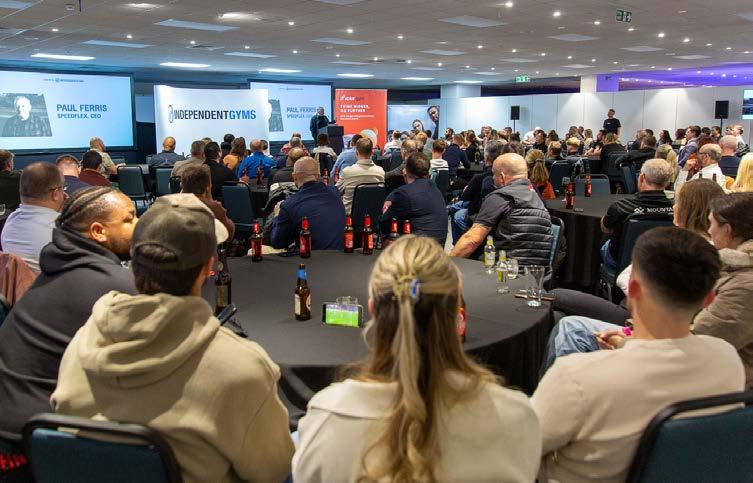
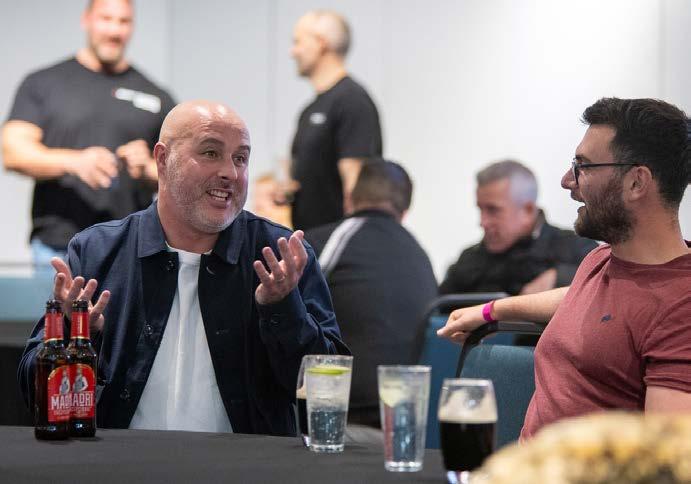
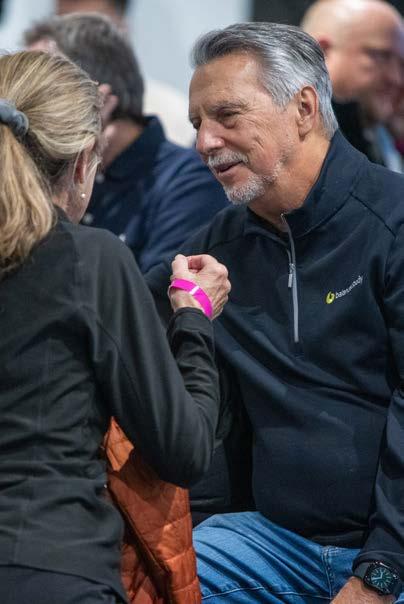
Over two days, delegates had the opportunity to choose sessions across four speaker stages, with several keynotes covering critical topics
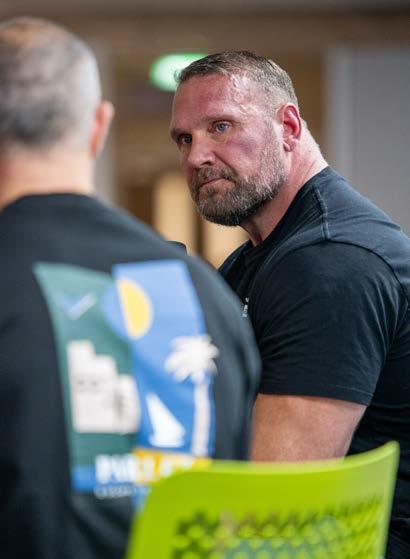
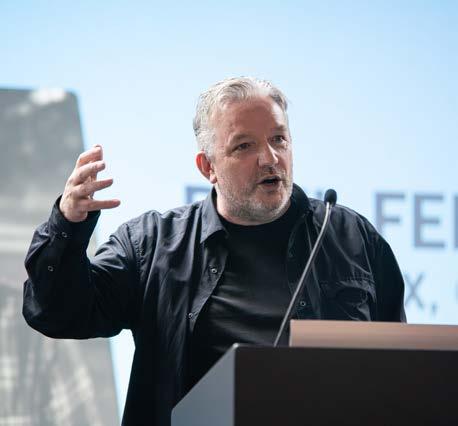
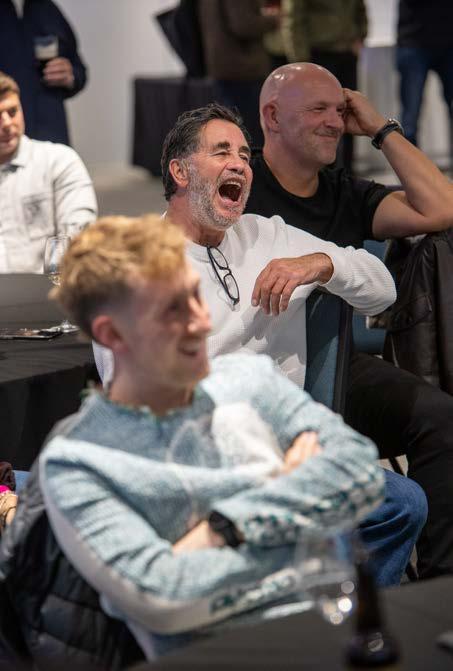
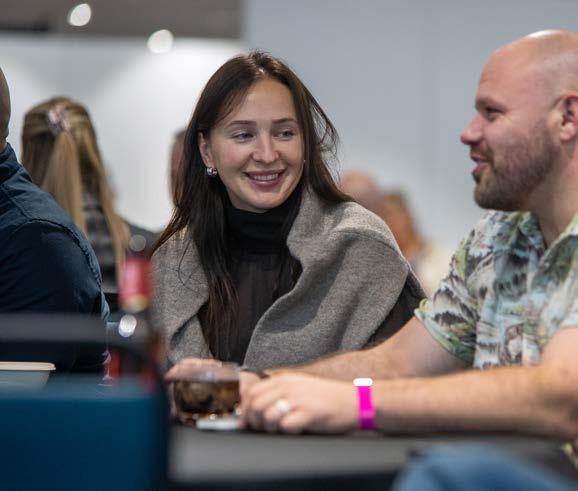



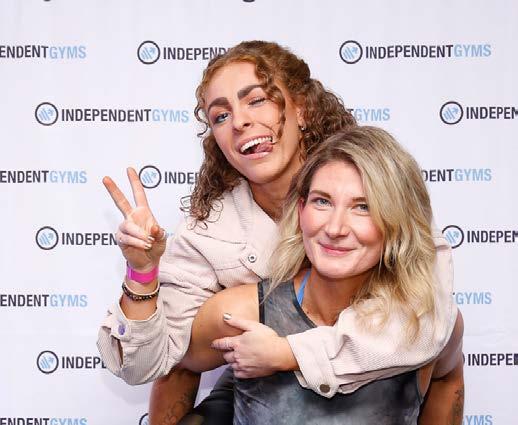
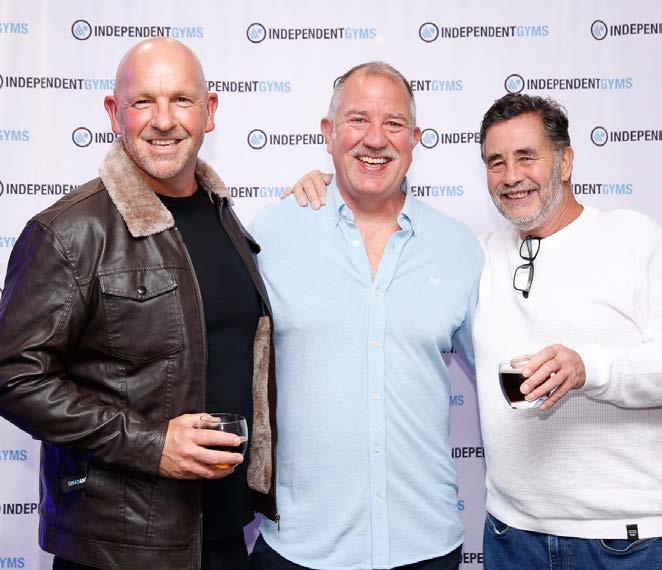
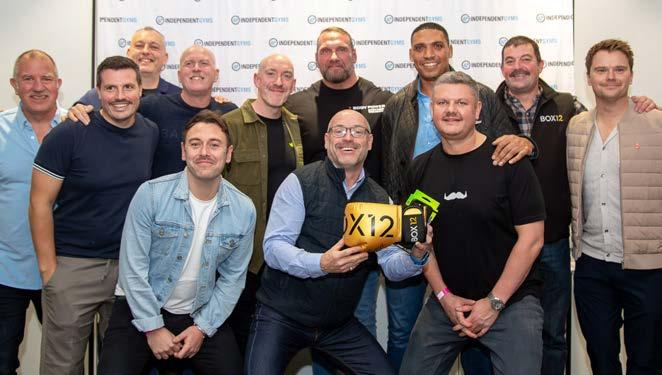
The two days featured networking, big bold ideas, learnings and insights – delivered in a great atmosphere of togetherness

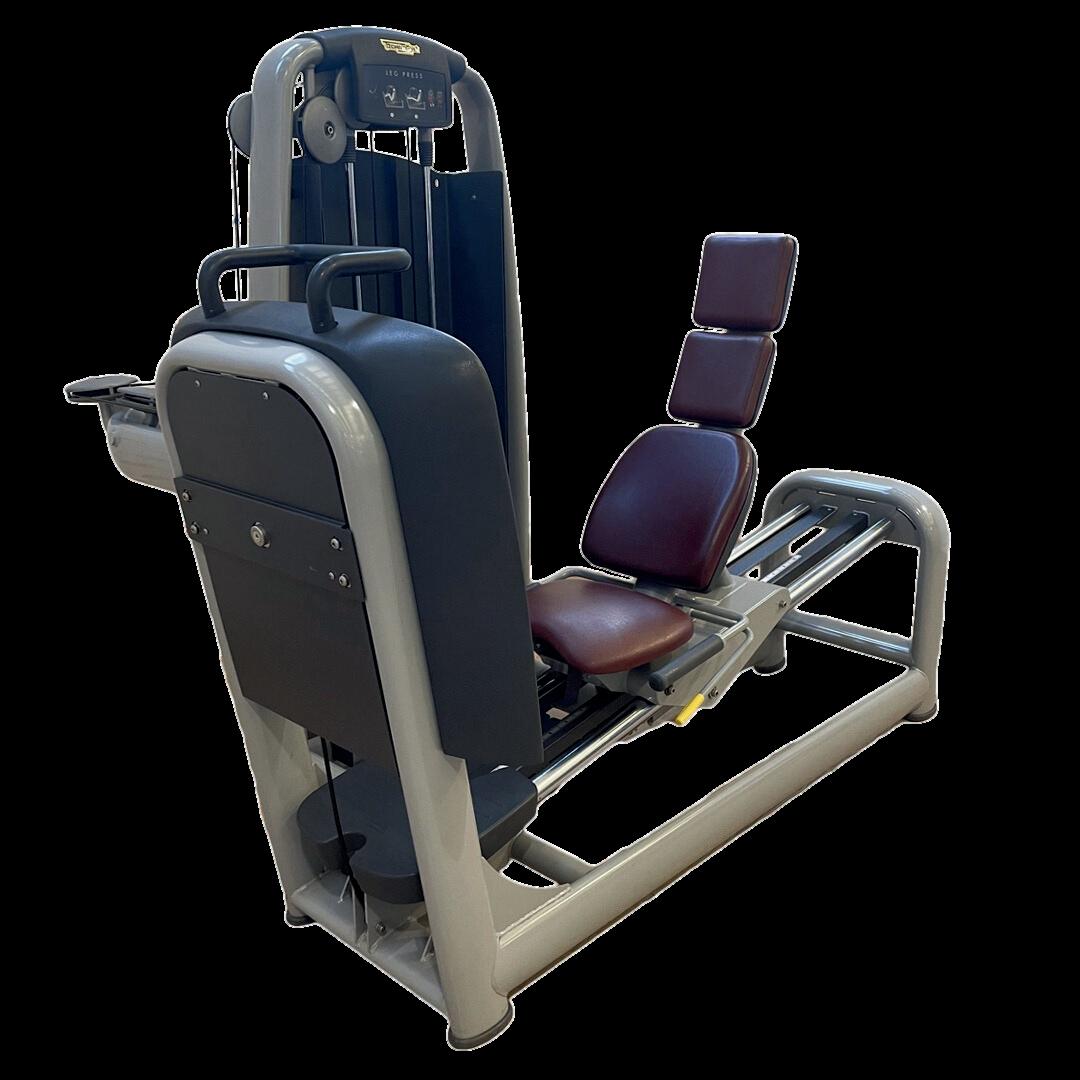
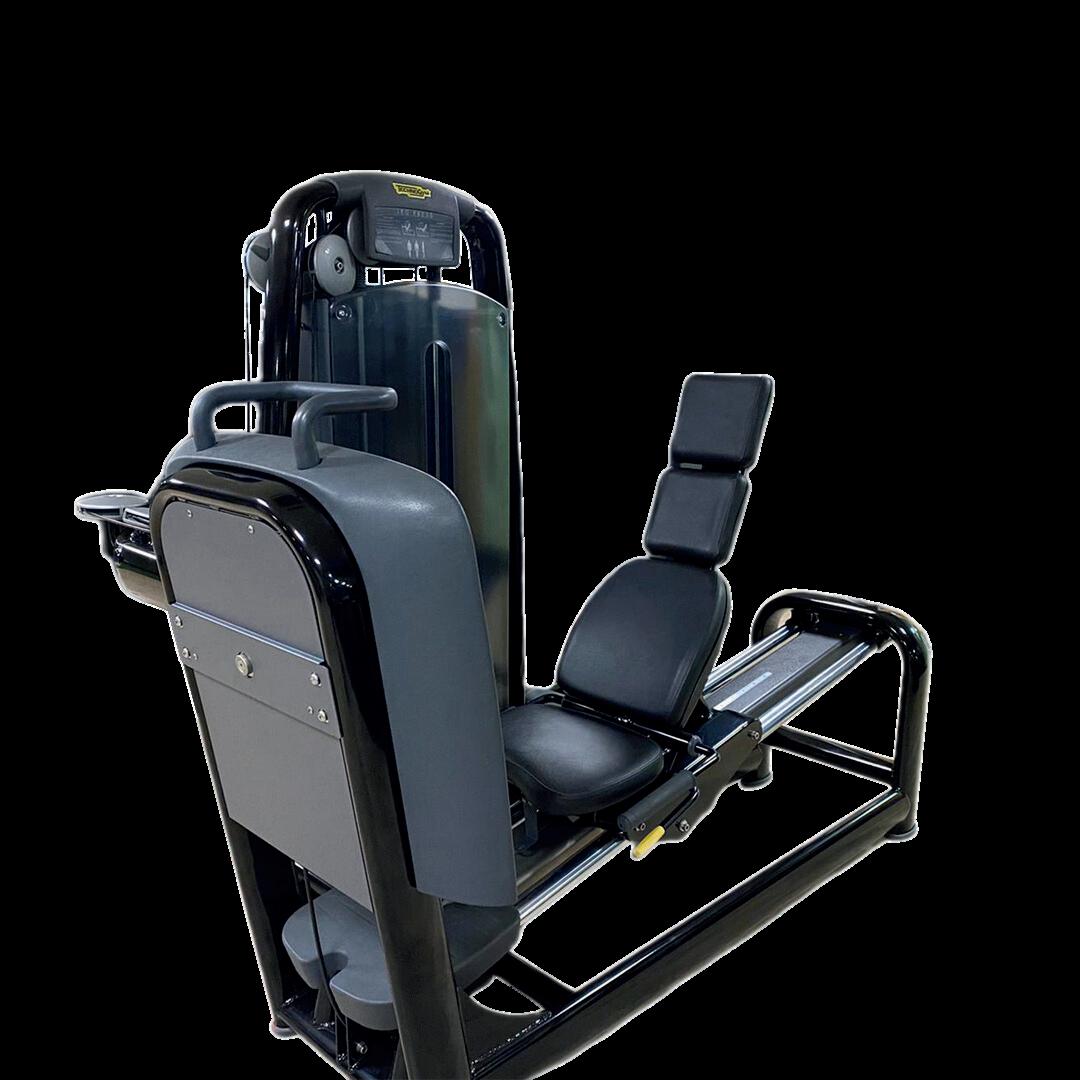
Looking to breathe a new lease of life into your gym but struggling to finance the purchase of new equipment?
Now is the time to consider refreshing your used gym equipment without fear of it continuously failing you.
Full extraction and installation of your existing equipment
Brand new replacement parts
Custom-branded frame colour
Custom-branded gym equipment pads
12 months warranty

WellNation reports from the one day fitness event described as a “celebration of insight and customer experience excellence”
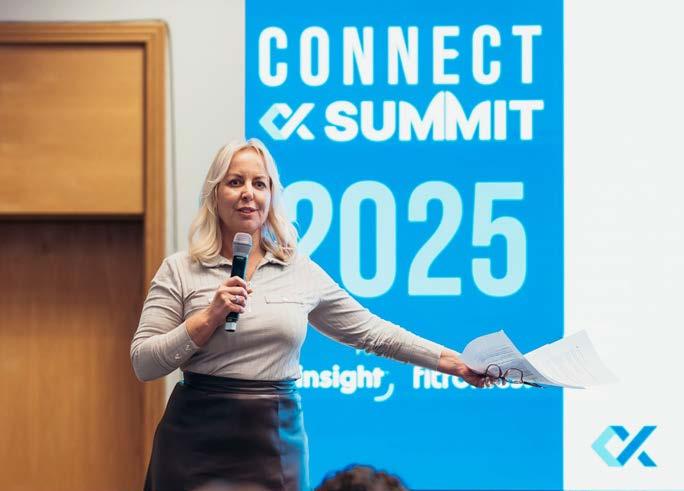
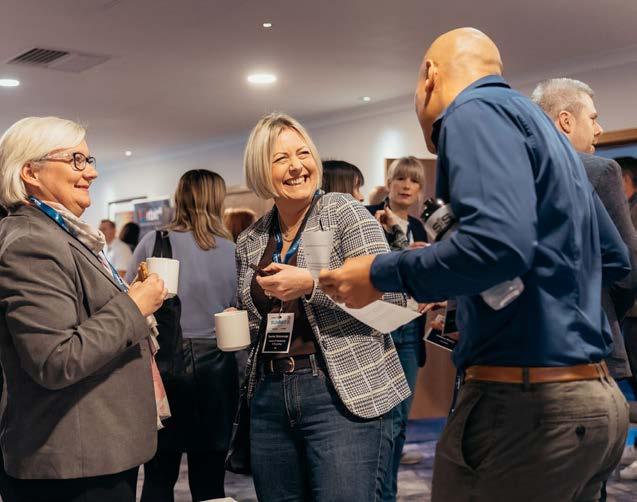
The Connect CX Summit 2025, held on 11 November, delivered a sold-out programme of high-impact learning, expert insight and lively connection, brought to the industry in partnership between Proinsight and Fitronics. The aim is for the event to become a platform that places customer experience at the forefront of sector-wide progress.
The day opened with an energising Les Mills Yoga session, offering delegates a refreshing and mindful start. At 10am, hosts Lesley Aitken and David Hopkins formally welcomed attendees, setting a tone of ambition, collaboration and optimism for the future.
The morning progressed with a powerful keynote from Pete Cohen, who explored “Elevating the Customer Experience with the Power of Intentions”. Delegates responded enthusiastically to his focus on purpose-led leadership and emotionally intelligent service design – themes that resonated throughout the day’s discussions.
Following the 2-minute silence for Remembrance Day, the summit moved into the first round of TRP
excelling in service delivery, operational standards and customer engagement. This year’s winners included Magna Vitae, Village Hotels, Hertfordshire Sports Village, Everyone Active, Village Gym Swindon and Sandwell Leisure Trust (which has since rebranded itself as Kore) – each recognised for setting the bar high in their commitment to outstanding customer experiences.
A highlight of the morning was the research session led by Professor Melvyn Hillsdon, who presented the latest insights from TRP and Active Insights. His exploration of what non-members really think – and why the industry must address the “expectation gap” – provided valuable context for operators looking to expand reach and relevance.
The afternoon continued with equal momentum. Tony Eames delivered a compelling session on “Beyond the Gym: Building Real Communities That Move,” encouraging operators to prioritise belonging and authentic connection. This was followed by an operator-focused conversation with Marc Jones and Justin Musgrove, sponsored by HIREBOBAI, exploring the future of AI, technology and service personalisation.
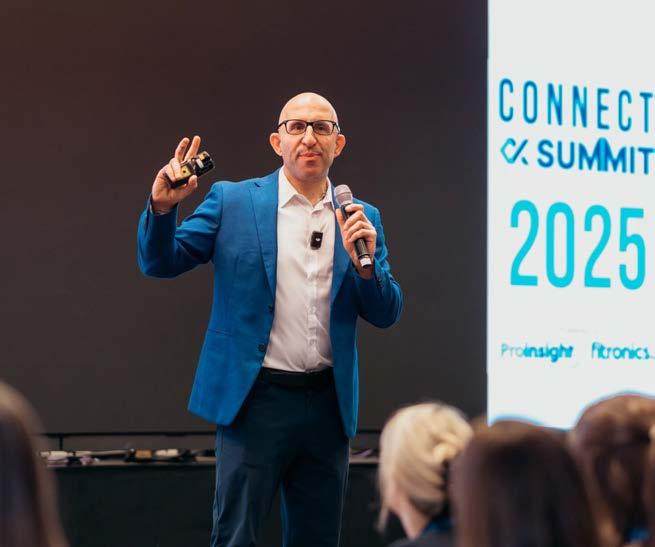
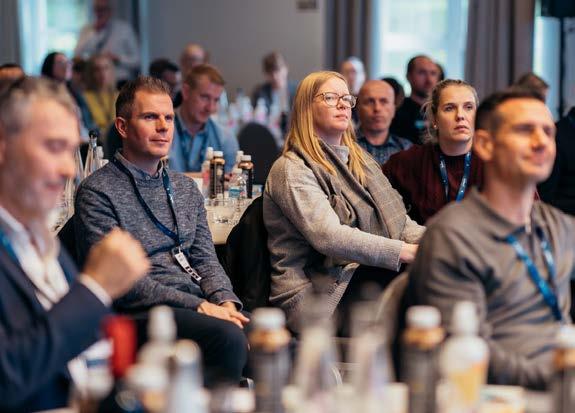
A standout session came from Sarah Degeorges, whose expertise in luxury hospitality brought a fresh perspective to “Feeling is the Secret: Designing Luxury Client Experiences”. Her session gave operators tangible principles for elevating the emotional touchpoints of their customer journeys. Sarah later joined Chloe Kinch, David Connell, Stephanie Heath and host David Hopkins for a dynamic panel discussion on “creating magic moments,” which explored how small, intentional actions can transform experiences in ways that drive both satisfaction and loyalty.
The summit concluded with a lively networking session, giving delegates the perfect opportunity to build relationships, share learning and continue conversations sparked throughout the day. The atmosphere remained energetic, collaborative and optimistic – a true reflection of the spirit of the event.
As the industry continues to navigate changing customer expectations, increasing competition and rapid technological evolution, events like Connect CX play a vital role in shaping what comes next. Through their combined expertise – Proinsight in measuring and understanding
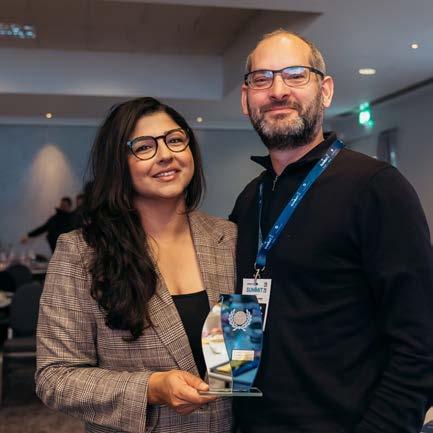
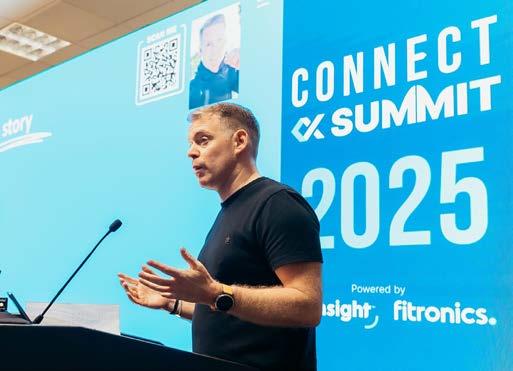
Proinsight – a specialist in customer experience measurement and mystery shopping.
Fitronics – a software company offering platforms such as TRP, CoursePro and Intelligent Counting.
The companies have a shared mission to support organisations across the fitness and wellness sector to better understand their customers, refine their service journeys and ultimately build stronger, more engaging member experiences.
Connect CX Summit is also supported by headline sponsor, Alliance Leisure; platinum plus sponsor, Les Mills: and several supporting partners, including Orbit4, GGFit/Future Fit, Active Insights, HIREBOBAI, ZIVA and Taylor Made Designs.
the customer journey, and Fitronics in analysing, interpreting and activating customer insight – both organisations remain committed to supporting operators across the sector to deliver exceptional, consistent and emotionally resonant experiences.
In every sense, the Connect CX Summit 2025 was a standout success: sold out, highenergy, content-rich and deeply aligned to the future needs of the industry.