
Dear Students and Parents/Carers,
The structure and content of our 2026 Electives Program has arisen out of a strong desire to provide the greatest possible flexibility and areas of interest for students.
Our program is unique; it exceeds customary elective programs by offering the ‘best of both worlds’ of innovation and traditional learning program options.
It is our belief that students should have the opportunity to try different fields of study, especially when young, as only actual exposure to specific learning areas can enable an individual to decide whether this is an area of passion, or not. Similarly, students must be equipped to enter a modern world, one rich in technology, and possess the knowledge and skills to thrive.
Options include traditional learning subjects which are coursework based, most routinely found in schools. We offer a variety of different elective course options for students to study, which also include Record of School
Achievement (RoSA) accreditation for most courses. Additionally, students may choose to study alternative program courses, such as Digital Media, Outdoor Education or Electronic and Software Engineering. Another option is Aviation, which provides specific qualifications or accreditation once the course is completed.
We have put considerable thought and energy into our 2026 Electives program so that our students have opportunities to pursue a contemporary and relevant education, as well as have genuine choice.
As our society becomes increasingly globalised, more sophisticated, and demands more of its workforce, we believe education plays the key role in preparing students to progress to readiness for ‘life beyond school’. Knowledge alone will no longer satisfy those needs; rather additional skills in problem identification, problem-solving and lateral thinking, the ability to authentically collaborate in teams and to synergise, as well as think independently and analytically, and to communicate effectively, are all going to be essential for longer term success.
We are proud to offer our students these opportunities at an early stage and to enable them to pursue their areas of passion, once identified, enabling substantial life-long learning and fulfilment.
The pages that follow provide some further detail and insight into the options available; however, as always, you are most welcome to make further enquiries with those who lead each program.
Dr Andrew Bell Principal 02 6457 1022 principal@smgs.nsw.edu.au
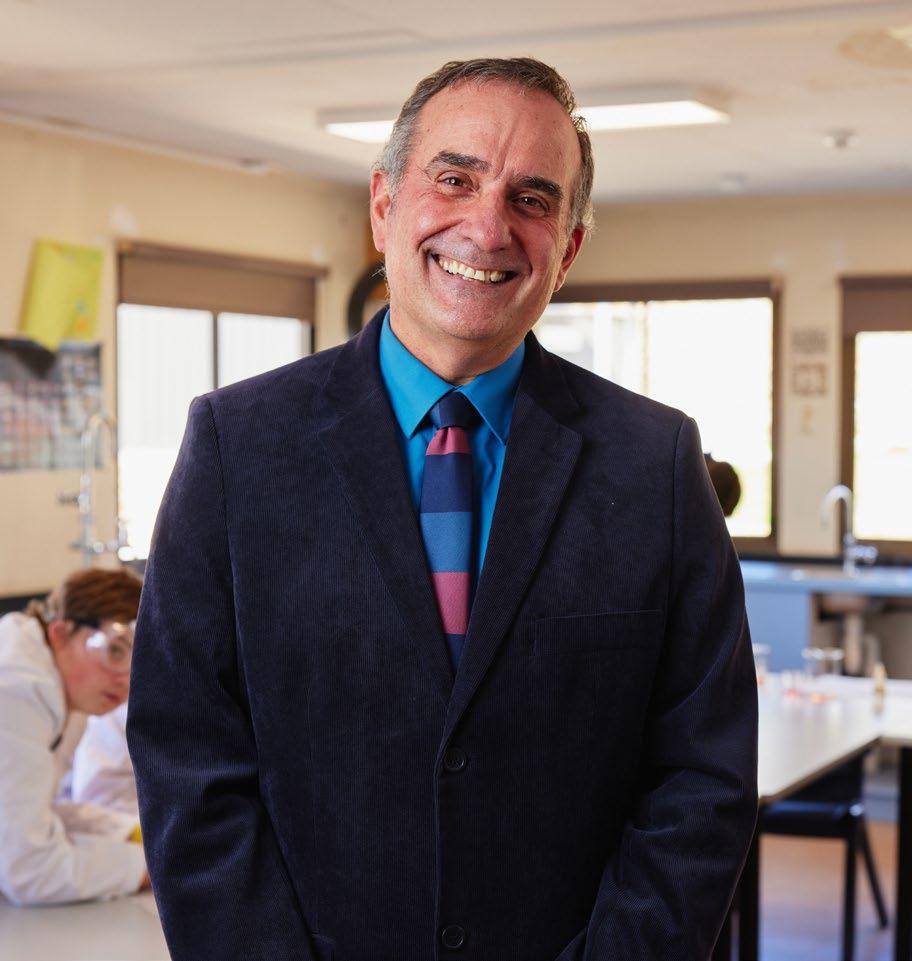
Dear Students and Parents/Carers,
In Year 9 and 10, Snowy Mountains Grammar School offers several elective choices for students. A student who completes a RoSA (Record of School Achievement) course will gain recognition of completion of the course on their Year 10 RoSA Certificate. The result will be a grade, consistent with the awards for compulsory RoSA courses in Year 9 and 10 (English, Science, History, Geography and PDHPE).
Given the current number of periods on the timetable, it is expected that students will complete either 100 or 200 hours of a particular course after two full years of study. We strongly recommend students keep the same electives in Year 9 and 10 so they gain the necessary hours to be recognised on the RoSA, but also to take the necessary time to develop skills to a deeper level in a particular area.
No Year 9 and 10 elective courses are prerequisites for taking the same subject in Year 11 and 12. For example, a student who does not select Design and Technology can still access the Year 11 Design and Technology course. Naturally, some skills that can be developed in the Year 9 and 10 courses may prove advantageous to students, so it is worthwhile considering this when selecting RoSA courses in Year 9 and 10.
Please come and see me if you have any concerns or need assistance in choosing your electives.
Dr Darryl Nelson Director of Curriculum and Academic Operations 02 6457 1022 curriculum@smgs.nsw.edu.au

Below is an overview of the available courses.
Year 9-10 students can choose from the following courses:
• Agricultural Technology
• Aviation
• Commerce
• Computing Technology
• Design and Technology
• Digital Content Creator
• Distance Education
• Drama
• Electronic and Software Engineering
• Japanese
• Music
• Outdoor Education
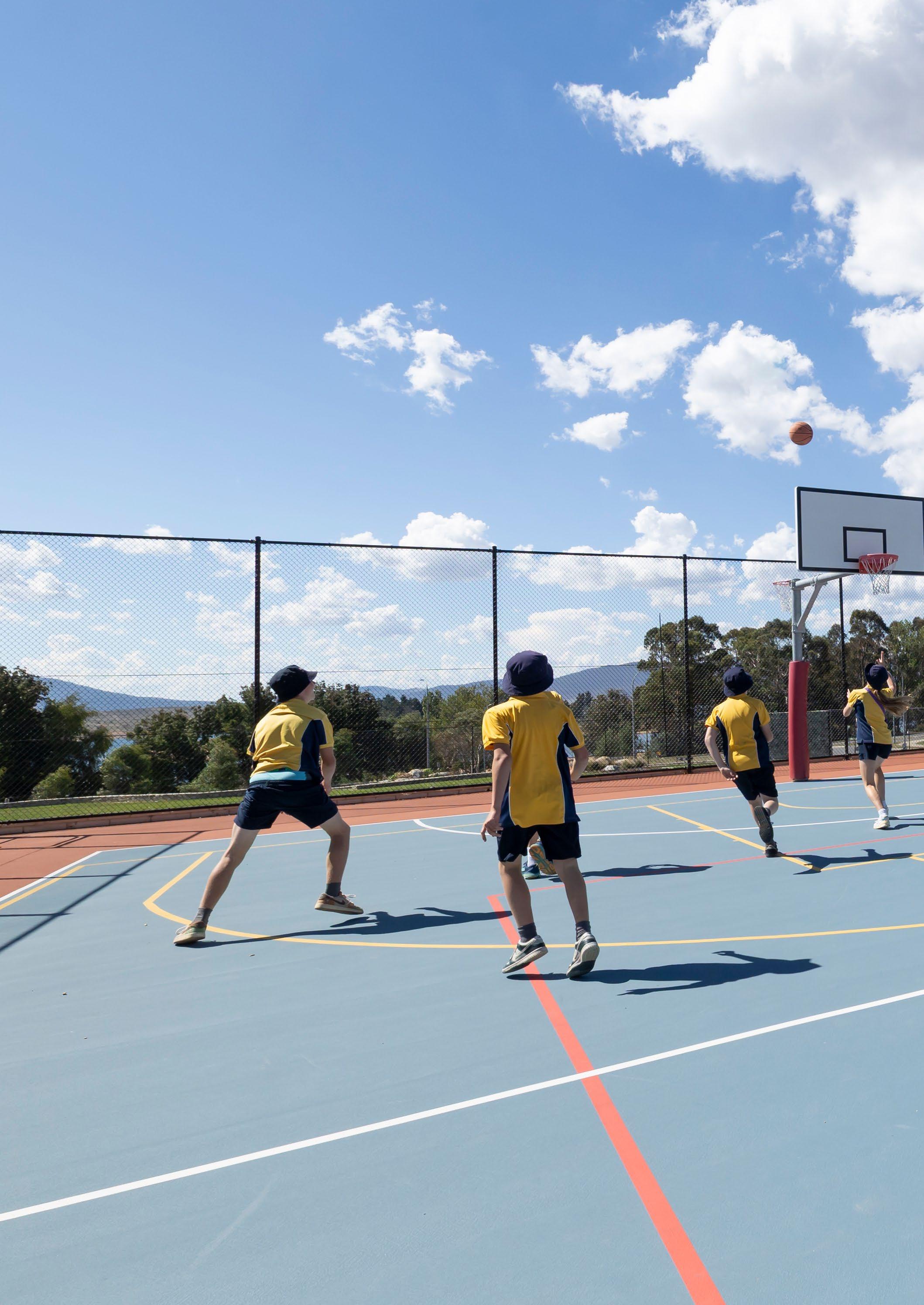
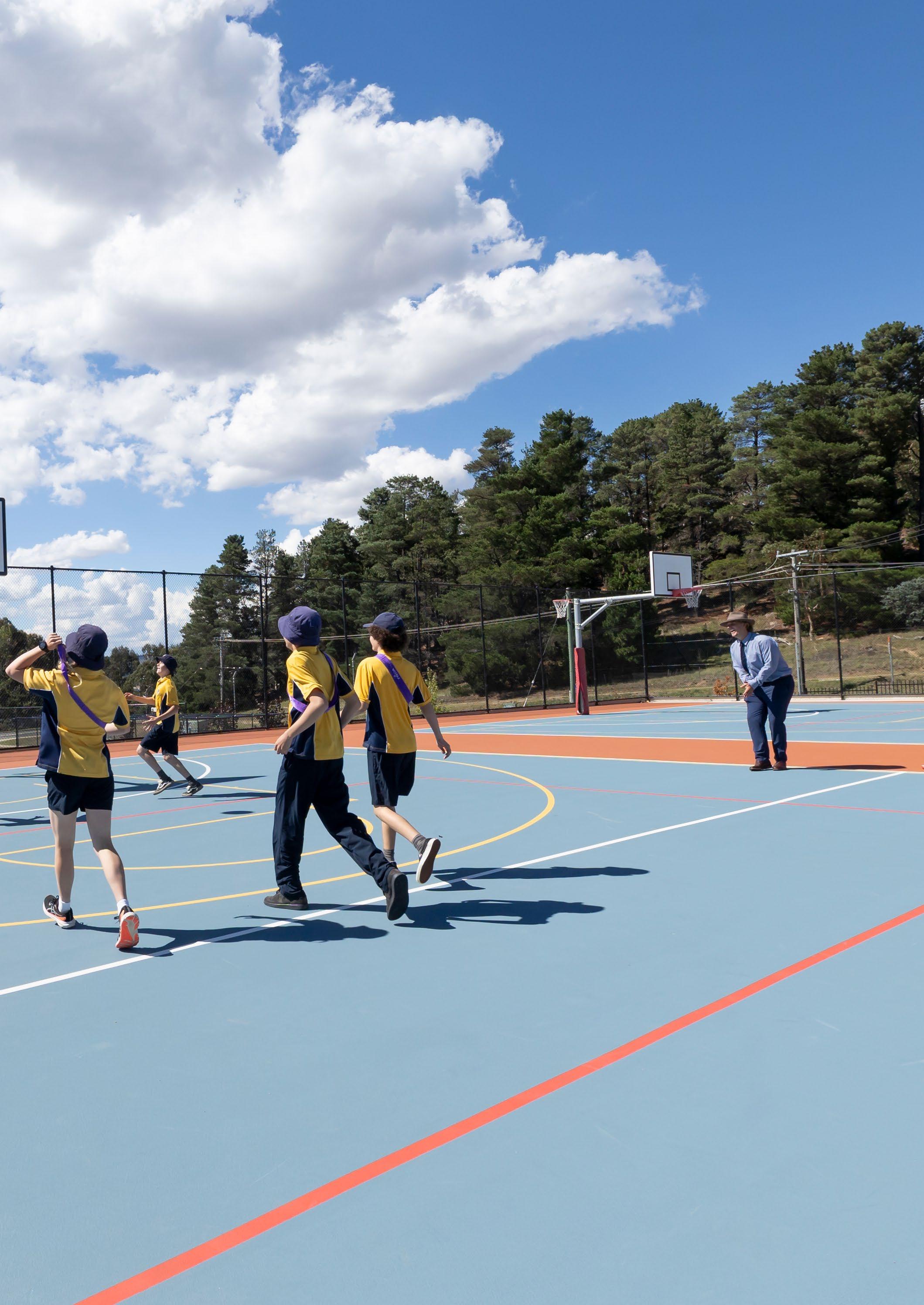
• PASS (Physical Activity and Sports Studies)
• Visual Arts
How to choose your electives:
1. Students select their preferences from the available options on both lines of electives.
2. To select your electives, complete the Electives Survey that has been sent to your school email address (existing students). For new students, the Electives Survey will be sent to a designated parent email address.
3. The selection survey WILL CLOSE Monday 11 August 2025.
4. There is an application procedure for Electronic and Software Engineering which will be sent to you should you choose it.
Please Note:
Courses will only proceed with a minimum number of enrolments and there will be a cap on maximum numbers. If a course is overenrolled, preference will be given to the older year group of the two elective groups.
Students must study two different electives.
We are proud to offer our students these opportunities at an early stage and to enable them to pursue their areas of passion, once identified, enabling substantial life-long learning and fulfilment.
Dr Andrew Bell, Principal
Availability
Years 9-10
Qualification
RoSA
Overview
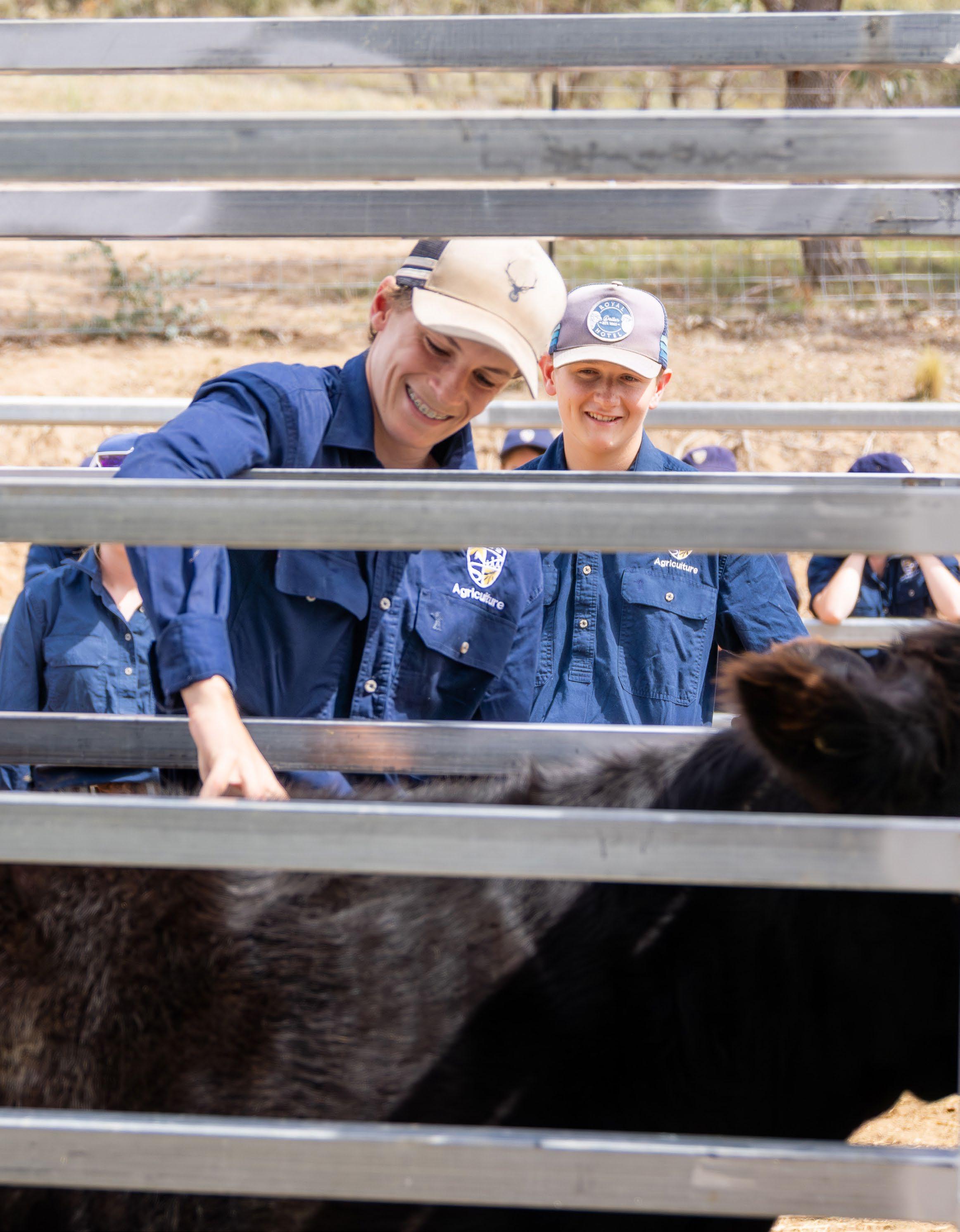
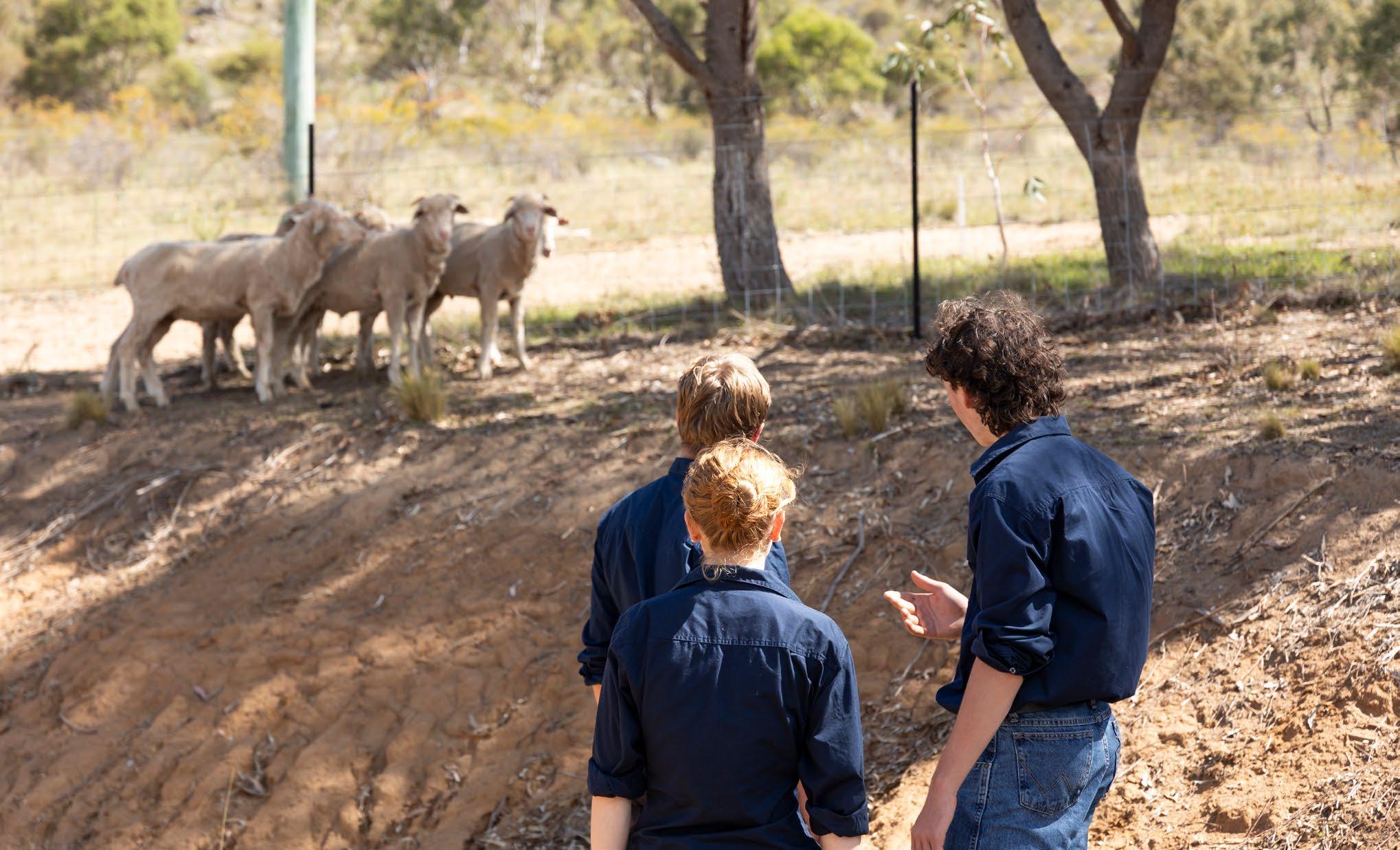
The study of Agricultural Technology provides students with opportunities to experience aspects of an agricultural lifestyle through direct contact with plants and animals. The study of a variety of enterprises allows students to make responsible decisions about the appropriate use of agricultural technologies. Students explore career opportunities in agriculture and related service industries, and investigate the viability of Australian agriculture through management of issues relating to the sustainability of agricultural systems, as well as the relationships between production, processing and consumption.
Topics
Students undertaking the 100-hour course will complete:
• Introduction to Agriculture, AND
• Plant Production 1, AND
• Animal Production 1.
Students undertaking the 200-hour course will complete the above listed areas of study, alongside:
• Agricultural Systems and Management, AND
• Plant Production 2, and/or
• Animal Production 2.
The content of Agricultural Technology integrates the study of interactions, management and sustainability within the context of agricultural enterprises.
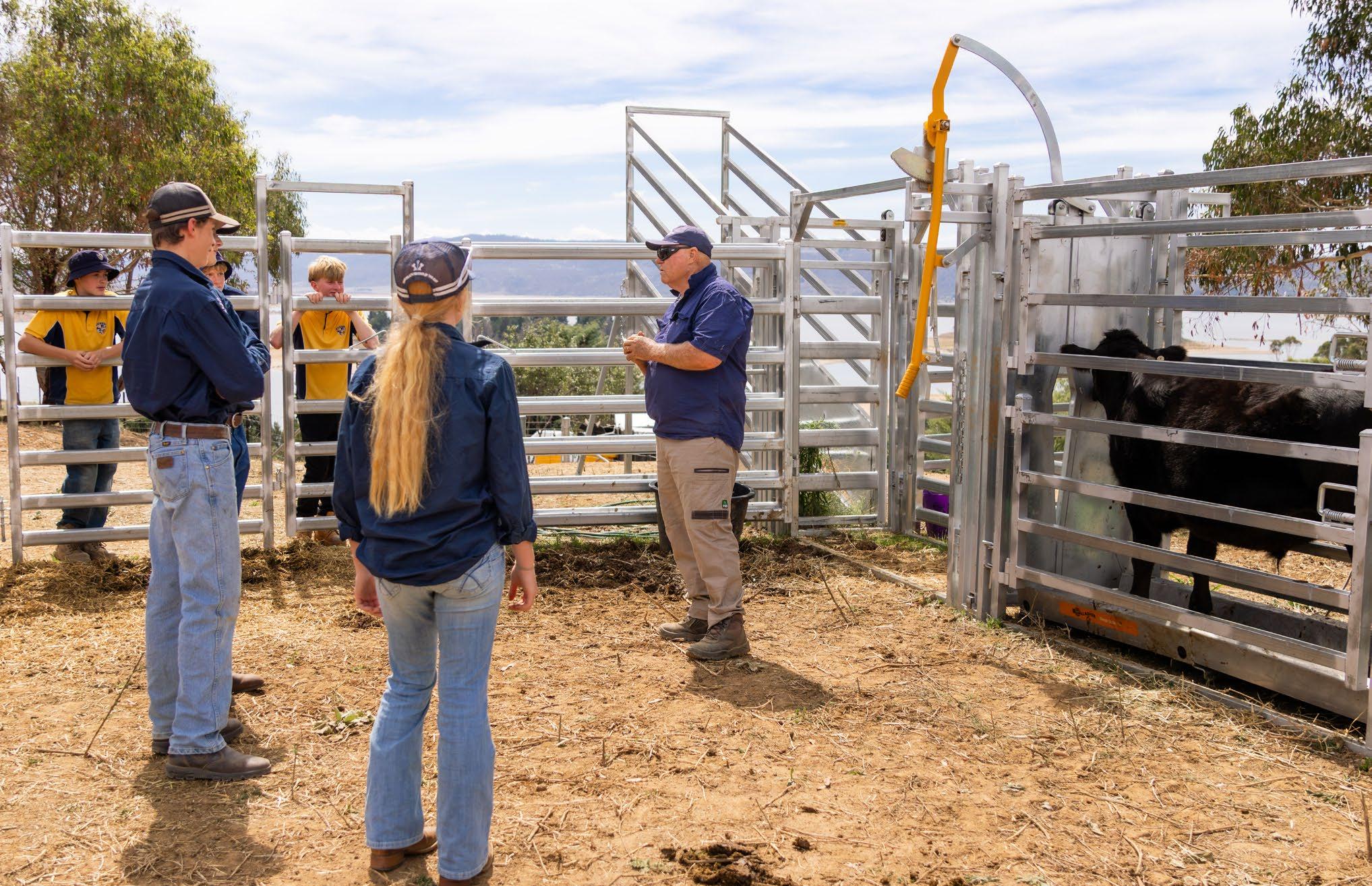
These enterprises are characterised by the production and sale or exchange of agricultural goods or services, focusing on plants, animals or integrated plant/animal systems. The local environment will be considered when selecting enterprises to be studied. Students will undertake a range of practical experiences related to the chosen enterprises, including fieldwork, small plot activities, laboratory work, and visits to commercial farms and other parts of the production and marketing chain. The study of Agricultural Technology provides opportunities for students to learn about work health and safety issues, and develop skills in designing, investigating and managing farms.
Agricultural Enterprises Studied in the Course
• Sydney Royal Easter Show—Poultry Competition and possibility of junior judging
• South Coast Steer Spectacular—Hoof and Hook Competition and junior judging
• Berridale Merino Ewe Competition and Cooma Wool Brokers
• Aquaculture—Wheeler’s Oyster Farm and Gaden Trout Hatchery
• Batlow Orchard
• Bombala/Tumut Nursery and Forestry Commission
• Local property visits involving various agricultural enterprises.
Availability
Years 9-10 (Course is TWO years in duration)
Qualification
• RA-AUS Pilot Theory Course
• Commercial Qualifications
Topics
Recreational Pilot Certificate (RPC)
Our RPL program follows the RA-Aus pathway of Australia’s largest sport aviation organisation as an excellent stepping stone to a career in aviation or to attain a qualification for recreational flying.
SMGS uses the GoFly curriculum and learning management system, directly accessed from their website. This requires a subscription to access all the content, including many instructional videos, quizzes and tests to assess knowledge and theoretical competency, prior to practical lessons. The annual fee is $199.00 for students, with the alternative option of $19.90 per month remaining available. Both options result in Premium level course access (this is required, as the Basic level is not sufficient). All Aviation students will need to access this resource for their theory content in order to be part of the Aviation program at SMGS. The website link is www.gofly.online
Flying lessons take place through Alpine Aviation Australia with Mr Martin Hughes, the Chief Flying Instructor. Prior to commencing practical lessons, all students must have demonstrated theoretical competencies in particular areas as part of their coursework progression.
Remote Pilot License (RePL)
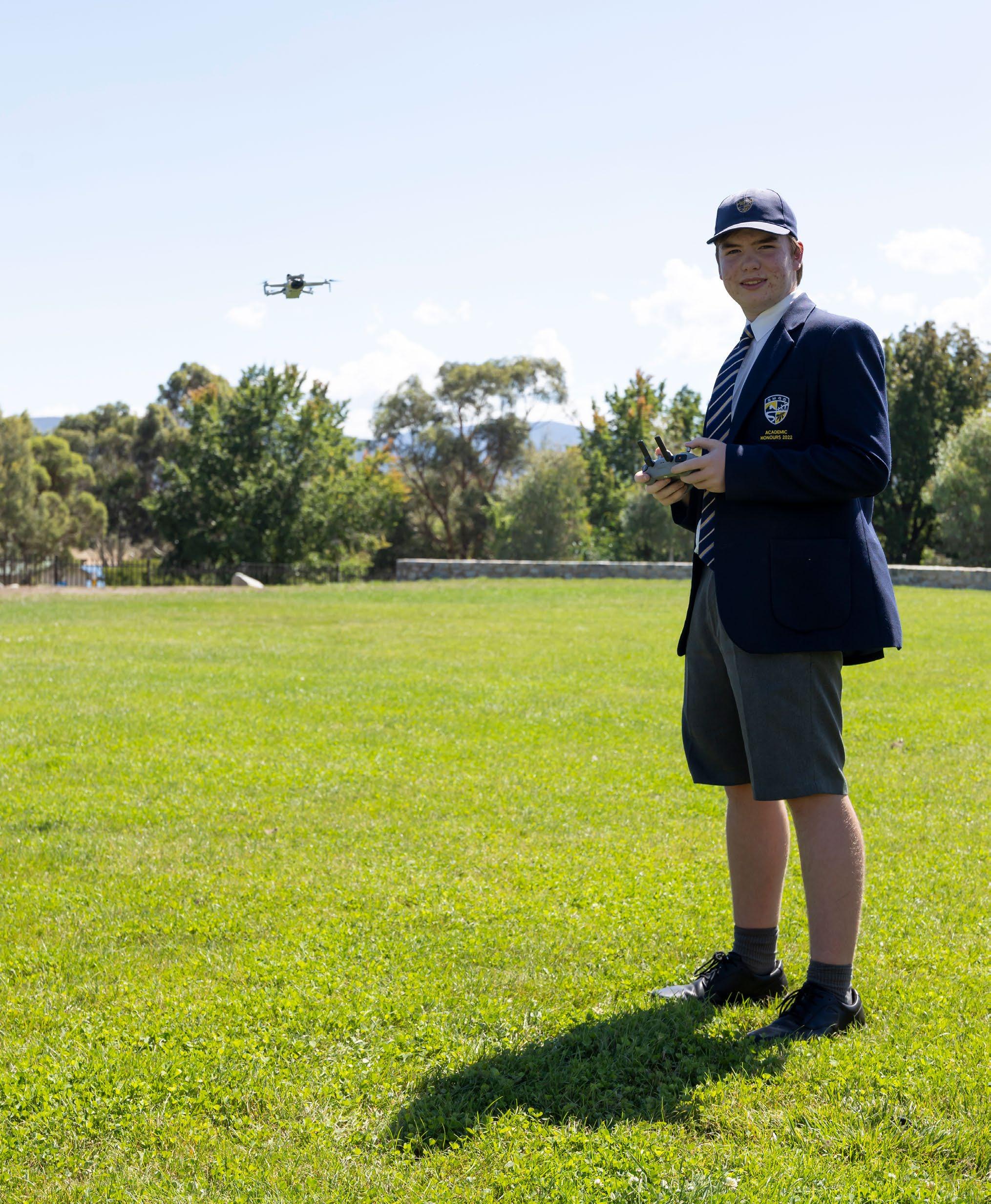
Students also have an alternative pathway to get drone pilot qualifications. This can be completed in addition to the RPL qualification or as a standalone course. Students will study the core content in Year 9 to achieve their Remote Pilot Licence (RePL). If they wish to continue in Year 10, they can achieve their Cert III in Aviation (Drone). Students will have access to course content from a leading external provider, National Drones, to ensure their qualifications comply with all CASA standards. This course is offered directly by the Aviation Academy Coordinator, Mr Stephen Henderson.
Availability
Years 9-10
Qualification
RoSA
Overview
Commerce equips students with essential skills to make informed decisions across the consumer, financial, business, legal and employment domains. It offers practical, hands-on skills that will always be useful to students, including money management, budgeting, negotiating purchases and addressing workrelated matters. These competencies are particularly advantageous for young individuals entering the workforce and beginning to earn an income.
Topics
• Law, Society and Political Involvement
• Law in Action
• Employment and Work Futures
• Travel Options
• Our Economy
• Consumer and Financial Decisions
• The Economic and Business Environment
• Investing
• Promoting and Selling
• Running a Business
• Travel
• Towards Independence
• School-developed option
In Commerce, students learn about managing money and making informed financial decisions. The course explores interactions between consumers, businesses and governments in the economy, fostering problem-solving skills such as analysing and evaluating information. Students also develop critical thinking, reflect on their learning and engage with their community.
In the Legal Studies component of Commerce, students investigate the impact of laws on our lives and society and our roles in democracy. They explore the functioning of our parliamentary system, mechanisms for legal change and avenues for civic action. By examining reallife scenarios, students gain insights into their rights and understand how legal reform contributes to a more just and equitable society.
Highlights of the Course
Shark Tank Experiment
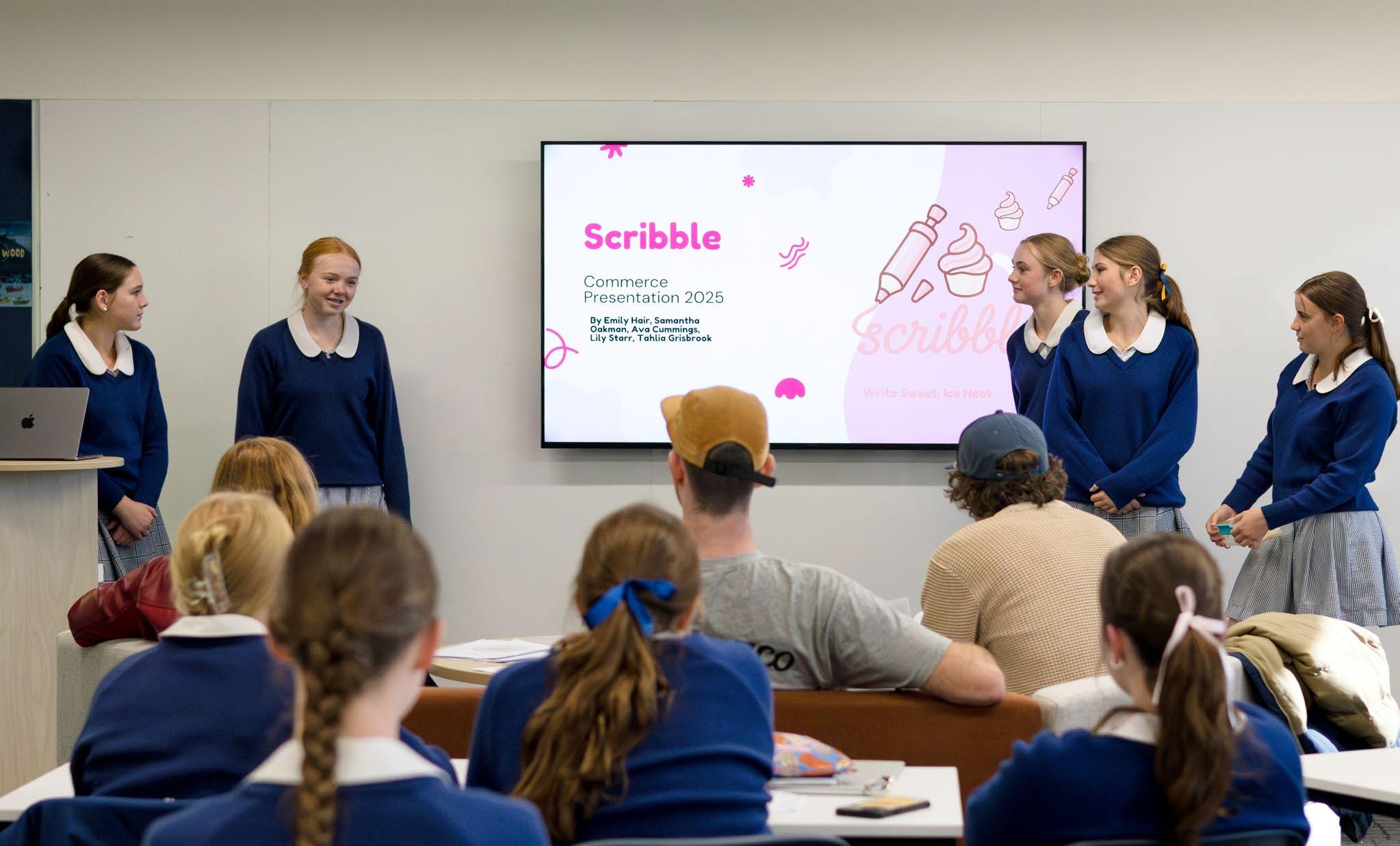
A highlight of the Commerce course is the chance for students to become their own boss. This option is developed to spark creativity, innovative thinking and entrepreneurship. It gives every student a chance to build a small business from the ground up and handson experience as they plan, budget, market and run their business idea. Students then present their innovative business proposals to a panel of special guest investors just as they do on ‘Shark Tank’.
The real world is brought into the classroom. Not only can students learn about the share market, they can put into practice what they are learning. Students receive a virtual $50,000 that they can invest over a ten-week period in 200 companies listed on the ASX. The prices at which students buy and sell are the same prices they would receive in the live market, so this is as close to real-life share trading as it is possible to get.
As a result of playing the game, students will:
• develop their knowledge of the share market
• learn how to research companies
• discover the importance of wise investment decisions
• gain a greater knowledge of economic and world events
• begin to learn more about investing, which will be of future benefit to them
• win great cash prizes of up to $600.
In Commerce, students benefit from participating in a mock trial and visiting the Local Court to observe real criminal cases. They also visit a correctional centre, the High Court of Australia and the Australian Parliament, gaining firsthand insights into the legal system and democratic processes.
Students learn how to plan for travel and how to solve problems encountered when travelling. They explore the considerations that need to be made when planning for travel and gather relevant data when developing a travel itinerary and budget.
Availability
Years 9 – 10
Qualification
RoSA
Overview
Are you ready to dive into the exciting world of coding, game design and artificial intelligence? The Computing Technology course offers an incredible opportunity to unleash your creativity and technical skills. This course is designed to be fun and challenging, helping you develop your critical thinking and problem-solving abilities, and giving you a deep understanding of technology.
In this course, you’ll explore two dynamic units. The first unit focuses on game development, where you’ll learn how to create video games using Godot. Imagine the thrill of designing and developing 2D and 3D games, mastering the basics of programming, game mechanics and user interface design. You’ll bring your game ideas to life, creating immersive and engaging experiences.
The second unit introduces you to the fascinating world of artificial intelligence. You’ll get hands-on with the future of technology by training machine learning models using AWS Deep Racer. In this unit, you’ll develop algorithms to make a car drive itself and compete against students worldwide to see who can achieve the fastest race times. It’s a thrilling way to understand AI and its real-world applications.
Topics
One of the key projects in this course is the coding interview simulation. You’ll prepare for real-world coding interviews at top tech companies like Google, Microsoft and Facebook. This live assessment will let you experience the thrill of solving coding problems under timed conditions, just like in a professional interview. Through this, you’ll sharpen your algorithmic thinking, problem-solving and coding efficiency, gaining valuable skills for your future career.
In the 3D game development project, you’ll bring your game ideas to life by designing and building your own 3D game. You can choose any game concept you’re
passionate about and develop it using Godot. This project will enhance your creativity, programming skills and project management abilities as you work on game mechanics, graphics and user interfaces. It’s a fantastic opportunity to turn your imagination into a playable reality.
The AWS DeepRacer competition project is another highlight of the course. You’ll dive into machine learning with a fun and competitive twist, training a machine learning model to drive a car autonomously around a track. You will compete with students globally and see who has the fastest car. This project will help you learn machine learning, data analysis and competitive strategy engagingly and practically, offering a unique blend of knowledge and excitement.
At the end of the year, you’ll sit a comprehensive examination that covers all the topics you’ve learned. This examination will allow you to demonstrate your knowledge, critical thinking and examination strategies, ensuring you’ve mastered the material and are ready for future challenges. It’s a great way to review and solidify your understanding of the entire course content.
By the end of the course, you’ll have a strong foundation in programming and game development, and a practical understanding of artificial intelligence. You’ll enhance your problem-solving skills, gain confidence for technical interviews and have the chance to participate in global competitions. This course is not just about learning; it’s about experiencing the thrill of creating and competing in the tech world.
Join us in the Computing Technology course and be part of the exciting future of technology. Whether you’re a budding game developer or an aspiring AI expert, this course will inspire and equip you with the skills you need to succeed. Don’t miss out on this fantastic opportunity to learn, create and compete!

Availability
Years 9-10
Qualification
RoSA
Overview
Design and Technology inspires innovative critical thinking through the design and development of quality projects. These projects allow students to identify problems and opportunities, research and investigate existing solutions, analyse data and information, generate, justify and evaluate ideas, and experiment with technologies to manage and produce design projects. The diversity of approaches to design projects provides the scope to develop high-order thinking, future thinking and an understanding of conceptual principles. The design process caters to various student needs, abilities, and interests. The flexible and creative consideration of parameters encourages students to take intellectual risks and experiment with resources when developing projects.
The Design and Technology course aims to help students appreciate and be informed about various careers in design and technological innovation. Students will learn to critically analyse and reflect on the implications of design to understand why some designs, technologies, and processes perform better than others in meeting their intended purpose. Students will develop knowledge, appreciation, and applied skills to understand the interrelationships of design, technology, society, the individual, and the environment for an increasingly knowledge-based economy and lifestyle.
Sample Projects as per Digital Media Materials Technologies – Ecolamp
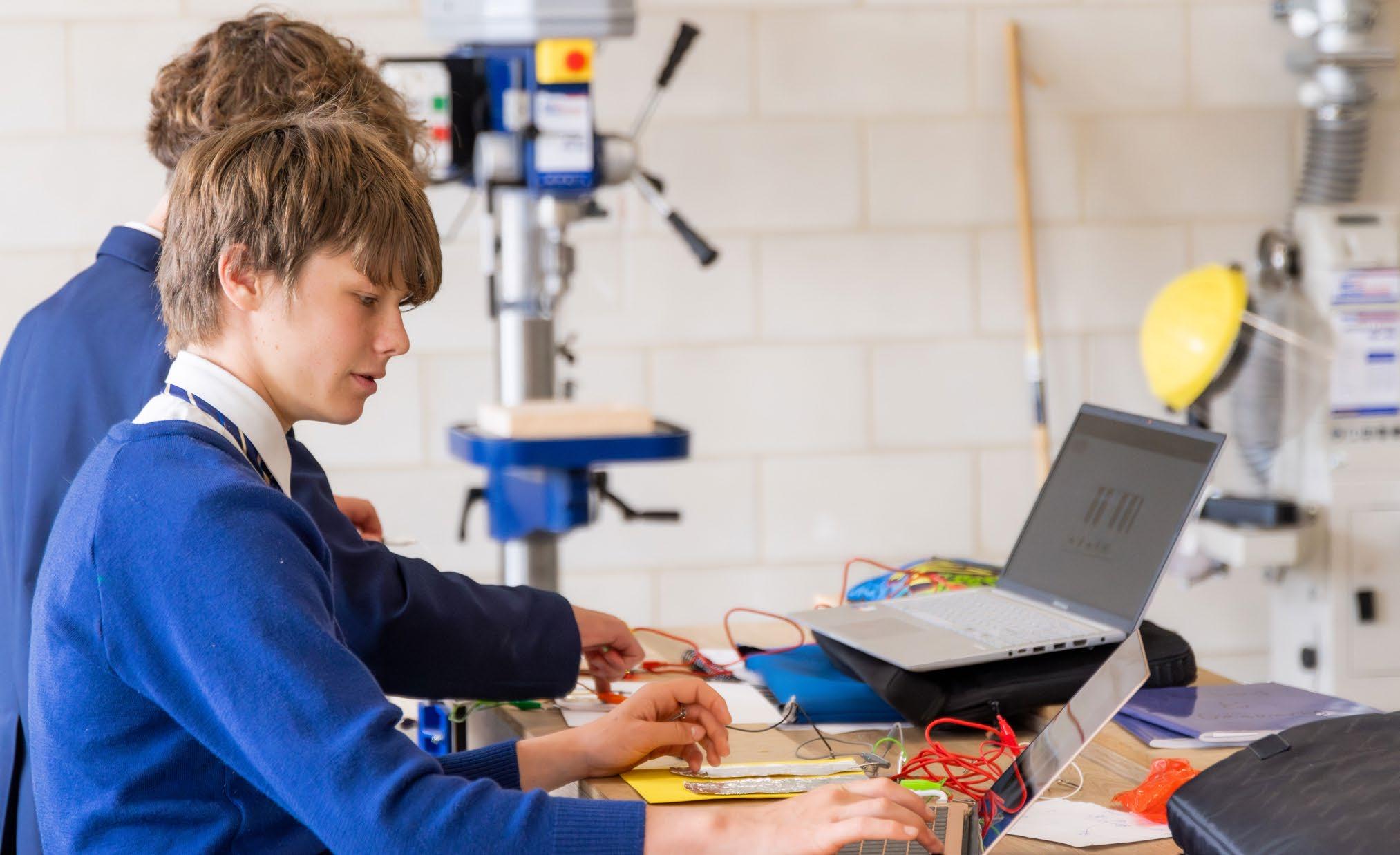
Students have the opportunity to design, produce and evaluate an eco-lamp project based on Material Technologies. Students explore the benefits and potential risks of preferred futures by designing and producing a negotiated design solution. They are encouraged to develop practical design solutions to problems that improve everyday life. This unit considers ergonomics, sustainability and design, design theory, computer-aided design and material manipulation.
Materials Technologies and Information and Communication Technologies – Tiny House Shelter is one of our basic needs. In the 1950s, Australian families embraced a suburban dream. However, this is no longer the case since where we want to live and how we choose to live are changing. Students investigate the needs of individuals and families and look at housing options for various needs, including emergency housing. They predict what our future cities may look like and consider the sustainability of city design and development. Student projects will focus on designing, producing, and evaluating a student-selected housing solution, resulting in plans, drawings, and models for the solution.
Digital and Materials Technologies – Graphic Design and Toy Making
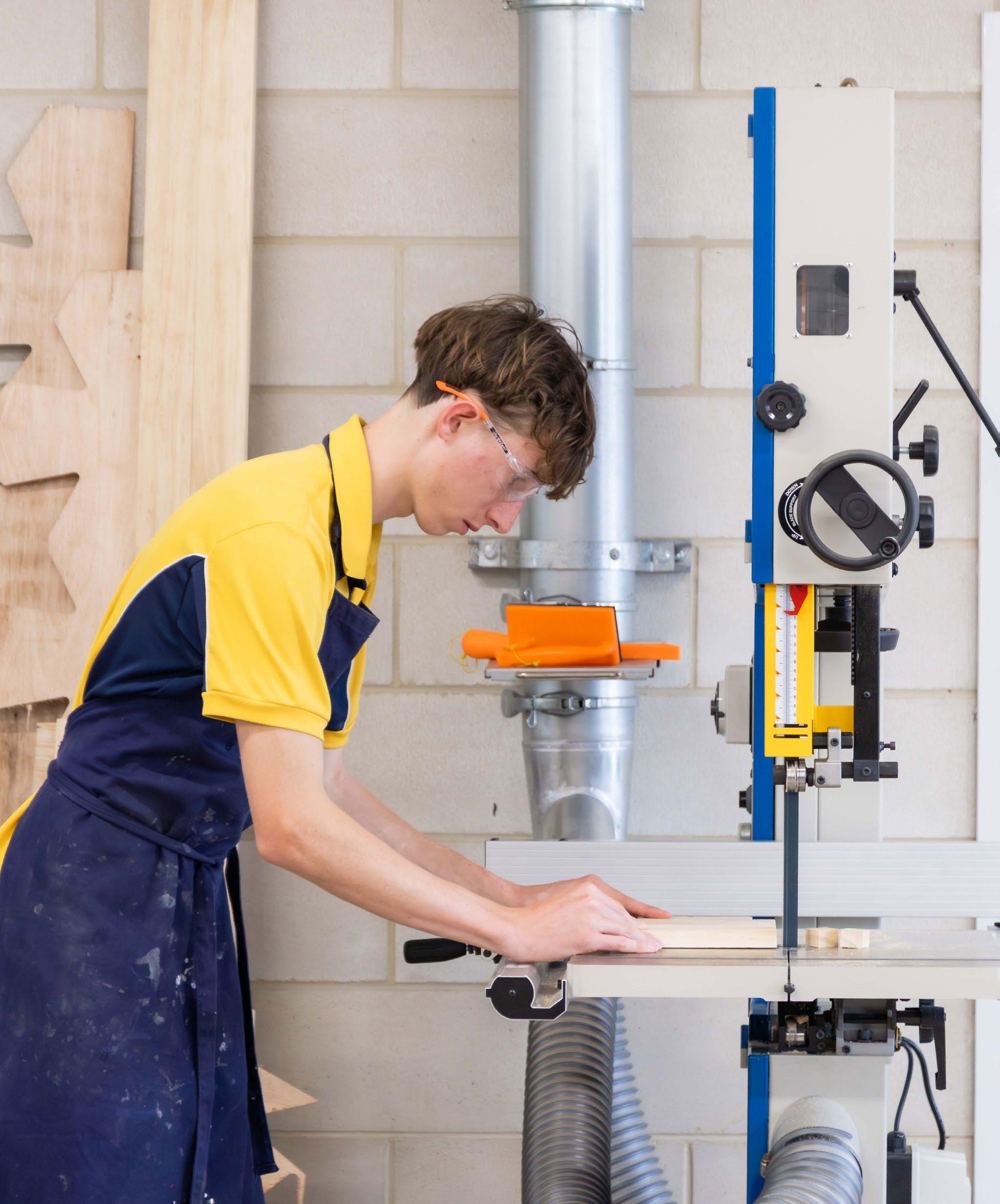
Students create a toy timber robot that uses tool-less construction. The robot will be designed to be inserted into a mould within a box. Accompanying the toy robot will be instructions for assembly. Students will consider graphic design in this project, including toy robot aesthetics, packaging decisions and branding their toy with a logo.
Innovation and Me
Students spend time as problem seekers, exploring the world around them and identifying areas of need. From this, they will choose an area of investigation to design a suitable solution that adheres to set constraints and limitations. Students will have access to various technologies to assist their design ideas.
Board Game Design
Students explore the fascinating world of board game design. Students will delve into the design process, from initial brainstorming to the final presentation of their unique board games. This unit requires creative thinking, problem-solving, and collaboration, allowing students to develop innovative and enterprising design solutions.
The Wonka Projects
Students take on the responsibility of becoming empathetic designers as they research toy design with the brief of designing toys for charity. Using technologies such as a CAD software and laser printing they will bring to life a gift to be given to those in need.
Availability
Years 9-10
Qualification
N/A
Overview
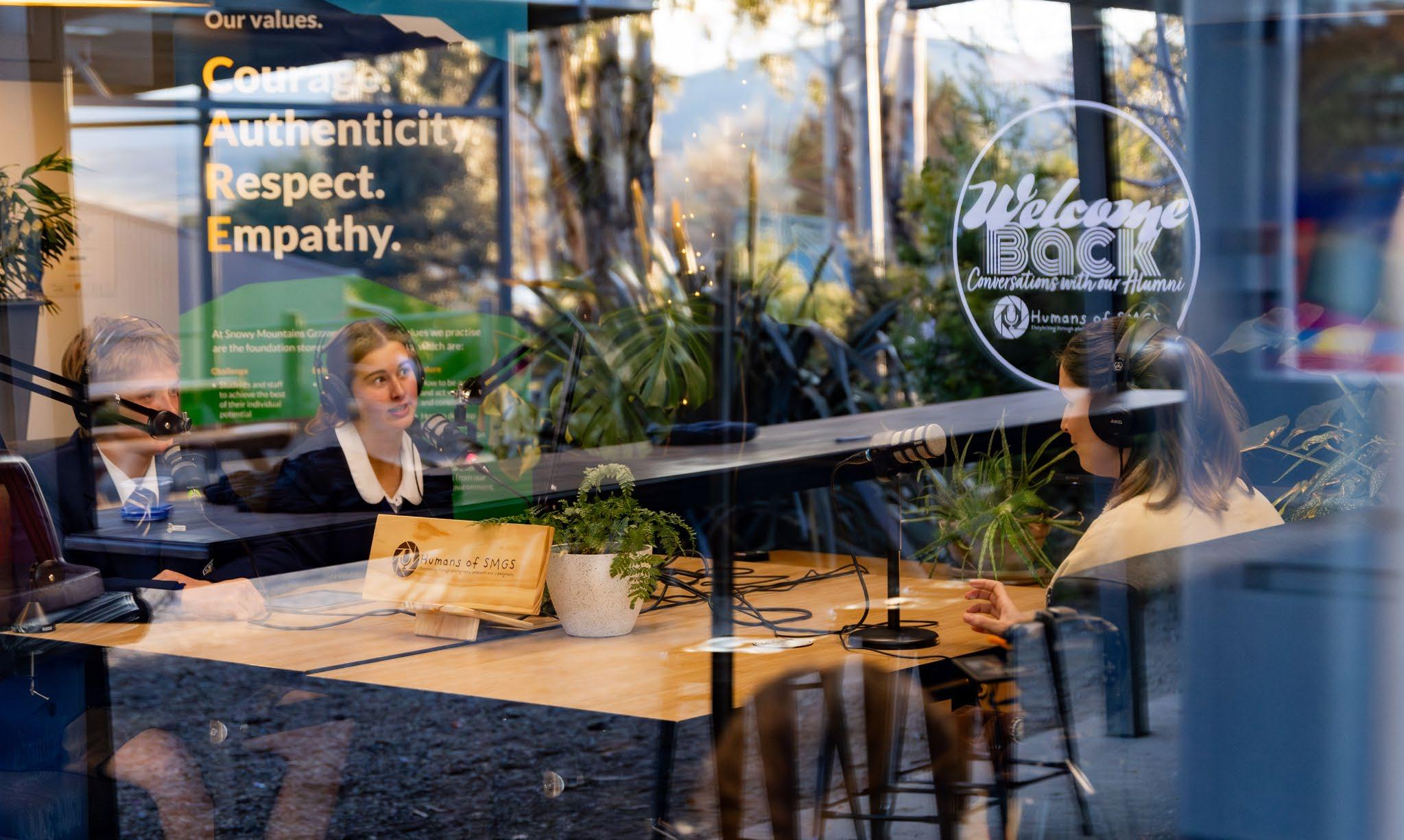
The Digital Content Creator course is designed to allow students to learn all aspects of producing creative content for a digital platform. Through photography, podcasts, and short films, students will be taught the sequence of the creation process in a course codesigned by an industry expert, Lucas Wilkinson from Metric TV. With a phone, GoPro or DSLR, students will be taught how to create compelling images and develop storylines for a short film using the documentary genre. Students will design a storyline, map shots, shoot content and use production software to arrange content, considering both vision and sound. Students will use a digital portfolio to practise photography, podcasting and videography skills while working towards a major work for each semester. This course allows students to think like pros and sets them up to be industry-ready should they want to pursue a career in the dynamic and creative world of digital content creation.
Course Requirements
• Suitable computer to run Adobe Creative Cloud applications (School-provided licence for Adobe??)
• Smartphone
• Digital Cameras (School-provided)
Sample Projects
Digital Photography
Through a range of workshops and accompanying portfolio projects, students learn the skills of composition and subject selection. Using Adobe Photoshop, students manipulate their images in readiness to exhibit them to the school community.
Podcasting
Using industry-quality equipment, students develop a podcast idea and explore aspects of creating an engaging listen for their audience. Interviewing and editing skills will be utilised to bring a 5-10 minute podcast to life. Students will use graphic design skills to market their podcasts and make them available for school community listening.
Short Film Documentary
Students use skills acquired through previous units to develop a storyline for a documentary film. They plan, shoot, and edit their creations in readiness for showing to the school community.
Personal Content Creator Project
Students will negotiate a project allowing them to follow a digital content pathway that builds on what they learned from previous projects. This pathway may be an elaboration of a body of work already completed or an amalgamation of ideas that brings together a range of content-creating skills.

Availability
Years 9-10
Qualification
RoSA
Overview
Students may opt to study an elective through a Distance Education provider should an elective of interest not be offered at SMGS.
There are many subjects that can be delivered through this option including additional languages such as Spanish, French and Italian. Other options that students at our school have studied in the past through a Distance Education provider include Textiles and Design, Dance, Child Studies and Food Technology.
Studying a subject via Distance Education requires a high level of independence in learning. Students need to be focused and motivated as the content delivery is very different to face to face subjects that they are used to.
It is important that applications for external courses are submitted as early as possible to ensure students secure a space. There are sometimes waiting lists for some subjects should students delay the completion of the application.
Students who wish to study a subject via Distance Education should discuss their options with Dr Nelson in the first instance to determine if any of the distance education providers are offering the course.
Cost
Currently, the cost of studying a language by distance is $340.00 per year in Year 9 and 10.

Availability
Years 9-10
Qualification
RoSA
Overview
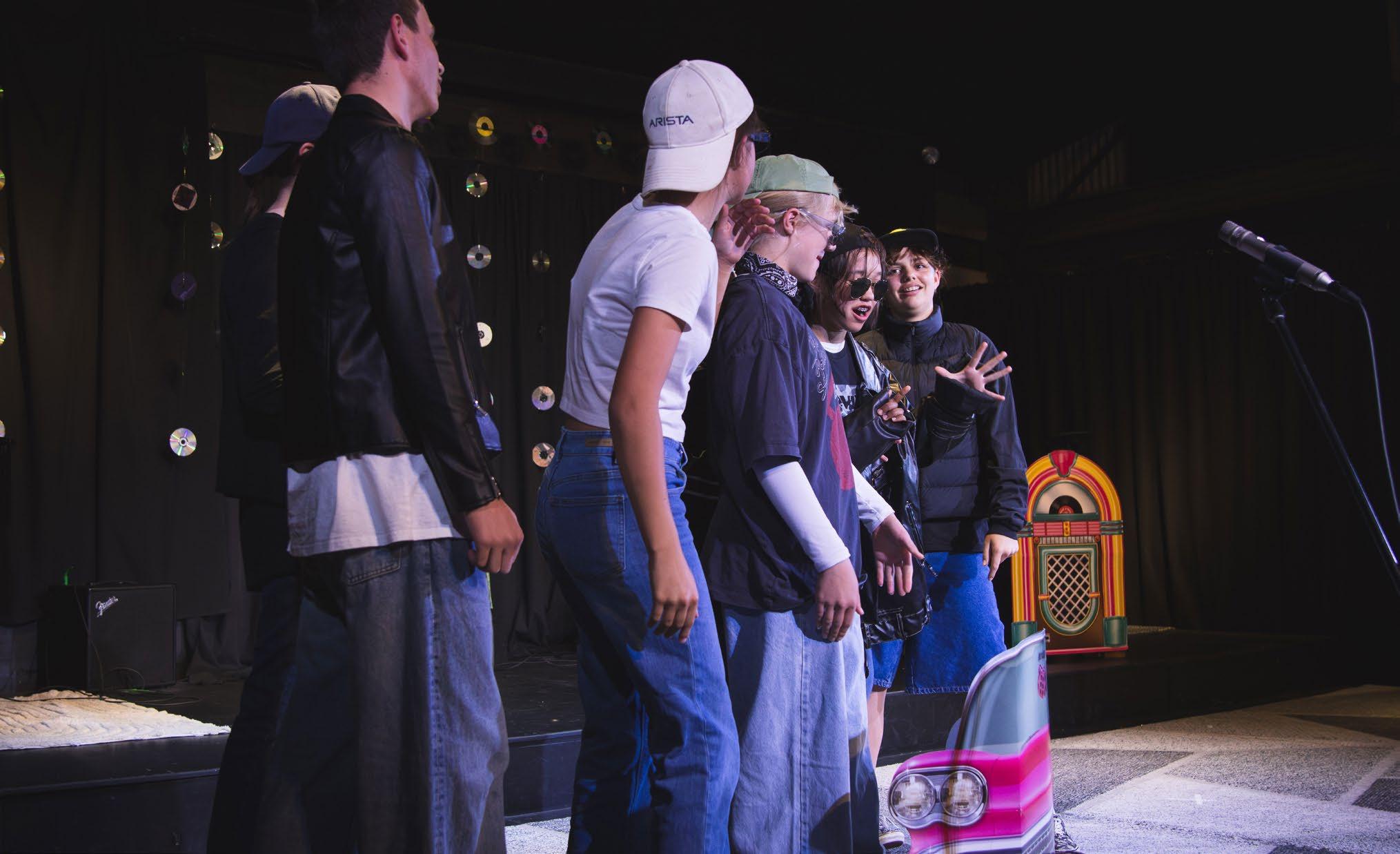
The study of drama is founded on distinct ways of understanding the world through exploring, enacting and interpreting real and imagined people, worlds and experiences. All cultures engage in drama and theatre to develop and communicate artistic, critical, sensory and affective meanings.
Stage 5 Drama is the study of making, performing and appreciating drama and theatre. Students learn as practitioners, challenging themselves and others to consider new perspectives on familiar and unfamiliar experiences.
Term 1
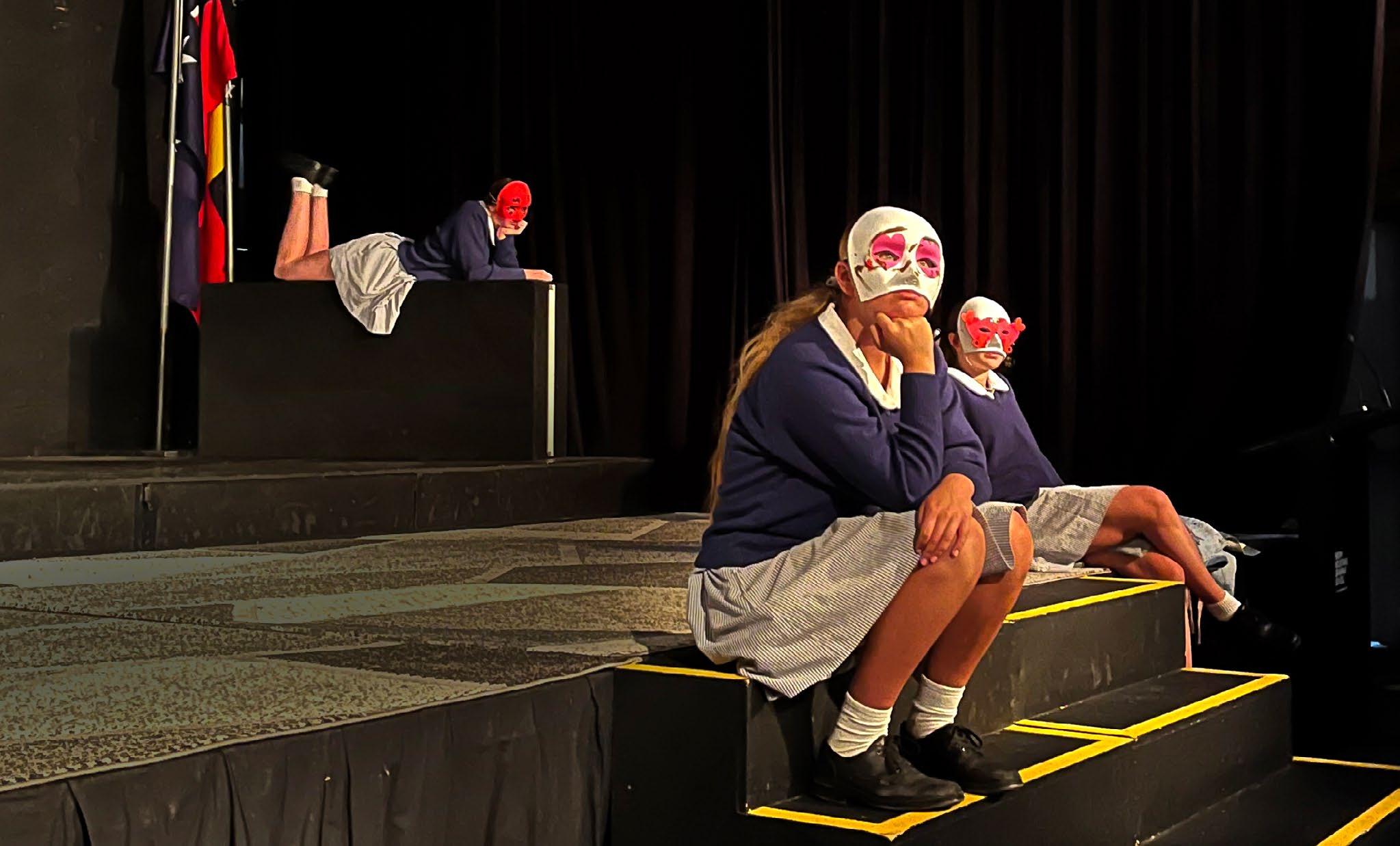
Devising Theatre Through Maskwork
Students create a portfolio for a character they wish to portray through movement. They then create a mask for this character using colours, textures and symbolism. Students then devise duo or small group movement piece that best represents their masked character/s. Physical skills and vocals will be a strong focus.
Term 2
Commedia dell’Arte
Focusing on comedy, humanity and our social conditioning, the motivating force of Commedia dell’Arte is love – love of money, food, drink, love itself and love of oneself. Through the study of stock characters and topical themes and current affairs, students script individual scenes to create a whole class contemporary performance using masks and costumes.
Term 3
Reality TV
Students will work towards designing a Reality TV show to be sold to a streaming channel. Through designing, scripting and marketing they will devise an episode of their TV show to be piloted - incorporating a director and/or producer - reflecting an understanding of the purpose and targeted audiences of reality TV.
Term 4
Black Comedy
Black Comedy finds great humour in what most people regard as inappropriate subject matter. It mocks serious topics such as death and political correctness and laughs at the silliness of human existance. Studying excerpts from the plays of Australian and Indigenous playwrights, students work individually or in small groups, towards the presentation of a scripted scene.
Assessment and Outcomes
These topic areas will go towards a 100 hour ROSA course. Assessment is based on making, performing and appreciating self-devised and scripted pieces each term.
Through research, recording of observations, role playing, rehearsals, discussions, editing, refining of selfdevised pieces, Drama students use their ever-growing performance skills to communicate problems and possible solutions or messages of hope. Students are encouraged to refine their vocal and physical skills to become better communicators, by using and reading body language and an extended vocabulary, both written and spoken.
Drama students could expect to become confident, wellrounded students with strong beliefs and morals, able to express themselves, their ideals and support these with articulation and knowledge.
Availability
Years 9-10
Qualification
N/A
Overview
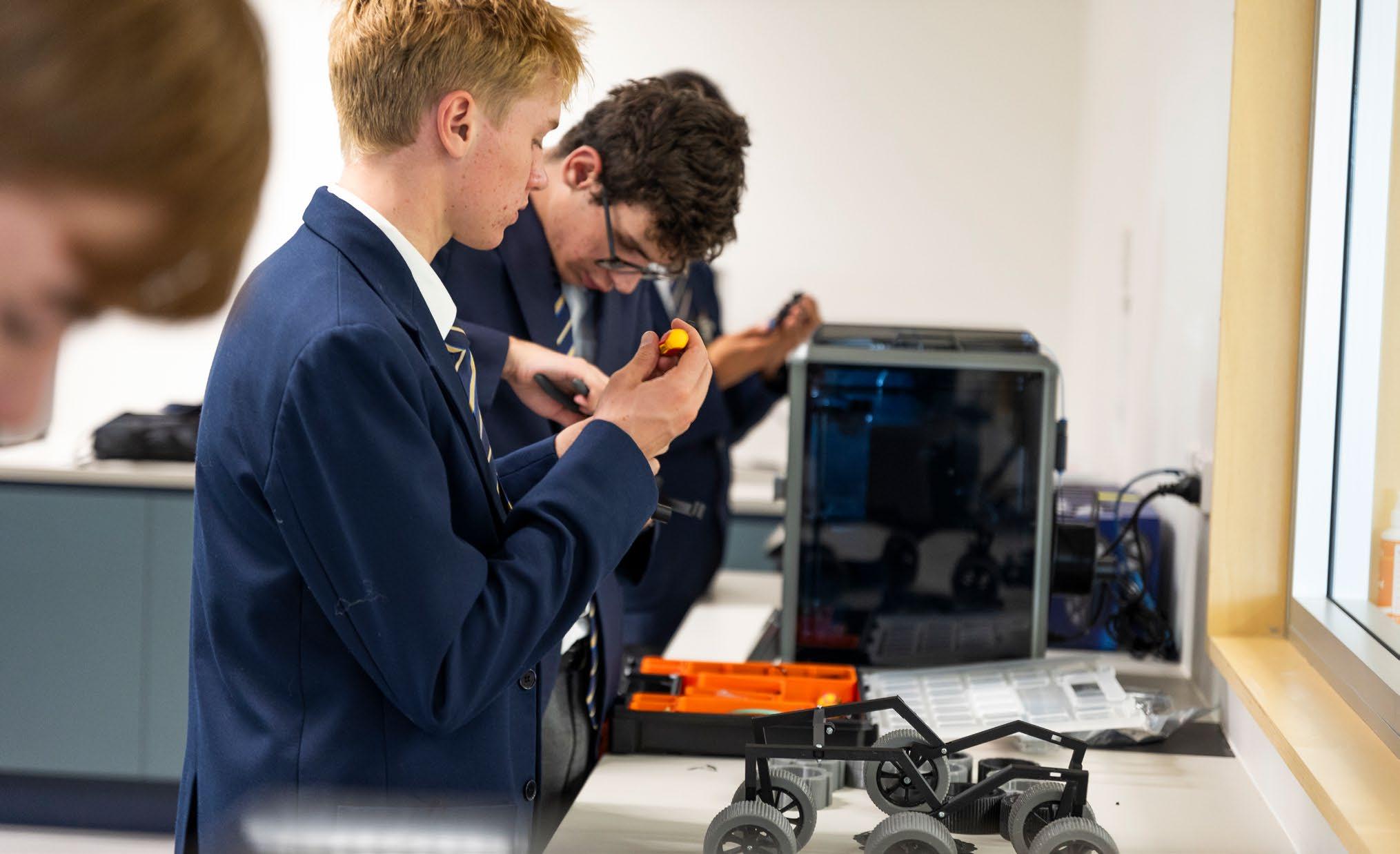
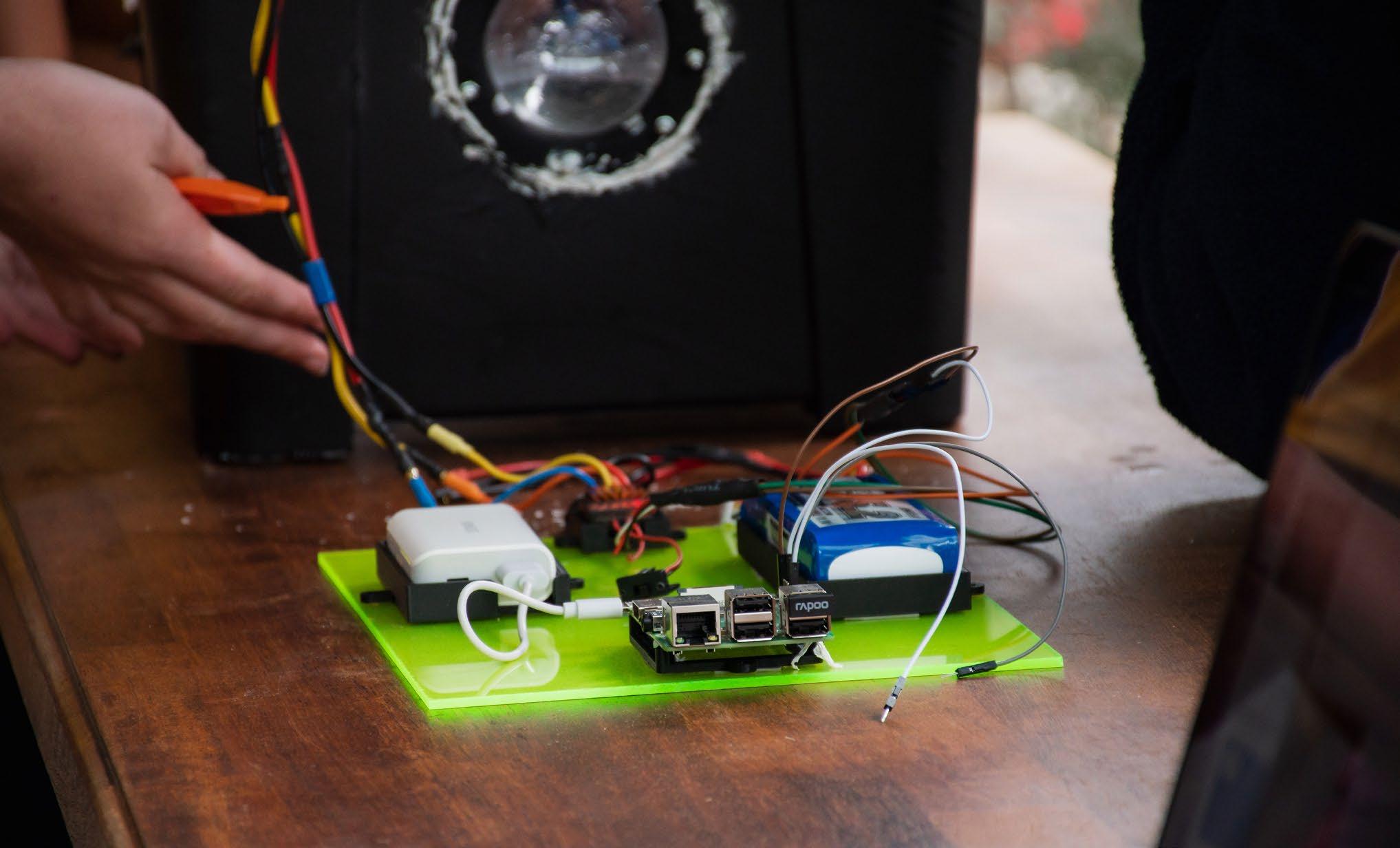
The Electronic and Software Engineering program combines the study of electronic hardware and modern software development to create realworld computerised systems. Students will have the opportunity to specialise in electronic hardware
design, bespoke software development with a focus on cloud-based software and the Internet of Things (IoT), entrepreneurial thinking and productisation or a combination of all aspects. Students will be able to select from one of three engineering projects where they will work as a team to develop and evolve a concept through to practical application with the goal of creating real-world products and/or services.
Availability
Years 9-10
Qualification
RoSA
Overview
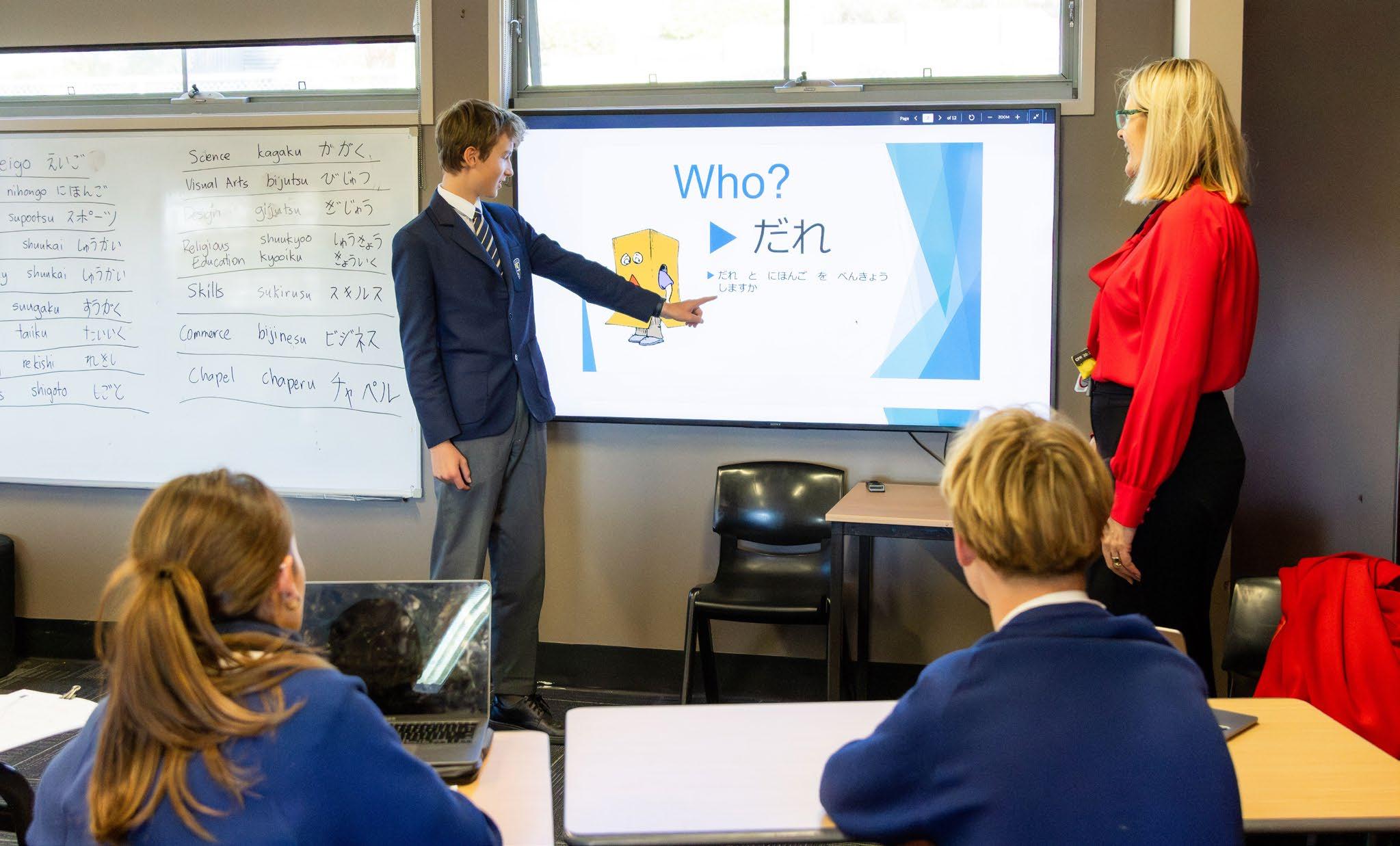
Learning Japanese provides the opportunity for students to engage with the linguistic and cultural diversity of Japan and the Japanese people. The study of Japanese provides access to the language and culture of one of the global community’s most technologically advanced societies and economies. Students will engage with elements of modern Japan, including popular culture such as anime, manga and fashion, as well as with the rich tradition of this part of Asia.
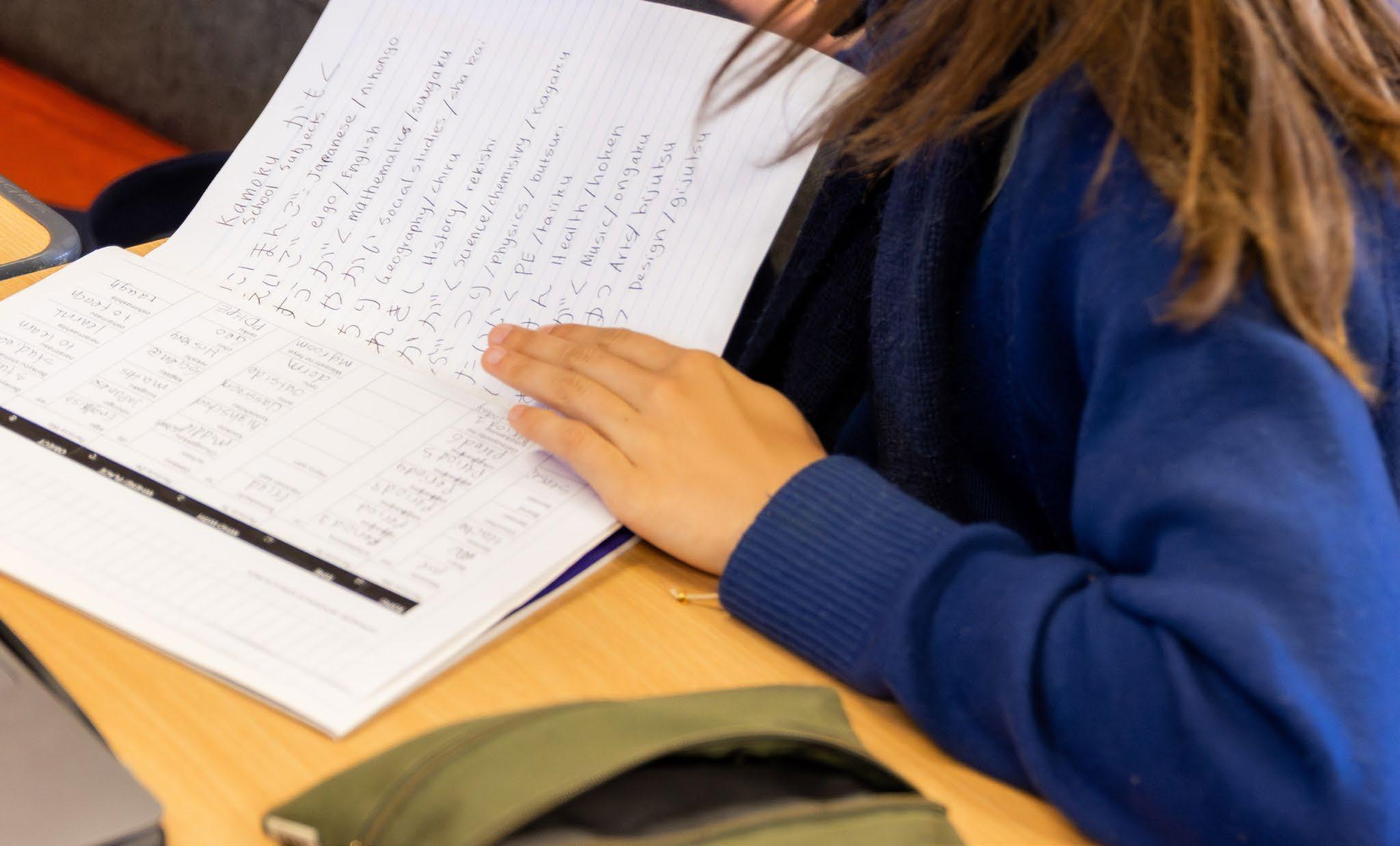
The ability to communicate in Japanese provides incentives for travel and for more meaningful interactions with speakers of Japanese, encouraging sociocultural understanding between Australia and Japan. Students will learn how to communicate both in spoken and written Japanese. Students will learn how to read and write the scripts of hiragana, katakana and kanji.
Topics
• Students will learn how to introduce themselves and describe themselves in Japanese.
• Students will learn how to order in a Japanese restaurant and discuss menu options.
• Students will learn how to interact in Japanese with students in a Japanese school.
• Students will learn about tourist spots in Japan and plan travel itineraries for visiting Japan.
Availability
Years 9-10
Qualification
RoSA
Overview
The Stage 5 Music course builds sequentially from the Stage 4 Mandatory course and is designed for students who wish to extend their musical experiences and learning. The aim of the course is to provide the means for students to experience the creative process as an individual and in collaboration, through the focus areas of performing, listening and composing. Students will develop a lifelong sense of wonder and curiosity about and engagement with music.
Topics
Students in the Stage 5 Music course will engage meaningfully with the following repertoire, across a wide range of stylistic, historical, cultural and social contexts.
• Music of Australia, including music of Aboriginal and Torres Strait Island Peoples.
• Art Music
• Jazz
• Popular Music
• Global music culture
Students will become familiar with different methods of notating and documenting music. Forms and methods can include traditional staff notation, graphic notation, global music culture notations, braille, scores, charts, lead sheets and audio and/or audiovisual recordings. Notating and documenting may include the use of digital tools.
The Stage 5 Music course requires students to undertake a depth study. Students draw on content studied in class, and apply knowledge, understanding and skills in an area of individual interest. Students may be completed individually or collaboratively. Students may choose to specialise in on or more of the focus areas: Performing, Listening and Composing.
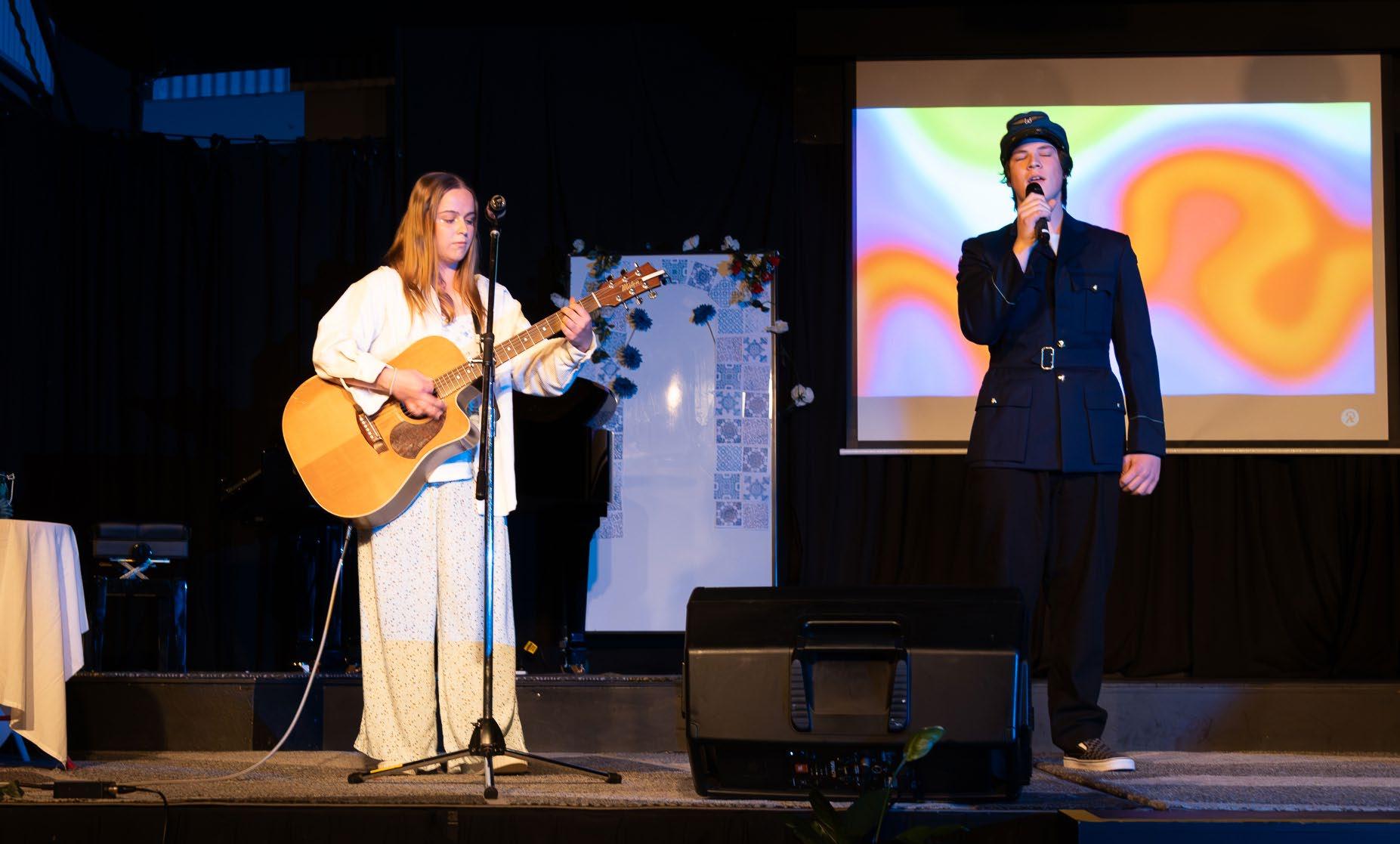
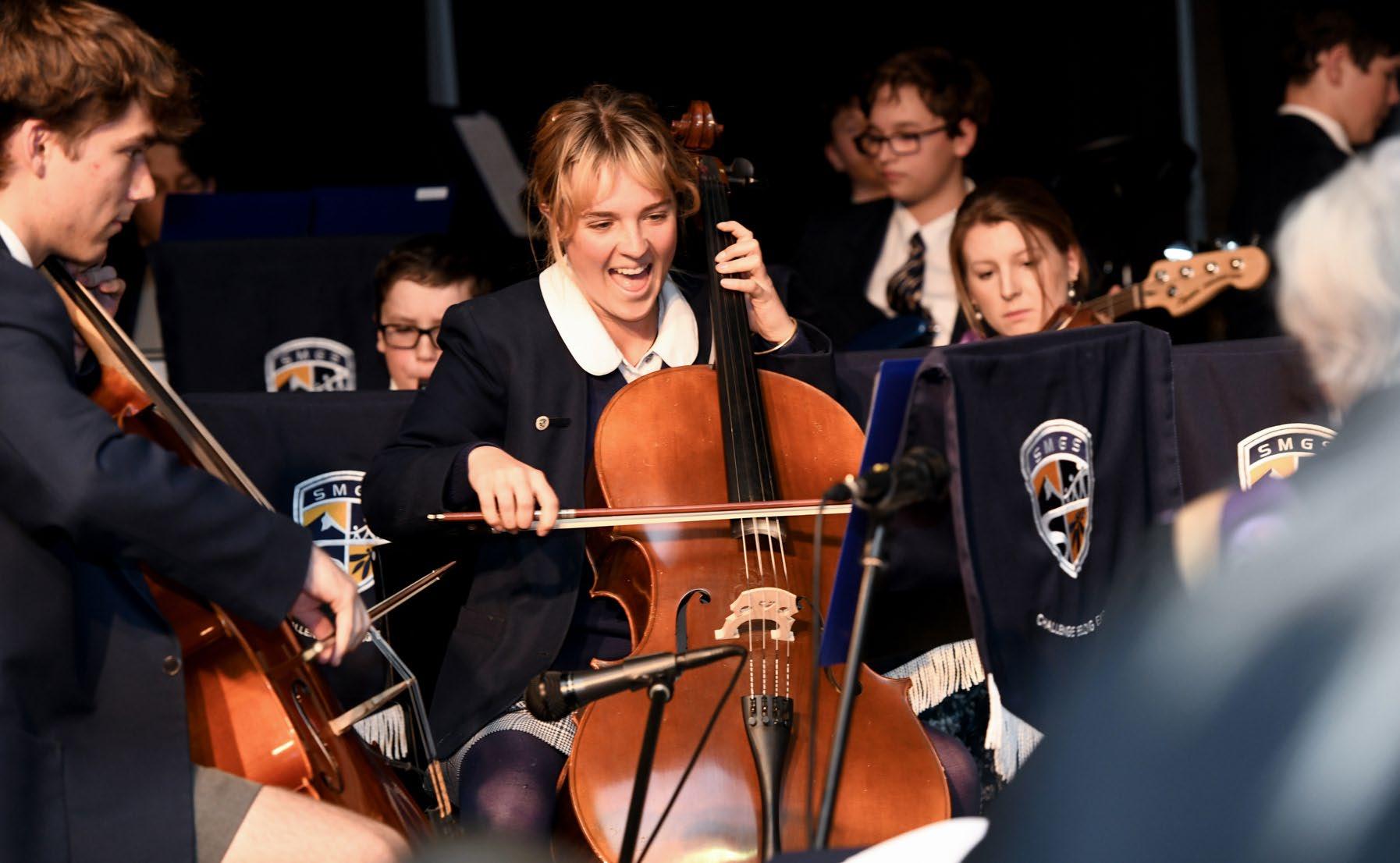
Students will have opportunity for performances throughout the year at various school events, assemblies and community functions. A culture of performing for the class occurs on a weekly basis.
Availability
Years 9–10
Qualification
N/A
Overview
Outdoor Education is based on experimential learning where students explore and gain a deeper understanding of their surroundings. Students learn through planning and participating in outdoor experiences and reflecting on their involvement.
Through participation in a range of outdoor activities, students will develop and apply their knowledge and skills to work together to be active and safe in a variety of outdoor environments. They learn to assess risk, identifying and applying appropriate management strategies and emergency response procedures.
Through studying outdoor education, students will develop personal well-being and a sense of place and connection because of a greater understanding and appreciation of the local natural environment. Outdoor education has the potential to explicitly promote and encourage on-Country learning and include Aboriginal perspectives.
Students learn skills that encourage them to minimise their impact on the environment and understand why this is so important. They will have opportunities to understand environmental management, including the ways Aboriginal peoples manage and work to actively conserve environments.
Topics
• Experiencing the Outdoors
• Bushcraft and Navigation in the Outdoors
• First Aid in Outdoor Environments
• Environment and Conservation
Options
• Building Connection
• Mental and Physical Preparation for the Outdoors
• Survival in Outdoor Environments
• Expedition Preparation
• Environment and conservation
• Climbing and rope activities
• Bushwalking, orienteering and mountain biking
• School-developed option.
Highlights of the Course
Practical Excursions
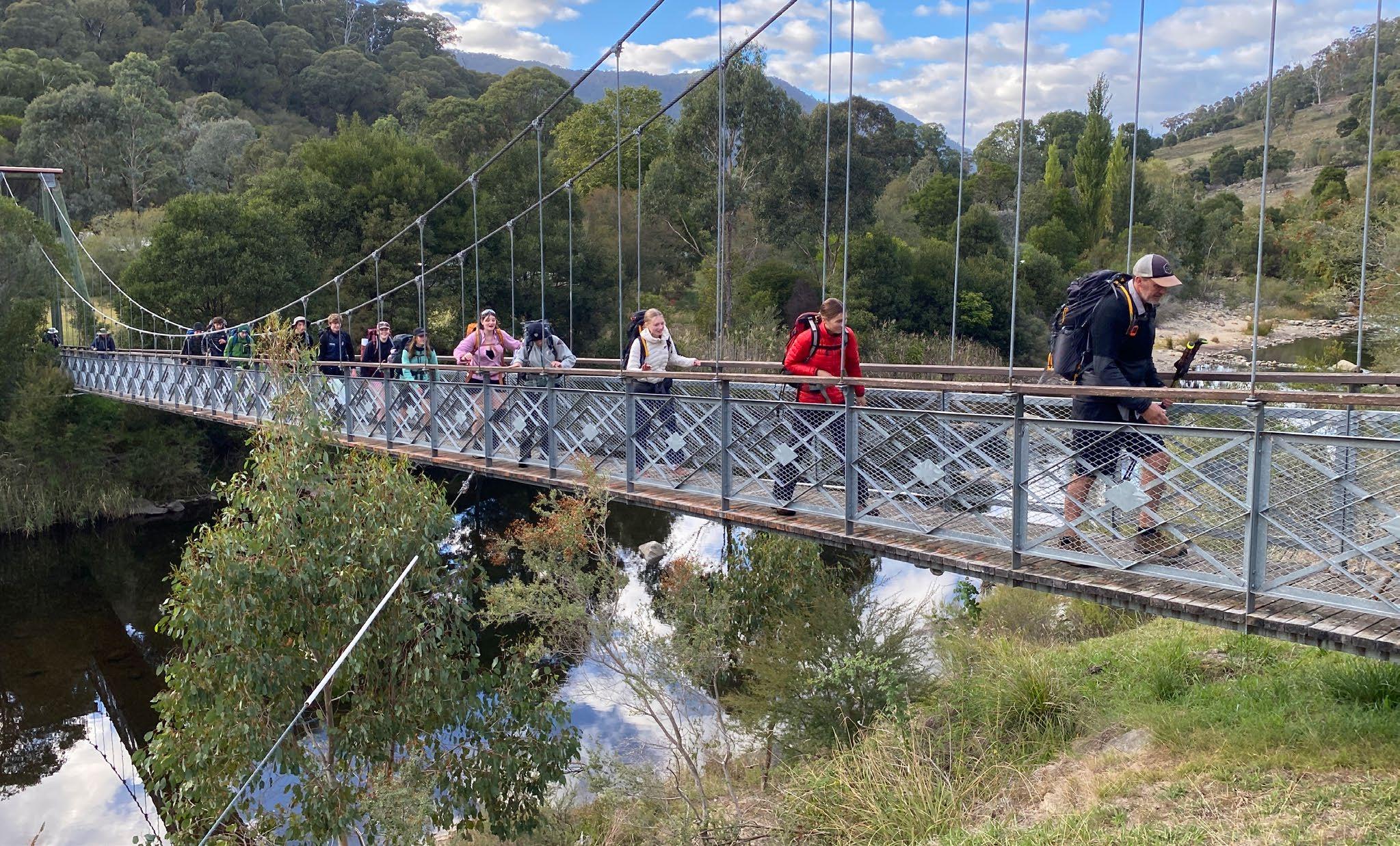
Students engage in practical learning through participation in a range of outdoor activities, such as bushwalking and navigational activities. Students develop and apply their knowledge and skills to work together to be active and safe in a variety of outdoor environments. While students will mainly walk to the lake foreshore for these practical experiences, there may be times when students explore other areas around Jindabyne and the Kosciuszko National Park.
Hands on Assessment Tasks
Stage 5 Outdoor Education students experience practical assessment tasks designed to build real world skills to be used in future outdoor settings. Practical assessment tasks include First Aid in Outdoor Environments, where students work in small teams to manage a variety of different scenarios relevant to our Snowy Mountains region, including backcountry ski injuries, mountain bike crashes, and snake bites.
Gaining Additional Qualifications
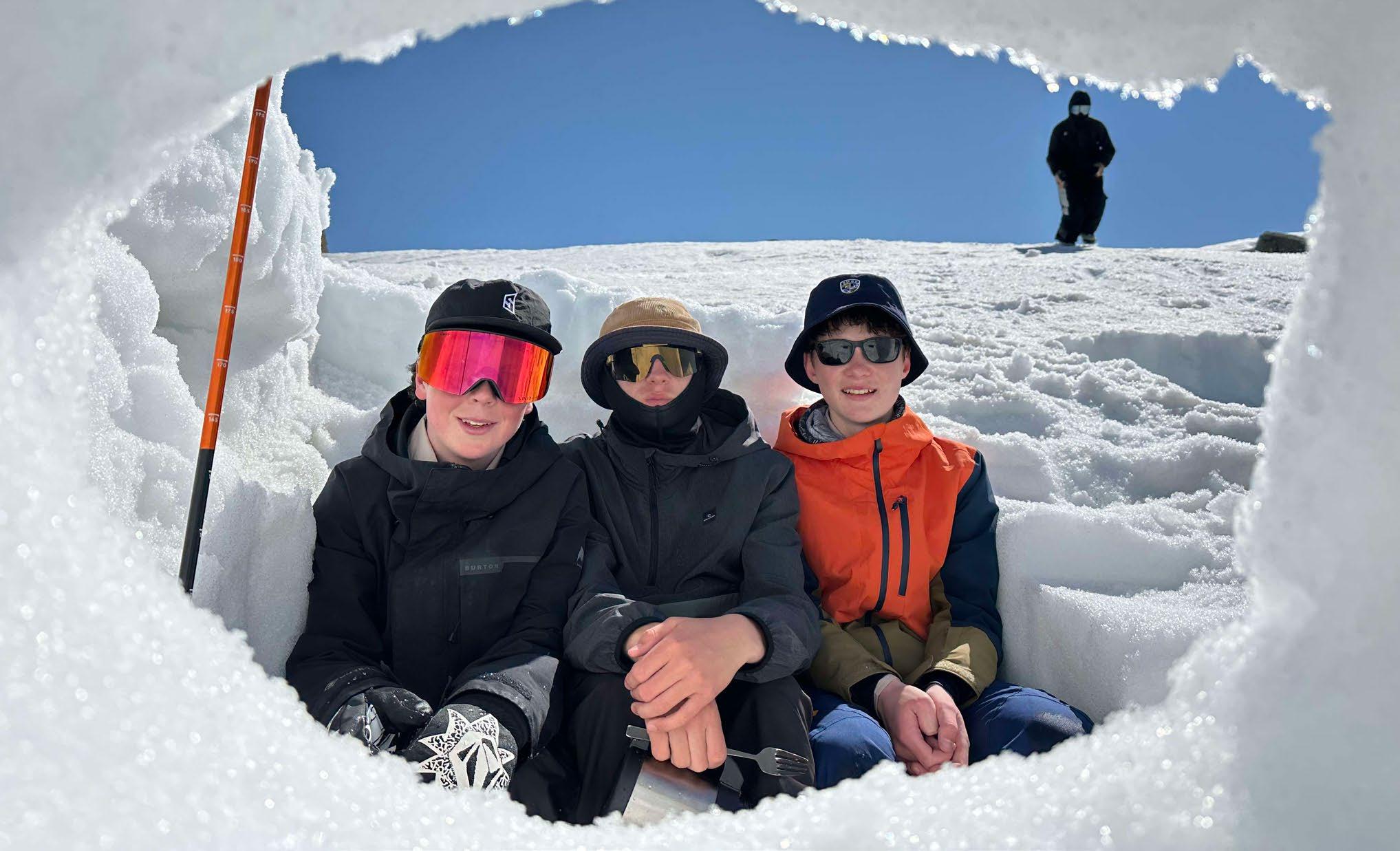
Stage 5 Outdoor Education students have the opportunity to gain additional qualifications within the course, including completing their Avalanche Skills Training Level 1 (AST1) course. By completing this course, students can gain valuable skills in risk management techniques, decision-making frameworks, and an understanding of the specific gear required for safe participation in the backcountry.in risk management techniques, decision-making frameworks, and an understanding of the specific gear required for safe participation in the backcountry.
Availability
Years 9-10
Qualification
RoSA
Overview
Physical Activities and Sports Studies (PASS) represents a broad view of physical activity and the many possible contexts in which individuals can build activity into their lifestyle. It incorporates a wide range of lifelong physical activities, including recreational, leisure and adventure pursuits, competitive and non-competitive games, individual and group physical fitness activities.
At Snowy Mountains Grammar School we actively promote the concept of learning through movement and many aspects of this course will be explored through participation in selected movement applications in which student’s experience, examine, analyse and apply new understanding. Students will be encouraged to specialise and study areas in depth, to work towards a particular performance goal, pursue a formal qualification or examine an issue of interest related to the physical, emotional, social, cultural or scientific dimensions of physical activity and sport.
Term 1
Module: Body Systems and energy for physical activity
This module outlines the importance of each system and explains how each system works together to allow the efficient movement of the human body. Students examine how the body works to use energy for efficient movement and the relationship of the body systems that function together to allow movement for physical activity to occur. Students will explore these concepts through practical laboratories.
Term 2
Module: Sports Coaching
This module develops skills in coaching and instruction. Students investigate qualities of effective coaching and assess their own and others’ coaching skills to become more effective coaches.
Students will have the opportunity to practically apply their coaching skills in real-life situations.
Term 3
Module: Technology, Participation and Performance – a Project Based Learning initiative
This module explores the issues of using technology and evaluating its impact, and how to manage technology use in physical activity and sport.
Term 4
Module: Enhancing performance – strategies and techniques (SUP, Lawn Bowls, Bouldering)
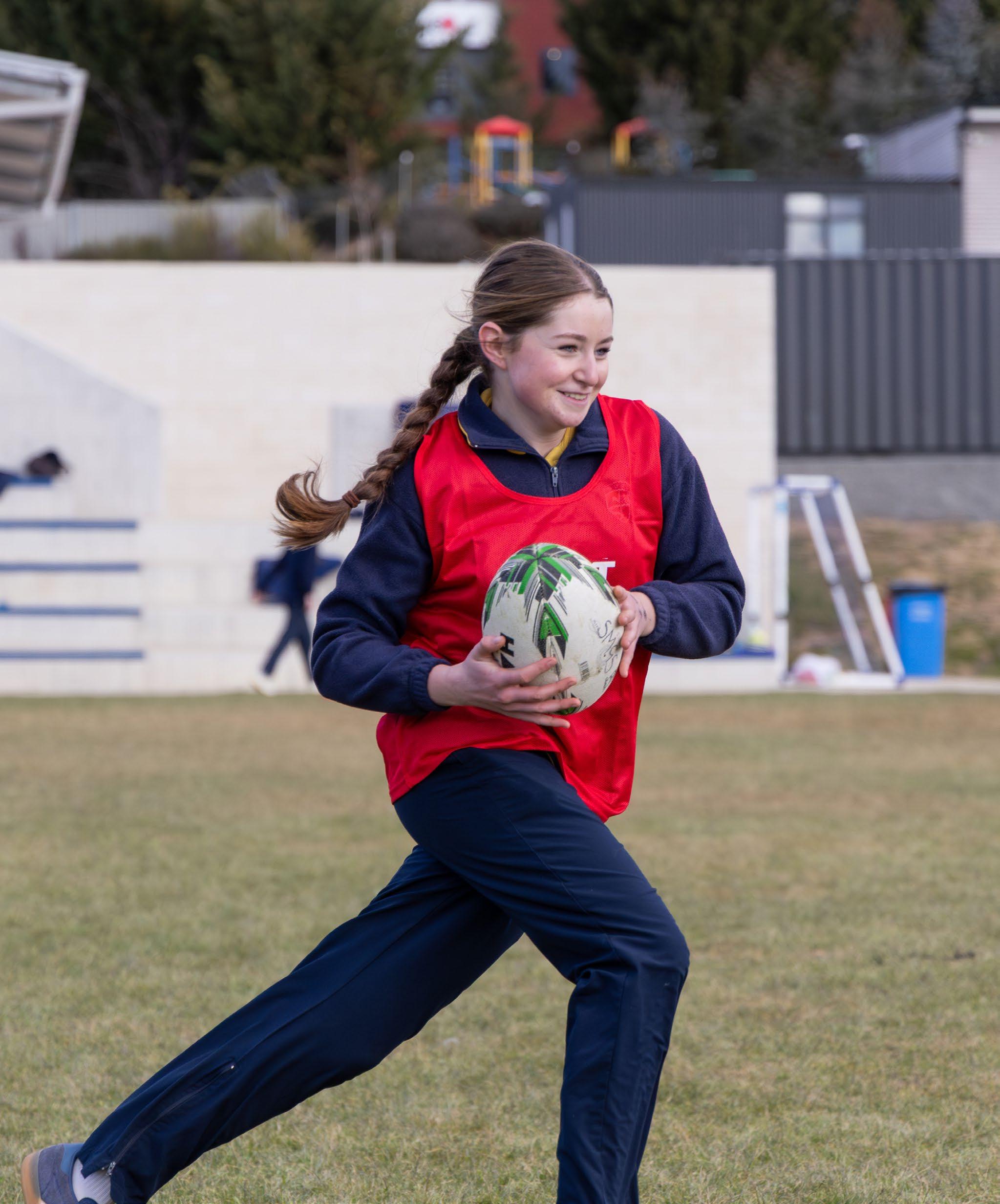
This will be a largely practical module. Participants learn how they can change, try new things, practise, or give and take advice to enable them to be better at that activity or sport. This module outlines the importance of appreciating the importance of participating in outdoor leisure activities to improve holistic health and connect with the local community.
Availability
Years 9–10
Qualification
RoSA
Overview
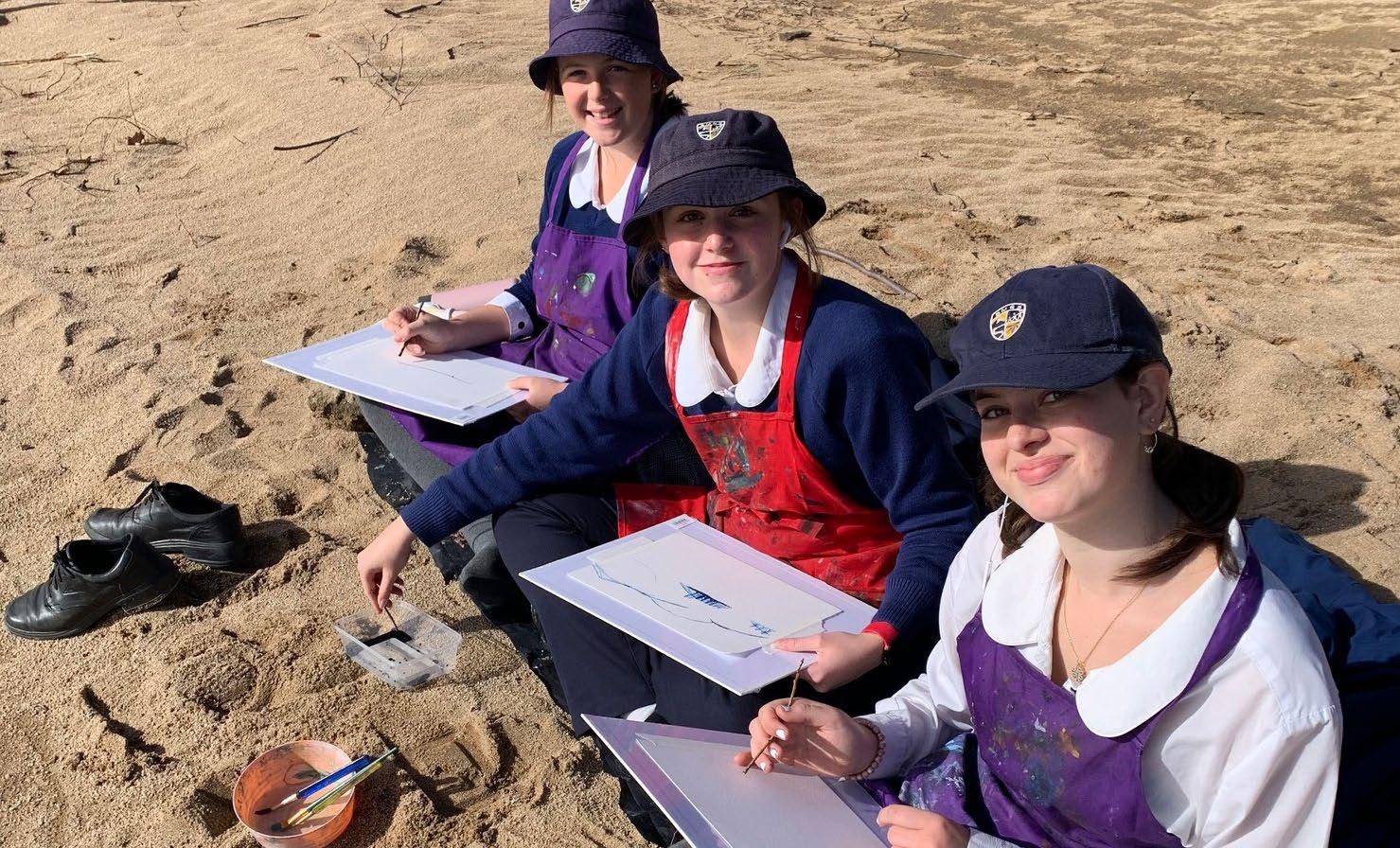
The Stage 5 Visual Arts course provides students with the opportunity to further explore and build on their creative skills in a visual form. The course is designed to develop conceptual thinking and refine practical artmaking skills. Through the investigation of a range of artmaking processes, students will be introduced to various approaches in the development, exploration and execution of artworks. By investigating artists and their work, students will familiarise themselves with the evolution of art history and how it informs contemporary practice. Theoretical skills related to analysis and criticism will be studied through the application of the course content areas outlined in the Stage 5 Syllabus.
Through the use of the Visual Arts Process Diary, students will develop, investigate and research the processes associated with artmaking and the execution of artworks. Theoretically, students will apply their knowledge of the course content areas, including frames, conceptual frameworks and art practice to develop their understanding of how and why artists create artworks.
Topics
Landscape Paintings
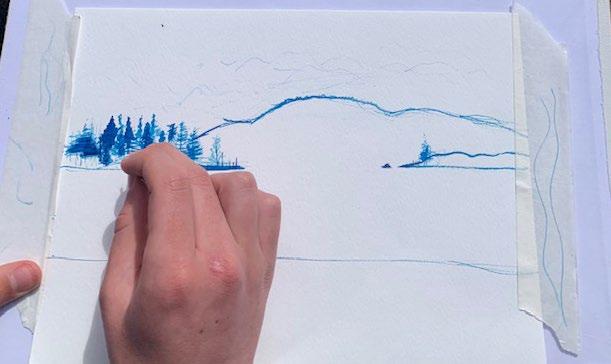
Students will study historical and contemporary landscape artists such as Arthur Boyd, Emily Kngwarreye, and Claude Monet. Students will expand their conceptual knowledge throughout the unit with a focus on Artist Practice and the Subjective Frame. The final assessment for students will be to create their own landscape paintings inspired by landscapes significantto them.
Assessment: Artmaking: Folio of Artworks and Visual Arts Process Diary.
Functional Ceramics
Students will explore the world of functional ceramics, investigating the interplay between form and function. Students will investigate the historical evolution of ceramics, understand technical processes, and examine the cultural significance of ceramic art, with a particular focus on Japanese craftsmanship. Through practical activities, students will develop skills in ceramic techniques and create their own functional ceramic pieces.
Assessment: Artmaking: Folio of Artworks and Visual Arts Process Diary.
Printmaking and Design
This Visual Arts unit explores printmaking and design through the study of design and pattern-based artists. Students analyse artworks using the structural frame and the elements and principles of design, forging conceptual connections. Practically, students create an original pattern, which they then apply in two mediums, a ceramic tile and a lino cut print, developing technical skills and creative thinking in real-world design contexts.
Assessment: Artmaking: Folio of Artworks and Visual Arts Process Diary.
After having carefully read your elective choices, decide what course you would like to take.
Make sure to reference the relevant How to Choose your Elective page within this booklet.
Login to your student email account and find the email sent regarding the Electives Program (new students will access material through a parent/carer email).
Complete the Electives Survey via the email link, making sure to select your preferred courses.
The Selection Survey will close Monday 11 August 2025.
Please note: An additional application procedure for Electronic and Software Engineering will be sent to you should you choose it as an elective.
Courses will only proceed with a minimum number of enrolments and there will be a cap on maximum numbers. In the event that a course is over-enrolled, preference will be given to the older year group of the two elective groups.
Students must study two different electives.
Questions?
Email Dr Darryl Nelson, Director of Curriculum and Academic Operations, curriculum@smgs.nsw.edu.au or call the School on (02) 6457 1022.