Director of Marketing and Membership: TOBY TETRAULT
Membership Community Manager: NATHAN WOODMAN membership@rps.org
Membership Assistant: DEBBIE CANT
IFC - All right reserved.
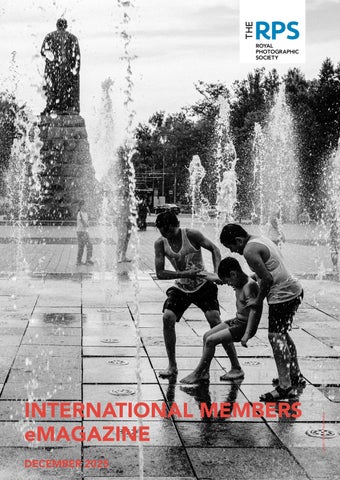
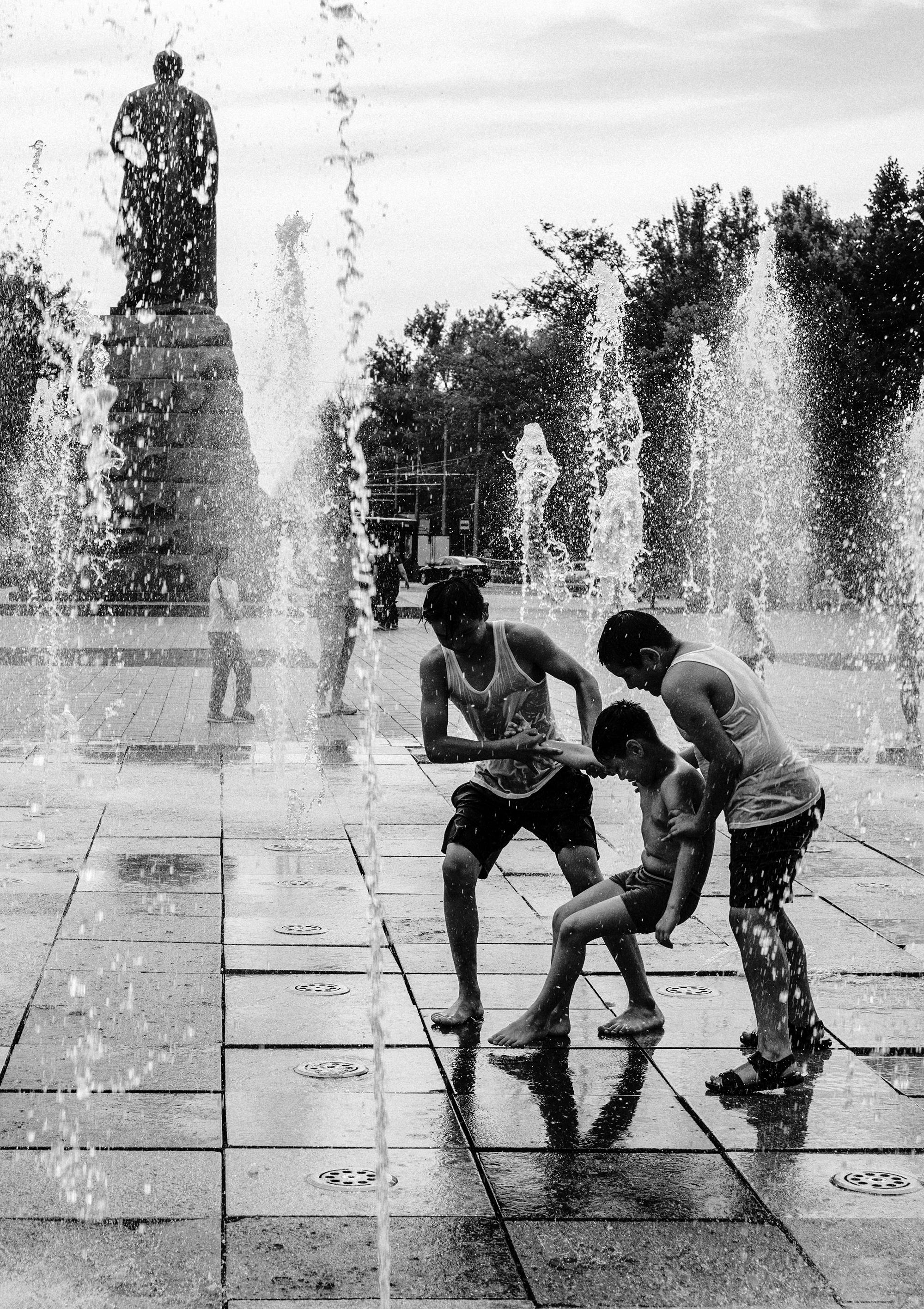
COVER PHOTO
ANTON PANCHENKOV
PLEASE DON'T
Three boys playing in the fountain at Republic Square, Almaty, Kazakhstan
03 WELCOME
Welcome to the December 2025 International eMagazine
05 AN UPDATE FROM RPS HQ
06 QUARTERLY INTERNATIONAL UPDATE
What has the international team focused on?
08 MY HOME
Shobhit Chawla, Lucknow, India
Capturing the Beauty of Lucknow,the heart of culture and heritage.
20 INTERNATIONAL MEMBER PHOTO PROJECT
Steven Morton, Melbourne, Australia
Wide Angle photography with a 360+ Panorama Camera
34 A PHOTOGRAPHER’S EQUIPMENT JOURNEY, THE TOOLS BEHIND MY VISION
Jacky Lee, Canberra, Australia
42 INTERNATIONAL MEMBER INTERVIEW
Q & A with Elaine Herbert OAM ARPS,AUSTRALIA, Melbourne, Australia
50 INTERNATIONAL MEMBERS GALLERY
A selection of images from our international members
60 INTERNATIONAL TEAM INTERVIEW
An Interview with Somdutt Prasad, Kolkata, India
70 DISTINCTIONS OVERVIEW
72 DISTINCTIONS INTERVIEW
Finding My Voice Through Distinctions - A Journey with the RPS, Max Robinson FRPS
88 RPS EVENTS
In-person and online events
92 WHAT TO READ
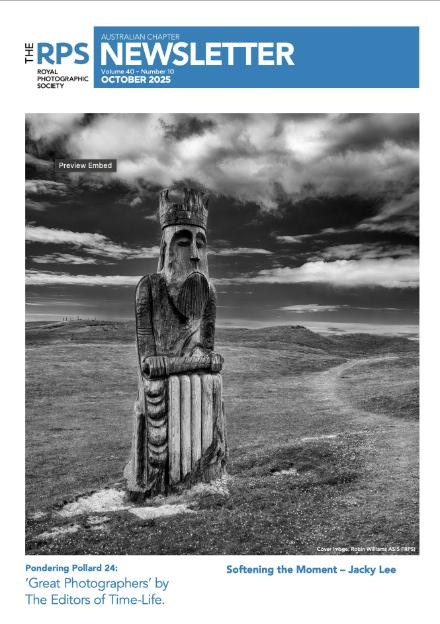
RPS Publications available online
94 SPECIAL INTEREST GROUPS
What is an RPS Special Interest Group (SIG) and why are they of interest?
98 INTERNATIONAL TEAM UPDATE
Meet the Team
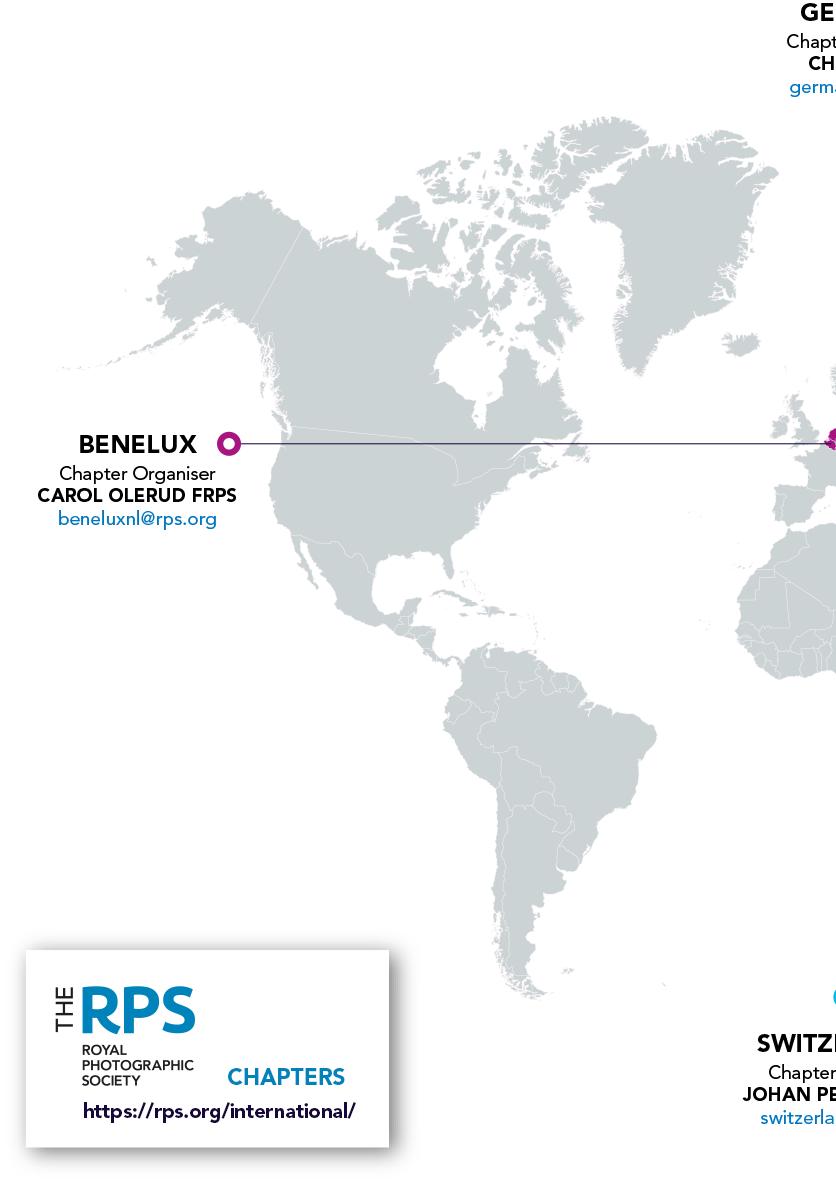
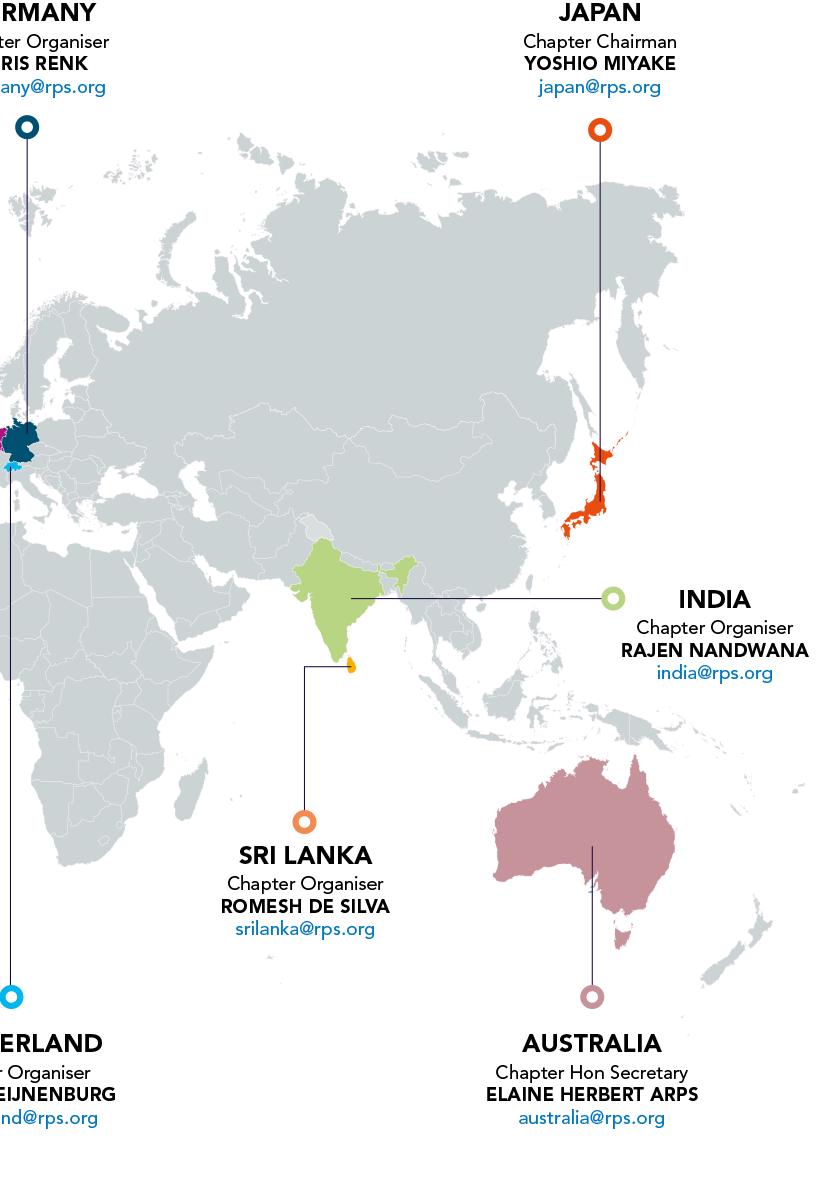
100 CHAPTERS UPDATE
RPS Chapters quarterly update
112 CONTRIBUTIONS
Contribute to the International Members eMagazine!
WELCOME TO THE DECEMBER 2025 EDITION OF THE INTERNATIONAL MEMBERS EMAGAZINE
The year has passed very quickly and we are already approaching its close. The snow has arrived in the Swiss mountains, Christmas markets are appearing, and our winter clothes are out again. After living in Australia and Singapore for over six years, I am still not yet used to this change even though we have been here for almost another six years!
It seems that the time between editions of the eMagazine is getting shorter, primarily because we hear from an increasing number of members from all over the world, and have also received fantastic submissions of both articles and photography. We appreciate all your submissions and enjoy curating the resulting articles to read here.
This is now the third edition of the International Members eMagazine publication, and I am very happy to bring you this quarter’s news, events and special features from our international member community.
In our main features, we hear from some of our international members: Shobhit Chawla in India tells us about his home city of Lucknow in Uttar Pradesh; Steven Morton in Melbourne, Australia presents his wide-angle photography with a 360+ panoramic camera; and in our Q&A, we speak with Elaine Herbert OAM ARPS, the long-standing Chapter Organiser in Australia about her photography and her recent award of the RPS President’s Medal.
Max Robinson FRPS, who serves as Chair of the Distinctions Panel for Film, Video and Multimedia and is an assessor on the Distinctions Panel for Travel, shares his photographic journey, the assessment process, what makes a strong image and the rewards of achieving a Distinction.
Somdutt Prasad, a member of our international team who lives in Kolkata, India, shares his photographic journey and some recent photography including portraits of ascetics, or Baba's during their pilgrimage to Sagar Island in India.
We have introduced a new regular feature: A Photographers Equipment Journey. Jacky Lee, a member of the International team starts in this edition, and shares what he has in his camera bag and why. If you would like to write a similar article for one of the four editions in 2026, please get in touch.
Our update from the Chapter Organisers provides us with an update on key events happening locally. Further information can be found at www.rps.org/groups. Please also have a look at the different events organised during the next quarter by the Special Interest Groups (SIGs) at www.rps.org/groups or upcoming RPS events, talks and exhibitions at www.rps.org/what-s-on/
Thank you also to those who have sent their photography to us, your contributions from all corners of the world are showcased in our International Members Gallery. Finally, the International team held the 2nd International Members Forum at the end of October. It was a great session and fantastic to see some familiar faces from the first two sessions. Further details can be found on the following page.
As always, we welcome your thoughts, recommendations and contributions. Details about how and what you can contribute to a future edition are provided in the Contributions pages at the back of this eMagazine.
Wishing you a fun and peaceful end to the year, and a great start in the New Year. I look forward to being in touch with you during 2026.
With very best wishes,
Claudine International Representative International@rps.org
AN UPDATE FROM VICTORIA HUMPHRIES AND TOBY TETRAULT AT RPS HQ
Hello from the RPS in Bristol and our quarterly update to you regarding our recent focus.
Community Newsletter
Hopefully you all saw and enjoyed the new Community Newsletter.We had some great interaction from the international community, with Elaine Herbert interviewed as our main feature and the Benelux Chapter at Lens op de Mens in the community spotlight. As we roll this out, we will send the newsletter every two months, so please get in touch if you have any feature ideas or would like to contribute in a future edition!
Member Survey
It has been a number of years since The RPS has asked our members to provide feedback on their membership and photographic journey.The survey is now in our plan for early 2026 and we are excited to learn more about our international members and what would improve your experience with The RPS!
Enjoy the rest of the year and wishing you a great start to 2026!
Best wishes, Victoria and Toby
QUARTERLY INTERNATIONAL UPDATE
Another busy quarter has passed for our small volunteer team. An update on some of our key activities:
International Members eMagazine
We remain focused on developing this eMagazine by expanding the variety of features and creating new content. We have received many articles on My Home and International Member Projects so thank you very much for these. We introduce the A Photographer’s Equipment Journey in this edition and aim to include this going forward. We would be very interested to hear from you regarding the following:
- sharing your equipment journey with us
- if you are showing or have recently shown your work in an exhibition
- a photo project you are working on or have completed
- submitting images for the International Members Gallery or for the cover
- if you have been awarded Distinction
Going forward, we also aim to bring you more information about our Special Interest Groups (SIGs) and how you can get involved in other activities offered by the RPS.
RPS International website pages
We have started to include some new content on the RPS pages in the Distinctions sections and will continue to update this over the course of the next six months. However, this remains very much a work in progress as it runs alongside the overall RPS HQ plan in progress to overhaul and upgrade the website.
Quarterly International Members Forum
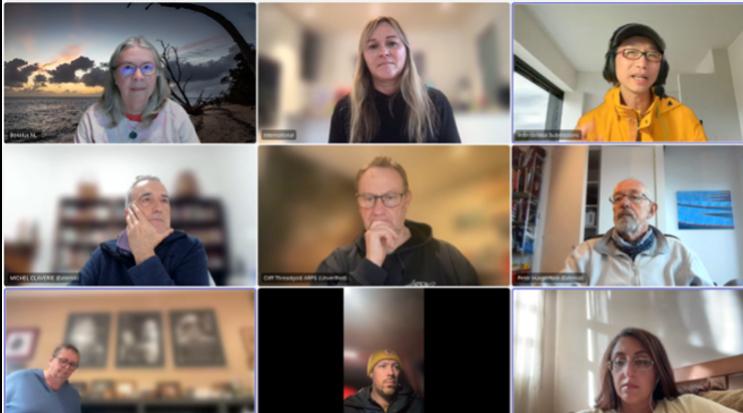
We held the 2nd International Members Forum on October 29th 2025. We had a lively and productive session and it was great to meet more of our international members from around the world.
Aside from introductions and an RPS update from the team, we discussed the progression of AI, how it impacts our photography work and how we use it on a day-today basis.
We also had a presentation by Jacky Lee on Intentional Focus Movement (IFM), an experimental technique you can try which can complement your traditional photographic techniques. If you would like copies of the presentations given on AI and IFM or have any questions, please contact Claudine at international@rps.org
The 3rd International Members Forum will be held on January 26th 2026 at 12pm CET (11am GMT). Please contact Claudine at international@rps.org if you would like to join this event. All previous attendees will be invited automatically and invitations / agenda will be issued in December.
To note, for the first two sessions, our international members opted to meet in a single group at a similar time to that given above. However, we remain happy to host a second session as required to provide a more convenient time for our members, in particular those in Australia and New Zealand and on the West Coast of the US.
Photo Critique Corner
We’re delighted to introduce our email Photo Critique Corner feature from 2026. This is not a competition but a welcoming space where members can share up to five images (JPEGs, longest side 3000px) along with a short note about what inspired them or the kind of feedback they’d find most helpful. Whether you’re seeking tips to refine your technique, fresh ideas to strengthen your storytelling, or simply a new perspective on your work, this corner is here to support you. The critique corner will be run by Jacky Lee, a professional photographer who brings extensive judging and mentoring experience across RPS, APS, CAPA and PSA. Our aim is to create a lively, supportive environment where international RPS members can learn, grow, and inspire one another.
Please submit your images to internationalsubmissions@rps.org
AND HERITAGE
CAPTURING THE BEAUTY OF LUCKNOW, THE HEART OF CULTURE
Shobhit Chawla, Lucknow, India
We are very pleased to introduce Shobhit Chawla, an international member of the RPS who lives in Lucknow, the capital of Uttar Pradesh in northern India. Located in the heart of the state on the Gomti River, Lucknow has a vibrant culture and a diverse history and heritage. Shobhit tells us more about this beautiful part of India and the background and inspiration behind his images
My tryst with the camera began when I was 13 years old. My father had given my brother a Lubitel camera which he did not use, and so I made the most of this situation and started to learn how to photograph.
My local neighbourhood provided ample opportunity to take pictures, and I was also able to develop my films in my father’s dental x-ray laboratory. From this point forward, my interest only increased, in particular during my college days, and as luck would have it, I was then able to upgrade my camera to an Olympus OM10.
Many people inspired me to further develop my photographic work. Firstly, Mr Popli from the CDRI, himself a keen photographer became a source of great encouragement. I was also in contact with my patient and friend’s uncle, Mr Kunwar Shukdeo Singh, and was impressed and inspired by his work. He was still photographing despite having eye issues at an advanced age. Finally, I followed the work of Mr Anil Risal Singh, an icon in photography here in India, and drew creativity and inspiration from his images.
My profession as an ophthalmologist and my involvement with academics has always taken me to conferences in different locations, providing me with excellent opportunities to explore the world of photography. Light and its effects and hues have always fascinated me.
Lucknow, the capital of Uttar Pradesh in northern India, is a city where history, art, and tradition live side by side with modern life. Known as the City of Nawabs, Lucknow has long been a cauldron of diverse influences - from the grace and refinement of the rulers of Oudh, to the architectural imprints of the British Raj. Its culture, cuisine, music, and monuments all speak of a legacy shaped by centuries of confluence.
View of the Old City, Lucknow
CREDIT:
Shobhit Chawla
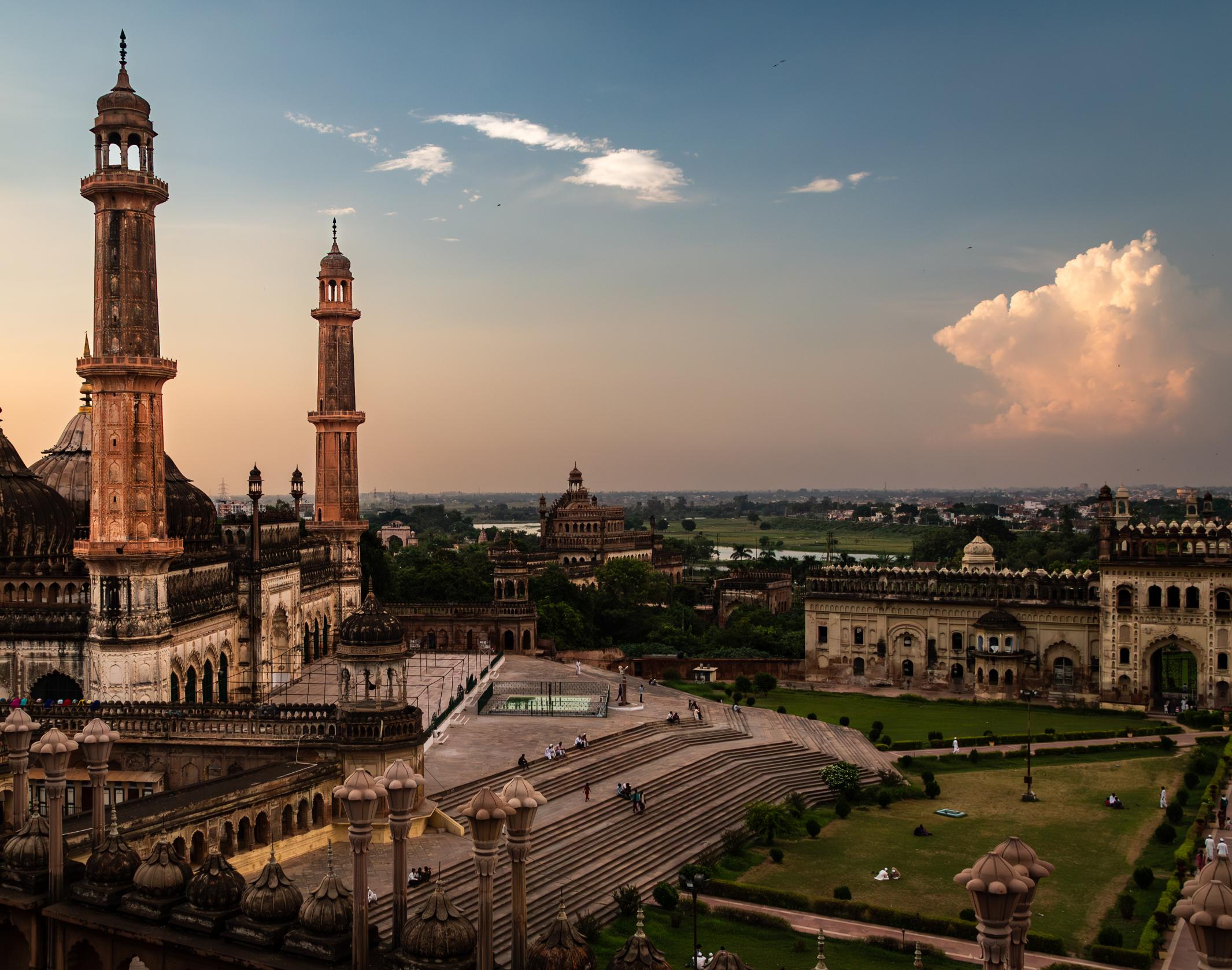
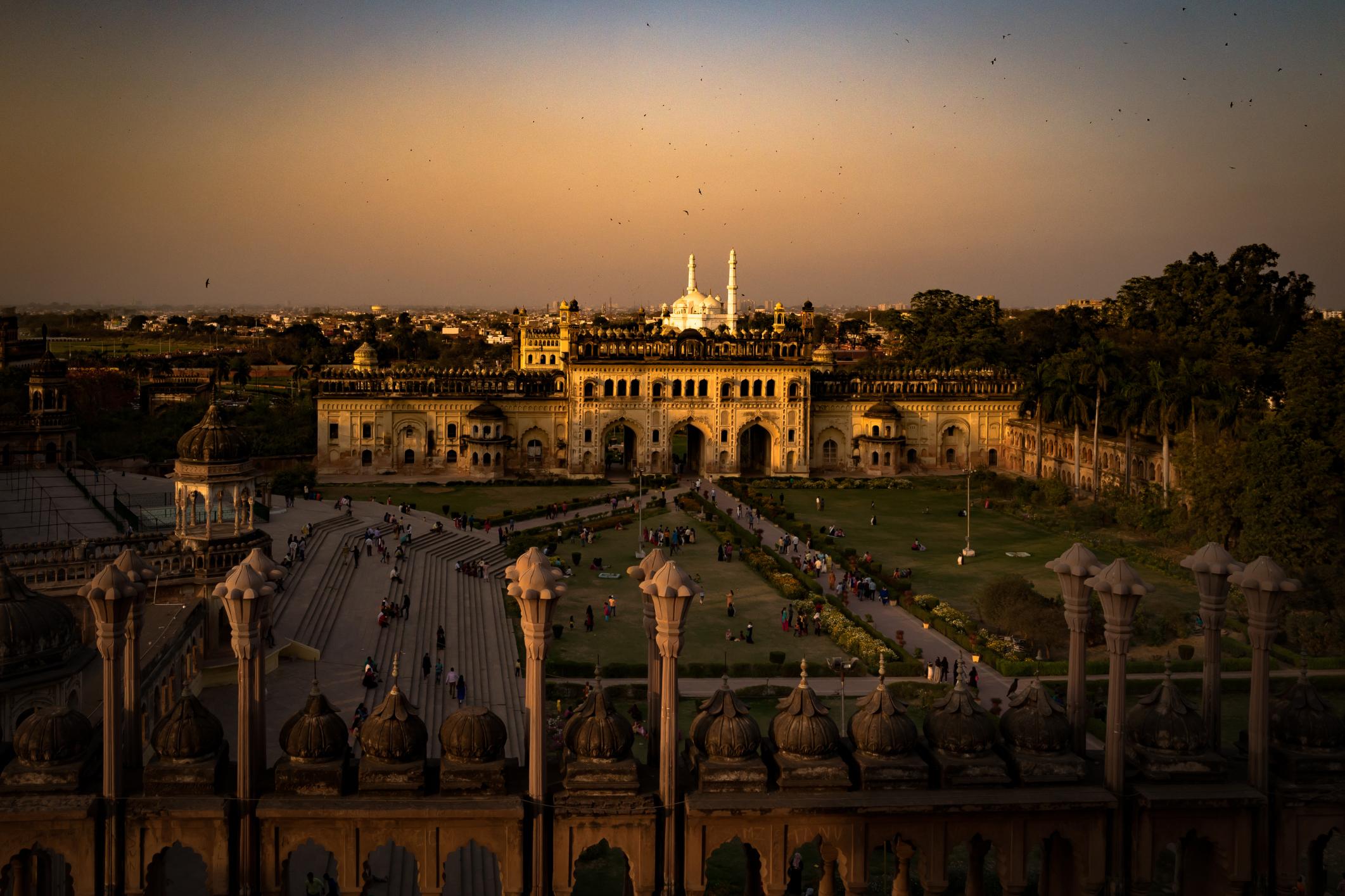
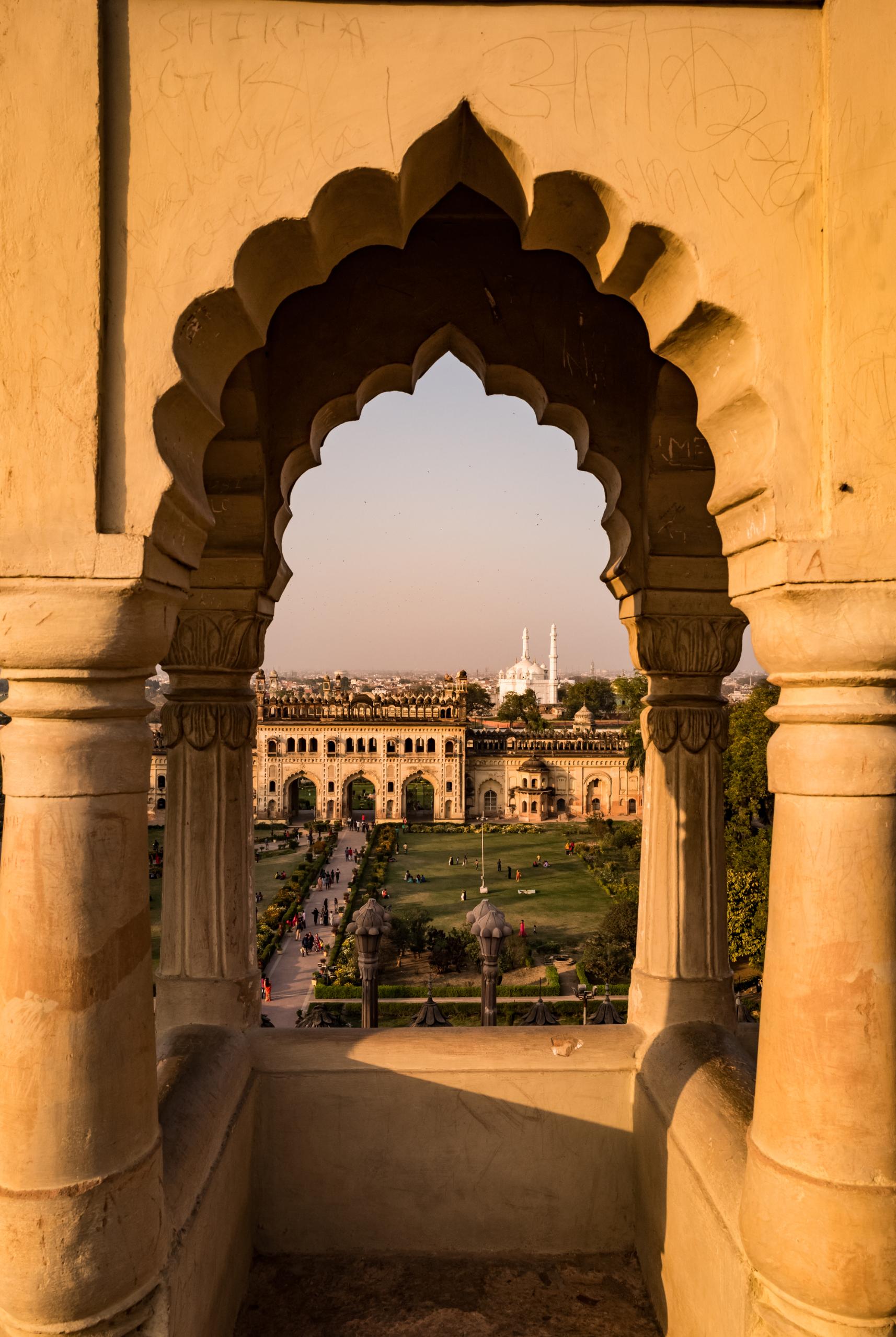
At the heart of this heritage stands the Bara Imambara, also known as Asafi Imambara, an architectural marvel built between 1784 and 1791 under the patronage of Nawab Asaf-ud-Daula. Conceived both as a place of worship and as a centre for community gatherings during times of famine, it remains one of the grandest structures of its kind.
CREDIT: Shobhit Chawla
Sunset at the Bara Imambara
Bara Imambara - a view from the roof
CREDIT: Shobhit Chawla
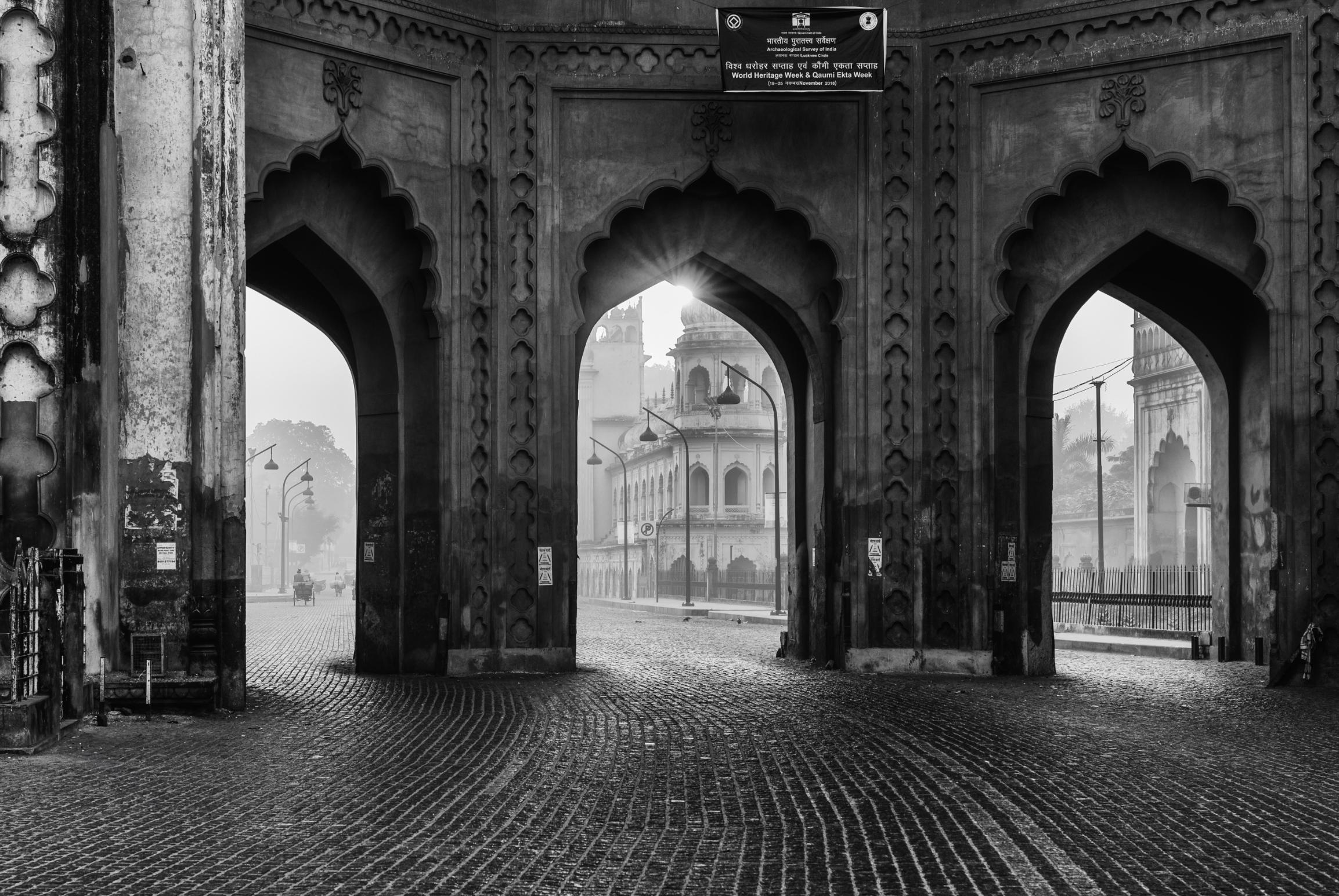
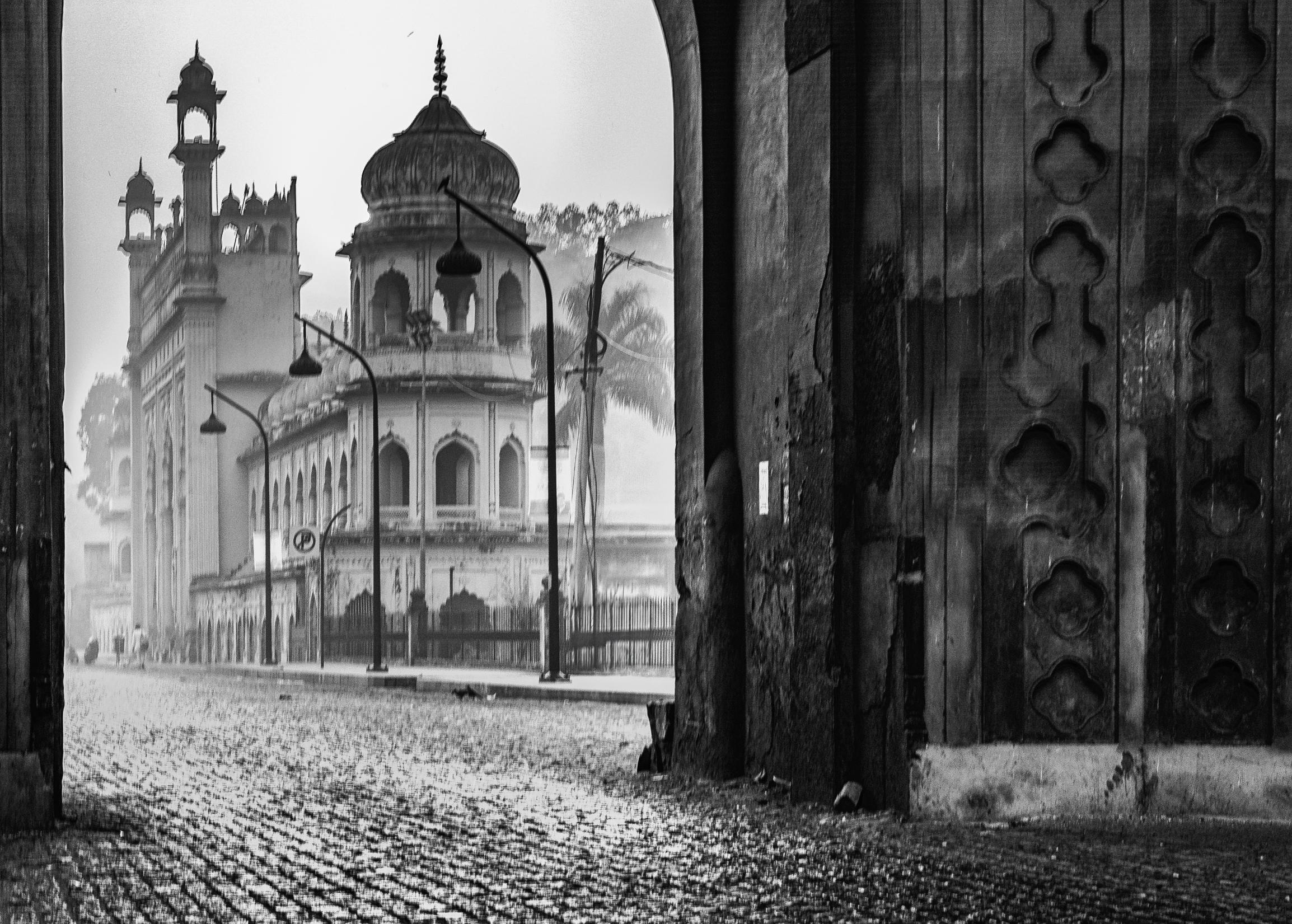
Nearby, the Rumi Darwaza, often called the ‘Gateway to Old Lucknow’, rises in majestic symmetry. Built in 1784, this monumental arch, inspired by Ottoman designs, continues to symbolise the city’s elegance and endurance.
Rumi Darwaza
CREDIT:
Shobhit Chawla
Rumi Darwaza
Shobhit
Chawla
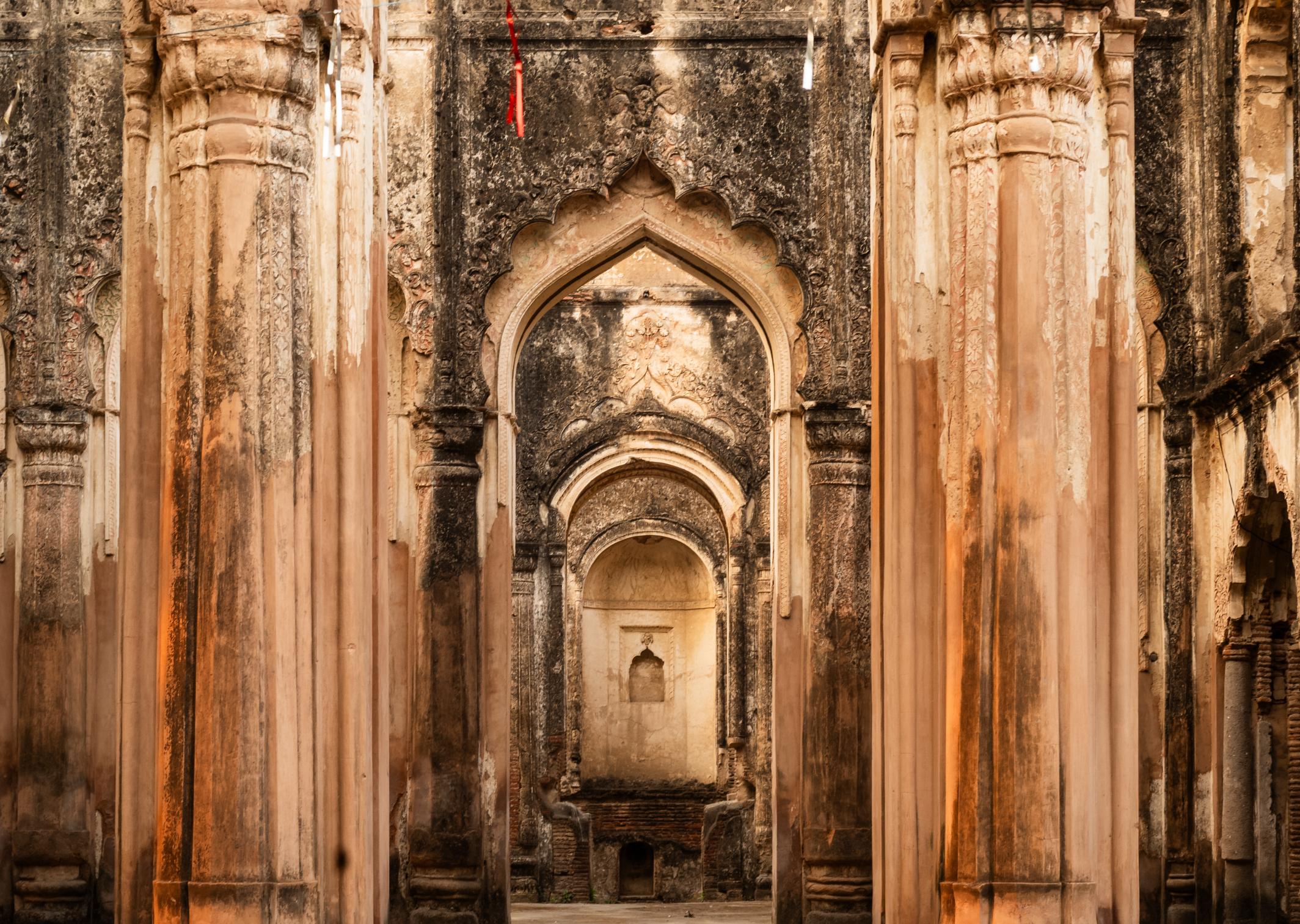
Another cornerstone of Lucknow’s historical landscape is The Residency, a complex of buildings constructed between 1780 and 1800 during the reigns of Nawab Asaf-udDaulah and Nawab Saadat Ali Khan II.
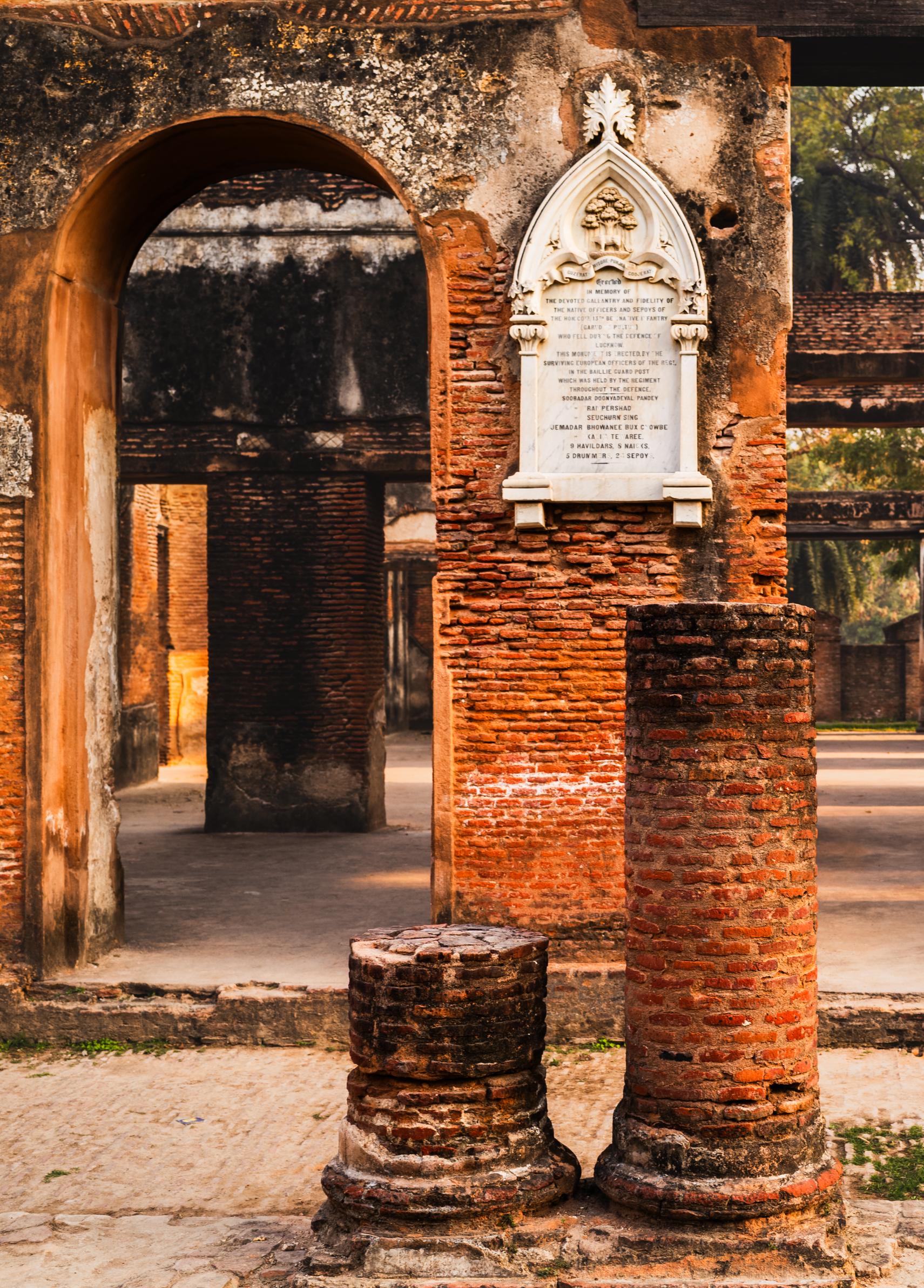
Perched on what was once the city’s highest point, the Residency was originally designed as the official quarters for the British Resident. Its wide verandas provided shade from the fierce sun, while underground rooms, or tehkhanas, offered respite from the heat. The Baillie Guard Gate, added later, served as both entry and defence.
The Old Mosque at The Residency
CREDIT: Shobhit Chawla
Ruins of the Siege at The Residency
The Residency complex encompasses an array of structures, each imbued with historical significance, including the Banquet Hall, the Treasury, Dr. Fayrer’s House, the Church and the Mosque, amongst many others.
Shobhit
Chawla
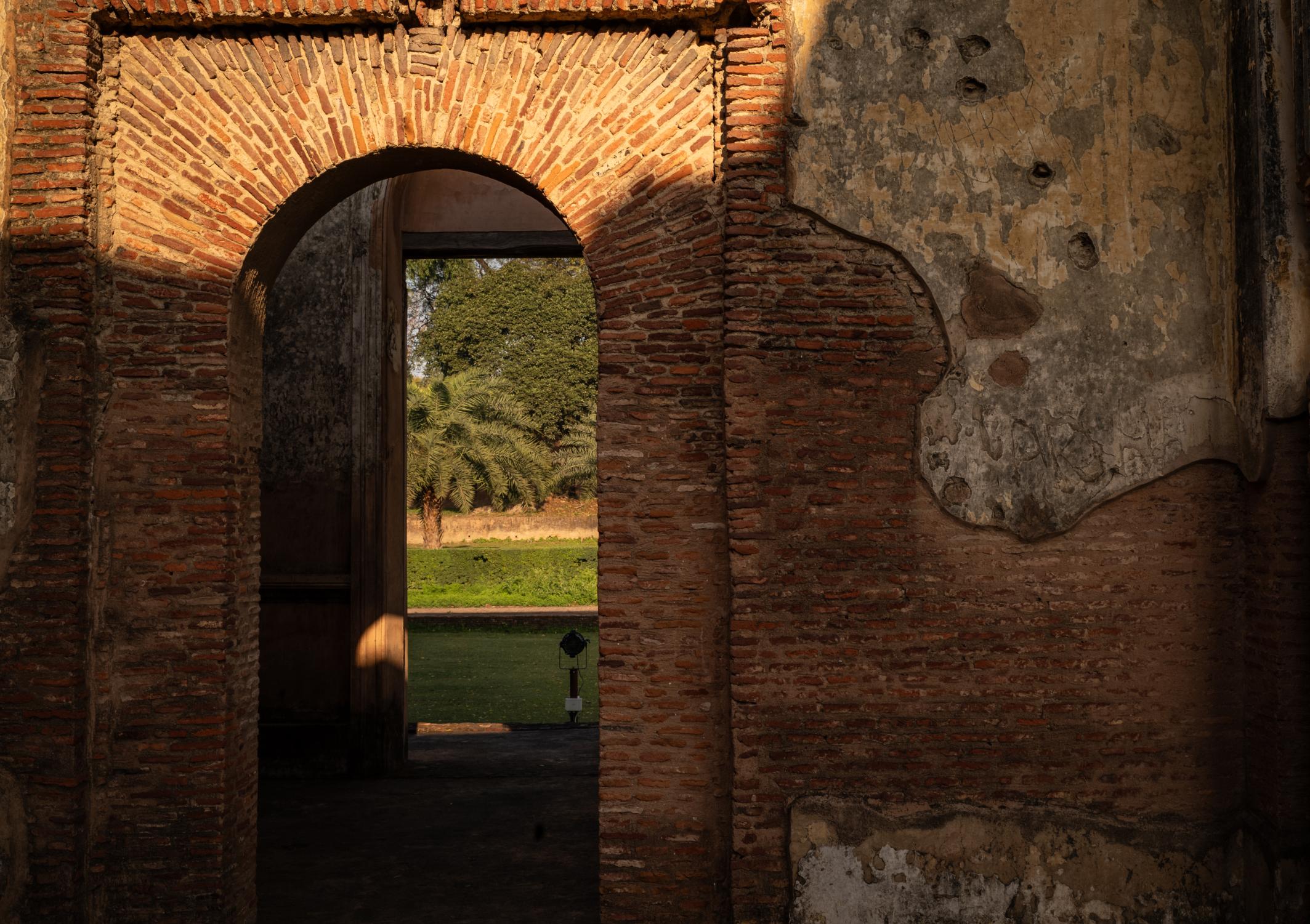
During the Uprising of 1857, the Residency became the epicentre of fierce battles and sieges. Today, its weathered walls and bullet-scarred facades stand as solemn reminders of that turbulent chapter. Preserved by the Archaeological Survey of India, the complex, including its church, banquet hall, treasury, and gardens, is both a historical archive and a memorial to resilience. Each brick whispers stories of courage and tragedy.
CREDIT: Shobhit Chawla
The Charm of Old Bricks
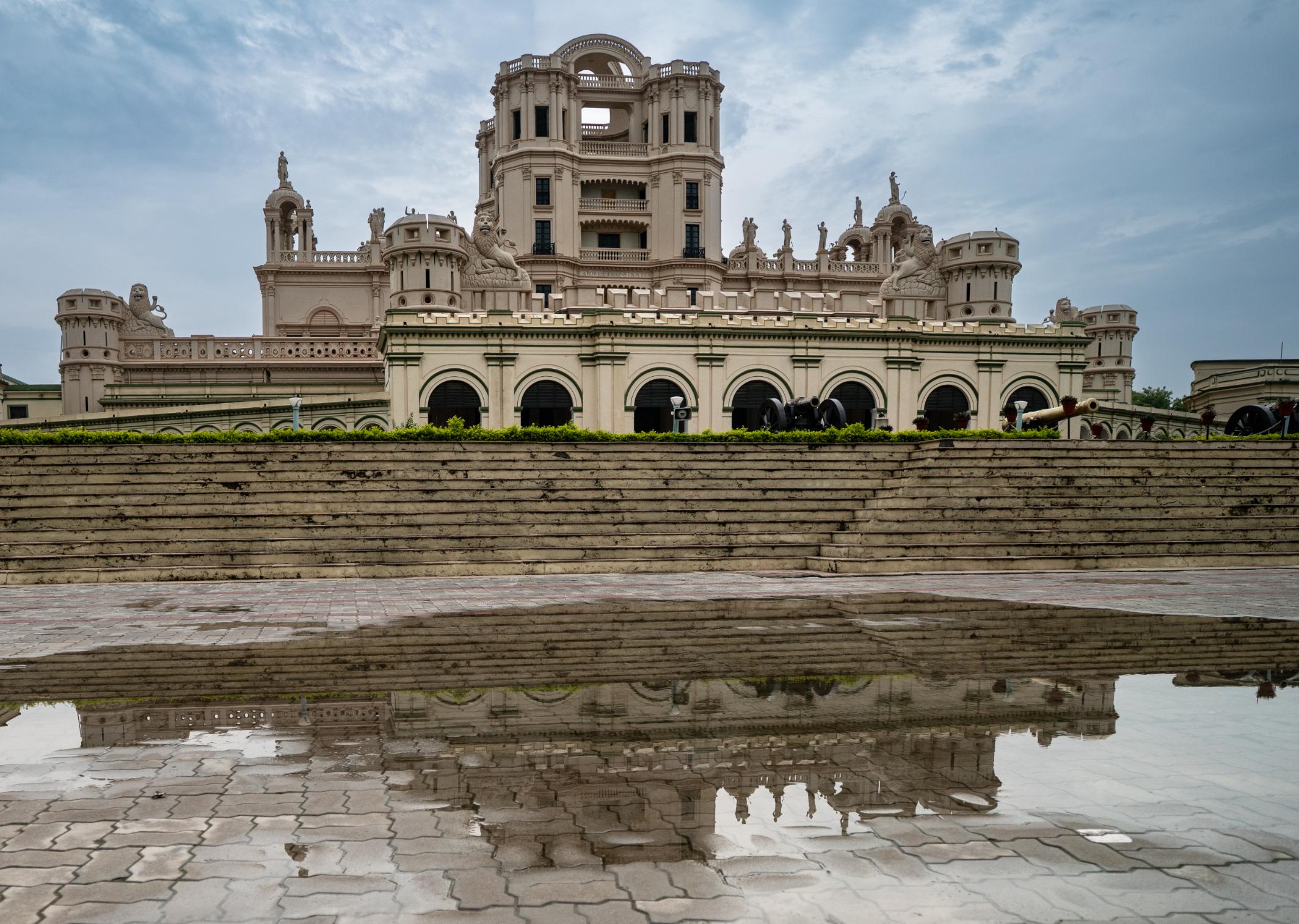
Across the river Gomti stands Constantia, a grand palace that has watched over the city for more than two centuries. Designed in the French Baroque style by Major General Claude Martin, a Frenchman in the service of the Nawabs, it was originally built as his country residence.
The nine-storied core of the building, known as Martin Sahab ki Kothi, later became home to La Martiniere College, one of India’s most distinguished schools. Its unique blend of European and Indian elements makes it a favourite subject for artists and photographers even today.
La Martiniere College
CREDIT: Shobhit Chawla
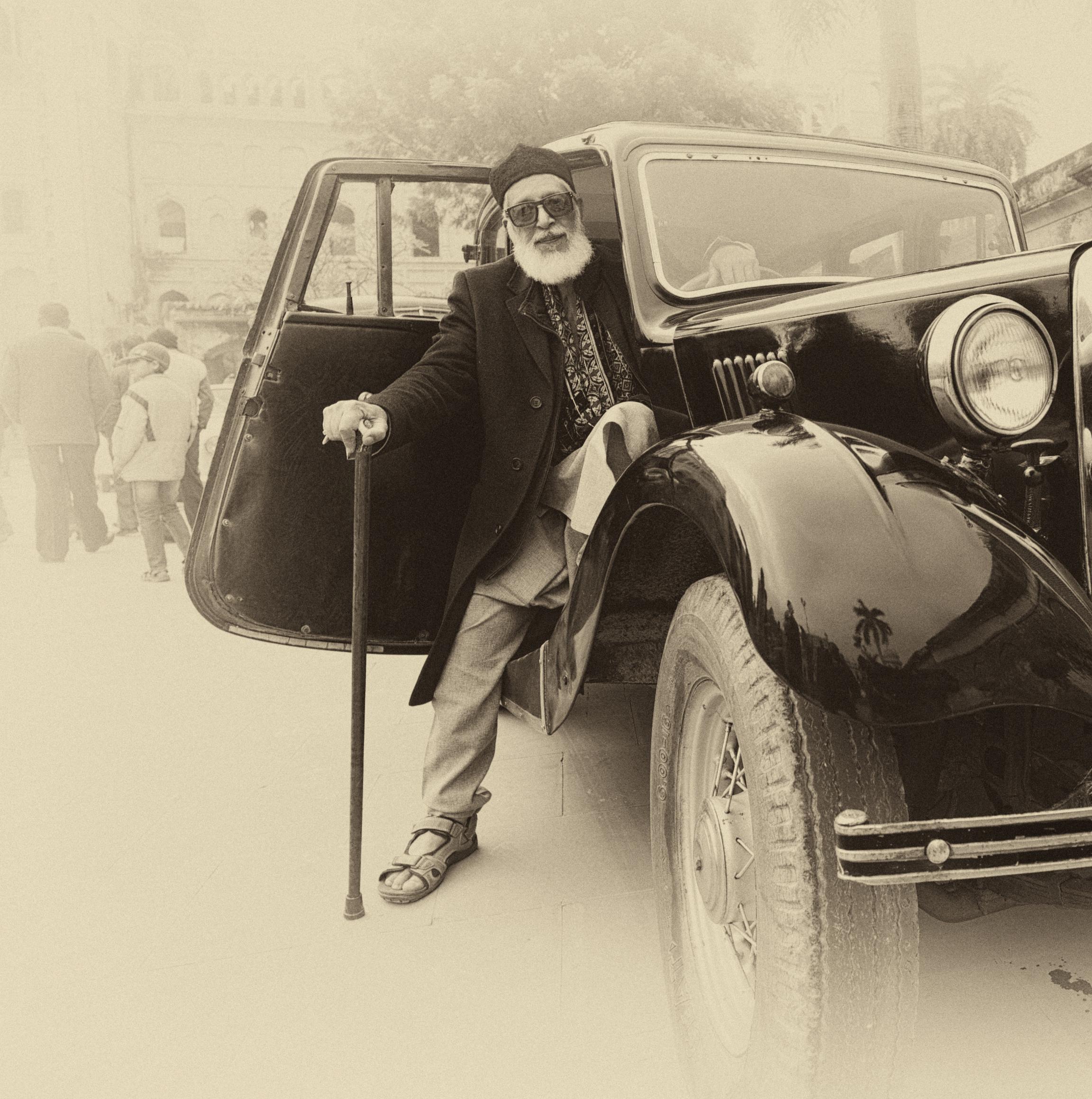
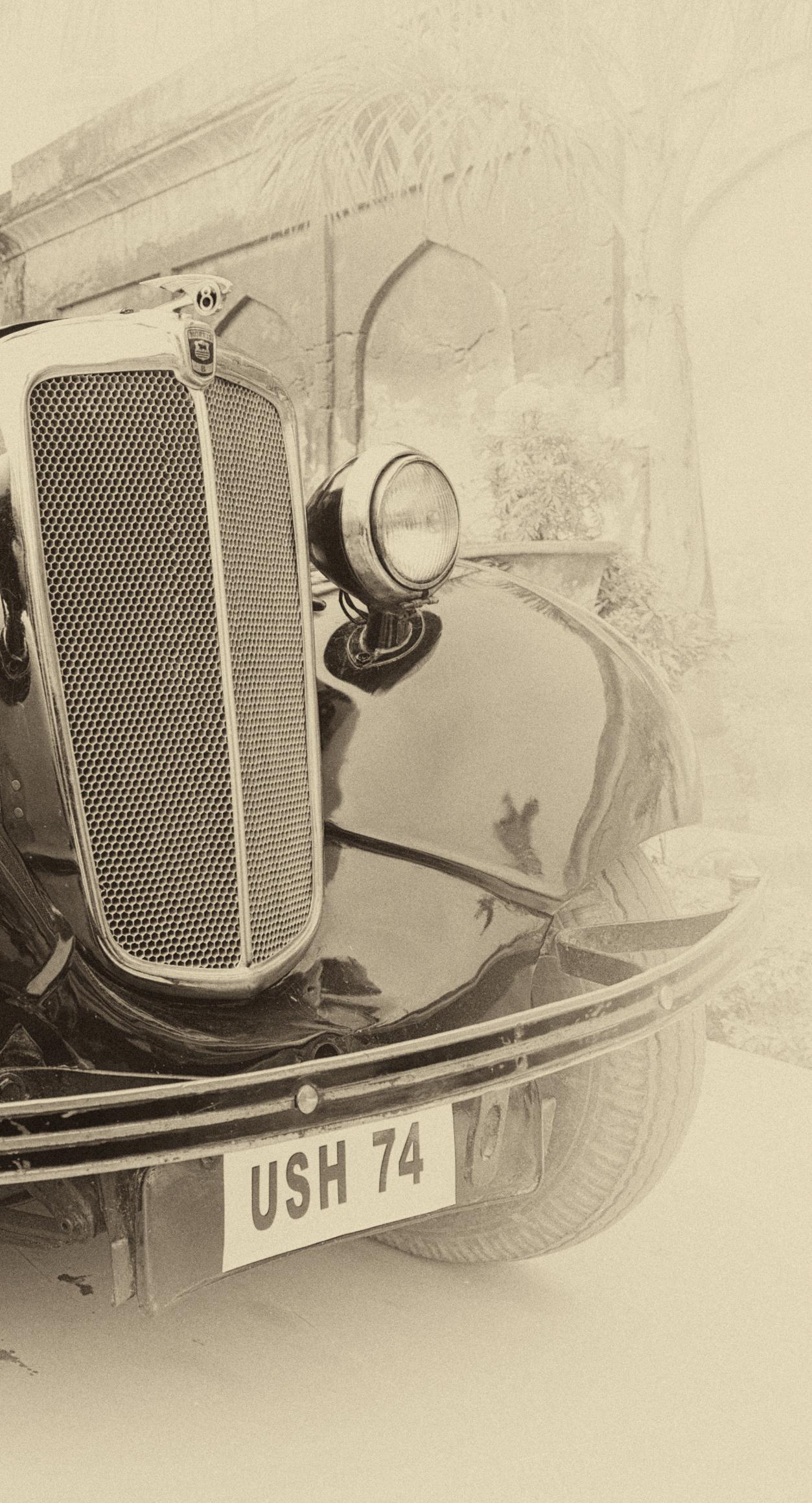
An elderly gentleman stepping out of a vintage car, Lucknow
CREDIT: Shobhit Chawla
Lucknow is not just a city of monuments, but a living culture. Lyrical cadences of Urdu poetry, subtle gestures of Kathak dance, and a trail of aromatic kebabs and biryanis, define its charm. Its people embody Tehzeeb, a refined sense of courtesy, now synonymous with the city itself.
For lovers of history, architecture, and cuisine, Lucknow offers an unforgettable experience. Its narrow lanes, bustling bazaars, and tranquil gardens weave a tapestry of regal and everyday stories, where every corner has its own past.
Shobhit Chawla shobhitchawla1412@gmail.com
Professionally, I head a super-speciality eye hospital. My specialisation is cataract surgery and managing patients with retina disorders. I am a founding member and now President of the Vitreoretinal Society India. I also teach and train post-graduates and fellows.
A final note of interest:
During the 43rd Session of the UNESCO General Conference underway in Uzbekistan, Lucknow has been officically declared a UNESCO Creative City of Gastronomy. This is testament to the city's centuries-old Awadhi cuisine, its culinary traditions, and cultural heritage.
Thank you Shobhit for this fascinating article and your fantastic images and historical knowledge of Lucknow.
WIDE ANGLE PHOTOGRAPHY WITH A 360+ PANORAMA CAMERA
By Steven Morton
Steven is an international member of the RPS from Melbourne, Australia and was awarded his Fellowship in 1991.
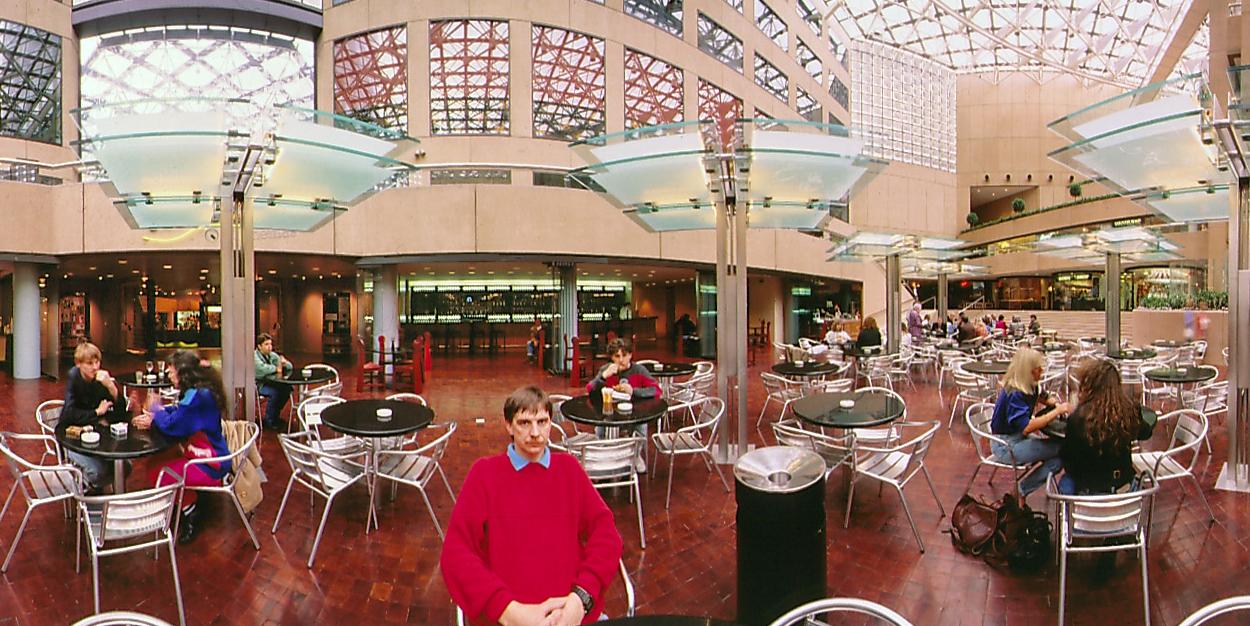
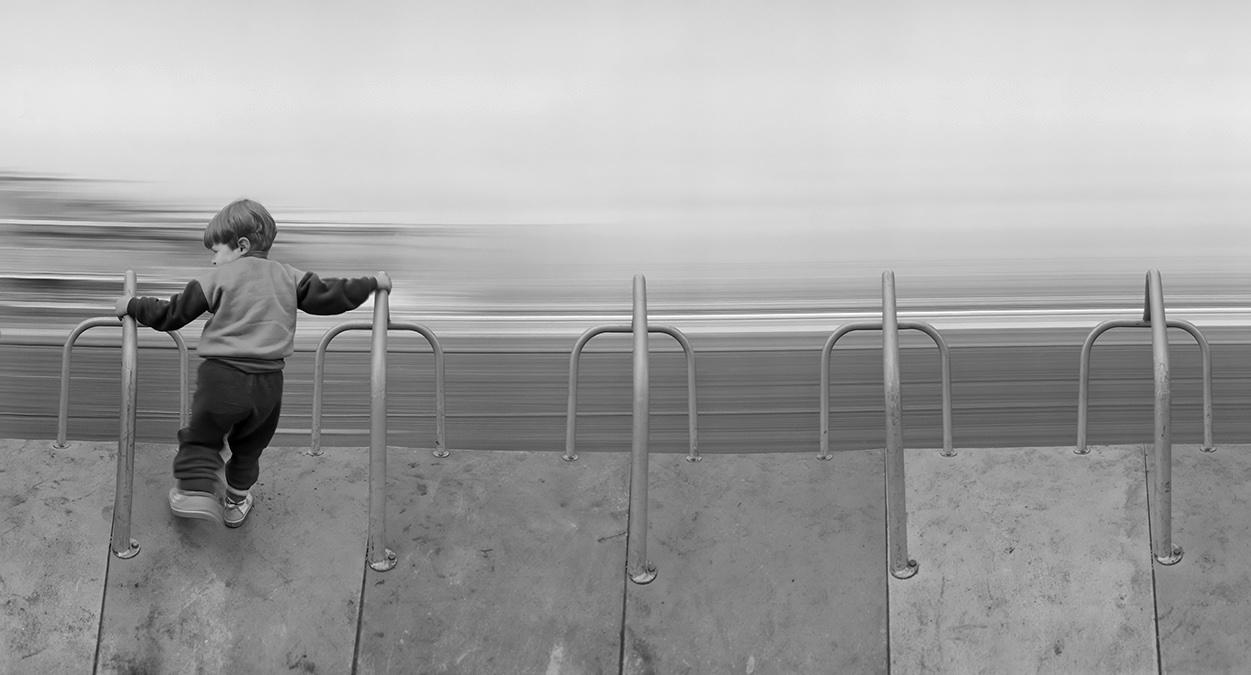
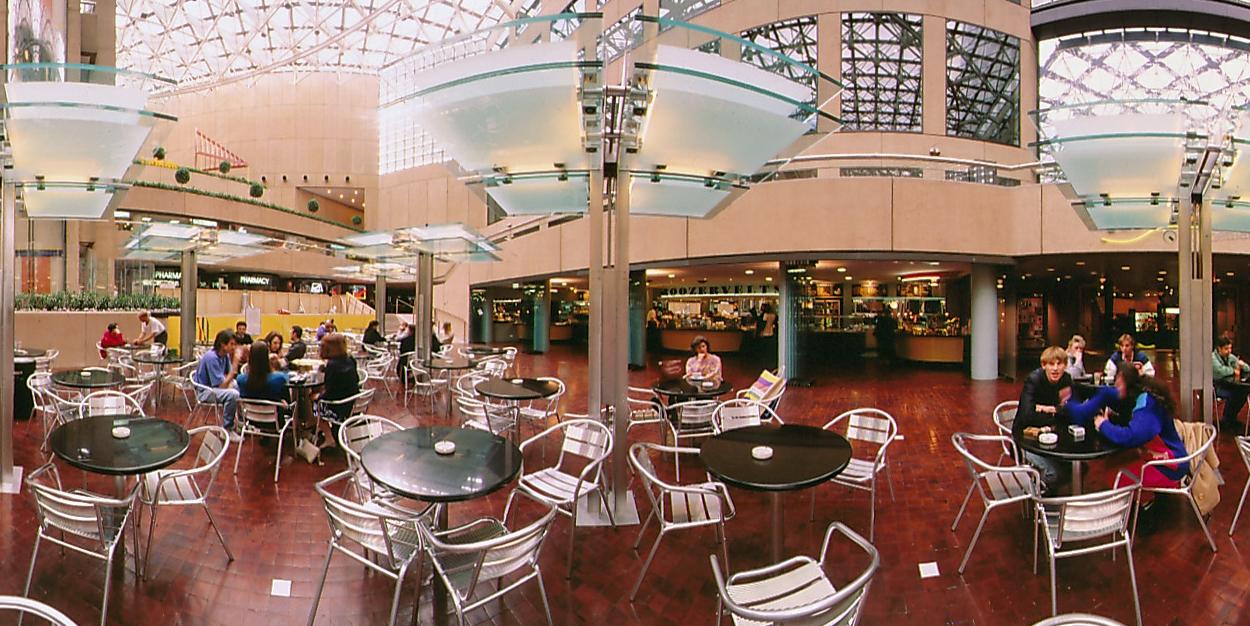
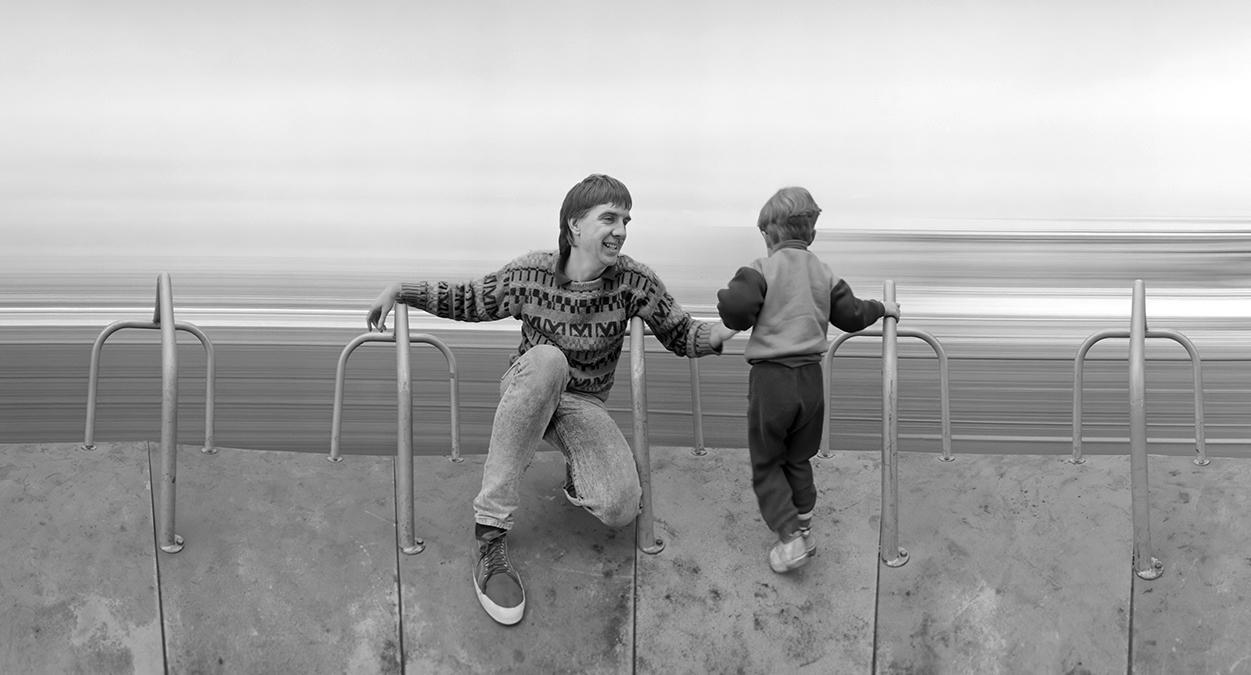
In this article, Steven tells us about panoramic photography, the technicalities of how a panoramic camera works, the one he decided to build and the resulting images he has created.
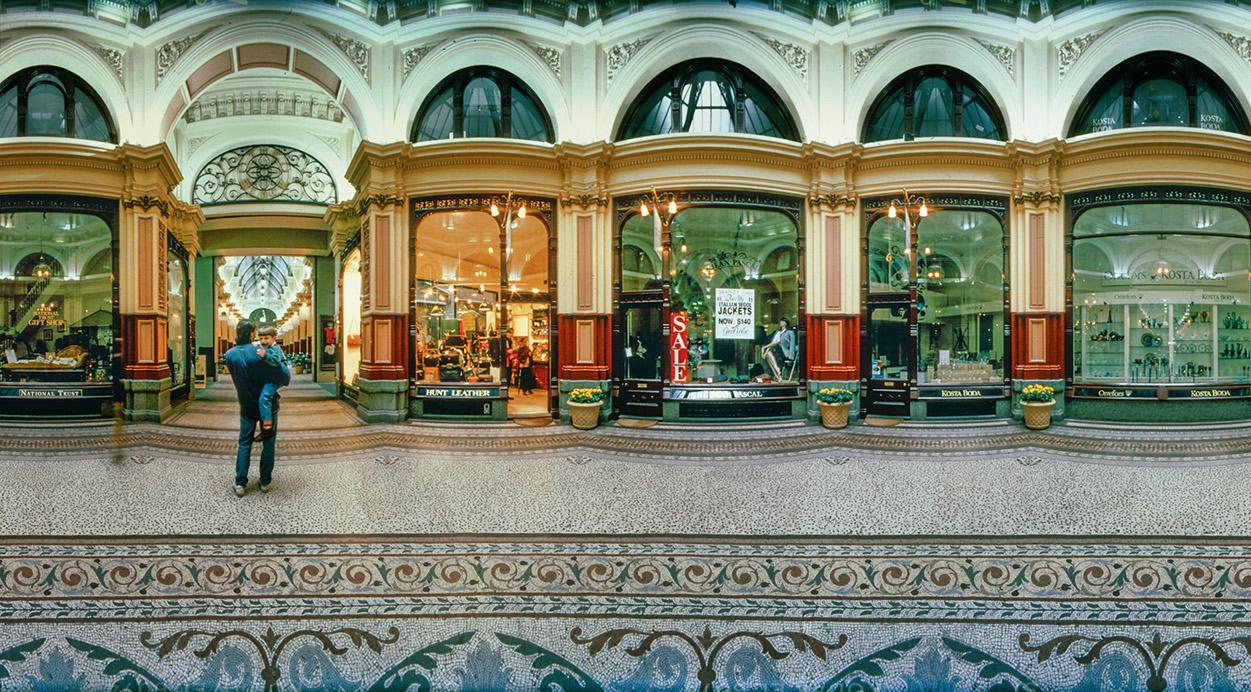
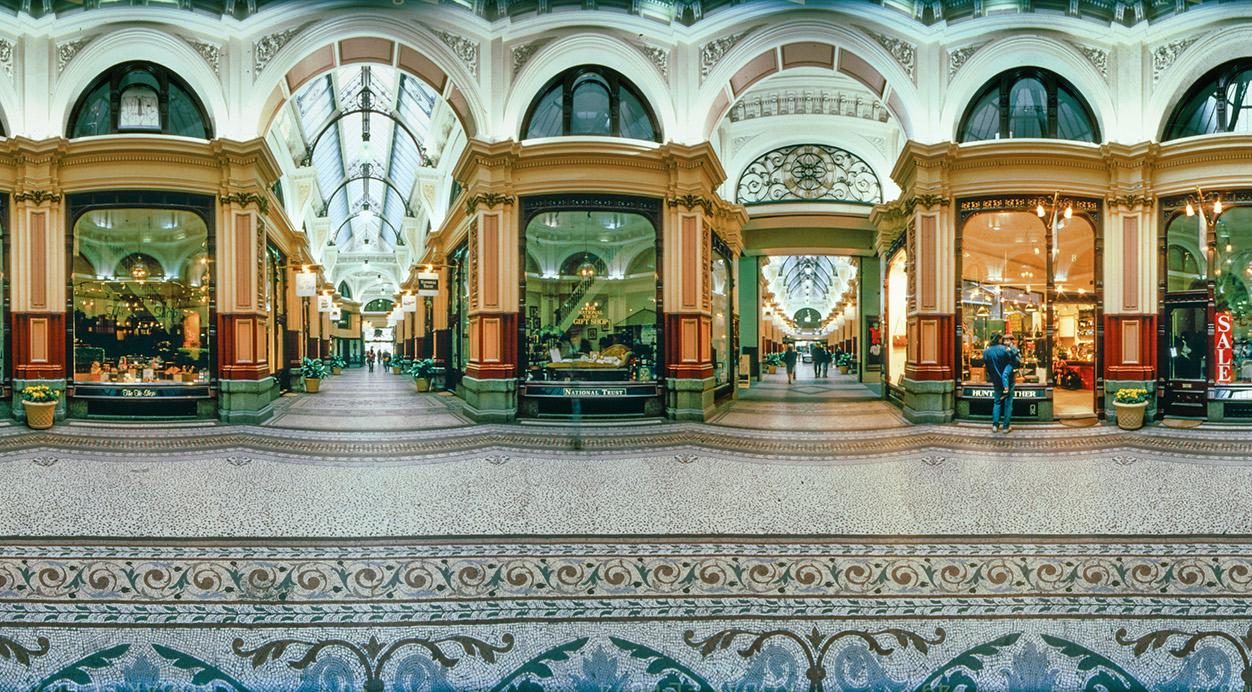
The Block Arcade, Melbourne CBD
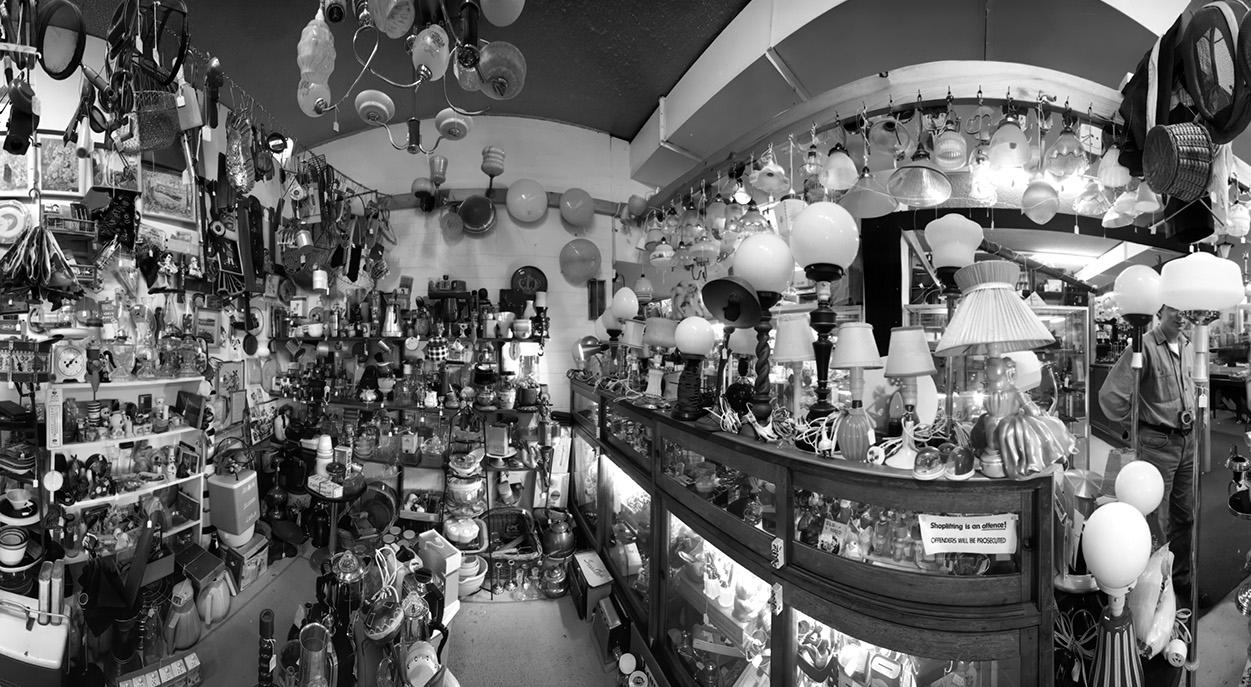
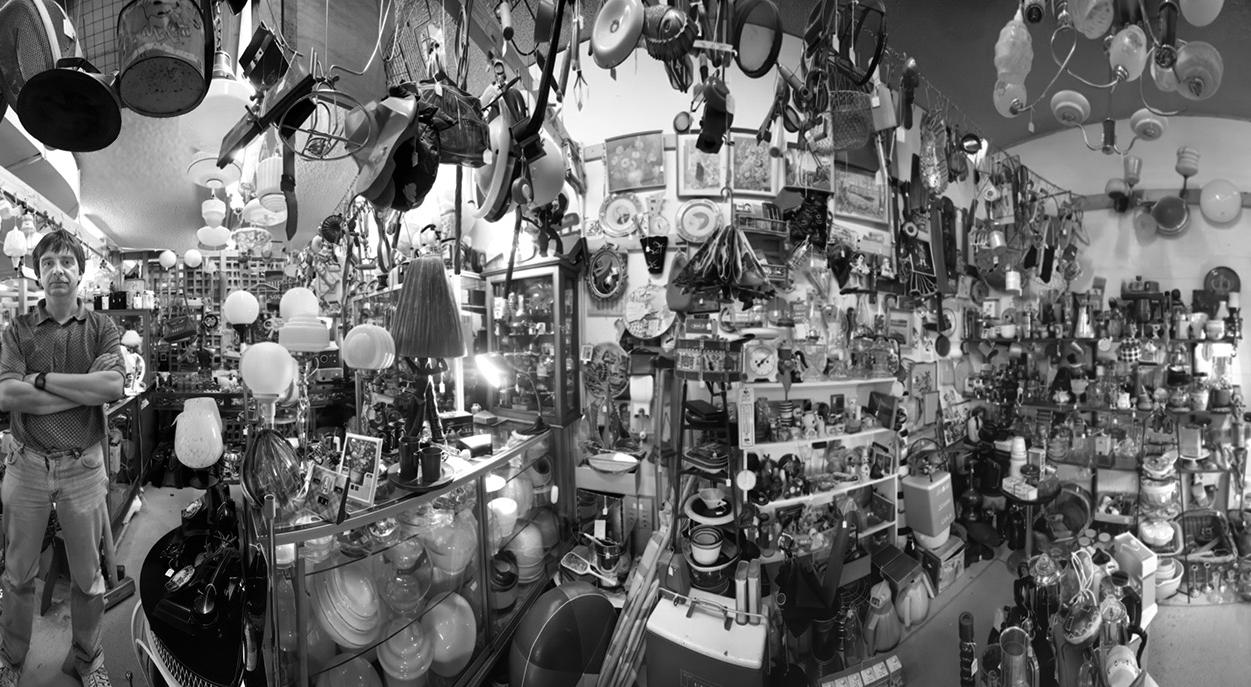
Back in the late 1980s I worked as a scientific photographer at Monash University here in Melbourne, Australia. I always had an interest in ‘wide angles’ and this definitely included panorama cameras and so I decided to design and build a 360+ 120 film panorama camera with a difference.
Early panoramic cameras and how they have evolved
Firstly, let’s consider the panorama cameras that have come before.
In the early 1840's and only a few years after the birth of photography, the very first panoramic camera with a pivoting lens was conceived and constructed. This camera produced the first, continuous panoramic photographs with views of around 150 degrees. Years later came the development of a rotating panoramic camera which offered horizontal views of 360 degrees or more. These two classes of true panoramic cameras have fascinated photographers ever since.
While traditional rotating panoramic cameras may have a horizontal angle of view of over 360 degrees, their vertical angle of view is often only around 50 degrees. This produces a 360-image aspect ratio of well over 6:1 (width to height). The focal length of the lens used on a rotating panoramic camera determines the aspect ratio for 360 degrees.
Not many publishers are interested in images which have an aspect ratio of 1:6 or even greater. These long images are also difficult to enlarge especially if they are made using a format larger than 35mm. A more reproducible aspect ratio for 360 degrees would be around 3:1.
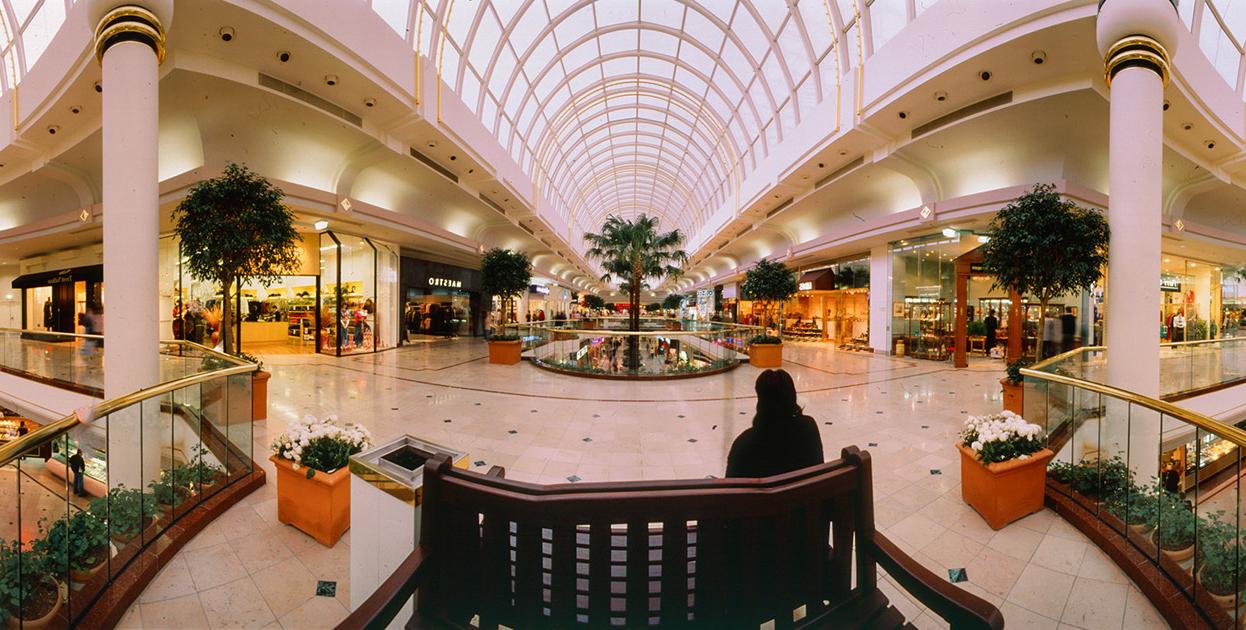
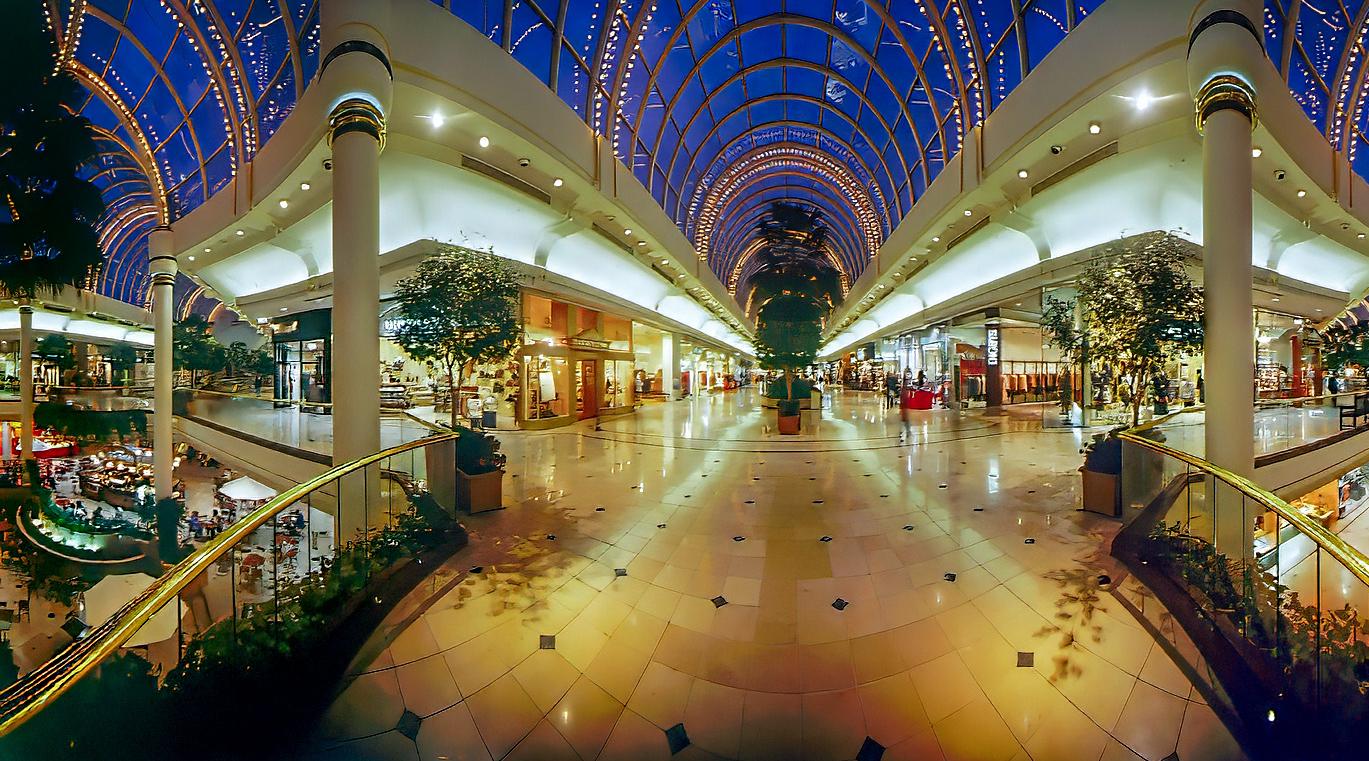
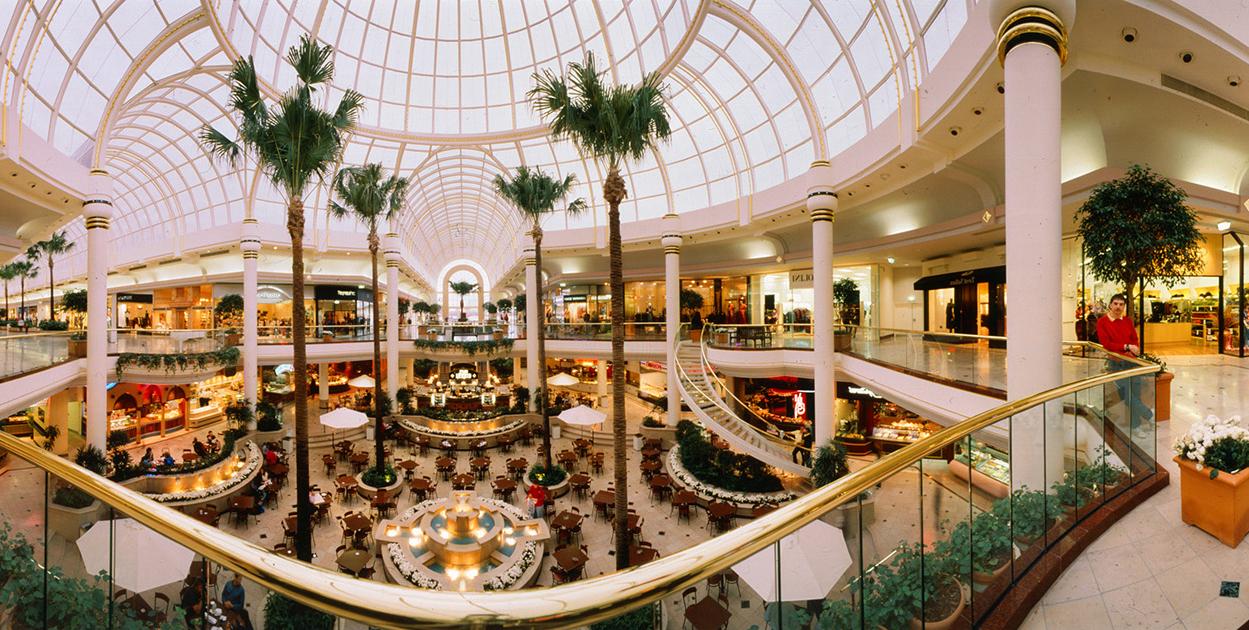
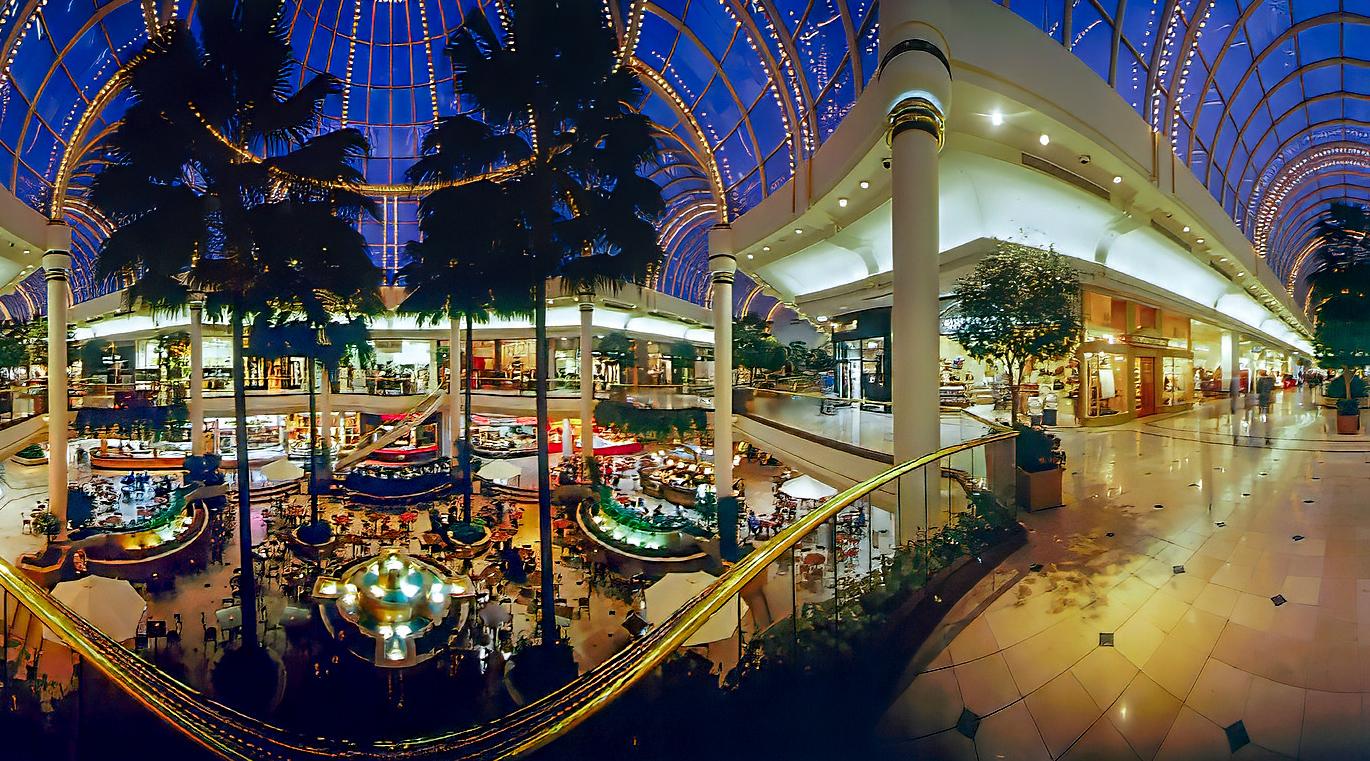
Chadstone Shopping Centre, Melbourne
Modern lens technology offers an alternative to the traditional, very elongated images with the availability of Shift or Perspective Correction lenses normally used on 35mm format cameras. These lenses usually have a large image circle, enough to cover a thin 56mm strip required for a 120 medium format rotating panoramic camera.
Chadstone Shopping Centre, Melbourne
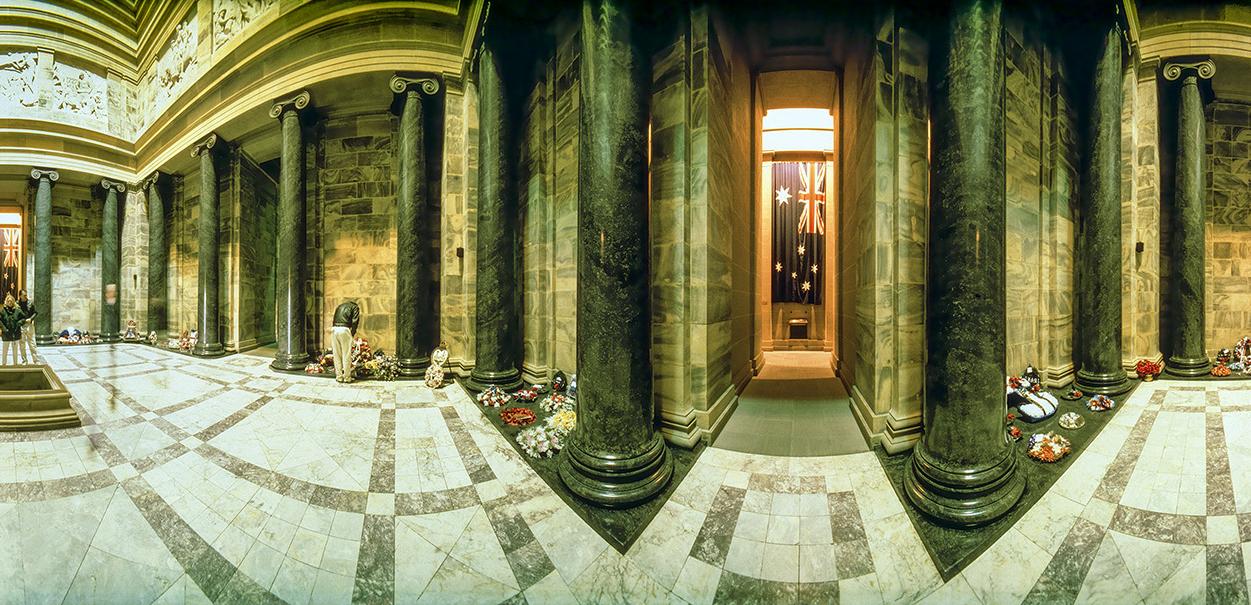
Using the Nikon 28mm PC lens, it is therefore possible to build such a rotating panoramic camera producing a 360 image 56 x 180mm for an angle of view of 360 x 90 degrees. Negatives of well over 360 degrees can subsequently be enlarged in an 8 x 10 enlarger.
Collins Place, Melbourne CBD
How does a 360 panorama camera work?
In a rotating panoramic camera, the whole camera rotates about the rear nodal point of the lens. A moving image is formed at the focal plane just behind a slit. The film moves continuously behind this slit at such a speed that the image remains stationary with respect to the film.
At the park with Tim
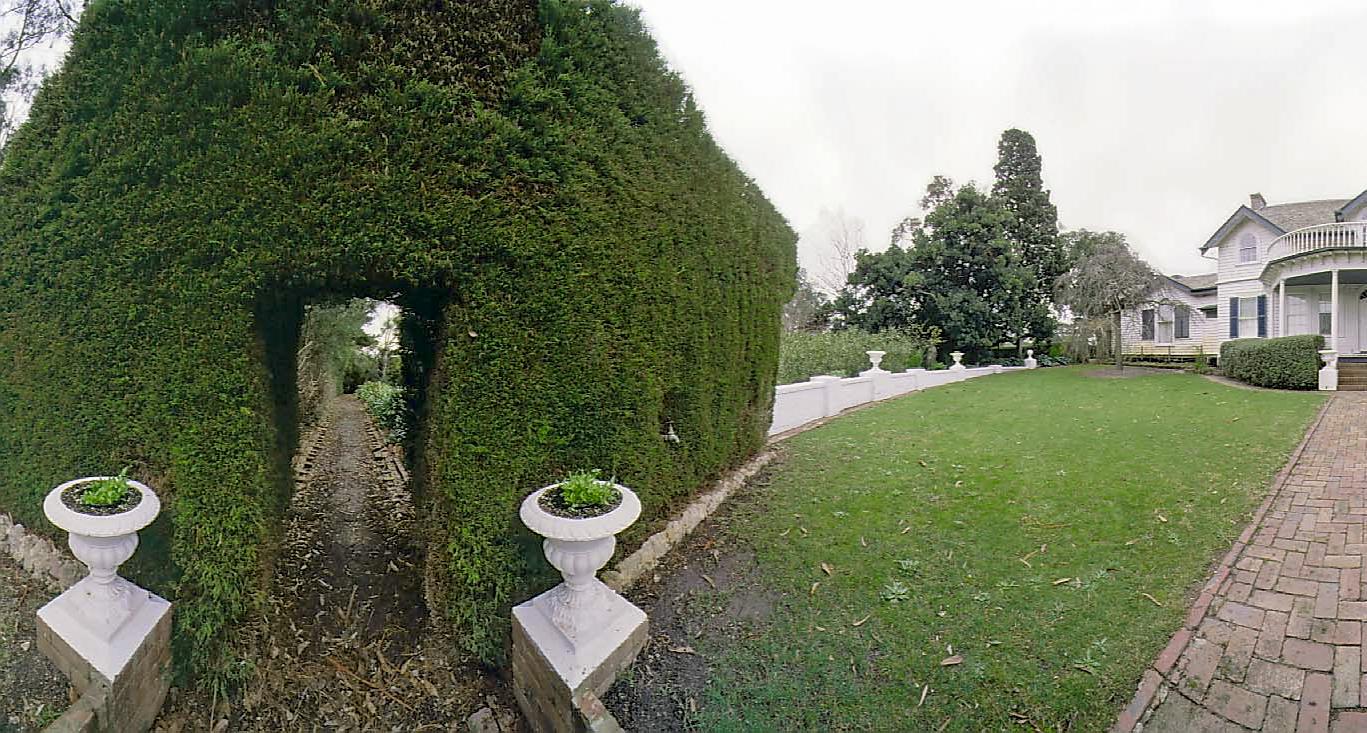
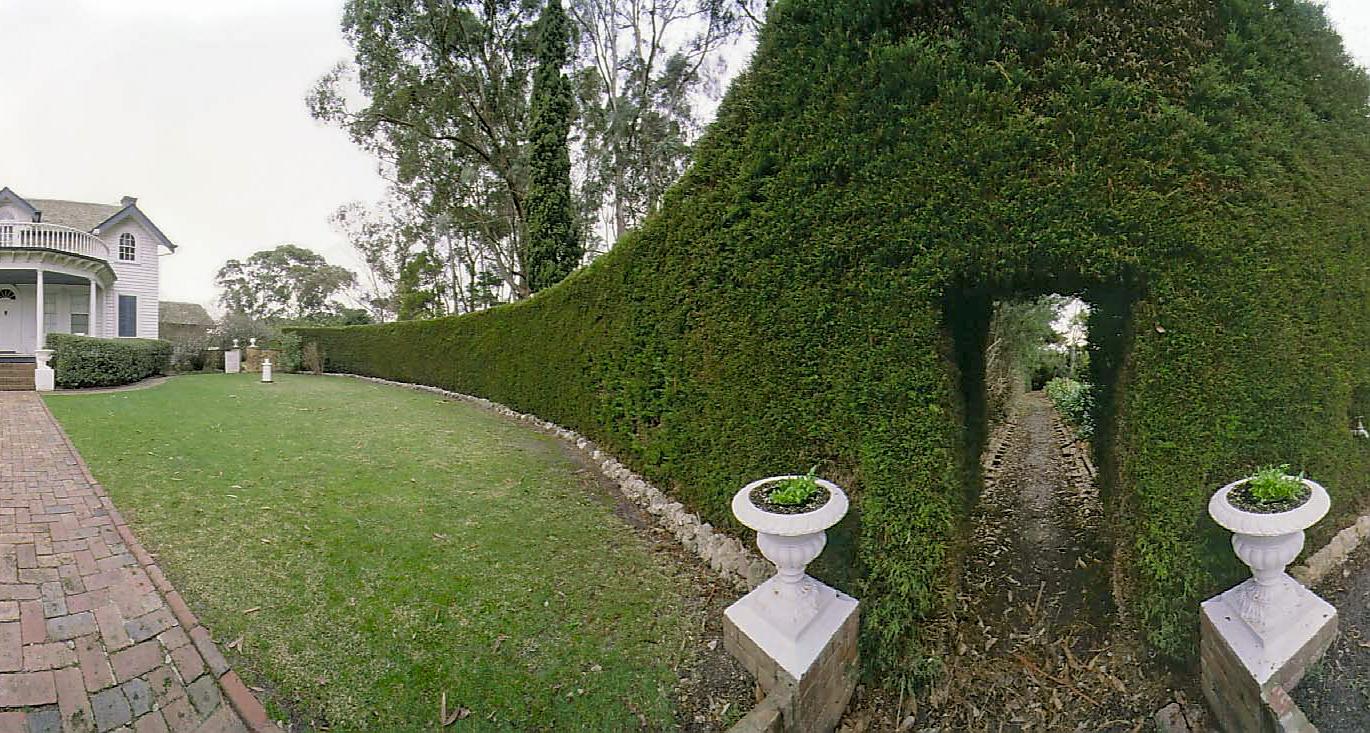
Mulberry Hill, Langwarrin South, Victoria, Australia. Former home of author Joan Lindsay
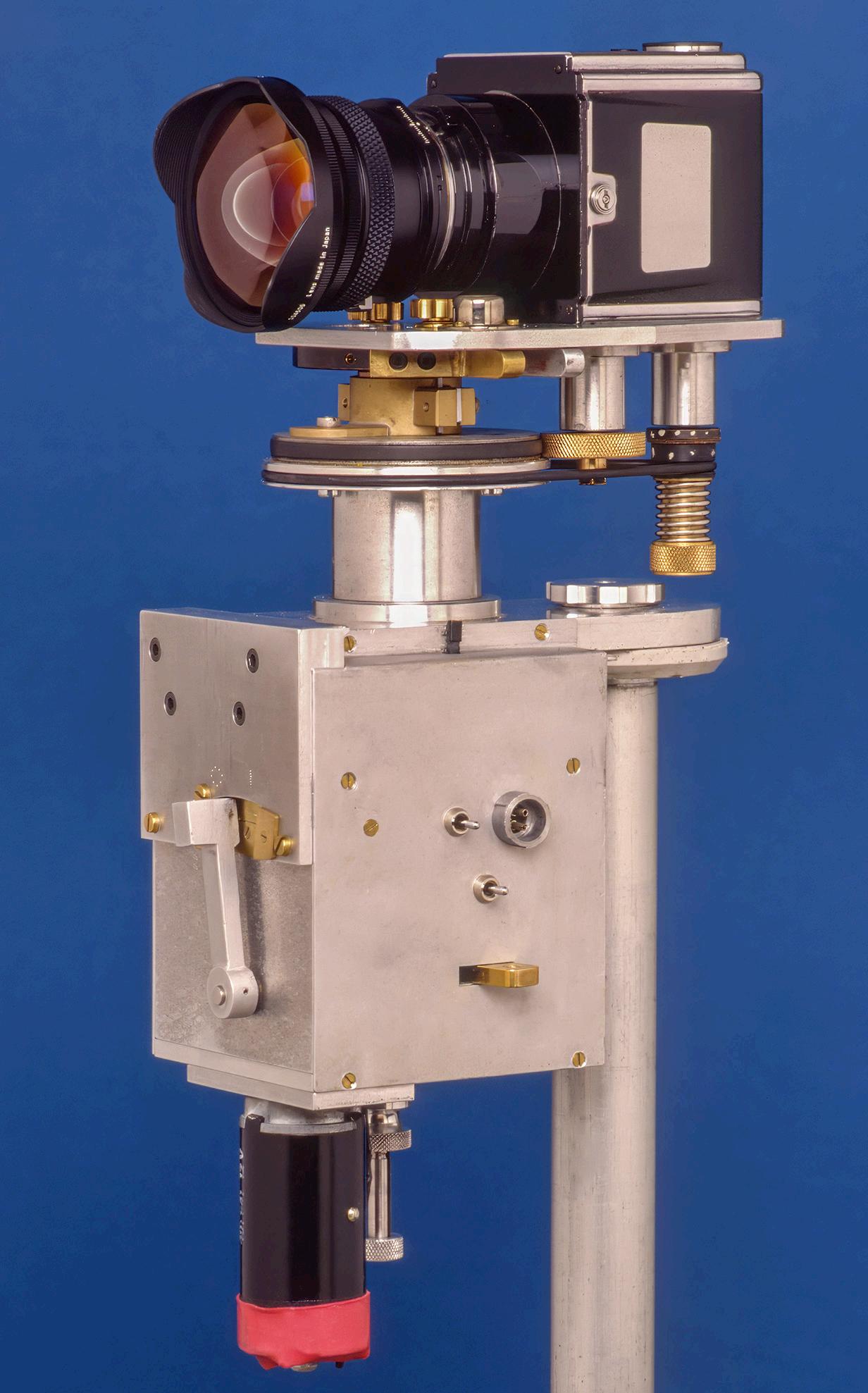
In 1989, I decided to devise and build such a 120 panoramic camera with the help of Alan Holland, a mechanical technician. The finished camera was about 40 cm high and weighed a hefty 7.5 kilograms.
Following the success of the camera with the 28 mm Nikkor PC lens, an Olympus Zuiko 24 mm Shift lens was modified to fit the camera. With the 24 mm lens the vertical angle of view was over 100 degrees. The length of a 360-degree image with the 24mm lens was 155 x 55 mm and that size negative fits into a 5 x 7 enlarger.
It is very important for a panorama camera to have a smooth drive. A slight variation in the speed of the camera’s rotation or the speed of the film transport will result in uneven exposure and visible banding. My 360 camera is driven by a 12-volt DC motor through a gearbox arrangement which is not unlike a motor car transmission where a variety of different speeds can be selected.
Composing images with a 360+ panorama camera
The mental processes involved in deciding on composition with a regular camera are as easy as PIE - Position, Inclusion and Exclusion. Once you decide on your camera position you balance up what you are going to include and what you are going to exclude in your camera composition.
My 360+ custom 120 film panorama camera fitted with Olympus Zuiko 24 mm Shift lens. I used a Hasselblad 70mm film magazine as a light tight box
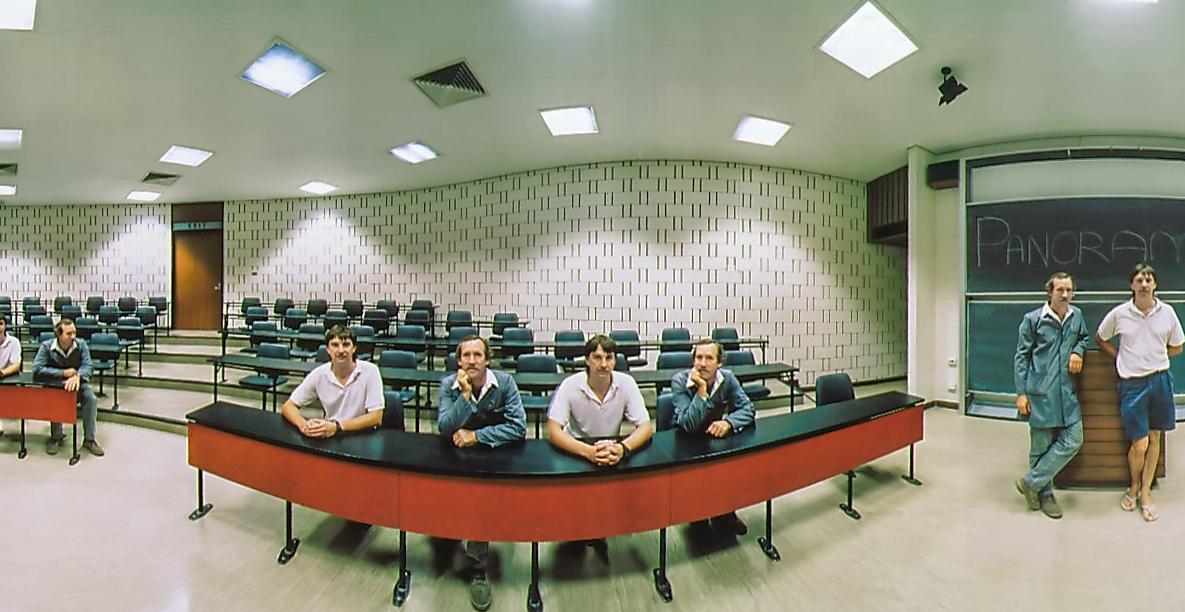
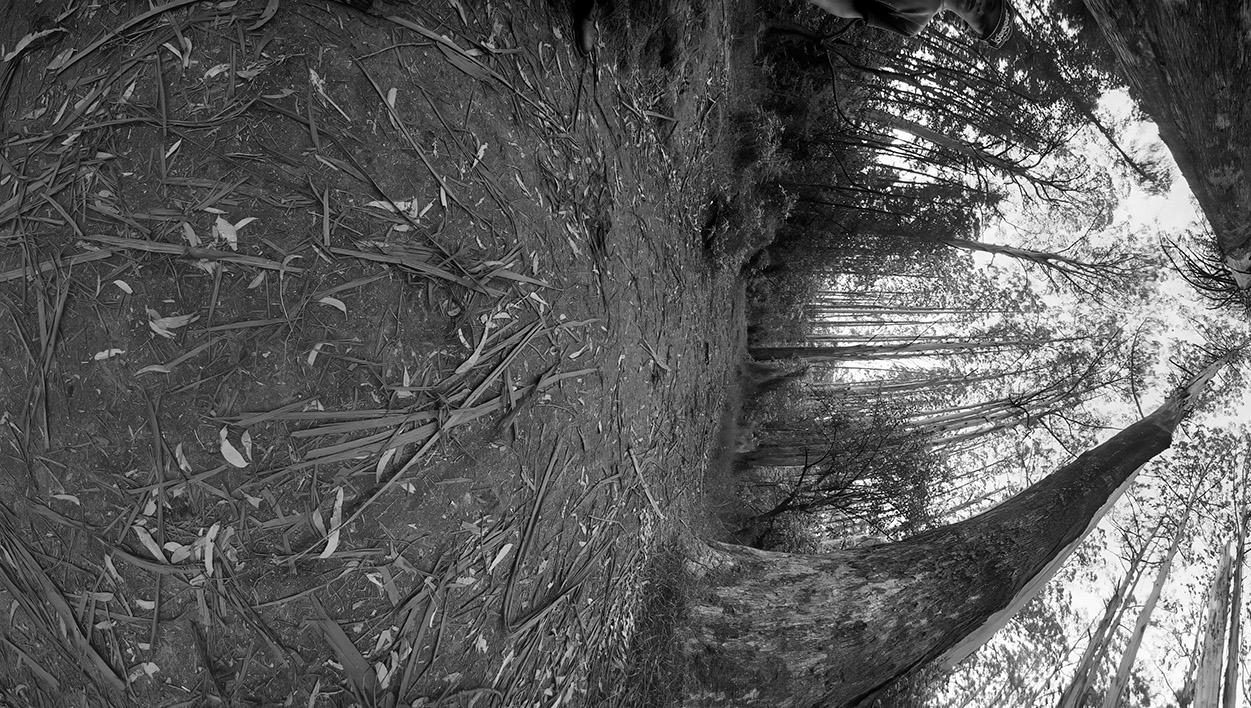
Photography with my 360+ panorama camera is very different. Having a vertical angle of view over 100 degrees there is little left to exclude and so the image includes almost everything around the camera. With the 24 mm lens, the tripod is only just out of view of the camera.
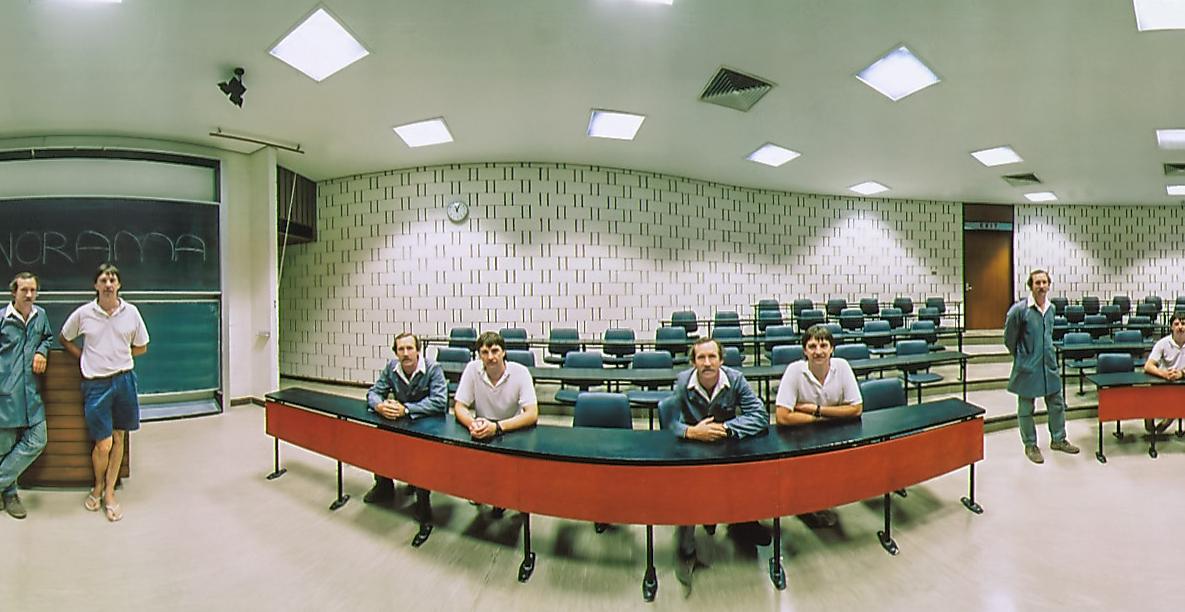
Small Rotunda Lecture Theatre, Monash University, Melbourne
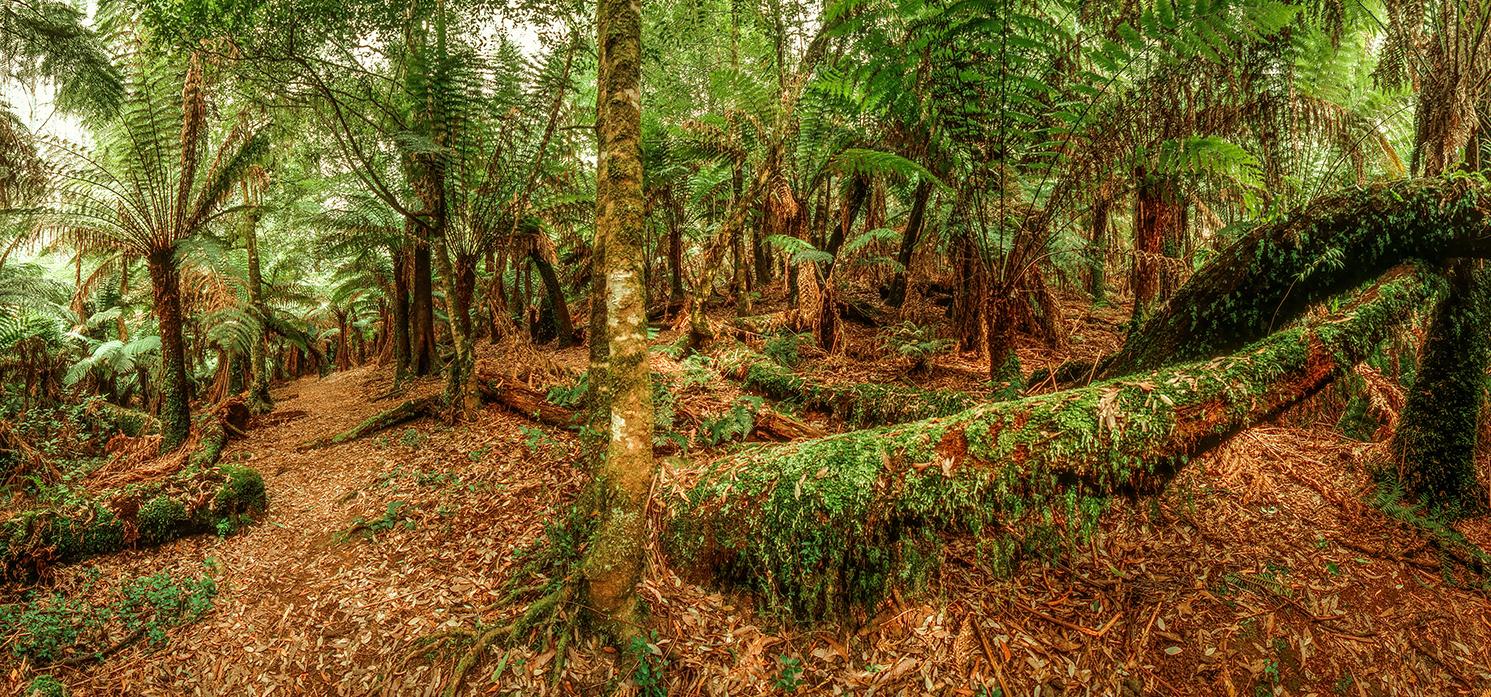
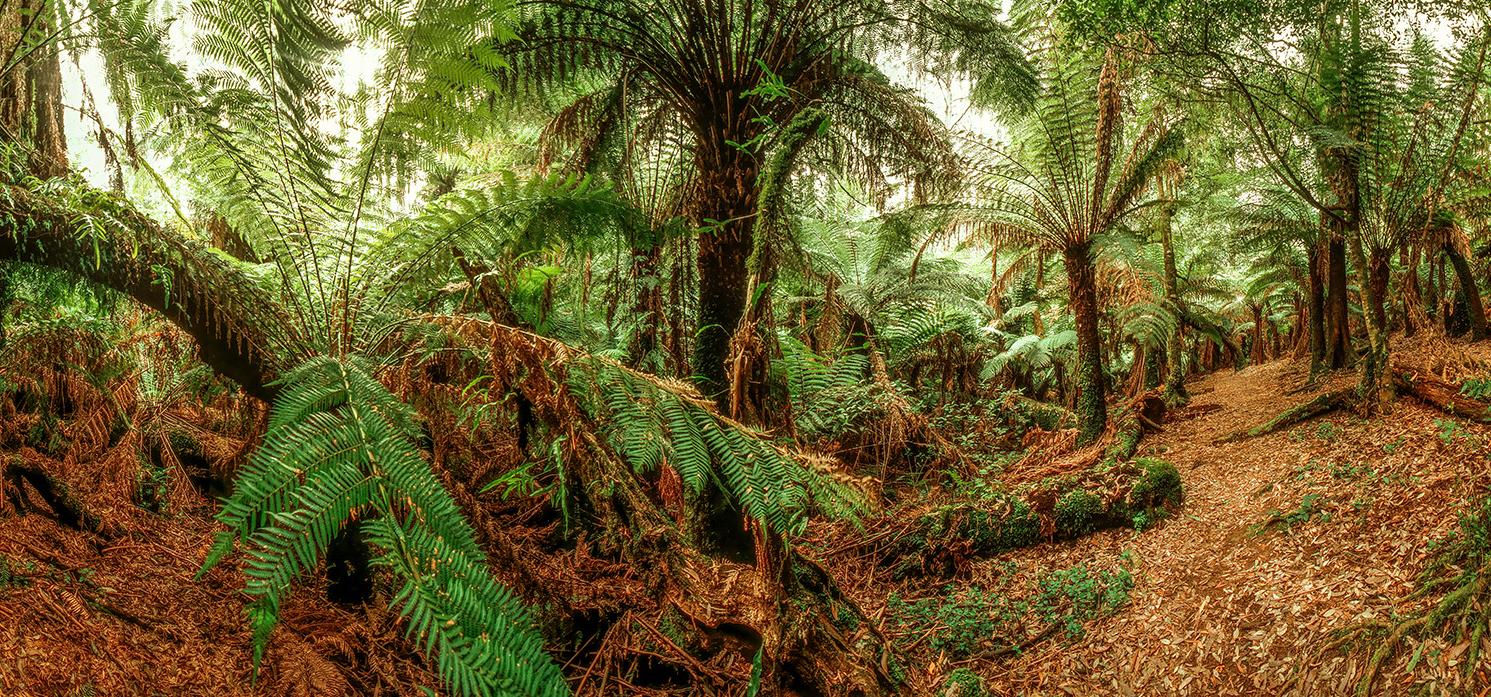
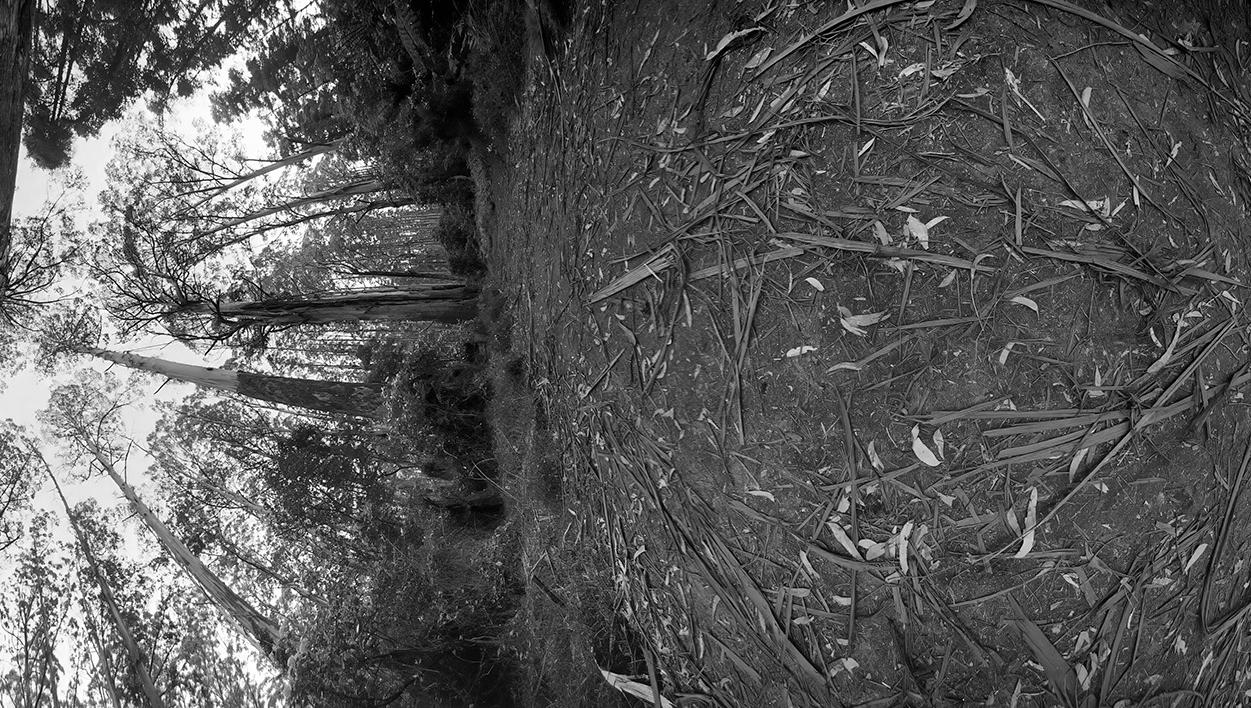
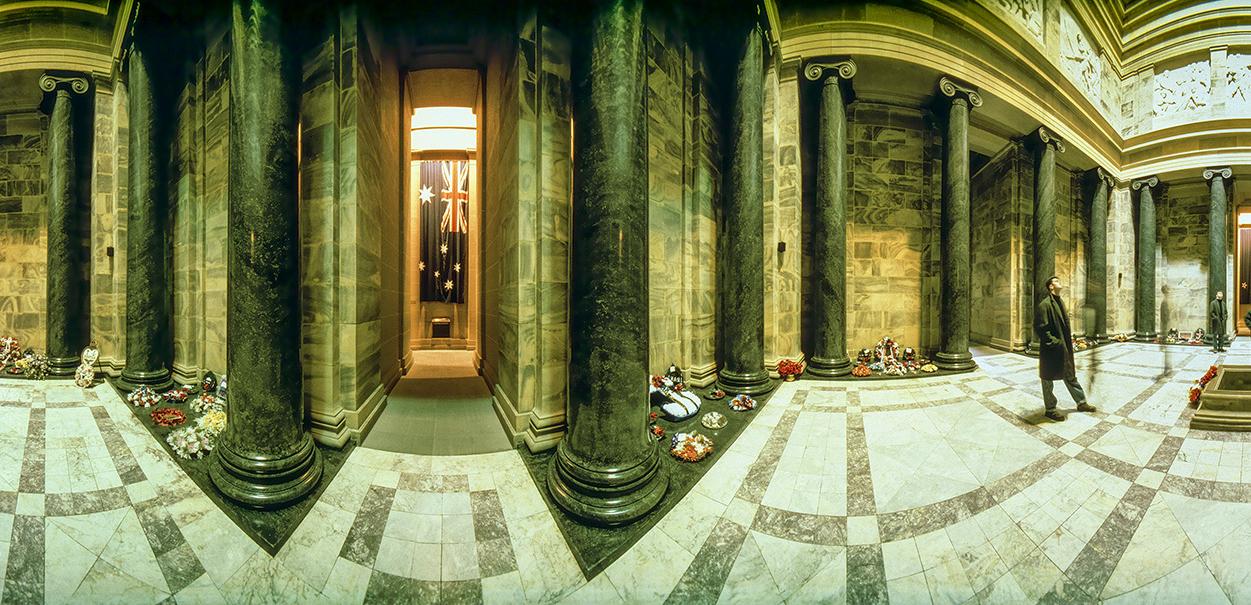
Suitable subject matter for the camera is hard to find, and it does not easily lend itself to time-honoured panoramic subjects like mountain ranges. My camera is better suited to subjects such as dense forests or spectacular building interiors - subjects which completely surround the camera not just horizontally but vertically as well. The subject must be visually interesting in all directions for this type of photography.
Sherbrooke Forest, east of Melbourne
Forest untitled
Making light of it all
One further advantage comes with this camera's aspect ratio of 3.2:1 with the 28 mm lens and 2.7:1 with the 24 mm lens:
Art directors and editors can often be convinced to reproduce images of over 360 degrees, as the repetition of part of the image at each end helps the viewer to reconstruct a mental image of the original scene.
One way to manually visualise the perspective of the original scene is to roll up a large 360-degree print into a tubular shape with the image on the inside and then view the image by looking over the top of the tube. Obviously, this all occurred years before Virtual Reality (VR) took hold and changed the entire 360 imaging landscape.
Melbourne
Shrine of Remembrance, interior
My RPS Distinction journey
In 1991, I decided to apply for the RPS Associate Distinction. I window-mounted twenty of my 360+ degree 120 colour transparencies on individual A4 cards and sent them off to the RPS for their consideration.
I was subsequently delighted to be advised that my application was successful. Even better, my Associate Distinction application had been elevated to a successful Fellowship Distinction due to the quality and uniqueness of my photographic imagery.
Please do get in contact if you are interested in this technique or have any questions.
email:steve@smort.net website:https://smort.net
Thank you, Steven for providing a fascinating window on the world of panoramic photography and your beautiful imagery.
A PHOTOGRAPHER’S EQUIPMENT JOURNEY, THE TOOLS BEHIND MY VISION
Jacky Lee, a member of our international team shares with us the gear he uses for his photography, whether it be architectural, wildlife, landscape or simply everyday shooting.
Discover the cameras, lenses, filters, tripods and the Apple iPhone he has in his camera bag and how this equipment feeds into his artistic vision.
As someone who spends a lot of time photographing landscapes, architecture, and night skies, I’ve come to see my equipment as something that should quietly support my vision, not something to chase for its own sake. I’ve gradually built a kit that works for me. While new gear can be exciting, I’ve found that unless my current tools truly fall short, there’s rarely a strong reason to upgrade. Often, it’s the vision, not the spec, that really makes the difference
Cameras and lenses
For architectural, nightscape, and aurora photography
I use the Sony A7R III for both architectural and nightscape photography. Its dynamic range and low-light performance have been reliable, especially in darker scenes. It handles higher ISO well with minimal noise, which is helpful for night and dim indoor shoots. Battery life has also been manageable, even in colder conditions.
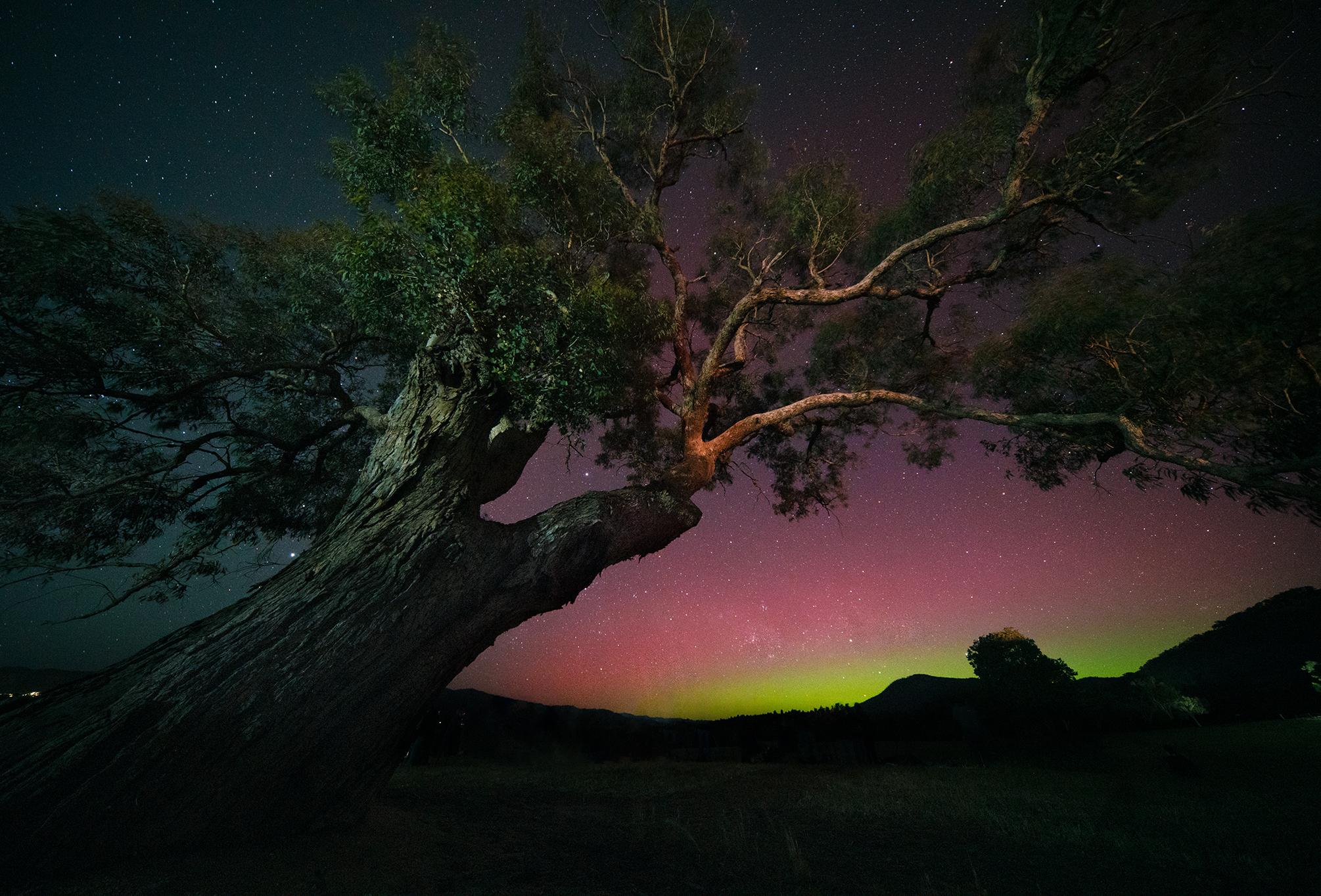
Sony A7R III + Laowa 9mm f/5.6 / Canon 11-24mm f/4 / Sigma 14mm f/1.8
For lenses, I rotate between three ultra-wide options:
- Laowa 9mm f/5.6 Though not fast, it’s nearly distortion-free and great for tight, indoor, architectural spaces where clean lines and exaggerated perspective matter. It’s a mirrorless-only lens, so I use it exclusively with the Sony.
- Canon 11-24mm f/4L (with adapter) My most-used lens for this setup. The zoom range allows flexibility in framing, and performs well in both outdoor architecture and aurora photography. As a Canon EF lens, it’s also compatible with my Canon DSLR.
- Sigma 14mm f/1.8 (with adapter) My go-to for Milky Way shots or faint night skies. The wide aperture enables shorter exposures, reducing star trails, and works on both Sony and Canon bodies.
Luminous Dialogue (Sony A7rIII + Laowa 9mm f/5.6)
For wildlife and nature work.
IS II
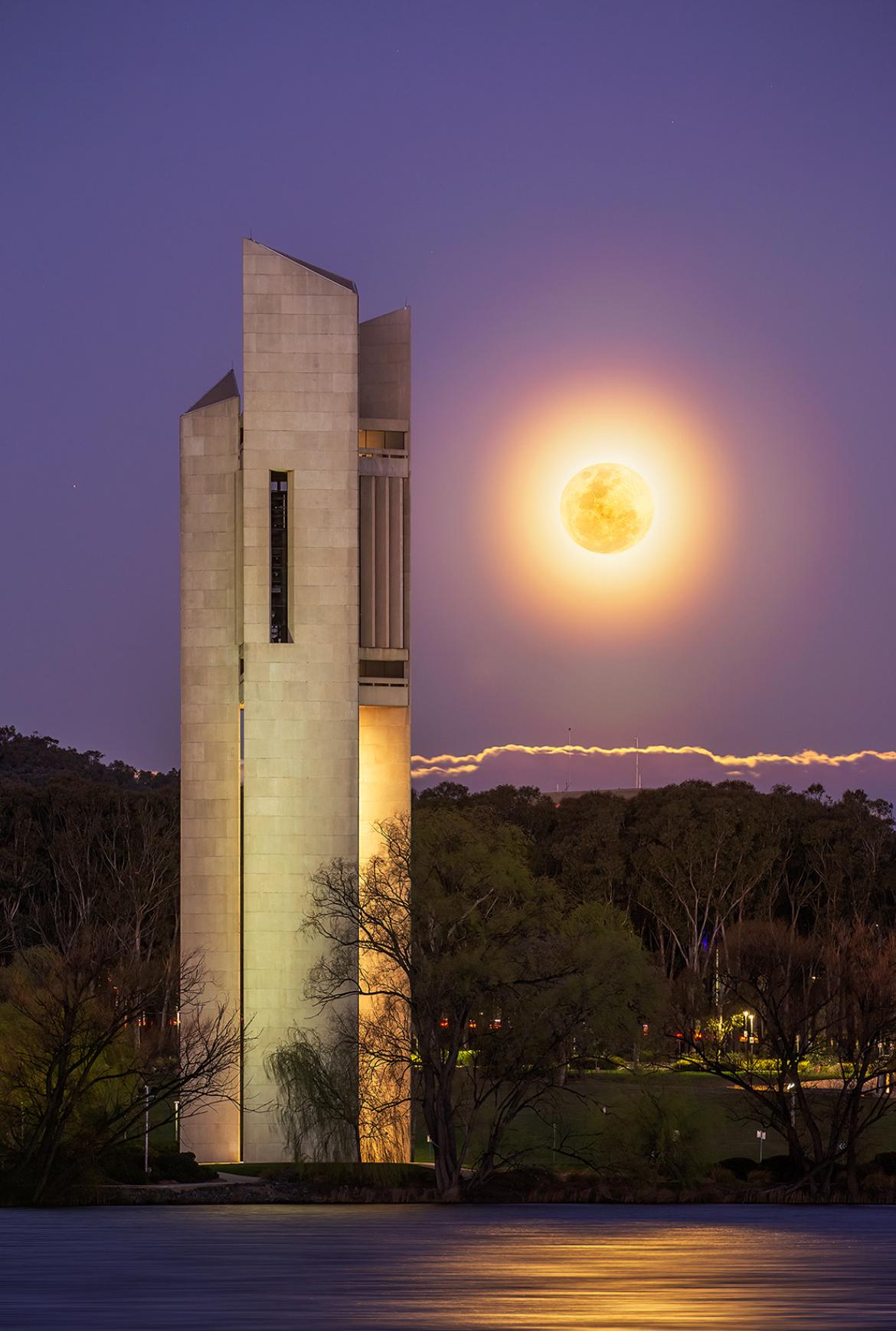
This is my go-to setup for wildlife or distant natural scenes. The Canon 1Dx’s fast, reliable autofocus is ideal for capturing birds or animals in motion. Paired with the 100400mm lens, it gives me framing flexibility without needing to move closer and risk disturbing the subject. Though not lightweight, it’s rugged and dependable, even in tough conditions. I also use this lens for landscapes, where zooming in on a small section - such as part of a mountain range - helps create abstract, minimalist compositions focused on form and shape.
Canon EOS 1Dx + EF 100-400mm f/4.5-5.6L
National Carillon (Canon EOS 1Dx + EF 100-400mm f/4.5-5.6L IS II)
Fujifilm GFX 50S + Laowa 17mm f/4 Zero-D
For high-resolution landscapes and architecture
When resolution and tonal detail matter most, I turn to the Fujifilm GFX 50S. Its medium format sensor captures subtle light and texture that smaller sensors often miss, especially in complex or softly lit scenes. I use it for slower, more deliberate photography, composing carefully and waiting for the right light. It’s not built for speed, so I usually work with a tripod for maximum sharpness.
The Laowa 17mm f/4, made for the GFX system, pairs well with this setup. Its manual focus suits landscape work, and its ultra-close 20mm focusing distance allows for macrostyle close-ups with impressive detail.
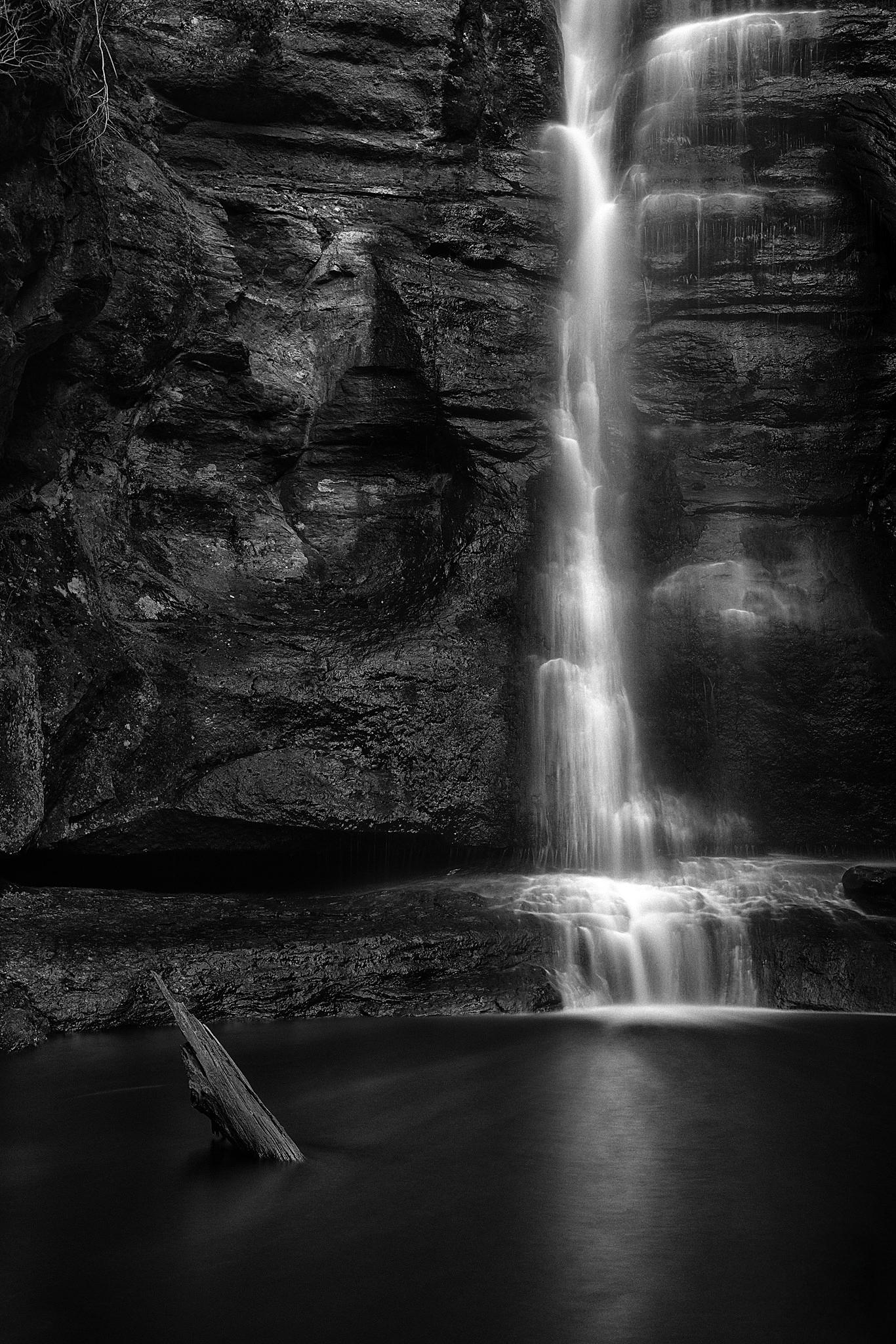
Filters are an essential part of my process, especially for long-exposure and night photography. I use NISI square filters, which work well with ultra-wide lenses like the Canon 11-24mm and Laowa 9mm that can’t easily use circular filters.
My go-to filters include:
- Natural Night Filter Reduces urban light pollution
- ND1000 Smooths water and captures cloud movement
- Polariser Enhances contrast and reduces reflections
- GND & Reverse GND Balance bright skies during sunrise/sunset
Using filters slows me down and helps me study light more intentionally, a discipline I’ve grown to appreciate more with time.
The Watcher (ND1000 Filter)
Tripod and head
Leofoto LS-365C + Manfrotto 410
A steady tripod is essential for long exposures and high-resolution work I use the Leofoto LS-365C carbon-fibre tripod for its tall height and light weight nature. It is great for uneven terrain or shooting over obstacles like fences. For the head, I rely on the Manfrotto 410 geared head. Though it’s not the fastest and is a bit heavy, its precise micro-adjustments are invaluable for architectural framing and perfect horizon alignment in landscapes.
Of all my gear, the 410 head has lasted the longest, I have had it for over 20 years. Despite a few drops and minor servicing, it remains incredibly reliable. It’s not flashy, but it works well and that’s what matters most to me.
Phoenix Dawn (Leofoto LS-365C + Manfrotto 410)
Apple iPhone 14 Pro Max
For everyday shooting
Since the iPhone 11 series, image quality has become impressive enough for casual use and online sharing. With advancements in computational photography, smartphones now produce excellent results.
Though the iPhone 17 Pro Max is out, I still use the iPhone 14 Pro Max when I’m not carrying my main gear. Even when I do have my full setup, I often grab the iPhone first because by the time I’ve set up the tripod and chosen a lens, the light or moment may be gone.
Several of my awarded or shortlisted images were taken with the iPhone, a reminder that timing and vision matter more than gear.
The Covenant Arc (iPhone 14 Pro Max)
Final Thoughts
In my early photography days, I was fascinated by gear. I often thought ‘I can’t take that photo because I don’t have the right equipment.’ Sometimes that was true, and it pushed me to work harder and save for better tools.
But over time, I realised that even the best gear couldn’t guarantee great photos. The real limitation was my technique. Later, I learnt that artistic vision matters even more. It’s about telling a story through a flat, two-dimensional image.
The gear I’ve shared is simply what works for me. I’m not sponsored and have no brand affiliations. These days, I honestly believe that unless your smartphone can’t achieve your creative goals, there’s little need for a dedicated camera. It’s not about owning more gear, it is about learning to see more
About Jacky Lee
See more of my work at: https://jackylee.art
Q & A WITH ELAINE HERBERT OAM ARPS AUSTRALIA
Few names in the RPS’ international community carry the same sense of continuity, dedication and quiet leadership as Elaine Herbert. A cornerstone of the Australian Chapter for more than 25 years, she cultivated a warm, connected community of photographers across Australia and beyond.
Elaine shares her photographic beginnings, her philosophy, the projects closest to her heart, and her reflections on a lifetime intertwined with photography and the RPS
Elaine, how did your photographic journey begin?
My photographic journey began much more than 25 years ago, in fact closer to 40 or 50 years! I joined the RPS in the late 1970s after a friend recommended the RPS. Before this, I was already interested in photography, in particular while travelling. I loved the way photography combined art, observation and curiosity about the world. As someone with a scientific background with a degree in pure mathematics and physics, it appealed to me that the RPS aimed to promote the art and science of photography..
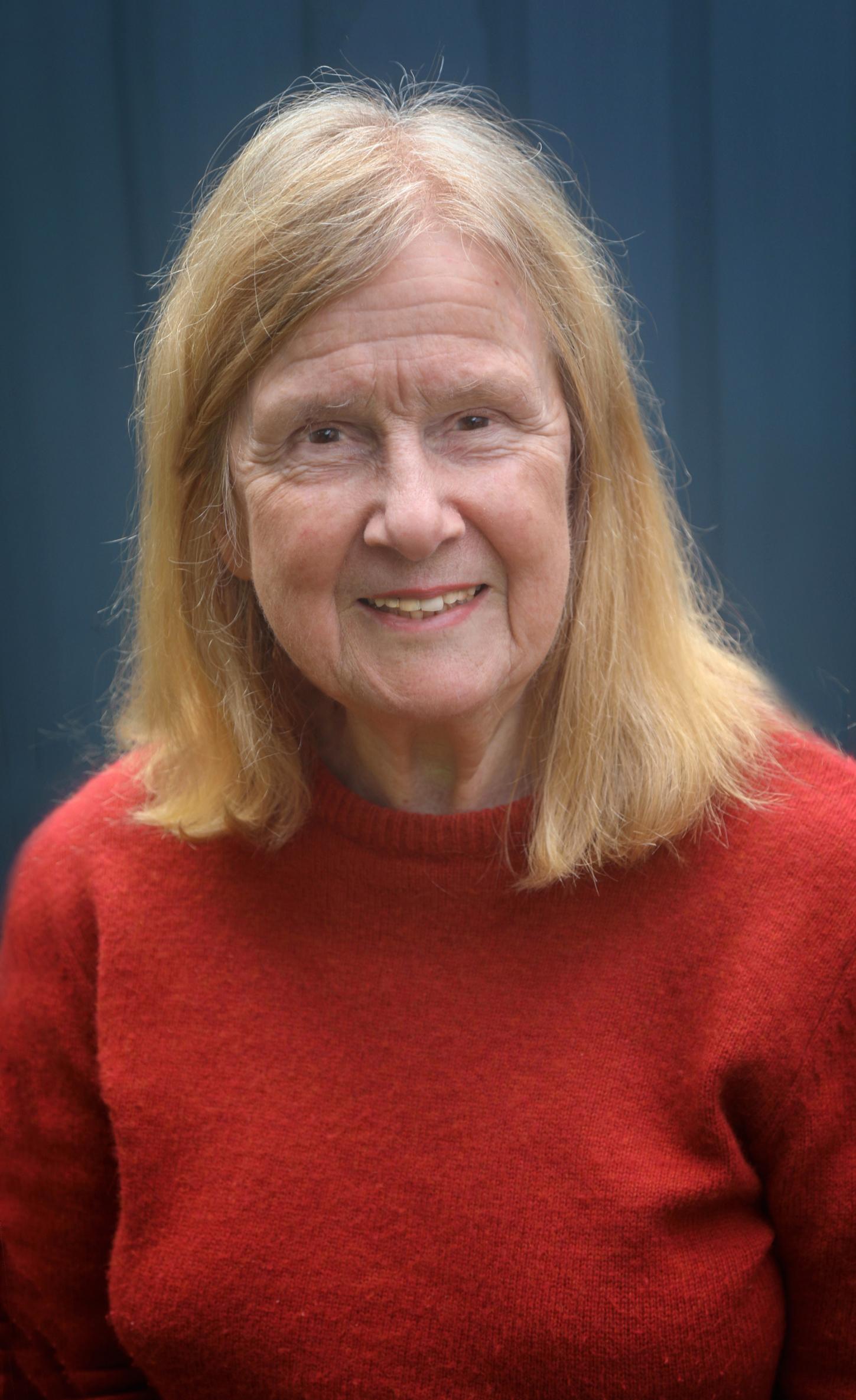
Elaine Herbert (Photo by Palli Gajree OAM Hon FRPS)
Please tell us about your journey to the award of both your LRPS and ARPS?
I earned my LRPS with a panel of black-and-white prints. Later, I completed my ARPS in the Applied Photography category. At the time, I had been invited to photograph the Royal Botanic Gardens Melbourne for a guidebook. My ARPS submission consisted of 15 Cibachrome prints (beautiful but potentially very toxic to produce in a home darkroom) and the guidebook itself which demonstrated the photographic application in publishing.
You have a deep interest in photographic history. Could you share one memorable project?
One of the most rewarding projects was our Victorian Chapter’s research on early photographer Walter Woodbury. He came to Melbourne in around 1852 and later became a major photographic inventor, famous for the Woodburytype process. We produced a monograph documenting his early life in Australia, his remarkable photographic work, and his later career in Britain. It was a true team effort involving 8–10 members, and copies were distributed to libraries and photographic institutions locally and worldwide.
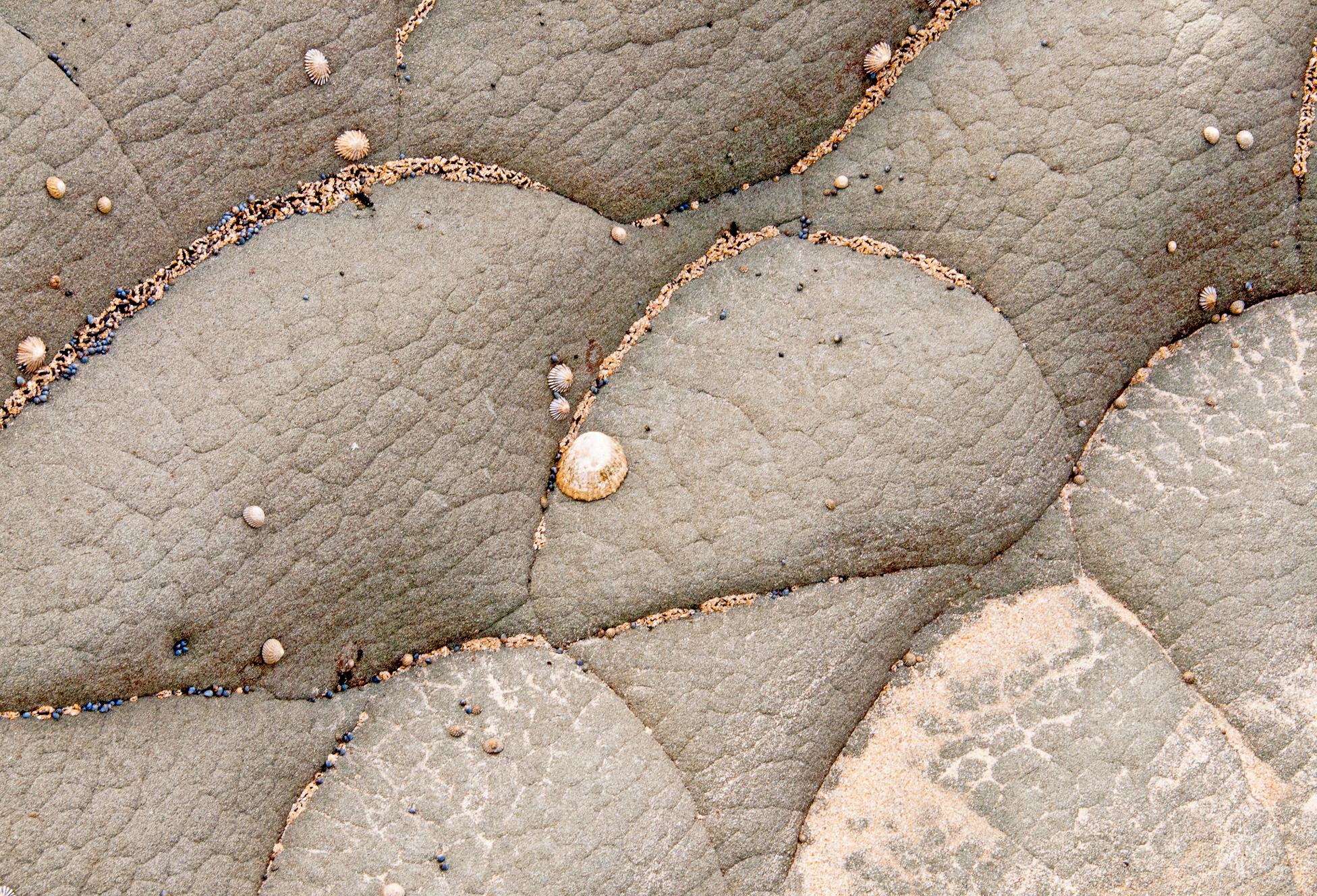
.At Low Tide
Has your photographic philosophy evolved over the years?
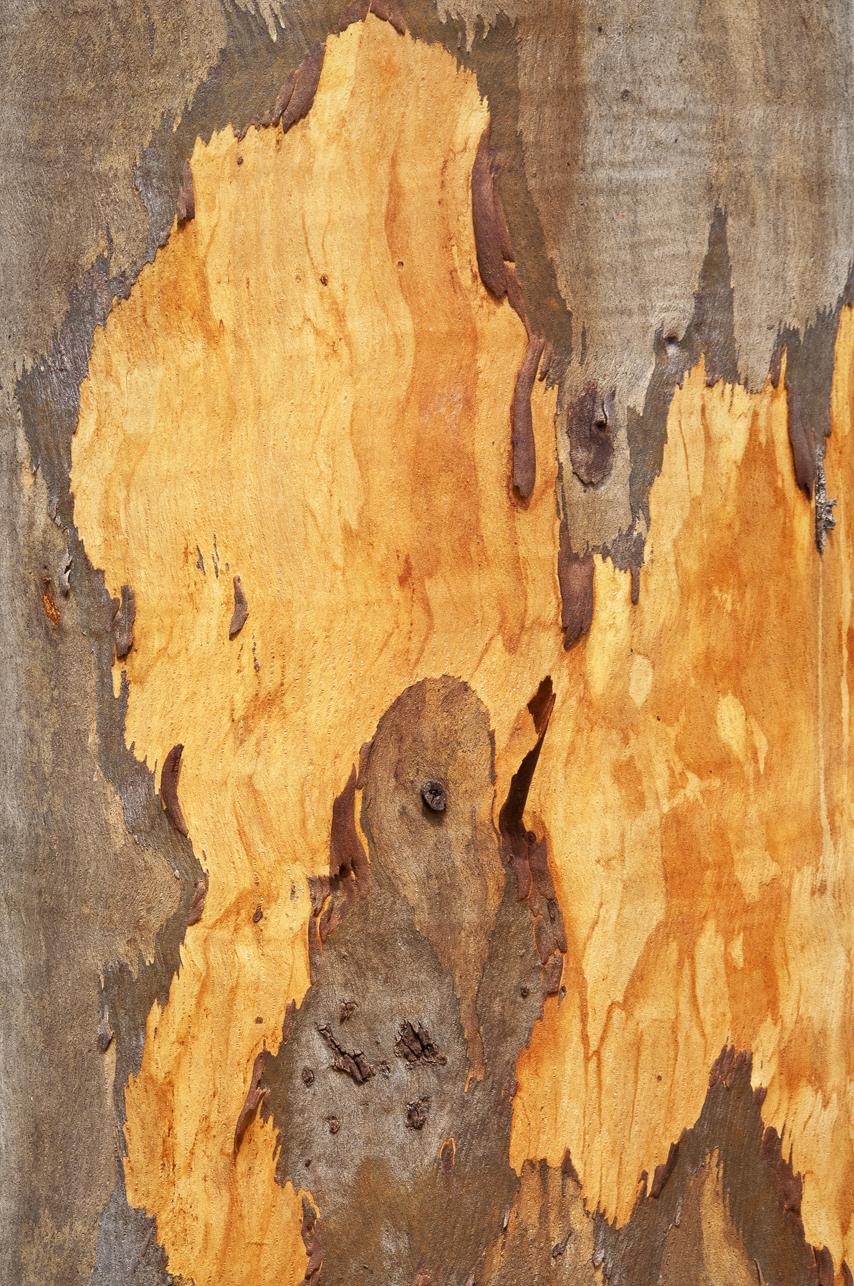
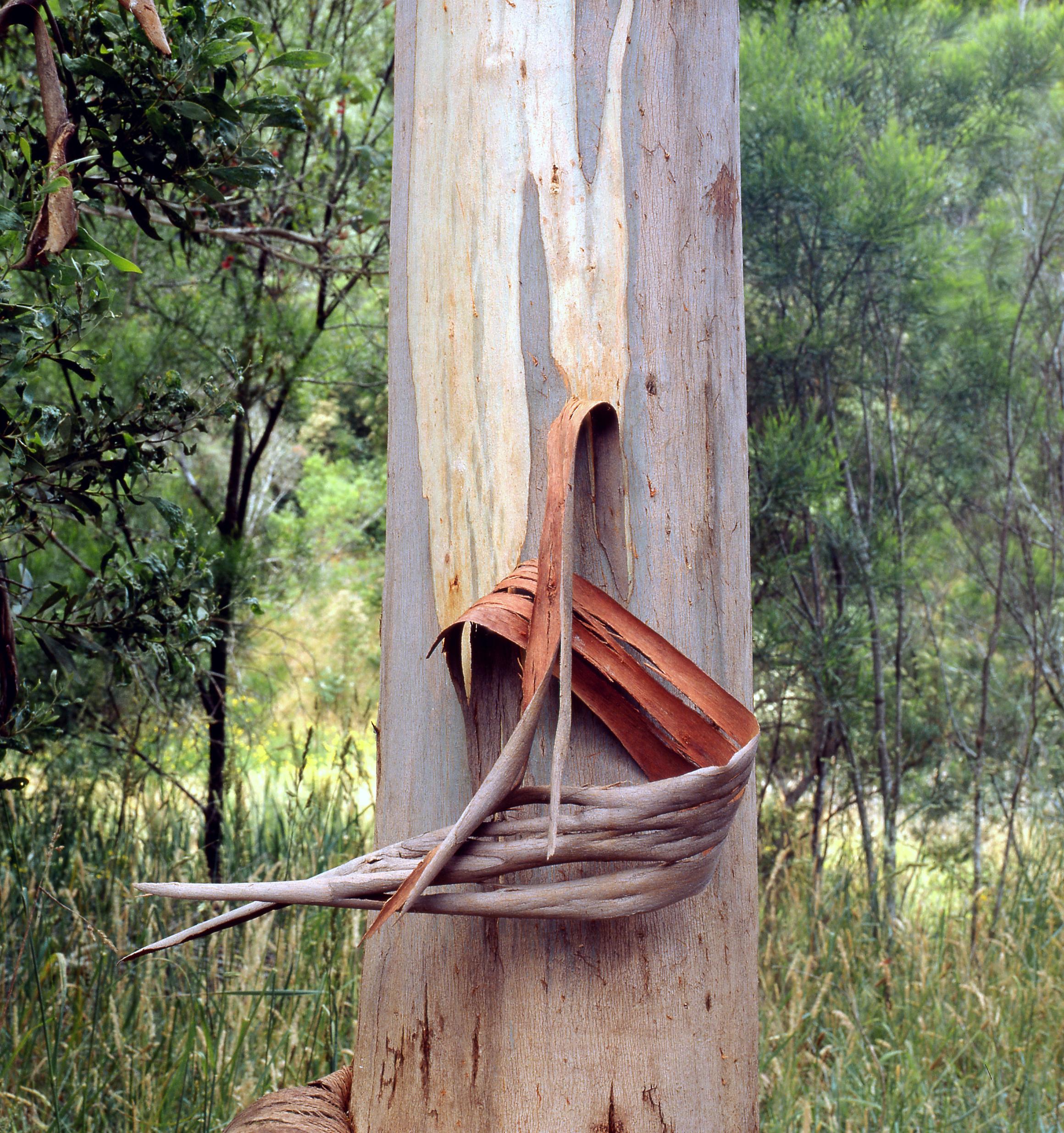
I think I have grown even more connected to the natural world. My interest lies in the essence of the Australian landscape, not necessarily wide vistas, but textures, patterns, and details of nature. Some of my images are shown here. Photography keeps reminding me of the importance of nature in our lives. At the same time, the perspectives and enthusiasm of the people I meet through photography are equally enriching. These two things together have shaped how I see the world.
You have served as Honorary Secretary of the Australian Chapter for more than 25 years. What motivated you to stay for so long?
Well, partly because no one else took it over! But truly, it has been rewarding. I stepped into the role shortly after retiring, and it gave me meaningful purpose, connection and community. Over the years I’ve had the privilege of meeting so many interesting people, both in Australia and at RPS Headquarters in the UK. These relationships have been the highlight.
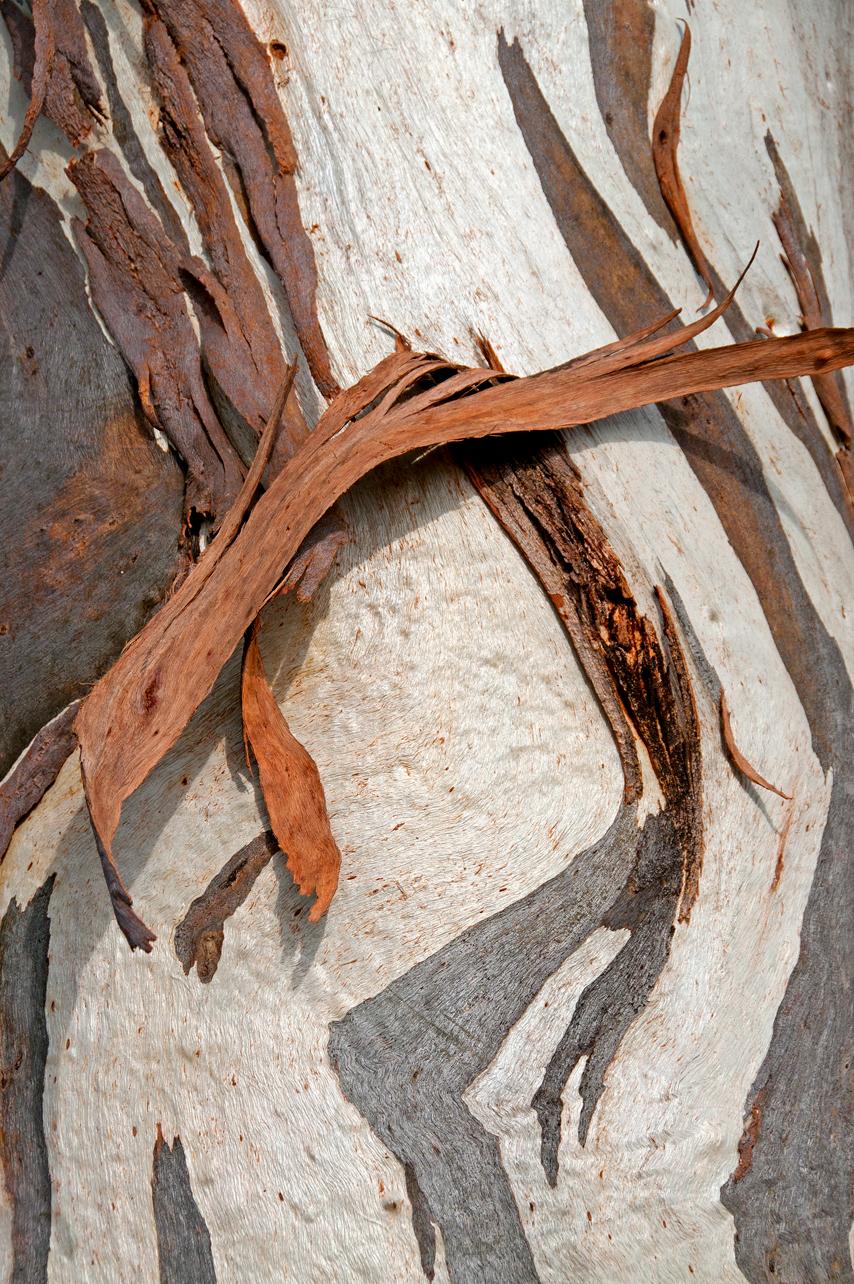
Barwon Dam Tree Bark
Are there any especially memorable experiences from your time serving the Chapter?
No single story stands out, rather a collection of experiences. Meeting the Board, staff and members of the RPS during my visits to the UK has been wonderful. Working on collaborative projects, such as the Woodbury research, also brought tremendous satisfaction. What has stayed with me is the sense of shared purpose and mutual respect across borders.
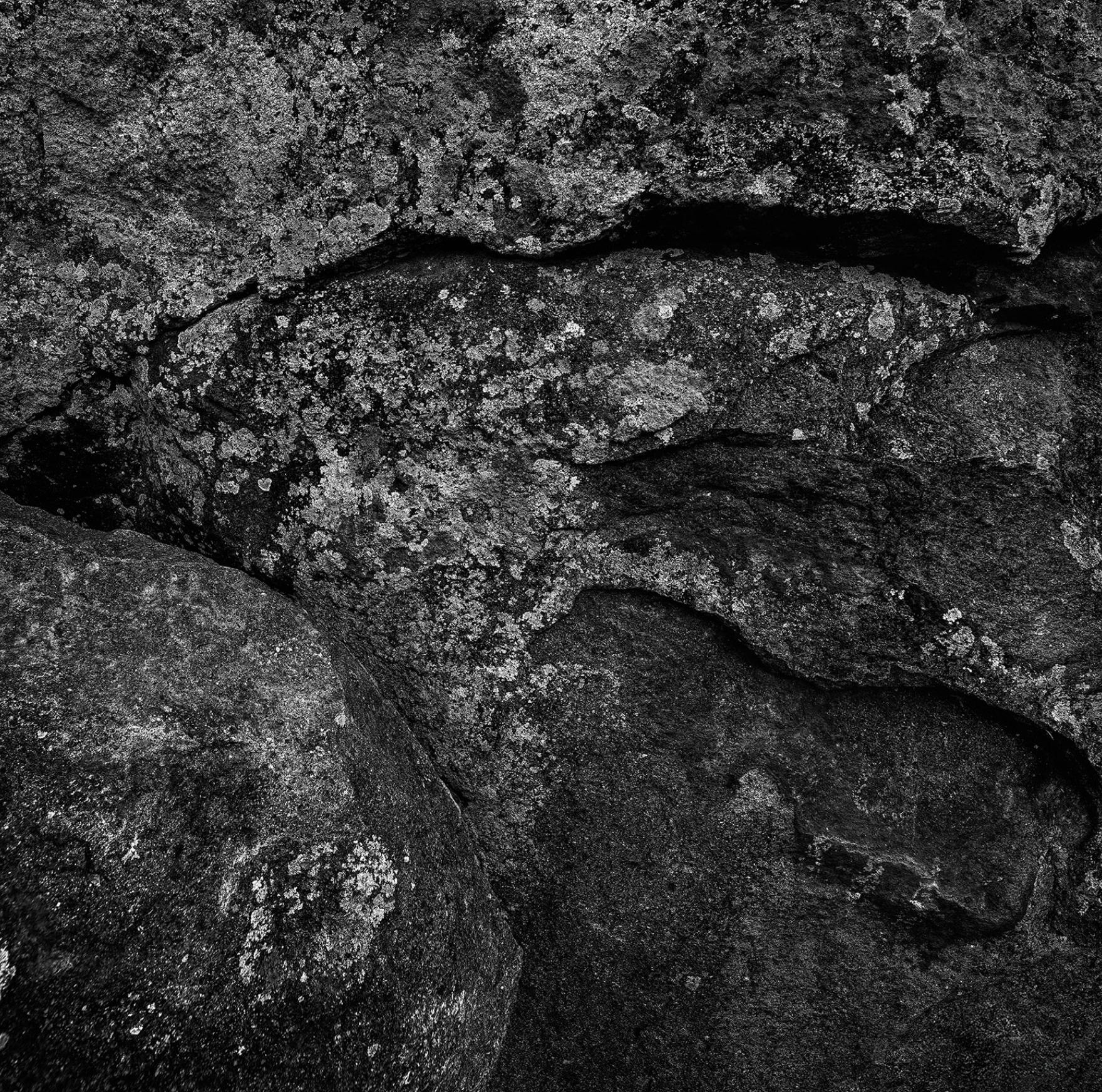
Eucaluptus Bark Detail
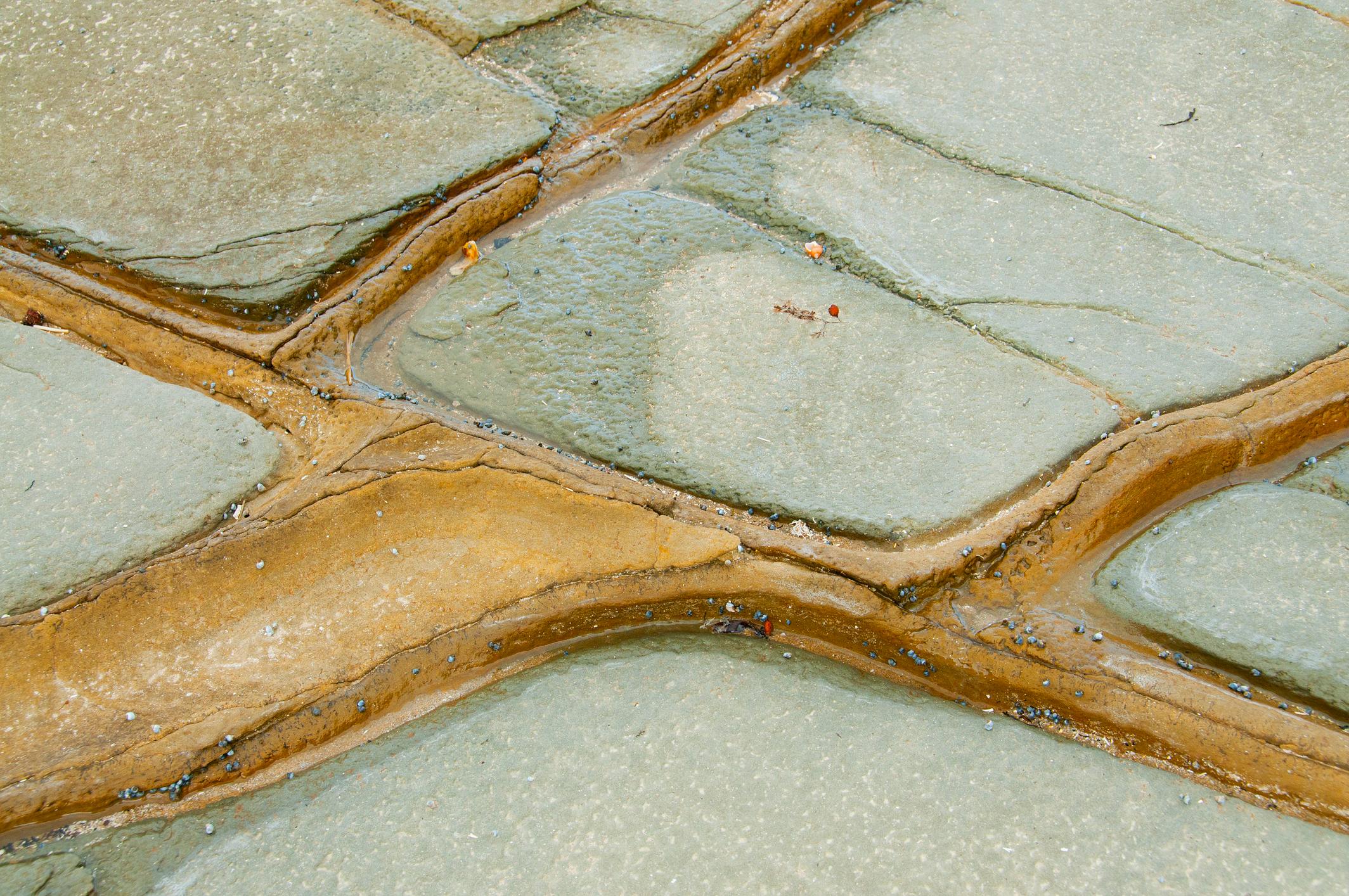
Intersections
How did you feel when you learned you would receive the RPS President’s Medal 2025?
I felt deeply honoured and very privileged. The RPS is the world’s oldest photographic society and has played a major role in promoting the art and science of photography. To be recognised by such an institution is truly meaningful. What made it even more special was that I happened to be in Bristol shortly after the announcement, so Victoria Humphries, RPS CEO, presented the medal and certificate to me in person. I was surrounded by many staff I have known over the years. It was a wonderful, happy day.
Finally, what’s next for you, photographically or personally?
I hope to return to my own photography more actively. During my recent travels, I used only a mobile phone. It was lighter than carrying a full camera kit, but I’d like to explore mobile photography more deeply and improve my post-processing skills in Lightroom and Photoshop. And of course, like many of us, I’m still trying to get my house and garden in order! Now that I’ve stepped down as Secretary, I’m hoping to have more time to enjoy personal photographic projects again.
Thank you Elaine, for your time to share your story with you. Our heartfelt congratulations and thanks to you for your long service to the RPS. We wish you all the very best going forward.
Written by Jacky Lee
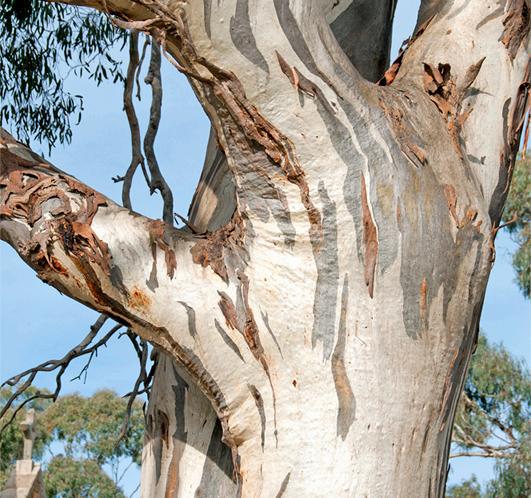
Eucalyptus Trunk
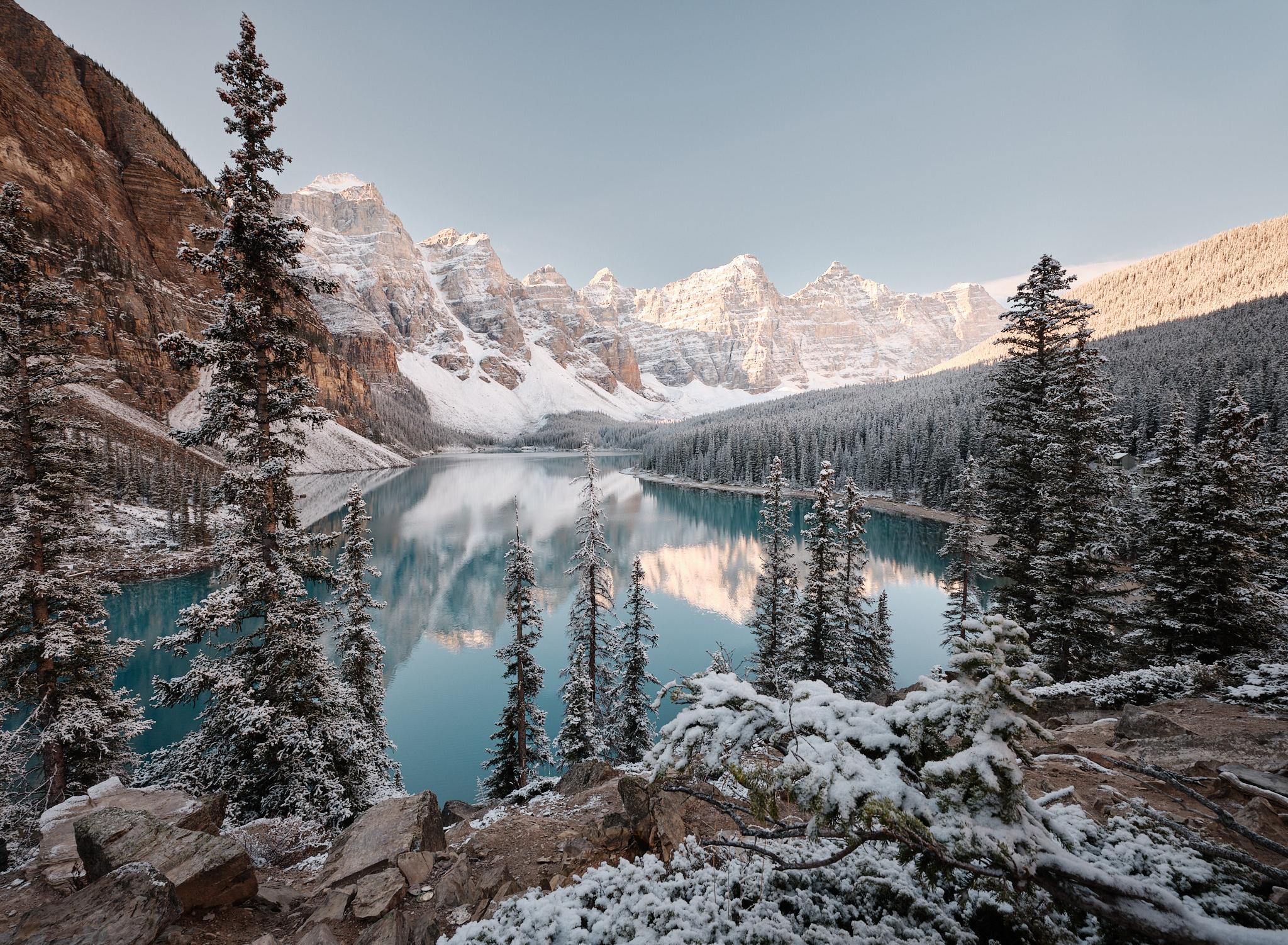
Welcome to the International Members Gallery which showcases a selection of images submitted by our international members around the world each quarter.
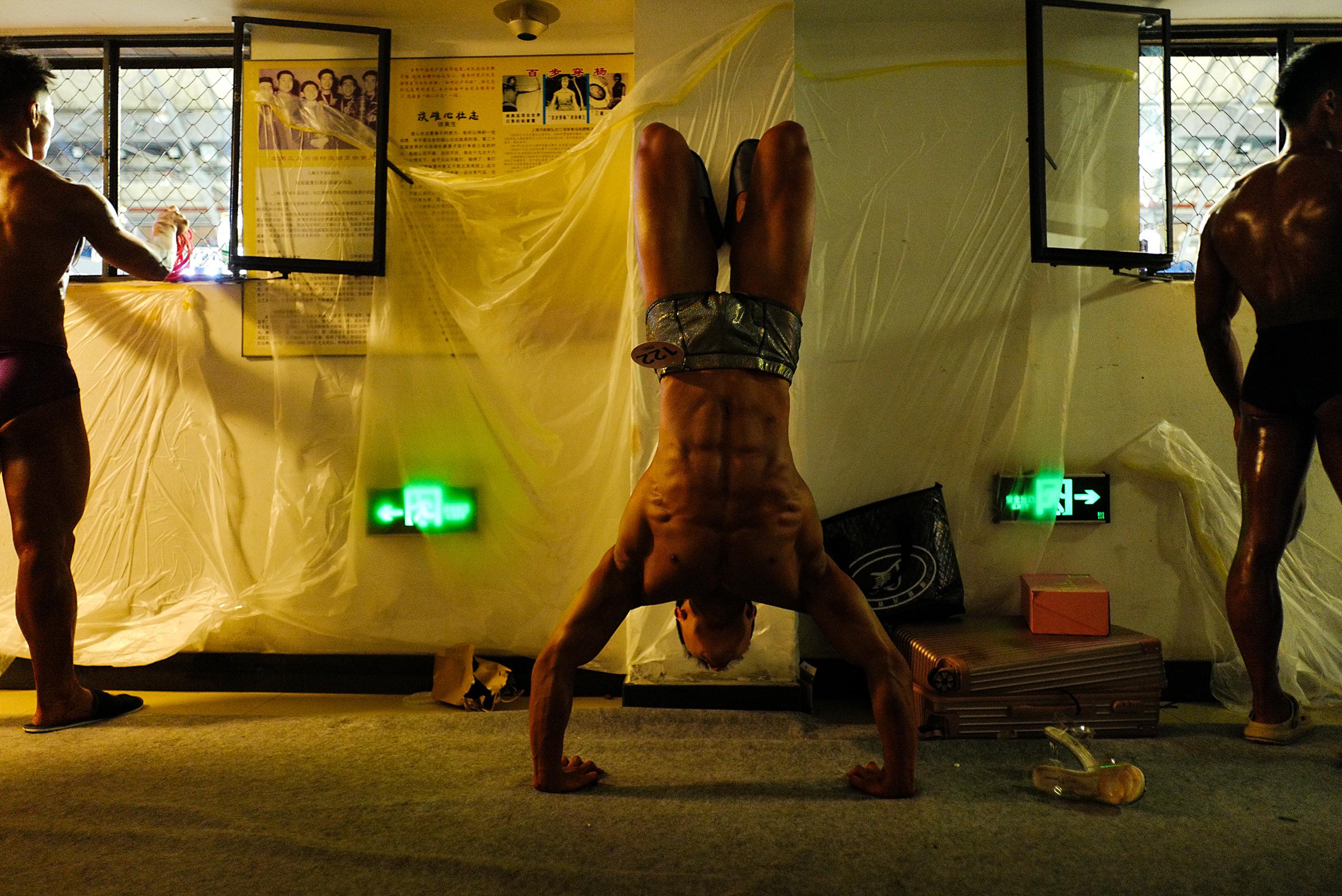
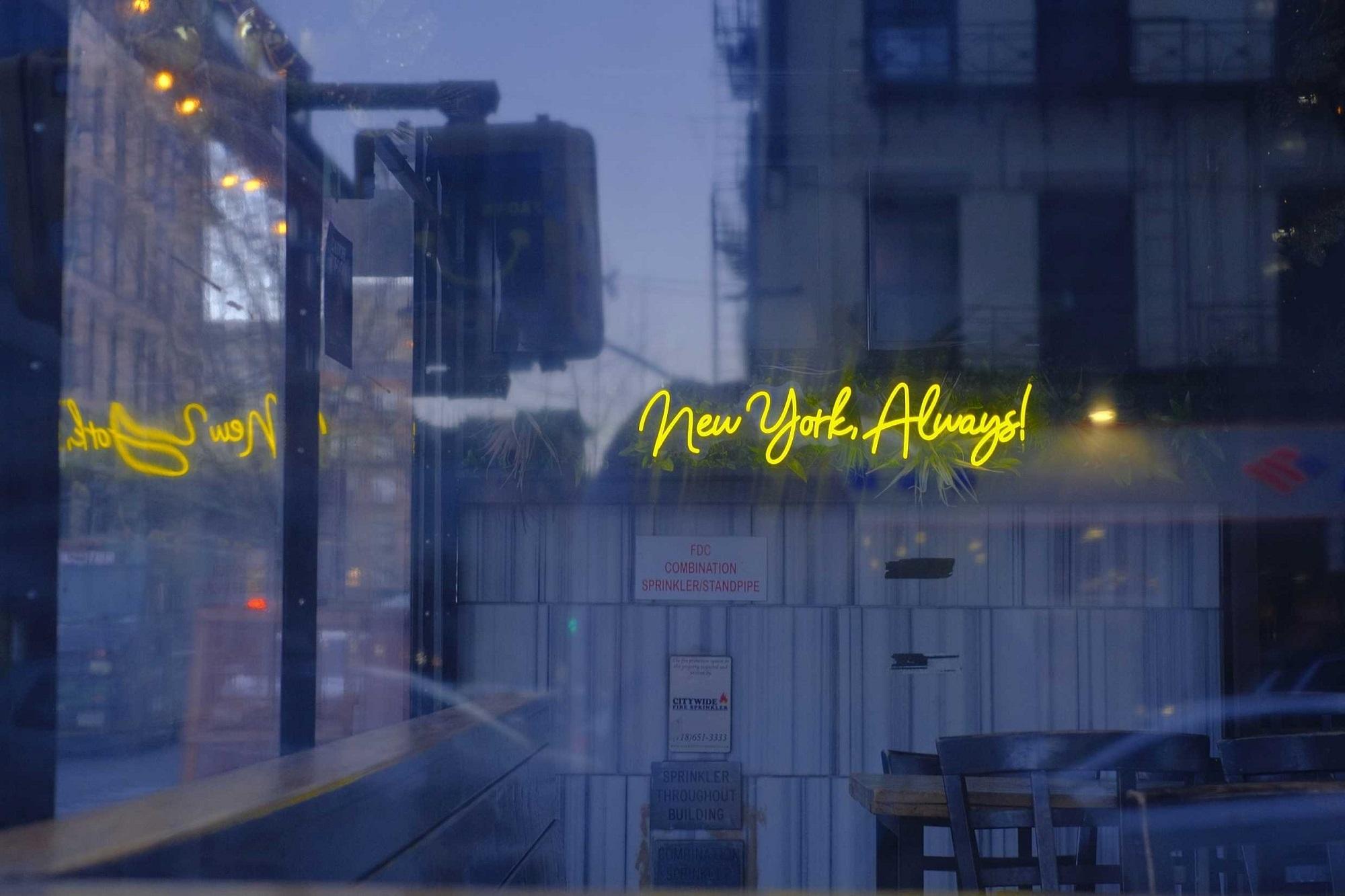
This image was taken backstage at a bodybuilding competition in Shanghai. It captures the tense moment when athletes are preparing for the stage, using the final minute to pump their muscles. The warm tungsten light and the green emergency exit signs create an atmosphere that reflects both intensity and isolation, a glimpse of strength and discipline behind the glamour.
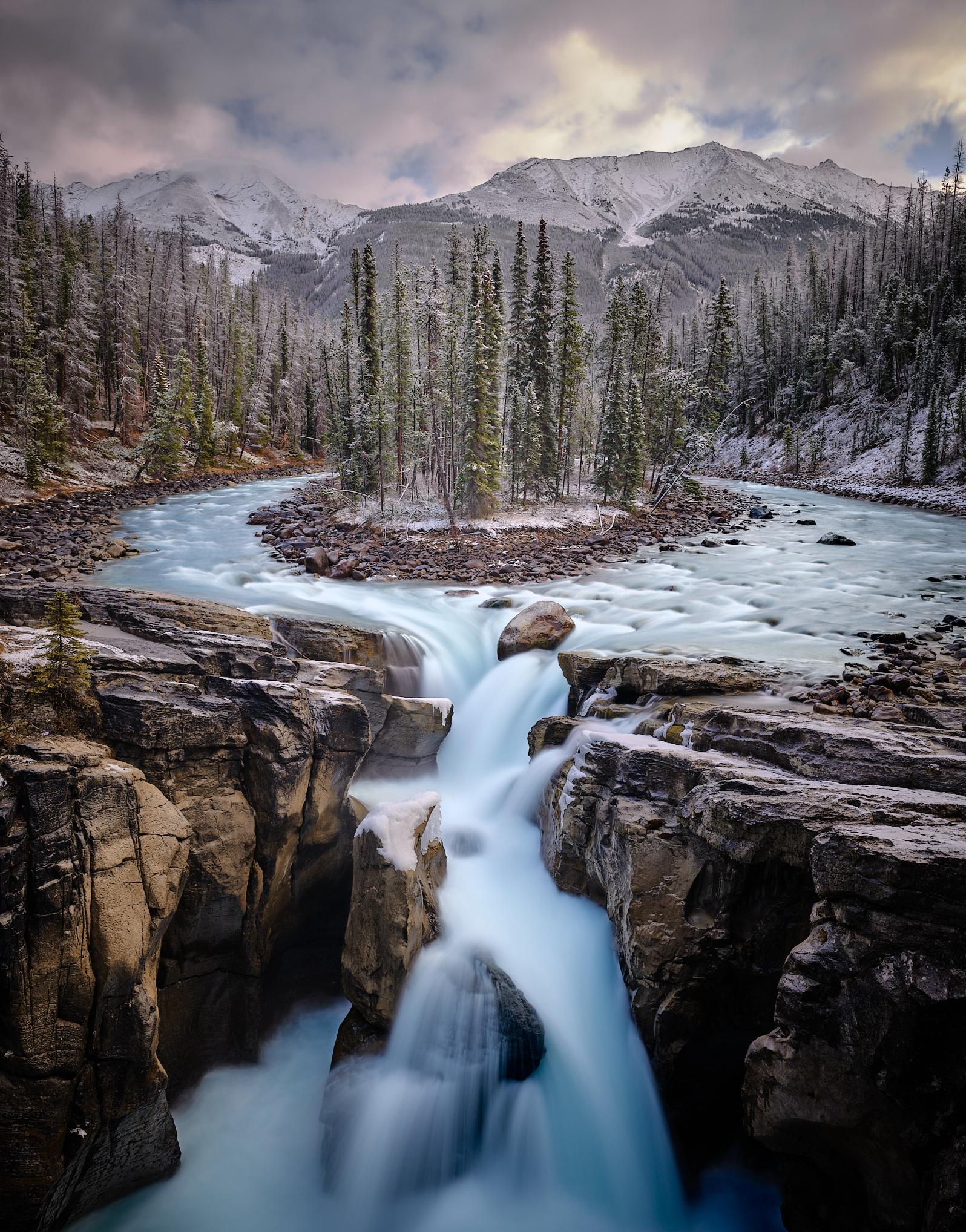
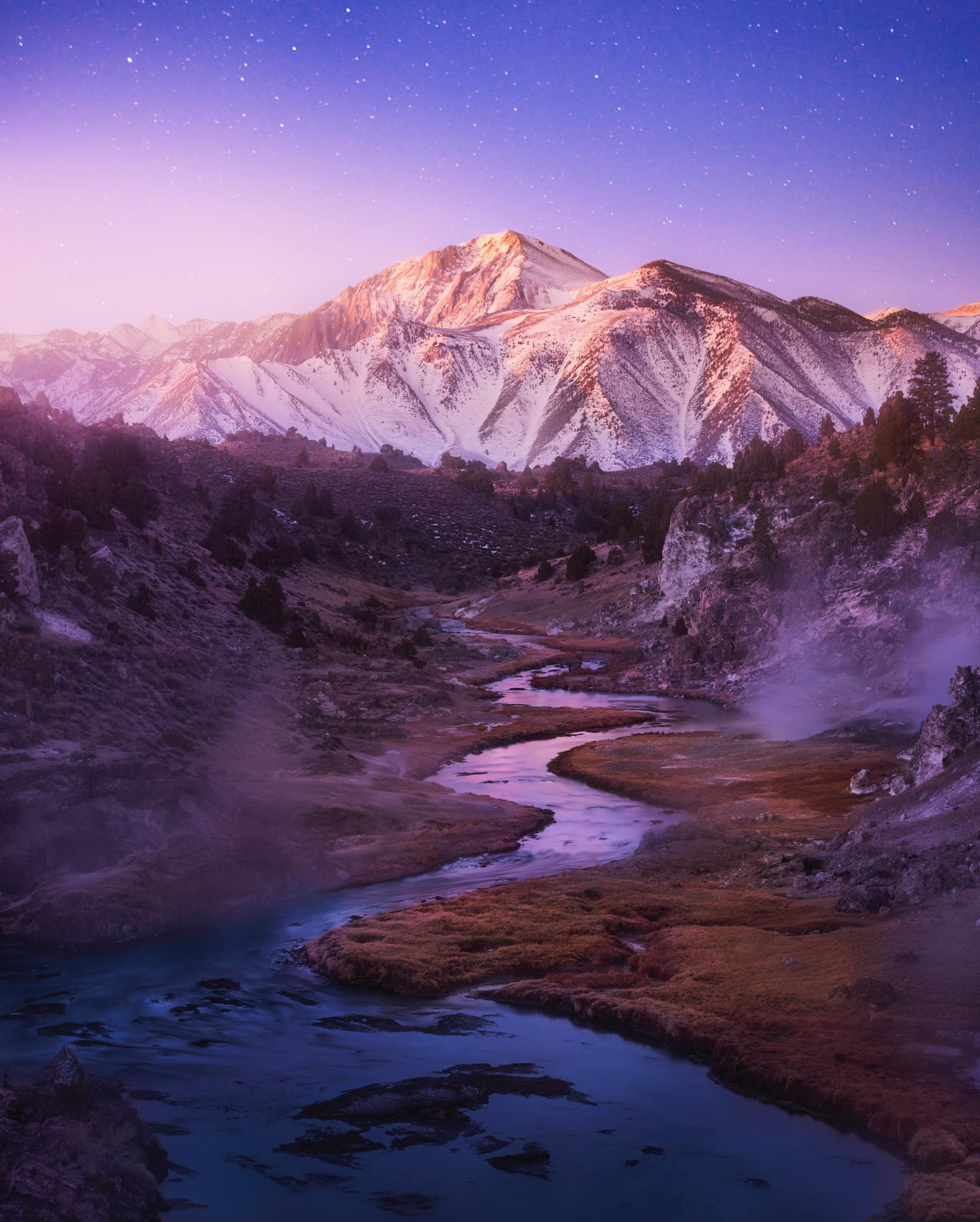
Colour Image of the Creek and Mountains – “Hot Creek", Shutter: 10 seconds, Aperture: f 5.6, ISO: 200, 25 February 2024.
Dreamflow at Dawn: Twilight settles over the Eastern Sierra as geothermal steam rises from Hot Creek, winding through the high desert below snow-capped peaks. The first light of alpenglow mingles with the last remaining starlight, capturing a surreal balance of warmth and winter, stillness and movement.
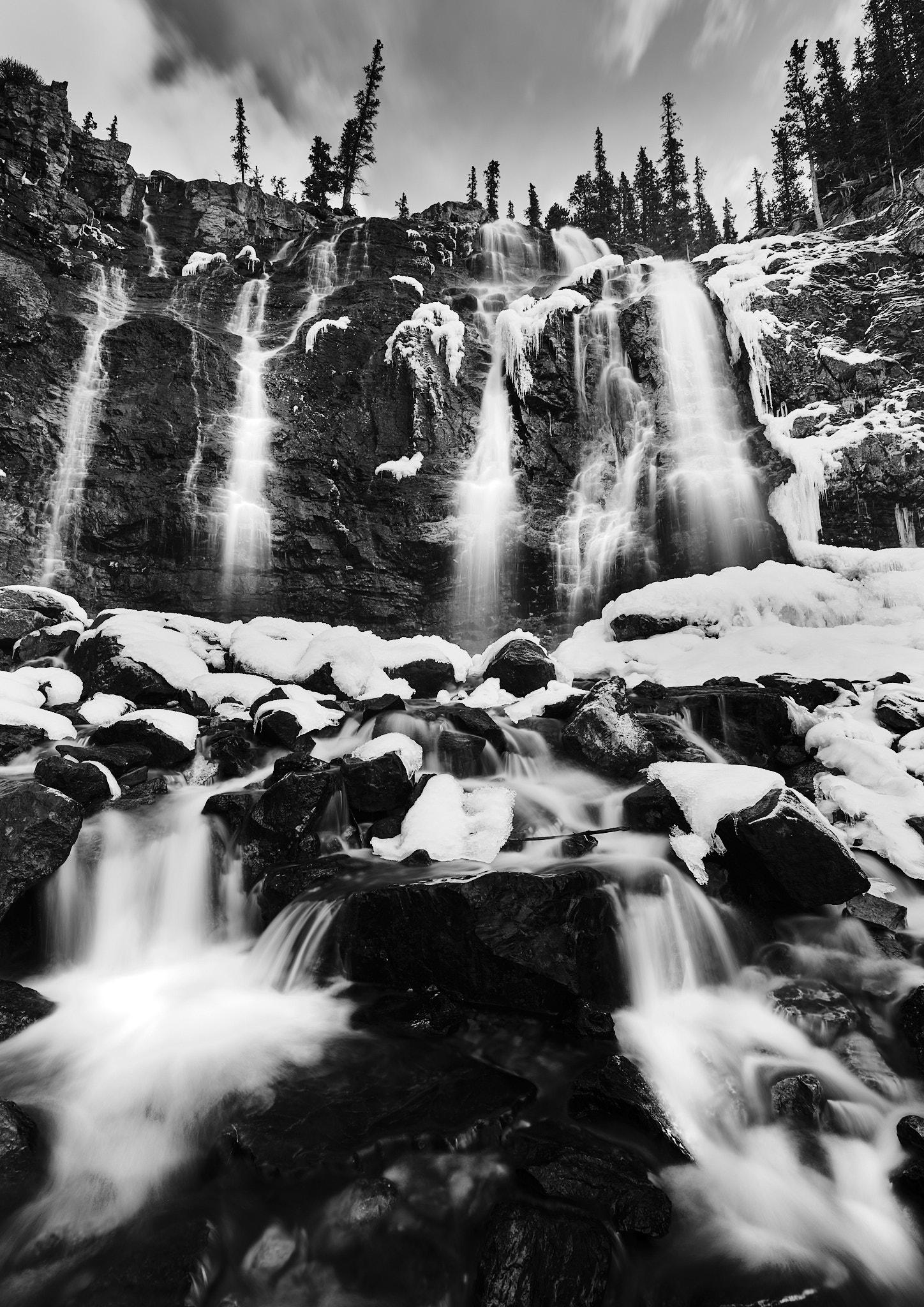
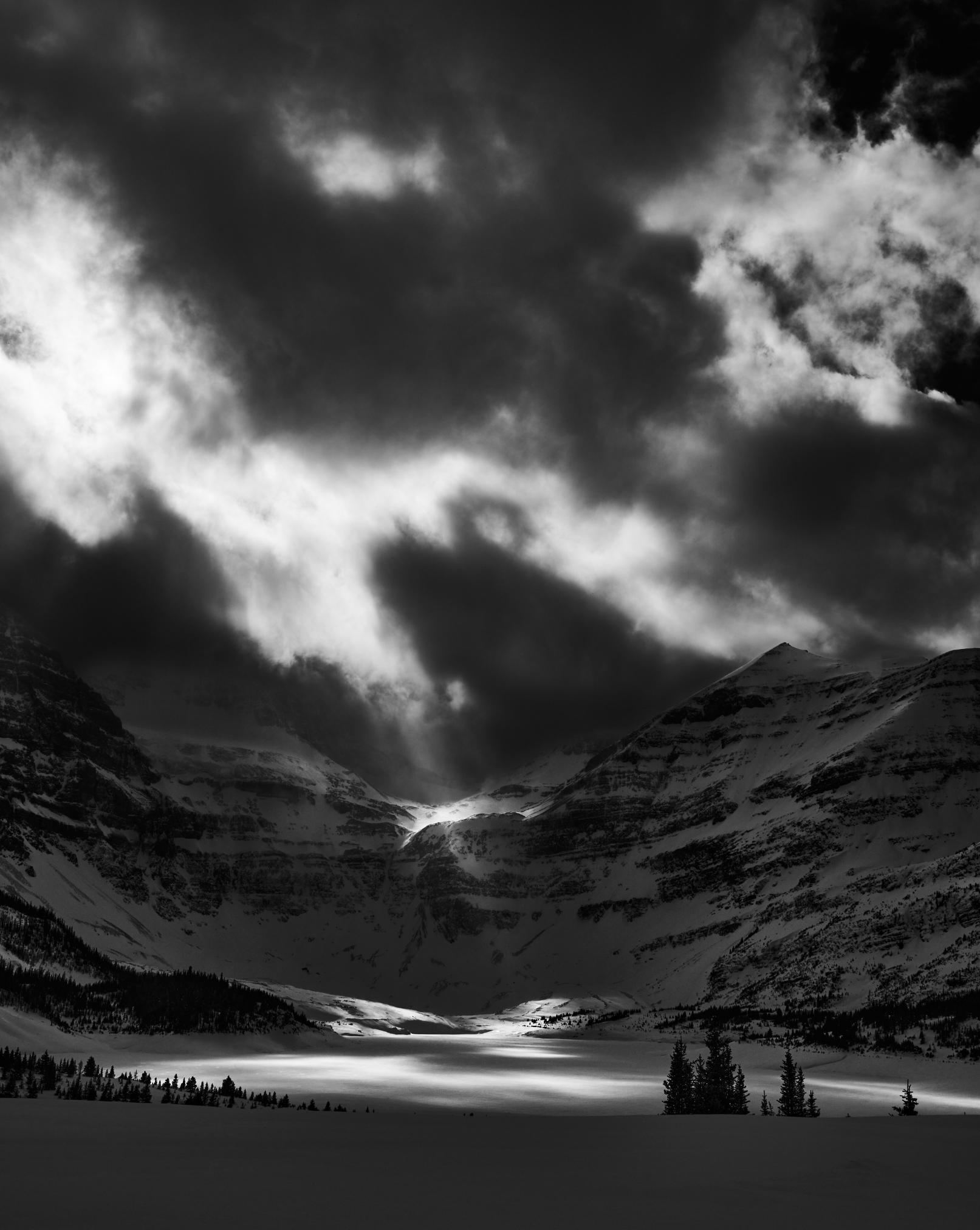
Black and White Image of the mountains – “Nightfall at Assiniboine"
Shutter: 1/1000, Aperture: f11, ISO: 100, 24 February 2025
Lightfall at Assiniboine: Winter light pierces storm clouds above Mount Assiniboine, casting fleeting rays onto the frozen lake below. Captured in a rare moment of drama and stillness, this monochrome scene reveals the raw beauty of the backcountry in its quietest season.
Somdutt is by profession an ophthalmologist who has lived for the last ten years in Kolkata, India. Fascinated by images from a young age, he tells us about his background, his photographic style and his interest in wildlife photography, including a visit to Russia to photograph brown bears. He also shares portraits of ascetics, or Baba's during the Gangasagar
Mela pilgrimage to Sagar Island in India
Claudine: Tell me a little bit about yourself, your background, where you grew up, and where you live now.
Somdutt: I was born in Bihar, India but completed my schooling in different places, as our family moved with my father’s job with the Indian Railways. I attended medical school in Kolkata, specialising in Ophthalmology. I moved to the UK for higher training and ended up staying in England for twenty years where I worked in the NHS and private healthcare for over a decade. In 2014, I returned to Kolkata and now work as an ophthalmologist, providing services in two of Kolkata’s leading private hospitals. We have been based in Kolkata for over ten years now, but also have a home on The Wirral in England
Claudine: What interested or prompted you to start photography? When did you start?
Somdutt: I was fascinated by images from a young age, which may explain my choice of profession as an eye specialist and my hobby of photography. Together they bring together an understanding of vision. I started taking photos with a Yashica which my parents bought me when I was 11 years old and soon graduated to a Nikon FE2, my first SLR, which still holds pride of place in my display of life’s memorabilia.
Claudine: How would you describe your own photographic style or philosophy?
Somdutt: My photographic style is constantly evolving and so I haven’t yet found my signature style. I started by simply taking photographs which I felt looked nice, such as family and holiday occasions.
Later, in medical school, a friend and I managed to obtain access to the forensic department’s darkroom, and so we began to print our own pictures which taught me a lot about image processing. As the digital age dawned, my processing moved to the computer and this opened the door to experimentation as I was no longer counting how many frames I was taking. It also allowed me to delve into wildlife photography.
I used to delete about 90% of the wildlife photos I took, with only a few keepers. I was an early adopter, a compact digital Olympus soon gave way to a Nikon D70 in 2005, one of the first ‘affordable’ DSLRs. By then, I had also settled into my profession, with a stable consultant role, so I was able to spend time travelling for photography and had the resources to finance it! Since then, much of my photographic interest has been in wildlife although I also do some street and people photography. I enjoy travelling and taking photographs in different places. Finding my own style remains an endeavour for the oncoming years.
Claudine: Is there a particular image you’ve taken that holds deep personal significance?
Somdutt: I’d like two share two images:
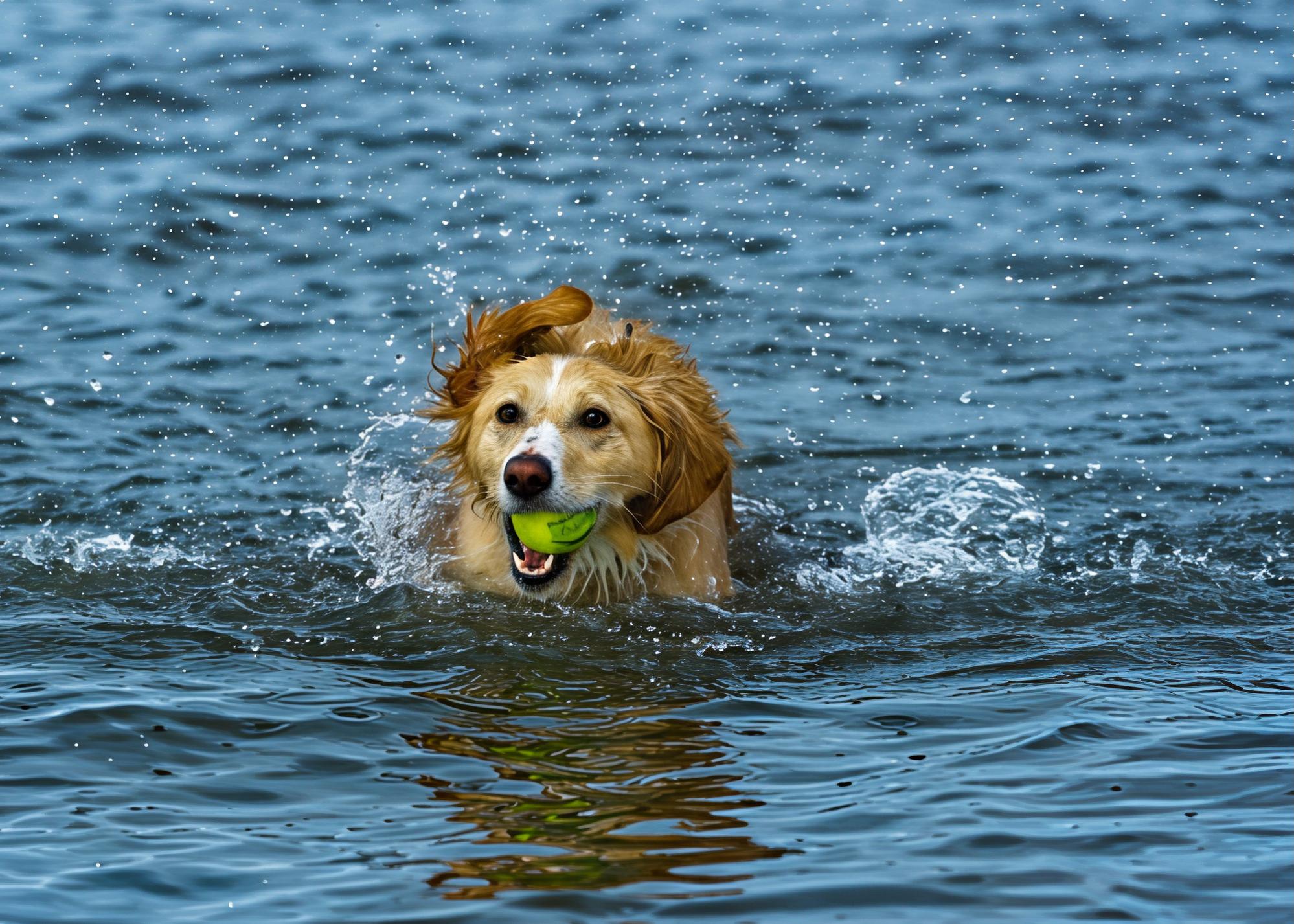
Firstly, our dog Skye when she was four, frolicking in the sea near the New Brighton beach. I treasure this image as she is now 13 years, and more of a gentle mover, than a young dog bursting with energy. She lives with us in Kolkata and as she is the de facto princess of the family, I have images of her at all stages. This image stands out for her sheer fun-filled energy.
Skye spray
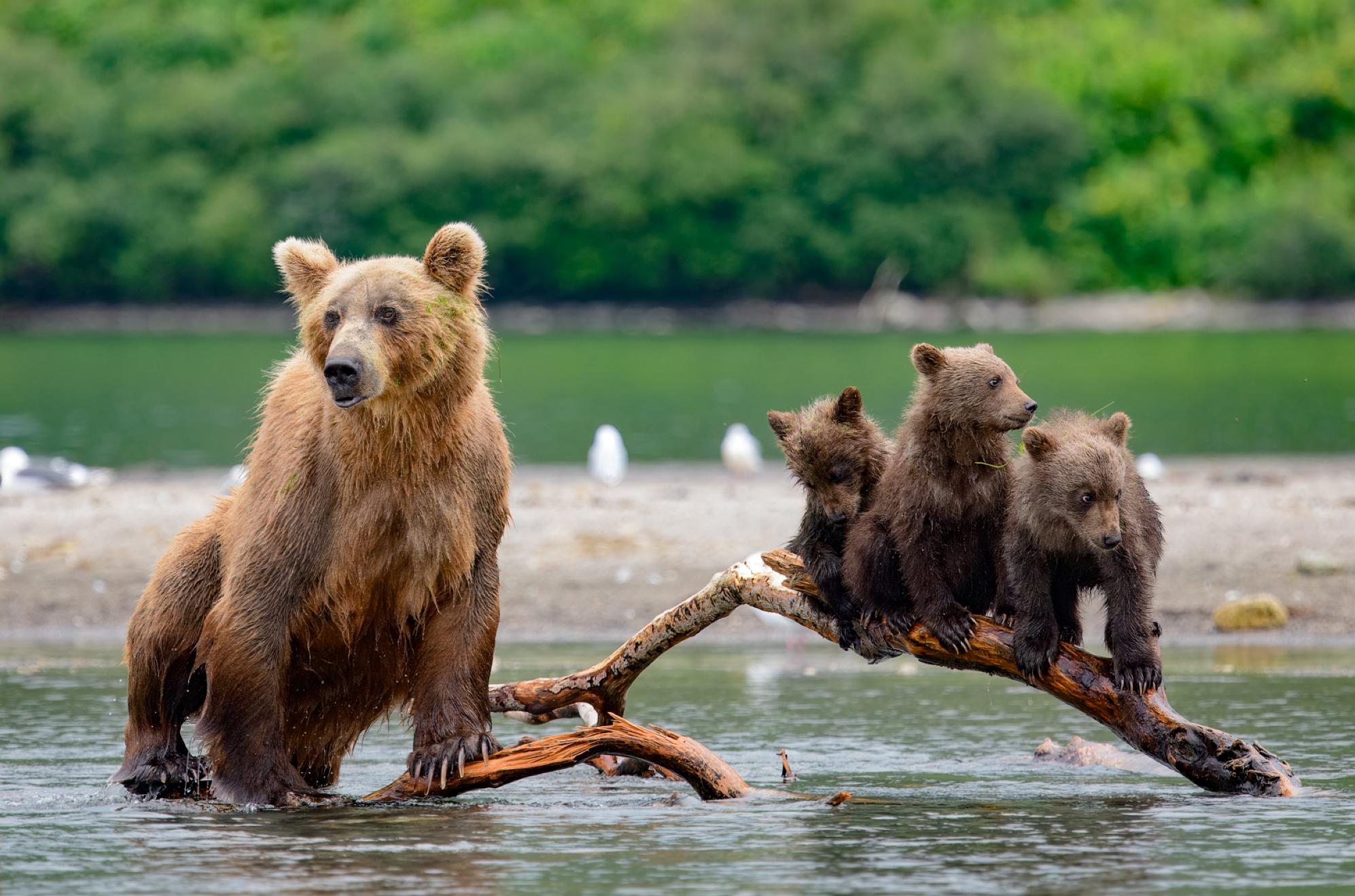
Secondly, an image from my first photography trip to Kamchatka in Russia. I flew to Moscow and then took the longest domestic flight (nine hours / nine time zones) in the world to Petropavlovsk-Kamchatsky airport, followed by a Soviet-era helicopter trip to Grassy Lodge near Lake Kurile.
During the annual salmon run, we saw bears feasting in a feeding frenzy - this must be one of the most amazing sights in nature! However, we also witnessed the tender interaction of mothers with their cubs. This image shows both the protective instinct of a mother looking out for her children, and the fragile purchase of the cubs on the branch reflecting the precarious balance of nature and the need to conserve it. It sums up a wildlife photographer’s interest in photography and conservation.
Precarious balance
Claudine: Please tell us about other images that demonstrate your photographic interest?
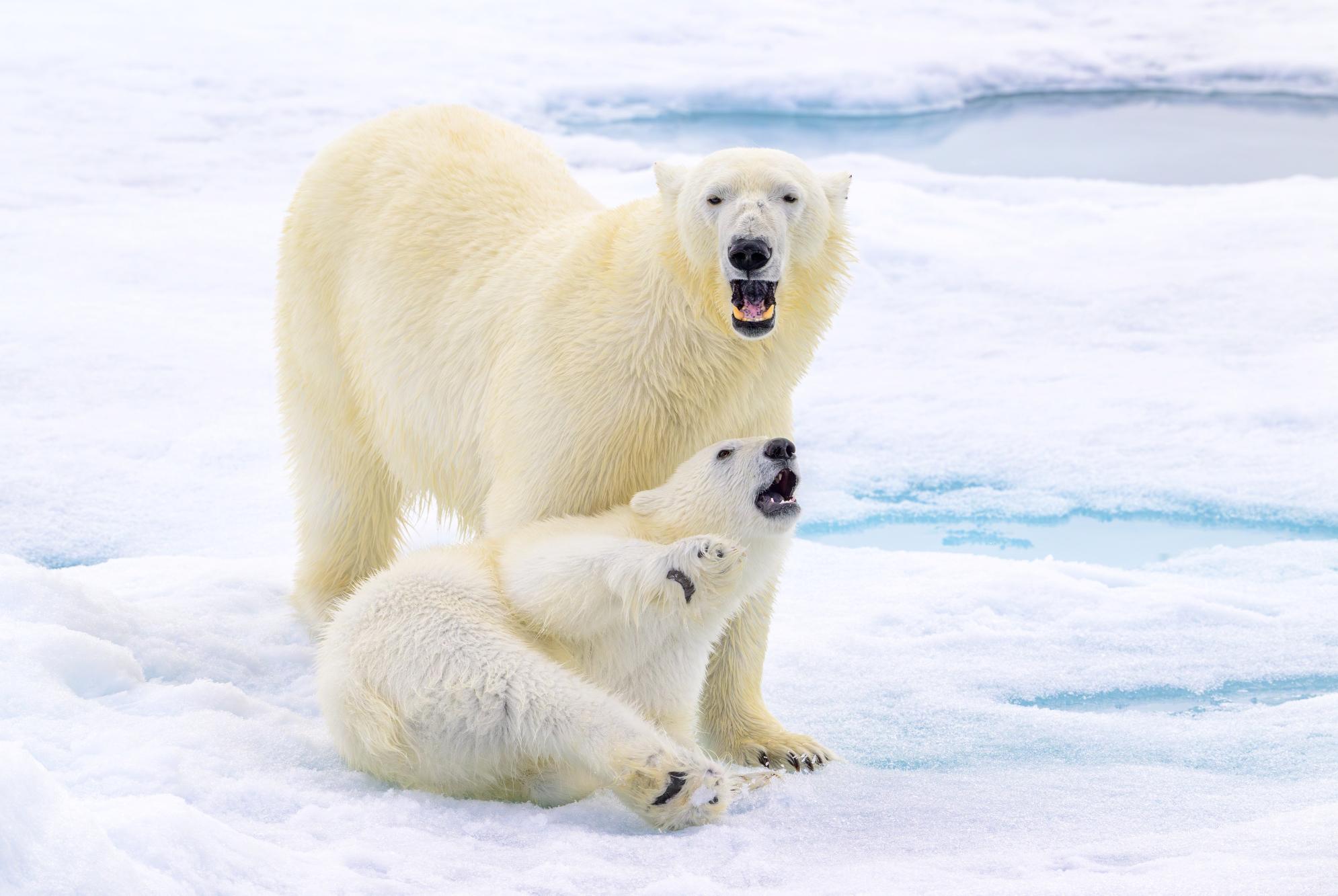
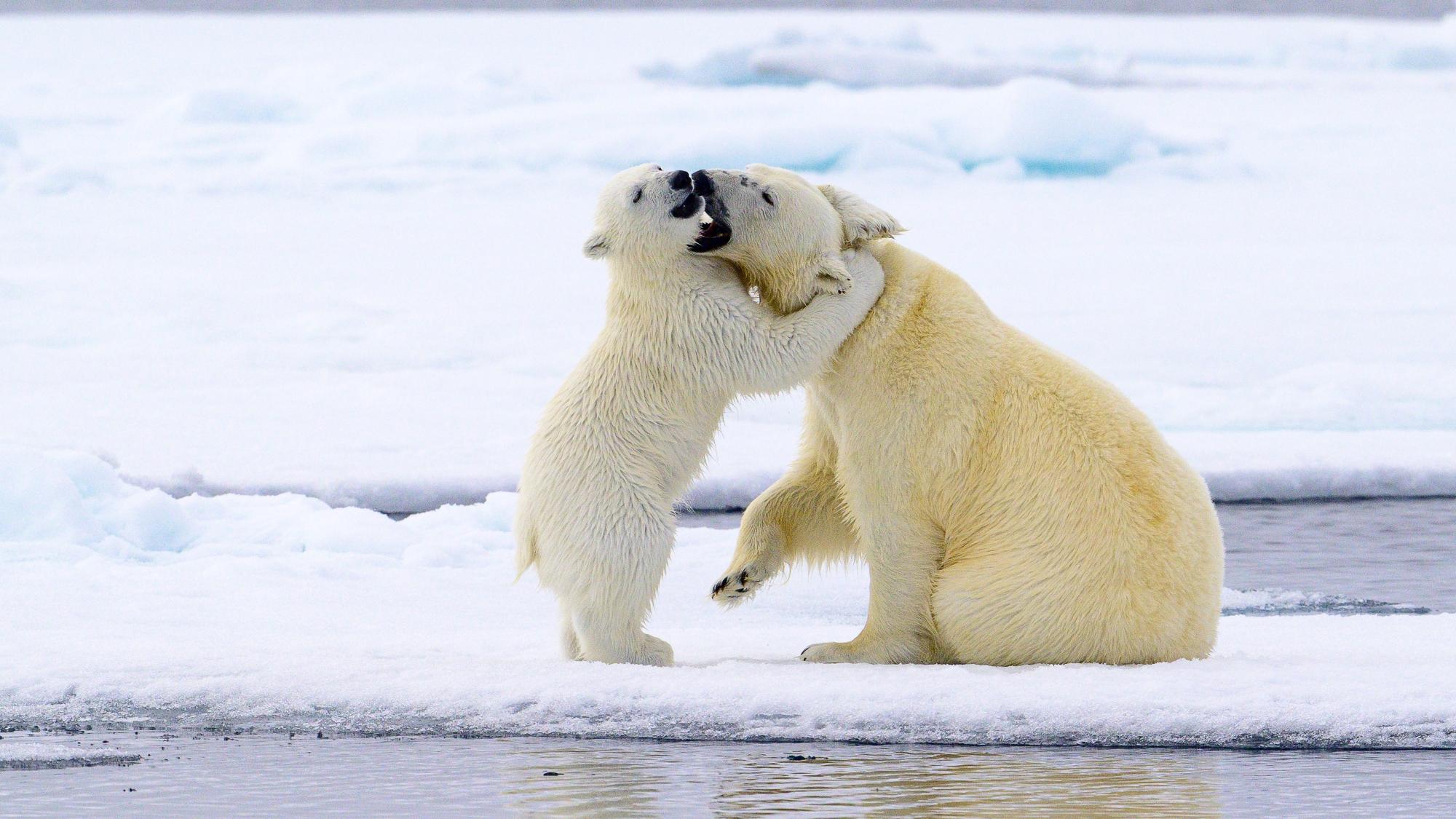
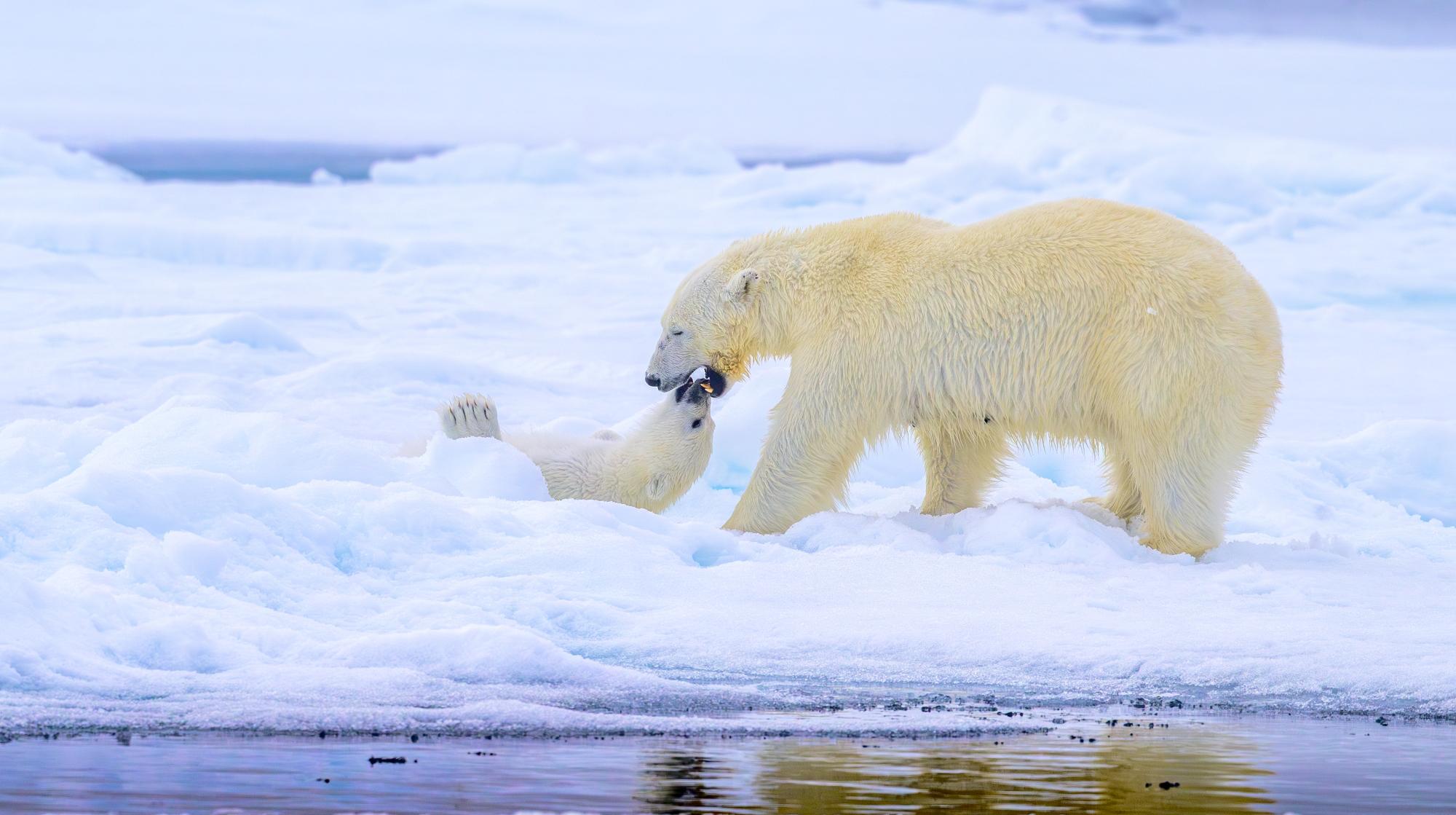
Somdutt: The relationship between a mother and her child in the wild remains a source of amazement and reverence. This Polar bear mother and cub series shows this relationship in the desolate arctic climes. I took these on the pack-ice north of Svalbard in Norway, having travelled there on a small ship from Longyearbyen. This next set of images were taken in January 2025 in my home city, Kolkata.
Stay off my baby
Childs play
Upside down kiss
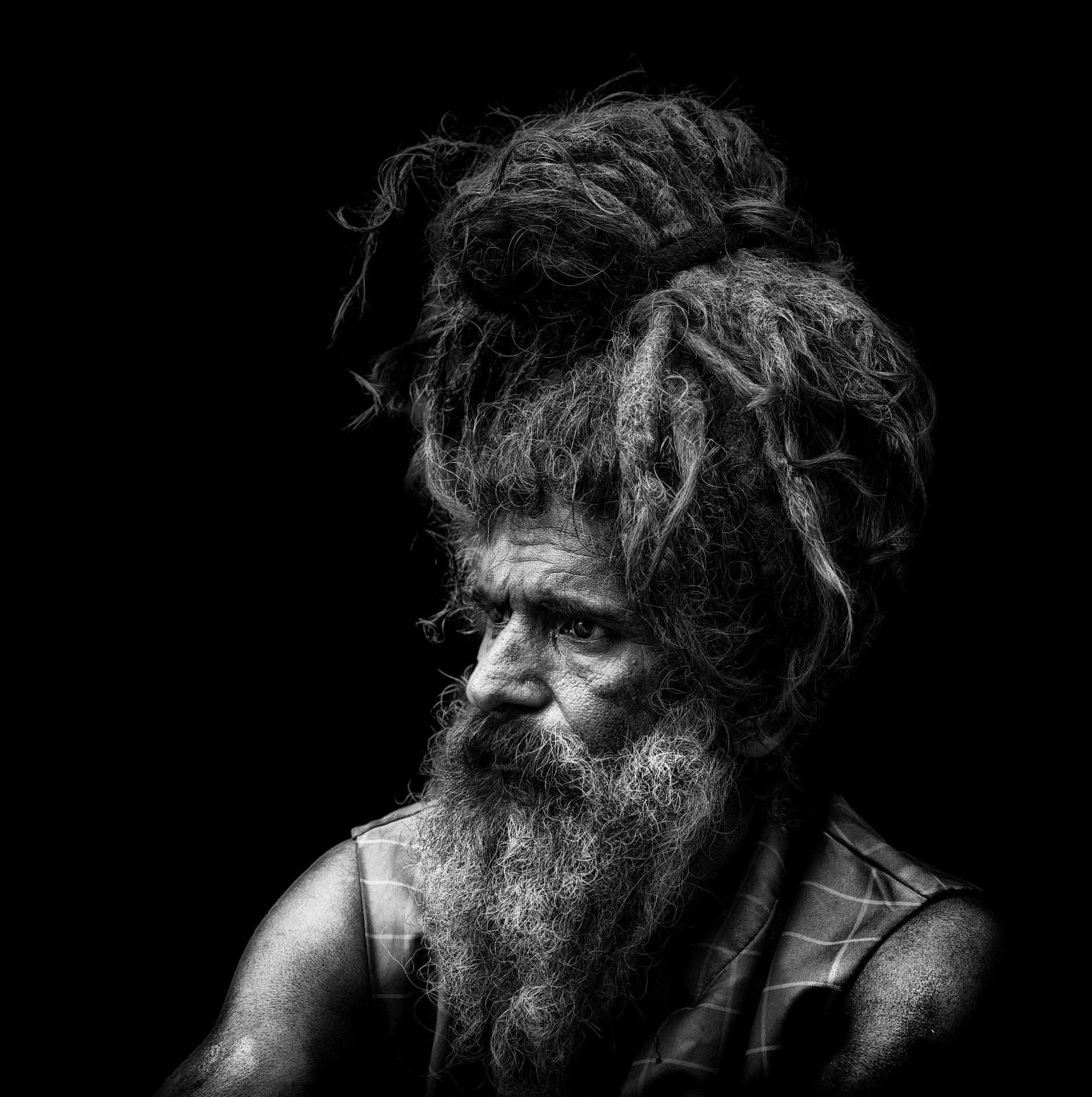
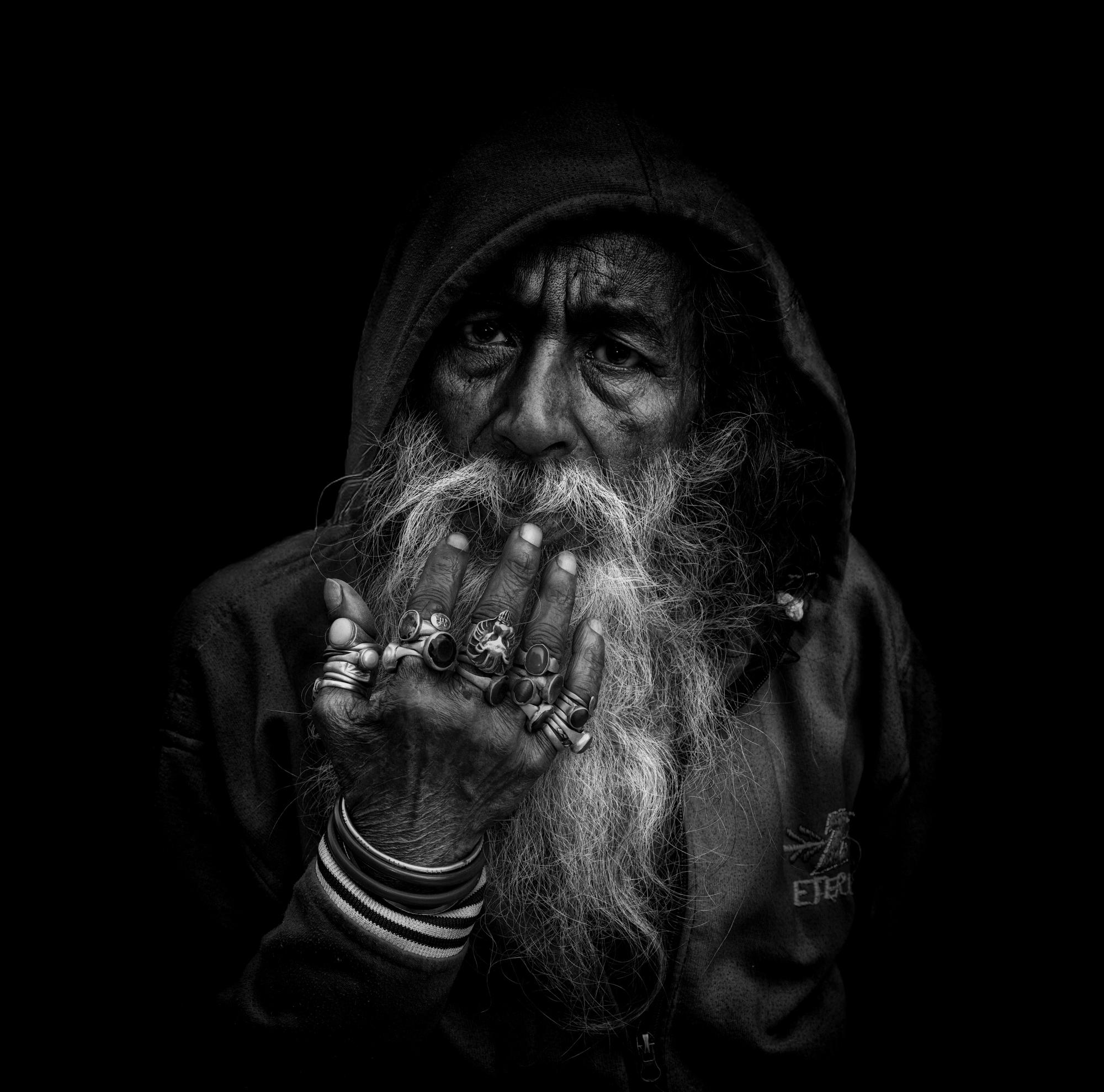
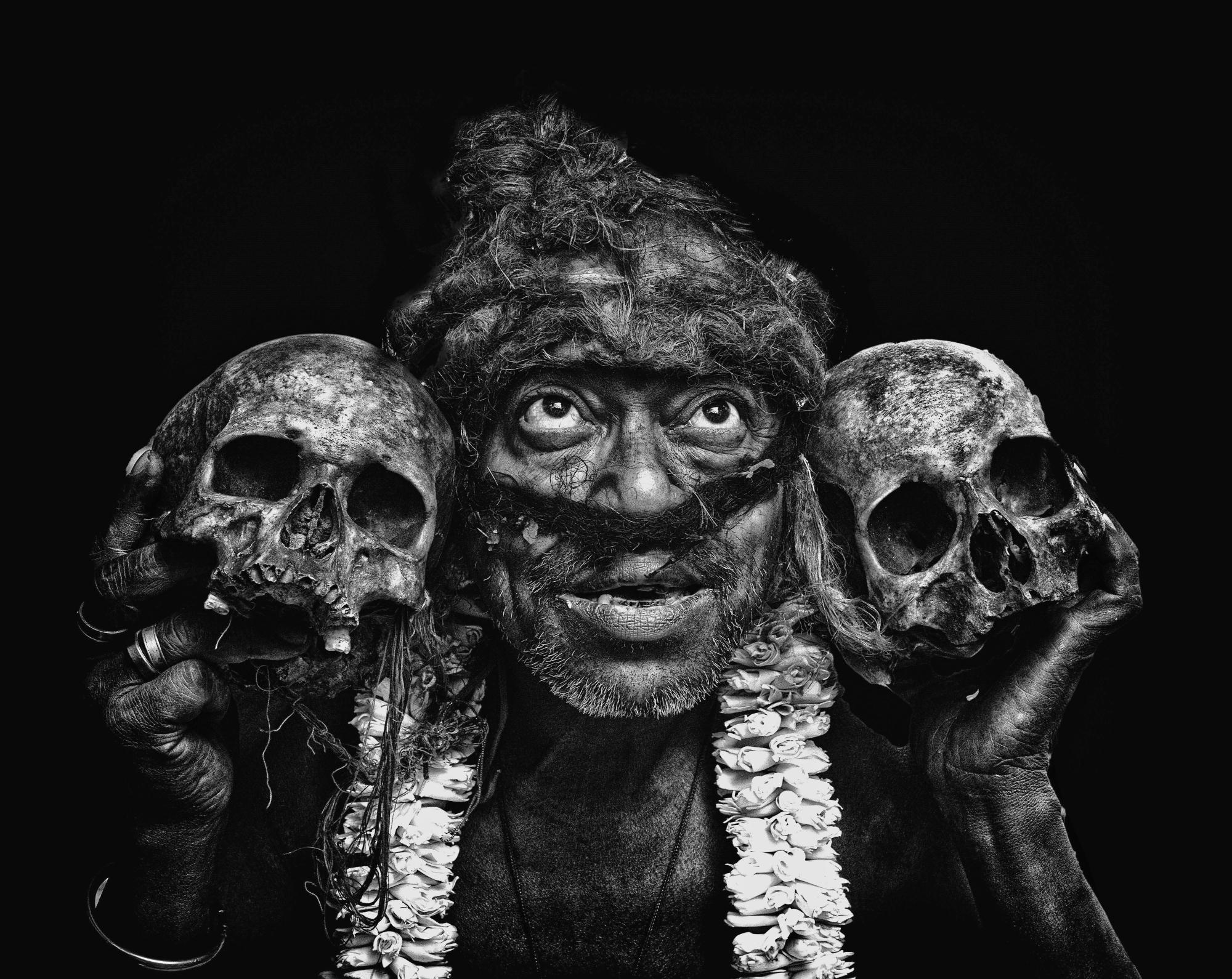
The Gangasagar Mela, a pilgrimage to Sagar Island, attracts thousands seeking cleansing at the Ganges' meeting with the Bay of Bengal. On their journey, many stay for a few days at a transit camp in Kolkata. I took these portraits of ascetics or Baba's, capturing their weathered faces etched with stories of renunciation, inviting contemplation of spirituality and inner peace. I processed them in monochrome to reflect the timelessness of the culture and to remove the inevitable background clutter of taking candid portraits in a busy and crowded place.
Ascetic
The Rings
Tantric with skulls
Claudine: What led you to join the Royal Photographic Society?
Somdutt: Photography was always very personal to me but during Covid, my wife encouraged me to enter photographic competitions. I tentatively entered a few in 2022, and with some success, this became an active part of photographic work. I also wanted to interact with photographers across the world and so my next step was to join the RPS and other societies like the PSA (Photographic Society of America) and FIP (The Federation of Indian Photography).
I believe in giving back to the organisations from which I have benefited as a member and so in 2023, I offered to volunteer for the Digital Imaging Group at the RPS. Janet Haines, the chair rightly suggested that I could contribute better to the International team given my background, so here I am! The RPS is an integral part of my photographic evolution.
Claudine: What are your plans photography-wise over the next few years?
Somdutt: I am currently focused predominantly on wildlife photography but with some photography across other genres. Over the next few years, I would like to concentrate on one or two subjects and spend time researching and photographing them to create dedicated bodies of work to show my photography in a coherent manner. I hope this may lead to an ARPS (or ambitiously an FRPS), but that is not the main focus. Finally I plan to create a book to enshrine my images in a fitting manner.
RPS offers three levels of Distinctions.
Licentiate (LRPS)
To become a Licentiate of The Society, applicants must show variety in approach and techniques but not necessarily in subject matter. Demanding but achievable for most dedicated photographers.
See the RPS website for for details
Associate (ARPS)
Requires a body of work/project of a high standard and a written Statement of Intent. Strong technical ability using techniques and photographic practices appropriate to the subject.
See the RPS website for for details
Fellowship (FRPS)
Our highest level of Distinction. Requires a distinctive and cohesive body of work/project accompanied by a written Statement of Intent.
See the RPS website for for details
Distinctions Successes
The following International Members have been award a Distinction since the last quarterly publication of the International Members eMagazine. Congratulations on your success!
We aim to bring you details of the journey our members took to achieve their Distinction - their inspiration, aims and the path they followed from idea to submission.
Associate
Felicity Handford ARPS
Title La Ferme du Chant des Cailles
Date August 2025
Country Belgium
Chapter Benelux
Felicity gained her Associate by Exemption as part of her successful completion of a two year MA in Photography at Falmouth University in the UK.
If you have recently obtained a distinction, please let us know by emailing international@rps.org
FINDING MY VOICE THROUGH DISTINCTIONS, A JOURNEY WITH THE RPS
By Max Robinson FRPS
Max Robinson FRPS is an international member of the RPS Swiss Chapter and in 2016 he was awarded his first Fellowship. He serves as Chair of the Distinctions Panel forFilm, Video and Multimedia and also as an assessor on the Distinctions Panel for Travel. Max shares with us his photographic journey, the assessment process and how to approach it, what makes a strong image, considerations as an international member and the rewards of achieving a Distinction.
My photographic beginnings
I was given my first camera when I was ten. My mother let me turn our kitchen into a small darkroom at night, and an older cousin showed me how to develop and print blackand-white photographs. Those times watching an image appear in the tray of developer as if by magic, sparked a lifelong love of monochrome. This remains my greatest passion.
When it came to choosing a career, I opted for chemistry and kept photography as my creative outlet. After graduating in chemistry, the two converged when I joined Kodak’s Photographic Research and Product Development Centre in Harrow, London. I always had a camera at the ready, even after leaving Kodak and throughout my business career.
Joining the Royal Photographic Society
About fifteen years ago, I joined the Royal Photographic Society (RPS), inspired by a colleague whose ARPS distinction and black-and-white prints had made a lasting impression on me.
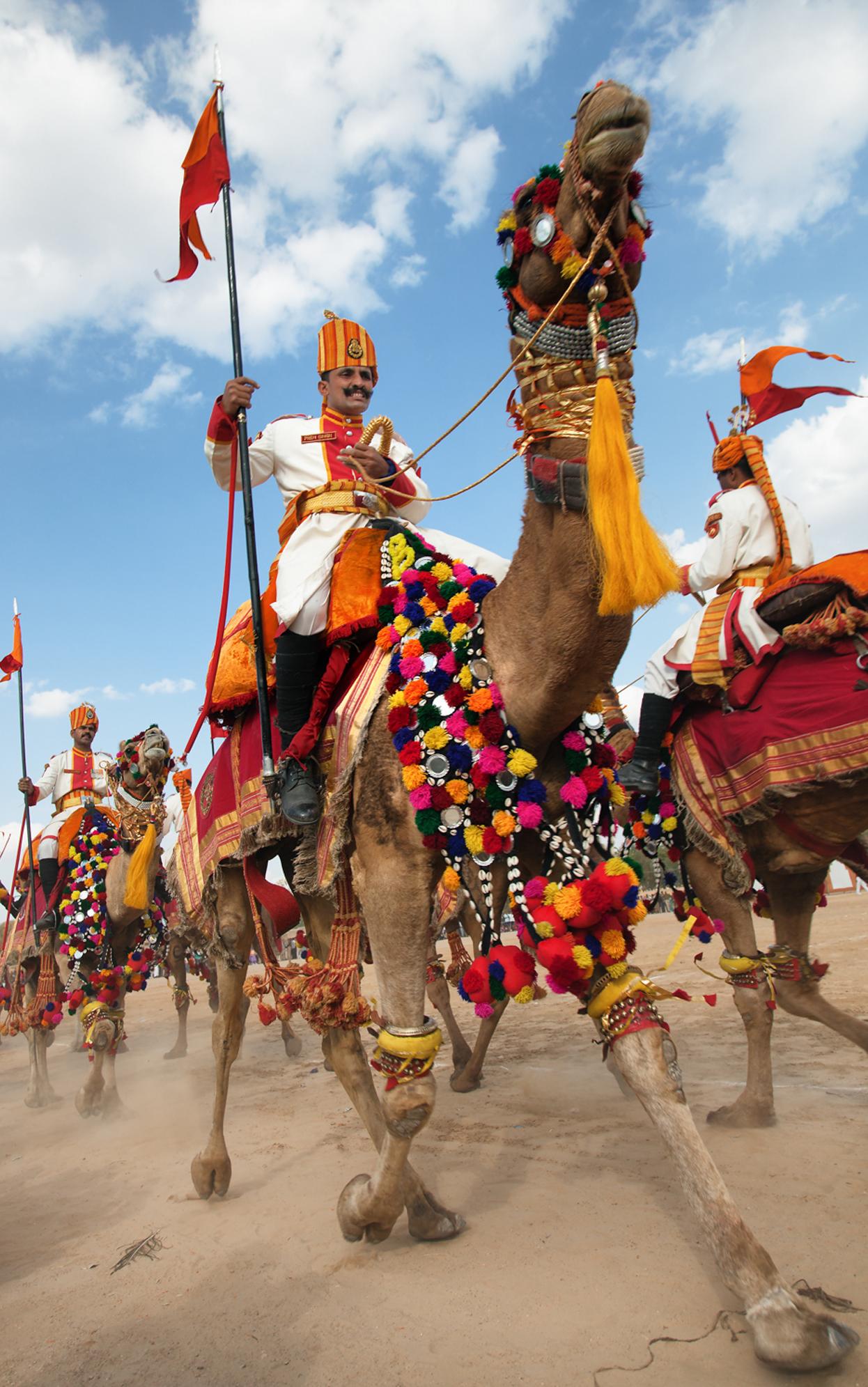
Desert Festival, Jaisalmer, India
DISTINCTIONS INTERVIEW
In 2013, I gained my ARPS in Travel with a portfolio from Rajasthan, India and in 2016 my first Fellowship which was in the Film, Video and Multimedia genre. After several unsuccessful attempts which taught me a great deal, I later achieved my FRPS in Travel with a portfolio of monochrome prints. These experiences raised my standards and deepened my understanding of what it takes to produce an image that speaks to the viewer.
After my Travel Fellowship, I was invited to serve as an assessor on the Travel Panel. I saw this as an opportunity to give back the support and encouragement which had helped me earlier.
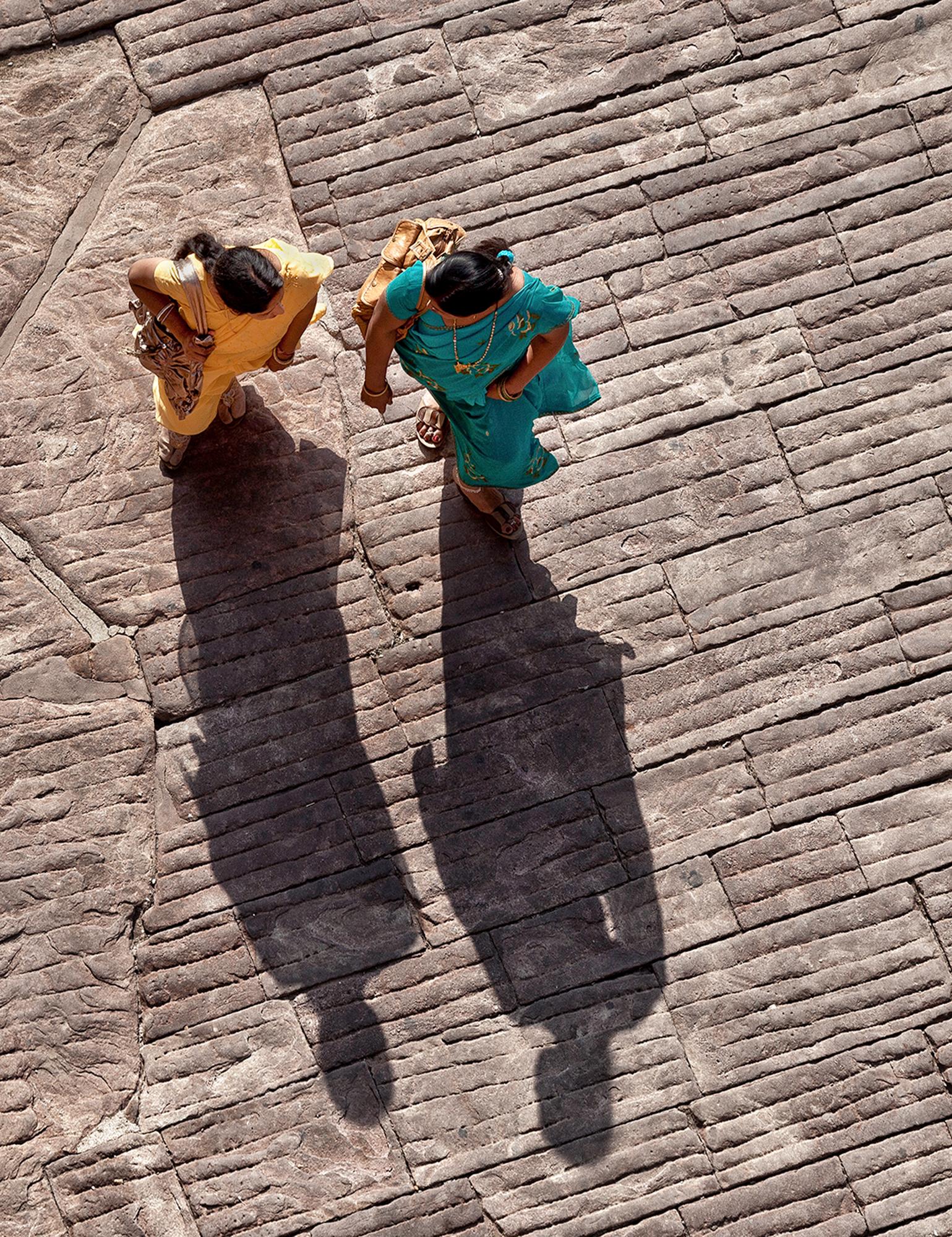
Shadows at sunset Jodhpur, India
The assessment process
An RPS assessment panel typically consists of four to six people who carefully review each applicant’s portfolio and decide whether it meets the Society’s published criteria. These criteria, clearly set out on the RPS website, differ for each level: Licentiate (LRPS), Associate (ARPS), and Fellowship (FRPS).
At Licentiate level, photographers should demonstrate basic skills: focus, composition, exposure, lighting, and viewpoint, regardless of subject matter. At Associate and Fellowship level, the bar is set higher. Applicants must present a cohesive body of work in one of eight defined genres, accompanied by a Statement of Intent which explains what they wish to express to the viewer.
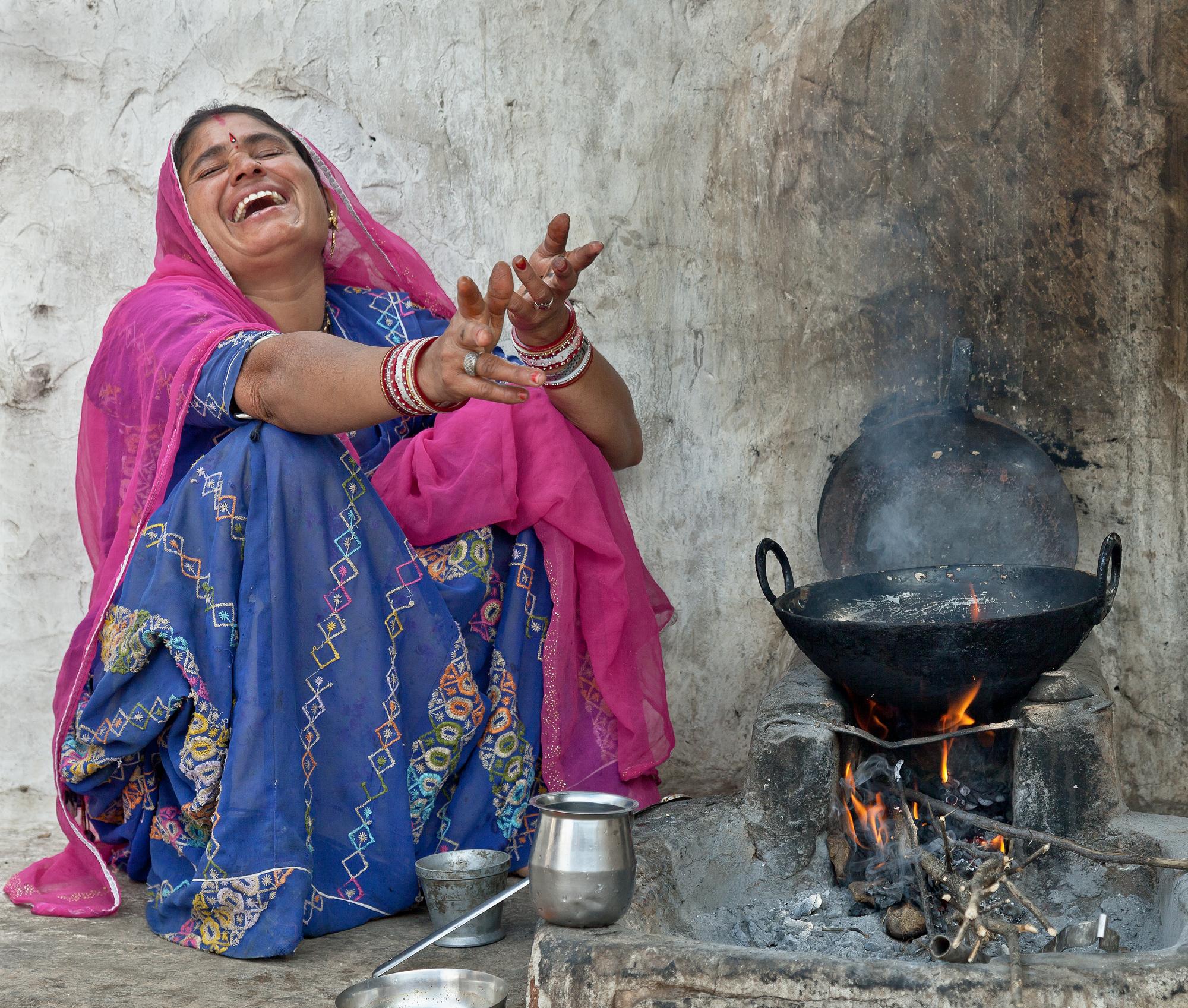
Woman laughing Jodhpur, India
DISTINCTIONS INTERVIEW
The RPS is planning changes to the assessment process. Applicants should check the latest guidance with the RPS Distinctions Department, or with a mentor or advisor, to ensure they understand how their work will be evaluated.
For Associate and Fellowship submissions, where a Statement of Intent is required, there is a golden rule which may sound obvious, but is often forgotten: clearly state what your intention was when creating this body of work. The statement must remain within the
word limit defined in the submission rules. Keep it as clear and concise as possible while still delivering your message.
Equally important is that every image supports that statement. The most successful panels are created by photographers who begin with a well-defined intention, rather than those who gather unrelated images and try to describe them as a portfolio afterwards. This difference shows in the work: short, hurried projects rarely display the same depth as portfolios developed over months or years.
A great Fellowship portfolio can be created quickly, but it is rare. My own Travel Fellowship portfolio was built from images taken over fourteen years, each part of a long, evolving story.
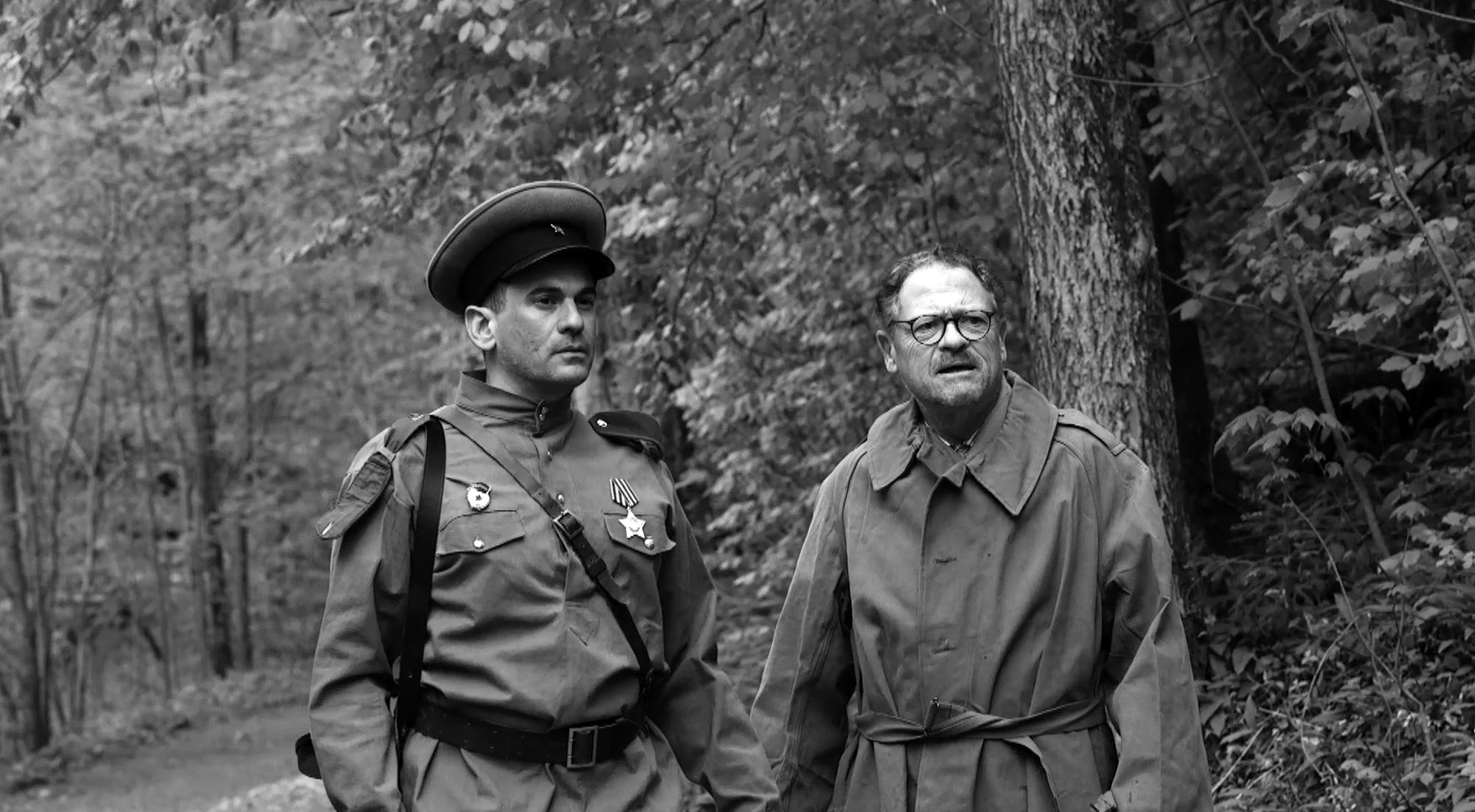
Film still from Night Train to Kazan
What makes a strong image?
When asked what assessors look for, I talk about photographer input. This is evidence of thoughtful decisions taken by the photographer, for example, the time of day, the quality of light, the shutter speed, the framing and composition, and the use of depth of field or motion to direct attention. A strong image shows not only what was seen but also how it was seen. For me, successful photography captures a feeling, a memory, or a special moment, and conveys it clearly to others.
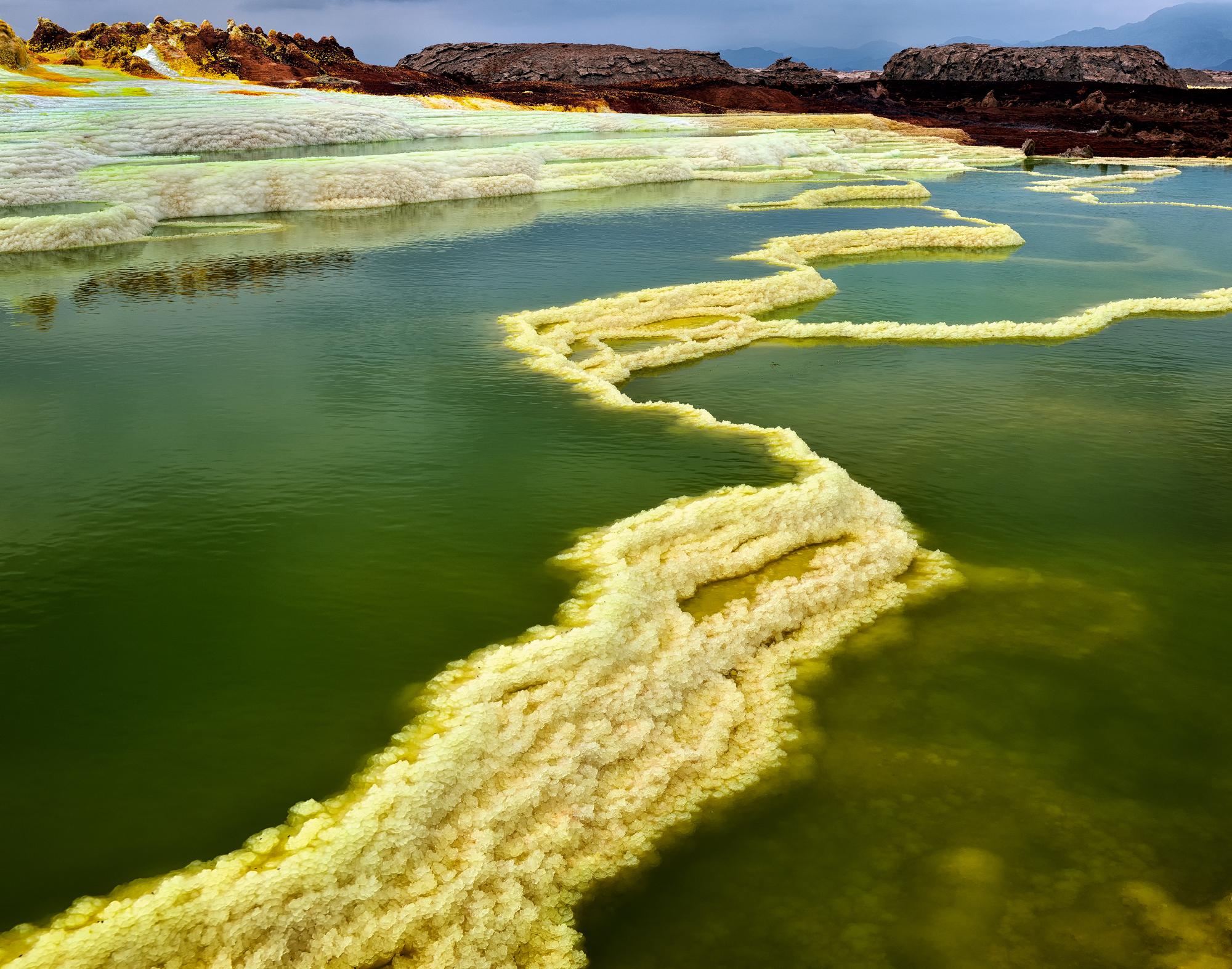
Dallol, Danakil desert ,Ethiopia
DISTINCTIONS INTERVIEW
How to approach the Distinctions process
Start by reading the information and viewing the examples on the RPS website. The Society provides detailed guidance on what assessors look for and how the process works.
Finding a mentor can be invaluable. This should be someone who already holds a Distinction level higher than the one are submitting, and who can also offer constructive critique. That person could be in your country or abroad. Thanks to Zoom, Teams and other video conferencing tools it is easy to exchange files, share images, and discuss progress.
During my own journey, I have received generous advice from Swiss Chapter members and from UK-based panel members. Everything was undertaken remotely by email and via phone / video calls.
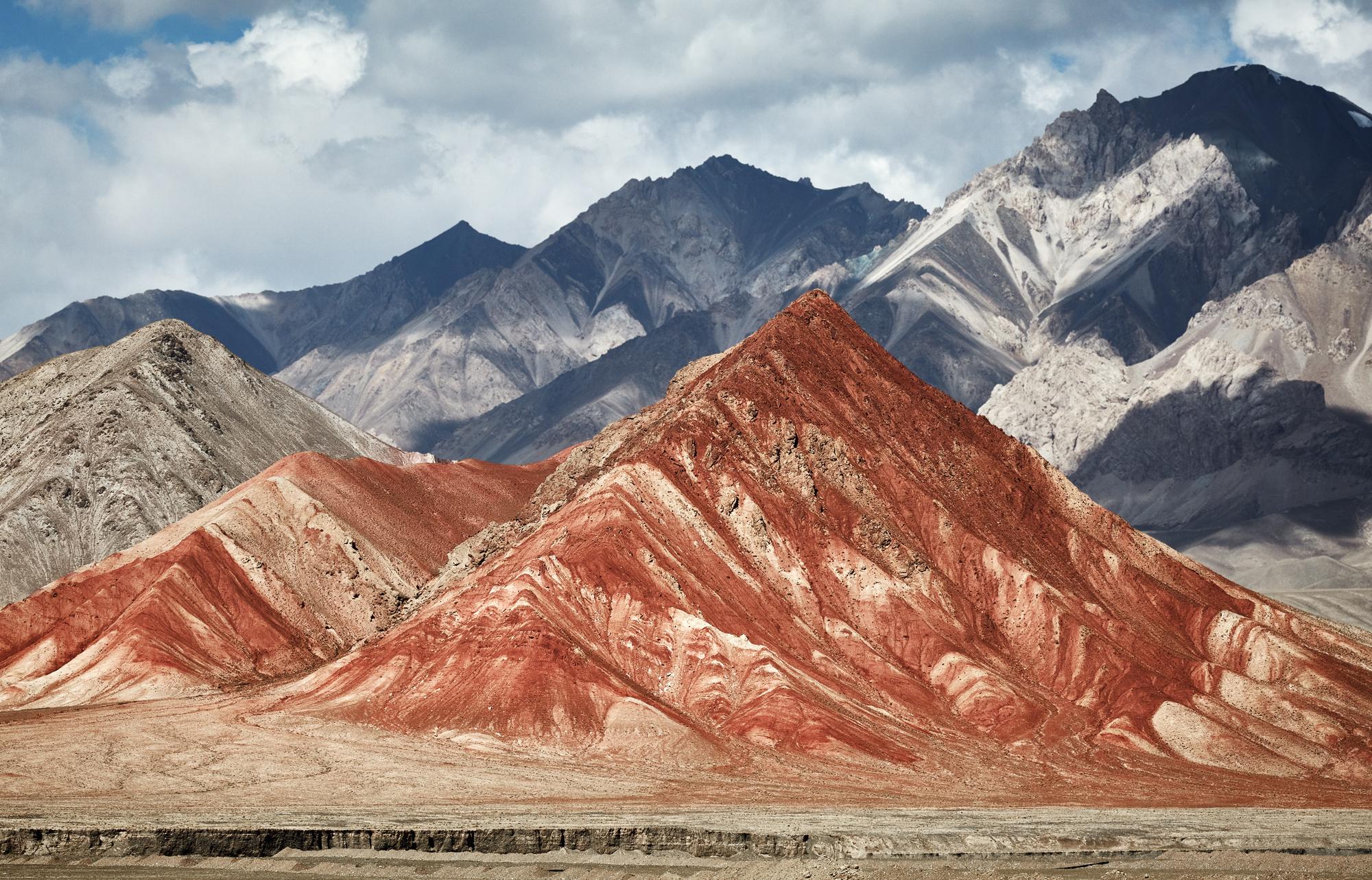
Kakshaal Too mountains China
Practical considerations for international members
International members face two main challenges: distance and cost. All of us are far from RPS headquarters, and mailing mounted prints to the UK can be expensive.
My recommendations in this situation are to:
- Take advantage of online advisory sessions or regional advisory days if available. You will receive feedback on your work and learn from critiques of other candidate portfolios. This significantly improves your chances of success and saves you entry fees, printing costs and expensive postage.
- Consider a digital submission. Contrary to some views, digital entries are not disadvantaged. My own Fellowship in Landscape was submitted digitally. The RPS provides clear technical requirements for image resolution and file format.
- If you send prints, invest in a strong, well-constructed and padded box which will protect them in transit. Place a smooth sheet of paper, or preferably fine glassine between each print, and avoid putting adhesive tape near the images. I wrap mine using small rolls of cling film once the mounted prints have been stacked together.
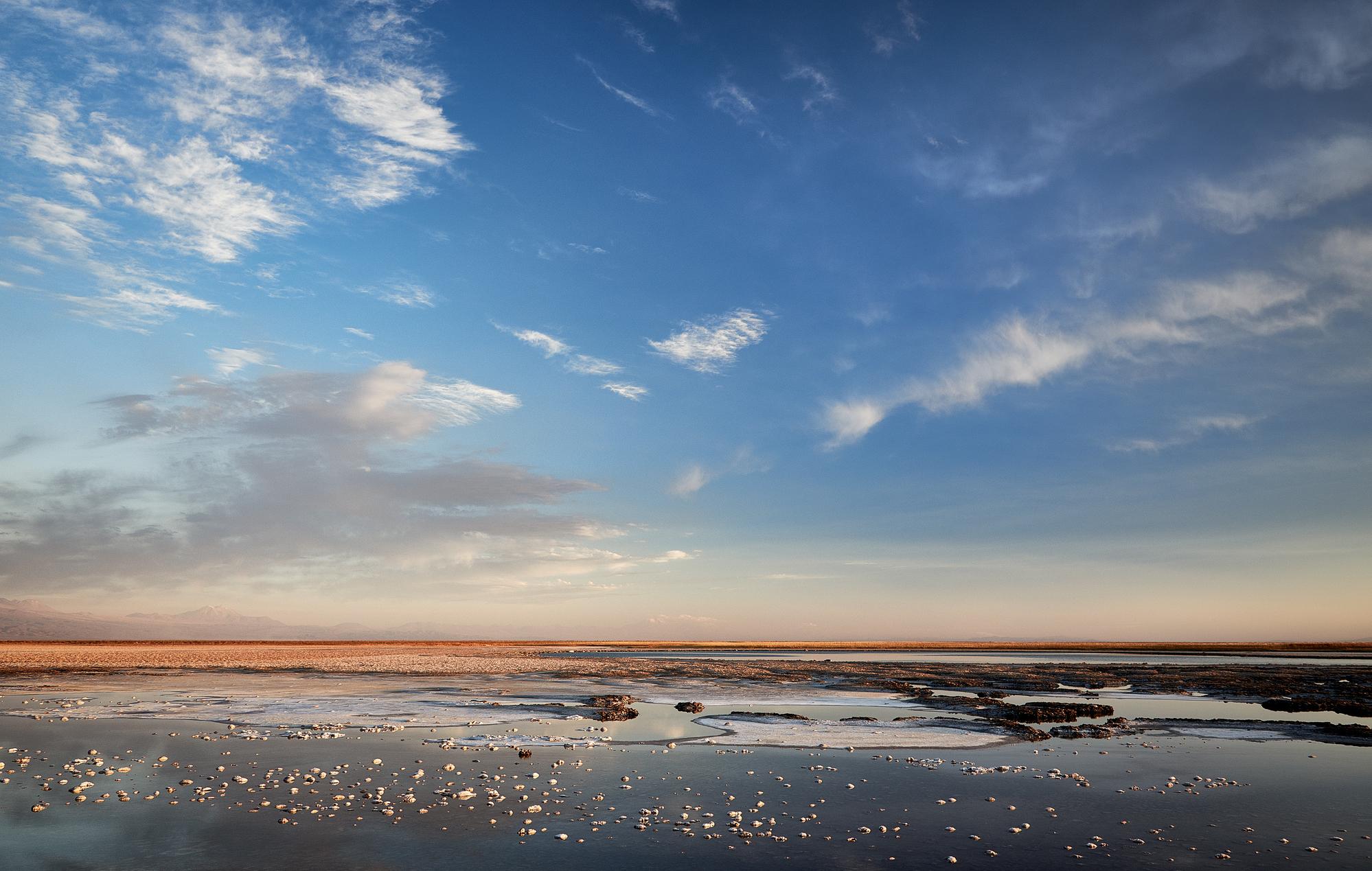
Salt lagoon, Atacama desert, Chile
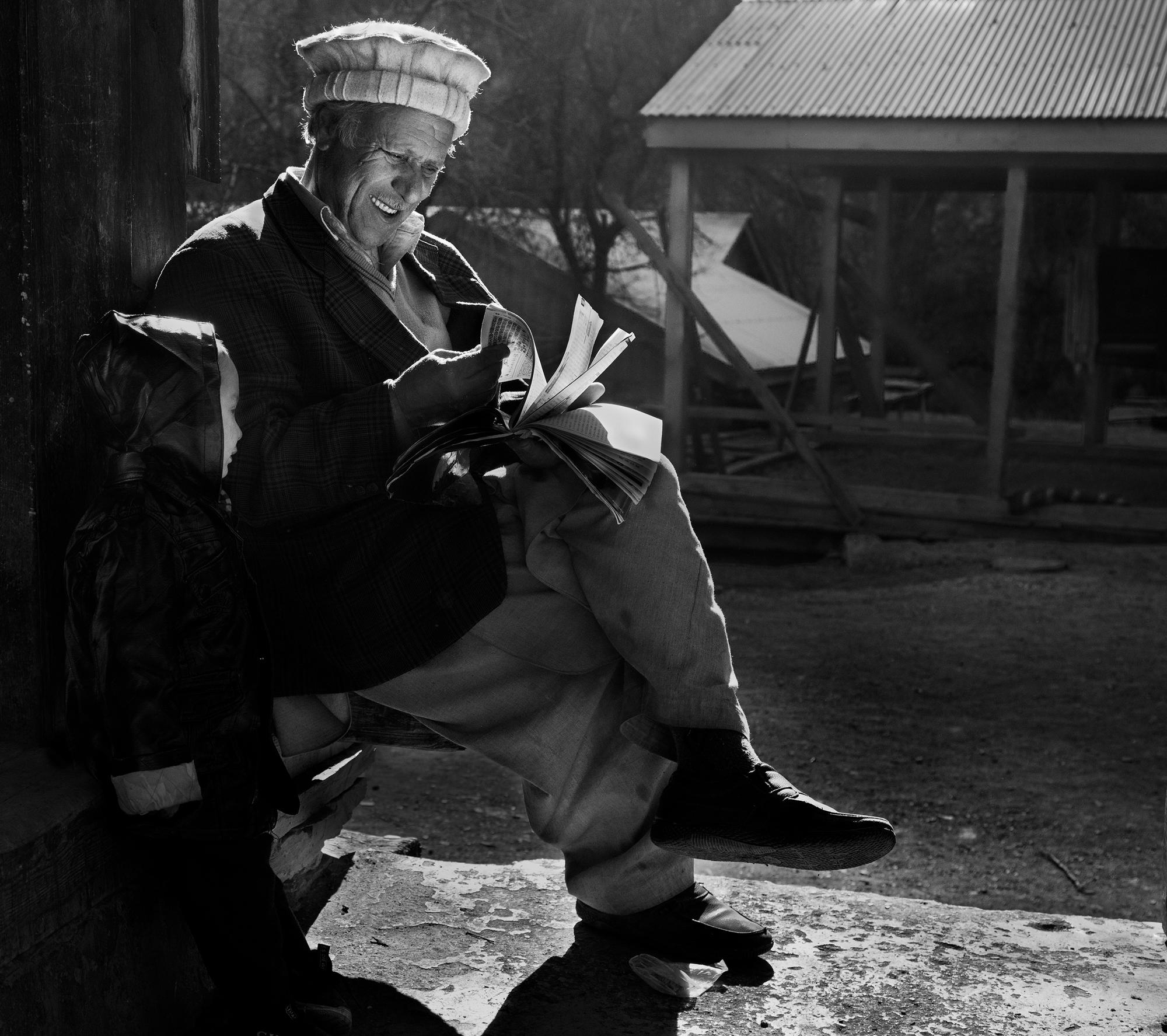
Kalash people Pakistan
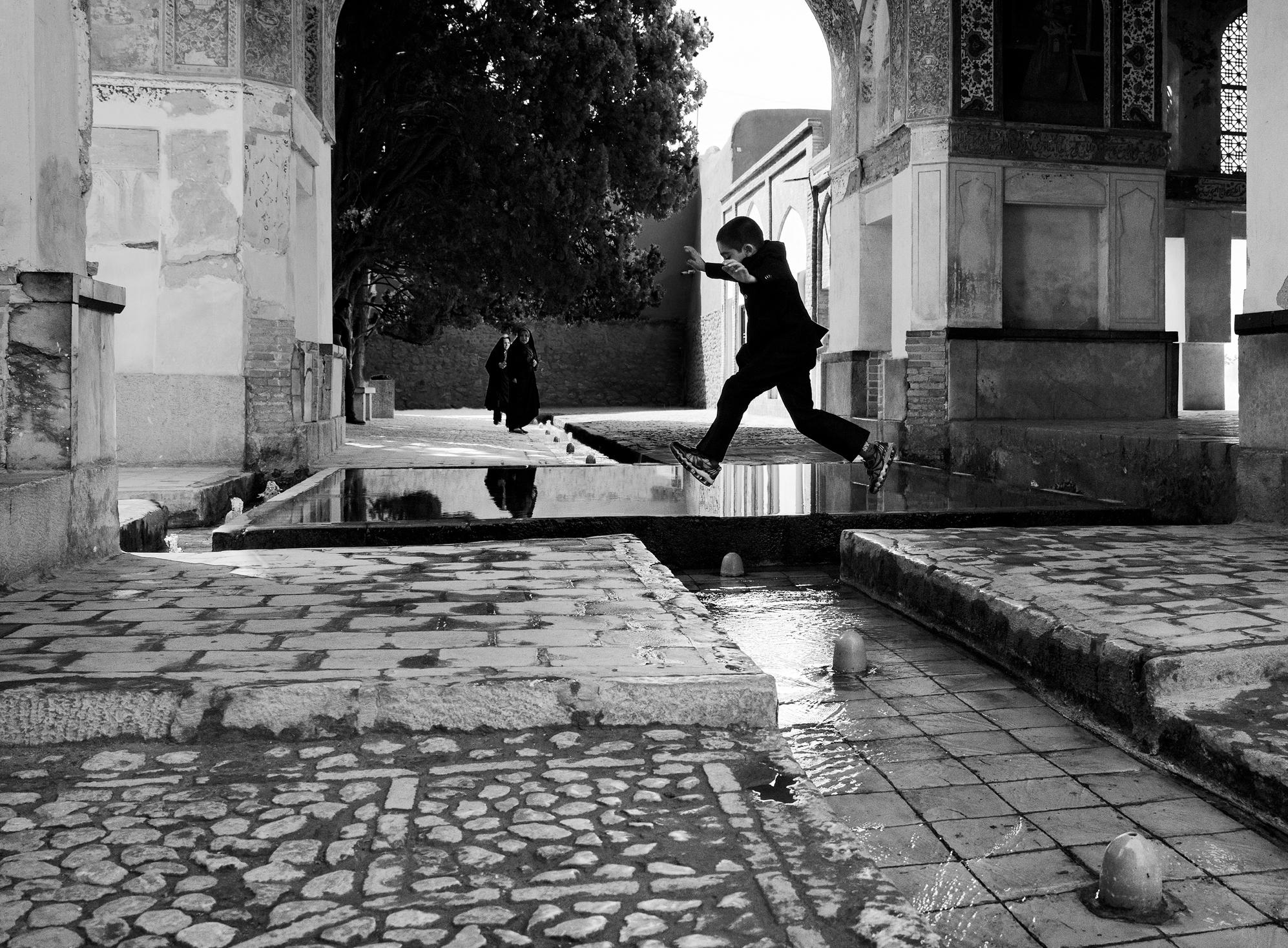
Leaping boy, Kashan, Iran
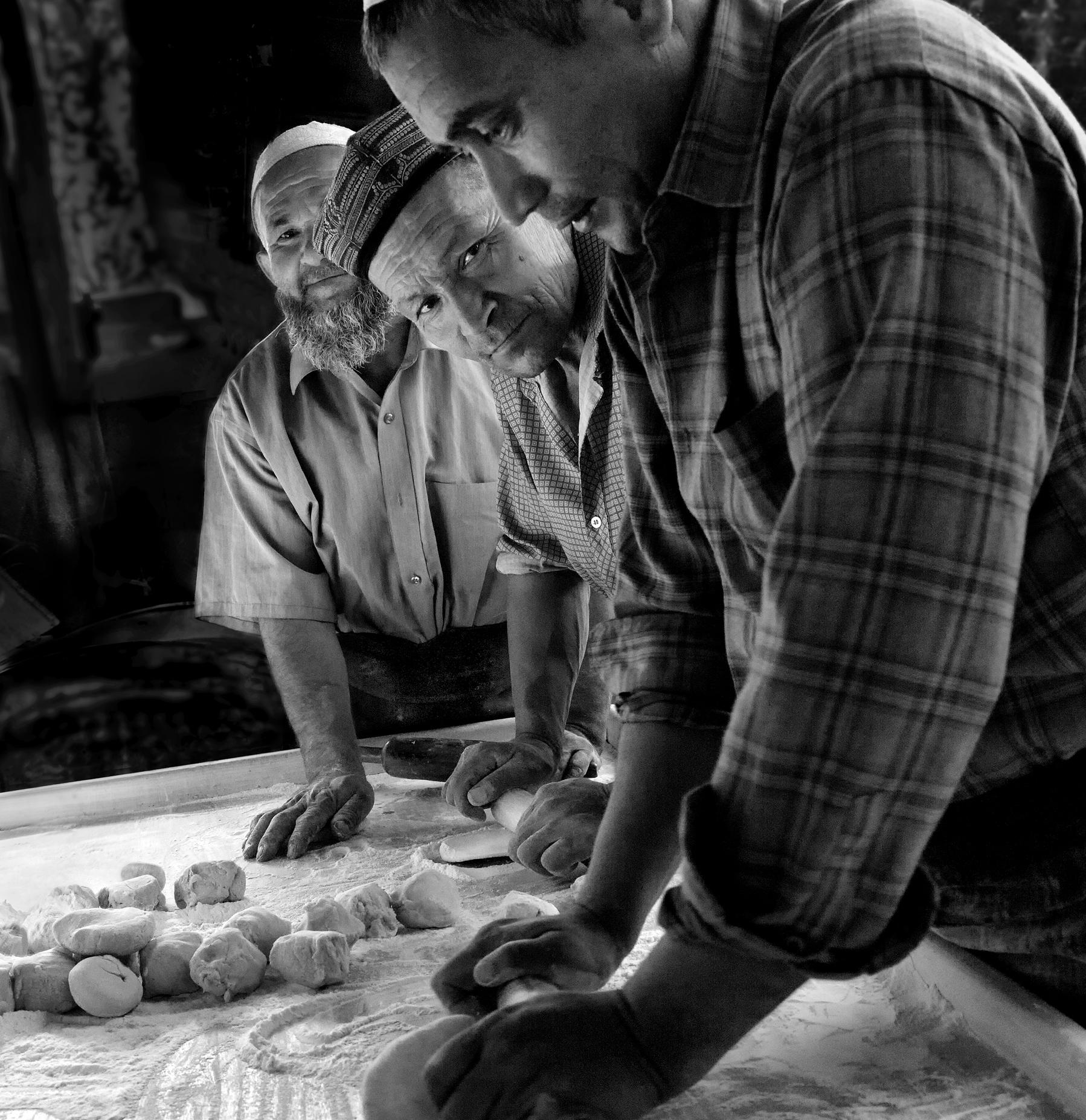
Market, Kashgar, China
The rewards of the Distinctions journey
Above all, enjoy your photography. It should be fun ! The Distinctions process challenges you and can be deeply frustrating when you don’t succeed at the first, second or even fifth attempt. But the journey is what counts, it deepens your understanding of photography and improves your ability to express yourself visually.
The greatest benefit I have gained is personal growth and the satisfaction of seeing others grow. My standards have risen, and I now make images that give me lasting satisfaction and confidence in my craft. It is a journey worth taking.
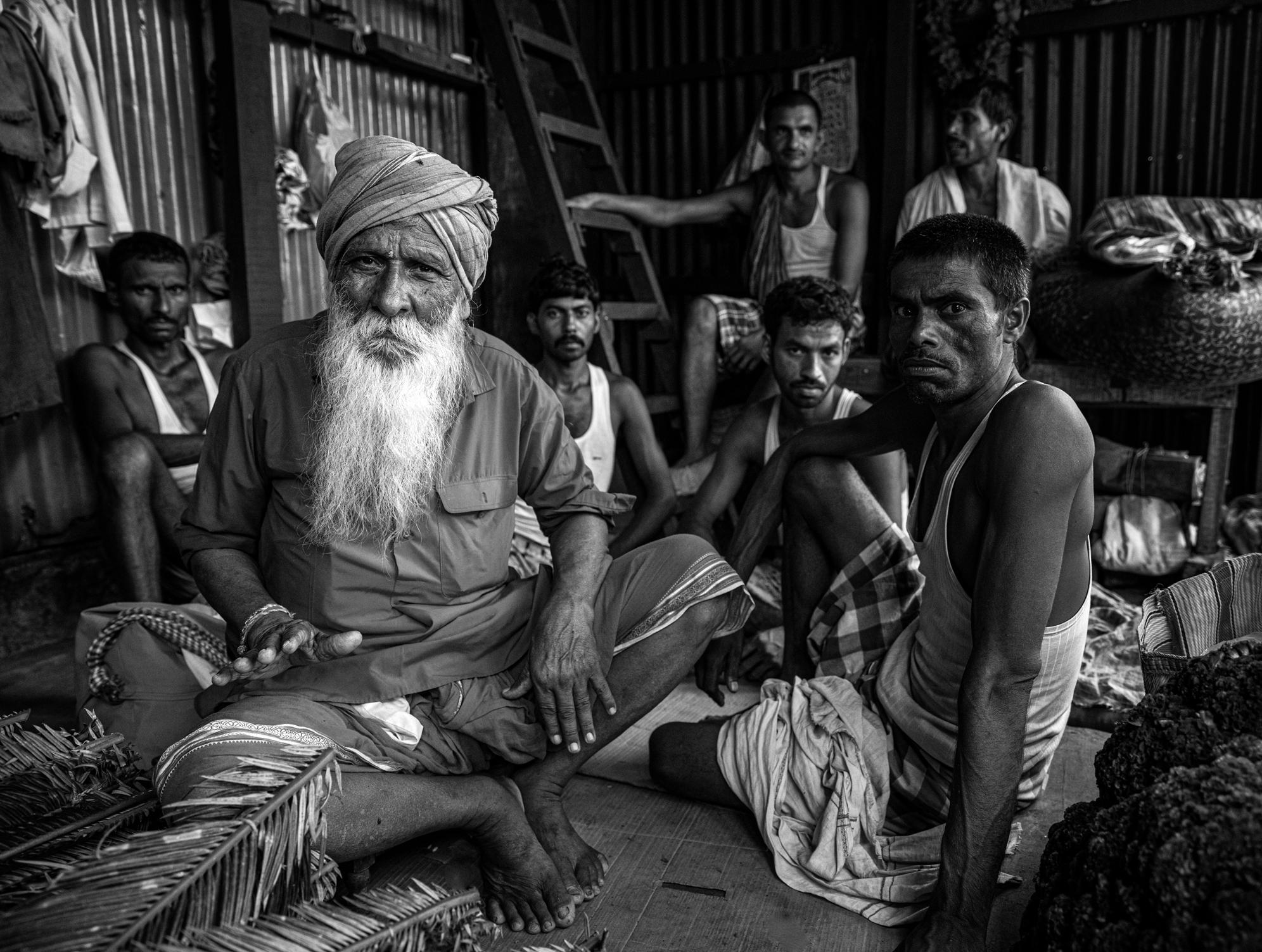
Merchants Kolkata, India
A final note and some of my work
You can see examples from my ARPS and FRPS panels, as well as my documentary film Night Train to Kazan for which I was awarded my first Fellowship, throughout this article and on my website: www.maxvmax.com.
I continue to be motivated to assess and mentor others because I am always inspired when I see people’s work for the first time, and to then see how much it improves after they have received feedback and gone on to achieve success. I hope that by sharing my experience I can encourage others, especially our international members, to embark on their own Distinctions journey and discover how rewarding it can be.
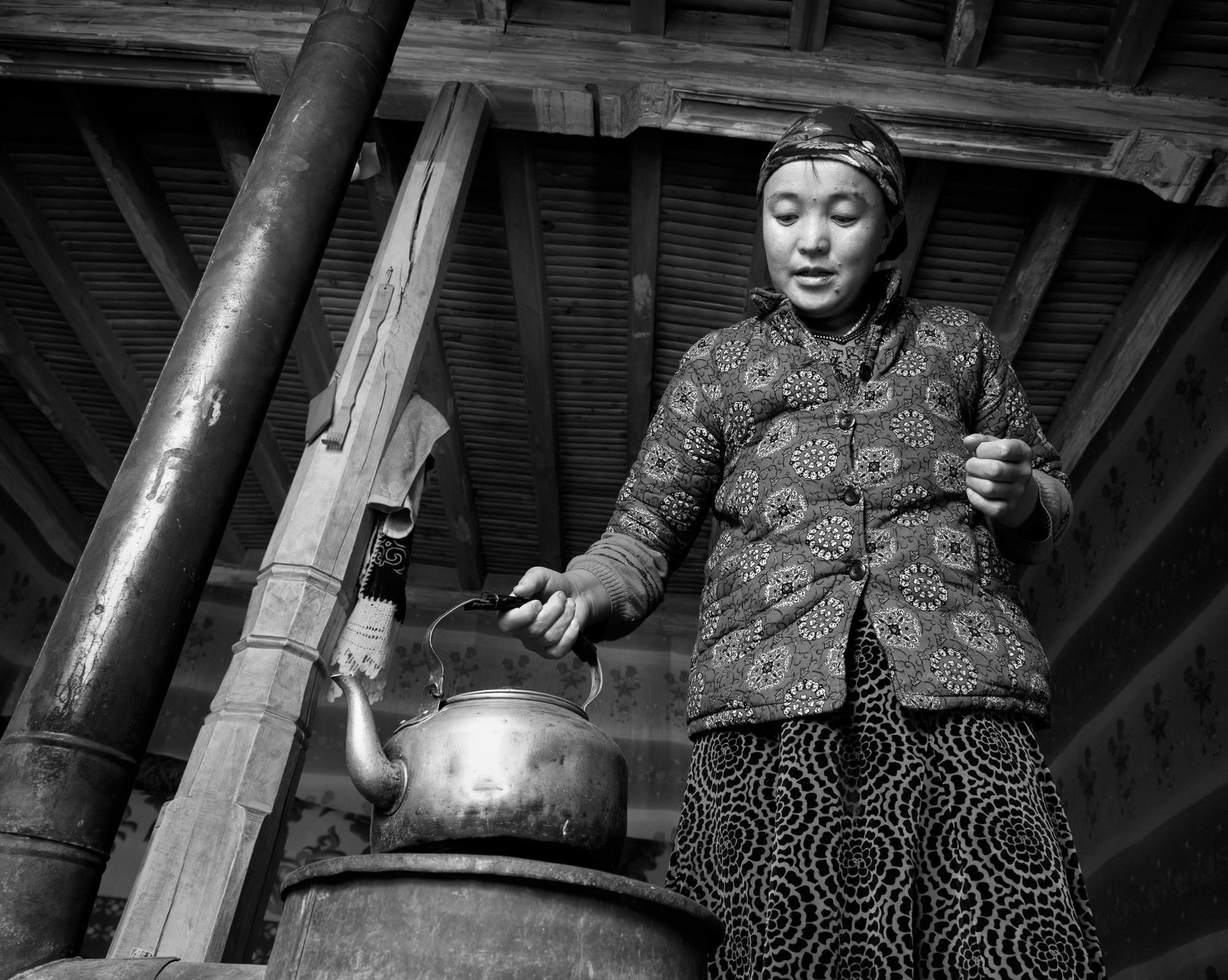
Uyghur woman, Xinjiang, China
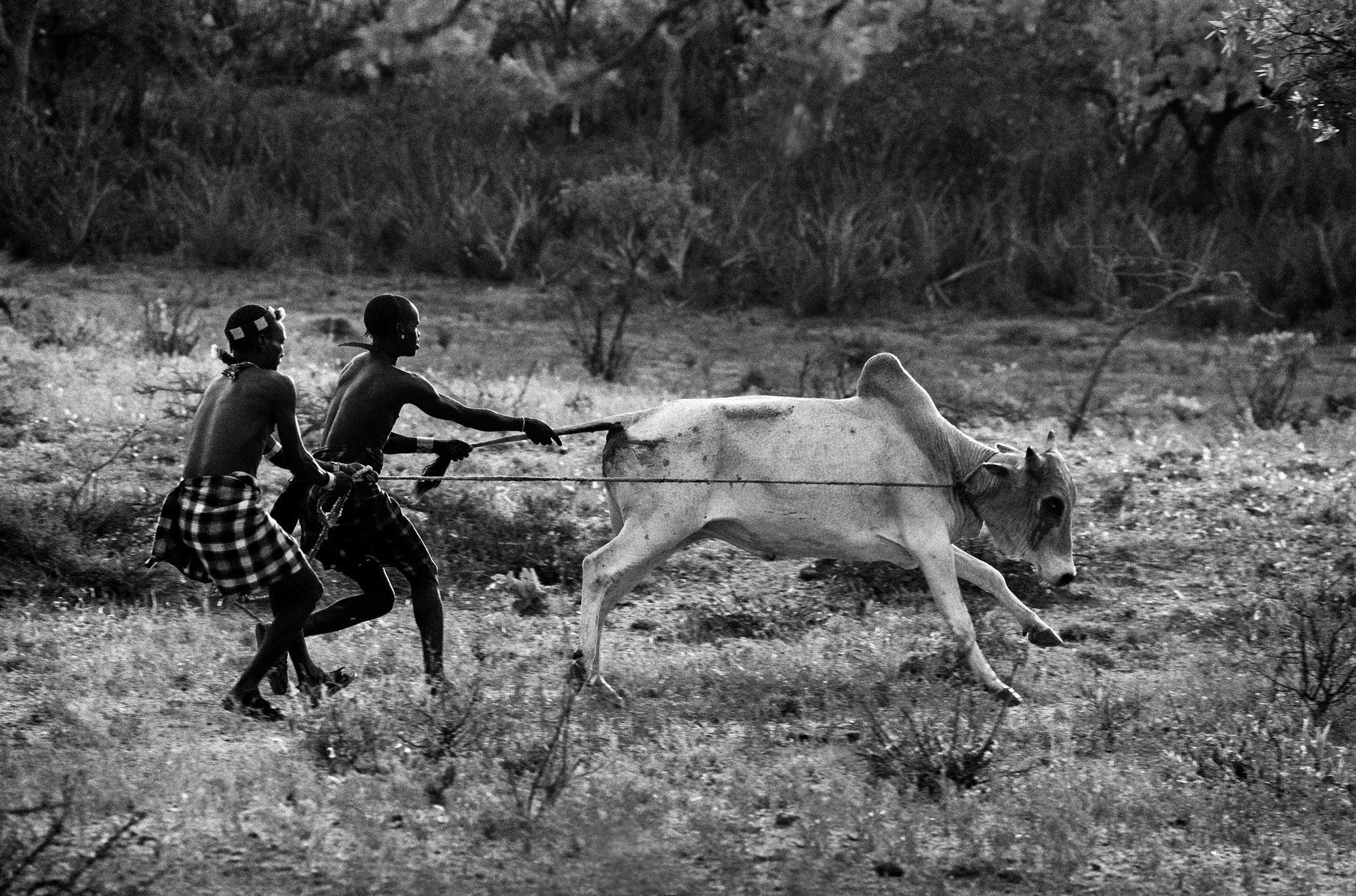
Capturing a bull for the blood-letting ceremony
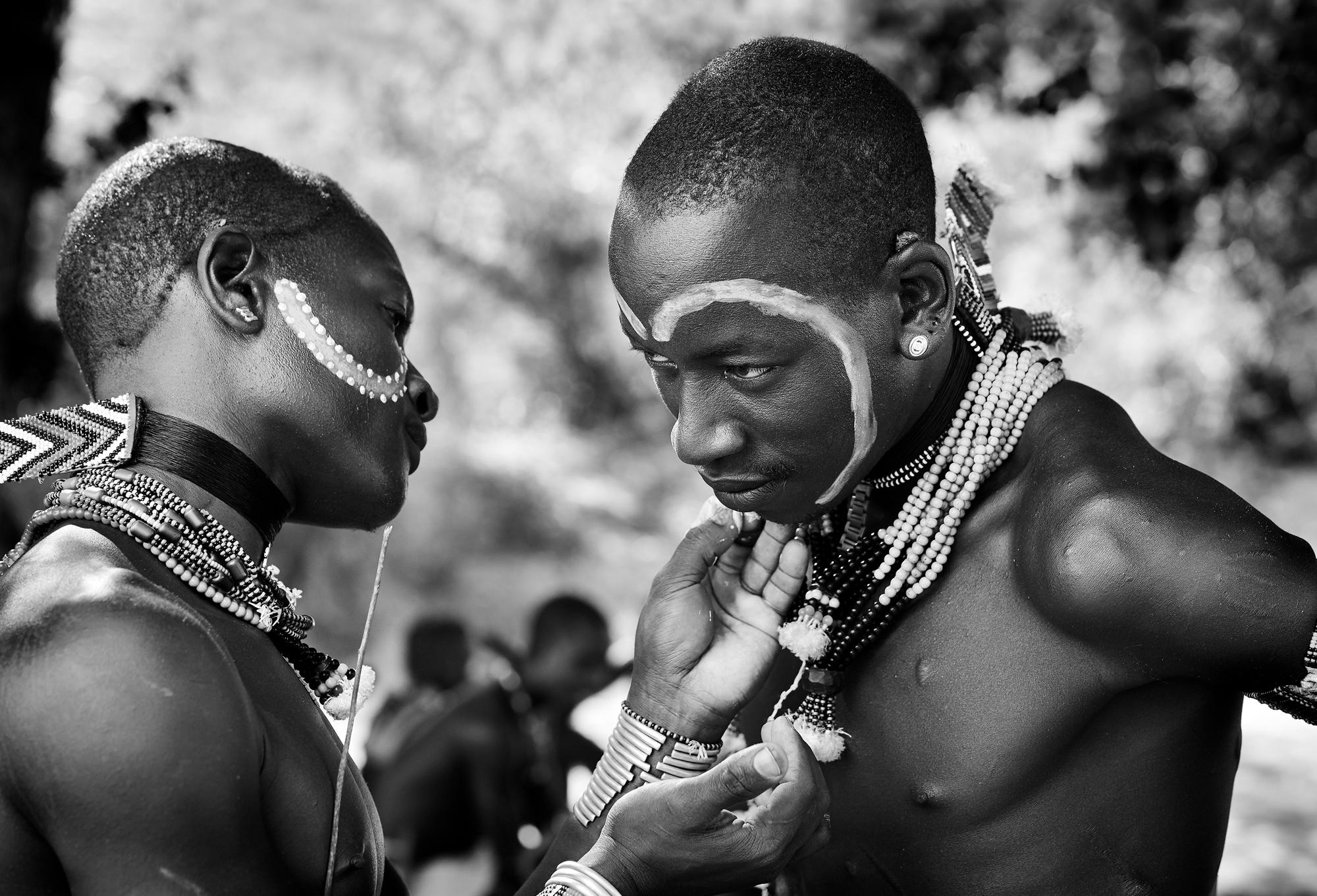
Face painting before the manhood ceremony
Thank you very much Max for your valuable and insightful advice on the Distinctions process and beautiful examples of your work. This will inspire a lot of people to embark on their Distinctions journey.
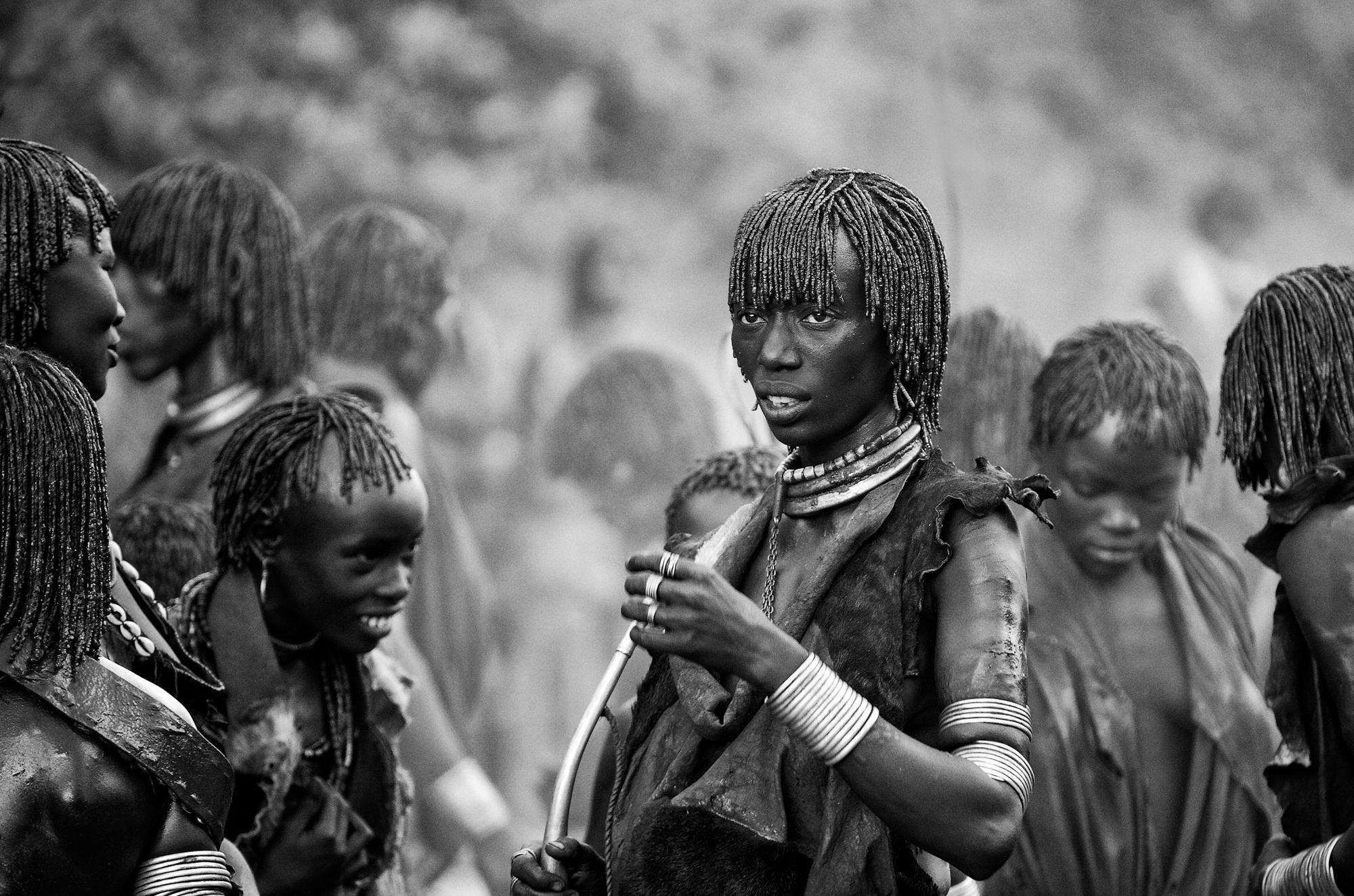
Ceremonial dancing at the bull-jumping ceremony
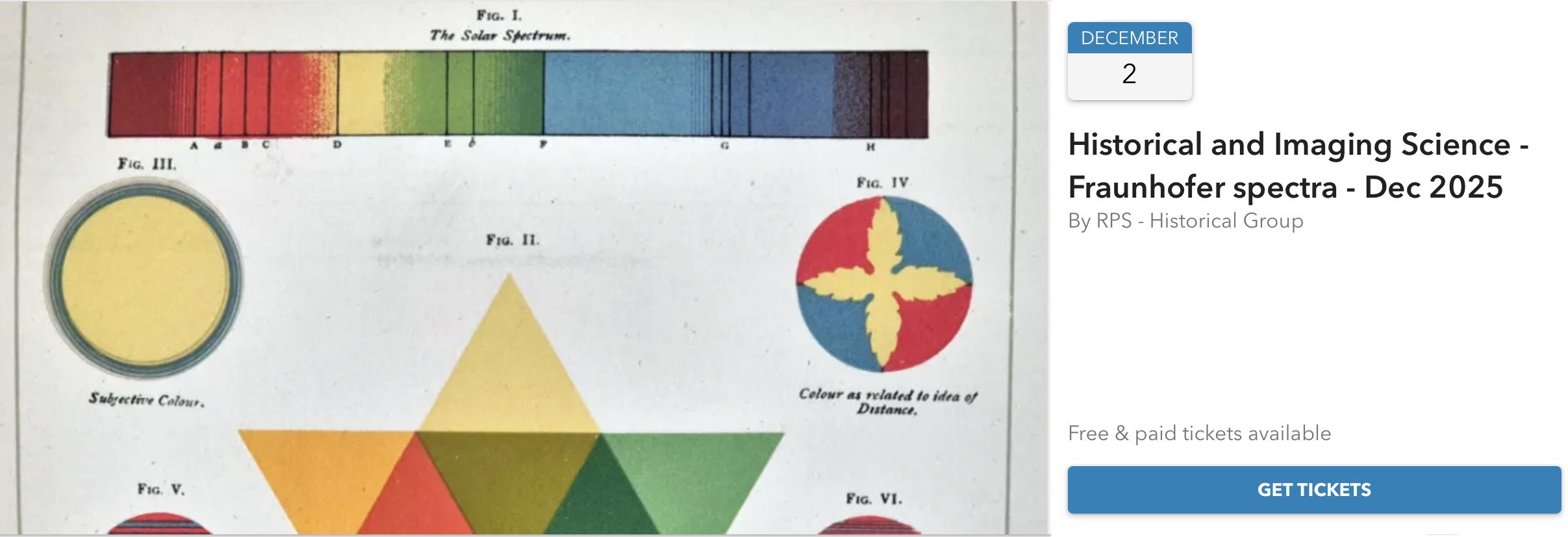
The RPS Historical and Imaging Science Group jointly present Dr Alan Hodgson who will talk about Fraunhofer spectra – their place in the evolution of photography. https://events.rps.org/en/historical-and-imaging-science-fraunhofer-spectra-dec-2025-5a2NN2AwTv7/overview
The next monthly on-line meeting of the East Anglia Contemporary Group (EACG) is on 4th December 2025.
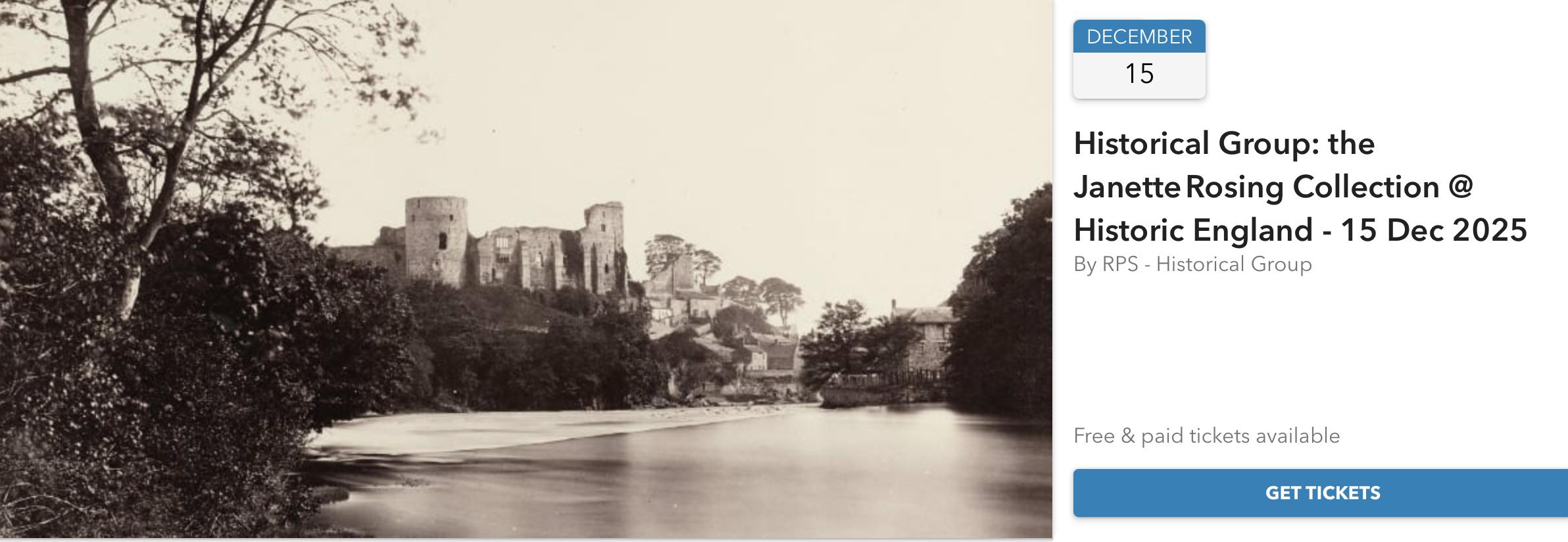
As part of the RPS Historical Group's series of talks looking at historical collections of photography, https://events.rps.org/en/historical-group-the-janette-rosing-collection-historic-england-15-dec-2025-5a2NN2AwjWr/ overview
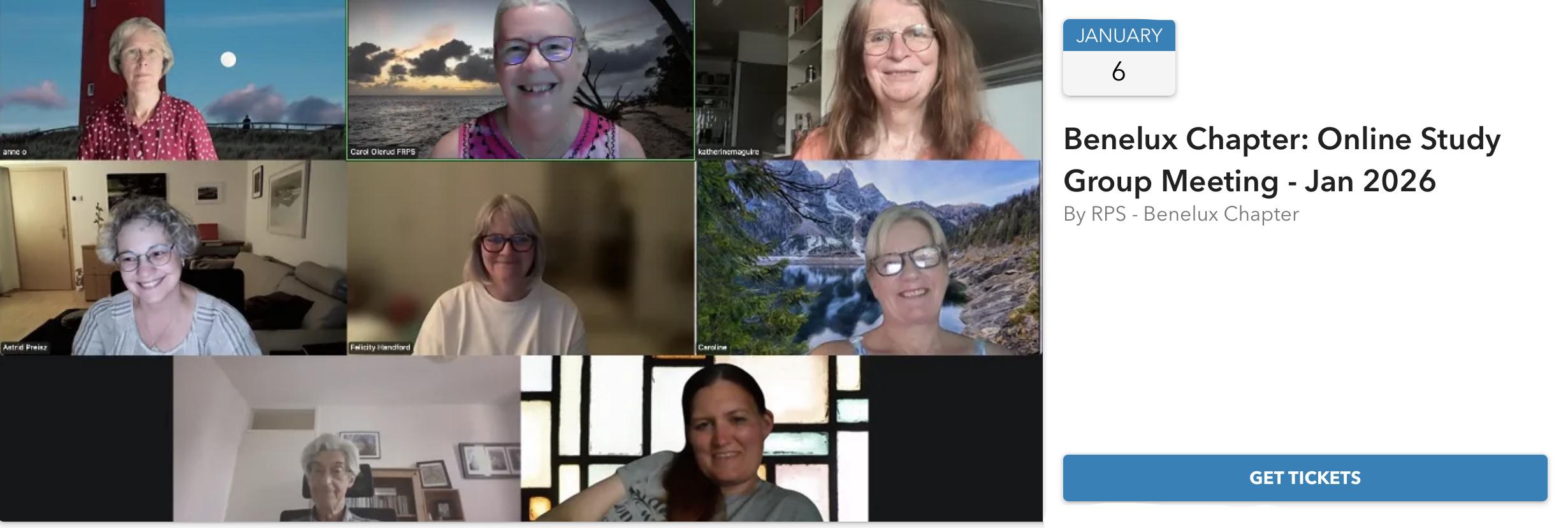
Join the Benelux Chapter online study group meeting via Zoom. Open to all; you do not need to be a member of the RPS. https://events.rps.org/en/benelux-chapter-online-study-group-meeting-jan-2026-5a2NN2AyQ9x/overview
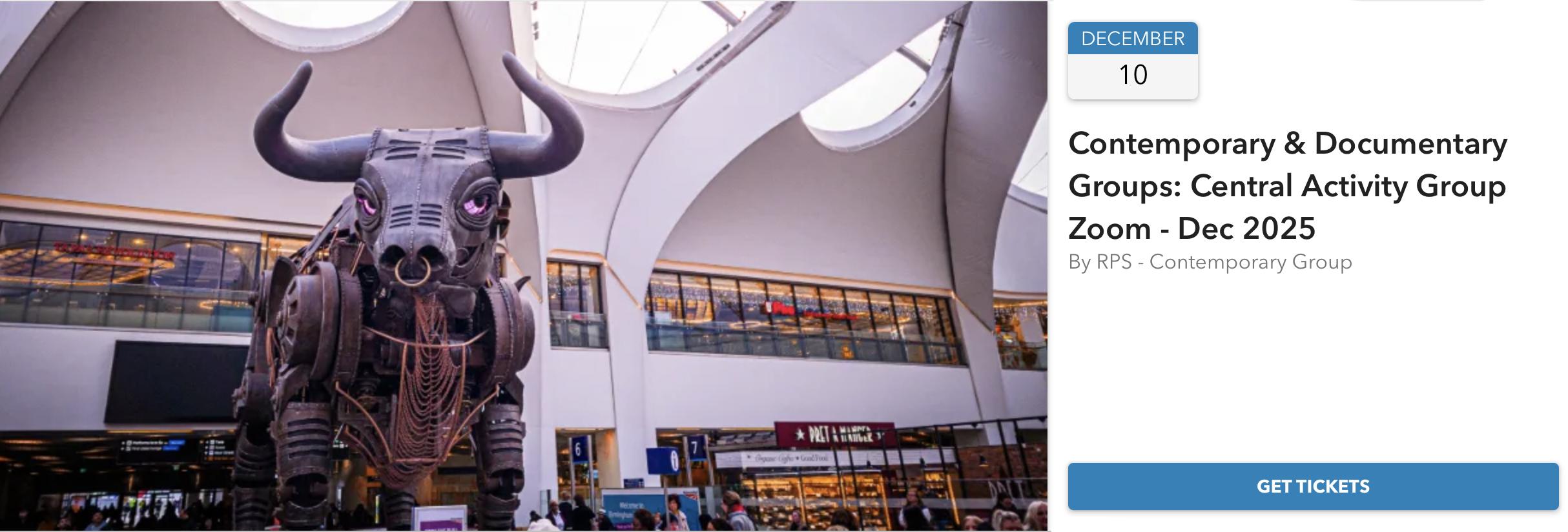
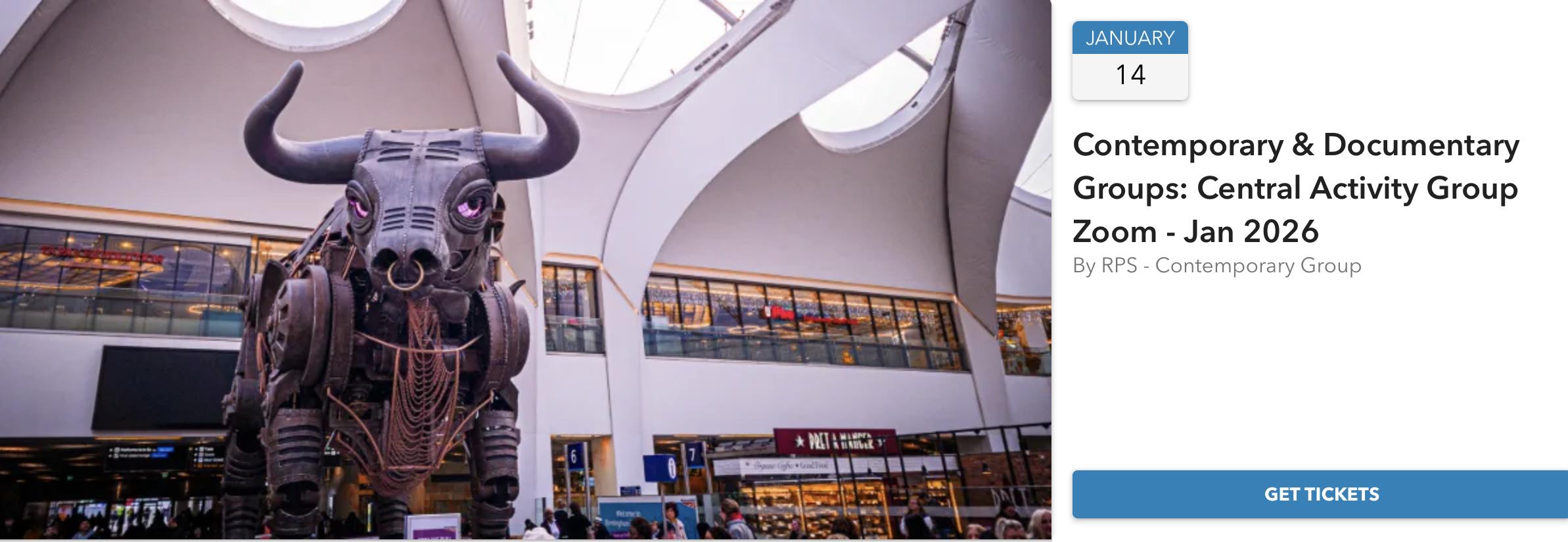
The next meeting of the Central Contemporary/Documentary group is due to take place on Wednesday 14th January on Zoom.
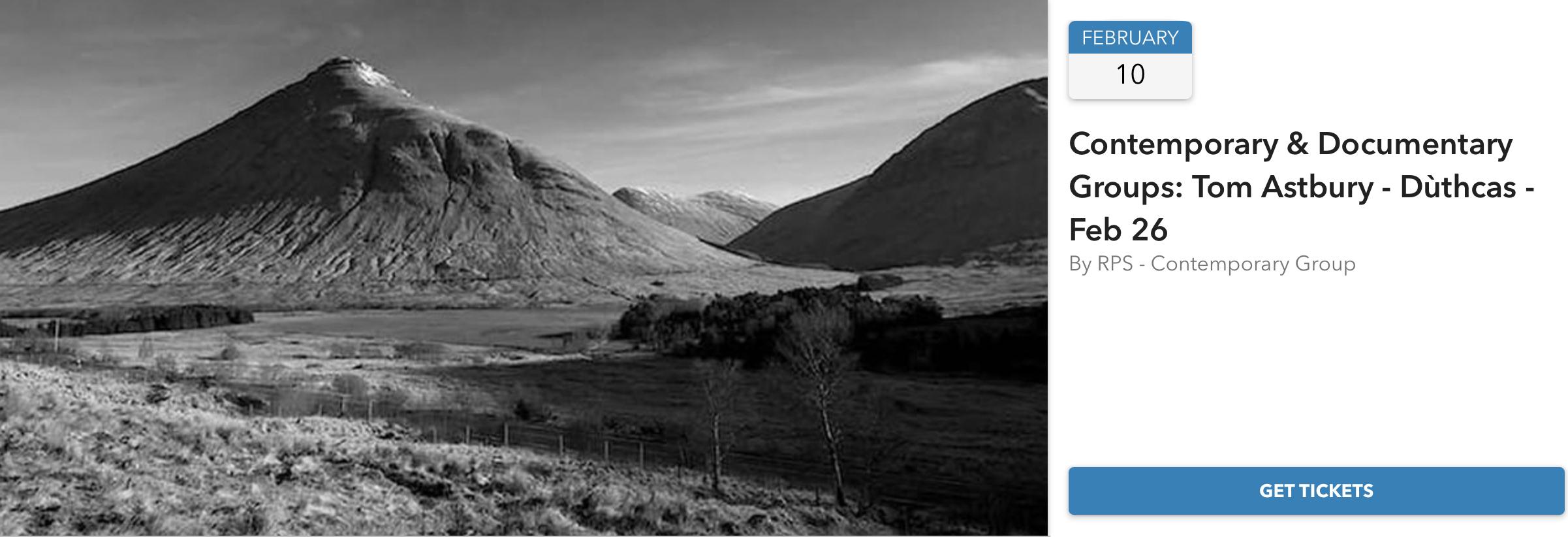
Tom Astbury has been an international cameraman and photographer all his days, but he has settled back in Dunblane, and is as busy as ever pursuing his own photography.
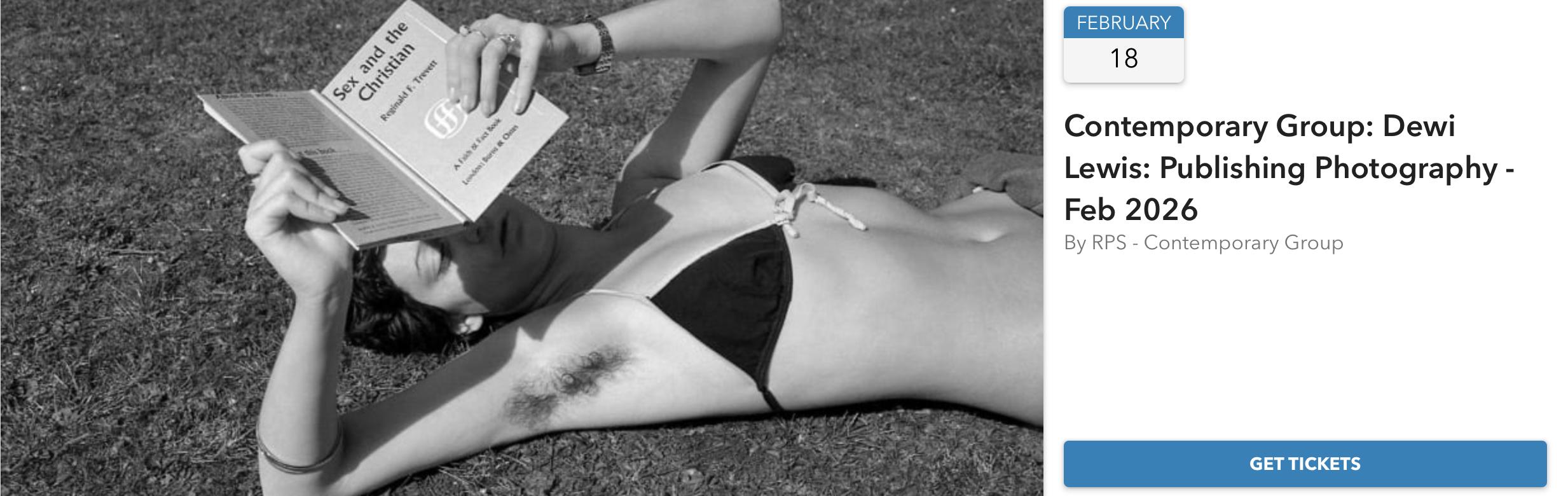
Dewi Lewis established his publishing house in 1994. Internationally known, its authors have included photographers such as Bruce Gilden, Martin Parr, Simon Norfolk, Pentti Sammallahti, Paolo Pellegrin, Sergio Larrain, and Anders Petersen as well as many younger emerging photographers.
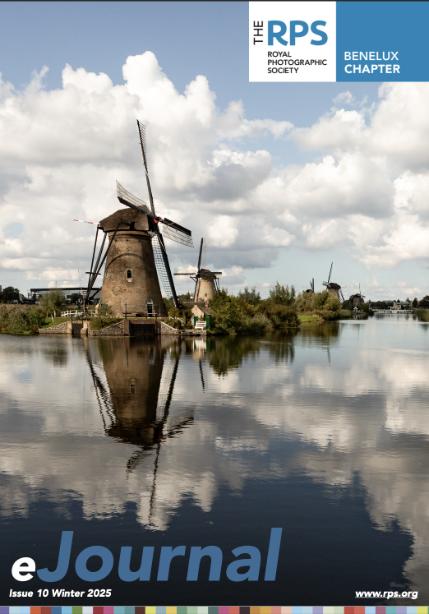
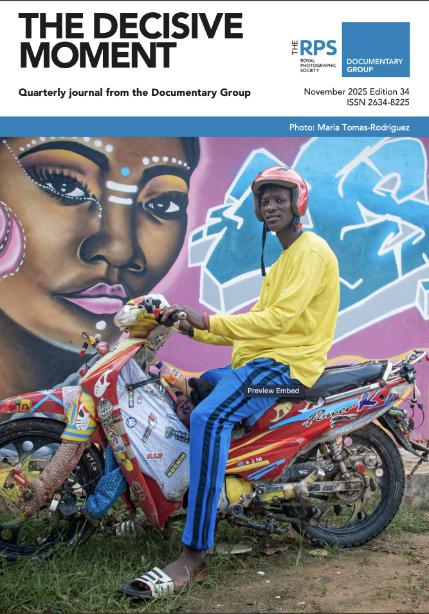
RPS Chapters and Special Interest Groups (SIGs) issue their respective publications either on a monthly or quarterly basis. Please find an overview of available publications below.
WHAT IS AN RPS SPECIAL INTEREST GROUP (SIG) AND WHY ARE THEY OF INTEREST?
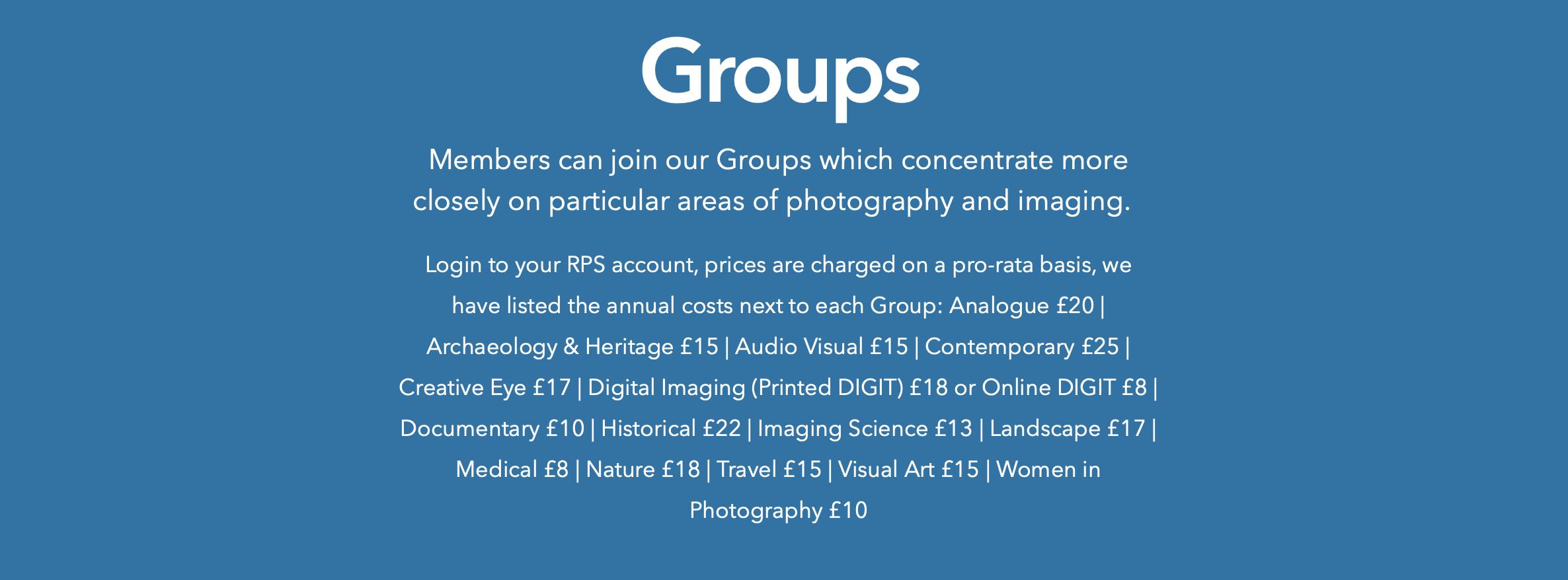
Special Interest Groups (SIGs) are established based on a particular genre or aspect of photography such as Landscape, Nature and Travel. To the right you can see a list of the different SIGs offered by the RPS.
Each group is funded by a small annual subscription and occasionally additional fees for talks, workshops or other activities. They are run exclusively by volunteer teams who do not charge to organise their programmes. With this, costs are kept to a minimum which provides amazing value for individuals members who wish to join.
The life blood of the RPS is via these community-based groups. You are able to engage with a wider variety of opportunities, gain inspiration and work closely with other RPS members. All SIGs are currently working towards increasing the availability of their events either by recording them for viewing later or by arranging them at times suitable for international members. Please click on the links to view what each SIG offers.
Finally, the staff team at RPS headquarters run educational workshops, provide Distinctions advice days, organise exhibitions and produce the printed magazine, The Journal. Please take a look at whats on for further information.
Schedule of Special Interest Groups
Analogue. https://rps.org/groups/analogue/
To foster community among enthusiasts and a practitioners in analogue photography; facilitating skill sharing, resource exchange, and collaborative projects; to promote appreciation for traditional photographic techniques and processes; and advocate for the continued relevance of analogue techniques in modern photography practice.
To facilitate collaboration among photographers and archaeologists, promoting best practices in the documentation, preservation, and dissemination of photographic records of archaeological sites, artefacts, and cultural heritage; and to contribute to public awareness and education about the use of photography in these fields.
To explore, discuss, and promote various forms of temporal (time-based) art, including video, film, sound, and multiple-media performances and presentations; to foster collaboration among artists, researchers, and enthusiasts; and to advance techniques, theories, and appreciation for time- based artistic expressions across diverse audio and visual disciplines.
To inspire, educate, and connect photographers exploring innovative and artistic approaches; we provide a platform for sharing ideas, techniques, and critiques, fostering a supportive community that encourages experimentation and pushes boundaries in visual storytelling and expression.
To provide a forum for the encouragement and representation of its members in the pursuit of the production of coherent bodies of photographic work that “convey ideas, stimulate thought and encourage interpretation; photographs about rather than of.
Digital Imaging. https://rps.org/groups/digital-imaging/
To facilitate learning, collaboration, and advancement within the realm of image-making in which digital photography is the principal medium; we provides a platform for discussing new technologies, sharing techniques, critiquing work, and exploring the evolving landscape of digital imaging, enhancing skills and fostering creativity.
Documentary. https://rps.org/groups/documentary/
Documentary photography seeks to capture and present truthful narratives through visual storytelling; we support photographers dedicated to documenting social issues, cultures, and historical events, fostering discussion, education, and advocacy to promote understanding, empathy, and social change through the power of documentary imagery.
Schedule of Special Interest Groups
Historical. https://rps.org/groups/historical/
To act as a forum for photographic history, from the early nineteenth century to the present day; to promote knowledge of the history of photography and to encourage the preservation of photographs, photographic equipment and documents relating to the history of photography.
To provide a forum for the exploration and understanding of the science behind photography and other imaging systems; we facilitate interdisciplinary collaboration among scientists, engineers, and practitioners to discuss and drive progress in research, development, and real-world applications of imaging systems.
Landscape. https://rps.org/groups/landscape/
To encourage the art and practice of landscape photography and advance the skills of those photographers working in this genre; and to spread understanding and enable development of these techniques through practical use and collaboration.
Medical. https://rps.org/groups/medical/
To promote the use and advancement of imaging in all branches of medical and allied sciences to support medical developments, patient-care, medical education, research and publications.
Nature. https://rps.org/groups/nature/
We seek to celebrate, conserve, and share the beauty and wonder of the natural world through photography; we foster a community of photographers passionate about wildlife, landscapes, and ecosystems, promoting environmental awareness, education, and appreciation through reliable and accurate images, visual storytelling and advocacy.
Travel. https://rps.org/groups/travel/
To promote the enjoyment of photography that captures the spirit of a place; and to encourage and support the development of the skills necessary to achieve this ambition.
Visual Art. https://rps.org/groups/visual-art/
To support and encourage all types and styles of photography that shows evidence of a personal vision or style which conveys a sense of design, emotion, mood or some meaning which encourages the viewer to look beyond the subject.
Women in Photography. https://rps.org/groups/women-in-photography/
We are not a genre! We facilitate the celebration, education and collaboration of female and female-identifying photographers. We are the discussion that drives a greater awareness of the importance of women photographers past, present and future.
Subscription fees vary but as you can read none are very expensive and represent excellent value for money.
To join a SIG first go to the top right hand corner of the www.rps.org web page and click ‘Login’. Once you are logged in you will see a screen that says ‘Welcome’ and your name. Next to this is a blue link that says ‘Join a Specialist Group’ – click on this and you find a list of all SIGs. You simply check the box next to any/all you wish to join. If you have any difficulties with this process then email membership@rps.org for assistance.
INTERNATIONAL TEAM UPDATE
Our team is now in place and no further additions for the time being!
We are currently focusing on further developing the International Members eMagazine, the RPS International website pages and the International Members Forum. From 2026, Jacky Lee will run an informal Photo Critique corner by email. More information about this can be found in the Quarterly International update at the start of this edition.
Somdutt, one of our Article Commissioners also features in the International Team Member Interview, where he shares his background, his photographic journey and current projects.
Finally, as before continue to improve both the way we work together as a team and how we can better support the international member community.
Thank you for your support.
THE TEAM
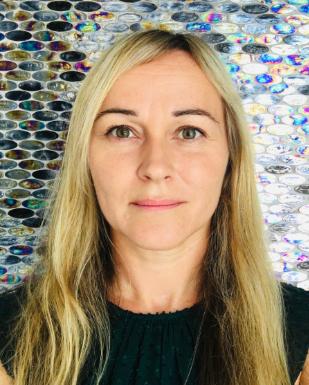
CLAUDINE HART LRPS international@rps.org
I am a dual British / German national living in Basel, Switzerland since 2020. I joined the RPS in 2010 and obtained my LRPS in Professional and Applied Photography in 2012. I am now finally working towards my ARPS! I grew up in London but always travelled with my family, and for work and leisure. Since 2013, I have also lived in Australia and Singapore. In addition to my role as International Representative, I also work with the Swiss Chapter.
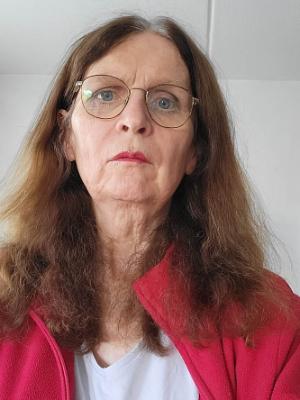
KATHERINE MAGUIRE ARPS internationweb@rps.org
I joined the RPS in 2009. I obtained my ARPS in 2021, with a documentary panel “Damaged Retinas” a series of images that demonstrates how I see the world. I started volunteering for the RPS Benelux Chapter first as the webmaster and then adding the eJournal editor role. In 2024 I joined the International Support Group as Web Administrator and in 2025 became the International Newsletter layout editor.
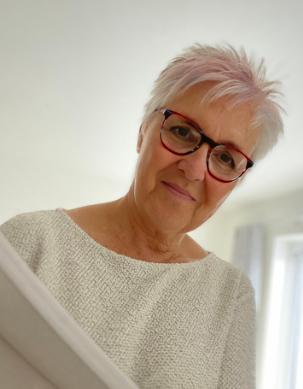
JANET HAINES ARPS digchair@rps.org
I joined the RPS in 2003 and am Chair of the Digital Imaging Group. I have been a member of several committees, an LRPS panel assessor and an RPS Trustee for two years. I spent five years as the Benelux Chapter Organiser when I lived in the Netherlands which gave me experience of being an international member. My aim is to make the RPS member experience as good as we can regardless of location.
JACKY LEE internationalsubmissions@rps.org
I joined the RPS in 2023 and am a Committee Member of the Australia Chapter and Content Manager for the international team. Originally from Hong Kong and based in Canberra, I’m a chartered building professional, and a photographer who likes connecting cultures through visual storytelling and blending landscape, architecture, and b&w expression. I serve on the APS Management Committee, CAPA AI Advisory Committee and as a photo mentor with PSA.
SOMDUTT PRASAD internationnews@rps.org
I joined the RPS in 2022. As a busy medical specialist for two decades in the UK and another decade back in India, photography took a back seat to my profession as an ophthalmologist. I started focusing again on photography during the Covid pandemic. International members often feel isolated from the main UK-based activities so I hope we can help the international members build connections together.
I joined the RPS Scottish Region in 2014 and obtained my LRPS later that year. Two years on, I decided to try for my ARPS which I achieved in 2016. In 2018, I became the RPS Scottish Regional Treasurer until my emigration to New Zealand in 2021. I gained my FRPS in documentary in 2022 whilst living in New Zealand, and so I feel I am well placed to encourage international members.
SYLVIE DOMERGUE sylvielft@gmail.com
I live in Madagascar and know only too well how isolated an international member can feel. When I discovered the RPS in 2019, I knew that I had found my haven of peace and my home of artistic creation with a team whose values I admire and who have a commitment to enable international members to participate in the great adventure that the art of photography represents.
News
Earlier in the year, we surveyed members of the Australian Chapter to see what they are looking for in their membership. One of the aspects members raised was wanting to learn from others. To build on this, in August we launched a mentor program where members are paired together so more junior members can learn from those with more experience. This is now underway, and we will continue to promote it until the end of the year. We will run it again in 2026.
https://rps.org/chapters/australia/
Events
Annual General Meeting
We are holding our Annual General Meeting on 3 December 2025. In addition to the AGM, this is also an opportunity for members to showcase their work.
Distinctions
No applications currently.
Awards
Elaine Herbert OAM ARPS is stepping down as Honorary Secretary of the Australian Chapter, a post she has held for over 25 years. Elaine has been awarded the RPS President’s Medal in the RPS 2025 Awards.
Please see the link below for the RPS article. We have also interviewed Elaine in this issue – see the International Member Interview article.
The 2025 International Fotofestivaal ‘Lens op de Mens’ in Pelt, Belgium, was a great success. We had ten participants in the Personal Stories Workshop led by Carla Kogelman.
In 2027, the Fotofestivaal will be on again and we shall participate with our Members’ Print Exposition. We will provide a jury member, and we plan to arrange a photography workshop. The Benelux Chapter is happy to be a Supporter on behalf of the Royal Photographic Society.
https://rps.org/chapters/benelux/
Events
RPS Benelux Chapter Study Group Zoom
6 January 2026
RPS Benelux Chapter Meeting in Rotterdam
3 February 2026
RPS Benelux Chapter Study Group Zoom
3 March 2026
Every first Tuesday of the month is either a Zoom or physical meet up. Alternating each month to give everyone a chance to join in.
Contact
Carol Olerud, RPS Benelux Chapter. Email beneluxnl@rps.org
eJournal Publications
Please see our archive of our quarterly eJournals https://rps.org/chapters/benelux/journals/
Distinctions
Felicity Handford ARPS (MA in Photography)
News
RPS Germany Chapter Strengthens Its Programand Welcomes New Secretary
The RPS Germany Chapter is progressing steadily with preparations for its upcoming Chapter-wide exhibition, themed“Minimalism.”This collaborative showcase, planned for 2026, will bring together members from across the country, encouraging them to explore simplicity, reduction, and visual clarity in their photographic work. The curatorial team is currently refining guidelines, coordinating framing standards, and providing support to members in selecting images and drafting artist statements.
A key milestone for the Chapter was reached during its recently held Annual General Meeting, where Martin Gerling, LRPS,was officially appointed as the new Chapter Secretary. The role had remained vacant for nearly three years, making his appointment particularly meaningful. His administrative experience, dedication to the Society, and long-standing engagement with the Chapter were warmly acknowledged by the membership. The Chapter expressed great enthusiasm in welcoming him to the role and looks forward to the renewed momentum his involvement will bring.
In parallel with these organisational developments, the Chapter continues to expand its program of online and in-person events at a steady and sustainable pace. Regular talks, workshops, critique sessions, and friendly meetups are fostering asense of community among the widely dispersed membership.
Looking ahead, the Germany Chapter plans toplace stronger emphasis on supporting members in their pursuit of RPS Distinctions. Dedicated sessions, mentoring opportunities, and distinction-focused events are being developed to help photographers progress toward LRPS, ARPS, and FRPS submissions.
With new energy in its leadership team and an ambitious program for the year ahead, the RPS Germany Chapter is well-positioned to continue fostering photographic excellence across its growing community.
https://rps.org/chapters/germany/
Events
RPS Germany Chapter Monthly Zoom Meetings
Always from 7pm to approximately 8:30pm CET
Dates 12 January 2026
09 February 2026
09 March 2026
Online Talks in German (Planned)
Details to be confirmed
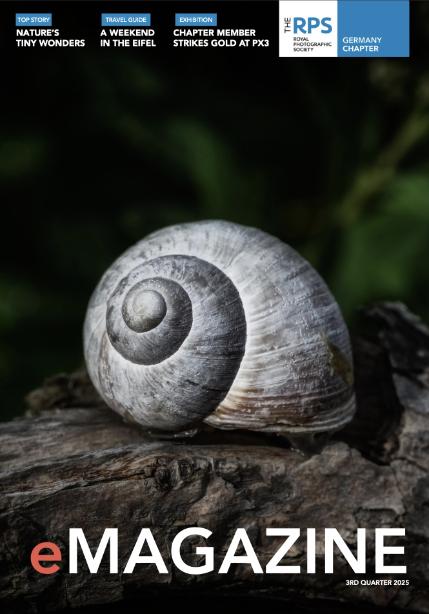
- Behind the Lens: Creating the Essay Nature’s Tiny Wonders
- Poetry in Motion: Mastering Waterfall Photography
- Earth, Light, and Silence: Capturing the Essence of Landscapes
- The Beauty of Less: A Journey into Minimalist Photography
- From Takeoff to Touchdown: A Photographer’s Aerial Journey
Chapter Exhibitions
Minimalism 29 May to 28 June 2026 (Vernissage 29 May 2026)
Distinctions
No applications currently.
News
A Fenton Medal for our Chairman
Our deepest and heartfelt congratulations toour Chapter Chairman, Mr. Yoshio Miyake, on receiving theFenton Medal for his long-standing support and dedication to the RPS. More to follow on this in the February 2026 issue.
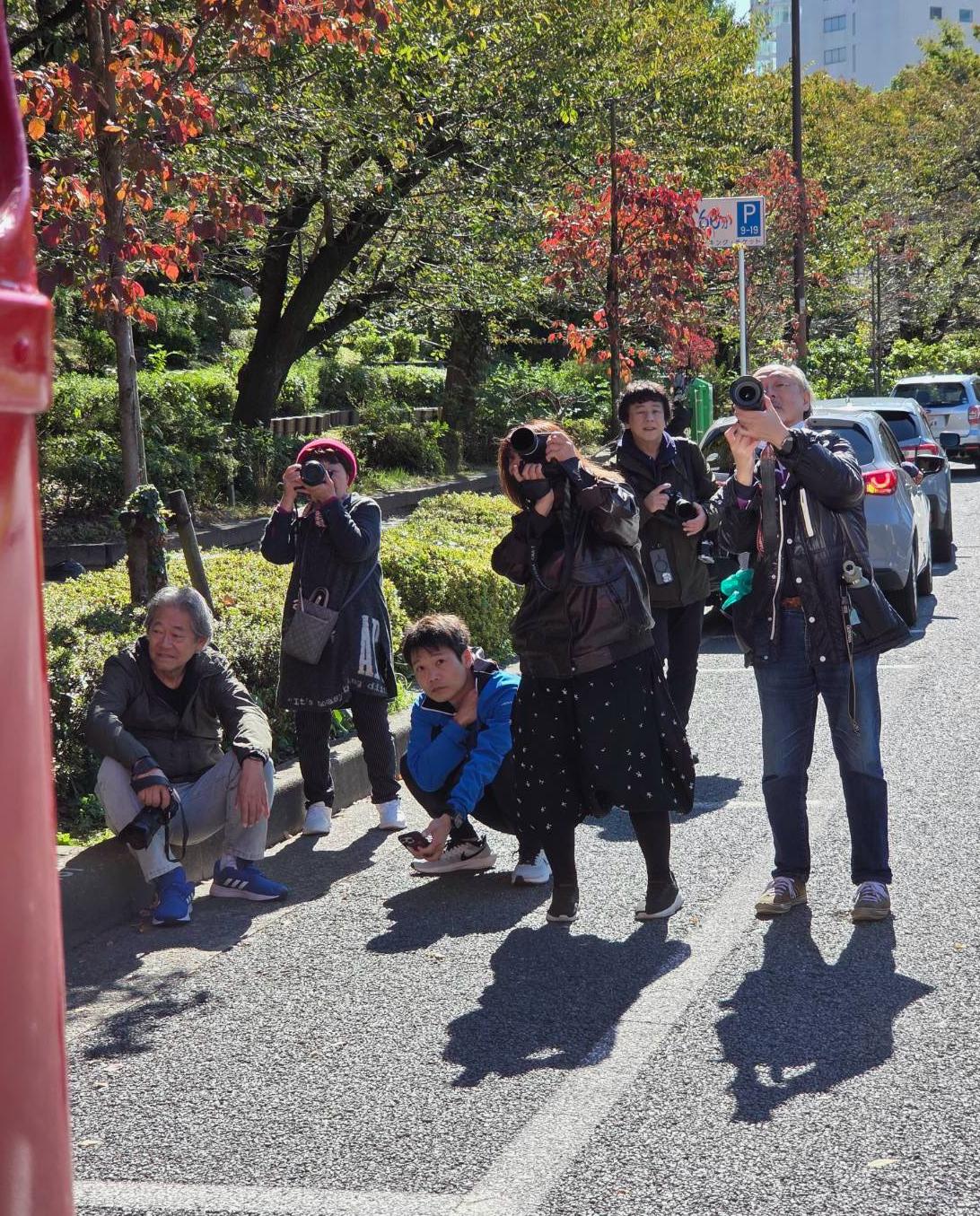
London Bus Ride and Photo session
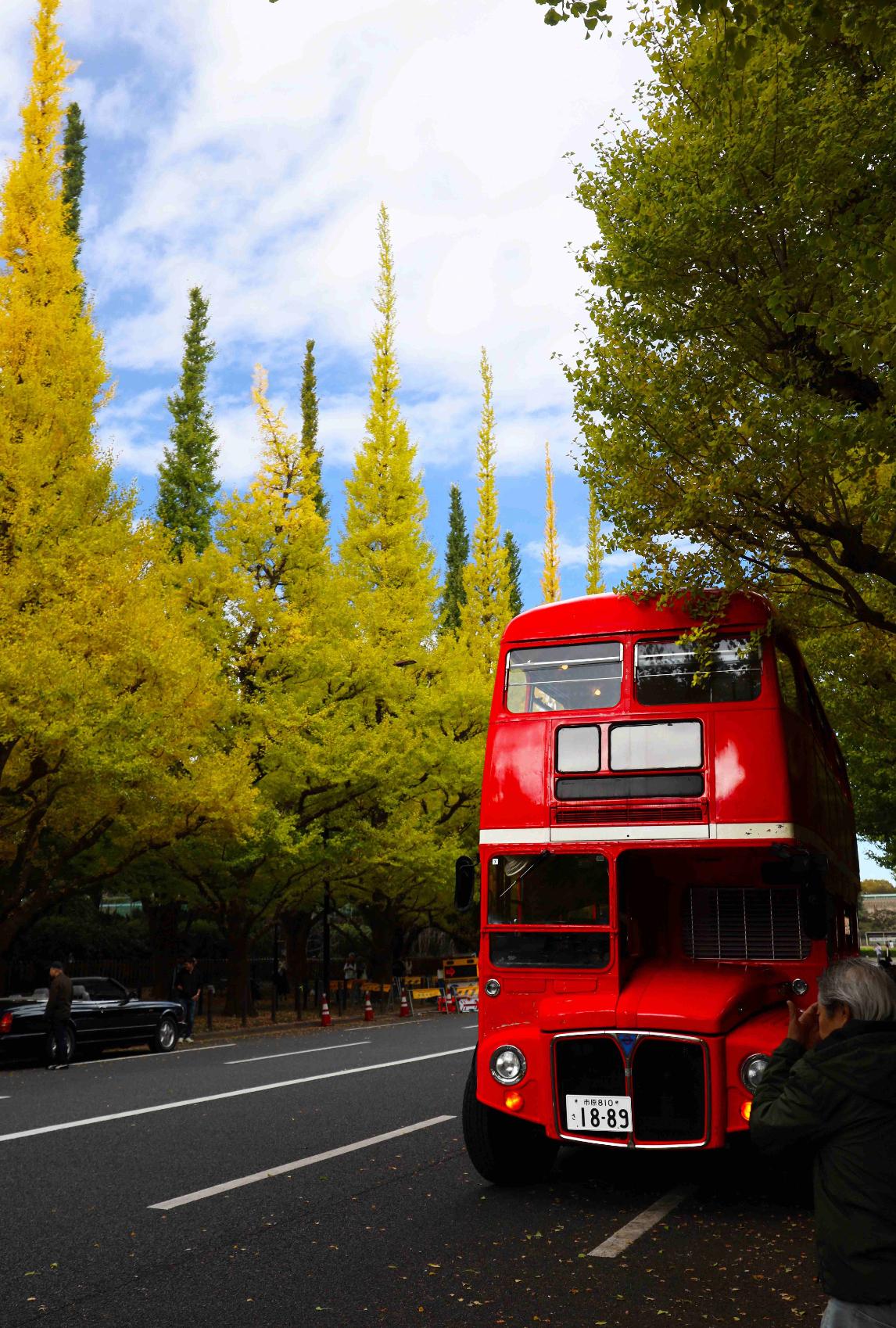
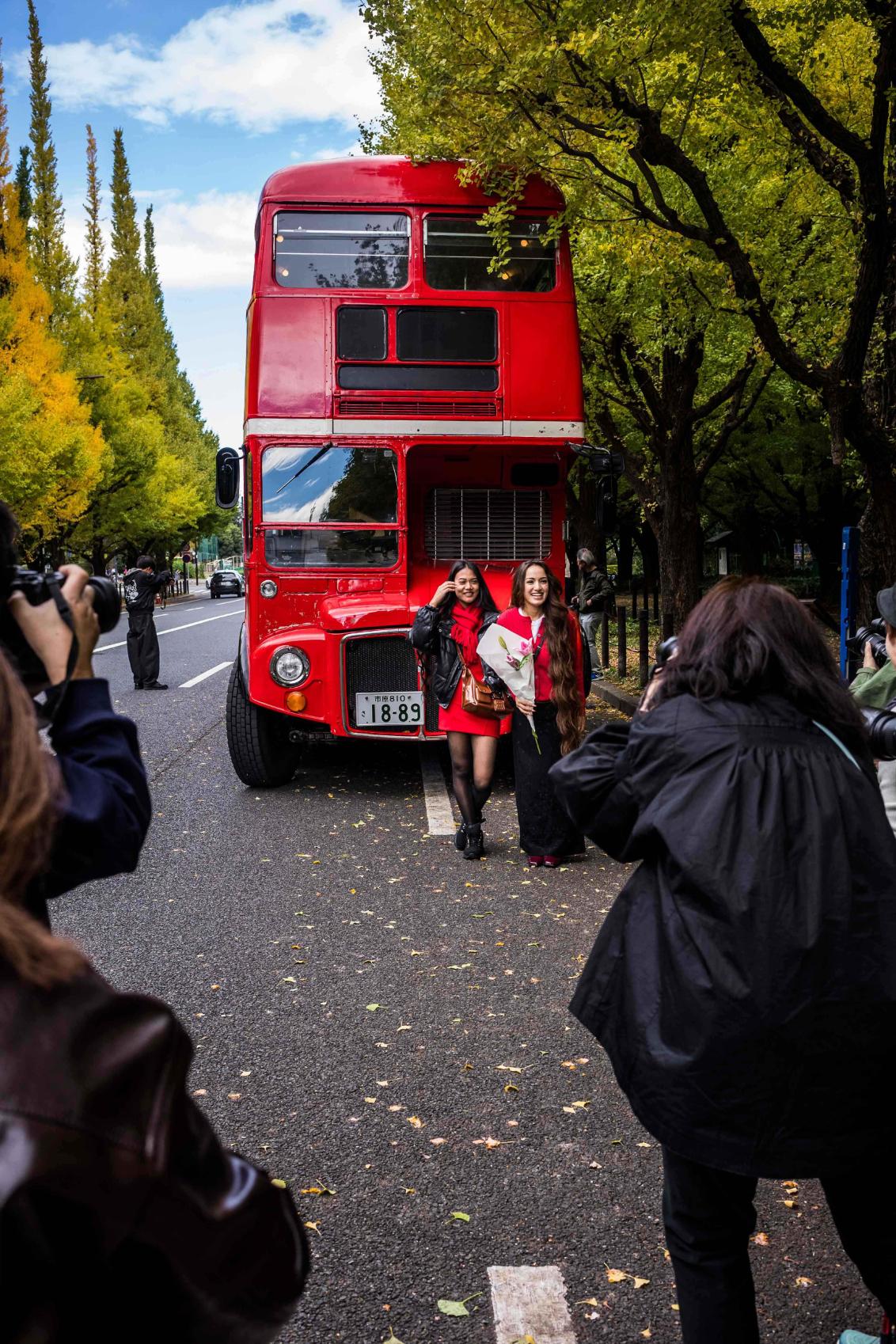
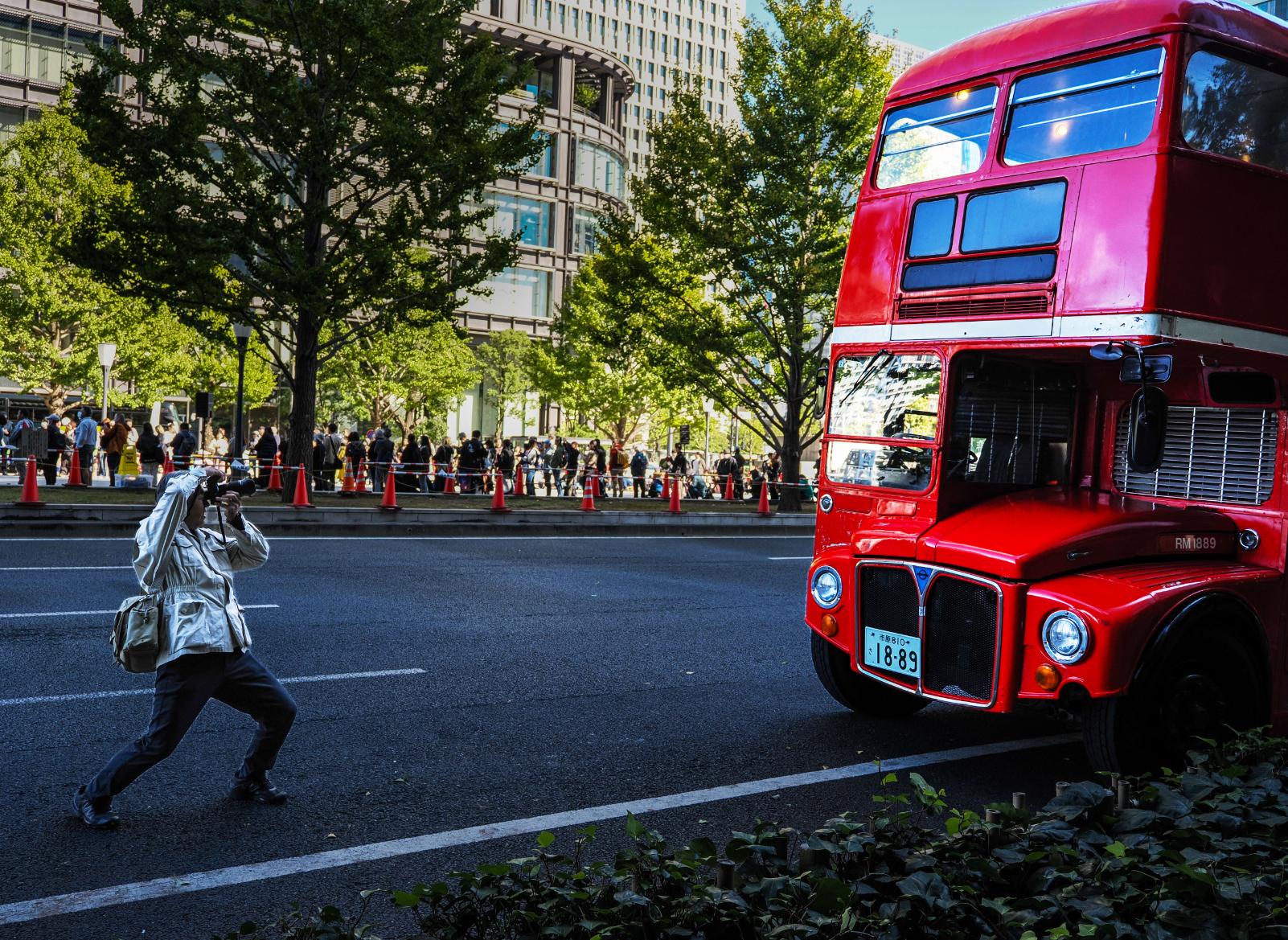
The Japan Chapter held its second London bus ride and photo session on November 3rd 2025. The weather was beautiful that day with clear autumn skies, so the bright red of the London bus looked stunning against the blue sky. Around twenty of our members met at Tokyo Station and we took our first photos using the red bricks of the Tokyo Station building as a backdrop.
Following this, we boarded the retro double-decker bus and started our tour of Tokyo. The double-decker bus is now 60 years old and is normally covered in corporate advertising as it runs through the bustling streets of the city. It has been carefully maintained by the operating company and remains in active service. November 3rd is our annual Culture Day and a public holiday, so our many tourists saw this unfamiliar and unusual bus journeying through our city.
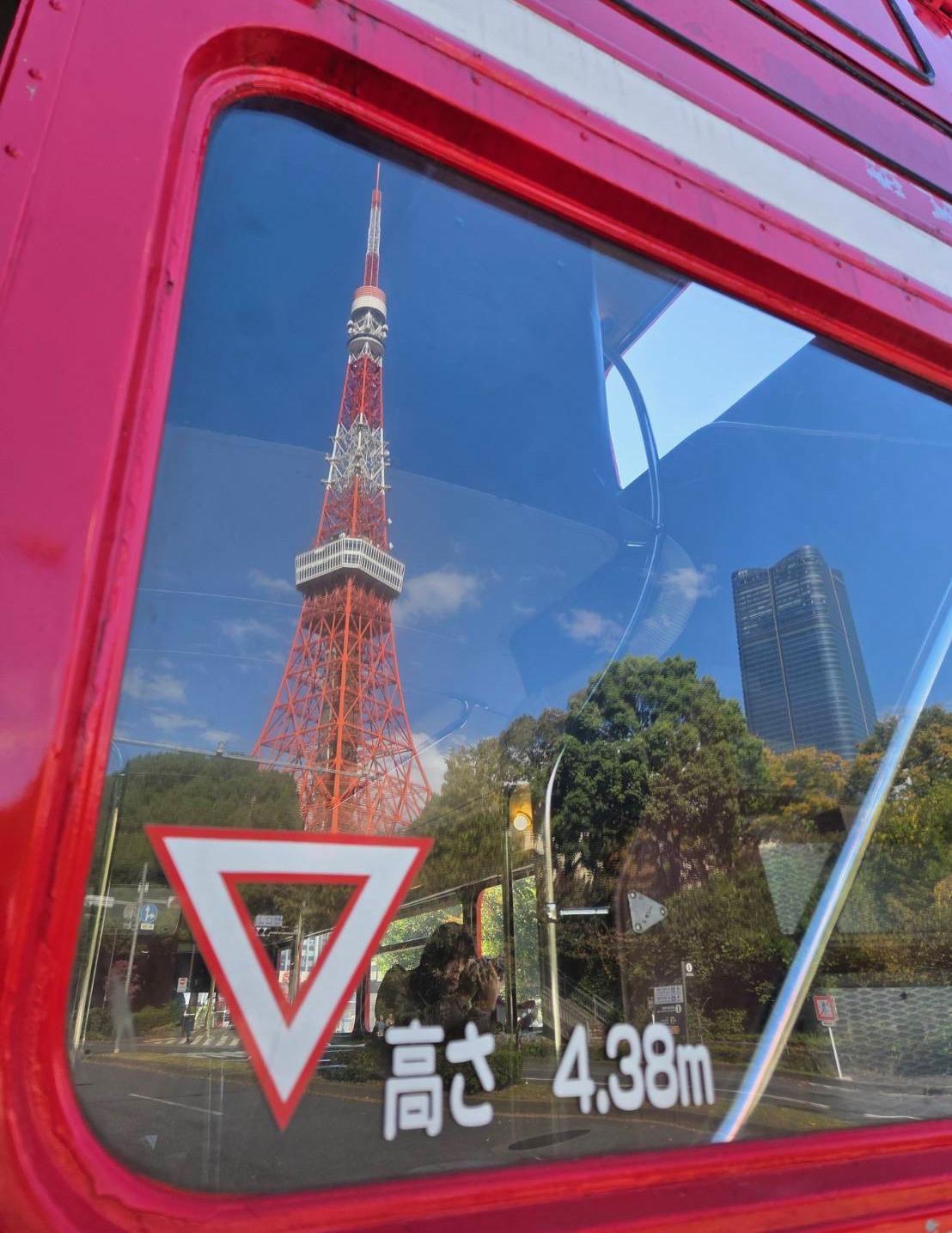
After pausing for more photos in Marunouchi, a key spot in Tokyo, our bus made its way and stopped directly beneath the Tokyo Tower which is one of our city’s prominent symbols. The combination of the red and white Tokyo Tower, completed in 1958, and the 1964 double-decker bus was an fantastic combination.
We also took photos along a ginkgo tree-lined avenue, where the leaves had turned a beautiful yellow. Very fitting for autumn! And finally at the end of the tour, we happily ate lunch together while showing each other the different photos we had taken.
All in all, our session lasted around two hours and we all very much enjoyed both the tour and our time together.
Here you can see a selection of some of our pictures from the day. https://rps.org/chapters/japan/
Photo by Hiroshi Sibuya
Photo by K Sato
Photo by K Sato
Photo by Ohata
Photo by Ohata
Events
RPS Japan Chapter Photo Exhibition at the former British Consulate in Shimonoseki
The works exhibited at the Shimonoseki exhibition will be the same as those at the Tokyo exhibition.
Details
Date 20 November to 1 December 2025
Location Former British Consultate, Shimonoseki Info https://www.kyu-eikoku-ryoujikan.com/english/
Contact
Shun Hosokawa, Organiser, RPS Japan Chapter. Email japan@rps.org
Distinctions
No applications currently.
News
Our regular quarterly chapter meeting took place in September - a very enjoyable day of inspiration and learning with presentations from two of our chapter members. Richard Tucker FRPS shared many useful, thought-provoking and often humorous insights into gaining his distinction. Annette Mossbacher also took us on a wonderful wildlife journey through Africa. As usual, the event was a great opportunity for members to catch up, get to know each other, and exchange ideas.
Our private tour of the Ansel Adams Exhibition in Zurich was also well attended. Participants commented that it was a very special opportunity and well worth the visit.
https://rps.org/chapters/switzerland/
Events
Quarterly Swiss Chapter Meeting
Agenda
- The Art of Curation by William Ewing
William Ewing, former director of the Musée de l'Elysée and Editor-at-Large for Thames & Hudson, London, will offer his insights about the art of curating photography as well as behind-the-scenes perspectives on transforming photographic works into compelling exhibitions and publications
- How I did it
Beat Suter FRPS, will share his strategy for earning his FRPS, focusing on his philosophy of "breaking the rules" and the creative journey behind the submission.
- Members Ideas
Building the Swiss Chapter Together - an open floor discussion
- Optional
Sharing images for feedback with other participants.
Details
Date Saturday, 13 September
Time 10.00 - 16.30
Location Restaurant Le Jardin, 3286 Muntelier, Switzerland
Fee CHF 50 (including lunch)
Contact Johan Peijnenburg, Organiser, RPS Swiss Chapter. Email: switzerland@rps.org
Private tour of Ansel Adams exhibition – 21 September 2025
A private guided tour of the Ansel Adams exhibition followed by a Photo Walk.
Contact Johan Peijnenburg, Organiser, RPS Swiss Chapter. Email: switzerland@rps.org
Distinctions Day with Max Robinson FRPS – 10 January
2026
Agenda / Overview
A fantastic chance to have a prospective panel for a RPS Distinction reviewed by our chapter member and RPS Distinctions Advisor, Max Robinson FRPS. This event takes place in Olten, a central location chosen to make the day easily accessible.
Presenting is limited to 15 panels to ensure sufficient time for each review. Guests/nonpresenters are also warmly welcome as observing the critiques and discussions is an excellent learning experience for anyone interested in pursuing a Distinction!
Details
Date Saturday, 10 January 2026
Location Tertianum Usego-Park
Solothurnerstrasse 221 4600 Olten
Contact Johan Peijnenburg, Organiser, RPS Swiss Chapter. Email: switzerland@rps.org
Future Events
Quarterly Swiss Chapter Meeting 21 March 2026
Location & agenda to be confirmed.
Landscape Photography Trip to Ireland April 2026
Dates and logistics to be confirmed.
Possible locations to include Bloody Foreland, Boyeeghter Bay, Crohy Head Sea Arch, Fanad lighthouse, Great Pollet Sea Arch, Malin Head and others.
Quarterly Swiss Chapter Meeting 20 June 2026
Location & agenda to be confirmed.
Distinctions
No applications currently.
Contribute to the International eMagazine.
We welcome you to be part of this quarterly eMagazine. The different ways in which you can contribute are detailed below but please do get in touch with your ideas for articles and content.
What can you contribute?
1. Cover Image
You can submit an image to be considered for the front cover of the eMagazine. If your image is not chosen for the front cover, it will appear in the International Members Gallery in the next issue of the eMagazine.
Please provide:
- Max. two images
- Portrait format only, image may be cropped to fit A4 (210x297mm) page.
- Short description of the image(s)
- 3000px max on longest side,, sRGB, image quality 8, min dpi 192.
- No watermark or text within the image. No border
- Use naming convention: FirstName_LastName_Cover_Title.JPG
- Mark your email: Fullname – For Front Cover
2. Single Image for International Members Gallery
Please send us a single or a few images from which we can choose.
To note, depending on the number of submissions we receive, we may move your submissons to a later edition.
3. Main Article
There generally 2-3 main articles in each newsletter. This could be for example, a personal photography project or exhibition you are holding.Please do get in contact first if you have any questions about the article you would like to submit.
Pleaseprovide:
- Wordcount:max1000words. Please provide in a Microsoft word document with low res images as placeholders.
- Images:include10-15images. 2000px max on longest side, min dpi 192. sRGB.
- Please provide images separately.
- Mark your email: Fullname – Main Article
4. My Home Article
My Home is about the photography that you enjoy in the local area you call home. This could be your village, town, wider region or country. Simply, it is wherever home is to you. Tell us what inspires you in your patch - this is a fascinating way for us to learn about all corners of the world. The following questions may be useful to prompt your thoughts but feel free to omit or add as you need.
The following questions may be useful to prompt your thoughts.
- Where do you live? What is it like? What do you like about where you live?
- What do you like to photograph and why?
- What key sites / locations would you recommend to a visitor to take photographs and why?
- Are there any difficulties to be considered? What would it be useful for them to know before they go?
- Do you have recommendations about how they could travel to the places you suggest?
- What is the best time of year to visit?
Pleaseprovide:
- Word count: Max 800 words. Please provide in a Microsoft word document with low res images as placeholders.
- Images: include 8-10 images. 2000px max on longest side, min dpi 192. sRGB.
- Please provide images separately.
- Mark your email: Fullname - MyHome
5. Member Q&A - Interview
The Member Q&A is a short interview by email about you and your photography, with 5-6 questions and a submission of 2-4 images. Please send us a quick email with a little bit about yourself and we can follow up with relevant questions for you to answer.
Pleaseprovide:
- Wordcount:Max800words. Please provide in a Microsoft word document with low res images as placeholders.
- Images: include 2-4 images. 2000px max on longest side, min dpi 192. sRGB. Please provide images separately.
- Mark your email: Fullname – Member Q&A
6. New Member Introduction
Introduce yourself and tell us a little bit about you, where you live and your photography!
Pleaseprovide:
- Images: max 2 images: 2000px max on longest side, SRGB, min 1000px, min dpi 192.
- Wordcount: max 200 words biography.
7. Reach Out
If you would like to get in contact with like-minded members in your location, post a reach out note!
Pleaseprovide:
- A photo of yourself: max 1000px max on longest side, min dpi 192. Portrait only. sRGB.
- A short introduction and with whom you would like to be in touch. Max 150 words.
- Email address for contact
8. Events
Please let us know if you are:
- holding an exhibition
- know of a local exhibition in your country to look at online which may be of interest to our international community (or they can attend if they happen to be there)
Please provide for the event:
- Name, description, location, dates, website link, (contact person / email if relevant)
SUBMISSIONS
Submission deadlines and publication dates are as follows. Contributions received after the given dates will be included in the subsequent issue.
Please send your submission by email to: internationalsubmissions@rps.org
If you are sending multiple high-resolution images, please send via WeTransfer.com to internationalsubmissions@rps.org
Some alternatives to WeTranfers.com are: KPNFileTransfer; SwissTransfer; Filemail; Boomrang
Issue Deadline
March 1st of February
June 1st of May
September 1st of August
December 1st of November
Liability Disclaimer
The submitter of the article(s) and / or image (s) is responsible for compliance with Data Protection and Copyright Acts. The author of an article is responsible and liable for all content, text and images provided by them, including copyright. The author will be required to confirm that they hold copyright to the article and image(s) submitted. Neither the RPS nor the editor is responsible or liable for any content therein.