SAFETYMATTERS
Safety and Loss Control Resource


• Holiday Decoration Safety
• Driving Safety
• Cold Weather Driving Safety
• Confined Space
Safety and Loss Control Resource
• Holiday Decoration Safety
• Driving Safety
• Cold Weather Driving Safety
• Confined Space
Many artificial trees are fire resistant. If you buy one, look for a statement specifying this protection.
A fresh tree will stay green longer and be less of a are hazard than a dry tree. To check for freshness, remember:
A fresh tree is green.
Fresh needles are hard to pull from branches.
When bent between your fingers, fresh needles do not break.
The trunk butt of a fresh tree is sticky with resin.
When the trunk of a tree is bounced on the ground, a shower of falling needles shows that tree is too dry.
Place tree away from fireplaces, radiators and other heat sources. Heated rooms dry trees out rapidly, creating fire hazards.
Cut off about two inches of the trunk to expose fresh wood for better water absorption. Trim away branches as necessary to set tree trunk in the base of a sturdy, water-holding stand with wide spread feet. Keep the stand filled with water while the tree is indoors. Place the tree out of the way of traffic and do not block doorways. Use thin guy-wires to secure a large tree to walls or ceiling. These wires are almost invisible.

Indoors or outside, use only lights that have been tested for safety. Identify these by the label from an independent testing laboratory.
Check each set of lights, new or old, for broken or cracked sockets, frayed or bare wires, or loose connections. Discard damaged sets or repair them before using.
Fasten outdoor lights securely to trees, house, walls or other firm support to protect from wind damage.
Use no more than three standard-size sets of lights per single extension cord. Turn off all lights on trees and other decorations when you go to bed or leave the house. Lights could short and start a fire.
Never use electric lights on a metallic tree.
The tree can become charged with electricity from faulty lights, and any person touching a branch could be electrocuted! To avoid this danger, use colored spotlights above or beside a tree, never fastened onto it! attempt to drink liquid, which contains a hazardous chemical.
Keep matches, lighters, and candles out of the reach of children.
Avoid smoking near flammable decorations.
Make an emergency plan to use if a fire breaks out anywhere in the home. See that each family member knows what to do. PRACTICE THE PLAN!
Avoid wearing loose flowing clothes particularly long, open sleeves near open flames - such as those of a fireplace, stove, or candlelit table.
Never burn candles near evergreens. Burning evergreens in the fireplace can also be hazardous. When dry, greens burn like tinder. Flames can flare out of control, and send sparks flying into a room, or up the chimney to ignite creosote deposits. Plan for safety. Remember, there is no substitute for common sense. Look for and eliminate potential danger spots near candles, fireplaces, trees, and/or electrical connections.
Never use lighted candles on a tree or near other evergreens.
Always use non-flammable holders.
Keep candles away from other decorations and wrapping paper.
Place candles where they cannot be knocked down or blown over.
When making paper decorations, look for materials labeled noncombustible or flame-resistant.
Never place trimming near open flames or electrical connections.
Remove all wrapping papers from tree and fireplace areas immediately after presents are opened.
Do not burn papers in the fireplace. A flash fire may result as wrappings ignite suddenly and burn intensely.
• Before lighting any fire, remove all greens, boughs, papers, and other decorations from fireplace area. Check to see that flue is open.
• Keep a screen before the fireplace all the time a fire is burning.
This month’s safety focus highlights a few essential practices: maintaining proper following distance, increasing awareness around pedestrians, staying alert in parking lots, and avoiding distractions. These reminders support our day to day lives.
As we move into the busy holiday season, many of us are traveling more often visiting different county sites, attending end off year events, or navigating fuller parking lots and roadways. With more activity comes a greater need for awareness. Driving safe isn’t just a requirement it’s part of how we protect one another and maintain trust with our community. Even small habits behind the wheel can prevent injuries, reduce risk, and ensure everyone gets home safely for their families during the holidays and beyond.
Speeding remains a major factor in many crashes. Driving above the posted speed limit increases both your chance of being involved in a collision and the severity of the outcome. Higher speeds reduce your reaction time and make crashes more likely to result in serious injury or fatality.
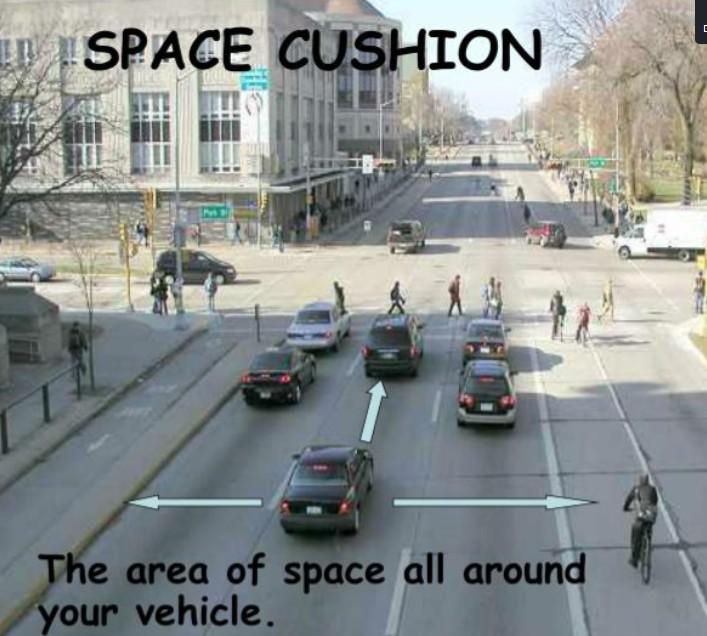
SPACE CUSHION Excessive speed and following too closely are the two most common causes of vehicle crashes. You need both time and space to react safely to the actions of other drivers. Maintaining a proper safety cushion gives you room to respond to sudden stops, lane changes, or unexpected hazards.
• Passenger Car: Keep a 2-3 second space cushion.
• Larger or heavier Vehicles: keep 5-6 second space cushion.
ROAD CONDITIONS Follow posted speed limits, adjust for conditions, and stay alert for hazards. Expect the unexpected!!
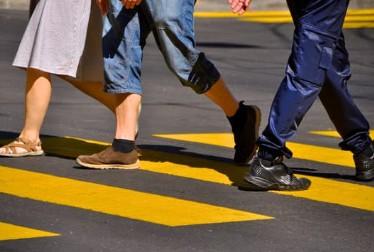
Always stay alert for pedestrians, especially in parking lots, near schools, building entrances, and crosswalks. Slow down, scan your surroundings, and yield the right of way every time.
Use extra caution in parking lots where visibility is limited and pedestrian activity is high. Reduce speed, avoid distractions, and continuously scan for pedestrians or moving vehicles.
Backing incidents are highly preventable. Use pull-through parking when possible, complete a quick walk-around, and use a spotter when visibility is limited. Rely on mirrors and cameras, but always look over your shoulder to check blind zones before moving.
Scanning your mirrors regularly helps you maintain full awareness of your surroundings. Check them every few seconds and use brief shoulder checks as needed to ensure no hazards are approaching from blind spots. Want to level up your game? Take a minute to adjust your side mirrors using the National highway traffic Safety Association’s
“Keeping an Eye on Blind Spots” to learn how small tweaks can maximize your visibility and reduce blind spot risk.
Keep you’re your attention on the road at all times. Avoid phone use, eating, multitasking, or anything that takes your eyes or focus away from driving.
Set music or audio before driving and keep the volume low enough to hear surrounding traffic.
Driver fatigue occurs when physical or mental exhaustion reduces a driver’s ability to operate a vehicle safely. It can result from inadequate sleep, long work hours, demanding tasks, or other contributing factors that slow reaction time and impair judgment. Fatigue increases collision risk in both large and small vehicles alike. Staying rested, alert, and attentive is essential to supporting overall driver safety and keeping everyone on the road safe.
Aggressive driving includes behaviors such as speeding, following too closely, or making abrupt lane changes, all of which reduce safety for everyone on the road. Staying calm behind the wheel and managing your emotions helps prevent these behaviors from occurring. By allowing extra time, keeping a safe distance, and responding thoughtfully rather than reactively, drivers can maintain a safer and more controlled driving environment.
By staying alert, prepared, and responsible, we help keep ourselves and others safe on the road. Thank you for doing your part to support a safer workplace and community.
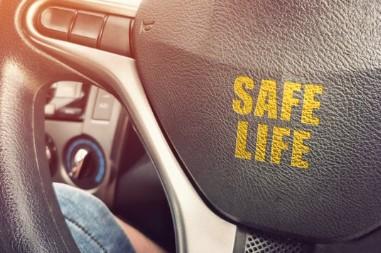
Winter can be a beautiful season, but it also brings a range of challenging and unpredictable driving conditions to our roadways. There are many things you can do to ensure your Safety and that of those around you during this cold season.
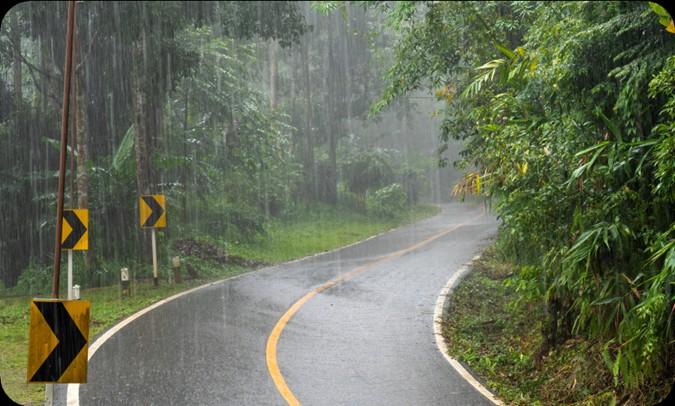
Winter weather can be unpredictable. Prepare for the worst by keeping an emergency kit in your vehicle. The following items can be extremely helpful if you become stranded during a storm:
FLASHLIGHT Bring a flashlight with extra batteries.
Pack warm blankets, additional clothing, water, and nonperishable snacks. If you experience a long delay, you’ll be glad you have them.
CLEAN, DRY TOWEL Useful for drying your hands after installing snow chains or changing a spare tire in the rain.
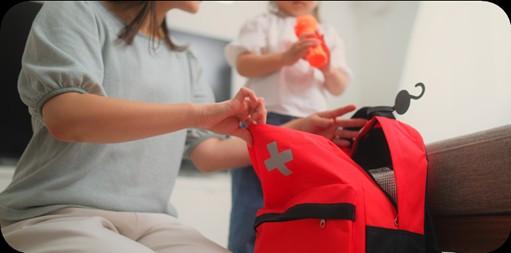
Here are some tips to help you ensure your vehicle is ready for the winter weather:
GENERAL INSPECTION Check the brakes, windshield wipers, exhaust system, and heater/defroster to ensure they are all functioning properly.
ANTIFREEZE Verify your radiator fluid level and add antifreeze/coolant as necessary.
WINDSHIELD WIPERS Replace worn wiper blades if needed. Using a winter-grade windshield washer fluid can help de-ice your windshield.
TIRES Ensure your tires are properly inflated and that the tread is in good condition.
CHAINS If you’re heading into regions that may experience snow, always carry tire chains or an approved traction device. Make sure they are the correct size for your tires and in good working condition. Chains must be installed on the drive wheels, so know whether your vehicle is front- or rear-wheel drive.
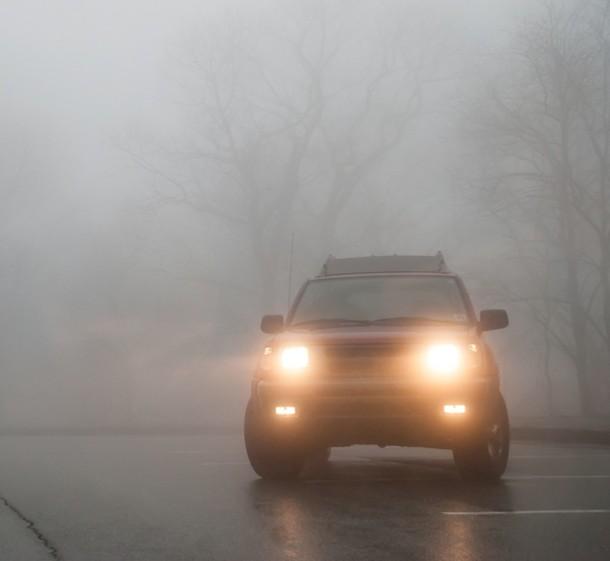
Poor weather reduces visibility. Slow down and stay alert of other vehicles. Keep a safe distance behind vehicles in front of you.
Mud, slush, and snow from other vehicles can quickly block your view. Use your wipers and defroster regularly.
Reduce speed and use low-beam headlights or fog lights. High beams reflect off fog and snow, worsening visibility. Never stop in the roadway if visibility becomes too poor to drive, pull off safely.
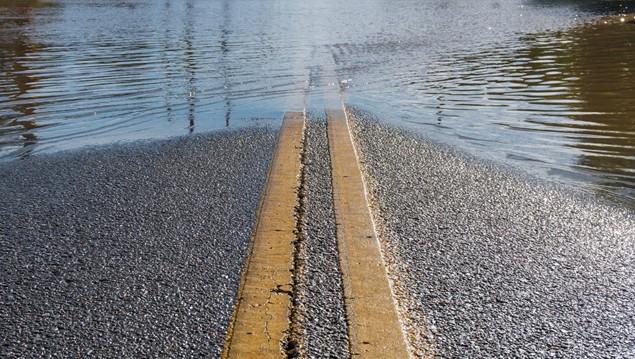
Avoid driving through deep water and find an alternate route. As little as 12 inches of moving water can sweep a vehicle off the road. If your engine stalls, attempting to restart it may cause severe damage. Watch for floating debris and remember to test your brakes afterward, as wet brakes lose effectiveness.
Stay alert in work zones. Avoid using mobile devices, unnecessary lane changes, and crowding other drivers. Follow posted speed limits, merge when instructed, and remain patient. Always slow down for the cone zone.
Winter trips often take longer, especially when storms or icy roads are involved. Start early and plan extra time to reach your destination safety.
Weather conditions may force you to change your route or turn back. Highway closures can also lead to long delays, so keep your tank full at all times.
Most winter collisions happen because drivers travel too fast for the conditions. Reduce your speed and always wear your seat belt. Use low gears to help slow your vehicle and avoid braking when possible. Remember, four-wheel and all-wheel drive improve traction for climbing, not stopping,
Do not use cruise control on snowy or wet roads. Maintaining direct control of your vehicle allows you to react more quickly to sudden changes.
If your vehicle begins to slide on ice or snow, ease off the accelerator, avoid braking, and steer in the direction you want to go. If braking is necessary, gently pump the brakes without locking them.
Ice can form even when temperatures are above freezing, especially below 40F and in windy conditions. Bridges, overpasses, and shaded areas are particularly dangerous. Drive with extreme caution.