HOUSE

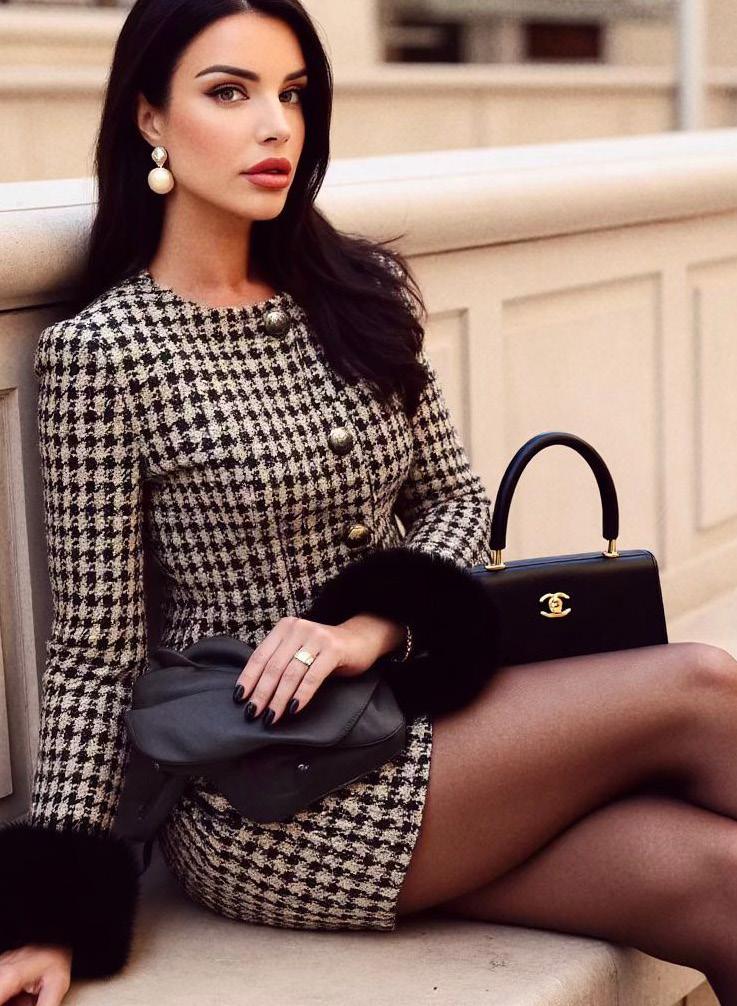
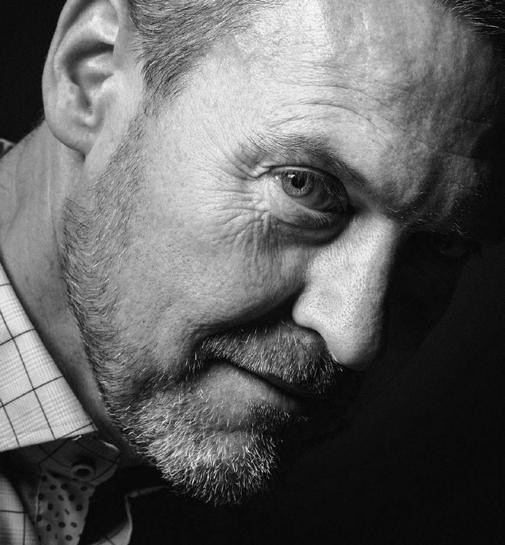
Every December, I’m reminded of how quickly the months move — and how grounding it feels to pause, even briefly, to take in everything we’ve lived, built, and shared. There’s a certain clarity that comes with this season: the warmth of Thanksgiving still in the air, holiday lights beginning to glow in neighborhoods everywhere, and a sense of togetherness that feels especially meaningful as the holidays approach. One gathering that reflects that spirit beautifully is the Aureum Leaders Circle’s upcoming event at the Fairmont Hotel. There’s a unique energy when people led by purpose come together — individuals who care deeply about creativity, connection, and contributing to something larger than themselves. It feels like the perfect way to close the chapter on a busy, transformative season. Inside this issue, our Style Guide embraces what December dressing is really about — a blend of drama, comfort, and effortless confidence. Winter has a way of encouraging us to step into richer textures, deeper tones, and pieces that help us move through the season with intention. We’re also shining a light on voices who continue to shape the creative landscape. Rajib Ghosh reflects on design and leadership with the kind of insight that only experience can bring. Katya Rich offers a modern, honest take on beauty — one that reminds us glamour feels strongest when it’s authentic. And Valeria Vinogradova explores The Sociology of Desire, offering a thought-provoking perspective on culture, identity, and the forces that shape our modern world. As the holidays unfold, I hope these pages offer a moment of inspiration, a spark of creativity, or simply a quiet pause amid the rush. From all of us at Red Hot Monde, we’re wishing you a warm, joyful Christmas, a peaceful holiday season, and a beautiful start to what comes next. Here’s to ending the season with meaning — and stepping forward with intention and style.
IRYNA VOSKERICIAN Publisher & Editor-in-Chief

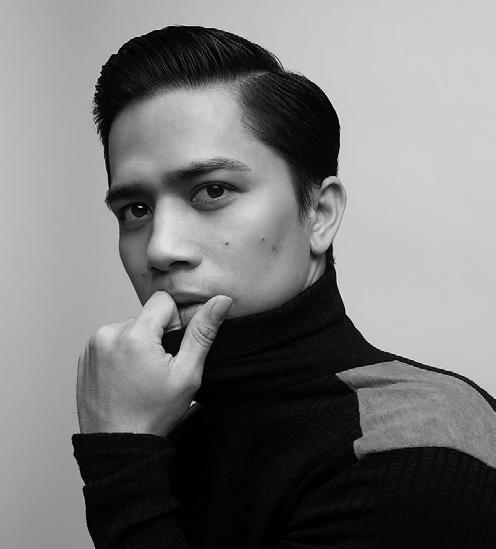
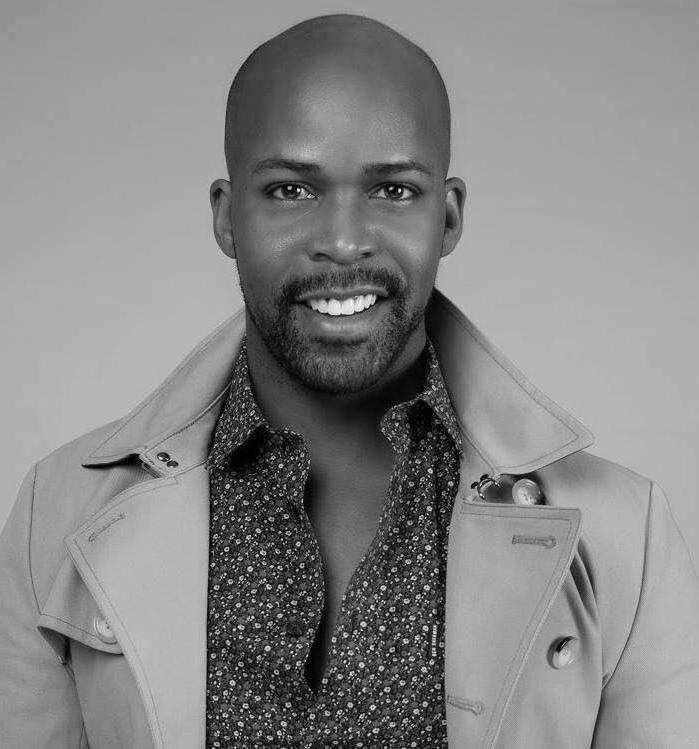
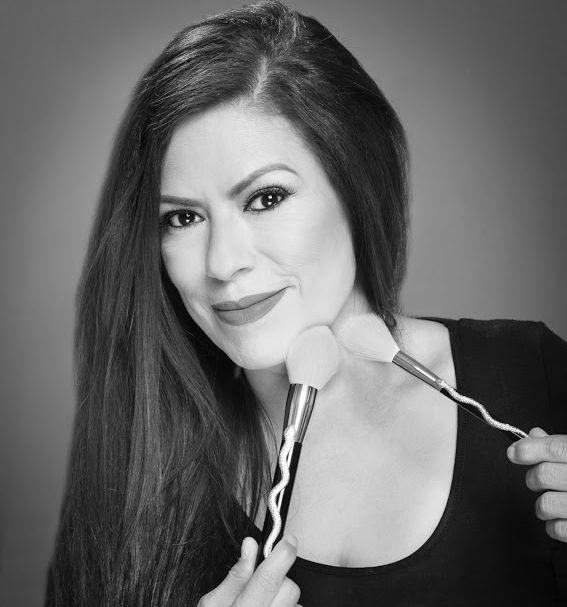
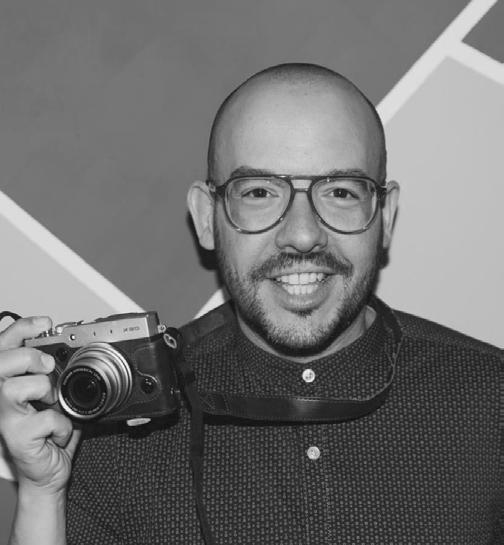
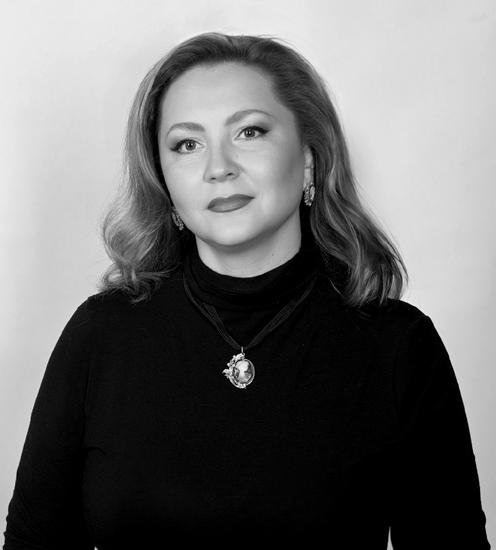
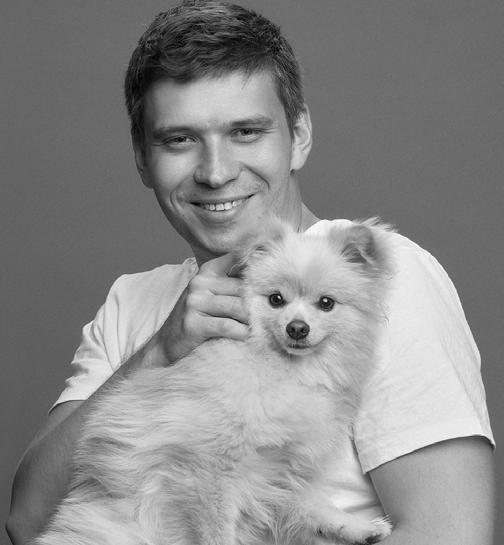
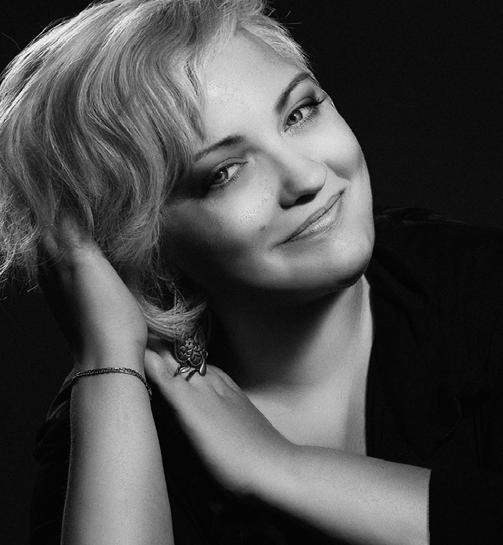
We bridge the gap between artists, community, and commerce through our creative networks. By promoting talent and visual literacy, we strive to create a more just, ethical and inclusive world. We support emerging and unrepresented artists by providing them with opportunities to showcase their work and helping them grow their careers. Additionally, we maintain close relationships with mid-career artists and provide them with opportunities to advance their careers through various activities and visibility.
WWW.REDHOTMONDE.COM
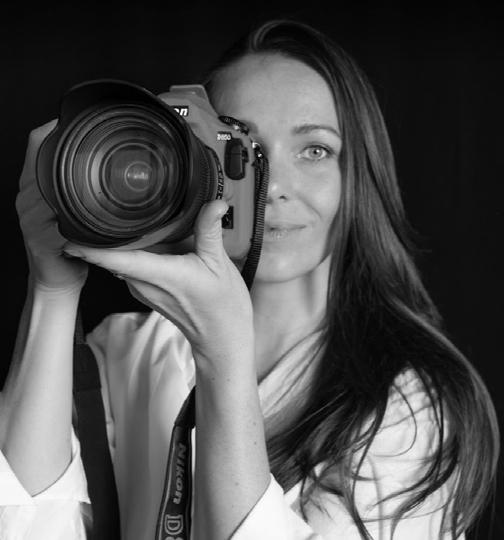

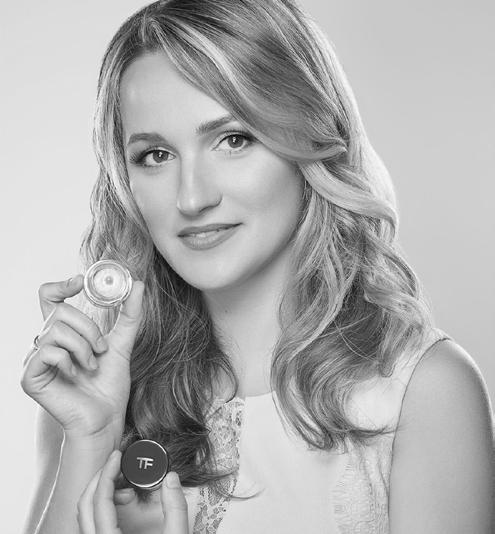

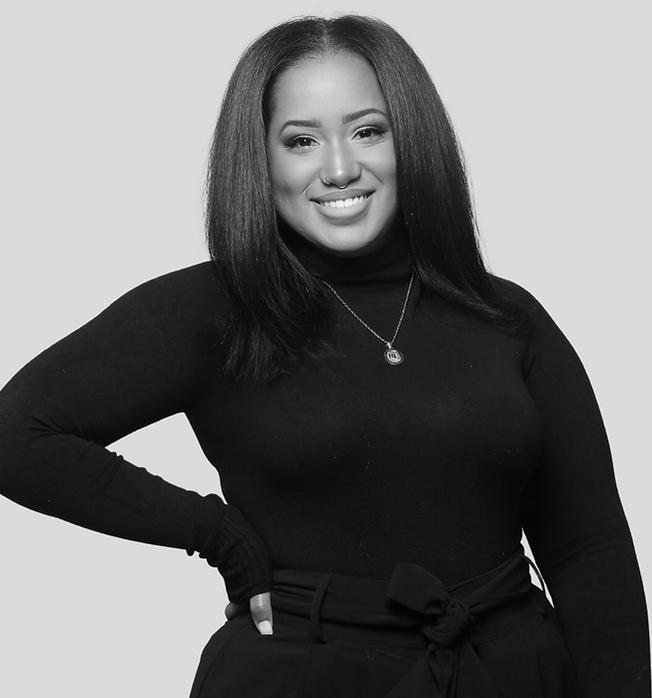
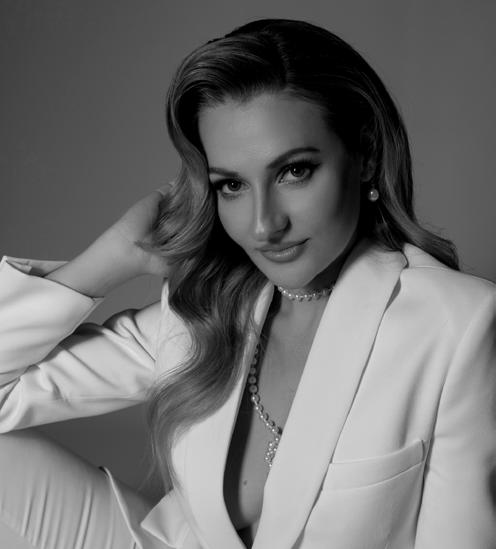
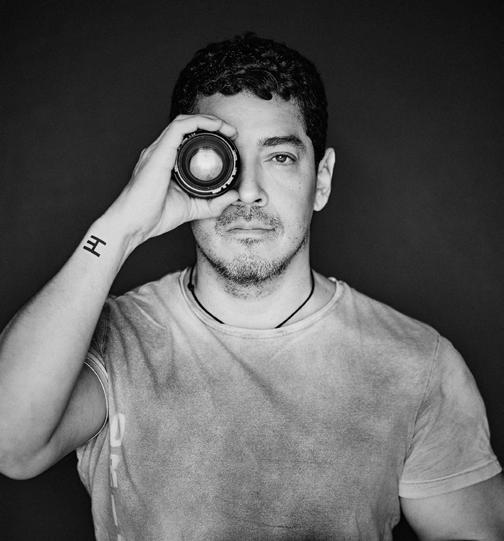

IRYNA VOSKERICIAN Editor-in-Chief
Publisher RED HOT MONDE MAGAZINE
Editorial Designer MUHAMAD ZIDAN MUHARWAN
Managing Editor FRANCE VILLEGAS
Website Administrator SUKHVEER SINGH
COVER
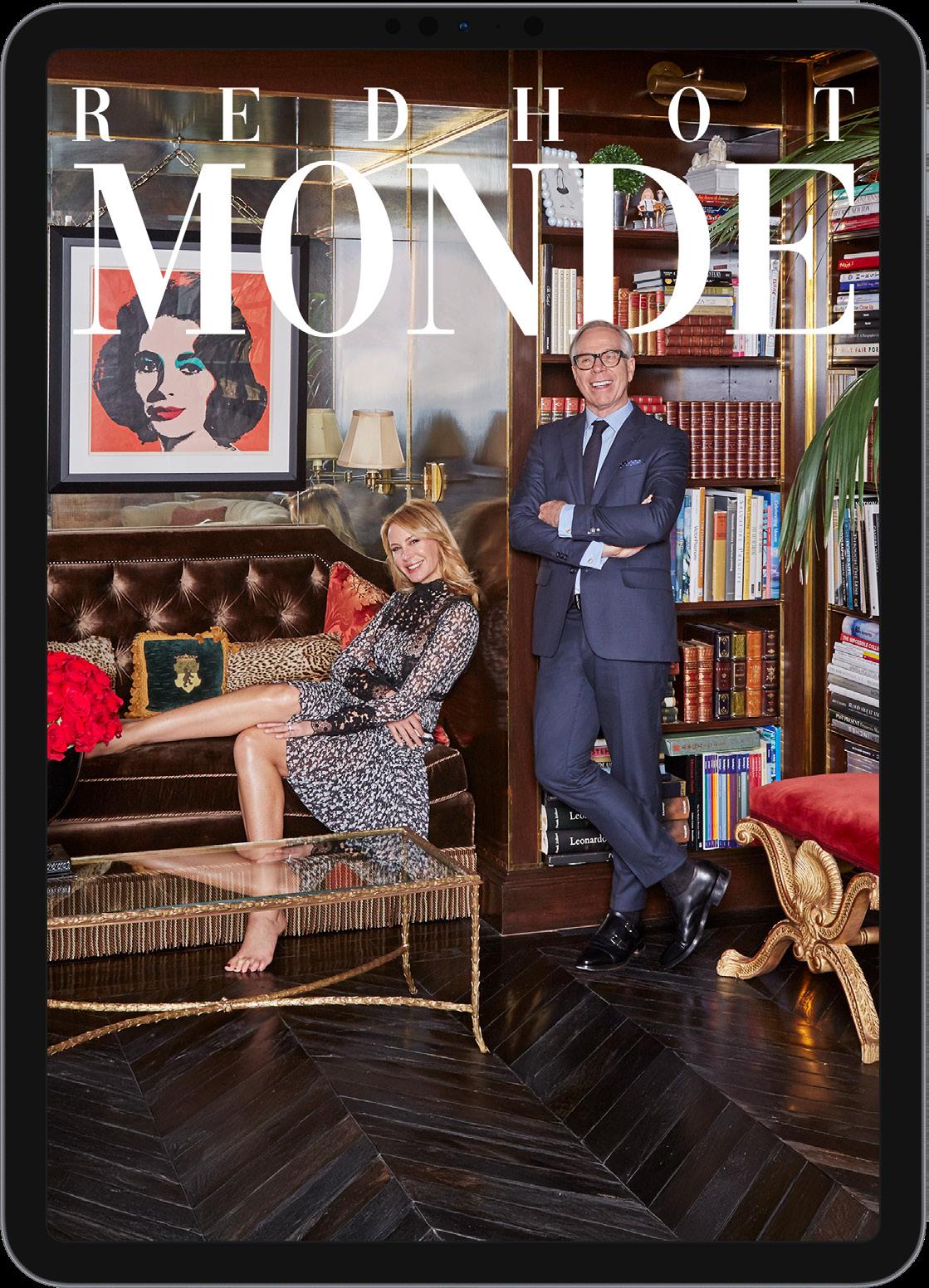
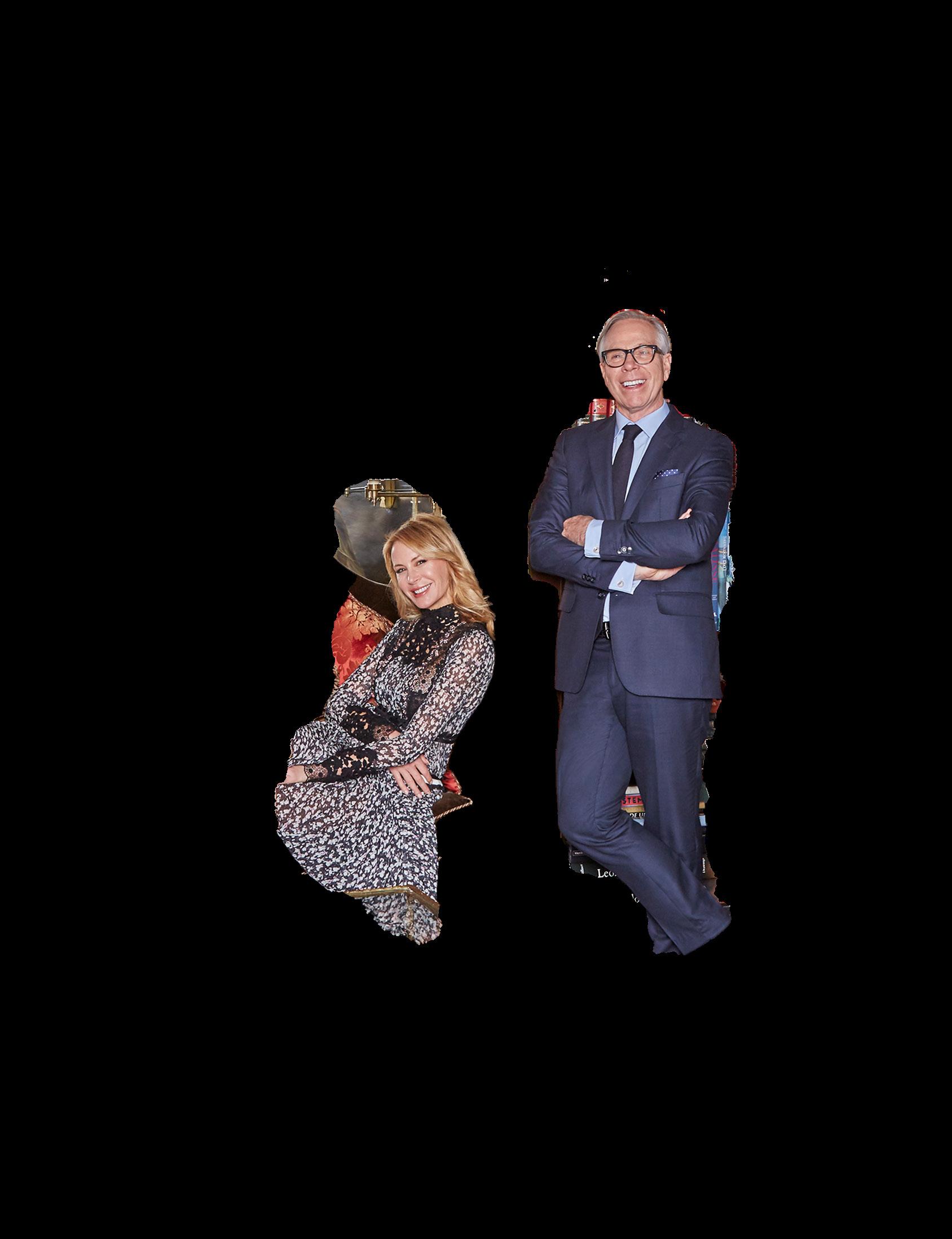
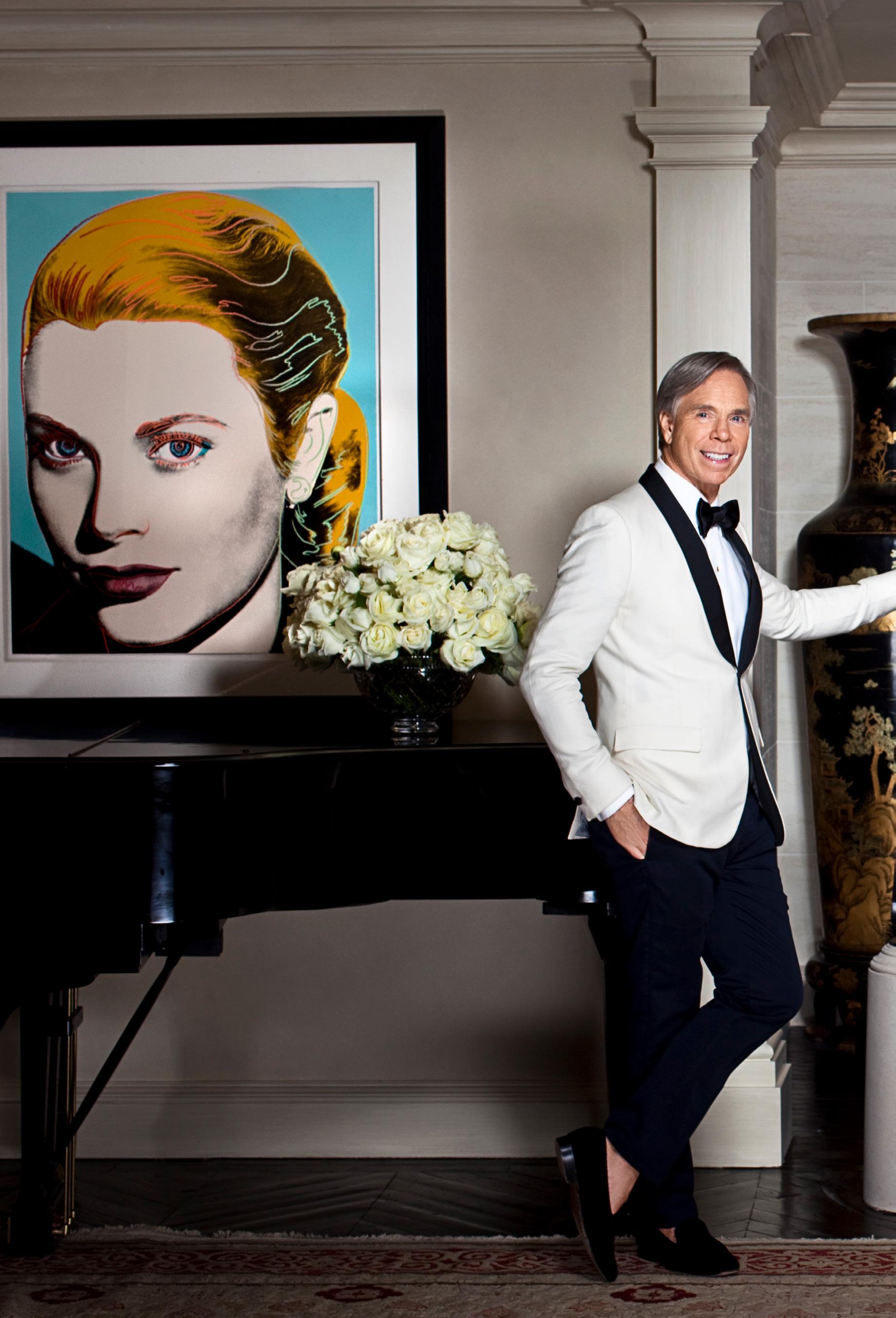
Cover Models DEE & TOMMY HILFIGER
Photographer DOUGLAS FRIEDMAN
CONTRIBUTORS
FRANCE VILLEGAS, IRINA MIR, KATYA RICH, RAJIB GHOSH, VALERIA VINOGRADOVA, MOHAMMAD HASHAM, DOUGLAS FRIEDMAN.
ADVERTISING
Contact RED HOT MONDE MAGAZINE
Email PR@REDHOTMONDE.COM
Website WWW.REDHOTMONDE.COM
SOCIAL
Facebook @REDHOTMONDE.MAG
Instagram @REDHOTMONDE.MAG Kavyar @REDHOTMONDE
Twitter @REDHOTMONDE
Pinterest @REDHOTMONDE
Red Hot Monde Magazine is synonymous with affluence, heritage and the best of the best. Based in San Francisco, CA. Red Hot Monde is the unique platform for the most opulent and educated readers. Its audience has a shared appreciation for stylish excellence, quality, exclusivity, and culture. The most successful people rely on our brand to discover the products and experiences, and connect to them on a personal level through ideas and opinions we share in insightful interviews with the creators. Advertisers: If you have a product or service to sell, Red Hot Monde Magazine provides year long advertising programs with access to our highly trafficked website www.redhotmonde.com geared specifically to the fashion lifestyle industry. Please contact us pr@redhotmonde.com with subject “Advertising Proposal” and include your print-ready advertisement. Please allow up to 3-business days for review.

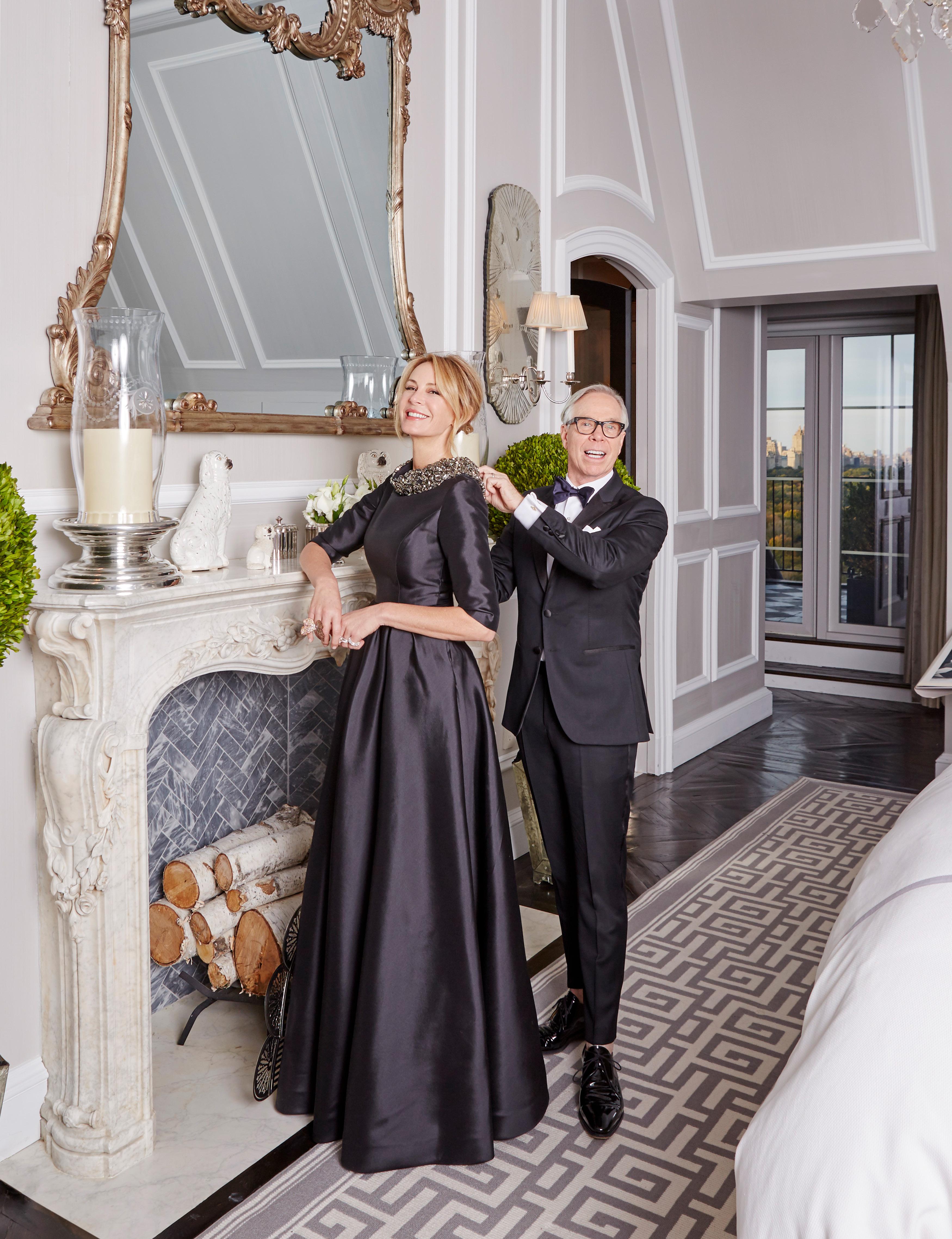
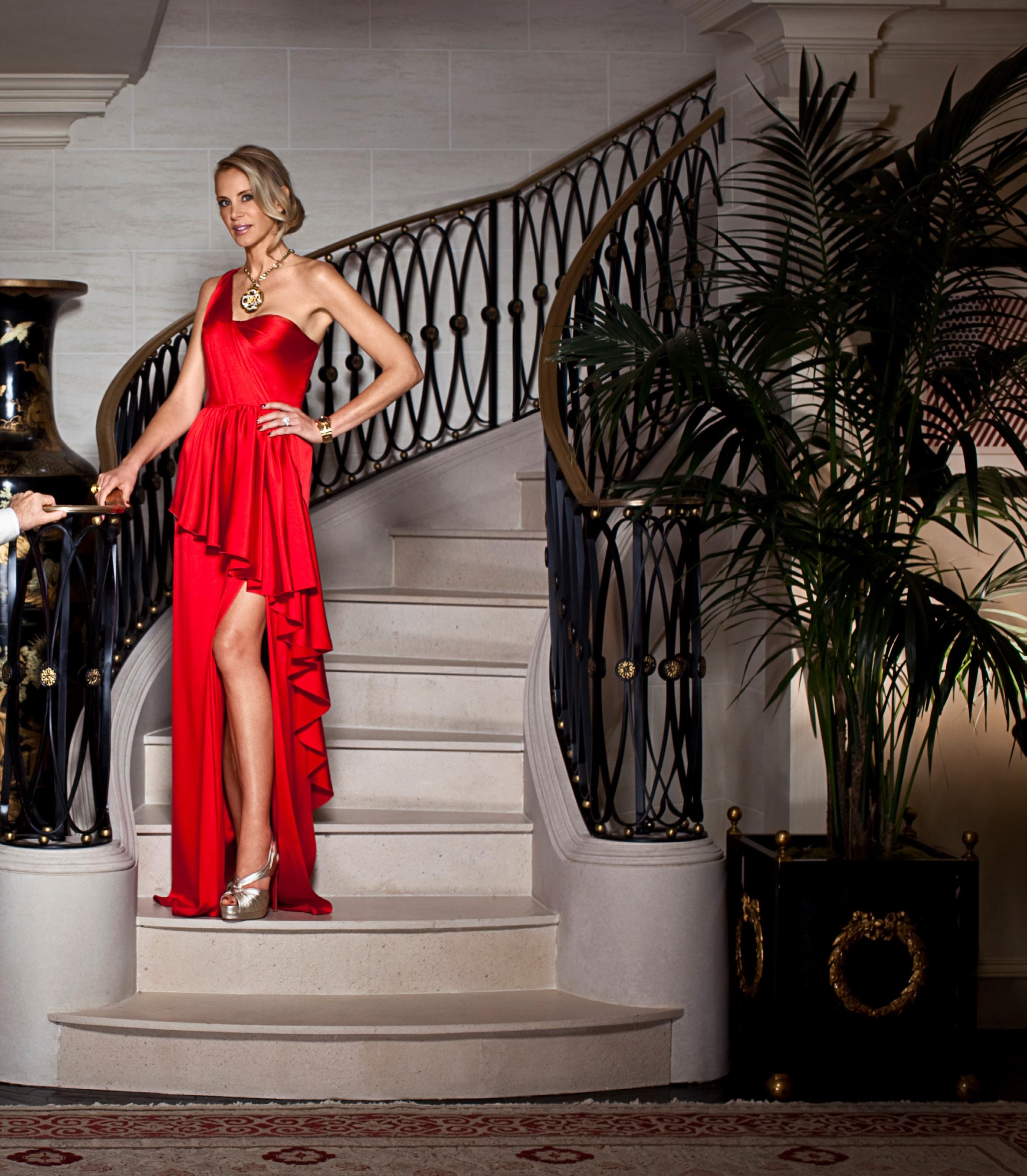
DEE & TOMMY HILFIGER
HOUSE HILFIGER of
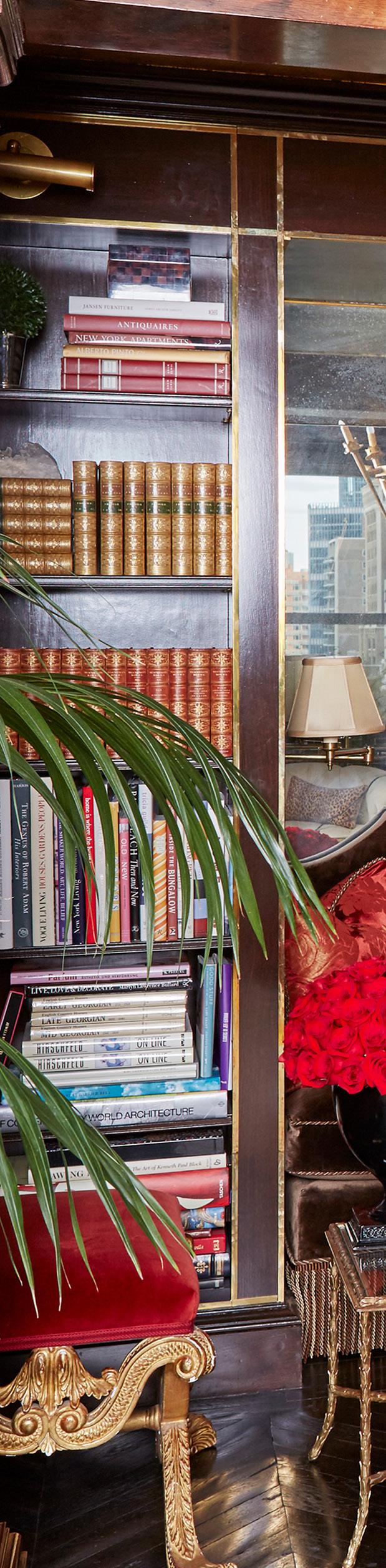
Photographer DOUGLAS FRIEDMAN
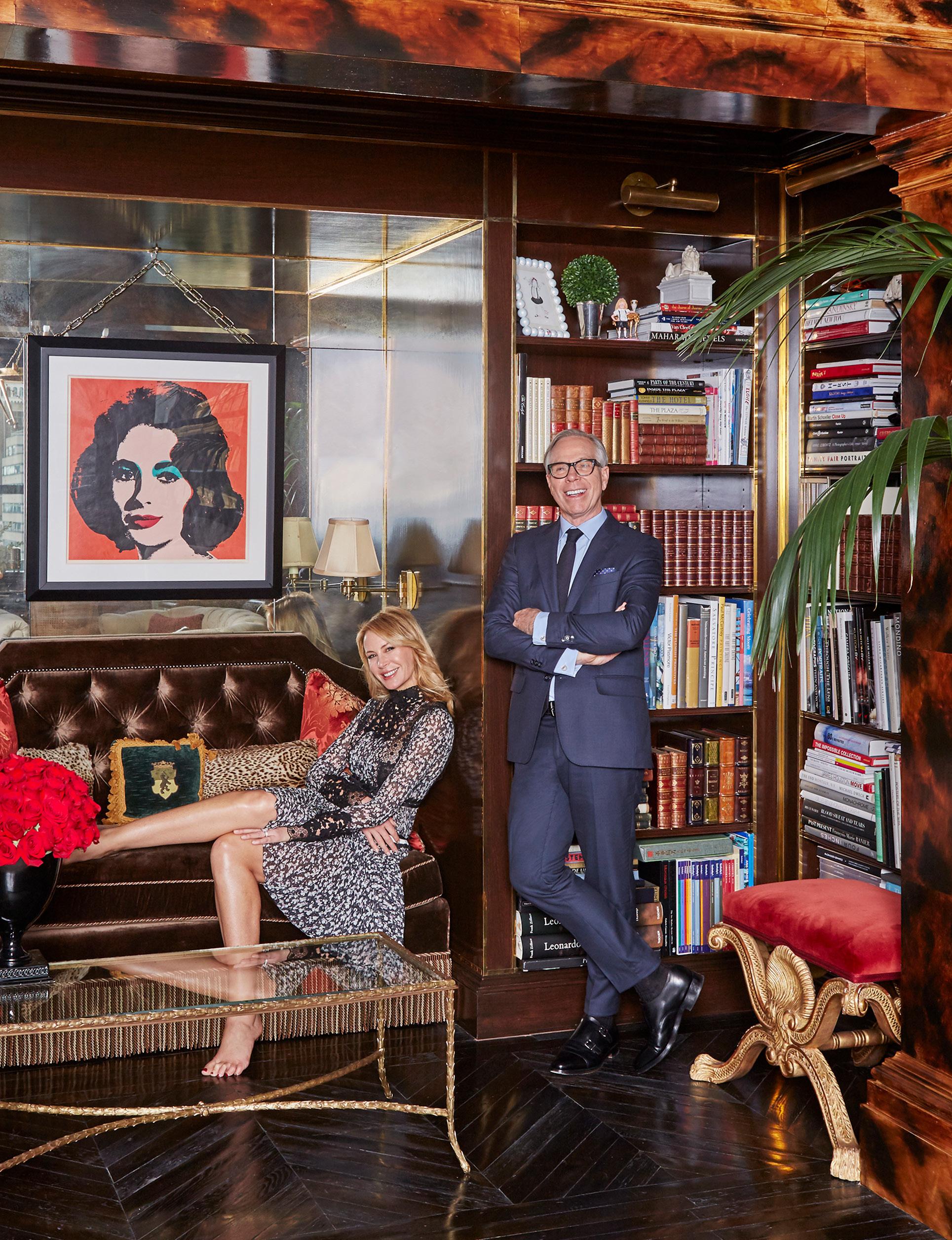
THE LIFE AT THE TOP NYC Plaza
THE PLAZA
Transforming two top-floor units—turret included—into a glamorous 6,000-square-foot duplex.
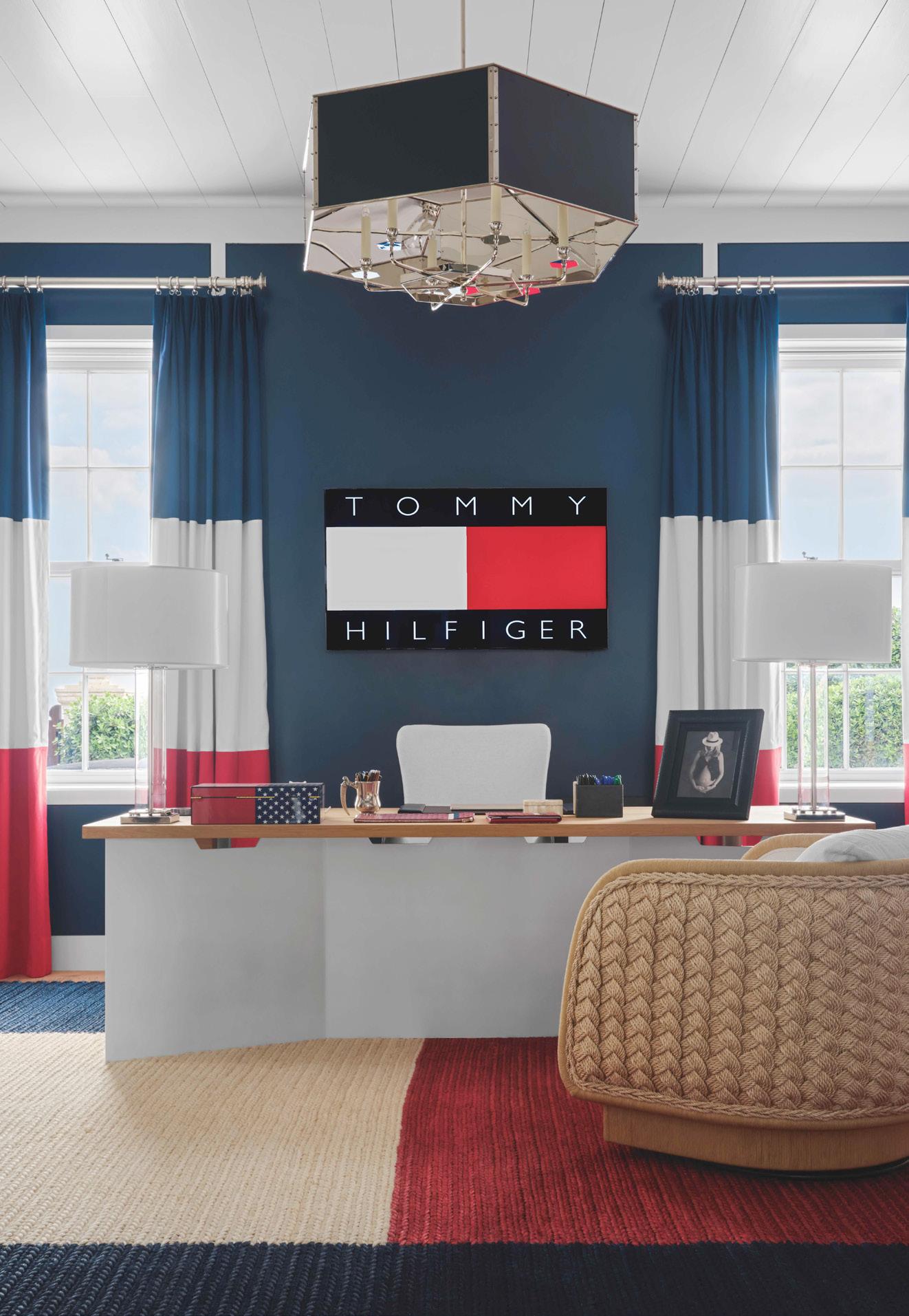
Designed with Cindy Rinfret, it mixed old-world luxury and modern art, featuring Warhols, a Picasso, and a whimsical mural by Eloise illustrator Hilary Knight. With its French bistro kitchen and views over Central Park, it was a vibrant, personal home that captured the Hilfigers’ style and spirit.
TH BRAND
Tommy, you’ve built one of the most recognizable brands in the world. What do you think has kept Tommy Hilfiger relevant through so many cultural shifts?
Tommy: I’ve always believed that reinvention is part of staying timeless. From the start, the brand has been rooted in classic American style — but we’ve never been afraid to reimagine it through the lens of each generation. Staying curious, listening to culture, and collaborating with people who inspire me have kept the brand fresh while staying true to its DNA.
Classic American cool” has been your signature. How would you define that idea in 2025 and beyond?
Tommy: Classic American cool is about confidence, individuality, and optimism. It’s timeless, but always evolving. Today, it means taking those preppy, sporty, and heritage influences and reinterpreting them in a way that feels effortless and inclusive.
"A
HOUSE IS ALWAYS A WORK IN PROGRESS, JUST LIKE LIFE."
DO BRAND
The fashion industry has changed more in the last five years than in the previous fifty. What innovations excite you most about where the industry is heading?
Tommy: Technology is opening new doors for creativity — from digital design and AI to immersive retail and personalization. What excites me most is how innovation can bring people closer to the brand experience, making fashion more connected and accessible than ever before.
As Creative Director of Judith Leiber Couture, how do you continue to evolve such an iconic brand while honoring its legacy?
Dee: Judith Leiber is synonymous with craftsmanship, artistry, and glamour — so every design begins with that foundation. My goal has been to keep that spirit alive while bringing a modern perspective to it. I love blending the brand’s timeless elegance with a touch of playfulness, creating pieces that feel collectible but also contemporary for today’s woman.
Mrs. H for QVC has quickly become known for bringing effortless, accessible luxury into everyday life. What inspired you to create the collection, and how does it reflect your personal approach to style and design?
Dee: Mrs. H was born out of a desire to make beautiful, well-designed pieces for the home accessible to everyone. I’ve always believed that luxury isn’t defined by price — it’s about creating an environment that feels inviting, polished, and personal.
ON DESIGN, ART & HILFIGER HOMES
Hilfiger Homes reveals a deeply personal side of you and Dee. What do you hope readers discover about your lives through the lens of design?

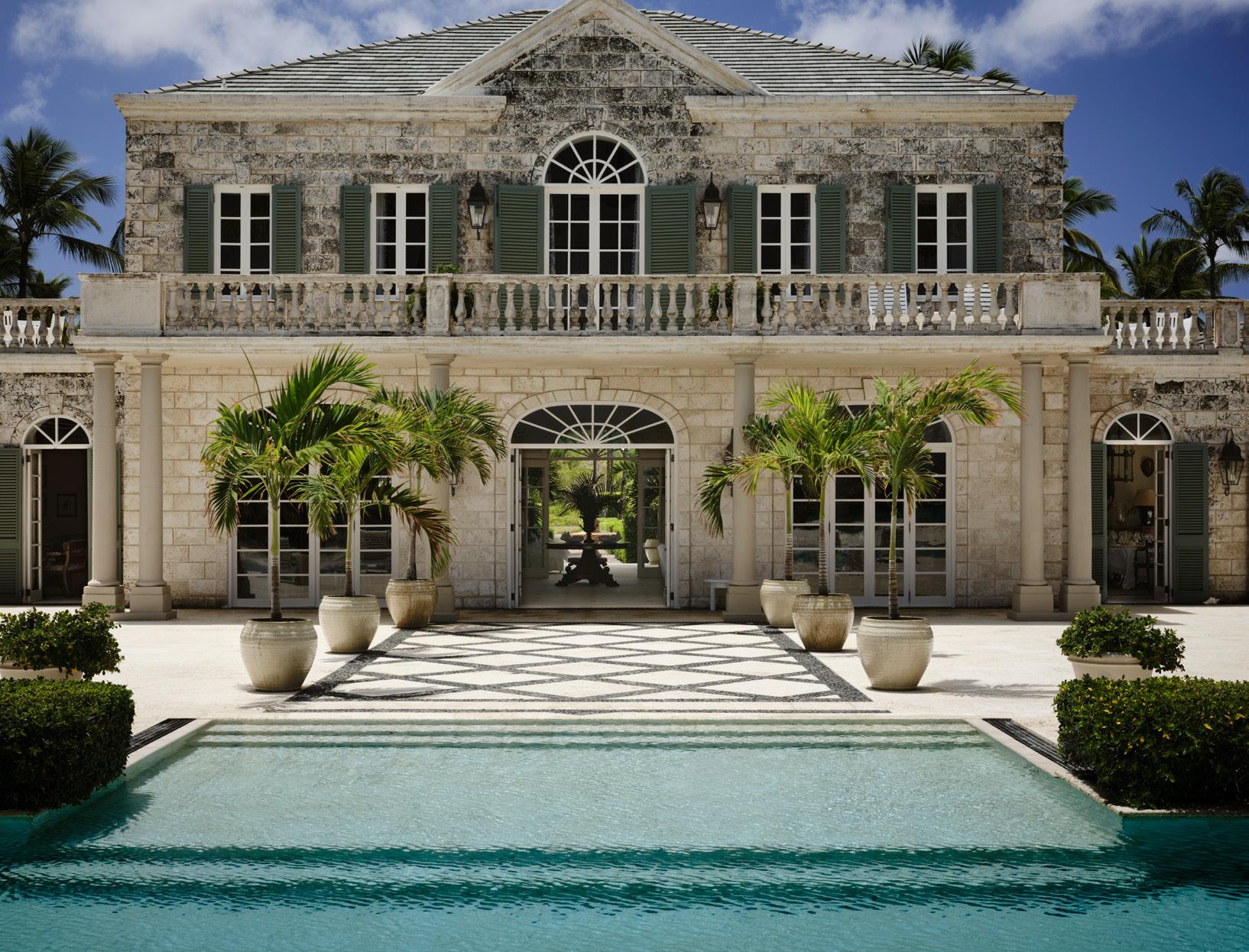
A tranquil Caribbean retreat built in the early 1990s. Blending British Colonial elegance with relaxed island style, the six-acre estate features coral-stone architecture, palm-filled gardens, and sweeping views of turquoise seas—reflecting Tommy’s love for symmetry, privacy, and timeless design.
BEACH HOUSE
PALM BEACH HOUSE
PALM BEACH
Coral
HOUSE
OCEAN TO LAKE , A CLASSIC WITH A TWIST
CORAL HOUSE
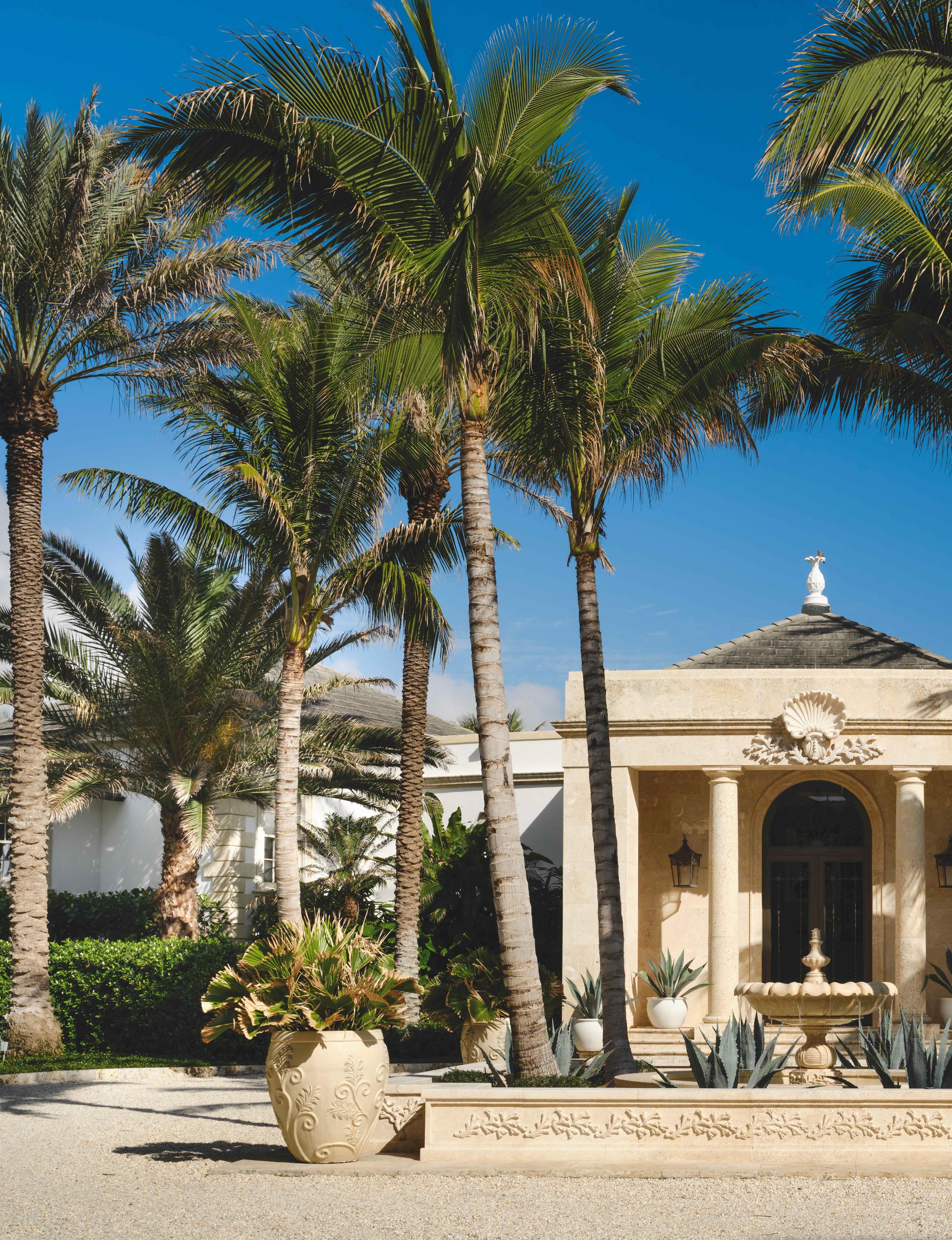
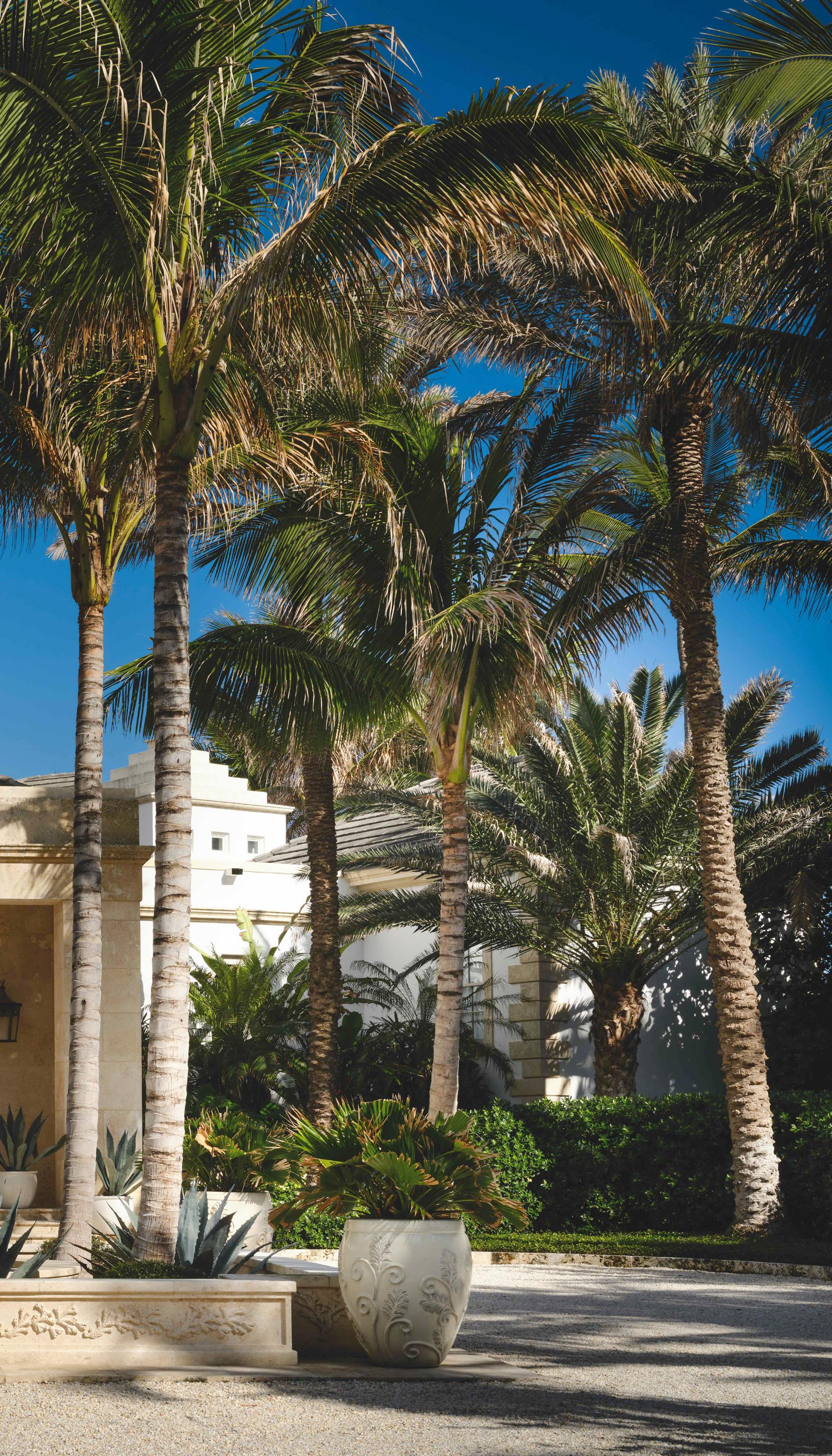
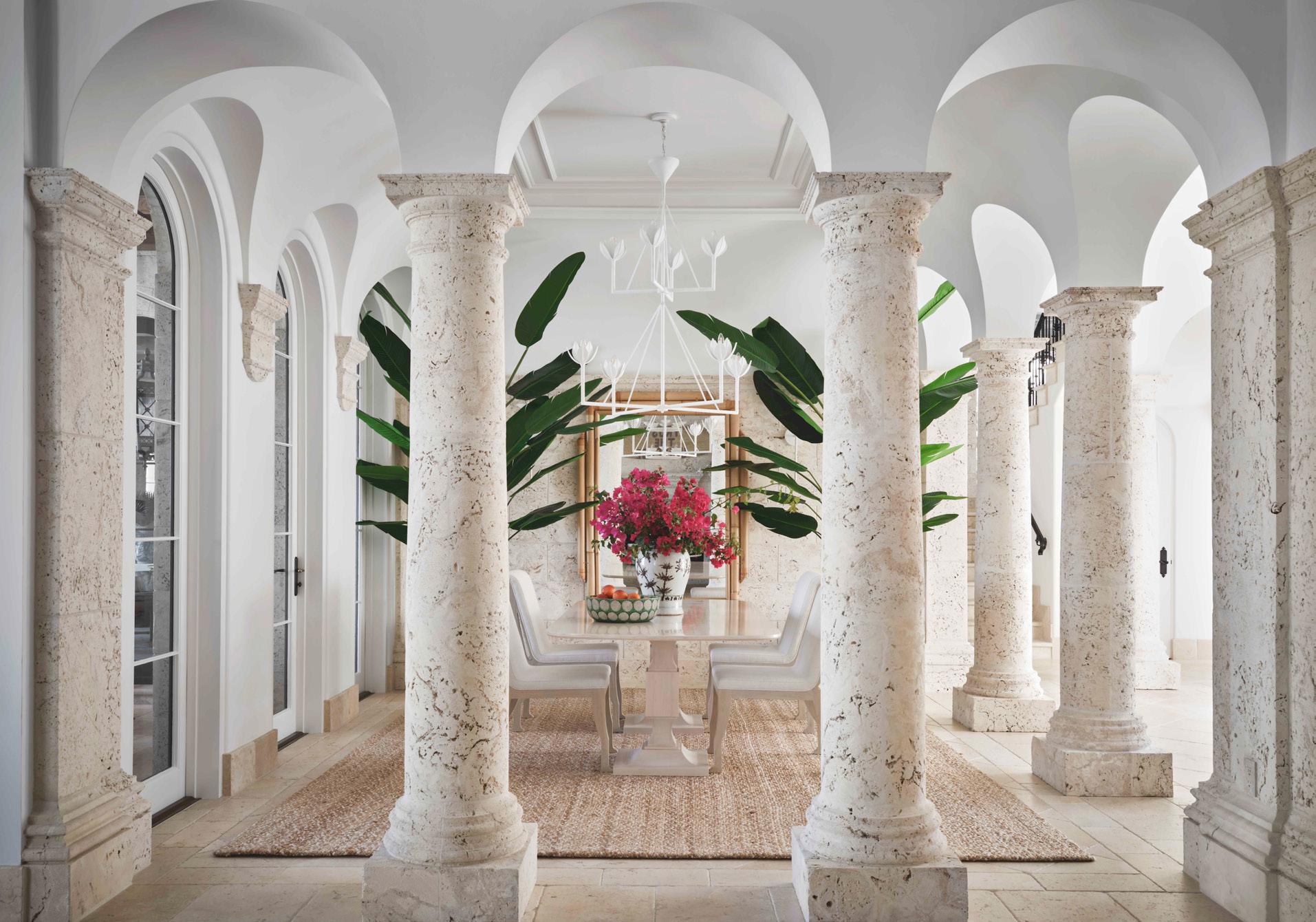
Tommy and Dee Hilfiger’s Coral House on Palm Beach was their most challenging project yet. They wanted one home that combined the space of their Greenwich estate with the beachfront of their Miami house. After searching, they found a neglected 1970 John L. Volk mansion spanning ocean to lake—a rare Palm Beach gem.
Tommy: I hope people see that our homes are reflections of our story — where we’ve been, what we love, and how we live. They’re not about perfection; they’re about personality. Every room tells a story of curiosity and creativity.
Dee: Each home captures a chapter of our lives together. It’s about creating spaces that feel warm, inviting, and filled with meaning — places that celebrate family, art, and the memories we make along the way.
You’ve designed clothes that shape identity — and now, spaces that shape experience. How do fashion and interiors connect for you creatively?
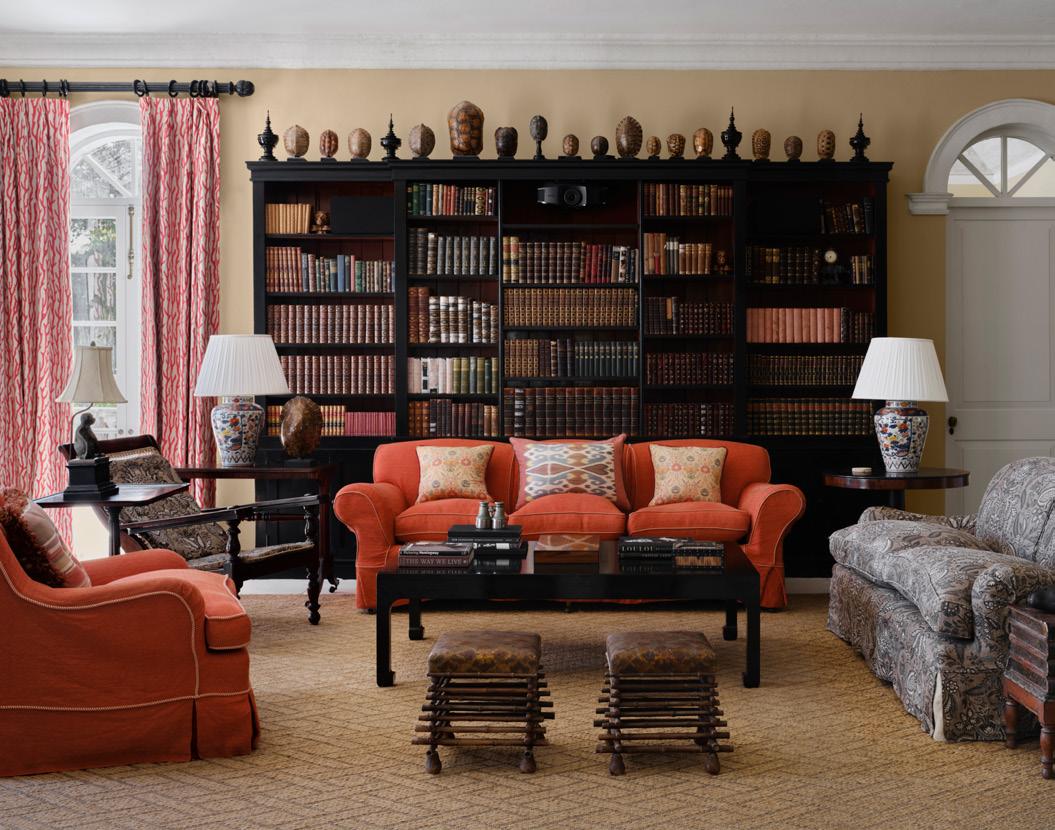
Tommy: Design is design — whether it’s a jacket or a living room, it’s about balance, detail, and storytelling. The same principles apply: proportion, color, and emotion.
Many of your homes, like Villa Deniz or Round Hill, blend nostalgia with modern flair. How do you achieve that sense of timelessness?
Tommy: I love mixing eras — a vintage piece next to something modern creates energy. It’s about contrast and curation. Nostalgia adds warmth; modernity keeps it alive.
Dee: For us, it’s about harmony. We both love history and glamour, but we also want comfort and ease. When those elements come together naturally, the result feels timeless.
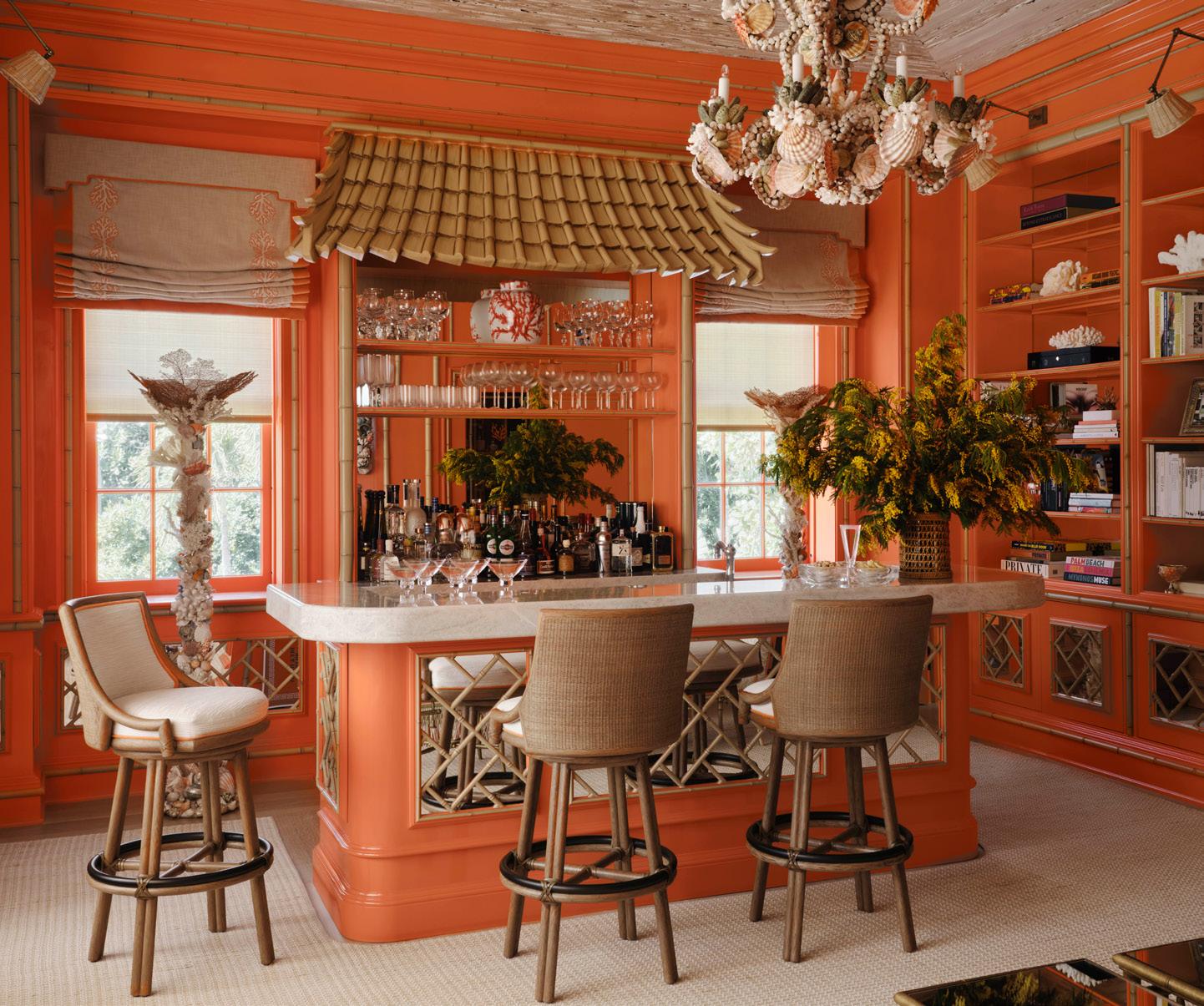
Dee, you and Tommy clearly share a creative wavelength. What’s the secret to working — and designing — together so seamlessly?
Dee: We trust each other’s instincts. We have different perspectives, but they complement one another. Tommy loves bold ideas; I love refining the details. Together, we find a balance that feels authentic to both of us.
Tommy: Dee has incredible taste — she brings elegance and intuition to everything she touches. We share the same vision: to make life beautiful, but never too serious.
SAN FRANCISCO FALL SHOW
The San Francisco Fall Show celebrates design, craftsmanship, and collecting. What inspired you to take part this year?
"I LOVED LIVING THERE. IT WAS A VERY SPECIAL, EXCITING TIME IN OUR LIVES."
Tommy: Design has always been part of our DNA, and I’ve admired the San Francisco Fall Show for its focus on craftsmanship and creativity. With Hilfiger Homes, this felt like the perfect moment to celebrate that intersection between fashion and interiors.
The show’s theme, Paradise Found, feels serendipitous given your book’s lush, worldly aesthetic. How do you personally define paradise — in design and in life?
Dee: Paradise, to me, is a place where you feel completely at ease — surrounded by beauty, love, and most of all, family. It can be a home, a moment, or even a feeling.
Tommy: For me, paradise is wherever Dee and I are creating together — whether that’s a home, a collection, or a new idea.
What message do you hope to leave with visitors — whether they’re collectors, creators, or simply lovers of great design?
Dee: That great design tells a story. Whether it’s fashion, art, or interiors, it’s about passion and personality.
Coral
HOUSE
OCEAN TO LAKE , A CLASSIC WITH A TWIST PALM BEACH
CORAL HOUSE
Over three years, designer Cindy Rinfret and landscape architects Nievera Williams restored it with coral stone from the Dominican Republic and pecky cypress ceilings, creating a timeless yet modern Palm Beach feel. Inside, art by Warhol and Picasso complement elegant, relaxed interiors—“grand, but casual,” as Rinfret describes, echoing Tommy’s signature style.
PALM BEACH
VILLA
Maria
A FIRST FORAY, A CALMING INTERLUDE
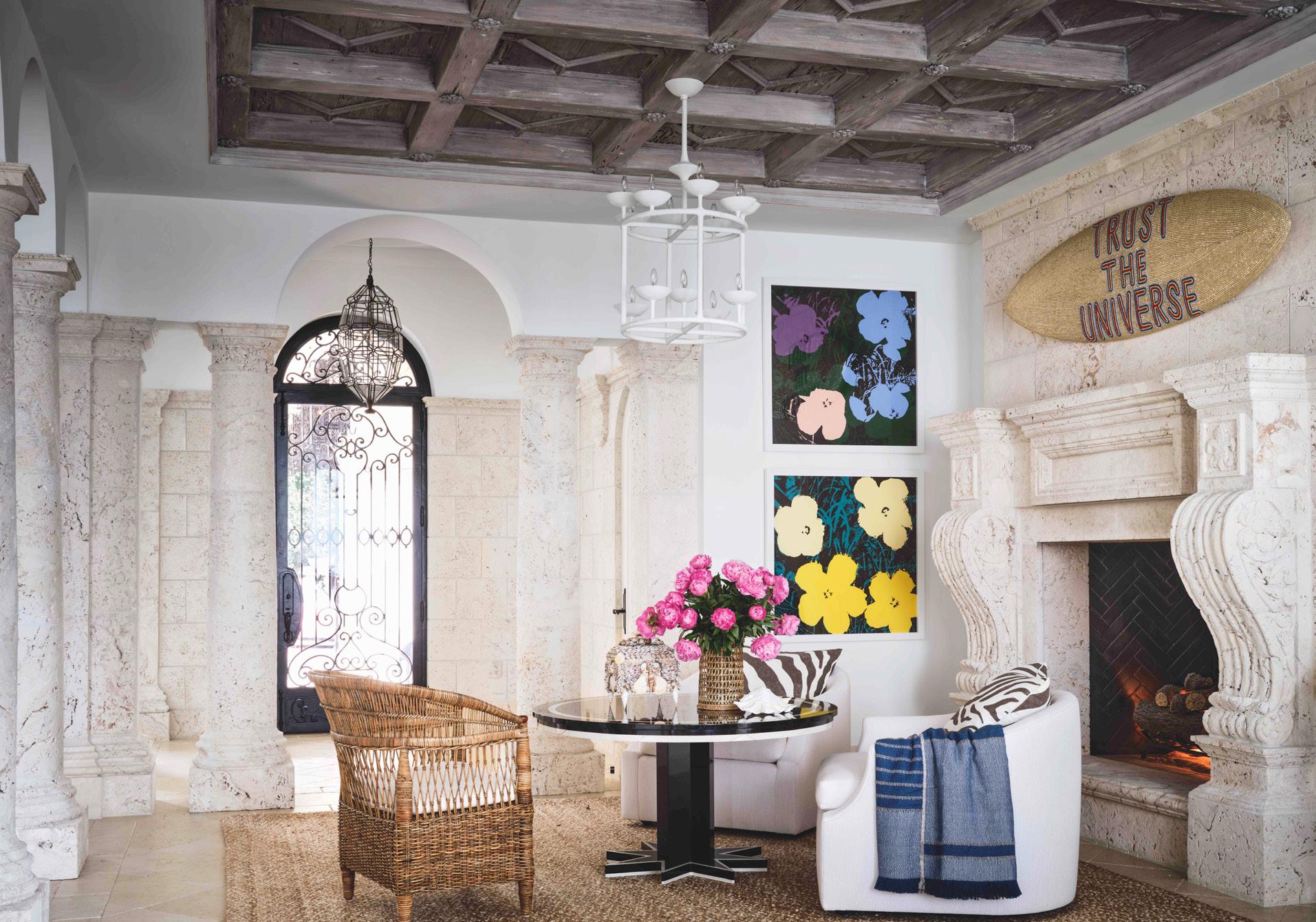
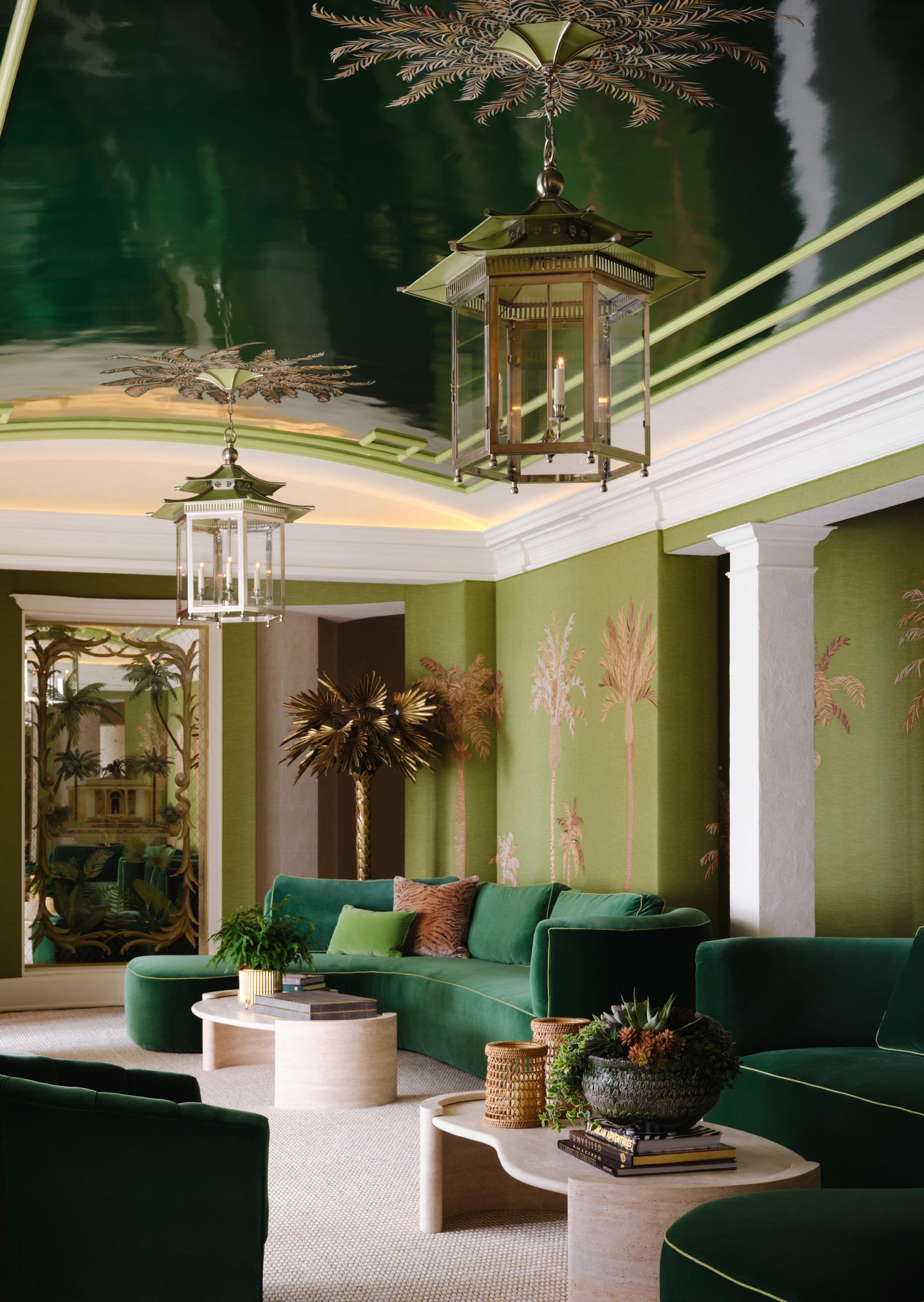
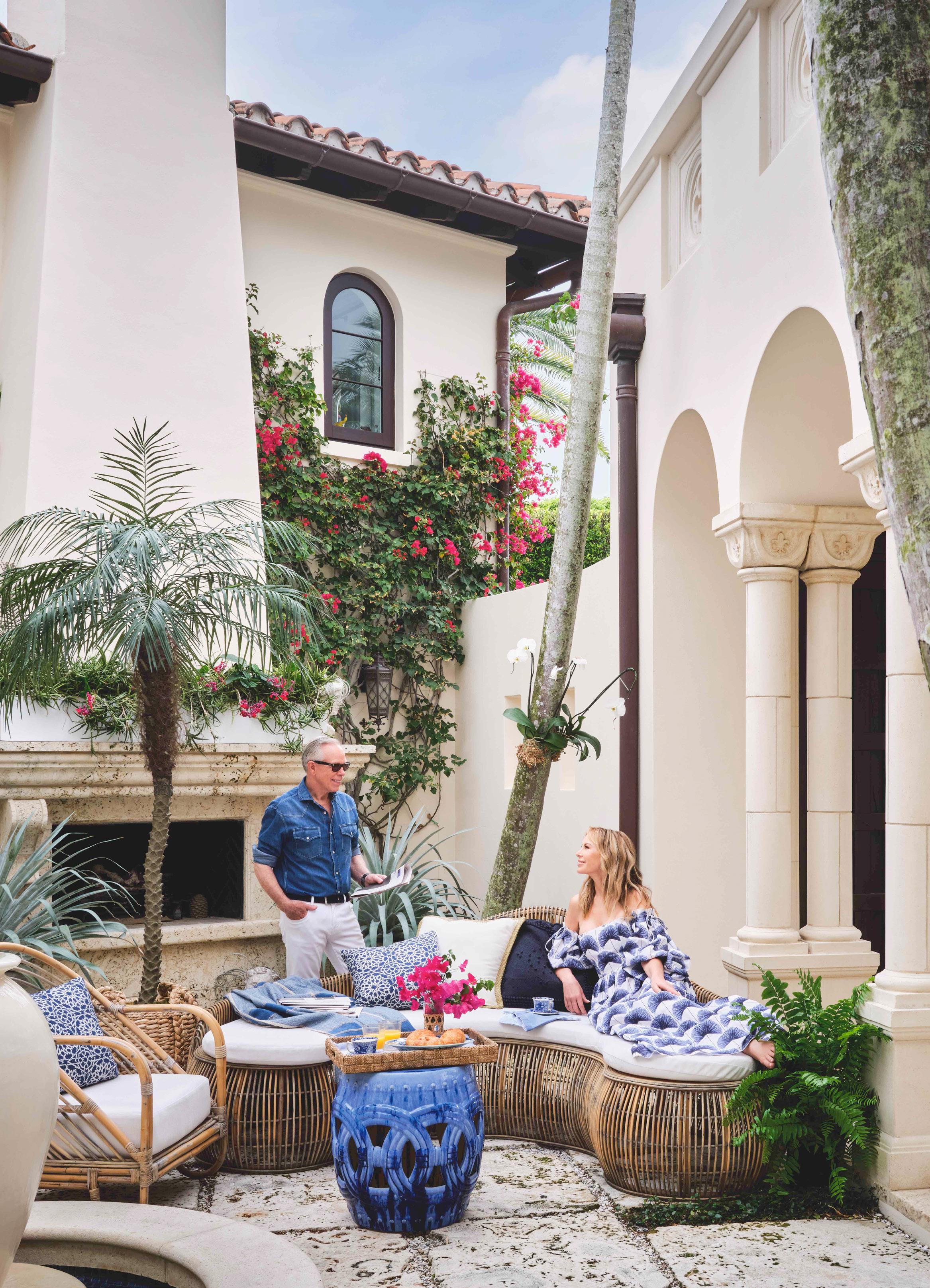
After the bold Villa Deniz, Tommy and Dee Hilfiger’s Villa Maria in Palm Beach marked a calm new chapter. Designed with Martyn Lawrence Bullard, the Mediterranean-style home featured bright, cream tones, wicker accents, and modern art. Once dark and formal, it became airy and relaxed—blending old Palm Beach glamour with easy, modern comfort overlooking Lake Worth.
VILLA MARIA
Exclusive Interview
EXCLUSIVE INTERVIEW WITH Valeria Vinogradova
The Sociology of Desire
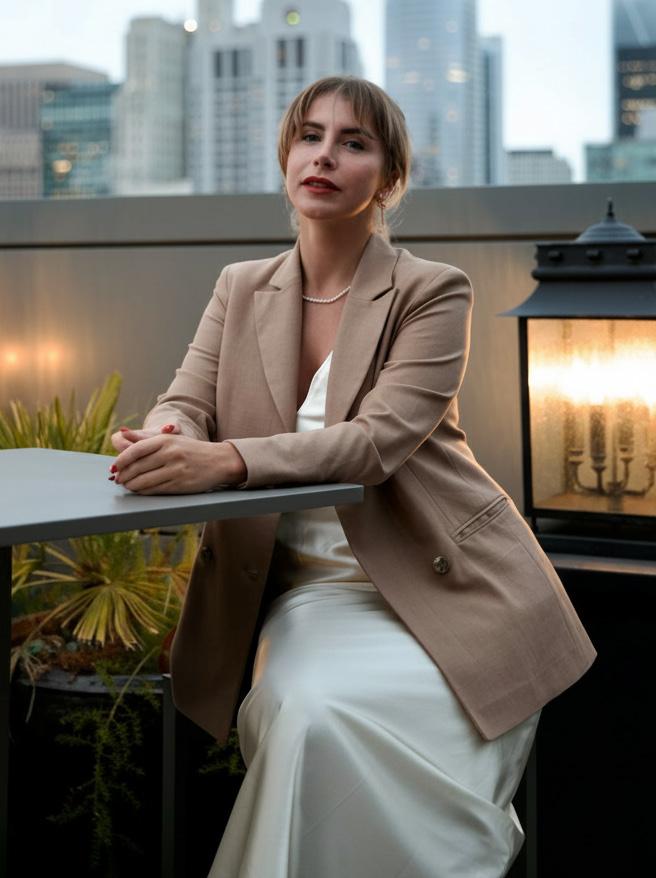
Valeria Vinogradova moved from Eastern European industrial marketing to Silicon Valley luxury events with one core belief: emotion drives decisions. Through her San Francisco ventures — Aesthetic Embassy, an event agency, and Slavine, a platform for Eastern European designers — she’s proving that whether you’re closing million-dollar contracts or planning weddings, logic alone never seals the deal.
ou have an unusual origin story: sociology degree, fi ve years heading marketing for an industrial B2B company, then luxury events in San Francisco. How does that trajectory make sense?
When I was living in Moscow, I headed marketing at SD Group, selling lighting systems to some of the country’s largest corporations — PIK Group, X5 Retail Group, Novikov Restaurant Group. Everyone assumed these were purely rational decisions: specifi cations, pricing, logistics. My results suggested otherwise. I increased B2B lead fl ow by 150% over three years by repositioning our product around experience — how lighting affects retail conversion, how it creates residential comfort, how it transforms restaurant atmosphere.
That realization crystallized: even in industrial sectors, relationships and experience drive decisions. The same psychology that infl uenced corporate purchasing — emotional resonance over
pure logic — would become the foundation of my events methodology.
When I moved to San Francisco, I saw the same pattern everywhere, except no one was applying it to events. The industry was trapped between two extremes: logistics or decoration. No one was asking the deeper question: What is this event supposed to mean?
You founded two businesses — Aesthetic Embassy and Slavine. How do they connect?
They’re parts of one ecosystem. When I moved to San Francisco, I kept thinking about the beautiful emerging brands I’d seen develop across Eastern Europe — designers creating something sophisticated, culturally rich, distinct from Western aesthetics.
Slavine began as a way to bring those designers here. At fi rst, I considered consulting them on entering the American market, but what was really needed was distribution — a curated platform that could translate Eastern European design sensibility for U.S. audiences while preserving authenticity.
Exclusive
Interview

Aesthetic Embassy emerged from a parallel observation: San Francisco has extraordinary cultural infrastructure but very few venues where you’d actually want to wear those beautiful clothes. Why bring exceptional fashion if there’s nowhere to experience it? That’s when the immersive events concept crystallized — creating spaces where aesthetic sophistication in all its forms can be appreciated. They feed each other. Slavine provides access to design resources and aesthetic perspectives unavailable in standard vendor networks. Aesthetic Embassy creates the contexts where that level of design makes sense. It’s about building complete cultural experiences, not offering isolated services.
So what is “emotional architecture” in practice?
It’s treating events as experiential narratives with designed emotional arcs. We begin with what I call sociological interviewing — the deep-discovery process sociologists use to understand motivations and meaning-making — before any aesthetic decisions.
For a wedding, we ask: How did you meet? What was the moment you knew? What feeling should guests leave with? Then we translate those answers into space, rhythm, sensory detail. Maybe their fi rst date was in a jazz club — so we don’t just book a jazz band; we design the entire evening’s pacing around improvisation and spontaneity. Maybe they value intellectual connection — so instead of standard toasts, we create a moment where guests share written refl ections.
For corporate clients, we work backward from business metrics. If a tech company is losing talent to competitors, we don’t just throw a “fun” offsite. We interview leadership about culture, then design an experience that reinforces what makes the company distinctive. We build moments that create belonging — inside jokes become design elements, company history becomes theatrical staging. Then we validate impact with metrics: six-month retention, employee satisfaction scores, referral hiring. Why San Francisco specifi cally? You’re competing against estab-
lished players in New York and LA.?
I’m not competing — I’m fi lling a gap they can’t see. San Francisco has a paradox: extraordinary cultural infrastructure — Napa, Monterey, historic venues, the most sophisticated audience in the country — but very few events with conceptual depth. Everything is either tech-casual or generic luxury template.
The Bay Area elite have achieved everything materially. They’re not impressed by “expensive” anymore. They’re searching for meaning — for experiences that refl ect who they actually are. They’re willing to pay a premium for that, but only if it’s authentic.
You’ve said “beautiful is forgettable,” yet you work in a visually driven industry. How do you reconcile that?
Aesthetics matter enormously — but only when they serve meaning. There’s a discipline to visual storytelling. In sociology, we study how symbols communicate. A color isn’t just pretty; it carries cultural weight. A spatial arrangement isn’t just functional; it shapes interaction.
I want to challenge the stereotype that “luxury events” mean maximalist decoration. Real sophistication is restraint with intention. Every element should answer the question: What is this communicating?
This is where Slavine becomes powerful. Eastern European design traditions understand that clothing is a language of self-expression, not merely trend-following. The sociology of fashion — an academic discipline rooted in meaning, not surface — captures this perfectly. That depth directly shapes how we approach events.
Clients don’t hire us for Instagram moments. Our referral rate is 85% — far above the industry average of 30–40% — because people remem-
ber what we create 18 months later, not just when photos arrive. They remember because the experience meant something personal.
Your own wedding experience shaped this business. What happened?
Our venue budget increased 20% between the initial quote and fi nal billing — hidden alcohol markups, undisclosed service fees, mysterious charges not listed in the contract. I realized the wedding industry is structurally designed for extraction, not value. Most planners work on vendor commission, which incentivizes infl ating budgets.
But the deeper issue was conceptual emptiness. Every planner showed me mood boards — beautiful staging, standard timelines, generic fl ow. No one asked: Who are you as a couple? What do you want this day to mean? They were selling a service, not creating a narrative.
That’s when I understood what I wanted to build. My B2B marketing background taught me to manage complex budgets and negotiate with vendors. My sociology training gave me tools to extract meaning through interviewing. Together, they became the methodology.
I founded Aesthetic Embassy about a year after our wedding, once I fully processed what the market was missing and developed the framework to address it.
The luxury market is shifting. What are you seeing?
I recently spoke with a luxury consulting club in New York, and the theme dominating every conversation was authenticity as currency. When you’ve earned everything and proven everything, you can fi nally afford to be yourself.
People aren’t buying Porsches to impress neighbors anymore — they’re buying them because they dreamed of that car since childhood. It’s inter-
nal validation, not performance. The same shift is happening in events. Clients seek us out precisely because they don’t want what everyone else has. They want something that refl ects their values, their story — even if that’s quieter, smaller, less “impressive” by traditional standards.
What’s next for Aesthetic Embassy and Slavine?
Geographic expansion — New York next season, then LA. European destination weddings in castle venues. Both businesses scale together: as we design more sophisticated events, we need access to design resources that match the vision. As Slavine expands its designer network, we create cultural contexts where that craft can be fully appreciated.
We work with San Francisco’s most distinctive historic venues — spaces like the 1908 Bank of Italy building at Amador Club — that carry architectural character and cultural resonance. These spaces become collaborators in storytelling, not just backdrops.
The deeper goal is scaling the methodology. At SD Group, I built CRM infrastructure that let us serve major corporate clients simultaneously while maintaining personalization. I’m applying that same systems thinking here: creating frameworks that allow the approach to grow without diluting quality.
The vision isn’t simply to build bigger companies — it’s to establish a new category. Today, “event planner” means logistics coordinator or decorator. I want “experiential architect” to be recognized as its own discipline — combining sociology, scenography, business strategy, and narrative design.
If you could change one thing about the events industry, what would it be?
Transparency. Hidden costs, commission structures, unclear value —
About AESTHETIC EMBASSY
VISION & CONCEPT
Every element provokes a specific feeling: power, temptation, catharsis, gratitude. Nothing is random—everything serves the architecture of emotion: transitions, contrasts, tension and release. We work with perception, not narrative. The guest lives the story without playing a role.
IMMERSION INWARD
Guests participate without pressure, without absurdity. We create immersion inward—where you don't lose yourself, you find yourself. An experience lived through, with elegance and dignity intact. The space breathes with you, inviting you in only as far as feels right.
AESTHETIC & CODE
High aesthetic standard in everything: movement, light, scent, sound, taste. Costumes, gestures, details—nothing accidental. Every touch speaks a unified language. Elegance, clarity, measure.
www.aestheticembassy.com
these create distrust. Clients should know exactly what they’re paying for and why.
More fundamentally: shifting from template thinking to narrative thinking. Every event should start with why are we gathering? — not what should it look like? When you answer the why fi rst, the what becomes obvious.
What’s the core philosophy behind everything you build?
We don’t organize events. We design the architecture of experience. Emotion is the medium, aesthetics is the language, meaning is the strategy. In a world oversaturated with information and transaction, the ultimate luxury is an experience that helps you understand yourself more clearly — and connects you more deeply to the people who matter.
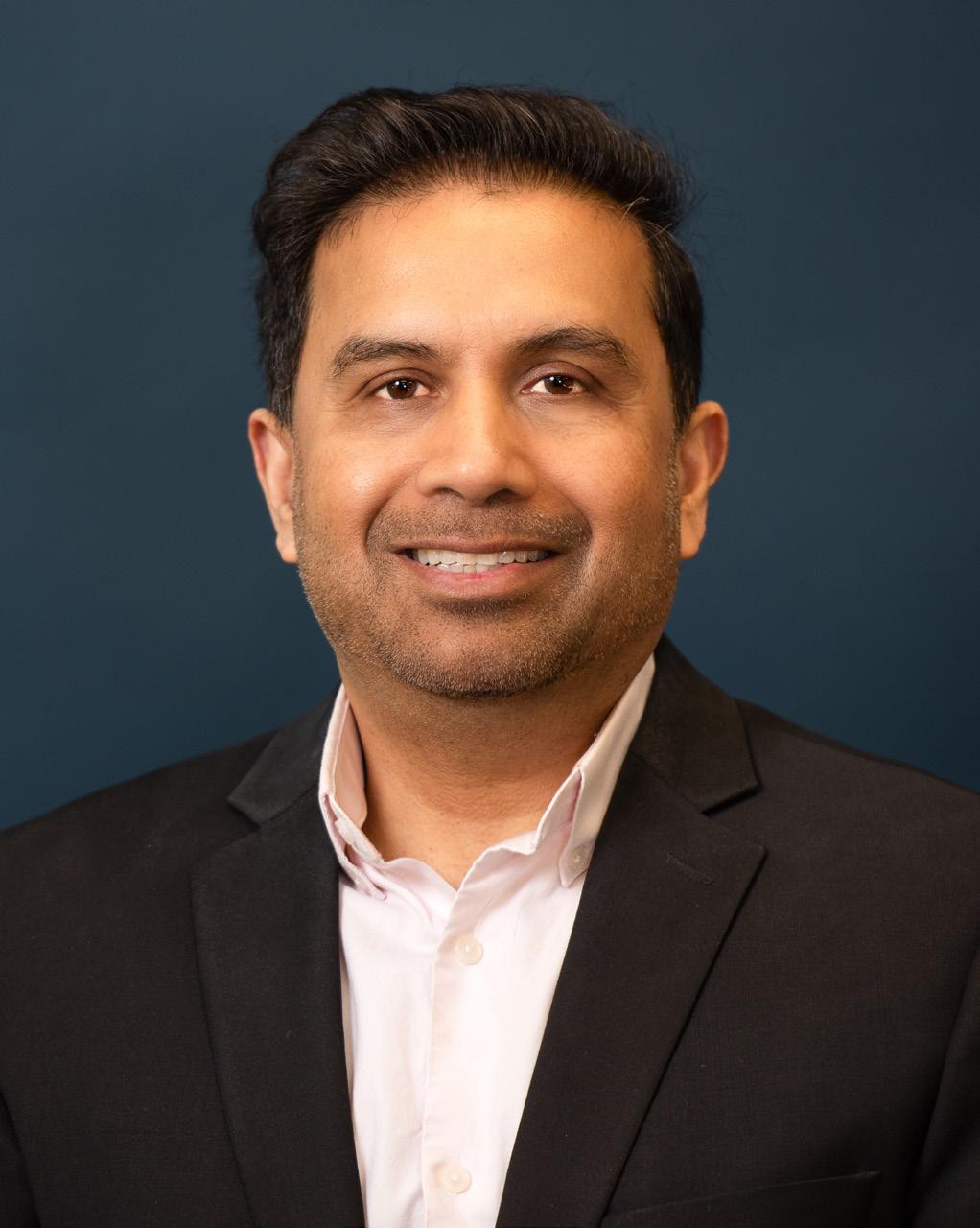
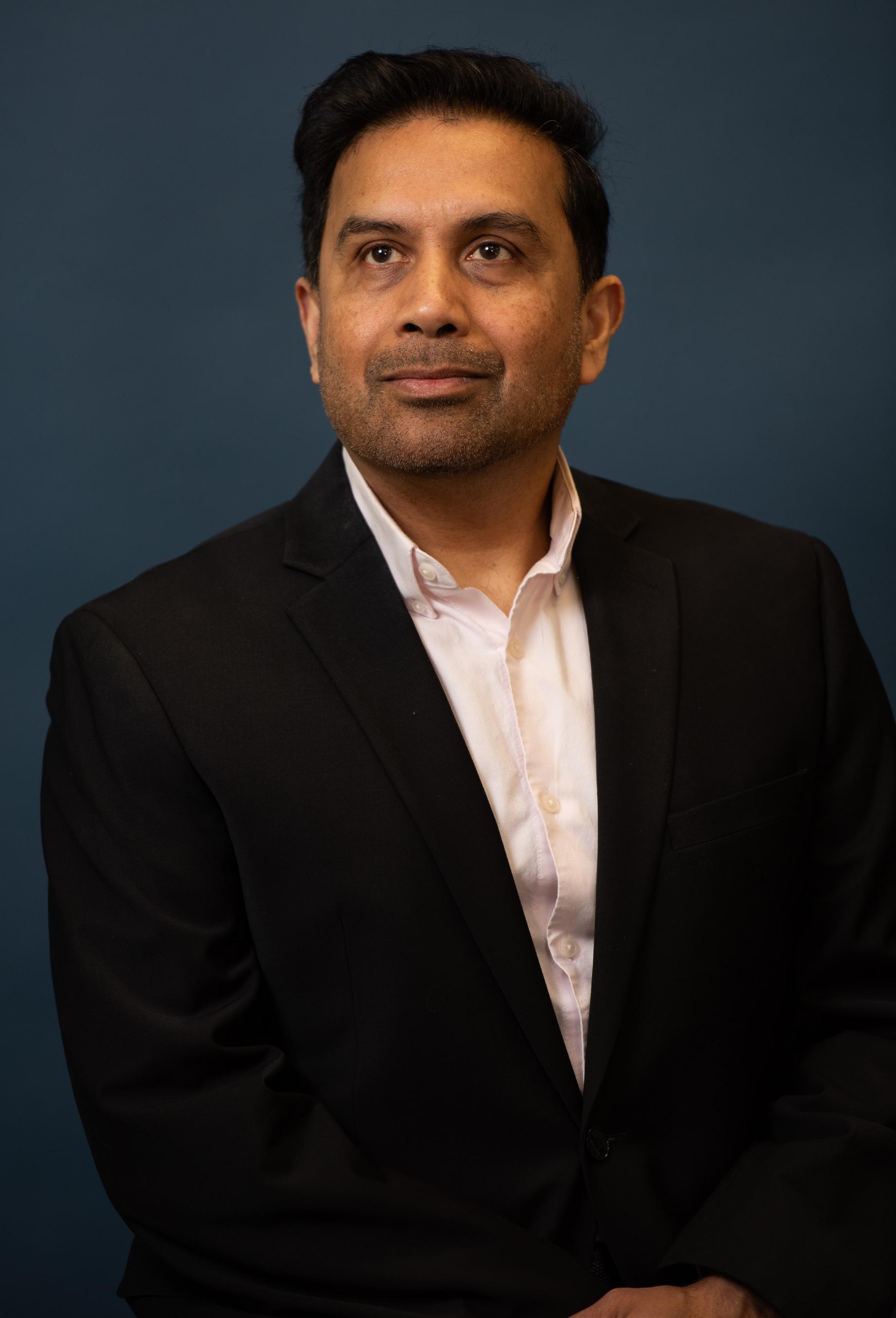
A Conversation with Rajib Ghosh, Founder & CEO of Health Roads, Inc.
2. BACKGROUND & LEADERSHIP
You’ve spent more than 25 years at the intersection of technology, data, and healthcare—what early influences or experiences set you on this path?
1. INTRODUCTION
Health Roads, LLC is entering its next chapter as Health Roads, Inc., marking the company’s evolution from a consultingfocused practice into a post-revenue, cash-flow–positive health technology enterprise. Under the direction of Founder and CEO Rajib Ghosh, Health Roads, Inc. is now anchored by three scalable, IP-driven platforms—SocialRCM® , NextCareEngage™, and QConnect—that are reshaping how health and human services organizations manage revenue, engage communities, and exchange data. With eight years of deep industry experience across public health, community care, and social determinants of health, the company has transformed a once diverse portfolio of services into a unified mission: to build the financial, operational, and data connectivity backbone for America’s communitybased healthcare network. In this interview, Ghosh discusses the entrepreneurial journey behind that transformation and the innovations positioning Health Roads, Inc. for its next stage of impact.
I was influenced by two main forces growing up: a deep respect for healthcare as a healing profession and a fascination with technology as a way to overcome barriers. Early in my career, I realized that the right data—delivered to the right person at the right time—could significantly improve patient outcomes. That insight set me on a lifelong journey to make healthcare systems not only smarter but also more compassionate.
Since 2014, I’ve worked in public health & community care, beginning with an executive role. That experience, especially during the surge created by the Affordable Care Act, taught me how to scale operations quickly when demand for health and human services increases. Those formative years shaped the direction I follow today.
In your career before Health Roads, what gaps did you witness in public health and human services that convinced you the sector needed a different kind of technology leader?
I saw dedicated people working inside systems
THE RIGHT DATA,
DELIVERED AT
THE RIGHT
TIME, CAN MAKE HEALTHCARE NOT ONLY SMARTER—BUT MORE COMPASSIONATE.
Rajib Ghosh
CONTACT
For more Information visit health-roads.com
that were never built for the realities of today’s communities. Public health workers were overwhelmed by spreadsheets; social care organizations were doing heroic work with outdated tools. The problem was never passion—it was infrastructure. I realized the sector didn’t need another vendor; it needed a partner who understood both the mission and the day-to-day challenges.
What was the defining moment when you realized you wanted to launch Health Roads and step into the role of founder and CEO?
There were no fireworks— more a moment of clarity. I was consulting for multiple counties and nonprofits, and everyone was facing the same issues: fractured
systems, billing delays, and staff burnout from administrative overload. One day I thought, “If we keep waiting for someone else to fix this, we’ll be waiting forever.” That was the moment Health Roads was born. We didn’t seek funding, create campaigns, or issue press releases. A few colleagues and I simply got to work.
How did your diverse background—spanning medical device innovation, SaaS, telehealth, EHR systems, and analytics—shape your philosophy as a leader?
I learned that technology is most powerful when it disappears—the less a provider feels it, the more effectively it’s working. Working across so many domains taught me humility as well; no single technology solves everything, but the right combination can shift an entire ecosystem.
Since establishing Health Roads in 2018, how has your vision evolved, and how has your leadership style adapted as the company prepares to transition into Health Roads, Inc. in 2026?
In 2018, the focus was survival. By 2024, it shifted to scaling. Now, as we prepare to incorporate, the goal is population-level impact. My role has evolved from “chief problem solver” to “chief enabler”—building leadership pipelines, empowering product teams, and letting our mission guide our strategy. We now operate with distributed teams, centers of excellence, clear KPIs, and an industry-standard management framework that speeds decision-making. With a higher customer close rate,
we’ve become a growth-focused organization ready for the next major step.
3. COMPANY EVOLU-
TION, TECHNOLOGY & STRATEGY
Health Roads began as a services-focused consulting firm. What catalyzed its transformation into a post-revenue, cash-flow–positive health technology company?
We realized consulting alone couldn’t solve systemic issues. We needed scalable products. Every engagement revealed the same patterns— documentation bottlenecks, billing gaps, staff shortages, data fragmentation—so instead of writing reports or patching outdated systems, we built solutions.
That’s how SocialRCM®, NextCareEngage™, and QConnect emerged: as real-world answers to persistent challenges.
You now lead three IPbased products—SocialRCM®, NextCareEngage™ , and QConnect. How do these solutions work together to form a next-generation revenue and engagement platform?
They function like a threepart symphony:
• SocialRCM® converts complex service documentation into clean, adjudication-ready claims with >95% payment success.
• NextCareEngage™ uses agentic AI to reach patients
empathetically and proactively before they slip through the cracks.
• QConnect links HIEs, QHIOs, providers, counties, and CBOs, ensuring everyone has the information they need when they need it.
Together, they create a closed-loop system—outreach → engagement → service → revenue—with zero administrative drag.
How did your experience in public health, community care, and SDOH shape the creation of these products?
Public health taught me that most crises begin long before anyone notices. Our products are built to be proactive: detecting risk early, simplifying workflows, unifying relevant data, and ensuring organizations get paid so they can continue serving their communities.
Over the past eight years, Health Roads has integrated separate business units into one unified model. What did that restructuring look like, and what did you learn?
It required courage and honesty. We shifted from “projects” to “platforms,” merged teams, established product roadmaps, and realigned our identity around scalable, IP-driven solutions.
The biggest lesson? Simplicity is a competitive advantage. When your organization becomes coherent, customers feel it immediately. And we’re still learning every day.
As Health Roads moves toward 2026, what opportunities do you see emerging
across healthcare and human services?
We’re entering a decade where care coordination, housing, behavioral health, and social supports will be reimbursed with the same rigor as clinical care. That shift demands infrastructure—engagement engines, billing platforms, and data-exchange systems.
Health Roads is positioned squarely at that intersection. We’re not reacting to the future; we’re actively building it.
4. SECTOR CHALLENGES, INNOVATION & MARKET REALITY
What are the biggest financial and operational pain points for community-based organizations, and how does SocialRCM® solve them?
CBOs don’t lack impact—they lack infrastructure. They provide services but struggle to convert that work into sustainable revenue because Medicaid managed-care billing rules are complex and constantly changing.
SocialRCM® transforms raw documentation into compliant, ready-to-submit claims, giving organizations the revenue stability they need to serve those who depend on them.
Seamless community engagement remains a challenge. How does NextCareEngage™ address gaps in outreach and care coordination?
NextCareEngage™ is designed for the real world—limited staff, high-risk populations, and unpredictable needs. It uses agentic AI to determine whom to contact, when, and how, using a compassionate voice and SMS outreach. It doesn’t replace people—it amplifies them, ensuring vulnerable patients never wait for a call that never comes.
Cross-sector data exchange is fragmented. How does QConnect move the industry toward true interoperability?
QConnect acts as a universal adapter. It connects with HIEs, jail health systems, EHRs, case-management platforms, and Medicaid systems—allowing data to flow where it previously couldn’t. It gives CBOs and counties the same level of operational intelligence hospitals have benefi ted from for years.
Health Roads has deep roots in SHIE/CIE consulting and EHR modernization. How do these legacy capabilities inform your product strategy?
Those years taught us the logic behind every county or CBO decision—the workflows, constraints, and political realities. Our products succeed because they’re built with humility, respecting local context rather than imposing a one-size-fi ts-all “Silicon Valley” solution onto community systems.
Looking ahead, what forces—technological, financial, regulatory, or social—will redefine health and human services, and where will Health Roads lead?
We’re entering an era where reimbursement aligns with health equity. AI, value-based payments, and real-time data exchange will transform the safety net.
Health Roads will lead by building ethical, agentic, community-focused, financially sustainable infrastructure. Our ambition is to become the operating system for the next generation of social care—within the U.S. and potentially beyond. We welcome mission-aligned investment partners who want to join us in shaping this future.
5. LET HEALTH ROADS HELP YOU
California’s Department of Health Care Services has introduced Providing Access and Transforming Health (PATH) initiative to support California Advancing and Innovating Medi-Cal (CalAIM) program. It is a 5-year, $1.85 billion initiative to build up the capacity and infrastructure of community-based organizations (CBOs), public hospitals, county agencies, Medi-Cal Tribal and designees of Indian Health Programs, and others, to successfully participate in the Medi-Cal delivery system as California implements a multi-year program of Enhanced Care Management (ECM) and Community Supports and Justice Involved initiative under CalAIM.
The purpose of the PATH funding is to assist local organizations to build organizational capacity and infrastructure to scale up their services they provide to Medi-Cal beneficiaries. The inspiration
and learnings behind this came from the Whole Person Care and Health Home Pilots that were conducted by the State for several years before CalAIM initiative was phased in. Health Roads has deep experience in supporting all of those programs including transitions to CalAIM from Whole Person Care.
The resources funded by PATH—such as additional staff, billing systems, and data exchange capabilities— are intended to support community partners to successfully contract with managed care organizations, bringing their wealth of expertise in community needs to the Medi-Cal delivery system.
Health Roads in conjunction with its collaborators and partners have successfully
assisted counties and under-resourced CBOs to expand their revenue opportunities using CalAIM while addressing social deterrents of health in a more equitable and accessible manner.
If your organization is contemplating to become a Community Support or Enhanced Care Management service provider under CalAIM working with one or multiple Managed Care Health Plans you can tap into the PATH funding and seek our help to get on your PATH to CalAIM success. We have been working on the ground with our ECM and CS service provider clients for more than one and a half years. We can be reached at marketing@health-roads. com for more details about our success stories in providing Technical Assistance in CalAIM.

Rajib Ghosh
Q+A THE ART OF MODERN BEAUTY
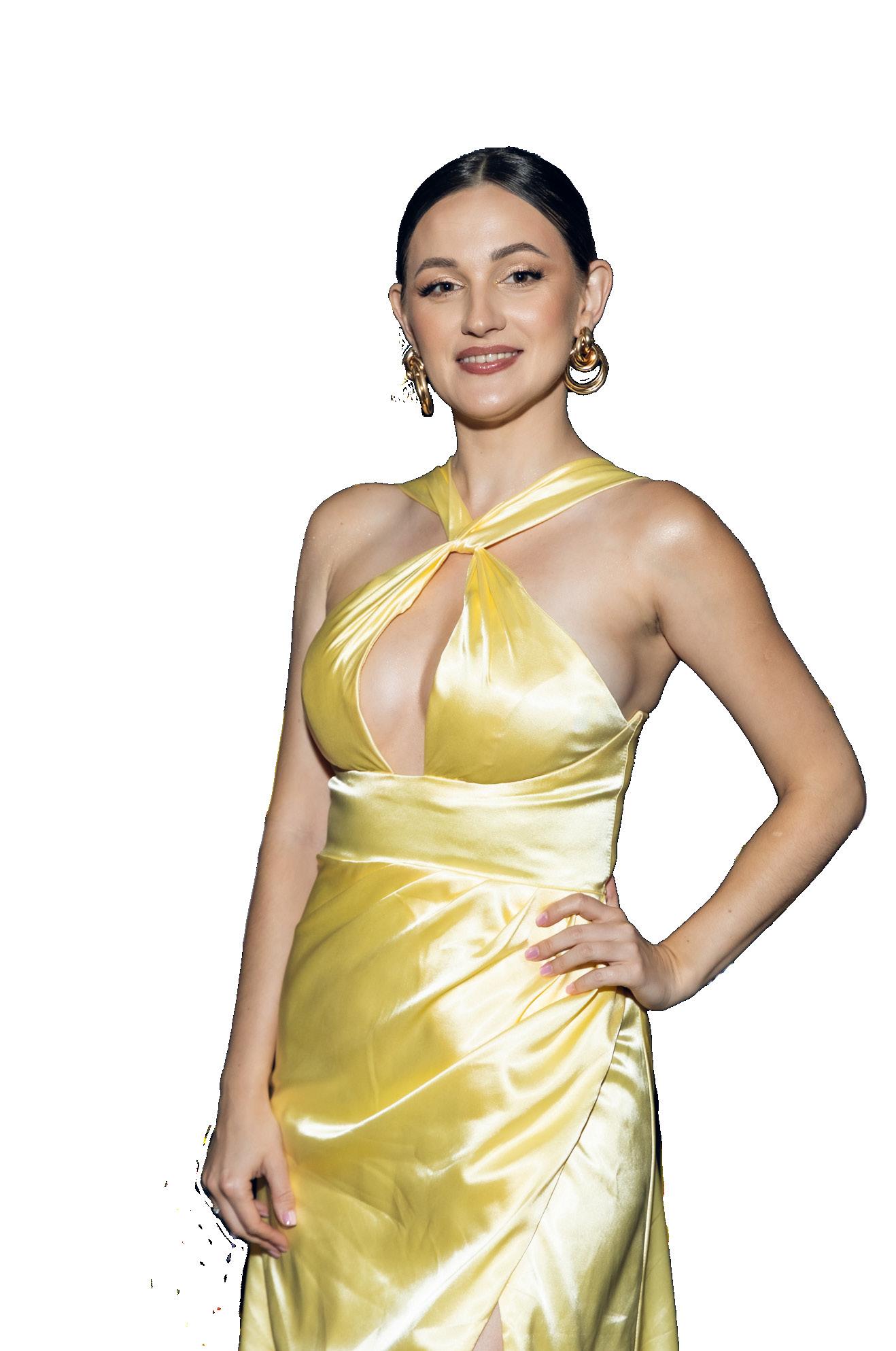
Katya Rich is a licensed cosmetologist, professional makeup artist, and hairstylist with over seven years of experience in the beauty industry. As the founder of Rich Beauty Studio in San Francisco, she is celebrated for her clean, modern aesthetic and her high-level technical expertise.
Her work spans major fashion events, editorial productions, and international projects, earning her multiple awards in glam, editorial, and reparative makeup categories. In 2025, Katya joined the judging panel of ModelCon in Los Angeles — one of California’s most respected competitions for makeup artists and hairstylists — where she evaluates creativity, technique, and overall artistic vision.
Today, Katya speaks with us about her journey, her philosophy, and what it means to help shape the future of beauty.
When you first picked up a makeup brush, did you ever imagine you would one day judge the top beauty talents in California?
Definitely not! As someone who once competed — and even won — several makeup competitions, becoming a judge felt both exciting and deeply meaningful. It’s a unique, almost full-circle experience to view competitions from all perspectives: as a spectator, a participant, and now a judge. It has given me a fresh appreciation for how much creativity, discipline, and passion artists bring to the stage.
San Francisco in details: How did the city where you began your U.S. career shape your unique style and beauty philosophy?
San Francisco is truly a unique place, not just architecturally but culturally. The tech industry has had a strong influence on how people approach beauty. With countless multibillion-dollar startups born here, a culture of innovation and career-driven lifestyles emerged — people simply don’t have time for overly complex routines.
Convenience became essential, which
CONTACT For more Information visit katyarich.com and Follow on Instagram @katya.rich.makeup
AN EXCLUSIVE INTERVIEW WITH KATYA RICH
is why the “clean girl aesthetic” fits the Bay Area so well: healthy skin, soft blush, natural tones, and light lashes. More than half of my Bay Area clients prefer a fresh, effortless look.
As an artist, my job is to enhance someone’s beauty while respecting their lifestyle and preferences. That’s why the core signature of my style is healthy, glowing skin without the mask effect. And when someone wants a touch of glam — bold lips or fuller lashes — that can always be added on top.
How did you become part of the judging panel for the prestigious ModelCon competition in Los Angeles? What did this moment mean to you, and did you enjoy the experience?
Christopher Polland, the founder of ModelCon, is an incredibly talented photographer and event creator. We followed each other’s work for years, and he repeatedly invited me to his projects in Sacramento.
ModelCon is a massive platform for California’s models, makeup artists, stylists, photographers, videographers, brands, and creative entrepreneurs. People connect, learn, and dive deeply into the industry at all levels.
Because of my heavy work schedule, I hadn’t been able to attend earlier events. But when Christopher called me this spring and invited me to judge a competition planned for October in Los Angeles, I gladly accepted.
It was a tremendous honor — being a makeup judge means being trusted, respected, and recognized for your taste and professionalism.
The competition itself was warm and uplifting. The participants were focused, positive, and created unique, expressive signature looks. I’m confident that next season will bring even
more incredible artists!
What is one success secret you would reveal to a beginner makeup artist dreaming of working on major stages?
There is one true secret: do what you believe in, even when circumstances work against you.
Consistent practice, studying trends and the industry, improving your skills, and treating colleagues and clients with genuine respect — that’s all you truly need. With time, it will take you exactly where you dream of being.
In your experience, what are the main differences between the beauty scenes of San Francisco and Los Angeles?
As I mentioned, San Francisco is heavily influenced by Silicon Valley. Natural looks dominate, and people value time, simplicity, and comfort.
Los Angeles is a different world entirely — red carpets, film studios, castings, and a generally more glamorous lifestyle.
I often draw inspiration from the LA vibe for my own work. I publish these looks on social media, and interestingly, they attract more clients from San Francisco who want to explore bolder self-expression through makeup.
SAN FRANCISCO VALUES COMFORT & NATURAL BEAUTY, WHILE LOS ANGELES THRIVES ON GLAM, RED CARPETS, AND BOLD EXPRESSION.
Katya Rich
CREDITS
Photographers @aphotothatfitz @jonesj1443 @shotbye.lamont
After such significant recognition, what projects or beauty experiments do you dream of pursuing next?
I love offline events — the networking, the energy, the immediate creative exchange. Competitions are especially fascinating because they challenge artists to perform beautifully under tight timelines. I definitely plan to take part in more events like that.
I also want to dedicate more time to content creation and to developing educational programs in makeup, special effects, and advanced artistry.
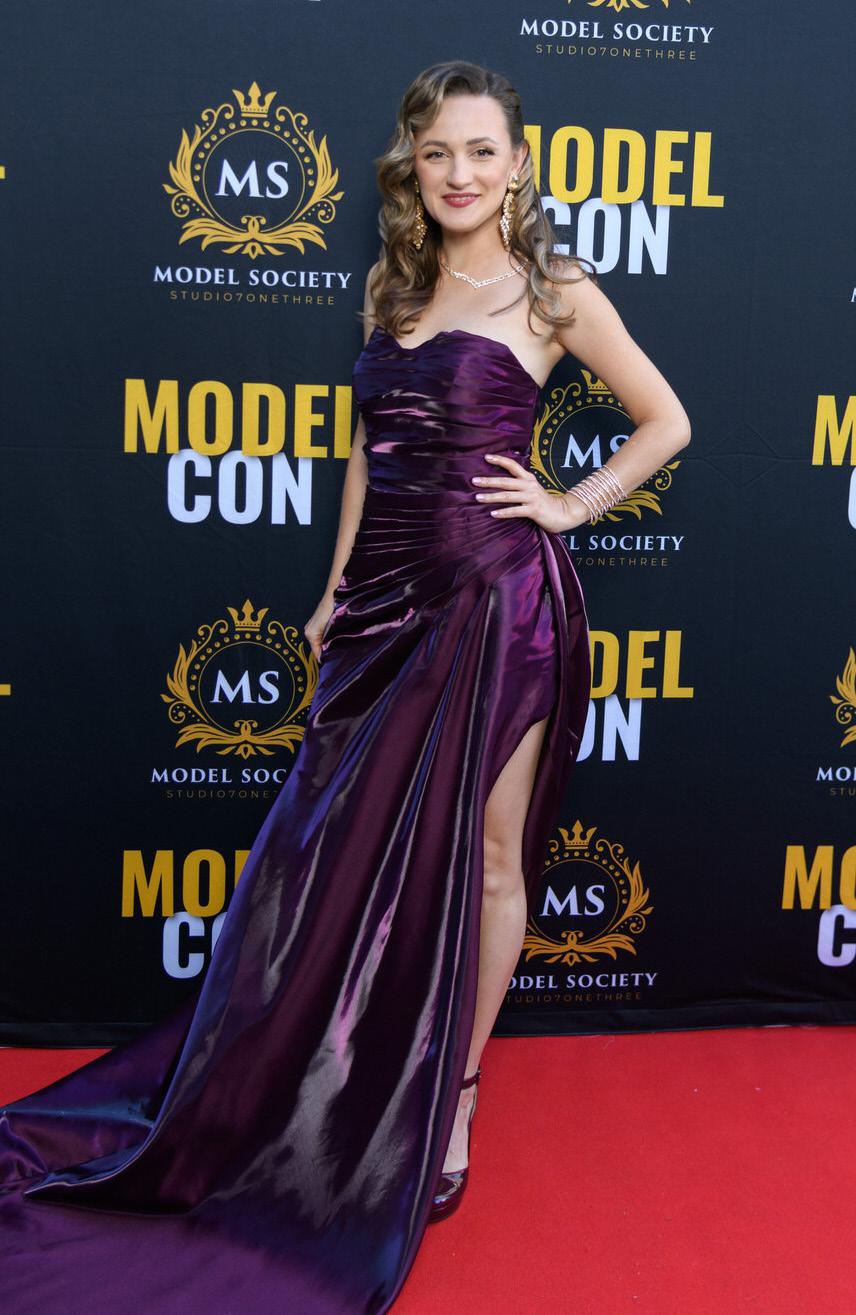

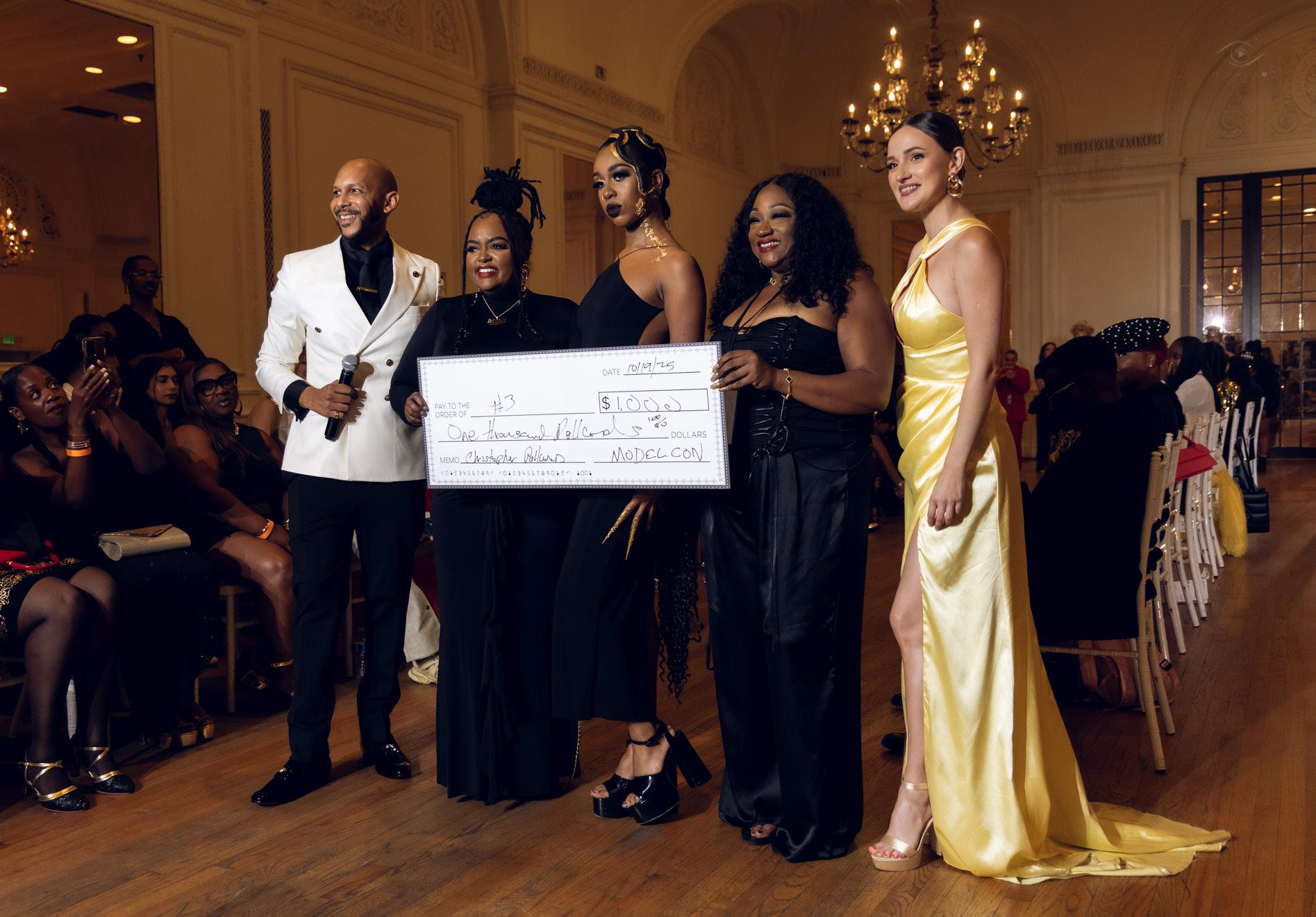
Christopher Polland, Katya Rich and winners ModelCon 2025 on the main stage
Works of the ModelCon participants, Day 1 (Los Angeles Street Glam)
Katya Rich on the judging panel at ModelCon 2025 in Los Angeles (2 days)






























Let's work together to create a personalized approach that nurtures you skin and brings out its true brilliance/.
itavonnIerehW o n MeetsHolistic Beauty
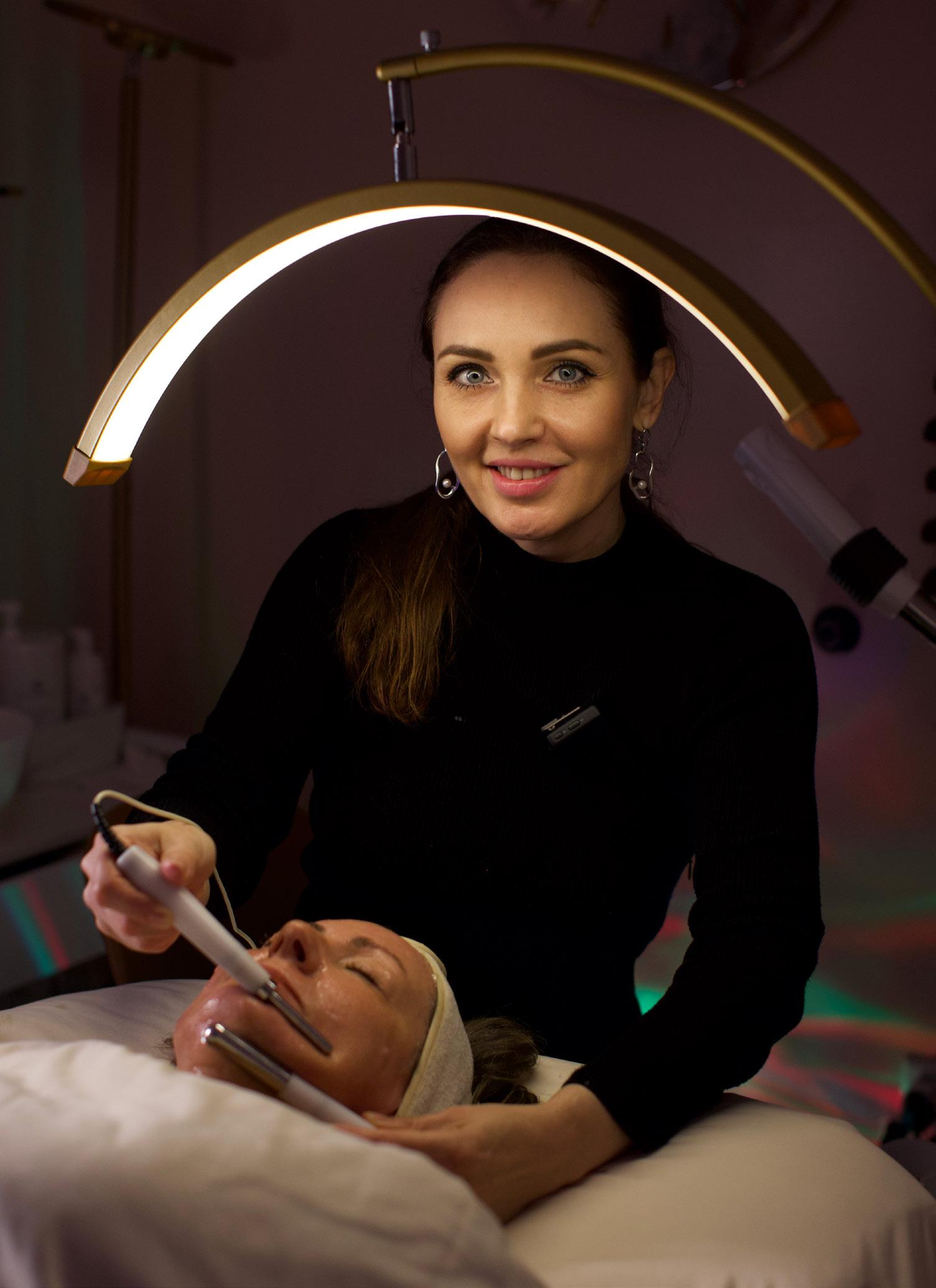
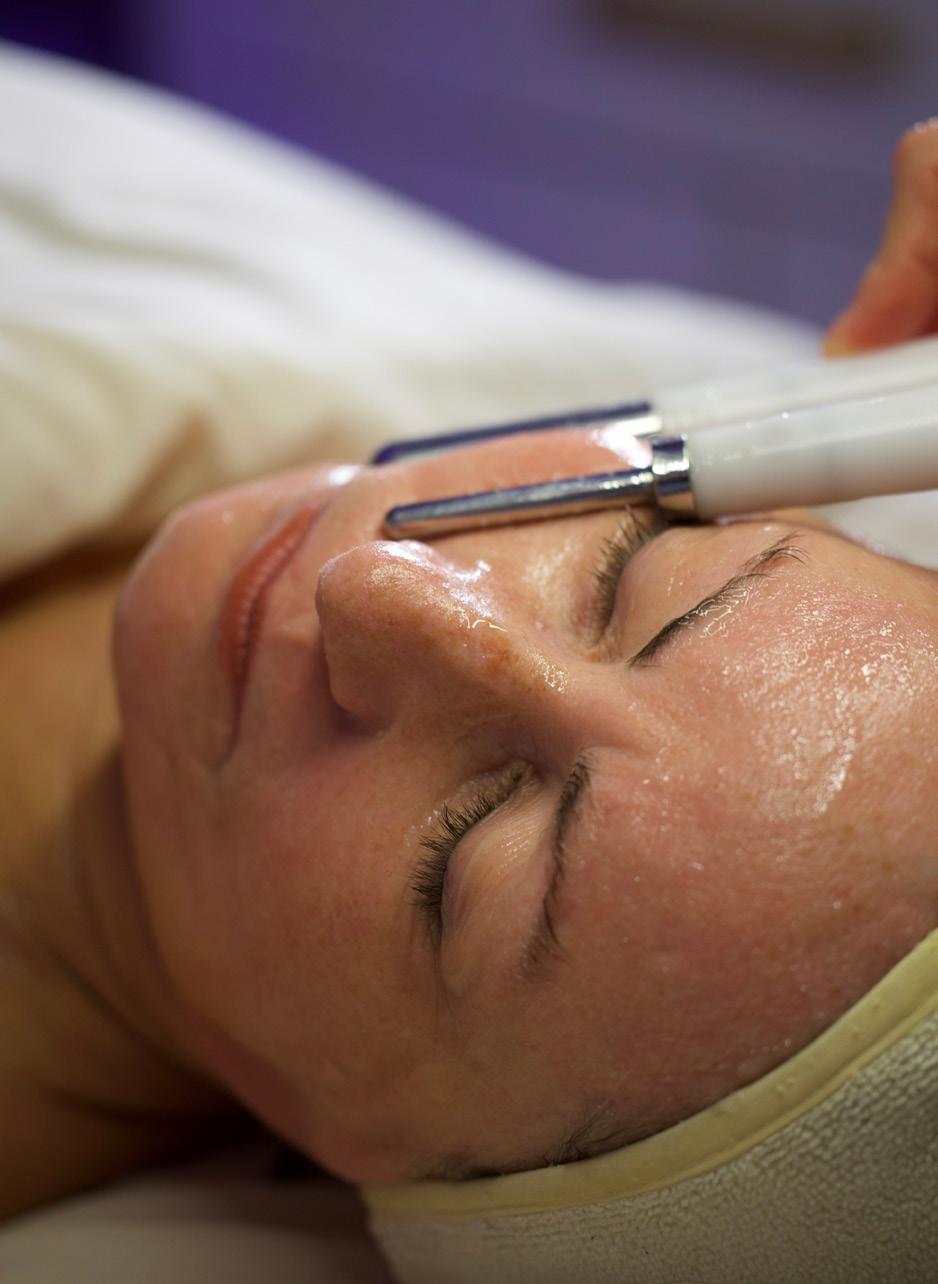
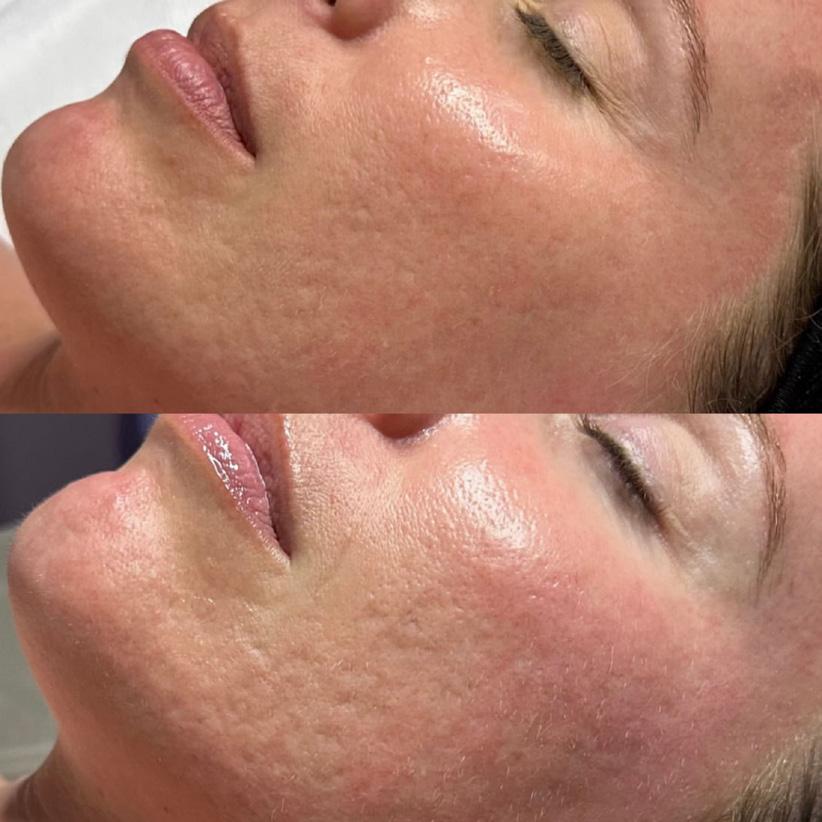
At Ecstatic Spa, beauty becomes transformation. Blending advanced technology with mindful care, Ecstatic Spa redefines what it means to achieve radiant, youthful skin - naturally and sustainably. Celebrated for its Hollywood-loved microcurrent facials, Ecstatic Spa has become a destination for those who seek sculpted, glowing, camera-ready skin. Using the acclaimed NeurotriS dynamic-intelligence microcurrent system- a favorite among icons like Madonna, Paris Hilton , Jenifer Lopes - these treatments deliver visible lift, contour, and renewed energy without needles or downtime. Each facial at Ecstatic Spa is a fully personalized experience. The spa’s advanced anti-aging treatments feature FDA-approved exosomes, Cold Plasma therapy, MicroCurrent Face Lift , HydraFacial, and luxurious Italian peels, working in perfect synergy to stimulate collagen, smooth fine lines, and restore the skin’s firmness and youthful elasticity.
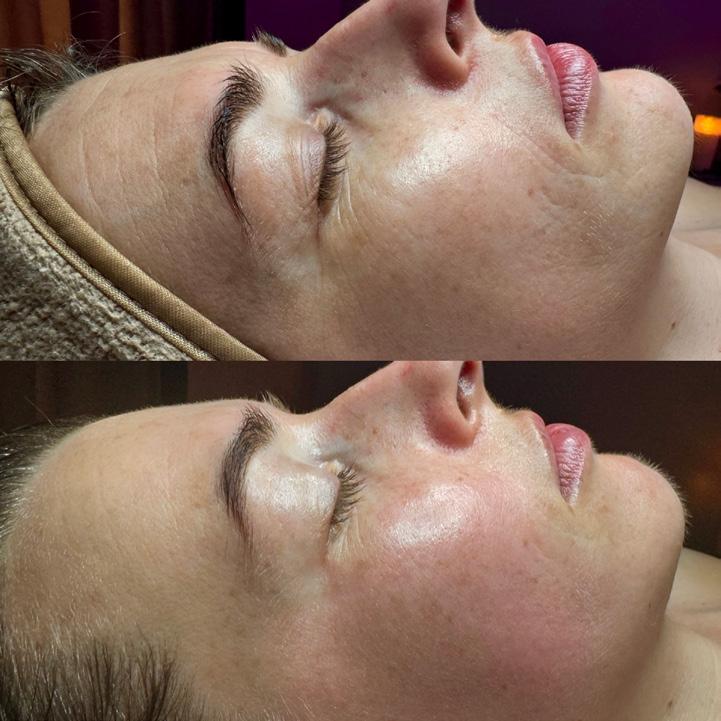
Where Science, Soul, and Beauty Meet
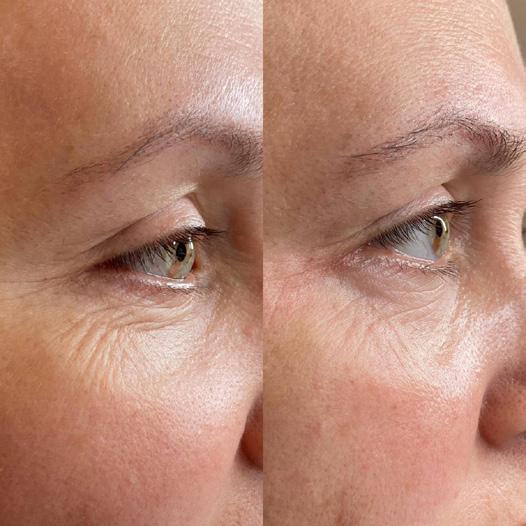
At the heart of every session lies the art of touch. The spa’s signature face sculpting and buccal massage techniques not only tone and lift but also activate natural lymphatic drainage—bringing harmony and definition to facial features. Each movement is both technical and intuitive, transforming the treatment into a rejuvenating ritual for skin and soul.
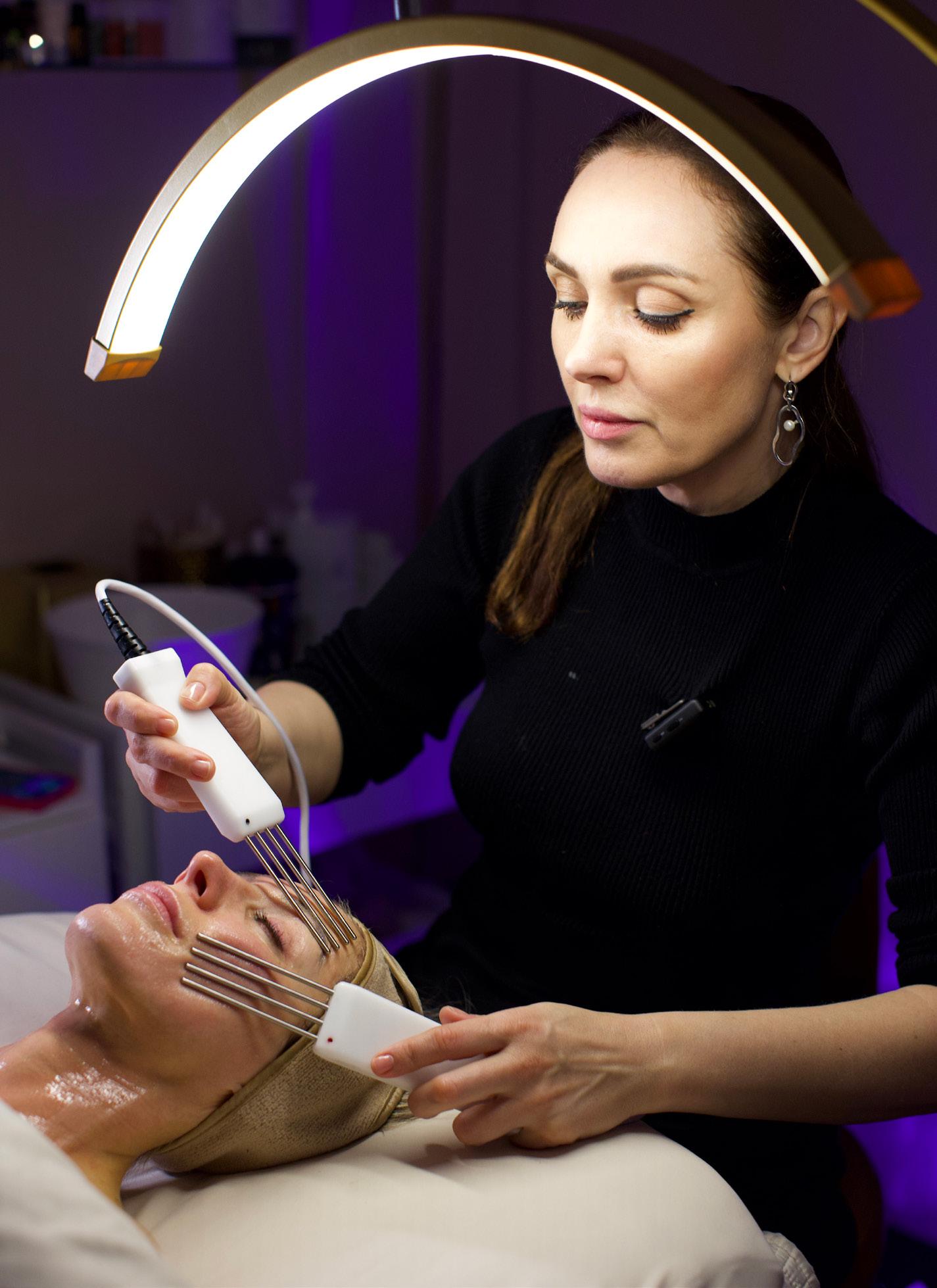
Founded by Irina Mir, a licensed master aesthetician with over 12 years of experience in Beverly Hills, where the first Ecstatic Spa location was born, the brand continues to lead in modern, non-invasive beauty. Today, Ecstatic Spa stands as a symbol of transformation - merging clinical precision, mindful care, and vibrational healing to help clients look radiant, feel confident, and embody timeless beauty.
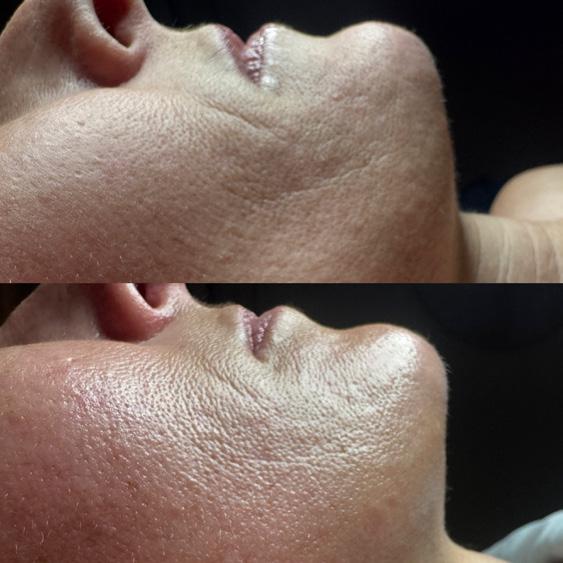
Rooted in both innovation and intuition, Ecstatic Spa incorporates the healing frequencies of SoundHealing, turning each visit into a multisensory experience that nourishes the skin while soothing the nervous system. Gentle vibrations and harmonic resonance help release tension, support energetic balance, and deepen relaxation—allowing true beauty to emerge from within.
THE FUTURE BELONGS TO CONNECTED LEADERS
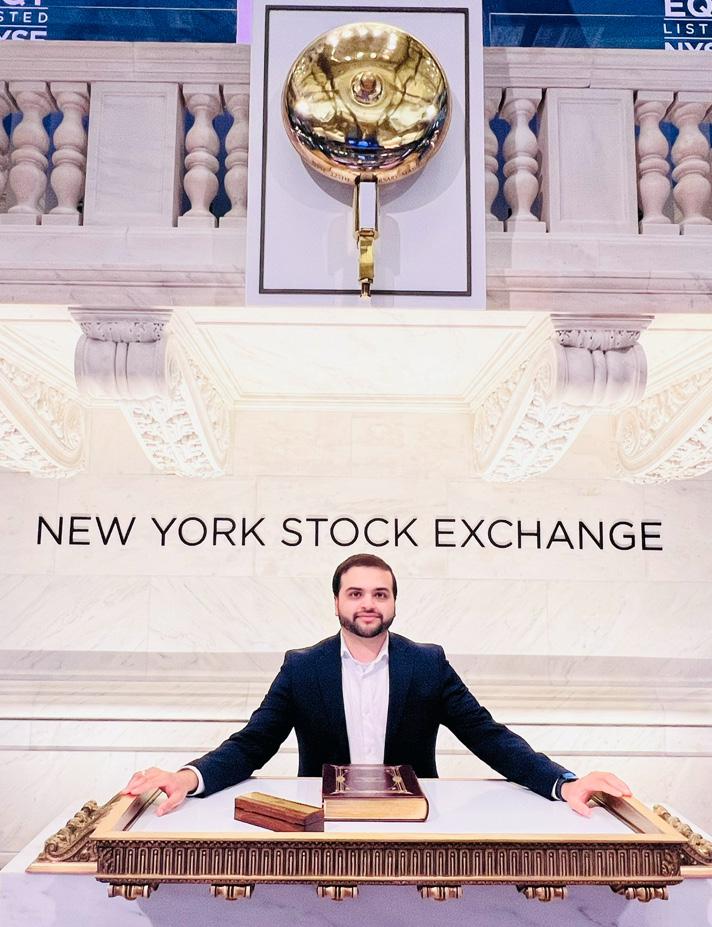
AT AUREUM LEADERS CIRCLE, WE BELIEVE THAT SUCCESS IS GREATER WHEN SHARED—AND THAT THE FUTURE OF BUSINESS WILL BE WRITTEN BY THOSE BOLD ENOUGH TO RISE TOGETHER.
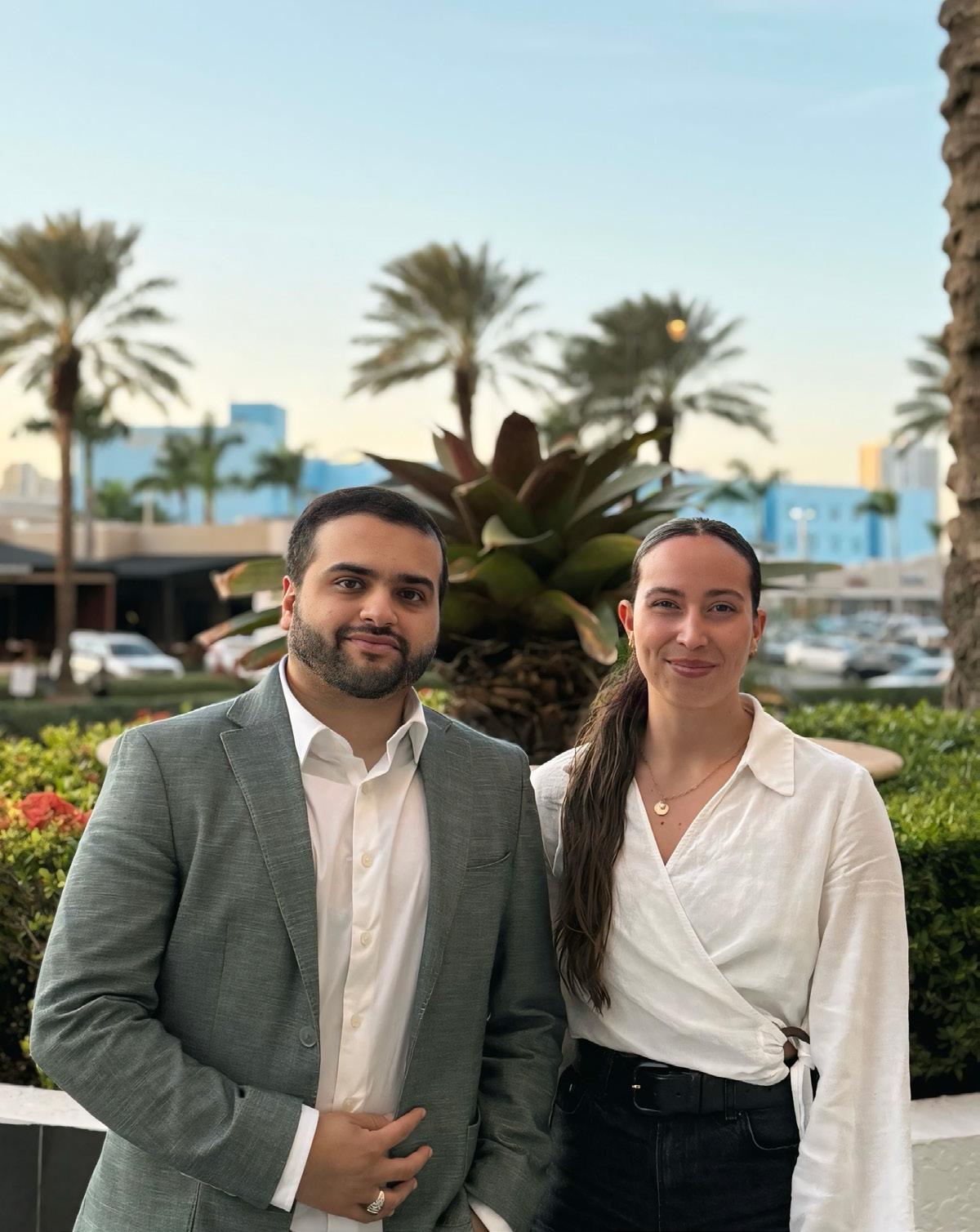
What early experiences shaped your leadership philosophy today?
I grew up between Karachi, Toronto, and now the Bay Area, and each move taught me something profound about resilience, humility, and opportunity. My childhood wasn’t defined by wealth or privilege—it was defined by community. People looked out for one another, no matter what they had.
That sense of belonging stayed with me. As I progressed in my professional life, I realized that meaningful relationships have always been the true engine behind growth.
Who or what inspired your drive to build community among leaders?
My father has always been my north star—a visionary entrepreneur who taught me that success means nothing if it isn’t shared.
Throughout my career, I’ve met
brilliant founders, executives, and investors who often operate alone at the top. I wanted to create a place where these leaders could come together, support one another, and accelerate each other’s journeys.
What sparked the idea for Aureum Leaders Circle?
It began organically. I kept hosting dinners with founders, C-suites and investors, and every time the same thing happened: people felt energized, supported, and inspired. There was clearly a hunger for a space that blended ambition with authenticity—a place for leaders who build, lead, and fund with purpose. Aureum became that place.
Why are trust, purpose, and meaningful connection so central to Aureum?
Because leadership is lonely. We

celebrate business achievements, but rarely the emotional realities that come with responsibility. Aureum is a circle where leaders can show up fully—as humans, not just titles—and support one another with honesty and integrity. Purpose brings people together. Trust keeps them together.
Aureum has a unique organizational structure blending a Managing Team with an Advisory & Relations Circle. How do these groups work together, and why was this structure important for the club’s growth?
Aureum was built on the belief that leadership should never rest on one person—it should be shared by people who bring different strengths, perspectives, and values. That’s why we created a two-tier structure designed to keep the community strong and rooted in integrity.
Our Founding & Managing Team—Michael Blankenship, Co-founder; Julie Amelie Real, COO; and myself, Founder & Managing Partner—oversees the core direction of the club: membership curation, brand vision, strategic growth, partnerships, and event leadership. We operate with complete alignment around one mission: to create a trusted space where leaders can rise together.
Alongside us is the Advisory & Relations Team—seven exceptional professionals from diverse backgrounds who have been with Aureum since the very beginning. They volunteer their time not for recognition, but because they genuinely believe in the power of community. They strengthen the member experience, support events, guide relationship-building, and bring depth, credibility, and heart to everything we do.
This structure keeps Aureum selective, human, and deeply connected. It grounds the Circle in service rather than ego and ensures that every decision reflects the collective wisdom of leaders who care—not just about success today, but about the future we’re building together.
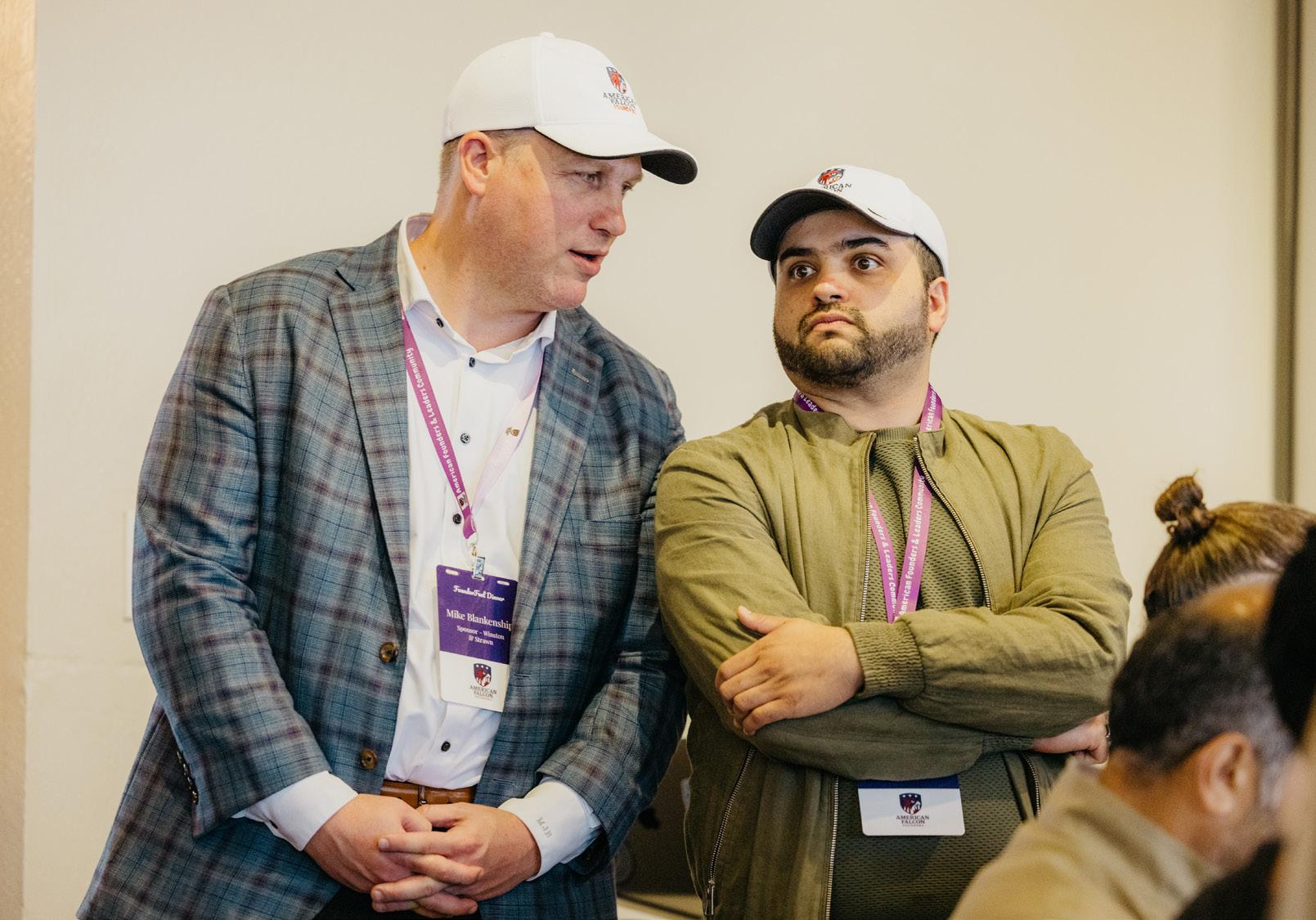
The AUREUM LEADERS CIRCLE
Aureum Leaders Circle is a private network bringing together the nation’s most ambitious minds—visionaries who build, lead, and fund the companies shaping tomorrow. More than a network, we are a trusted community where meaningful connections, strategic insights, and lasting collaborations are forged.
Our mission is simple yet powerful: to create a selective space where leaders at the highest level can exchange ideas, explore opportunities, and accelerate impact. Through curated events, exclusive gatherings, and a vibrant private channel, we foster an environment where innovation meets leadership, and where ambition transforms into legacy.
At Aureum Leaders Circle, we believe that success is greater when shared— and that the future of business will be written by those bold enough to rise together.
www.aureum-circle.co
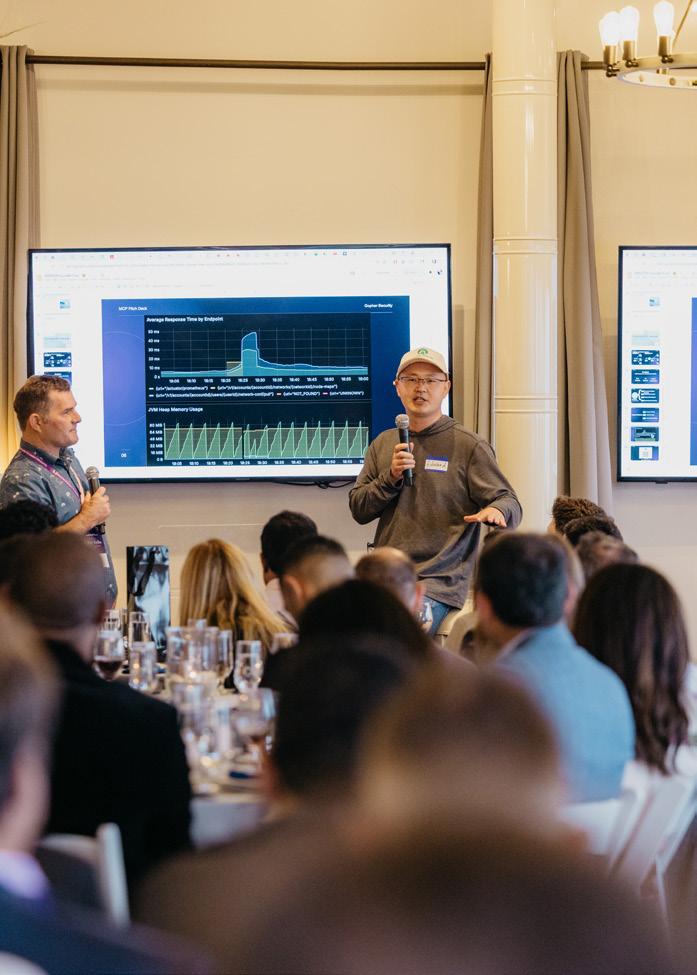
What defines authentic leadership today?
Authentic leadership is less about spotlight and more about service. It’s about helping people rise with you, not behind you. At Aureum, we bring together individuals who lead with humility, courage, and long-term vision—the kind of leaders shaping industries and communities, not just companies. Why is community such a powerful force for leaders?
Because no great achievement has ever been done alone. When leaders share wisdom, challenge one another, and collaborate, their impact multiplies. Aureum exists to create the kind of environment where ideas turn into opportunity, and opportunity turns into legacy.
A final message to leaders looking for connection?
Choose depth over noise. Surround yourself with people who elevate your thinking, challenge you with kindness, and remind you why you started in the first place. Aureum was built for exactly that.
For leaders interested in joining Aureum, how does the admission process work, and what can they expect in terms of membership tiers?
Until now, Aureum has been free to join—but still highly selective. We’ve always believed that the strength of our Circle comes from the character, integrity, and purpose of its members, not from fees. Over the past year, the community has grown organically and meaningfully. It now stands on a strong foundation, shaped by leaders who show up not for status, but for connection and impact.
As Aureum continues to expand, we want to ensure that every member receives the highest level of value, experience, and support. That’s why, beginning January 2026, we’ll be introducing a new membership framework with three carefully curated tiers. Each tier will offer access to different experiences—from intimate gatherings to signature events, retreats, and exclusive opportunities—allowing members to choose the level of engagement that aligns with their vision.
Most importantly, our Founding Members— those who joined before December 5th, the day after a deeply meaningful milestone event for us—will be recognized and rewarded for placing their trust in Aureum from the very beginning. Their contribution and belief shaped the Circle, and it’s important for us to honor that legacy.
Membership at Aureum will always remain selective. It’s not about creating barriers—it’s about ensuring that every member contributes to the spirit of shared excellence, integrity, and purpose that defines the Circle.