Welcome to e Journal’s New Year!












We are Northwestern New Jersey, Northeastern Pennsylvania and Orange and Sullivan Counties in New York State.

It’s a special place; an hour to an hour and a half drive from Manhattan, but still rural, bucolic, and charming. e life up here is beautiful and exciting. We have top talent who call our area home.
We’re home to farmers and artists, to musicians and civic leaders, to entrepreneurs, and more. Local stories, local photography, local culture.
New to the area? Visiting, thinking of relocating, or been here a while? Looking for the best businesses in the tri-state area?
e Journal, founded in 2009, showcases leading stores and services in our area. Our advertisers want you to be able to make well-informed decisions about products and services for every aspect of your lives. Browse through our magazine and nd a new, interesting place to shop. We believe in and support our advertisers. What’s good for our businesses is good for us.
e Fabric of Our Community Since 2009






Publisher & Editor
Amy Bridge publisher@milfordjournal.com
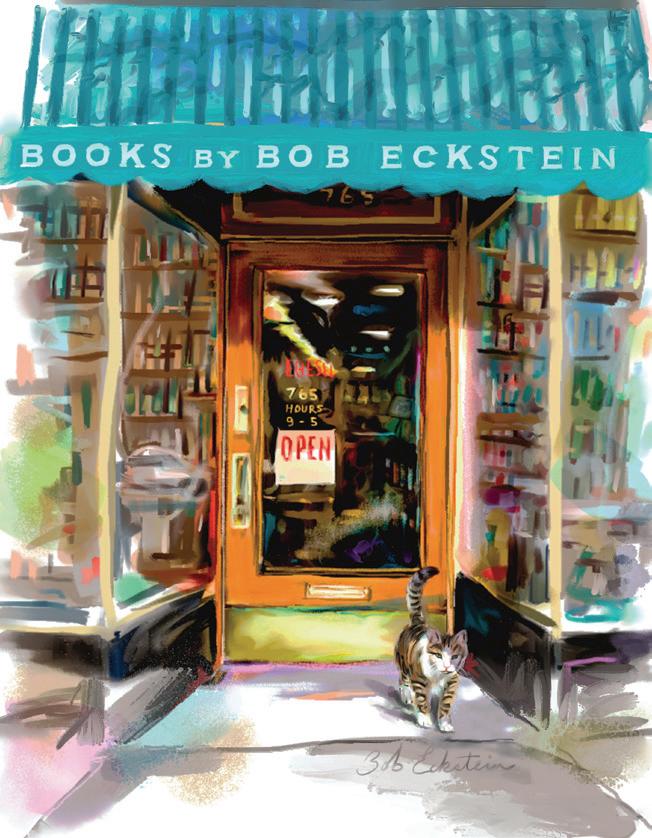

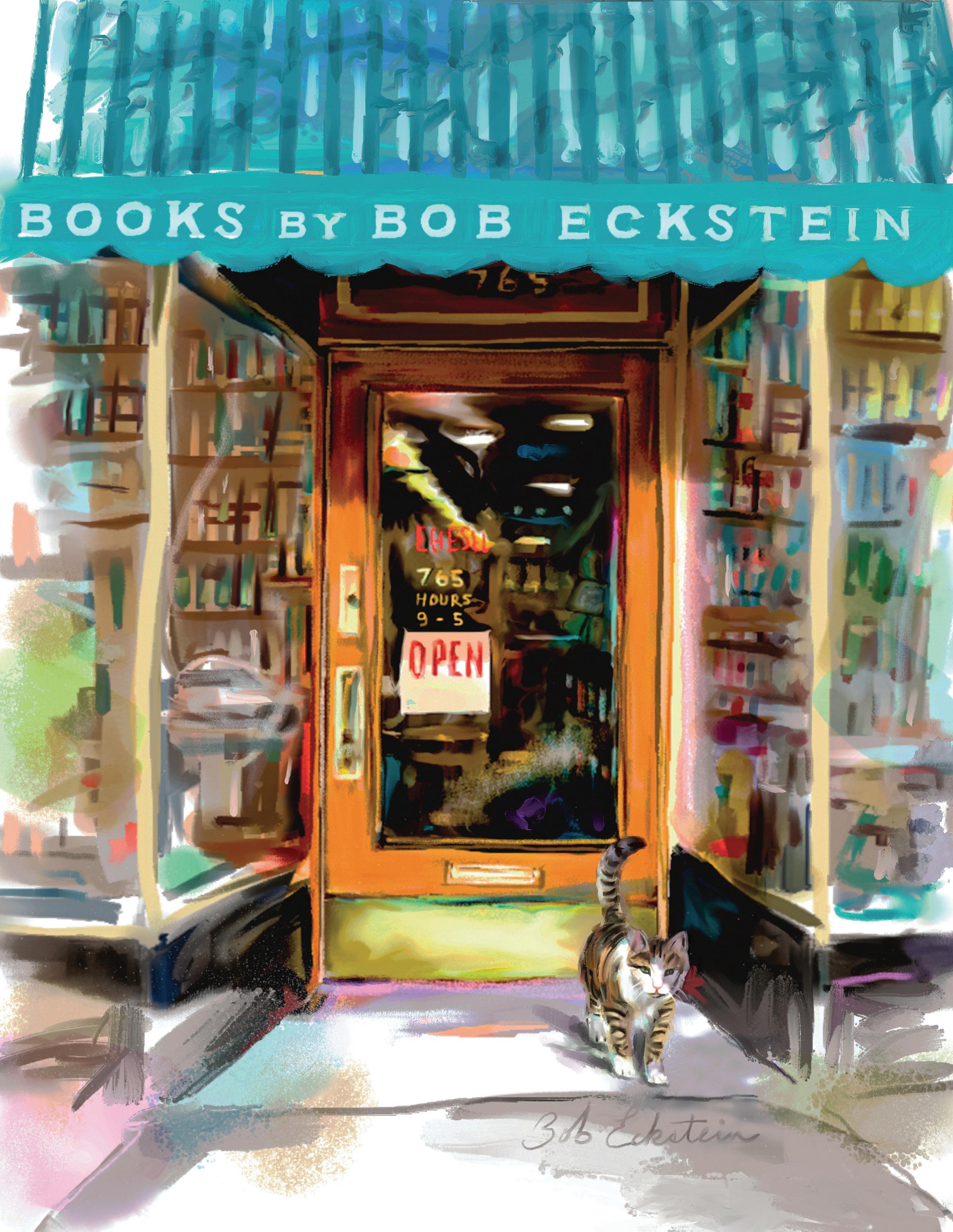
Cover by Bob Eckstein, illustrator, cartoonist, and proponent for independent bookstores.
Graphic Design
Maureen Taylor
Susan Mednick susanmed2@optonline.net
The
Journalists
Alison Porter • Marilyn Rosenthal
Jane Primerano • Bob Romano
Eric Francis
Associate Editor
B’Ann Bowman
Advertising Team
Amy Bridge amy@milfordjournal.com
Kimberly Hess kimberlyhess212@gmail.com
The tri-state upper Delaware River highlands and valleys are a place of rare beauty…
Seeing the region and living in it almost aren’t enough. Such beauty should be captured on canvas or film so that one can truly appreciate it, glimpse it in the quiet of an art gallery or museum, or between the pages of a poetry book or literary sketch.
The Journal Group’s mission is to capture these momentary snapshots of beauty graphically and through the written word. We celebrate our area and the uniqueness of the people who live and work in the tri-state region. From Pike to Wayne and Monroe to Lackawanna Counties in Pennsylvania, upriver to Sullivan County and on to Orange County in New York, and to the headwaters of the Wallkill River and
Mission
Editorial Readers
Robert Bowman
Amy Smith
David Dangler dangler908@yahoo.com
The Poet
Norma Ketzis Bernstock
along Warren and Sussex Counties’ rolling hills in New Jersey, with quaint, historic towns and hamlets at the center, the Journal Group opens its doors to our communities, businesses and organizations, to serve as a communicative journal of all that we have to offer for those who live here and for those who love to visit us, too.
Publication Information
The Journal Group publishes The Journal eight times a year and distributes it in eight counties in PA, NJ and NY. We assume no responsibility for unsolicited manuscripts. Contents may not be reproduced in any form without prior written permission. We reserve the right to refuse to print advertisements that we deem inappropriate. All rights reserved.


Catitude
Anyone who knows me knows that cats have been with me on my ride for many years now. That’s not to say a dog or two hasn’t made it into the fold. But for a dog to get in, they had to be a mellow, no barking, no jumping type. Cats, on the other hand, possess values that I respect and appreciate. Intuitive, perceptive, independent, mostly calm, and if it’s a cuddle-puss, even better.
A few weeks ago, I was getting ready to take a trip, and I spoke to a person who ran a dog walking service. When I asked him if he took care of cats, his answer was that he liked cats as much as he liked Styrofoam. I knew right then and there that I could never leave him in charge of my cat, and also that I would probably never talk to him again.
Cats have a reputation of being insolent snobs, but I prefer the word “quirky.” There are cats who love to run and jump at nothing and those that trail their people into every room in the house, but if a stranger walks into the house, they will go hide or, better yet, pretend to be asleep so they don’t have to be social. They prefer to feel out the potential, instead of just jumping into the “hi, hi, hi, so happy to meet you” thing that dogs tend to do.
Cats, like dogs, have different personalities. There are, of course, cats who maybe got a dog gene somewhere down the line and will meet and greet a house visitor with bumps and purrs. They are delighted to sniff your shoes and pants for a trace of a scent that could be of interest to them. If you don’t like cats, for some reason, or maybe you’re allergic, this type always seems to understand and will probably go out of their way to fawn all over you.
Cat people have an inside joke about who owns whom. Do I own them or do they own me? In my days of cat partnership (because cat people wouldn’t dare to think they own a cat), I’ve lived with a wise old-soul tuxedo cat, a beauty through and through. And a ginger cat who loved to be pampered. I would trim her nails and brush her coat, and she actually came over to me when I took the brush out. And although she was a girly girl, she was very proud to be the best mouser.
There was the tortoiseshell cat who reminded me of a cartoon cat. She’d hold her tail up high and prance from room to room; she just couldn’t get enough attention. Her biggest quirk was demanding to drink water out of the bathtub spout, even though her water bowl was always full. That probably had to do with attention, too.
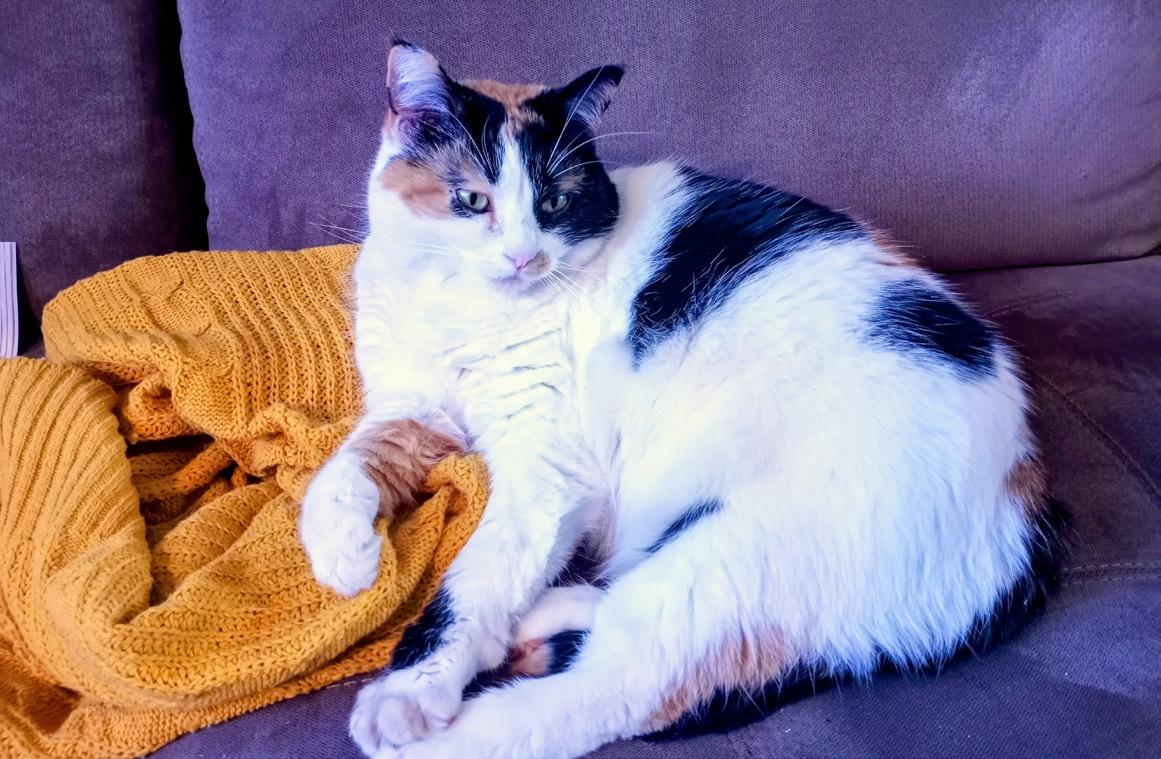
There was the guardian of the house who patrolled the exterior to make sure that no unwelcome animal dared to step a paw over property lines. This muscular black cat was a lean, mean fighting machine, but as sweet as could be to his people. An old grey tomcat just loved to accompany me into the garden. And, of course, there’s the spunky calico who keeps me company now. She’s the one who jumped into my arms the day we went to the shelter looking to adopt. She knew before I did that she was coming to my house.
Cats are mysterious, cats are magical. Who would lump cats into one category, let alone Styrofoam?
Amy

I’ve Always Lived Near a River
The Bronx River flows north to south for 23 miles through the borough where I was born.
When I lived in Queens, I’d travel by subway, sometimes car, under or over the East River.
Marriage brought me to Jersey across the Hudson. I biked on a path above the Palisades— only trees and boulders between me and river tugs, barges and weekend boaters.
And now the Delaware is my river. Here we track the water’s rise with flood stage markers
embedded on the Dingmans Bridge. Visitors in cars crowned with rafts and kayaks tackle white water rapids or navigate rocks when the river’s low. All seasons I walk along the McDade, but especially when trees are bare, the river in view. Sun rays sparkling off the water’s surface create patterns like a textured quilt.
And on a full moon night, the river alive with light, as if celebrating its own beauty.
-Norma Ketzis Bernstock





































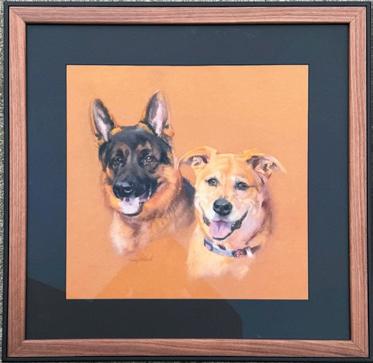
We love framing pet portraits


Stroudsburg’s Best Kept Secret
Around the Towns
Late Winter
Fridays, Saturdays & Sundays Noon to 6 p.m.
Yearning to Escape the Cold Weather? Skylands Museum of Art, Lafayette, NJ. Warm up with great art for an hour or an afternoon. Enjoy imaginative sculpture, paintings, and illustrations. Be creative. Take one of the upcoming Joy of Art Workshops. Info: 973.729.3323, www.skylandsmuseum.org.
February 28th
Saturday 9 a.m.–noon
Sugar Shack Scramble. PEEC, Dingmans Ferry, PA. Hike to the Two Saps Sugar Shack. End the adventure with a pancake breakfast. $15. Info: 570.828.2319, www.peec.org.
2–3 p.m.
An Afternoon with the Sullivan County Chamber Orchestra. Krause Recital Hall, Narrowsburg, NY. 3 Beethoven cello sonatas. Info: 845.252.7576, delawarevalleyarts alliance.org.
5–10 p.m.
Chamber’s Choice Awards Gala. Barn at Villa Venezia, Middletown, NY. Masquerade Ball including dinner, dancing & more. $300. To honor the Champion of the Chamber. Hosted by the Orange County Chamber of Commerce. Info/tickets: 845.294.1700, www.orangeny.com.
March 1st
Sunday 3 p.m.
St. Patrick’s Day Parade and Barney Blast. Front Street, Port Jervis, NY. Bagpipers, parade floats, trophies & more! Hosted by Port Jervis Tourism Board. Info: 973.534.4177, Facebook: St. Patrick’s Day Parade & Barney Blast.
March 6th–April 24th
METAmorphosis: Timeless Messages for Life’s Journeys from Myths & Fairy Tales. Sussex County Community College, Newton, NJ. Exhibit of artists from the Skylands Museum timed to highlight SCCC NJ Teen Arts events. Info: 973.729.3323, www.skylands museum.org.
March 7th
Saturday 9 a.m.
Snowball’s Chance FUNraiser: Bike, Walk, Hike & Run. Port Jervis, NY. Supports the WaterShed Trails of Port Jervis. Info: 520.548.9727, www.bikereg.com, Facebook: Snowball’s Chance.
11 a.m.
Sussex County St. Patrick’s Day Parade. Spring St., Newton, NJ. Floats, animals, bands, fire trucks & more. Sponsored by the Newton Fire Dept. Info: www.newtontownhall.com
2–3 p.m.
Wonder Women: A Yarn Slingers Storytelling Show. Krause Recital Hall, Narrowsburg, NY. Sharing true tales inspired by Women’s History Month. Info: 845.252.7576, delaware valleyartsalliance.org.
6–9 p.m.
Winter Warm-up. Local Nest, Glen Spey, NY. Dinner, dancing, silent auction. Honors scholarship winners & volunteers. $85. Hosted by the Greater Barryville Chamber of Commerce. Info: barryvilleny.com.
March 8th
Sunday 2–4 p.m.
Journal Workshop. Skylands Museum of Art, Lafayette, NJ. Create your own hand-bound paper journal. $40. Info: 973.729.3323, www.skylandsmuseum.org.
March 14th
Saturday 11 a.m.–2 p.m.
Olmsted & Pinchot: The Partnership that Shaped America’s Landscape. Forest Hall, Milford, PA. Through vivid storytelling and live performance, learn how the collaboration helped ignite the conservation movement. Light lunch served. $10–$20. Hosted by Grey Towers Heritage Association. Info: 570.296.9625, www.greytowers.org.
6–8 p.m.
Cajun Comforts Dinner. PEEC, Dingmans Ferry, PA. Cajun-inspired favorites. BYOB. $45. Info: 570.828.2319, www.peec.org.
March 15th
Sunday 3–5 p.m.
Ireland in Motion. Sugar Loaf Performing Arts Center, Chester, NY. Celebration of music & dance. $25–$49. Info: 845.208.5554, www.sugarloafpacny.com.
Deadline for Applications: Salute to Women Veterans. Veterans’ Park, Matamoras, PA. Nominate a woman veteran of Pike County or immediate surrounding areas to be included in the booklet. Send nomination to klvetspart@gmail.com. Women’s monument dedication ceremony on June 12th, 6 p.m.
March 19th
Thursday 5:30–9:00 p.m.
Celebration of Charity and Caritas Awards Dinner. Epicenter at Resorts World Catskills, Monticello, NY. Includes silent auction. $200. Benefits local catholic charities programs. Hosted by Catholic Charities of Orange, Sullivan and Ulster. Info/tickets: 845.294.5124, www.cccsos.org.
6:00 p.m.
SCARC Foundation Honors Leadership Awards Gala. Perona Farms, Andover, NJ. Reception, live music, dinner, auction & raffles. $175. Supports services for individuals with developmental disabilities. Info: 973.383.7442, www.scarcfoundation.org.
March 20th
Friday 7 p.m.
Historic Ball. St. Patrick’s Event Hall, Milford, PA. In the spirit of the Vernal Equinox: performance, historic dinner & cocktails, dancing all together. $125. Hosted by Hanna Q Dance Company. Info: hannaqdance company.com.
March 21st
Saturday Noon–3 p.m.
St. Paddy’s Block Party. Catharine Street, Milford, PA. Presented by Jive Garage Bar and Milford Hospitality Group. Info: www.jive barlounge.com.
2–4 p.m.
Reception: Teen Arts Festival. SCAHC Gallery, Newton, NJ. Celebrate emerging artists from around Sussex County. Hosted by the Sussex County Arts & Heritage Council. Info: 973.383.0027, www.scahc.org.
3 p.m.
St. Patrick’s Day Parade. Milford, PA. Starts at Ann Street Memorial Park. Hosted by the Pike County Chamber of Commerce. Info: 201.396.0786, www.stpatsparademilfordpa. com
6–8 p.m.
A Taste of Italy. Shepherd of the Hills Lutheran Church, Sparta, NJ. Wine tasting with snacks. Bring hors d’oeuvre or dessert to share. $20. Info: 973.729.7010, www. sothnj.org.
7–10 p.m.
Drag Bingo. The Cooperage, Honesdale, PA. Bingo, drag performances & laughter. BYOB. Info: www.thecooperageproject.org.
March 23rd–28th
Monday–Saturday
Sister-to-Sister Prom Shop. Project Self-Sufficiency, Newton, NJ. Free gently used prom
dresses. Info: 973.940.3500, www.project selfsufficiency.org.
March 28th
Saturday 10 a.m.–1 p.m.
Words from the Farm. Quiet Valley Historical Farm, Stroudsburg, PA. Poetry workshop based on rural Pennsylvania history. No writing experience required. $20. Info: 570.992.6161, www.quietvalley.org.
7 p.m.
Women in Jazz Night. Tango Café at Hurley Performing Arts Center. Hudson Valley Jazzwomen perform in celebration of Women’s History Month. $20. Info: 845.985.4722, www.hpacny.org.
March 29th
Sunday 2 & 3 p.m.
Sparta Easter Egg Hunt. Shepherd of the Hills Lutheran Church, Sparta, NJ. Kids from walking to 10 years old and their families. Bring a camera, basket, and food donation. Info: 973.729.7010, www.sothnj.org.
April 4th
Saturday 10 a.m.–1 p.m.
Easter Basket Weaving Workshop. Quiet Valley Historical Farm, Stroudsburg, PA. Create an Easter basket in the Appalachian tradition. Learn the basics of weaving. $55. Info: 570.992.6161, www.quietvalley.org.
April 7th
Tuesday 10 a.m.–2 p.m.
WORKING PIKE Job Fair. Best Western Inn at Hunts Landing, Matamoras, PA. Hosted by the Pike County Workforce Development Agency. Info: 570.296.2909, www.pikepa. org.
April 18th
Saturday 11 a.m.–2 p.m.
The Music & Stories of Pennsylvania’s Past. Good Shepherd Episcopal Church, Milford, PA. Lunch & Learn Series. Featuring Dave Matsinko. Light lunch provided. $10–$20. Hosted by Grey Towers Heritage Association. Info: 570.296.9625, greytowers.org.
April 19th
Sunday 9 a.m.–noon
Spring Waterfalls. PEEC, Dingmans Ferry, PA. Explore local waterfalls. $10. Info: 570.828.2319, www.peec.org.
April 25th
Saturday
One-day Dulcimer Mini-Fest: A Day with Bill Collins & Mary Linn Michal. Presbyterian Church of the Mountain, Delaware Water Gap, PA. Workshops, music jam & more. Hosted by Pocono Dulcimer Club. Info: www.poconodulcimer.club.



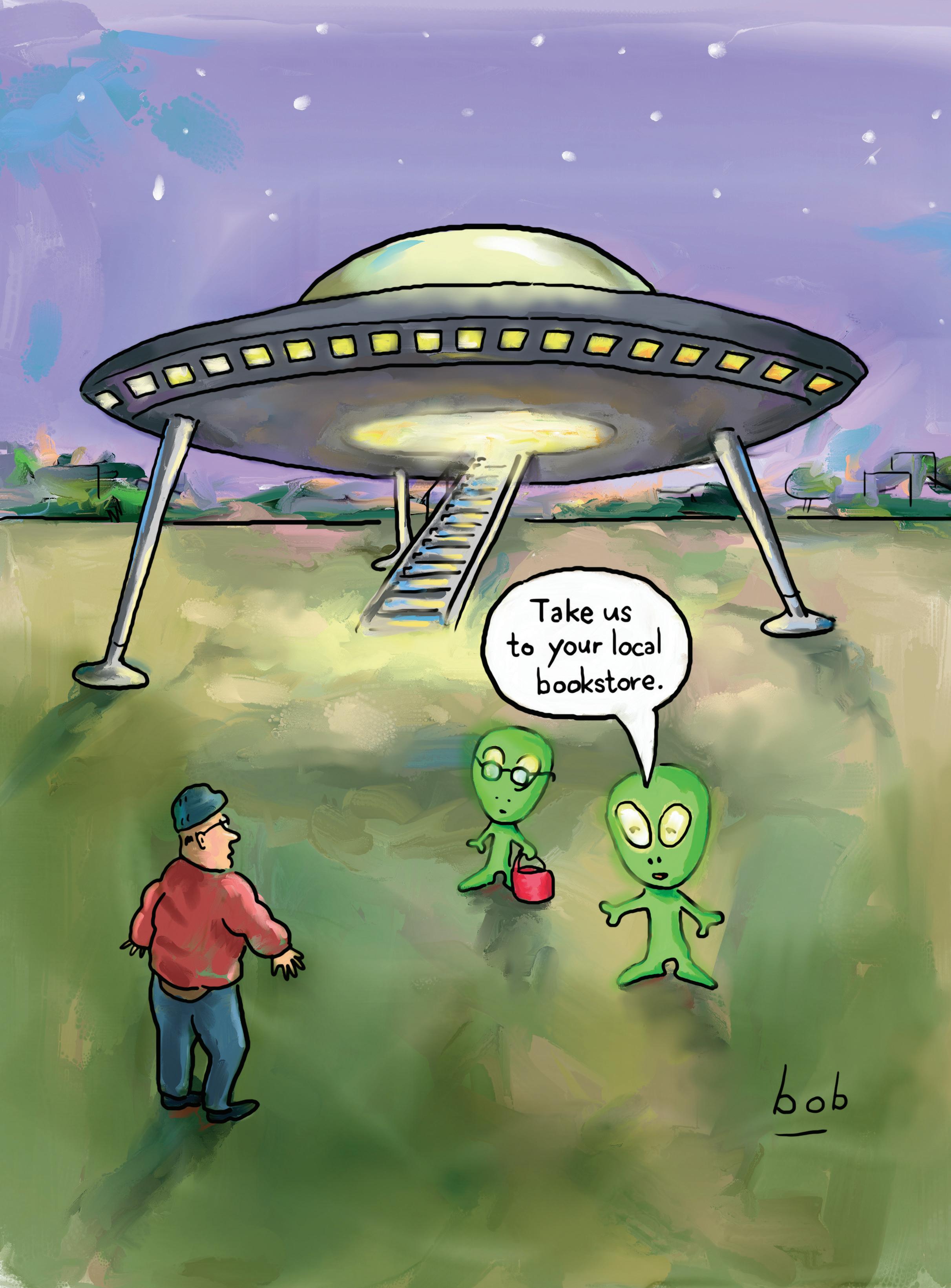
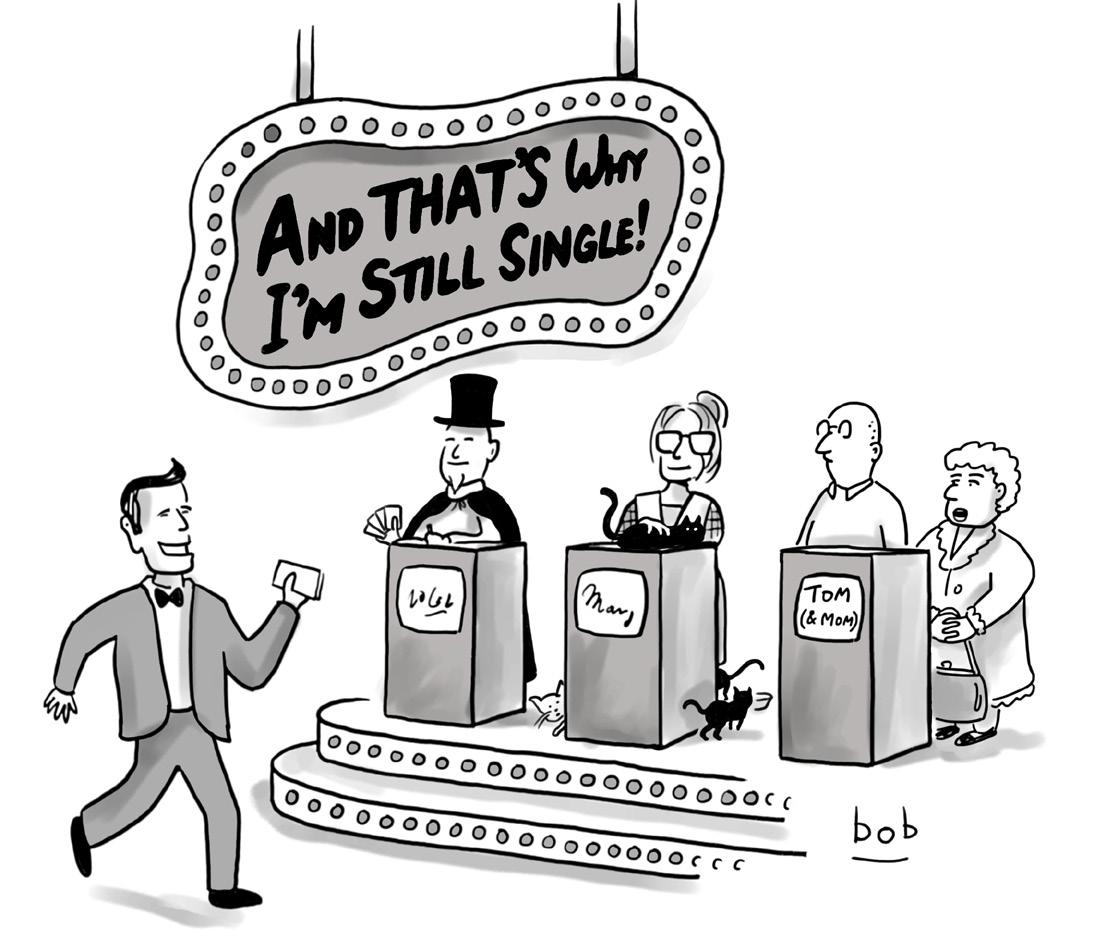
Illustrations by Bob Eckstein
Teaching and Learning with Cartoons & Illustrations Bob Eckstein
Illustrator, cartoonist, and writer Bob Eckstein’s path to success didn’t follow a predictable trajectory. Although he dropped out of high school in his senior year, it was discovering opportunities with the determination to learn and to succeed that motivated his journey.
To accomplish his goals, he became a rogue attendee at Pratt Institute for a year before actually enrolling. Faculty never noticed that he had not matriculated, but it worked out to his advantage; he soaked up the lessons and eventually convinced them to accept him into the institute. After graduating from Pratt in 1984, he was asked to teach illustration concept in their art department. And thus, he became faculty.
Bob went on to teach for over forty years and says that his teaching methods were as unorthodox as his approach to attending school. His class may have happened in an art gallery or a comedy club. At times, the class would be set up as a game show; sometimes pizza would be delivered. Unpredictability was the draw that kept his students engaged. His career went on to include teaching illustration at the School of Visual Arts, which led to teaching writing and cartooning at NYU’s School of Journalism.
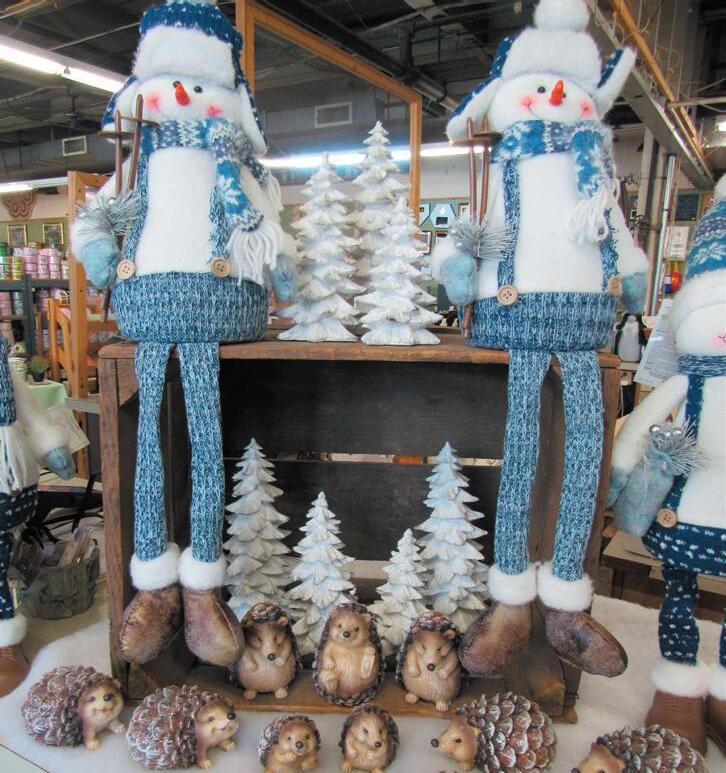
Although NYC has been home for years, Bob also has a home in Wayne County, PA, and, through his art, has been actively involved on a local level. Over the years, he has been a speaker on the main stage and at events around town at the Milford Readers and Writers Festival and has contributed real-time drawings of the events held there. Bob has created illustrations for Grey Towers for use on postcards, greeting cards, and other merchandise sold in their gift shop. Our readers should be familiar with his snowman cartoons published in The Journal’s 2025 Holiday issue.
Bob Eckstein has spent years pursuing his passions. We wondered if Bob, who was never one to shy away from esoteric subjects, thought, as a boy born in the Bronx, that one day he would become the world’s leading snowman expert. After seven years of research, his book, The History of the Snowman, was published by Simon & Schuster in 2007. He later created a revised, lush edition, The Illustrated History of the Snowman, published in 2018 by Globe Pequot.
Q. You’ve unveiled the world’s oldest snowman, the importance of snowmen in Hollywood (Chapter Three, “The Hollywood Years: There’s No Business Like Snow Business”), as well as in advertising (Chapter Four, “The Golden Age of

Advertising: Snow Sells”), and you’ve featured snowmen from around the world. What was your favorite discovery in your pursuit of learning all there is to know about snowmen?
A. Well, the highlight, easily, was finding out, thanks to expert cultural professors and art historians around the world, that the snowman had a dark past. This dream team gave me the bits and fragments they researched, and I put together all the pieces. It was like I found a winning lottery ticket. The Miracle of 1511, the Massacre of 1690, finding a drawing of an anti-Semitic snowman in the margins of a 1380 illuminated manuscript was all beyond my expectations. I would not have continued the project if I had learned the history was not much more than a children’s activity. I needed to astound readers. And I know I did.
Bob’s cartoons have been published in popular publications such as Mad Magazine, National Lampoon, The New York Times, and in the prestigious New Yorker since 2007. A 2025 documentary on Netflix, The New Yorker at 100, offered a behind-the-scenes glimpse into its competitive submission process. The magazine receives about one thousand cartoons each week and allows a cartoonist to submit up to ten drawings, just once a month. Work must be original and cannot be published anywhere else, including websites or blogs.
Q. When you started out as a cartoonist, did you study a magazine editor’s style or was getting published just the luck of the draw?
Bob Eckstein
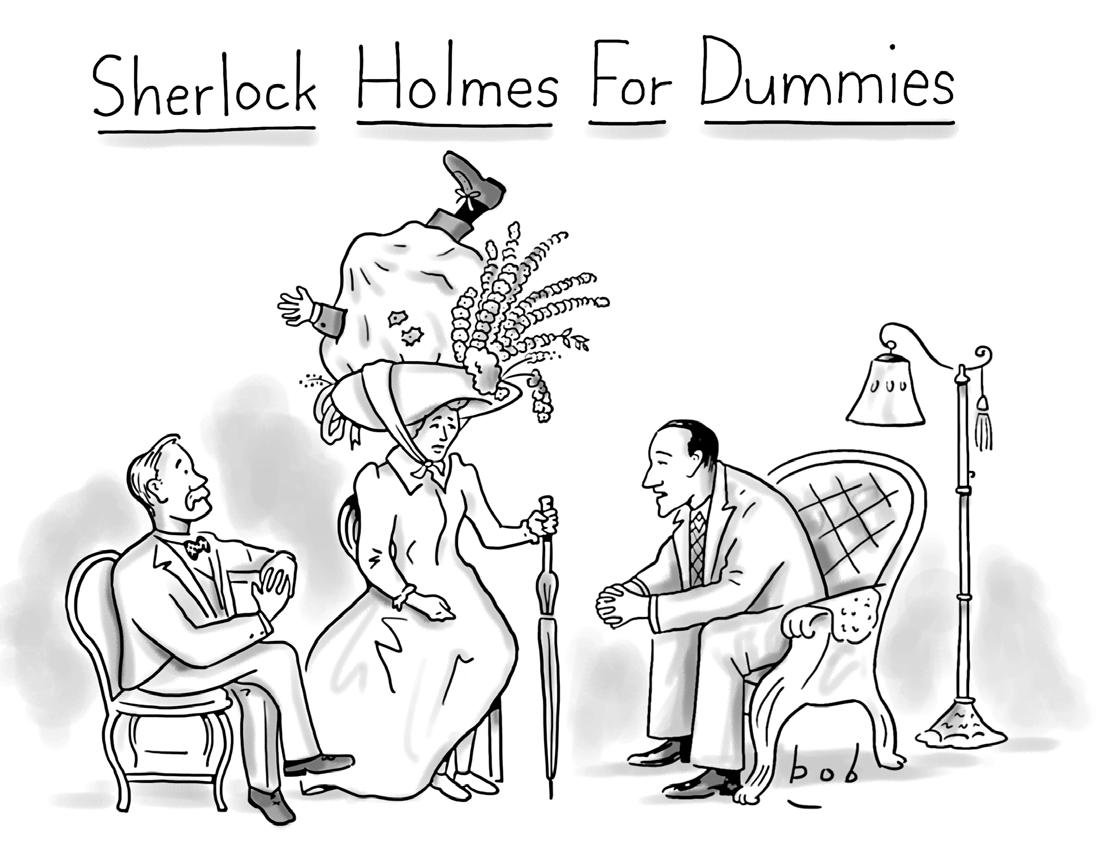
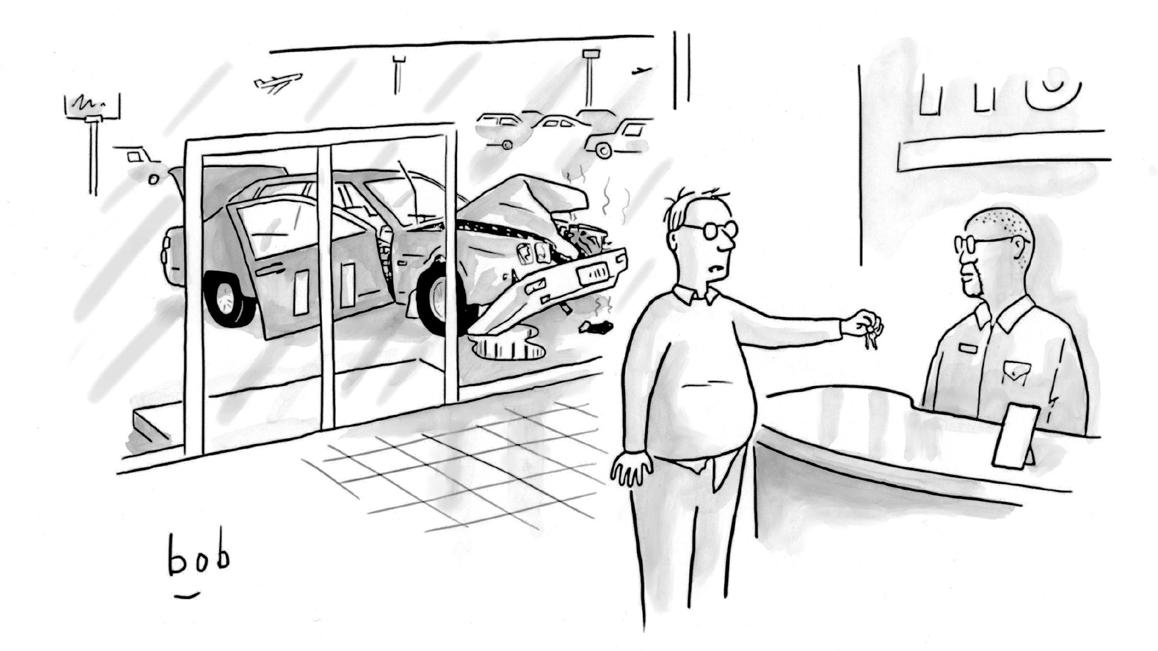
A. I got into the magazine on a dare. I had become friends with one of the greatest single panel cartoonists ever, Sam Gross, and he took me to the famous New Yorker weekly lunch for my birthday. I had a good time and asked to return. He said okay, but return with some cartoon sketches. The magazine bought my first drawing. Once that happened, I pretty much stopped everything and learned as much as I could about The New Yorker and cartooning.
Sam took me under his wings and taught me the ropes. We even worked on cartoons together. By the first year, I was publishing opinion pieces in many publications and was nominated Gag Cartoonist of the Year by the National Cartoonists Society.
The Ultimate Cartoon Book of Book Cartoons by the World’s Greatest Cartoonists was published in 2019. As editor of the project, Bob worked with thirty-two of his favorite cartoonists, including Sam Gross, who has created over thirty thousand cartoons, and bestselling author and cartoonist, Roz Chast. Of course, Bob’s own work is included. As mentioned in the book’s Introduction (after the part about nobody reads book introductions), Bob’s goal was to honor his profession and the format of the printed book. Some of his peers’ cartoons had never been published, and others were published with permission of various publications including Barron’s, The New Yorker, and The Harvard Business Review.
Q. How did you choose the “Ultimate” cartoons for this book?
A. Media changed in 2016. A handful of magazines, such as Playboy and Mad, folded at the same time, and the cartoon editor of The New Yorker was fired. Many of the cartoonists he worked with were left out in the cold, and there was nowhere to showcase these great masters’ work. Cartoons have changed lately; they are often about nothing. I want cartoons to be funny and thought-provoking. In this book, my goal was to work with the ultimate cartoonists, and from those, I received thousands of cartoons, and I chose the best of the best for my book.
During the pandemic, in the early 2020s, Bob published a three-book collection of cartoons from his favorite cartoonists, and they each have a unique theme.
First was a cartoon book about bookstores and books called The Ultimate Cartoon Book of Book Cartoons. Next was Everyone’s a Critic, which is actually his favorite book. People love to complain; cartoonists love to complain. This one is about being judgmental: how people judge each other online, through their comments on Amazon, or how they critique movies, or each other, or their spouses, everything and anything.
The third book in the series was called All’s Fair in Love and War. It was about marriage and divorce. (Enough said).
Bob’s goal was to make people laugh; it was a form of entertainment for all as we went through Covid. He likes to say that these books were the appetizers to hold people over for dinner.
Q. As a reader, what draws you to favor a particular cartoon? What makes a cartoon memorable?
A. Every person who reads a cartoon is a player in the cartoon. If it’s a good cartoon, it contains a “eureka moment” in which the reader has to fill in the blank to complete the joke. I look for cartoons that have a sense of sophistication, not something simple or pedestrian. If a reader can “get” the joke and emotionally connect with the cartoon, it validates their intelligence. The reader becomes invested in the cartoon.
The Ultimate Book of Book Cartoons had followed his New York Times best seller entitled Footnotes from the World’s Greatest Bookstores: True Tales and Lost Moments from Book Buyers, Booksellers, and Book Lovers (2016). Bob featured seventy-five independent and iconic bookstores with stories and illustrations from stores around the world. He met with dozens of bookstore owners to hear their stories and also featured stories from a diverse group of authors including David Bowie and Tom Wolfe.
Referred to as a love letter to bookstores, the book was an outcropping of his desire to showcase independent bookstores as intellectual and cultural hubs of our Main Streets, whose presence can never be replaced by computers.
Q. What was the impetus for this book?
A. One of the reasons I wrote Footnotes from the World’s Greatest Bookstores was to thank the bookstore owners for their support. I learned a lot about the challenges of running this type of business in today’s world.
I hope bookstores never go away. The right book can change a person’s life. By meeting an author or someone like-minded, they are meeting someone they’d never be exposed to if they’d ordered the book online. Bookstores are filled with hundreds of peoples’ dreams on those shelves.
If some of his early books were appetizers, then dinner came in the form of The Most Fascinating Museums: Stories and Memorable Moments from People Who Love Museums (2024). The book features Bob’s illustrations of North American museums. It took almost two years to visit most of the 75 museums, photograph and sketch the photos and incorporate the stories that he’d amassed by talking with museum curators, docents, and people attending exhibits. Continued on next page
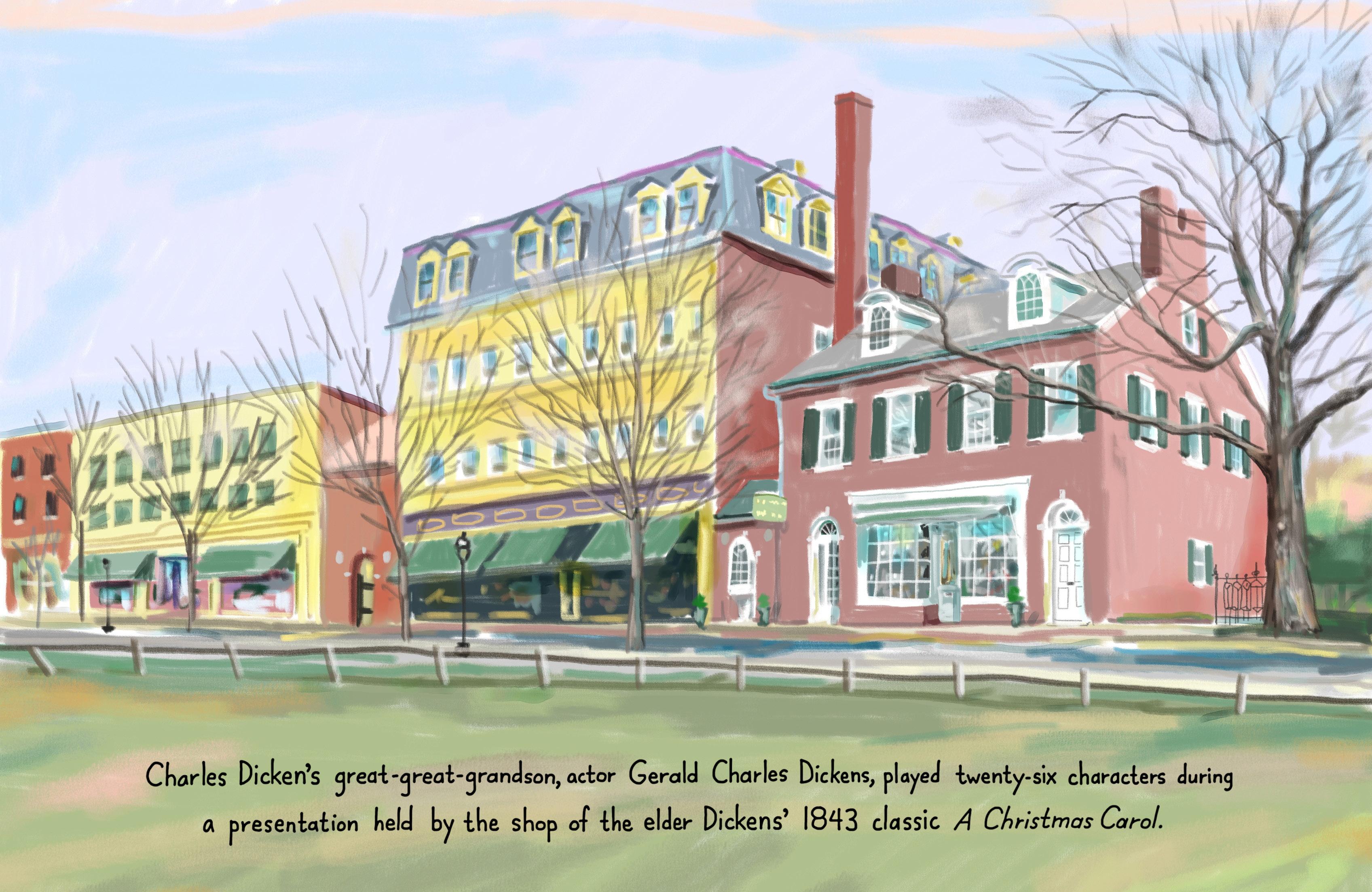
Q. There are so many museums to pick from. What were the criteria you used to include a museum in the book?
A. My initial goal was to humanize the museums with heartwarming stories that would encourage people to visit a museum. I wanted to give personality to each museum by illustrating the romantic vibrancy that each held. I will never forget how lucky I was to be able to do this project. There was a lot of red tape involved—I needed constant written permission—but I didn’t let that deter me. The more I went, the more I appreciated museums in general. They feel like magical places. Once, I went to nine museums in one day. It was inspirational.
The criteria for inclusion was their importance as an archive of art history and as an architectural preserver of their unique community’s history. I also took their level of educational outreach into consideration.
Superficiality came later: the beauty of a museum, the beauty of the artwork, at what level they welcome the public, their affordability. This all came into the decision as to which museums deserve to be called the best.
Bob’s latest book was a joint effort with writer Nava Atlas, Inspired by Cats: Writers and Their Mews(es) (2025), which is dedicated to creative muses everywhere, feline or otherwise.
Much is known about the relationships between famous writers, such as Mark Twain and Ernest Hemingway, and their many cats, but this book also gets into less suspected feline lovers. These include Beat Generation writer Jack Kerouac’s relationship to his cat Tyke and Cosmopolitan’s ex-editor in chief Helen Gurley Brown whose family motto was “we’re cat people” and who addressed her favorite people as “pussycat.” Featured also is Francesco Marciulia-
no, one of the best-selling writers in the last 10 years. Francesco, known as the spokes-poet for domesticated cats, aka cat whisperer, had written collections of poems from a feline point of view. A constant theme in this book is that cats are an author’s best friend, and he explains why, of course, that’s true.
Q. What is the relationship between a writer and an illustrator?
A. The relationship is dependent on the book; a book reflects the relationship. In our case, the book celebrates cats, but, more importantly, we wanted to expose readers to writers and their literature. A reader may explore work that they have never heard of before. My partner and I trusted each other. She also illustrates, and I also write, so we both counted on each other in the best possible way.
Each writer in the book is so accomplished, and, in some cases, they were involved, and we needed to make sure they were happy. This was a labor-intensive book. There were some people I drew four or five times until we had approval by all parties involved.
Bob’s latest teaching, in December 2025, was through Zoom at Yonsei University in South Korea. The class he taught was exclusively about his own work, which has been exhibited at the Cartoon Art Museum of San Francisco, the Smithsonian, and the Cartoon Museum of London.
He also serves as artist-in-residence for the Erma Bombeck Writer’s Workshop, a weekend of sessions covering humor writing and other subjects of interest to writers.
Currently, he’s decided to focus on some projects that have been on the back burner for too long and hopes to complete by 2027: a movie he wrote a script for based on his snowman book, as well as an illustrated novel based on a found 1851 diary of a stowaway on an Arctic ship. Next year will see the completion of his first game, which he created and designed. The game is called Writer’s Block and it’s about just that.
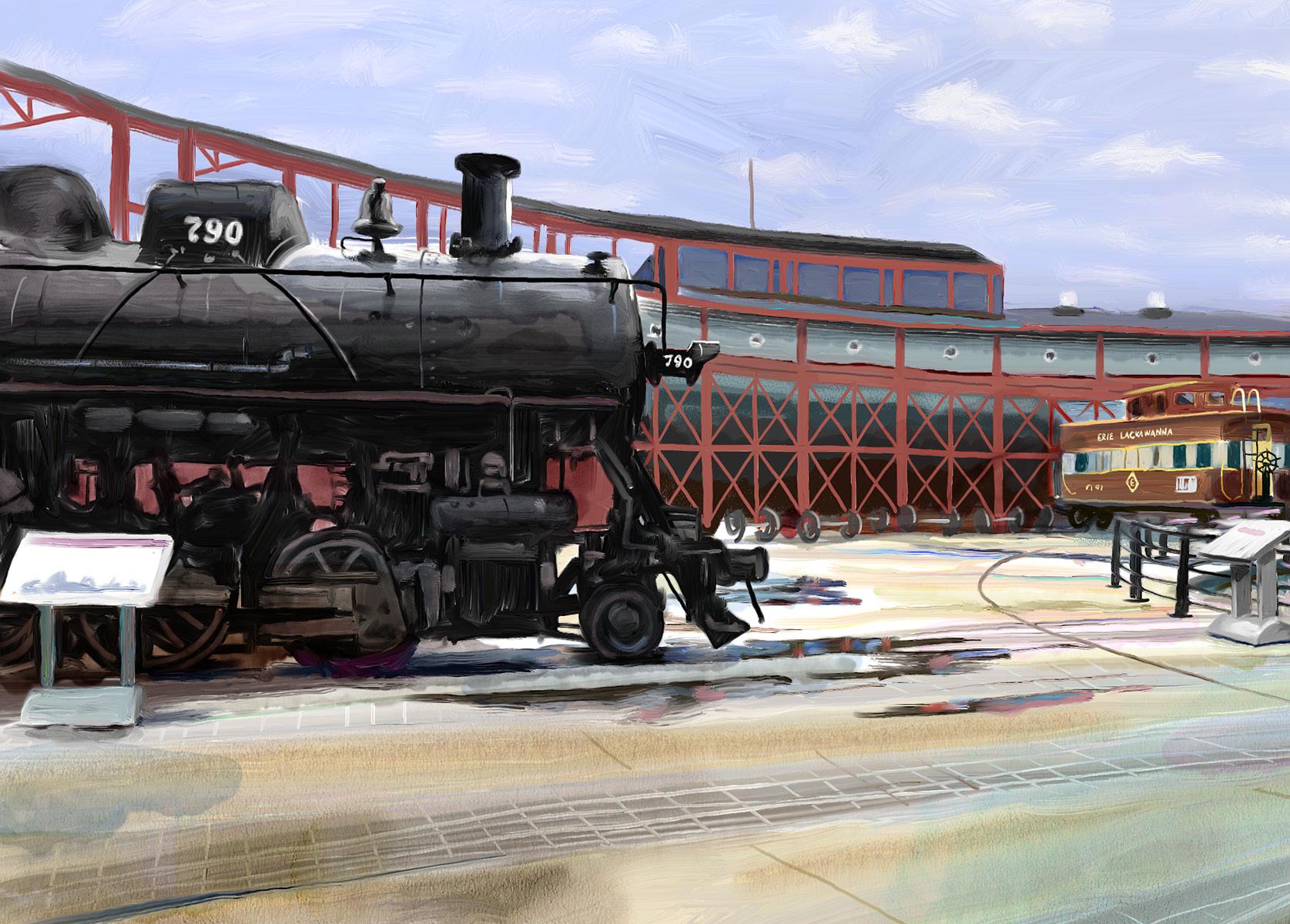
Success is unpredictable and it takes a lot of work to meet the challenges head on. Bob publishes a newsletter, called The Bob, with inspirational lessons in writing and cartooning. He gives advice to those on his career path about how to be a better professional, which is all pretty impressive for a guy with an unconventional, unpredictable approach to life.


On Keeping a New Year’s Resolution
Around this time of year, I take a moment to check in with myself and see how I am doing on my New Year’s resolutions. This year, winter is bringing out tremendous gratitude in me because this weather has made it impossible to even try to start on my regimen of bettering myself. It’s way too cold for self-improvement. Right now, I am giving myself a two-month freeze (pun sort of intended) on implementing most of my resolutions for living my best life in 2026.
But I am not giving up! I am just hitting the pause button on the things that involve the outdoors and focusing on the one thing that I can work on from the comfort of my home. This is my quest to sneak in a little extra protein in my diet. It’s not a menu overhaul, just adding a few more beans and nuts. It’s good for my heart and my waistline. I am hoping it will reduce my craving for cookies, cupcakes, and sour cream and onion potato chips. Fingers crossed.
In 2026, I have vowed to express gratitude for everything in my life. Today, for example, I am thankful that it’s too cold to do stretches outside facing the east wearing sweatpants looking like a hobo. I am also grateful that it’s too snowy to take invigorating long walks in nature. I am thankful that I can make it to the mailbox without getting frostbite.
I am most grateful that this weather has allowed me to focus more on a pleasant goal: eating. Um, eating better. Ok, making better food choices so I don’t feel guilty about eating when I am busy in hibernation mode. Because, truthfully, when the days are short, I really prefer to stay bundled up indoors eating mashed potato stew (if such a thing exists) rather than risking my life outside in the elements.
I am ravenous. This is not the time of year to eat salad in place of a proper meal or finish up said meal with a piece of fruit instead of real dessert. This is the season to provide maximum fuel to keep a body, mind, and soul alive until the sun shines brighter and higher in the sky and the temperatures warm up again.
I want to eat things that feel creamy and rich, although not necessarily containing meat or dairy. I am seeking out that contented sleepy feeling that comes after a wonderful meal, but without the added bulk from carb overloading.
Here are a trio of tried-and-true recipes that my family loves. All of them contain a balance of proteins, high fiber, and carbohydrates and offer good fats that deliver that rich luxurious feeling of blissful satiation.
White Winter Chili is a one pot meal that keeps the winter blahs away. I love that it resembles a creamy stew and yet delivers a surprising variety of flavors, all without actually containing dairy. The palette of the ingredients is soft and restful, ranging from the white coloring of the beans, onions, and garlic to the pale green from spinach and zucchini and then to the yellow from cute little niblets of corn. It promises and delivers a comforting meal with no hidden surprises.
Nothing that goes into this chili is exotic. Cannellini beans are basically big white kidney beans. Like most beans, they provide a rich source of protein, fiber, minerals, and vitamins. And if that weren’t enough, cannellini beans also have a super creamy texture and a pleasant, mild taste. These two qualities allow the beans to act as a backdrop to bolder flavors.
Most everything you need can be found in the pantry or fridge, avoiding a trip to the grocery store on a cold day. It’s also a very forgiving recipe. If an ingredient is missing (like zucchini), just omit it, or fill in with a little more of everything else. It’s not a big deal.
I cook the chili on the stove, but I am sure that it works just as well in a crock pot. Although the original White Winter Chili recipe is vegan, it can be supplemented with Parmesan rinds for a slightly richer, vegetarian option. Chicken can be added for an even heartier flavor. Sometimes, I will roast a chicken and add the meat or grab a precooked chicken at the market. My family enjoys all three versions of White Winter Chili with all the different side dishes.
Because this chili has a neutral flavor profile, the recipe can lean in different directions depending on how I’m feeling or what else I have on hand. Sometimes I serve White Winter Chili with garlic bread and a platter of antipasto, like eggplant caponata, marinated artichoke hearts, provolone, olives, and salami for an Italian flair. If I swirl in harissa and serve it with spicy sausage like merguez and pita, it’s more of a North African vibe. Most often, how-
ever, I serve this chili with the same accompaniments as I do on taco Tuesday: shredded cheddar cheese, scallions, sliced peppers, sour cream, and salsa. I take a break from the smooth texture by crumbling tortilla chips on top.
No matter how I serve my White Winter Chili, I always round out the meal with Cilantro Cream as a side dish. Cilantro Cream is derived from a recipe I came across almost by accident while looking for a dairy free dip to serve to a lactose intolerant friend. I tinkered with it and ended up making a cross between French onion dip and green goddess dressing. Over the years, it has evolved to be a very cilantro forward dish.
Beyond its original purpose as a dip, I have come to use Cilantro Cream as a topping for avocado toast, a substitute for mayonnaise in chicken salad, and a sandwich spread. It strikes a surprising note in a BLT and perks up an ordinary turkey sandwich. Yet, for me, Cilantro Cream shines brightest as a topping for White Winter Chili, providing an almost unparalleled level of pleasure.
The “cream” in Cilantro Cream comes from cashew nuts. I am still amazed that this bland and buttery nut possesses magical properties such that, when softened and processed in the blender, impart a creamy richness without any dairy and plenty of protein. Who knew? With the added pungent tang of garlic, the refreshing zip of lemon and the brightness of cilantro and parsley, Cilantro Cream wakes up the taste buds and adds sneaky nutrition to everything it is used in.
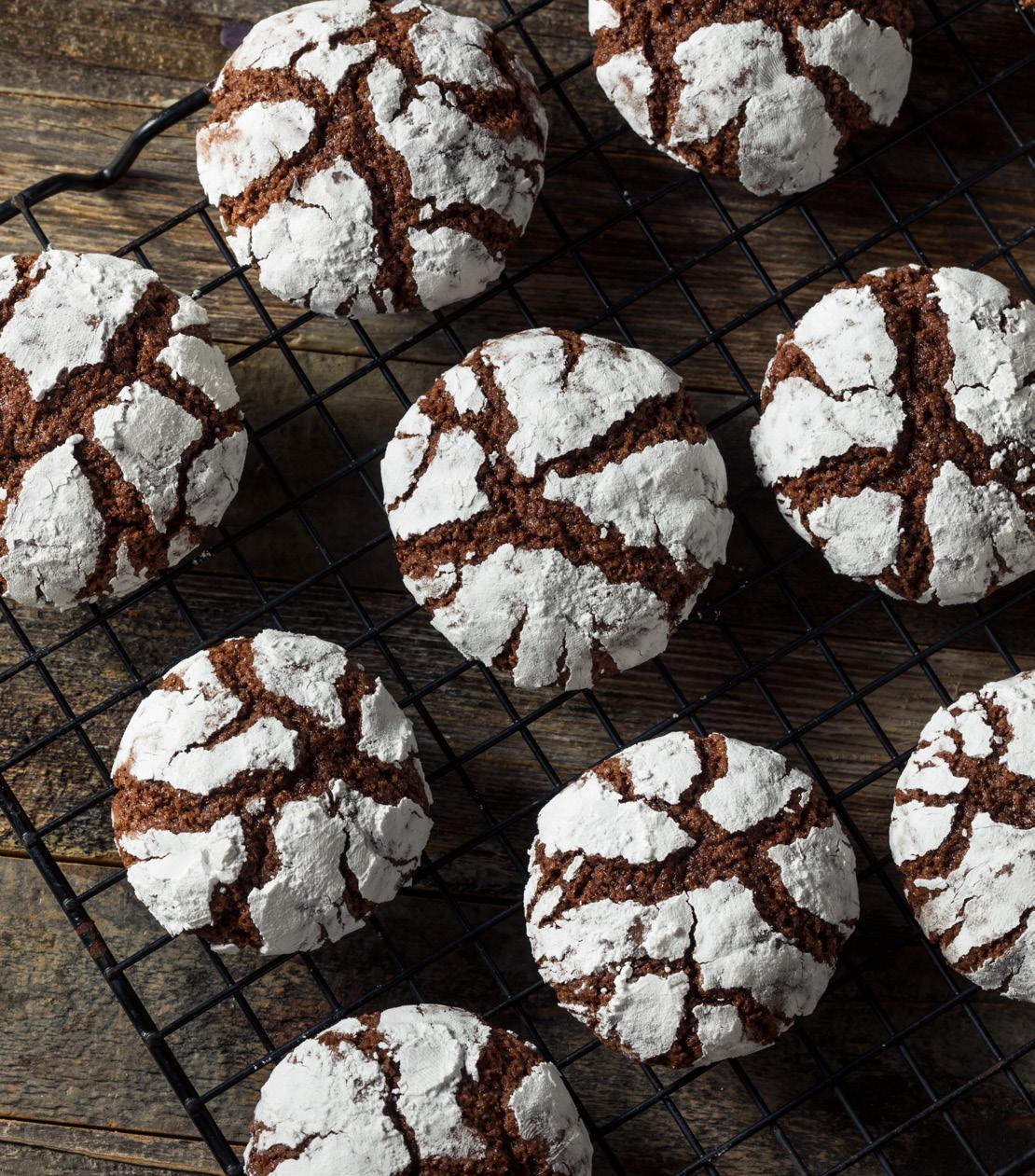
I must confess that I would not be able to make it through the end of winter without my faithful friend, chocolate. In my quest to sneak in more protein in 2026, I am happy that one of my favorite cookies already fills the bill. Chocolate Almond Cookies sound dull and ordinary, but once in the mouth, they explode with an intense but not overly sweet taste flavor bomb of chocolate and almond. I welcome any excuse to make a batch and share them. For the protein, of course.
Chocolate Almond Cookies have deceptively few ingredients, and I recommend using the finest dark or semisweet chocolate you can find. Nutritionists say that dark chocolate is a smart food choice. So, I figure that the chocolate plus cocoa as well as almond flour and almonds in the recipe qualifies these cookies to be as close to a true health food as any cookie can get.
The dough benefits from time to chill in the refrigerator before baking. This makes it easier to slice round disks, reminiscent of the slice and bake cookies from the supermarket, roll them in confectioners’ sugar, and pop them in the oven. I love to eat the cookies still slightly warm so that the chocolate melts in my mouth. Sometimes, I slice a few and bake mini batches just to enjoy that melty goodness over and over again.
At some point, the snow will melt and I will restart my New Year’s resolutions. I will stretch in the early morning sun and spend the warmest part of the day outdoors. In the meantime, while the weather is mean and awful, I am doing what I can to create my best life in 2026. I am making good food choices as I stay cuddled indoors, warmed by a bowl of chili, bettering myself, one cookie at a time.
White Winter Chili
4 tablespoons olive oil
3 onions, chopped
2 stalks celery, chopped
4 garlic cloves, minced
1 jalapeno pepper, seeded and chopped fine
1 poblano chili, seeded and chopped fine
2 scallions, chopped fine
½ teaspoon cayenne pepper
¼ teaspoon chili powder
2 teaspoons oregano
2 teaspoons salt
1 teaspoon pepper
2 zucchini, sliced in half lengthwise and then in thin half moons
1 package of frozen chopped spinach (10 ounces)
2 cups of corn niblets, rinsed
4 cans cannellini beans, rinsed and drained (15 ounces)
6 cups vegetable broth or water
• Heat oil in a large pot over medium-high heat. Add onion, cayenne pepper, and chili powder. Cook, stirring
frequently, until onion is tender and translucent, about 8 minutes.
• Lower the heat to simmer and add celery, garlic, peppers, scallion, oregano, salt and pepper. Continue to cook for 3 to 5 minutes more.
• Stir in zucchini, spinach, corn, beans and vegetable broth. Bring to a boil and return to a simmer. If adding cooked chicken and/or Parmesan rinds, stir those in.
• Cover and cook over a medium low heat for about 45 minutes, or until squash is fork tender, and the beans are creamy.
• If it is too thick, add more broth or water. Use an immersion blender or blender to create a creamier texture.
Cilantro Cream
1½ cups raw cashews, softened for ½ hour or overnight, reserving about 1 cup of the liquid
1 cup fresh cilantro
½ cup fresh parsley leaves
3 large garlic cloves
2 tablespoons good quality olive oil
4 tablespoons fresh lime juice, about 3 limes
½ teaspoon sea salt
• Place the cashews, cilantro, parsley and garlic and ¼ cup of liquid in a blender or Cuisinart and process on high speed.
• Add the olive oil and continue to process. Scrape down the sides of the bowl.
• Add the lime juice and up to ¾ cup of liquid or as needed for a smooth and creamy consistency. Add salt to taste.
Chocolate Almond Cookies
1⅔ cups all-purpose flour
⅓ cup almond meal
⅓ cup unsweetened Dutch-process cocoa powder
1 teaspoon baking powder
½ teaspoon salt
¼ teaspoon ground nutmeg
Pinch ground cloves
2 sticks (1 cup) unsalted butter, softened
½ cup granulated sugar
1 large egg
1 teaspoon vanilla
5 oz fine-quality semisweet or bittersweet chocolate (not unsweetened), finely chopped
½ cup sliced almonds, finely chopped (not in food processor)
1½ cups confectioners’ sugar for coating
• Whisk together flour, almond flour, cocoa powder, baking powder, nutmeg, clove, and salt in a medium-sized bowl until combined.
• In a stand mixer or large bowl, beat to-
gether butter and granulated sugar at medium-high speed until pale and fluffy, about 3 minutes. Add egg and vanilla, beating until combined.
• Reduce speed to low, then gently introduce flour mixture and mix until well combined. Add chocolate and nuts and mix until just combined.
• Divide the dough into two parts, and spoon onto 2 pieces of waxed paper. Roll and shape to form logs about 2 inches in diameter. Wrap each log in an additional layer of plastic wrap and roll it on the counter to reinforce the log shape. Chill in the refrigerator for at least 30 minutes.
• Place the oven racks in upper and lower thirds of the oven and preheat it to 325°F. Working with one log at a time, slice ⅓-inch-thick disks of dough and flatten them slightly before coating them with confectioners’ sugar. Arrange them about 2 inches apart on ungreased baking sheets.
• Bake the cookies, switching position of sheets halfway through baking, until they puff up and tops crack slightly, 8 to 10 minutes in total.
• Let the cookies rest five minutes before transferring onto racks to cool completely. Recoat cookies with confectioners’ sugar before serving. Makes about 5 dozen cookies.
• I would say that these cookies keep for a week in an airtight container, but I can’t be sure because they don’t last that long.








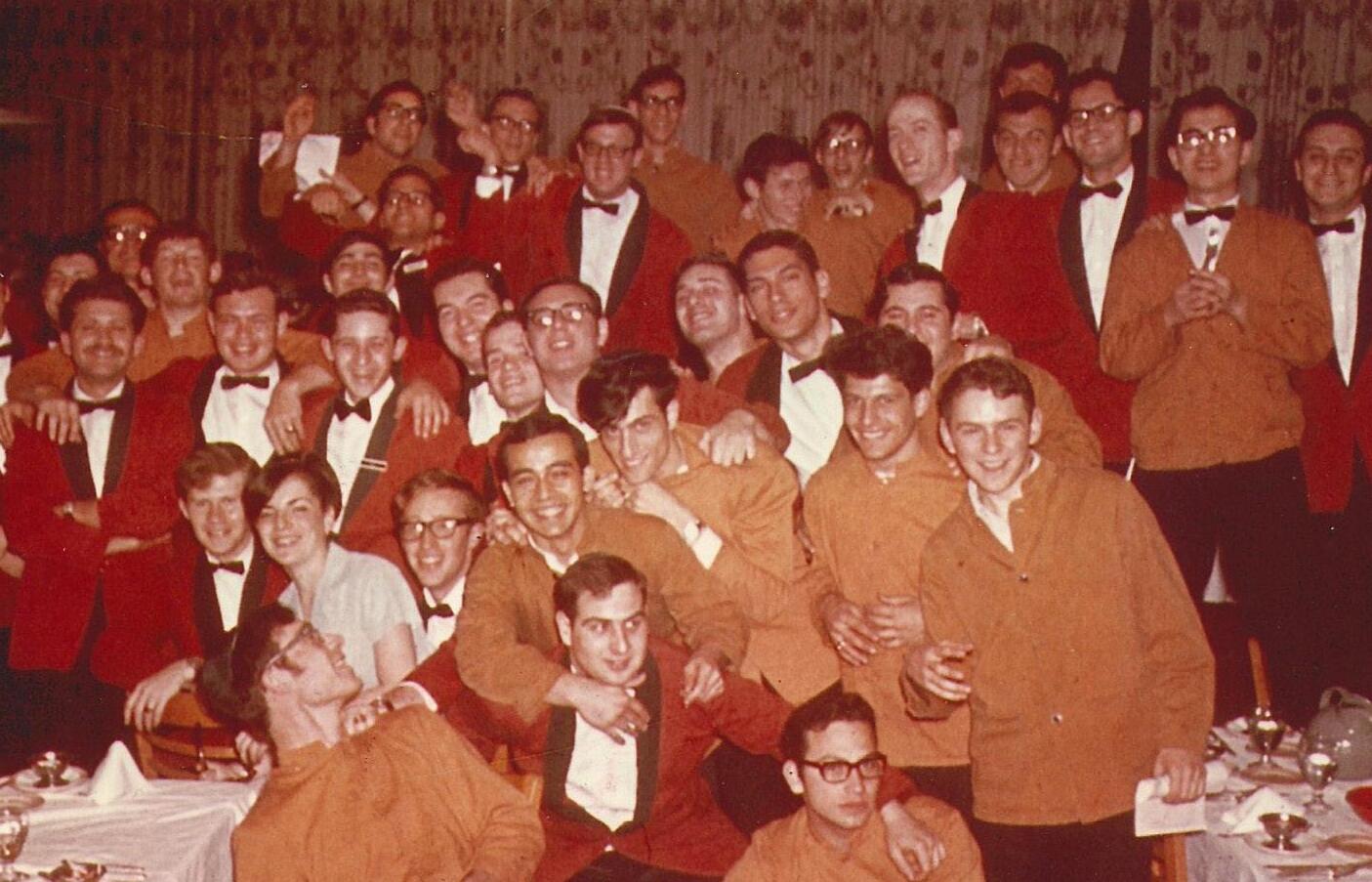
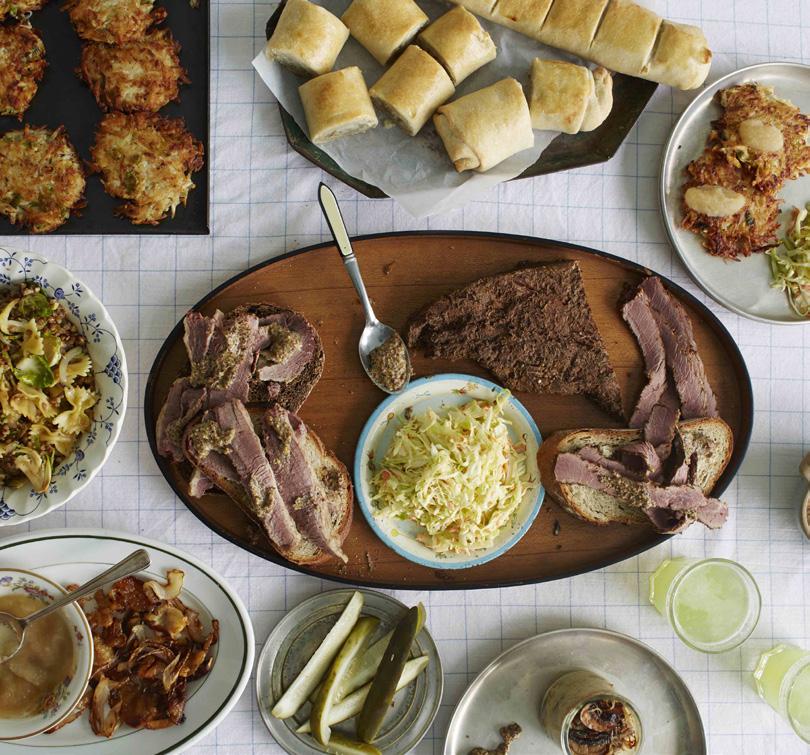
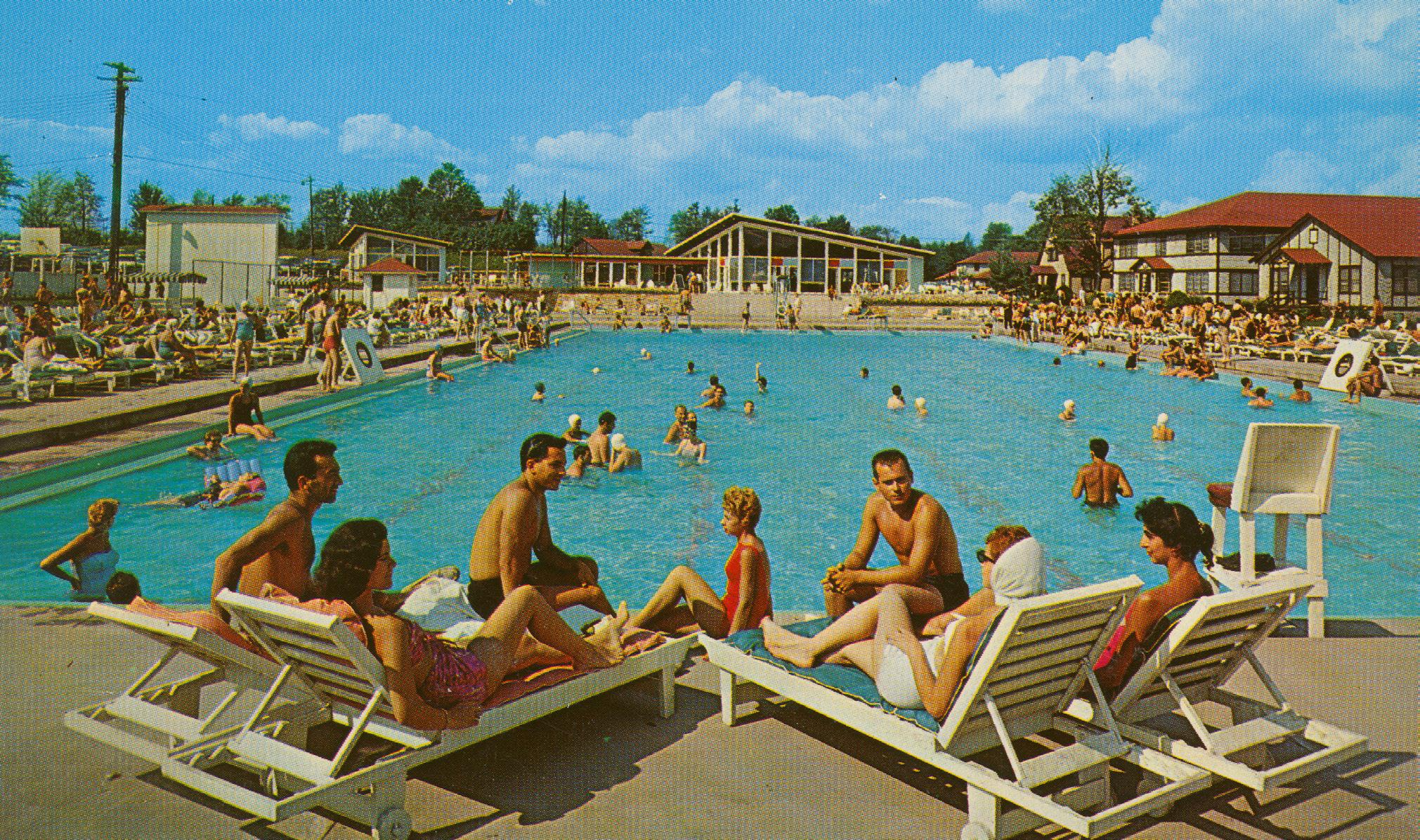
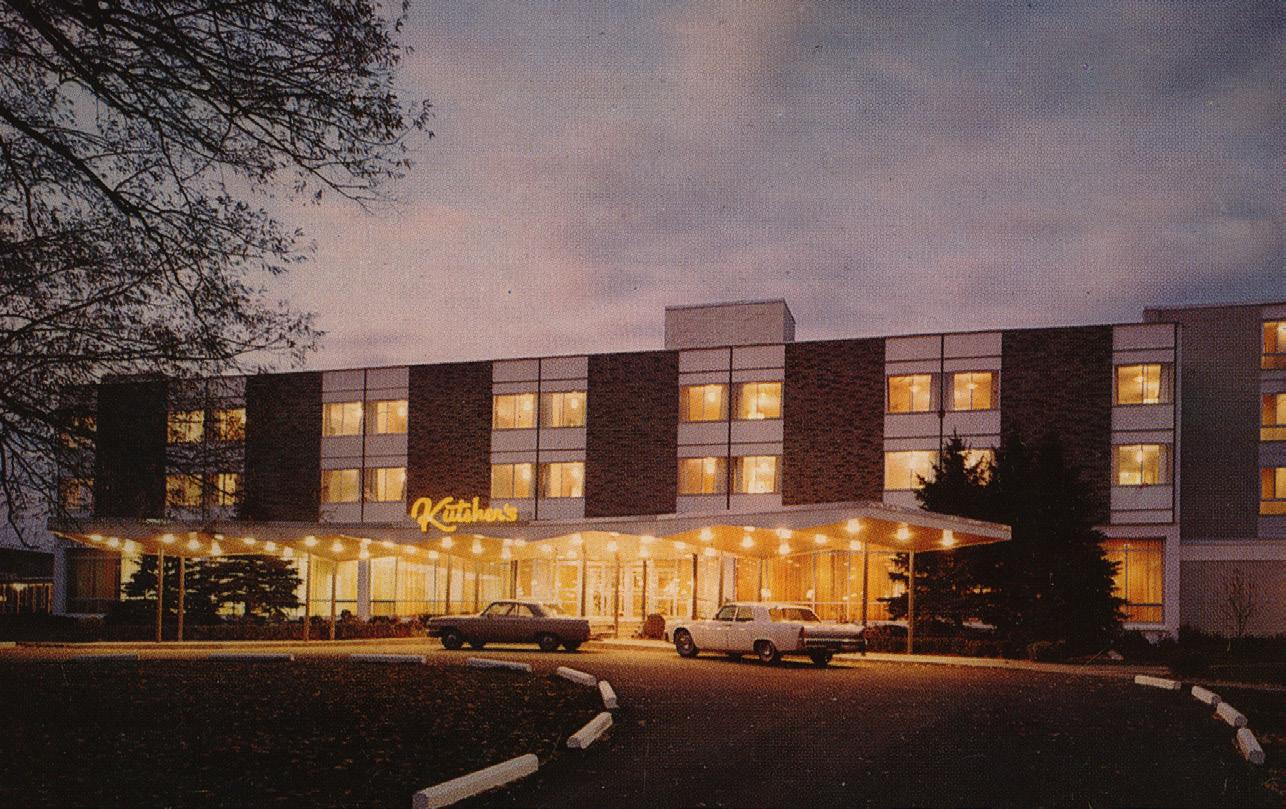
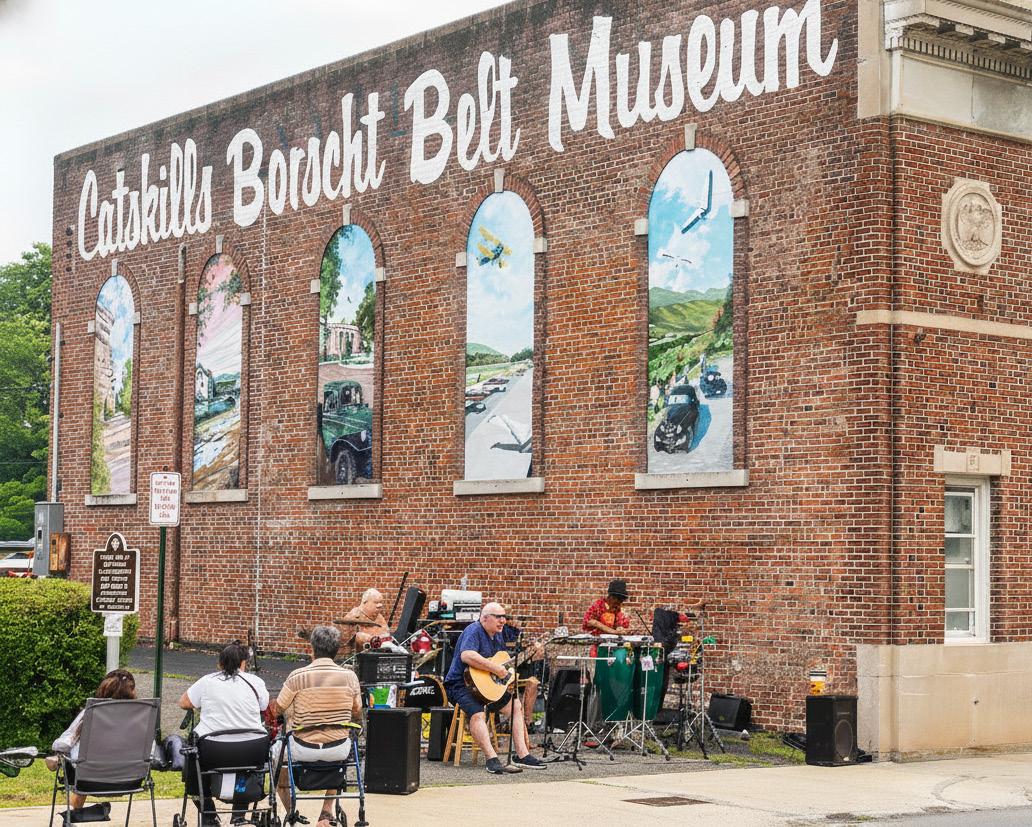
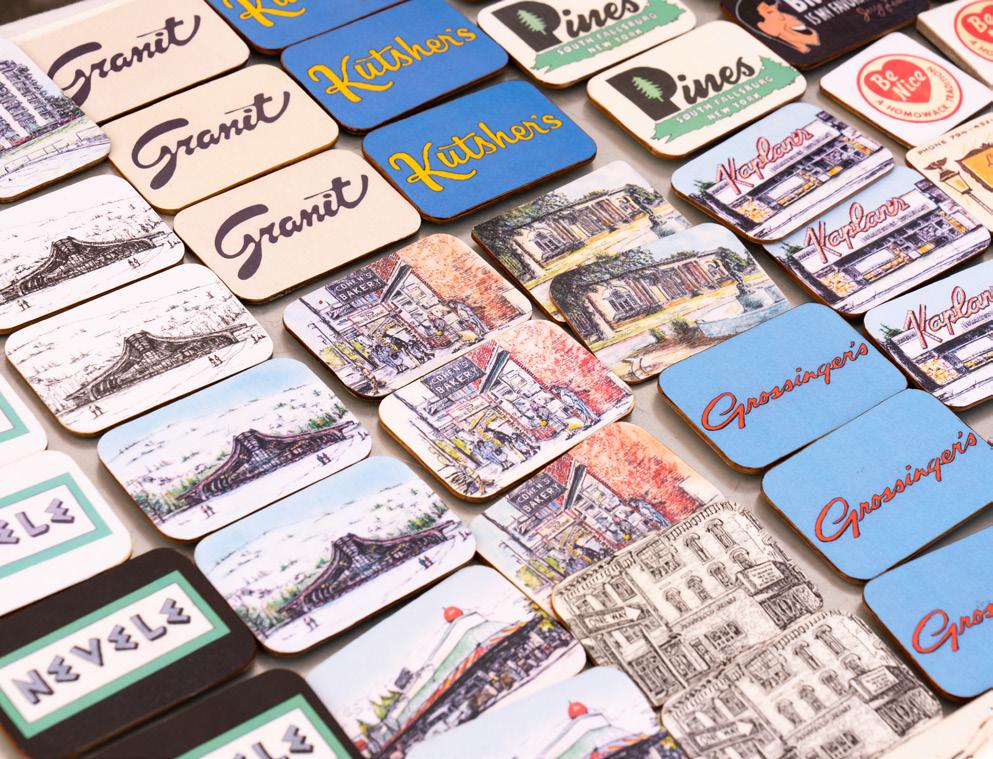
Photos courtesy of the Catskills Borscht Belt Museum
By Marilyn Rosenthal
Have You Ever Had a Bagel with Cream Cheese? From the Borscht Belt to
Mainstream America
Almost everyone in American has had a bagel with cream cheese. And, depending on how far from New York City you are, it may have morphed into a blueberry bagel or a cinnamon bagel. But the original bagel hailed from Jewish communities in Poland in the 17th century and was made popular in New York’s Borscht Belt, paired with cream cheese where it was known colloquially as a “bagel with a schmear.”
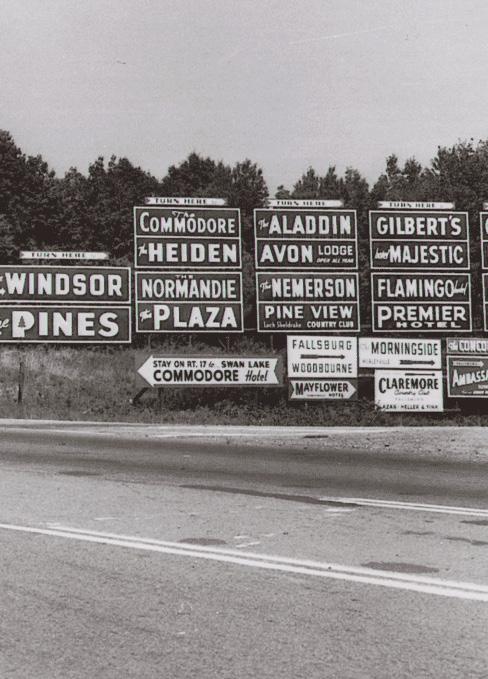
The bagel was not the only thing that flourished in the Borscht Belt and became an important part of American culture. In the 1920s, American Jews, mainly of Eastern European descent, wanted to get out of sweltering cities and have a place to go with their families during the summers to get some fresh country air and relax. There was only one problem. They were discriminated against in mainstream resorts that had signs in ads, brochures, and billboards with sanitized subtle messages like, “Gentiles Welcome.” And not so subtle signs, such as “No Jews Allowed.”
And that is how an area of about 1,000 square miles in New York State’s Catskill Mountains (mainly Sullivan and Ulster Counties), 100 miles north of New York City, became known as the Borscht Belt, named after a popular beet soup that had originated in Ukraine and was brought to America by Jewish immigrants.
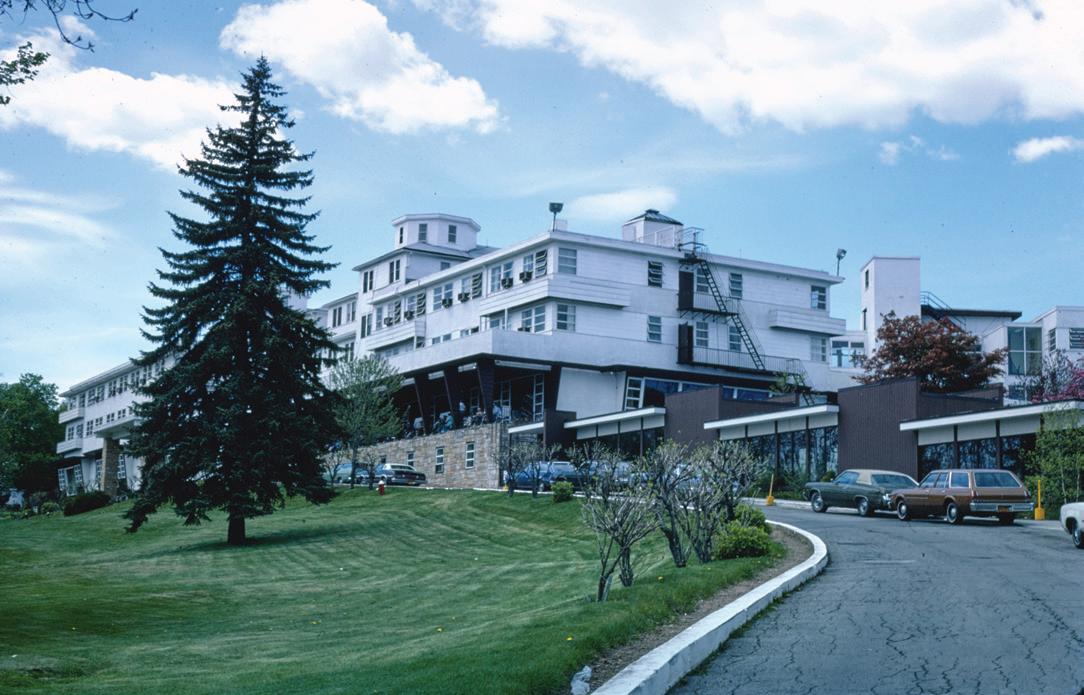
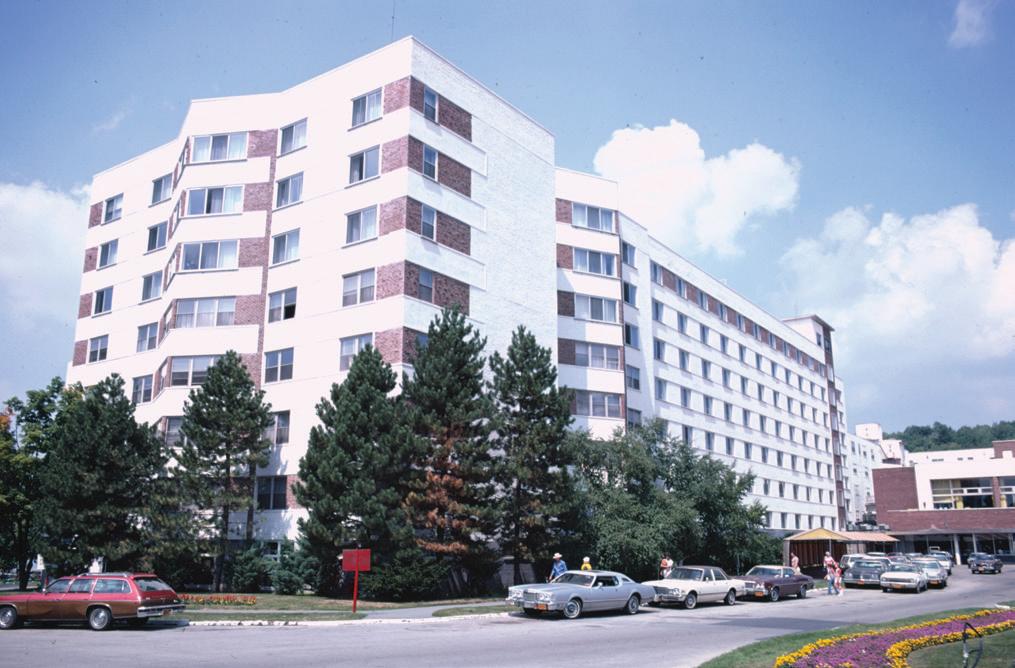
From about 1923 to the 70s, the halcyon days of the region became what might be called “a Jewish Camelot.” There were 538 hotels, 50,000 bungalow colonies, and
about a thousand rooming houses. The area became the birthplace of standup comedy, and much of Jewish cuisine and culture became absorbed into the mainstream.
Land of Plenty
The hotels were the land of plenty—big, bigger, best. Abundance was a hallmark of American Jewish culture, and this was evident in the food, the activities, and the star-studded entertainment every night. Many of the hotels were family owned and that became a template for the success of some of the larger ones. The goal was to make guests feel comfortable and at home. After all, this was a special place where Jews could relax, be themselves, and feel like they belonged.
In many of the hotels, the owners lived on the hotel grounds, which fostered a warm family atmosphere. The owners had their own table in the dining rooms and at times invited celebrities to join them. Jennie Grossinger made it her business to welcome every guest that came to Grossinger’s and actually greeted many by name. Helen Kutcher did the same at Kutcher’s, as did Lillian Brown at Brown’s. These matriarchs were strong women who knew everything that was going on in their hotels and were able to keep track of it all.
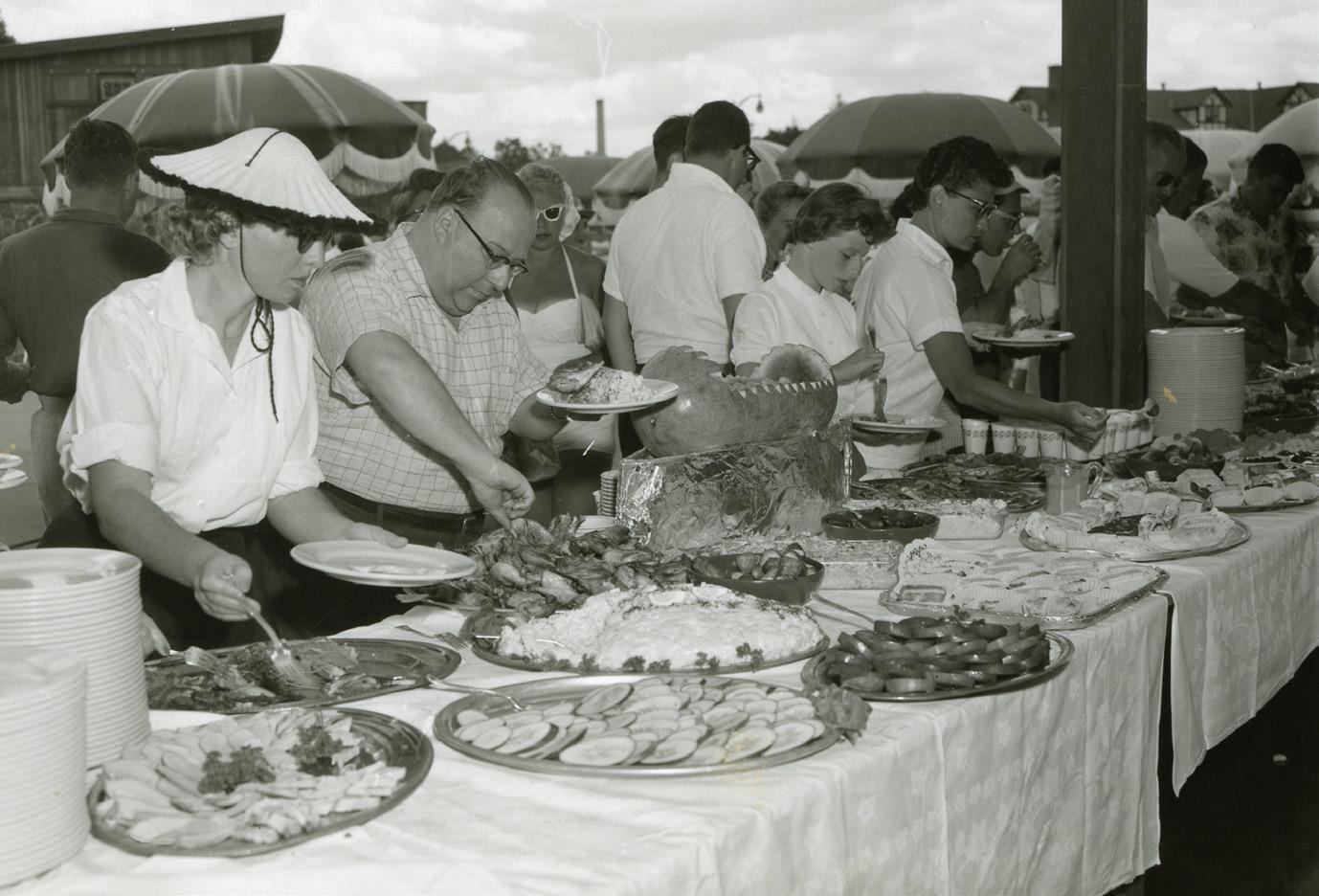
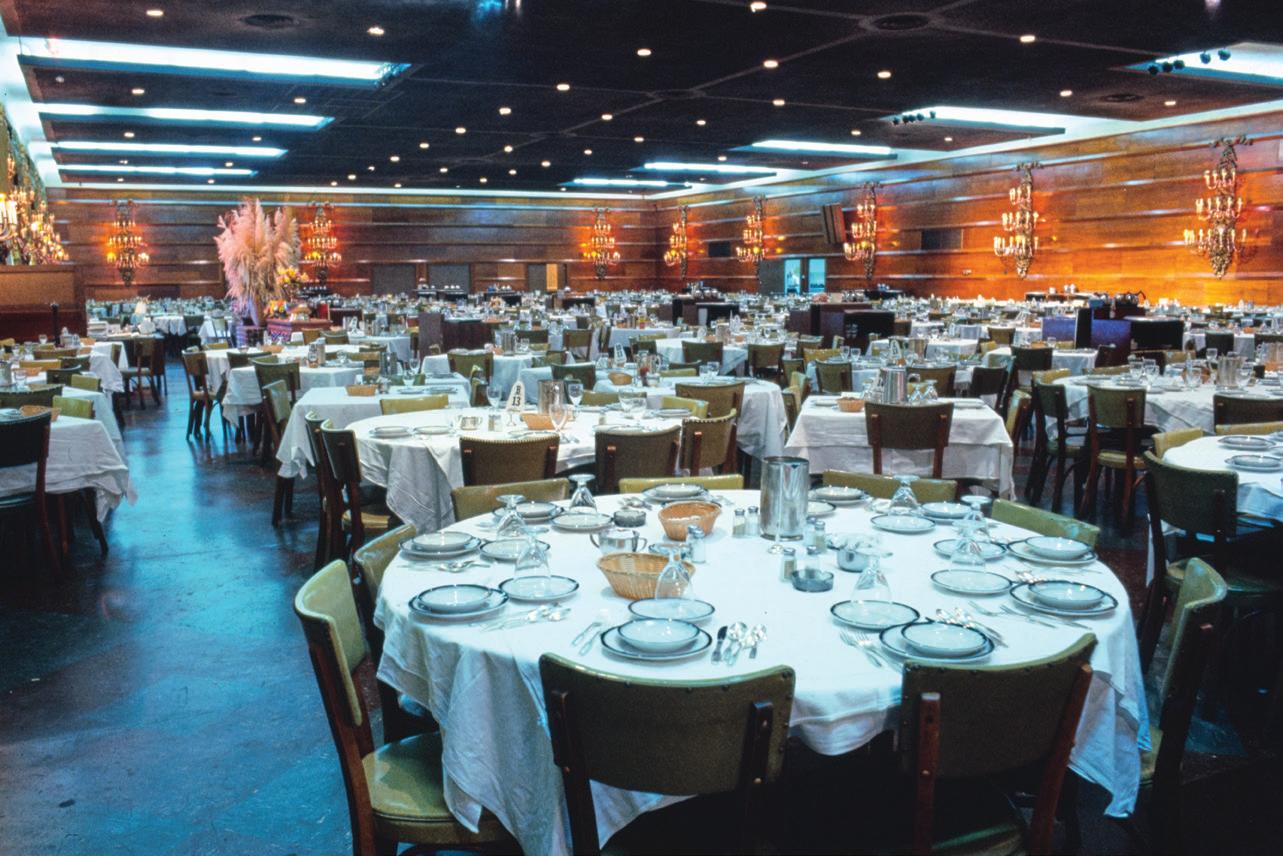
Part of the formula for success was that these hotels served three meals a day, and then some. Guests could have as many servings as they wished. It wasn’t unusual for some guests to have two main courses, two soups, or even two
desserts. There were almost constant activities and a person known as a “tummler,” basically a comedian acting as an activities director, kept things moving. Almost all the hotels had children’s day camps, tennis courts, basketball courts, indoor and outdoor Olympic Plus sized swimming pools, and spas. Grossinger’s also had its own airport, as well as a complete stable of horses, an ice-skating rink, and a ski area featuring ski slopes, lodges, a ski school, and a toboggan.
Great Shtick
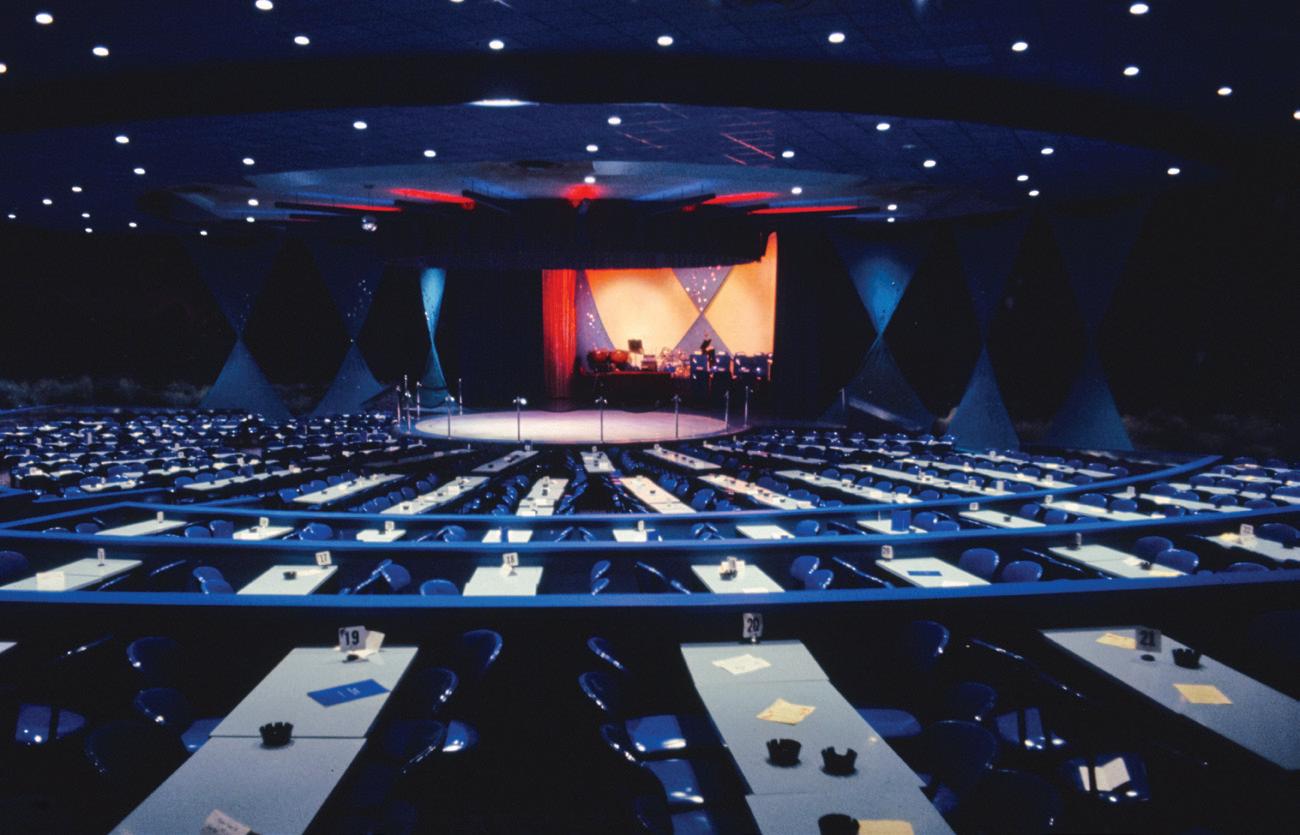
Nighttime entertainment was a full-on star-studded experience. Some hotels had theaters, and almost all had nightclubs, often with two shows a night. Kutcher’s nightclub held 1,500 seats, but the hotel itself could only accommodate 900 people. The Concord hotel had room for 3,000 people. People from smaller hotels and the bungalows would come to see the shows, but the entertainment was free only for hotel guests.
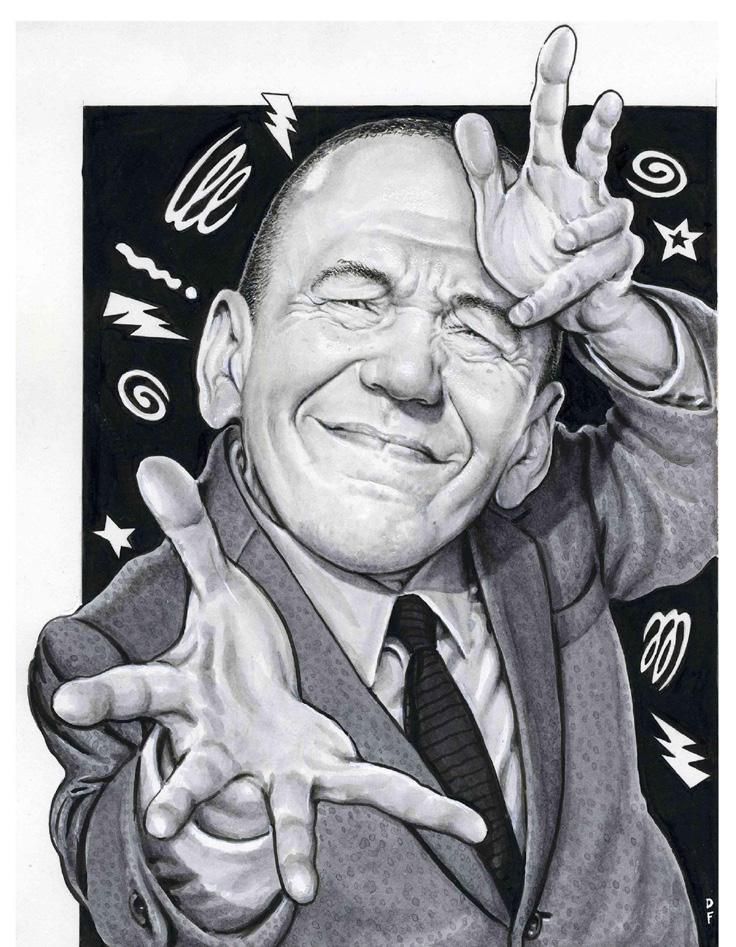
Standup comedy thrived in the Borscht Belt. Big name comedians throughout every decade came to entertain. From Milton Berle, Rodney Dangerfield, and Jerry Lewis to Jerry Seinfeld, Joan Rivers, Woody Allen, and Jerry Stiller. Borscht Belt humor was characterized as self-deprecating, with jokes about health and Jewish culture, and some about family dynamics that might be considered somewhat chauvinistic today: “Best vacation I ever had—I took my mother-in-law to the airport.” Or the Henny Youngman staple, “Now for example, take my wife—please.” They often injected some Yiddish phrases into their gigs.
Comedians had to have quick wit, quicker timing, and a thick skin. Catskill audiences were tough to please, yet pleasing was a “must do” in order to be a successful comic. If someone could make it in the Catskills, they could make it anywhere.
Famous singers also appeared on stage in the bigger hotels. Maria Callas was known to appear, as was Barbra Streisand and Bruce Springsteen. Hotels, such as Kutcher’s and Grossinger’s, encouraged sports and brought famous athletes, including Wilt Chamberlain, Mohammed
Ali, Jackie Robinson, and Mickey Mantle, to play charity games, which were a huge hit with the guests.
Food is Love
Much of the food that was served appealed to the guests because of their Eastern European background. Challah, a type of egg-enriched bread, was usually eaten on the Sabbath. Gefilte fish (ground carp or pike) was served cold with horseradish as an appetizer. Matzoh ball soup is a comfort food consisting of crushed matzoh meal made into dumplings and put into a consommé with carrots and celery.
Foods like noodle kugel, a baked noodle casserole, is another comfort food usually served on the Sabbath and special occasions. It symbolizes joy and a connection to family heritage. Rugelach is a bite-sized cream cheesebased pastry filled with chocolate, fruit jam, or chopped nuts and cinnamon.
Today, all of these foods have become a part of American culture and can be found in most any supermarket. There is even a mix for matzoh ball soup available in the grocery store.
Oy, Was That Something!
Many Yiddish words have crept into the English language, and as strange as it may be to hear a non-Jewish person say, “Oy, my feet are killing me!” Oy has become part of the lexicon. It’s interesting to note that mensch, a standup guy; yenta, a busybody; mazeltov, congratulations; and klutz, a clumsy person, have all become part of everyday English.
Yiddish is actually a bona fide language, spoken by hundreds of thousands throughout the world, originally used as a common language in different countries. Since the Holocaust, its use has been in decline. Although some people refer to it as Jewish, the Yiddish language was derived from a linguistic mix of German, Hebrew, Aramaic, some Slavic languages, and bits of English.
In the 1980s, the advent of cheaper airfare, cruise ships, and a lift in anti-Semitic restrictions at resorts saw the popularity of the Borscht Belt decline. People of different ages remember the golden moments with fondness and nostalgia. Perhaps it was meeting their fiancé in the Borscht Belt, or reuniting with special family members, or just simply coming of age. Some first learned about the area in movies like The Marvelous Mrs. Maisel or Dirty Dancing, which supposedly takes place in a Grossinger-type hotel.
As comedian Milton Berle liked to joke, “Laughter is an instant vacation.” He must have been referring to the Borscht Belt.
Marilyn Rosenthal is a freelance writer who lives with her 25 dogs in Pike County, Pa.
Photo by John Margolies. Courtesy of the Library of Congress
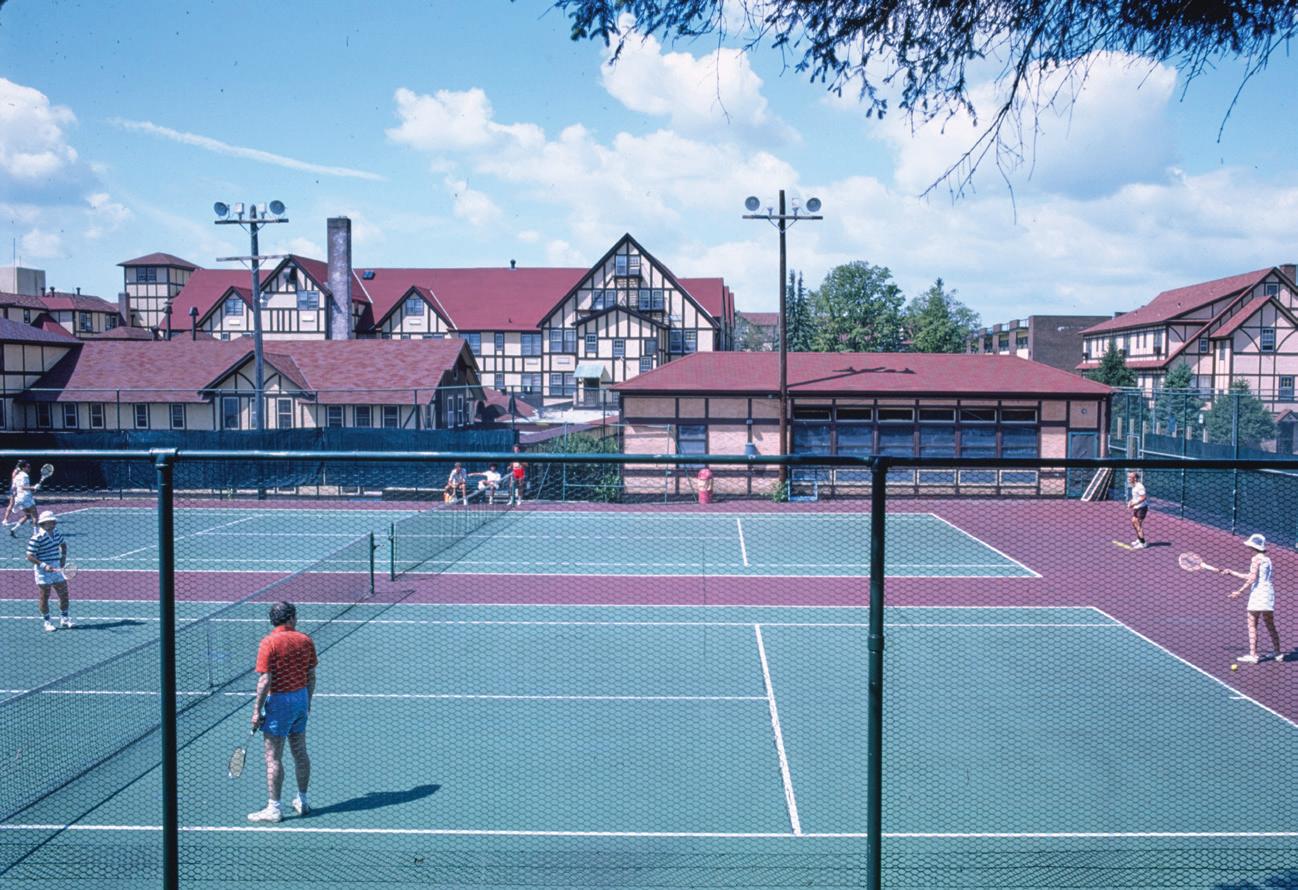
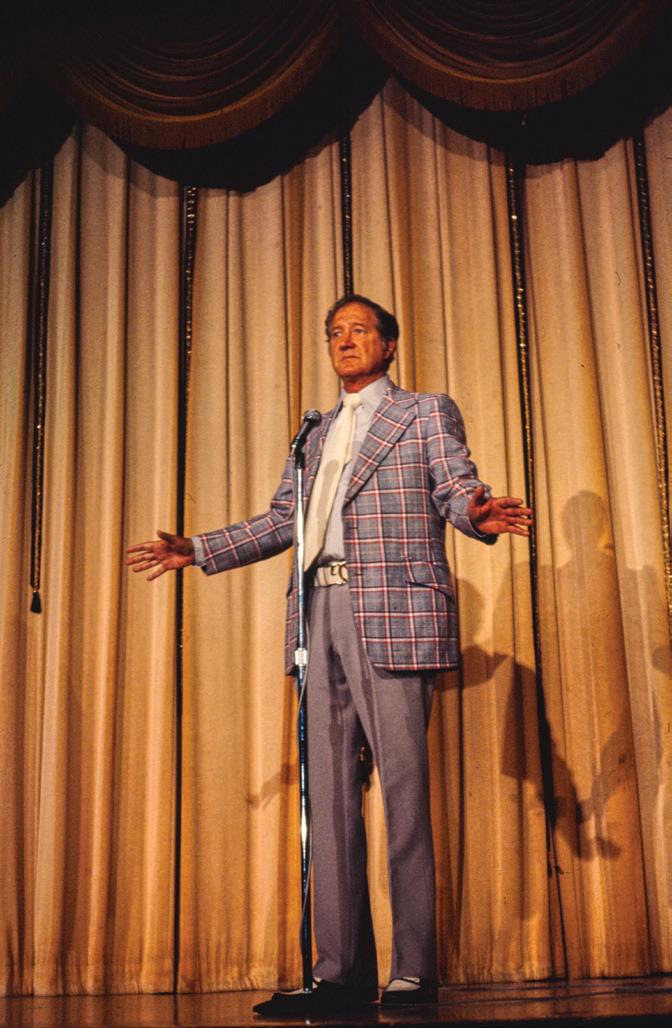
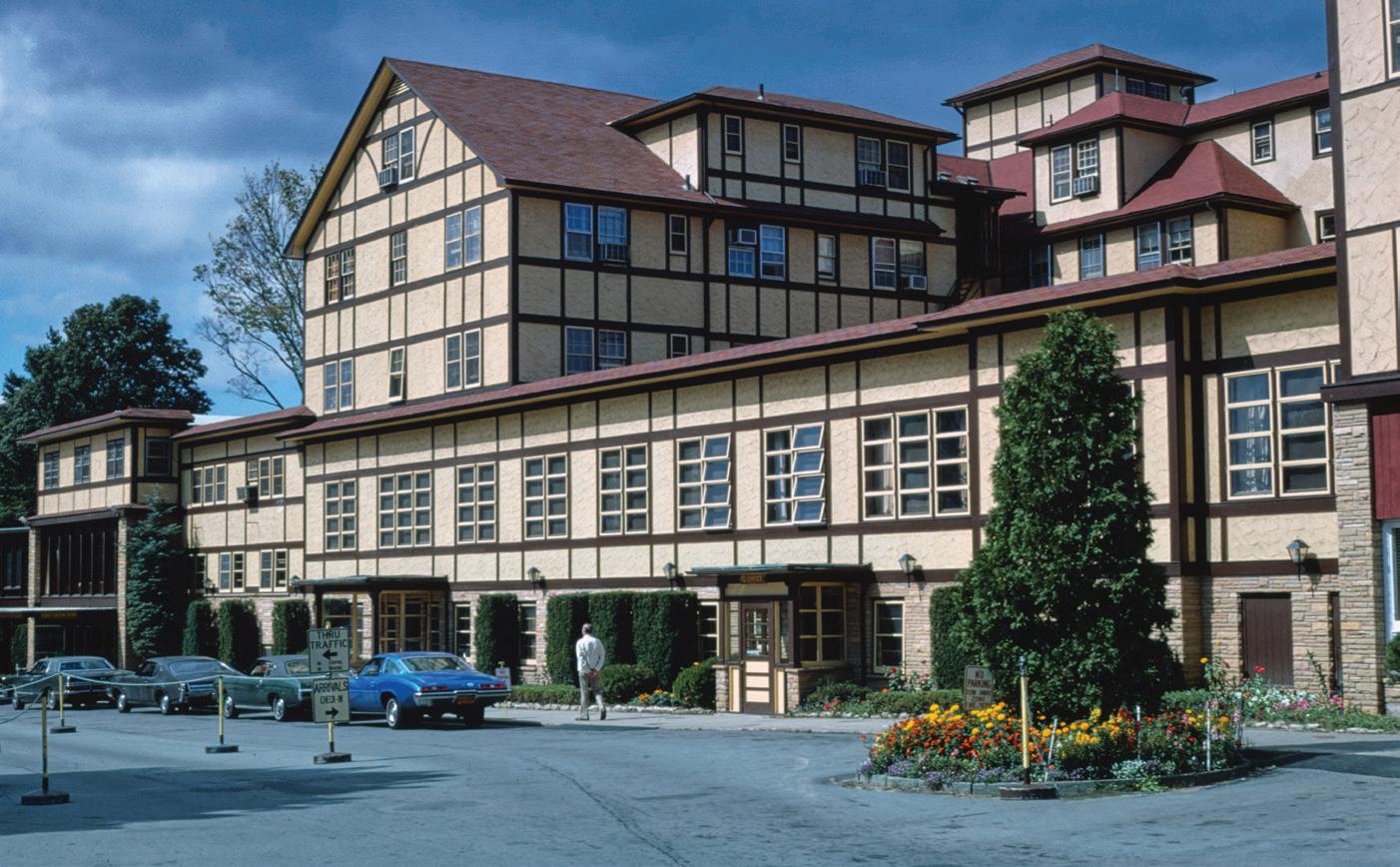
Photos
CELEBRATING THE RICHNESS OF THE BORSCHT BELT
The Borscht Belt Historical Marker Project
The marker project was conceived of and started by Marisa Scheinfeld, a Jewish American photographer and author, in 2022. Marisa and a group of local artists and historians are dedicated to commemorating the history of the Borscht Belt. There are currently 15 permanent historical markers on a trail system throughout the Catskills. Their goal is to complete the trail with 20 additional markers by 2027. Each marker has a QR code, which has a self-guided audio driving tour. “Our goal is to combine history and adventure, offering an immersive educational community experience while fostering economic growth and tourism in the region,” Scheinfeld stated.
The trail map for the markers can be found at www. borschtbelthistoricalmarkerproject.org
The Catskills Borscht Belt Museum
This museum is a tribute to the Borscht Belt and is dedicated to preserving the legacy of this resort era. Today, Andrew Jacobs, a New York Times journalist, serves as president of the museum’s board. Jacobs took a two-year sabbatical to research the possibility of opening the museum, and in 2023, it opened in Ellenville, NY. According to board member Dr. Peter Chester, the museum gives people a real insight into a bygone era.
The museum hosts the Borscht Belt Film festival in October. It also has exhibits, an oral history project, and runs the annual summer Borscht Belt Fest.
The Museum sponsors standup comedy, and on March 21st, 2026, comic Judy Gold will be performing at the Borscht Belt Comedy Club on the Shadowland Stages. It is now launching a Sunday Event Series featuring talks, films, workshops, and openmic comedy.
For information, visit www.borschtbeltmuseum.org
Facebook Groups
\ The Borscht Belt: Its Artifacts, Ephemera, and Memorabilia
\ Borscht Belt and Catskills Era to Now \ Borscht Belt Stories
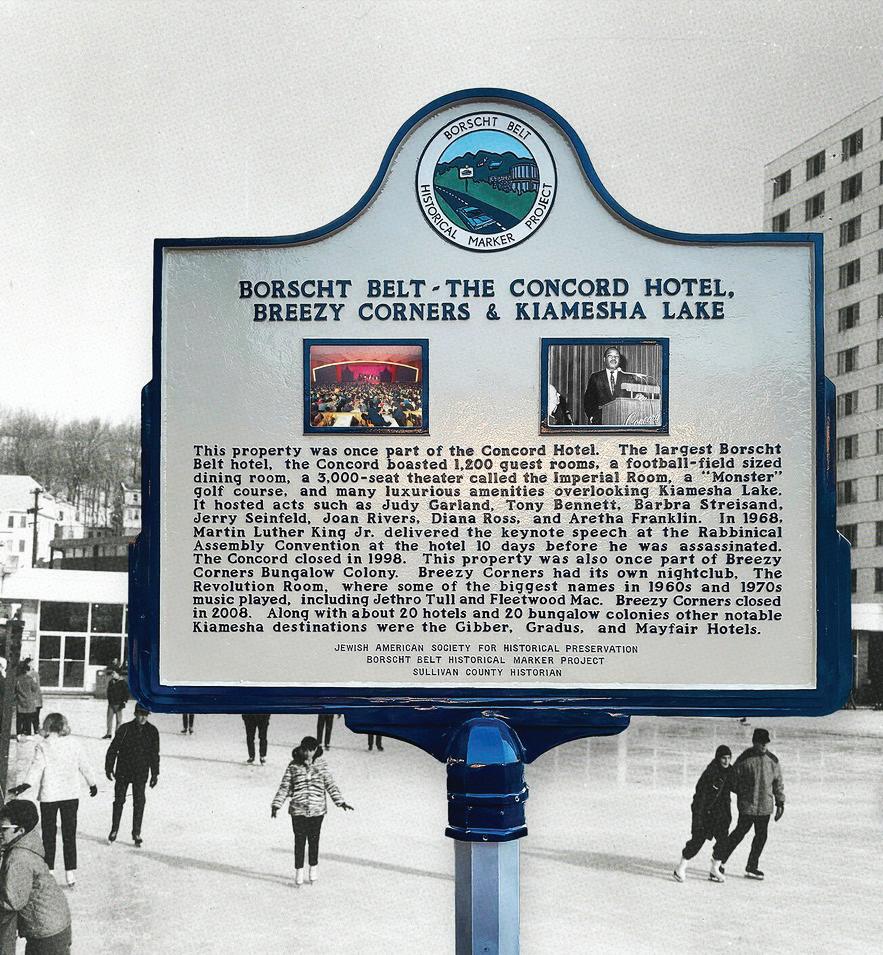
Top:
Photo courtesy of the Borscht Belt Historical Marker Project. Bottom two:
Photos courtesy of the Catskills
Borscht Belt Museum.

Checking Out Late Winter Rail Trails
While it’s not unusual to sit in your car to wait at a train track for a New Jersey Transit commuter train to pass in towns like Hackettstown or Netcong, they are not the common sight they once were in Sussex County, NJ. But evidence of the old trains is everywhere.
The train tunnels of the Lackawanna Cutoff sit like ancient chapels along county roads and Route 206, which runs north to south in the county. Many sets of tracks have been pulled up, and their rights of way have been abandoned.
After the demise of these commuter trains, dog walkers, nature lovers, and cross-country skiers began taking advantage of the new unofficial “trails” off Waterloo Road in Byram and in the Stanhope-Netcong area, but it wasn’t until 1986 that a formal “railsto-trails” movement began.
The Rails to Trails Conservancy was formed to address the 41,400-plus miles of abandoned railroad bed across the country. There are now more than 150 trail networks with
varied surfaces such as asphalt, ballast, cinder, crushed stone, dirt, grass, and gravel. There’s at least one rail trail in every state, with an eventual goal of connecting rail trails from New York City to Washington State.
Northwestern Jersey: Multi-Use Trails
“Planning and constructing the trails is the difficult part,” explained Russell Nee, who is retired from the Morris County, NJ, Park Commission and is an expert on rail trails. “Sometimes that’s because residents don’t want a trail built along old railroad lines. In Sussex County, there was quite a bit of resistance to the Sussex Branch Trail. It was a battle,” he said. After the trail was built, however, the residents became frequent users.
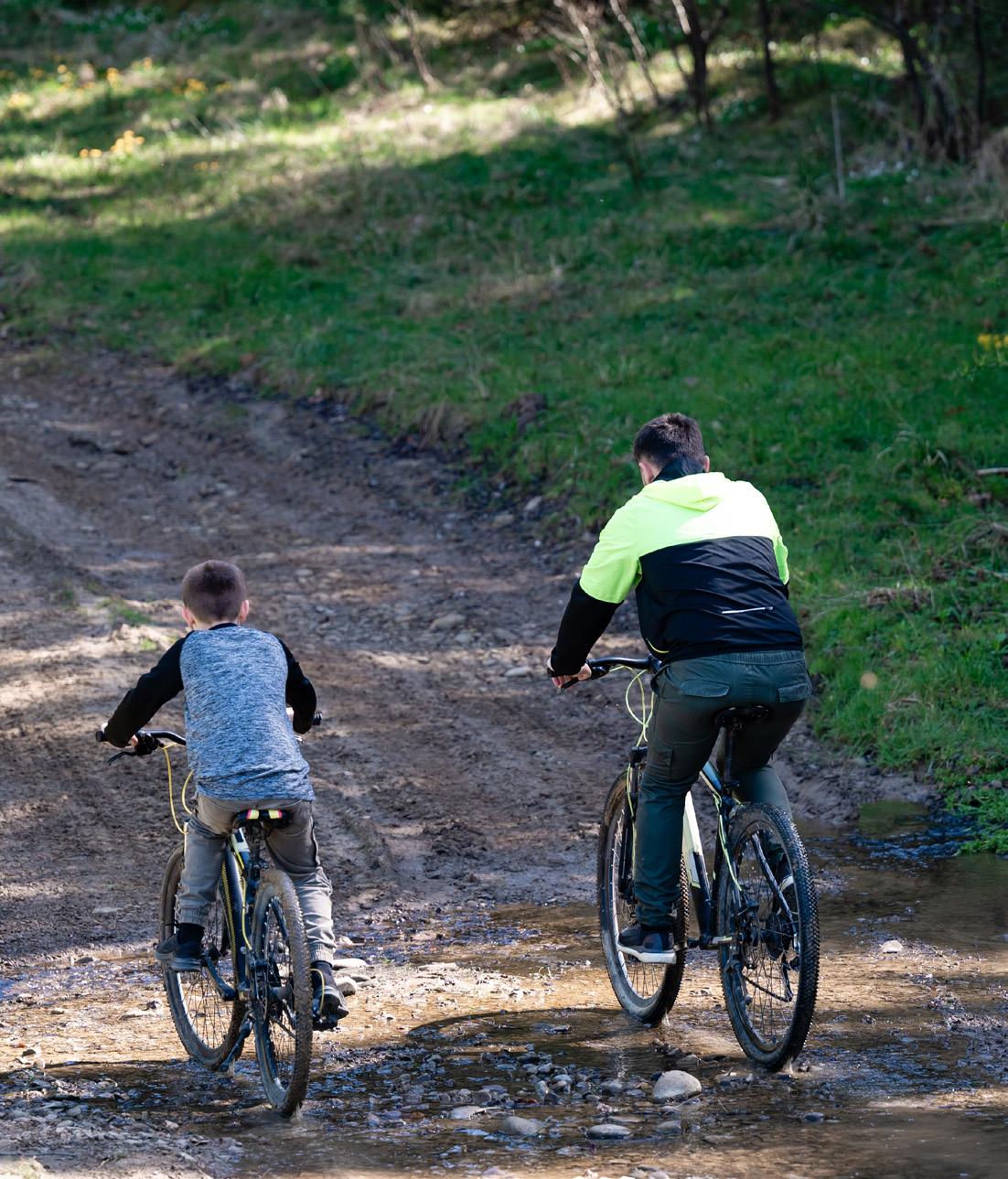
All of the rail trails are considered multiple-use trails. They have a flat cinder base which makes them suitable for hiking, mountain biking, running, and horseback riding. Cross-country skiing and dog sledding is allowed, weather permitting. There are no motorized vehicles and no camping. Hunting is permitted, in season, adjacent to some of the trails in clearly marked areas.
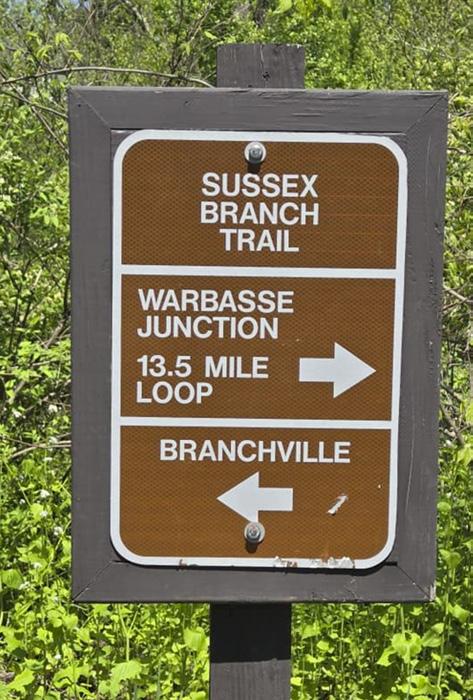
The major rail trail in this part of New Jersey is the Sussex Branch Trail, a 19-mile route that follows the Sussex Branch line of the old Delaware, Lackawanna and Western (known to its commuters as the Delay, Linger and Wait). Until 1848, the Sussex Branch was known as the Sussex Mine Railroad. The trail runs south from the Frankford Township-Branchville border through Lafayette, Andover Township and Borough, and ends at Waterloo Road in Byram Township.
You can follow this trail into Warren County, NJ, where the Paulinskill Valley Trail connects with the Sussex Branch Trail, using the right-of-way of the defunct Lehigh and New England line. The new trail is called the Pequest Rail Trail in Andover and Green townships (3.7 miles). This created a total 13.5-mile loop that ventures into Warren County and goes past where a passenger station was once adjacent to the existing Allamuchy Freight depot. This depot was used by a presidential train bringing Franklin Delano Roosevelt (along with his Scottish terrier, Fala) to visit Lucy Mercer Rutherfurd at her home, Rutherfurd Hall, in Allamuchy Township.
Hikers who continue to the Paulinskill Valley Trail can stop for a bite at Wings, the café at the Blairstown Airport (be sure to try Donna’s famous hash browns), and hike all the way to the Delaware River in Knowlton Township.
A detour into Warren County isn’t necessary, however. Staying in Sussex County, the Great Valley Trail is 3.5 miles long and runs from the Sussex County Fairgrounds into
Hampton Township. It also connects to the Sussex Branch Trail and the Paulinskill Valley Trail in a 13-mile loop.
According to “trail boss” Russell Nee, there are a total of 11 official trails located in Kittatinny State Park. These are maintained by the park staff and volunteer groups. Not all follow old rail lines, but hikers can access the Appalachian Trail from the rail trails.
Pennsylvania: Gap at the Gap
Nee got involved early on in the 9-11 Memorial Trail project that includes portions of the Sussex Branch and Paulinskill trails. The Memorial Trail was inspired by the attacks in 2001. David Brickley of the Virginia Department of Conservation and Recreation, which administers that state’s parks, was attending a trail symposium in Washington, DC, on September 11th. He came up with the idea of linking the three sites: New York City, Arlington, VA, and Shanksville, PA. Brickley got Nee’s name (he was still employed with the county park system) and asked for his help. Nee agreed and is still involved with the project, which is close to his heart.
“There is a gap at the Gap,” Nee said of the Memorial Trail, which crosses the Portland, NJ, foot bridge near the Delaware Water Gap.
Once the trail gets to Pennsylvania plans are in flux for trail completion, he added. The National Park Service is a partner in the trail as it passes through the Delaware Water Gap National Recreation Area. A good deal of work is required, including rebuilding Route 611, which is partially closed because of rock fall.
“They either have to extend the roadway or cantilever it over the river,” Nee explained. “When plans are finalized, the designs will be funded through the Rails to Trails Conservancy. When complete, 719 miles of the Memorial Trail will be in Pennsylvania, heading for Shanksville.” He emphasized that there are not going to be hotels or amenities along the trail, “no fancy stuff,” as he put it.
NY State: From Towpaths to Rail Trails
Many rail trails are part of the Empire State Trail Network, which is statewide. The Orange Heritage Trail is the main rail trail in Orange County with access points in Goshen, Chester, and Monroe, NY. It is a 10-foot wide trail on the right-of-way of the former Erie Lackawanna Railroad’s Main Line. The Erie Lackawanna was the railroad formed by the merger of the Erie Railroad with the DL&W. The original Erie went from Jersey City, NJ, to Lake Erie at Dunkirk, NY.
Work is still being done on Orange Heritage Trail to connect Middletown to Harriman. On the 19.5-mile trail, users may enjoy snowshoeing and cross-country skiing in winter or biking and rollerblading on paved asphalt or limestone surfaces, when not snow covered.
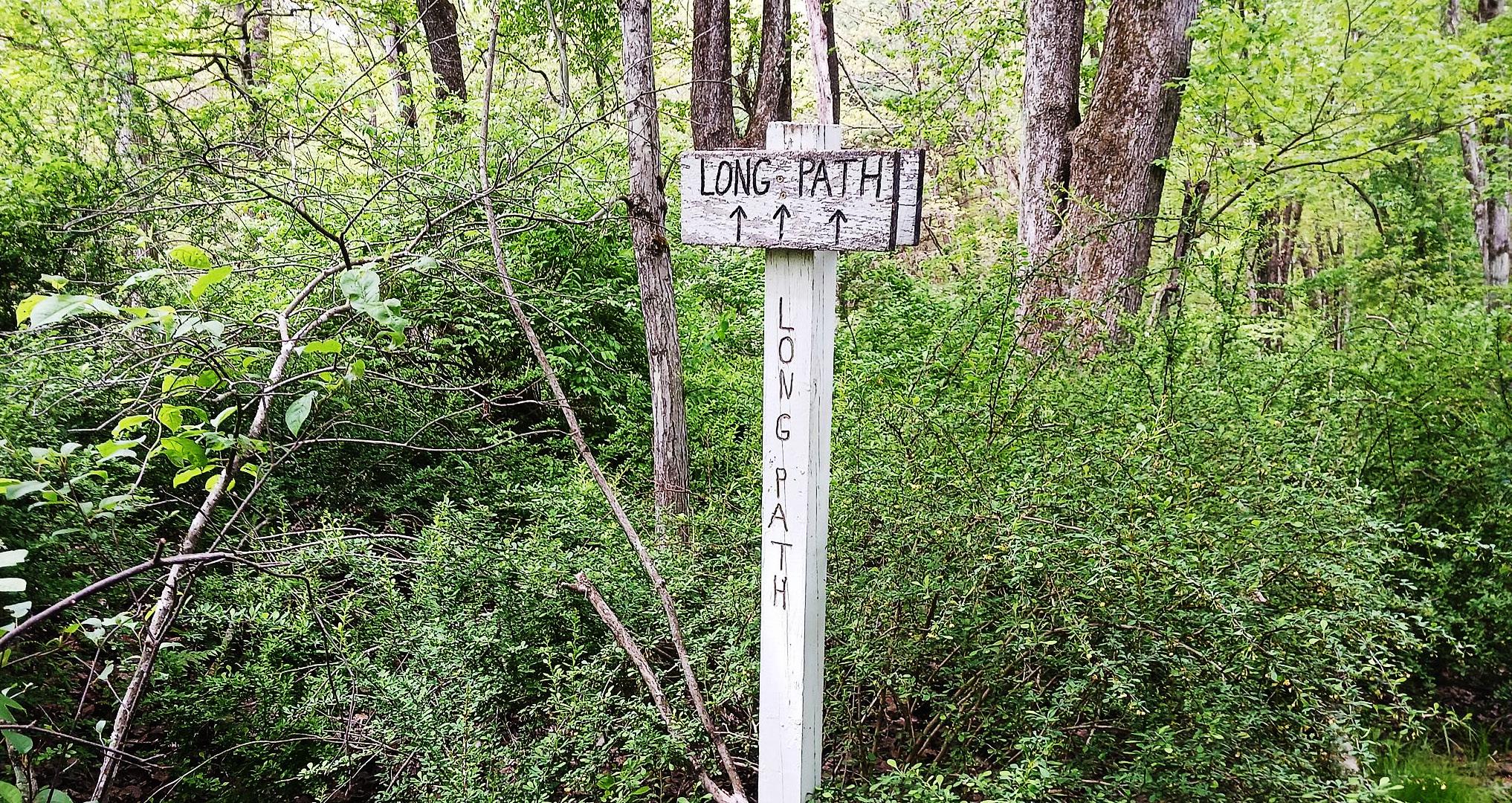
The Walden-Walkill Trail in Ulster County, NY, has two disconnected sections in Orange County totaling 2.5 miles. The trail, with a paved southern section, is along the former Conrail right-of-way and some PennCentral, New York Central, and Walkill Valley Railroad sections. The small Walkill Valley line had served farmers from Montgomery to Kingston.
An unpaved northern section of the Walden-Walkill Trail is favored by bikers and horseback riders. It connects with the Walkill Valley Rail Trail that has trail heads on the New York Thruway, Route 84, and New York State Roads 208, 52, and 17K. The 4.3-mile trail is in both Orange and Ulster Counties. Varied surfaces of the Walkill Valley Rail Trail are asphalt, ballast, cinder, crushed stone, dirt, grass, and gravel. Bikers, inline skaters, horseback riders, hikers, and cross-country skiers use the trail, and it is wheelchair accessible.
The Sullivan O & W (Sullivan Ontario and Western Rail Line) is part of the 358-mile trail system that runs from 175th Street in Manhattan to the John Boyd Thatcher State Park near Albany. A 5.5-mile local section of this trail is known as the Basha Kill Rail Trail and includes both the Main Line and the Port Jervis Branch. It also connects with the Delaware and Hudson Linear Park Trail, also known as the Mamakating Trail, part of a system of trails developed along former rail lines and the D & H Canal Towpaths.
The section that follows the towpath of the old Delaware and Hudson Canal is 3.6 miles and is considered an easy hiking trail. Along the entire trail, surfaces vary from paved paths to forest trails. It connects to trails in the Bashakill Wildlife Management Area and centers around the village of Wurtsboro as it travels up to the residential hamlets of Summitsville and Phillipsport in the Shawagunk Mountains of Sullivan County.
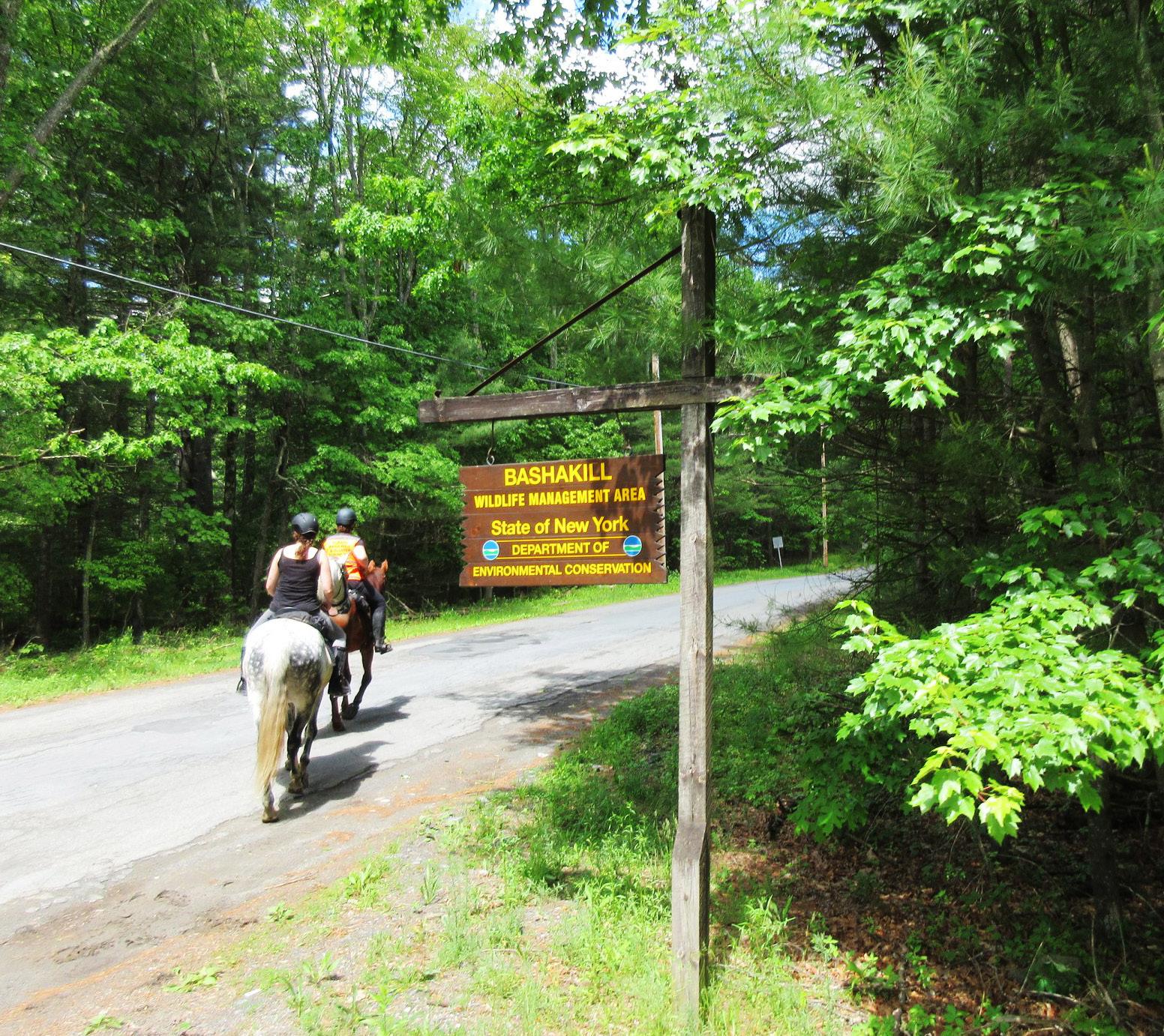
As Russell Nee reminds us, “Dogs and horses are welcome on most trails, although trail users are required to clean up after their dogs. Nee says some complain that horseback riders aren’t required to do cleanup, although they are asked to bring their horses to the side of the trail at the critical moment. “Horses are vegetarians,” he noted, “with an all-natural diet. Dogs eat processed food so their waste is considered waste.”
See these websites for more information about the trails:
• dep.nj.gov/parksandforests/state-park/kittatinny-valleystate-park
• www.orangecountygov.com › Heritage-Trail
• sullivanoandw.com
• www.911trail.org
• www.shawangunk.org › walden-wallkill-rail-trail.
Paradise
In my daydream, the familiar one that curls softly around my consciousness like a favorite cat around my feet, I find myself seated on a large flat boulder under a juniper. The juniper’s branches are gnarled, twisted, and turned, crippled by wind and weather. Having survived storm and drought, hail and snow, its branches reach outward to gather in the scant light offered on this February morning.
The tree appears of ancient origin, found at the height of a mountain, perhaps along its ridgeline, or more likely (it being my dream), beside a brook, miles upstream in deep forest, spared by beavers—now nearly forgotten by all except an aged black bear that each summer lumbers along its bank, stopping to pluck wild berries found amongst the brambles that grow there.
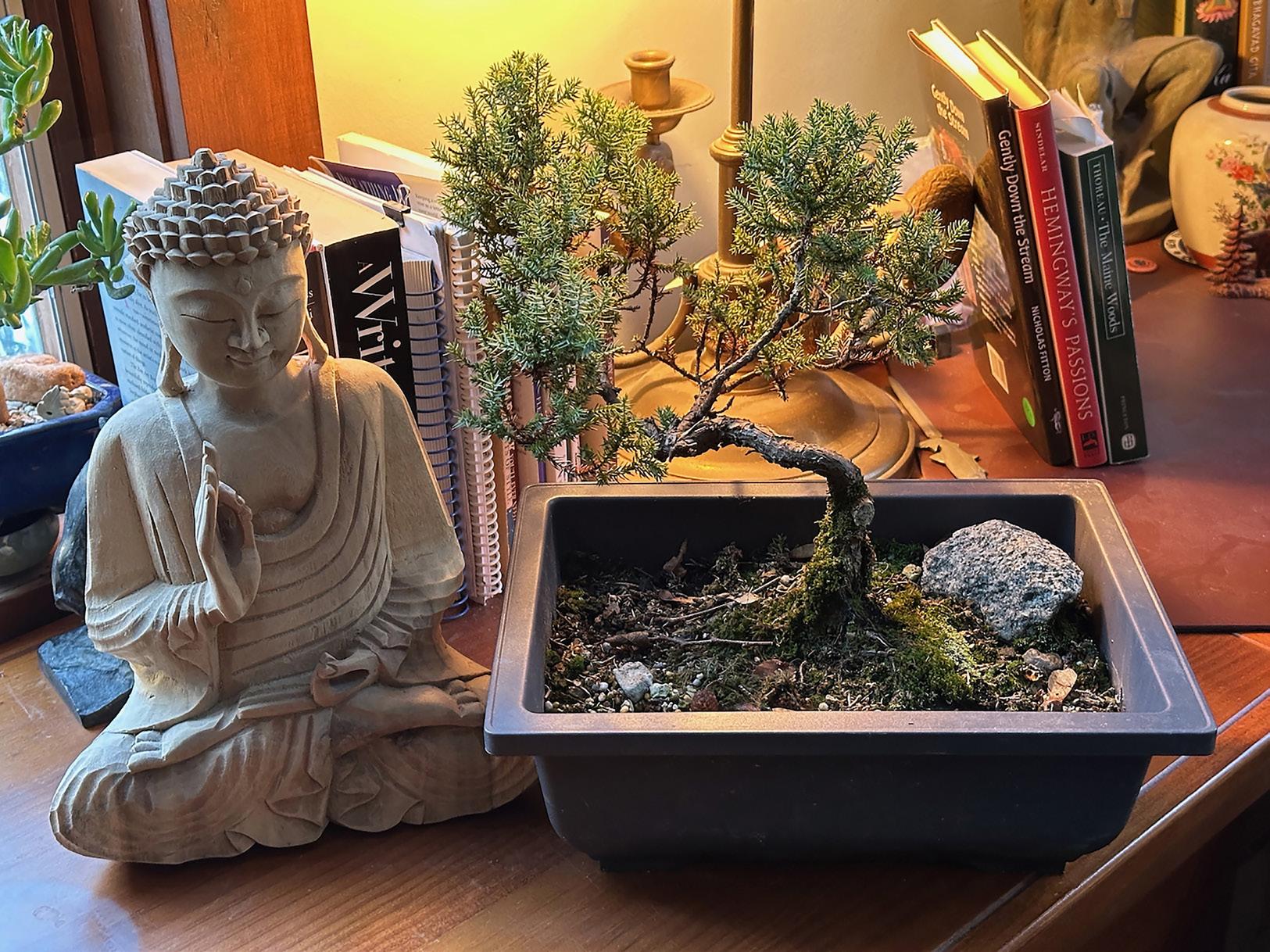
In reality, the juniper grows in a ceramic pot the color of maple syrup, the rich, dark stuff left over after all the amber-colored Grade A has been siphoned off. I’ve brought the little tree indoors during the harshest part of the winter and will soon return it to the cedar post that serves as a pedestal in our garden. It grows in an oblong container that sits on a bed of pale stones spread across a shallow pan of similar shape.
For now, I’ve set it in front of a window on the desk where I spend my mornings tapping out bits of this and that on a
laptop computer. That is, when not immersed in thoughts of gnarled trees, mountain streams, and elderly black bears.
A wall on one side of the room is lined with shelves holding a lifetime of books. On the desk, leaning against one side of the potted juniper are more books, mostly about birds, insects, and trees. A few contain poems written by Gary Snyder and those of Jim Harrison as well as Basho and the reclusive Zen Buddhist, Han-shan, who etched his poems into rocks and on leaves while rarely leaving China’s Tiantai Mountains where he is said to have lived sometime during the eighth century.
On the other side of the miniature juniper stands a dictionary and thesaurus, their covers cracked, pages yellowed, rarely opened, retained out of a sense of loyalty now that verifying spelling or meaning of a word is but a click away. Beside these two steadfast companions leans The Elements of Style, Strunk and White’s slim volume, a book that remains as relevant today as it was when purchased for ninety-five cents in 1965.
I have come to know every crook, cranny, and crevice of the juniper, misting its evergreen canopy each morning before beginning my day. According to the pamphlet that came with the miniature tree, it was grown and trained for a brief three years to achieve its unique proportion and graceful form. The mound of soil under the trunk is
Photo by Patricia Romano
littered with miniature sticks and stones. Under the tree’s branches is the rectangular, boulder-like rock that serves as the bench where in my reverie, I presently sit. My legs are extended, feet crossed at the ankles, my face turned up toward the dappled sunlight falling through the window of the room.
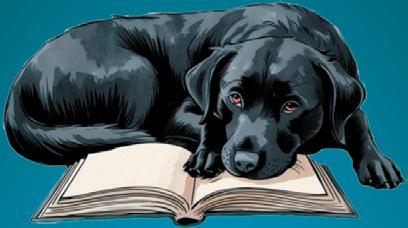
Magalloway, our twelve-year-old black Labrador, lies on his side, head resting at my feet. The dog and I have grown old together. Like my beard, the Lab’s coat was once as black as a crow’s feather, but is now sprinkled with gray. Like a white curtain over a window, the nictitating membrane is drawn down over his eye. His chest rhythmically rises and falls. His snores are muffled by the sound of the stream’s current. I do not question how it came to be that we find ourselves by the bank of a brook under the branches of a seven-inch juniper tree or how two cedar waxwings are pecking at the juniper’s dusty-blue berries, a shower of snowflakes falling on our heads each time a bird alights on a branch.
I have never seen such splendid birds! My eye is drawn from the stark white line around their black eye-masks to the rakish cardinal-like peaks of mahogany feathers, through the scarlet splashes along their wings, only to fix
upon the blaze of brilliant yellow at the tip of each tail. But it is their breast feathers, an aurora of salmon, pale green, and buff that truly take my breath away.
Although time appears to stand still, the sun has fallen, but before it slips from view, its light pierces a bead of moisture trapped between the tips of the conifer’s buds. Like a prism, the tiny droplet reflects a rainbow of color. The dog and birds are unimpressed, the former continuing to snore while the latter remain preoccupied with the berries. Below, a pod of brown trout begins to rise, gently sipping the tiniest of dun-colored mayflies from the surface of the passing stream.
Over the last few weeks, I’ve been perusing The Bedside Book of Birds by Graeme Gibson, reading a bit each night before venturing forth to the Land of Nod. Gibson has collected stories, poems, and references about man’s relationship with birds, creating what the book’s cover describes as an “Avian Miscellany.” Last evening, while leafing through its pages, I was struck by a few short paragraphs taken from a novel by Alberto Manguel, wherein upon hearing birdsong, a monk sets aside his copy work and enters a garden to listen more closely. After this moment in paradise, he returns to discover a century has





by Robert J. Romano, Jr.
THROUGH: https://shop.midcurrent.com and https://www.amazon.com For an autographed copy email Bob at magalloway@mac.com Join Nathaniel Palmer, George Anne Brady, and company as they seek meaning in an increasingly troubling world among the vast lakes, unrestrained rivers, and those little rills found only by following a logging road through the
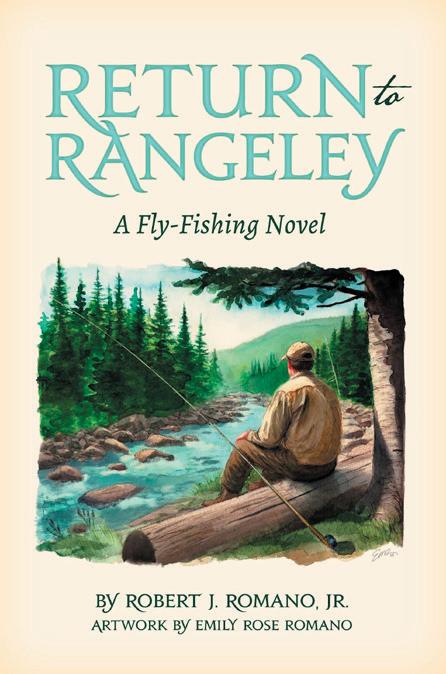

the last wilderness enclaves resourceful, kind-hearted, and ever so independent-minded – Howard Frank Mosher, author of eight novels
heart of western Maine.
passed, his friends long dead, his work turned to dust.
My bamboo fly rod, the short one with cane the color of caramel, leans against the trunk of the juniper. A favorite fly is knotted to the whisper thin tippet at the end of its line. An eternity of trout continues to dimple the surface. Grasping the rod, with one hand above the reel, the other holding the line, I’m about to cast. But as the line slips through the guides, I find myself back at my desk.
Magalloway’s body is spread across the rug, his chin by my moccasin. The sound of the brook’s current has been replaced by the trickle from the filter in an aquarium that sits on a table along the wall opposite the one with bookshelves. Looking down at the juniper, I notice the waxwings have abandoned their perch and are now sitting just outside the window on the snow-covered branches of a red cedar tree.
I scan the desk for dust, but the books remain intact while the laptop has reverted to its screen saver.




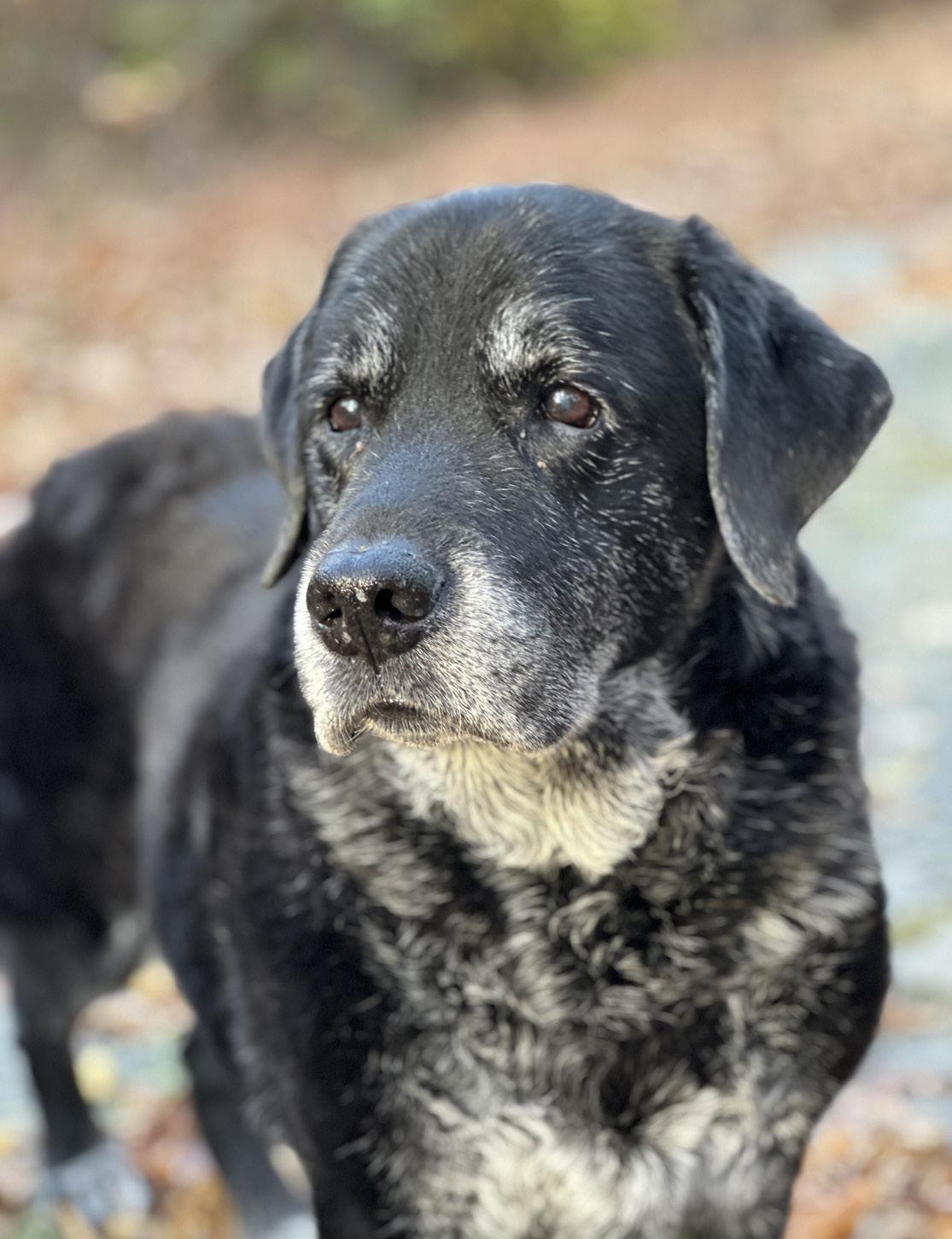


Magalloway.
Photo by Patricia Romano
Aries (March 20-April 19) – Belief is dangerous, except for one possible use: believing in yourself. Even that can be dangerous, but ultimately if you want to succeed, you must do so, actively. I say this because your belief in yourself is going to get results. Believing in yourself is the necessary ingredient for anything that you want to accomplish. Your success is more a matter of faith than of data. Faith can move mountains. Just be sure you’re moving the right one.
Taurus (April 19-May 20) – What you’re experiencing now is a shakeup of your self-understanding on the deepest levels. It’s been happening for a while and will rapidly pick up momentum going into your birthday season. So be prepared to learn about yourself. You will discover that you want different things than you did in the past, and be willing to openly admit your desires. In summary: you have lived much of your life with a secret identity, and now that secret is about to be revealed.
Gemini (May 20-June 21) – The true power of the human creature and your superpower is social. You have abilities that others do not possess, which include the ability to make your way in the world in any society, level of ‘class’ or type of culture. Over the next two months, the entire nature of your social world is going to evolve rapidly. It’s essential that you gravitate toward warmth, in-person conversation, and unfamiliar situations. Let your curiosity guide you, and pay attention to other curious people in your environment.
Cancer (June 21-July 22) – You are entering what may be the time of your life for the professional sphere of your existence, which is also personal. You want to be known for your abilities and also the person you are. Your work must provide you with ongoing opportunity for personal growth and not just advancement, power or fame. And your current enterprise depends on a combination of total awareness, having a vision and applying discipline. All the same stuff as in centuries past, though currently about you, right now.
Leo (July 22-Aug. 23) – You must balance self-focus and the needs of others. Remember that you’re growing and changing fast. You are making discoveries about your personal truth every day. Therefore, it’s essential that you leave yourself room to grow and change; this will be happening in ways that you cannot predict. One last bit. You must practice foreseeing the effects and consequences of your choices. The world just isn’t so into this right now; but you must be.
Virgo (Aug. 23-Sep. 22) – As the next couple of months unfold, you’re likely to feel that who you are and what you want are more important than anyone or anything. You may, therefore, feel justified in ditching anyone or anything that does not align with your plans. This would be a mistake, and it would carry consequences. There’s likely to be plenty of room for mutual alignment and acceptable compromise. You must stand on your own and at the same time be available to the people you care about.
Libra (Sep. 22-Oct. 23) – Remember that no matter how large events may seem, you have considerable influence and even power. They are related, though if you think in terms of the possibility, small moves will mean a lot. One thing said, one action taken, one idea conceived, can have a profound effect on the outcome of any developing matter. Regardless of what’s happening in your world or the world, show up and pay attention to what your senses are telling you.
Scorpio (Oct. 23-Nov. 22) – What do you do every day, especially between the hours of 8 am and 5 pm? For you, those hours must be what feeds your soul and motivates you to fully be yourself. As spectacular events begin to take shape in your house of work and wellbeing, you’re likely to feel a restlessness to do something meaningful. You are changing and the environment around you is as well. If you are strategic and creative, you will find the perfect meeting point between the two.
Sagittarius (Nov. 22-Dec. 22) – The next few months will be one of the busiest, most productive and most fulfilling times of your life. That is, if you get out of your own way and allow yourself to have fun. Allow your inherent brilliance to flow up from within you. It’s a bit like asking a little kid for an idea because their mind is uncluttered and uninhibited by expertise. Take the same approach yourself; a beginner’s mind is the right mind.
Capricorn (Dec. 22-Jan. 20) – Your fire comes from within you. This is the right place to find your source of motivation. It’s difficult not to be motivated by profit. The deeper question is whether you’re acting in accord with your personal constitution. That matter is the theme of the moment and of the foreseeable future. Your personal constitution may include a provision that the money is not the point. That means that you do things for their own sake, and for the sake of a community in which you have some long-term involvement.
Aquarius (Jan. 20-Feb. 19) – Whatever conditioning you may have survived, at your core, you’re a humanitarian. Therefore, look around you and see who needs help. Determine what you can do for them personally. Listen carefully when someone tells you that they’re struggling. Imagine that the way to fix the world, or help the world, is to start within your direct reach, whether that means feeding the birds or taking care of someone in a difficult situation. It may become the basis of a way of life that is true to your nature.
Pisces (Feb. 19-March 20) – The bottom line message of the years Neptune and Saturn were in your sign: You can handle it. While you tend to be a little (or a lot) insecure by nature, you can afford to have confidence. You can afford to be bold about setting your priorities. You can afford to take care of yourself so that you can take care of those around you. And you can afford to be confident enough to say no, and to ask for help, when you’re in a little deep.

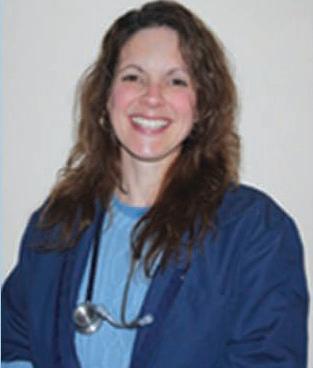



Dr. Sherri Talbot-Valerio