
INNOVATION REPORT
ADVANCING DISCOVERY TOWARD PATIENT IMPACT

Ce nter for Medical INNO VA TION
POWER PROVIDING THE TO INNOVATE.
Sai Kurapati
Fourth year medical student
CMI Innovation Fellow
Recipient, John E. Morgan Foundation Scholarship
Penn State College of Medicine

At Penn State College of Medicine, improving human health is our mandate. Innovation drives that mandate forward.
Through the Center for Medical Innovation (CMI), we accelerate the responsible translation of breakthrough science into technologies that reach patients, clinicians and communities. Our disciplined, milestone-driven approach advances discoveries beyond the lab—toward regulatory readiness, commercial viability and measurable clinical impact. Today, the College of Medicine ranks second among Penn State colleges in invention disclosures and is the University’s leading generator of royalty revenue, evidence of both the strength of our science and our sustained commitment to translating discoveries into real-world applications.
This momentum is powered by the ingenuity of our faculty, trainees and staff and amplified by collaborators across the University, Penn State Health, the Commonwealth and industry. With the partnership of visionary donors and stakeholders, we are accelerating technologies toward commercialization—creating durable pathways for Penn State innovations to reach patients nationally and globally.
This report reflects the measurable progress achieved over the past year—and the momentum shaping what comes next.
With gratitude,
Karen E. Kim, MD, MS Dean
Dorothy Foehr Huck and J. Lloyd Huck Chair in Rural Health Research
Penn State College of Medicine
Erika Swift, MHA, MBA
Executive Director, Center for Medical Innovation Professor of Practice
Penn State College of Medicine

The Center for Medical Innovation’s VISION

Develop the optimal environment with sufficient access to resources and capital to enable researchers, clinicians, postdocs and students to engage with collaborators and external partners creating innovative solutions for real-world problems.
BEDSIDE BUSINESS BENCH
OUR STRATEGY: TURNING VISION INTO ACTION

Develop Translational Leaders
De-Risk and Advance High-Potential Technologies
Create Value and Sustain Impact
We equip faculty and trainees with the skills, mentorship and strategic support needed to move discoveries from idea to impact and cultivate a culture of translational excellence.
We deploy milestone-driven, proofof-concept funding and embed hands-on project management to move promising discoveries beyond early validation— accelerating technologies toward commercialization and industry partnership through disciplined technical development and targeted business strategy.
We strengthen the translational enterprise—enabling pathways to licensing, competitive funding and strategic partnerships that sustain and scale the impact of Penn State medical innovation.
Educating and equipping innovative leaders
THREE COHORTS BY THE NUMBERS:
8 postdoctoral scholars
The Center for Medical Innovation's Innovation Fellows Program prepares research and medical trainees to translate high-potential discoveries into solutions that address critical unmet health needs. Through structured training and a triad of mentors—scientific, innovation and industry—fellows advance their technologies while gaining practical experience in commercialization strategy, regulatory planning and market evaluation.
By combining milestone-driven development with experiential learning, the program equips the next generation of health care innovators with the skills and networks required to move transformative solutions from bench to market.
KEY PROGRAM TOPICS INCLUDE:
· Intellectual Property: Navigating patents, licensing, and invention protection
· Customer Discovery & Competition: Understanding market needs and challenges
· Regulatory Processes: Mastering FDA approval pathways
· Partnerships: Building relationships and networking
· Fundraising & Private Equity: Securing financial support for tech development
· Additional Skills: Crafting pitch decks, honing presentation abilities and more!
OUTCOMES TO DATE:
8 graduate students
The Innovation Fellows Program is supported by generous donations from the Peter and Ann Cullen Tombros Endowment for the Penn State Center for Medical Innovation.
3 medical students
12 MONTHS FLIPPED CLASSROOM LAYERED MENTORSHIP THEMED MEETINGS

Introducing the 2025 CMI Innovation Fellows

Shivani Godbole, PhD candidate –exploring the development and use of cannabinoid formulations for the management of ulcerative colitis.


Karl Bohnenberger PhD candidate –refining next generation of left ventricular assist device for cardiovascular disease.

Emily Tamblin, MD candidate –optimizing intracanalicular implant for prevention of postoperative inflammation following cataract surgery.

Sayeed Biswas, PhD candidate –creating a wearable glucose monitoring and insulin delivery combination platform for diabetes.


Kondaiah Palsa, PhD, postdoctoral scholar –developing drug targets for iron toxicity in neurodegenerative disorders.

Asantewa Anang, PhD candidate –developing an ATP synthase leak channel drug target for treatment of Alzheimer's disease.
“Through the Innovative Fellows Program, I am developing a strong understanding of the business dimensions of innovation—including market evaluation, commercialization strategies and the translation of my research into real-world impact.” – Kondaiah Palsa, PhD
Daniel Bogush, PhD candidate –characterizing polyinflammatory kinase (PINK) inhibitors as target for treatment of psoriasis and atopic dermatitis.
Learn more about the Innovation Fellowship > > >

ACCELERATING INNOVATION
The Pathways Model
Moving medical innovations from discovery to patient care requires disciplined coordination and specialized expertise. The Center for Medical Innovation’s Pathways Innovation Accelerator embeds experienced innovation project managers within research teams to guide milestone-driven technology development.
By integrating intellectual property strategy, regulatory and reimbursement planning, customer discovery and business development early in the process, Pathways de-risks promising technologies and strengthens their commercial readiness. Combined with seed funding, education and access to strategic partners, this model positions innovations for licensing, industry partnership and real-world impact.
The CMI Pathways Program funding is supported by generous donations from the Anthony Pascotti Cancer Innovation Fund to support cancer research and the Lane, Pascotti, Sourbeer Medical Device Innovation Endowment Fund to support advancing novel medical devices.
Technology Development Program
Pre-clinical Study Design
IND-enabling Studies
Manufacturing Design Considerations
Engaging CDMO, CROs, Design Firms
GLP & GMP Considerations

Innovation Seed Funding
Early-Stage: Proof of Concept Award
Advanced Stage: Innovation Accelerator Award



Project Manager Assigned Identify & Stimulate
Devices, Therapeutics, Diagnostics, Digital Health
Develop Pathway, Milestones, Funding, Endpoint

OUR RANKINGS ACROSS PENN STATE UNIVERSITY

Subject Matter Experts
Market Analysis
Regulatory Strategy / Reimbursement
Network of Advisors and Partners
Industry Engagement
Business Development Program Resource
Education & Knowledge Transfer
Level 1: Culture Change – educational seminars
Level 2: Innovation Training – experiential learning
Level 3: Specialized Knowledge – PI/project specific

#2 INVENTION DISCLOSURES UNIVERSITY-WIDE
#1 ROYALTY-GENERATING TECHNOLOGIES
Strategic partnerships accelerating translation
The Center for Medical Innovation works alongside regional investors, accelerators and nonprofit partners to strengthen a collaborative ecosystem that advances health care innovation and entrepreneurship.

BioStrategy Partners, Inc. (BioSP) is a 501(c)(3) nonprofit consortium of academic medical centers and research institutes committed to the development and transfer of academic research into the marketplace.
Life Sciences Greenhouse Investments is an evergreen venture fund focused on helping early-stage companies to grow and flourish through infusions of capital at pivotal points of development.
Ben Franklin Technology Partners provides funding and innovation support for early-stage and established companies, leveraging a statewide network of four regional centers to foster collaboration among PA universities, investors, government and industry to advance technology enterprise.
LifeX accelerates the path to market for clinically impactful life science solutions by equipping innovators with the expertise, resources and capital needed to improve patient outcomes, reduce time to impact and drive sustainable growth.
By the numbers
Data represents Fiscal Year 2025: July 1, 2024 to June 30, 2025
40 INVENTION DISCLOSURES
8 PATENT APPLICATIONS
4 U.S. PATENTS ISSUED
These indicators reflect CMI’s role as a leading driver of translational activity across the College of Medicine.
$375k TECHNOLOGY FUNDING
441 AGREEMENTS MANAGED
16 LICENSES/ OPTIONS
32 TECHNOLOGIES SUPPORTED
7 INNOVATION FELLOWS
39 STUDENTS ENGAGED IN PROJECTS
9 CAPSTONE DESIGN PROJECTS
Technology transforming patient care
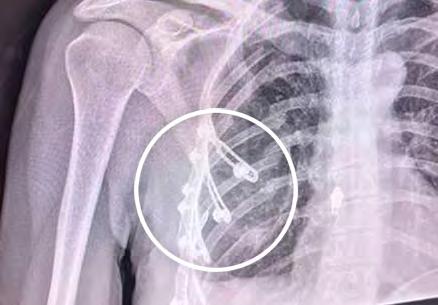
Rib fracture treatment
Our clinicians have developed a cutting-edge medical device and minimally invasive surgical technique to stabilize broken ribs—giving patients effective options who previously had no, or very poor, clinical alternatives. This approach has now been adopted nationwide and is expanding into Europe.
At Penn State College of Medicine, breakthrough ideas are becoming real-world solutions. With the guidance and support of the Center for Medical Innovation, faculty, clinicians and researchers develop promising concepts into impactful solutions that are transforming patient care worldwide.


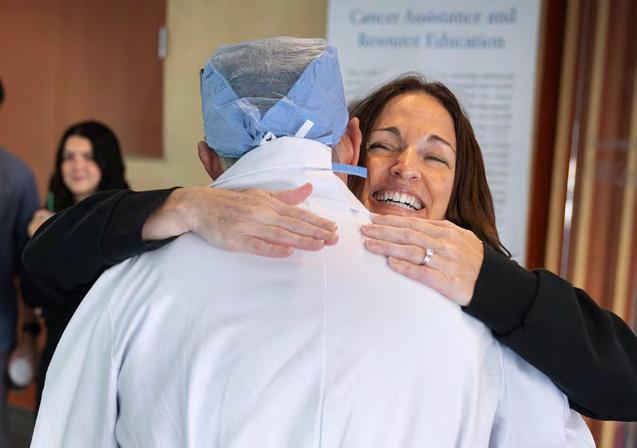
"Innovation saved my life. It took me from surviving to thriving."
Nancy Rehm, Team USA triathlete, PSU Alumni, RibFix patient
”
EXPERIENCE Nancy’s story >
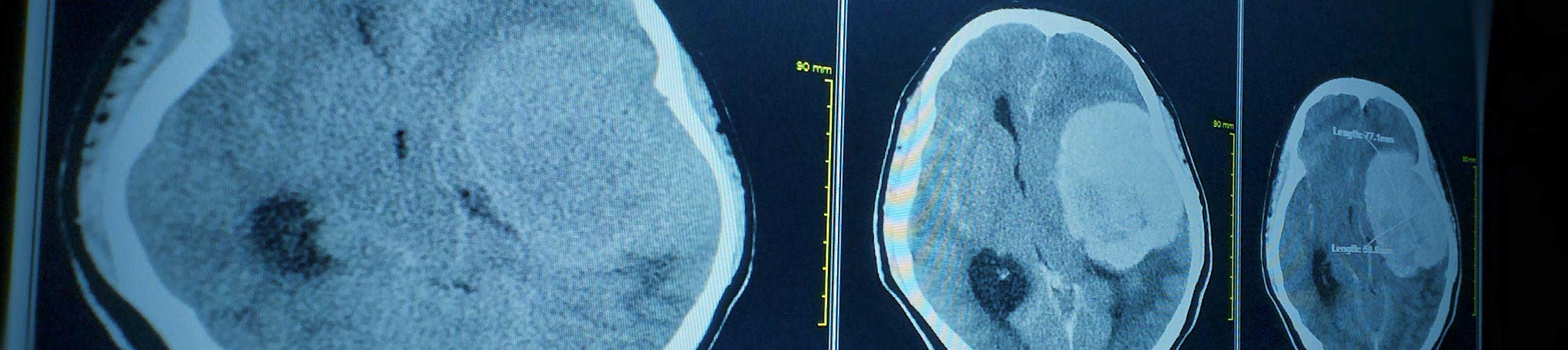
FDA accelerated approval for brain tumor therapy
Jazz Pharmaceuticals – Modeyso™ FDA Accelerated Approval
Jazz Pharmaceuticals announced that the U.S. Food and Drug Administration (FDA) has granted accelerated approval for Modeyso for the treatment of adult and pediatric patients with recurrent H3 K27M-mutant diffuse midline glioma,
an ultra-rare and aggressive brain tumor. The newly approved therapy incorporates technology developed at The Pennsylvania State University, the University of Pennsylvania and Wayne State University.


Neuro ultrasound guidance at the bedside
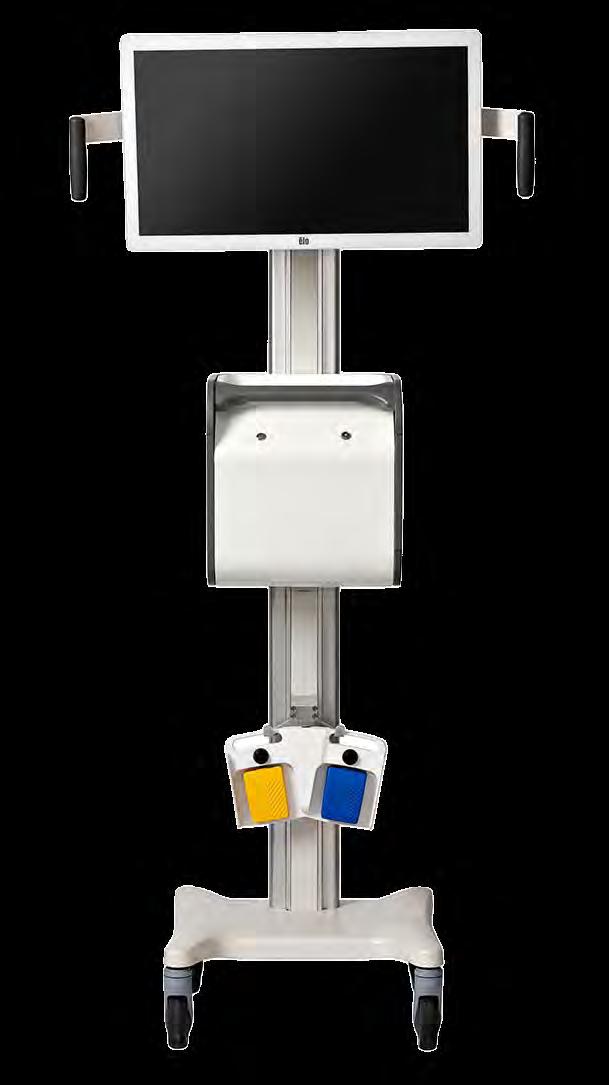
inTRAvent Medical Partners – SOLOPASS 2.0
SOLOPASS® 2.0 delivers intraoperative ultrasound imaging and navigation at the point of care, allowing for precise guidance without reliance on preoperative imaging or complex registration and calibration workflows. Originally conceptualized at Penn State College of Medicine, the system is FDA-cleared for frontal placement of ventricular catheters.
Used in both bedside and operating room settings, the system provides intraoperative imaging that reflects evolving anatomical conditions—such as tissue deformation, swelling or brain shift— addressing limitations inherent in CT- or MR-guided navigation systems that rely on static preoperative images.
Tomorrow's technologies in development
Accelerating the journey from idea to impact, CMI ensures that promising research becomes real-world solutions by advancing new therapies, devices and technologies that redefine what is possible.
We turn research into reality, moving breakthroughs into better outcomes.
Drop-less Eye Surgery
Penn State College of Medicine innovators are replacing weeks of cumbersome eye drops
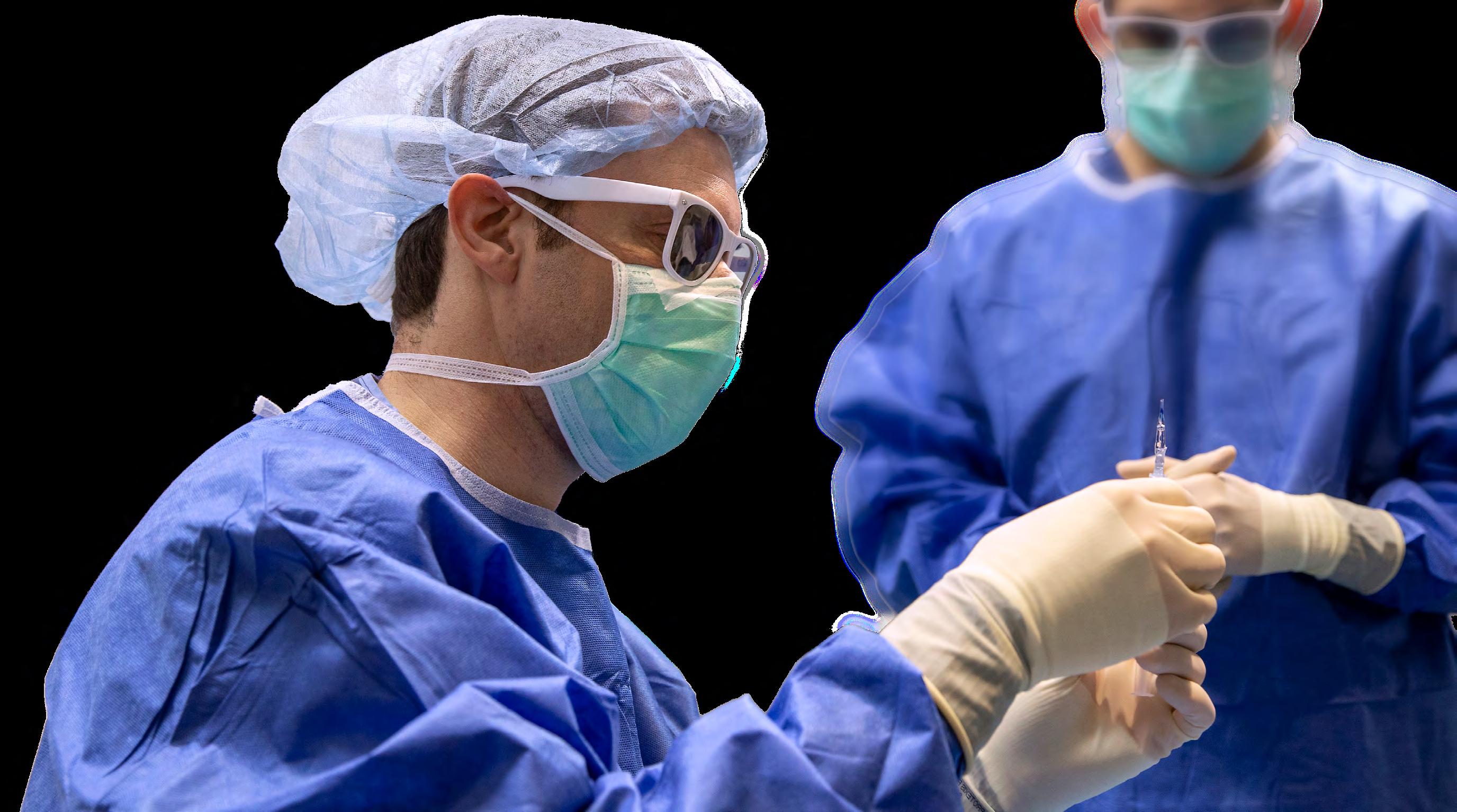
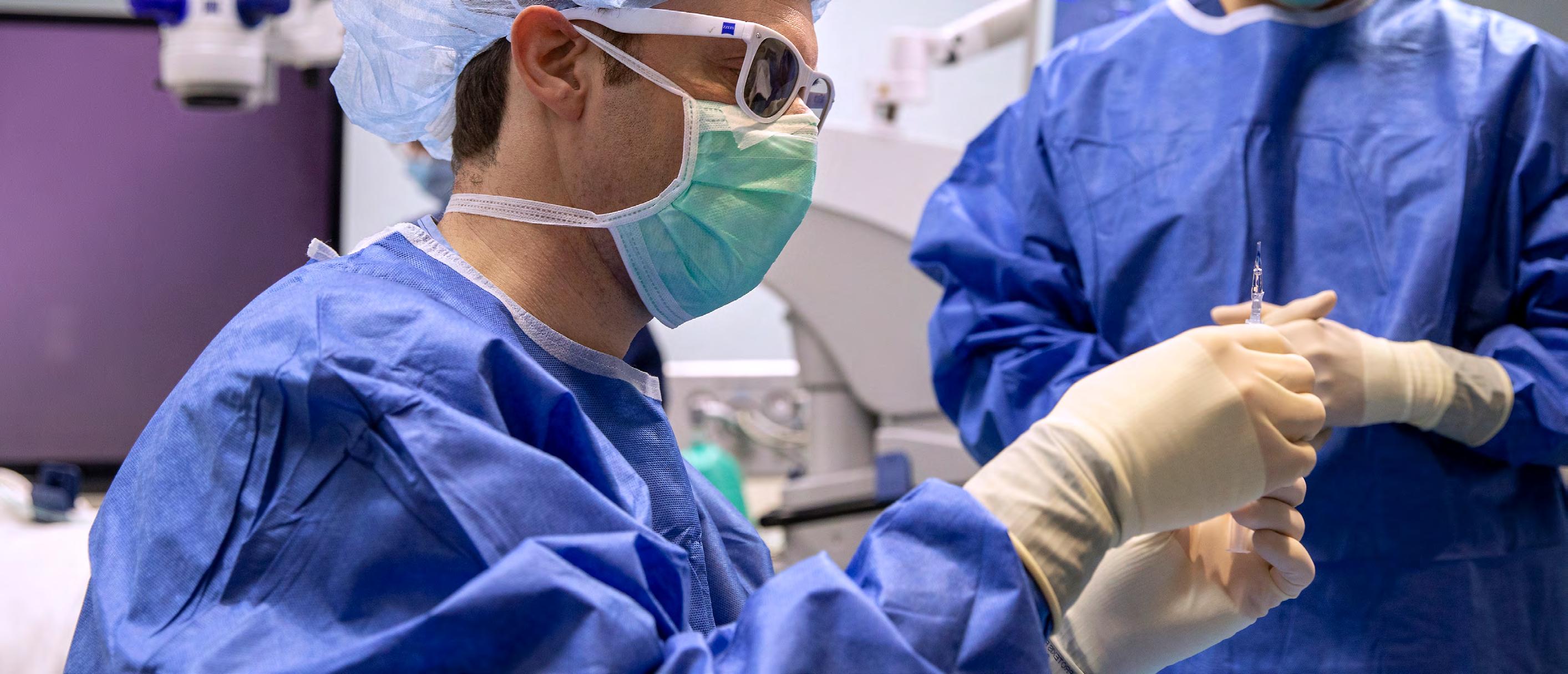


Dr. Seth Pantanelli preps for an eye surgery in the Penn State Health Milton S. Hershey Medical Center operating room.
Osteoarthritis Breakthrough
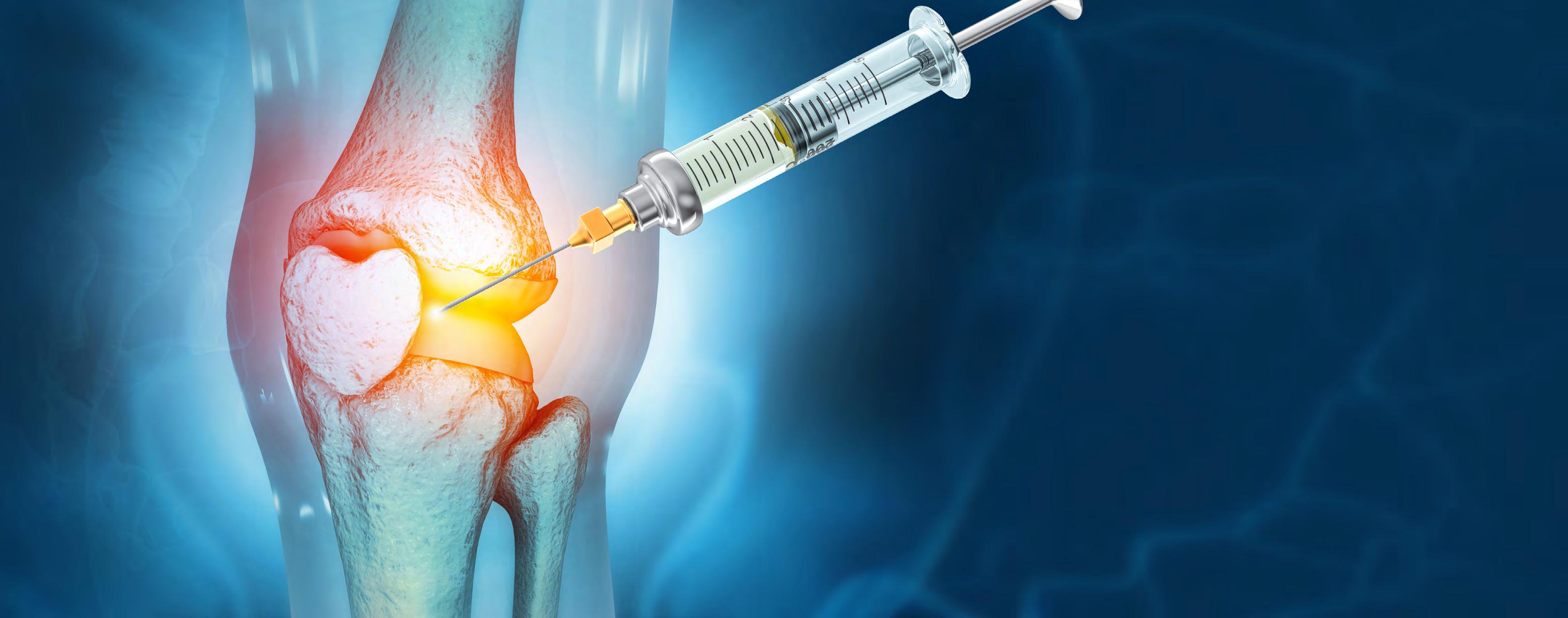
More than 30 million Americans live with osteoarthritis, a leading cause of disability. Penn State College of Medicine physician-scientists are developing a firstin-class injectable that relieves pain, prevents joint damage and promotes healing. Funded by the Center for Medical Innovation, this disease-modifying therapy could transform quality of life for millions.
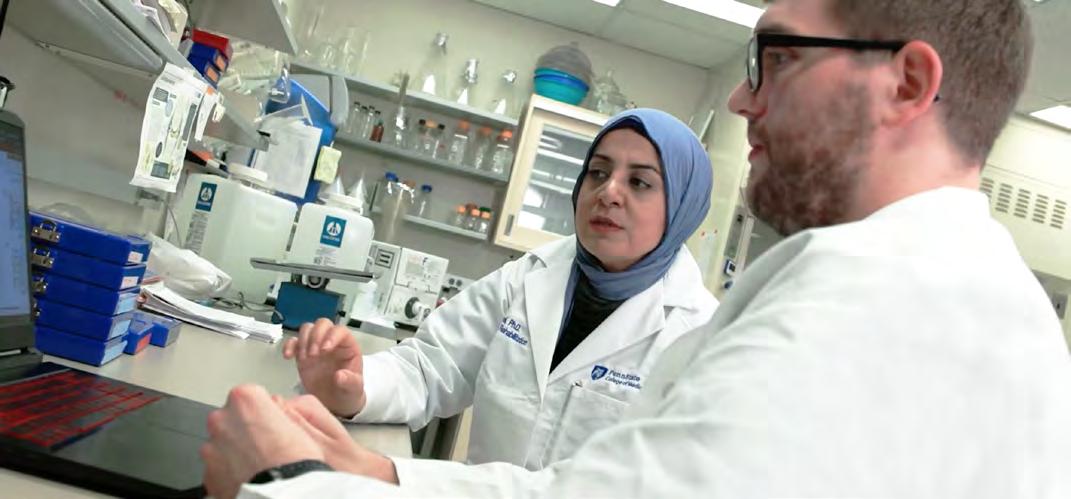
Fadia Kamal, PharmD, PhD, (PI), associate professor, Department of Orthopaedics and Therapy Services and Department of Cell and Biological Systems
Novel Topical Therapy for Inflammatory Skin Diseases
Researchers are developing a first-in-class, proprietary PolyINflammatory Kinase (PINK) inhibitor as a topical therapy for inflammatory skin diseases in both adults and pediatric patients, including psoriasis and radiation-induced dermatitis.
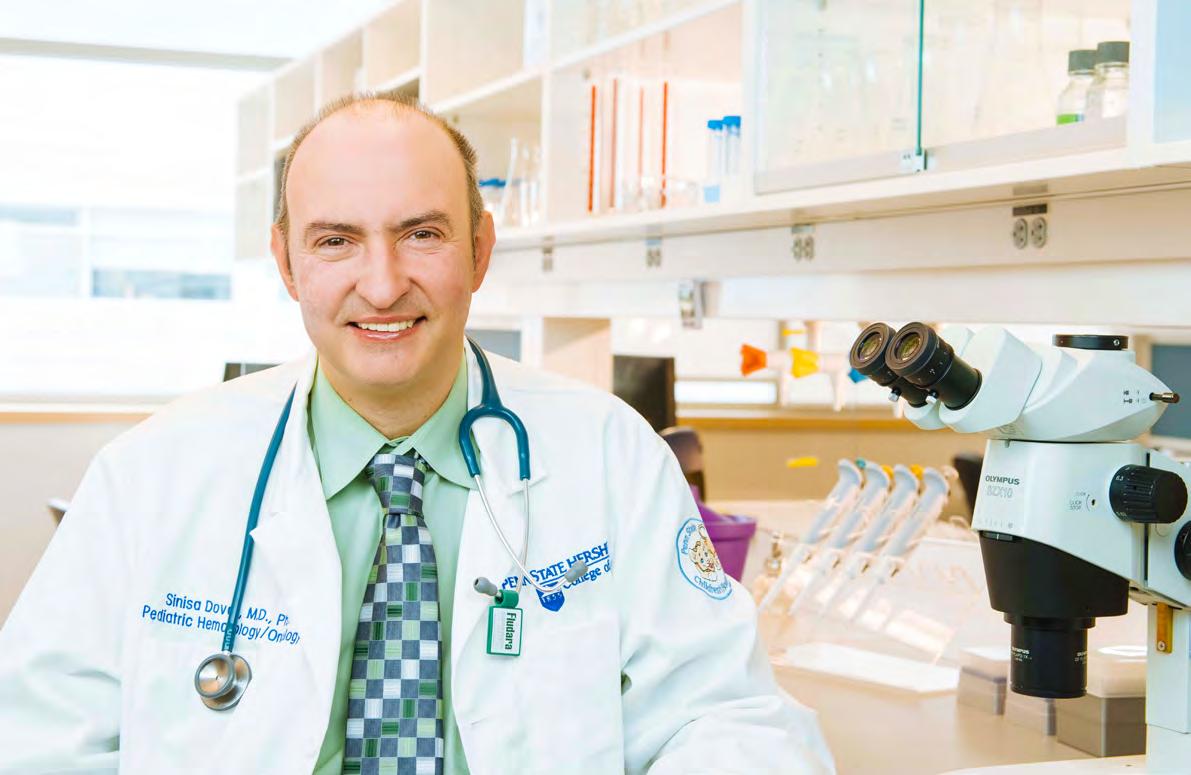
Sinisa Dovat, PhD, MD, (PI), professor and vice chair for basic science research, Department of Pediatrics, professor, Department of Molecular and Precision Medicine Dhimant Desai, PhD, professor, Department of Molecular and Precision Medicine
Tomorrow's technologies in development
Transforming Support for Children with Heart Failure
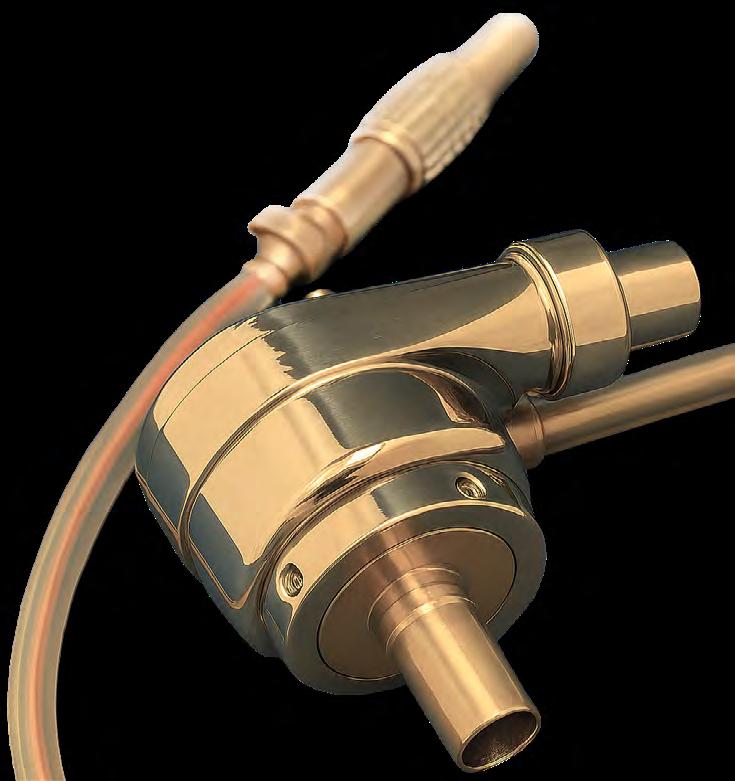
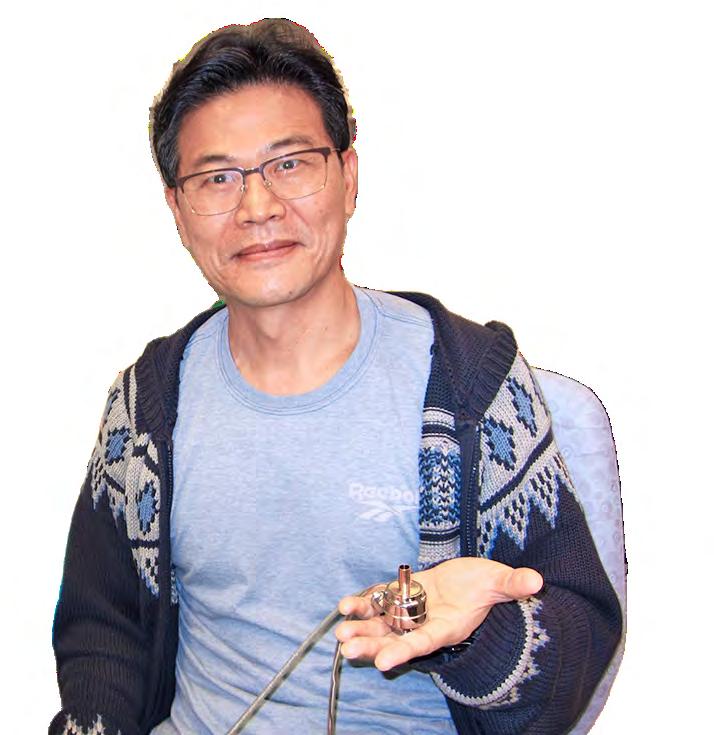
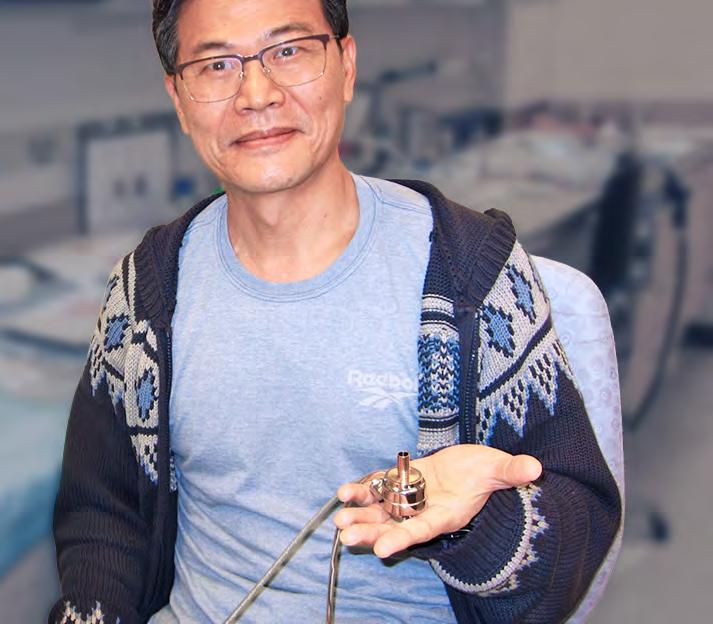
Currently, there are limited FDA-approved ventricular assist devices specifically designed for young children with advanced heart failure. To address this critical unmet need, Dr. Choon-Sik Jhun received a $3.2 million NIH award to develop and validate a durable pediatric ventricular assist device designed to support children awaiting transplant or recovery.
Choon-Sik Jhun, PhD, (PI), Associate Professor, Department of Surgery
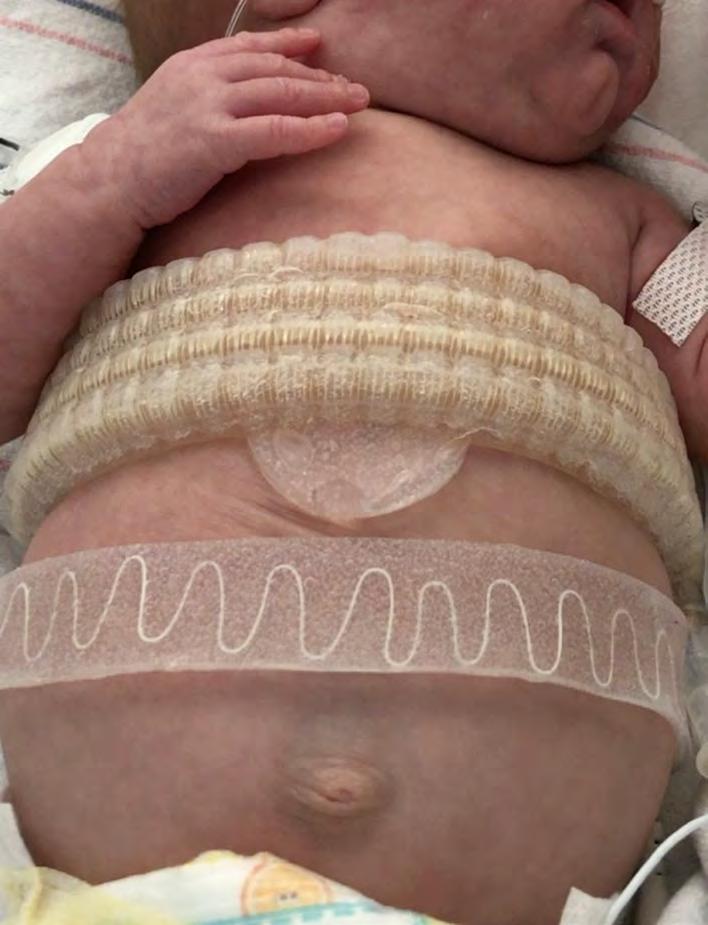
Rethinking Ventilation with TAV

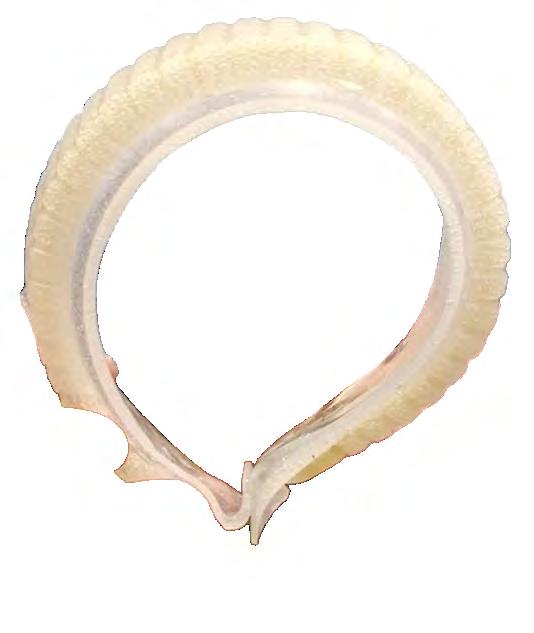
College of Medicine inventors, biomedical engineers and clinical faculty have teamed up to develop the Torso Assist Ventilation (TAV), a vest-like device that supports breathing by mimicking the body’s natural mechanics. Unlike conventional mechanical ventilation, TAV provides gentler, more physiologic support delaying or reducing the need for invasive ventilation and improving outcomes across newborn to adult patients.
William Weiss, PhD, C. McCollister Evarts, MD, Professor in Artificial Organs, Department of Surgery, professor, Biomedical Engineering
Charles Palmer, MD, professor emeritus, former professor of pediatrics and chief of the Division of Newborn Medicine at Penn State Health Milton S. Hershey Medical Center
2 cm
High-Fidelity, Tech-Enabled Anatomical Models – Cadaver-Equivalent Training
Without Constraints
The Advanced Medical Technology (AMT) program identifies, develops and integrates cutting-edge technologies into clinical practice, medical education and research—providing advanced tools directly to clinicians, educators and researchers.
Using state-of-the-art photogrammetry and additive manufacturing techniques, Dr. Evan Goldman and Dr. Nicholas Meisel are capturing real geometry and real color from actual cadavers to address the limitations of traditional cadaver availability and the gaps left by digital visualization alone.


In 2025, this team secured a $50,000 Proof of Concept grant and was also accepted into the LifeX Accelerator program to advance this technology toward real-world applications.
Evan Goldman, PhD, MEd, (Co-PI), professor, Department of Radiology and Department of Neuroscience and Experimental Therapeutics
Nicholas Meisel, PhD, (Co-PI), associate professor of Engineering Design, College of Engineering
The AMT Program is supported by generous donations from the Lawrence L. and Julia Z. Hoverter Charitable Foundation Endowment for Advanced Medical Technologies.
Technologies advancing through clinical trials
New Treatments are Reaching Patients
Hidradenitis Suppurativa Quality of Life
Penn State has built a portfolio of clinical outcome assessments (COAs) and patient-reported outcome measures (PROs) for hidradenitis suppurativa (HS). These tools have been widely adopted in clinical trials, helping evaluate treatment effectiveness and improving patient-centered care for a difficult and chronic condition.


Penn State-initiated research led to Ceraxa, a nano-liposomal formulation that enables systemic delivery of C6-ceramide. A Phase I dose-escalation trial in patients with advanced solid tumors was recently completed and showed promising results.
In partnership with the National Institutes of Health, SymBio Pharmaceuticals is advancing an investigator-initiated clinical trial of intravenous brincidofovir (IV BCV) for progressive multifocal leukoencephalopathy (PML), a rare and lifethreatening neurological disease. Foundational preclinical research at Penn State College of Medicine supported translation of this work into the clinic, highlighting the impact of academic–industry–federal collaboration in addressing critical unmet medical needs.
SymBio Pharmaceuticals
Keystone Nano (Pendrea Bio) – Ceraxa
SymBio Pharmaceuticals
Intercampus collaborations
Strengthening Innovation through Team Science
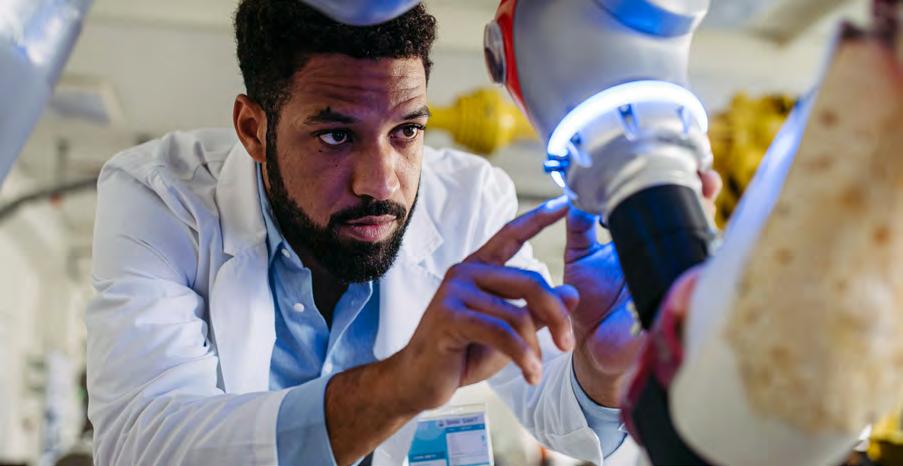
Graduate Certificate
Building Translational and Entrepreneurial Talent: A new Graduate Certificate in Healthcare Innovation and Entrepreneurship will equip professionals and students with foundational knowledge in innovation, commercialization, leadership and interdisciplinary teamwork, preparing them to translate health-related discoveries into real-world impact.
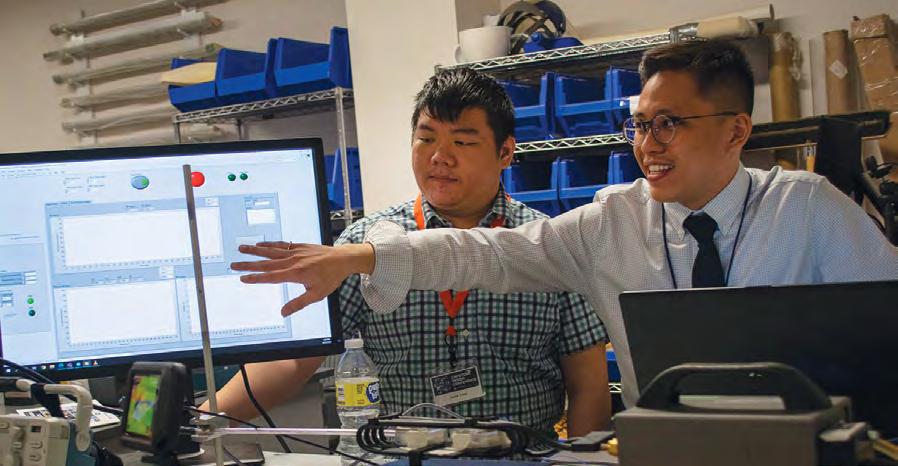
Capstone Program
Applying Engineering Expertise to Real-World Health Challenges through capstone projects that engage students in solving clinically informed, real-world problems. These projects connect engineering and technology students with clinical insights and innovation mentorship, fostering experiential learning while advancing early-stage solutions.

Intercampus Funding
Catalyzing Cross-Campus Research & Innovation is supported by an intercampus funding mechanism that brings together faculty teams working in health and medicine. These awards enable early exploration of ideas, strengthen interdisciplinary partnerships and position teams for external funding and downstream translation.
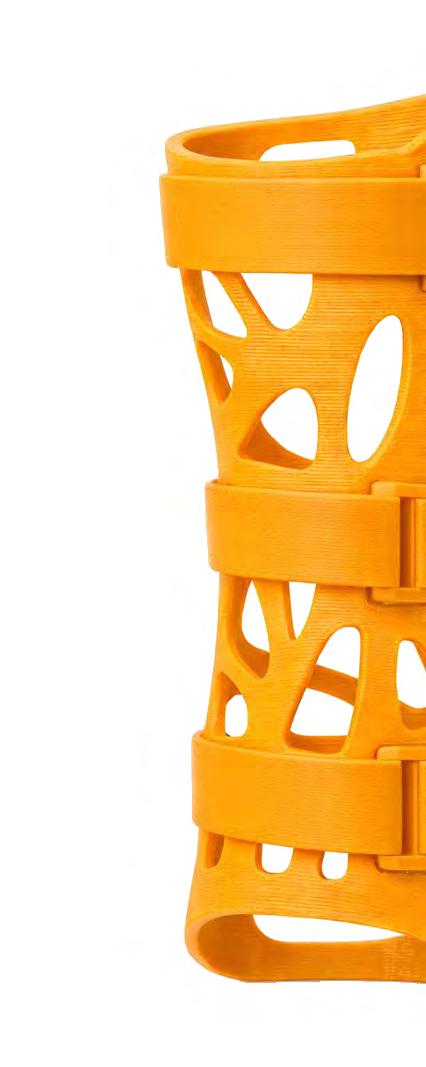

Support the Future of Innovation
Your philanthropic support enables shared infrastructure, interdisciplinary collaboration and the translation of innovative ideas into real-world health solutions.
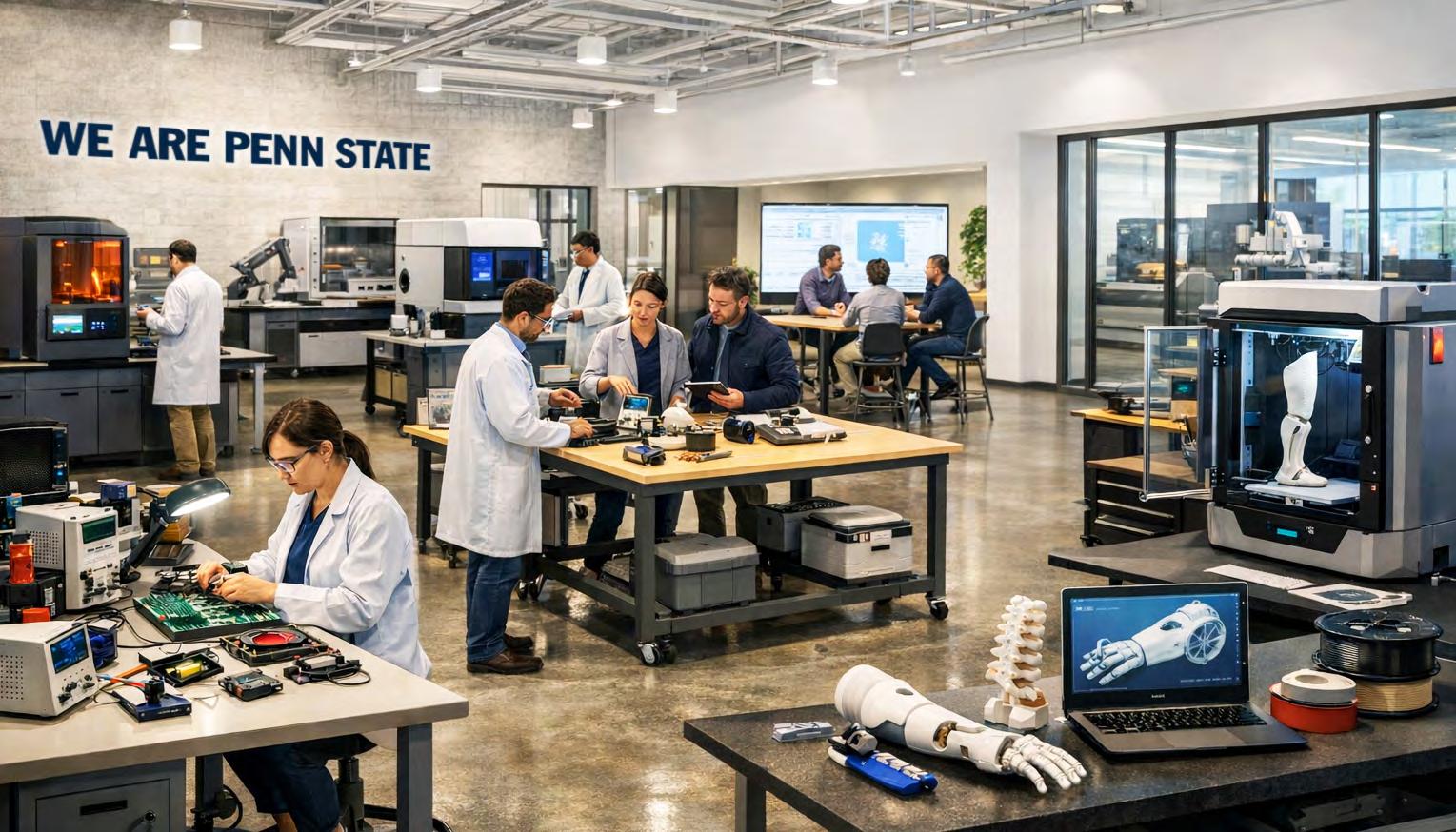
The Smart Medical Technology Hub (SMTH)
Providing a Collaborative Platform for Translational Innovation: The Smart Medical Technology Hub (SMTH), under development at Penn State Harrisburg in partnership with Penn State College of Medicine, will serve as a shared, interdisciplinary environment where clinicians, engineers and innovators work together to address real-world health challenges.
Designed to accelerate the development of medical technologies, SMTH will provide the physical infrastructure and collaborative setting needed to translate ideas into solutions.
The Hub will include flexible project assembly space, rapid prototyping and design labs, additive manufacturing capabilities, electronics workstations and shared collaboration areas— enabling iterative design, testing and refinement of medical technologies in a real-world context.
Initial support for this initiative has been graciously provided by alumni and CMI External Advisory Board members, Fred and Lynn Pritchard.
To support the Smart Medical Technology Hub, please visit engage.pennstatehealth.org and note "The Center for Medical Innovation – SMTH" in comments, or contact Marissa Hoover, DEd, Executive Director of Development, at marissa@psu.edu for additional information.
OUR TEAM

Erika Swift, MHA, MBA
Executive Director Professor of Practice

Nuwan Sella Kapu, PhD, MBA Director, Technology & Business Development
The Center for Medical Innovation team is strategically located throughout Pennsylvania to fully support engagement in the key life science ecosystems across the Commonwealth.

Anne DeChant, MS, MBA Director, Education Programs

Saima Farooq, MBA Innovation Project Manager

Ali Jabbarli, LLM Grants and Contracts Administrator

(not
Sheila Rundle, BS, Senior Grants and Contracts Administrator
Elevated by the expertise of our External Advisory Board
The Center for Medical Innovation extends its sincere appreciation to the members of our External Advisory Board for their expertise, leadership and continued commitment to advancing innovation at Penn State College of Medicine. Their guidance plays a critical role in shaping our strategy, strengthening technology development and ensuring our programs remain aligned with real-world needs.

Advisory Board members contribute in meaningful and tangible ways, including mentoring Innovation Fellows, providing industry-informed perspectives on technology and grant reviews, supporting the allocation of Pathways
EXTERNAL ADVISORY BOARD MEMBERS
Bruce Shook, MS, MBA
Chair, Penn State Research Foundation Serial Medical Technology Entrepreneur
Dalfoni Banerjee
Principal Consultant & CEO, 3Sixty Pharma Solutions; Founder & CEO, ImmuNovX Biotech
Drew Kugler, MBA, MS
Principal, AJK Strategic Consulting, LLC
Former VP, Innovation & Product Development, AES Clean Technology
Gregg Gilbert
Founder, GG Advisory Group, LLC
Fred Pritchard, PhD
Senior Advisor, former VP, Global Drug Development, Celerion
Jacquelyn Fetrow, PhD
Co-founder, Principal, President, Keltrow Solutions LLC
Lynn Pritchard, PhD Regulatory Affairs (ret), Pfizer
Mark Capone, MS, MBA
Former CEO, Myriad Genetics; CEO, Precision Medicine Advisors
funding and offering strategic commercialization guidance to faculty and trainees. Through these engagements, the Board helps bridge the gap between discovery and application— accelerating the translation of promising ideas into viable solutions.
As CMI continues to grow, the External Advisory Board remains an essential partner in expanding support for startup ventures and entrepreneurial activity, helping innovators access the resources, connections and infrastructure needed for success. We are deeply grateful for their partnership and the impact they have on advancing our mission.
Michael Golden, MBA
Head of Software, Glucotrack
Michele Washko, MA, MBA
President & CEO, Life Sciences Greenhouse Investments
Molly Fenningham
Director of Operations for Penn State Health, Value Partnership, Siemens Healthineers
Neil Kline, DO, MD Entrepreneur-in-Residence, Physician Executive, Ben Franklin Technology Partners
Nishit Trivedi, PhD, MBBS, MBA
Portfolio Manager & Director of Life Sciences Research, Emerald Advisors
Peter Tombros, MBA Senior Executive (ret), Enzon, Pfizer
Stella Vnook, PhD, RPh, MBA CEO, Likarda; Founder & President, ACG Accelerator
Stephanie Reisinger, MBA
Senior Vice President & General Manager, Flatiron Health
Timothy Ritter
President & CEO, Universal Protective Packaging, Inc
WE INVITE YOU

to partner with us in advancing medical innovation at Penn State College of Medicine.
TOGETHER
, we can translate discovery into real-world solutions that improve human health and create lasting impact.
There are many ways to engage with the Center for Medical Innovation and support the advancement of translational research, workforce development and entrepreneurship.

Mentor an
Innovation Fellow Review Innovative Projects Support our Programs
Provide external perspective and guidance to Innovation Fellows as they advance innovation projects and explore career pathways.
Time commitment: Approximately 1 hour per month (September–June)
Conduct Customer Discovery Interviews
Engage directly with faculty, postdoctoral fellows and students as they explore real-world problems and unmet needs.
Time commitment: 15–30 minutes per interview
Contribute your expertise by reviewing proof-ofconcept grant applications and providing scientific, clinical or industryinformed feedback.
Time commitment: Once per year; review 1–2 applications.
READY TO CONNECT? Contact Saima Farooq at CMI@pennstatehealth.psu.edu
Philanthropic support enables training programs, proof-ofconcept funding and earlystage technology development. To explore giving opportunities, scan the QR code, visit engage.pennstatehealth.org, or contact Marissa Hoover, DEd, Executive Director of Development, at 717-531-1315 or marissa@psu.edu.
Support innovation. | Collaborate with purpose. | Shape the future of health.