
Cumanana
E - Newsletter of Peruvian Culture for Africa
MINISTRY OF FOREIGN AFFAIRS
Peru and Africa: biodiversity and culture as pillars for a new common agenda
Juan Pablo Sánchez Montenegro
Peru and Africa share a bond of friendship that goes beyond the invaluable African cultural contributions to Peruvian identity. In this context, two additional reasons stand out for deepening the ties of solidarity and cooperation between Peru and the nations of the African continent: their vast biodiversity of flora and fauna and their immeasurable historical and cultural significance in shaping two of the greatest pre-globalisation civilisations—Caral and Egypt.
Indeed, the African continent is home to a quarter of the world's terrestrial, plant, and marine biodiversity. Similarly, Peru is one of the twenty megadiverse countries that collectively host 70% of the planet's biological diversity. According to CONCYTEC, Peru encompasses 84 of the 104 life zones on Earth, ranks as the second country globally in terms of tropical forest coverage, and is recognised as one of the world’s major centres for genetic resources. This is complemented by its vast natural resources, which have positioned Peru as both a mining powerhouse and an agricultural exporter.
This shared rich biodiversity creates an invaluable opportunity to promote scientific and cultural cooperation between Peru and African countries, both bilaterally and multilaterally. Such collaboration could be fostered through the development of free trade agreements and the encouragement of tourism between these regions. In this regard, the shared biodiversity stands as one of the greatest comparative advantages for both Peru and African nations, offering a pathway to becoming a hub for attracting foreign investment in tourism—particularly scientific tourism—and establishing themselves as major centres for scientific research and technological innovation related to environmental protection and clean energy development.
Moreover, the rich biodiversity shared by Africa and Peru positions both as geostrategic actors uniquely suited to lead global efforts in biodiversity protection. This leadership can be exercised through the recognition, defence, and promotion of environmental rights and climate justice. These crucial issues should occupy a prominent place in the shared foreign policy agenda between Peru and African countries.
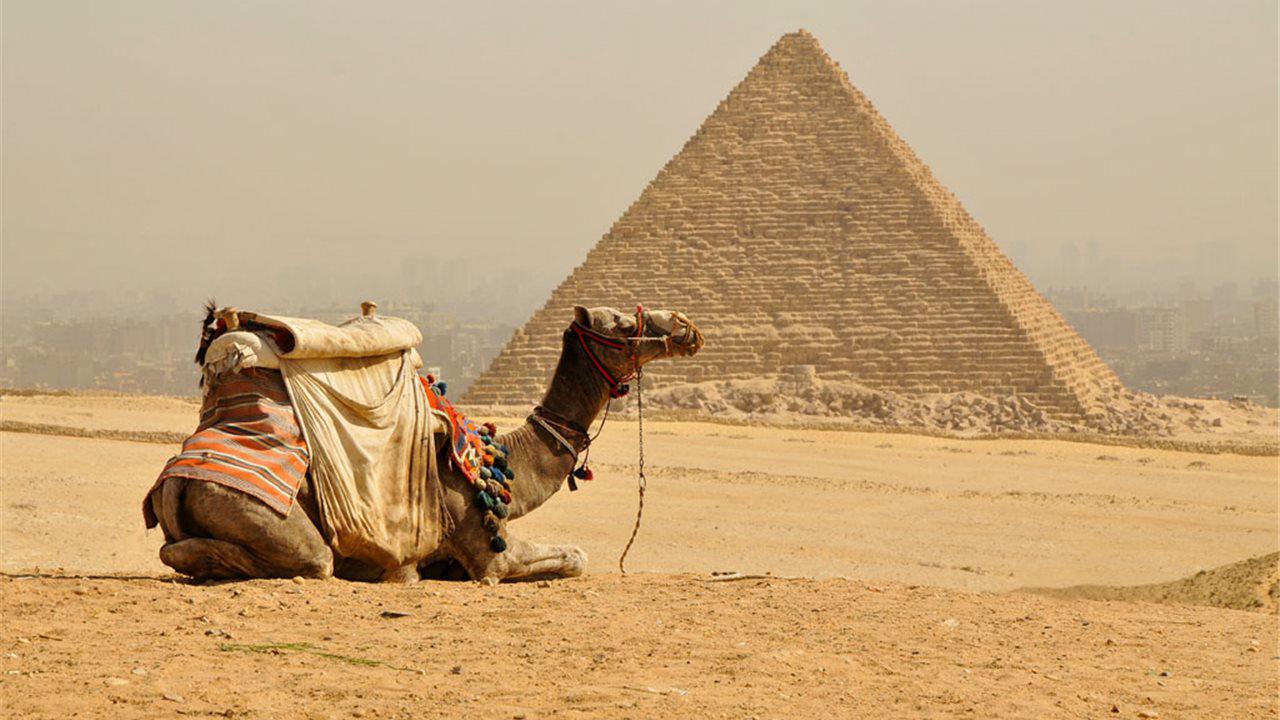
Great Pyramid of Giza. Source: baobabnature
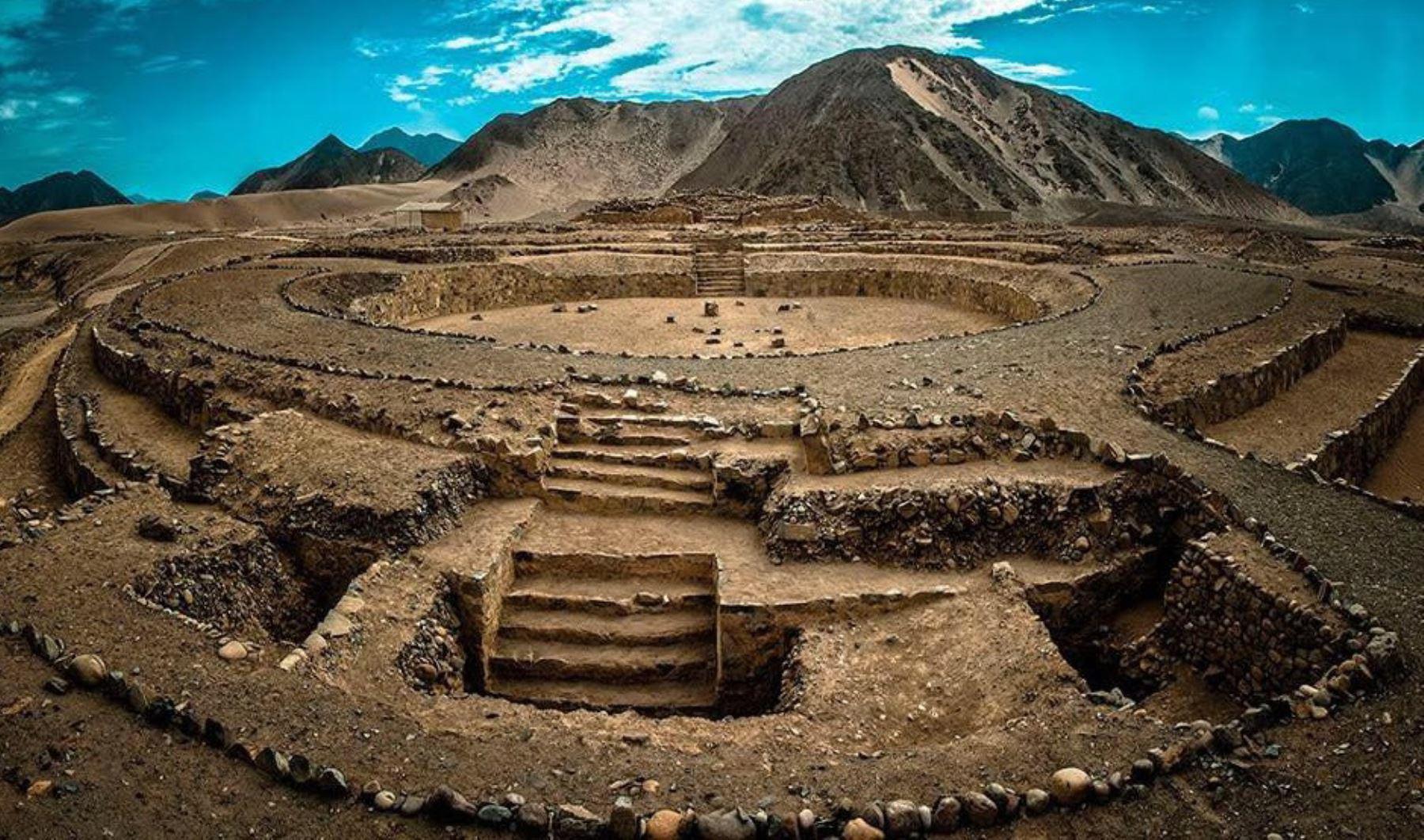
Peru also shares with Africa the distinction of being the cradle of two of the greatest ancient civilisations. Caral, the foundational culture of the Americas, predates its African counterpart, Egypt, by at least five centuries. Both civilisations—Caral and Egypt—serve as enduring examples of cultural, ethnic, and culinary synthesis, a blend that traces its roots back to the dawn of human history and persists to this day.
Like Peru, Africa is a vibrant mosaic of diverse colours and textures. It is black, it is reddish, it is white, and, above all, it is green. It is rough and rugged, yet also soft, warm, and resilient. It represents both challenge and opportunity.
This opportunity has not gone unnoticed by Peru’s Diplomatic Service, as evidenced by the establishment of embassies in Algeria, Egypt, Morocco, South Africa, Ghana, and Kenya over the past decades. However, there remain many untapped opportunities within Peru’s foreign policy framework. These could include or enhance various initiatives centred on biodiversity promotion and environmental rights advocacy.
Finally, if the world was already indebted to Africa as the cradle of humanity, it is now doubly indebted to Africa and Peru, as together they constitute the largest reservoir of biodiversity—without which humanity could face extinction. Let us seek, through tourism, science, and history, in harmony with free trade and democracy, a more equitable, just, and solidaristic path, so that the peoples of Peru and Africa, as well as future generations, can enjoy their human rights with dignity.
Long live the Peruvian-African brotherhood!
1 2
Master in Human Rights from the University of Navarra. Lawyer from the University of Piura and political scientist from the Pontificia Universidad Católica del Perú.
CONCYTEC, Programa Nacional Transversal de Valorización de la Biodiversidad 2015-2021. Available on the internet: https://portal.concytec.gob.pe/images/publicaciones/libro_biodiversidad_valbio_oct.pdf. Retrieved on November 19, 2024.
Sacred City of Caral. Source: Afar
The Non-Aligned Movement in fostering closer ties between Peru and Algeria
Dahila Astorga Arenas
On March 10, 1972, Peru and Algeria established diplomatic relations within the global context of Cold War divisions. By that time, the Non-Aligned Movement (NAM), founded in 1961, had already consolidated itself as a platform for developing countries seeking to maintain an independent stance, avoiding alignment with the superpowers.
The NAM aimed to promote peace, development, and the self-determination of peoples, as well as to foster economic and cultural cooperation among its members. This initiative is regarded as one of the most significant of the 20th century due to its political, diplomatic, economic, and social impact. Within this framework, and based on their own historical trajectories, Peru and Algeria played important roles within the organization.
A challenging bipolar global context
In the 1970s, the regional panorama of both countries was marked by tensions and transformations. In Latin America, a turbulent period was unfolding, characterized by military dictatorships, populist governments, revolutionary movements, economic dependency, and social inequality. Meanwhile, the African continent was undergoing profound political, social, and economic changes.
By 1972, many African nations had achieved independence and were engaged in the process of building and consolidating political systems and national identities. Nevertheless, some countries were still embroiled in struggles for liberation and grappling with racial segregation regimes. Their economies, much like those across of Latin America, remained afflicted by dependency, underdevelopment, and inequality.

Convergence of ideals between Peru and Algeria in the 1970s
In this context, Peru and Algeria, as non-aligned countries, embarked on reformist programmes advocating for the nationalisation of resources and agrarian reform. According to a 1972 communication sent to the Peruvian Ministry of Foreign Affairs by Enrique de los Heros, Peru's first ambassador to Algeria, both countries shared a "nationalist and independent" foreign policy, characterised by the revolutionary nature of their governments and a common aspiration to "give the land to those who work it" (Oficio 5-76-A/4 (SG)(D)).
Algeria, having gained independence in 1962, played a prominent leadership role within the NAM.
Projection of the Peruvian National Pavilion at the Gulf Bank Algérie (AGB) for the 200th anniversary of the Battle of Ayacucho.
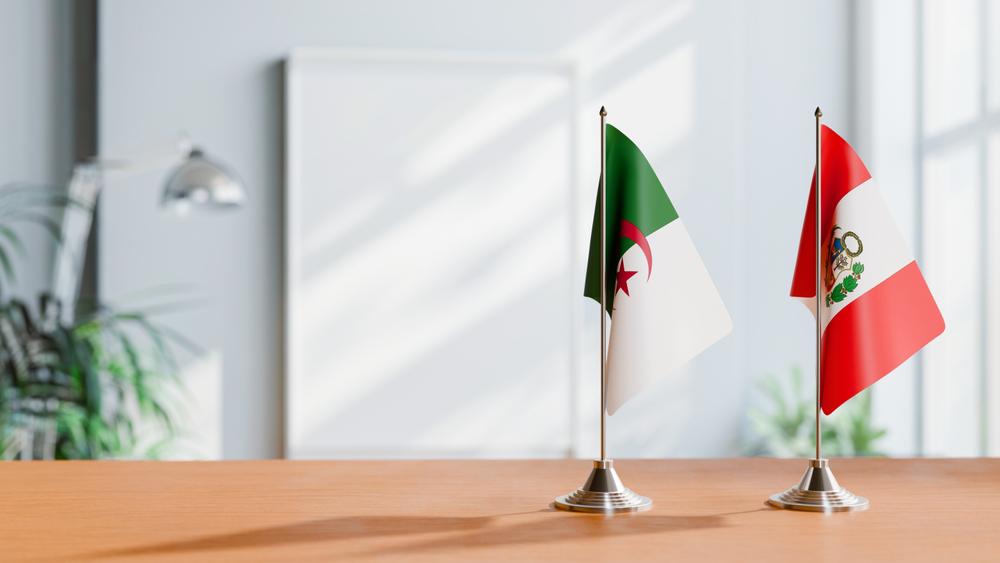
Source: Shutterstock
The actions of former President Houari Boumédiène (1965–1978) were crucial in solidifying Algeria’s position as one of the most influential voices in the movement. Shaped by its experience as a former French colony, Algeria actively supported the liberation of other African nations still under colonial rule. Furthermore, it championed South-South cooperation and advocated for the New International Economic Order (NIEO) proposal to achieve a fairer redistribution of global resources.
For its part, Peru, under the leadership of General Juan Velasco Alvarado (1968–1975), formally joined NAM as a full member in 1973. This step reflected a foreign policy shift towards the then "Third World," that marked the drift in other Latin American countries.
Precisely, the Fourth NAM Summit was held from 5 to 9 September 1973 in Algiers, Algeria's capital. This event provided Peru with a platform to strengthen its diplomatic relations with African nations and express solidarity with self-determination initiatives and the struggle against apartheid. By that time, Peru had already begun engaging with eight African countries through the establishment of diplomatic relations, including Egypt (1963), Morocco (1964), Côte d'Ivoire (1964), Tunisia (1966), Ethiopia (1967), Zambia (1970), and Nigeria (1971).
A relationship founded on self-determination and cooperation
The historical similarities between Peru and
Algeria have been fundamental in shaping the course of their diplomatic relations. From their respective continents, both nations undertook internal transformation processes that resonated on the international stage, finding confluence points within NAM. This bilateral partnership, grounded in nationalist policies, also enabled them to actively participate in global debates on sovereignty, development, and economic justice.
In today’s context, Peruvian-Algerian relations hold significant promise. Both nations remain staunch advocates of self-determination and share a strong commitment to international cooperation. This shared resolve has been evidenced in the four meetings of the Peru-Algeria Bilateral Consultation Mechanism, held in 2007, 2008, 2011, and 2022. These political consultations, organised through their respective ministries of foreign affairs, have facilitated initiatives aimed at enhancing economic, commercial, and investment ties.
Key sectors of collaboration include the energy and mining industries, where both countries possess extensive expertise and valuable strategic resources, respectively. Moreover, joint efforts in cultural and agricultural domains have expanded the scope of bilateral cooperation, fostering synergies across diverse fields and contributing to mutual development.

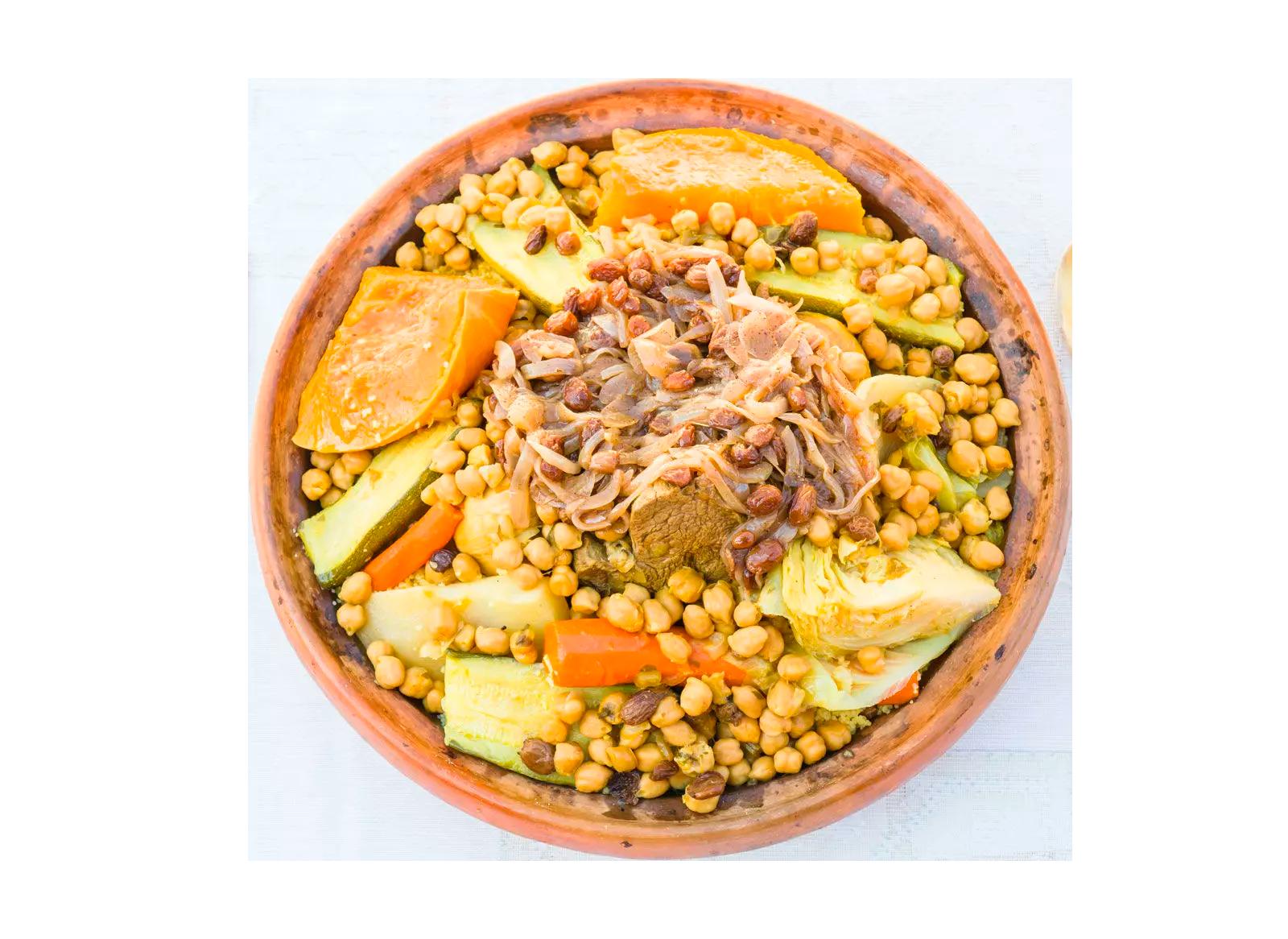
RECIPE: Couscous with Beef and Vegetables
Ingredients
1 kg medium couscous, hand-rolled
1 kg beef
1 kg green beans (half-cooked, steamed, or boiled)
1 glass of dried chickpeas, soaked overnight (approximately 12 hours in water)
1 large onion, chopped
3 large carrots, peeled and cut into sticks
2 zucchinis, cut into sticks
1 grated tomato
Spices: ginger, cumin, coriander, sweet
paprika, ras el-hanout, black pepper, chili pepper (optional)
Salt to taste
1 tablespoon tomato paste
4 tablespoons vegetable oil
Olive oil
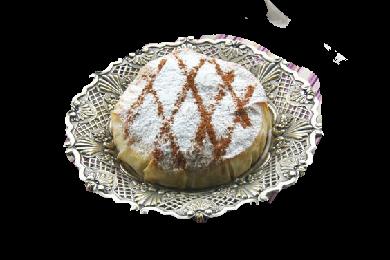
Preparation
For the Couscous Sauce:
Sauté the meat, cut into chunks, along with the chopped onion in vegetable oil over medium heat. Once browned, add the grated tomato, spices (ginger, cumin, coriander, sweet paprika, ras el-hanout, black pepper, and chili pepper if desired), salt, and tomato paste. Simmer over low heat for 5 minutes.
Add 2 litres of boiling water and the chickpeas. Cover and let simmer. When the meat is nearly cooked, add the carrots and continue cooking. Once the carrots are tender, remove the meat from the pot. Add the zucchini and green beans and continue cooking until all the vegetables are fully cooked.
For the Couscous Semolina:
Place the couscous semolina in a bowl and add water. Immediately transfer it to a sieve. Work the semolina with your hands or a fork on a large plate and let it rest until it absorbs all the water. Steam the semolina for 15 minutes.
Add salt to the semolina and knead it again on the large plate, adding small amounts of water if necessary, until there are no lumps (be cautious, as it will be hot). Let it rest for 30 minutes. Then, knead the semolina again with 1 tablespoon of olive oil and steam for another 15 minutes. Spread the semolina on the large plate and fluff it with a fork. Add 2 or 3 tablespoons of olive oil and mix well.
To Serve:
Traditionally serve the couscous on a large plate. Arrange the meat, green beans, and other vegetables on top of the couscous. Finally, drizzle with spicy sauce to taste.
PERUVIAN-AFRICAN
follow us on social networks