




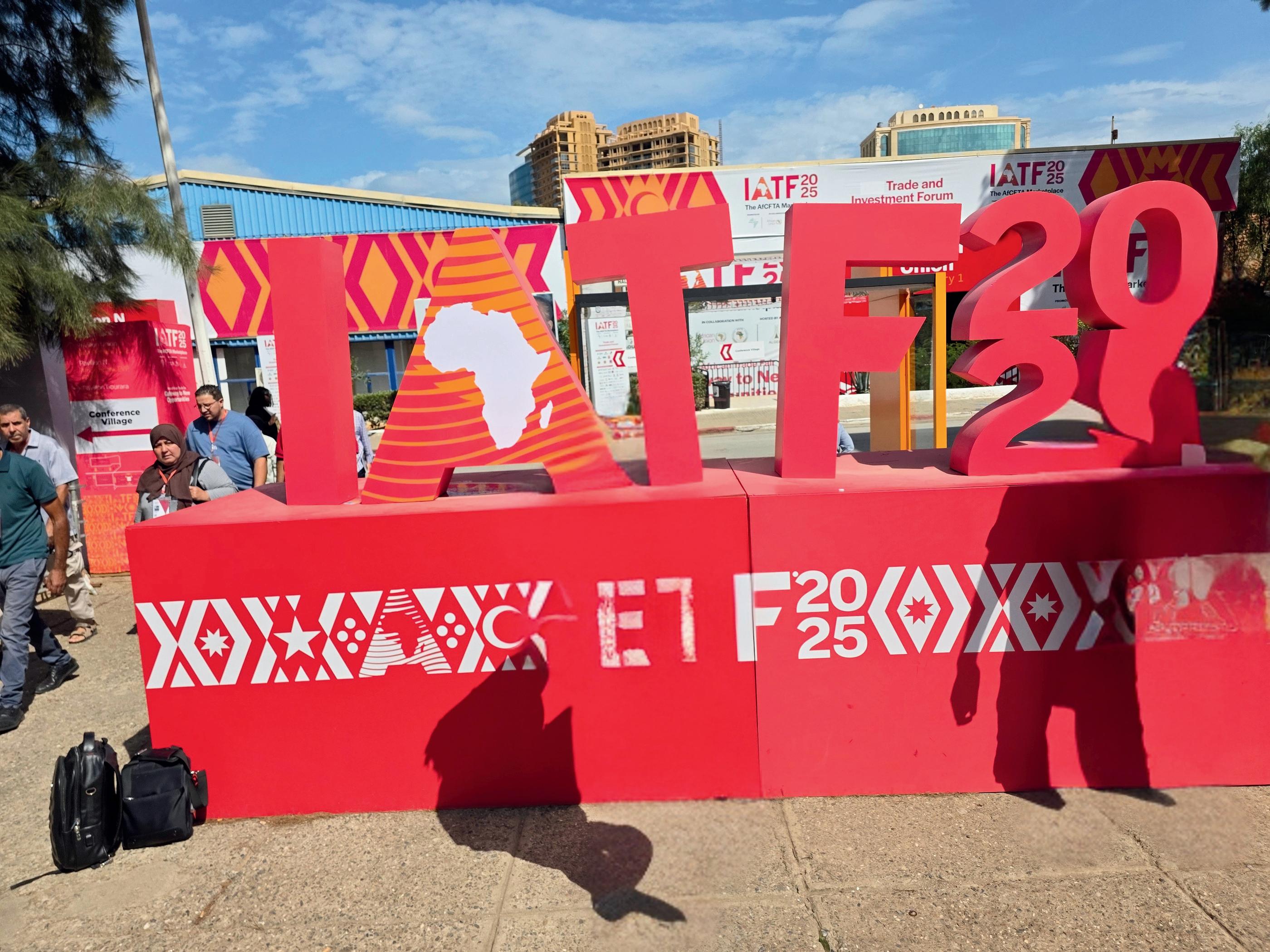
Standing on African Soil, We Confirmed: We Are One Blood. Standing amidst the pavilions of the Intra-African Trade Fair in Algeria, listening to the collective hum of entrepreneurs, artists, and leaders, my heart confirmed a profound truth: Africans are magnificent. This issue, dedicated to the vibrancy and ambition we witnessed, is a testament to that magnificence. Our pride is vast it stretches beyond the towering majesty of Mount Kilimanjaro and the cold brilliance of the Atlas snow. We move like the great Nile River, unique in our flow, yet bound by a single source. Our colors, our creeds, our music, and our history are not mere decorations; they are the iron bands that bind us together.
We are like cousins visiting the grandmother’s house. We are different, we argue, and yes, we sometimes fight a shouting match between Kenya and Tanzania, a disagreement between Algeria and Morocco, a history shared by Ethiopia and Eritrea. It’s okay. It’s part of growing up in a large family, and we will always figure out how to solve our problems because we know who we are. We know we are blood.

We must remember the carving of 1884 was not intended to profit us, but to divide and conquer.
The moment an outsider approaches to befriend us and suggest that one cousin doesn't belong, that is the moment we must stand still, united, and chase that person away. No non-family member will ever love our family like we do; no one will ever love our grandmother’s house and understand her struggles as deeply as we do. We must remember the carving of 1884 was not intended to profit us, but to divide and conquer. Our mission, today and always, is to stand united and fight for our grandmother's house. It may not be clean, it may not be perfect, but we know what we stand for. Africa is one, and we will always be one. No color of skin, no texture of hair, no colonial line can ever truly separate the cousins. Welcome to an issue that celebrates our unbreakable family.
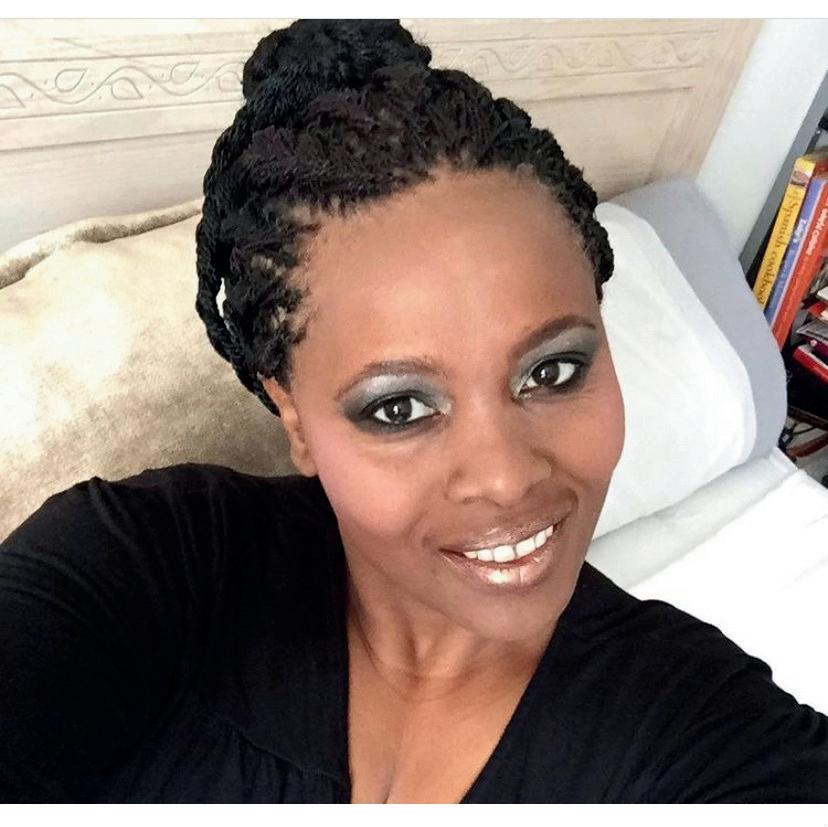
Honeymoon Aljabri Chief Editor, People of Africa
WHERE EVERY VOICE MATTERS.



The Intra-African Trade Fair (IATF) in Algiers was more than a conference; it was a reckoning a loud, beating affirmation of the continent’s singular dream. For one week, we witnessed the immense gravity of Africans ambition pull commerce, culture, and connectivity into a single, unstoppable force. This issue is our dedication to that spirit.
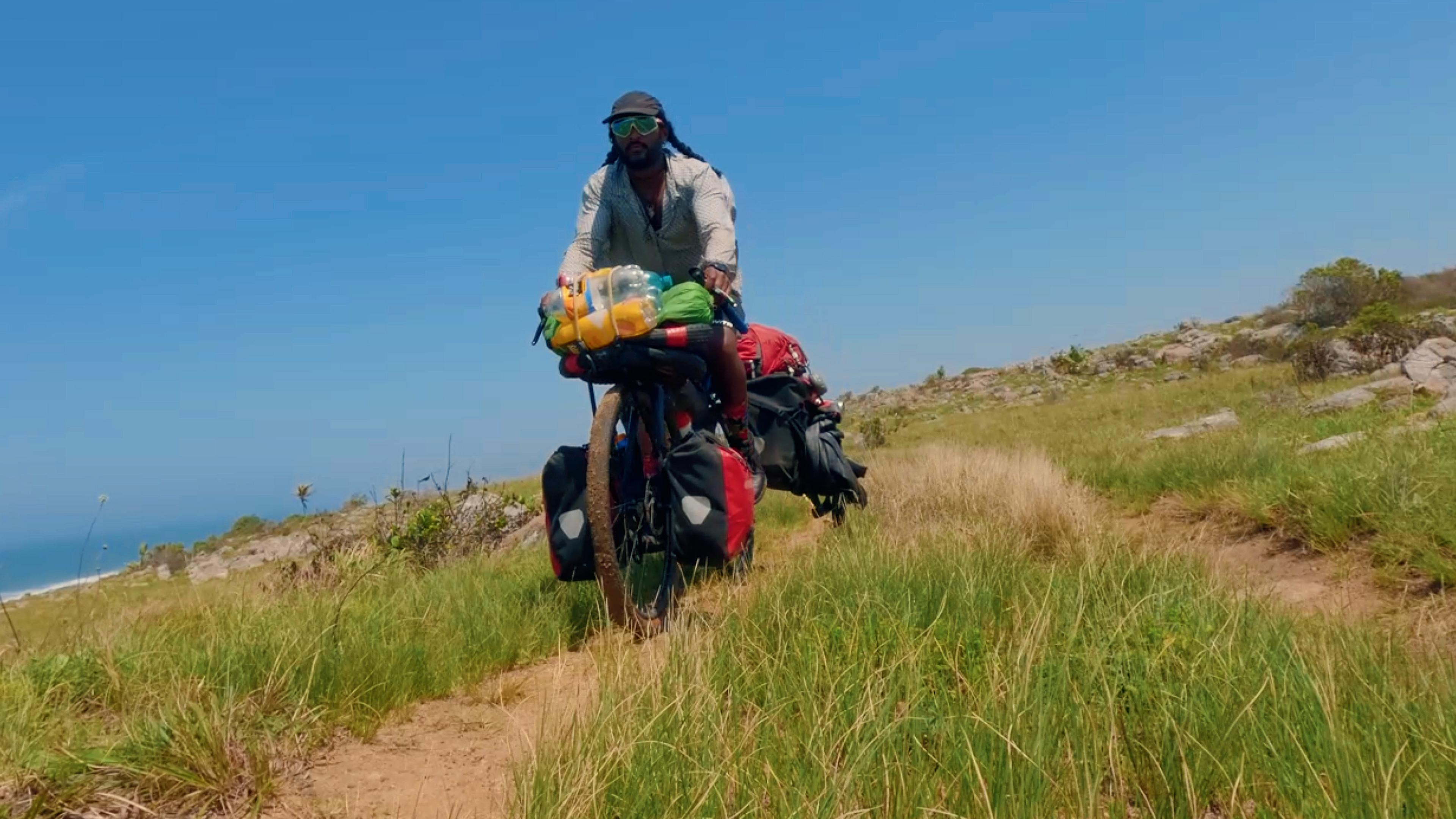
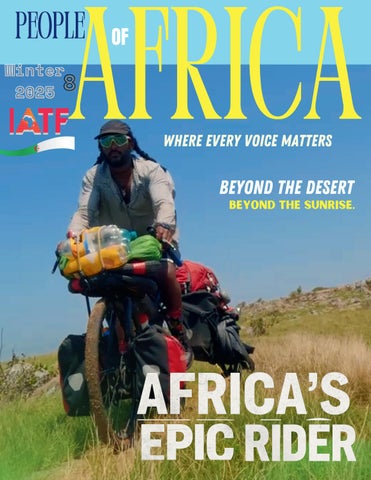
Our cover story, featuring the audacious Adam Project and his bicycle journey across Africa, is our manifesto. His ride proves, physically, what we know in our hearts: Africa is not a collection of fragmented borders, but a single, breathtaking canvas, rich with beauty and shared destiny. His message is a call to action: let us see, sell, and collaborate across our continent without friction.
Inside, you will find the vibrant proof of this unity.

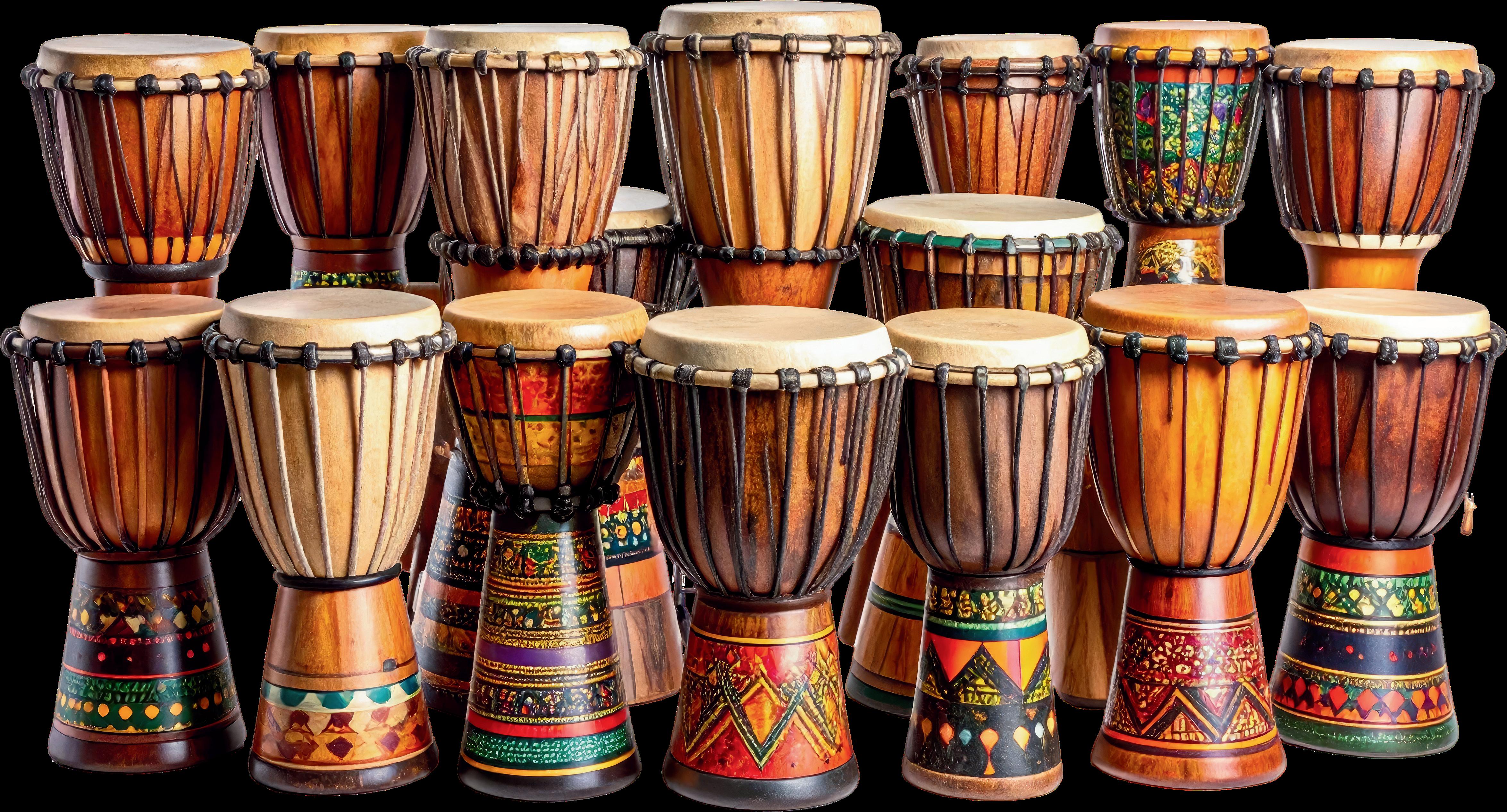
We celebrate Tayo Conga, The Secret Keeper of the African Drum, the cultural ambassador carrying the soulful torch of Fela Kuti and Miriam Makeba. His music is the pure, unfiltered rhythm that reminds us what we are fighting for.
We feature the entrepreneurs building the future, from Rehana’s vision to feed the continent with quality food and CEBON’s viral success in challenging global spreads, to Datesstore’s inspirational journey into agro-processing.


And crucially, we feature the massive infrastructure projects, like the PolishTanzanian partnership securing food supply with modern grain storage the vital, foundational work that underpins all our commercial dreams.
This issue captures the heart of IATF: where art, trade, and infrastructure converge. We are not waiting for the future; we are building the roads, singing the songs, and sealing the deals that define it. Enjoy the journey, and see you on the road.
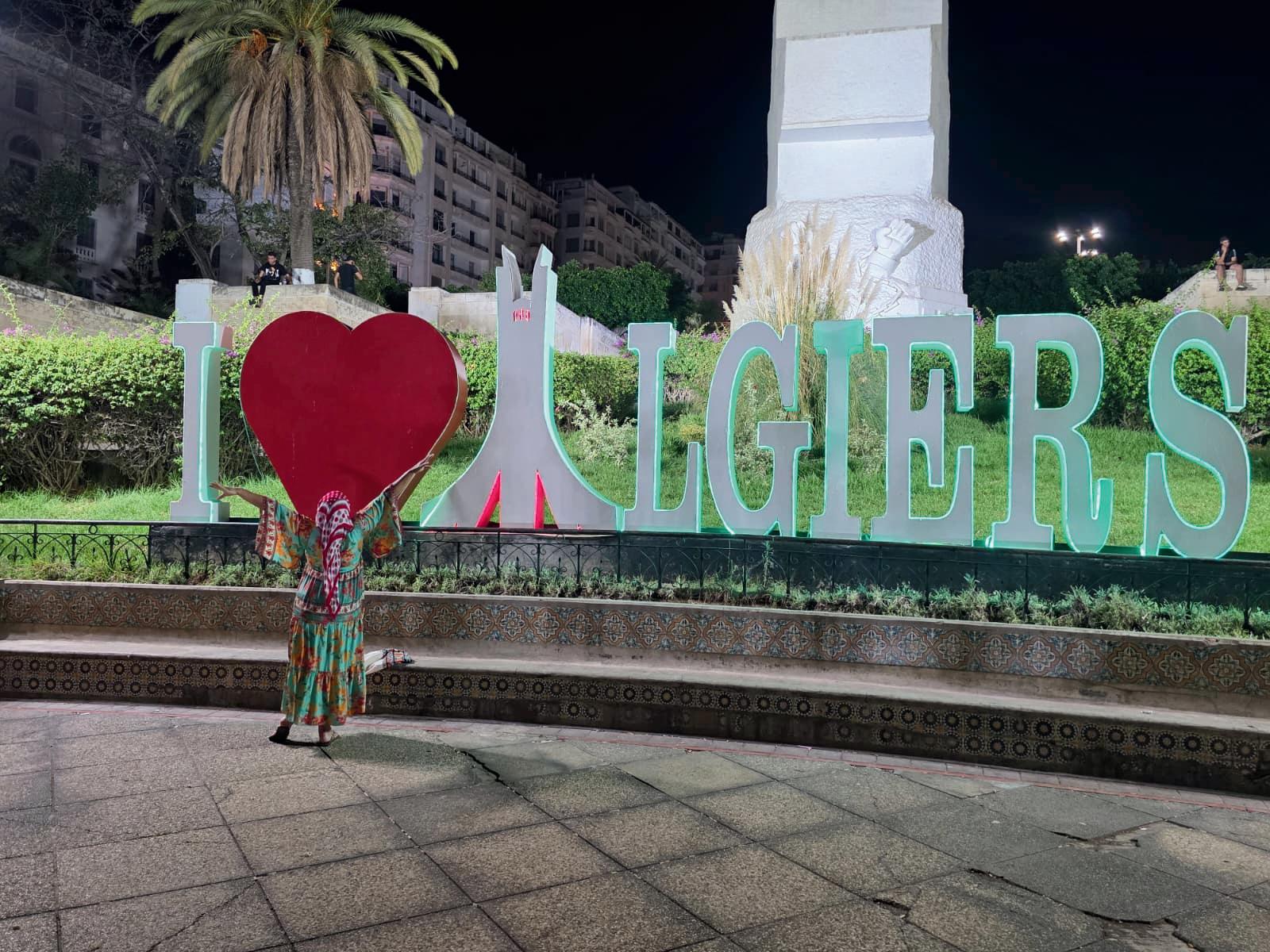
When a continent gathers, the host nation doesn't just manage an event; they hold the entire family's heart in their hands. At the IntraAfrican Trade Fair, Algeria didn't just host they showed us all what it means to be a generous cousin and a true keeper of the African spirit. This tribute is a recognition of the flawless organization and profound hospitality that made every attendee feel truly at home:
Algeria
and they were truly happy to share with all of us.
The commitment to making the experience seamless was evident from the moment we arrived. The dedicated arrangements, including the constant stream of buses and the professional police traffic escorts ensuring smooth movement from hotels to the pavilions, were nothing short of top of the roof. This logistical excellence cleared the way for trade and connection, signaling that Africa is serious about business.
Beyond the efficiency, the people of Algeria were ready at every turn to assist and welcome. It was in this spirit that one conversation revealed the deepest truth of their welcome:
A young Algerian girl shared that while they are Algerians, they know the land is for Africans, and they are the keeper, not the owner.
That statement is the essence of continental unity. It means that the land, the culture, and the hospitality are freely shared with every cousin. Algeria belongs to Africans, and they were truly happy to share with all of us.
Dear cousins, large by size and even the largest by spirit, you took care of your family and made our grandmother (Africa) deeply happy. Your hospitality was an act of love, proving that when Africa gathers, we are welcomed with open arms and the utmost respect.
Thank you, Algeria, for reminding us all that the continent is one home.
The African Union (AU) was founded on the monumental promise of continental unity, peace, and accelerated social progress. Yet, for many, the organization operates today less like a guardian of progress and more like a "bulldog with no teeth" fierce on paper, but paralyzed by its own internal rules and a deep, dangerous disconnect from the people it purports to lead. The problem is not a lack of vision, but a selective application of principle that cripples its effectiveness.
The foundational weakness of the AU is its unwavering principle of sovereignty and non-interference. While crucial for respecting national boundaries, this principle is often weaponized, leading to institutional paralysis when human rights, democratic standards, or effective governance are at stake.
The AU often finds itself able to condemn sudden, unsanctioned political shifts, yet remains frustratingly silent on long-term, systemic decay caused by leaders who consistently ignore democratic norms.

Swift Judgment on Reform: The AU is often quick to suspend or criticize new regimes or changes that disrupt the status quo, even if those changes are driven by popular discontent or the youth's demand for better governance.
The Blanket Approval for Longevity: Conversely, the AU has historically struggled to meaningfully address the issue of indefinite tenure or severe democratic backsliding by long-serving presidents. The longevity of leaders some who appear physically and mentally unable to govern is brushed aside, treated as an internal matter, while the aspirations of a frustrated generation are dismissed as a threat. This double standard sends a clear and cynical message: stability of the elite is prioritized over the voice and welfare of the people.
Africa is the youngest continent on Earth. Over 60% of its population is under the age of 25. This demographic fact is not a challenge it is an unstoppable weapon for economic and social transformation. Yet, the African Union systematically fails to meaningfully engage this majority.
The average age of African leaders in the AU assembly often sits decades above the median age of their population. This gap leads to a fundamental misalignment in priorities: Ignoring Innovation: The youth are digital, entrepreneurial, and demand systems that are transparent and responsive. The AU structure, however, remains slow, bureaucratic, and inaccessible.
Missed Opportunity: By failing to actively seek out, listen to, and empower the continent's young thinkers, activists, and entrepreneurs, the AU is deliberately refusing to use its most powerful resource for solving problems like unemployment and climate change.
Our magazine’s direct attempts to engage the AU secretariat with critical, fact-based questions have been consistently brushed off. This non-responsiveness is symptomatic of a body that is failing to engage with its own people and the independent media who speak for them.
For the African Union to be the powerful, protective, and progressive institution Africa needs, it must stop being an Old Boys’ Club focused on mutual protection and become a genuine platform for progress.
The AU must find the voice of the youth and actively guide their power. It must:
Enforce Standards: Move beyond non-interference and implement clear, strict, and universally applied norms for governance, democracy, and leadership fitness.
Embrace Transparency: Open its doors and its processes to youth-led organizations, media, and civil society, making direct engagement the rule, not the exception.

Weaponize the Youth: Recognize the youth not as a risk factor, but as the revolutionary engine of the continent.
Until the African Union aligns its mandate with the reality of its demographic and ends its selective political blindness, it will remain what it is today: a symbol of untapped potential, a body with a massive roar but no teeth to bite.





Swift Judgment on Reform: The AU is often quick to suspend or criticize new regimes or changes that disrupt the status quo, even if those changes are driven by popular discontent or the youth's demand for better governance.
The Blanket Approval for Longevity: Conversely, the AU has historically struggled to meaningfully address the issue of indefinite tenure or severe democratic backsliding by longserving presidents. The longevity of leaders some who appear physically and mentally unable to govern is brushed aside, treated as an internal matter, while the aspirations of a frustrated generation are dismissed as a threat.
This double standard sends a clear and cynical message: stability of the elite is prioritized over the voice and welfare of the people.
The foundational weakness of the AU is its unwavering principle of sovereignty and non-interference. While crucial for respecting national boundaries, this principle is often weaponized, leading to institutional paralysis when human rights, democratic standards, or effective governance are at stake. The AU often finds itself able to condemn sudden, unsanctioned political shifts, yet remains frustratingly silent on longterm, systemic decay caused by leaders who consistently ignore democratic norms.
When we started this magazine, we vowed to highlight the beauty, promise, and extraordinary achievements of Africa. We pledged to steer clear of local party politics. Yet, as a journalist and a concerned citizen, I believe there are times when silence is complicity. Today, my soul compels me to speak about the land that shaped me: Tanzania. The questions I ask of my homeland are questions echoing across our entire continent: Who are you? and Do I still recognize you? When the foundational norms of national dialogue are strained, the journalist must ask, and the citizen must speak.

.
We cannot lie to ourselves any longer. Across Africa, there are places where the national soul is experiencing a profound, visceral rupture a shattering of trust. We have treated our democratic gains as a flawless, fragile ceramic. But here is the truth we must tattoo on our continental soul: Broken is not the end. It is the potential beginning of a lasting beauty, if we dare to mend.
In Japan, when a precious bowl cracks, they do not discard it. They practice Kintsugi the golden repair. The artist traces every jagged line with liquid gold, intentionally letting the break become the most luminous part of the piece. The bowl returns to the table not despite its scars, but because of them.

Tanzania, this is our Kintsugi moment. Our dignity lies not in hiding the cracks in our systems, but in illuminating them as a path toward a higher level of democratic maturity.
Healing begins only when we stop the pretense. We must stop sweeping dissent, grief, and calls for justice under the mat of national pride. To silence the weeping is a self-inflicted wound, a betrayal of the deepest oath: Utumishi kwa Wote (Service to All). Every tear spilled is a national tear. Every missing person is a gaping hole. Crucially, we must understand this medical truth: Never seal a wound if there is still sand inside. If we close the political or social wound prematurely, leaving behind the grit of lies, unacknowledged pain, and unaddressed injustice, the wound will not heal. It will only create pus a festering infection that guarantees a future, more painful rupture. Until we own the fall and cleanse the wound of the sand, we cannot guide the repair.
stability.
The repair must be backed by irreversible action. W must make a vow that binds the present to the future: Never again will we trade ballots for bullets. Never again will we call a citizen "enemy" for demanding accountability. Never again will we mend with lies only with gold. The immediate steps of this Golden Repair must include:
1.Release and Acknowledge: Release political prisoners and allow the state to acknowledge the pain and loss suffered by its citizens.
2.Convene the Table: A genuine, unscripted Dialogue Table must be established to ensure sincere collaboration across the political spectrum.
3.Truth & Healing Commission: Appoint a nonpartisan commission focused on listening and recording, allowing all people to share their testimonies so that the truth is foundational to our future.
Let the youth of all political stripes discover they want the same jobs. Let the elders anoint the process with water from the shared rivers one continent, one people, flowing towards a single, unified future.
Ten years from now, a child in an Tanzania school holds the mended bowl. The teacher says, "This was broken during our time of crisis. See the gold?" The child traces the luminous cracks and learns the profound lesson: Falling is not the tragedy. Refusing to rise together is.
They will inherit a nation that understands that its history of pain is not a source of shame, but a testament to its unbreakable resilience. Let's Begin. Pull the first chair. Bring your shard. The gold is ready.



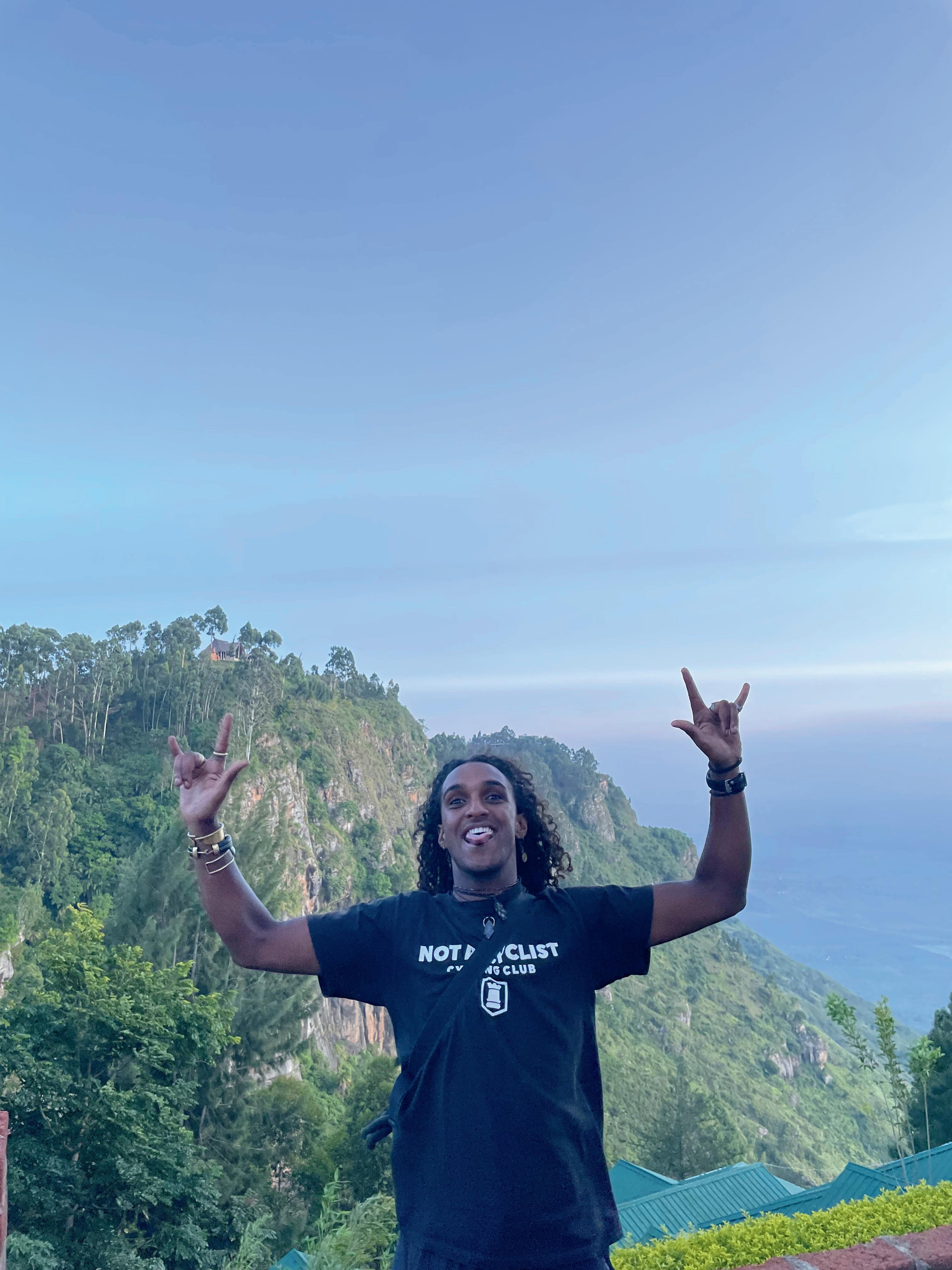
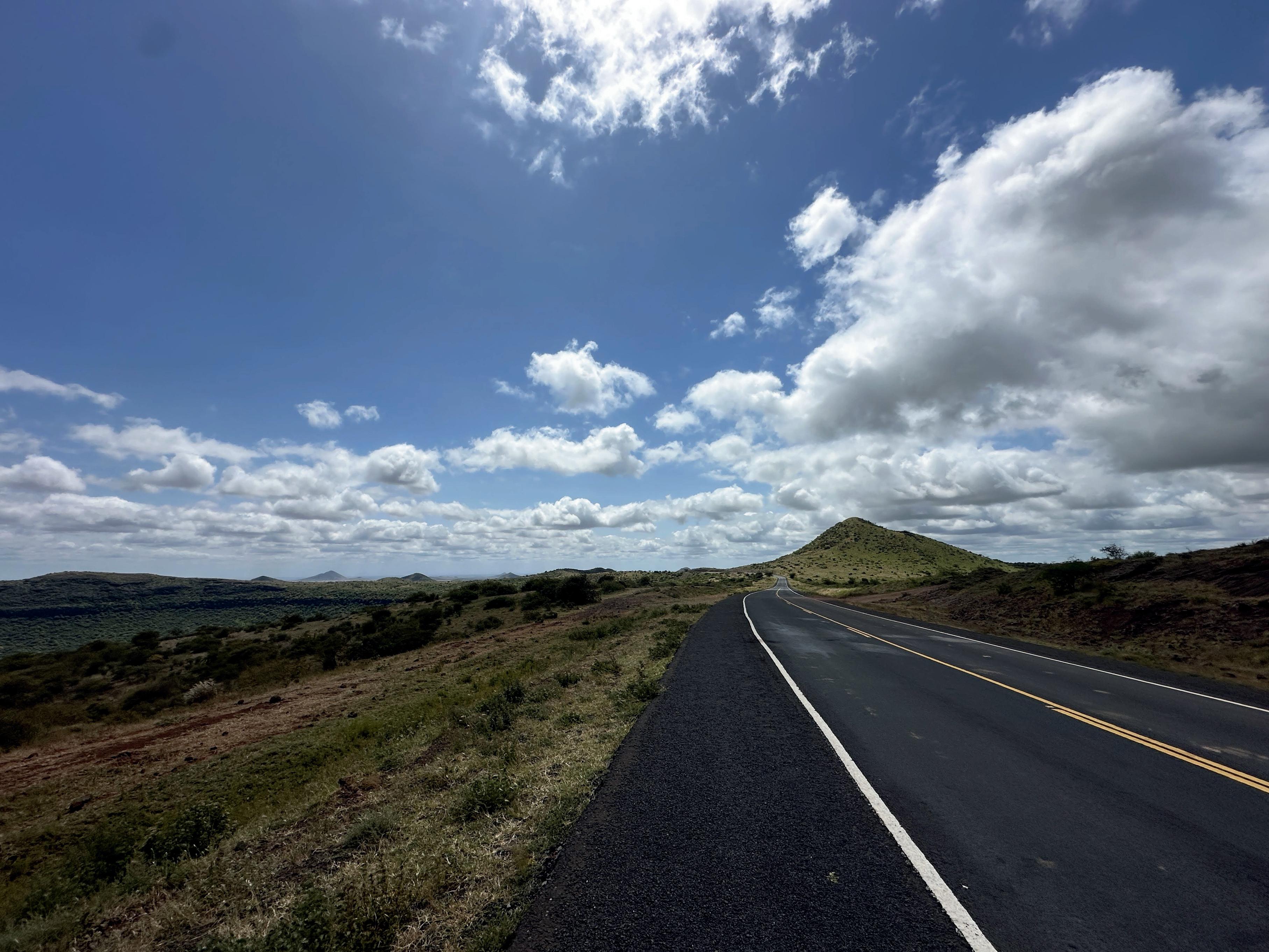
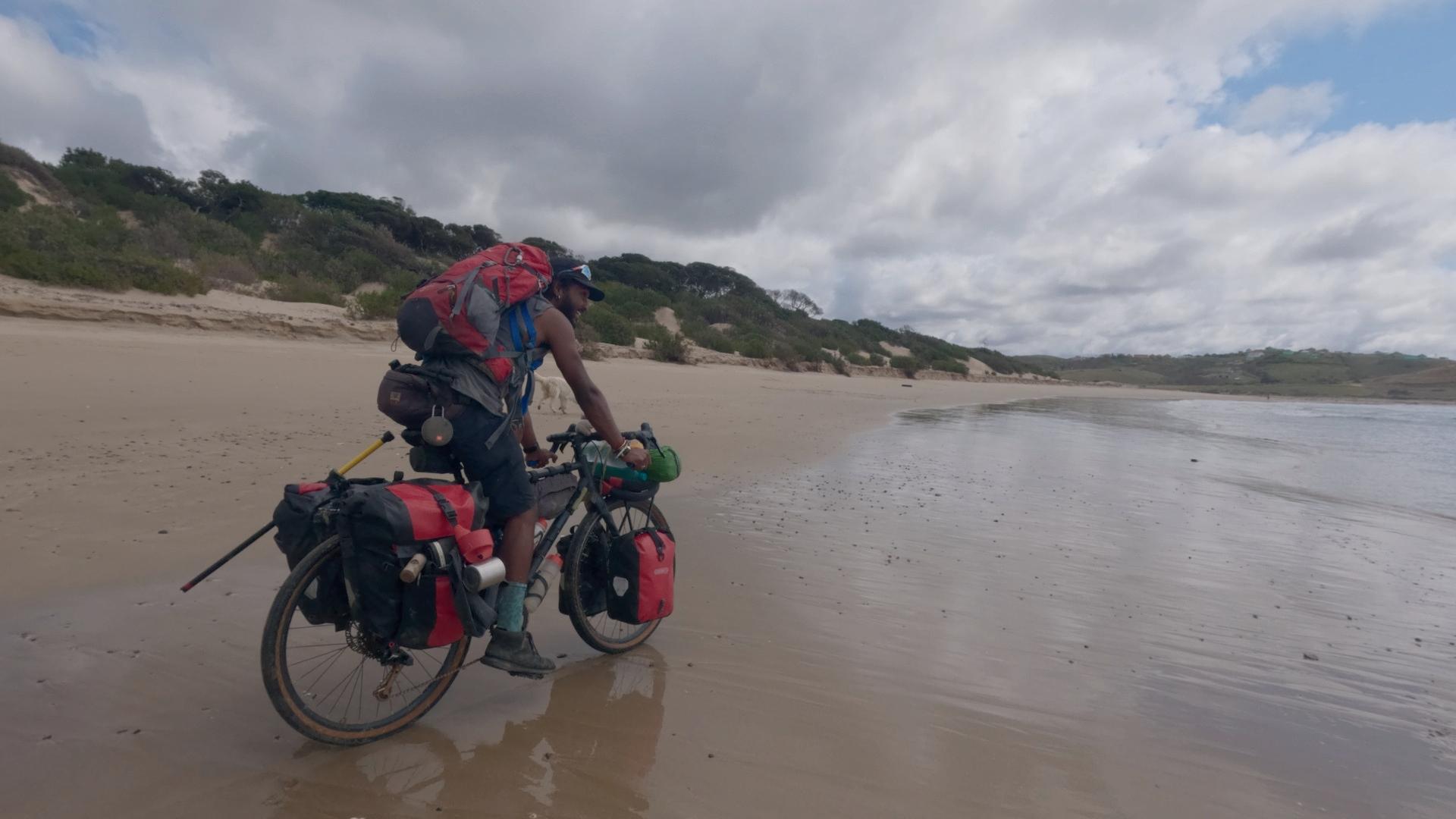
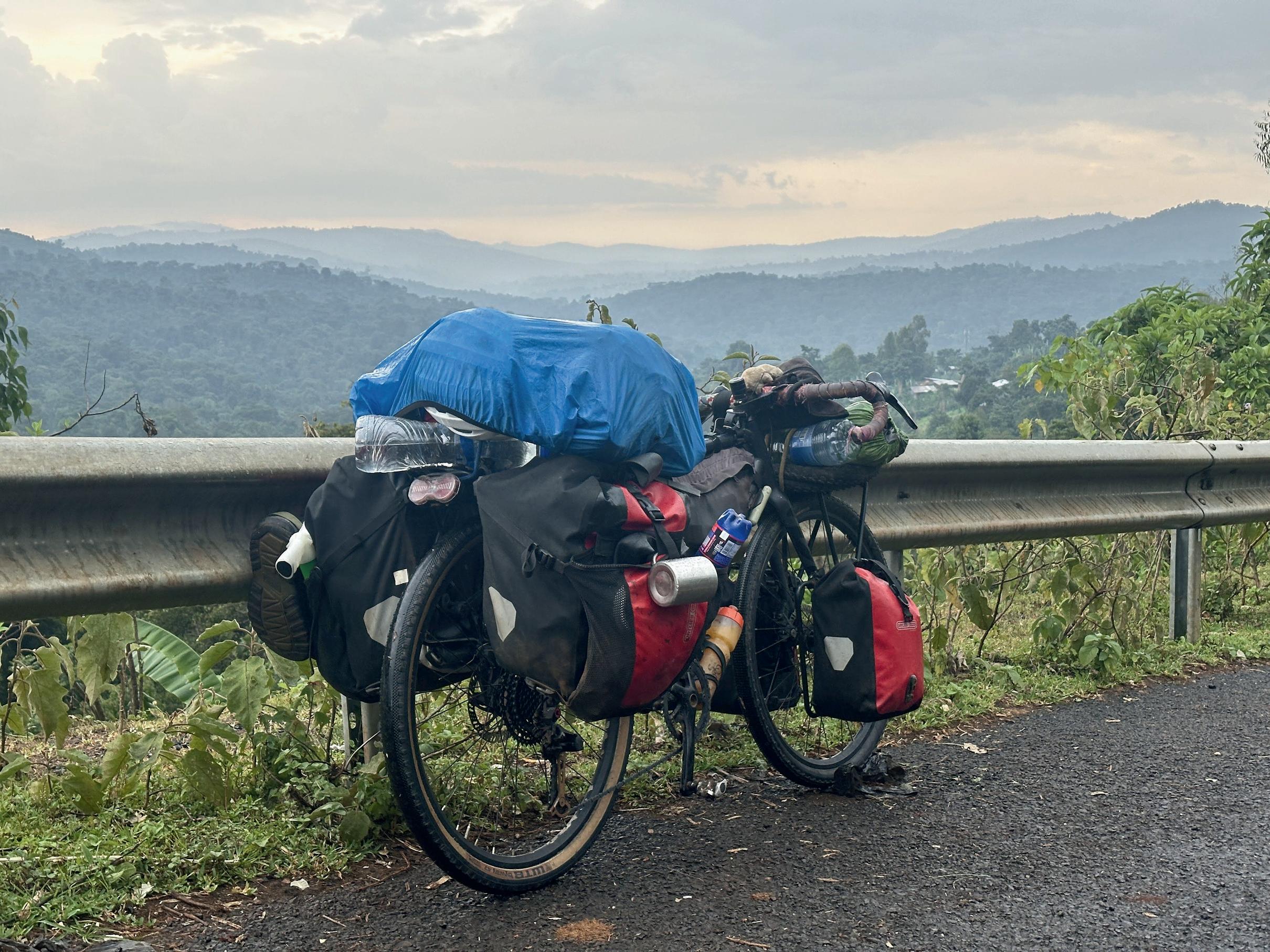
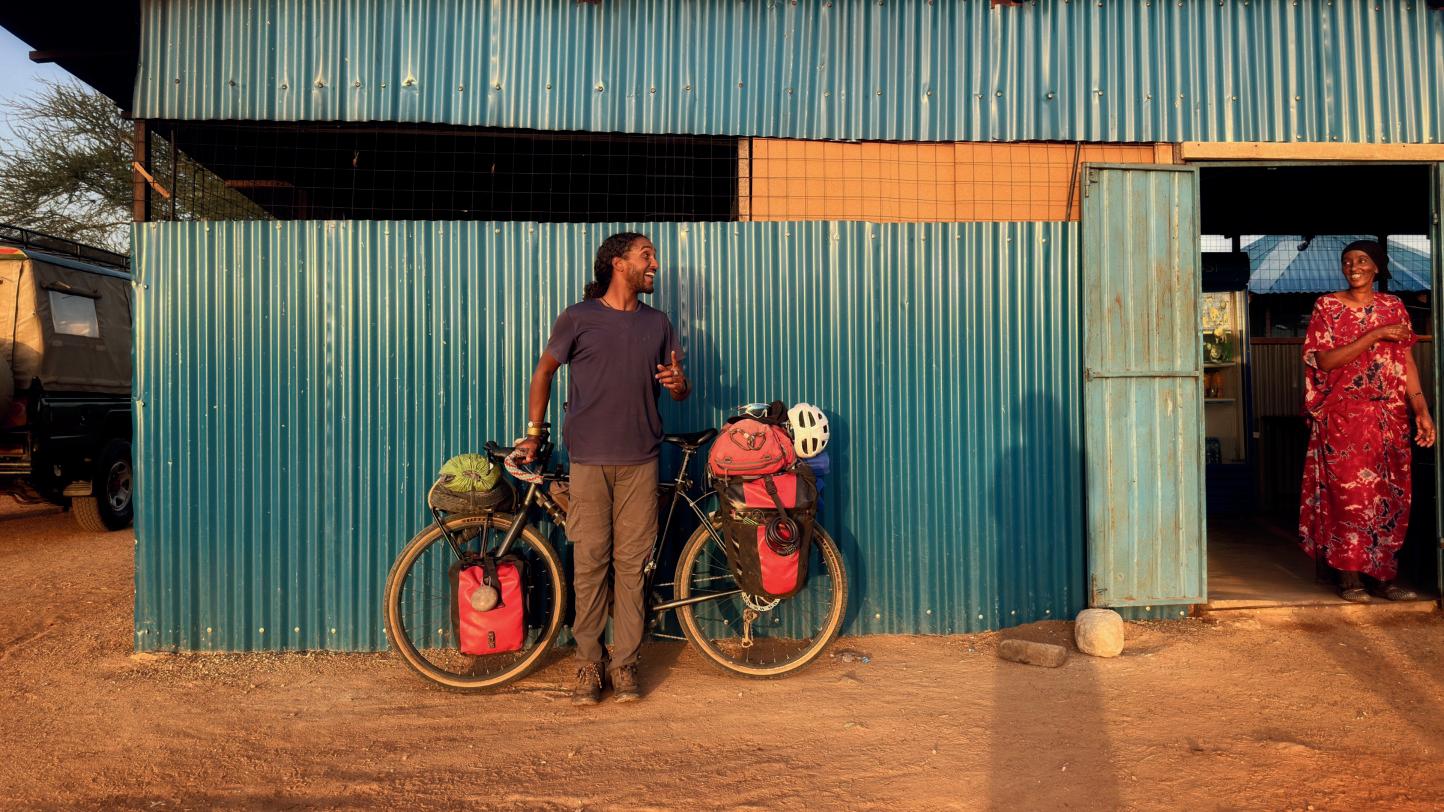
The open road is the only map Adam trusts. Above him, the sky opens like a silk fabric, a boundless canopy we all share. It is the same eternal sphere that catches the bright, burning sunrise in South Africa and cradles the slow, golden sunset in Tunisia.
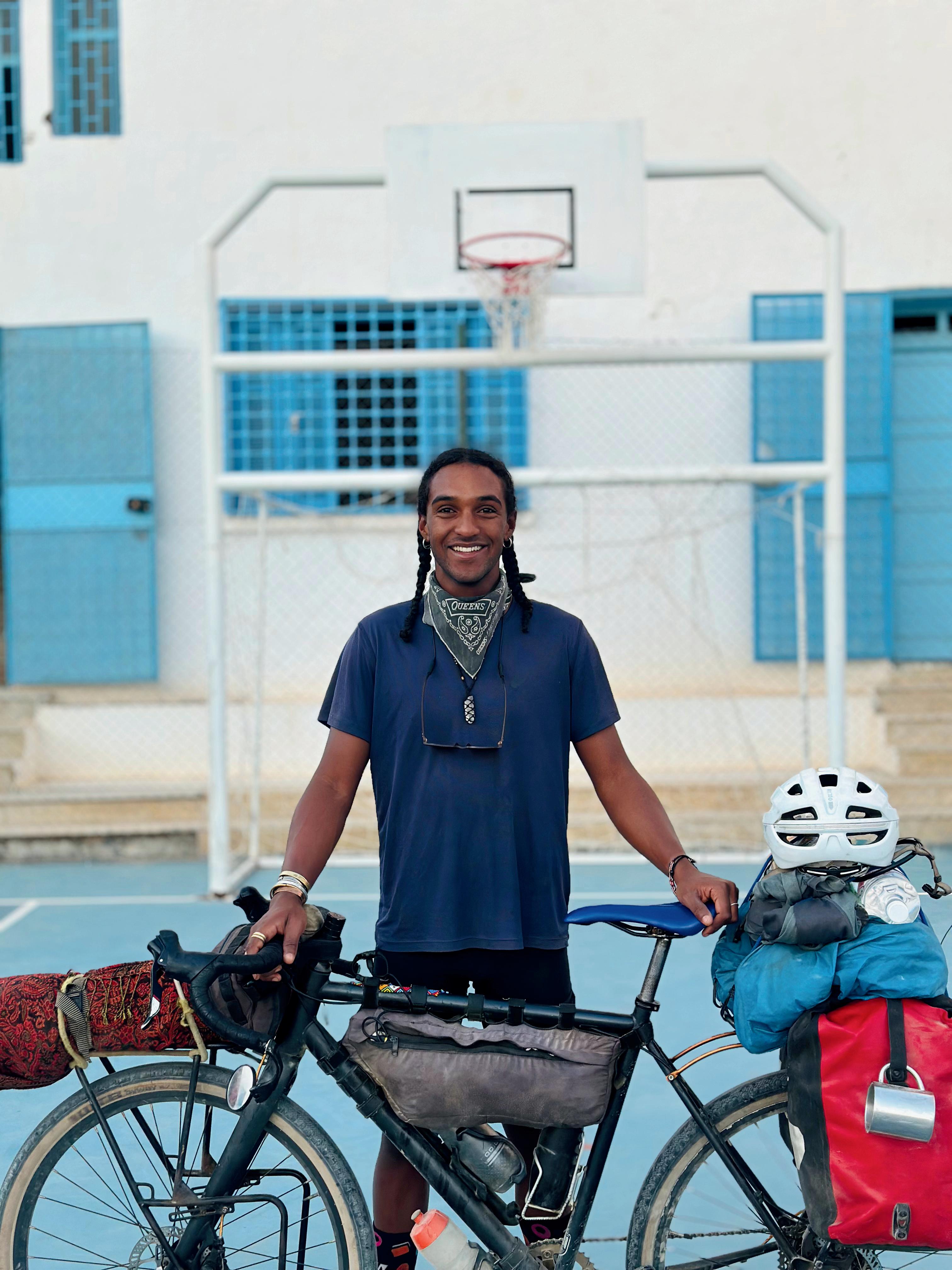
This love of the land confirms a simple truth: Africa is one. If each breath we take must lead us somewhere, let it lead us back to the land that began us all. This winter issue, dedicated to the spirit of unity witnessed at the IATF in Algeria, celebrates our messenger, Adam, a pilgrim whose engine is fueled by heart, pushing rubber across borders that only exist on paper.
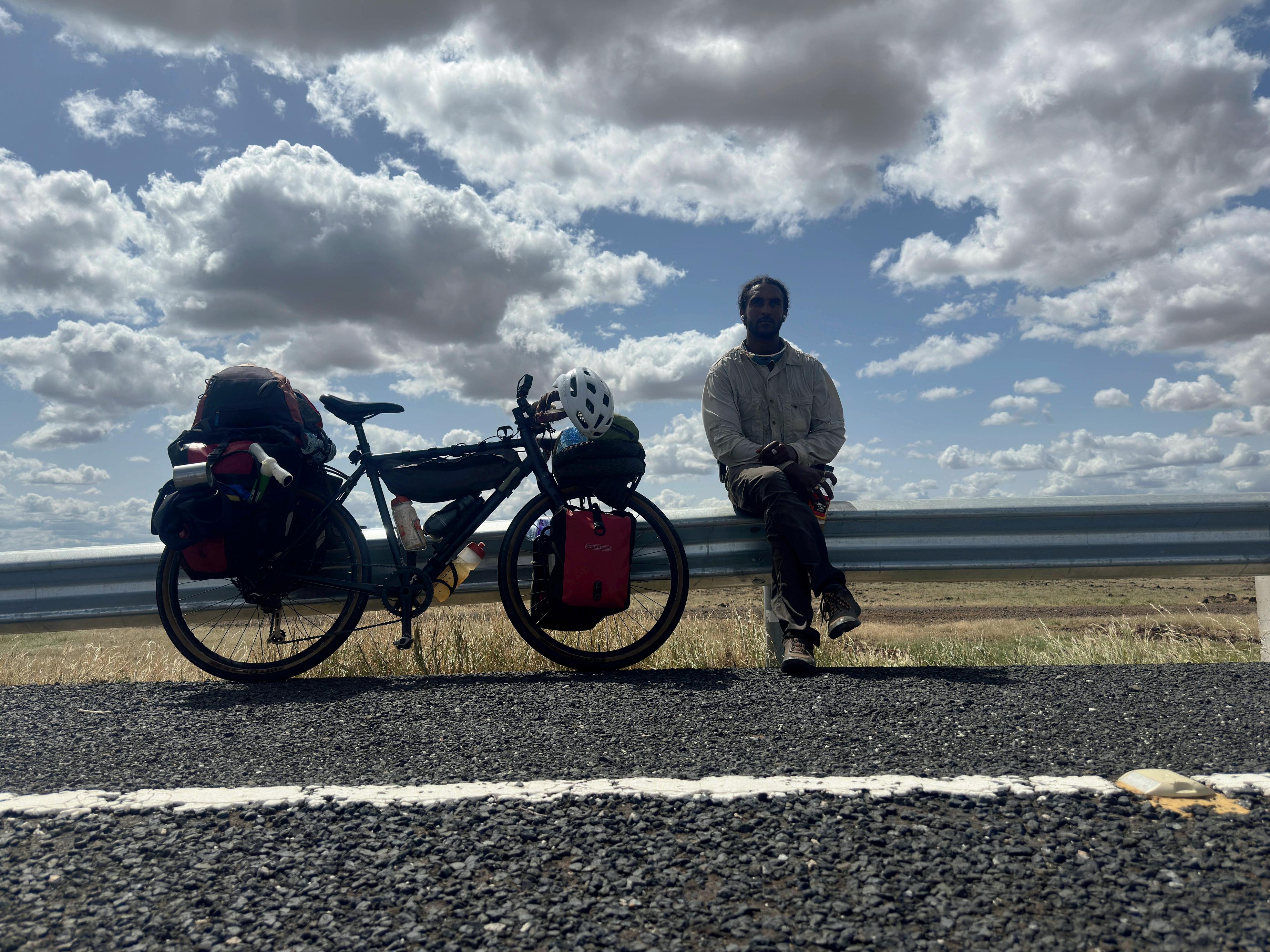
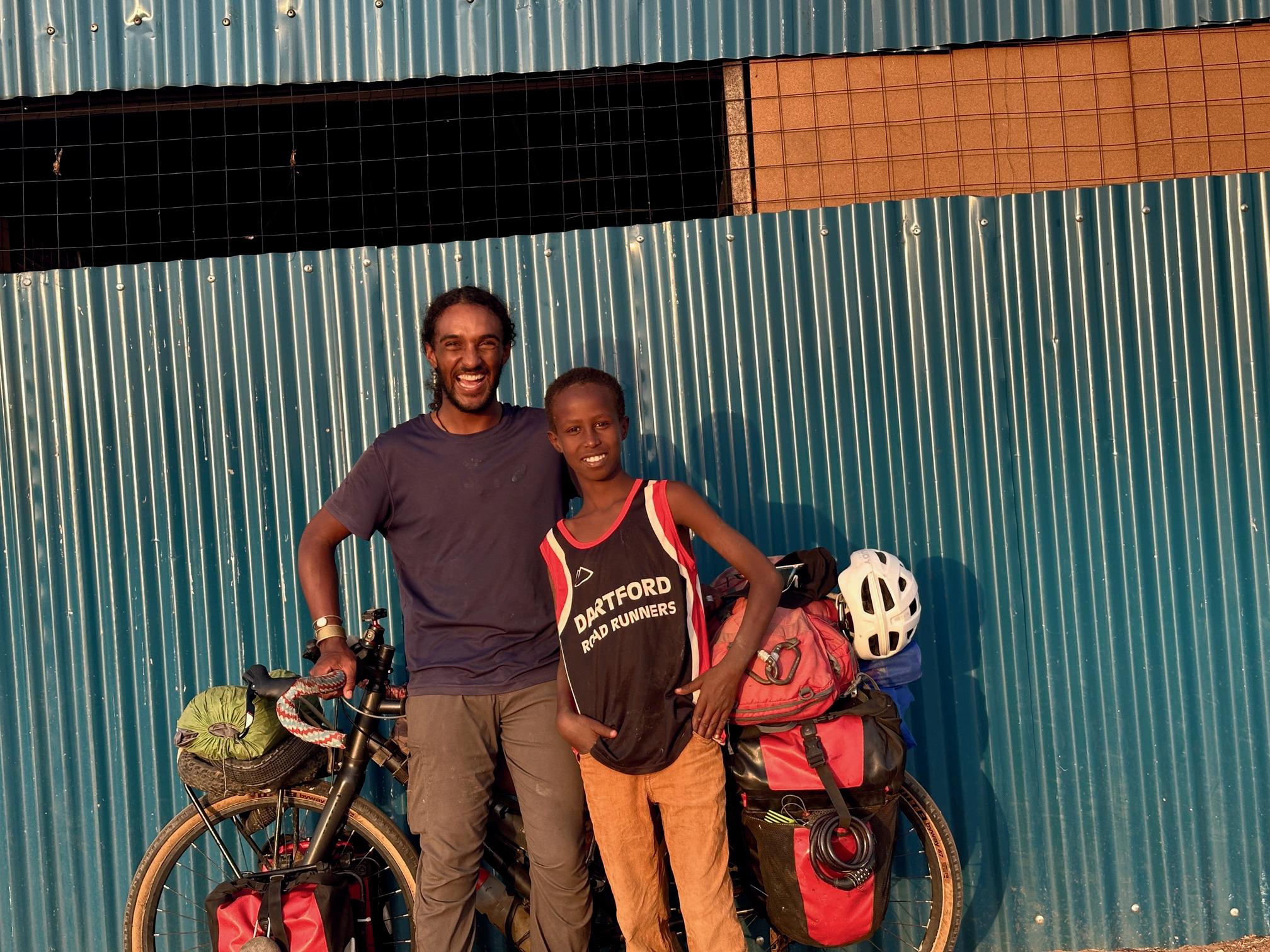
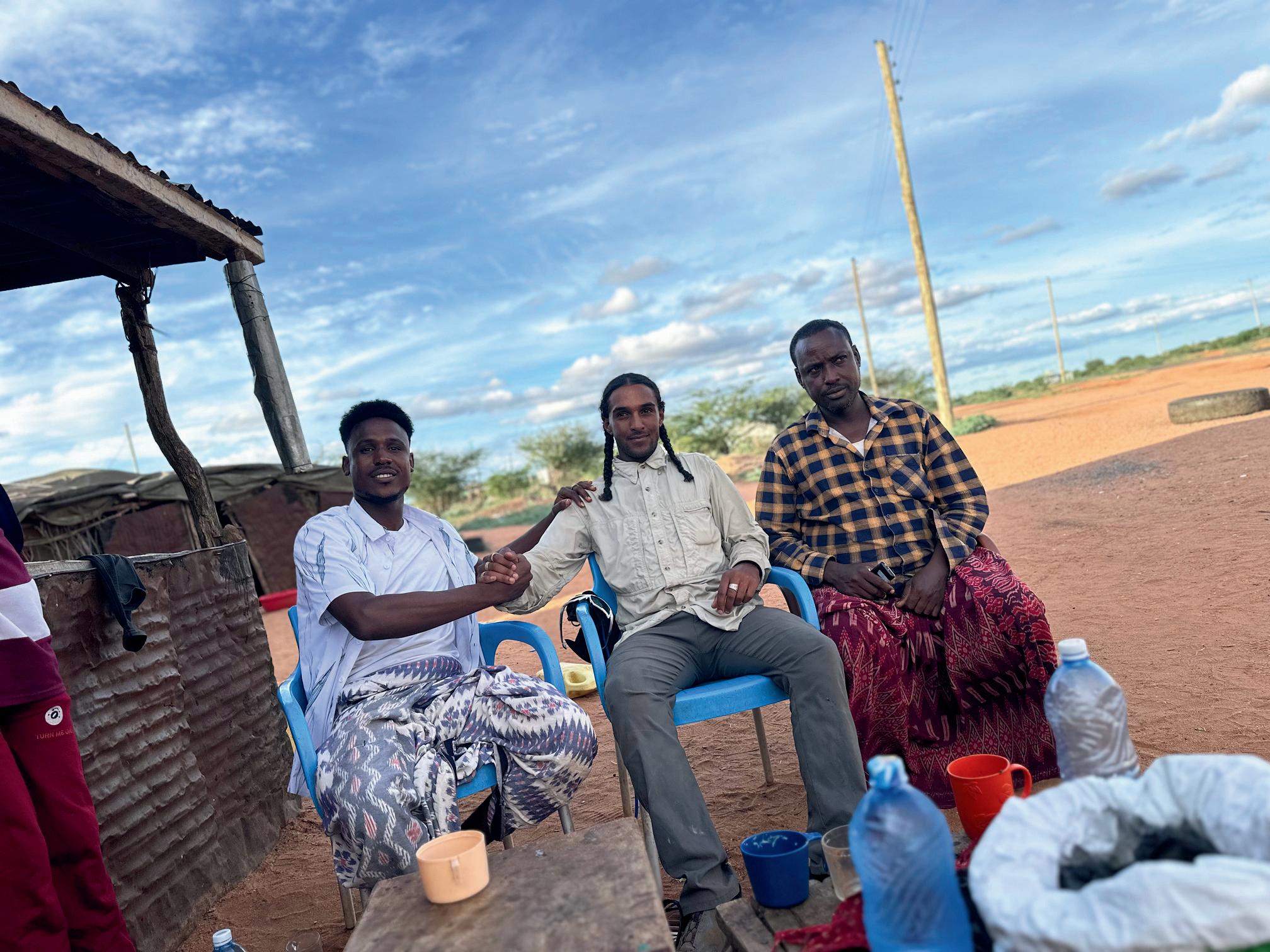
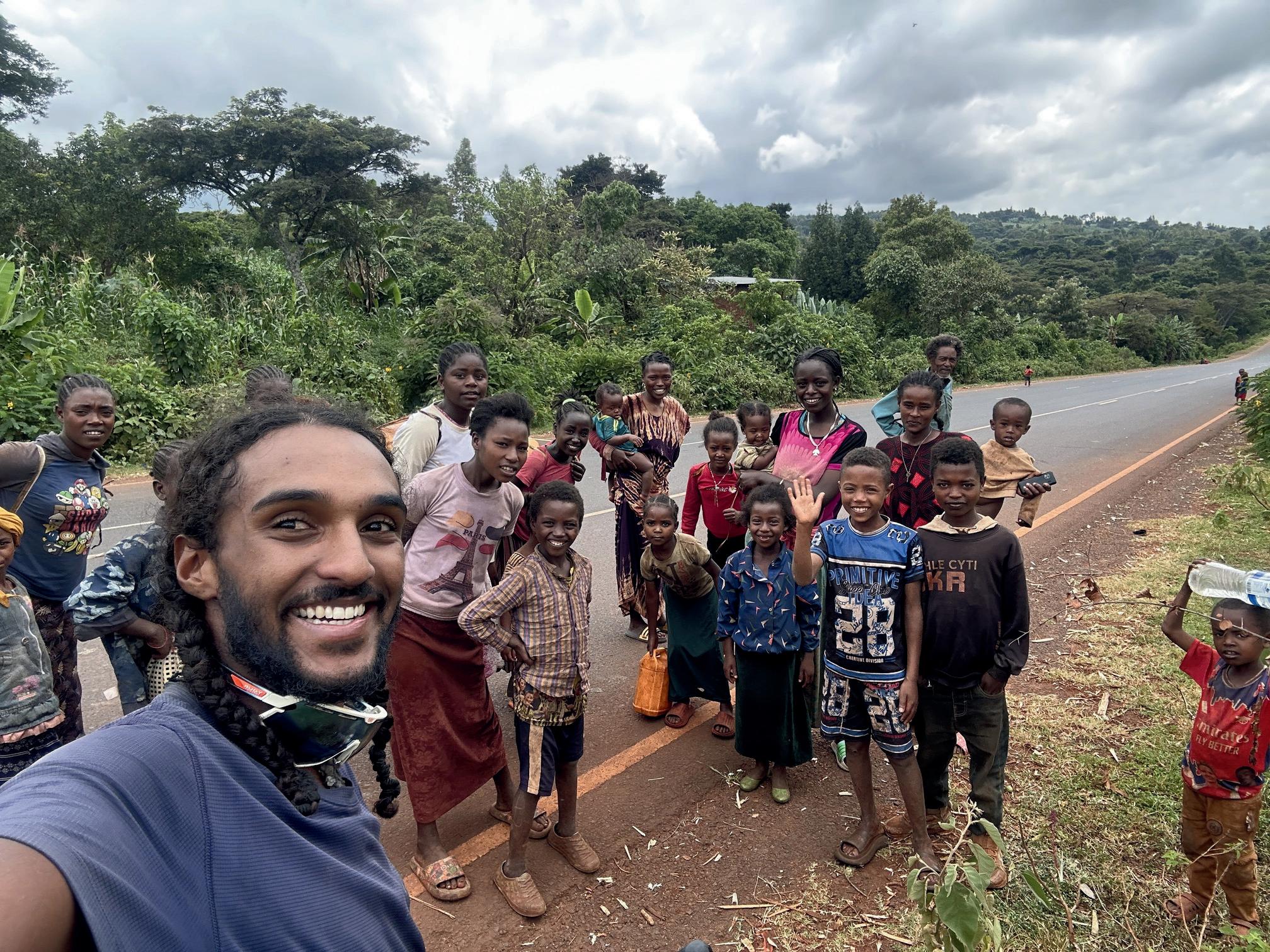
Adam’s journey on two wheels is not tourism; it’s a spiritual reckoning with the continent’s fractured psychology. The biggest barrier he finds isn't the mountain range or the low-grade road it’s the illusion of separation. We are told we are different, but Adam sees the truth in every village and every smile: we are actually very similar.
Adam’s journey on two wheels is not The borders, he suggests, are not just physical lines; they are psychological walls built by silence and fear.; it’s a spiritual r "We are taught to fear our neighbor," Adam reflects. "And I think that stems from the fact that many are not able to travel to those places. Certain narratives are spread amongst people, and that is where the fear comes from."
The noble African proverb, 'Ubuntu' 'I am because you are' is our spiritual constitution. Yet, for Adam, Ubuntu is still an ambition, not a guaranteed reality. These lines drawn by history create a false sense of separation that tragically hinders our collective progression. We share the sun, the air, and the sea, yet the map insists we are strangers.
Adam sees the border lines as chains on our continental ambition. They play a massive role in holding us back, in blocking our growth. When he looks at continents like Europe, the contrast is stark and immediate: "Travel is encouraged, the infrastructure caters for it, and it is accessible." For Adam, travel is a revolutionary tool for continental growth. It is the fastest way to expose minds to the world, to people, and to the fundamental truth that we are united by our humanity, not divided by our flags. "Travel creates a space of growth and progression, and in essence, it binds our unity. Skills and knowledge shared across borders will create progress not in isolation, but together, as one."
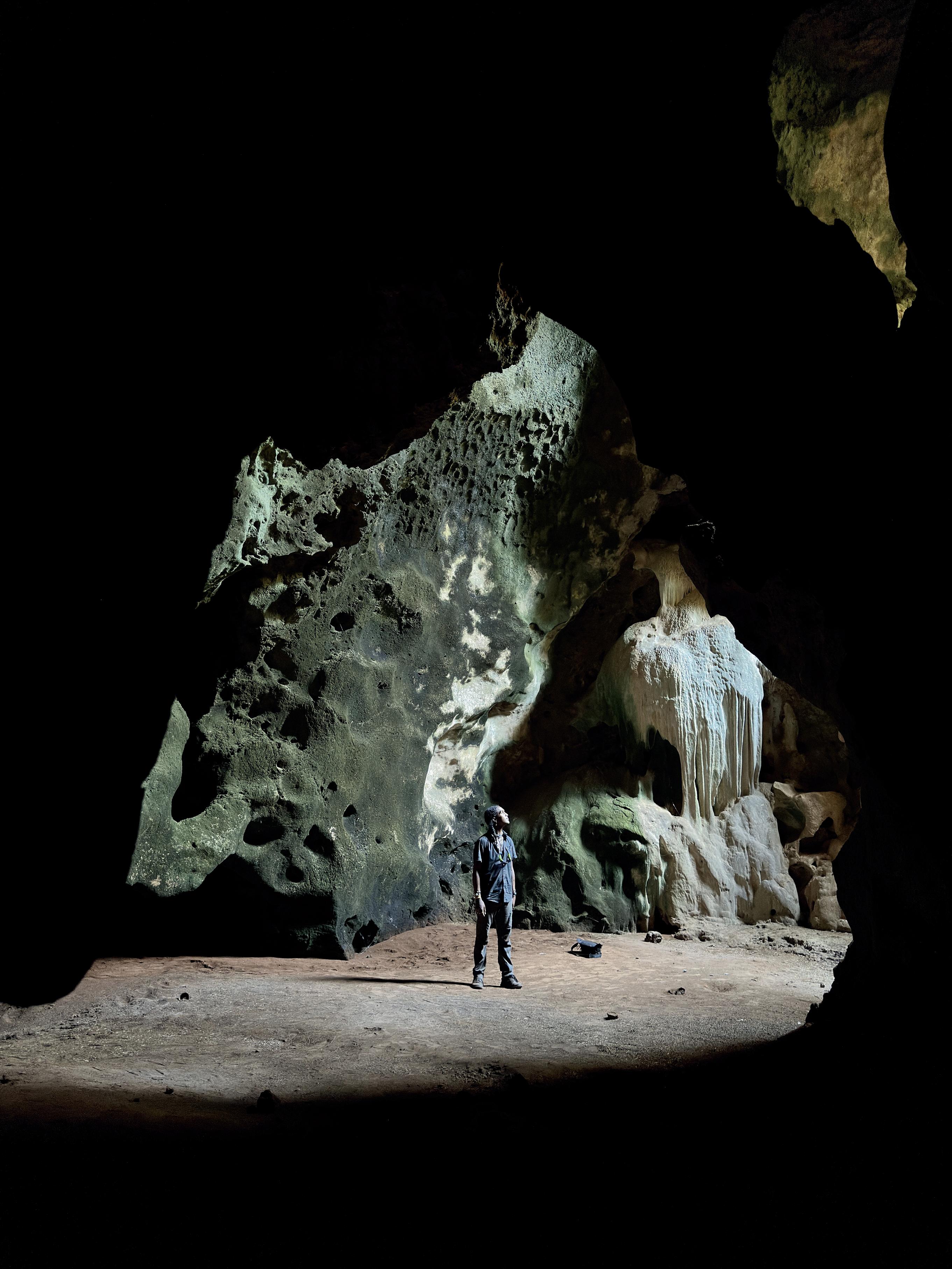
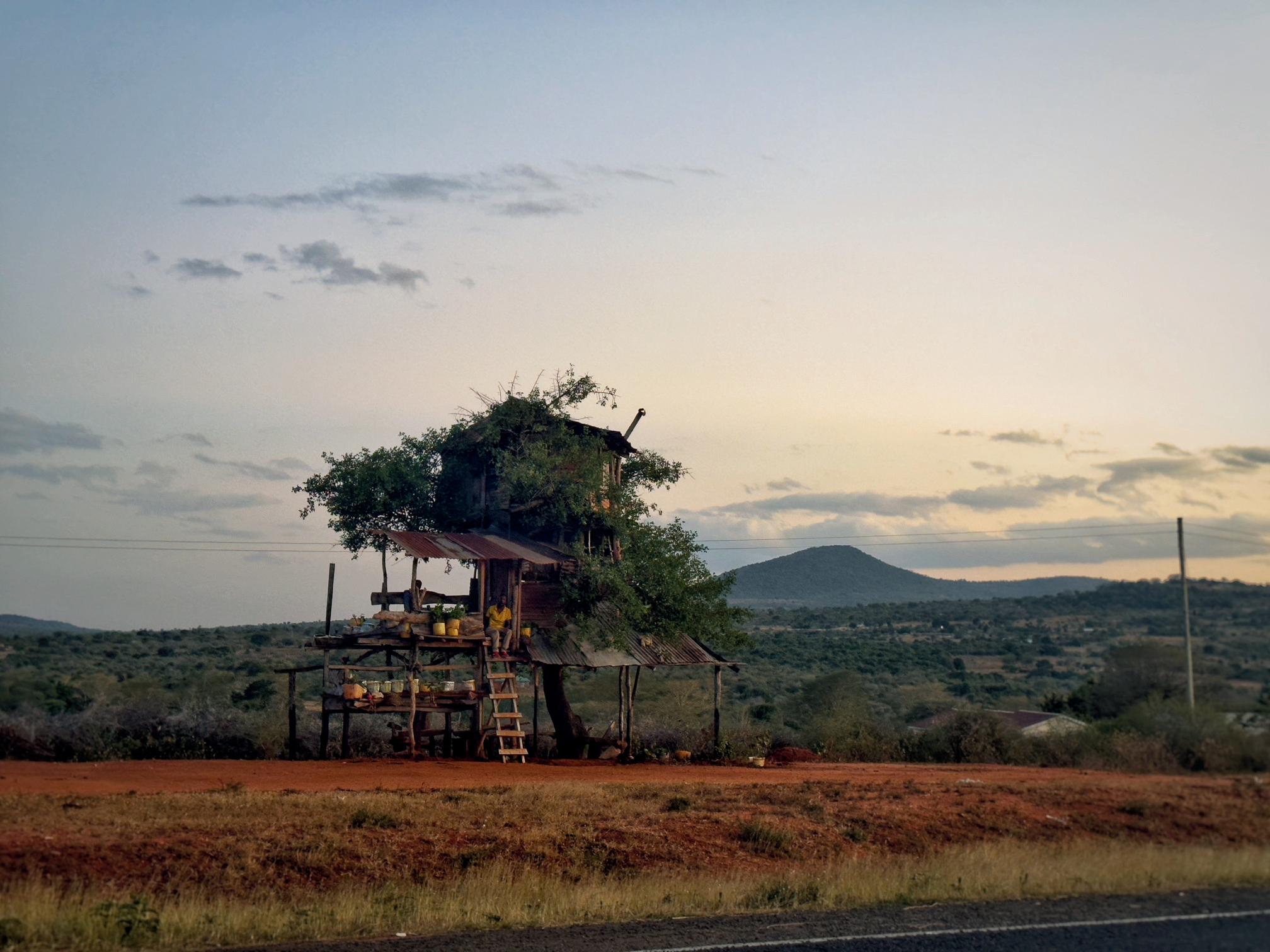
The philosophy of unity must first be tested by the brutal, physical reality of the land. The true border is not drawn with ink; it is etched by nature's uncompromising hand. There is one ride that embodies this reckoning: 122 kilometers across the Dida Galgalu desert in Northern Kenya, cycling from Marsabit to a small desert town called Turbi. It was Adam’s first desert crossing, an epic confrontation with one of the most inhospitable environments imaginable.
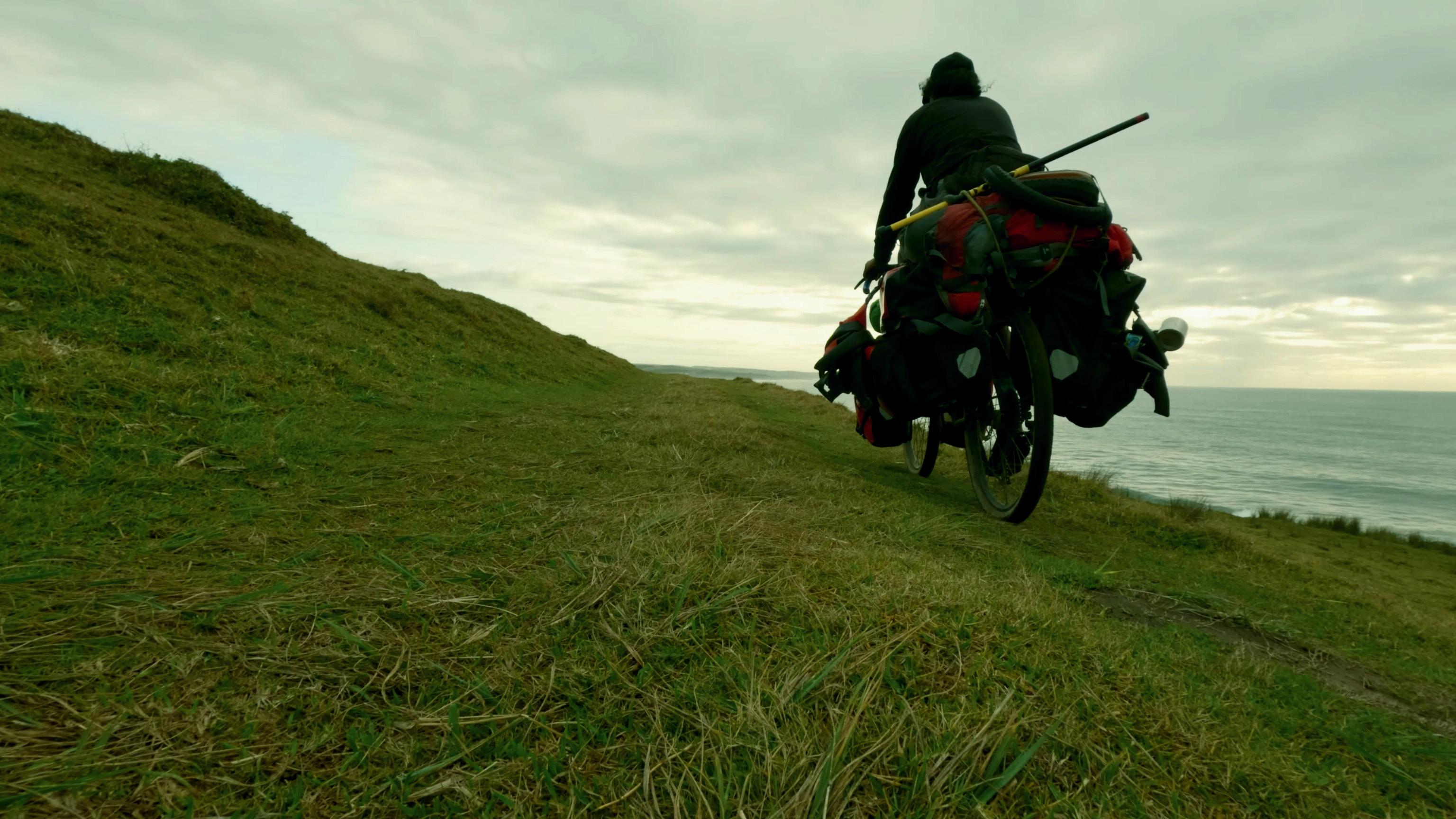
Leaving the perch of Marsabit, the view is absolute, terrifying simplicity: "before descending down into the desert you see it all. A whole lot of nothing." The scene is pure, daunting silence: an endless desert stretching to the horizon, dotted only by craters and the distant specks of nomad huts. On a bicycle, the rubber meets the mercy of the elements. Adam is instantly humbled a moment where isolation is real and vulnerability is his only constant companion. This journey, facing the void, the heat, and the distance, is the true test of African resilience. It’s a ride that says: if we are so resilient alone, with only our heart's engine for fuel, imagine the abundance we can create together.
Thejourneycontinues,pushing throughhardshipto findthetruecenter ofthecontinent's heart
Africa’s unity is not an abstract policy; it is the sweat on Adam's brow, the shared air, and the deep, cultural recognition that I am because you are. The borderless future is
This is a letter of gratitude long overdue.
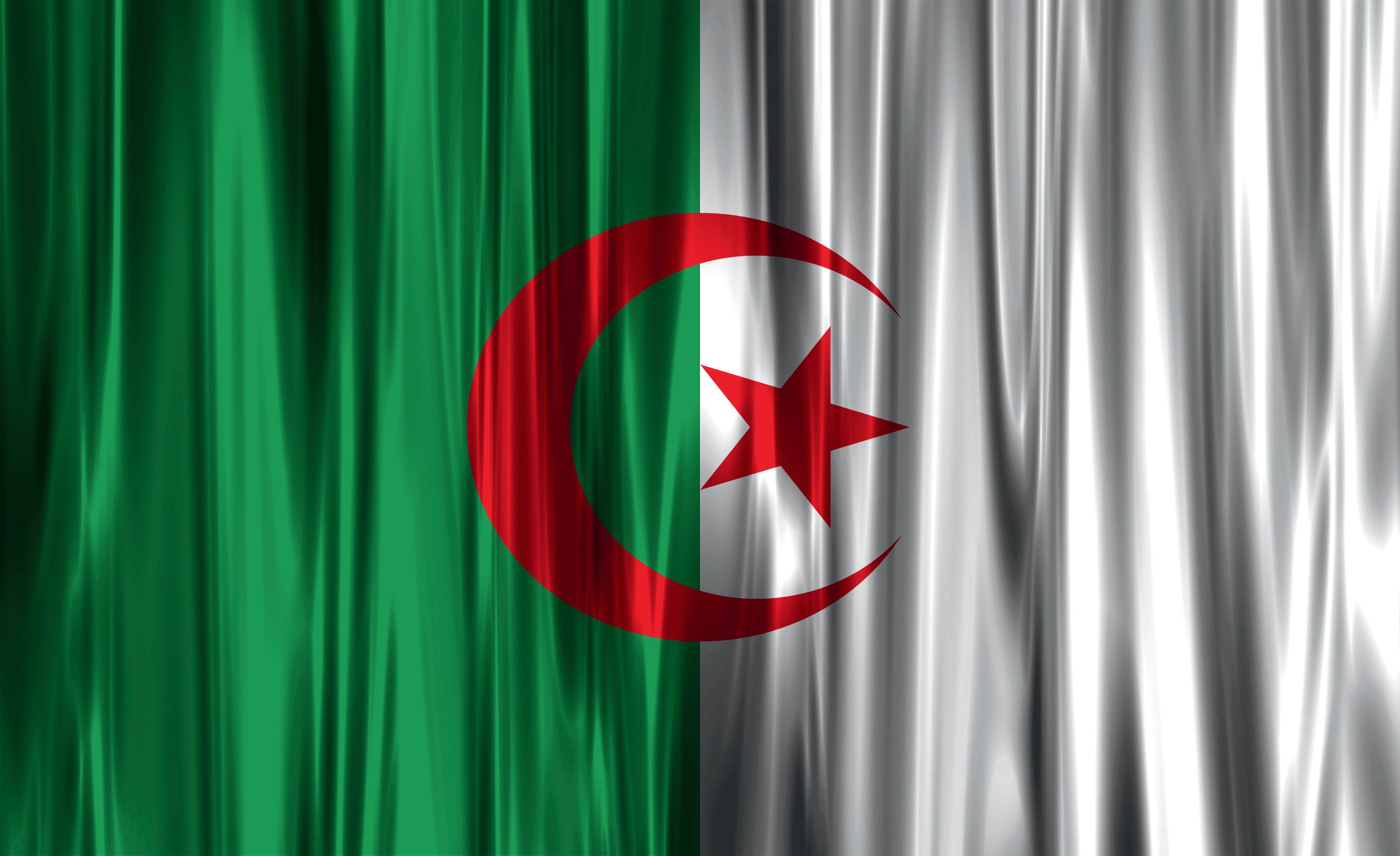
To all who look at the vast, shimmering expanse of the Sahara and see a divide a geographical boundary separating North Africans from the rest of the continent we must remind ourselves: the desert is not a wall, but a bridge of golden sand that tells a single, unified story of African resilience.
Too often, especially among the young in Sub-Saharan Africa, we allow this landscape to obscure the truth. Yet, the truth is clear: Algeria has always been the first-born sister, the tireless revolutionary who shouldered her siblings to achieve their dreams. She welcomed them, taught them, and helped them fight, even while her own wounds were still fresh.
To our beloved sister, we say: We see your effort. We remember your sacrifice. We want to give you your flowers. Thank you for carrying Africa on your back.
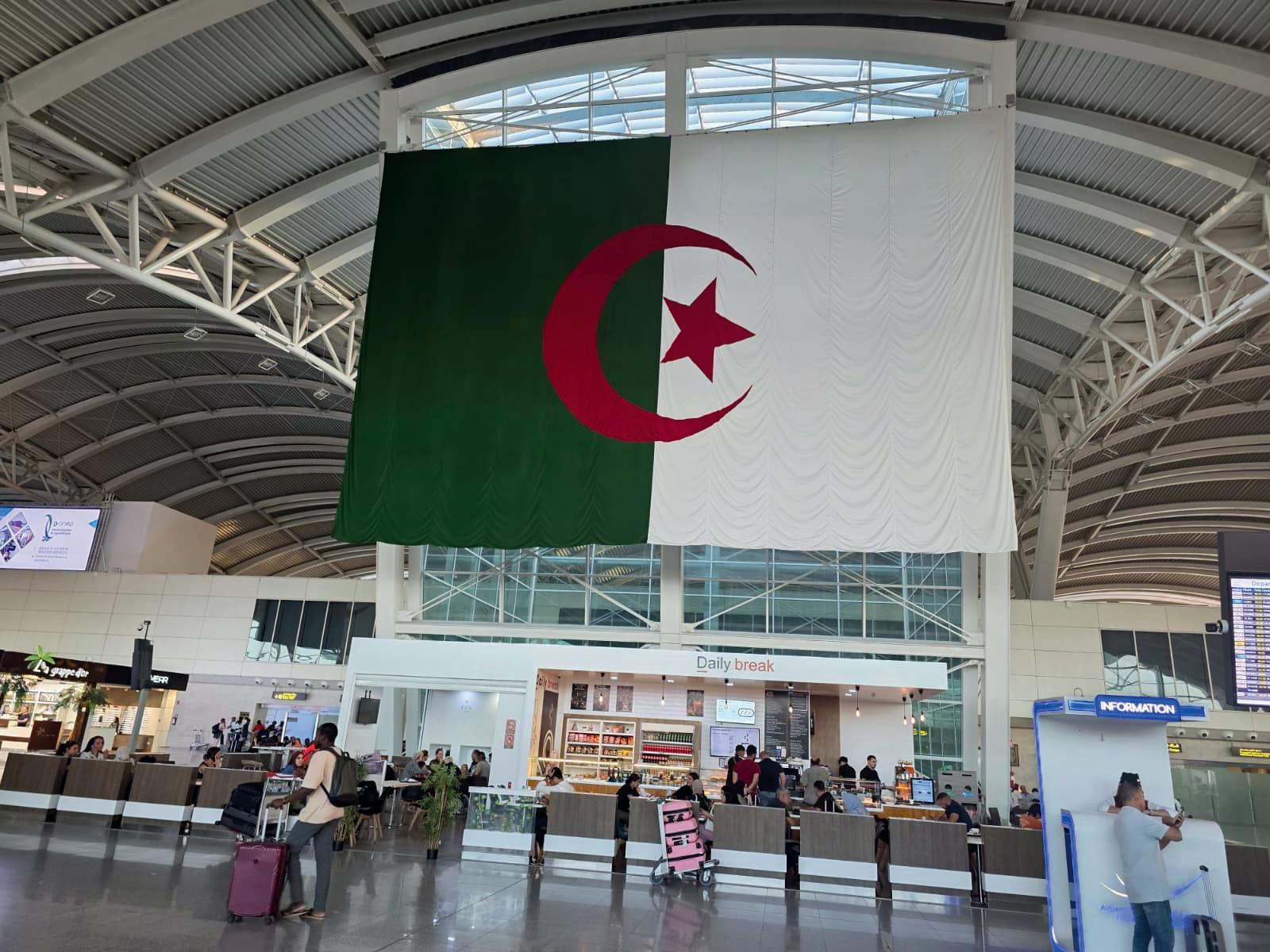
Algeria's independence in 1962 was not just a national victory; it was a beacon lit for all. Having fought a brutal, seven-year war against French colonialism, Algeria immediately turned outward, transforming its capital, Algiers, into the global headquarters for liberation movements. The spirit was one of unwavering solidarity. Under its first president, Ahmed Ben Bella, Algeria instituted an open-door policy, providing financial, material, and political support to virtually every major African liberation movement fighting colonialism and apartheid. Amílcar Cabral, the Guinean nationalist militant, famously dubbed Algiers the "
A "Mecca of Revolution" in 1967.
Algiers was a sanctuary, a place where fighters could rest and train. The city hosted offices and provided military training for giants like the African National Congress (ANC) from South Africa. Nelson Mandela himself declared, "The Algerian army made me a man." Algeria supported the MPLA (Angola), FRELIMO (Mozambique), SWAPO(Namibia), and PAIGC (Guinea-Bissau and Cape Verde). This was the Big Sister who said, "You will not fight alone."


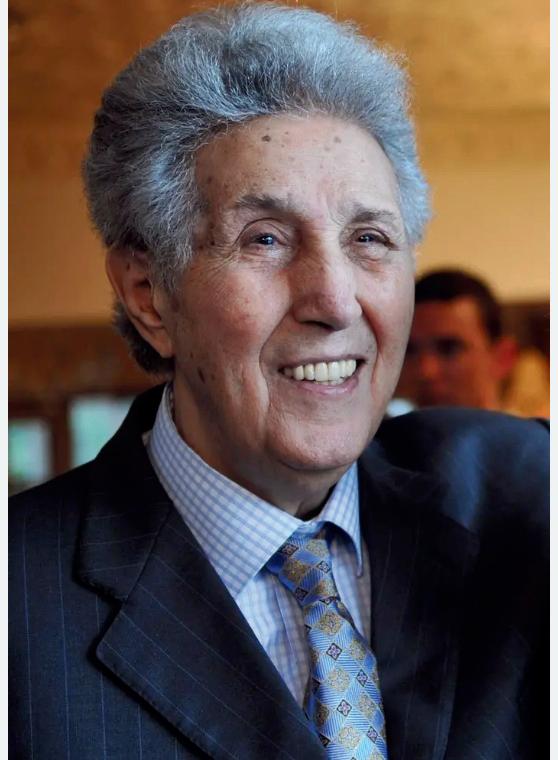
Algeria was a crucial founder of the Organisation of African Unity (OAU) in 1963. Its leaders ensured the OAU was not merely a diplomatic club, but an instrument of genuine liberation.
At the opening summit in Addis Ababa, President Ben Bella challenged the cautious, nonviolent approaches of some other states. He argued that the newly independent nations had a sacred duty to actively support armed resistance where necessary. His words were a poetic call to action: "Let us all agree to die a little... so that the people still under colonial rule may be free."

Algeria was instrumental in creating the OAU Liberation Committee, which funneled vital funding and weapons to the anticolonial movements a direct extension of the Big Sister's commitment to her siblings' freedom.
In 1969, Algiers hosted the First Pan-African Cultural Festival (PANAF), a monumental gathering that was both a political statement and a cultural renewal. This was the moment where Algeria declared that African culture must be rooted in the anti-colonial struggle and dedicated to liberation. The festival brought together heads of state, liberation movements, and cultural icons like Miriam Makeba and Nina Simone, forging a powerful, unified identity among Africans and the diaspora. It was a beautiful act of revolutionary romance a declaration that our art, music, and stories are as vital as our guns and diplomacy.
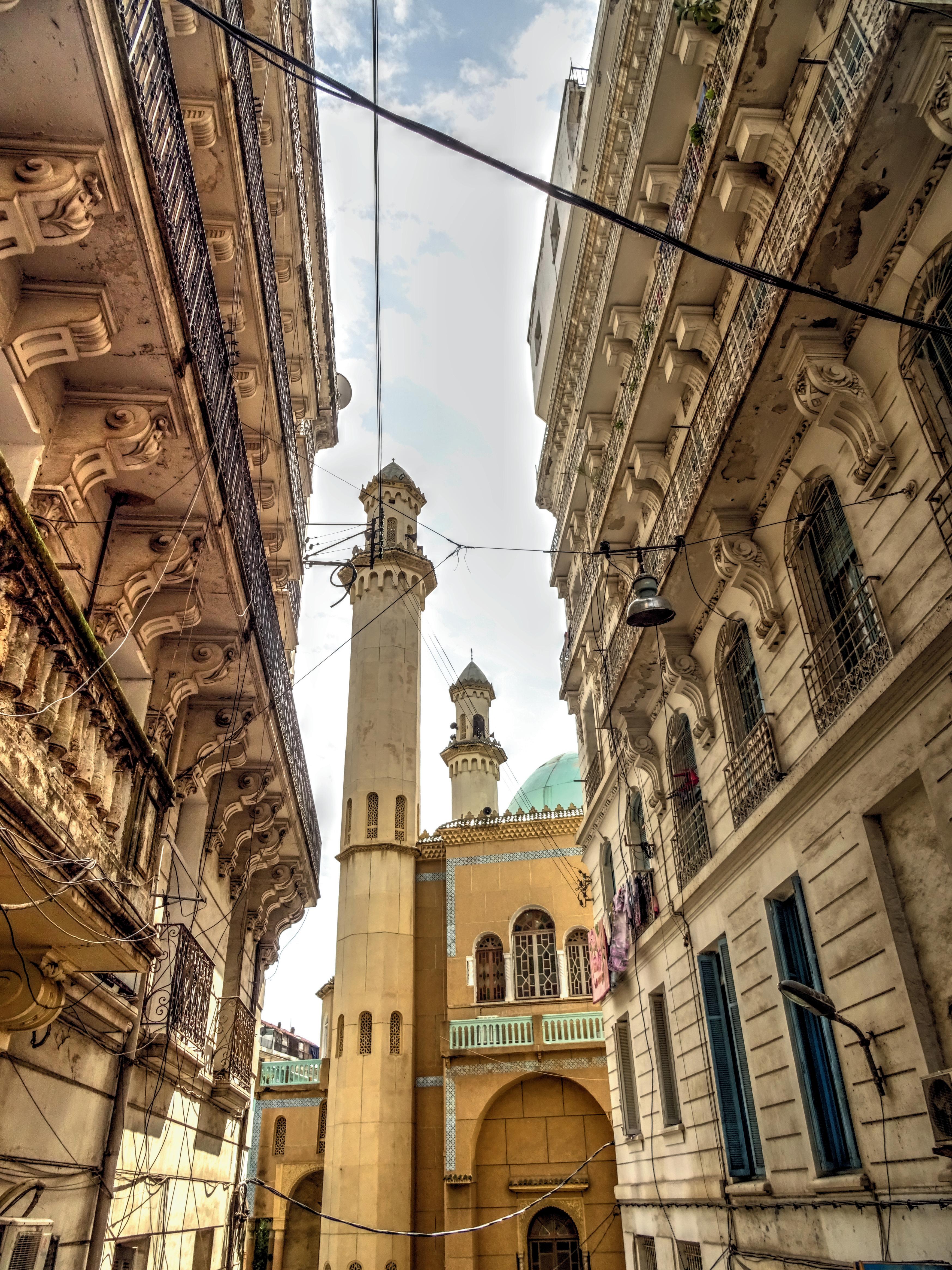
Having recently attended The Intra-African Trade Fair (IATF) in Algeria, the stability and modern promise I witnessed stand as a testament to the success of that revolutionary foundation. Algeria’s commitment to self-determination and continental dignity is not just history; it is the golden blueprint for Africa’s future. The courage shown by the Big Sister in the 1960s the willingness to bear the burden and risk the fight is a lesson in genuine, heartfelt Pan-Africanism that should never be forgotten.
To the Big Sister of Africa, whose heart beats beneath the vast Sahara and whose revolutionary fire still lights the way, we offer this sincere thank you. You carried us on your back, and we are forever grateful. Your legacy is the gold that binds us all.

There is a singular power that defines the African spirit the power of the dream, forged in resilience. It is a strength born of conditions unlike any other in the world, a relentless drive that ensures when the world walks, Africans must run. This is why, when you meet an African who has achieved, you understand they often carry the weight of an entire continent on their shoulders.


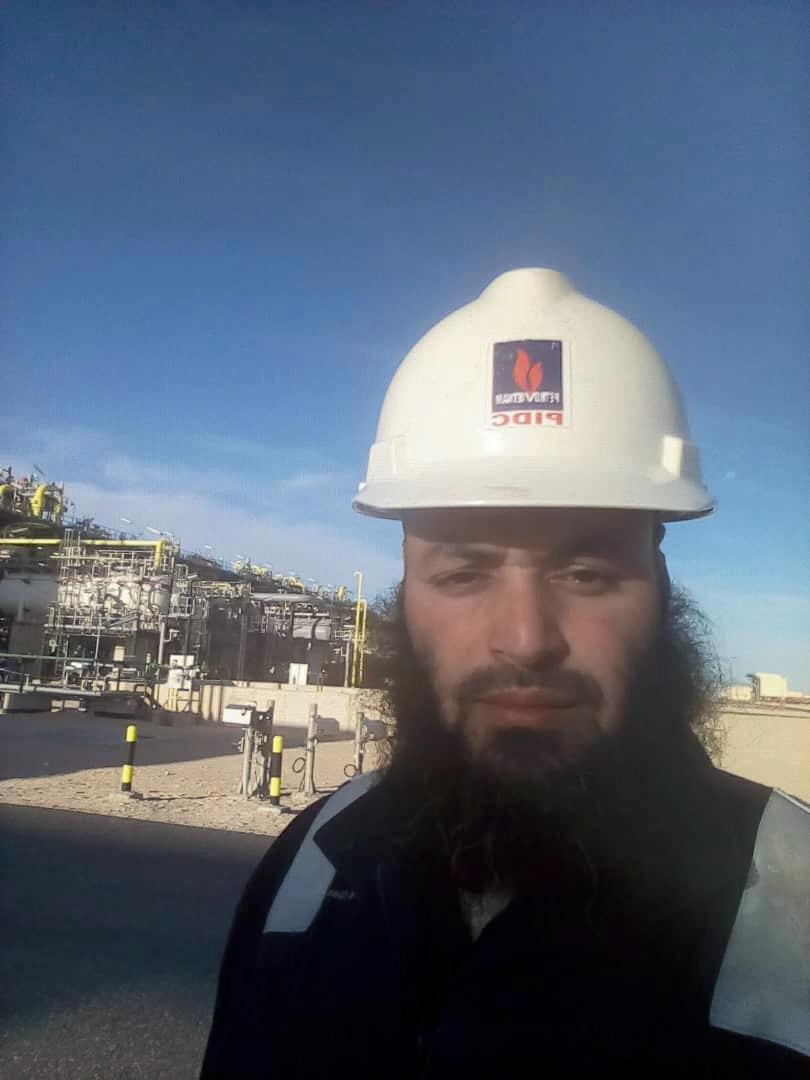
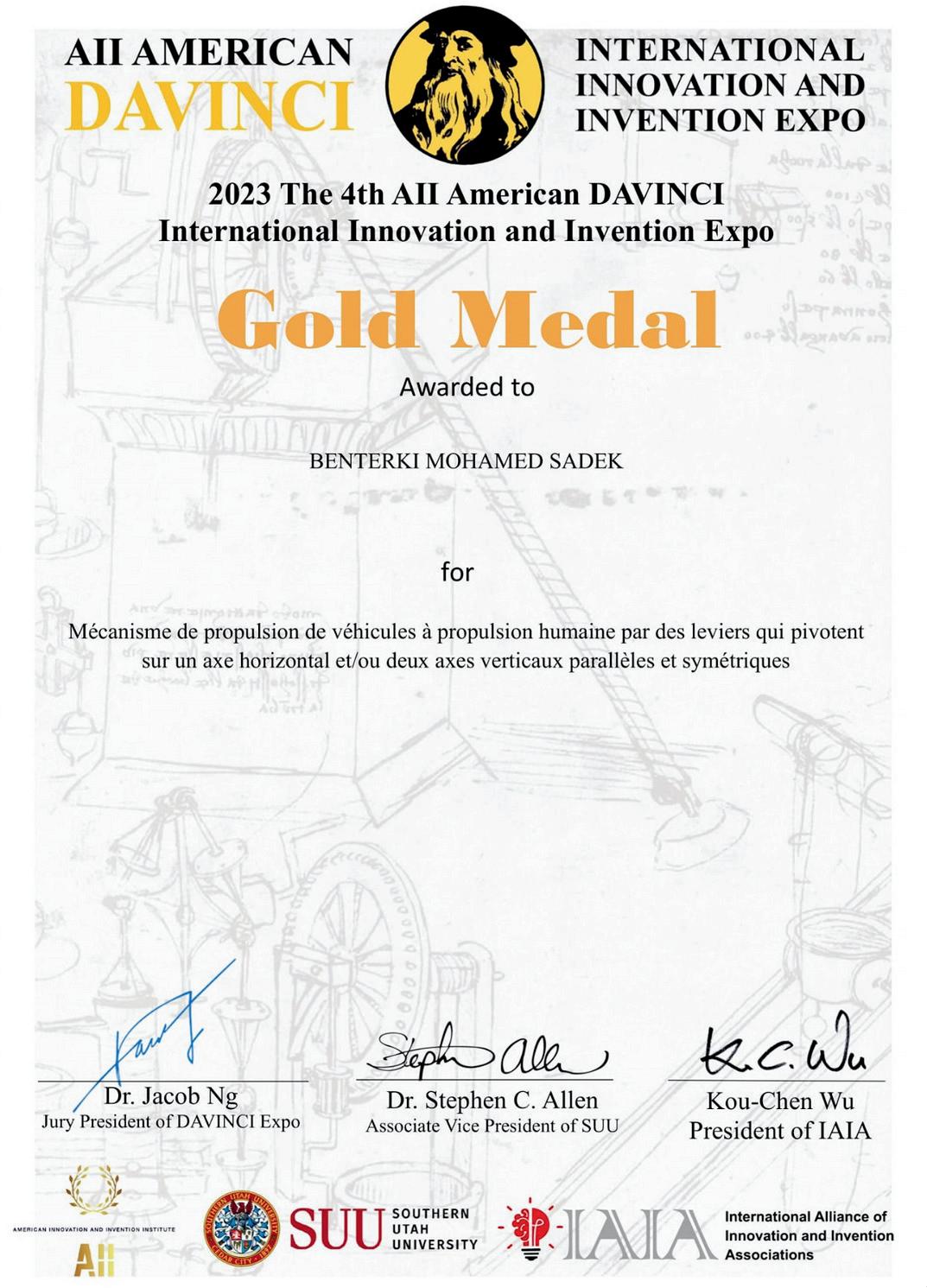





many of our brightest minds find themselves: with world-changing ideas, humbly seeking the crucial link the funding and infrastructure to scale his creations and carry Africa into the next generation. Mohamed is a humble man, yet his vision is clear: what is made by Africans is inherently better for Africans. He understands that true progress is achieved when our people are able to invent, create, and deploy goods that solve the specific, real-world challenges of the Motherland.
In a quick, insightful interview, Mohamed laid bare the philosophy driving his work:
"My motivation came from my background in mechanical engineering and my desire to create efficient, sustainable solutions that reduce energy consumption and benefit people in their daily lives. I always try to solve real problems through simple but innovative mechanical principles."
A Global Validation, A Local Promise
For Benterki, the international recognition is not just a trophy. It is a powerful message back home.
"Winning several international awards is an honor for me personally, but more importantly, it shows the world that African and Algerian innovators have great potential. It proves that creativity and engineering excellence exist in our region, and that our ideas can compete globally. I hope this encourages more young inventors in Africa to believe in themselves."
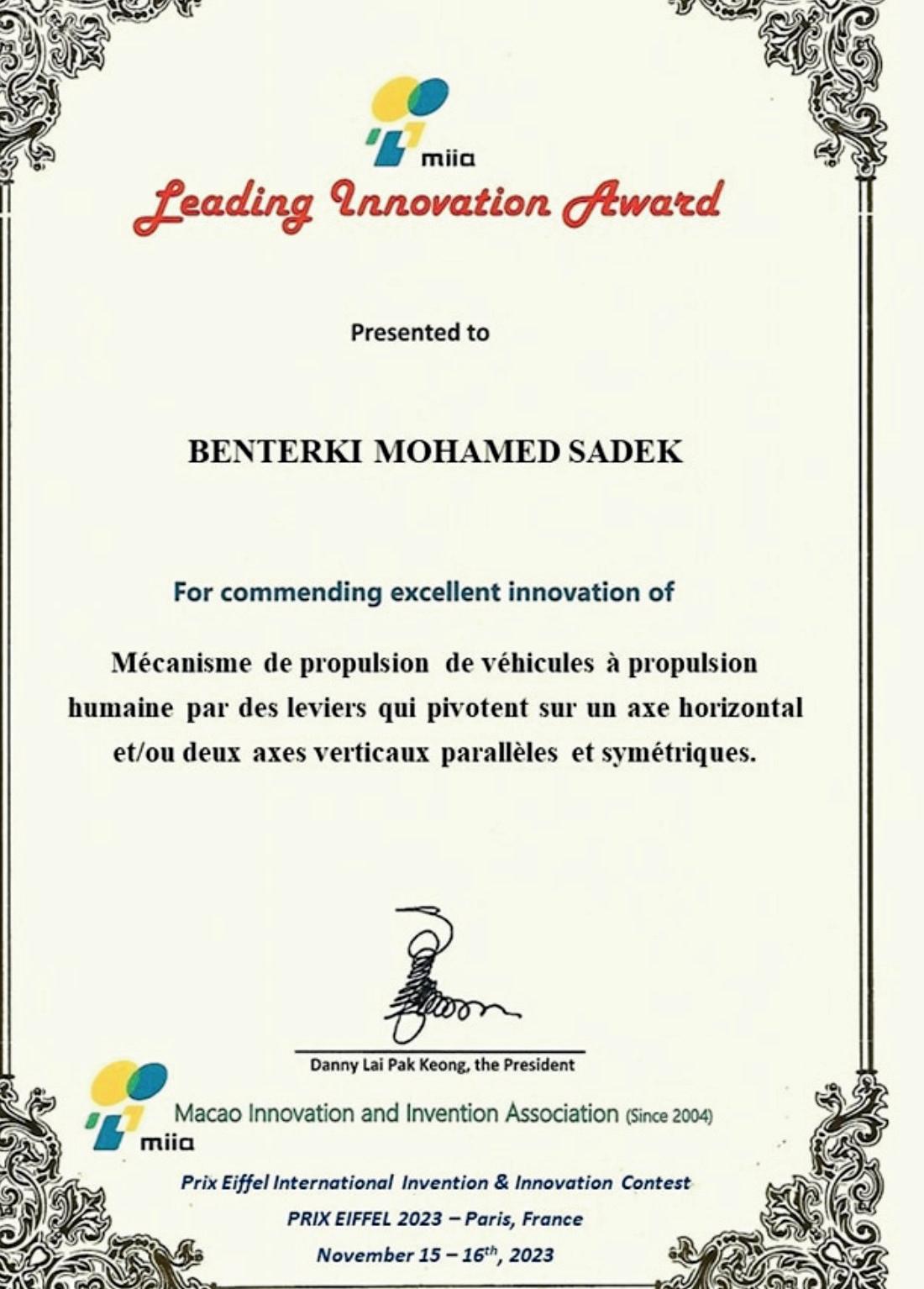

His focus is not on basking in past glory, but on delivering the future. He is currently developing his new smart turbine for capturing currents and preparing to push these technologies toward industrial, mass production.
The Open Door: A Call to the Continent's Architects
This is where the story shifts from Mohamed's personal triumph to our collective responsibility.



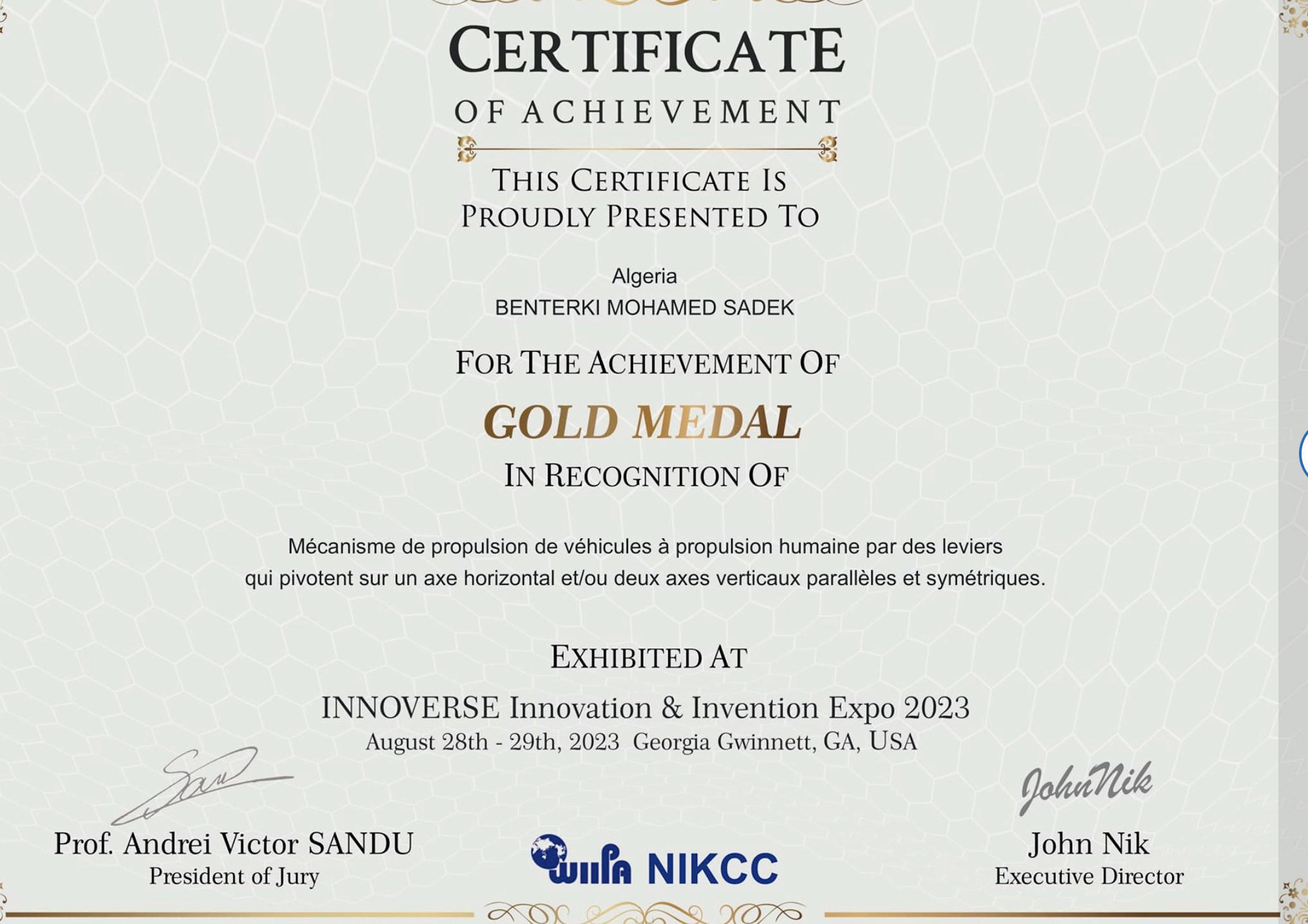
Mohamed Sadek Benterki doesn't need to scream for help; his achievements speak for themselves. He is a proven, globally validated mind, working on solutions for renewable energy and mobility that can fundamentally change our communities. He has done the running; now the continent must meet him at the finish line.
This is an open letter to the leaders, investors, engineers, and visionaries of Africa the architects of our future who have the power to unlock potential. He is not asking for charity; he is offering a stake in Africa's next chapter of innovation.



investors, engineers, and research institutions who are interested in renewable energy, mobility solutions, and mechanical innovation.
Together we can turn these inventions into products that benefit society."
The opportunity is not to fund a dream, but to invest in a certainty. Give Mohamed Sadek Benterki the room he needs; I promise, he will pull his own chair up to the table and make our continent shine.


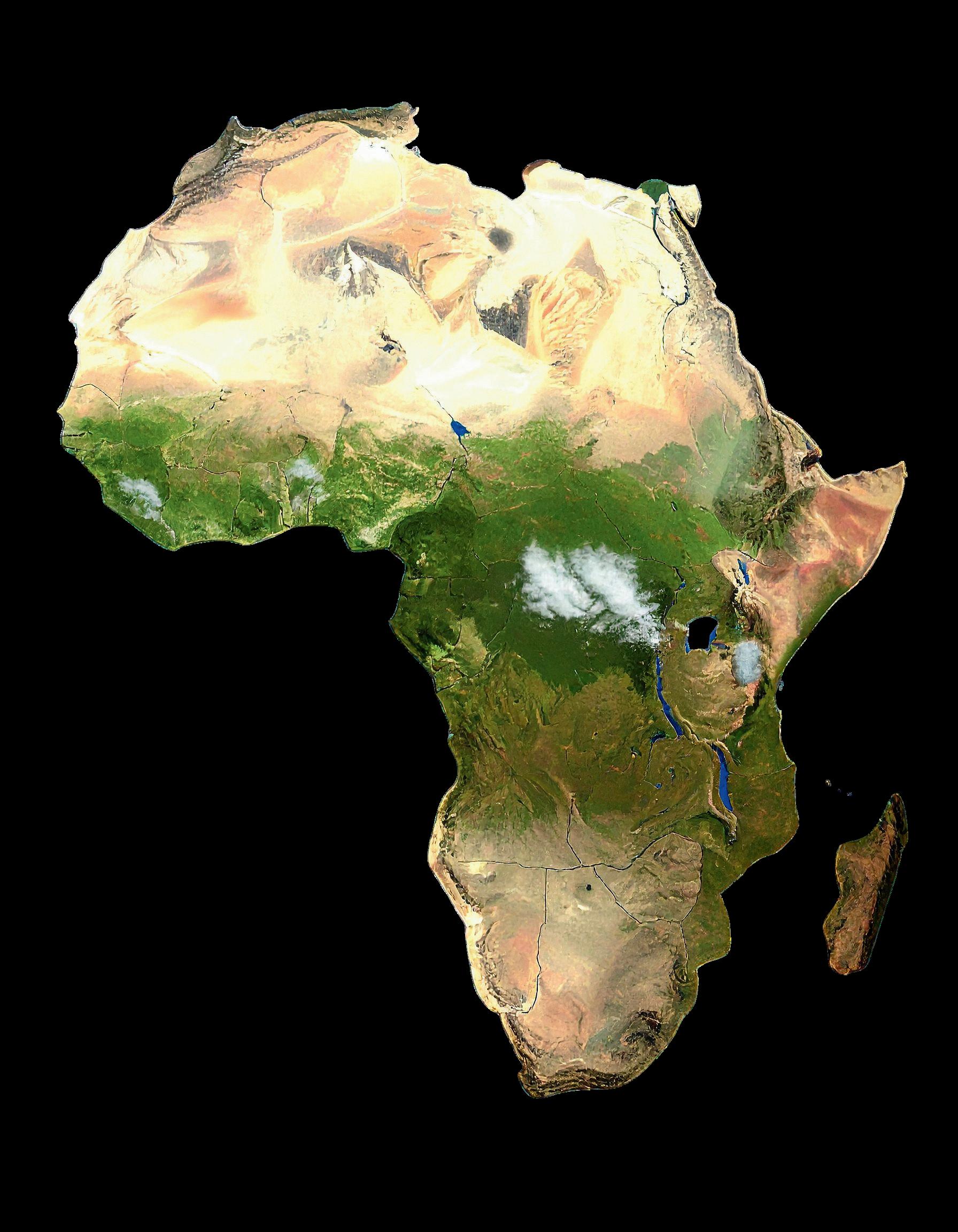

We stand at the edge of a new year, and the tradition dictates we set resolutions. But in Africa, our resolutions must be larger than the self. We are not islands; we are a vast, beating heart of shared destiny. Our success is measured not by the weight we lose, but by the wealth we build together. This year, let us embrace the Ubuntu Vow: “I am because we are.” We begin this vow with the most powerful act of solidarity: The Vow of Economic Self-Reliance.


I recently witnessed a profound truth at the InterAfrican Trade Fair in Algeria. Stepping onto the floor, I saw not just stalls, but a vibrant tapestry of unrealized continental power. I saw Nigerian textiles woven with Ghanaian cotton, Moroccan ceramics fired with Kenyan skill, and Tanzanian coffee packaged with South African design. What struck me with the force of revelation was this: Africa can depend on itself, if only it chooses to.
The idea of free borders and free business across Africa is not merely a policy goal; it is the golden key to our collective independence. The moment we prioritize trading with each other before we cross continental borders, the narrative shifts. We can feed ourselves, fuel our continent, and build industries from raw materials that are abundant on our very soil.
We know our land bears the most expensive minerals, the rarest elements the wealth of the modern world. But the most important part? Africa is holding the manpower the dynamic youth that will lead the next generation. Our hands, minds, and dreams are the most potent currency we possess.
This realization is not a political theory; it is a revolutionary resolution for every consumer, entrepreneur, and professional.
This year, let us commit to concrete actions that turn our Pan-African dreams into market realities.
This is the simplest, most profound act of solidarity. Every time we choose a locally manufactured product, we send money not across an ocean, but across a shared border to a family, a local school, and a national tax base that benefits us all.
The Resolution: Commit to allocating 30% of your discretionary spending this year to goods, services, and produce made in Africa. Choose the Ghanian chocolate over the European one. Pick the Ethiopian software over the foreign import. This is economic patriotism, and it’s the fuel that ignites our industrial revolution.


Thepotentialofouryouthis unmatched,butpotentialneeds pathways.Asestablished professionals,ourroleistobethe "BigSister"thatAlgeriaoncewas providingthetraining,thespace, andthebelief.
TheResolution:Mentoratleast oneyoungAfricanentrepreneur orprofessional.Shareyour networks,yourfailures,and yourvictories.Furthermore, makeadeliberate,local investmentthisyearwhether it'sbuyingsharesinaregional telecom,fundingafriend’s startup,orsimplypurchasing equipmentfromalocalartisan. Letyourcapitalcirculatewhere yourheartresides.





To depend on ourselves, we must also demand the best from ourselves.
Economic solidarity does not mean accepting mediocrity; it means driving quality higher. We must push for excellence in packaging, reliability in service, and innovation in design. The Resolution: Become a conscious, constructive consumer. When a local product disappoints, offer feedback; when it excels, shout its praise across social media. Demand the Continental Standard a commitment to quality that makes African goods competitive on the global stage, while remaining accessible to our local markets.
This Ubuntu Vow is a revolutionary act of self-love. It is the poetic choice to look within the family for strength before looking outside. When we commit to this Economic Solidarity, we do not just change our bank accounts; we write a new history. We honor the spirit of the trade fair in Algiers, not as a memory, but as a blueprint for action. We prove that the Sahara is indeed a bridge, and that the collective African dream is the most powerful resource we possess. Let the New Year be the season we finally choose us.





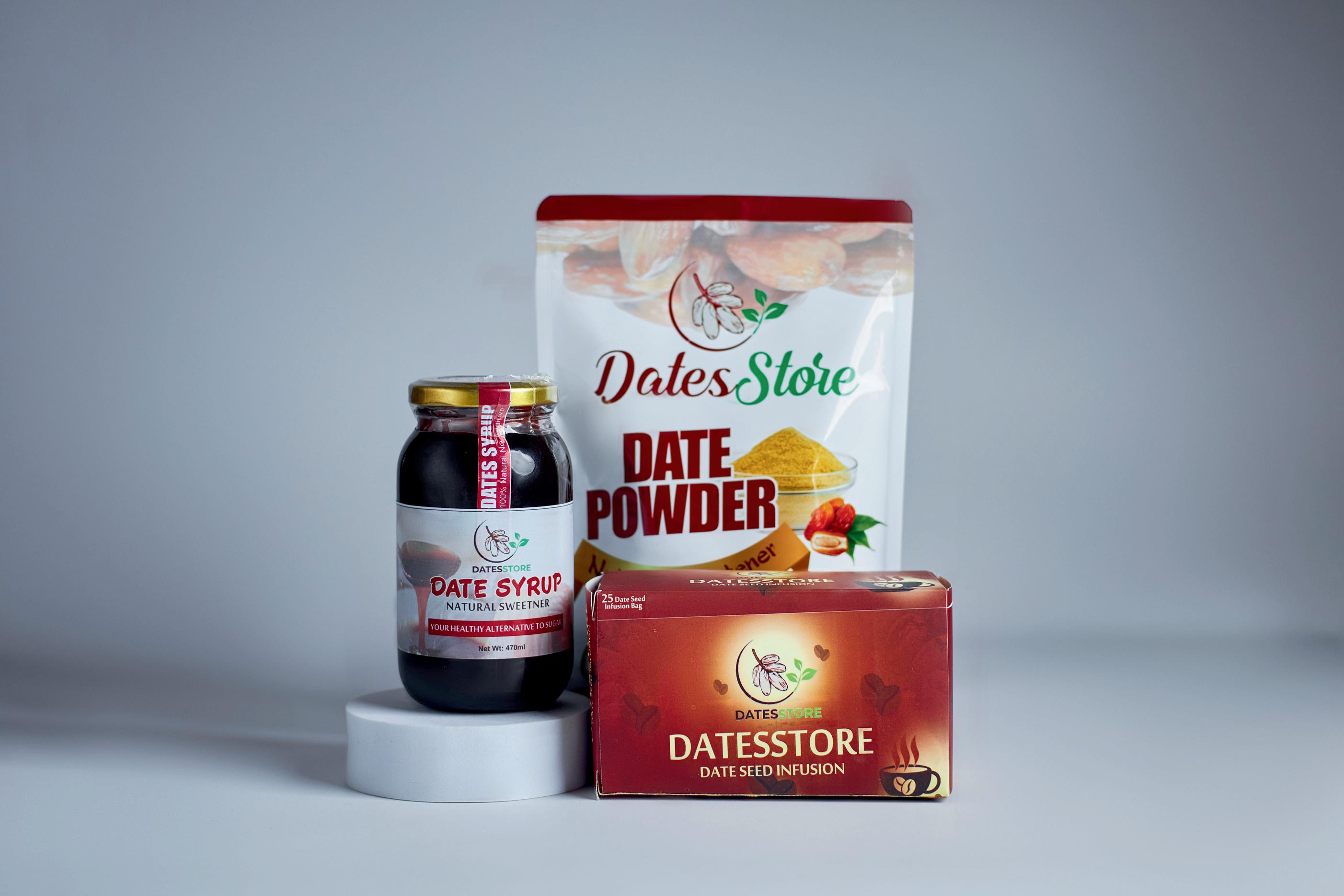
The air at the Intra African Trade Fair (IATF 2025) in Algeria was thick with the energy of ambition, but my most memorable meeting happened not on the exhibition floor, but at a simple dining room counter. I was standing there when a curious, dynamic man approached. He looked at me, smiled, and asked for juice.

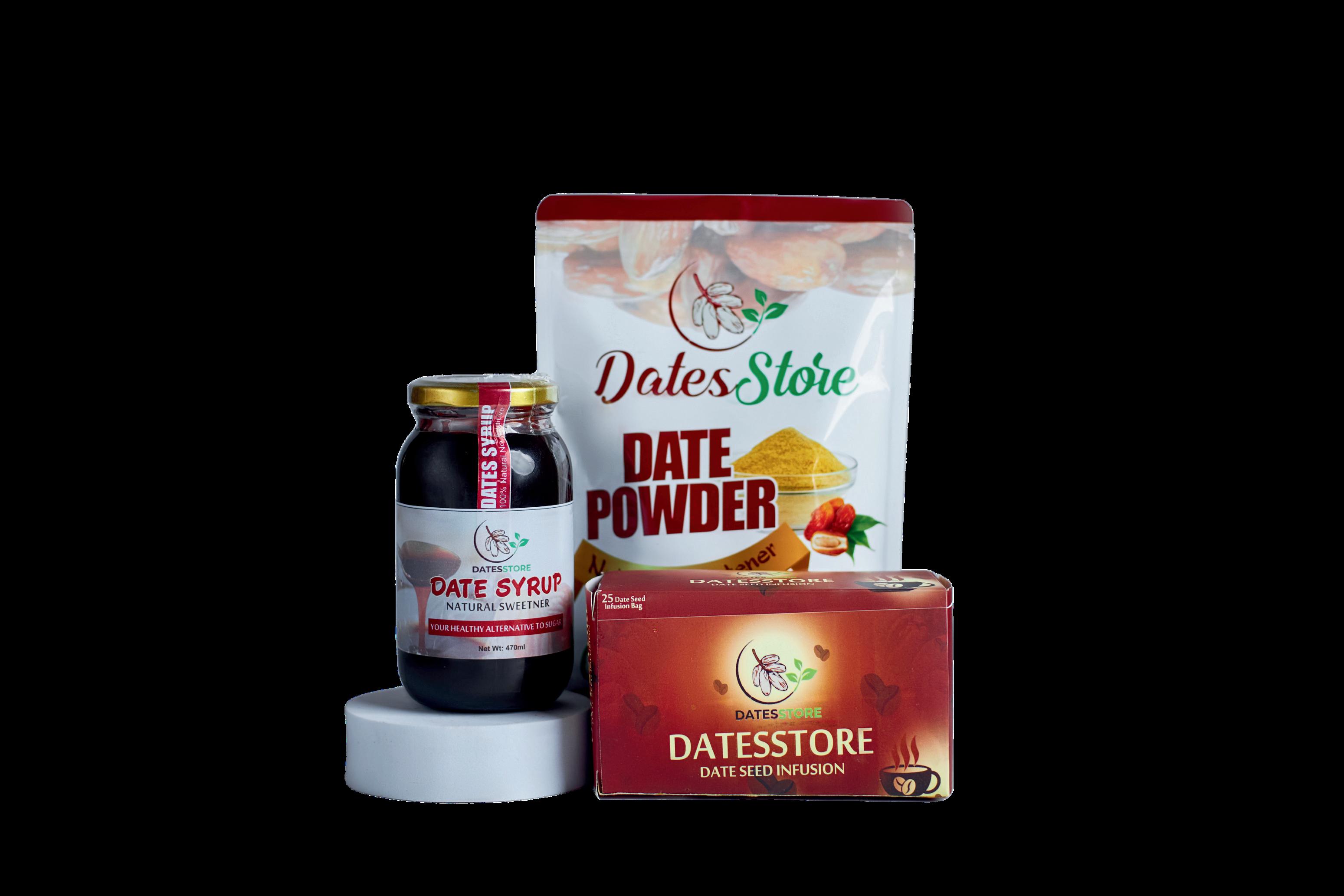


I started to laugh. I told him I’d just quit my job, but that my excoworker would surely risk everything to get him one. He laughed back a genuine, hearty sound. That was it. No grand introduction, no formal handshake just a shared laugh over a juice request at the Best Night 2 Hotel. That was how I met Olatunde Abiodun Mustapha, the visionary CEO of Datesstore Nig. Ltd. We became instant family. Over the next few days, as we toured the city of Algiers, I was fascinated by his humbleness and his focused, cleareyed vision. I quickly realized he avoided sugar. I had to ask why. That simple question opened up the life-altering experience that almost took him down, yet instead propelled him to become the dynamic man he is today.

Olatunde’s remarkable journey began in 2019 with a moment of devastating fragility. He was the sole survivor of an 18-passenger vehicle crash. His recovery was long, requiring multiple surgeries, but it gave him a necessary mandate: his doctors advised him to cut all carbonated, caffeinated, and gaseous beverages to aid his healing. In his search for a natural, healing sweetness, he discovered the power of dates.
Rich in antioxidants, fibre, and essential nutrients, the fruit became central to his recovery. This personal transformation ignited a deep conviction in him: if dates could restore his health, they could improve the lives of countless others.
“What was meant to take me down is what exactly brought me up,” Olatunde shared. Driven by that realization, he founded Datesstore Nig. Ltd. a business born from personal experience and sustained by purpose. Today, that resilience has been internationally recognized with the prestigious Africa Young Entrepreneur of the Year 2025 Award in Bulgaria.
Datesstore is transforming the agroprocessing landscape, demonstrating that an ethical, purpose-driven company can thrive on the global stage. He has successfully established strong international partnerships in Egypt, China, and Algeria, and famously secured a transit certification by collaborating with Biodates, one of the world's date-producing companies. But for Olatunde, success is never just about profit; it's about embedding value into the community.
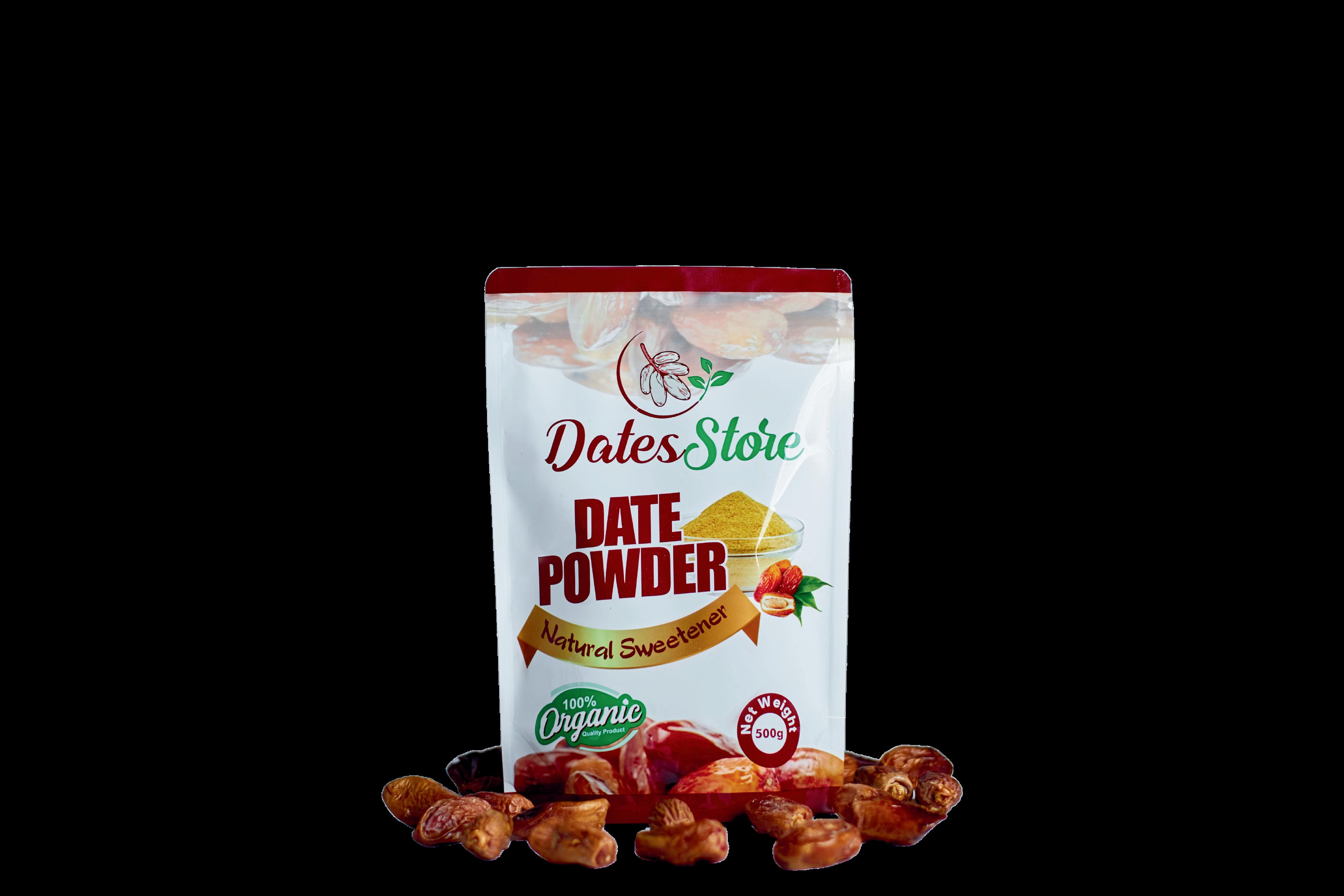
Empowering Youth: Datesstore provides critical employment and training for local youth, farmers, and women, offering long-term skills in processing and quality control to reduce unemployment and poverty.
Health and Wellness: By producing and distributing natural date-based products, the company promotes healthier dietary choices, raising awareness about the benefits of using dates as a natural alternative to refined sugar.
Fair Partnership: The business model supports local date farmers directly, ensuring fair trade practices that stabilize income for rural producers and strengthen the entire agricultural value chain.
His journey from a university graduate to a global CEO is a living blueprint for aspiring African entrepreneurs. Here are the five truths he insists upon:
Start with Purpose, Not Just Profit: Your mission is your engine. Purpose is what sustains you when the challenges are overwhelming. The Power of Strategic Networking: Success is collaborative. Invest time in building deep, meaningful relationships with your team, partners, and clients to accelerate your vision.
Supply Chain Resilience is Everything: Especially in agroprocessing, consistency is key. Develop strong backup systems for sourcing and logistics from the very beginning.
Embrace Failure and Adapt: Every mistake is a lesson. Use those moments to refine your approach and vision, moving forward with confidence.
Be Patient, Consistent, and Resilient: Great things take time and persistent effort. Stay focused and never give up, no matter how slow the progress seems



Olatunde Abiodun Mustapha's story is the perfect synthesis of resilience and vision. He proves that true strength lies in turning adversity into advocacy. His company is a testament to the power of one individual's conviction to drive sustainable growth and wellness across a continent. And as for my family member, the man who turned down carbonated drinks for dates, there is one final, hilarious truth I learned while touring Algiers: he was definitely not a fan of the local bread. He kept lamenting the lack of hot pepper in Algeria! So, If you are fortunate enough to meet Mustapha, please tell him this from me: 'A slice of bread won't kill you.' Also, please gift my brother a bottle of authentic hot pepper sauce. It's the perfect, spicy antidote for a palate that doesn't enjoy bread.

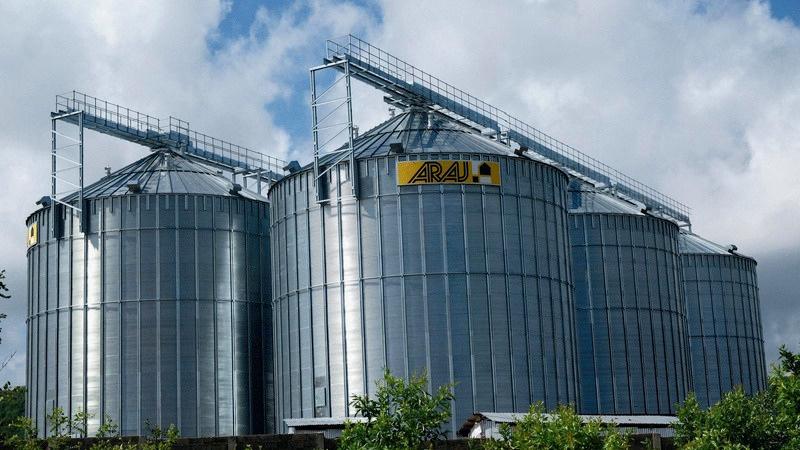

There is a timeless, soul-stirring scene played out after the harvest across Africa: the mother’s promise. A small, perfect batch of the firstcut grain is set high, often on kitchen rafters, protected by smoke and patient heat. This "safe keeping" is more than just food; it is a profound declaration of trust in the future, the small reserve that sustains the family through the lean, dry days until it’s time to sow the next seed.
But the abundance of today faces the scale of tomorrow. The handful of grain that once fed a family is now tasked with feeding an entire modern metropolis. This beautiful tradition of protection, born of necessity and deep wisdom, now calls for an evolution. It is here we turn our attention to Unia Grains, a global partner that has dared to amplify this ancient promise with the steel and science of the 21st century.
The real barrier to food security across Africa is not in the planting it is in the waiting. In nations like Tanzania, a staggering 40% of valuable grain is lost annually due to a quiet, devastating injustice: insufficient storage, improper drying, and relentless pest infestation. This is a monumental drain, threatening national resilience and leaving millions needlessly exposed to scarcity.
"We are essentially allowing the bounty of the land to be swept away by silence and shadow every single year," stated Emilia Kacperczyk, Unia Grains Director, whom we met at the African trade show in Algeria this year. Her passion is not just for infrastructure, but for emancipation. "When I speak to our African partners, the message is clear: if we can help them protect the food they have already grown, we are not just solving a technical problem.
We are restoring their trust in the land, enabling year-round self-sufficiency, and securing a foundation that allows neighbors to thrive together."
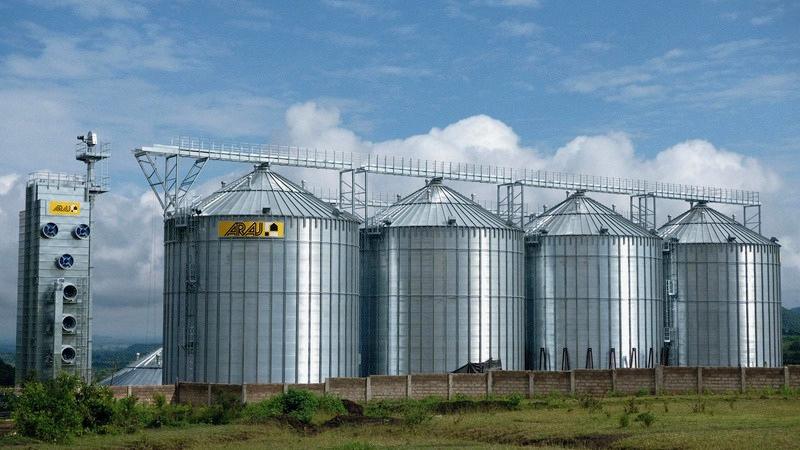
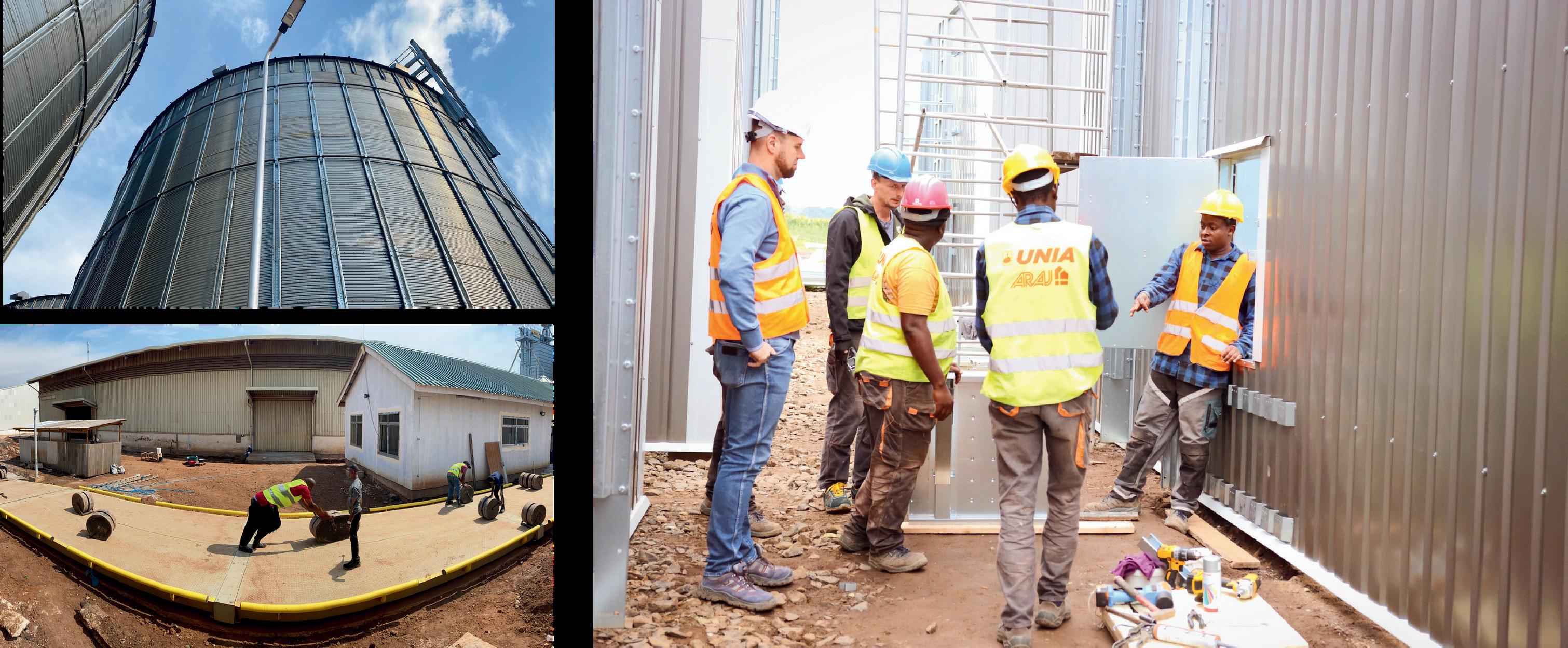
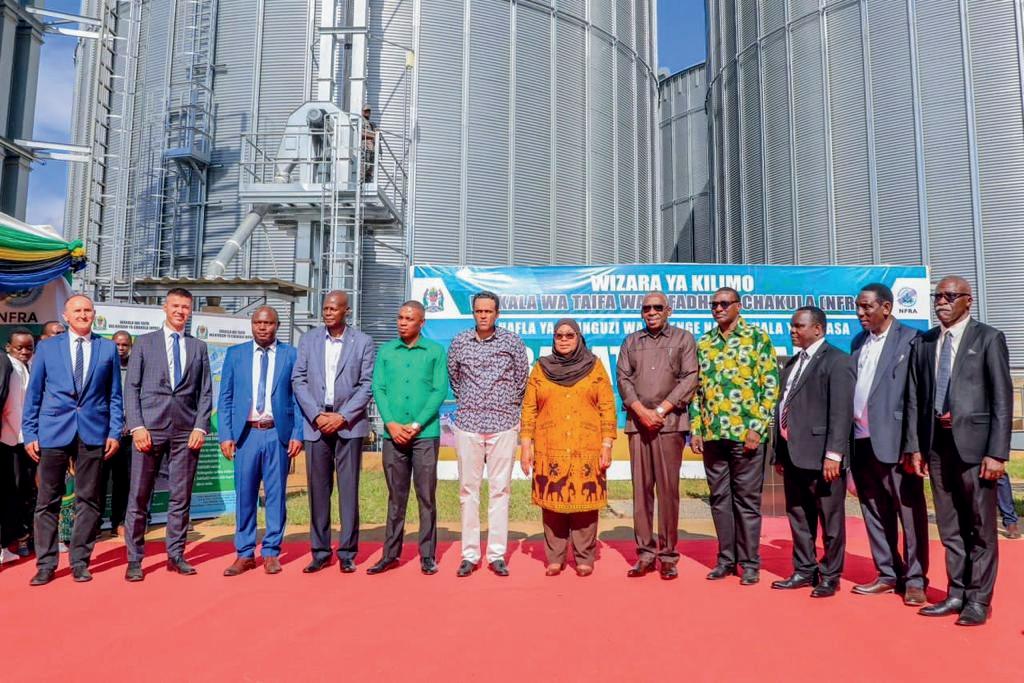
In a landmark partnership, the Tanzanian government through a $20 million strategic loan enlisted Unia Grains to construct and revitalize storage facilities for the National Food Reserve Agency (NFRA). The result is not just a collection of buildings, but an architectural declaration of certainty.
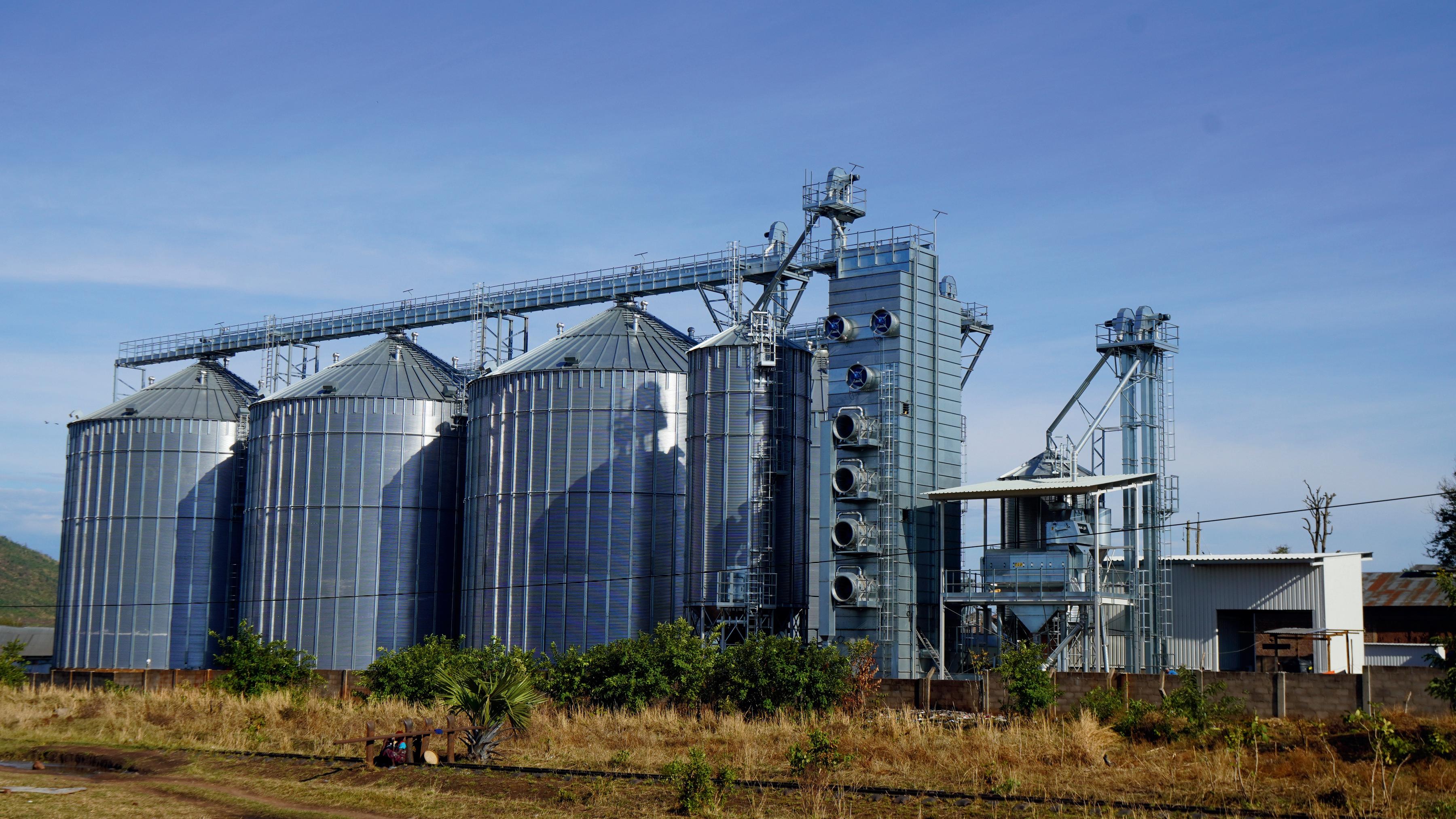
Steel complex of grain silos with a capacity of 22 000 MT and renovation of a 5 000 MT warehouse.
Across the key agricultural hubs of Babati, Mpanda, and Sumbawanga-Kanondo, the new infrastructure has risen. These are the modern, beautiful fortresses of food:
Beacons of Resilience: New grain complexes, featuring cutting-edge dryers, cleaners, and silos, now boast a collective capacity of over 100,000 MT.
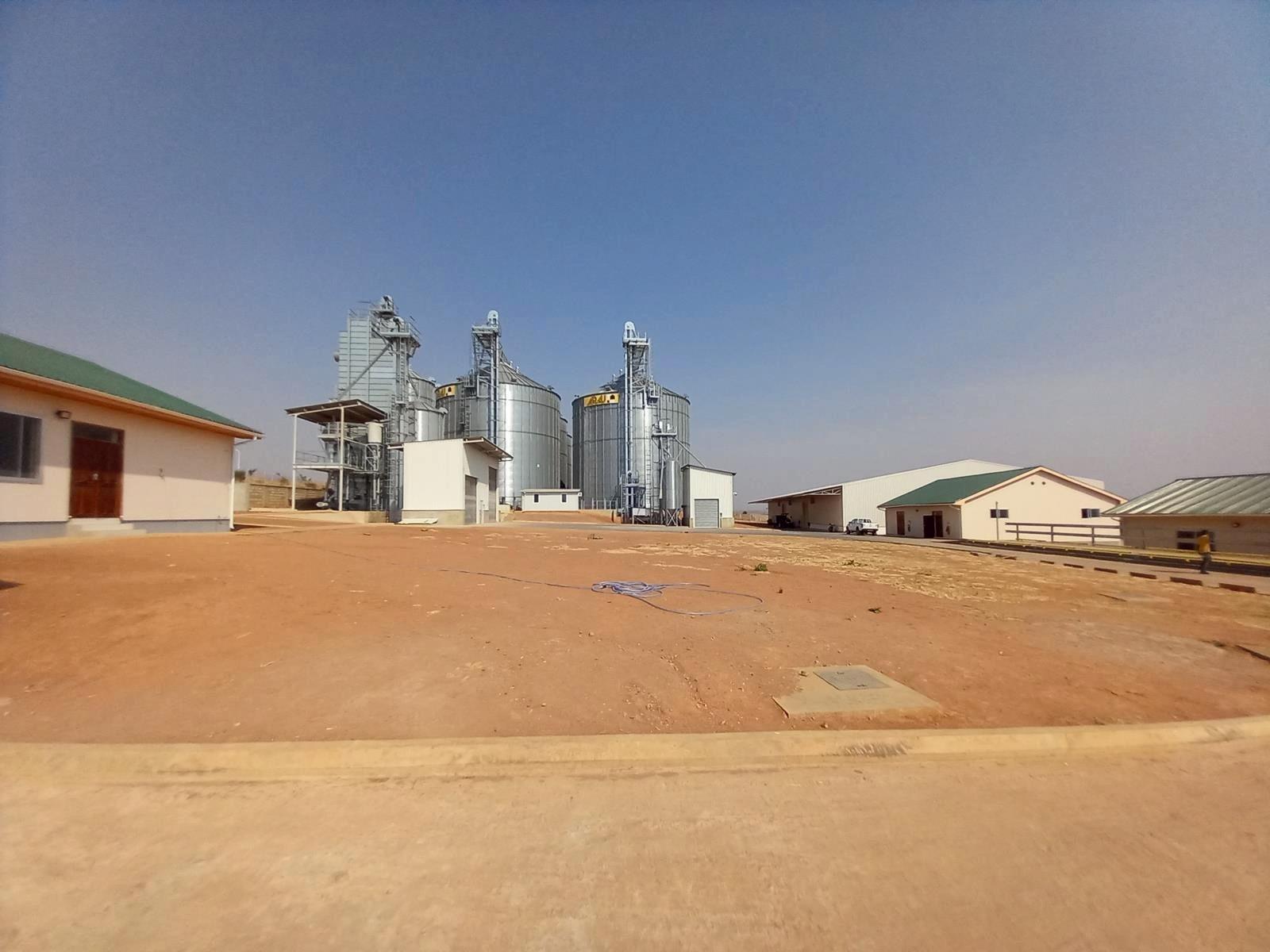
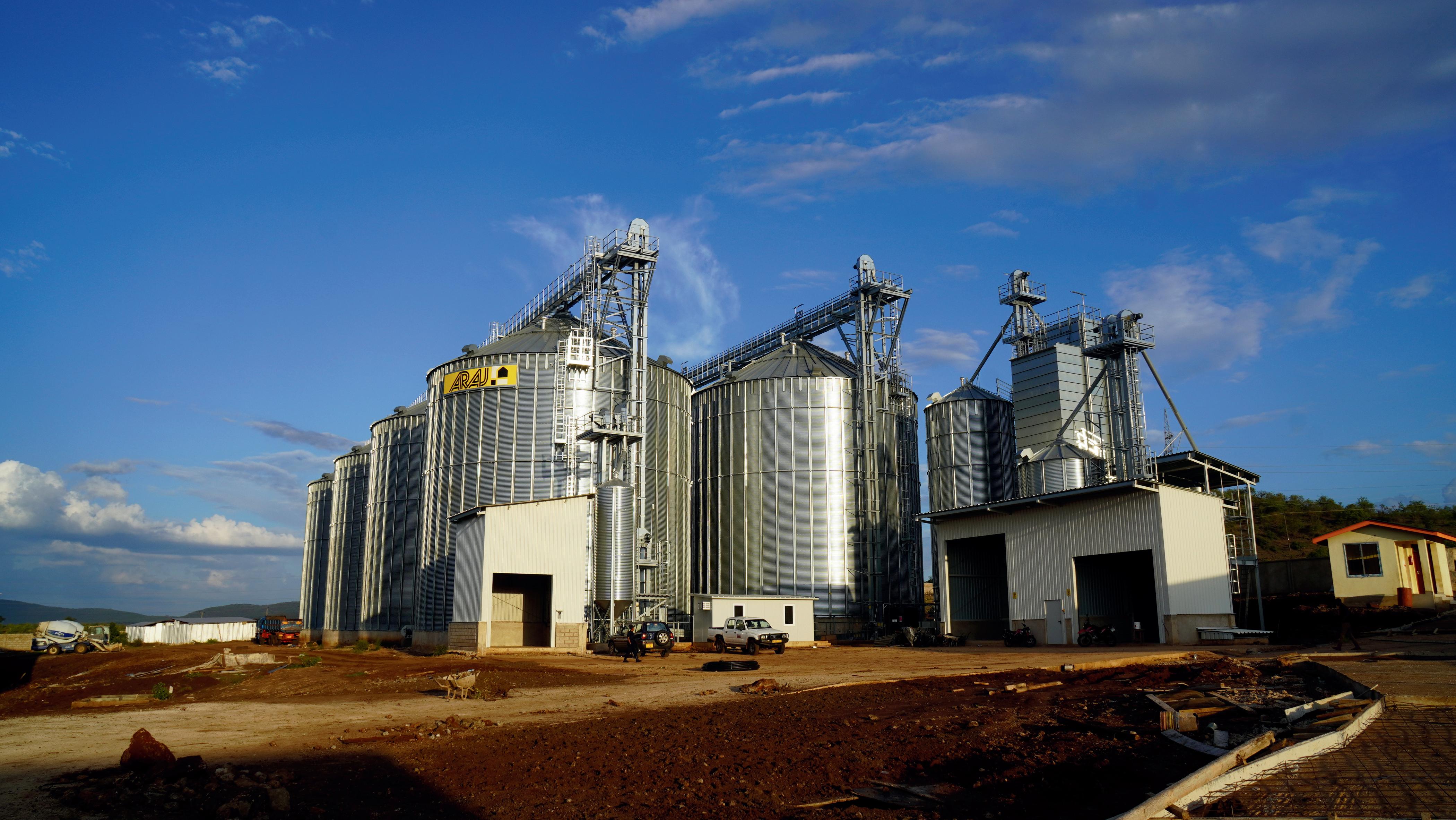
The Zero-Loss Mandate: This is the core poetry of the project: utilizing advanced technology to reduce the devastating postharvest loss from 40% down to near zero. These silver spires of the new NFRA silos stand proud against the Tanzanian sky, acting as a crucial buffer. They ensure that a plentiful harvest today translates directly into a guaranteed food supply for tomorrow, protecting the most vulnerable citizens from the shock of drought or economic instability.
The most profound element of the Unia Grains partnership is its investment in human dignity and expertise. The project was not simply built for Tanzania; it was built with Tanzania. Local talent was at the heart of the construction.
In a beautiful reversal of the conventional flow of knowledge, eight Tanzanian individuals who gained hands-on experience assembling these massive silo complexes have since joined the Unia Grains team in Poland. They now stand as global specialists, continually developing their skills and poised to return home to lead future projects.
This is the true model for continental development: a partnership built on mutual respect, where expertise flows freely, elevating Africa from a consumer of solutions to a creator of global talent.
Steel complex of grain silos with a capacity of 23,000 MT and a steel-structured grain warehouse with a capacity of 5,000 MT.
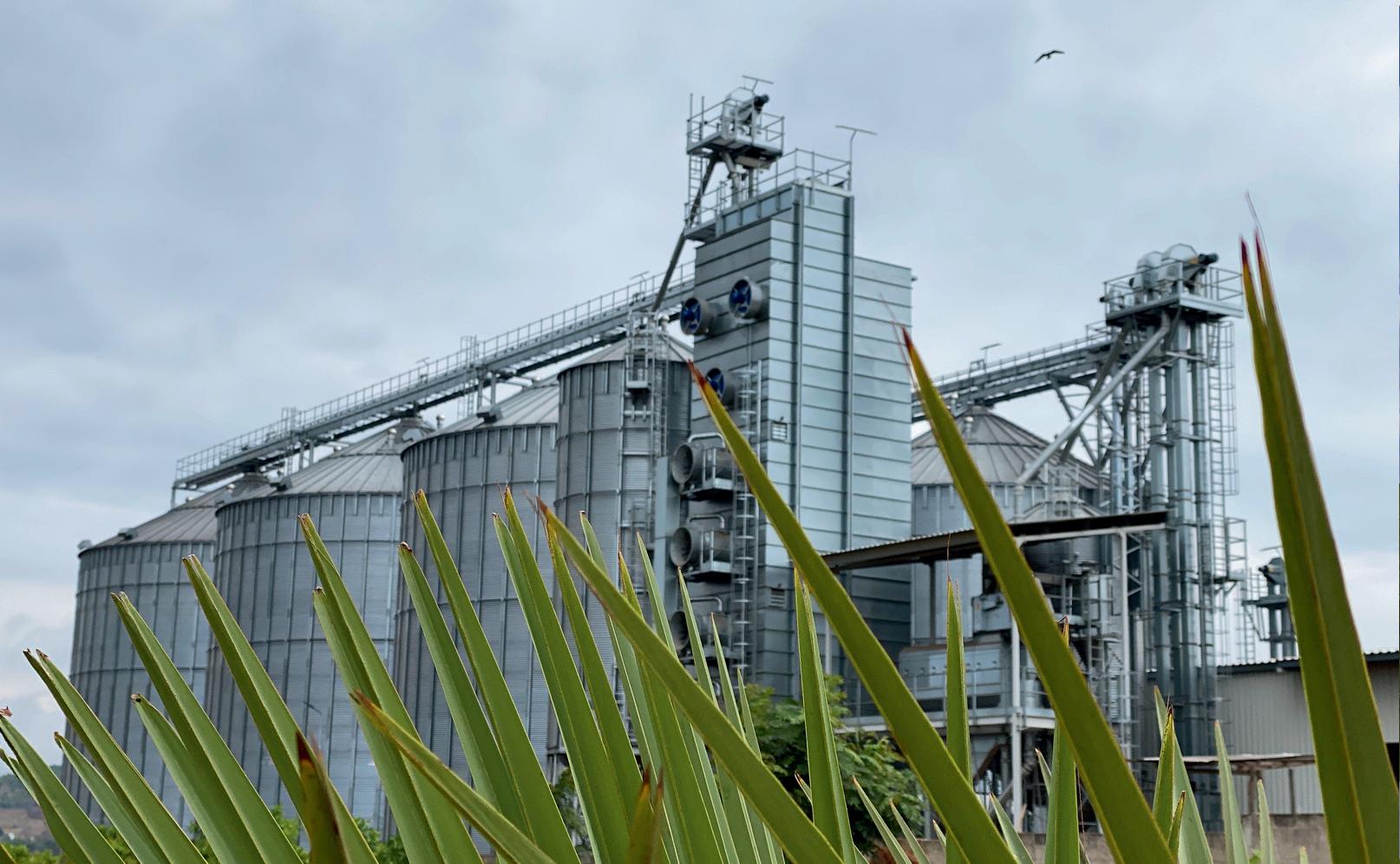
The success in Tanzania is a potent, tangible blueprint. It demonstrates that the dedication of African leaders, coupled with world-class, purpose-driven technology, can permanently secure the bounty of the continent's soil. As Emilia and her team continue to pursue further initiatives across Africa, the vision is clear: by saving every grain, we are saving not just the harvest, but the limitless future of the entire continent.


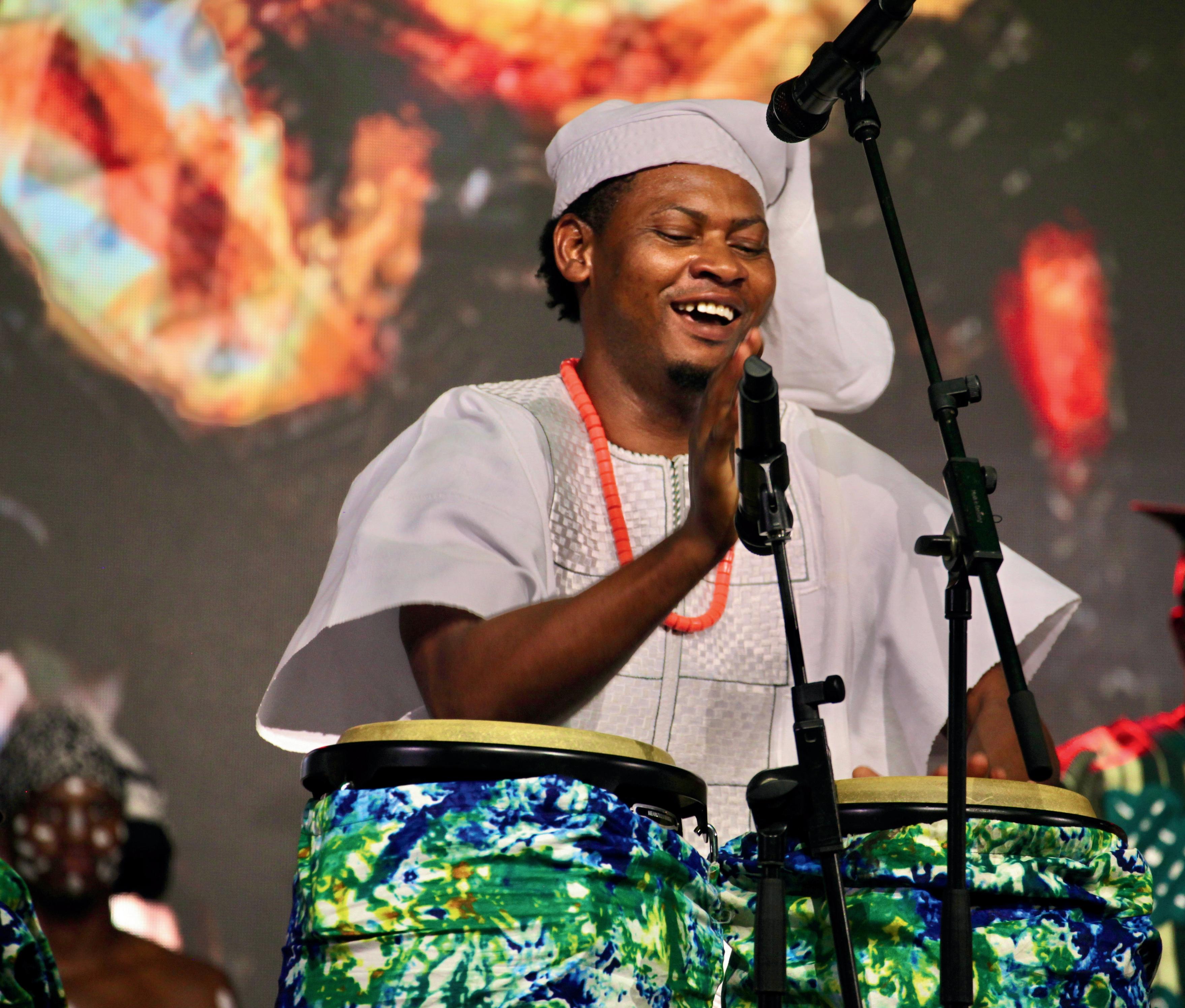
There are voices that don't just sing, they testify. They are the indelible musical spirits of Africa: the political fire of Fela Kuti, the maternal wisdom of Miriam Makeba, the resonant power of Youssou NDour. Their music is pure, uncommercial, and rooted deep in the soil of our history. These are the secret keepers, the artists whose truth told the story of a continent to the world. And the glorious news is this: the torch has been passed to good hands.
Watching Oluwatayo Oluwadamilare Ajayi, known to the world as Tayo Conga, command the stage at the Creative Africa Nexus (CANEX) during the IATF 2025 opening ceremony in Algiers, I felt an undeniable truth: Africa will continue to shine and bring joy to the world, because our music is not just sound it is the soul that comes with it.


Hailing from Ikogosi, Ekiti State, Nigeria, Tayo Conga’s journey is rooted in an advocacy for African arts, culture, and tourism that spans over a decade. His work is driven by the conviction that African rhythm is a language the world needs to hear, and he uses the instrument of the conga not just to play music, but to recount heritage.
As the lead percussionist of Tumbadora African Entertainment, Tayo Conga is a global ambassador. He has graced prestigious platforms from the raw energy of the African Drum Festival and the sophistication of the International Jazz Festival to the intellectual height of the Forbes Under 30 Summit Africa. When he performs for diplomats from the US, Brazil, or Spain, he is not just drumming; he is translating the African spirit into a universally understood beat.

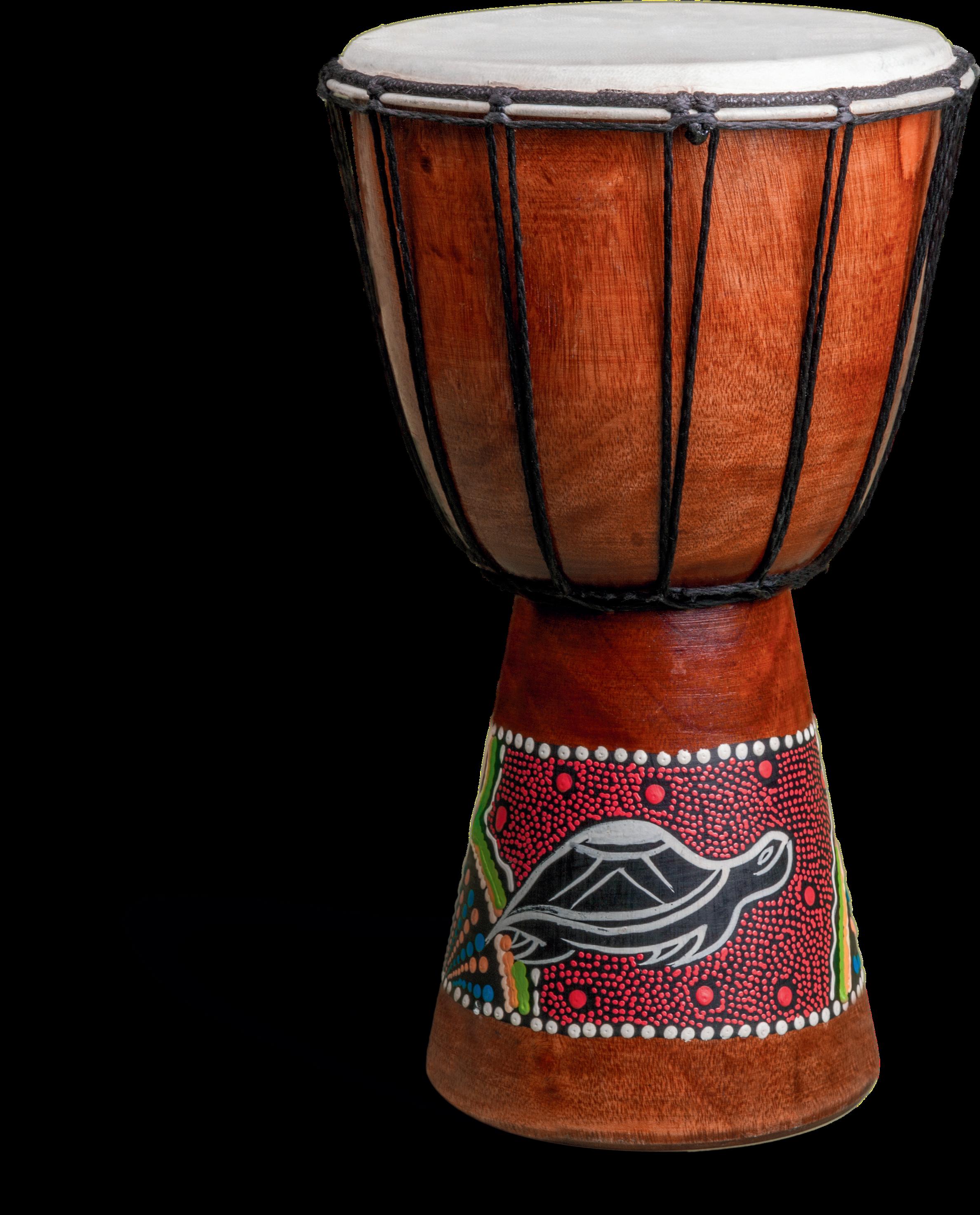


The drum in Tayo Conga’s hands is a vessel for history. His genius lies in crafting experiences that go beyond the stage. He is the Convener of two essential platforms: "Spirit of Drums" and the "Gathering of Arts and Sound" showcase. These are not mere concerts; they are cultural rituals that celebrate heritage and creativity, often staged at the prestigious Nike Art Gallery in Lagos, uniting diverse art and music enthusiasts.

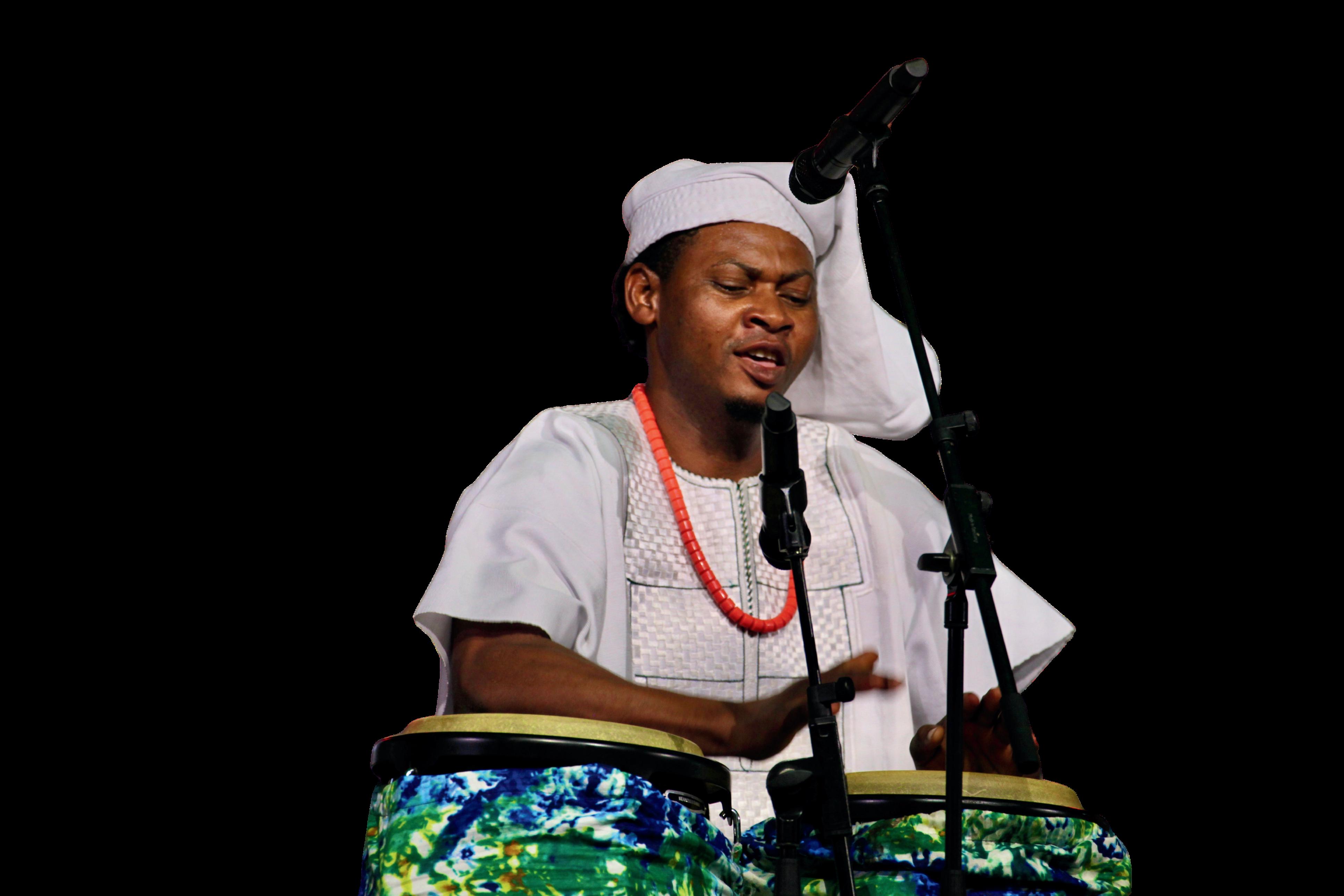
His vision is holistic: he is committed to sharing African rhythms, organizing the African Heritage Tour series, and curating cultural experiences at Nigeria’s iconic sites, such as the Ikogosi Warm Spring and the sobering Badagry Slave Trade Zone. His membership in the Institute for Tourism Professionals of Nigeria confirms his role as a guardian of our continent's story, weaving tourism, history, and art into a single, unbreakable rhythm.
His official invitation to perform at CANEX during the IATF 2025 was the global recognition of this commitment. It solidified his place among the voices that matter now—a modern master who honors the past while charting a vibrant future.
.
My dear brother, Tayo Conga, we thank you. The editorial team at People of Africa magazine wants to shine your star for highlighting the beauty and the enduring, soulful strength of our continent. Your music confirms that the heart of Africa beats stronger than ever.



Dear Grandfather, the Youth Deserve the Baton: A Critical Look at Leadership Tenure in Cameroon


There is a deep, foundational respect in Africa for longevity and for the wisdom of our elders. But when service to a nation extends into its fifth decade, and the leader is approaching his mid-90s, the conversation shifts from admiration to a far more urgent question: Is this stability, or is it a failure to prepare for the future?
The case of Cameroon's President Paul Biya who, born in 1933, has led the nation since 1982, making him one of the world’s oldest and longestserving non-royal heads of state is a stark, unavoidable reminder that absolute longevity often becomes a detriment to national health.

When a leader remains in office for more than 40 years and still feels they are the only one capable of serving the nation, it is a profound declaration of failure. A great leader does not just manage the present; they secure the future. A tenure lasting four decades should have been spent building impregnable institutions, fostering transparent democratic processes, and preparing a protected space for new, competent leaders to emerge. When that path to succession is repeatedly blocked, it confirms one devastating truth: the leader failed to nurture the next generation and deliberately avoided creating a safe political environment for their people to grow into leadership roles. A nation with a leader who is often observed at major global summits struggling with basic presence is not demonstrating stability; it is demonstrating institutional fatigue and a lack of respect for the rigor demanded by global leadership.
This issue is not internal politics; it is a fundamental question of continental future. Africa is the youngest continent on Earth. Over 60% of our population is under the age of 25. This demographic majority digital, entrepreneurial, and demanding real-world solutions to modern challenges like climate change and globalized economies is the continent's most powerful, untapped weapon.
To have a national destiny steered by leaders whose context and experience are rooted in the 1970s and 80s decades before the Internet, before global trade was revolutionized, and before the youth inherited the world's most pressing challenges is to deliberately run the race backwards. The youth deserve leaders who reflect their future and who possess the energy and context necessary to guide the nation where it needs to go.
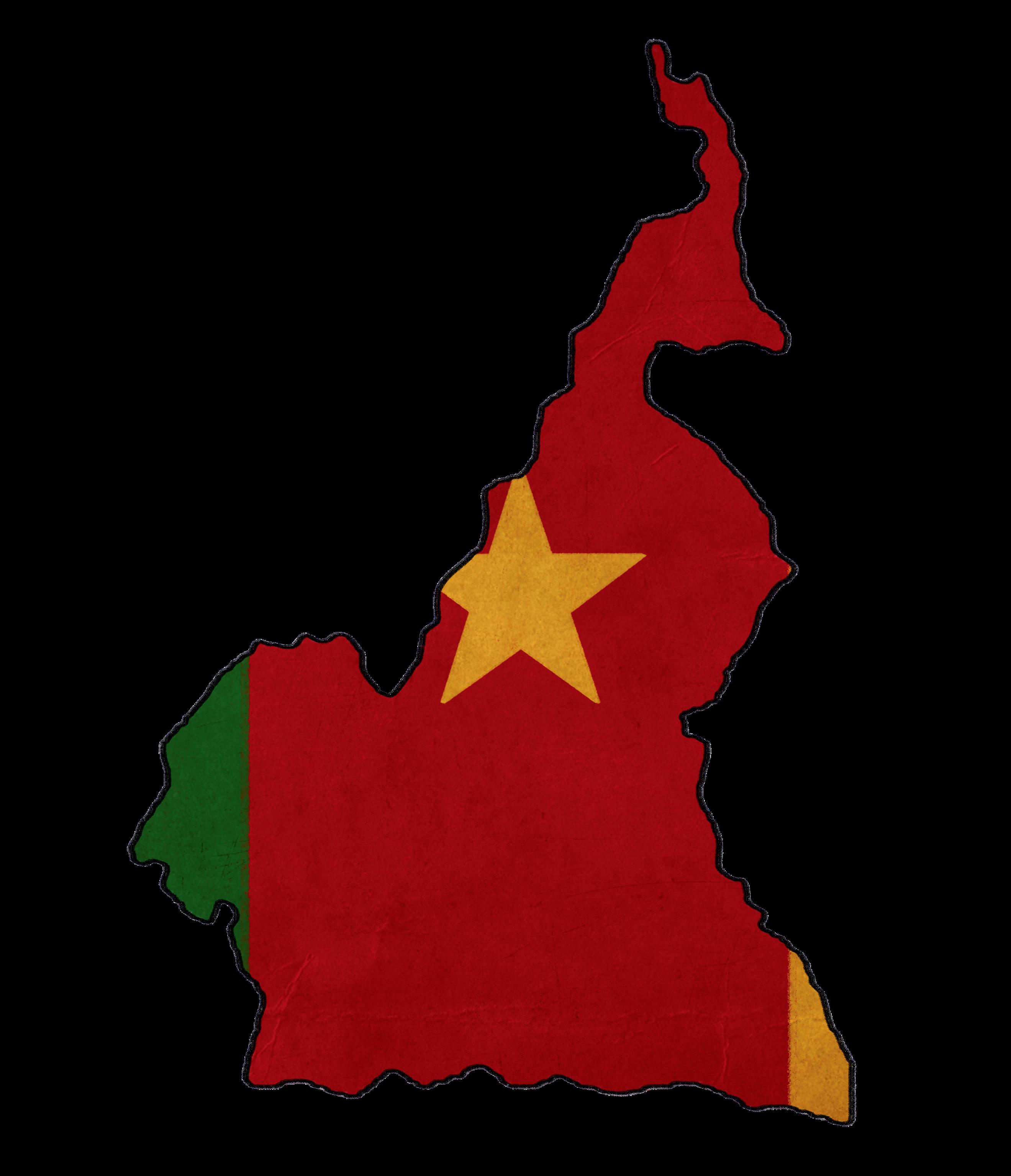

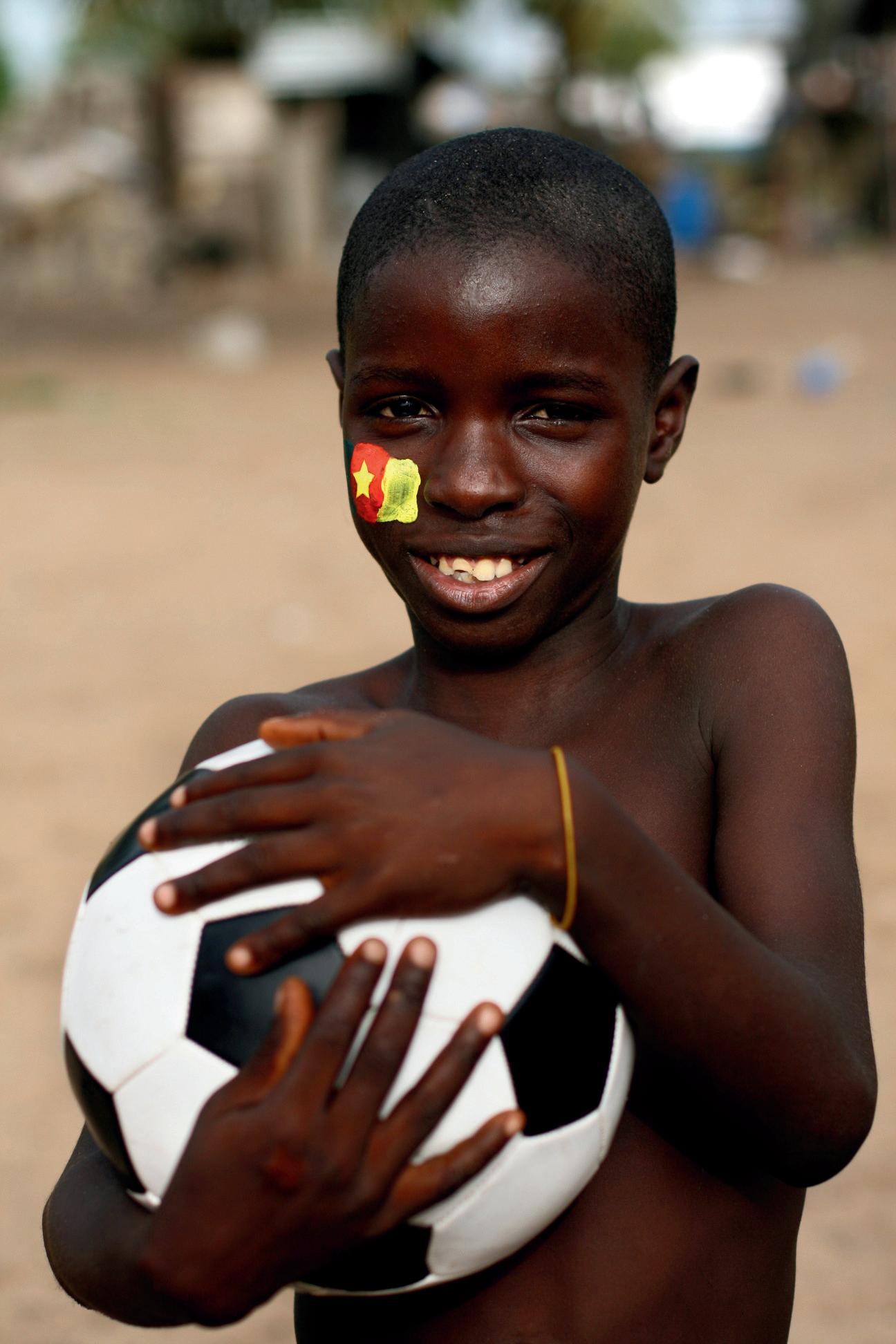
Dear Grandfather, we love you and acknowledge the immense time you dedicated to the nation. You have done your job.
But service has a natural conclusion. The true act of ultimate leadership is knowing when to step aside and create space. It is time to retire, to enjoy your great-grandchildren, and to become a revered, symbolic elder, rather than the person dictating the daily life of a nation.
The baton must be passed. This generation of young Africans is ready to continue the race, and they deserve the chance to lead.
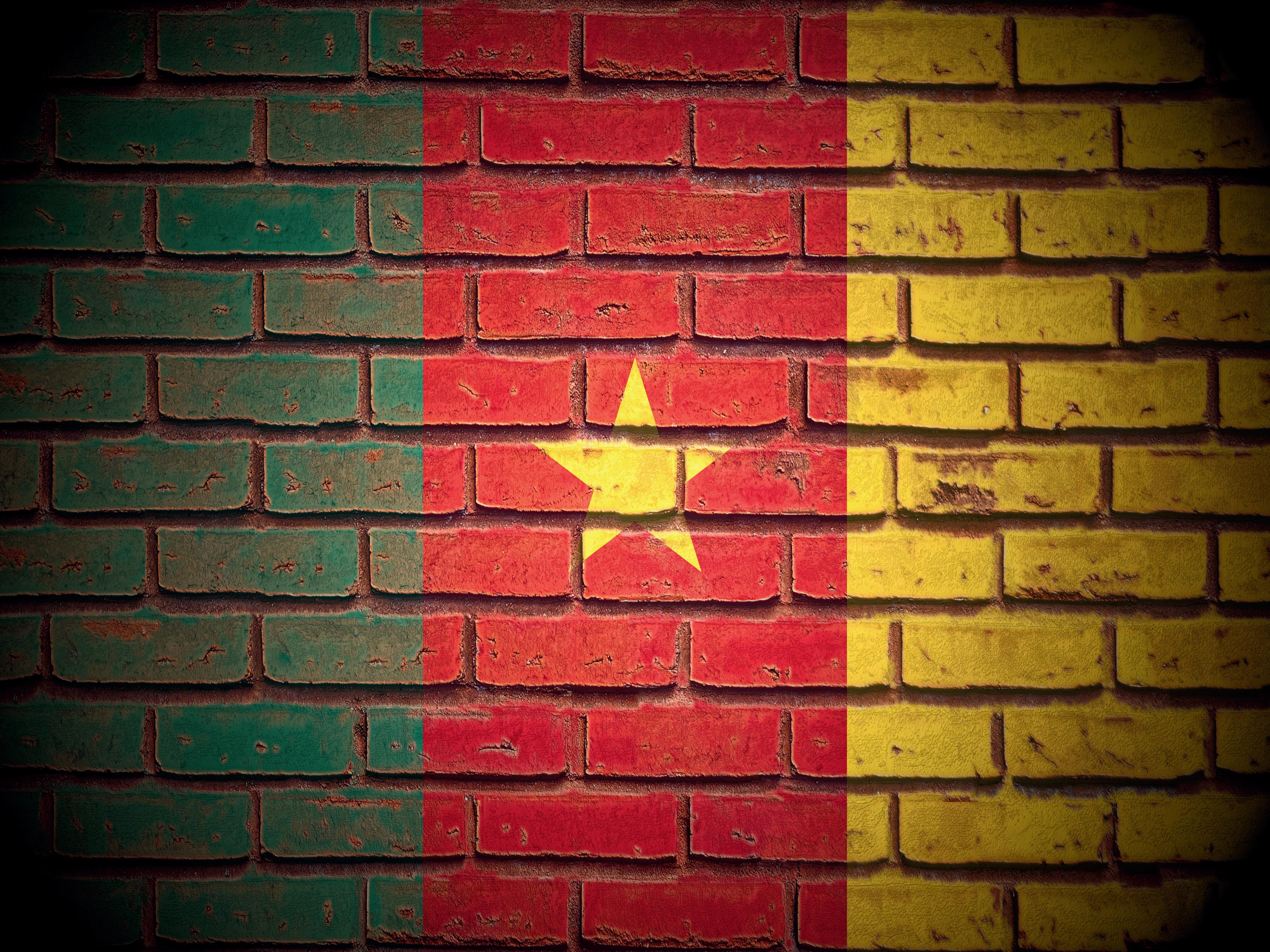
For years, I was a devoted consumer of Nutella a loyalty I thought was locked and sealed. That changed at the Intra African Trade Fair (IATF) in Algeria. It was there, in the VIP pavilion, that I met Amine Ouzlifi, the Commercial Director of SARL CEBON.
We talked, exchanging ideas about how to build a better future for Africa. He was engaging, insightful, and clearly passionate about more than just business. At the end of our conversation, he invited me to his booth and gifted me two jars of their famous spread.

That first taste of the CEBON spread was a revelation a fresh, honest flavor that instantly captured my attention. I had to hunt him down after I left Algeria to hear the story behind the product that had just redefined my idea of a perfect bite.
The story of SARL CEBON ("it's good") is the beautiful narrative of two brothers, Youcef FOURA and Korichi FOURA, who began their entrepreneurial journey by selling goods at weekly street markets when they were barely twenty.
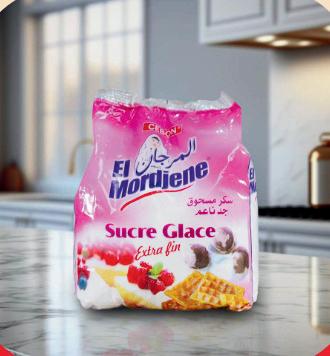
In 1997, standing by the Mediterranean Sea, they rented a small workshop and began preparing their first product: ASSILA, a pure sugar honey. Its success encouraged the young students to expand, next producing SMEN, a traditional vegetable butter highly appreciated in North African pastries.
This closeness to the sea inspired their trademark: EL MORDJENE, which translates to "sea coral."
The name reflects the Mediterranean's valuable, soughtafter treasure a perfect metaphor for the quality they pour into every jar.
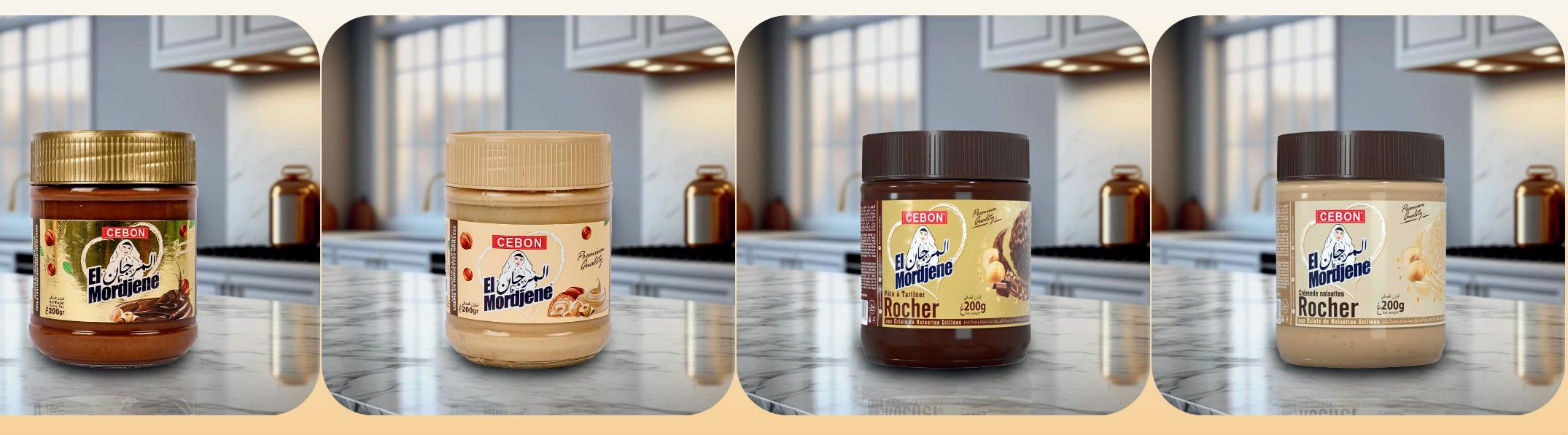

In 2003, the brothers purchased their first factory, which today serves as the company's management hub. Now, SARL CEBON operates three factories and employs a workforce of 700 people, offering more than 11 product families.
The company's rapid ascent is a testament to its passion and expertise:
The Spread that Went Viral: In the summer of 2024, their EL MORDJENE spread became a sensation, going viral across social media and cementing its recognition worldwide as a high-quality product.
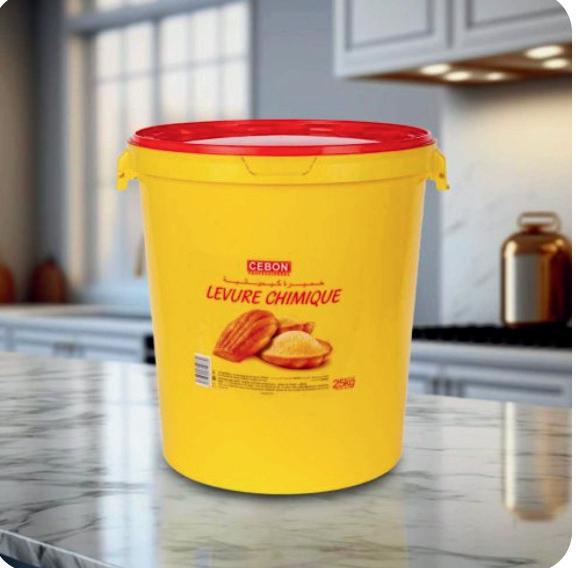
A World of Pleasure: Beyond spreads, CEBON is a vital partner for the culinary world, manufacturing products that provide pleasure to chefs and home bakers alike: whipped cream, icing sugar, vanilla, and baking powder.
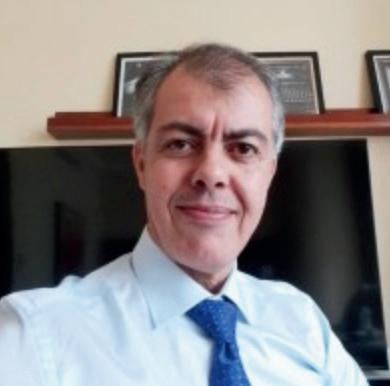
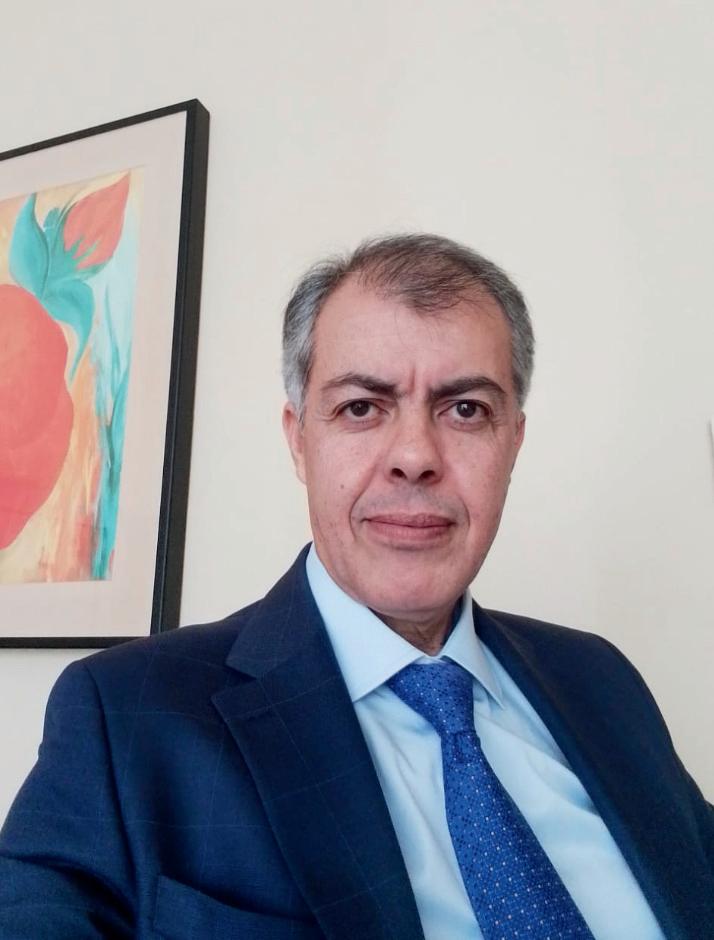
Meeting Amine and learning the story of EL MORDJENE was a privilege a powerful example of African ingenuity turning local, humble beginnings into a globally recognized brand. The product is not just a spread; it is the sweet taste of home, resilience, and a dream made real by two brothers who knew the value of their Mediterranean treasure.
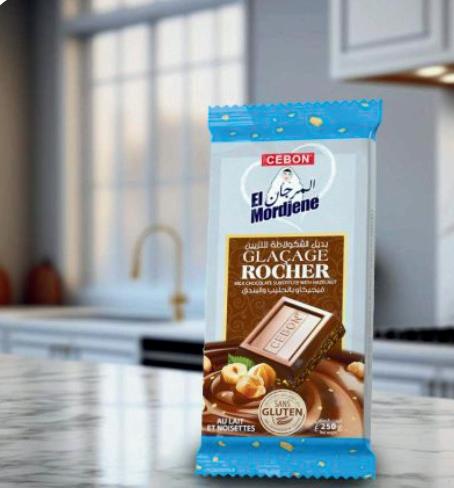

For partners seeking a highgrowth, highvolume presence in the global baking and confectionery market, SARL CEBON and its globally recognized brand, EL MORDJENE presents an unparalleled opportunity. Born from the entrepreneurial spirit of two brothers,
Youcef and Korichi FOURA, in 1997, CEBON has evolved into a strategic manufacturing leader with a strong African heritage and proven global appeal. Scale, Commitment, and Viral Success
CEBON’s growth trajectory is defined by ambitious scale and strategic market capture:
Manufacturing Footprint: The company has scaled from a single small workshop in 1997 to operating three modern factories today.
Human Capital: We employ a dedicated workforce of 700 personnel, ensuring consistent production and quality control across our entire product range.
Product Breadth: CEBON manufactures and distributes more than 11 product families, including high-demand essentials like whipped cream, icing sugar, vanilla, baking powder, and its core spreads.
Proven Global Demand: Our flagship EL MORDJENE spread is recognized worldwide for its quality. This recognition was dramatically confirmed in the summer of 2024 when the product went viral on social media, demonstrating massive, untapped market interest.



I met the CEO of Rehana at his booth (Intra-African Trade Fair IATF) in Algeria. What I found was a man as charming as his vision was vast. He spoke not just of sales, but of a singular, powerful aspiration: to see his food product become the undisputed, high-quality face of Africa.
That dream the one where every kitchen across the continent is nourished by African hands is the "fresh bite" that fuels this company.
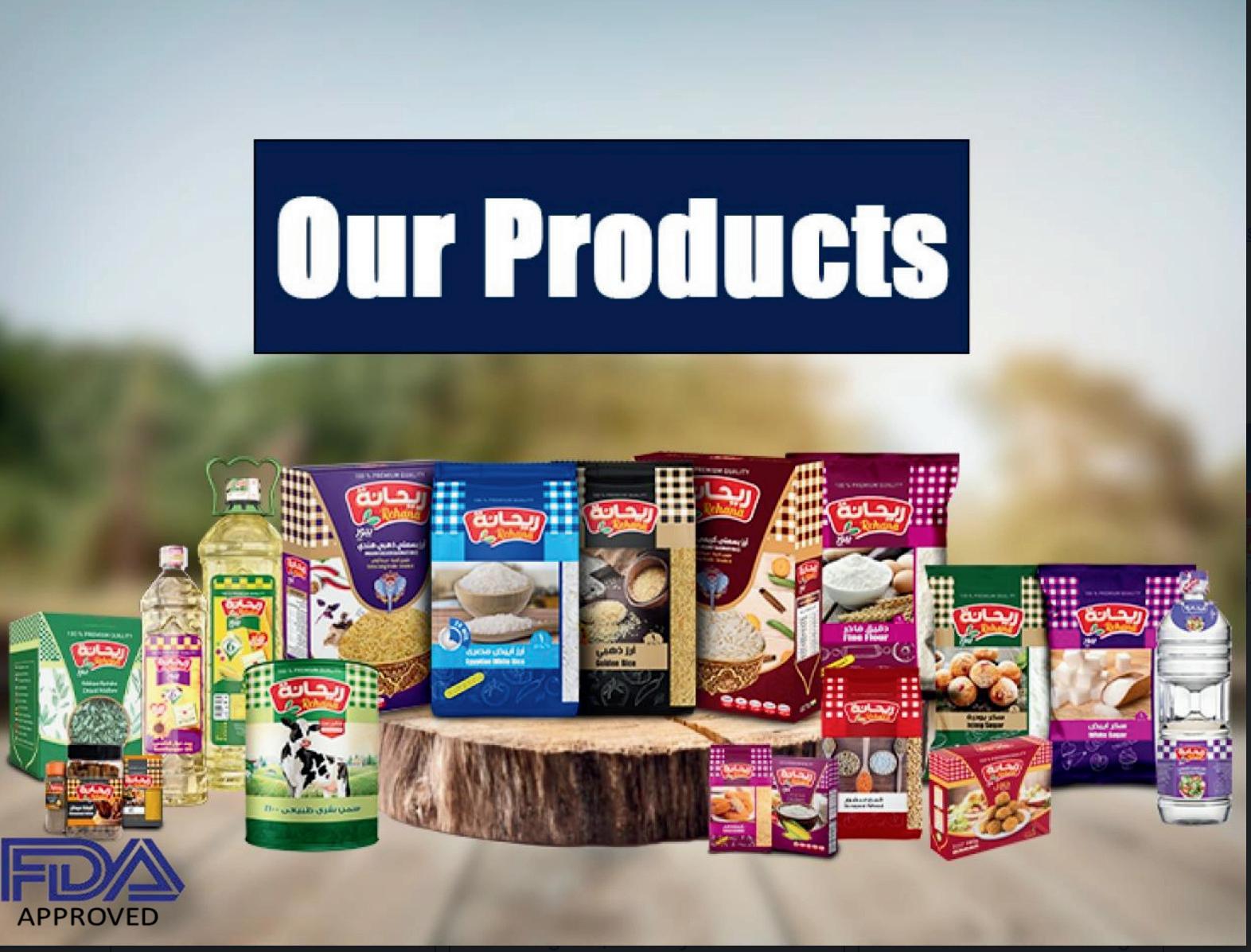
Established in 1997, Rehana isn’t just a food manufacturer; it is a pillar of commitment built on the most basic, yet most profound, promise: to make sure the essentials of life the rice, the sugar, the flour, the spices are always available, always reliable, and always excellent.
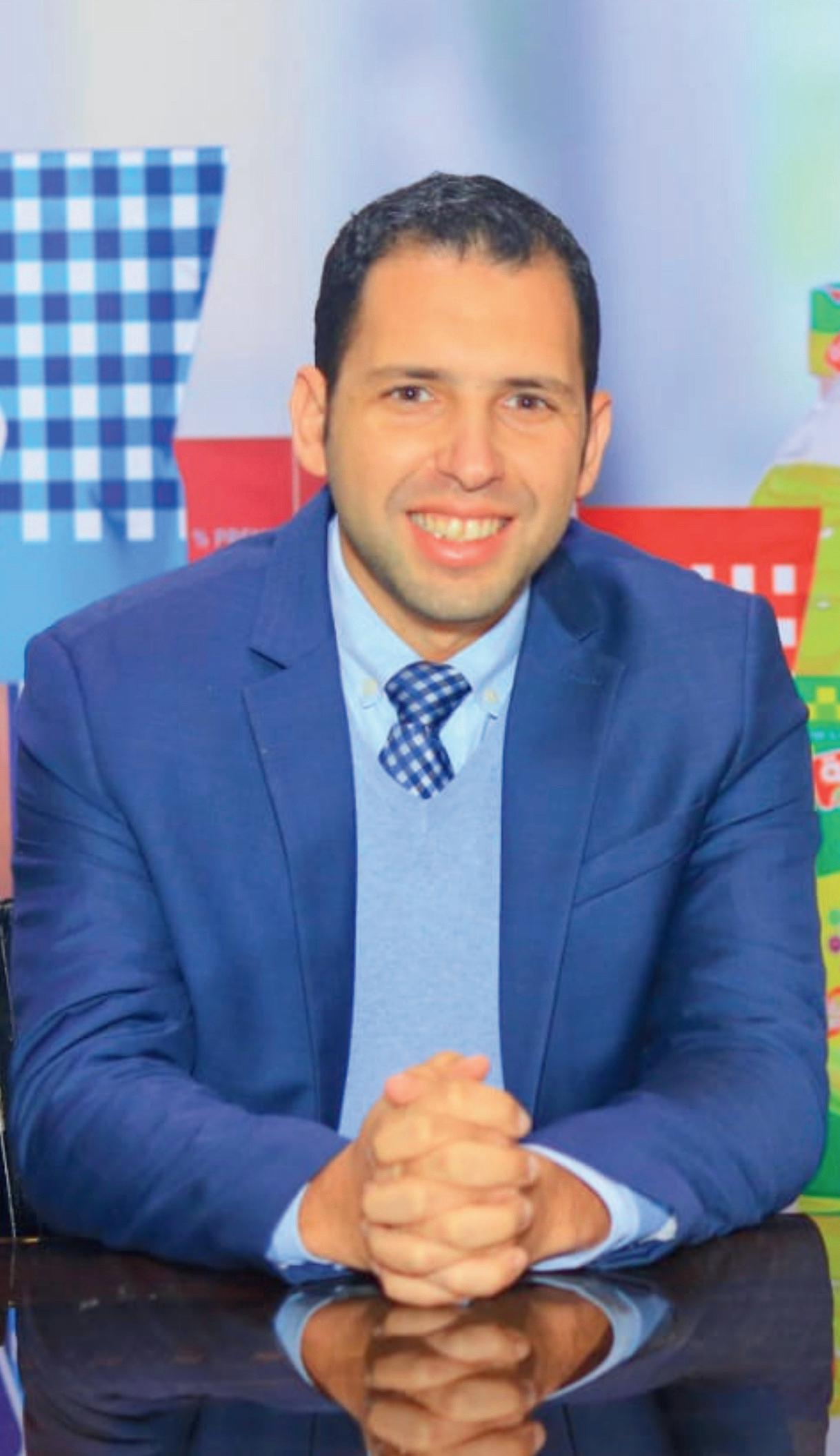
Dr. Mohamed Zorik - CEO
Rehana operates with a staggering capacity of 15,000 Tons of product per month, but its true measure of success is its intimacy with the African consumer. They deal in the ingredients that turn necessity into joy, that turn a recipe into a family memory. What truly elevates Rehana is their refusal to let economic challenge compromise quality. This commitment is formalized through their "Haboba Family" initiative, which is the soul of the company a deep social contract with the communities they serve:
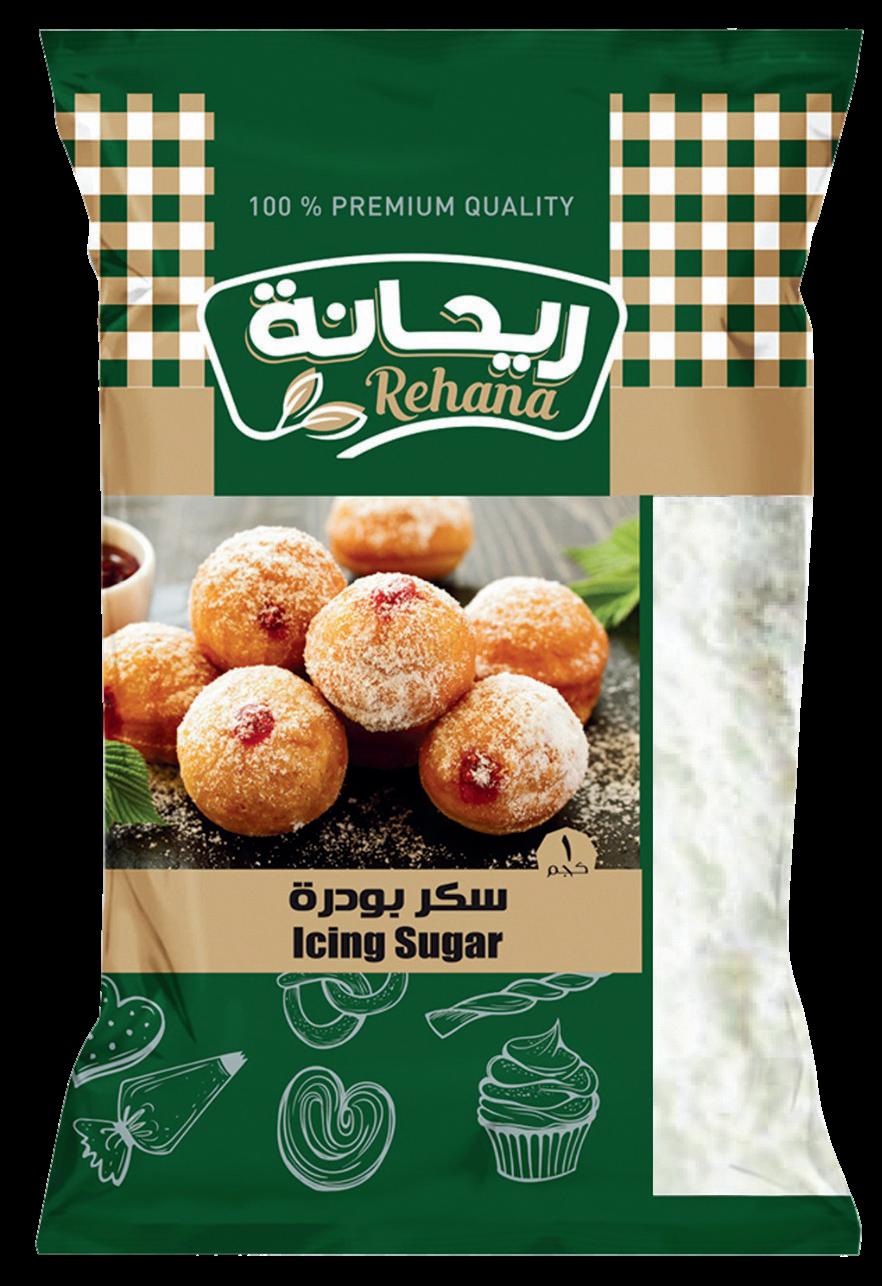

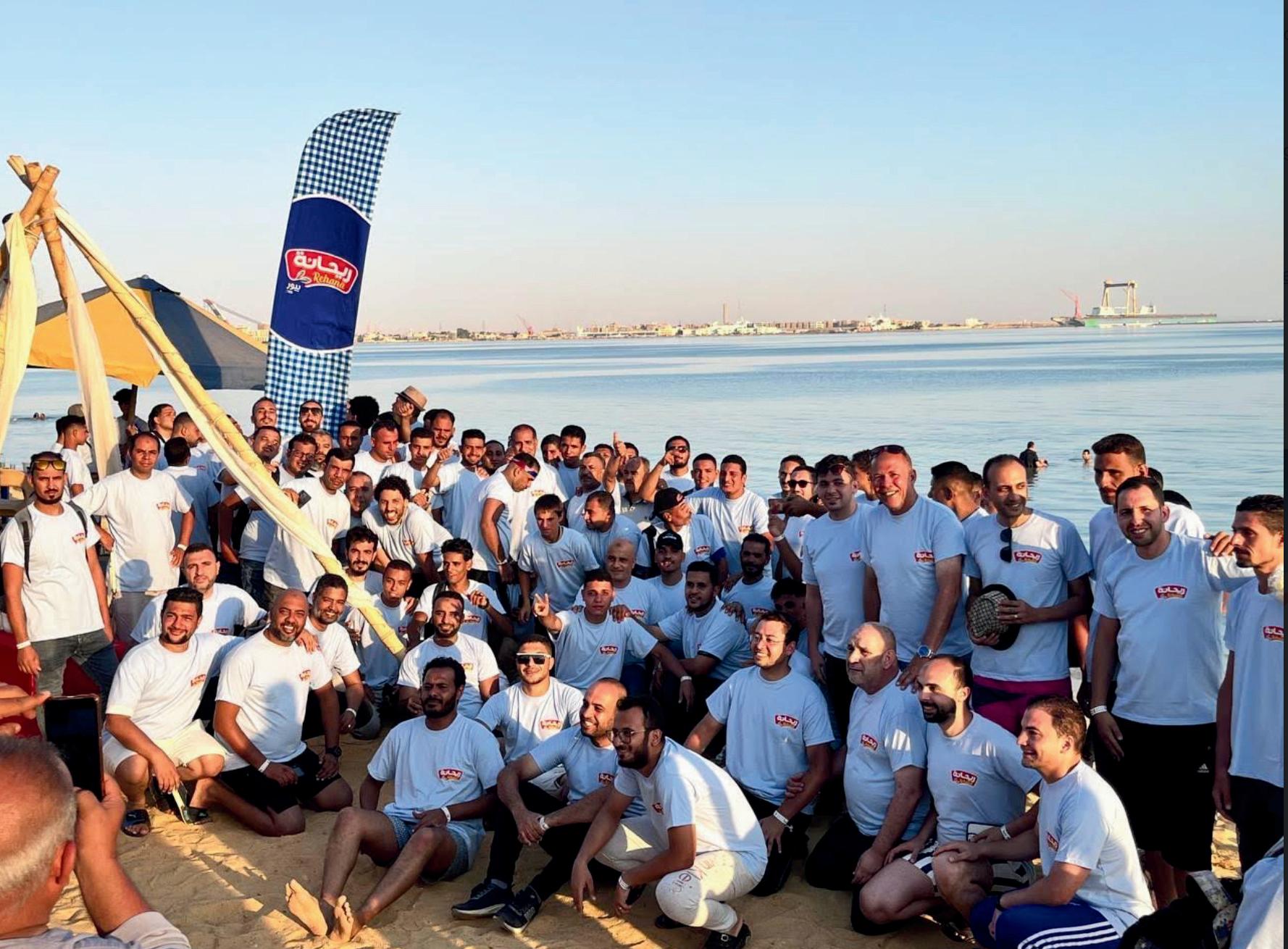

Job Creation: Providing stable employment for +400 persons in agriculture, processing, and distribution, directly strengthening local economies.
Sustainable Sourcing: Prioritizing environmentally friendly practices and local farmers, ensuring that their growth supports the planet as much as the people.
Affordability without Compromise: By mastering the efficient supply chain and embracing smart product innovation, they ensure that high quality remains accessible, setting a new standard for excellence that is within reach.
Rehana is living proof that African-led food production can set the global standard. Their ambition isn't confined by borders; their products are exported to more than 30 countries, including demanding markets in Europe, the UK, the USA, and the Gulf. Their persistent presence at major international exhibitions from Anuga in Germany to Fancy Food in America is not merely marketing; it’s a commitment to rigorous quality control, proving that the standards applied to the most sophisticated international markets are the same ones applied to every essential ingredient on the African shelf.
With ambitious plans to grow exports by 40%, Rehana is strategically focusing on entering new global territories like the US and China. This expansion will further cement its position as the reliable, high-volume gateway for African food products worldwide. Rehana’s story is about more than manufacturing; it’s about manifesting a dream of food security, economic empowerment, and continental pride. It is the story of a company that is quietly, powerfully, making good on its promise to ensure that every table is set with the quality Africa deserves.
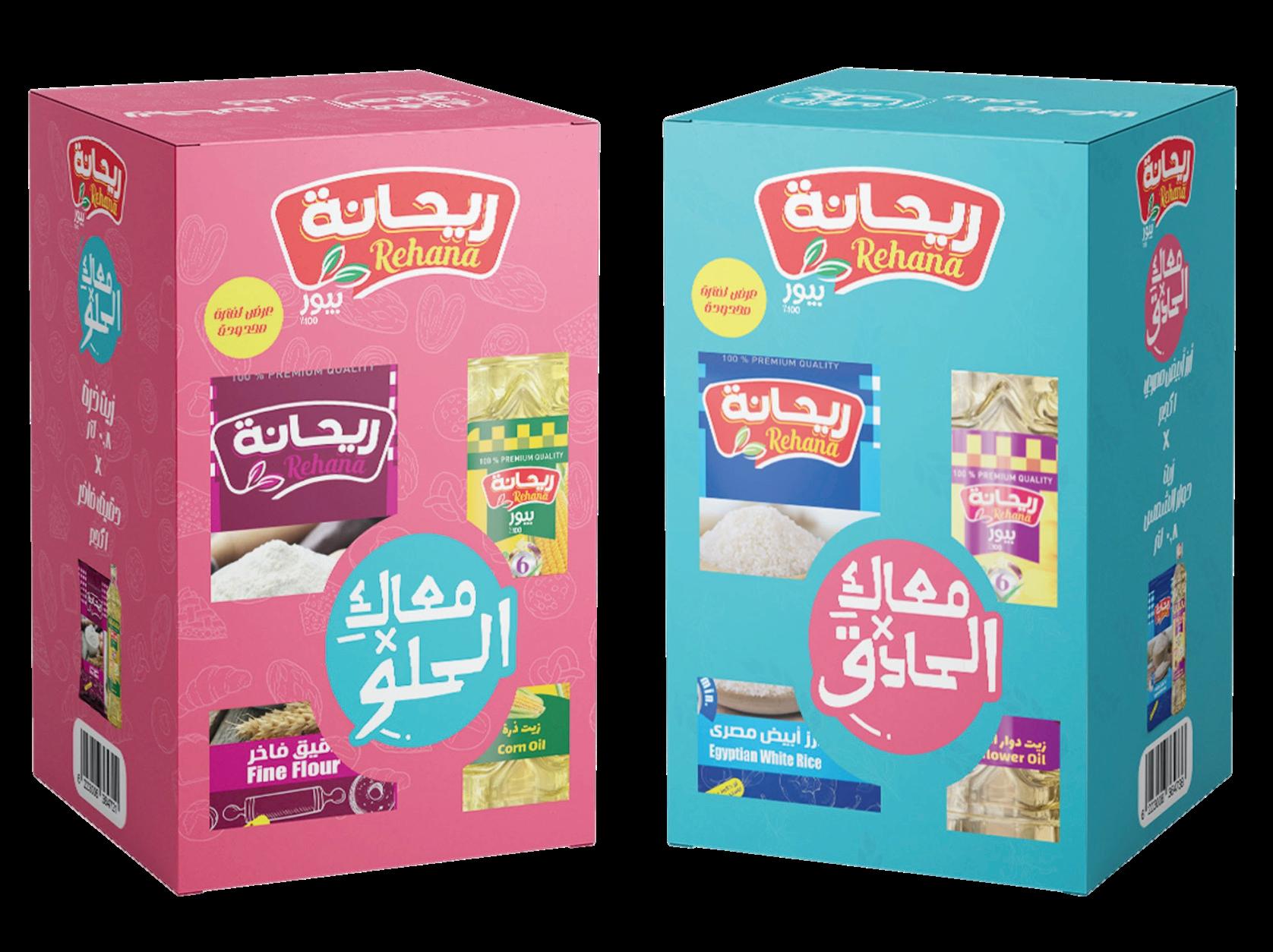
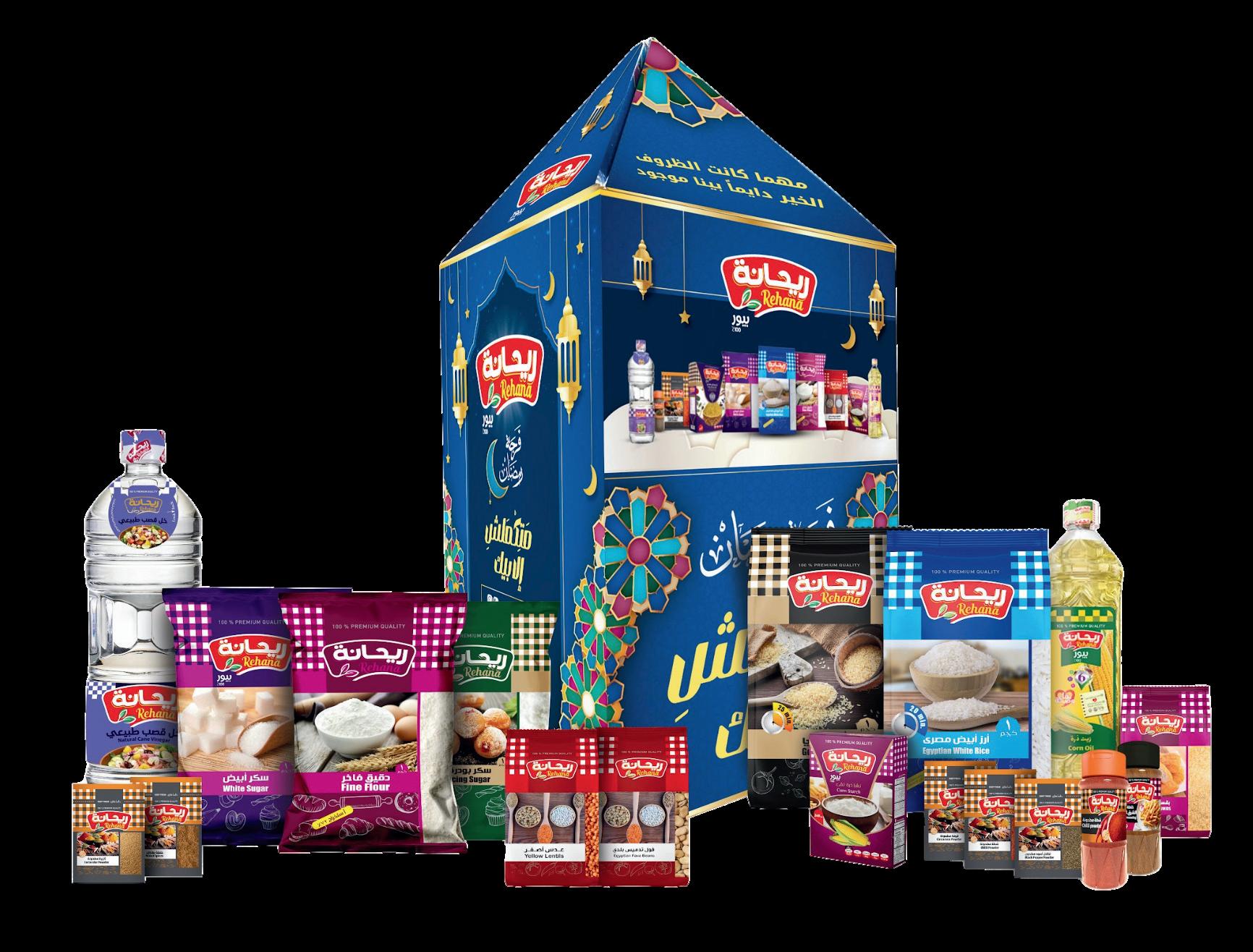
For international distributors, investors, and strategic partners, the question of expanding into African markets requires alignment with a proven, high-capacity anchor. Since 1997, Rehana has established itself as that essential pillar in the Fast-Moving Consumer Goods (FMCG) sector, driven by a vision to make its quality products the face of Africa. With a massive production capacity of 15,000 Tons per month, Rehana is prepared to scale, ensuring reliable supply across essential daily staples: rice, sugar, flour, legumes, spices, edible oils, and vinegar.
The Rehana Advantage: Scale, Quality, and Global Routes
Rehana’s commitment extends beyond manufacturing into strategic global operations and unmatched quality control, securing its competitive edge:
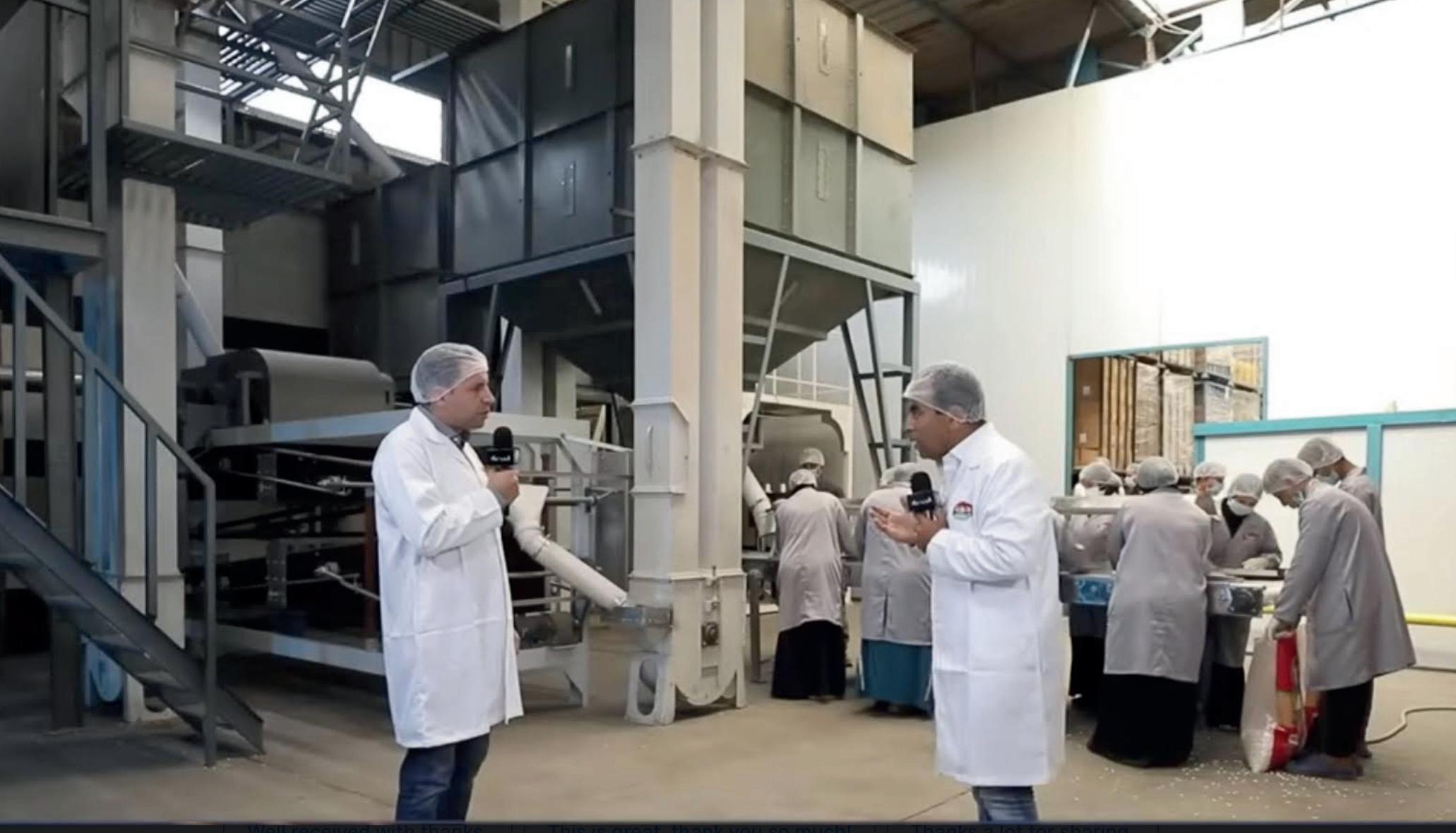
Massive Production Scale: 15,000 Tons/month workforce of guarantees continuity of supply for major international contracts.
Global Export Readiness: export to over demanding markets in the USA, and the Gulf capability to meet rigorous international standards.
Global Market Presence: maintains visibility at key international exhibitions, including SIAL (France), Gulfood (Dubai), Fancy Food (America), and the Shanghai


recently celebrated the revolutionary spirit of Algeria, reflecting on the power of economic solidarity and the dream of an Africa that depends on itself. But as we usher in a new year of continental ambition, we must face an ugly, enduring truth: Africa is still held captive by the ghosts of division. Look up. Our skies the one unifying resource we all share are burdened by an invisible wall.
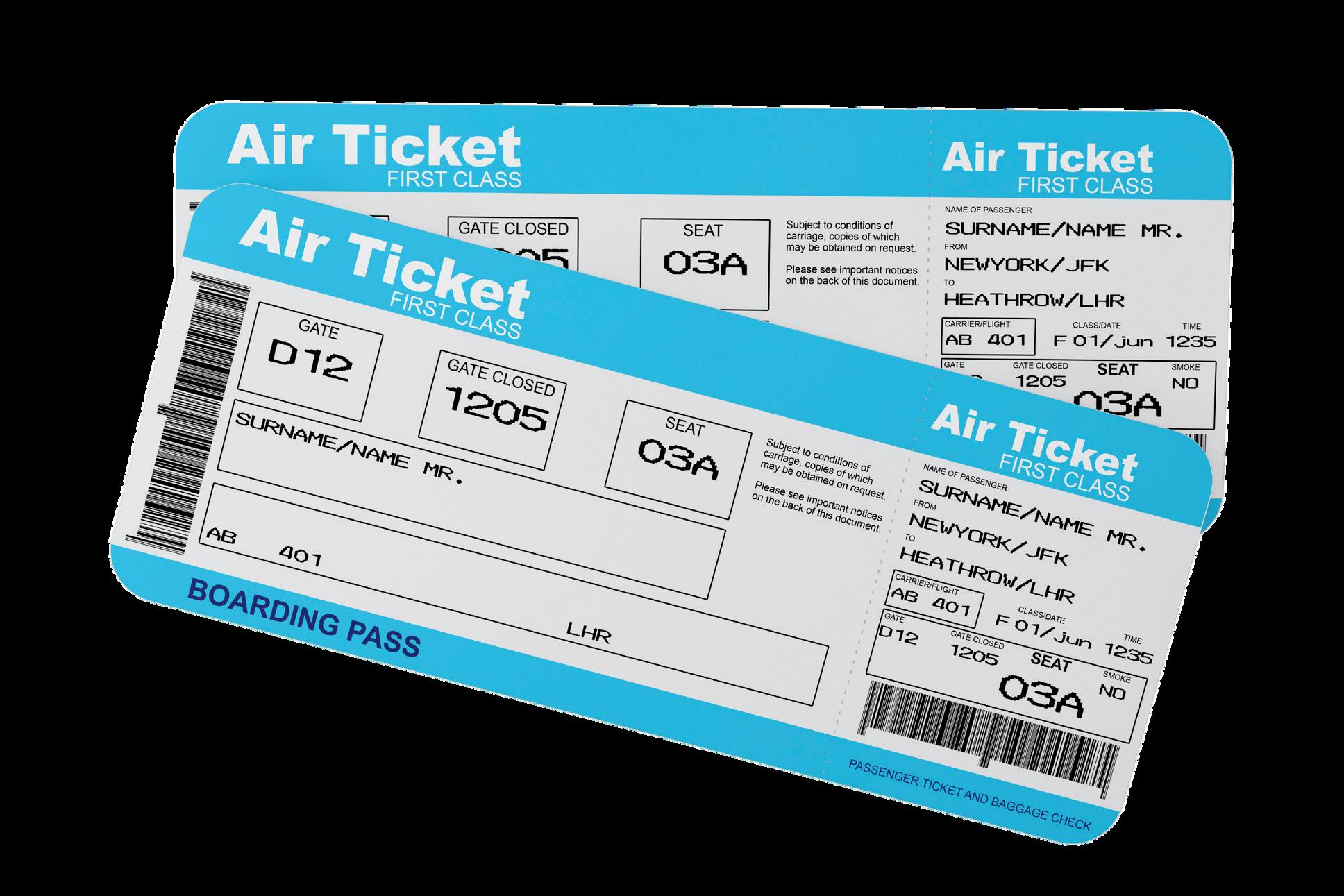
The African traveler attempting to move from South Africa to Tunisia is forced to travel via Dubai or Istanbul. A Kenyan businessperson aiming for Algiers must detour through Paris or Frankfurt. In the cruelest twist of irony, it is often cheaper and faster to fly out of Africa, circle the globe, and fly back in, than to make a simple, direct hop between two African nations. This is not mere inconvenience. This is a scramble for Africa still vividly clear in the 21st century.
When our colonial masters gathered at the Berlin Conference in 1884 to carve up the continent, they drew lines designed to divide us and connect them. Their maps ensured that resources flowed North-South, never East-West or South-North. Today, this legacy persists in the air. The major hubs Nairobi, Johannesburg, Lagos still prioritize connection to London, Paris, and Dubai. The infrastructure of dependency is so ingrained that European airlines often find it easier to establish routes within Africa than African carriers do. We have gifted the control of our internal mobility, and thus our internal economic flow, to those who do not share our destiny.




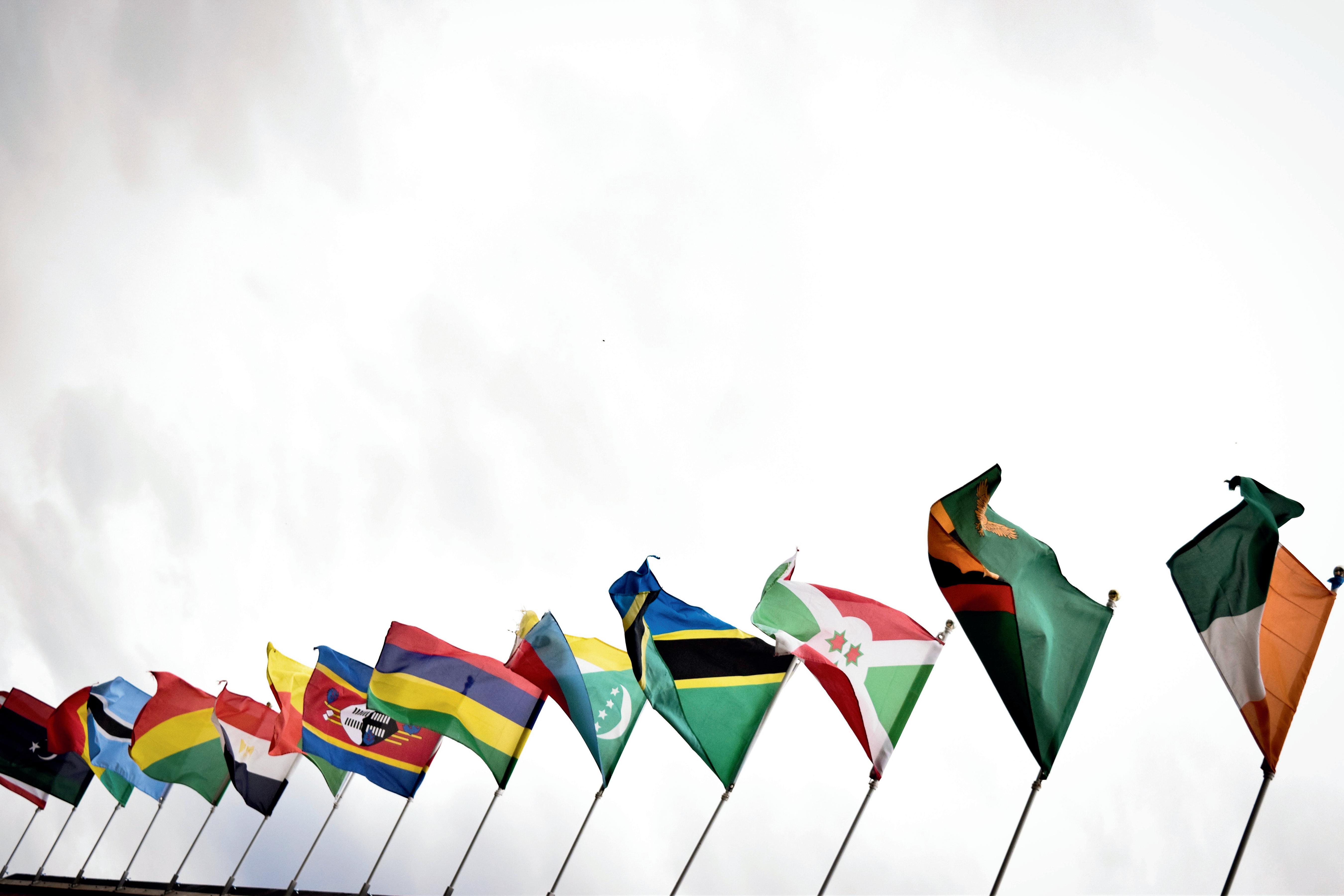

The price of this division is staggering. According to analyses by organizations like the African Airlines Association (AFRAA) and the World Bank, the high cost of flying across Africa remains the biggest impediment to regional integration.
FACT: A simple 90-minute flight between Nigeria and Ghana can cost upwards of $500, while a similar distance flight within the EU can be found for as low as $50
(Source: AFRAA/IATA Price Comparisons). This massive disparity is not accidental it is the price we pay for division.



Twenty-five years ago, Africa penned its own revolutionary document: the Yamoussoukro Decision (YD), aiming to create an Open Skies policy across the continent. It was the promise of a self-determined network. Yet, this crucial agreement remains largely grounded. Why? The answer lies in protectionism. Governments, fearing competition, cling desperately to their inefficient, costly national flag carriers. They block landing rights and deny traffic freedoms to rival African airlines. According to reports from the African Union (AU) and the African Civil Aviation Commission (AFCAC), only a handful of member states have fully implemented the YD, rendering the "Open Skies" policy a largely symbolic gesture.



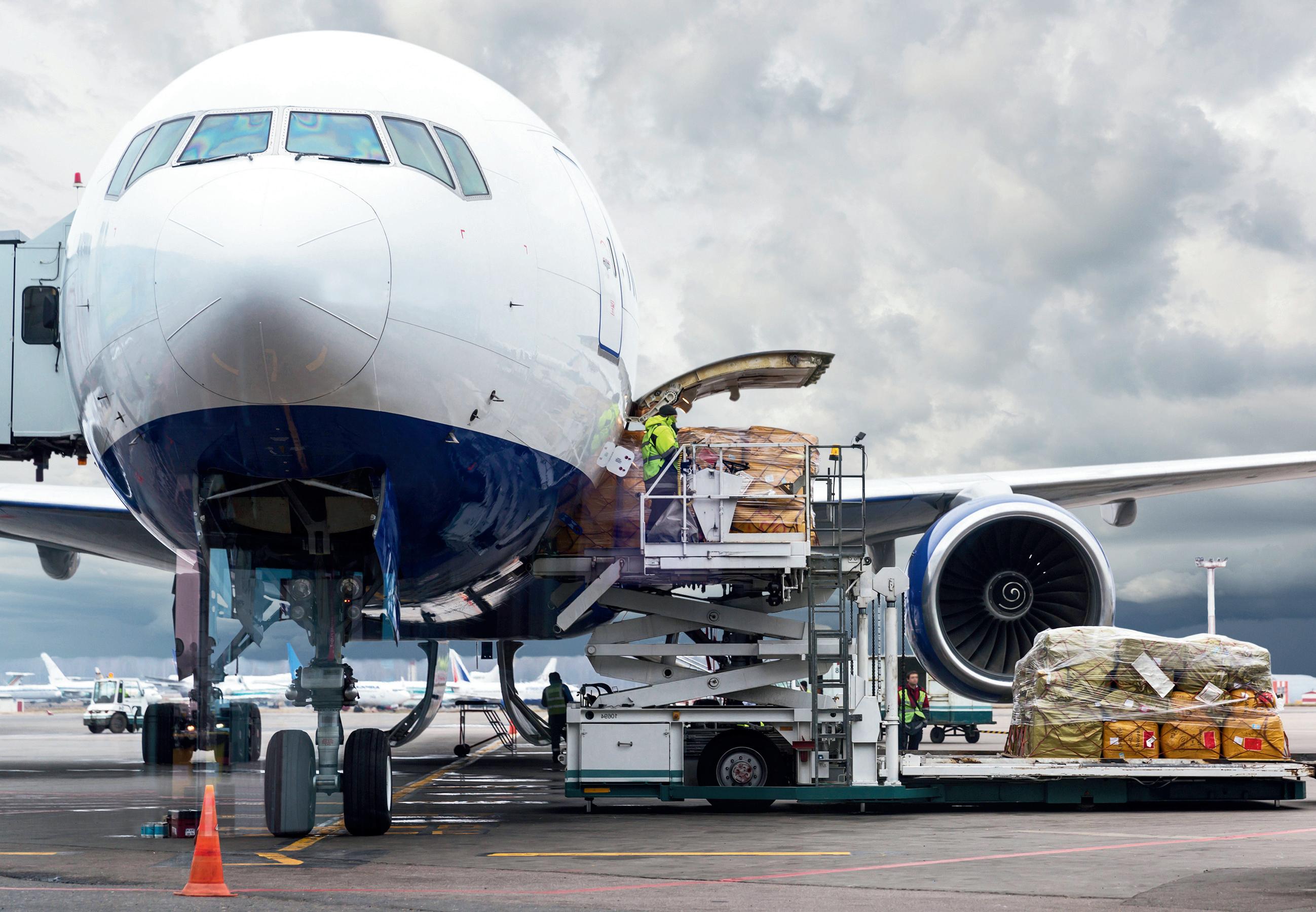
The failure to open our skies is compounded by extraordinary operational costs, which are often dumped onto the consumer. Research from aviation consulting firms highlights two key financial burdens:

Fuel Costs: Taxes on Jet A-1 fuel are often significantly higher in Africa than in the Middle East or Europe.
Taxation and Fees: Airport taxes, navigation fees, and regulatory duties often constitute up to 30-40% of the ticket price (Source: IATA/AFRAA
Operational Analysis).
This isn't just about tourism; it strangles the African Continental Free Trade Area (AfCFTA). How can goods, ideas, and investment flow freely when the very people who carry them are trapped by expense and delay?

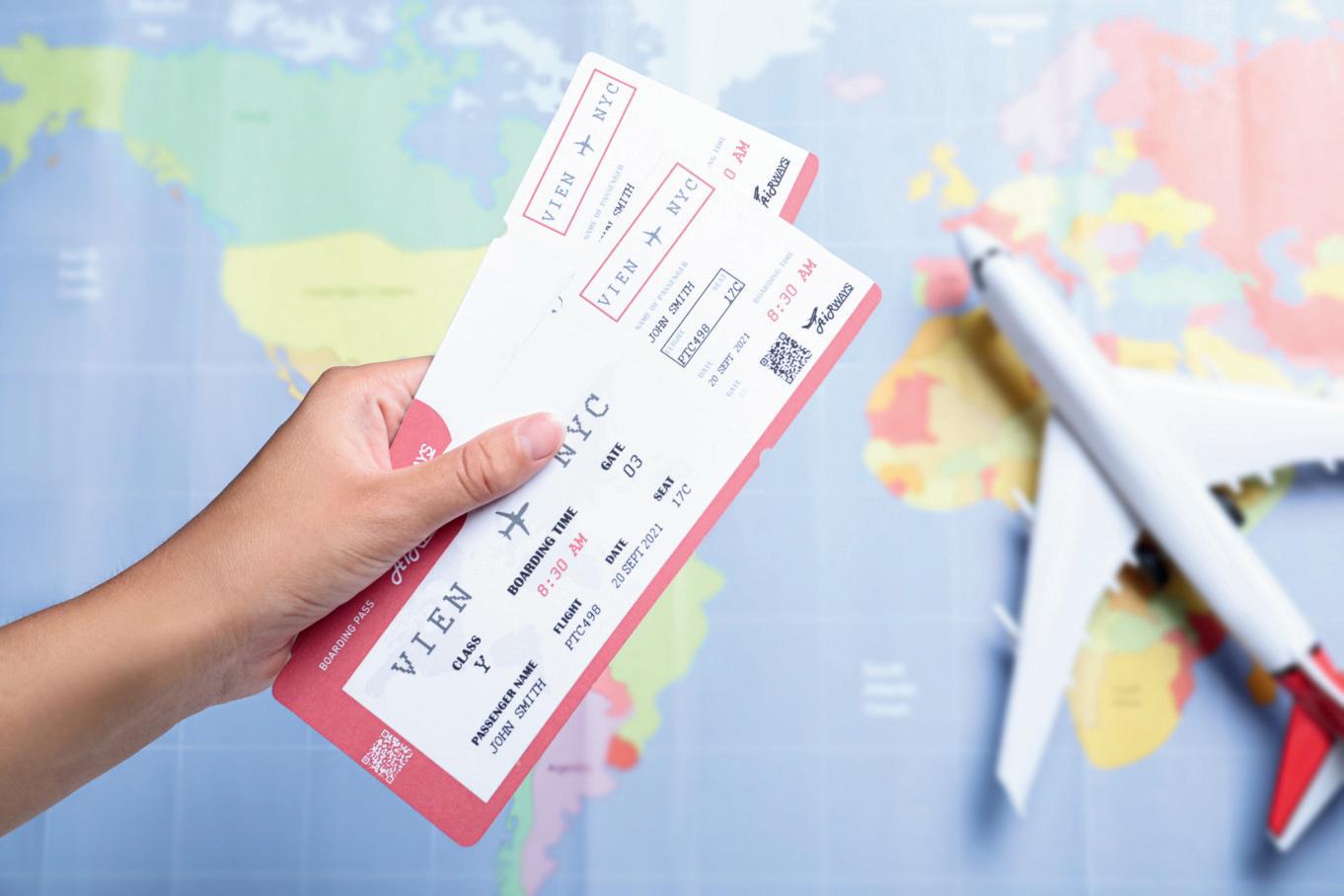
The invisible wall in our skies is a political and psychological barrier, not a technical one. Air Tanzania’s new direct route to Nigeria and similar moves by others are crucial cracks in this foundation of division, showing what is possible with political will. We must question why our leaders choose to maintain an invisible wall that prevents us from trading easily, knowing our neighbors, and building the wealth we deserve.
Why does Africa choose to maintain a structure built to divide them, when the key to unity is literally in the air?






This is not merely a policy failure; it is a betrayal of PanAfrican solidarity. The revolution starts not just in our marketplaces, but in our demands to fly freely, directly, and affordably, from one African heart to the next. We must demand the Open Skies we deserve. We must insist that the maps drawn in Berlin are finally torn up and replaced by routes designed in Africa, for Africans.
Sources & Further Reading:
African Airlines Association (AFRAA)
International Air Transport Association (IATA)
African Union (AU) / African Civil Aviation Commission (AFCAC)
World Bank Economic Reports on Intra-African Trade


Open Borders: A rich panAfrican visa-free zone born of unity, not vestige. Affordable Skies: A revived SAATM (Single African Air Transport Market) powered by competition and smart policy.
Connectivity as Unity: Turn travel into an act of love and learning each border crossed a stitch in the fabric of Africa’s

Map made by colonial powers. Our hearts tied. It’s time to redraw not with pens, but with footsteps.

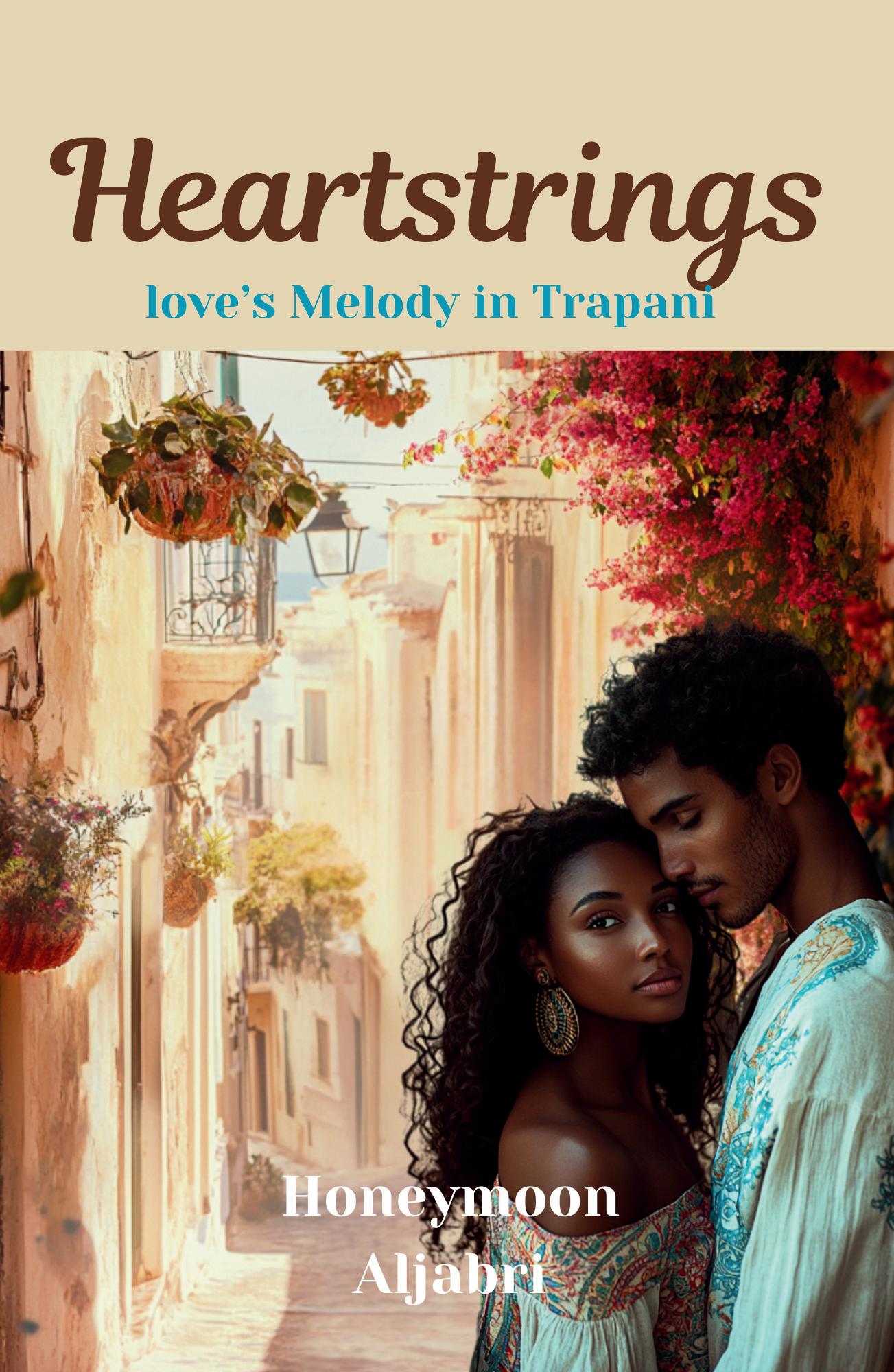
In the tender embrace of "Heartstring," Honeymoon Aljabri weaves a tale as poetic as the African sunset. Ahmad, a Moroccan footballer, and Zahra, a Sudanese artist, flee their respective storms, finding solace in the ancient streets of Italy. Their journey is a symphony of whispered dreams and unspoken desires, an escape from the shadows of Istanbul and Washington D.C. In the quiet moments between heartbeats, their souls recognize each other, echoing the rhythms of their shared continent. As their paths intertwine, love blossoms like the desert rose, pure and unwavering. In this dance of destiny, they discover a sanctuary in each other's arms, a love that transcends borders and heals the deepest wounds, resonating with the timeless beauty of Africa itself.
My father was...
My father was a politician, but first, he was a patriot. My father was the former Minister of Home Affairs, who considered his post a sacred trust. My father was Katibu Mkuu wa CCM Zanzibar, a leader whose authority rested not on fear, but on honor. My father was a journalist, the esteemed editor of Uhuru na Mzalendo, who held the pen like a sword of truth. It is hard to write My father was... because he still is the root of who I am. Today, I stand as a journalist because of the clear, echoing pride in his voice, his steady encouragement for me to follow his footsteps. We talked endlessly about the architecture of a good story, the sanctity of fairness, the absolute mandate to report what is true. But all those titles, all that power... is nothing apart from the simple, profound truth: My father was the best father.His smile and his laugh will always be the melody of my memory.
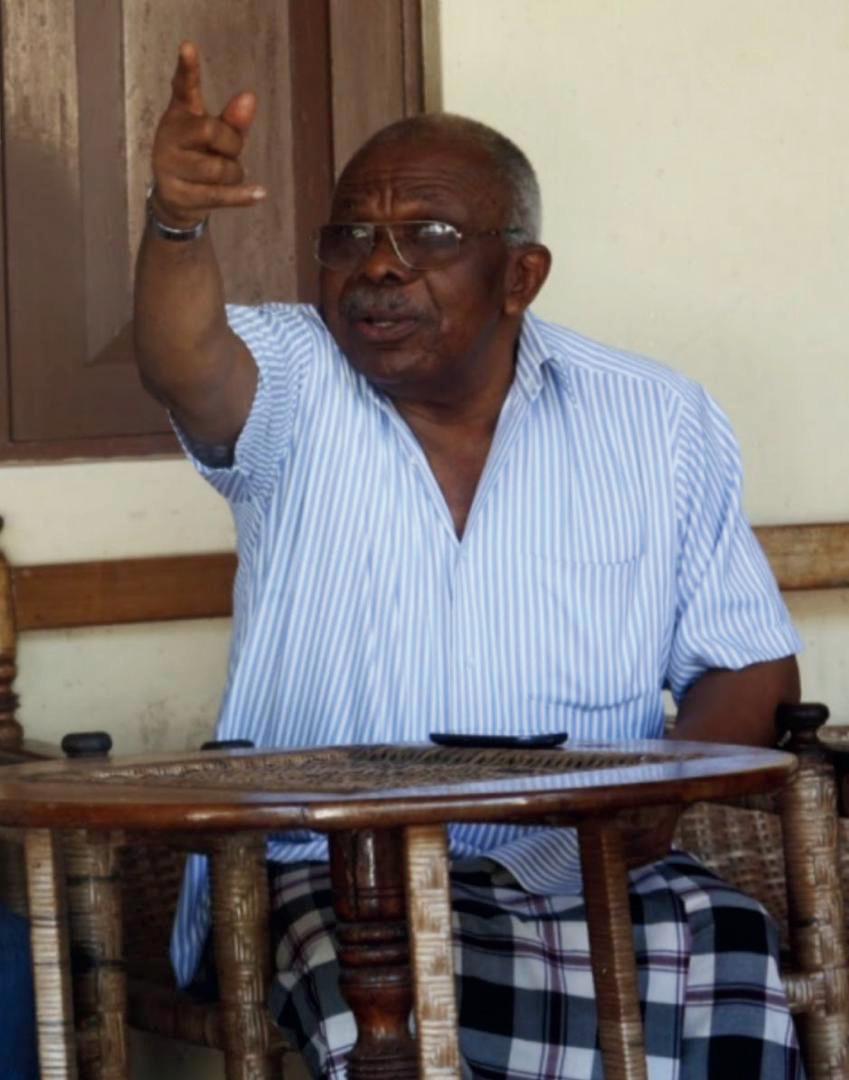
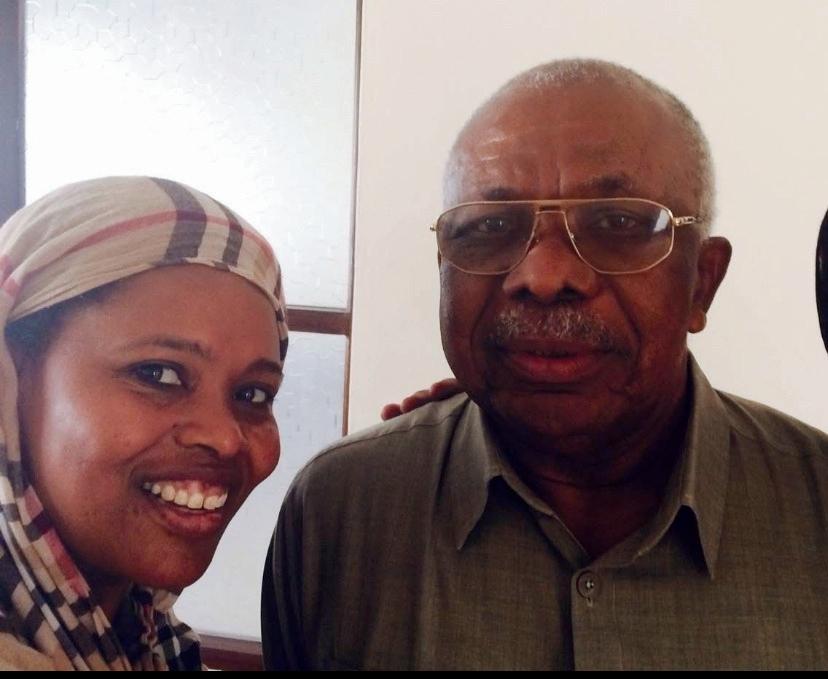
Let me tell you a story about my father.
He was a man carved from integrity, honest to the bone. He didn't bend his values; he said what he meant, and he meant what he said. In a world of politics where the soil was often poisoned by corruption, my father simply refused to play the game.
I remember my mother's confusion, a deep, frustrated ache in her voice. A moment where a bag full of money a clear pathway to comfort and ease was offered and instantly rejected. My mother, ever practical, saw an opportunity turn to smoke.
"This man will die poor," she worried aloud. "How can a Minister of Home Affairs refuse this chance?"
She saw a future unburdened by struggle; my father saw a soul tarnished. He stood firm, telling her that no money could ever buy him out of his dedication to serving his beloved country. He taught us that integrity was a currency richer than gold, and he refused to exchange his soul for a temporary gain.
Last year, I went home. Though his health was waning, his mind remained sharp, fixed on the principles of good governance. We talked politics and journalism, discussing the state of the nation. He observed, "Now days leaders are afraid of losing their job and status, and forgetting to serve their constitution."
Then came his loud, joyful laugh, the one that could fill a room.
He retold the story of his political end. "Your mother called me and told me I was sacked as Minister of Home Affairs!" he exclaimed. I knew the story, yet I wanted to hear it again.
"I picked up the phone from Zubeda, she said did you hear the breaking news? your mother asked, and I asked her, 'Did I get fired?'"
He knew the answer because, in his last meeting with the President the great Benjamin Mkapa he had done the unthinkable: he stood up and refused to bend our constitution just to serve the President’s immediate need. "I wanted to do what my country deserves," he finished with that glorious laugh.
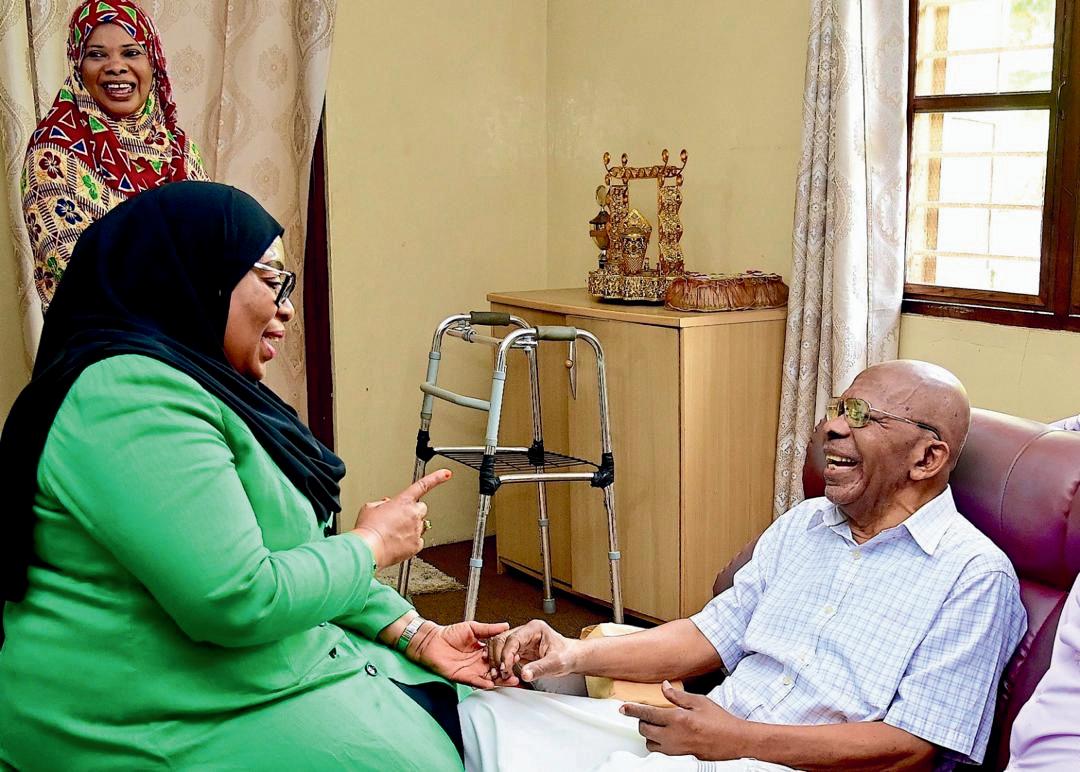
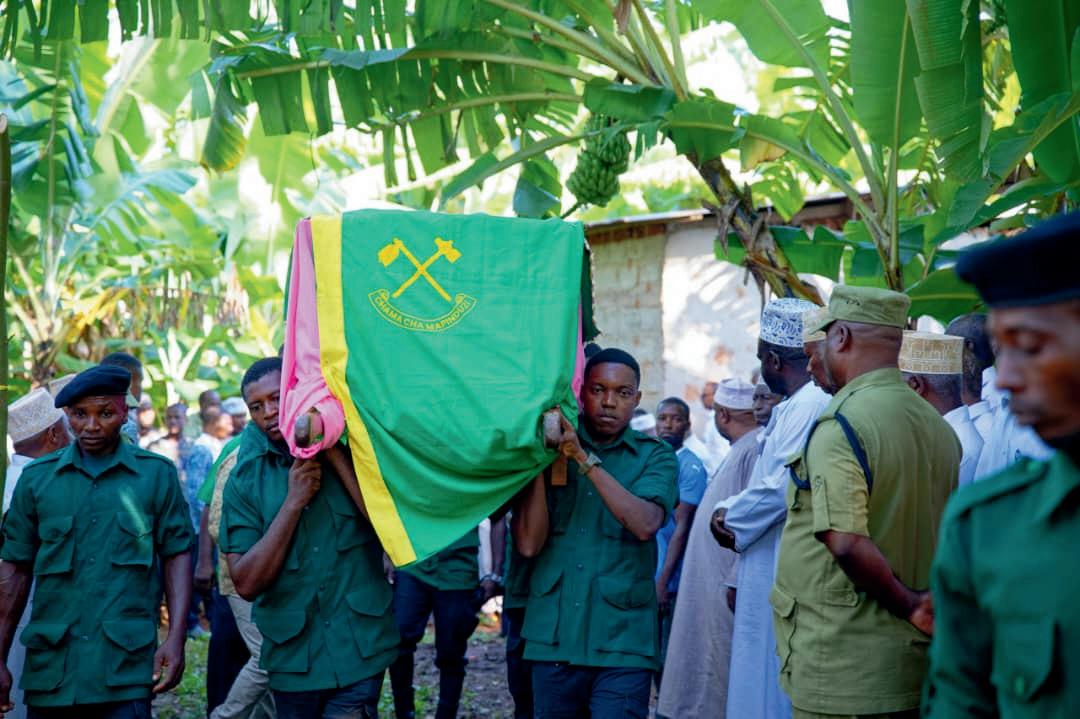
We talked for a while longer. He gave me his final journalist's oath: "If you ever put your pen down, understand that that voice is read, and molds opinion for others. So, do not ever bend the truth, and if you do, you will have to answer to your Allah."
His Legacy: A Clean Slate I remember talking about world politics, and he laughed, asking, "How is your president Trump?"
With a profound sincerity that overshadowed the joke, he offered his final, greatest pride: "One thing I am proud of is not to embarrass my kids. Politics is a duty game, and I made it out clean, with no corruption case or accusations."
My father was not wealthy when he entered politics, and he left when he had just enough to feed his family. Politics and power did not change him. He was a man who carried his village of Donge with pride, his Island of Zanzibar with integrity, and his country with profound dedication.
My father was the son of his Island. My father was Ali Ameir Mohamed. Inna lillahi wa inna ilayhi raji'un. I loved you , I love you, and I will always love you baba...
Thank you for reading this, I am the editor of this magazine because of this remarkable man. I wanted to honor and introduce my father, the one who shaped me into the journalist I am today. Thank you, and may you rest in peace, Baba.
Every
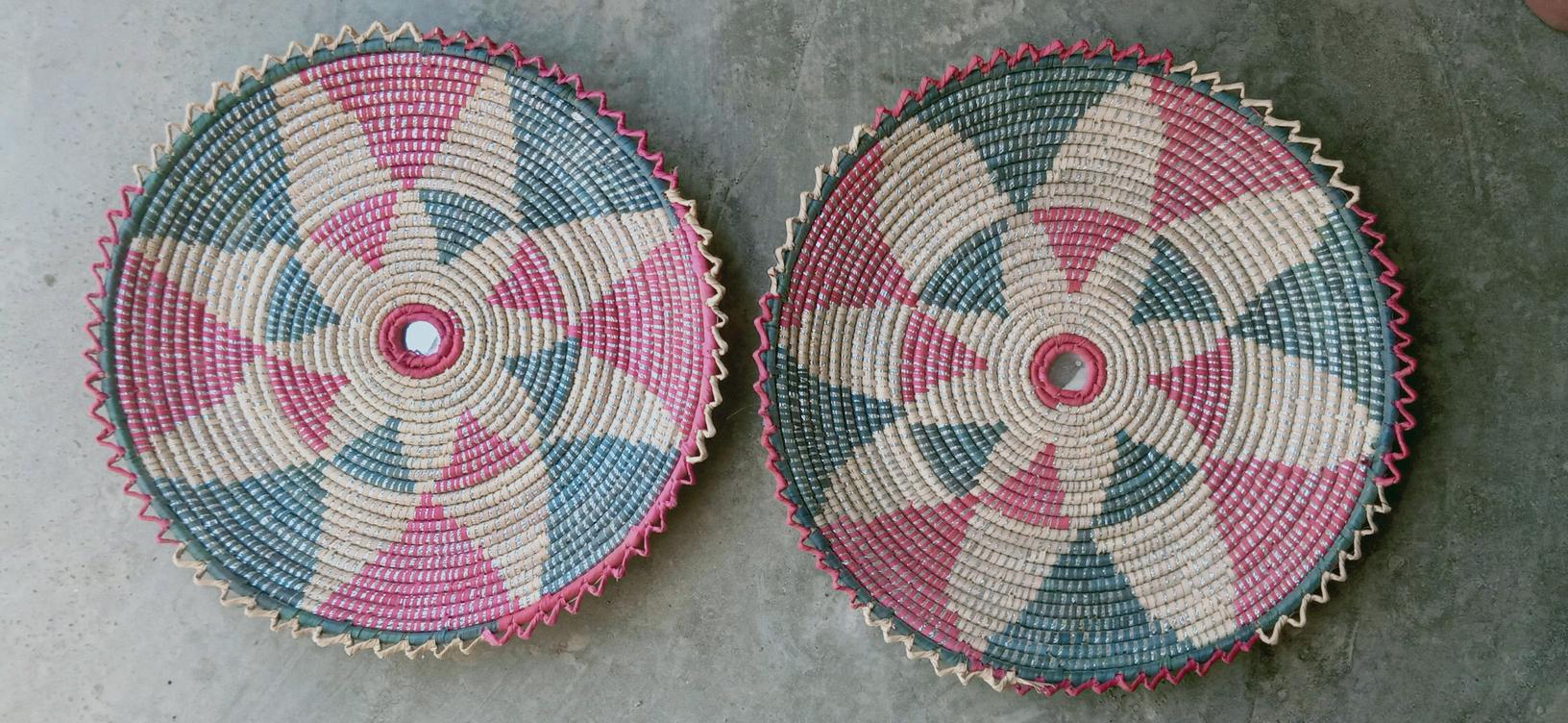



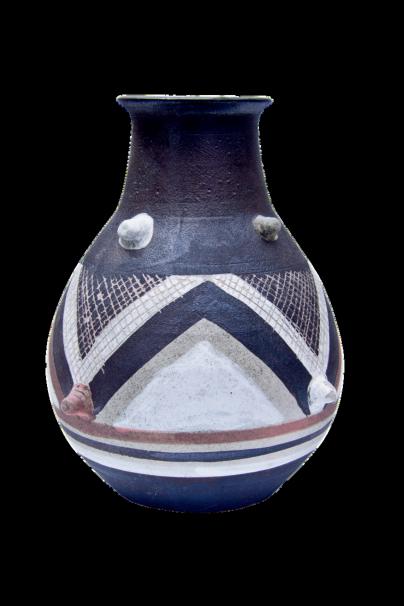
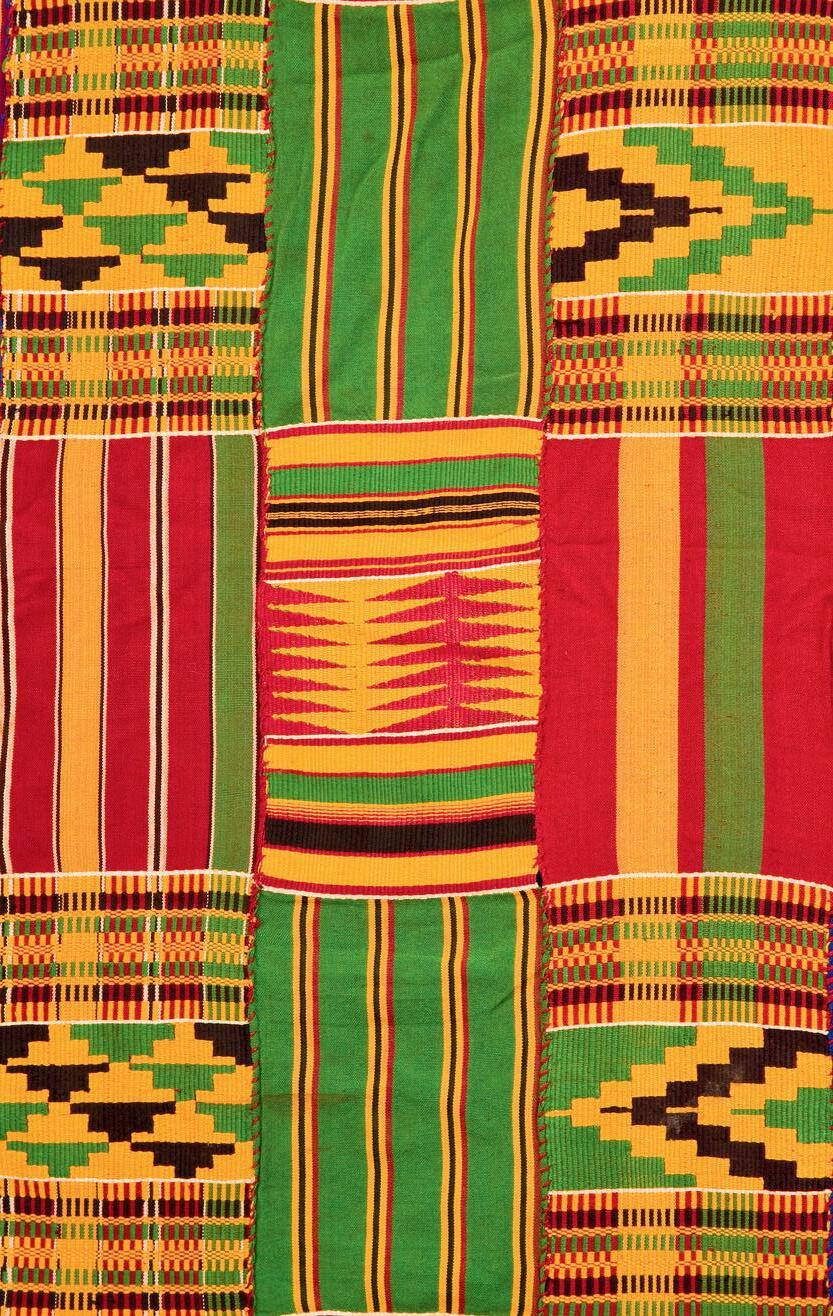

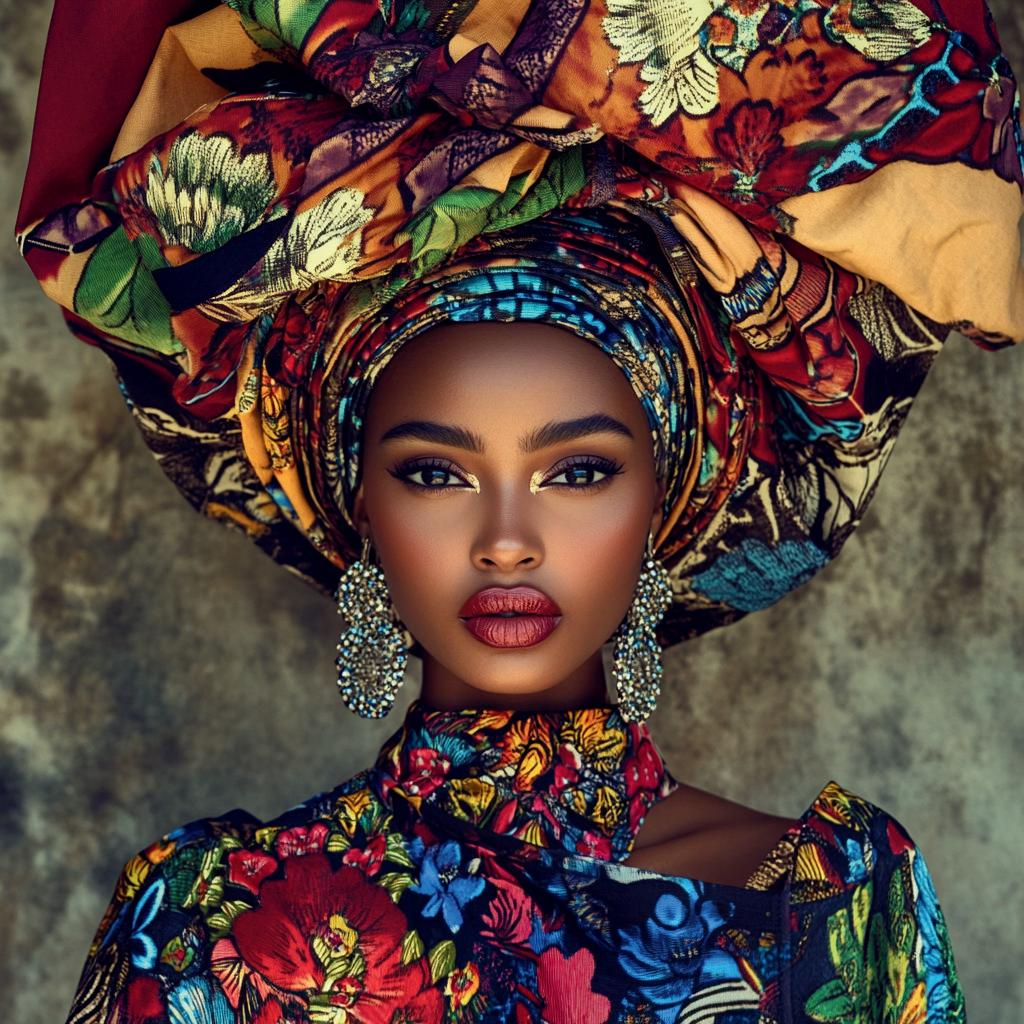
This season, ditch the generic red and green. We show you how to blend the festive spirit of the holidays with the rich textiles, earthy tones, and soulful craftsmanship of Africa, creating a home that celebrates both the season and your heritage.
Forget mass-produced plastic ornaments. This year, your tree becomes a living tapestry of African artistry. Beaded Beauty: Replace standard globes with handmade beaded wire ornaments from South Africa or Zimbabwe. Look for beaded animals (like giraffes or elephants) or geometric starbursts . Their shimmer adds a warm, organic glow, and every purchase supports African artisans.
Natural Materials: Hang ornaments made from banana fiber, carved wood, or recycled metal. These items bring the earthiness of the continent into your living room, contrasting beautifully with the bright evergreen of the tree.
The Tree Topper: Choose a powerful, sculptural piece for your tree topper perhaps a handcrafted African mask (stylized and safe) or a metal Adinkra symbol representing a quality like Sankofa (looking back to the past to inform the future).
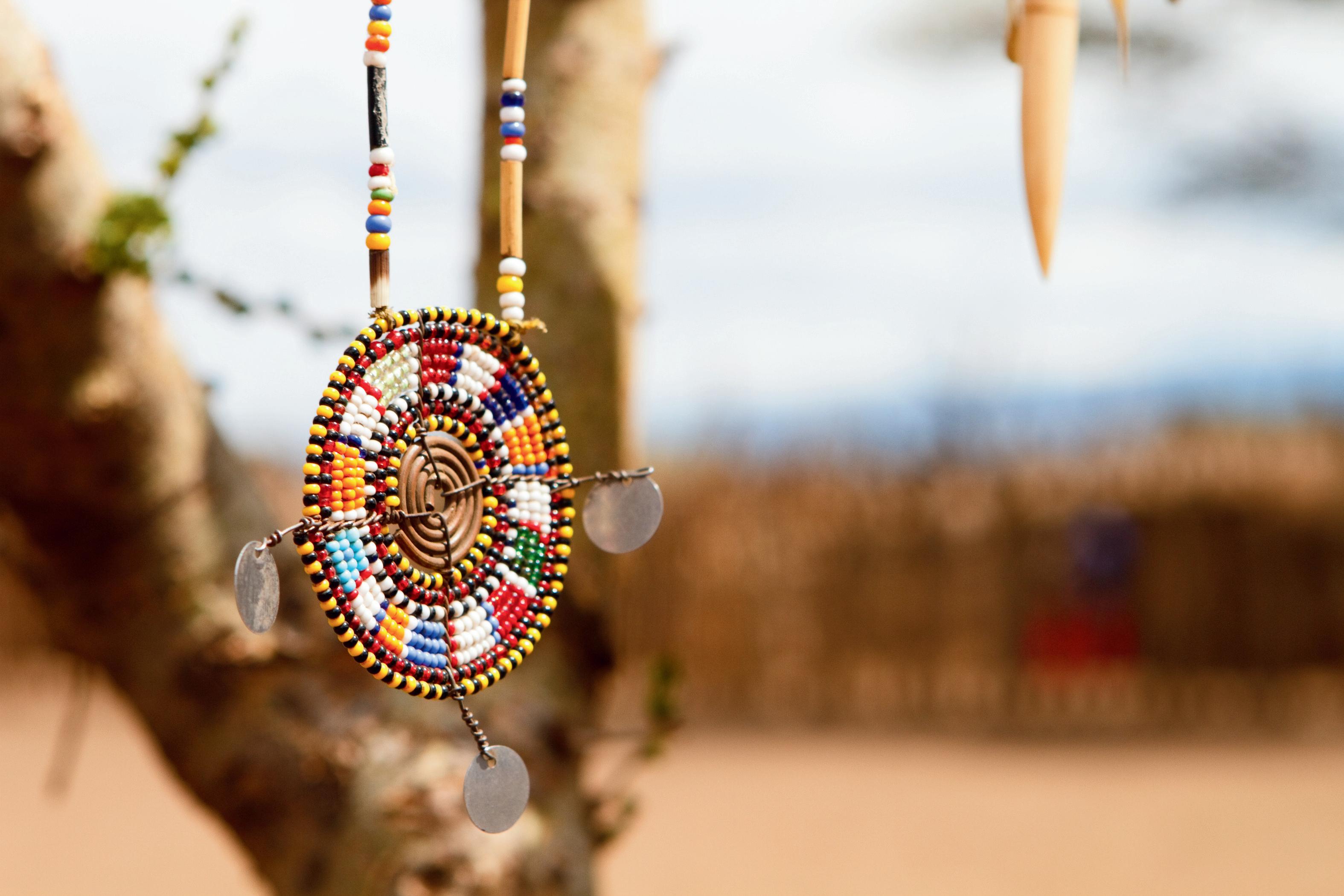
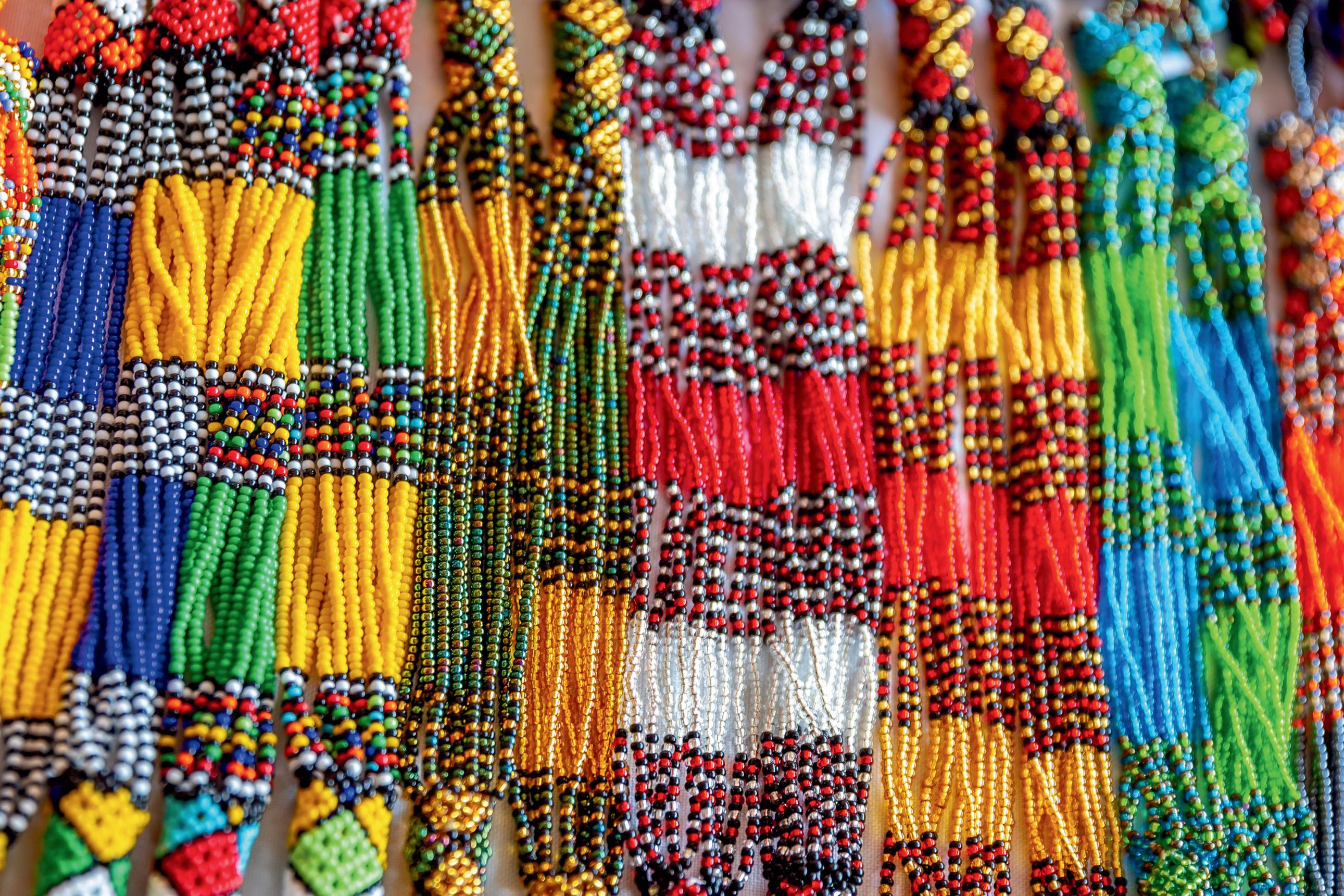
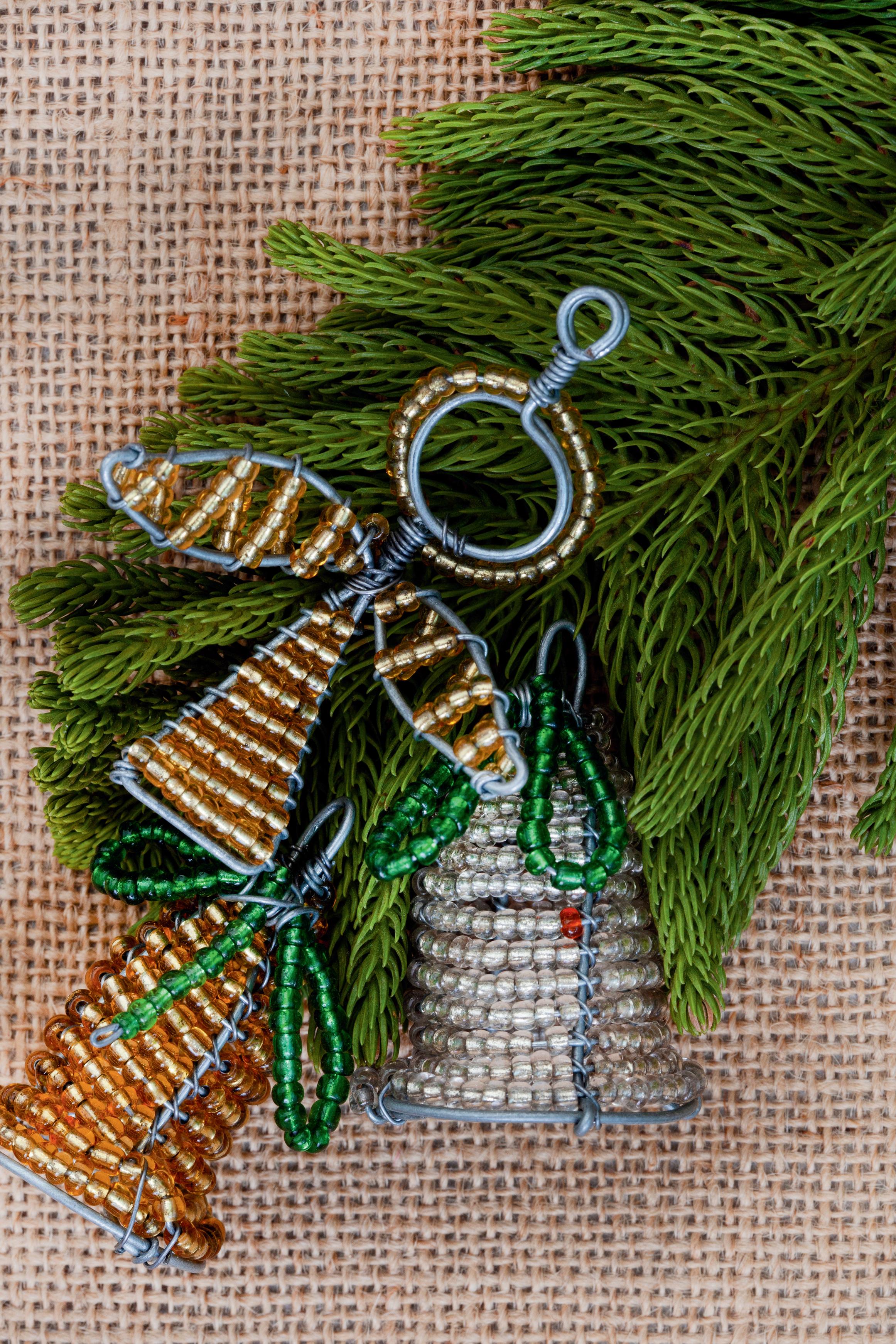
The true magic of an African Christmas lies in the colors and textures of its fabrics. This is the easiest way to transform your space.
The Tree Skirt & Mantle: Swap out plain cotton for a vibrant Ankara or Kitenge print as your tree skirt. The bold geometric patterns and deep colors (think rusty reds, emerald greens, and deep golds) feel instantly celebratory. Drape a length of Indigo Mudcloth (Bògòlanfini) across your mantlepiece or use it as a striking table runner.
Pillows and Throws:
Introduce holiday color by layering throw pillows in Shweshwe (South Africa) or Kente cloth (Ghana) prints on your sofa. You can easily find prints that incorporate festive hues like deep reds, gold, and black.
DIY Garland: Create a unique garland by cutting strips of various African print fabrics and tying them onto a simple jute string, blending tradition with modern craft.
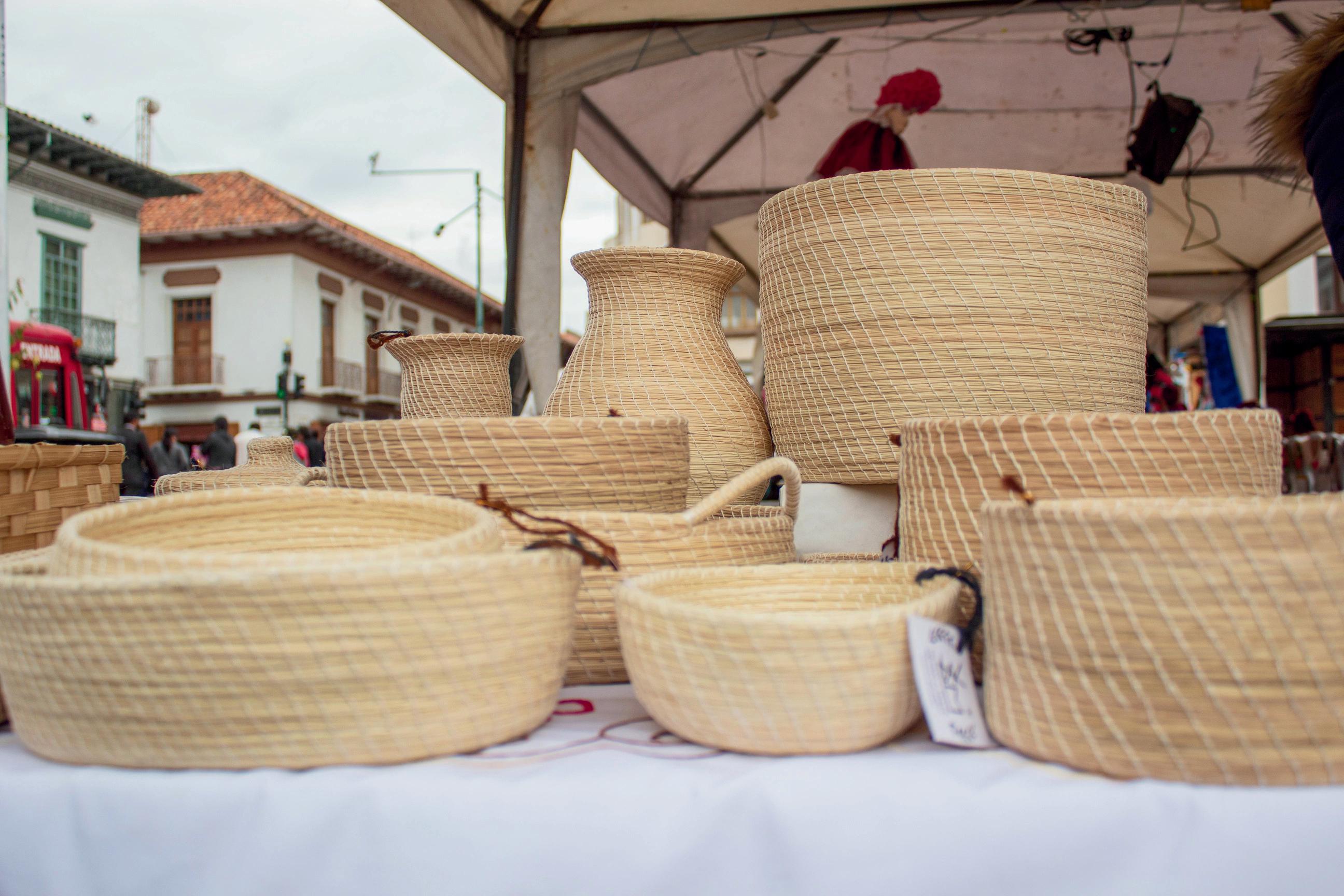
The holiday meal is the heart of the celebration. Your tablescape should reflect this warmth and heritage.
Layered Textures: Start with a neutral tablecloth, then layer a patterned batik or wax print runner down the center. Use woven raffia or sisal placemats to ground each setting.
Earthy Centerpieces: Forgo tinsel for a natural centerpiece using materials like dried grasses, dark twigs, eucalyptus, or even a cluster of large, clean calabash gourds that bring an organic, sculptural element.
Lighting the Way: Use brass or copper lanterns and carved wooden candleholders in deep tones to cast a warm, inviting glow that complements the rich color palette of the textiles.
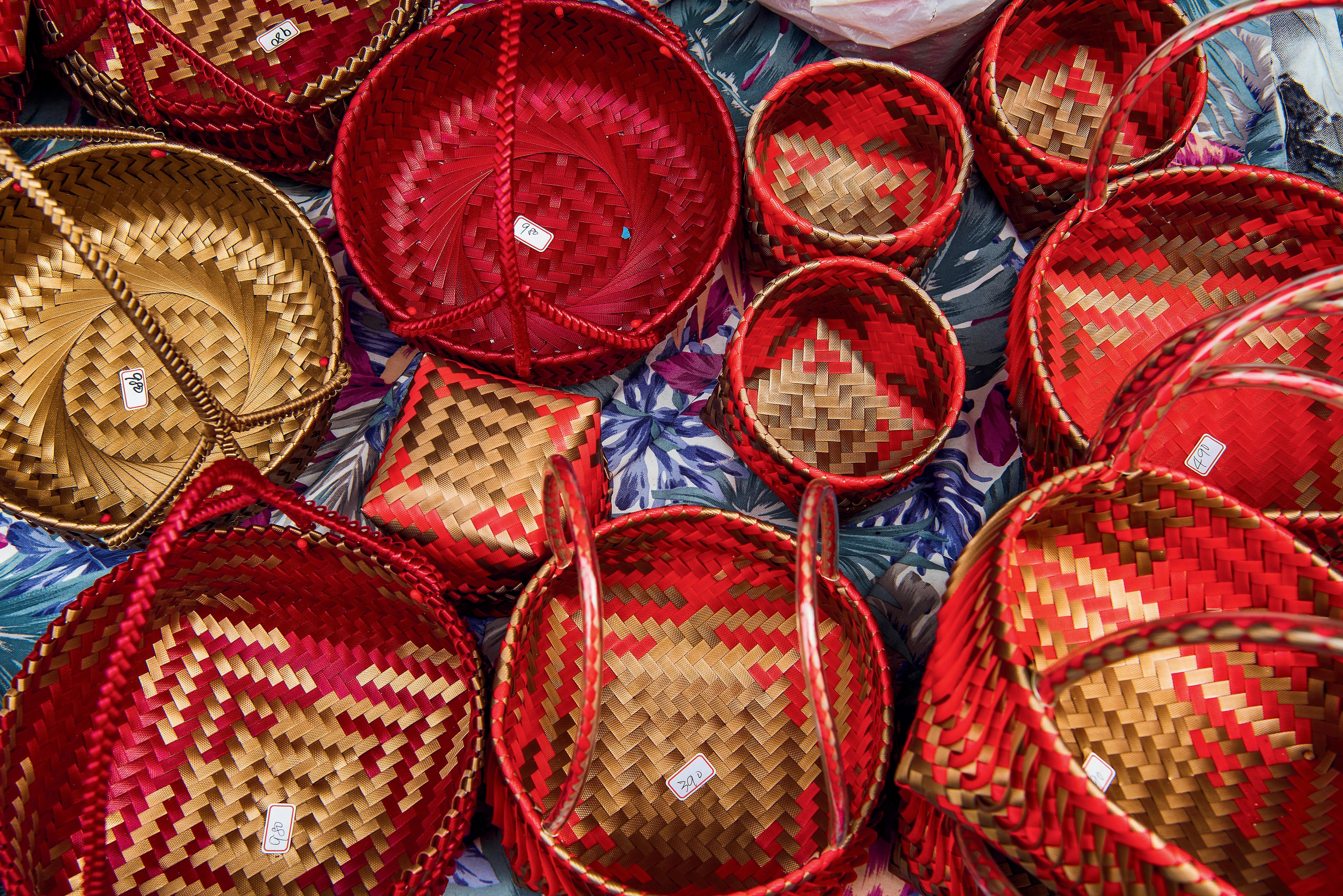
Finally, engage the senses to fully transport your guests home.
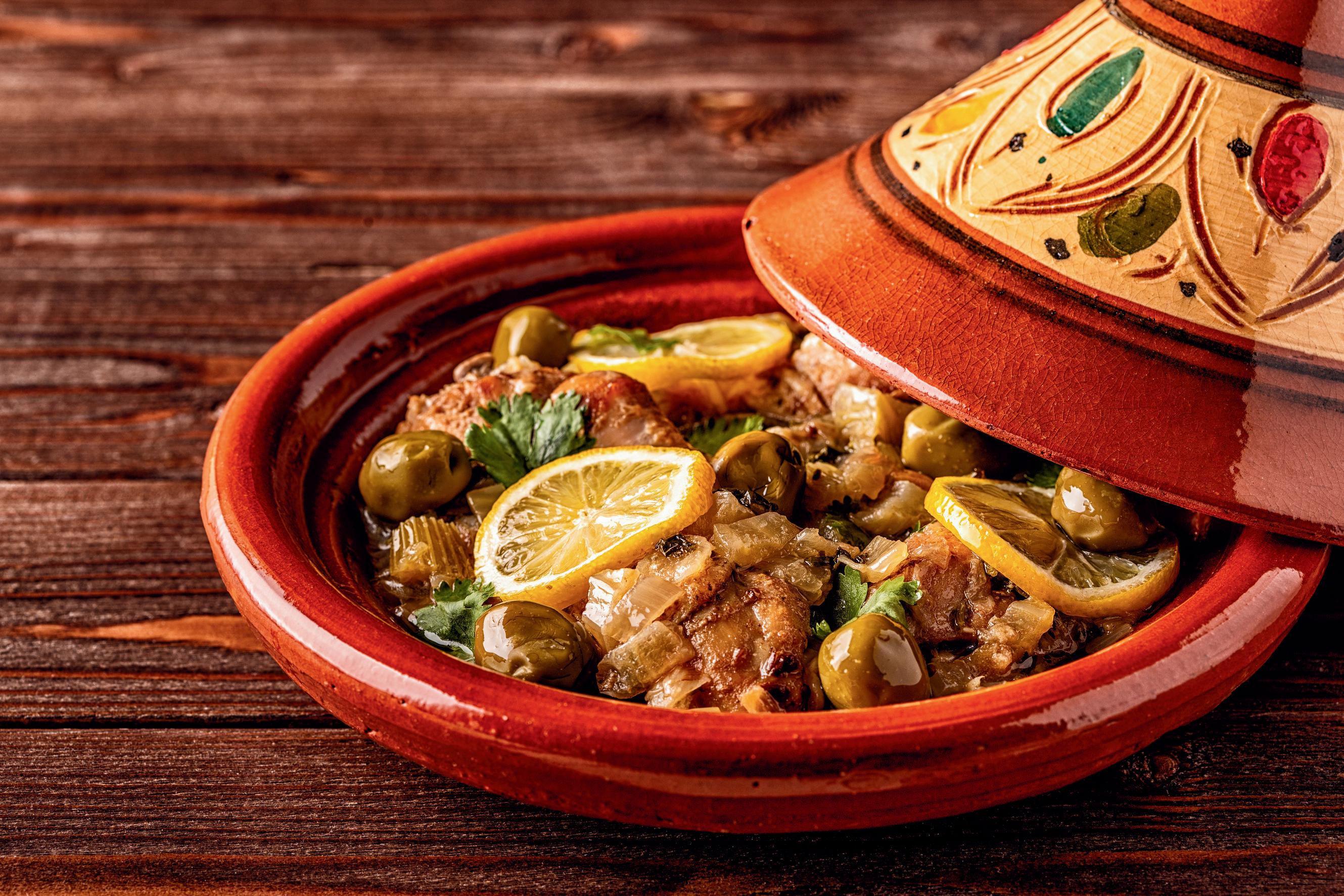
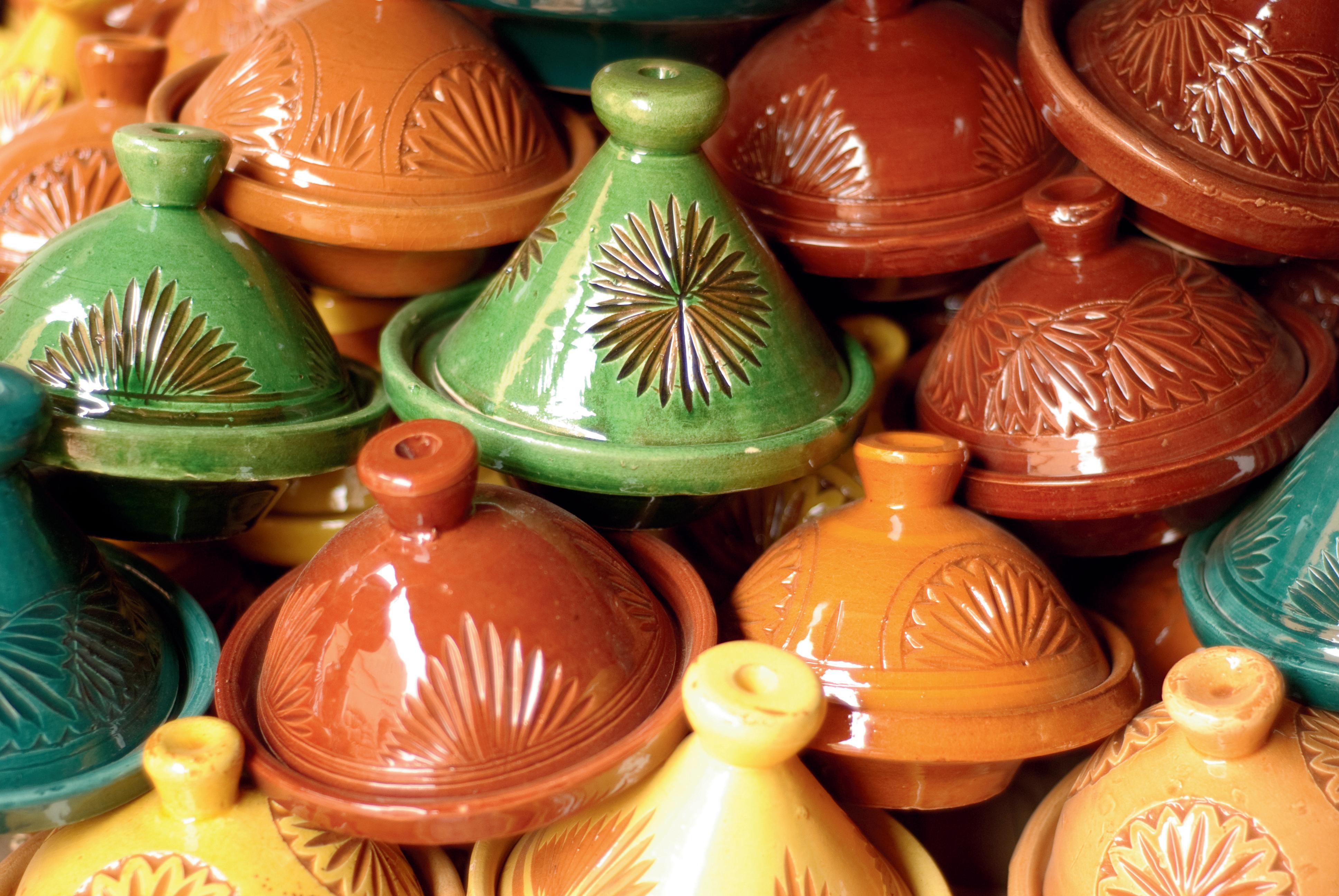
Aromas of the Continent:
Instead of typical pine or peppermint, infuse your home with scents like cinnamon, clove, ginger, and cardamom, which are staples in African cooking and holiday treats.
Diaspora Delights: End the holiday dinner with an ode to the diaspora:
South Africa: A warm, syrupy Malva Pudding.
Nigeria/Ghana: A perfectly spiced Jollof Rice as the celebratory side dish.
Ethiopia: The ceremonial lighting of a candle for a Christmas Doro Wat feast.
Your holiday home will not just be decorated; it will be a joyful, deeply meaningful declaration of African pride and a warm invitation to gather.
"I am an African... I owe my being to the hills and the valleys,.. the mountains and the glades, the rivers, the deserts, the trees, the flowers, the seas and the everchanging seasons that define the face of our native land. I am an African!..
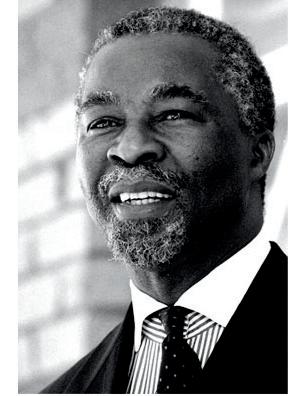
Thabo Mbeki



For the couple whose love story is an adventure, whose bond is as vast as the horizon, and whose future deserves an epic stage, Africa is the ultimate destination. Forget the ballroom imagine exchanging vows against the backdrop of the Great Migration or under a billion desert stars.
People of Africa Magazine is opening the door to five places that don't just host a wedding, they create a legacy. Get married, then seamlessly start your honeymoon, all in the land of eternal romance.
The Romance: This is the quintessential safari fantasy, amplified by love. Imagine a sunrise ceremony atop an ancient kopje (rocky outcrop), the golden light spilling over the "endless plains" from which the park takes its name. The air is thick with the scent of acacia, and your only witnesses are a curious giraffe or a distant pride of lions. The Serengeti is where life happens on a grand scale, making it the perfect place to pledge a love just as grand.
The Experience: An intimate ceremony at a secluded luxury lodge, followed by a champagne toast during a sunset game drive. Your first days of marriage will be spent chasing the Big Five and taking a breathtaking hot air balloon safari at dawn, floating over the plains where millions of wildebeest follow an ancient path.
The Best Time to Say Vows: June to October. This is the long dry season, offering the best weather and most dramatic wildlife viewing. To witness the most epic event the Great Wildebeest Migration aim for June and Julyin the central and western corridors, or August and September in the North, near the Mara River crossing.

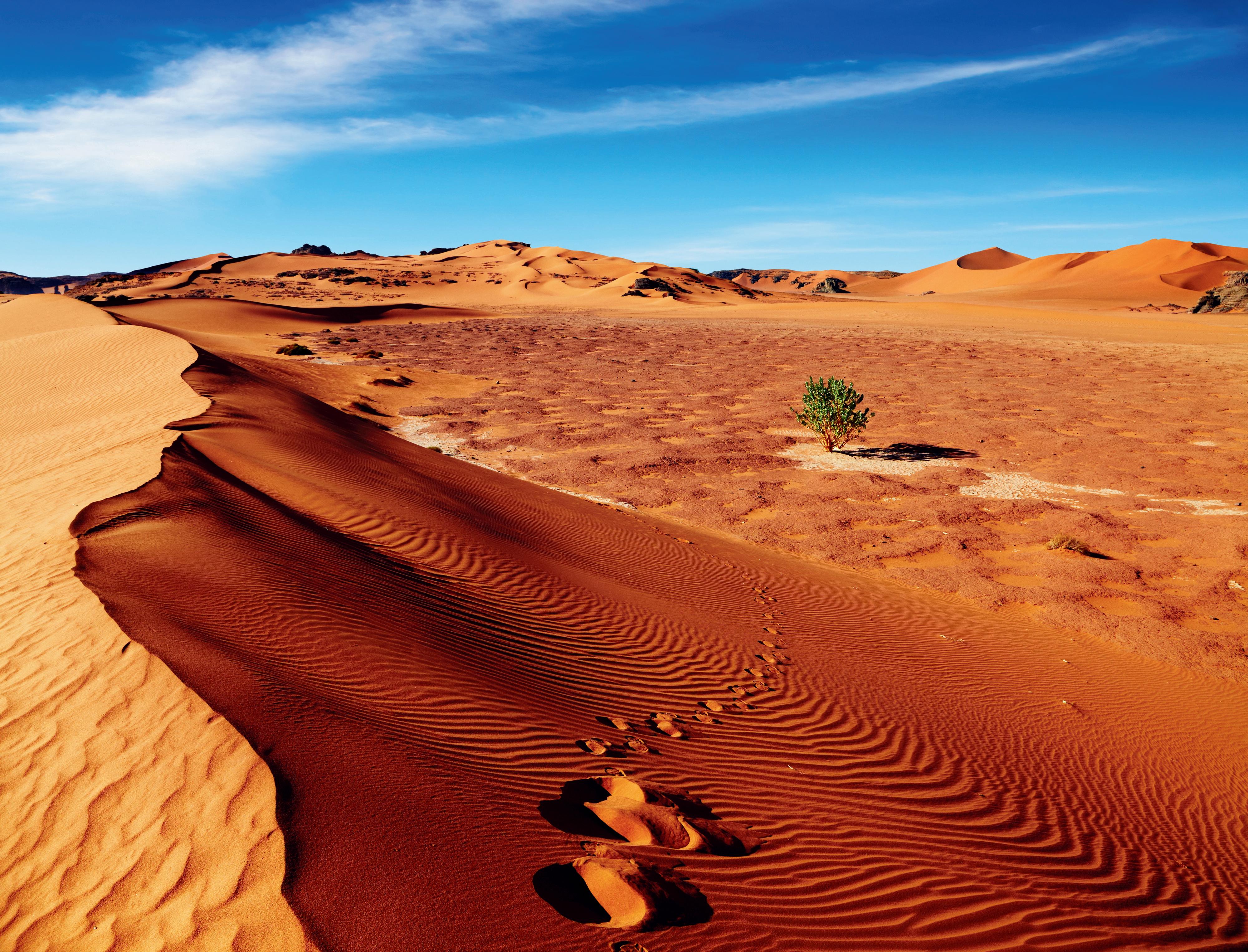
The Romance: To choose the Sahara is to choose an epic, otherworldly declaration. The vast, silent dunes represent an unbroken expanse of time and devotion. Say your vows at a luxury desert camp where the only sounds are the wind and the soft murmur of your promises. This destination is for the couple who values silence, scale, and the ultimate seclusion.
The Experience: Your ceremony takes place just before sunset, the sand glowing a deep copper red as you stand at the foot of a towering dune. The reception? A private, candlelit dinner in an opulent tent, followed by a night sleeping under a sky so clear and star-dusted it feels like a dream.
In Morocco, you can explore the magnificent Atlas Mountains, or in Egypt, tie it in with the ancient, enduring romance of the Nile. The Best Time to Say Vows: March to May (Spring) or September to November (Autumn). These shoulder seasons avoid the extreme heat of summer and the chill of deep winter, offering pleasant daytime temperatures for an outdoor ceremony and a comfortable, magical night under the stars.

The Romance: The Masai Mara offers a vibrant, breathtakingly cinematic experience. Your wedding is not just set in nature; it’s blessed by the proud, colorful Maasai culture. The open grasslands feel both vast and intimate, and the sunsets are legendary a fiery palette of orange, pink, and gold that will paint your first kiss as a married couple. It’s a place of passion, tradition, and profound natural beauty.
The Experience: Exchange rings at a private conservancy, perhaps with a Maasai warrior escort leading you to the ceremony site. After the vows, celebrate with a traditional boma dinner an exquisite feast served under a canopy of stars, accompanied by the hypnotic rhythms of Maasai song and dance.
The Best Time to Say Vows: August to October. This is the height of the dry season and prime time to witness the Great Migration herds in the Mara. Alternatively, January and February offer clear skies, warmer days, and the beautiful calving season, where you'll see a bounty of new life a beautiful metaphor for your new beginning.


The Romance: A desert of a different hue, the Kalahari is defined by its golden, semi-arid savannah and its ancient, deep silence. This is an intimate, raw, and highly exclusive experience. You are surrounded by desert-adapted wildlife like the majestic black-maned lion. It is a place of resilience and surprising, quiet beauty a perfect parallel for a marriage built to last.
The Experience: The ultimate desert elopement. Exchange vows surrounded by shimmering golden grasses, or perhaps on a vast, cracked salt pan that looks like the surface of the moon. This is the ultimate spot for stargazing, with some lodges offering sleeper decks so you can spend your wedding night with the Milky Way directly overhead. The ultimate, uninterrupted romantic escape.
The Best Time to Say Vows: April/May (Transition) or August/September (Dry). April and May offer a beautiful transition, with clear, dry days after the rains have softened the landscape. August and September are bone-dry, guaranteeing spectacular animal sightings concentrated at waterholes an intense, high-drama backdrop for an adventurous couple.
The Romance: This destination offers the most refined blend of accessible luxury and thrilling wilderness. Imagine exchanging rings on a deck overlooking the private, lush bushveld, with elephants bathing nearby. The romance here is sophisticated, with world-class dining, fine South African wines, and lodges designed for ultimate privacy. It is the perfect choice for a couple seeking "Big Five" thrills without compromising on five-star pampering.
The Experience: A secluded ceremony in the bush, followed by a celebratory gathering in a traditional boma where gourmet cuisine is served under hurricane lamps. The convenience of this location allows you to easily combine your safari wedding with a honeymoon in the Cape Winelands or the vibrant city of Cape Town for the ultimate, diverse African love journey.
The Best Time to Say Vows: May to September. These are the winter months, but in this region, they translate to the dry season, meaning cooler, clearer days and thinner vegetation, making it easier to spot wildlife. The lack of rain ensures a beautiful, uninterrupted outdoor ceremony.
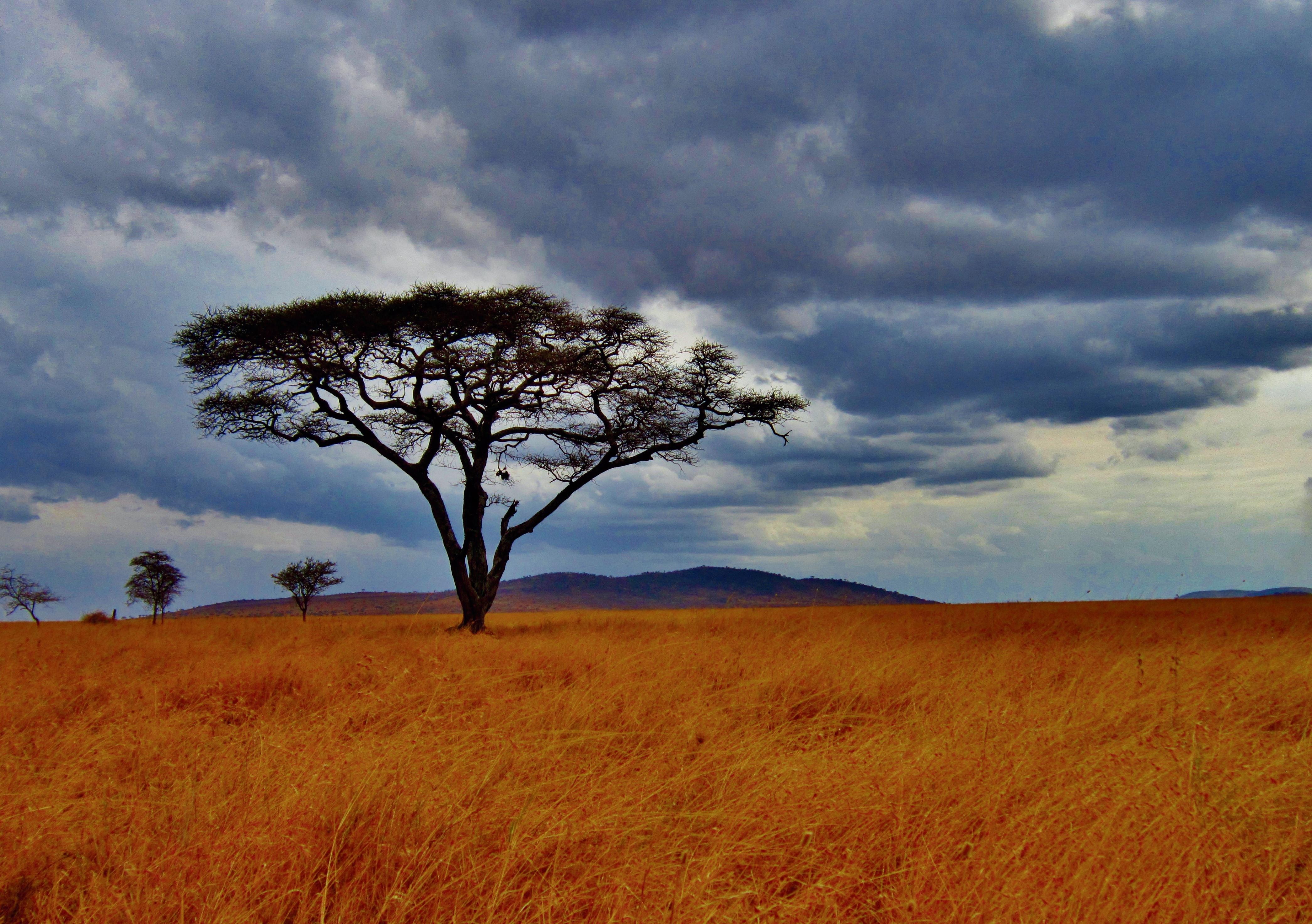

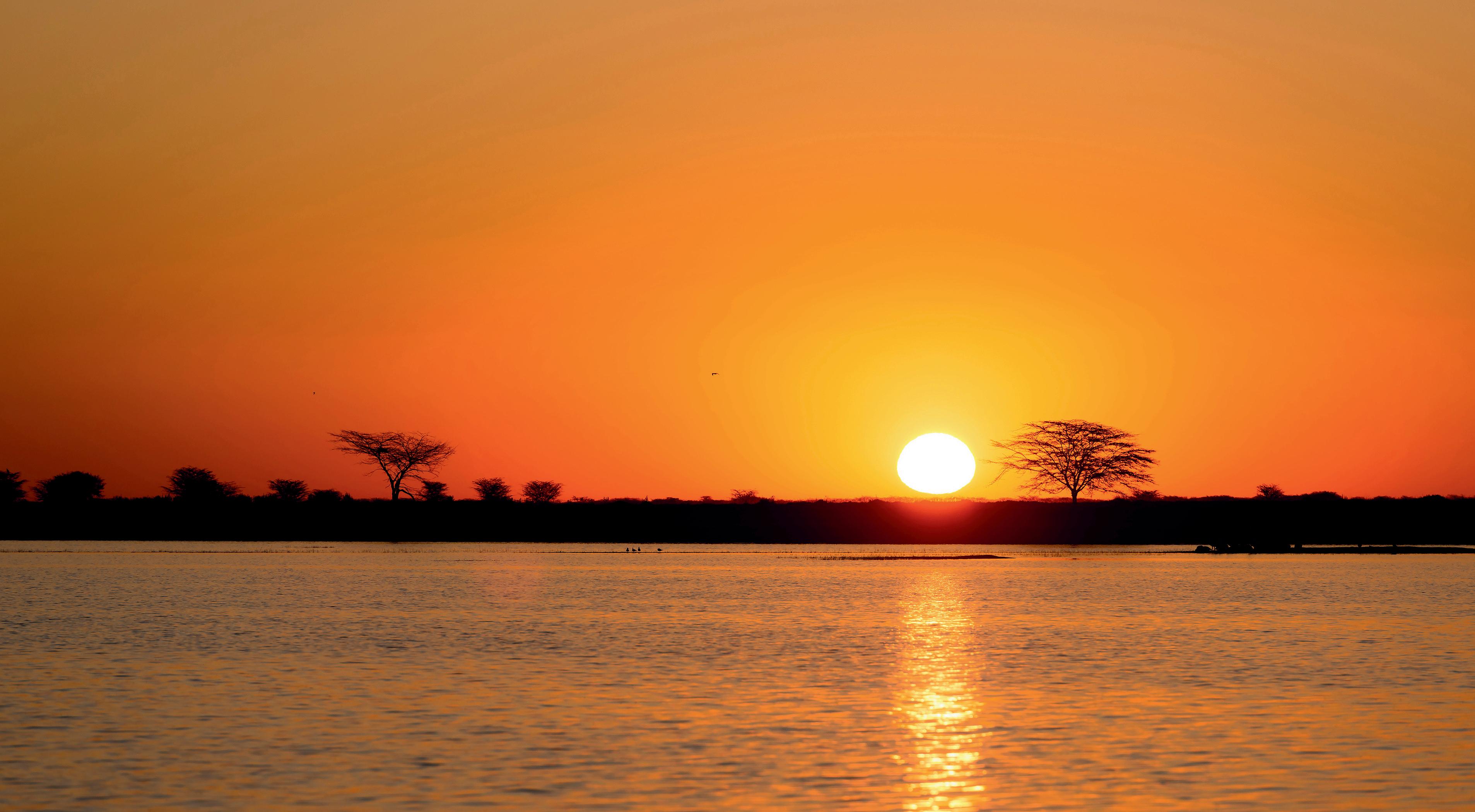
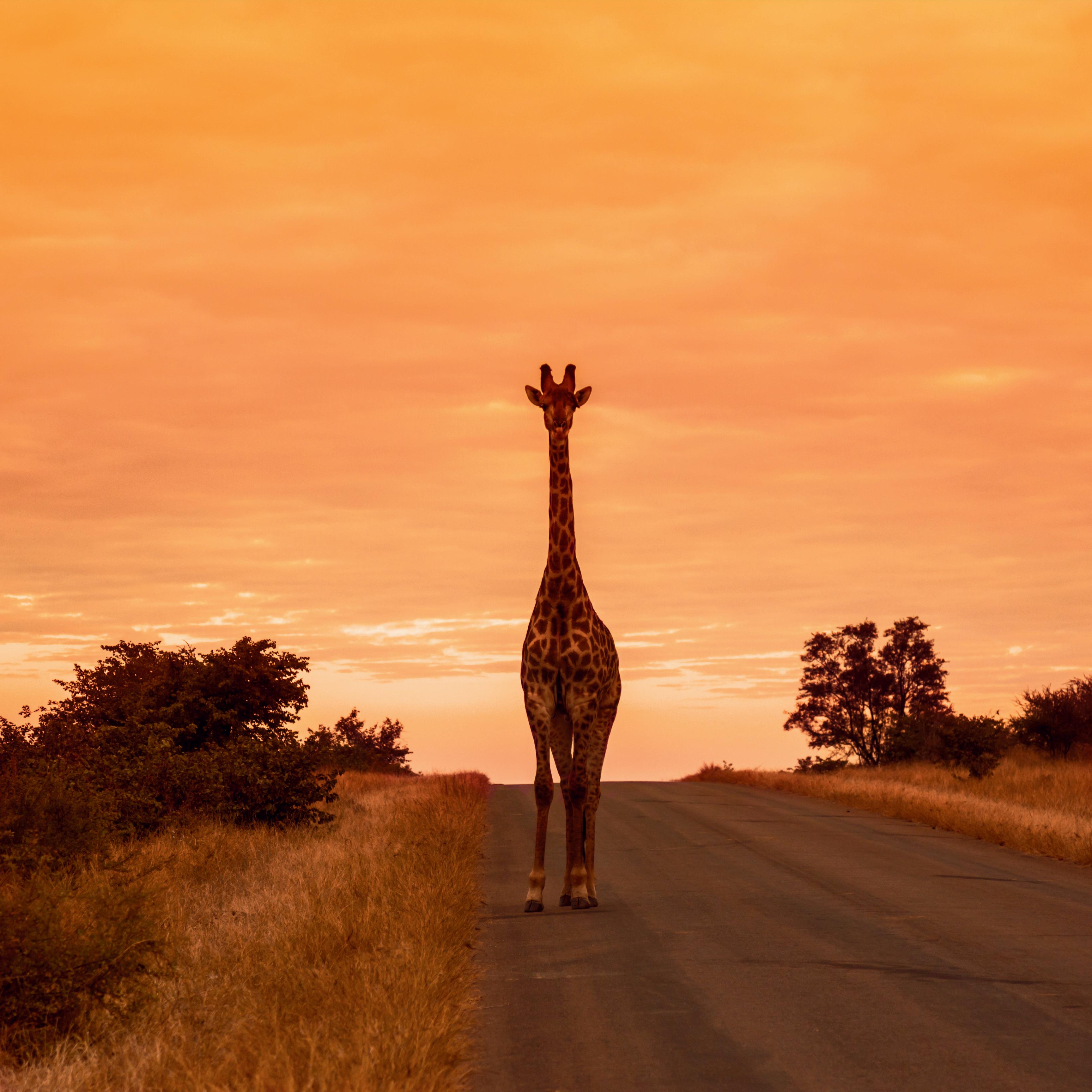
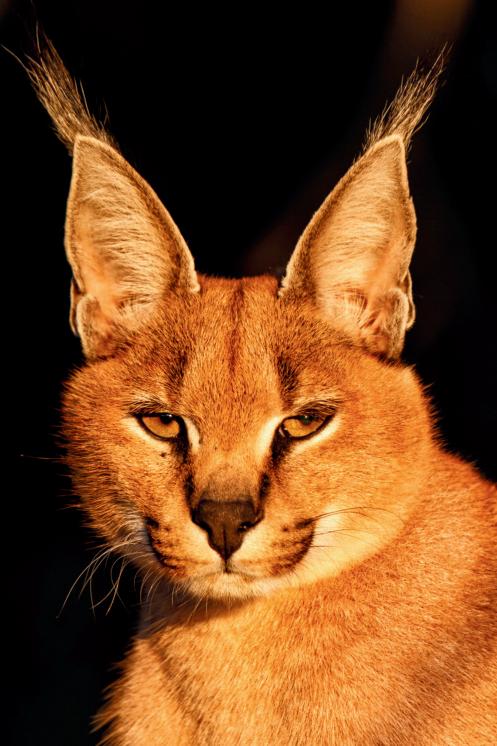



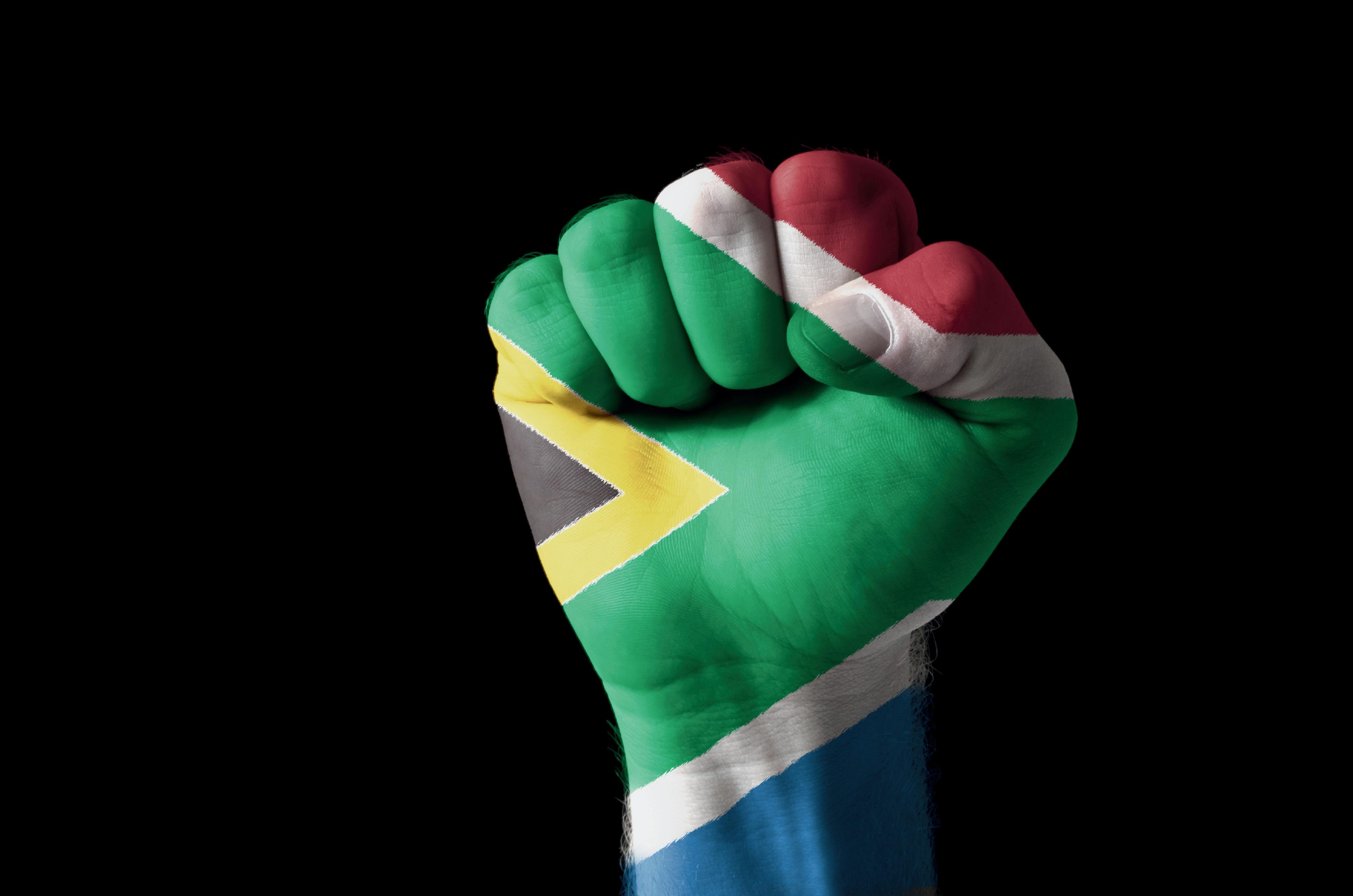
Our pride is not shouted, it is lived.


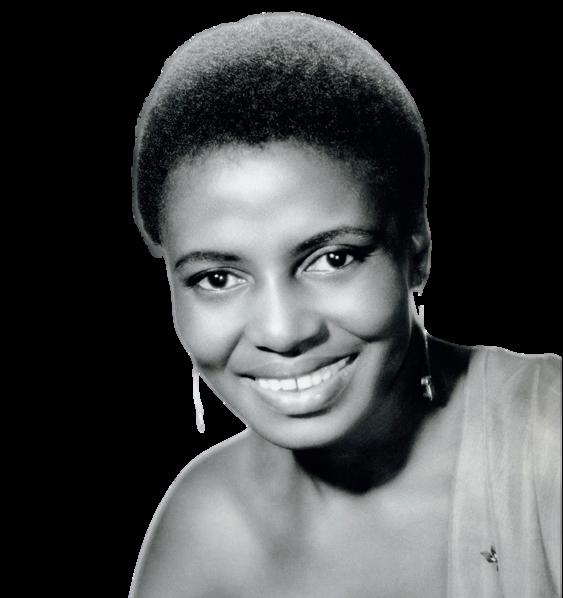
In the history of freedom struggles, we often remember the clash of arms and the might of organized resistance. Yet, there are some wars not fought with guns or weapons, but with a sharp voice that dared to speak the truth. She was a phenomenal South African womana freedom fighter whose battleground was the global stage and whose weapon was the extraordinary, God-given gift of song.

This Winter Issue celebrates the quintessential story of using artistic talent to profit the continent: the life and legacy of Zenzile Miriam Makeba, better known to the world as "Mama Africa." Her life is a powerful narrative of music, politics, and enduring African pride.



Born in Prospect Township, South Africa, in 1932, Miriam Makeba’s life began under the thumb of the apartheid regime so much so that she went to prison with her mother at 18 days old. Leaving school at 16 to work as a domestic servant, her rise through the 1950s with groups like The Manhattan Brothers and the film Come Back, Africa (1959) was an act of defiance. Her voice, rich with the melodies of Xhosa and Zulu folk, soon became too potent to ignore.
In 1960, the regime revoked her passport, initiating 31 years of forced exile. It was in this global wilderness that Miriam Makeba became a true Citizen of the World. The Passport Power: Facing statelessness, the Pan-African sisterhood stepped in. Following her ban, nations across the continent and the globe provided her with safe passage and recognition. She held an astonishing Nine (9) Passports and was granted Honorary Citizenship in Ten (10) countries.
As we dedicate this issue, we especially remember Algeria, who provided citizenship when the land she called home denied her right, reinforcing Algeria status as a sister to all Africans. Miriam later served as a Guinean Delegate to the United Nations General Assembly, turning a political weapon against her into a diplomatic tool for Africa.


Miriam Makeba's artistry was inseparable from her activism. Her talent was the ultimate anti-apartheid weapon, giving the voiceless a global stage.
Weaponizing Culture: She deliberately introduced Xhosa and Zulu folk songs to Western audiences, fusing them with jazz to create "African Jazz." This was a potent assertion of African identity that the apartheid regime tried to silence. By globalizing hits like "Pata Pata" and "The Click Song" (Qongqothwane), she forced the world to connect with the joy and humanity of Black South Africans.
Testimony at the UN: The most powerful use of her fame came when she testified against the South African government at the UN in 1963 and 1975. This high-profile testimony fueled the international anti-apartheid movement and confirmed the threat her truth posed to the regime.
Her life was one long, powerful performance of dedication. She returned home in 1990 at the request of Nelson Mandelafollowing his release, and her legacy continued in her humanitarian work, notably with the Miriam Makeba Rehabilitation Centre for abused girls.
To the sons and daughters the land, wherever you may be in the diaspora: Do you ever look down and say, "I have nothing to fight for our land to become the land we dream of"? When that doubt comes, remember your Godmother, Miriam Makeba. She did not hold a gun, yet her fight was one the world remembers today. Her story is the ultimate reminder that your gift is your greatest weapon. Us God has blessed you with whether it is a voice, a pen, a lens, or an idea to speak the truth, to celebrate your heritage, and to profit the continent with your pride

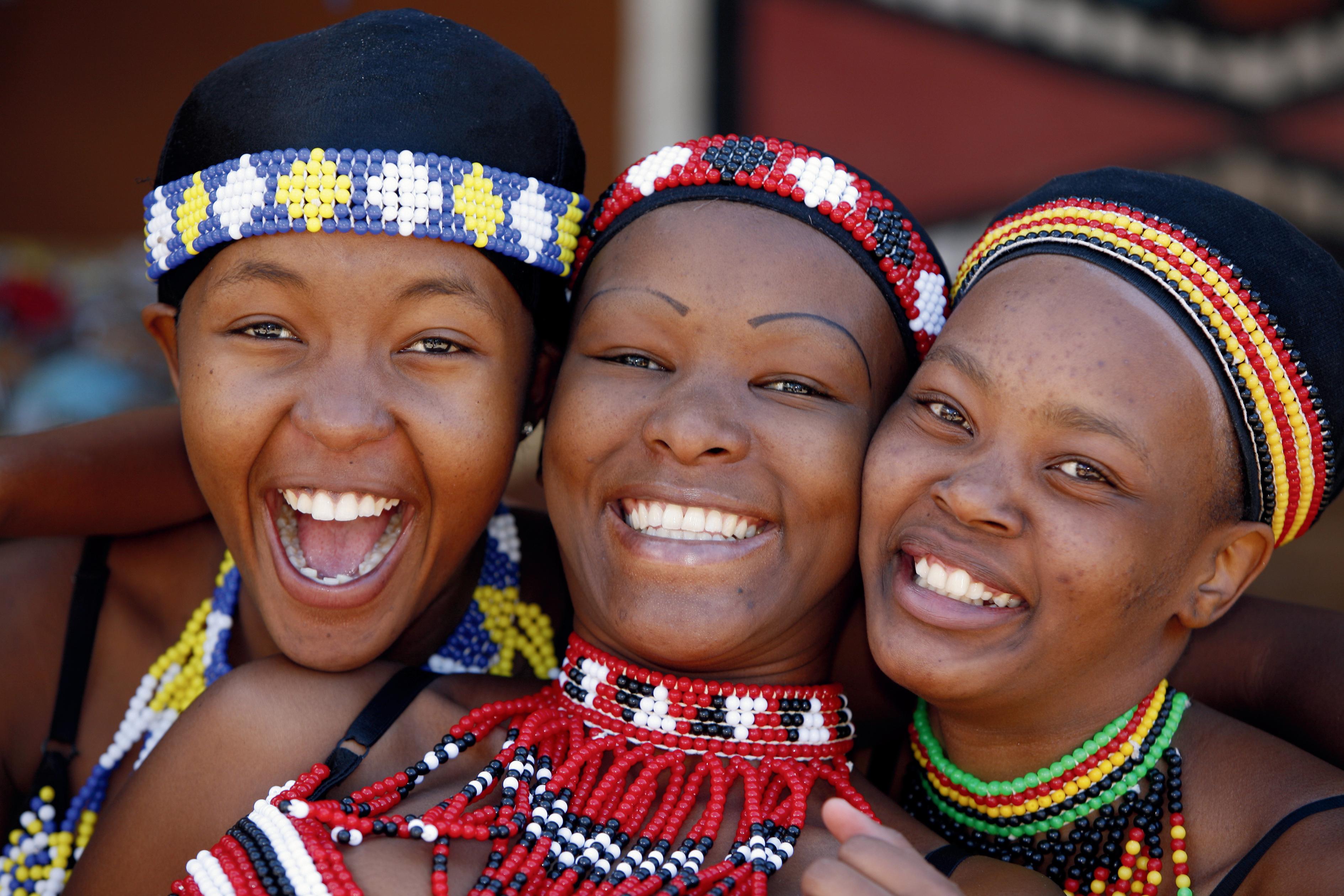
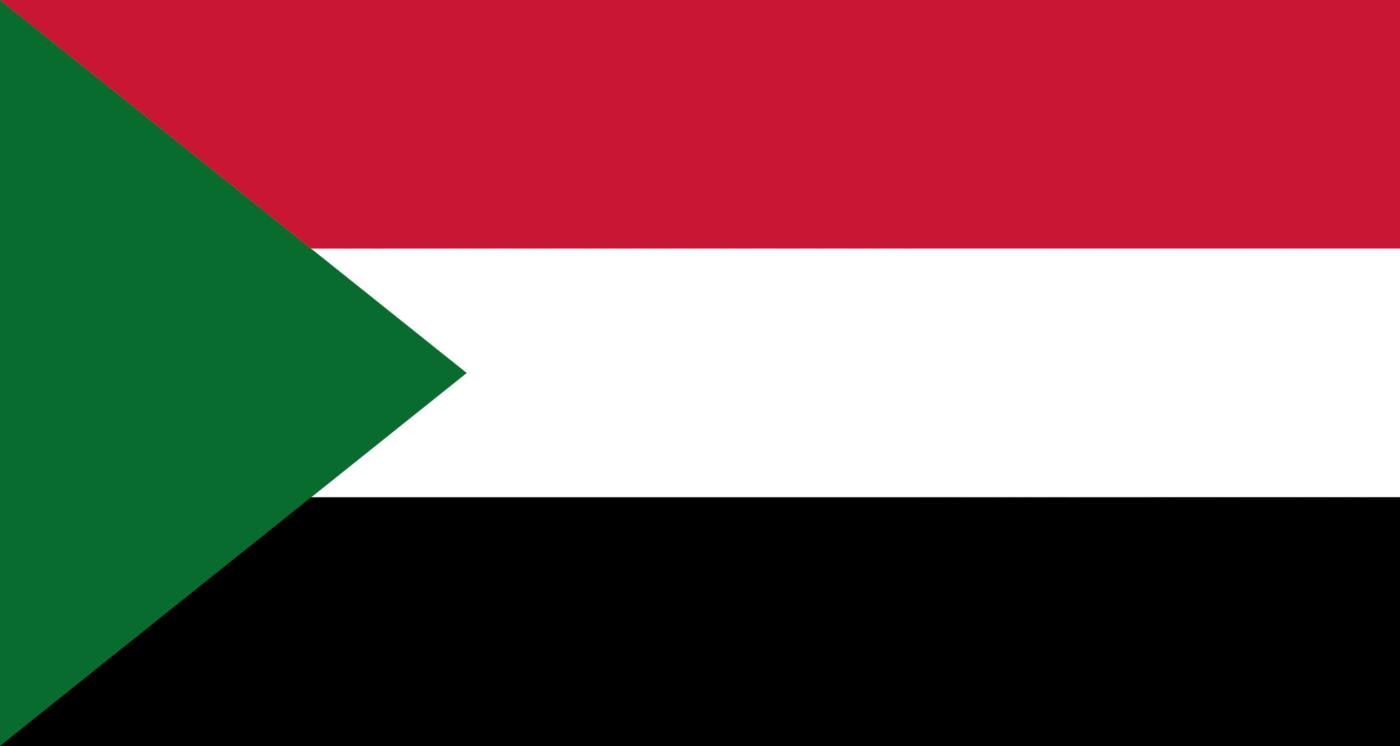

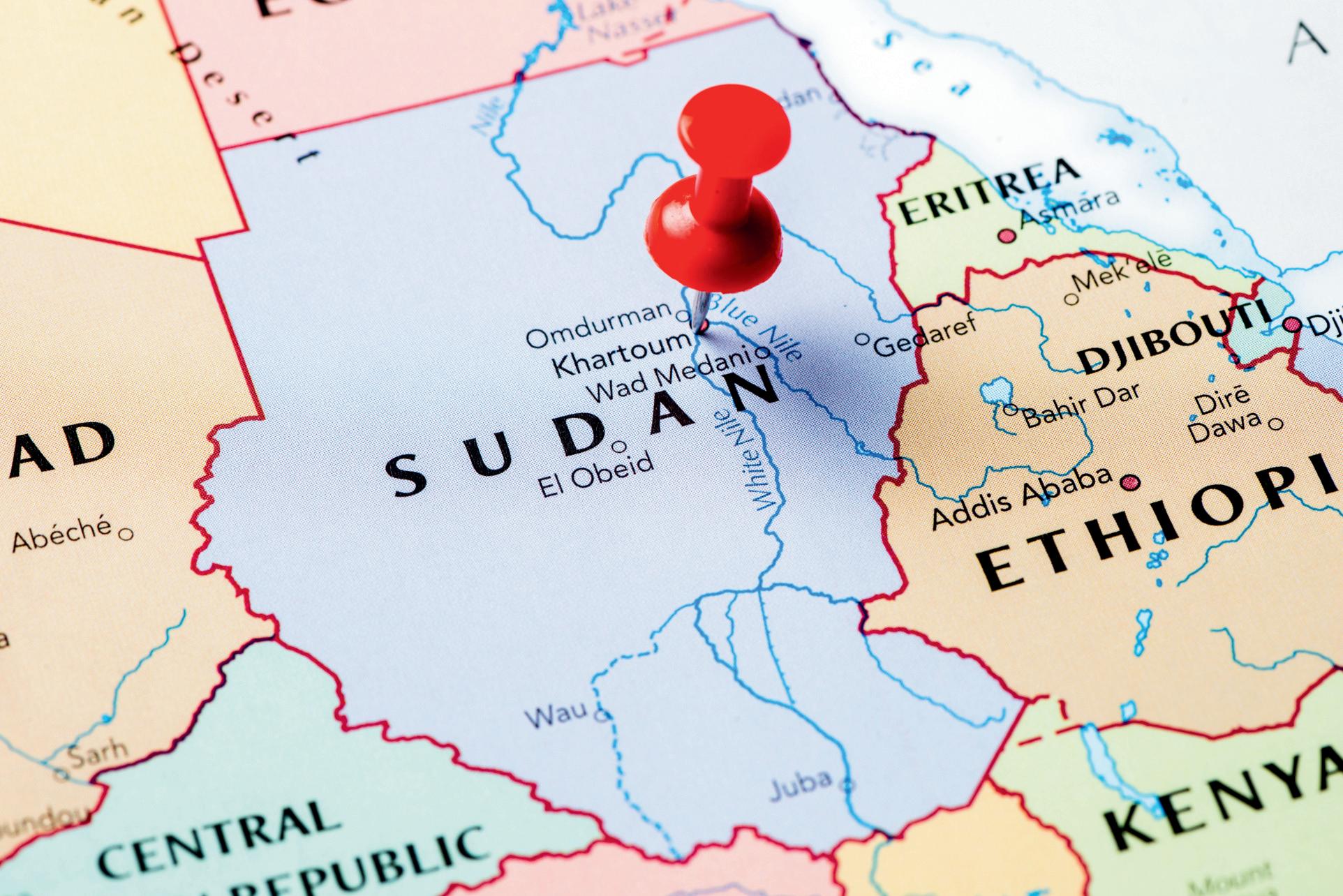
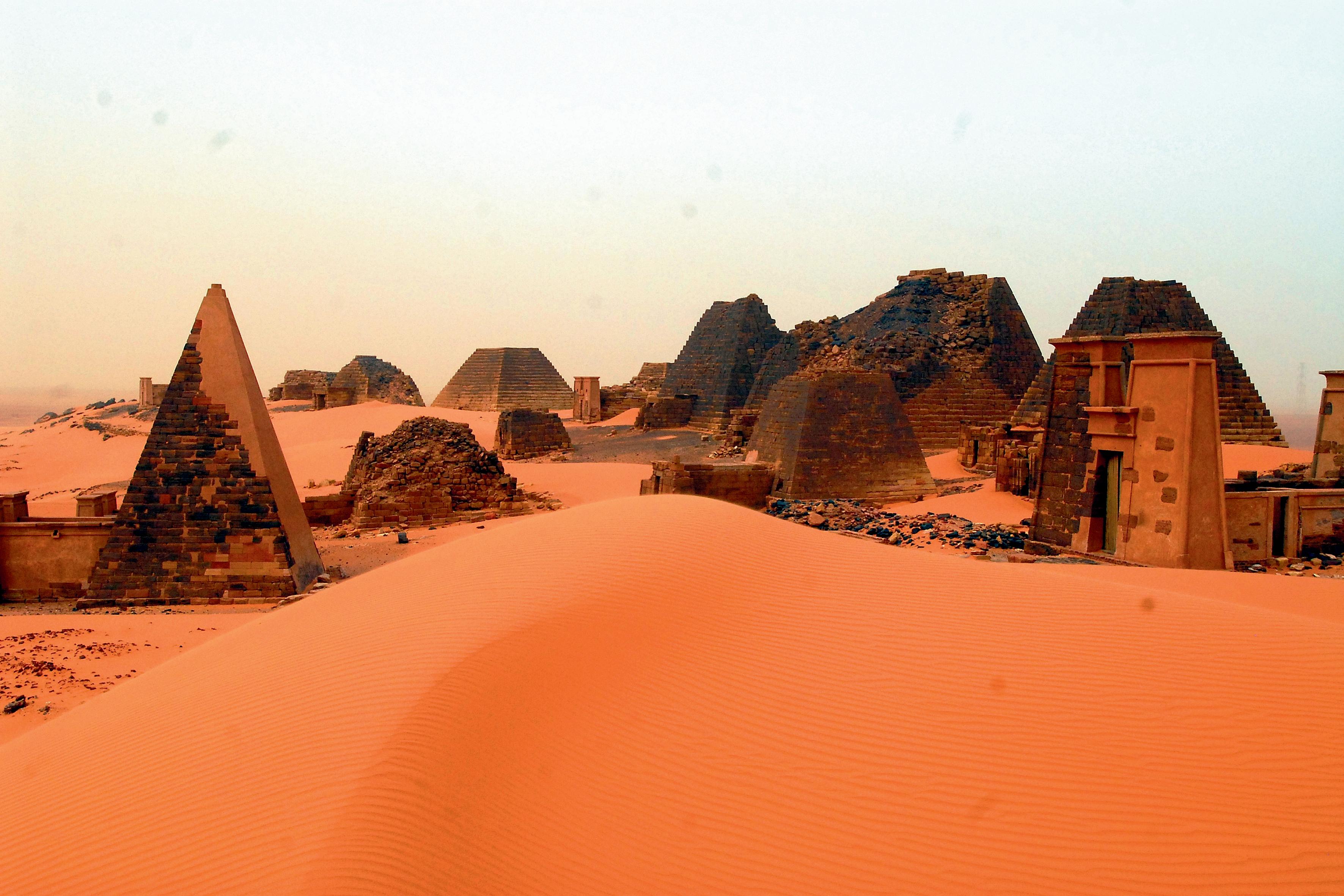
For years, People of Africa Magazine has celebrated the majesty of our continent the rich cultures, the vast potential, the fierce pride. We believe in highlighting the beauty that we share with the world. Yet, as journalists and, more importantly, as Africans, there are times when silence is a sin. Our family is being burned to ashes while we watch. Sudan, the Land of the Blacks, home to more ancient pyramids than Egypt, the place where the White and Blue Niles converge to give life to a continent is now ground zero for the world's largest displacement crisis. Over 12 million people more than one in five Sudanese have been forced to flee their homes since the war erupted in April 2023. This is not domestic politics; this is a catastrophic failure of African solidarity.
From our editorial desks, we demand to know: Where is the swift, decisive action of the African Union (AU)?
While the AU Commission Chairperson has issued condemnations of the violence and called for ceasefires, these condemnations ring hollow against the backdrop of escalating atrocity. The AU's mandate is to protect peace and security on the continent, yet we see the conflict prolonged by a persistent, deadly flow of arms to the paramilitary Rapid Support Forces (RSF).
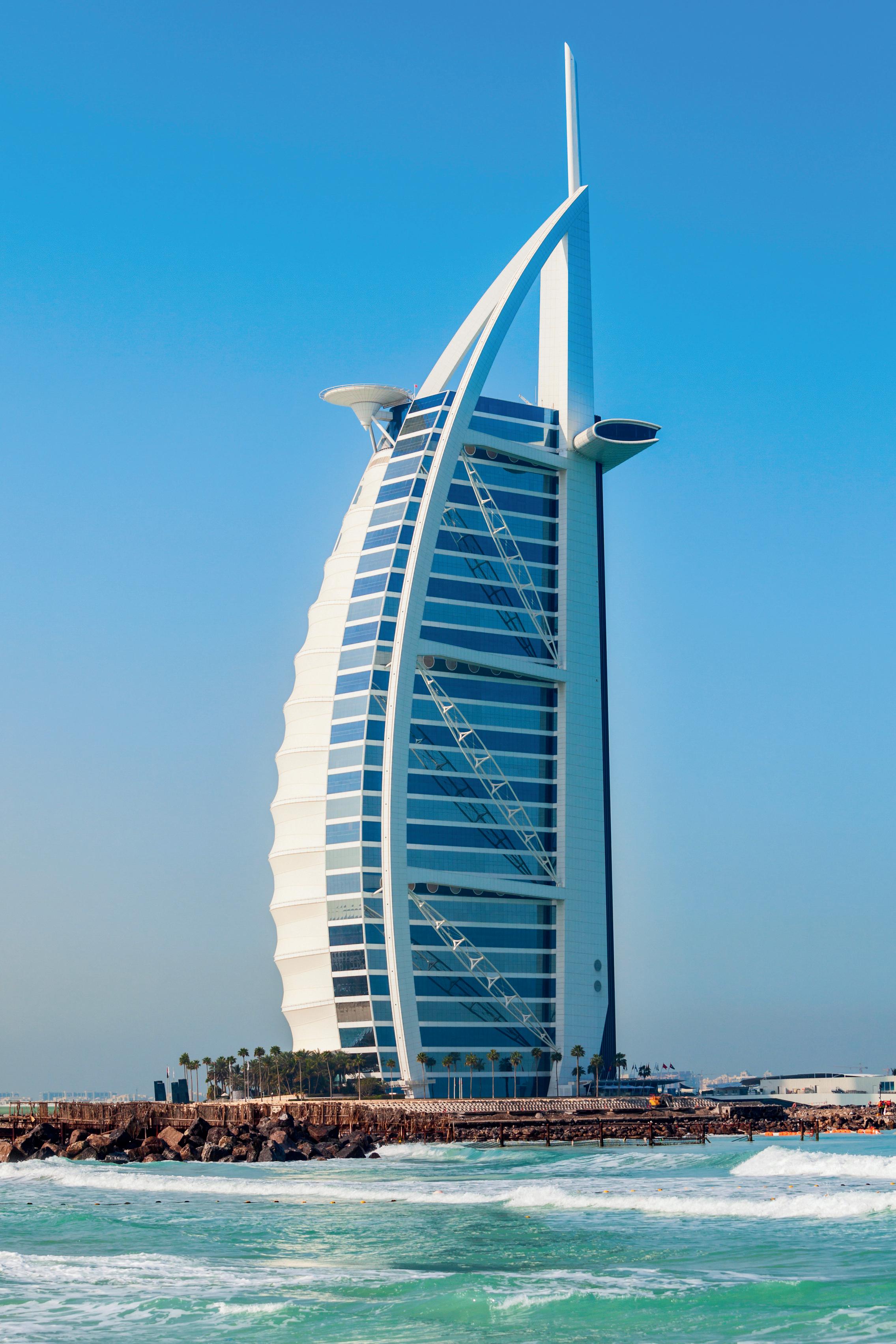
Fact: The war is being fueled by "blood gold." The RSF, which controls vast gold mines in Darfur, is financing its operations by trading this conflict gold for weapons. The destination of this smuggled gold, according to multiple investigations by the UN and international bodies, is overwhelmingly the United Arab Emirates (UAE). Data shows the UAE has been a major destination for Sudanese gold, underscoring its pivotal economic role in this conflict.
The very lifeline that sustains the violence the exchange of Sudan's sovereign wealth for the weapons that kill its children must be severed.
We cannot wait for external powers to solve our continental crisis. The answer lies with us, the neighbors, the family.
The Seven Countries Bordering Sudan Egypt, South Sudan, Central African Republic, Chad, Eritrea, Ethiopia, and Libya must immediately and unequivocally seal their borders to prevent the flow of weapons and the illegal smuggling of gold. The vast, porous borders, especially with nations like Chad, are reportedly being used as weapons transit points to the RSF.
The AU must use its authority to close the airspace above Sudan immediately and restrict all flights landing without explicit, multi-lateral African permission. We must know why private planes are landing in specific, non-sanctioned areas. A refusal to ground these shadow logistics networks is a tacit approval of the war.
Dear Africa, if we want to end the Sudan war and extinguish this fire, we must act where the money and the weapons flow: Close the borders, close the airspace.
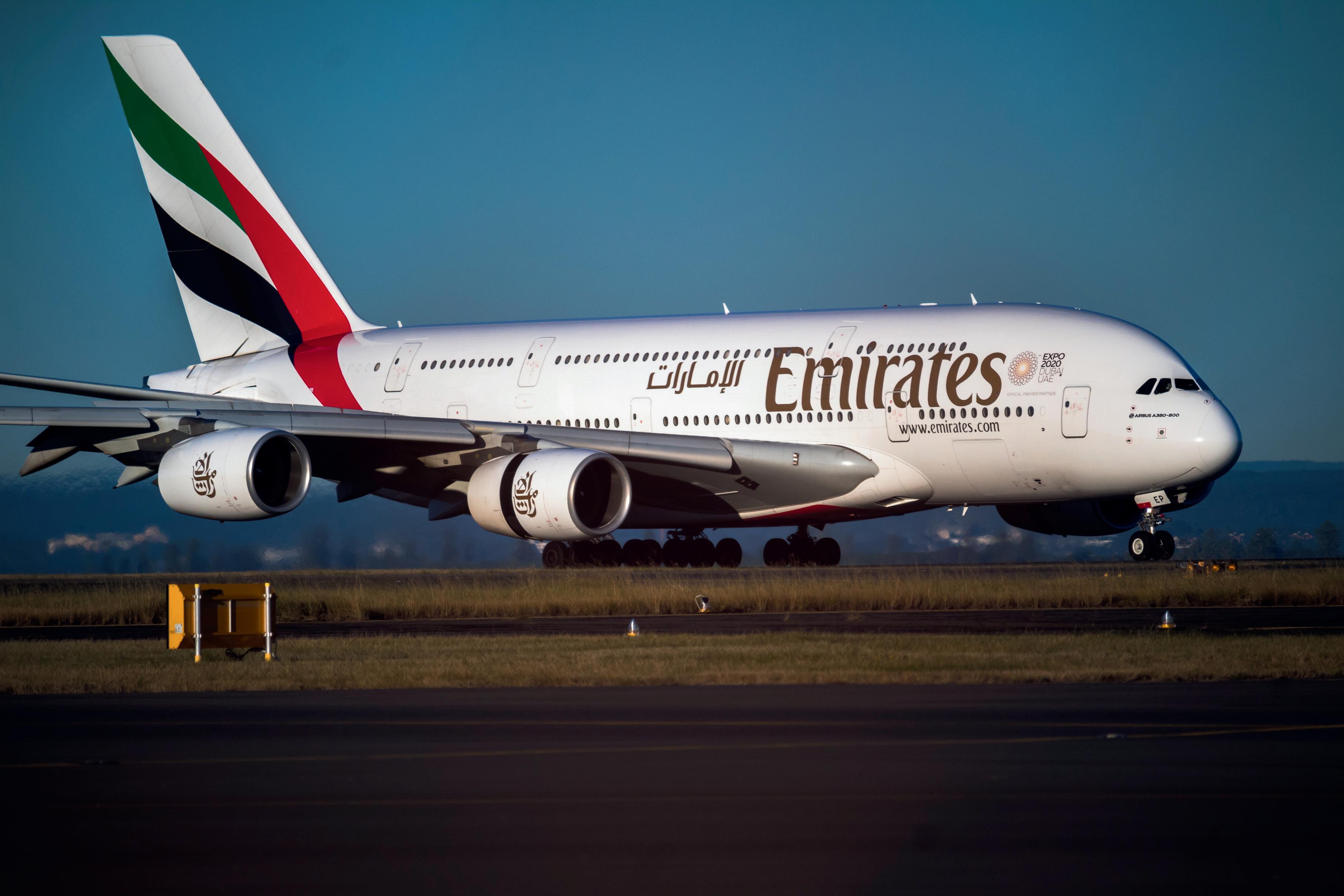
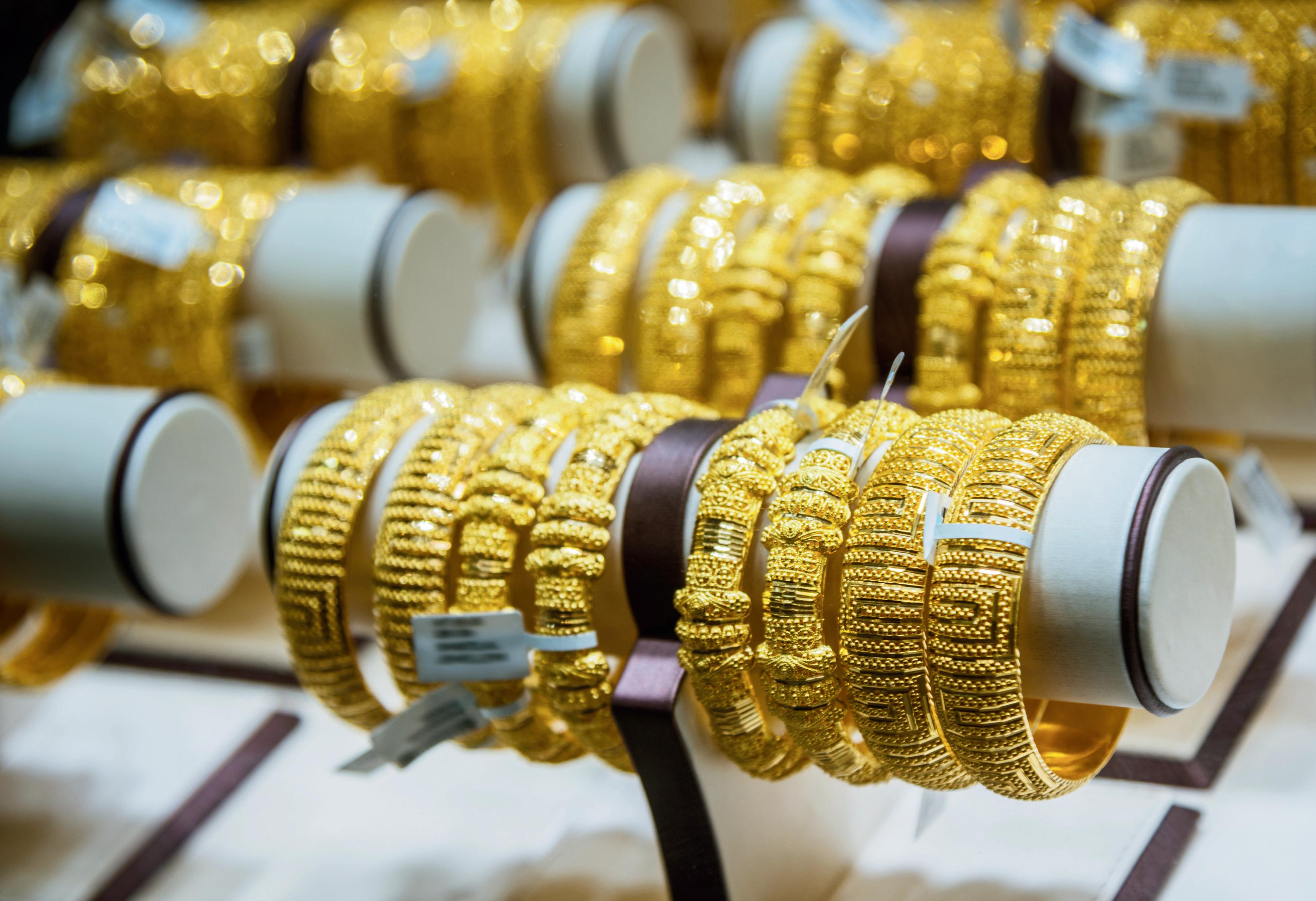
To every African and lover of Africa in the diaspora, your voice is a weapon and your dollar is a vote. We must use our economic power to demand accountability. The Boycott is now the currency of conscience.
If the flow of Sudanese gold for weapons is allegedly channeled through the UAE and its economic hubs, then we must make a stand.
Boycott Dubai vacations. Boycott Emirate goods. We urge you to redirect your travel and spending to African nations that are actively working for regional peace. The power of African consumer choice is immense, and it must be leveraged to pressure those who profit from the tragedy of our people.
Sudan is facing what the AU High-Level Panel has called the "worst humanitarian crisis in the world." This is an entirely manmade disaster. Children are starving, hospitals are destroyed, and ethnic cleansing is reportedly taking place in Darfur.
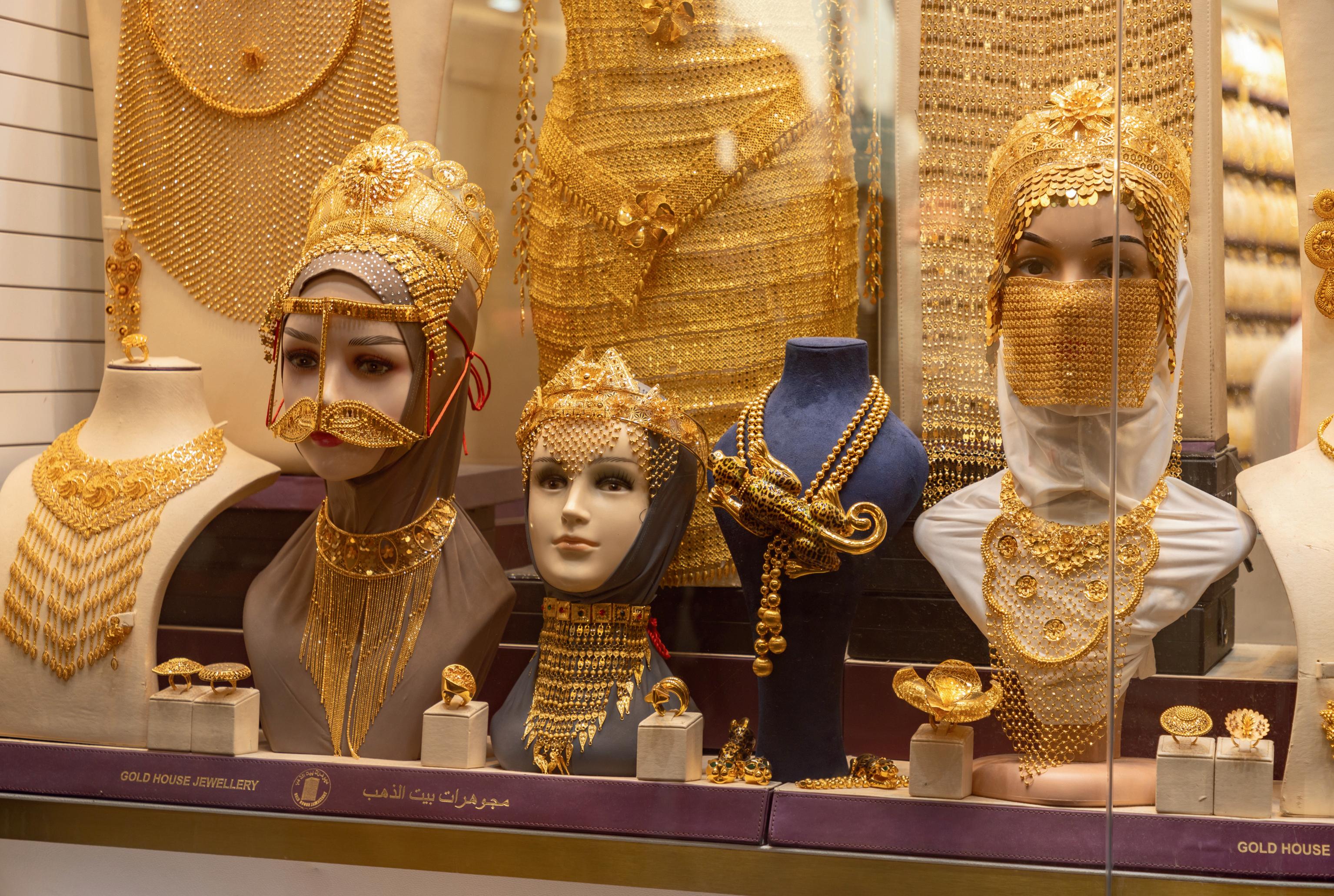

Justice must be demanded and actively integrated into peace agreements. We urge the AU to empower a truth and accountability mechanism now, so that justice for the victims is not delayed for decades.

This is our continent. These are our people. We refuse to be complicit in the silence. We demand action, accountability, and the immediate, powerful intervention of the African Union to ground the planes, seal the borders, and choke off the blood-gold pipeline.

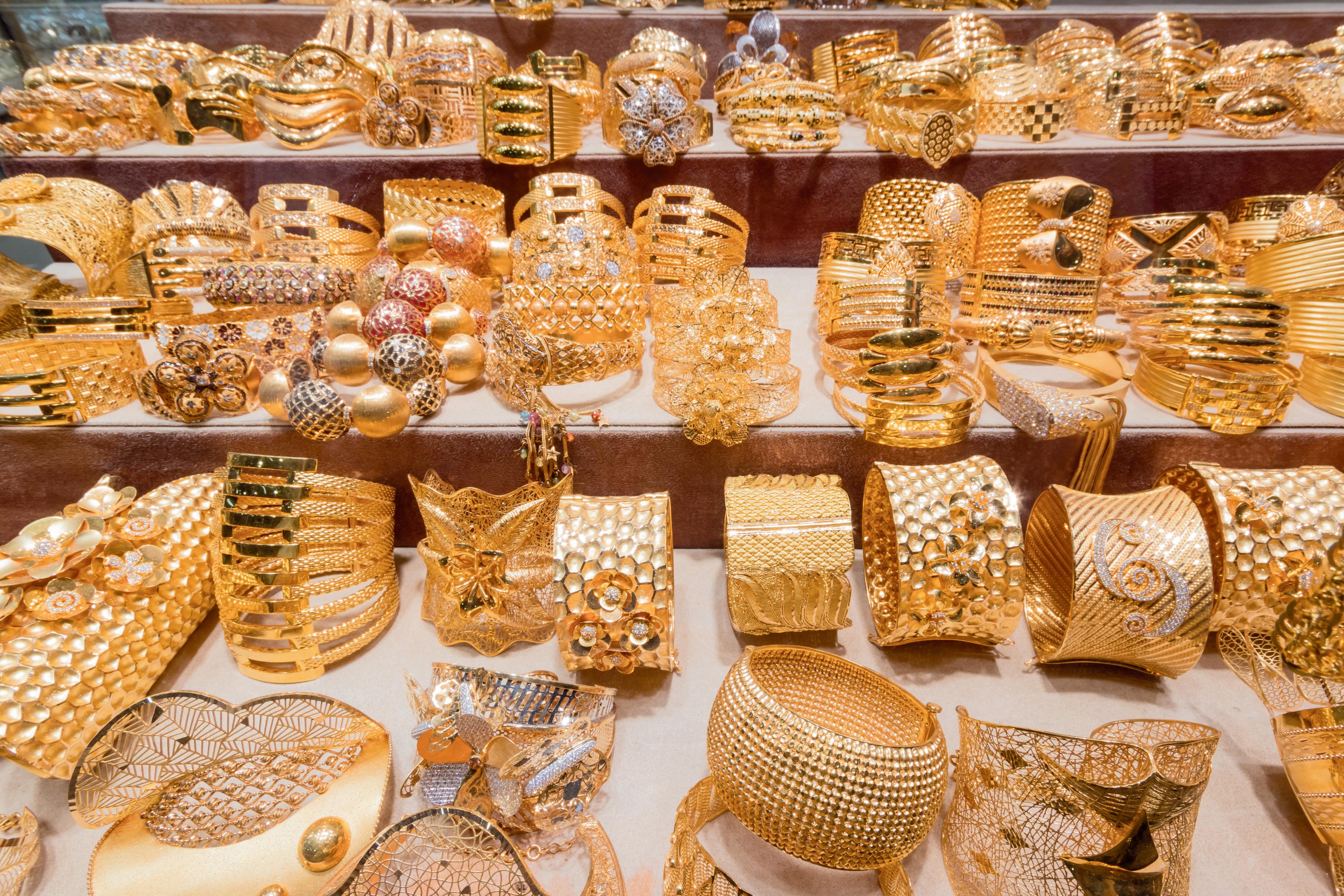

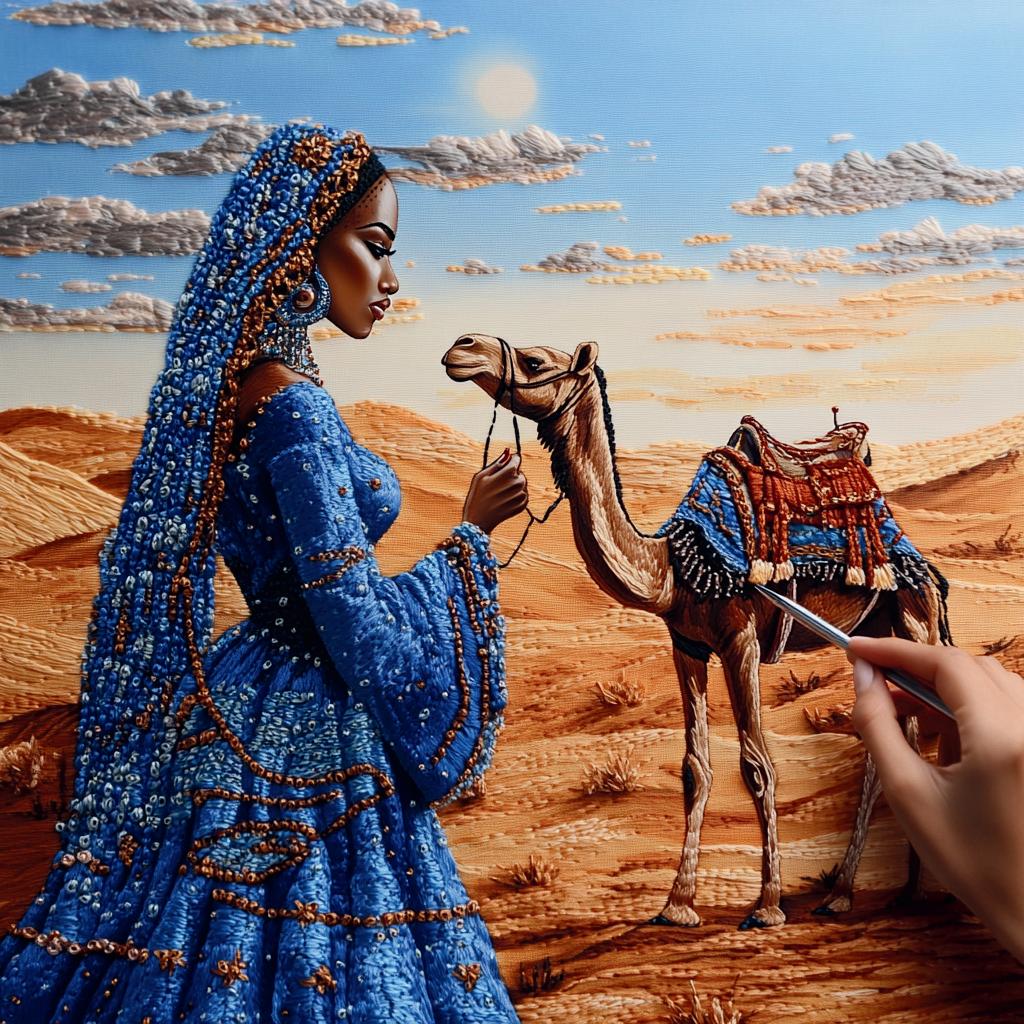

Being African is a pride written in our blood and sung in our soul.
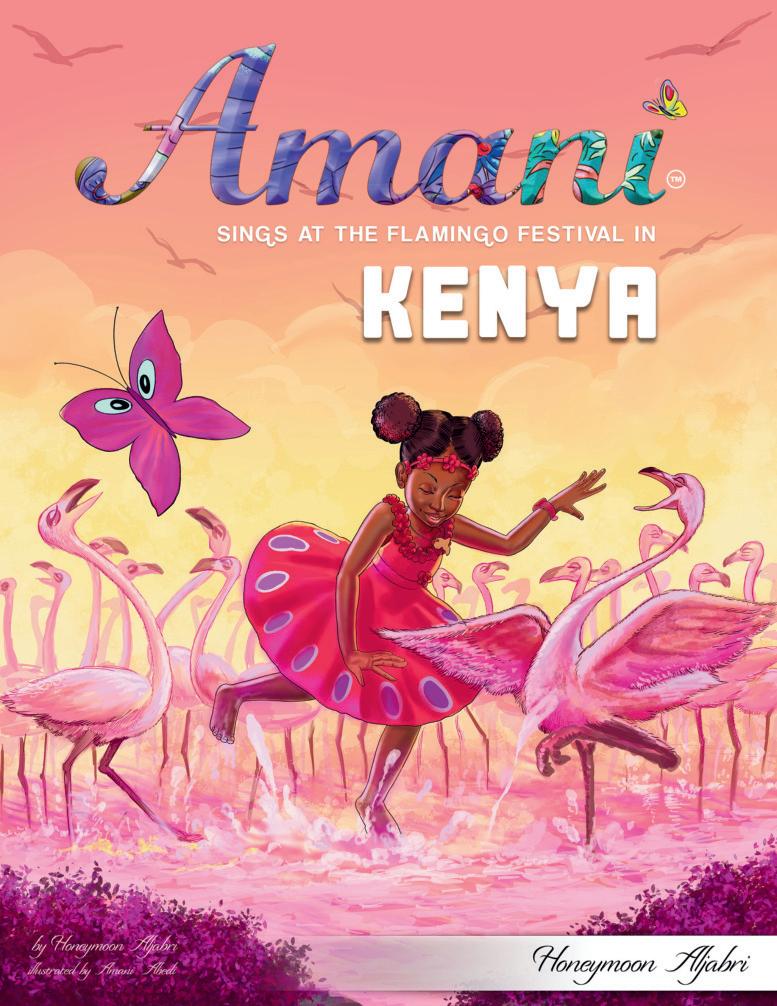
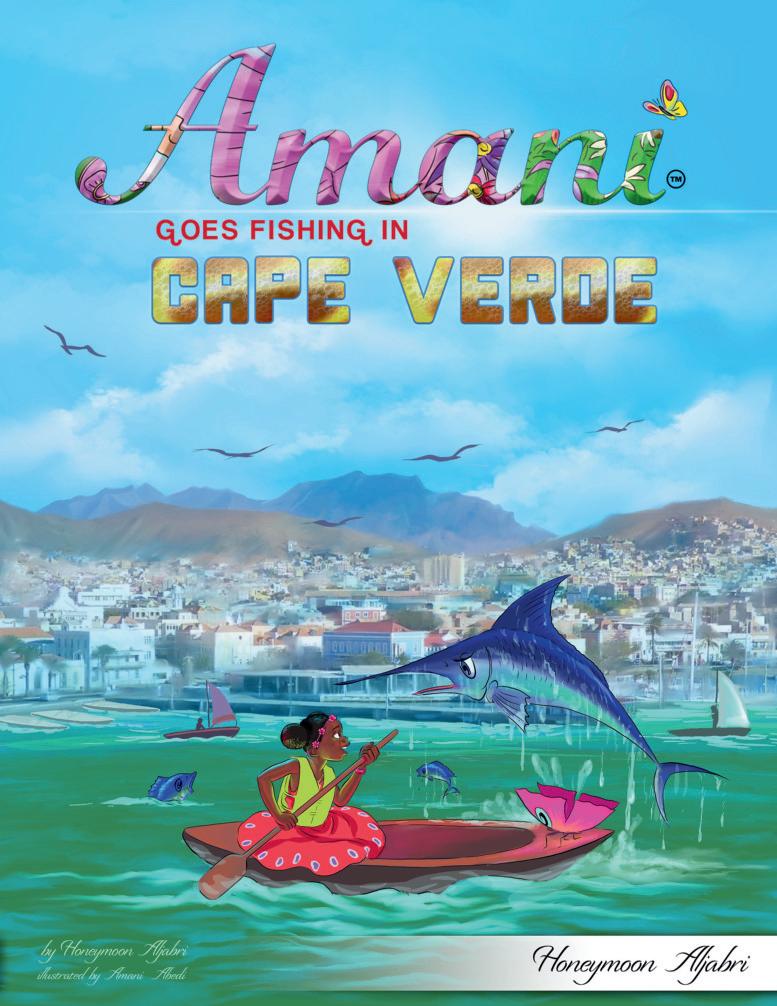
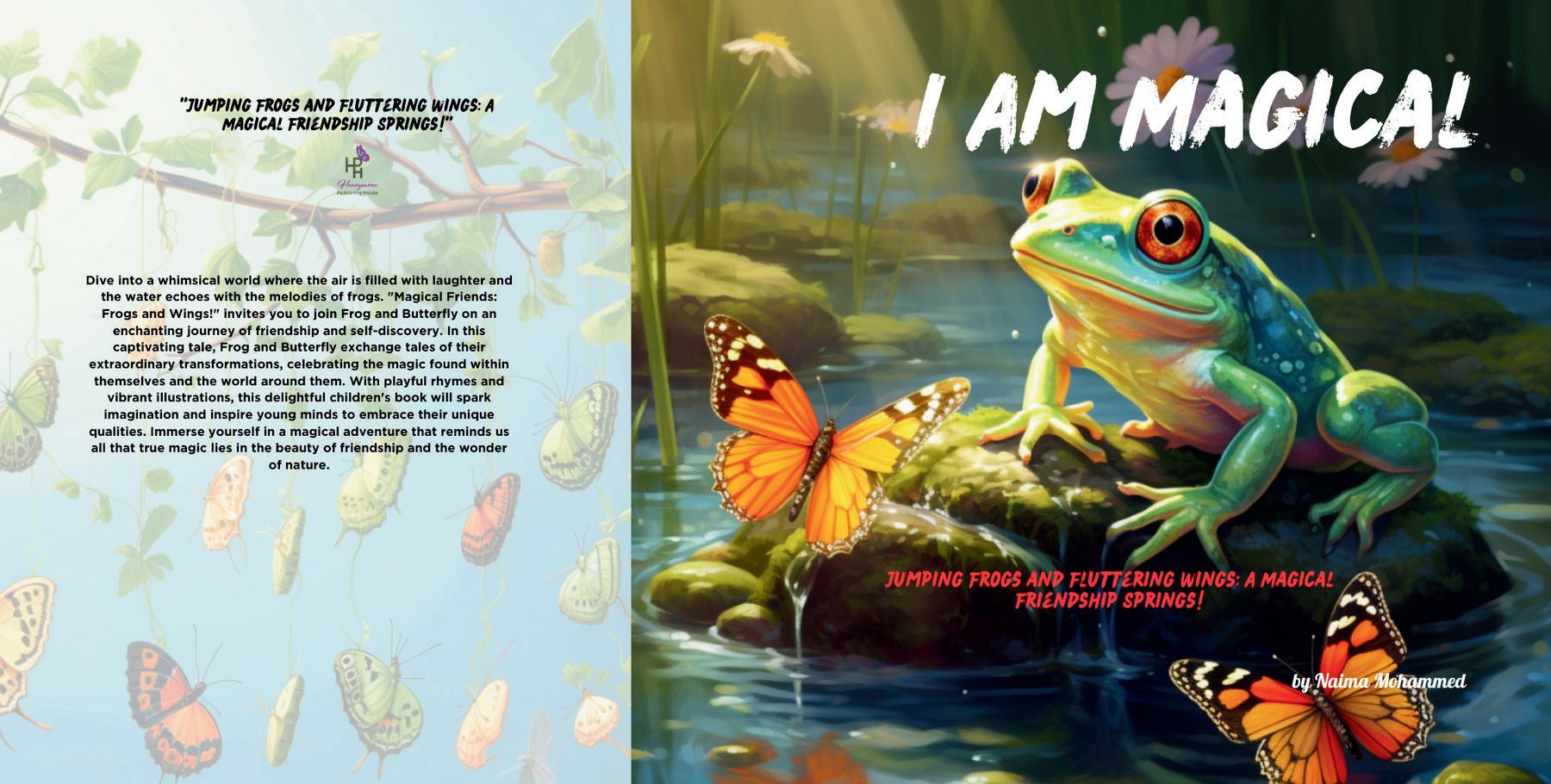
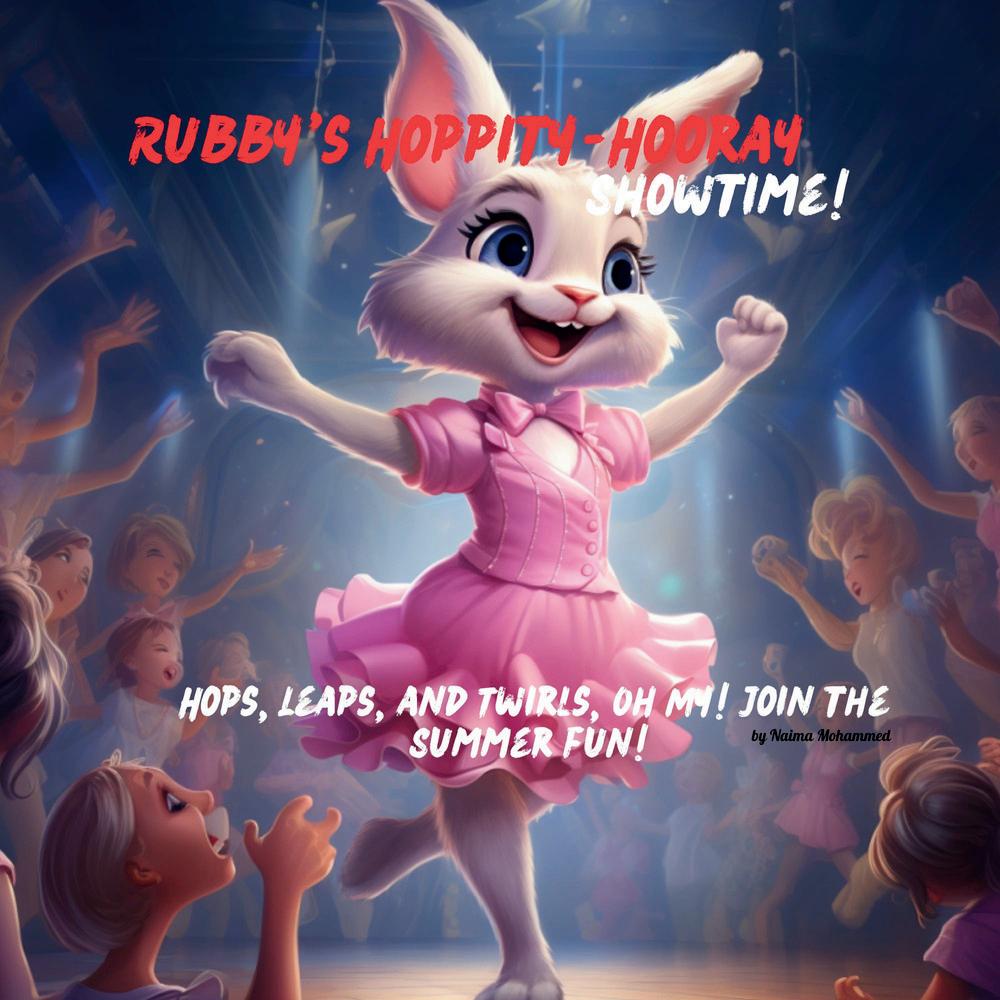


(FACTS CREDITED TO WIKIPEDIA, WITH LOVE POURED IN BY US.)
For generations, the African woman has been the first farmer, the water bearer, and the chief steward of the land. Today, as climate change accelerates and threatens our most sacred assets, a new generation of leaders has risen to continue this vital legacy. They are planting the trees, powering the homes, and demanding the justice that will secure our future. Wangari Maathai, Nthabiseng Mosia, and Yasmina Benslimane embody this powerful truth. They have turned grassroots action into a global platform, teaching the world that leadership in environmentalism is about purpose, persistence, and deep-rooted respect for the earth.
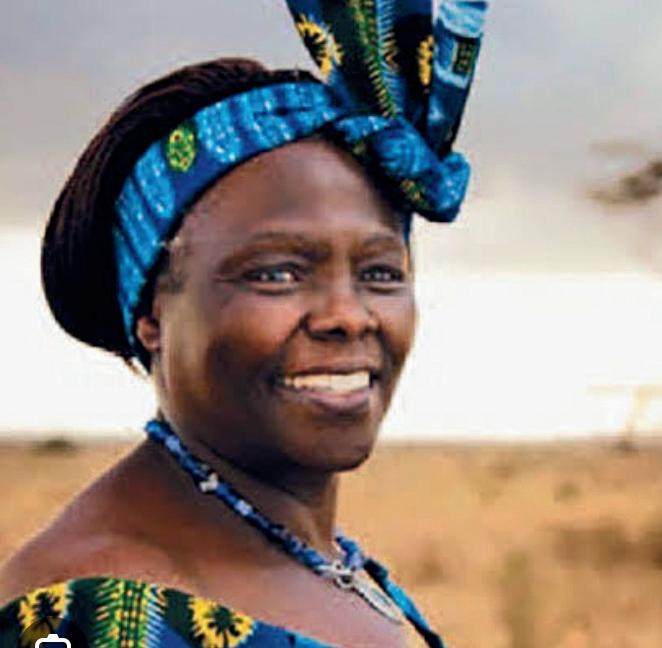
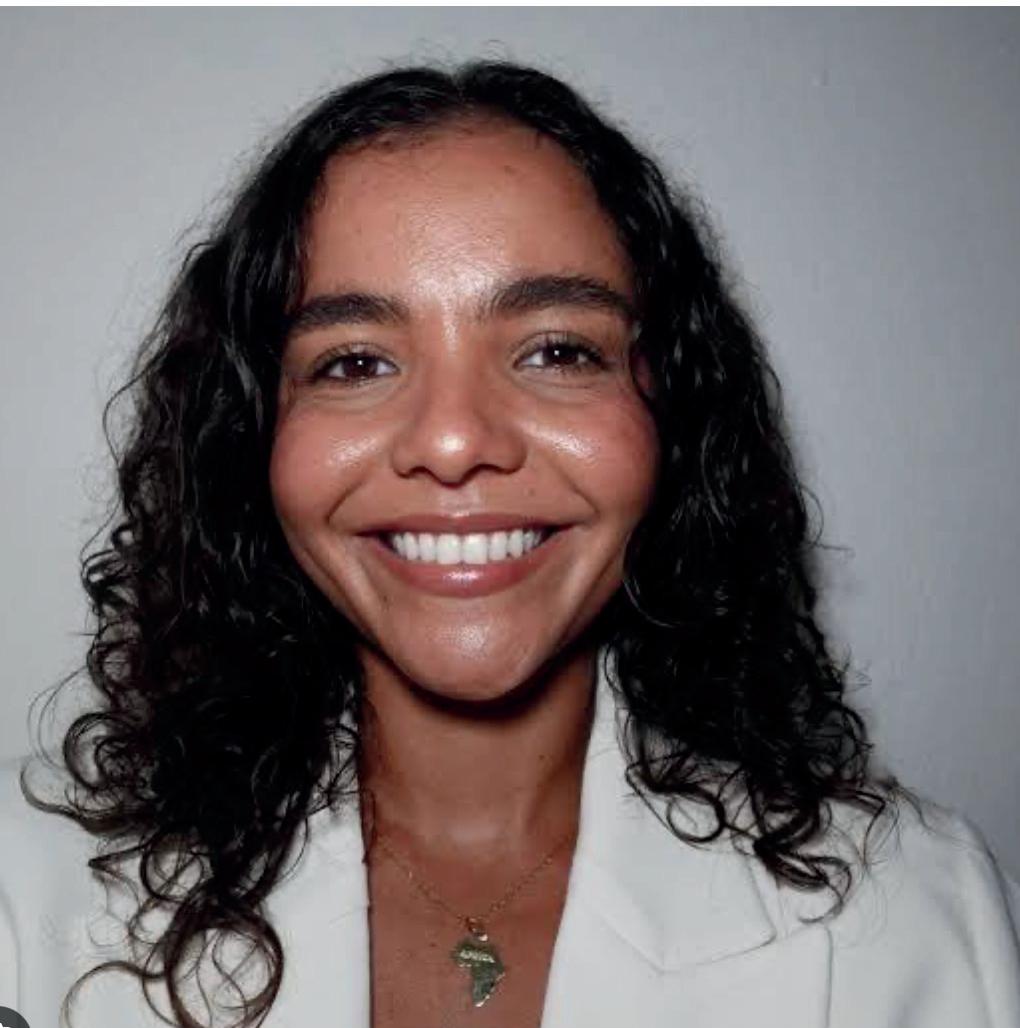
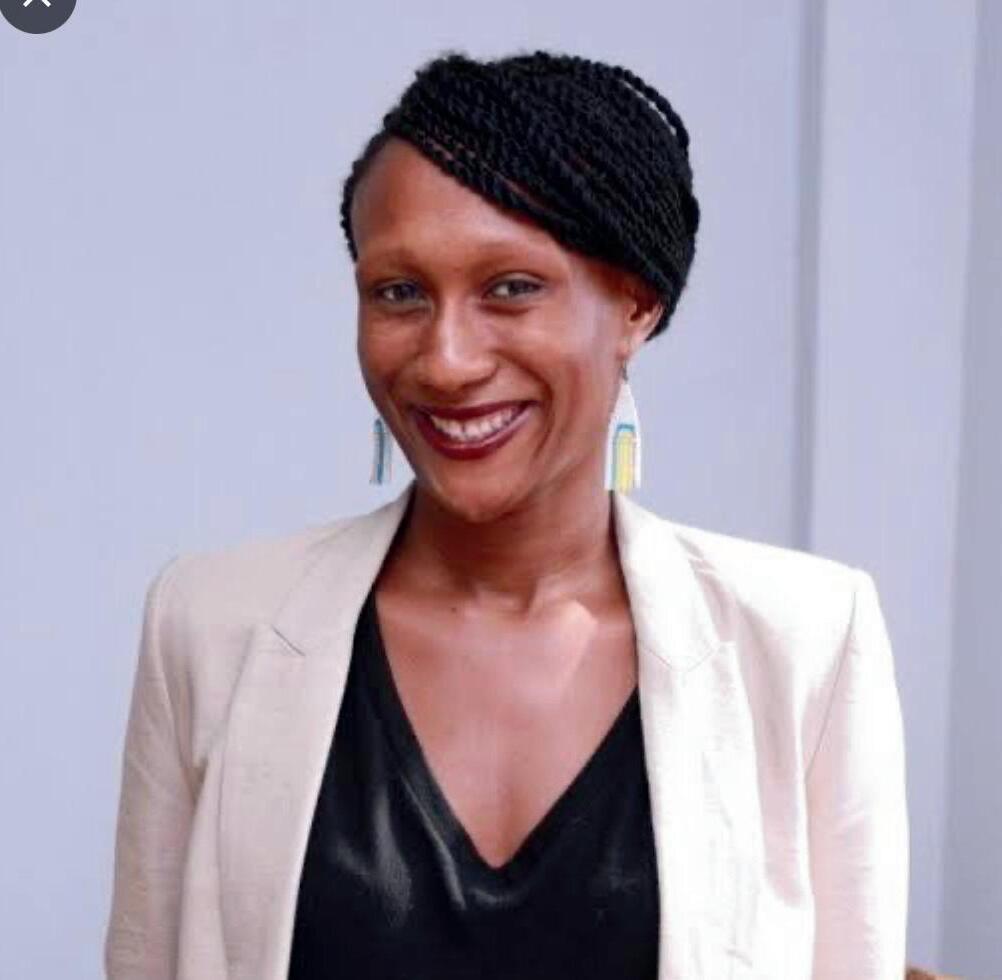
Africa sees you. Africa thanks you. Africa is you. Today, we honor these three women who are writing history by healing the wounds of the planet with their courage and brilliance.

Professor Wangari Maathai was a Kenyan environmental, social, and political activist and the first African woman to win the Nobel Peace Prize in 2004 for her contribution to sustainable development, democracy, and peace. Known globally as "The Woman of Trees," she founded the Green Belt Movement (GBM) in 1977, an organization dedicated to planting trees, promoting conservation, and empowering rural women. By linking deforestation and environmental degradation to rural poverty and conflict, Maathai created a revolutionary model of ecofeminism that saw the health of the land as inseparable from the health and rights of women. Through the GBM, over 51 million trees have been planted across Kenya, transforming landscapes, combating desertification, and increasing the income of countless families. She stands as a fierce, unwavering testament to the power of grassroots action to heal both people and planet.
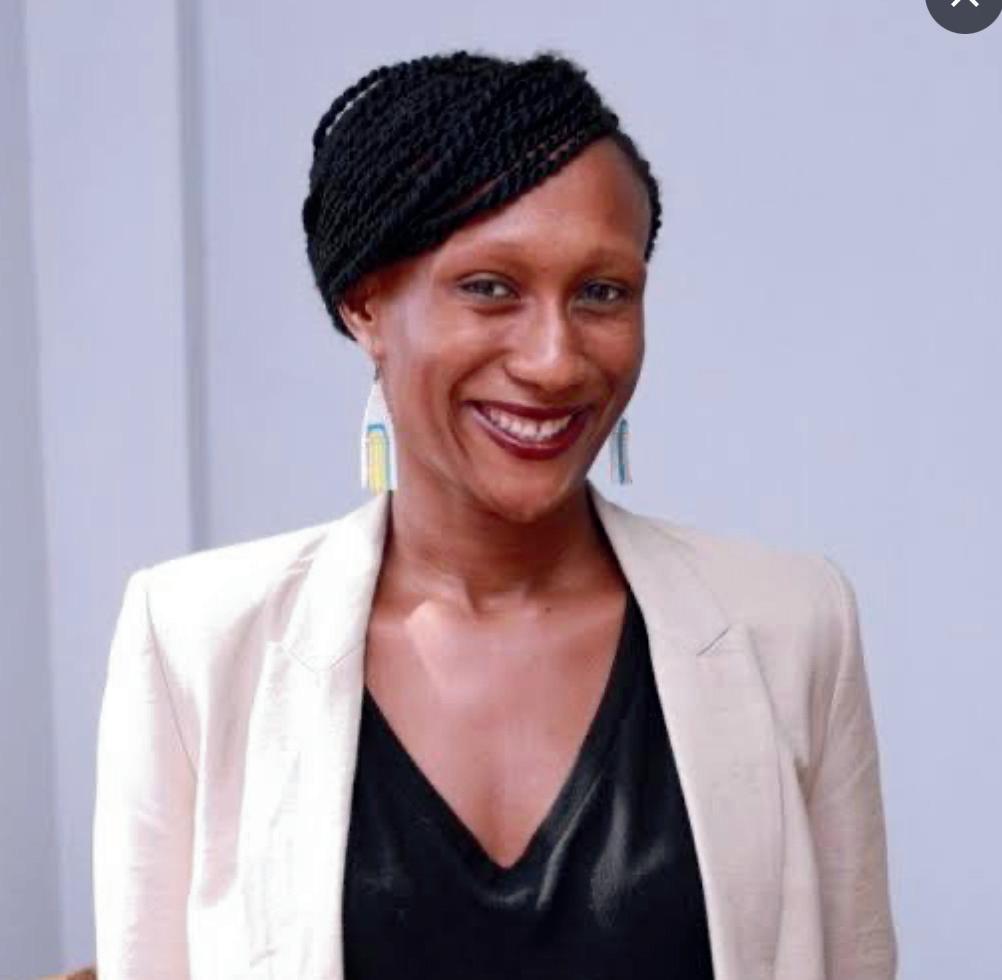
Social entrepreneur and co-founder of the solar energy company Easy Solar, which operates in West Africa. Her interest in energy was sparked by experiencing blackouts in Ghana due to unreliable electricity supply. Mosia co-founded Easy Solar to address energy poverty by providing affordable, accessible, off-grid solar solutions, ranging from small lamps to full home systems, to households underserved by the traditional power grid. Her work directly combats climate change by championing clean, renewable energy adoption over polluting alternatives and is a powerful example of an African solution to an African problem. Mosia is the embodiment of innovation that scales, having provided tens of thousands of West African households with clean power, empowering women, and earning recognition from organizations like Forbes and the World Economic Forum.
Is a Moroccan feminist activist and the founder of Politics4Her, an organization that focuses on key societal challenges, including climate justice. While her primary work centers on gender equality and women's political participation, Benslimane consistently highlights the intersectional crisis of climate change, forced migration, and gender-based violence, especially in the Maghreb region. Her efforts have brought attention to these issues on international platforms, including the United Nations, demonstrating that the fight for a healthy planet is fundamentally linked to the fight for human rights and equality. By training and mentoring young women and girls in advocacy, Benslimane is securing a future where North Africa’s policies are driven by inclusive, sustainable, and climate-conscious leadership.
Enjoy Your Winter, African Style: Comfort in a Bowl




This season, let the warmth of the continent fill your kitchen. We’ve taken the soul-stirring flavors of Africa from spicy chilies to smoky peanuts and given them a comforting, winter-ready twist.

Ingredient
Chicken Stock 6 cups
Creamy Peanut Butter 3/4 cup
Onion (chopped) 1 large
Garlic (minced) 4 cloves
Fire-Roasted Diced Tomatoes 1 (14oz) can
Chicken (cubed, optional) 1 lb
Sauté & Spice: Sauté the onion, garlic, and ginger until soft. Add the smoked paprika, cayenne, and stir for 1 minute until fragrant. Simmer: Whisk in the chicken stock, peanut butter, and fire-roasted tomatoes until smooth. Add the diced sweet potato and chicken (if using). Bring to a boil, then reduce heat and simmer for 20 minutes, or until the potatoes are tender.
Finish: Stir in the kale and simmer until just wilted. Serve hot over a small bed of rice or millet, garnished with chopped peanuts.
Ginger (freshly grated) 1 Tbsp
Sweet Potato (diced) 1 large
Smoked Paprika 1 tsp
Cayenne Pepper 1/2 tsp (or to taste)
Kale (ribs removed, chopped) 4 cups
Roasted Peanuts (for garnish) 1/4 cup

Harira is traditionally a rich, highly spiced soup served to break the fast during Ramadan. Our winter twist makes it even more filling by swapping out some noodles for creamy, seasonal squash.
The African Heart: The aromatic blend of spices (cumin, ginger, cinnamon, saffron), chickpeas, lentils, and fresh herbs (cilantro, parsley).
The Winter Twist: Incorporating a creamy element by pureeing some cooked butternut squash into the broth, adding a sweet, earthy depth perfect for winter, and using hearty lamb cubes for a substantial meal.
1 lb

Chickpeas
1 cup
Beef or Lamb Broth 8 cups Green or Brown Lentils 1/2 cup
Tomato Paste 1/4 cup
Butternut Squash 1 cup Spices (Cumin, Turmeric, Ginger, Cinnamon) 1 tsp each
Cilantro & Parsley 1/2 cup each (chopped) Onion/Celery/Garlic (mirepoix base) 1 cup
Sear & Build Flavor: Sear the lamb cubes until browned and remove.
Sauté the onion, celery, and garlic. Add tomato paste and all the spices. Cook until fragrant.
Simmer: Return the lamb. Add the broth, lentils, chickpeas, and butternut squash. Bring to a boil, then reduce and simmer for 1 hour, or until the lamb is tender.
Thicken & Serve: Remove half the squash pieces and puree them with a little broth, then return to the pot to thicken. Stir in the fresh cilantro and parsley. Serve with a squeeze of fresh lemon juice it brightens the whole soup!
Taking the fiery, complex spice of Ethiopian Misir Wot (red lentil stew) and merging it with the comfort of a South African-style thick vegetable soup.
The African Heart: The defining flavor of spice blend (chili, ginger, cardamom, fenugreek, etc.) and red lentils.
The Winter Twist: Making it a thicker, more spoonable soup with the addition of white potatoes (similar to Boontjiesop's heartiness) and finishing with a swirl of rich, clarified butter (niter kibbeh style) or a simple dollop of Greek yogurt for cooling creaminess
Red Lentils (rinsed) 1 cup
White Potatoes (peeled, diced) 1 large
Aromatics & hot chilly Spice Blend Sauté the onion until soft. Add the garlic, ginger, tomato paste, and hot chilly spice. Cook until deeply fragrant, about 2 minutes.
Simmer & Soften: Add the rinsed lentils, potatoes, and vegetable broth. Bring to a boil, then reduce to a simmer. Cook for 30–40 minutes, or until the lentils are completely soft and the potatoes are tender.
Finish: Stir in the spinach (if using). Taste and adjust seasoning. For a creamier soup, briefly use an immersion blender. Serve immediately with a dollop of yogurt or a drizzle of melted butter.
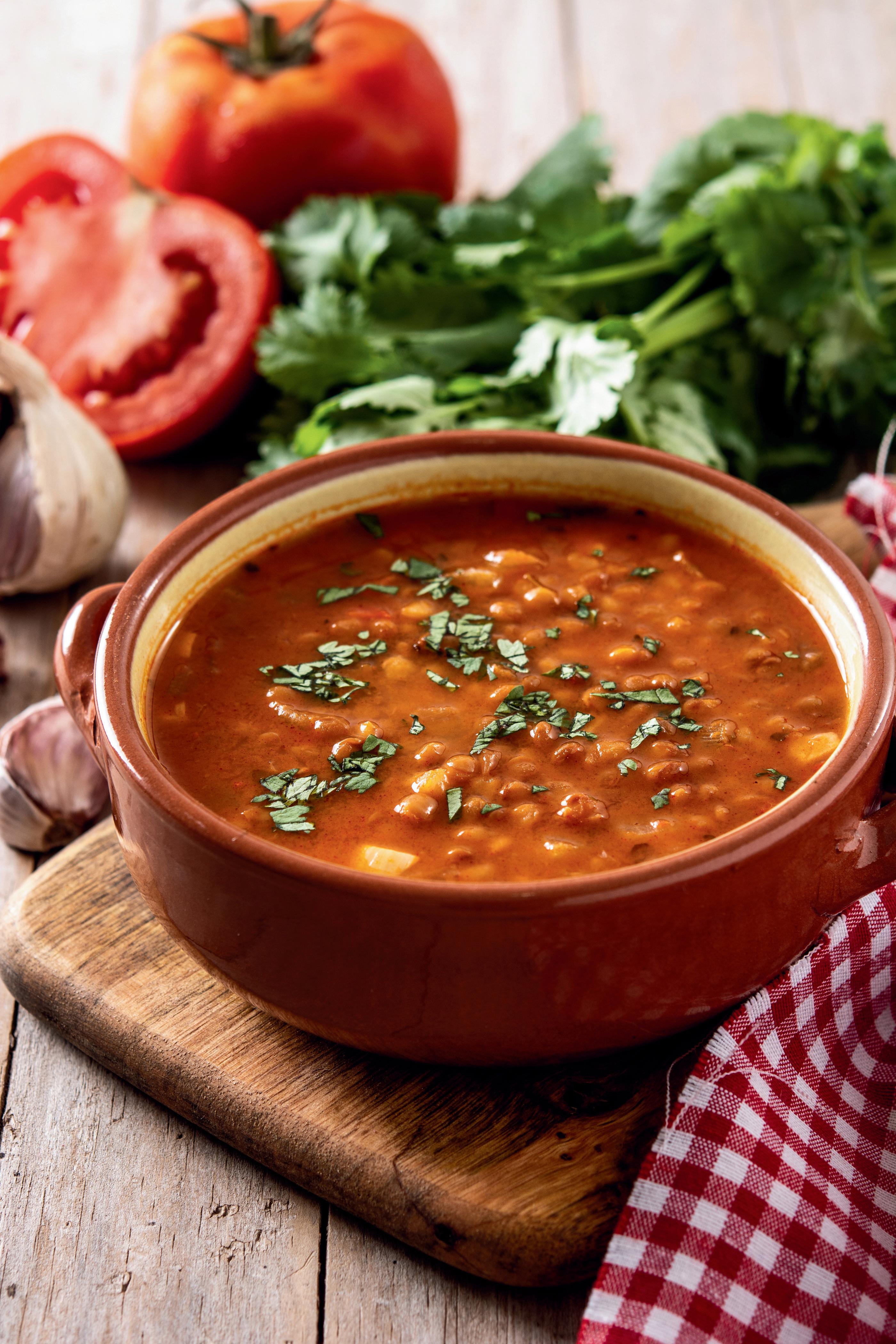

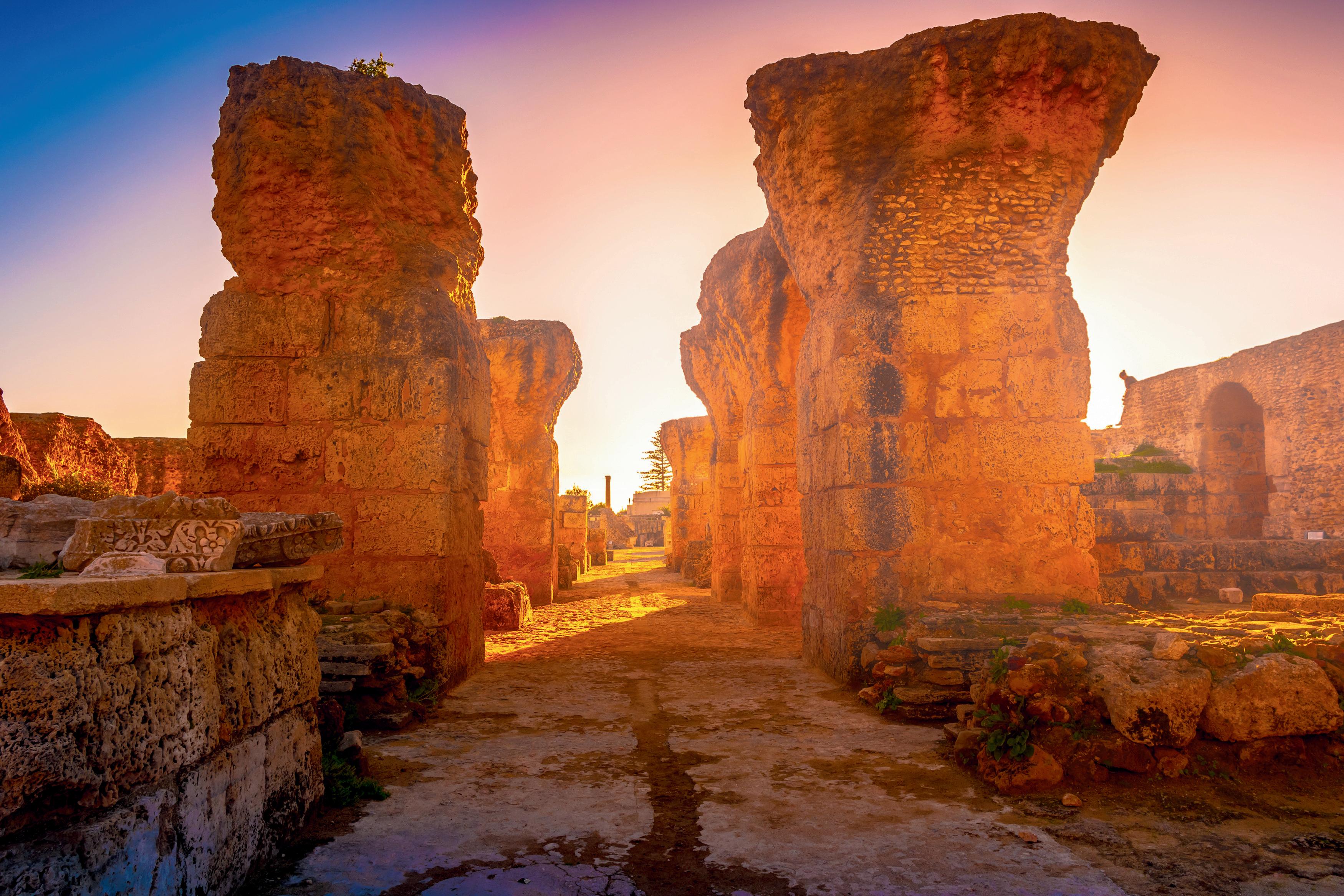
I feel like Tunisia ready and safe
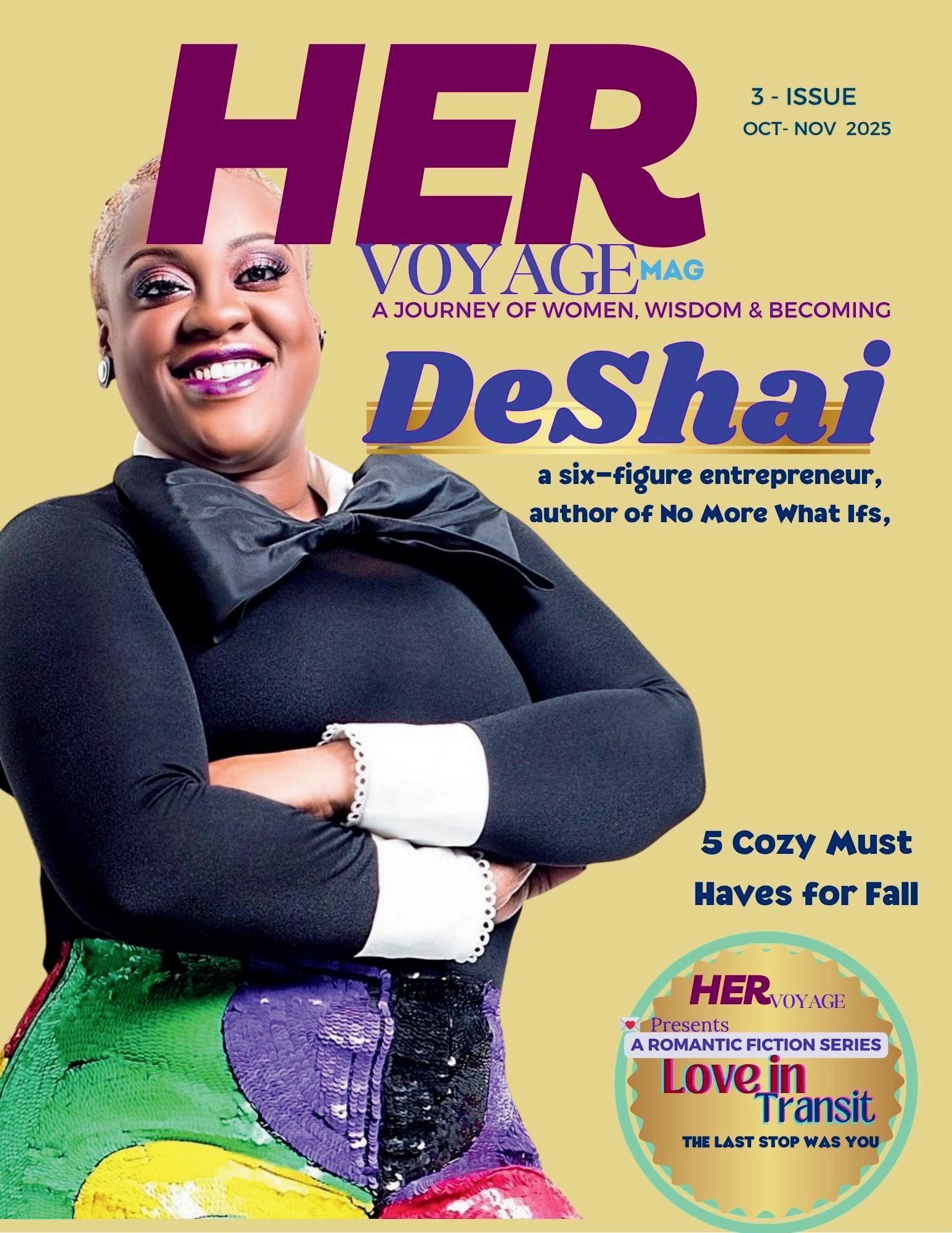

we’re excited to start working on the next issue of People of Africa magazine, and we want to hear from you
What stories do you want to read? what themes so you want us to explore ? who are the african changemakers, innovators, and trailblazers you want to learn more about share your idea with us , and help shape the next issue of people of africa magazine let
know what’s on your mind, and we’ll do our best to bring it to life in the next issue let
Join us as we weave the tapestry of African stories and connect hearts and minds across borders.
of Africa Magazine - Where Every Voice Matters. ShareYourStorywith PeopleofAfricaMagazine
Do you have a story waiting to be told? Is there someone you know whose experiences deserve recognition? We believe every voice has a story worth sharing, and we want to hear yours.
People of Africa Magazine invites you to contribute to our vibrant community of storytellers. Each season, we curate four issues that capture the diverse narratives, rich cultures, and inspiring journeys across the African continent.
Whether it's a personal journey, a community initiative, or an extraordinary achievement, your story could inspire, motivate, or enlighten others. We welcome contributions from writers, photographers, artists, and anyone passionate about storytelling.
Editor-in-Chief Honeymoon Aljabri and the entire team are dedicated to amplifying voices and celebrating the essence of Africa. We want you to be part of this enriching experience.
To share your story or nominate someone whose narrative deserves a spotlight, please contact us via:
Phone: +1-202-977-7175
WhatsApp: [+1-202-977-7175]