Innovations
Where Health and Community Connect
In a changing world, care must reach further and do more. That starts with a mission designed not just for systems, but for people.
This is our new mission, a clearer call to what matters most and a bold response to the work ahead.
Introducing Our NEW Mission
To improve health outcomes by bridging healthcare and community-based services—empowering people to live safely, heal fully, and thrive.
For over 27 years, Partners has been a national leader in community-based health innovation integrating medical care with the non-clinical services that shape a person’s well-being. From strengthening care transitions to training a new kind of health workforce, our work transforms not just outcomes, but lives.
This progress is only possible because of the partnerships that power our work, those who share our vision, lend their trust, and stand with us to drive meaningful change.
Your support fuels innovation, broadens access, and keeps community-based care at the heart of health transformation.
Together, we’re not just imagining what’s possible, we’re advancing what matters.
At a time when our nation is grappling with questions of immigration, identity, and access to care, Partners in Care Foundation’s mission has never been more vital: to step in where systems stop and ensure no one is left behind.
That mission came to life during our inaugural Board Field Day, when board members joined our Enhanced Care Management (ECM) team on home visits. One visit revealed not just a medical need but a life in crisis.
Artur had been working with his care coordinator for six months, managing chronic pain and applying for housing. But during the visit, he shared something deeply personal: he was facing deportation.
Artur came to the U.S. as a child. The country he left no longer exists. Los Angeles is the only home he’s ever known.
His work authorization had lapsed, and he couldn’t afford the filing fee to renew it. Without that renewal, he faced removal from the only life he’s ever known. There was no public program to help. Just a narrow window to act—and a care team ready to fight for him.
Thanks to donor support, Partners Urgent Needs Fund made it possible to move quickly—providing flexible, immediate aid when no other resource existed. It’s how we say yes when everything else says no.
“They didn’t have to help me. But they did—and it changed everything.”

Artur is now preparing to move into housing, continue treatment, and begin working again—reclaiming the life he nearly lost, with dignity and hope.
But he’s not the only one navigating complex systems with too few options and no clear safety net.
The Urgent Needs Fund exists for moments like his—when trusted care teams know what to do, but no program can pay for it.
Powered entirely by donor generosity, it allows us to act quickly, close critical gaps, and help people keep moving forward. Please consider making a gift and help us be there when it matters most at www.picf.org/compassion
Community Health Workers (CHWs) are essential to care delivery—bringing trust, insight, and cultural connection to the frontlines of health. But as the role grows in complexity, CHWs need more than mission. They need preparation.
Community Health Workers are doing some of the most emotionally demanding and systemically complex work in healthcare today. They’re building trust, navigating crisis, supporting care transitions, and holding space for people who are often overlooked.
But the pressure is mounting. A national survey by the National Association of Community Health Workers found that nearly 40% of CHWs report signs of burnout due to emotional strain and unclear role expectations (NACHW, 2021). Programs without formal training often experience higher turnover—putting both continuity and community trust at risk.
At Partners, we believe that kind of work deserves structure, support, and respect. That’s why our Workforce Development Training Center was built—not just to train CHWs, but to prepare them for the realities of what this role asks of them.
Our curriculum is informed by the voices of CHWs themselves and shaped by what actually happens in the field.
We focus on what matters most:
• How to support others without burning out
• How to communicate across systems that don’t always speak the same language
• How to show up with confidence—and know your voice belongs at the table
The training meets DHCS requirements, aligns with C3 Core Competencies, and is delivered fully online, in English and Spanish. It’s culturally responsive, flexible, and grounded in the lived experience of the communities CHWs serve.
And it works: CHWs who receive formal training are twice as likely to remain in their roles and report higher confidence and job satisfaction (MHP Salud, 2022).This isn’t about checking boxes. It’s about strengthening the foundation of a workforce our healthcare system can’t function without.
If you’re working to strengthen community-based care, improve connection across systems, or support the people delivering frontline services—this training is built for you.
To learn more visit www.picf.org
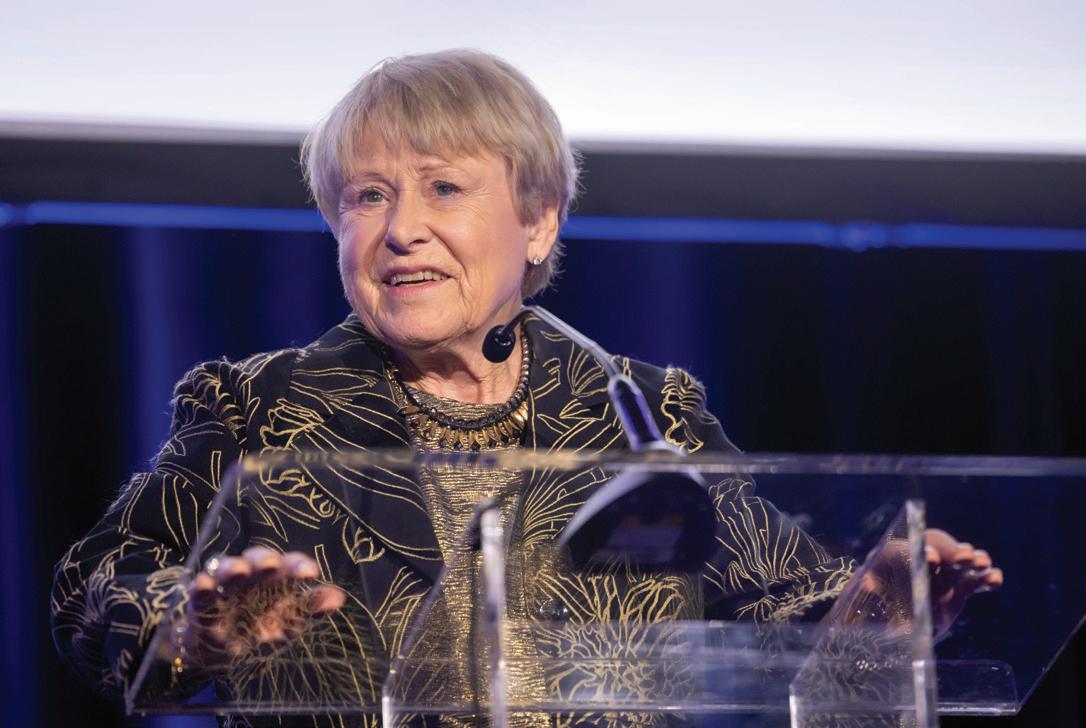
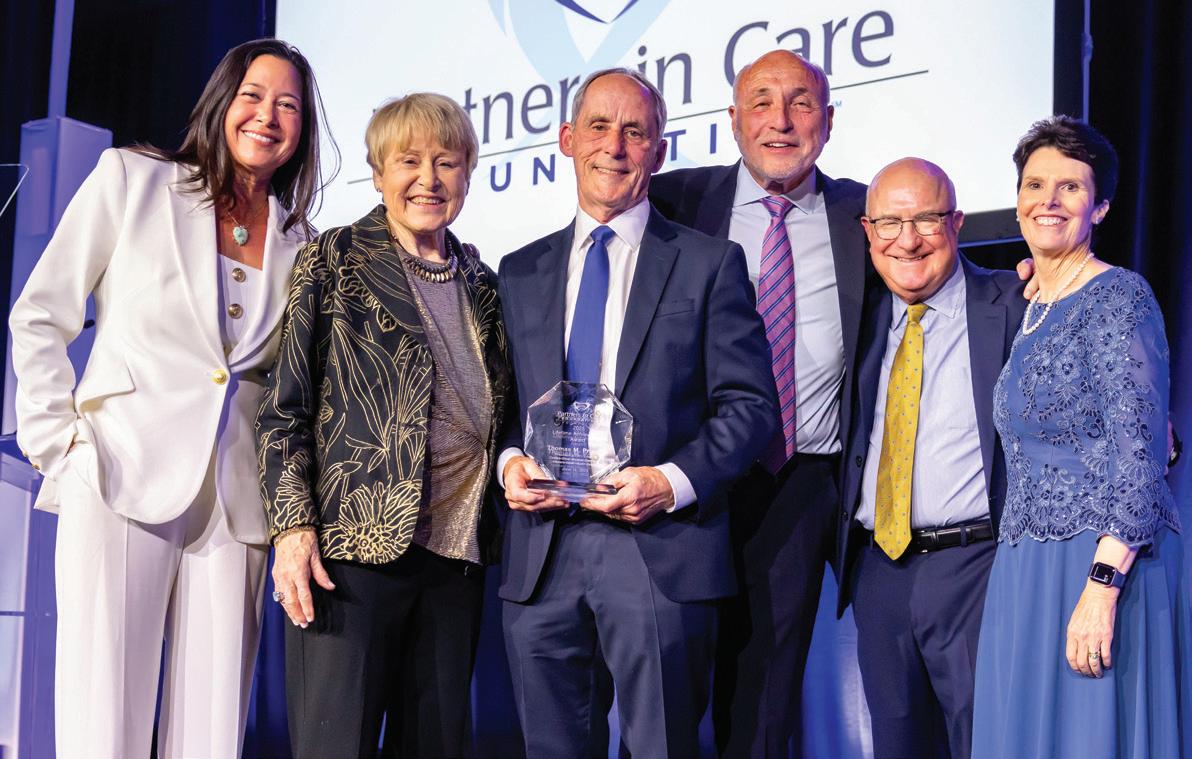
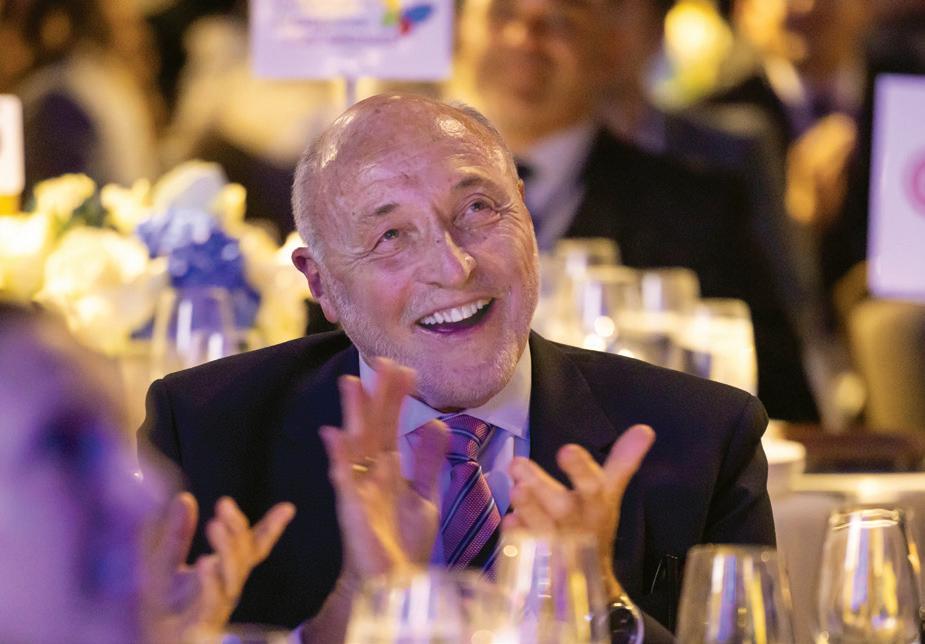
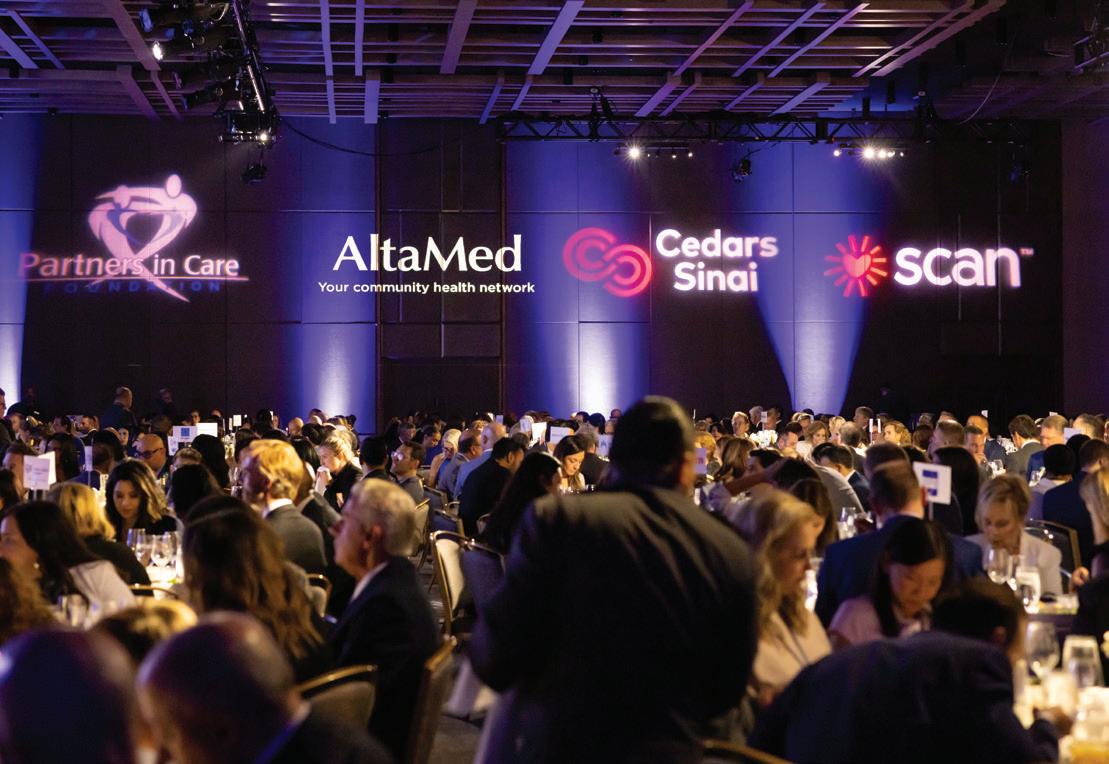
Partners’ 25th Annual Vision & Excellence in Healthcare Leadership Tribute Dinner marked our largest gathering—both in impact and attendance.
More than just a celebration, it was a powerful convergence of voices from across the healthcare landscape: leaders grounded in purpose, committed to access, and united by the belief that meaningful progress remains possible—even amid profound disruption. We were proud to honor two extraordinary visionaries:
• Cástulo de la Rocha, President and CEO, AltaMed Health Services Corporation, recipient of the 2025 Vision & Excellence in Healthcare Leadership Award
• Thomas M. Priselac, President and CEO Emeritus, Cedars-Sinai Medical Center and Cedars-Sinai Health System, recipient of the Lifetime Achievement Award
Though their journeys span decades, systems, and communities, both have shaped healthcare with an unwavering commitment to expanding access and delivering care that lasts.
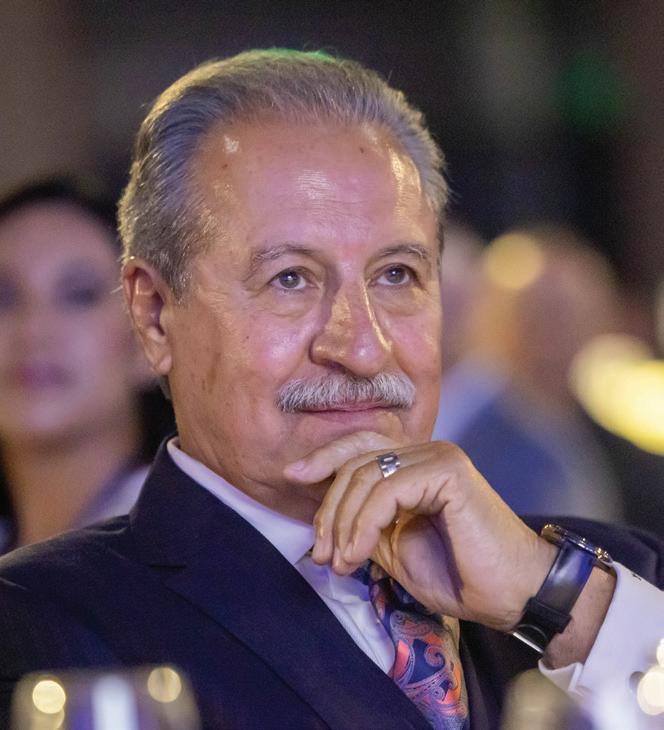
“Leading with purpose helps us navigate uncertainty, it helps us foster resilience, and it inspires us to take action...because individuals find purpose in their work...you not only build a company, you inspire a movement.”
– Cástulo de la Rocha
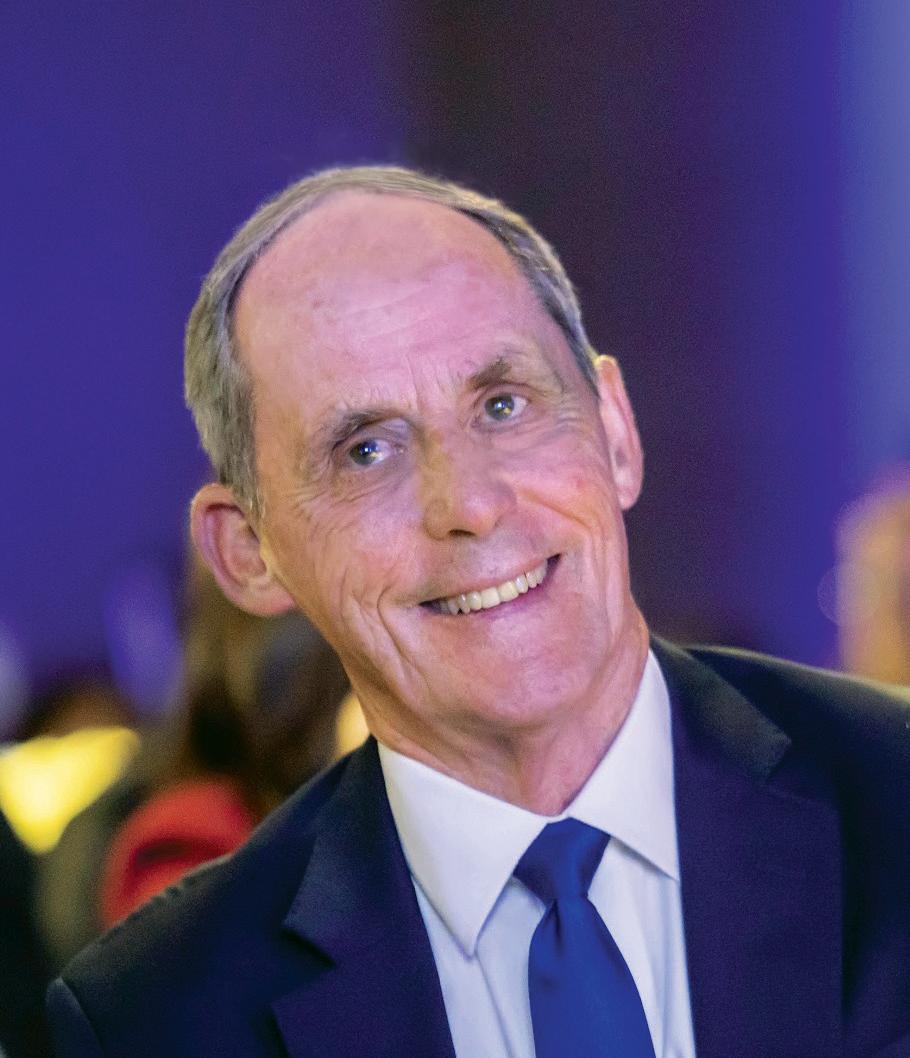
“Working in healthcare is a privilege. Our work is vital, and the responsibility lies with each of us to shape the future.”
– Thomas M. Priselac
In a time of workforce strain, policy shifts, and rising need, the evening served as both a moment of reflection and a collective call to lead forward. It reminded us of the responsibility we share—to lead with clarity, collaborate with courage, and stay grounded in the values that move care forward.
We are deeply grateful to the Tribute Dinner Committee for their exceptional leadership, and to our sponsors, whose generosity and partnership made this unforgettable evening—and its impact—possible.

When a patient leaves the hospital, the goal is recovery not a return trip to the emergency room. But too often, discharge is just the beginning of a preventable cycle. Consider this:
•Nearly 1 in 5 hospital readmissions is medication-related
•Up to 70% of those are preventable (PLOS One, 2021)
•Among older adults, 16% of readmissions involve medication issues—40% could have been avoided
These aren’t just numbers, they’re people who fell through the cracks. People like Mrs. Ramirez.
Mrs. Ramirez was discharged with everything checked off: prescriptions updated, follow-up scheduled, medication list reviewed. But no one asked about the herbal tea she drank every day. It wasn’t on her medication list. It wasn’t flagged in her health record. And she didn’t think to mention it during her follow-up call.
It Mattered.
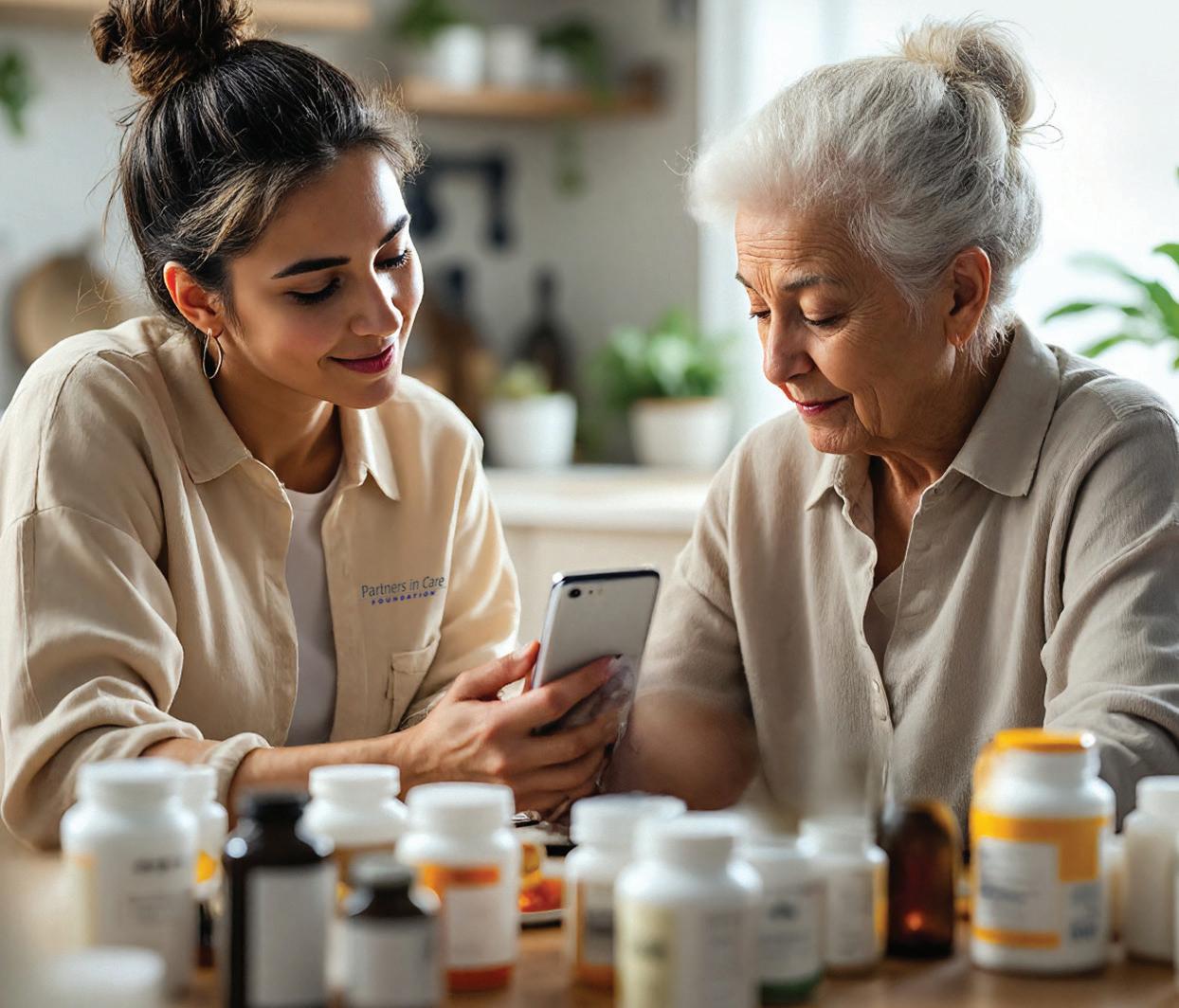
The tea interacted dangerously with her blood thinner, putting her at serious risk for a bleeding event. HomeMedsSM caught it. Because HomeMedsSM starts where most medication reviews stop by looking at what’s actually happening in the home. A HomeMedsSM care coordinator saw the tea during an in-home visit, captured the detail
through our enhanced data collection process, and flagged the interaction for clinical review.

This is why medication review has to be more than a checklist. It has to be comprehensive capturing:
• Prescribed and expired medications
• Over-the-counter drugs
• Supplements and herbal remedies
• Adherence barriers
• Environmental factors that impact safe use
It’s not just about what’s prescribed it’s about what’s really happening in people’s lives.

At Partners in Care Foundation, we’ve spent years closing this gap through HomeMeds℠, a mobile platform designed to catch the risks traditional medication reconciliation misses.
We’ve seen the impact firsthand:
• 24% fewer ER visits within 30 days
• 1,100+ emergency visits avoided
• 55% of patients had a clinically significant medication issue identified and resolved
But healthcare is changing. And so are we.
This year, we’ve expanded HomeMedsSM with AI-driven enhancements to help teams: Identify risks 50% faster
Transcribe and review medication labels in real time using Medi-Span® and ext and image capture to streamline documentation
Integrate Bluetooth compatible devices to monitor and record vital signs
Connect with telehealth platforms through custom EHR interfaces
• Access real-time clinical guidance to support immediate action
Ongoing innovation keeps HomeMedsSM at the forefront, with new enhancements in development to meet evolving system needs and elevate medication safety at scale.
Technology is never the solution on its own. But when AI supports comprehensive, person-centered care, it becomes a tool for what matters most: keeping people safely at home, not back in the hospital. We’re proud of the progress HomeMedsSM has made—and even more committed to the work ahead.
We invite you to learn more at www.picf.org/homemeds.
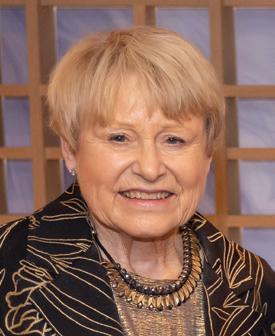
Appointed to Co-Lead, LA County Regional Coordinating Council
June Simmons, President & CEO and Dr. Laura Trejo, Director
Los Angeles County Aging and Disabilities Department
Awarded Community Trailblazer Award— Connecting for Better Health
Anwar Zoueihid, VP & Chief Strategy Officer
Secured 3-Year Accreditation from the National Committee for Quality Assurance (NCQA) Case Management accreditation recognizing excellence in care coordination
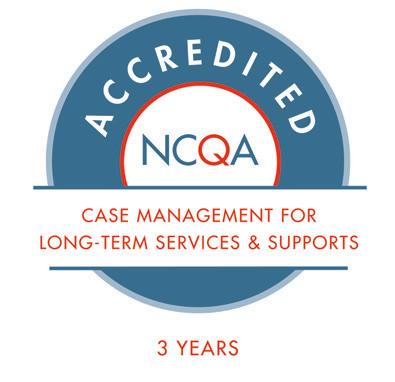
Awarded Change Agent Award— National Council on Aging
June Simmons, President & CEO
Named 2025 Woman of the Year Women in Health Administration–Southern CA
June Simmons, President & CEO
25th Annual Vision & Excellence in Healthcare Leadership Tribute Dinner
Honoring Cástulo de la Rocha, Vision & Excellence in Healthcare Leadership Award and Thomas M. Priselac, Lifetime Achievement Award
Opening this fall, the new office expands delivery of the Multipurpose Senior Services Program and Enhanced Care Management.
With appreciation to the Hutton Parker Foundation, the space enhances our ability to help people live safely, heal fully, and thrive.
Awarded Modernizing Older Californians Act (MOCA) Award
Secured in partnership with Meals on Wheels California
Healthcare systems are doing more than ever—but they can’t do it alone.
Recovery doesn’t end at discharge. For many, it’s shaped by challenges like food insecurity, unstable housing, language barriers, and limited access to follow-up care, the very gaps that can lead to avoidable readmissions, higher costs, and missed opportunities to achieve lasting health outcomes.
Partners Community Care Hub is designed to close those gaps—strengthening care coordination and transitions of care by aligning clinical services with trusted, community-based resources.
Spanning California, our Hub activates a network of more than 100 culturally responsive, in-language community based organizations. We don’t just place a few Community Health Workers (CHWs)—we deliver a complete, trained, and scalable workforce that’s ready to respond where and when it’s needed most.
Partners care transitions programs have reduced hospital readmissions by over 50% improving lives while generating meaningful system savings.
Whether supporting 10 individuals or 10,000, across a neighborhood or an entire region, our model meets the moment— delivering navigation, coaching, and wraparound services that build trust and improve outcomes.
The impact is measurable: our care transitions programs have reduced hospital readmissions by over 50%— improving lives while generating meaningful system savings.
This isn’t a pilot. It’s a proven solution— already working at scale.
Healthcare partners turn to us to reach members where they live—improving care transitions, closing gaps, and driving better outcomes. Community organizations ready to expand their impact are invited to join our growing statewide network.
“We are firmly committed to support and promote Partners, especially within our community. Its leadership in assisting individuals and families to navigate a complex health care system and in addressing non-clinical drivers of care is critical to maintaining healthy communities.”
Richard and Nancy Flores are truly inspirational philanthropists with a deep commitment to improving the lives of others, especially seniors. Their support of Partners in Care Foundation, especially through the thoughtful and impactful gift included in their estate plan, highlights their dedication to making a difference in their community.
Their focus on addressing critical issues like independent living, loneliness, social isolation and the overall health and well-being of older adults aligns perfectly with the work that Partners does. Richard and Nancy’s vision for helping social workers
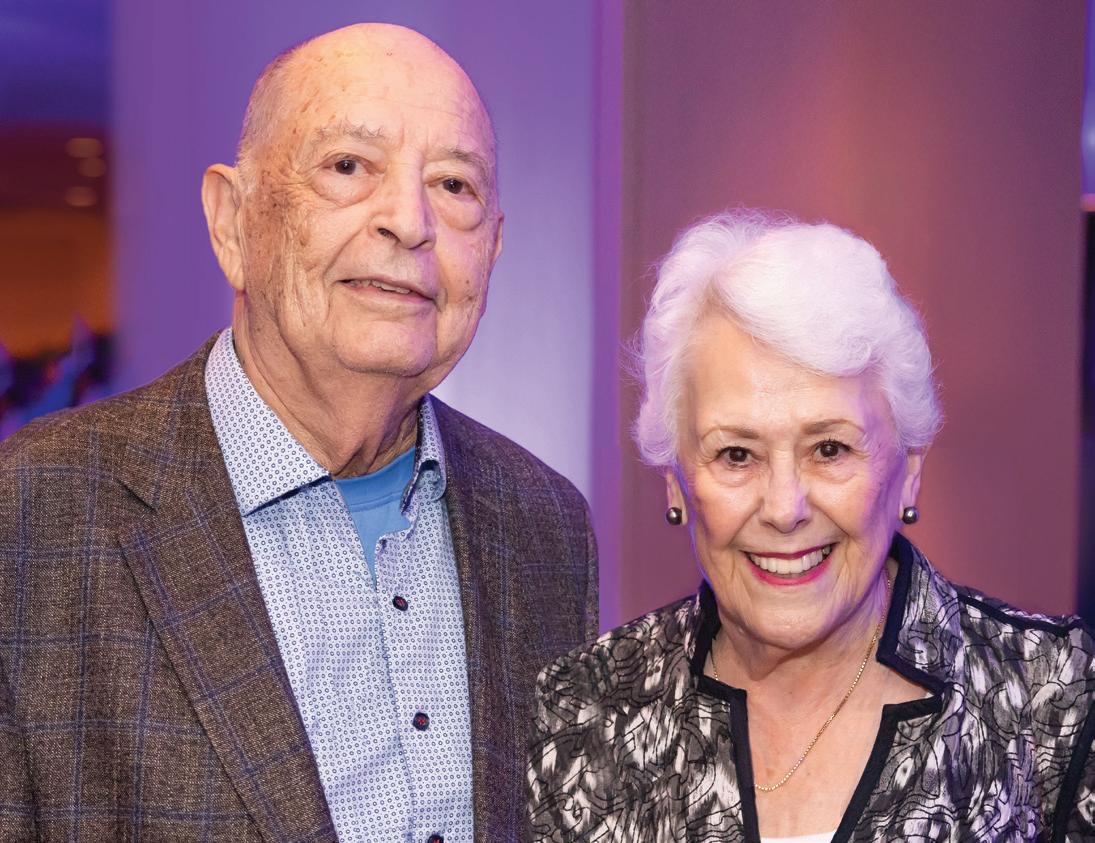
and community care staff access educational opportunities will undoubtedly help strengthen the services provided by Partners.
Thank you, Richard and Nancy Flores, for your unwavering dedication to Partners and our mission.
Join fellow supporters who are shaping the future of care — today and for generations to come!
With gift planning and legacy giving techniques, you can provide both current and future support for Partners in Care Foundation while enjoying financial and tax benefits for yourself and your loved ones. Your legacy gift will ensure we can continue to make an impact for years to come.
There are many ways to give: through a bequest, appreciated securities, retirement accounts, life insurance, real estate, or a Charitable Remainder Unitrust. If you’re 70 1/2 or older, a Qualified Charitable Distribution from your IRA is a simple and tax-efficient way to give. You can also recommend a gift from your Donor Advised Fund.
If you and your legal counsel would like more information about how you can support our work and create a lasting legacy, please contact the Development Team at development@picf.org
Since 2011, the Los Angeles Water and Power Employees’ Association has contributed over $98,000 through the Donors’ Welfare Plan—supporting services that help individuals live safely and independently at home. We’re grateful for this enduring partnership and its impact on our mission.

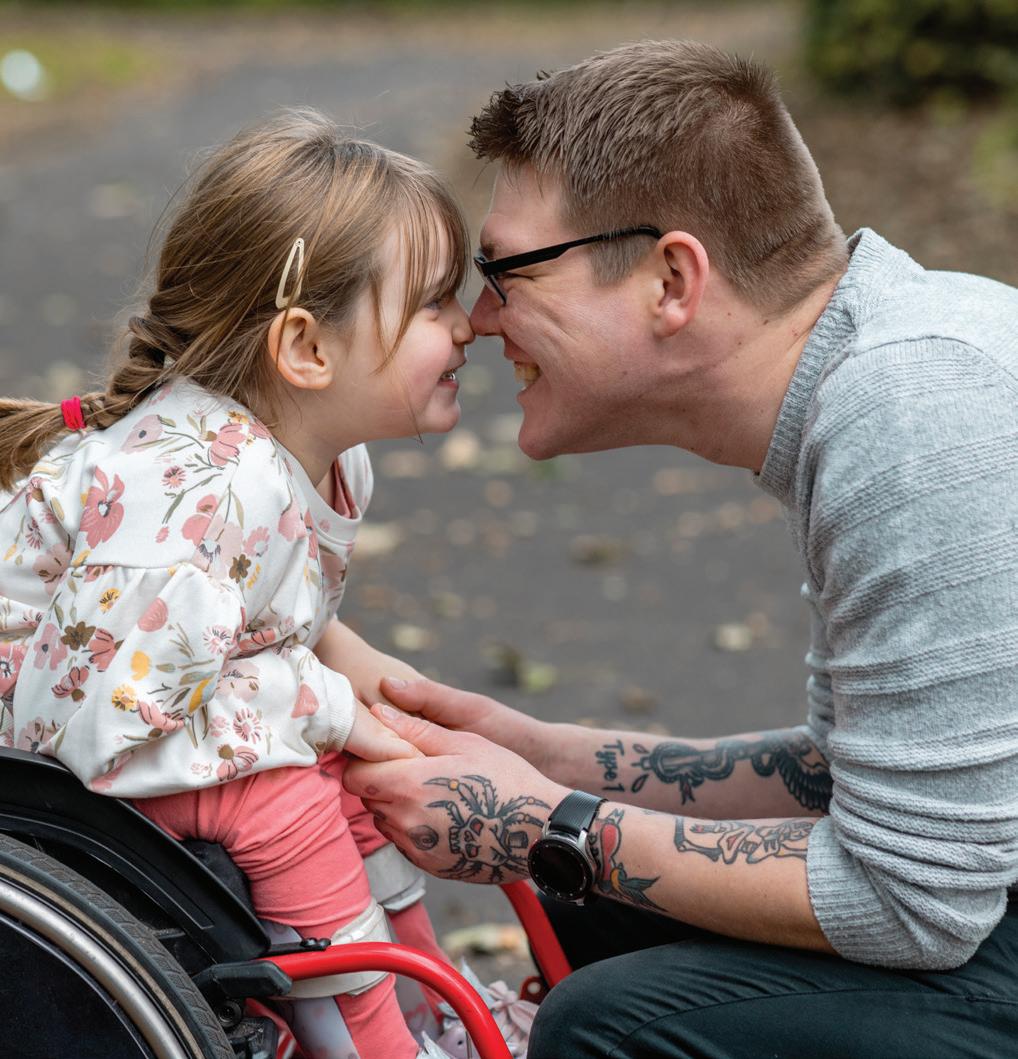
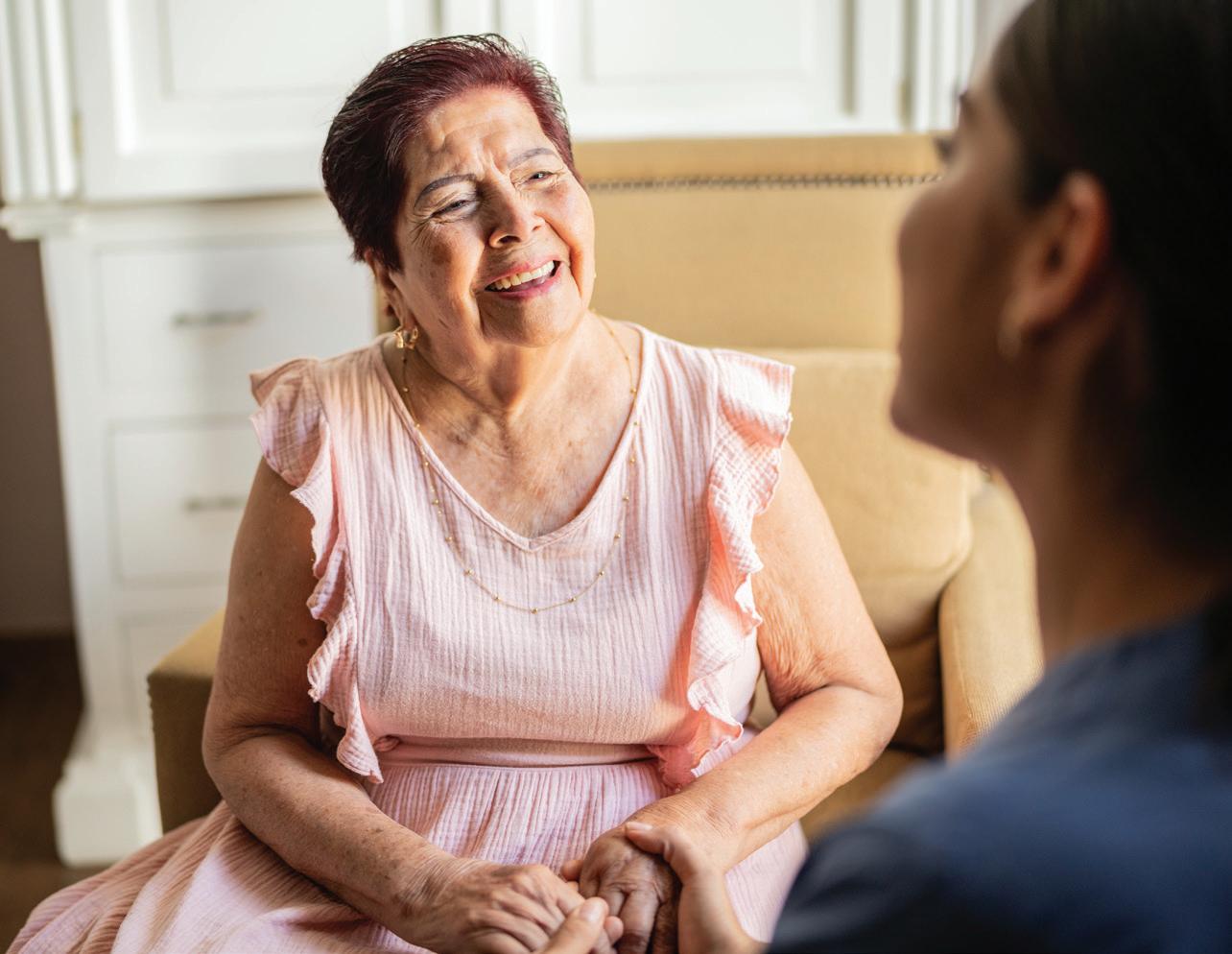
Partners in Care Foundation works tirelessly to provide life-sustaining services to low-income older adults and children with complex health needs. These individuals often lack the resources and support to live safely and with dignity in their own homes.
When you donate to Partners in Care Foundation, you’re not just giving money— you’re directly helping individuals maintain their independence, stay healthy, and live with the quality of life they deserve.
Many employers offer matching gift programs, which can double or even triple the value of your donation. To make a matching gift donation and find out if your company participates in a matching gift program, simply click the QR code. If your employer isn’t listed, don’t hesitate to reach out to your HR department to see if they’ll match your donation. Every extra dollar counts, and your employer’s generosity could make a life-changing difference for someone in need.
Please consider making a gift today. Together, we can turn compassion into action and make a profound difference in someone’s life.