







05
LETTER FROM THE PUBLISHER
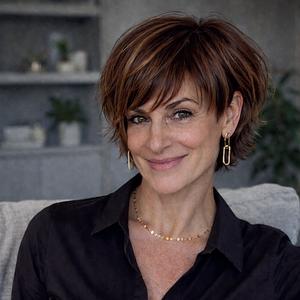
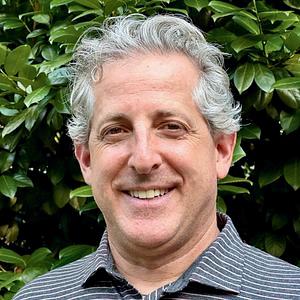
There’s something electrifying about the word NOW.
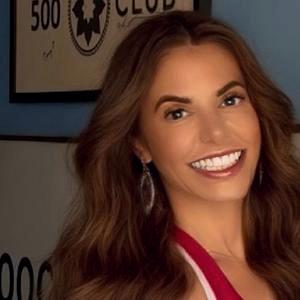
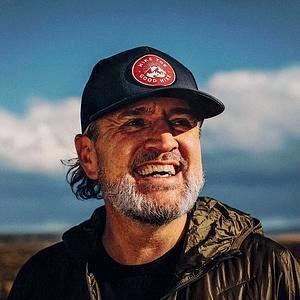
24 NOW OR NEVER: SONIA MARTA
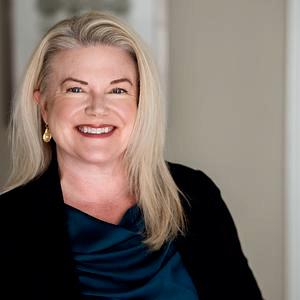
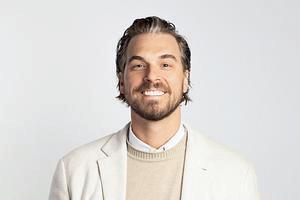
Choosing Day One Over One Day
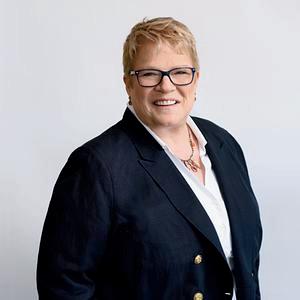
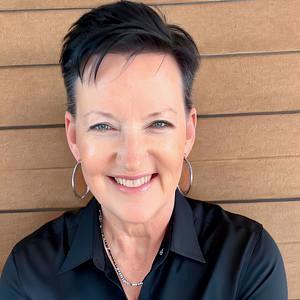
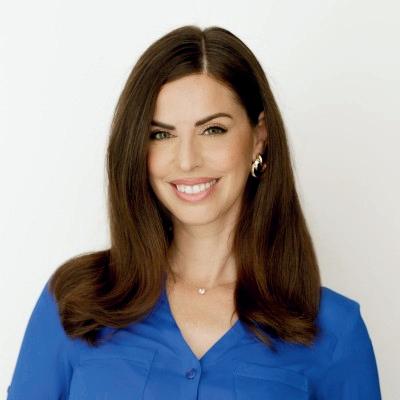
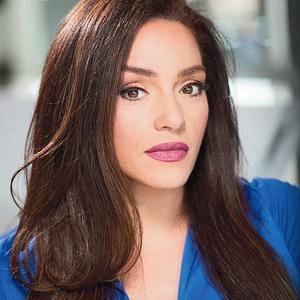
08 NOW OR NEVER: SIRI LINDLEY
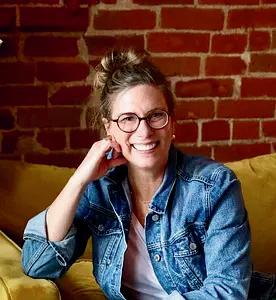
Fiercely, Authentically Now
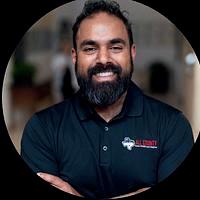
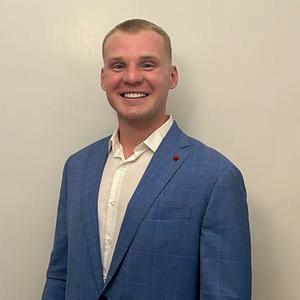
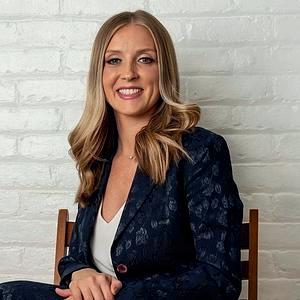
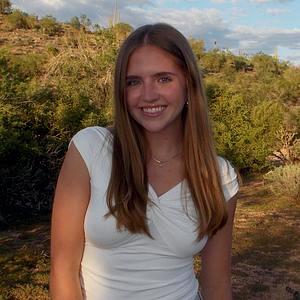
48
Hand-Selected Nuggets for Your Noggin FUEL FOR YOUR OUTLIER MINDSET
36
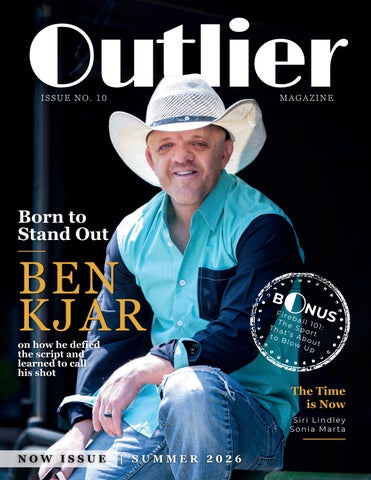
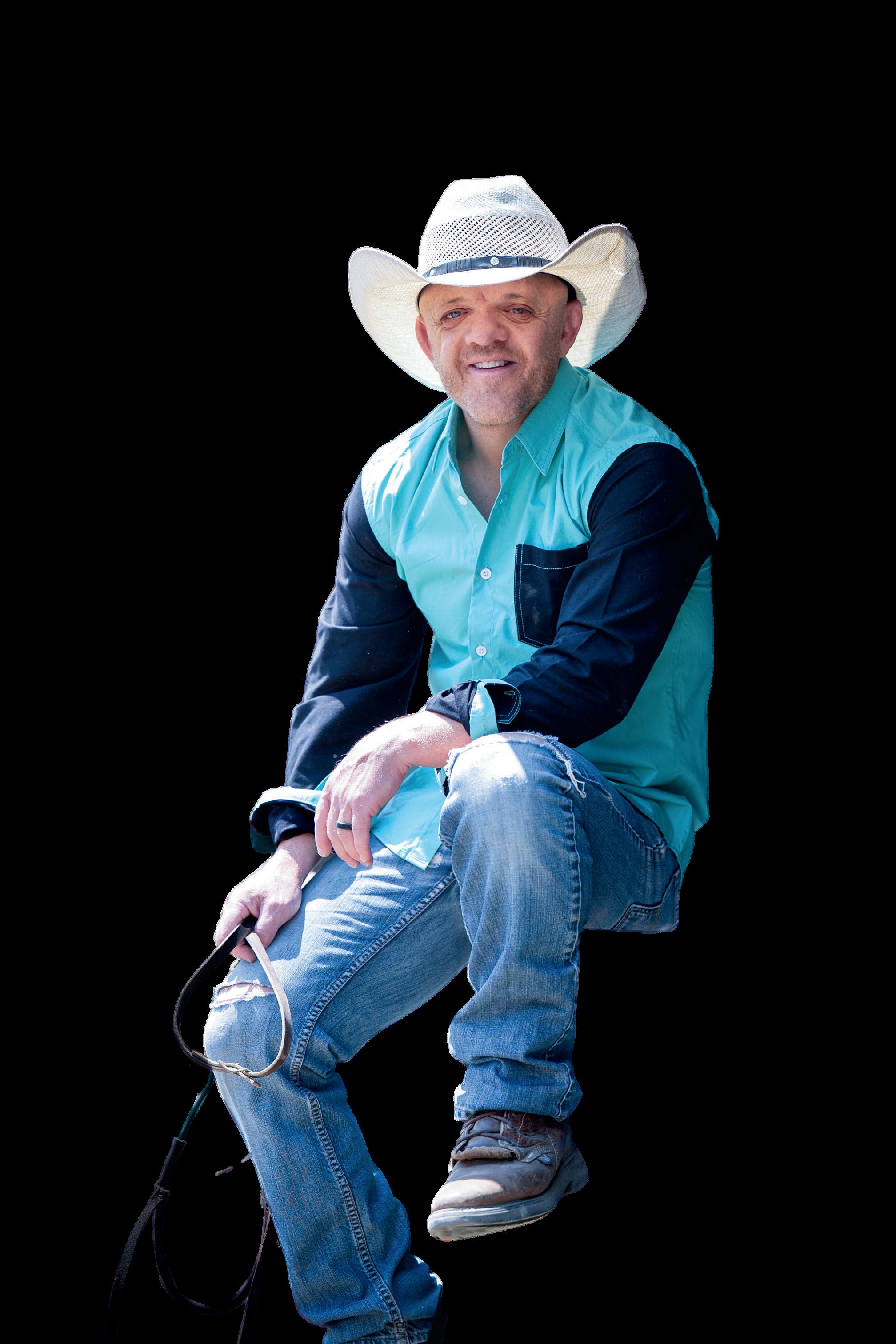
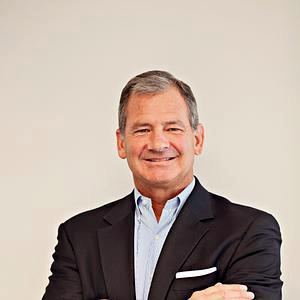
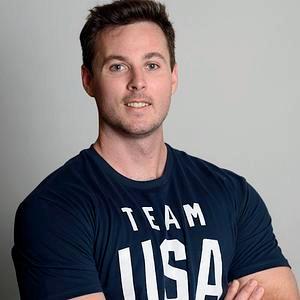
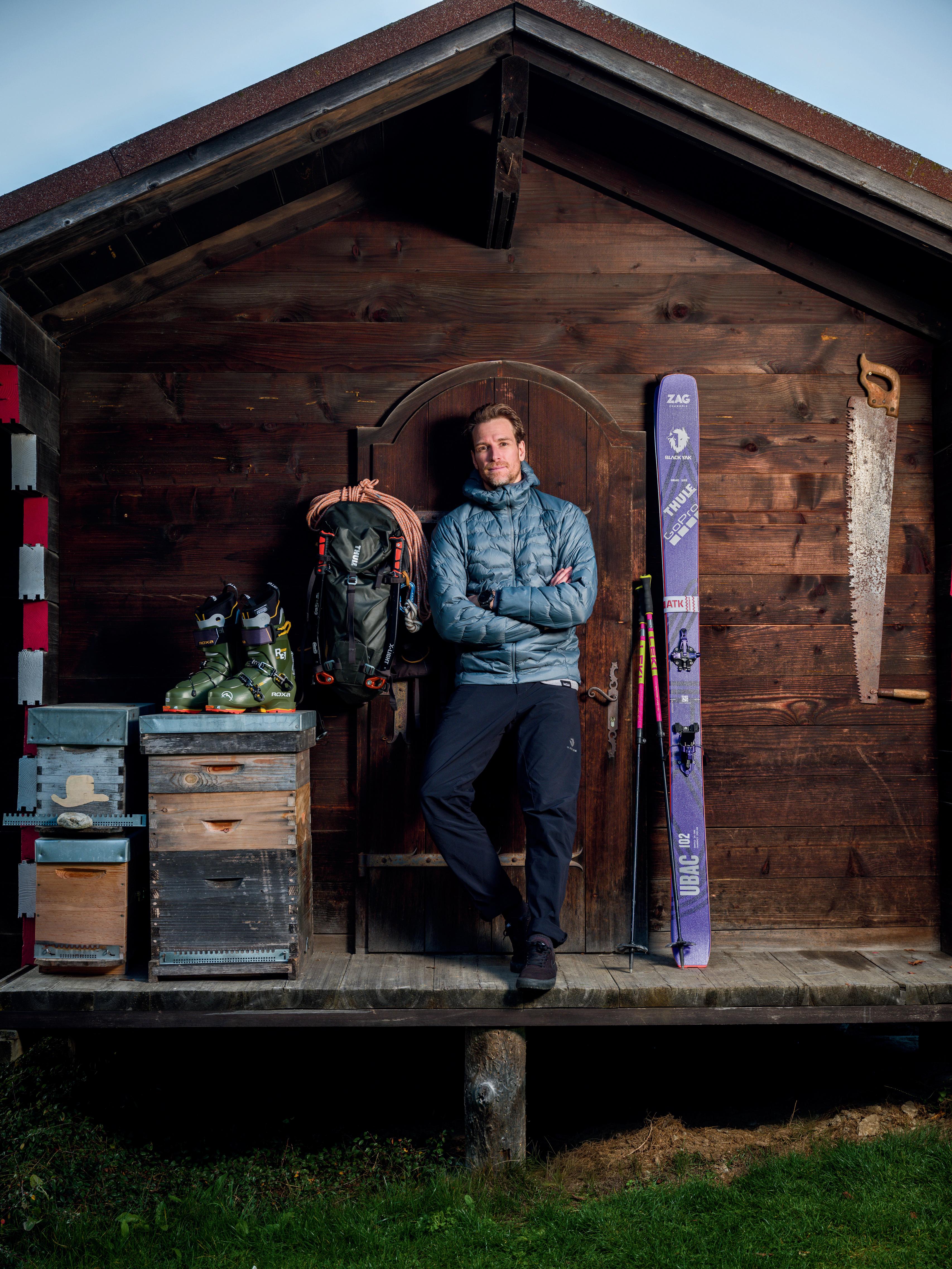
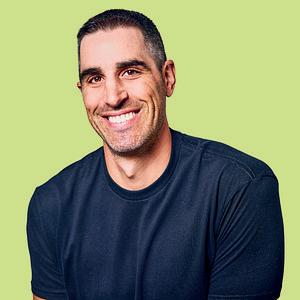
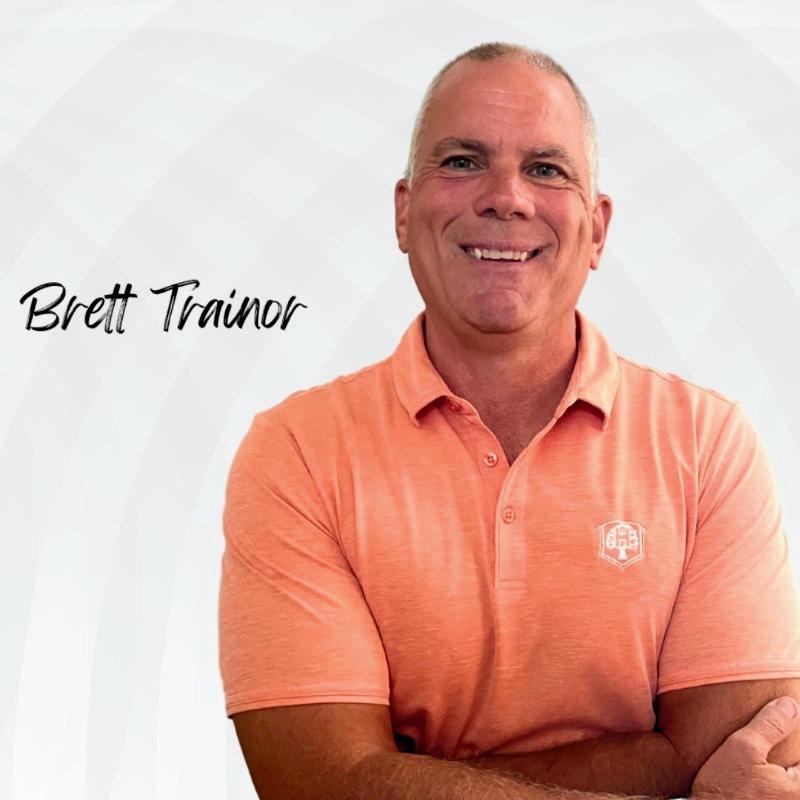
COVER STORY: BEN KJAR
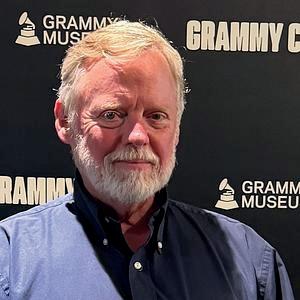
Tenacious Patience and the Power of Now with Ben Kjar
51
BONUS FEATURE STORY

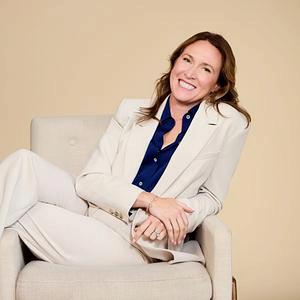
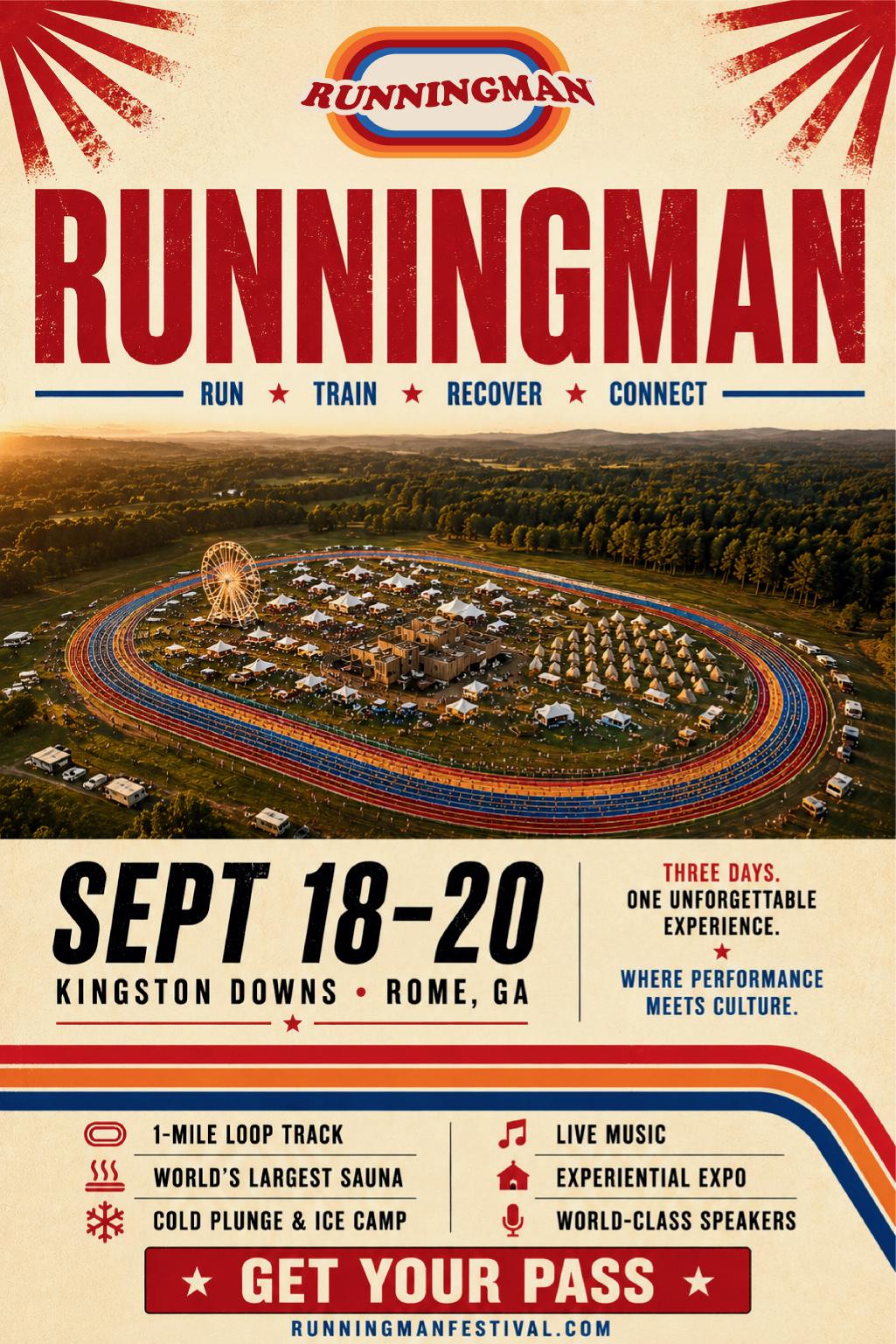
Fireball 101: The Sport That’s About to Blow Up

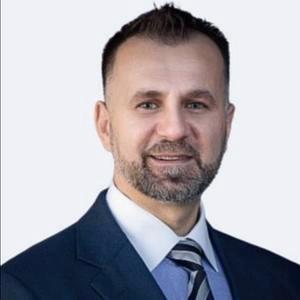
Co-founder

EDITORIAL
PUBLISHER & EDITOR-IN-CHIEF
SCOTT MACGREGOR
MANAGING EDITOR
KATHY LOVE
COPY EDITOR
MELISSA COHEN
CONTENT & ART DIRECTOR
VICTORIA WALLING
DIRECTOR OF PHOTOGRAPHY
LISA BOUSQUET
CONTRIBUTING WRITERS
MEGAN GROSS
MICHELLE MACE CURRAN
AMANDA MCCREIGHT
ANTONIO NEVES
JARED ARMSTRONG
PETER SCHALLER
AMANDA SELLERS
CHRIS SCHEMBRA
MANDOLEN MULL, PH.D.
KOFI DOUHADJI
It has no patience for someday and no tolerance for “when things slow down.”
Now is action.
Nike has always said it best: Just do it. Three words that cut through hesitation and the temptation of perfectionism. Three words that remind us that action beats intention every time.
As my buddy Rob Anderson Jr. says, “take imperfect action”.
And if you’ve ever listened to one of my favorite songs, Harry Chapin’s “Cat’s in the Cradle,” you already know the deeper warning beneath the melody. It’s the story of time slipping away while we plan to “catch up soon.”
Life doesn’t wait. Relationships don’t wait. Dreams don’t wait.
The song is a reminder that later is the most dangerous promise we make to ourselves.
This summer issue of Outlier Magazine celebrates the people living in the now. The ones who take action, chase the idea, climb the mountain, build the business and refuse to let the calendar hold them back.

So go ahead. Do what outliers do. Don’t wait for permission. Write it, build it, say it, try it. Just do it…
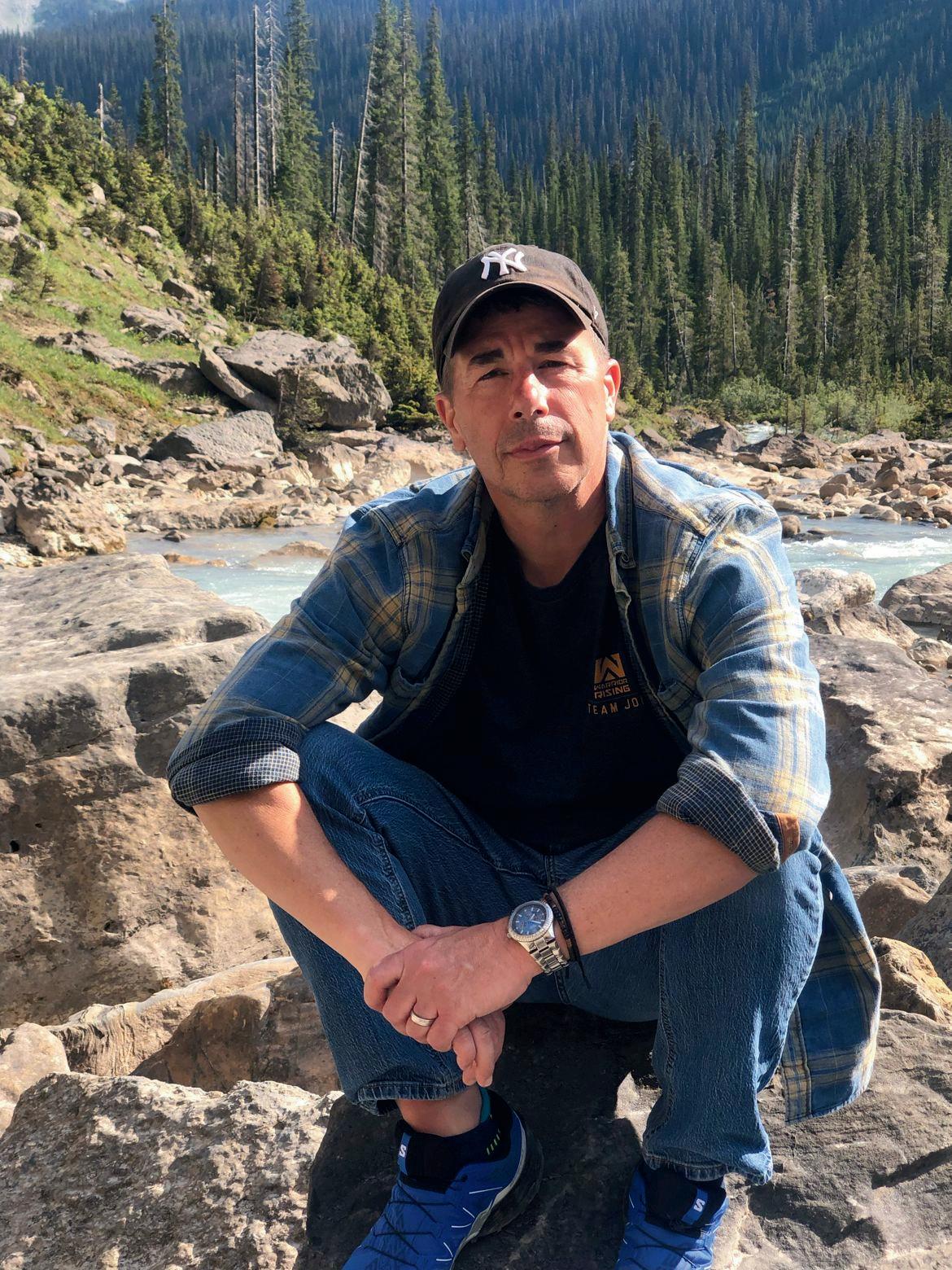
Scott MacGregor Publisher and Editor-in-Chief


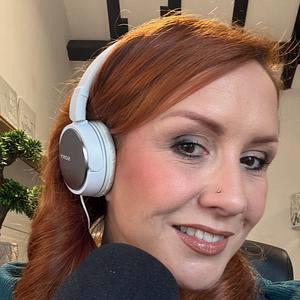
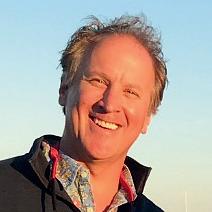
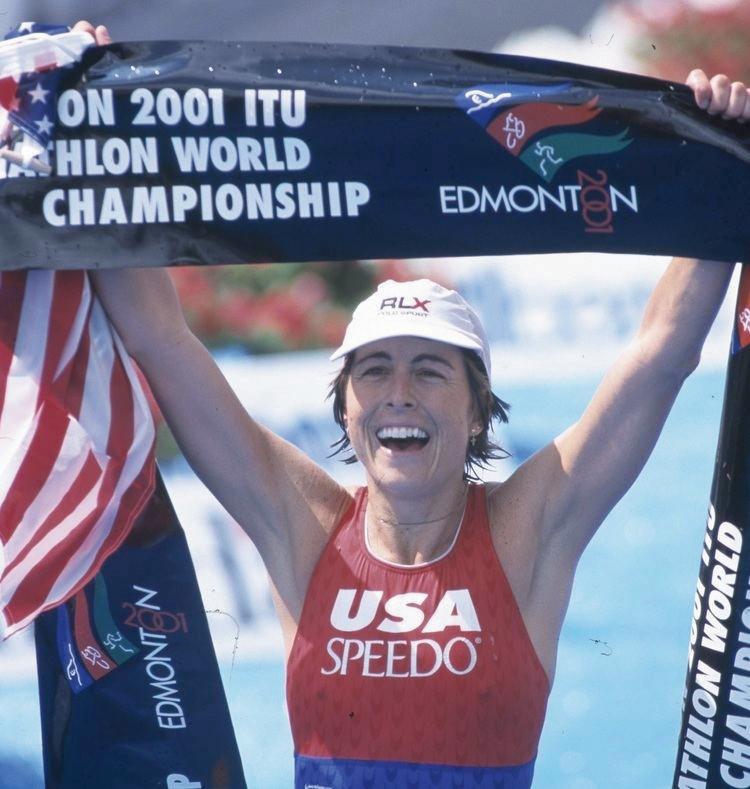
2-Time World Champion
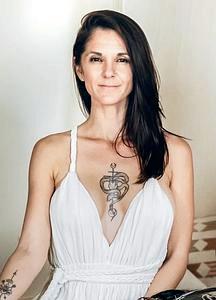
Triathlete, Former #1-Ranked Athlete in the World, International Speaker, Coach, Author, Animal Advocate
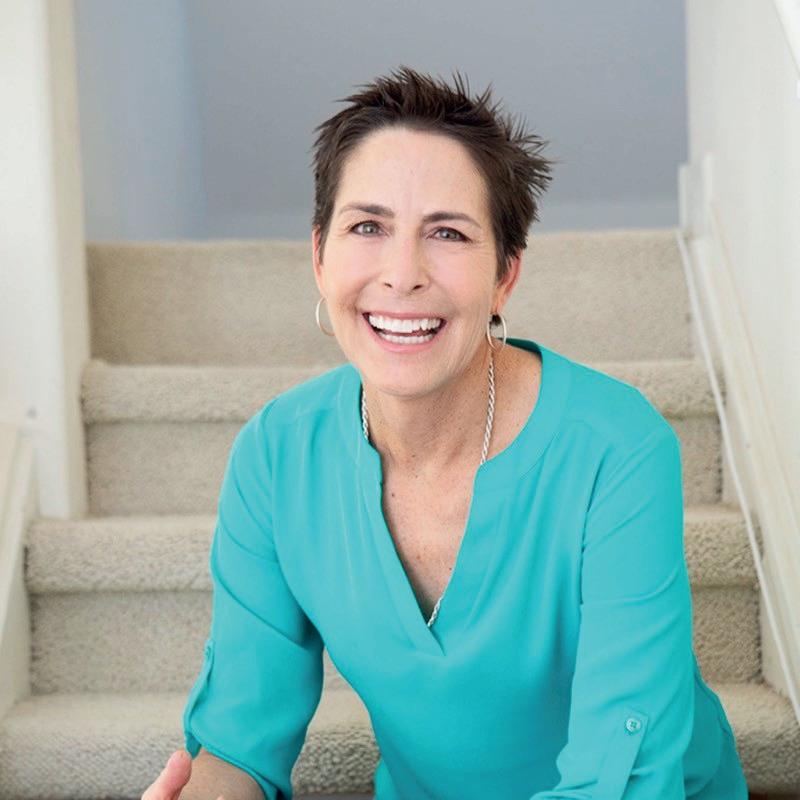
Q: Siri, you've described yourself as an anxious, shy kid who eventually became the best in the world at one of the toughest sports on earth. When did you realize that you could be more than just that introverted kid?
Wow. Well, I was that introverted kid, and I think... I was just in a lot of pain. I was anxious all the time, I had debilitating OCD. My outlet was sport, and so ever since I could run, I was playing field hockey, ice hockey and lacrosse. Those were my sports.
If you think about it, anxiety comes when we're sitting in the pain of the past or worrying about the pain in the future, and your relief comes when you're just in the moment, present.
And so, playing sports, what made me a really solid athlete in high school and college is that I was so laser-focused because that was where I was free from my anxiety, and that was my outlet.
So, when I wasn't studying I was practicing my shots, or going for a run or doing something to take my
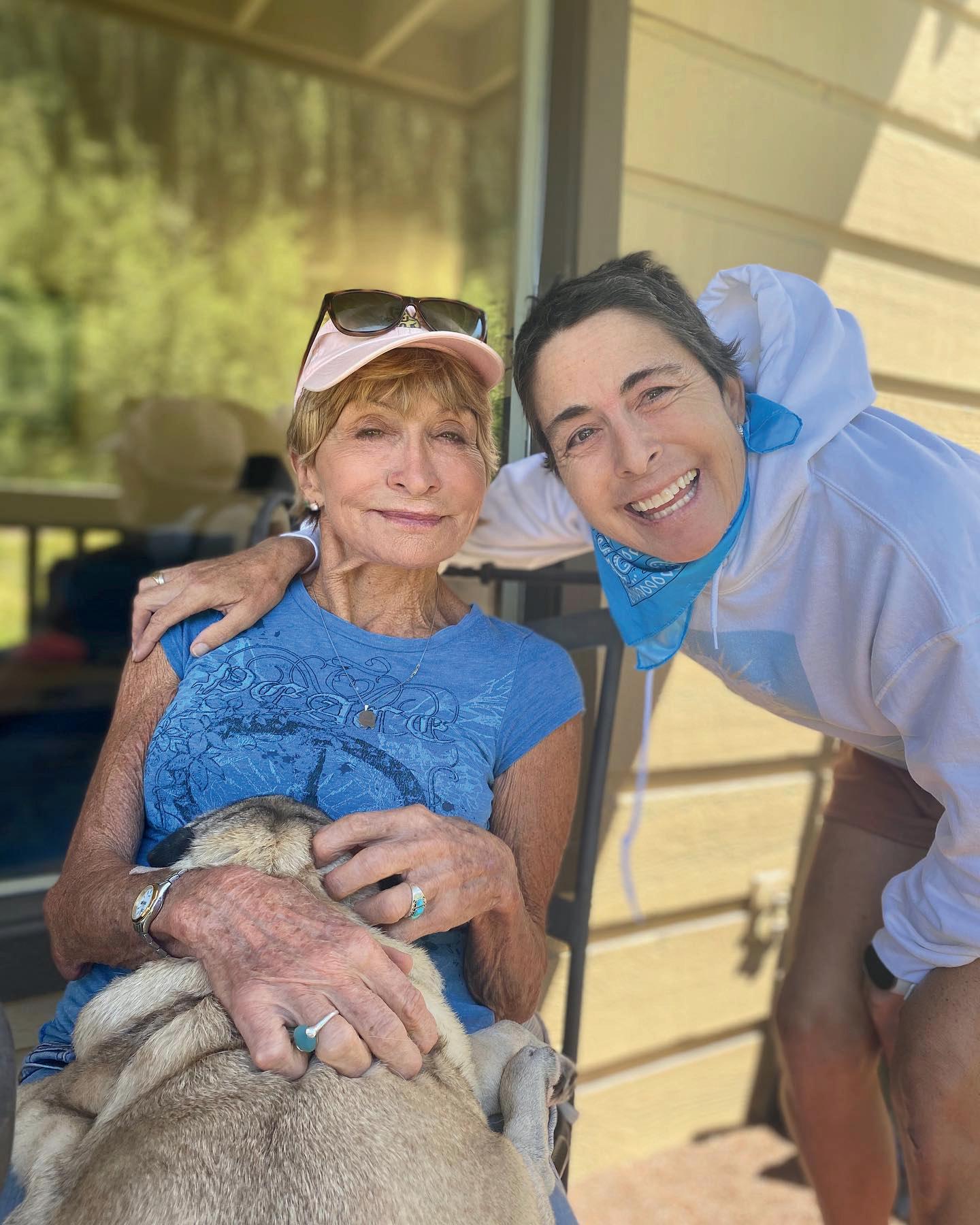
But growing up we had the perfect life for the first four years. We lived in a small yellow house, and it was my mom, my dad, my sister and I, and we listened to Cat Stevens on our red velvet couch, and there was just so much love. But then at four years old my parents got divorced, and my mom married a very wealthy, famous guy and that's when I decided to not speak.
I was terrified of this man. He was taking my mom away, and I just shut down.
“I NEEDED TO BELIEVE IN MORE, BECAUSE I WANTED MORE IN MY LIFE. I WANTED TO KEEP SHOWING MYSELF WHAT WAS POSSIBLE.”
-SIRI LINDLEY
They kind of had a really rocky beginning where she was madly in love with him, and they broke up. She was so devastated that one night my sister and I were in our bedrooms and we heard this crying and this wailing from her bedroom, and we grabbed each other and we ran in and my mom was on the ground with an empty pill bottle by her side.
And a moment like that impacts you forever. It was in that moment that I made the decision that I'm not enough, I'm not enough for my own mom to want to stick around for. And I know it's crazy but we as adults sometimes carry that way deep into our lives when it's something that happened at that young an age.
So, thankfully she didn't go, she didn't succeed, and we ended up moving out to Colorado and starting a new life. But then this guy Frank shows up, knocks on the door, and looks at my sister and me and says, "I want to ask your mom to marry me, but I'm not gonna do it if I don't have your approval." And I stood there and said, "No, you can't marry my mom," but he married her anyway.
And in that moment I made my next decision that I don't have a voice. Now, I didn't have a voice anyway, did I? So those are two defining decisions I made. They were married
for about 12 years. He ended up divorcing her, and again, you go back to the last time this happened my mom did this.
And that's what kind of sprung me into this anxiety and this fear and this debilitating OCD, because I'm doing everything that I can to keep my mom alive, and I put that all on me. Now, if you ask her the story she's like, "Oh, I was free, you know? I felt like I had a whole new beginning."
Her story's totally different to mine. My story was that it was my responsibility to keep her alive. So, when it was time to go off to college, and I got into some really awesome colleges because I'd been so focused, I decided to go to Brown University. It was there that I realized, first of all, I loved to learn, I didn't love to party, and I loved my sports.
I was trying to find my freedom from my anxiety in anything that could
take my attention away from my fears, and so I did quite well in all three sports. I was the first female in Brown history to play three varsity sports in one year. In my final year I realized I was gay, and that was a big one.
Back in that time, at this point I have a mom who really loves me, I have a dad who really loves me, the other guy's out of the picture. My dad had kind of been my rock and my bestest friend in the whole wide world, and he drove three hours three times a week to watch my games, and I was kind of getting comfortable with who I was and trying to figure it out.
I hadn't told anyone. Talk about feeling like an outlier. I wasn't stopped by it. I was actually kind of inspired by it. It's like, "Okay, I know who I am now and I'm gonna go create this great life, but I just have to figure out how to include everyone else in it." But a couple years later, my father called me and he was bawling.
He was crying so hard, he couldn't even speak. And he said, "Somebody told me you're gay, Siri. Like, this can't be true. Tell me it's not true."
And I said, "Dad, I'm the same me, you know. Please just love me anyway." And he hung up the phone, and that was it for us.
him, and when I finally did, you know, it's funny how we end up hurting the person right back. He started trying to call again. But every time he did, I took that as an opportunity to just rip his head off, to tell him what a horrible father he was and how he ruined my life and blah, blah, blah.
So eventually, the calls stopped altogether. In the moment of his rejection, I had to make a choice. Am I gonna just give up on life because I'm gay? I'm never gonna be successful, I'm never gonna be loved, I'm never gonna have a happy life. Or do I change the story and say, "Because, you know, if I show up in this life all of who I am, fearlessly, authentically me, that is where I will be most powerful. That is where I will find the most joy. That is where I will invite the right people into my life"?
And I had to live that story. And it was then that triathlon, I had a friend that was doing a triathlon, and she asked me to come watch. I didn't even know what it was.
Was it a board game, was it... Like, I had no idea. And I went and watched and, oh my God, it was people of all ages and sizes and abilities. But what I noticed was every single one of them was finding themselves through this challenge of the swim and the bike and the run.
For a couple years I didn't hear from
And I thought, "That's it. That's gonna be the vehicle for me. I'm gonna find a love for myself, a respect for myself, an appreciation. I'm gonna prove to myself that even as a gay woman, I can do something that I think is extraordinary, that I can inspire other people, that I can make a difference, and that I could be loved. Most importantly, that I could love me."
And that's where it all began. And did I believe that I could go from not knowing how to swim to what I wanted, which was to be the best in the world? No, I didn't believe that. But you know, I believed in my ability to dig deep, to go all in, to fall down, to get back up again, and to never ever ever give up.
And because I believed in that, I thought, "There's gotta be a shot. There's gotta be a way. Maybe I can."
Q: Siri, you reached what many would see as the pinnacle. World Champion, World Cup titles, world No. 1. Yet, you've said that those achievements alone didn't quiet the inner storm. Can you tell us more?
When I won the first world championship, I found what I was looking for. It's like, "Okay, I'm gonna be okay in this world. I can do hard things, I can achieve at high levels. I
can love and appreciate myself." And I was ready to retire on that day.
But as we all know, there's always that internal critic that comes out. It's like, "Oh, maybe it was a fluke. You just got lucky." And I had worked so hard, it was eight years, to become who I had become on the journey, and that was the gold medal right there.
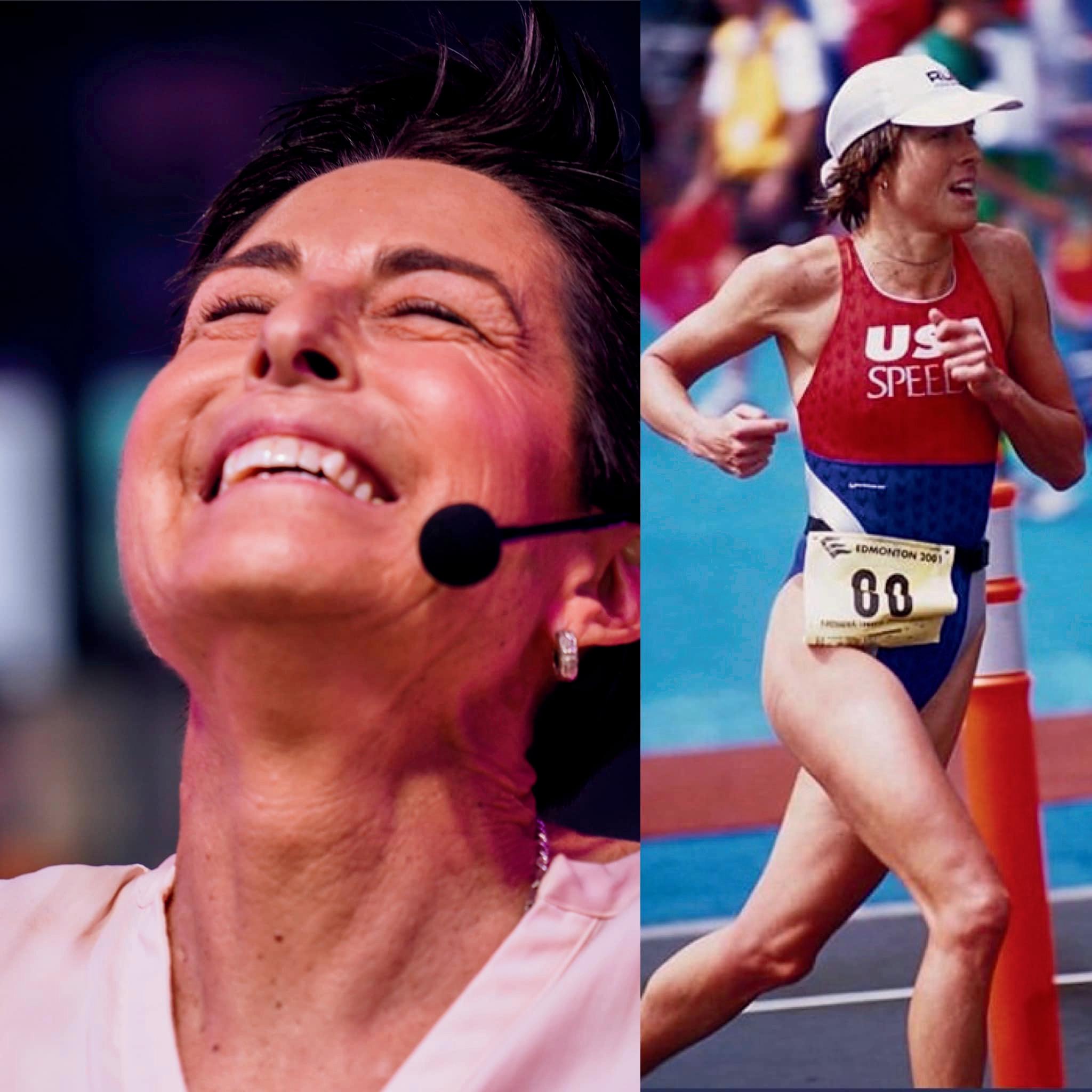
It's not the gold medal, it's who I became on that journey. But what was kind of disappointing for me was that that voice was still there. "Oh, it's just, you're a fluke." And I wasn't willing to contend with that any longer. And so, I put together one more year of racing because I needed to prove that voice wrong.
And you know, what meaning, Scott, do you give achieving that ultimate
I needed to believe in more, because I wanted more in my life. I wanted to keep showing myself what was possible. So, in staying the path, and in pushing myself through another year, I was able to shut down that voice that said, "You're a fraud," or, "You're a fluke," or those things.
Q: I think we might even be bridging into the next question because you decided to walk away from racing at the peak of your career to coach other people. So, I'm curious, what identity did you have to let die in order for that transition to happen?
The identity I needed to let die was the one that I am not enough. And that's a tough one for all of us, right? It's what people care about the most. Am I enough and am I loved? But I needed to let go of that identity and believe that everything that I had achieved, everything that I had become, was enough now to have a great impact in others' lives.
As a kid, I had like 30 Snoopys, and goal? Do you give it the meaning, "Ooh, better stop now, reached my quota, better play it safe"? A lot of us do that. Or, do you see it as a preview of coming attractions? I had to believe that I had only scratched the surface of what I was capable of.
I'd have them play baseball games, and I had a yearbook with all their names and their pictures, and I wanted them to succeed, and I wanted them to learn and to grow and to become and to achieve their dreams.
As a kid, I was doing that. And I wanted to know that I'm enough, and who I've become. I've acquired these skills, I've acquired this grit, I've acquired this mindset. My identity, the part of my identity I was going to bring forward, was that I am someone who will always find a way.
I am someone who will always find a way. And think about that. That identity has really served me in my life. And so, in stopping and retiring at the top, it was a way of saying, "Who I've become is enough, and now it's time to help elevate others." And that became my mission, that became my purpose, and oh my God, I thrived in that environment, because I think I naturally have been put on this Earth to want to help others be the best versions of themselves.
I think one of my strengths is… you know, there's a quote by Michelangelo. "I saw the angel in the marble, and I carved until I set her free." I looked back at my career as an athlete and felt like I must have, at some point, seen the angel in the marble and knew that I just needed
to chip away at the marble to set her free, which I did.
But now, you know, I could always see a really average athlete, but I could see the magic in there. I could see the stuff that was holding them back, the disempowering stories, the disempowering beliefs, and all I wanted was the opportunity to help them chip away at that to set them free.
And what I achieved with my athletes, I mean, they did things way more extraordinary than I had achieved as an athlete. And those moments, those are the moments that fill me with goosebumps. Not that my own world championship doesn't do that. It does, but helping another reach the greatest heights, that is something really special.
In 2019, you were told you had an aggressive form of leukemia and were given less than a 10% chance of survival. How did you navigate through those dark times?
Tune in to Scott and Siri’s conversation about this question here:
Q: You've turned adversity into a gift. You know, I've read about thanking the chemo and all of those things. You truly have turned adversity into a gift. Tell us, you touched on it a little bit, but tell us about your
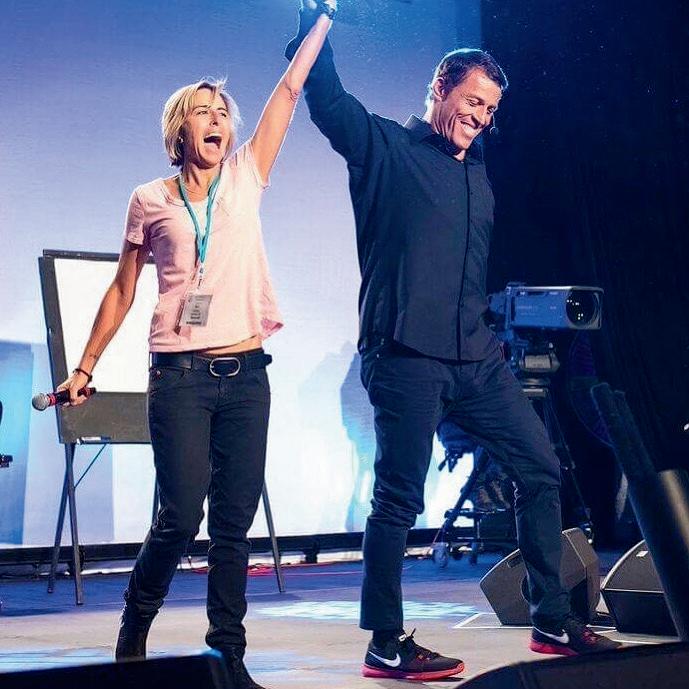
relationship with Tony Robbins. And how did he get that introvert on stage?
That man, I tell you what, his first couple of books, Awaken the Giant Within and Unlimited Power, I'd read those books. They really resonated with me because the whole premise of his work is life is up to you. You live the life you focus on. And that was so empowering for me.
That helped me break free from OCD. 'Cause you're not waiting for the world to change or someone to fix you. It's like, hey, change my story, change my life. Change my focus, change my life.
So, Mary Buckheit, who is one of the most wonderful people in the whole wide world, if you haven't met her, you must. She was working for Tony and she's now just a part of their family. She called my wife Beck and said, "Hey, do you know a girl named
Siri Lindley?" And Beck was like, "Yeah, I'm married to her." Mary said, "Oh my God, how did this all happen?" And she said, "Tony wants to get her on his podcast." So Beck tells me and I talked to Mary and I'm like, "Okay, so which athlete does he want?
Is it Mirinda Carfrae? Leanda Cave? Which one of the champions that I've coached do you want on the podcast?" And she said, "No, Siri, we want you." And I'm like, this is just how I am, I'm like, "Me?" And I was so excited because all I wanted was to thank this guy, to say, "My God, you've really been such a huge influence on me." So, I get on this podcast and we talk. We talk for an hour and a half, and then the phone rings again and he says, "Hey, Siri, do you have a little bit more time? I have a few more questions." We had the best conversation. And this podcast, I mean, this blew my mind too, I thought it was April Fool's but it was like September when they said, "Hey, this is like the most listened to podcast at that point in time for him." And then he said, "Hey, Siri, you and your wife, you need to come to Unleash the Power Within." I was like, "Ah, I'd love to. I've never been to an event." I go to the event. It was so amazing.
About a month later, they call me and they say, "Siri, Tony does this leadership academy in San Diego
and they have a speaker that has an hour and a half slot and she can't make it. She's got a funeral or something. Can you do it?" Here I am, the introvert, the girl that was a mute for two years when she was a kid, but I'm not gonna say no to Tony Robbins. I said, "Of course, of course I'll do it." And from that it was about two weeks after this phone call.
I am just freaking out, you know, I'm somebody who likes to prepare, I like to know, and I'm doing all this stuff and I'm writing all these notes, and I'm putting things together, trying... The only speech I ever gave was when I was inducted into the USA Triathlon Hall of Fame.
And I wasn't expecting, you know, to have to get up and talk, but I did. Apparently, they'd seen that and that's why they reached out about me potentially filling that slot. So I'm preparing, I'm freaking out and then I'm standing behind the stage, there's 2,000 people in the room and I am sweating.
I'm having a panic attack. My heart is pounding in my chest. I'm shaking. You know when your teeth start chattering even though it's not cold?
Then I thought, "Why, why did he ask me?" And I remember I'd asked that question and they said, "Siri, just get up there and tell your story. You're a gift. Just be a blessing for these
people." So, in that moment I realized, this isn't about me.
This isn't about me succeeding or failing. This is about me doing what I want to do in my life every minute of every day, and that's to offer to be a gift, to be a blessing, to offer something to these beautiful people. So I just got out there, I didn't do anything that I'd written down.
I don't know where it came from, Scott, but it just started pouring out. And as it's pouring out and I don't even have a plan and I'm thinking, "Oh my God, this is probably a disaster." But I thought, "It's just not about that. I'm just giving, giving, giving." And I got off stage and, it's all so crazy. They said, "Wow, that was one of the best things we've ever experienced." It gives me goosebumps because it was just so terrifying and I'm not really thinking about myself when I'm up there, and I've been speaking for him for the last 10 years at Unleash the Power Within and Date with Destiny, I mean, hundreds of thousands of people.
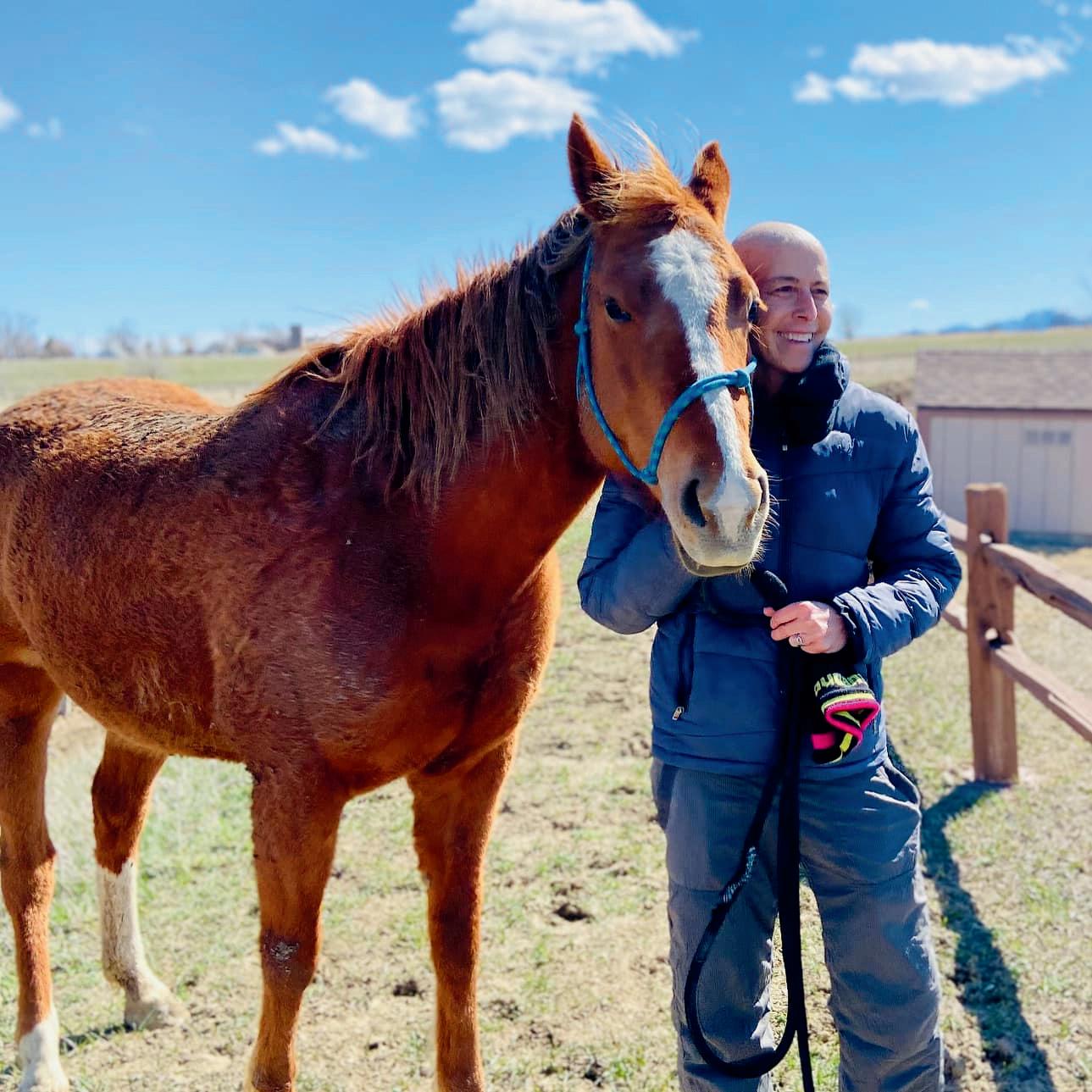
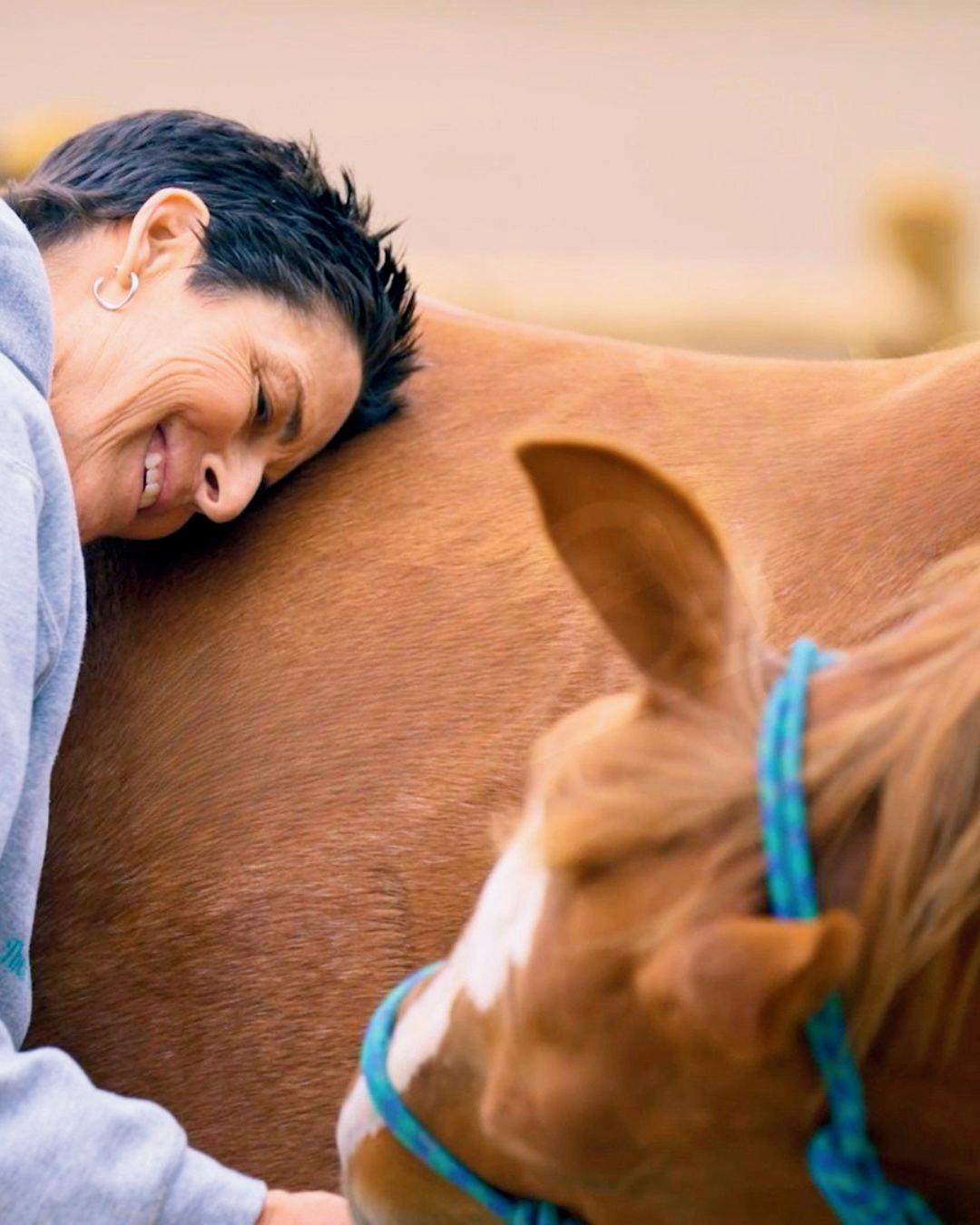
When I think about who I was and who I really am, I live on a farm. I barely speak a word outside of my work all day. I just love rolling around the pasture with the horses, and here I do this work... It blows my mind.
But it's all been beautifully orchestrated by God or the divine or whatever you believe in and I guess this is just what I'm meant to be doing, and I feel so blessed, so blessed because I believe in this work, I believe in this mission. It's one of the most important things in my life to support people and inspire people in this way.
Q: Let's talk about those horses. Your horse, Savannah, and the work that you and Rebecca do through the Believe Ranch and Rescue has really become a central part of your life. What took you down that path?
Again, life, something that we don't even understand. We, my wife and I, had come out to where we live now in Santa Ynez, California and we just were away for a month. I was writing my first book. She was still training for Ironman and every morning, I would walk our three dogs and a cat down the road.
Our turning point was at this little farm where there was like, one acre and one horse. And I'd never been around horses. My wife had grown up on a farm, but I'd never been around horses, but I was just blown away at the beauty of this huge, magnificent animal.
Every day, I'd get a little closer and eventually, I'm bringing her carrots and I'm rubbing her and stroking her and scratching her butt and she's undoing my jacket. All I knew is that every day, I would leave that horse and I felt such peace, such calm, zero anxiety, zero stress.
I felt so well and had such a clarity of mind. I would go back to the house and I would just start writing, writing, writing, it was flowing out of me. After this month, it was time to drive home to Colorado and we stopped at a horse store, a horse feed store, Jedlicka's.
My wife is like, "Why in the world do you wanna go in here?" And I said, "Just give me a moment." I went inside, bought a cowboy hat, walked out. She's laughing, laughing so hard. "When are you ever gonna wear that?" And I said, "I am manifesting having a horse one day." We get home.
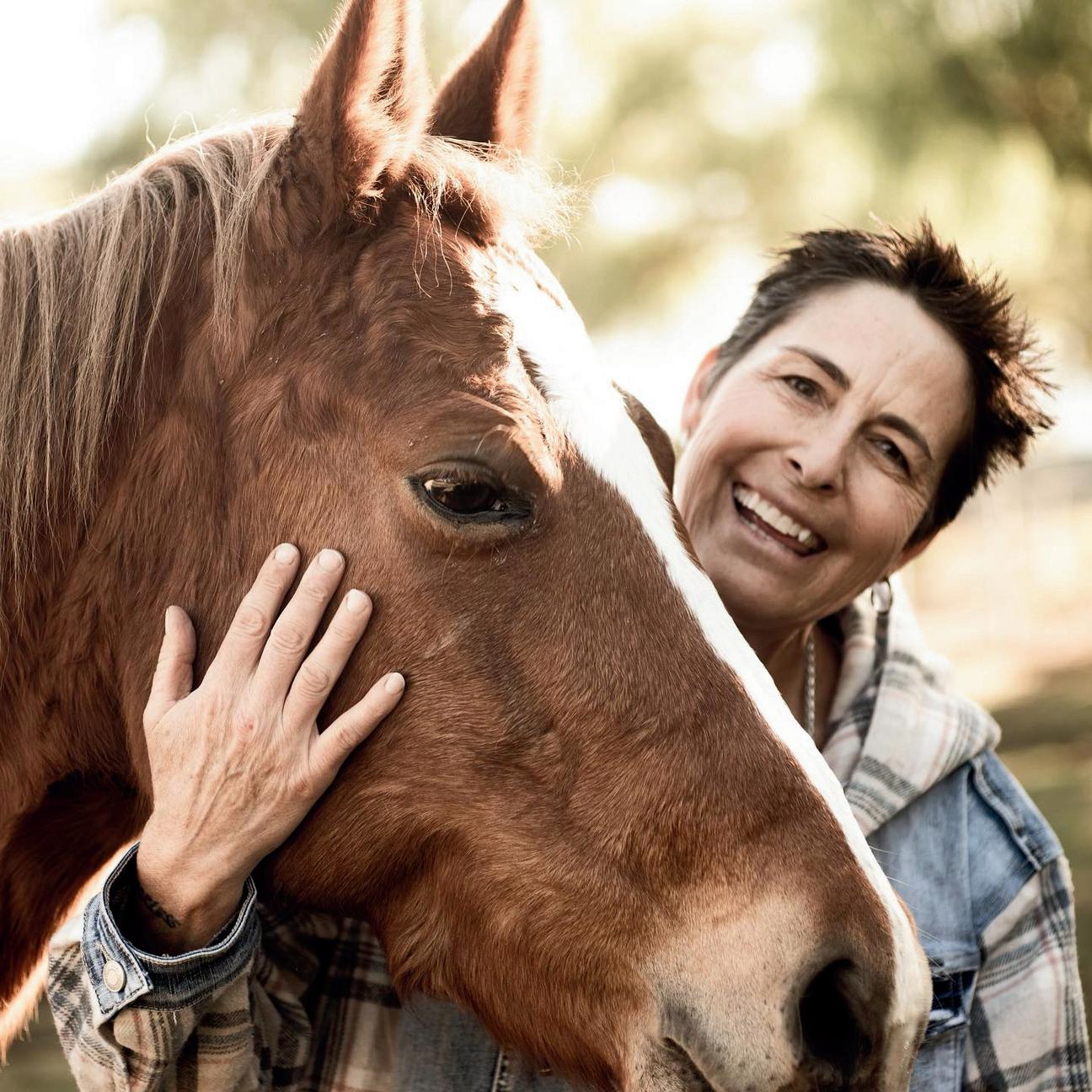
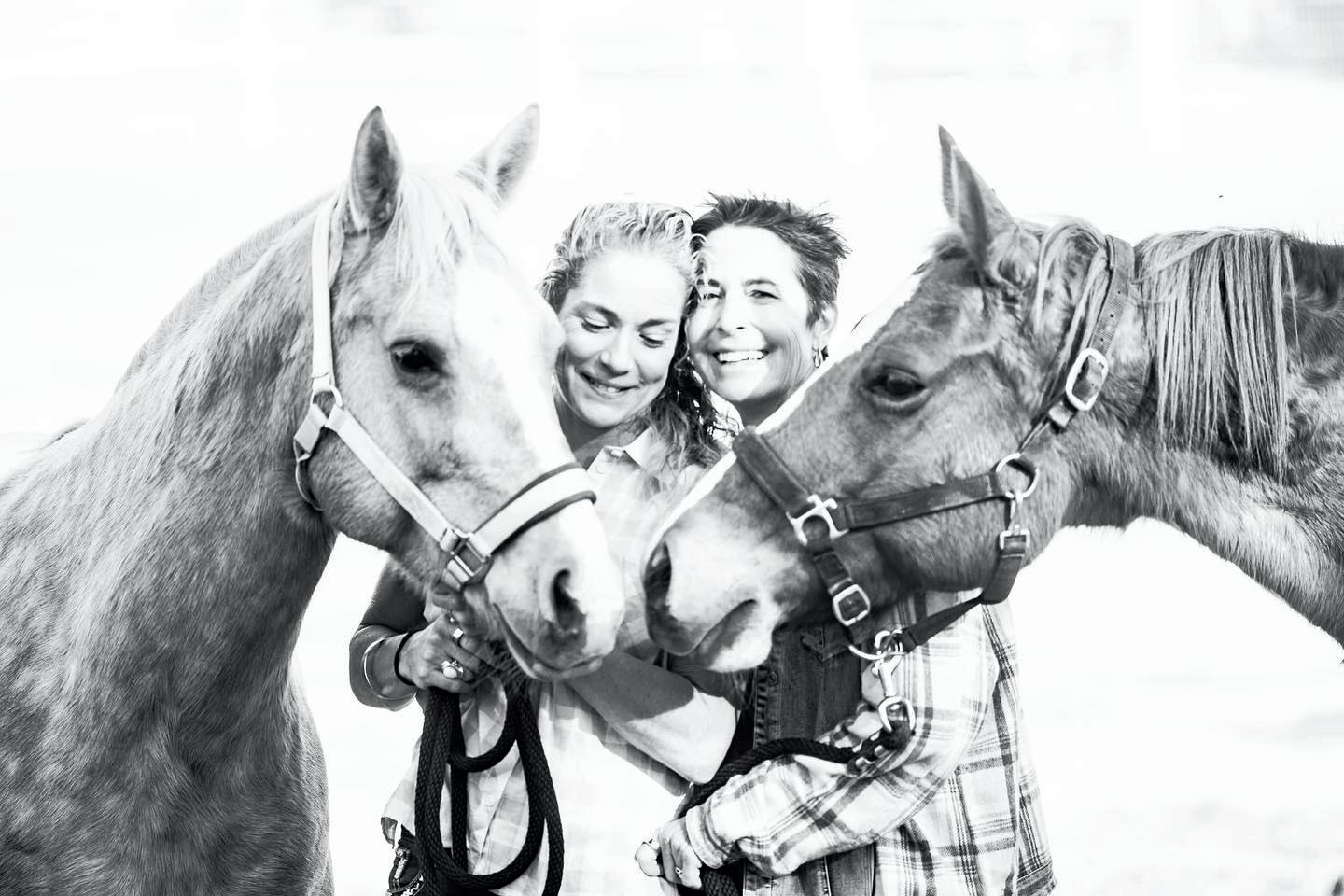
My mom came by the house with a brochure and said, "Did you know that there's a horse rescue right down the road? Right here, you drive by it every single day." And I'm like, "What?" So I get on my bike and I ride to the horse rescue. You have to fill out this form to see the horses. And I didn't realize it was an intent to adopt, but I filled out an intent to adopt. And I went in, and I spent time with the horses and there was this little 36-year-old horse in the corner that was barely moving, Calypso, and I was like, "Uh, I want to adopt her." And the lady, after I filled out the thing, she knew I was a world champion, blah, blah, blah, and she said, "Nope, I've got the horse for you. Savannah." And I'm
thinking, "Whoa, she looks like a lot." She was only like five years old, and bucking and kicking. She said, "She is the perfect horse for you." So first, a trailer shows up in our driveway and my wife said, "Why is there a horse trailer in our driveway?" And I said, "Oh, to carry the athletes' bikes, we can go on long trips." The next day, a horse comes home.
This was early on in our relationship, so please understand, we were just dating at this point so I'm like, "I can do whatever I wanna do." But, Savannah came into my life and horses are the masters of presence. And when you think about it, I mean presence saved me in college because you have to be present when you're playing sports so you're not anxious in presence.
Presence sharpens your performance, elevates your performance. Presence deepens trust, builds relationships. And the most important thing about presence is when you're present with yourself, and horses being our mirrors are kind of showing us who we are. They guide us home to the truest versions of ourselves. And that's powerful, because the truest version of you, the truest version of me, that's the version that is capable of anything and everything.
That's the version that lives in complete joy and fulfillment, and
that's ideally where we all want to live. She changed my life. After a few months, I discovered what I was actually rescuing her from. That's another story, but absolute brutality, and so we started our nonprofit, Believe Ranch and Rescue, in 2016.
Tony Robbins and Sage Robbins were our first believers in what we were doing and have since been our biggest supporters. That was 10 years ago and we've saved 400 horses. We've adopted out most of those to really good homes, and most of these horses go on to heal humans through equine therapy and equine coaching and it's absolutely extraordinary.
One thing I do know is she came into my life, and three years later when I got diagnosed, she reminded me of the champion inside of me. She reminded me I somehow tamed this beast with love, with kindness, but I somehow tamed her and created this relationship and went on a 50mile endurance ride with her.
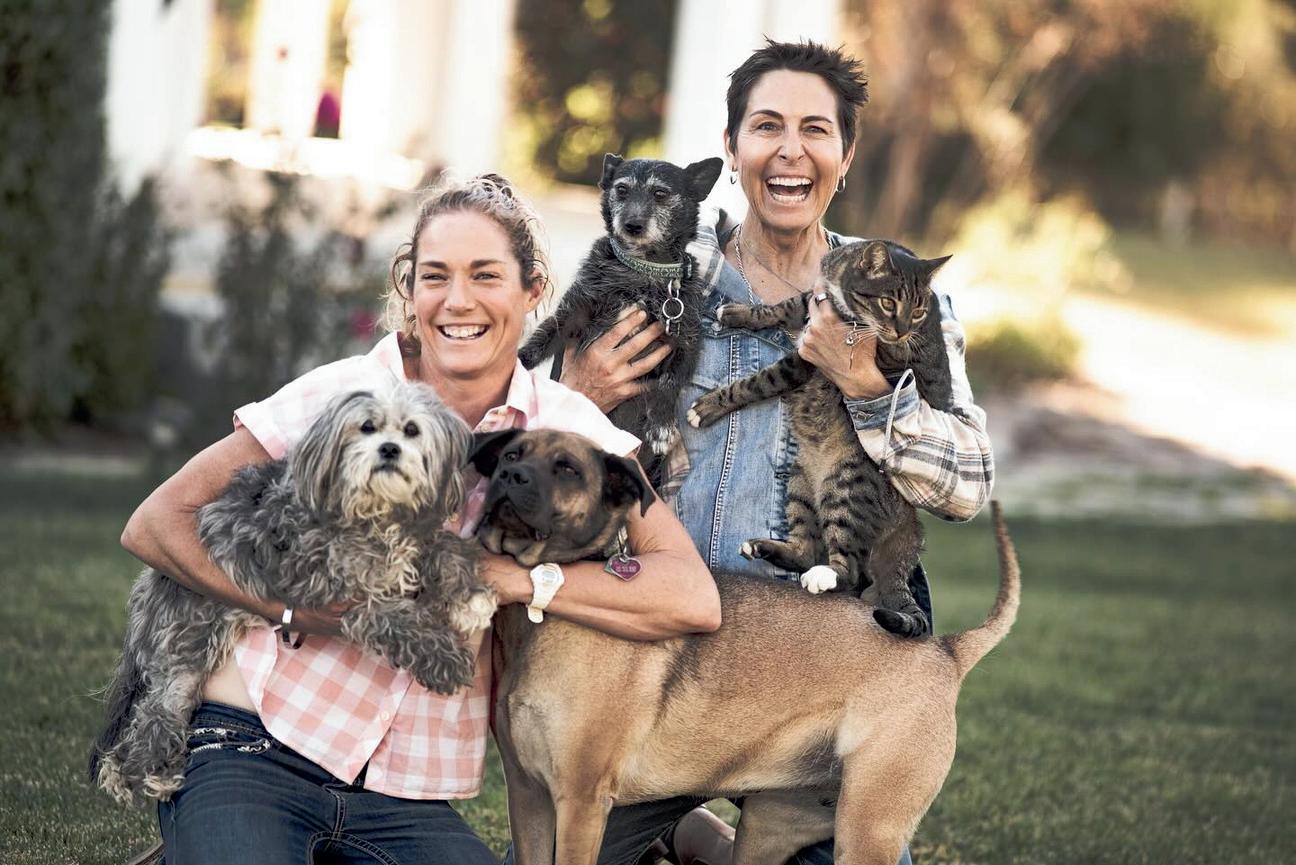
It showed me what was possible and I think that God planted her to again equip me for what I needed to conquer AML. By that point we'd saved maybe 20 horses, and having that purpose is also something that really drove me to keep fighting even when that sickness was bringing me to my knees, knowing that they needed me and they were counting on me.
So, I think that having a compelling future when you're faced with something that truly is kind of a life or death experience, having that purpose is something that gives you that little bit of extra fight. And I just feel so blessed. I have a story, it's like two minutes long but it's really profound, about her. I'd been in the hospital for, I don't know, a month and a half, and lived in Denver close to the hospital for a while. It was during COVID and I was getting really depressed, and I felt that that depression was not helping me fight the disease.
So I asked if I could go home. It was like an extra 10 miles away and I went home and I was like 20 pounds lighter than I am today. I was really thin, really sick, and I said to my wife, "I want to ride Savannah." And she's like, "Are you kidding me? You've been fighting for your life and now you're gonna go just throw it away on your horse?" It was springtime
and the grass was this high. You know horses, Scott, they love grass. They're gonna reach down and use all their might. I sit on Savannah, she doesn't even reach down for the grass, and she takes these tiny little steps.
So each week I decide I'm going to ride her once a week, every week, tiny little steps, never reaches down. After a couple of months, she's taking kind of bigger steps, reaches down, but all I have to do is give a tiny pull and she lifts her head. In the beginning when I rescued her, she would take off before I even had my feet in the stirrups, like gone, and I'm holding on for dear life.
That's why Beck was so scared. And about maybe four or five months later, I get on her and she takes off. She takes off, my feet aren't in the stirrups, I am panicking, and I finally get her to stop and I'm like, "Savannah, what are you doing? I'm sick, you've gotta take care of me. You can't do this to me." It was like three days later that I get the call, "You are cancer-free... you get to live.”
And Scott, the hardest thing, and I'm sure there are a lot of people reading this that understand this, the hardest thing after having cancer is learning how to live again, especially when it's been a really difficult fight.
to start living again. You can't live in fear. You can't live as if you're a patient, as if you're fragile. It's time to start living again." And that's profound.
What a life. What a gift. What a life. Last question for you. This is our summer issue, which is our NOW issue. I believe that outliers have a bias for action. They live with urgency. Just tell me quickly, what does that word mean to you?
Everything. Everything. All we have is now.
Some people live like we have unlimited tomorrows. We don't. There's no guarantees. Like now, that's why I'm so grateful for you, Scott, that you're choosing to spend this precious moment with me, and
And horses being these truth seers, she knew. She's like, "Mom, it's time
that your readers are spending this special moment with me, with you. Because every breath and every single moment in my life, I got grounded in my purpose through leukemia, and that is, I want to love with all my heart, I want to live courageously and do scary things like trying to ban horse slaughter, do these things for the horses, and I want to make a difference every single day.
Every moment is an opportunity for me to do that. To love what I'm doing in this moment, to appreciate it, to celebrate it. Even if it's a bad moment, at least I'm alive to experience it. How blessed are we? So, now is everything. Now is all we have.
Now is the gift, now is a privilege. Now is your opportunity. Now is the time to live your very best life and to choose to be your own champion. Choose to think good thoughts, choose to make good decisions, choose to give things a meaning that makes you feel good, not bad.
Choose to move forward towards everything you dream of now. Don't wait.

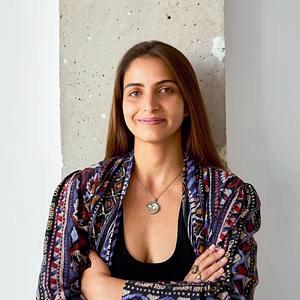
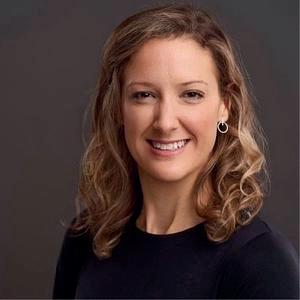
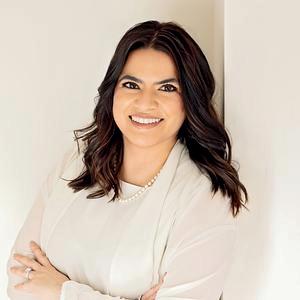
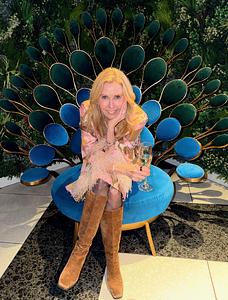
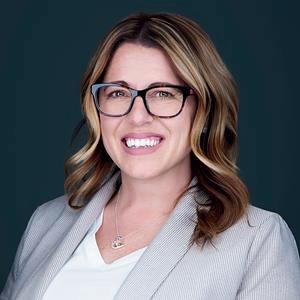
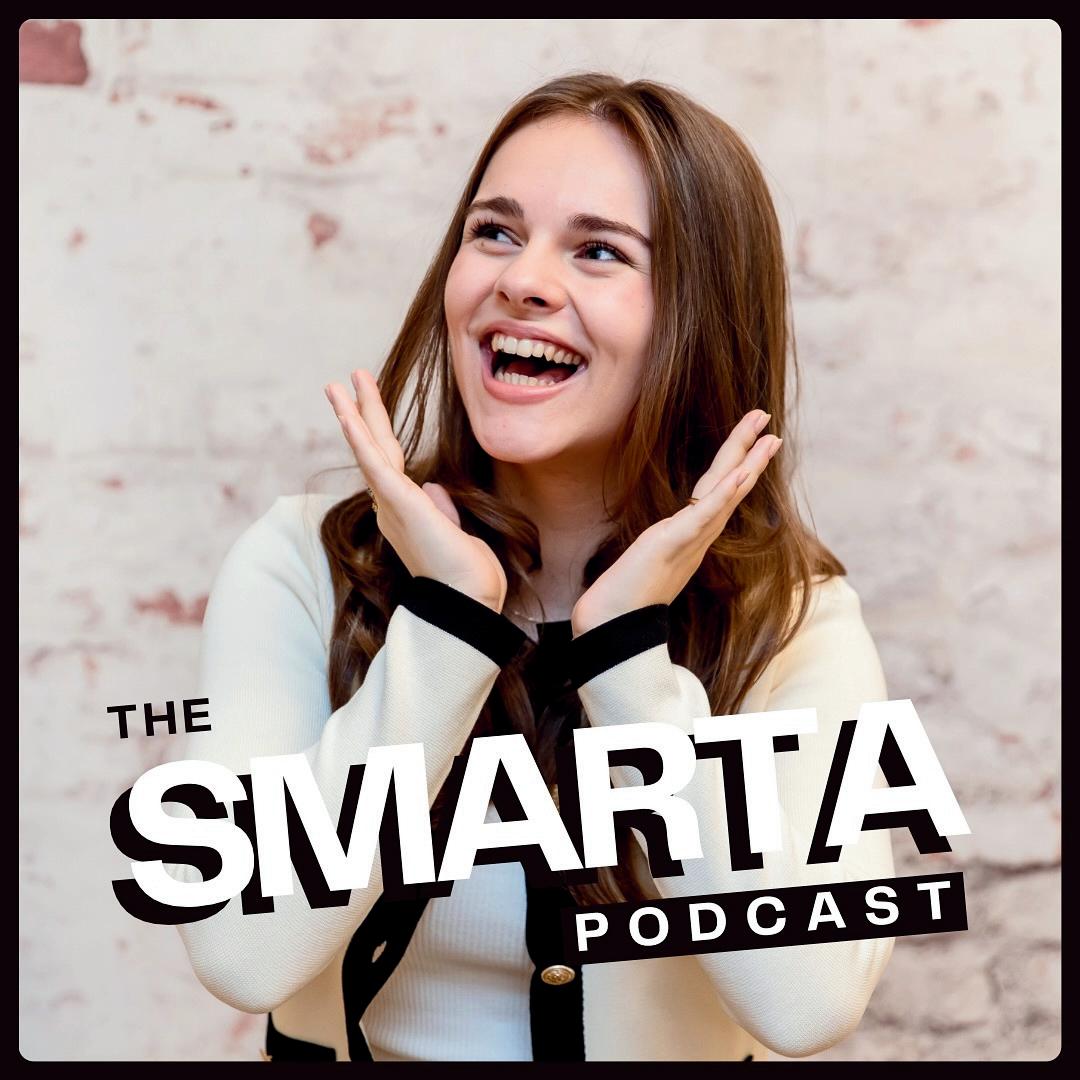
Host of The SMARTA Podcast, Bestelling Author, Featured in Forbes, London Book Fair & Women Changing the World Awards
TAKING ACTION IS THE MOST EFFECTIVE WAY YOU CAN START BUILDING YOUR CAREER.
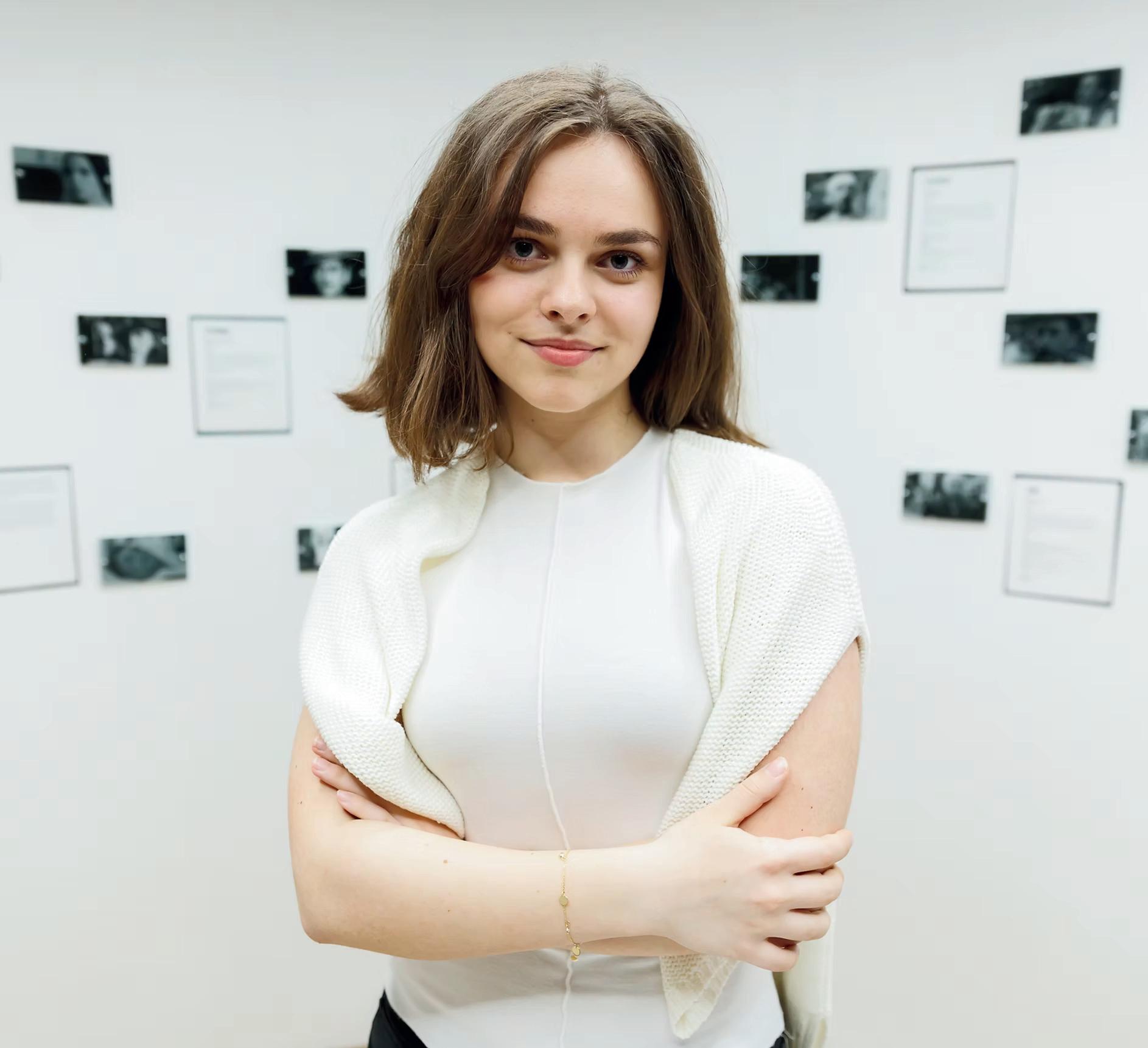
Q: Some people, Sonia, are going to say that it’s impolite to ask this question, but let's get this out of the way. How old are you?
I'm 18. I've been 18 for just three months. So, that alone is very young.
Q: You definitely hold the record for being the youngest person ever to be featured in Outlier Magazine. But it certainly is a portion of the reason why we wanted to talk today. Because what you've accomplished in, really, 17 years is pretty remarkable. When somebody asks who Sonia Marta is, how do you see yourself at this chapter in your life?
If you take all the assets, all the achievements, all the materialistic stuff, and you're left with my soul, I would describe myself as a very kind, outgoing person. I love connecting with people. There’s a quote I saw, actually from a Harvard study, that says it’s more important to connect with people, even just talking with

your barista, than having a loving family.
And just that alone, the connections you can have walking down the road, helping an older woman who needs a little help crossing, I just think is incredible.
So I am always out to spread joy, spread generosity, and do random acts of kindness. It fuels me, and it makes me happy when I’m feeling down.
If I can make another person smile every day, then I’m really happy.
“YOU CAN CHOOSE WHETHER IT’S DAY ONE OR ONE DAY.”
-SONIA MARTA
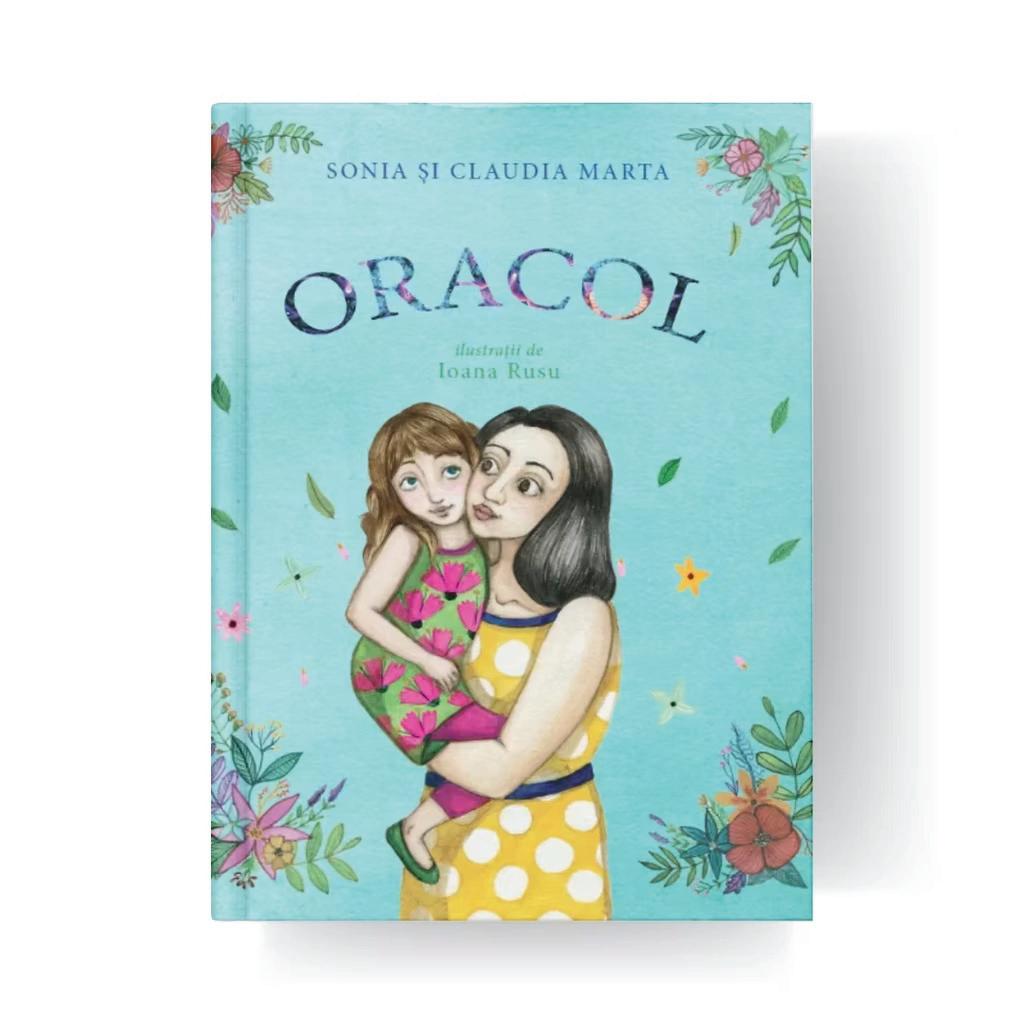
Q: You published your first book at an unusually young age. I think you were 10. That’s right.
Q: Tell us about the book, and what prompted you, as a 10year-old, to say, “I’m going to put a book out there into the world?”
It’s not your average child’s dream, but I was absolutely blown away by the inspiration from all the authors who used to come to my school and tour for World Book Week. I was in a British private school, and every June we’d have someone from the United Kingdom fly over with a children’s book and present their story, the book, what it was all about
She laughed it off and said, “Well, writing a poem is not as easy as you think it is.”
And I’d just stare, absolutely amazed at that person. There was a clock starting to tick in the back of my head, going, “Well, if he was doing this for his child, why can’t I do it for myself, for my future friends, when I’m double my age?”
And my mom was always traveling, always bringing me back books as souvenirs, not chocolates, not gifts.
So I decided, “Well, I’ve had all this inspiration, I’ve always had a big library, what’s stopping me from doing that?”
I said, “Well, hold on. I just had this amazing guy present his book about the starfish, and if he did it, why can’t I?”
And that’s when she started to understand I was serious.
So we sat down, we played a little with words. She helped me figure out a theme and a couple of rhymes, and I fell in love with poetry. From that point on, I decided to make it a ritual. Up until I ended up in primary school, about three years or so, including that summer, we spent every night writing a poem together.
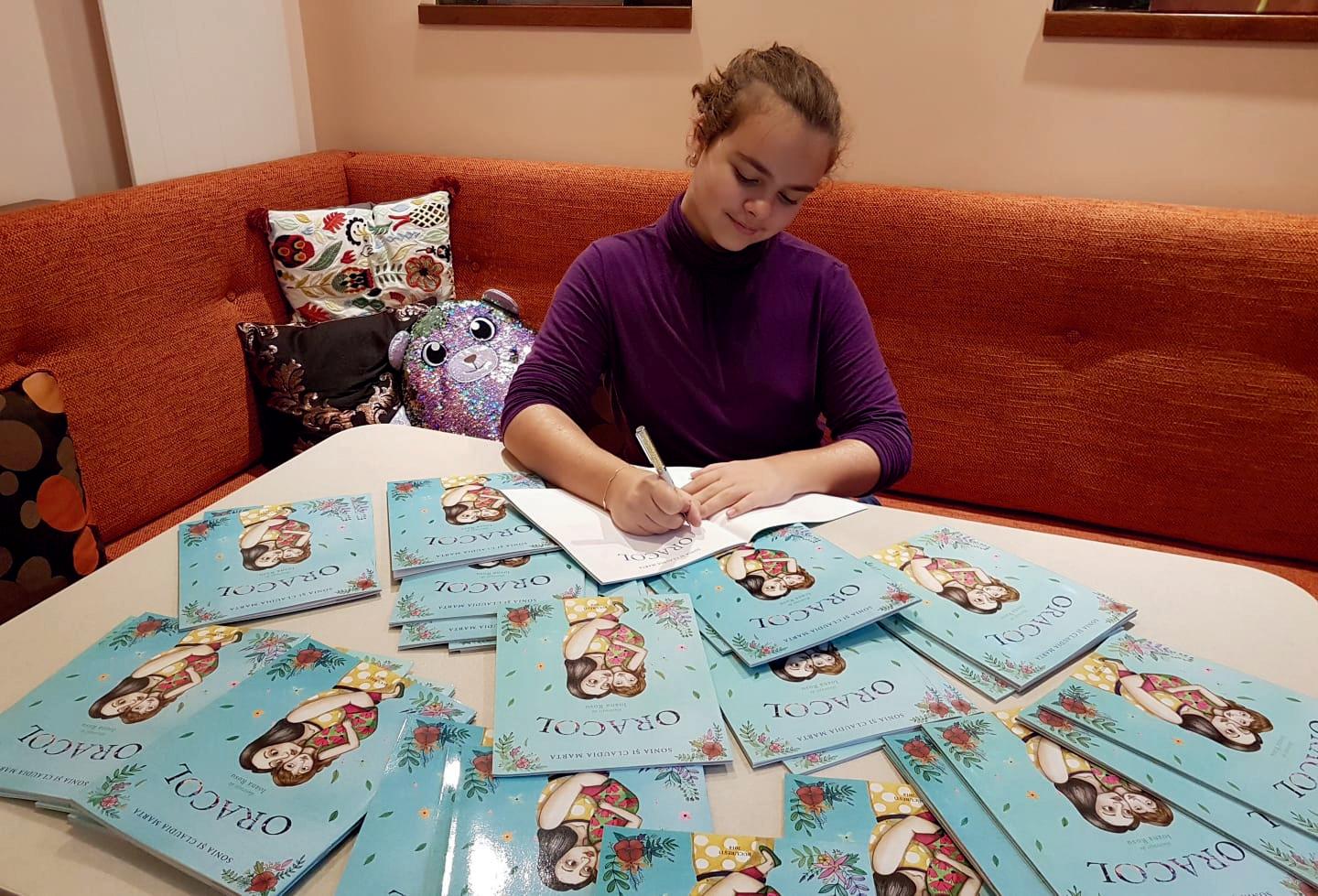
And by the end of those three years, I had 300 poems sitting on my desk, which was a mountain of books. Then someone I had actually been following for a long time, whose books were the total catalyst of my career, David Walliams, came to Romania and did a presentation, and that’s when everything pieced together.
I went home that day after seeing him live, and I still had that spark and inspiration sizzling within me. I came home, the cycle repeated, and I went to my mom and said, “You know those 300 pages on my desk? How crazy would it be if we published them?”
Again, she laughed it off because she didn’t expect it to become such an amazing journey, something that could actually be turned into reality. She came from a background in
marketing. She had no idea about the world of publishing. But using the power of LinkedIn, which I’ll get back to, I somehow made it happen, and I managed to become one of the youngest authors in the whole of Romania, if not in the whole of Europe.
And then I realized I had a lot of burning questions, and all these children in kindergarten have that same spark of inspiration and desire to achieve their dreams. So I decided that now I had a blueprint I could give to other people—my journey in overcoming the obstacles of being a minor and wanting to publish. Who do the rights go to? Who’s going to take on a debut novelist at 10 years old?
I started touring kindergartens and schools around Romania, and after about five years, at around age 15, I had visited over 5,000 children. Then the tables flipped. I realized I wasn’t being inspired by the people around me anymore because I was teaching them.
I was striving for that inspiration, and I had all these questions moving into secondary school and high school. Where am I going to go to university? Is this something I can do for life?
And instead of asking my mom those questions—because she was
always supportive, and I give all my credit to her—she turned it back on me. She did the same thing I did. She threw me an amazing question:
“What if you start a podcast with global leaders around the world?”
And it all came together. I thought, yeah, I mean, I’ve done crazy things so far. What’s stopping me from doing this?
And so she’s taught me how to overcome my fears. From that point on, I ask every question I have, about any topic.
Actually, just today, I’m moving to Dublin. I found this professor at a university in Dublin who studied tourism and published a book about how happy Ireland is as a country.
And I’ve answered my own questions with this amazing professor because I just dared to ask, and I think that’s the best message I can share.
Never be afraid to ask, because the worst thing that can happen is you get rejected, but you can’t even imagine all the positive things that can come out of it.
Q: You’ve mentioned your podcast, the SMARTA podcast, which is incredible. You’ve written a number of books and
spoken all over the world. What do you hope to accomplish through those three different platforms?
Just inspire the next generation of leaders to achieve their best dream life, because it is possible, and to overcome the notions and stereotypes of having to go to college, having to pursue a specific degree, just to start working toward your dream.
Taking action is the most effective way you can start building your career.
You don’t have to wait until after you finish college to start building toward it. You just have to have a passion and an interest that can keep you up at night. And from then on, go and make a dent in the world.
You work with a lot of Gen Z around leadership and purpose. Give us an inside look at what do those conversations typically look like. Or what do they sound like? What's the guidance that you would give people? I think you mentioned one, take action.
But what are some other things you're discussing with that generation?
Tune in to Scott and Sonia’s conversation about this question here:
Q: It's pretty cool to see somebody that has already figured that out and has a philosophy and a direction.You know, I think people are probably curious, what is a day in the life of 18year-old Sonia? What does that look like?
I'm going to be completely truthful with you. It's not waking up at 5:00 AM. It's not having a five-to-nine before my nine-to-five. I go to school, I live an average life, and then at the end of the day, instead of scrolling on my phone, I just talk to Dr. Mark Henry, who is the guy I told you about in Ireland. He told me that, on average, people in America spend

five hours scrolling on social media, which leads to an average 13% decrease in their happiness, which, for five hours, can multiply to 65%, making them more prone to depression. That’s already really, really daunting.
I just choose to live a screen time–free life. What I do is dedicate a lot of time, when I'm bored, to editing a project or doing something that doesn't require me to be with a light on, talking and giving my energy to you.
So when I leave my podcast and get energy from other people, I'm already a lot happier. I wake up, go to school, come home, avoid the phone, and do something that makes me really proud afterward.
Lately, I've also become a fitness instructor, so I'm choosing movement and daily energy, which in return has brought back so much more success and motivation because I'm able to concentrate.
My mind is no longer foggy, and I can choose to spend 30 minutes, whereas before I spent two hours on the same task, just because I move my body and fuel it with the correct food.
Q: When did you realize that you were different from your peers? That you were a true outlier?
Scott, let me tell you. I think from grade one, I was already, let’s say, two heads taller than everyone. Everyone was shoulder-length, and I was already peeking out, the tallest in my class.
And I’d always had that teacher mentality. I was the only one, from a very young age, who would sit in class and hear two other children gossiping or talking about something really exciting, and instead of joining the conversation, I’d be that party pooper who would turn my head and go, “Shh! Listen to what the teacher says.”
So, that's my life.
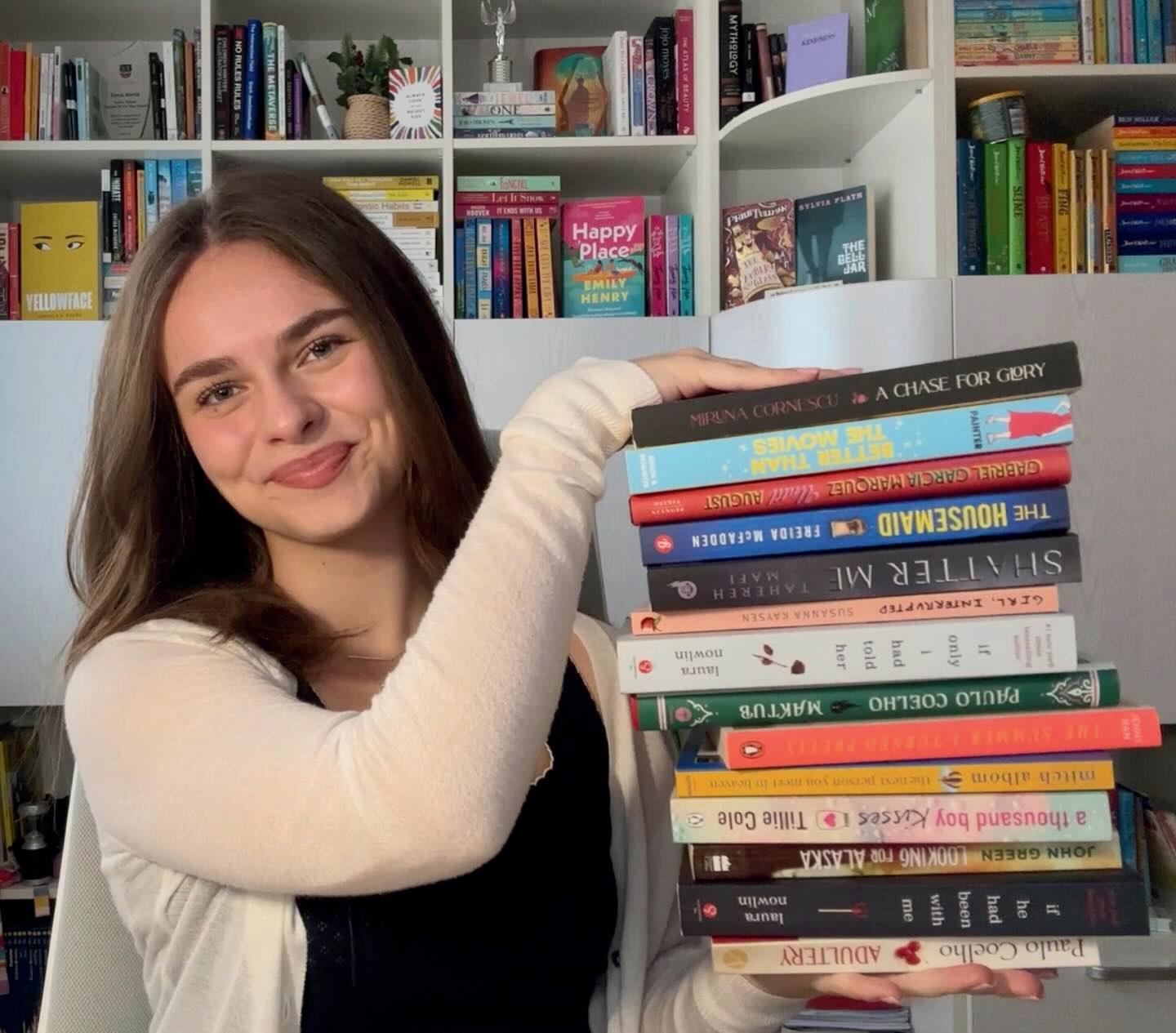
And I think that’s taken me so far because I’ve always learned, especially growing up as a more overweight kid, to live with and deal with people who are going to be negative or are going to dislike you.
So I found it that much more empowering to take all that negativity and turn it into positivity through anything, whether it was writing poetry or now doing a class.
And it’s just fueled that hole that perhaps everyone encounters. We’re all going to meet tough people, tough employees. We all know that boss who, at 6:00 PM when it’s your time to go, hands you a heavy presentation you’ve got to deliver and says it’s mandatory, it’s top priority, and suddenly you’re back in your chair, slouched and sad.
We’ve all met that person who had their coffee made wrong and, instead of asking politely for a new one, couldn’t handle it and lashed out at you. Just misdirected anger. We’ve all had that moment where it’s a fresh new day, you’re happy, you’re living your best life, and then you hop onto the bus, and as soon as you’re about to walk in, it’s a rainy day and a car goes past and splashes you with water.
Now you're staring there thinking, "How am I gonna get to work, while I'm all soaked in mud?" So, it's all

about learning, because positivity is a choice, how to turn something negative into something positive.
Q: So true. Who are some of the people who you would credit with changing the trajectory of your life? Obviously, your mom's one of them. But who are some of those people?
I think not enough credit in life goes to teachers, because my teachers were the catalysts of my writing. Back in year three, I joined creative writing club, and every week, we had a different prompt that was just an image. And we were supposed to write a story just in that one hour, and then next week was a new thing.
It was just testing my creativity. And I owe it all up to Orla O'Dwyer. She was my teacher, and she's still here. She's the only teacher that remained,
because I've been at one school for 14 years. So I've seen everyone come and go, but I was always in the same place.
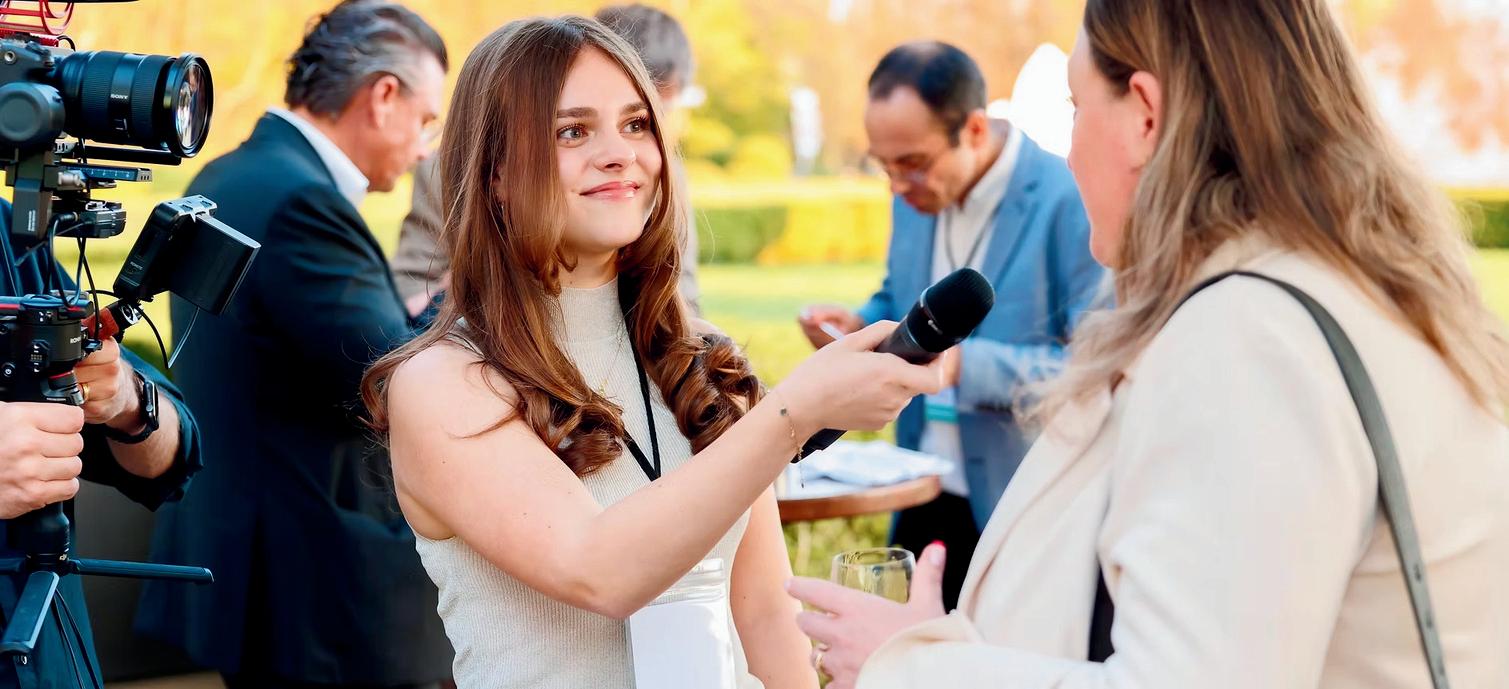
And then there's also a question of, how do you deal with your friends when they're going off to meet new people, but you're still here, yet you don't know anyone? It's a very strange feeling when you know the same place. The halls and walls haven't changed, but the people always change.
My teachers are, at the end of the day, always going to fuel your ability to learn independently. I've learned everything I did because they pushed me and encouraged me to just learn it. And so, I went off to YouTube or off to a course to learn something new that was intimidating or that I was passionate in to just use for myself and learn and teach others.
Q: Let's flash forward 2036, 10 years from now, at the ripe old age of 28 years old. Where do you see yourself 10 years from now?
Doing this the other way around, interviewing people on the SMARTA podcast. Meeting new faces. Talking to new people. Because I have all these questions, and there are so many people in the world. There's always different stories, different
outliers, if you will. I'm just ready to understand anything I've got going on, any hardship, whether it's grief, whether you've experienced it or not, whether it's relationships, whether it's neuroscience.
I'm always interested in different things, and so I don't limit myself on the podcast to just literature or something. I learned how to blend it, because hey, you should have different interests. You shouldn't limit yourself to one thing all your life. That's scary. So, if you choose to do something consistent because you're passionate about it, great.
But there's going to be other people that haven't already... You know, it's April now when I’m talking to you, and there's people that are still deciding where they want to go to university, and that's okay, because not everyone is in competition with other people. It's a competition with you and yourself and your future self. So, you shouldn't compare yourself to others.
Q: So, this issue, our summer issue, is our NOW issue. Nike said it best when they said, "Just do it." I think that outliers have a bias for action. They live with urgency. What does that word, “now” mean to you?
It holds all the power. You can choose whether it's day one or one day, some day I will do something... All the power is up to your hands, all the inspiration, all the knowledge. You have free internet access, and you can do anything you set your mind on.
And it's true. People that are successful have that inclination, that very strong inclination, towards action, because it's so powerful. You don't have to be talented. You don't have to be gifted. You can really suck at something. But if you just stick consistently to something for 10 years' time, then there's no way you're not gonna make it, because there's that thing.
To be a master in something, you have to do 10,000 hours of something. Look at Oprah Winfrey. She interviewed over 30,000 people her whole life, and no wonder she's rocking it, because she's done that her whole life. So, whatever it is that makes you tick at night, tune into that, tap into that, and see how the world will change.
Just give it time. It's like planting a little tree. You’ve gotta to plant the plant before you see it sprouting and blossoming.



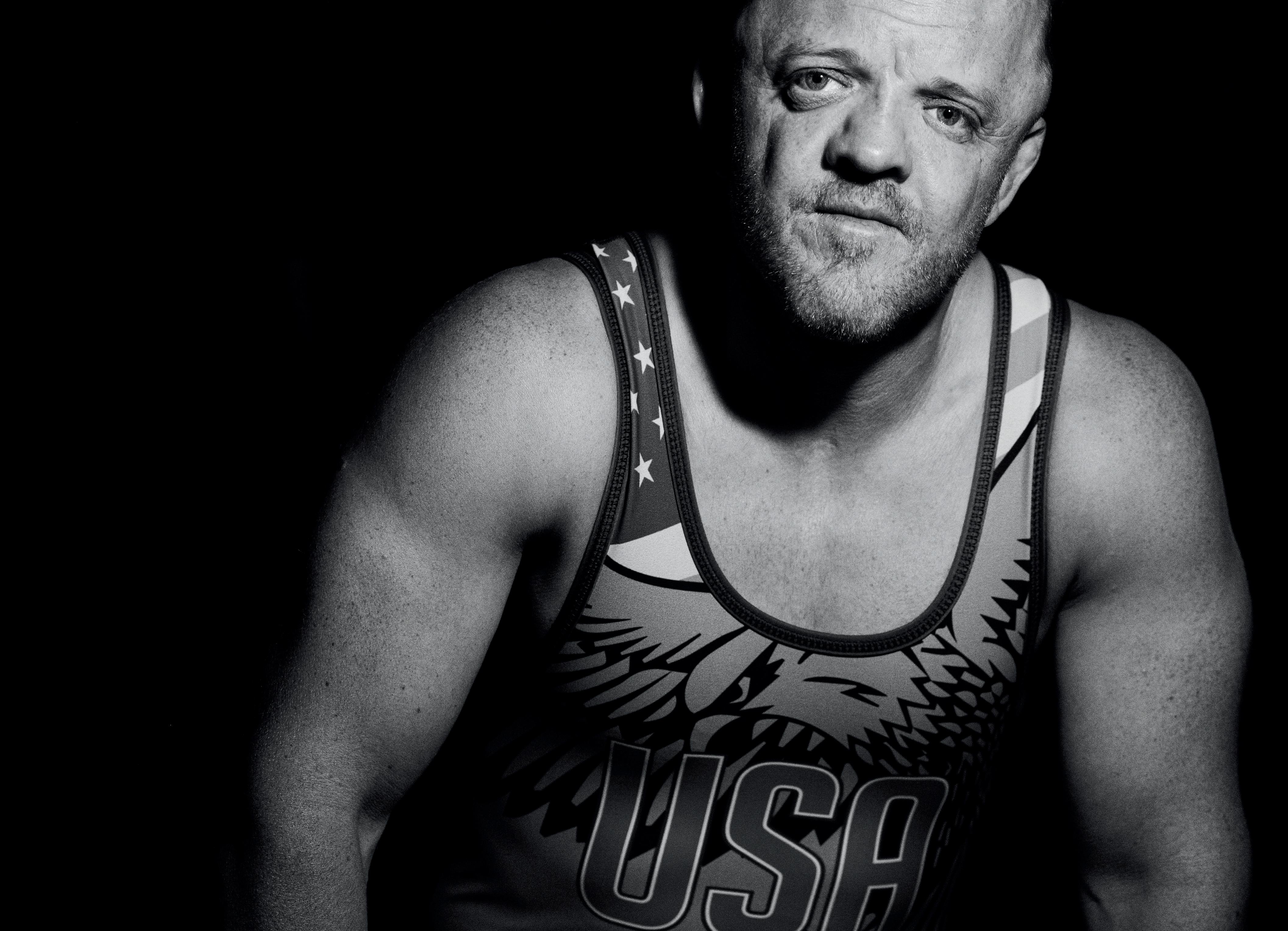


"Nobody’s gonna come to save you. Nobody’s gonna come to do it for you. Now is the time."
-Ben Kjar
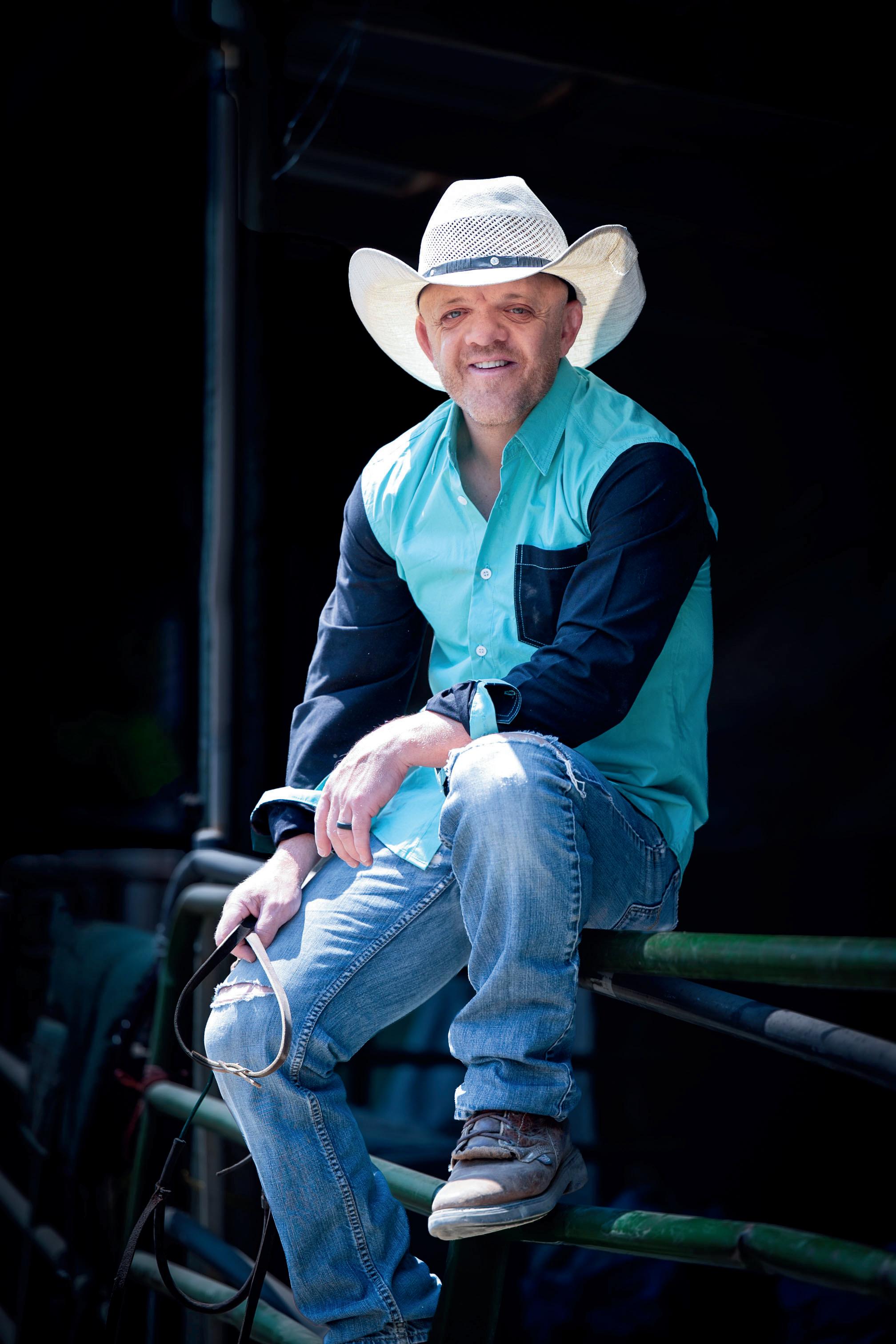
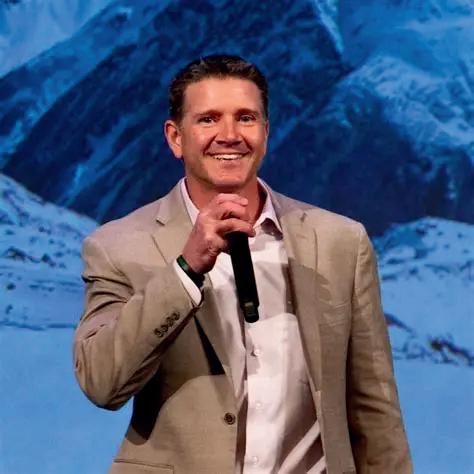
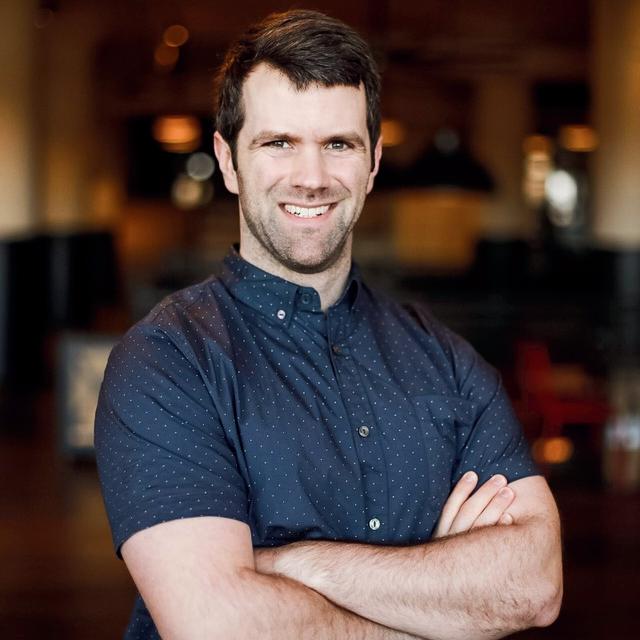
Welcome to our Summer Issue, where we explore a theme that defines every true trailblazer: NOW. Now isn't just a marker of time; it is a mandate for movement and an uncompromising bias for action.
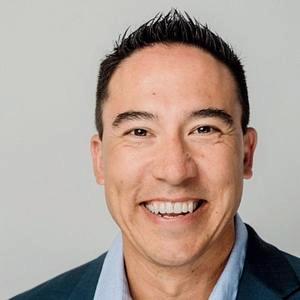
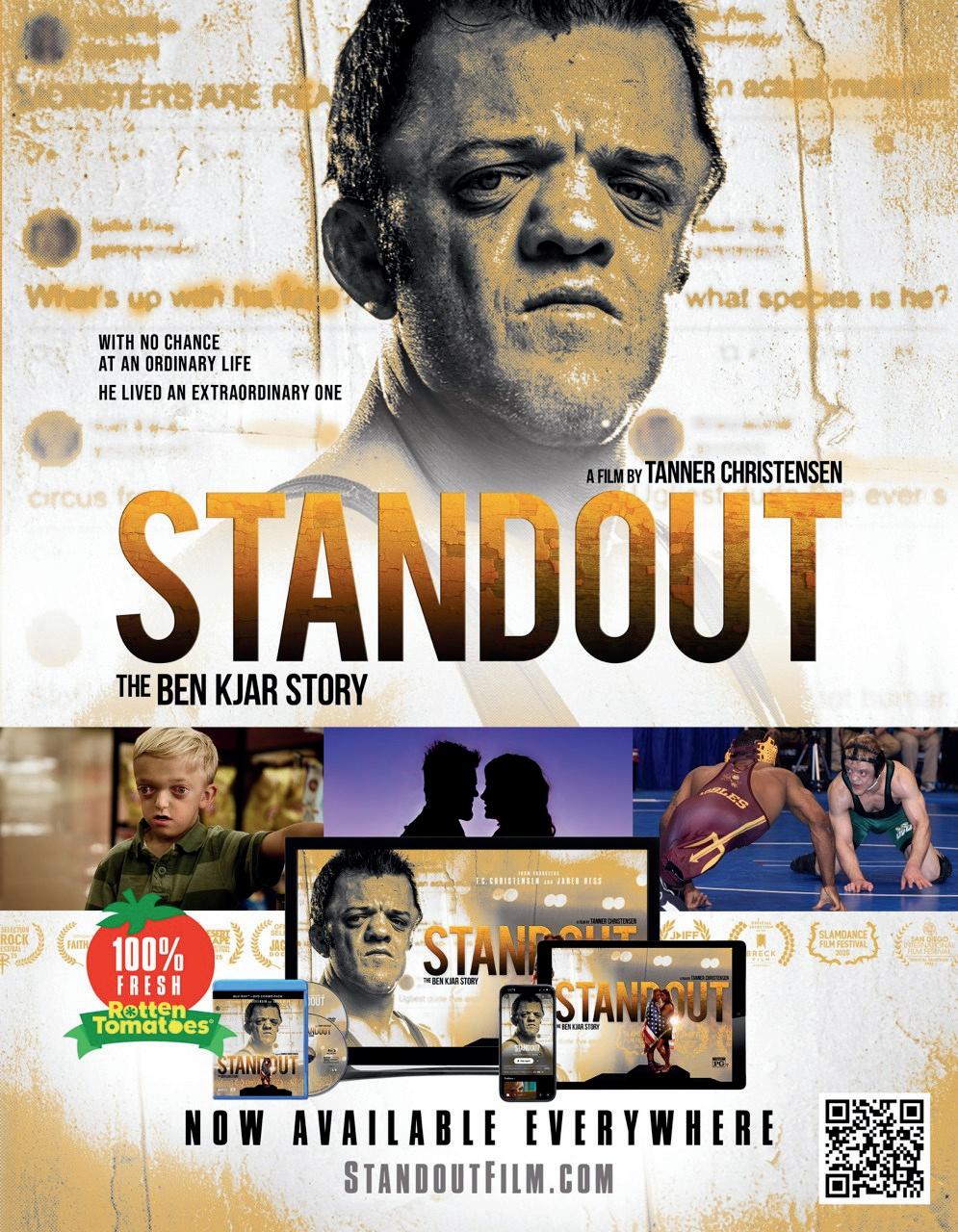
No one embodies this spirit more fiercely than our summer cover story feature, Ben Kjar. Born with Crouzon syndrome and told early on that his life would be defined by strict limitations, Ben completely tore up that script. He didn't just survive; he shattered expectations to become a world champion wrestler, a professional keynote speaker, a real estate investor, and the inspiring force behind the documentary film Stand Out.
In this exclusive interview, Ben unpacks what it truly means to live with what he calls "tenacious patience," the willingness to strike hard right now, while maintaining the long-term endurance required to turn impossible dreams into reality. From his legendary unseeded run at the NCAA Division I championships to returning to the mat years later to win gold in Greece just to show his children how to dream, Ben's journey is a masterclass in active execution.
Stop dreaming quietly out of a fear of failure. Stop waiting for tomorrow. Turn the page, dive into Ben's story, and learn how to disobey average, call your shot, and start acting now.
-
Scott MacGregor
For readers who are meeting you for the first time, how do you introduce yourself? You’ve got so many layers: world champion wrestler, keynote speaker, the man behind Stand Out. How do you introduce yourself?
Ben: If they've ever seen the movie Wonder, which many people have, Owen Wilson, Julia Roberts were the parents, the little boy had a facial difference. His name was Auggie. Imagine that little boy Auggie grows up to be Rocky Balboa. That's Ben Kjar, baby.
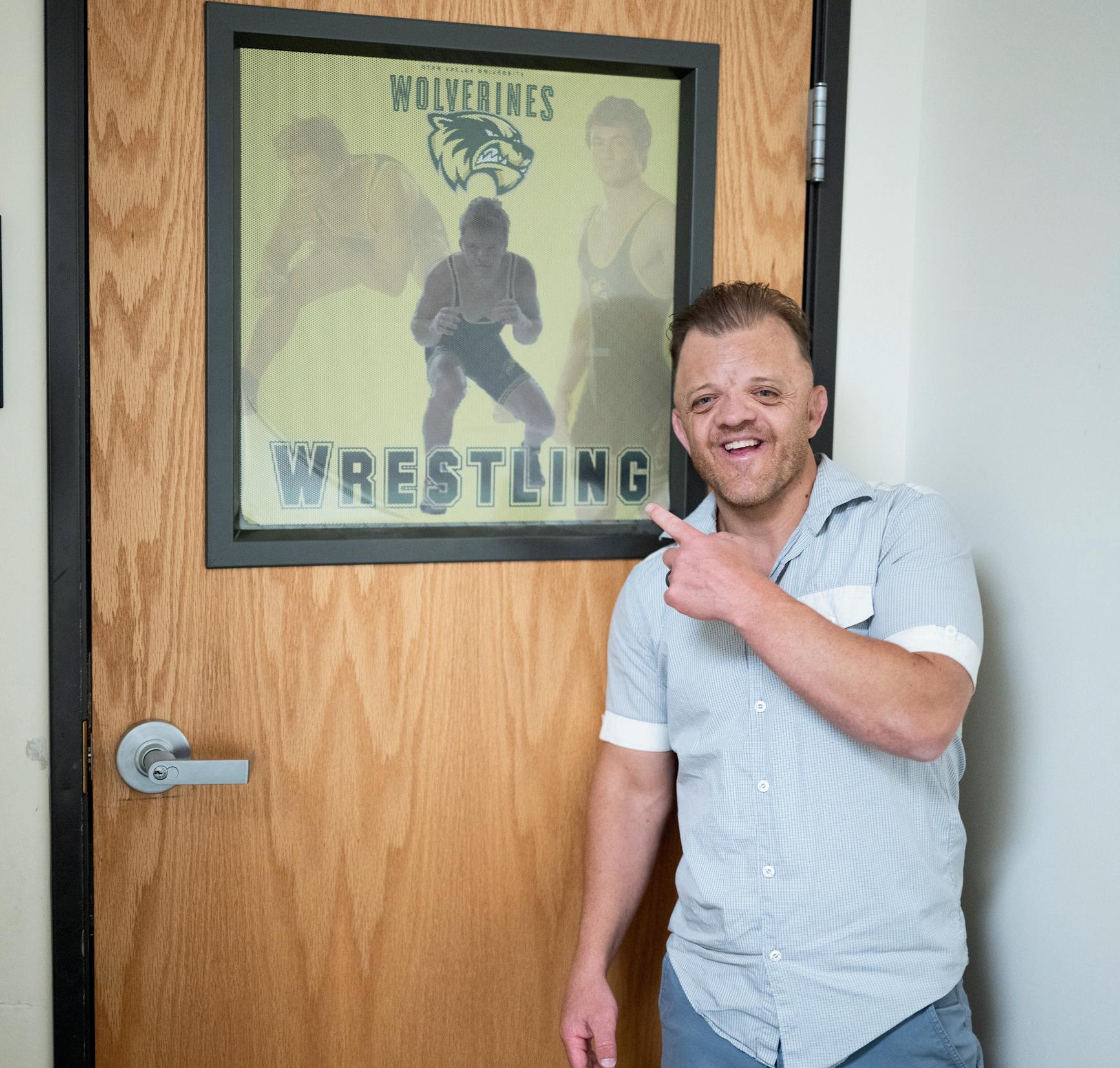
That is great. You were born with Crouzon syndrome and told early on that life was going to be defined by limitations. What do you remember most vividly about those early years, and when did you decide that you weren't going to accept that script?
Tune in to Scott and Ben’s conversation about this question here:
"WE GOTTA TUNE OURSELVES UP TO NOT GO IN COLD TO LIFE'S BIGGEST MOMENTS."
-BEN KJAR
Beautiful. Ben, through unbelievable determination, you were the first three-time state champion at Beaumont High, and later the first NCAA Division I All-American at Utah Valley. What did those milestones mean to you?
Ben: Well, the milestone wasn't the trophy, believe it or not. The milestone is what it did for me. I don't know where my medals are, I don't know where my awards are. More than anything it proved to me that I was more than enough, and I was born to stand out. I wasn't born to fit in. I think the biggest flex of mankind today isn't riches, isn't the nicest car, or the gold medal.
I think the biggest flex of mankind is inner peace, and you can only have true and genuine inner peace through authentic confidence. So what I do is around the world I teach people how to gain authentic confidence to go after their dreams, to live again with a life designed, not by default, and how to become the best version of them.
And I tell you what, the milestone for me wasn't the medals, it was me becoming the best version of Ben Kjar I could possibly be, and that allowed me to go onto the next goal, and the next goal, and the next goal. It gave me the confidence I needed.
This is a full-circle moment for me, because in 2011, I took my son Tucker to Philadelphia, to watch the NCAA tournament. You came in unseeded, knocked off some top-ranked guys, stepped into a semifinal on national TV. What was going through your mind in that moment, in that tournament?
Ben: Fun. I knew I performed the best when I was laughing and loose before my matches. When I was tight, when I was doubtful, I couldn't perform. And so I told myself, "Tell you what, have fun. Live it up. Go all out. Go guns blazing." I was going against the undefeated guy, number one ranked guy in the country, right, at that time, and I wanted to go out and just absolutely have a blast.
My coach always told me, "You ain't ready if you ain't sweaty." So I remember, in life, that's what we
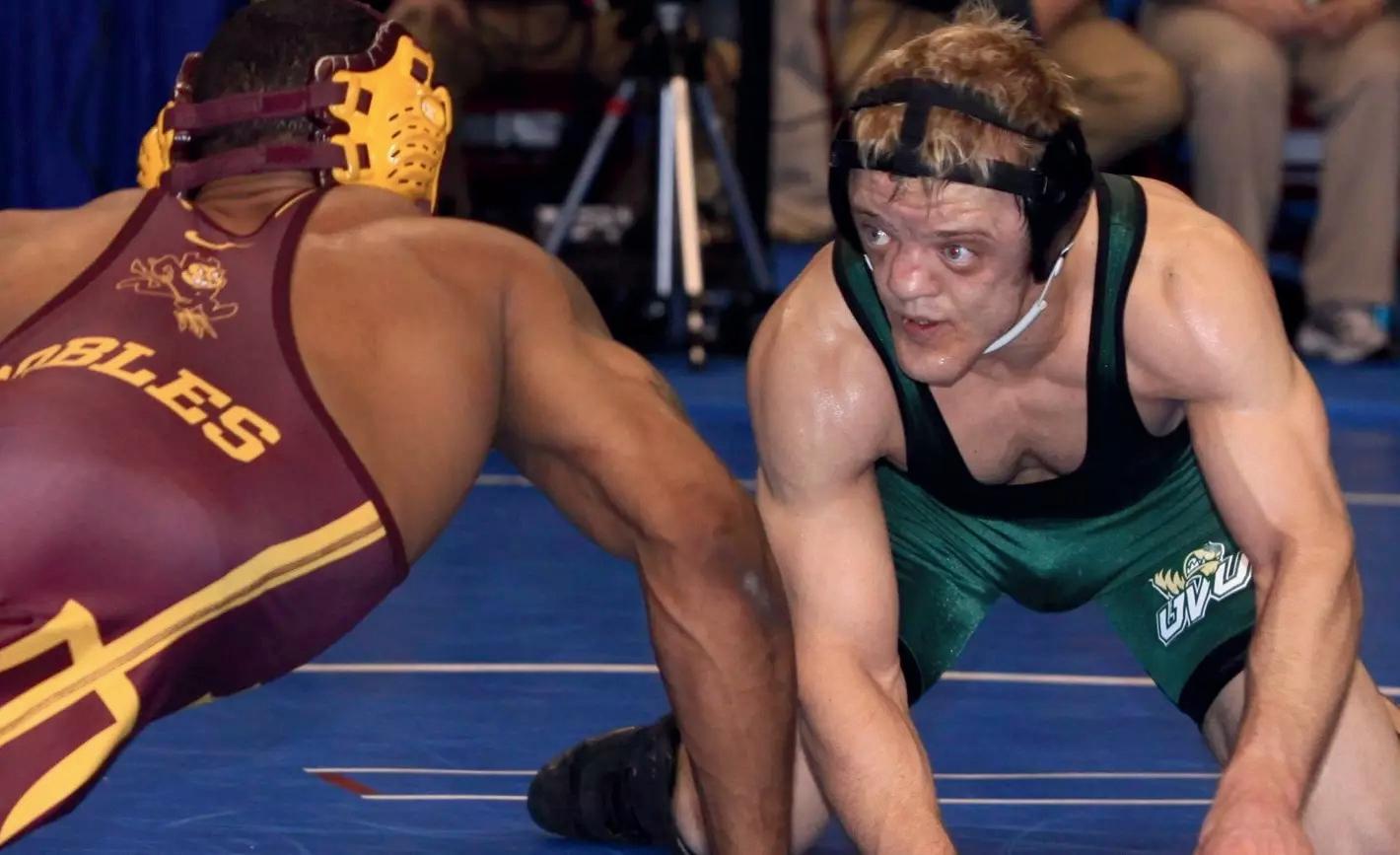

need to remember. Going into business meetings, going into anything, we gotta be loose, we gotta have a smile on our face, and we gotta theoretically be sweaty. We gotta tune ourselves up to not go in cold to life's biggest moments.
And I was reminded of that when I went home. My kids had just gone through their first wrestling season, and I was the wrestling dad in the corner, thinking I knew everything. And I was yelling, “Double leg, single leg, go get him, buddy, go get him, headlock.”
You
returned to the mats many years later to win a veteran's world championship. Why did you come back, and what did that gold medal in Greece mean to you?
Ben: I was sitting in Florida at an event, and a guy named Ed Mylett got up and said this: “One of the most insidious forms of child neglect is parents not living their dreams or achieving their potential.” When I heard that, I heard, to my soul, “You’re causing your kids child abuse by not going after your dreams, Ben.”
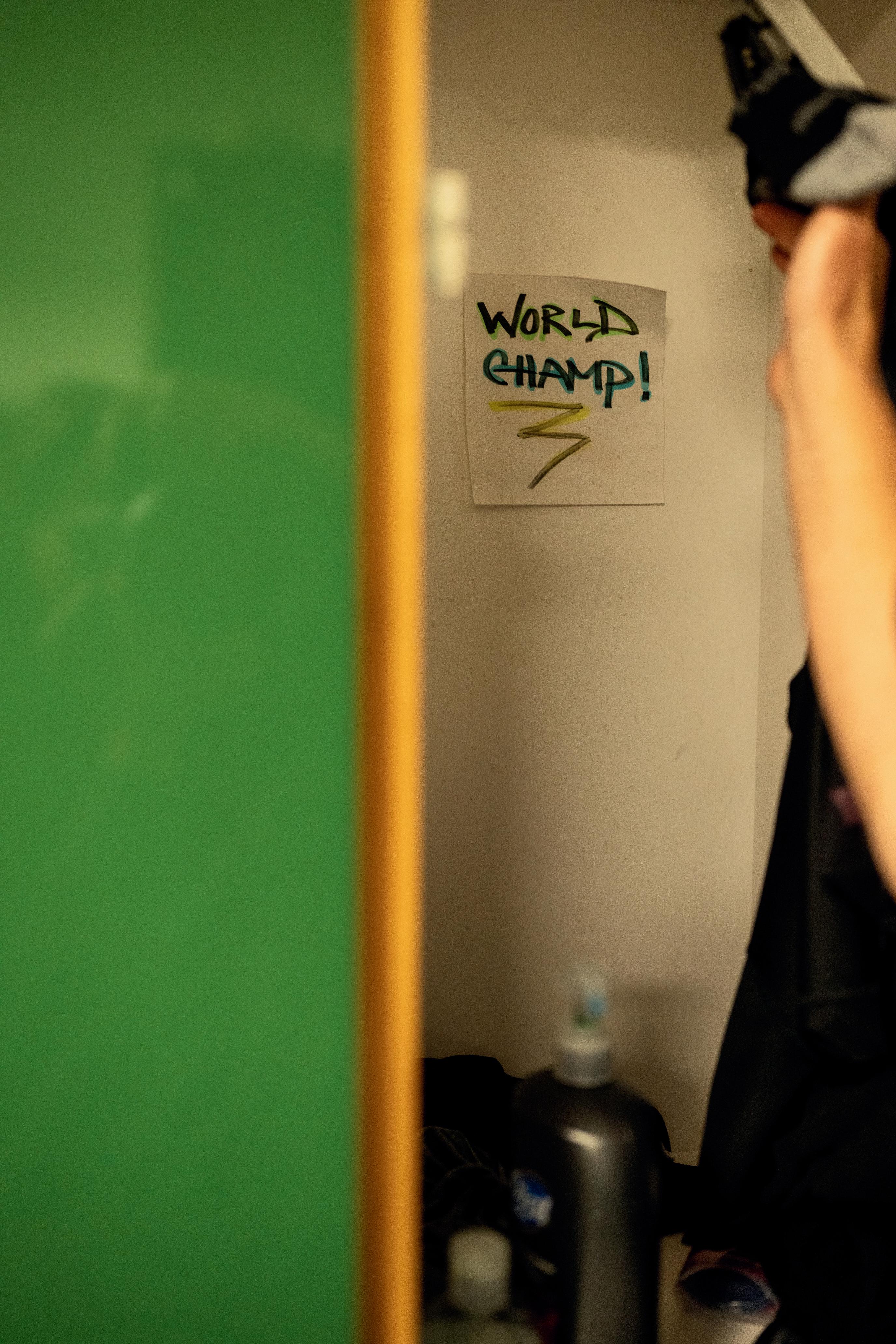
And then, we’re getting into the car and my oldest boy, Liam, looks up at me and says, “Dad, why don’t you just shut your mouth? What do you know about wrestling?”
Why did he say that? Because, rightfully so, he had never seen Dad compete. Rightfully so, he’d never seen his dad put on a singlet and step on the mat. He didn’t even know I knew how to wrestle. So I think too many parents talk too much, and I think we need to shut our mouths and do the work.
We need to show our kids how to dream.
And so, right then and there, I was reminded that I needed to show my kids. I signed up for nationals in Las Vegas. I outscored my opponent 64 to 2, with my kids in my corner.
And then my kids were the ones who told me to go to the World Championships, which I did, and I lost in the final match.
Luckily, I took second, and a couple days later, I was able to go back to the World Championships in GrecoRoman and win.
I thought I was there for the gold medal. This is what I realized when I saw my boys grab the gold and silver medals and run around the mats:
I learned right then and there that the golds never come without the silvers.
So though we’re afraid to go after the dreams, and you might get a silver, you might lose in the biggest moment of your life, guess what?
Now I go to my kids’ tournaments, and when they lose, they look up at me and they’re like, “Daddy, you remember when you lost?”
I say, “Yep, buddy, I do.”
And he says, “And you got back up, you remember that?”
I’m like, “Yeah, buddy, I do.”
And he’s like, “I’m gonna be like you, Dad. I’m gonna get back up after I lose.”
That’s what it taught me.
I don’t know where my gold medal is. I don’t know where my world championship belt is. I really don’t.
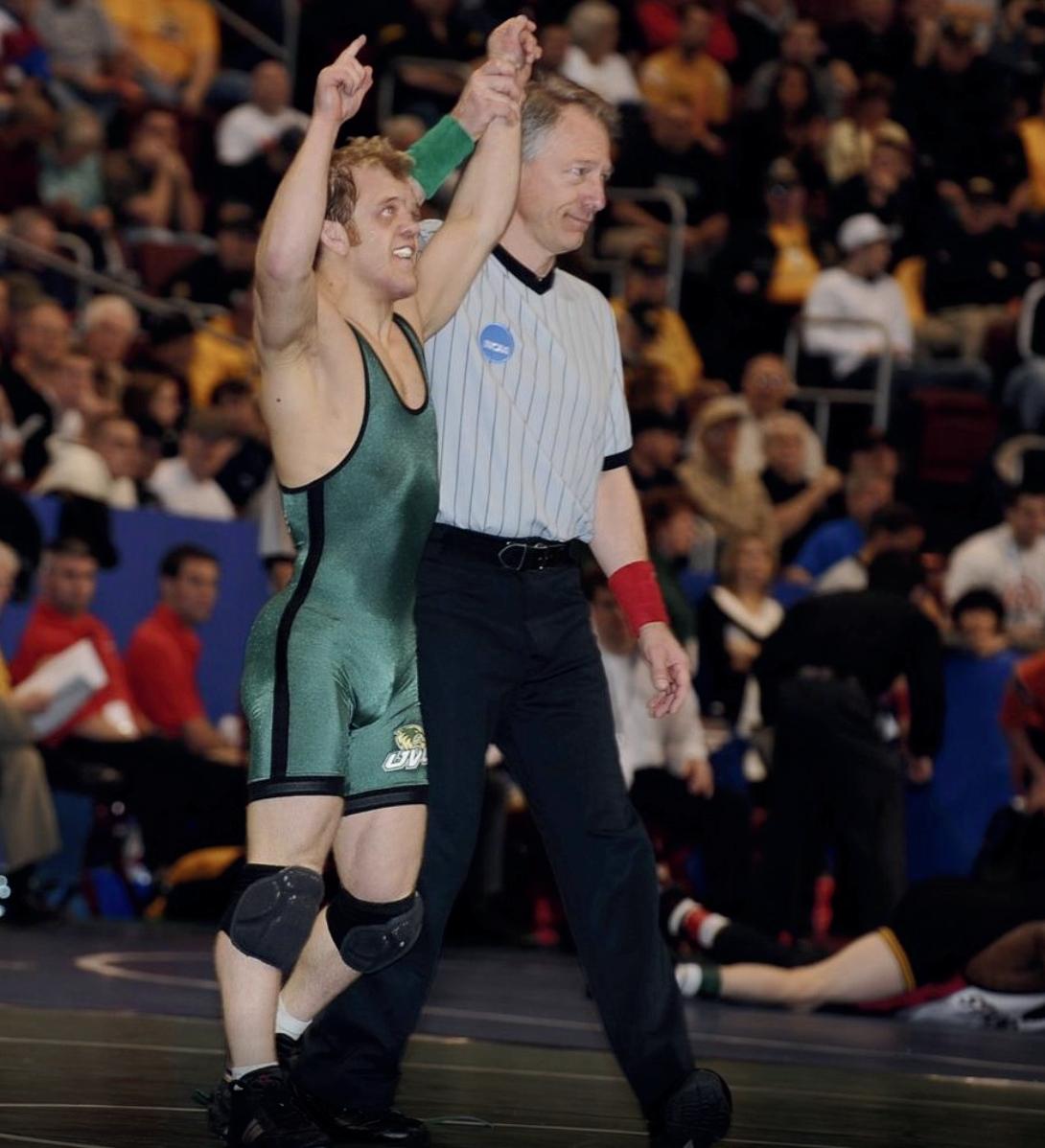
But guess what? I remember my kids being in my corner when I was losing, and I remember them loving me just as much because I was able to step in and fight the fight.
Now I can do that for them, and they’re willing to fight, learn, and fight again.
Was that the moment that you realized your story wasn't just about wrestling results, but it was about helping people define themselves as either victors or victims?
Ben: I knew what my story was before that. I kind of just stood on the sidelines as the coach.
I think many times we understand what the dream is. We understand
what the goal is. We understand the mission. That’s not the problem. I think many people aren’t willing to step into the mission.
I think too many people are so afraid of failure that they’ll allow fear to be undefeated. They won’t even fight it. I knew wrestling was what I call the illusion. I got into wrestling to learn technique and moves and do wrestling: double legs and headlocks. I stayed because the sport of wrestling changed my life.
That’s why I stayed. I already knew wrestling was the illusion, and I knew that my story could be much bigger if I were to teach the principles and values.
That’s so powerful. You talk a lot about goals, discipline, daily rituals. What are a few nonnegotiable habits that quietly powered everything people now see publicly?
Ben: Number one, every meeting I schedule is after 10:00 AM. Everything before 10:00 AM, I call a business meeting. Now, inside my home, we call it family business. My morning routines are so pivotal. All my meetings start after my family business wraps up at around 10:00 AM.
And then from 10:00 AM to whatever time in the afternoon or evening, that’s when I do my business in the world.
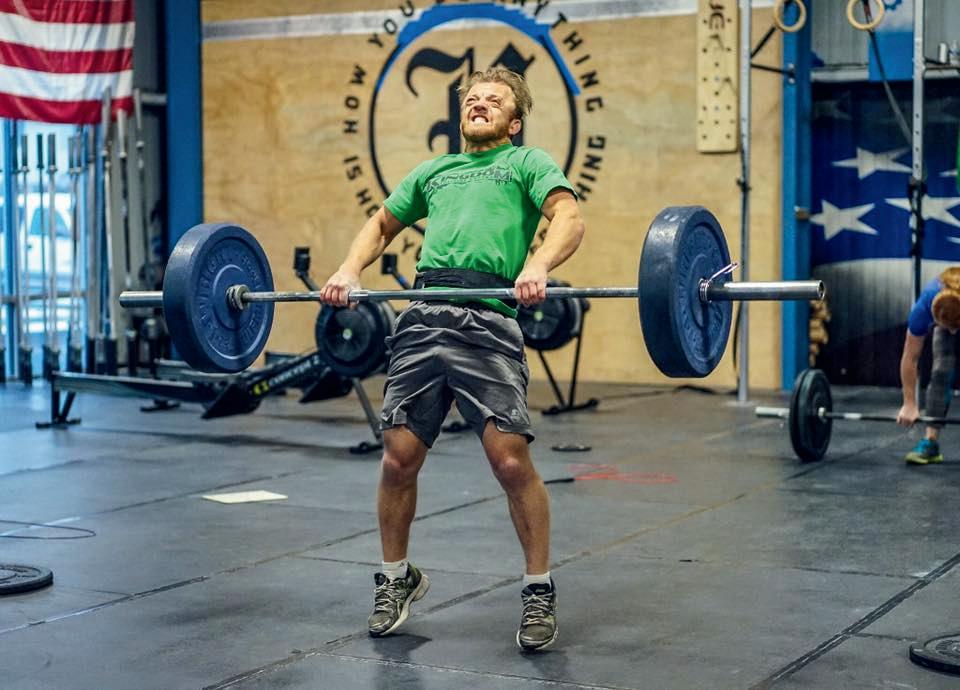
My morning routines with my kids and my family and my wife, my workouts, and my motivation or my —what do you call it?—visualization and stuff like that, that’s changed my world.
That morning routine to start my day out right is everything. Then you can fight the rest of the day a little bit better, number one.
Number two, understand where you come from. Have a belief in something greater than you. For me, it’s God, it’s Jesus. It’s understanding that there is a much bigger purpose









in my life, and that I was born on purpose, with purpose.
As you understand that, and you understand the reason why we’re here, and that death isn’t the end, and there’s happiness after this life, and we are all sons and daughters of God, we’re all God’s kids, that’s different.
You treat people differently.
You treat people just like your sister, your brother, and your family. When they have a bad day and they say something off-putting, you don’t tear their head off. You know ’em too well.
That's how you react to other people. The people that are having road rage, they're just having a bad day. When you understand that, it's not eye for an eye, it's not tooth for a tooth, you can kill 'em with kindness. You can knock 'em out with kindness and love, and that changed the trajectory of how I approach life.
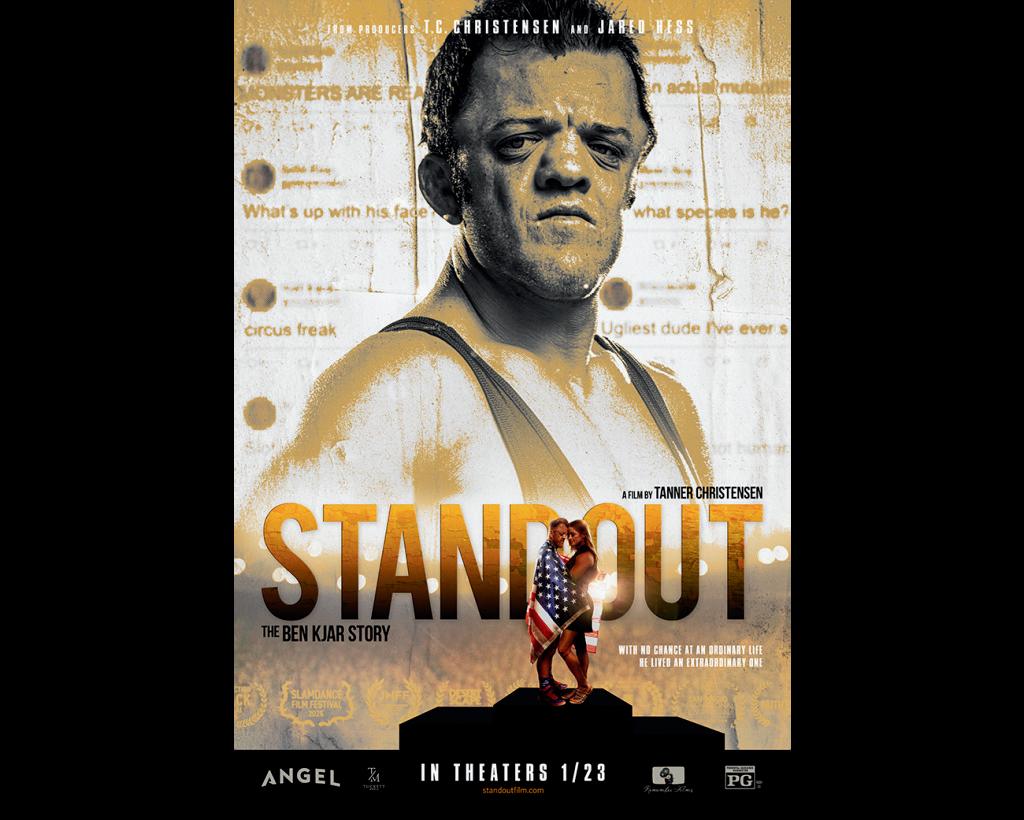
Your journey is so beautifully documented in the film Standout. What do you hope that person in the back row in the theater walks away with?
Ben: I hope they call their shot. I hope that they find their 3XSC. That's
why I created 3XSC.com, so people can leave the theater and say, "Oh my gosh, what's my 3XSC? What's the impossible goal I'm willing to claim to the world? What's the thing that I'm meant to do? Who can be in my corner to do it, and when am I gonna do it?”
I think people dream too quietly because of fear of failure and fear of not being enough. I think it’s time that we step up and stand out again. I hope people, when they leave, feel again.
Too many movies, I fall asleep. In too many movies, dude, I leave and I’m like, “Okay, give me something fulfilling.” People are leaving Stand Out feeling moved. I’ve heard it countless times. They’re like, “Oh my gosh, that moved my soul.” And because of that, we're making people wake up and dream again and live again.
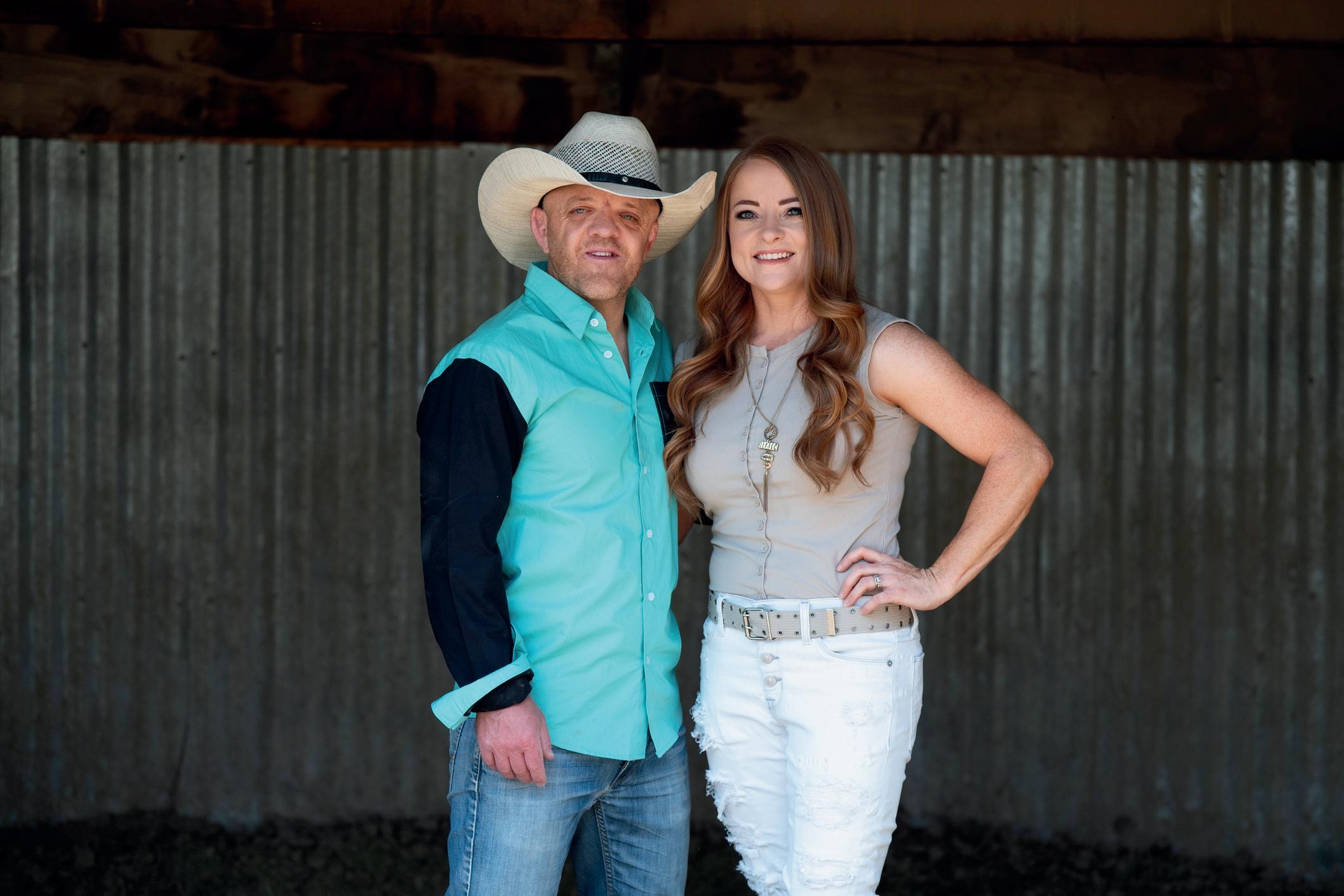
This issue of Outlier Magazine is called our Now issue, and Nike probably said it best with “Just Do It.” I think that outliers have a bias for action. I think they live with urgency. What does that word “now” mean to you?
Ben: Oh man, that’s such a powerful word. Now means the approach of tenacity, but with patience. I call it tenacious patience.
Why is that pivotal, and why does that connect with now? I think now, you gotta seize the day.
Why, now, do we need to have tenacious patience? Because know that when you go after your biggest goals, sometimes you’ll fail. So be patient. Understand that you’re not an overnight success, and nobody ever is. It takes 15 to 20 years to have success, and then people will call you an overnight success after 15 to 20 years of tenacious patience.
Now, go after it. Understand that the result may not come now, and that’s why you keep being tenacious, but you keep having that patience, understanding that one day, one day it will happen.
20 years ago, I wanted the result now. 20 years ago, I was in college, taking a curriculum taught by a guy named Tony Robbins. I took that one-year course four times, and I called my shot. I claimed my mission. I said, “I’m gonna speak on stage with Tony Robbins.” And I wanted to do it now.
But guess what?
What does that mean? You gotta be tenacious. You gotta get after it. Nobody’s gonna come to save you. Nobody’s gonna come to do it for you. Now is the time.
Secondly, why the word patience?
20 years later—in fact, this was two weeks ago—20 years later, I spoke on stage with Tony Robbins. Why? Because I went after it now 20 years ago, with tenacious patience for 20 years in a row, and then that one day happened.
And in that moment, I said, “Now I achieved it.”

Every day we need to say, “Now.” Every day we need to claim our goal and go after our vision, call our shot with tenacious patience.
And then one day you’ll say, “Now it’s happening. Now is the day I had success.”
That is a mic drop. The story of your kids is a story within a story, and I’m just going to say to our readers: you need to watch Standout to get the full context, because that needs to be seen. If your kids remember things about how you lived, what do you hope those things are?
Ben: Number one, I want them to have genuine, authentic confidence. I don’t care what their math problems
say, whether the answer is correct or incorrect. I don’t care if they spell Mississippi wrong or right. That doesn’t matter to me.
I have met people who are billionaires, and they’re miserable because they don’t have inner confidence, which leads to genuine inner peace and joy. I want my kids to seek true, genuine joy and peace, and they can only find that by being their authentic selves. They’ll never find that by mimicking anybody else’s version 2.0 or living in anybody else’s shadow.
As you understand who you are and whose you are, where you came from, life changes. You understand there's a way bigger mission than living a small life. You understand there's no limitations. The only limitation is what we hold right here.
I want them to know that they can accomplish anything that they're willing to work towards.
You have to be a dog. You gotta be a savage. You gotta get after it. You gotta do what I call disobey average.
What do I mean by that? It’s not enough just to look in the mirror and say, “I choose me. I make a difference. I fight for light. I ignite extraordinary.”
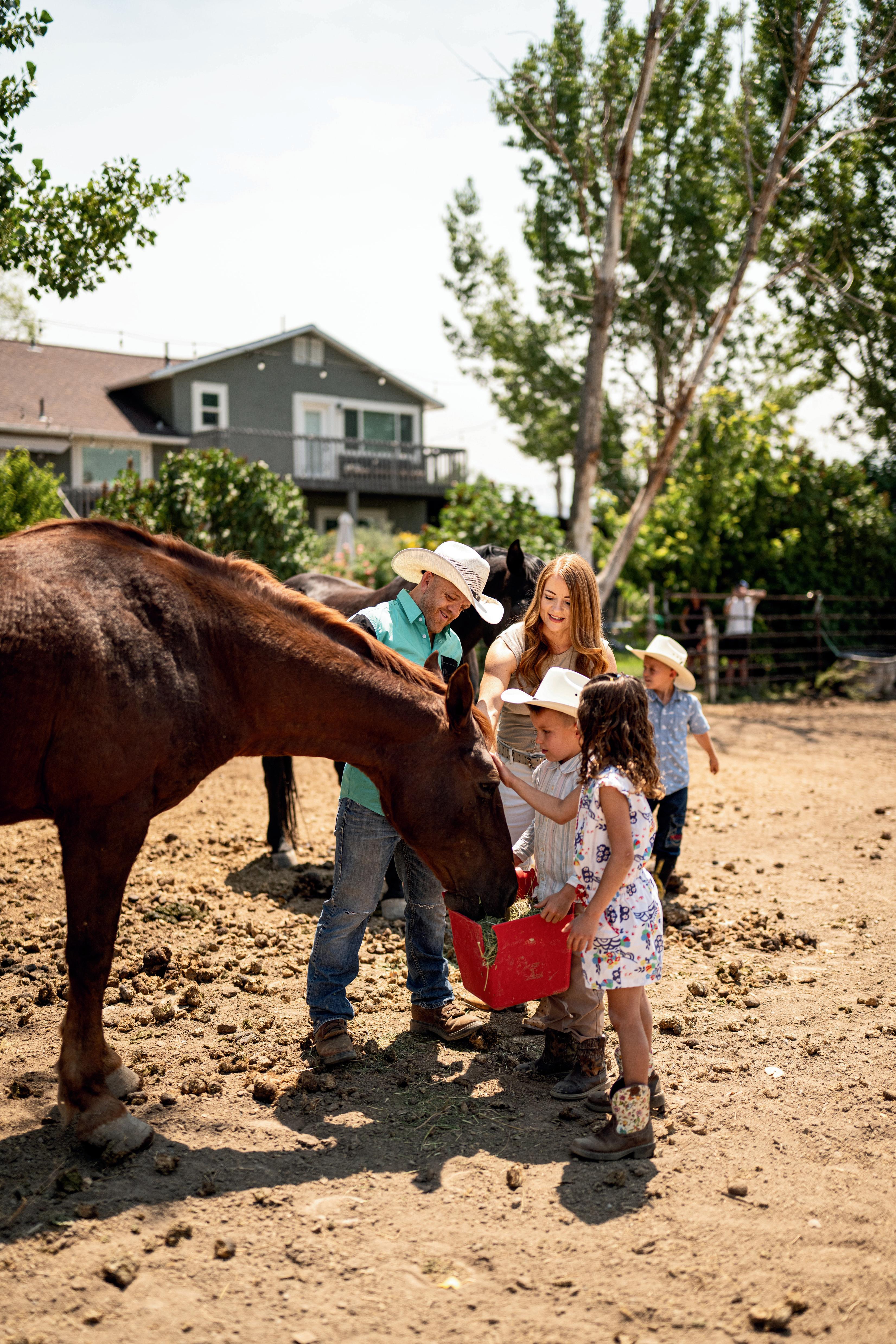
It’s not enough to do that. You gotta do the work. When your coach tells you to do 10 pushups, you disobey average and you do 20. You do more. And when you do those two things together, your internal will match your physical work ethic, and you’ll be guns blazing, man.
There’s no limit you can have. You’ll stand out for sure.


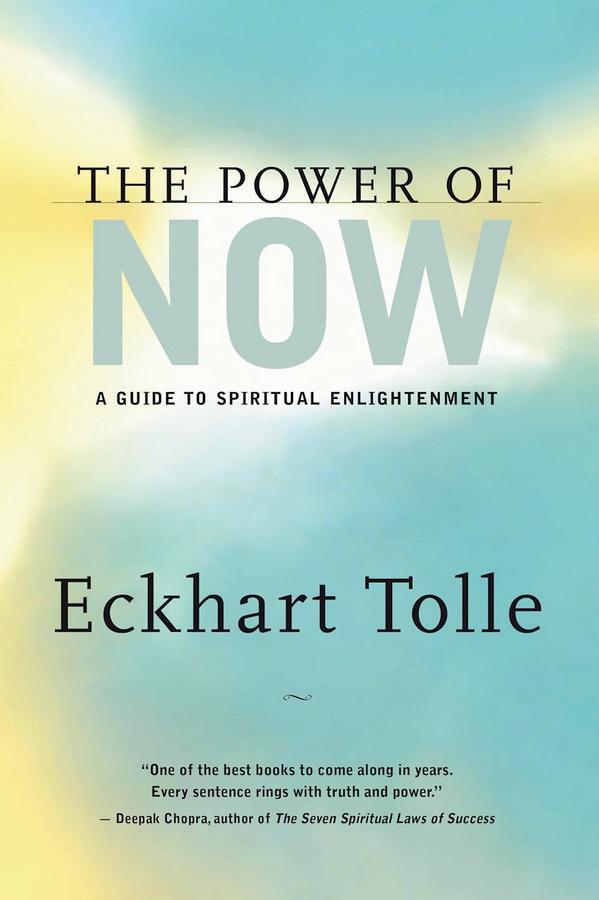
“With over 16 million copies sold worldwide, this book is the ultimate companion to our NOW issue because it reminds us that before we can take massive action out there in the world, we have to master the power of being truly present right here.”
OM Staff Pick-Kathy
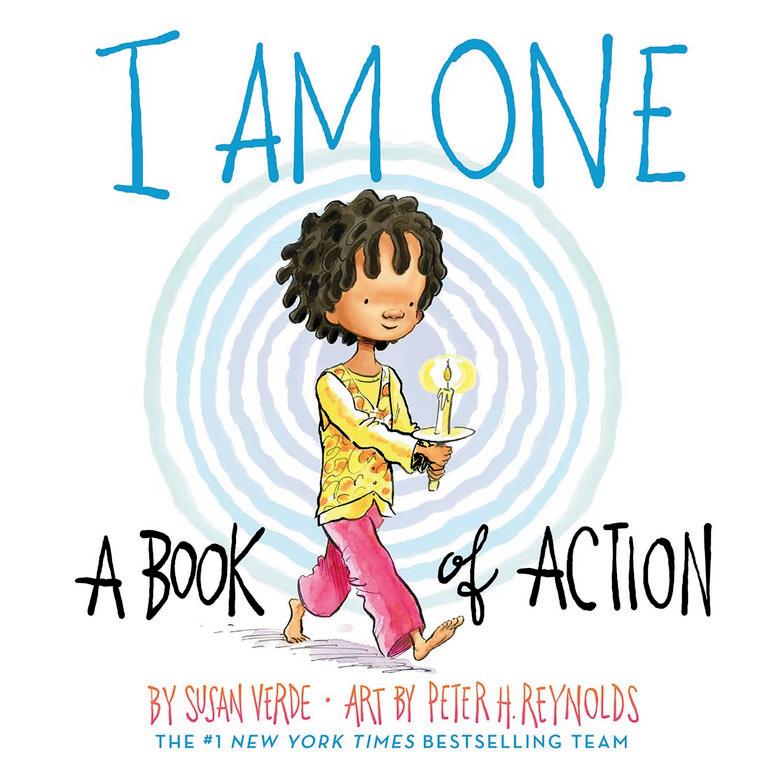
“A beautiful, gentle reminder for our NOW issue that even the smallest hands can spark big change, proving that you don’t have to wait until you’re grown up to start taking action today.”
OM Staff pick-Victoria
"We've all been there. It's a deeply relatable look at what's actually stopping us from taking action, and how to finally outsmart the distractions to catch the moments that matter."
OM Staff pick-Lisa
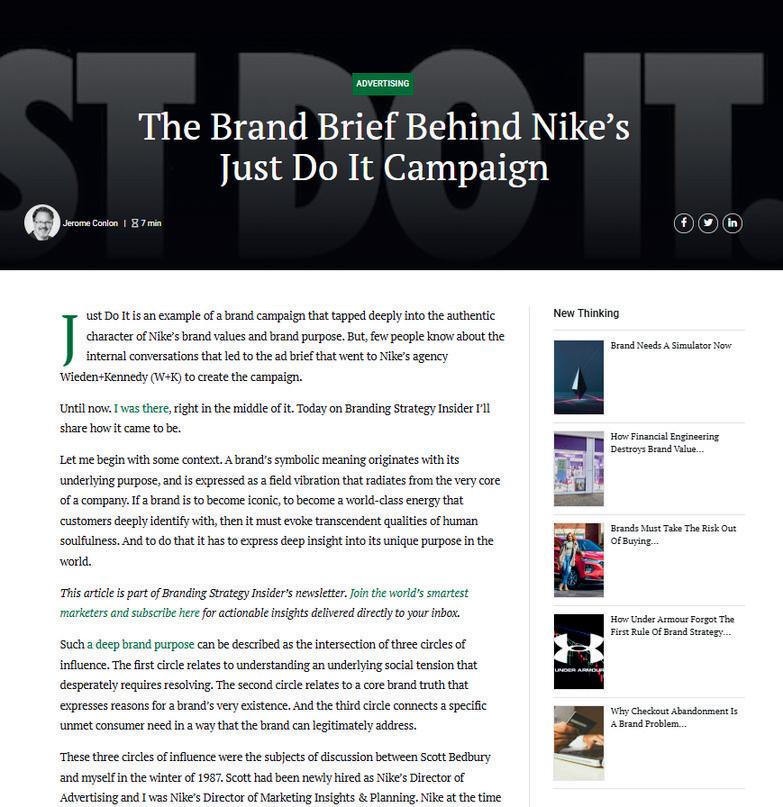
BRAND BRIEF BEHIND NIKE’S JUST DO IT CAMPAIGN
“If you’ve ever wondered how three simple words became the ultimate global anthem for raw action, this fascinating look behind the scenes is a masterclass for our NOW issue on how a brand can spark a movement by tapping straight into the human drive to just get moving.”
OM Staff Pick-Melissa

“This song captures that exact, high-stakes moment where you have to block out all the noise, step up, and completely lose yourself in the action before the opportunity slips away.”
OM Staff pick-Payton
CAT’S IN THE CRADLE BY HARRY CHAPIN
“It is a heartbreakingbeautifullyreminder that time waits for no one, urging us to prioritize the people who matter most today before the chance to connect slips into a lifetime of "sometime soon."
OM Staff Pick-Scott
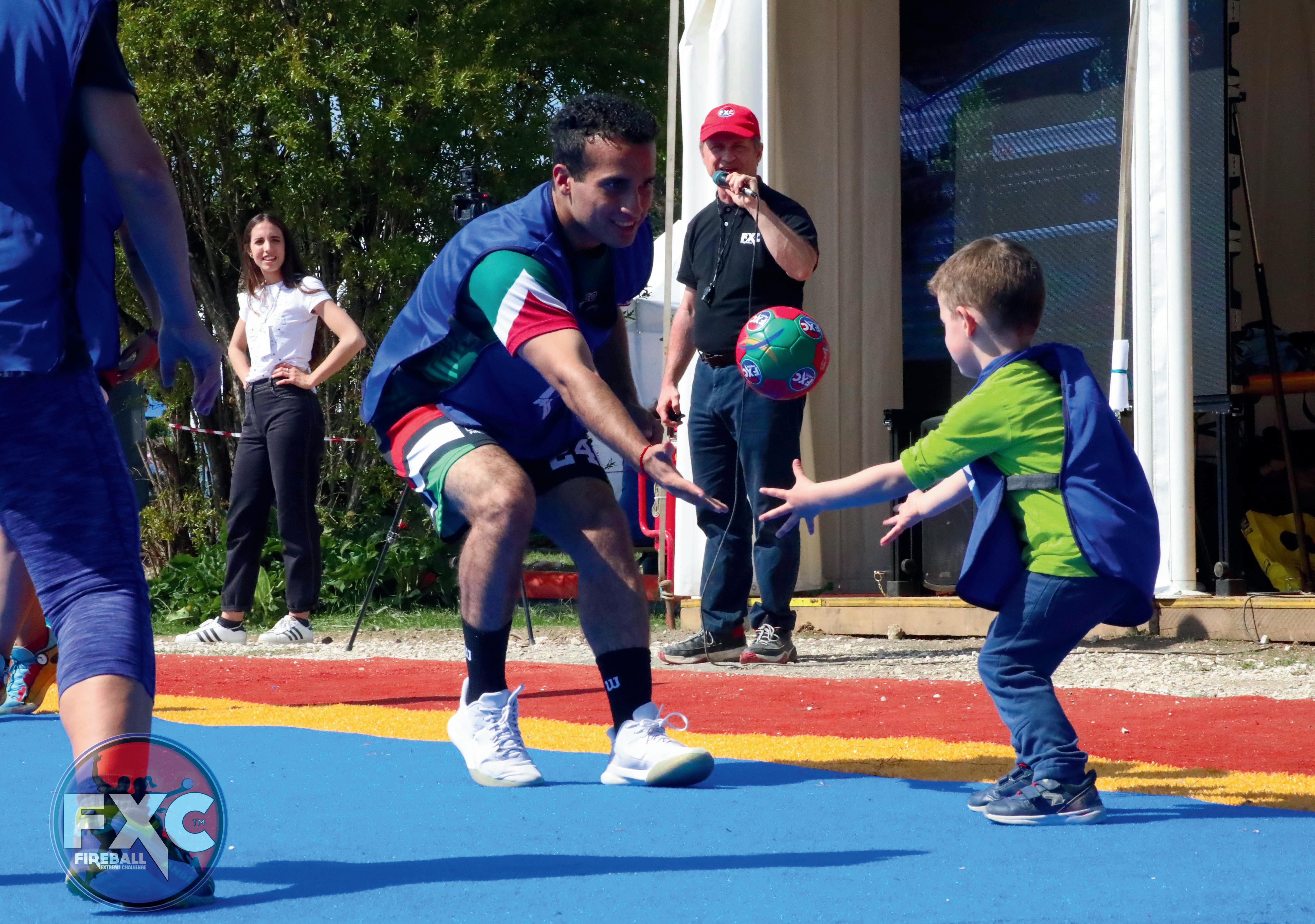

We recently sat down with Max Bartoli, Founder & CEO of Fireball Extreme Challenge, Darren Williams, Vice President of FXC and Nicole Marie Delany, Chief Heart Officer to dive into a sport that got its start by accident.
How a 1994 training drill became a mandatory co-ed sport chasing the Olympics and why India might be where it all breaks open.
There are two ways a sport can come into the world. It can evolve slowly, over centuries, shaped by geography, tradition and accident, the way football and cricket did. Or it can be designed, built deliberately for a specific era, to solve a specific problem.
Fireball Extreme Challenge, known now simply as FXC, is the second kind. And its origin story doesn’t start with a stadium
or a federation. It starts with a drill.
In 1994, Italian martial artist and innovator Max Bartoli wasn’t trying to invent a sport. He was trying to build better athletes. The exercise he designed was purely functional, a way to sharpen stamina, explosiveness, peripheral vision, hand-eye coordination, and the kind of split-second communication that separates a good team from a great one.
What he didn’t expect was that the drill wouldn’t feel like conditioning at all. It felt like play.
Coaches across football, basketball, handball, and martial arts began borrowing it as a training tool. For nearly twenty years, that’s all it was: a methodology quietly passed between gyms, never named, never formalized. Then, in 2014, Bartoli and his wife and creative partner, Fabiola Lopez Bartoli, asked a much bigger question: “What if this became a sport of its own? A new, mandatory co-ed discipline built from scratch?”
It was an enormous bet. A new sport built on a co-ed mandate would be fighting not just for attention, but against centuries of sporting convention. There was no guarantee athletes or institutions would accept it.
Between 2014 and 2017, the Bartolis incorporated FXC and ran an unprecedented, self-financed testing phase across Italy, the United States, and Mexico. Out of that testing came something concrete: codified rules, a defined philosophy, and the early architecture of intellectual property.
On January 8, 2018, FXC officially launched in Veracruz, Mexico. There were 21 athletes. There was no stadium, no sponsor, no institutional backing of any kind, just parking lots, parks, and public courts, three or four nights a week, from 8 p.m. until midnight.
Kids showed up out of curiosity. They stayed because it was fun, and because there was something undeniably cool about playing a sport invented in Italy that nobody else back home had heard of yet. They brought friends. They brought family. Even in those early days, when possession was tracked by time rather than points, the energy around FXC was impossible to miss.
The founders quickly understood something most inventors of sports never have to confront: inventing the game is only half the job. The other half is building an economy around it. A sport doesn’t exist just because people play it.
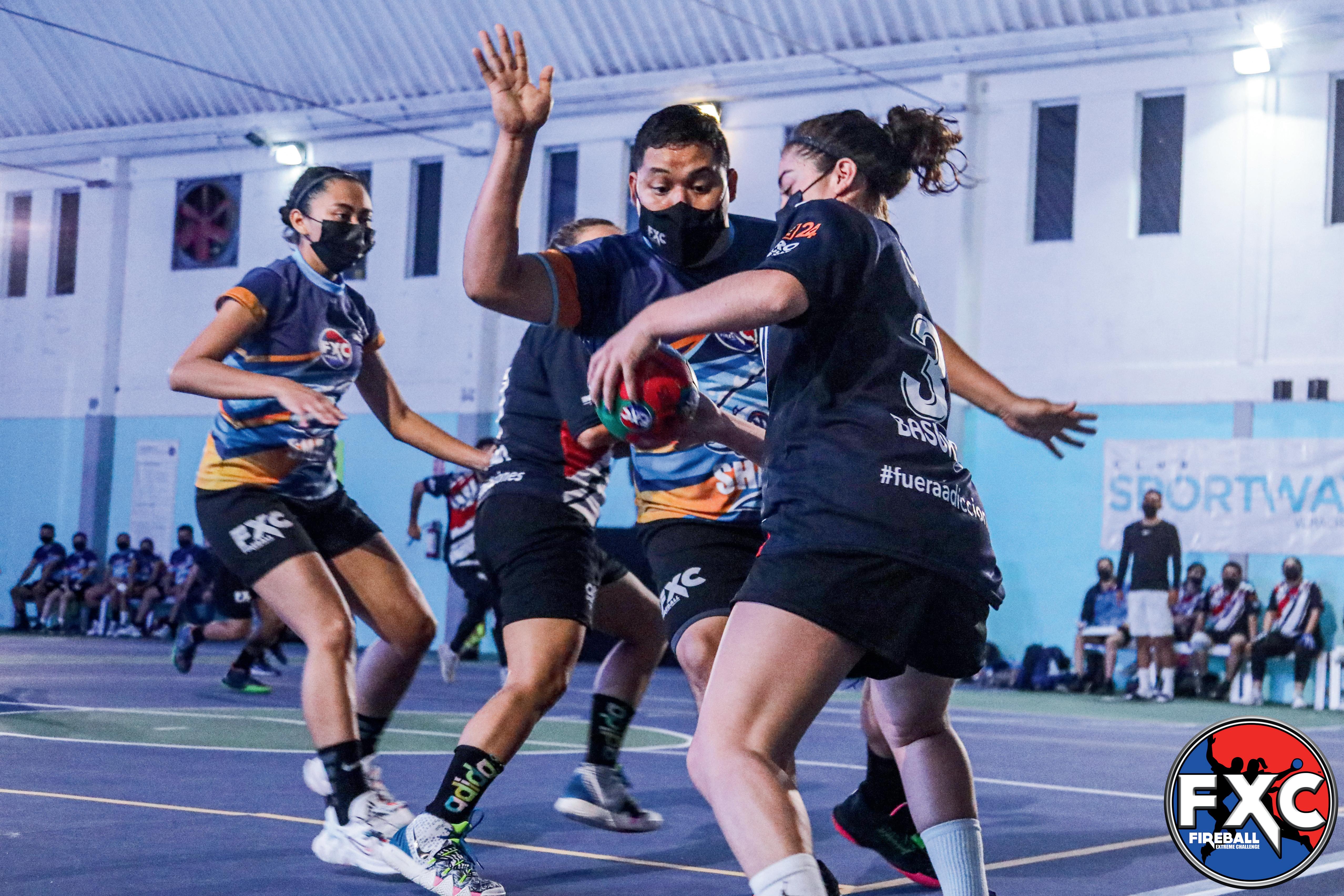
It exists when it generates audiences, media value, sponsorship, and recurring engagement. That’s when a real ecosystem forms.
Every scaled sport, historically, has grown through one of two paths: participation, where people pay to play, or spectatorship, where audiences generate attention and attention becomes value. Participation builds legitimacy, but it’s slow. Spectatorship moves faster, and it happened to align perfectly with how Generation Z actually discovers sport: through clips and livestreams and community—screens before fields.
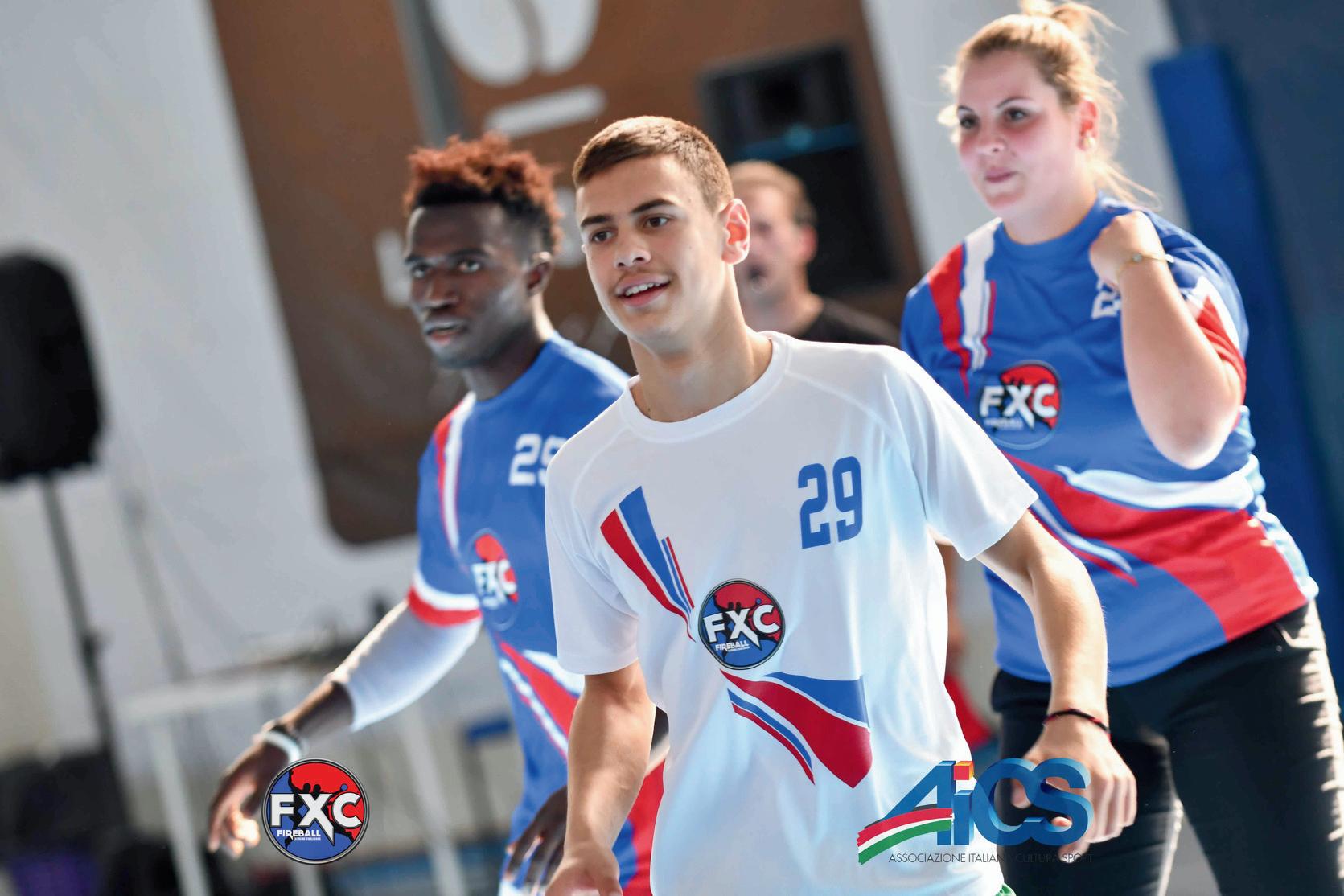
FXC leaned into that from day one. Both Bartolis came from backgrounds in entertainment as producers, directors, and writers, and they approached FXC less like a sports federation and more like the launch of a new entertainment property. Matches were filmed from the very beginning. Streams went up constantly. Visual identity and storytelling weren’t marketing afterthoughts. They were structural.
The first real proof came faster than anyone expected.
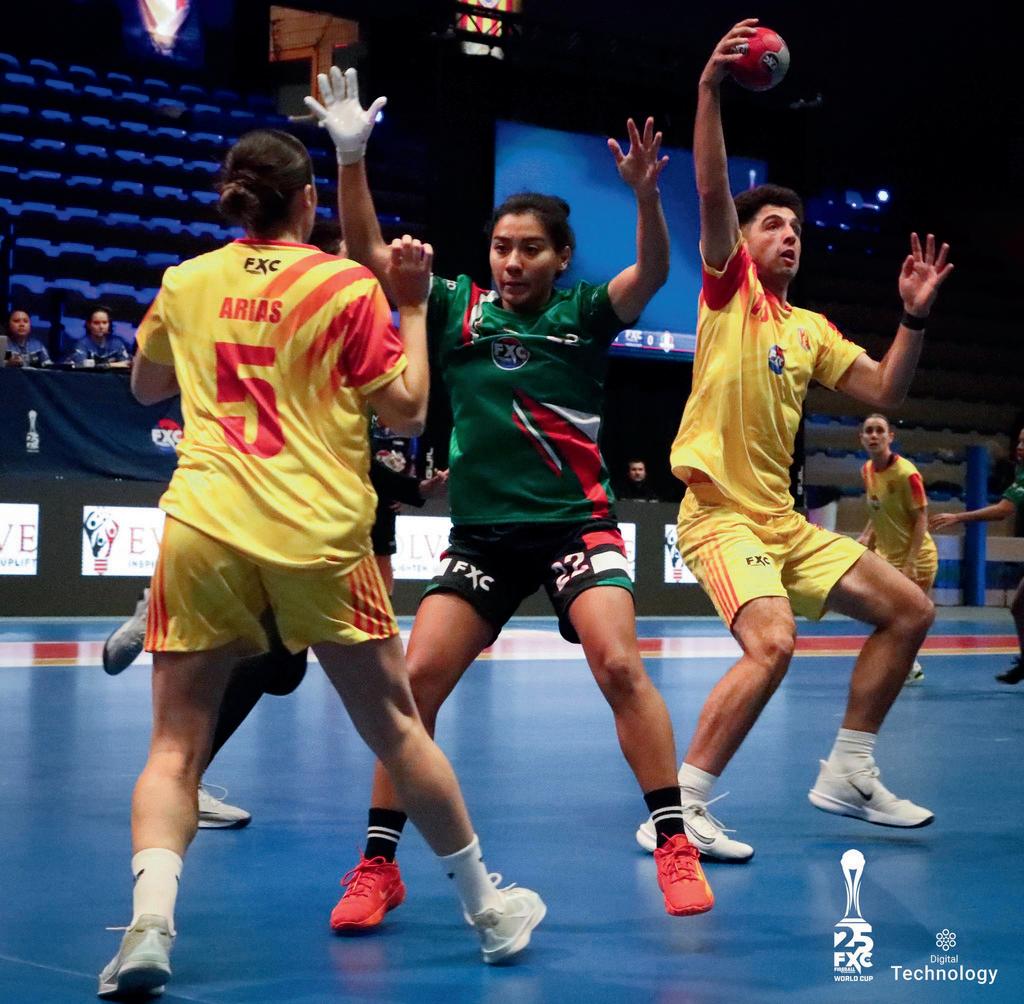
Just ten months after launch, in October 2018, FXC held its first international tournament in Naples. Teams from Mexico, Spain, a squad of immigrants representing eight African nations, and five Italian teams. The livestream, more experiment than expectation, pulled in over 12,000 households watching live.
Then something happened that no one had planned for. The Casino Caliente in
Veracruz discovered the Spain-versusMexico final mid-stream, put it up on their LED screens, and started taking bets on the outcome.
For a sport that had existed, officially, for less than a year, it was a startling piece of validation. New teams began forming organically across Mexico and Italy in the tournament’s wake. And watching from the sidelines were executives from the International Amateur and Workers Sports Confederation (CSIT), a federation representing more than 230 million members worldwide, who reached out almost immediately.
Momentum compounded from there. Mexico’s first National FXC Championship followed in March 2019 with 13 teams from four states. By August, the sport had moved onto the beach. By November, a U.S. team had entered international competition at both the club and national levels for the first time.
It was during this stretch that the founders crossed paths with John Darren Williams II, an athlete who, by his own account, fell for the sport and recognized its business potential almost in the same breath. “I understood this wasn’t just a game,” Williams has said of that moment. “It was an opportunity to build something entirely new.” He left his career to join full-time and is now Vice President of the International FXC Organization Inc., which holds the exclusive license to all of FXC’s media and commercial rights. His arrival brought new investment, and with it, the shift from experimental growth to real governance and infrastructure.
By 2019, FXC had run three major tournaments and signed an agreement with Mexico’s national teachers’ union to introduce the sport into schools, marking its first foothold inside a formal academic system. Everything was accelerating.
Then the world shut down.
When COVID-19 hit in early 2020, global sports went dark almost overnight, the Olympics included. FXC faced its first genuine existential threat. Its federation responded by becoming one of the first sports organizations anywhere to adopt
WHO safety protocols fully and without exception. Rather than wait out the pandemic, it adapted to it.
Mexico became an unlikely laboratory. Zoom training sessions drew hundreds of athletes at once. Coaches redesigned drills for living rooms and driveways. And one adjustment—training in masks— turned out to be more than a stopgap. By June 2020, athletes had built up the capacity to train for hours while masked and were seeing real gains in respiratory control and endurance. That same month, FXC cautiously resumed inperson training on Mexican beaches under strict protocol. There were zero recorded cases of transmission.
Organized competition returned by May 2021 with a new National Club Championship, followed by another international tournament—once again ending in a Mexico-versus-USA final. The sport hadn’t just survived the most disruptive stretch in modern sports history. It had used it to its advantage.
That trajectory reached a new peak with the FXC World Cup 2025: over $500,000 in sponsorship revenue, and more than 10 million people reached through social and official channels—95% of them in India.
Strip away the origin story and FXC is, at its core, a rule set—and an unusually deliberate one. Two teams compete in a fast, fluid arena built around passing, spatial awareness, and constant motion. The design philosophy is explicit: reward decision-making over brute force, keep
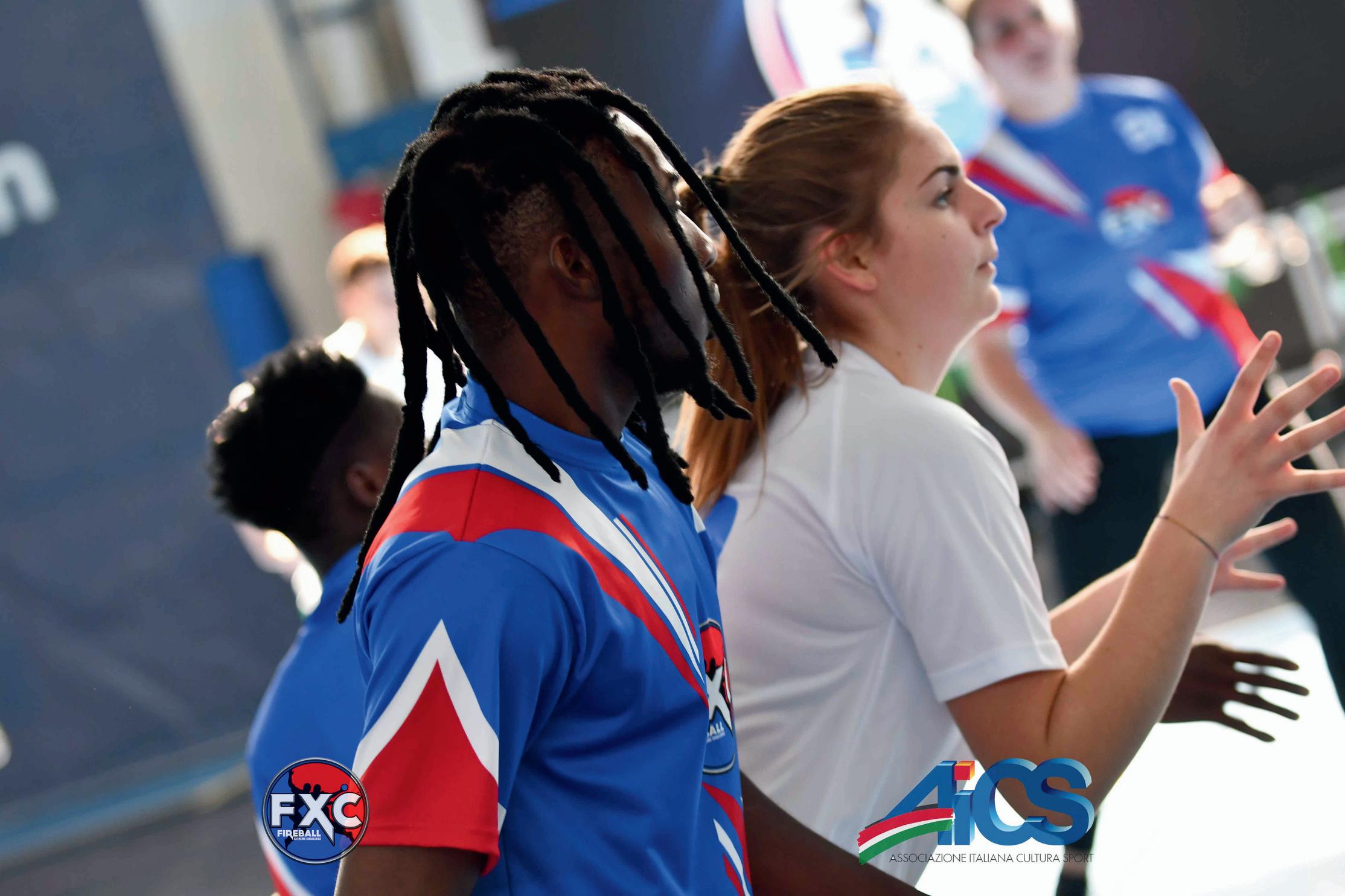
the game simple enough for a child and deep enough for an elite athlete, and make gender parity part of the rulebook rather than a value statement bolted on afterward.
The founders describe it as chess played at athletic speed. Five rules define it:
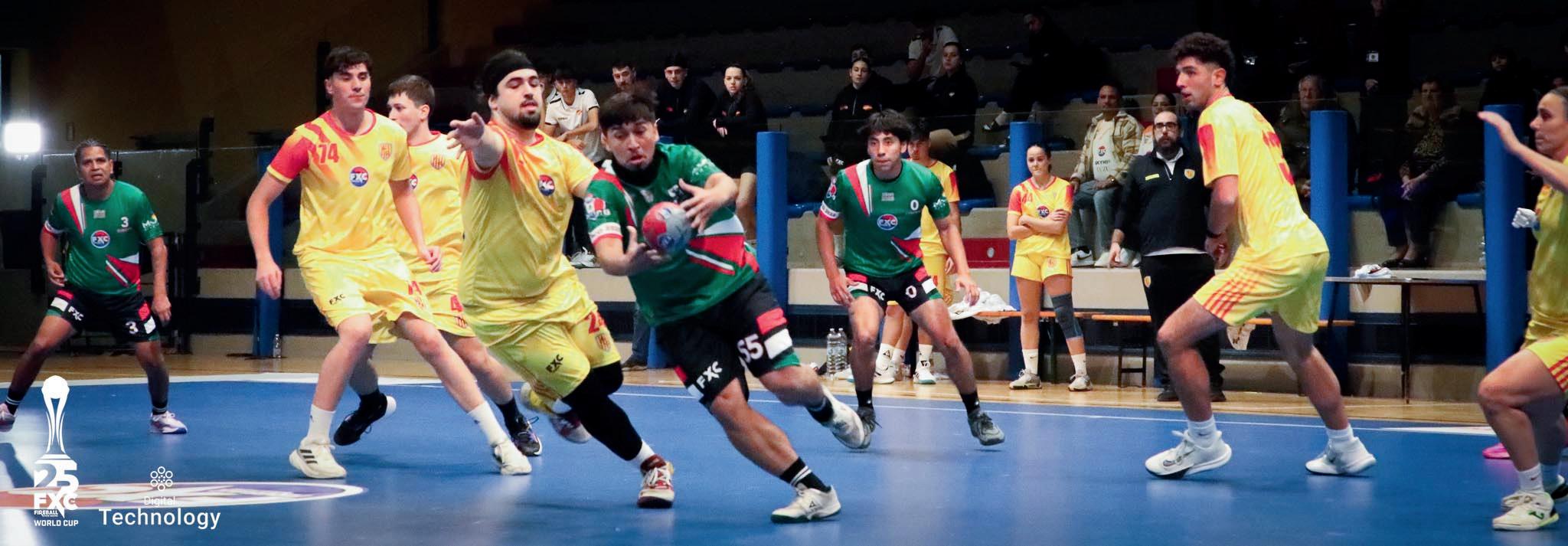
Scoring through passing. Points come from completed passes, not shots or goals: one point per completion. The ball stays live until it hits the ground, leaves the court, is held too long, or a foul is called.
A two-second clock. Every possession must move within two seconds, which eliminates hesitation and static play entirely.
Constant motion. Standing still to catch a breath is a foul. Endurance and spatial awareness aren’t optional; they’re enforced by rule.
Mandatory co-ed rosters. Each 12-player
team (six men, six women) fields seven players at a time, three of whom must be the opposite sex of the majority on the court. Gender balance isn’t encouraged. It’s structural.
No contact. FXC is a non-contact sport, full stop, which keeps the pace high without sacrificing safety.
The result, on court, is a game with no dead moments—no waiting, no specialization, no players who only attack or only defend. Everyone is doing everything, all the time.
Plenty of sports claim to be inclusive. FXC is the only one that has made gender parity a mechanical requirement of competition rather than a policy layered on top.
That’s not simply a values statement, it’s a market thesis. Global sports remain deeply imbalanced: women are underrepresented in participation, coverage, and investment, even as the data consistently shows that inclusion grows audiences and unlocks revenue. Men are still more than twice as likely to participate in organized sports worldwide. FXC’s founders read that gap not as a social problem to solve on the side, but as unclaimed market space, and built a sport that operates directly inside it.
That same logic extends past the court. In Uganda and Burundi, FXC hasn’t just been introduced as a sport. It’s functioned as a mechanism for community cohesion, with sessions and events used to raise funds for local projects through initiatives
like the FXC Lucia Grenna Award. To formalize that work, the organization launched the FXC Global Foundation, its nonprofit arm, focused on bringing the sport into low-income and underserved communities and building sustainable pathways through play.
It’s a strikingly different definition of what a “competitor” is supposed to be. A Fireballer isn’t measured exclusively by individual output, but by how well they put talent in service of the team and the community around it. That’s a real departure from a sports culture still largely built around individual stardom.
FXC today is moving on three tracks at once: education, where schools and universities are adopting it as both a teaching tool and a training methodology; institutional development, where federations and public bodies are exploring how to formalize it at scale; and media, where storytelling and live events are introducing the sport to new audiences.
Geographically, the map is expanding rapidly. Alongside its base in Mexico, Italy,
and its legal footing in the U.S., FXC is pushing into Brazil, Germany, and Kenya, each chosen for youth demographics and openness to new athletic formats.
But the real center of gravity right now is India. The Indian sports industry is growing at roughly 14% a year, nearly double the pace of the U.S. It is now the world's second-fastest-growing major market, defined by its scale, youthful population, and appetite for new formats delivered digitally.
FXC has already signed memorandums of understanding with six Indian universities which will anchor training and competition and are expected to help host the 2027 FXC World Cup, the sport’s first large-scale global championship on Indian soil. A summer 2028 launch is planned for an IPL-style franchise league, and conversations are already underway with major Indian broadcasters, including JioStar and FanCode, about national distribution.
The ambitions on the table are not modest. Over the next five years, FXC’s stated goal is roughly $200 million in cumulative revenue across media rights,
licensing, and international events, alongside a global base of at least 300,000 active athletes across 20 countries. Further out sits the biggest swing of all: Olympic recognition.
But talk to the people building it, and the revenue targets aren’t really the point. The stated ambition is bigger and harder to put a number on: to become a genuine social infrastructure, not just another global sport. Success, by that measure, isn’t attendance or valuation. It’s how many people the sport brings into athletics for the first time, how many communities it activates, and whether the economics of its growth actually get shared rather than concentrated at the top.

Every generation invents its own cultural language: a film movement, a genre of music, a platform. FXC’s founders are betting that this generation gets to invent its own sport: one built for how people actually watch, play, and connect now, rather than inherited from a century that never had to think about any of that.
Whether FXC becomes the next football or basketball is still an open question. But it’s already answered a harder one: that a sport doesn’t have to evolve by accident anymore. It can be designed on purpose, and it can work.




‘em out(liers)...
Follow
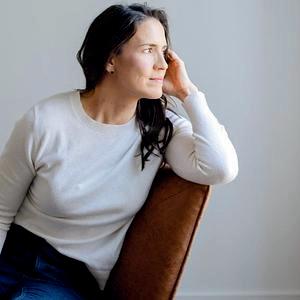
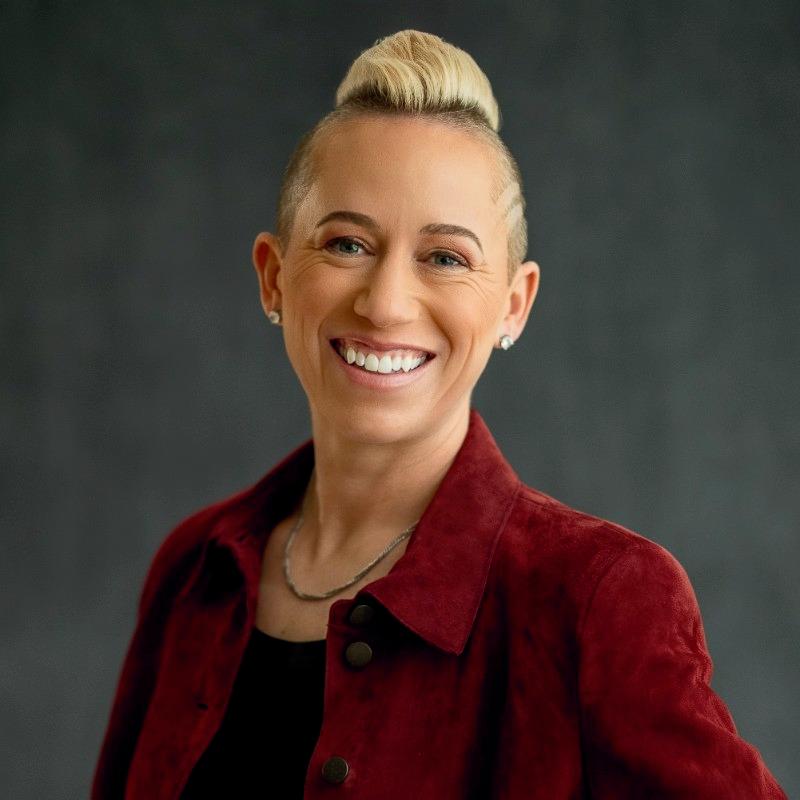
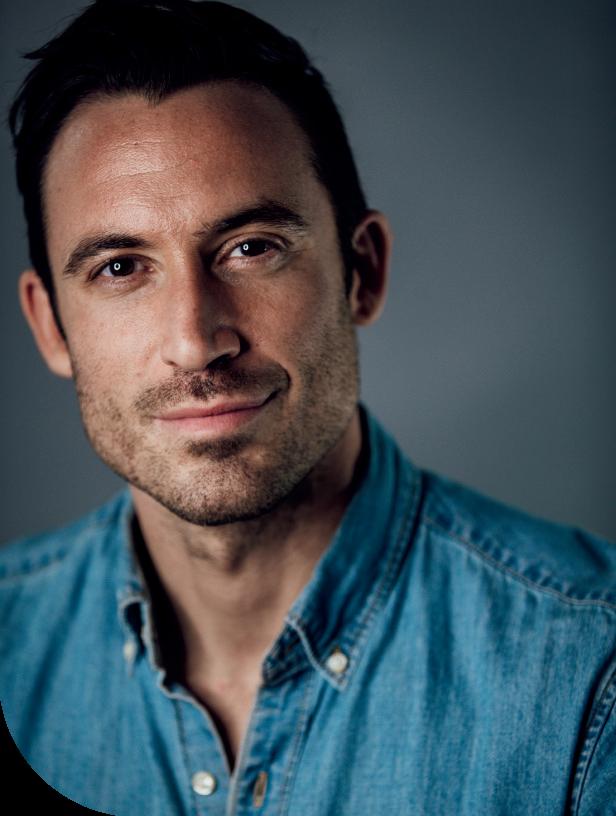
Meet the dreamers, the doers, and the visionaries who are living proof that the most extraordinary lives are often built on the foundations of the unconventional.
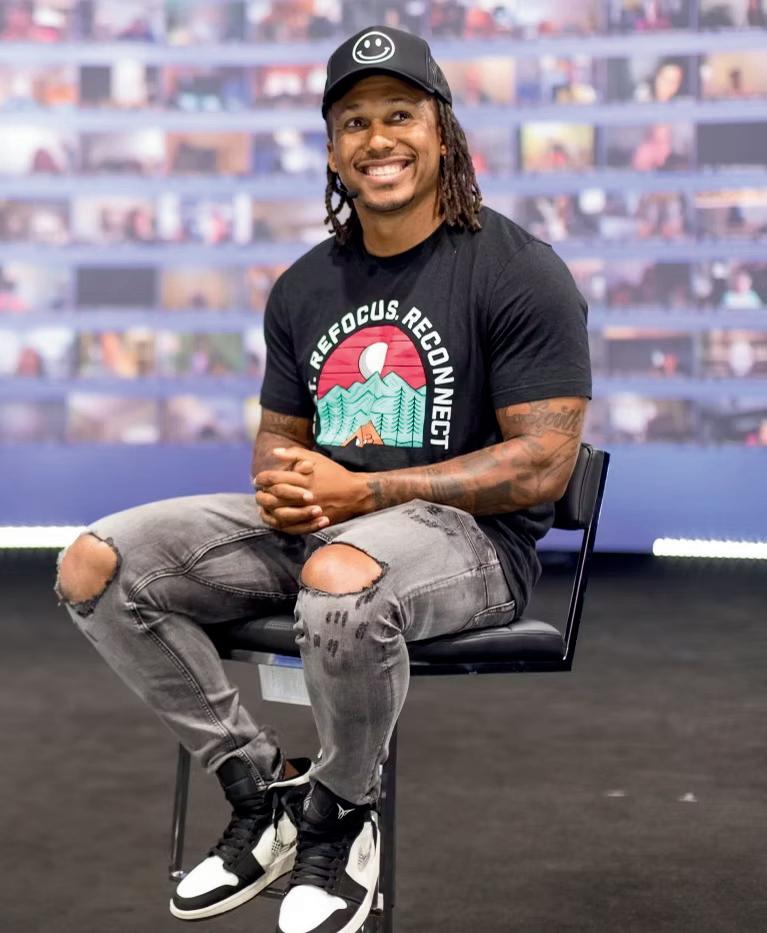
Support these four incredible outliers who are redefining what it means to truly live an outlier life.



"Knowing is not enough; we must apply. Willing is not enough; we must do."
JOHANN WOLFGANG
VON GOETHE
"Action is the foundational key to all success."
Pablo Picasso

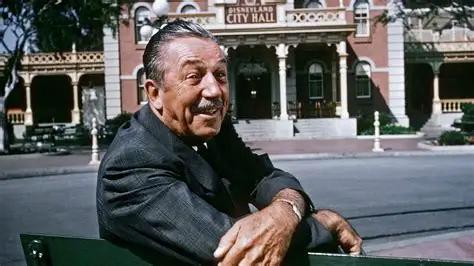
Walt Disney

Do you want to know who you are? Don't ask. Act! Action will delineate and define you.
THOMAS JEFFERSON
"Yesterday is history, tomorrow is a mystery, today is a gift of God, which is why we call it the present."
BILL KEANE

In each issue, we spotlight legendary figures and inspiring outliers
In each issue, we spotlight legendary figures and inspiring outliers who have been recent guests in The Outlier Project. Get ready for who have been recent guests in The Outlier Project. Get ready for thought-provoking quotes that will ignite your spirit. thought-provoking quotes that will ignite your spirit.

The Outlier Project Guest - March 24, 2026
Coaching Executives to Conquer Burnout & Perform at Their Peak | 11-Year NBA Performance Coach | Author of CLIMB
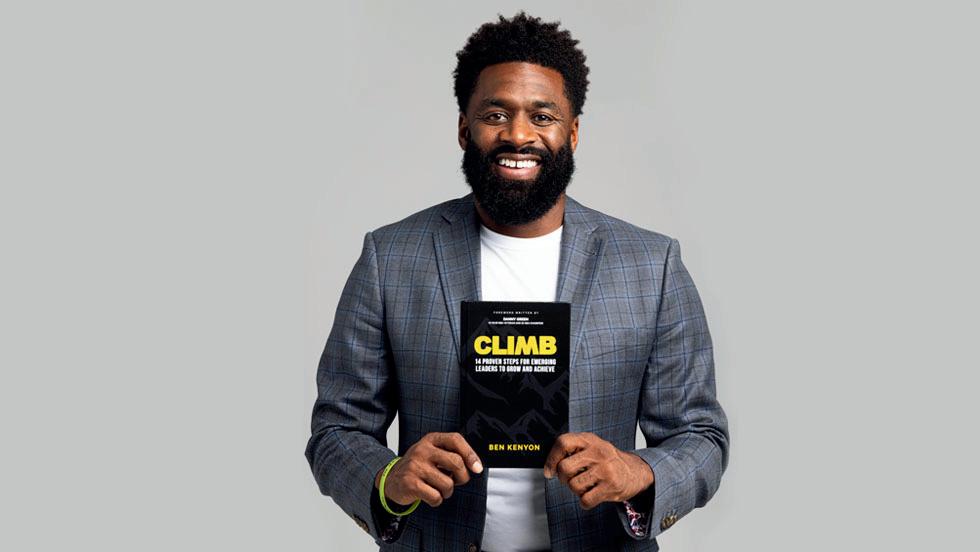
“ONCE YOU'VE BEEN THROUGH REAL LOSS OR REAL CHAOS OR REAL UNCERTAINTY, YOU REALIZE THAT YOU'RE NOT FRAGILE."
The Outlier Project Guest - April 21, 2026
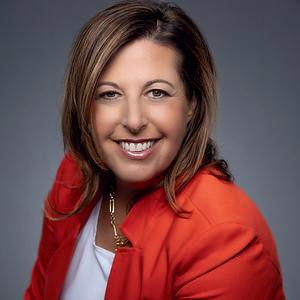
International Keynote Speaker, Best-Selling Author of Brand Intervention, Branding & Differentiation Expert, AwardWinning Creative Director
-PALAK PATEL
“WE'RE NOT JUST HERE JUST TO KIND OF BE HERE. WE'RE GONNA BE HERE WITH INTENTION.”
The Outlier Project Guests - April 7, 2026
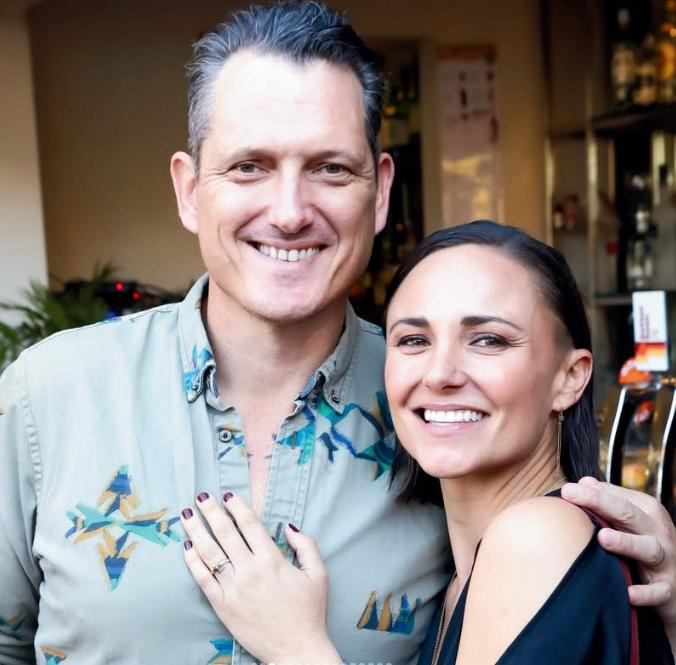
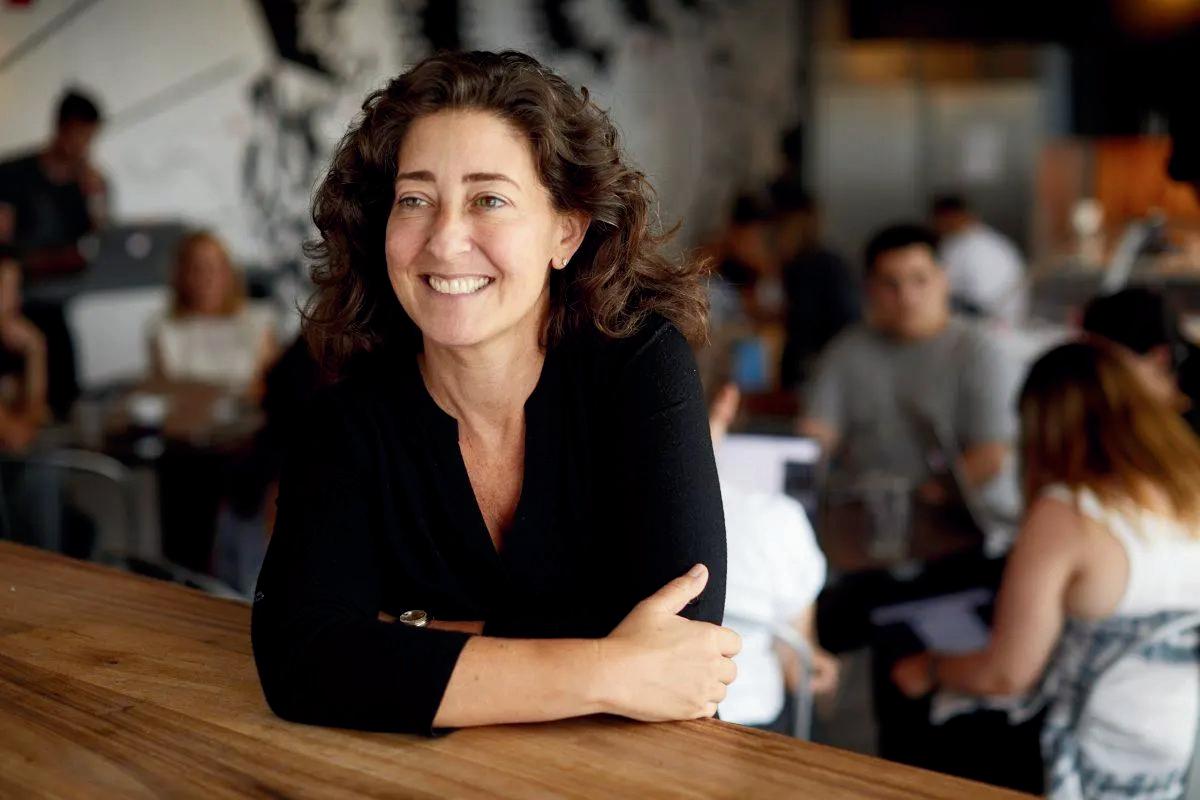
Conservation Advocates, Co-Founders of Abundance Project, Community-Led Conservation Pioneers, International Speakers & Storytellers
“EMPATHY IS A FEELING. THE OUTPUT, THE ACTION, IS KINDNESS AND COMPASSION.”
“EVERYONE’S SO SCARED TO BE STANDING FOR SOMETHING THAT ALMOST NOBODY STANDS FOR ANYTHING.”
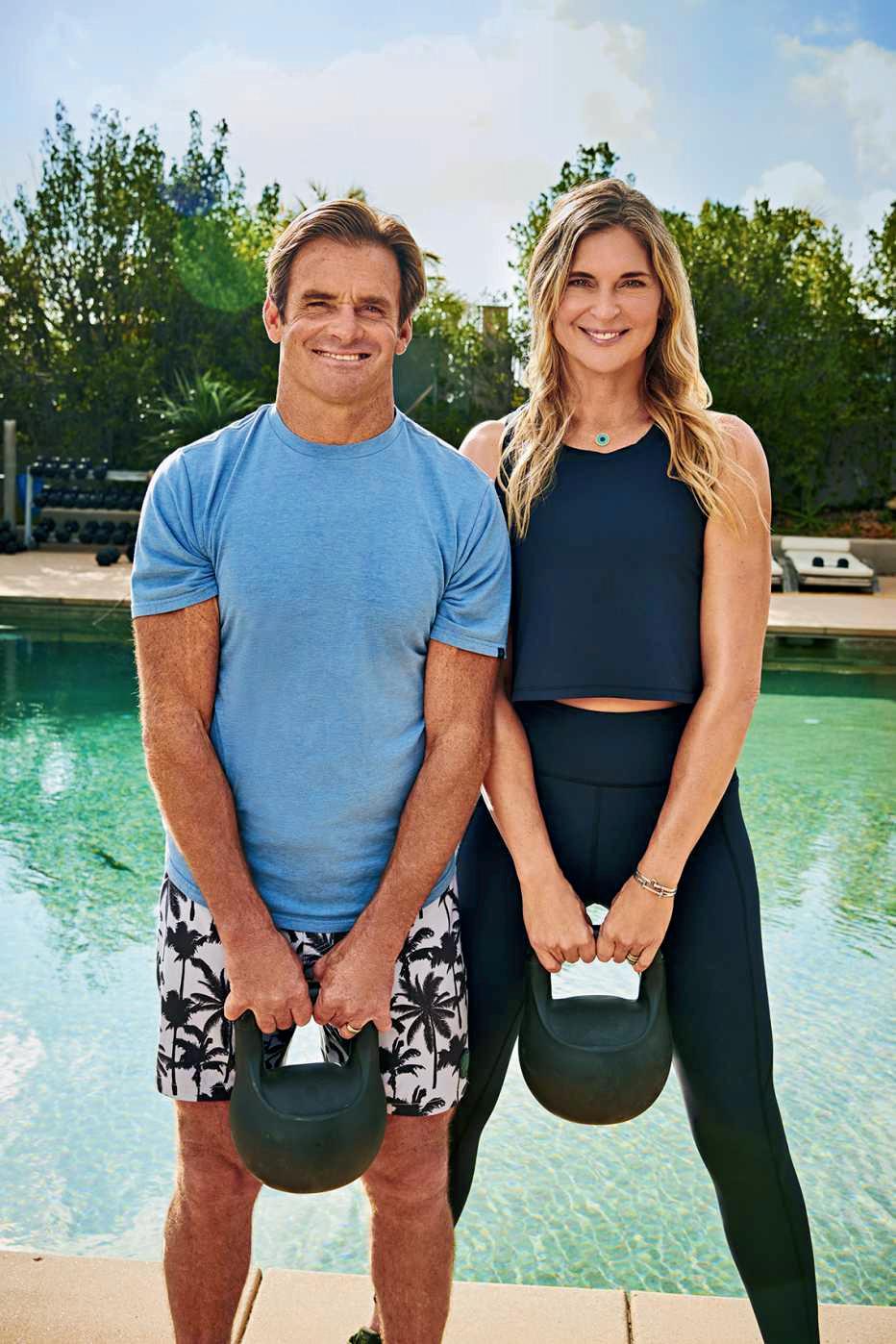
The Outlier Project Guests - May 7, 2026
High-Performance Experts, CoFounders of XPT Life, New York Times Best-Selling Authors, WorldClass Athletes & Fitness Icons
-PALAK PATEL
"THE MISTAKE IN LIFE IS TO HAVE TOO BIG OF A SHORT-TERM GOAL AND TOO SMALL OF A LONGTERM GOAL."
The Outlier Project Guest - May 5, 2026
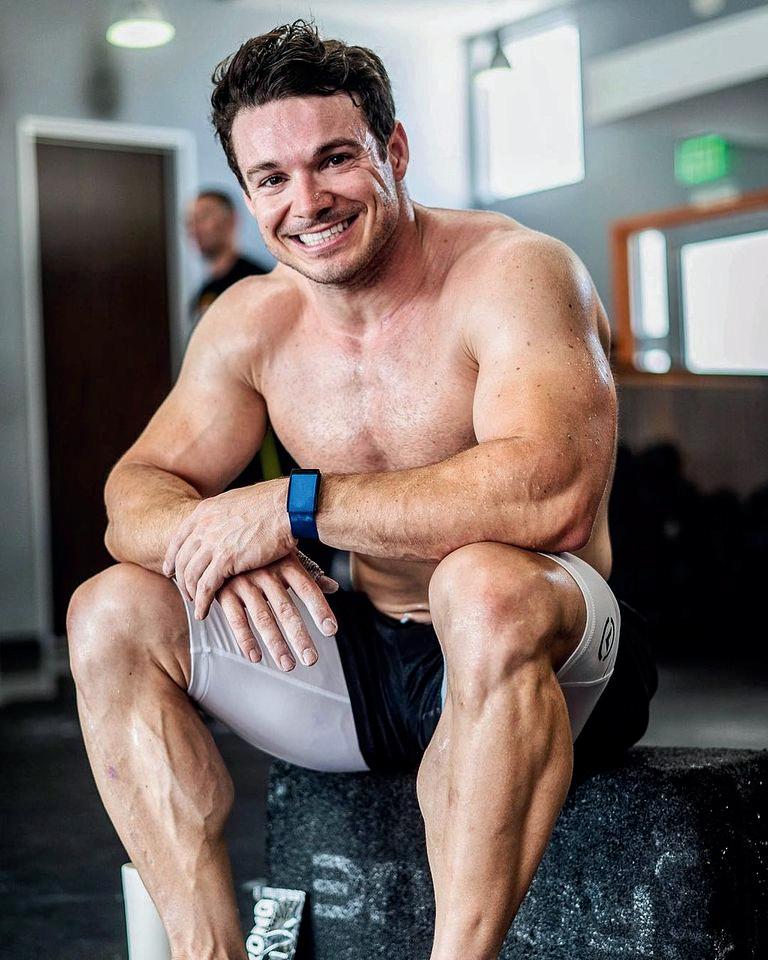
Founder Chalk Performance Training, Community Builder, the man behind over 200,000 transformations
"MOTIVATION IS GARBAGE. IT'S FLEETING, IT COMES AND GOES... COMMITMENT AND DISCIPLINE IS WHAT SHOWS UP WHEN YOU DON'T WANT TO."
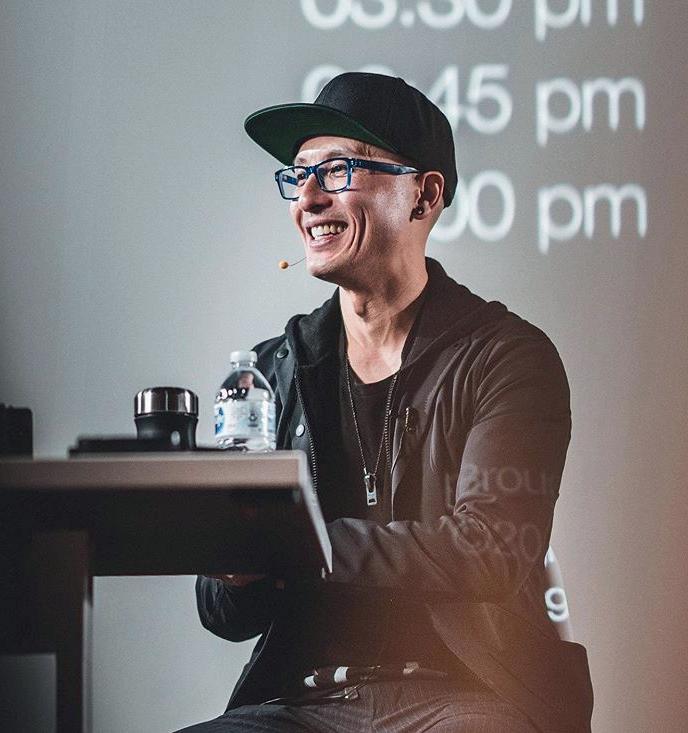
The Outlier Project Guest - June 2, 2026
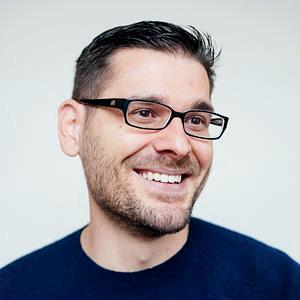
Founder & CEO of The Futur, International Keynote Speaker, Emmy Award-Winning Director, Brand Strategist & Business Coach