LETTER FROM THE CHAIRMAN
LETTER FROM THE CHAIRMAN
The release of this annual report marks an important milestone for the Cranberry Institute. With it, we are bringing together the full scope of the CI’s work in one place, highlighting what we have accomplished and how we deliver value to the industry. The goal is not simply to summarize activities, but rather better measure results, and clearly communicate how the CI serves growers, handlers, researchers and partners across the cranberry industry.
The “Your Money at Work” section illustrates how membership dollars are used. From scientific and horticultural research to marketing and communication, each category reflects the CI’s reinvestment of dues into programs that deliver measurable returns. Streamlined administrative structures have allowed the CI to lower the overall cost to members while delivering the same, and in many cases greater, value through our expanded programs and services.
By operating with focus and transparency, we continue to provide programs that meet or exceed what the industry once achieved under more costly legacy structures. Because of these results, combined with an industry-driven strategic plan that focuses on what matters most to supporting members, the energy across the CI is stronger than ever. Participation has grown, dialogue has deepened and new ideas continue to emerge. Importantly, the value of the CI is extending well beyond research and programs to include strengthening relationships and amplifying efforts in pursuit of a common vision: the goodness of cranberries is celebrated and sought worldwide. This vision was developed by you and for you during the strategic planning process, and the CI exists to serve the membership in support of the plan, while guided with the principles of Leadership, Integrity, Science and Transparency.
Every research project, every conversation with policymakers and every educational tool we produce is meant to protect and grow the future of North American cranberries. The CI connects science, marketing and regulation into a single voice that represents the interests of growers and handlers large and small. We operate as an extension of each of your farms and businesses, translating member priorities into action at the scientific, regulatory and marketplace level, but we can’t do it alone.
This annual report also serves as an invitation to every member, grower and stakeholder to engage with the CI more actively. Attend meetings, contribute ideas and share your perspectives. Together we can build on the progress we have made and ensure the CI continues to deliver meaningful results for the industry we all depend on.
I am proud of what we have accomplished this year and even more optimistic about what lies ahead. Thank you for your continued trust and commitment to the CI, as I believe through ongoing collaboration, we will fortify our industry for years to come.
Michael Dubuc, Chairman

As 2025 draws to a close, I am proud to share the Cranberry Institute’s accomplishments and continued progress in research, trade and global market development. This year demonstrated the value of collaboration among our growers, researchers and partners as we advanced science, safeguarded trade access and strengthened global appreciation for North American cranberries. In subsequent pages, you will read about some of our most exciting accomplishments, including:
• Expanding Global Marketing — The CI is delivering strong results across India and South America with social media outreach, influencer collaborations, technical trainings and trade events. We’ve also secured funding to establish in-market representation for Southeast Asia, with programming that launched this past fall. Meanwhile, our MAP and EMP funding applications for 2026 were submitted, although EMP funds remain temporarily paused pending Farm Bill progress.
• Advocating for Favorable Trade and Policy — The CI is actively monitoring proposed U.S. reciprocal tariffs and potential E.U. retaliatory measures that could affect cranberry exports. Together with our board leadership, we engaged with USDA-FAS officials during the two USAEDC meetings in Washington, D.C. and Baltimore in November, as well as meeting with the United States Trade Representative Office, to advocate for cranberry manufacturers and maintain stable market access.
• Demonstrating Leadership in Health Research — The CI continues to champion cranberry health science, including successfully receiving FDA approval of the UMass Chan Medical School clinical study. The Scientific Advisory Board also advanced new research development, reviewing proposals from Harvard Medical School and UC San Francisco that were approved for funding by the board.
• Advancing Horticultural Research and Innovation — The CI coordinated with the research community on two important efforts: one for a Corteva insecticide targeting leafhopper and another for a Helena fungicide for fruit rot management. These efforts reflect our ongoing commitment to securing effective, science-based crop protection tools. In addition, we also finalized the Bloom Terminology & Calculations for Cranberry Production & Research guide, which standardizes bloom monitoring practices across regions and is available on our website.
As we look into the future, the CI remains committed to bridging science, policy and promotion to strengthen our industry’s future. I extend sincere thanks to our board, committees, researchers and members whose engagement drives our collective success. Together, we continue to elevate the cranberry as a nutritious, sustainable and globally valued fruit.
With appreciation,
William Frantz
William “Bill” Frantz, Executive Director

In 2024, following a grower referendum to discontinue the Cranberry Marketing Committee (CMC), the Cranberry Institute embarked on a strategic planning process to reimagine the future of the CI. Supporting members, the board and advisors developed a plan that not only addressed immediate needs but also planned for the long-term future of the industry. Since then, the strategic plan has been a guiding document for all activities of the CI.
MISSION (The CI’s core business):
To provide leadership for a healthy and sustainable North American cranberry industry.
VISION (Destination the industry is working toward):
The goodness of cranberries is celebrated and sought worldwide.
PURPOSE (Benefits of cranberries to people and society): Cranberries – enriching lives and communities.
VALUES (Principles that drive decisions):
At the CI, we are accountable to:
• Act in the best interest of the North American cranberry industry on a global scale.
• Uphold the highest standards of scientific integrity.
• Communicate consistently and transparently with industry stakeholders.
• Collaborate with others for shared success.
• Use resources wisely and efficiently to drive results.
(How the CI will work toward the vision):
1. Health Research: Drive health research that grows understanding of the goodness of cranberry.
2. Horticultural Services: Drive horticultural research, advocacy and other efforts that improve economic viability for North American cranberry growers.
3. Advocacy: Protect the interests of the North American cranberry industry domestically and abroad.
4. International Marketing & Domestic Education: Support cranberry sales by serving as the voice of North American cranberries domestically and across the globe.
5. Industry Engagement & Leadership: Engage the industry to communicate the value of the CI and demonstrate leadership in areas central to the CI’s mission.
The Cranberry Institute is committed to sound financial stewardship by carefully managing income and expenses, prioritizing investments that deliver value to members, and maintaining transparent, accountable budgeting practices that ensure resources are used efficiently to support the industry’s priorities.
The Cranberry Institute has successfully taken on almost all of the CMC activities while continuing the CI’s historical work. And we’ve been able to accomplish this while saving the North American cranberry industry almost $2 million per year.
—
Tommy Quinby, Chair, Cranberry Institute Finance Committee
To report crop harvest information, the Cranberry Institute reaches out to supporting members and the regional grower associations to assemble an estimate of the cranberry harvest. The CI believes the following charts accurately reflect the harvests.
Advancing the scientific understanding of cranberry’s health benefits remains central to the Cranberry Institute’s mission. Through a focused Research Roadmap, the CI funds and drives interest in research that not only furthers understanding of the goodness of cranberries, but also serves as powerful communication tools for advocacy efforts, international marketing and more.
By clearly defining health research priorities for cranberries, building off previous studies, the CI is able to fund research in trending areas that will have the greatest impact on public health and, in turn, be most beneficial in raising awareness and interest in cranberry consumption. That’s the purpose behind the CI Research Roadmap, created by the CI’s Scientific Advisory Board (SAB). Each year, the SAB uses the roadmap as a guide for what research the organization will fund with the goal of pursuing clinical trials. That said, the roadmap has value far beyond the CI, serving as a catalyst for broader action within the research community.
Long known for their connection to urinary tract health, cranberries are now being recognized for so much more. Through research funded by the CI, scientists are discovering new ways this small but mighty fruit contributes to overall health and nutrition. Over the past 3 years, the CI has funded 5 cranberry health research studies. Two drawing excitement include:
Cranberries are rich in polyphenols, which are natural plant compounds linked to reduced risk of diabetes, heart disease and inflammation. However, these compounds must first be broken down by gut microbes, and this process varies from person to person. The CI recently funded a Harvard University study, led by Dr. Emily Balkus, that will be investigating how the gut microbiome affects the health benefits of cranberries, which will help explain why cranberries benefit some individuals more than others. Ultimately, this work will guide future efforts to promote cranberries as a functional, health-supporting food and aid in the development of personalized nutrition strategies.
Another study the board funded this year explores how cranberry compounds might naturally boost the body’s production of GLP-1, a hormone that helps control appetite and blood sugar. Finding ways to stimulate the body’s own GLP-1 could offer a more natural, long-term approach to improving metabolic health than GLP-1-based drugs. Dr. Peter Turnbaugh and his team at UCSF will test how cranberry components affect gut microbes and whether the resulting microbial byproducts stimulate GLP-1. The results will help identify which cranberry compounds and gut bacteria work together to improve metabolism, supporting new diet-based strategies for managing weight and blood sugar.
Together, these studies and others will increase public interest in incorporating cranberries into the everyday diet.
The CI is focused not only on supporting health research, but on using it as a communication tool. Some of the ways the CI does this is through the Berry Best Guidebook (Page 14), the production of educational handouts and the maintenance of the Research Library, which serves as a credible source of nearly two decades of research on the health benefits of cranberries. With over 900 published findings, the database is used primarily by health professionals who serve as influential ambassadors to consumers.
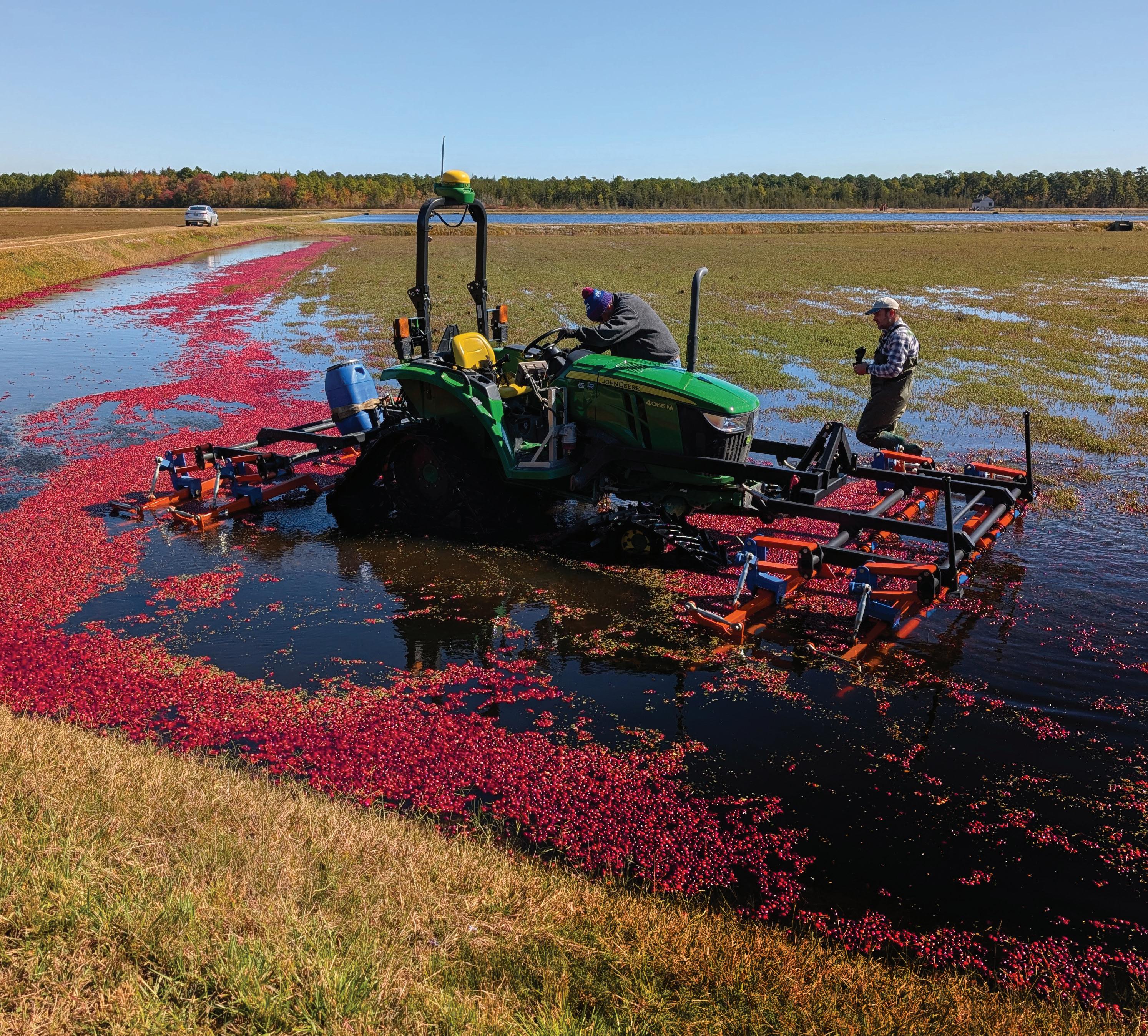
The Cranberry Institute plays a critical role in supporting the industry’s horticultural needs by driving horticultural research priorities, providing industry tools and resources, and collaborating with others on pesticide issues and MRLs. Together, these efforts improve the economic viability of the North American cranberry industry.
Look inside the truck, spray boom or pump house of a cranberry grower and you are likely to find one of the four regional pesticide charts produced by the CI. The charts put valuable information at growers’ fingertips, including a list of pesticides that are registered and commonly recommended for use in each region, permitted application levels and methods, and active ingredients. Produced annually, the charts are anything but static. Each year, the CI tracks changes in pesticide registrations and handler restrictions to bring the most current, up-to-date information.
Horticultural research is key to identifying new pest management tools and advancing them towards registration, creating a solid foundation for up-todate effective management recommendations, and furthering our understanding of the biotic and abiotic factors that impact cranberry production.
In 2025, the CI awarded funding to eight research proposals, some of which also received funding from supporting members Ocean Spray, Decas/ Fruit d’Or and Mariani. With the goal of improving the economic and long-term viability of the cranberry industry, this work isn’t done in a silo. The CI collaborates with regional grower associations, which fund research that addresses regional priorities. To complement and augment these efforts, the CI identifies broader research priorities that could impact growers in multiple regions.
The CI also supports and strengthens the cranberry research community by creating opportunities for cranberry research and extension workers across all growing regions to collaborate, learn from each other and share ideas. One way this is done is by facilitating Working Group meetings that bring together disciplines like Entomology, Pathology and Weed Science. The CI also coordinates special interdisciplinary meetings such as one this year that was attended by a range of stakeholders across the U.S. and Canada on Cranberry False Blossom Disease.
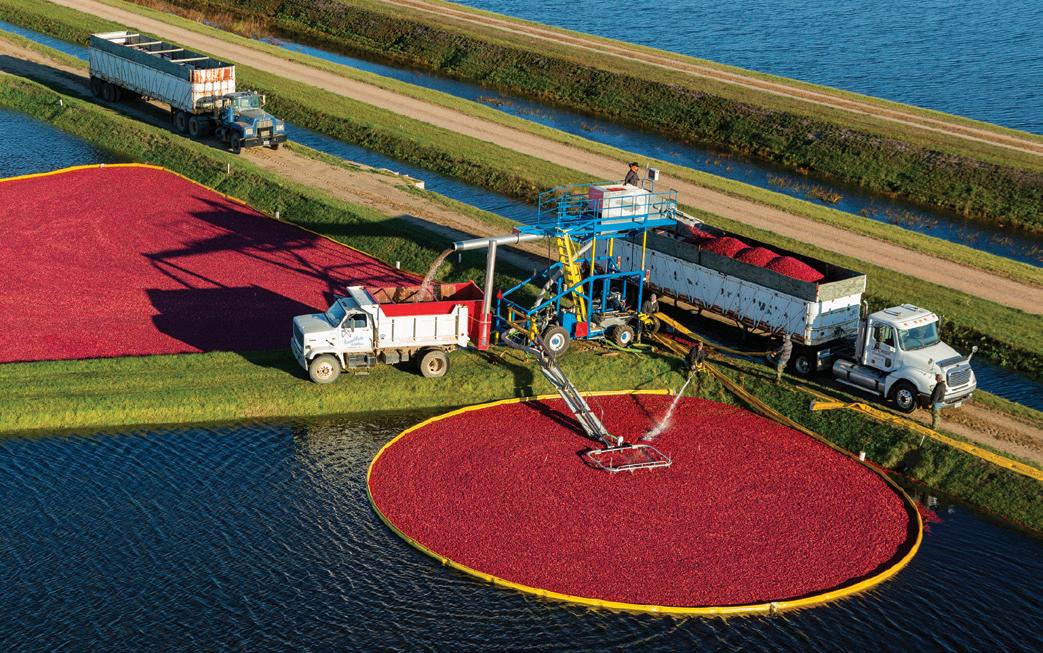
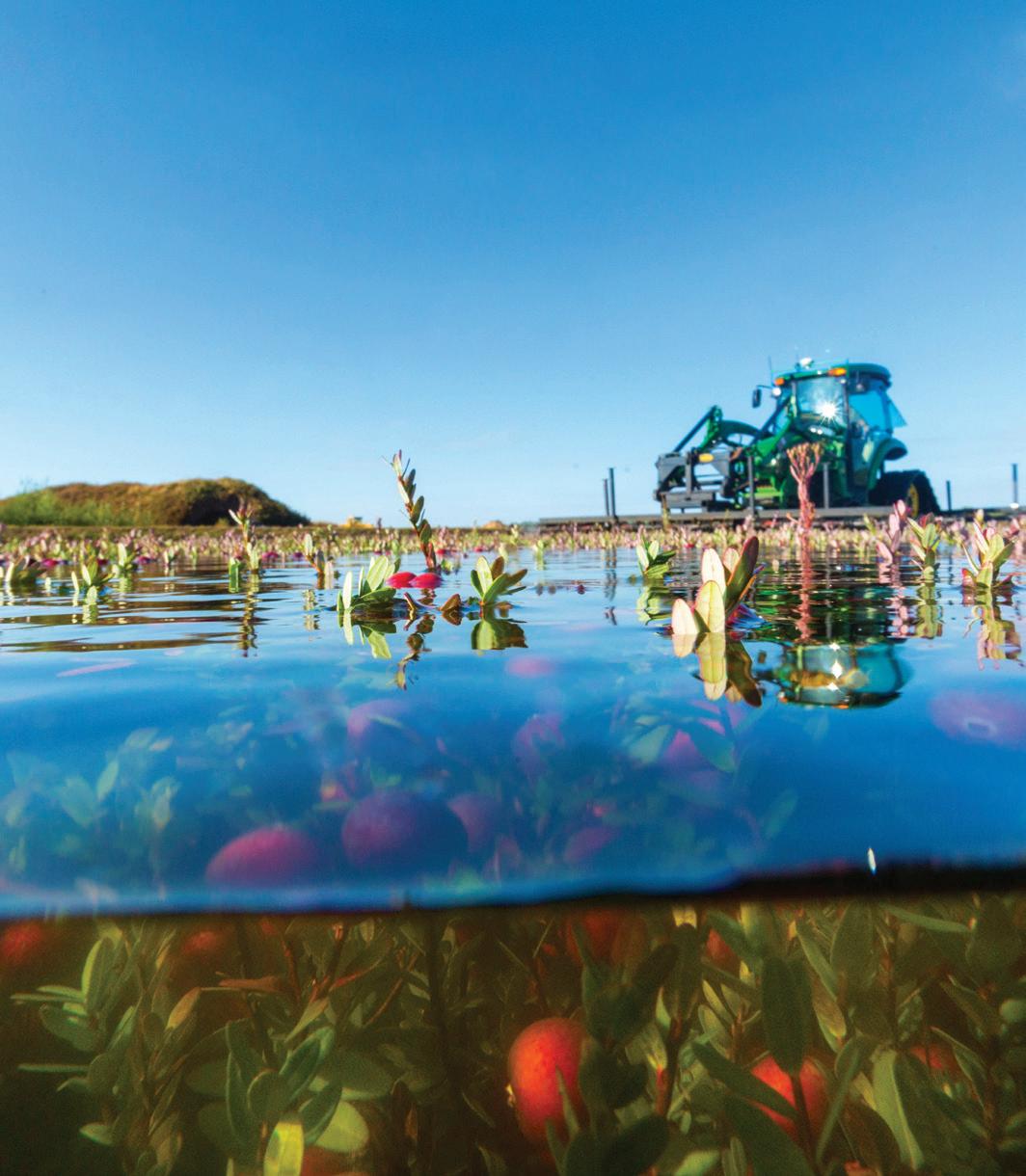
Ensuring reliable access to safe, effective pesticides is essential to protecting crop quality and securing the future of the cranberry industry. At the same time, pesticide regulations and best practices are ever changing. For that reason, the CI works with researchers, regional grower associations and handlers to gather information on cranberry needs, practices and uses and serves as a unified industry voice to EPA, USDA and pesticide registrants.
In 2025, the CI attended and participated in eight virtual meetings with EPA and registrant groups such as the FIFRA Endangered Species Task Force. The CI is also an active participant in the IR-4 Project, which is a primary way chemicals get registered for cranberry use in the U.S., including serving as a member of the Commodity Liaison Committee. The CI works closely with researchers to submit new projects for consideration and participates in the annual IR-4 Food Use Workshop to advocate for those projects. A recent success of this work includes the newly registered fruit rot fungicide Switch that contains two novel active ingredients.
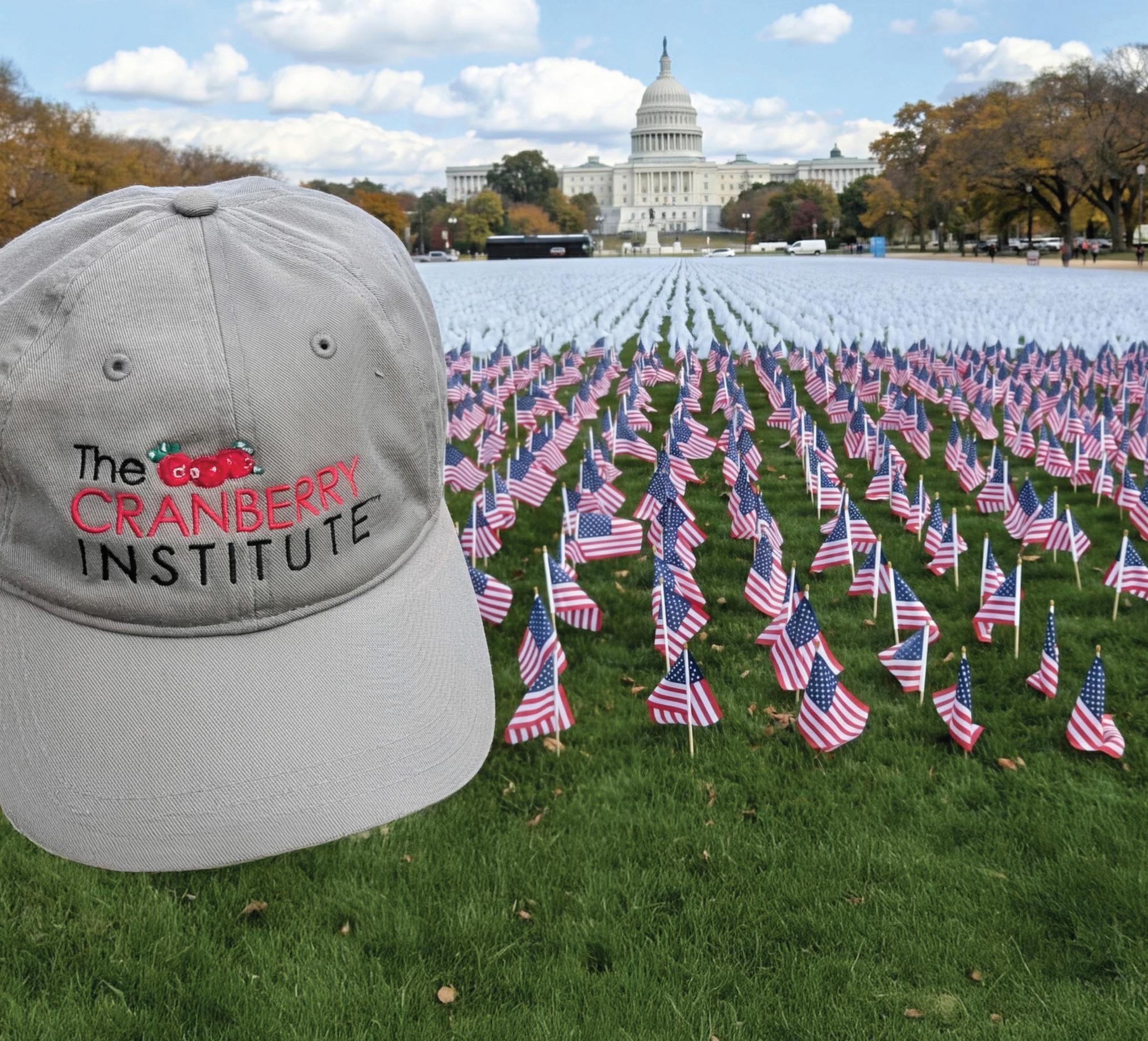
The Cranberry Institute works to protect the interests of the North American cranberry industry domestically and abroad by engaging with key national and international agencies on issues that shape cranberry production, market access and trade.
The CI took action on a promising market opportunity in 2025 through the U.S. Department of Agriculture’s purchasing program, which buys U.S.-grown foods for federal nutrition programs such as the National School Lunch Program. While the program was previously managed by the Cranberry Marketing Committee (CMC), during the last year, the CI built strong relationships with the procurement team resulting in a $25 million solicitation for sweetened dried cranberries. Although the initial solicitation went unfilled due to lack of bids, the CI acted quickly to help get the solicitation reissued, resulting in multiple awards totaling $6.7 million. This success underscores the CI’s growing credibility as a trusted source and advocate, ensuring cranberry products remain visible within USDA purchasing programs and setting the stage for future opportunities.
With the new administration in the U.S., tariffs have become a focus of trade policy. The CI has engaged the administration throughout the year to seek cranberry tariff reductions and ensure that retaliatory tariffs are not applied to cranberries in response to new U.S. tariffs. To date, these efforts have proven successful, but the CI continues to be vigilant.
The E.U., the largest export market for North American cranberries, has proposed to permanently
The Cranberry Institute provides a unified industry voice to represent its needs through research, advocacy, education, and promotions.
— Jeff LaFleur, Vice President Cooperative Development and Grower Relations, Ocean Spray Cranberries, Inc.
eliminate its tariffs on all U.S. dried cranberries and concentrate as part of an agreement announced in August. Currently, duty-free access is secured through five-year duty suspensions. Canadian cranberry products already enter the E.U. duty-free through a trade agreement.
To date, due to the U.S.-Mexico-Canada (USMCA) agreement, cranberry tariffs have been largely unaffected by trade disputes, but the CI tracks the situation carefully due to the importance of regional trade. USMCA is scheduled to be reevaluated in 2026, and the CI has weighed in with the administration to reiterate the importance of continued duty-free access.
The CI is also seeking duty-free access in export markets with high tariffs such as India, Thailand, Vietnam and the Philippines. Agreements have been reached with Vietnam and the Philippines, with details to be announced. Talks continue with India and Thailand.
The CI, in partnership with BCI, works to keep markets open and fruit moving by continuously monitoring and addressing changing pesticide Maximum Residue Levels (MRLs). In 2025, 365 regulations were reviewed and 35 notifications issued to the industry about MRL updates in the E.U., Canada, Mexico, Japan and beyond.
This year, the CI worked to assess how long the hard-fought E.U. quinclorac MRL will remain. The CI also engaged in the E.U. MRL reviews for mancozeb (Manzate) and difenoconazole (Quadris Top), both of which currently have proposed MRLs for cranberries that should be maintained. The CI has been successful in pursuing international Codex MRLs. Cranberry MRLs were also selected
as part of the USDA Assisting Specialty Crop Exports (ASCE) program which will allow additional cranberry MRLs such as clethodim (Select) and bifenthrin (Fanfare), to be established in Asia.
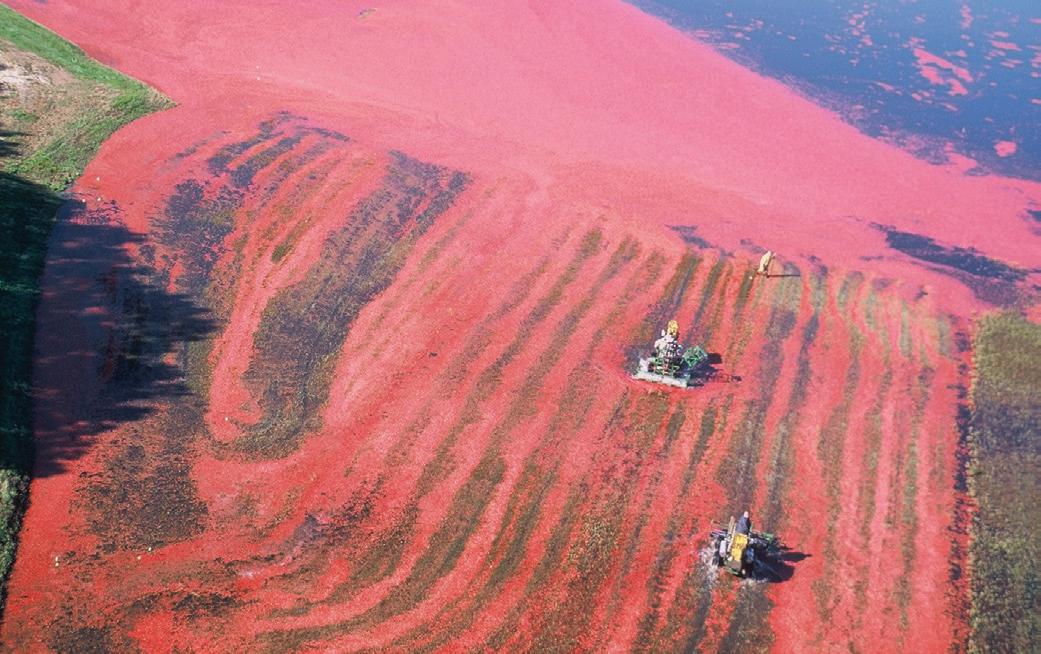
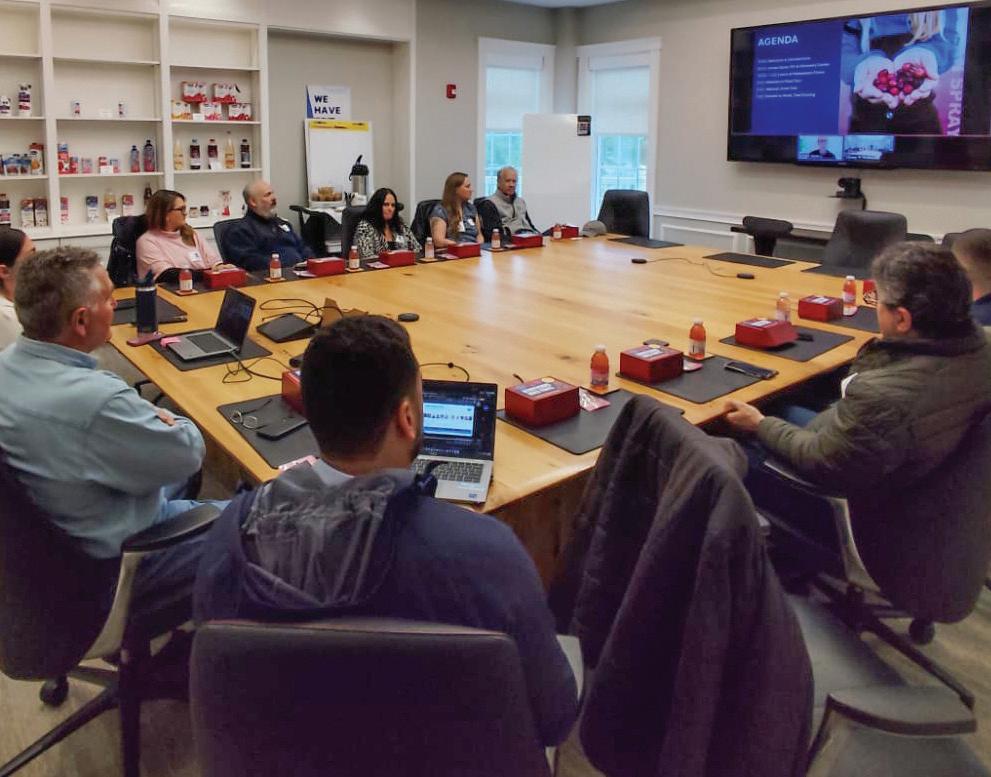
The Cranberry Institute serves as the champion on cranberries across the globe, working to grow markets, strengthen demand and expand opportunities for North American cranberries. Through global marketing, trade outreach and science-based education, the CI shares the cranberry story worldwide, ensuring a strong future for the industry.
Education about the health benefits of cranberries continues to be a cornerstone of the CI’s efforts. In 2025, the CI developed an important tool to aid in this effort: the Berry Best Guidebook. Designed to communicate the latest science-backed findings to registered dietitians and other health professionals, researchers, media, and consumers, the digital tool was developed following a comprehensive literature review of information in the Health Research Library, and reinforces cranberries as a functional food for overall health. Highlighting the well-established benefits for the urinary tract, along with impacts of cranberries on stomach, gut, cardiovascular health and more, the guidebook has generated 411 million impressions via 986 traditional and social media placements, including Good Housekeeping, Real Simple, Prevention and more.



In 2024 and 2025, the CI secured more than $3.8 million in USDA grant funding on behalf of the cranberry industry for international promotions, and the organization is extremely grateful for these resources. This year, $2 million of those dollars were put to work supporting activations across targeted markets. From consumer outreach to trade engagement and education for health professionals, these initiatives spotlighted the many ways cranberries stand out for their versatility and proven health benefits.
In 2025, the CI’s international programs sparked greater awareness, enthusiasm and demand for cranberries around the world. With efforts in India, Brazil, Colombia, and Southeast Asia, CI is building markets, strengthening trade relationships and ensuring cranberries earn their place on tables across the globe. Some key highlights from this year include:
The CI partnered with a new brand ambassador, Chef Vikas Khanna, to produce engaging photo and video content featured across social media and other advertising platforms in India. An Indian-American celebrity chef, restauranteur, and long-time judge of MasterChef India, Chef Vikas brought star power and credibility to the campaign. His influential presence captured consumer attention, generated buzz around cranberries and inspired creative new ways to enjoy them in everyday cooking. Alongside a variety of other activities such as trade show participation, health seminars, and retail and e-commerce promotions, this partnership helped support (according to importers) the highest demand ever for cranberries in India.


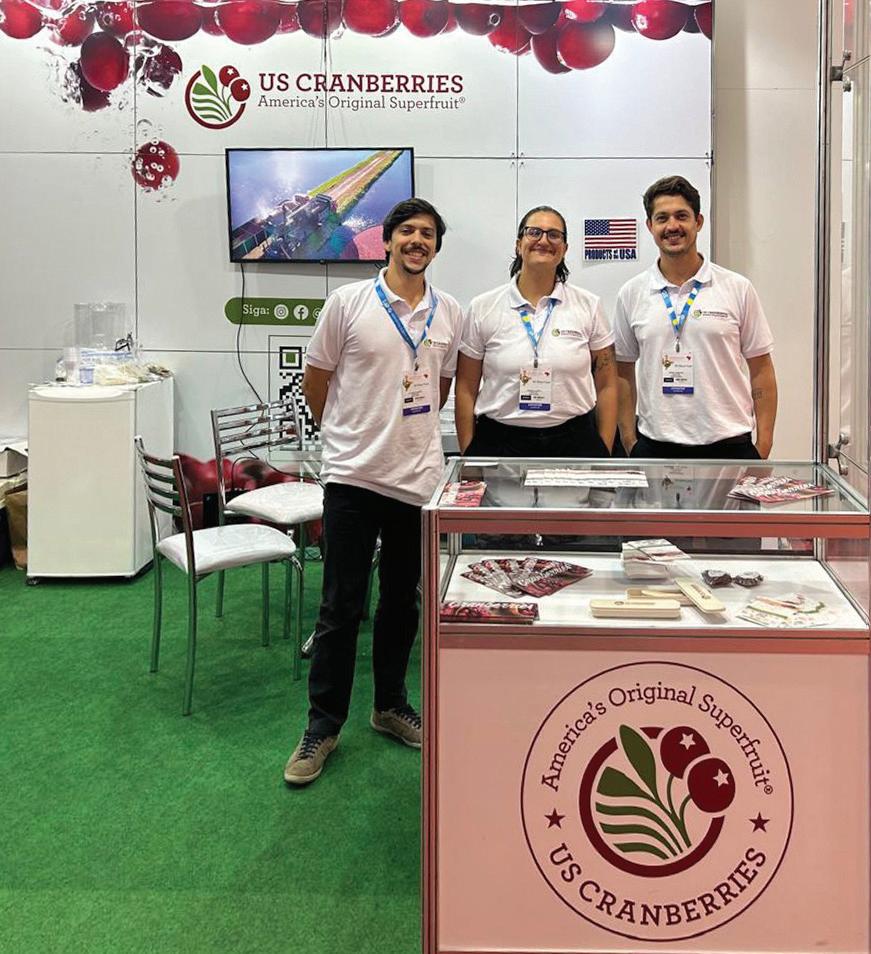
To meet growing interest in nutritious foods across South America, health-focused outreach was a cornerstone of the CI’s program. Expert-led technical events in major cities, e-newsletters reaching more than 22,000 health professionals, and targeted advertisements in leading food and wellness publications positioned cranberries as a delicious, versatile and nutrient-rich choice. The CI also implemented a dynamic slate of trade and consumer-focused activities to boost awareness and demand for cranberries broadly. Eye-catching trade show booths, retail partnerships, and vibrant digital and social media campaigns kept cranberries top-of-mind, while food manufacturer trainings and a U.S. tour for importers (see Page 17) built industry enthusiasm.
from
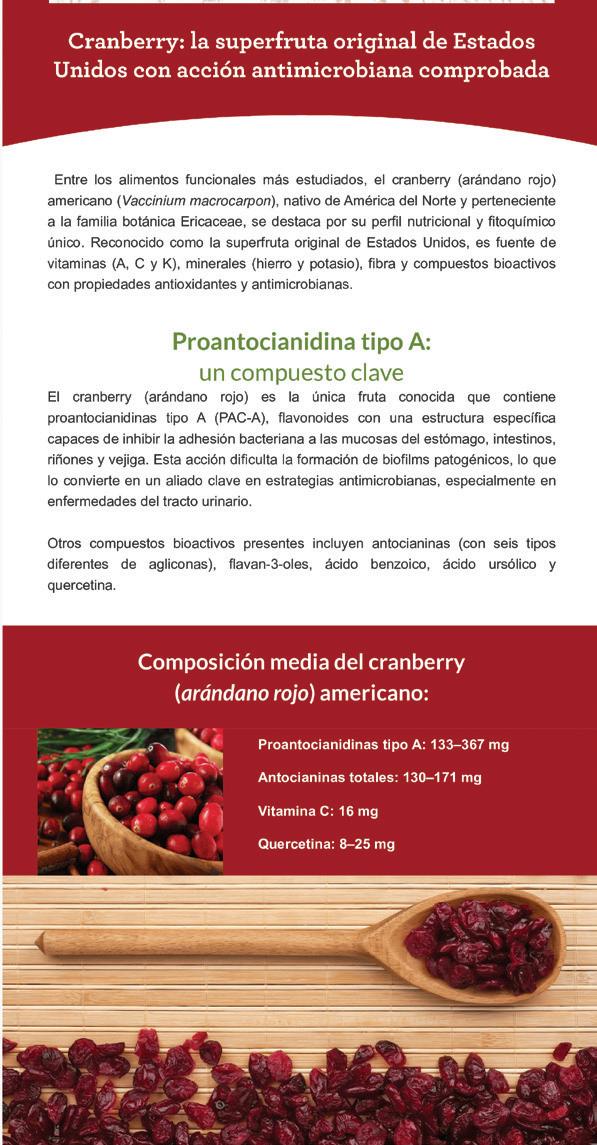
In September, the CI launched programming in Southeast Asia targeting Malaysia, Singapore, Thailand and Vietnam with a $200,000 investment. Initial activities in this promising region included trade servicing, social media and in-store promotions. Moving forward, a consumer survey will help refine the geographic scope and tactics for the program.
Looking ahead to 2026, the CI is expected to leverage an additional $2.5 million in USDA grant funding to continue showcasing the health benefits and versatility of cranberries to international audiences. Robust promotions will continue in India and South America, alongside expanded efforts in Southeast Asia. Collectively, these initiatives will fuel global demand for cranberries and strengthen valuable long-term export opportunities for the industry.
As part of the CI’s efforts to grow cranberry exports to South America, a group of six importers from Brazil and Colombia traveled to the U.S. from October 11-18. The visit was designed to strengthen relationships, product knowledge and business opportunities between the buyers and U.S. industry. The delegation met with industry members and toured cranberry farms and processing facilities during harvest, experiencing the cranberry supply chain firsthand while forging valuable connections.
The packed agenda started in Massachusetts, where participants visited a Cape Cod bog just before a Nor’easter made landfall. Although rain and wind limited outdoor activities, the delegation nonetheless had a positive experience touring the receiving and processing facilities with Decas and Ocean Spray, and learning more about the industry through presentations and discussions.
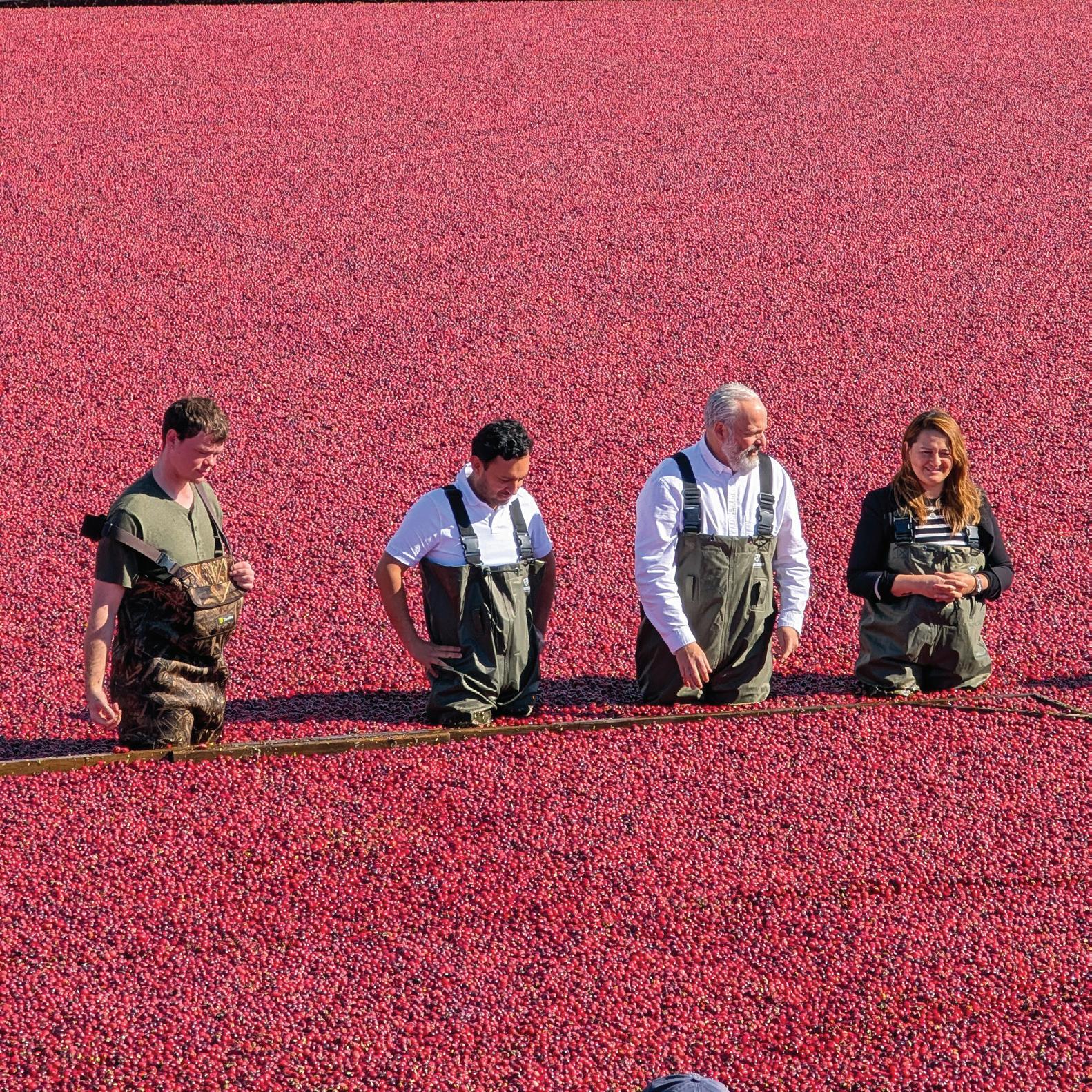
Next, participants traveled to New Jersey, where they had a sunny photo opportunity in an Ocean Spray bog while experiencing the cranberry harvest hands-on. The delegation also visited the Rutgers Cranberry and Blueberry Research Center for a health seminar with Dr. Amy Howell, which provided a forum for questions and discussing opportunities for cranberries in South America.
Finally, the group flew to Wisconsin to tour bogs, receiving stations, and processing and cold storage facilities with Gardner Cranberry and Mariani.
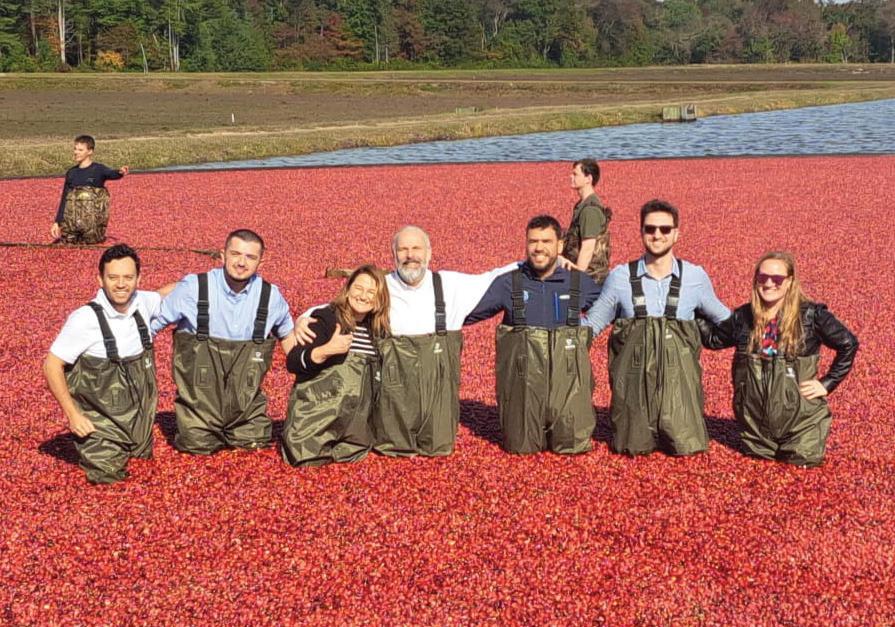
Participants were able to see the differences in production scale and processes between the East Coast and Midwest firsthand, and learned more about the industry, harvest and diversity of cranberry products available from the handlers.
Altogether, the mission was a clear success. Preliminary feedback was resoundingly positive. “It was an incredibly enriching week,” said one participant. “I really appreciate having these insights to further enhance my cranberry ambassador skills,” said another. “The network and relationships during the week will be something to keep,” added another participant. The mission set the stage for lasting partnerships and expanded export opportunities to South America, underscoring continued value and momentum for the industry in the years ahead.
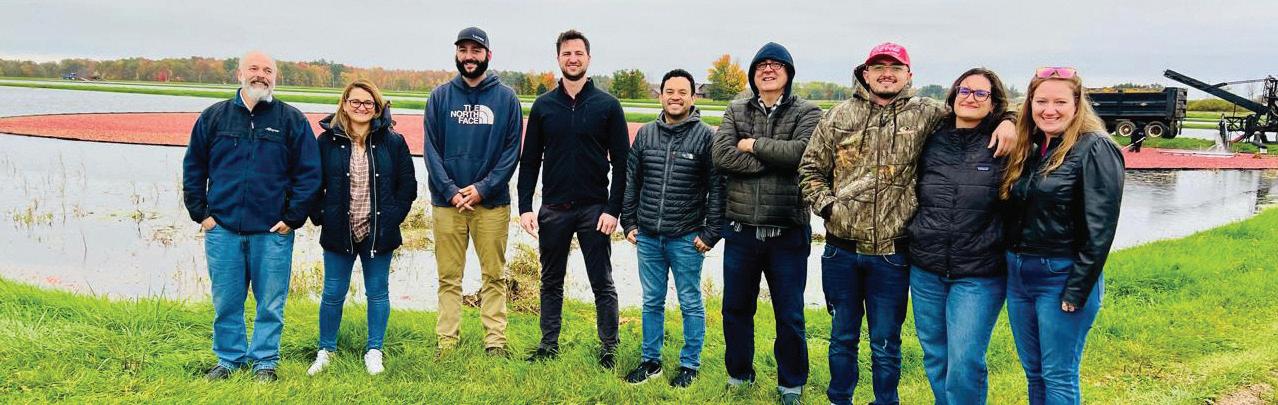

The Cranberry Institute engages the industry at numerous touch points, including one-on-one communications, events and more to keep the industry informed, engaged and connected across North America. In addition, it is committed to continuously strengthening and empowering the board with training and resources.
The CI board members play a vital role in guiding and providing oversight to the organization and ensuring member priorities remain at the center of every decision. In 2025, the CI focused on strengthening and empowering the board through education, resources and practical tools to help board members grow as leaders within the CI and in their own operations. These tools included trainings in AI, marketing communications and board governance. Future trainings will better prepare board members to serve as ambassadors of cranberries in advocacy efforts and within their communities. The CI is also developing a new board framework that will clearly define roles, expectations, and pathways to leadership, and offer a new structured orientation, mentorship pairings, and defined milestones to help board members grow and fully engage in the CI’s work.
Each month, leaders from regional associations and the CI meet virtually, not just to stay connected, but to strengthen how the organizations work together for greater industry impact. Through these conversations and ongoing collaborations, the CI brings national and international reach and perspective to shared issues, while regional associations provide invaluable insight into local grower needs and real-time trends across North America. Together, they create a more coordinated, responsive network that ensures the North American cranberry industry is supported at every level.
Some areas where regional leaders look to the CI for collaboration include regulatory matters, crop protection resources, MRLs, international trade and
The CI connects us to industry wide issues and provides additional support in areas such as advocacy. The broadening of the CI over the last year has exceeded expectations and been very beneficial.
— Didier Labarre, Executive and Scientific Director, Cranberry Research and Innovation Centre
more. Through coordinated efforts, the CI is able to amplify regional concerns and ensure the industry speaks with a unified voice.
The CI is able to bring a larger voice to issues happening at the local level that may have national implications. Their expertise and collaboration in communication, public relations, media relations and more is invaluable, along with their ability to serve as a sounding board for issues happening locally.
— Brian Wick, Executive Director, Cape Cod Cranberry Growers’ Association
At the same time, regional associations help carry the CI’s research, insights and regulatory updates directly to growers. The CI also participates in grower meetings and contributes articles to regional newsletters to ensure growers are able to stay informed on emerging issues and efforts of the CI.
Ultimately, the CI and regional associations work together to anticipate challenges, share expertise and strengthen the industry’s overall impact.
Over the last 18 months, the CI has strengthened its governance model by engaging more committees, allowing for meaningful and impactful member engagement, and ultimately, more effective results for the industry.
With the full board meeting only three times a year, committees serve as the engine that drives progress throughout the year. Detailed meeting minutes summarize discussions, decisions, and calls to action, helping all members stay current and connected to committee level work.
This structure has made the CI more efficient and better informed. The MRL Committee, for example, brings together more than 20 participants from across North America to guide regulatory and crop-protection priorities. The Scientific Advisory Board, featuring experts from leading institutions, has been instrumental in shaping the CI’s health research agenda.
Members are encouraged to participate in committees that align with their interests and expertise, as the CI’s success relies on the commitment of its volunteers.
Shawn Cutts, (Vice-Chair), NJ
Mike Dubuc, (Chair), MA & QC
Nicole Hansen, WI
Chip Mathews, NJ
BOARD OF DIRECTORS
Kevin Hatton, WA
Lynn Kemper, BC
David Rasmussen, WI
ADVISORS
Sarah O’Neil, MA
James Ross, MA
Jean-Pierre Schneider, QC
Steve Ward, MA
Tommy Quinby, (Sec/Treas.), WA