



Make a meaningful impact in your community by becoming the owner of a Natural Awakenings magazine.
Empower others with current, valuable insights and resources to enhance their physical, mental, emotional and spiritual well-being.
As a franchise owner, you’ll inspire positive change, provide readers with tools for healthier living and connect local businesses with an audience eager for transformation.
Why Own a Natural Awakenings Magazine?
n Create a Healthier Community: Be the go-to resource for wellness and personal growth in your area.
n Boost Your Income: Take control of your financial future with a proven business model.
n Enjoy a Flexible Lifestyle: Work from home while pursuing a fulfilling, dynamic career.
n A proven business model with low startup costs.
n Comprehensive training and friendly, ongoing support.
n Flexible work schedule with many work-from-home opportunities.
n Access to a network of like-minded franchise owners.
n Financing Options Available.
Join a thriving network of passionate franchise owners reshaping the future of holistic health and wellness.
Call 239-206-2000 for a FREE evaluation of your community’s potential. Learn more or apply today at:
Corp.NaturalAwakenings.com
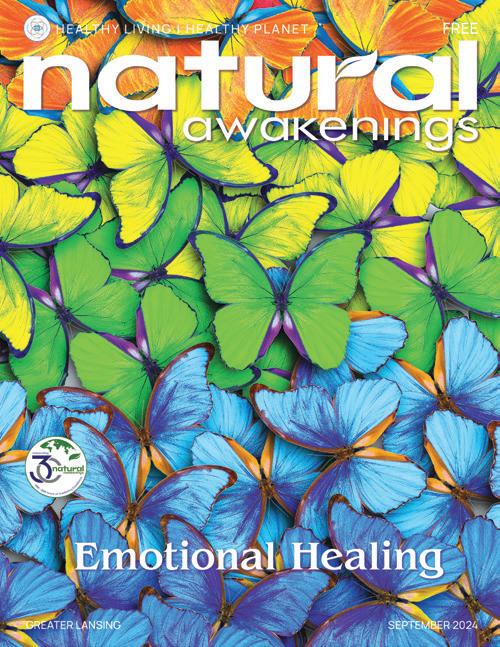
Call for a free evaluation of your community's potential at 239-206-2000. To apply or learn more, visit Corp.NaturalAwakenings.com.
Add Your Community to Where Natural Awakenings Is Now Publishing:
• Atlanta, GA
• Boston, MA
• Broward County, FL
• Bucks/Montgomery Counties, PA
• Central Florida/Greater Orlando, FL
• Central New Jersey
• Charlotte, NC
• Chicago, IL
• Columbia, SC
• Dallas, TX
• Daytona/Volusia/Flagler Counties, FL
• Detroit/Wayne County, MI
• Fairfield & Southern Litchfield Counties, CT
• Grand Traverse Region/Northern Michigan
• Greater Ann Arbor, MI
• Greater Lansing, MI
• Greater Oakland, Macomb, Livingston, Genesee, MI
• Gulf Coast, Alabama/Mississippi
• Houston, TX
• Jacksonville/St. Augustine, FL
• Lancaster/Berks, PA
• Lehigh Valley, PA
• Long Island, NY
• Milwaukee, WI
• Monmouth/Ocean Counties, NJ
• Naples/Fort Myers, FL
• New York City, NY
• North Central New Jersey
• North New Jersey
• Northwest Florida
• Palm Beach, FL
• Philadelphia, PA
• Rhode Island
• Richmond, VA
• Sarasota, Manatee, Charlotte and DeSoto Counties, FL
• South Central Pennsylvania
• South Jersey, NJ
• Southeast North Carolina
• Space & Treasure Coast, FL
• Tampa, FL
• Tucson, AZ
• Twin Cities, MN
• Westchester/Putnam/Dutchess, NY
• Western Michigan


Publisher Tracy Jacox-Gunter
Editor Sara Gurgen
Design, Production & Digital Marketing Kristina Parella
Contributing Writers Michaela Leung Tiana Tarver
Distribution Manager Larry Gunter Ad Design Lauren Arabis Website Matthew Davis
MsTracy@MidlandsNA.com
Tracy Jacox-Gunter Ph: 839-228-1158
Website
ColumbiaNaturalAwakenings.com

Save a Tree Scan Me
CEO Kimberly B. Whittle
National Editor Sandra Yeyati
Editor Brooke Goode
Copy Editor/Proofing Melanie Rankin
Layout Flip180 Media
Natural Awakenings
Publishing Corporation
350 Main Street, Suite 9B
Bedminster, NJ 07921
Ph: 239-206-2000
NaturalAwakenings@KnoWEwell.com
Cover image by Adobe Stock #634864681

Natural Awakenings is printed on partially recycled and fully recyclable newsprint with black soy ink.
© 2025 by Natural Awakenings. All rights reserved. Although some parts of this publication may be reproduced and reprinted, we require that prior permission be obtained in writing.
Natural Awakenings is a free publication distributed locally and is supported by our advertisers. Please call to find a location near you or if you would like copies placed at your business. We do not necessarily endorse the views expressed in the articles and advertisements, nor are we responsible for the products and services advertised. Check with a healthcare professional regarding the appropriate use of any treatment.

As this year draws to a close, my heart is full. What a journey it has been—filled with lessons, laughter, growth and grace. I entered 2025 as the publisher of Natural Awakenings of Columbia with great hope and determination, but what I’ve gained in return has far exceeded anything I could have imagined.
This past year has been a masterclass in gratitude. I’ve learned that love shows up in the details—every late-night edit, every inspiring article, every smile exchanged as someone picks up a fresh issue from the stand. I’ve witnessed the quiet beauty of teamwork, the strength of community and the joy that blossoms when passion meets purpose.
To my extraordinary team—you are the heartbeat of this magazine. Your creativity, diligence, and unwavering belief in our mission make each issue a reflection of excellence and care.
To our remarkable distribution team—thank you for ensuring that Natural Awakenings of Columbia reaches more than 200 locations each month, connecting us to hearts and homes across our region. Your consistency and pride in your work do not go unnoticed.
To our advertising partners—thank you for believing in this vision and for standing beside us as we uplift wellness, sustainability and conscious living. Your partnership allows this magazine to remain a free gift to our community. You are not just sponsors—you are family, helping us share light in every direction.
And to our loyal readers—thank you for inviting us into your daily lives. You inspire us to keep learning, keep growing and keep shining a little brighter. Every time you turn a page, attend an event or share a story, you remind us why we do this work.
As we welcome a new year, my prayer is simple: May gratitude be your compass and love your guide. May you find moments of peace in the ordinary, joy in the unexpected and strength in knowing you are part of something greater—a community that cares, heals and grows together.
From my heart to yours, thank you for allowing Natural Awakenings of Columbia to be a part of your journey. May this season fill your spirit with love, and may the year ahead overflow with blessings. I love you all.
Gratitude and peace,

�� Follow Our New Facebook Page!





Keith Sweat will headline R&B Fanatics on Friday, December 12, at 7:30 p.m. at Colonial Life Arena. The program will feature special guests SWV, Ashanti, Bobby V and MC Lightfoot, offering audiences a night of classic R&B and soulful performances.
Sweat, a pioneer of New Jack Swing, rose to prominence in the late ‘80s with his debut album Make
It Last Forever, which sold more than 3 million copies and produced the hit single I Want Her. His follow-up album, I’ll Give All My Love to You, reached No. 6 on the Billboard 200 and delivered additional chart-topping singles.
Location: 801 Lincoln St., Columbia. For more information, including cost, or to purchase tickets, visit ColonialLifeArena.com/events/detail/rb-fanatics.
Friends of the Metropolitan Children’s Advocacy Center will host their Ugly Sweater 5K on Saturday, December 13, at 8 a.m. as part of the Tour de Columbia. Proceeds will support services for children that are suspected victims of physical or sexual abuse, neglect and other forms of maltreatment.
The annual run invites participants to show off their ugliest holiday sweaters while raising awareness and funds for the center’s mission.
Cost: $30. Location: 24 Forest Lake Pl., Columbia. For more information or to register, visit RunSignUp.com/race/sc/columbia/ mcacuglysweater5k.


The Town of Irmo Events Committee will host the first annual Irmo Christmas Parade on Saturday, December 6, at 9 a.m. The free parade will feature festive floats, marching bands, local organizations and a possible appearance by Santa, offering a morning of holiday cheer for families and friends of all ages.
The parade will kick off from Crossroads Intermediate School and proceed along St. Andrews Road, concluding near the McDonald’s. Spectators are encouraged to find a spot along the route to enjoy the festivities.
For more information, visit ExperienceColumbiaSC.com/event/town-of-irmo-christmas-parade/72991.

Cirque Dreams Holidaze will take the stage on Monday, December 8, at 7:30 p.m. at the Koger Center for the Arts. The holiday production blends a Broadway-style performance with contemporary circus arts, featuring a high-energy cast of holiday characters that perform gravity-defying acts and immersive visual storytelling for audiences of all ages.
Called a chance to “lose yourself for 90 minutes and go back to those wonderful dreams you had as a kid,” by BroadwayWorld, the show has become a beloved holiday tradition known for its dazzling costumes, choreography and theatrical spectacle.
Location: 1051 Greene St., Columbia. For more information, including cost, or to purchase tickets, visit KogerCenterForTheArts. com/event/cirque-dreams-holidaze.

The South Carolina Military Museum is showcasing its new exhibit, High Altitude Service, highlighting the state’s contributions to space exploration. The exhibit is open to the public through Wednesday, December 31, from 9 a.m. to 4 p.m.
Admission is free. Location: 1 National Guard Rd., Columbia. For more information, call 803299-4440 or visit SCMilitaryMuseum.com.

Through Tuesday, December 23, from 5 to 9 p.m., families can experience the magic of Wild Lights at Riverbanks Zoo and Garden. Visitors can stroll through the zoo and discover more than 60 larger-than-life, handcrafted wildlife lantern displays inspired by nature. The interactive event showcases stunning illuminations sure to dazzle guests of all ages, along with nightly snowfall, activities, photo opportunities and visits with Santa.
Location: 500 Wildlife Pkwy., Columbia. For more information, including cost, or to purchase tickets, visit Riverbanks.org/events/wild-lights.
Columbia Classical Ballet will present The Nutcracker from Friday, December 5, to Sunday, December 7 at Koger Center for the Arts. Performances will take place on Friday at 7:30 p.m.; Saturday at 2 p.m. and 7:30 p.m.; and Sunday at 2 p.m.
The ballet company is collaborating with South Carolina Governor’s School for the Arts & Humanities, Columbia Ballet School and El Camino Ballet to bring this beloved holiday classic to life.

Location: 1051 Greene St., Columbia. For more information, including cost, or to purchase tickets, visit KogerCenterForTheArts.com/event/the-nutcracker.

The free Parade Day and Holiday Parade of Lights, presented by the Greater Cayce West Columbia Chamber of Commerce, will take place on Saturday, December 13. The festivities kick off at 10 a.m. in the town of South Congaree with the Christmas Parade, followed by family-friendly activities, live music and amusements at the “North Pole” hub at the chamber office from noon to 4 p.m.
A Holiday Parade Day Trolley will offer stops throughout Cayce and West Columbia, including Triangle City, the Interactive Art Park, State Street Cayce and Steel Hands Brewing. The day culminates at 5:30 p.m. with the spectacular Holiday Parade of Lights, featuring hundreds of illuminated floats, cars and other parade vehicles.
Location: 1006 12th St., Cayce. For more information, call 803-794-6504 or visit CWCChamber.com/cwcparadeday.

On Tuesday, December 23, at 7:30 p.m., the Koger Center for the Arts will host Live in the Lobby Jazz: Eve of the Eve, featuring Mark Rapp and his Mischievous Elves performing Louis Armstrong’s unforgettable Christmas repertoire. The concert showcases holiday swing, soulful vocals and festive tunes from some of the Southeast’s finest jazz talents, offering a family-friendly evening of music and cheer.
Location: 1051 Greene St., Columbia. For more information, including cost, or to purchase tickets, visit KogerCenterForTheArts.com/ event/live-in-the-lobby-jazz-eve-of-the-eve-2.
Do not wait until the near end of your life to realize that you have not fully lived to love.
—Lailah Gifty Akita


The South Carolina State Museum (SCSM), in Columbia, is now showcasing Heroes & Villains: The Art of the Disney Costume, a blockbuster exhibition created by the Walt Disney Archives. On view through Sunday, January 4, the critically acclaimed display features more than 70 costumes from beloved characters such as Cinderella, Maleficent and others. The exhibit explores the creativity and craftsmanship behind the iconic looks that help bring Disney’s most memorable heroes and villains to life.
Location: 301 Gervais St., Columbia. For more information, including cost, or to purchase tickets, visit ExperienceColumbiaSC.com/event/heroes-%26-villans%3a-the-art-of-the-disney-costume/71925.
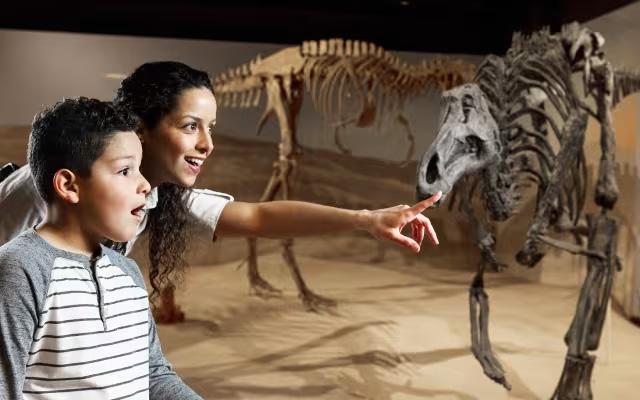



The South Carolina State Museum is offering $1 general admission from noon to 5 p.m. on the first Sunday of every month through sponsorship by BlueCross BlueShield of South Carolina. Visitors can explore four floors of art, cultural history, natural history and science/technology, including the Boeing Observatory and the Robert B. Arial Collection of Historical Astronomy on the fourth floor.
For an additional fee, guests can enjoy a planetarium show or a 4D theater movie. The offer is not valid with other discounts or Museums for All.
Location: 301 Gervais St., Columbia. For more information, visit SCMuseum.org/ events/first-sunday.

Every Thursday from 8 to 11 p.m., The Aristocrat, in Columbia, hosts a free jazz party featuring the Amos Hoffman Trio. The trio kicks off the evening with a set, followed by guest musicians that are invited to sit in for a lively jam session.
Location: 1001 Washington St., Columbia. For more information, visit ExperienceColumbiaSC. com/event/jazz-party-at-the-aristocrat/68104.

Surge Adventure Park, in Columbia, invites children with special needs to enjoy a calmer, more inclusive experience during Sensory Sunday, held on the first and third Sunday of every month from 10 a.m. to noon. During this special time, the park is closed to the general public and offers a quieter environment without loud music or flashing lights—allowing kids to play and explore at their own pace.
Cost: $7.99 per person, per hour. Location: 230 Business Park Blvd., Columbia. For more information or to purchase tickets, visit SurgeFun.com/locations/columbia/specials.

The Harlem Globetrotters will bring their 100-Year Tour to Colonial Life Arena on Friday, December 5, at 7 p.m. The beloved team is known for its iconic blend of athleticism, comedy and crowd-pleasing entertainment, offering a family-friendly experience that delights fans of all ages.
Location: 801 Lincoln St., Columbia. For more information, including cost, or to purchase tickets, visit ColonialLifeArena.com/ events/detail/harlem-globetrotters-5.

Riverbanks Zoo and Garden is offering guests a one-of-a-kind experience in the Botanical Garden with the award-winning, record-breaking exhibition Sean Kenney’s Nature Connects Made With LEGO Bricks. This acclaimed traveling exhibition features awe-inspiring, larger-than-life sculptures crafted from millions of toy blocks, inviting guests to explore themes such as animal endangerment, the balance of ecosystems, and humanity’s relationship with the natural world.
From now until Friday, February 20, guests will have an opportunity to immerse themselves in the beauty of nature and the artistry of the sculptures, sparking inspiration to create their own masterpieces at home. The exhibition, produced by Imagine, has visited nearly 100 cities worldwide and is celebrated for its ability to surprise and delight guests of all ages.
Nature Connects reflects important topics that Amsterdam-based artist Kenney holds dear, from protecting animal habitats and planting gardens to choosing sustainable transportation. The exhibition highlights how everything in nature is interconnected in a delicate balance.
Cost: Included with admission or membership. Location: 500 Wildlife Pkwy., Columbia. For more information, visit Riverbanks.org/botanical-garden/downloads/nature-connects.pdf.

Service to others is the rent you pay for your room here on Earth.
—Muhammad Ali



Cancer survivors often experience emotional challenges such as anxiety, depression and fatigue. A study in the Journal of Clinical Oncology evaluated how mind-body practices could support the emotional recovery of nearly 600 cancer survivors with breast, prostate and gastrointestinal cancers, from early to advanced stages.
Participants were either randomly assigned or chose to join mindfulness-based cancer recovery (MBCR) or a tai chi/qigong (TCQ). Each program group was split into those that began their program immediately and a control group that was placed on a waitlist. The MBCR group met weekly for nine weeks and attended a six-hour weekend retreat between weeks six and seven. The TCQ group met weekly for 11 weeks and for a four-hour weekend retreat. Both groups were encouraged to practice daily at home for 30 to 45 minutes.
By the end of the study, both groups showed significant mood improvements compared to the waitlist control group, regardless of whether they chose their program or were randomly assigned. The MBCR group had the greatest reductions in tension, anger and fatigue, with increased energy. The TCQ group notably lowered depression and anger, and boosted vitality. Women benefited more from the MBCR program than men, while younger participants and those with advanced cancer cases responded more strongly to the TCQ program. The study provides strong evidence that gentle mind-body practices are powerful tools to support emotional healing of cancer survivors.


Ultra-processing breaks down whole foods into components and recombines them with additives, flavors, colors and emulsifiers, often making them high in calories, salt, sugar and fat.
A 2024 study published in eClinicalMedicine examined the consumption of ultra-processed and minimally processed foods among 200,000 adults with various dietary patterns, including regular red meat eaters, low red meat eaters, flexitarians, pescatarians, vegetarians and vegans. Food frequency questionnaires and food diaries were used to determine diet type and ultra-processed food intake.
Across all diet types, ultra-processed foods made up roughly onefifth to one-quarter of total daily food intake. Vegetarians and vegans consumed slightly more ultra-processed foods than regular red meat eaters. Low red meat eaters, flexitarians and pescatarians ate modestly fewer ultra-processed foods than regular red meat eaters. All other groups ate more minimally processed foods than regular red meat eaters.
These findings challenge the assumption that plant-based diets inherently contain fewer processed foods. Vegetarian diets included slightly more ultra-processed foods than meat-heavy diets, while diets with modest amounts of meat or fish had the lowest ultra-processed food levels.
The authors noted that plant-based diets vary in quality depending on the degree of processing. While meat and dairy alternatives are often perceived as sustainable, many are highly processed. Simply replacing meat with packaged plant products may not yield the expected health or environmental benefits.
The U.S. Centers for Disease Control and Prevention (CDC) has declared Chagas disease endemic to the United States, meaning that it is consistently present in the country. The disease is transmitted to humans and animals, including cats and dogs, through the feces of blood-sucking kissing bugs. After biting its victim, the bug’s feces deposit the parasite that causes the disease.
The CDC reports that kissing bugs are native to the Southern U.S., but they have been found in 32 states. Chagas disease, which may initially show no symptoms, is a potentially fatal illness that can lead to chronic conditions such as heart failure, an enlarged heart or an enlarged colon. The CDC’s endemic declaration should increase
awareness of Chagas disease among doctors and veterinarians, leading to more diagnoses and reporting. The declaration also paves the way for more research investment into improved diagnostics, treatments and prevention.

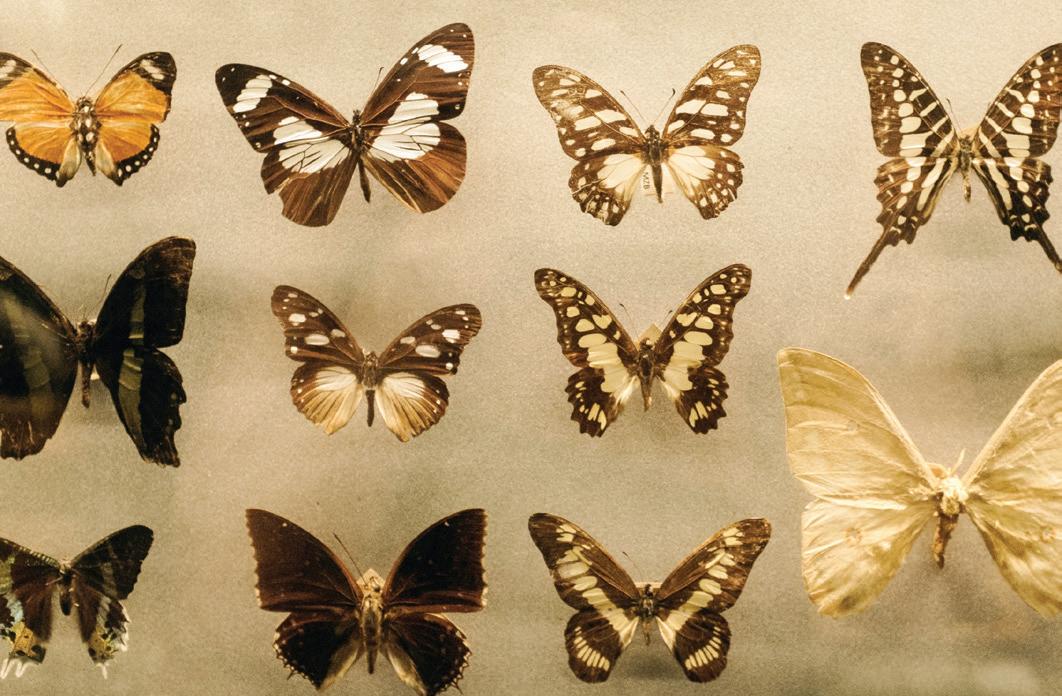
Scientists in Brazil’s Amazon rainforest have found that butterflies are losing their color. This research is part of a study on the discoloration or alteration of color in the natural world caused by human-driven environmental changes. The earliest known instance of such a change was during the Industrial Revolution, when the peppered moth turned black to blend into its sooty surroundings.
In Brazil, scientists observed a stark difference between butterflies in the rainforest and those in deforested areas. The rainforest is home to a wide array of colorful butterflies, whereas those in deforested regions are brown or grey. In eucalyptus plantations that have replaced the rainforest, dull-looking butterflies thrive. Deforestation impacts the most colorful species first, as the loss of vegetation makes them more vulnerable to predators. Without the protection of natural habitats, the most colorful and ecologically special species could be lost.
After two decades of effort, the High Seas Treaty, officially the Treaty for the Conservation and Sustainable Use of Marine Biological Diversity of Areas Beyond National Jurisdiction, was ratified by Morocco (the 60th nation) in September, becoming international law in January 2026. Although the United States signed the treaty, it has not been ratified by the Senate. This treaty replaces a patchwork of international and industrial organization rules.
The treaty establishes a legal framework to conserve and sustainably use marine biodiversity in two-thirds of the oceans beyond any country’s exclusive economic zone. The treaty’s goals are to protect marine life; establish protected areas; regulate marine genetic resources; and promote equitable benefit sharing, capacity building,
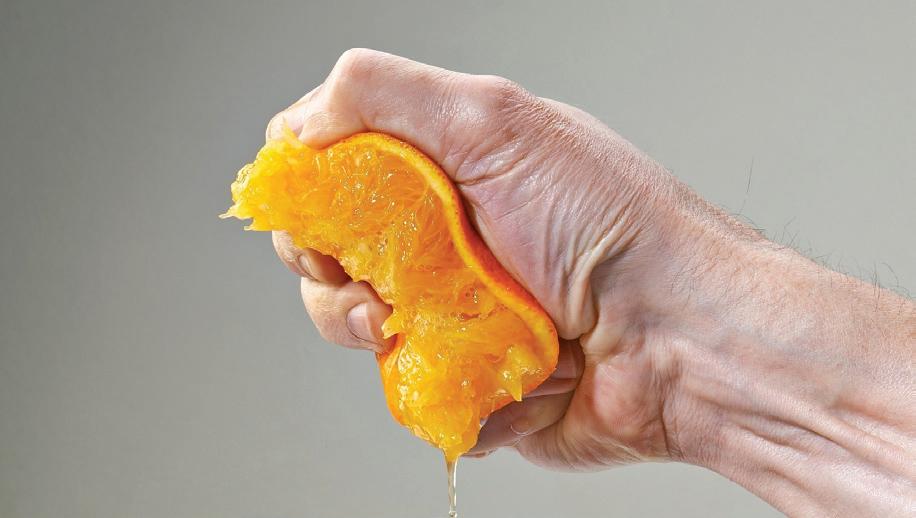
Once a staple of the American breakfast, health and economic concerns have led to a decline in orange juice consumption. Beginning in the 1950s, the Florida Citrus Commission promoted it to boost vitamin C levels and prevent colds and acidosis, a condition where the body accumulates too much acid. At its peak, three-quarters of households kept orange juice in their refrigerators.
Over the past 20 years, orange juice consumption has plummeted by nearly 50 percent. It contains as much sugar as soda, contributing to the obesity and diabetes crises. The price has surged by 67 percent in the past decade, driven by the loss of almost 92 percent of Florida’s citrus groves due to a bacterial disease spread by an invasive insect, which makes the fruit bitter and weakens the trees, and by an increase in hurricanes linked to global warming. Hurricane Milton alone destroyed an estimated 20 percent of Florida’s orange crop.
marine technology transfer and environmental-impact assessment of oceanic activities.

by Natural Awakenings staff
Decluttering tech can be liberating, and doing it right benefits the environment. Electronic waste (e-waste), including obsolete or broken computers, televisions, home appliances and phones, contains hazardous materials such as mercury, beryllium and lead that can contaminate waterways and soil if not discarded properly.
The United Nations Institute for Training and Research reports that e-waste generation is outpacing recycling by five times, with less than 25 percent recycled globally. According to the U.S. Environmental Protection Agency, recycling 1 million laptops saves enough energy to power more than 3,500 homes each year. Recycling or reselling our old devices not only reduces greenhouse gas emissions, but also can earn us some extra money.
• Before buying a replacement, consider repairing a device to extend its lifespan.


• Sell devices on platforms like Poshmark.com or eBay.com.
• Recycle electronics responsibly. Check the Electronics Recycling Coordination Clearinghouse (eCycleClearinghouse.org) for state-specific e-waste laws.
• Use Earth911.com or e-Stewards.org to find nearby recycling centers that accept electronics.
• Avoid buying devices designed to become obsolete, such as those with non-replaceable batteries, proprietary chargers and sealed hardware.
• Use the e-waste recycling programs at retailers like Best Buy, Staples and Goodwill.
• Use Call2Recycle.org to locate battery recycling options.
• Visit TerraCycle.com for hard-to-recycle items like cords and headphones.
• Attend local e-waste collection events organized by cities, schools and libraries.
• Before recycling, selling or donating a device, remember to back up data, delete personal information, remove batteries and SIM cards, and gather chargers and accessories for recycling.

Curbside or Recycling Centers
Paper
Cardboard
Aluminum Cans
Plastic Bot tles & Jugs

ONLY Accepted at Recycling Centers Used Cooking Oil/Grease
String Lights/Cookie Tins (Scrap Metal)
Flocked, Plastic or Decorated Trees (Yard Trash)
Remove all decor

Break down wood pieces so they are not greater than 4' in Length or 4" in Diameter. (If unable to get to this size, please bring to the Edmund Landfill Composting Facility.)
*NOTE-not all centers accept clean wood waste. See below for a list of locations .

Bring to any of these locations and place in clean WOOD WASTE .
1. Augusta Rd- 4765 Augusta Rd, Lexing ton
2. Ball Park Rd- 301 Ball Park Rd, Lexing ton
3. Bush River Rd- 6109 Bush River Rd, Columbia
4. Chapin- 103 Distant Lane, Chapin
5. Edmund Collection Center- 325 Landfill Lane, Lexing ton
6. Edmund Landfill- 498 Landfill Lane, Lexing ton
7. Sandhills- 3241 Charleston HW Y, Cayce


by Michaela Leung
The holiday season often brings both joy and pressure as people search for gifts that truly matter. A growing number of individuals are embracing mindful gifting, an approach rooted in connection, intention and sustainability. Rather than focusing on lavish spending, mindful givers ask what will add genuine value to someone’s life.
Winter is a natural time for reflection and slowing down. Research shows that giving offerings grounded in sentiment or experience can deepen relationships long after the holiday rush ends. According to social scientists, gifts that evoke emotion or shared history often resonate more deeply than expensive materials.
One powerful way to express care is by giving the gift of time—often the most precious thing a person can offer. For instance, offering to babysit a friend’s child, helping with
errands, or simply spending an afternoon together can create meaningful memories and strengthen bonds. Behavioral scientists note that giving time demonstrates thoughtfulness and shows that the relationship matters beyond price tags.
Studies in social psychology support the idea that experiential gifts—tickets to a concert, a cooking class or a weekend hike—forge stronger connections than objects. Research by Cassie Mogilner (University of California, Los Angeles) and Cindy Chan (University of Toronto) finds that participating in an experience encourages emotional closeness even when the giver is not physically present. The emotional richness of these gifts often surpasses that of material items.
Sentimental objects, such as framed photos or handwritten letters, also carry long-term emotional value. Marketing researchers Yang Yang and Jeff Galak have shown that
gifts with sentimental meaning resist the typical decline in appreciation that many material goods experience. These items become lasting reminders of shared stories, relationships and care.
Mindful gifting also considers environmental impact. Rather than purchasing mass-produced goods wrapped in disposable packaging, many individuals are opting for locally made, upcycled or sustainably sourced items. Supporting local artisans, makers and small businesses reduces environmental footprint and strengthens community ties.
Simple adjustments—wrapping gifts in reusable fabric, recycled paper or repurposed materials—add a creative touch while reducing seasonal waste. The Environmental Protection Agency notes that holiday garbage volume increases significantly each year, making conscious gift-wrapping choices especially impactful.
At its core, mindful gifting encourages people to slow down, reflect and choose with purpose. It shifts the focus from quantity to quality, from buying something quickly to offering something meaningful. Whether it’s the gift of babysitting time, a heartfelt keepsake or a memorable experience, this approach nurtures relationships, reduces environmental harm and supports emotional well-being during a season of connection.
By embracing intention over urgency, individuals can create holiday traditions that honor relationships, the planet and the deeper spirit of giving.
Michaela Leung is a multimedia storyteller, wellness writer and Pilates instructor based in Columbia. She is passionate about making holistic wellness more accessible—through movement, mindful living or sharing stories that inspire. Leung is the founder of All is Well, a wellness platform and newsletter, and she is a 2025 Columbia ambassador dedicated to supporting local businesses and healthy living. To connect with her, email MichaelaAngeliqueLeung@gmail.com or follow @michaelaleung__ on Instagram.






by Christina Connors
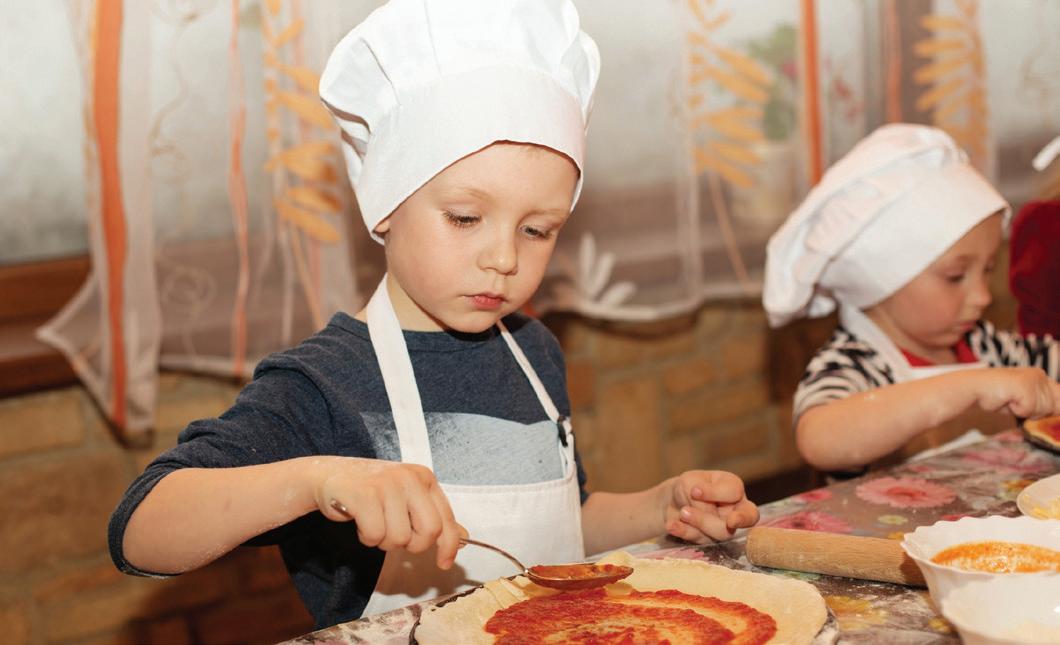
December unites families in ways few other times can, creating opportunities for children to explore their origins. Heritage is not just something to preserve under glass; it is alive, evolving and ready for kids to add their own chapter. This holiday season invites daughters and sons not only to observe family traditions, but to become joyful stewards of them. Through storytelling, cooking, crafting or creating TikTok-style recipe reels, children can connect with their roots in meaningful, playful and personal ways.
Research from Emory University’s Family Narratives Lab, published in Psychotherapy in 2008, reveals that children that are familiar with their family history have better self-esteem, higher social competence, quality friendships, reduced anxiety and stress, and fewer behavioral problems. The study also highlights that families discussing challenging events in emotionally open ways help children cope better during difficult times.
“It is extremely grounding for children to feel connected to their past and family history and elders,” explains Denise Olivera Schira, a wellness educator and retired assistant superintendent for the New York City Department of Education. “It gives them a sense of stability in the world and connection to something much bigger than themselves. It validates their identity and culture,
provides context and relevance in their lives, and offers a purposeful and meaningful understanding of who they are and from where they come.”
“Making family and cultural norms and discussions a part of everyday life experiences and interactions is an especially meaningful manner in which to engage children and elders seamlessly,” Schira explains, adding that opportunities for connection and sharing abound through storytelling, photos, craft projects, games and other engaging exchanges. Mealtime, especially during holidays, is Schira’s favorite time for worthwhile conversation, when elders share stories with
humor while children listen intently and ask questions. These gatherings create spaces where family history flows organically, without pressure or formality.
“What I love about the way my family heritage and tradition was celebrated was its simplicity and connection to nature,” shares Christina Heike, MS, MEd, a certified clinical trauma specialist and international educator with a background in Ayurveda and naturopathic medicine. “Many projects don’t happen because they seem too time-consuming and complicated to fit into our busy lives. For our children, it’s important to do hands-on activities that show direct results to balance the high usage of technology in many other areas of their lives.”
Heike recalls her grandmother’s simple tradition of culturing milk on the windowsill in glass cups. “Make memories with simple things,” she advises. Her childhood included painting real eggs for Easter (blown empty to save the contents for scrambled eggs), picking berries straight from bushes, pressing autumn leaves for art projects and singing songs together on lantern walks after sunset.
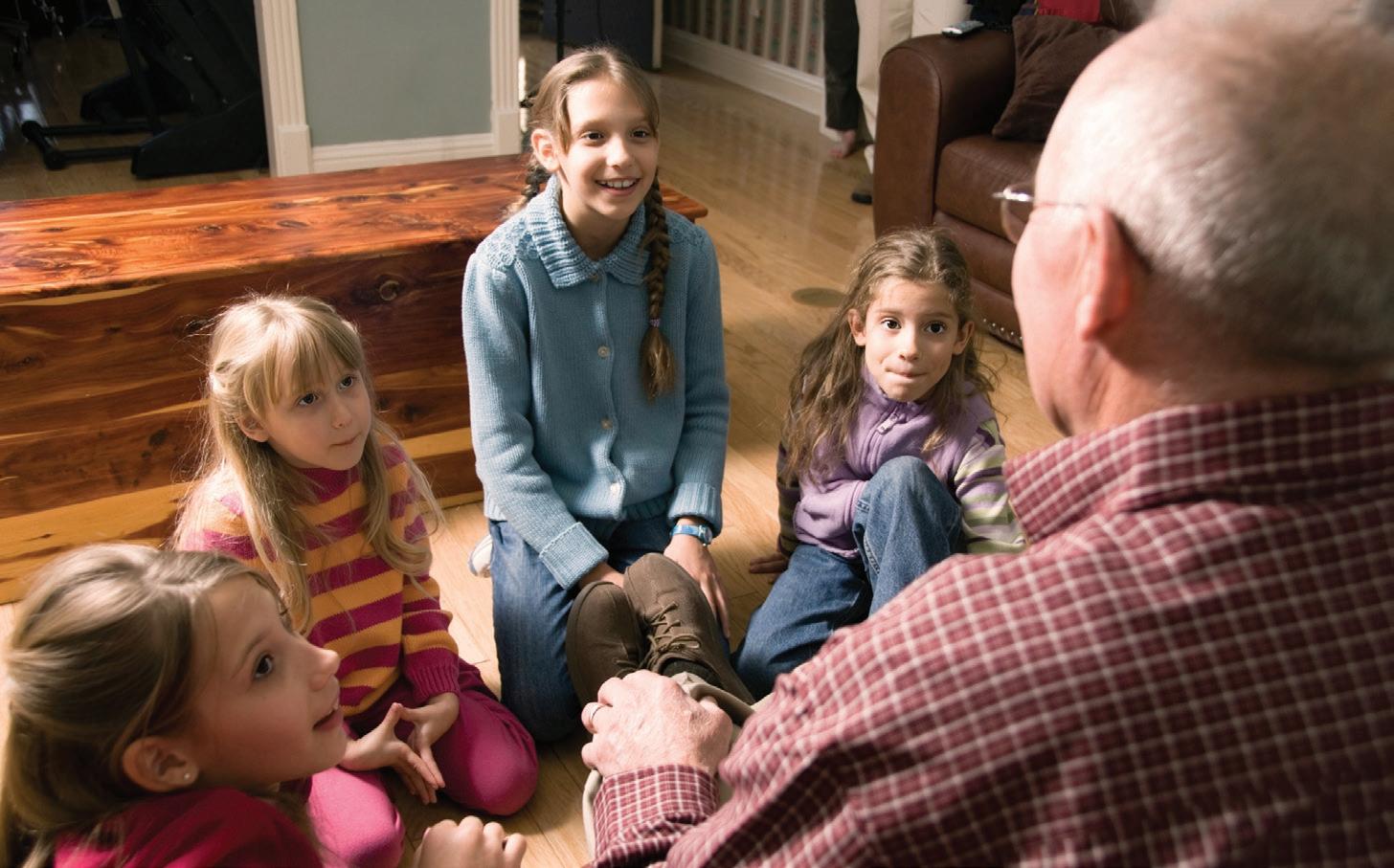
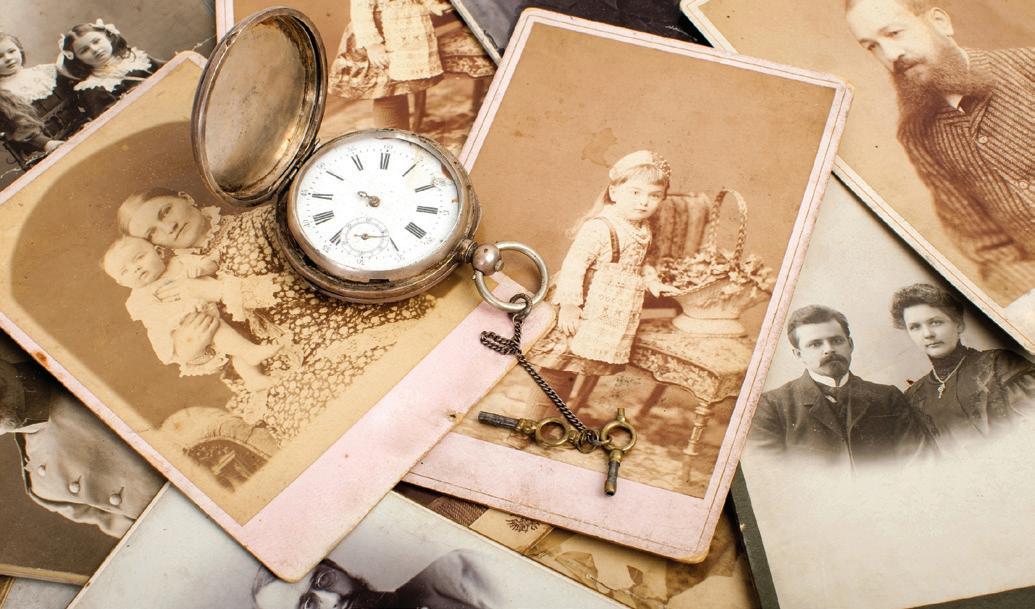
Everyday moments can become memory-making traditions through intention and presence. Schira and Heike offer some suggestions to kickstart the family’s exploration of their heritage and create new traditions and memories:
• Initiate conversations at family mealtimes.
• Encourage elders to share stories with humor and relevant comparisons to present times.
• Create space for children to ask questions that spark their interest.
• Create a decorative plate adorned with natural finds from walks.
• Learn seasonal songs together.
To involve younger children in the conversation, prompt elder family members with simple questions such as:
• What was your favorite game to play when you were my age?
• What food did you love eating on holidays?
• Can you teach me a song or poem you learned as a kid?

• What’s something funny that happened during the holidays when you were a kid?
• If you could save only one recipe from your family, what would it be?
Some children love crafting, while others prefer making videos or digital slide shows. Some are naturally chatty; others need quieter ways to participate. “Depending on a child’s age, vary activities and include them as much as possible in the decision-making process,” Heike advises. The goal is to invite kids to participate on their terms, making heritage education a celebration of joy and identity rather than obligation.
As families gather around holiday tables with familiar dishes and new experiments alike, remember that heritage isn’t a history lesson; it is a living conversation between past and present. Every question, every story and every recipe becomes a thread in the family’s tapestry. Let the children see that they do not just inherit traditions; they also have the power to shape them.
Christina Connors is a writer, keynote singer and head of music and SEL integration for the Kind Mind Education Program. Learn more at ChristinaConnors.com.


by Maya Whitman
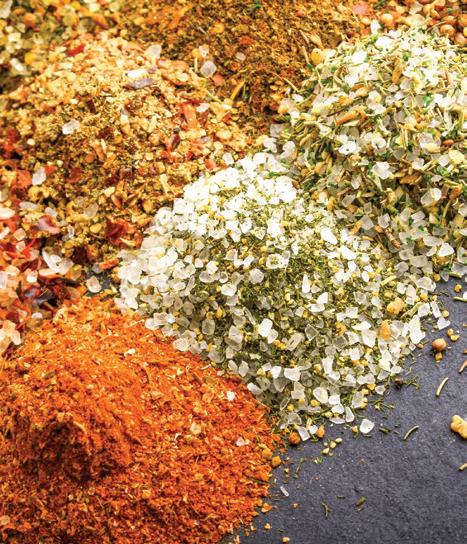
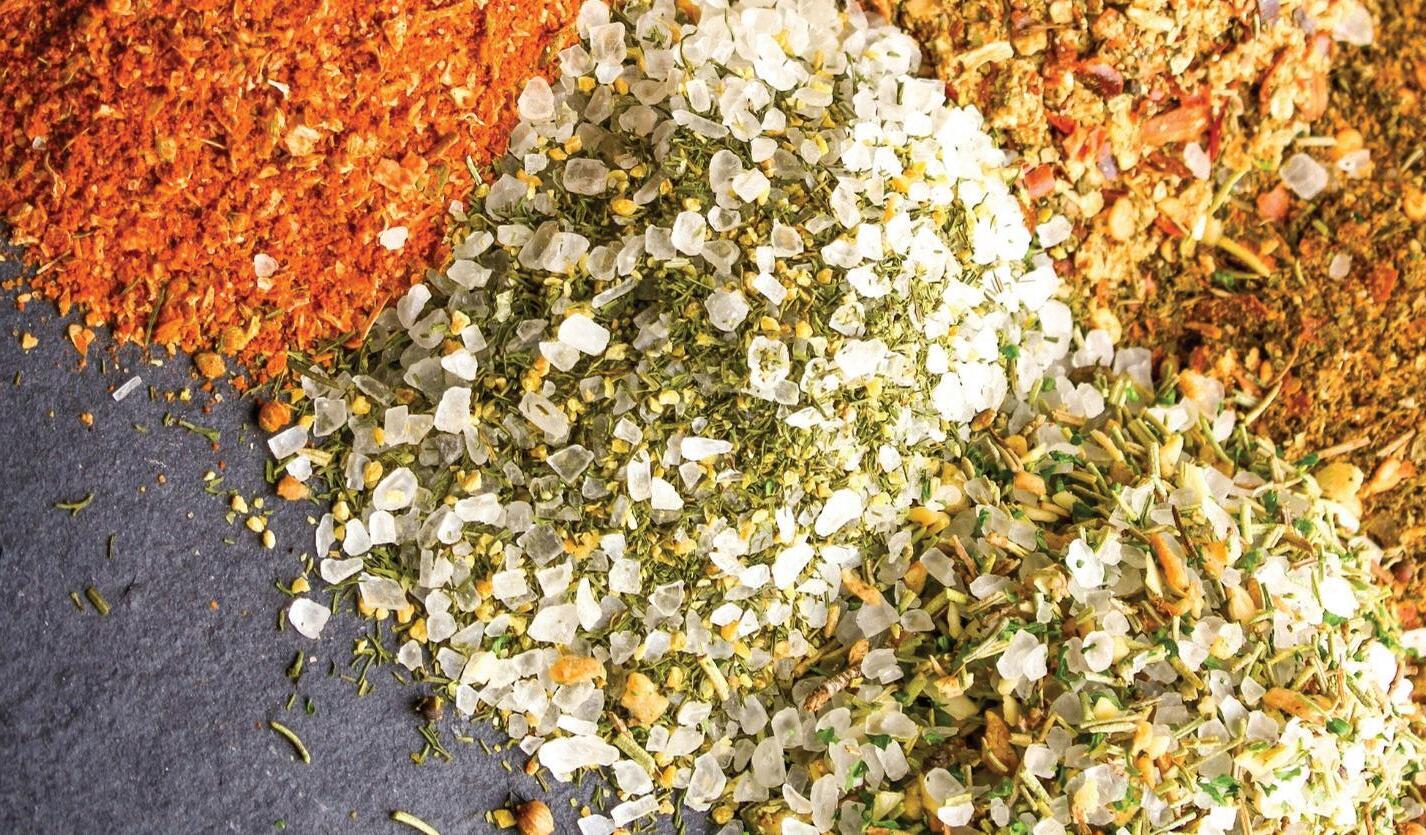
Specialty salts can transform everyday foods. To elevate the experience, add bold chili salt to a hearty winter stew, smoked salt to popcorn or ruby-colored wine salt to chocolate truffles. Flavored finishing salts surprise the tastebuds in ordinary dishes like oatmeal, desserts or hot cocoa. Used mindfully, gourmet salt reduces the need for excessive sodium and invites us to savor the extraordinary.
“I think salt is amazing and brings out the
best in food—all those hidden flavors,” says Craig Cormack, a gourmet salt chef in Cape Town, South Africa. His career as a food artisan advanced in 2009 when he embraced specialty salts. “My personal collection is sitting at 232 naturally occurring salts from around the world,” adds Cormack, who favors unrefined regional varieties, but also enjoys bold options such as smoked Danish Viking salt for its ancient, bonfire-infused qualities.
Salts vary in texture, flavor and nuance based
on their source and harvesting techniques, such as solar evaporation or hand-raking. Many contain trace minerals, adding depth to dishes, and when consumed in moderation, sea salt may benefit the body compared to refined salt.
Salt has a bad reputation for causing high blood pressure and other health conditions, but the U.S. Food and Drug Administration (FDA) states that more than 70 percent of dietary sodium comes from prepared and packaged foods, not from salt added at home. The FDA daily value for sodium is less than 2,300 milligrams per day, and using unrefined salts can be a healthier alternative to common table salt, which is demineralized and processed with anti-clumping agents. Celtic gray salt and other mineral-rich varieties contain naturally occurring, trace heavy metals, but also minerals like potassium, magnesium and calcium, which can help prevent the body from absorbing harmful metals like lead.
“We all need salt in moderation to live. The best way to ingest salt is to season your own food. Processed food has too much salt, and you can’t control your intake. Naturally made, mineral-rich salt is the best choice,” affirms Nancy Bruns, a seventh-generation salt maker at J.Q. Dickinson Salt-Works, in Malden, West Virginia. She and her family produce rare, small-batch finishing salts harvested from the ancient Iapetus Ocean beneath the Appalachian Mountains.
Whether sourced from evaporated seawater (sea salt) or underground salt mines (rock salt), there is much to choose from. Sea salt comes in various colors, coarseness and complex flavors. Highly prized flake salt—fleur de sel from coastal France—is hand-harvested from evaporation ponds with clay bottoms and, with its delicate, paper-thin crystals, offers delicious nuances as a finishing salt. Celtic gray salt, sourced deeper within evaporation ponds, contains more moisture and minerals.
Himalayan pink salt, mined from salt beds formed from ancient seas approximately 600 million years ago, contains more than 80 minerals and has a rosy color due to the presence of iron oxide and magnesium. Black volcanic rock salt, also known as Himalayan black salt or kala namak, has a pungent, sulfuric quality that diminishes with heat during cooking and imparts an egg-like aroma and taste that can be useful in vegan recipes. The large, coarse grains of kosher salt traditionally used in Hebrew cuisine give food a robust, briny quality and satisfying texture.
Salt can be infused with herbs, spices, fruits and smoke from various woods to create a multitude of flavor qualities and moods. Bruns highlights her ramp-infused salt, which is combined with

wild onions gathered during the Appalachian springtime. Charred oak from old bourbon barrels makes their smoked salt a favorite for grills and even chocolate desserts. Cormack spotlights the fine indulgence of Tartuflanghe brand truffle salt from Italy for an unforgettable mushroom risotto.
Bruns is grateful for the timeless spirit of salt. “I come to work on the same land where my ancestors made salt for over 150 years. I feel their presence, as if they are watching over my shoulder. That legacy and sense of stewardship is present every time I sprinkle salt on my food.”
Maya Whitman is a frequent writer for Natural Awakenings.



1 tsp dried herbs, spices or citrus zest of choice ¼ cup kosher salt, coarse sea salt or coarse Himalayan pink salt
In a bowl, combine 1 teaspoon of dried herbs, spices or citrus zest for every ¼ cup of kosher salt, coarse sea salt or coarse Himalayan pink salt. Stir thoroughly and store the mixture in a sealed, dry, airtight jar. For optimal results, let the flavored salt sit in the closed jar for a few hours before use.
Create a delicious finishing salt for grilled shrimp, vegan tacos or black bean soup by combining 1 teaspoon fresh lime zest, ½ of a dried hot chili pepper and ¼ cup kosher salt. Sprinkle to taste just before serving.
Enhance fresh blueberries, melon, warm oatmeal or freshly baked brownies with a unique flavor by crushing 1 teaspoon of organic lavender buds in a mortar and pestle until the flowers are bruised and fragrant, then combining them with ¼ cup coarse Himalayan pink salt. Sprinkle to taste immediately before serving.
Make a wonderful cooking salt for roasted vegetables by mixing 1 teaspoon dried rosemary with ¼ cup Celtic gray sea salt. Sprinkle to taste before baking in the oven.
Recipe courtesy of Marlaina Donato.
2 Tbsp olive oil, divided
1 large yellow onion, sliced
1 medium zucchini, thinly sliced
1 medium yellow squash, thinly sliced
1 medium red bell pepper, thinly sliced
Preheat the oven to 350° F.
2 cloves garlic, minced
2 tsp fresh thyme leaves
¼ tsp heirloom salt, divided
4 large eggs
½ cup whole milk
5 grinds from black pepper mill
3 dashes of jalapeño hot sauce
⅓ cup feta cheese, crumbled
Heat 1 tablespoon of olive oil in a 10-inch oven-proof skillet over medium heat. Add sliced onions and sauté until lightly browned, about 8 to 10 minutes, stirring frequently.
Take the onions out of the pan and set them aside. Add the remaining tablespoon of olive oil to the pan, along with the zucchini, yellow squash and red bell pepper. Sauté for 5 to 7 minutes until cooked through and tender. Add the garlic, thyme leaves and ⅛ teaspoon of salt. Stir and cook for 30 seconds more until fragrant.
Remove the pan from the heat. Return the onions to the pan and mix well. Let it cool for 10 minutes.
In a small bowl, whisk together the eggs, milk, remaining salt, pepper and hot sauce. Pour this mixture over the vegetables and sprinkle feta cheese on top.
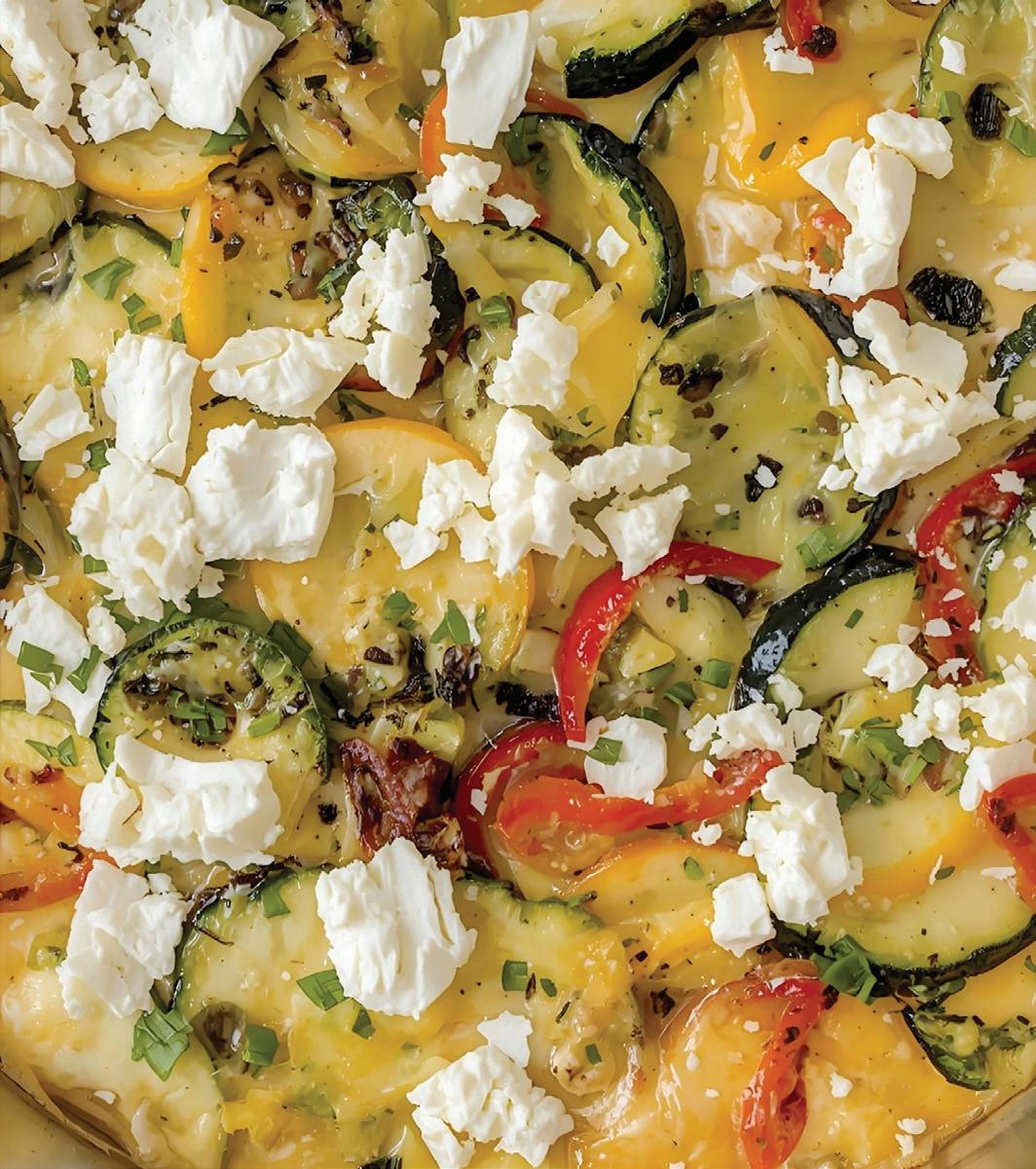
Place the pan on the center rack of the oven and bake for 20 to 25 minutes, or until just set in the center.
Take the pan out of the oven and let it sit for 5 minutes. Cut into quarters and serve.
Recipe courtesy of J.Q. Dickinson Salt-Works.



by Hannah Tytus
“Discovering more joy does not, I’m sorry to say, save us from the inevitability of hardship and heartbreak. In fact, we may cry more easily, but we will laugh more easily, too. Perhaps we are just more alive,” reflected the late Archbishop Desmond Tutu in The Book of Joy: Lasting Happiness in a Changing World, where he shared wisdom alongside the Dalai Lama.
Joy invites us to be more alive. It surfaces through awareness, connection and acceptance of the present moment, exactly as it is. As winter days grow shorter and the year draws to a close, this is a wonderful time to explore what joy truly is, the things that block it and how it can be reclaimed. Ultimately, joy is not a reward for a perfect life, but a way of being that reminds us to embody our full humanity. Though sometimes fleeting, joy can be profoundly sustaining.
“Joy is much bigger than happiness,” asserted Tutu. “While happiness is often seen as being dependent on external circumstances, joy is not.” This mindset—rooted in both heart and spirit—aligns closely with the Dalai Lama’s vision that genuine fulfillment comes from recognizing the deep interconnectedness of all living beings. Joy is an embodied emotion that is distinct from happiness. Happiness is stable, evaluative and may reflect broader life satisfaction—a contentment with one’s career, finances, family, romantic relationships or personal fulfillment—while joy is experienced in the present moment. It is intense, yet fleeting.
In a study conducted in 2025 and published in the International Journal of Qualitative Studies on Health and Well-Being, researchers interviewed 14 adults about their
experiences of joy. The findings explain joy as a complex emotion shaped by individual, relational and cultural contexts. According to the research, joy is intense, transcendent and deeply felt—often arising spontaneously in response to meaningful experiences or connections.
In contrast, happiness encompasses a broader spectrum, exhibiting greater stability, and is associated with life satisfaction and contentment. Participants described joy as a somatic experience, identifying sensations such as “a rush of warmth and lightness throughout the body,” “electricity,” “a bubbling up,” and “tingling sensations,” accompanied by “the urge to move, smile and embrace others.” These visceral reactions often accompanied moments of intense connection, awe and accomplishment.
If joy is felt through the body, movement itself becomes a doorway to experience it more fully. This cultivation of joy is the cornerstone of Jennifer Joy Jiménez’s life’s work. A pioneer in integrative movement and founder of the Brave Thinking Institute’s Health & Well-Being Division, she developed TranscenDANCE, a conscious dance modality for all ages and mobility levels


designed to improve mental, emotional and physical health through inspiring music, body positivity and free-form movement.
Conscious dance is any form of movement that emphasizes mindfulness, inner exploration and emotional release rather than performance or choreography. Although these transformative movement practices have existed for thousands of years, Jiménez laments that for many Americans, dance may be confined to weddings, occasional outings or fitness classes, leaving little room for the expressive and emotive daily practice that “allows our soul-self to move our human self.”
Jiménez asserts, “Just a few minutes of dancing releases the happy hormones, offering a DOSE [dopamine, oxytocin, serotonin and endorphins] that shifts our mood better than any antidepressant.” Scientific evidence supports this assertion. A 2024 meta-analysis published in The BMJ analyzed 218 clinical trials, demonstrating that dance was more effective in alleviating depression symptoms than walking, yoga, strength training and even traditional antidepressants.
The Social Nexus
Joy thrives on connection. While it can arise in solitude, it naturally expands most effectively through relationships and shared humanity. When individuals feel seen, supported and part of something larger than themselves, their sense of well-being deepens.
The 2024 World Happiness Report identifies social support as one of the strongest predictors of life satisfaction. Similarly, the Harvard Study of Adult Development—one of the longest-running longitudinal studies of human health—has shown that healthy, fulfilling relationships are the single greatest predictors of both longevity and life satisfaction.
by Hannah Tytus
Gratitude is an important part of joy because it helps us savor life and recognize that much of our good fortune comes from others, including those that have made it possible for us to be ourselves.
Saying Thanks at Mealtime: According to the Dalai Lama in The Book of Joy, even the act of eating a vegetable dish can become a communal experience. Hold gratitude for the seed in the earth, the sunlight and rain that nurtured it, the hands that tended and harvested the plant, the people that transported it to the local market or restaurant, and those that prepared the meal or taught us to cook.
Writing Down the Blessings: This daily practice is suggested by Jennifer Joy Jiménez, founder of the Brave Thinking Institute’s Health & Well-Being Division. With eyes closed, recall three items from the day for which to be grateful— from a friend’s kindness to the bounty of a good meal or the pleasant aroma in the air. Record these items in a journal, aiming to add three new items each day.

by Hannah Tytus
Developed by Jennifer Joy Jiménez, TranscenDANCE is a conscious dancing modality that uses gentle movement to connect with the body, release stress and cultivate positive emotion. Here is an abridged practice for daily use.
Step 1: The Dance of Spirit (three minutes)
Begin by bringing awareness to the breath. Listen to the exhale, releasing air slowly and steadily. Root your feet, lift your heart and let your body flow gently, like a leaf in the wind or a cat stretching in the sun. This breathe-and-move practice reconnects you to the present moment and reminds you of your inner calm and strength.
Step 2: The Dance of Shift (three minutes)
Shake it out. Stress lives in the body as tension; release it like flicking water or shaking dust from a rug. Add sound and breath as you move. Each shake helps your nervous system reset, leaving you lighter, clearer and freer.
Step 3: The Dance of Joy (three minutes)
Put on a song that lifts your spirit. Let the body move however it wants—bounce, sway, smile. It’s not about performance; it’s about feeling alive. As gratitude rises from within, joy becomes the natural overflow.

This growing body of research underscores that social connection shapes health across our lifespan. Individuals that maintain meaningful relationships exhibit lower risks of cardiovascular disease, hypertension, diabetes, infections, cognitive decline and depression compared to those that are lonely. When people share laughter, empathy or a sense of belonging, they exhibit improvements to their nervous system and immune function, as well as an expanded capacity to experience joy.
While connection nurtures joy, disconnection erodes it. In The Book of Joy, the Dalai Lama identified loneliness as one of the most significant obstacles to joy, emphasizing that it arises not from isolation itself, but from a mindset of separation. A person can live alone in the wilderness and still feel content, while another may feel lonely in a crowded room. Loneliness, he suggests, emerges when the heart closes—when anger, fear or stress obscure the ability to perceive warmth in others.
Many modern experiences reinforce this sense of separation. Chronic stress, fatigue, poverty and depression all constrict the emotional space needed for joy. Cultural ideals built around constant happiness add another layer of strain. Researchers describe how placing pressure on ourselves to be perpetually positive leads us to suppress authentic emotion, rather than cultivate genuine contentment. The Dalai Lama observed that persistent anxiety keeps the mind spinning in worry, unable to rest in presence.
Emotional avoidance further narrows the capacity for joy. According to the 2024 World Happiness Report, individuals that intentionally process difficult experiences report a 40 percent increase in life satisfaction. Gratitude research suggests the reason behind this phenomenon: Recognizing joy requires openness and receptivity. When individuals soften their defenses and allow life’s full range of emotion, they create space for joy to return.


Adopting an attitude of gratitude is one of the best ways to cultivate joy. Recognized by the Dalai Lama as one of the “8 Pillars of Joy”, gratitude has been shown to enhance the capacity to perceive joy in everyday life. Gratitude increases joy, and joy, in turn, increases gratitude in an upward spiral of positive disposition. A 2018 study published in The Journal of Positive Psychology revealed that when the participants practiced gratitude regularly, it became part of their natural disposition. Participants that exhibited greater gratitude also experienced heightened levels of joy.
Jiménez notes that cultivating gratitude—and therefore joy—is not just a matter of responding to positive circumstances. “There is a dif ference between gratitude for and gratitude in. It’s easy to be grateful for positive windfalls like winning the lottery or receiving a nice gift. But when something challenging happens, such as a loved one re ceiving a serious medical diagnosis, how can we be grateful in that moment for the gift that lies in the wisdom of that situation?” View ing challenging events as lessons with the potential for wisdom and healing helps us cultivate a more resilient kind of gratitude.
As Tutu and the Dalai Lama teach, joy is not the absence of struggle but the presence of heart. It lives in the body, grows through connec tion and deepens through gratitude. To reclaim it, we must soften the grip of perfection, release the myth of constant happiness and allow space for both laughter and tears.


Jiménez reminds us that joy is something to be practiced—not achieved—through movement, mindfulness and a willingness to feel. Gratitude becomes the bridge that turns awareness into aliveness, inviting us to notice what was there all along. When people pause long enough to be present, they discover that joy does not need to be sought. It simply needs to be welcomed.
Hannah Tytus is an integrative health coach, researcher and content creator for KnoWEwell, P.B.C., as well as a former writer at the National Institutes of Health.

by Marlaina Donato
There is something special about stepping into the cozy warmth of a coffeehouse, sampling the latest offerings at the bakery or discovering a rare edition at the local bookshop. Our hometowns, like their people, have a unique spirit, and shopping locally during the holiday is a full-sensory delight. “Online shopping is convenient, but nothing beats an in-person interaction and seeing how happy a local business owner gets when you purchase something,” says Jacqueline De Leeuw, a fine artisan and owner of the thrift store Comfy Komodo, in Newton, New Jersey.
Despite Adobe Analytics reporting that American consumers spent $241.4 billion online during last year’s holidays, CapitalOne’s research shows that 45 percent still prefer in-store shopping. This preference is driven by convenience, easy product comparison and a more enjoyable experience. Local stores offer shorter lines, fewer crowds, meaningful options and a chance to reduce our carbon footprint. The American Independent Business Alliance states that for every $100 spent at an independent business, $50 or more remains in the local economy, boosting prosperity, jobs and donations to local organizations.

Discovering local treasures provides social nourishment and counteracts our screen-dependent lifestyles. According to the U.S. Centers for Disease Control and Prevention, social connection benefits long-term physical and mental health. “Talking with the folks who grow your food or make your gifts is almost extinct in our world. Farmers markets have revived that,” says Darlene Wolnik, senior project manager for the Farmers Market Coalition, in New Orleans, Louisiana. Fulfilling our senses with artisanal breads, seasonal produce freshly harvested from local soil and maple syrup tapped from nearby trees reconnects us with real life.
From hand-poured candles to artful ornaments, small businesses offer unique finds. Shopping can extend beyond purchases to include meeting friends for lunch or enjoying seasonal treats. The holidays are the perfect excuse to indulge in local fair-trade chocolates, regional wines, craft beers or small-batch gourmet coffees. “Nothing is better than meeting with family or friends and seeing where the day takes you, exploring local shops,” muses De Leeuw.
Wolnik agrees, suggesting, “You can make a morning of it and shop the entire town or Main Street before or after your farmers market visit.” She recommends checking if vendors offer holiday crafts. “A lot of farmers knit, weave and do woodworking. Also,
many markets use a wooden token system to process card payments. If your market does that, buy tokens for friends, wrapped with a ribbon and a market flyer.”

After the gifts and festivities, adopting inspiring habits can kickstart a new year. Choosing to shop locally more often positively impacts the environment because small businesses typically source their products regionally, reducing transit emissions.
Knowing the names of local servers, shopkeepers and baristas fosters a vibrant network of community engagement, enriching our everyday lives with meaning and a sense of belonging. “My favorite thing about supporting local shops is really connecting with the owners or the workers—finding out their story, how they started and what brought them here,” adds De Leeuw.




by Jordan Peschek, RN-BSN
The U.S. Department of Health and Human Services Physical Activity Guidelines for Americans advises adults to engage in at least 150 to 300 minutes of moderate-intensity or 75 to 150 minutes of vigorous-intensity aerobic exercise weekly, along with muscle-strengthening activities for major muscle groups at least twice a week.
Cross training is a powerful approach that combines aerobic and strength training into one dynamic routine, helping individuals reach their physical fitness goals more efficiently. According to Dawn Coleman, an American Council on Exercise-certified personal trainer in Cedarburg, Wisconsin, “Cross training benefits greatly outweigh focusing on one particular type of training. By creating multiple stimuli for the body, you allow it to adapt quickly to input, prevent injuries and allow the body to be prepared for the unknown scenario.”
For everyone, regardless of age or ability, integrating aerobic or cardiovascular exercise with resistance or strength training offers many

health benefits, including reduced stress, better sleep, improved self-esteem, enhanced immune function and heart health, as well as beneficial bone mass and body weight. Despite these advantages, many may be hesitant to start cross training due to uncertainty about where to begin.
For example, a regular jogger might not know which strength exercises to pair with their running routine, while gym-goers lifting weights may be reluctant to add cardio. Whether someone is a competitive runner aiming to prevent injury and build strength or a non-athlete looking to optimize health as they age, combining both strength and cardiovascular training is a fun and effective choice.
“I see a lot of overtraining-related injuries when athletes fail to diversify from their sport,” says Tessa Kothe, a practitioner in Colorado Springs with a Ph.D. in physical therapy. “Clients who implement cross training tend to end up more robust, healthier and recover from their injuries much faster than those who do not diversify their training.”
The American Council on Exercise (ACE) Integrated Fitness Training (IFT) Model provides four training phases, depending on the abilities and goals of an individual. Beginners, for example, ease into exercises that enhance postural stability, core activation and static balance with exercises such as planks, single-leg stands with core contraction and a heel-to-toe walk with a three-second pause after each step, respectively. Additional exercises are gradually introduced to enhance a person’s health and function, with a focus on five primary movements:
1. Bending and lifting (squats)
2. Single-leg movement (lunges)
3. Pushing (bench press, push-ups and triceps extensions) kali9 from Getty Images

4. Pulling (pull-ups, one-arm rows and bicep curls)
5. Spinal rotation (lying knee-to-chest twists and planks with side-to-side twists)
Once these more advanced exercises can be performed safely in the correct form, then weight or resistance is added. The final phase of the ACE IFT Model involves performance training with functional movements that incorporate load, movement and speed to boost agility, quickness and power.
Cross training combines strength and cardiorespiratory benefits into a single workout by alternating between strength-based and aerobic activities, engaging multiple systems in the body. It appeals to those that value a holistic wellness approach due to its adaptability. Sessions can be tailored to individual needs, energy levels, wellness goals and time constraints. By choosing enjoyable and convenient exercises, we can avoid monotony and increase the likelihood of making them a regular part of life.
A cross training day might include a hike with weighted walking poles or a 15-minute yoga flow followed by a workout with light resistance bands. Another example is combining 10 to 20 minutes of rowing or stair
climbing with 20 minutes of core work, squats and lunges.
During aerobic activities like walking, running, biking or swimming, ACE recommends beginning with 20 to 30 minutes of aerobic exercise at a pace that allows easy conversation, then gradually adding longer workouts, intervals, increased speed or higher intensity.
For newcomers to cross training, begin with two sessions per week, alternating 15 minutes of strength training with 15 to 20 minutes of cardio or mobility work. This can be gradually increased to meet the recommended weekly physical activity guidelines.
• Listen to the body. Each day is different. Honor energy levels and prioritize form and safety over intensity.
• Fuel and recover well. Whole foods,


hydration and ample sleep are essential for muscle repair and sustained energy.
• Keep it simple. Basic tools like a yoga mat, jump rope or pair of dumbbells are often all that is needed to get started.
• Seek community. Group classes, virtual platforms or one-on-one guidance can provide structure, proper form instruction and encouragement.
Cross training is more than just a workout plan; it is a practice of self-care, strength and sustainability. For those embracing holistic living, this style of movement aligns well with long-term wellness goals. It is about cultivating a resilient, vibrant body and mind that can carry us through the decades with grace.
Jordan Peschek has a background in personal training, yoga instruction and mental health nursing. She publishes the Milwaukee and Twin Cities editions of Natural Awakenings.


by Ruth Roberts, DVM, CVA, CVH, CVFT, NAN
Adog’s immune system is the first line of defense against infection and disease, relying on nutrition, rest and emotional balance for optimal protection. Prolonged stress and consistently poor nutrition can gradually weaken this vital network, but holistic care provides gentle, effective strategies to restore and safeguard immune function, contributing to lasting wellness and vitality.
Immune resilience begins in the gut, where most immune cells are located. A 2024 study published in Frontiers in Veterinary Science revealed that supplementing canine diets with chitooligosaccharides (COS), bioactive compounds derived from chitin in crustacean shells and fungi, enhanced immune responses and antioxidant enzyme activity by promoting a healthier gut microbiome. In addition to these functional supplements, nutrient-dense foods, particularly fresh leafy greens and colorful vegetables such as carrots, beets and peppers, also nourish beneficial gut bacteria and provide antioxidants that combat inflammation. Each color of the vegetable rainbow contributes unique phytonutrients that protect cells and bolster a dog’s innate defenses.
While many vegetables are beneficial, pet parents should not give dogs onions, garlic, leeks, scallions and chives, as they are toxic to

dogs. Likewise, dogs should not eat tomatoes, corn on the cob and vegetables that can cause blockages such as radishes and the pits from avocados and fruits. Certain fruits, such as cherries, grapes and raisins, are also toxic to dogs.
Healthy fats are equally indispensable because they form the structural basis of cell membranes, ensuring optimal cellular function and resistance to pathogens. Omega-3 and omega-6 fatty acids from sources like fish oil, boneless sardines or ground flaxseed in moderation nourish the skin, reduce inflammation and support immune regulation. Cholesterol plays a crucial role in maintaining cell integrity and hormone equilibrium. Good cholesterol sources for dogs include eggs, organ meats, fish and lean meats fed in moderation. These nutrients promote strong, adaptable cells and a balanced microbiome—the cornerstone of enduring health.
A comprehensive whole-food diet centered around these principles offers greater benefits than isolated supplements. The synergistic effects of nutrients found in fresh foods support the immune system in a natural, sustainable manner, helping dogs heal, adapt and thrive.
Nature provides potent tools to further enhance immune balance. Medicinal mushrooms have long been recognized for their immunomodulating properties, helping to strengthen, balance and regulate a dog’s natural defense mechanisms. Medicinal mushrooms such as reishi, shiitake, cordyceps, lion’s mane, turkey tail and chaga are safe and beneficial when used under the guidance of a veterinarian. Unidentified and wild mushrooms, including Amanita and Galerina species, should not be given to dogs as they may be toxic.
Research on shiitake mushrooms indicates that they contain beneficial bioactive compounds, including beta glucans (β-glucans), eritadenine and other polysaccharides, which can augment immune activity, support liver function and improve antioxidant capacity in humans.
A 2024 study in Frontiers in Veterinary Science found that four weeks of shiitake mushroom powder supplementation in healthy dogs significantly increased antioxidant activity, while reducing cholesterol.
These findings suggest that shiitake mushrooms may help enhance cellular defense and immune resilience in dogs. Because of their immune-stimulating properties, shiitakes should be given only under veterinary supervision to dogs with immune-mediated diseases or those undergoing chemotherapy or immunosuppressive treatments.
Similarly, reishi mushrooms have been studied in animals for their immune-supportive and protective effects. Their polysaccharide and triterpenoid constituents have been demonstrated to stimulate pathogen-killing white blood cells such as macrophages and T-lymphocytes, leading to improved immune surveillance and resistance against abnormal cell growth. Rodent studies have shown that reishi extracts can significantly inhibit tumor development, reduce inflammation and enhance overall immune function without adverse effects.
A pivotal factor in these effects is the presence of β-glucans—complex polysaccharides that function as biological response modifiers, training the immune system to respond appropriately to challenges without overstimulation. “The beta glucans help to stabilize your immune system,” explains Rob Silver, a pioneering holistic and integrative veterinarian in Boulder, Colorado, recognized for his expertise in veterinary herbal medicine and medicinal mushrooms. He notes that these compounds can “re-educate” immune cells, enabling them to distinguish between genuine threats and harmless triggers such as pollen, food or dust. In this way, β-glucans promote a balanced, resilient immune response that supports both health and tolerance.
Holistic canine care goes beyond food and supplements, encompassing emotional well-being and preventive measures. Because chronic stress can weaken immunity, maintaining a calm, enriching environment is essential. Regular exercise,
mental stimulation and comforting companionship promote equilibrium and confidence. Gentle detoxification practices such as supporting liver function with milk thistle or kidney health with dandelion root further assist the body’s natural cleansing processes.
Regular checkups are pivotal in preserving a dog’s health, enabling veterinarians to detect emerging issues early. Collaborating with a holistic practitioner provides a comprehensive approach that integrates natural therapies with conventional medicine.
Holistically strengthening a dog’s immune system entails nurturing the entire being— body, mind and spirit. With a foundation of whole-food nutrition, balanced fats, supportive herbs and mindful care, dogs can enjoy vibrant health and lasting vitality. This integrated approach not only fortifies the immune system, but also cultivates a life of balance, joy and resilience.
Ruth Roberts, an integrative veterinarian and a holistic health coach for pets, is the creator of The Original CrockPet Diet. Learn more at DrRuthRoberts.com.

Peaceful Pause is a Holistic Healing Space Where Every Woman Can Heal, Grow and Thrive

Wellness Services




by Marlaina Donato
December can be a bittersweet paradox of festive celebrations and short, gloomy days filled with contrasting emotions. As the old year fades into the golden spark of a new beginning, we may find ourselves entangled in the beautiful complexity of being human. The twelfth month challenges us to accept the dichotomy of jubilation and melancholy, eagerness and regret. By acknowledging and making room for the harder emotions, we can fully embrace joy.
Just as the bare trees of the north stand boldly against the sky, December urges us to dive into self-honesty to discover the eternal flame deep within us, untouched by the world’s chaos. Celebrating the holy days of winter can be an internal, sacred journey.
Kindling the flames of empathy and goodwill is a form of self-care that ignites positive change for ourselves and others. Embodying our light can be as simple as pausing before reacting in anger or allowing others to hold their own opinions, even when they differ from ours. Feeling more alive in our merriness often happens effortlessly when we choose to live and let live.
As winter arrives and sweet aromas fill the kitchen, December allows us to embrace all that is beautiful and nourishing. Should a ghost of wistfulness haunt a moment of glee, we can choose to embrace what is possible in the present moment between the past and the future. This month, be inspired to:
• Release the need to control outcomes and welcome spontaneity and flow.
• Embody joy without guilt, even when the world seems in turmoil.
• Allow feelings of grief while cherishing fond memories of lost loved ones.
• Invest in what brings lasting joy and meaning.
Marlaina Donato is an author, painter and composer. Connect at WildflowersAndWoodSmoke.com.

Connecting you to the leaders in natural health care and green living in our community. To find out how you can be included in the Community Resource Guide, call 839-228-1158 or email MsTracy@MidlandsNA.com.
DOWDY RUDOLPH CHIROPRACTIC
LLC
Dr. Dowdy Rudolph, DC 1444 Barnwell St, Columbia 803-376-6293 • DowdyRudolphChiro.com
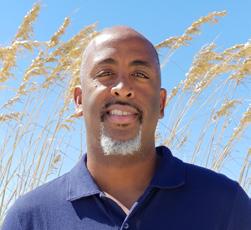
Dr. Gerald Rudolph, DC, focuses on finding the root cause of your problems and not just treating your pain. He utilizes digital X-rays to help diagnose problems, spinal adjustments to stimulate proper movement of spinal and extremity joints, active therapeutic movement exercises to correct movement disorders, and spinal decompression to help relieve numbness and tingling down your arms and legs. Dowdy Rudolph Chiropractic also offers a state-of-the-art full-body lounge hydromassage table that can help you feel more rejuvenated and relaxed. See ad, page 35.
SPRING RAIN HYDROTHERAPY
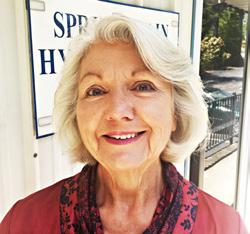
Linda Salyer
120 Kaminer Way Pkwy, Ste H, Columbia 803-361-2620 • LSalyer@ymail.com
All disease begins in the colon. Constipation; slow, sluggish bowel; gas and bloating?
A colonic will help to rid you of these problems. Colonics promote good digestion, help speed metabolism, help lower cholesterol, and help relieve joint pain. Linda Salyer is IACN certified and a retired nurse. Saturday appointments available with an additional small convenience fee. See ad, page 7.
ABUNDANCE MANIFESTOR
Patricia Whyte
PatriciaWhyte.com
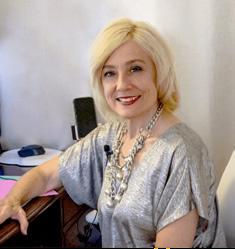
Patricia is a global transformational leader and an expert in energy movement and manifesting. She is a certified Diamond Life Coach and Diamond certified in Feng Shui. Feng Shui is the art of creating a harmonious and balanced environment by optimizing the flow of energy within a space. Many people feel stuck or overwhelmed in their careers, relationships or health. Clutter and disorganization are often part of the problem. Patricia offers a solution to help you move forward
and live the life you deserve. Let her help you find your personal key to unlock your true potential and create a life filled with abundance, joy and boundless possibilities.
THE SHIFTING SAND
Juanita Ecker
518-941-9249
Juanita@TheShiftingSand.com TheShiftingSand.com

Are you tired of turning to food to numb your feelings and finding comfort at the bottom of a snack bowl? Transform your relationship with food and stress. Stress eating isn’t about weakness—it’s about trapped emotions from past experiences that drive you to seek comfort in food. Juanita uses a gentle energy healing technique to identify and release emotional blocks, helping you break free from unhealthy patterns. Together, you’ll create lasting change—without shame or rigid rules. Life’s pressures don’t have to lead to the pantry. Your journey to overcoming stress eating starts here.
PEACEFUL PAUSE HEALING
Dr. Malai Roper
803-814-4001
DrMalai@PeacefulPauseHealing.com PeacefulPauseHealing.com

Dr. Malai Roper is a metaphysician and holistic wellness guide offering therapies that honor the body, mind and spirit. She blends Reiki, sound therapy, Ayurvedic wellness and metaphysical guidance into personalized experiences for women seeking balance and renewal. Her work creates a safe and sacred space for feminine healing, supporting rest, release and reconnection with inner wisdom. Through bodywork, energy medicine and spiritual mentorship, Dr. Malai helps women reclaim their vitality and align with their true essence. She also offers certification trainings in Reiki and Sound Healing for those called to deepen their own path. See ad, page 31.
7001 St Andrews Rd, Ste A Certified Board Pedorthist and Brace Specialist 803-781-1230 • FootSavi.com

With more than 30-plus years in the footcare/footwear industry, Sion Owen helps with a variety of issues, including gait analysis, foot assessments, custom orthotics, bracing and compression therapy, plantar fascia pain, neuropathy and fitting for therapeutic shoes for patients with diabetes, arthritis, painful bunions, callouses and hammer toes. Call to schedule an appointment! See ad, page 31.
Sylvia Grant, MSW, BSW, GC-C 140 Stoneridge Dr, Ste 430, Columbia 803-606-3032 (text) or 803-386-9069 (call) Info@GriefAndBereavementrc.org GriefAndBereavementrc.org
The Grief and Bereavement Resource Center, founded by Army veteran Sylvia Grant, MSW, provides compassionate support, counseling and educational resources to help individuals and families navigate loss. Rooted in community care, the center empowers people to process grief, find healing, and thrive through shared support and professional guidance. It’s time to stop hurting and start healing. You don’t have to do it alone. Call to make an appointment today.
ABOUT YOUR HEALTH INC
120 Kaminer Way Pkwy, Ste J, Columbia 803-798-8687 • AboutYourHealthSC.com

About Your Health Inc’s main focus is health education and health-enhancing services, including One-on-One Nutritional Counseling, Live/Dry Blood Cell Observation, Mild Hyperbaric Chamber, Ozone Therapies, Thermography, Aqua-chi Footbath, Far Infrared Sauna and more. They also carry hard-to-find natural, organic, wholefood nutritional supplements and products. See ad, page 29.
Tracy R. Jacox • 833-678-7229
OriginalOriginshw@gmail.com
OriginalOriginshw.com

Ms. Tracy has over 30 years of experience in the medical field. Original Origins can assist you with maximizing your health and wellness holistically! Our wide range of services include health coach partnering, comprehensive health evaluations, comprehensive cooking experiences, and a comprehensive kitchen evaluation. Your health is your wealth! See ad, page 3.
Donna Mack
803-766-4913
PositiveProjectionsllc@gmail.com
PositiveProjectionsllc.com

Donna Mack and her team bring over 30 years of combined experience in offering health and wellness classes. Our courses are designed to empower participants to live their healthiest and happiest lives as they age. We’ve seen firsthand how gaining greater understanding of health impacts and making simple changes in lifestyles can lead to real healing. We offer a signature Healthy Body Health class to provide you with an “owner’s manual” for your body, offering practical tools and a personalized plan to help you take charge of maintaining your health for a lifetime. Call to make an appointment today.
Monica Vidal
386-333-2871
MonicaVidal@ TheHappinessHealthConnection.com
TheHappinessHealthConnection.com

Embark on a journey of creative wellness and discover the art of thriving. The Happiness–Health Connection offers coping tools that empower you to cultivate positive, lasting habits—releasing the happiness already within you. Positive emotions nurture the body and soul, promoting a healthier, more fulfilling life. Whether you seek solace through grief, empowerment for your mind, or the deep bond of self-discovery, our exercises are designed to meet you where you are. Join a community of kindred spirits where emotions inspire creativity, connections flourish, and shared experiences lead to greater joy and wholeness. See ad, page 8.
SPHINX PAW
3400 Two Notch Rd, Columbia 803-754-3922
SphinxPaw.com

Discover a haven for holistic well-being at Sphinx Paw. Sphinx Paw has been at the forefront of healing in the Columbia area since 2007. We offer a diverse selection of herbs, books, candles and incense to support natural detoxification, personal healing and spiritual growth. Embrace your wellness journey with our thoughtfully chosen products and expert guidance. Our distinctive resources promote holistic self-care, natural detoxification, weight loss, personal healing, and spiritual growth throughout all phases of life. Sphinx Paw has everything you need to support you in a life of health excellence and well-being.
EXPECT WELLNESS
Dr. Rachel Hall 130 Suber Rd, Columbia 803-796-1702 • DrRachelHall.com reception@drrachelhall.com
Find us on Facebook for great health tips.

Integrative/Holistic medicine consults for anyone wanting to approach their health more naturally. Dr. Rachel Hall is board certified in both family medicine and integrative holistic medicine. Together we will focus on finding the root of the problem, not just treating symptoms. Call today for a consult if you are looking to achieve balance. In-house diagnostic labs and therapies. See ad, page 27.
JOY LEE CONNOR
Healing Minster at Springhill AtONEment Center 803-447-6499
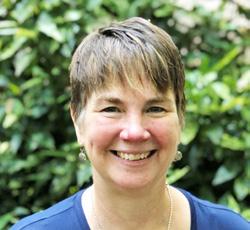
Joy has more than 30 years of experience in energy and bodywork. She teaches Reiki, Touch for Health, Meditation, Yoga, Ayurveda and A Course in Miracles. Joy welcomes and sees clients who are ready to shed guilt and limitations in favor of forgiveness and freedom. One hundred acres of trees surround this pristine location for healing at Springhill AtONEment Center. Nature walks and fireside gatherings available. Contact Joy at 803-447-6499.
JAN SHAW PERSONAL TRAINING & MASSAGE (MAS1935)
806 12th St, West Columbia 803-360-7895 • JanShawHealth.com
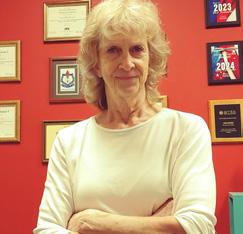
Jan Shaw has many years of experience in exercise physiology and massage. She specializes in the John F. Barnes method of Myofascial Release Therapy; holds an M.S. in Exercise Science; has worked in rehab medicine for 10 years re-training patients with a myriad of physical injuries; and is skilled in MFR 1, 2, Unwinding, SES and Cervicothoracic. Whatever your needs, Shaw has the education and experience to help you.
GARNER’S NATURAL LIFE
4840 Forest Dr, Ste 15-A, Columbia 803-454-7700
5166 Sunset Blvd, Ste C, Lexington 803-973-3001
GarnersNaturalLife.com
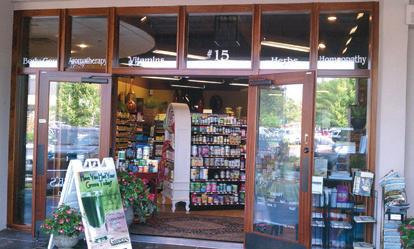
Garners Natural Life is a locally and family-owned natural health store that has been a staple in the community for decades. Improve your health with the purest, most innovative high-quality natural products, including vitamins, herbal supplements and aromatherapy. Their newest product, GLP1 Pro, is a probiotic blend that supports healthy weight management and helps curb food cravings. They also offer a full line of chemical-free shampoos, conditioners and natural soaps. Take your health somewhere it’s never been—visit one of their local locations today. See ad, back page.
PROSPER AND THRIVE PELVIC HEALTH AND WELLNESS
Dr. Kelsey Stegall
120 Sparkleberry Crossing Rd, Columbia 803-250-1836
Kelsey@ProsperAndThrive.co ProsperAndThrive.co
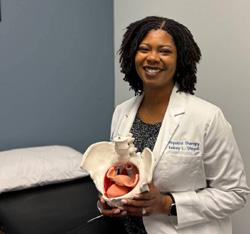
Dr. Kelsey Stegall is a Board-Certified Clinical Specialist in Women’s Health Physical Therapy. Pelvic floor therapy strengthens muscles supporting the bladder, bowels and reproductive organs in men and women. Dr. Kelsey assists men and women in improving bladder and bowel control, as well as enhancing sexual function. Her therapy techniques help women improve recovery after childbirth and gynecological procedures, and she also assists men in improving recovery after prostate surgery and men with pelvic pain and dysfunction.
LUVEVA AESTHETICS SPA
Eva Rigney, RN
Certified Esthetician 630-17 Promenade Pl, Ste 401, Columbia LuvevaSpa.GlossGenius.com

Eva Rigney is an Aesthetic Nurse and an Army Veteran. She has been in the medical field for more than 20 years and focuses on her lifelong passion of skin care. She incorporates updated and newest innovations in esthetics, such as permanent makeup (PMU), including 3D areola, Botox and more. She enjoys providing facial and body treatments, along with advanced techniques. She shares her knowledge on skin care, and assists with recommendations of the Luveva skin care line. “My goal is to help everyone achieve revitalized healthy skin,” she says. See ad, page 25.
CELTIC WISDOM CENTER
Edwina@CelticWisdomCenter.com CelticWisdomCenter.com
The Celtic Wisdom Center is an eco-spiritual nonprofit community that embraces Celtic worship, contemplative practices, and spiritual direction. Through unique offerings like wander walks and contemplative nature experiences, we invite individuals to connect with the divine through nature and engage in Earth-centered practices that foster spiritual community. At the Celtic Wisdom Center, the timeless wisdom of the Celtic spiritual heritage helps transform the ordinary into the sacred. This is a holy and safe space to explore your spiritual path, deepen your connection with the divine, care for the Earth, and find a supportive community dedicated to holistic living. All are welcome.
SEW AND HEAL
Jacquelyn Odom
7825 Broad River Rd, Ste 200, Irmo 828-590-1228
SewAndHeal@gmail.com
SewAndHeal.My.Canva.Site

Sunday Jazz Brunch–Noon-3pm. Every Sunday. Chayz Lounge invites you to enjoy an elevated brunch experience. Reservations required; must be 21 and older. There is no cover charge. Chayz Lounge, 607 Meeting St, W Columbia. Info: 803-563-8375, ChayzLounge.com.
Arboretum Open House–1-4pm. Every third Sunday. Come and enjoy a nature walk through the W. Gordon Belser Arboretum, a wildlife preserve in the heart of Columbia. Pets are not permitted. Pathways are natural and pass through hilly terrain. Restroom facilities are not available. Free admission. W. Gordon Belser Arboretum, 4080 Bloomwood Rd, Columbia. Info: Arboretu@mailbox. sc.edu.
Virtual Healthy Living Support Group –7pm. Every third Sunday. Virtual support group via Zoom. Uplift, support and encourage one another while making necessary changes for better health and wellness. Info/register: Contact Ms. Tracy at 833-678-7229 or OriginalOriginshw@gmail.com.
Grief Support Group –1-2pm. Every second and fourth Monday. Connect with others that have experienced loss and the challenges that living with grief brings. Free. Leeza’s Care Connection, 201 St Andrews Rd, Columbia. Info: 803-888-7525, LeezasCareConnection.org.
Survivors of Suicide Loss (SOS) –7-8:30pm. Every first Tuesday of the month. This is a peer-led group, not a place for someone that is in crisis of suicide. If you are in crisis, call or text 988 or text TALK to 741741. Westminster Presbyterian Church, 1715 Broad River Rd, Columbia. Info: 803-622-1512, SOSColumbiaSC@gmail.com.
Early-Stage Dementia Support Group–12pm. Every third Thursday. In-person and virtual. This group is for caregivers and families adjusting to a new diagnosis of some form of dementia. Free. Leeza’s Care Connection, 201 St Andrews Rd, Columbia. Info: 803-888-7525, LeezasCareConnection.org.
Art W/ Coping of Loss–6:30-8pm. Every fourth Thursday. Dr. Delores Gulledge teaches to use art as medicine when dealing with loss and grief. No experience required. Free. Leeza’s Care Connection, 201 St Andrews Rd, Columbia. Info: 803-888-7525, LeezasCareConnection.org.
Palmetto Trivia–7-9pm. Every Thursday. Teams compete for prizes awarded to the top three finishers. Trivia takes place outside in pleasant weather and moves indoors to the Bierkeller hall during inclement conditions. Free parking is available in the deck on Canalside Street. The Bierkeller, 600 Canalside St, Ste 1009, Columbia. Info/cost: BierkellerColumbia.com.
Thursday Night Jazz Party–8-11pm. Every Thursday. The Aristocrat hosts a Thursday Night Jazz Party featuring various artists and musicians. Guest musicians welcome to join in. Free admission. The Aristocrat, 1001 Washington St, Columbia. Info: ExperienceColumbiaSC.com/event/jazzparty-at-the-aristocrat/68104.
B.I.O.M.G.–10-10:40am. Every Saturday. Join The Village parent support group virtually. This support group is for all parents. Being a parent can be challenging. You have a village to help you maneuver through tough times. Free. Info: Contact Rashika “Ro” Davis at 803550-9837 or BlackIceomg@gmail.com.
Sew and Heal is a nonprofit organization founded by Jaqueline, inspired by her journey of using sewing as an outlet to overcome the challenges of PTSD, anxiety and depression stemming from her military trauma. The organization empowers women and children to find healing and creativity through the art of sewing, turning pain into purpose. Sew and Heal provides a safe and supportive space for healing through sewing. Their mission is to foster emotional well-being, creativity and connection.