

Recruitment
Recruiting
Improving
Recruitment
Recruiting
Improving
Throughoutmy23yearsinthefireservice,bothinthestation andintheclassroom,I’vecometounderstandthatthemost significantresponsibilityweholdasinstructorsisn’tjustto trainfirefightersbuttoshapetheveryfutureofourprofession. Eachgenerationoffirefightersbringsnewstrengths,facesnew challenges,anddependsonustohelppreparethemforwhat liesahead.
Earlyinmycareer,Ilearnedthatdedicationalonewasn’t enough.Ineededtostayopen-mindedandadaptable.IfI wantedtogrowinthefireservice,Ihadtoactivelylistenand acceptfeedbackfromtheseasonedfirefightersaroundme, mentorsofallrankswho,eachintheirownway,sharedtheir wisdom.Overtime,IcametounderstandthatifItrulywanted toinfluencethefutureofthefireservice,Ihadtogetinvolved myself,bybeingarolemodelandmentoringthosebehindme.
Thefireserviceisevolvingrapidly,andwiththatevolution thereisagrowingneedforproactiverecruitmentand retention,andtheintegrationofnewtechnology.As instructors,wehaveapowerfulroletoplayinaddressingthe challengeswefaceinthefirefightingprofession.
Wemustteachtheimportanceofadaptability,recognizing thattoday’srecruitsmaylearndifferentlythanwedid.Most arevisual,tech-savvy,anddrivenbypurpose,whichmeans ourlessonplansmustevolve.
Wemusttellabroaderstoryaboutwhatitmeanstobeafirefighter. Modernfirefightingisnotsolelyaboutbrutestrength;manyofour callsaremedical,andourrolesincreasinglyfocusonprevention.To buildastrongfuture,weneedtoactivelyrecruitamorediverseand representativeforce,whichincludeswomen,bilingualresidents,and youngpeoplefromallwalksoflife.
Wemustmodelleadershipthatvaluespeople.Retentiondoesnotstem solelyfrompay;itisaboutcreatingenvironmentswheremembersfeel respected,heard,andvalued.
Wemustembracepreventionandeducation.Asfireinspectors,code enforcers,andpubliceducators,ourcrewshavethepowertoprevent tragediesbeforetheyhappen.I’veseenwhathappenswhenweinvestin smokealarmprograms,schoolfiresafetylessons,andriskreductionin vulnerableneighborhoods—itsaveslives.Itbuildstrust.
ThisisthemessageIpassontomystudents:Beingafirefightertoday meansmorethanridingarig.Itmeansbeingamentor,apublichealth advocate,alifelonglearner,andapillarinyourcommunity.
Tomyfellowinstructors:Iaskthatwecontinuetoadapt,leadwith empathy,andneverstopaskinghowwecanbetterservebothour studentsandourcommunities.Thefutureofthefireserviceisinour hands,andtogether,wecanshapeasafer,smarter,andmoreinclusive fireserviceforall.
Andfinally,toeveryoneinthefireservice:justasIlearnedearlyinmy career,stayopentochange.Moreimportantly,bethechange.Lead thewayinbringinginnewtalent,andwelcomeculturaland generationaldiversity.Don’tlettraditionholdbackthegrowthand progressofourprofession.


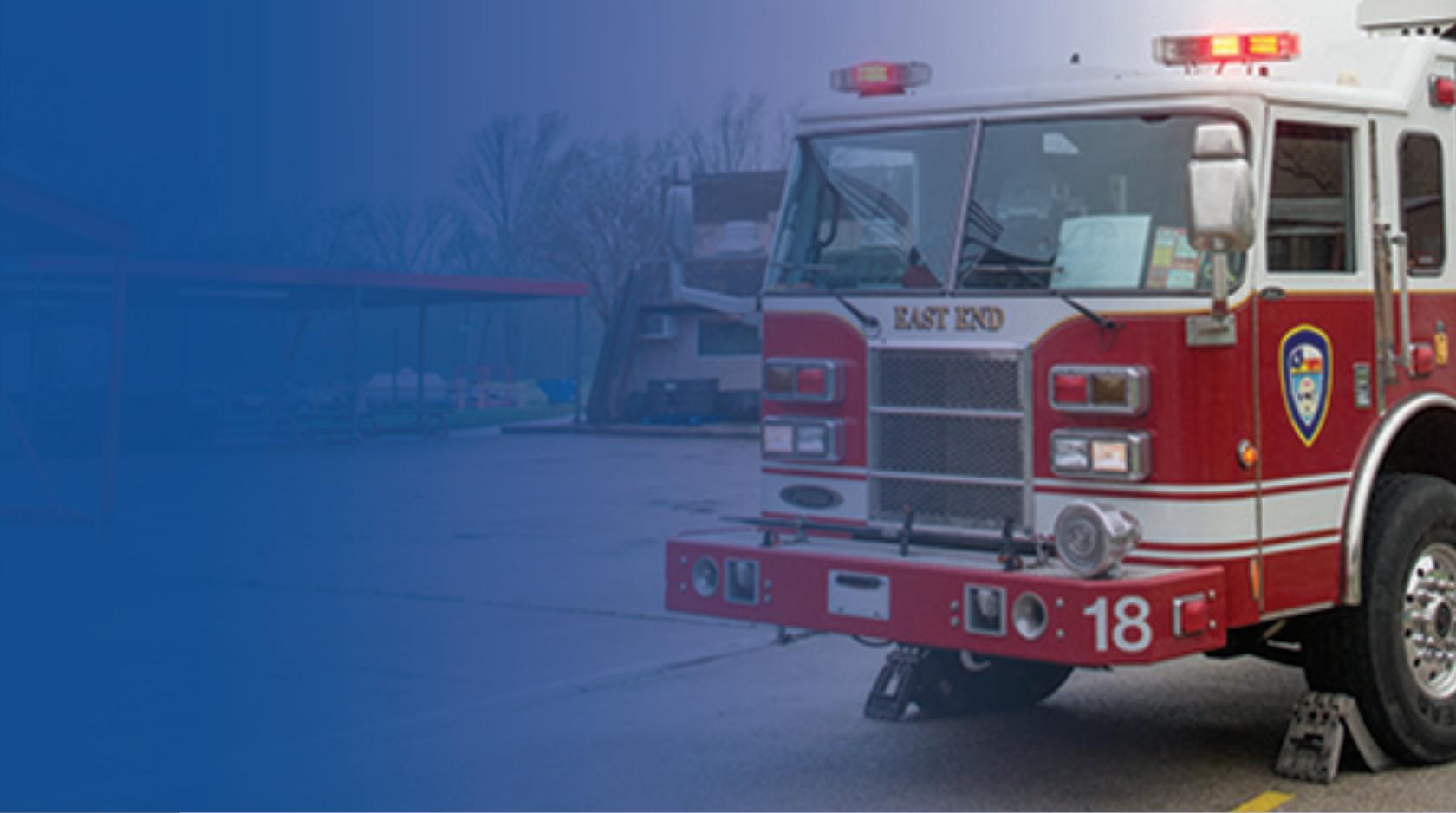
Oneoftheareaswherechallengeshaveledtoinnovation hasbeeninvolunteerfirefighting.Volunteerdepartments serveasthebackboneofsmallercommunities, whichoftenlackthepopulationsizetosupportapaid firefightingforce.
Thefirefightinglandscape isonethatisalways evolving,impactingpaid, mixed,andall-volunteer firedepartmentsalike. Eachdepartmentfaces uniquechallengesand opportunities,yettheyall shareacommonmission:
Accordingtodatafromthe2020USCensus,76%of the19,500incorporatedtownsandcitiesintheUnited Stateshavepopulationsunder5,000,and42%have fewerthan500residents.Atownorcommunityneeds apopulationofaround15,000residentstojustify establishingacareerdepartment.
TheNationalVolunteerFireCouncil(NVFC)reportsthat volunteerscomprise65%offirefightersintheUnited States.Outofthemorethan29,000firedepartments nationwide,nearly19,000areentirelystaffedbyvolunteers.
15k
Residents areneeded toestablisha department
19k
65% Departments arestaffed entirelyby volunteers

Firefighters intheUnited Statesare volunteers
In1984,theUnitedStateshadnearly898,000 volunteerfirefighters,butby2020,thatnumberhad decreasedtoaround677,000,accordingtoNVFC data.Alarmingly,bythestartof2024,ithadfurther droppedtoapproximately637,000.Thesignificant dropinthenumberofvolunteerfirefightersisputting manycommunitiesatrisk.
Whatisdrivingthisdropinforces?Accordingtothe NVFC,aperfectstormoffactorshascontributed tolowernumbers.Thesefactorsincludeconfusing trainingrequirements,increasedtimedemands,and aneedforatwo-incomehousehold.
Safety/ Health Concerns
Needfor Two-Income Household
Outdated Equipment
Poor/ Unwelcome Leadership
Disinterest inVolunteer Service
Greater Time Demands
HigherLevel Training Requirements
Fewer Eligible Workers
Source https://www.usfa.fema.gov/downloads/pdf/publications/fireadministrators-summit-proceedings-report.pdf
Poor Marketing
Sources
Unwelcome Culture
ThePublicSafetyGroupinterviewedKevinQuinn, retiredDeputyChiefoftheUnionFireDistrictin SouthKingstown,RhodeIsland,whohasservedon theNationalVolunteerFireCouncil(NVFC)boardfor morethan40yearsandasavolunteerfirefighterfor 50years.ChiefQuinnalsoattributesthedrop innumberstoashiftinpublicawarenessof volunteerdepartments.
"Manycitizensdon'tevenrealizethatit'saVolunteer FireDepartment.Weneedtodoabetterjobat educatingthepublicthatweareaVolunteerFire Department,"hesaid.
Theroleofvolunteerfirefightinghasevolvedin today'ssociety,withChiefQuinnnotingthatthe VolunteerFireDepartmentwasoncealegacy passeddownthroughgenerations."The grandfatherwasafirefighter.Thefatherwasa firefighter,"hesays.Today,thereismorecompetition thaneverforpeople'stimeandattention.Chief Quinnsaysdepartmentsmustadapttheirapproach inordertosurvive.

“The old guard lived in a vacuum and didn’t realize they had to market, you have to become a marketer of your Volunteer Fire Department."
Chief Kevin Quinn


Utilizingsocialplatforms,analytics,andother modernmarketingtoolshasbecomeessential."We havetochangewiththetimes,"Quinnsays.
Despitethedecreasingnumbersinranks,Chief Quinnnotesthattheissueisnotduetoashortage ofenthusiasm.
TheNVFCdiddoresearch,maybeabouteightyears
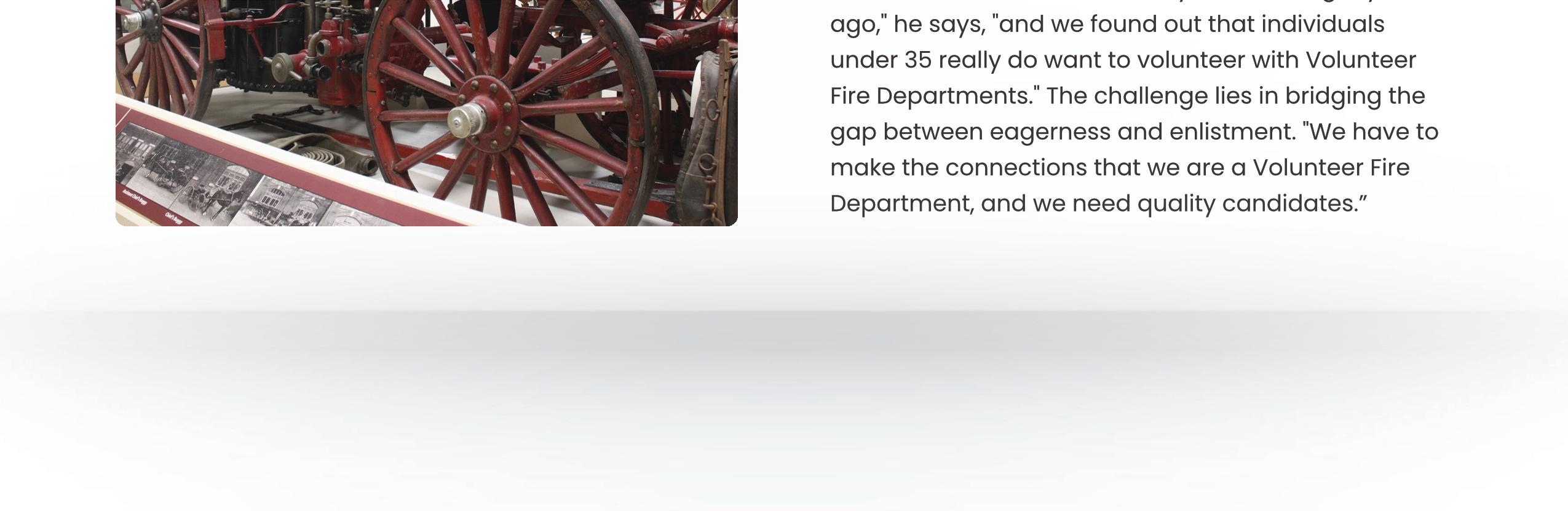
Thekeytosuccessfulrecruitment?Adaptingtothe mindsetoftheyoungergeneration.ChiefQuinn notesthatwhilesomeveteranfirefightersmight struggletounderstandtheperspectivesofthenew recruits,itisessentialtoembracethischange.
"Wehavetoadaptandovercomeandworkwiththe manyassetsthattoday'syouthbrings.Theyhave somegreatminds,andsmartfirefightersaregreat firefighters,"hesays.
Astimeschange,sodopopulationdemographics. Thereisnowagrowingrecognitionthatthefire servicesshouldreflectthecommunitiesthey serve.Thisinvolvesrecruitingamorediversegroup offirefighterstobettermatchtheneighborhoods theyprotect.
“So,youneedtounderstandthem.Ifyou'vegota hugeSpanish-speakingpopulation,maybeeven languageissomethingthathastobebroughtinto yourdepartment.Youneedtobeabletomake yourselfpartofthecultureofyourcommunity.”
Itisimportanttounderstandandintegrate withvariouslocalgroups,fromchurchesto culturalorganizations.
“The audience has to mirror your population. Your recruits, your firefighters, are coming from your community.”
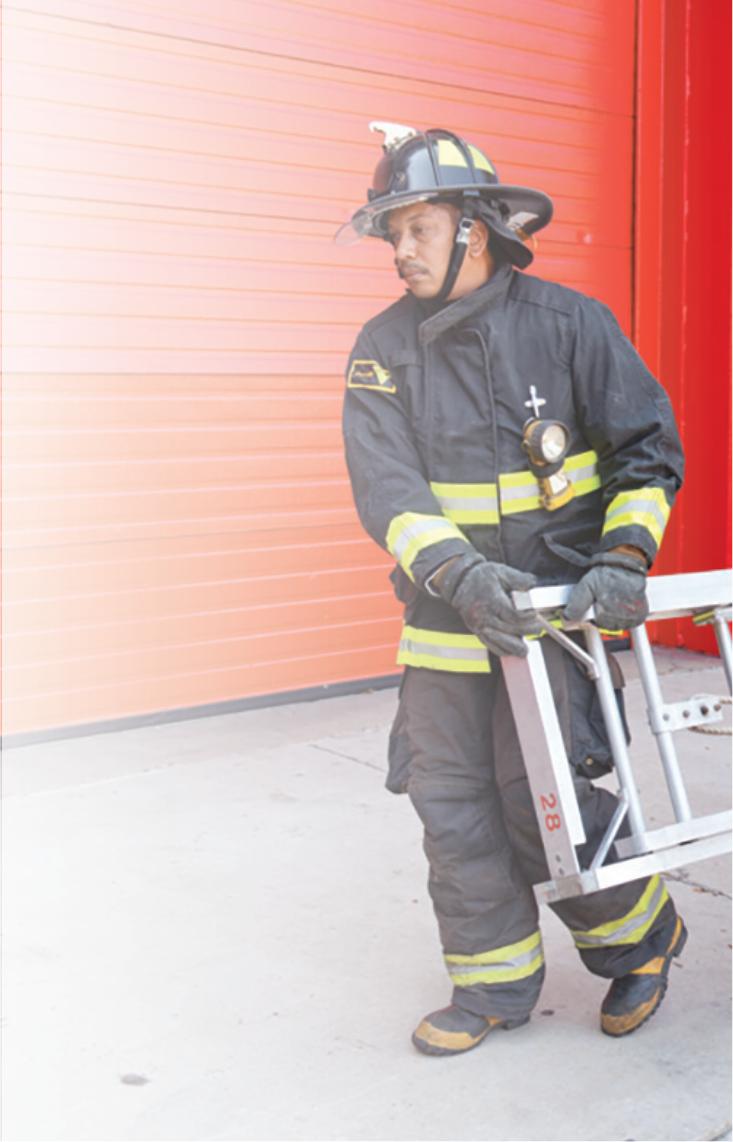
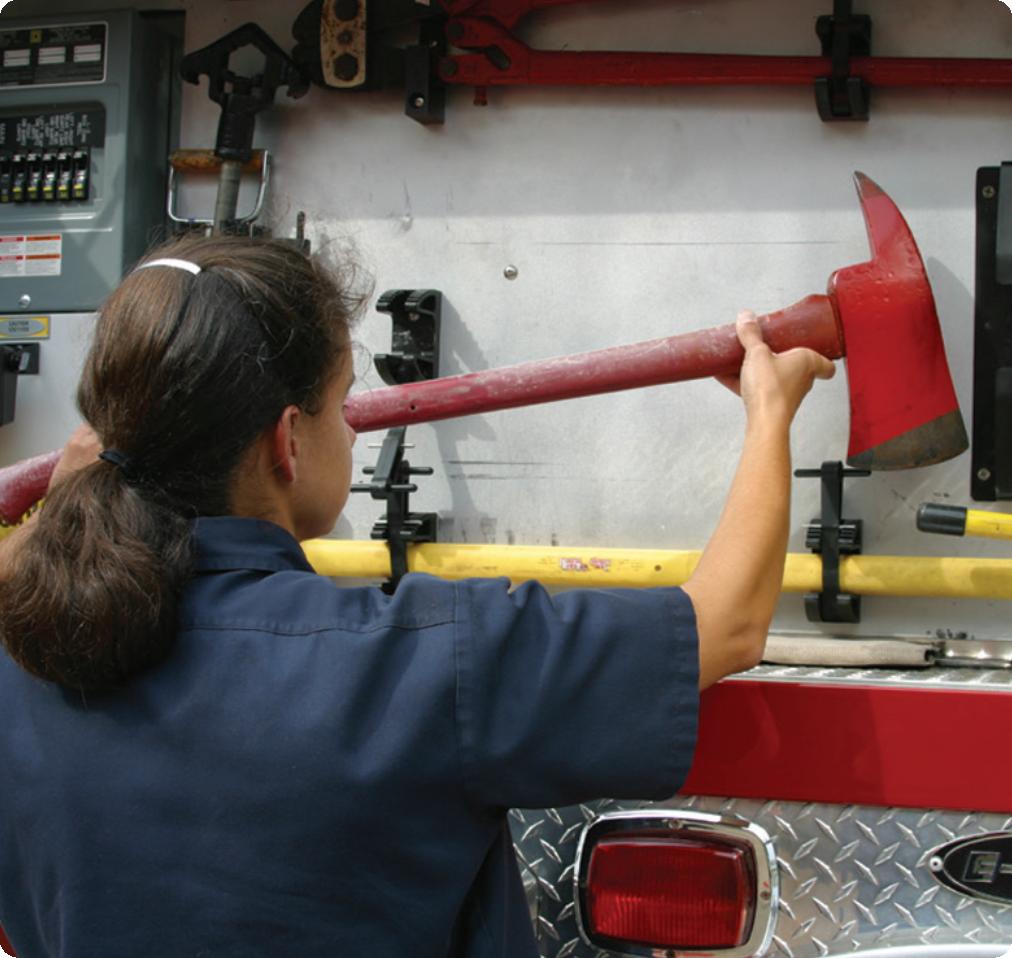
ChiefQuinnhighlightsachallengebehindrecruiting onekeydemographic:"Ourwomenarestillavery smallnumberinthefireservice,"hesays,noting howonly9%offirefightersarewomen.ChiefQuinn stressedtheneedtocommunicatethattheroleofa firefighterhasevolved.
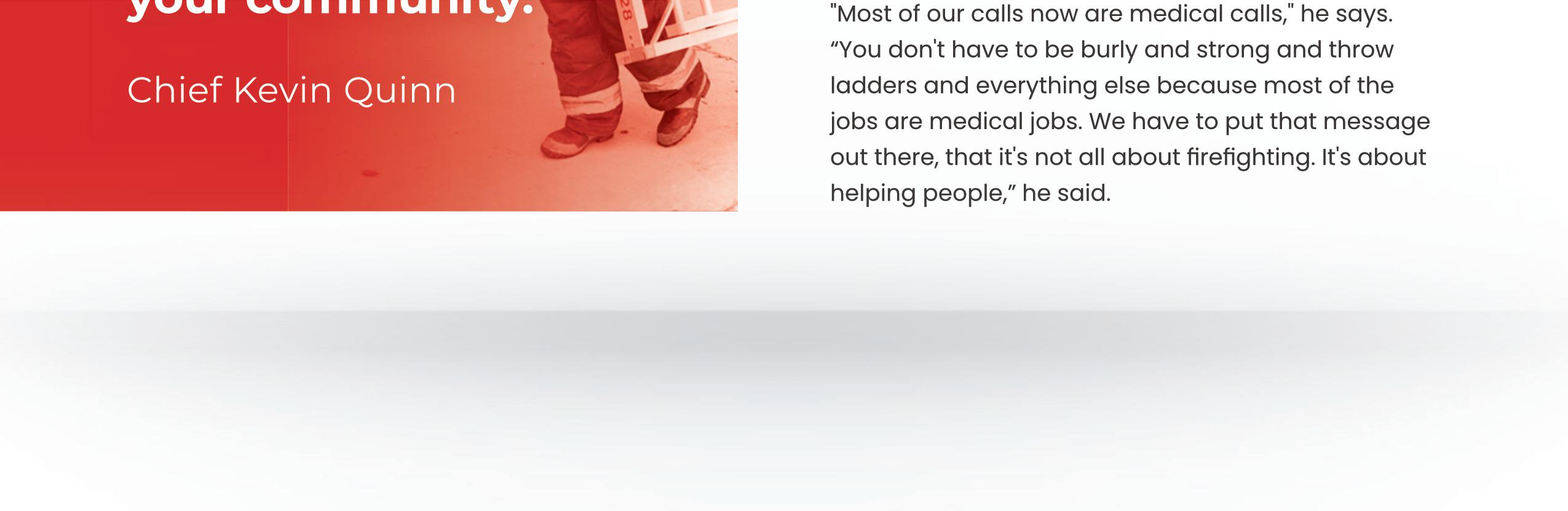
Oncenewvolunteershavebeenrecruited,thenext challengeliesinretainingthem.In2020,theNVFC conductedanationalsurveyofcurrentandformer volunteerfirefighterstofindoutwhyvolunteers leave.Amongthetopreasonswerealackofstrong leadership,safetyconsiderations,volunteerbenefits, anddepartments.
Aboveall,ChiefQuinnsaysoneofthekeysto strongretentionratesisensuringvolunteersfeel valuedandappreciated.
“Havingthechiefofficershakeyourhandorthank you,evenifit’satatrainingsession,thatgoesalong way.Wecanneverlosesightoftheimportanceof beingvalued."
Successfuldepartmentsknowwhattheir memberswantandneedtostayengagedand supported.Thekeytounderstandingistohave opencommunicationwithallmembersofthe department.Considerconductingone-on-one conversationswithfirefighterstounderstandtheir interests,needs,andpotentialreasonsforleaving. Combiningtheseconversationswithbriefsurveys willallowteammemberstofeelheard.Additionally, conductexitsurveyswithdepartingemployeesto gaininsightsintotheirreasonsforleaving,whichcan informstrategiestoimproveretention.
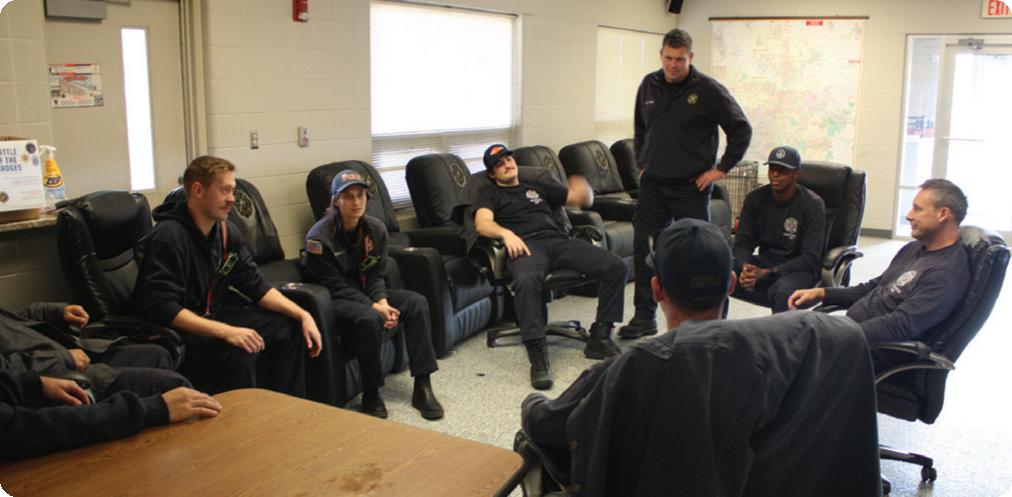
Retainingfirefightingcrewsinthemodernage requireskeepinganopenmindandadapting whereneeded.
“If you can retain your firefighters, you will never have a recruitment problem.”
Chief Kevin Quinn
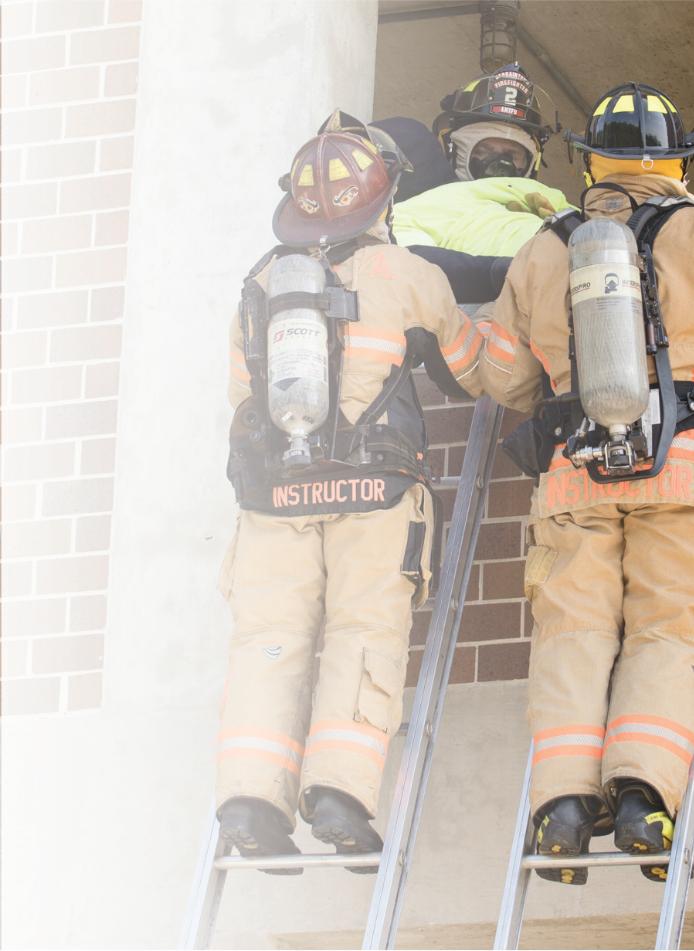
TheintroductionoftheNFPA1010standard, includingChapter5:SupportPerson(NFPA1001), marksasignificantadvancementforvolunteer firehousesnationwide.TheWorldFireCongress highlightedcommonchallengeslikerecruitment andresourceallocation.NFPA1010tacklesthese issuesbybroadeningthedefinitionofserviceto includesupportroles,whichwillattractawider rangeofvolunteers.
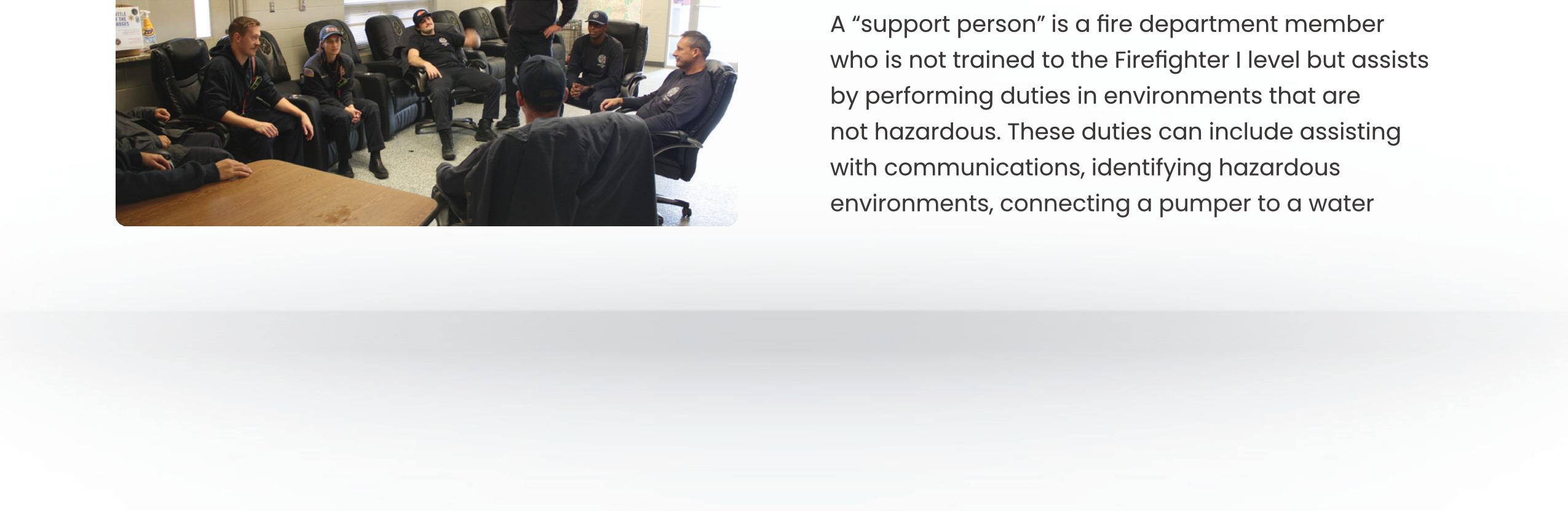
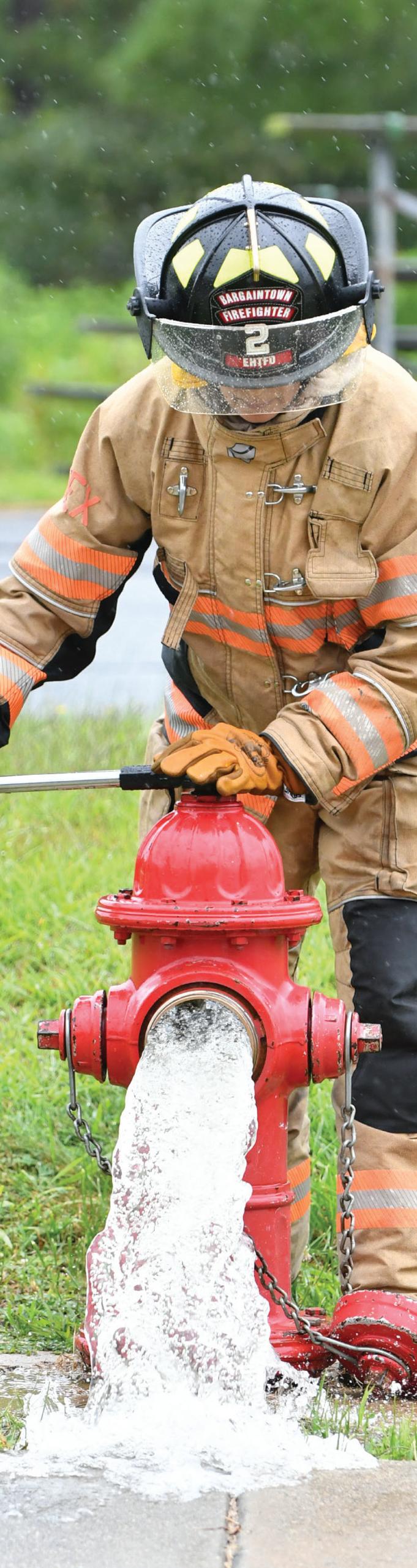
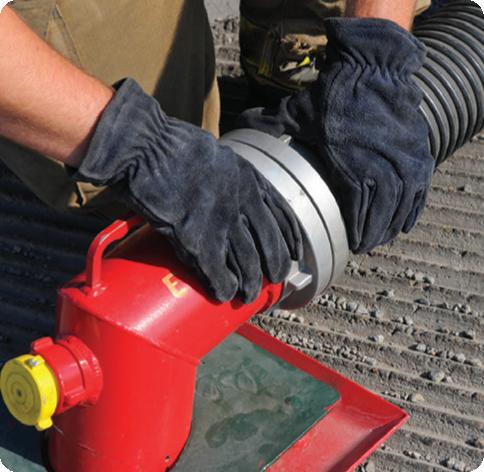
supply,openingandclosingfirehydrants,operating emergencyscenelighting,refillingSCBAaircylinders, andcleaningandcheckingequipmentandtools.
"Theinclusionofsupportroleswillbringessential resourcestocommunitiesandespeciallyVolunteer FireDepartmentsacrossthenation,"ChiefQuinn says,acknowledgingthatcontributionsgobeyond traditionalfirefightingroles.
ChiefQuinnurgesvolunteerstoacknowledgethe diversecontributionscommunitymemberscan make,emphasizingthateveryonehasarolein supportingthefiredepartment."Thisstandardopens upsomuchforsomany,"hesays,highlightingthe varietyofskillsandresourcesthatlocalbusinesses andindividualscanprovidetovolunteerfire departments.Fromphotographerstoshopowners, everycommunitymembercanplayapart.

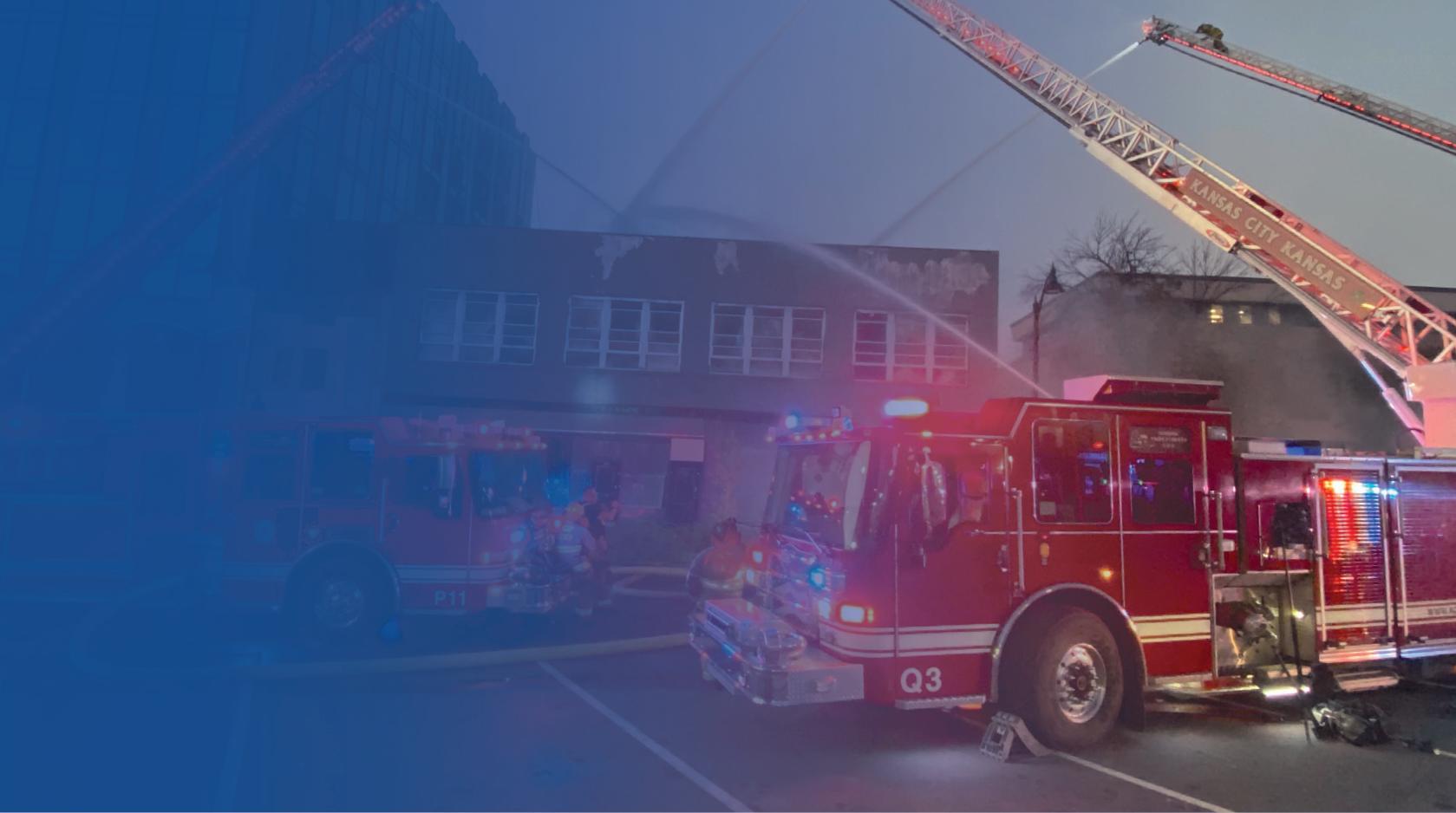
Technologicaladvancementshavetransformed manyareasofourlives,includingfirefighting.We havechangedhowwelive,andnowwemustalso changehowwetrain.Byincorporatingthelatest technologyintoourtraditionaltrainingprograms,we canequipfirefighterswiththeskillsandknowledge necessarytoprotectourcommunities.
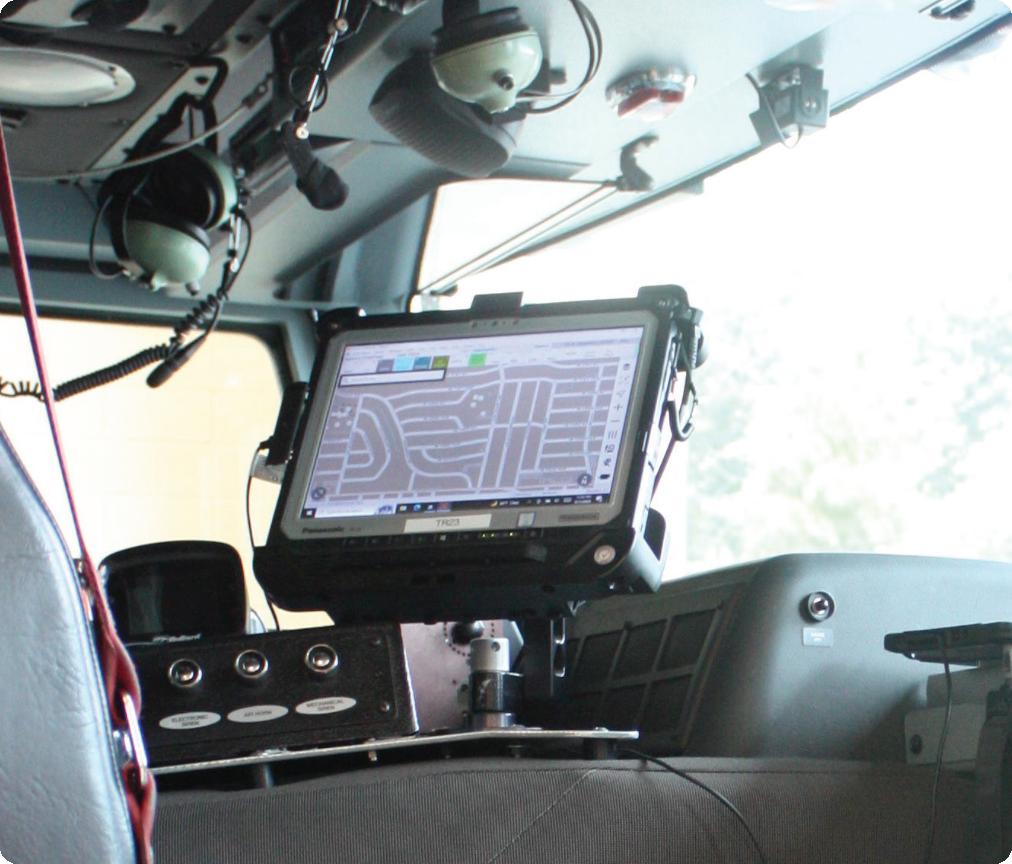
"Technologyhaschangedusforthebetterbyfar," heasserts,pointingtoinnovationslikethermal imagingcamerasaslife-savingtoolsthatrequire proficiencyintheiruse.“Safetyisreallyapriority now.We'vechangedthewaywerespond.We've changedthewayweact.”
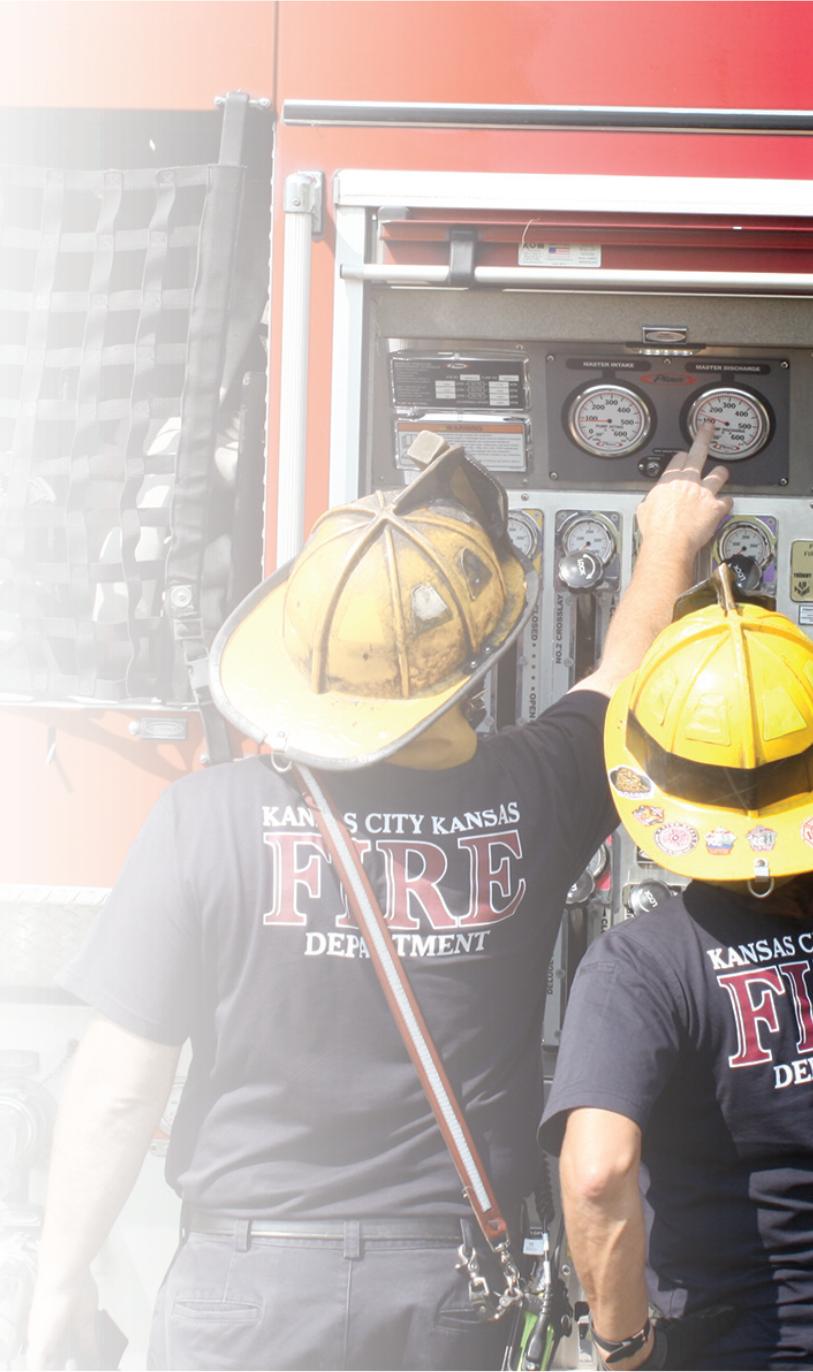
ThePublicSafetyGroupsatdownwithPatDunn,an F16mechanicinthemilitary,ten-yearcaptainofthe KansasCity,KansasFireDepartment,andauthor ofFireApparatus:Driver/OperatorwithNavigate AdvantageAccess,FourthEdition.

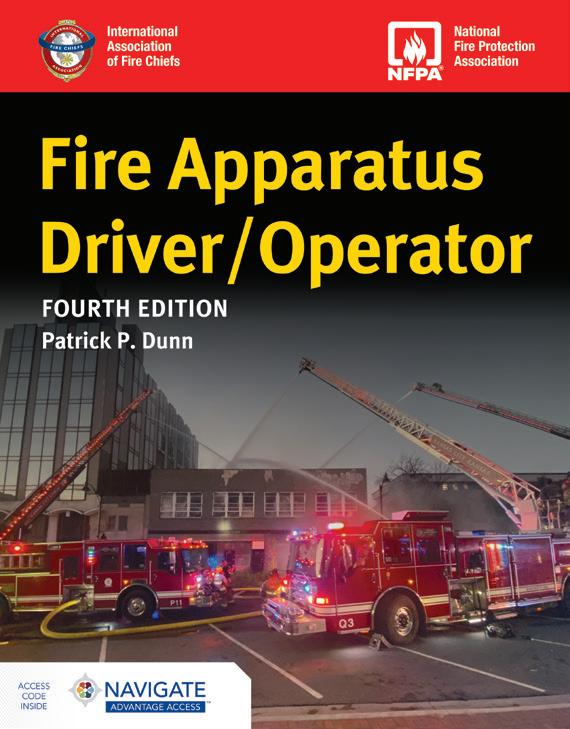

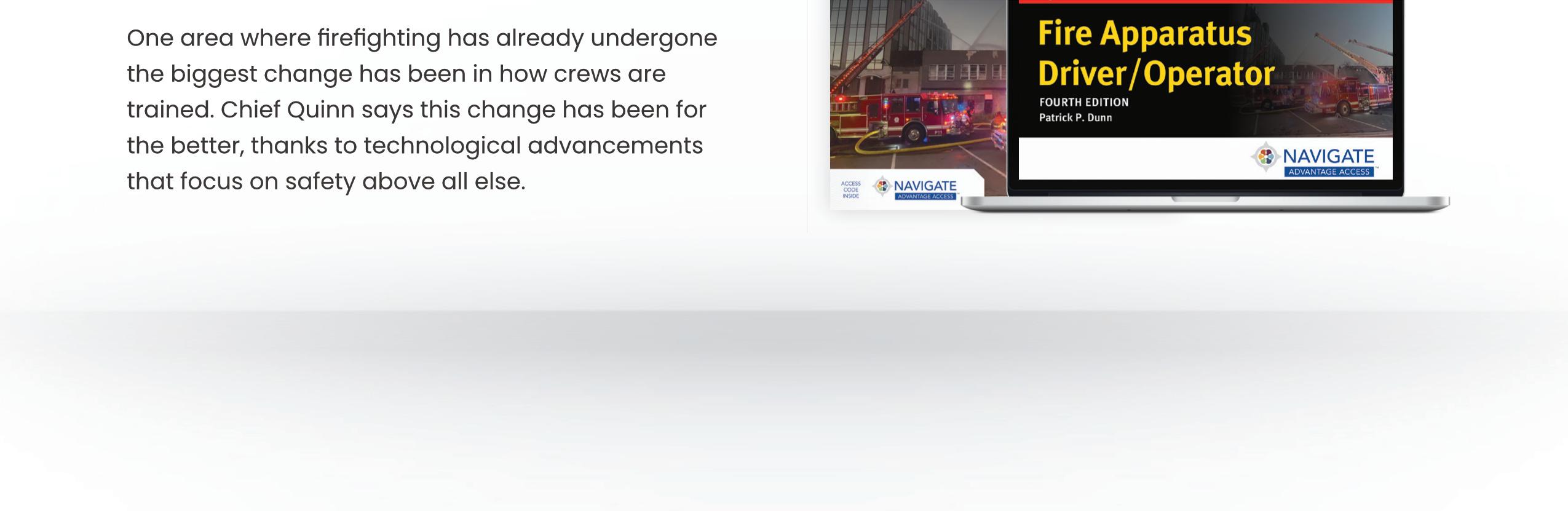
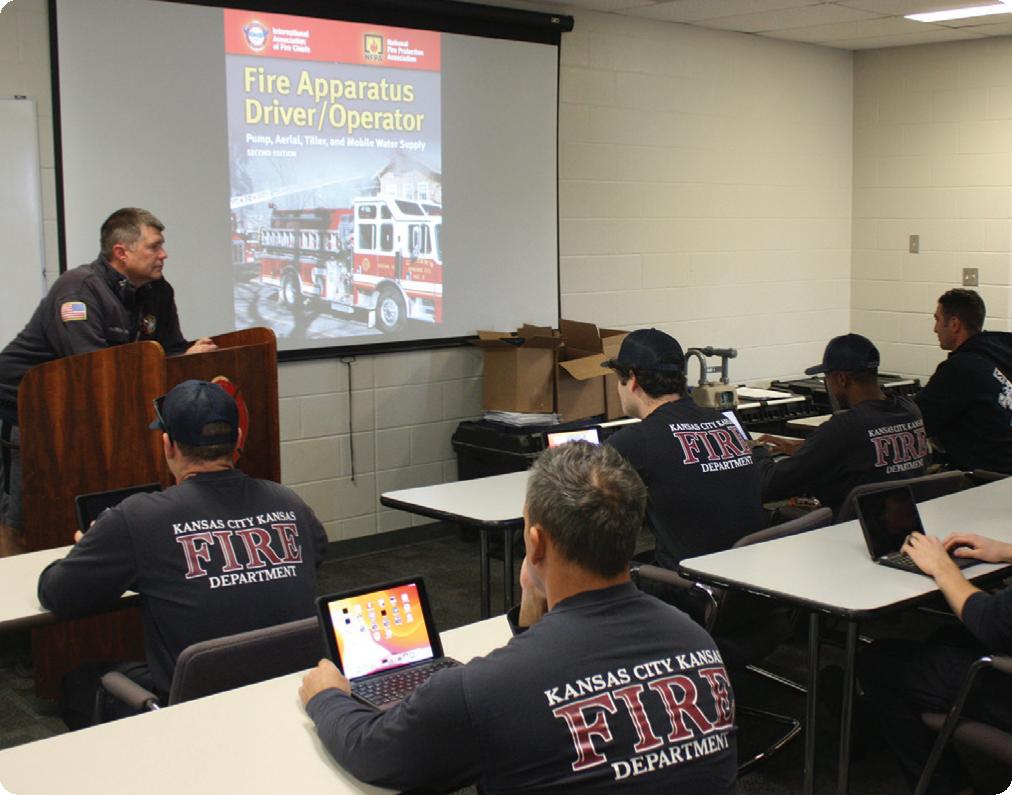
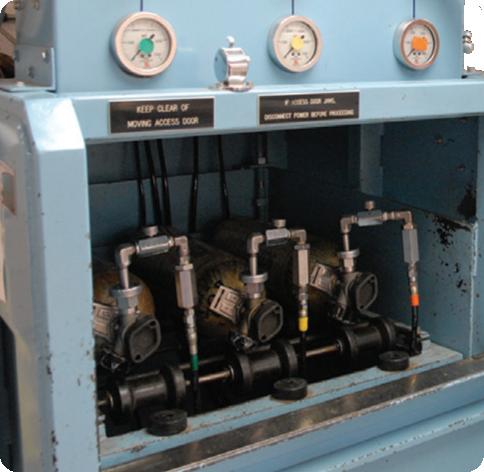
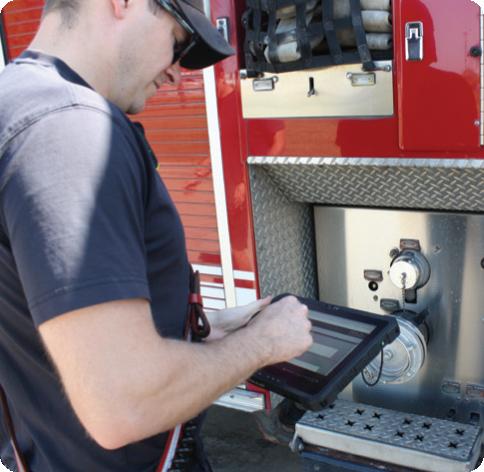
Inwritingthisbook,Dunnusesthepowerofvisual learninginnewimagesandskilldrills,making iteasierforlearnerstograsptheintricaciesof firefightingequipmentandtactics.
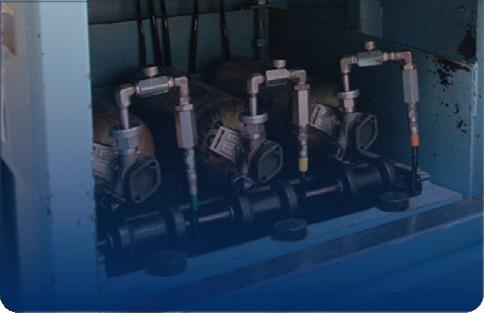
"Wecanshowthemthewhat,butwhenwereally getfurtherindepthonmoredetailedtopics,itis easiertoexplainandgetpeopletounderstandwhen Icanincludephotographs,"Dunnsaid.“Students wouldn'tknowabouthydraulicsystems,sowehave toshowthosedifferentthings,becauseotherwiseall theyknowistheoneapparatusthat'ssittinginfront ofthem.”
ChiefQuinnagrees,andsuggeststhattrainers shouldadaptwhateverapproachesarenecessary toeducatethenewestgenerationoffirefighters.
"Icallitrippingupthelessonplan,"heshares, emphasizingtheneedforashiftininstructional
stylesofthe"multitaskinggenerations,"including GenX,Millennials,GenZ,andbeyond.
“Theaudienceisdifferent.Wehavetoadaptand overcome,andwehavetogettheminvolved.”
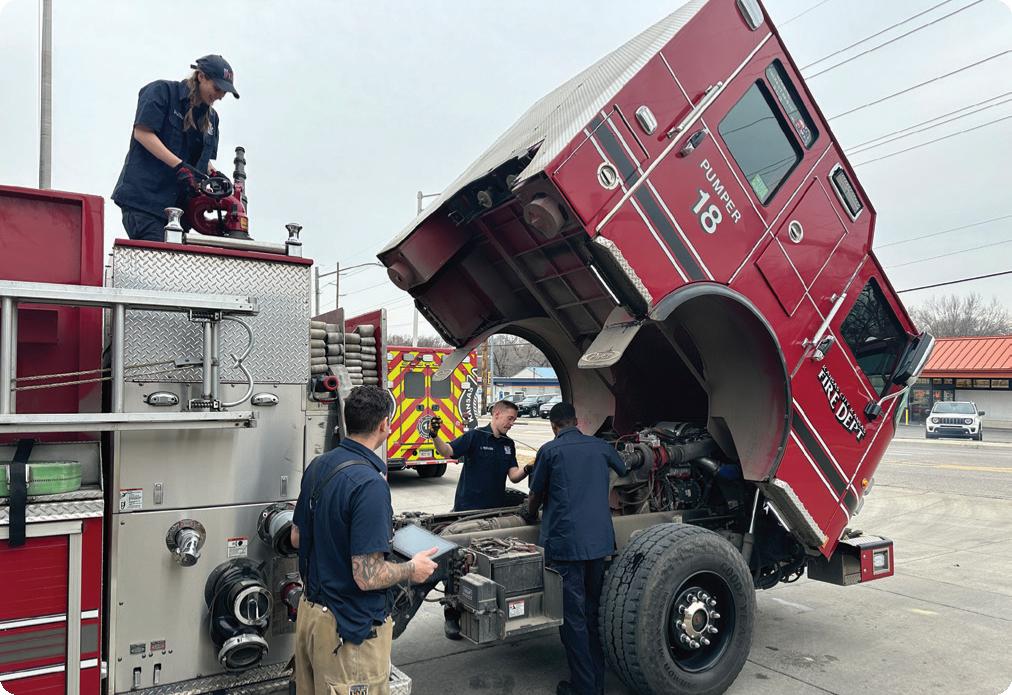
Beyondrecruitmentandretentionissues,thereisa growingconcerninthefireindustry:thedeclinein mechanicalknowledgeamongdriver/operators.
Dunnnotesthatthisdeclinehasledtoadisconnect betweenfirefightersandtheapparatustheyoperate. "Yearsago,thedriverreallyknewthemechanicsof theapparatus.Theydidalotofthemaintenance ontheirown,"Dunnstates,emphasizingtheneed torevivethisessentialskillsetwithbothnewand existingcrews.
Dunncreditsthedeclinepartiallytothecreationof theautomaticnozzleinthe1960s,butnotesthatas departmentstransitionawayfromtheautomatic nozzle,thereisagrowingneedtounderstand hydraulics.“Thatimportanceofthatdriverknowing whattodoandhowtotroubleshootiscomingback intotheforefront.”
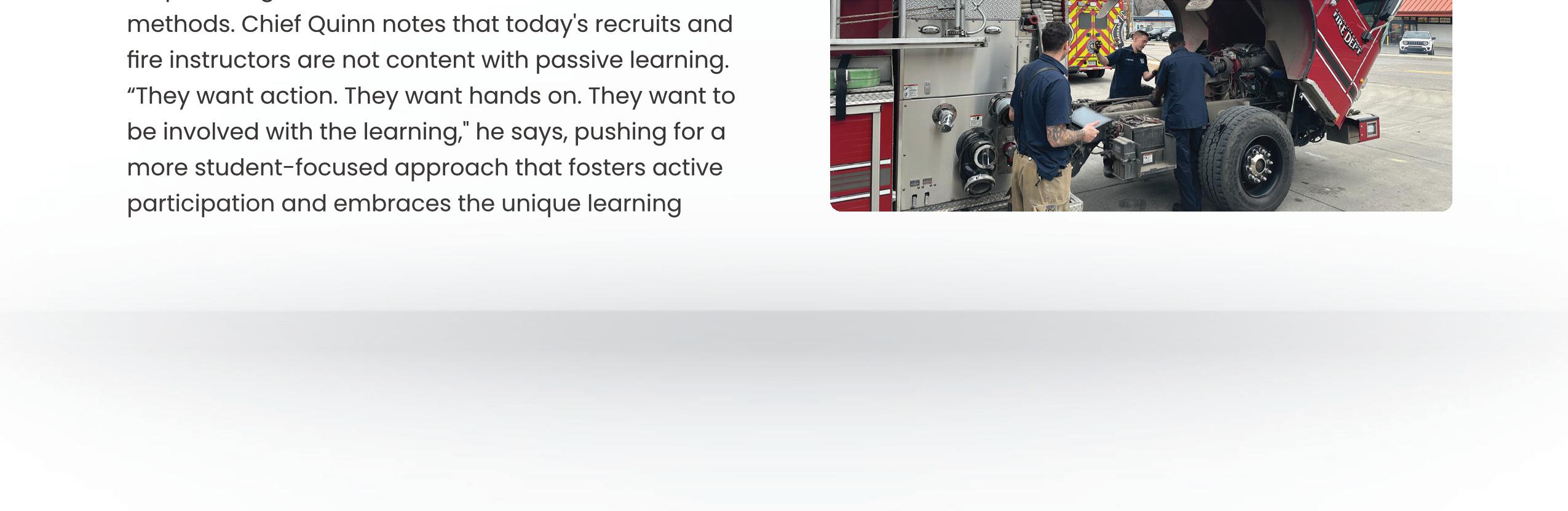
Firefightingisunpredictable,andoftencrewsmust stepinwheretheymaynotexcel.
“In our line of work, it is critical that everyone knows at least a good idea of what the person above them is doing in the rank structure.”
Captain Patrick Dunn
“Thingshappen.Weoperateinaworldofemergency operations.Inthemilitary,thatleadguygetstaken out,andeveryoneneedstobumpup.”
Driver/operatortrainingequipsfirefighterswith theskillsandperspectivenecessarytoenhancetheir performance,unity,andresilienceintheface ofadversity.
AligningtrainingwiththeNFPA1010standardis crucial,accordingtoDunn.Hebelievesingoing beyondtheminimumrequirementstosuitthe specificneedsofeachdepartmentandjurisdiction. “It'saframework...it'salwaysgoodtogobeyond andsuitthingstotheneedsofyourdepartmentand jurisdiction,”Dunnasserts.
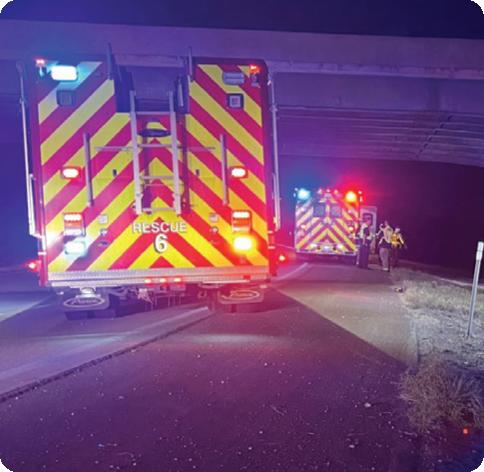
InNFPA1010,Chapter4establishesrequirementsto provideageneralscope,purpose,andapplication thatshouldbeapplicableforeachpositionidentified inthestandard.NewtoNFPA1010(2024)isrequired trainingfortrafficincidentmanagement.Additional informationisprovidedbelow:
NFPA1010,Chapter4GeneralRequirementsincludes thefollowing:
4.4Application
4.4.1DocumentApplication.Theapplicationof thisdocumentshallspecifywhichrequirements applytoeachpositionidentifiedinChapters5 through17.
4.1.4.10Personnelshallmeettherequirements fortrafficincidentmanagementinNFPA1091
Oneofthekeyupdatesin2024inNFPA1010isthe mandatoryhands-ontrainingintheuseofthermal imagingcameras(TICs)fornewfirefighters.TICsare animportantfirefightingtool,astheycanbeused fornavigatingsmoke-filledenvironments,identifying heatsources,andconductingoverhauloperations. Theneweditionofthestandardmandatesthatthis trainingbeconductedinperson,ratherthanvirtually, toensurethatfirefightersareabletousetheseskills inreal-worldscenarios.
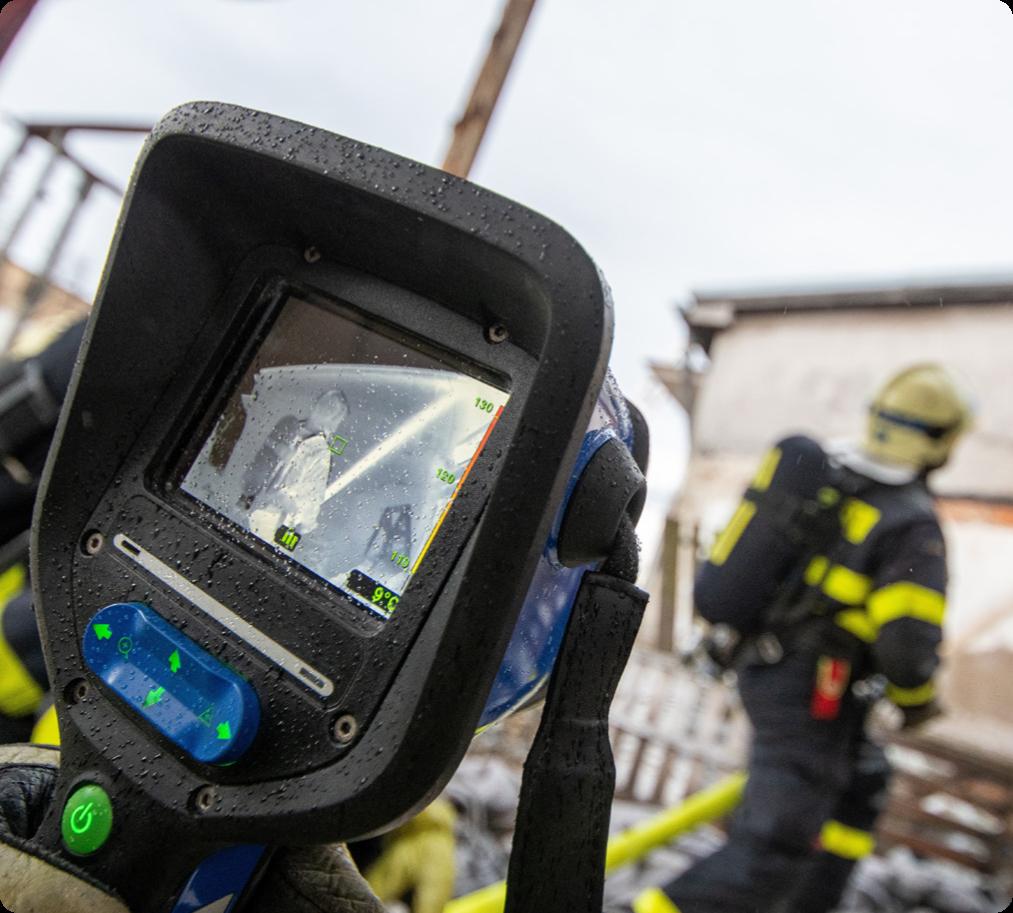
TheNFPA1010standardspecifiesthatTICtrainingis requiredforbothFirefighterIandFirefighterIIlevels.
Anindividualwhooperatesaspart ofafirefightingteamunderdirect supervisioninhazardousconditions.
Individualspossesstheskillsand knowledgetofunctionunder generalsupervision.
TheintroductionofChapter5oftheNFPA1010 standardisamajordevelopmentforvolunteer firehousesacrossthenation.Thisnewstandard chapteraddressessomeofthemostimportant
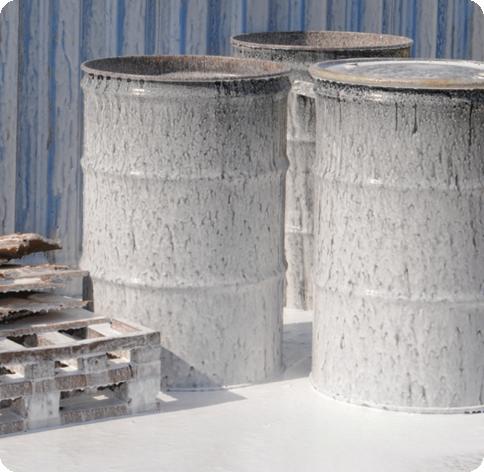
A"supportperson"isdefinedasamemberof thefiredepartmentwho,whilenottrainedtothe FirefighterIlevel,playsacrucialrolebyperforming non-hazardousduties.Theseresponsibilitiesinclude taskssuchas:

Everyonecanhavearoletoplayinhelpingtheir localfirehouse,andChapter5:SupportPerson (NFPA1001)includedintheNFPA1010standard givesvolunteersawaytomakeadifferenceand becomecertified.Thestandardtapsintothetalents ofthecommunity.Forexample,photographerscan documenteventsandtrainingsessions,whileshop ownersmightprovidelogisticalsupportordonate supplies.Tech-savvyindividualscandevelopapps tostreamlinedepartmentoperations.Socialmedia enthusiastscanmanagethedepartment'sonline accounts,helpingtoraiseawarenessandengage thecommunity.
Bybeingabletoutilizethesevariedskills,firehouses canenhancetheiroperationalcapabilities. Chapter5opensgreaterpotentialforcommunity involvementandpride.Byleveragingthese diversecontributions,firedepartmentscanbuild astrongsupportsystemthatbenefitsnotonlythe department,butalsothecommunityitserves.


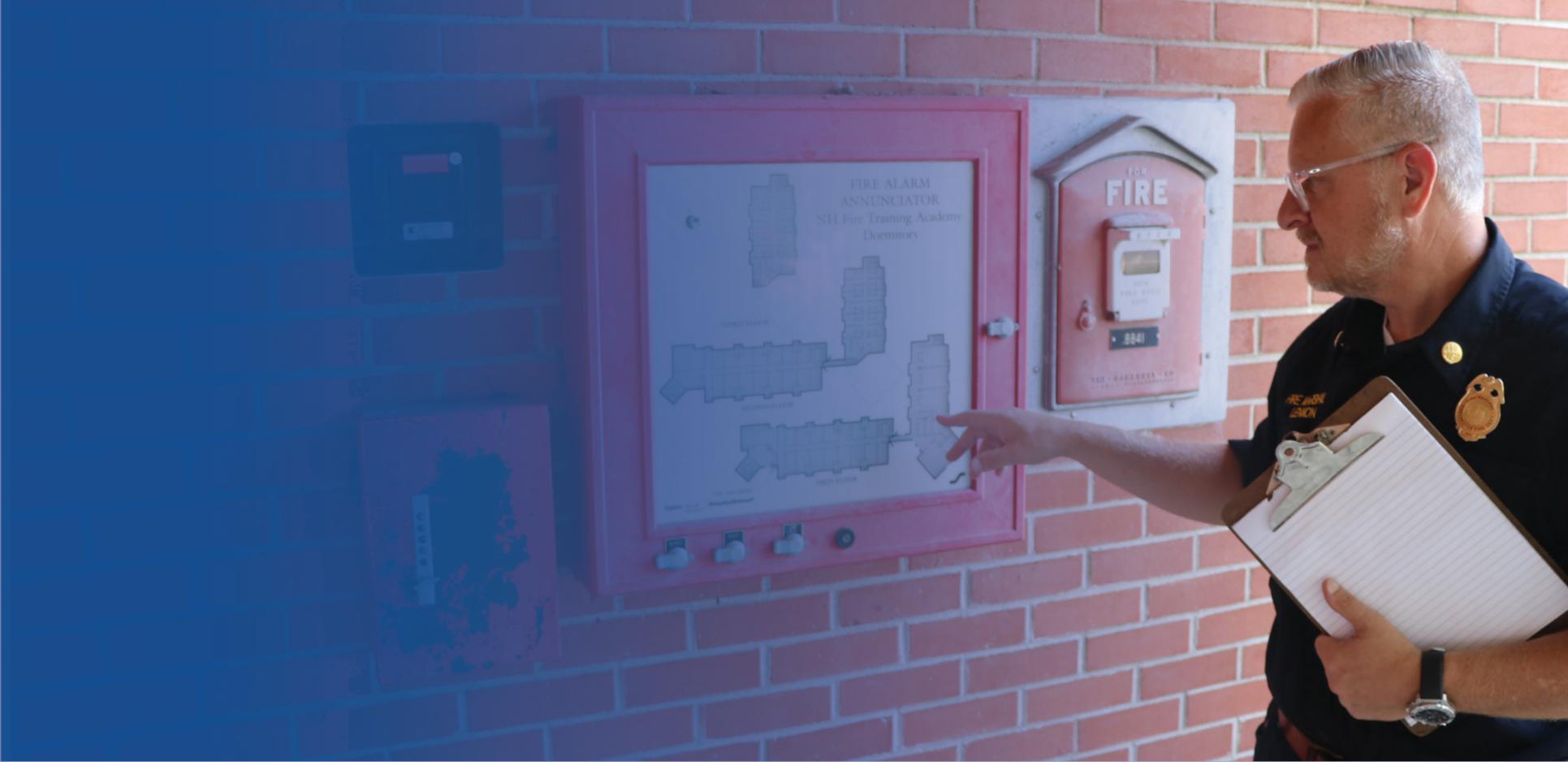
AnewlyintroducedchapterwithintheNFPA1030 StandardisChapter6:FirstResponderInspector (NFPA1031),whichaddressestheknowledge andskillsneededfortheroleofafirstresponder inspector.Chapter6includesjobperformance requirements(JPRs)relatedtothepreparation ofinspectionreports,investigatingcomplaints, andthemaintenanceofrecords.Italsocovers variouslegalproceedingsrelatedtoadopted codesandstandards.
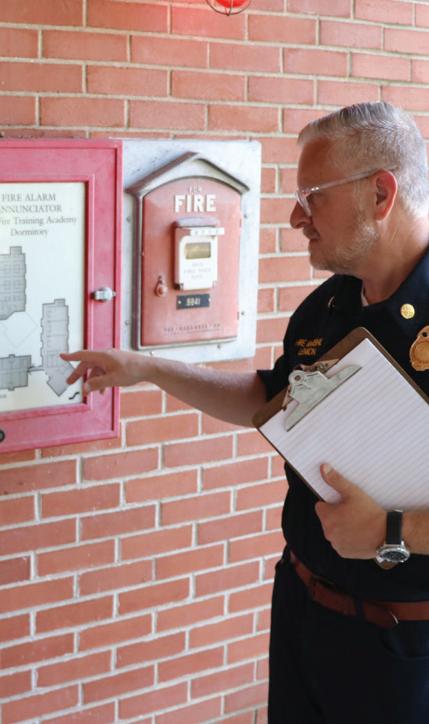
Firstresponderinspectorsaretrainedtoidentifyfire hazardsandaddressdangeroussituations.Thisrole requiresstrongverbalandwrittencommunication skillstoconveyinformationtobuildingoccupants andowners.


Firstresponderinspectors mustalsobeableto translatecomplexcodes andstandardsinto simplelanguagethat everydayindividualscan understand.Forexample, aninspectormightneed toexplainthedifference betweenasmokedetector andacarbonmonoxide detectortoahomeowner.
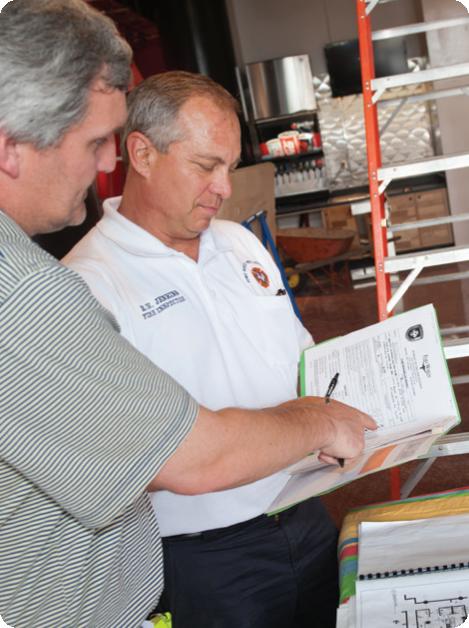
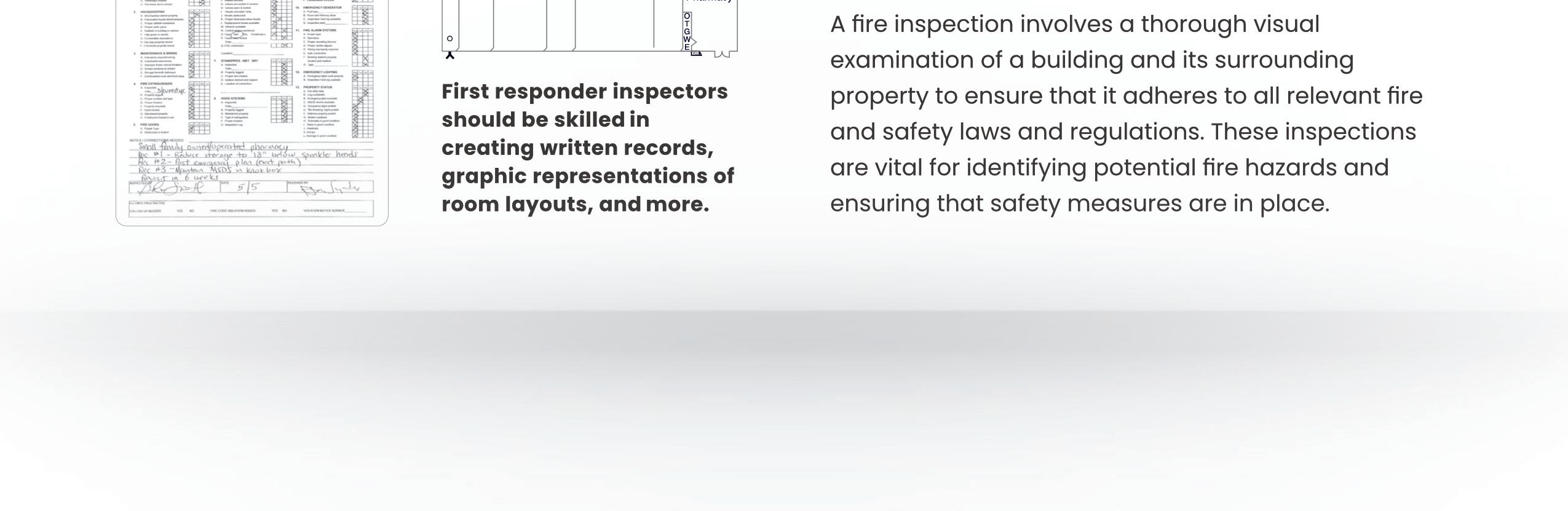
Theprimaryobjectiveoffireinspectionsisto minimizetheriskoffireandprovideprotectionfor bothlifeandproperty.Thisincludessafeguarding againstdangersposedbyfire,explosions,and hazardousmaterials.Byconductingregular inspections,authoritiescanhelppreventincidents andensurethatbuildingsremainsafeenvironments.
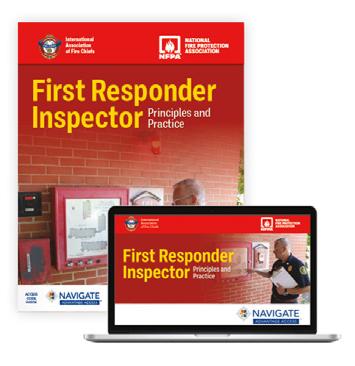
Totrainyourfirehousesforthenewstandard,it’s importanttouselearningmethodsthatalignwith theupdatedguidelines.ThePublicSafetyGroup’s newesttextbook,FirstResponderInspector,offers realisticscenariosandexercisestohelpfirefighters understandandapplytheseguidelineseffectively.

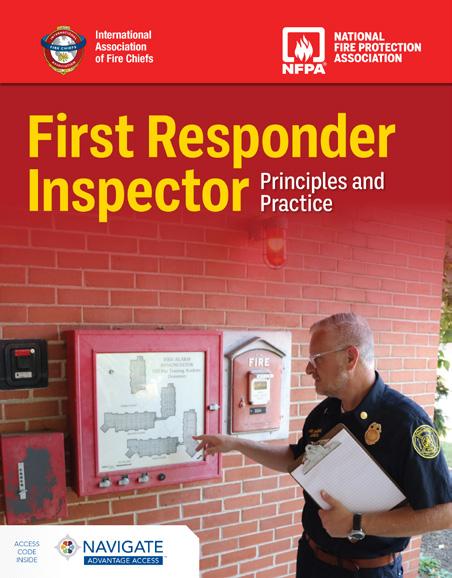

Eachchapterbeginswithacasescenariotitled"You AretheFirstResponderInspector."Thesescenarios providerealisticexamplesthatfirefightersmight encounter,suchasinspectingalocalcommunity college,assessingaredecoratednightclub,or
problem-solvingskills.Byworkingthroughthese scenarios,firefighterscanbetterunderstandhow toapproachvariousinspectiontasksandensure compliancewithfiresafetystandards.

1. What canyou doto gain real-lifeexperiencein thesesystems?
2. Woulditbepracticalandpossibleforyoutocontactalocalarealargefiredepartment,afireservicefireprevention association,astatefiretraining school,aspecialized fireinsurancecompany,or takecourses throughtheNFPA to learnmoreabout sprinkler systems?
3. Is thereatechnical group that wouldallow youto sit inonmeetings or trainingsessions?
Attheendofeachchapter,aWrap-Upsection summarizesconceptsandimportanttermstohelp traineesretaininformation.Thesectionalsoincludes a"FireInspectorinAction"segment,whichoffers real-worldapplicationsofthechapter'scontent.
CHAPTER SUMMARY
④ TheNationalFireProtectionAssociation(NFPA)and the International Code Council (ICC) are the two mostcommonlyusedbuildingandfiremodelcodes.
④ Each state either adopts a model building or fire code, or createstheir own codes to meet their specificbuildingandfiresafetyneeds.
④ Theoccupantloadreflectsthemaximumnumberof people anticipated to occupy the building space(s) atanygiventime.
④ Theoccupant load figurecan befluid. A largeopen room will have one occupant load.When it isfilled with table and chairs, as in a banquet hall, it has smaller occupant load figure. When posting occupant loads, some fire inspection units indicate the twopotentialoccupantloadfigures.
④ A means of egressconsists of three separate parts: exitaccess,exit,andexitdischarge.
④ The exit access may be a corridor, aisle, balcony, gallery, room, porch, or roof. The length of the exit accessestablishes the travel distance to an exit, an extremely important feature of a means of egress, sinceanoccupantmightbeexposedtofireorsmoke duringthetimeittakestoreachanexit.
④ Examplesof exitsare doorsleading directly outside at ground level,such asthefront door of abusiness, or through aprotected passagewaytotheoutsideat groundlevel.Thelatterincludessmokeprooftowers, protected interior and outside stairs, exit passageways, enclosed ramps, and enclosed escalators or movingwalkwaysinexistingbuildings.
④ Ideally, all exits in a building should discharge directlytotheoutsideorthroughafire-ratedpassagewaytotheoutsideofthebuilding.
④ At leasttwo meansof egressmust exist in any area, unless specifically allowed by the Life Safety Code. ThefirstchaptersoftheLifeSafetyCodelistthegeneralrequirementsonthenumberofmeansofegress.
④ Means-of-egress elements are the components of themeansofegressincludingexitaccess,exitenclosures,exitdischarges,stairways,ramps,doors,hardware,exitmarkings,illumination,etc.
④ In buildingswhere artificial lighting isprovided for normal use, illumination of the meansof egressis required to ensurethat occupantscan seeto evacuatethebuildingquickly.
Toimplementthistrainingeffectively,firehouses canorganizeworkshopsorgroupdiscussions
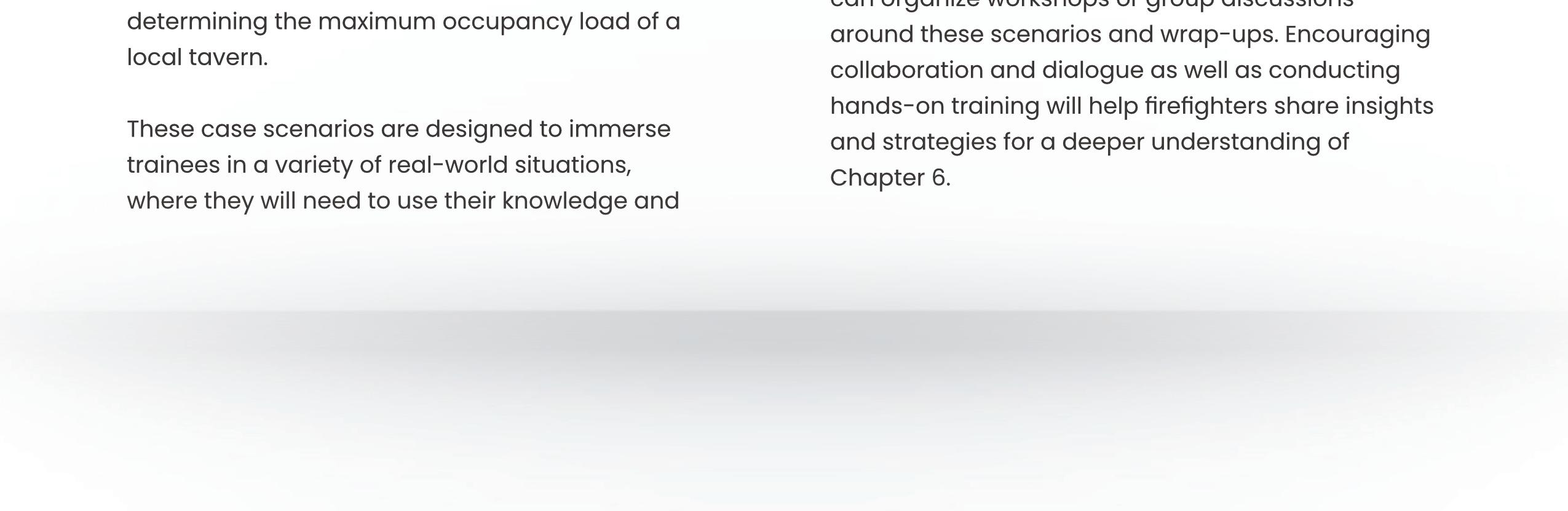
Ourworld-renownedauthorsandpublishingpartnersensurethat you’reteachingthehighest-quality,mostcomprehensivefirecontent.

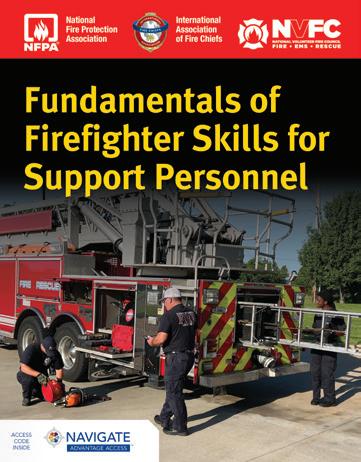


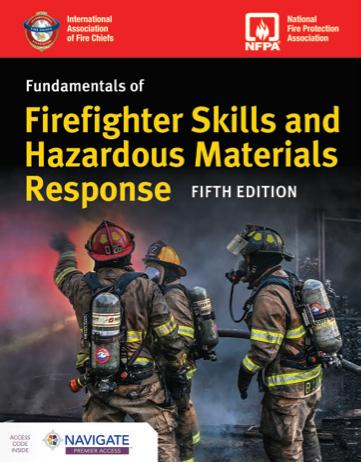

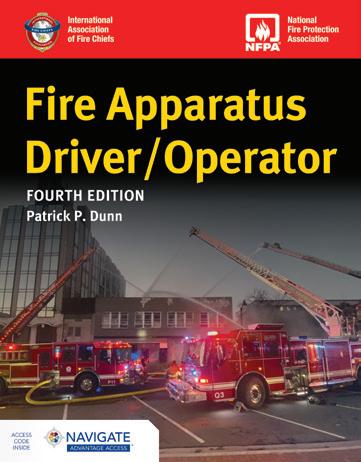
Findexactlywhatyouneedtotrainyourstudentstotheirhighestpotential, whileensuringthesafetyofthemselves,theirpeers,andtheircommunities.
SeehowPublicSafetyGroupresourcesenable youandyourstudentstoexcel:
④ NEWtextsmeetandexceedtheintentofthecurrent NFPAstandards—includingNFPA1010,2024Edition, StandardonProfessionalQualificationsforFirefighters
④ Useful,comprehensivecontentprovidescontext, examiningthe“why”behindtheprinciplesand practicesfortoday’sfireprofessionals
Reviewourinitialtrainingtexts andtheexcitingnewresources nowtaughtinfiretraining centersacrossthecountry.
④ Interactivedigital,print,andaudiolearningtools engagestudentsintheirpreferredlearningstyles
④ Fullcasestudiesandcriticalthinkingquestionshelp studentsassesstheirlearningcasebycase
④ Challengingpracticeexamsletstudentsgain knowledge,practicenewskills,andbuildconfidence


ThePublicSafetyGrouphasbecometheworld’smostinnovativeandtrustedsourceforeducationalmaterials andsolutionsforEMSandfirestudents,educators,andprofessionalsbycombiningthecollectivevalueofour people,products,andpartners.Frominitialtrainingtorecertificationtoretirement,westrivetobealifelong learningpartnertothosewhoserveourcommunitiestirelesslyandensureoursafetyandwell-being.
Acrosstheglobe,thousandsandthousandsofEMSagencies,firedepartments,hospitals,schoolsand universities,andcorporationsrelyonustohelpthemdeliverworld-classtraining.Wedothisbyproviding educatorswithtrustededucationalcontentandpowerfulcoursemanagementtoolsthatallowthemto bemoreefficientandeffective.Wealsodothisbyunderstandingthebroadneedsoftoday’slearnersand providingthemwithpersonalizedlearningsolutionsthathelpthemsucceedintheircoursesandintheir careers.
TheJones&BartlettLearningPublicSafetyGroupisanAscendLearningcompany.
Jones&BartlettLearningandPublicSafetyGroupmaterialsandsolutionsaredistributedinthe UKandEuropebyMareNostrumGroup.ConnectwithyourMareNostrumGroupaccount managertodiscussyourneedsat:jbl@mare-nostrum.co.ukorfindoutmorebyvisiting: www.mngbookshop.co.uk/publisher/public-safety-group