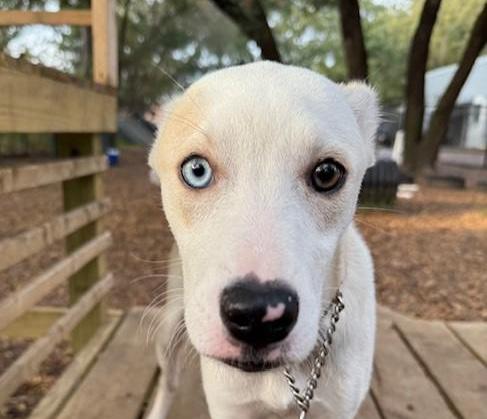
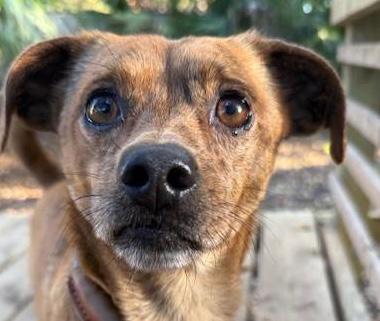
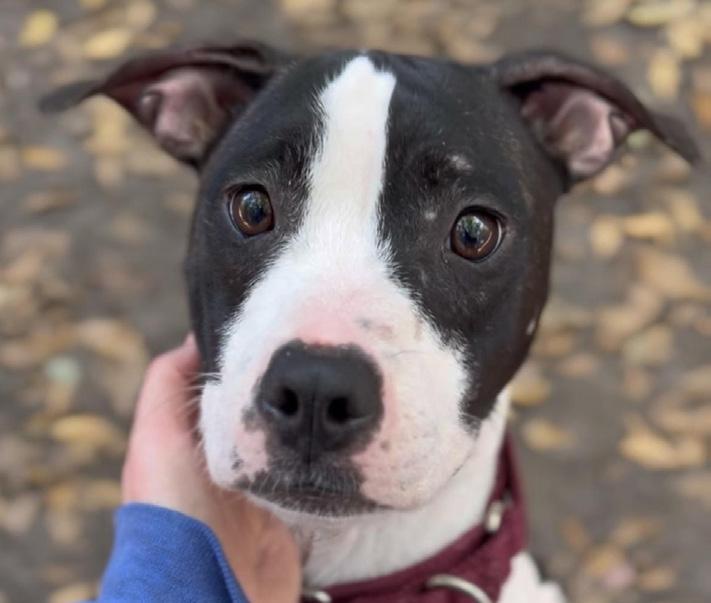
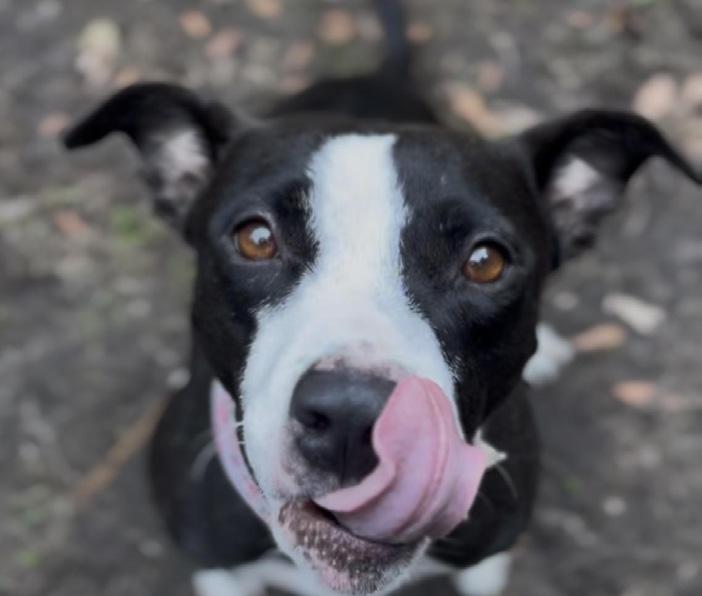
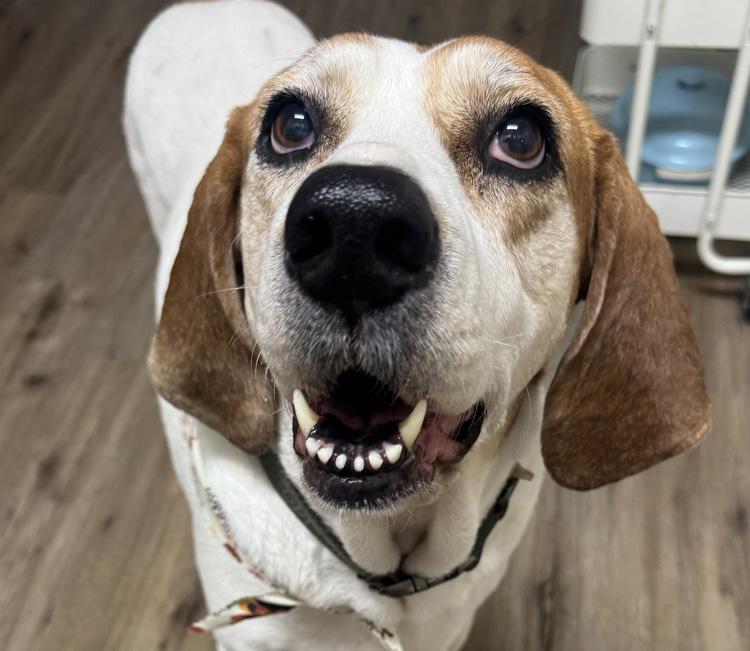
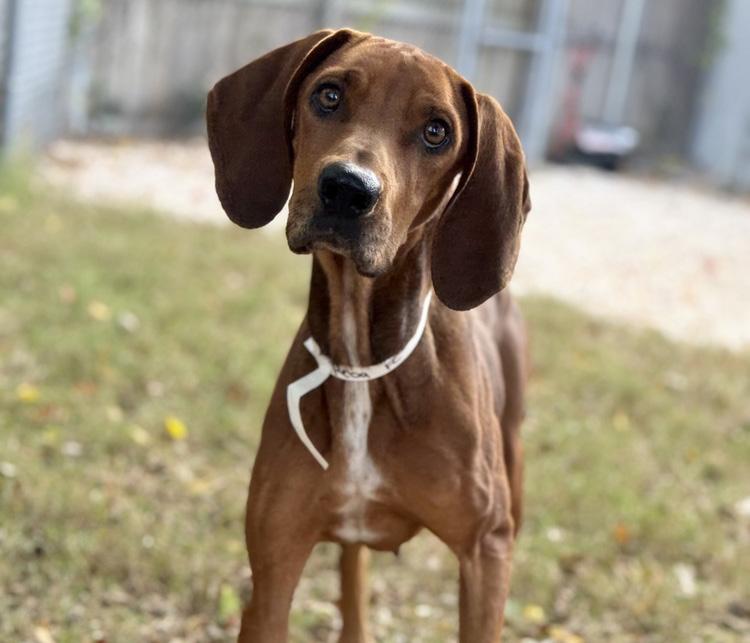
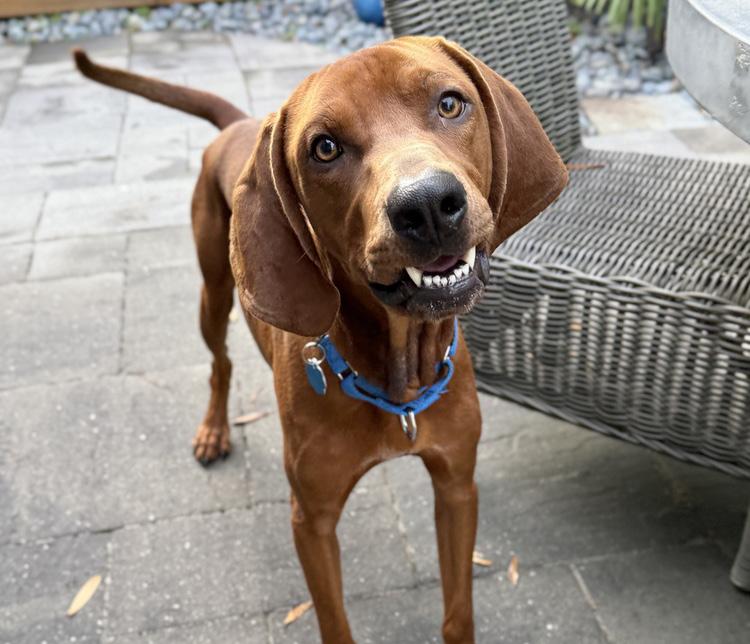
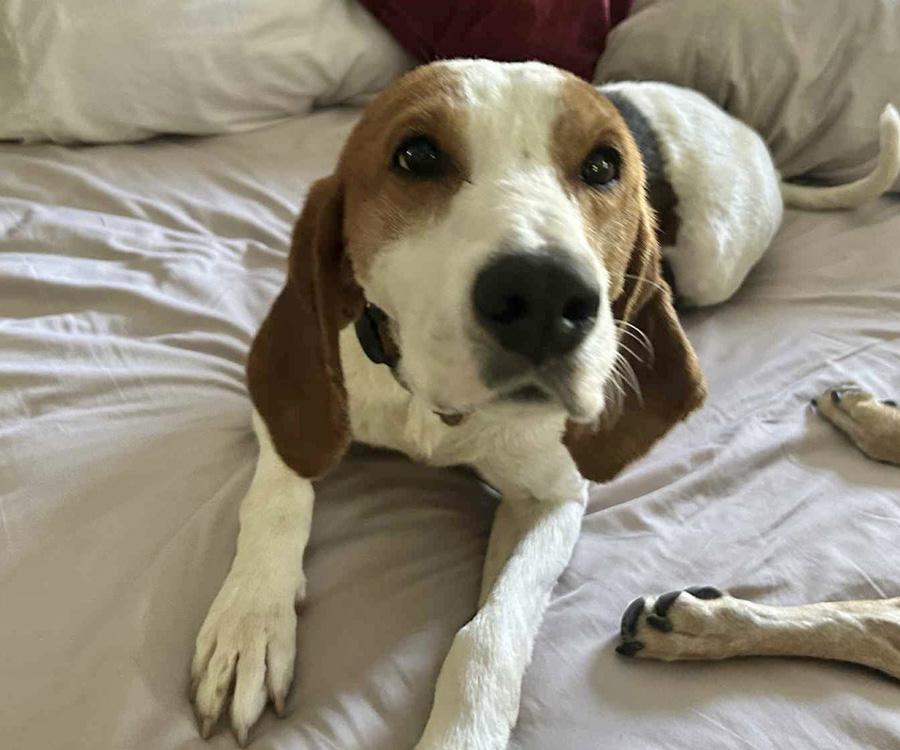
We believe that our dogs are our best friends, and that’s why we need a reliable source to turn to for information on all things “dog” in our community. Our mission is to be the Carolinas’ number one resource for dog owners regarding regional dog-centric and dog-welcoming events, health & wellness information, dog training, trends, and local news. We also strive to be a mouthpiece to the public for various Lowcountrybased pet non-profits, and we promote pet adoption and other responsible pet care practices.
Founded in Charleston, South Carolina in 2005 as a print magazine. From 2015 through 2019, we went digital. in 2020, print returned and we have grown to become “The Carolinas’ Source for All Things Dog,” with print distribution throughout the Carolinas, and digital readers worldwide.
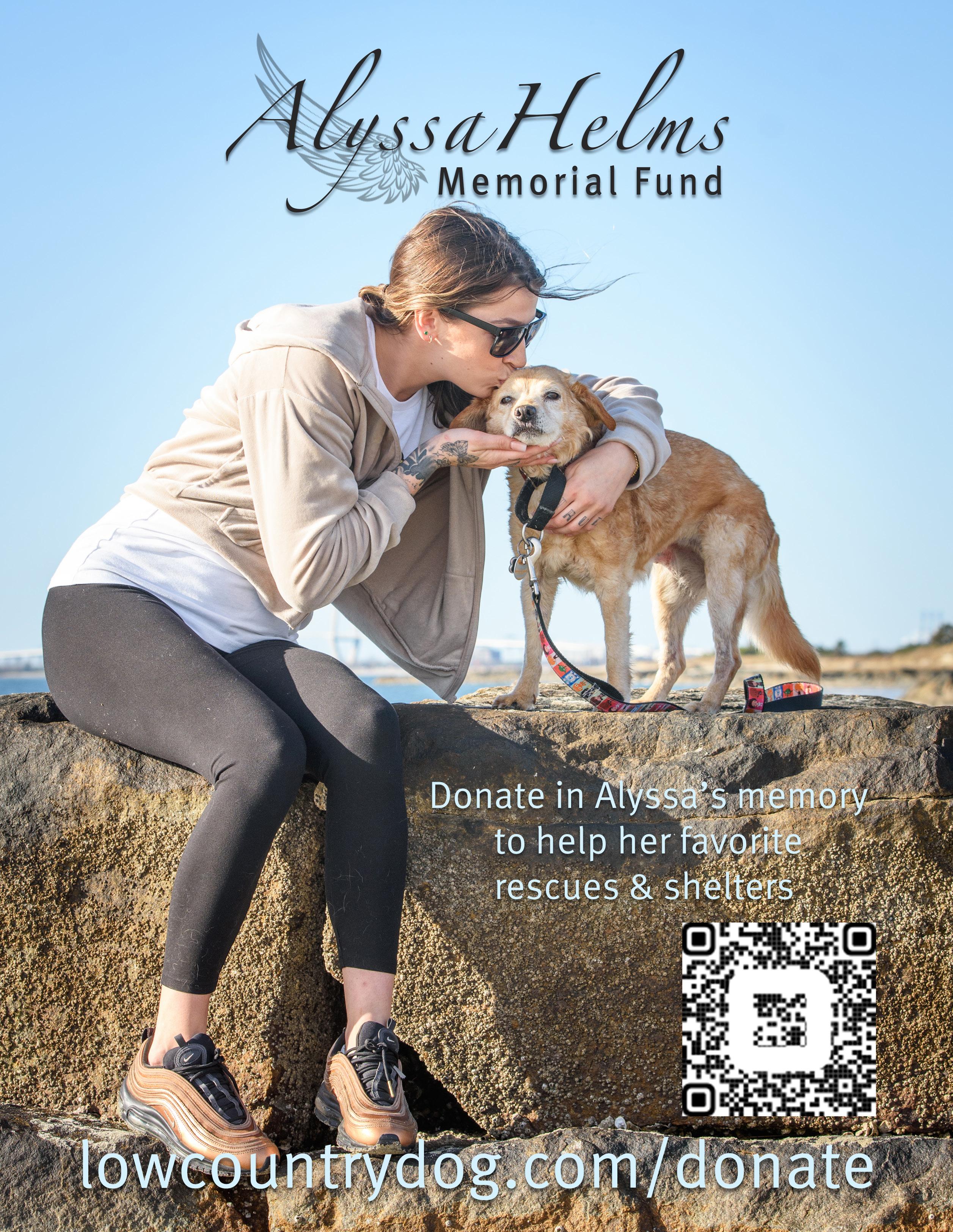
Every issue of Lowcountry Dog Magazine is dedicated to Peanut, our Chief Canine Officer from 2005 to 2023, and Alyssa Helms, our Media Manager from 2020 to 2024.
Publisher
Brian Foster brian@lowcountrydog.com
Chief Canine Officer
Lovey social@lowcountrydog.com
Media Assistant
Samantha Stinner media@lowcountrydog.com
Canine Correspondent
Tula
Staff Writers
Chelsea Salerno
Jeanne Taylor
Natalie Garber
Photographers
Clark & Chateau
Jeanne Taylor Photography
Creative Consultant
Laura Olsen
Contributing Writers
Danielle Zuck
For advertising and media inquiries please email contact@lowcountrydog.com
5 8 12 16 24 34 36 40 42
Lovey’s Lowcountry Livin’: Reflections on the past year
Sit, Stay, Behave... Traveling with Pets vs Boarding
HEALTH & WELLNESS: Holiday Hazards for Dogs
FEATURE STORY: A New Place for Strays in Charleston County
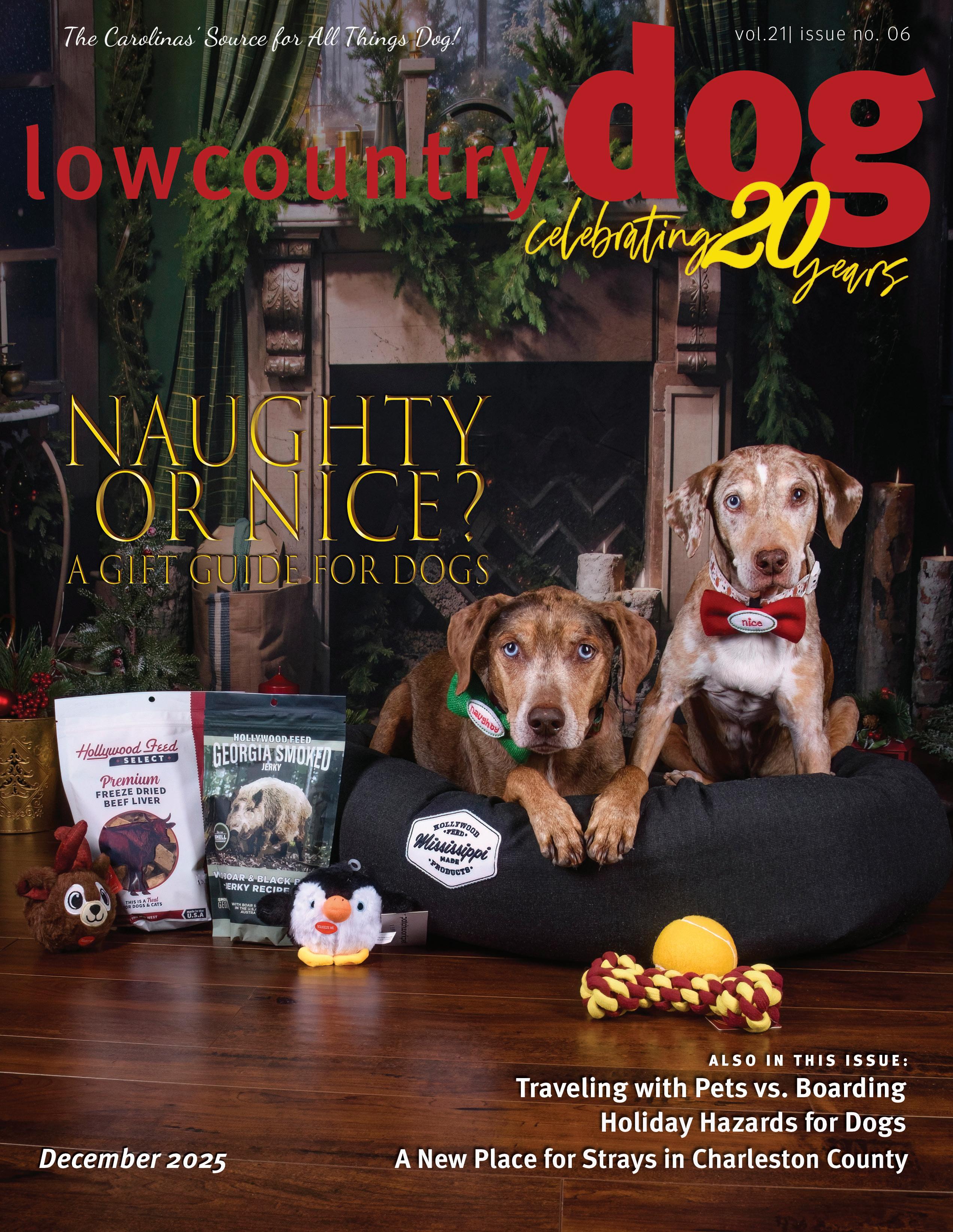
NAUGHTY or NICE: A Gift Guide for the Dogs!
LOCAL DOG EVENTS
IN THE NEWS
MEET THE RESCUE: Journey Home Rescue Alliance
GO GREEN: Adopt A Recycled Dog!
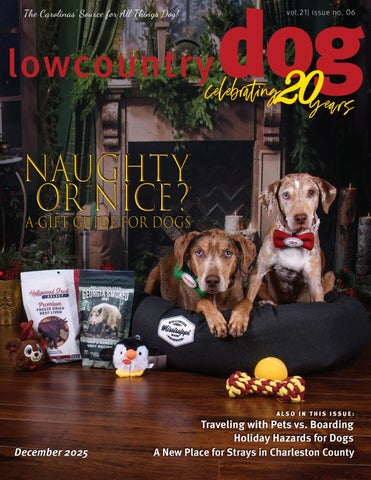
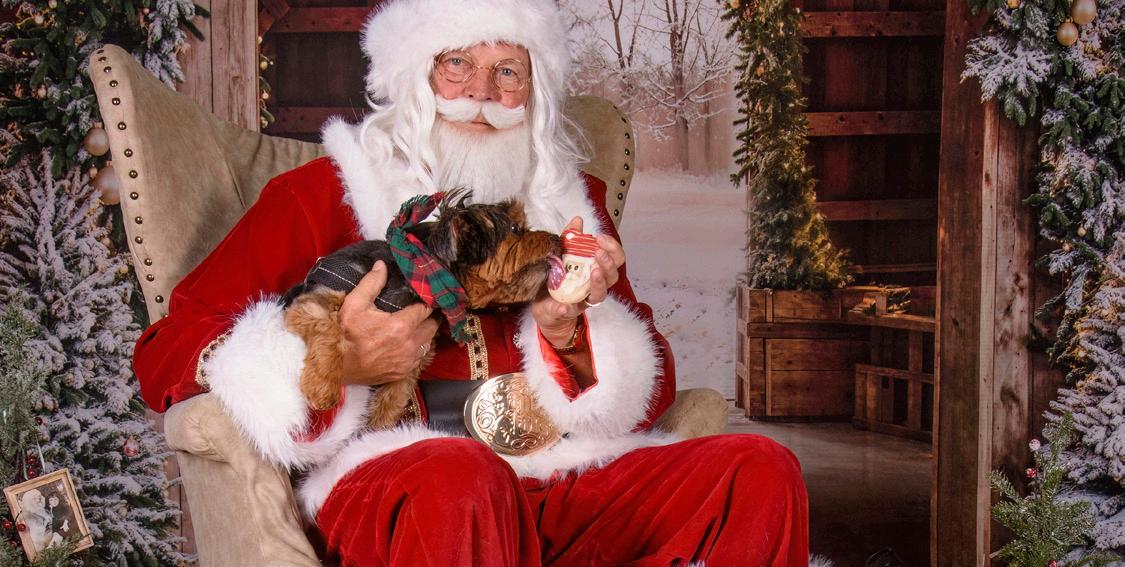
Cover Photo & Above Photo by Jeanne Taylor Photography
My Reflection on the Past Year and Resolutions for Next
As Chief Canine Officer of Lowcountry Dog Magazine, I take my job very seriously. And by “seriously,” I mean I inspect every treat jar within a 50-paw radius, and oversee the daily activities from my cozy bed. But as 2025 comes to a close, even a busy working dog like me takes time to reflect.
This past year has been full of big tail wags, proud accomplishments, a few muddy pawprints in the wrong places, and lots of moments that made me grateful to be the top dog of this pack. So, grab a comfy spot on the couch, maybe a biscuit or two, and join me as I look back on 2025—and share my resolutions for a brand-new year of adventure in 2026.
One of my favorite things in the world—besides peanut butter and squeaky toys—is seeing the dog community come together. This year, Lowcountry Dog Magazine reached more dog lovers than ever. From rescue spotlights to educational articles, we helped connect pups with their future humans, and that will always make my tail thump double-time.
We attended more events, met more dogs, and sniffed more hands than in years past. While I personally stay home for events, we reached new readers at events like SEWE and at the West Farm Corn Maze for Dia De Los Perros. Eat, Drink, Rescue and Woofstock were big successes as well as our 20 year celebration, THE BIG BARK.
From training advice to health tips to local rescue features, our team worked tirelessly to make sure the community stayed informed. I personally oversaw the editorial process by sleeping under the desk during meetings and occasionally offering my creative input in the form of a loud sigh or a paw placed dramatically on my dad’s knee.
Lovey's lowcountry livin’
My Resolutions for 2026
1. More Walks, Fewer Extra Treats… Probably
Look, I’m a working dog. I need fuel. But I also need my harness to buckle without anyone sucking in their breath. So in 2026, I’m committing to more walks, more sniff-ventures, and maybe—maybe—fewer bonus snacks. But let’s not get carried away.
2. Continue Being a Voice for Rescue Dogs
This is my biggest resolution. I want every dog in the Lowcountry to feel safe, loved, and understood. In 2026, I plan to keep championing the rescues, shelters, and foster families who work tirelessly to give dogs new lives.
4. Help the Magazine Grow Its Pawprint
My humans have big plans for the future, and I’m right there beside them. More content. More partnerships. More stories that bring our community together. My resolution is to support the team however I can— whether that means inspiring creativity or providing stress relief in the form of cuddles.
A New Year, A Stronger Pack
I’m proud of what we accomplished in 2025, and even more excited for what’s ahead. With your support and my superior canine leadership, I know 2026 will be full of progress, positivity, and many, many wagging tails.
Here’s to a new year of love, rescue, community, and dog hair on absolutely everything.■
Traveling with Pets vs. Boarding: What’s the Best Adventure for Your Furry Friend?
WRITTEN BY NATALIE GARBER Staff Writer
Hitting the road (or sky!) with your pet can be an unforgettable experience—full of bonding, excitement, and adorable travel moments. But smooth adventures start with smart planning. Whether you’re cruising down the highway or jet-setting across the country, there are a few must-haves to keep your pet safe, happy, and comfortable.
First things first: don’t forget the medical essentials. Pack vaccination records, medications, preventatives, and anything else your vet might want you to bring. Think of it as your pet’s passport to a worry-free trip.
Next up: identification. A microchip is like a permanent “just in case” plan—quick, painless, and incredibly helpful if your pet ever gets lost without a collar. But visible ID is just as important, so make sure your dog’s collar has up-to-date tags before you head out.
And of course, don’t forget home comforts. Bring their regular food, favorite treats, familiar water, their cozy bed, and a favorite toy. Travel can be exciting—but also a little stressful—so familiar smells and routines go a long way in keeping tummies settled and nerves calm.
If You’re Traveling by Air
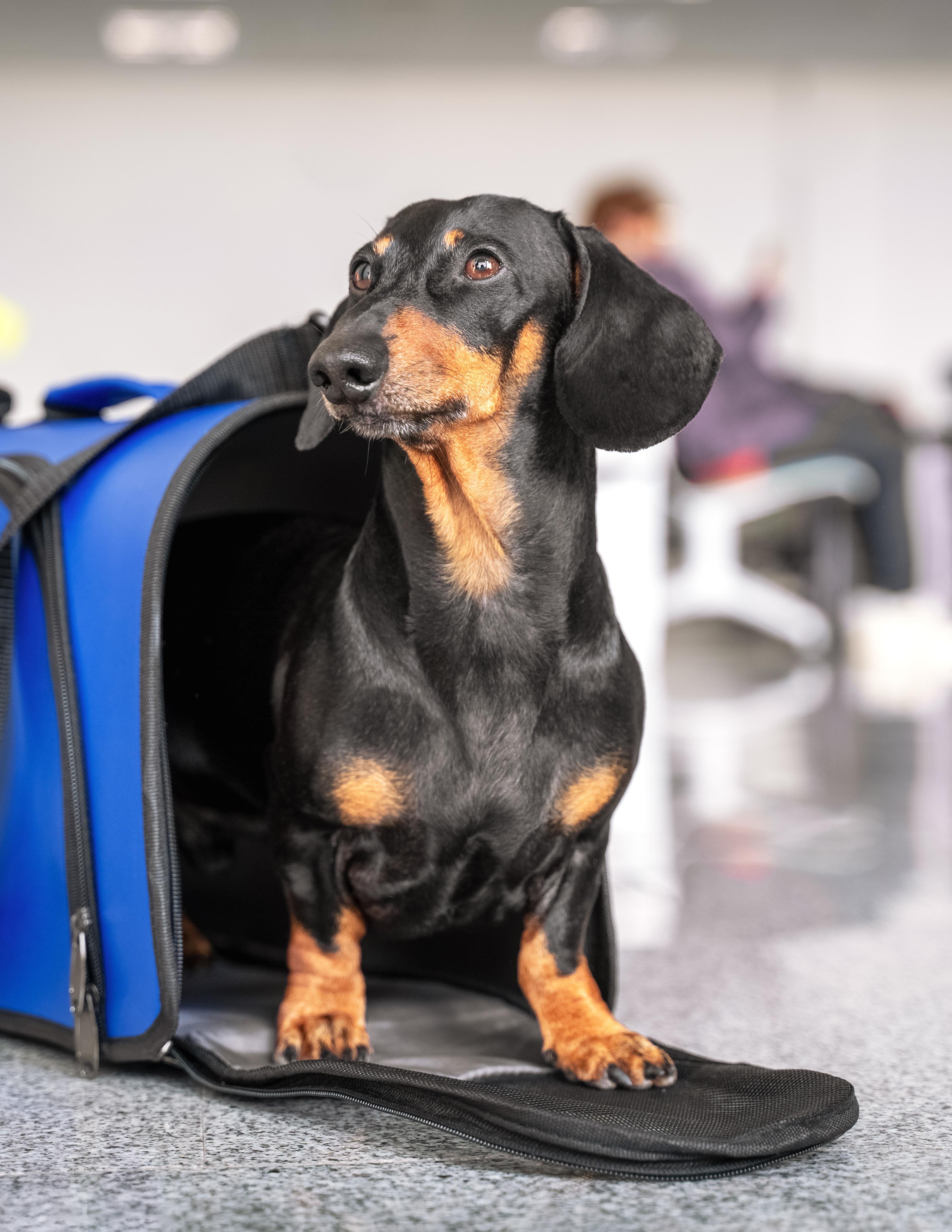
Every airline treats pet travel differently, so do your homework early. Some require pets to travel in the cabin under your seat, while others only allow them in a designated cargo area. Size often determines which option you get. If your pup needs to travel in a crate, make sure they’re comfortable spending time in it well before your flight. And book early—pet spaces on flights fill up fast!
If You’re Hitting the Road
Road trips can be a blast, but make sure your pet is ready for the ride. Plan to stop every few hours—especially for senior dogs or those with health concerns—so they can stretch, potty, and explore. Safety comes first, so your pet should always ride in the back seat. Larger dogs may need a harness or seat-belt restraint, while smaller dogs often do best in a booster seat where they can see the world roll by.
Should Your Pet Travel at All?
As fun as traveling together can be, it’s not the best option for every pet—or every trip. Consider your dog’s age, personality, activity level, and comfort around new environments or other pets. Does your dog get anxious? Hate kennels? Prefer routine? The length and nature of your vacation matters too.
Some pets are happiest exploring new places by your side. Others would much rather stay in the comfort of home. Luckily, in-home pet sitting has become incredibly popular, whether that means a sitter staying in your home or your dog staying in theirs—often with a small group of furry friends to keep them company and provide socialization. Remember, it’s not always about the destination. Take your time and enjoy the journey, creating memories along the way with your pet. What that journey looks like will vary from pet to pet. ■
Holiday Hazards for Dogs: Keeping Pets Safe During the Season
of Celebration
WRITTEN BY BRIAN FOSTER Publisher
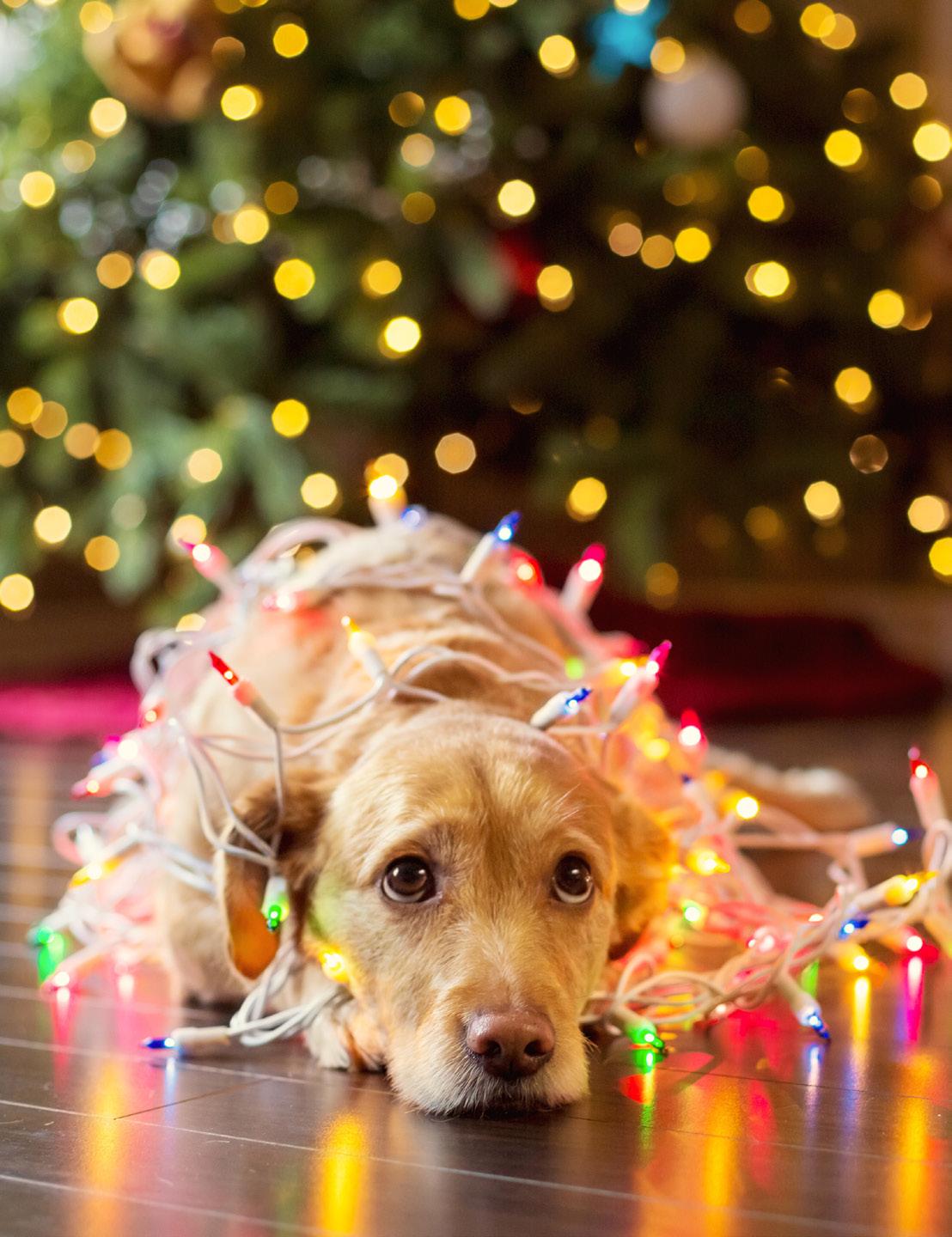
The holiday season is a time of joy, tradition, gatherings, and plenty of indulgence. Homes fill with festive foods, glowing décor, visiting guests, and the kind of cheerful chaos that makes the season memorable. But for dogs, this time of year also brings a surprising number of hazards—many of which pet owners may not even realize pose a danger. While we deck the halls, it’s important to consider how these celebrations affect our four-legged companions and what steps we can take to keep them safe.
From toxic treats to tempting tinsel and everything in between, here’s a comprehensive guide to the most common holiday hazards for dogs—and how to prevent an emergency from putting a damper on your festivities.
Dangerous Holiday Foods
Holiday tables are overflowing with rich, fragrant dishes, and dogs are often eager to “help” clean up. But many traditional foods can be extremely harmful.
Chocolate
Chocolate tops the list of holiday toxins. Its theobromine content can cause vomiting, tremors, seizures, and even cardiac issues in dogs. Dark chocolate and baking chocolate are the most dangerous, but even milk chocolate can cause problems depending on the dog’s size.
Grapes, Raisins, and Currants
Found in fruitcakes, cookies, and some stuffing recipes, these dried fruits can cause acute kidney failure in dogs—even in small amounts.
Xylitol
This artificial sweetener, commonly found in sugar-free candies, baked goods, and even some peanut butter brands, is highly toxic. It can cause rapid drops in blood sugar, seizures, and liver failure.
Fatty Foods
Turkey skin, gravy, buttery dishes, and fatty meats can trigger pancreatitis, a painful and potentially life-threatening condition.
Alcohol
Even small amounts of alcohol or alcoholcontaining desserts can cause lethargy,
disorientation, respiratory issues, or coma in dogs.
Prevention Tip:
Keep all food well out of reach, secure trash bins, and remind guests not to feed your dog table scraps. When in doubt, designate a “nofeed zone” and provide safe dog treats instead.
Toxic Plants and Greenery
Holiday plants may be beautiful, but several are hazardous to curious dogs.
Poinsettias
Often thought to be extremely toxic, poinsettias are actually mildly irritating. While not usually deadly, ingestion can cause drooling, vomiting, and gastrointestinal discomfort.
Mistletoe
Mistletoe is far more dangerous. It contains compounds that can cause severe vomiting, cardiac problems, and neurological issues.
Holly
Sharp leaves and toxic berries pose both a gastrointestinal and physical hazard.
Christmas Trees
While the tree itself is less toxic, chewing on pine needles can irritate the mouth and stomach. More importantly, tree water may contain pesticides, preservatives, or bacteria that can make dogs sick.
Prevention Tip:
Place plants out of reach, cover tree water, and vacuum fallen needles frequently.
Holiday Toys and Children’s Items
Kids’ toys, new gadgets, and batteries often end up on the floor during celebrations—prime targets for dogs.
Small Toys and Parts
These can pose choking hazards or cause intestinal blockage.
Batteries
Highly corrosive, batteries can cause chemical burns if punctured or swallowed.
Prevention Tip:
Monitor the floor frequently during gift exchanges and gatherings. Keep toys and gadgets out of reach when not in use.
Managing the Excitement: Behavioral Hazards
Overexcitement during parties can create its own set of problems. Holiday gatherings can disrupt a dog’s routine and emotional stability.
Stress and Anxiety
Strangers entering the home, unfamiliar smells, and breaks in routine can stress even the most well-adjusted dog.
Counter Surfing
With food everywhere, dogs may sneak snacks or ingest toxic items.
Door Dashing
Excited dogs may bolt outside when new guests enter.
Resource Guarding
New items, food, and toys can trigger guarding behaviors.
Prevention Tip:
Plan ahead—use crates, gates, or tethers when needed, and give your dog structured enrichment before guests arrive.
Preparing an Emergency Plan
Despite taking precautions, accidents can happen. Preparation helps ensure you act quickly and effectively.
Know the nearest emergency vet
Holiday hours vary, so keep contact information accessible.
Keep a pet first-aid kit
Include bandages, gauze, antiseptic, and hydrogen peroxide (to induce vomiting only with veterinarian instruction).
Call poison hotlines if needed
24/7 pet poison helplines can advise on next steps when minutes matter.
A Safe and Happy Holiday Season
The holiday season should be joyful for every member of the family—including your dog. By understanding potential hazards and taking simple precautions, you can prevent emergencies and ensure your celebrations are stress-free. Keeping dogs safe doesn’t mean eliminating the fun; it simply means being mindful, planning ahead, and creating a festive environment where dogs can join in safely.
With awareness and preparation, you and your furry family members can enjoy all the magic of the season—without the unwanted surprises. ■
A New Place for Strays in Charleston County
WRITTEN BY CHELSEA SALERNO Staff Writer
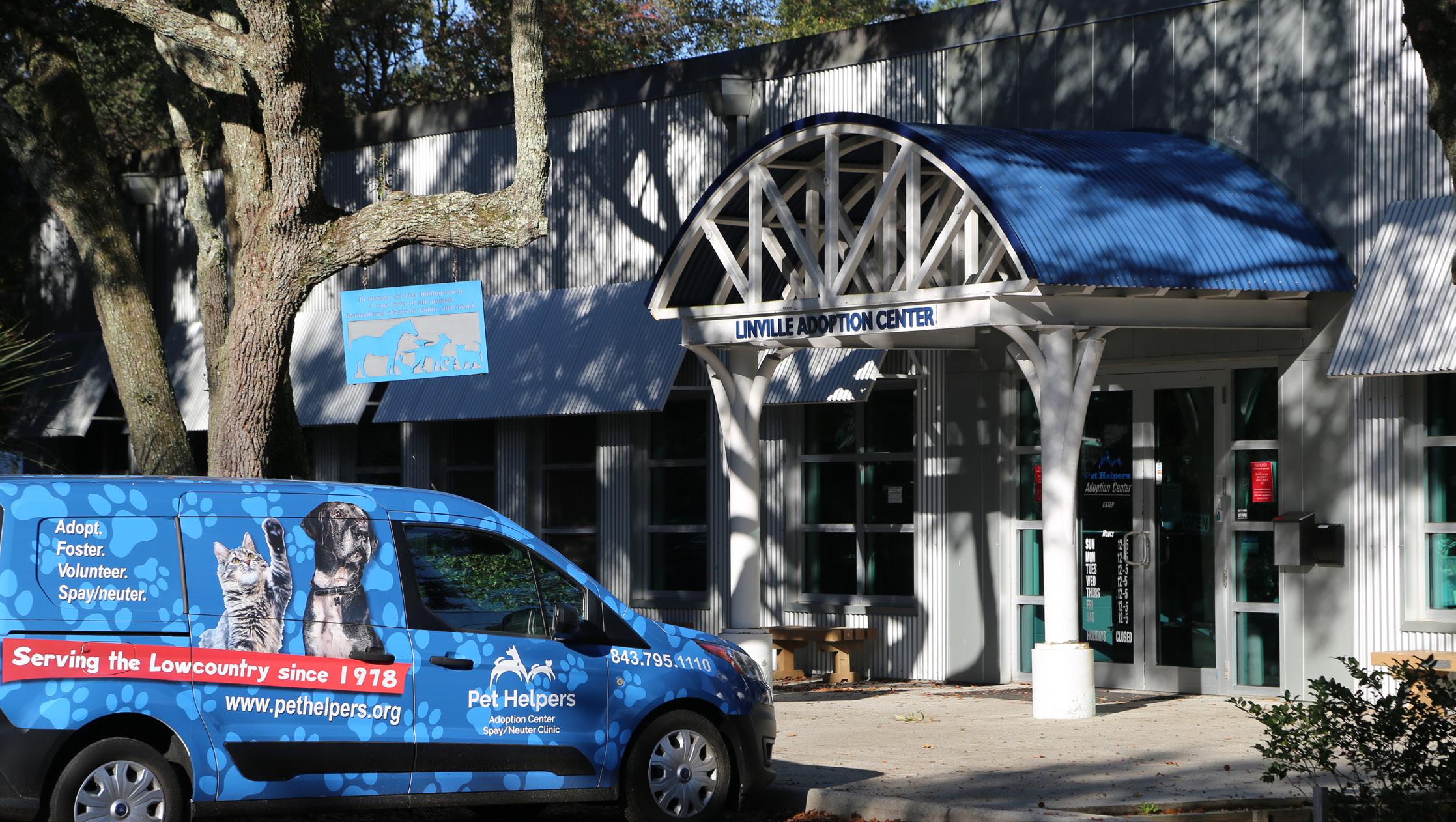
The news of the ending of the contract between Charleston County and Charleston Animal Society has been in the news this year, The longstanding contract between Charleston County and Charleston Animal Society, aka CAS, expired in November 2024 and because a new contract with CAS wasn’t finalized, the county needed a plan B. Each municipality in the county is no longer under a blanket contract with CAS under the county’s guidance and many are still taking strays to CAS on Remount Road. The unicorporated part of Charleston County, which makes up 68% of the total county’s area, is now under contract with Pet Helpers on James Island. Folly Beach also brings in strays to Pet Helpers.
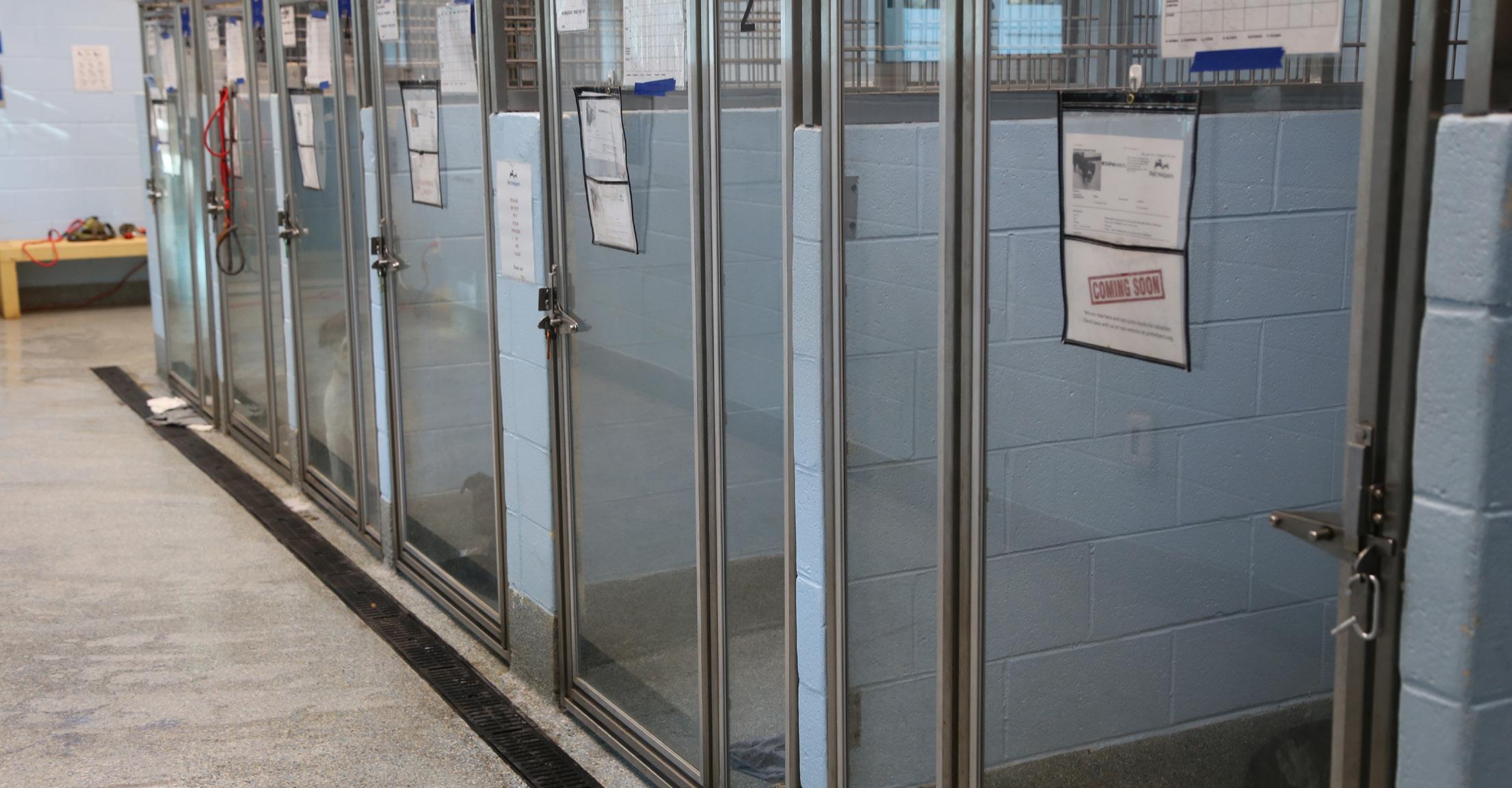
We at Lowcountry Dog reached out to JJ Steele, the Director of Marketing for Pet Helpers, to get more information on how the smaller shelter is handling the influx of stray animals and responsibilities that go along with being the primary resource for Charleston County’s lost and homeless animals. While Pet Helpers wasn’t fully prepared for such a sudden surge in intake, the team moved quickly to adapt. In an effort to safely take in as many animals as possible, the shelter reorganized kennel space, expanded outreach to foster families, shifted staff responsibilities and updated internal procedures. When asked what immediate operational changes Pet Helpers implemented to accommodate the increase in intake, JJ responded, “The shift required rapid adjustments. We converted existing rooms into additional dog kennels, created a new quarantine and holding area with outdoor runs, expanded our foster network, and reorganized
internal workflows to manage the dramatically higher volume of animals. Behind the scenes, the changes were equally significant: more dishes, more laundry, more supplies, more medical needs, and more staff hours required every day simply to maintain proper care.”
Pet Helpers has added new kennel space this year and is planning further expansion at its Folly Road location, but staff say there’s only so much room to grow. With shelter populations rising nationwide and economic pressures mounting, the shelter warns that it cannot sustain its current level of support for the community without additional help. For nearly 50 years, Pet Helpers has operated as a small but efficient independent shelter, focusing mostly on animal care rather than corporate partnership. That independence also means limited funding so to keep pace with demand, the shelter is calling on the community for broader support. Financial contributions of any size, along with more fosters, volunteers and advocates are critical to maintaining services the shelter provides. Foster families and volunteers already form the backbone of its operations, and their continued commitment remains key to the success of the shelter. With expanded facilities, stronger volunteer networks, and renewed community investment, Pet Helpers hopes to continue meeting Charleston County’s growing animal welfare needs while upholding the high standard of care that has long defined its mission.
Despite the recent changes, one constant has been the shelter’s close partnership with the county’s animal control officers. Out in the field every day, these officers maintain steady communication with shelter staff at a level of coordination that has proven essential. Their collaboration helps both teams stay aligned, respond quickly and keep animal welfare at the forefront of every decision. Pet Helpers continues to work closely with Charleston County’s Animal Control Officers, a long-standing partnership that ensures animals are transported safely and receive proper care. The shelter also relies on a wider network of rescues, shelters and community animal advocates to coordinate transfers, medical care and placement whenever
possible. These efforts now take place amid a national surge in shelter populations, which has made finding available placements increasingly difficult. Once able to take in animals from outside the region, Pet Helpers’ capacity is now limited to Charleston County intakes. Even with these challenges, the organization emphasizes continued collaboration with partners, striving to provide safe, compassionate care for every animal it serves.
So let’s talk stray and lost pet intake. Reporting a stray animal in Charleston County may sound simple, but it can be confusing because the response depends entirely on where the animal is found. Jurisdiction determines which animal control agency is legally allowed to transport the animal and ultimately which shelter it ends up in. To help people navigate this, Pet Helpers provides online tools that explain the steps and link to the correct agencies. Once a stray arrives at Pet Helpers, staff immediately post the animal to their Lost & Found page and social media. They urge owners searching for missing pets to check all area shelters, since pets can travel long distances or be moved by wellintentioned residents. Community Facebook
groups also remain one of the most effective tools for reunification. Additionally, anyone who finds a stray can take the animal to any veterinary clinic for a free microchip scan. Microchips dramatically increase the chance of returning a pet home, and Pet Helpers has expanded access by installing community scanning stations at local businesses with more planned, helping many pets avoid entering the shelter system altogether.
Reclaiming a lost pet is governed by Charleston County’s policies: reclaim fees and required spay/neuter procedures are set by the county and paid directly to them, not the shelter. While these rules are designed with public welfare in mind, they can create financial barriers for some families. Shelter staff say they worry that owners may delay or avoid reclaiming pets because of the cost which leaves animals in the shelter longer and places staff in difficult interactions with upset families. Shelters also differ in when they can accept animals, so Pet Helpers encourages residents to check intake and reclaim hours in advance. Pet Helpers receives county intakes seven days a week, but schedules vary across the region.
So what can we as a community do to help homeless and lost pets in the Lowcountry? At a time when animal shelters are stretched thin, community involvement has never mattered more. In Charleston County, residents have countless opportunities to make a meaningful impact whether by adopting a pet, opening their home as a foster, volunteering their time, or donating money and essential supplies. Local businesses also play a vital role by offering goods, discounted services, and other resources that help shelters care for more animals efficiently. Education remains one of the most powerful tools for preventing animals from entering shelters in the first place. By learning about and promoting spay/neuter services, trap-neuter-return programs for community cats, and the importance of microchipping and proper identification, residents can help reduce stray populations and keep pets safely at home.
Community advocacy matters too, such as urging landlords and property managers to relax breed and size restrictions - this can be the difference between a pet staying with their family or ending up in the shelter system. Shelters are also looking to inspire future generations. Engaging children and teens not only nurtures their compassion but empowers them to influence their families,
schools, and neighborhoods which helps build a culture of responsible pet care.
In the end, every contribution no matter the size strengthens our ability to keep animals safe, supported, and in loving homes. With the community’s continued commitment, Pet Helpers can remain not just a shelter, but also a true lifeline for both animals and the people who love them. At Pet Helpers, the volunteers, foster families, and donors form the backbone of their mission. Their dedication allows them to reach far beyond the limits of shelter walls, giving animals personalized attention and a calmer, more compassionate experience during their stay. Meanwhile, donor support ensures they can continue providing essential medical care, enrichment and the exceptional standards of treatment that have defined the organization for nearly 50 years. As the demands on the shelter continue to grow, the role of these community partners has never been more vital, helping ensure that animals aren’t the ones left to shoulder the weight of broader systemic challenges.
Finally, we will leave you with this example Ms. Steele sent showing what the cost of animal care might look like for an animal brought in the Pet Helpers through the Charleston County contract:
“Judge Judy, a sweet dog, was brought in by Charleston County Animal Control Officers with a noticeable limp. As a contracted shelter, we are reimbursed by the county for five days of basic boarding and essential veterinary intake services, even though many animals—like Judge Judy—arrive on a 14-day stray hold.
Beginning Day 6, all costs shift to Pet Helpers. From this point forward, even though Judge Judy was not legally adoptable yet, every medical evaluation, daily care need, and kennel day became the financial responsibility of Pet Helpers alone.
Day 6–14 (Pet Helpers Covers 100% of Costs):
• Continued daily boarding at an estimated $35/day = ~$315
• Pain medication and supportive care for her limp
• An X-ray to diagnose the underlying orthopedic issue (~$300–$400)
Post–Stray Hold Medical Decisions (Day 15+):
Once the stray hold ended, we were finally able to pursue treatment. Judge Judy required orthopedic surgery to repair her injury.
• Orthopedic surgery: ~$5,000
• Post-surgical medications and follow-up exams: ~$250–$300
• Two to three weeks in a medical foster home for rehabilitation (valued at $400+ in care,
• though generously donated by a foster)
• Daily food, enrichment, cleaning, and staff time throughout recovery.
Only after being fully healed and cleared by our veterinary team could she be spayed and made available for adoption.
• Spay surgery: ~$250
• Additional boarding or foster care days until adoption: variable, often $200–$400+
Total Estimated Cost for Judge Judy’s Journey: $6,000–$7,000+
Of this, only the first five days of basic care are reimbursed by the county. Everything after Day 5—including advanced medical care, surgery, medications, daily care, and rehabilitation—is absorbed entirely by Pet Helpers.
This is just one dog, on one journey, in one moment in time. But it reflects the financial reality we face every day: animals who need us often need far more time, medical care, and resources than a five-day reimbursement window can ever cover. Yet we remain committed to ensuring they receive that care—because that is what they deserve.”
Judge Judy’s story is just one example of why donations are so important. There are so many animals out there who deserve a loving home but just need a little extra care to get there. Donate, foster or even just share social media posts about these animals because you never know where they may reach! ■
NAUGHTY A GIFT GUIDE
FOR DOGS!
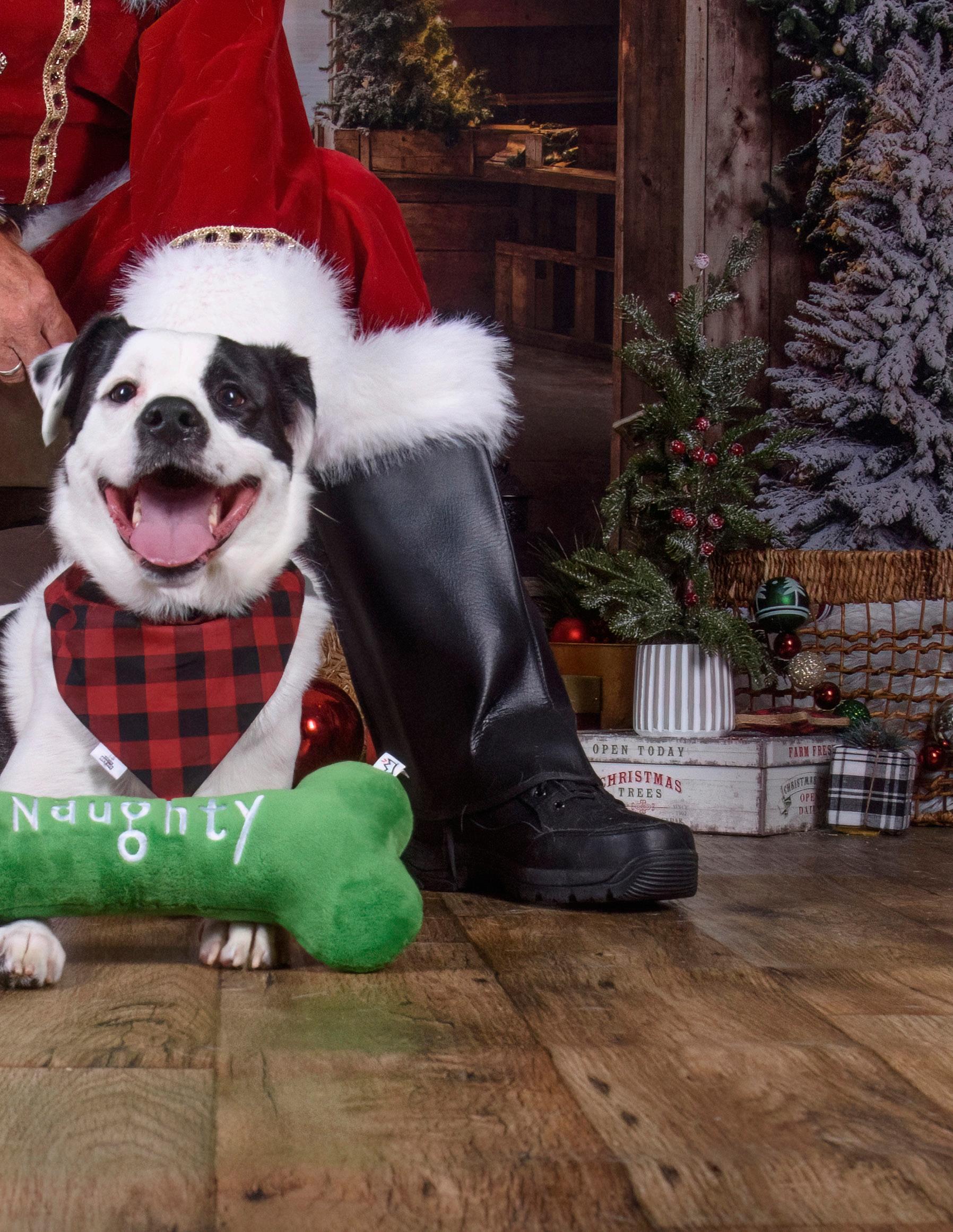
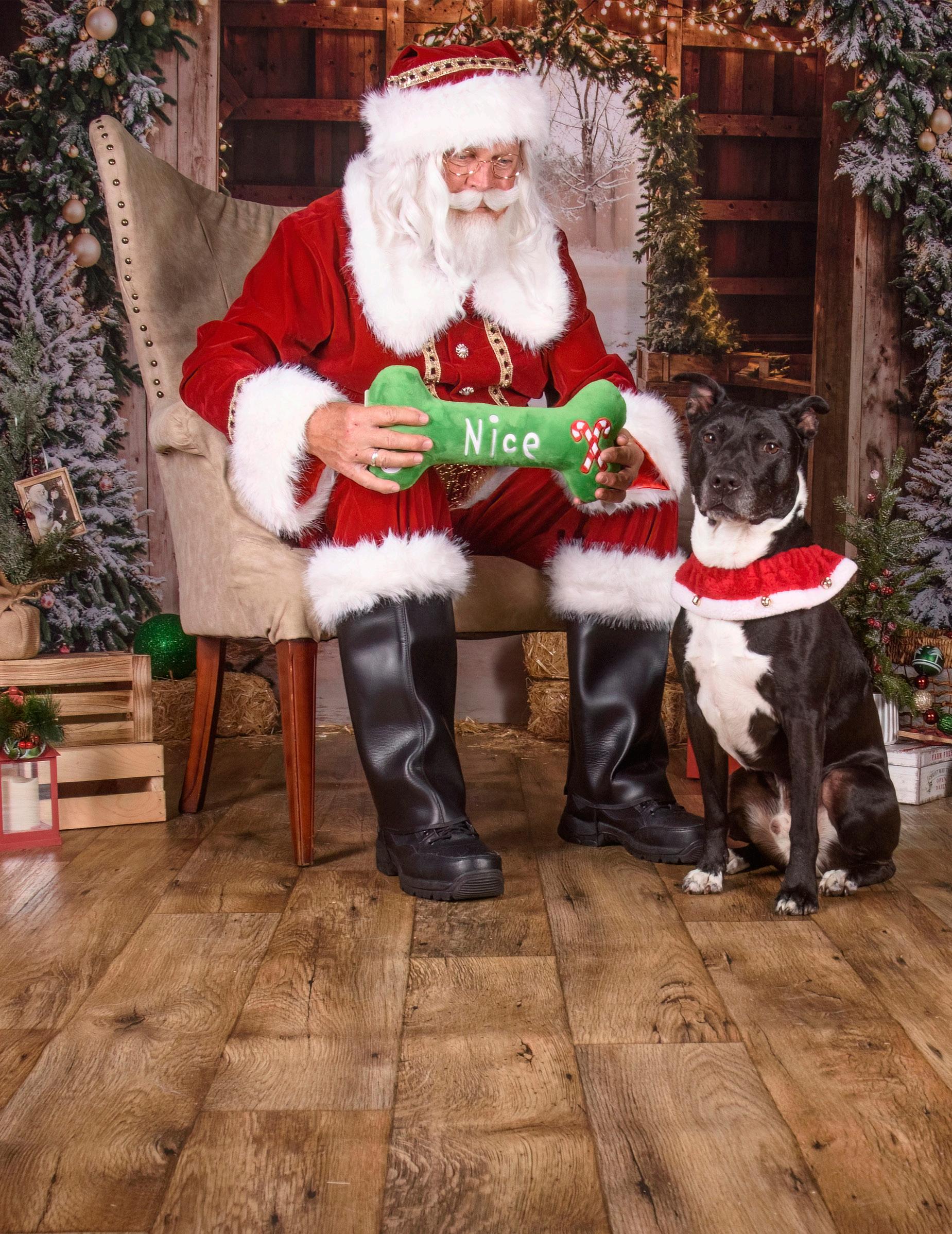
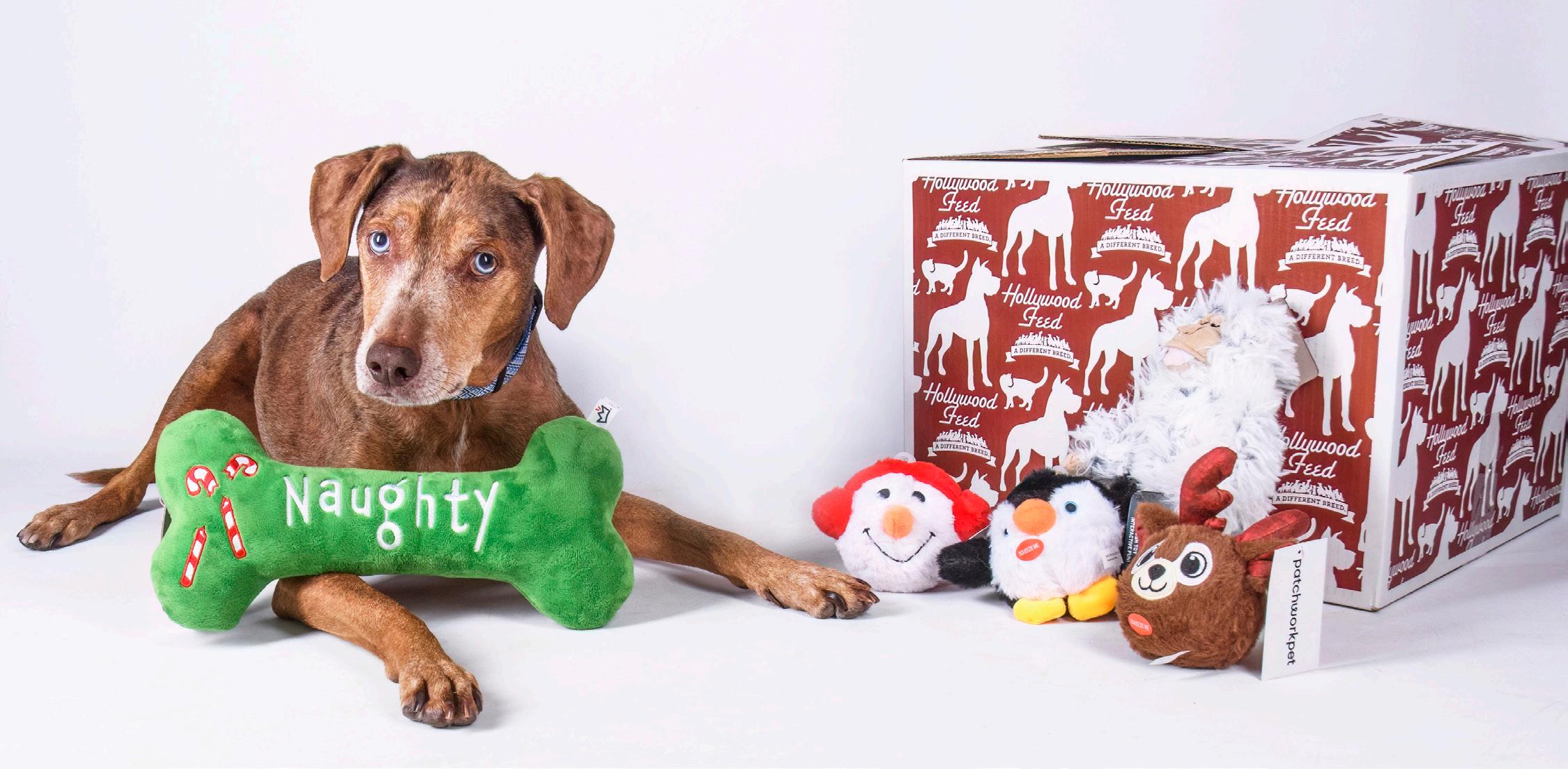
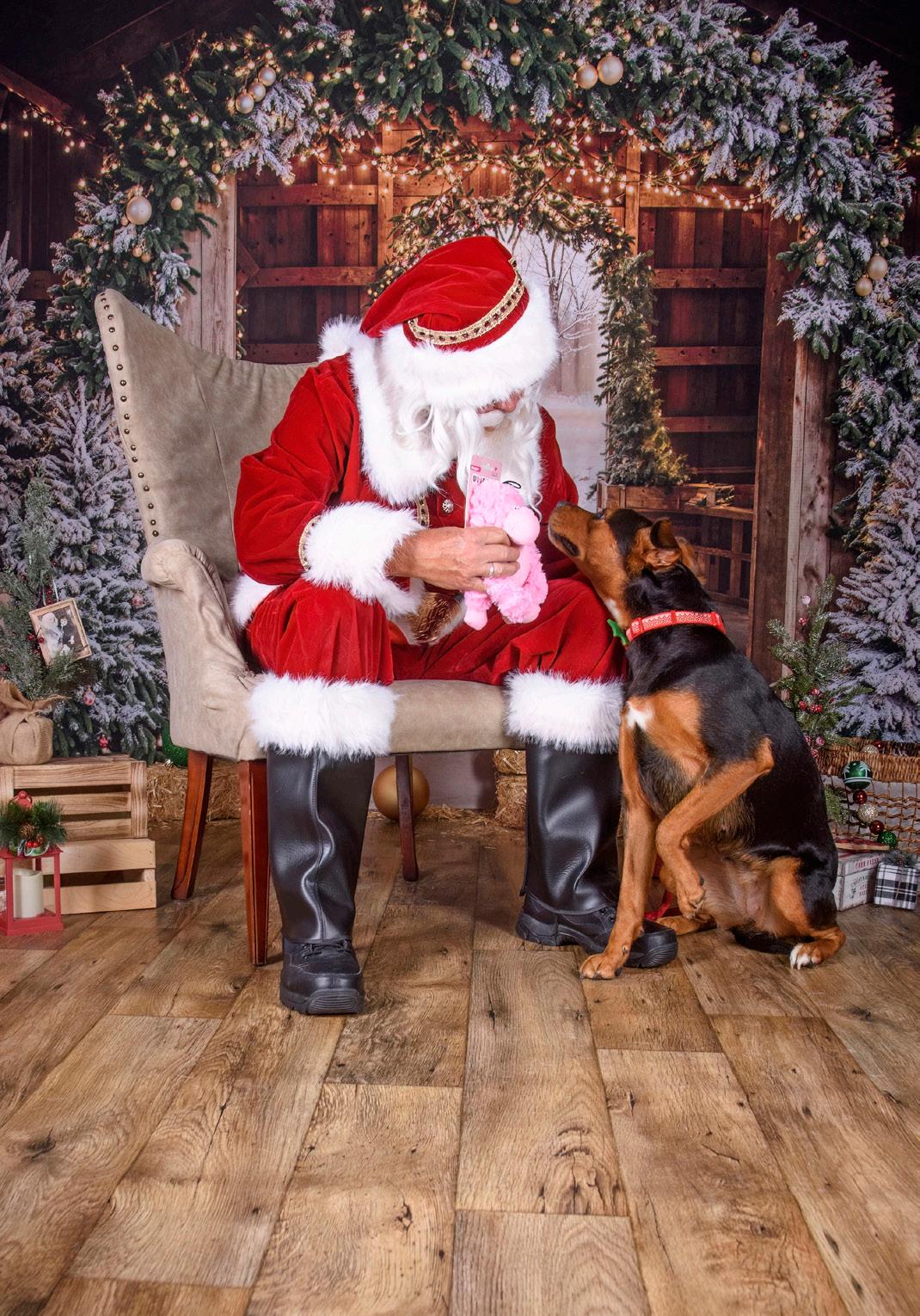
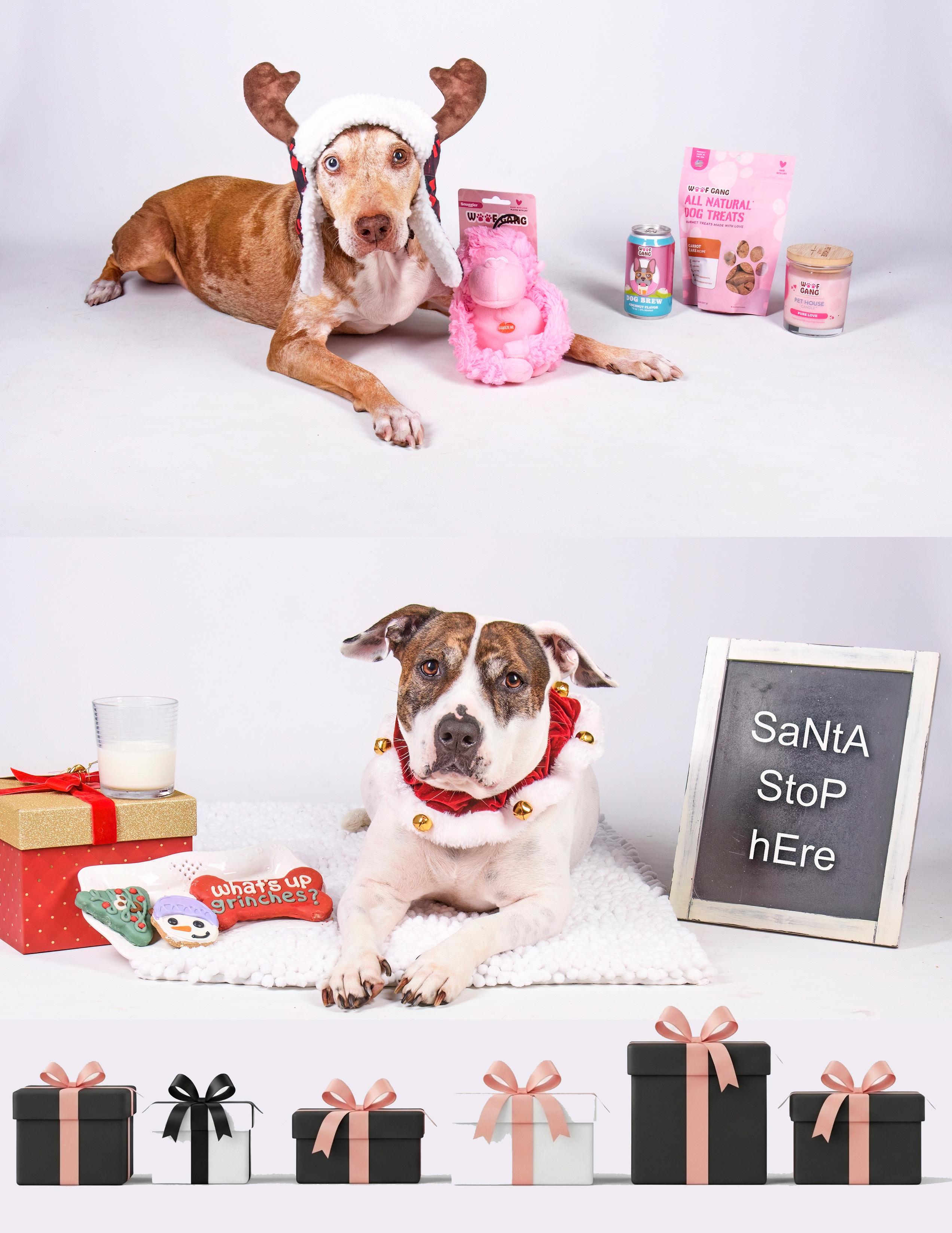
The Holiday season is the perfect time of year to show your pup how much they mean to you. Whether they are naughty or nice, they need some presents under the tree. We shopped at two of our favorite Lowcountry stores to pick some great items to add to your shopping list.
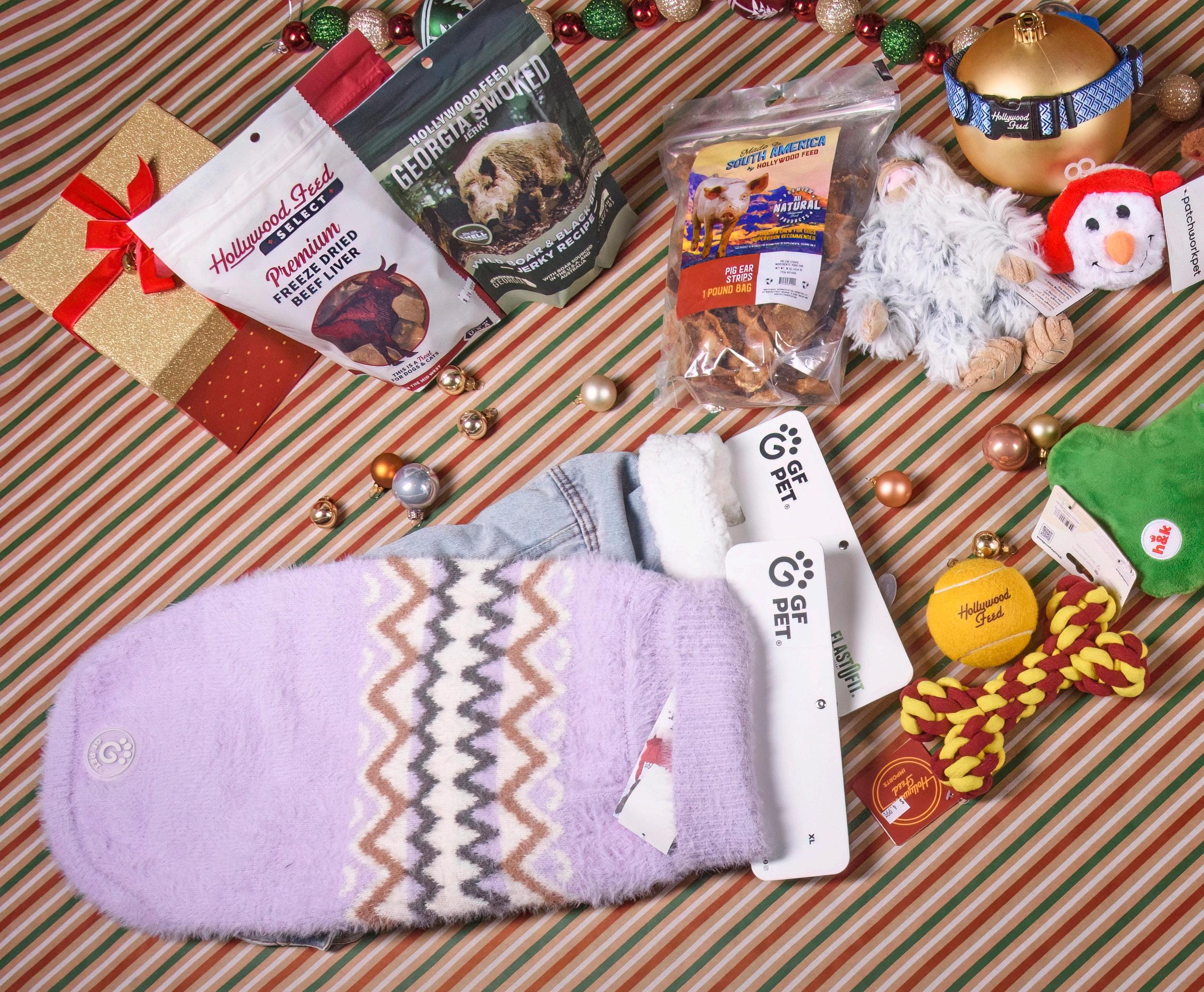
Hollywood Feed has 3 locations in the Lowcountry: Mt Pleasant, West Ashley, and Summerville. They offer high quality treats and chews for the stocking, cute toys and stuffies like the ‘naughty’ and “nice’ bones, holiday sweaters, and their Made in Mississippi beds as seen on page 29.
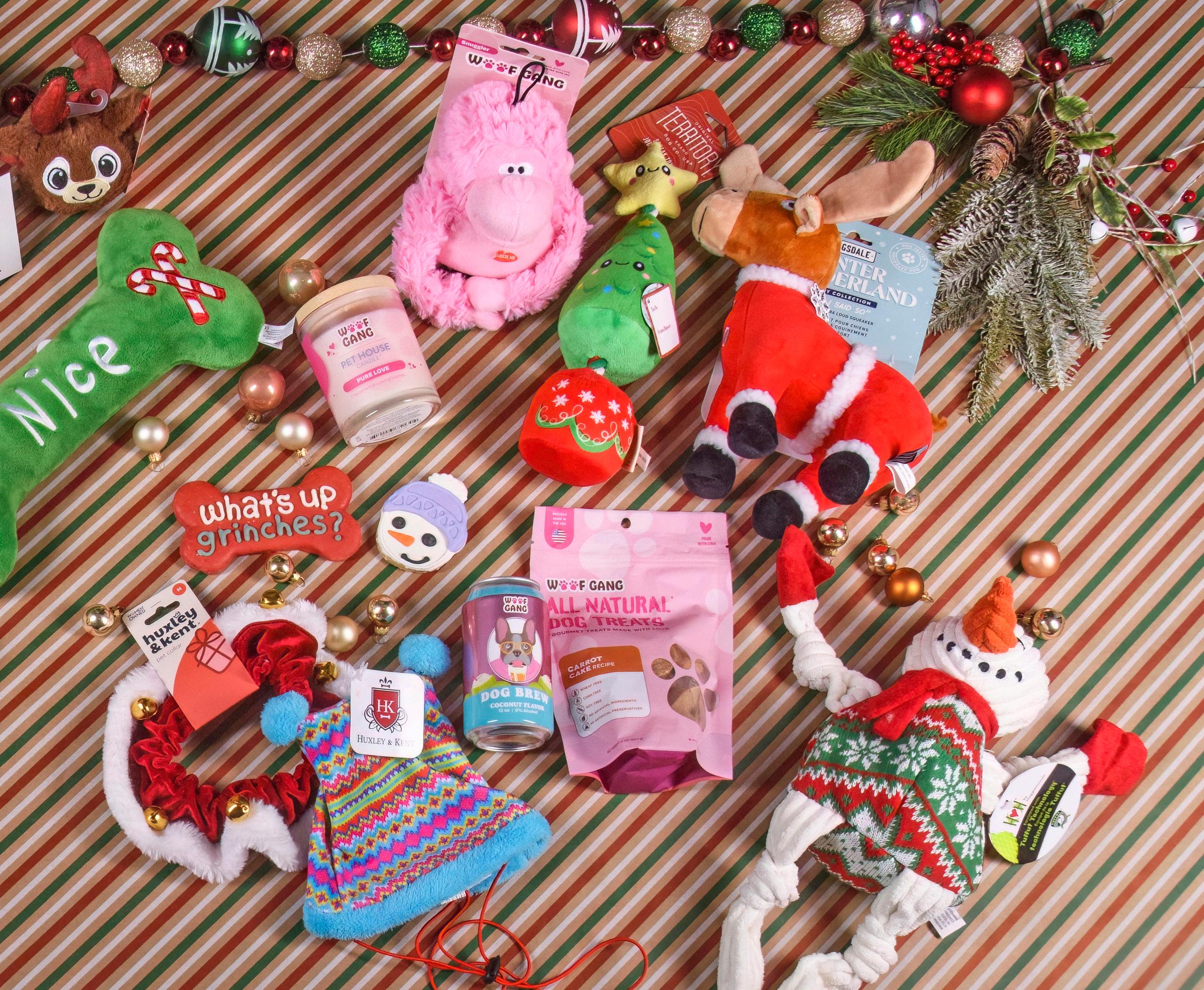
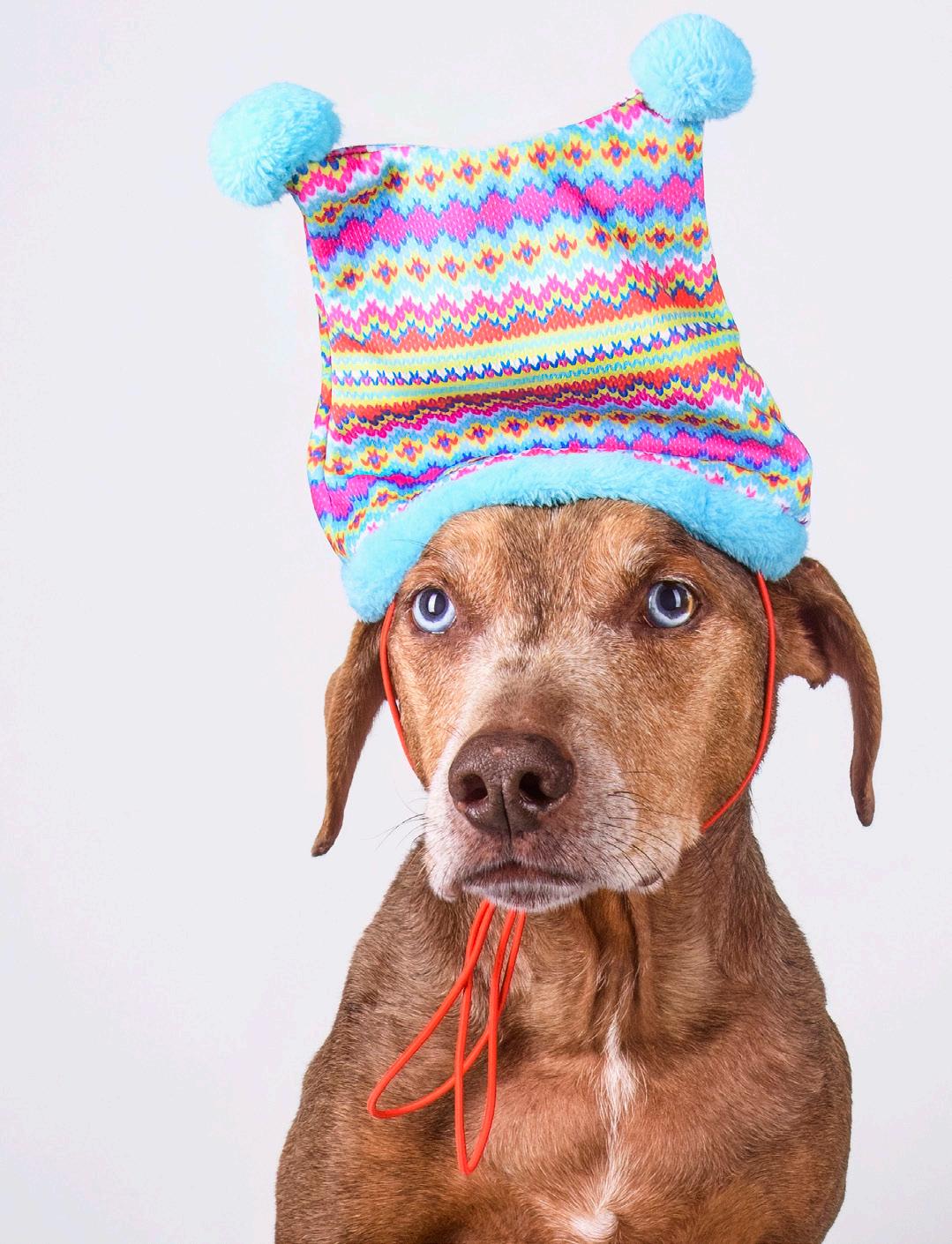
We shopped at Woof Gang Bakery in Summerville and Moncks Corner to find some unique gift ideas, Our personal favorite were the ‘What’s Up Grinches” cookies and the cute hat as seen on page 30 and 31. They also carry some mighty cute toys and more tasty treats.
Pictured above on page 26 are items from Hollywood Feed and above on page 27 are items from Woof Gang Bakery. More items from Hollywood Feed are featured on page 28 and 29. Woofgang Bakery is featured on page 30 and 31. See both their ads on page 22 and 23 for more information.
Local Dog Events
12/06/25 Pints & Paws for Saint Frances Animal Center Winyah Brewing Co 12 pm to 4 pm
12/07/25 Pups & Pints: Holiday Vendor Fair
The Broken Leash 12 pm to 4 pm
12/06/25 BERKELEY PAWS ALLIANCE
Low cost spay & neuter at 2 Springhall Drive in Goose Creek
12/08/25 BREED MEET UP: Mixed and Mutts
The Broken Leash 4 pm to 9 pm
12/13/25 Santa Paws Photo Fundraiser for All 4 Paws Cabana Christmas Trees & Pumpkin Patch 11 am to 2 pm
12/13/25 ADOPTION EVENT for Libby & Mace’s Place Shem Creek 12 pm to 3 pm
02/07/26 26th Annual Downs
Byrd Oyster Roast for Dorchester Paws
Summerville Country Club 6pm to 10pm
02/13/26 to 02/15/2026
SOUTHEASTERN WILDLIFE EXPO
Marion Square & Brittlebank Park sewe.com
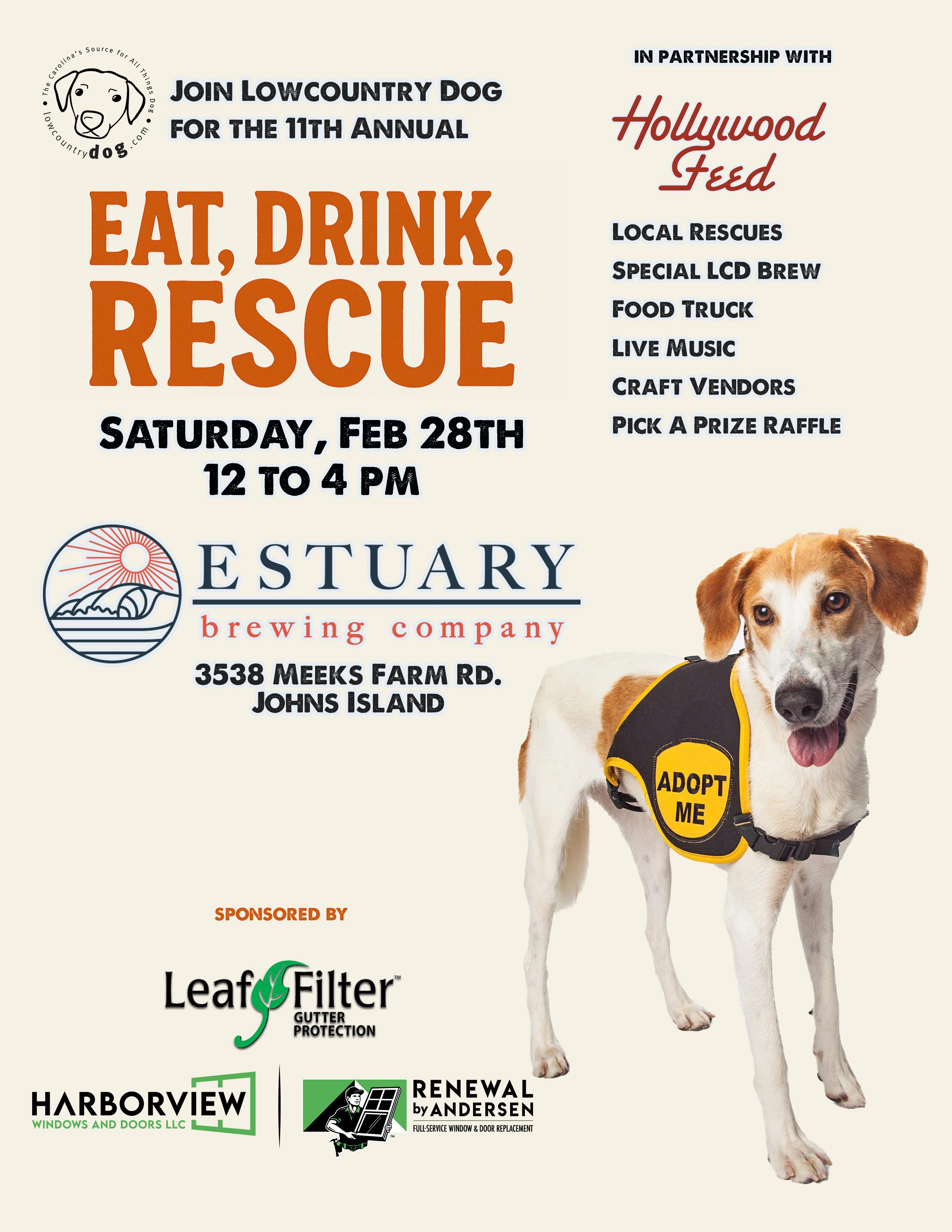
02/28/2026
EAT, DRINK & RESCUE
Estuary Brewery
04/11/2026
WOOFSTOCK: A LOWCOUNTRY DOG MUSIC FESTIVAL
05/2025 MAY THE DOGS BE WITH YOU FESTIVAL
Check out our Events page for even more local events and check for date changes. www.lowcountrydog.com/events
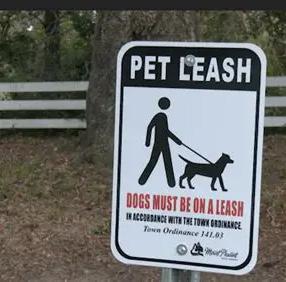
Mount Pleasant rejects proposed off-leash hours for dogs
The debate on whether dogs should be allowed off leash in Mount Pleasant has been put on pause. Mount Pleasant’s Health, Recreation and Events Committee met Monday to discuss the offleash hours. The proposal was first put on the committee’s agenda back in September after residents were disappointed police began enforcing the ordinance.
‘Hurt
and alone’: 47 dogs and puppies rescued from alleged dogfighting
in South Carolina
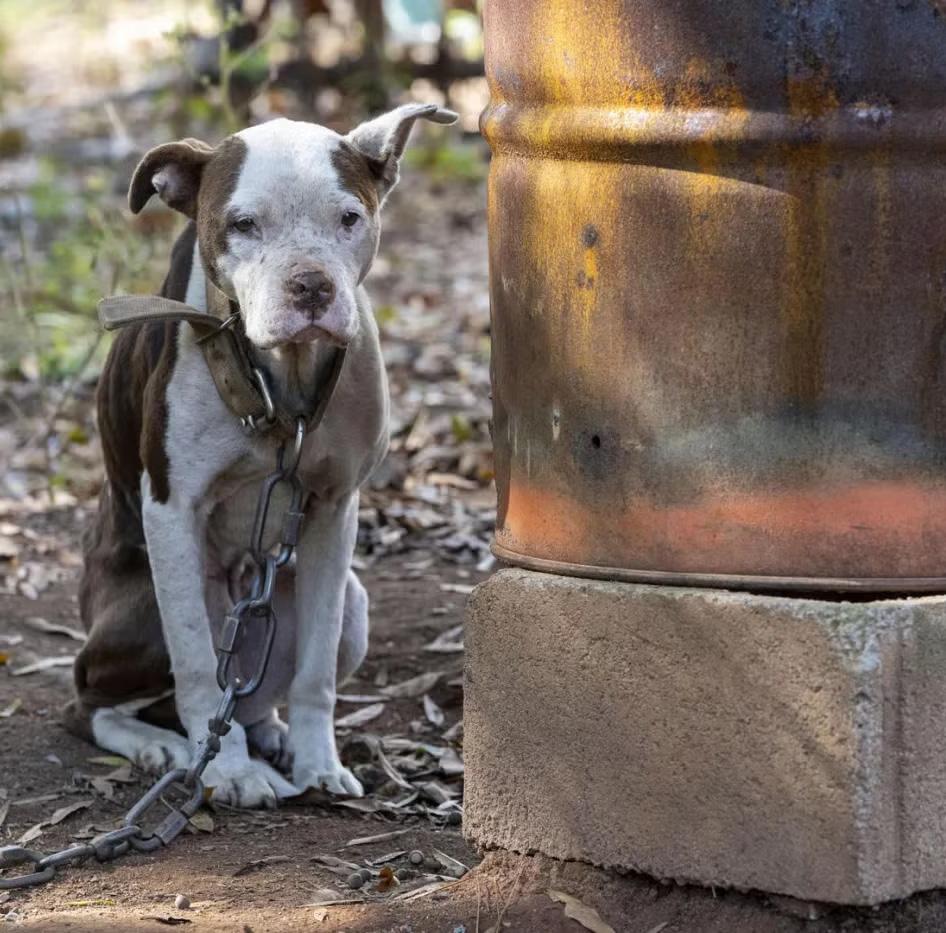
Humane World for Animals, formerly called the Humane Society of the United States, assisted the South Carolina Law Enforcement Division in the rescue of 47 dogs and puppies from three properties suspected of dogfighting in Chester and Lancaster counties this week. The Chester County Sheriff’s Office, Chester County Animal Control and Lancaster County Sheriff’s Office also assisted with the rescue operation.
Dogfighting in South Carolina: The sad reality of rescues
South Carolina is uncovering more dogfighting operations than ever as investigators confront the violence, trauma and unspoken evidence left behind in each case.
The South Carolina Law Enforcement Division rescued more than 200 dogs from illegal dogfighting rings in 2024, reflecting a growing focus on identifying networks tied to cruelty and organized crime.
Click images above to read the full story. For more top stories, visit www.lowcountrydog.com/top-stories
MEET THE RESCUE:
Journey Home Rescue Alliance
WRITTEN BY DANIELLE ZUCK Founder
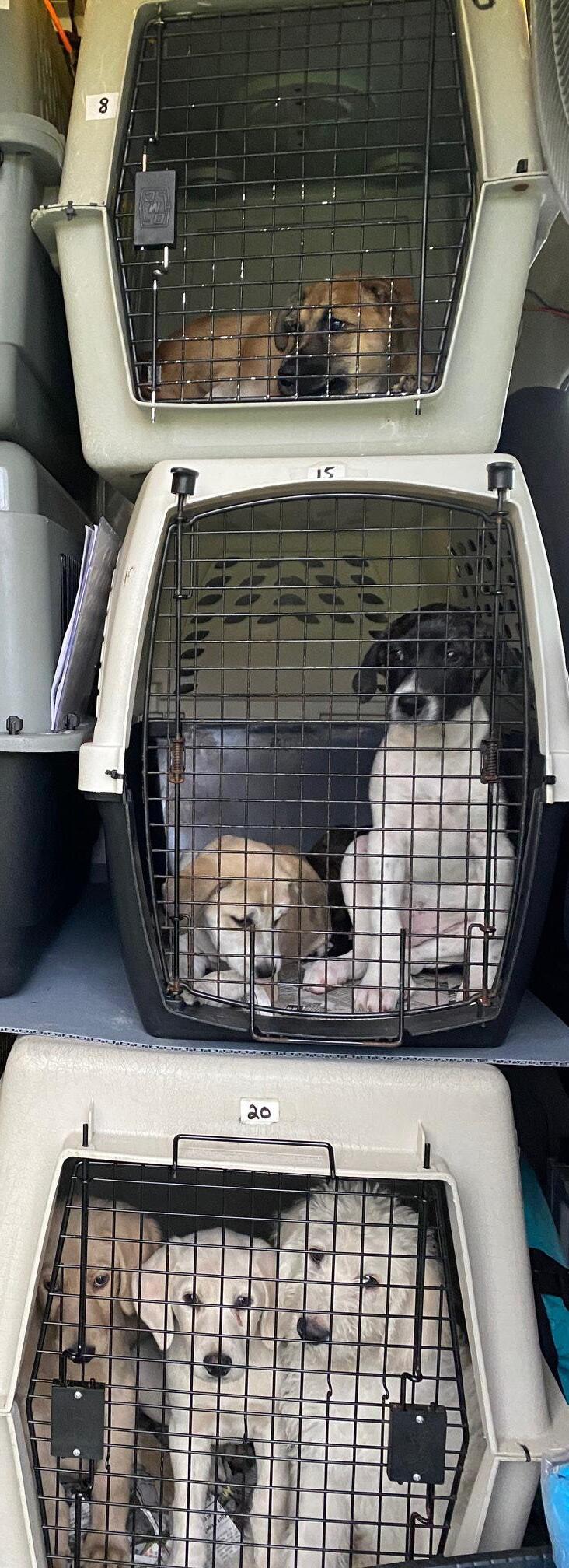
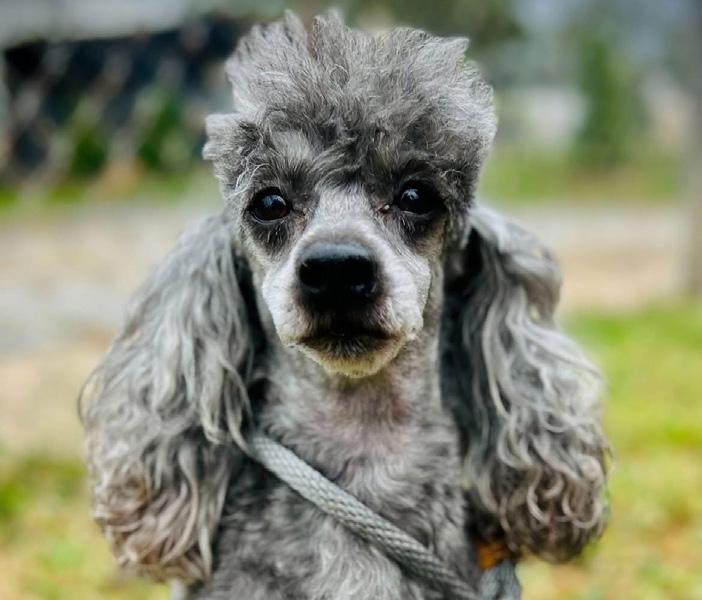
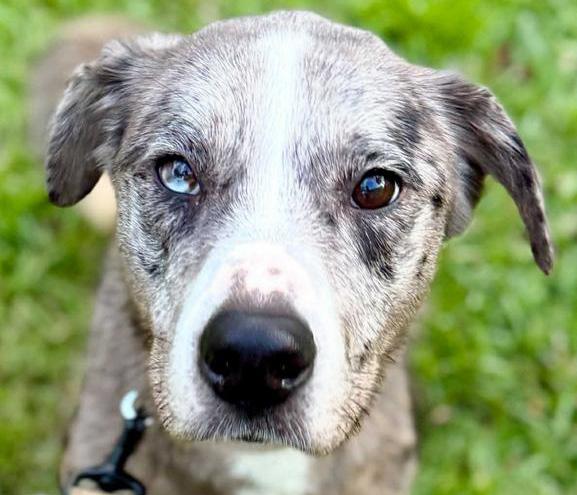
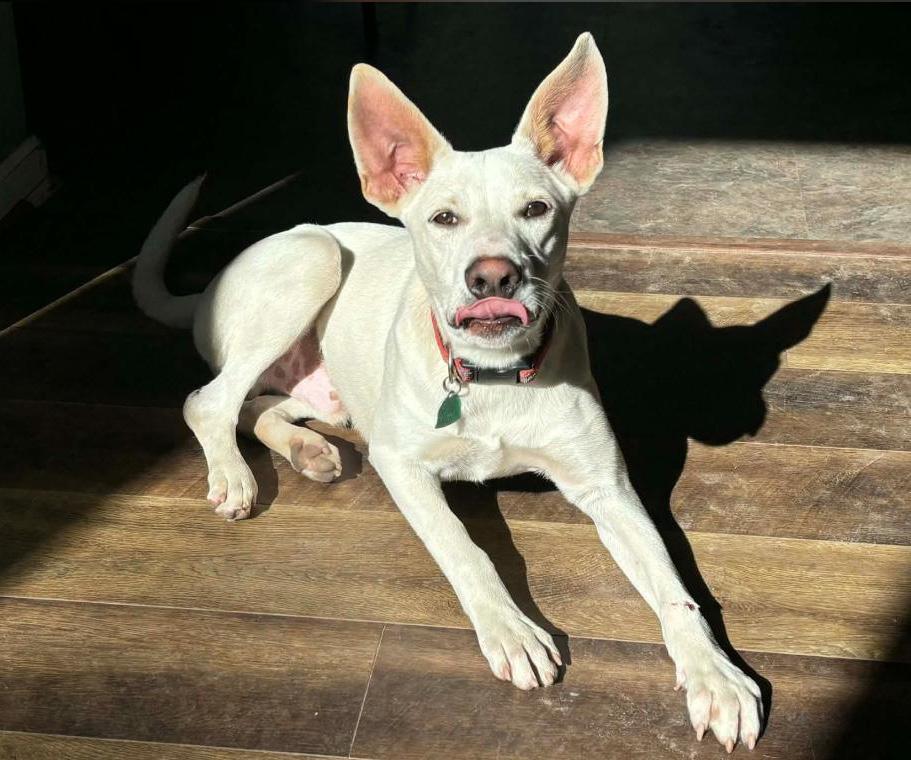
Journey Home Rescue Alliance bridges the gap between rural, under-resourced South Carolina shelters and rescues, addressing barriers like transportation, networking, and medical care. This volunteer-run organization saves an average of 30 dogs per week and spends every dollar on saving a life, ensuring even the most vulnerable get a second chance.
After working 18 years in the sports and entertainment industry, I realized I was happier cleaning puppy poop at my local shelter than running some of the largest events on a global scale. With my husband’s support, we hit the road and planted new roots where I was able to get my first nonprofit job in the animal welfare space. That opportunity opened my eyes to the cycle in our shelters, and the voiceless face every day. It showed me that there was something greater that needed to be done, and standing by waiting for our governments or laws to evolve, wasn’t plausible as MANY are euthanized daily because of the blind eye they turn to addressing the larger problem.
Most of our shelters are led by hard working, dedicated people. These workers endure heartbreak, see animal neglect and abuse firsthand and are faced with making decisions no one should have to make. Our shelters are under-resourced, our communities are breaking the shelter system, and the high turnover of staff, or burnt-out rescue pipelines have caused more and more animals to not have the outcome they deserve. One day, it just hit. My husband and I started networking, driving to save dogs and fostering them to get better photos, to pave what
happens next for them.
The Alliance created a platform where they became the middleman, the boots on the ground, problem solvers to save a life. No one path is the same, and we save all breeds, ages, sizes and conditions. We pull from the shelters and animal control facilities that strive to be No Kill but are still euthanizing for space. We work with the shelters who don’t have volunteers, behavior teams or, frankly, large staffs to do the work demanded of them. We unfortunately also work with the facilities that don’t care whether the dog lives or dies and won’t put a dime into the dog while it’s in their care. We must act fast, deploy volunteers to pick them up and sometimes take a gamble that the pieces will align for the dog. We pay the medical costs, set their path for what’s next and financially cover all supplies they need while at the shelter or in foster care. Most rescues have direct relationships, but what we offer is a matchmaking system for rescues where every Friday paid transporters leave to move more dogs weekly than the linear paths that most operate within.
The success is in the data. In 2024, this Alliance helped 767 dogs from shelters go to rescues in and out of state. As the article is going to print, the Alliance has surpassed saving 1,310 dogs
sending them as far west as Oregon and as north as Maine, with rescue partners stretching over 20 states in 2025.
Journey Home Rescue Alliance networks, assumes the responsibility of the dog while in their care sometimes resulting in them needing medical attention far greater than financially anticipated. We have volunteer transporters who drive countless hours to pick up dogs as shelters won’t hold them; we use temporary foster homes for 10-14 days, or longer to hold them here until transports are arranged north; and volunteers work tirelessly to identify the problem to save its life. For instance, to save Cole, the Alliance had to get him from the Upstate to Charleston, coordinate him getting to a vet to get a health certificate to ensure he complied with NY guidelines, get him into a 24-hour foster, then ensure he met the paid transporter two hours away the next day all to go north.
This year, we have saved puppies for seniors including paralyzed, hearing impaired, and a half-dozen dogs who had broken legs requiring surgery. We gave second chances to over 15 dogs who battled the deadly parvo disease and over 55 heartworm positive dogs, each with their own story, scars and journey ahead. When all else fails we have dogs available for adoption locally because we do not have rescue or placement for them.
This volunteer run alliance relies on donations as a 501(c)3. We are nothing without our volunteers, transporters, lifesaving village or our families who support the mission.
To learn more the mission of this unique group, head to their socials