Liver Cancer - Symptoms of liver cancer - Treatment of liver cancer
Introduction
Liver cancer is a type of cancer that starts in the cells of the liver. The liver is an important organ that plays a vital role in the body's metabolism, detoxication, and production of essential proteins. When cancerous cells grow uncontrollably in the liver, it can lead to liver cancer. In this article, we will discuss what liver cancer is, its symptoms, and the available treatment options.
What is liver cancer?
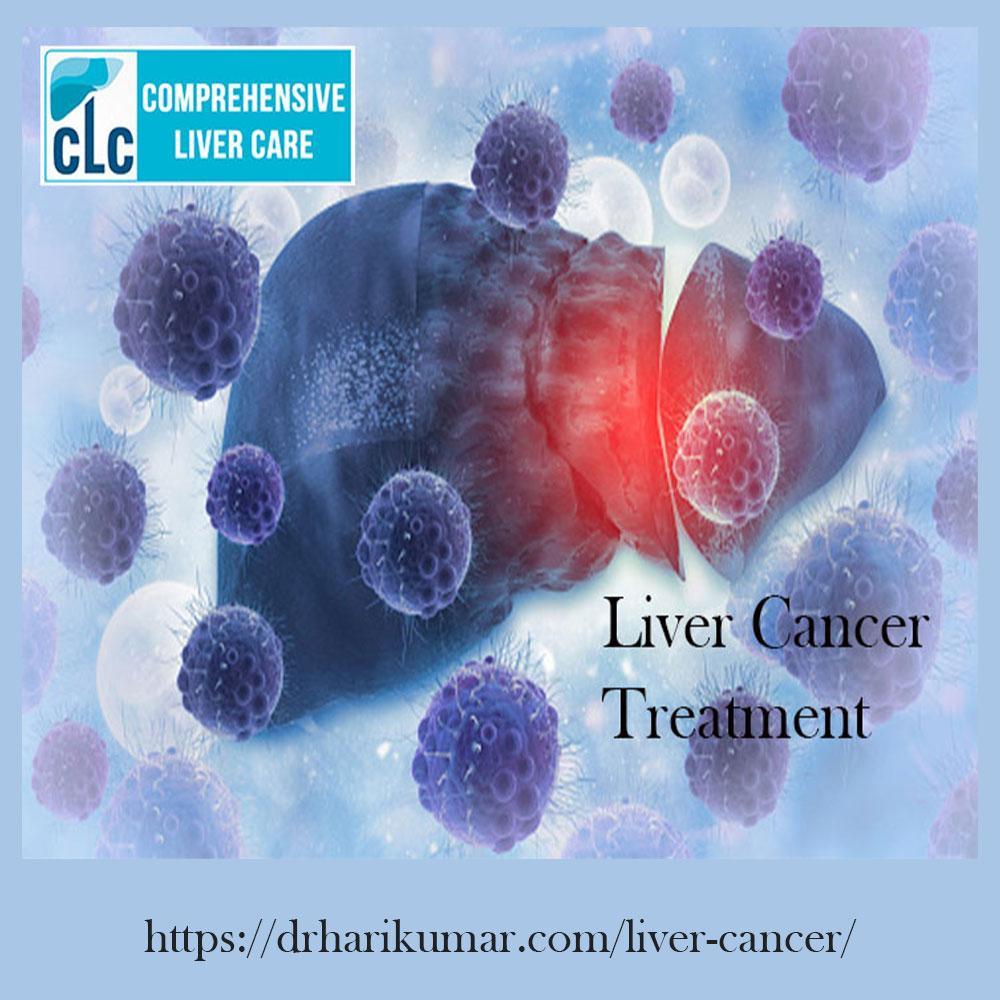
Liver cancer is a type of cancer that starts in the liver cells. The liver is a vital organ that is responsible for many functions in the body, such as ltering blood, producing bile, storing glucose, and making proteins. When the liver cells become abnormal and start growing uncontrollably, it can lead to liver cancer. The two most common types of liver cancer are hepatocellular carcinoma and cholangiocarcinoma.
Hepatocellular carcinoma is the most common type of liver cancer, which starts in the hepatocytes (liver cells). Cholangiocarcinoma is a rare type of liver cancer that starts in the bile ducts.
Liver cancer can be primary or secondary. Primary liver cancer means that the cancerous cells originated in the liver, while secondary liver cancer means that the cancerous cells spread to the liver from other parts of the body.
Symptoms of liver cancer
Liver cancer may not cause any symptoms in its early stages. However, as the cancer grows, it can cause the following symptoms:
Abdominal pain and swelling
Jaundice (yellowing of the skin and eyes)
Loss of appetite
Unintended weight loss
Nausea and vomiting
Fatigue and weakness
Itchy skin
Easy bruising and bleeding
If you are experiencing any of these symptoms, it is important to see a doctor for evaluation.
Treatment of liver cancer
The treatment of liver cancer depends on the stage of the cancer, the location, and the overall health of the patient. The treatment options include:
Surgery: Surgery is the most common treatment option for liver cancer. It involves removing the cancerous tissue from the liver. If the cancer has not spread beyond the liver, surgery can be curative.
Liver transplant: A liver transplant may be an option for patients with early-stage liver cancer who are not candidates for surgery. During a liver transplant, the entire liver is removed and replaced with a healthy liver from a donor.
Radiation therapy: Radiation therapy uses high-energy X-rays to kill cancer cells. It is often used in combination with other treatments.
Chemotherapy: Chemotherapy uses drugs to kill cancer cells. It can be given orally or intravenously.
Targeted therapy: Targeted therapy uses drugs that target specic proteins or genes that are involved in the growth and spread of cancer cells.
Conclusion
Liver cancer is a serious disease that requires prompt diagnosis and treatment. If you are experiencing any symptoms of liver cancer, such as abdominal pain, jaundice, or unexplained weight loss, it is important to see a doctor for evaluation. Treatment options include surgery, liver transplant, radiation therapy, chemotherapy, and targeted therapy. The choice of treatment depends on the stage of the cancer, the location, and the overall health of the patient.