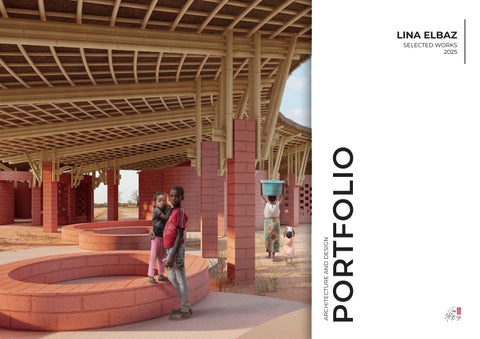
Architect holding a double degree from Ain Shams University (Egypt) and the University “Mediterranea” of Reggio Calabria (Italy). With over a year of experience in architectural design and planning, I have been involved in 3D modeling and visual representation for redevelopment and tourism projects in Sicily. lina.elbaz1999@gmail.com
Sep. 2024 - present
Ragusa SICILY
May 2024 - Aug. 2024
Ragusa SICILY
Architect SICILIAMIA
• Participated in all phases of the design process using Revit for 2D documentation, 3D modeling, and the creation of parametric families.
• Collaboration in the development of concepts and design solutions for redevelopment and hospitality projects.
• Production of technical drawings and participation in all phases of the design process using Revit for 2D documentation, 3D modeling, and the creation of parametric families.
• Support for technical documentation and communication with external consultants.
• Preparation of bills of quantities, technical reports, and documentation for public funding and grant programs (FSC 2021–2027 and Resto al Sud).
• Participation in architectural and territorial surveys using laser pointers, RTK instruments, and drones, in collaboration with the technical team.
• Coordination with engineers, consultants, and suppliers to verify design solutions and cost estimates.
Architect Intern SICILIAMIA
• Collaboration in the modification of interiors on existing projects, including the repositioning of bathrooms and the design of kitchens according to the preferences of the client/ CEO.
• Observation and documentation of the renovation processes of a multi-storey building in Ragusa, highlighting issues such as water infiltration, paint quality, and general site management.
EDUCATION
Sep. 2021 - Mar. 2024
Architettura e Territorio - dArTe
Master’s Degree in Architettura LM-4 C.U.
Mediterranean University of Reggio Calabria
Graduated with Honors 110/110
Sep. 2018 - Mar. 2024
Department of Architecture
Bachelor’s degree
Faculty of Engineering, Ain Shams University
Graduted with GPA 3.53
Apr. 2023 - Jun. 2023
Reggio Calabria
Jul. 2016 - Jun.2023
Deviantart Online
BIM Architect Intern
Laboratorio B.I.G srl Spin Off Accademico
• Created the landscape model of the University “Mediterranea” of Reggio Calabria in Revit and integrated it into the existing site context.
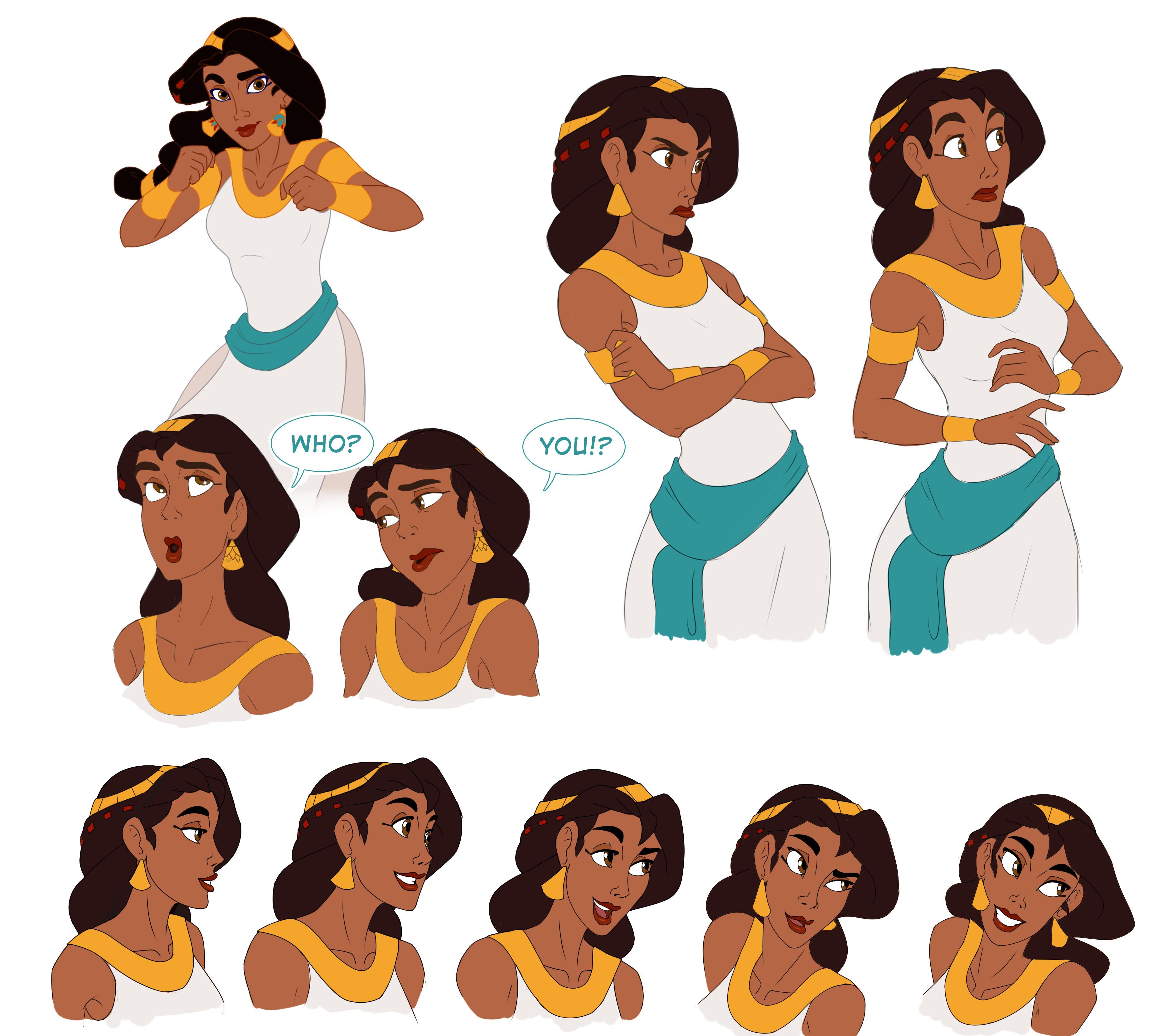
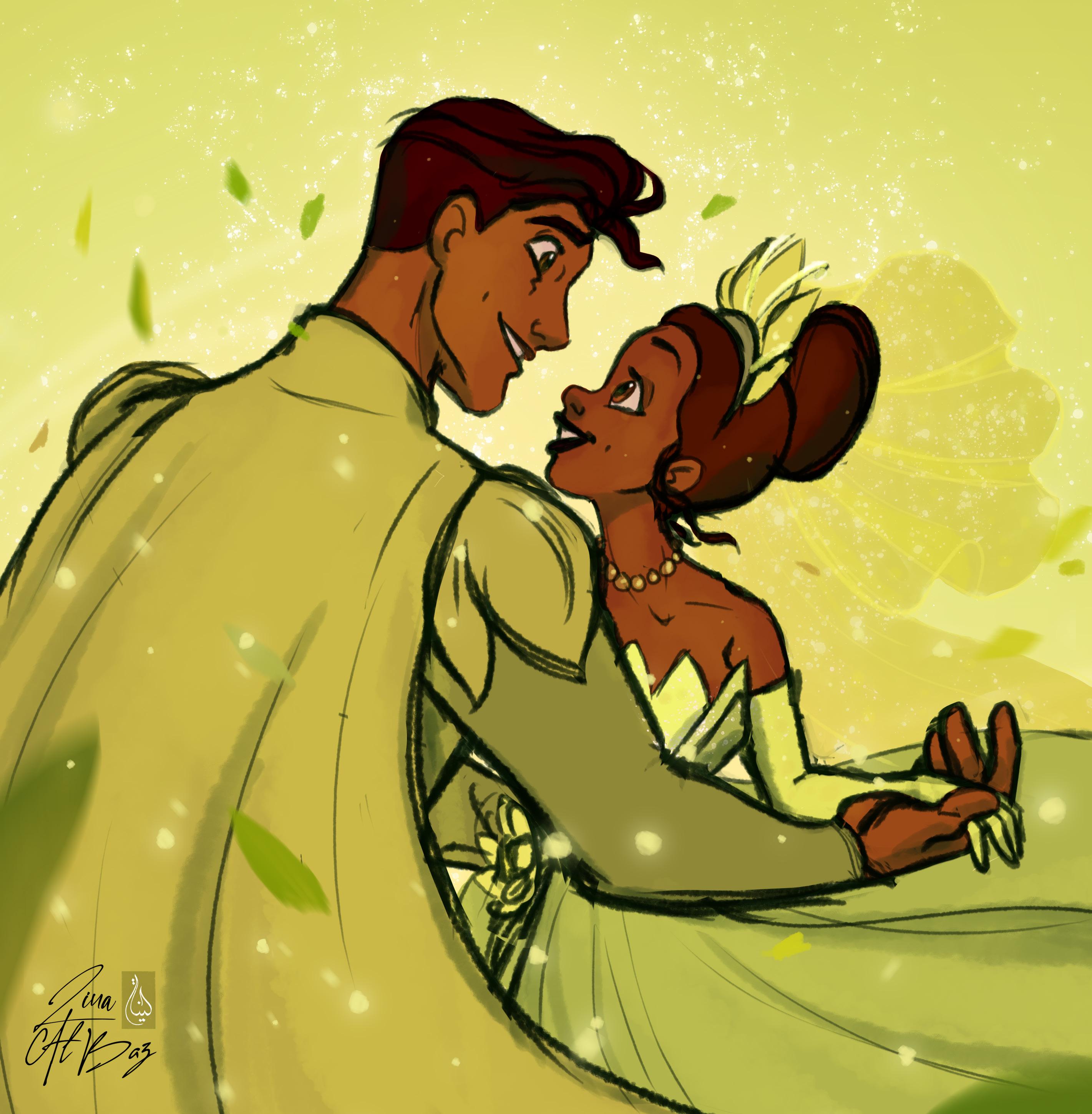
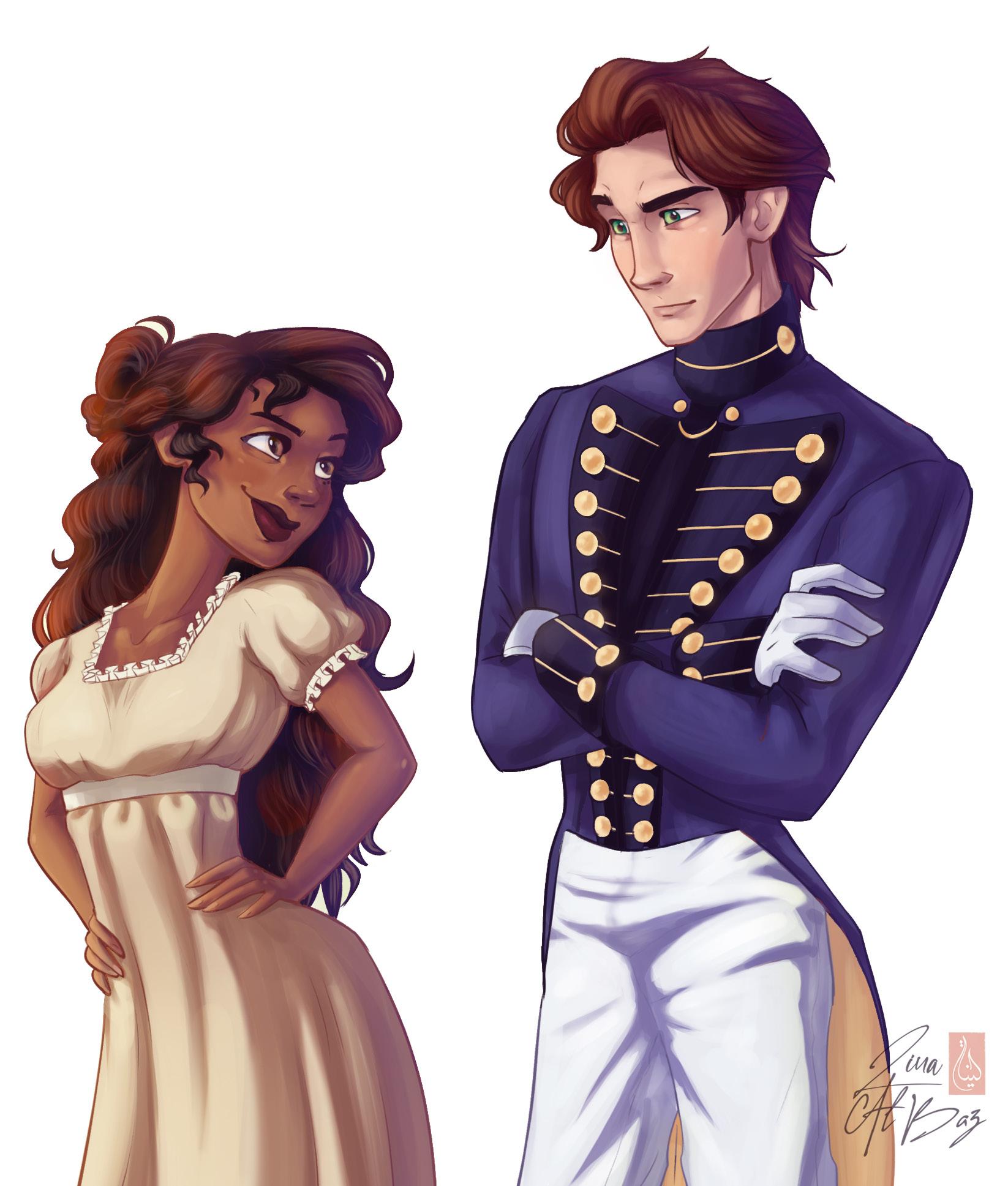
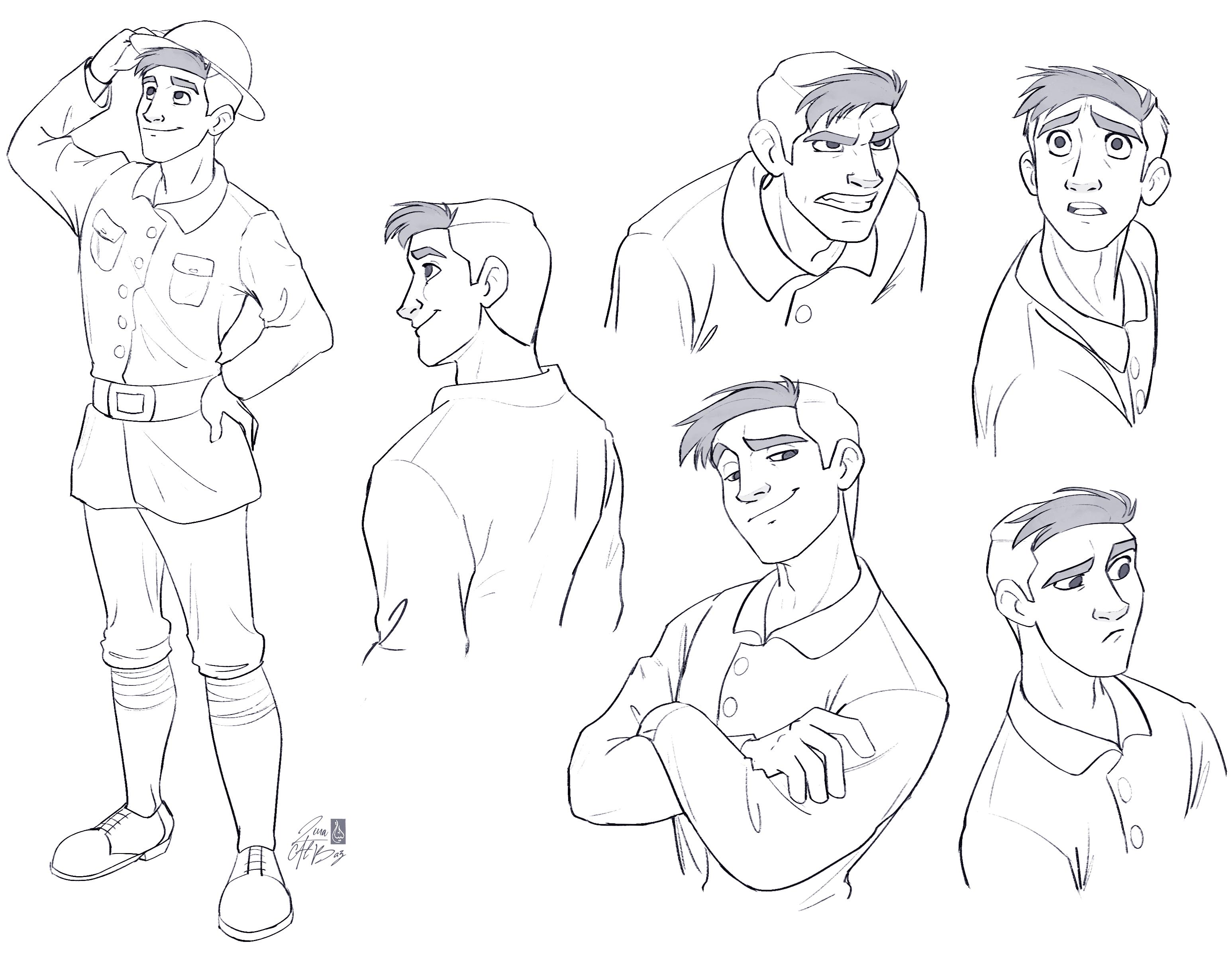
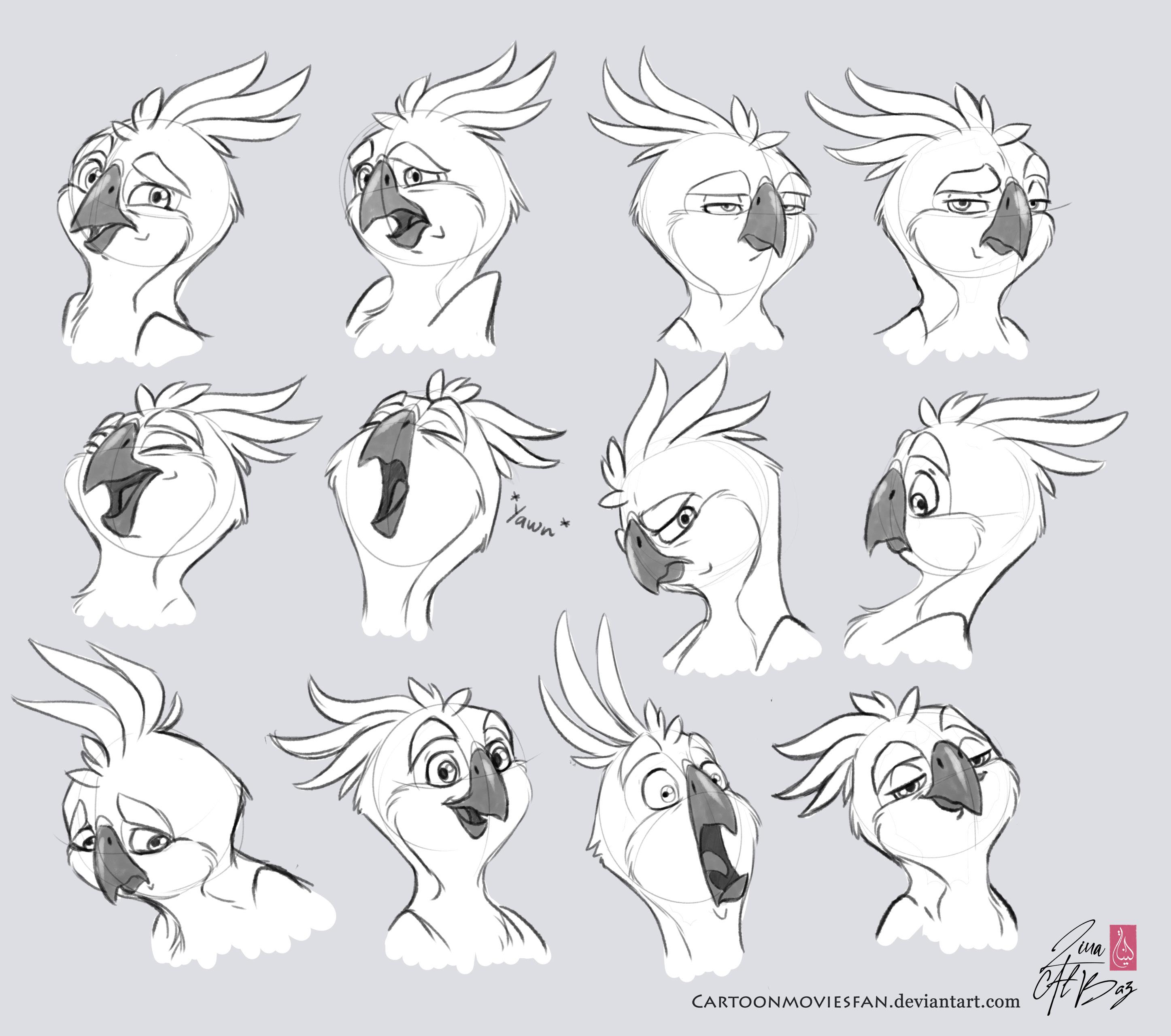
Graphic Designer and Digital Artist
• Completed freelance commissions for custom digital artwork.
• Provided graphic design services for student activites, including logo design, branding, and promotional materials.
LANGUAGES
Jun. 2014 - Aug. 2014
Cairo EGYPT
Pharmacy Assistant
• Assisted with inventory management, and registration.
• Maintained cleanliness and organization of the pharmacy area.
Arabic English Italian German Motherlanguage C1 Advanced level
B1-B2 Intermediate level
A1 Beginner level
Management Director
Connected Family – Student Activity
• Coordinated between different committees.
Online Marketing Intern
ASU Career Center
• Managed online platforms (Facebook, Instagram and the Portal)
• Created designs for digital marketing campaigns.
Vice Head Multimedia
Connected Family – Student Activity
• Designed online posts, flyers, IDs, banners and rollups.
• Prepared sessions and tasks for members.
Public Relation Member
Connected Family – Student Activity
• Offline ushering during events.
• Hosted talks.
01 03 02 04 05 06
FROM TAMBACOUNDA TO KIDIRA SERVICE AND RESIDENTIAL COMPOUND MANTUA THE CITY OF WATER
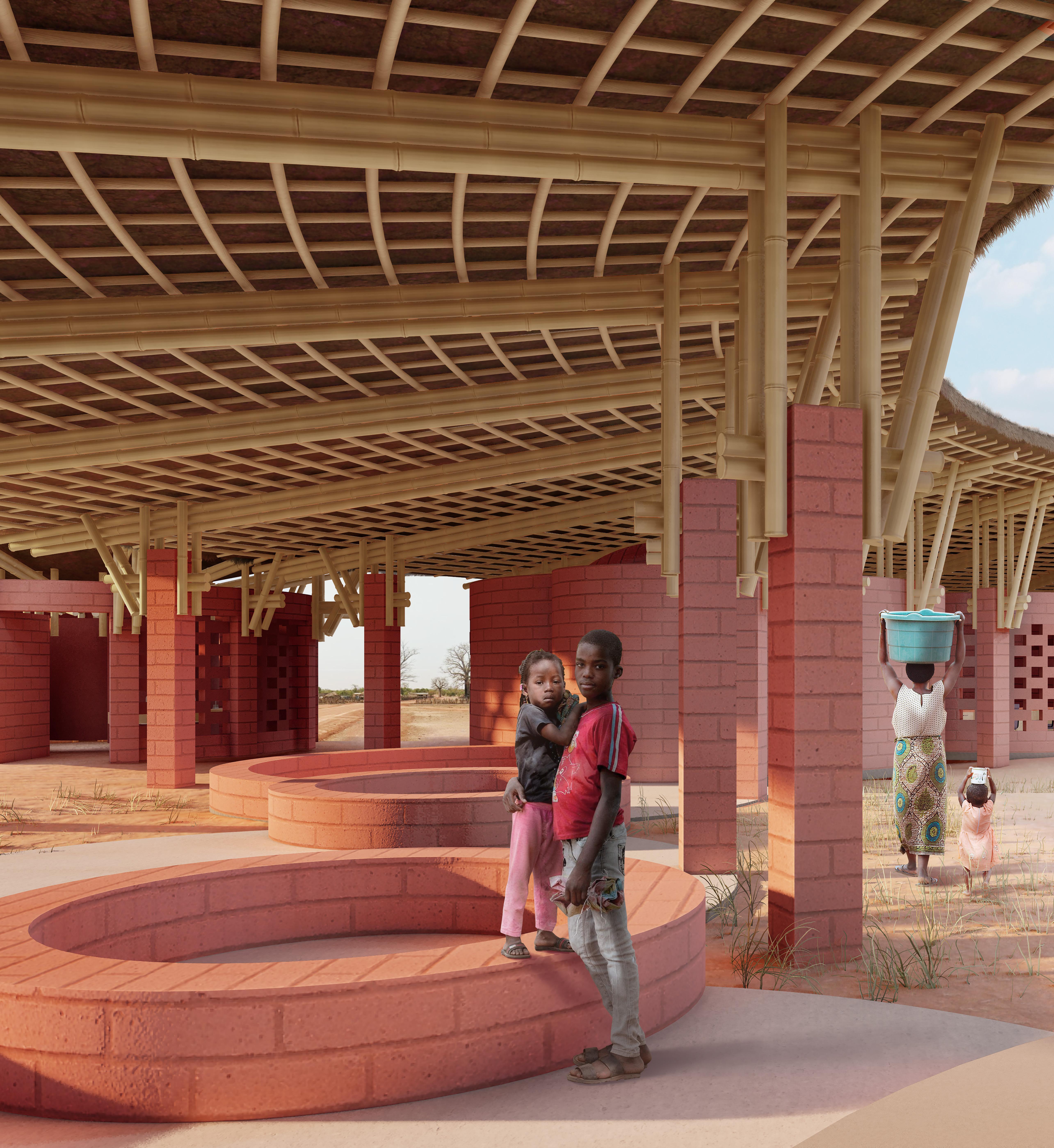
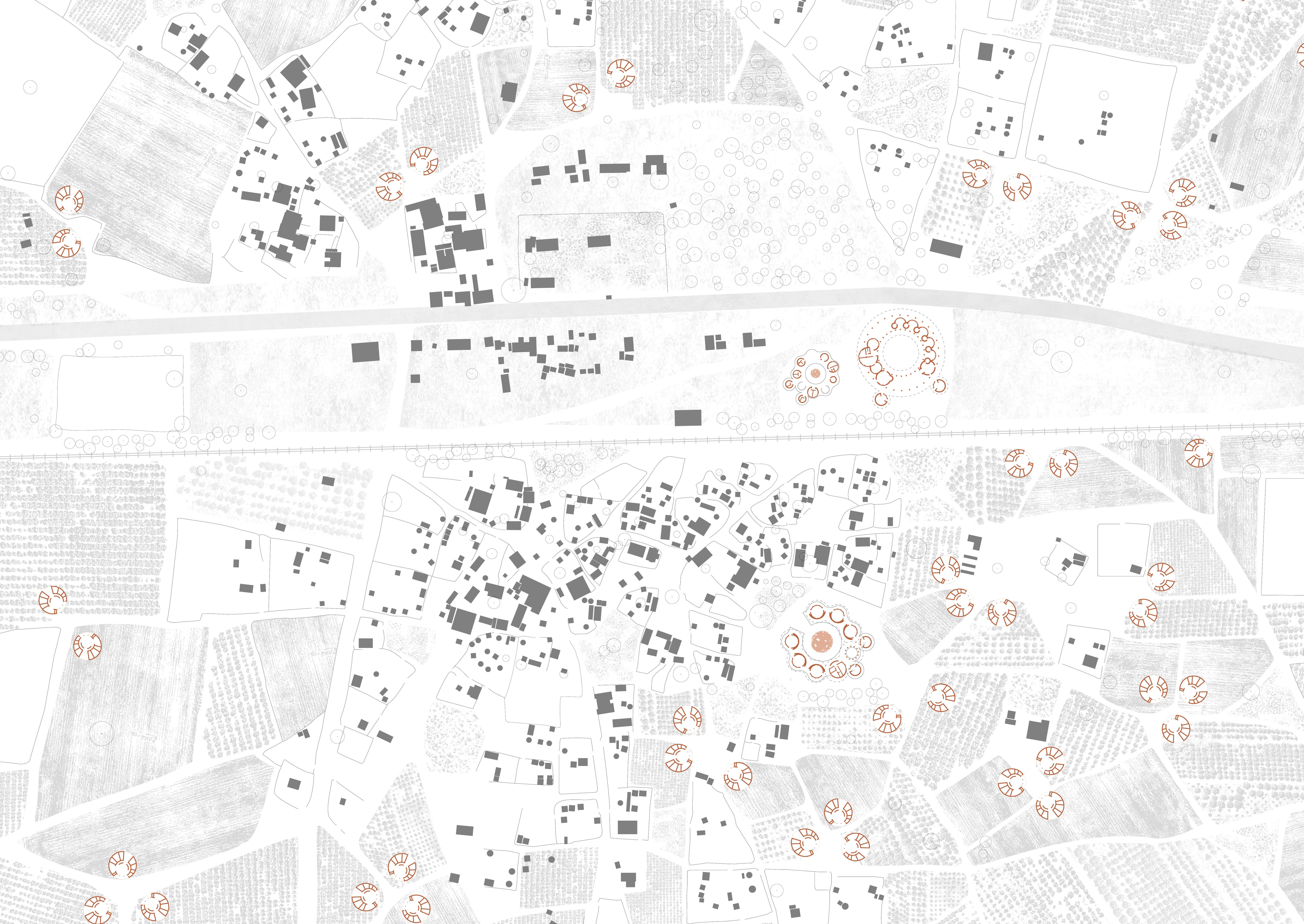
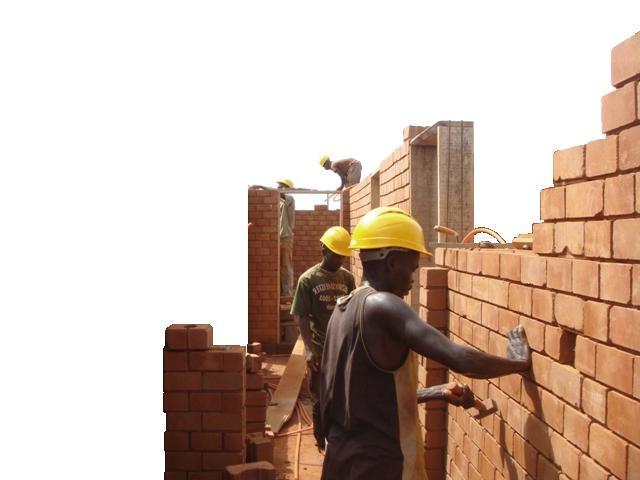
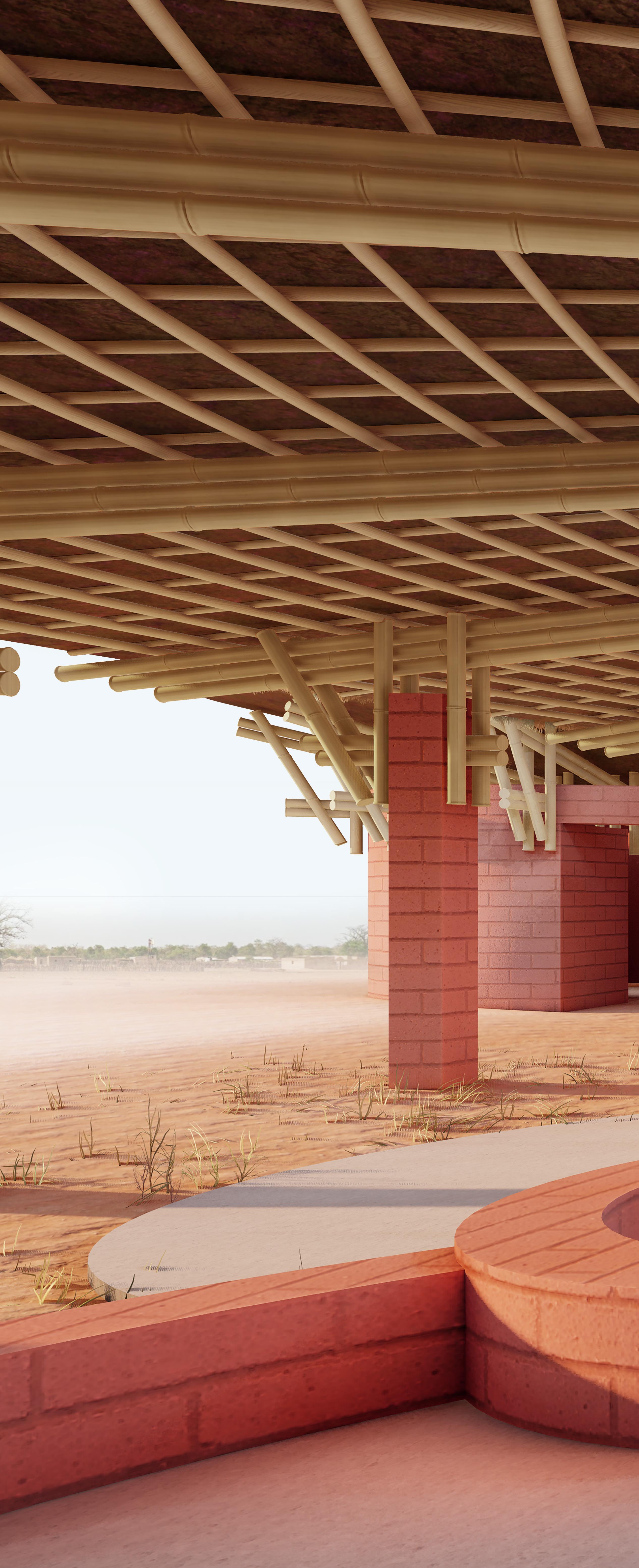
Thesis project titled aims to respond to the growing need for structures for the different needs of the population of a rural village, considering cultural, social and environmental factors.
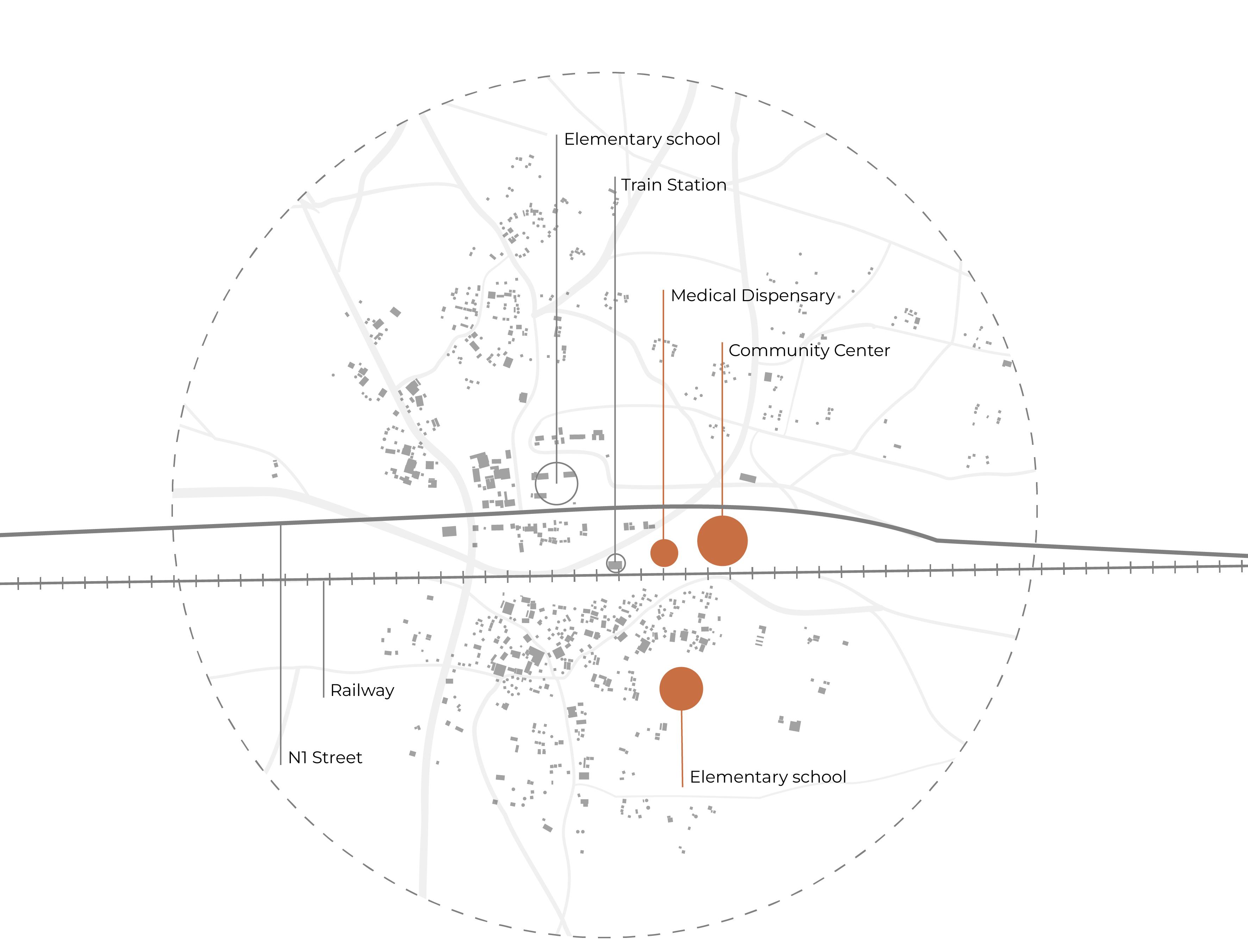
The site is located in the Tambacounda region of Senegal, West Africa, along the N1 road and railway line connecting the town of Tambacounda to Kidira, on the border with Mali. The village, Bouigheul Bamba, is home to almost seven hundred people belonging to seventy five families, the surrounding villages are smaller, so the total population is around two thousand one hundred people.
AFRICA
WEST AFRICA
SENEGAL
TAMBACOUNDA REGION
BOUIGHEUL BAMBA
KIDIRA
TAMBACOUNDA
The new school is located in the lower part of the village to balance the existing primary school situated in the upper part above the N1 street. Placing the school amidst residential areas enhances child safety and security while fostering a sense of comfort and belonging.
The Community Center occupies a central position in the middle part of the village, serving as a bridge between the upper and lower sections. This placement facilitates connectivity and encourages community engagement and interaction across different areas of the village.
The medical dispensary is positioned in the middle part, closest to the train station, to ensure convenient accessibility from all possible roads. This central location optimizes ease of access for residents, particularly in emergency situations, and supports efficient healthcare delivery to the entire village population.
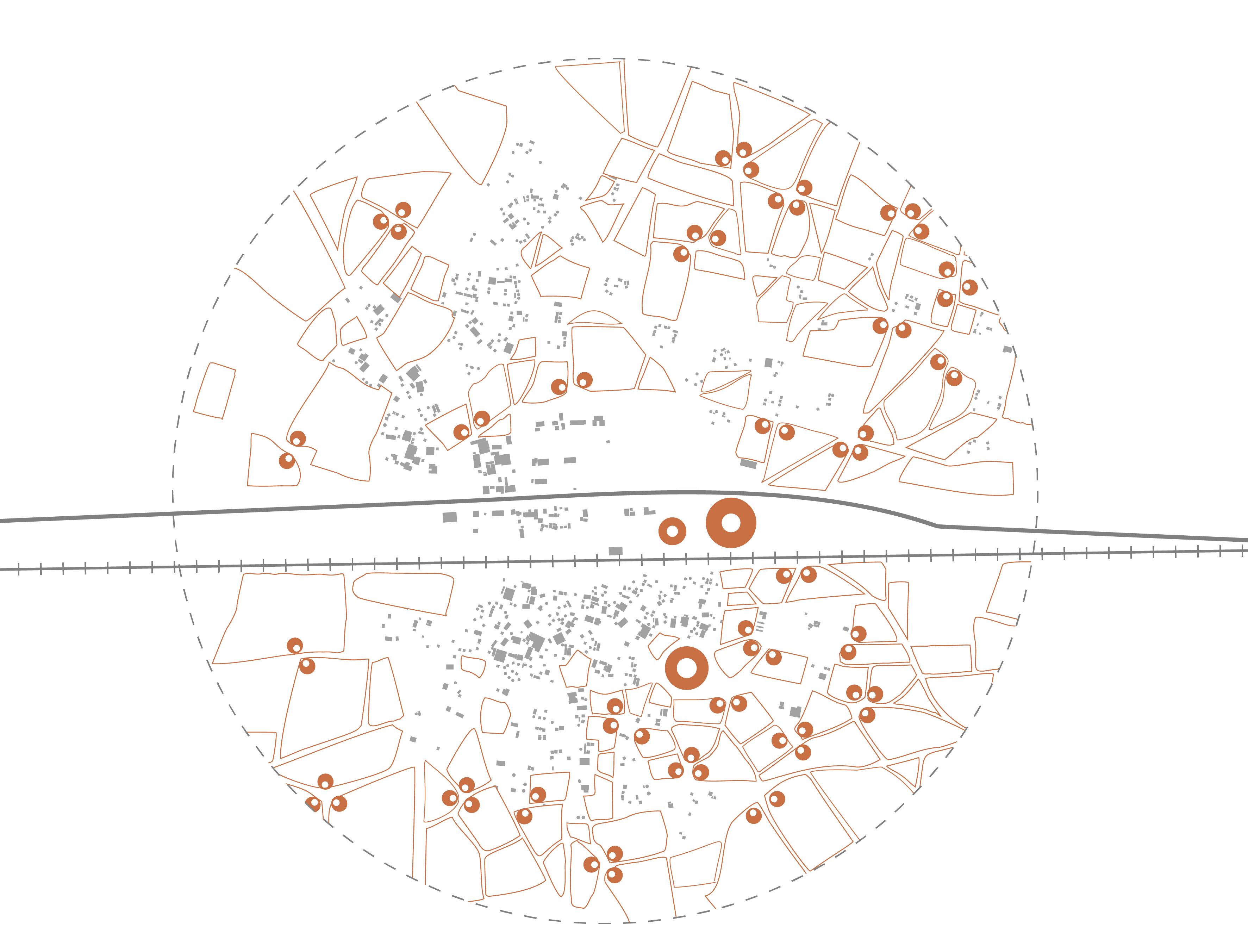
The village’s expansion follows the natural patterns established by the movement of its inhabitants, respecting the existing lines and creating an organic mosaic of agricultural boundaries. This approach harmonizes with the surrounding landscape and preserves the cultural heritage of the area.
Furthermore, drawing inspiration from the traditional way of life of the Senegalese people, clusters of new houses are arranged so that every two to three dwellings converge towards a central communal area. This intentional layout fosters a strong sense of community and neighborhood cohesion, encouraging social interaction and collective engagement among residents.
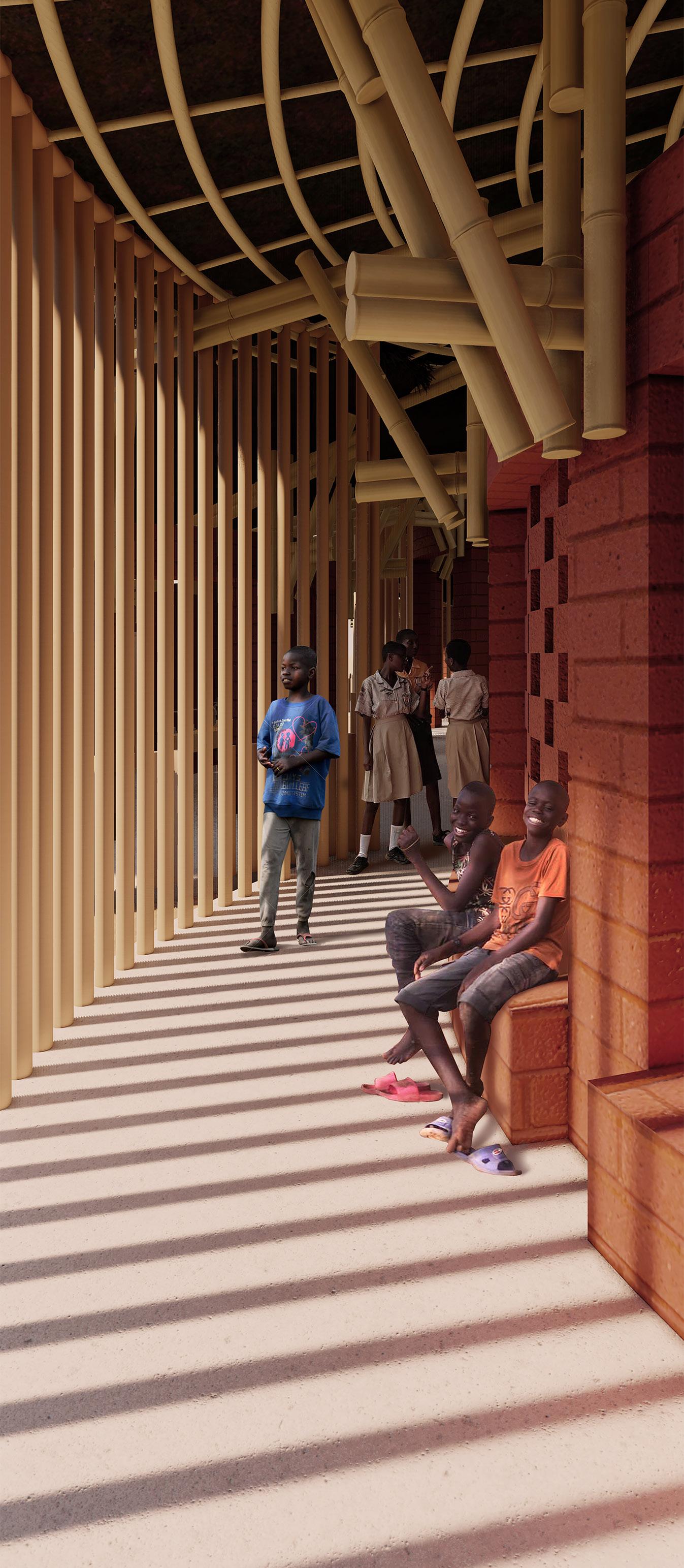
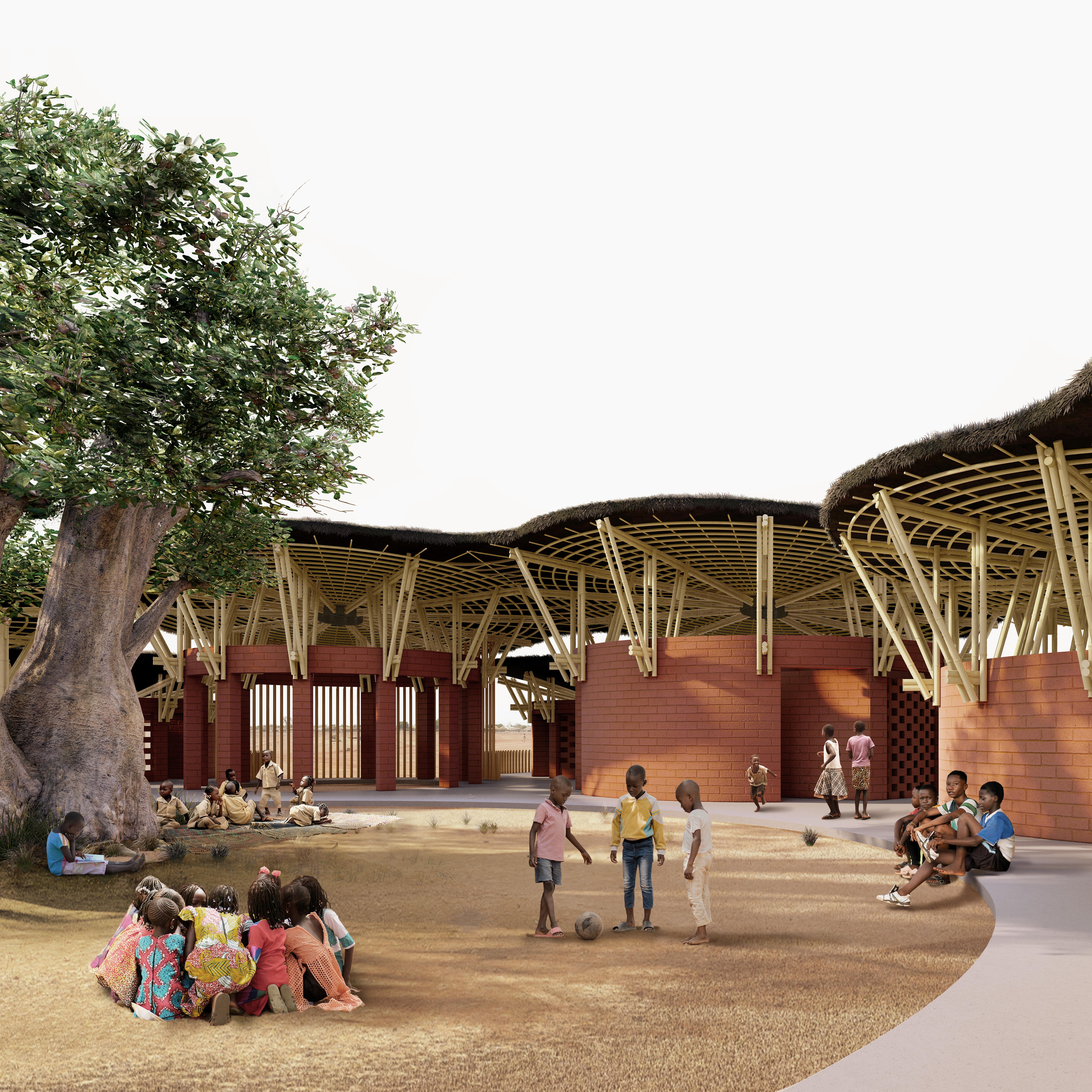
The grid layout, resemble of the village “conssion,” is structured to serve multiple functions.The initial tier comprises nine enclosed circles, including six classrooms adhering to Senegal’s education system, along with a larger circle designated for administrative offices and a shaded communal area. An additional circle serves as the entrance .In the subsequent row, two circles are allocated for toilet facilities, mirroring the layout of private spaces within a typical “conssion.”
The architectural design ensures functional clarity by aligning volumes with their intended purposes. Classrooms are elevated to three meters, offering ample vertical space for learning activities. Administrative offices and the shaded communal area rise to four meters, underscoring their significance. Meanwhile, toilet facilities remain at a height of 2.7 meters, optimizing space without compromising functionality.
The outward-sloped roofs enhance the school’s welcoming atmosphere from inside, and allow for rainwater harvesting, supporting sustainability efforts. Three classrooms share a roof, promoting spatial continuity. Similarly, the administrative office and shaded area are covered by another roof, emphasizing the school layout. In contrast, the toilet facilities have separate roofing.
The grid layout for the community center intentionally features intersecting circles positioned closely together to mirror the sense of closeness and hospitality characteristic of Senegalese communities. Similarly to the school design, the first tier of circles accommodates the main functions of the community center, such as gathering spaces and activity areas. Meanwhile, the second tier is dedicated to toilet facilities.
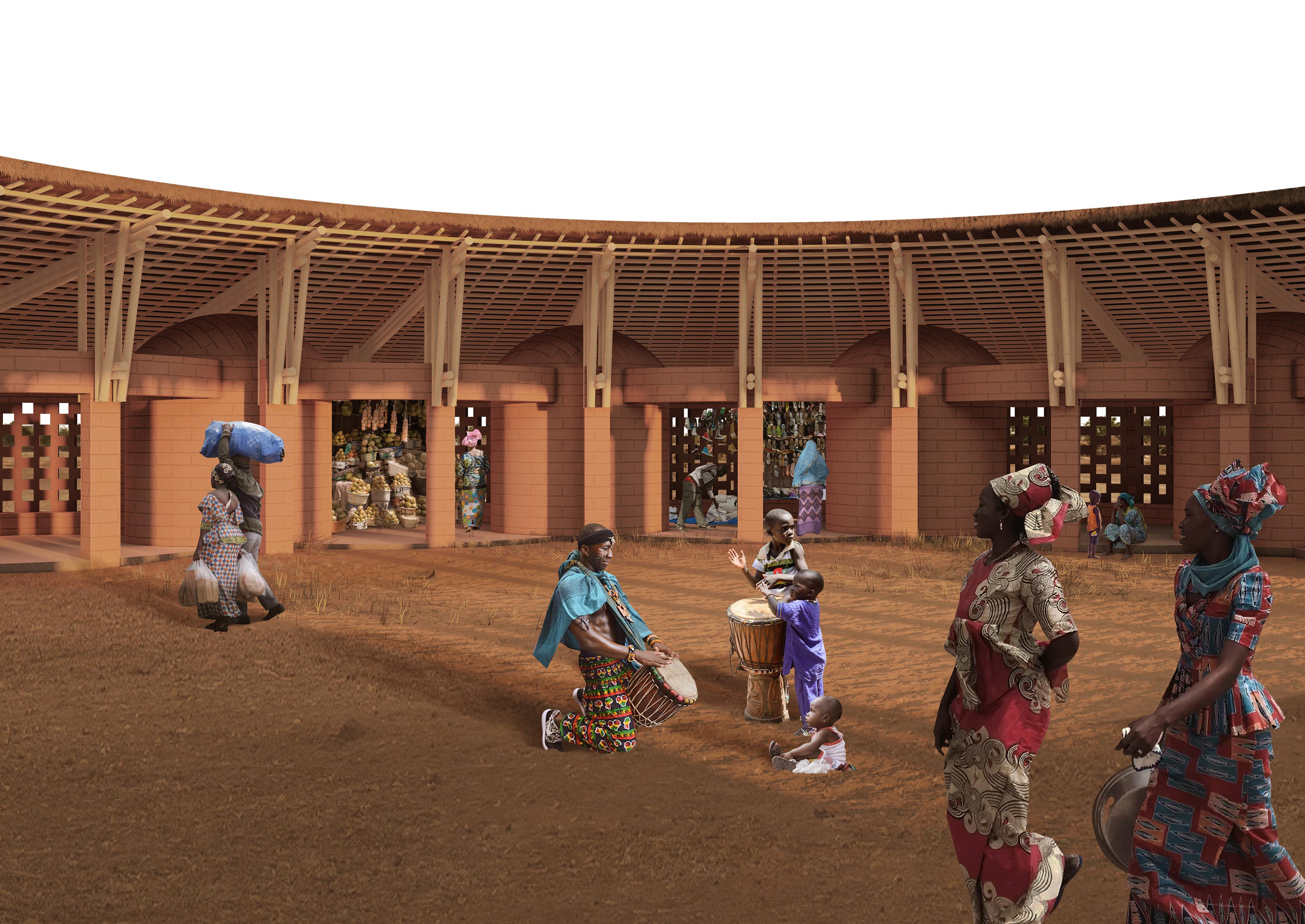
The market volumes are structured with open interiors, intersecting smaller storage spaces, and ending with a kitchen and seating areas to eat and socialize. Positioned opposite are facilities dedicated to community engagement, including workshops, offices, and an assembly hall, providing a platform for village members to convene and address communal matters. Meanwhile, the central courtyard maintains a generous and unobstructed layout, serving as a versatile space for hosting celebrations and communal, as well as prayer gatherings.
A spacious common roof extends over all areas, symbolizing unity and community harmony. Its elevated height inside creates a welcoming and open interior ambiance. Furthermore, the roof incorporates rainwater collection features along its perimeter.
COMMUNITY CENTER
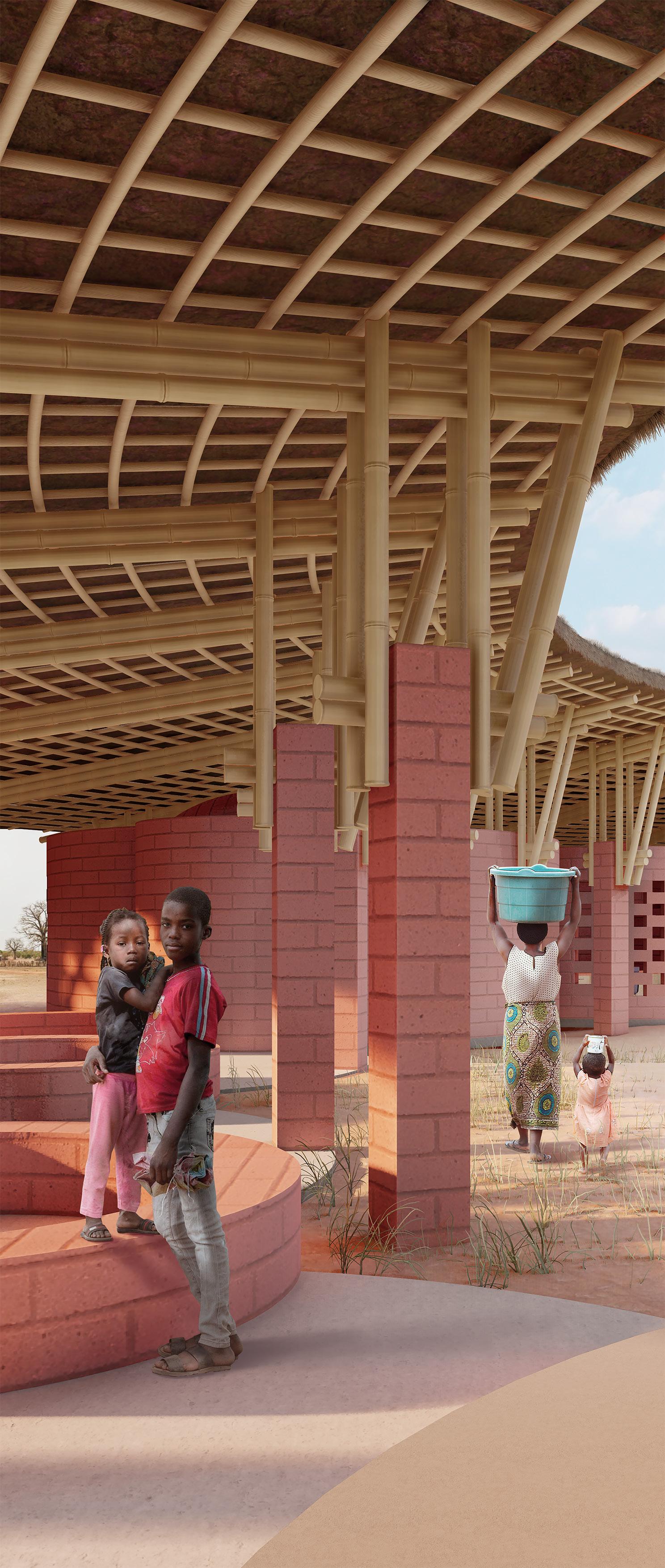
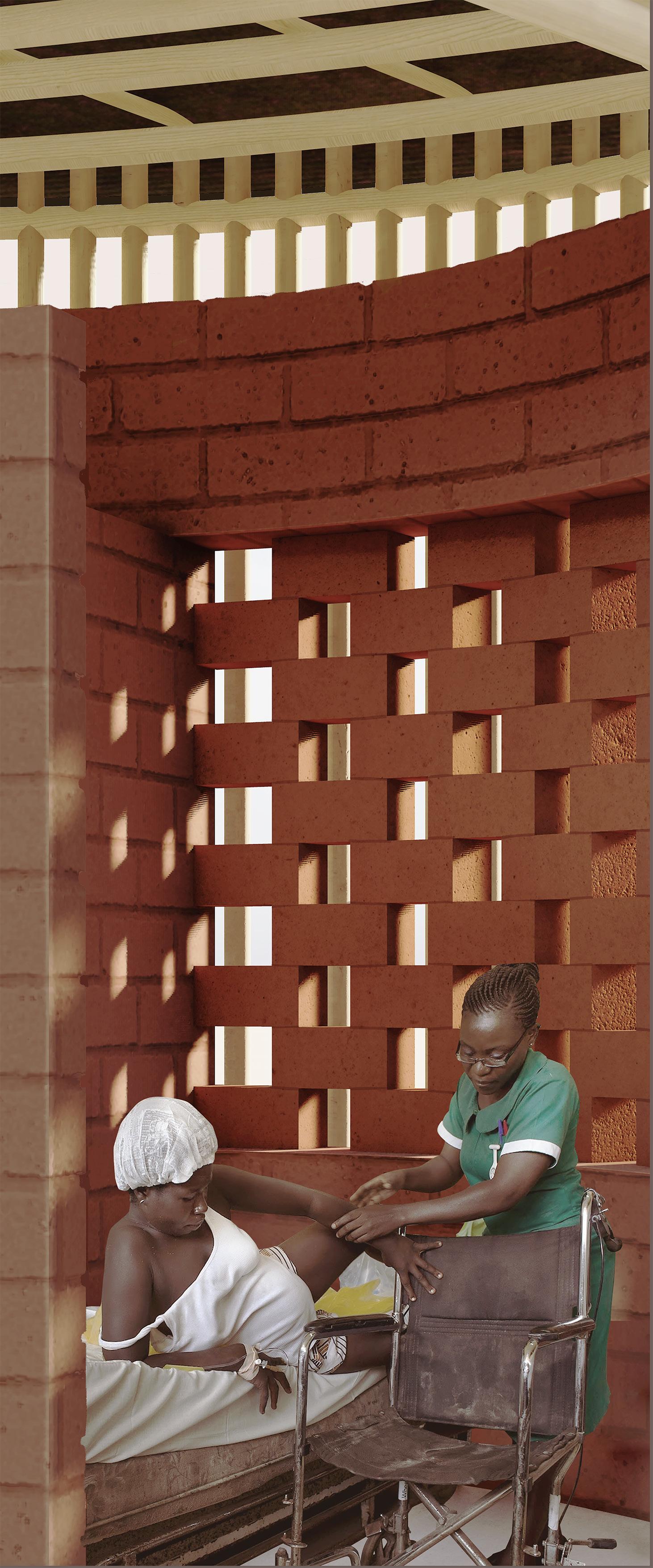
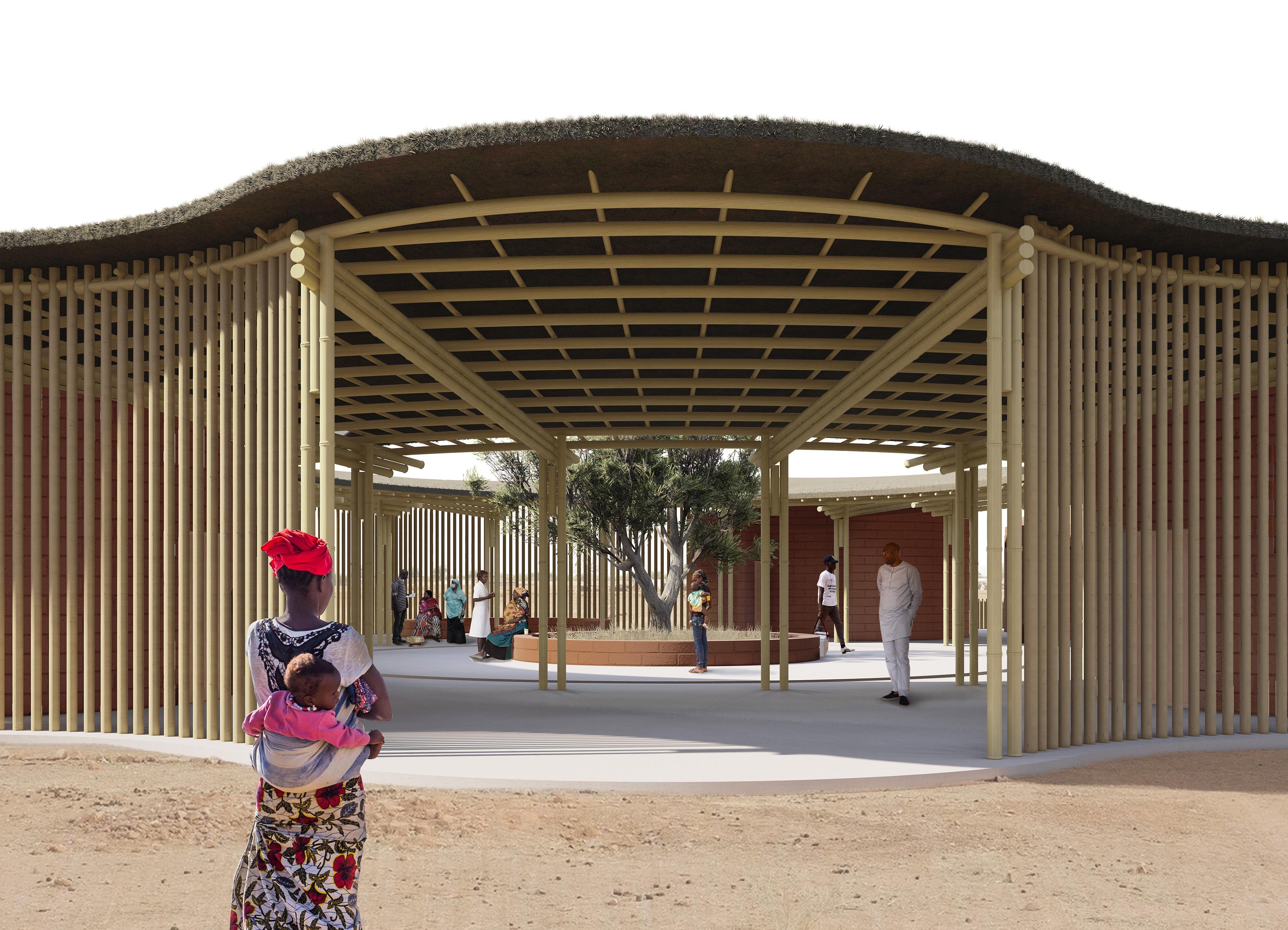
The clinic grid comprises nine circles, each tailored to accommodate specific functions, with their sizes reflecting their importance. Two larger circles are designated for the administrative offices and overnight stays, providing beds for patients traveling from afar. The next three circles in size cater to emergency services, pharmacy, and examination rooms, with additional seating areas created by brick arrangements for patient waiting. Lastly, two smaller circles on the second tier accommodate toilet facilities, ensuring convenience and accessibility for visitors.
The clinic volumes are segregated to reflectthe privacy of each function and patient, while their inclined design and open tops serve to enhance ventilation and shield occupants from direct sunlight. The height of the perforated sections of the walls is determined by the level of privacy required for each specific function within. This customization approach ensures a harmonious balance between patient privacy and comfort.
The decision to incline the roof inward, in contrast to the previous projects like the school and the community center, was made to create a sense of coziness and enclosure within the clinic. This design choice aims to provide patients with a comforting and sheltered environment during their visit, enhancing their overall experience and sense of well-being.
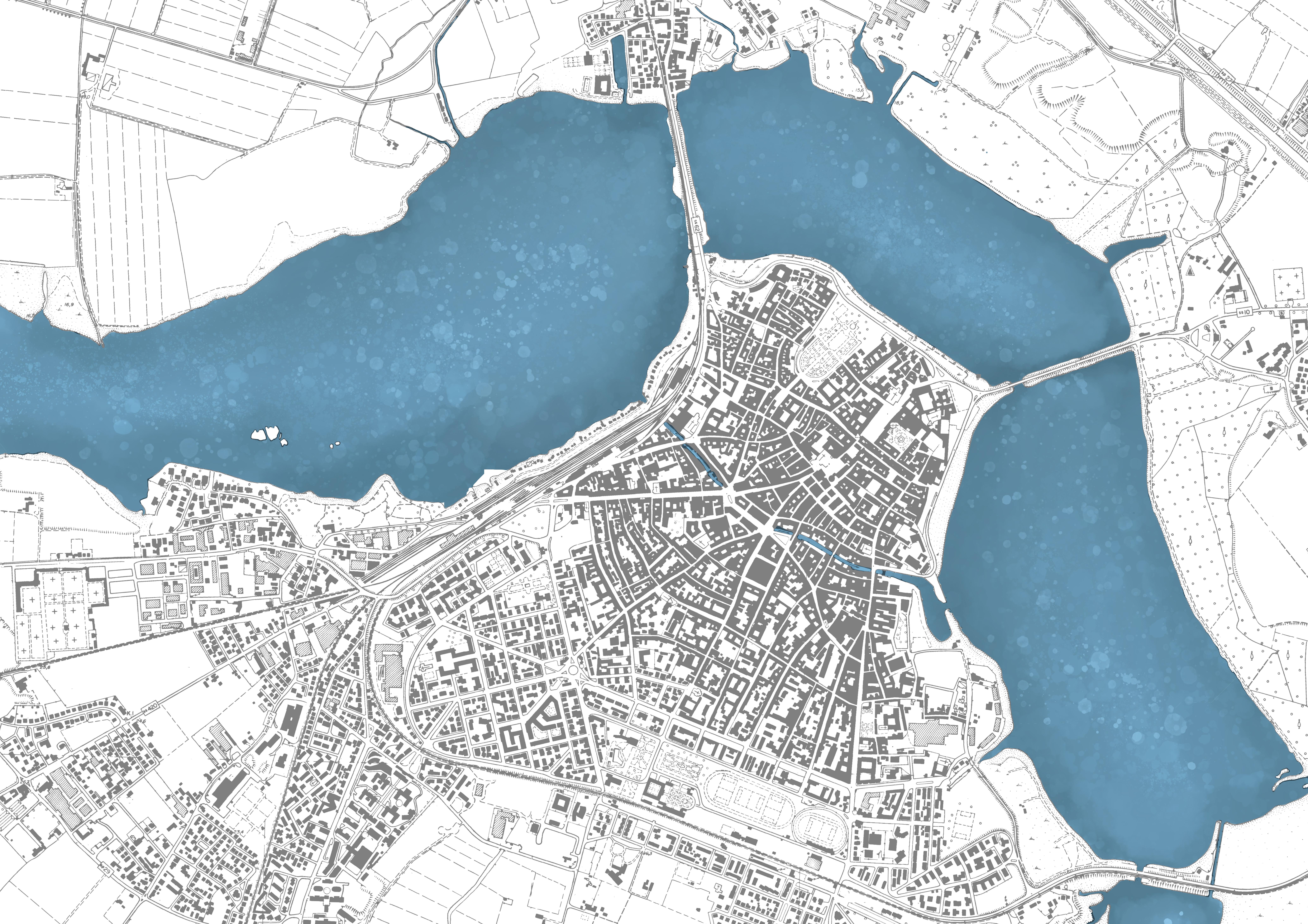
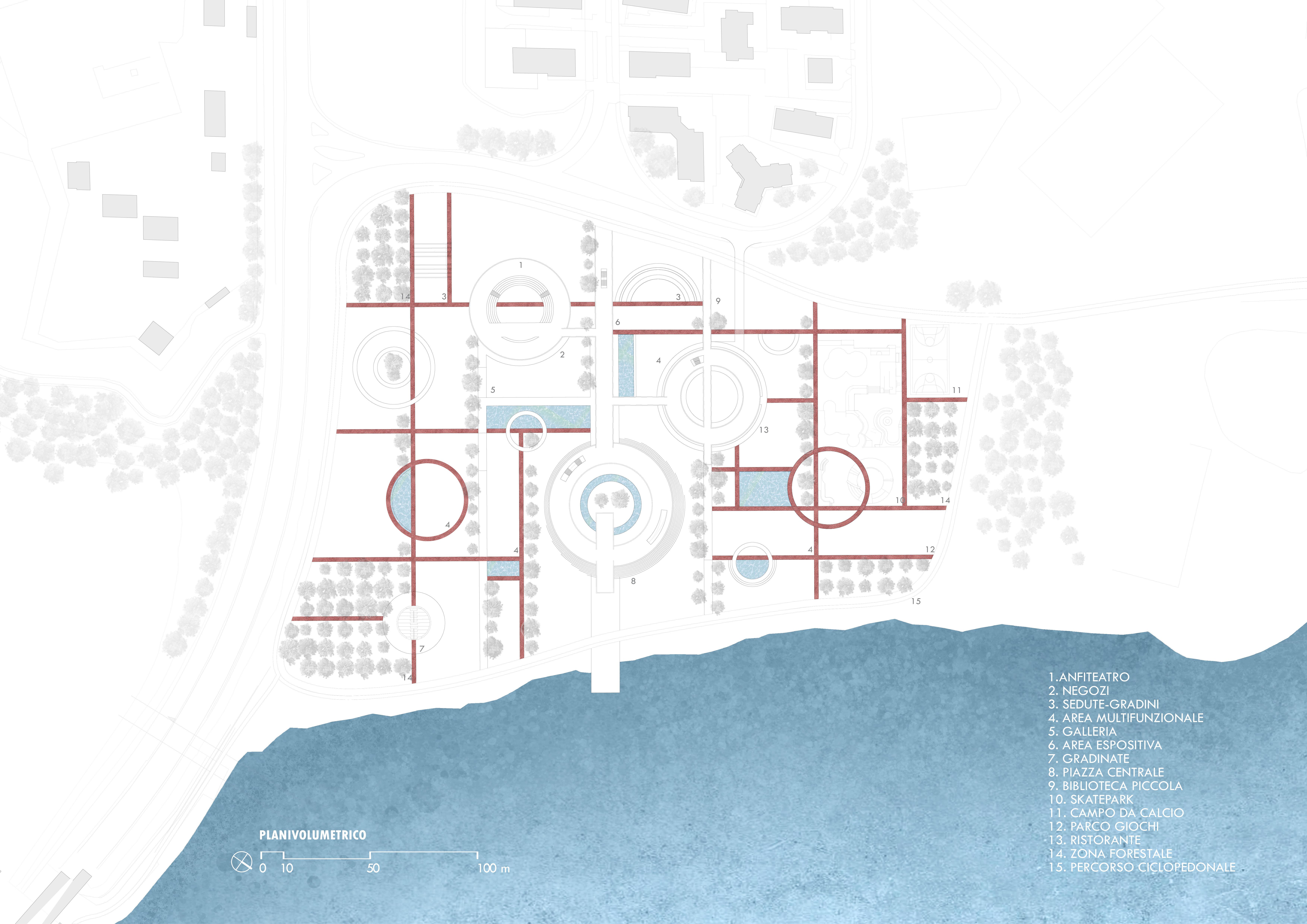
Mantua is characterized by a unique harmony between its natural surroundings and architectural features, a symbiotic relationship that has evolved over time, defining its urban landscape and distinctive environmental status as a city surrounded by water. This is the outcome of significant hydraulic and landscape interventions, dating back to medieval times and continuing into the twentieth century.
Between 1188 and 1230, under the direction of Alberto Pitentino, efforts were made to regulate the flow of the Mincio River. The construction of an initial artificial dam led to the transformation of marshy areas surrounding the fortress and ancient village into lakes, effectively encircling the city with water.
LOMBARDY REGION
MANTUA PROVINCE
TOWN OF MANTUA
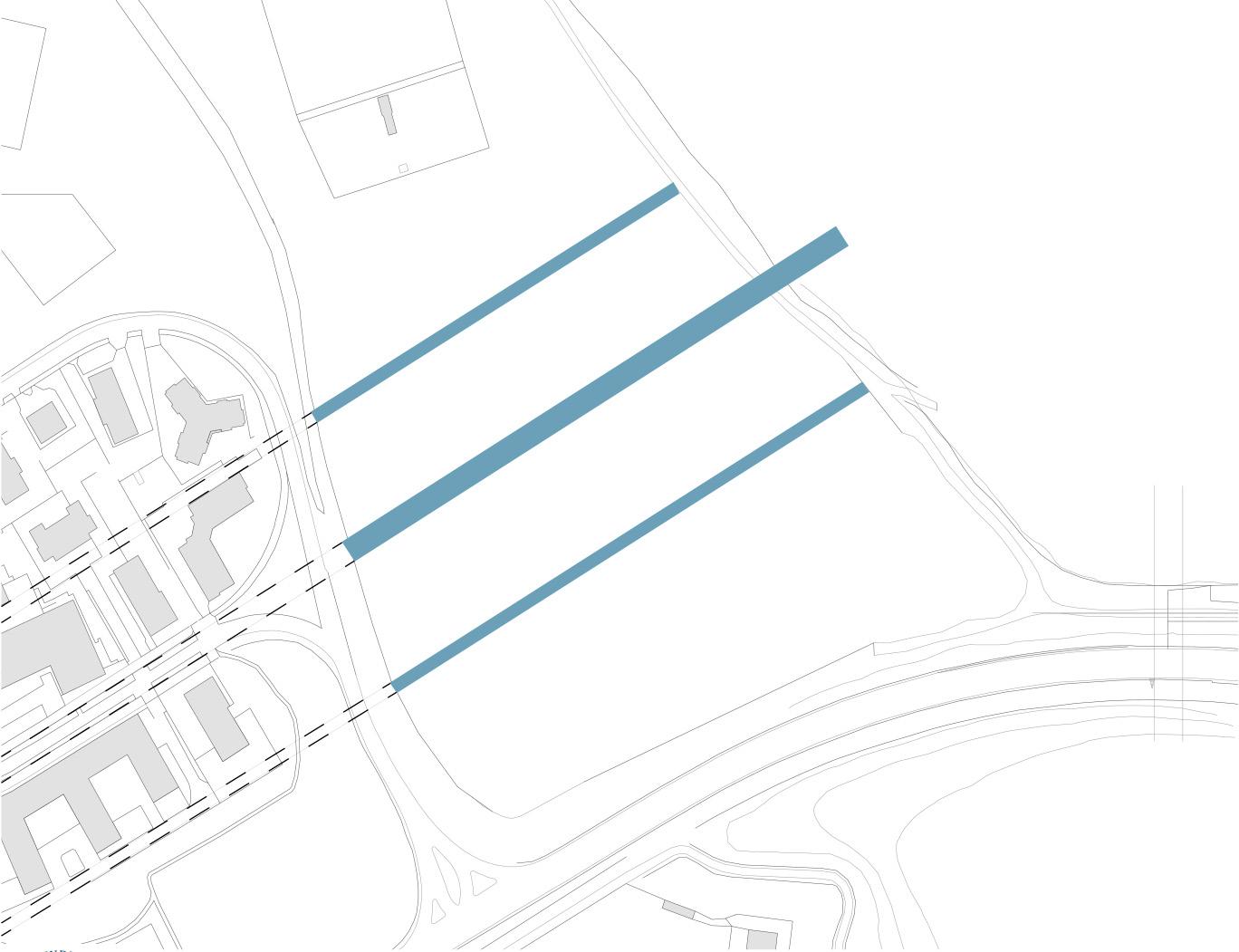
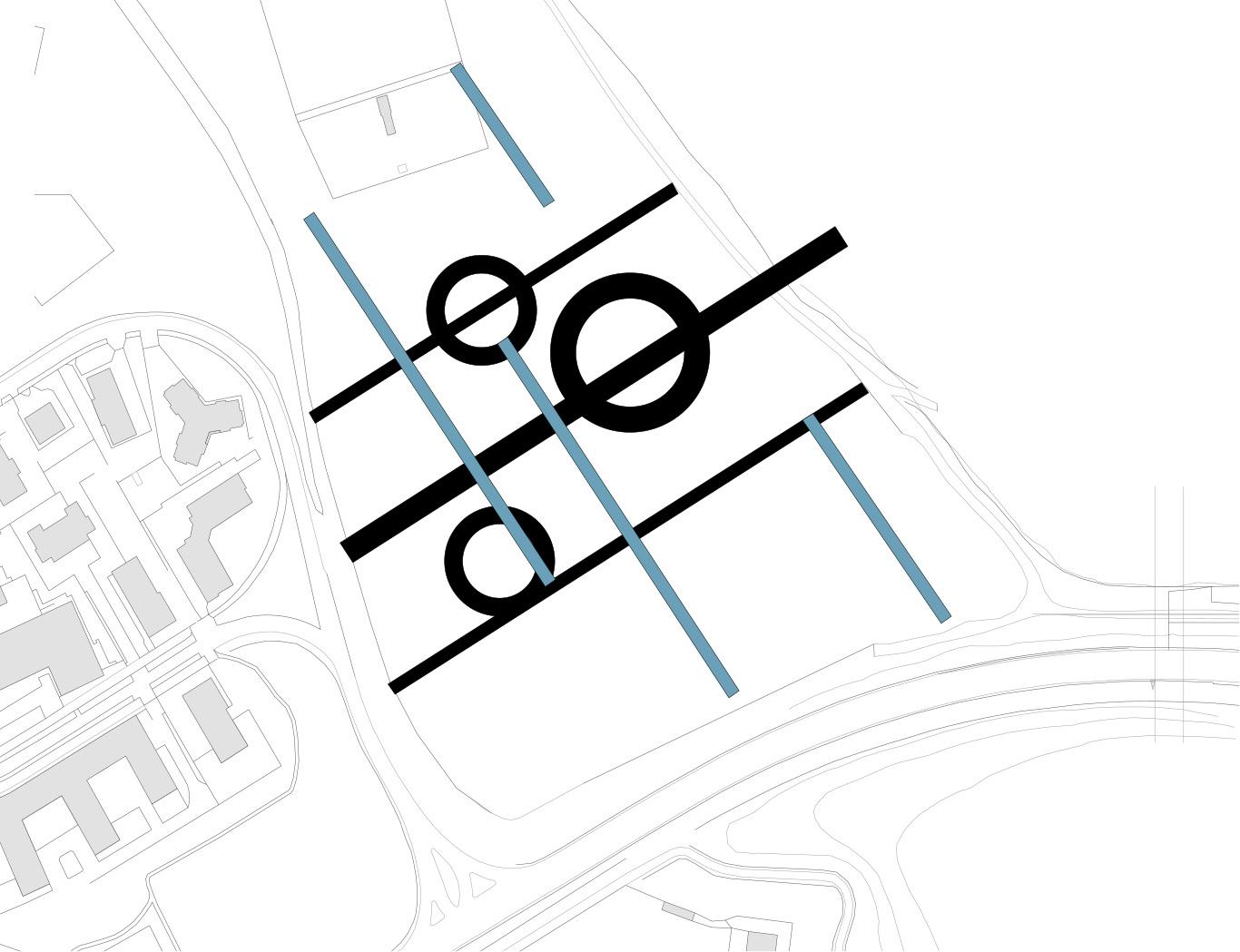
Connect by perpendicular paths to facilitate accessibility.
Extend trails from nearby streets down to the lake to connect to the water.
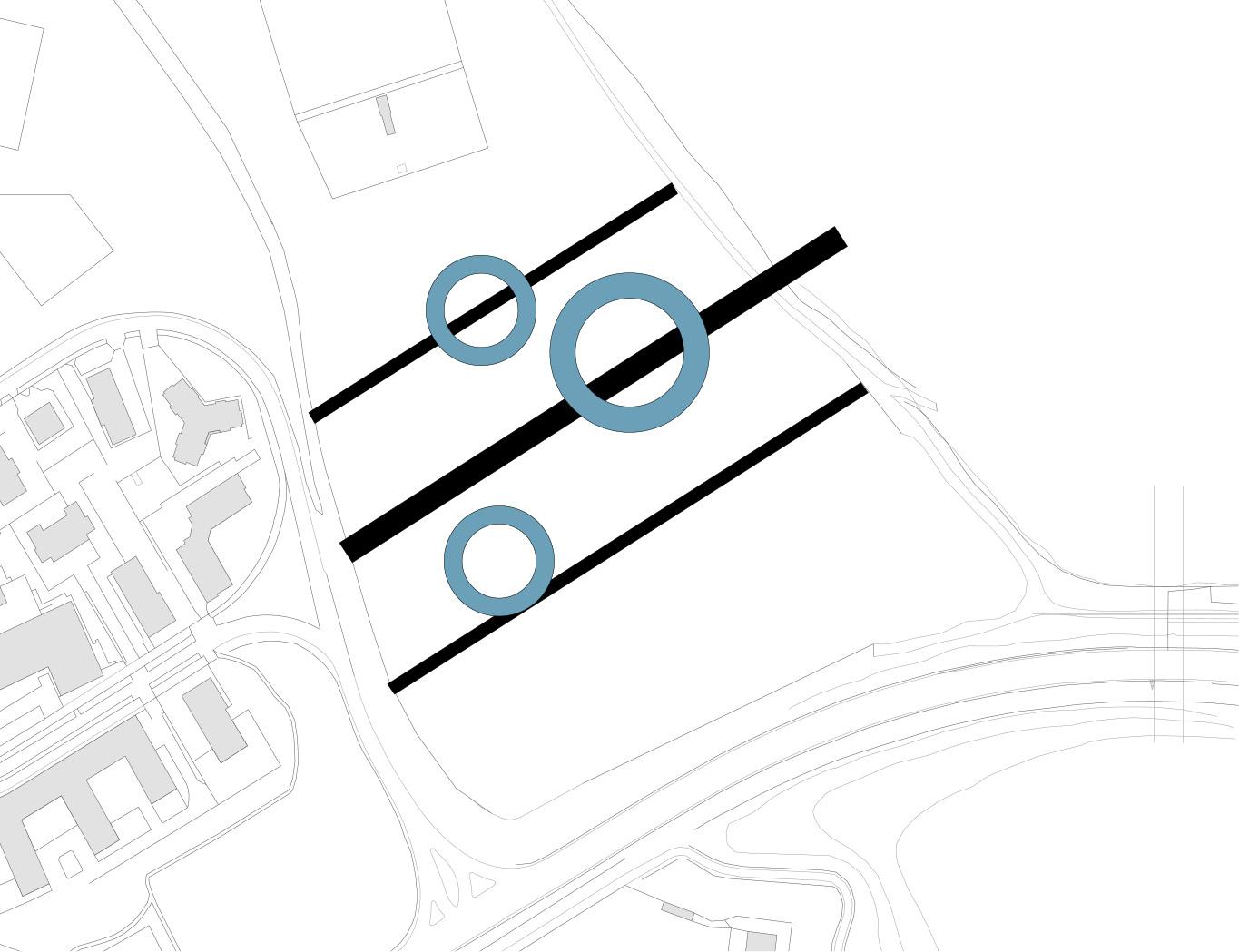
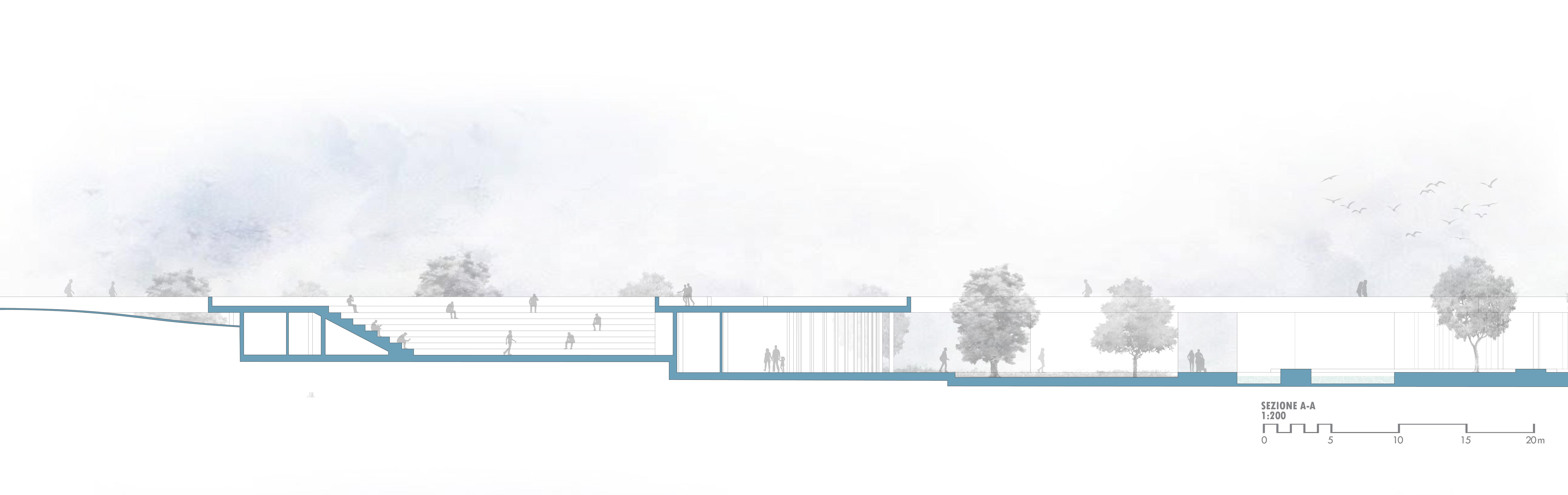
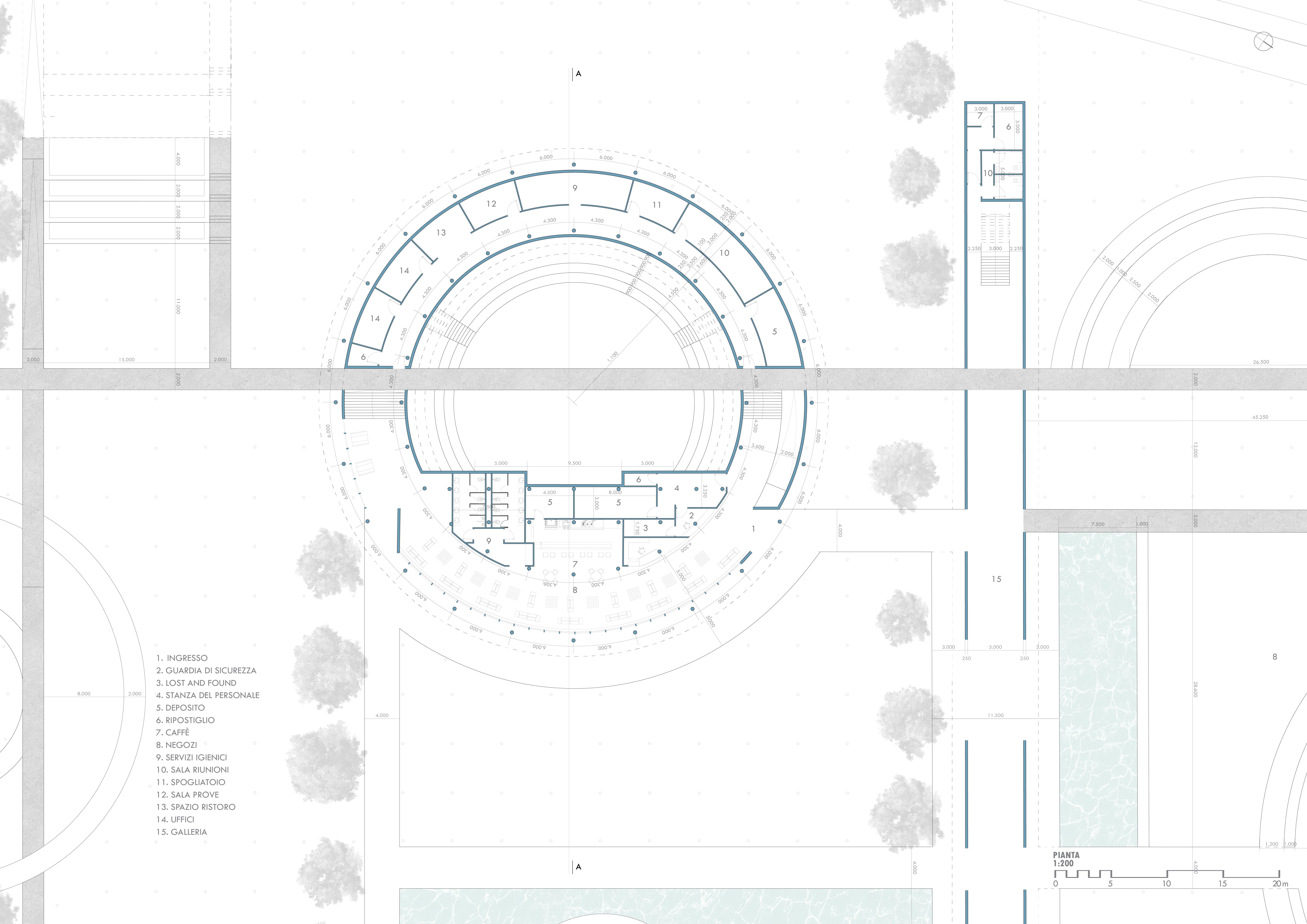
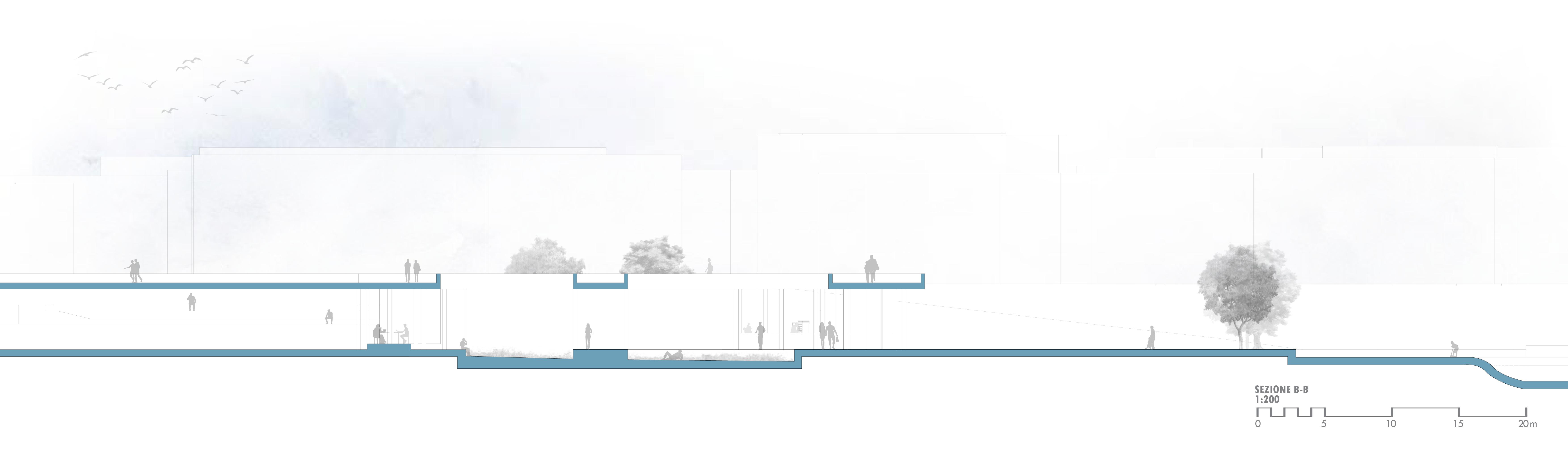
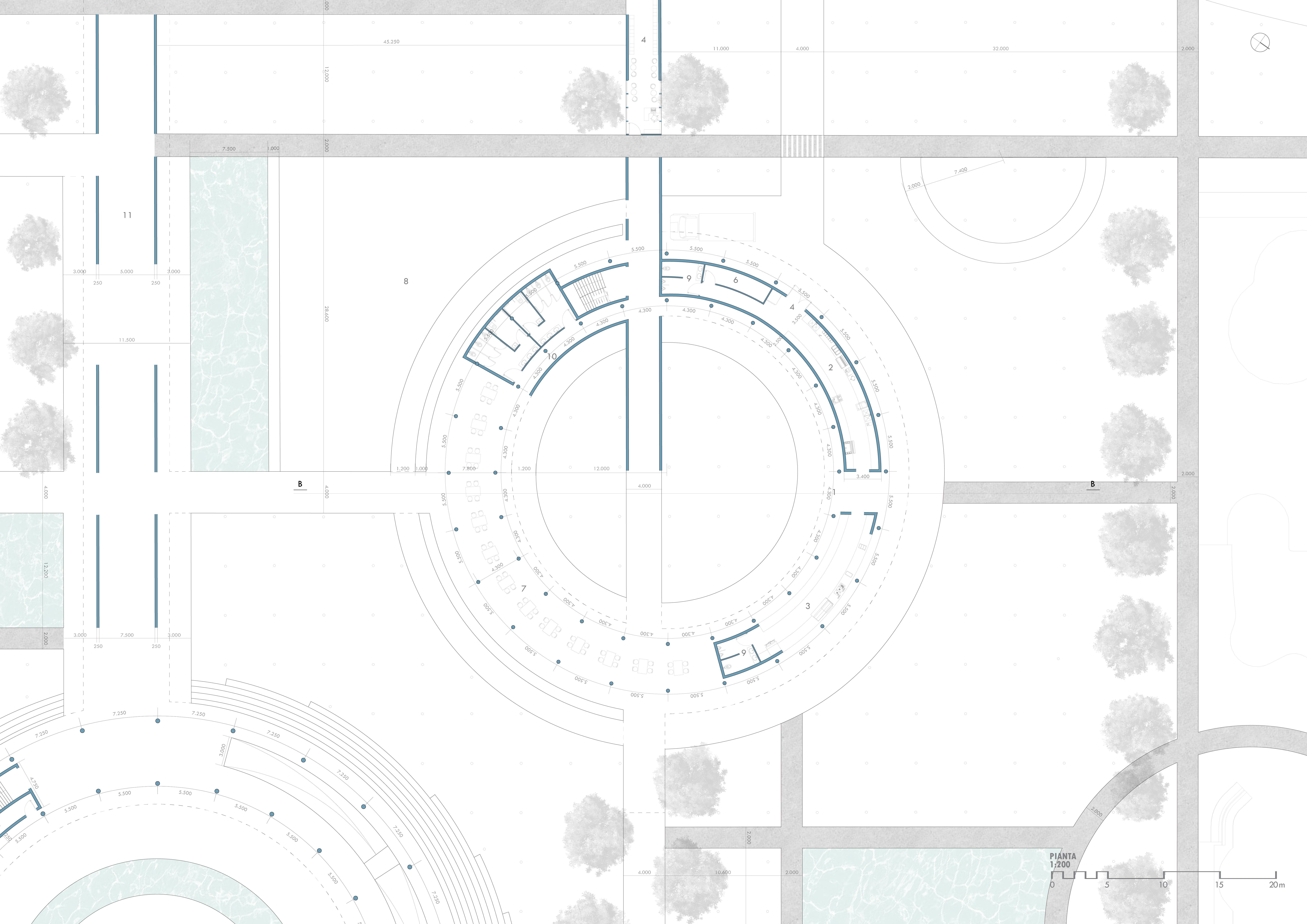
They take up the geometry of the circles of the industrial area on the other side of the lake to create shaded areas and services.
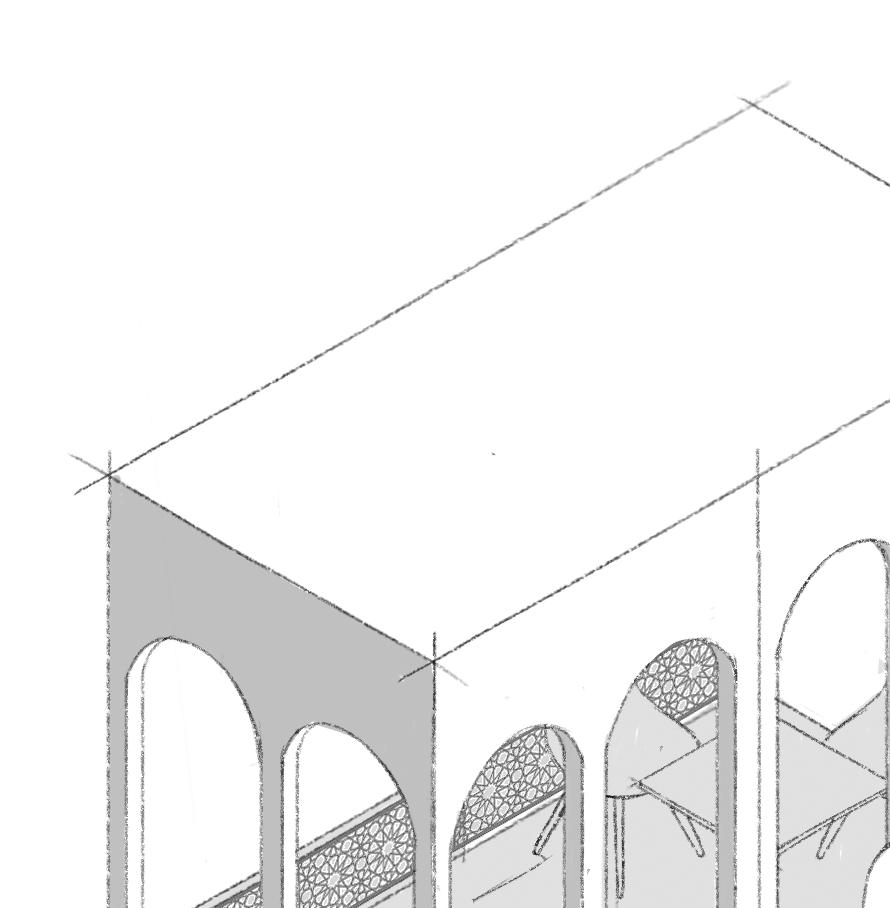
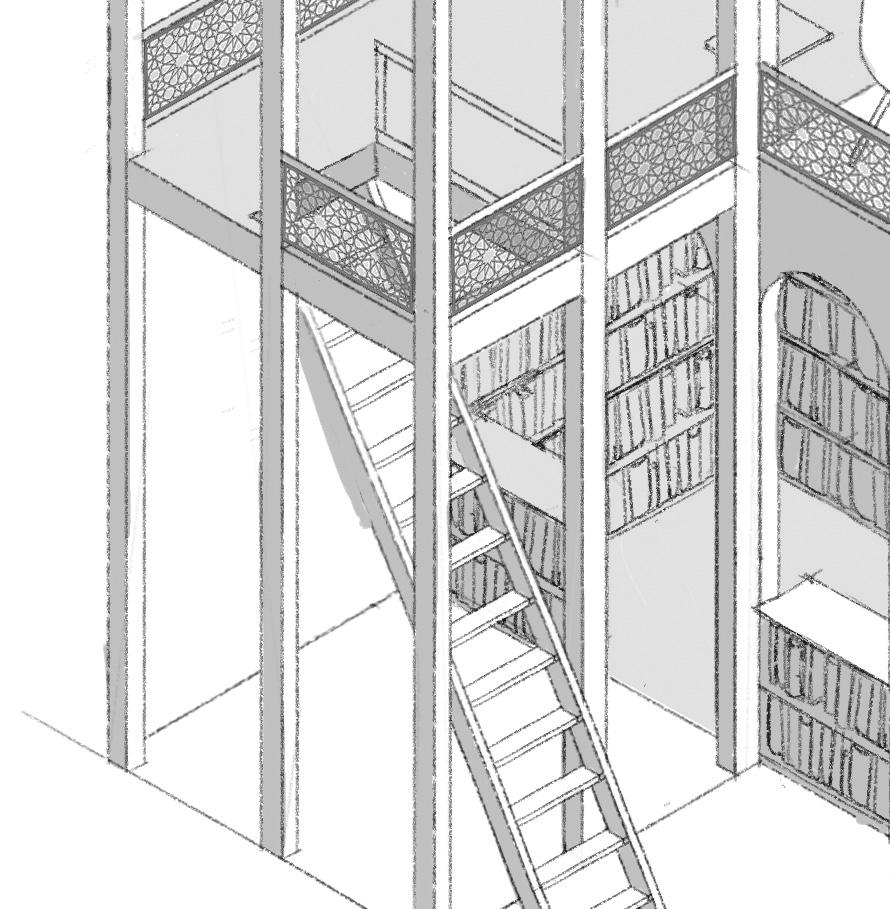
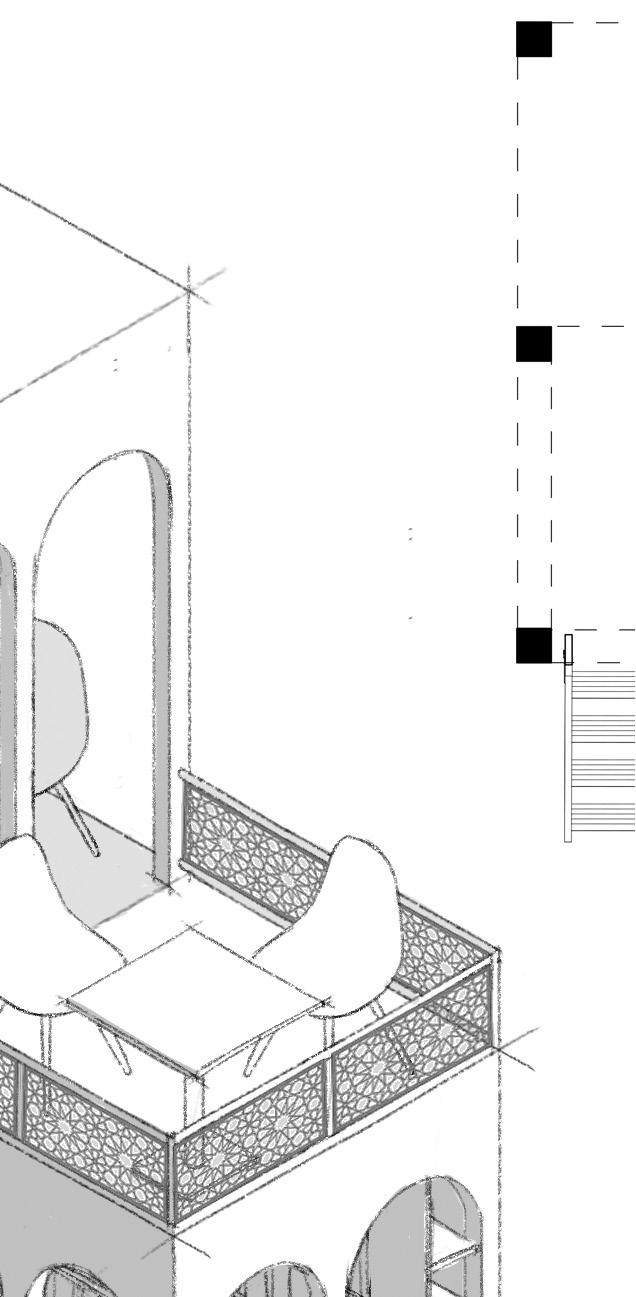
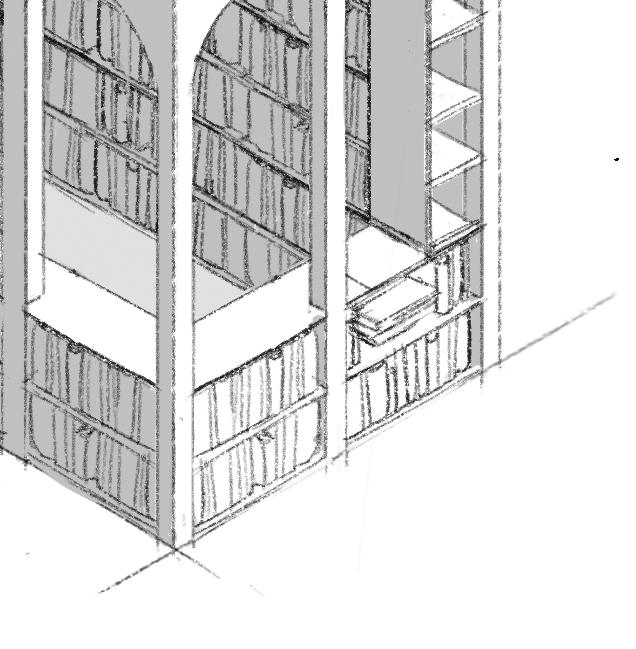
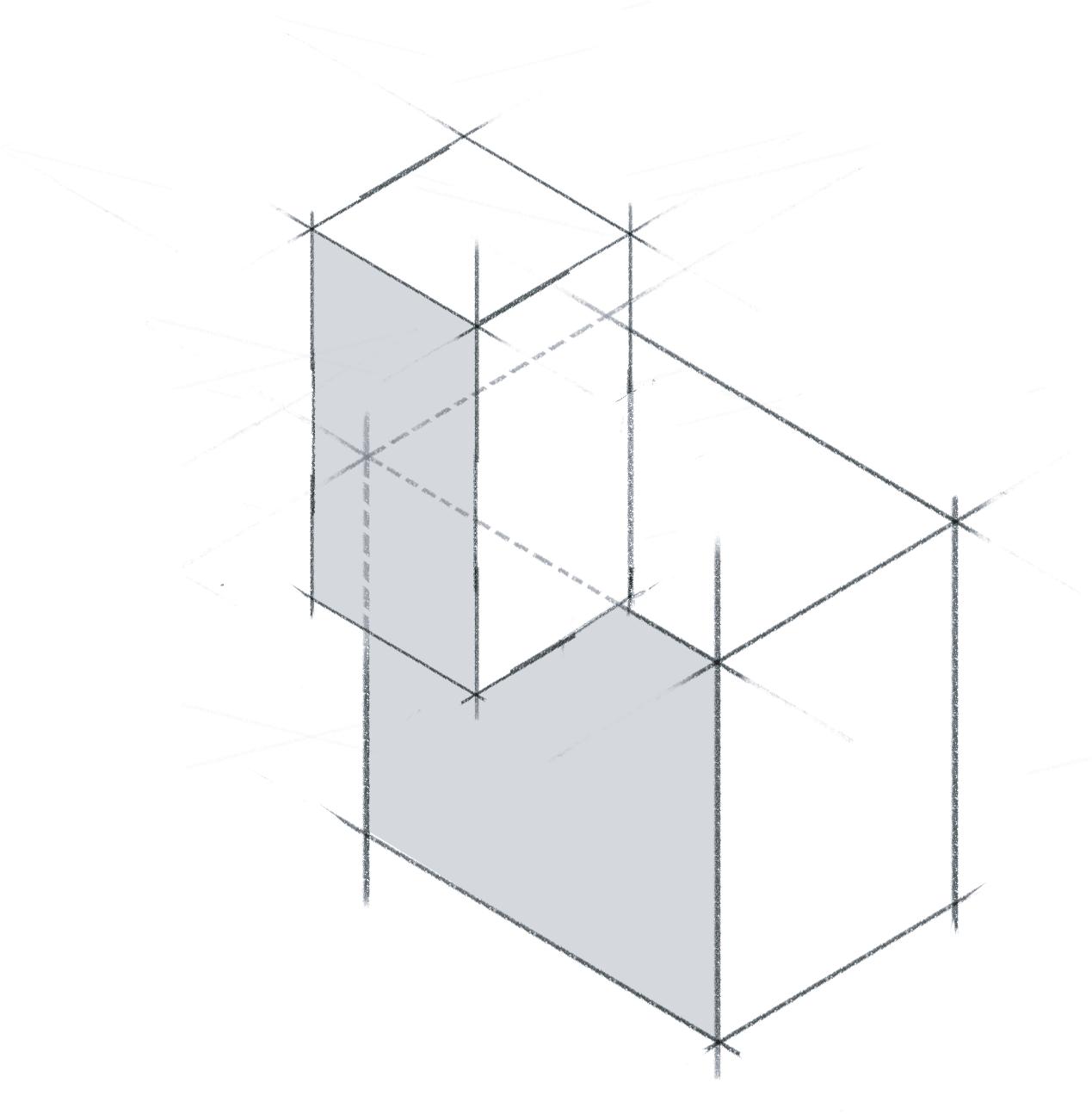
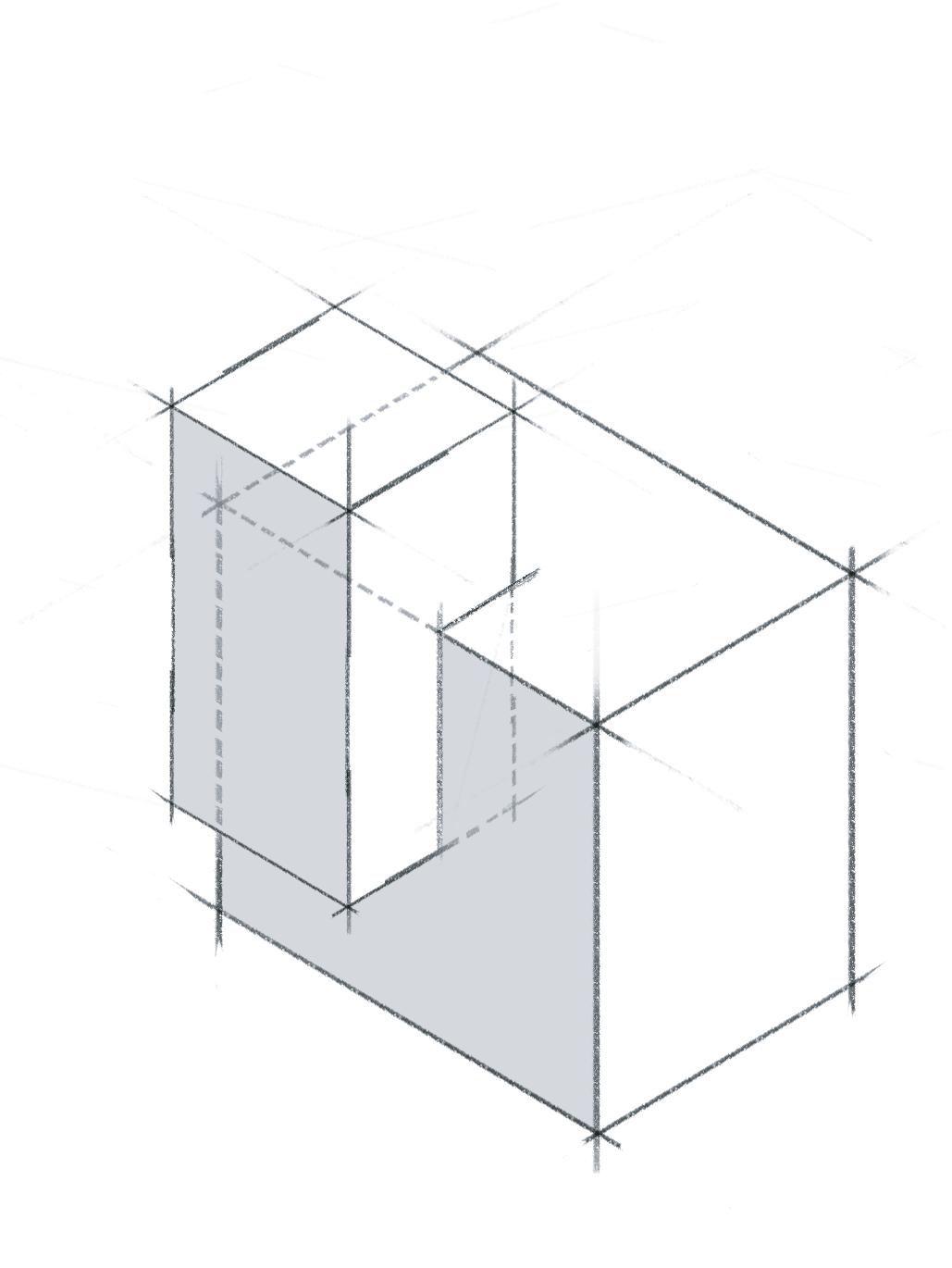
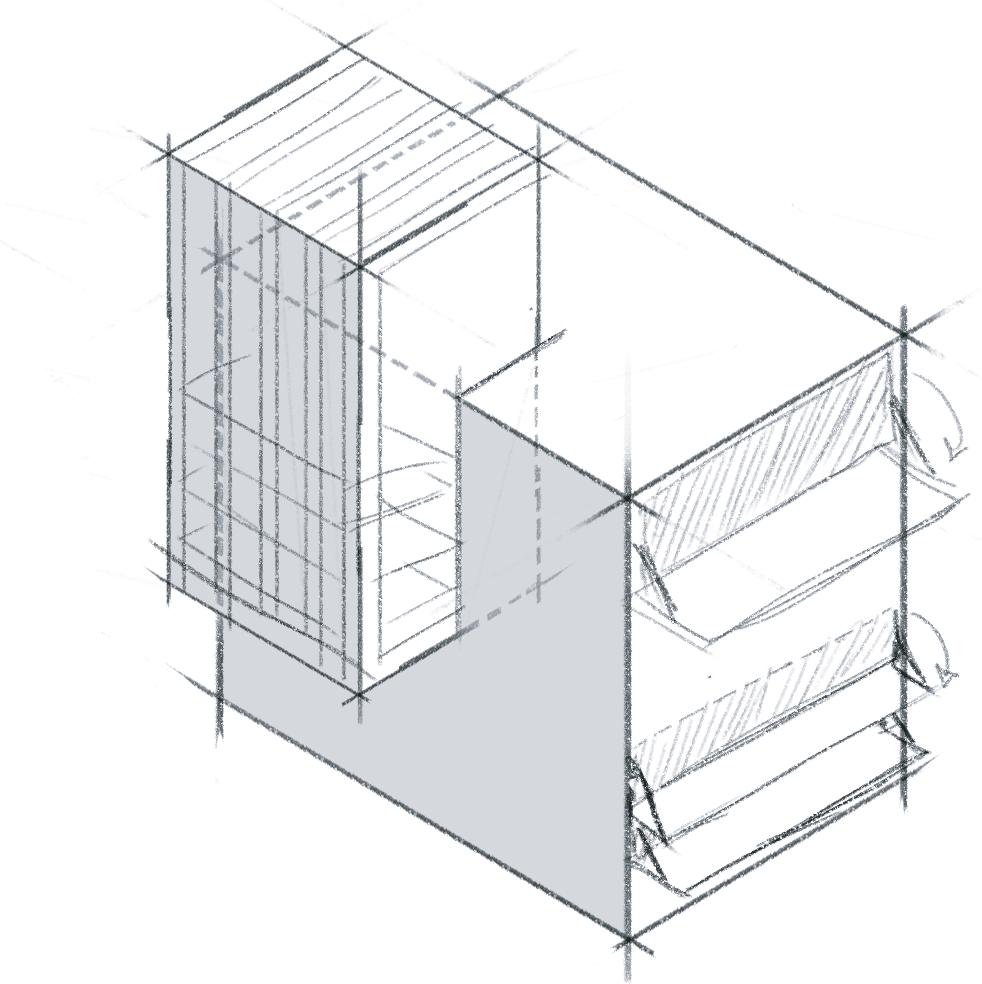
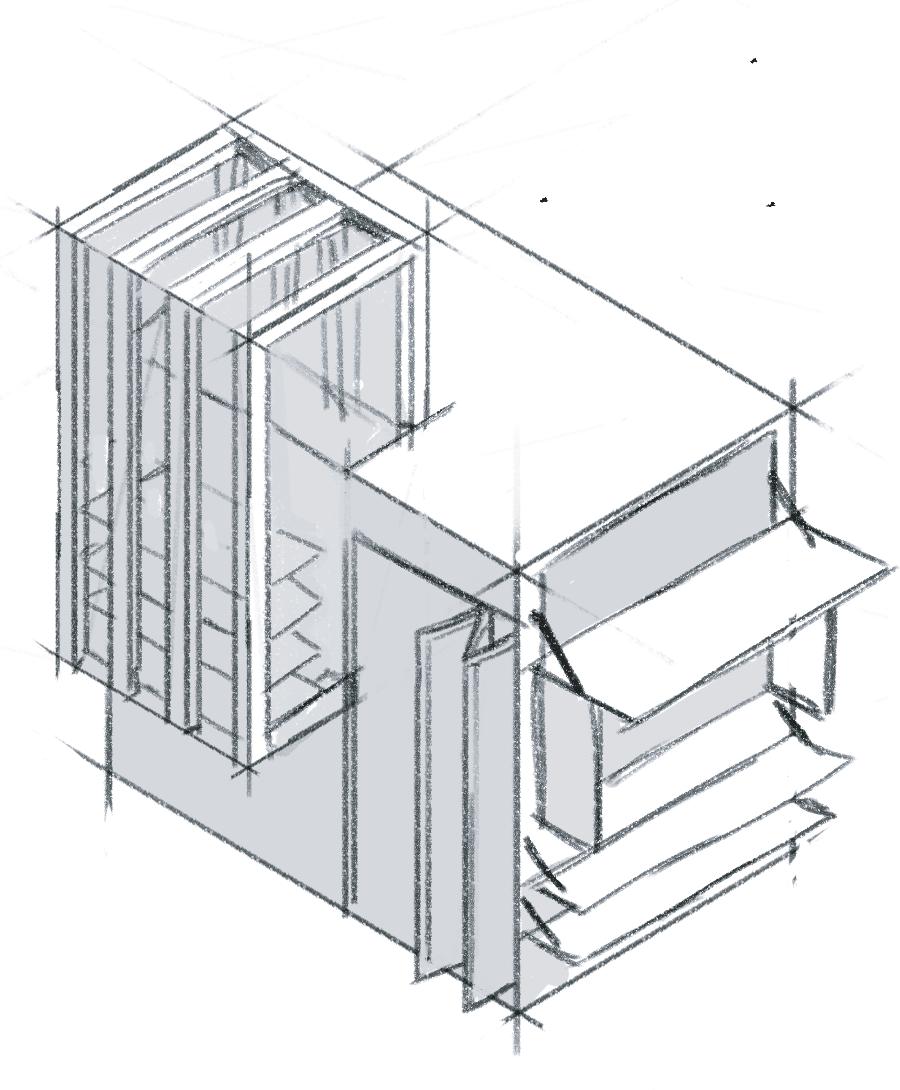
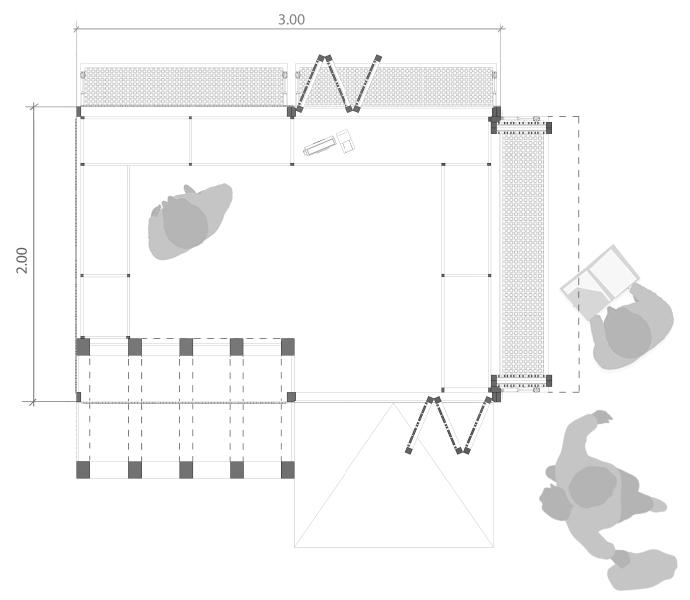
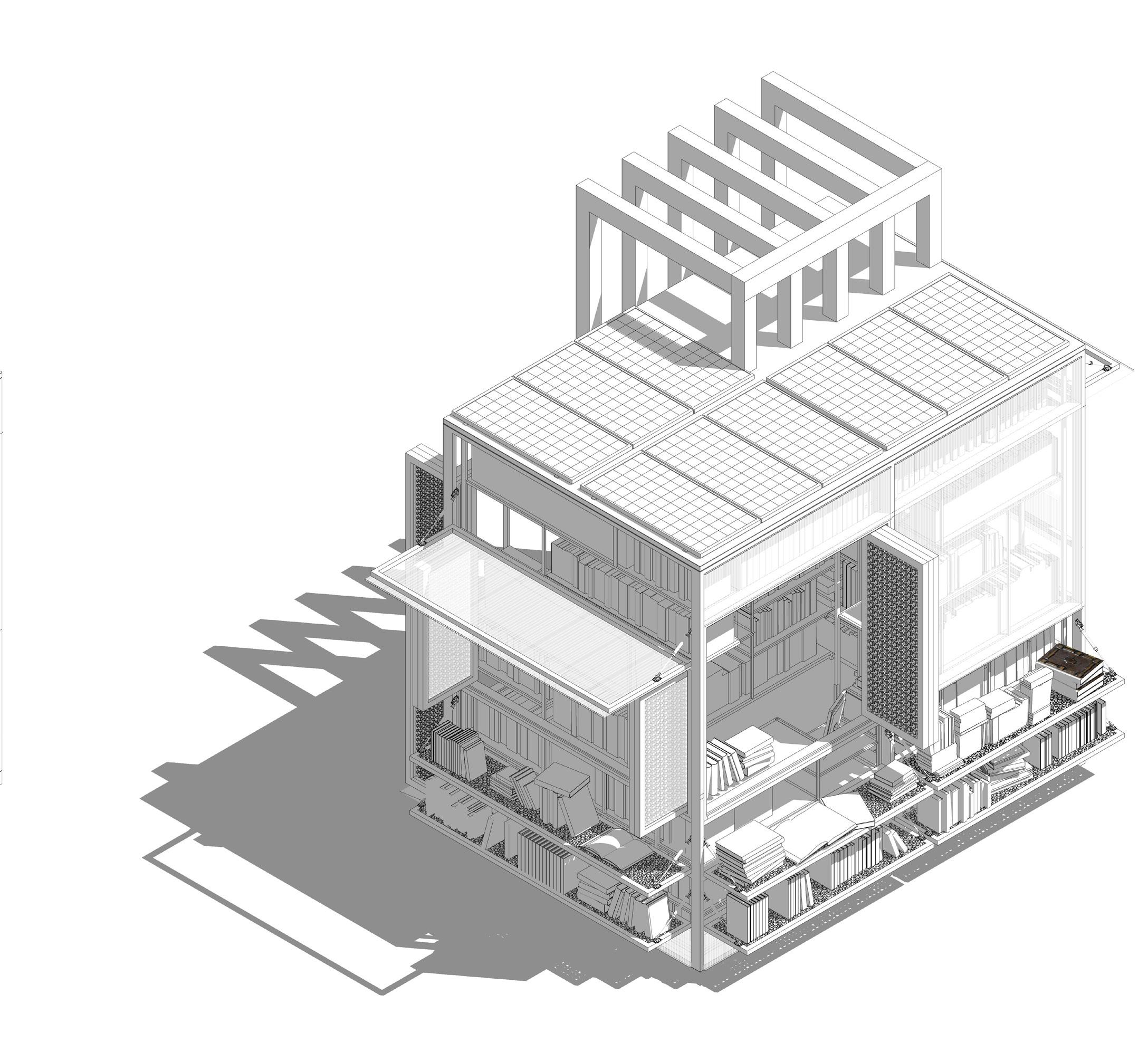
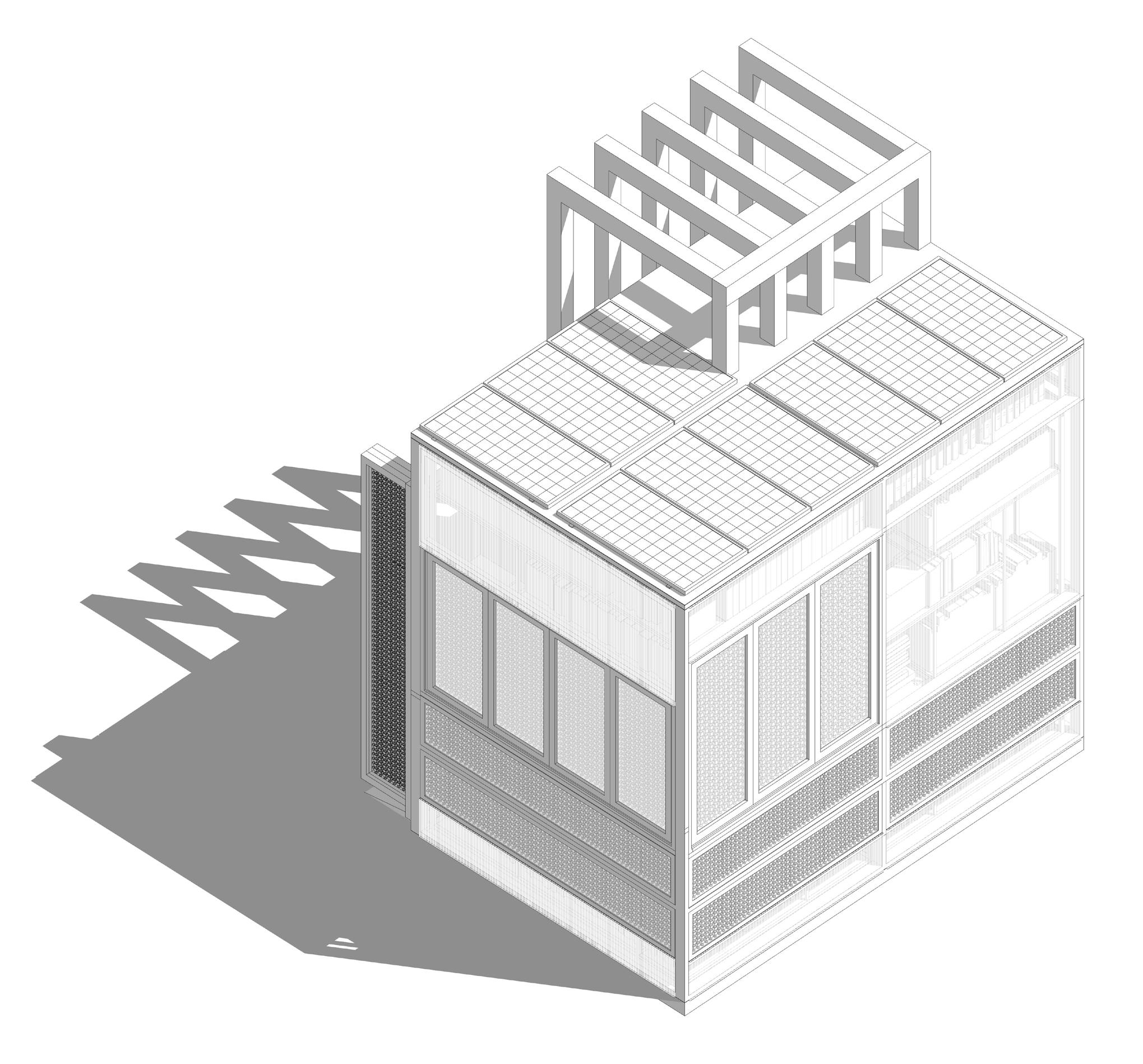
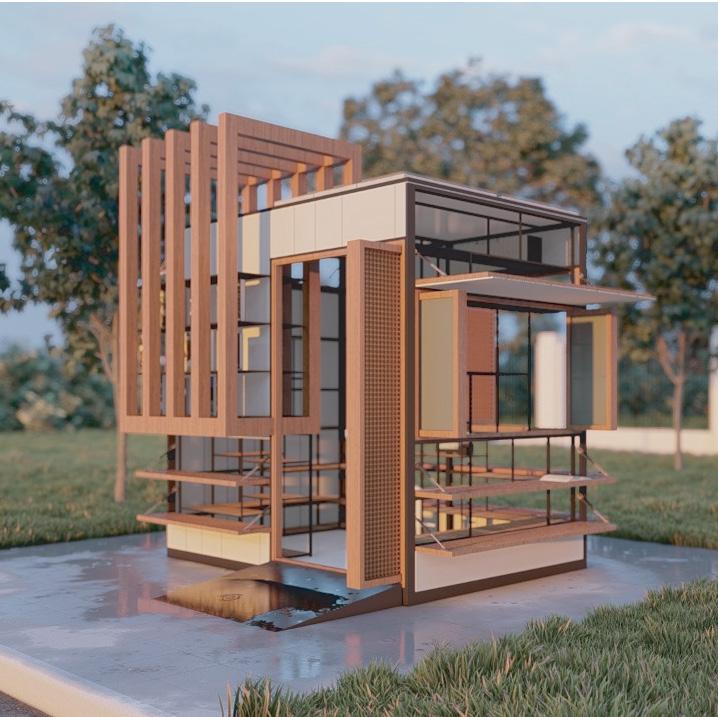
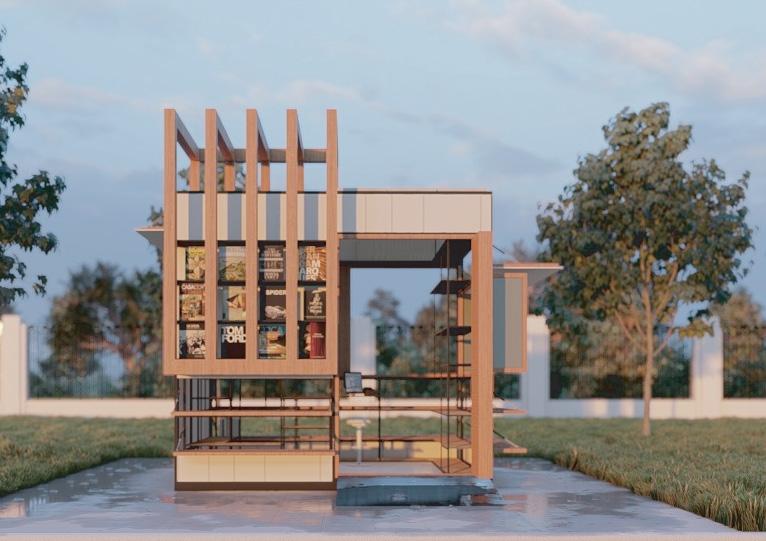
The primary objective of the project is to breathe new life into the history of the region using modern methods. Azbakiya’s roots trace back to the Mamluk era, named after one of the Egyptian army’s commanders, Saif al-Din Azbak.
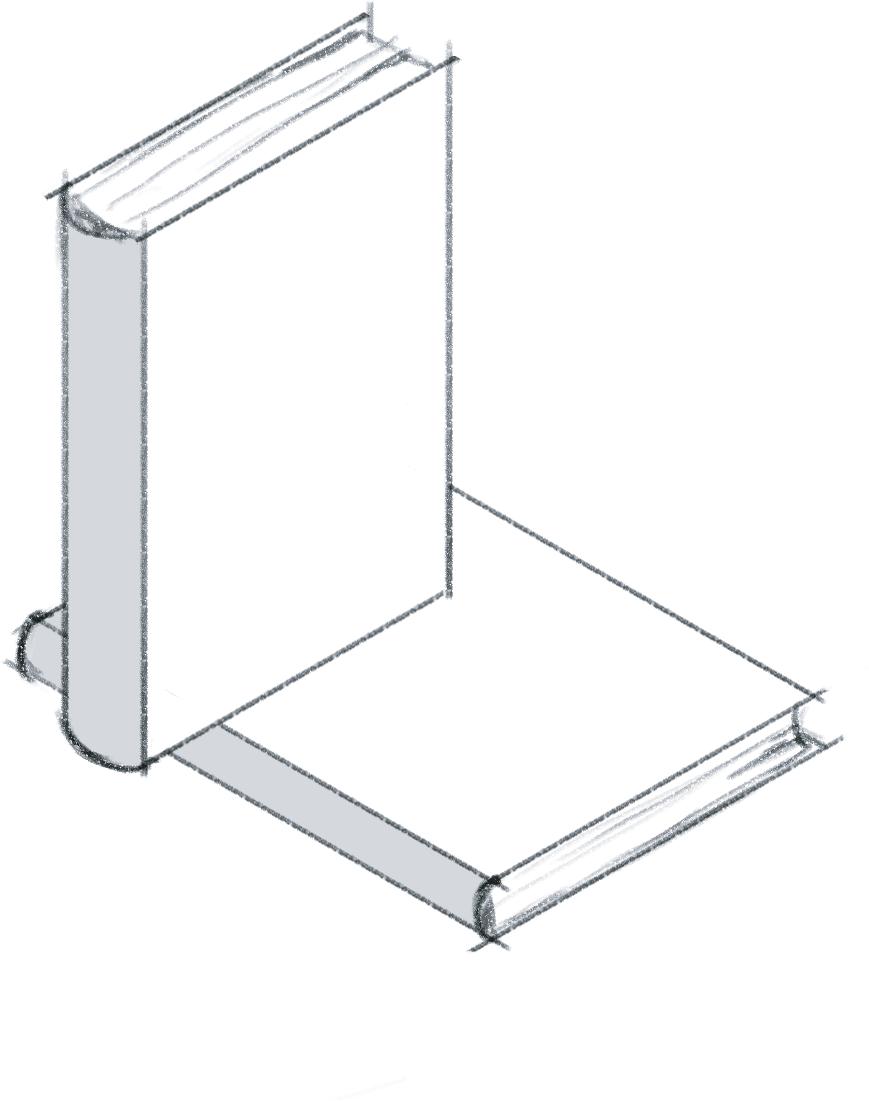
Before the construction of the fence, book vendors used to roam around with their books until they started spreading them out in Ataba Square and along the Azbakiya garden.
Despite its significance and the popularity of its cultural offerings, the wall didn’t receive much attention for many years until 1949. By then, the book trade had become stable with established capital and loyal customers. There were 31 sellers in total. Later, the wall of books in Azbakeya became officially recognized as one of the capital’s first and most significant archaeological and artistic monum
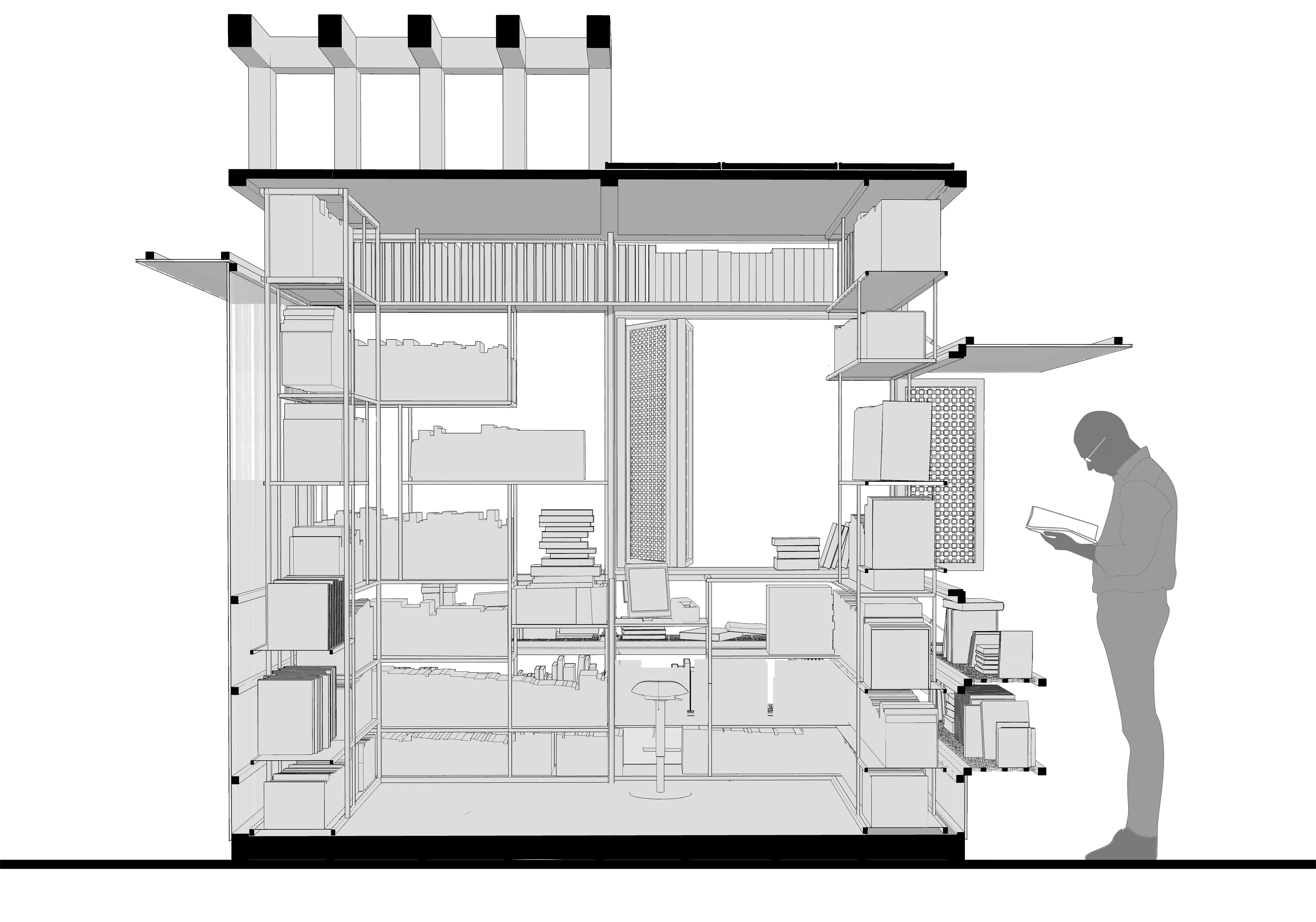
Photovoltaic Cells
Metal Sheet
Heat Insulation
Steel Roof Structure
Moisture Insulation
Shelves
Polycarbonate Plastic
Steel Structure
Wooden Elements
Wooden Floor
Moisture Insulation
Steel Floor Structure
ARCHITECTURAL GRAPHICS
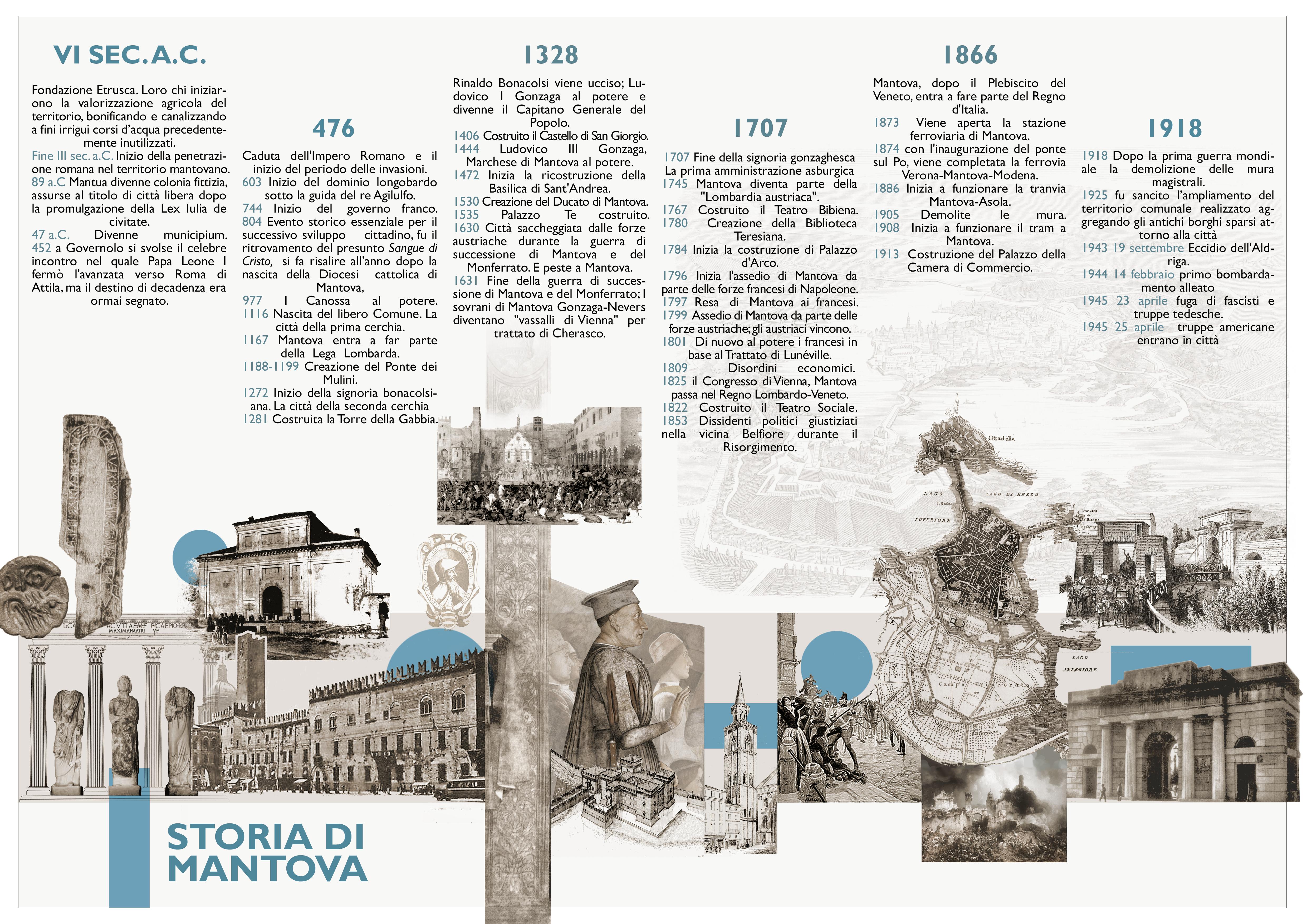
01. THE HISTORY OF MANTUA
Mantua, a historic city in northern Italy, boasts a rich and diverse history that spans over two millennia.
Overall, Mantua’s history is characterized by its strategic importance, cultural achievements, and resilience in the face of political and social changes. It remains a vibrant and fascinating city, attracting visitors from around the world with its rich heritage and cultural offerings.
ARCHITECTURAL GRAPHICS
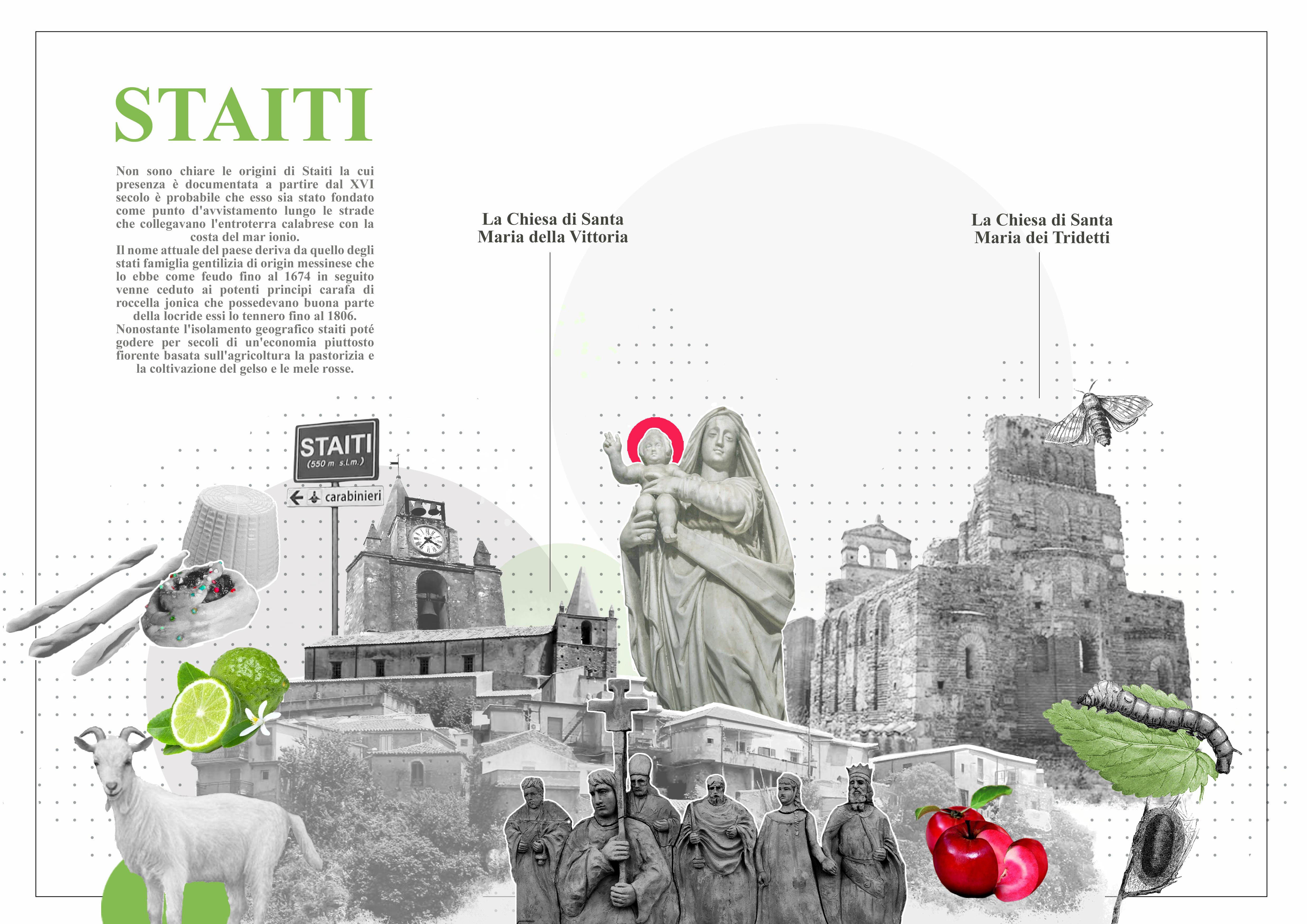
02. THE VILLAGE OF STAITI
Staiti is a comune (municipality) in the Province of Reggio Calabria in the Italian region Calabria.
Staiti has a rich history dating back to ancient times and is believed to have been inhabited since the 10th century. The town has preserved its medieval charm through its well-preserved architecture and historic sites, making it a fascinating destination for history enthusiasts.
ARCHITECTURAL GRAPHICS
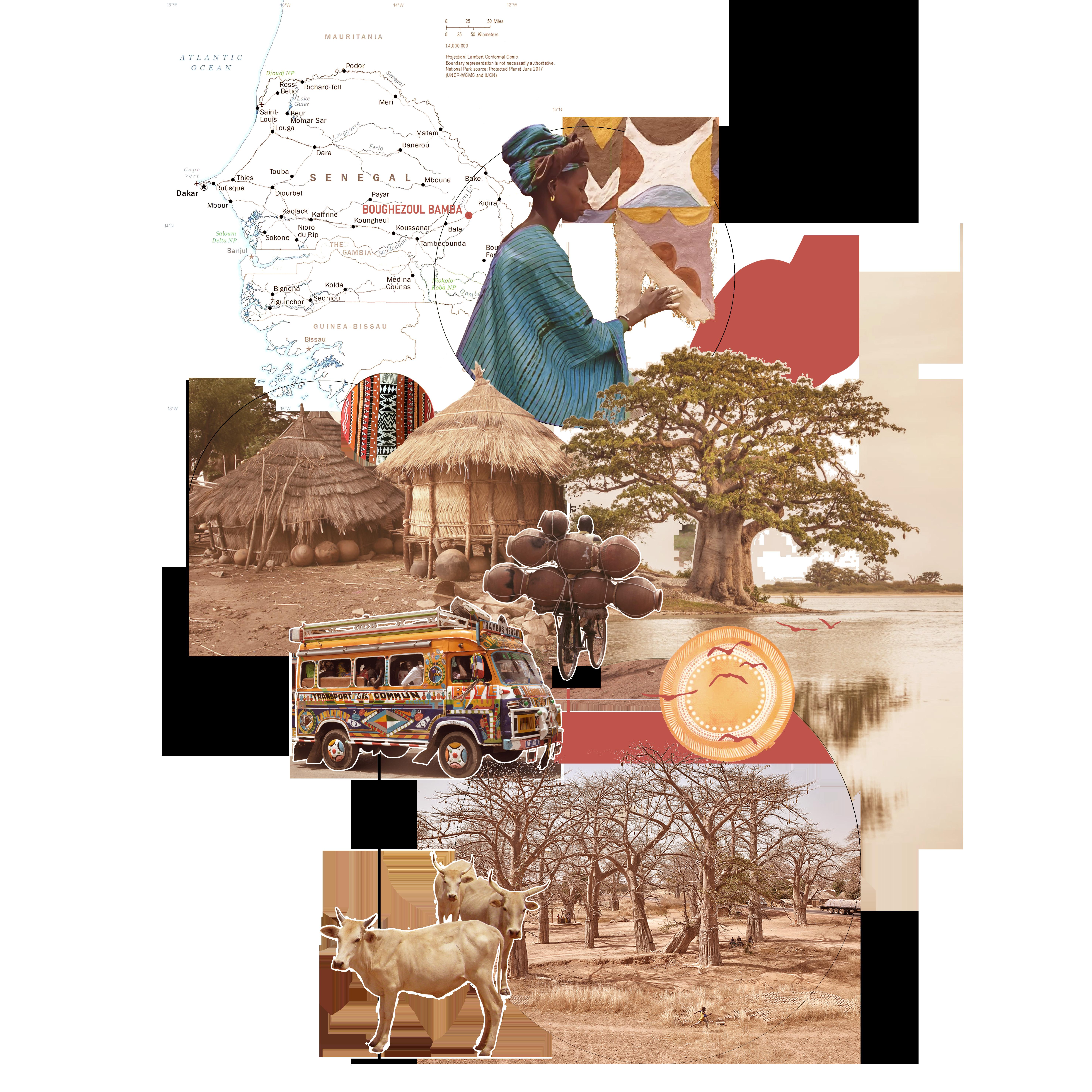
03. BOUIGHEUL BAMBA VILLAGE
n Senegal, there is a deep reverence for cultural traditions and customs. This respect for tradition is rooted in the country’s diverse ethnic and cultural heritage, as Senegal is home to numerous ethnic groups, each with its own unique customs and practices.
HAND SKETCHES
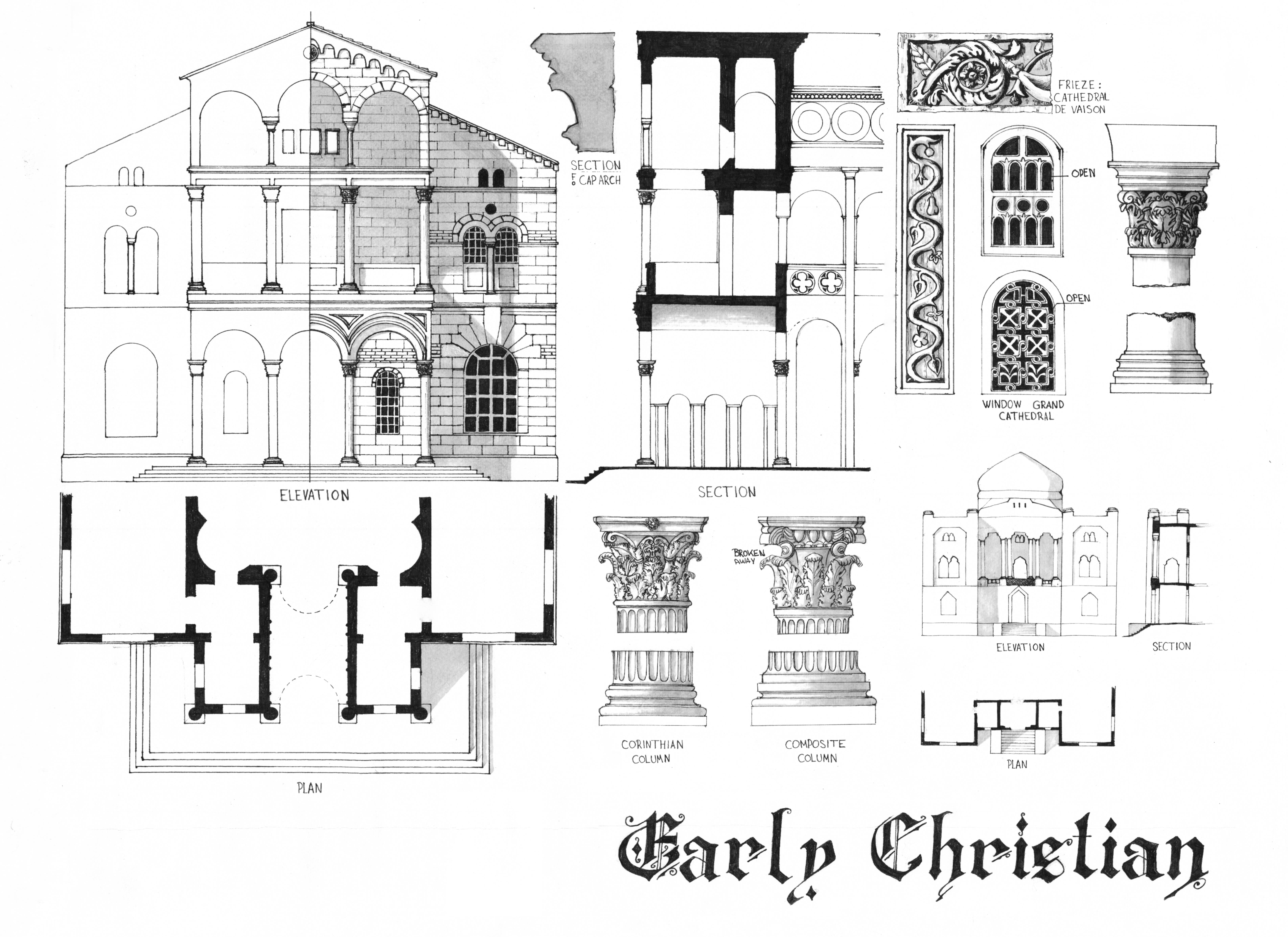
01. EARLY CHRITSTIAN ARCHITECTURE
[ARC132] HISTORY OF ARTS AND ARCHITECTURE (2): HISTORY OF ISLAMIC AND WESTERN ARCHITECTURE
Year: 2020
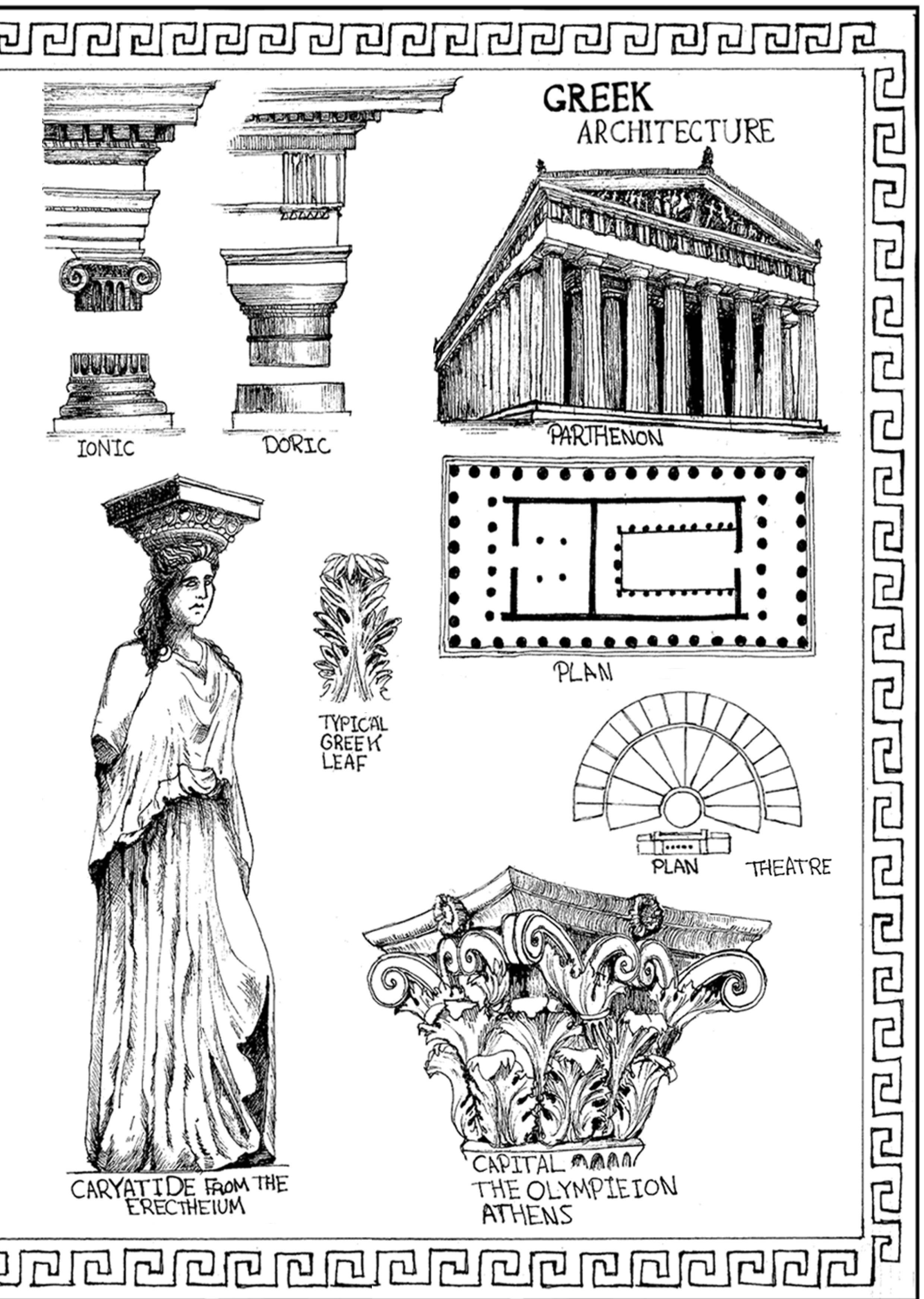
05 HAND SKETCHES 02. GREEK ARCHITECTURE
[ARC131] HISTORY OF ARTS AND ARCHITECTURE (1): ANCIENT CIVILIZATIONS
Year: 2020
05 HAND SKETCHES
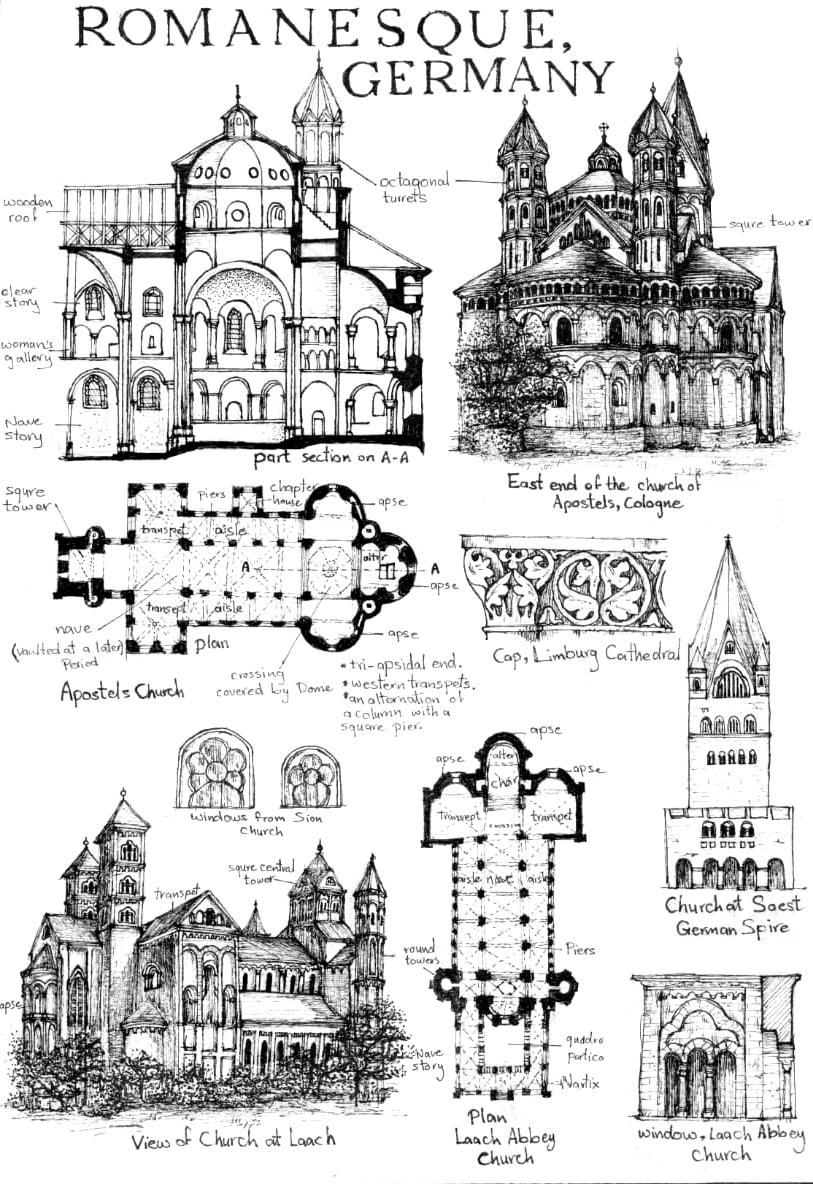
03. ROMANESQUE ARCHITECTURE
[ARC132] HISTORY OF ARTS AND ARCHITECTURE (2): HISTORY OF ISLAMIC AND WESTERN ARCHITECTURE Year: 2020