MIDDLE EAST NOVEMBER 2025

MIDDLE EAST NOVEMBER 2025


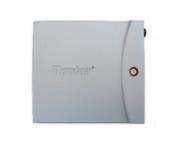


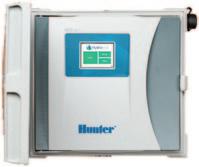
Go wire-free with the Wireless Valve Link! Using advanced radio technology, this innovative system makes it easy to connect valves without running wire or cutting into hardscape. Designed for Hunter ICC2 and HCC Controllers, it saves time and money with simplified installation, quick station expansion, and reduced maintenance. When complex landscapes pose a challenge, go wireless!

To learn more, visit hunter.info/ WVLem.
LANDSCAPE IRRIGATION | Built on Innovation® Learn more. Visit hunterirrigation.com

This month, we’re looking at projects and ideas that show how design can make everyday environments work better, whether that’s a city park, a leisure destination, a play space, or even a data centre.
We explore The Gold in Khobar, a new leisure and dining destination built around shade, comfort, and climate-aware design. It shows how thoughtful architecture can create places people actually want to spend time in.
We also look at the value of playable landscapes, and why children often learn and explore more through simple, nature-based play than through heavily designed playgrounds.
Our op-ed this month focuses on data centres. As these facilities grow across the region, we discuss why they need careful design, even when they’re located on the city edge or in the desert, and how they can become part of the wider built environment.
Finally, we delve into Central Control Systems and why good irrigation isn’t just about smart design software, but about how these systems are managed every day.
The overarching theme this month is that good design isn’t only about looks, it’s about function, context, and the people who use these places.
Enjoy the issue
Managing Partner: Ziad Maarouf Amine
Copy Editor: John Hampton Phillip Higgins
Administrative Assistance: Sarry Gan
Art Director: Ramon Andaya
Contributors:
Abrar Khazi, Francesco Roesler, Haroon Rashid, Joel Santhosh, Magdalena Jakubowska, Nabil Sherif, Phillip Higgins, Simon Dahl, Tarek Alsheeti, Tariq Shaikh
Printed by: Al Nisr Publishing LLC
Webmaster: www.pdinventive.com
For free subscription and to view the magazine please visit our website: www.landscape-me.com
The First Specialised Landscape magazine in the Middle East
Our magazine is available in app store and google play, search under Landscape Middle East.









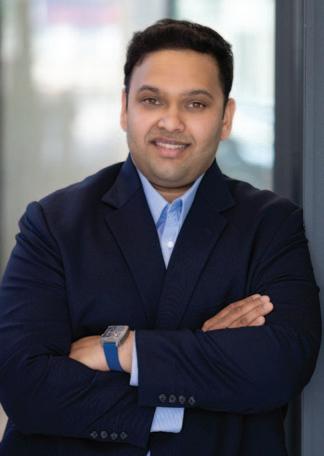
Abrar Fayaz Khazi Country Director - Euro Systems
Architecture is celebrated for what meets the eye - dramatic façades, sleek materials, and iconic silhouettes - but too often, it ignores what meets the ear. Acoustic engineering, quietly tucked behind walls and ceilings, is now emerging as a critical factor in shaping how spaces feel, function, and connect with people.
From the Sydney Opera House to the Philharmonie de Paris, great architecture is as much about sound as it is about sight. Without careful acoustic design, even the most visually striking spaces can feel empty. Today, acoustic engineering goes far beyond noise control; it is about creating environments that enhance comfort, focus, and emotional well-being.
“Silence is not the absence of design; it is the evidence of it,” says Abrar Fayaz Khazi, Country Director, Qatar, Euro Systems. “Acoustic engineering has evolved from a technical add-on to a core design principle. It blends aesthetics, performance, and human experience, shaping how sound interacts with a space to influence mood, productivity, and emotional connection. From carefully calculated ceiling heights and wall densities to smart placement of sound-absorbing panels and diffusers, every material, surface, and layout choice contributes to a space that feels as good as it looks.”
In practice, acoustic design works by analysing sound frequencies, reverberation times, and noise transmission paths to tailor solutions for each environment. Ceiling grids, wall panels, flooring, and furniture can all be optimised to control reflection, absorption, and diffusion of sound. Microperforated walls double as visual elements, while shading systems or partitions can simultaneously act as noise diffusers.
By collaborating with architects and interior designers early in the design process, acoustic specialists ensure these solutions enhance both the functionality and aesthetics of a space.
Modern acoustic engineering is no longer confined to concert halls or recording studios. It is becoming essential in luxury residences, hybrid workplaces, wellness spaces, and boutique hotels, where comfort, focus, and emotional well-being are key. Looking ahead, acoustic design will play a pivotal role in shaping next-generation architecture, creating spaces that are immersive, adaptable, and truly human-centered.
As architecture embraces sensory well-being and multifunctional living, one thing is clear: the best spaces don’t just look good, they sound right.

BEGA pole-top luminaires with BugSaver® technology protect nocturnal fauna by reducing the color temperature from 3000 Kelvin to an amber color around 1800 Kelvin, which reduces the light attractive effect. The color temperature and output can be controlled dynamically. bega.com/bugsaver

By Tariq Shaikh
Co-Managing Director and Principal, Gensler Middle East
The Gulf’s data-center sector has moved from the margins of regional development to its centre stage. With capacity expected to triple from around 1 GW today to more than 3.3 GW within five years, the question is no longer whether these facilities will shape the built environment, but how.
Large-scale cloud campuses, especially those serving AI, require power on the scale of small cities. Inevitably, most will sit in desert locations or on metropolitan edges, where land and infrastructure are available. But remoteness does not excuse poor design. These buildings will become part of the regional landscape, visible, permanent, and symbolic, and deserve the same architectural care as any other civicscale structure.
The Urban Edge: Designing the City’s Quietest Neighbours
Edge data centers introduce a very different condition. Smaller and closer to where data is generated, they sit within or adjacent to urban fabric, often in light industrial zones on the outskirts of Riyadh,
Jeddah, Dammam, Dubai and Abu Dhabi. Their proximity to daily life means they must negotiate scale, context, and identity far more sensitively than their cloud-scale counterparts.
Because of the security these facilities require, integration, not activation, is the real design challenge. The goal is to make them legible and well-crafted without drawing unnecessary attention. In some cases, the best approach is to blend into the urban background: articulated envelopes, scaled-down forms, planting used as soft screening, or façades that borrow cues from surrounding streetscapes.
Small-footprint edge sites can even enhance the public realm. One European example from our team transformed compact, 15-square-metre data units into street furniture: one integrated into a bench, another tucked into a skate ramp. By embedding infrastructure into everyday urban life, these buildings become participants in the city rather than interruptions.
Materiality, detailing, and abstraction matter here. Patterning can reference data flow; industrial languages can be elevated through durable finishes; local landscapes and crafts can inform form and texture. When done well, edge data centers read not as utility sheds, but as thoughtful additions to the neighbourhood.
The Periphery: Architecture at the Scale
Regional and cloud data centers form the other end of the spectrum, vast complexes positioned on the edges of cities or deep in the desert. Even here, design plays a critical role. These facilities are rarely invisible: a Doha campus sits beside a wastewater plant, while Dutch data hubs remain visible from nearby neighbourhoods.
The case for good architecture is practical as much as aesthetic. Energy intensity has made data centres politically sensitive; better design helps secure approvals. Major tech firms also recognise the reputational value of design-led campuses, and the colocation market increasingly differentiates on environment and user experience. Compared to the mechanical and electrical investment these buildings require, architectural refinement adds marginal cost yet significant value, operationally, environmentally and commercially.
Across both scales, the architectural opportunities are substantial. Edge facilities benefit from contextual integration and quieter forms of expression, while regional campuses gain identity, legibility, and a sense of civic presence. Both become more sustainable, more efficient, and more coherent when design is placed at the forefront.
The Gulf is reaching an inflection point. As data centers multiply, some embedded in the city, others punctuating the desert they have the potential to shape the region’s physical and cultural landscape. Thoughtful architecture can transform them from anonymous boxes into places with meaning: symbols of digital ambition, environmental responsibility, and the evolving civic identity of the Middle East.
These buildings may power algorithms, but they also shape cities. Their design deserves the same imagination and care as any cultural institution, public building, or piece of infrastructure. The next generation of data centers can be more than functional, they can be architectural, contextual, and emblematic of a region moving confidently into its digital future.


For some, the path into landscape architecture is mapped out from the start. For Simon Dahl, Senior Landscape Architect at Omrania, a member of 10N, a collective created by Egis, it was anything but. Trained in interiors and architecture, he freely admits that he “stumbled” into the profession. A friend needed support on a resort project in Mauritius and offered him a role despite his limited horticultural knowledge. “I knew trees, shrubs, flowers, grass, pavement, and that was about it,” he laughs. Yet that serendipitous start set him on a career that has spanned diverse nations, from South Africa to the UK, the UAE, and now Saudi Arabia, where he is contributing to some of the world’s largest and most ambitious urban projects. What emerges from a conversation with Dahl is less a story of meticulous planning than of adaptability, curiosity, and the belief that meaningful opportunities often appear when least expected.
Born and raised in Cape Town, Dahl’s early career was shaped by South Africa’s evolving urban landscape. He worked with Planning Partners, where projects ranged from waterfront extensions to culturally significant restorations, such as Chehelseton Gardens in Afghanistan, an Aga Khan project. These experiences refined his interest in how landscape could serve as a tool for both cultural continuity and future resilience.
Yet it was the move to the Middle East that expanded his sense of scale. After a short stint in Dubai, Dahl joined Omrania full-time in Riyadh in 2023. “It’s hard to
comprehend the scale of some of these projects until you stand on site,” he says. “A master plan might say 500,000 square meters, but when the other side of the plan is a car drive away, the sheer vastness is staggering.”
Working on multiple Saudi Giga Projects in Riyadh, Dahl is now immersed in the kind of giga-projects that have made Saudi Arabia a focal point for global design. “There aren’t many places in the world where you get the chance to touch something this big and this significant,” he reflects.
For Dahl, one of the most intriguing aspects of working in Saudi Arabia is the constant oscillation between scale and detail. On one hand, the projects are vast, bold, and visionary. On the other hand, their success often comes down to how a single courtyard, a pedestrian node, or a garden bed is experienced.
“You can be working in broad strokes on a hundredthousand-square-meter master plan,” he says, “but then you find a little knuckle where paths intersect, and suddenly you’re back down in the detail of how levels and seating work together. Those small moments excite me just as much as the big picture.”
This attention to detail, he notes, is not just aesthetic but essential for longevity. Unlike buildings, which largely remain the same decades after completion, landscapes
are living, breathing systems. “If they’re not nurtured, they can quickly deteriorate. Nature will play by its own rules, whether we like it or not. Our job is to set the framework, but ultimately, nature decides what survives.”
Learning from the Past
Dahl often draws inspiration from vernacular wisdom. He points out that much of the Middle East’s traditional architecture and urban form, from narrow shaded streets to inward-facing courtyards, was inherently sustainable. “For a long time, that knowledge was overlooked in favor of imported models. But now you’re seeing a revival projects that reinterpret ancestral wisdom through a modern lens.”
He believes King Salman Park, with its million planned trees, has the potential not only to reshape Riyadh’s microclimate but also to influence the city’s collective psychology. “If it achieves even a fraction of what’s intended, cooler air, cleaner atmosphere, healthier streets, it could transform how people feel about their city. That’s the power of landscape at scale.”
Technology, AI, and the Next Generation
No conversation about contemporary design is complete without discussing the role of technology. Dahl is candid about his mixed feelings toward AI. Initially resistant, he now acknowledges its potential, especially when used to develop ideas rather than replace them. “For me, sketching is about discovering questions as much as finding answers. If AI becomes swipe left or swipe right until something looks glossy, we lose the soul of design.”
His concern is not about tools themselves but about the mindset of the next generation entering the field. “The moment you think you know it all, you stop learning,” he says. “Quality matters more than quantity. Curiosity is what drives growth.”
That philosophy shapes his approach to mentoring younger designers at Omrania. Moving from hands-on design to coordination and leadership has been a shift, but one he embraces. “It’s mixed feelings, I love design, but there’s satisfaction in helping the next generation find their way. We didn’t get old and gray easily; if I can share some of that hard-won experience, then it’s worth it.”
The First Specialised Landscape Magazine in the Middle East
Like many in his profession, Dahl has seen how landscapes can be undervalued, reduced to “coloring in the leftover space” after architecture is complete. He speaks frankly about the disappointment that occurs when carefully designed green spaces are compromised by value engineering or left untended after handover. “You send your baby out into the world, but if no one maintains it, it won’t survive.”
At the same time, he is encouraged by the increasing recognition of native planting, sustainable drainage, and longterm ecological value. “We’re moving away from importing exotics just to tick boxes. There’s a greater willingness now to let natural processes shape places. Nature almost always does it better than we do.”
Away from the drawing board, Dahl’s passions are eclectic. A keen cyclist, he looks forward to Riyadh’s Sports Boulevard opening new routes. He dabbles in art, sometimes spins music on decks, and even started gaming with his daughter in Cape Town as a way to stay connected across distance. “Fortnite might not make me a serious gamer,” he jokes, “but it’s given us time together that geography would otherwise deny.”
Family remains his anchor. With his wife and children still in South Africa, Dahl is candid about the challenges of distance, but also pragmatic. “The opportunities here are extraordinary. Hopefully, in a few years, I can bring that experience back home, where cities like Johannesburg will need to be reimagined and rebuilt.”
If his career so far has taught him anything, it’s that the path is rarely linear. “I didn’t have a roadmap,” he admits. “So much of it has been chance encounters and unexpected opportunities. But sometimes those detours are the most meaningful.”
As Saudi Arabia accelerates its transformation, Dahl sees both challenge and privilege in being part of it. “These projects are bold, sometimes overwhelming in scale. But they’re also unique opportunities to make lasting change. If we can design with humility, embrace nature’s processes, and stay curious, then perhaps we can create landscapes that endure, not just for today, but for generations.

By Phillip Higgins
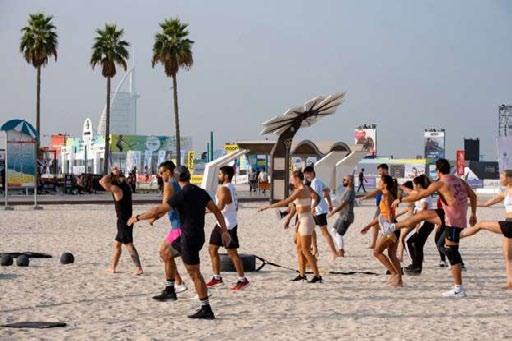
When Francesco Roesler talks about an outdoor gym on beach in Dubai, he’s not just describing a workout spot, he’s telling a story about how people interact with public space. For Dar’s Placemaking Design Unit, these stories shape every project. Dar’s purpose is clear: to uplift communities. And a critical pathway to that ideal is to create public places that respond to people’s needs and aspirations, instead of forcing preconceived design decisions that users must then adapt to.
Dar short for Dar Al-Handasah Consultants (Shair and Partners) is a global design and engineering consultancy with 60 offices worldwide. Dar embraces an evolving approach to design one that places human behaviour,
cultural identity, and social research at its heart. Formed in response to shifting market demands, the Placemaking Unit emerged as a specialised unit within Dar’s broader Landscape Department. Echoing Dar’s company-wide commitment to multidisciplinary collaboration, the unit bridges disciplines present across the company integrating planning, economics, technology, and the social sciences into a holistic, people-first process focused on shared spaces and the public realm. More than completing a design ‘puzzle,’ Dar’s Placemaking team weaves together expertise from across fields to create places that are inclusive, authentic, and deeply connected to the communities they serve.
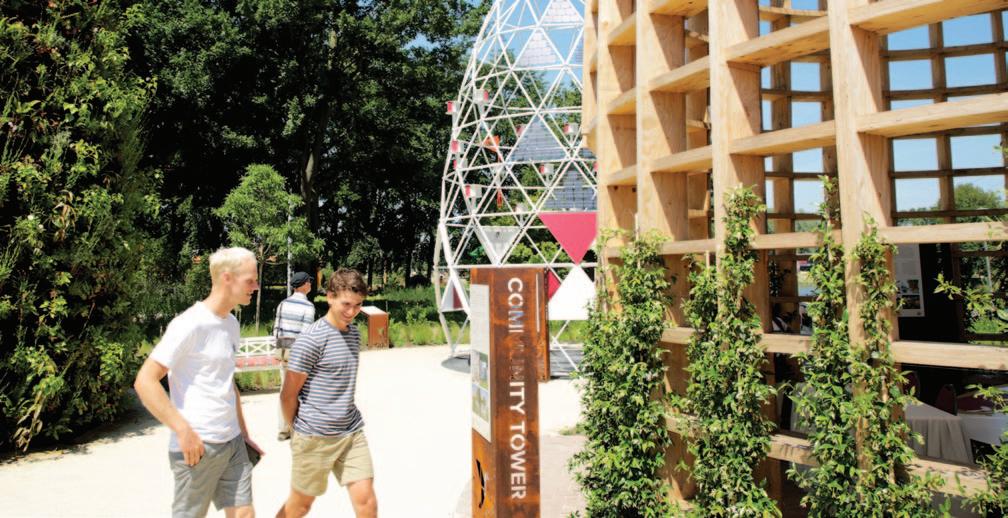
In the Middle East and specifically in the GCC, rapid demographic shifts, particularly after the pandemic, highlighted a need for such spaces that could adapt to the people using them. “In Dubai, the population increased by 400,000 since 2020. Authorities started asking: Who are these new residents? What do they need from the public realm? That’s where we stepped in.” explains Francesco, who leads the Landscape Department’s Placemaking Design
Unit. This collaborative team brings together urban planners, landscape architects, economists, data analysts, and even anthropologists to shape spaces based on evidence, emotion, and experience.
“We don’t start with objects or architecture,” says Francesco. “We start with people their routines, preferences, discomforts, and aspirations. Then we build the place around that.”
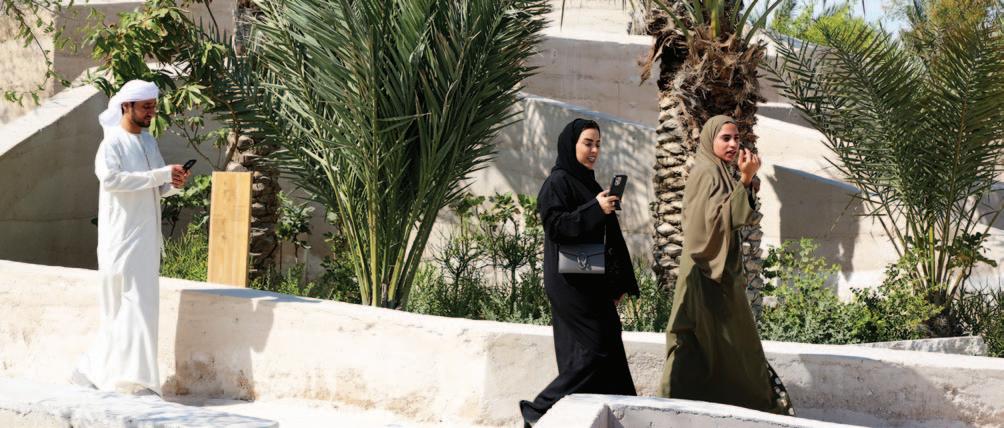
At the heart of Dar’s approach is a dual system of research. One side is data-driven, relying on AIpowered tools to analyze online reviews, mobility patterns, and land-use potential. The other is deeply human-led, relying on on-site anthropological research that involves informal interviews, behavioral mapping, and cultural immersion.
Magdalena Jakubowska, from Dar’s Placemaking Unit, elaborates: “We’re looking at behavior in the most natural sense. Why does someone sit under that palm tree and not the next one? Why is this corner of the beach more popular than the rest? These observations are essential for making design decisions that matter.” While investigating users’ behavior beachfront case, Dar’s team discovered that a

single outdoor gym initially thought to be underprovided was actually serving as a social and professional hub for personal trainers. “The answer wasn’t to add more outdoor gym facilities,” says Francesco. “It was to enhance that specific one, because it had meaning, identity, and a role in the community. That’s placemaking.”
Building on Dar’s multidisciplinary approach to all projects, the placemaking team approaches design challenges by acting as a connector across disciplines, bridging the expertise of the company’s architects, landscape architects, engineers, economists, and urban designers to bring together a coherent people-first vision.
“We often enter projects at the early visioning stage,” Magdalena says. “From there, we stay involved to ensure the original intent human-centric design is preserved all the way through execution.” This integrative role helps prevent design fragmentation and keeps projects aligned with user needs. It’s not about reinventing every corner
of a site, but about identifying where subtle, targeted interventions such as shade, seating, or toilets can drastically improve the quality of life.
Another central theme in Dar’s approach is ‘place attachment’ understanding what makes people emotionally connected to a place and ensuring those connections aren’t lost in redevelopment. “Sometimes, a park is someone’s favorite place, even if it’s not perfect,” Magdalena says. “Our job is to protect the elements that matter while improving what’s missing.” To achieve this, Dar balances permanent design features with flexible, programmable spaces. “We think of parks as canvases, not finished artworks,” Francesco adds. “We design areas that can host seasonal events, pop-ups, installations so that places evolve and stay relevant.”
In the Middle East, designing for thermal comfort is essential. “The goal is not to beat the climate, but to work
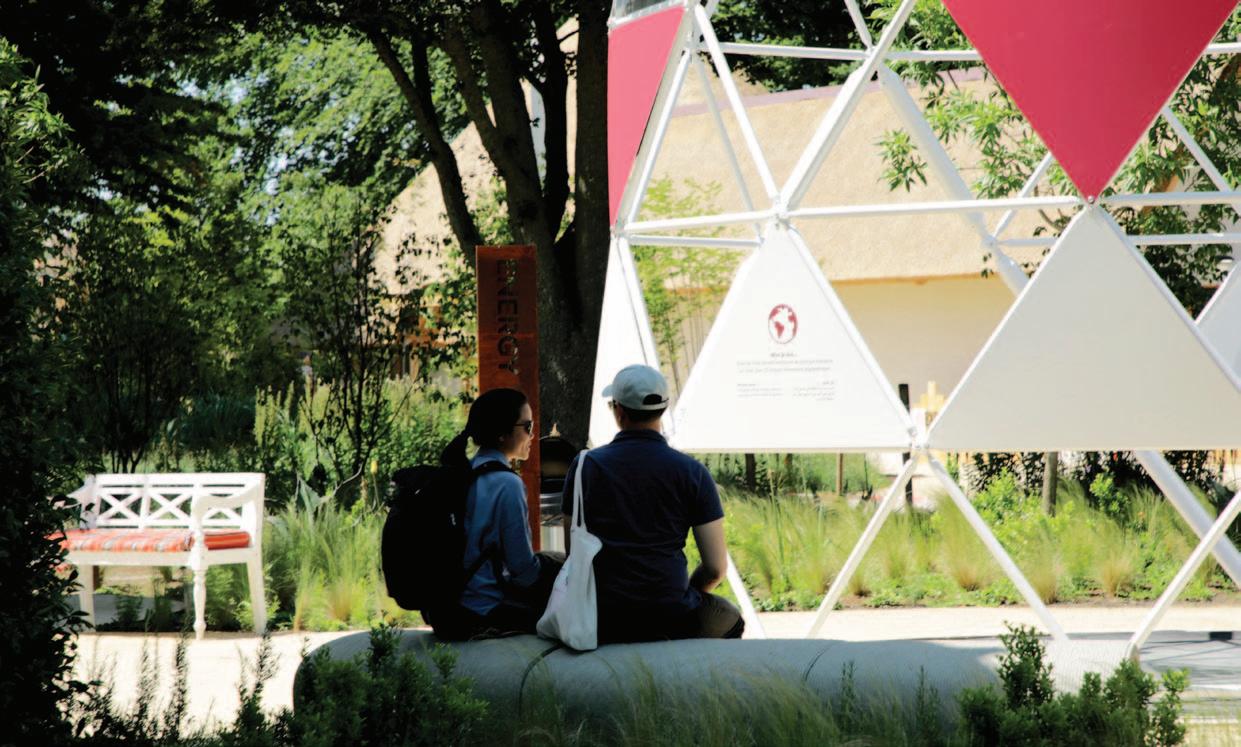
with it,” Magdalena explains. That means incorporating shaded seating, water features, mist systems, and droughtresistant planting strategies. Francesco adds that even temporary, climate-controlled pavilions are now being integrated into master plans to ensure year-round usability. “For example, a yoga class that’s held outside in winter can move indoors in the summer. That flexibility extends the life of a place.”
Interestingly, the rise of Dar’s placemaking practice wasn’t driven solely from within it was pulled forward by client demand. “Clients started asking, ‘How will people use this?’ or ‘What do children need here?’” Francesco recalls. “Those questions shaped our internal shift. Now, a few years later, we’re seeing ‘placemaking’ explicitly mentioned in RFPs.” That change in client mindset particularly from municipalities and public sector developers signals a broader cultural shift. As Francesco puts it, “It’s not just about building iconic structures anymore. It’s about shaping spaces that improve daily life.”
Dar’s placemaking work continues to evolve. The team is developing new tools that use AI and mapping data to suggest land uses based on public transport access and neighborhood amenities.
They will also test sensors to monitor foot traffic and behavioral patterns in real-time. “We’re cautious about tech it’s not a silver bullet,” Magdalena says. “But when combined with local insight and cultural sensitivity, it can enhance our ability to design smarter, more adaptive spaces.”
Both Francesco and Magdalena bring their outdoor passions to the work. Magdalena, a former Londoner now in Dubai, spends her weekends cycling and running on desert tracks. Francesco, based in Cairo, enjoys playing tennis, swimming, and photography. “Being outdoors reminds me why we design the public realm,” he says. “You experience firsthand what

works and what doesn’t.” “The strength of our team lies in its cultural and regional diversity spanning Cairo, London, and Dubai where each member brings unique passions and perspectives to the design table. From kitesurfing to art, fashion to volleyball, Dar’s placemaking team and the wider Landscape Department to which it belongs are a vibrant mosaic of skills, creativity, and energy, shaping places that
reflect the richness of both people and context.” That personal connection underscores Dar’s philosophy. At its core, placemaking is about elevating everyday life, transforming parks, promenades, and plazas into places people return to again and again.
As Francesco puts it, “Placemaking isn’t a trend. It’s a mindset. It’s about designing with people, not just for them.
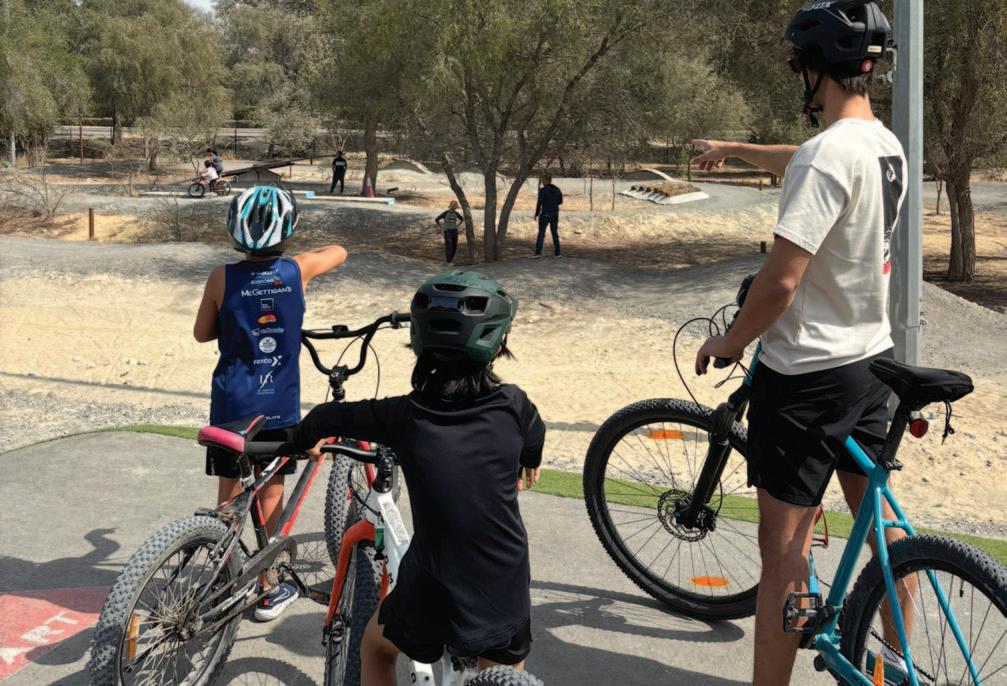
Learning from the users; site observations and user mappings help informing design decisions



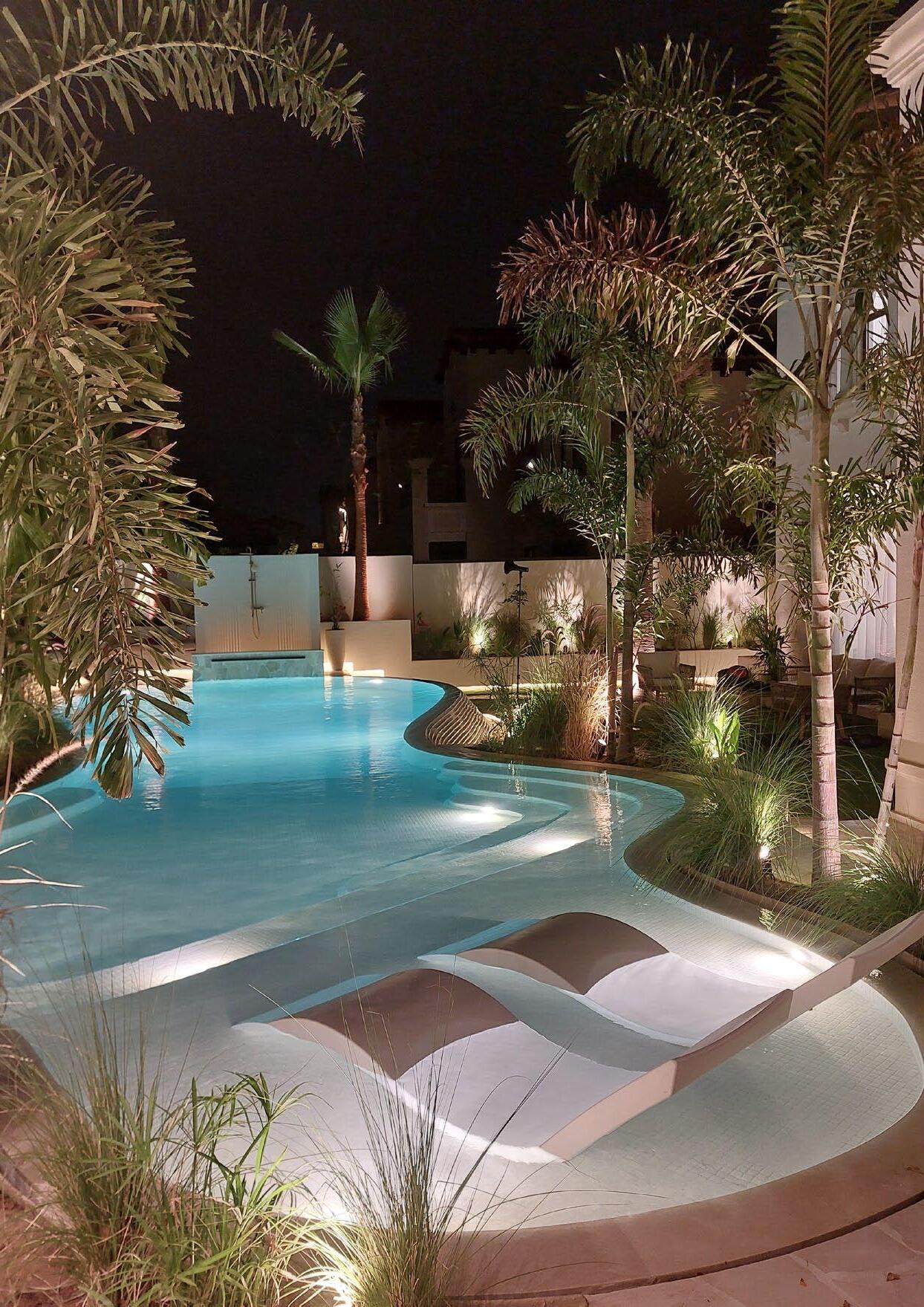
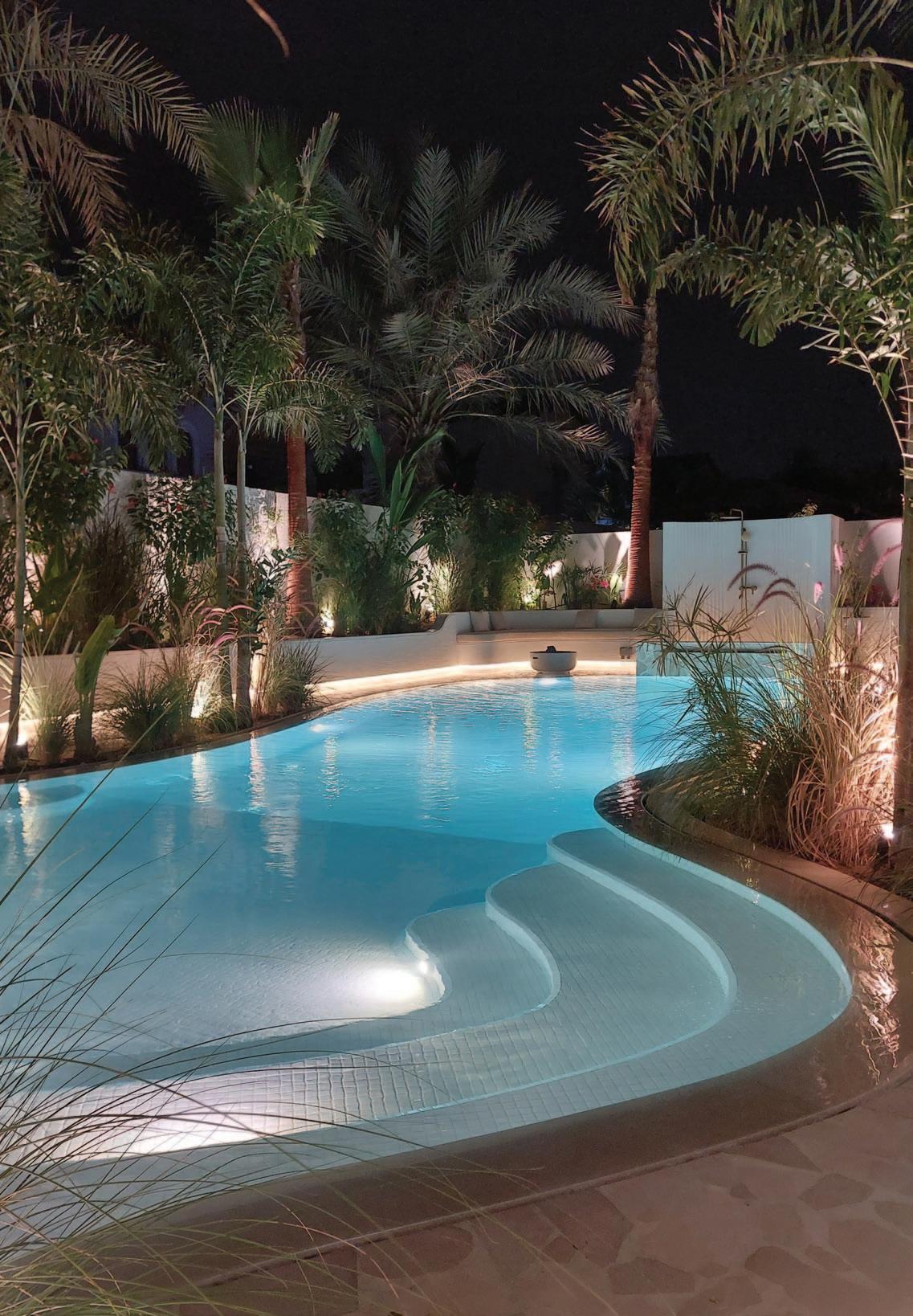
Set within the calm, leafy community of Arabian Ranches 2, NGS Architects has reimagined the landscape of Villa 109 as a modern sanctuary shaped by natural materials, fluid forms and cultural storytelling. Designed for a family originally from Nairobi, Kenya and of Indian heritage, the garden reflects a personal narrative of new beginnings, honouring where they come from while embracing their future in Dubai.
By: NGS Architects
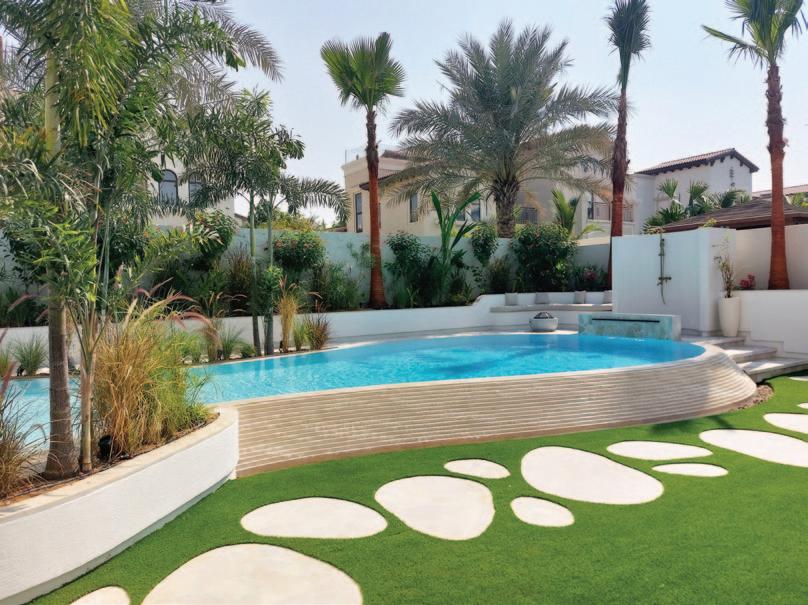
The brief called for a contemporary landscape that would never feel clinical, a space where natural textures, crafted materials and subtle cultural references could coexist. The client envisioned a garden that would evolve with them through seasons and daily rituals, guided by greenery, movement, and the soft presence of water.
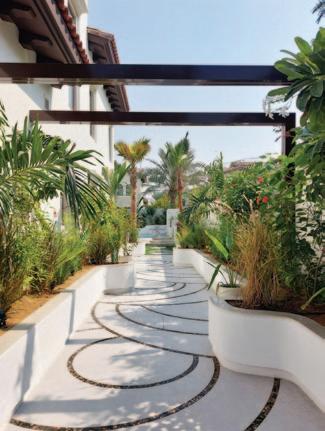
The design journey begins at the entryway, where customcut plane tiles in varied sizes create a sense of rhythm. A striking black-and-white patterned riser nods to African artistry, setting an immediate tone of cultural depth.

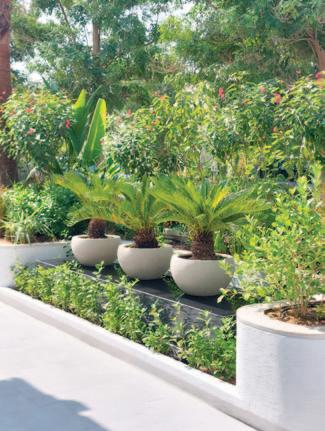
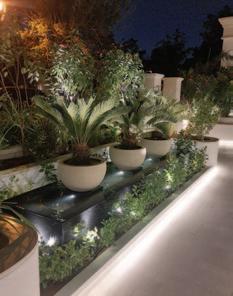
Beside it, a sculptural water feature, three cascading bowls surrounded by Cycas palms and soft planting, introduces calm before one even steps inside. Along the side passageway, curved tile cuts with inset resin and gravel add gentle dynamism, while elevated planters built into the boundary wall bring visual interest and greenery at eye level. Overhead, four minimalist pergola beams fitted with concealed lighting provide structure without interrupting the openness of the space.
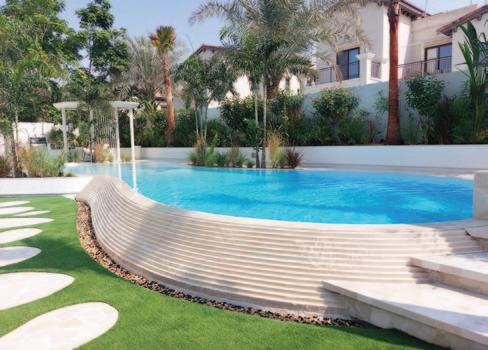
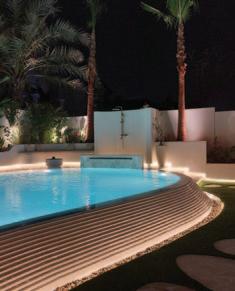
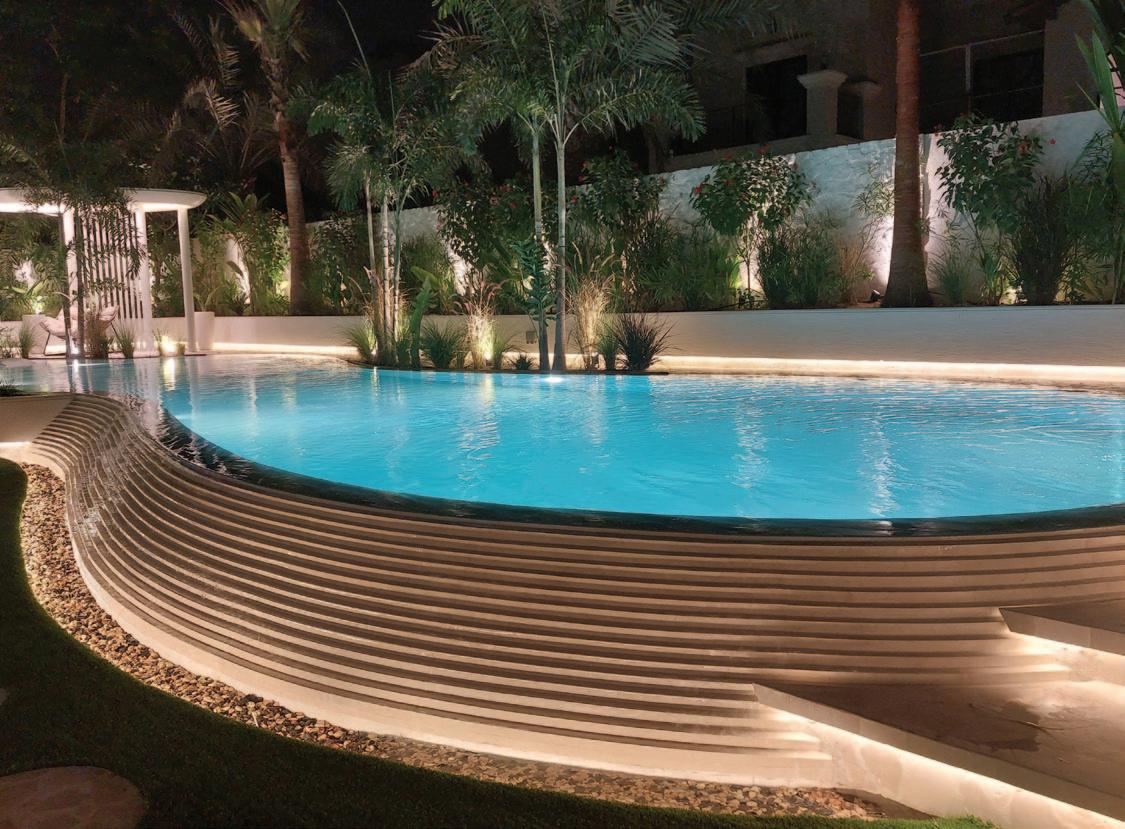
At the heart of the landscape lies an organically shaped pool raised three steps above the main seating area. Hand-

laid crazy stone surrounds the pool, creating an earthy, tactile connection to the garden. The pool’s design merges an infinity-edge aesthetic with a perimeter overflow, enhancing the sense of depth and movement.
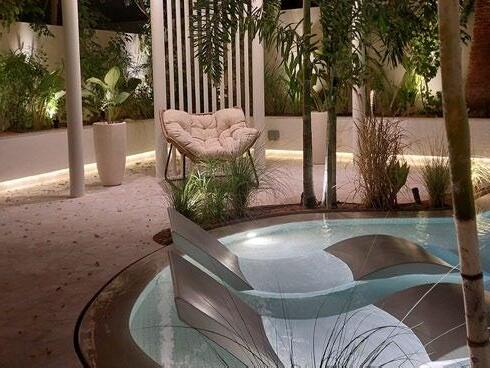
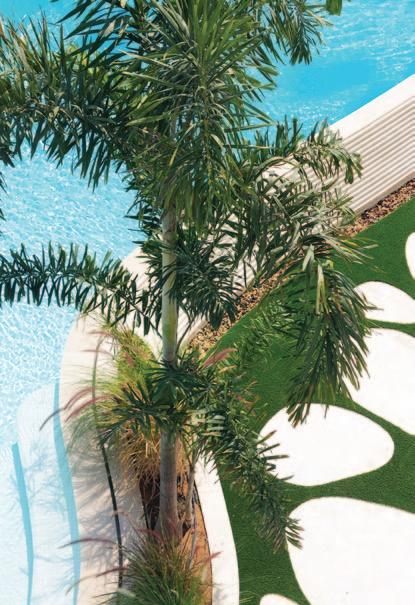
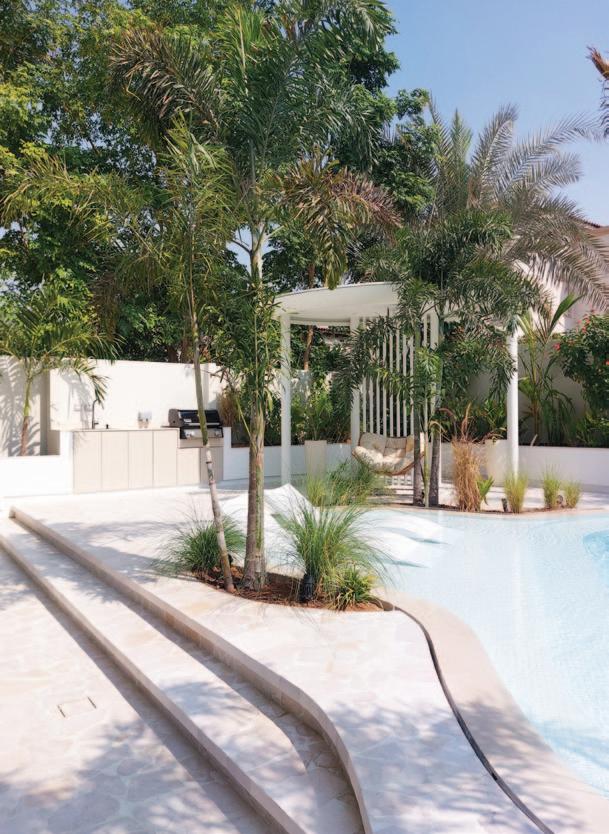
Inside, multiple zones, including a sunken Jacuzzi, shallow lounging platform and deeper swim area, encourage different types of use throughout the day. Lowlevel planting and five multi-trunk Foxtail palms soften the edges, while an additional water feature adds a layered acoustic backdrop.
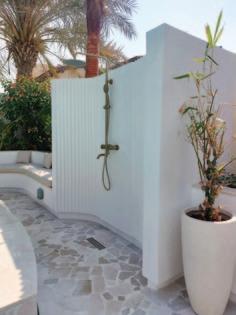
A sculpted feature wall with a fluted curved outdoor shower, along with a custom corner bench built for fire-pit gatherings, completes this central relaxation zone.
A bespoke pergola anchors the main entertainment area in the rear left corner, positioned next to the BBQ station to support relaxed hosting. Its open yet intimate design allows unobstructed views across the pool and surrounding greenery.
Toward the back of the garden, a raised grassy seating area frames an organic marble infinity sculpture, a handcrafted centrepiece that offers a quiet moment of reflection. Carefully placed stepping stones guide movement through these outdoor “zones,” maintaining flow and connection across the garden.

Framing the entire garden, the perimeter planter boxes unify the spaces while supporting a diverse plant palette suited to the local climate. Integrated low-level strip lighting transforms the garden after sunset, revealing new spatial qualities and enhancing texture and contrast.
Sustainability is woven in ever material selected, plant choice, and irrigation strategy. The design prioritises drought-tolerant species, efficient systems, and minimal material waste, ensuring long-term durability and responsible maintenance.
For NGS Architects, Villa 109 is more than a visual project, it is a landscape that reflects its owner’s heritage, aspirations and evolving chapters of life. Through curated materials, flowing lines, and a considered balance of structure and nature, the garden becomes a living extension of the home: grounded in meaning, rich in detail, and designed to grow alongside the family.


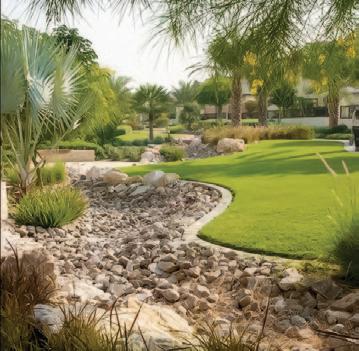
Crafting water features, landscapes, and environments that combine creative vision with construction precision.
GLS Landscaping Contracting brings together decades of collective experience across landscape construction, engineering, and project delivery. Combining design vision with construction excellence, GLS delivers water features, landscapes, and infrastructure projects built to last and designed to inspire.
From man-made lakes and waterways to complete landscape developments and irrigation systems, every project reflects a commitment to balance — between function and beauty, precision and creativity, sustainability and performance.
Guided by a multidisciplinary team of landscape architects, engineers, and construction professionals, GLS transforms natural spaces into places that connect people with their surroundings.
Whether enhancing residential communities, resorts, or public destinations, GLS creates living environments that endure and enrich the landscape around them.











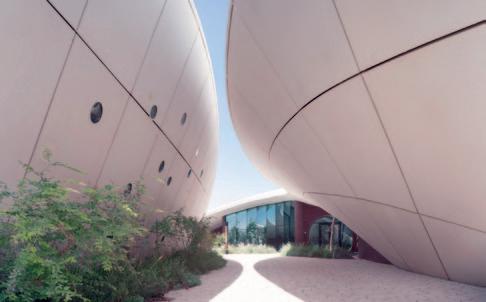
Designed for the local climate, the new Ghaf Woods Experience Center provides a gateway to Dubai’s First
By Studio AOE
Dubai’s first forest-living community has taken a major step forward with the opening of the Ghaf Woods Experience Centre, a place designed to introduce visitors to the project’s nature-led vision and the lifestyle it aims to deliver.
Designed by Chinese architecture studio aoe and developed locally by STUDIOI, the centre marks aoe’s first completed project in the UAE. It sits near Sheikh Mohamed bin Zayed Road and beside Global Village,
yet once inside, the noise and movement of the city fade, replaced by a calm route that leads visitors toward the building.
The approach to the centre is intentionally simple. The visitor journey begins with a drive through a woodland setting, where cars are dropped off discreetly before guests walk toward the entrance. This transition helps set the tone for Ghaf Woods: quieter, greener and more grounded than the typical Dubai neighbourhood.
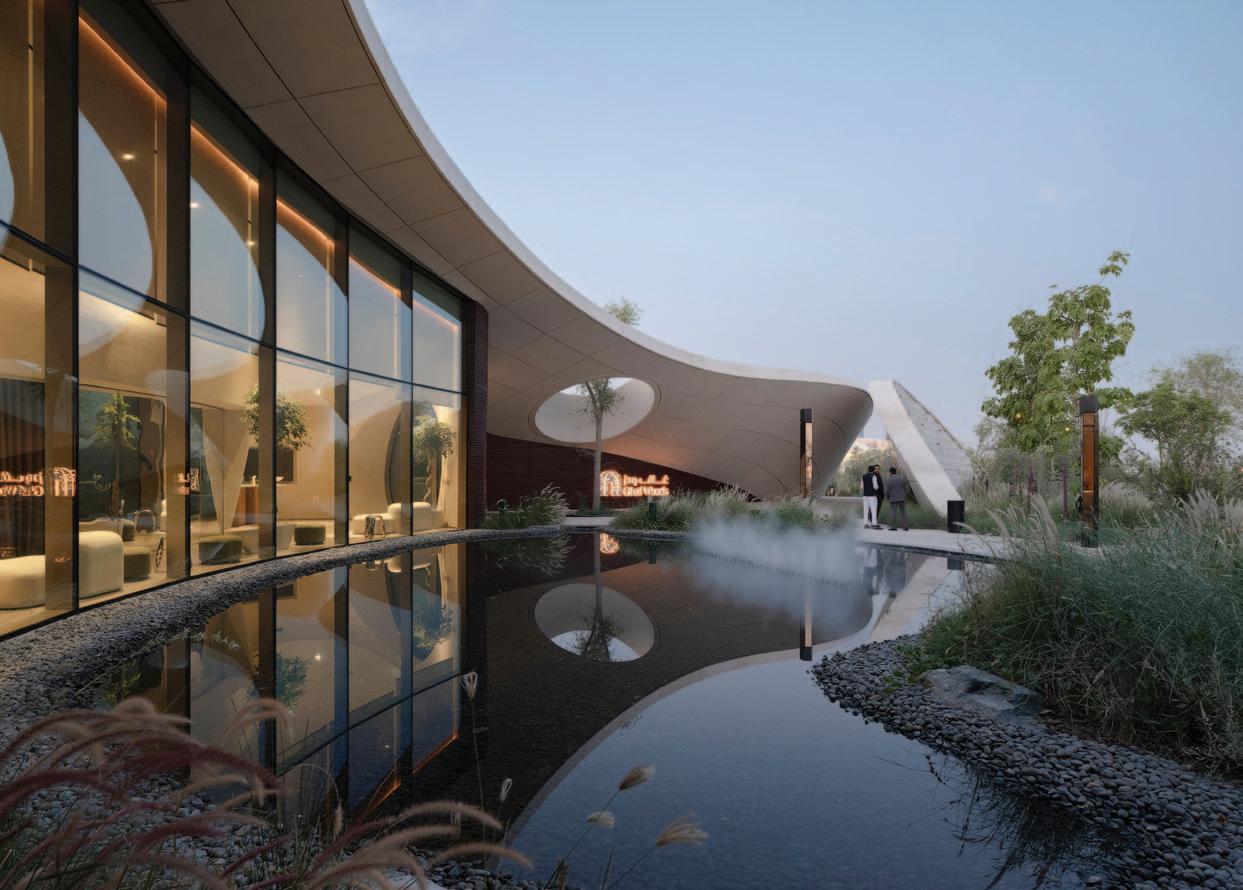
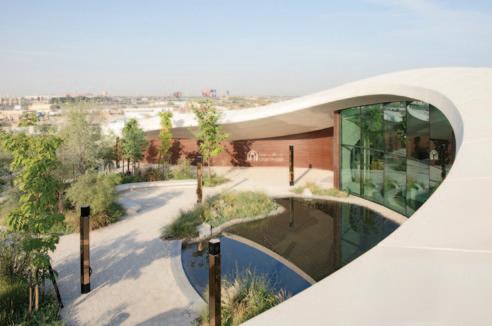
The architecture takes its cue from the desert. The building rises from the ground in smooth, dunelike layers, wrapped in stepped GRC that gives it a soft, sculpted look. On the southern side, a fullheight glass façade opens onto views of a pond and forest planting, blurring the line between indoors and outdoors.
The overall aim is simple, to make the landscape the main feature, with the building acting as a frame rather than the
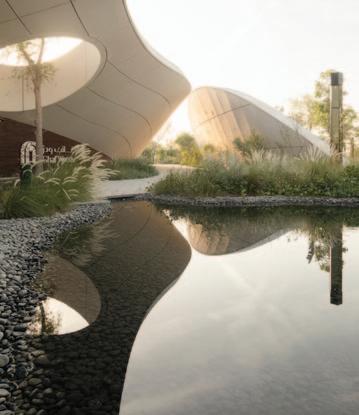
focal point. The centre guides visitors through a series of curated spaces that explain the community and its design approach.
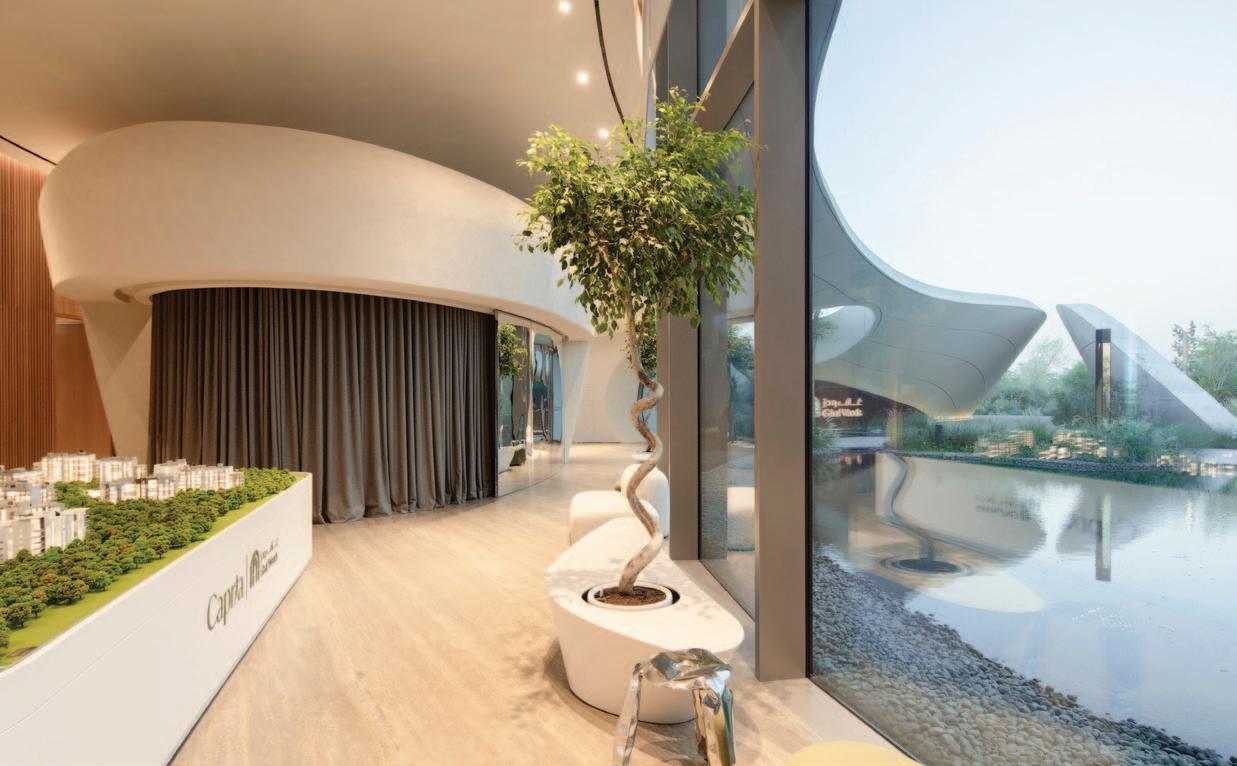
A light-filled tunnel plays with shadow and reflection. Material displays show the finishes and construction choices planned for the homes. A VR suite offers a walk-through of future residential units and landscapes, giving a clear idea of how the community will look once complete.


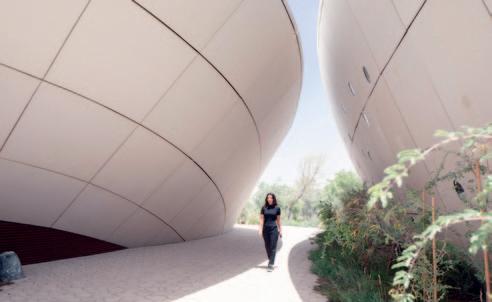
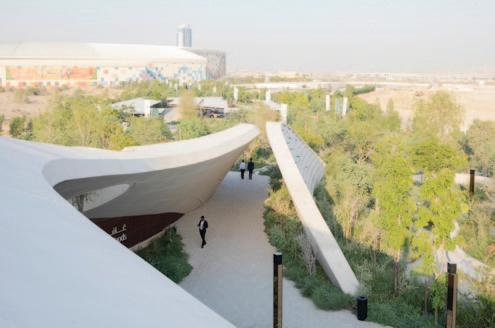
A detailed 3D model of the master plan sits at the heart of the building, helping visitors understand the layout of the neighbourhood, including its walking routes, parks and green corridors.
Outside, the experience continues through a sequence of landscape spaces placed along the path. These include an amphitheatre, an event plaza, a quiet garden and a water garden. Each creates a small pause in the journey, some social, some reflective, without feeling overly formal.
The planting throughout the site uses native and adaptive species that can thrive in Dubai’s climate while contributing to cooler temperatures across the community.
Practical climate strategies are built into the architecture. Deep roof overhangs shade the façades, reducing heat inside the building. The water feature on the south side helps cool the immediate microclimate, while the forest-style planting surrounding the centre acts as a natural buffer from desert heat.
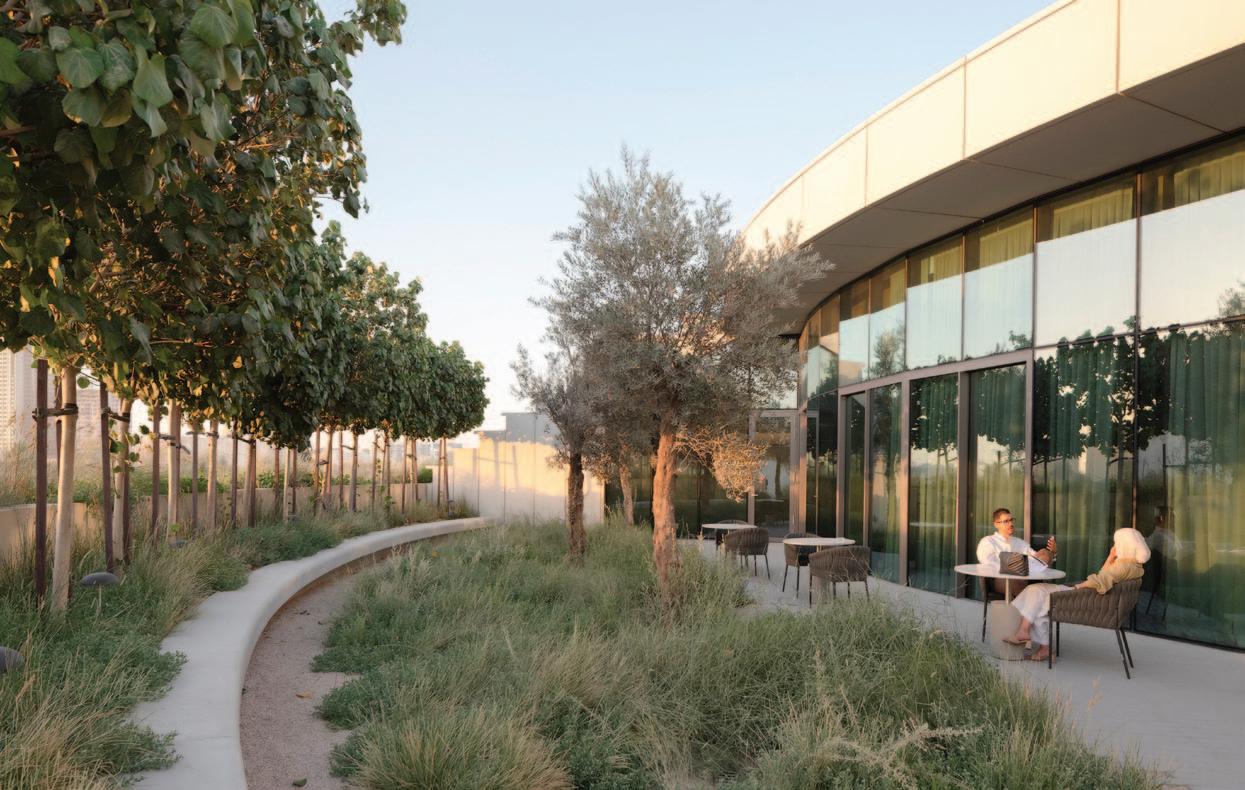
The interior of the centre has been designed to evolve with time. Its open layout can shift to accommodate exhibitions, workshops, community events or resident programmes once the neighbourhood is fully occupied.
The Ghaf Woods Experience Centre offers the first real glimpse of what forest living in Dubai might look like, a development shaped around shade, greenery and outdoor life. More than a showcase, it acts as a working example of how buildings and landscapes can be planned together to create a calmer, cooler and more connected way of living.
Technical sheet
Completion Year: 2025.1.23
Gross Built Area: 450m2
Project location: Dubai, UAE
Photography: Arch-Exist Photography

By: Tarek Alsheeti
In an earlier article, We explored how advanced design tools like Land F/X help get irrigation systems technically right by refining the hydraulic blueprint. But an efficient design is only the starting point. The real, everyday work of water conservation happens in operation, through Central Control Systems (CCS), the technology that manages performance long after construction is complete.
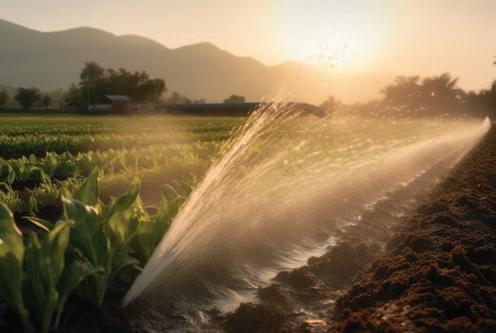
These are the “brains” that manage the existing landscape, replacing static, human-set timers with dynamic, datadriven intelligence. Where design software defines how a system is built, the Central Control System dictates when and how much water an established system receives.
The Operational Phase: Dynamic Scheduling
Central Control Systems achieve unprecedented water savings by constantly collecting and analysing realtime data to adjust irrigation schedules. This dynamic scheduling is the core mechanism that prevents the massive overwatering endemic to older, fixed-timer systems. The two primary, distinct methodologies employed are:
1. Weather-Based (Evapotranspiration or ET) Scheduling
This method relies on climate data to calculate the precise water loss from the landscape.
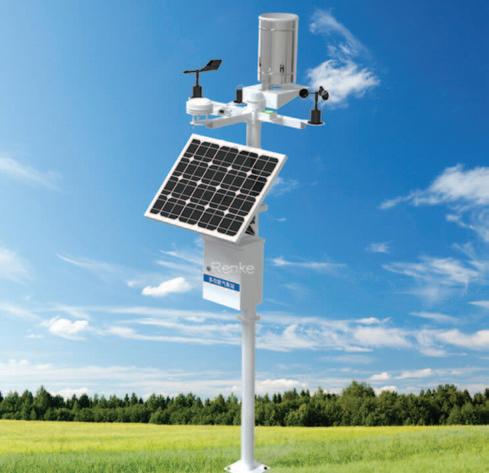
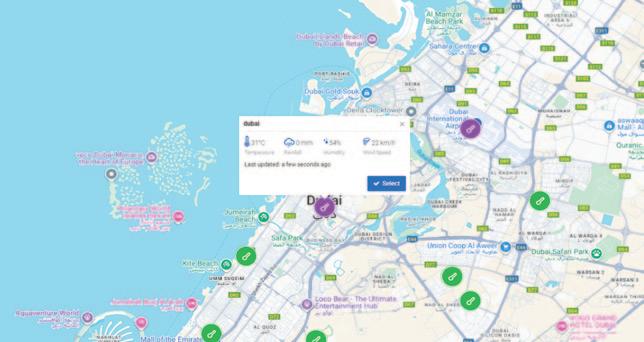
How it Works: The CCS connects to physical or virtual weather stations to gather data on factors like air temperature, solar radiation, wind speed, and humidity. It then uses a scientifically validated formula to calculate the daily Evapotranspiration (ET) rate the amount of water lost by both evaporation from the soil and transpiration through the plants.
Performance: The system automatically adjusts the run times of each zone to replace only the water that was lost since the last cycle. This cuts water consumption by a significant percentage compared to fixed schedules.
Industry Examples (ET Focus):
Rain Bird IQ4 Platform: Its core intelligence uses calculated ET rates to manage large municipal or commercial sites. It is well-known for its FloManager feature, which uses flow data to reduce overall watering time by prioritizing zones based on available flow.
Hunter IMMS / Centralus: This platform utilizes a highly refined version of ET called Predictive Watering. It monitors past, current, and forecasted temperature, rainfall, and wind speed, allowing for more proactive daily schedule adjustments.


2. Sensor-Based (Soil Moisture Sensing) Scheduling
This method uses direct measurement, acting as a “subsurface check” to verify that water is applied only when the plants truly need it.
How it Works: Soil Moisture Sensors (SMS) are buried directly in the root zone, measuring the water content in real-time. Watering is only triggered

when the moisture level drops below the low threshold and stops when it hits the optimal high threshold.
Performance: This approach is hyper-local, accounting for micro-site conditions like specific shade patterns or soil drainage. It provides the ultimate guarantee that water is applied only when the plants require it.
Industry Example (SMS Focus):
BaseManager from Baseline: Baseline’s philosophy centres on its biSensor™ soil moisture probes. The BaseManager system dynamically runs or suspends irrigation programs based on real-time soil conditions.
The Digital Advantage: Real-Time Portfolio Management
For property managers overseeing multi-site portfolios, Central Control Systems offer a critical layer of oversight that transcends simple scheduling:
Proactive Leak and Alarm Management
Real-Time Flow Monitoring: Systems equipped with flow sensors constantly learn the normal flow rate for every zone. If the actual flow rate suddenly exceeds this “learned flow” due to a broken pipe or a stuck valve, the system immediately flags a flow violation.
Automated Response: The systems, such as those by Rain Bird and Hunter, are programmed to swiftly isolate the problem by automatically shutting down the offending valves or the master valve. This prevents catastrophic water loss and moves maintenance from a reactive emergency to a proactive notification.
Custom Alerts: Managers can configure text message or email alerts for a range of issues, ensuring they are the first to know of a problem without having to physically check the site.
Remote Access and Integrated Reporting
A single, cloud-based interface allows managers to control hundreds of controllers across multiple geographic locations.
Remote Auditing and Compliance: The systems generate detailed reports on water usage, run times, and historical soil moisture levels. This essential data is used for financial accounting, conducting water audits, and providing documentation required for environmental compliance.
Simplified Operations: Remote access allows immediate schedule adjustments to comply with local watering restrictions or to troubleshoot issues, saving time and the expense of a physical site visit.
The Central Control System is the critical operational complement to the design software, cementing the industry’s shift toward the digital drop. By leveraging real-time data from weather stations and/or soil sensors, these digital brains manage large-scale property portfolios to achieve unprecedented water conservation. This commitment to digital precision across both design and operation is the most critical step the industry can take toward water-wise landscapes for the future.



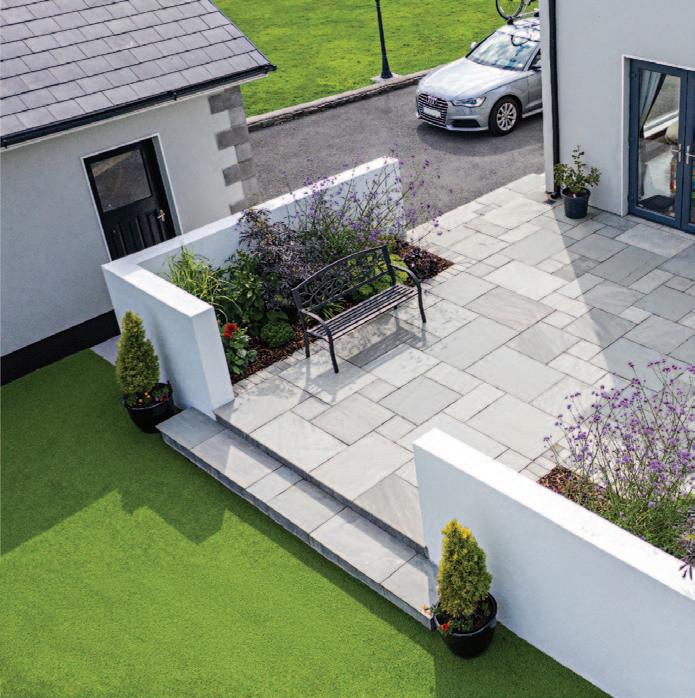
In the architecture, engineering, and construction industry, sustainability is no longer an option; it’s a necessity. Adopting sustainable practices in construction requires intentional strategies. The integration of advanced technologies and innovative methodologies is at the forefront of this transformation. Innovations in practices and materials are driving the rapid evolution
of sustainable construction. By incorporating principles associated with sustainable concrete products, outdoor spaces can be designed that are functional, aesthetically pleasing, and environmentally responsible. In landscape architecture concrete products, technology is at the heart of sustainable innovation, reducing waste on-site and reducing energy-intensive activities that allow project


By Joel Santhosh

teams to optimise designs, and use resources efficiently throughout a construction project’s lifecycle. Through early collaboration across disciplines, sustainable practices can be incorporated from the beginning, reducing the need for costly changes in the future.
The concrete industry is in the process of bringing about a shift in the landscape of concrete that encompasses new techniques, materials, and processes that improve the performance, the durability, and the sustainability of concrete structures. The development and material evaluation of high-strength architectural concrete products requires a systematic approach that involves numerous individual steps. From the use of admixtures to the development of high-performance and eco-friendly concrete, these solutions are continuously evolving to meet the demands of the industry.
Recognising the importance of reducing carbon emissions in the built environment, concrete manufacturers have been at the forefront of integrating low-carbon concrete technologies that can play a significant role in decarbonising the construction industry. The lowcarbon requirements must be designed into the project requirements from the beginning, not added later. Lowcarbon concrete solutions can make a radical difference to concrete’s carbon footprint.
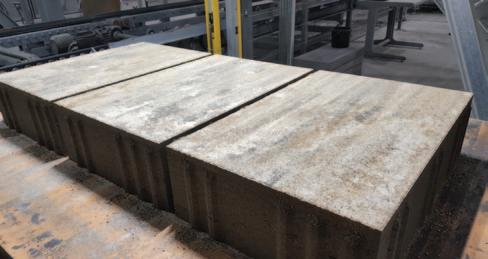
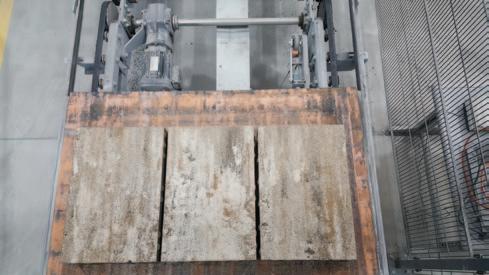
We design performance-based concrete mixes and integrate digital technologies to enhance the performance and durability of low-carbon cementitious concrete products. Achieving the desired results requires meticulous selection and integration of the raw materials and design of the concrete mix. We are constantly developing high-performance solutions with our industry

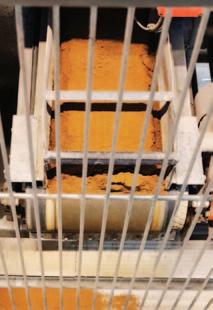
partners and research and development institutions, including cement-free architectural concrete products to stay ahead of the sustainability curve.
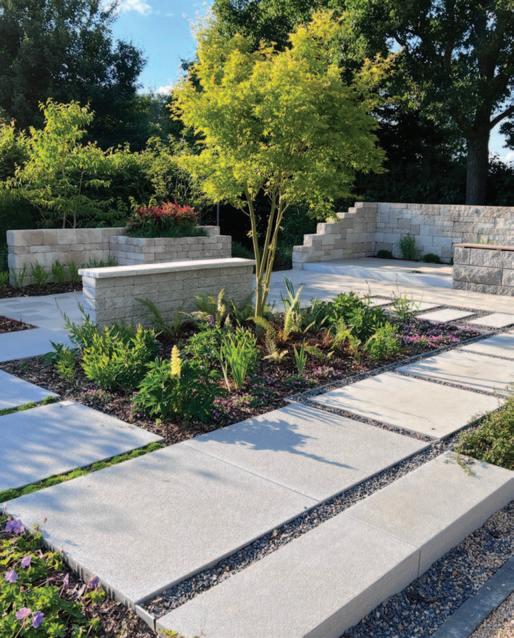
Careful planning is not only the first step towards landscape architecture, but also the most important as it ensures a harmonious and aesthetic overall appearance. A well-planned layout makes optimum use of available space, allowing different areas to serve different purposes. It is important to integrate the selection of materials and concept design elements so as to create a coherent whole. We set new standards in surface design to provide a lively and natural overall appearance perfect for modern architecture, as well as a charming, historic atmosphere.
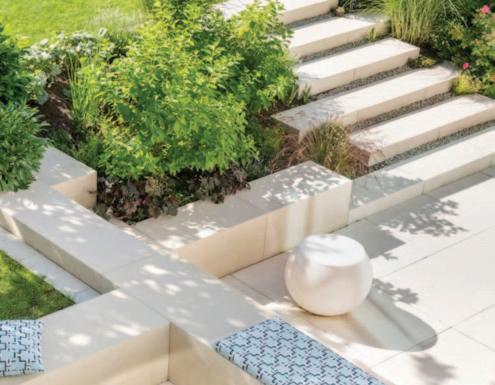
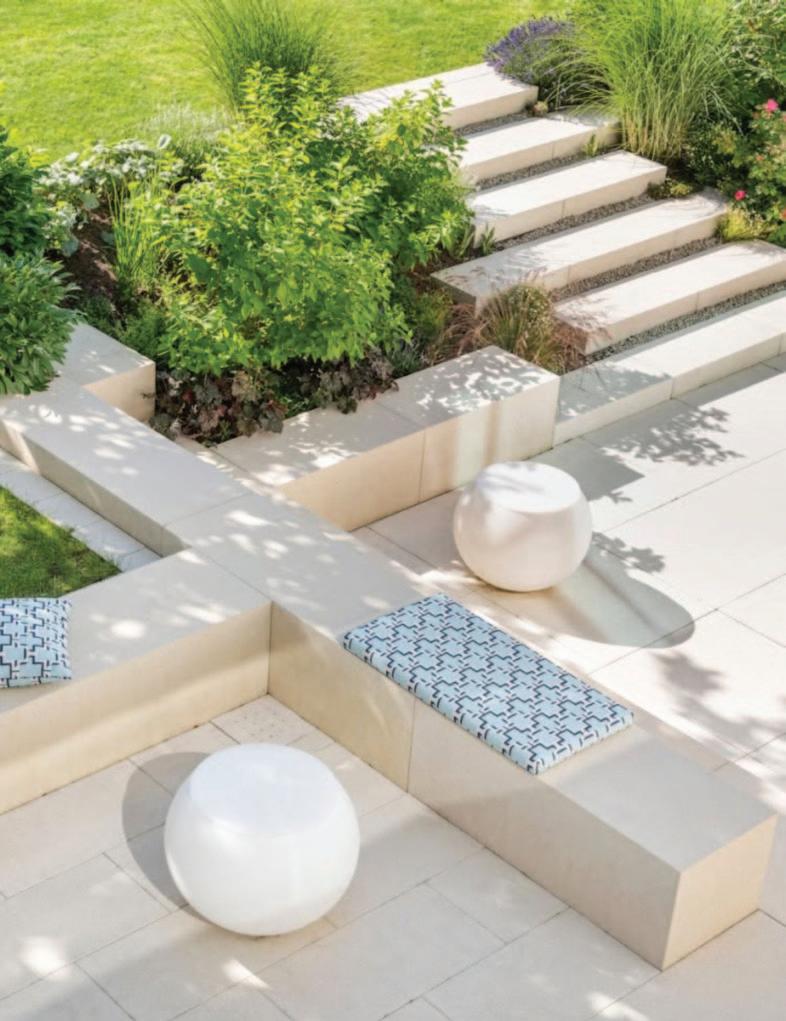
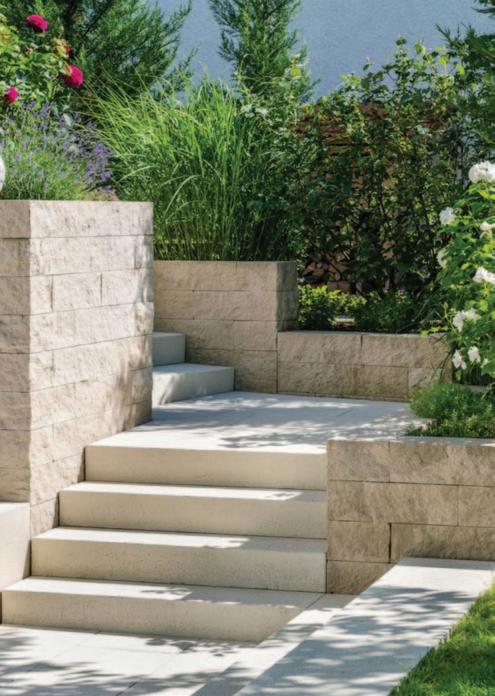
There are endless design possibilities with landscape architecture concrete products, including design styles, colours, shapes, surface textures, and finishes, which incorporate a wide range of concrete elements such as paving stones, walling, concept design products, planters, steps, and street furniture that enhance the urban landscape creating a unique atmosphere. Concrete products can be used in a variety of ways to create durable, functional, and aesthetically pleasing outdoor spaces that harmonise with nature. In addition to paving stones and walling, concrete seating elements are also popular for creating both functional and aesthetically pleasing seating. Concrete benches, chairs, and stools impress with their simple elegance and are extremely robust and durable. They can be used as individual elements or combined to form seating groups. Besides form and functionality, the collection
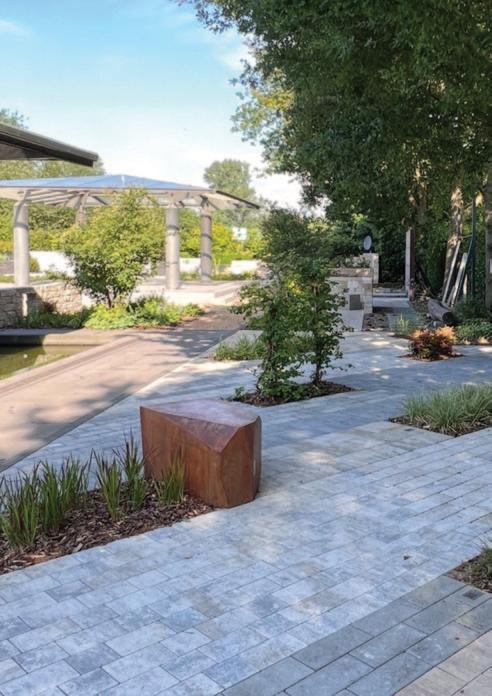
brings vibrancy to the cities by bringing harmoniously graduated colours to the urban landscape, a natural feel to the materials and interesting surface textures.
The selection of materials and design concepts in harmony with the existing architecture is crucial. It is in the fine balance between colour and form, light and space where landscape architecture is at its most beautiful. Different materials have different characteristics, and the quality of the workmanship and knowledge of the building materials are needed to bring them out.
By: Lemay

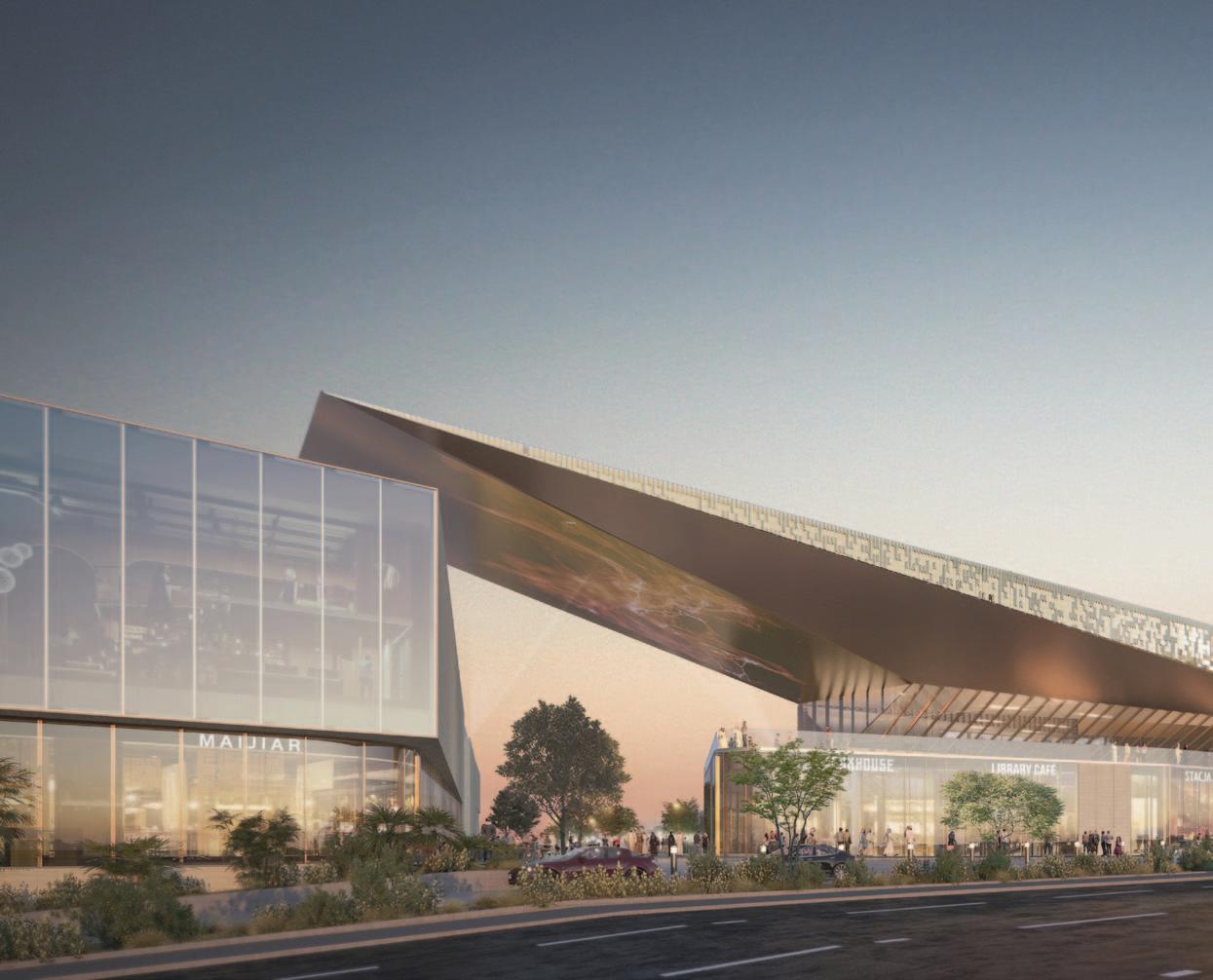
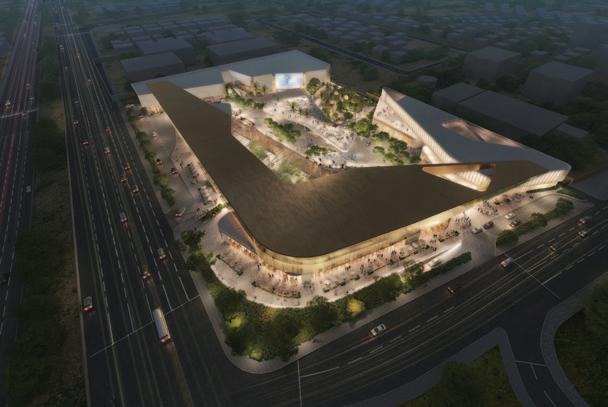
On King Salman Road in Khobar, a new destination is taking shape, one that blends architecture, landscape and climate-responsive design into a unified experience. The Gold, designed by Lemay, spans more than 32,000 square metres and introduces a contemporary approach to luxury leisure, wellness and dining in one of Saudi Arabia’s most dynamic coastal cities.
Khobar’s layered identity, its deep-rooted community character, its connection to the Gulf, and its growing appetite for contemporary design form the backdrop for the project. Lemay’s response is a space that is visually striking yet
grounded in its context, using modern forms and local references to shape the environment.
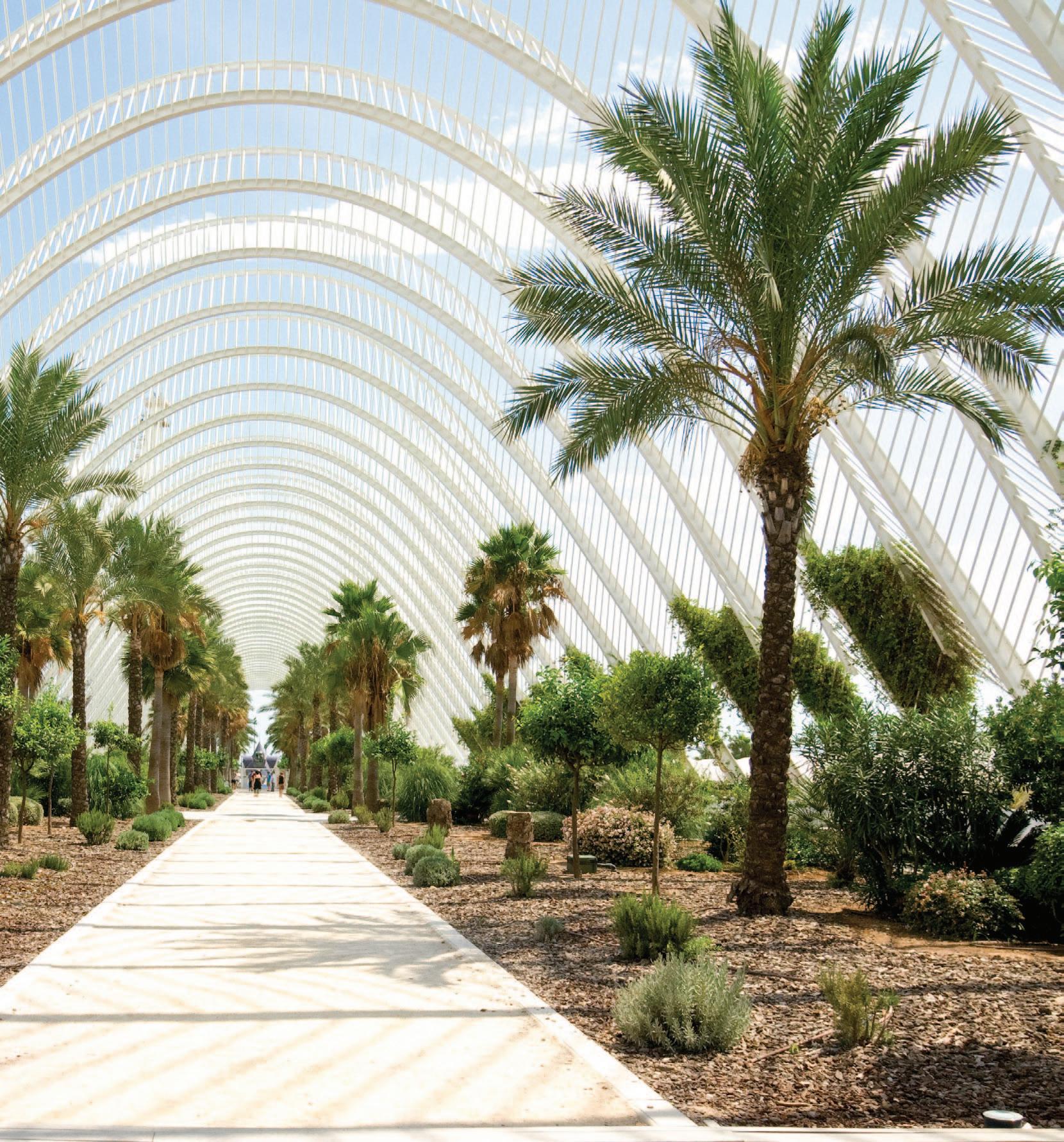
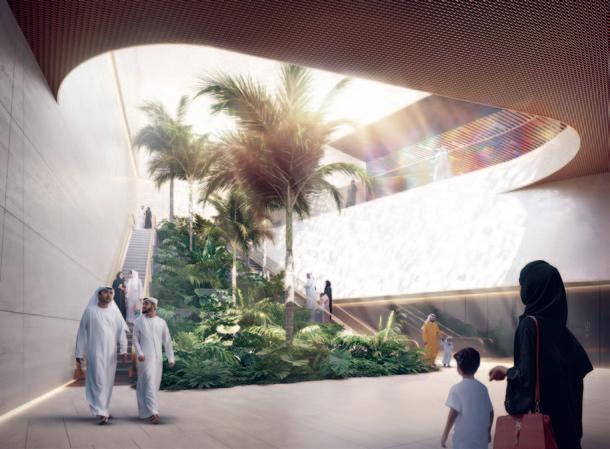
At the heart of the project is a vast golden canopy that defines both the architecture and the atmosphere beneath it. More than an aesthetic gesture, the canopy creates a sheltered outdoor environment where shaded walkways, planted courtyards and water features work together to moderate the desert climate. The landscape is conceived as a calm, oasis-like setting, encouraging visitors to move between indoor and outdoor spaces throughout the day. Passive cooling strategies, integrated planting and carefully orchestrated shading contribute to a more comfortable microclimate, while a hybrid outdoor cooling system, the first of its kind in the Eastern Province, extends the usability of the open-air areas well beyond the cooler months.

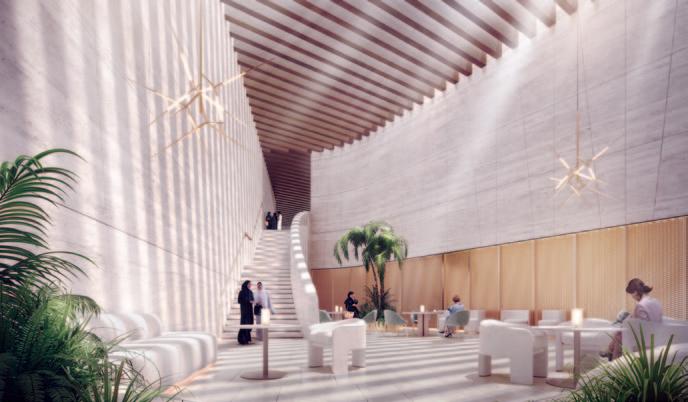
Inside, the spatial sequence is designed to unfold gradually, offering clear sightlines and intuitive connections between retail, dining, entertainment and wellness spaces. The programme includes year-round public areas that can support cultural events and community gatherings, reflecting the city’s vibrant social life. Six cinemas, including an open-air theatre, anchor the entertainment offering, while a full-scale bowling centre introduces an active, social dimension to the development. A women-only wellness centre adds a layer of privacy
and retreat, providing a dedicated space for health and relaxation within the larger complex.
The Gold positions itself as more than a retail and leisure destination; it aims to create a new type of urban experience for Khobar, one defined by climate comfort, layered design and a balance of activity and calm. As the city continues to grow and diversify, the project contributes a distinctive new landmark to its evolving landscape.
Technical sheet
Client: Saudi SBS
Architecture: Lemay
Landscape architecture: Lemay
Interior design: Lemay
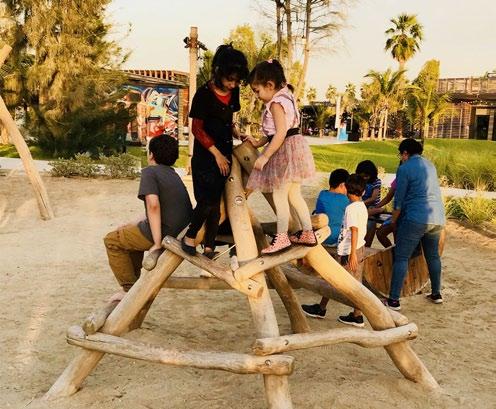

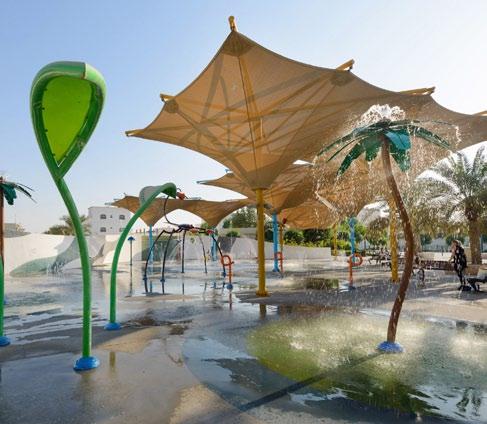
At axendo, we deliver play and leisure spaces that celebrate nature, community, and design excellence — values reflected in leading UAE landscape design projects. Each development showcases how landscape architecture with the adequate choice of amenities, equipment can nurture belonging, wellness, and sustainability through thoughtful design of public realm and residential developments.
Our collaboration with Berliner Seilfabrik , Eibe , Vortex and our other manufacturing partners embodies the Nature & Community theme blending natural materials, sustainable water management solutions, sensory and inclusive play to create spaces where communities thrive.
LANDSCAPE CONSULTANTS
JC Melone Landscape
Design FZ LLE
T: +971 50 6410715 jcmelone@gmail.com
LANDSCAPE CONTRACTOR
Zaid Al Hussain Group
T: +971 4 3296630 info@zaidg.com
Green & More
T: +971 4 8830100
T: +971 4 8830101 info@greendmore.com www.greendmore.com
Proscape LLC
T: +971 4 277 0244 info@proscapeuae.com www.proscapeuae.com
Desert Group
T: +971 4 5904000
T: +971 4 3404441 group@desertgroup.ae www.desertgroup.ae
Basatin Landscaping LLC
T: +971 2 2077729 info@basatinlandscaping.com www.basatinlandscaping.com
Fluidra Middle East
T: +971 4 8835505
F: +971 4 8836761 info@fluidrame.com www.fluidrame.com
Aquashi
T: +971 4 3208777 sales@aquashi.co.uk www.aquashi.co.uk
WATER MANAGEMENT
NDS (By NORMA Group) E: infoEMEA@ndspro.com www.ndspro.com/eu
Polyclean LLC (Turf Division)
T: +971 4 338 8226
F: +971 4 338 8785 babiker.khateeb@polyclean.ae www.polyclean.ae
Gulf Perlite
T: +971 56 1235248
T: +971 55 1539640 info@uaeperlite.com www.gulfperlite.com
Zeoplant LLC
T: +971 4 4473588
F: +971 4 4473587 info@zeoplant.com www.zeoplant.com
INDOOR LANDSCAPING, POTS, PLANTS & GREEN WALLS
Plantscapes Indoor
Plants Trading LLC
T: +971 55 724 6193 plantscapes@desertgroup.ae www.plantscapes.ae
LANDSCAPE PRODUCTS
Tanseeq LLC
T: +971 4 3617199
F: +971 4 3607966 info@tanseeqllc.com www.tanseeqllc.com
Sirkap
Tel No.: +971 54 3592070 +971 55 5651426
Email ad: yawar@sirkap.ae Website: www.sirkap.ae
Ventana LLC
T: +971 4 3231603
F: +971 4 3806957 info@ventanallc.com www.ventanallc.com
IRRIGATION
Hunter Industries
T: +001 760 591 7114
F: +001 760 591 7194 Hanna.Zaidan@hunderindustries.com www.hunterindustries.com
Middle East Agrculture Company (MEAC)
T: +971 4 8861151
F: +971 4 8861152 www.meac.com.sa
METTS FZC
T: +971 4 4470927
F: +971 4 4470928 info@mettsfzc.com www.mettsfzc.com
Alwasail Industrial Co.
T: +971 4 8886987
F: +971 2 6733565 hashim@alwasail.com www.alwasail.com
Ventana LLC
T: +971 4 3231603
F: +971 4 3806957
SWIMMING POOLS
Aquaverde
T: +971 4 4538469
T: +971 50 8763630 info@aquaverde.com www.aquverde.ae
Fluidra Middle East
T: +971 4 8835505 F: +971 4 8836761 info@fluidrame.com www.fluidrame.com
Pentair
T: +971 4 320 8777 malikhan@mettsfzc.com www.mettsfzc.com
Satma International L.L.C.
T: +971 4 2956088
F: +971 4 2956077 satmaint@emirates.net.ae www.satma.ae
Water in Motion LLC
T: +971 4 277 0244 info@waterinmotionllc.com www.waterinmotionllc.com
PRECAST CONCRETE PRODUCTS / HARD LANDSCAPING PRODUCTS
Consent LLC
T: +97143472011
F: +97143472957 sales@consent.ae www.consentblock.com
LIGHTING
BEGA GantenbrinkLeuchten KG
T: +49 2373 966-0
F: +49 2373 966-216 info@bega.de www.bega.com
TREES & HERBS
Acacia LLC
T: +971 4 265 3397 info@acacia-ae.com www.acacia-ae.com
SPORTS FACILITIES/ PLAYGROUND EQUIPMENTS
Tanseeq Projects LLC
T: +971 4 361 7199 info@tanseeqprojects.com www.tanseeqprojects.com
WT Burden
T: +971 4 8860700
F: +971 4 8860701 streetfurniture@wtburden.ae www.wtburden.ae
METAL FABRICATOR
Metaline LLC
T: +971 224 3369 info@metalinellc.com www.metalinellc.com

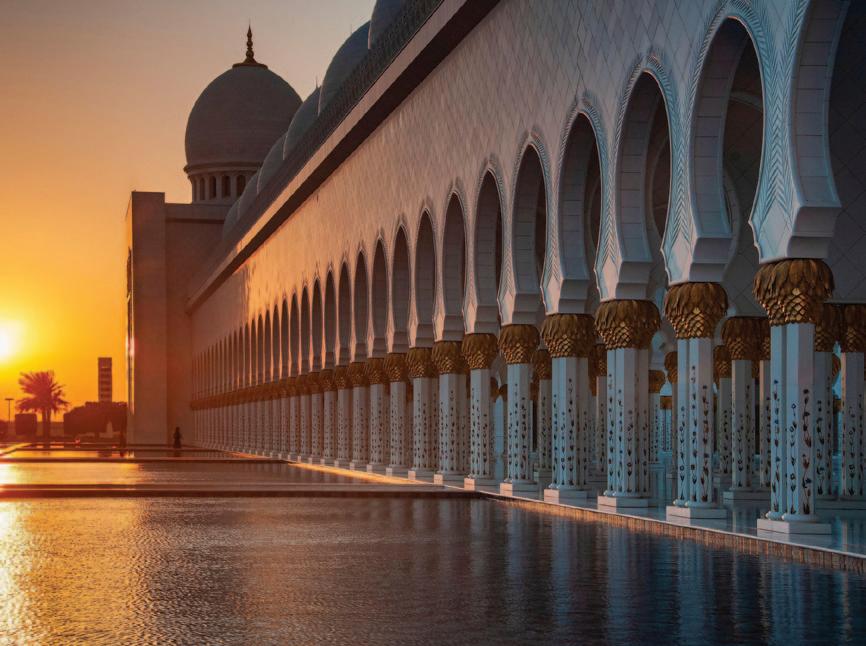

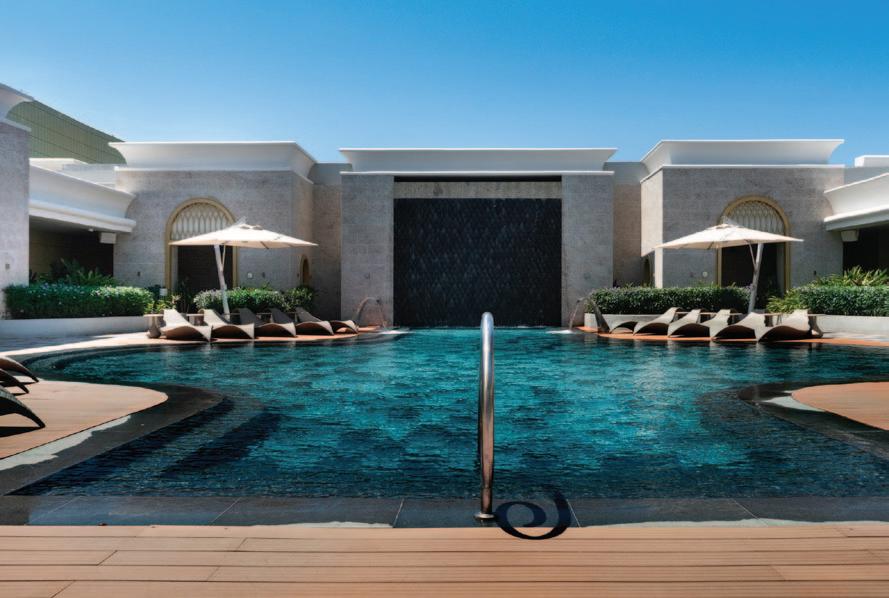
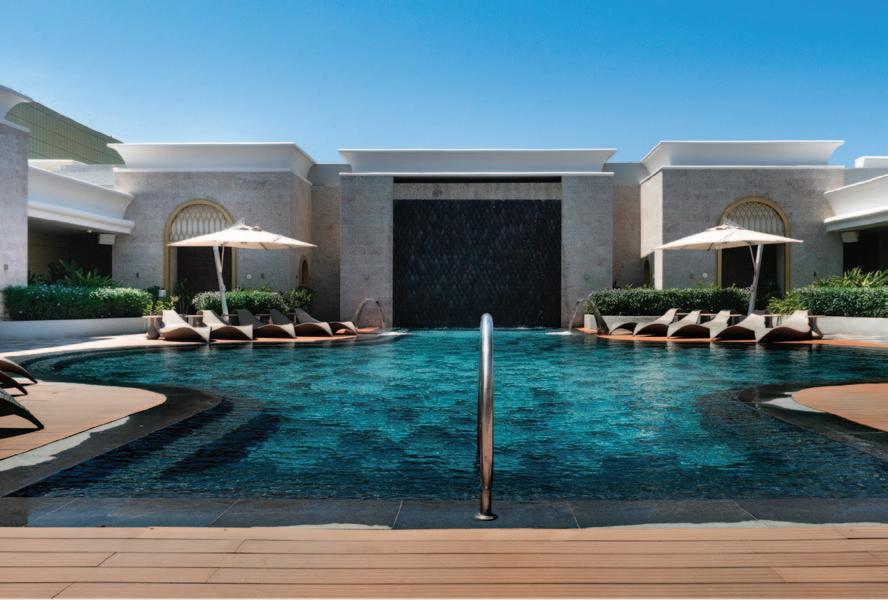
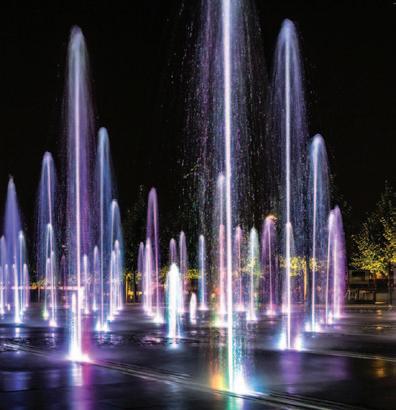
Fluidra Middle East is shaping the future of aquatic design turning vision into reality across every scale. From spectacular fountains and breathtaking residential lagoons to competition pools, wellness centers, and luxury water features, our expertise redefines what’s possible with water. Through world-renowned brands like Astral and Cepex, we deliver innovation, reliability, and performance engineered to perfection, built to last, and designed to inspire.



Green Horizons of the Emirates is a comprehensive and visually engaging handbook designed to guide students, young professionals, engineers, supervisors, and practitioners working across the landscape and environmental sectors of the United Arab Emirates. The book seamlessly blends scientific knowledge with practical field experience, presenting a clear understanding of how sustainable landscapes can be designed, constructed, and maintained within arid environments. Drawing from real project exposure, UAE climate realities, and internationally recognised sustainability principles, the book serves both as a learning resource and a practical manual that professionals can refer to throughout their careers.
This work is respectfully dedicated to the Founding Father of the UAE, the late His Highness Sheikh Zayed bin Sultan Al Nahyan (may Allah rest his soul in eternal peace), whose visionary leadership transformed the desert into thriving landscapes that inspire the world. His timeless words, “Give me agriculture, and I will guarantee you a civilization,” continue
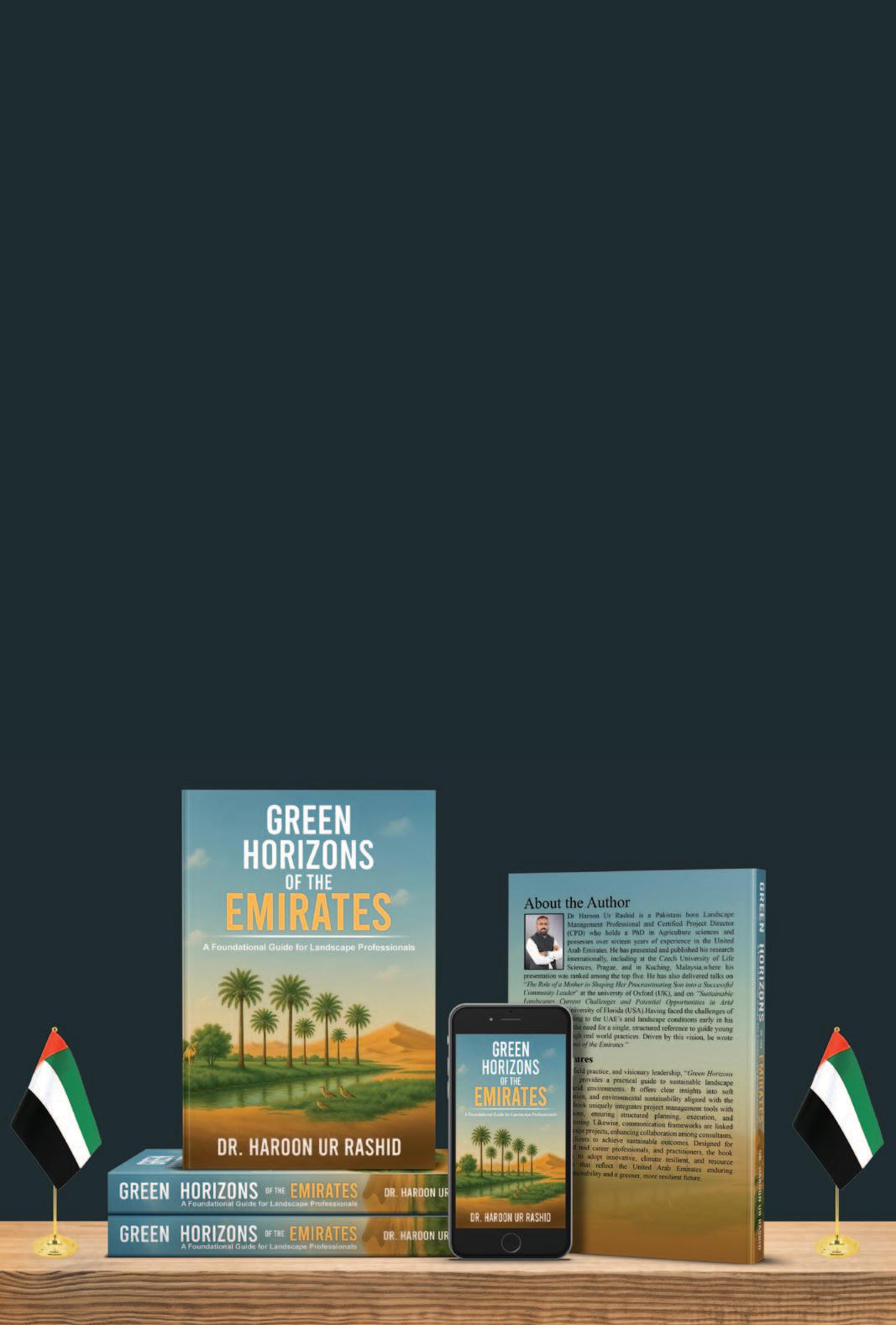
to guide the efforts of everyone who works to cultivate life across the Emirates. The book is entirely self-funded, prepared without any sponsorship or institutional influence, and reflects the author’s sincere commitment to independent knowledge sharing. In keeping with this spirit, all royalties from the book will be donated to support People of Determination and individuals with special needs, contributing to education, skill development, and inclusive community growth.
The author, Dr. Haroon Ur Rashid, is a Pakistani-born Landscape Management Professional and Certified Project Director (CPD) with a PhD in Agricultural Sciences and more than sixteen years of experience in the UAE. He has shared his research internationally at prestigious platforms including the Czech University of Life Sciences in Prague, Kuching in Malaysia where his work ranked among the top five presentations the University of Oxford in the United Kingdom, and the University of Florida in the United States. His early professional challenges in adapting to the extreme conditions of arid-zone landscaping shaped his vision to develop
a structured, accessible, and practical reference for students and emerging landscape professionals.
The book offers an integrated approach to landscape management, combining comprehensive insights on arid-zone landscaping, irrigation efficiency, soft landscape practices, and sustainability with globally recognised project management frameworks aligned with the PMP® methodology. It also provides real-world communication and teamwork strategies that support smooth coordination among consultants, contractors, clients, and authorities. Deeply aligned with national sustainability goals, the book emphasises resource-efficient and climate-resilient practices inspired by UAE Vision 2030 and the Net Zero 2050 objectives. Designed for learners at all stages of their professional journey, Green Horizons of the Emirates stands as a reliable, long-term reference that supports both academic understanding and on-site decisionmaking, empowering readers to contribute to a greener and more resilient future for the United Arab Emirates.
By Dr. Haroon Ur Rashid