



Foodland
Drakes
National Pharmacies
Chemist Warehouse

Foodland
Drakes
National Pharmacies
Chemist Warehouse
What to see, do, love and dive into this summer

Stella McCartney Kids
Star Fringe Swimsuit
Luxe meets playful. Premium brand, premium feel, and a swim-suit that can do double duty poolside and dress-up.
SUNNYLiFE Pool
Floats & Beach Toys
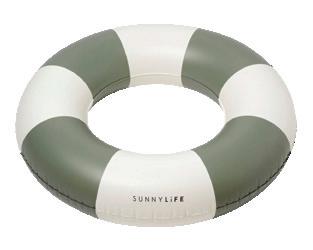
Bright, bougie and guaranteed to make your backyard feel like a resort, from giant inflatable flamingos to cute kids’ beach toys, SUNNYLiFE is summer packaged with a wink. Warning: may cause neighbours to pop over “just for a dip”.
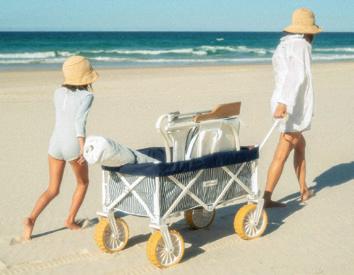

Beach Cart – Business & Pleasure
If you know, you know: once you’ve beach-carted, you never go back. This little wagon is a sandy-toes lifesaver for transporting towels, snacks, buckets, boards and the essential “just in case” items parents pack even when we swear we won’t.

The Life of a Showgirl
– Taylor Swift
If you haven’t been listening to Taylor’s new album, I’ll assume you’ve been living on Mars, deep in a WiFi-free bunker, or stuck under a very heavy piece of furniture. It’s glittering, theatrical, big-summer-energy, and yes, your kids will know every lyric before Christmas lunch… (perhaps just make sure they’re listening to the clean versions!)
Busy Bodies – Kinderling Kids
For little wrigglers who need to shake, shimmy and learn on the go, the podcast ‘Busy Bodies with Mr Snot Bottom’ is a hilarious dive into the human body, think gross jokes plus real science. Your kids will love it; you’ll probably learn something too.

Publisher Charlotte Chambers
Editor
Williams
Editorial Contributors
Moonlight Cinema – Botanic Park
Pack the picnic rug, load up on snacks and settle in under the stars, Moonlight Cinema is back! A summer night spent watching a movie on the grass feels like a rite of passage, and there’s something for everyone on the program. Hot tip: arrive early to snag prime lawn real estate and let the kids run wild before showtime.
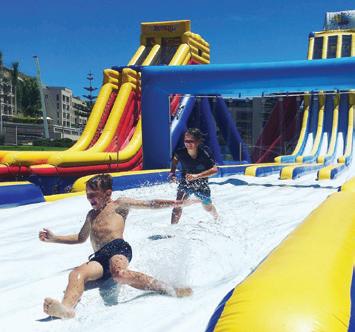
The Big Wedgie – West Beach Parks
Australia’s tallest and steepest inflatable waterslide returns for another season of squeals, splashdowns and “are we actually doing this?” moments. Gentler slides are available for the less daredevil-inclined, so no one misses out. BYO bravery (and maybe a towel or three).

Christmas Lights Trail – Various Adelaide suburbs
If there’s ever a season to embrace main-character energy in your own car, it’s the annual Christmas lights tour. From Lobethal to local suburban gems, make a night of it with icy poles for the kids and a festive playlist. Bonus points if you spot the house that’s just a little too committed (you know the one).

And that’s a wrap on your summer hit list! May your days be sunny, your beach bags bottomless, and your seasonal soundtrack very Showgirl.
Rosie Williams
Mack Archontidis
Elfy Brown
Designer David Gale
Sales Manager
Katie Brown
katie@kiddomag.com.au
Digital Lauren Ferrone
Printing
Distribution
Passing Out
Cover
Photographer: Kate Paneros, @hellourbansafari
Cover Star: Luke Springer
For more education and family content head to: kiddomag.com.au @kiddomag
Opinions expressed by the author are not necessarily those of the publisher. Whilst all care is taken, the publisher accepts no responsibility for any errors or omissions.
KIDDO Mag is a team effort and if you have any suggestions or questions, make contact!
We would love to hear from you. hello@kiddomag.com.au

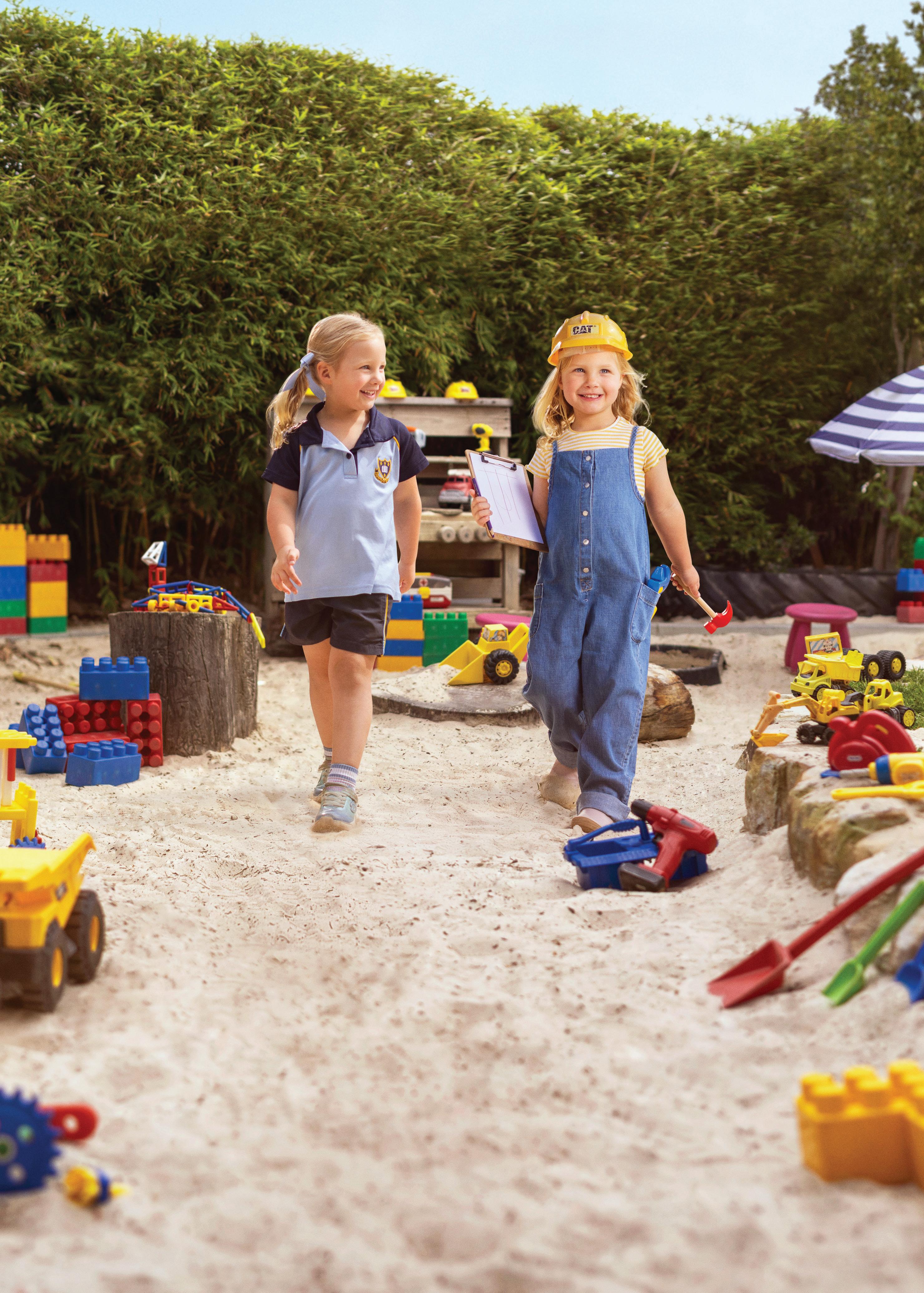
At Walford ELC, boys and girls from 3 to 5 years are nurtured by caring educators who curate engaging play-based learning programs. The centre also offers a weekly playgroup for children as young as six months, allowing parents to connect with other families and enjoy quality time with their children in a captivating environment.
Experience the ELC at our free playgroup
Walford playgroup
Interview by Liv Williams
From tracking thunderstorms on TV to chasing clouds in the backyard, Channel 9’s Jessica Braithwaite has always loved the weather. Now she’s turned that curiosity into a children’s book, Whatever the Weather We’re in This Together, a cosy tale about family, adventure, and spotting magic in every kind of day. We caught up with Jessica to hear how a shower inspired the whole story… literally!
Your new book beautifully blends seasons, weather and unconditional love. When did you know you wanted to write it?
The "aha" moment came to me in the shower - like all good ideas! I remember jumping out of the water with my hands still half wet trying to write the lines into my phone before I forgot them. I shared the idea with my friend and co-author Rebecca Ralfe. She couldn't stop
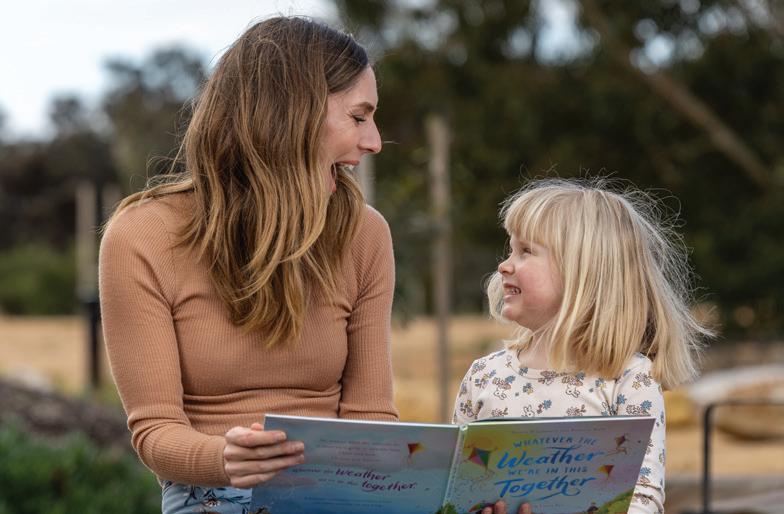
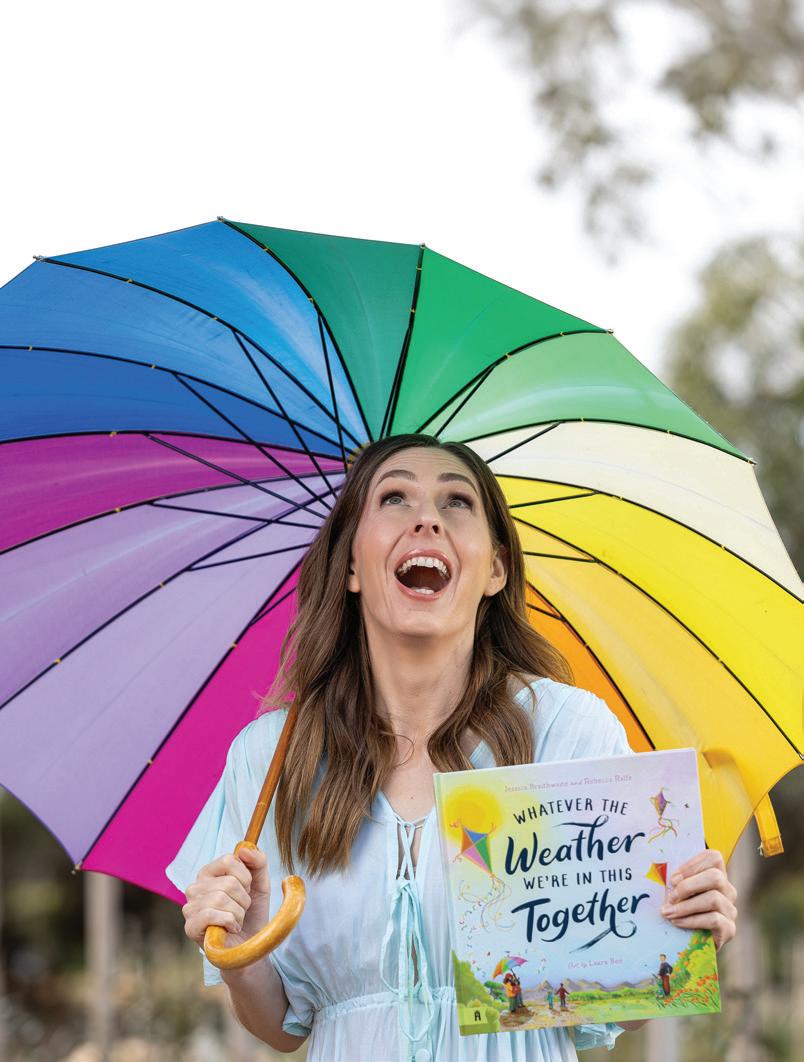
thinking about it either. To my "Whatever The Weather", she added the line "We're In This Together" - truly setting the tone for a cosy story about endless love for a child, and embracing each day with wonder.
As a weather reporter, how did daily weather-watching feed into the story and language?
Watching the sky made me notice how much weather and life have in common. Storms pass, sunshine returns, and every day brings something new, just like the seasons of our lives. I wanted the book to capture that same wonder and whimsy, showing kids (and parents!) there’s joy in every kind of day.
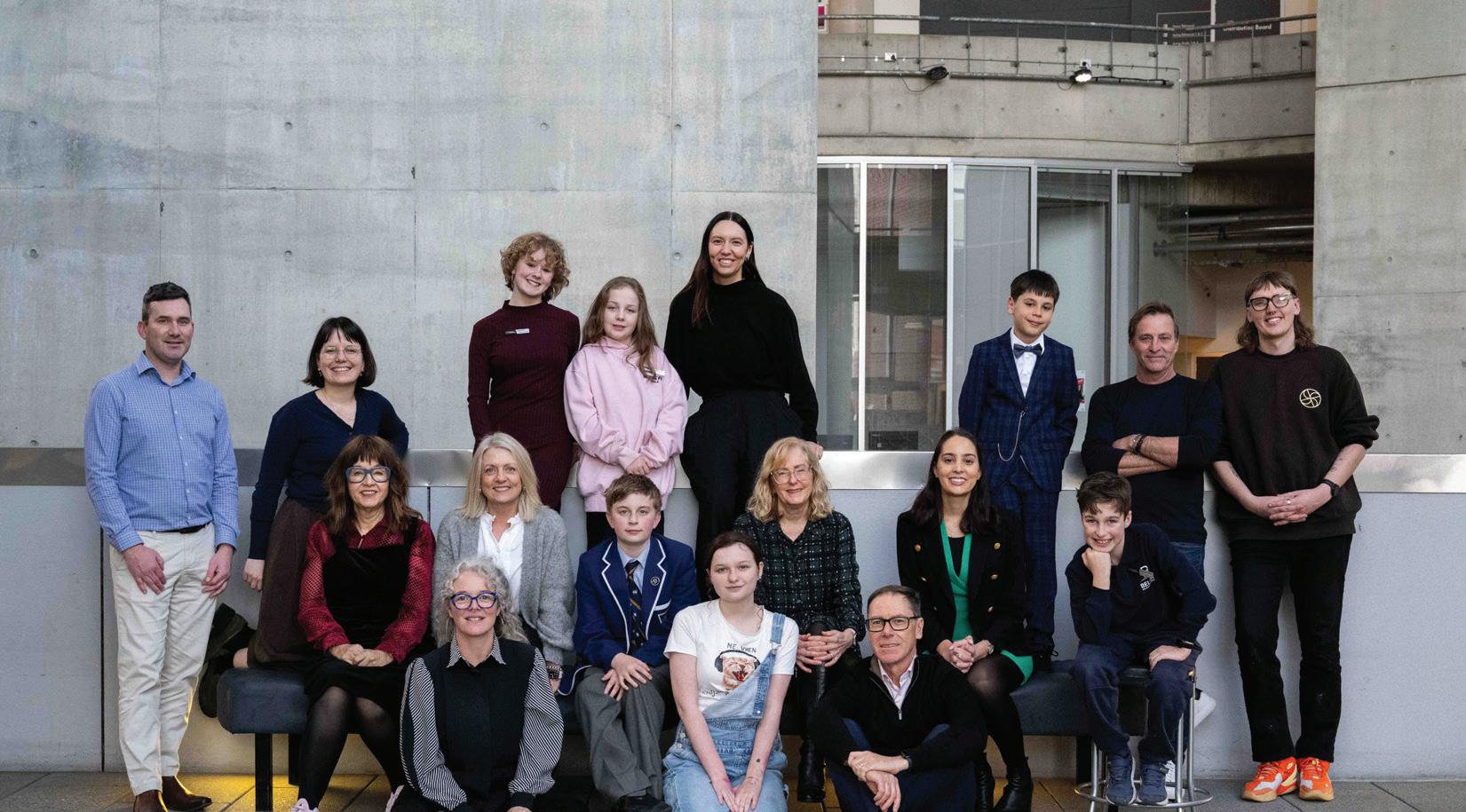
Since May, a group of imaginative young minds have been stepping into Windmill’s studio to explore the world of theatre, art and activism. Guided by Windmill staff, local artists and the Big Board, these smart and ambitious creatives, known as the Little Board, have been pitching shows, giving feedback on rehearsals, experimenting with performance art and, yes… sampling plenty of snacks along the way.
The Little Board is a free, weekly extracurricular initiative for young people who love to create, explore and think differently. With workshops led by celebrated local artists, the group has dived into sound effects with Abbie Heuer, design sessions with Bianka Kennedy, zine-making with George Rex
and illustration with Chris Edser, encouraging bold ideas, boundary-pushing and creativity as a tool for change.
The pilot program in 2025 was such a success that the inaugural members will now continue into 2026, shaping Windmill projects and influencing work made for young audiences. So, what’s it really like being part of this trailblazing board of mini creatives? We asked the members themselves.
For Alfie, the highlight has been stepping into the shoes of iconic artists:
“My favourite workshop was when we dressed up as Andy Warhol and ate burgers like he did in ‘Eating a Hamburger’. It was embarrassing
What’s your favourite Australian weather moment and why?
I love a good spring storm. Nothing beats sitting on the back deck with the kids, watching the clouds build and the sky come alive. We listen for the rumbles and cheer for each lightning strike. It’s a joyful ritual that reminds the kids storms aren’t scary, they’re beautiful bursts of energy from the sky.
What's one simple weather explanation you wish every child could hear?
Every kind of weather has a job to do. The rain fills out rivers, the sun grows our food, the wind moves the seeds, and even the storms help the world stay in balance. We need them all - the drizzle, the sunshine, and everything in between. I also like to say that rainbows are proof the weather likes to make art. When sunlight shines through tiny raindrops, the light bends and splits into colours, it's like the sky painting for us!
If you could use your weather-reporting microphone to deliver a “weather forecast” of your family life right now, what would today’s headline be?
Today's forecast: scattered toys, a high chance of giggles, and be prepared for spontaneous cuddles throughout the day.
but fun!” He’s also a big fan of zine-making, crediting a past workshop with inspiring his own series, Justice Man
Frankie loves the friendships formed along the way:
“What I have enjoyed most is making new friends and having lots of fun all the time.”
If Windmill ever needs a pitch, Harry has one at the ready:
“I would pitch a show about the timeline of humanity starting off in the Stone Age… It would be funny and educational.”
Little Board Chair Hugo says watching the group evolve has been incredibly rewarding:
“Seeing everyone become more comfortable with one another and sort of transform into an almost professional ensemble… it has become a place where everyone's opinions are valued.”
For emerging artist Rosie, Marina Abramović stole the show, while Sterling reminds us that honesty and saying what you mean is the secret to great rehearsal feedback.
TJ discovered the power of art as activism, Taring found endless new ways to be creative, and Zoe dreams of collaborating again with zine creator George Rex.
One thing is clear: the future of the arts is bright, bold and brilliantly kid-led, and we can’t wait to see what Windmill’s Little Board dreams up next.

With narrator Justine Clarke, this beloved concert is the perfect way for families to discover the world of orchestral music.

Experience the magic as the film plays on a giant screen and the ASO performs the score live!
Adelaide

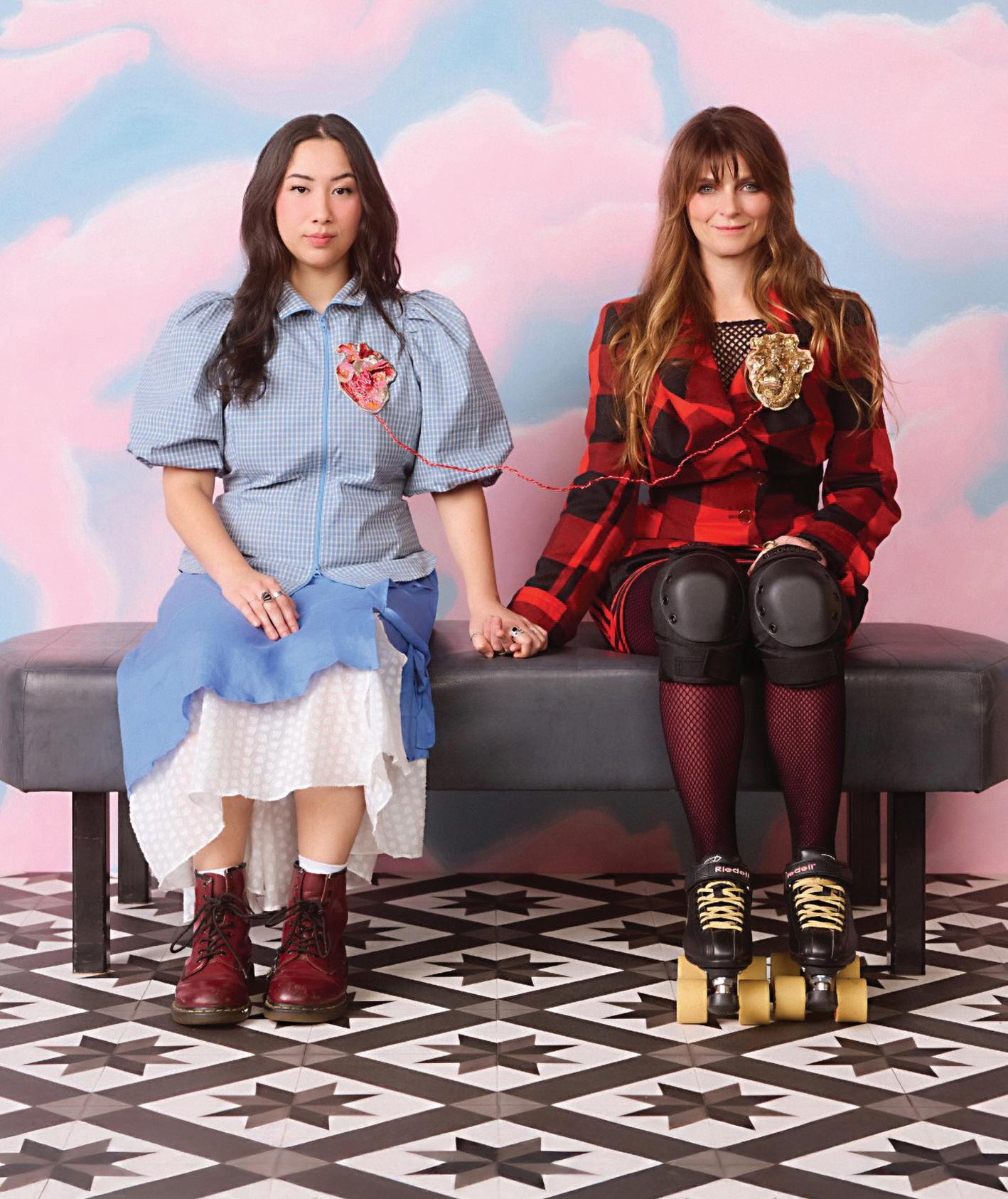
Get ready to roll! Windmill Production Company is bringing something totally new to the 2026 Adelaide Festival; Mama Does Derby is hitting the stage from February 27 to March 8 at the Adelaide Entertainment Centre Theatre.
This world premiere teams up director Clare Watson and writer Virginia Gay for a theatrical mash-up that’s part roller derby, part heartwarming family story.
On stage, the rink is alive! The audience gets a front-row seat to a high-energy roller derby match as a mother-daughter duo races through the ups and downs of family life, identity, and personal growth. It’s fast, it’s fun, and it’s full of surprising twists that will keep you on the edge of your seat… or maybe the edge of your skates.
Helping bring the story to life is an all-star creative crew: Larissa McGowan as assistant director and choreographer, designer Jonathan Oxlade, lighting wizard Lucy Birkinshaw, musical director Joe Lui, and sound designer Luke Smiles. And to make it feel extra real, members of the Adelaide Roller Derby League join in on the action, zipping around the rink with energy to spare.
Being a parent of toddlers is no small feat. Add in a sprinkle of toddler defiance, a mountain of advice from well-meaning friends and family, and the pressure to “do everything right,” and it’s easy to see why many parents feel overwhelmed.
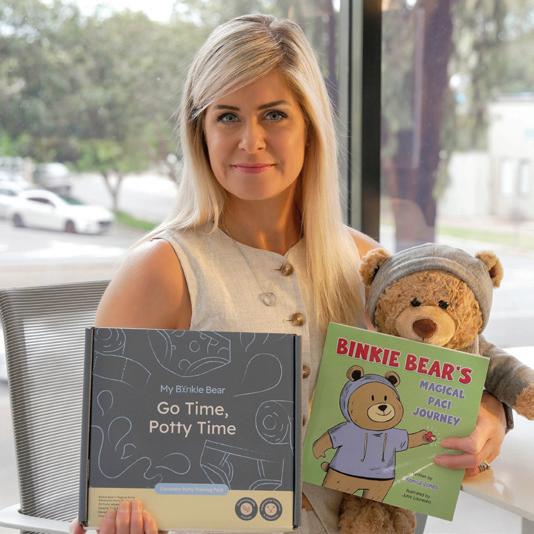
Adelaide mum Monica Jones knows this all too well. As a mother navigating anxiety, depression, and sensory challenges with her own children, she experienced first-hand the stress of guiding toddlers through big life transitions. It was this personal journey that inspired her to create My Binkie Bear, an Australian children’s brand designed to help families navigate the tricky milestones of early childhood; from weaning off dummies to starting daycare and, now, toilet training.
The show runs for 1 hour and 30 minutes, with no interval, so get ready for a fast-paced, full-throttle theatre experience. Heads up: there’s strong language, action-packed derby bumps, themes about mental health, and some theatrical smoke, haze, and strobe effects, plus live music and big, bold sound. Definitely a show to watch with a grown-up.
Adelaide Festival World Premiere Season
Adelaide Entertainment Centre Theatre

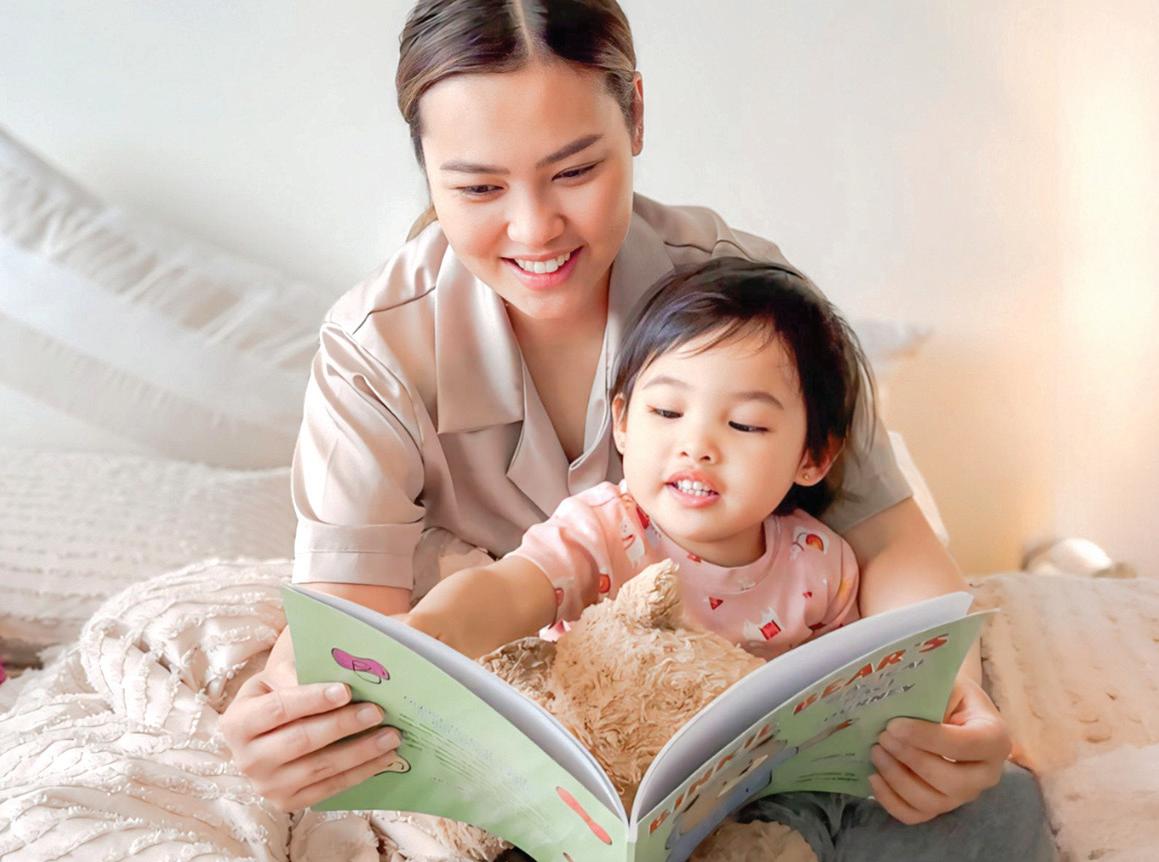
Monica’s latest innovation is the Go Time Potty Time System, the first of its kind in Australia. Backed by child development experts, it’s a gentle, play-based approach that helps toddlers tackle toilet training at their own pace; no more tears, stress, or confusion. The system includes a beautifully illustrated storybook, sensory aids like the fun Wizzle Fizzle that reacts to wee, a reward chart, and a step-by-step framework to guide parents through the process. Every element is designed to make learning fun while respecting the child’s readiness and independence.
“After helping parents with our dummy-weaning system, we kept hearing the same frustrations around toilet training: confusion, conflicting advice, overwhelm,” Monica says. “I wanted to create a holistic, emotionally intelligent system that supports toddlers through play and lets them lead the way.”
27 February – 8 March Book now – windmill.org.au For more information on Go Time Potty Time and My Binkie Bear’s award-winning toddler products: mybinkiebear.com
Play Therapist Dr Kate Renshaw explains why this approach matters. “Toilet training involves multi-step skills and a lot of emotional processing for toddlers. Pressure from parents can increase stress, which often leads to resistance,” she says. “My Binkie Bear’s system creates a safe, supportive space that encourages independence while keeping the process fun.”
With Go Time Potty Time, children aren’t just learning a new skill, they’re gaining confidence, resilience, and a sense of achievement. For parents, it’s reassurance that toilet training can be a joyful, manageable experience, not a battleground.
It’s a history-making moment for animal lovers across Australia, and an extra exciting one for South Aussie families!
Monarto Safari Park has recently welcomed its newest (and very large!) resident, Putra Mas, a 35-year-old Asian Elephant who has travelled all the way from Perth Zoo to his brand-new home in the Adelaide Hills.
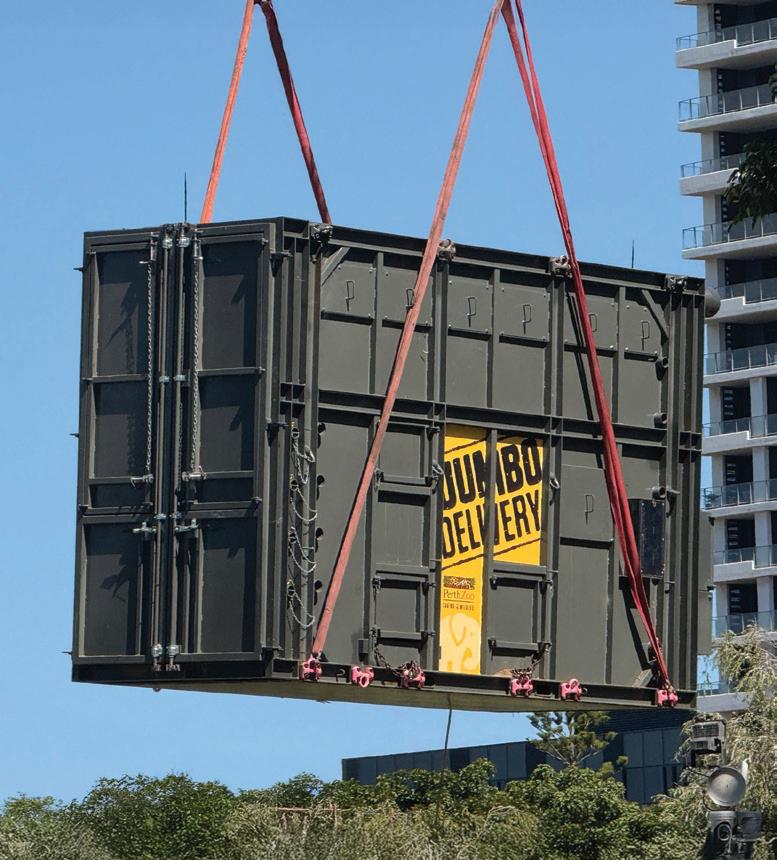
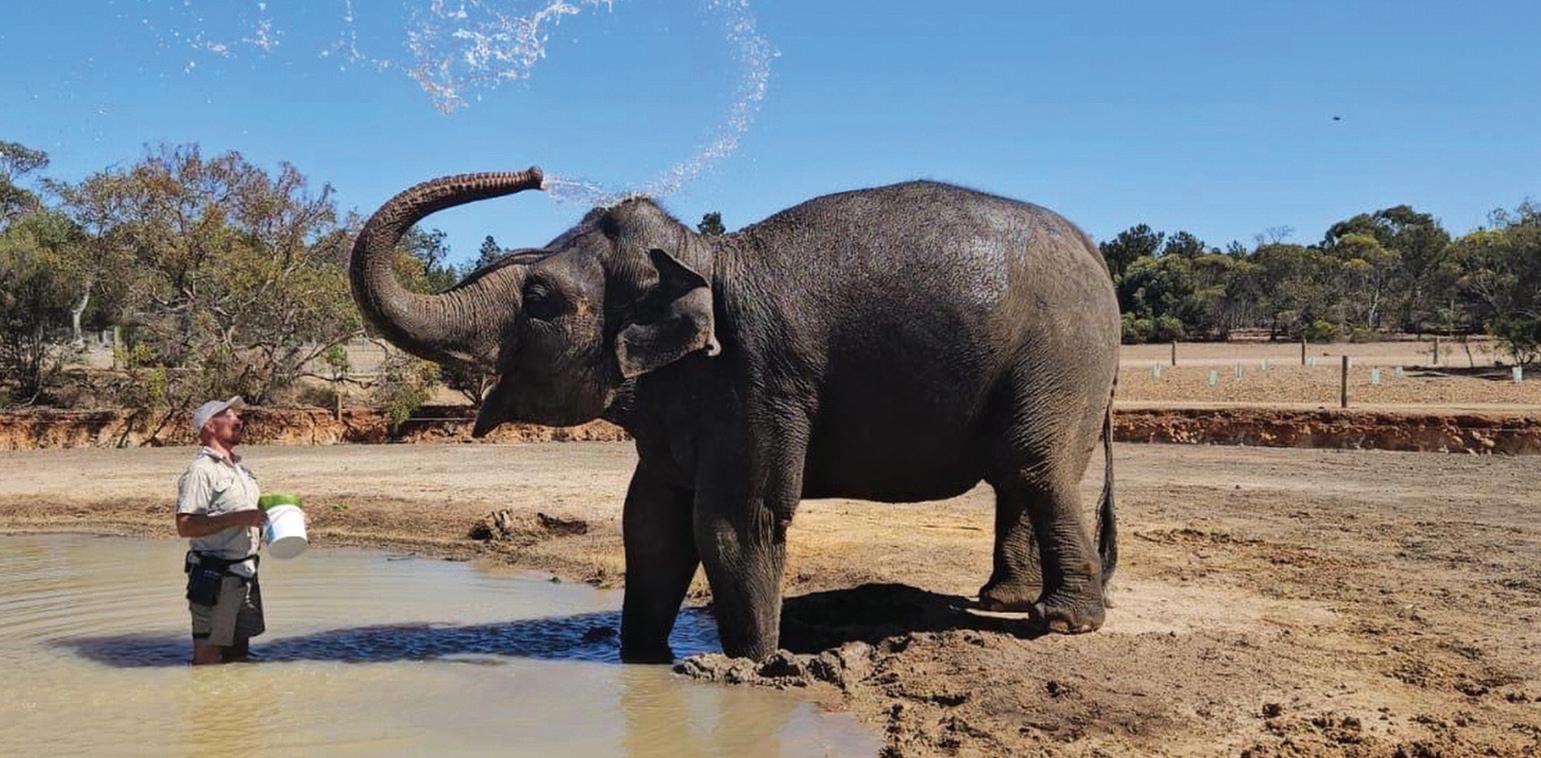
And when we say travelled… we mean travelled. Putra Mas made an extraordinary 2,700 km road trip across the country, that’s longer than driving from Adelaide to Sydney! His journey took 42.5 hours, and after months of preparation, planning and pachydermlevel teamwork, he arrived safe and sound.
Putra Mas didn’t ride in just any truck. He travelled in a custom, air-conditioned “elephant caravan” built specially for the big move, complete with treat chutes (yes, snacks on the road!), tactile access doors for his keepers, and plenty of room to stretch and stay comfy. His dedicated Perth Zoo keepers and vet team travelled alongside him the entire way, making sure he felt calm, cared for, and completely supported.
When his crate was carefully craned into Monarto’s brand-new elephant habitat, Putra Mas took his first steps into the barn with confidence, a moment described as incredibly emotional by keepers and vets watching on
Get ready, Bluey and Bingo are coming to town! From 4 to 8 February 2026, Her Majesty’s Theatre will be filled with giggles, games, and heaps of Bluey-style mischief in Bluey’s Big Play – The Stage Show.
Based on the hit TV series we all know and love, this live show brings everyone’s favourite Blue Heeler family to life, with dazzling puppets, colourful sets, and music that will have the whole theatre tapping along. If you’ve ever wished you could jump into Bluey’s world, now’s your chance!
Live on stage, Dad just wants a quiet rest on the bean bag, but Bluey and Bingo have other plans! With their unstoppable imagination, sneaky tricks, and a whole lot of cheek, the sisters hatch hilarious schemes to get him up and join the fun. Get ready for laughter, surprises, and the kind of joyful chaos only Bluey can create.
This show is pure family fun, perfect for kids, parents, and anyone who’s ever loved a good game of “keepy uppy” or “magic xylophone.”
The show runs for about 50 minutes with no interval, so little ones can enjoy the full adventure without getting fidgety. Plus, VIP tickets include a post-show meet-and-greet

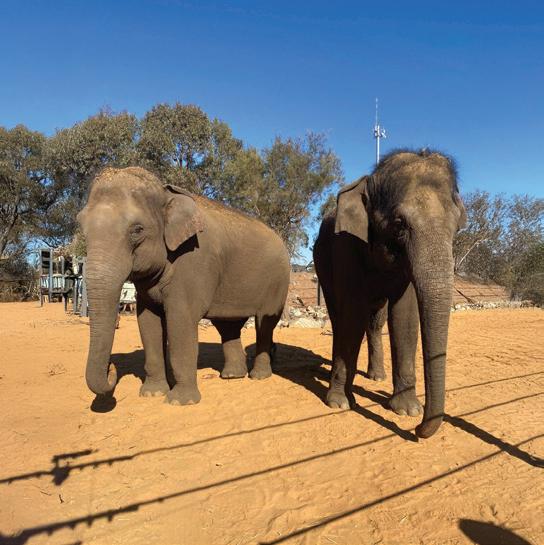
With Putra Mas’ arrival, Monarto Safari Park now has its full founding herd of five Asian Elephants, a massive milestone for elephant care and conservation in Australia. The park is set to become a world-leading home for elephant welfare, research and education, giving families the chance to see these gentle giants up close and learn how we can help protect them.
From a record-breaking road trip to a fresh new start, Putra Mas’ arrival marks the beginning of a very exciting new chapter, and we can’t wait to see him thrive right here in SA.
Kids, get your binoculars ready... your next visit to Monarto just got super-sized!
63 Monarto Road, Monarto monartosafari.com.au

with Bluey herself, yes, you can give her a high paw in person!
Whether you’re a Bluey superfan or new to the Heelers’ world, this stage show is a chance to laugh, cheer, and play along with the antics that have captured hearts across the globe. From dancing, singing, and imagining alongside Bluey, to spotting all the hilarious little details from the show, it’s an outing the whole family will treasure.



INTRODUCING KYLIE,
our new SA Commissioner for Children & Young People
As parents and caregivers to children and young people, we spend a lot of time thinking about what is best for them.
Making sure our children are safe and feel loved, have healthy food, get opportunities to play and learn, connect with other children, and eventually find their own place in the world; this is one of the greatest joys and most important roles we have in life.
As the new Commissioner for Children and Young People in South Australia, I share this same focus and commitment – and my job extends to every child
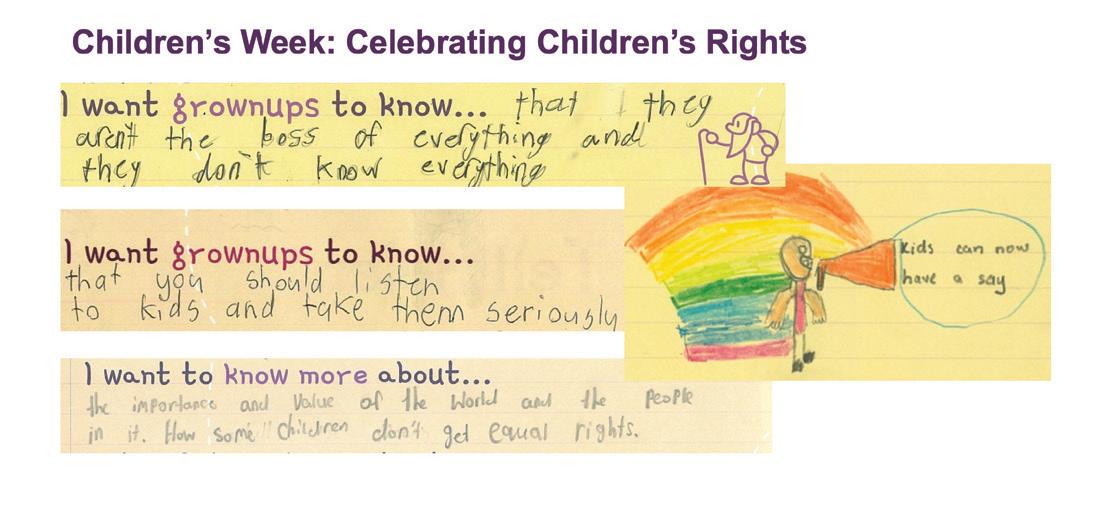
“As the new Commissioner, I will make sure that our children and young people have an opportunity to be heard and are included in decisions that are made for or about them, or that may impact them in future.”
Dr Kylie Heneker
and young person living in our state. The latest Census data shows there are 363,000 children and young people aged under 18 in South Australia, making up nearly 21% of the population. The 19-24 age group is approximately 208,326 people.
It is a huge responsibility, but I am honoured to have been appointed to this important role, starting on October 19.
The experience I bring to this role is broad. I started my career as a university tutor teaching hundreds of young people in politics and policy and subsequently worked in state government for 7 years in education and children’s services. Over the past decade, I have run a consultancy firm which specialises in helping not-for-profit organisations and governments to deliver quality services and support to the most vulnerable people and communities in our state, including children and young people.
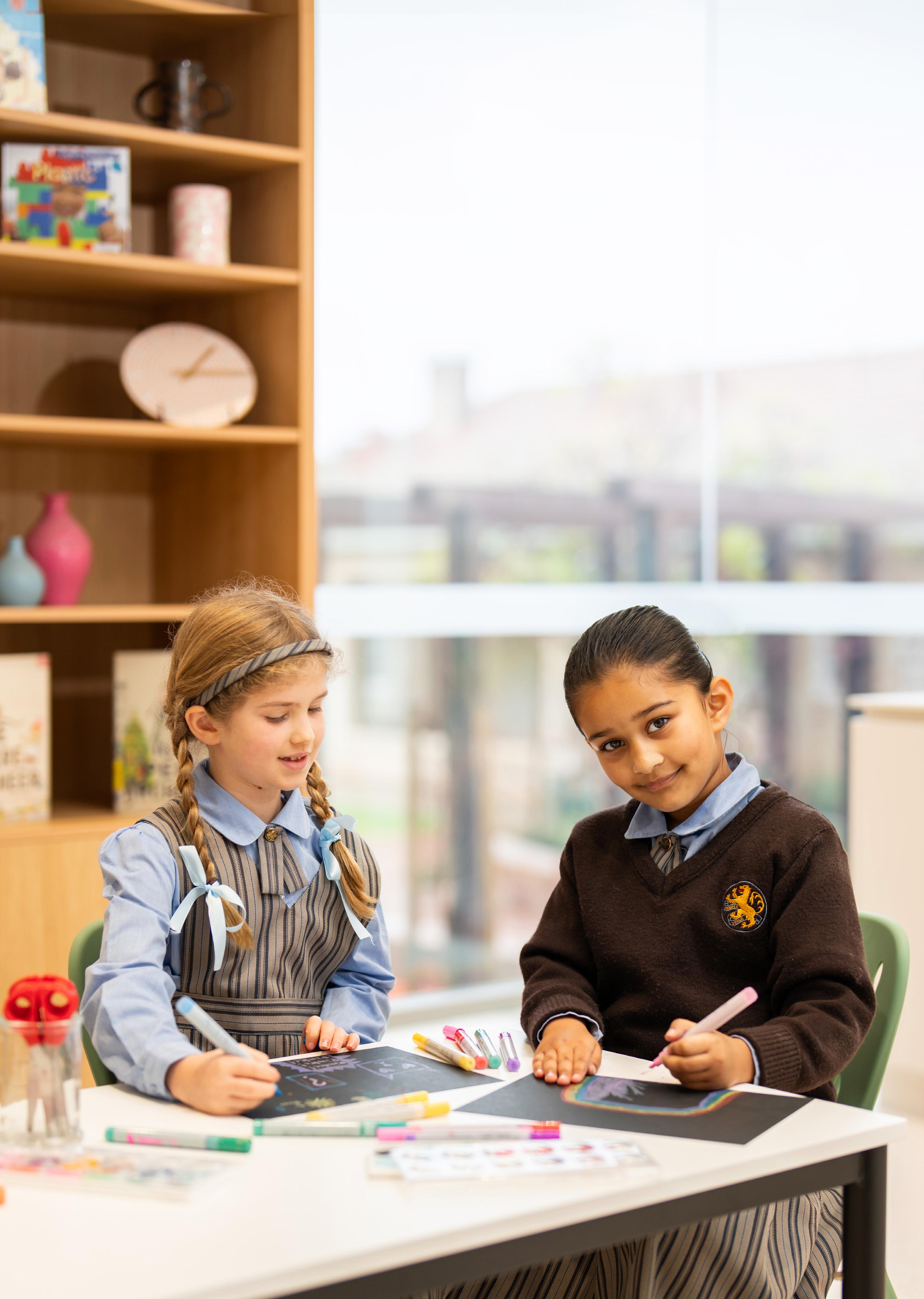
Choosing the right school is one of the biggest decisions a parent makes, and at Tenison Woods Catholic School (TWCS), families can feel confident their child will be known, supported, and celebrated every step of the way.
Guided by the mottos “In all things love” and “Be Kind, Be Brave, Be You.” TWCS is a community where children are encouraged to be themselves, try their best, and feel proud of their progress.
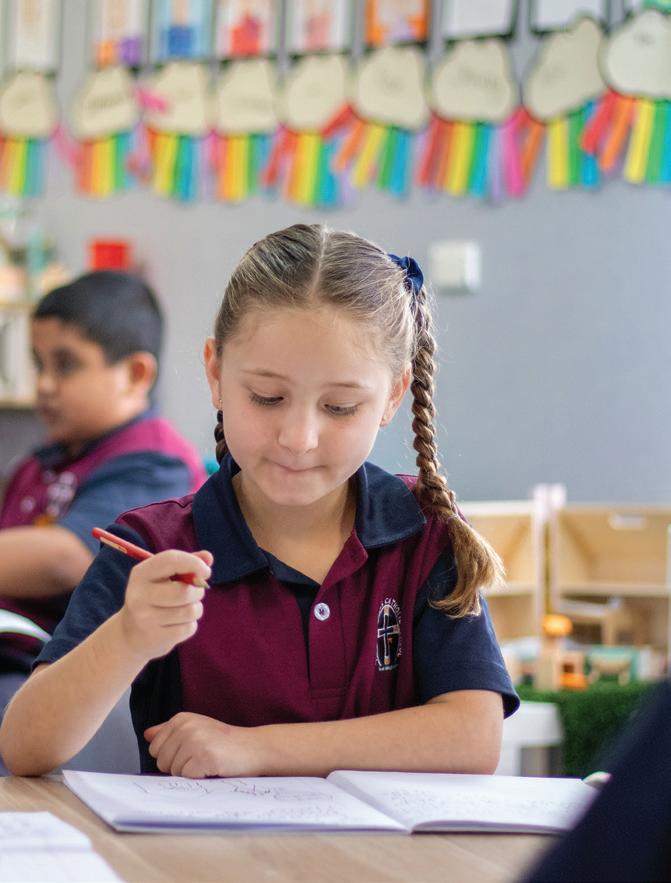
At the heart of the school’s approach is a simple promise: no child gets left behind. Every learner is supported to access the curriculum and thrive alongside their peers, thanks to a proactive framework that identifies student needs early and provides the right level of support at the right time.
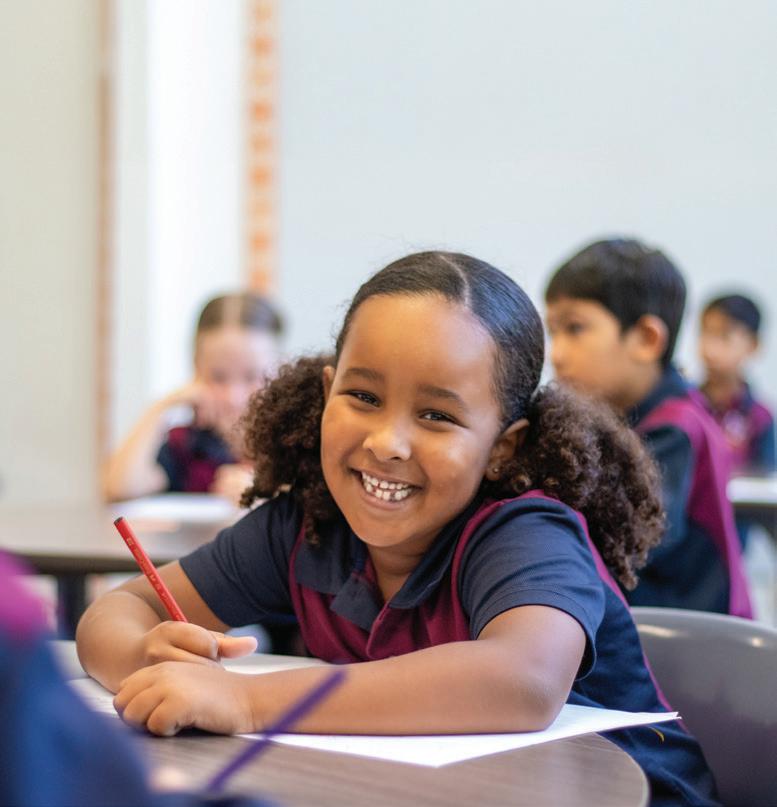
In the classroom, teachers use proven, evidence-based methods that make learning stick. Lessons are taught using a multi-sensory approach, combining sight, sound, and movement, so every child, including those with dyslexia or other learning differences, can build strong foundations in literacy and numeracy.
For children who need a little more help, small group programs such as MiniLit, Language Lab, MacqLit, Maths Mastery, Lego Therapy, and Sensory Therapy provide extra practice in a fun and engaging way. And for those with significant learning needs, one-to-one support is available, with dedicated literacy and wellbeing programs tailored to each child. Support goes beyond academics, too. With a Wellbeing Hub, sensory suites,
I have learned that every policy and investment decision of government has the potential to impact children and young people.
We know as parents and caregivers that children and young people have incredible ideas, offer unique perspectives and can be our greatest teachers. I think as a society we are also realising more and more that young people are the experts in their own lives and deserve a chance to shape their futures and the world we live in.
As the new Commissioner, I will make sure that our children and young people have an opportunity to be heard and are included in decisions that are made for or about them, or that may impact them in future.
I am also determined that the wellbeing of children and young people in South Australia is at the centre of government thinking and planning, and that it frames every decision and action – just as it does for parents, caregivers, and families!
ccyp.com.au | ccyp_au
and Play Coaches on hand, students are nurtured socially and emotionally as well as academically, building resilience, confidence, and friendships that last.
Parents can be reassured that progress isn’t left to chance. Teachers and specialists monitor each child’s learning closely, using data to guide decisions and ensure every step forward is celebrated.
At TWCS, inclusion isn’t just a value on a wall, it’s a daily practice. It’s a place where every child is seen, valued, and empowered to succeed, whatever their starting point.
For families, that means peace of mind. For children, it means a safe, welcoming environment where they can truly shine.
Join us for a tour to find out more.
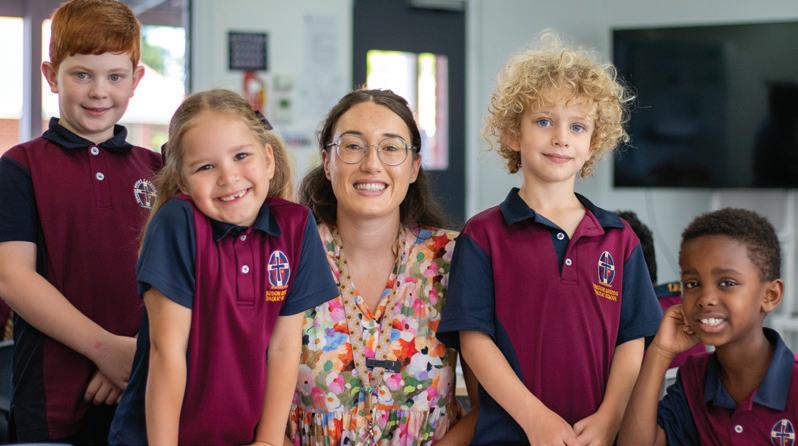
Deciding if your son is ready to start school is a big decision. School readiness is key to helping your son succeed not just academically, but socially and emotionally. When a child is ready for school, they tend to adapt more easily, build confidence, and perform better over time.
Our Mid-Year Reception class is designed for boys to join before their 5th birthday. We blend the benefits of a play-based ELC curriculum with the structure of Primary Schooling. And in 2026, our new Preparatory School redevelopment opens featuring purpose-built classrooms, dynamic outdoor play areas, and inspiring learning environments designed to support every boys’ academic and social growth.
Start your journey with us at pac.edu.au or book a tour via the QR code.


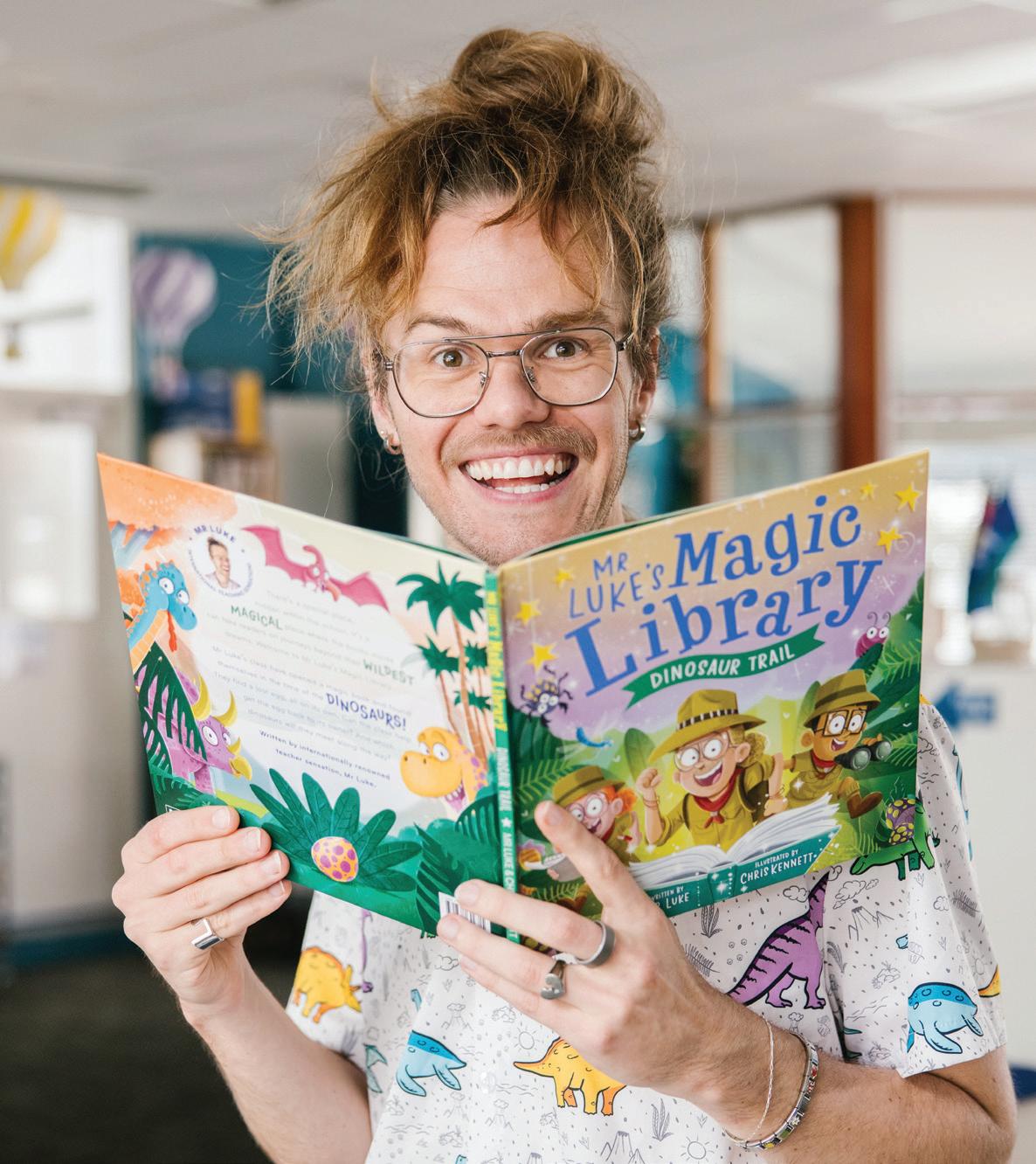
If you could bottle the kind of teacher every kid dreams of — fun, calm, and just a little bit chaotic — it would probably look a lot like Luke Springer. A Reception teacher by day and content creator by night, Luke balances morning dance breaks, dinosaur debates, and a classroom where curiosity rules and laughter is basically a learning outcome.
In Mr Luke’s world, learning isn’t about neat lines or perfect answers; it’s about messy magic. Picture laughter, glitter (probably on the floor), a “No Drama Llama” motto, and a teacher who believes mistakes are where the best lessons live.

For Luke, joy isn’t just part of the curriculum, it is the curriculum. Whether he’s wrangling glue sticks without lids, mastering a handstand, or reminding his tiny legends that learning is “the bomb dot com,” Luke has turned the classroom into a joyful, slightly chaotic, and always magical place to be.
We chat with Luke about connection in the classroom, curiosity, and keeping the heart of learning alive.
Let’s start at the beginning; who is “Mr Luke” when you’re not in the classroom or online?
When I’m not in the classroom or posting about it, I’m usually chasing a bit of calm. I love yoga (currently trying to master a handstand without falling into a wall), going to the beach, and pretending I’m good at keeping plants alive. I also love live music. It’s not exactly calm, but it’s definitely joyful. I’d like to say I’m slowing down, but I’d be lying. I tend to move at full speed most of the time. Life’s good though, in the class, online, outside the class, and offline.
“Messy magic is when kids are exploring, asking questions, taking risks, and figuring things out, on their own or with support.”
What first drew you to teaching? Was it something you always imagined doing, or did it find you along the way?
You could say teaching is in my blood. Both my grandparents were teachers, so maybe it was inevitable. Growing up with a younger brother, I loved helping him learn new things too, even back then. In Year 9, unlike most Year 9 boys, I would go along to my aunt's “Mums and Bubs” club because my cousin was that age, and I just wanted to help out. I did try to fight destiny for a minute in Year 12 though, thinking I’d study property development at university because that’s where the money was. I had no clue about property development, by the way. Fun fact. But after a year of realising there was zero passion there, I switched into an education degree and never looked back. Teaching isn’t just a job for me, it’s a career, a calling, and something I genuinely love.
Can you remember a moment early in your career when you thought, “Yes, this is exactly where I’m meant to be”?
There isn’t one single moment that made me think, “This is it.” Honestly, there are hundreds. Each year, sometimes each day, something happens that reminds me why I do what I do. When you see a student read for the first time, do something independently, or light up because they finally get it; that’s the magic. When your little legends say “thanks for teaching me,” or give you one of those proud smiles, it hits you all over again. That sense of I’m exactly where I’m meant to be.
Was there a teacher from your own school days who shaped the kind of educator you wanted to become?
Shout out to Mr Fitzgerald, my first male teacher, and Mrs Ebert, my Year 6 and 7 teacher. They built relationships first, taught second, and that stuck with me. They both had this calm confidence that made learning feel safe and fun at the same time. I remember laughing with Mr Fitz a lot—I couldn’t even tell you what about, but that year was full of joy. And Mrs Ebert? I often think about how she built such strong, caring relationships with us all. I still remember our morning chats about Survivor (which was all the rage back then). There were plenty of other great teachers too. I was really lucky to have a wonderful mix throughout my schooling. Fun fact: I went to three primary schools and a new high school every single year!
If someone walked into your classroom for the first time, what do you hope they’d notice or feel straight away?
I hope they’d feel joy straight away. Our classroom has this mix of calm and chaos that just works. I hope you’d see kids laughing, learning, and helping each other. There’s a real sense of belonging, like everyone’s part of something special. By all means it might be a little noisy, with a buzz in the air, but that often means learning is happening. I hope you’d see tiny humans who genuinely love being here.
You wear a few creative hats - teacher, author, content creator. What’s the common thread that ties all those roles together?
I think it’s connection. Everything I do comes back to that. Whether it’s in the classroom, through a book, or online, my goal is always to connect; whether it be with kids, families, other teachers, or the community. I love taking something that might seem small, like a classroom moment or a random thought, and turning it into something that makes people feel seen or inspired. Teaching, writing, creating… I guess it’s all storytelling in different forms. That’s the thread that ties it all together. That, or just the unknown chaotic feeling of having no idea what I’m doing.
You describe learning as “messy magic.” What does that look like in real life?
It’s when things aren’t perfect, but they’re real. (What is perfect these days? I have no idea!) The classroom might look a bit chaotic. There’s talking, movement, and sometimes glue sticks without lids. But you can feel the learning happening. Messy magic is when kids are exploring, asking questions, taking risks, and figuring things out, on their own or with support. It’s the moment they go from “I can’t” to “I can,” even if it took a few hiccups to get there. I think learning isn’t meant to be neat, it’s meant to be lived, enjoyed, and fun.
How has your online community of parents and teachers influenced the way you create?
I wouldn’t say the online community influences what I create as much as it gives me a space to share what I enjoy making. Most of the time, I just make content that feels fun or meaningful in the moment. Every now and then, people will ask for more info or explanations about something like reading or phonics, and that sparks a few specific videos. But honestly, there’s not much structure behind it all (maybe there should be!). Half the time I have no idea what I’m doing, but I’m definitely enjoying myself, and I think that’s pretty important.
How do you help children - and adults - see the value in making mistakes and learning from them?
I think mistakes are one of the best teachers we have. They help us grow, adapt, and understand the world around us. Somewhere along the line, people started believing mistakes are bad or something to avoid, but they’re really just signs that you’re learning. I always remind my students that learning isn’t a race. Everyone’s on their own journey, and we’re all making our own version of learning mess. The most important thing isn’t getting it right straight away, it’s about making progress and moving forward. And if we’re learning and growing, that’s the bomb dot com.
That’s a tough one because there have been so many proud moments. It’s not always the big things either. Sometimes it’s when a student who’s been struggling finally reads a sentence on their own, or when a shy little legend gets up and shares their work with the class for the first time. Those are the moments that hit me. I think my proudest moments are when I see my students believe in themselves, because that confidence often lasts far beyond the classroom. That’s when I know I’ve done something that matters.
“Somewhere along the line, people started believing mistakes are bad or something to avoid, but they’re really just signs that you’re learning.”
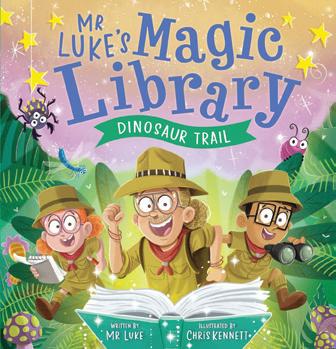
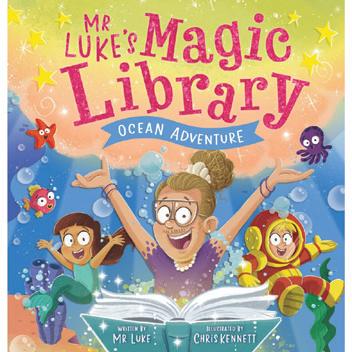
Your Magic Library series is growing fast, with Ocean Adventure already out and Dinosaur Trail on the way. What first sparked the idea for the picture book series, and how did you choose those themes?
It’s growing fast, and I still can’t quite believe it exists to be honest. The idea first sparked from something really simple and relatable taking my little legends to the library each week. I’ve always loved how that ties into literacy, because libraries are places where everyone belongs. Reading can take you anywhere, and I wanted to capture that sense of magic. As a teacher, being able to also say I’m an author, and that the books I write are about magic books… I mean, I’m living the dream over here!

If you could reimagine education in one big way, what would you change?
I’m so lucky to work in a team and at a school that’s supportive and wonderful, with parents and a community who I believe genuinely value education and respect teachers. Quite simply, I experience joy every day at my school. But I know not everyone has that, and it’s something I never take for granted. One thing I know a lot of teachers share though, and that continues to be talked about in the media, is the growing pressure and workload. For some teachers, it’s easy for joy to slip through the cracks when there’s so much to manage. That’s why I think we need to protect the heart of teaching, the relationships, the creativity, and the spark that makes learning feel alive. If I could change anything or reimagine education in one big way, it would be to ensure all teachers are supported and joy is protected, because when that happens, everyone wins. When teachers are thriving, students always will too.
In one sentence, what do you believe every child deserves from their learning experience?
Every child deserves to feel safe, seen, and supported to grow into who they are, not who they’re expected to be.
Favourite classroom snack: Sesame Snaps Dark Chocolate (highly addictive).
Ocean or dinosaurs — which world would you visit first if you could? Dinosaurs. Only because I feel like I can visit the ocean anytime.
One song that always boosts your mood before teaching: Levels by Avicii (a classic).
Most used phrase in your classroom: “No Drama Llama.” (Or “Do you want me to cut it off?” if there’s been a little injury).
Plant you’d never trust yourself to keep alive again: Calatheas and I are not friends.

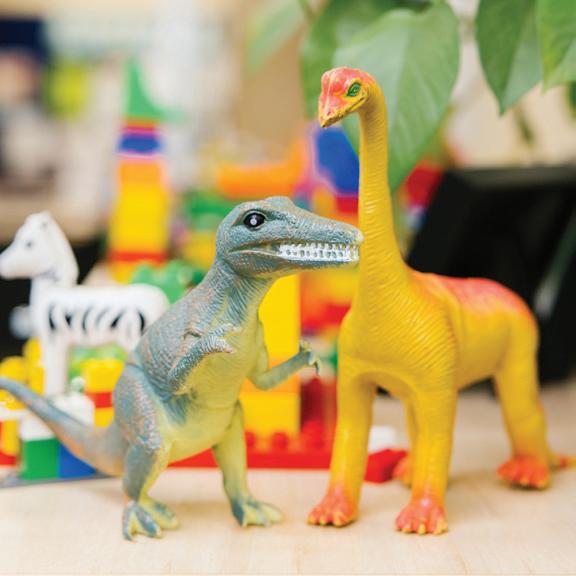
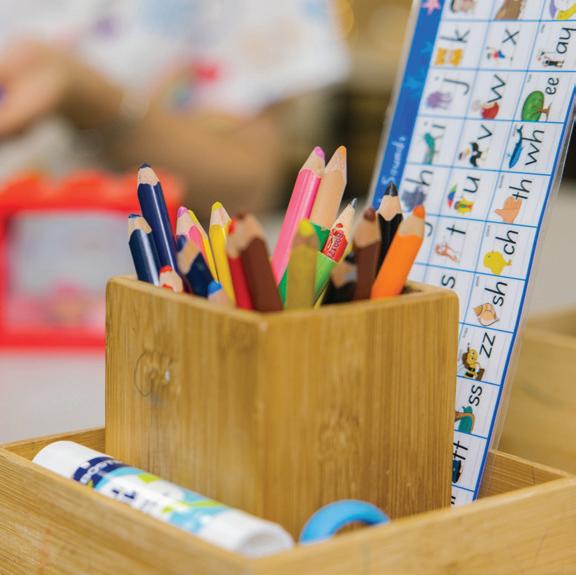
“I think learning isn’t meant to be neat, it’s meant to be lived, enjoyed, and fun.”
If you could invite one children’s book character to dinner, who would it be?
Bluey. No question. But it would be a dinner that my entire class is invited to as well.
Coffee order:
Double shot oat latte. Most used emoji:

How do you bring a sense of wonder into your classroom day-to-day?
When you teach five- and six-year-olds, wonder is everywhere. They’re naturally curious, so my job is to keep that spark alive. I try to make learning feel like play, where it’s safe to ask big questions, make mistakes, and be silly along the way. We turn lessons into adventures, stories, and hands-on discoveries. Whatever the learning opportunity, I want my tiny humans to feel that learning is fun, exciting, and full of “wow” moments. At this age, they have so much to learn and so much curiosity. I just try to give them the space to explore it.
“Each year, sometimes each day, something happens that reminds me why I do what I do.”
What’s one piece of advice you’d give parents about supporting learning at home?
One piece of advice I’d share with parents is to recognise just how much their own value of education shapes their child’s attitude toward learning. Kids learn from what they see. When they see you valuing school, asking about their day, celebrating reading, play, and curiosity, it sends a strong message that learning matters. Education doesn’t start and stop at the school gate, and teachers can’t do it alone. Parents and caregivers play such an important role in helping children see the joy and purpose in learning. It really does take a village, and when your child is enrolled at school, in a way, you are too.
And finally, what’s the best part about being “Mr Luke”?
The best part about being “Mr Luke” is that I get to do something I genuinely love every single day. I get to teach, laugh, and learn alongside the tiniest, funniest, most honest humans on the planet. There’s nothing quite like seeing the world through their eyes. And beyond the classroom, being “Mr Luke” has opened doors to share that same joy and connection with so many others around the world. It’s wild, it’s fulfilling, and it still feels a bit surreal that this is my job.
Follow Luke for classroom fun and book updates: @iam.mrluke | iammrluke.com
MR LUKE’S MAGIC LIBRARY
Mr Luke’s love of reading and tiny legends inspired his Magic Library series. He’s already whisked readers away on an Ocean Adventure and now sends them stomping through Dinosaur Trail.
Mr Luke’s Magic Library books are available online and at your favourite bookstores.
RRP $19.99
If your teaching philosophy were a hashtag, what would it be?
#TeachingIsTheBombDotCom Morning person or night owl? Morning. Early to bed, early to rise.
If you weren’t a teacher, you’d be...? Working in a plant store.
Describe your classroom vibe in three words: Joyful. Fun. Magic. If your students wrote your superhero name, what would it be?
Seeing as I work with five-year-olds, it would probably be something like Captain Smelly, Luke Pukey, or Super Stinky.

The Adelaide Central Market is set to make this Christmas extra special, with extended opening hours, free activities for the kids, live music and of course the best local produce and traditional Christmas favourites arriving daily.
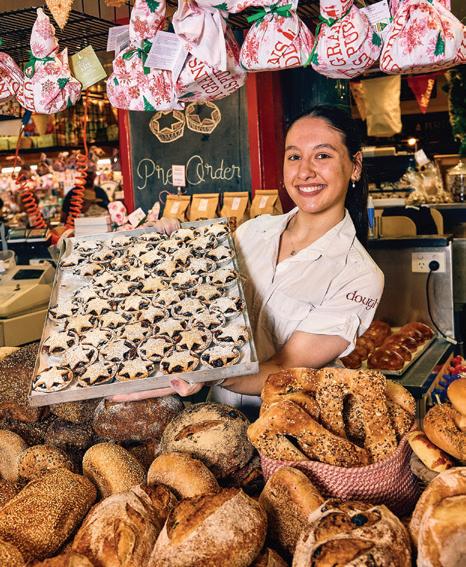
With over 70 traders under one roof, the Market is making it easy with your one-stop destination for all things festive this season and is open right up until Christmas, including Sunday 21 December and from 7am Monday 22, Tuesday 23 (until 7pm!) and Wednesday 24 December (Christmas Eve).
With Christmas just around the corner, there’s something for even the littlest foodies with a series of festive craft activities and facepainting throughout the month. Whether your child loves to create or decorate, these workshops are the perfect way to get into the holiday spirit or create a gift for your loved ones. And they’re completely free and bookings aren’t required!
▲ Saturday 6,13, 20 & 27 December
Face painting
▲ Tuesday 16 December
Gingerbread cooking and decorating demonstration





▲ Thursday 18 December
Christmas Art workshop
▲ Friday 19 December
Christmas Art workshop
Entertainment
Soak up the fun and festive atmosphere while shopping with free live music throughout December - including joyful carols by the Australian Girls' Choir, Adelaide String Duo, and a line-up of talented musicians from Music SA, as well as roving Christmas elves spreading cheer during Christmas week.

The most magical time of the year is just around the corner! From SA seafood to fruit mince pies and one-of-a-kind gifts, the Market has everything you need to make your festive season truly special. Get ready to soak up the tastes and sounds of the season and plan your visit during their Christmas Trading Hours!
Saturday 20 December 7:00am – 3:00pm
Sunday 21 December 9:00am – 3:00pm*
Monday 22 December 7:00am – 5:30pm
Tuesday 23 December 7:00am – 7:00pm
Wednesday 24 December (Christmas Eve) 7:00am – 3:00pm
Shoppers can also receive 3 hours free parking across the road at UPark Grote and Andrew, just a short walk across from the Market on Saturday 20, Sunday 21 and Saturday 27 December. Plus, there’s plenty of additional parking options within a 3-minute walk!
The Market home delivery service will also be delivering Christmas straight to your door if you can’t make it in person.
For more information on Christmas at the Adelaide Central Market: adelaidecentralmarket.com.au/ christmas

Thursday 25 December (Christmas Day)
Friday 26 December (Proclamation Day)
Saturday 27 December 7:00am – 3:00pm
Sunday 28 December
Monday 29 December 9:00am – 3:00pm*
Tuesday 30 December 7:00am – 5:30pm
Wednesday 31 December (New Years Eve) 7:00am – 3:00pm
Thursday 1 January 2026
(New Years Day) Closed
Normal Trading Hours Resume



Friday 2 January 7:00am – 9:00pm
Saturday 3 January 7:00am – 3:00pm
*Optional trading, range of traders




















































































































A parent’s guide to finding a nurturing, high-quality early learning centre in Adelaide
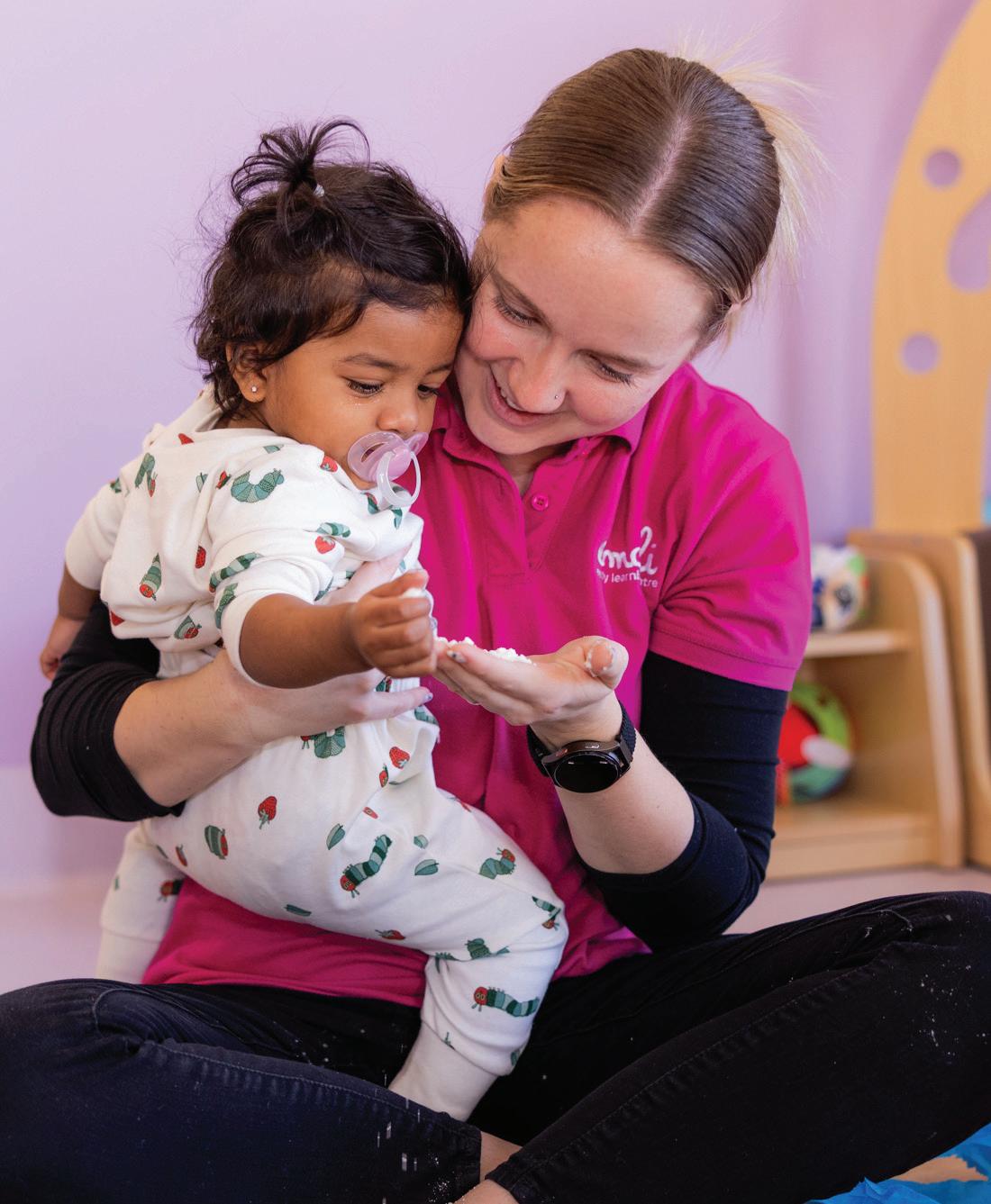
Choosing the right early learning centre is one of the most meaningful steps in your child’s early journey, and it’s natural for parents to feel a little overwhelmed by the decision. The first few years of childhood are filled with rapid growth, discovery, and connection, so finding a nurturing environment that supports and adapts to each stage is key.
To make your decision a little easier, we spoke with Emali Early Learning Centre to create a simple guide for Adelaide parents; highlighting what to look for in a childcare centre so you can feel confident your little one is in caring and capable hands.
What to look for when you tour a childcare centre:
1 Warm and Safe Environments
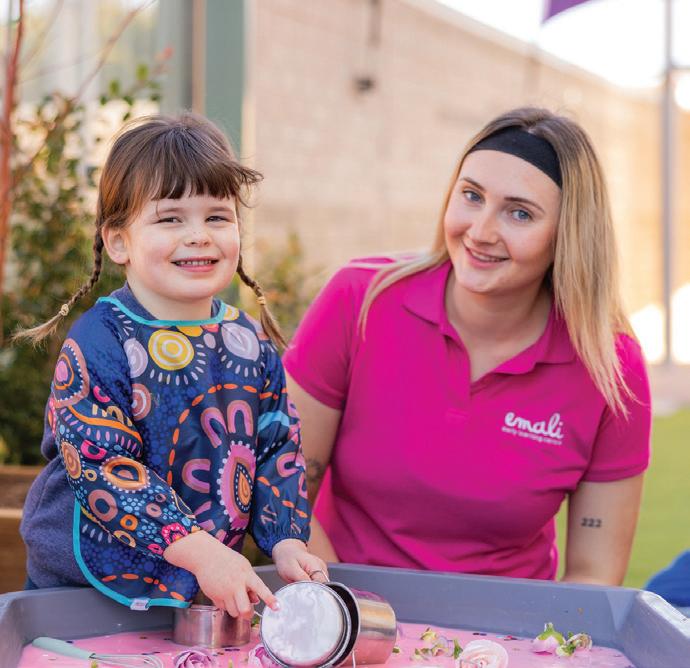
First impressions count. When you walk into a centre, notice the atmosphere, do the children seem happy and engaged? Are educators greeting families warmly? A genuine sense of connection between educators and children is one of the best indicators of a positive, safe environment.
2 Learning Through Play
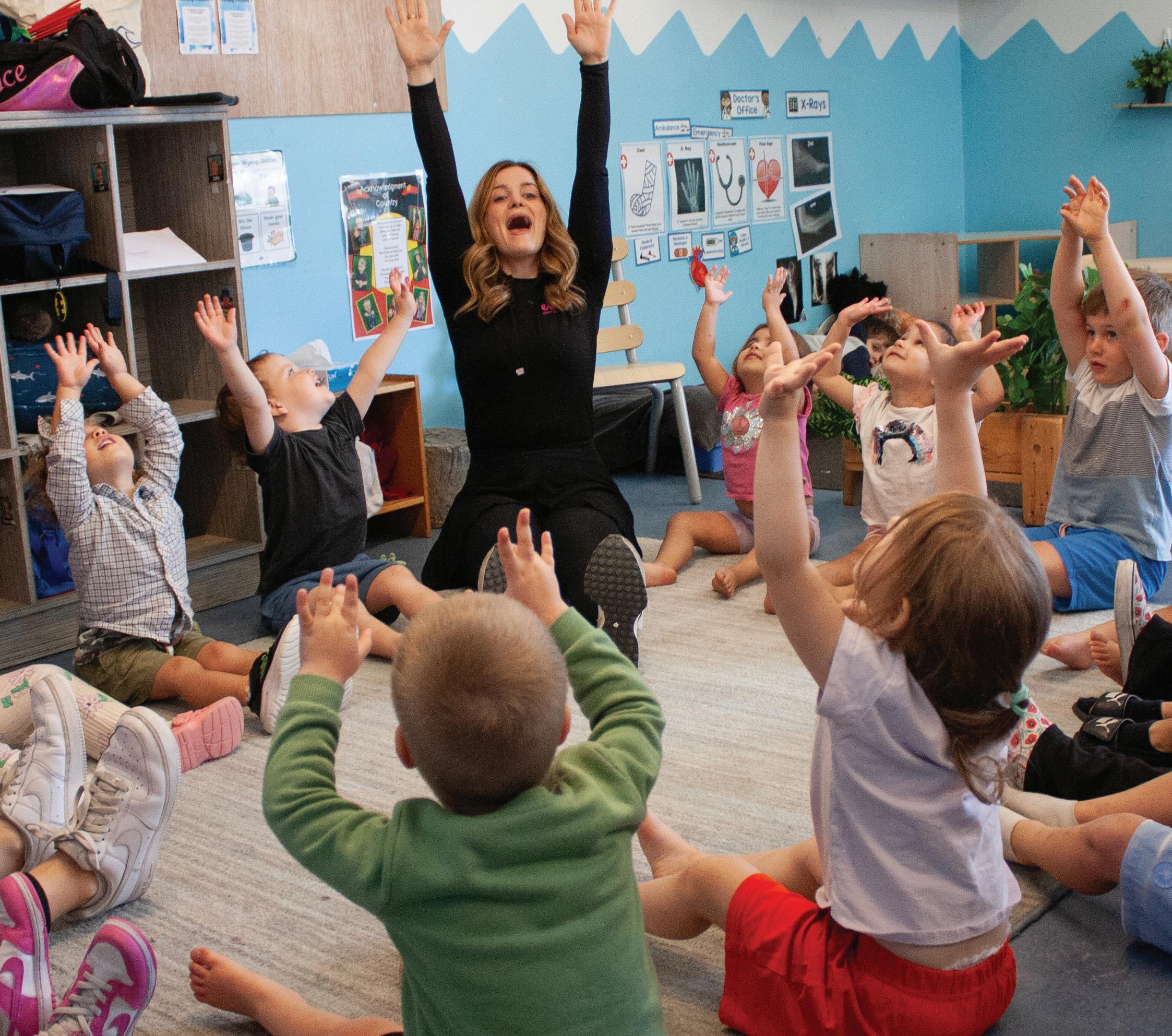
The best early learning happens through purposeful play. Ask how the centre supports curiosity, creativity and emotional growth through its programs. Look for a curriculum guided by the Early Years Learning Framework that values both structured and child-led experiences.
3 Quality Facilities and Outdoor Spaces
Spaces should be designed with safety, exploration and imagination in mind. Natural materials, light-filled rooms and well-kept outdoor areas all contribute to a stimulating learning environment.
4 Nutrition and Daily Routines
Healthy meals and predictable routines help children feel secure. Ask how the centre approaches mealtimes, sleep schedules and transitions between activities, especially for babies and toddlers who thrive on consistency.
5
Educator Qualifications and Care
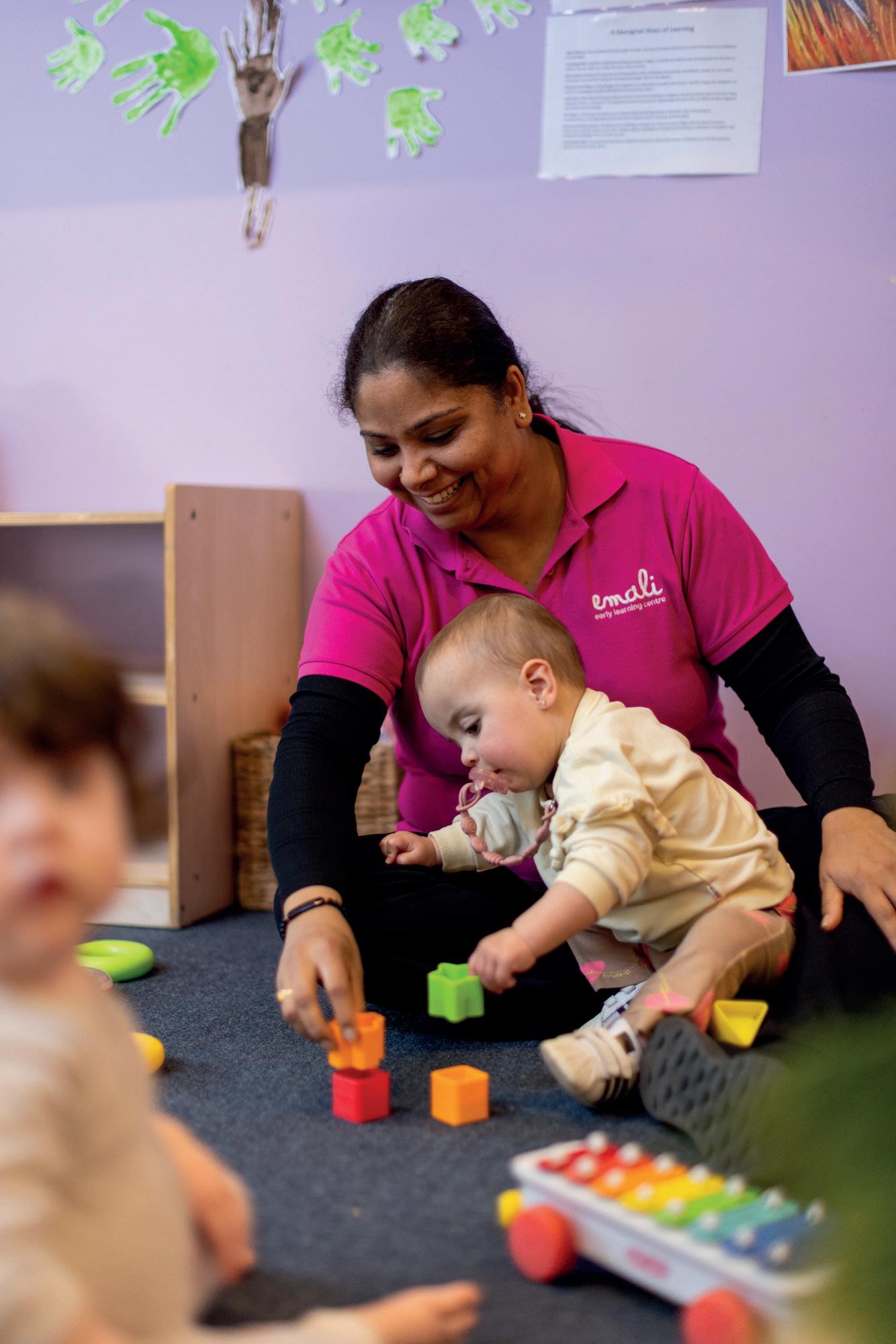
Great educators make all the difference. Ask about staff qualifications, ratios and how educators are supported in their ongoing training and development. High-quality care comes from teams who feel valued, are equipped, supported and passionate about their work.
6 Smooth Transitions and Continuity
As your child grows, it’s ideal to have continuity in their learning environment. Centres that offer in-house pre-kindy and preschool programs led by qualified early childhood teachers help maintain routines and familiarity for children, making the transition to school smoother and less stressful for families.
Why Emali Might Be the Right Childcare Centre for Your Family
Emali Early Learning Centres are built on the belief that children thrive when they feel loved, respected and supported.
How do educators support children’s emotional wellbeing?
What does a typical day look like for each age group?
How do you communicate with families about their child’s progress?
How do you manage sleep, feeding and routines for babies?
What kind of meals and snacks are provided?
How do you celebrate different cultures and backgrounds?
What is your approach to guiding behaviour or conflict between children?
How do you prepare children for the transition to school?
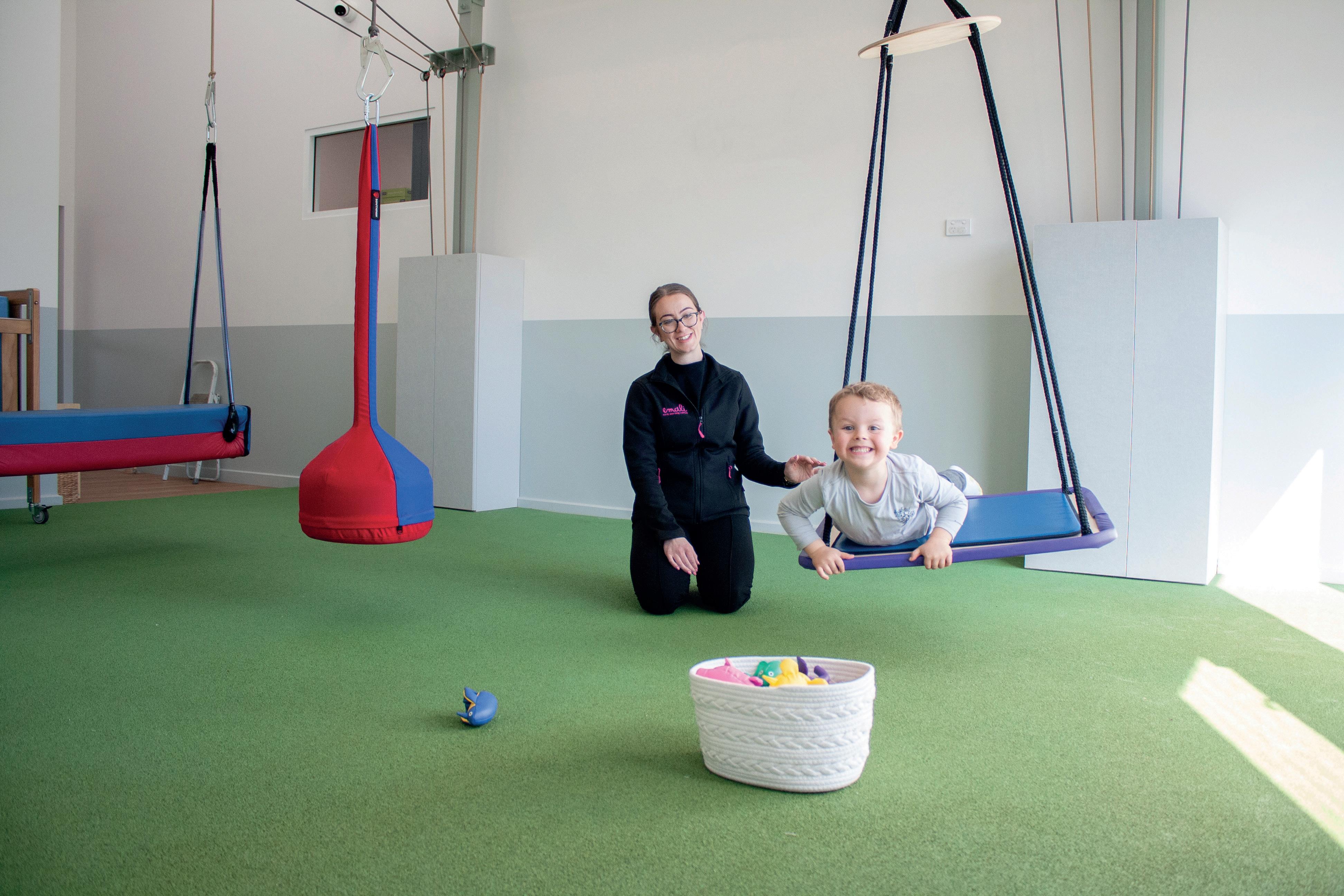
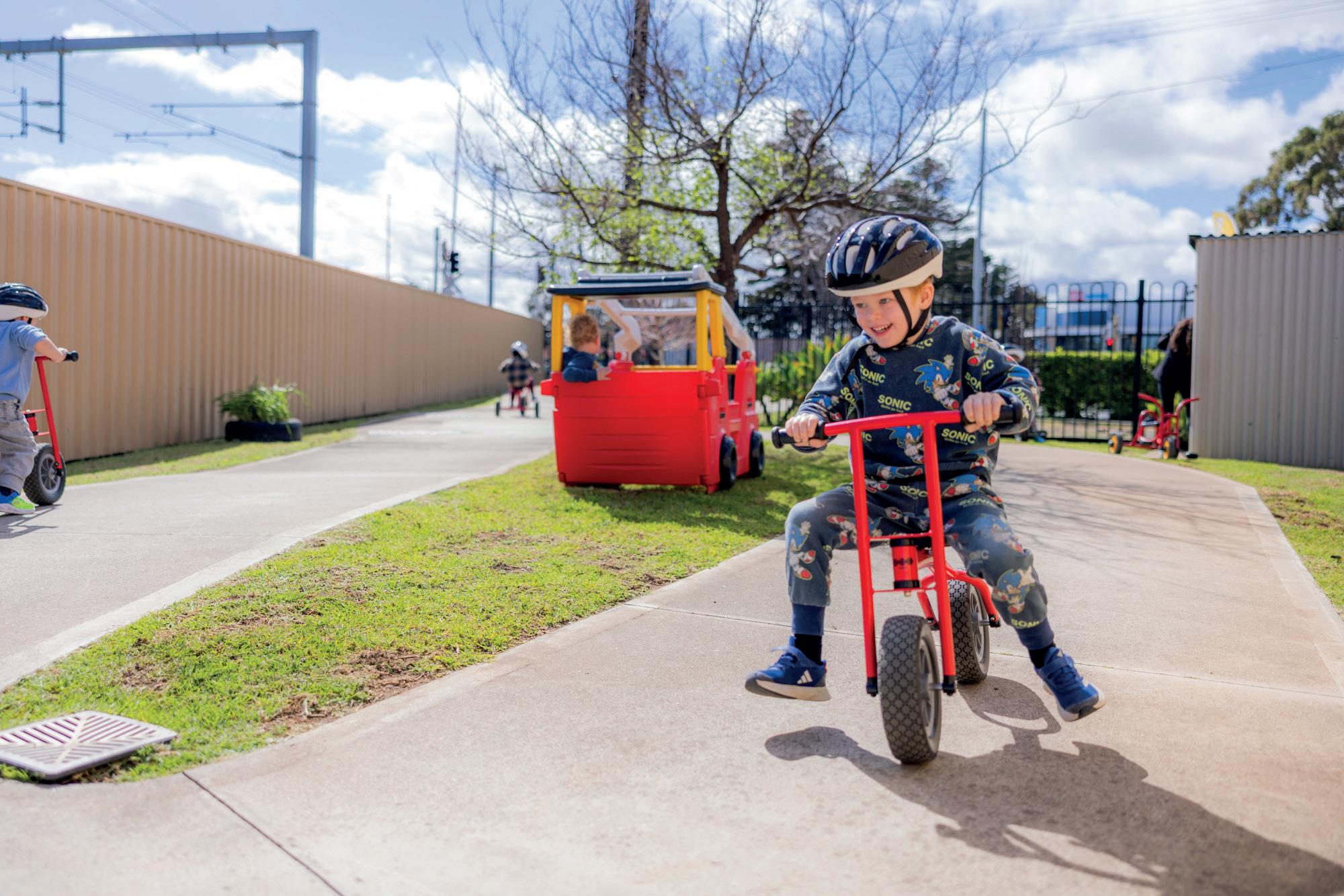
Locally owned and operated in South Australia, Emali has 9 conveniently located metropolitan based centres. Each centre is thoughtfully designed to feel warm and home-like, with nurturing baby rooms and inspiring preschool spaces, natural play environments that encourage creativity, and nutritious meals prepared by in-house chefs to fuel busy little bodies.
Emali’s holistic programs are guided by qualified early childhood teachers and educators and align with the Early Years Learning Framework, focusing on emotional wellbeing, creativity and confidence. From infancy through to preschool, children enjoy consistency, care and connection; giving families peace of mind that their child’s early learning journey is in nurturing hands.
To find out more about Emali Early Learning Centre and book a centre tour: emali.com.au
To support EveryMum’s global mission through donations, volunteering or partnerships: everymum.org
with Emma Memma
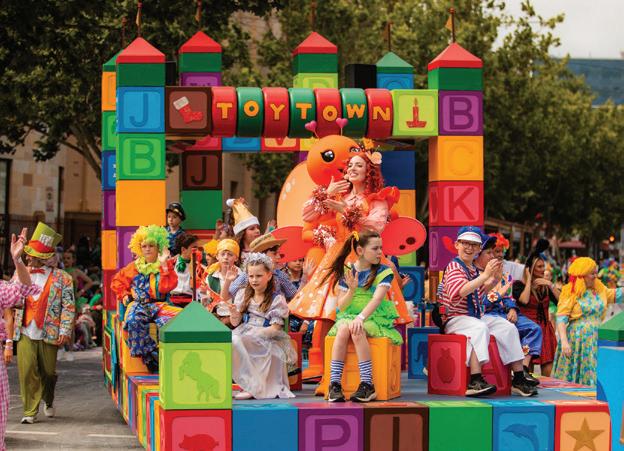
When Emma Memma joined the Christmas in ToyTown float at the National Pharmacies Christmas Pageant, the whole city seemed to sparkle a little brighter. With butterflies in her hair, music in the air and thousands of little hands signing “Merry Christmas,” it became one big, joyful dance of colour and connection.
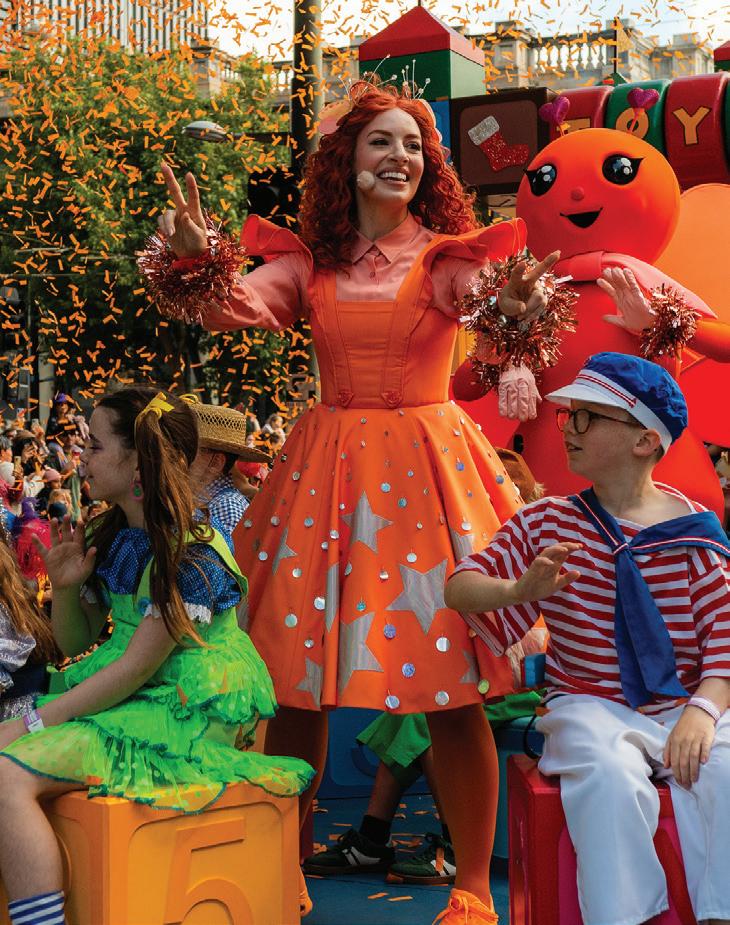
We caught up with Emma after the Pageant to chat about her favourite festive moments, the magic of seeing children sign along the parade route, and how she’s dreaming up new ways to twirl into the year ahead.
Riding on the Christmas in ToyTown float must have been magical, what was your favourite part of the National Pharmacies Christmas Pageant?
The most magical moment was seeing thousands of little faces light up as they waved and signed “Merry Christmas” back to the float. Watching families all the way down the parade route join in with the Auslan actions truly felt like the whole city was dancing and communicating together. We can’t wait to bring our co-performer Elvin (who is Deaf) next time so everyone can sign directly to him.

By Crystle Range AKA Nanny Cryssie
So, your family has decided to start looking for a nanny? Whether you want an in-home care nanny as an alternative or alongside other care options like learning centres and family daycare, it can feel daunting knowing how to get a nanny onboard.

Did any float, performance, or crowd reaction make you laugh out loud or do a little dance yourself?
I was mostly in awe seeing the floats up close in Stardust Castle and experiencing the incredible level of detail that goes into making and restoring these masterpieces. I do love Bruto - I think if I were a child, sitting in Bruto’s arms would be the most joyful time!
Were there any surprises or behindthe-scenes moments during the Pageant that you’ll never forget?
The sweetest surprise happened before the gates even opened. The Pageant team had been practising the Auslan signs for “Merry Christmas” backstage, and seeing everyone rehearsing together, from the float engineers to the performers - truly captured the spirit of the day.
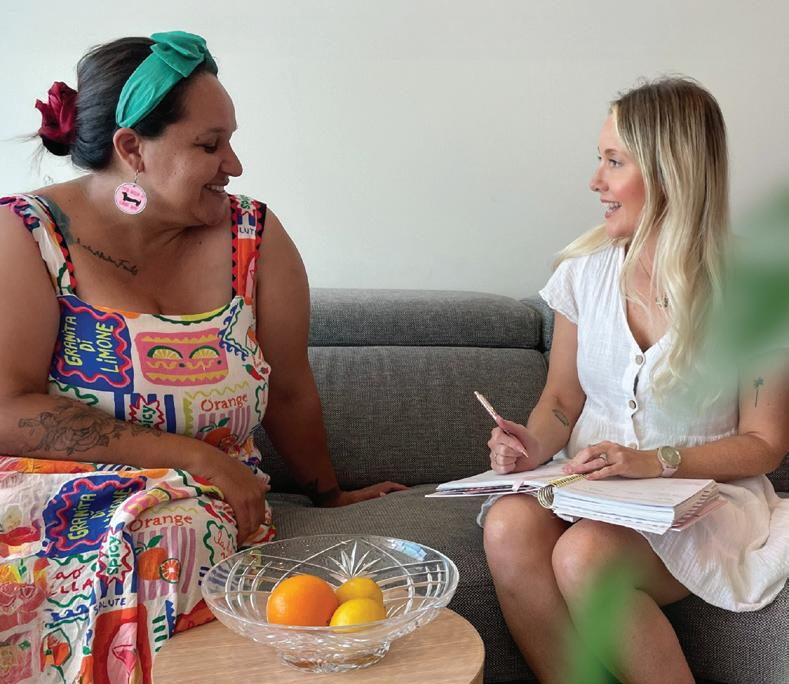
Here are some questions to ask yourselves before you start interviewing for a nanny.
Contracted or employed?
Regardless of how you have acquired your nanny, check for their status as either a contracted or employed worker. Your responsibilities will be different depending on this. Including tax obligations, work cover, superannuation contributions, insurances, and different award rates. NannyPay is a great resource for this.
Workcover. Do you require household worker work cover? Check your state’s local work cover insurance authority. This is essential to ensure you are covered if a worker gets injured in your home.
Discuss wants and needs. Get clear on what your family’s needs are before starting the process of finding a nanny. What are your family values, allocated budget for a nanny, and what values do you want your nanny to uphold?
Discuss your wants and needs as a family. Do you require someone who can drive the kids around, light housekeeping duties, and nap time management? What are your nanny’s passions, talents, skills etc that may enhance the desirability for your family.
One little girl who had come to watch the Pageant had learnt how to spell her name in sign language. She had clearly been practising before the big day, and she showed me (so proudly!) from behind the blue honour line. I understood her straight away, and in that moment we instantly connected.
If you could design a float for the Pageant yourself, what would it look like and what would you perform on it?
Ohhhhhhh the possibilities are endless!
Maybe a big butterfly on a bright apricotand-pink beach island with tall coconut trees swaying in the breeze. The performance would weave Auslan phrases through dance, so the whole float becomes a butterfly dance party. And, of course, we’d need bubbles - and lots of twirly ribbons!
What’s your favourite thing to do in summer when you’re not performing?
Summer is for slowing down just a little. I love visiting my family across different states in Australia, enjoying long lunches and catching up with friends. And, of course, dreaming up new ways to twirl into the year ahead!
These are some of the essential questions to ask and topics to discuss with an interviewee.
All rates of pay and any other potential costs. Discuss cost transparency including pricing structures, cost per hour for different services, and additional fees and surcharges that may apply. Ask about everyday rates, nanny share rates, overnight rates, public holiday fees, late fees, and cancellation policy.
Credentials. The below credentials are the important ones to ask for. Always ask for evidence and check that documents are in-date.
• A Working with Children (WWCC) check
• References from previous clients/ employers (recommended)
• Childcare qualifications (not required in a nanny role but can be desirable)
• Certifications like first aid, CPR, RRHAN-EC certificate (Responding to Risks of Harm, Abuse and Neglect – Education and Care
• Child Safe Environments policy
Follow these tips to ensure you start your family’s nanny journey with a strong foundation built on professionalism and mutual respect.
Crystle Range is an early childhood nanny, children’s book author–illustrator and play space designer, offering a unique perspective on family life, early learning and community play. She’s passionate about helping young families find their village.



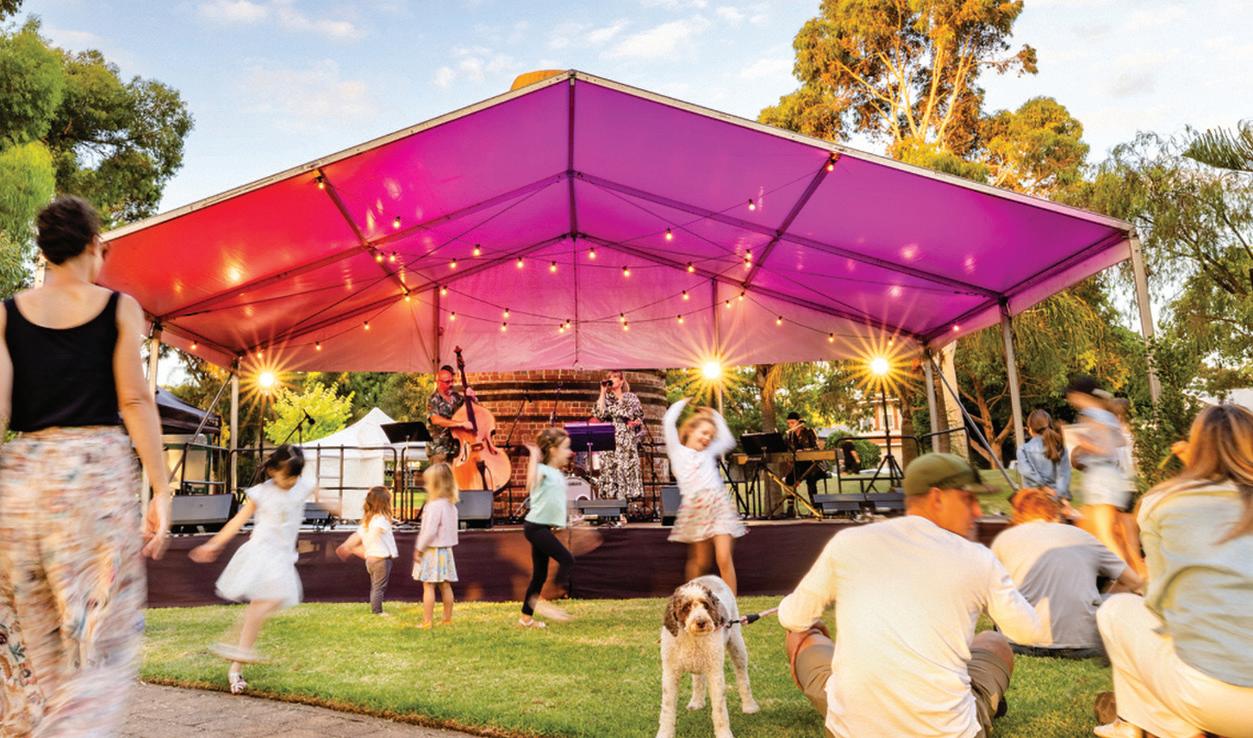
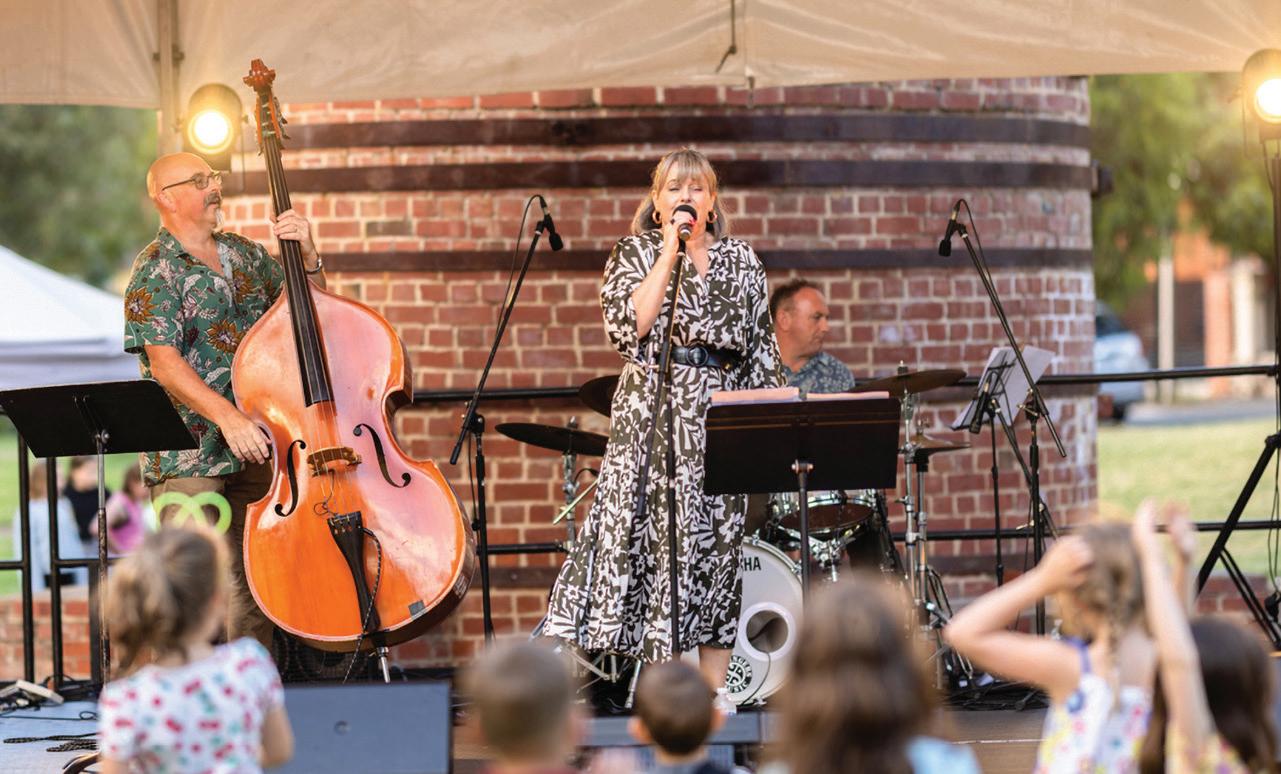
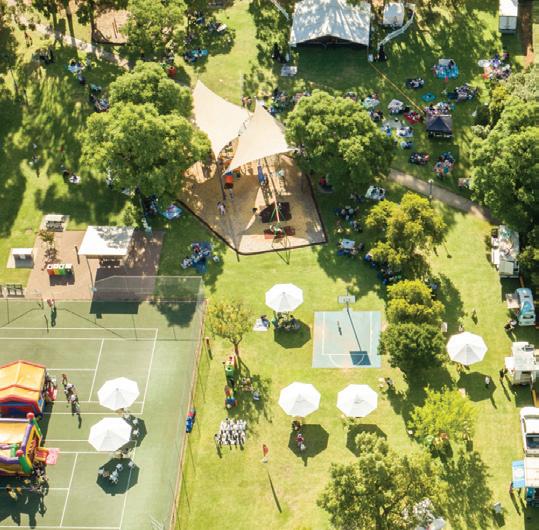
There’s something special about a warm evening spent outdoors; the kids running on the grass, the smell of picnic food in the air, and the sound of live music drifting through the park. It’s one of those simple pleasures that feels like summer in South Australia.
The City of Norwood Payneham & St Peters’ Concerts in the Park series captures that feeling perfectly. Each event invites families to roll out their picnic blankets, pack a few snacks, and settle in for an evening of music, community and connection. With a line-up that spans toe-tapping jazz, orchestral pop, and kids’ entertainment with a message, there’s something for everyone, from toddlers to grandparents (and every age in between).
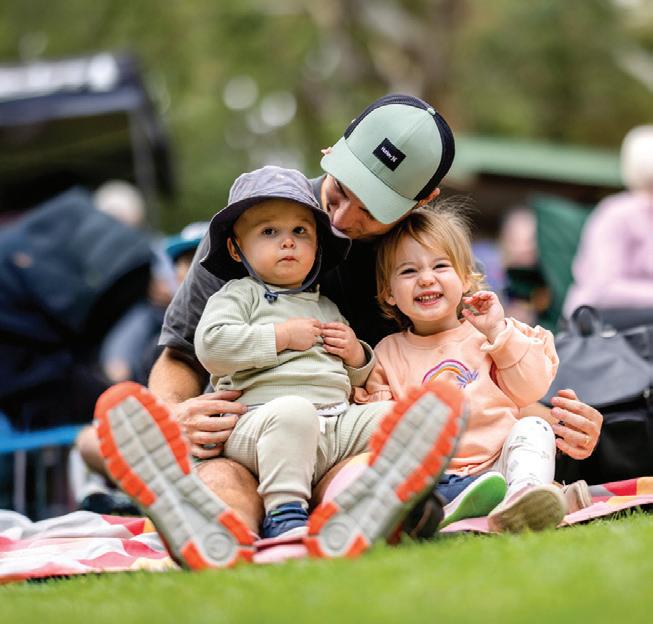
So grab the sunscreen, the kids, and your best picnic spread… Here's what’s happening in the park this season.
Get ready to swing, shuffle and smile as Adelaide’s own Lucky Seven bring their big-band brilliance to the park this season. This seven-piece sensation blends the golden glow of 1950s Americana with the unmistakable buzz of live music under the stars; a recipe for pure, toe-tapping joy.
With guitar, double bass, drums, trumpet and a trio of saxophones (alto, tenor and baritone), Lucky Seven serve up that brassy, bold sound that gets audiences of all ages moving. Think classic swing and rhythm & blues with a dash of rockabilly charm, the kind of music that fills the park, gets feet tapping, and brings strangers together for an impromptu dance or two.
Formed right here in Adelaide more than two decades ago, Lucky Seven have built their name on passion, rhythm and a whole lot of heart. From their early days winning the Adelaide Casino band competition to performing at major international events including the Singapore Formula 1 and Shanghai Exhibition Centre, they’ve grown into one of South Australia’s most-loved live acts. But for this band, it’s not about the spotlight... It's about the crowd.
Regular collaborators with the City of Norwood Payneham & St Peters, Lucky Seven are familiar faces at local festivals, street parties and open-air concerts. Their infectious energy and unmistakable sound have made them a firm favourite across Adelaide, proof that great music doesn’t just fill the air, it connects people.
As the sun sets and the first notes float through the park, you’ll feel it too; that unmistakable rhythm that makes you want to move. Bring your picnic rug, your friends, and maybe a pair of dancing shoes, because Lucky Seven’s blend of vintage swing and contemporary fun will have everyone from toddlers to grandparents smiling from the first trumpet blast to the final bow.
So pack your snacks, pour a drink, and get ready for a night of music that feels like summer itself. As the band loves to say: “Forget your cares and woes, just dance!”
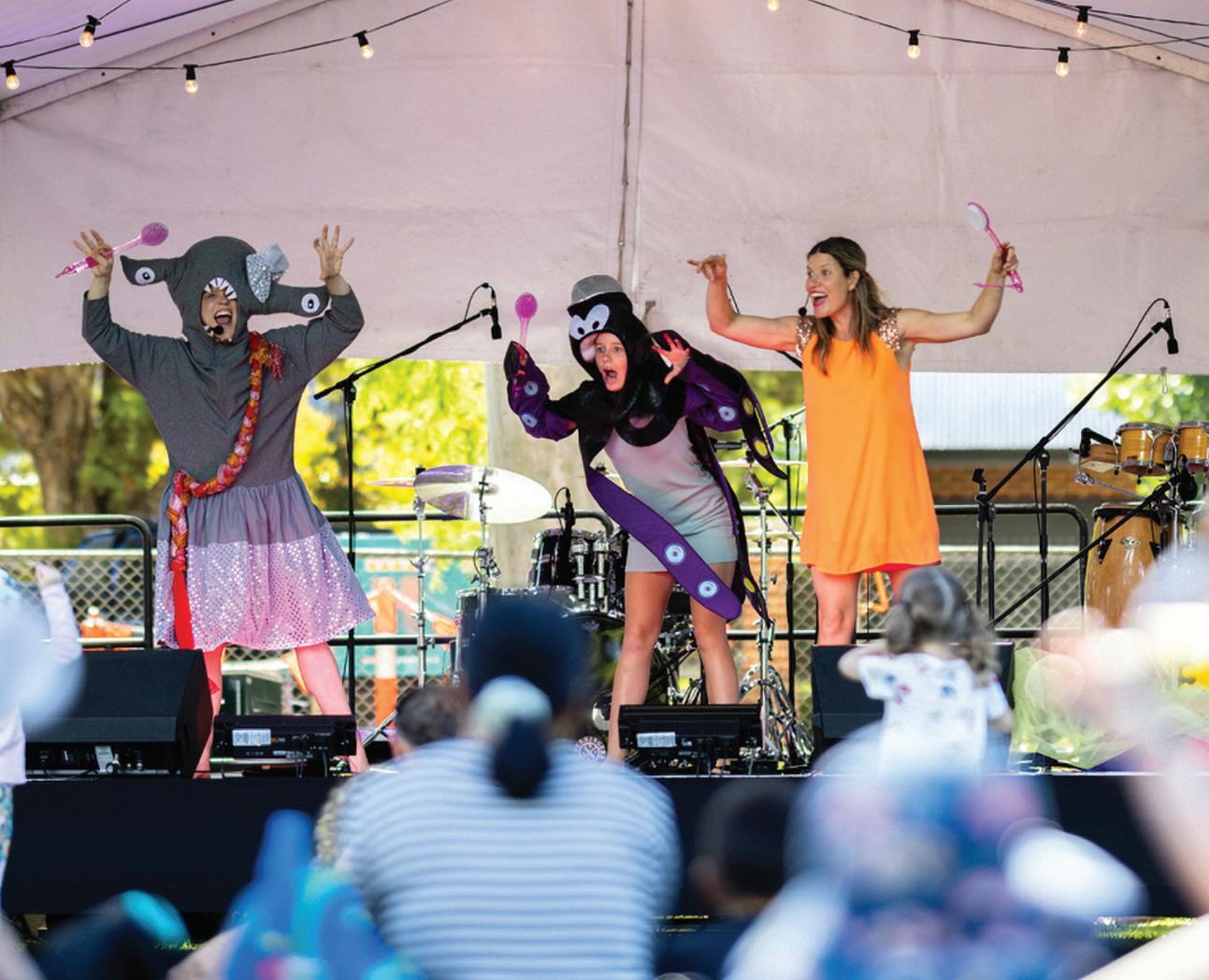
There’s nothing quite like the buzz of a sunny park filled with music, movement, and laughter, and Sea Star Rock Productions bring that magic to life. For over a decade, this South Australian favourite has been inspiring kids and families to sing, dance, and explore the natural world, all while having an absolute blast.
At Melodies in the Park, Sea Star Rock fills the stage with colourful characters, original songs, and high-energy performances that get everyone moving. From toddlers twirling in front of the stage to older kids clapping and singing along, their shows are a whirlwind of fun and creativity.
With tunes like Jellyfish Fizzies, Big Blue Bopping Whale, and Fossil Rock, every performance blends catchy music with gentle messages about caring for the planet, noticing nature, and celebrating the world around us. The songs are playful and interactive, encouraging kids to move, jump, and dance while connecting with the environment in a joyful, natural way.
It’s not just the music that makes Sea Star Rock special, it’s the energy they bring to the whole park. Families spread out on picnic rugs, friends catch up while kids twirl and bounce to the beat, and grandparents can’t help but smile as the whole crowd joins in the fun. It’s community, creativity, and learning all rolled into one colourful, laughter-filled afternoon.
When Sea Star Rock takes the stage, it’s impossible not to get caught up in the excitement. Bright, playful, and full of heart, their shows are the perfect way for families to enjoy music together, and maybe even discover a little love for the natural world along the way.
If you think orchestras are all about tuxedos and violins in concert halls, think again. The Fusion Pops Orchestra (FPO) is rewriting the rules, bringing together the power of a full orchestra with the joy and familiarity of pop and rock music. And the result? Pure magic.
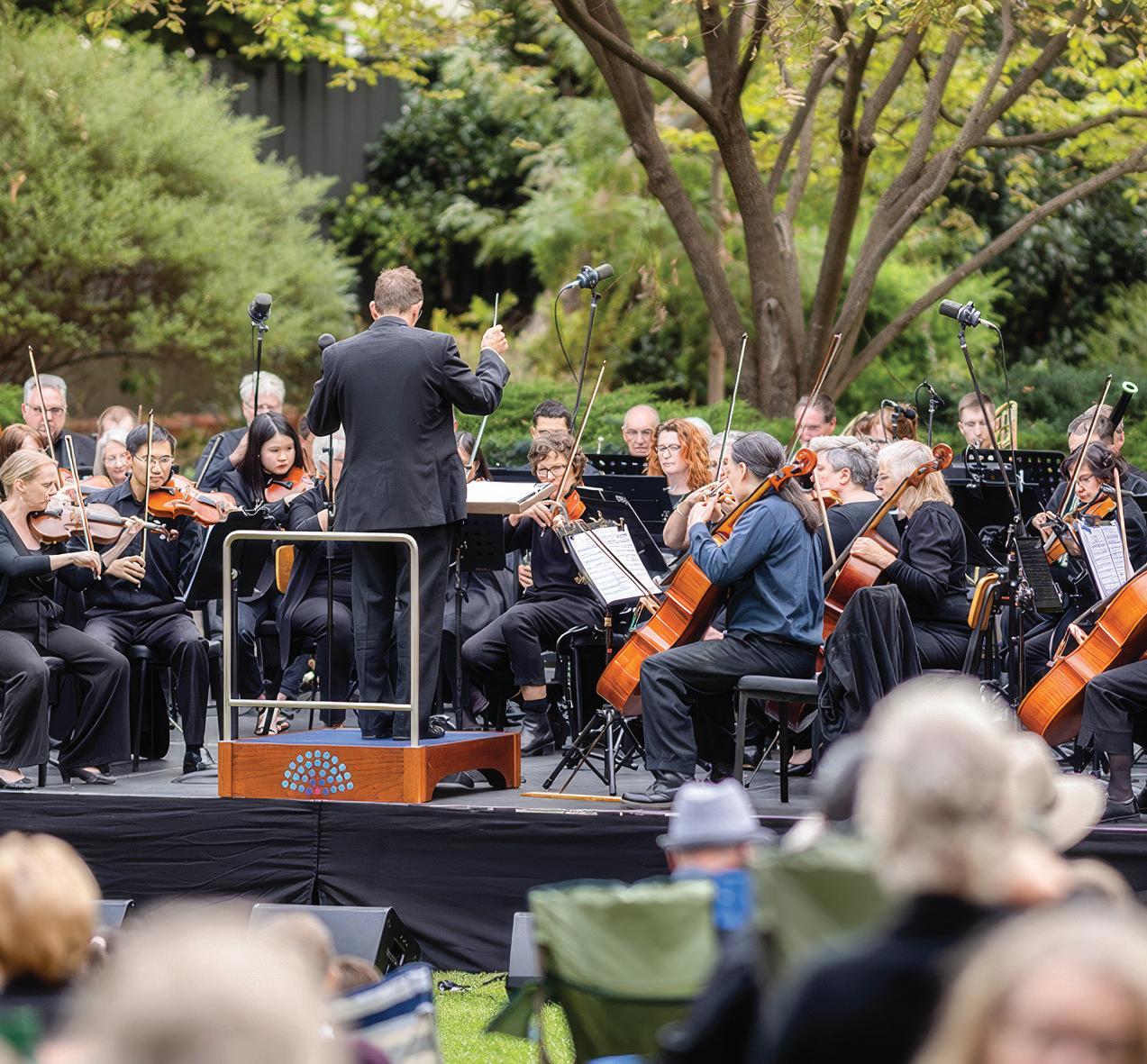
Whether you’re chasing a night of jazz, a family-friendly afternoon of singing and dancing, or a cinematic symphony under the stars, these free community events remind us why local arts matter.
They offer families a space to connect, unwind and experience live performance in a setting that’s relaxed, inclusive and full of heart. The kids can dance, parents can chat, and everyone can soak up that perfect South Australian evening energy. Each event also celebrates the talent that thrives right here in our own backyard, from local musicians to homegrown production teams who keep creativity alive in our communities.
So this season, trade the screens for a picnic rug, grab your favourite snacks, and get ready to make some musical memories. Because when the sun’s out, the grass is green, and the band starts to play, there’s no better place to be than right here, in the park.
Founded in 2011 right here in South Australia, FPO is made up of more than 50 passionate musicians and 16 incredible vocalists who perform simply for the love of it. Together, they create a sound that’s both spectacular and down-to-earth; a mix of lush strings, punchy brass and powerhouse vocals that turn classic hits into something totally new.
The orchestra’s repertoire reads like the ultimate family playlist: Fleetwood Mac, Dolly Parton, Simon & Garfunkel, The Eagles, Beyoncé; all reimagined with a cinematic twist. It’s music that brings generations together, with parents singing along, kids dancing barefoot, and grandparents smiling to songs they grew up with.
Fusion Pops Orchestra is proud to be Adelaide’s only orchestra dedicated entirely to pop and rock, and their passion for making orchestral music accessible to everyone shines through in every performance. Their concerts are vibrant, welcoming and full of energy — perfect for families who might be hearing an orchestra live for the very first time.
At Symphony in the Park, the FPO creates something truly special: a shared experience that connects the whole community through music. It’s the kind of evening that makes you stop, listen, and realise just how good live music feels.
What started as a local project has become one of Adelaide’s most beloved community ensembles, supported by loyal audiences and a whole lot of word-of-mouth love. The Fusion Pops Orchestra continues to grow, not just in size but in spirit; a shining example of the creativity and collaboration that makes SA’s arts scene so vibrant.
City of Norwood
Payneham & St Peters
Proudly presenting the 2026 Concerts in the Park series
7 February – 28 March 2026
● Jazz in the Park
Saturday 7 February
– Lucky Seven
● Melodies in the Park, Saturday 28 February
– Sea Star Rock
● Symphony in the Park
Saturday 28 March
– Fusion Pops Orchestra
Enjoy free live music under the stars all month long.
For event updates and locations:
npsp.sa.gov.au
SCAN THE QR CODE to find out more
The festive season is here. The lights are going up, lunch menus are being planned and, all over South Australia, children are getting ready for the arrival of Father Christmas, with high expectations of waking up to piles of gifts under the tree.
While there’s a big focus at this time of year on consuming, it’s also the perfect time to help children discover that giving to others can bring just as much happiness as receiving and that small acts of kindness can make a big difference in our community.
In a world where children are surrounded by messages about getting more - more toys, more tech, more of whatever the latest schoolyard trend might be, teaching them the power of giving helps them to see the world differently.
It encourages empathy, builds gratitude and shows them that even small actions can make a big difference to someone else.
“At UnitingSA, we see every day how small gestures of kindness can have a big impact,” says UnitingSA CEO, Jenny Hall. “When families give together, they’re showing children that they have the power to brighten someone’s day and that’s a feeling that stays with them.”
While many of us are busy decorating trees and planning family lunches, the reality is that Christmas can be a really hard time for others. The rising cost of living means more families are struggling to afford the basics, let alone gifts or a festive meal.
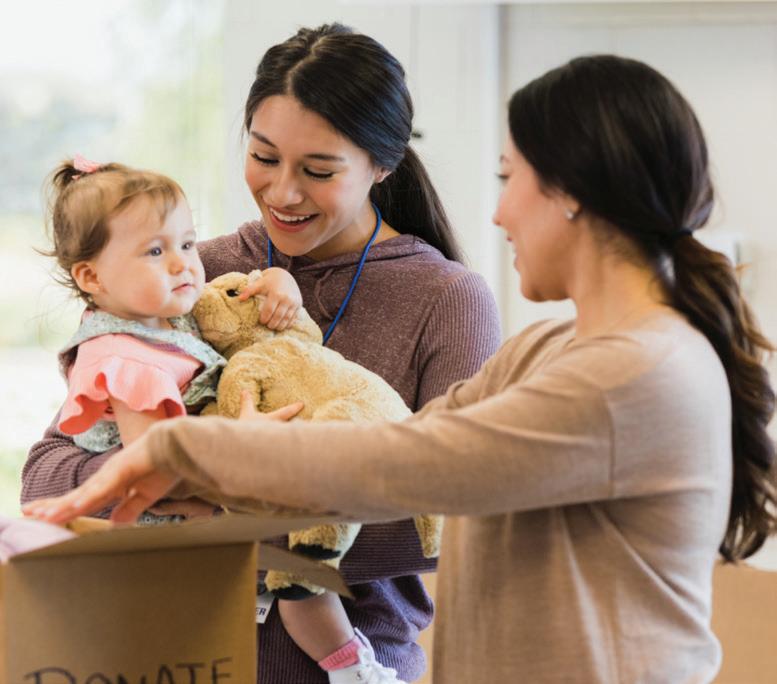

That’s why UnitingSA’s Christmas Appeal exists, to bring hope to local families doing it tough. Every year, the Appeal provides essentials and gifts to help make Christmas a little brighter for hundreds of South Australians.
“When people contribute to our Christmas Appeal, they’re giving more than a present,” says UnitingSA CEO, Jenny Hall. “They’re reminding others that they’re not alone and that people really do care.”
Helping children experience the joy of giving doesn’t have to be complicated or expensive. Here are a few simple ideas to get started.
* Donate a gift together
Take your child shopping for a toy, book or puzzle to donate. Talk about how it will make another child’s Christmas morning a little brighter.
* Create a giving jar
Encourage kids to pop a few coins from their pocket money into a jar during the year. At Christmas, decide together where to donate it. They’ll love seeing how their small savings can make a real impact.
* Share something homemade Bake cookies for neighbours who might be by themselves or write cards for residents in a local aged care home. Little acts of kindness can teach big lessons.
* Volunteer as a family
Look for family-friendly volunteering opportunities, like sorting donations or helping at a community event. When kids see giving in action, they feel part of something bigger.
* Talk about why giving matters
Use everyday moments to start conversations about kindness and gratitude. Ask your children how they think someone might feel receiving a gift, a meal or a simple act of help. These conversations can be small, but they leave a lasting impression.
When
people contribute to our Christmas Appeal, they’re giving more than a present. They’re reminding others that they’re not alone and that people really do care.
UnitingSA CEO, Jenny Hall
After the challenges of recent years, many families are feeling the pinch and that’s why the spirit of giving means even more right now.
“This year, we’re asking South Australians to come together to make Christmas special for everyone,” says UnitingSA CEO, Jenny Hall. “Whether you give a little or a lot, every donation helps someone feel seen and supported.”
When your child helps wrap a gift, drops a toy in a collection box or talks about helping others, they’re learning lessons that last long after the decorations come down.
Because while presents are soon forgotten, the feeling of giving and knowing you’ve made someone else’s day brighter stays on.
UnitingSA’s Christmas Appeal is now open and every contribution helps bring hope to local families in need.
Your support provides essentials for families and gifts for children who might otherwise go without. It’s a simple way to show your children the true meaning of Christmas, that joy grows when it’s shared.
Together, we can make sure every family experiences the warmth and connection of the festive season.
To donate or find out how your family can get involved: unitingsa.com.au/christmasappeal



























By Rebecca Morse
‘Tis the season to be jolly. And merry. And bright. Yet every holiday season I am a Grinch, with Scrooge rising.
The no, no, no to your ho, ho, ho, if you will.
I’ve been feeling festively triggered since October, when I walked through Marion Shopping Centre on a mission to buy school shoes because my middle child had lost hers.
A frustrating excursion during which I was told by the sales assistant that it was a bad time of the year to buy school shoes. Pray tell, when in fact is it ever a good time to fork out top dollar for shoes that aren’t for me?
I digress. During this frustrating excursion my already-simmering, mall-related anxiety was exacerbated by the sighting of multiple giant Christmas trees and Santa’s photo cave thingy. The man in red would be appalled. Let the guy get past the Pageant before you start reminding him he has to have multiple kids sitting on his knee imminently.
It’s the Christmas to-do list which has me hyperventilating.
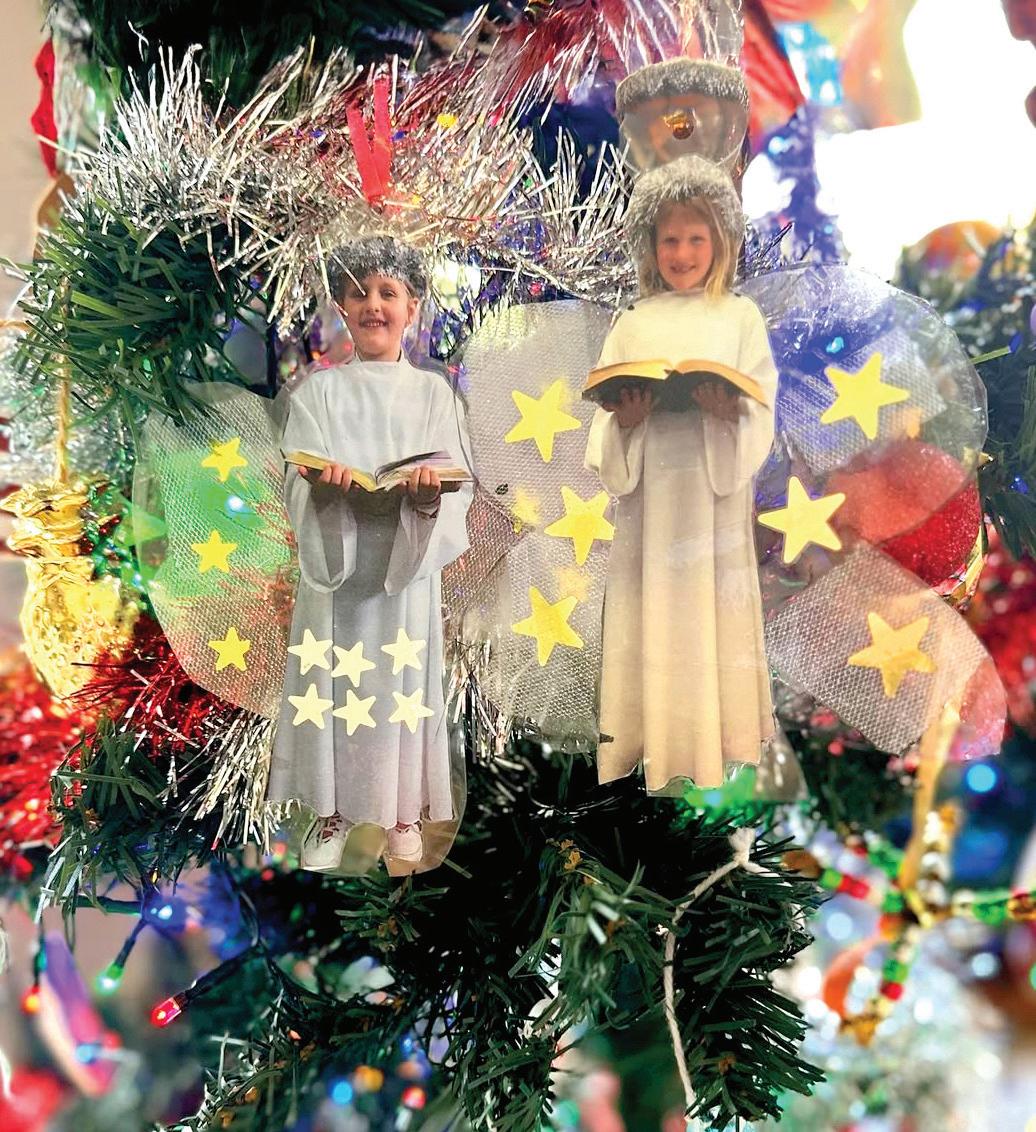
At least my kids aren’t in primary school any more. Shout out to the kindy/primary school parents during this difficult time. The nativity costumes! That last minute rush to K-Mart to find a tea towel or some angel wings depending on what role your cherub had been cast in for carols that year.
Actually to be honest that’s made me a twinge nostalgic now my daughters have quit choir. Maybe do enjoy those days while they last. Face with welling happy tears emoji.
Then there are the gifts. The class Kris Kringle. With a five dollar limit. Except no one sticks to that limit so if you do you look like the class tight arse.
Now the gifts for the teachers I can get around. Believe me the least I can do for my kids’ teachers is regift a bottle of bubbles and some apricot and fig hand cream after they’ve largely turned a blind eye to their frequent tardiness and my crippling inability to master the online parent-teacher interview system.
And can we talk about the crammed Christmas calendar? (A crammed Advent calendar I will allow). The friends you haven’t seen all year who say we MUST have a Chrissy catch up? Then you feel like you have to get them a little something-something and you exchange scented candles every year until you die.
I must also confess to being haunted by the Ghosts of Christmas Cooking Failures Past. No one in the history of “just bring a salad” has ever butchered one like me. My deepest apologies for the disrespect I have brought to the Ottolenghi name. It will live on in family lore the time I overcooked his soba noodle recipe and served up a brown sludge that remained on the buffet table long after the Caprese and Watermelon & Feta salads had been eagerly devoured.
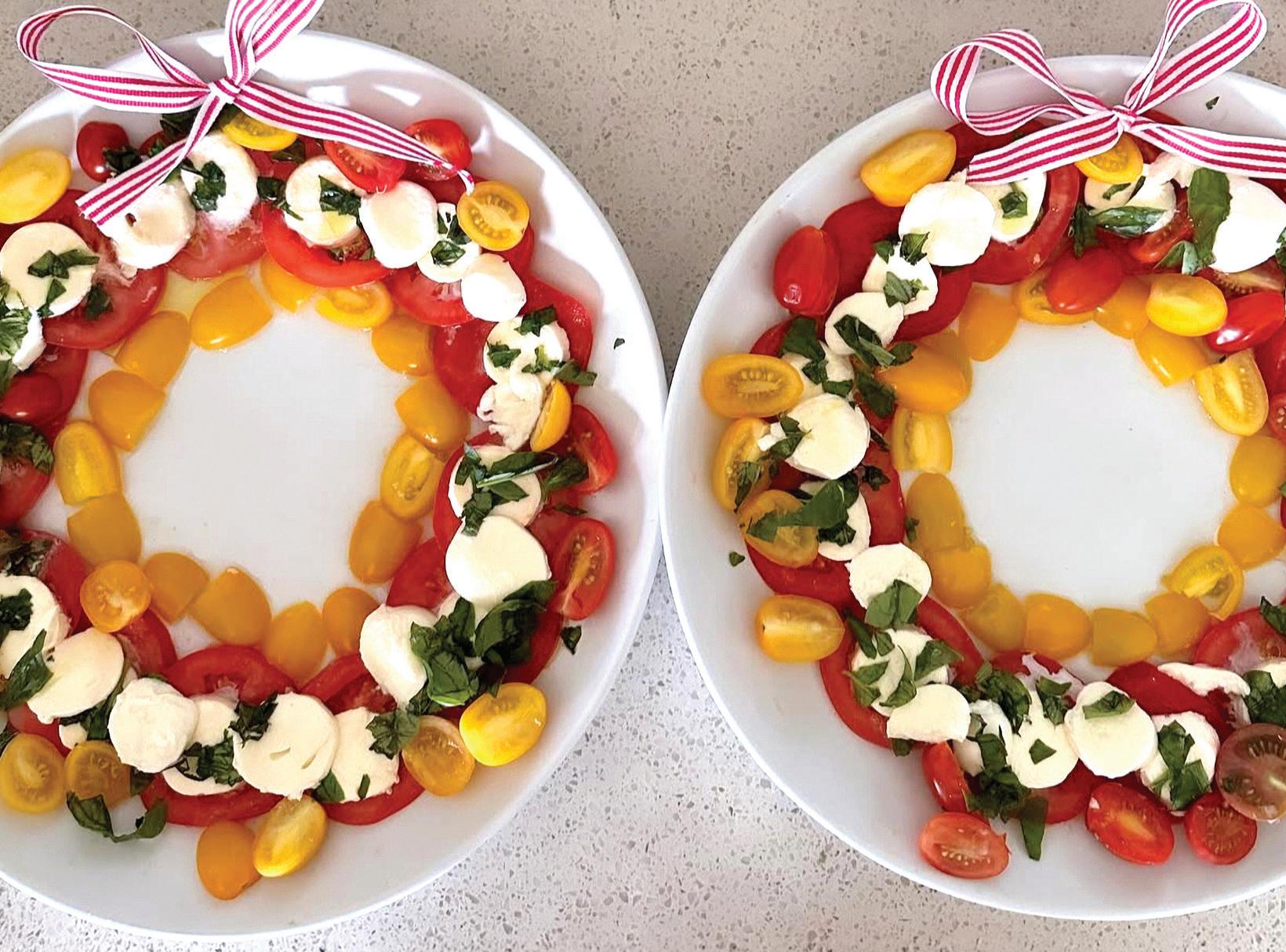
In an effort to force myself to get festive one year I even invested in some Christmas lights for the front yard.
The dog chewed through them on night one. He gets it.
The perceptive among you will have already determined when I put the tree up. I don’t wait for the Christmas Pageant. I wait for a date that has December in it. And it’s packed down on New Year’s Day depending on the level of the headache.
Friends, it is here that I must check my privilege. I recognise that there are many who have far more significant worries over this time than what weekend to put the tree up. They may be celebrating Christmas without a loved one or struggling to afford gifts and food. So if you are able, please add donations to local charities which support those less fortunate to your to-do list.
And have a Merry Christmas ya filthy animals!
Because your fur-babies deserve a holiday too
Family life is full of movement; school runs, sports days, weekend trips, holidays away. But when the bags are packed and everyone’s buckled in, there’s one question every pet-loving parent asks: who’s looking after the dog (or cat)? Leaving your pet behind is never easy, but Beau’s Pet Hotel makes it a whole lot easier to relax, because while you’re away, your furry family member will be living their best life.
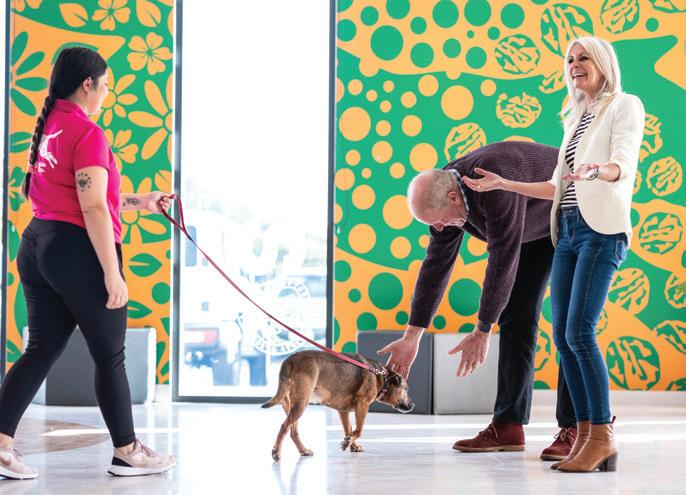
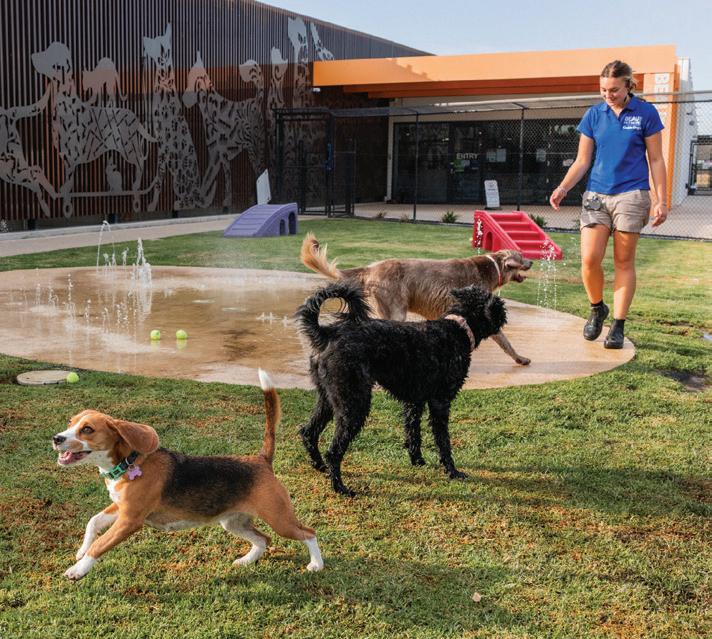
“Every booking helps fund the training of Guide Dogs and Assistance Dogs.”
Created with the belief that pets are part of the family, Beau’s gives your furry companions a place that feels like home, only with a few extra luxuries thrown in.
Every stay is designed around your pet’s comfort and wellbeing. All rooms are fully air-conditioned, so they’re cosy in winter and cool through the summer heat. Dogs who love to play can join Doggy DayCare, where caring staff run a safe, structured day of fun, socialisation and enrichment. Cats, meanwhile, enjoy a world built just for them, a bright, spacious atrium with climbing towers, exercise wheels, and even a big screen to keep them entertained between naps.
What makes Beau’s extra special is the purpose behind the pampering. The hotel is proudly owned and operated by Guide Dogs SA/NT, which means every single booking helps fund the training of Guide
Dogs and Assistance Dogs. So, while your pet enjoys a luxury staycation, you’re also helping change lives for people living with low vision, blindness or other specialised needs.
Conveniently located beside Adelaide Airport, Beau’s is trusted by families across South Australia who want to know their pets are loved and looked after while they’re away.
Whether it’s a quick weekend trip, a family holiday, or a few days of downtime, you can relax knowing your pet is in capable, caring hands.
Because at Beau’s, they understand what every pet parent knows: our cats and dogs aren’t “just animals,” they’re family.
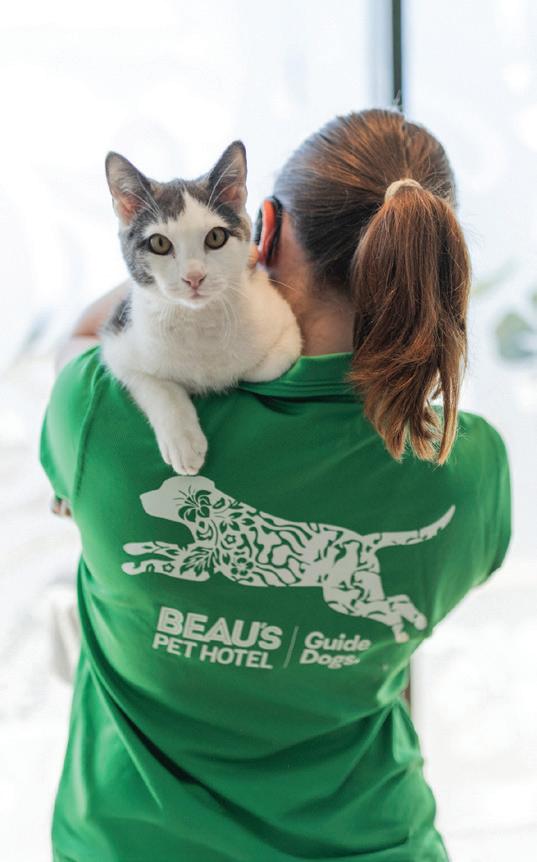
Book now for the summer holidays: beaus.org.au


By Nabula El Mourid Founder of Supermarket Swap
As the weather warms up and the school holidays begin, the requests for something
Whether it’s after a backyard cricket match, a trip to the park or just another hot afternoon at home, ice blocks are an Australian summer essential.
But have you ever wondered how the popular ice blocks in the aisles get their bright colours? They are often made with artificial food

Made with 99.9% fruit juices, plus some natural flavour and vitamin C, they’re a great alternative to other popular supermarket options. Available in a variety of flavours including Wild Berry, Watermelon and Tropical and they often go on sale.
INGREDIENTS: Fruit Juice (99.9%): Fresh Pressed Apple Juice (95.8%), Fruit Juices (Orange, Pineapple, Mango Passion Fruit), Natural Flavour, Vitamin C

A classic and refreshing option that’s been around for as long as we can remember. If you want to avoid artificial food colour, stick to the lemonade flavour, which are easy to find in most supermarkets and convenience stores. They do contain a gum, a food acid and flavour but are free from artificial colour. They’re also a cost effective option.
INGREDIENTS: Water, Sugar, Food Acid (330), Flavour, Vegetable Gum (412).Flavour, Vitamin C

PōPSI COOL ice blocks are made in South Australia. The pops are available at a number of local retailers and are made with premium ingredients, including their Raspberry Lemon flavour which is made with 29% raspberries and lemon juice!
INGREDIENTS: Water, Raspberries (29%), Lemon Juice, Raw Sugar
colours. If you are after a simpler option to keep the kids cool this summer, we thought we’d share some of our favourite icy pole supermarket swaps made without artificial colours.
Here are a few options to pop in the freezer for those hot holiday afternoons.
Or, if you and the kids want to get into the kitchen, it is easy to make your own ice blocks at home! You can even use a supermarket juice (like Nudie’s 100% fruit juice) or your favourite smoothie blend poured into an icy pole mould. These are all refreshing icy snacks to keep cool during summer, made with real ingredients.
Want to know more about our simple swaps? Follow Supermarket Swap to stay up to date or download the Supermarket Swap App to find over 3,500 clean and better choice products available to browse. @supermarket.swap | supermarketswap.com.au
We all want to buy, cook and eat better food for ourselves and those we love. But getting all your produce from organic farmers' markets or baking sourdough from scratch isn't realistic for most people. In The Weekly Grocery Shop, Nabula aims to teach you how to make better choices – nutrition and budget wise – in the aisles so you can better plan a week of delicious and easy meals at home.


We're all shopping at the supermarket, but admitting that was somewhat taboo. The goal of Supermarket Swap is to take the shame out of supermarkets by arming you all with everything you need to make informed and budget-conscious choices. In the book, Nabula distils the knowledge on how to best navigate the plethora of brand options (and lengthy ingredients lists) and how to get the best deals in your trolley. Then she turns her attention to more than 70 recipes that will take you from breakfast to dinner, and all through the week.
Hardie Grant Books RRP $39.95

By Carly Leaker Clinical Nutritionist (BHSc NutDMed)

Summer in Australia is all about sunshine, school holidays, and endless days of activity. Between the beach trips, picnics, and playdates, our schedules can fill quickly and so can the snack requests! While summer brings longer days and a good dose of vitamin D, the heat, humidity, and busy routines can also leave both parents and kids feeling tired, dehydrated, and irritable.
The good news? With a few simple nutrition tweaks, you can keep the whole family cool, nourished, and energised right through the season.
Most of us know we need to drink more water in summer but hydration isn’t just about how much we drink, it’s also about how well our body absorbs and retains fluids. When we sweat, we lose electrolytes like sodium, potassium, and magnesium, which play a key role in keeping our energy levels up and muscles functioning properly. Without them, even mild dehydration can cause fatigue, headaches, or cranky moods.
HYDRATION IDEAS:
● Include water rich foods such as cucumber, celery, watermelon, oranges, and berries throughout the day.
● Add a pinch of sea salt and a squeeze of lemon or orange to your water bottle for a natural electrolyte boost.
● Keep mineral water or fruit infused water on hand for a refreshing alternative to sugary sports drinks.
● Freeze slices of citrus or berries into ice cubes. They make water fun for kids and help encourage more sipping throughout the day.
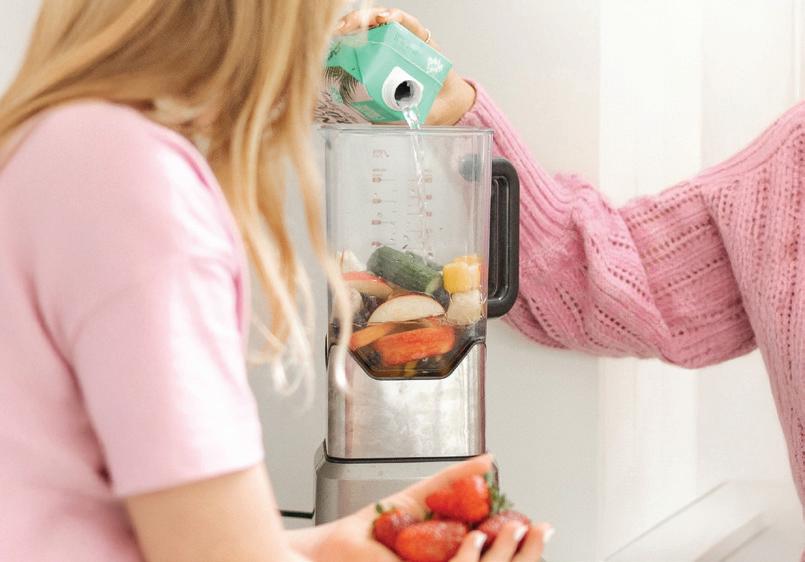

Hot weather can suppress appetites, especially in kids, and quick processed snacks often become the go to. However, relying on refined carbs and sugary foods can cause blood sugar spikes followed by energy crashes the opposite of what we want during busy summer days.
Instead, focus on pairing carbohydrates with protein and healthy fats to keep energy stable and moods even.
SUMMER SNACKS:
● Apple slices with nut butter or seed butter
● Greek yoghurt topped with berries and chia seeds
● Boiled eggs with cherry tomatoes and crackers
● Homemade frozen yoghurt pops with blended fruit
● Mini wraps with hummus and crunchy veggie sticks
Protein is your summer superpower, it supports muscle repair, hormone balance, and satiety. For kids, it also helps stabilise blood sugar between meals. Include protein in every meal, whether it’s eggs at breakfast, chicken or tofu in wraps, or yoghurt in smoothies, experiment with what they like and ways to pair protein with their snacks.
No one wants to turn the oven on when it’s 35°C outside and the good news is, you don’t need to. Light, colourful meals are perfect for keeping energy up without feeling sluggish. In fact, did you know that some foods are naturally cooling for the body?
Cooling foods help the body feel refreshed, support hydration, and even reduce internal heat. Many of them are packed with water, electrolytes, or natural compounds that promote a refreshing sensation perfect for summer days.
TOP COOLING FOODS TO INCLUDE:
● Cucumber & celery: Over 95% water, hydrating and gentle on the tummy.
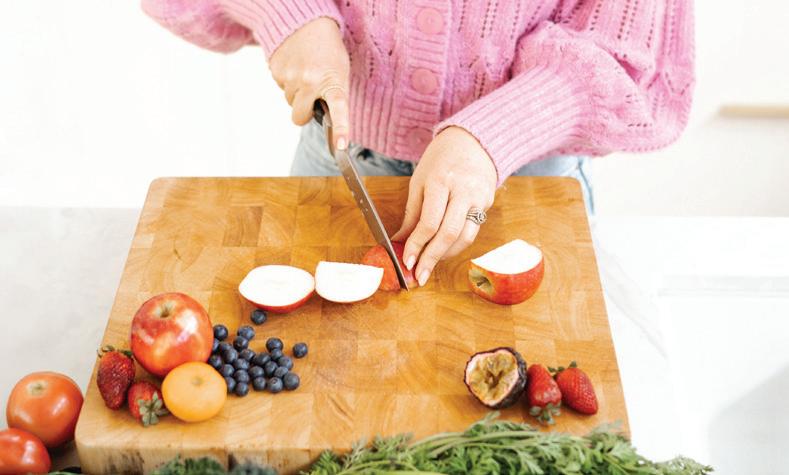
● Watermelon & citrus: Juicy, full of electrolytes, and naturally sweet.
● Mint & basil: Herbs that give a fresh, cooling effect.
● Leafy greens: High in water and magnesium, supporting muscles and nerves.
MEAL IDEAS FOR A HOT DAY:
● Breakfast: Smoothie bowls with fruit, oats, chia, and a spoonful of nut butter.
● Lunch: Rice paper rolls filled with chicken, tofu, and leftover vegetables, or cold pasta with a side of diced veggies & berries (cucumber, capsicum, carrots, cheese, strawberries).
● Dinner: Cold noodle bowls with shredded chicken or tofu, cucumber and carrot, or veggie and cheese skewers (fun finger food for kids who don’t like strong flavours).
● Dessert: Frozen banana “ice cream” (just blend frozen bananas with a splash of milk and vanilla).
If you have little ones, make food fun and interactive. Let them choose their own fruit for smoothies or build their own wraps and rice paper rolls. When kids are involved, they’re more likely to eat (and enjoy) what’s on the plate.
Keeping energy high in summer doesn’t have to mean complicated meal prep or restrictive routines. By focusing on hydration, balanced snacks, and light, nourishing meals, you can help your whole family feel vibrant, calm, and ready to make the most of the sunshine.
For more tips on keeping your family energised this summer, contact Carly: linktr.ee/NutritionWithCarly @nutrition_with_carly
Interview by Liv Williams
If you’ve ever wished someone could cut through the parenting noise and just tell you what actually matters for your baby or toddler’s development, this one’s for you. Words Grow Minds, a local parenting podcast hosted by Kate Ellis (CEO of Raising Literacy Australia) and Amelia Mulcahy (7NEWS journalist and mum-of-two), delivers expertbacked tips minus the overwhelm. We sat down with Kate and Amelia to chat about parenting pressure, brain-building moments, and the small everyday interactions that have the biggest impact in a child’s early years.
What drew you both to host the Words Grow Minds podcast, and what do you love most about connecting with parents through it?
AM: I'm in the thick of parenting young kids (a toddler and a six year old) and I'll freely admit to feeling overwhelmed from the information overload that comes from modern day parenting. My skills at doom-scrolling are elite, especially when we've been going through a leap, or the latest phase, or a sleep regression to name a few! When Kate told me about the idea behind the WGM podcastgiving parents the latest research in a 30 min chat - I jumped at it. There is so much cool work going on in early childhood development, but unless you're plugged in to that space, it's hard to digest it all in amongst the chaos of life. That's where we come in.
KE: I have worked in the field of early childhood development for many years now and I can’t help but notice how much evidence and research we have into what children need and how we can best support them but how much work there still is to ensure that parents have this information. I’m absolutely of the view that parents and caregivers have the
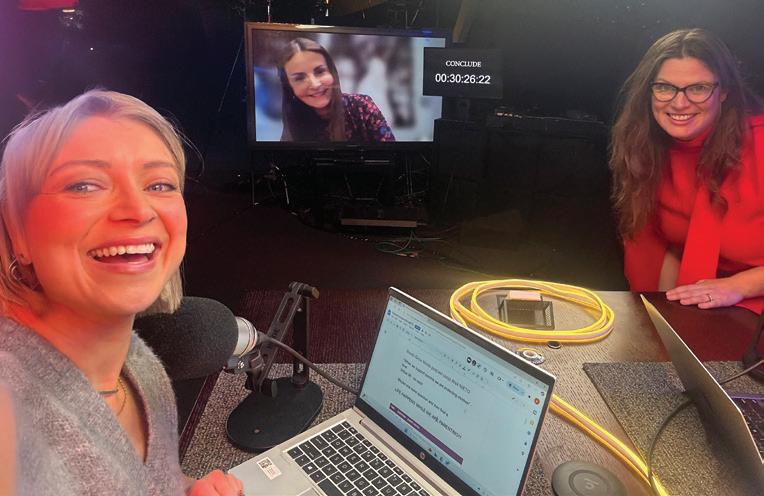

biggest impact on a child’s development, we should equip them with all of the facts.
Many parents feel overwhelmed with the “best start” for their kids. What are the small everyday things that make the biggest impact on early brain development?
KE: I just find it the most amazing thing that science can now literally tell us how to best grow our children’s brains and it is actually remarkably simple. We know that the most effective way to build the pathways in our babies brains is through simple “back and forth” interactions. When our baby gurgles, we gurgle back at them, when they point at something we explain what it is. The great thing is this is something we can all do and when we learn the important impact that it has, we can do it more often.

Emotional regulation is a hot topic for toddlers. What’s one practical tip you think most parents miss?
AM: That your kids feed off you. If you're calm, they learn to be calm too. Now it is waaaaaay easier said than done - believe me I do not want you to listen to the car rides I have with my kids when we're running late to school drop - but, every expert we've spoken to reaffirms this. The little things you can do to set yourself up for success, whether that's "giving your stress a job" like making a cup of tea or doing something with your hands in a stressful situation (thank you Madhavi Parker) or, perhaps its learning to pull back on the pressure and expectations you put on yourself. Don't forget to look after yourself, find your village and make sure you ask for help where you can.

KE: I think for me the game changer was when I stopped and tried to see things through my child’s eyes. Yes, they are upset and throwing a huge tantrum at the most inconvenient time but when I tried to reflect upon why they were upset, what it was that they were really trying to tell me I found the situation so much more understandable.
What’s a simple activity or habit you’d recommend all parents try with their babies this week?
AM: I'm going to borrow from our episode with Dr Andrew Whitehouse... time, space, energy and presence. However you want to do this, whether that is a solid ten minutes reading or singing (even if your six year old tells you to stop because your voice isn't great). Putting your phone away for a period of time and getting curious with how they play, the research shows time and again that all your little one wants to do is connect with you.
If you could give one piece of advice to parents feeling uncertain about their child’s early years, what would it be?
AM: It's the best. and you are doing your best. and your kids love you so, so much, keep going.
KE: The early years can be hard and exhausting but all of your efforts now will actually have the biggest impact on shaping your child’s future. It is all so very worth it!
Listen on your podcast app.

wordsgrowminds.org.au/podcast
From Deep Sea to Deep Space… And All the Natural Wonders In Between
Step inside Immersive Worlds and prepare to be transported into extraordinary new realities. Across two unique venues and 20 breathtaking full dome and VR experiences, audiences of all ages can dive into stories that span our planet and beyond—from the mysterious depths of the ocean to the farthest reaches of the cosmos.
Inside the spectacular Dome, audiences lounge on beanbags and gaze up as 360° films unfold across the curved ceiling, surrounding you with awe-inspiring visuals. This isn’t just a screening, it’s a journey. From giant cuttlefish filmed off South Australia’s coast to immersive planetarium adventures, each experience blends cuttingedge technology with captivating storytelling to spark curiosity and wonder.
Meanwhile, VR and interactive experiences invite you to go further still; stepping inside Van Gogh’s swirling canvases, soaring across the Antarctic wilderness, venturing beyond the Milky Way with Professor Brian Cox, or exploring the Kimberley alongside Luke Hemsworth.
With interactive installations and family friendly sessions, Immersive Worlds is an unforgettable adventure for curious minds big and small. The program will run from 17 February to 22 February in Adelaide. An extended season will take place in Whyalla from 27 March to 6 April with the support of the Drought Relief –Regional Event Fund.

The Antarctica Experience with David Wenham – VR Step into the boots of an Antarctica explorer. Fly over meltwater glaciers, visit a remote research base, and waddle alongside a penguin colony as you witness the beauty, extremes, and fragility of this frozen continent.
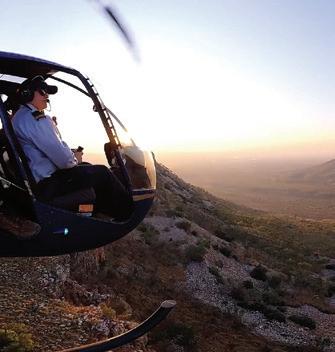
The Great Kimberley Wilderness with Luke Hemsworth – VR Journey across Australia’s
magical northwest, from ancient coastlines to dramatic gorges.
Guided by science and Traditional Owners, explore one of Earth’s last great wildernesses in breathtaking virtual reality.
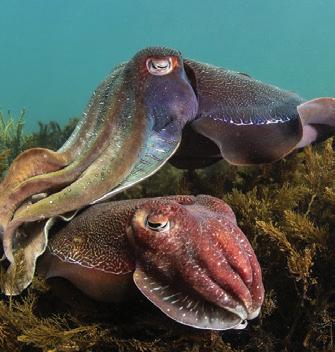
Cuttlefish: Colour & Camouflage – A Full Dome Experience
Plunge beneath the waves on an unforgettable journey showcasing the spectacular life of the giant cuttlefish, filmed right here in South Australia. Discover the secrets of these extraordinary creatures like never before.

The Great Solar System Adventure – A Full Dome Experience
Winner of Best Children’s Film at the 2025 Dome Under Film Festival. Join showman ‘The Great Schiaparelli’ on a thrilling space-time voyage through our Solar System — from Mercury’s scorching surface to Pluto’s icy frontier.
SCAN THE QR CODE to find out more




Summer’s here, the season of sticky ice-block hands, backyard adventures, and endless choruses of “I’m boooored” during the holidays. But don’t stress, a splash of paint, a sprinkle of glitter, and a good craft session can save the day. Whether you’re cooling off indoors or taking the creativity outside, these easy DIY projects will keep kids (from toddlers to tweens!) busy and happy. At least, for long enough so that you can enjoy that coffee you made.
From colourful clay reefs to sea-themed creations made of egg cartons, these activities blend play with imagination. No screens, no stress, just pure, summer-themed fun.
Age: 4–8 | Mess Level: Low Time: 30 minutes
Turn an old egg carton into a sparkly sea creature. This one’s great for preschoolers and early primary kids who love a bit of make-believe.
HOW TO MAKE IT:
1. Use an old piece of cardboard to create the mermaids head and upper body.
2. Paint her however you would like with skin colour, hair and a cute mermaid top!
3. Cut up an egg carton, using the rounded egg holder parts as individual cups to create the long mermaid skirt.
4. Paint your cardboard egg cups, then once dry, pop a small hole at the top of each one and thread through some string, knotting it at the bottom.
5. Add your mermaid shape to the top of the egg carton skirt, by adding some sticky tape to the back of her body and attaching it to the string. You can even push the body into the top egg cup.
6. Hang her from a door handle or even on a wall hook!
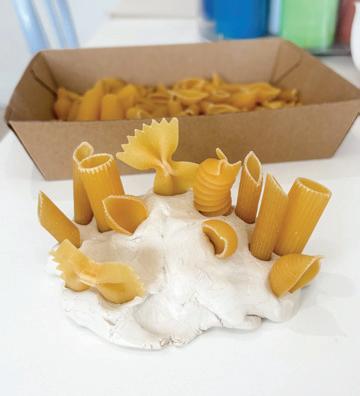
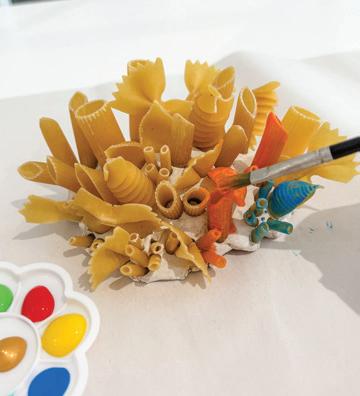
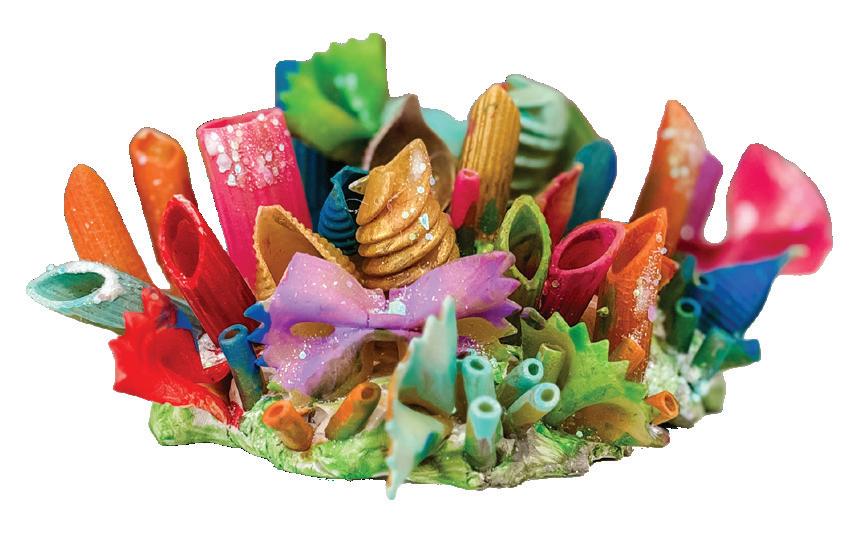
YOU’LL NEED:
● Air-dry clay
● Paint (bright tropical colours)
● Pasta (spirals, shells, pasta bows, macaroni and more)
● Paper to cover the table
● Paintbrushes, water cup, and a little imagination
CREATIVE TWIST: Paint on some glue, then sprinkle glitter over the reef to make it sparkle like it’s catching sunlight underwater.
WHY KIDS LOVE IT: It’s sensory, with the squishy clay texture and hard, crunchy pasta, involves engineering, planning, problem solving and more!
YOU’LL NEED:
● A cardboard egg carton
● Scissors (grown-up supervision needed)
● Paints, markers, or crayons
● Cardboard
● String
● Sticky tape
● Glue and glitter
BONUS IDEA: Make a whole mermaid family and glue them to a strip of cardboard “ocean” with seaweed and fish drawn in the background.
WHY IT’S FUN: Kids have fun using recycled materials, and working their fine motor skills with painting, planning, stringing together pieces together and tying knots.
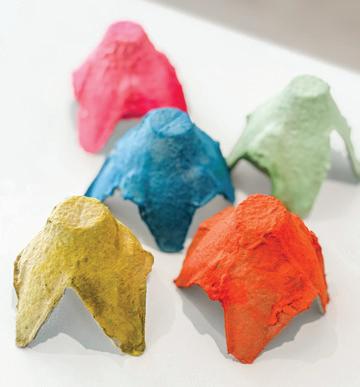
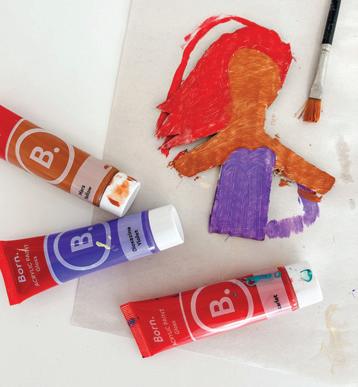
Age: 5–10 | Mess Level: Medium | Time: 45 minutes of making. 24 hours drying time.
Australia’s iconic reefs are teeming with life, colour and texture, and this project brings all that underwater wonder to the kitchen table. Use it as a paper weight or decorative trinket on a shelf later!
HOW TO MAKE IT:
1. Roll and shape your clay into a mini coral reef - aka a wide sort of lump. Thick is best, as you need to push your pasta in nice and deep to avoid it falling out later.
2. Before the clay dries, gently press dry pasta deeply into it. Spirals make great coral textures (twist spirals instead of pushing straight down as they are delicate), shells look like clams, bows look like seaweed and tiny macaroni pieces are the perfect finishing touch.
3. Let it dry overnight, or until hard to the touch. If you can’t wait, go ahead and paint it now, avoiding clay base, or break it into a two-day creation.
4. Once dry, paint it in bright reef colours like pink, turquoise, orange, and purple, and add tiny dots of white for bubbles or barnacles.
Want some more ideas you can do with these craft materials? Try painted pasta jewellery, magic wands, cardboard animal masks and noses and cardboard crowns.
Tips for Stress-Free Crafting
• Lay down lots of newspaper or butchers paper before you start. More than you think! It’s easy to scoop and put it in the recycling bin later.
• Set up zones: a “wet zone” for painting and a “dry zone” for sticking.
• Batch craft: double up materials because kids always want to make “just one more.”
The Takeaway
Crafting in summer isn’t about perfect masterpieces. It’s about play, curiosity, and a little creative chaos. With a few recycled bits, some air-dry clay, and a splash of colour, kids can turn an ordinary afternoon into an ocean of imagination. So next time the “I’m bored” alarm goes off, grab your egg cartons and pasta stash, because every summer day deserves a splash of crafty magic.

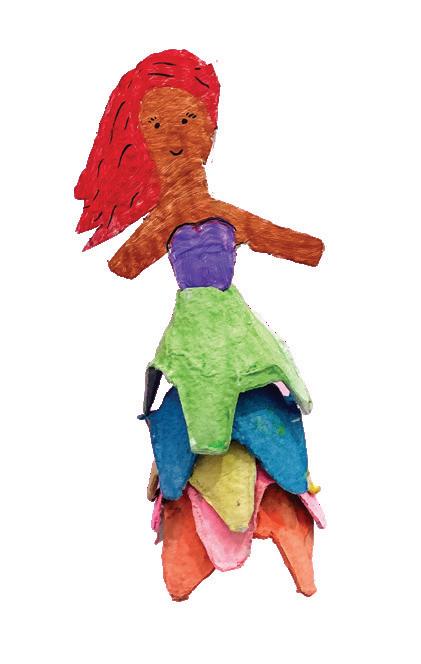
For more crafty ideas for kids (and grown-ups!) follow Crafternoon Co:
crafternoonco.com.au
@thecrafternoon.co
At Lion Hearts Learning (LHL), we believe every child deserves to play, learn and smile, even when life gets a little tough. We’re a special charity that supports children and families affected by cancer or low immunity. When kids can’t go to regular school because of medical treatments, we bring the fun and learning to them!
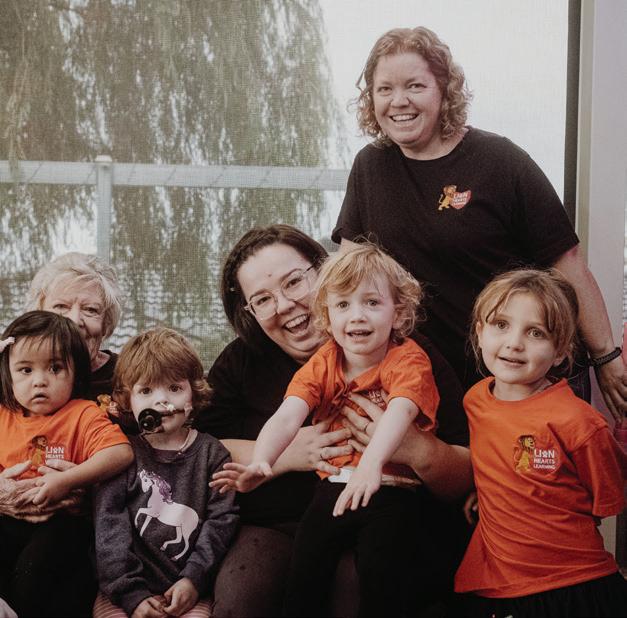
Our Face-to-Face Playgroup for ages 0–5 is a clean, safe, and happy place to play, make friends, and get school-ready.
Can’t join in person? No worries! Jump “On Lion”, our exciting live online sessions filled with stories, songs, crafts, dancing, and even virtual farm visits!
Need a special family getaway? Our Butterfly House Respite gives families a free, peaceful place to rest, laugh, and make magical memories together.
And for those long hospital days or days at home, our Craft and Education Packs arrive in the mail bursting with fun, creative, and educational goodies for kids (and their siblings too!), ages 1 to 18yrs.
At Lion Hearts Learning, we help every child feel confident, connected, and courageous, because every little lion deserves to roar!


When you invite people into your home, you owe them what’s known in law as a “duty of care.” That means taking reasonable steps to make sure your property is safe. It doesn’t mean your house has to be perfect but it does mean fixing obvious hazards or warning guests about them.
For example, if there’s a broken step on your deck, a slippery patch around the pool, or fairy lights creating a tripping hazard, you should repair them or clearly point them out. If someone slips on something that any reasonable person would have noticed and fixed, you could potentially be found negligent.
Festive celebrations often come with a few glasses of bubbly – but hosts should remember that alcohol-related injuries are common. If someone leaves your party intoxicated and injures themselves (or others), there’s usually limited legal liability for a private host. However, if you kept serving someone who was clearly drunk or encouraged unsafe behaviour, for example, letting a tipsy friend drive home, you could be criticised for contributing to the risk.
A good rule of thumb? Offer plenty of food and water, arrange Ubers or designated drivers, and gently step in if someone’s had one too many.
Most home and contents insurance policies include public liability cover, which protects you if someone is injured on your property and makes a claim. It’s worth checking your policy before the party season, a quick call to your insurer can confirm your coverage and any exclusions.
If you’re hosting at a hired venue or holiday rental, make sure the property owner also has appropriate insurance. Some short-term rentals specifically exclude events, so doublecheck before planning a big bash.
The bottom line
You don’t need to cancel Christmas! The law simply asks that you be reasonable and responsible. Keep your space safe, supervise around pools or trampolines, manage alcohol sensibly, and make sure everyone has a safe way home.
That way, you can relax and enjoy the festivities, knowing you’ve done your part to protect your guests (and yourself).
From my family to yours – wishing you a safe and happy holiday season.

By Madhavi Nawana Parker, Positive Minds Australia

Gosh I love doing nothing. I could honestly sit in our back garden and stare into space for hours, content with nothing more than the sound of the birds and swish of the trees. With my husband and three children, extended family, Groodle, Ragdoll, very fun friends, full-time job, business, exercise and a sneaky habit of scrolling art and homewares on Instagram, there’s rarely a moment to do my favourite thing, nothing. When I make time for nothing, my cup refills and I can throw my heart and soul right back into everything I love, all the things I just mentioned, without exhaustion.
As summer approaches, families often feel the subtle pressure to fill the calendar. Holiday programs, playdates, day trips, and activities to keep children busy.
What if one of the greatest gifts we can give them is the opposite? A slow, spacious summer? Time to move through the discomfort of boredom into the peace of nothingness.
A season where children have time to rest deeply, explore freely, get bored enough to ignite curiosity and creativity, and most importantly, reconnect with themselves and us. The science is clear: doing less supports our children’s brains, emotions, and far more than a holiday packed with activities where someone else does the thinking and planning for them.
Children’s brains are under more demand than ever with school, screens, social expectations, and information overload. When they finally stop, the brain’s Default Mode Network (DMN) activates. As the brain’s “rest and recharge” system, the DMN switches on during unstructured time, while daydreaming, relaxing through quiet moments staring out of a window, in gentle play, creative tinkering, or simply
lying on the grass. When the DMN lights up children process emotions, consolidate learning, spark creativity, and build overall wellbeing by giving their busy brains essential downtime to reset.
A slow summer gives this network the very best chance to do its job.
1. Build a daily “reset window.”
Introduce a new routine of 20 minutes to an hour each day where nothing is planned. No instructions, no outcomes. Just pottering, resting, wandering.
2. Create a cosy rest nook.
A corner with cushions, books, soft toys, sensory objects, or simply quiet space. When children have a place for calm, they tend to use it more.
3. Swap transitions for breathing space and “float time.”
Instead of rushing from breakfast to bags to outings, allow 10 minutes of “float time” between things. This helps the nervous system downshift.
4. Model rest yourself.
Sit with a cup of tea, stretch, lie on the couch with a book. Children learn that rest is valued when we show it and oh how I love to show it.
1. Keep mornings or afternoons completely free several times a week. Let the day evolve organically. Children often find their own rhythm if given time.
2. Use “open invitations” rather than activities.
Place a few items in accessible baskets or trays like LEGO, dress-ups, nature items (sticks, shells, pinecones), art materials and puzzles. Don’t explain. Don’t direct. Let curiosity lead.
3. Bring back the eighties childhood and let them go out for unstructured play with friends on foot, bikes, and scooters.
Confidence builds through competence and the feeling of ‘I did that without an adult!’ is a massive leap in independence for a young person when they are ready.
4. Hold back from stepping in too early. If children are negotiating rules or struggling to decide on a game, give them a few minutes to work it out. This is where social and emotional skills develop, together, with each other, in real time, using their ideas, not ours. Hold off getting involved unless there is a safety concern.
1. Protect tech-free pockets each day. Time without TV, tablets or phones gives the mind a chance to wander.
2. Offer “quiet choice time.”
Invite them to choose a quiet activity and stick with it on their own for a while. This primes their nervous system for mind wandering. You can be nearby Role modelling your own quiet moment.
3. Create nature pauses
Sit under a tree, lie on a picnic blanket, watch clouds, listen to birds, watch ants. Nature naturally induces daydreaming and calm.
4. Reduce noise pollution. Turn off background TV. Lower music. Create silent minutes. Children’s brains need stillness to drift inward.
1. Respond with confidence, not solutions.
“I get it. Boredom is uncomfortable, but I trust you’ll figure out what to do.”
2. Keep simple materials visible. Cardboard, tape, markers, blankets, balls. All the things that encourage creativity without dictating play.
Unstructured time… The playground of creativity
Structured activities teach skills. Unstructured time teaches thinking, social negotiation, problem solving, resilience, and self-direction. When children aren't told what to do, they begin to ask themselves questions like: ‘What do I want to do?’ and ‘What’s interesting around here?’ This internal motivation builds confidence and emotional health.
Daydreaming, staring, and mind wandering, are essential for creativity, emotional processing, and flexible thinking.
When children daydream, they rehearse ideas, imagine possibilities, and process life experiences. They get comfortable with not being entertained and amused all the time.
3. If they complain, stay nearby but don’t direct.
Your calm, grounded presence helps them tolerate discomfort long enough for creativity to kick in. Don’t lecture with the old, ‘when I was a child, all I had to play with was dirt,’ routine, because they will respond with a reminder of just how old you must be if that’s really the case (and who wants that reminder anyway)? Not me.
PRO TIP: Reframing boredom as a positive state
Boredom is not a failure or a sign of poor parenting. It is a transition point where the brain switches from external stimulation to internal creativity. When children feel bored, the brain is nudging them toward imagination, innovation, and self-direction.
1. Slow starts.
Let them stay in pyjamas, eat slowly, and start the day without rushing. This sets a calm tone for the whole day.
2. Rest after excitement.
If you’ve had a big day out, protect the next morning or afternoon as a quiet one.
3. Build a family rhythm board. Use simple icons for a slow day; an adventure day; a rest morning; a play afternoon.
This helps children anticipate the pace of the day, reducing anxiety and meltdowns.
4. Default to simple activities. Walks, picnics, water play, library visits, backyard time, nature play and any
activities without overstimulation or travel are perfect.
PRO TIP: Lazy days as regulation days
A child’s behaviour often improves when their nervous system is regulated. Lazy days with slow mornings, pottering afternoons, and early nights, help our children’s stress systems settle and recover, preventing emotional overload, supporting stable moods, better attention, and smoother behaviour.
Children feel closest to adults who are available, emotionally attuned and calm, not necessarily those who provide the most entertainment.
In slow moments, children open up. They show us their inner world. They seek closeness. They ask big questions or share small worries. A slow summer gives more opportunities for these moments to arise naturally.
1. Create micro connection moments. A two-minute cuddle. A chat and a snack. Share a memory from yours or their childhood. Snuggle around a family photo album. Sit together while reading. Bird watch, butterfly spot and slater bug seek.
2. Make “side-by-side time” part of the routine. Children often talk more when side by side. Car rides, washing dishes together, gardening, colouring in and walking the dog are perfect opportunities for them to open up.
3. Put your phone down often and especially during “golden moments.” When your phone is in your hand and your child is reaching out for connection, continuing to look at your phone says, ‘whatever is on this phone is more important than you. Yikes.
Protect these moments every day with your device as far from you as possible: Moments when they first wake up, during mealtimes, when they’re telling you a story and at bedtime.
These small but mighty windows matter.
4. Create simple, repeatable family rituals to anchor your child emotionally. Friday night board games, Sunday pancakes, Taco Tuesdays, Winter camping and Friday night bike rides.
A slow summer is not laziness, neglect or wasted time. It is a deliberate, nurturing choice backed by neuroscience and child development research.
Slow summers help children regulate emotions, process life events, expand creativity, strengthen relationships, build resilience, discover their interests, grow independence, and develop self-worth. These are not “bonuses” in childhood, they are the foundations of lifelong wellbeing.
I love my children with every cell in my body. They know that other than my absolute thrill and excitement every time I see them (where I act like I haven’t seen them in seven months), and my enthusiasm to listen to whatever they want to tell me about, I’m otherwise pretty darn boring to be around. I’m fully present with them, but I am far from entertaining. Parents, you don’t need to organise magic, being alive is the magic. Being loved is the magic, your presence is the magic. They don’t need full days of entertainment. You don’t need to be everything.
What your child needs most this summer is:
Your presence. Your calm energy. Your belief in them. Your willingness to slow down. And a little bit of space to simply be.
Let this be the summer of gentle days, creative minds, emotional growth, and deep connection.
A summer where doing nothing becomes one of the most powerful things you can do.
With love and my very best wishes always,

“Slow summers help children regulate emotions, process life events, expand creativity, strengthen relationships, build resilience, discover their interests, grow independence, and develop self-worth.”
Madhavi turns evidence and expertise into books that boost resilience, wellbeing, confidence, and social-emotional smarts. SCAN THE QR CODE to see her full collection!

Quick Summer Survival Tips
● Hats & sunscreen for everyone
● Water bottles to stay hydrated
Summer in Adelaide is here, and there's no shortage of fun for families around the city and beyond!
From wildlife encounters to splashy playgrounds, sunny walks to cultural treats, we’ve rounded up ten awesome ways to keep the kids entertained, cool, and smiling all season long.
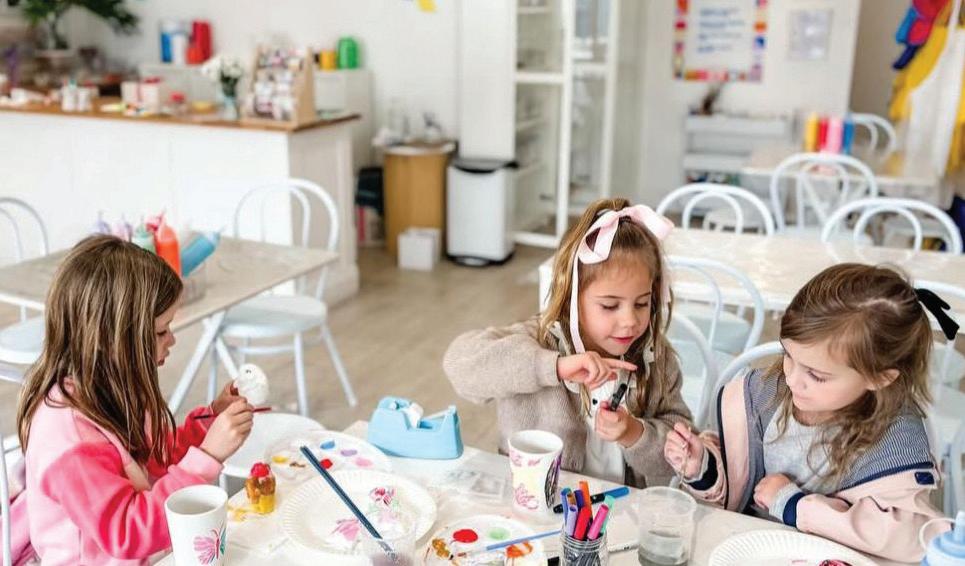
Get your Craft on at Crafternoon Co
Spend an afternoon at Crafternoon Co, where kids can immerse themselves in creative workshops and DIY kits. It's a perfect indoor escape to beat the heat while fostering imagination.
Pro tip: Encourage your little artists to add their own twist, there are no mistakes in imagination!

Dive into the Future at MOD. Adelaide
From space simulations to interactive sound installations, curious minds can explore how research is shaping the world,all in a cool, indoor environment..
Pro tip: Check their website for current exhibitions and plan your visit around the most exciting displays.
● Snacks for energy boosts
● Comfy shoes for exploring
● Cameras to capture all the smiles

Explore the Adelaide Botanic Garden
Little explorers will love discovering the Tropical Conservatory and edible garden.
Pro tip: Pack a picnic blanket and some snacks for a shaded lunch under the trees.
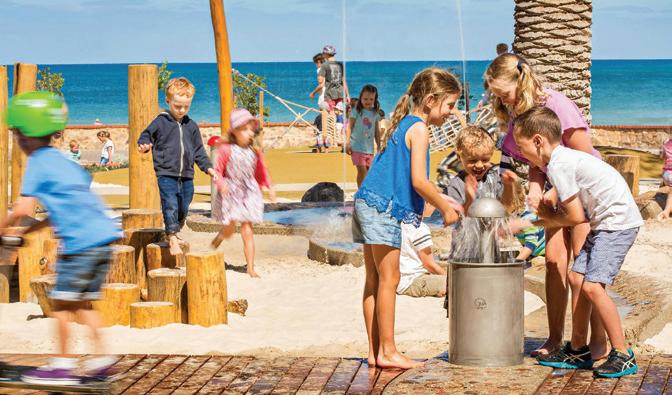
Take a Tram Ride to Glenelg Even without hitting the sand, the tram ride is a mini adventure.
Pro tip: Grab an ice cream and wander Jetty Road shops; kids love the little surprises along the way.
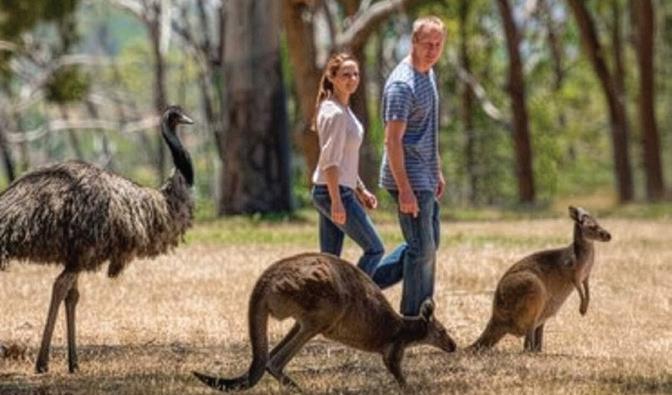
Adventure at Cleland Wildlife Park
Feed kangaroos and cuddle koalas for a hands-on experience.
Pro tip: Bring a camera, the selfies with kangaroos are epic!
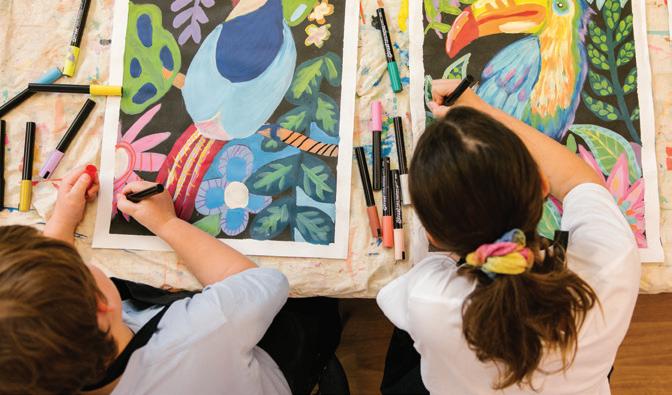
Get Creative at Little Picassos Enroll kids in a Little Picassos session and let their imaginations run wild with painting, craft, and other artistic adventures, all in a cool, indoor space.
Pro tip: Dress for mess and let the kids take the lead, it’s about fun and creativity, not perfection!
Go on a Nature Trail in the Adelaide Hills
Shady trails like Mount Lofty Summit or Morialta are perfect for cooler walks.
Pro tip: Pack water and a picnic; rewarding views make the trek worth it.

Picnic and Play at Rymill Park / Murlawirrapurka
Frisbees, ball games, and wide lawns = instant fun.
Pro tip: Shade and snacks are key for happy little adventurers.

Catch a Family Show at the Adelaide Festival Centre Music, theatre, and laughter guaranteed.
Pro tip: Check the schedule for familyfriendly performances, even picky kids get hooked!
Take a Family Bike Ride Along the Linear Trails
Cycling along the River Torrens or Sturt River trails is healthy and fun.
Pro tip: Pack a water bottle and stop for snacks along the way.
Adelaide Summer Adventure Cheat Sheet
● Water play = guaranteed giggles
● Animal encounters = wild memories
● Picnics = bonus fun and fresh air
● Mini-golf or go-karting = energy burners
●
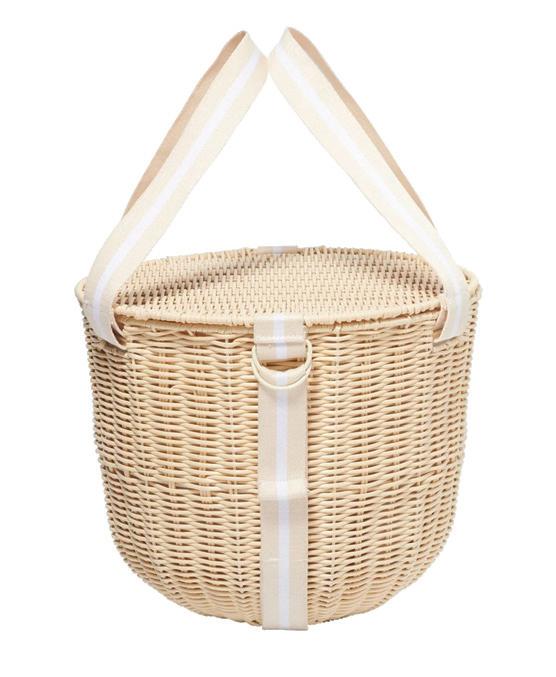

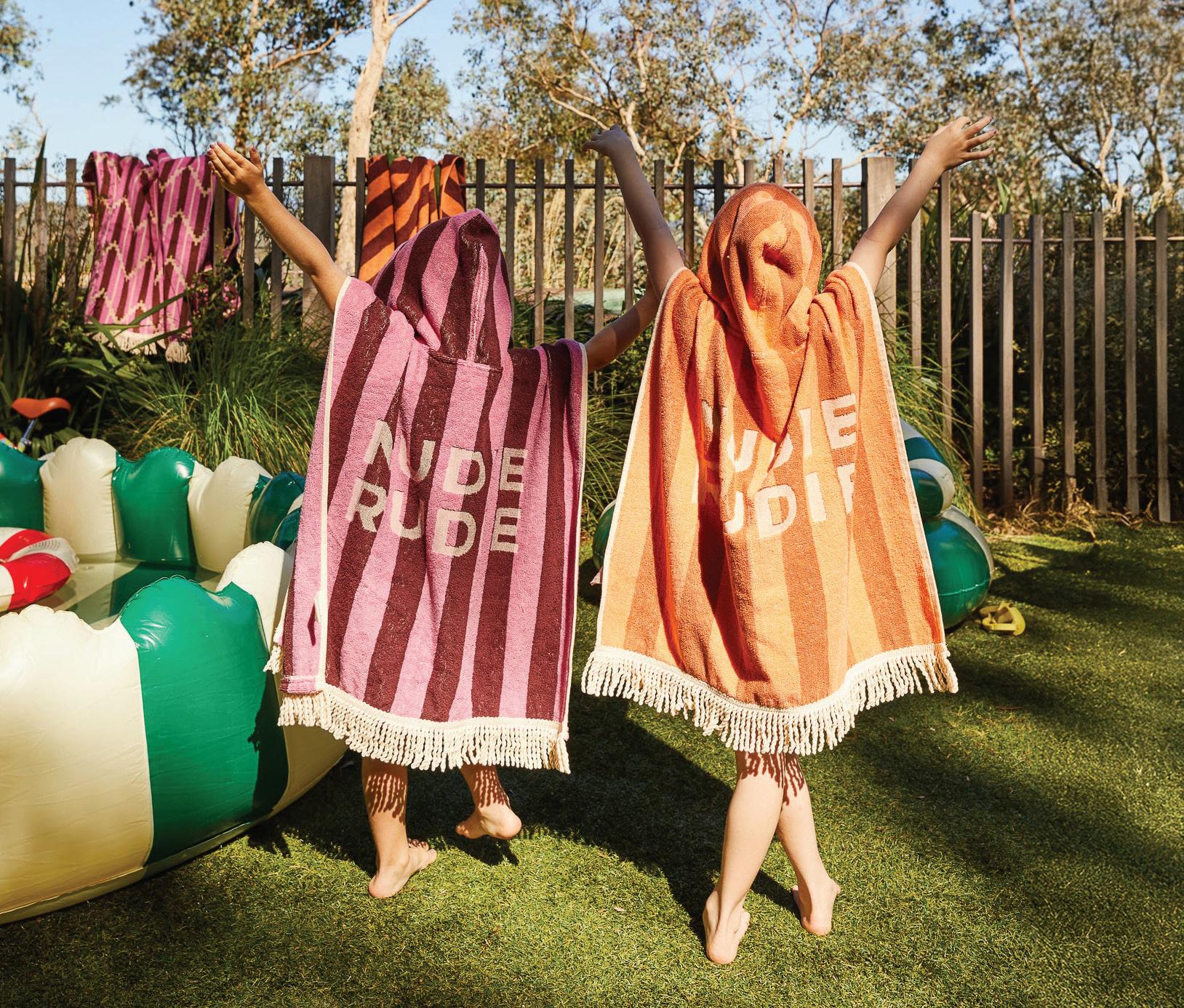
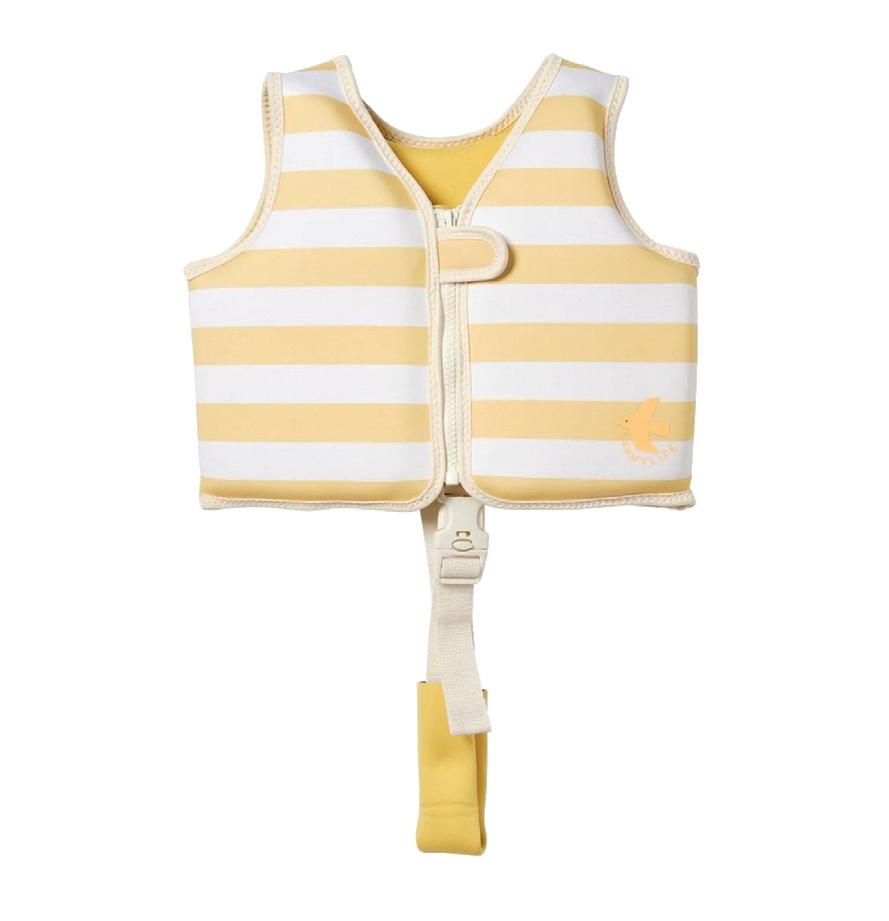
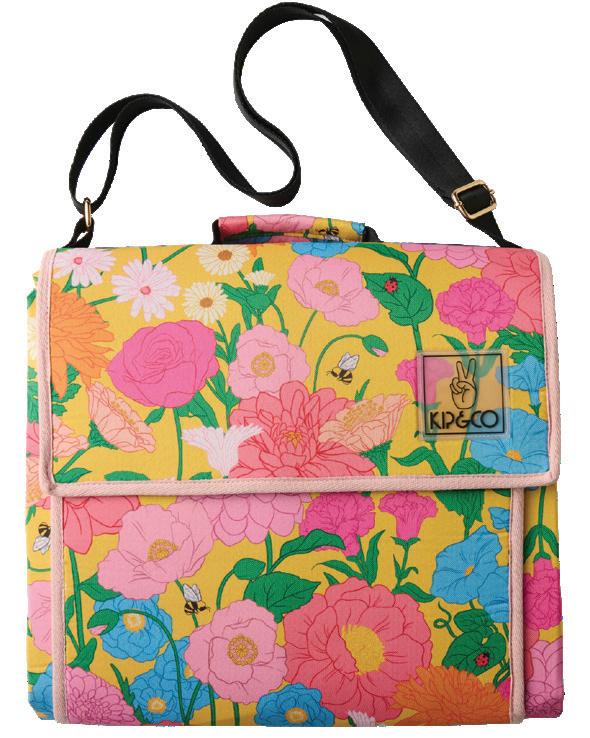
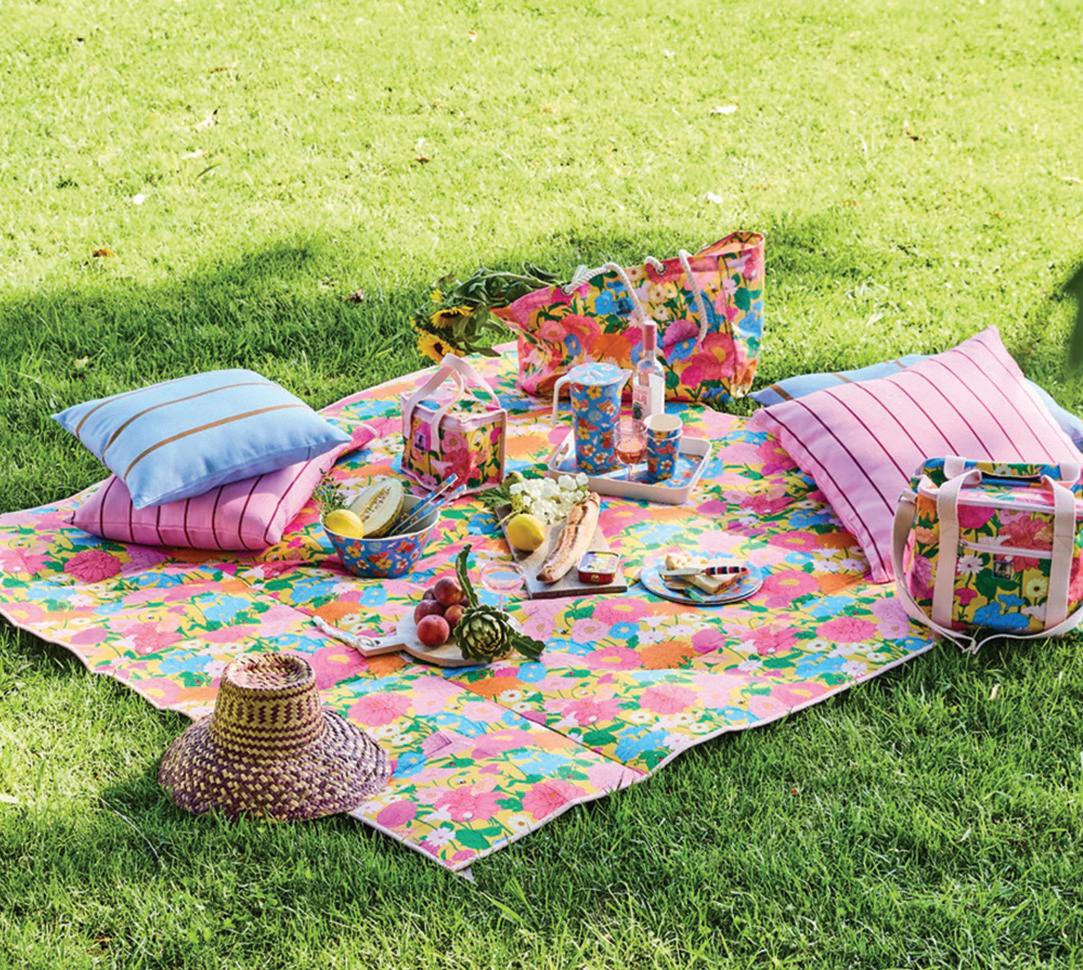
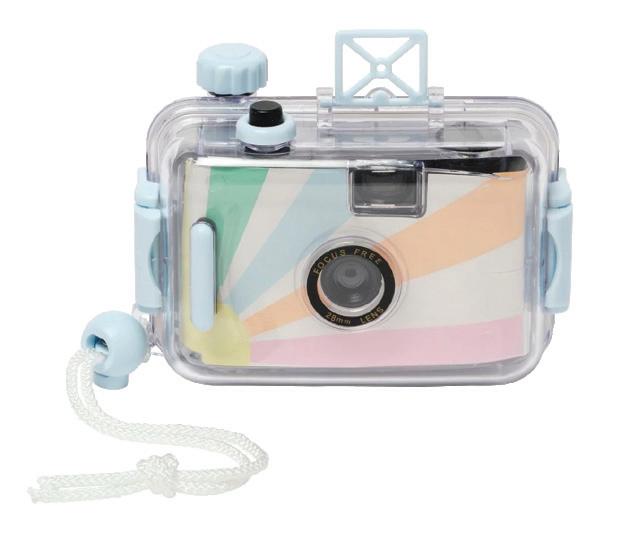

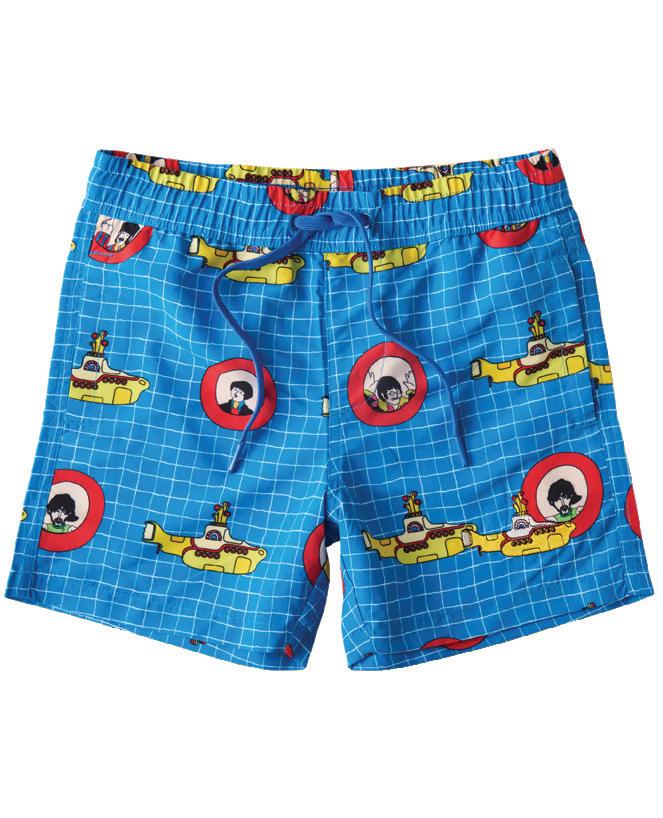
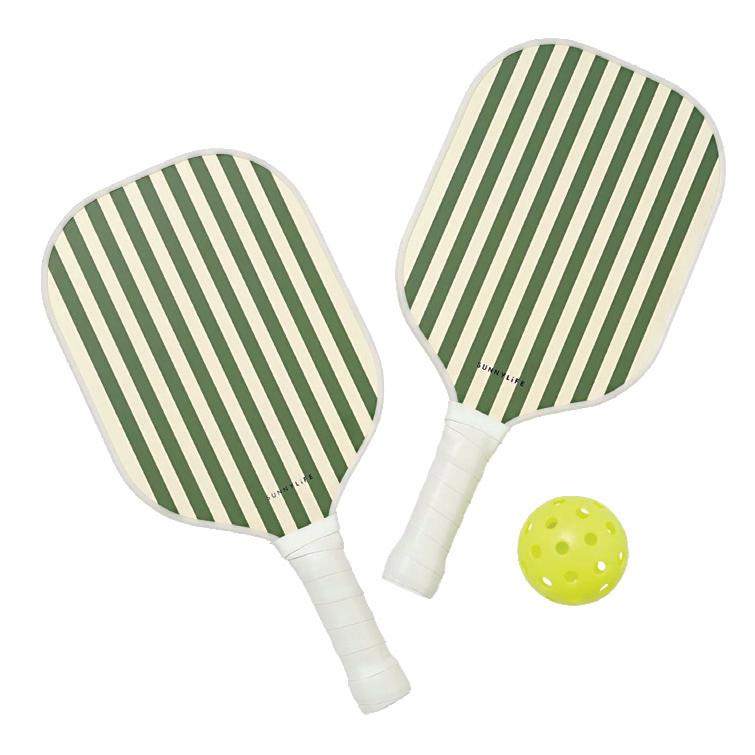

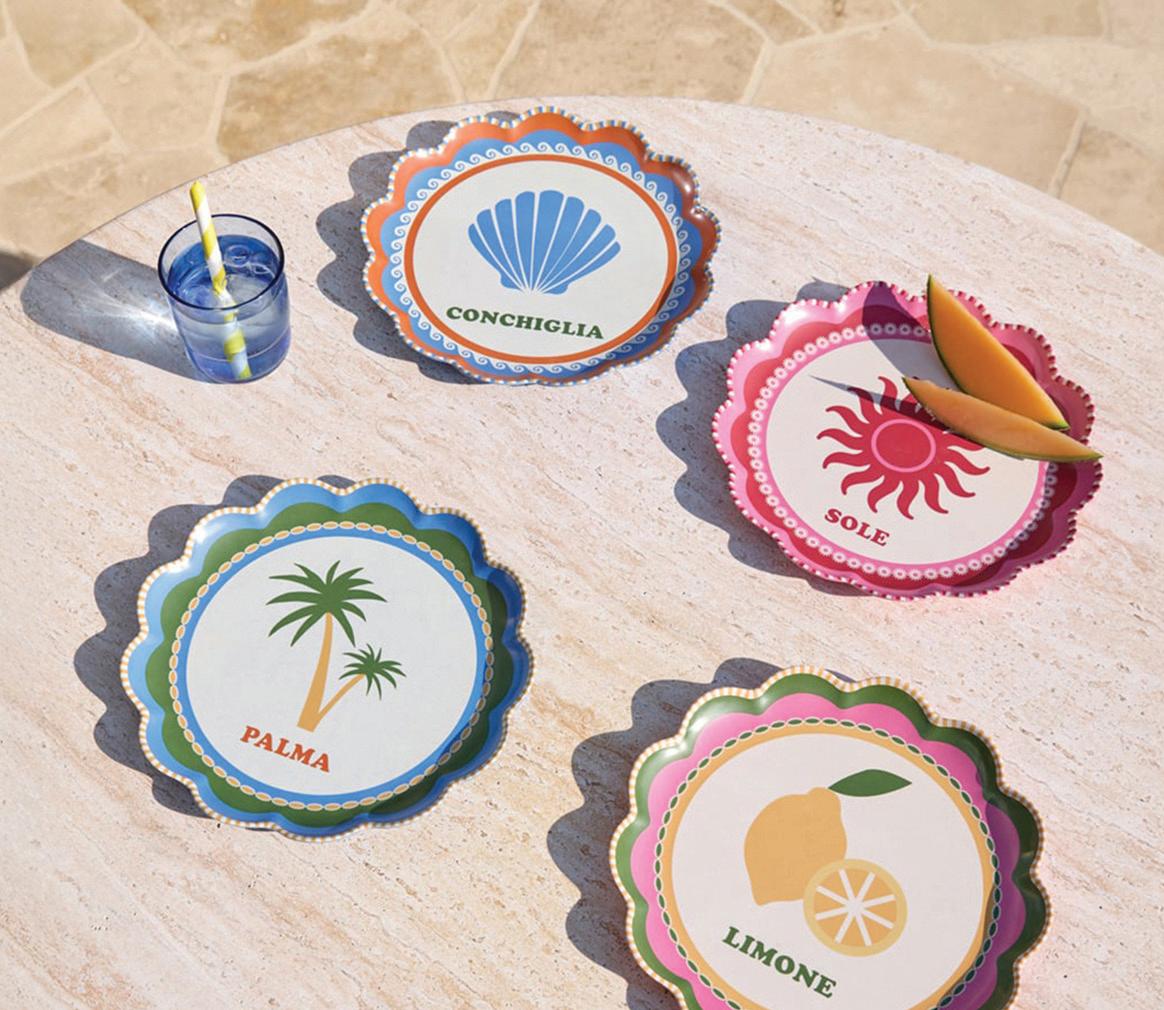
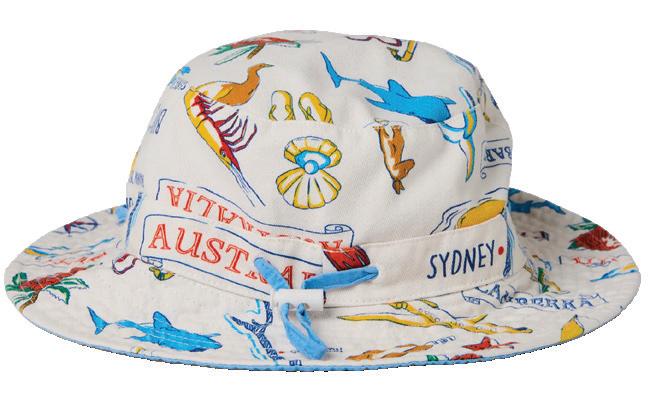

By Georgina Martin Professional Organiser, Collective Order
Have you ever found yourself after the Christmas and New Year period feeling like you are being swallowed by ‘stuff?’ What you might be experiencing is the “Clutter Creep.” A phenomenon where one moment you feel like you are on top of your home and systems; and the next you are drowning in end of year collections, presents and back to school items. The key to beating the clutter creep? Tackle tasks month by month so you enter the school year organised, prepared, and stressfree.
The first few weeks of December are the perfect time to make space for the festive season and presents. I suggest dividing up the following tasks over a couple of weekends.
Toy and book declutter: Sort toys and books that are too young, no longer used, or damaged. Donate good-quality items to organisations like Treasure Boxes, Puddle Jumpers, Pay it Forward groups on Facebook, or local Buy Nothing Groups. With cost-of-living pressures still high, there are families that would appreciate pre-loved toys and books under their Christmas trees.
Rotation system: Store toys not currently played with in tubs or mesh cubes. Rotate them to reduce overwhelm and discover which toys are truly loved.
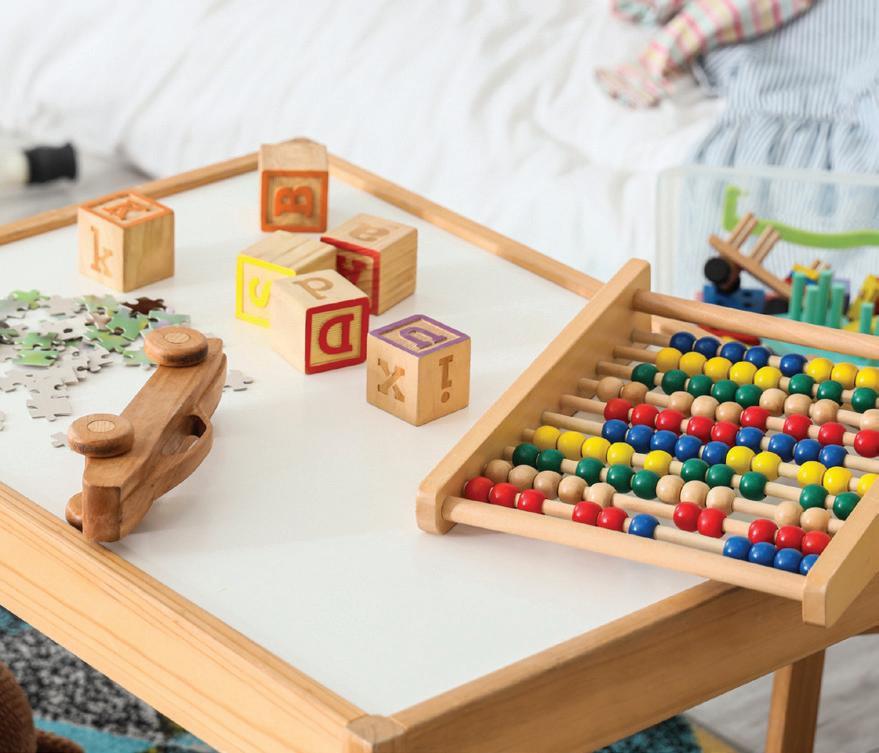
Wardrobe cull: Remove outgrown clothing. Donate wearable items to charities like Dress for Success and Geared for Success.
Pro tip Clothes that are not suitable for donating (e.g. ripped, stained, stretched) can be recycled at H&M and some local councils have textile recycling options.
School keepsakes: Sort books and artwork immediately as they come home. Photograph or scan special pieces instead of keeping everything. Storage options include Officeworks Ezy Storage File Boxes, Ikea Sockerbit tubs, or A3 zip pouches from Amazon.
Artwork storage: Use expanding folders or A3 portfolios. For a keepsake alternative, Australian company Jimmy Half Penny can transform artworks into memory books.
Once everyone has emerged from the Christmas and New Year bubble, it is the perfect time to jump back into taking control of your home and the “stuff” in it. Here are some tasks for January.
Responsible culling: Whilst the initial week or two of the New Year is the ideal time for a post-Christmas cull, it is not the best time to donate to local charity stores. In fact, many stop taking donations due to the number of items dumped illegally over the Christmas period when the stores are closed. Use the same approach as the pre-Christmas cull and the options for donating especially, Pay it Forward and local Buy Nothing Group, if you are keen to clear your space asap.
Pro tip Listing items for free on Marketplace can be a quick way to move along items including furniture, clothes and toys.
Spread out new toys: Consider adding new toys and presents to a rotation system. You may find if all new toys and gifts are placed out at once, your child becomes overwhelmed and ends up playing with nothing! Prolong the joy of new gifts by placing new ones out over time.
Back-to-school prep: Take advantage of post-Christmas sales to buy lunchboxes, drink bottles, and other essentials. Order personalised items early from stores like TinyMe or Hippo Blue to avoid last-minute stress.

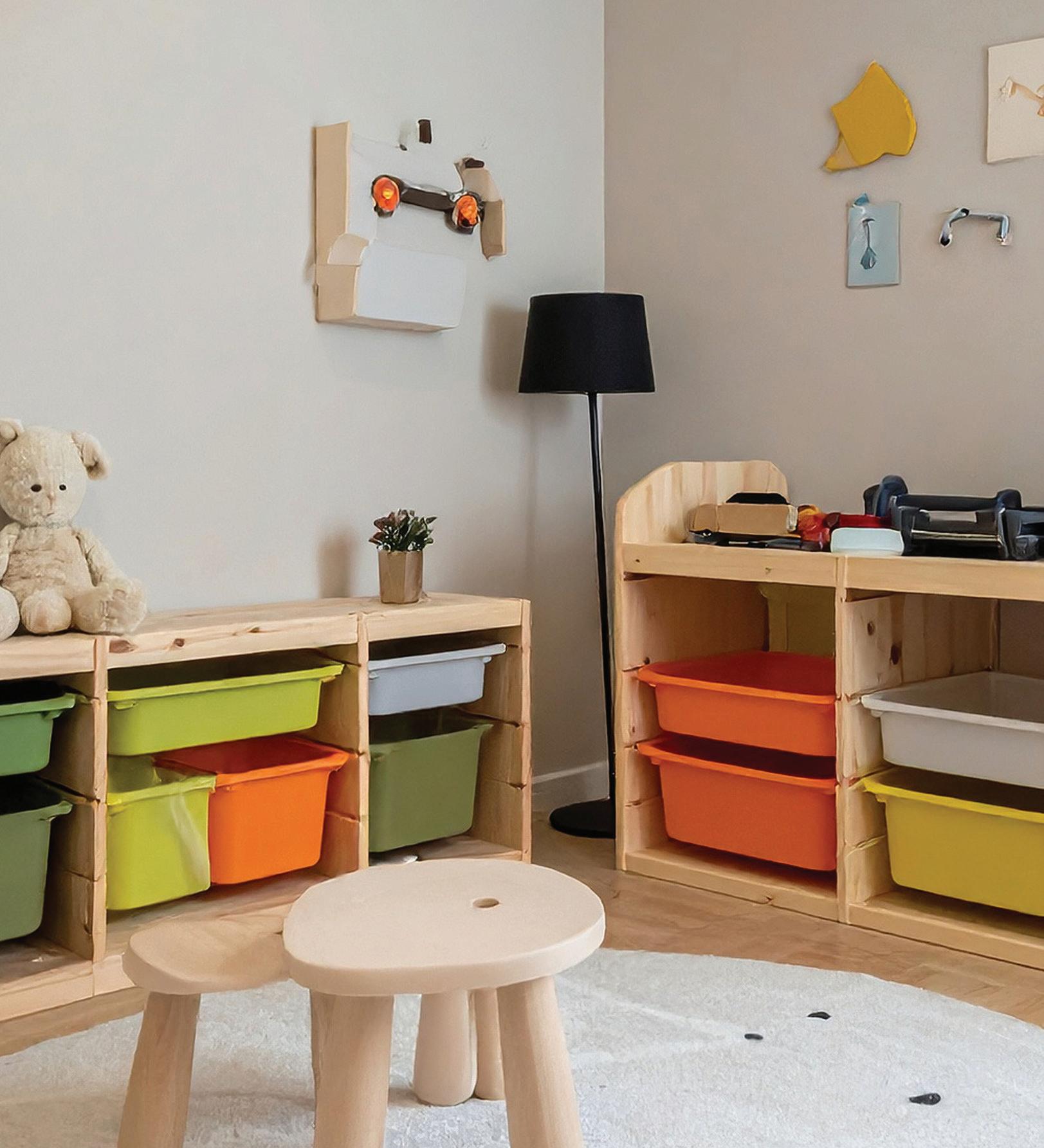
As routines and activities resume, I suggest the following:
Get ready station: Separating uniform items from casual clothes is one way to streamline mornings. Further, consider placing these items in a visible area such as a get ready station or basket to prevent getting dressed in the morning turning into a marathon!
Visual schedule: A simple visual schedule is a great tool to support morning routines. The aim being for independence and less nagging! This can be as simple as a whiteboard, a free template from Canva or personalised options online (think Etsy and Bright Star Kids).
Shared family calendar: This might be digital or a large whiteboard in a common family area. A shared calendar can help reduce the mental load of remembering all the things such as library day, sports, care and so on. Also teaching your child to refer to the calendar can help to build independence and personal responsibility.
Maintenance: Keep up rotation systems, school storage, and artwork folders to maintain organisation throughout the year.
By approaching decluttering and routine reset step by step, you’ll enter the new school year with a calmer, more organised home, and maybe even a little more breathing space.
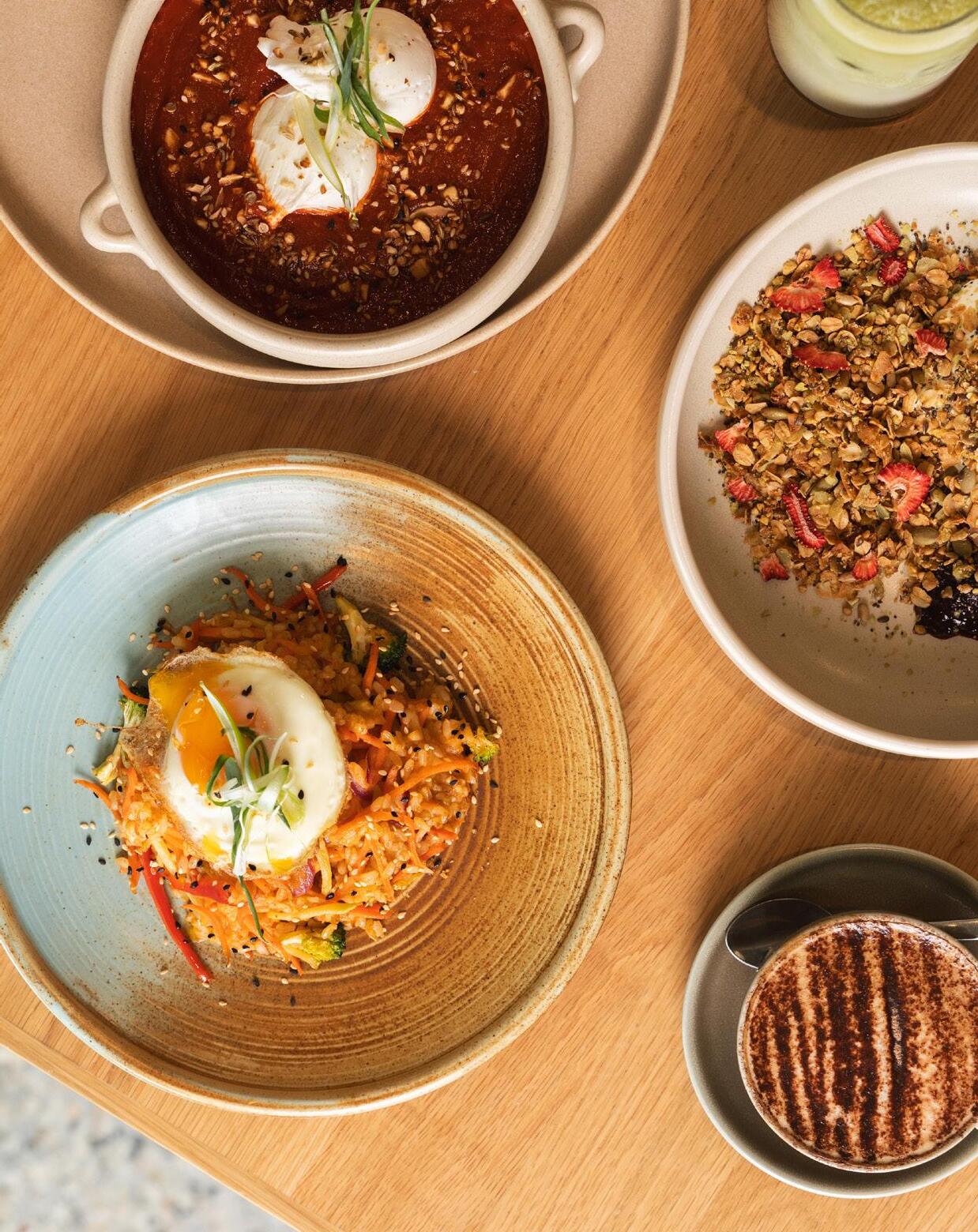




Summer is here, and that means it’s prime playground season! If you’re looking for epic slides, splash zones, and enough climbing frames to tire even the most energetic kid, KIDDO HQ has scouted out some of the best playgrounds in Adelaide. Pack a picnic, slap on the sunscreen, and get ready to explore!
❶ Golden Fields Reserve
Towers, Trampolines, and Flying Fun
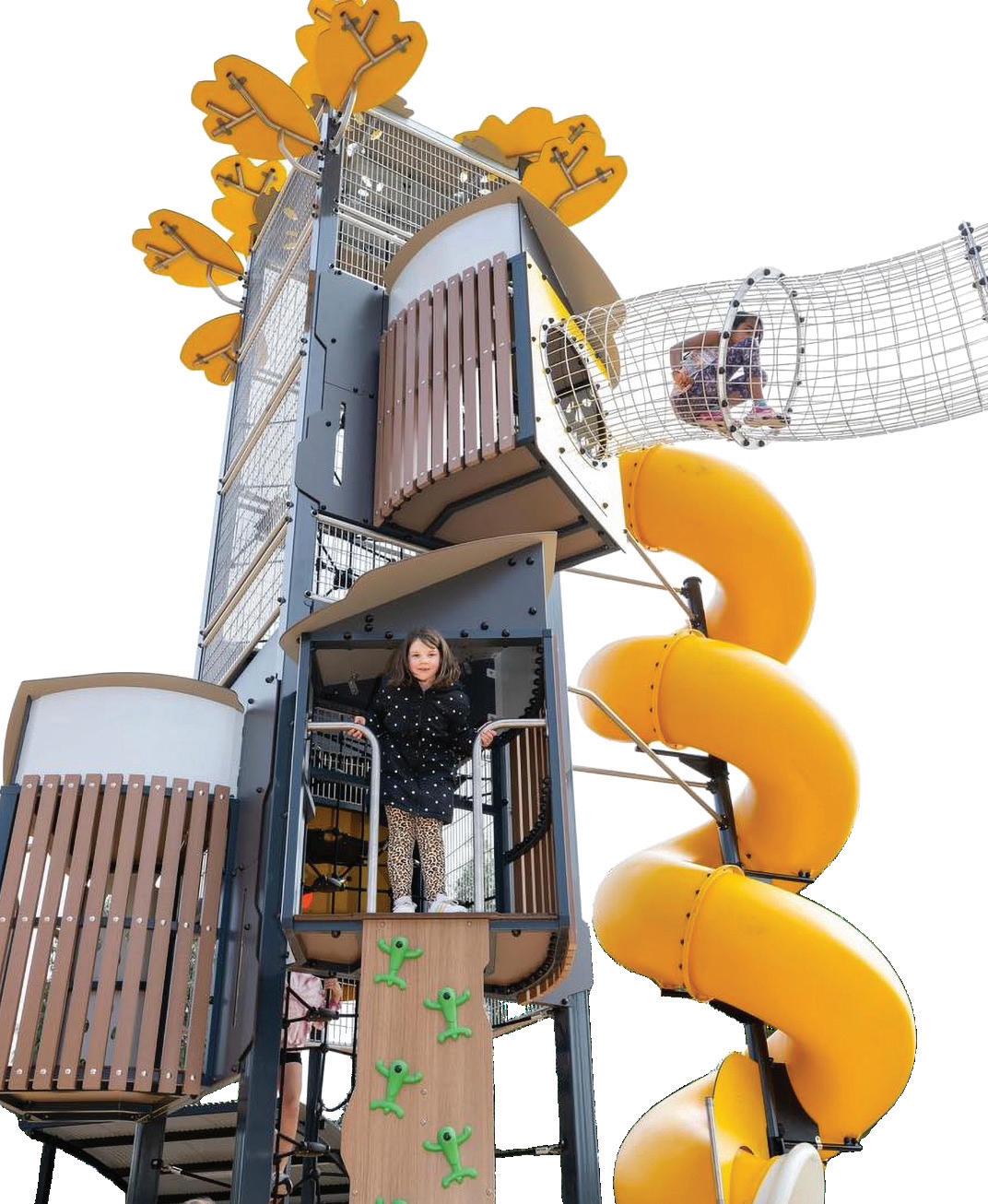
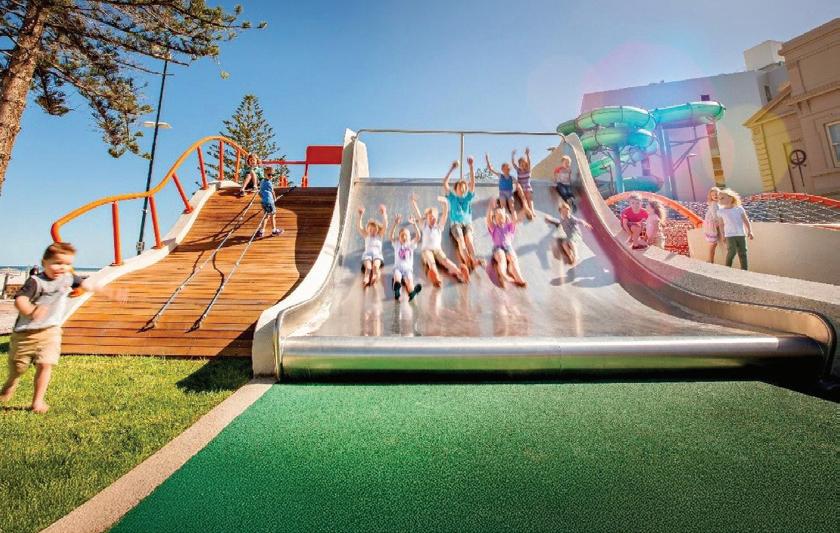
Golden Fields’ adventure playground has linked towers, climbing walls, trampolines, slides, and a flying fox. There’s also a BMX track, skate park, and sports rage cage, making it an all-inone action zone. Toilets, picnic shelters, and plenty of space mean you can stay all day.
Asgard Drive, Golden Grove
❷ Glenelg Foreshore Playground
Sand, Sea, and Slides
Last but not least, Glenelg Foreshore Playground is a seaside dream. The mega slide (can be hot in summer, so be careful!) is just the start – tunnels, climbing frames, rope walls, in-ground trampolines, and a nature & water play area keep kids busy for hours. And the beach is literally next door. Winner, winner, hot chips for dinner!
Glenelg Foreshore, Glenelg
❸ Mitcham Reserve
Pretty and Practical
Looking for a picture-perfect playground?
Mitcham Reserve is a grassy wonderland with a creek bed to explore, loads of playground equipment, space to kick a ball, and yes, toilets! Another contender for best playground in Adelaide and a great spot for a birthday bash.
Between Old Belair Road, Norman Walk & Evans Avenue, Old Belair Road
❹ Princess Elizabeth Playground
The Castle Adventure
Pack snacks, water, and sunscreen. Some of these playgrounds are so epic, your little adventurers might not want to leave!
❺ Morialta Playground
Nature Play Paradise
Nature lovers, this one’s for you. Divided into five themed zones, Morialta Playground is huge and packed with natural elements to explore. It’s perfect for a full day of play and discovery – don’t forget to pack a picnic!
Stradbroke Road, Woodforde
❻ Prospect Memorial Playground
A Magical Garden
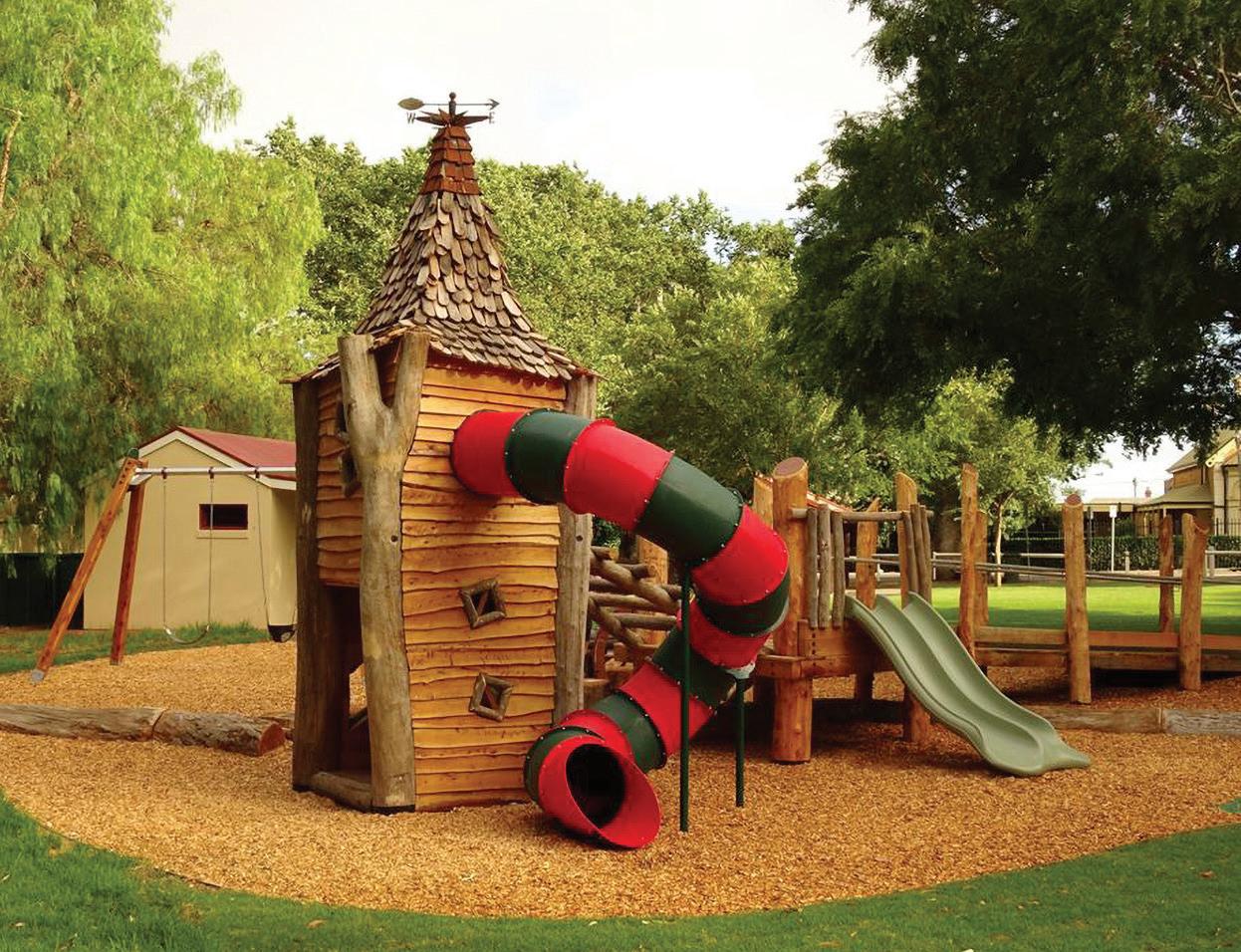
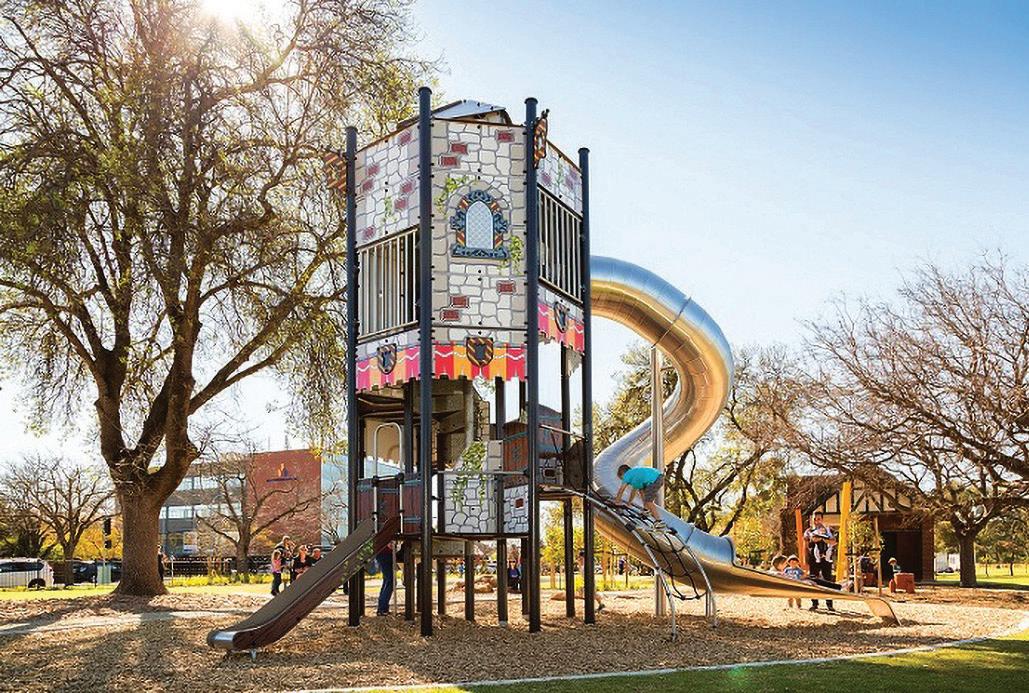
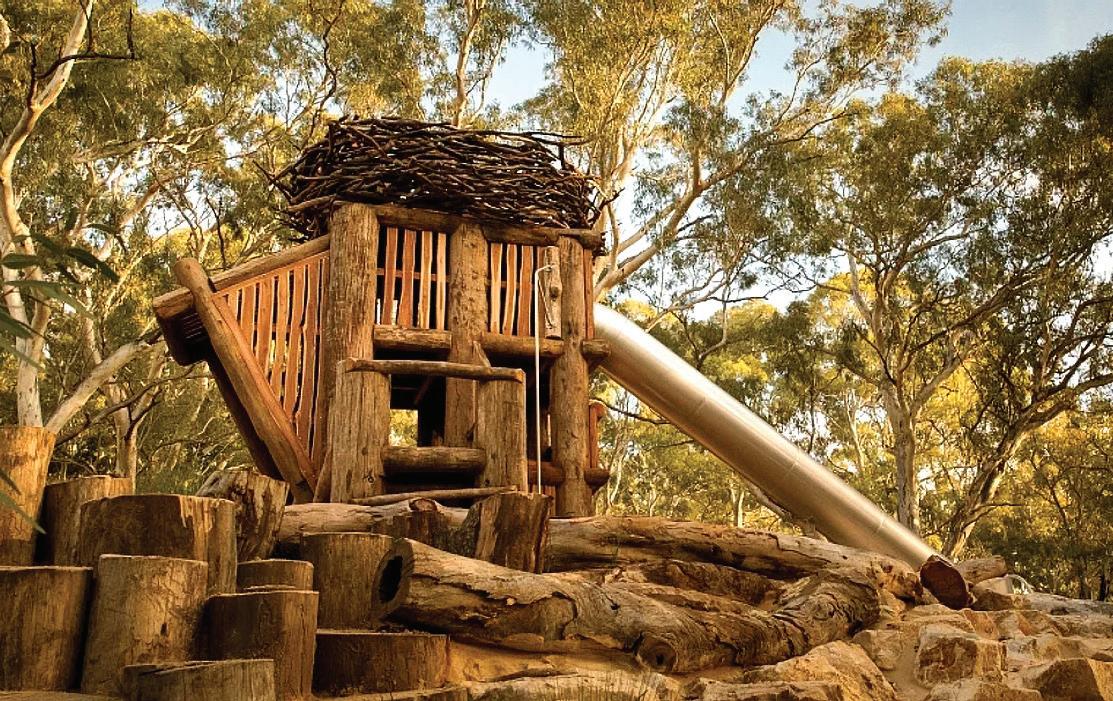
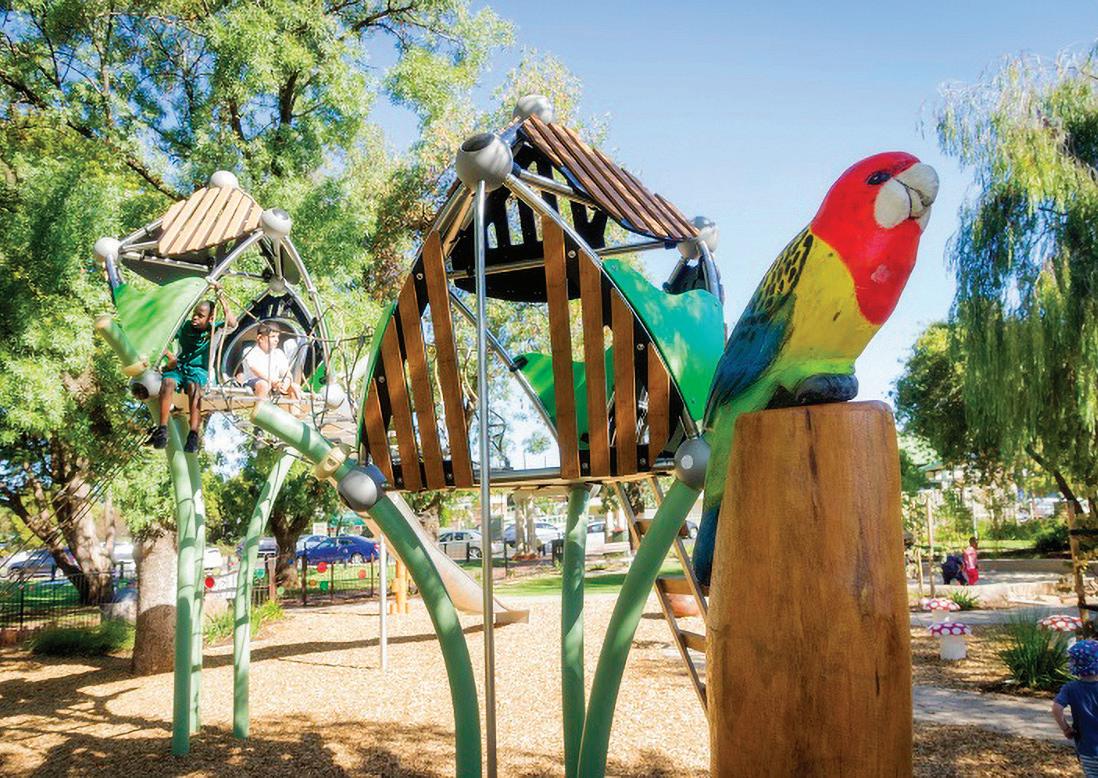
Call it the castle playground, call it royal fun – either way, this is a must-visit. The giant spiral slide built into a castle has our KIDDO kids climbing and whooshing for hours. There are swings, in-ground trampolines, slides, and the biggest climbing frame you ever did see. Bonus points: toilets on site and BBQ areas, making it perfect for a party or a long summer afternoon.
South Terrace, Adelaide
If prettiness mattered in playgrounds, this one would win gold. Fully fenced, full of slides, climbing frames, water and sand play, with toilets nearby, grass and BBQs, this lush garden playground is an absolute winner for families and parties alike.
1 Menzies Crescent, Prospect
❼ The Paddocks Reserve
Splash and Explore
Water lovers, rejoice! Para Hills’ The Paddocks features a splashtastic waterplay area, nature-inspired interactive zones, and accessible play equipment. Beyond the playground, there are wide open sporting fields, conservation wetlands, and a dog exercise yard if you bring your furry friend. Bridge Road, Para Hills West
❽ Thorndon Park Reserve
High Flying Adventures
This $3.1m makeover celebrates local bird life with a heron slide, wren climbing sculpture, sky bridge, liberty swing, ninja warrior course, flying fox, and a misting hen sculpture. Plus, multi-purpose courts for a bit of sporty fun. Talk about a playground with personality!
Hamilton Terrace, Paradise
SCAN THE QR CODE for a full list of KIDDO’s favourite playgrounds!

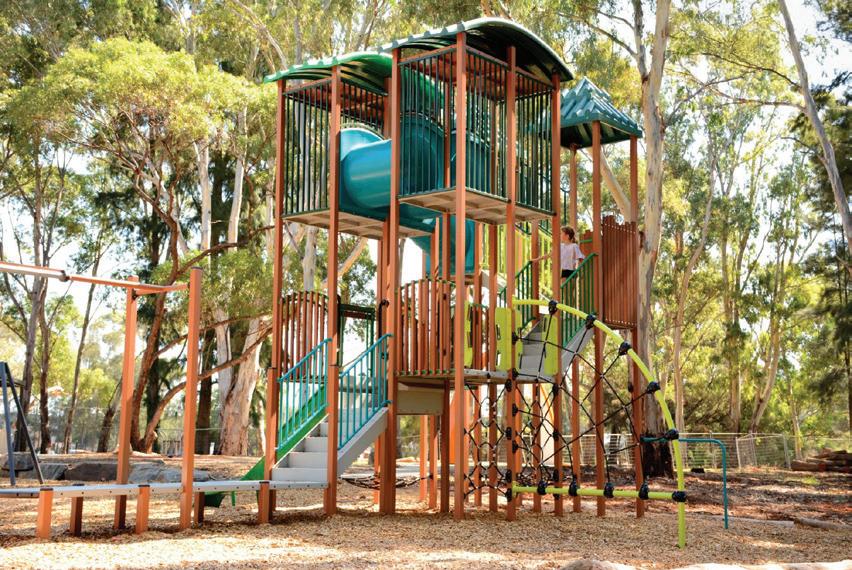
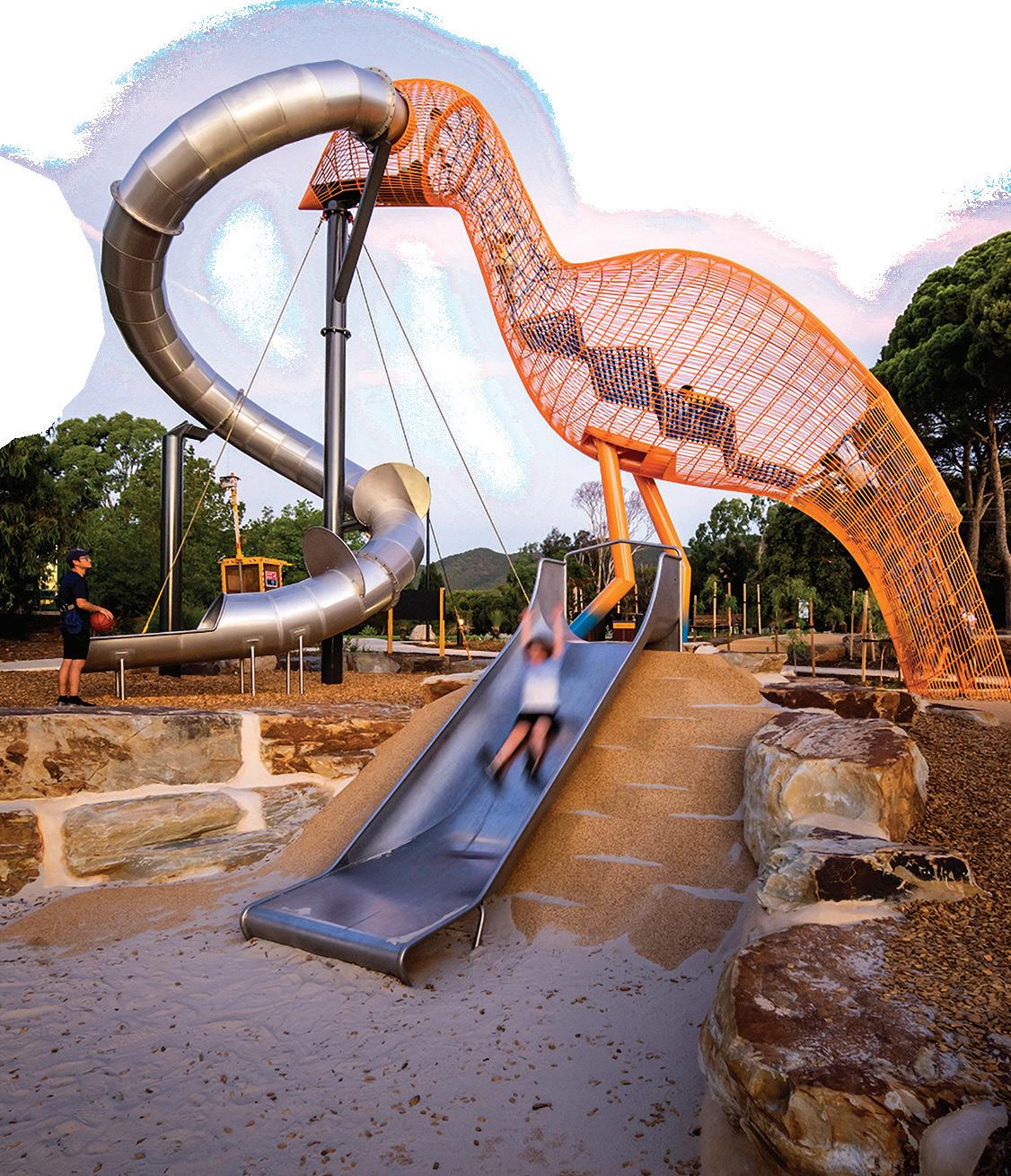




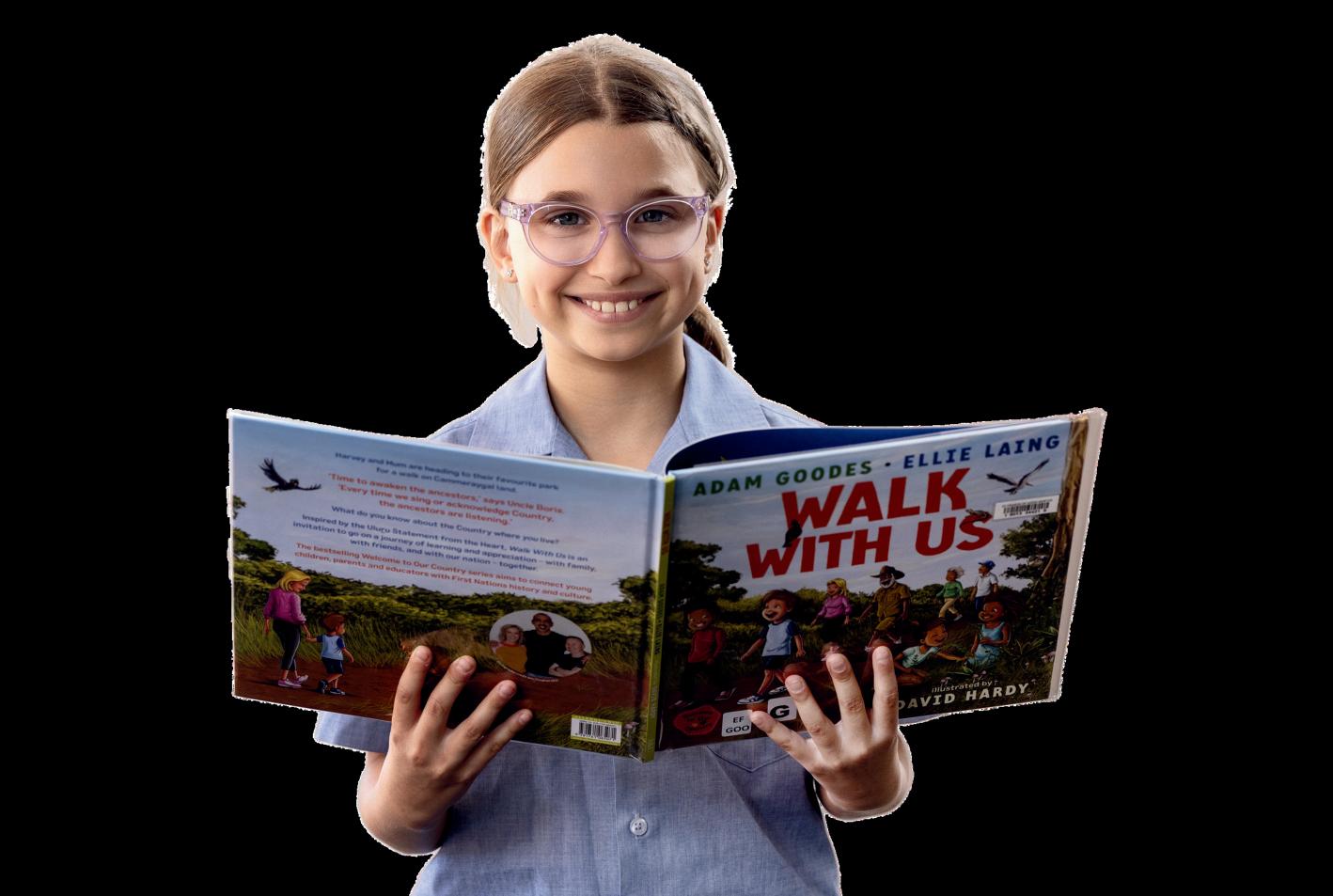


Star Academy Opens Enrolments for 2026
If your little superstar is forever singing into a hairbrush or dancing through the living room, it might be time to let their talent take centre stage! Star Academy, one of Adelaide’s leading performing arts schools, is now taking enrolments for 2026, and it’s so much more than just a place to learn dance, singing and acting.
At Star Academy, kids don’t just learn to perform, they grow in confidence, creativity and resilience. From their very first dance steps to their big stage moments, every student is supported by a nurturing, inclusive and inspiring community that celebrates individuality and joy.
With classes in singing, acting, musical theatre and every major dance genre (think ballet, tap, jazz, hip hop, contemporary and acrobatics!), Star Academy caters to all levels; from
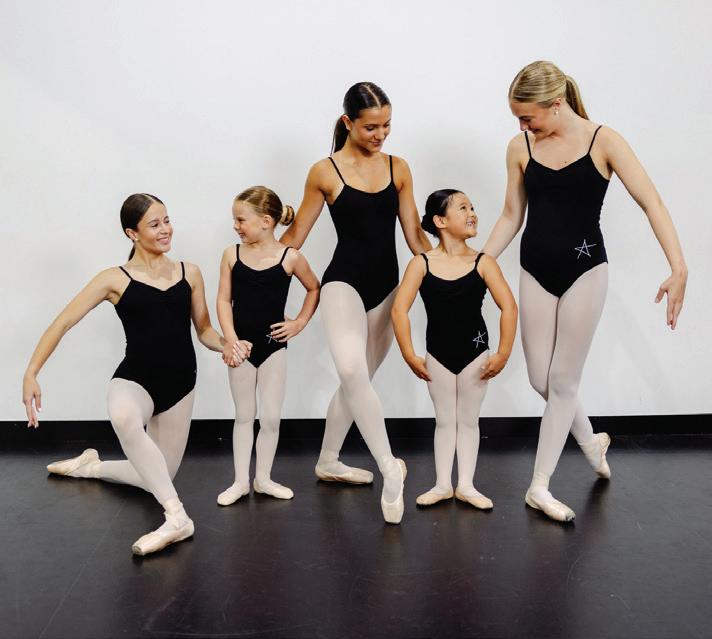
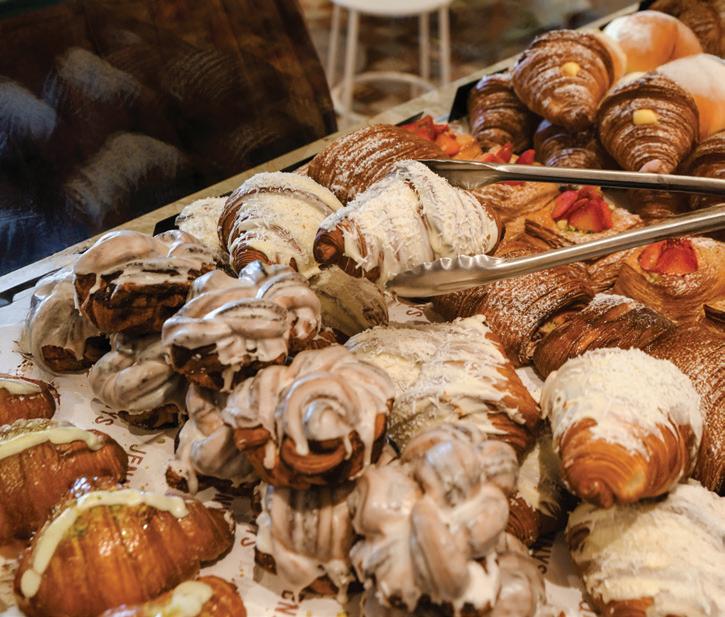
beginner fun-seekers to elite performers. Whether your child dreams of being on stage or just wants a space to move, create and belong, there’s a program designed for them.
And 2026 brings something extra special; the launch of the brand-new Ballet Extension Program, tailored for students ready to take their classical ballet training to new heights. Focused on artistry, strength and technique, it’s the perfect pathway for passionate young dancers looking to excel.
Beyond performance skills, Star Academy knows the importance of nurturing confidence and wellbeing. Their unique Wellbeing Program runs alongside the performing arts curriculum, helping students navigate stage fright, separation anxiety and all the emotional ups and downs of growing up. With mindfulness tools and a supportive team,
Did you know 80% of a child’s day should be devoted to movement!?
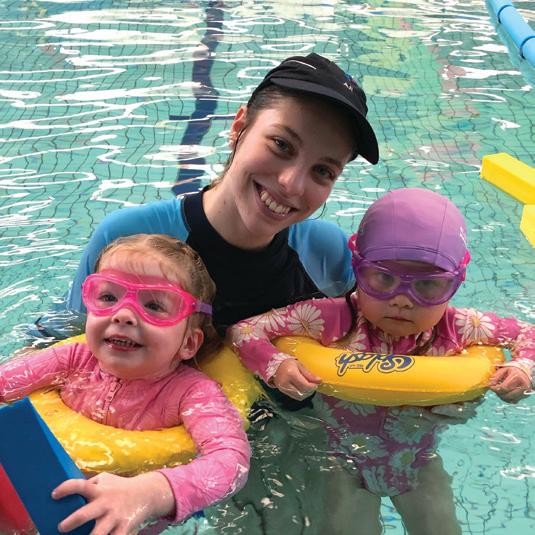
Young children are innately curious and exploratory, and thrive in trauma-free environments where they can tackle new experiences hands-on. At Blue Dolphin Swim Centre, we understand that the more a child moves, the more a child learns; this engages their desire to try and consolidate new and existing skills. Combined with the value of learning to swim, we know that the early years are a great opportunity to make a difference to children’s water confidence, safety and swim skills!
Kinder Dolphins Program
At Blue Dolphin Swim Centre, we know how much happens between ages three and five, it’s a time of incredible growth, curiosity and confidence-building. Our Kinder Dolphins program is specially
designed for this age group, offering a warm, engaging environment with trained teachers who understand their unique physical, cognitive and emotional needs. With smaller class sizes, every swimmer gets more time to move, explore and practise their skills.
Our Kinder Dolphins program is guided by Australia’s Early Years Learning Framework (EYLF), which recognises play as the most powerful way for young children to learn. Each class is built around themed weeks, fun games and gentle structure to keep kids curious, creative and active in the water.
As they splash and explore, children refine essential swim skills like body position, breathing and propulsion, while also developing patience, spatial awareness and confidence in group settings. We see every week how this mix of movement and play builds not just water safety but selfbelief, skills they’ll carry for life.
Why Families Love It
When kids are having fun, real learning happens. Kinder Dolphins blends guided teaching with open-ended play, helping children make meaningful connections between movement and learning.
kids learn to feel strong on and off the stage, and make friendships that last a lifetime.
Star Academy’s students are already shining bright, with troupes and soloists earning top results across South Australia, and graduates going on to train full-time at prestigious institutions like Brent Street, Dynamite Performing Arts and Ev & Bow.
So, if your child is ready to take the stage (or just find their sparkle), Star Academy is the place to start.
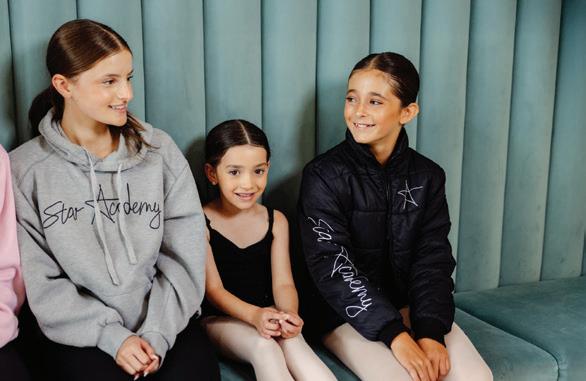
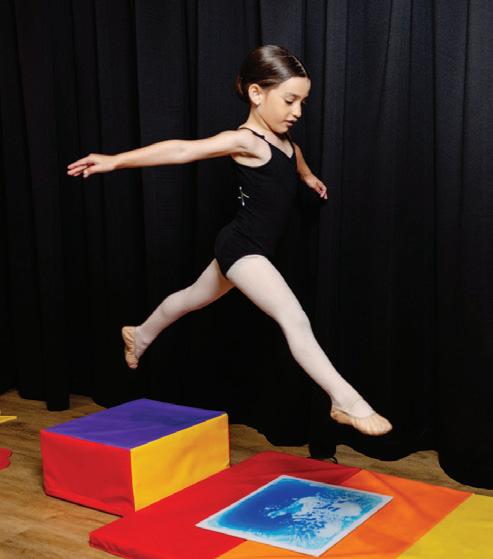
Enrolments for 2026 are now open!
Register your interest: info@staracademy.com.au 0433 412 216 staracademy.com.au

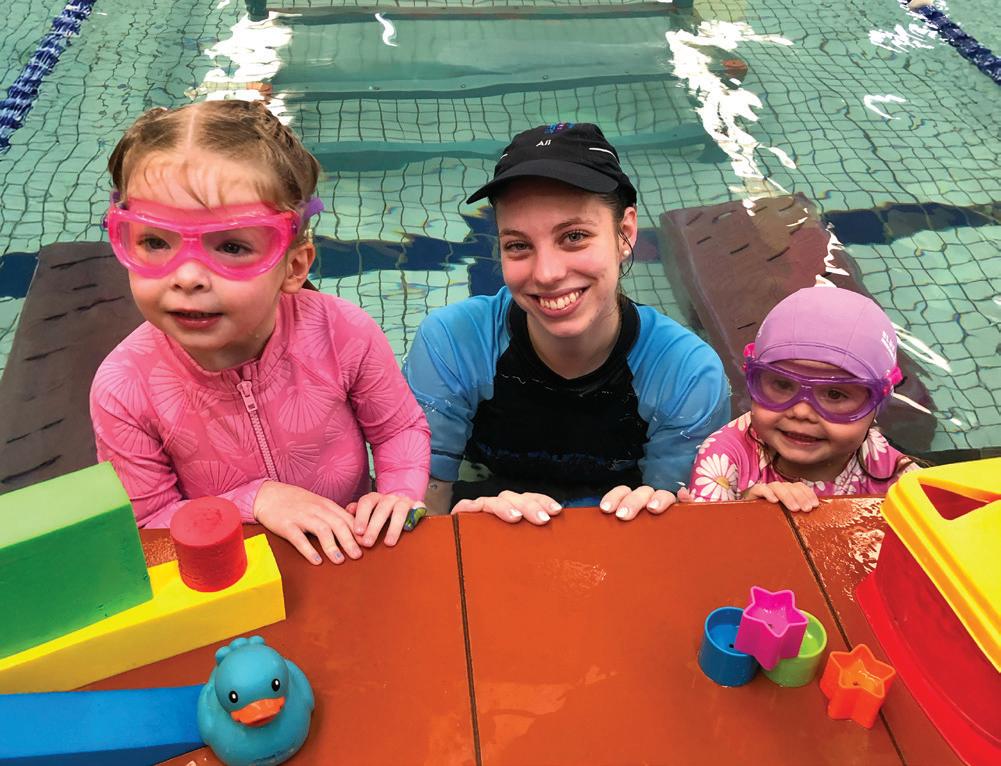
Through imaginative activities and themed sessions, little swimmers also build language, communication, problem-solving and social skills, all while growing stronger and more confident in the water.
So if your little one’s ready to move, learn and splash their way to confidence, it’s time to dive in with Blue Dolphin Swim Centre.
Blue Dolphin Swim 5 Glory Court, Happy Valley
bluedolphinswim.com.au @bluedolphinswimcentre
Centre Opening Hours
MON: 8:45 to 20:30
TUE: 8:45 to 20:30
WED: 8:45 to 19:15
THURS: 8:45 to 19:45
7:00 to 13:45 SUN: 7:45 to 12:45
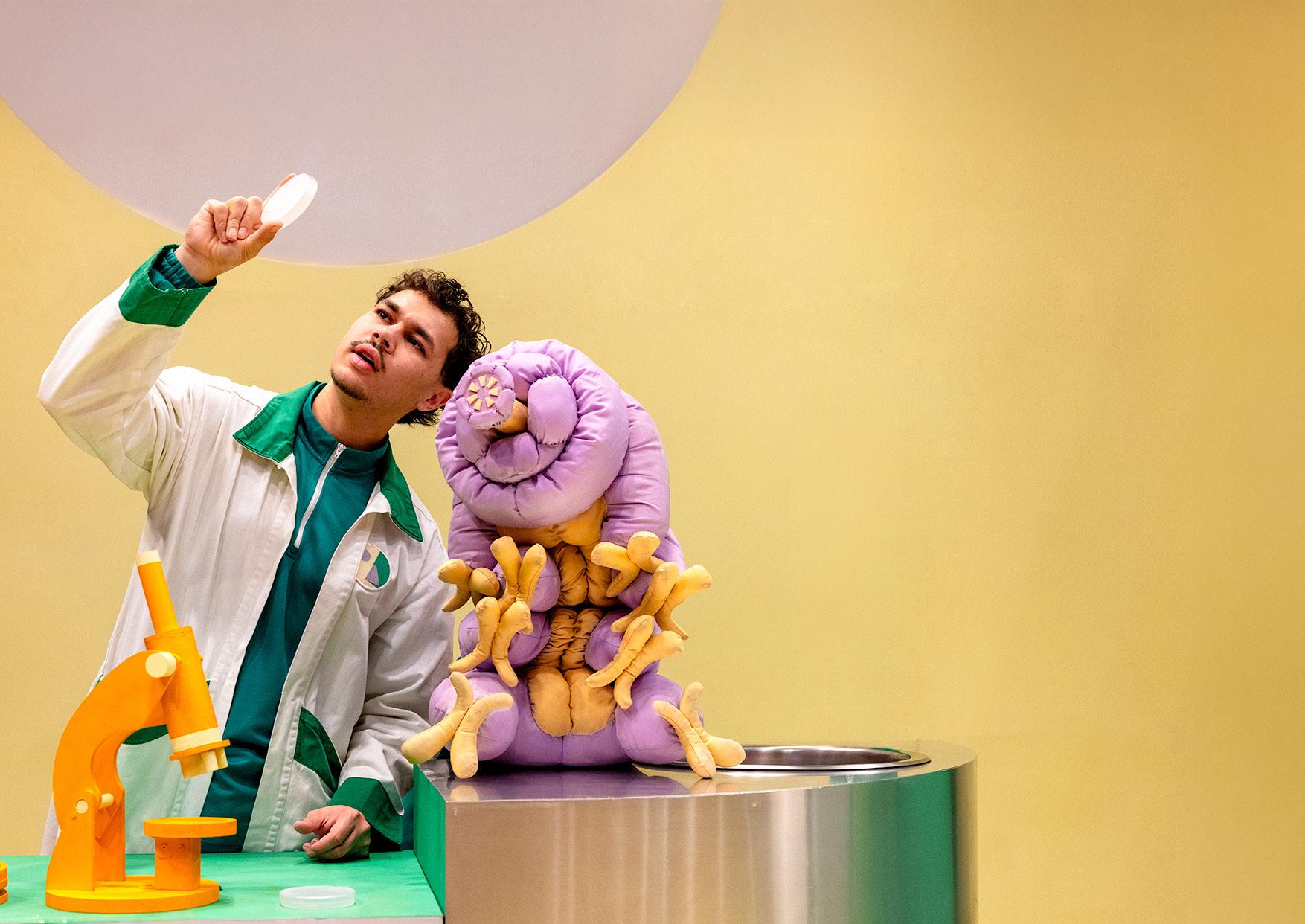

Preparation time: 20 mins
Cooking time: 55 mins | Serves: 4–6
A combination of chicken, leek, potato and smoked bacon with pesto, peas and spinach makes this a light, nourishing and comforting one pot meal!
• ¼ cup olive oil
• 4 chicken chops
• 4 chicken drumsticks
• 2 tablespoons plain flour
• 2 large leeks, finely sliced
• 2 cloves garlic, chopped
• 100g smoked bacon, diced
• 600g Spud Lite baby potatoes, halved
• 1 cup (250ml) verjuice or white wine
• 2 cups (500ml) chicken stock
• ¼ cup green pesto
• 2 cups English spinach, shredded
• ½ cup frozen peas, thawed
• ¼ cup mint, roughly chopped
• Salt flakes and freshly ground black pepper
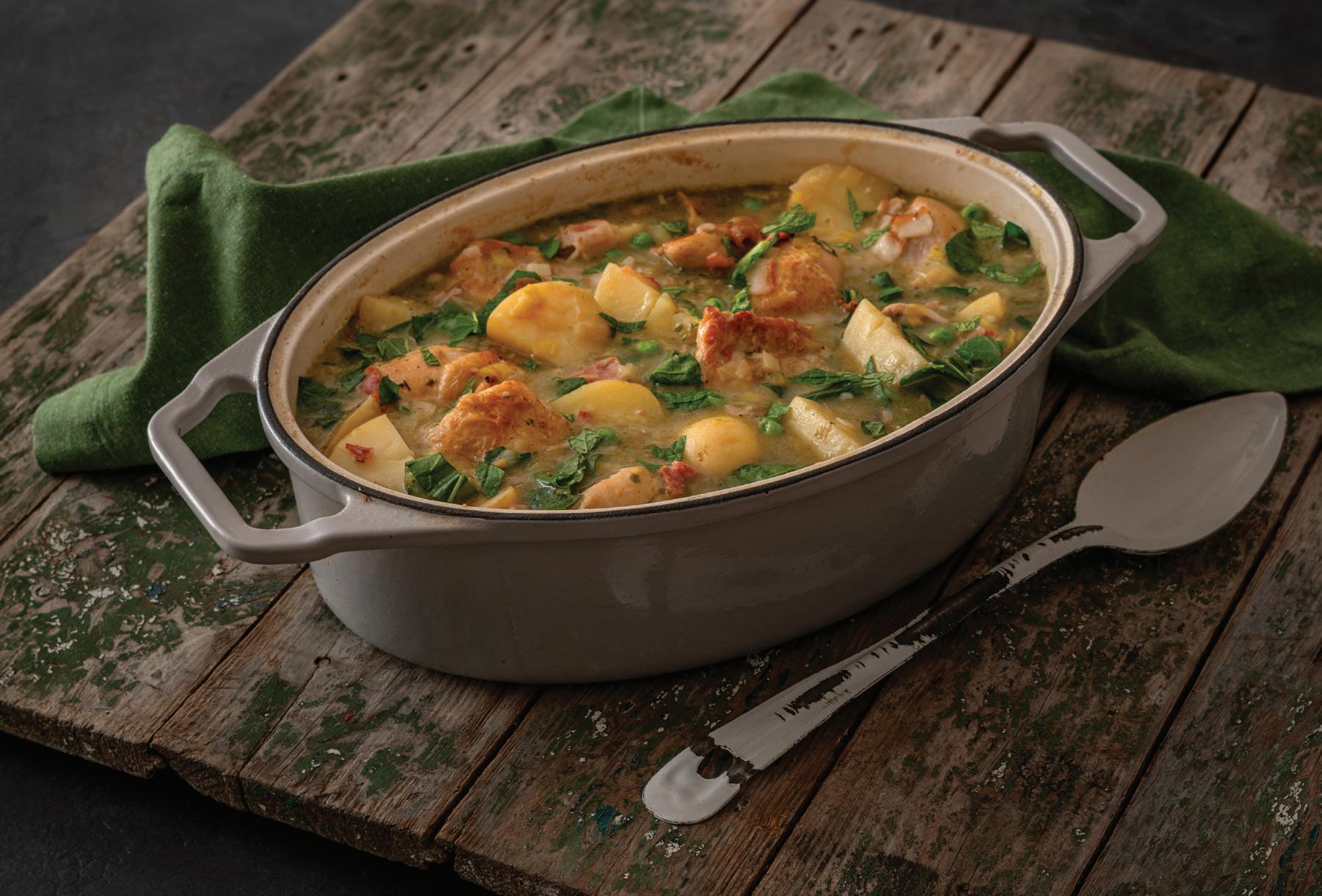
1. Heat 1 ½ tablespoons of the oil in a heavy based ovenproof dish over a medium-high heat. Place chicken in a bag with flour, salt and pepper and toss until well coated in mixture. Brown chicken in batches for 3 minutes each side or until golden. Set aside until required.
2. Add remaining 1 ½ tablespoons oil to the same pan over a medium-low heat. Add leek, garlic and bacon, stirring to combine. Cover and cook for 10 minutes until tender.
A warmly spiced, gluten-free apple cake that’s perfect for a cosy dessert or afternoon treat.
• 2 cups gluten-free flour
3. Return chicken to the pan with potatoes, verjuice and stock. Increase heat to medium and bring to a simmer. Reduce heat, cover and cook for 30 minutes or until potatoes are tender.
4. Add pesto, spinach and peas, stirring until wilted. Check seasoning and adjust accordingly. To finish, sprinkle over fresh mint and serve.

1. In a small bowl, combine the sliced Royal Gala apples with a dash of cinnamon. Set aside to absorb the flavour while you prepare the rest of the ingredients.
2. In a large mixing bowl, whisk together the gluten-free flour, coconut flour, baking powder and cinnamon (to your liking).
3. In a separate bowl, whisk together the coconut milk, melted coconut oil, honey, eggs, apple cider vinegar and vanilla essence until well combined.
• 1 tablespoon coconut flour
• 1 teaspoon vanilla essence
• 1/4 cup coconut oil, melted
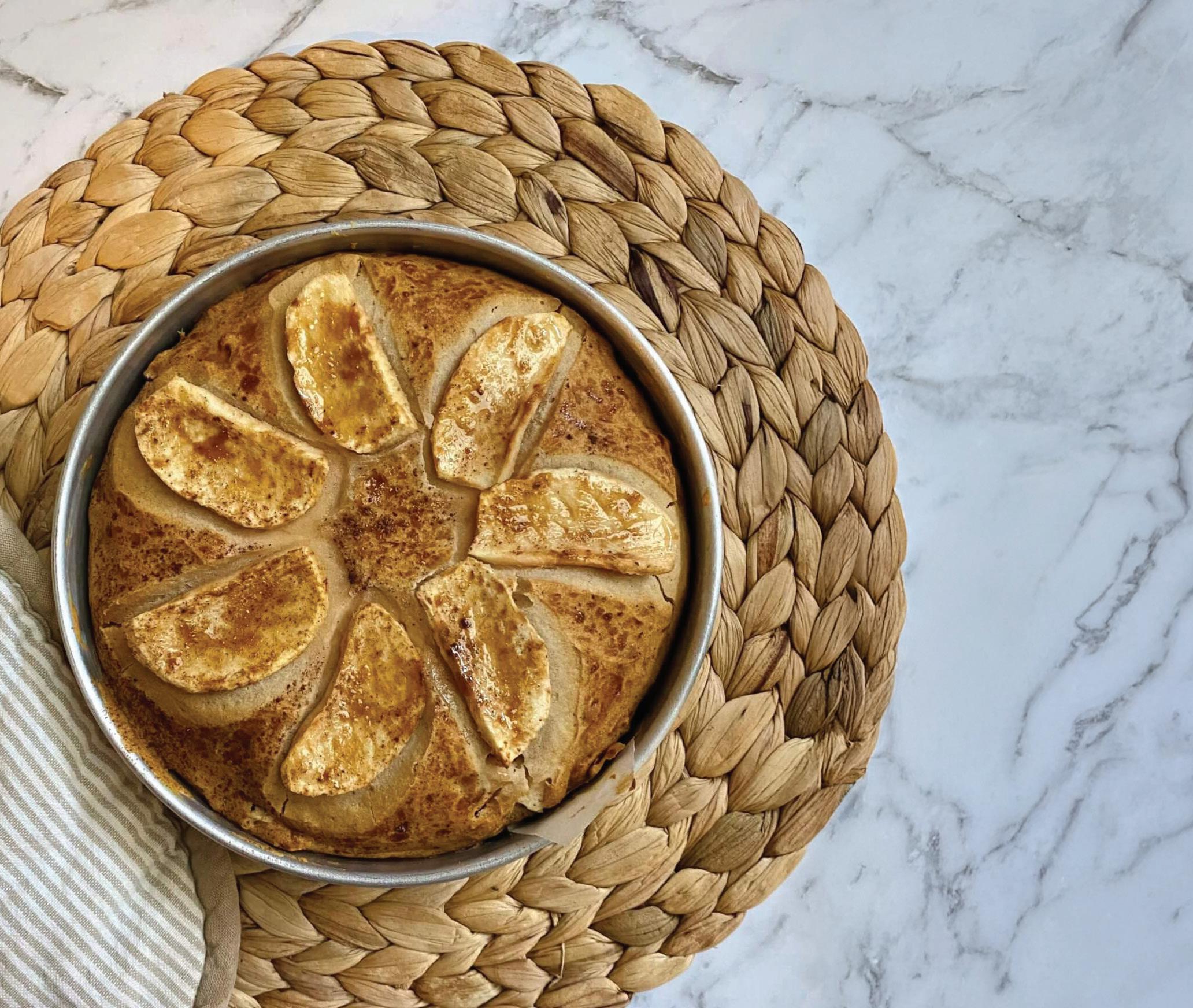
• 1/2 teaspoon baking powder
• 1 cup Royal Gala apples, sliced
• Dash of cinnamon
• 1/3 cup coconut milk
• 1/4 cup honey
• 1 teaspoon apple cider vinegar
• 2 eggs
• Connoisseur Ice Cream of choice to serve
4. Add the wet ingredients to the dry ingredients and mix until just combined. Set aside some apple slices for decorating. Gently fold in the cinnamon-coated apple slices, making sure they are evenly distributed throughout the batter.
5. Decorate the bottom of the pan with apples and pour the batter into a greased or lined cake tin. Bake at 175°C for about 30-35 minutes, or until a toothpick comes out clean when inserted into the centre.
6. Let the cake cool before serving. Add a dash of cinnamon over the cake if preferred and serve with a scoop of Connoisseur ice cream.

Our $4.00 Block White Loaf came in second at this year’s Royal Adelaide Show. It means the world to us. Not the five first prizes. And not the fact our croissant was awarded ‘Champion Product of the Show.’ The humble white loaf that didn’t quite win is what motivates us to try harder to live up to our name and keep our promise to you: The best products at the best possible price. That’s Adelaide’s Finest.
…because nothing tastes better than a free meal, especially when you’re the one paying!
If you’re looking for ways to keep both bellies and budgets happy, Adelaide’s got plenty of family-friendly spots where kids eat free. Whether it’s Monday night burgers, midweek pancakes, or weekend dinners in the Hills, here’s your go-to guide for feeding the crew without breaking the bank, every night of the week.
MONDAY
The Parkside Hotel (Parkside)
Kick off the week with a free kids’ meal when you order any full-priced main. Choose from schnitzel, cheeseburger, pizza, or fish & chips, the classics never miss. When: Every Monday lunch and dinner. Kids 12 & under | Not available on public holidays parksidehotel.com.au
Alma Tavern (Norwood)
Mosaic Hotel (West Lakes)
A triple win for families, score a free kids’ meal (plus soft drink and ice cream) and 9 holes of Hey Caddy mini-golf with every adult meal. When: Every Monday, lunch & dinner mosaichotel.com.au
Mondays are for easy wins, kids eat free with any adult main meal purchase. Great food, relaxed vibes. *Offer valid in Garden Bar and Corner Bar only. When: Every Monday almatavern.com.au
The Original Pancake Kitchen (All Locations)
Pancakes for dinner? Always yes. Kids eat free from 4–7pm with any adult meal purchase.
When: Monday to Wednesday | 4–7pm pancakekitchen.com.au
TUESDAY

The Gully Public House & Garden (Tea Tree Gully)
Big playground, leafy beer garden, and a free kids’ meal with every adult main, that’s Tuesday night sorted. When: Every Monday lunch and dinner. Kids 12 & under | Not available on public holidays thegully.com.au
TGI Fridays (Marion & Tea Tree Plaza)
From Monday to Thursday, kids eat free with a full-priced adult meal (minimum $25 spend). American diner fun, guaranteed.
When: Monday to Thursday | Min $25 spend | Not valid with other offers tgifridays.com.au
WEDNESDAY
The Goody (Goodwood Park Hotel) (Goodwood)
A midweek treat, kids eat free with any adult main. Add a kids’ corner and chill pub atmosphere, and you’ve got an easy win.
When: Every Wednesday thegoody.com.au
THURSDAY
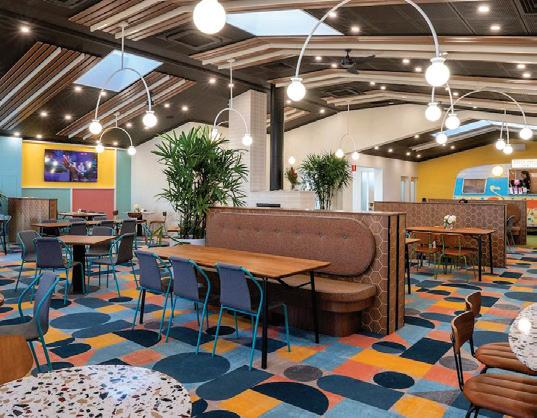
Comida (Hahndorf)
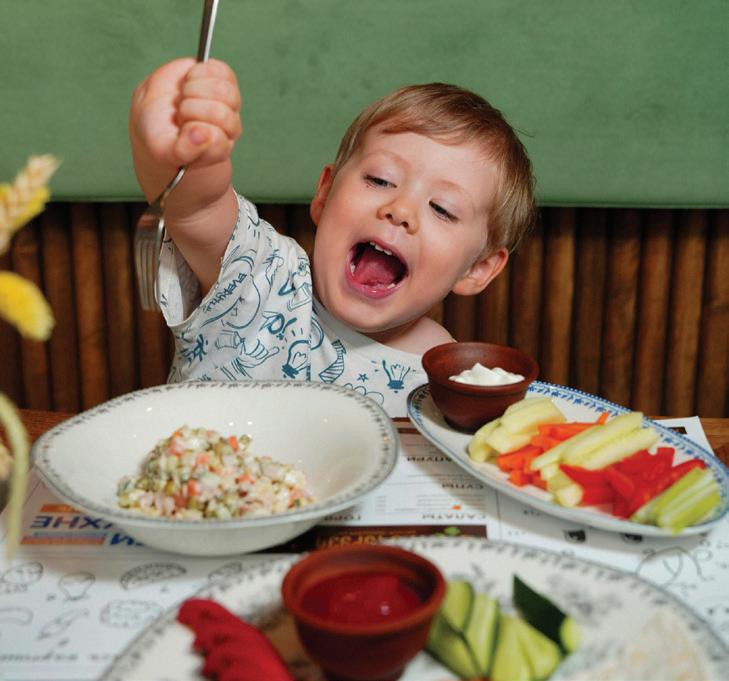
Peninsula Hotel Motel (Taperoo)
From 5:30pm, kids eat free with the purchase of any full-priced adult main. Outdoor space makes this a winner for families with energy to burn.
When: Every Thursday from 5:30pm peninsulahotelmotel.com.au
Head to the Hills and enjoy a free kids’ meal from the kids’ menu when dining with an adult. Relaxed, rustic and family-friendly. When: Every Thursday night comidahahndorf.com.au
FRIDAY
Hampstead Hotel (Collinswood)
Kick off the weekend with a family feast! Kids eat free on Fridays between 5pm and 8:30pm with an adult meal purchase.
When: Fridays, 5pm–8:30pm hampsteadhotel.com.au
SATURDAY
Jimmy Deane’s (Reynella)
Kick off the weekend with a family feast! Kids eat free on Fridays between 5pm and 8:30pm with an adult meal purchase.
When: Fridays, 5pm–8:30pm jimmydeanes.com
SUNDAY
Beach Bum (Glenelg)

Kids up to 12 eat free during lunch and dinner on Sundays. The kids’ menu includes fried chicken, meatballs, fish & chips, pizza, and quesadillas, perfect beachside bites.
When: Sundays, lunch & dinner beachbum.com.au
Keep an eye out for school holiday specials; spots like The Edinburgh Hotel, Feathers, and Brighton Metro often bring back kids eat free deals when school’s out.
QUICK HEADS-UP! Every restaurant does their own thing, so deals can change, have age limits, or come with other little rules. Give them a quick check before you go, so your kids don’t miss out on their free meal!
more?
SCAN THE QR CODE to unlock KIDDO’s full list of the best familyfriendly restaurants in Adelaide; tasty treats await, and family fun is guaranteed!










1. The 113th Assistant Librarian 2: Lost in a Book
STUART WILSON
Oliver has settled into his life as the 113th assistant librarian. He loves his job – even though it sometimes includes battling giant crabs or fending off firedrakes –and his new friend, the mostly-human Agatha, is always on hand to help.
But when he discovers a rare edition of a history book with unique wording, he realises the slightest misinterpretation could endanger the entire kingdom.
Determined to solve this mystery, he and Agatha leave the library – with the help of an unpredictable transporting book –to establish the truth. But can they prevent Annabel Clowritch, the esteemed Member for Upper-Lower Tumbledown Barrows, from using the text to her own advantage... and stop a war?
RRP $19.99 | Penguin
2. Mullets
NICK SHARRATT
A HAIR-larious celebration of the iconic hairstyle.
Let's spend a while on Mullet Isle! Everyone there has SPECIAL hair! A rollicking rhyming celebration of the mighty mullet.
From the illustrator of the multi-millioncopy bestselling You Choose series.
RRP $19.99 | Penguin
3. From the World of Percy Jackson: The Court of the Dead (The Nico di Angelo Adventures)
RICK RIORDAN AND MARK OSHIRO
From #1 best-selling author Rick Riordan and award-winning author Mark Oshiro comes a new adventure featuring two of the most popular characters from the world of Percy Jackson and the Olympians.
It’s been three months since demigod boyfriends Nico di Angelo and Will Solace returned from Tartarus, and there hasn’t been a single quest for them in all that time. So, when Nico’s half sister Hazel asks them to come to Camp Jupiter to help with an ‘issue’, Nico shadowjumps at the chance to do something.
What Hazel didn’t tell the boys is that she’s providing a haven for a group of monsters who’ve escaped the Underworld! Apparently, during Nico and Will’s trip to the Underworld, they showed the monsters that they don’t have to be evil – that the monsters have options.
But then the monsters start disappearing from the camp and it’s clear a dark force is at work – and Nico, Will and Hazel are shocked to find that they’re connected to it...
RRP $27.99 | Penguin
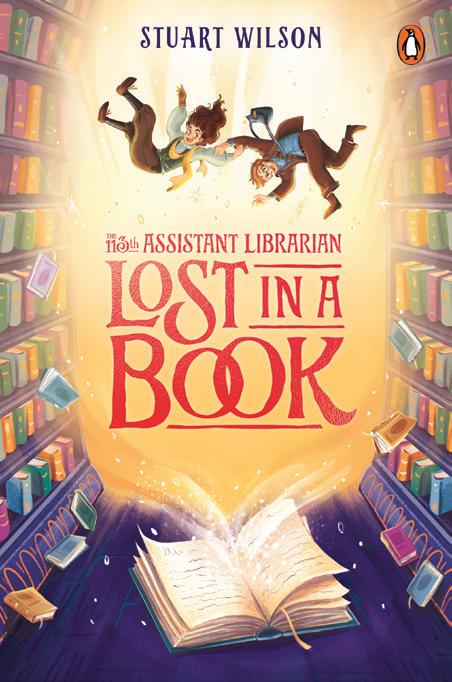
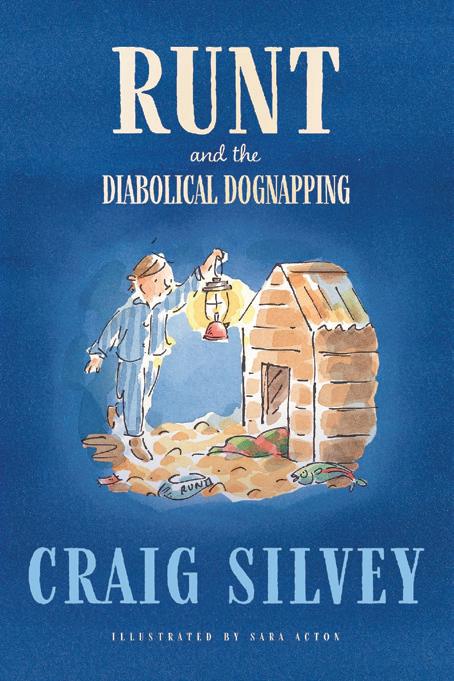
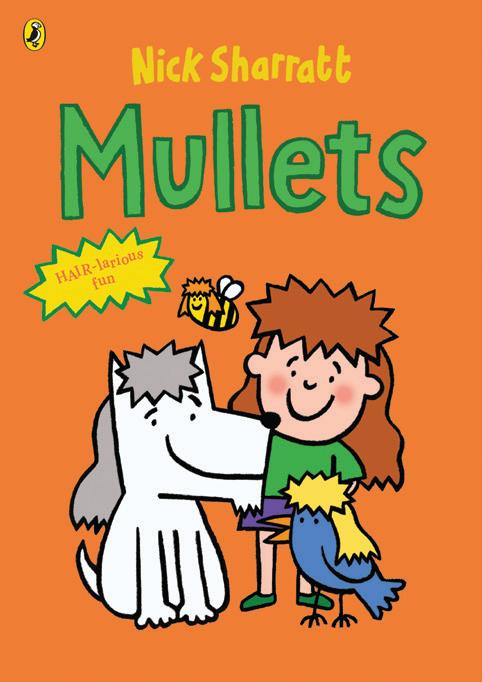
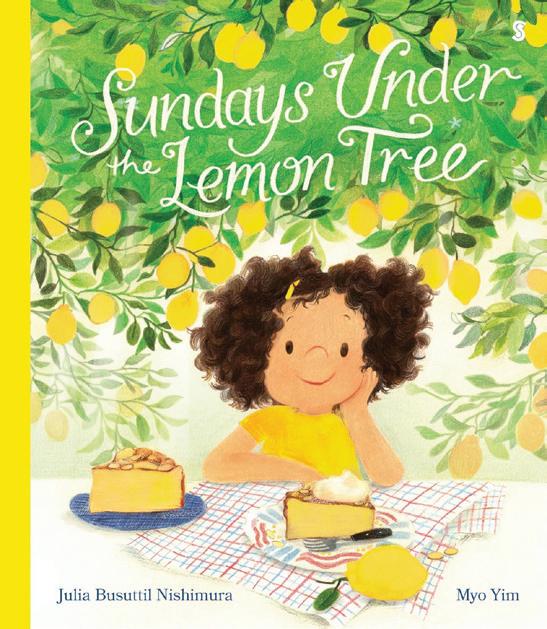
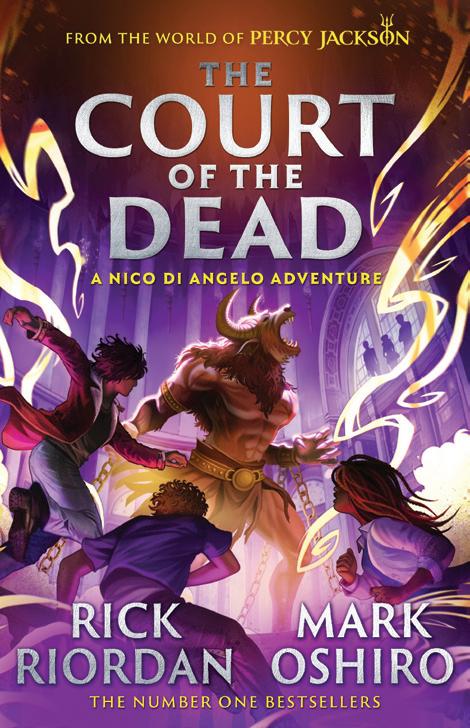
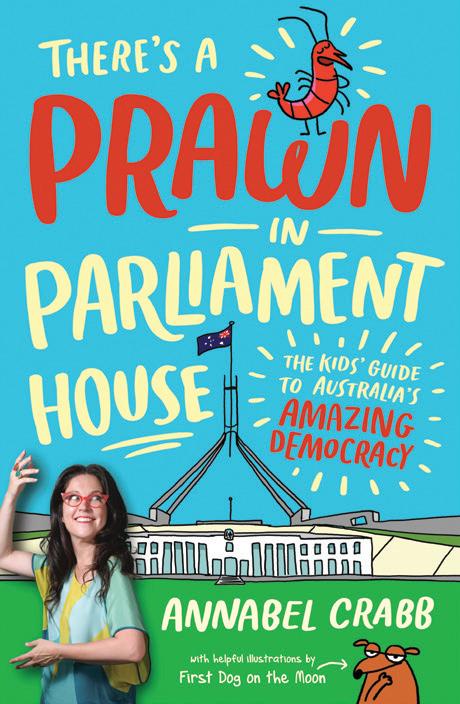
4. Runt and the Diabolical Dognapping
CRAIG SILVEY, ILLUSTRATED BY SARA ACTON
Six weeks have passed since Annie Shearer and Runt competed valiantly at the Krumpets Dog Show.
The town of Upson Downs is rejuvenated. The grass is green. The rivers are flowing.
And a Tournament of Champions has just been announced, with the world's best canine talent invited to showcase their skills in the Grand Ballroom of the abandoned Robert-Barren estate.
But as preparations for the event get underway, Runt mysteriously goes missing, and a trail of suspicious clues surround his doghouse. Annie's worst fears are confirmed when she discovers a ransom note with a peculiar demand: she must win it all to see her friend again.
It's up to Annie and her brother Max – now an intrepid investigative reporter with the Upson Downs Speculator – to rescue Runt before it's too late.
RRP $26.99 | Allen & Unwin
5. Sundays Under the Lemon Tree
JULIA BUSUTTIL NISHIMURA, ILLUSTRATED BY MYO YIM
A heartwarming picture book celebrating family, tradition, and culinary adventures.
Julia Busuttil Nishimura, known for her acclaimed cookbooks and heartwarming food stories, teams up with talented illustrator Myo Yim for their debut picture book collaboration, Sundays Under the Lemon Tree. The book, filled with family moments and culinary discovery, will captivate readers of all ages.
Sundays Under the Lemon Tree follows a young child's memorable Sunday, with the smells and sounds of family cooking, the adventure of collecting seawater to make ricotta, and the triumph of learning to bake a special family apple cake. Busuttil Nishimura's prose and Yim's illustrations bring to life the comforting rituals and loving bonds that make Sundays special.
RRP $24.99 | Scribe Publications
6. There's a Prawn in Parliament House: The Kids' Guide to Australia's Amazing Democracy
ANNABEL CRABB, ILLUSTRATED BY FIRST DOG ON THE MOON
A funny and informative account of how Australia's democracy works, written for kids by one of Australia's best-known and most entertaining political writers and documentary makers, Annabel Crabb - host of top-rating ABC series The House, Kitchen Cabinet and Back in Time for Dinner. Helpful and hilarious illustrations supplied by First Dog on the Moon, Australia's only marsupial Walkley award-winning cartoonist.
Perfect for kids in year 5 and 6 studying how Australia's government works, political writer and commentator Annabel Crabb explores, explains and examines Australia's unique democracy from the smallest shrimp to the largest coathanger with help from Guardian Australia cartoonist First Dog on the Moon.
RRP $24.99 | Allen & Unwin







australiansouthernphotography.com.au hello@asphoto.com.au

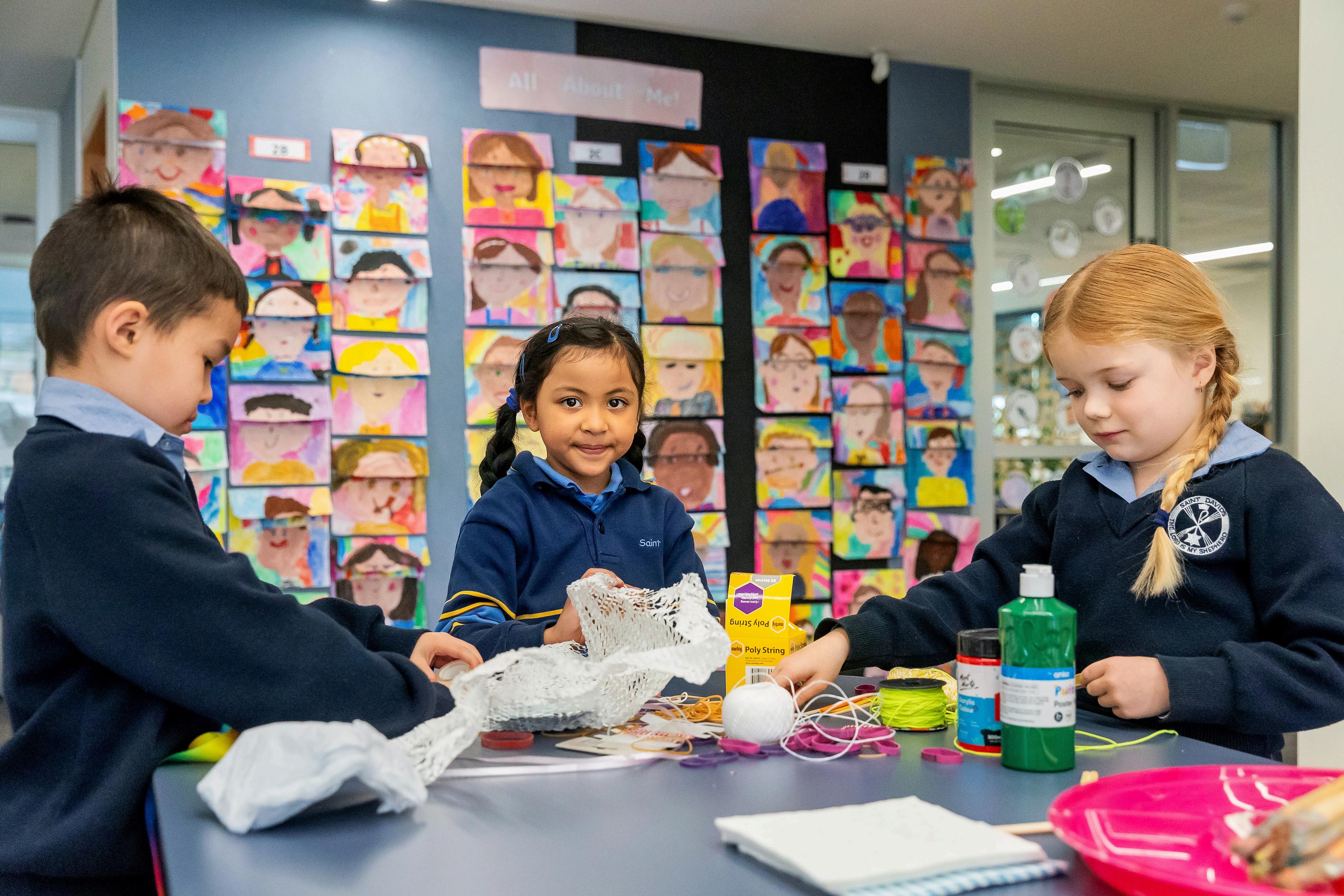
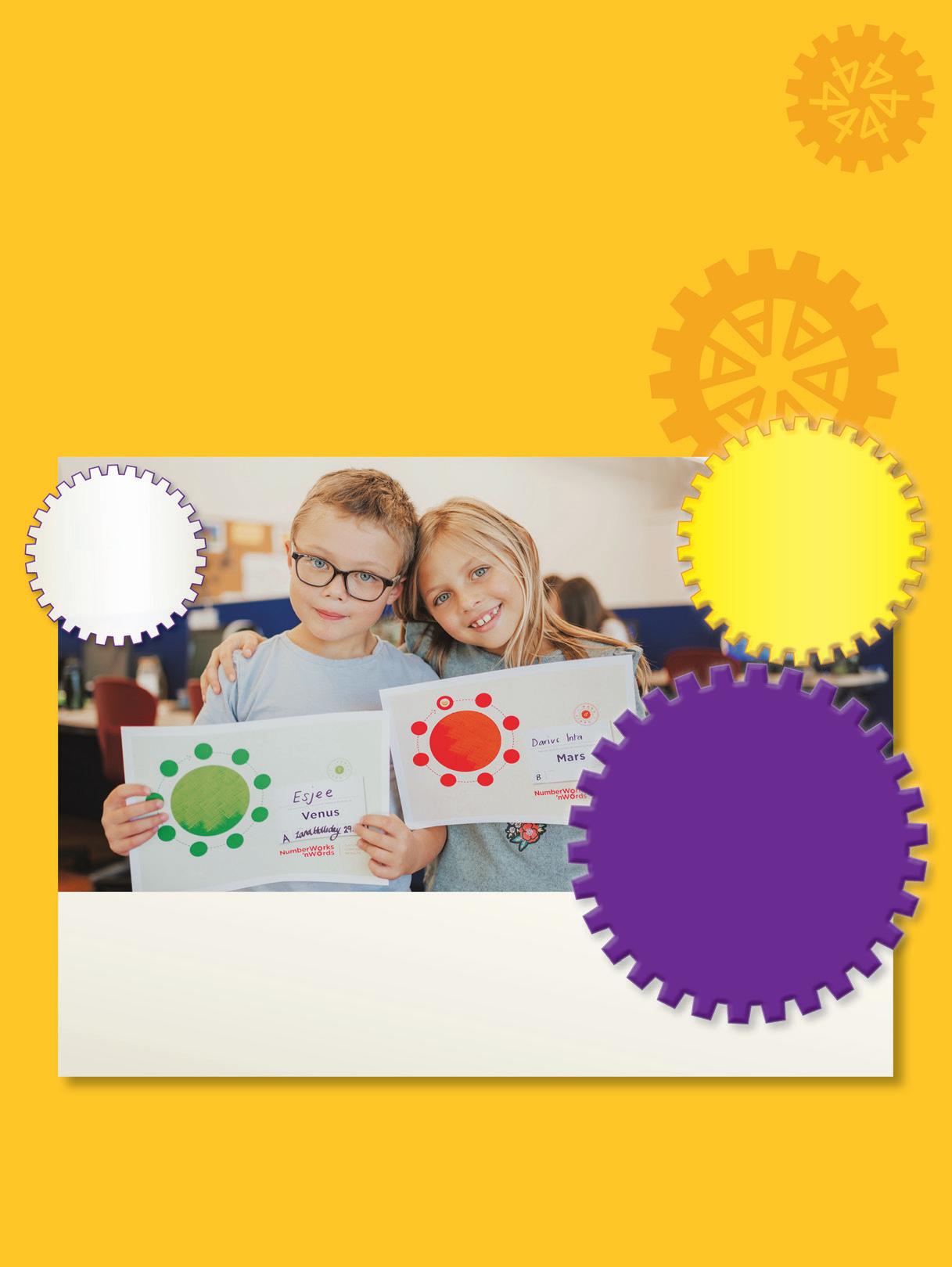


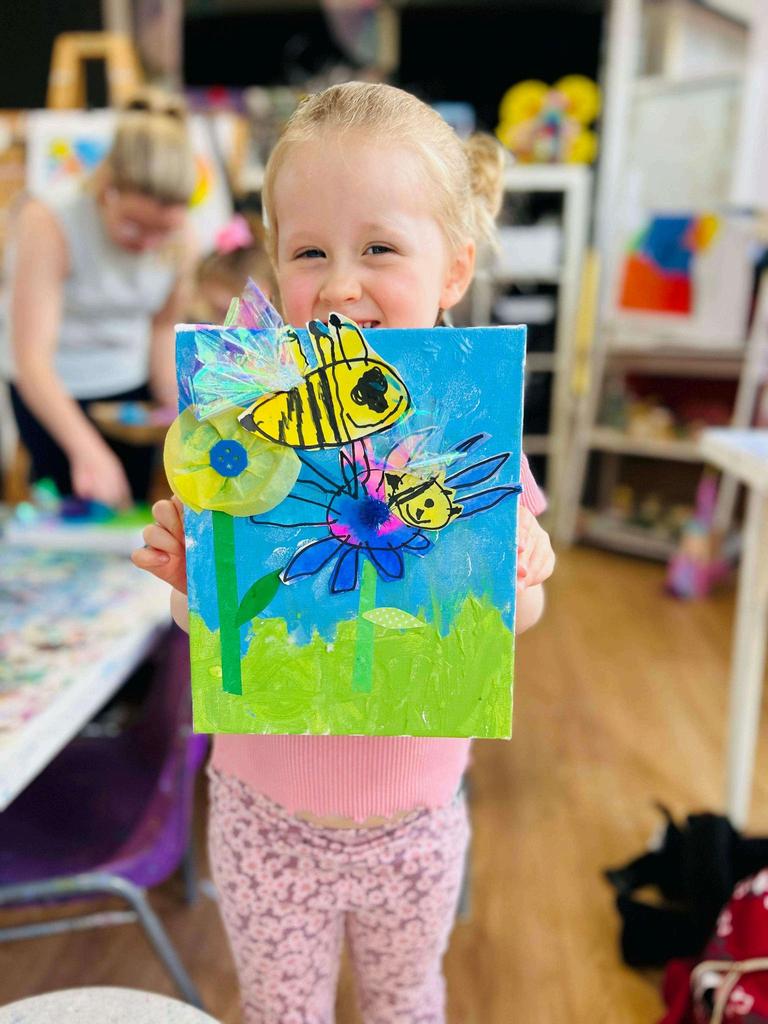

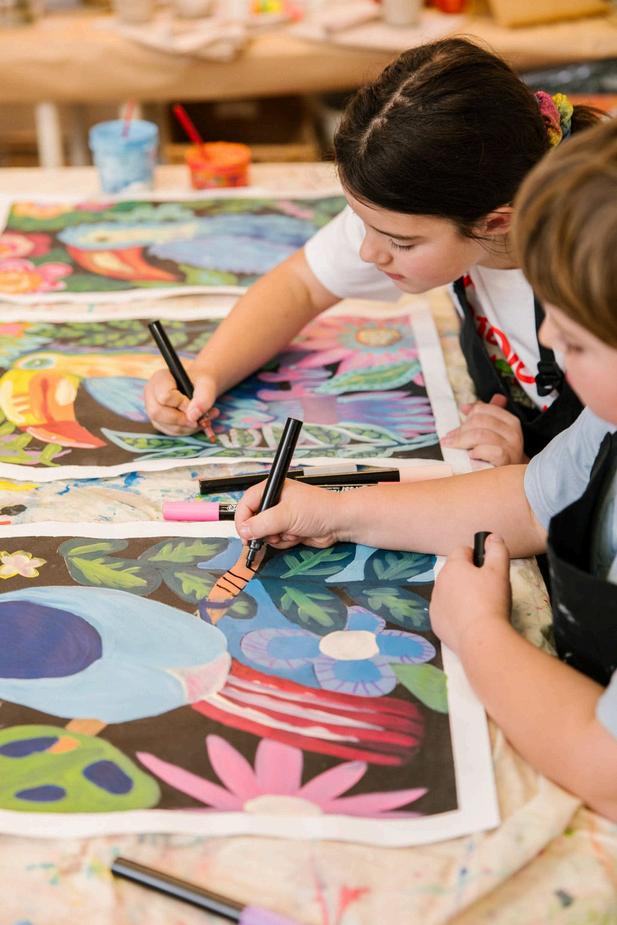
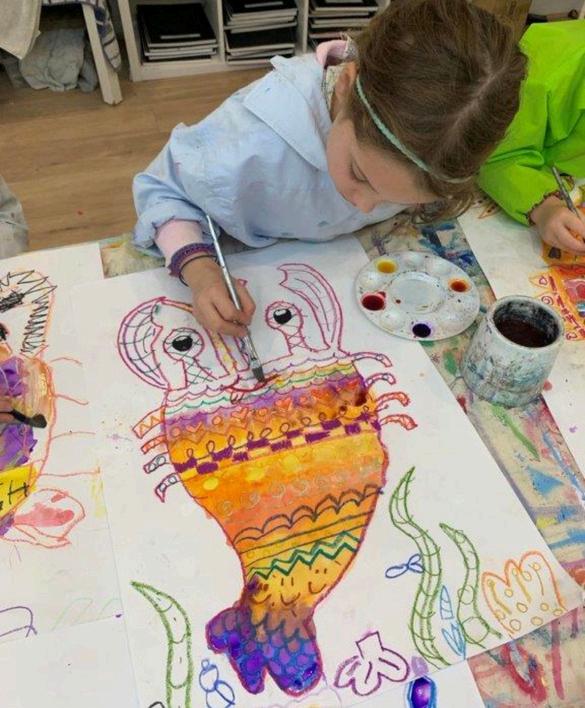
What season comes after spring?
What pink fruit do we often eat to stay cool in summer?
Which part of the body needs sunscreen the most on hot days?
What do you call frozen water treats you eat in summer?
Which bright star in the sky keeps us warm during summer days?
Name a fun activity you can do in a swimming pool?
What insect is famous for buzzing around flowers in summer?
Which sport is popular on hot sunny days and played with a bat and ball?
What do we often drink lots of on hot summer days?
Name one thing you should always wear to protect your eyes from the sun. Answers: 1. Summer, 2. Watermelon, 3. Skin (especially shoulders, arms, and face), 4. Ice blocks,
If you’ve ever wondered what’s going on in the world but found regular news too much, Squiz Kids is a winner. It’s an Aussie podcast just for kids, delivering about 10 minutes of age -friendly news, facts and fun, with no scary bits.
They cover everything from wild science discoveries and crazy inventions to big events and quirky world news. And they make it playful & easy for kids to understand.
It also features things like Kids vs Adults quizzes, cool deep-dives (think: why storms happen, or how robots work) and even shout-outs for listeners.
Plus: It’s super short. Perfect for a car ride, breakfast time or just while you’re getting ready for the day.
Who it’s good for:
● Kids roughly 6–12 years old, or anyone curious about the world and wants it explained in a fun way.
● Families wanting a smart, quick listen together that can spark chats about what’s going on around us.
● Even classrooms! Teachers use it as a fun way to introduce current events and science in kid-friendly terms.
So if you’re looking for something to listen to that’s interesting and quick (maybe while you’re doing chores or driving to sport), give Squiz Kids a go. It’s one of those clever little finds that makes learning about the world feel like a fun adventure.
Listen on your podcast app!

By Mack Archontidis
Q: What do you call a day at the beach with no waves?
A: Sea-esta.
Q: What do you get if you cross a dog and a beach?
A: A hot dog.
Q: What do you call a seagull that lives by the bay?
A: A bagel.
Q: Why did the ice cream truck break down?
A: Too many rocky roads.
Q: What’s a shark’s favourite summer game?
A: Swallow the leader.
to Listen to RIGHT NOW!
1. Episode: “Planet Warriors –Tidal / Hydro Power”
In this instalment of the “Planet Warriors” mini-series, the podcast dives into how moving water (rivers, tides, waves) can produce clean energy. Great for science lovers and anyone interested in how the planet works.
2. Episode: “Squiz the World goes to… China”
This episode takes listeners on an audio travel adventure to China, exploring its geography, culture, history and some fun facts (including playful bits like the world’s longest wall, and table tennis!).
3. Episode: “The Sensational World of Civics – Episode 1: Why Canberra?”
A clever one for curious minds: looks at why Australia’s capital is Canberra, how the whole country formed, and even meat-pies got mentioned. Good mix of history, politics and “whoa I didn’t know that!” moments.

Hi, I’m Rosie!
I’m 11 years old and I play the French horn (it’s a bit tricky but I like it).
I don’t always love reading, so if I’m recommending a book, you know it has to be really good to get me to pick it up. I like stories that make me laugh or keep me guessing, and sometimes even surprise me a little.
I just finished reading Partypooper: Diary of a Wimpy Kid (Book 20) by Jeff Kinney and, wow, it was hilarious and totally chaotic in a really cool way. If you’ve ever wondered what happens when the ultimate birthday party goes totally wrong, this is your book.
In this 20th book of the series, the main character from all the books, Greg Heffley, is planning the perfect birthday for himself. He wants it to be epic. But when the guest list explodes, the decorations flop, and the surprises backfire, Greg’s big bash spins into a party disaster. It’s full of cake messes, family chaos and loads of funny moments that made me laugh out loud.
• The drawings and captions are so goofy they make you giggle every few pages.
• Greg’s mess-ups are totally relatable, like when you try to have a perfect plan and it just goes sideways.
• It’s fast-moving, easy to read, and perfect for when you want something fun after school or on the weekend.
One thing I noticed:
Because it’s book #20, there are little hints to past books (so if you’ve read earlier ones, you’ll catch extra jokes). But the story still works for new readers who jump in now.
Would I recommend it? Absolutely! If you like books that are full of silly disasters, laugh-out-loud drawings and a main character who is trying really hard but always gets into trouble, this is for you.
My verdict: 4.5 out of 5 stars. Grab this book, find a comfy spot, and get ready for a birthday party that definitely won’t go exactly as planned, and that’s exactly why it’s so fun.
Partypooper: Diary of a Wimpy Kid by Jeff Kinney
RRP $14.99
Penguin




By Jessica Perri Optometrist
It’s no secret that more and more children are being diagnosed with ADHD (attention deficit hyperactivity disorder), and some even start taking medication for it. But here’s a surprising thought; what if a few of these kids don’t actually have ADHD at all?.
What if what looks like inattention, fidgeting, or acting out is really a vision issue hiding in plain sight?
ADHD is a neurodevelopmental condition that affects around 8–11% of Aussie kids, making Australia one of the countries with the highest diagnosis rates in the world. But research shows that around half of children who struggle with learning or attention also have a hidden eye condition called Binocular Vision Dysfunction (BVD).
BVD happens when the eyes don’t work together properly. Imagine trying to focus with one eye pulling in a slightly different direction. It can make reading hard, cause headaches, blur, and even make a child feel dizzy or tired.
Sound familiar? It should, because those are also symptoms often linked to ADHD.
This overlap can be confusing. A child with BVD might seem distracted, restless, or “away with the fairies,” when really, they’re just struggling to see comfortably.
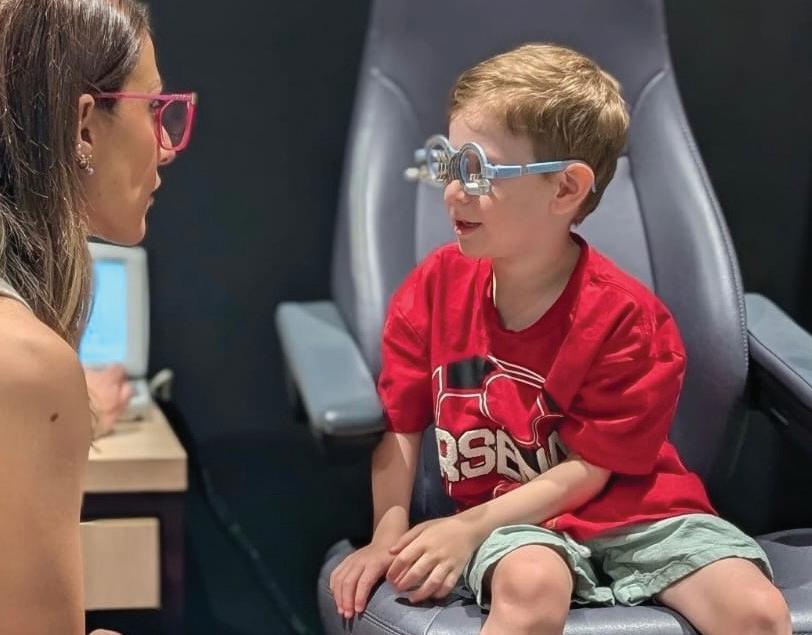
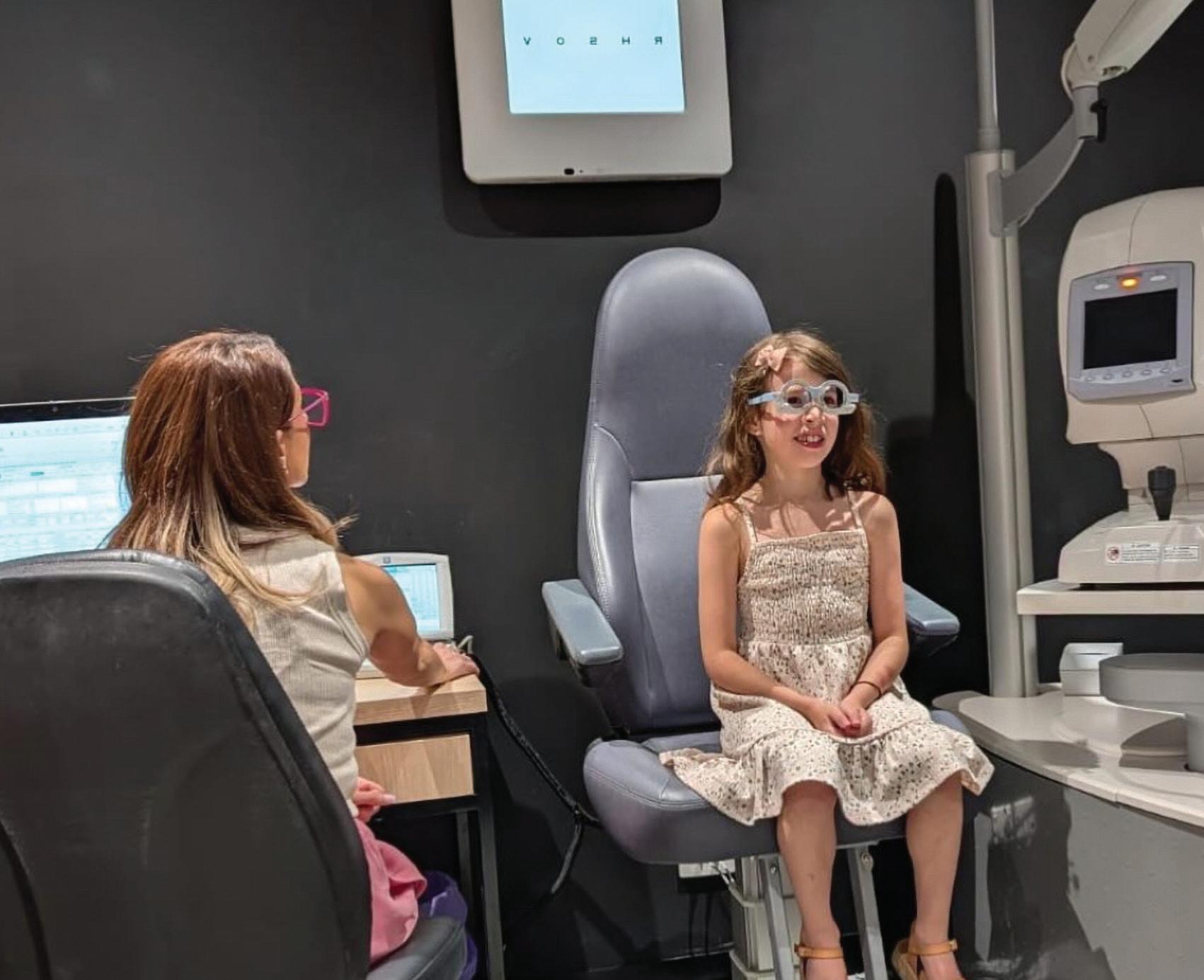
As an optometrist of more than 16 years, I’ve seen plenty of children referred for ADHD or learning assessments who simply needed their eyes to work better as a team. Once we corrected the issue, with glasses or simple eye exercises, their reading and concentration improved dramatically.
No medication. No major intervention. Just clearer, more comfortable vision.
If your child is struggling to focus, learn, or sit still, it’s worth checking whether their eyes are the real culprit. Here’s where to start:
● Book a binocular vision assessment
A regular eye test checks how clearly your child sees, but this assessment checks how well their eyes work together.
● Look for signs of strain Headaches, squinting, blurry vision, or holding books close are all red flags.
● Advocate at school
If your child’s teacher raises concerns about focus or learning, ask that an eye exam, including binocular vision testing, be part of any assessment process.
● Don’t be fooled by 20/20 vision! Even if your child can see perfectly in the distance, their eyes might not be coordinating properly up close.
With teachers under pressure (Australia ranks second in the world for teacher stress!) and classrooms bursting at the seams, kids who struggle to sit still or focus can easily be misread.
And because children often don’t realise their vision is “off,” they can’t always explain it, so they get labelled as distracted, lazy, or disruptive when, really, their eyes are working overtime.
Every child deserves to see, and learn, clearly. So before assuming it’s ADHD, make sure an eye test is part of the picture. Because sometimes, the key to better focus isn’t in their mind… it’s in their eyes.
ADHD signs:
● Can’t sit still or focus for long
● Struggles to follow instructions
● Acts out or avoids homework
● Gets distracted easily

Possible Vision Issue (BVD) signs:
● Rubs eyes, blinks often, or tilts head when reading
● Loses place on a page or skips words
● Complains of headaches or tired eyes
● Says words “move” on the page or feels dizzy
Jessica Perri is an optometrist with a passion for the link between nutrition and eye health, combining her expertise in vision care with postgraduate studies in Nutrition. Her passion lies in the intersection of nutrition and ocular health, and she especially loves checking children’s vision.
When you see someone using a wheelchair, wearing a hearing aid, or doing things a little differently, it’s natural to wonder what to say. Curiosity is fine, the key is to ask questions in a way that is respectful, inclusive, and age-appropriate.
Talking about disability openly helps children grow into confident, kind friends who celebrate difference. Avoiding the topic can make difference feel scary or awkward. Honest, gentle explanations show that everyone belongs, whatever their abilities.
● “He uses a wheelchair to help him get around.” — clear, factual, kind.
● “She has a disability that means her body or brain works differently.” — simple, normalising.
● “Would you like to tell me more about that?” — invites choice.
● “Can I help?” — offer assistance, but only if it seems needed.
● “Everyone moves and learns in their own way, and that’s okay.” — builds inclusion.
Examples to steer clear of:
● “Confined to a wheelchair” — frames mobility aid as a limitation.
● Using words that are outdated and offensive.
● “That’s so brave!” for everyday actions — can feel patronising.
● Asking “Are you disabled?” as a first question — instead, ask preferred terms.
● Euphemisms like “differently-abled” or “special needs” — unless the person uses that term themselves.
“Words matter. Avoid outdated or hurtful terms, and never make someone feel ‘other’.”
Language shapes understanding. Using person-first language — “a person with a disability” — emphasises the person first.
Some communities, such as Deaf or Autistic advocacy groups, may prefer identity-first language — “disabled person” — as a way of embracing disability as part of identity.
Tip for parents:
For a general audience, “person with disability” is inclusive and safe. Always respect the individual’s preference where possible.
Not all disabilities are visible. Learning differences, hearing loss, chronic illness, or other conditions may not be obvious.
Teach children:
● Respect comes first — don’t assume anything about what someone can or can’t do.
● It’s okay to ask politely — e.g., “How do you like to get around?”
● Kindness matters more than curiosity — treat everyone as a person first.
● Model respectful language and behaviour.
● Encourage curiosity in safe ways.
● Show accessibility in everyday life — ramps, hearing aids, and communication tools are normal and helpful.
“Model kindness, curiosity, and openness. Children learn by example.”
Talking about disability doesn’t need to be complicated. The most important lessons are:
1. Use respectful, person-first language.
2. Treat everyone as a person first, not a disability.
3. Encourage empathy, curiosity, and inclusion through words and actions.
When families model kindness and understanding, children learn that difference is normal, diversity is valuable, and every child belongs. Words are powerful, but how we act with them shapes the world. Inclusion isn’t just about saying the right thing, it’s about showing that everyone belongs.
2–5
Notice differences in bodies or behaviours
6–10 Ask “why” or “how”
11+
Understand inclusion and accessibility
“Some kids use wheelchairs. We can still play together.”
“Everyone moves and learns in their own way. That’s okay.”
“What would you do if someone was left out because of their disability?”