

By Sam Kricsfeld Editor
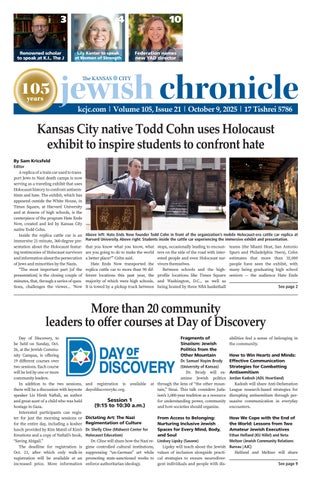
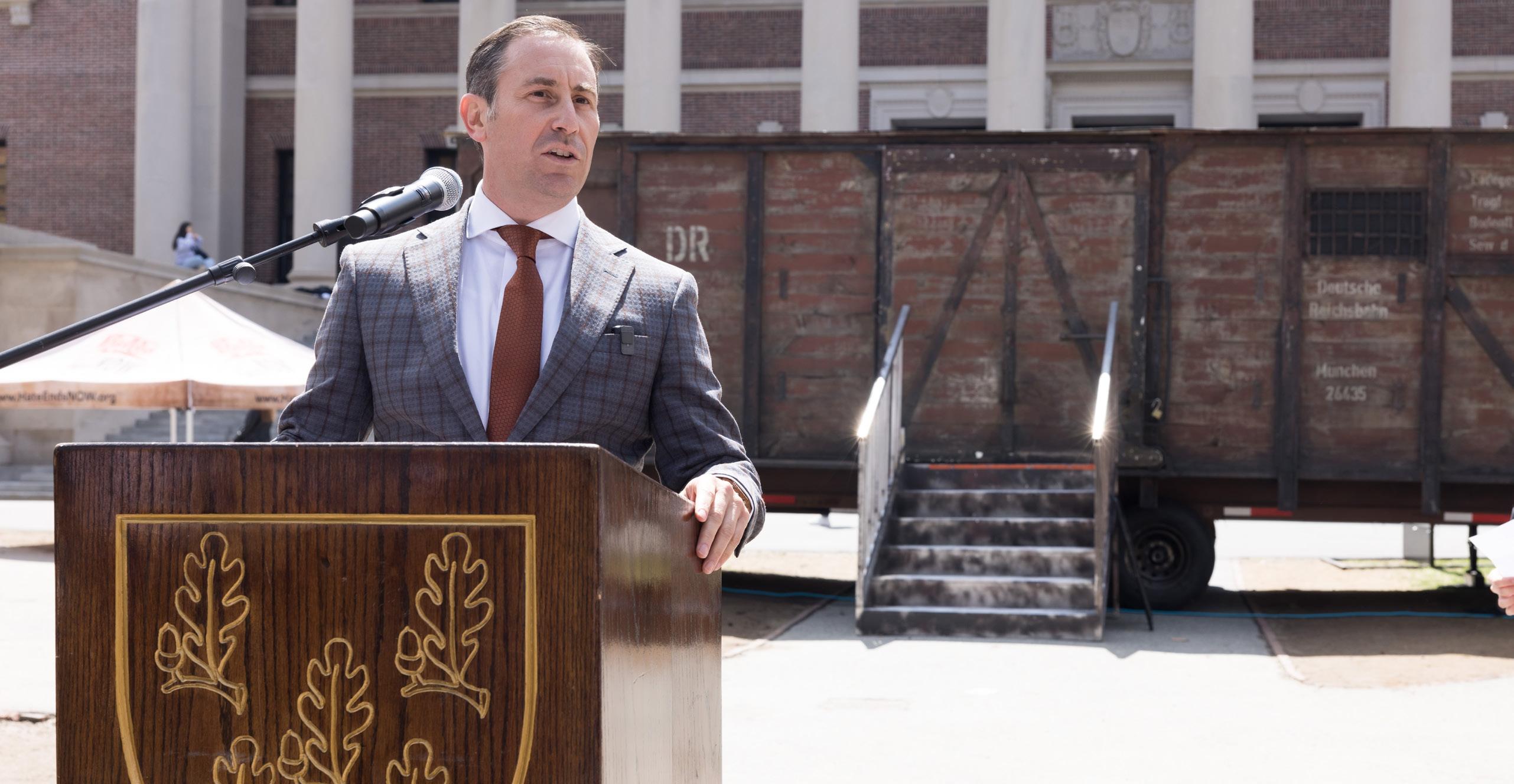
A replica of a train car used to transport Jews to Nazi death camps is now serving as a traveling exhibit that uses Holocaust history to confront antisemitism and hate. The exhibit, which has appeared outside the White House, in Times Square, at Harvard University and at dozens of high schools, is the centerpiece of the program Hate Ends Now, created and led by Kansas City native Todd Cohn.
Inside the replica cattle car is an immersive 21-minute, 360-degree presentation about the Holocaust featuring testimonies of Holocaust survivors and information about the persecution of Jews and minorities by the Nazis.
“The most important part [of the presentation] is the closing couple of minutes, that, through a series of questions, challenges the viewer… ‘Now
that you know what you know, what are you going to do to make the world a better place?’” Cohn said.
Hate Ends Now transported the replica cattle car to more than 90 different locations this past year, the majority of which were high schools. It is towed by a pickup truck between
stops, occasionally leading to encounters on the side of the road with interested people and even Holocaust survivors themselves.
Between schools and the highprofile locations like Times Square and Washington, D.C., as well as being hosted by three NBA basketball
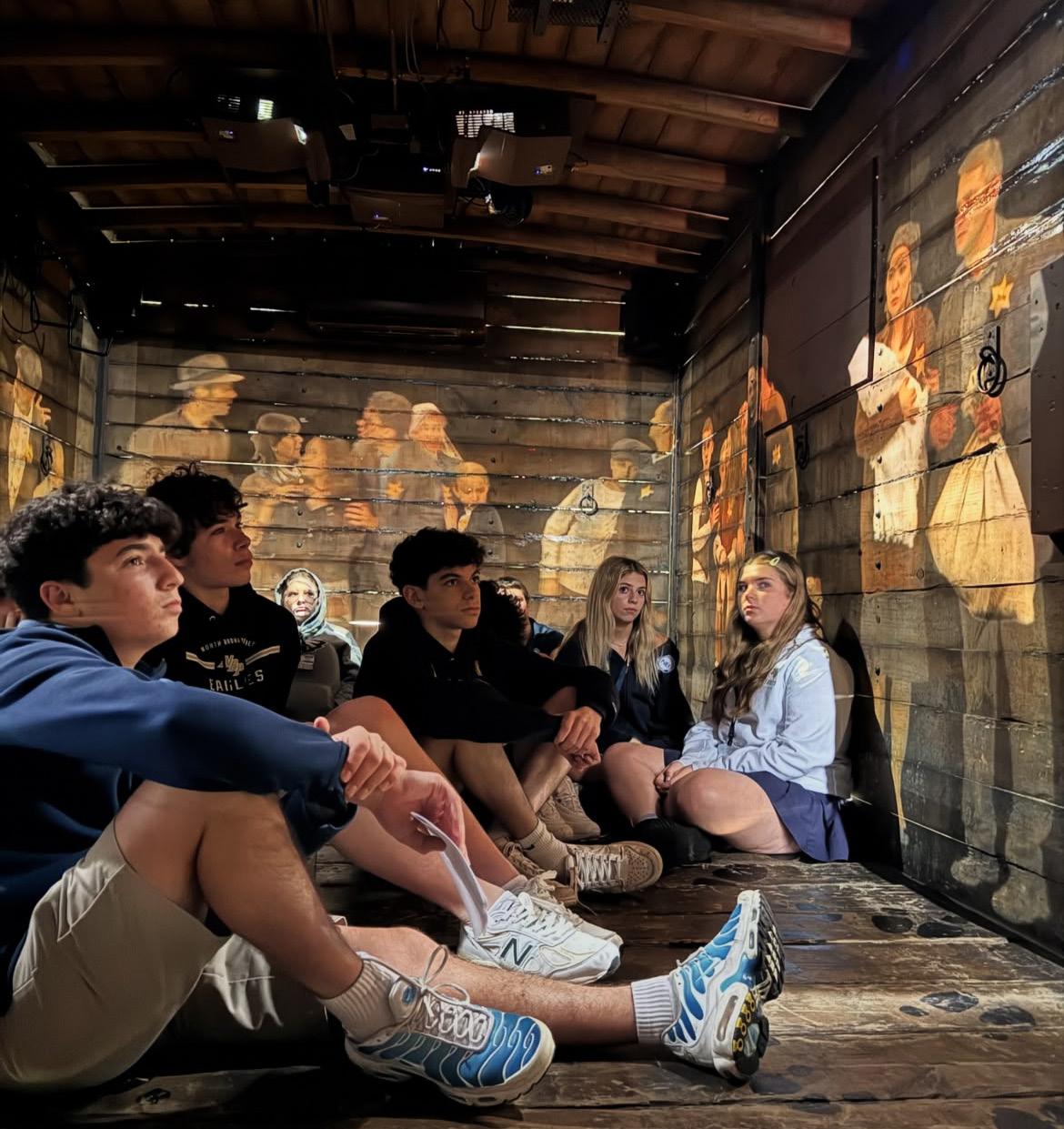
teams (the Miami Heat, San Antonio Spurs and Philadelphia 76ers), Cohn estimates that more than 32,000 people have seen the exhibit, with many being graduating high school seniors — the audience Hate Ends
See page 2
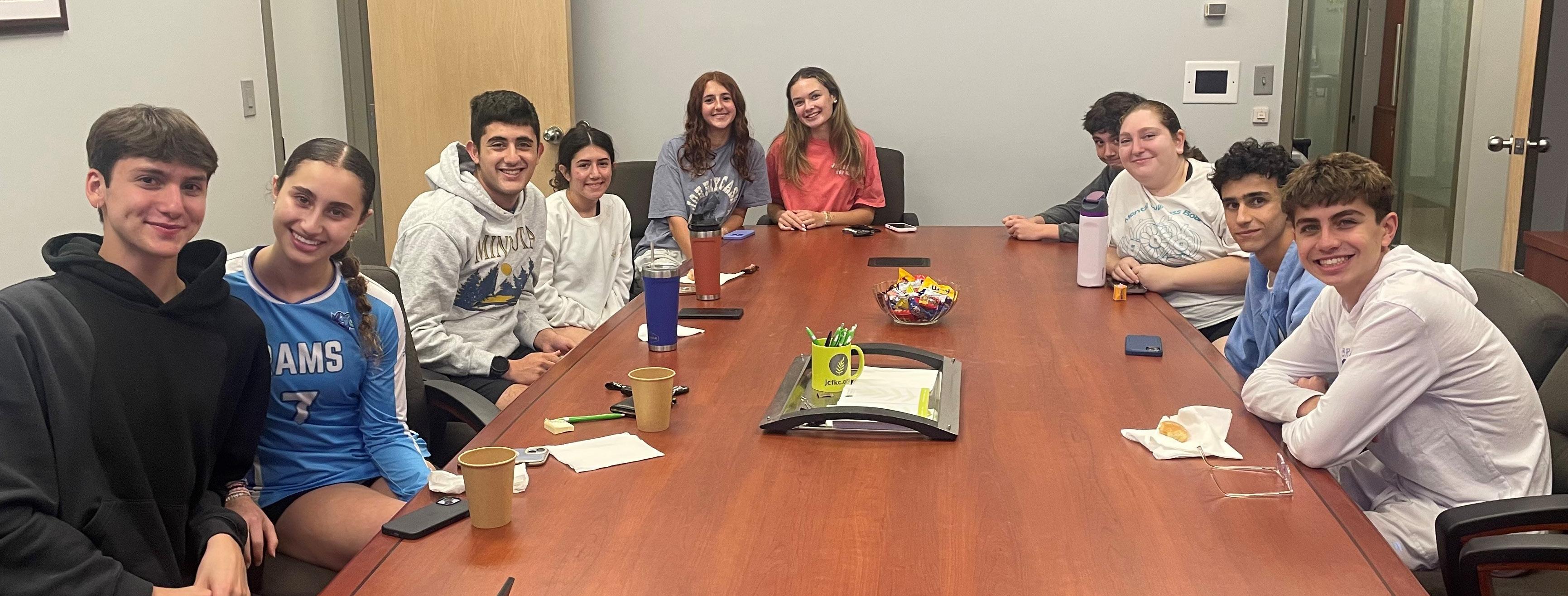
Day of Discovery, to be held on Sunday, Oct. 26, at the Jewish Community Campus, is offering 19 different courses over two sessions. Each course will be led by one or more community leaders.
In addition to the two sessions, there will be a discussion with keynote speaker Liz Hirsh Naftali, an author and great-aunt of a child who was held hostage in Gaza.
Interested participants can register for just the morning sessions or for the entire day, including a kosher lunch provided by Kim Matsil of Kim’s Kreations and a copy of Naftali’s book, “Saving Abigail.”
The deadline for registration is Oct. 21, after which only walk-in registration will be available at an increased price. More information
and registration is available at dayofdiscoverykc.org.
Session 1 (9:15 to 10:30 a.m.)
Dictating Art: The Nazi Regimentation of Culture
Dr. Shelly Cline (Midwest Center for Holocaust Education)
Dr. Cline will share how the Nazi regime controlled cultural institutions, suppressing “un-German” art while promoting state-sanctioned works to enforce authoritarian ideology.
Fragments of Sinaiism: Jewish Politics from the Other Mountain
Dr. Samuel Hayim Brody (University of Kansas)
Dr. Brody will examine Jewish politics through the lens of “the other mountain,” Sinai. This talk considers Judaism’s 3,000-year tradition as a resource for understanding power, community and how societies should organize.
From Access to Belonging: Nurturing Inclusive Jewish Spaces for Every Mind, Body, and Soul
Lindsey Lipsky (Sasone)
Lipsky will teach about the Jewish values of inclusion alongside practical strategies to ensure neurodivergent individuals and people with dis-
abilities feel a sense of belonging in the community.
How to Win Hearts and Minds: Effective Communication Strategies for Combatting Antisemitism
Jordan Kadosh (ADL Heartland) Kadosh will share Anti-Defamation League research-based strategies for disrupting antisemitism through persuasive communication in everyday encounters.
How We Cope with the End of the World: Lessons from Two Amateur Jewish Executives Ethan Helfand (KU Hillel) and Neta Meltzer (Jewish Community Relations Bureau | AJC)
Helfand and Meltzer will share
continued from page 1
Now is targeting most.
“As many as 10,000 of the participants were graduating seniors who are matriculating onto university campuses and who will be faced with the opportunity to join encampments and protests and, essentially, the anti-Israel lobby,” Cohn said. “So our hope is that after going through our exhibit and having the opportunity to be educated by us, they will choose… to be an ally of humanity.”
Cohn now lives in Florida, but he was born and raised in the Kansas City Jewish community, where his family has been for generations.
A Hyman Brand Hebrew Academy (HBHA) graduate (and current board of trustees member), Cohn said his family and Jewish upbringing were instrumental in shaping his values and career path.
Cohn’s mother, Linda Cohn (z”l), was a history teacher at HBHA, having studied the Holocaust under Joseph P. Schultz at the University of Missouri-Kansas City. His father, Les Cohn, was deeply involved in multiple
Shabbat times
(Overland Park): Candlelighting: 6:29 p.m. Havdalah: 7:25 p.m.

synagogues, growing up at Kehilath Israel Synagogue, becoming a cantor for Congregation Ohev Sholom and later president of Congregation Beth Israel Abraham and Voliner (BIAV). His father was also an entrepreneur, running an independent lubricant manufacturing business among other endeavors.
“The roots of [Hate Ends Now] come from my family… it is just the combination of that entrepreneurship from my father and that passion and interest in history and the Holocaust from my mother,” Cohn said.
After graduating from yeshiva and getting married, he served as the export manager of the family lubrication business, then began his own business, Lighthouse Lubricant Solutions. Cohn realized that in addition to his businesses, he wanted to make a bigger difference in the community.
from “just a handful of students… to one of the largest NCSY chapters in the country.”
His success with youth programming led him to work for NCSY nationally, relocating to Florida in 2009 to be regional director for seven Southern states. After more than two decades with NCSY both locally and nationally, Cohn’s world was rattled by the Oct. 7 attacks by Hamas on Israel and the subsequent rise in antisemitism.
“I remember saying to myself, ‘What the Jewish people need from me right now is to be part of the answer to this alarming rise of antisemitism,’” he said.
Cohn decided to revise a project that he’d been working on for a few years with the goal of raising awareness of the Holocaust by using a replica cattle car, which had been constructed by college students for a project.


“I had this moment of clarity where I decided that I didn’t want my legacy in the world to be the number of barrels of oil that I was selling,” Cohn said. “I felt a very strong desire to give back to the Kansas City community, which really did so much for me in terms of schooling, and my family… I attribute who I became, who my family is, both past and future, to the Kansas City community.”
Cohn said some of his mentors in the Kansas City Jewish community included Alan Edelman, Todd Stettner, Mindy Wajcman and former BIAV Rabbi Morey Schwartz. In addition to his family, he cited the families of Brenda and Howard Rosenthal, Kathi and Bill Rosenberg and Jay and Margie Robinow as role models for community leadership.
At first, Cohn only anticipated serving the community as a layperson, but he soon became the director of the Kansas City branch of NCSY and the director of the Jewish Student Union. Cohn said that under his directorship, the NCSY branch grew
“It’s a really fine line between raising awareness of the Holocaust and using the Holocaust as a lens to educate people to combat antisemitism,” he said. “[We’re] basically showing people what happens when hate goes unchecked.”
The exhibit will head to the Northeast for the next few months and then winter in Florida. Cohn’s ultimate goal for Hate Ends Now is to reach as many people as possible, including potentially building a second replica cattle car.
“The message of Hate Ends Now is… the Holocaust didn’t start with cattle cars,” he said. “It started with everyday people that didn’t have the strength and moral clarity and education to stand up to hate. So [those who see the exhibit] are charged then with standing up to antisemitism, but also hate in all of its forms. For them, it may be on social media or in the cafeteria or in their friend group. But ultimately, that’s the message that we want to send to the next generation of American teens.”
By Martin Rosenberg Special to The Chronicle
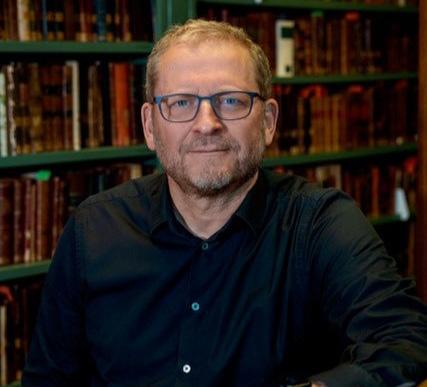
Emile Schrijver is head of the world’s oldest Jewish library, established in 1616 in the Portuguese Synagogue in Amsterdam, Netherlands, by a community of Spanish and Portuguese exiles looking to strengthen their ties to Judaism.
The Ets Haim Library contains one of the oldest copies of Maimonides Mishneh Torah, in manuscript form.
Schrijver will talk about this tome as well as the story of Jewish manuscripts and books across thousands of years at 12:30 p.m. on Saturday, Oct. 18, at Kehilath Israel Synagogue.
Schrijver will also talk about two significant, little-known projects now underway with vast implications for scholars and anyone who aspires to delve into Jewish tradition.
Schrijver is head of the Jewish Cultural Quarter in Amsterdam and professor of “History of the Jewish Book” at the University of Amsterdam. The Cultural Quarter includes the Portuguese Synagogue, which this year celebrates its 350th anniversary.
The Ets Haim Library is hoping to raise significant funds to both complete the cataloging of its holdings and to upgrade the environment and con-
ditions in which the ancient pages are housed near central Amsterdam, close to where Rembrandt once painted and Anne Frank penned her diary.
The second major book project already underway is the compilation of an “Encyclopedia of Jewish Book Cultures” under Schrijver’s direction for the Dutch publishing house, Brill, founded in 1683. The encyclopedia is now being constructed online and will be in print when completed in several years. It is a survey of 2000 years of Jewish book cultures from all over the globe.
Schrijver oversees a six-member board and 150 scholars contributing to the work. The most immediate impact of the comprehensive encyclopedia will be on academic scholars.
Katie Chin, senior acquisitions editor for Ancient Near East & Jewish Studies out of Brill’s Boston office, said that 31 institutions have already purchased online access to the encyclopedia. They include the University of Chicago, Tel Aviv University, University of Toronto, Yale University, Bodleian Libraries of the University of Oxford, Princeton University and the National Library of Israel.
Schrijver, in an introductory essay in the encyclopedia with scholar David Finkelstein, wrote, “The list of possible
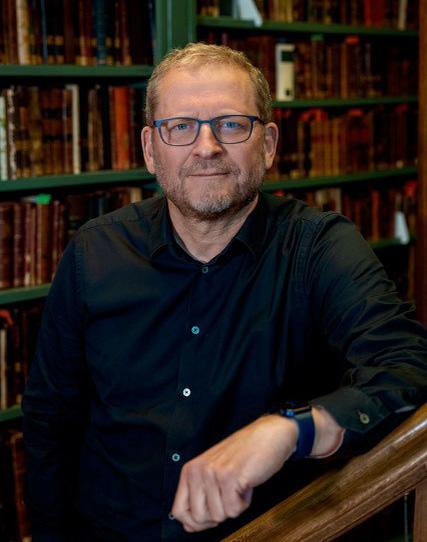
Emile Schrijver
research questions still to be pondered are endless…”
Both the encyclopedia and the efforts at the Ets Haim Library are proceeding on separate tracks.
The Ets Haim Library has 23,000 books, only half of which have been catalogued. Those uncataloged works may not be fully on the radar of scholars worldwide to consider in depth how they can elucidate and advance understanding of Jewish thought, prayer, history and culture. Also to be better understood is how the vast body of Jewish books relate to the broad body of all other books, and the relationship between the Jewish world and
Jewish Experiences, a collaboration of Jewish Federation and The J, and the Jewish Community Relations Bureau | American Jewish Committee (JCRB|AJC) have partnered to facilitate a second, four-session cohort-style program called Knowledge as Power: Educating Against Antisemitism.
The program is designed to equip participants with history, resources and confidence to stand up against antisemitism in daily life. The four-week course will be led by Jewish Experiences staff along with Dr. Benjamin Schneider and Rabbi Michael Zedek.
Sessions will cover the history of antisemitism, examine modern tropes related to Zionism and Israel and provide strategies for responding when confronted with these issues.
The program will be held Wednesdays, Nov. 5 and 19 and Dec. 3 and 10, from 6:30 to 8:30 p.m. at The J. Participants are asked to commit to all sessions.
Applications are due Wednesday, Oct. 15. Participants will be notified of cohort selection by email on Oct. 22.
Netta Krashin, a past participant in the program, said the course “equips participants with the tools to
recognize and confront antisemitism, transforming awareness into action and helping to build communities grounded in understanding, resilience and respect.”
The program is funded by Robin and Bill Carr, who recognized a need to offer programming for the community as individuals continue to encounter antisemitism and misinformation related to Judaism, Zionism and Israel.
More information is available by contacting Molly Hess, director of Jewish Experiences, at mollyh@ thejkc.org or (913) 327-8035.
The following are the deadlines for articles, celebration announcements, Spotlight pictures, advertisements and editorials for upcoming Chronicle print issues. If you have any questions, please contact Sam Kricsfeld at samk@jewishkc.org.
Oct. 23
6
often hostile Christian and Muslim host societies.
The fundraising will enable the library to complete its online cataloging of all its holdings.
“One hundred to 200 books are very rare — we don’t know if they exist elsewhere,” Schrijver said.
The holdings, spanning centuries, also offer profound insights into the nature and evolution of church censorship of the materials, he said.
Emphasis will be placed on physically preserving the books by housing them in a climate controlled environment utilizing state-of-the-art procedures and equipment, or as Schrijver put it, “climatization of this 17th century building.”
Heide Warncke, curator of the Ets Haim Library, said “I want to make people aware we are here — not just academics.”
Preserving the rare books, however, requires some degree of access restriction, hence the importance of developing the online catalog of all book holdings.
“People want to touch and feel the books. That is not possible,” Warncke said.
The oldest book in the Ets Haim Library is a handwritten Mishneh Torah dated 1282, the oldest copy of the work and therefore believed to be the copy most true to Maimonides original language and intent. It was compiled by Maimonides in Egypt between 1170 and 1180 C.E.
“It is very special. It has censorship in it by the Christian church,” Warncke said.
“If the book could speak, that would be wonderful. It was written in Narbonne in the south of France close to the Spanish border,” she continued. “It was in Italy in 1555. We know it got to the Netherlands in the 19th century, but we don’t know how; it might have been earlier. It was in the library of the rabbi of the Hague, who gave it to Ets Haim.”
Much is to be gleaned from the books above and beyond for those with the intellectual curiosity and willingness to ponder the lifespan of the books housed in Amsterdam, she said.
“Go through your bookcase, and I can tell something about you,” she said. “Recently I found a feather of a peacock in a book. In another, there was a hair of a long beard used as a bookmark.
“We know what we have, and we want the world to know what we have,” Warncke said.
continued from previous page
In addition to his work with the Ets Haim Library, Schrijver is the head of the world’s newest major Holocaust museum, the National Holocaust Museum of the Netherlands.
On Sunday, Oct. 19, at 10:30 a.m., he will speak at the Heritage Center at the Jewish Community Campus about the role of studying the Holocaust in combating the recent spike in antisemitism in the Netherlands and Europe.
His presentation, “Navigating Holocaust Memory Amid Contemporary Antisemitism,” comes on the heels of his recently co-authored book that explores 2,000 years of European antisemitism.
Seats are limited. Registration can be done at mchekc.org/navigating-holocaust-memory.
Schrijver’s talk is sponsored by the Midwest Center for Holocaust Education (MCHE) and the Jewish Community Relations Bureau | American Jewish Committee. The presentation is supported by the Earl J. and Leona K. Tranin Special Fund at the Jewish Community Foundation and the Jean G. Zeldin Partners in Holocaust Education Fund at MCHE.
Below is an excerpt of an article penned by Schrijver:
“The digital revolution has blessed us in many ways, yet undeniably it has placed the reliability of the information it supplies and the news it delivers under enormous pressure. Democratizing access to information does not necessarily make it more trustworthy. The Holocaust, like antisemitism, is a subject on which a lot of dependable information can be found online, yet also a lot that is rather less dependable, potentially incorrect and disingenuous. The National Holocaust Museum provides an essential counterbalance and plays a key role in reaching out to a younger generation whose only source of

information is often digital and yet through school will nevertheless visit our museum.
“We have designed our educational programs to provide that counterweight, for which it’s also necessary to know and to address the assumptions that these young people bring to the museum. It’s vital if we’re to connect with them, especially those who come with alternative opinions. Only then are museum docents able to tackle and where appropriate correct inherent misconceptions or alternative perspectives. We have also kept this in mind when writing the texts accompanying the museum displays…
“Sadly, antisemitism is once again asserting itself on the streets of the Netherlands. We are well aware how easy it is to ignite that dormant hatred and we recognize how insecure Jews still feel in Dutch society. The need for a National Holocaust Museum has not been questioned for some time. The new museum is not only there to address the often shocking lack of knowledge about the Holocaust. Its comprehensive presentation is also there to show what happens when we allow society to segregate population groups and when we fail to identify and combat antisemitism and every other form of discrimination and exclusion with all the tools in our possession, and when we fail to take responsibility for the consequences. Those who visit the National Holocaust Museum will never be able to say that they don’t understand what it means to segregate people and dehumanize them. We consider it an honor and a moral duty to give the history of the Holocaust in the Netherlands a permanent place in our collective memory, remembering all victims and in respectful celebration of each cruelly terminated life.”
Dr. Emile Schrijver on Jewish manuscript history
Saturday, Oct. 18, at 12:30 p.m.
Kehilath Israel Synagogue, 10501 Conser, Overland Park, KS 66212
Navigating Holocaust Memory Amid Contemporary Antisemitism
Sunday, Oct. 19, at 10:30 a.m.
Heritage Center at the JCC, 5801 W. 115th St., Overland Park, KS 66211
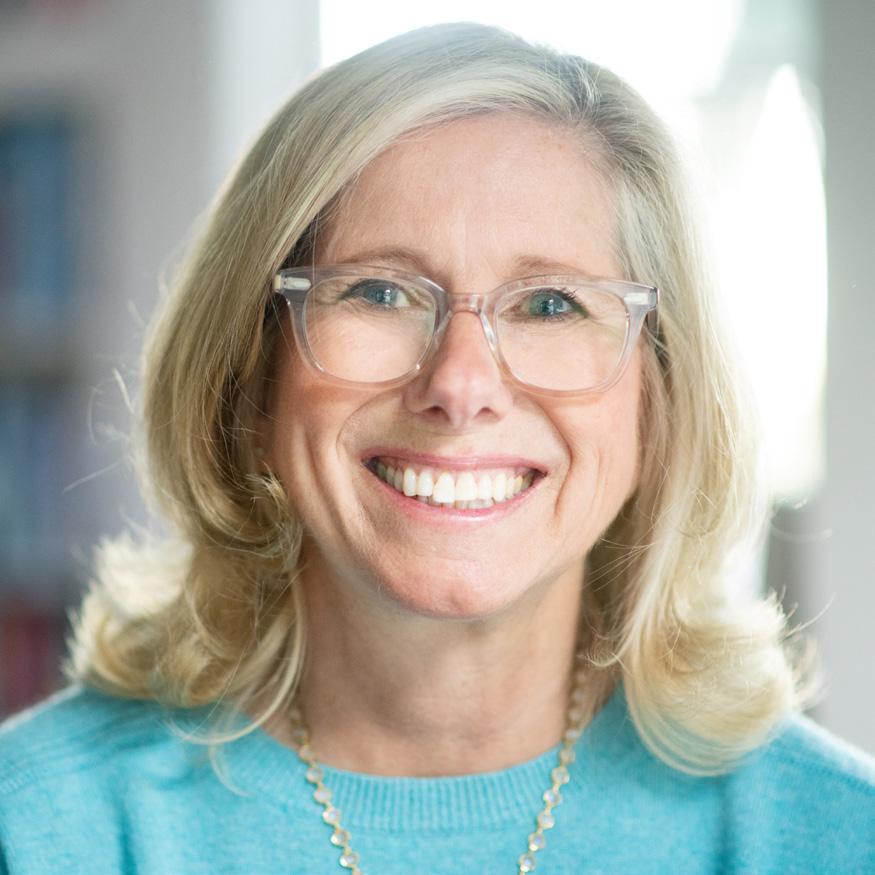
Kansas City native, philanthropist and home-design expert Lily Kanter will be the featured speaker at Jewish Federation’s Women of Strength event.
Women of Strength will be at 7 p.m. on Monday, Oct. 20, in Vanderslice Hall at the Kansas City Art Institute. Ora Reynolds is serving as the honorary chair.
Kanter is a serial entrepreneur — she founded and served as the CEO of four successful companies, including Serena & Lily and Averylily — with a deep commitment to Jewish philanthropy. Her strong Jewish identity was shaped during her childhood.
“We were incredibly active in the Jewish community,” Kanter said of her family.
She attended Hyman Brand Hebrew Academy (then known as Hebrew Day Academy) from kindergarten through fourth grade. Both her parents served in leadership roles in the community; her mother served as president of ORT and was involved in Hadassah, and her father was president of B’nai B’rith.
Kanter said her parents instilled in her the importance of giving back to the Jewish community.
“[As a global Jewish community] we’re so tiny, and no one else is going to give to our community, so we have to lean in,” she said. “...We have to, because it’s not like we’re going to collect donations from outside of our community. That’s why it’s such a priority for me.”
Kanter views community as “an important element to our overall happiness in life” and is a big believer in passing on the Jewish story to the next generation.
“I feel very strong about it,” she said. “There’s so much wisdom, and we have to continue to tell our story to our children and their children.”
Now residing in the San Francisco Bay Area, Kanter gives back to her Jewish community by serving on multiple boards, including those of
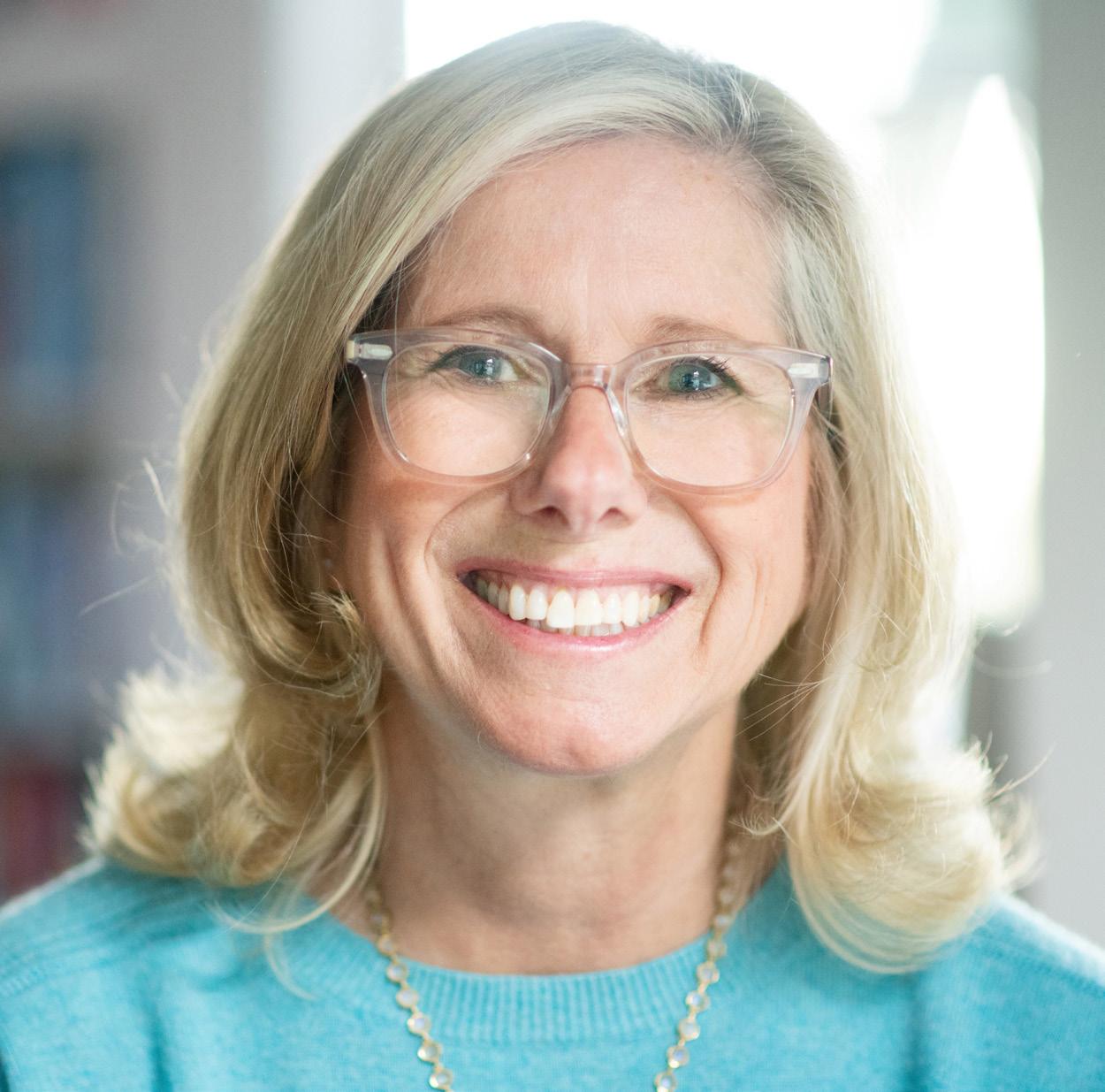
Lily Kanter
Jewish Federation Bay Area, IsraAid and 13th Tribe.
She also founded Empower Her, an initiative that pools donor-advised funds and invests them into women-led, for-profit companies that are “doing good for the world.” Kanter hopes to use this model to help for-profit companies that want to help the Jewish community.
On the career front, Kanter attributes her success to hard work and having a clear vision of why she does what she does.
“I like to say entrepreneurship is a series of extreme highs and lows, and you can easily give up and throw the towel in if you don’t have a real sole purpose to what you’re working on,” she said.
Her philosophy on philanthropy is similar.
“It’s about finding what speaks to you and having a little portfolio of things that you really care deeply about,” she said. “I tend to invest in people, and I look for those leaders that are really doing the work... with real soul, intention, and I get involved with things where I feel like I can make a difference.”
In addition to Kanter, the Women of Strength event will feature the inaugural class of Women of Strength honorees. They include Judy Jacks Berman, Sandi Fried, Beth Liss, Lara Pabst and Maddie Reiches.
Tickets to Women of Strength can be purchased at jewishkansascity.org/ WOS.
Monday, Oct. 20, at 7 p.m.
Kansas City Art Institute, 4415 Warwick Blvd., Kansas City, MO 64111

In its core granting cycle, the Jewish Community Foundation’s Community Legacy Fund awarded $341,138 to 22 unique Jewish community organizations. These grants are intended to help enhance and maintain the quality of Jewish life in the Greater Kansas City area.
Core grants support the general operating expenses (core expenses) central to the accomplishment of an organization’s mission. The Community Legacy Fund also makes core grants for unique services not otherwise available within the Jewish community that are essential to Jewish life.
In an effort to have the greatest impact on the Jewish community, the Community Legacy Fund maintains the following objectives: to provide financial support for safety net services; to nurture a strong Jewish community by providing underwriting for Jewish education, community relations and cultural arts; to provide financial support for seed programs which meet an identified community need; to purchase equipment which enhances an organization’s general operations or programs; to provide core support for Jewish community agencies; and, to provide support for programs which are essential to Jewish life in Kansas City.
The Community Legacy Fund consists of permanent endowments from which grants are awarded to agencies whose applications are reviewed and evaluated by the Foundation’s Grants Committee and Board of Trustees.
The Foundation’s Grants Committee is a dedicated group of lay leaders who review each application and engage in dialogue about how to best allocate resources to make the most meaningful impact. In addition to its core granting cycle, the fund has an innovation/ emergency cycle that supports new, high-quality programs that provide an innovative approach or solution to an existing or emerging community need, or respond to financial or humanitarian emergencies.
Community Legacy Fund grants were awarded for the following programs:
• BBYO: Rent
“We are deeply grateful to the Community Legacy Fund for their generous support, which helps us continue the vital work of supporting refugees and immigrants in our community with dignity and compassion” said Morgan Merrell, Jewish Vocational Services director of grants. “At a time when harmful rhetoric too often overshadows the humanity of those seeking safety for their families, this partnership affirms our shared commitment to tikkun olam, the Jewish principle of repairing the world.”
• Community Kollel of Kansas City: Health insurance
• Congregation Beth Israel Abraham and Voliner: Overland Park Eruv
• Hyman Brand Hebrew Academy: Scholarships and liability insurance
• Jewish Community Relations Bureau | AJC: General support
• Jewish Community Campus: Utilities
• Jewish Community Foundation: J-LEAD grants
• The J: Property, liability and casualty insurance
• Jewish Family Services: Chaplaincy program, Priya and rent for food pantry
• Jewish Federation of Greater Kansas City: Community security, financial aid for student immersive experiences, and Sasone staffing
• Jewish Vocational Services: Core support
• Kansas City Hospice and Palliative Care: National accreditation
• Kansas Mikvah Association: General upkeep
• KU Chabad: Bookkeeping services
• KU Hillel: Accounting services
• Midwest Center for Holocaust Education: Rent and financial services
• National Council of Synagogue Youth: Jewish Student Union
• Rabbinical Association: Funding for a part-time administrator
• Torah Learning Center Kansas City’s Kosher Meals on Wheels: Audit
Kehilath Israel Synagogue (K.I.) will host its annual Grand Givers Event on Oct. 26, inviting members of the community for an evening of food, music and support for the synagogue’s mission. The event will feature a gourmet kosher dinner and live performance from Elton Dan and the Rocket Band, an Elton John tribute act.
The Grand Givers program is one of the longest-running annual traditions in the Kansas City Jewish community, dating back to the late 1970s. Now in its 49th year, the event continues to serve as a gathering for community celebration and philanthropic support.
“This event has endured for decades because it speaks to something deeper than just a fundraiser,” K.I. board and committee member Michael Sokol said. “It’s about shared values, showing up for one another and preserving something meaningful for future generations.”
The evening will begin with an opening reception at 5 p.m., followed
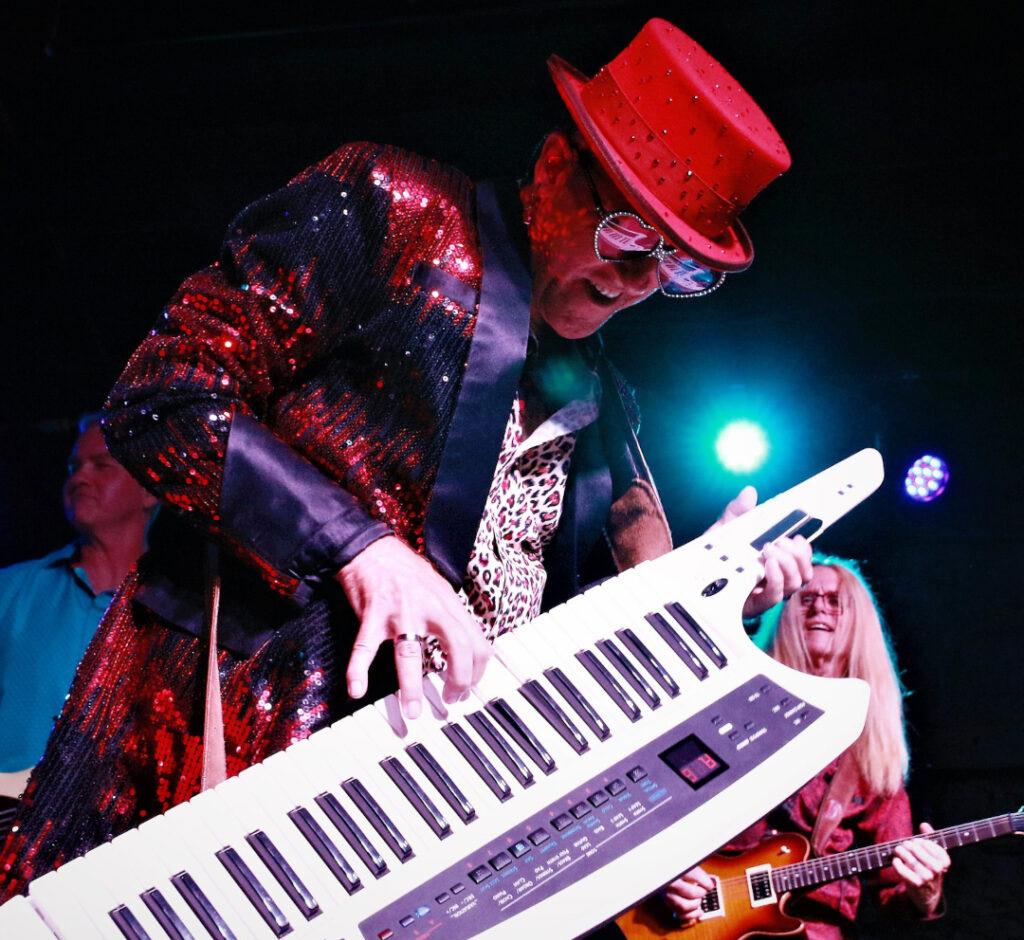
Event.
by a catered gourmet kosher dinner at 6 p.m. (vegan options are available). At 7 p.m., Elton Dan and the Rocket Band will perform.
Levels of support include the Dreiseszun Grand Givers and Grand Givers. Supporter benefits include a private table for 10, access to the opening reception, curated wine
service at your table and an honorable mention in the event program. Donoronly options are available for those who prefer to support the program without attending. Individual tickets include dinner and the live musical performance.
Tickets can be purchased at kisyn. eventsmart.com/events/grandgivers-2025. The ticket deadline is Oct. 12.
Organizers note that while the event is a key fundraiser for the synagogue, efforts are made to ensure the cost is not a barrier for community participation.
“There are always a few seats made available thanks to generous donors who want to ensure broad access,” Sokol said. “If someone has a sincere interest in attending but cost is a concern, we encourage them to reach out confidentially.”
• University of Missouri Hillel: Staff salaries, benefits and facility upkeep
• Vaad HaKashruth: Kosher supervision staffing
• Village Shalom: New computers and software
More information about the Community Legacy Fund is available by contacting Beatrice Fine at bfine@ jcfkc.org or (913) 327-4618.
volunteer event at Mitzvah
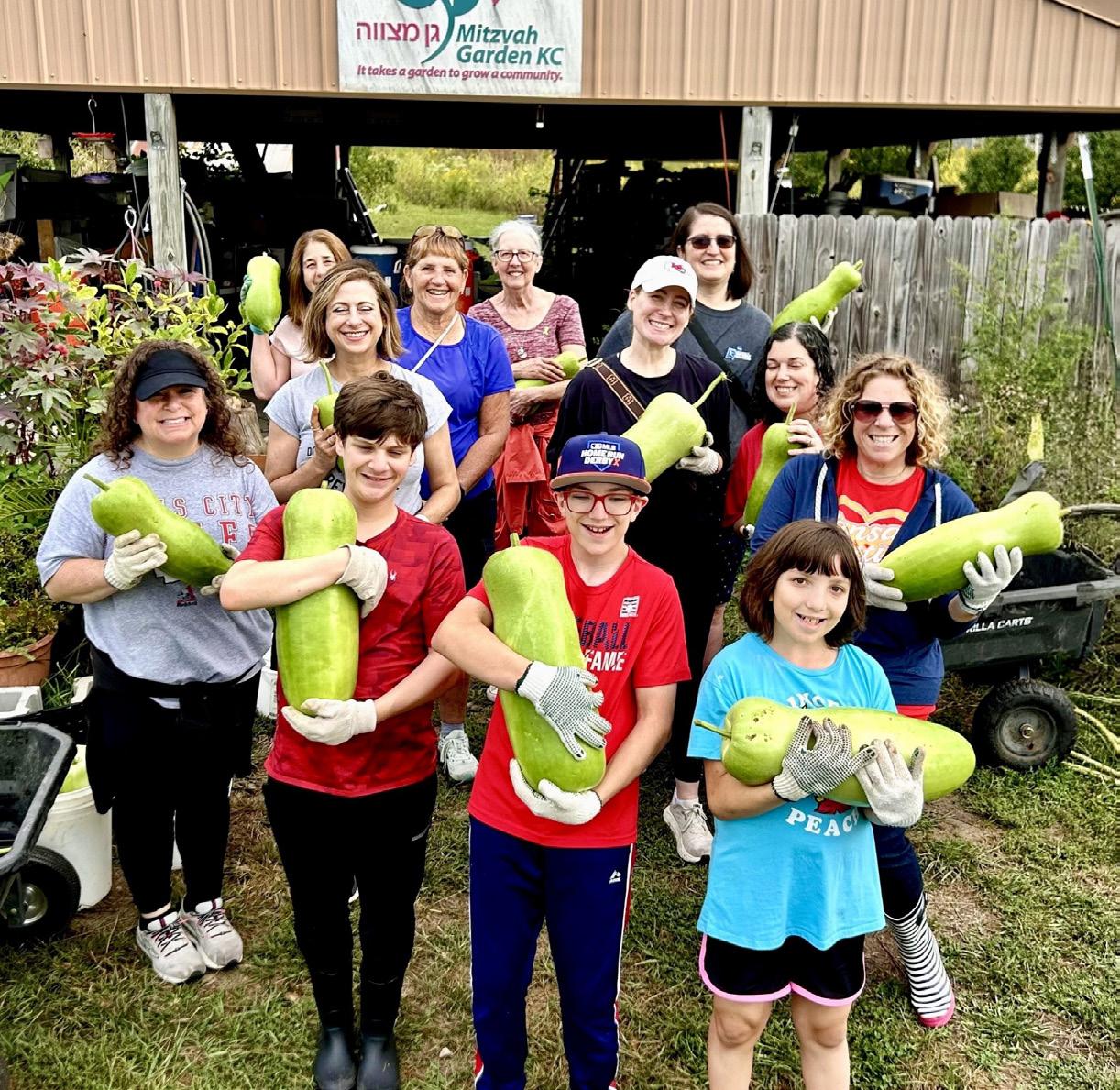
The entire chapter of Hadassah Greater Kansas City was invited to join Evolve members and their families at Mitzvah Garden KC for a morning of service, connection and celebration. The event, titled “Apples & Honey and Helping Hands,” was held on Sunday, Sept. 21, and blended volunteer work with the spirit of the High Holidays.
Volunteers harvested late-summer produce including tomatoes, peppers and Zucca gourds. Children and adults alike worked side-by-side in the soil. The morning opened with the sounding of the shofar, a spiritual call to reflection and renewal, reminding participants of the sacred season of Elul and the approach of Rosh Hashanah.
“The experience was filled with camaraderie and joy as women, families and friends embraced the opportunity to give back while preparing their hearts for the holiday,” said Adryan Steinberg, Evolve chair for Hadassah Greater Kansas City.
Evolve Hadassah inspires younger women to step into leadership and carry forward Hadassah’s mission for the next generation. Through volunteer opportunities like this one, members are intended to live out Hadassah’s mission by strengthening community ties and embodying the value of tikkun olam, repairing the world.
Those interested in getting involved with Evolve Hadassah can contact Adryan Steinberg at adryangordon@ hotmail.com to learn more.
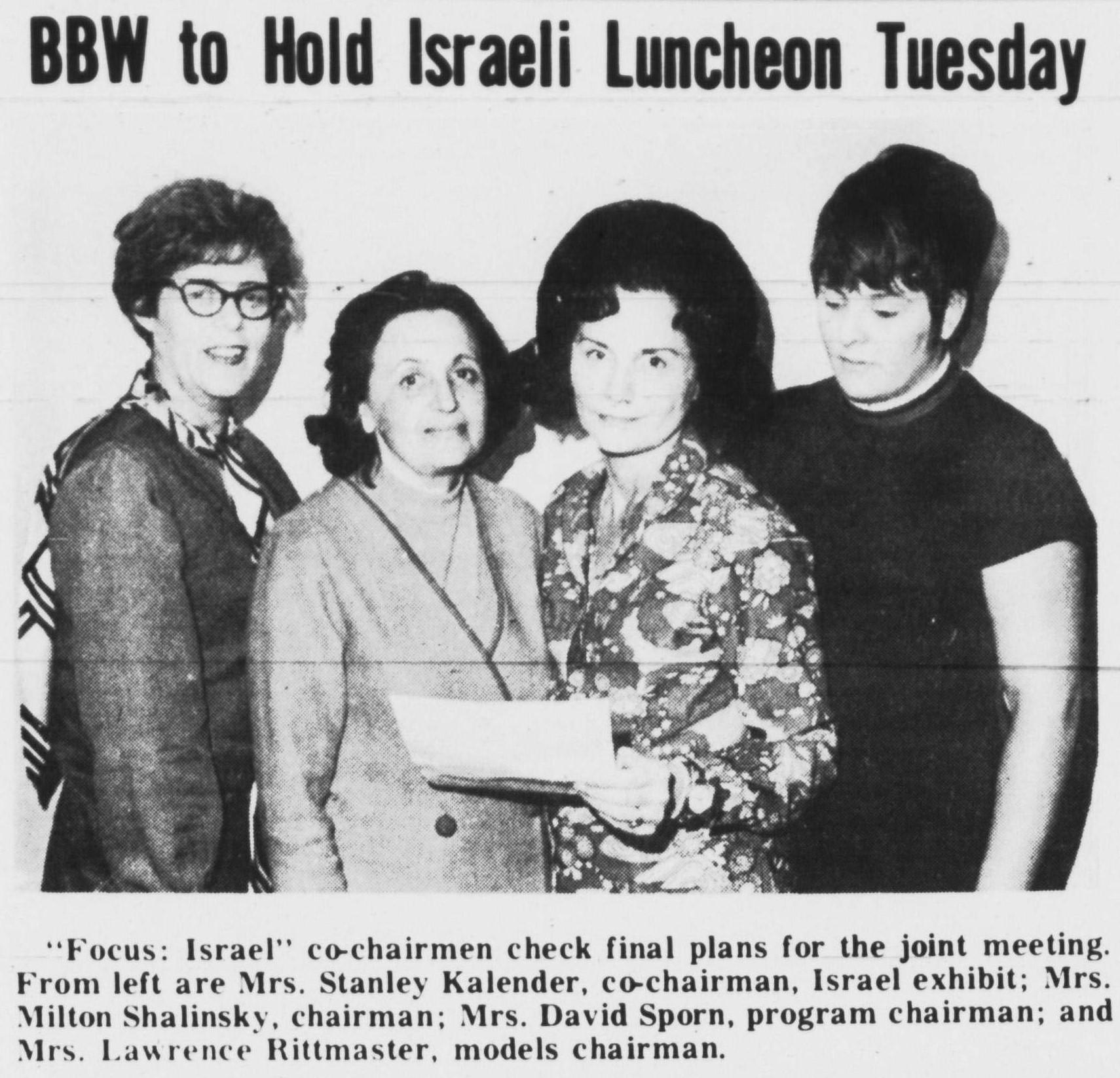

Using The Chronicle’s archives and community submissions, here are some recipes for you to try out. Email samk@jewishkc.org with a recipe, and it might be published here!
Jane Bresler, 1985
Ingredients
• 1 ½ cups packed dark brown sugar
• 1 stick softened butter
• 1 stick softened margarine
• 1 cup crunchy peanut butter
• 1 egg
• 1 cup uncooked oatmeal
• 1 cup flour
• 1 tsp. baking soda
• 1 cup M&Ms • 1 cup chocolate


• Chabad retreat (pg. 13)
TODDCOHN HATEENDSNOW DAYOFDISCOVERY EMILESCHRIJVER KNOWLEDGEASPOWER LILYKANTER WOMENOFSTRENGTH COREGRANTS HADASSAH
• Core grants (pg. 5)
• Hadassah (pg. 5)
• Hanukkah bazaar (pg. 10)
• Knowledge as Power (pg. 3)
• Lily Kanter (pg. 4)
KIGRANDGIVERS JULIAOSBURN HANUKKAHBAZAAR
• Day of Discovery (pg. 1)
PJLIBRARY FRIENDSHIPCIRCLE CHABADRETREAT
• Emile Schrijver (pg. 3)
• Friendship Circle (pg. 12)
• Hate Ends Now (pg. 1)
• Julia Osburn (pg. 10)
• K.I. Grand Givers (pg. 5)
• PJ Library (pg. 11)
• Todd Cohn (pg. 1)
• Women of Strength (pg. 4)
October 7th
Join us to dedicate the planting of a tree in memory of the victims of October 7, 2023, and all who have lost their lives since.

October 12 at 3 p.m.



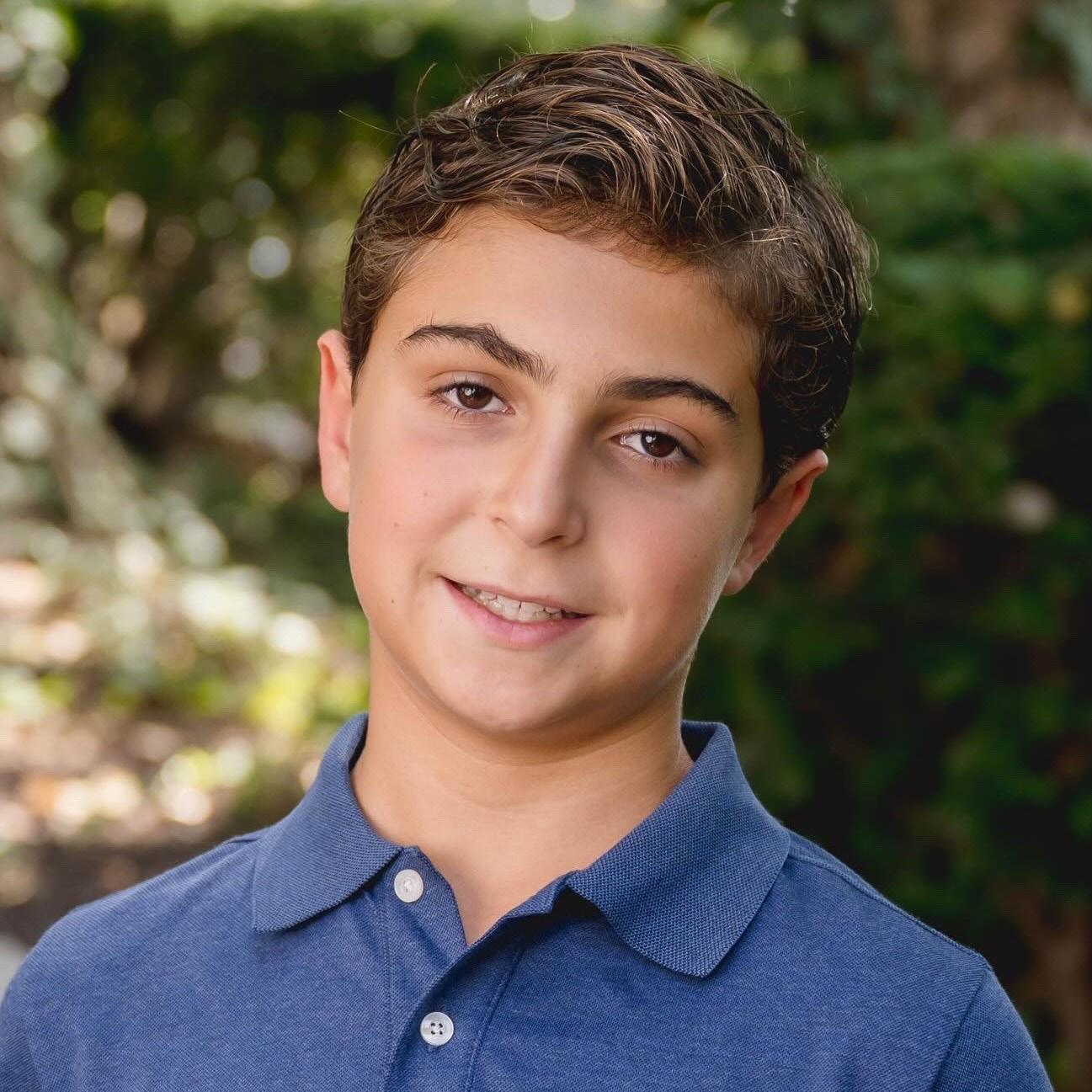
Eli Finn Berger, son of Erin and Aaron Berger, will become a bar mitzvah on Saturday, Oct. 18, at Congregation
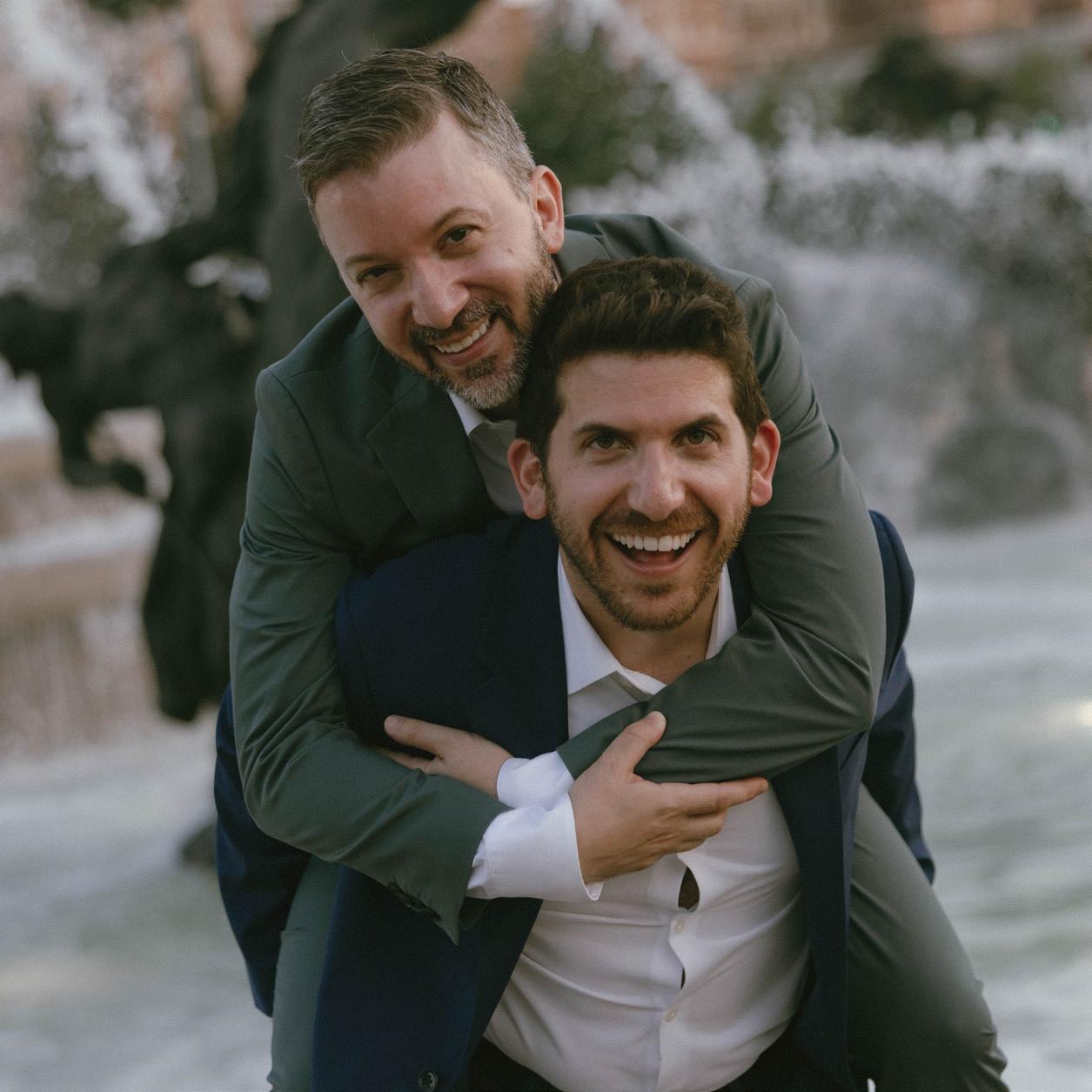
Zack Chaykin and Jonas Davidow of Chicago, Illinois, announce their engagement.
Zack is the son of Arthur Chaykin and Paulette Giarratana of Prairie Village,
Beth Shalom.
Eli’s grandparents are Margaret and Arthur Berger of Leawood, Kansas, and Jody and Buzz Malashock of Omaha, Nebraska. He has one sister, Micah.
A 7th grader at the Pembroke Hill School, Eli enjoys sports and is a proud member of The Carriage Club’s hockey and swim teams. He enjoys playing chess, reading, managing his fantasy football teams and spending his summers with friends at Herzl Camp.
For his tikkun olam project, Eli organized a “Swim & Dive-A-Thon” to raise money, collect non-perishable food and raise awareness for the Jewish Family Services Food Pantry.
Kansas, and the grandson of the late Lillian and Samuel Chaykin and the late Yolanda and Paul Giarratana. He currently is a drama teacher at The Skokie School in Winnetka, Illinois, and holds a master’s degree in classical acting from Royal Central School of Speech and Drama and a master’s degree in Teaching from the University of Washington.
Jonas is the son of Jerry and Elizabeth Davidow of Boynton Beach, Florida, and the grandson of Solomon and Jenny Blum and the late Morris and Sarah Davidow. He works as an IT systems manager at PEAK6 in Chicago and holds a Bachelor of Fine Arts in musical theatre from Drake University in Des Moines, Iowa.
The couple are planning a wedding in Kansas City, Missouri, on July 25, 2026.


“Violet”
Gabriella “Violet” Belle Sonnenschein and Kesem Joseph Fine were married on May 25, 2025, at Congregation Beth Shalom. Reception followed at Bourgmont Winery in Bucyrus, Kansas. Rabbi David Glickman, Hazzan Tahl Ben-Yehudah and cousin Canaan Sonnenschein officiated.
The bride is the daughter of
By Ellie Holsten
One Jewish ritual that holds special significance for women is the mikvah. Occasions for a mikvah include anticipation of a wedding or holiday (especially Yom Kippur) or after a menstrual period or childbirth.
Archaeological investigations have revealed that the mikvah is a tradition that has united Jewish women generation after generation, from ancient times to today’s mikvahs with modern facilities.
This bag was made in Algeria in the 19th century. According to the engraving on its tag, it belonged to a woman named Soriah, the daughter of a man named David. From the
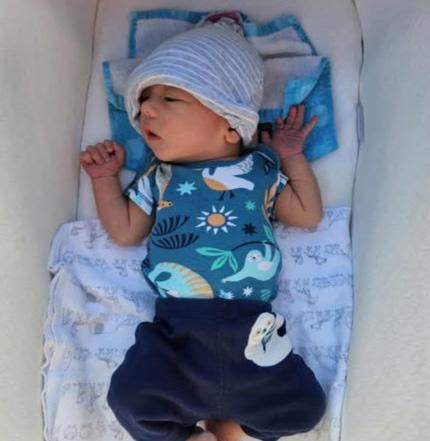
Linus Joseph Herman, son of Chia Chuan Lee and Neil Herman of Lynchburg, Virginia, was born on Aug. 27. Linus’ grandparents are Terri and Jay Herman of Stilwell, Kansas, and Rong-Guang Lee and Pei-Chen Hsu of Caotun, Taiwan, and he is a great-grandson of Kenneth Herman of Overland Park, Kansas.
Dr. Ken and Sheila Sonnenschein of Overland Park, Kansas, and the granddaughter of Dr. Ben (z”l) and Debra Rubin and Ralph and Annette (z”l) Sonnenschein. Her maid of honor was Pearl Sonnenschein, escorted by Stefan Rodriguez, brother-in-law. Leorah Addadi, Natalie Cabell, Spencer Kaseff, and Brynn Shaffer were also people of honor.
The groom is the son of Dr. Jeffrey (z”l) and Dalit Fine of Haifa, Israel, and the grandson of Nili Kamerman, David Kamerman (z”l) and the late Joseph and Helen Fine. His best man was Noam Shiovitz, and his groomsmen were Kfir Kachlon, Amit Kadosh, Yonatan Meltzer and Edo Perry.
Additional honorees were Morgan and Molly Sonnenschein, brother and sister-in-law; Dr. Avi and Carly Sonnenschein, brother and sister-in-law; Talia Walsh and Kaiya Walsh, cousins; Victoria Khaimov and Shirley Rozgonyi, friends; and Juliet Michelson, cousin and flower girl.
The couple currently reside in Summerlin, Nevada.
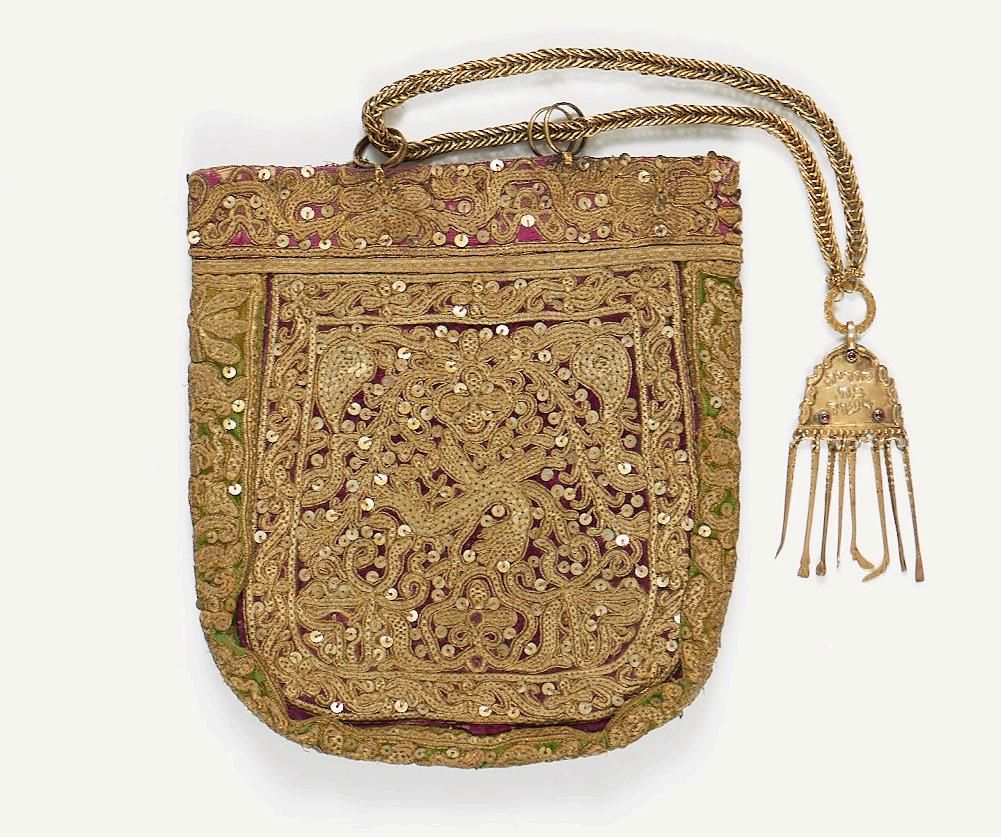
rich embroidery on the bag, we can tell that Soriah came from a wealthy family. The tools for cleaning ears, nails and cuticles that dangle from it show that Soriah had the equipment and the time to take a fastidious, deeply cleansing bath whenever she went to the mikvah, taking care of herself and her body as she fulfilled the religious ritual.
More information about the Michael Klein Collection at the Temple, Congregation B’nai Jehudah can be found at kleincollection.org or by calling (913) 663-4050 to schedule a tour.
The Kansas City Jewish Chronicle andtheKleinCollectionarepartnering to share and highlight some of the collection’suniquepieces.
continued from page 1
insights on the intersection of leadership, wellness and hope (and humor) while facing today’s overwhelming challenges.
Jewish Life in KC: The Latest Trends and Data
Jay Lewis (Jewish Federation of Greater Kansas City)
Lewis will present demographic data and trends shaping the needs and future of the Kansas City Jewish community.
People Are Like…
Rabbi Michael Zedek (St. Paul School of Theology)
Drawing on his new book, Rabbi Zedek will convey unforgettable stories of how to become and grow as a mensch.
Spirits in the Scrolls: Jewish Tales of Supernatural & Otherworldly Beings
Andi Edwardson (United Synagogue of Conservative Judaism)
Edwardson will explore mysterious and magical Jewish texts and folklore about angels, demons, dybbuks, golems and other supernatural beings in Jewish mysticism.
Spiritual Practice in a Time of Anxiety
Rabbi David Glickman (Congregation Beth Shalom)
Rabbi Glickman will share how Jewish wisdom offers ways to live through times of fear, wars and social division.
War in the Middle East - An Analysis
Bill Greenberg (Retired US Army Officer)
Greenberg will discuss Israel’s wars with Iran and its proxies, including Hamas, Hezbollah and Houthis, and consider possible future developments.
Second session (10:45 a.m. to noon)
Both Wounded and Healing: The Jewish Story of an All-Night Wrestling Match
Rabbi Jonathan Rudnick (Jewish Family Services)
Using the biblical story of Jacob wrestling an angel, Rabbi Rudnick will lead attendees on how to grapple with personal issues and what healing means in the context of becoming more able.
Harnessing AI Creativity for Jewish Learning
Sara Glass (Weiner Religious School at Congregation Beth Torah)
Glass will explore ways to use artificial intelligence tools like ChatGPT responsibly for creative Jewish learning and teaching while aligning with Jewish values.
at this year’s
Rabbi Michael Zedek.
Have We Lost Our Minds? How the Mindset of the Kansas City Jewish Community Has Shifted on Controversial Topics
Sam Kricsfeld and Lacey Storer (The Kansas City Jewish Chronicle)
Kricsfeld and Storer will present on more than a century of Chronicle editorials to see how community opinions on controversial issues may have shifted over time.
Prayer is Never Boring If You Know How
Rabbi Mark Levin (Congregation Beth Torah)
Rabbi Levin will discuss the Siddur, the complexity of Jewish prayer and the gateways to personal meaning embedded in the daily or weekly prayer service.
A Reason to Celebrate: Harnessing Judaism’s Joy
Rabbi Elizabeth Bonney-Cohen (Hyman Brand Hebrew Academy)
Rabbi Bonney-Cohen will share Jewish texts of joy, hope and inspiration that offer reasons to delight in Jewish identity and ways of holding onto goodness, even amidst a bleak backdrop.
The Rise of Nazism
Dr. Benjamin Schneider (U.S. Army Command and General Staff College)
Dr. Schneider will discuss the origins of Nazism, tracing it back to the Napoleonic era through Hitler’s rise to power.
Was Spinoza a Heretic or Just Really Annoying?
Rabbi Mark Glass (Congregation Beth Israel Abraham and Voliner)
Rabbi Glass will examine Baruch Spinoza’s excommunication and whether it was because of being heretical or because of politics.
Why Are So Many People Critical of Israel, and How Can I Respond?
Alan Edelman (Volunteer)
Edelman will provide talking points on how to respond to anti-Israel rhetoric and criticism and answer questions and concerns from attendees.
Why Would God Allow a Tragedy Like October 7th to Happen?
Rabbi Moshe Grussgott (Kehilath Israel Synagogue)
Rabbi Grussgott will examine Jewish theological responses to tragedy (theodicy) in the wake of the Oct. 7 attacks by Hamas on Israel.
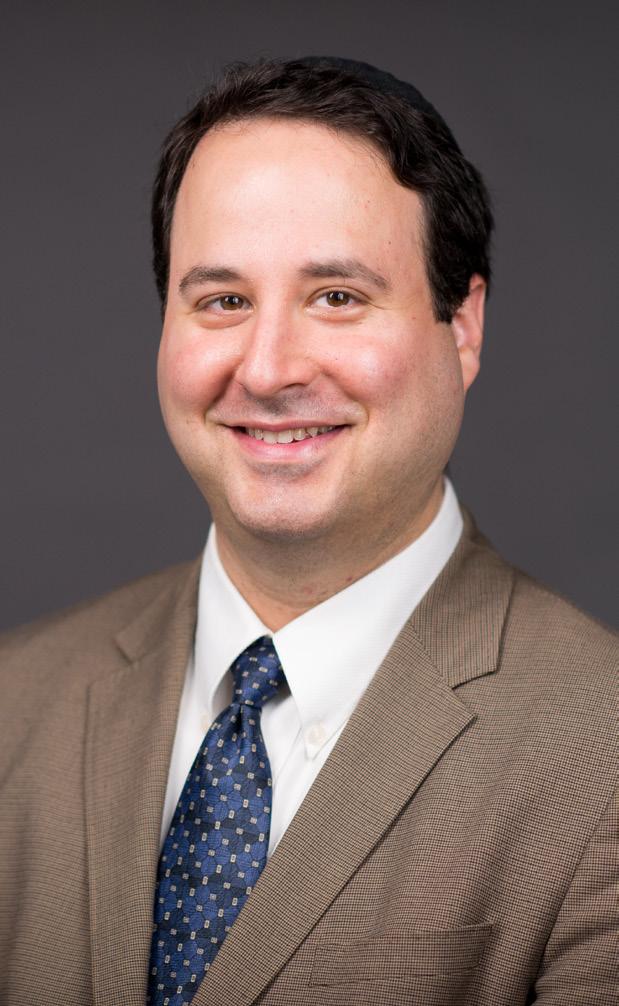
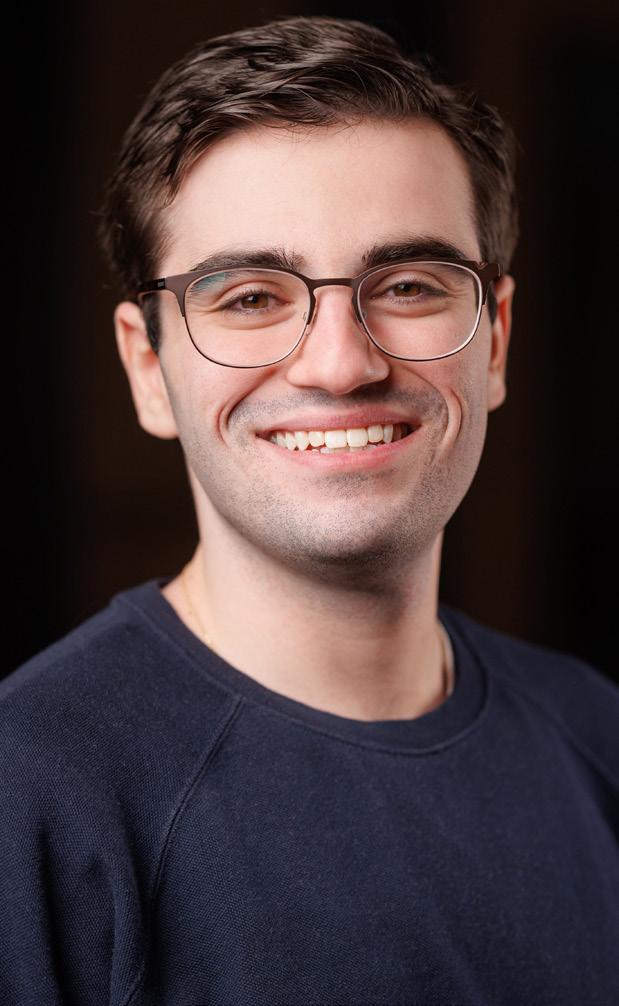
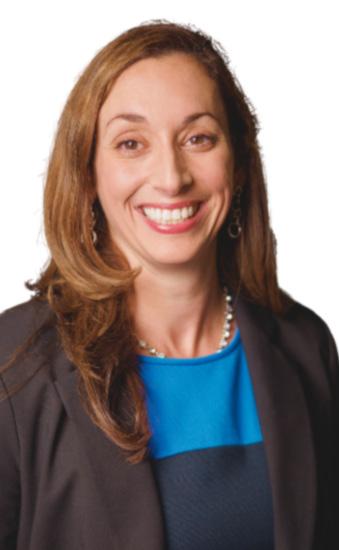
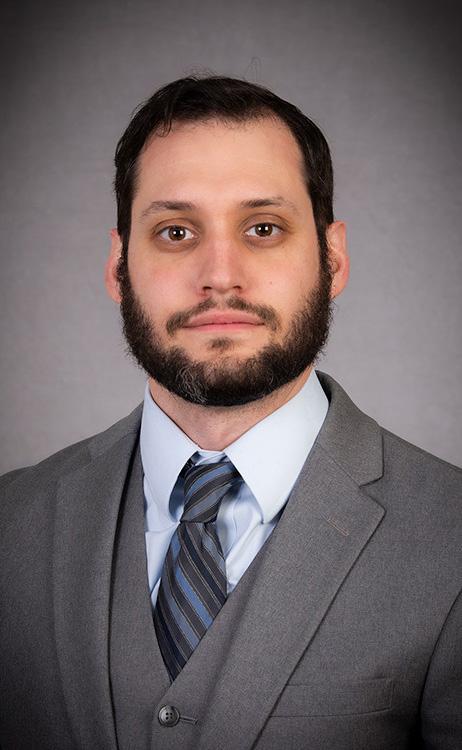
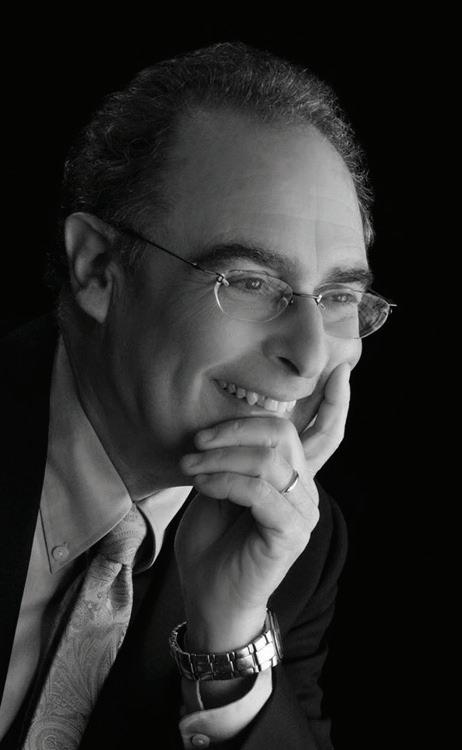
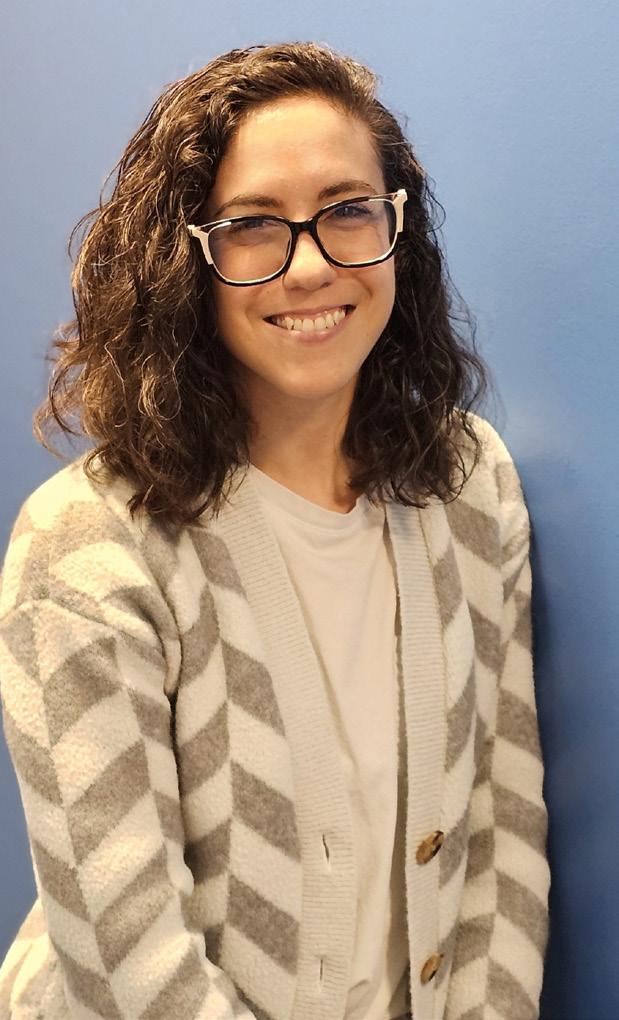
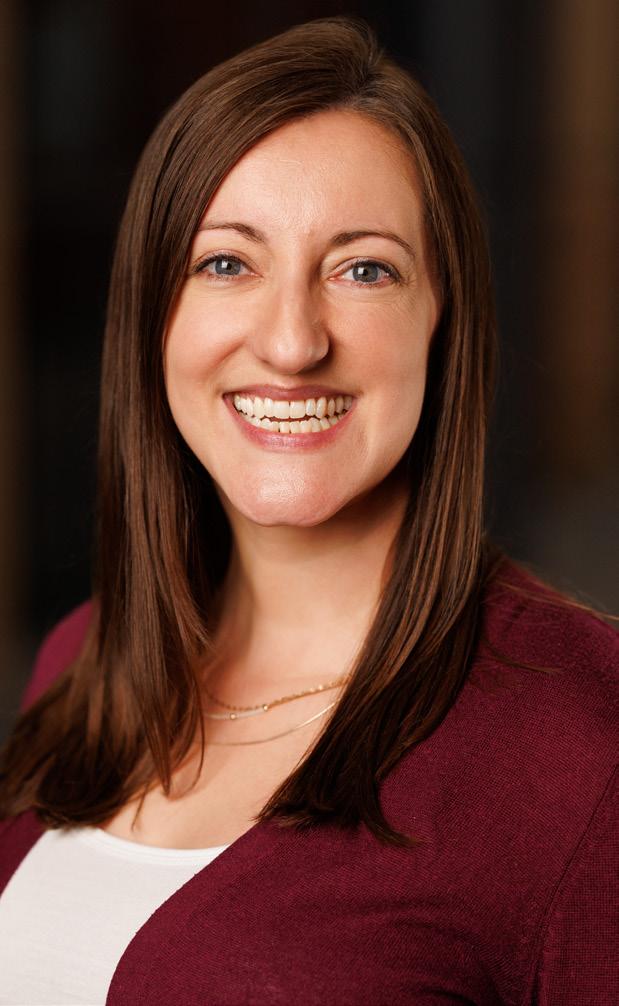
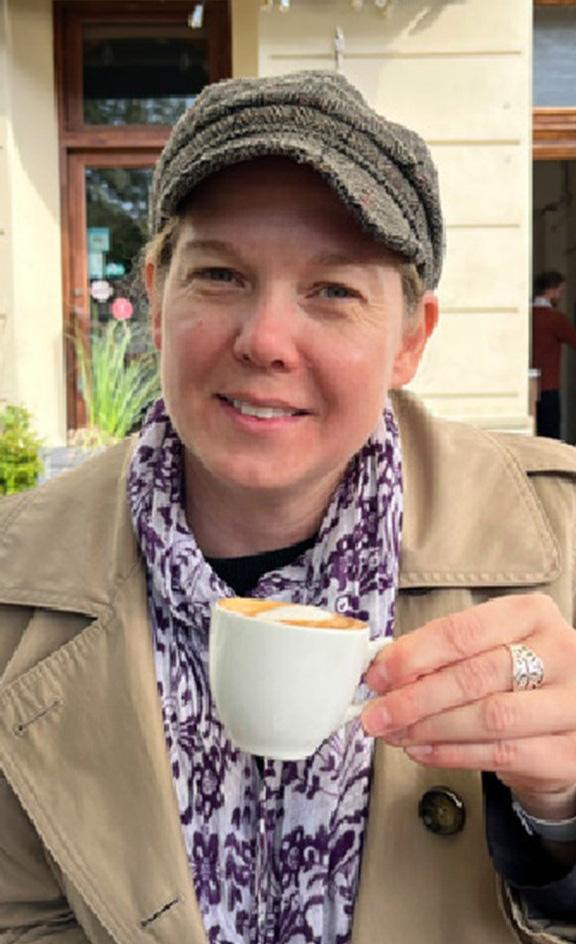
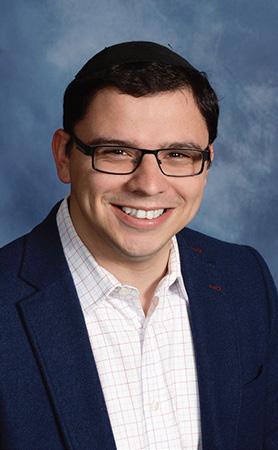
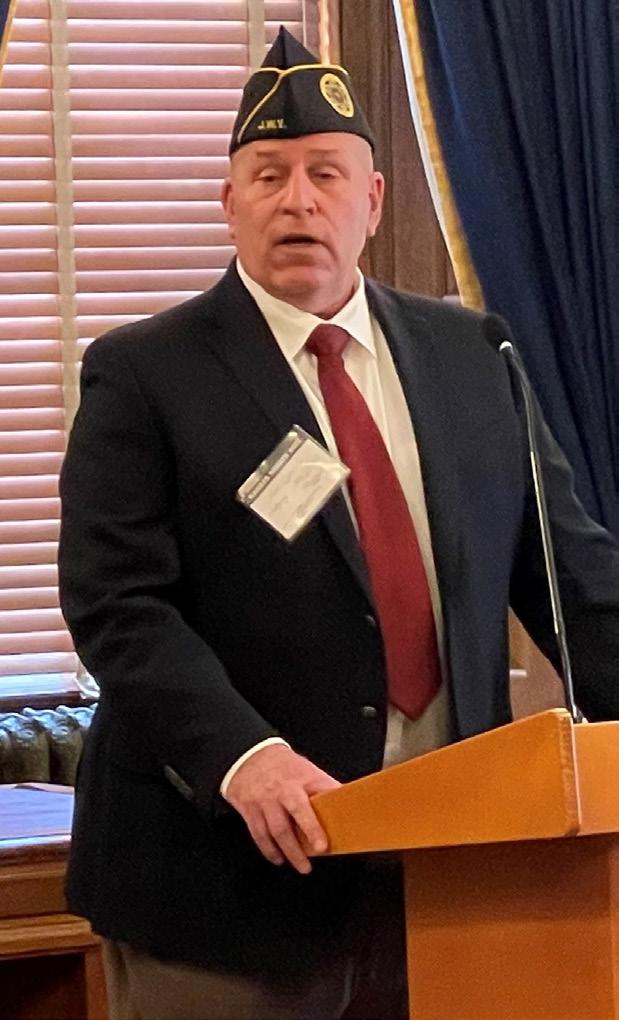
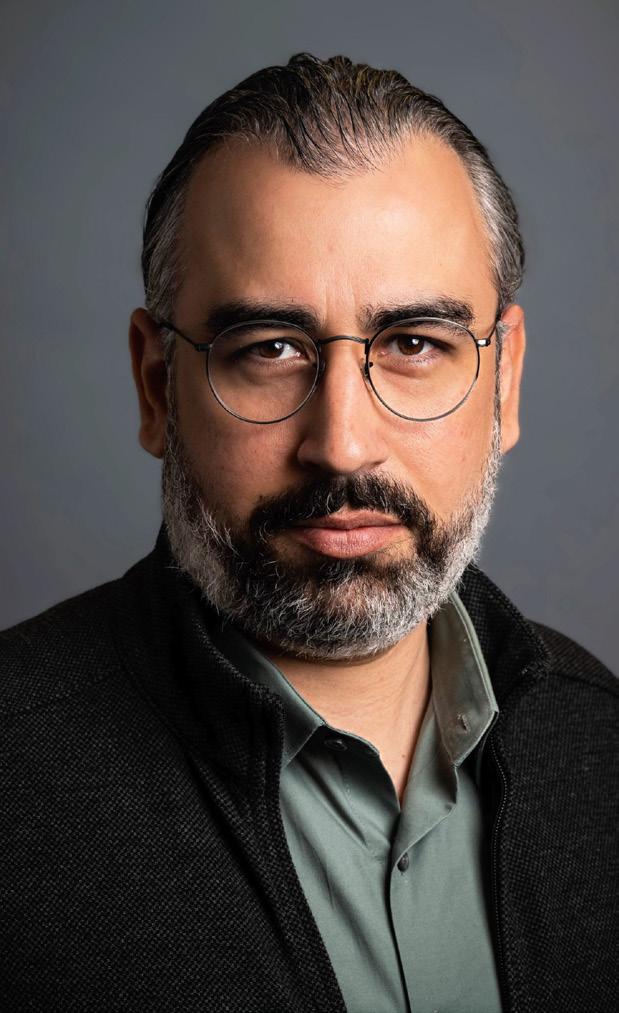
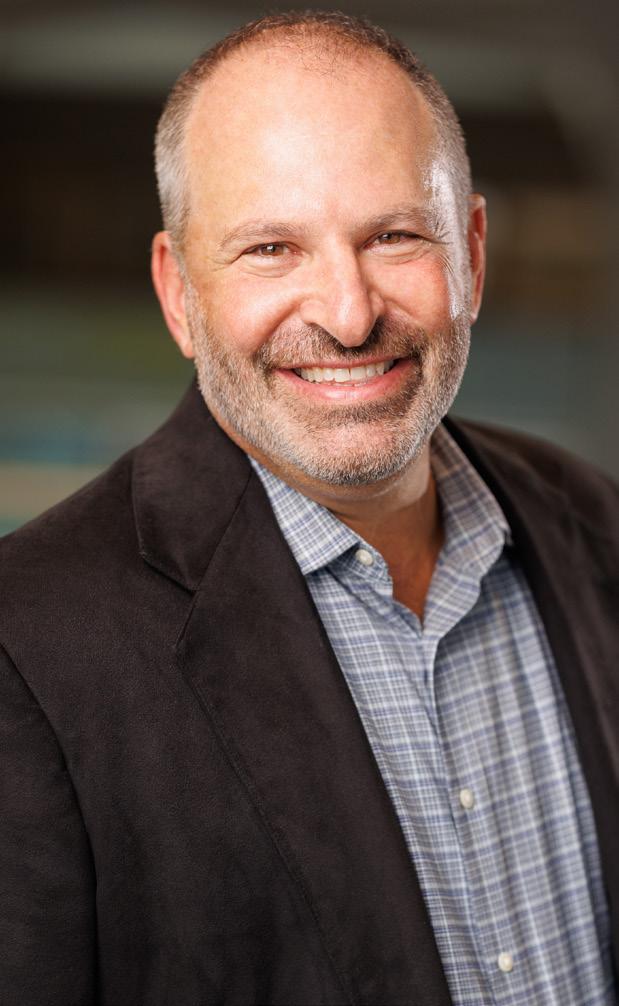
include (top
from
Day of Discovery Sunday, Oct. 26, from 8:30 a.m. to 2:30 p.m. Jewish Community Campus, 5801 W. 115th St., Overland Park, KS 66211
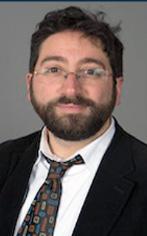
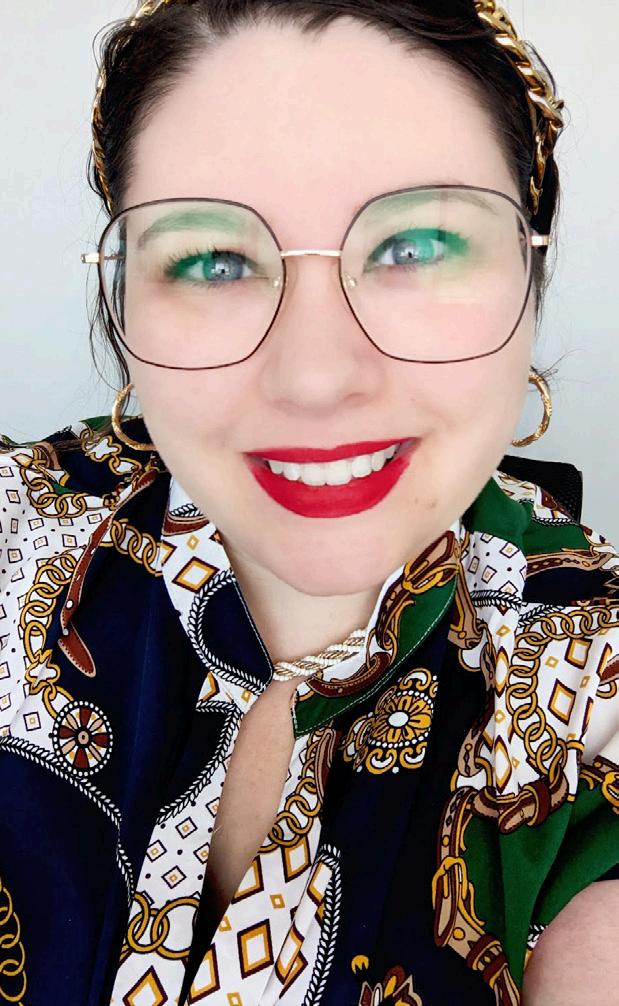
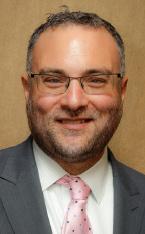
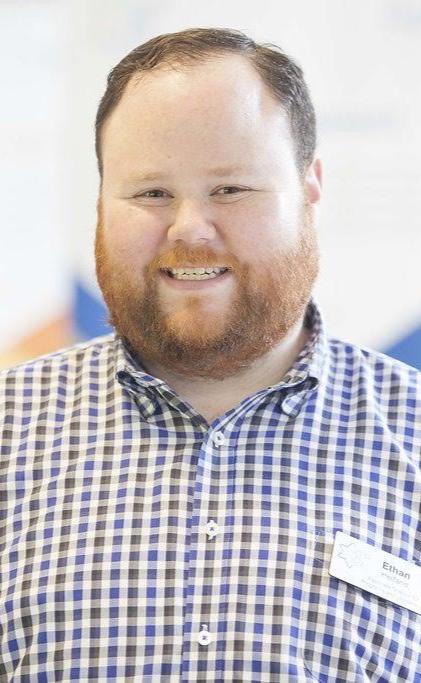
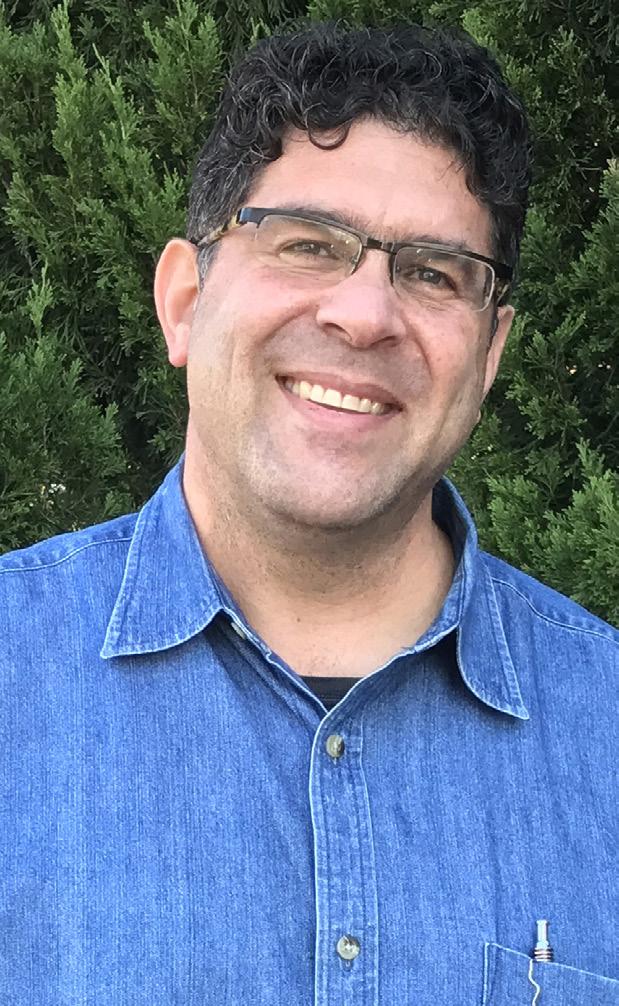
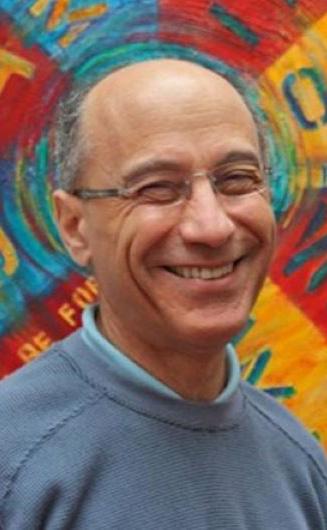
By Alexis Greenberg Jewish Federation
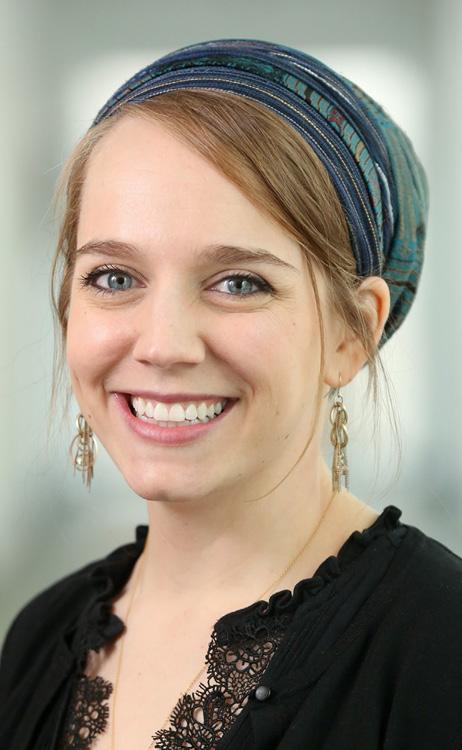
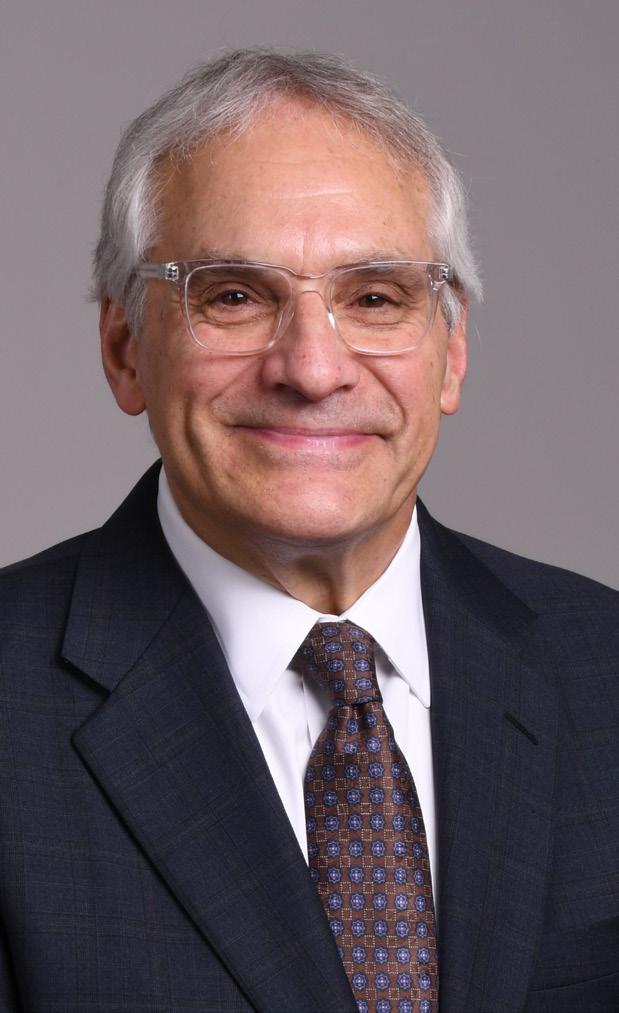
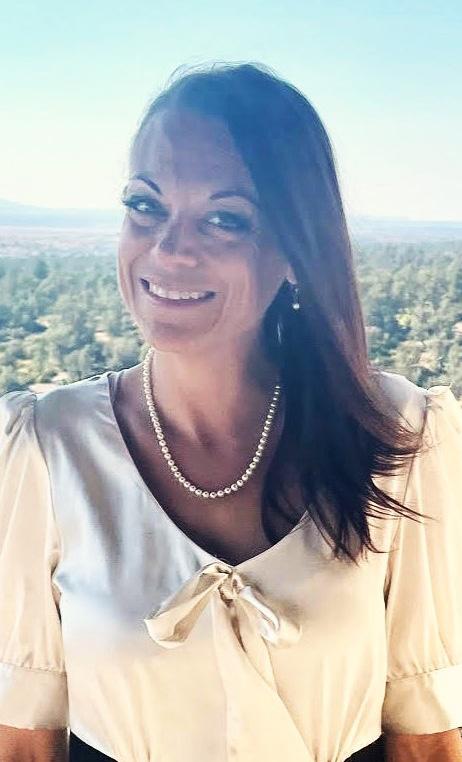
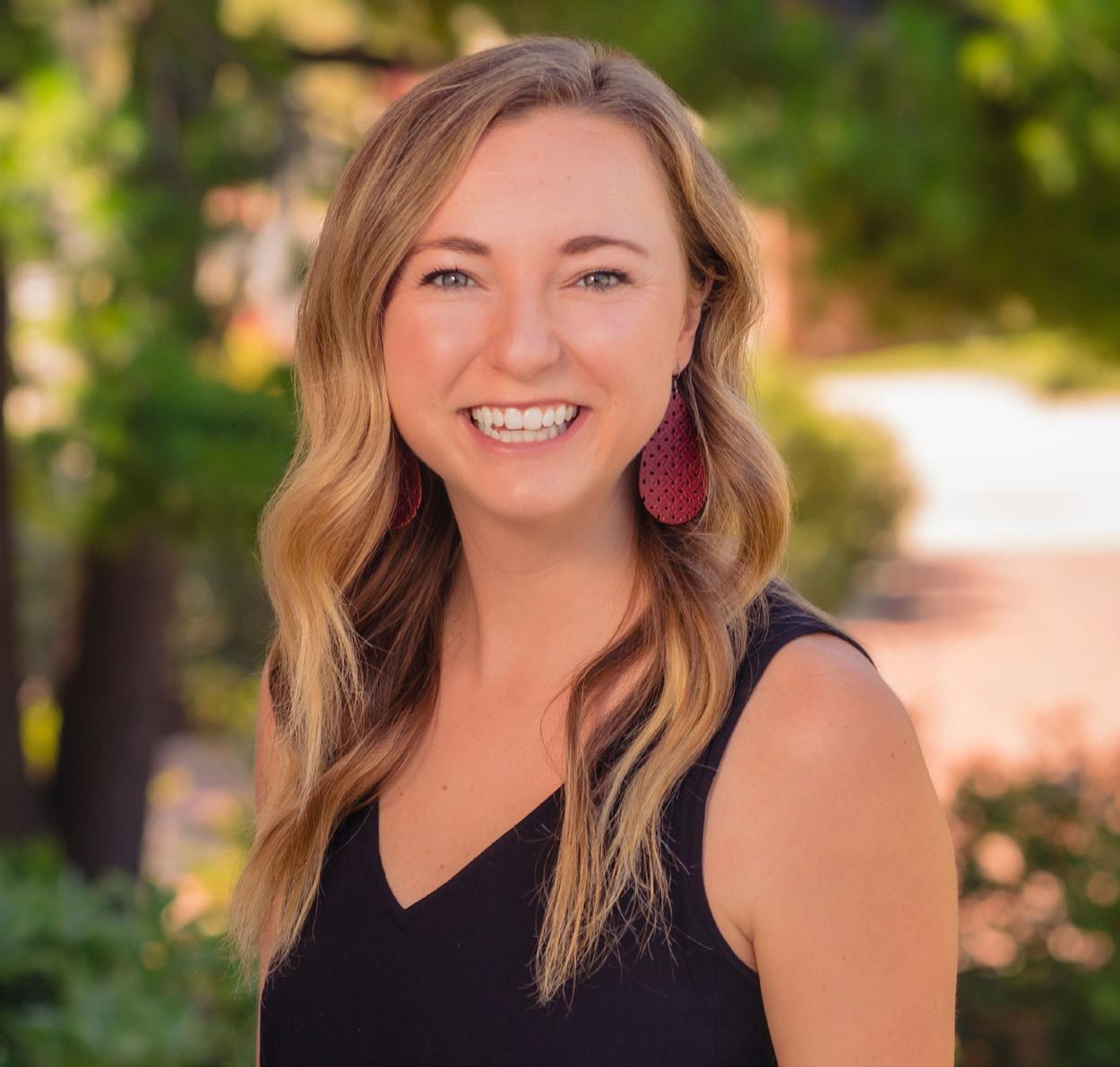
Jewish Federation of Greater Kansas City recently hired Julia Osburn as its Young Adults Division (YAD) engagement associate. In this full-time position, Osburn will engage and build relationships with Jewish young adults in the area ages 21-45. She will also plan events and develop philanthropy in this demographic.
Osburn began her new role earlier this month, but her involvement with YAD started years ago. She previously served on the YAD committee as the Community Connector chair and events chair, planning opportunities for young adults to gather and connect with one another.
“I’ve been on the YAD committee for three years,” Osburn said. “I’m so passionate about the members, mission and growth of this incredible organization. This is such a calling for me, and I am so excited for this opportunity.”
Osburn said one of her favorite things about Jewish Kansas City is how
the community comes together in good times and in bad.
“We’re a very fun and social group, but even when we’re doing the more serious things, we still find enjoyment in gathering with one another,” she said.
Federation President and CEO Jay Lewis emphasized the importance of this new full-time position.
“This is a huge step for the Kansas City Jewish community to have a full-time person, fully dedicated to engaging young adults and building Jewish life for people in their 20s and
30s. Engaging the younger generation is a huge part of what makes Kansas City a thriving Jewish community,” he said.
The decision to hire a full-time employee focused on the young adult demographic was a strategic choice aiming to strengthen the future of the Kansas City Jewish community.
“If we want Kansas City to be a thriving Jewish community in 10, 20, 30 and 40 years, we have to do our job now of engaging our young adults,” Lewis said.
Osburn says she is especially enthused about working with new members of the Kansas City community who have recently relocated from other cities.
“I’m looking to help make new members to our community feel very welcome, well-connected and teach them all the great things about Kansas City,” she said.
Young adults interested in getting involved with Jewish life in Kansas City can contact Julia Osburn at juliao@jewishkc.org.
The Temple, Congregation B’nai Jehudah will host a Hanukkah bazaar featuring local and Israeli artists. The bazaar will be held on Sunday, Nov. 9, from 11 a.m. to 4 p.m. in the B’nai Jehudah Social Hall.
Dozens of artists and makers will have booths to sell their own work, including ceramics, t-shirts, jewelry and more. A booth by the e-commerce company ESEK will highlight products from Israeli makers. Booths from local visual artists will offer both decorative and functional works.
Many of the artists attending are Jewish and draw from their own memories and traditions when creating new works. Glass artist Fay Balk says she has been “inspired to create glassworks for almost every Jewish holiday — even some less traditional Judaica like Omer counters. It is fun to try and create different things that bring new ways of celebrating Judaism to life.”
Thinking back to her grandmother’s Passover Seders, ceramic continued on next page

continued from previous page
artist Adrianne Metcalf said of her handmade plates, “I imagine them being used around a big table with family. I love being able to make dishes that people will use to create community.”
During the event, the B’nai Jehudah Sisterhood Gift Shop will be open for
extended hours and also have a booth.
There is no admission fee for attendees. A limited number of spaces remain available to artists who wish to participate.
More information is available by calling the synagogue at (913) 663-4050 or visiting bnaijehudah.org.
So you
Hanukkah Bazaar
Sunday, Nov. 9, from 11 a.m. to 4 p.m.
B’nai Jehudah, 12320 Nall Ave., Overland Park, KS 66209
7.
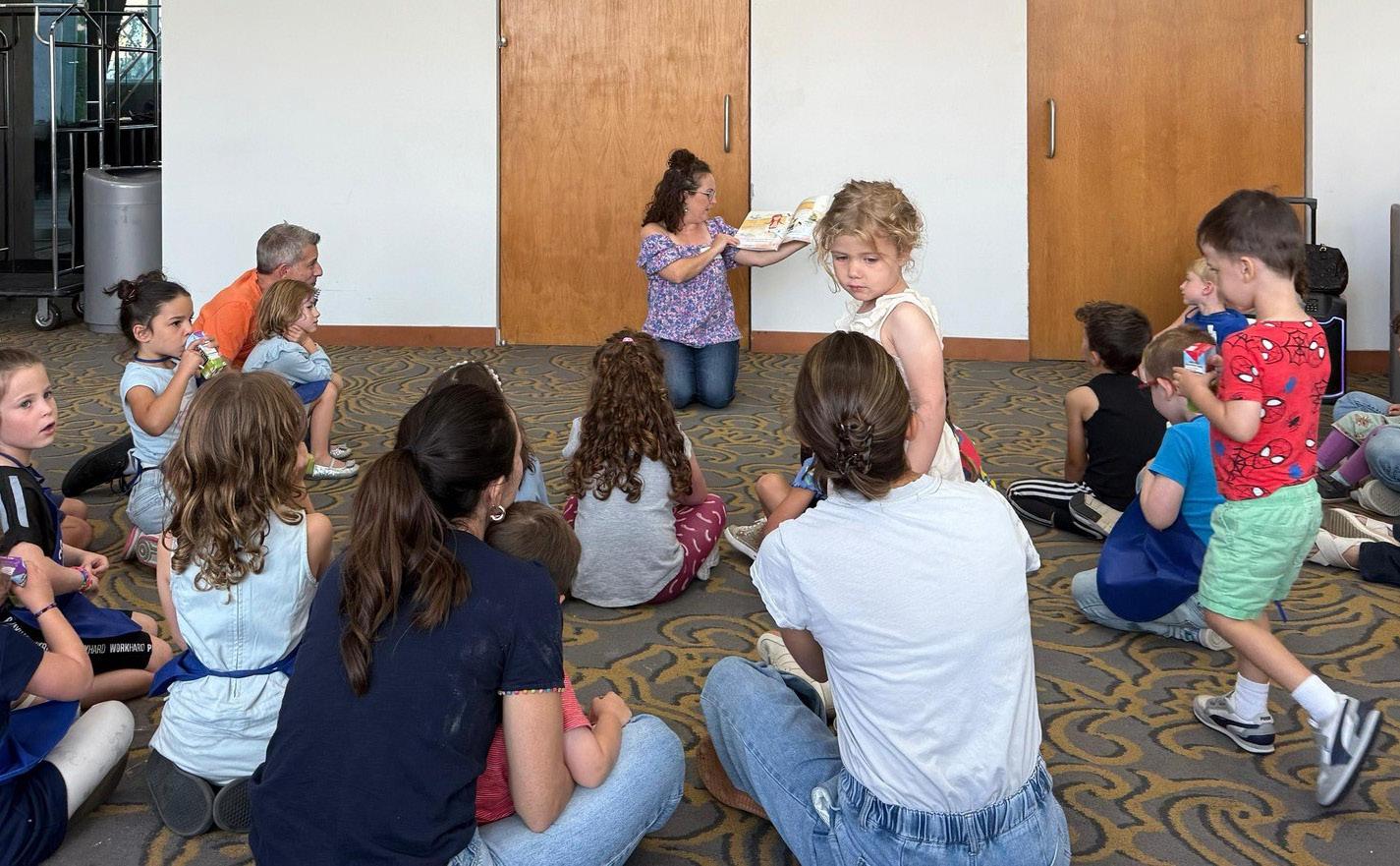
In an effort to reach a larger Jewish communal audience, PJ Library of Kansas City collaborated with several community agencies on programs and events over the summer.
In partnership with the Jewish Community Foundation and Jewish Experiences, a collaboration of Jewish Federation and The J, PJ Library co-hosted Raising Charitable Children last month. This was a free community workshop for parents and grandparents on how to incorporate philanthropy and community care into family life.
PJ Library and Jewish Experiences also partnered on Kindergarten Kickoff in late July, connecting families of incoming kindergarteners with others in their schools and districts. This was the first event of its kind, and more than 30 families attended.
Most recently, PJ Library hosted two kids challah bake events with Chabad on the Plaza and Chabad of Leawood. More than 50 families in total came together to mix, braid and top challahs for Shabbat and the High Holidays.
According to PJ Library Coordinator Bridey Stangler, these kinds of partnerships are unique to the Kansas City community.
“The really beautiful thing about our community is that organizations collaborate in Kansas City the way
they don't collaborate anywhere else,” she said.
PJ Library also collaborates with synagogues on their “Tot Shabbat” programs and young family programming to read stories and connect non-members of synagogues with Jewish educational opportunities.
“What I love about PJ Library collaboration in particular is that we're a non-membership organization. We aren't asking anything of the parents. Our end goal is to help people connect to Jewish community, whether that's through organizations and institutional Judaism or informally, just by creating networks of Jewish families within neighborhoods,” Stangler said.
Through these partnerships, Stangler explained, community members are able to explore the breadth and depth of Jewish life in Kansas City, getting a taste of several opportunities and programs the community has to offer.
“PJ Library provides a unique opportunity, because we don't compete with anybody. We're just interested in getting people into each other's doors and exposed to the wisdom and joy of connecting with other organizations,” she said.
Those interested in connecting with PJ Library’s programming can email Stangler at brideys@jewishkc.org.
By Bridey Stangler PJ Library
So you didn’t build a sukkah this year.
Me neither.
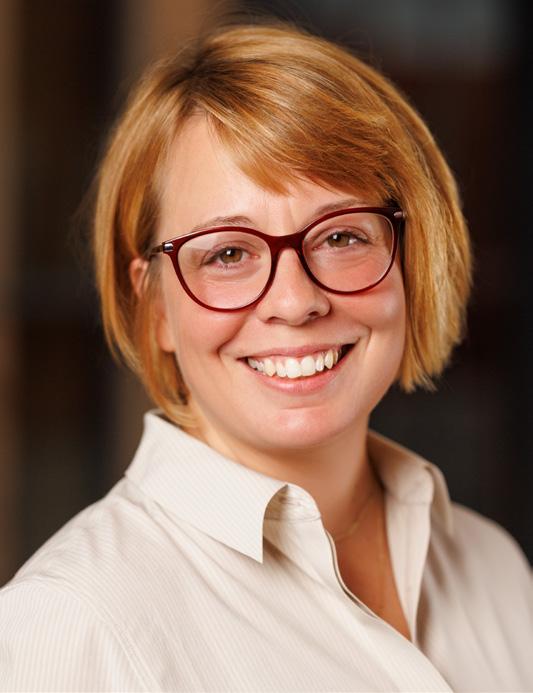
I mean, for me, there’s still time –I’m writing this a full week out from the first night of Sukkot. But I’m also writing this while bouncing on a yoga ball, eating dates and drinking special tea, hoping and praying that Hashem sees fit to have our baby come sooner rather than later.
Somewhere, someone is reading this thinking, “b’sha-ah tova,” all in good time, Bridey, don’t rush it. That same person is likely also thinking of the Kohelet, the poem from Ecclesiastes 3 traditionally read during Sukkot:
“A season is set for everything, a time for every experience under heaven.”
Naturally, a time to be born is the first thing on the list.
But however the kugel crumbles in the coming days, it’s hard to imagine that I will have built a sukkah by the time these words are published. But Sukkot is still my favorite holiday, and I want to share just a few of the ways I plan to help my family mark this beautiful time of year –even without a sukkah in the yard.
Build a Tabletop Sukkah
The advent of the internet age means that there are never fewer than a dozen cardboard boxes in the house at any given time. Grab your box-cutter and slice off the top and one side, set it on its bottom and send the kids out to collect branches from the yard. This schach should be just big enough to reach across the top of the sides of the box, creating the requisite roof of branches. Your kids will love decorating the sides with stickers or drawings of fruit and veggies, and setting up their dolls and stuffed animals to enjoy a Sukkot meal in their tabletop sukkah.
Older kids might enjoy doing just this same thing but with Legos, branches and twine, or – of course – pretzels and icing.
Forage a local lulav and etrog
Rabbi Mani in Midrash Rabbah 30 likened the four species of sukkot to different parts of the body: the cit-

ron, or etrog, is the heart; the palm frond is the spine; the myrtle resembles the eye; and the willow resembles the mouth. In shaking the lulav in every direction, it is as if, in Psalm 35, we are proclaiming Hashem’s greatness “with all my limbs.”
The four species are all native to Eretz Yisrael, but as people of the land, who is to say we cannot find such symbols in our own backyards, our parks, and around our neighborhoods? Forage your family’s own “four species” to capture the spirit of the lulav and etrog. Does a freshly apple not resemble a heart?
The storm-thrown branch of an oak measure the length of the spine?
Help others fulfill the mitzvah of Hachnasat Orchim
I have used these pages to encourage families to “welcome the stranger” and invite not just close friends into our home, but those who are brand new to our community. I’m not brand-new – far from it – but my family has received more than one invitation to join people we don’t know well for a meal in their sukkah. How better to teach my children the value of hospitality than to accept and appreciate that which is extended by others?
Finally – In praise of the synagogue Sukkot
We live in a uniquely porous Jewish community in which members and non-members of congregations are really and truly welcome anywhere in town. It’s the perfect city to celebrate Chag ha-Asif, the Festival of Ingathering. I plan to join the gathering of our local Jews – right into the sukkot of synagogues across the city. Each congregation hosts its own offering of brown bag lunches and community dinners in the sukkah. What a wonderful way to meet friends to celebrate being together. This is a pretty wild moment for my own family, and I’m not apologizing for failing to fulfill this season’s construction-heavy mitzvah. Rather than gathering friends, family, strangers, and beloved ancestors into my own sukkah, we the Stanglers will allow ourselves to be among those gathered. The sukkat shlomecha, our shelter of peace, will be found out of the home and among our community this year.


“The synagogue’s offering a discount. Let’s go check it out,” I said to my husband, Rod, 20 years ago when we were living in Florida. But the sale item was not Shabbos candles or Hanukkah menorahs. Rather, the synagogue we belonged to was offering a deep discount — six-feet to be exact — on cemetery plots.
Arriving at the cemetery, we puzzled over site maps, checking out vistas and scrutinizing layouts as if we were purchasing real estate. Well, we were buying property, and “location, location, location” dominates even in death. However, we quickly learned the available spots were sun-drenched. Rod hated the heat and had been shvitzing (sweating) ever since we moved to Florida.
“There’s no shade in any of these spots. I’ll be way too hot,” he said.
“Uh, honey, I don’t think you’ll notice. You’ll be dead.”
“Oh, yeah,” he laughed. But before subjecting him to thoughts of perpetual perspiration, we decided to investigate plots in Kansas City. My extended family is buried at the Blue Ridge Cemetery, and the moment I saw the row of tombstones of my parents, grandparents, aunt and uncle, I was flooded with memories of our meals together. Smelling the brisket baking, I hear Grandma yelling from the kitchen. “Who wants more soup?”
“Nobody. Come sit down. Your soup’s getting cold.”
I clearly picture sharing meals with the whole “mishpocha” eternally in the future. I knew I was being nonsensical, engaging in what religion scholars call “winking at ourselves,” feeling transported to another time and place knowing that we absolutely are not in that time or place. But the experience was so satisfying, I knew this was where we belonged.
“Let’s buy here,” I said, pointing to the spot next to my parents’ plot. “There’s even a breeze so you won’t be too hot.”
“Fine,” Rod agreed. We
were about to sign the purchase papers when I surprised myself by blurting out, “Wait. What about Amanda? I want to buy one for her, too.”
“But she’s only 15,” Rod said, reminding me of our daughter’s age at the time. “Besides, she’ll probably be married and want to be buried with her husband.”
“You’re right. Let’s make it two more.”
“That’s not what I mean,” he said. “And what if they have children?”
“Good point,” I counter. “Let’s get six: two for you and me, two for her and her husband, and two for their kids.” “This is crazy, Nancy.” But I ignore him. I’m basking in the thought of all those future grandchildren that my unmarried, teenage daughter would someday have gathered around some imaginary table with all our dead relatives.
But I let my nonsense go only so far, telling Rod, “Okay. Let’s forget about the grandkids. It’s probably bad luck to purchase burial plots for people not born yet.” So, we end up purchasing “just” four plots.
Unfortunately, the wisdom of undertaking (no pun intended) our pre-need planning was realized five years later when my husband died of cancer. He now lies buried — in the shade, with a nice breeze — next to my parents. Adjacent to him is my spot, and then places for my daughter and her now-husband.
But there are no plots purchased yet for the three children they now have. Maybe someday when Amanda visits our graves, she’ll engage in her own fantasy. Picturing a gathering of her living family and all of these dead relatives, she’ll decide to buy more plots. I hope she does, and that she gets a deep discount for buying in bulk.
Nancy Kalikow Maxwell’s latest book is “Typically Jewish.” While still alive, she can be contacted through email at nancykalikowmaxwell@ gmail.com. After that, you’ll need to use a medium.
Friendship Circle of Kansas City has launched a new program, the Young Adult Club, designed to provide ongoing opportunities for young adults with and without intellectual and developmental disabilities to connect through shared activities. The club is intended to emphasize independence and practical life skills while fostering laughter, friendship and community bonds.
Founded in 2024, Friendship Circle of Kansas City has steadily grown to include a wide range of programs promoting inclusion and connection. Its offerings include Sunday
Circle, which focuses on inclusion for children with disabilities; Teen Scene, geared toward teens; as well as various events and seasonal gatherings.
At the heart of the organization’s mission is the belief that every individual has unique value to bring to their community, and that friendship can break down barriers of isolation.
The Young Adult Club is an expansion of this mission into a new age group. It was created in
continued on next page
Editorials express the view of the writer and are not necessarily representative of the views of The Kansas City Jewish Chronicle staff, the Jewish Federation of Greater Kansas City, or the Kansas City Jewish Community as a whole.
By Alexis Greenberg
In Judaism, we hold space for joy and despair simultaneously, and The Jewish Community Campus’ social hall is one of the greatest examples I know.
At Jewish weddings, it’s customary for the couple to smash a glass, to commemorate the destruction of the Temple and the sadness and destruction throughout Jewish history. On the happiest day of your life, when you’re celebrating love and finding your soulmate, standing under the chuppah in front of your closest friends and family, everyone takes a moment to remember pain and hardship.
Yom HaZikaron, Israeli Memorial Day, and Yom Ha’Atzmaut, Israeli Independence Day, directly follow one another. Not even a day in between, these national days create a striking contradiction. One moment you’re honoring and recognizing the lives of fallen Israeli soldiers and victims of terrorism, and the next, you’re living it up, watching fireworks, listening to live music performances and partying across the country.
These two are not the only examples of the striking dichotomy Judaism presents with joy and despair. We spend all of the Passover Seder celebrating our escape from slavery in Egypt, but we stop to spill some wine (signifying joy) out of our glasses to remember the pain and hardship the Egyptians faced as a result of the 10 plagues. On Yom Kippur, we’re as holy as an angel, joyfully praising G-d and receiving a fresh start. At the same time, we spend all day acknowledging our brokenness, personal failings, and apologizing to ourselves, others and Hashem for our wrongdoings.
These instances shine a light on the trends of resilience and hope throughout Jewish history. It gives a deeper meaning and significance to joy. Not only are we celebrating during these joyful moments and thanking G-d for the greatness our lives hold, but we’re
celebrating in spite of all that tried to hurt us. All the destruction and hatred the Jewish people have faced is recognized in these moments and it gives greater meaning to our joy.
“What does this have to do with the social hall?” you might ask. Well, I realized recently that the social hall is a space that has seen our best moments as a Jewish community to our worst.
Pretend for a moment you’re a fly on the wall in the social hall. (Please ignore the fact that flies’ lives are less than a month long and they definitely do not stay stationary on the wall.)
In just the past year, you would’ve been witness to The J’s father daughter dance, PJ Library’s Hanukkah Glow Party, countless Hyman Brand Hebrew Academy lunch hours, a celebration of Kansas City’s Maccabi Athletes, among countless other celebratory, joyful, enthusiastic events.
But, in addition to all of those joyous occasions, you would’ve witnessed the harrowing story of Oct. 7 survivor Irene Shavit, a packed room for the community vigil remembering Sarah Milgrim, The Holocaust Survivor Book Fair and many more important events that allowed our community to feel and honor the pain and hardship of our collective Jewish story.
The social hall hosts events from so many of our community organizations, from Sasone to PJ Library, Jewish Family Services to the Jewish Community Foundation. It holds events for our youth and our elderly, events for those who are secular Jews and those who are Orthodox Jews. What a gift it is to have a space for our entire community that holds joy, pain, anguish and celebration.
Alexis Greenberg is a recent KU graduate withamaster’sdegreeinprojectmanagement. She is currently Jewish Federation of Greater KansasCity’sdigitalmarketingspecialist.
continued from previous page
response to feedback from families and participants who had aged out of other programs but wanted to stay connected.
“We’ve always been about building community at every stage of life,” program director Mushky Baron said. “The Young Adult Club is the natural next step. Through these programs, you see that everyone has so much to share and contribute to our community; we’re just leveling the playing field.”
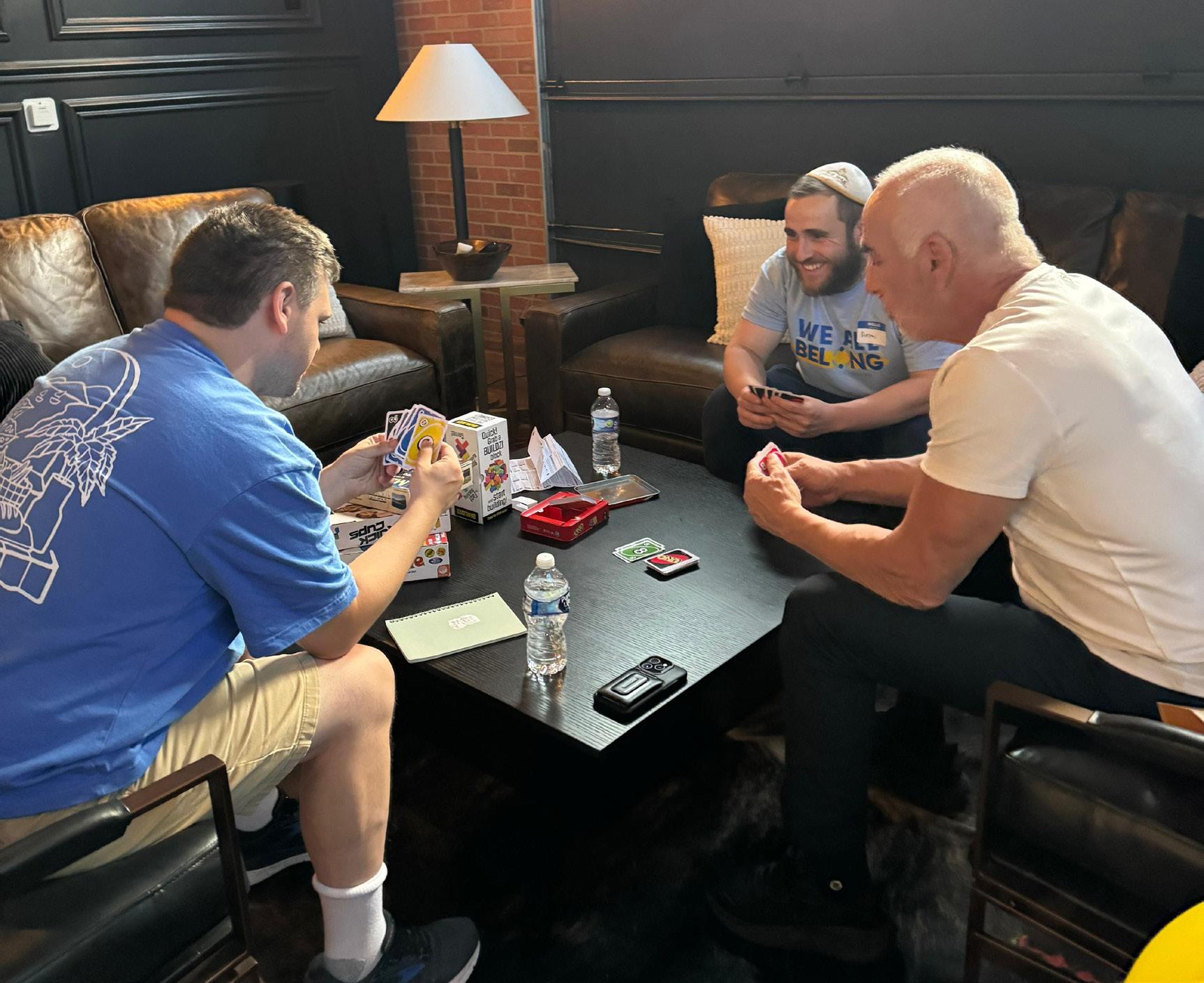
Earlier this month, the program held one of its first gatherings, hosted by community member Bob Cutler, who played a key role in helping get the initiative off the ground.
Participants decorated their own notebooks, played board games in small groups and made custom trail mix blends from a variety of ingredients. The event was intended to encourage conversation and build connections in a relaxed, welcoming environment.
Cutler said he was drawn to support the new club because of the need it fills.
“There are a lot of great programs for kids and teens, but as people get older, the opportunities narrow. This gives young adults a way to stay engaged and have a community,” he said.
Future gatherings are expected to include creative projects, outings and social events. Organizers hope the program will become a regular part of Friendship Circle’s calendar and a meaningful space for participants to form lasting friendships.
More information about Friendship Circle of Kansas City is available at friendshipcirclekc.org or by emailing info@friendshipcirclekc.org.
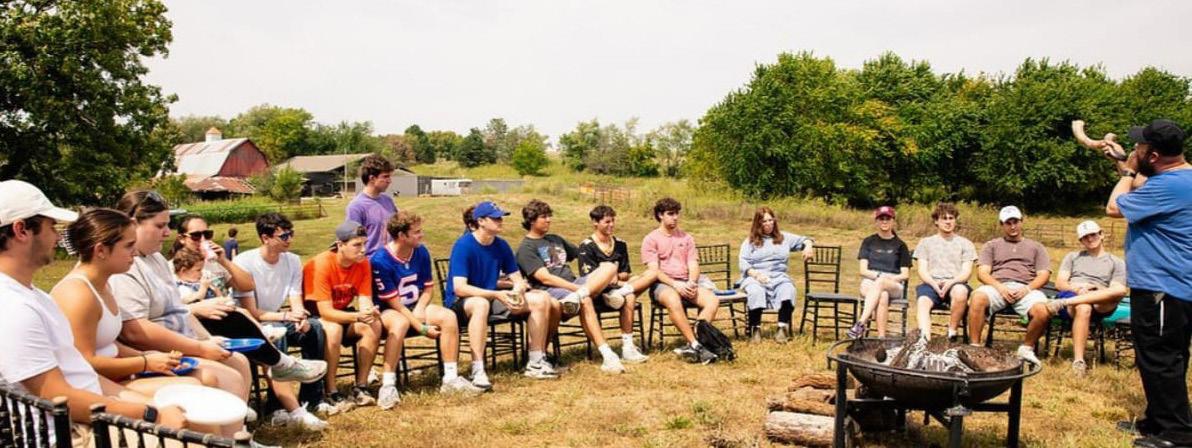
KU Chabad hosted a wellness retreat last month at the Circle S Ranch outside of Lawrence, Kansas, for dozens of students. The retreat was intended to teach practical strategies for emotional health and strengthen friendships in a supportive environment.
The day began with a barbecue lunch around a bonfire, where students roasted marshmallows. Following the meal, participants joined a series of workshops focused on stress management and Jewish meditation. These sessions were led by KU Chabad directors Rabbi Zalman and Nechama Tiechtel, joined by mental health professionals. Together, they guided students through mindfulness
techniques, tools for handling anxiety and the Jewish spiritual approach to inner calm.
In the afternoon, students hiked along wooded trails, went boating and fishing on the lake, fed animals, and rode a hayride and four-wheelers.
Later, everyone gathered for a panel on healthy relationships, where students could ask questions and share openly about navigating friendships, dating and the challenges of balancing personal and academic life. The retreat closed with a circle of reflection, where participants shared what they had taken away from the experience and how they hoped to bring it back
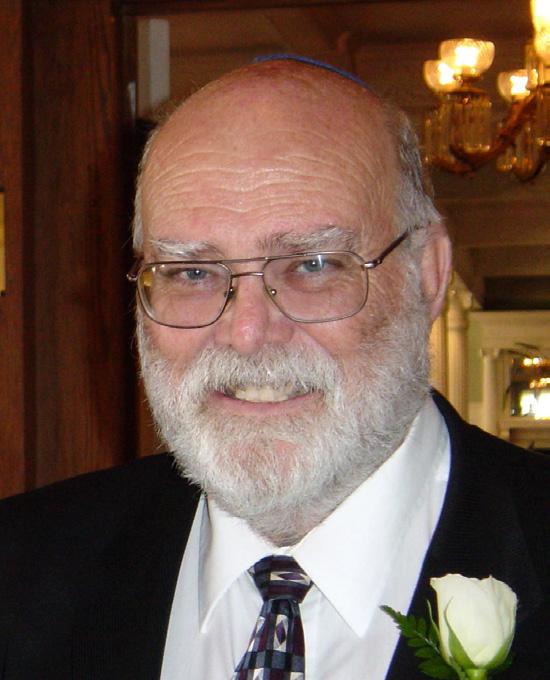
Dr. Marvin Ray Aaron, a devoted husband, father, grandfather, educator and lifelong warrior for justice, peace and equality, died peacefully surrounded by family on Sept. 23.
Dr. Aaron was born on June 1, 1944, in Portales, New Mexico. He received his Bachelor of Arts degree from Wayland University in Plainview, Texas; his Master of Arts and Advanced Education Specialist degrees from Eastern New Mexico University in Portales; and his doctorate degree from the University of Missouri – Kansas City.
Dr. Aaron married Sheila Ann Helton on June 10, 1979, in Sullivan, Missouri. He and Sheila later relocated and established their residence in Lee’s Summit, Missouri, where they raised two children and lived for more than 30 years.
Dr. Aaron held positions as an educator in both public school systems and higher education, accumulating 40 years of service. He concluded his career with a 20-year tenure as associate dean of student development
at Longview Community College in Lee’s Summit. He led and facilitated diversity training events for academic and community organizations across the Kansas City metropolitan area,
providing strategies to real-world challenges for the success of inclusive growth.
Dr. Aaron’s classrooms were regarded by colleagues as
environments fostering dignity and respect for students, where individuals experienced a sense of continued on next page

continued from previous page
belonging and acceptance. As the first member of his family to pursue higher education and obtain a doctorate, Dr. Aaron viewed teaching as a pathway to empowerment and advancement. It paved the way for future generations — his daughter became the second in the family to achieve this milestone, and his son the third, with his grandchildren poised to continue his legacy.
Known as a freedom fighter in the way he knew best, Dr. Aaron spent his life teaching and building coalitions across race, faith and class, always centering the voices of those most silenced. He empowered individuals who previously lacked influence through speeches he made at community events, which attracted both audience engagement and coverage from local journalists. His Martin Luther King, Jr. Day addresses became meaningful gatherings where voices from every walk of life found common ground in justice, remembrance and hope. And he never sought applause, only impact. He prioritized making a difference over seeking personal recognition.
In Jewish tradition, passing away on Rosh Hashanah, the Jewish New Year, is regarded as an indication of a person’s righteousness, with the belief that righteous individuals are taken on this significant day. Such a death is seen to signify a life that was fulfilled and a legacy marked by honor. His passing on this significant day is appropriate given his selfless and countless contributions to his community.
Dr. Aaron was preceded in death by his parents, Ray and Mary Aaron. He is survived by his sister, Arlene Dixon of Cheyenne, Wyoming; his wife, Sheila, of Kansas City, Missouri; daughter, Rachel Aaron of Kansas City, Kansas; son, Benjamin Aaron and his wife Amanda Aaron, of Kansas City, Missouri; stepson, Christopher Walker and his wife, Eden Wheeler, of Lee’s Summit; four grandchildren, Helton W. Walker, Juniper B. Aaron, Willow W. Aaron and Olive M. Aaron; and by generations of students, colleagues and freedom dreamers who plan to carry forward his vision and his legacy — a call to

action.
A memorial service will be scheduled, with details to follow. In lieu of flowers, donations in honor of Dr. Aaron may be made to the Metropolitan Community College Educational Foundation. Donors can request contributions go directly to the future scholarship established in Dr. Aaron’s name, an initiative currently in progress.
Joseph Jekel passed away on Sept. 30 at the age of 67.
Joe Jekel was born on Jan. 31, 1958, at Menorah Medical Center in Kansas City, Missouri. His parents were German refugees who escaped Nazi Germany before World War II. Joe went to John Hartman grade school, Bingham Junior High School and graduated from Southwest High School in 1976.
He went on to Rockhurst and earned his Bachelor of Arts in political science in 1980.
Joe spent several years working for the Social Security Administration as an agent, calculating pensions for military veterans. Afterward, Joe did various telemarketing jobs in collections and in sales, including working for the Pacesetter Corporation.
Joe was a lifetime member of The Temple, Congregation B’nai Jehudah, as were his parents. Joe had his bar mitzvah in 1971 and was confirmed in 1974 under Emeritus Rabbi Michael Zedek.
Joe was very involved in the Kansas City Jewish Republican Party, hosted by Dr. Jay Robinow from Congregation Beth Israel Abraham and Voliner. He did many political volunteer projects, including working for Congressman Kevin Yoder. He was very involved with the National Republican Convention of 2004.
Joe was involved in the Kansas City JC’s Organization for many years.
Growing up, Joe was involved at the Barney Goodman camp and worked with Harvey Cohen at the time.
Although Joe has no surviving biological family members, he is survived by many friends, including Bruce and Debby Bratman, Mark and Cathy Al-

len, Andrew Horseman, Steve Bancroft, Douglas and Patty McConnell, Alan Cohen and several others.
Graveside services took place on Oct. 6 at Green Lawn Cemetery, 8251 Hillcrest Rd, Kansas City, MO 64138.
In lieu of flowers, contributions are suggested to Jewish Family Services.
Online condolences and memories may be left at louismemorialchapel. com.
Barbara (Babs) Lowenstein, 94, of Leawood, Kansas, died on Sept. 27.
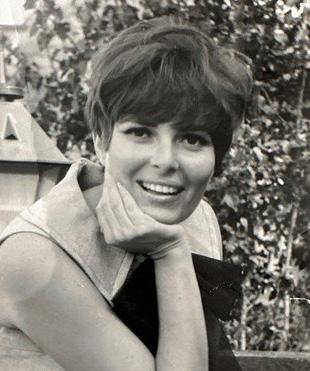
Funeral services were held on Sept. 29 at The New Reform Temple, with burial immediately following at Rose Hill Cemetery. Kindly omit flowers; the family suggests contributions to Village Shalom or Kansas City Hospice House.
Babs was born on June 20, 1931, on a couch in her parents’ home on East 69th Terrace in Kansas City, Missouri, to the late Krindle and Sol Lapin. In 1951, she married the late Jerry Epstein, with whom she had her three children. In 1994, Babs married Bill Lowenstein (of blessed memory), with whom she spent 30 wonderful years.
Babs left a legacy as a beloved preschool director and teacher for 33 years at The Temple, Congregation B’nai Jehudah at 69th and Holmes using a teaching style that encouraged her students to use their imaginations and creativity. She introduced them to acting through performances in “The Wizard of Oz,” “Snow White,” “Cinderella” and “Peter Pan.” Her puppets, especially Rubber Ducky, Tall Small, Kitty Cat and Black Cat, charmed and entertained not only her preschoolers but Renaissance Festival goers for many years. She treated her students to amazing experiences through the arts, problem solving and critical thinking in a way that was joyful and interesting, providing an excellent base for their educational years ahead.
After retirement, Babs took up abstract painting and ceramics at The J’s Heritage Center. She loved color and light and developed a style that expresses both. Although many of her paintings are all over the country, the majority of her work is now on long term loan to the Epsten Gallery at Village Shalom, where different displays of her work can be seen periodically throughout the year. She was an avid golfer and tennis player and served on the board at Oakwood
Country Club.
Babs is survived by her children, Jenny Isenberg (John), Lynn Poskin (Joe) and Andy Epstein (Anne); grandchildren, Amy Isenberg, Adam Isenberg (Alex Ferreira), Allison Obeler (Danny), Jamie Poskin (Emily Cunningham), Brady Poskin (Katie McCaslin), Becky Poskin (Lucas Richardson), Tommy Poskin (Lucy), Aidan Epstein (Bo Kane), Isabel Epstein and Bridget Epstein; greatgrandchildren Max Obeler, Amos, Esther, Ignatius and Bernadette Poskin, Harriet, Huck, Sylvia and Cal Poskin. She is also survived by her stepchildren, Lon, John, Reed and Glenn Lowenstein and their families; her sisters, Lou Pagel and Emily House (Stan); nephew, Jeff House (Jody); nieces, Mimi (Jay) and Susan (Paul); and her “Sunday Night Dinner” family, Tom and Ann Isenberg and their children and grandchildren.
The family gives special thanks to cousins Carol and Eddie Lapin for making her so welcome at Village Shalom; her many attentive caregivers especially Taffy, Lucy and Angela; her trainer, Carter; art teacher, Patricia; and all of the other wonderful people who touched her life.
Online condolences may be left for the family at louismemorialchapel. com.
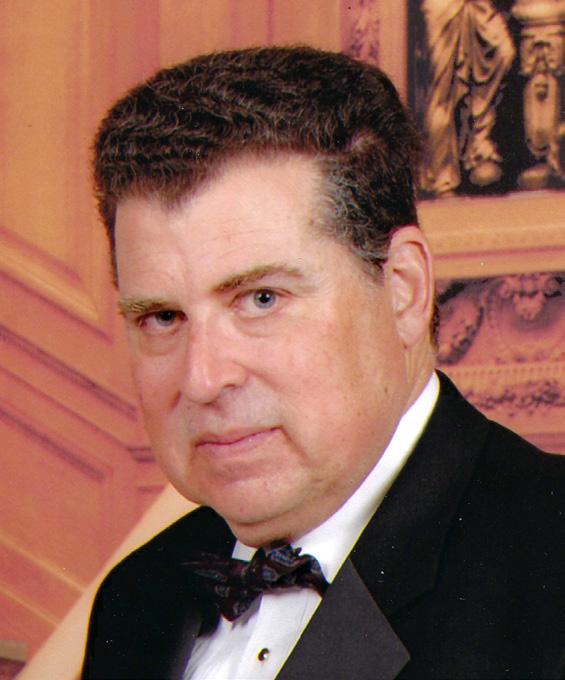
Joel S. Markus 74, of Lenexa, Kansas, passed away on Sept. 30 at his home. Graveside services were on Oct. 3 at Mt. Carmel Cemetery. In lieu of flowers, the family suggests memorial contributions to the Guardian Society Scholarship Fund or the American Cancer Society.
Joel was born on Oct. 11, 1950, in Kansas City, Missouri to Milton and Ethel Markus. Joel was very proud to serve in the Boy Scouts, reaching the goal of Eagle Scout. He later would be the vice president of UMB Bank and was a manager at DST.
Joel loved to travel. He traveled all over the world, only missing Iceland as one of his last stops. He also loved jazz music — the old kind.
Joel was preceded in death by his parents. He is survived by his loving wife, Glenna Markus; his sister, Elizabeth Ann Hennick; niece, River Julian Hennick and many dear friends. Online condolences may be left for the family at louismemorialchapel. com.
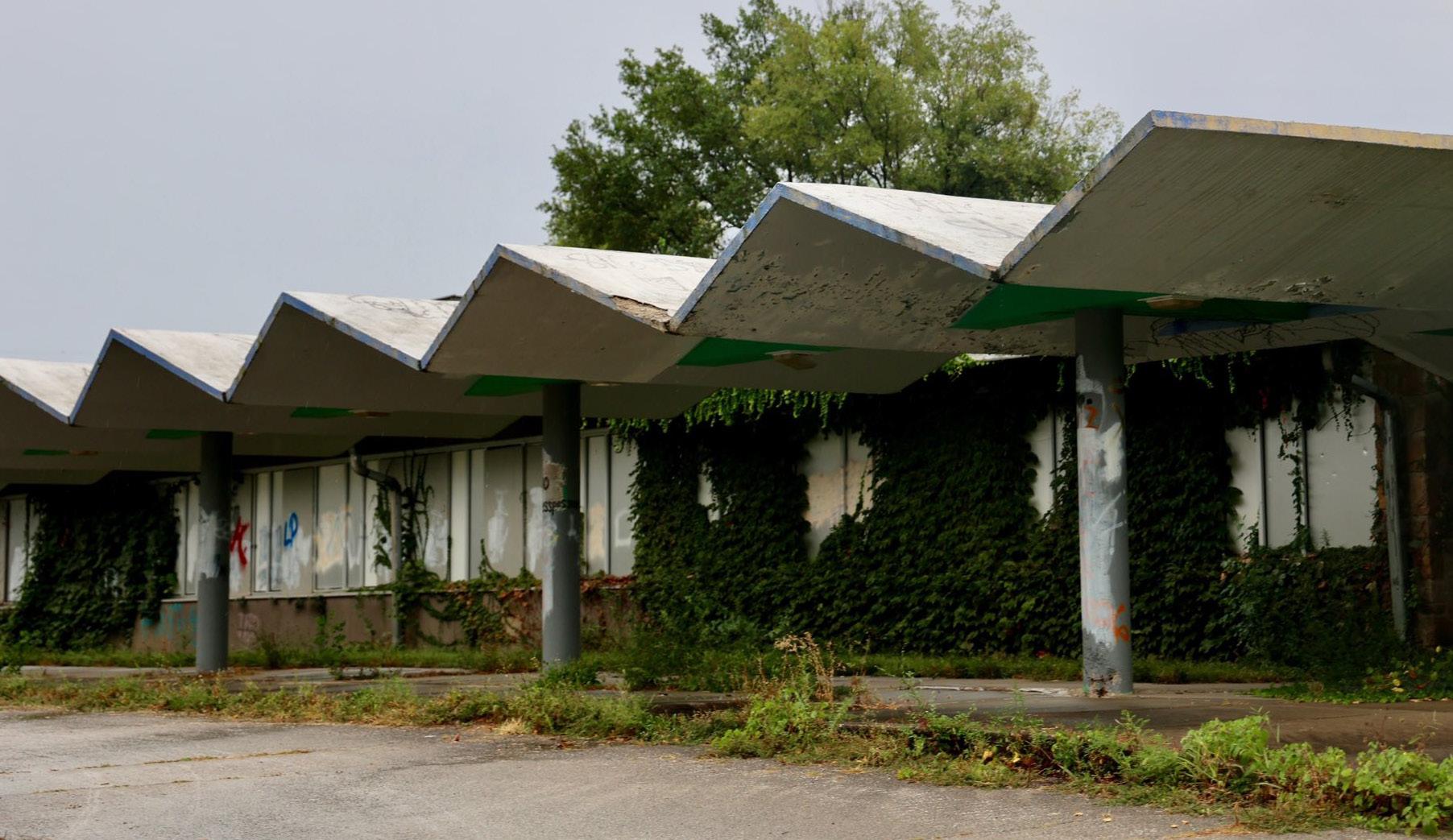
The site of the former Jewish Community Center, and later the Paul Robeson Middle School, has been abandoned since 2006 and in a state of disrepair for well over a decade. Kansas City Mayor Quinton Lucas announced legislation “mandating ownership change to rehabilitate or raze the long vacant and blighted structure,” according to a Facebook post on Sept. 18.
The building, located at 82nd St. and Holmes, was the site of the JCC for more than two decades before being sold to the Kansas City School District after the current center was built in 1984. It later became the Paul Robeson Middle School before closing and
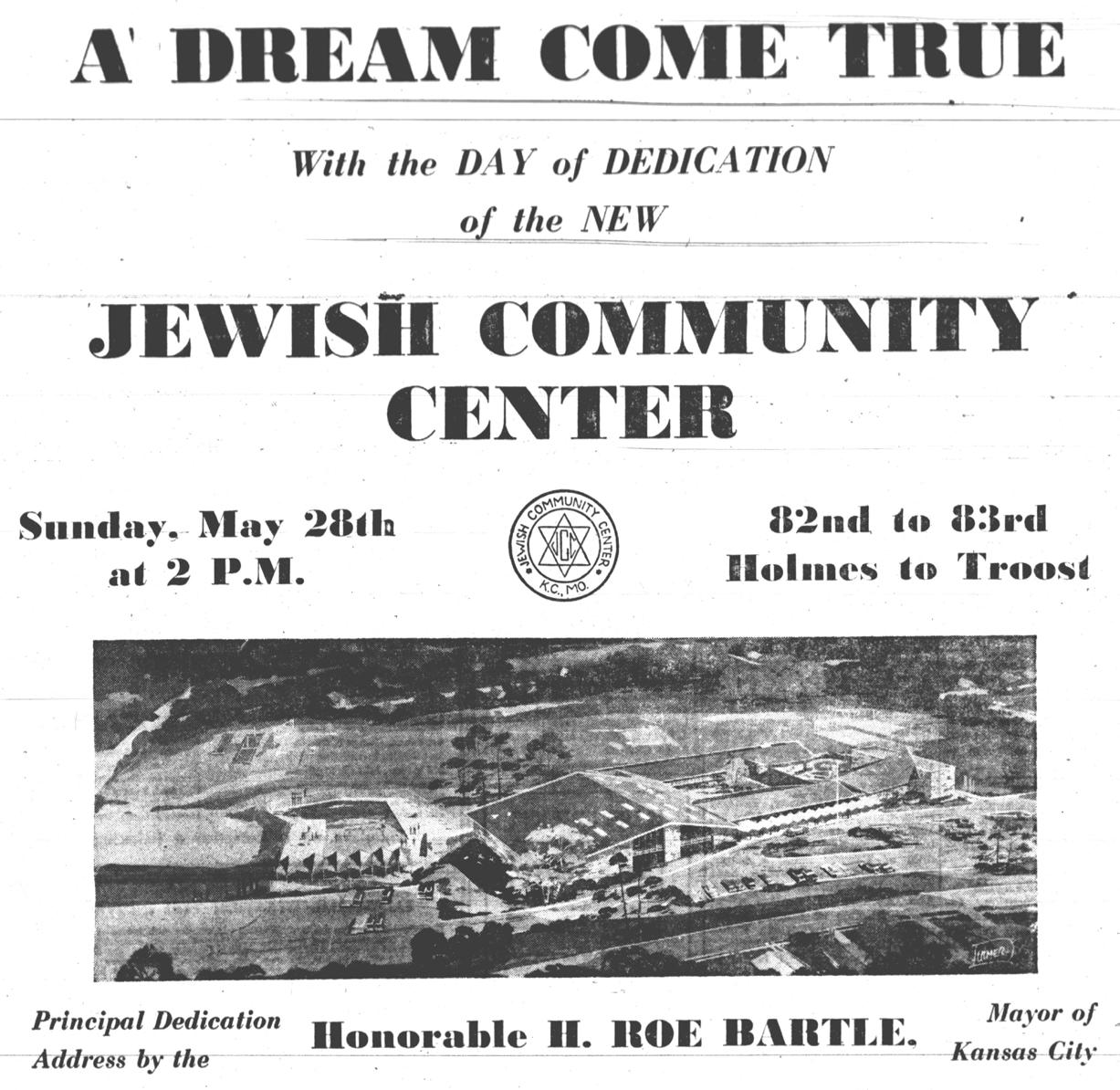
falling into disrepair.
“For too many years, the site of the former Robeson Middle School (and former Jewish Community Center) has blighted the Holmes and Troost corridors and neighborhoods around them with unkempt weeds, crumbling structures, trash build up, vandalism and graffiti,” Lucas wrote on Facebook.
According to KSHB, current owner Sean Pickett purchased the property in 2018 with plans to demolish the building and create a community pool, basketball courts and retirement homes. As of now, the building still stands in disrepair, covered in graffiti and with broken windows.
continued from page 13
with them into the semester.
“This retreat gave me a chance to pause and breathe,” said Alyson Weinberg, a KU junior from St. Louis, Missouri. “Between schoolwork and everything happening in the world, I didn’t realize how much I needed this space until I was here.”
“This is my second year going on the retreat, and I benefited from the relaxation ten times more this year; the calm group and the time kayaking on the water were a perfect break from the hustle and bustle of my usually busy daily life,” said Shai Luger, a KU junior from Overland Park, Kansas.
KU Chabad leaders said the retreat reflects their ongoing mission to support students spiritually, socially and emotionally.
“No student should ever feel they are alone,” co-director Nechama Tiechtel said. “This retreat gave them a community to lean on and the tools to face challenges with resilience.”
This retreat was part of KU Chabad’s “ReJOYvination” program, providing mental health support and safety-net services for Jewish students at KU with support from the Jewish Federation of Greater Kansas City.



Take a look inside Village Shalom to see our remarkable Long Term Care community. Private suites and the finest in comprehensive skilled nursing services give peace of mind to you and your loved ones.
Learn more at VillageShalom.org or call Lori Carter, Admissions Coordinator, at 913-266-8473 to tour our welcoming senior living community. We look forward to showing you what peace of mind looks like. Welcome to The Village.

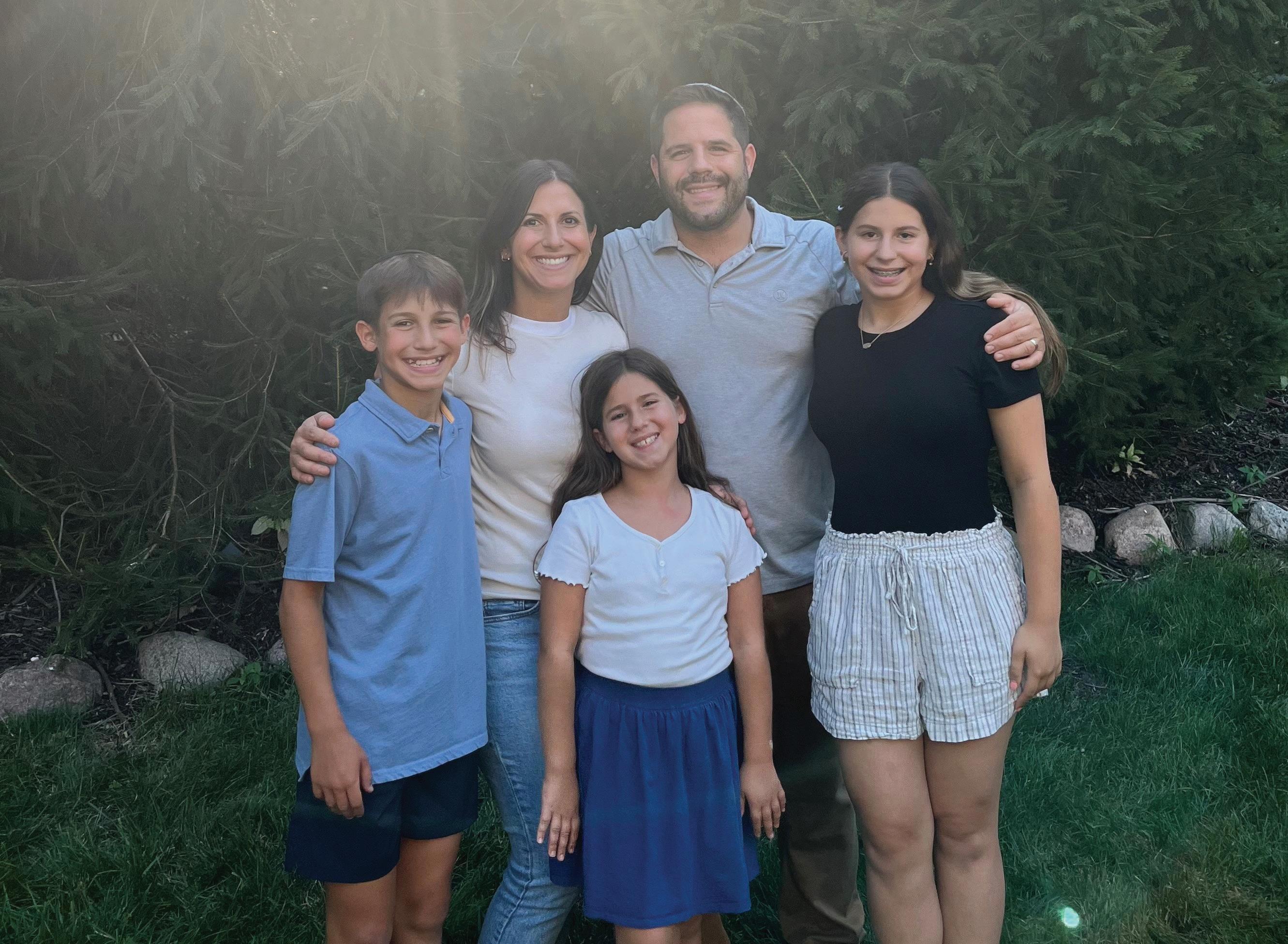
“Opening a Donor Advised Fund with JCF has been one of the most meaningful decisions we’ve made as a family. It’s not just about having a place to hold our charitable dollars, it’s about being part of a community that helps us grow as philanthropists. Seeing our daughter engage with the B’nai Tzedek program has been incredible. She’s learning what it means to give with intention, and we’re having real family conversations about values and impact.”
-
Kaley Wajcman & Jonathan Schwartzbard
Open a new Donor Advised Fund at the Jewish Community Foundation and we’ll match one charitable gift to your favorite nonprofit - up to $1,000!
A Donor Advised Fund is a charitable giving account through which you can easily and efficiently support all of your favorite charities (Jewish AND secular). A fund offers significant tax and planning advantages, the ability to streamline your giving, and access to JCF’s philanthropic expertise and exceptional personal service.
To learn more, contact Suzanne Galblum Dicken at (913) 327-8286 or sdicken@jcfkc.org.