I am a spatial artist and curator with a background in interior and spatial design. My practice has gradually shifted from commercial interiors to cultural and exhibition projects, where I find greater scope to work with materials, narratives, and community engagement. I focus on intangible cultural heritage, identity, and migration, often using participatory methods to explore how everyday stories can be transformed into shared spatial experiences. Through curatorial projects and collaborative workshops, I seek to create environments that invite dialogue between artists, participants, and audiences, allowing space itself to become a medium of storytelling and collective reflection.
(2022–2024)
M.A. Interior and Spatial Design, University of the Arts London Focused on human-scaled design, spatial narratives, and environmental wellbeing, with research into identity, migration, and community-based spatial practices.
(2017–2021)
B.Eng. Wood Science and Technology (Interior & Furniture Design), Zhejiang A&F University
Specialised in structural design, ergonomics, and public space, with training in material research, furniture design, and cultural branding.
Curatorial Research Focus
Community & Engagement
June, 2025, Camberwell Art festival, London, UK
Floating with A Yi, Camberwell Art festival, London, UK
Participatory project with migrant women in Camberwell, combining field research, mapping, and a mobile cart exhibition to explore identity through food, plants, and storytelling.
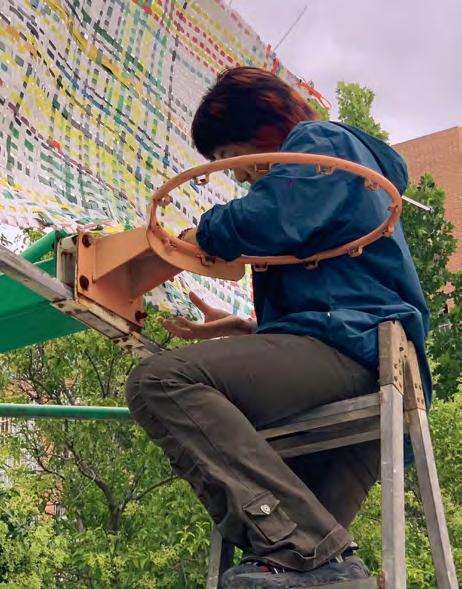
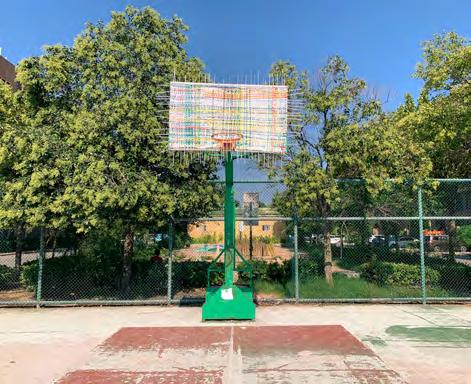
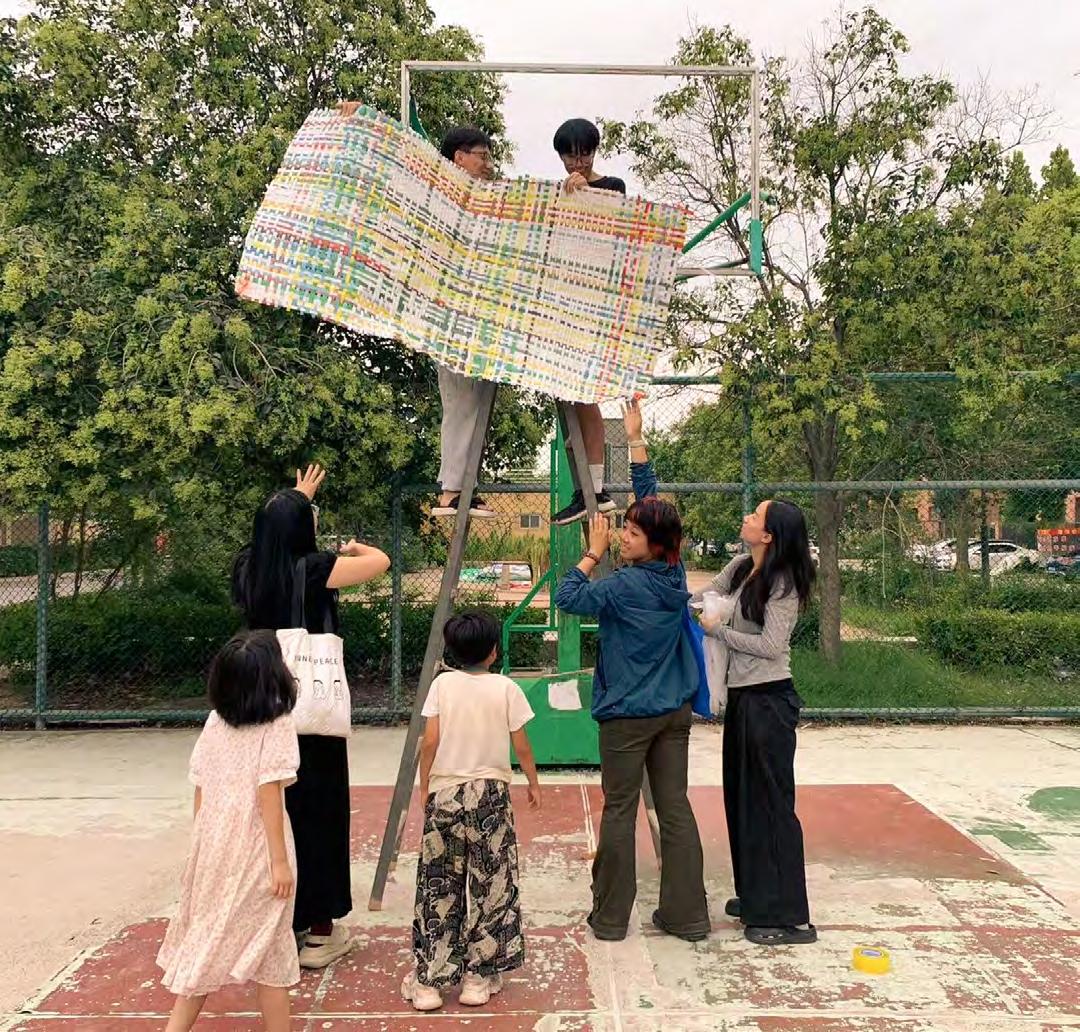
Community-based workshop in rural resettlement, repairing an abandoned basketball hoop with traditional weaving craft as a gesture of collective care and visibility.
5-7 April, 2025, People's Republic of Stokes Croft, Bristol, UK
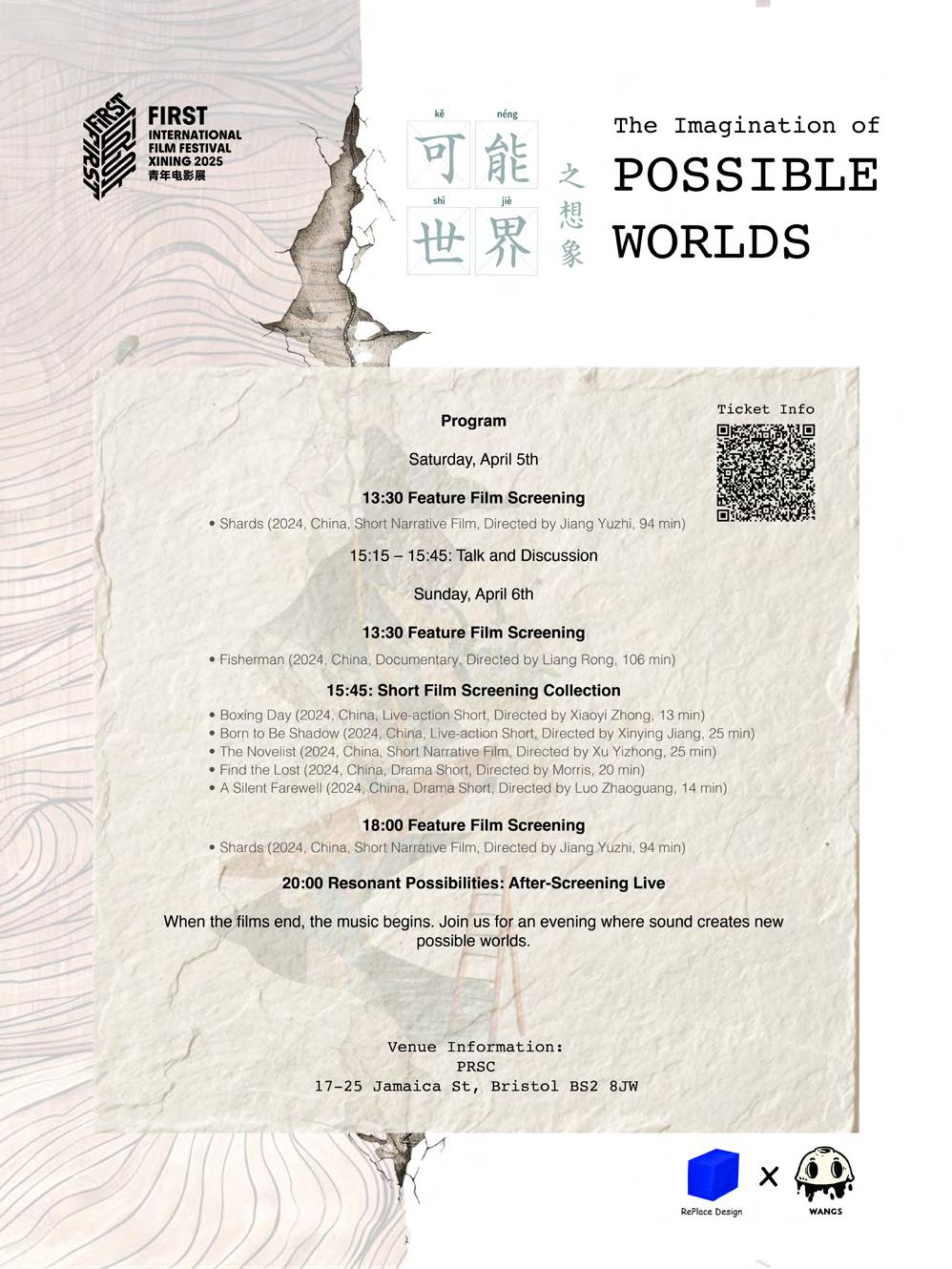
The Inmagination of Possible World
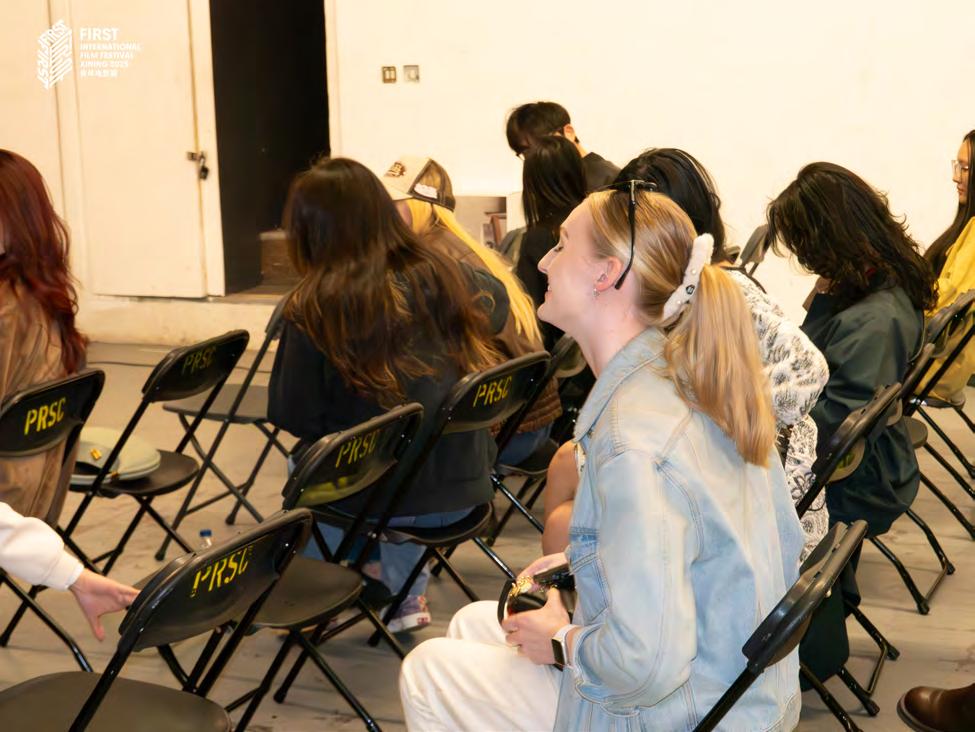
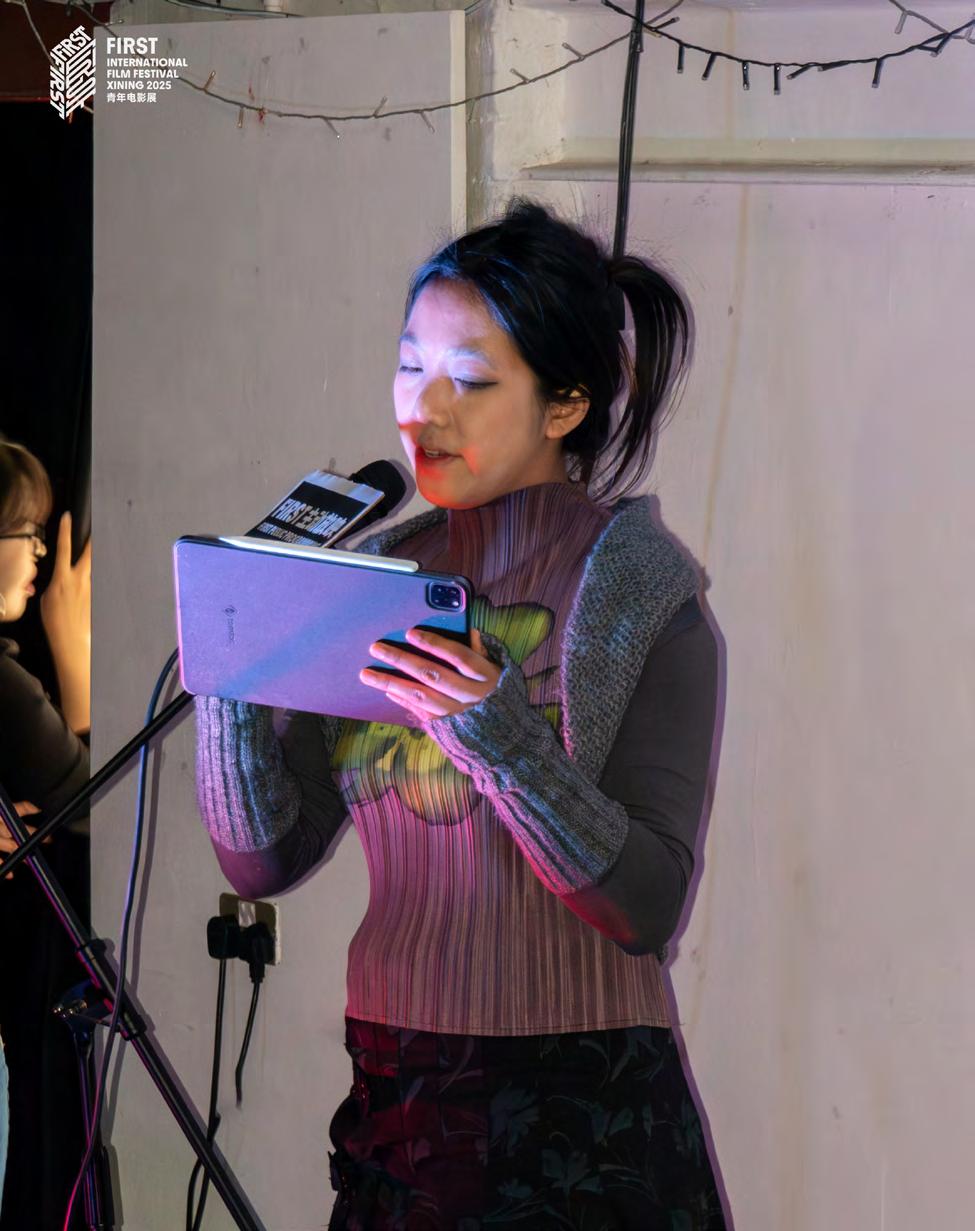
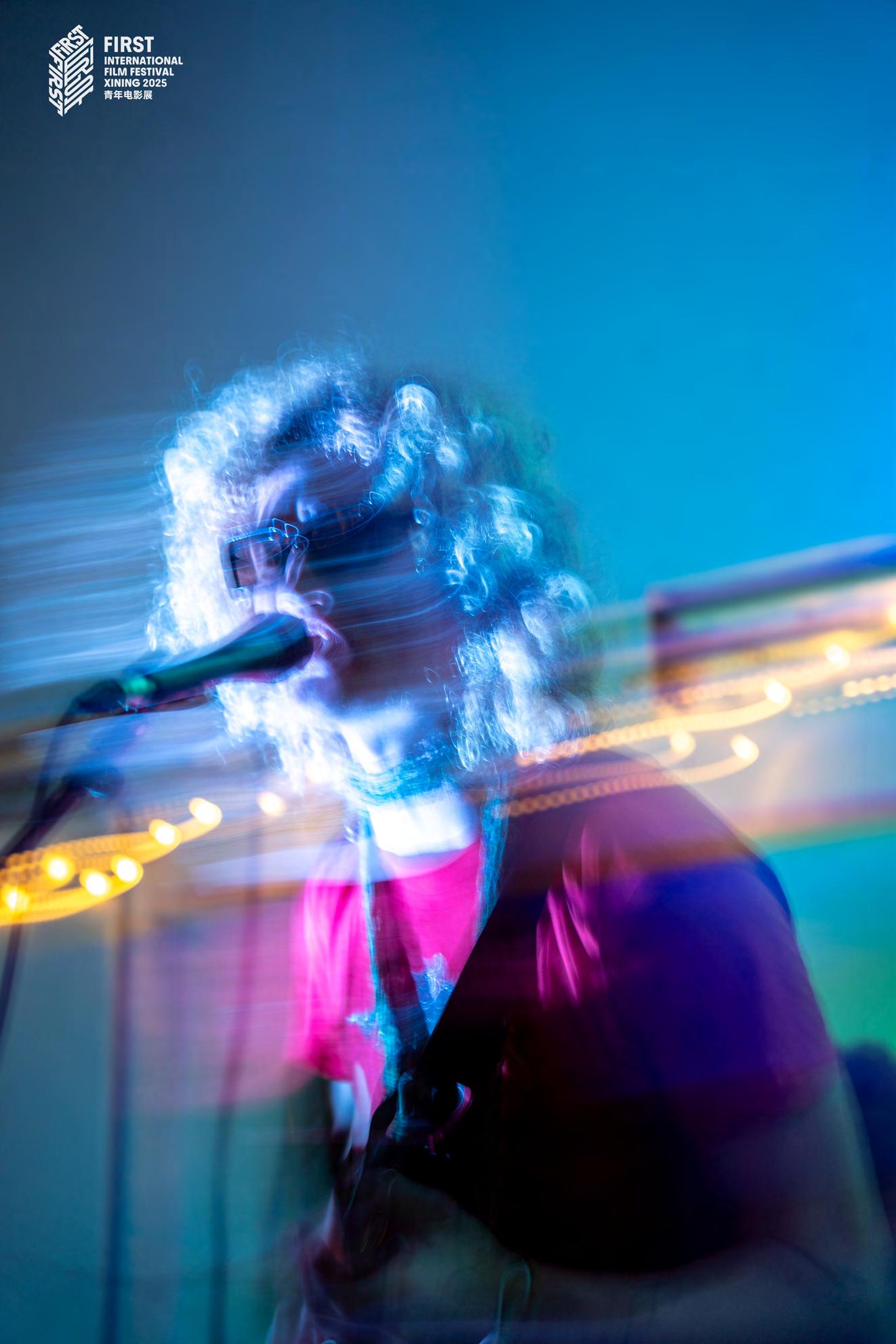
Curated site-responsive programme addressing youth agency and sociopolitical narratives in contemporary China, combining screenings, performances, and public discussion.
25 October - 2 November, 2024, Applecart Arts, London, UK
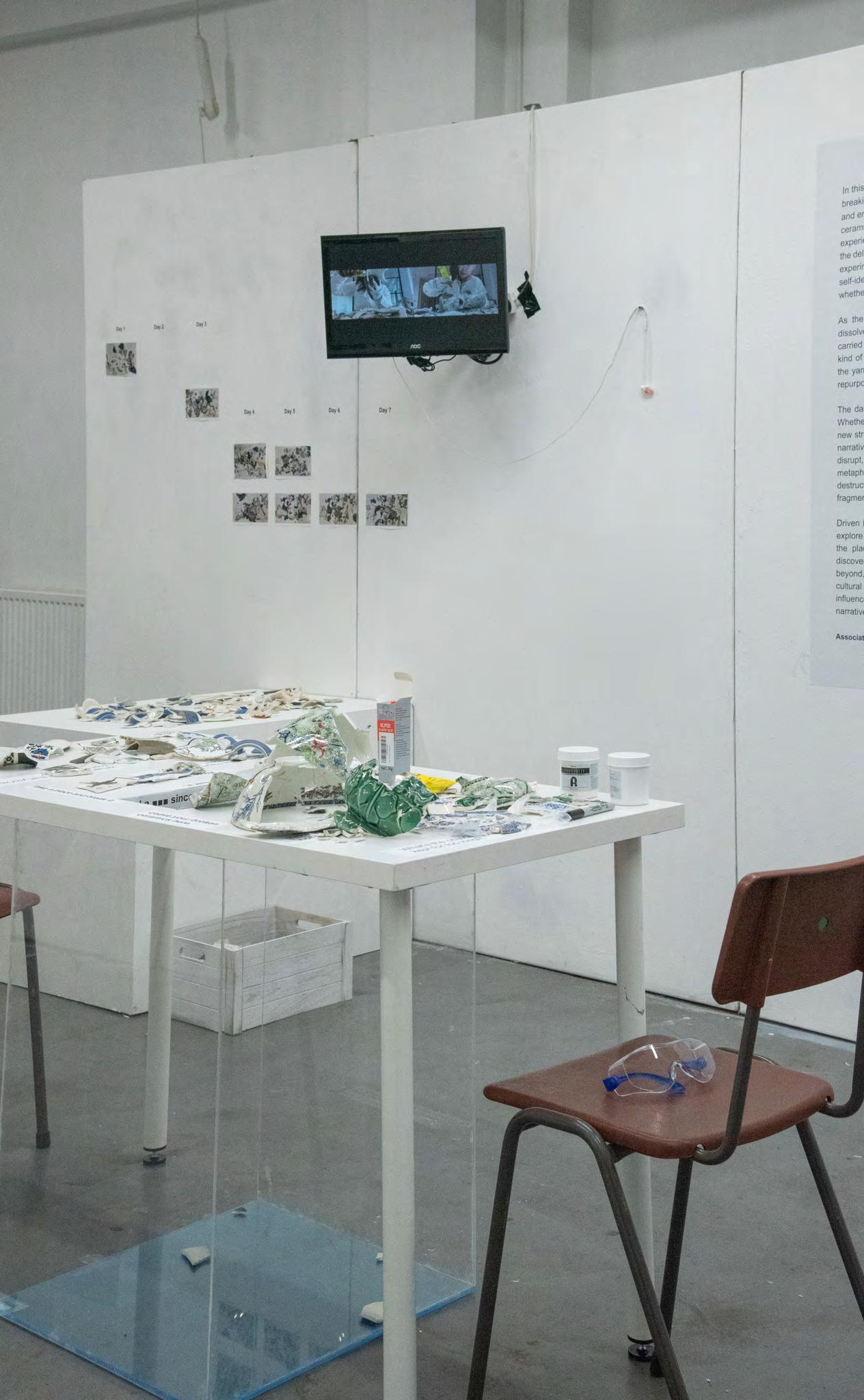
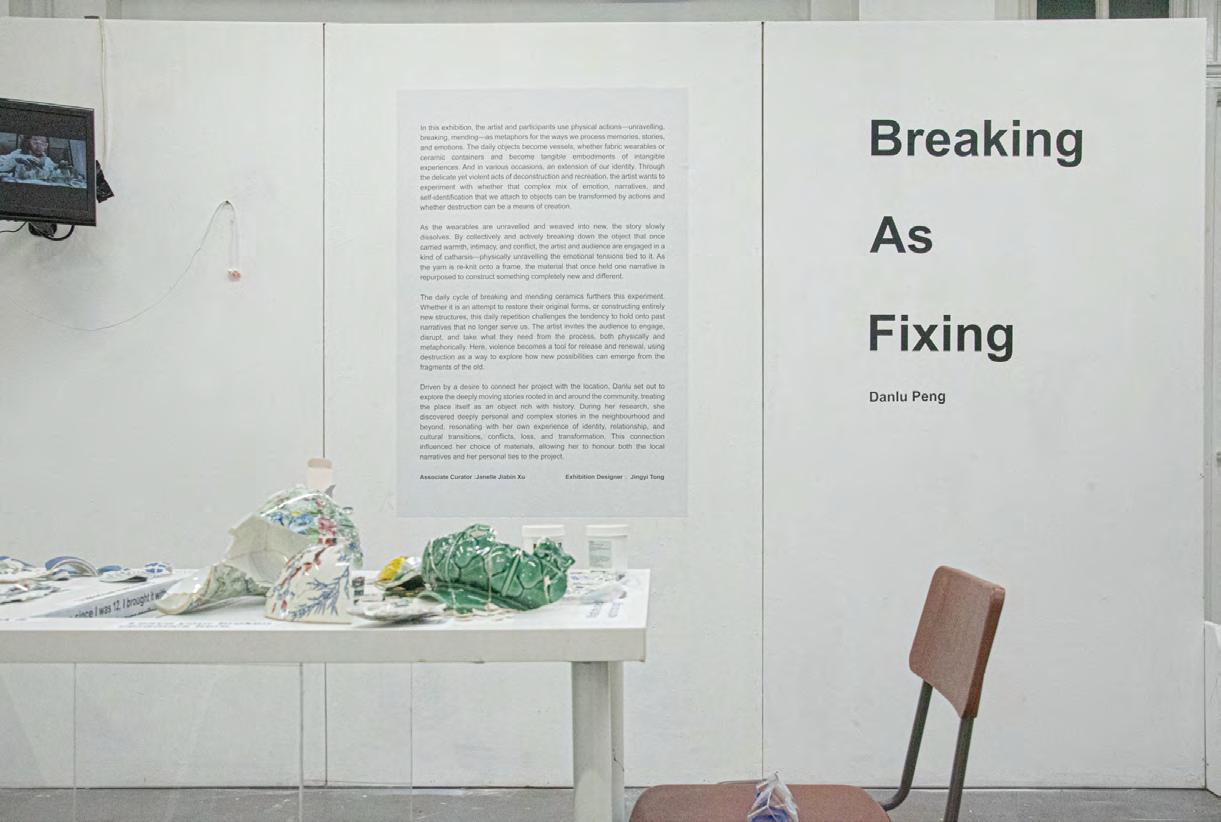
Breaking As Fixing
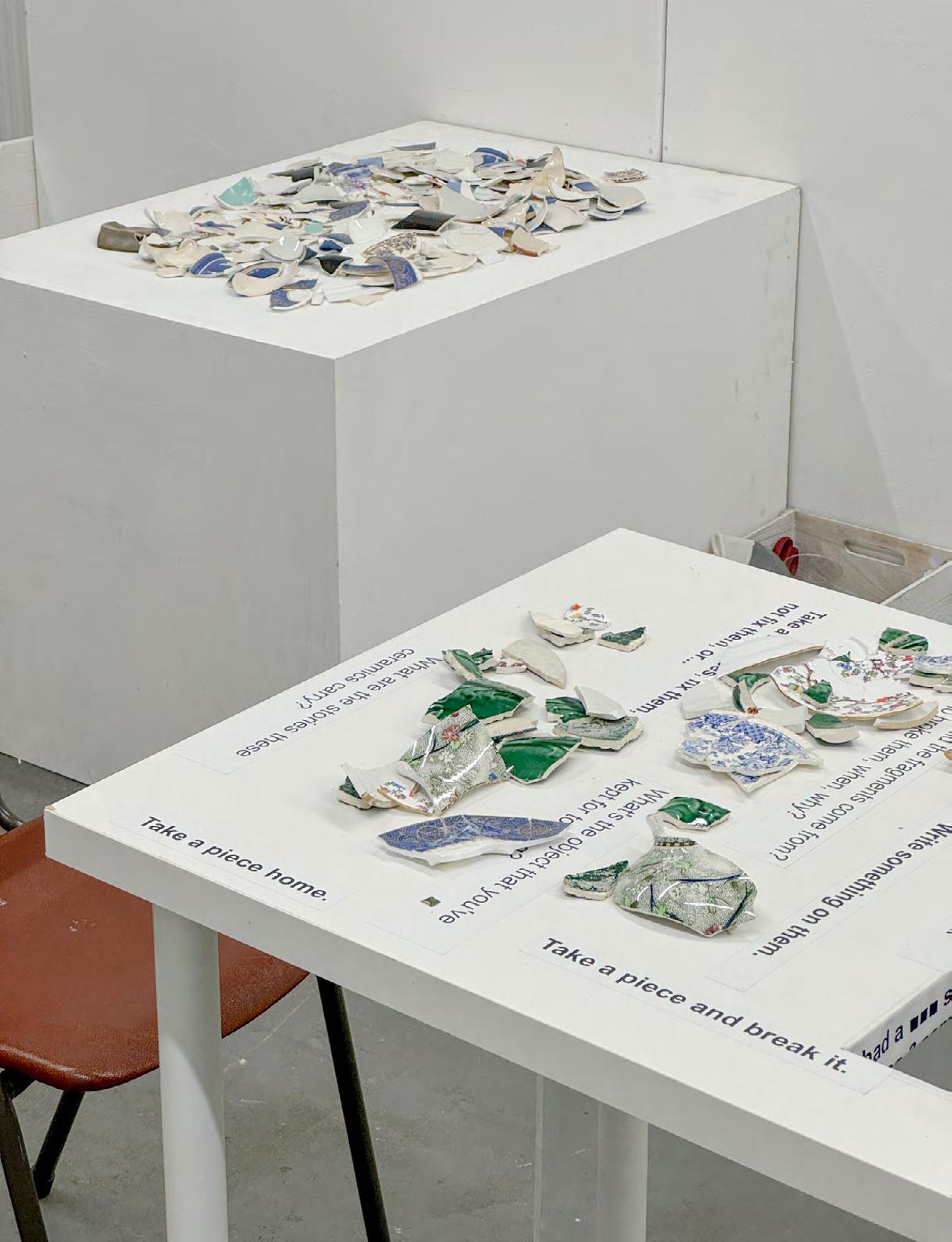
Solo exhibition with participatory workshops and performance, transforming repair into a creative process and inviting audiences to rethink fragility and resilience.
June, 2024, Slash Arts, London, UK
Finding Solace, Slash Arts, London, UK
Site-specific exhibition staged inside a narrowboat, balancing technical installation challenges with media outreach and accessible audience engagement.
Craft & Culture
09-20 May, 2025, London Craft week, Crowmwell Place, London, UK
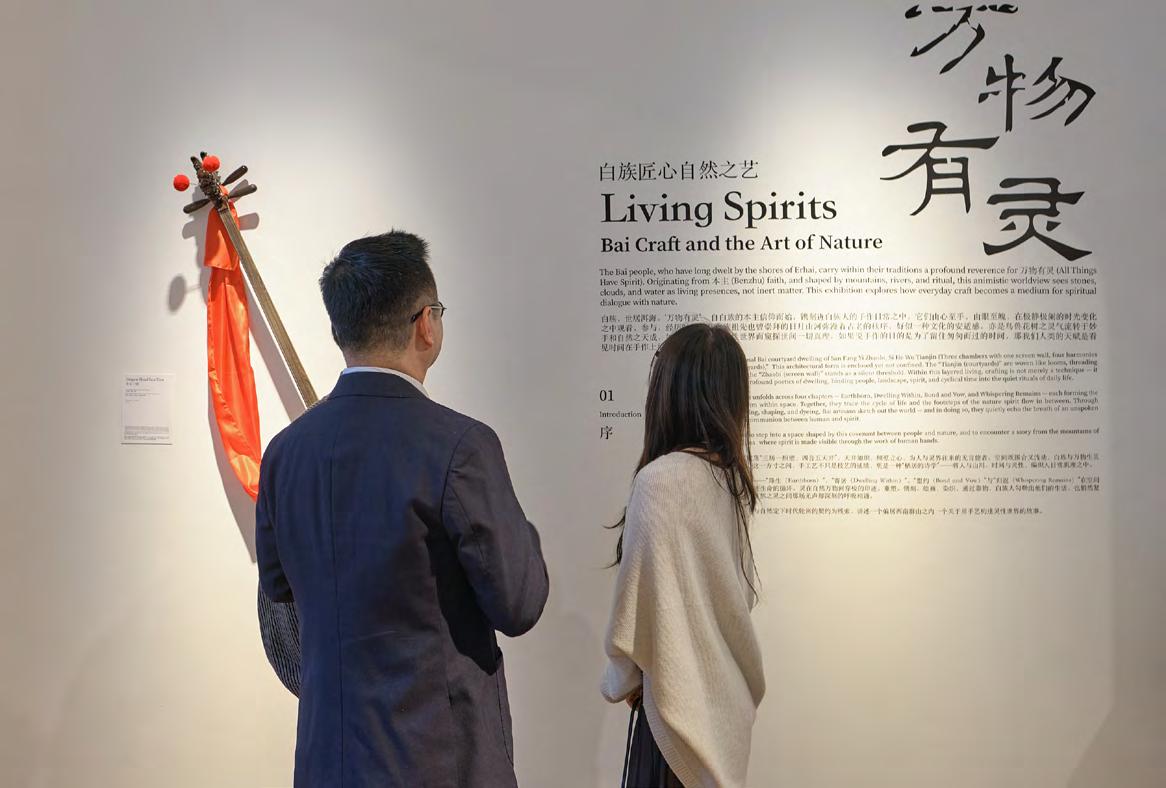
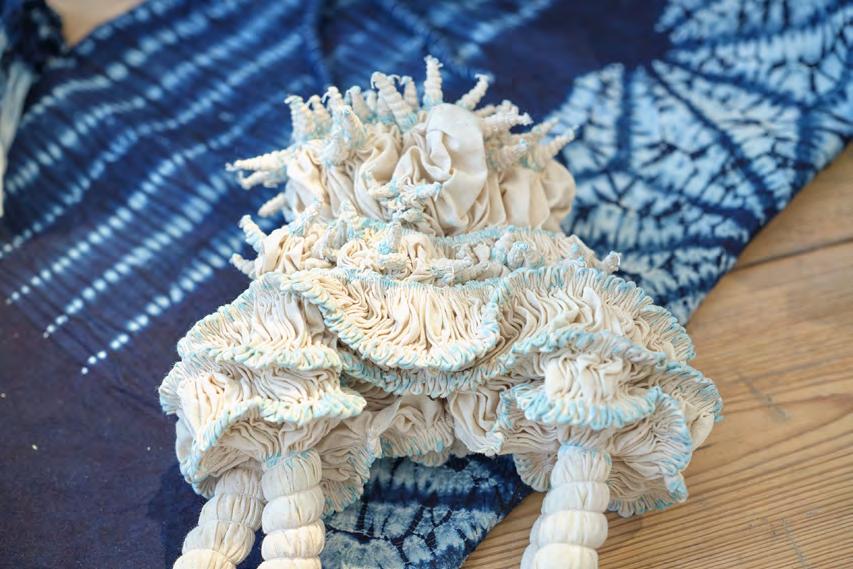
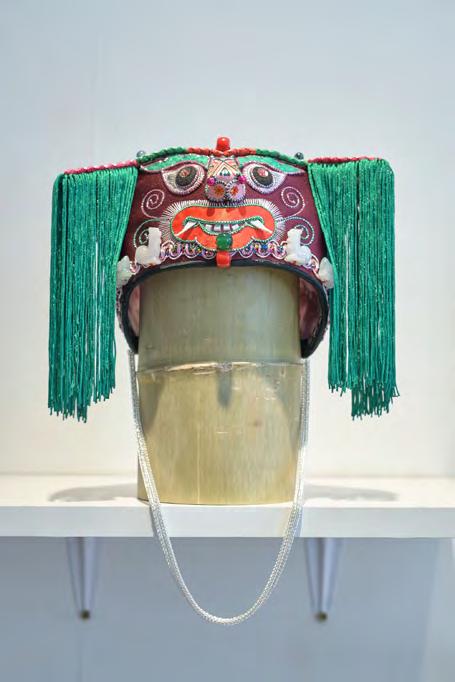
Curated exhibition using architectural narrative to present Bai minority craft traditions and animistic beliefs, connecting material culture with cultural memory.
Living Spirits Spring Returns To The Earth
Co-curated cross-cultural exhibition between Chinese and UK artists, exploring place, seasonal cycles, and artistic practice through spatial dialogue.
The Story of Stone, London Craft week, Gallery@oxo, London, UK
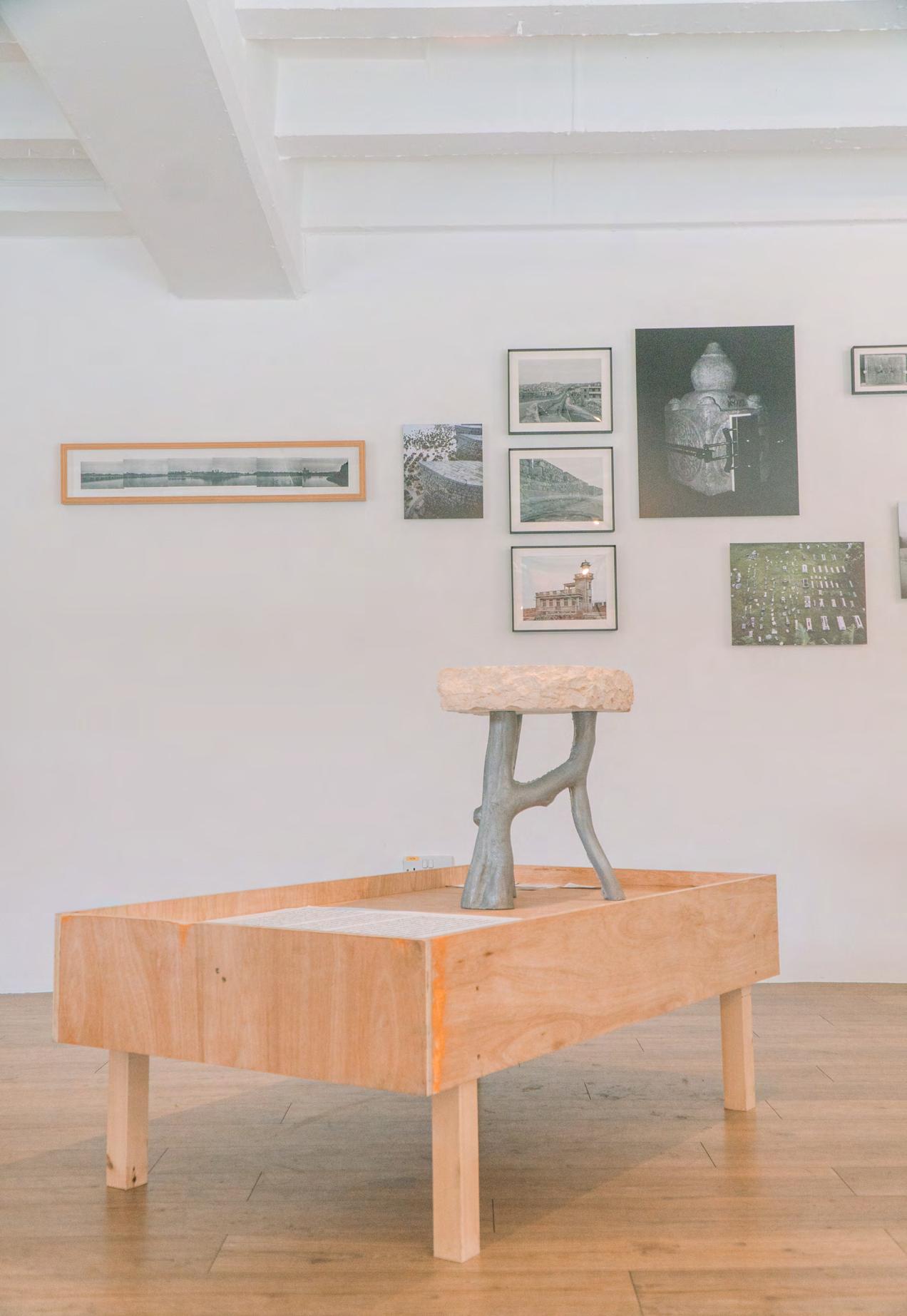
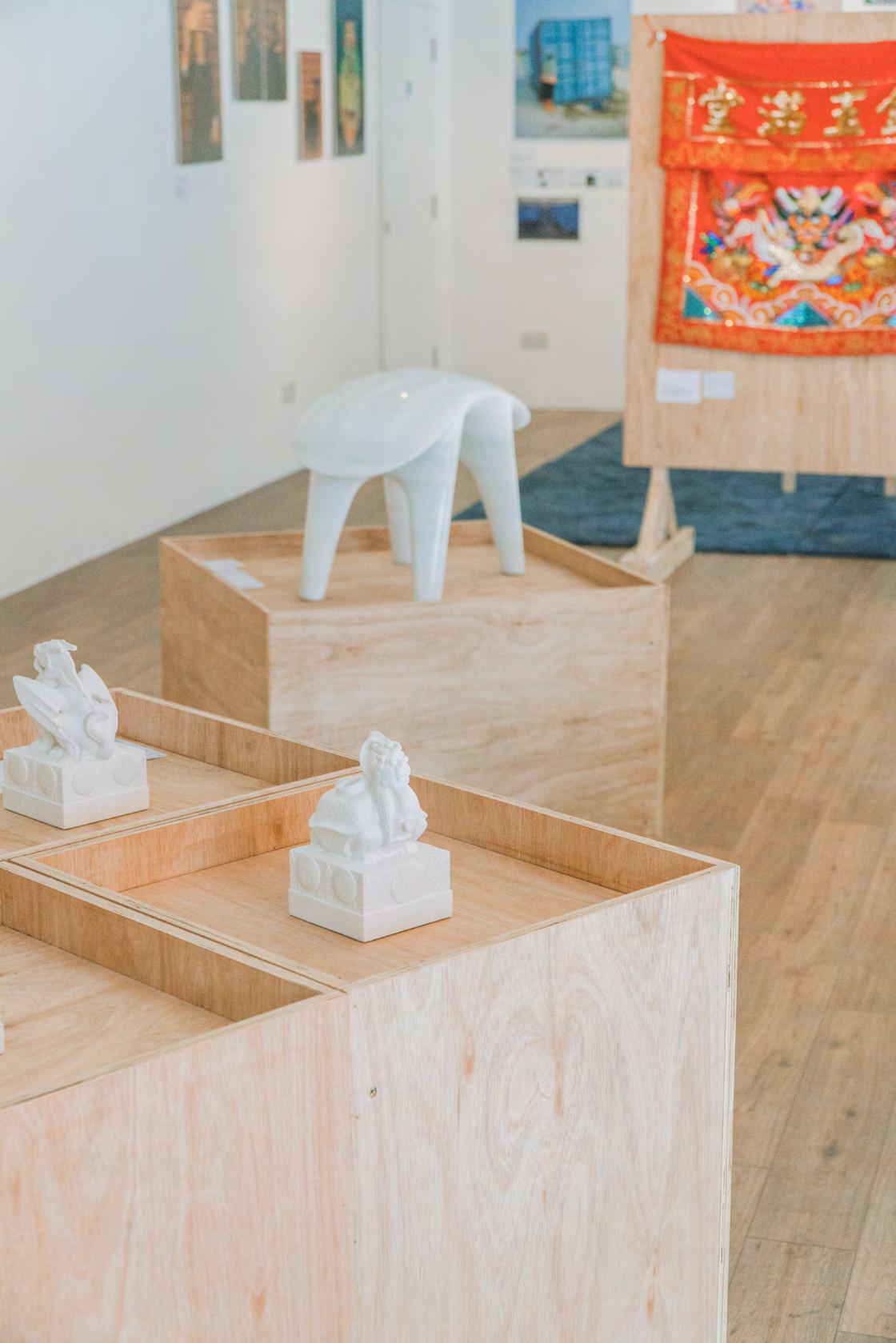
Contributed to curatorial research, spatial design, and fabrication, exploring stone as a cultural medium and symbol along the Maritime Silk Road.
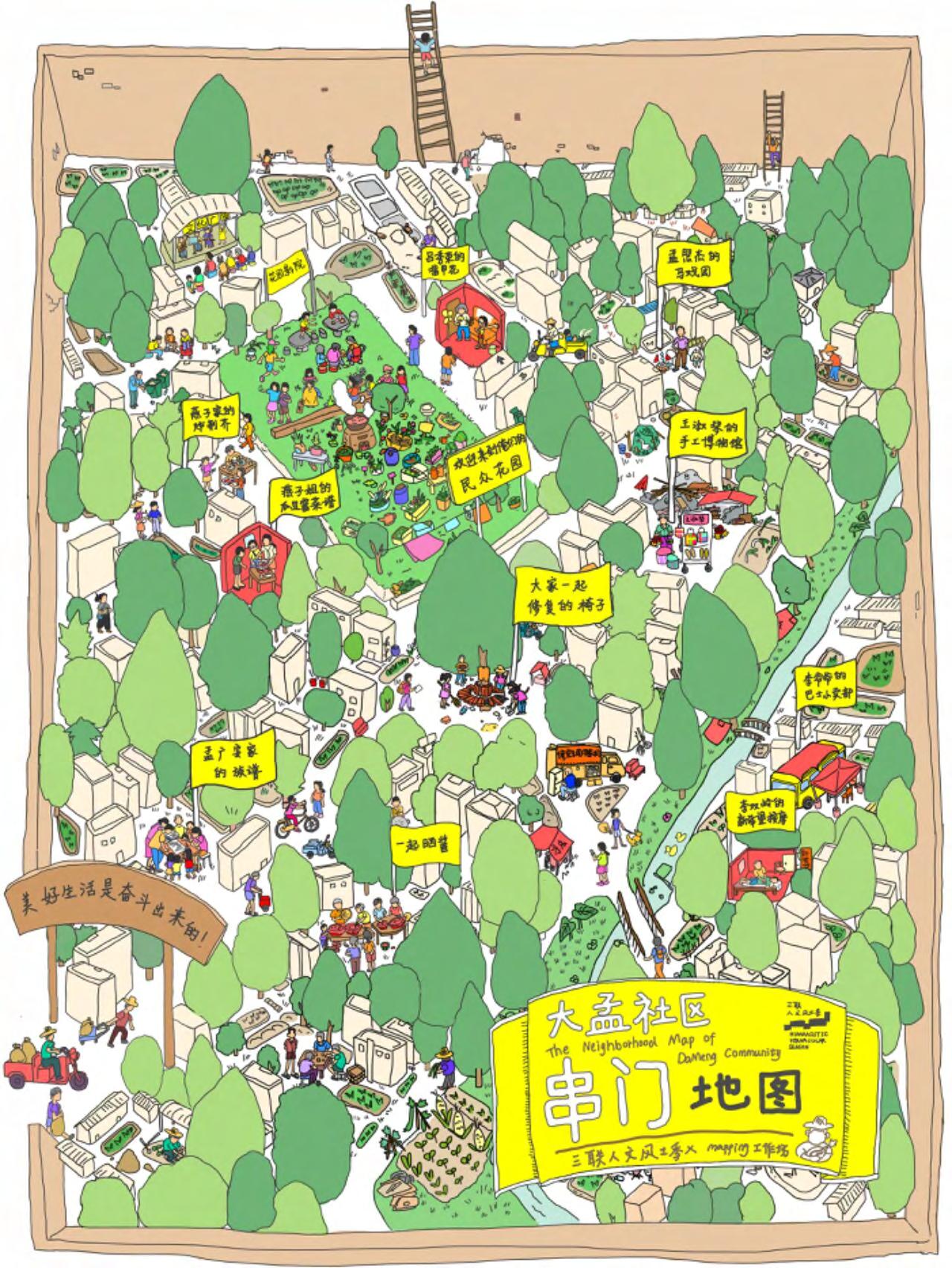
Floating with A Yi DaMeng Mapping Workshop
June, 2025, Camberwell Art festival, London, UK
Alternitive Space, Public Participation, Community Engagement
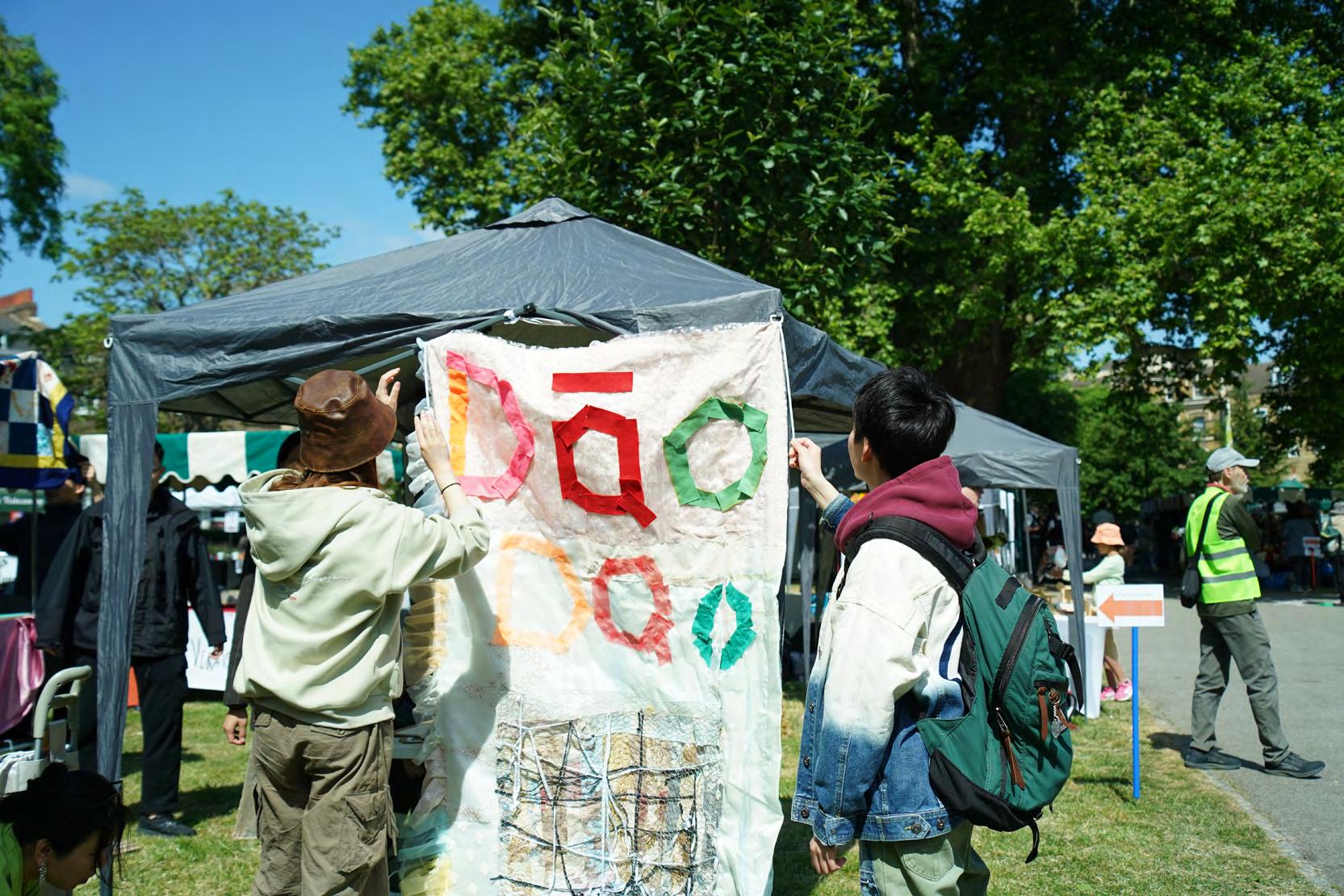
It’s a community project by the Camberwell Mapping Workshop, focusing on female immigrants in local restaurants across Camberwell and Peckham.
It features stories from Asian “A Yi” (a Chinese term for auntie), told through food, plants, and small merchandise display. Each contribution reflects identity and care. The goal: to connect Asian culture and local community through shared tastes and everyday stories.
Participatory Mapping, Vernacular Craft Repair, Community Care
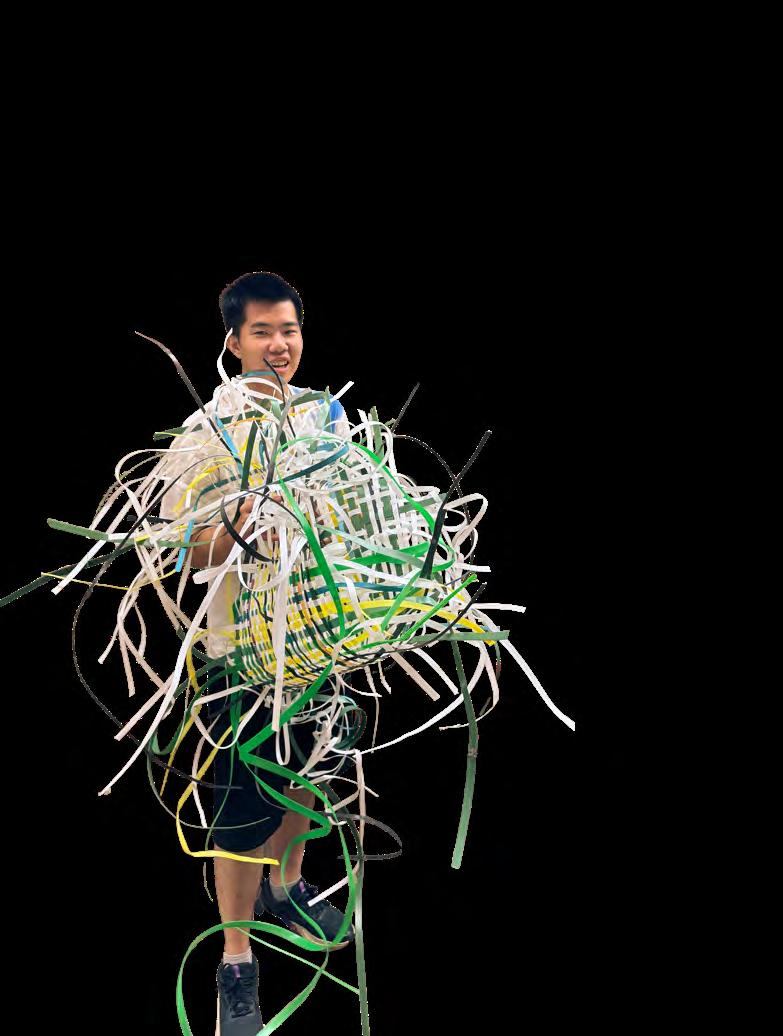
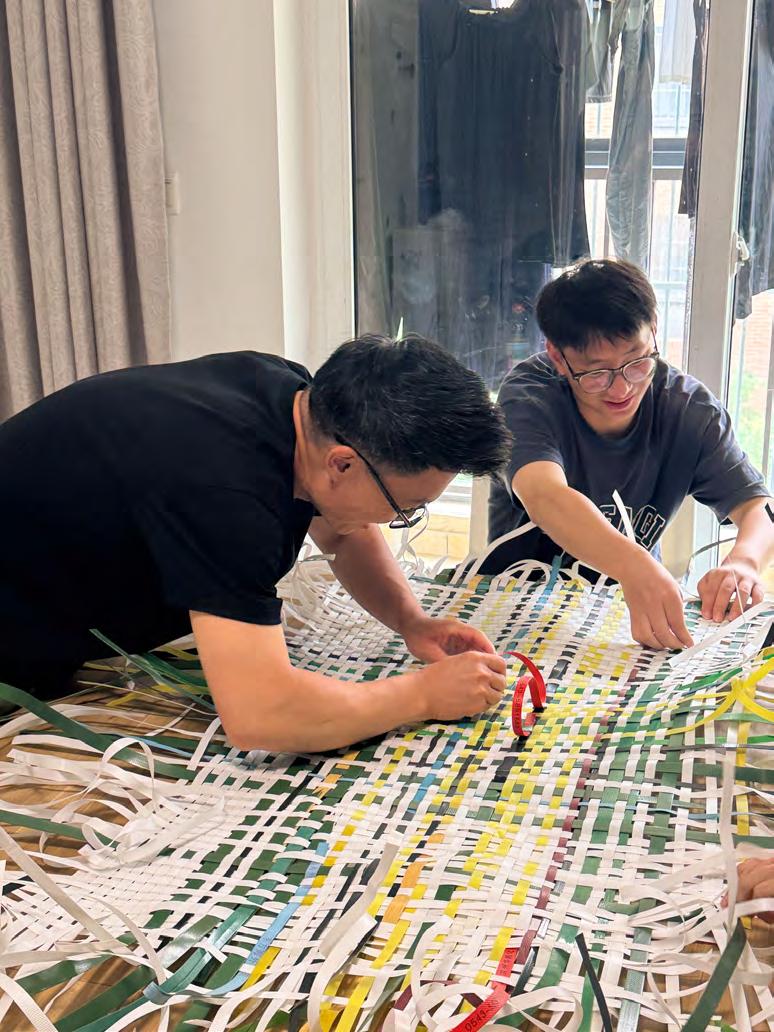
Over a 10-day residency combining fieldwork and social practice, the project treats mapping as a way to read, act in, and re-compose a neighbourhood. Last year, under Grandma Ma’s guidance, workshop participants learned a weaving technique to functionally repair a chair— testing how vernacular craft sustains use and memory. This year, a new cohort applied the same technique to an abandoned basketball hoop, pursuing an artistic repair rather than a structural fix. The woven intervention does not restore playability; it restores attention. By wrapping and re-inscribing a familiar but neglected object, the work asks the community to see care, maintenance, and shared responsibility as public values. In this shift, from object utility to relational visibility—the project frames art as an act of making-visible, and repair as a language for mapping social ties.
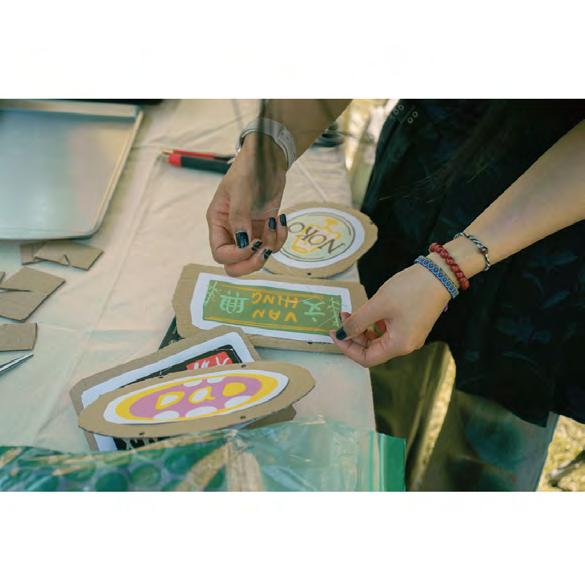
Interaction with Existing Restaurants: Through immersive field participation, meaningful dialogues with local Asian restaurants, especially women-led kitchen spaces, are established. By presenting dishes prepared by "A Yi," kitchen-grown plants, and artistic reinterpretations of restaurant branding, the exhibition underscores authentic micro-level cultural negotiations and connections among local Asian restaurants.
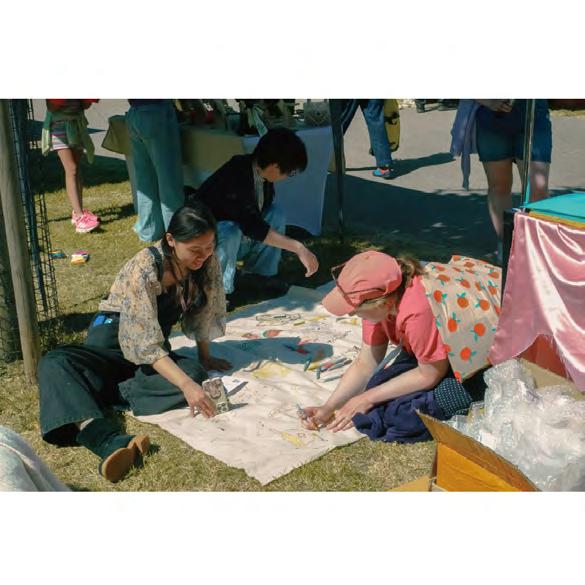
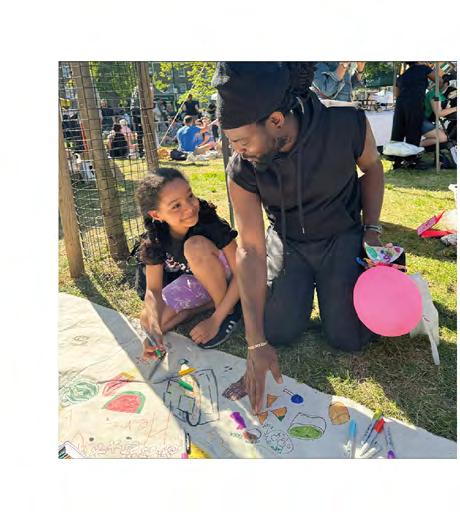
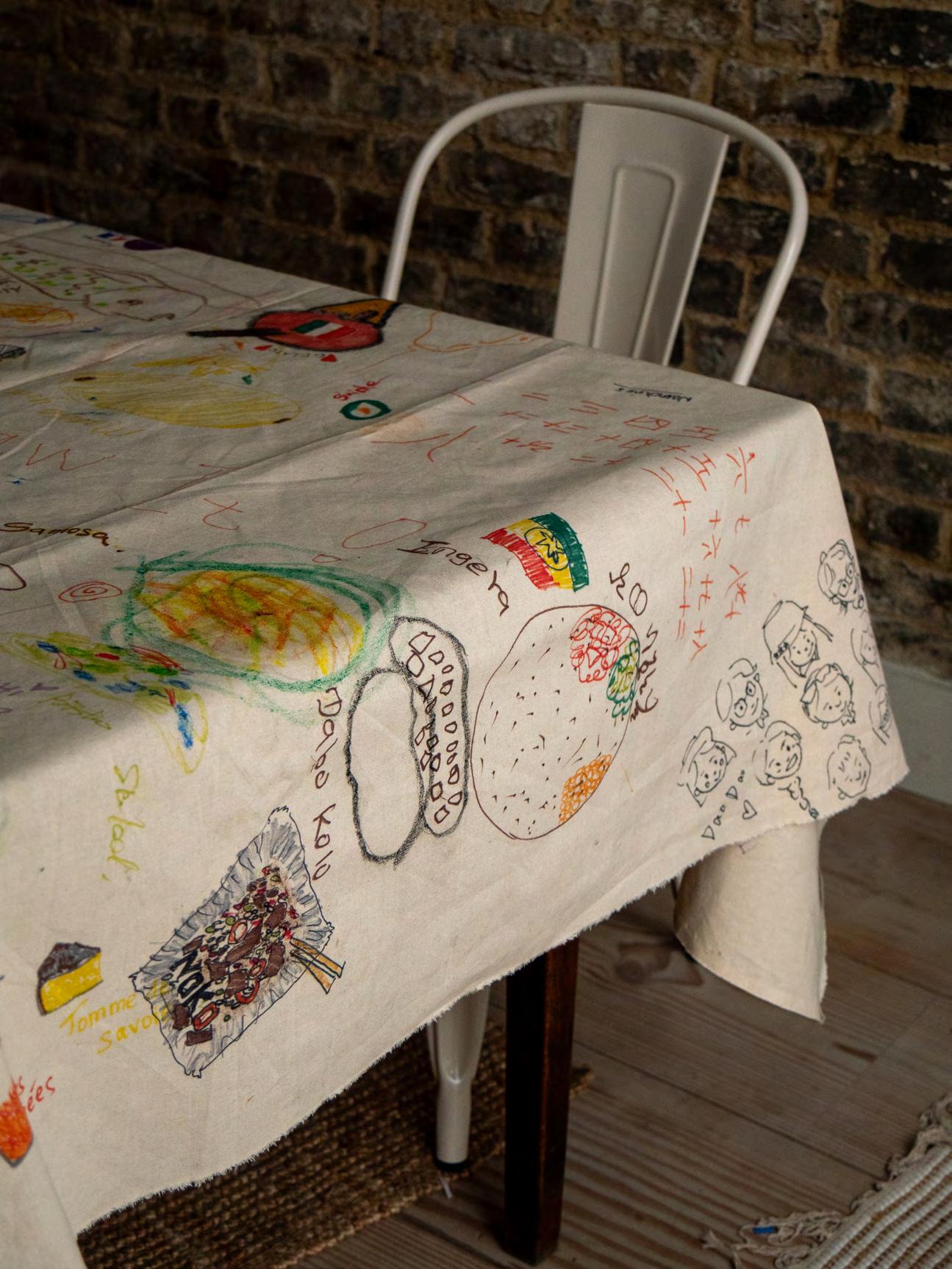
Building Conviviality with Camberwell: Extending into Camberwell’s public spaces—streets, markets, and green spaces—the project activates everyday opportunities for community coexistence through brief, casual interactions. Participatory workshops collect diverse community voices, utilizing food as social knowledge and family recipes as historical archives. These activities invite direct public engagement through shared food experiences, ingredients, and migration mapping, collaboratively addressing migration, identity, and cultural memory.
Mapping Methodology
From data to relation:
Mapping is treated not as a static diagram but as a practice of linking people, places, skills, and stories through situated actions.
Grounded inquiry:
Walking interviews, micro-inventories, and participant observation surface local materials, routines, and informal rules.
Craft as translation:
Vernacular techniques (e.g., Grandma Ma’s weaving) become interfaces that translate individual know-how into collective meaning.
Situated interventions:
Temporary, reversible acts (repairs, markings, ad-hoc signage) test hypotheses in the open, letting the site answer back.
Draw a Potluck Workshop
Yufei Lucía Jiang, Amber Yao
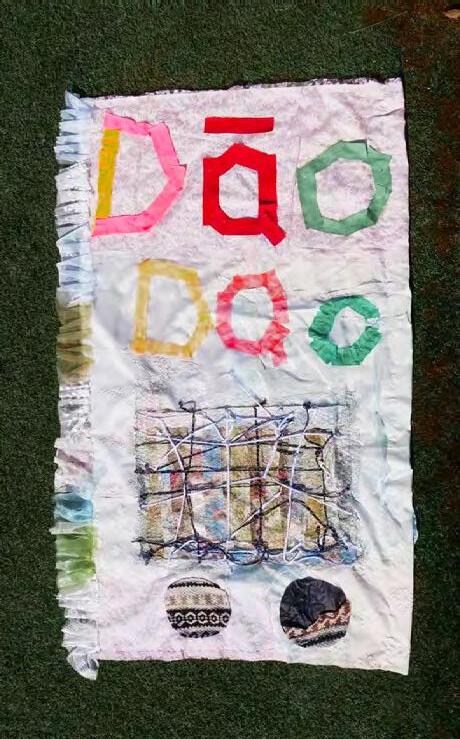
Daodao Kitchen Xinyu Liu
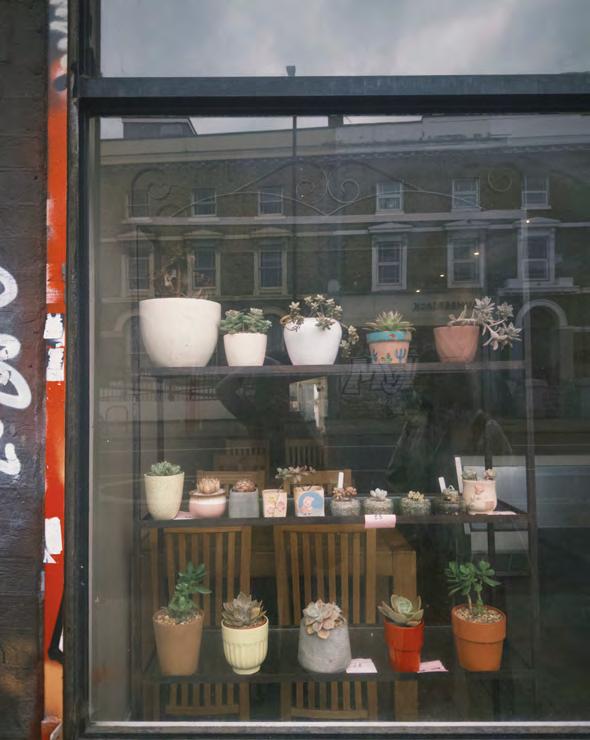
Wellmix Auntie’s Succulent Corner Skin II, Camouflage Yufei Lucía Jiang
Breaking As Fixing
25 October - 2 November, 2024, Applecart Arts, London, UK
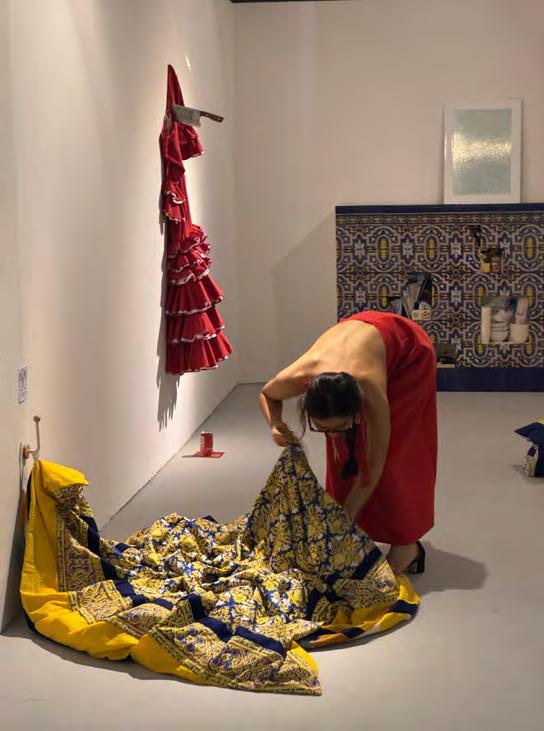
In this exhibition, the artist and participants use physical actions—unravelling, breaking, mending—as metaphors for the ways we process memories, stories, and emotions. The daily objects become vessels, whether fabric wearables or ceramic containers, and become tangible embodiments of intangible experiences. And on various occasions, an extension of our identity. Through the delicate yet violent acts of deconstruction and recreation, the artist wants to experiment with whether that complex mix of emotion, narratives, and self-identification that we attach to objects can be transformed by actions and whether destruction can be a means of creation. As the wearables are unravelled and weaved into new ones the story slowly dissolves. By collectively and actively breaking down the object that once carried warmth, intimacy, and conflict, the artist and audience are engaged in a kind of catharsis—physically unravelling the emotional tensions tied to it. As the yarn is re-knit onto a frame, the material that once held one narrative is repurposed to construct something completely new and different.
The daily cycle of breaking and mending ceramics furthers this experiment. Whether it is an attempt to restore their original forms, or constructing entirely new structures, this daily repetition challenges the tendency to hold onto past narratives that no longer serve us. The artist invites the audience to engage, disrupt, and take what they need from the process, both physically and metaphorically. Here, violence becomes a tool for release and renewal, using destruction as a way to explore how new possibilities can emerge from the fragments of the old.
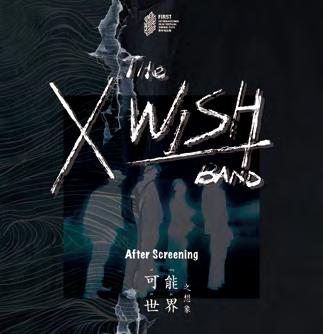
The Inmagination of Possible World
5-7 April, 2025, People's Republic of Stokes Croft, Bristol, UK
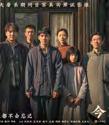
The program consists of three screenings over three consecutive days, aimed at offering a dialogue that transcends labels and identities. These films focus on the voices and experiences of young in contemporary society, exploring the complexities of their identities and struggles in a rapidly changing world. Through their stories, these films convey a sense of hope and open up possibilities for dialogue, encouraging reflection on new perspectives and the potential for change.
Beyond depicting reality, these films challenge traditional norms and ideological boundaries, offering alternative visions of life, new world orders, and possible futures. They invite the audience to not just reflect on the present, but to imagine what could be, pushing the limits of narrative and form, and expanding the possibilities of cinematic expression.
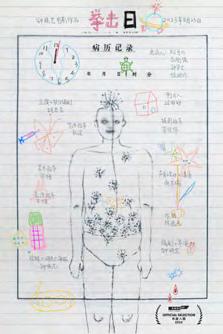
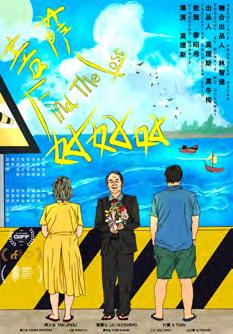
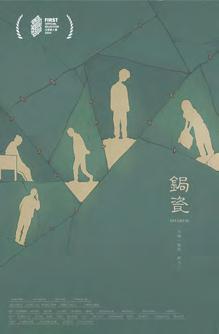
a) Feature Film Screening, Shards (2024, China, Drama, Directed by Jiang Yuzhi, 94 mins)
b) Feature Film Screening, Fisherman (2024, China, Documentary, Directed by Liang Rong, 106 mins)
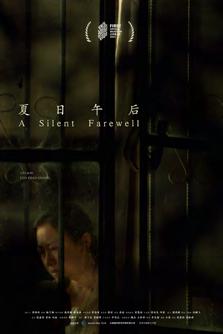
c) Short Film Screening Collection,The Novelist (2024, China, Drama Short, Directed by Xu Yizhong, 25 mins), Find the Lost (2024, China, Drama Short, Directed by Morris, 20 mins), A Silent Farewell (2024, China, Drama Short, Directed by Luo Zhaoguang, 14 mins), Baozhda (2024, China, Drama Short, Directed by Ke Ran Abukasim, 25 mins)
List of works
Poster
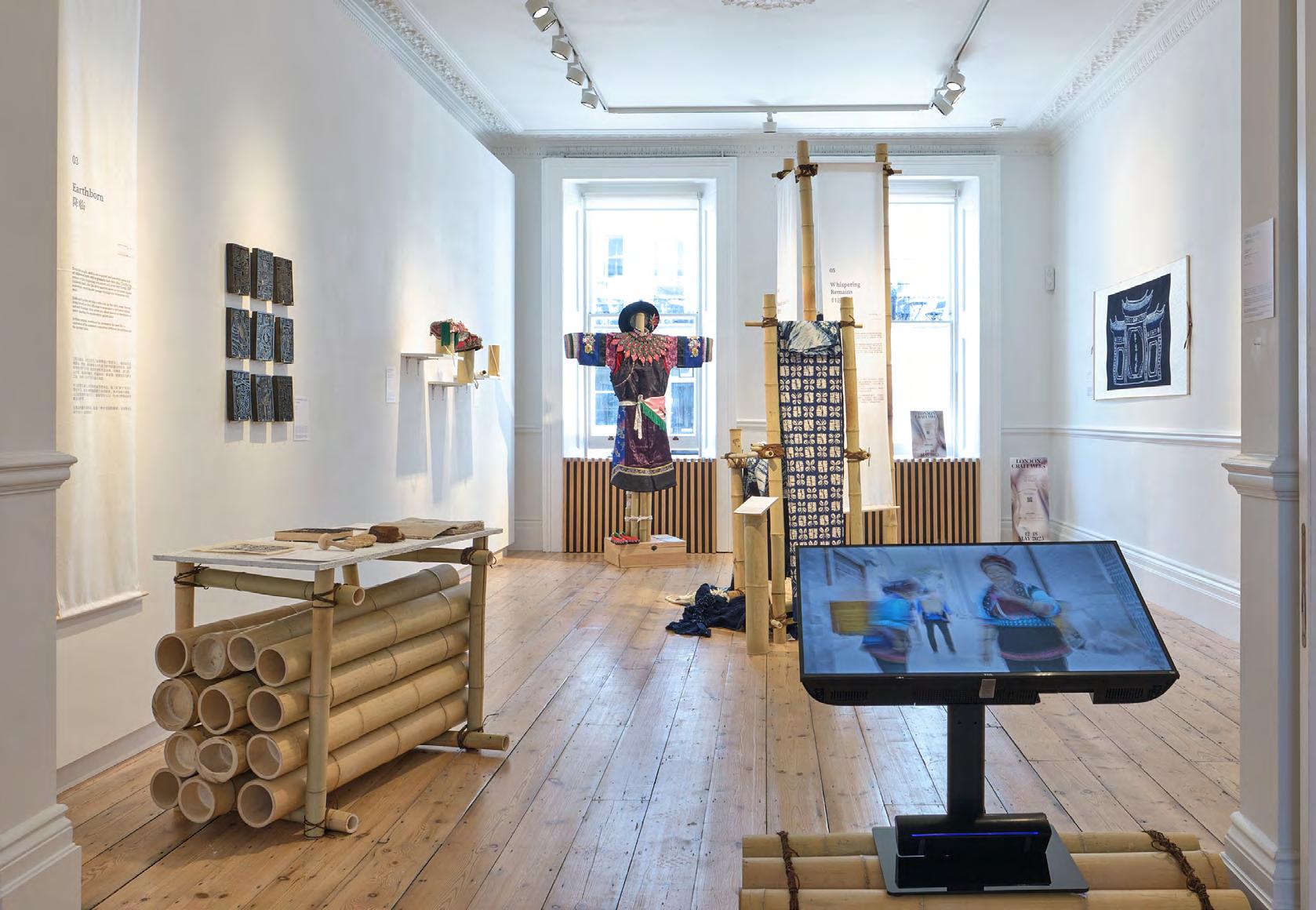
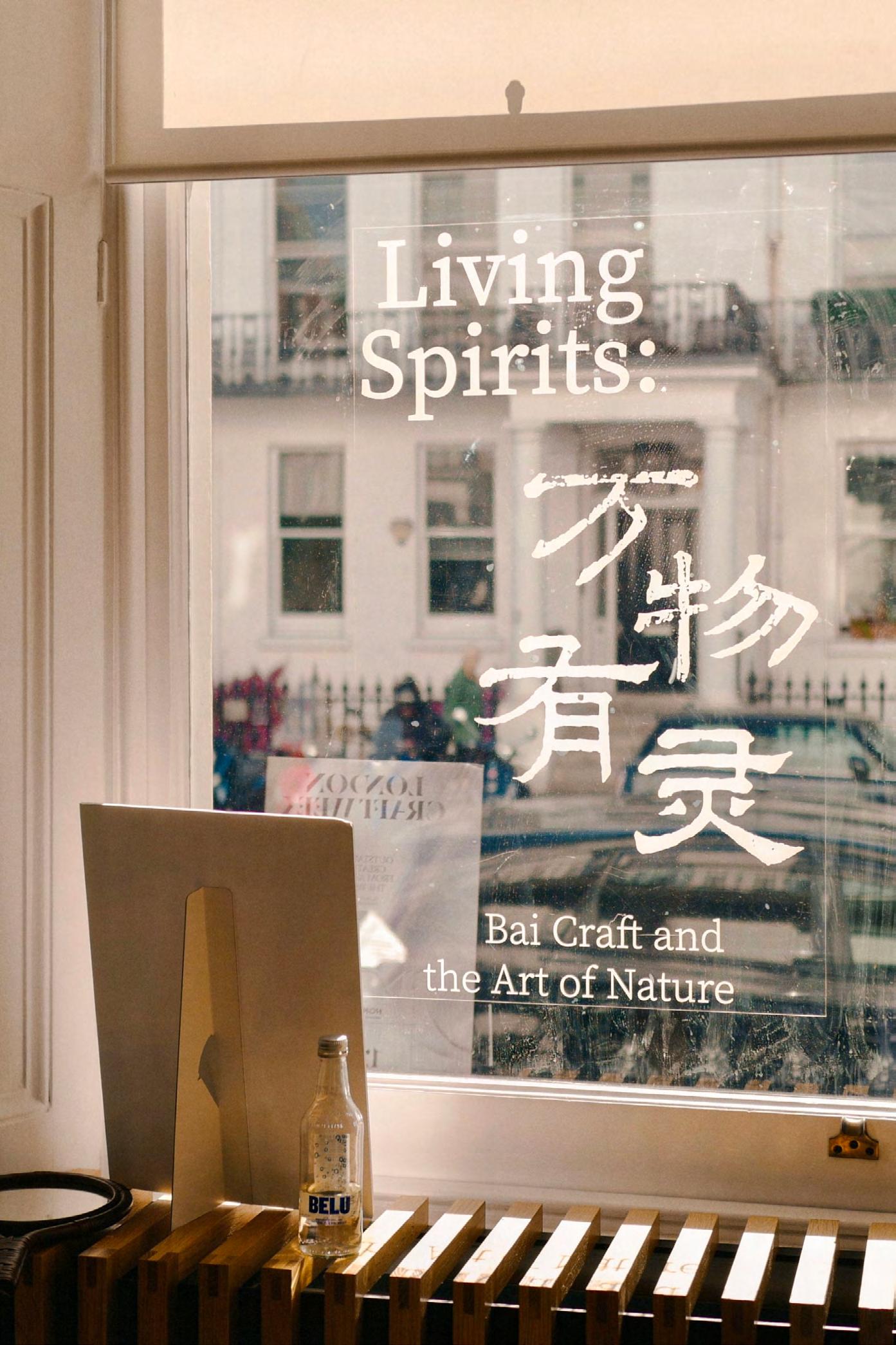
Living Spirits
10-18 May, 2025, London Craft week, Crowmwell Place, London, UK
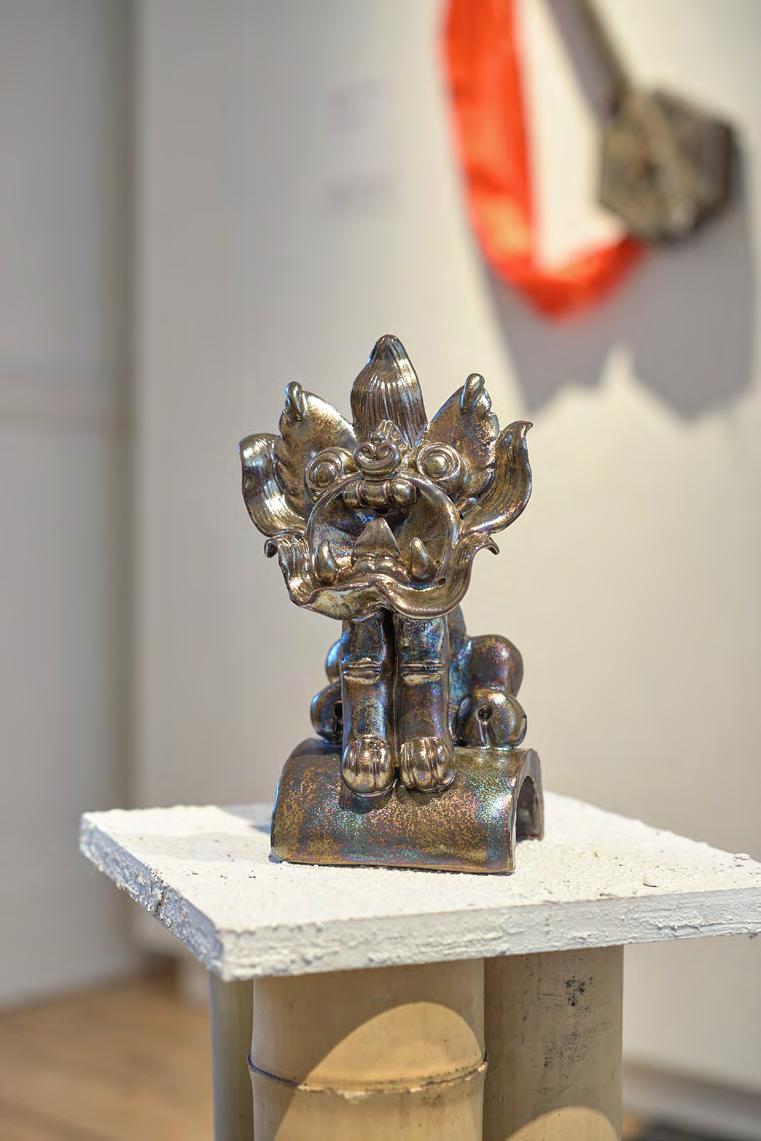
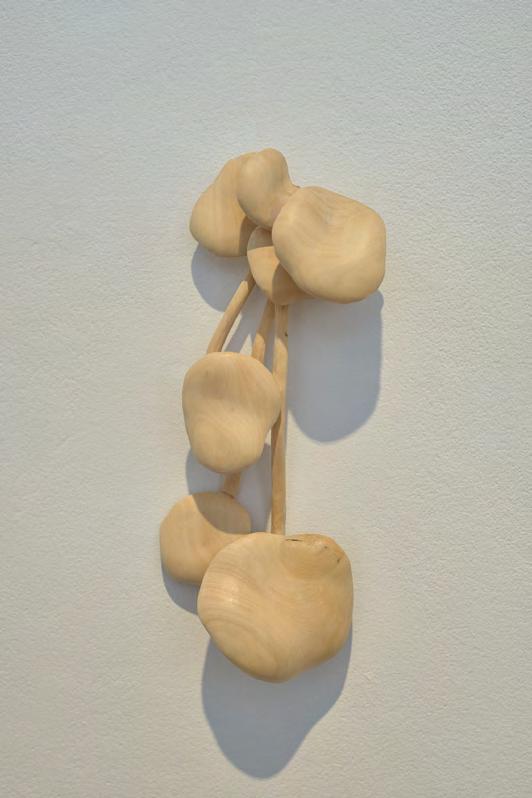
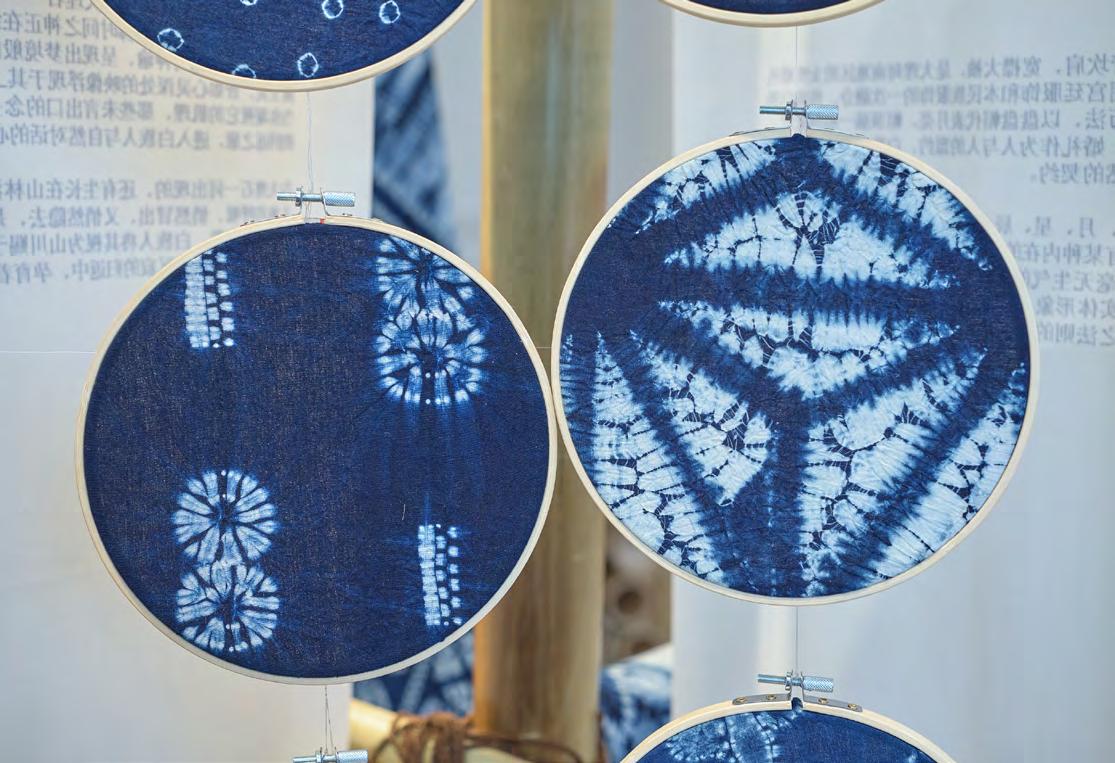
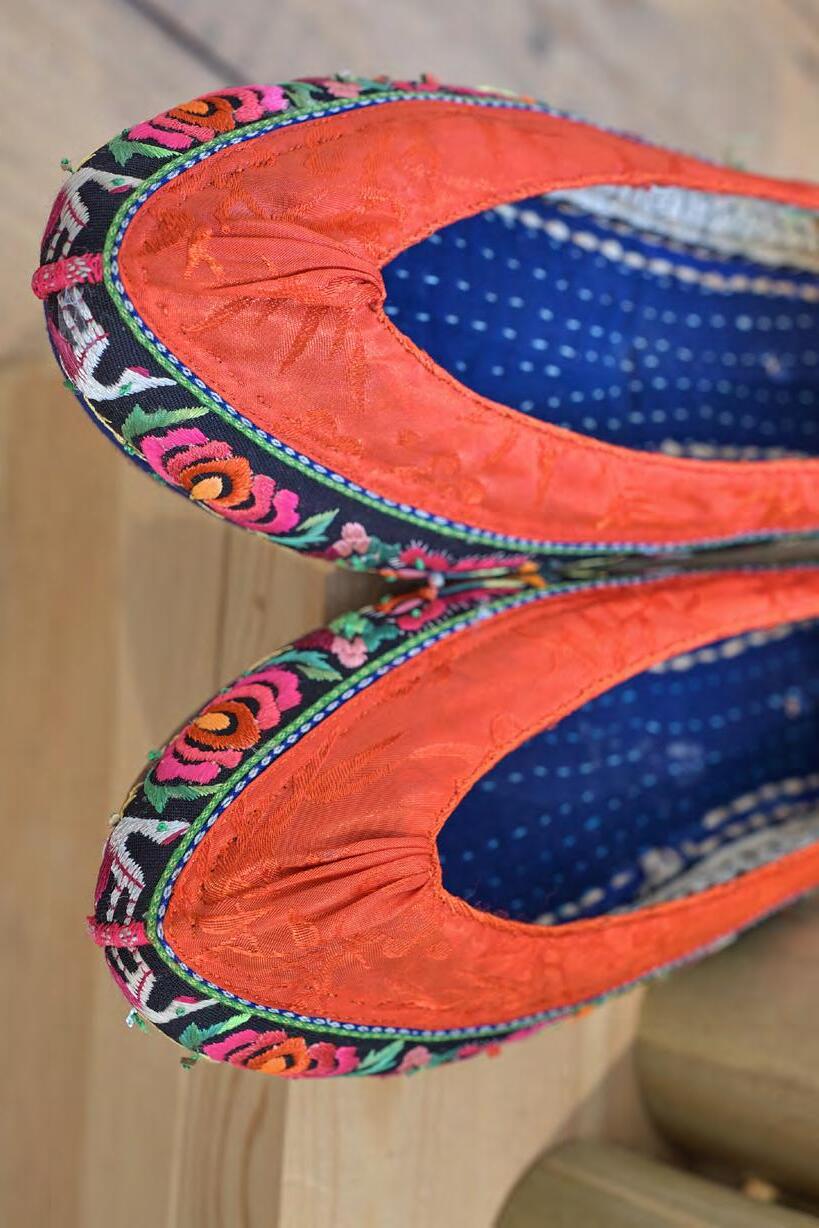
The Bai people, who have long dwelt by the shores of Erhai, carry within their traditions a profound reverence for 万物有灵 (All Things Have Spirit). Originating from 本主 (Benzhu) faith, and shaped by mountains, rivers, and ritual, this animistic worldview sees stones, clouds, and water as living presences, not inert matter. This exhibition explores how everyday craft becomes a medium for spiritual dialogue with nature.
In the traditional Bai courtyard dwelling of San Fang Yi Zhaobi, Si He Wu Tianjin (Three chambers with one screen wall, four harmonies and five courtyards),” This architectural form is enclosed yet not confined. The “Tianjin (courtyards)” are woven like looms, threading starlight, and the “Zhaobi (screen wall)” stands as a silent threshold. Within this layered living, crafting is not merely a technique — it emerges as a profound poetics of dwelling, binding people, landscape, spirit, and cyclical time into the quiet rituals of daily life.
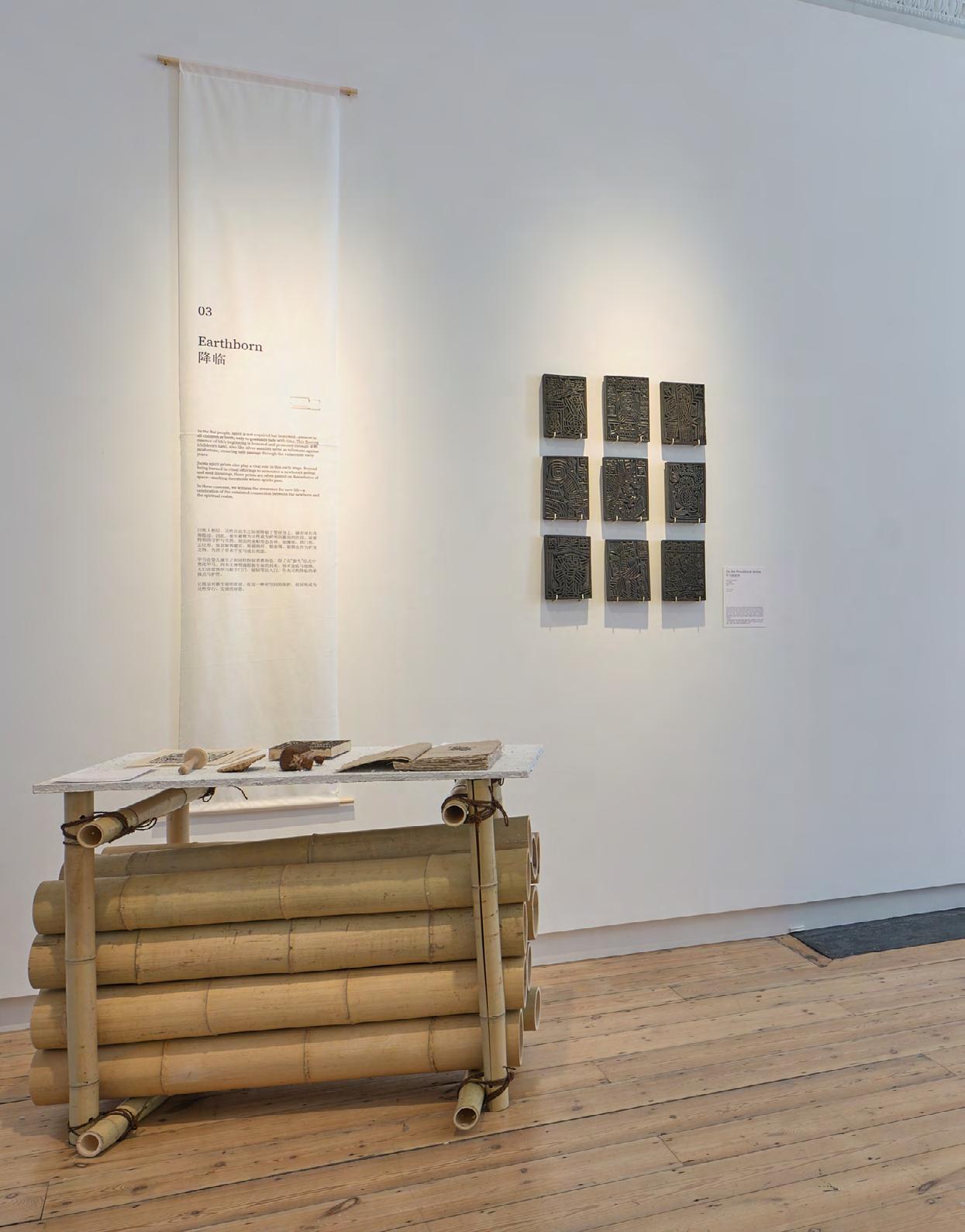
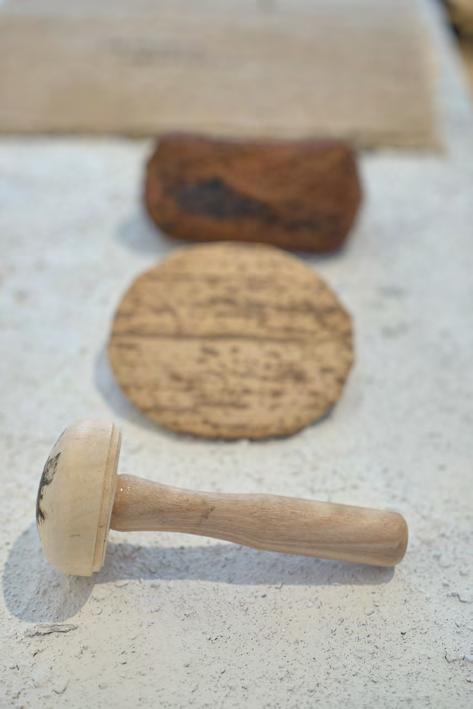
This exhibition unfolds across four chapters — Earthborn, Dwelling Within, Bond and Vow, and Whispering Remains — each forming the enclosed rhythm within space. Together, they trace the cycle of life and the footsteps of the nature spirit flow in between. Through carving, stitching, shaping, and dyeing, Bai artisans sketch out the world — and in doing so, they quietly echo the breath of an unspoken but enduring communion between human and spirit.
The Story of Stone
15-19 May, 2024, London Craft week, Gallery@oxo, London, UK
Installation on site, intangible heritage, craft traditions, Nanyin performance
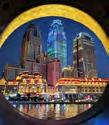
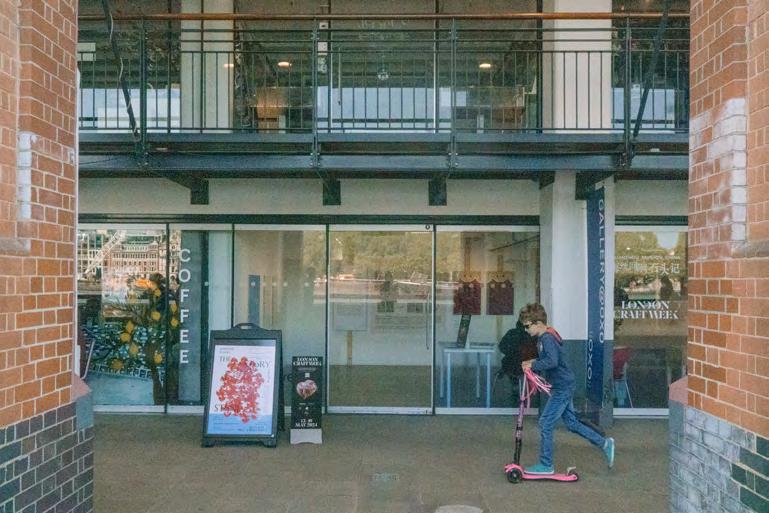
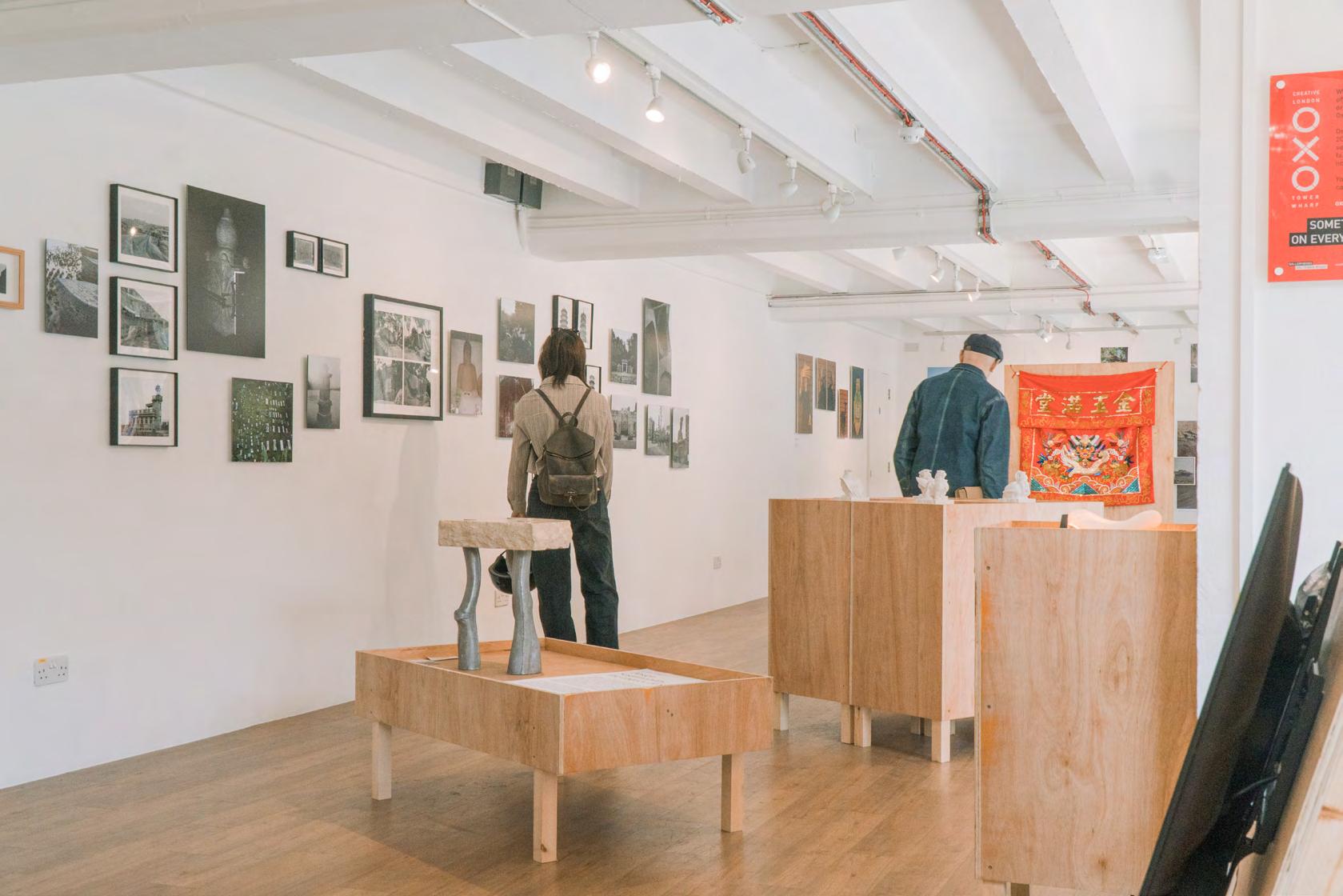
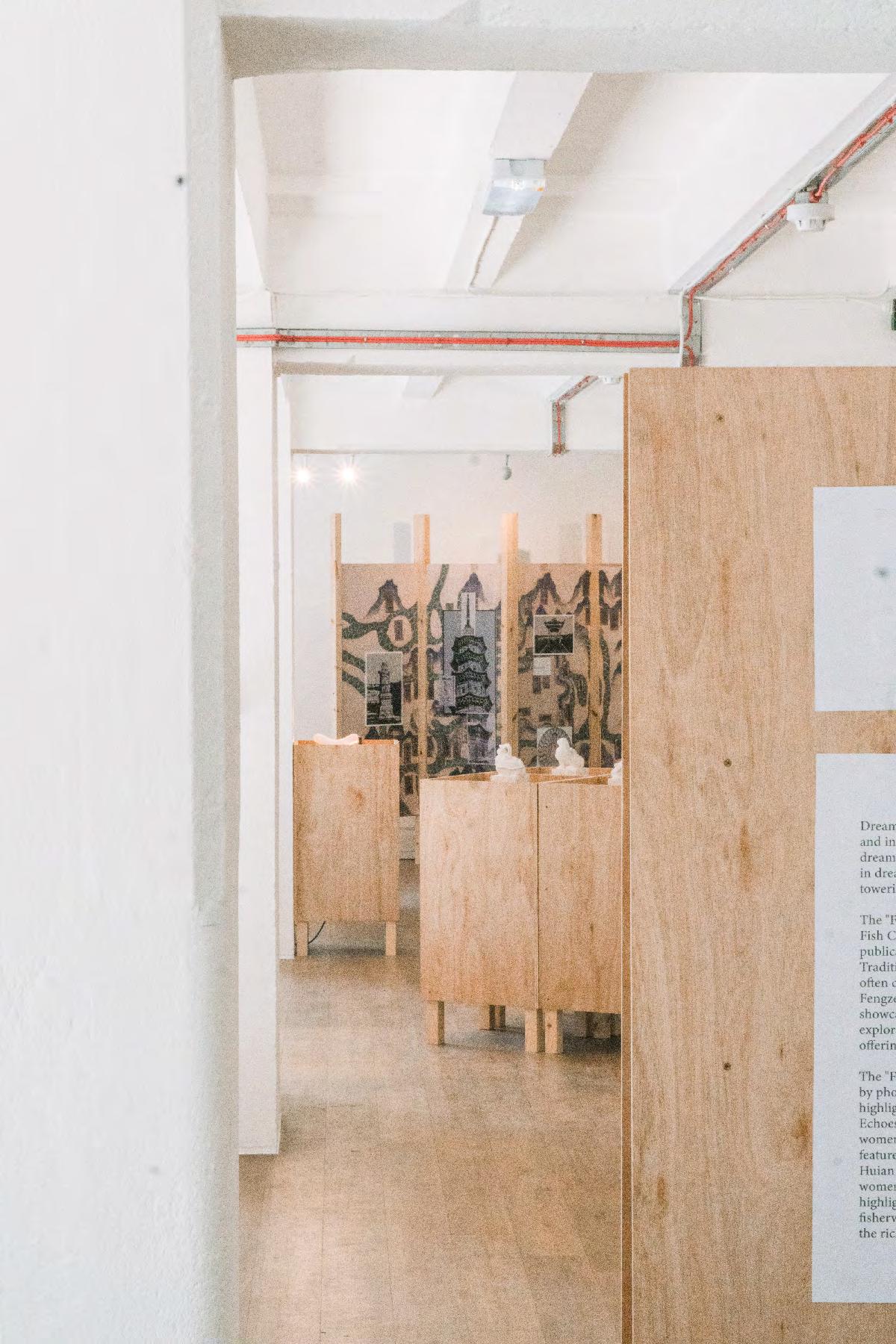
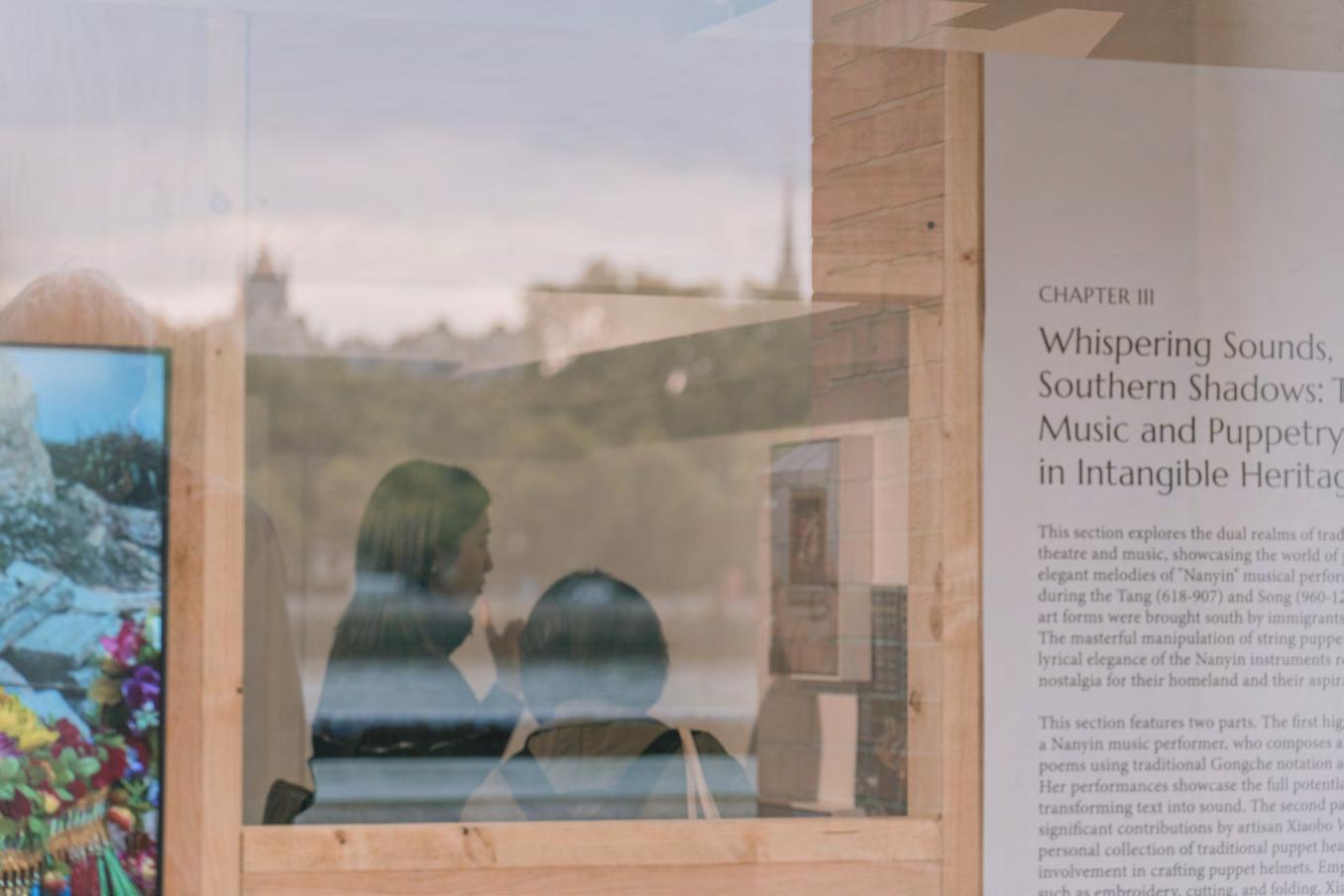
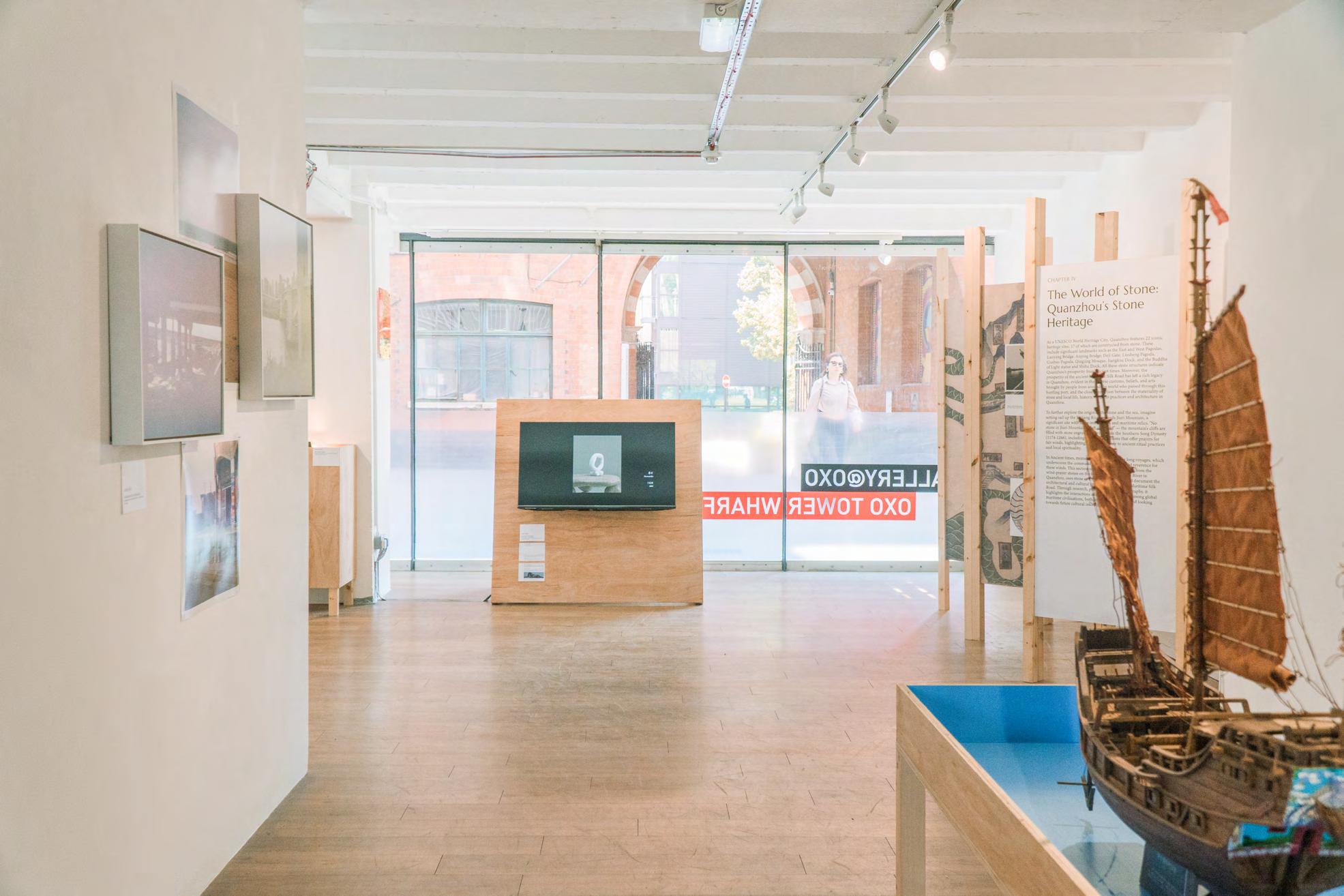
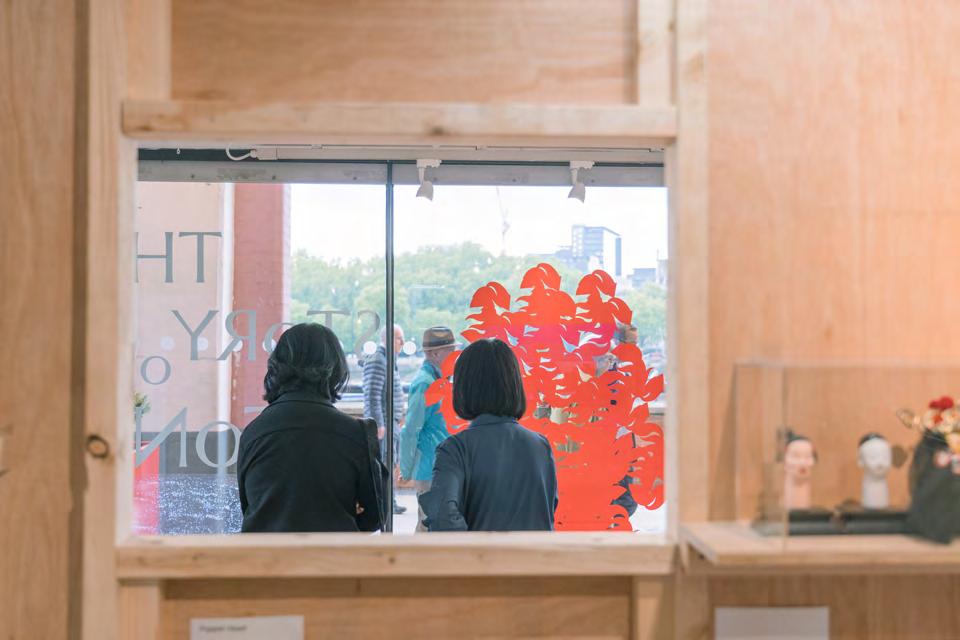
This exhibition explored the cultural and spiritual significance of stone in Chinese life, where it has long been regarded as both a material foundation and a source of vitality. Supported by the Cultural Section of the Chinese Embassy in the UK, the show presented at Gallery@Oxo during London Craft Week 2024 highlighted Quanzhou—a UNESCO World Heritage city and the starting point of the Maritime Silk Road—as a locus of maritime culture and craft traditions.
Bringing together intangible cultural heritage practitioners, artists, designers, and cultural institutions from Quanzhou, Xiamen, and Guangzhou, the exhibition used “stone” as a curatorial medium to connect histories of seafaring, local knowledge, craft traditions, and coastal culture. Alongside the exhibition, a Nanyin performance introduced audiences to the classical music traditions of southern Fujian, extending the sensory and cultural resonance of the Maritime Silk Road into the London context.