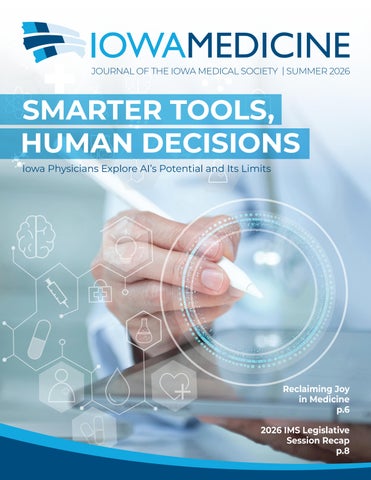

SMARTER TOOLS, HUMAN DECISIONS
Iowa Physicians Explore AI’s Potential and Its Limits
•
•

•
•
•
•
Better health care — together
At Wellmark, our members are at the center of everything we do. Ensuring they have the care they need, when and where they need it, is central to our mission of making health care better.
Thank you to the thousands of providers who share our commitment.


MISSION:
To advance the practice of medicine through advocacy, education, and engagement with physicians throughout Iowa to ensure the highest quality of care for the patients they serve.
VISION:
To be the leading voice in medicine to make Iowa a premier destination for physicians to live, work, and serve their communities.
CONTACT US:
Iowa Medicine
515 E. Locust St., Ste. 400 Des Moines, IA 50309
Phone: 515.223.1401
PRESIDENT:
Lillian Erdahl, MD
CEO: Steven W. Churchill, MNA
EXECUTIVE EDITOR: Josie Sylte
ART DIRECTOR: Kelsey Wolfe
TO ADVERTISE:
Contact Heather Lee
Phone: 515.421.4776
Email: hlee@iowamedical.org
SUBSCRIPTIONS:
Annual Subscription $45
IOWA MEDICINE, JOURNAL OF THE IOWA MEDICAL SOCIETY (ISSN 0746-8709), published quarterly by the Iowa Medical Society, 515 E. Locust St., Ste. 400, Des Moines, IA 50309
Periodicals postage paid at Des Moines, Iowa and at additional mailing offices.
POSTMASTER:
Send address changes to Iowa Medicine, 515 E. Locust St., Ste. 400, Des Moines, IA 50309
EDITORIAL CONTENT:
The Iowa Medical Society is unable to assume responsibility for the accuracy of submitted material. Editorial inquiries should be directed to the Executive Editor, Iowa Medicine: jsylte@iowamedical.org
Copyright 2025-2026
Iowa Medical Society: Opinions expressed by authors do not necessarily represent the official policy of the Iowa Medical Society. Iowa Medicine does not assume responsibility for those opinions. Products and services advertised in Iowa Medicine are neither endorsed nor guaranteed by the Iowa Medical Society unless specifically noted.



RECLAIMING JOY IN MEDICINE
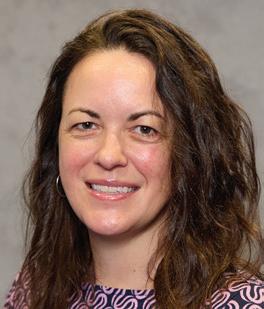
LILLIAN ERDAHL, MD 177th President of the Iowa Medical Society
In this address from the 2026 IMS President’s Dinner, Lillian Erdahl, MD, calls on physicians to help guide the future of medicine while preserving the joy and humanity at the heart of the profession.
long hours of working to serve my patients. I also want to thank my partners and the amazing team of compassionate health care providers I work with in Iowa City.
Serving on the board of the Iowa Medical Society has allowed me to gain a deeper understanding
conversations with physicians specialties, and career stages, I have been able to see beyond my own specialty as a surgeon.
As surgeons, we are trained to focus on only one task and put everything outside of the operating room on hold. As physicians, we sit at the bedside or stand at the operating table with our sole focus on healing the person in front of us. It is a calling, a duty, a covenant between patient and physician based on the trust that we will do
I learned about this calling Dr. William Ramser Jr.
practitioner whose practice involved taking house calls and attending on his patients when they were admitted to the hospital. Our profession has changed
grandfather graduated from medical school 80 years ago.
The loss of autonomy creates moral stress, defined by Dr. Alan Cribb as “stress and threats to professional integrity arising from health care work in complex systems, and not being able to care adequately for one’s patients due to systems constraints.” As well as moral distress which is defined by Dr. Andrew Jameton as “distress arising from a situation in which a health care worker knows the right thing to do but is externally constrained for doing it.”
Our profession is not unique in facing these moral challenges. The literature first describing these concepts comes out of study of the practice of nursing and is not confined to health care in the United States. Rather, we are seeing increasing moral stress and distress from changes to our profession, which are worsening the workforce shortages as physicians no longer find it possible to continue practicing with such a heavy load to carry.
The changes to the practice of medicine are feeding the physician workforce crisis in the state of Iowa. Watching my colleagues struggle to practice while facing the burdens of external forces telling us what we must do and what we cannot do, limiting the ability to provide evidence-based care to our patients, is what pushes me to advocate for our profession.
We must preserve the covenant we make not just with each individual patient, but the social contract of our profession. Our health care systems and policies should be
“
“Joy in our profession cannot be taken away by the burdens of the modern practice of medicine…”
built around and in support of this relationship, rather than creating barriers which impede our ability to provide adequate care.
It is imperative that physicians have a voice in the social contract related to our profession, which is always being rewritten. Our collective voice is essential in a time when the burdens on physicians of documentation, productivity, insurance work, and adapting to rapidly changing technology are behind an epidemic of burnout. My colleague, Dr. Marygrace Elson, and I were talking recently about what I want to accomplish in my year as president, and it can be summed up in one word: joy.
I want to ask you all to think about the joy that first brought you to a career in medicine or inspired you to continue on a day when you felt overwhelmed and ineffective. I think about the first time Dr. Bob Atnip handed me a scalpel as a third-year medical student, or the day in fellowship when a woman grasped my hand the morning after her mastectomy and said, “You saved my life.”
There is joy for me in the human connection of our profession.
Joy in our profession cannot be taken away by the burdens of the modern practice of medicine, just as the human
touch cannot be replaced by artificial intelligence. But the joy can be challenging to find when the daily work feels overwhelming.
So how do we reclaim that joy? I submit to you that we find it in human connection and by setting boundaries. It is not an easy thing to push back on the forces exerting pressure on physicians to change our profession. Advocating for the change we need is up to us and it requires us to work together.
My message to you is that our profession will forever be changing and physicians should guide that change. Your voice is valuable and needed for the future of our profession. The Iowa Medical Society is here to amplify your voice and the collective voice of physicians across the state who know the challenges and needs of the physician at the bedside, because they are living them every day.
So, please take time this year to find joy in the important work you do for our patients and our profession. We need you as we use our collective voice to continue to inform those in power who are making decisions about the practice of medicine. Only you know how those decisions play out at the bedside.
Thank you to all of the dedicated Iowa Medical Society staff for an amazing event tonight and for the work you do throughout the year. And finally, thank you to the physicians who volunteer their time to work on our boards and committees. Working with and for all of you is one of the ways I have found joy in these challenging times. ■
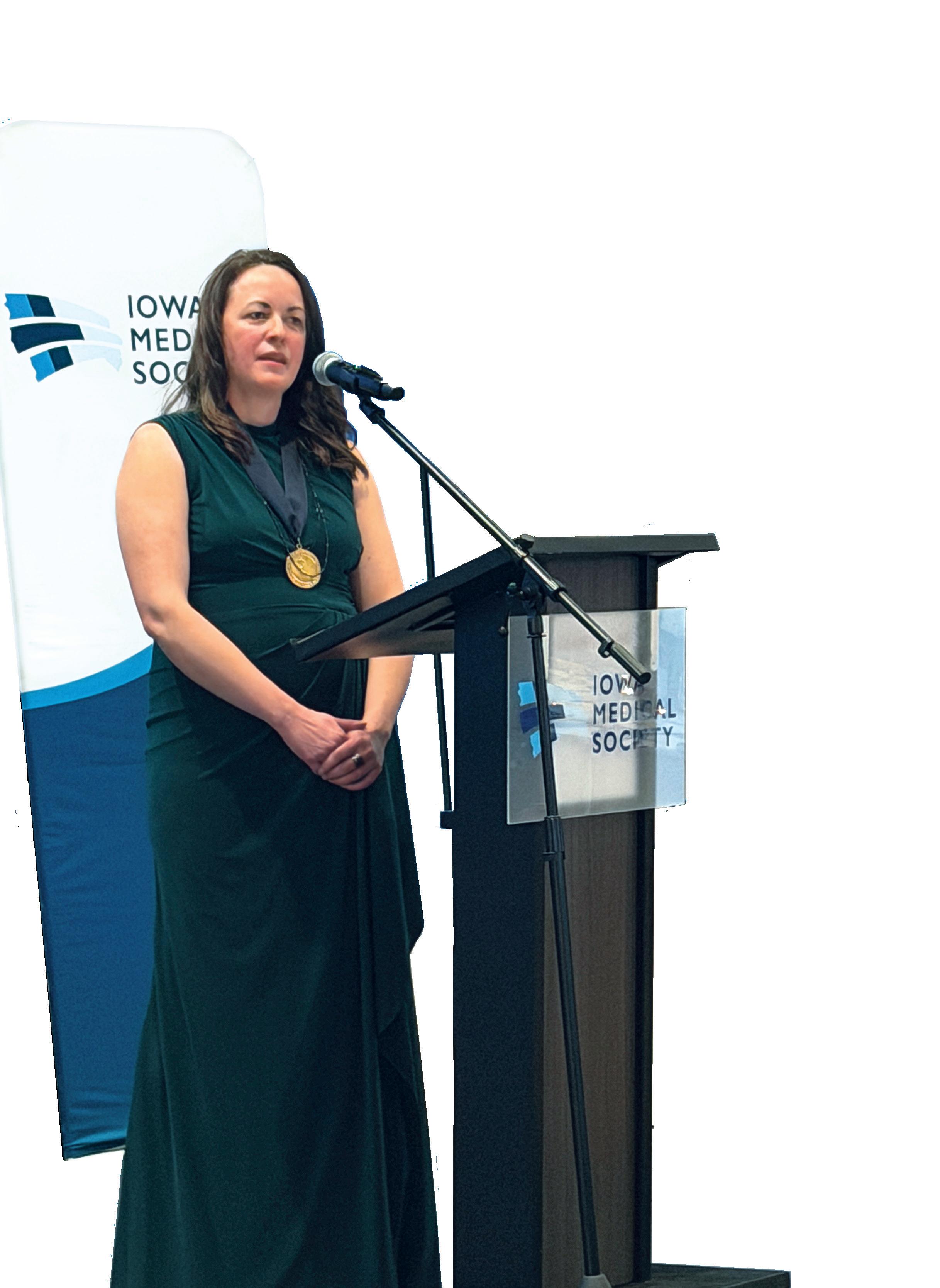
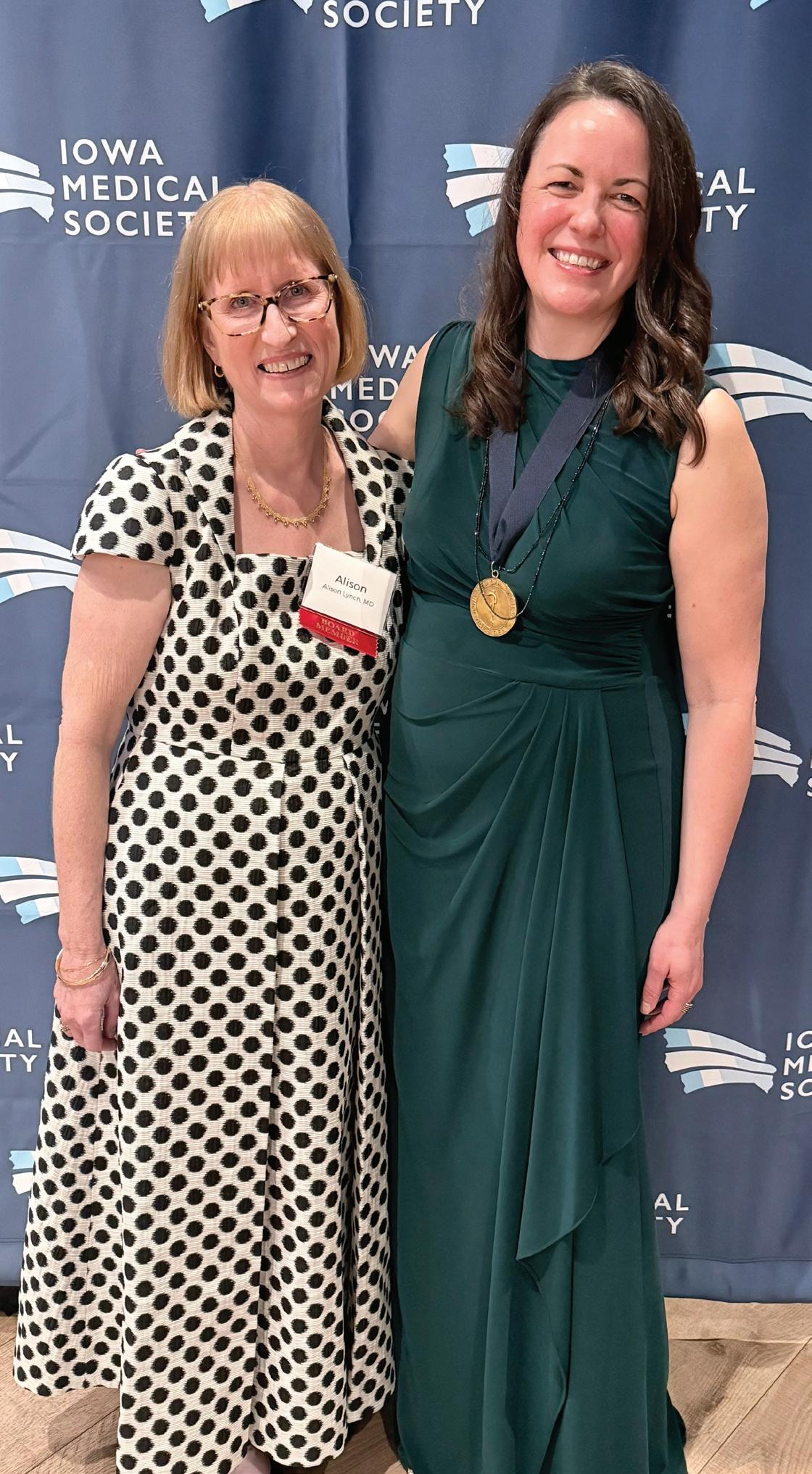
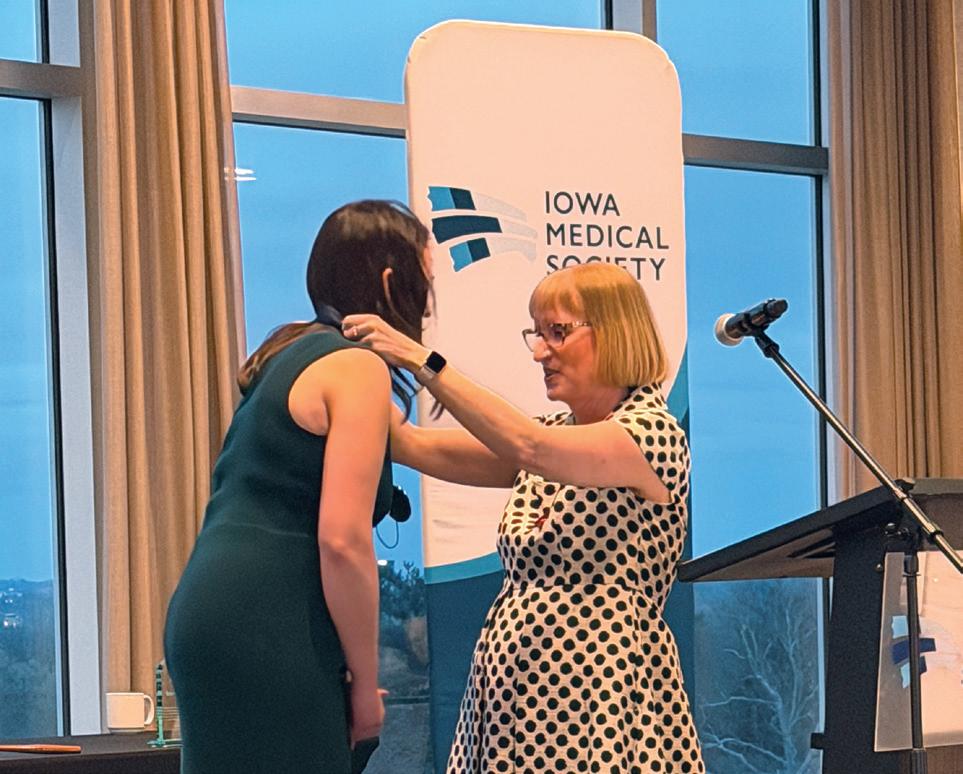
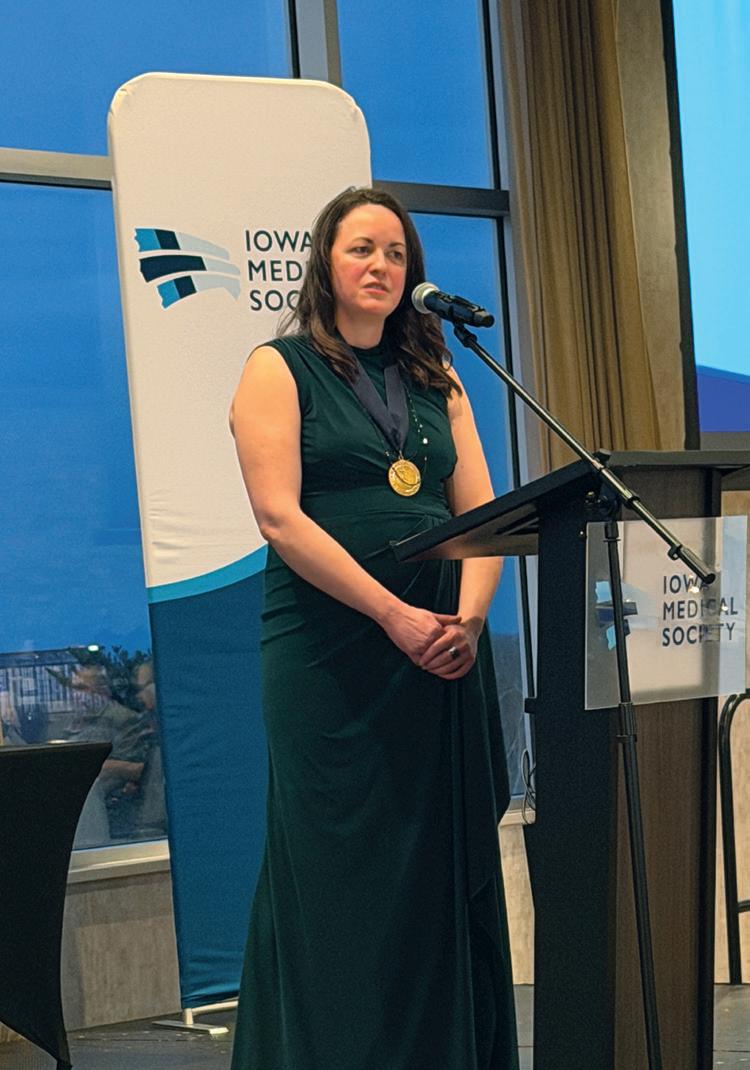
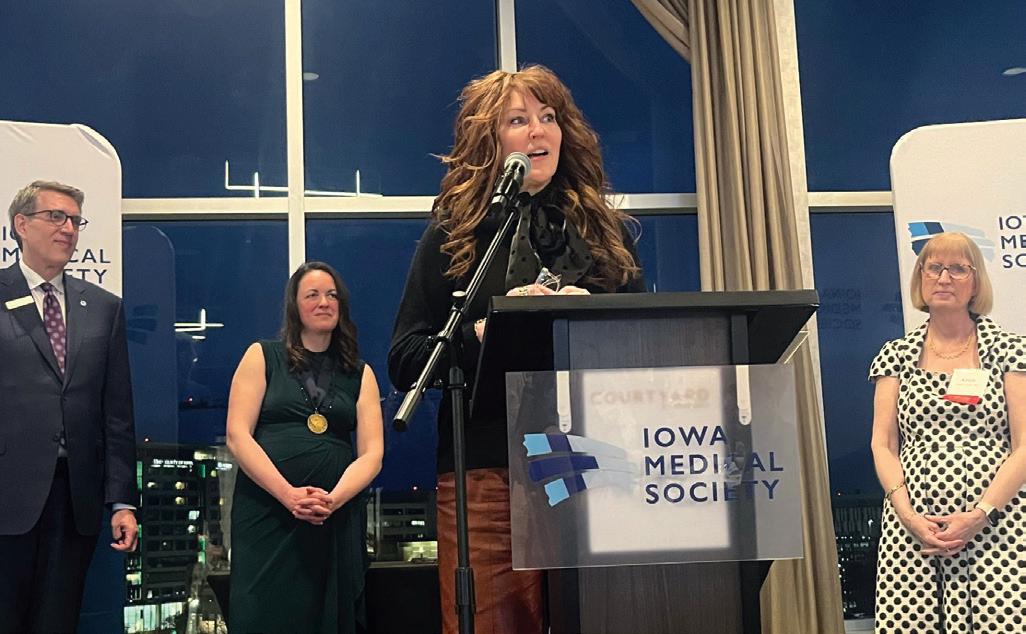
IMS Past-President Alison Lynch, MD, and IMS President Lillian Erdahl, MD, at the 177th IMS President’s Dinner
2026 IMS LEGISLATIVE SESSION RECAP
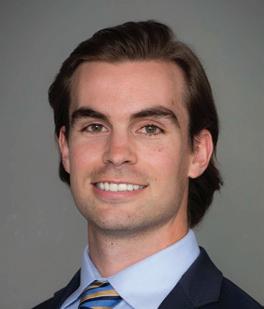
TSETH BROWN, JD Director of Government Relations
he second session of the 91st Iowa General Assembly concluded twelve days past the scheduled end date on Sunday, May 3, after a 35-hour overnight marathon push to finish work on the remaining policy bills. The 2026 Iowa legislative session will be remembered for efforts to close the $90 million Medicaid budget deficit, last-minute negotiations to pass property tax reform and medication abortion legislation, as well as the passage of many IMS-championed bills to eliminate administrative burdens for physicians.
PHYSICIAN WINS
IMS prioritized reducing administrative burdens in practice this legislative session, among other meaningful health care reforms. These efforts also support IMS’s Operation I.O.W.A. (Innovative Opportunities for Workforce Action) initiative, focused on making Iowa a better place for physicians to practice and patients to access care. Some of the top IMS-championed bills to pass this session include:
and emergent conditions from prior authorization, prohibiting carriers from penalizing providers for affiliating with out-of-network providers, barring enforcement of unreasonable contract terms with providers and requiring negotiation on contracts with insurers.
SF 2184 Physician Licensure Updates
This IMS-led bill reduces paperwork in the licensure process by allowing applicants
The license reduces the renewal and application fees by half, exempts licensees from CME requirements, and allows holders to maintain their previous scope of practice.
HF 2562 Temporary Guardianship of Patients
This bill addresses the placement of adult patients in care facilities when they are unable to consent and have no authorized representative. It allows physicians to act as temporary guardians to petition
HF 2635 Insurance Reform
IMS partnered with other leading health care organizations to expand requirements for health insurance carriers by ensuring only physician peers may deny or downgrade prior authorization requests, exempting cancer screenings
to use a designee to complete a license application or renewal paperwork, updating licensure renewal to every three years instead of every two years, and setting deadlines for the Board of Medicine.
SF 469 Emeritus Physician Licenses
This bill creates a new emeritus license for physicians older than 60 primarily engaged in supervising and training resident physicians, as recommended by IMS’s Operation I.O.W.A. report.
the court for patient placement and insurance application authority if no representative is available. It provides immunity for those acting in good faith.
HF 2782 HHS Budget
The HHS budget appropriates $1.5 million for grants to create new medical residency programs in rural areas and $400,000 for rural psychiatric residencies. It contained no cuts to physician reimbursement under Medicaid.
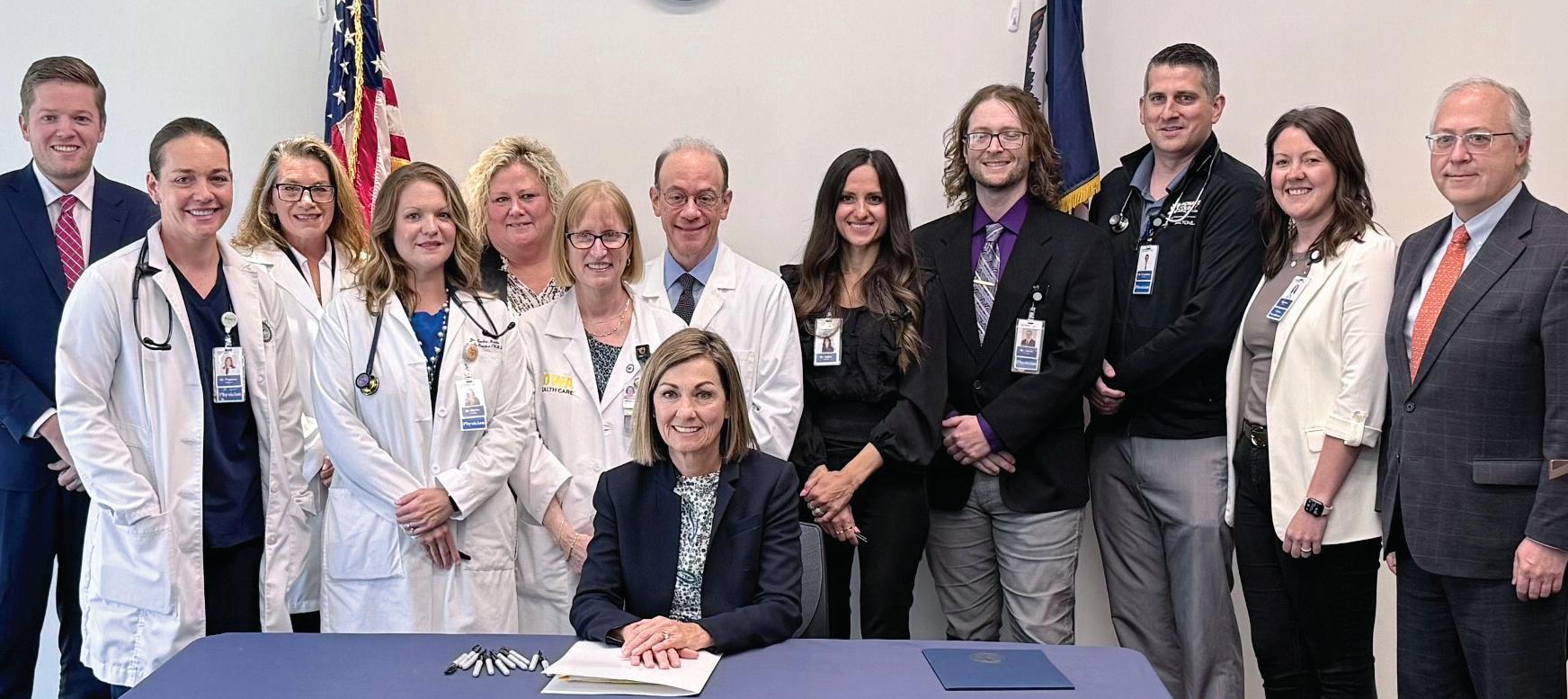
Gov. Kim Reynolds signs HF 2635 at the Monroe County Hospital & Clinics
SUCCESSFUL DEFENSE
In addition to championing many affirmative bills to enhance the practice environment in Iowa, IMS also defended against many proposals that would negatively impact the health of Iowans. The top bills IMS opposed and defeated include:
+ HF 2171 Eliminating K-12 Vaccine Requirements
+ SF 2211 / HF 2368 Iowa Medical Freedom Act
+ HF 2287 Vaccine Manufacturer Liability
+ SF 2154 Gene-Based Vaccine Restrictions
+ HF 2056 Ivermectin/ Hydroxychloroquine Mandatory Dispensing
+ HF 2332 Feticide
+ HSB 2316 Life at Conception
+ SF 2155 Misoprostol/ Mifepristone/Methotrexate Schedule III
+ SF 2455 No Surprises Act Carve Out
+ SF 319 Cash For Care
+ HSB 766 AI Autonomous Medical Providers
+ SF 180 Refusing Medical Services
OTHER HEADLINES FROM SESSION
HHS Director
Nomination Blocked
The Iowa Senate rejected Gov. Kim Reynolds’ appointment of Larry Johnson as Iowa HHS director in a 28-16 vote, short of the required two-thirds majority. Senators cited concerns about transparency, communication, and Iowa’s foster care system.
Medicaid Budget Deficit Funded by New HMO Tax
HF 2739 HMO Tax
Lawmakers approved a new 3.5% health-care-related tax on Iowa Health Maintenance Organizations (HMOs) to address an estimated
$90.6 million Medicaid budget deficit. The bill directs approximately $89 million to HHS to support Medicaid medical assistance funding for FY 2026.
Vape
Tax Created to Fund Pediatric Cancer Research
SF 2480 Vape Tax for Pediatric Cancer
The bill expands Iowa tobacco law definitions to include nicotine analogs and vapes, creating a new excise tax. The tax will generate $3 million annually for pediatric cancer research at the University of Iowa Stead Family Children’s Hospital.
Wide-Ranging ‘MAHA’ Bill Passes
HF 2676 Governor’s MAHA Bill
The legislation institutes broad health, nutrition, and education reforms. It requires physicians and physician assistants in certain specialties to complete one hour of continuing education on nutrition and metabolic health every four years and mandates 40 hours of nutrition coursework at Iowa medical schools. Other components of the bill relate to Ivermectin access, school meals, physical activity requirements, and screen time.
Amended Medication
Abortion Bill Passes
HF 2563 Medication
Abortion Restrictions
After IMS secured substantial amendments addressing previously shared concerns, this bill passed during end-of-session negotiations. The final legislation requires abortion-inducing drugs to be dispensed directly to patients in a health care setting. Earlier versions included $50,000 strict liability damages against physicians, mandated medication abortion reversal statements, and extensive reporting requirements.
Agriculture Budget Appropriates Funds for Water Quality
HF 2771 Agriculture Appropriations
This budget appropriates $8 million for the Water Quality Financial Assistance Fund and creates a $10 million Rural Iowa Infrastructure Bank Program Fund for low-interest water and wastewater loans, primarily for smaller communities. It also increases the maximum water quality project grant from $500,000 to $1 million. ■
BY THE NUMBERS
total bills introduced this session
subcommittee hearings held before the first funnel (40 per day)
1,791 865 141 35 112
bills IMS declared on
hour marathon to finish session days to finish session (12 days over the scheduled end date)
$90.6 M 103
attendees at IMS Physician Day on the Hill
the estimated budget deficit in the Medicaid program for 2026
OPERATION I.O.W.A. CONTINUES BUILDING MOMENTUM ACROSS IOWA

OKRISTINA SEIER, LMSW
Member Education and Grant Initiatives Specialist
peration I.O.W.A. (Innovative Opportunities for Workforce Action) continues to gain momentum as the Iowa Medical Society advances longterm solutions to strengthen Iowa’s physician workforce pipeline.
In December 2024, IMS launched Operation I.O.W.A., a statewide summit that convened more than 60 physician leaders, health care executives, educators and community stakeholders to address Iowa’s growing physician shortage crisis. That effort resulted in a comprehensive report outlining 24 recommendations focused on both legislative and nonlegislative solutions.
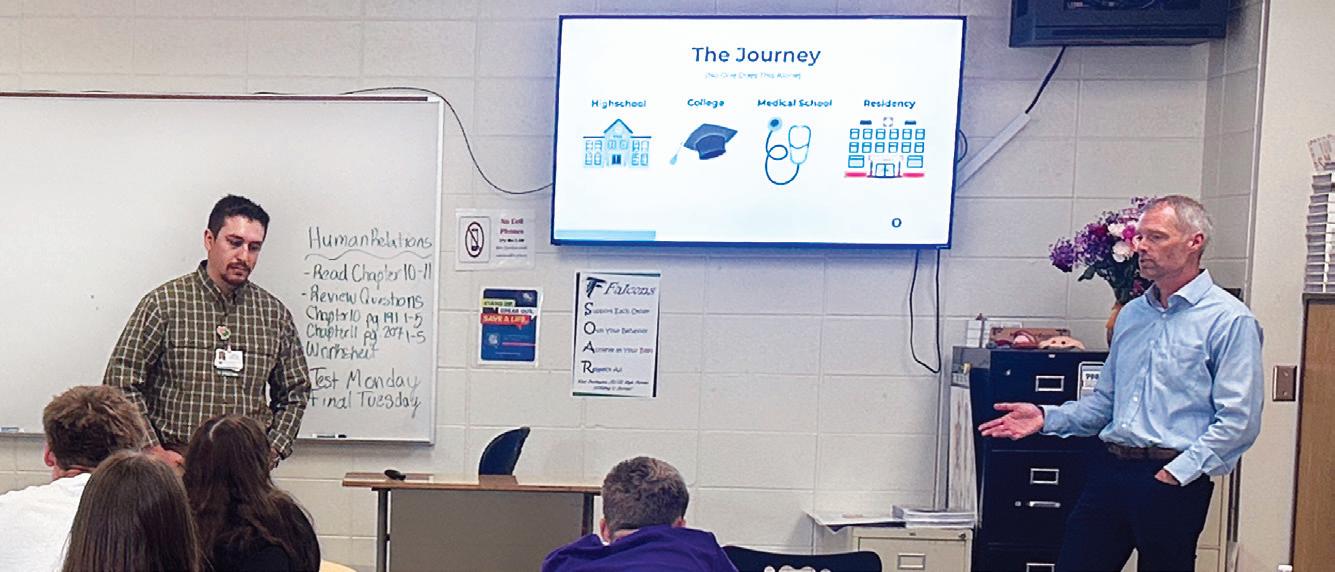
IMS Board Chair, Joel Ryon, MD, and IMS member Robert Lopez, DO, speaking to high school students about their journeys to becoming physicians
Last session, IMS advocated for the passage of bipartisan legislation to expand Graduate Medical Education residency slots in Iowa and double the rural health care loan repayment fund to $8 million.
During the 2026 session, IMS successfully advanced landmark insurance reform legislation aimed at maximizing physician time by reducing prior authorization burdens and improving patient access to care, along with physician licensure modernization legislation designed to streamline licensing processes, reduce administrative burdens, and improve physician recruitment and retention in Iowa.
OPERATION I.O.W.A. PHASE II MOVES INTO ACTION
LEGISLATIVE PROGRESS BUILDS
ON WORKFORCE
RECOMMENDATIONS
Since the release of the Phase I recommendations, IMS has made progress, including advocacy efforts to secure several major physician workforce and practice environment wins during both the 2025 and 2026 legislative sessions.
Operation I.O.W.A. Phase II builds on past momentum and its report outlines strategies to strengthen Iowa’s physician pipeline, improve recruitment and retention, reduce administrative burdens, and support physicians throughout all stages of their careers.
While several initiatives are underway, one major focus area currently under development is a statewide physician mentorship program.
A pilot of the mentorship program is underway and is designed to connect medical students, residents, practicing physicians, and retired physicians based on
specialty interests, geographic location, educational stage, and professional experience.
IMS and physician volunteers have also begun expanding early pipeline outreach efforts, including physician visits at schools with K-12 students in Waukee and West Burlington to discuss careers in medicine and answer student questions about becoming a physician. IMS is also developing a statewide physician outreach toolkit to help support future physician engagement in classrooms and communities across Iowa.
Physicians interested in helping shape the program, serving as a mentor, or classroom presenter are encouraged to contact kseier@iowamedical.org.
IMS LAUNCHES IOWA HEALTH CARE JOB BOARD
As part of Operation I.O.W.A. Phase II, IMS has also launched the IMS Iowa Health Care Job Board, a statewide workforce recruitment resource designed to help hospitals, clinics, health systems and private practices attract and recruit health care talent across Iowa.
Together, these efforts represent IMS’s continued commitment to strengthening Iowa’s physician workforce. ■
Scan to see the
IMS Iowa Health Care Job Board

Health care providers are essential to ending the HIV epidemic in Iowa. The best first step you can take? Offering routine HIV screening as part of your practice.
Diagnosing HIV quickly and linking people to treatment immediately are crucial to reducing HIV transmissions and improving health outcomes for all.
Testing for HIV empowers patients, no matter their status. For people living with HIV, diagnosis is the first step in connecting to HIV resources and care. For people who do not have HIV, testing can begin an ongoing conversation about their prevention needs.
Scan our QR code to learn more or visit stophiviowa.org/providers Testing is the gateway to HIV prevention & treatment— and you hold the key.


LEVERAGING TECHNOLOGY TO SUPPORT OUR PHYSICIAN WORKFORCE
ADENISE JAMIESON, MD, MPH
University of Iowa Vice President for Medical Affairs and the Tyrone D. Artz Dean, Carver College of Medicine
cross Iowa, physicians are caring for growing numbers of patients with increasingly complex needs —often with limited time and resources. As a state, we also face persistent workforce shortages, particularly in rural and underserved communities.
Supporting physicians in this environment requires systems and tools that allow them to focus on what matters most: caring for their patients.
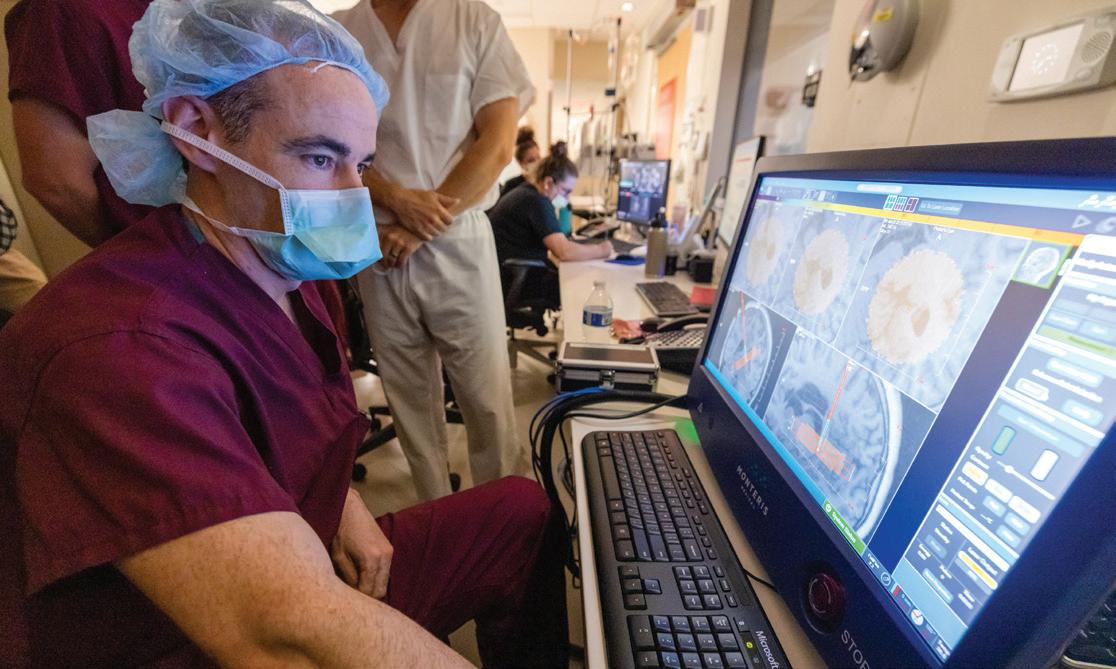
At University of Iowa Health Care, we are increasingly focused on how thoughtful use of technology can support clinician well being while improving access and quality. Our approach has been shaped by direct feedback from physicians and care teams about where administrative burden and inefficiencies interfere with patient care.
Clinicians consistently point to documentation and chart review as major drivers of time pressure and burnout.
In response, we’ve taken a more intentional approach to adopting emerging digital tools, piloting them carefully, listening closely to clinicians, and scaling only when they demonstrate real value.
“Technology alone will not solve Iowa’s access and workforce challenges. But...it can be a powerful part of the solution.
These investments are not about replacing clinical judgment; they are about giving physicians back time, reducing unnecessary friction, and supporting sustainable practice.
Early results have been encouraging. The tools, called Nabla and Evidently, designed to streamline documentation and synthesize complex medical records are helping clinicians spend less time navigating electronic health records and more time engaging directly with patients.
Part of our success was our rollout. These tools were introduced with flexibility; physicians were encouraged to try them, provide feedback, and determine whether they fit their practice styles.
This work is also part of a broader commitment to being a learning health system, one that partners with clinicians, technologists, and other health systems to help shape tools that meet real world clinical needs.
As an academic medical center serving a largely rural state, we believe Iowa can play an important role in helping guide the responsible development of new technologies that support both patient outcomes and physician well being.
Looking ahead, technology alone will not solve Iowa’s access and workforce challenges. But when combined with strong training programs, statewide partnerships, and a shared commitment to supporting physicians at every stage of their careers, it can be a powerful part of the solution.
I appreciate the collaboration of the Iowa Medical Society and physicians across the state as we work toward a future where clinicians are supported, patients are well served, and Iowa continues to be a place where physicians can build meaningful, sustainable careers. ■
Photo provided by University of Iowa Health Care
CANCER SURVIVORSHIP: AN IOWA PRIORITY
CRICHARD L. DEMING, MD
Medical Director, MercyOne Richard Deming Cancer Center
ancer survivorship can no longer remain an afterthought in oncology. As advances in screening, treatment, and supportive care enable more patients to live years and decades beyond diagnosis, survivorship has become a defining measure of whether health systems can provide not only technically excellent treatment, but also durable, person-centered care across the full continuum of illness and recovery.
THE GROWING NEED FOR SURVIVORSHIP CARE
The numbers alone justify urgency. Iowa has the second-highest incidence of new cancers in the U.S. and is one of only three states where incidence is still rising. More than 175,000 Iowans are already living after a cancer diagnosis, and an estimated 21,700 more residents will be diagnosed this year. Survivorship care is therefore not a peripheral service; it is a core health necessity.
effects, and timely referral to services such as cardiology, pulmonary medicine, sexual health, fertility counseling, and financial navigation. It should also support health behaviors that reduce future risk and improve quality of life, including physical activity, good nutrition, appropriate screening, and avoidance of tobacco and alcohol.
COORDINATION AND ACCESS REMAIN MAJOR CHALLENGES
Delivering this care, however, requires coordination across oncology, primary care, and community-based providers. In Iowa, geography magnifies the challenge: many rural patients travel to urban centers for treatment, then return home to communities with limited survivorship resources. Without stronger workforce capacity, better referral pathways, and more reliable regional access, these gaps will widen as the survivor population grows and ages.
“ If Iowa can invest in sophisticated diagnosis and treatment, it must also invest in the systems that help survivors live well afterward.
SURVIVORSHIP EXTENDS FAR BEYOND TREATMENT
What survivors need is neither simple nor static. High-quality survivorship care must include surveillance for recurrence and second cancers, management of late and long-term treatment
SURVIVOR NEEDS CHANGE OVER TIME
Survivor needs also evolve across the life course. At diagnosis, patients may need help understanding their disease and navigating treatment decisions. After treatment, concerns often shift to financial toxicity, physical and cognitive changes, sexual health, return to work or school, and fear of recurrence. At the same time, advances in therapy mean that some people now
live for years with advanced cancer, creating ongoing needs related to symptom management, quality of life, and advance care planning.
BUILDING A STRONGER SURVIVORSHIP SYSTEM IN IOWA
The policy implication is straightforward. If Iowa can invest in sophisticated diagnosis and treatment, it must also invest in the systems that help survivors live well afterward. That means making survivorship a statewide priority by building coordinated care pathways, expanding rural access, strengthening referral networks, and ensuring that supportive services are available beyond major cancer centers. The measure of a cancer care system is not only how many lives it saves, but how well it supports the lives that continue.
Until insurance reimbursement reliably covers the full range of essential survivorship services, philanthropic support will remain necessary. At the MercyOne Richard Deming Cancer Center in Des Moines, we have developed a model of care that could serve as a template for other cancer centers in Iowa. Above + Beyond Cancer, a public nonprofit, offers a complementary model by giving survivors opportunities to participate in mind-body-spirit activities alongside others with shared experience. These efforts demonstrate what is possible, but they should supplement, not substitute for, a durable statewide commitment to survivorship care. ■

Photo provided by University of Iowa Health Care
CONGRATS TO THE
IMS 2026 AWARDS HONOREES



AWARD OF MERIT
MARTA VAN BEEK, MD, MPH, FAAD
University of Iowa Health Care Dermatologic Surgery
A board-certified dermatologist, Marta Van Beek, MD, MPH, serves as executive medical director of ambulatory care at the University of Iowa. She also represents Iowa on a national level in her position as a member of the Board of Trustees for the American Medical Association.
JOHN F. SANFORD AWARD
LANCE CLEMSEN, LISW
University of Iowa Health Care Social Work
Lance Clemsen, LISW, works in emergency psychiatry at the University of Iowa Hospitals and Clinics Emergency Department, where he conducts behavioral health risk assessments for children and adults.
WASHINGTON FREEMAN PECK AWARD
CORALVILLE COMMUNITY FOOD PANTRY
The Coralville Community Food Pantry is an anti-hunger nonprofit rooted in the belief that food is a human right. The pantry serves individuals and families with dignity, allowing them to select a variety of food and personal care items that fit their needs.
IMS/COPIC PHYSICIAN HUMANITARIAN AWARD
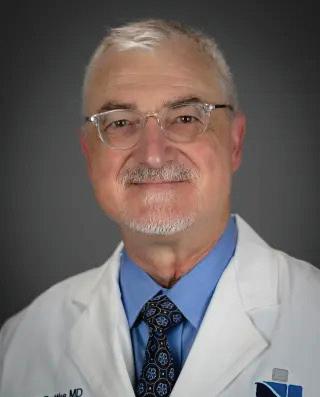
CRAIG BOTTKE, MD
Great River Health Orthopedic Surgery
Craig Bottke, MD, focuses on both general orthopedic and hand surgery, maintaining an active clinical practice in hand care. Recently, Dr. Bottke has been a part of a team in Burlington which has developed and established the area’s first free medical clinic.
IMS PRESIDENT'S AWARD
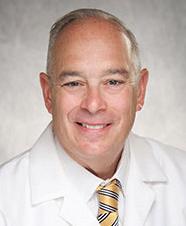
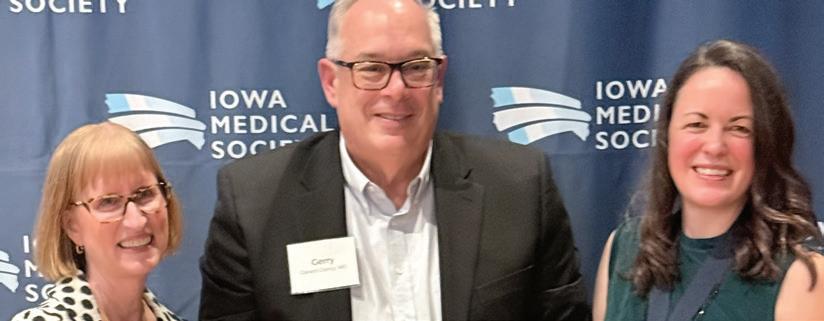
GERARD CLANCY, MD
University of Iowa Health Care Psychiatry
Gerard Clancy, MD, is an innovator, thought leader, and a fierce advocate for patients and physicians. He has been integral in helping to elevate the voice of the physician to help craft and shape public policy.

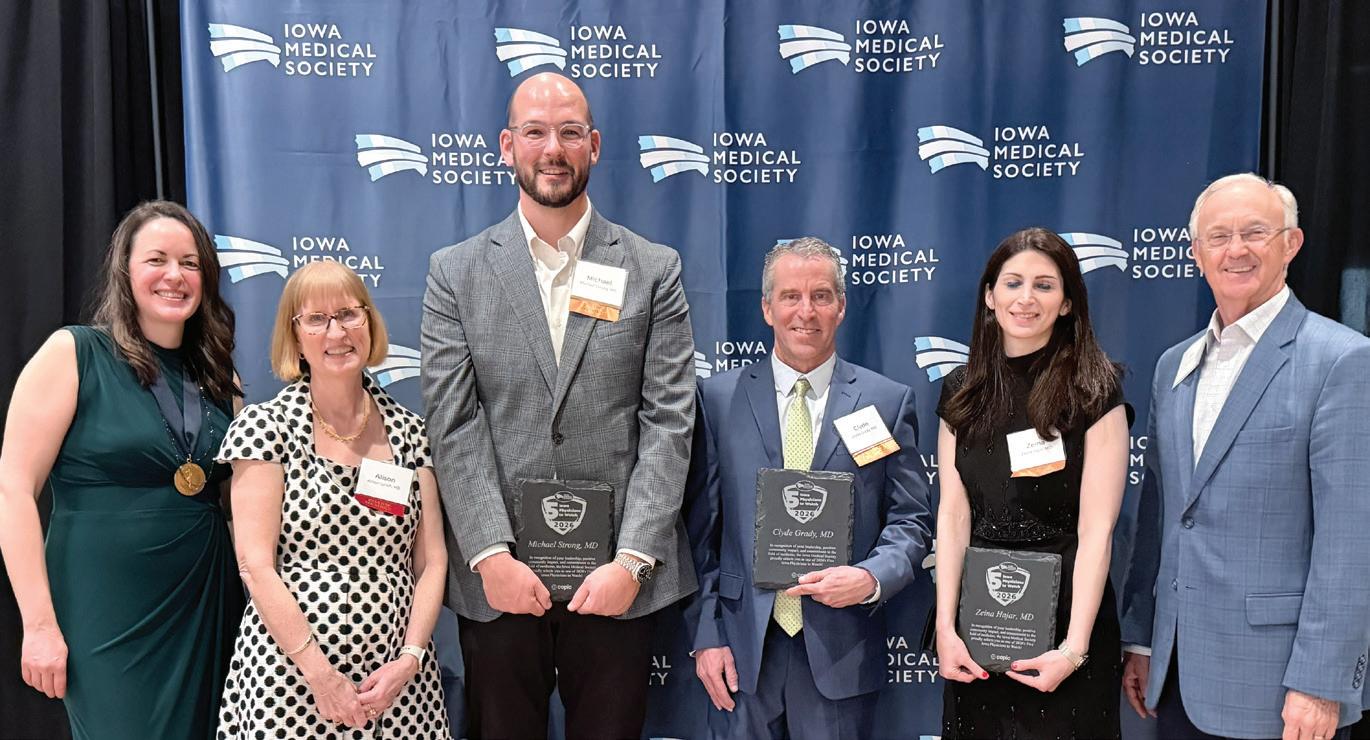
CLYDE
Great River Health Family Medicine
University of Iowa Health Care Pathology
Great River Health Infectious Diseases
University of Iowa Health Care Psychiatry
UnityPoint Health Pathology
Physician Opportunities
Physician-Led Medicine with Partnership Track Opportunity
Join our collegial teams within Iowa’s largest physician-owned, multi-specialty clinic. Seeking physicians for the following specialties:
• Anesthesiology
• Cardiology - INT/EP
• Dermatology
• Endocrinology
• Family Medicine
• Gastroenterology
• General Surgery
• Hospitalist
• Internal Medicine
• Neurology
• OB/GYN
• Oncology Hematology
• Ophthalmology–Medical
• Ortho Hand
• Otolaryngology
• Pediatric Hospitalist
• Radiology Diagnostic & Interventional
• Radiation Oncology
Enjoy work-life balance in a family-friendly community with small-town charm and big-city amenities nearby. Affiliated with a Baldrige and Magnet® recognized hospital. Large established referral network. Offering top-tier compensation and benefits.
For more information, contact Jessica Ott

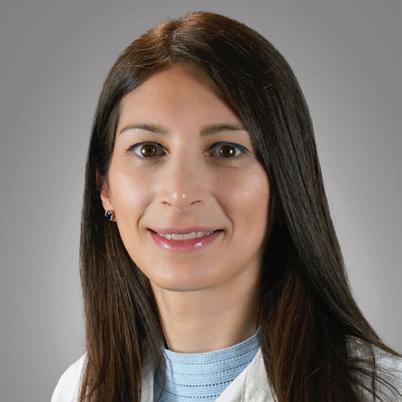
ZEINA HAJAR, MD
GRADY, MD
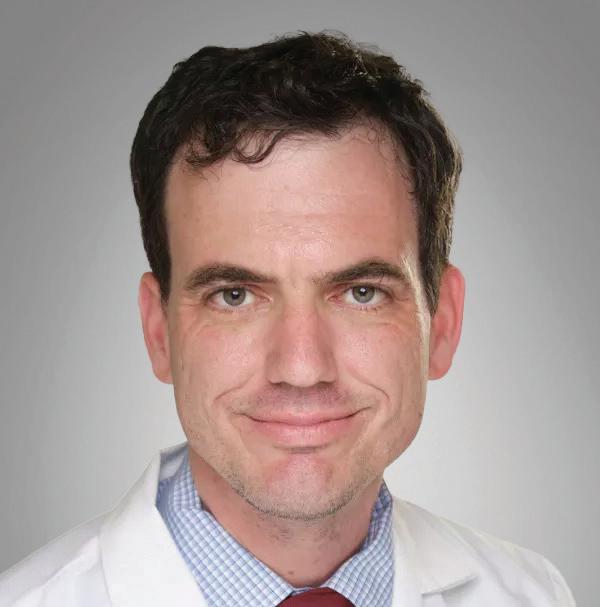
MARCO HEFTI, MD
MICHAEL STRONG, MD
ANDREW VANDERHEYDEN, MD
JoiN a team

The best perks of a career at Children’s Nebraska go far beyond the collaborative environment, competitive pay and time spent with our facility dog Howie. It’s finding joy in our work, support through our People First culture and meaning in all the ways we contribute to improving the lives of children. Apply today at ChildrensNebraska.org/Careers.
Career development. Holistic wellbeing programs. Plenty of opportunities to play peek-a-boo. believe iN betteR

THE REAL BENCHMARK FOR YOUR PORTFOLIO: YOUR
REQUIRED RATE OF RETURN
ZACH DALLUGE, CFP®, CKA®, Lead Advisor
When people talk about investing and developing an investment strategy, the conversation often centers around performance. Did the market go up or down? Did your portfolio beat the market? These questions are natural, but they don’t always point to the most important measure of success.
At Foster Group, we often remind clients that investment success isn’t about beating the market. It’s about earning the return you need in order to achieve your goals.
Three Key Factors Behind Your Portfolio Allocation Strategy
1. How much of the portfolio needs to be preserved? Some assets may be earmarked for short-term spending or important goals, protecting those dollars from large market swings becomes a priority.
2. Your required rate of return, the longterm return your portfolio needs to generate in order for your financial plan to succeed.
3. Your tolerance for risk. Even if the math suggests a certain allocation or range of allocations, it still needs to be something you’re comfortable sticking with during market ups and downs.
All three of these considerations matter in selecting your asset allocation. The most misunderstood factor is often the required rate of return.
What Does “Required Rate of Return” Actually Mean?
Your required rate of return is simply the rate of growth your investment strategy may need to support your financial plan. It’s influenced by a number of factors, including your savings rate, your spending goals, your time horizon, other sources of income (such as Social Security or pensions), and inflation assumptions.
When these variables are modeled together in a financial plan, they produce a target return that helps determine how much growth the portfolio needs. This number doesn’t predict exactly what markets will do in any given year. Instead, it helps answer a much more important question: How much risk does your portfolio actually need to take?
The Surprising Part: It’s Often Lower Than You Think
When we run the numbers for a financial plan, we often find that a moderate, disciplined long-term return may be sufficient for many goals. Consistent saving, a long investment horizon, and thoughtful spending assumptions could all lower the return a portfolio actually needs to generate. That realization could change how investors think about risk. If your plan only requires a moderate return to succeed, pursuing significantly higher returns may not improve the outcome. Instead, it may introduce more volatility than your plan really needs.
Why This Matters for Your Portfolio
Understanding your required return helps define the minimum level of investment risk necessary for your plan. For some investors, the required return may call for a portfolio with a significant allocation in stocks in order to pursue long-term growth. For others, the math might show that a more balanced allocation is sufficient to stay on track.
The key point is that portfolio design shouldn’t start with market predictions or performance comparisons. It should start with your plan.
A Better Way to Measure Investment Success
The financial media often frame investing as a competition against the market. In reality, the most meaningful benchmark isn’t an index; it’s your financial plan. If your portfolio is earning the return necessary to support your goals while allowing you to stay disciplined through market cycles, that’s a successful investment strategy.
To see how your required rate of return shapes your investment decisions, reach out today. At Foster Group, truly caring for our clients means taking the time to learn what’s in their hearts and helping them pursue their goals. Together, we can review your plan and explore an investment approach aligned with what matters to you.




CLASS OF 2026




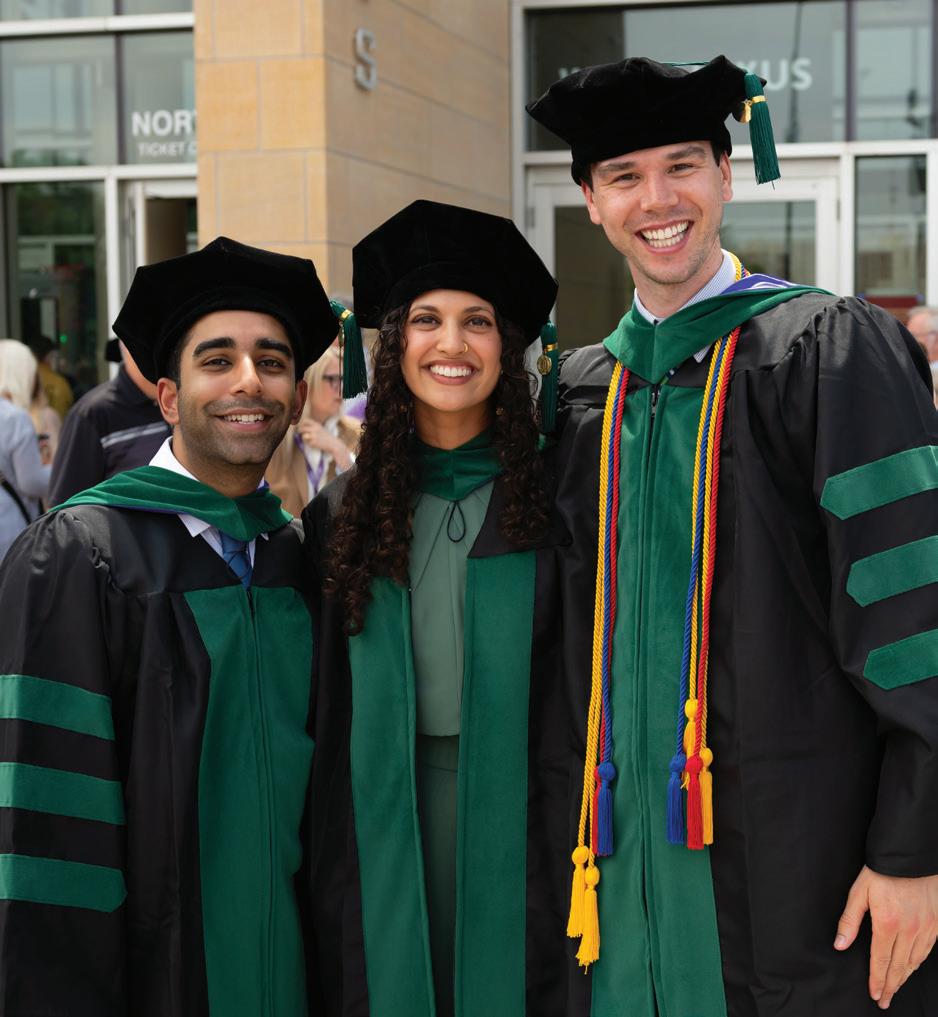


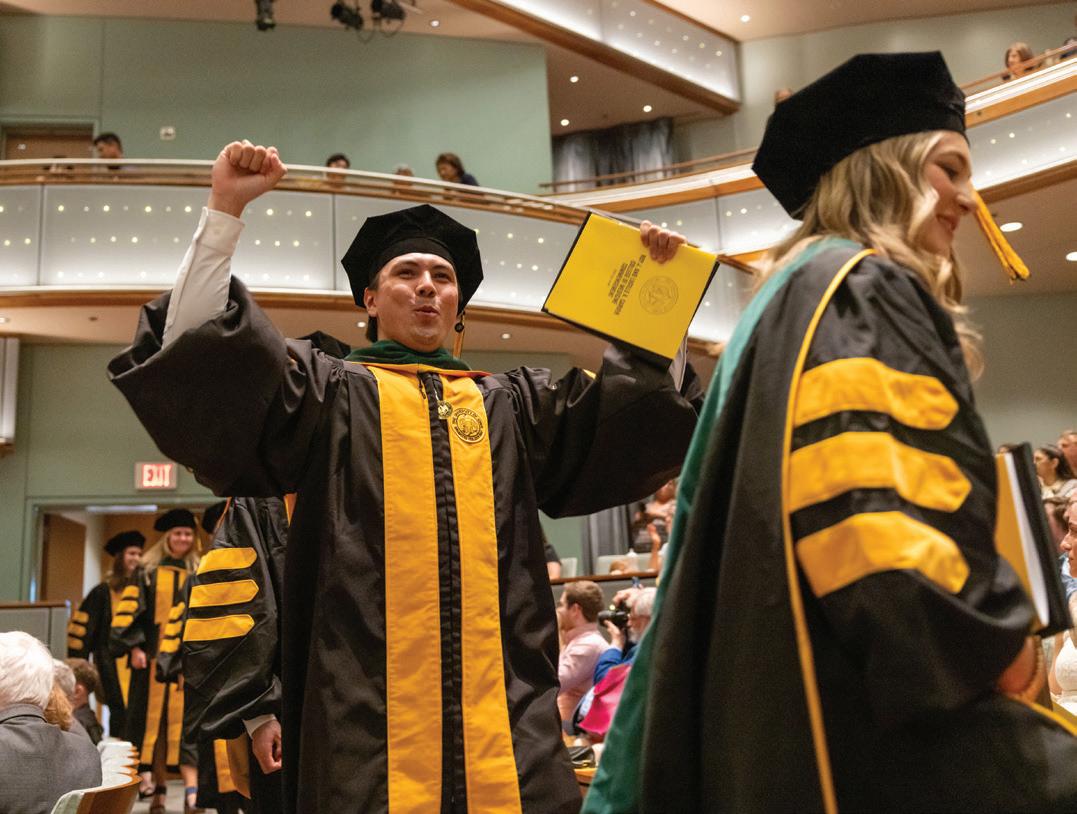
UNIVERSITY OF IOWA CARVER COLLEGE OF MEDICINE
LIZ MARTIN




PHOTOS BY

Iowa Physicians Explore AI’s Potential and Its Limits SMARTER TOOLS, HUMAN DECISIONS
OJOSIE SYLTE Director of Communications and Marketing
n a typical day at University of Iowa Health Care (UI Health Care), Jason Misurac, MD, balances patient care with the challenge physicians know too well: documentation demands that quietly consume hours before and after clinic. Or at least, that is how much of his day used to look.
As a pediatric nephrologist and associate chief health information officer for pediatrics in Iowa City, Dr. Misurac has helped evaluate how artificial intelligence (AI) can augment physician workflows and reduce documentation burden without compromising patient care.
In 2024, Dr. Misurac helped lead two AI pilot programs at UI Health Care focused on ambient clinical documentation and AI-assisted
workflow support. The pilots tested whether AI tools could reduce documentation burden and improve efficiency. Following strong adoption and early results, the tools were rolled out across UI Health Care.
One of those technologies was an ambient AI scribing platform designed to draft clinical notes during patient visits. The second was an AI-assisted chart review tool embedded within Epic that helps physicians quickly organize and summarize information across complex medical records.
Dr. Misurac indicated both tools were aimed at solving practical workflow challenges physicians face every day.
“There was a lot of demand for this type of thing and people who were willing to try something new,” Dr. Misurac said of the rollout.
The ambient documentation tool was rolled out organization-wide in September 2024. The AIassisted chart review platform, called Evidently, helps physicians review labs, imaging, and prior records more efficiently within the electronic medical record.
Across Iowa, physicians are experimenting with AI in ways both visible and invisible to patients. Some are using AIassisted documentation tools. Radiologists have quietly relied on AI-supported image detection for years. Medical schools are teaching students how to use AI responsibly without losing critical thinking skills. Health systems are piloting tools aimed at reducing burnout and improving workflow efficiency.
AI is here; it is already changing medicine, but it still requires physician judgment and oversight.
AI IS ALREADY IN IOWA MEDICINE
AI in medicine is often associated with generative tools, but physicians emphasize AI in health care is much broader and much older than many realize.

Some applications assist with documentation, inbox management, coding, and chart summaries. Others support imaging analysis, predictive analytics, and clinical decision-making.
“People think of AI as being what ChatGPT does,” Dr. Misurac said. “But really AI at its core is anything that a computer does that replicates human thinking or tries to do what a human would do when thinking through a problem.”
That broad range of applications is why many Iowa physicians say AI already feels like an evolving clinical tool.
RADIOLOGY'S AI EVOLUTION

Steven Davis, MD, a radiologist at Great River Health in West Burlington, said radiology has been working with computer-aided detection tools for nearly two decades.
“Early mammography tools were pretty rudimentary,” Dr. Davis noted. “But they have slowly improved.”
Today, AI tools can help detect lung nodules, compare current scans to prior studies, and flag potential brain bleeds on CT and MRI imaging.

Minh Luu, MD, a UnityPoint radiologist in Sioux City, said AI has become increasingly valuable as radiologists face growing workloads and physician shortages.
About 20 years ago, Sioux City had approximately 14 radiologists. Today it has two.
“When I was a resident, we might read six or seven CT scans overnight,” Dr. Luu recalled. “Now residents are reading 60 to 70.”
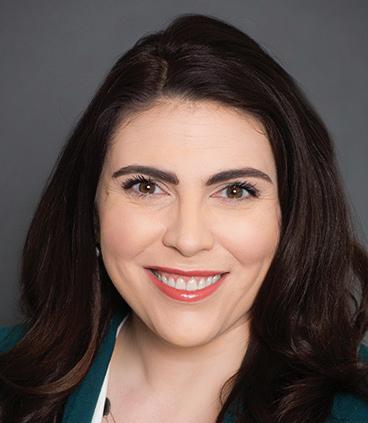
Rachel Preisser, MD, a breast imaging radiologist at MercyOne Waterloo Medical Center and owner of Grace Breast Imaging and Medical Spa in Clive, said AI can be robust and helpful, but still struggles with nuance and clinical context.
“AI can get a lot of things right,” Dr. Preisser said. “But when someone’s life is on the line, ‘a lot’ isn’t always enough. We’re not just looking at pictures for patterns. We’re taking care of patients and putting findings into clinical context.”
“AI is not going to replace radiologists,” Dr. Preisser said. “But radiologists who use AI will replace those who don’t.”
The American College of Radiology says more than 800 AI products are available to radiologists. According to Copic, the FDA has approved more than 1,000 AI algorithms for health care use, with roughly 80% related to radiology and another 10% tied to cardiology.
“We were crawling 20 years ago,” Dr. Davis said. “Now we’re at a full sprint, with new products coming out monthly.”
“The most successful models out there are designed to work with a radiologist, not replace one,” Dr. Davis said. “It helps point out subtle things, speeds up the work I do, and almost acts like a second opinion.”
TIME SAVINGS, BURNOUT RELIEF, AND WORKFLOW PRESSURES
For many Iowa physicians, AI’s greatest promise may not be diagnostic. It may simply be giving physicians their time back.
The American Medical Association (AMA) recently reported that more than 80% of physicians now use AI professionally, more than double the rate reported in 2023.
“AI is not going to replace radiologists. But radiologists who use AI will replace those who don’t.
She agreed that AI is helping radiologists manage growing workloads, but cautioned against viewing the technology as a replacement for physicians.
-Rachel Preisser, MD
The AMA also found that more than three-quarters of physicians believe AI improves patient care, and 70% see it helping reduce burnout.
“
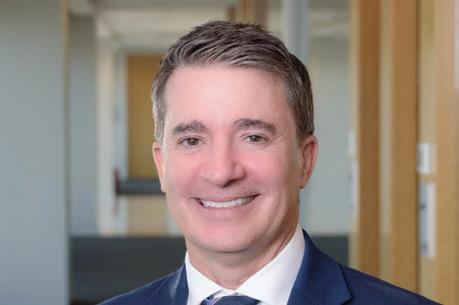
“Physicians see real promise in its ability to support clinical decisions and cut down on administrative burden,” said AMA CEO and Executive Vice President, John Whyte, MD, MPH. “But as this technology advances, it is critical that augmented intelligence be designed to enhance, not replace, physicians.”
One growing area of adoption is AI-powered ambient clinical documentation. According to Copic, early studies have shown these systems can reduce documentation time by approximately 50%, save physicians up to 13 hours weekly, and shorten visits by two to seven minutes while improving physician-patient interaction.
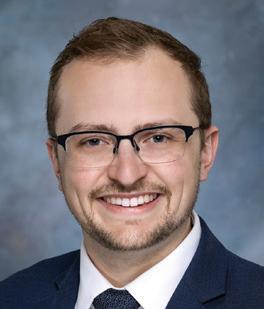
Ross Burandt, DO, a resident physician in family medicine with the MercyOne Genesis Family Medicine Residency Program in Davenport, recently led a quality improvement project examining ambient AI documentation tools.
The appeal is understandable in a profession increasingly strained by administrative work.
One statistic highlighted by Copic estimated primary care physicians need 26.7 hours daily to fully accomplish preventive care, chronic disease management, acute care, documentation, and inbox management demands.
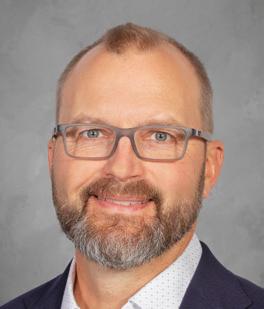
Timothy Dettmer, MD, an otolaryngologist with Mason City Clinic in Mason City, described the shift many physicians experienced moving from paper charts to electronic medical records (EMR).
“With paper charting, I was able to process a patient in about three minutes,” Dr. Dettmer said. “I was able to go home to eat lunch with my wife and kids.”
“Then came the EMR. Lots of clicks and spinning wheels of doom. The time required to process patients after the visit increased,” he reflected. “I spent lunch hours catching up in front of screens.”
Now, Dr. Dettmer sees AI as the first technological shift in years that has meaningfully reversed that trend.
“AI has eliminated probably 90% of dictation for me,” Dr. Dettmer said. “I have actually been able to see more patients in a clinic day, and still have time to unwind during lunch hour and leave at 5:00.”
will bear responsibility when something goes wrong.
“In law, ultimately the provider is responsible for their charting and their diagnosis, period,” Groves said.
He warned against unchecked dependency on AI-generated outputs.
“ For physicians facing increasing administrative demands, even a small time savings can have a meaningful impact.
-Ross Burandt, DO
“In my own practice, the technology saved about three to four hours a week on documentation,” Dr. Burandt said. “For physicians facing increasing administrative demands, even a small time savings can have a meaningful impact.”
He believes those gains could matter even more in rural Iowa, where physician shortages continue to strain access to care.
LIABILITY QUESTIONS ARE JUST BEGINNING
As AI adoption grows, so do liability concerns.
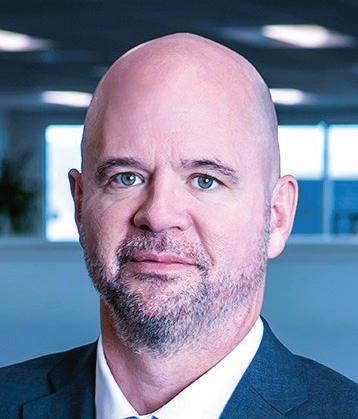
Matt Groves, JD, general counsel for Copic, said many physicians mistakenly believe AI itself
Cost will be a potential problem for rural Iowa physicians.
-Steven Davis, MD
“The greatest liability risks relate to blind reliance on it,” Groves explained. “Physicians must exercise ultimate provider judgment.”
That concern is especially important with AI-generated documentation.
“Not proofreading AI-generated charting is a significant potential source of liability,” Groves said. “As has always been the case, errors can arise when providers do not double-check charting accuracy.”
Groves said physicians and health systems should carefully vet AI vendors before adoption.
“Don’t assume every product that says it uses AI is effective or safe,” Groves said. “Physicians still need to ask hard questions about validation, oversight, privacy, and reliability.”
At the same time, Groves acknowledged medicine may eventually face a different legal question: Could physicians someday be criticized for not using AI?
“No reported malpractice cases have yet centered on a physician’s use or nonuse of AI,” he said. “But we anticipate both coming.”
If AI tools become widely available and improve outcomes, failing to use them could become part of future standard-of-care discussions.
“If AI was available and a physician chose not to use it, plaintiff attorneys may argue that the standard of care required it in certain circumstances,” Groves said. “This will be a developing area of litigation.”
That uncertainty may carry unique implications for rural Iowa physicians and smaller health systems, where cost, staffing, infrastructure, and vendor evaluation resources vary significantly.
“Cost will be a potential problem for rural Iowa physicians,” Dr. Davis said. “And the vast number of products coming out will be an issue. Which ones do we use? Which ones are cost-effective?”
Dr. Misurac said thoughtful vendor evaluation is especially important for smaller practices and rural systems considering adoption.
“Evaluate the vendors, make sure you’re meeting all the privacy, compliance, and security components of it,” Dr. Misurac said. “But I wouldn’t let the small size impair me from checking out what’s out there.”
MEDICAL SCHOOLS ARE TEACHING CAUTION AND CRITICAL THINKING
At Des Moines University (DMU), faculty are preparing future physicians for an AI-enabled clinical environment without sacrificing clinical reasoning or the human side of medicine.
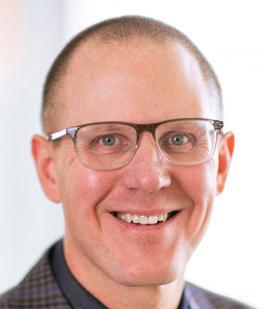
medical schools nationwide are still rapidly evolving their approach.
“Just over 60% of medical schools in the academic year of 2023-24
“Physicians are always going to matter.
-Matt Groves, JD
Still, Dr. Blodgett believes medicine’s human element remains irreplaceable.
But even as technology becomes more integrated into training, Dr. Blodgett said the school remains focused on teaching communication, empathy, and the human side of medicine.
Augmented, Not Artificial
The AMA is urging caution alongside adoption.
Dr. Whyte said physicians should view AI as an adjunct to, not a replacement for, clinical expertise.
Matthew Henry, PhD, associate dean of academic programs and curriculum at DMU, said
were reporting having some component of AI in the required curriculum,” Dr. Henry said.
DMU now includes foundational AI education in its curriculum, including instruction on bias, citation practices, evaluating AI tools, and understanding limitations.
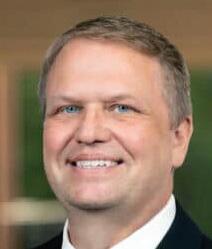
Maurice Blodgett, DO, assistant dean of student advancement and simulation at DMU, said students are consistently reminded that AI is a clinical aid, not a substitute for physician judgment.
“We teach them that they need to view AI as a support tool, not to replace clinical judgment,”
Dr. Blodgett said. “They need to verify that the information they’re using is accurate.”
Dr. Blodgett also worries about overdependence.
“There is that concern that skills may go down from a critical thinking or clinical reasoning perspective,” Dr. Blodgett noted.
Dr. Blodgett said DMU is also piloting AI-assisted simulation tools that can help evaluate student performance during standardized patient encounters and provide additional feedback opportunities for learners.
That perspective echoed throughout conversations with Iowa physicians.
Whether discussing radiology, ambient documentation, medical education, workflow efficiency, or malpractice risk, physicians repeatedly returned to the same conclusion: AI may augment medicine, but it does not replace physician judgment, empathy, experience, or accountability.
The AMA and other health care organizations have increasingly embraced the phrase “augmented intelligence” rather than “artificial intelligence” to better reflect the role these technologies should play in medicine. The goal is not replacing physicians, but supporting them through improved efficiency, decision-making, and reduced administrative burden.
Even as AI becomes more sophisticated, the consensus among physicians, educators, and legal experts is clear: technology may assist medicine, but accountability, judgment, and patient trust still ultimately rests with physicians.
“AI can’t be a replacement,” Groves said. “Physicians are always going to matter.” ■

Lillian Erdahl, md


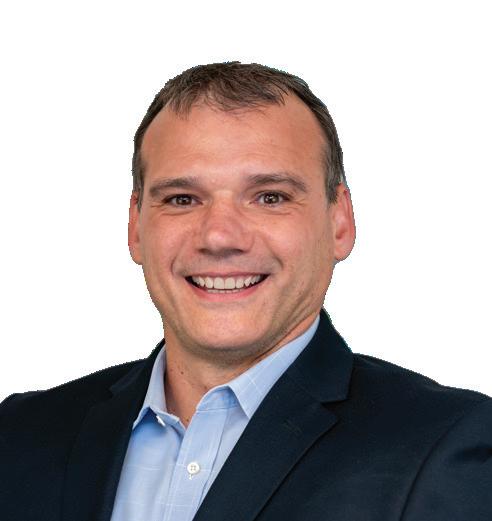
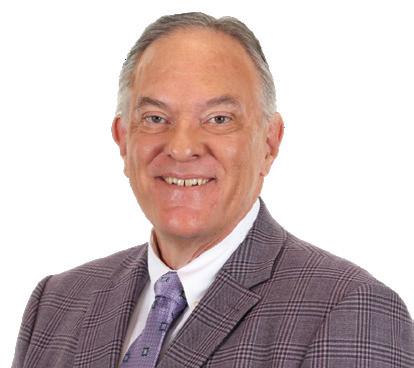
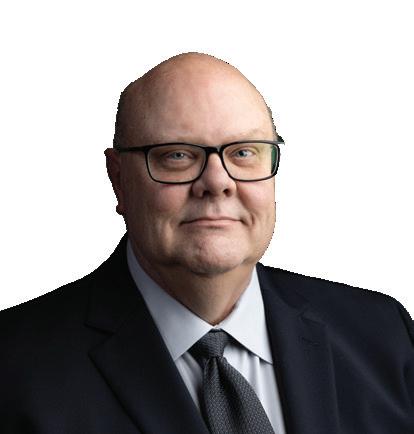
2026-27 IMS BOARD OF DIRECTORS

LILLIAN ERDAHL, MD
ROBERT BARTELT, MD
DOUGLAS MARTIN, MD
KEITH VOLLSTEDT, MD
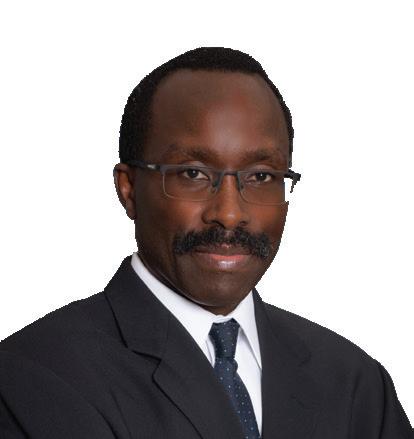
PETER
MD
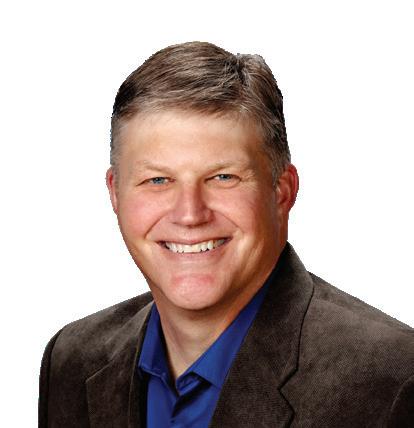
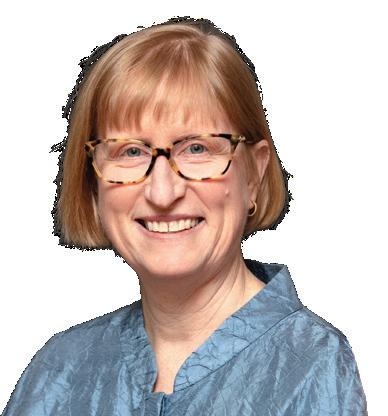
ALISON LYNCH, MD
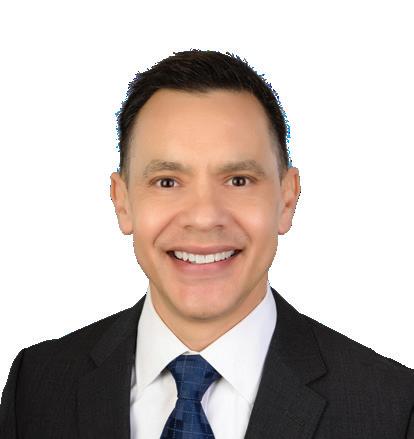

JOEL RYON, MD
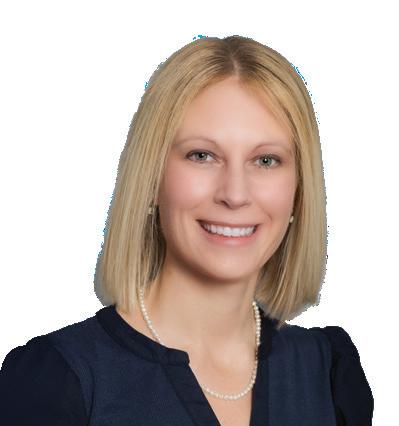
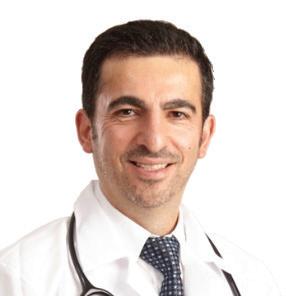
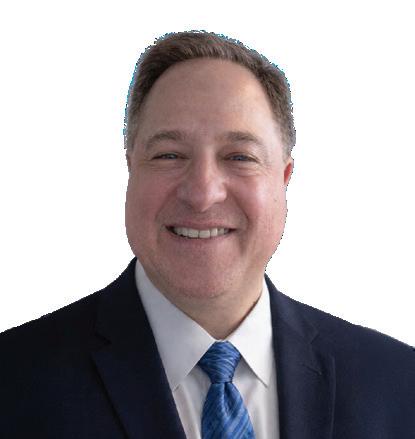
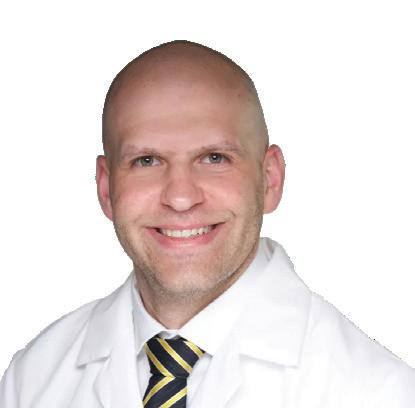
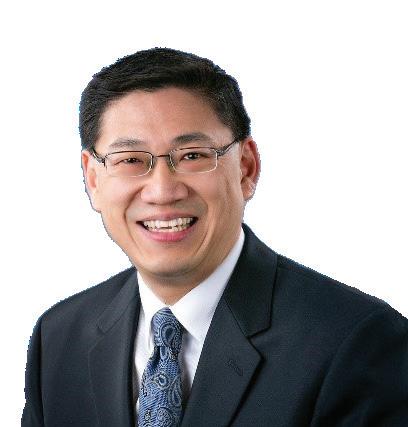
HUMPHREY WONG, MD
JEREMY GRANGER, MD ANGELA
LINDSEY
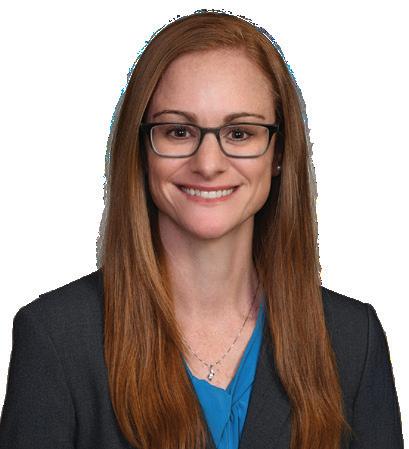

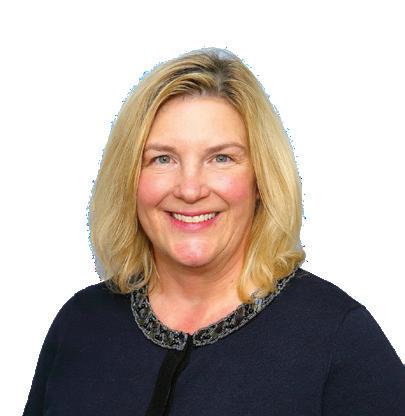
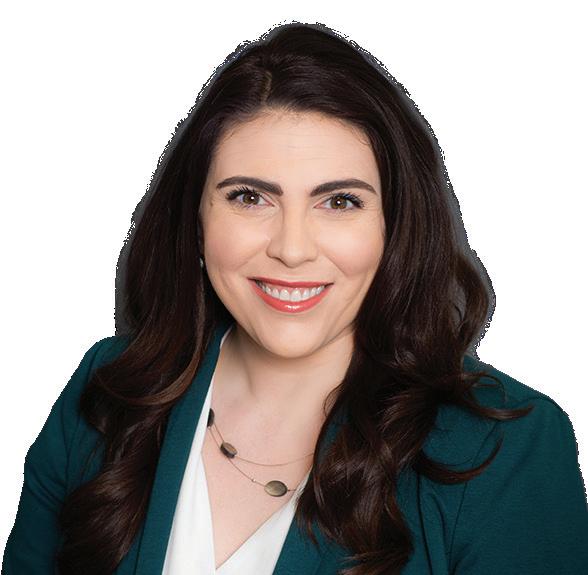
KAAREN

WHY AI-INFORMED PATIENTS CREATE NEW LIABILITY EXPOSURE
COMMUNICATION AS PRIMARY RISKREDUCTION TOOL
3. Clarify sequencing and thresholds. Many liability claims arise not from refusing tests outright but from failing to explain why now is not the right time.
RECOMMENDED OPENING FRAMEWORK
• Explicit Requests for Testing or Treatment: AI tools frequently suggest diagnostic studies (e.g., tilt table testing, advanced imaging, lab panels) without weighing patient-specific probability, sequence, or resource constraints.1
• Perceived Authority of AI Output: The polished tone and medical fluency of large language models can lead patients to overestimate accuracy and underestimate uncertainty.2
• Heightened Sensitivity to Refusal: When clinicians decline AI-suggested interventions, patients may interpret the decision as disregarded rather than clinical judgment—especially if communication is rushed or overly technical.1
• From a claims standpoint, these encounters increase exposure to allegations of failure to order tests, failure to diagnose, or lack of informed decision-making—even when care aligns with evidence-based guidelines.
• “I can see you’ve put a lot of thought into this.”
• “Let’s walk through what you found and how it applies to your situation.”
INTEGRATING ACCURATE AIGENERATED INFORMATION SAFELY
Best practices include:
1. Acknowledge partial accuracy. “That test is used in certain situations, and it’s reasonable to ask about it.”
2. Reframe around individualized risk assessment. Emphasize probability, timing, and clinical context rather than absolutes.
DOCUMENTATION: A CRITICAL LINE OF DEFENSE
• That AI-generated information was discussed
• That patient concerns were acknowledged
• The clinical rationale for accepting or declining recommendations
• Evidence of shared decision making or informed refusal when applicable
®
1 Sundar KR. When Patients Arrive with Answers. JAMA. 2025;334(8):672–673. doi:10.1001/jama.2025.10678
2 https://www.medscape.com/viewarticle/chatgpt-yourclinic-whosexpert-now-2025a1000lqt?ecd=a2a
GROUP MEMBER SPOTLIGHT
SIOUXLAND OBSTETRICS & GYNECOLOGY
YEAR FOUNDED
1975
LOCATIONS
Main location: 2730 Pierce Street, Suite 201 Sioux City, Iowa
Outreach clinics in Onawa, Cherokee, Ida Grove and Storm Lake
LEADERSHIP
Melisa Schager, practice administrator and Anne Oloff, clinical manager
PHYSICIANS
Tauhni Hunt, MD
Angela, Aldrich, MD
Melissa Holtz, MD
Hannah Dewald, MD
Chandler Kasuske, MD
Emily Oberle, DO
PATIENTS
Siouxland OBGYN serves thousands of patients each year. Siouxland OBGYN delivers approximately 1,600 babies annually!
SERVICES
+ Routine gynecologic care and annual exams
+ Prenatal and obstetrical care
+ High-risk pregnancy management
+ Family planning and contraception counseling
+ Infertility evaluation and treatment
+ Menopause management
+ Gynecology surgical procedures
+ STI testing and treatment
+ Adolescent gynecology
PARTNERSHIPS
Siouxland OBGYN has an unique partnership with Siouxland Community Health Center. Through this partnership, Siouxland OBGYN physicians provide 24/7 on-call OB coverage, day-to-day prenatal clinic care for the Community Health OB patients, and delivery of all their babies. This partnership is in addition to the day-to-day practice at Siouxland OBGYN.
SPECIALTY
Obstetrics & Gynecology ■

2026 IMS MEMBERSHIP SURVEY HIGHLIGHTS
SATISFACTION, PRIORITIES, AND CONCERNS
The IMS 2026 Membership Survey provides valuable insight into the priorities, challenges, and perspectives of our members, while helping identify opportunities for IMS to better support physicians, strengthen advocacy efforts, and foster professional connections statewide. The following highlights offer a quick look at how members view IMS and the issues affecting their profession.
MEMBERSHIP SATISFACTION UP 11% FROM LAST YEAR
In 2026, 75% of respondents are somewhat or very satisfied with their IMS membership.
This is up 11 points from 2025’s survey.
HOW WOULD YOU DESCRIBE IOWA MEDICAL SOCIETY'S ROLE IN IOWA HEALTH CARE?
“I have just recently joined this community and it has been immensely educational and informational. I am proud to call myself a member.”
AND
AUTHORITY FOR PHYSICIANS IN IOWA
“I came from IL - your presence with physicians in Iowa is one that I never saw in IL in 25 years!”
“Physicians need an independent voice to represent them, IMS fills that role.”
WHEN ASKED WHICH MEMBER BENEFIT WAS THE MOST VALUABLE, THE TOP RESPONSES WERE:
55% ADVOCACY AND LEGISLATIVE OPPORTUNITIES
48% LEGAL/REGULATORY UPDATES
40% LEGISLATIVE UPDATES
36% COMMUNICATIONS
32% NETWORKING AND EVENTS
WHAT PRACTICE CHALLENGES KEEP YOU UP AT NIGHT?
“Caring for patients without bankrupting entire families.”
“Lack of access, scope of practice issues, increased administrative burden, and lack of reimbursement to sustain.”
“Admin and non clinical burden.”
“Reimbursement, federal policy changes, public health 'debates', access to care in less populated areas.”
“Being able to make the right decisions to take care of patients in a rapidly changing environment with challenges from legislation, insurance, AI, and social media influencers/public health authorities that don't align with modern medical practices.”
WHAT OPPORTUNITIES ARE MOST LIKEY TO INCREASE YOUR ENGAGEMENT WITH IMS?
EDUCATION AND PROFESSIONAL DEVELOPMENT
The strongest theme was interest in educational opportunities, including CME, trainings, legislative updates, and virtual learning options. Members frequently mentioned attending educational offerings as the easiest and most valuable way to engage.
COMMITTEE, TASK FORCE AND LEADERSHIP PARTICIPATION
Many respondents expressed interest in serving on committees, task forces, boards, or other leadership groups—particularly opportunities that are welcoming to members with limited advocacy experience.
ADVOCACY AND LEGISLATIVE ACTION
Advocacy was a major area of interest, especially around reimbursement, Medicare payment issues, rural health, workforce recruitment, and legislative engagement such as Physician Day on the Hill.
NETWORKING AND COMMUNITY CONNECTION
Members value networking events, in-person gatherings, and opportunities to connect with colleagues professionally and socially, both locally and statewide.
COMMUNICATION AND INFORMATION SHARING
Respondents highlighted the importance of email updates, magazines, online forums, and clearer communication about opportunities and local society activities. Some members also expressed communication fatigue and a desire for more effective outreach methods.
VIRTUAL AND FLEXIBLE ENGAGEMENT OPPORTUNITIES
Several physicians emphasized the need for online participation options, virtual events, and flexible ways to engage that fit busy schedules and family or professional responsibilities.
Note: Above responses were summarized using AI
JENNIFER HADEN, DO
Family Medicine | Centerville, Iowa
WHAT INSPIRED YOU TO BECOME A PHYSICIAN?
I grew up on a small farm in northwest Iowa, where hard work, community, and helping your neighbors were part of everyday life. My parents both earned nursing degrees from the University of Iowa before returning to the farm, which gave me an early appreciation for both health care and rural living.

From a young age, I knew I wanted to become a rural physician and serve the Iowa communities I love. Today, I’m grateful to live out that dream as a small-town family physician alongside my husband, our two children, and our own “funny farm.”
HOW DID YOU END UP IN YOUR CURRENT ROLE?
After graduating from the University of Iowa and Des Moines University, I completed family medicine residency training in Sioux City with additional OB training, including C-sections. I practiced full-spectrum family medicine in Centerville, caring for patients through every stage of life.
Over time, though, I became frustrated by insurance barriers, declining physician autonomy, and the pressures of corporate medicine. In 2024, after several months doing ER locum work in rural Iowa, I opened my own Direct Primary Care clinic in Centerville. Having the freedom to focus fully on patients without constant corporate and insurance interference has reminded me why I became a physician in the first place.
WHY ARE YOU A MEMBER OF IMS?
IMS has been incredibly supportive of physicians across Iowa, including independent doctors working to reduce insurance barriers and protect physician autonomy in patient care.
WHY SHOULD PHYSICIANS COME TO IOWA TO PRACTICE?
The people! Iowa has outstanding physicians and communities that truly value and appreciate their doctors.
WHAT IS YOUR BEST ADVICE FOR NEW PHYSICIANS?
Protect your “why.” Don’t let the pressures of modern health care pull you away from the relationships and purpose that make this profession meaningful.
Success looks different for everyone. If your dream is to build a small, simple practice that allows you to care deeply for patients while maintaining balance in your own life, that is a path worth pursuing. ■
2026 EDUCATION AND EVENTS
CE Seminar Series
This series will be held MondaysThursdays as scheduling allows.
Speakers will be announced on the IMS events calendar and are subject to change.
+ Iowa Poison Control Center: Emerging Toxicology
Challenges Tuesday, June 23, 2026 from 12:00-1:00 pm via Zoom
+ AI in Medicine
Thursday, August 20, 2026 from 12:00-1:00 pm via Zoom
+ Advocacy and Election Cycles Fall 2026 via Zoom
+ Obesity Prevention & Motivational Interviewing Fall 2026 via Zoom
This series is held the first Tuesday of the month as scheduling allows. The one-hour sessions are scheduled for the noon hour unless otherwise advertised.
Sessions:
September 1: SUD Contingency Management for Pregnant Persons
October 6: Prescribing with Shared Decision Making
November 3: TBA
December 1: Trauma
Informed Care for Pregnant Persons with SUD
Have an educational research topic for an lMS webinar? Reach out to Kristina Seier
University of Iowa Student Social Thursday, August 13, 2026
Iowa City Blitz
Tuesday, August 25, 2026
Des Moines University Student Social Thursday, September 3, 2026
Dubuque Blitz + Vital Connections
Tuesday, September 15, 2026
Woodbury County Dinner
Thursday, September 17, 2026
Cedar Rapids Blitz + Vital Connections
Tuesday, October 6, 2026
Check out our full list of educational webinars and events
CANCER GRAND ROUNDS FOR IOWA PROVIDERS
Holden Comprehensive Cancer Center’s Clinical Grand Rounds provide updates on the latest research, clinical guidelines, and educational topics related to cancer care. These one-hour Zoom sessions feature a wide range of speakers — UI Health Care cancer specialists, plus invited national experts — who share their insights on clinical innovations, complex cases, and emerging practices.
Providers across Iowa are invited to join live every other Friday or review archived sessions online. No fee is required.

Register today for Holden’s Clinical Grand Rounds

Your focus is them; our focus is you.
At Copic, we believe that by supporting you—offering the resources and knowledge to prevent unexpected outcomes—we’re not only protecting you, we’re protecting your patients. That’s improving medicine for everyone. We’re here for the humans of healthcare.
Copic is proud to be the endorsed carrier of the Iowa Medical Society. IMS members may be eligible for a 10% premium discount.