Iowa Medicine Q1 2026: Health Insurance Access and Competition
Health Insurance & Access Competition
When Doctors Say “No” Conscience and Care in Modern Medicine p. 11
Five Iowa Physicians to Watch in 2026 p. 14
•
•
•
•
As your local health insurance partner, Wellmark Blue Cross and Blue Shield has been working side-by-side with the medical field for over 80 years. Our roots are as strong as our mutual desire to keep all Iowans healthy. We value working with physicians to promote preventive care and keeping patient costs down, while being committed to increasing access to quality health care for all. These are just some of the reasons why more providers choose to be part of the Wellmark network.
MISSION:
To advance the practice of medicine through advocacy, education, and engagement with physicians throughout Iowa to ensure the highest quality of care for the patients they serve.
VISION:
To be the leading voice in medicine to make Iowa a premier destination for physicians to live, work, and serve their communities.
CONTACT US:
Iowa Medicine
515 E. Locust St., Ste. 400 Des Moines, IA 50309 Phone: 515.223.1401
PRESIDENT:
Alison Lynch, MD
CEO: Steven W. Churchill, MNA
EXECUTIVE EDITOR: Josie Sylte
ART DIRECTOR: Kelsey Wolfe TO ADVERTISE
Contact Heather Lee Phone: 515.421.4776
Email: hlee@iowamedical.org
SUBSCRIPTIONS:
Annual Subscription $45
IOWA MEDICINE, JOURNAL OF THE IOWA MEDICAL SOCIETY (ISSN 0746-8709), published quarterly by the Iowa Medical Society, 515 E. Locust St., Ste. 400, Des Moines, IA 50309
Periodicals postage paid at Des Moines, Iowa and at additional mailing offices.
POSTMASTER:
Send address changes to Iowa Medicine, 515 E. Locust St., Ste. 400, Des Moines, IA 50309
EDITORIAL CONTENT:
The Iowa Medical Society is unable to assume responsibility for the accuracy of submitted material. Editorial inquiries should be directed to the Executive Editor, Iowa Medicine: jsylte@iowamedical.org
Copyright 2025-2026
Iowa Medical Society: Opinions expressed by authors do not necessarily represent the official policy of the Iowa Medical Society. Iowa Medicine does not assume responsibility for those opinions. Products and services advertised in Iowa Medicine are neither endorsed nor guaranteed by the Iowa Medical Society unless specifically noted.
LISTENING, LEARNING AND LEADING TOGETHER
ASTEVEN W. CHURCHILL, MNA Iowa Medical Society CEO
t a certain age, many men develop a particularly personal relationship with their urologist.
During a recent visit, my physician shared that he was one of the clinic’s founding partners and planned to retire at the end of the month. Naturally, I asked whether the clinic had been able to recruit someone to replace him. He told me that his department, which once had eight physicians, would be down to just one urologist when he stepped away. When I returned for a follow-up visit last month, the remaining physician confirmed that they still had not been able to recruit a replacement.
Stories like this are becoming increasingly common across Iowa. From Mason City to West Burlington, medical practices are struggling to replace an avalanche of baby-boomer physicians who are preparing to retire. Many of those physicians will not be easily replaced.
The workforce challenge facing this profession is not unique to Iowa. National projections underscore just how serious this issue has become. The Association of American Medical Colleges estimates the United States could face a shortage of up to 86,000 physicians by 2036.
That stark reality is one reason the Iowa Medical Society has made physician workforce development a central priority.
During the last legislative session, we made meaningful progress. Lawmakers enacted policies designed to expand residency training opportunities in Iowa, increased funding for the
state’s student loan repayment program, and approved legislation to streamline prior authorization requirements.
At the same time, much of our work at the Statehouse continues to involve playing defense. Too often, we must push back on proposals that could make it harder for physicians to practice in Iowa or discourage young physicians from choosing our state as the place to build their careers.
Workforce challenges do not exist in isolation. The broader health care environment, including insurance coverage and payment systems, also plays a major role in determining whether physicians can sustain practices and patients can access care.
In this issue of Iowa Medicine, we take a closer look at the dynamics of health insurance access and market competition in Iowa and how those forces influence physician payment, patient access to care and the overall stability of our health care system.
While policy discussions are important, the most valuable insights often come from the conversations I have directly with you.
One of the greatest privileges of my role as CEO of the Iowa Medical Society is the time I spend with physicians across the state. Whether visiting clinics and hospitals, participating in community events, joining virtual forums or connecting at regional gatherings, every interaction provides a clearer picture of what it means to practice medicine in
Iowa. Those conversations also continue at gatherings such as the IMS President’s Dinner coming up on April 17.
During IMS Blitz visits and other events, physicians share the daily realities they face: administrative burdens that pull them away from patients, reimbursement pressures that challenge the sustainability of practices, workforce shortages, and the ongoing frustrations surrounding prior authorization.
Your voice helps directly shape our advocacy and strategic priorities.
Later this summer, the IMS Board of Directors will begin work on updating our organization’s three-year strategic plan, with a strong focus on workforce development and improving access to care across Iowa. Your feedback will play an important role in shaping that plan.
If you have not already done so, I encourage you to take a moment to complete the IMS Annual Membership Survey by scanning the QR code included with this article. The survey remains open until April 15.
Thank you for your time. Thank you for your candor. And most importantly, thank you for the care you provide every day to the people of Iowa. ■
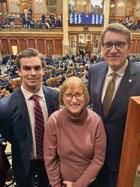
Steve Churchill, Seth Brown, JD, and IMS President, Alison Lynch, MD, attended the Condition of the State speech in January
2026 LEGISLATIVE SESSION
AFTER THE FUNNEL, THE FOCUS SHARPENS
TSETH BROWN, JD Director of Government Relations
he 2026 Iowa legislative session opened at a pace few at the Capitol can remember, and that intensity has carried through the Legislature’s funnel deadlines. Lawmakers introduced a record number of bills, committees met at an unprecedented rate, and health care policy quickly emerged as a central focus.
By the time the first funnel closed, legislators had introduced more than 1,280 bills between the House and Senate, significantly outpacing last session. In the weeks leading up to that deadline alone, lawmakers held 865 subcommittee meetings—nearly 40 per day. As the second funnel has passed, the sheer volume of proposals has narrowed, but the stakes for physicians and patients remain high.
“In a session defined by speed and volume, IMS’s message remains steady: sound health policy relies on evidence, respects the physicianpatient relationship, and recognizes that a strong physician workforce is essential to the health of Iowa’s communities.”
Throughout the session, the Iowa Medical Society has focused on a defined set of priorities aimed at improving patient access, strengthening Iowa’s physician workforce, and protecting evidence-based medicine.
Medicaid physician reimbursement remains IMS’s top legislative priority. Iowa’s low Medicaid payment rates continue to create barriers to care and contribute to physician workforce shortages across the state. This issue goes beyond budget line items. When
reimbursement fails to reflect the cost of providing care, access suffers—particularly in rural and underserved communities. IMS continues to urge lawmakers to recognize that sustainable access to care requires meaningful investment in physicians.
IMS also supports legislation to reduce administrative burdens that interfere with patient care. Insurance reform legislation, SF 2421 and HF 2635, which advanced into law, addresses prior authorization and peer-to-peer review practices that routinely delay treatment and contribute to physician burnout. Physicians spend increasing time navigating insurer requirements instead of caring for patients. This legislation promotes accountability and ensures that peer reviews involve physicians with appropriate clinical expertise.
Physician licensure reform, SF 2184, also advanced beyond funnel and reflects another longstanding IMS priority. Streamlining licensure reduces duplicative paperwork and allows physicians to spend less time on non-clinical administrative tasks. These changes align directly with IMS’s Operation I.O.W.A. workforce initiative and represent a practical step toward improving recruitment and retention in a state that ranks near the bottom nationally in physicians per capita.
This session has also produced a record number of vaccine-related bills. While many failed to advance through funnel, their volume alone underscores continued legislative
interest in vaccine policy. IMS actively opposes proposals that weaken long-standing immunization requirements or disregard scientific consensus. We continue to emphasize the importance of protecting public health and community immunity.
Abortion legislation also remains a central focus. Several proposals advancing this session would mandate specific clinical statements or otherwise insert statutory requirements into the physician-patient relationship. IMS opposes legislation that compels physicians to provide information not supported by medical evidence or substitutes political mandates for clinical judgment. At a time when Iowa already faces significant challenges in obstetrical care, these measures risk further destabilizing the practice environment and limiting patient access.
As the Legislature moves into the final stretch of session, attention now turns to a smaller number of bills with significant implications for physicians and patients. IMS will continue to work with lawmakers from both parties to advance policies that support physicians, protect patients, and strengthen Iowa’s health care system. In a session defined by speed and volume, IMS’s message remains steady: sound health policy relies on evidence, respects the physicianpatient relationship, and recognizes that a strong physician workforce is essential to the health of Iowa’s communities. ■
PHYSICIAN DAY ON THE HILL
Tuesday, February 17, 2026
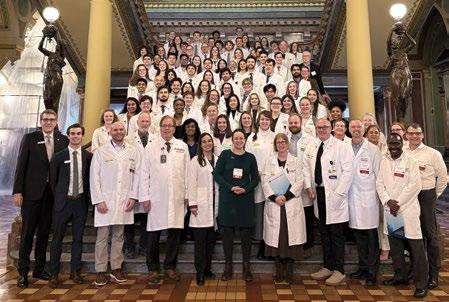
More than 100 physicians, residents and medical students joined Iowa Medical Society for Physician Day on the Hill (PDOTH) on Feb. 17, bringing a strong physician voice to the Iowa Statehouse. Throughout the day, IMS members met with lawmakers to share real-world perspectives on policies shaping patient care across Iowa.
Insurance reform, IMS’s top priority for PDOTH, advanced into law. Special thanks to bill sponsors Sen. Kara Warme and Reps. David Young and Austin Harris for their leadership on insurance reform. Physician licensure updates also advanced, clearing the Senate.
Physicians also engaged legislators in conversations about additional bills important to the profession and the patients they serve. IMS extends its appreciation to members of the Iowa Legislature for their engagement. ■
DMU STRENGTHENS IOWA’S PHYSICIAN PIPELINE
DAVID A. CONNETT, DO, FACOFP, DIST
Dean College of Osteopathic Medicine
Des Moines University
GROWTH IN OSTEOPATHIC MEDICAL EDUCATION
More than 71 osteopathic medical school campuses operate across the United States, with an additional 11 proposed campuses seeking approval to initiate new programs. Within
this increasingly competitive educational landscape, Des Moines University College of Osteopathic Medicine (DMUCOM) has distinguished itself, earning national recognition as the top osteopathic medical school in the nation based on first-time board pass rates. The college also maintains an outstanding residency match and placement record that approaches nearperfect levels annually.
A GROWING NATIONAL PHYSICIAN SHORTAGE
Despite these achievements, the broader national physician workforce outlook remains concerning. Projections presented at the 2025 Association of American Medical Colleges
(AAMC) conference underscore a persistent and worsening physician shortage extending through 2050. Current estimates anticipate a shortfall exceeding 200,000 primary care physicians and an additional 200,000 specialists, resulting in a projected deficit of approximately 400,000 physicians nationwide.
These shortages pose a substantial threat to access, continuity, and quality of care, particularly in rural and underserved regions.
THE IMPORTANCE OF TRAINING LOCATION
AAMC workforce data reaffirm a well-established principle: Physicians are far more likely to practice long term in the state or region where they complete both medical school and residency training. This finding carries significant implications for states such as Iowa, where physician workforce retention is closely tied to the availability of graduate medical education opportunities.
Many highly qualified DMU-COM graduates in the Class of 2025 expressed a strong desire to remain in Iowa for residency training. However, limited residency capacity within the state has compelled numerous candidates to seek training elsewhere, contributing directly to Iowa’s ongoing physician workforce challenges.
RESIDENCY CAPACITY AS A BOTTLENECK
The availability of residency positions remains one of the most significant rate-limiting factors in expanding physician practices across Iowa. Without sufficient residency training capacity,
efforts to grow and sustain the physician workforce, particularly in primary care and other highneed specialties, are constrained. Addressing this bottleneck is essential to meeting both the current and future health care needs of the state.
EXPANDING GRADUATE MEDICAL EDUCATION IN IOWA
In response, Des Moines University College of Osteopathic Medicine continues to play a leading role in developing and expanding residency programs throughout Iowa. DMU recently achieved accreditation by the Accreditation Council for Graduate Medical Education as an institutional sponsor, enabling the university to support new and existing hospitals seeking to establish or expand residency programs.
This designation allows DMUCOM to partner with health care institutions by providing experienced faculty leadership, financial modeling, operational planning, and academic sponsorship necessary for successful program development.
Currently, DMU-COM is collaborating with multiple health care institutions across the state preparing to submit applications aimed at broadening Iowa’s residency footprint. These partnerships represent a strategic investment in Iowa’s health care infrastructure and longterm workforce sustainability, reinforcing DMU-COM’s commitment to serving the health needs of the state and region. ■
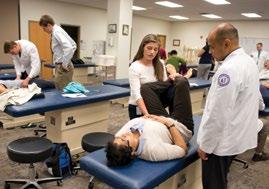
Des Moines University students in class
RURAL PHYSICIAN CLINICS ARE CLOSING
MICHAEL KITCHELL, MD
Past president, Iowa Medical Society; past Iowa delegate to the American Medical Association
Closures and layoffs across Iowa signal a growing health care crisis in rural communities. The shutdown of Traer Family Medicine Clinic and MercyOne’s
“Without meaningful payment reform, rural physicians will continue to leave underserved communities.”
primary care clinic in Ottumwa, along with layoffs at Mason City Clinic, MercyOne North Iowa and Pella Regional Medical Clinic, totaling more than 200 staff members and physicians, have deepened the shortage of rural health care workers.
The consequences are serious for the 1 million rural Iowans who rely on local access to care. Rural Americans experience 40% higher rates of avoidable hospitalizations and a 23% higher mortality rate than those living in urban areas.
A major factor is reimbursement.
Medicare and Iowa Medicaid payments often fall far below the cost of providing care, leaving many rural clinics struggling to remain financially viable.
CONTINUE READING ONLINE
In the full commentary, Dr. Kitchell examines how decades of federal and state payment policy have reshaped Iowa’s rural health care landscape. He details Medicare reimbursement formulas that disadvantage rural physicians, Medicaid payment rates that have barely changed in 25 years, and the widening gap between urban and rural practices.
He also outlines how potential Medicaid funding losses could further strain Iowa hospitals and clinics — and what policymakers can do to stabilize access to care.
Read the full commentary at iowamedical.org/opinion
CANCER IN IOWA
INTERIM PROGRESS REPORT FROM THE CANCER DRIVER PROJECT
The Interim Progress Report from the Cancer Driver Project was released in February 2026, marking the first formal update in Iowa’s state-funded effort to better understand why cancer incidence remains among the highest in the nation. Funded by a $1 million legislative appropriation and led by the Iowa Department of Health and Human Services in partnership with the University of Iowa College of Public Health, the project examines demographic, behavioral, environmental, and genetic contributors to cancer risk. Researchers found that in 2022, Iowa experienced approximately 2,500 more cancer cases than would be expected if rates
mirrored the national average. Eighty-seven of Iowa’s 99 counties showed higher-than-expected overall cancer incidence before adjusting for risk factors.
Behavioral factors such as tobacco use, obesity, and alcohol consumption explain part of the excess burden, but several counties continue to show elevated rates even after those adjustments, signaling the need for deeper analysis.
WHAT’S NEXT?
The remaining portion of Phase I will expand modeling for specific cancers, including lung, colorectal, melanoma, and HPV-related cancers. Phase II will incorporate
additional environmental and genetic data. Researchers aim to refine county-level analysis and identify actionable prevention strategies to guide policy and public health investment.
For physicians and health leaders, the report underscores the importance of prevention, screening, and evidence-based public health interventions.
Read the full interim report and follow ongoing updates at: iowamedical.org/cancer-resources
MEDICAID PAYMENTS: NEARLY FLAT FOR 25 YEARS
99213 visit
2001: $42
2026: $43.33
99214 visit
2001: $65
2026: $66.80
Practice costs since 2001: +63%
March 13, 2026: New Cancer in Iowa report examines farming population trends.
WHEN DOCTORS SAY “NO”
CONSCIENCE AND CARE IN MODERN MEDICINE
In recent years, conscientious objection has reemerged as a source of controversy. Conscientious objection legislation historically focused on responses to Roe v. Wade, the 1973 Supreme Court decision, which legalized abortion nationally. The Coats Amendment of 1996, for example, protected physicians and trainees who disagree with abortion, while the Balanced Budget Act of 1997 allowed insurance companies to use religious beliefs or moral convictions to deny claims. In 2009, the Bush administration issued the Provider Conscience regulations, broadly protecting refusals based on religious or moral beliefs; the Obama administration later narrowed these protections to abortion and sterilization under the Church Amendment.
Professional organizations, including the American Medical Association (AMA), also refined policy statements around conscientious objection, generally permitting physicians to exercise
objection – that physicians are persons too and “have the freedom to act according to conscience.”
Physicians’ professional autonomy, due in large part to their fiduciary responsibilities to patients, is not unlimited. The AMA Code of Medical Ethics identifies several constraints on this autonomy, including obligations to provide emergency care, avoid discriminatory practices, and facilitate referrals for patients.
Because many of these scenarios center on reproductive medicine, it is prudent to reference the American College of Obstetricians and Gynecologists 2007 Committee Opinion on “The Limits of Conscientious Refusal in Reproductive Medicine.” In this position statement, ACOG affirms precisely the same limitations as the AMA – importantly noting that physicians may not withhold information about treatment options, even those they morally oppose, as doing so undermines informed consent and patient autonomy. They explicitly note
“REGARDLESS OF LEGISLATIVE OUTCOMES, PHYSICIANS SHOULD REFLECT ON THEIR PERSONAL CONVICTIONS, PRACTICE SETTINGS, AND REFERRAL OPTIONS.”
their moral beliefs with a few restrictions. As AMA Code of Medical Ethics Policy 1.1.7 Physician Exercise of Conscience explains, “[physicians] are moral agents in their own right and, like their patients, are informed by and committed to diverse cultural, religious, and philosophical traditions and beliefs.” This represents the foundation of conscientious
IMS Law and Ethics Committee member
IMS Law and Ethics Committee member
that in emergencies, where referral is not feasible, physicians must provide stabilizing treatments to prevent harm.
Thus, we see clear consistency in medical ethics limiting conscientious objection to not compromise patient safety in emergencies or access to care through failure to provide referrals or through discriminatory practices.
Law and Ethics Committee Chair
Against this backdrop, recent legislative proposals have included broad-based language protecting physician conscientious objection. Supporters argue such bills strengthen physician autonomy, while opponents warn that the legislative proposals fail to codify the aforementioned limits to this conscientious objection.
The Iowa Medical Society registered against House File 571, citing concerns about its potential to interfere with patient care.
As legislative initiatives on conscientious objection surface, it is equally important to ensure these protections remain balanced with safeguards for patients, as outlined in authoritative medical ethics opinions. Regardless of legislative outcomes, physicians should reflect on their personal convictions, practice settings, and referral options. Doing so ensures ethical handoffs, continuity of care, nondiscrimination, and full disclosure of treatment options, while protecting patients and preserving physicians’ moral integrity. ■
References: Stahl RY and EJ Emanual. “Physicians, Not Conscripts – Conscientious Objection in Health Care.” NEJM 2017; 376 (14): 1380-1385. | AMA Code of Medical Ethics 1.1.7 Physician Exercise of Conscience | ACOG Committee Opinion No. 385: The Limits of Conscientious Refusal in Reproductive Medicine.
JUBILEE HOU, OMS III
CLAIRE LOFTUS, OMS II
NICK KLUESNER, MD, FACEP
Bringing Pediatric Cardiac Care to Patients and Families Across the Region
Calum’s Story:
Cardiology Care Closer to Home
Calum was born with an atrioventricular (AV) canal defect, a large hole between the upper and lower chambers of his heart, as well as coarctation, a narrowing of the aorta. Through Children’s Nebraska’s Fetal Heart Program, our pediatric cardiac team began building and preparing Calum’s care plan even before he was born.
That plan included a two-stage surgical approach. Immediately after birth, Calum was transported from his hometown of Rapid City, South Dakota, to Children’s for surgery to expand his aorta. Six months later, he returned for a second corrective procedure to repair the AV canal defect.
Today, Calum continues to receive expert care close to home. Children’s pediatric cardiologists travel to Rapid City to provide pediatric cardiology clinics, allowing patients and families across South Dakota to access specialized care without traveling long distances for every visit. Calum is also followed by Children’s Pulmonary Hypertension Program, the first program of its kind accredited as a Regional Clinical Program by the Pulmonary Hypertension Association.
The comprehensive care offered through Children’s Criss Heart Center ensures patients like Calum receive the full spectrum of cardiac services from one trusted care team. Our extensive outreach clinic program reduces the need for frequent travel to Omaha, and when visits to our main campus are necessary, Children’s supports families traveling more than 90 miles by providing accommodations at the Carolyn Scott Rainbow House. At every step of the way, our team is committed to keeping patients and families informed, supported and cared for.
Extending Excellence Across the Region
In addition to Omaha, Children’s conducts outreach clinics in:
Nebraska: Columbus, Grand Island, Kearney, Hastings, Lincoln, Norfolk and North Platte
Iowa: Ames, Atlantic, Des Moines and Sioux City
South Dakota: Rapid City and Sioux Falls
Children’s Criss Heart Center’s Programs and Services Include:
• Adult Congenital Heart Disease
• Advanced Pediatric Heart Failure & Transplant Program
• Aortopathy Program
• Cardiac Care Unit, an acuity-adaptable floor dedicated to caring for the full spectrum of heart patients
• Cardiac Neurodevelopmental Program
• Cardiac Rehabilitation
• Cardiothoracic Surgery
• Cardiovascular Genetics
• Diagnostic Testing & Advanced Cardiac Imaging
• Electrophysiology
• Fetal Heart Program
• Fontan Program, in partnership with Children’s Adolescent Medicine and Gastroenterology, Hepatology & Nutrition
• Interventional Cardiology
• Lipid Heart Clinic
• Pediatric Cardiology
• Pediatric Pacemakers and Implantable Cardioverter Defibrillators (ICD) Program
• Pulmonary Hypertension Program, in partnership with Children’s Pulmonology
• Single Ventricle Program
Scan the QR code or visit ChildrensNebraska.org/ReferHeart to learn more about Children’s Criss Heart Center and how to make a referral. For immediate consult or transport, call Children’s Provider Priority Line at 855.850.KIDS (5437).
WHY YOUR FINANCIAL REVIEW MEETINGS ARE AS IMPORTANT AS THE DENTIST APPOINTMENTS
WADE A. DEN HARTOG, MBA, CAP®, CFP®, CKA®, Lead Advisor
When was the last time you went to the dentist? If you’re like me, I schedule regular cleanings and check-ups to prevent cavities, address issues early, and and try my best to maintain my smile and oral health. But have you ever thought about your financial health in the same way? Regular meetings with your advisor(s) are just as important as dentist appointments—and just like those dental visits, they’re an important step toward a healthier, happier you. (And we also hope you enjoy the experience a bit more than taking a drill to your teeth :).)
Prevention is Better Than Cure
Think about the relief you feel after a dentist catches a small cavity before it becomes a root canal situation. Financial review meetings offer the same peace of mind. We help you spot potential issues early on, whether it’s overspending, inadequate savings, or overlooking a tax planning opportunity. By catching these problems early on, you’ll save yourself from future financial headaches.
Personalized Attention
Remember how your dentist gives you
advice tailored to your specific oral health, like suggesting a soft-bristle toothbrush or a special toothpaste? Financial review meetings work the same way. We take a close look at your unique situation and provide guidance to help you achieve your goals, whether it’s saving for retirement, buying a home, or managing debt. It’s all about you and your journey.
Life Changes Require Adjustments
Life doesn’t stand still, and neither do your financial needs. Think about how your oral care routine changes over time—like switching from braces to retainers, or addressing sensitivity as you get older. Similarly, financial reviews help you adapt to life changes like getting married, having a baby, switching careers, or planning for a big purchase. We want to make sure your plan keeps pace with your evolving life.
Staying on Track
Skipping a dentist appointment might not seem like a big deal but over time, neglect can lead to serious problems. The same is true for your finances. Regular financial reviews keep you accountable and make sure you’re on track to meet your goals.
Whether you’re building an emergency fund or growing your retirement nest egg, consistency is important.
Peace of Mind
There’s nothing quite like the confidence that comes from knowing your teeth are healthy, and your smile is bright. When you take the time to review your financial situation, you gain peace of mind, allowing you to focus on what truly matters—like spending time with loved ones or pursuing your passions—without the stress of financial uncertainty.
If it has been a while since your last financial review, schedule an appointment today. If you are not currently working with an advisor or would like a second opinion on your current situation, we would love to help you. You can reach us at 515-226-9000 or fostergrp.com. At Foster Group, being truly cared for means we understand your passions and use proven methods to help you reach your goals. Let’s work together to ensure your financial health is in top shape, so you can live confidently and comfortably, no matter what life throws your way.
IMS RECOGNIZES FIVE IOWA PHYSICIANS TO WATCH IN 2026
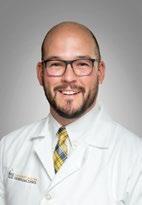
The Iowa Medical Society’s Leadership Development Committee has named five physicians from across the state as 2026 Physicians to Watch. After reviewing nominations from physicians statewide, IMS and its Leadership Development Committee proudly recognize these individuals:
Clyde Grady, MD
Zeina Hajar, MD
Marco Hefti, MD
Michael Strong, MD
Andrew Vanderheyden, MD
Award winners were selected based on contributions to one of the following fields:
+ Leadership
+ Impact and Influence
+ Innovation and Creativity
+ Community Impact
+ Potential for Future Success
Award recipients will be recognized Friday, April 17 in Iowa City as part of the IMS President’s Dinner.
Meet this year’s honorees through excerpts from their nominations.
Clyde Grady, MD
FAMILY MEDICINE, GREAT RIVER HEALTH, WEST BURLINGTON
“Dr. Grady exemplifies the spirit of a forward-thinking physician leader, consistently contributing strategies that strengthen patient care and the broader health care community. He has played a key role in expanding Operation Transformation, a program dedicated to helping patients develop sustainable habits in nutrition, physical activity, and overall wellness. He also demonstrated leadership and creativity during the implementation of Epic.
Dr. Grady recognized the need for accessible, open dialogue during a major change. He introduced Fireside Chats to provide medical staff an opportunity to ask questions, voice concerns, and collaborate. These sessions increased participation, strengthened trust, and fostered a culture of shared ownership.
Dr. Grady’s dedication to innovative care delivery, collaborative leadership, and creative problem-solving has made a lasting impact on Great River Health and the patients it serves.”
Zeina Hajar, MD
INFECTIOUS DISEASE
PHYSICIAN, SOUTHEAST IOWA REGIONAL MEDICAL CENTER, WEST BURLINGTON
“Dr. Hajar is an infectious disease physician and medical director at Southeast Iowa Regional Medical Center, a rural hospital where access to specialty care is limited. She has transformed infectious diseases management in the region. She spearheaded an antimicrobial stewardship program, implementing evidence-based tools such as the PEN-Fast PCN Allergy algorithm in the electronic health record (EHR). As Co-Chair of the Antimicrobial Stewardship and Infection Prevention Committees, she ensures annual participation in World Antimicrobial Awareness Week by providing education on reducing inappropriate antibiotic use.
Recognizing the challenges of rural care, she developed an Outpatient Parenteral Antimicrobial Therapy (OPAT) care plan to benefit patients with bone and joint infections.
Dr. Hajar is dedicated to advancing infectious disease care in rural Iowa through her innovative programs, collaborative approach, and patient-centered commitment.”
Marco Hefti, MD
ASSOCIATE PROFESSOR OF PATHOLOGY, UI HEALTH CARE, IOWA CITY
“Dr. Hefti is a practicing neuropathologist and physicianscientist advancing human brain research in Iowa and beyond.
As lead neuropathologist for the Iowa Brain Bank, he secured a $7 million National Institutes of Health (NIH) contract to join the NeuroBioBank network, the only site in the Midwest, positioning Iowa as a national contributor to neuroscience research.
As principal investigator on a five-year NIH R01 award, Dr. Hefti studies the role of tau protein in brain development and disease, using human tissue and stem cell-derived neuronal systems to explore epilepsy, autism, neurodevelopmental injury and neurodegeneration. He also serves as a consulting neuropathologist for the Iowa Office of the State Medical Examiner, pairing scientific innovation with direct service to the state. Dr. Hefti demonstrates leadership, measurable impact, innovation, community benefit, and clear future promise.”
Michael Strong, MD
CLINICAL ASSOCIATE
PROFESSOR OF PSYCHIATRY, UI HEALTH CARE, IOWA CITY
“Dr. Strong is a physician leader focused on strengthening clinical operations, supporting developing leaders, and broadening access to high-quality psychiatric services, even during times of workplace instability.
As program director for the consultation-liaison psychiatry fellowship, Dr. Strong led efforts to extend telepsychiatry across inpatient and emergency settings, improving access and continuity of care. He also contributed to major improvements in highacuity psychiatric care, including development of an enhanced Crisis Stabilization Unit capable of serving adolescents.
Dr. Strong’s work emphasizes scalable models that address Iowa’s mental health workforce shortages and psychiatric care systems throughout the state. He also supports physician engagement and advocacy.
He leads with humility and a genuine commitment to service, and his continued leadership will benefit communities and the state.”
Andrew Vanderheyden, MD
MARKET CHIEF MEDICAL OFFICER, UNITYPOINT HEALTH, DUBUQUE
“Dr. Vanderheyden embodies the qualities of a transformational clinical leader: strategic, innovative, collaborative, and relentlessly committed to elevating patient care for the Dubuque community and beyond.
He leads with clarity, humility, and a commitment to team-based excellence. He has left his mark on cross-market collaboration from infectious disease consult networks to neurosurgical care. His proactive approach to identifying gaps, whether in triage, office staffing, or transfer protocols, has shaped system-level solutions.
A forward-thinking strategist, Dr. Vanderheyden approaches challenges with creativity and operational realism, contributing to peer review system modernization while strengthening culture and fairness. He is deeply attuned to the needs of the Dubuque community and he is committed to strengthening local survivorship support, improved specialist partnerships and expanding palliative care.”
Health Insurance & Access Competition
How Market Concentration is Reshaping Care Delivery, Patient Access, and Physician Payment
JOSIE SYLTE Director of Communications and Marketing
Iowa’s health insurance story began not with national carriers, but with local innovation. In the late 1800s, coal miners in Muchakinock, a oncethriving coal town near Oskaloosa, created one of the state’s earliest prepaid medical arrangements. By the 1920s, Grinnell College offered hospital care for a fixed monthly fee. During the Great Depression, Blue Cross and Blue Shield of Iowa and South Dakota launched to stabilize hospitals through prepayment plans.
That legacy of local experimentation stands in sharp contrast to Iowa’s current insurance landscape — one of the most concentrated in the nation.
Today, Iowa ranks among the least competitive states in the commercial health insurance market, according to analyses by the American Medical Association (AMA). Using the HerfindahlHirschman Index (HHI), a standard measure of market concentration, Iowa’s commercial market routinely exceeds 3,000, well above the 1,800-point threshold the U.S. Department of Justice and the Federal Trade Commission considers “highly concentrated.”
The AMA’s latest report, “Competition in Health Insurance: A Comprehensive Study of U.S. Markets 2025 Update,” found that most insurance markets nationwide now exceed 1,800 HHI points.
“In the vast majority of metropolitan areas across the country, health insurers hold outsized market share—leaving patients with fewer choices and higher costs,” said AMA CEO and Executive Vice President John J. Whyte, MD, MPH “When one or two companies call the shots, premiums rise, options shrink, and patients suffer. Strengthening competition—not consolidation— is the path to lower costs and improved access.”
Across five years of AMA data (see table), Iowa’s commercial market has remained stable and highly concentrated. The largest insurer holds 46% to 49% of the market, compared with a national average of 44%, while the top two insurers together control roughly threequarters of enrollment.
But headline market statistics tell only part of the story.
Physicians in Iowa do not negotiate in a purely commercial marketplace. They operate within a payer mix where federal
Medicare formulas, state Medicaid rates, and a highly concentrated commercial market converge. With Medicare and Medicaid payments largely fixed, commercial contracts become the only meaningful lever to offset rising practice costs.
Some physicians caution that blending Medicare Advantage enrollment into overall market-share calculations can obscure the true level of commercial consolidation.
“The commercial market is more concentrated than it appears when you combine it with Medicare Advantage enrollment,” said Michael Kitchell, MD, past president of the Iowa Medical Society (IMS) and past IMS delegate to the AMA. “If you separate those lines of business, the commercial side is even tighter.”
That concentration shapes everything downstream, from physician contracts, to patient access, to employer premiums.
“When you have one dominant payer in a market, they can dictate terms,” said Andrew Perry, CEO of McFarland Clinic. “With a single large payer, they have significant leverage. This leads to limitations as to what independent groups are able to do economically and competitively with regional health systems and local hospitals.”
Perry said independent practice is built on physician autonomy, but economics increasingly determine whether that model will survive.
“From an independent clinic standpoint, we attract physicians based on our private practice ownership model — being able to have autonomy in their clinical practice and involvement in how the organization is run,” Perry said. “Many physicians prefer that autonomy. That’s what brings people to our organization and keeps them here. But where it becomes challenging is in the economics.”
Largest Health Insurers in Iowa’s Commercial Health Insurance Market, 2020-2024
Source: Competition in Health Insurance: A
Notes: Market shares are based on the
are choosing from limited options rather than negotiating in a truly competitive environment.”
For employers, fewer competitors can translate into reduced negotiating leverage, particularly for those that purchase fully insured coverage, where the insurer sets premiums and assumes the financial risk.
Employers that self-fund their health plans take on more direct financial exposure. In those arrangements, access to a strong provider network and affordable stop-loss protection becomes critical. Iowa’s high rate of cancer only exacerbates the issue.
“High-cost catastrophic claims, including cancer and other complex conditions, ultimately affect employers one way or another," said Boychenko Stone.
“Why the Market Consolidated
Over the past two decades, several carriers entered and exited Iowa’s market. CoOportunity Health expanded rapidly in 2014, before insolvency concerns forced its closure in 2015. UnitedHealthcare exited Iowa’s individual exchange in 2017. Other carriers reduced participation or were acquired.
Each departure or reduction narrowed employer and consumer choice.
“In Iowa, there simply aren’t many carriers and they are competing for a relatively small population base,” said Nataliya Boychenko Stone, PhD, senior vice president and Iowa market leader of employee benefits at Holmes Murphy. “When one insurer holds a dominant market share, employers often feel they
“Cost and premium stability are top of mind because they directly affect recruitment and retention,” she said. “Consolidation alone doesn’t solve for cost. If high-cost specialty drugs and complex therapies continue entering the market, premiums will reflect that reality.”
In a concentrated insurance market, independent practices may have limited leverage to negotiate reimbursement terms for high-cost specialty drugs, increasing financial risk compared with larger health systems.
For physicians, those cost pressures shape coverage decisions, prior authorization rules, and patient access to emerging therapies.
Oncology continues to be a major cost driver... - Nataliya Boychenko Stone, PhD
Cancer and Specialty Costs
Iowa continues to report some of the highest cancer incidence rates in the country, a trend that has direct implications for employersponsored coverage. Oncology diagnoses and survivorship care influence benefit design, stop-loss coverage decisions, and long-term premium projections.
“Oncology continues to be a major cost driver, especially for selffunded employers who purchase stop-loss protection,” Boychenko Stone said. “The earlier we detect and treat disease, the better the outcome and often the lower the long-term cost.”
Cancer-related therapies are also part of a broader trend. Specialty pharmaceuticals remain one of the fastest-growing cost drivers in commercial plans, reshaping employer spending patterns across product lines.
The Physician Experience
For physicians, market concentration shows up in paperwork, delays, and mounting administrative costs.
Prior authorization requirements, utilization management policies, and network rules consume time and staff resources. According to the February 2026 “AMA Advocacy Impact Report,” physicians and their teams spend an average of 13 hours per week on prior authorization-related tasks.
“It’s time that physicians and staff have taken away from working with patients, and it’s cost,” Perry said.
Perry questioned whether uniform prior authorization requirements make sense for high-performing physician groups.
“If a payer knows an organization demonstrates high quality and lower costs while denial rates
Holmes Murphy 2025 Iowa Employer Benchmarking Survey data
are low, why continue to put the barrier in place?” he said.
Administrative complexity also varies by product line.
“Prior authorization requirements are often more burdensome in Medicare Advantage plans than in commercial plans,” Dr. Kitchell said. “More companies can mean more and different paperwork, even if payment levels remain the same.”
In a concentrated commercial market, physicians say there is often limited leverage to negotiate simpler processes or streamlined rules.
Dustin Arnold, MD, chief medical officer at UnityPoint Health – St. Luke’s Hospital, said the ripple effects extend beyond physician frustration.
“We are hiring staff to manage insurance rules instead of investing in patient-facing roles,” Dr. Arnold said. “That shifts resources away from direct care and adds cost to the system.”
Physicians also warn that administrative delays can affect how patients understand their own care.
“Patients assume these delays are clinical decisions,” Dr. Arnold
“effectively declined 33% since 2001, according to the AMA.
Growth in Medicare Advantage enrollment has not necessarily improved payment levels for Iowa physicians.
“Wellmark has many Medicare supplement patients and some Medicare Advantage patients, but they all pay the same low Medicare rates to physicians in Iowa,” Dr. Kitchell said. “Supplemental plans may have different premiums, but there’s no change in physician payment. It’s the same as traditional Medicare.”
Perry said commercial payment rates have also failed to keep pace with inflation.
“We don’t see our commercial payer keeping pace with inflation when it comes to paying physicians,” he said. “They have been woefully below the rate of inflation for multiple years.”
Structural reimbursement differences between hospitals and independent clinics further widen the gap.
“The way hospitals and large health systems get paid today is different than an independent physician for the same work,” Perry said. “Because of that difference, they have the ability to employ physicians and pay them at a different increased rate.”
Perry also pointed to Medicaid.
We are hiring staff to manage insurance rules instead of investing in patient-facing roles. - Dustin Arnold, MD
said. “In reality, they are often administrative barriers that have nothing to do with the patient’s individual circumstances.”
Reimbursement Realities
Physician reimbursement remains under strain. Adjusted for inflation, Medicare physician payment has
A Complex Path Forward
No single policy change will restore competition or reverse cost trends overnight. But as Iowa’s 2026 legislative session unfolds, insurance market concentration is increasingly shaping the state’s health policy agenda.
In March, Iowa lawmakers approved IMS’s top legislative priority, legislation aimed at improving transparency in insurer practices and reducing administrative barriers that
“Physicians cannot continue to see more patients in an eight-hour day... It becomes unsafe. - Andrew Perry
can delay care. The reforms address several longstanding concerns raised by physicians, including prior authorization processes and other administrative requirements. While the new law represents progress, physicians and leaders say broader structural challenges in payment and market competition remain.
“This is a complex system with many stakeholders,” Boychenko Stone said. “If we want a more sustainable market in Iowa, we need greater transparency, stronger cancer prevention efforts, and collaboration across employers, insurers, and physicians.”
“Over the last 25 years, we’ve seen a total increase of less than 3% in Medicaid reimbursement,” he said. “From an inflationary standpoint, we are continuing to decline in what we can bill and collect compared to our costs.”
“Physicians cannot continue to see more patients in an eight-hour day,” Perry added. “It becomes unrealistic. It becomes unsafe. And patients don’t feel they’re getting enough time with their provider.”
Iowa’s health insurance story began with local innovation and community-driven solutions. Today, the challenge is different: not creating coverage, but ensuring it fosters competition, sustains physician practice, and preserves patient access across the state.
Whether that happens will depend on whether policymakers, insurers, employers, and physicians can align around one central question: not simply who pays for care, but whether the system protects independent clinical judgment and ensures timely access for Iowa patients. ■
NATIONAL ADVOCACY CONFERENCE HIGHLIGHTS
The American Medical Association held its National Advocacy Conference in Washington, D.C., Feb. 23-25.
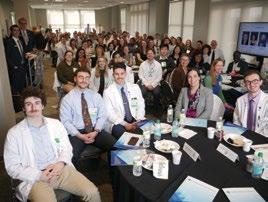
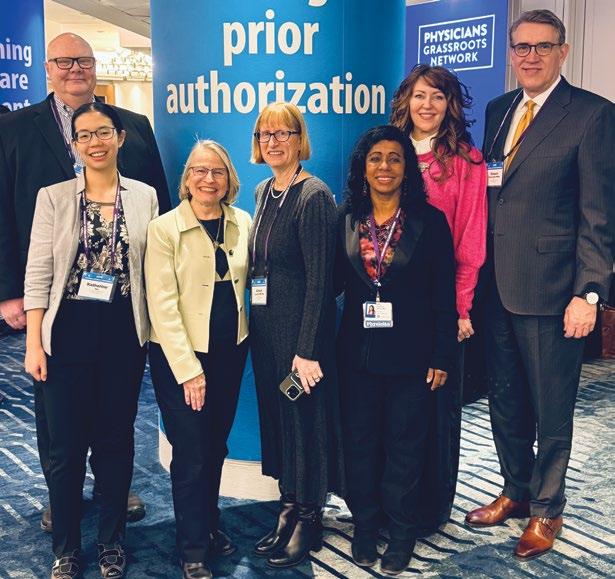
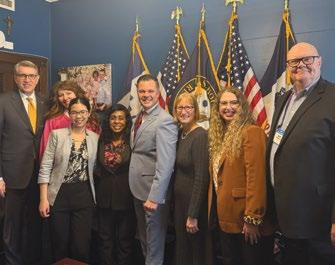
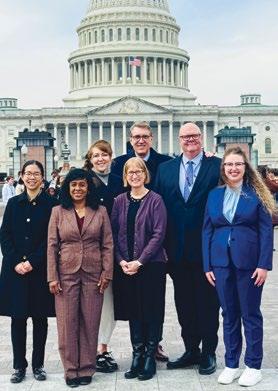
We joined AMA Trustee and IMS member Marta Van Beek, MD; AMA Delegate Sharmini Suriar, MD; MercyOne Des Moines Family Medicine R3 Sarah Klinger, MD; University of Iowa Carver College of Medicine M2 Katherine Yu; and IMS CEO Steve Churchill, MNA, in representing the Iowa Medical Society.
More than 250 physicians attended the conference at the Grand Hyatt in Washington. Participants received updates on AMA legislative priorities, federal
policy and advocacy strategy. Each afternoon, physicians met with lawmakers on Capitol Hill to share firsthand accounts of how current policies affect physicians, patients, and communities. Presenters reviewed AMA priorities in advance to prepare attendees for those meetings.
Medicare Physician Payment Reform
The first legislative priority addressed protecting access for America’s seniors through Medicare physician payment reform. Stable Medicare payments protect seniors’ access to care and support the physicians who treat them.
Payment stability faces several threats, including the lack of inflationary updates, flawed budget neutrality rules, burdens under the Merit-based Incentive Payment System, and limited alternative payment model options. Over the past 25 years, physician payments have declined 33% when adjusted for inflation. While hospitals and Medicare Advantage plans receive statutory inflationary updates, physicians do not.
The AMA is urging Congress to tie annual Medicare updates to practice costs through the Medicare Economic Index, fix budget neutrality rules, restructure MIPS, and expand APM options.
Iowa Medical Society members attended the AMA National Advocacy Conference in Washington D.C.
Reducing Prior Authorization Burdens
The second legislative priority addressed prior authorization burdens. A 2024 AMA survey found physicians complete an average of 39 prior authorizations per week. Forty percent have hired staff dedicated exclusively to managing those requirements, and 25% report an adverse patient event tied to delays, treatment abandonment, hospitalization, or death.
The Improving Seniors’ Timely Access to Care Act would reduce administrative burden and delays by expanding electronic prior authorization in Medicare
Protecting Access to Care in Medicaid
The third legislative priority addressed protecting access to care in Medicaid. Congress recently enacted changes to Medicaid financing in the One Big Beautiful Bill Act.
The AMA is urging lawmakers to provide strong oversight of the law’s implementation to ensure patient access is not compromised, support state flexibility and technical assistance to ease transitions and reduce provider instability, and monitor the impact on patients and physicians, particularly in rural and safety-net settings.
“The conference gave me a deeper appreciation for how complex health policy decisions are, and how much our advocacy and perspective as physicians matters.” - Keith Vollstedt, MD
Advantage plans. The bill would require plans to report approval and denial rates, create a pathway for CMS to implement real-time decisions for routinely approved services, clarify CMS authority to set approval timeframes, and require federal agencies to report to Congress on program integrity efforts and further improvements.
Iowa Delegation Hill Meetings
On Capitol Hill, the IMS delegation met with U.S. Rep. Mariannette Miller-Meeks, R-Iowa, an ophthalmologist and IMS past president; U.S. Rep. Zach Nunn, R-Iowa; U.S. Sen. Joni Ernst, R-Iowa; and U.S. Sen. Charles Grassley, R-Iowa, along with their health policy staff. The delegation
also met with health policy staff from the offices of U.S. Rep. Ashley Hinson, R-Iowa, and U.S. Rep. Randy Feenstra, R-Iowa.
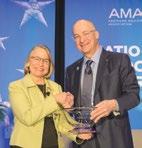
One highlight of the conference was the AMA’s Outstanding Government Service Award, presented to Rep. Miller-Meeks. In her acceptance speech, she reflected on her work in Congress on behalf of physicians, including advocating for Medicare payment reform, preserving independent medical practice, and improving health care for veterans. The delegation later joined Rep. Miller-Meeks for dinner at The Monocle near Capitol Hill. ■
Iowa Medical Society leaders met with Rep. Zach Nunn in Washington D.C.
(Bottom) Rep. Mariannette MillerMeeks accepting AMA’s Outstanding Government Service Award
(Top) Iowa Medical Society leaders had meetings with Iowa's Congressional Delegation while in Washington D.C.
Health care providers are essential to ending the HIV epidemic in Iowa. The best first step you can take? Offering routine HIV screening as part of your practice.
Diagnosing HIV quickly and linking people to treatment immediately are crucial to reducing HIV transmissions and improving health outcomes for all.
Testing for HIV empowers patients, no matter their status. For people living with HIV, diagnosis is the first step in connecting to HIV resources and care. For people who do not have HIV, testing can begin an ongoing conversation about their prevention needs.
Scan our QR code to learn more or visit stophiviowa.org/providers Testing is the gateway to HIV prevention & treatment— and you hold the key.
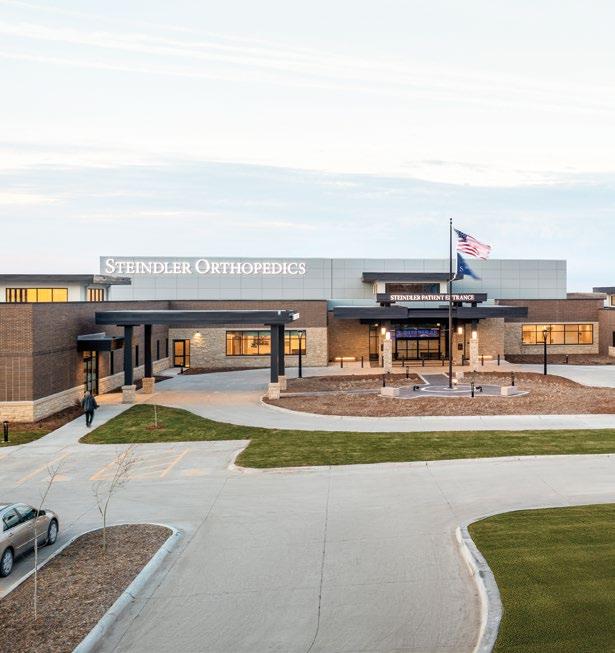
STEINDLER ORTHOPEDICS
Steindler Orthopedics has provided orthopedic care to patients in eastern Iowa and surrounding areas for more than seven decades. In 2025, the practice opened a new main clinic and ambulatory surgery center in North Liberty, increasing clinical capacity and expanding outpatient surgical services for referring providers. Steindler provides care for acute injuries, sports medicine and joint reconstruction, with services delivered by subspecialty-trained physicians and multidisciplinary teams. The practice uses a patient-centered, shared decision-making approach that emphasizes education, access, and evidence-based care. With locations in North Liberty, Cedar Rapids, Burlington, and several outreach communities, Steindler serves as a regional resource for musculoskeletal care, particularly in areas with limited local options.
YEAR FOUNDED 1950
LOCATIONS
Main clinics: North Liberty Cedar Rapids Burlington
Outreach clinics: Fairfield Muscatine Washington
LEADER
Patrick Magallanes, JD, MBA, MPA, FACHE
PHYSICIANS
Physicians: 18
Physician assistants and nurse practitioners: 9
Physical and occupational therapists: 11
PATIENTS
Upwards of 90,000 patients a year
SPECIALTIES
Neck, Spine, Shoulder, Elbow, Wrist, Hand, Hip, Knee, Ankle, Foot, Joint Replacement and Revision, Physiatry, Interventional Spine Care, Sports Medicine, Imaging, Physical and Occupational Therapy, Fracture Care
SERVICES
Ambulatory Surgery Center, X-Ray, MRI, Fluoroscopy Suite, Durable Medical Equipment, Physical Therapy, Occupational Therapy, Orthopedic Urgent Care, Ultrasound-Guided Injections
PARTNERSHIPS
Steindler Orthopedics has relationships with referring providers from all over Eastern Iowa seeking specialized orthopedic care. ■
CLAY DAHLQUIST, DO
Hospitalist and Chief Medical Officer | Waverly Health Center,
WHAT INSPIRED YOU TO BECOME A PHYSICIAN?
he real-life character
“Moonlight Graham” from Field of Dreams had a line that stuck with me and ultimately shaped my path into medicine: “…if I’d only gotten to be a doctor for five minutes, now that would have been a tragedy.”
That moment of movie magic hit me in a way I didn’t expect. It pushed me toward a medical career and even influenced my decision to move to Iowa—where I could play baseball at Wartburg College and start that journey.
HOW DID YOU END UP IN YOUR CURRENT ROLE?
After completing my Air Force scholarship obligations, I began practicing family medicine at Waverly Health Center. Iowa felt like the right place to raise a family, and Waverly was the kind of community I wanted to serve. About eight years ago, I was asked to help develop a hospitalist program. I wanted a model built on multidisciplinary rounding and better continuity of care. That work eventually led me to my current roles as a hospitalist and chief medical officer.
WHY ARE YOU A MEMBER OF IMS?
I value the Iowa Medical Society because they advocate for all physicians in Iowa—regardless of the size of their hospital,
Waverly, Iowa
clinic, or system. Having a unified voice to shape legislation that supports Iowa communities is important to me.
WHY SHOULD PHYSICIANS COME TO IOWA TO PRACTICE?
Iowans’ values and sense of community make it a great place to build meaningful relationships with patients. And for those who enjoy the outdoors, Iowa offers fantastic hunting and fishing opportunities all year long.
WHAT IS YOUR BEST ADVICE FOR NEW PHYSICIANS?
Listen well. Collaborate with your patients. Advocate for them. Do those three things consistently, and you’ll make a real impact. ■
ADVANCING CARE IN 2026
As health care continues to evolve, Iowa physicians are focused on innovations that will strengthen patient care and improve practice. We asked three physicians what new development in 2026 they are most looking forward to — and why. Their answers reflect a shared commitment to access, coordination, and community.
ANGIE WILD, MD, UI Health Care, Department of Emergency Medicine, Iowa City and North Liberty
MARIA STORY, MD, Great River Health, Burlington
JOY CARROLL, MD, McFarland Clinic Ophthalmology & Mary Greeley Medical Center, Ames QUESTION
“I’m looking forward to a future where every patient who walks through our doors can access the care they need, including the many individuals and families who rely on Medicaid. Nearly one in three patients in our emergency department depends on that coverage. I’m also looking forward to continuing to build a physician workforce that reflects the communities we serve — one where patients feel heard, respected, and truly partnered in their care.”
“Great River Health will convert our electronic medical record system to Epic in June 2026, and I’m thrilled about the change. Most importantly, it will improve patient care coordination by giving us access to records from other health systems. I’m also excited about Epic’s SlicerDicer tool, which helps clinicians and quality teams analyze data and generate clinical reports. I’m hoping to use it from a population health perspective to help reduce gaps in care.”
"One of the most exciting parts of practicing medicine is offering newly developed treatment options to patients. Innovation often brings added administrative work, so I’m exploring ways to use artificial intelligence to ease that burden. We already use AI within our electronic medical record to summarize notes, and I hope to expand its use to improve efficiency and protect the faceto-face, human interactions that matter most to me in my practice."
MORE THAN MEMBERSHIP
WHY IMS AND ORGANIZED MEDICINE STILL MATTER
OHEATHER LEE Director of Membership and Sponsorship
ur members don’t join the Iowa Medical Society (IMS) because they need another email in their inbox. They join because medicine is changing - and they want a seat at the table where those changes are shaped. IMS exists to ensure that happens.
IMS membership is about more than benefits, though those certainly matter. It is about influence. Membership ensures that policies affecting patient care are shaped by the physicians who deliver it every day and protects the integrity of medical decision-making in a rapidly evolving healthcare environment. At both the state and federal levels, IMS staff and physician leaders advocate for physicians, providing accurate, science-based expertise to inform policymakers and protect the practice of medicine.
But there is another, often overlooked reason physicians join: community.
The practice of medicine can feel isolating. Independent practices face different pressures than employed physicians. Rural doctors face different challenges than their urban colleagues. Specialists and primary care physicians see different sides of the system. IMS provides a space to bring those challenges to the table and build community.
IMS offers three roundtable groups that meet several times a year to receive legislative updates and share challenges and solutions:
+ County and Specialty Society
+ Independent Practices
+ Large Systems
In addition, IMS has several committees that we are always looking for physicians to be involved with.
“Joining IMS is more than an annual decision. It is a professional commitment to leadership, advocacy, and community.”
If you would like more information about joining one of these groups or committees, please contact me or another IMS staff member.
COMMITTEES
Programing/ Education
Sports Medicine
Iowa
Joining IMS is more than an annual decision. It is a professional commitment to leadership, advocacy, and community. Thank you for making that decision. If you haven’t renewed for 2026, please do so today!
Please share with your colleagues that you are an IMS member and ask them to join you. IMS members are our most effective recruitment tool.
In a recent survey of new members, the most common reason they joined was that a current member asked them. ■ Learn
more about the different IMS committees
2026 EDUCATION AND EVENTS
IMS PHYSICIAN WEBINAR SERIES
CE Seminar Series
A one-hour virtual series held Monday–Thursday at noon unless otherwise noted.
Speakers and details appear on the IMS Events Calendar and are subject to change.
+ Iowa Poison Control Center: Emerging Toxicology Challenges Tuesday, June 23, 2026 from 12:00-1:00 pm via Zoom
+ Advocacy and Election Cycles Fall 2026 via Zoom
STUDENT/RESIDENT EDUCATIONAL SERIES
This in-person series will be held Mondays-Thursdays as scheduling allows.
The one-hour presentations are scheduled for the noon hour unless otherwise advertised with scheduling and topic subject to medical student and resident coordination needs.
Have an educational presentation or research topic suggestion? Reach out to Kristina Seier for information.
ECHO SERIES
This series will be held the first Tuesday of the month, starting in February, as scheduling allows. The one-hour sessions are scheduled for the noon hour unless otherwise advertised.
Sessions:
May 5: Intimate Partner Violence and Maternal Mortality
June 2: TBA
September 1: SUD Contingency Management for Pregnant Persons
October 6: Prescribing with Shared Decision Making
November 3: TBA
December 1: Trauma Informed Care for Pregnant Persons with SUD
ECHO Topics will include:
+ C-Section under Local Anesthesia
+ Intimate Partner Violence
+ Documentation / Litigation Concerns
+ Suicide Risk and Assessment for Pregnant People
+ Trauma-informed Care in Maternal Health
+ Safe Prescribing and Treatment for Pregnant Persons with Substance Use Disorders
+ Prenatal Screening and Assessment
EVENTS
IMS President’s Dinner Friday, April 17
Pops with Docs Friday, July 3
Save the Date for PDOTH Tuesday, February 2, 2027
Blitz Events:
The Blitz events are a way for IMS to connect with members and health systems across the state. IMS staff and board members connect with key stakeholders during the day and are now providing evening CME sessions and dinner for physician members
May 12: West Burlington
June 22: Ames
August 13: Iowa City
September 15: Dubuque
October 6: Cedar Rapids
Dates are subject to change, check our online events calendar for the most up-to-date information.
Check out our full list of educational webinars and events
NEW IN NORTH LIBERTY INCREDIBLE FOR IOWA
Now Open!
University of Iowa Health Care is now closer than ever. Our new state-of-the-art campus offers emergency care, orthopedics, sports medicine, and more, alongside services like a drive-thru pharmacy, lab, and diagnostic imaging. It’s the excellence we’re known for, right in the heart of North Liberty. Because we’re here to make all of Iowa better.