


The practice of cultural heritage preservation is as diverse as heritage itself. The Youth in Heritage program showcased that diversity by supporting the work of organisations and people around the country whose skills, expertise and dedication have maintained the identities of our communities vibrant.
From nonprofits to businesses, from small towns to our largest cities, the program has extended its reach far and wide to help mentors pass their knowledge to young people and emerging professionals. Skills such as traditional boat building in Newfoundland, smithery in Quebec, heritage planning in Ontario, archiving in Alberta, pottery making in British Columbia, etc. have benefitted from this funding to keep the traditions alive, preserve heritage places, and contribute to many communities’ resilience.
The Youth in Heritage program has been particularly effective at reaching out to underrepresented groups in heritage preservation, in particular Indigenous, Black-Canadian, and newcomers. Too often, heritage preservation is perceived as being in the interest of certain communities. And yet, what the candidates have demonstrated is that heritage is important to everyone, in order to learn about the past, but as importantly, to sustain pride, instil confidence, and build a stronger future.
In fact, heritage preservation is about the future. These young and emerging professionals, through such programs as Youth in Heritage, are acquiring the building blocks of sustainable communities. As the United Nations New Urban Agenda and the Sustainable Development Goals have already recognized, inclusive, safe, resilient and sustainable cities and human settlements require the preservation of cultural heritage. This program has contributed to making our communities stronger and more sustainable.
ICOMOS Canada is grateful for Park Canada’s investment in this program and for the strong partnerships with other organisations that have made it possible to have a positive impact on the heritage sector and on youth. It was a demonstration that the need and the opportunity are there to make a difference in the lives of people across the country while strengthening our communities. We hope that more youth will get a chance to discover a passion for cultural heritage through the continuation of Youth in Heritage in 2022.
Christophe Rivet, Ph.D President, ICOMOS Canada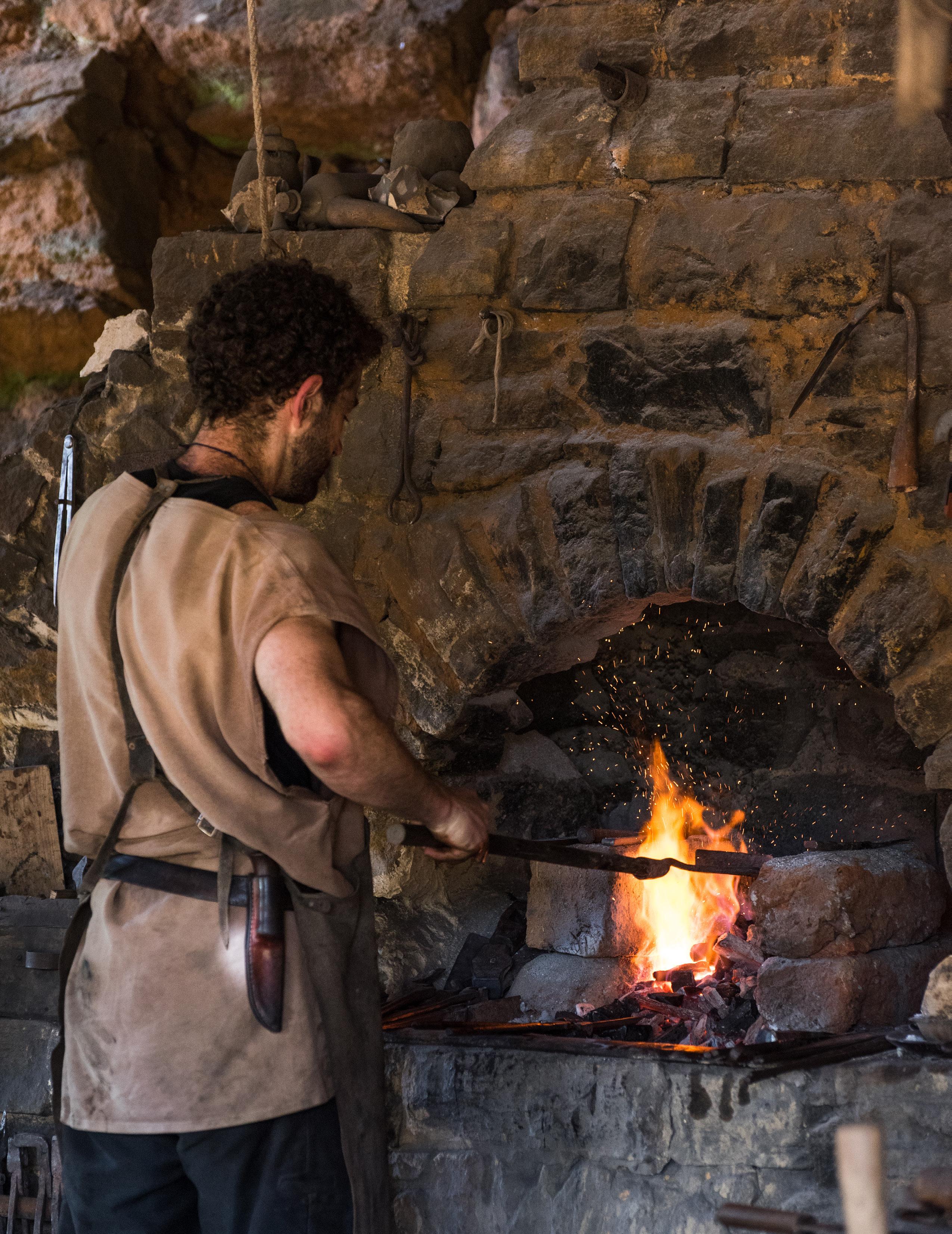
In 2021-2022, ICOMOS Canada launched its Youth in Heritage program with support from Parks Canada. The program encouraged young people to consider working in heritage preservation by connecting them with meaningful employment, mentorship, and apprenticeship opportunities across Canada.
In our inaugural year, we supported 100 interventions for youth between the ages of 15 and 30 across the country. We provided over $270,000 to employers to subsidise a portion of wages spent in 2021-2022.
We reached out to a diverse group of employers to ensure that we support a broad range of employers and mentors. Our fundees included consulting firms, nonprofit organisations, heritage preservation contractors, community organisations, and municipalities.
Finally, through this project, we launched Canada’s first job portal dedicated to youth in the cultural heritage sector. We are hoping to build on our momentum and continue to host and expand on our job portal site. We have a number of organisations that are interested in continuing to participate in the program and are seeking support. We will be approaching different private foundations across Canada to support interventions in 2022-2023.
With support from Parks Canada and Employment and Social Development Canada (ESDC)’s Youth Employment and Skills Strategy Program, we launched the Youth in Heritage program in 2021. Our mission is to encourage young people to consider working in the cultural heritage sector by helping connect them with employment, mentorship, and apprenticeship opportunities across Canada.
In our first year, we supported 100 youth across Canada and inaugurated Canada’s first job portal dedicated to cultural heritage jobs for youth. A majority of participants came from underrepresented communities.
We provided 100 interventions across Canada for youth (15-30). We reached out to a diverse group of employers to ensure that we support a broad range of employers and mentors. Our fundees included consulting firms, nonprofit organisations, heritage preservation contractors, community organisations, and municipalities.
Approximately half of the interventions took place in Ontario and Quebec. We also had a high number of interventions in Newfoundland and Labrador (NL) and Saskatchewan, which is reflective of the active heritage sectors in both provinces. In NL, the high number of interventions was facilitated by our partnership with the HeritageNL Crafts at Risk program, which funds apprenticeships for youth learning traditional crafts. This ensured that we supported both tangible and intangible cultural heritage interventions. We also supported 11 interventions in remote communities and small urban centres with a population of less than 10,000 across Canada.
100 COMPLETED INTERVENTIONS
45 UNIQUE EMPLOYERS
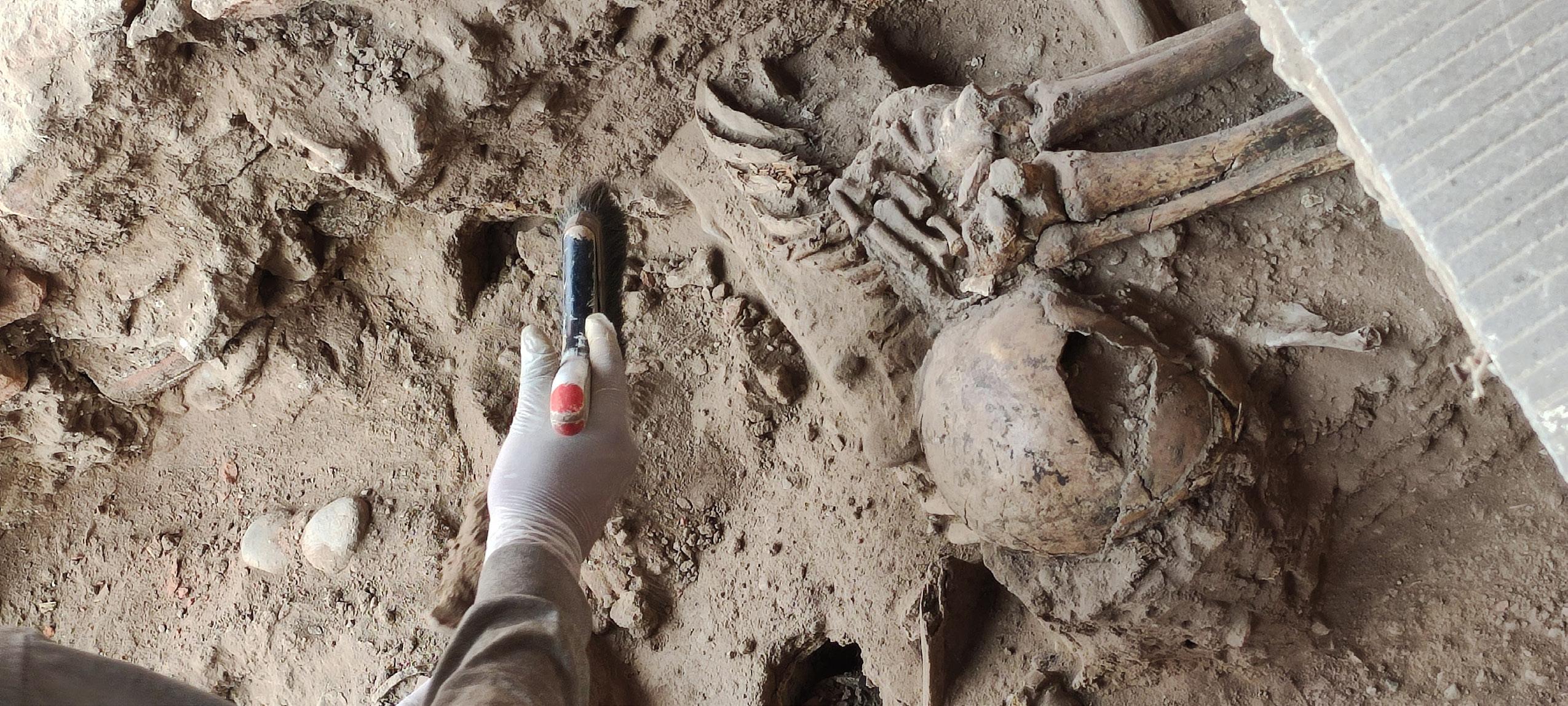
We supported interventions across the cultural heritage sector. A number of interventions went beyond the typical jobs associated with cultural heritage. For example, we supported an organisation that worked on archiving stories of a particular immigrant community. We also supported an intervention that trained a custodian to understand the particular skills needed to care for a historic site. We also supported a place-making organisation that works on revitalising a traditional main street while ensuring that the cultures of underrepresented communities are included in that process.
We also supported more traditional cultural heritage interventions. Nearly a quarter of the interventions funded were management or administrative positions, including office and bookings managers, project and program coordinators, and events managers. A large number of interventions occured in the fields of heritage conservation, planning, architecture, and research. Given the pandemic and the uncertainty with potential lockdowns, interventions related to museum and tourism work made up less than a fifth of the total interventions.
In terms of skills, the large proportion of jobs demanding management and administrative skills will help inform future programming and workshops delivered by Youth in Heritage, and the distribution of positions across conservation, planning, and architecture will also work to help us better connect young people with work opportunities in these fields.
6 INTERNS
6 COMMUNICATIONS
8 TOURISM
Measuring the quality of an employment opportunity is complex. Of the interventions supported, 99% of employers reported they felt they offered a competitive salary, while 92% of employers reported offering mentorship or coaching opportunities. In addition, 71% offered skills training, and employers reported that 82% of employees demonstrated new or strengthened job related skills. In contrast, only 36% of employers offered their employees employment services, including things like resume reviews and practice interviews. Taking this data back, we will seek to help provide youth with greater access to these sorts of resources to help fill this gap in the future.

In the course of the year, 54% of participating youth came from underrepresented communities. These are youth who self-identify as persons who are one or more of the following: a racialized person, Indigenous, a person with a disability, a member of a language minority, or a person living in a rural or remote region. Of these 54 youth, 18 reported facing two or more barriers to employment.
In addition to these barriers, the overwhelming majority of youth employed self-reported their gender identities as female with an additional four youth choosing not to report or reporting having a non-binary identity. Data was not collected on individual’s sexual identities, and some individuals chose not to disclose certain pieces of information on their identity to our surveys. Regardless, if youth’s sexual and gender identities were to be included in definitions of individuals facing barriers to employment we would likely see an even higher proportion of youth with intersectional identities, as well as a higher overall number of youth facing barriers to employment.
15
4
40
8
8
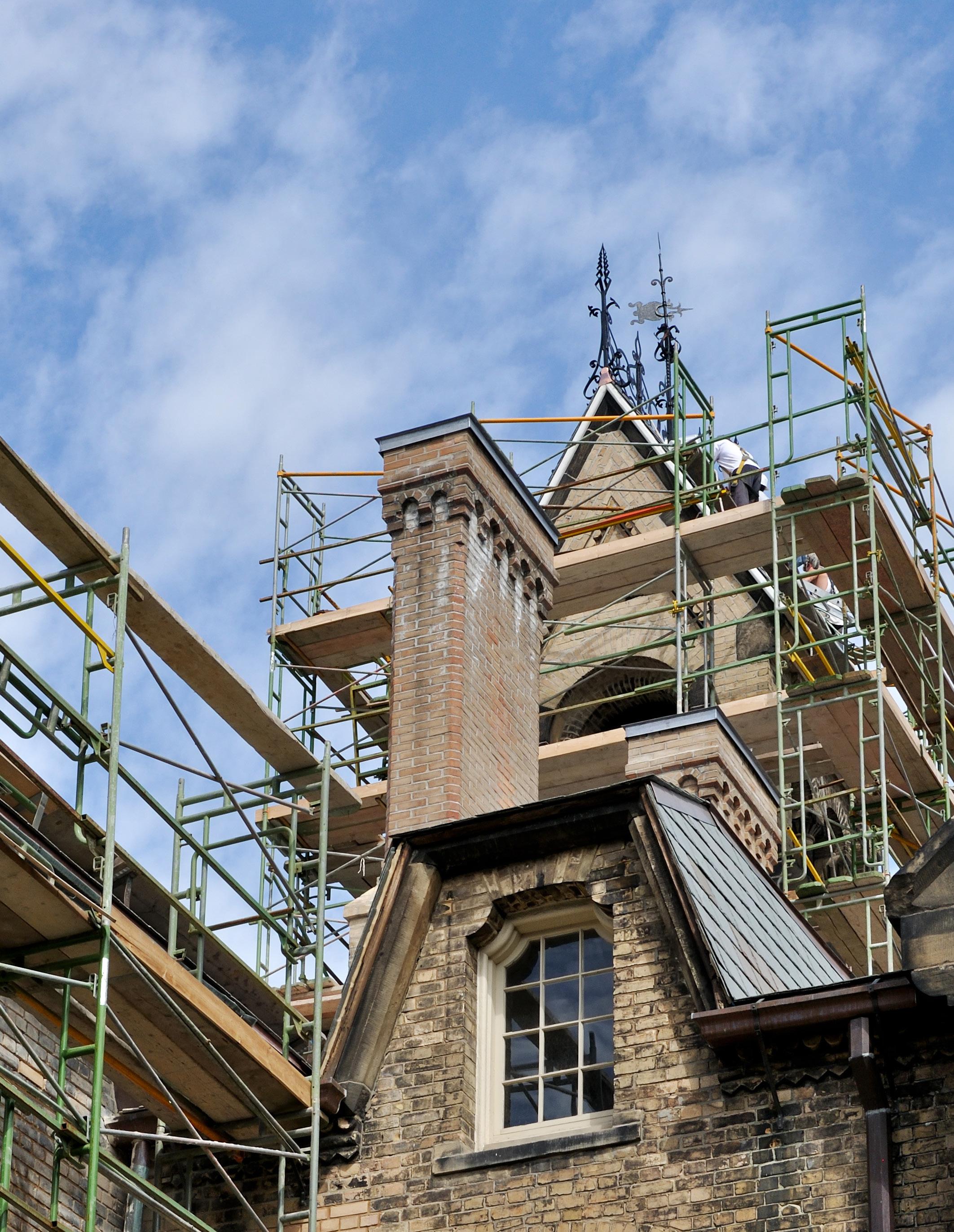
The types of jobs in the cultural heritage sector are not only diverse but are cross-sectional, from construction work conserving heritage and historic buildings to events managers and community researchers. Part of the strength of our program is that we recognised the broad range of employers and we ensured that we accounted for the variety of jobs, skills, and people that make up the sector.
We still found that there is a notable shortage of young people learning traditional trades and crafts which hold important cultural knowledge. In particular, we partnered with HeritageNL and the Conseil des métiers d’arts du Québec (CMAQ) to support apprenticeships for young people learning traditional crafts, skills and trades. Even though we were able to fund a number of interventions through those two partnerships, we were still left with a number of interventions that couldn’t be filled, either because potential participants were over 30 or because of a lack of interest. Nevertheless, our partnerships with HeritageNL and CMAQ created opportunities for 11 youth where they learned traditional skills such as carpentry, blacksmithing, milling, decorative arts, pottery, timber framing, weaving, spinning, and local plant knowledge. Overall, employers benefitting from Youth in Heritage support varied broadly, including universities, private consulting and conservation firms, professional and nonprofit organisations, and heritage institutions and sites. In supporting such a diversity of employers, we observed how different groups of people in different places across the country related to different aspects of heritage. The Vancouver Chinatown Foundation (VCF), for example, is an organisation dedicated to revitalising Vancouver’s Chinatown. With support from Youth in Heritage, VCF hired a youth to undertake crucial work researching the history and heritage of the local Chinese community to help the foundation better advocate for its preservation.

We supported a broad diversity of youth participating in cultural heritage. To help illustrate the impact of our program, we asked some of our youth to tell us about themselves and the impact their job will have on them and their future careers.
Here’s what we heard back:
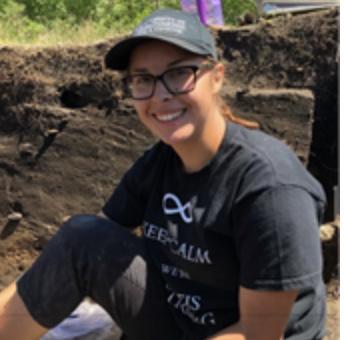
Bailey Pelletier is a 25 year old Indigenous archeologist in her third year of graduate school. Her thesis focus is looking at the cultural materials of the site at Wanuskewin, which has been a gathering place for all Nations of the Northern Plains for over 6400 years. For the past three years Bailey has worked as tour guide at the park specialising in archeology programming. She told us: “I guess a cool part of it all is I dug at the park in 2018, started working there the summer of 2019, and now I still work at the park and doing my masters on the same site I did field school! All ties together in the end.”

Matthew English had the opportunity to learn a wide variety of skills while working at Tuckaway Farms and Apiary, from seeding, weeding, picking rocks, and taking care of the greenhouse, animals and bees to wildcrafting various herbs for Tuckaway’s apothecary line and preparing yarn for dyeing and weaving. Matthew told us that “During the time I’ve been with Tuckaway, I’ve learned…general farmland knowledge, beekeeping, construction methods, weaving / spinning, plants/gardening and much more!!...Working with [Tuckaway] is something I continue to look forward to!!! It’s great to see a farm that not only benefits itself, but also the community in various ways. Hats off to Tuckaway!!”
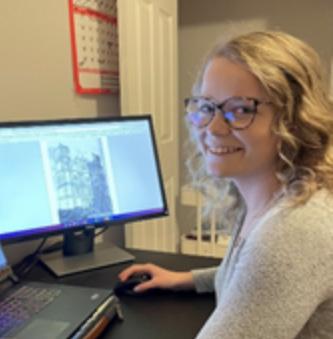
Taylor Quibell is an engineering graduate student working for the NSERC CREATE Heritage Engineering Program as a Content Coordinator for the UNESCO Catalogue of Information Technology on Presentation and Monitoring, which was a summary of the 2021 Global Competition organised by OurWorldHeritage IT. Taylor told us “This experience introduced me to the variety of sites and stakeholders around the world and gave me the opportunity to write and learn more about heritage. Truly a fantastic opportunity!”
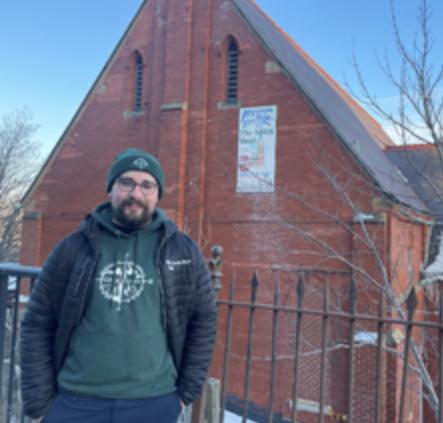
Morgan’s work with Heritage NL involves compiling and assessing an inventory of former religious properties with potential heritage value across the province of Newfoundland and Labrador.
With thousands of religious institutions in Canada slated for closure over the next ten years, there are many questions about what should happen with these buildings. These spaces were the lifeblood for many communities, often representing much more than just a building with emotional connections to the built environment running deep. This means that often demolition is out of the question, and communities look to heritage value as a way of advocating for the preservation of these historic spaces. As a result, Morgan’s work focuses on establishing a database through which to map building closures or abandonments to increase our understanding of the typologies of closure and examples of successful adaptive reuse
We are hoping to build on our momentum and continue to host and expand on our job portal site. We have a number of organisations that are interested in continuing to participate in the program and wished for support. We will be approaching different private foundations across Canada to support interventions in 2022-2023.
Every year, ICOMOS Canada presents the Dalibard Award to emerging professionals in Canada (in the fields of architecture, landscape architecture, archaeology, museology, planning, etc.), who have distinguished themselves through an emerging body of work or through a specific project, demonstrating leadership in the promotion of cultural heritage at the local, national or international level. The recipient will be invited to present on their work during the annual meeting. The award was created as a tribute to Jacques Dalibard (1935-2007), founder and first president of ICOMOS Canada, who distinguished himself by his exceptional leadership in the field of conservation, both in Canada and abroad, and was the award’s first recipient in 2002. Since then, several pioneers of heritage conservation in Canada have received the award. Given that young people across Canada have joined the ICOMOS Canada network, we are intending to launch the Dalibard Youth Fellowship to spearhead the next generation of cultural heritage professionals.