YOUNG
REACHING183 COUNTRIESFORISRAE L 45YEARSIN JERUSALEM
International Christian Embassy Jerusalem
The International Christian Embassy Jerusalem was established in1980 in recognition of the biblical significance of all of Jerusalem and its unique connection to the Jewish people. Today the ICEJ represents millions of Christians, churches, and denominations to the nation and people of Israel. We recognize in the restoration of Israel the faithfulness of God to keep His ancient covenant with the Jewish people. Our main objectives are:
• To stand with Israel in support and friendship
• To equip and teach the worldwide church regarding God’s purposes with Israel and the nations of the Middle East
• To be an active voice of reconciliation between Jews, Christians, and Arabs, and to support the churches and congregations in the Holy Land
From its head offices in Jerusalem, the ICEJ reaches out into more than 170 countries worldwide, with branch offices in over 90 nations.
Our vision is:
• To reach every segment of Israel’s society with a Christian testimony of comfort and love
• To reach and actively represent to Israel the support of denominations, churches, and believers from every nation on Earth
The Christian Embassy is a non-denominational faith-based ministry supported by the voluntary contributions of our partners and friends across the globe. We invite you to join with us as we minister to Israel and the Jewish people worldwide by donating to the ongoing work and witness of the ICEJ.
FROM THE DESK OF THE PRESIDENT
Dear Friends,
As 2025 draws to a close, our ICEJ team stands in awe of the resilient people of Israel. Despite their ongoing grief and the long process of healing from unimaginable trauma over the past two years, they continue to rebuild what was lost and to look forward with hope.
We are also deeply grateful for the many miracles we have witnessed this year—including the release of the remaining 20 living hostages held in Gaza, the result of US President Trump’s 20-point peace plan. As I write this, we are still waiting for the return of the remaining deceased hostages to their families. We continue to pray for every last hostage to be returned home. Regardless of whether the ceasefire endures, we cannot overlook God’s unmistakable hand in bringing about these events.
We conclude this year with a feature I was honored to write on 10 principles for Israel’s restoration based on Zechariah 8—a powerful chapter revealing God’s plan for Israel and the nations that will one day follow her as His “light to the nations.” I encourage you to take time to read it.
You’ll also find a thought-provoking article by ICEJ USA Director of Finance Barry Denison titled “Does Christmas Have Pagan Roots?” in which he separates myth from history. Plus, you’ll be encouraged by updates on the many ICEJ projects helping Israel recover and rebuild across the land.
Finally, we invite you to make plans to join us for next year’s Feast of Tabernacles! This year’s Feast was truly remarkable—a blessing to the people of Israel as they witnessed the nations gather in solidarity and worship. Next year’s Feast will take place from September 25 to October 2, 2026, with the theme “The Lord Roars from Zion” from Joel 3:16. We believe God will make His voice heard in a powerful way, and we hope you’ll be there in Jerusalem with us.
CREDITS
ICEJ President Dr. Juergen Buehler
USA President Dr. Susan Michael
VP International Affairs Dr. Mojmir Kallus
VP Finance David van der Walt
USA Director of Finance Barry R. Denison
Senior VP & International Spokesman David Parsons
USA Director of Communications Shannon Bennett
VP AID & Aliyah Nicole Yoder
Managing Editor/Publications Director Laurina Driesse
USA Managing Editor Karen Engle
Graphic Design/Illustrators Ryan Tsuen, Nancy Schimp
Photography Adobe Stock, Adobe Firefly, Getty Images, Shutterstock, GPO, -AP, Flash90, Yossi Zeilger-JAFI, iStock, Hostages and Missing Families Forum, Phil Hearing-UnSplash, Operation Lifeshield,Wikimedia, Wordpress, Dima Vazinovich/Getty Images, ICEJ Staff and Branches
The New King James Bible is used for all Bible references unless otherwise noted.
Word From Jerusalem is published by the International Christian Embassy Jerusalem. Reproduction in whole or in part without written permission is prohibited. Word From Jerusalem has no subscription price and is supported through contributions worldwide. The ICEJ USA Branch is a 501(c)(3) non-profit organization with offices in Tennessee, Florida, and Washington, DC. All gifts to this ministry are tax-deductible according to United States law.
Thank you for your continued prayers and support. May the Lord bless you richly as you read this magazine.
Yours in Christ,

Dr. Juergen Buehler ICEJ President
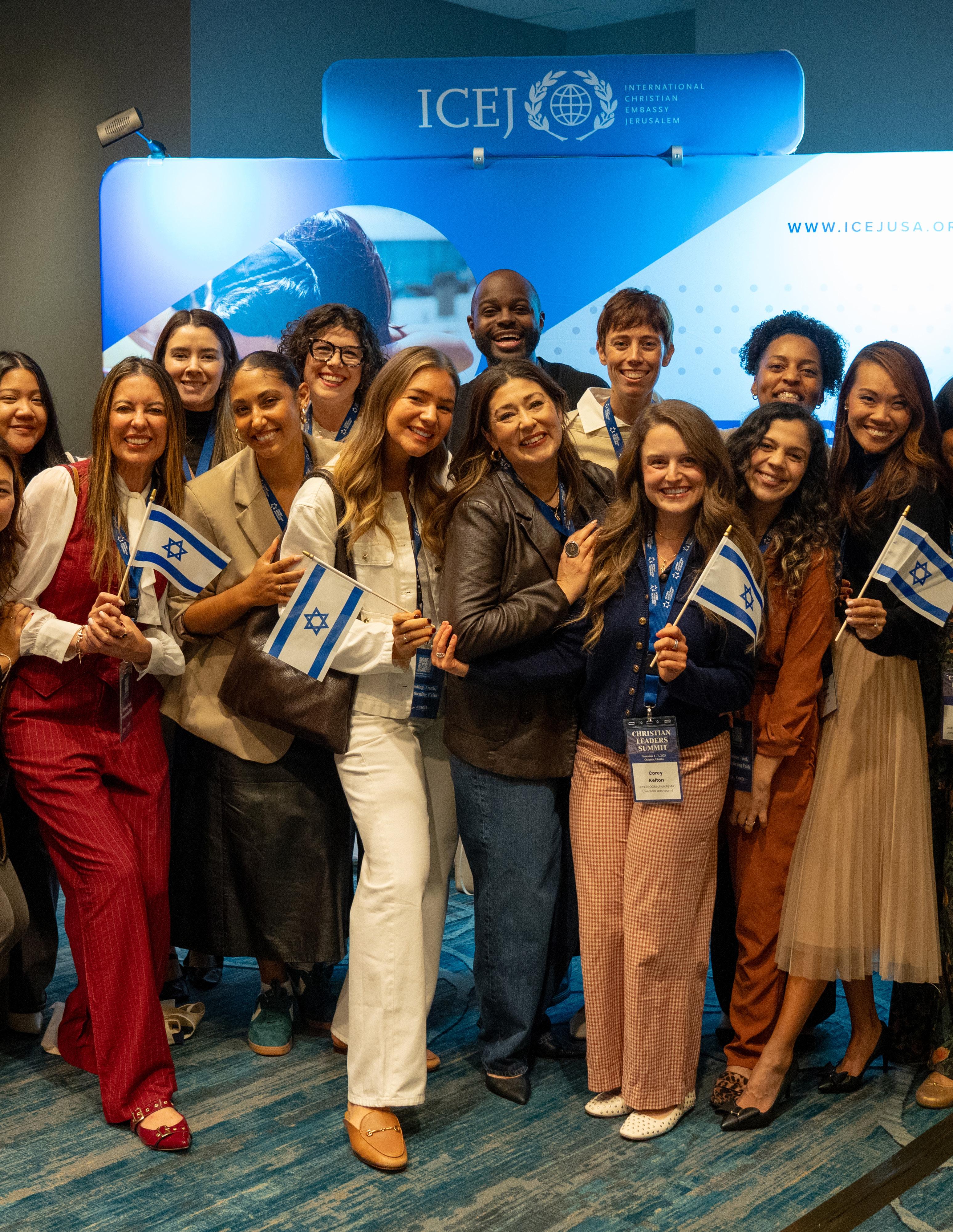
COVER PHOTO: A group of young leaders at the 2025 Christian Leaders Summit in Orlando, Florida FOR MAGAZINE ARCHIVES visit www.icejusa.org/wfj
DOES CHRISTMAS HAVE PAGAN ROOTS?

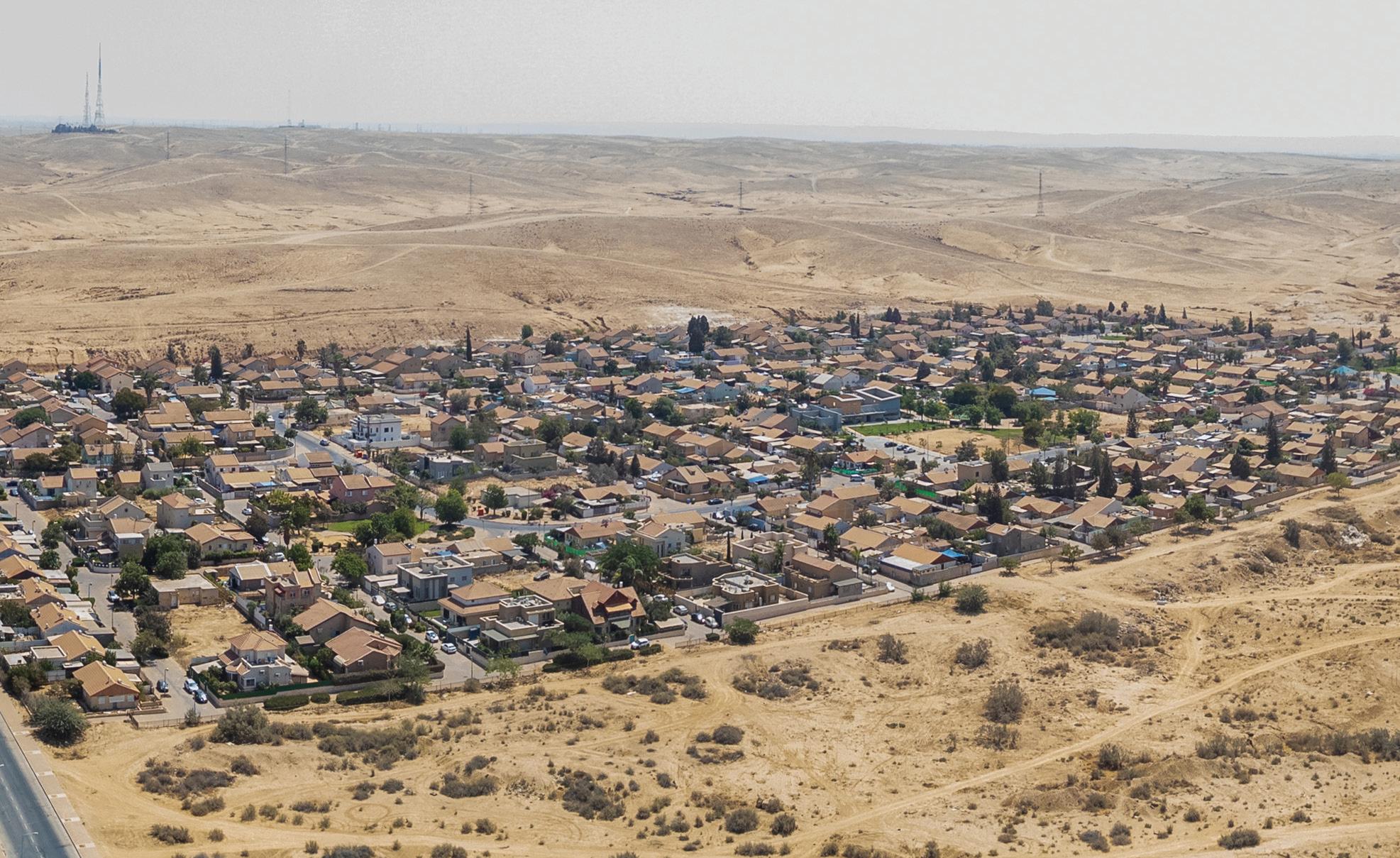
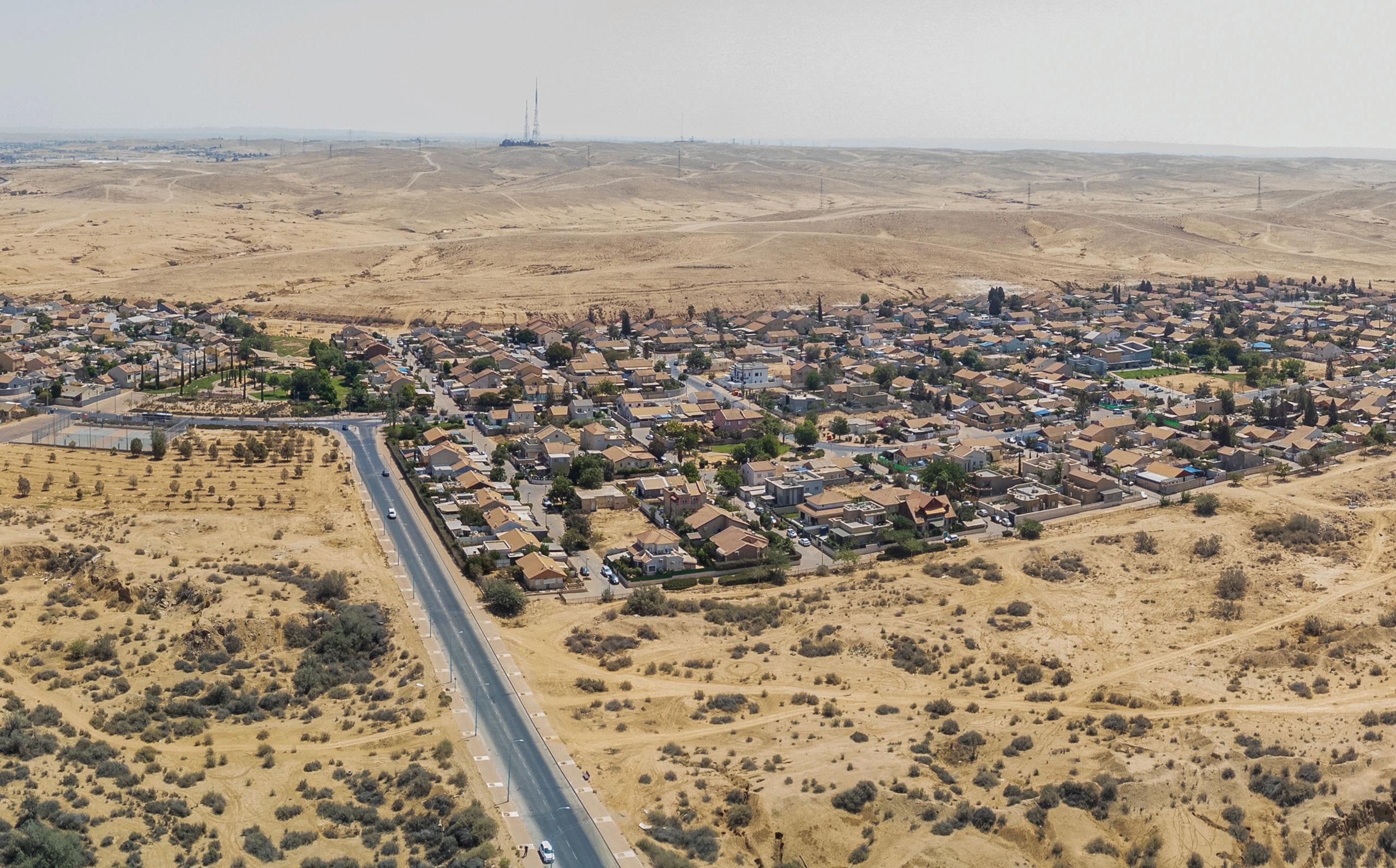
An aerial panoramic photo of the city of Be’er Sheva, the largest city in
10 PRINCIPLES for ISRAEL’S RESTORATION
BY DR. JUERGEN BUEHLER, ICEJ PRESIDENT
This year’s Feast theme came from Zechariah 8:23, that “ten men from every language of the nations shall grasp the sleeve of a Jewish man …”
It is the last, climactic verse of this chapter, in which God makes 10 declarations about Israel’s future restoration, each starting: “Thus says the Lord.” During this year’s Feast, the Gaza war halted, and the last living hostages came home. In parallel, US President Donald Trump released a 20-point plan for Gaza’s future. Yet God’s 10 decrees over Israel in Zechariah 8 are a timely, heavenly reminder that He is King of all the earth. Men have their plans, but God’s divine imperatives for Israel and the nations will prevail.
1God is emotionally involved in Israel’s restoration.
“Thus says the Lord of hosts: I am jealous for Zion with great jealousy … with great wrath” (Zechariah 8:2, ESV passim). God wants us to know He is emotionally attached to Israel’s restoration with great jealousy and anger. The Oxford Dictionary defines jealousy as “fiercely protective of one’s rights or possessions.” Often, God declares the Land of Israel is His possession (e.g., Leviticus 25:23). As owner, He gave it to the Jewish people as an eternal inheritance (Genesis 17:8; Joshua 14:9; Ezekiel 37:25).
Today, God watches jealously as nations like Iran call for Israel’s destruction and as others in the United Nations or European Union rise against her, seeking to dictate Israel’s sovereign borders.
God says He is jealous for Zion with hot anger. This is a call to pray for your nation! But also, if God's heart is so deeply involved with Israel, each Christian should ask: How am I doing? Do I feel the same passion and zeal for Zion? If not, ask God to show you His heart for Israel.
2The Lord will set up His habitation in Zion.
“ Thus says the Lord: I have returned to Zion and will dwell in the midst of Jerusalem” (Zechariah 8:3). This declaration further explains why God is jealous for Zion—it will again be His dwelling place.” He has returned (past tense) like a landlord who comes to a place He owns. He oversees the daily work of the architects, contractors, and interior designers until the day He finally moves in. Zechariah recalls how God’s holy presence left Jerusalem during the time of Ezekiel. It was a phased departure from the Holy of Holies, then the outer courts, and finally the city. But God declares He is now returning to once again to make Jerusalem His dwelling place.
This work can be seen everywhere, and God invites us to be part of it.
3
It is multigenerational.
“Thus says the Lord of hosts: ‘Old men and old women shall again sit in the streets of Jerusalem, each with staff in hand because of great age’” (Zechariah 8:4). The restoration of Israel will impact all segments of the Jewish people, both young and old, men and women. I will never forget my first visit to Israel 34 years ago. We visited the nineteenth-century Rothschild House in the Old City, which today houses a yeshiva. On the sidewalk was inscribed the above passage from Zechariah 8:4. As I watched, young kids ran excitedly across the square, and old men sat on chairs talking—and I was thrilled to see prophecy being fulfilled.
4
It is miraculous.
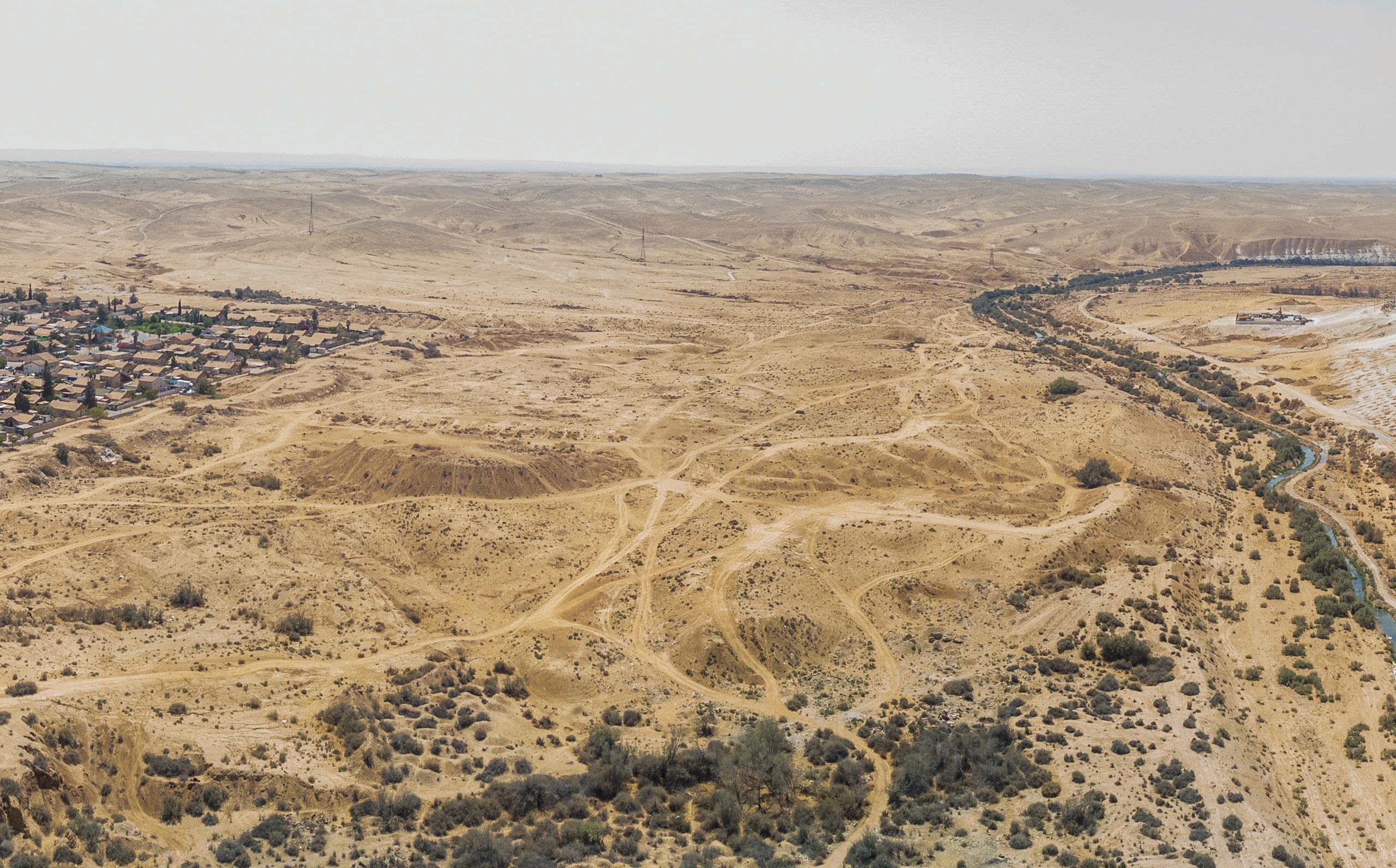
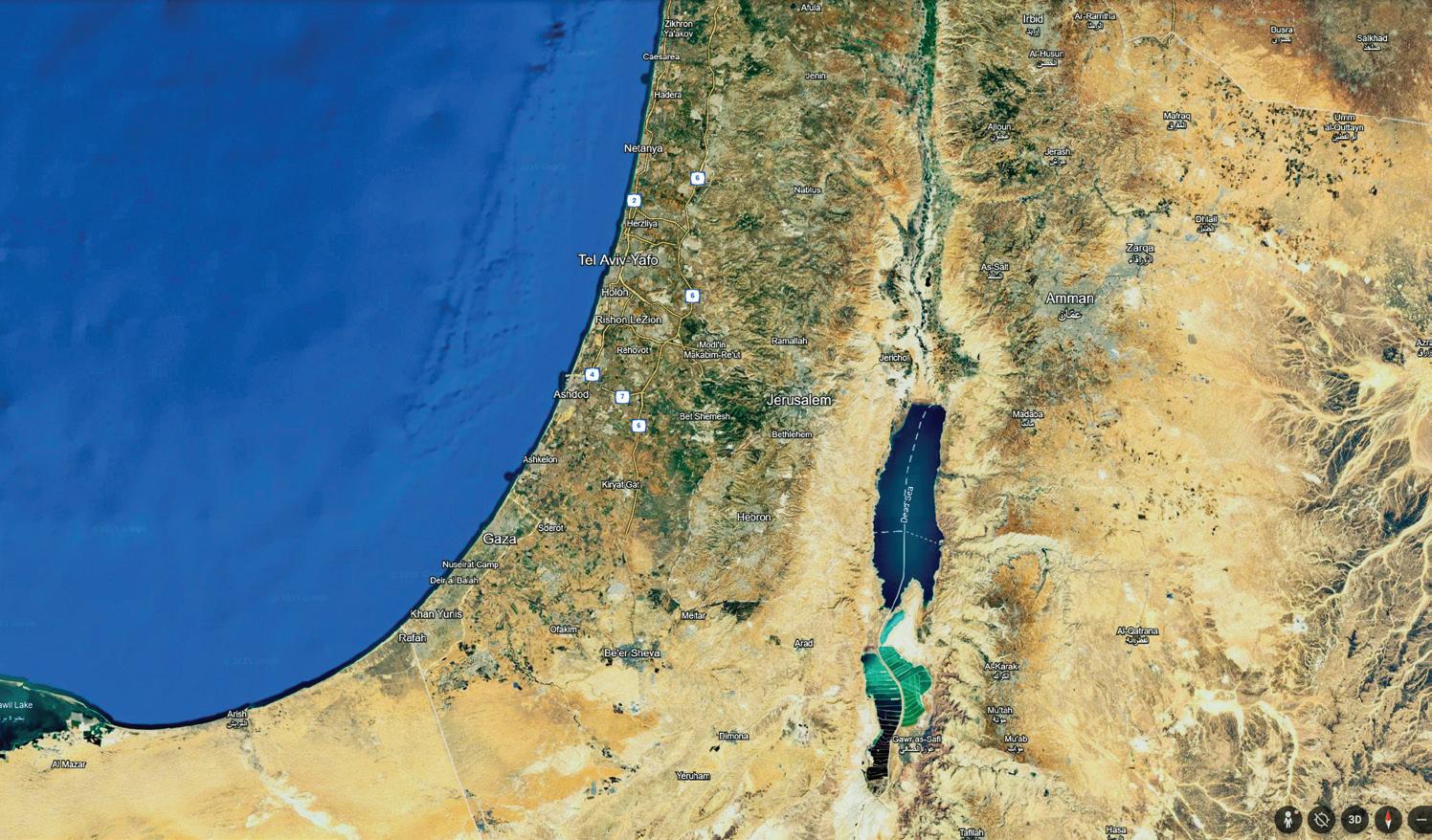
“This is what the Lord Almighty says: ‘It may seem marvelous to this people’” (Zechariah 8:6, NIV). The restoration of Israel is a miracle—in fact, a collection of miracles. Consider just one example. Israel is the only country whose borders can be seen from space—not due to geographic features like rivers or mountains but the greening of the desert compared to Egypt. God commands Ezekiel to prophesy to the Land of Israel to bring forth vegetation (Ezekiel 36), and you can even see it from space.
5
Aliyah is miraculous.
“Thus says the Lord of hosts: ‘Behold, I will save My people from the east country and from the west country’” (Zechariah 8:7). Another great miracle is Aliyah—the Jewish return to Israel. I learned something amazing in a recent conversation with a Jewish Agency for Israel (JAFI) official. Since October 7, 2023, the number of Jews registering interest in moving to Israel doubled. Israel is probably the only country in the world where people immigrate even amid conflict.
6
Israel is in a new season.
“Thus says the Lord of hosts:
… ‘But now I will not treat the remnant of this people as in the former days … just as you were a curse among the nations, O house of Judah and house of Israel, so I will save you, and you shall be a blessing” (Zechariah 8:1, 11–13). Here, God prophesies a new season for Israel, from being a “curse” to becoming a “blessing.” The Jewish people today indeed have seen a dramatic shift from being a persecuted underdog and a byword among the nations, to being a world leader in science, technology, medicine, and agriculture. It is an irreversible, heavenly shift seen by all.
7
God is changing His approach toward Israel.
“For thus says the Lord of hosts: ‘Just as I determined to punish you
Google Earth shows the greening of Israel’s desert.
when your fathers provoked Me to wrath, and I would not relent, so again in these days I am determined to do good to Jerusalem and to the house of Judah’” (Zechariah 8:14ff). God declares He is changing His attitude toward Israel. This is of the highest importance for us, as it means we need a new understanding of God’s current dealings with Israel. God was determined to deal harshly with His people, as was evident over many centuries. Yet God has now reversed His way of dealing with Israel. Practically, this means their time of dispersion is over, and we are in a time of ingathering. Israel has gone from desolation to restoration. It also means the “times of the Gentiles” is closing, and Jerusalem is rightly returning to Jewish hands (Luke 21:24). It is, thus, time to fix our sight on what God is doing in Israel. As the psalmist declares, “The time to favor Zion has come!” (Psalm 102:13).
8
God will turn mourning to joy.
“Thus says the Lord of hosts: ‘The fast of the fourth month ... fifth … seventh … and tenth, shall be joy and gladness and cheerful feasts for the house of Judah’” (Zechariah 8:19). This passage reminds us that we are still in a time of transition from one season to another. Israel today still mourns not only the pain of the Holocaust but also the current wounds of war. We just saw this when the last living hostages were
released by Hamas, as Israelis rejoiced but also mourned some 2,000 civilians and soldiers killed since October 7. Yet God promises a day will come when He will turn their mourning to “gladness” (Isaiah 35:10; 61:3).
9
There will be a mass pilgrimage to Zion.
“ Thus says the Lord of hosts: ‘Peoples shall yet come, inhabitants of many cities; the inhabitants of one city shall go to another, saying “Let us continue to go and pray before the Lord, and seek the Lord of hosts. I myself will go also”’” (Zechariah 8:20–22). The Lord decrees a season of mass gentile pilgrimage to Jerusalem. Some see this as a purely futuristic prophecy, but we see it coming to pass already. Just days after our Feast celebration, a Samoan lady testified how young people from her island are selling cars and possessions just to come to the Feast next year to meet God in Jerusalem.
Indeed, we are already tasting “the powers of the age to come” (Hebrews 6:5).
10
T he nation of Israel will be transformed.
“Thus says the Lord of hosts: ‘In those days ten men from every language of the nations shall grasp the sleeve of a Jewish man, saying, “Let us go with you, for we have heard that God is with you”’” (Zechariah 8:23). This verse represents the culmination of God’s purposes with Israel: to transform them into a nation that will amaze the world. The Hebrew prophets foresaw a time when the people of Israel will receive new hearts transformed by the Holy Spirit (Ezekiel 36:25–27). As this happens, Israel will become a magnet not just for believers but for everyone, even kings and rulers. Israel will be a shining light to the nations (Isaiah 60:1–3). Paul said it will be like “life from the dead.” (Romans 11:15). And people will follow Israel for the simple reason that “God is with you.” May this day come soon!

Each December, as carols echo and lights adorn homes, a question surfaces among some Christians: Does Christmas have pagan roots?
The celebration of Jesus’ birth on December 25 is cherished worldwide, yet critics claim it’s tied to Roman festivals like Saturnalia, labeling traditions like Christmas trees as idolatrous. Meanwhile, biblical scholar Dr. Michael Heiser proposes a different date—September 11, 3 BC—based on astronomical signs and Jewish traditions.
By exploring the origin of Christmas through Scripture, history, and theology, we can debunk the accusations of Christmas’s pagan roots, address divisive claims, and refocus on the heart of the season: Emmanuel, God with us.
Historical Reasons for December 25
The origin of Christmas on December 25 is often argued to be an attempt to Christianize pagan festivals, but early
DOES CHRISTMAS HAVE PAGAN ROOTS? Separating Myth from
History
BY BARRY DENNISON ICEJ USA DIRECTOR OF FINANCE
church evidence tells a different story. Critics argue that the date was chosen to replace Saturnalia (December 17–23) or Natalis Solis Invicti, the “Birthday of the Unconquered Sun” (December 25).
However, as early as AD 200, Irenaeus, a disciple of Polycarp (mentored by the apostle John), identified March 25 as the Annunciation, when Gabriel announced Jesus’ conception to Mary (Luke 1:26–38). By AD 221, Sextus Julius Africanus calculated December 25 as Jesus’ birthdate, reasoning those nine months after conception landed on this date. Emperor Aurelian’s declaration of December 25 as the sun god’s birthday in AD 274 came over 50 years later, suggesting it may have been an attempt to counter Christian influence, not the reverse.
Early Christians chose December 25 based on biblical reasoning, not pagan festivals. The idea of Christmas’ pagan roots didn’t appear until the eighteenth century when a 12-century Syriac Bible commentary gained traction.
Objections to December 25
Another objection claims shepherds wouldn’t be in the fields in December, as Luke 2:8 describes, due to Bethlehem’s cold, rainy winters. Yet Bethlehem often experiences mild spells reaching 60º F (15oC) in December, and Bedouin shepherds are frequently seen tending flocks during these periods. The climate doesn’t preclude a December birth.
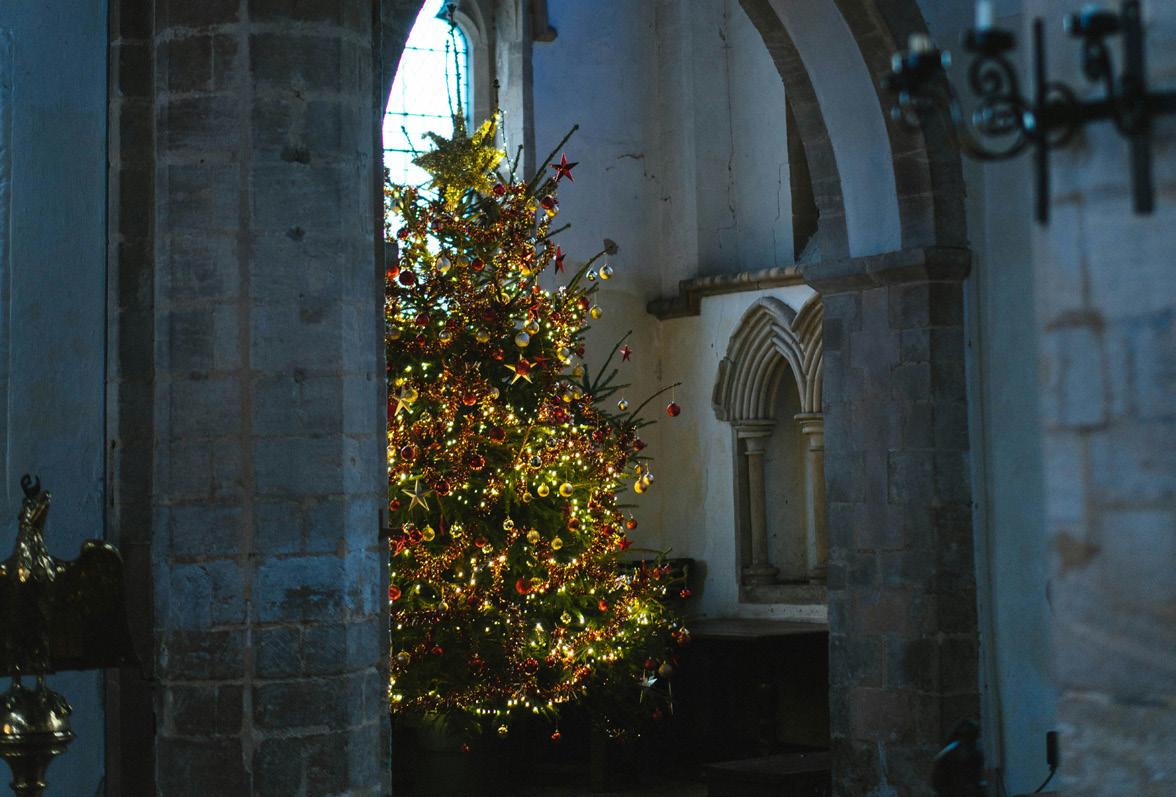
Critics also label Christmas trees and wreaths as pagan, citing Nordic Yule traditions. However, early Christian writings connect trees to biblical imagery, like Isaiah 11:1 (“a Branch shall grow out of [Jesse’s] roots”). In AD 512, Byzantine emperor Anastasius decorated churches with green trees adorned with lights and crosses, symbolizing Jesus as the Tree of Life (Revelation 22:1–5), distinct from pagan practices.
Also, Jeremiah 10:2–5 and Isaiah 44:15–17, which critics cite against Christmas trees, condemn idol worship, not decorative trees. No Christian worships their Christmas tree; it’s a symbol of the Light of the World (John 8:12).
Gift-giving, sometimes called unbiblical, draws from Esther 9:20–22, where Purim is celebrated with “presents to one another and gifts to the poor,” and from the Magi’s offerings to Jesus (Matthew 2:11). Feasting, though marred by excess in some historical periods, aligns with biblical celebrations of deliverance (Esther 9). These traditions reflect joy in Jesus’ coming, not Christmas’ pagan roots.
Luke 1:5–24
The early church’s choice of December 25 was rooted in Luke 1:5–24, where Zechariah, a priest of Abijah’s division, received the announcement of John the Baptist’s conception during temple service, likely in the fall based on historical records (late September). With Mary’s conception six months later (Luke 1:26), around March 25, Jesus’ birth would fall near December 25, possibly coinciding with Hanukkah, the Festival of Lights—a fitting time for the Light of the World.
A False Accusation
The accusation that Christians who celebrate Jesus’ birth on December 25 are practicing paganism is false and could be considered as Lashon Hara—an “evil tongue” that spreads divisive or misleading speech.
Labeling Christmas as purely pagan ignores the early church’s scriptural reasoning and fosters unnecessary conflict. Luke 2:8–14 describes heaven erupting in celebration, with angels proclaiming “good tidings of great joy” at Jesus’ birth. If God marked this event with such fanfare, Christians should feel free to celebrate without fear of pagan associations.
The origin of Christmas is grounded in biblical joy, not Roman festivals.
Another Theory
Others claim that Jesus was born during the fall feasts (moedim in Hebrew—God’s “appointed times”). Was Jesus born on the Feast of Trumpets or Rosh Hashanah?
Dr. Michael Heiser offers a compelling alternative to December 25, proposing September 11, 3 BC, as Jesus’ birth date. Heiser, author of Reversing Hermon, argues this date aligns with celestial signs, Jewish traditions, and theology. He does so without claims of Christmas’ pagan roots. His argument centers on Revelation 12:1–7, which describes a “woman clothed with the sun, with the moon under her feet, and on her head a crown of twelve stars,” giving birth to a male child (Revelation 12:1–5). He interprets the woman as Virgo, symbolizing Israel, with the twelve stars representing Israel’s tribes. He pinpoints this alignment to September 11, 3 BC, within a 90-minute window due to the moon’s position.
This date corresponds to the Feast of Trumpets (Rosh Hashanah, Tishri 1), the Jewish New Year, symbolizing creation’s renewal and the inauguration of kings like Solomon. He connects it to Noah’s birthday (Genesis 7:6–11), which Jewish tradition places on Tishri 1, casting Jesus as the “new Noah” who reverses the corruption of Genesis 6:1–4, where the Watchers produced the Nephilim.
For Heiser, Jesus’ birth on Tishri 1 signals cosmic restoration. Celestially He notes a conjunction of Jupiter (the “King planet”) and Regulus (the “King star”) in Leo, symbolizing Judah (Genesis 49:9–10), possibly the “star” followed by the Magi (Matthew 2). The Magi, familiar with Jewish Scriptures like Isaiah 7:14, interpreted these signs as heralding a divine king. Heiser also cites Paul’s use of Psalm 19:4 in Romans 10:18, suggesting the heavens announced the Messiah’s birth.
Celebrating Emmanuel, God with Us
The historical church had strong reasons for December 25, rooted in the Jewish priestly calendar and Zechariah’s temple service (Luke 1:5–23), which places Jesus’ birth near Hanukkah, a poetic fit for the Light of the World. The case for the Feast of Trumpets, grounded in celestial and theological coherence, offers an alternative.
Conclusion
Rather than debating dates or perpetuating claims that Christmas has pagan roots, Christians should unite in celebrating Emmanuel, God with us. Whether on December 25 or Rosh Hashana, let’s honor the Savior’s transformative arrival, which angels heralded and history confirms as the hope of the world.
THE DUPLICITOUS CHARGE OF “GENOCIDE” AGAINST ISRAEL
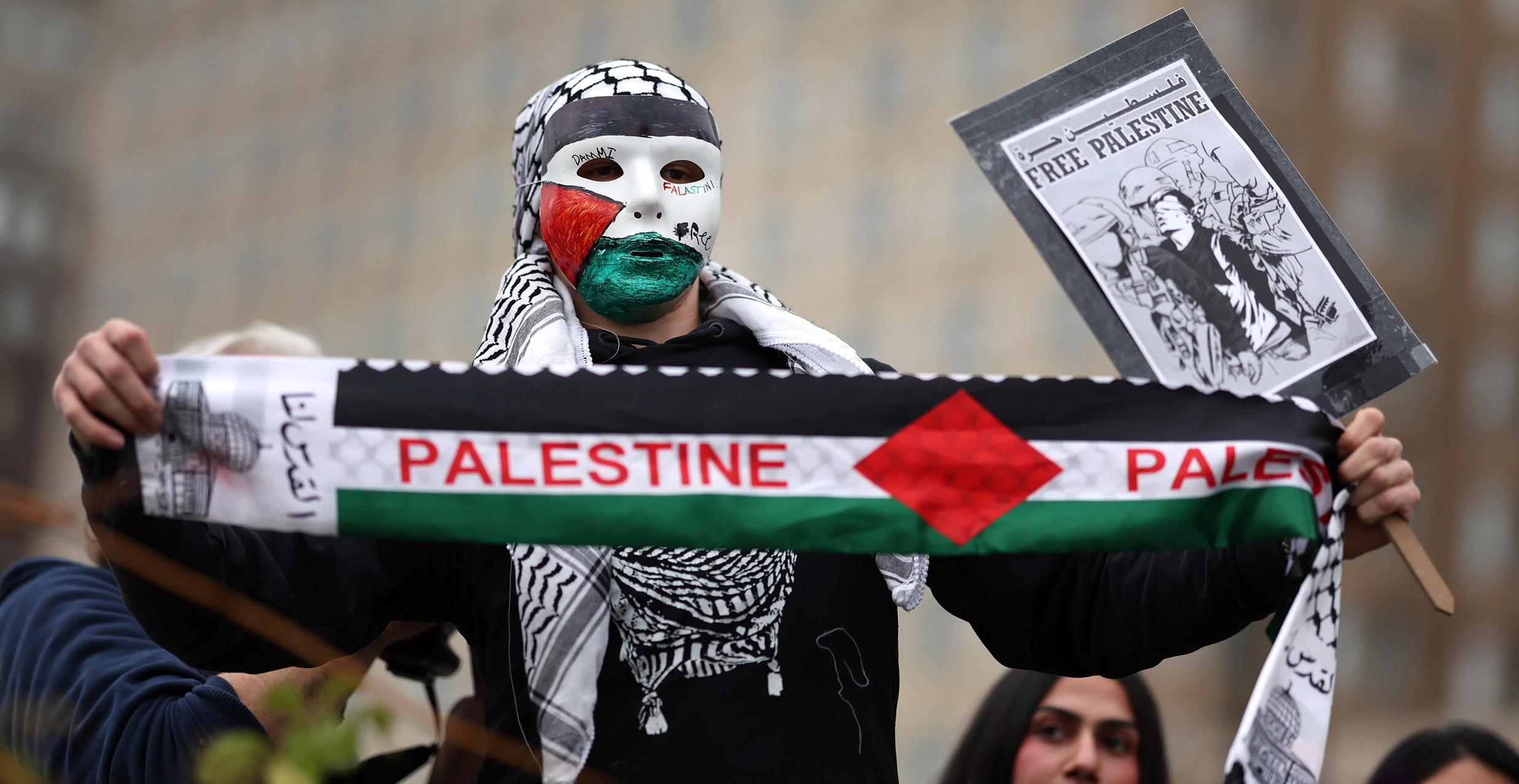
Throughout its long two-year war with Hamas, Israel has faced repeated accusations of “genocide” from many sources, including United Nations officials and prominent world leaders. One recent example was the resolution of the International Association of Genocide Scholars, which turned out to be a shameful, secretive attempt by a small clique of antisemites within the organization to dupe the world on false academic pretences.
This careless use of the charge of genocide against the Jewish State threatens to undermine the valued safeguards in international law against this gravest of crimes and reveals the duplicitous motives of those seeking to malign Israel. For the Jewish people, accusations of genocide against Israel carry a deeper, double meaning, as such charges are a painful inversion of Jewish suffering in the Holocaust, trivializing that immense catastrophe even while turning Israelis into Nazis.
The charges of genocide against Israel also fail because:
1. The Genocide Convention of 1948 defines “genocide” in narrow terms as requiring specific intent “to destroy, in whole or in part, a national, ethnical, racial or religious group.” Yet Israel worked to spare the lives of Gazans by allowing in daily shipments of food and aid, creating safe zones for civilians, allowing evacuations of the wounded, and giving advance warning of precision military strikes via dropped leaflets, phone calls, SMS messages, and social media alerts.
2. Israel made clear the war could end if Hamas released
the Israeli hostages, agreed to disarm, and relinquished control of Gaza.
3. The mounting death toll in Gaza is troubling. Still, even the international community bears some responsibility for this by overwhelmingly insisting that all Palestinian civilians in Gaza remain on the battlefield, rather than being allowed to evacuate to safety—an unprecedented act in the history of modern warfare.
4 Independent studies have refuted the genocide charges by exposing flawed Hamas-sourced casualty data and a lack of evidence for systematic targeting policies.
In contrast, Hamas has not only exhibited genocidal behavior, but it has also openly proclaimed in its founding charter the group’s genocidal intent to destroy the Jewish State on religious-ideological grounds. The atrocities committed by Hamas on October 7, 2023, including rapes, murders, torture, and abductions, flowed from this odious ideology.
The chorus of charges that Israel has committed genocide in Gaza collapses under careful, objective scrutiny. In truth, this is but another blood libel against the Jewish State and people. The war in Gaza has been intense, complicated, and stressful for everyone involved. But by issuing warnings before strikes, facilitating humanitarian aid, and offering peace in exchange for the release of hostages, Israel’s conduct has been incompatible with genocidal intent. These facts stand in stark contrast to Hamas, whose founding charter, rhetoric, and actions openly aim for the annihilation of the Jewish people.
A MEANINGFUL GATHERING
“Why Israel Matters” Pastors Lunch
BY ICEJ USA STAFF
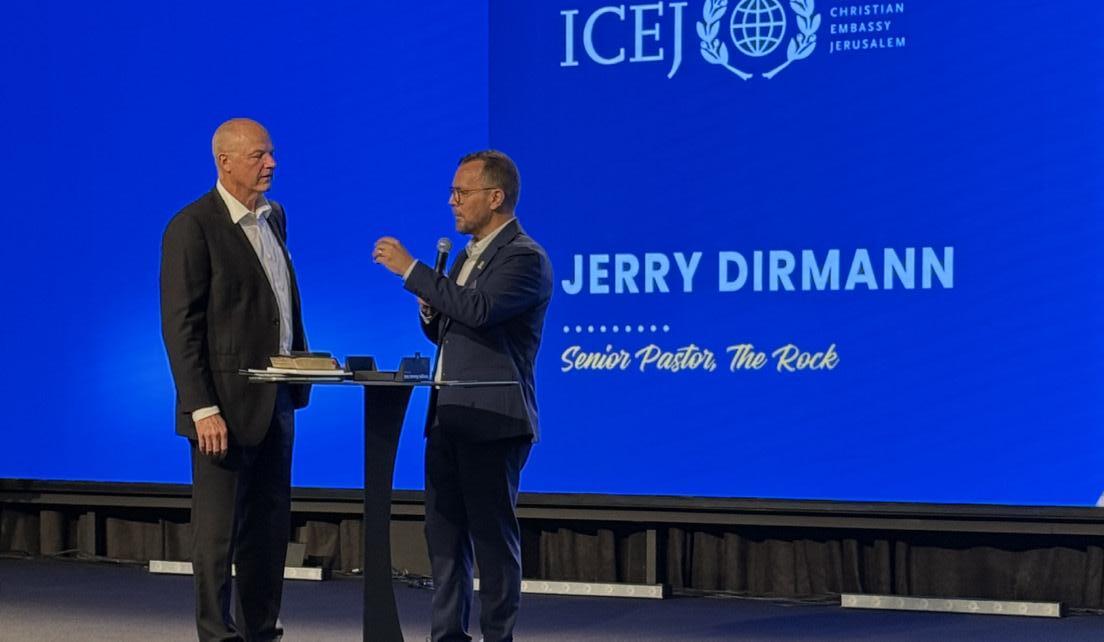
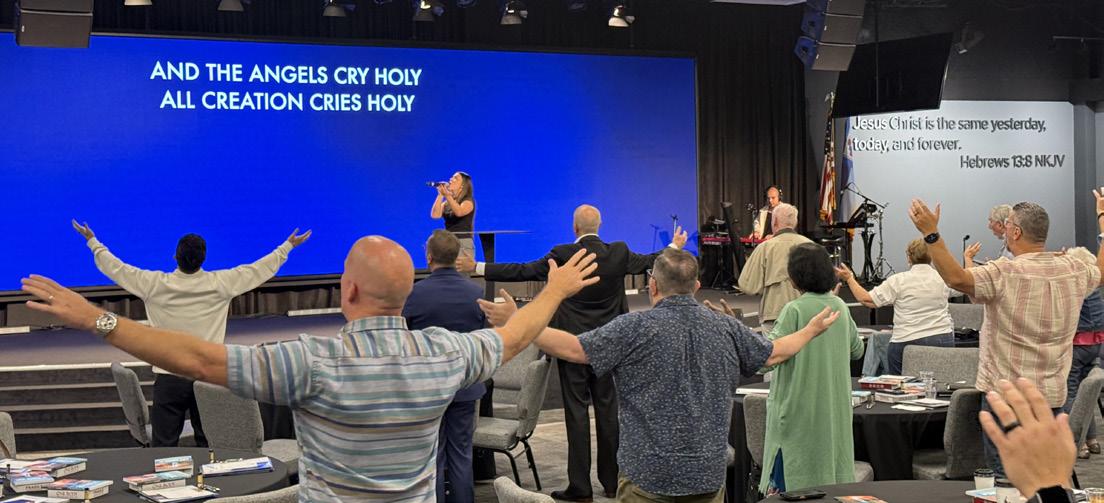
The ICEJ USA continues to host regional Pastors & Leaders Gatherings in partnership with churches across the United States. These gatherings explore the biblical significance of Israel and the vital role of Christian support, offering pastors and ministry leaders fresh insights, practical resources, and meaningful opportunities to connect with others who share their passion for standing with Israel. Recently, The Rock Church in Anaheim, California, hosted one of these events. Following the Pastors & Leaders Gathering, Senior Pastor Jerry Dirmann shared:
“Our church had the joy of hosting an inspiring ICEJ USA ‘Why Israel Matters’ Pastors Gathering. It was a meaningful time of fellowship, honest conversation, and biblical insight. Several pastors shared how challenging it has been to navigate this topic in such a politically divided time. Yet, as they heard a clear and compassionate explanation from Scripture about why we stand with Israel—and how to share that truth with their congregations—the atmosphere shifted. Hearts were encouraged, understanding deepened, and a fresh sense of unity and conviction filled the room. Every pastor left strengthened, equipped, and ready to lead their churches with renewed confidence and clarity.”
Pastor Tristan Fenhold, The Rock’s associate pastor, added:
“The ICEJ USA Pastors Gathering was a powerful reminder of God’s covenant faithfulness to Israel and the need to stand firm against the rise of antisemitism. It stirred a fresh urgency in me to help others stay grounded in truth and recognize the dangers of antisemitic rhetoric and false doctrine. I’m also grateful for the additional resources provided to those in attendance, which I plan to use to equip and encourage not only myself but others moving forward.”
Learn how your church can host a “Why Israel Matters” ICEJ USA Pastors & Leaders Gathering at: www.icejusa.org/gathering

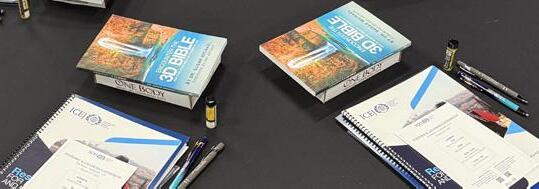
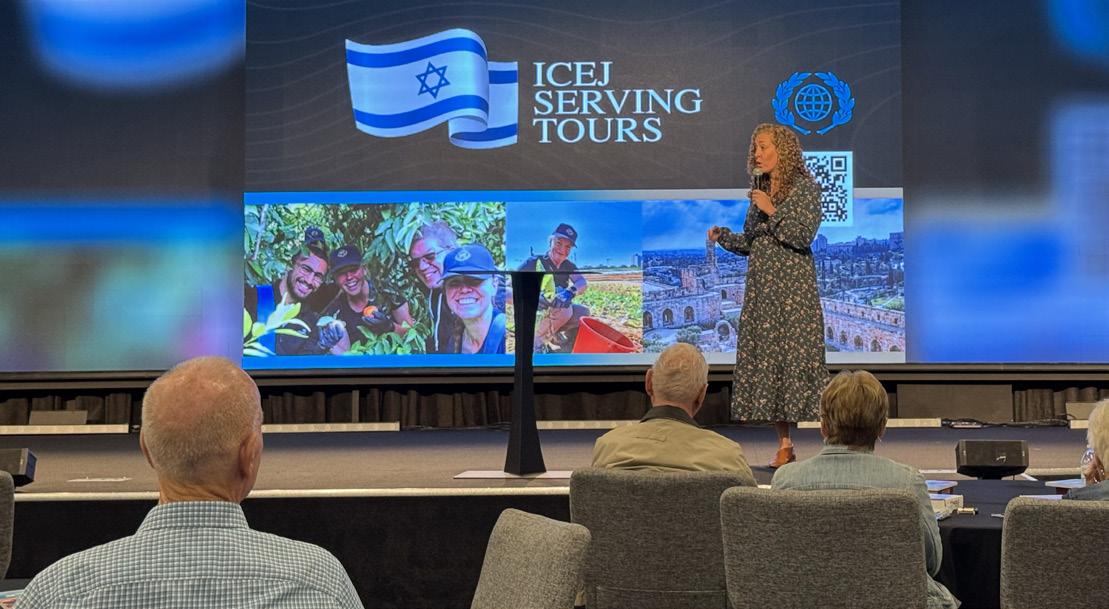
Kelsey Olguin, ICEJ USA Tours & Outreach Manager, shares how to organize or join a tour to Israel.
Pastors and ministry leaders worship at the ICEJ USA Pastors & Leaders Gathering • The Rock Church, Anaheim, CA
ICEJ USA's Director of Outreach, Dr. Tyson Lambertson, with Senior Pastor Jerry Dirmann, The Rock Church
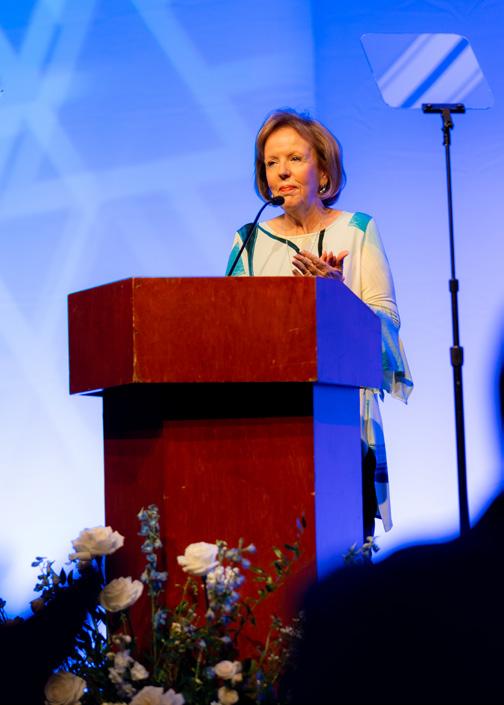
YOUNG CHRISTIAN LEADERS TAKE A STAND AGAINST ANTISEMITISM
BY ICEJ USA STAFF
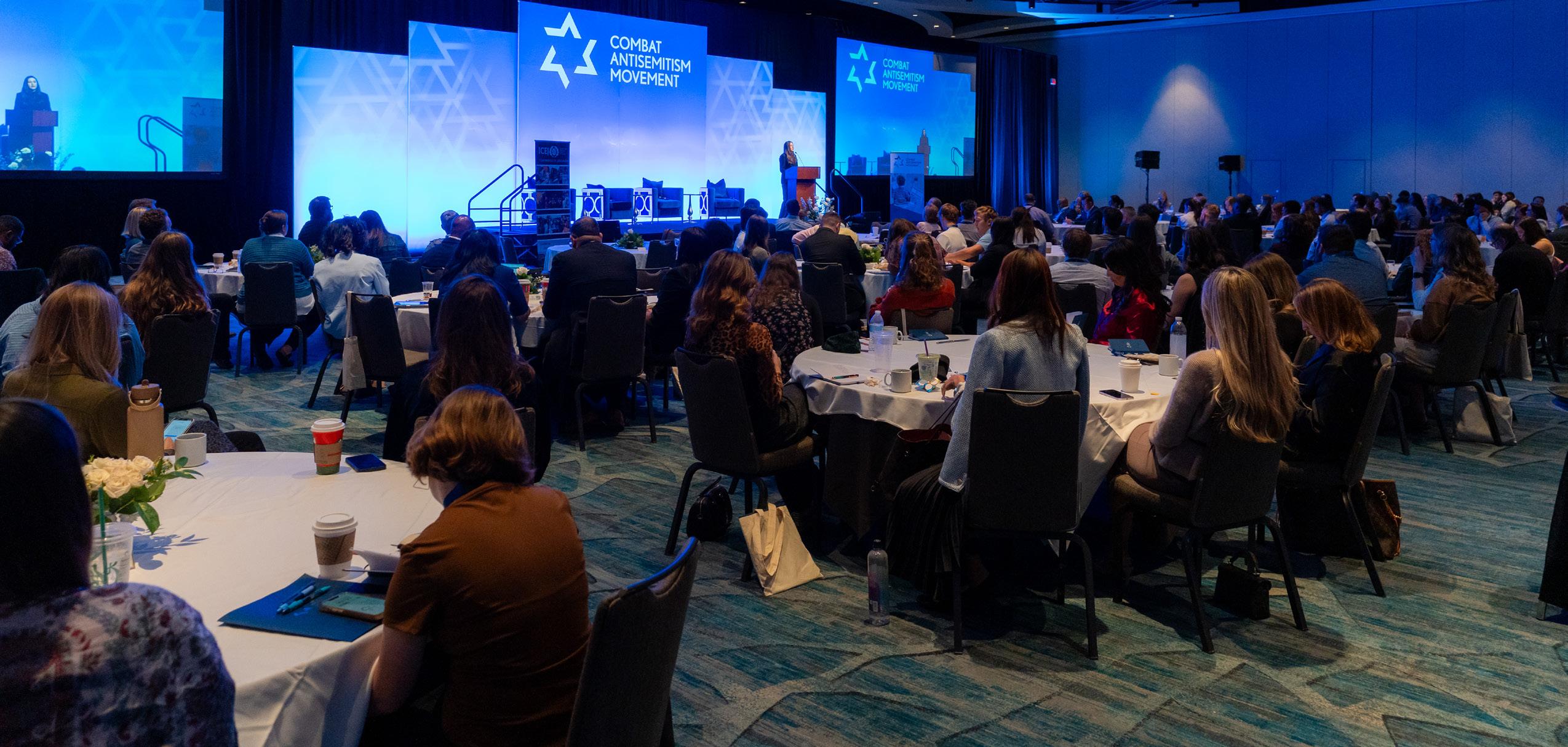
More than 275 emerging Christian leaders from across the United States gathered in Orlando, Florida, for the Christian Leaders Summit, a powerful two-day event aimed at confronting rising antisemitism and strengthening Christian solidarity with Israel. Hosted jointly by the International Christian Embassy Jerusalem USA (ICEJ USA) and the Combat Antisemitism Movement (CAM), the Summit—held under the theme “Defending Truth, Strengthening Faith”—brought together pastors, ministry leaders, campus advocates, media voices, and young professionals for teaching, worship, and strategic collaboration.
The gathering came at a critical moment, as antisemitism continues to surge across political and cultural lines. Through dynamic sessions and heartfelt testimonies, participants explored how faith-based leadership can be a transformative force for truth and reconciliation.
ICEJ USA President Dr. Susan Michael delivered a stirring challenge to attendees, urging them to recognize the urgency of their calling.
“You are a new generation of Christian leaders,” she told the audience. “Some of you are already leading, some are emerging, and some are still aspiring—but you are here to prepare for your leadership in this generation. What many of you have known as normal over the last several years is not normal—and God wants to use you to bring about change.”
Dr. Michael emphasized that this is a defining moment for young Christians to rise above apathy and confusion. “Don’t think small,” she said. “Think big. Think of ways you can be world changers, because the world desperately needs you.”
The ICEJ USA’s involvement underscored its long-standing mission to comfort God’s people, deepen Christian understanding of Israel, and build bridges of reconciliation between Jews and Christians. Through educational resources,
humanitarian aid, and global advocacy, ICEJ equips believers to engage thoughtfully with Israel’s biblical and modern significance. The organization’s partnership in the Summit provided both theological grounding and practical guidance for a new generation eager to lead with conviction.
Speakers from across the spectrum of faith, politics, and media lent their voices to the cause. Among them were Florida Lieutenant Governor Jay Collins, The Babylon Bee’s CEO Seth Dillon, and social media influencers Officer Tatum and and Ami Kozak. Each offered unique insight into how Christians can confront false narratives, defend biblical truth, and oppose antisemitic rhetoric on all fronts.
“Faith and truth matter,” said Collins. “Standing strong matters. As Christians, we recognize that the story of Israel is part of our story. It’s the foundation of a shared belief. And standing with Israel means standing with the truth.”
Dillon, addressing the spread of antisemitic ideas across the political spectrum, called for clarity and courage: “There’s antisemitism on the Left—and it’s growing on the Right, too. These bad ideas are rising almost completely unchecked. They need to be confronted.”
Philanthropist Igor Tulchinsky, CEO of WorldQuant, summed up the event’s unifying spirit: “We are here to stand together—Jews and Christians—children of one God, people of one promise. When you defend the Jewish people, you defend faith itself.”
As the Summit closed, ICEJ USA’s leadership called on participants to continue working together beyond the conference walls—linking education, advocacy, and faith in the face of growing hostility. “When Christians and Jews unite around truth and covenant,” Dr. Michael reflected, “we become a force that pushes back the darkness. That’s what this moment demands.”
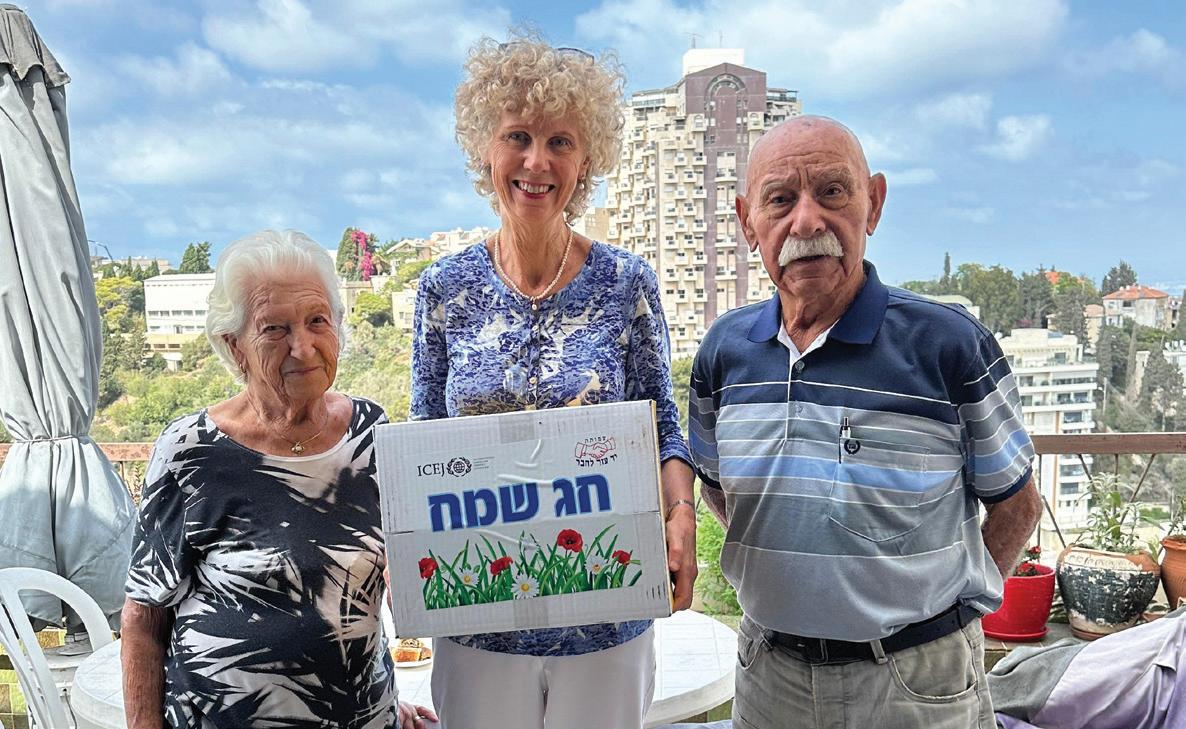
ICEJ Deputy AID Director Yudit Setz delivers a food parcel to Holocaust Survivors
High Holidays MARKING THE AT THE HAIFA HOME
BY YUDIT SETZ, ICEJ DEPUTY AID DIRECTOR
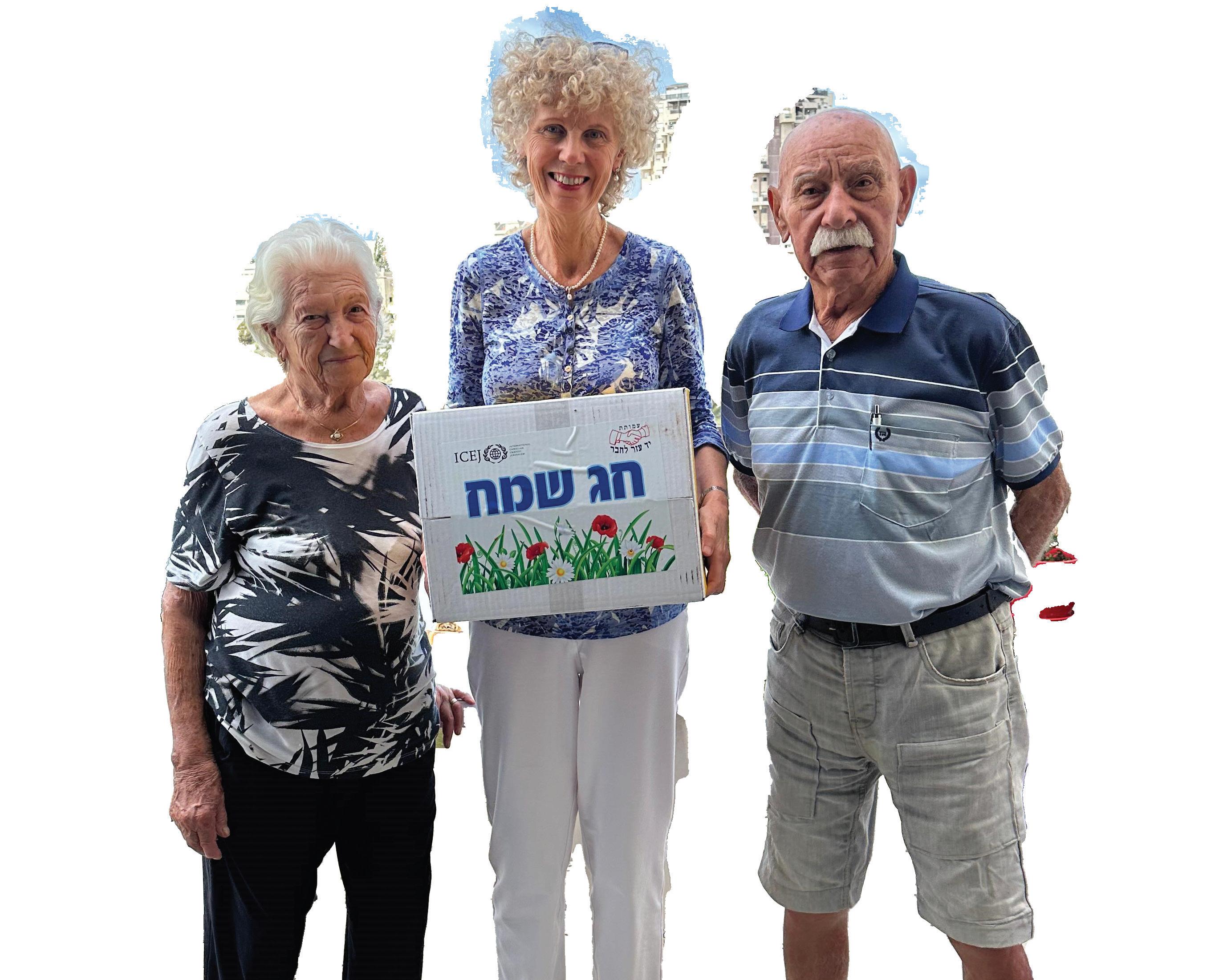
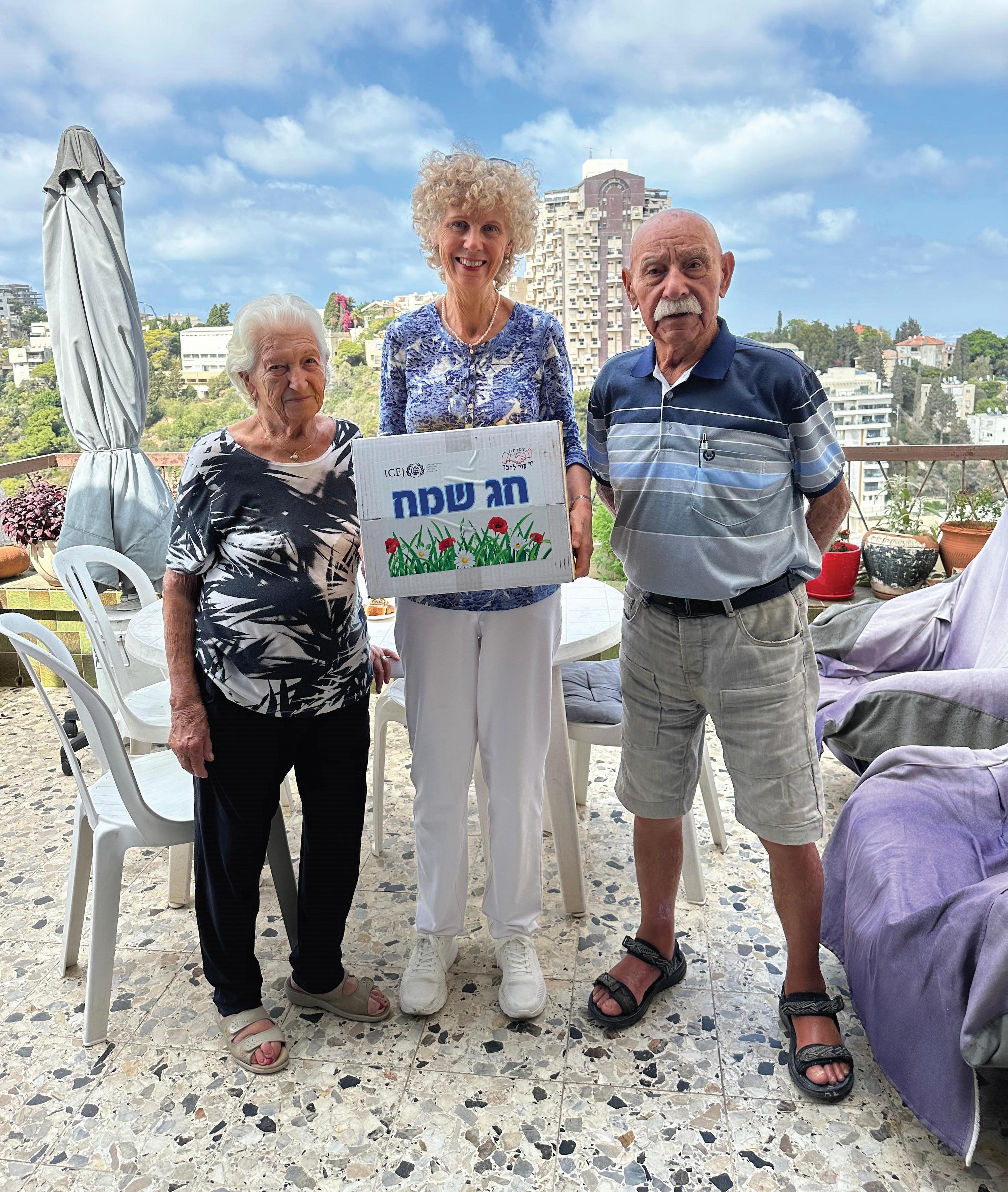
Here at the ICEJ’s Home for Holocaust Survivors in Haifa, the fall High Holy Days arrived recently just as news emerged that the war in Gaza may be winding down. The weather was quickly changing to autumn. Many Israelis were preparing spiritually and practically for the solemn Day of Atonement, or Yom Kippur. Many charitable organizations were reaching out with food parcels for those who are struggling.
Our ICEJ team at the Haifa Home also reached out to Holocaust Survivors in the region who still live in their own homes, blessing them with food parcels for the fall holidays. Many of these elderly people are lonely, coping with health challenges, and often do not have children nearby to support them. It is always a great privilege and joy to visit them.
Gershom (95) and Shoshana (90), both born in Romania, welcomed us with joy. Gershom, who survived three years in Transnistria, kept
repeating how happy he is to be in the Jewish homeland. “Israel is the most beautiful country in the world,” he insisted.
Both of their faces lit up as they invited us in for coffee. At the end of a pleasant conversation, Gershom said repeatedly, “This surprise visit was such a blessing to us. That doesn’t happen a lot.”
Our food parcel was greatly appreciated, but what touched them most was the care and love behind it.
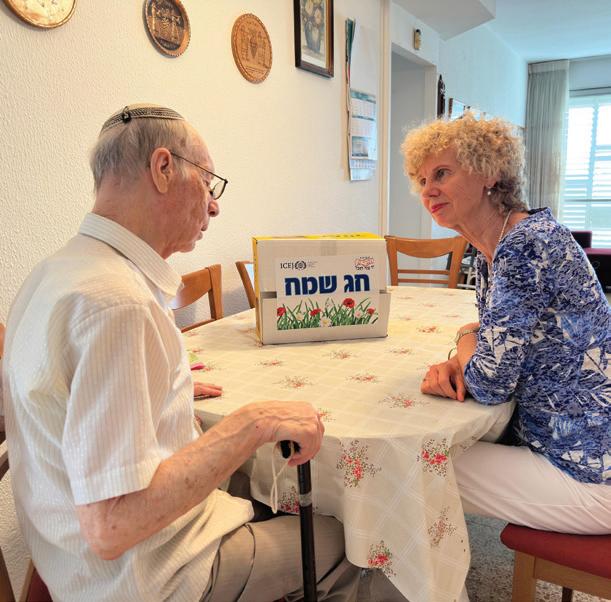
Yaacov, born in Lithuania, was equally moved by our unexpected visit. After we sat down, he opened his heart about how much his health has declined in recent months and how lonely he of-
ten feels. Now frail, walking only with the help of a cane, he has lost weight and rarely leaves home except for medical appointments. His children visit weekly, but he spends many days alone. For him, our visit was deeply meaningful, as we offered a listening ear, words of empathy and encouragement, and simple companionship that brought tears to his eyes.
A New Vehicle to Broaden Horizons
Our vision is gradually being realized to take our residents on short outings more frequently, helping them to step out of their homes, enjoy fresh air, and share meaningful experiences together. To make these trips more regular, we needed our own vehicle. With grateful hearts to our donors, we have acquired a nine-seater van dedicated for this spe-
The new ICEJ van will allow our Haifa Home residents to go on more short outings.
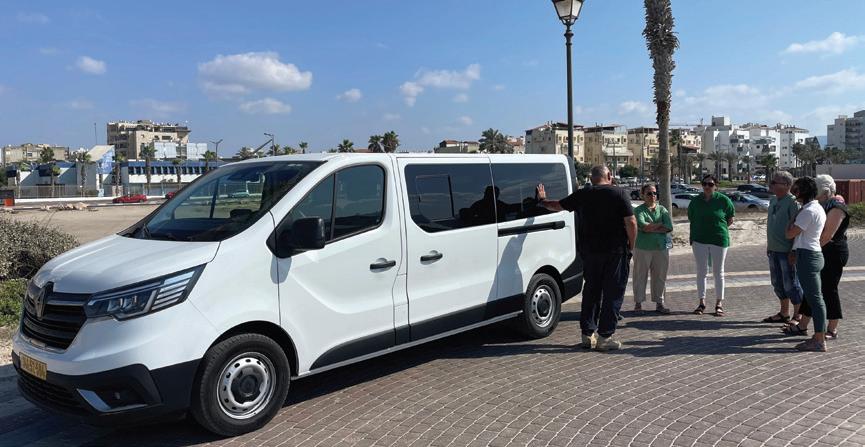
cific purpose—to expand the horizons of our Haifa Home residents. We look forward to creating new memories and moments of joy together as we plan various upcoming outings.
Art That Gives Hope and Light
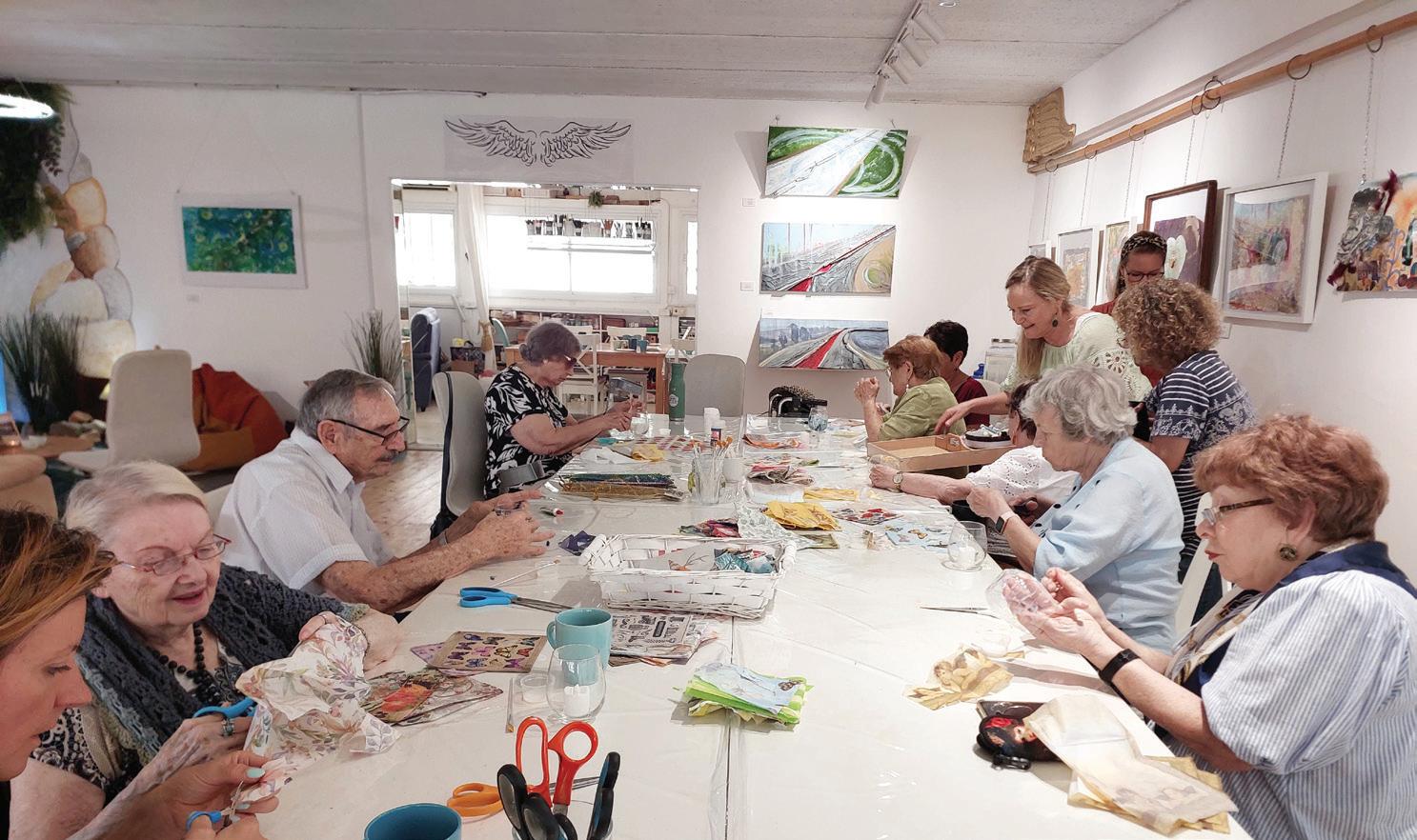
Our first outing with the new van took us to Kfar Saba, where Nancy, our art therapist, had organized a memorable visit to a beautiful art studio. Our residents enjoyed a special art session there connected to the Rosh HaShanah holiday. Surrounded by an uplifting atmosphere—with coffee, cakes, and a festive lunch—the residents had the chance to reflect on their lives while creating artwork full of light and color, representing hope for the Jewish New Year.
When they returned, they were still glowing from the experience. “It’s the first time I've met people who do these kinds of things,” shared Dov. “I very much appreciate the beauty that was there. I just do not have words to express it.”
“I feel so nice with all the people who help us,” added Natalia. “They have such big hearts, and I truly hope that God has heard my prayers.”
“I am so happy that I came and that there was still a place in the car,” said Renate, who had not been feeling well that day. “It was great to meet people with such hearts, and the art we did fits so well with the times we are living in.”
Israel, a Land of Miracles
Many of our Russian-speaking residents made Aliyah late in life and were never able to learn Hebrew or truly see the Land. Our Ukrainian residents, who arrived only three years ago after fleeing the Russian invasion, have also had little chance to discover this country and its incredible biblical history.
To help them connect more deeply with the Land of Israel, we invited Andrey, a tour guide and lecturer, to give a series of talks on different aspects of the Land. The residents showed great interest, eager to learn more about their new homeland. Our hope is to give them at least a glimpse of this often complex yet truly miraculous country they now call home.
May they continue to put down roots, however small, in the Land that God promised to their forefathers.
In Memoriam of Fanny Selekovitz
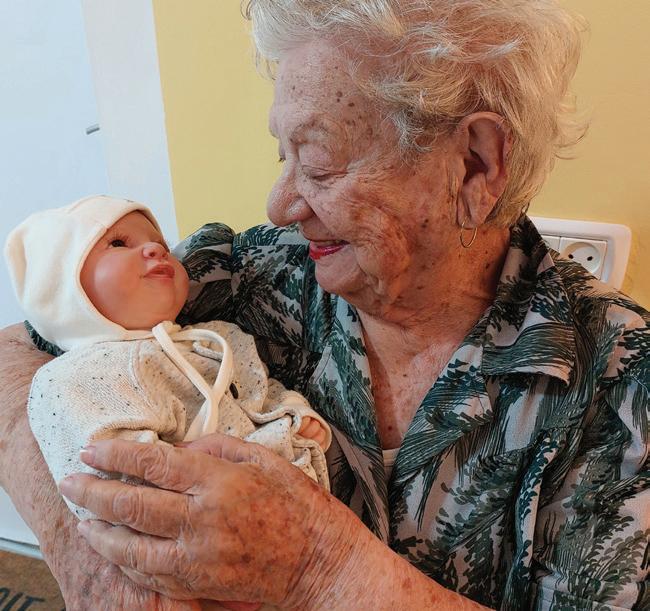
Fanny Selekovitz holding a baby doll as a therapy tool
On September 14, our dear resident, Fanny Selekovitz, passed away at the age of 96. We had the privilege of sharing her life for seven years at the Haifa
Home. Originally from Romania, she was thrown out of school as a child for being Jewish and together with her family, suffered much. This left a mark for the rest of her life, as with every Holocaust Survivor.
Fanny was a loving, active, and strong woman. She loved art and had boundless creativity. Over the years, she poured her energy into crochet, painting, and many other crafts, always finding new ways to make things more beautiful. Many visitors from abroad returned home with one of her creations, whether it was a pair of socks or another handmade treasure.
Celebrating Rosh HaShanah
This year on Rosh HaShanah, the Haifa Home dining room looked festive. Our staff arranged the tables with colorful tablecloths and Rosh Hashanah treats. We talked with the residents about the blessings of the past year, emphasizing the good things amid the difficult situation in the Land. Every resident had the opportunity to give their New Year greeting to the rest of the people present.
It was a joyful gathering in which all the Haifa Home residents felt honored and loved. At the end, everyone received a gift with a personal blessing from our staff and donors.
Please continue to support our unique ministry of caring for Holocaust Survivors in their remaining years.
Donate today at: www.icejusa.org/holocaust-survivors

Visiting the art workshop in Kfar Saba

ICEJ FUNDING NEW ANIMAL THERAPY CORNER FOR ISRAEL’S TRAUMATIZED CHILDREN
BY NATIVIA BUEHLER, ICEJ AID ADMINISTRATOR
At Kibbutz Urim, only a few miles from Gaza, a horse therapy ranch and animal corner had been serving children and adults from throughout the region to deal with the trauma of years of incessant rocket barrages. But the October 7 terror invasion forced the community to evacuate and the ranch to close, even at a time when the number of Israeli children and adults needing trauma care rose exponentially.
But now, the horse ranch is back up and running, with the addition of three new therapy horses so far sponsored by the International Christian Embassy Jerusalem. And right next door, a long-awaited vision is starting to come to life.
In October, Kibbutz Urim unveiled the first phase of its refurbished “animal corner,” a safe and welcoming space where children can interact with gentle animals to overcome trauma. The rest of the permanent ICEJ-sponsored Animal Therapy Corner currently remains in the planning stages, but this pilot project offers an initial glimpse of how the structured animal-assisted therapy center will support traumatized children.
Though small in scale, the pilot site already includes the essential elements: two therapists on staff, two therapy rooms, animal enclosures, and a wide, fenced green lawn. Inside the enclosures are rabbits, hamsters, and parrots, with plans to welcome chickens and eventually dogs. The site is intentionally designed to be secure, so that children engaging with the animals can feel calm and protected.
This opening stage is temporary but vital, as it allows the

team to experiment with therapeutic approaches, test practicalities, and refine the overall vision before full-scale construction begins. “This allows the therapists and organizers to observe how children respond and identify the resources they will need long-term to remain sustainable and effective,” explained Nicole Yoder, ICEJ Vice President of AID and Aliyah.
The need for such spaces is pressing. According to a recent report by the National Insurance Institute, since the beginning of Israel’s war against Hamas in Gaza two years ago, 56 children and teens have been murdered, 389 have lost at least one parent, 38,628 were evacuated from homes near the northern and southern borders, and at least 23,212 have been recognized as physically or mentally damaged. Of these, 2,952 children were found to be suffering from significant trauma. There were 30 suicide attempts among children aged nine and under, a 25% increase from 2023. Seven months ago, 37 children still had parents in Hamas captivity.
The scale of these numbers underscores the urgent need for safe, nurturing spaces where children can begin to process their experiences and rebuild a sense of security. Kibbutz Urim’s envisioned Animal Corner is taking on this responsibility, offering dozens of children the chance to take steps toward emotional recovery

Cuddly rabbit at Kibbutz Urim
REBUILDING KIBBUTZ BE’ERI
HELP REBUILD THE BE’ERI YOUTH CENTER IN ISRAEL
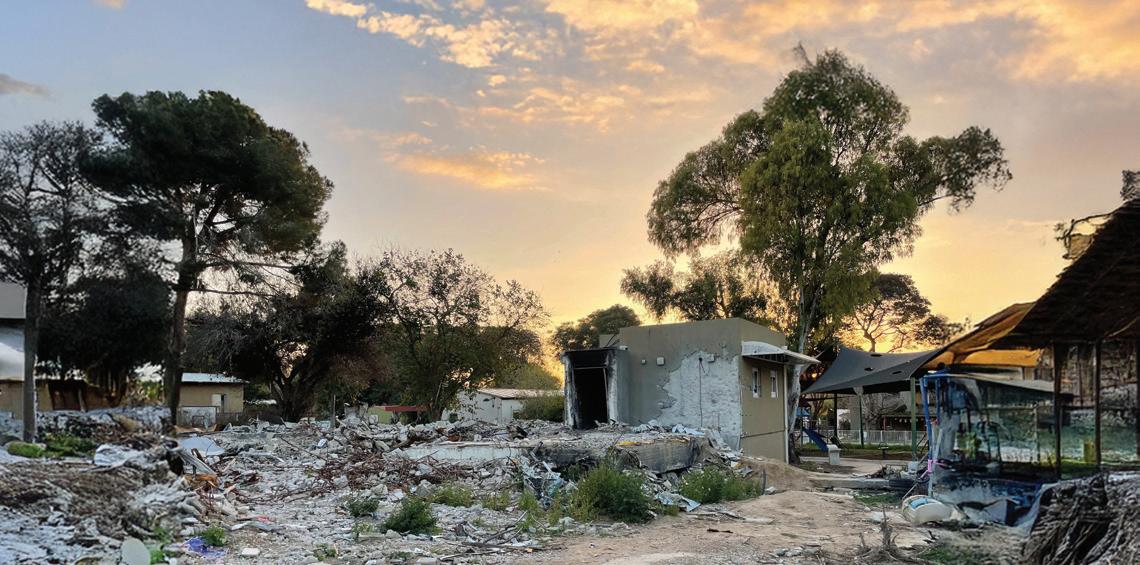
On October 7, 2023, Kibbutz Be’eri suffered one of the deadliest terror attacks in Israel’s history. Over 130 residents were killed or kidnapped— including 51 elderly—and more than 120 homes and 13 public buildings were destroyed. Among them was the youth activity center, once a safe and joyful space for elementary school children.
SUPPORT ISRAEL’S TRAUMATIZED FAMILIES
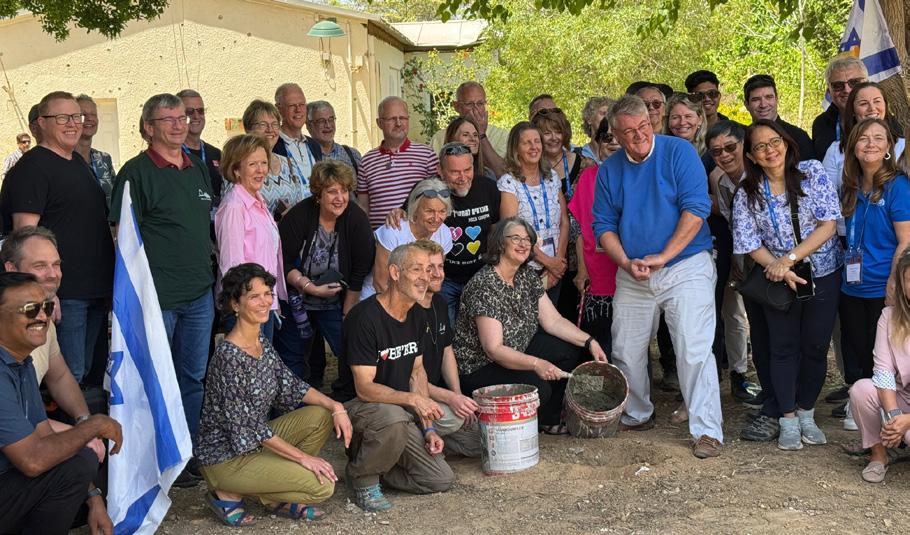
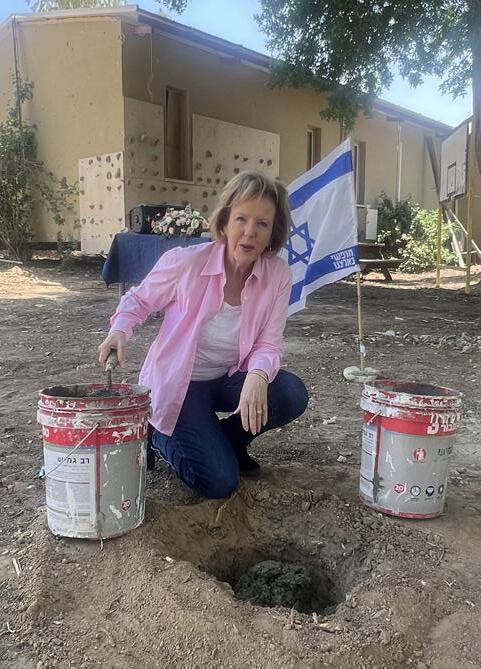
In April 2025, construction began on a new, secure youth center in Kibbutz Be’eri—designed as a vibrant space for learning, healing, and summer programs for returning families. More than a building, it will serve as a lifeline for a generation of traumatized Israeli children. Completion is expected by October 2026.
YOUR DONATION MATTERS

By giving to this urgent rebuilding effort, you are:
• Helping Israeli children heal from trauma
• Supporting a war-torn community through education and emotional recovery
• Fulfilling Isaiah 60:10: “Foreigners will rebuild your walls”
National Representatives
and Susan Michael
help pour cement ... HELP US REBUILD!
Your gift declares to Israel: “You are not alone—American Christians are standing with you.”
ICEJ
(top)
(left)
EMPOWERING STUDENTS, SUPPORTING FARMERS & SECURING ISRAEL’S FOOD PRODUCTION
BY NATIVIA BUEHLER, AID ADMINISTRATOR
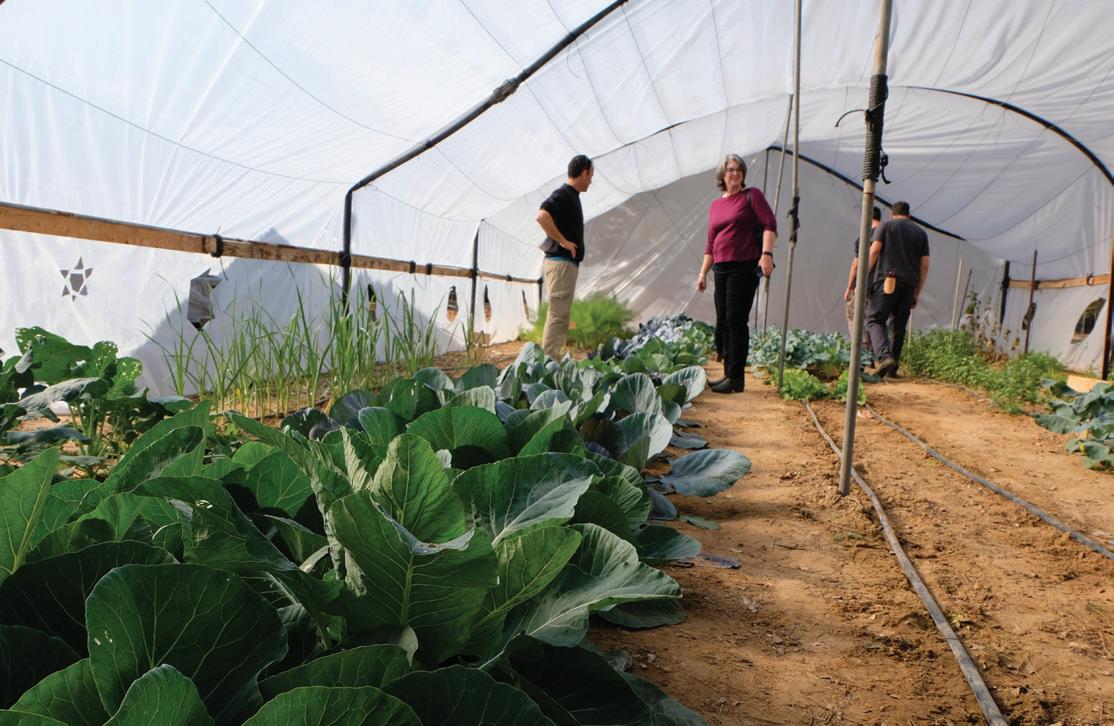
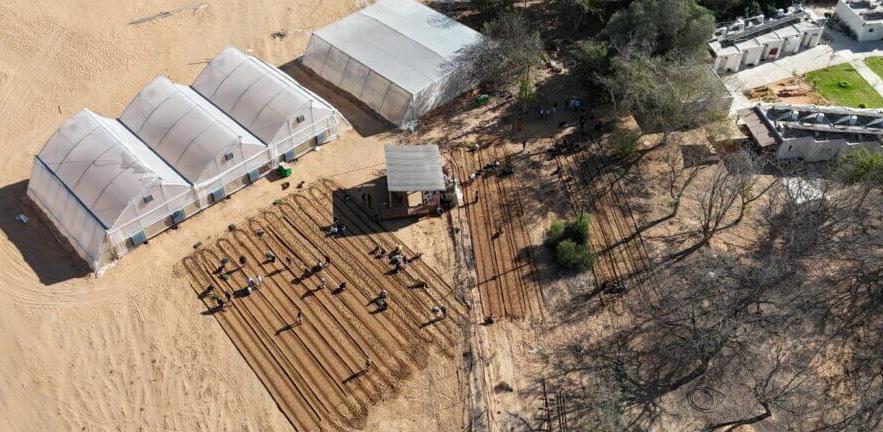
At the Agro-Tech School in Sde Nitzan, students, parents, and teachers recently gathered for the first Parents’ Day of the new school year—and for the official opening of its new technological greenhouse, a project funded by donors of the International Christian Embassy Jerusalem.
The greenhouse classroom marks a significant milestone for the Eshkol region, one of Israel’s main agricultural centers, which was among the hardest hit areas by the October 7 attacks. The area’s farms produce more than 70 percent of Israel’s fresh vegetables, but in the months following the war, production dropped sharply. Nearly 20,000 foreign agricultural workers left the country, and local growers struggled to keep operations going.
In response, local educators and community leaders launched the agro-tech project, the first agricultural education program to be established in the Gaza border region since the war. The goal is to train the next generation of young Israelis so that they can help rebuild the agricultural sector, bring innovation to an industry that remains vital to national food security, and connect with the Land of Israel. “The idea was born out of necessity,” said Asaf, founder of the program. “We realized that the future of agriculture here depends on engaging young people, giving them the tools and the motivation to take part in restoring and advancing this field.”
Students learn to grow vegetables in controlled conditions using modern agricultural systems, while also studying water and soil management, irrigation technologies, seed genetics, and marketing. They work directly with local farmers and agro-tech companies to gain practical experience, com-
bining hands-on training with exposure to Israel’s leading agricultural innovations.
To open the new school year, parents joined the 50 enrolled students in planting the first rows of tomatoes, cucumbers, lettuce, and cabbage together. The event was both a practical lesson and a show of community partnership, with families, teachers, and students working side by side in the same soil that had been left untended for two years.
The Eshkol Regional Council is home to 33 villages with around 17,500 residents, many of whom depend on agriculture for their livelihood. While much of the region is still rebuilding, projects like this one offer a new path forward. By introducing technology and education into the recovery process, the Agro-Tech School is equipping young Israelis with the knowledge and confidence to sustain the land for the long term.
Through its partnership, the Christian Embassy is helping ensure that Israel’s agricultural communities are not only restored but strengthened for the future. The hope is that what begins in the greenhouse will extend across the fields of the South, by empowering students, supporting farmers, and securing Israel’s food production for years to come.
Please support the ICEJ’s efforts to help the Israeli communities of the western Negev recover and rebuild following the devastating October 7, 2023, terror attacks.

ICEJ HOMECARE SHINES LIGHT AMID DARKNESS
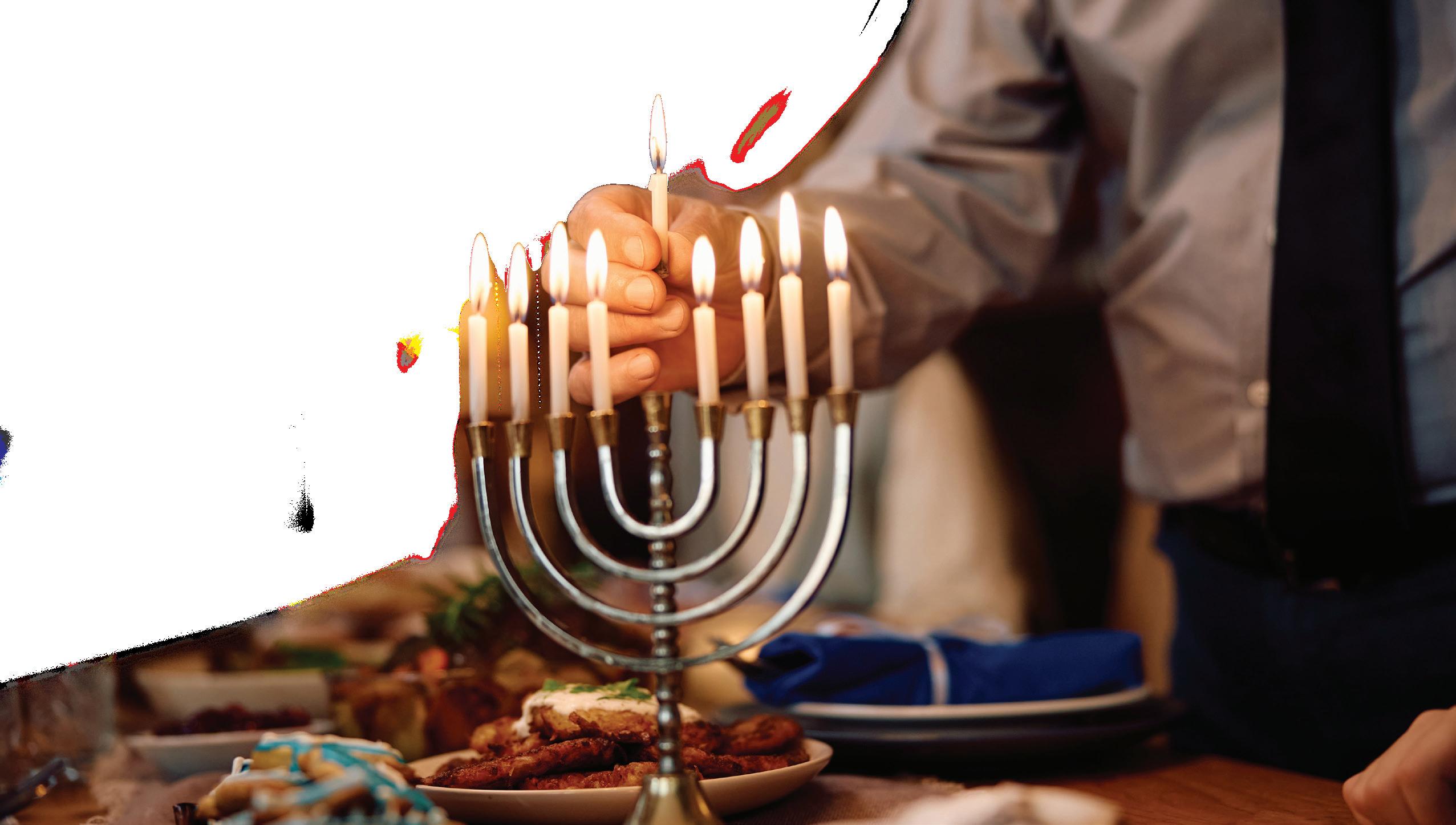
STORIES OF COURAGE, FAITH, AND RESILIENCE DURING HANUKKAH
BY MAXINE CARLILL
The delightful festival of Hanukkah takes place for eight days during December. A central aspect of Hanukkah is celebrating the remarkable defeat of an evil tyrant who had oppressed the Jewish faith. “The few over the many” is a phrase that describes this victory, with the “few” including the God of Israel.
After two years of ongoing war, ICEJ Homecare continues to witness extraordinary courage in the most unexpected places—Israel’s elderly, frail, and vulnerable. Despite fear and uncertainty, they continue to shine with quiet strength, resilience, and faith. Through every home visit and every prayer shared, Homecare staff have seen how light endures even in the darkest times.
In 1990, Natasha* made Aliyah from the Soviet Union with her mother, husband, and son. They travelled by boat from communist Leningrad to Helsinki, then by plane to Israel. Natasha completed her education in Israel amid many struggles and earned a doctorate in Russian literature, finding work as a teacher.
Recently, she reflected on the war in Gaza with Homecare nurse Corrie van Maanen. “The beginning was the hardest—the unknown, not feeling safe, [having] great fear,” she recalled. She recounted that back in Russia, after threats of pogroms against Jews resurfaced in the 1980s, Natasha and her family immigrated to Israel. But the
images of Hamas attacks on October 7 triggered a terrible fear, especially as her husband had to go to work, leaving her, their only son, and her elderly mother alone at home, which was close to Arab towns.
The next day, her son was called up to the Israeli army, and one day later, she wrote to her students to check if they were all safe. Sadly, one of her students discovered Hamas had taken her sister hostage in Gaza. Natasha did all she could to raise the awareness of her student’s sister’s plight on social media. It spread like a ripple in water. After more than a year, the girl was set free.
“The whole day the telephone rang, even though it was on a Shabbat. I was busy thanking all the people on my social media groups,” she explained.
For many elderly Homecare patients who are Holocaust Survivors, October 7 and the ensuing war meant reliving the horrific darkness of World War II. Some overcame the trauma by simply shutting off the news. However, one
elderly lady was obsessed with watching the news, and depression soon followed. But Corrie challenged this dear observant Jewish woman to read the Torah, the Psalms, and the Prophets after every hour of watching news.
“I don't need the news so much anymore, as the Torah is teaching me about the times we are living in,” she later told Corrie.
Other Homecare patients struggle knowing their children or grandchildren are in the IDF defending the country. Corrie shared that during a visit with another elderly Holocaust Survivor, she found her Homecare patient in tears: “My grandson doesn’t want to tell me where he is in the army to protect his babushka (grandmother).” On one visit home, he had told his grandmother about an accident and the miraculous way the God of Israel saved his life and those of his fellow soldiers. She told Corrie, “I cry when I think of it, and when I tell others, I can't stop crying about how God saved his life.”
Some of these dear Russian-speaking Jews still have family caught in the war in Ukraine, and at times, they are at the end of their strength. Homecare’s weekly visits bring them hope, often just by being there, listening, and encouraging them. Like the candles of Hanukkah, faith overcomes darkness.
Thank you for being part of these difficult two years for those under our care. With your help, Homecare has comforted many elderly Jews in Israel.
*Name has been changed

Your Israel Answer
Dangerous Trends in Jewish–Christian Relations
By Dr. Susan Michael, ICEJ USA President
For the first time in centuries, Jewish–Christian relations have experienced remarkable healing—fueled by access to Scripture, the impact of the Holocaust, and the miracle of Israel’s rebirth. Yet this progress is now under pressure. Antisemitism, long described as a mutating virus, has reemerged in new forms across politics, media, and even the church. These new expressions are rooted in old patterns that repeatedly endanger the Jewish people and are now threatening not only the Jewish community but also the spiritual health and integrity of Christianity itself.
Understanding these dangers is essential if Christians are to defend truth, stand with Israel, and guard the future of this vital relationship. Here are five concerning trends to watch for—and fight against.
1. The Rise of Political Antisemitism (Anti-Zionism)
A new form of antisemitism is targeting the Jewish collective—the State of Israel—through delegitimization, double standards, and demonization. After October 7, 2023, when Hamas infiltrated southern Israel and massacred over 1,200 people and took more than 250 people as hostages into Gaza, political anti-Zionism exploded globally, fueling attacks on Jews and influencing young Christians who are immersed in social-media propaganda. This increase in political antisemitism should alarm Christians because it risks aligning Christian voices with movements that delegitimize Israel and tempts
believers to disconnect modern Israel from the biblical narrative—which, ultimately, weakens confidence in Scripture itself.
2. The Resurgence of Replacement Theology
Though the church has made tremendous progress in its relationship with the Jewish people and nation of Israel, Replacement Theology—the belief that God is finished with the Jewish people and is now working primarily through the church—is resurfacing under new names such as “Fulfillment Theology.”
This false theology erases God’s covenant with Israel and is what historically laid the groundwork for Christian antisemitism. Its return threatens to unravel the biblical foundations of Christian–Jewish solidarity by reopening wounds left by centuries of Christian theological hostility, fueling old patterns of antisemitism. Replacement ideas often appear in academic, nuanced language, making it sound biblical or sophisticated to Christians who have not been well taught, ultimately undermining trust between Jews and Christians.
3. Growing Biblical Illiteracy in the Church
This generation is skeptical of Scripture as the fulcrum of truth, and, as a result, it is vulnerable to distorted teachings about Israel. Understanding God’s covenant with the Jewish people—which undergirds the entire Bible—is paramount for understanding its narrative. Without a clear grasp of God’s work
through covenant, Christians lose the “answer key” for what helps the entire Bible make sense. Such a vacuum leaves room for misinformation, confusion, and antisemitic ideas to spread unchecked.
Growing biblical illiteracy in the church has a significant impact on Jewish–Christian relations. As Christians lose awareness of the Jewish roots of their faith, it opens the door to misinterpretation, weakens empathy for Jewish history and experience, reduces Christian support for Israel, and suppresses constructive dialogue with the Jewish community. Ultimately, biblical illiteracy disconnects Christians from their spiritual heritage, the biblical story of Israel, and the theological basis for opposing antisemitism and standing with the Jewish people.
4. Radical Postmillennial and Dominionist Movements
Radical postmillennial and dominionist movements also impact JewishChristian relations, especially at a time when trust between the communities is still relatively new and fragile. While not all postmillennialists or dominionists are hostile toward Jews, the radical expressions of these movements introduce theological and political tensions that affect how Jews perceive Christian intentions.
A new Christian nationalist right is promoting ideologies that deny the Jewish people’s ongoing covenant, reinterpret the Torah as a blueprint for Christian rule, and embrace conspiracy theories about Jewish influence. While not all postmillennials hold these views, this fast-growing movement introduces a dangerous theological hostility toward Judaism and Israel.
Dominionists tend to reinforce versions of Replacement Theology, and their activism blurs the line between Christian eschatology and political power. Jewish communities that his-
torically suffered under religiously enforced laws may interpret it as a threat to pluralism and religious freedom. And when fringe dominionist groups tie their support for Israel to end-time strategies, including the conversion of Jews, it makes Jewish people question motives as to why Christians are really supporting Israel: Are they motivated by genuine love for the Jewish people, or by a Christian prophetic agenda?
5. The Propaganda War and Collapse of Reliable Media
Antisemitism today spreads through disinformation, activist journalism, doctored images, AI-generated content, and tightly controlled Gaza reporting. Lies about Israel can go viral within seconds, while factual rebuttals often take months to reach the same audience. This information war is spiritual as well as political and has become the “eighth front” of Israel’s struggle—and it has the potential to impact Jewish–Christian relations negatively.
Christians who are exposed to this propaganda may embrace these lies as truth, which not only weakens their biblical understanding of God’s purpose and role for Israel but also fuels skepticism and suspicion toward Jews—or worse, hostility. When these lies dominate the media, it shifts public perception, making genuine dialogue and collaboration between Jews and Christians increasingly difficult.
Conclusion
These five trends—political antisemitism, theological distortions, biblical illiteracy, radical ideologies, and the propaganda war—pose a serious threat to the fragile relationship between Jews and Christians. Yet the church is not powerless. Christians must return to Scripture, cultivate discernment, seek trustworthy sources, and stand against antisemitism in all its forms.
The battle for truth is ours to fight— spiritually, intellectually, and relationally.
Bless Those in Need
This Hanukkah and Christmas Season
Though the war with Hamas has hopefully ended, the people of Israel face a long road to recovery and rebuilding. Their enemies have not given up—but neither must we. This Christmas season, as we celebrate the birth of the Prince of Peace, let us stand with Israel in prayer and in action. Your special gift today will help rebuild homes, restore hope, and remind the people of Israel that they are not alone.
Each of the following initiatives offers a tangible and life-changing way to bring healing, safety, and hope to people across Israel who have suffered deeply since October 7. Your support directly transforms lives.
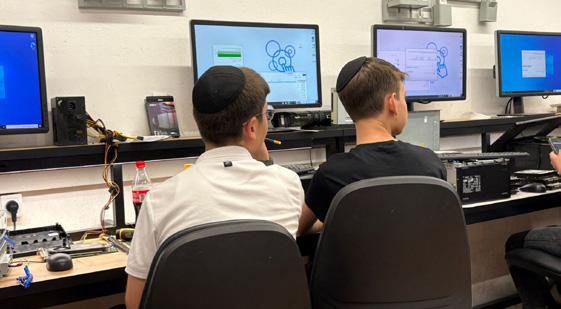
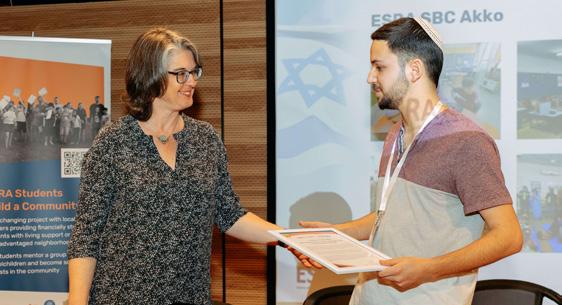


Computers Repaired by Youth-at-Risk and Given to Needy Families
Cost per computer: $140
Share: $5–$25
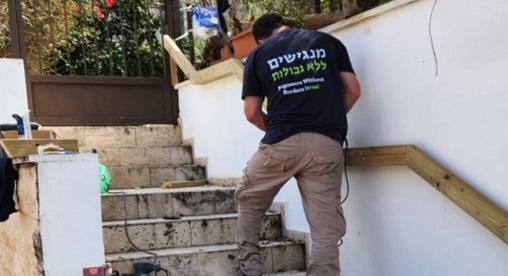
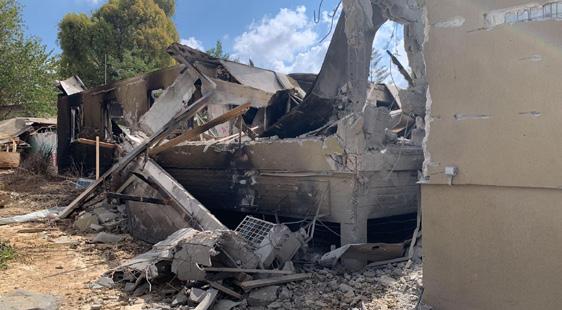
Home Repairs and Upgrades for Victims of Terror
Cost per home: $1,400
Share: $5–$100
Mentoring a New Immigrant Family for One Year
Cost per family: $2,000
Share: $100–$500
Building Additional Trauma Treatment Rooms (4 needed)
Cost per room: $21,500
Share: $500
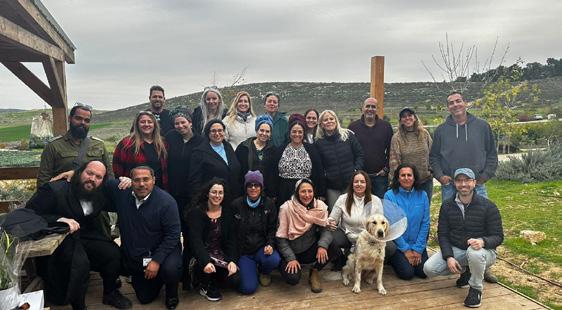
Trauma Group Therapy Sessions / Retreats
Cost per group: $16,000
Share: $100–$500
Rebuilding the Be’eri Youth Activity Center
Still needed: $385,075
Share: $500–$1,000
www.icejusa.org/crisis