Customization for Nursery Furniture: Meeting the B2B Client’s Needs
Customization for Nursery Furniture: Meeting the B2B Client’s Needs
In the world of nursery furniture manufacturing, standing out amidst a sea of competitors requires more than just producing quality products; it requires a deep understanding of your client's specific needs and the flexibility to meet those needs through customization. This approach is especially true for B2B clients, such as daycare centers, hospitals, boutique retailers, and interior designers, who often search for unique, tailored solutions that can cater to their specific demands.
Let's delve into why customization in nursery furniture is becoming a cornerstone for success in B2B relationships and how nursery furniture manufacturers can effectively implement these strategies to thrive.
Understanding B2B Client Needs
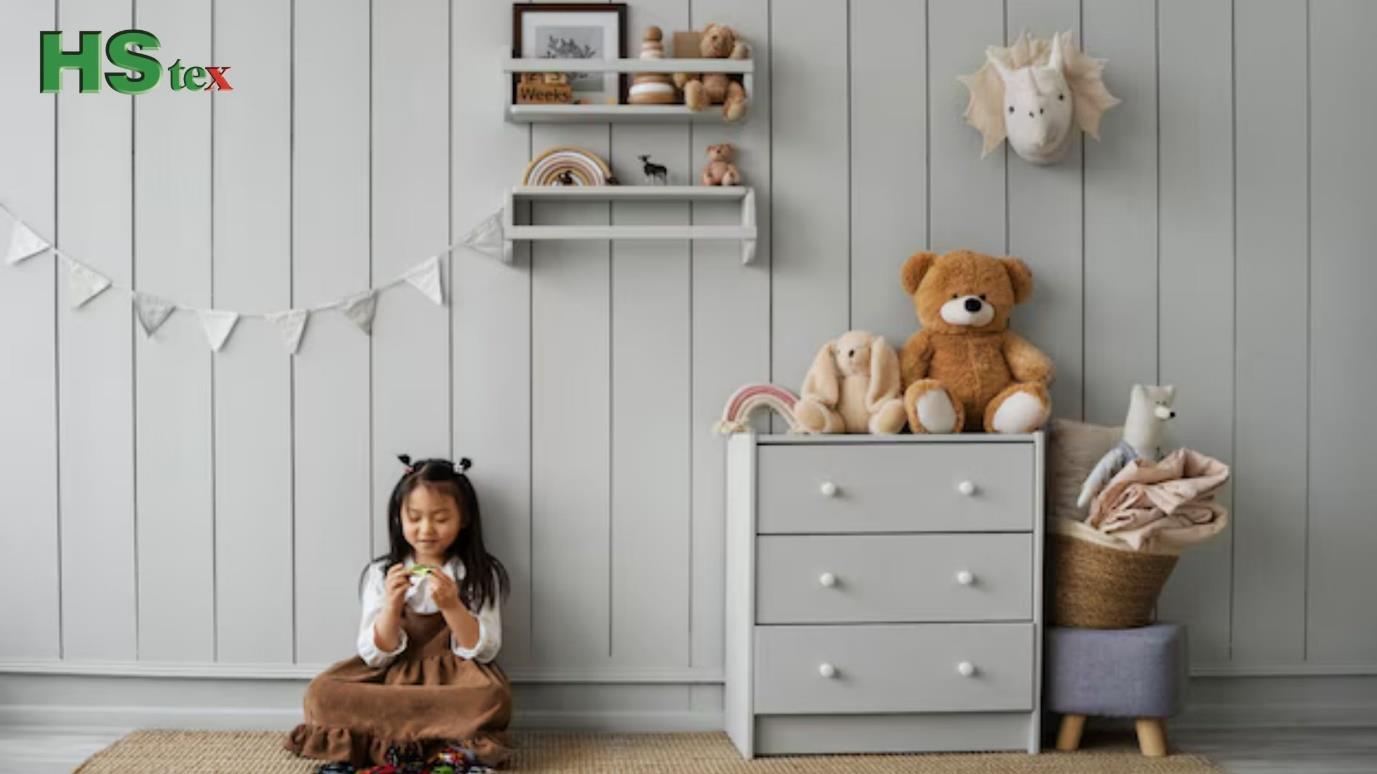
B2B clients look for products that not only meet safety and quality standards but also reflect their brand's identity, maximize their space's utility, and cater to their target demographic's preferences. For instance, a boutique retail store specializing in eco-friendly products will prioritize nursery furniture made from sustainable materials. Similarly, a daycare center with limited space might seek multifunctional furniture pieces that serve dual purposes, such as storage and seating, to maximize their available area.
Benefits of Offering Customizable Options
Competitive Advantage
By offering customization, manufacturers can distinguish themselves from competitors. This unique selling proposition can be the deciding factor for B2B clients when choosing a supplier. Customization allows clients to feel involved in the design process, ensuring the final product aligns perfectly with their vision and needs.
Higher Customer Satisfaction
Customized nursery furniture addresses the client's specific requirements, leading to higher satisfaction levels. This satisfaction can result in repeat business, long-term relationships, and positive word-of-mouth, which is invaluable in the B2B space.
Increased Value Perception
When clients know that a product has been tailored specifically for them, they perceive it as having higher value. This perception allows manufacturers to command better pricing, improving profit margins without compromising on quality or service.
Implementing Customization in Manufacturing
Streamlining The Design Process
Manufacturers should invest in design software that allows for easy modifications and visualizations of customized products. This investment aids in presenting accurate prototypes to clients, making the approval process smoother and faster.
Flexible Manufacturing Systems
Adopting flexible manufacturing systems enables manufacturers to easily switch from one product specification to another without significant downtime or expense. Modular designs can be particularly effective, where base components are standardized, but elements like color, finish, or additional features can be customized per order.
Close Client Collaboration
Engage in a collaborative process with clients, involving them from the ideation phase through to delivery. This collaboration ensures that their requirements are accurately understood and met, fostering trust and opening channels for direct feedback.
Managing Expectations
It's crucial to clearly communicate the possibilities and limitations of customization to clients, including potential impacts on cost and lead time. Transparent communication builds trust and helps in managing client expectations effectively.
Overcoming Challenges in
Customization
While customization offers numerous benefits, it also comes with its set of challenges, such as increased production costs, longer lead times, and complexity in inventory management. Manufacturers can navigate these challenges by:
Leveraging technology: Using advanced manufacturing technologies and software can streamline the customization process, reduce errors, and control costs.
Strategic inventory management: Keeping a stock of popular components or semi-finished products can help reduce lead times for customized orders.
Efficient project management: Implementing a robust project management system ensures that every customization request is tracked and fulfilled efficiently, minimizing delays and improving client satisfaction.
Conclusion:
The demand for customized nursery furniture in the B2B market is more than a passing trend; it's a reflection of clients' desire to provide unique, safe, and practical environments for children. For nursery furniture manufacturers, adapting to this demand by offering flexible, client-centered solutions can open new avenues for growth and differentiation. Through strategic planning, investment in technology, and a commitment to collaboration and quality, manufacturers can successfully meet their B2B clients' needs, forging strong relationships built on trust, innovation, and satisfaction.
Embracing customization not only benefits clients but also propels OEM furniture manufacturers into a future where their ability to adapt and personalize becomes their strongest asset. In the bustling market of nursery furniture, tailoring solutions to match the specific needs of B2B clients isn't just good business it's essential.
9, SHUNQI ROAD, YUQI TOWN, WUXI CITY, 214183, CHINA