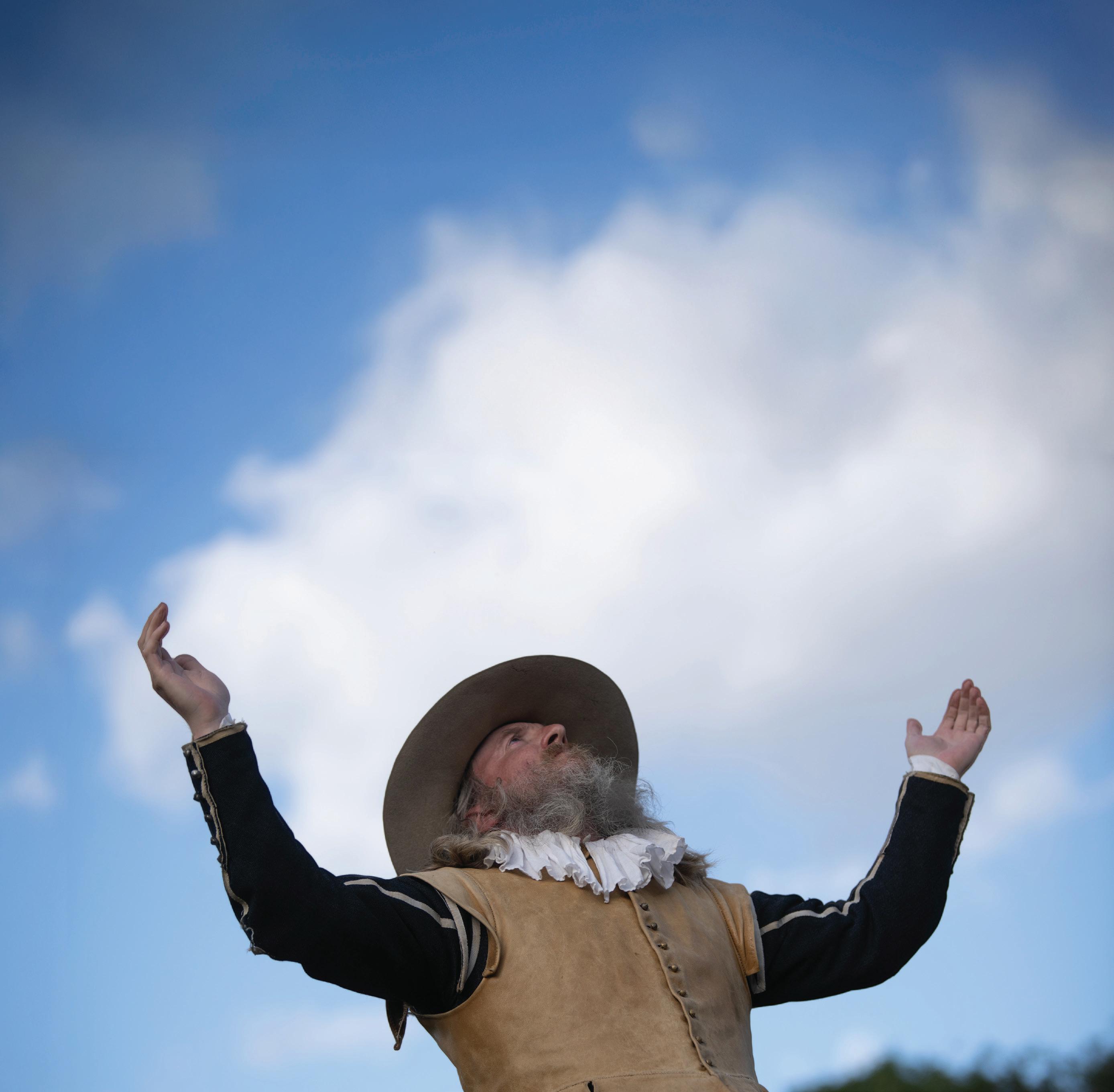
“Thus out of small beginnings greater things have been produced by His hand that made all things of nothing, and gives being to all things that are; and, as one small candle may light a thousand, so the light here kindled hath shone unto many...”
- Governor William Bradford
A series of short films exploring the faith and spirituality of Plymouth Colony from Plimoth Patuxet Museums (formerly known as Plimoth Plantation).

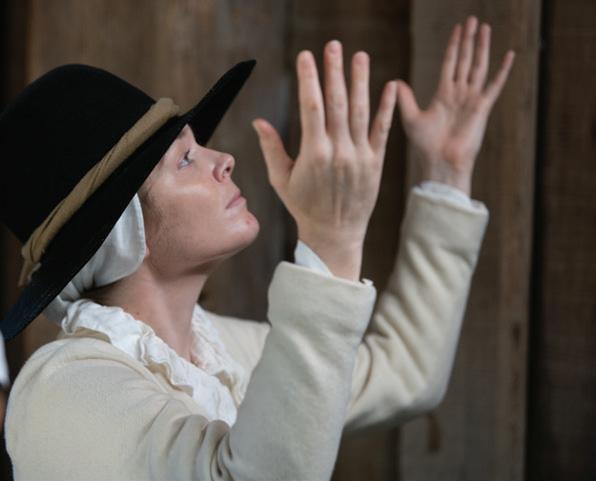
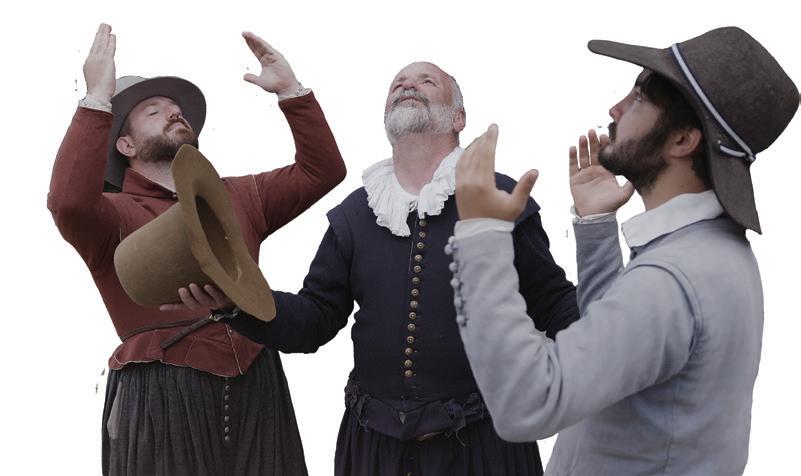

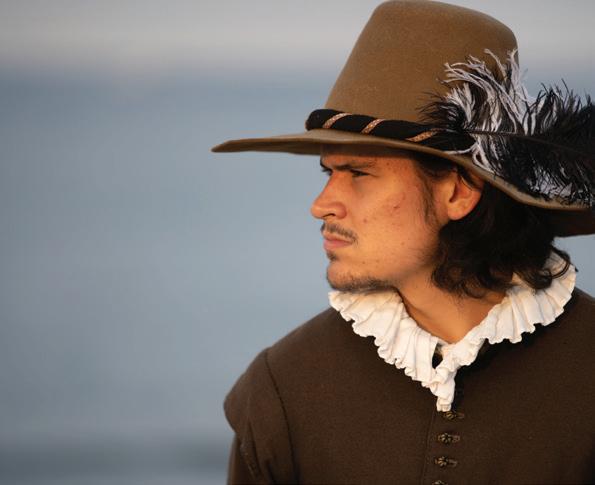
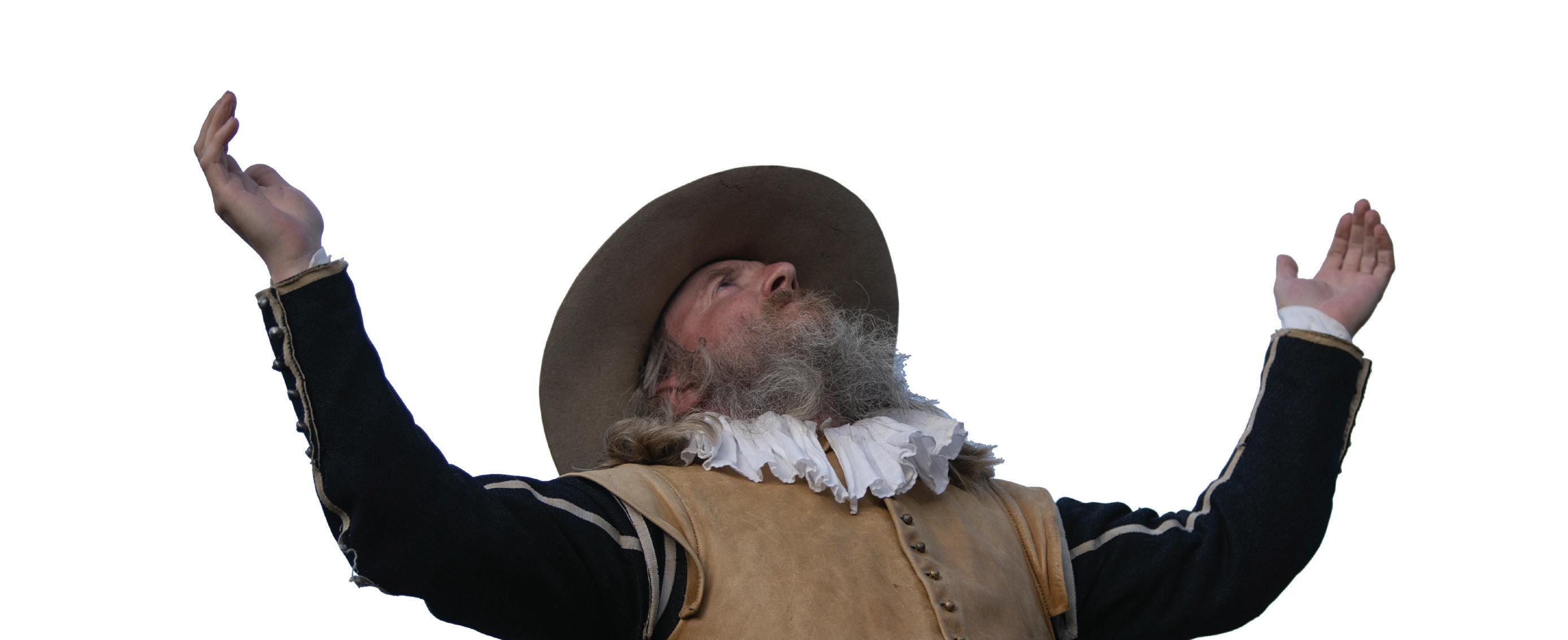
Scan the QR code to view the films, or visit us in person!
Its arts scene and waterways make this Kentucky gem shine.
Historic sites bring culture to life in the Bayou State.
’Tis the season for holiday events in the northeastern region.
Faith Travel Resolutions for 2026
Mac T. Lacy
Charles
Brian
Herb
Donia
Groups can bring their passion for volunteering abroad.
international Rainforests, coffee plantations and beaches beckon groups to Costa Rica.
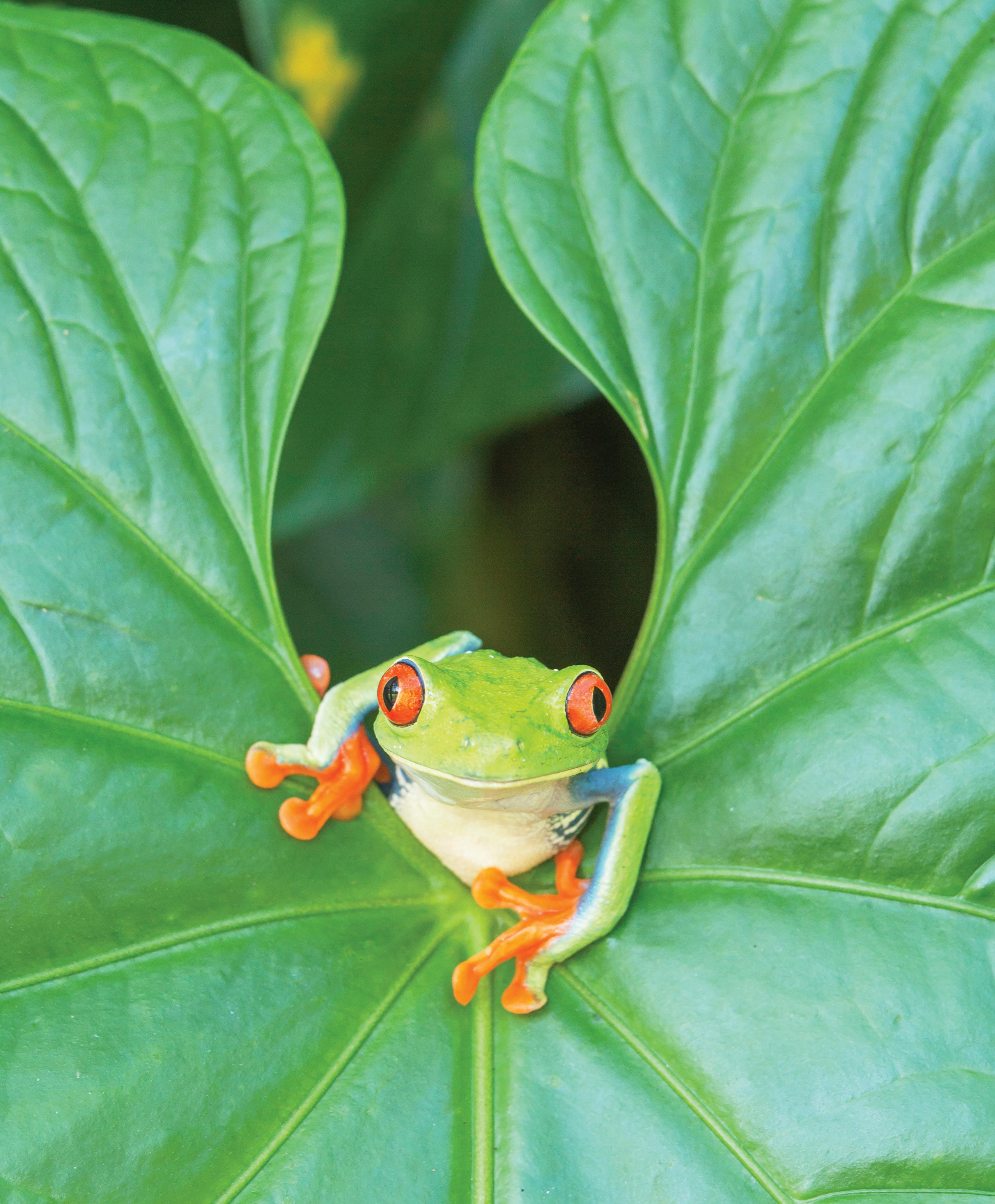
A red-eyed tree frog emerges from a leaf in a Costa Rican rainforest.
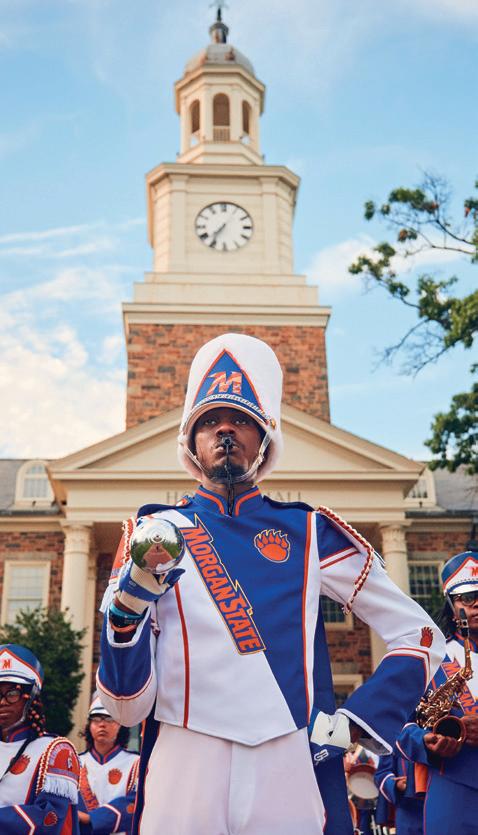
Tour these historically Black colleges and universities with your groups.
telisa@grouptravelleader.com
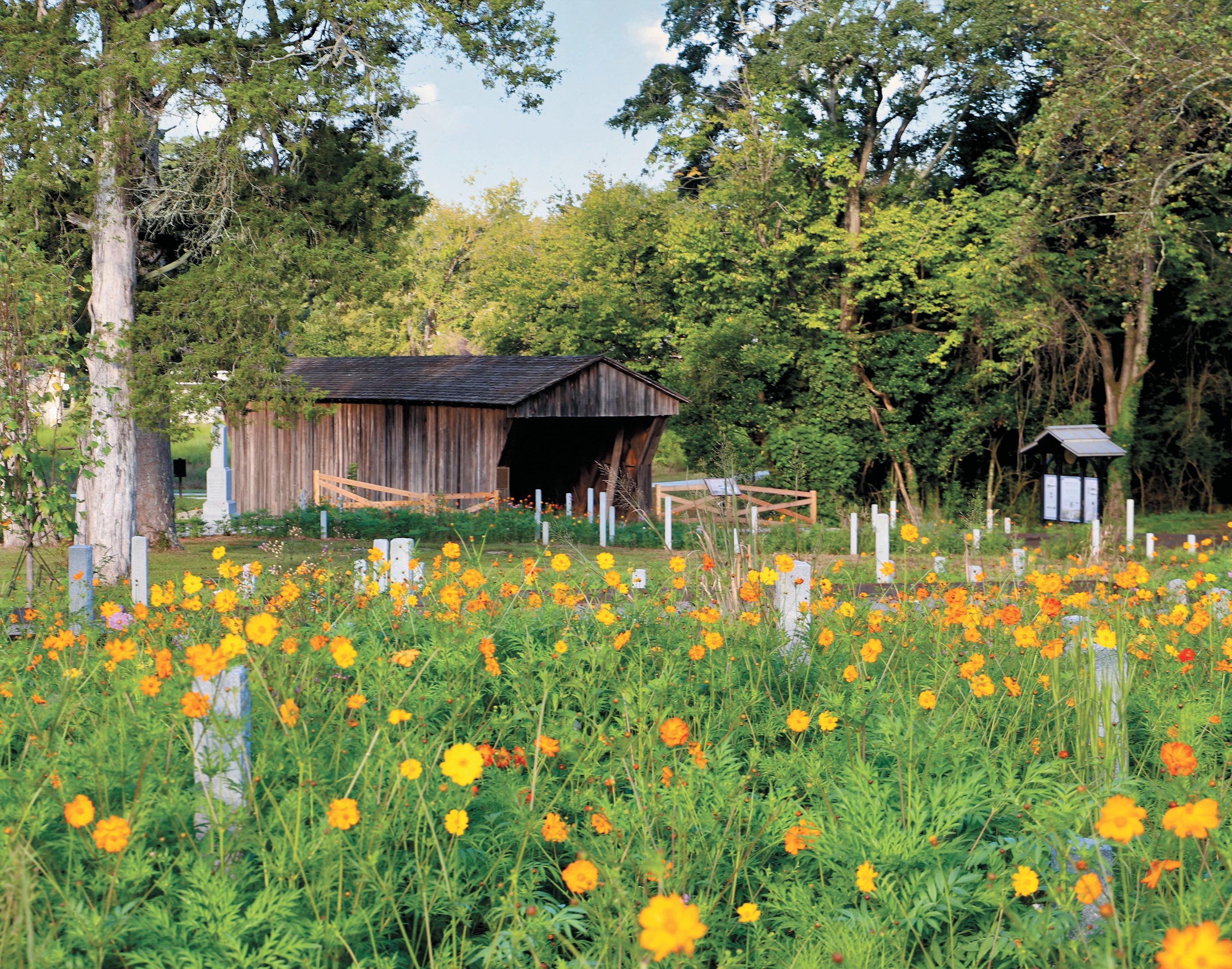
Step into a powerful new chapter of Georgia’s story. As the state’s newest heritage destination, Mulberry Street Cemetery adds depth to LaGrange’s evolving landscape of places to explore. This sacred site is the final resting place of Confederate soldiers, unmarked graves of the formerly enslaved, and Horace King—a formerly enslaved man who became a renowned engineer and legislator. With peaceful walkways, an interpretive pavilion, and one of the last remaining King bridges, it invites reflection and discovery.
BY BRIAN JEWELL
What’s the mission of your faith travel program?
If you’re like many church travel planners, you might have a vague sense of purpose behind the trips you take. Maybe you see them as a way to support the goals of your church, create community or have a good time. And those are all fine ideas. But with a little bit of focus, you can make them even better.
Travel is one of the most powerful ministry tools available to modern churches. Here are five key missions you and your church leaders should pursue for your program in 2026 and beyond.
reinforce relationships
Think about where you usually sit at church on Sunday: There are likely a handful of regulars who sit close to you. But does that mean they are close to you? The weekly interactions that take place at church can help start friendships, but nothing takes those relationships to the next level like shared travel experiences. Your church travel program should put a premium on bringing people together so they can create meaningful relationships, deepen their friendships and build real community that will endure long after the trip ends.
supplement your study
Because the events of the Bible took place long ago in a distant land, it can be difficult for everyday Americans to personally connect to the lessons taught in church. But travel can help bridge those gaps to make scripture come to life. This is a primary reason many groups travel to the lands of the Bible — places such as Israel, Jordan, Greece and Turkey. But similar impact can be found closer to home in faithbased museums, attractions and theatrical productions that do an excellent job of illustrating and illuminating biblical stories and principles.

n a healthy church culture, leaders are always looking for ways to help members to invite others to join them. Travel opportunities are a great way to do that, as some people who aren’t likely to visit your church on a Sunday might be willing to come on a trip with you instead. You should make sure all your trips are open to outsiders — especially those who are skeptical about faith — and take advantage of special moments along the way to invite them to engage with your ministry further. be a bringer
Some of my most memorable spiritual experiences have happened not within the walls of a church but in compelling natural spaces. That’s a common experience among travelers who visit places as diverse as the Grand Canyon, the Gulf Coast and the Black Hills. As a travel leader, you can help people connect with God in powerful ways by taking them to amazing natural places and giving them time to reflect on the beauty of creation.
serve somebody
If your church has a habit of serving people in your community, traveling together offers a way to take that practice into the world beyond your city. Mission trips have been a fixture of church travel for many years, but you don’t have to travel to a foreign country to make an impact. Local organizations in destinations around the country love to partner with travel groups for one-day projects. And a growing number of service-based tour companies exist to help you integrate volunteering into your travel itineraries.



sponsorship packages contact:
BY TOM ADKINSON
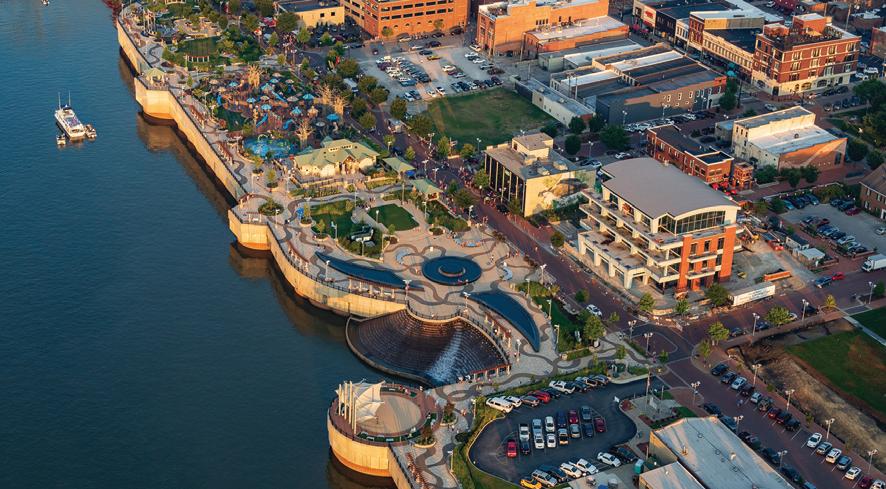
Paducah, Kentucky, has a better claim to fame than even a Good Housekeeping Seal of Approval, and it’s one that only eight other American cities possess. It is designated as a UNESCO World Heritage Creative City. UNESCO (the United Nations Educational, Scientific and Cultural Organization) launched its Creative Cities Network in 2004 and recognized Paducah in 2013 for its devotion to crafts and folk art. Among other honored U.S. creative cities are San Antonio for gastronomy, Detroit for design and Seattle for literature.
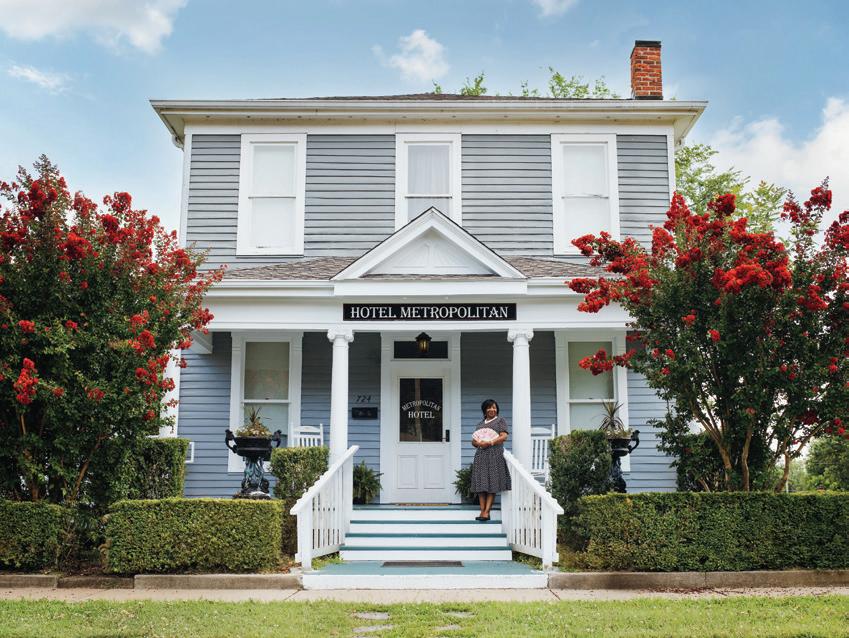
The shining star in Paducah’s creativity crown is the National Quilt Museum, but quilts are only one example of Paducah’s artistic character. Art galleries are abundant; performances enliven stages at Market House Theatre and The Carson Center for the Performing Arts; history remains alive at places such as Hotel Metropolitan, which provided hospitality for Black travelers when other doors were not open to them; and food rules the day at establishments such as the Freight House and Kirchhoff’s Bakery & Deli.
Paducah’s place in history began when Indigenous people recognized the importance of the confluence of the Tennessee and Ohio rivers. Water remains part of the city’s story at
places like the River Discovery Center and along Broadway Street, where high above the sidewalk is a marker for the crest of the infamous 1937 Ohio River flood.
Amina Watkins, group travel and tourism services specialist for the Paducah Convention & Visitors Bureau, maintains an inventory of activity-oriented tours that can get groups behind the scenes at The National Quilt Museum, at the helm of an Ohio River towboat (virtually) and at Hotel Metropolitan for a history lesson, a glass of iced tea and a slice of chess pie.
Paducah will always be a river town, and the River Discovery Center directly across the street from the floodwall murals celebrates that fact. Rivers were the lifeblood of the nation, and the center tells stories both big and small. Displays explain the downhill ways of the waters that create the Ohio River; the interconnectedness of the Ohio, Tennessee, Cumberland and Mississippi rivers; and the roles river traffic continues to play in America. Stories of commerce, warfare and recreation come to life at the River Discovery Center.
The center’s most interactive exhibit is a navigational simulator. In a darkened room, visitors stand behind the wheel of a boat on the Ohio River while video images surround them. Guests can choose to pilot a speedboat, a towboat with a string of barges or a U.S. Coast Guard vessel and decide whether they want daylight or dark — and then be prepared when a rainstorm hits or another boat changes course. The center’s most illuminating exhibit details the 1937 Ohio River flood, one of the most devastating floods in American history.
What groups find at The National Quilt Museum probably isn’t what they expect. Grandma’s quilts aren’t here, even though they might have been quite pretty. No, what hangs at the musuem are stunning examples of contemporary fabric art created no earlier than 1980.
“We hear it every week: ‘Is that a quilt? It looks like a painting. I didn’t know you could do that with fabric,’” said Becky Glasby, the museum’s director of learning and engagement. The museum’s approximately 700 quilts come from almost every state, plus 14 countries. Special exhibits launch every three to four months in the museum’s three expansive galleries.
Glasby notes that groups garner special insight through signature experiences that include A Creative Stitch, during which participants design, sew and quilt a souvenir quilt block; Fused Quilt Art, which demonstrates a fusible appliqué technique; and the White Glove Experience that teaches the care and handling of treasured quilts. Paducah is the center of the quilting universe for a week every spring when thousands attend QuiltWeek, an American Quilter’s Society celebration, which will be held April 22–26, 2026.
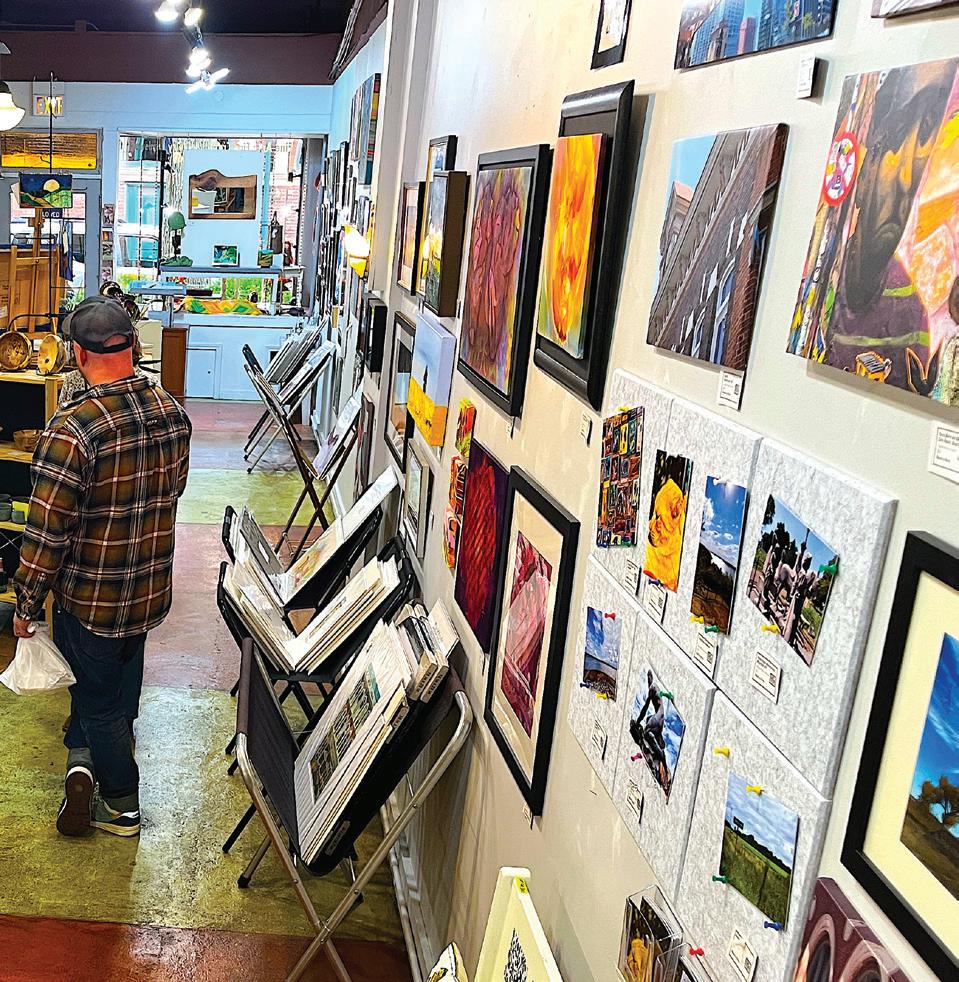
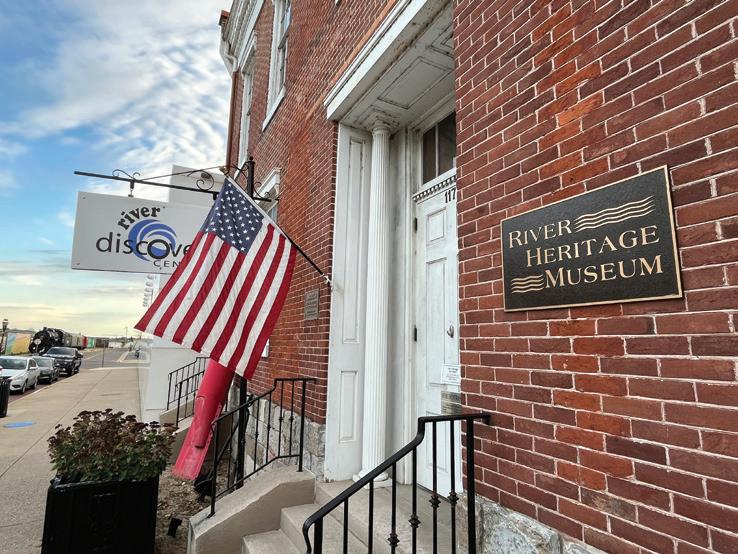
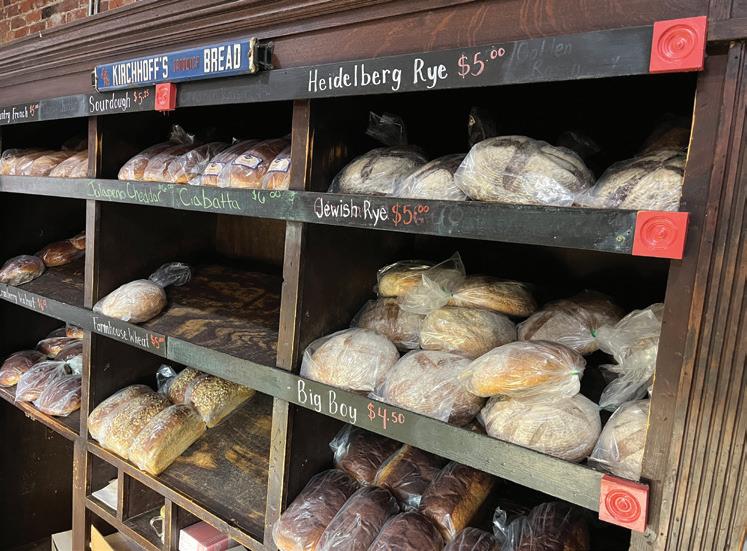
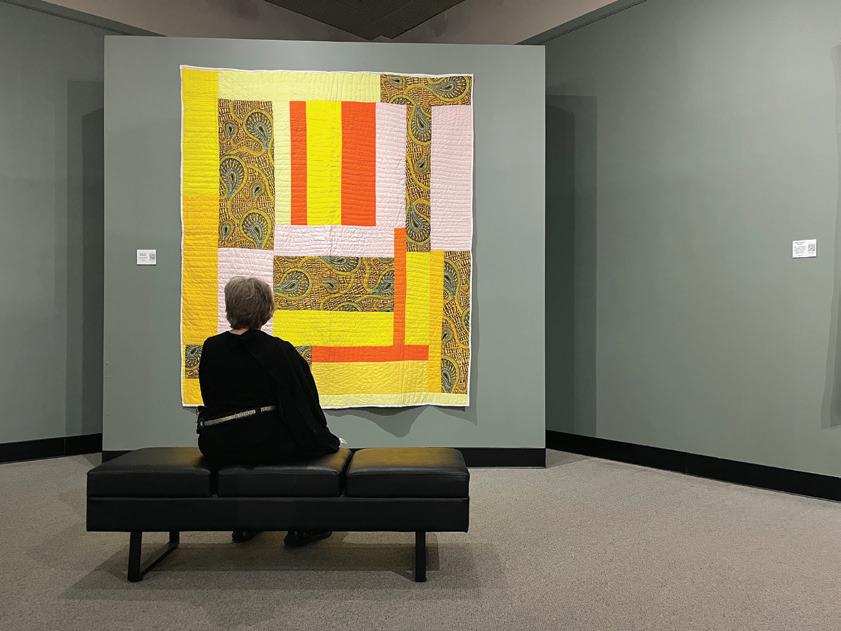
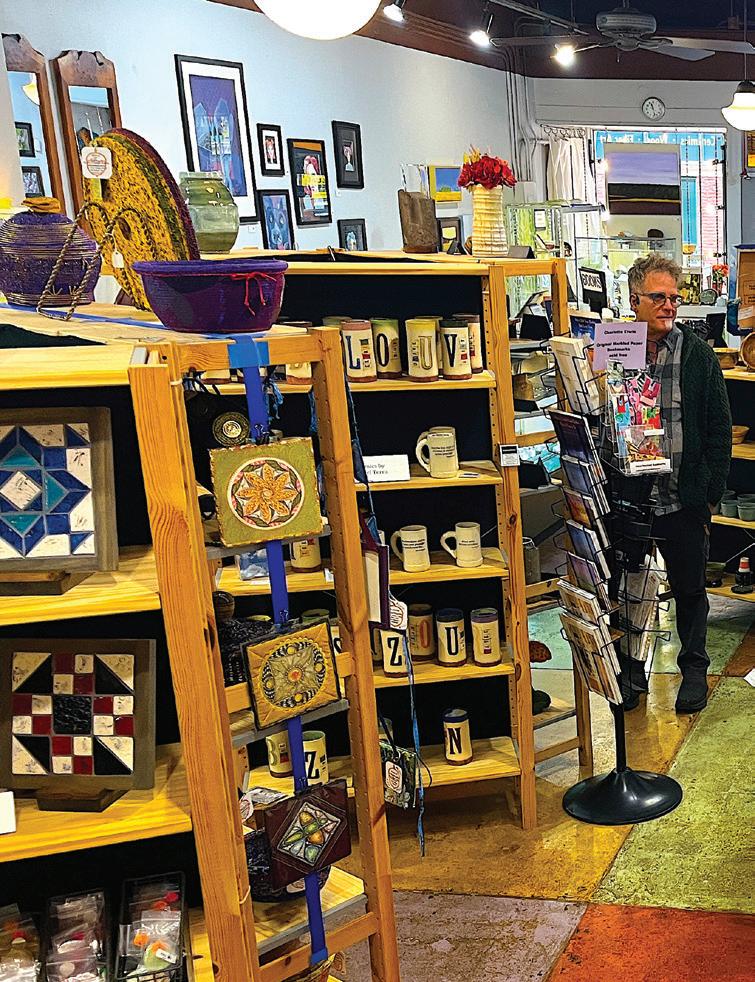
After exploring on their own, groups can reassemble and compare notes about the many art galleries they find. One with great variety is the Art Guild of Paducah that showcases the work of approximately 30 hyperlocal artists, according to member Michael Terra, who is a poet, ceramic artist and painter. The guild gallery features oil paintings, photography, basketry, woodworking, jewelry, fabric art and other media.
Another multi-artist find is PAPA Gallery, showcasing artwork from the Paducah Area Painters Alliance. The initial group of alliance members coalesced in 1991, and some of those early members still display at their gallery on Broadway. Just down the street is another find, Yeiser Art Center, which has exhibition space in the historic 1905 Market House. Its permanent collection boasts more than 200 works in various media.
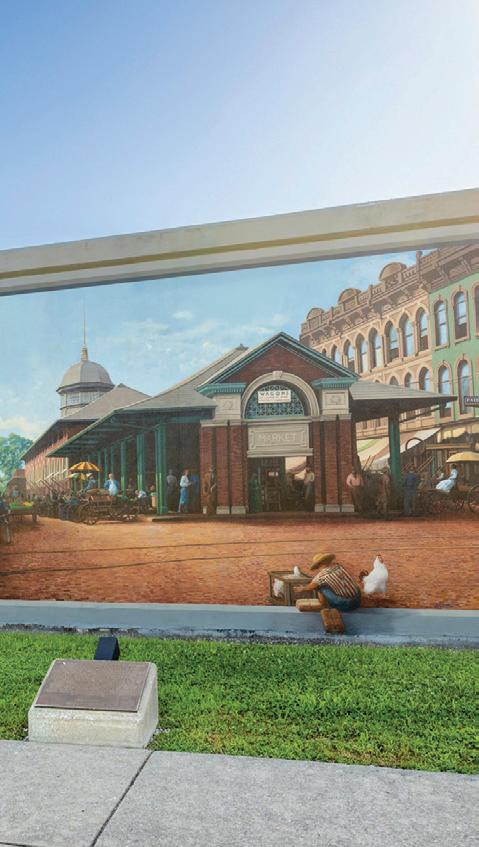
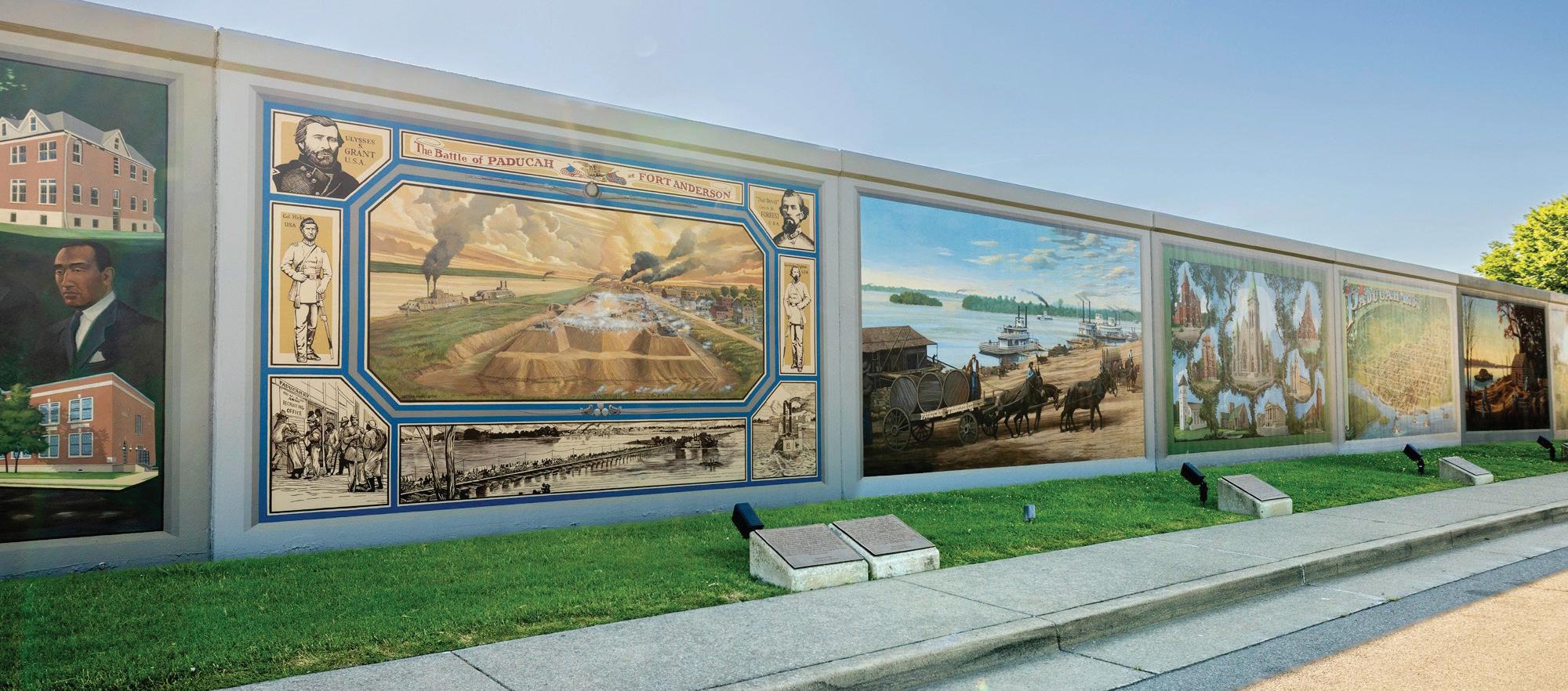
When Paducah looked at its massive floodwall, it didn’t see giant slabs of gray concrete. Instead, it saw a blank canvas for murals that could tell the city’s many stories. The floodwall’s initial purpose — holding back the mighty Ohio River during the worst of times — is largely forgotten as people stroll for three blocks in the heart of the city to view 60 murals and read accompanying plaques.
The “Portraits of Paducah’s Past” project is the handiwork of Robert Dafford and the Dafford Murals Team. Each mural is 13 feet tall and captures a specific moment or aspect of Paducah’s history. One depicts the pre-Colonial Indigenous people, the Padouca, who gave the city its name. William Clark, of Lewis and Clark expedition fame, chose that name but spelled Padouca as Paducah.
BY RACHEL CRICK
From the plight of the Acadians to the state’s role in the Civil Rights Movement, visitors hear the call of Louisiana’s history.
The state can satisfy any history buff because it features both historic attractions of national significance and historic sites dedicated to exploring the cultural cradle that brought us magnificent Mardi Gras parades, toe-tapping zydeco music and the lively Cajun two-step.
This itinerary highlights some of Louisiana’s top historic and cultural attractions, beginning in New Orleans before heading northwest to Baton Rouge with a stop in Darrow. The trip then takes groups west to St. Martinville and finally into Lafayette, the heart of Acadiana. Planners should allot five days to explore southern Louisiana’s historic offerings.
HIGHLIGHT: The National WWII Museum
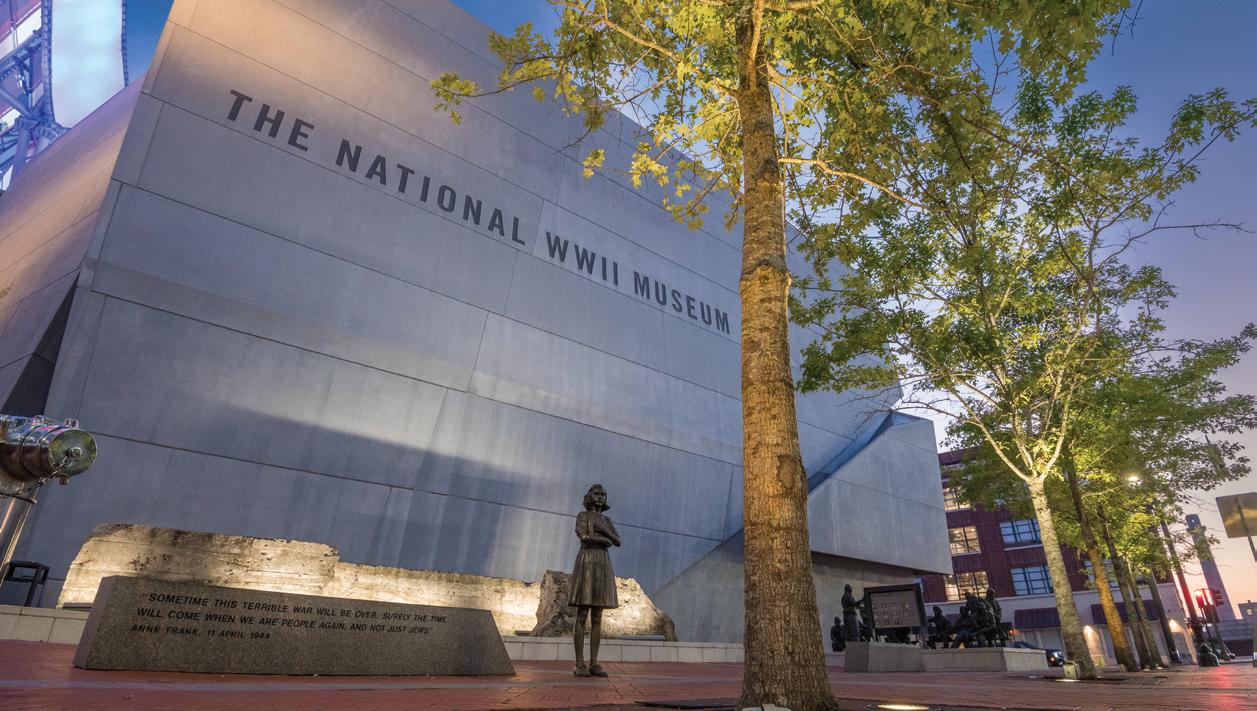
New Orleans is a vibrant cultural hub with many museums and historic sites, but one of its most visited is The National WWII Museum. Located downtown, just blocks from some of the city’s other major attractions, the museum is the nation’s official museum dedicated to the second world war. It contains nearly 250,000 artifacts, from personal accounts of WWII veterans to uniforms, weapons and even aircraft. Exhibits cover topics such as combat in Germany, Pearl Harbor, the Holocaust, the Manhattan Project and more. Visitors can explore how this global conflict affected every group, from the soldiers who fought to the everyday Americans who mobilized to keep life on the homefront running.
The museum offers both self-guided and guided tours for groups, with discounted rates available for groups of 10 or more. They can dine in the museum’s American Sector Restaurant & Bar. Box lunches are also available. Complimentary tickets are offered to bus drivers, and bus parking is available down the street from the museum.
WHILE YOU’RE HERE:
When in the Big Easy, there’s no shortage of groupfriendly activities and attractions. Groups can enjoy beignets and chicory coffee at Café du Monde, visit the French Quarter and Bourbon Street, or visit the New Orleans Jazz Museum. Whether they showcase the mouthwatering flavors of the city or investigate some of its most spinechilling legends, walking tours are another excellent way for groups to explore.
MORE INFO: neworleans.com
HIGHLIGHT: Houmas House Estate
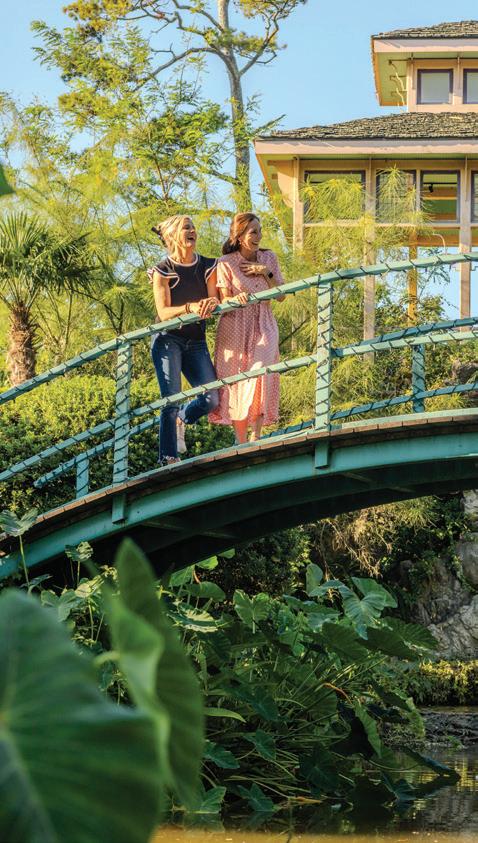
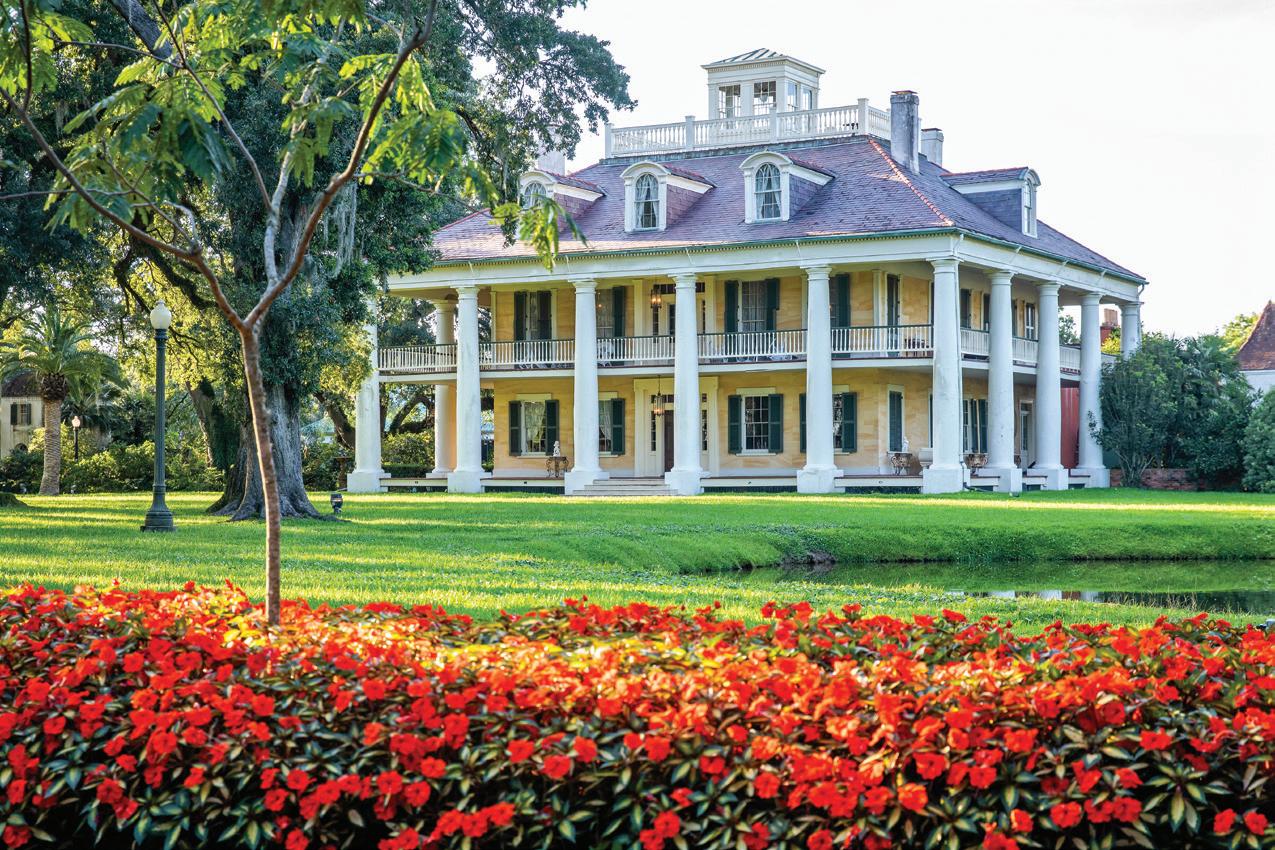
Houmas House Estate and Gardens comprise 38 acres of beautifully landscaped grounds, three restaurants, a museum and a historic mansion. Once a massive plantation, today the property offers tours that showcase its Southern heritage and tell its story, from the mansion’s origins as a humble two-story dwelling to its pinnacle as one of Louisiana’s most recognizable attractions. Groups can take a guided tour of the 1840 Greek Revival mansion, which contains much of the home’s original period furnishings, and they can explore the grounds, including several distinct gardens.
Also on property is The Great River Road Museum, dedicated to exploring life along the Mississippi River, from pre-colonization to present day. After exploring the house and museum, groups can grab some Southern cuisine from Dixie Cafe or The Carriage House Restaurant.
WHILE YOU’RE HERE:
Also in Ascension Parish, groups will find Cajun Village, a collection of Acadian dwellings that have been restored and turned into shops and eateries. Visitors can purchase Cajun spices, home goods, sportswear and more; afterward, they might even glimpse the village’s resident alligators.
MORE INFO : visitlasweetspot.com
HIGHLIGHT: Louisiana’s Old State Capitol
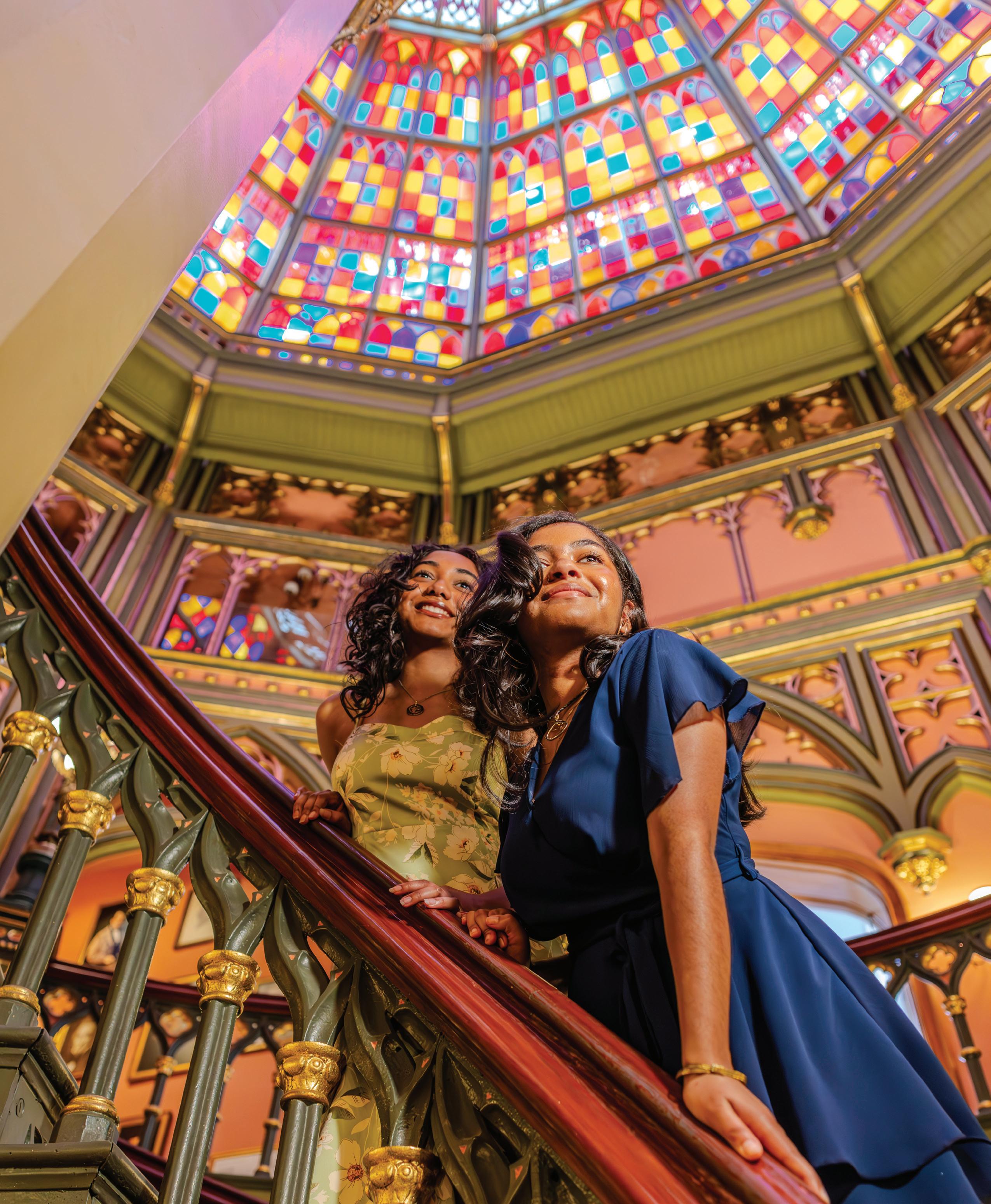
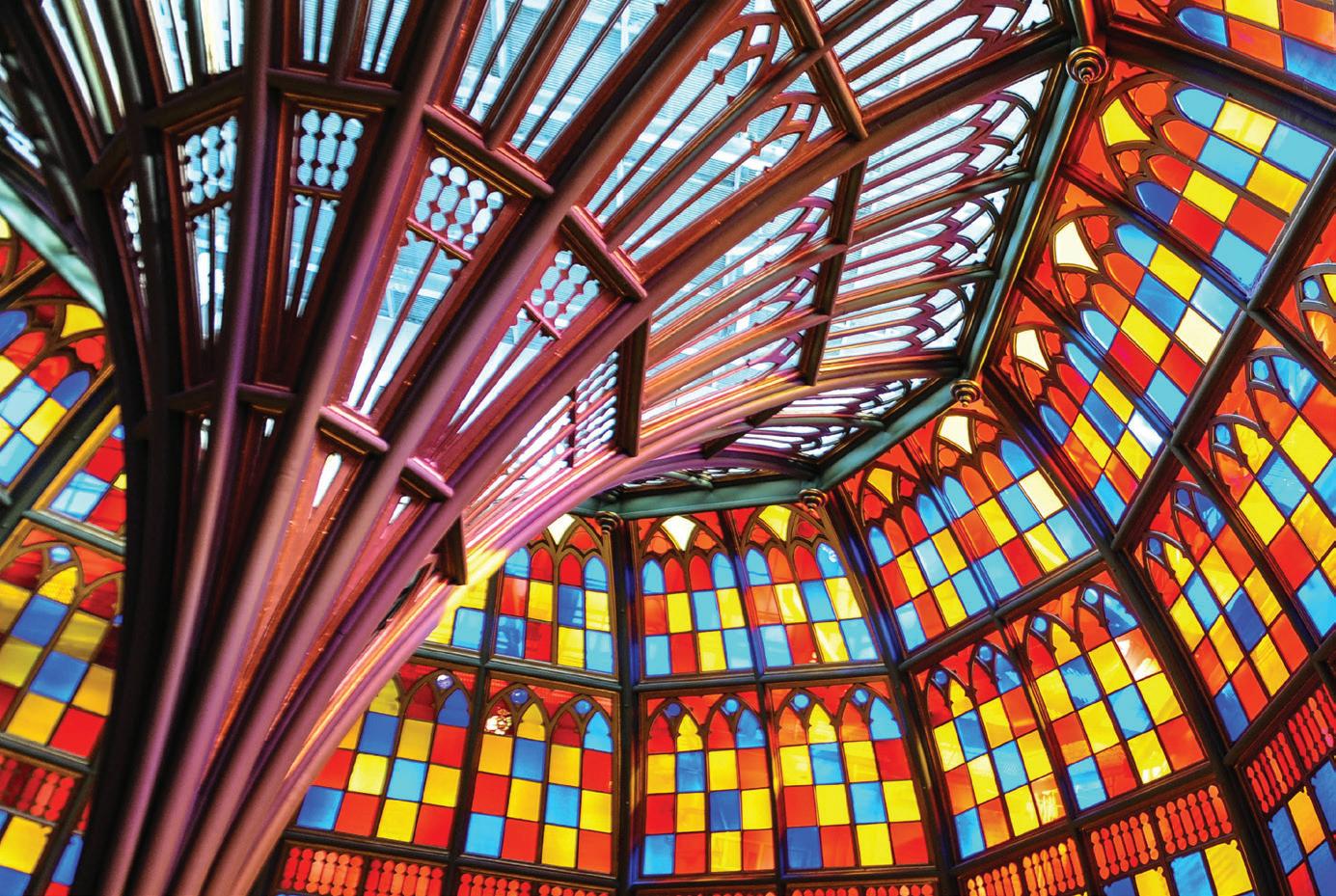
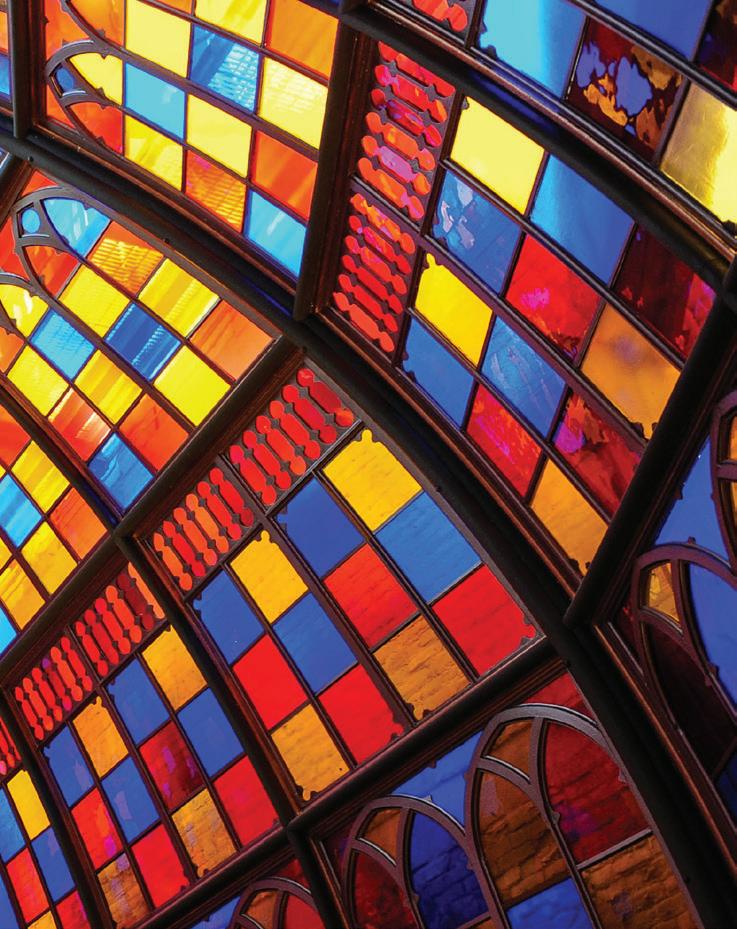
Resembling a castle more than a government building, Louisiana’s Old State Capitol in Baton Rouge is iconic for its distinctive architecture, from its turrets to its colorful stained glass dome. The National Historic Landmark was completed in 1852. During the Civil War, it was occupied by the Union Army and used as a prison and later a garrison before catching fire. It was rebuilt in the 1880s and remained Louisiana’s statehouse until 1932, when the capitol moved to its current location. During the 1953 Baton Rouge bus boycott, the first bus boycott of the Civil Rights Movement, organizers arranged transportation for Black bus riders on the grounds of the old capitol building. Now a museum, the Old State Capitol houses rotating exhibits covering Louisiana’s history from Colonial days to recent political movements.
Groups can arrange a guided tour of the museum to learn about Louisiana history and the Gothic Revivalstyle building. Add-ons are available for student groups. The museum’s nearby sister museum, Louisiana Old Governor’s Mansion, explores the state’s political past in more detail.
WHILE YOU’RE HERE:
The Capitol Park Museum, housed in the current state capitol, features artifacts like Louis Armstrong’s bugle, Mardi Gras paraphernalia and a shrimp boat, making it an excellent study on Louisiana culture. Groups can also visit the Louisiana Art & Science Museum, which includes a planetarium, or the USS KIDD Veterans Museum, which features guided tours of a WWII destroyer ship and an accompanying museum.
MORE INFO: visitbatonrouge.com
HIGHLIGHT: Longfellow-Evangeline State Historic Site
Named for Henry Wadsworth Longfellow’s 1847 epic love poem “Evangeline,” which told the story of two Acadian lovers, Longfellow-Evangeline State Historic Site is the oldest state park in Louisiana. The park tells the story of Bayou Teche, from the time it was home to Indigenous tribes to present day. The historic site was once part of a large cattle ranch and then an indigo plantation before being bought by a wealthy landowner, who built the property’s signature plantation home. The raised Creole cottage is a great example of the combination of French, Caribbean and Creole architectural influences typical of the region.
Groups can visit the historic site to learn about the cultures and legacies of the many people who lived on the property, from some of the first Acadians to the enslaved people who built the plantation home. Guided tours detail life on the estate, and a small visitors center features additional exhibits about the area and the Evangeline legend.
WHILE YOU’RE HERE:
When in St. Martin Parish, groups can visit downtown St. Martinville and shop in the historic town of Breaux Bridge. They can take an airboat swamp tour in the Atchafalaya Basin to see Spanish moss-draped cypress trees and meet some of Louisiana’s alligators and other wildlife in their natural habitat.
MORE INFO: cajuncountry.org

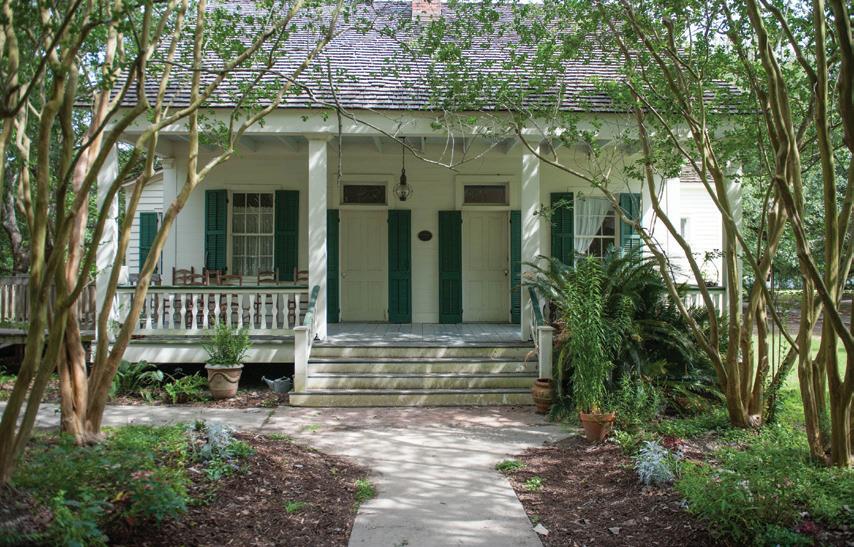
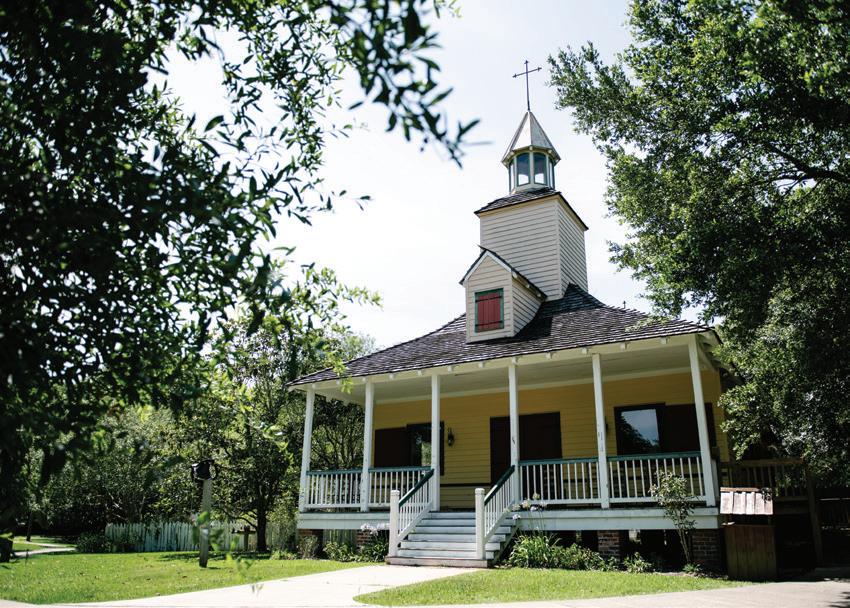
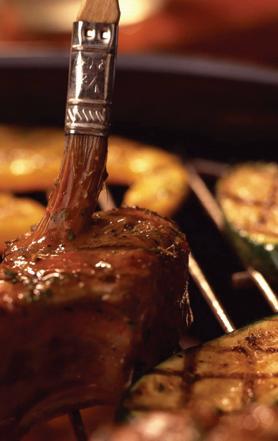















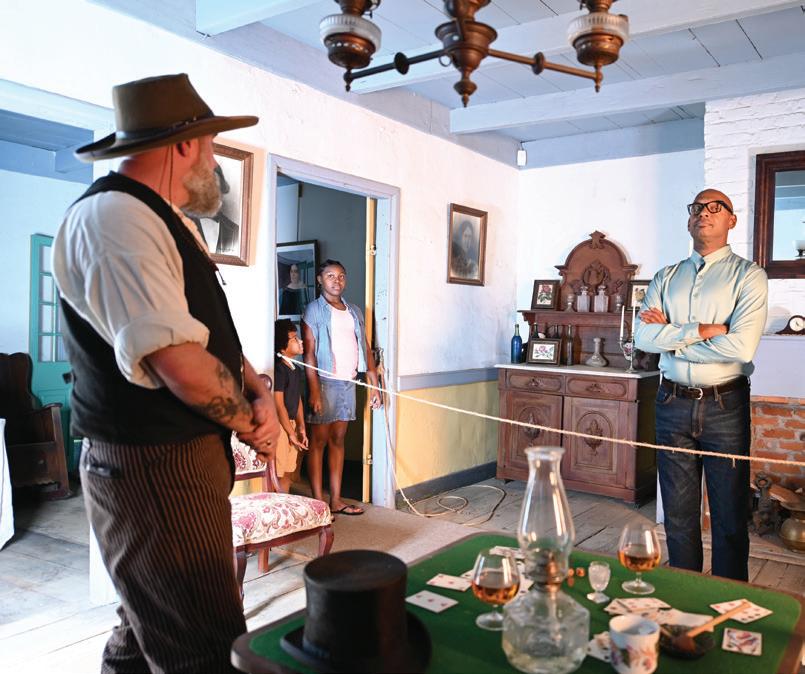
Located on 23 acres along Lafayette’s Bayou Vermilion, Vermilionville is a living history museum that preserves and explores the Native American, Creole and Acadian cultures during the 18th and 19th centuries. Costumed artisans and guides demonstrate their crafts, including quilting, woodworking and Acadian music. The village features seven authentic homes and structures dating as far back as 1790, as well as original artifacts, such as furniture, boats, tools and appliances. The structures in the village represent different time periods and different groups of people who once dwelled along the bayou. The village also features a traditional Acadian healer’s garden and a watershed exhibit dedicated to conservation of the area’s ecosystem.
Guided tours of Vermilionville are available, with special rates for groups of 20 or more. The attraction offers add-ons to its tour packages that can enhance each group’s experience, including Cajun cooking classes and dance lessons.
WHILE YOU’RE HERE:
As the heart of Acadiana, Lafayette has a lot to offer when it comes to Cajun history and culture. It’s also home to LARC’s Acadian Village, a 10-acre re-created Cajun village from the 19th century that features historic structures, artifacts and live demonstrations of Cajun culture.
MORE INFO : lafayettetravel.com
VOLUNTOURISM OFFERS GLOBAL IMPACT OPPORTUNITIES A
FBY RACHEL CRICK
aith-based trips present the perfect opportunity to bring good works to the world.
Combining a once-in-a-lifetime trip abroad with volunteer work is a recipe for a spiritually fulfilling travel experience. There are countless “voluntourism” opportunities in countries around the globe that groups can participate in, whether it’s the sole purpose of the trip or just one activity on an itinerary. From cleaning up natural ecosystems to providing medical aid to locals, here are some ideas for groups looking to take voluntourism international.
Helping to preserve and maintain some of the most stunning natural ecosystems around the world is a true privilege afforded by volunteer opportunities. Many organizations worldwide give travelers the opportunity to participate in wildlife rehabilitation efforts and environmental cleanup, and working to maintain healthy and beautiful habitats is a great option for group voluntourism trips.
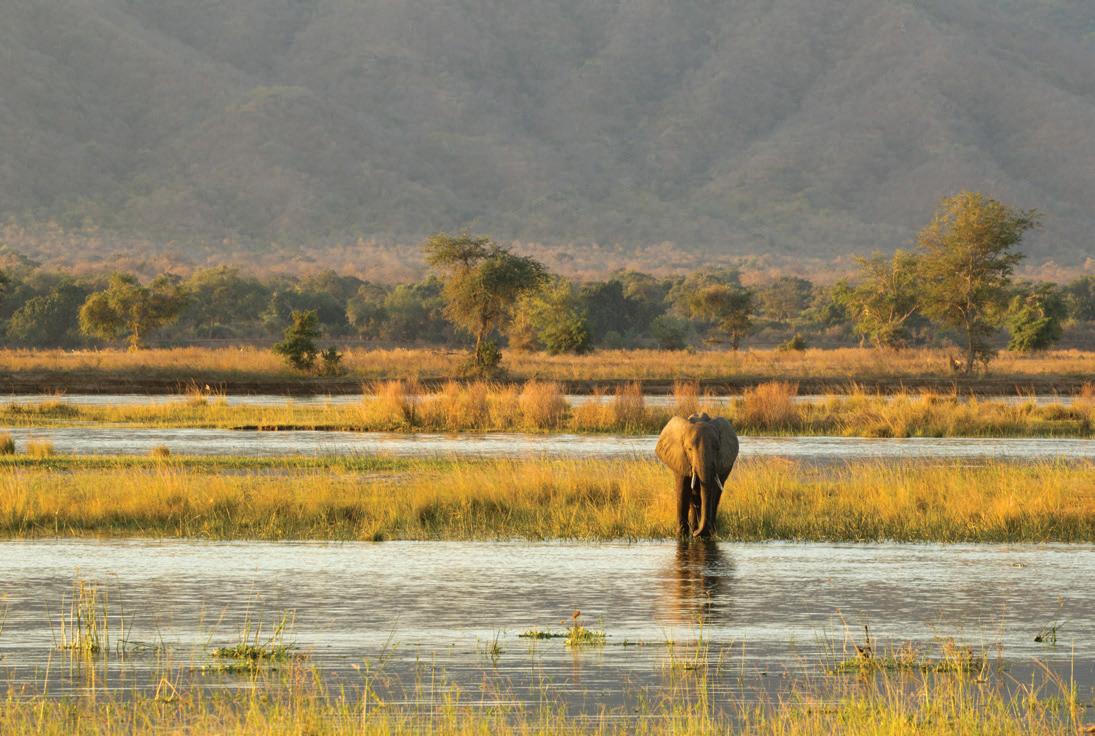
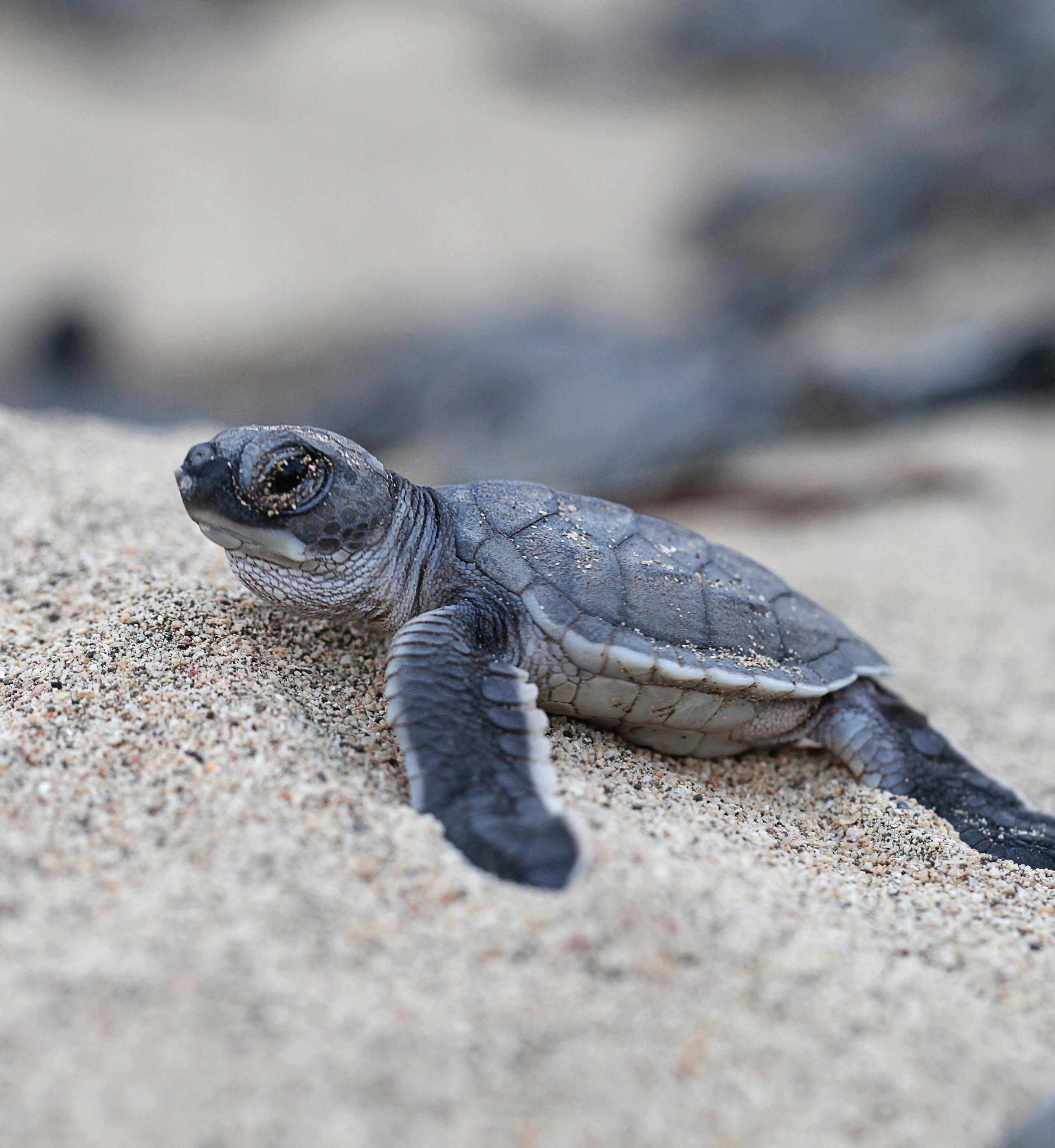
Organizations like GoEco offer a wide range of opportunities to volunteer abroad at wildlife rescue centers and animal sanctuaries on five continents. One popular project is the Montezuma Sea Turtle Volunteer Program in Costa Rica, where groups spend two weeks on the beaches of Montezuma protecting sea turtle nesting sites, cleaning up the beaches, relocating eggs to a protected hatchery and releasing hatchlings. The program also includes immersive Spanish lessons. Another top GoEco program is volunteering at an African wildlife orphanage in Zimbabwe. Volunteers can prepare food for and feed the animals, clean out enclosures, help staff with hand-rearing orphaned animals and assist with the release of rehabilitated animals, when possible. Groups should contact the organization to see what opportunities they qualify for.
GOECO.ORG
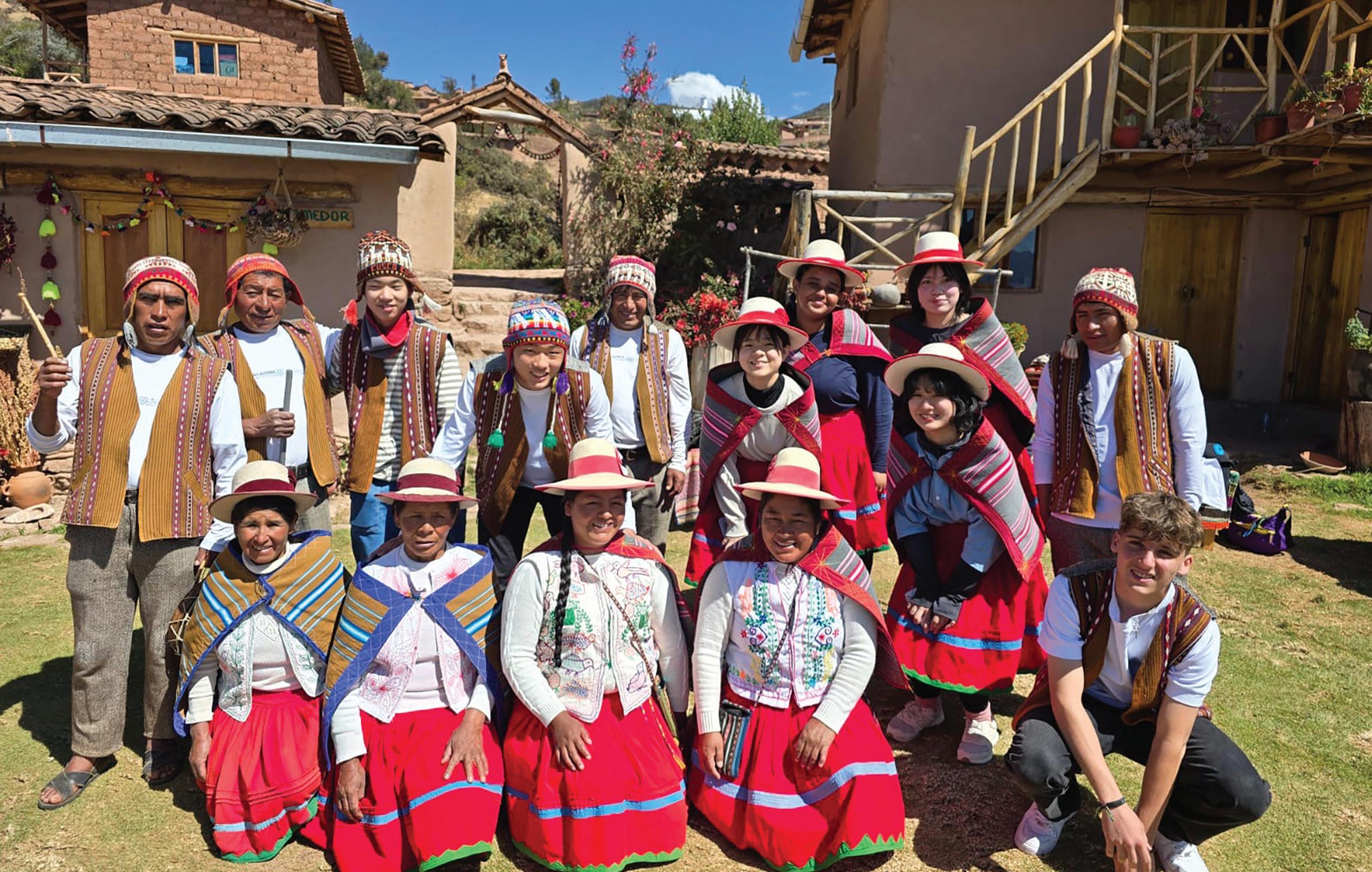
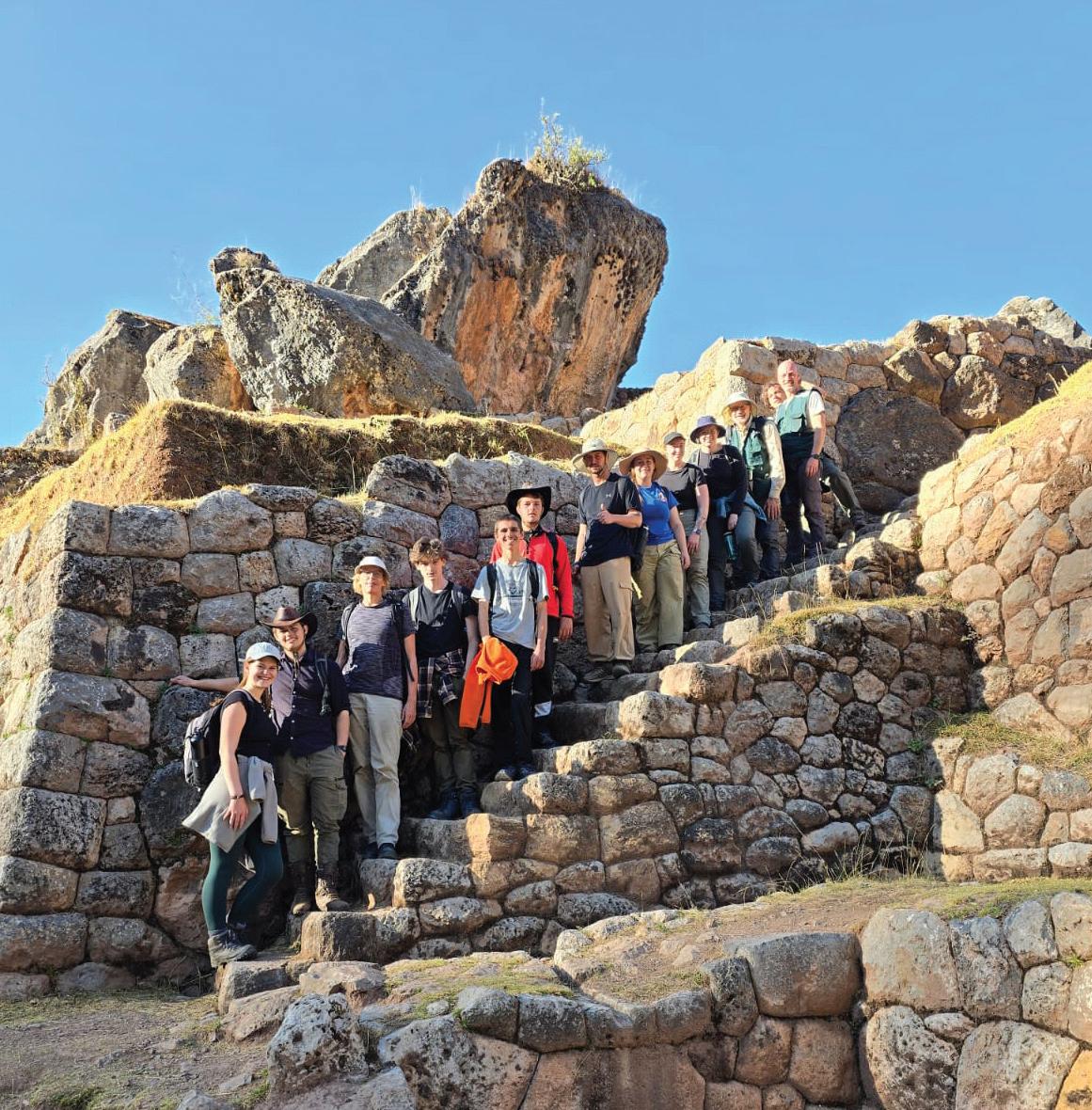
If groups are interested in uncovering truths about past civilizations, restoring historic monuments and landmarks, and working closely with researchers, an archaeological voluntourism trip is a great fit. Volunteers will spend their days with intimate access to the ruins of ancient civilizations, from Machu Picchu in Peru to lost cities in Greece. While many of these trips are available through universities and professional societies and associations, some volunteer organizations also offer trips in partnership with a country’s culture ministry.
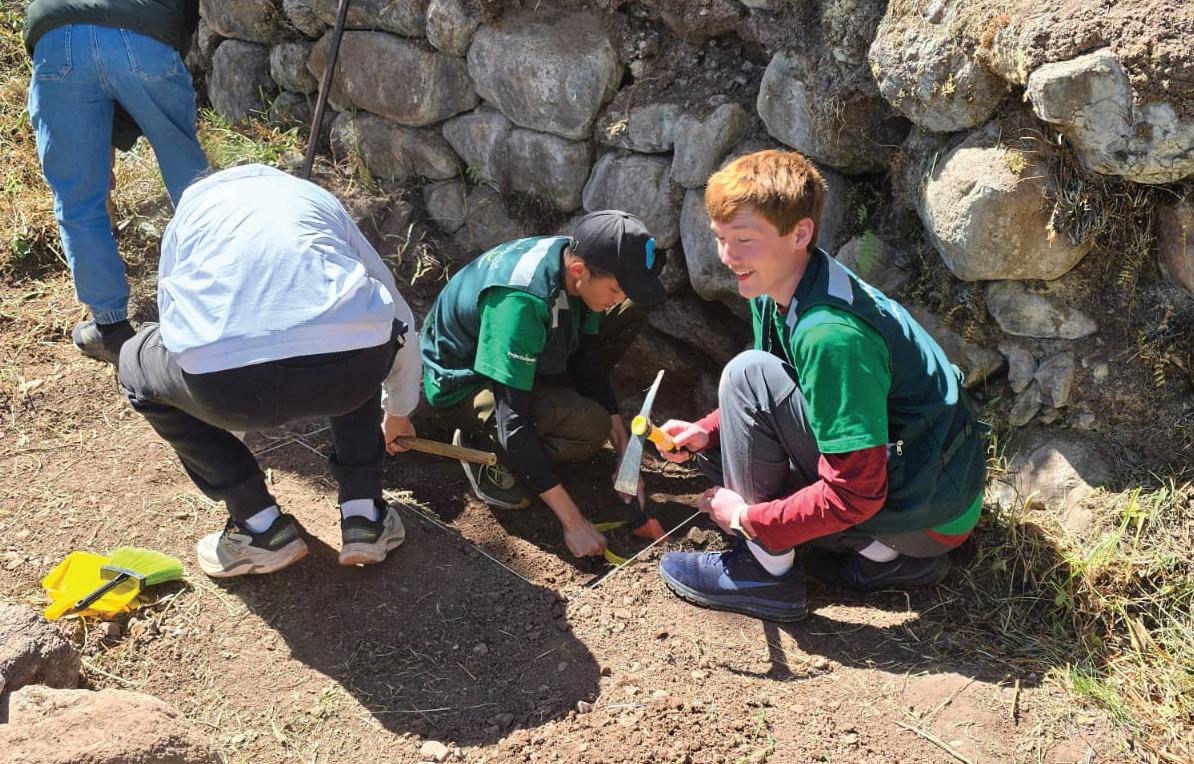
Projects Abroad runs archaeological group trips to Peru, allowing groups to work at archaeological sites in the 15th-century Incan citadel of Machu Picchu. Volunteer groups will stay with a host family in Cusco and work with archaeologists to preserve the beloved national heritage site, learn about the Incan empire and give back to the community on outreach days. They’ll learn skills like mapping, cleaning and maintaining archaeological sites, and classifying artifacts. Volunteers will also have free weekends to explore the area and immerse themselves in the local culture.
PROJECTS-ABROAD.ORG
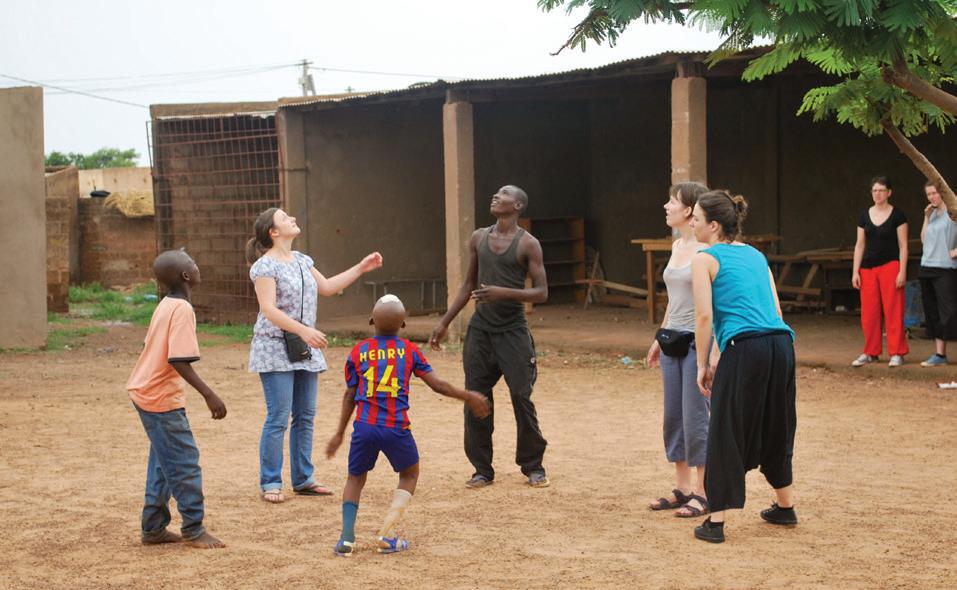
There are many avenues for volunteers to work with children around the world, from teaching English language classes to providing childcare for communities in need. These opportunities can be great for church groups with families or for those with experience in education, though experience working with children isn’t necessarily required. The only requirements are that volunteers are 18 or older, have the necessary vaccinations and pass a background check.
International Volunteer HQ (IVHQ), an organization dedicated to providing affordable and safe volunteer opportunities to individuals and groups, offers more than 300 projects in over 40 countries. These projects are run by locals to ensure ethical and responsible results. IVHQ offers teaching and childcare programs in Central and South American countries, including Argentina, Colombia, Guatemala, Peru
and Costa Rica, as well as the countries of Kenya and Ghana in Africa and the Philippines and Vietnam in Asia. Groups will work side by side with teachers from different countries to teach English, complete arts and crafts projects, prepare and serve meals, and play with children living in impoverished or rural communities around the world.
While at their host destination, groups will enjoy private and clean lodging, as well as included meals. Many of these trips offer add-ons for the volunteers to experience the local culture and attractions outside of their volunteer hours, from an authentic Argentinian barbecue to African village tours and safaris.
VOLUNTEERHQ.ORG
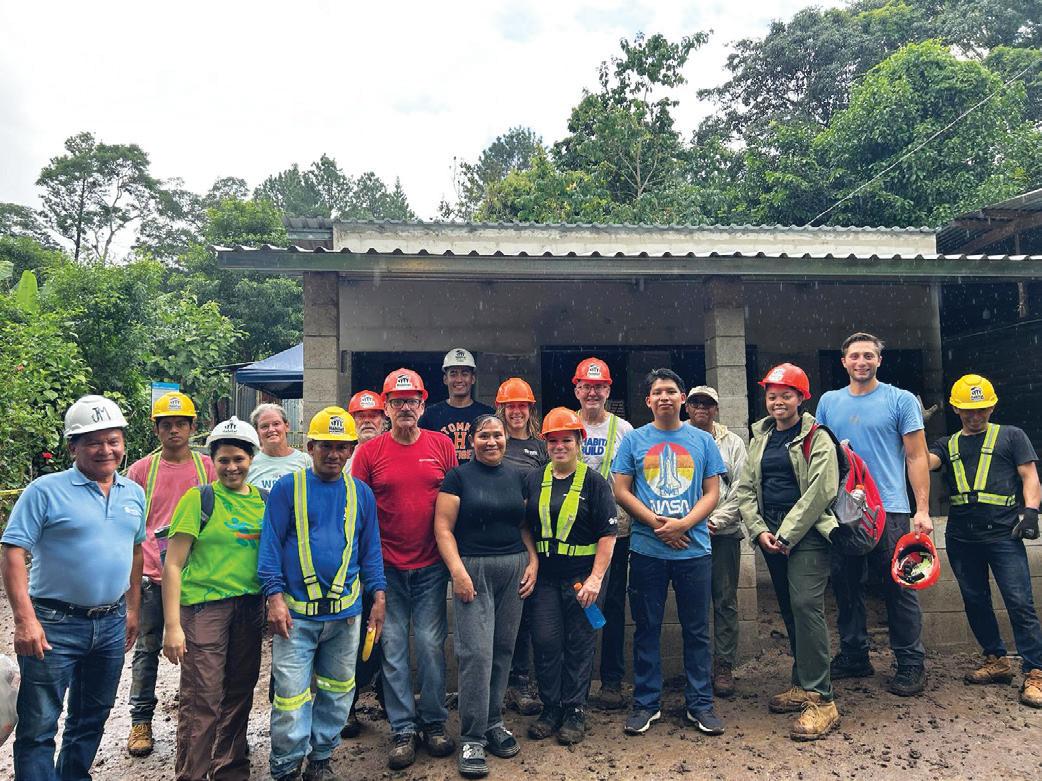
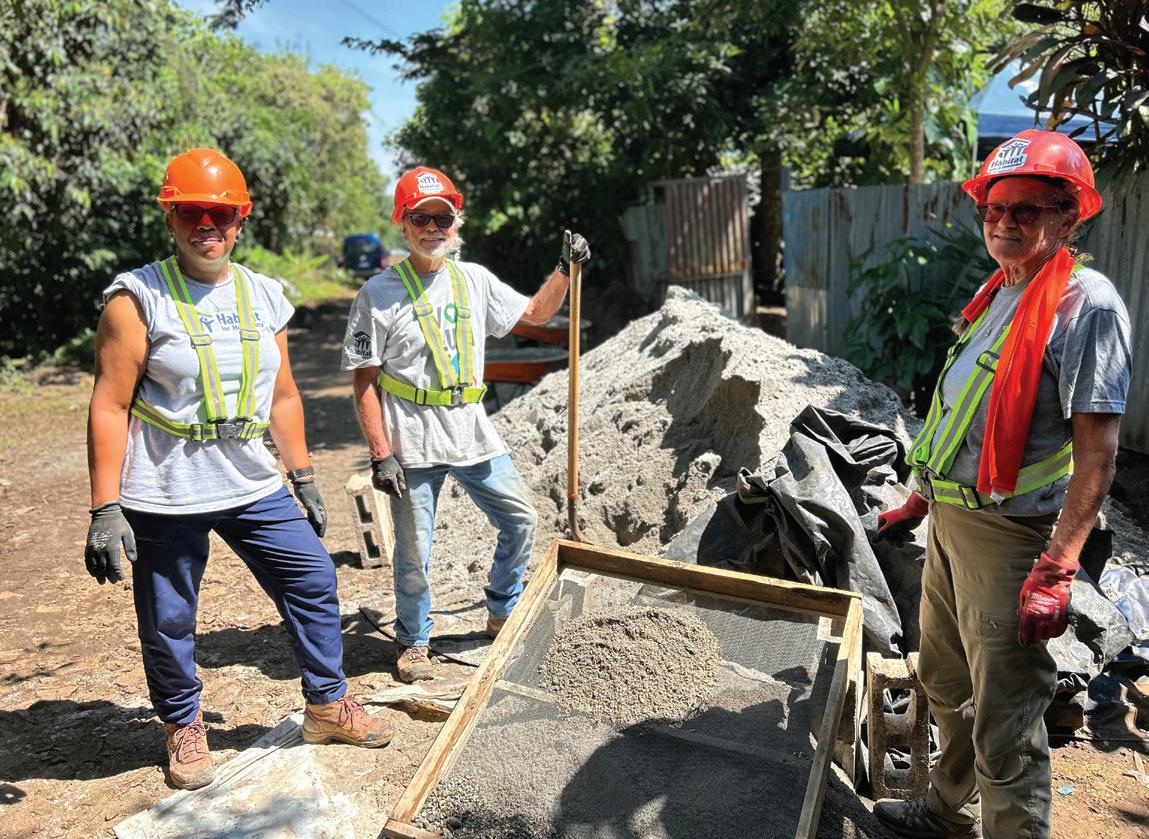
Another popular volunteer opportunity is participating in construction projects to build housing, sanitation systems and public buildings for communities in need. Groups can complete these projects quickly and safely under the guidance of trained contractors and engineers. And, by the end of their mission, they’ll leave behind completed homes, buildings and community projects.
For a weeklong volunteer experience, Global Village is an international Habitat for Humanity program that lets volunteers complete construction projects in communities on five different continents. Whether that’s building water towers in Cambodia to address the community’s hygiene and sanitation needs or renovating apartments in Romania for special needs families, groups can arrange a volunteer project that best suits them in a country of their choice. Global Village offers programs in Brazil, Mexico, Poland, Romania, Zambia, Kenya, Cambodia, Vietnam, Indonesia and more.
Builds typically last eight to 12 days and are ideal for groups of 12 to 16. Group leaders will receive training from Habitat for Humanity on leading the project.
HABITAT.ORG
Whether that’s building water towers in Cambodia to address the community’s hygiene and sanitation needs or renovating apartments in Romania for special needs families, groups can arrange a volunteer project that best suits them in a country of their choice.
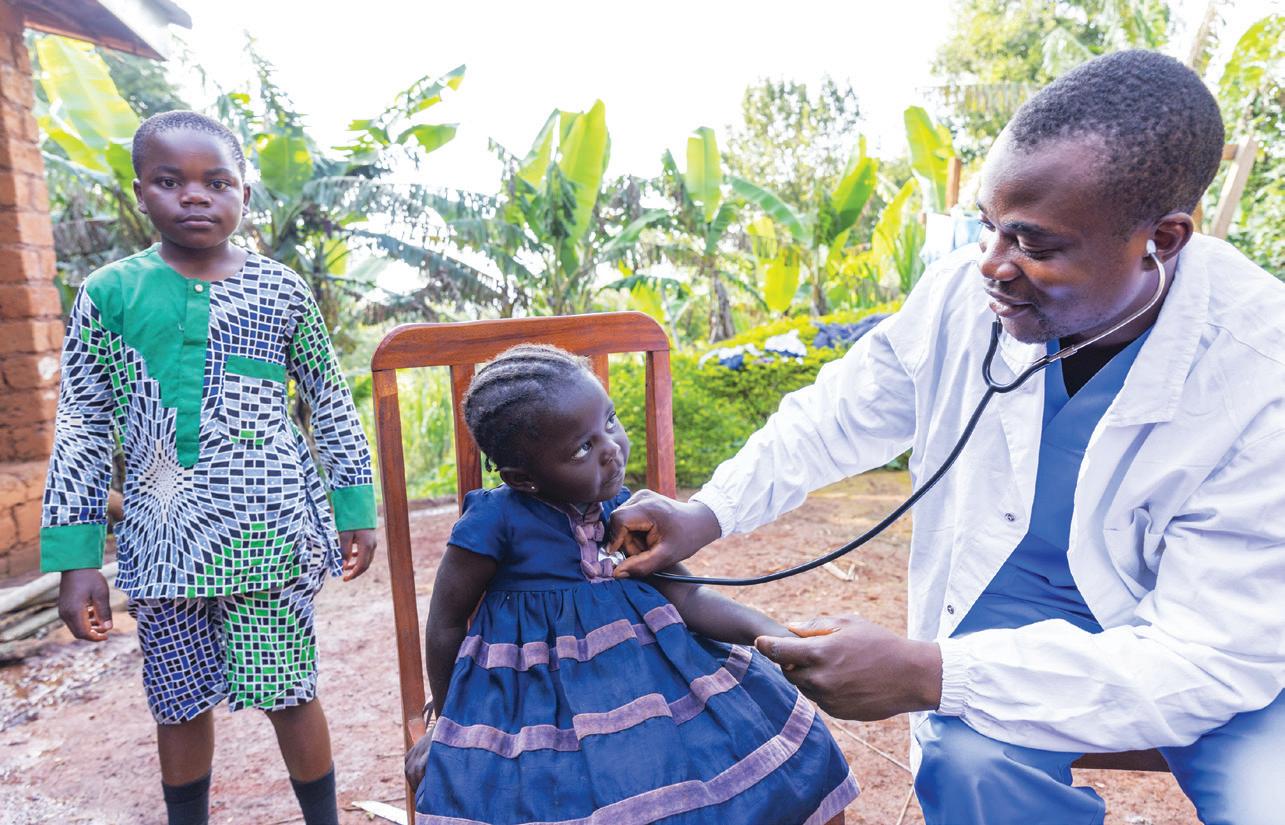
Bringing medical technology and aid to developing countries is another great way to serve the world’s communities. Many organizations offer medical- and dental-relief volunteer programs abroad, and while some of these programs are a great fit for groups of medical professionals, many have a great need for non-medical volunteers to assist. Whether they’re providing medical care, helping clinic staff, educating local communities about health initiatives or simply distributing medical supplies, these programs are a powerful way to positively impact global communities.
OneWorld Health is a nonprofit focused on building sustainable and long-term health-care systems in countries like Uganda, Nicaragua and Honduras. It provides affordable health care by building clinics, hiring and training locals to manage them and investing in telehealth, emergency vehicles and health education to improve health-care outcomes.
The nonprofit offers private, tailored experiences in Uganda and Honduras for groups with a minimum of 15 people. Both medical and non-medical volunteers can participate in outreach days, when they’ll assist in clinic operations, work with patients or participate in community education. Trips offer flexible itineraries and are guided by a trip director and local staff.
Groups will stay in a local hotel with private accommodations. They can also add on excursions to safaris, waterfalls and local farms when in Uganda. While visiting Honduras, groups can add tours of pottery and chocolate factories, local waterfalls and coffee shops.
ONEWORLDHEALTH.COM
BY LENA BLESSING
Costa Rica offers about 20,000 square miles of pura vida. That means “pure life,” which refers to the lifestyle of relaxation, happiness and community that visitors can experience when they take a page out of the local book and enjoy all this Central American gem has to offer. Stretching 200 miles from the Caribbean Sea to the Pacific Ocean, this small-but-mighty country is known for its incredible coastlines, majestic volcanoes, rugged mountains, lush forests and vibrant cities.
Costa Rica is a great destination for every traveler, from history buffs to adrenaline junkies and everyone in between. People travel from around the globe to visit the rainforests, volcanoes and eco-tourism sites, but they will also find cultural attractions like the National Theater of Costa Rica and the Basilica de Nuestra Señora de los Ángeles. Thanks to the country’s abundance of natural beauty and cultural heritage, groups are guaranteed trips full of memorable adventures.
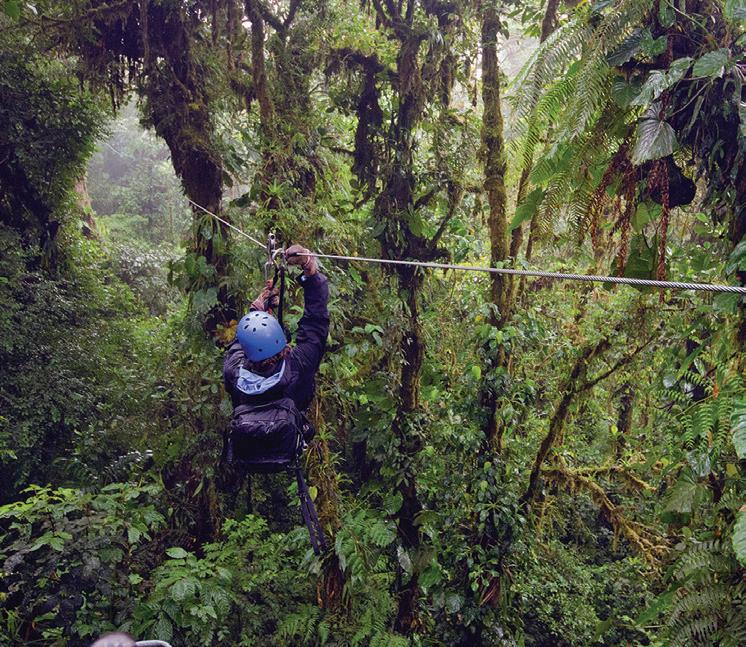
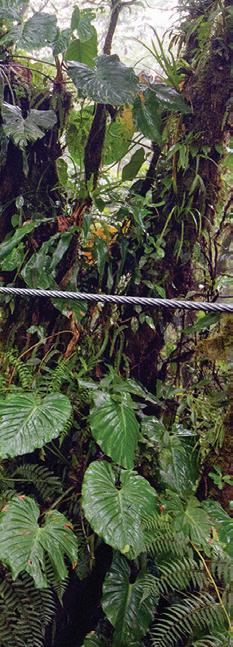
Costa Rica is known for rainforests and ecotourism. Places like Corcovado National Park and Tortuguero National Park are renowned for their rich biodiversity and are home to many species of animals that aren’t found anywhere else. Rainforests are also big adventure sites, so hiking and backpacking are popular ways to explore. For even more adventure, zip lining through the country’s rainforests is an adrenaline-pumping experience active groups shouldn’t miss. They can see forests like Monteverde Cloud Forest from high above and enjoy new vistas of the wildlife and misty scenery. Zip lining is a popular experience offered throughout Costa Rica, so no matter the region they visit, groups can explore with a bird’s-eye view.
San José, Costa Rica’s capital, is a great place to learn more about the country’s culture and history. The San José Central Market has been a cultural hub of the city for 145 years and sells fresh foods and local, handmade products from about 200 stalls, making it a great place to meet locals, eat traditional foods and purchase memorable keepsakes. The National Museum of Costa Rica and the Jade Museum are great places to see more of Costa Rica’s history.
Located in the Central Valley region, the city is close to many preserved ruins, including the Ruinas de Ujarrás and Guayabo National Monument, one of the country's most important archeological sites.
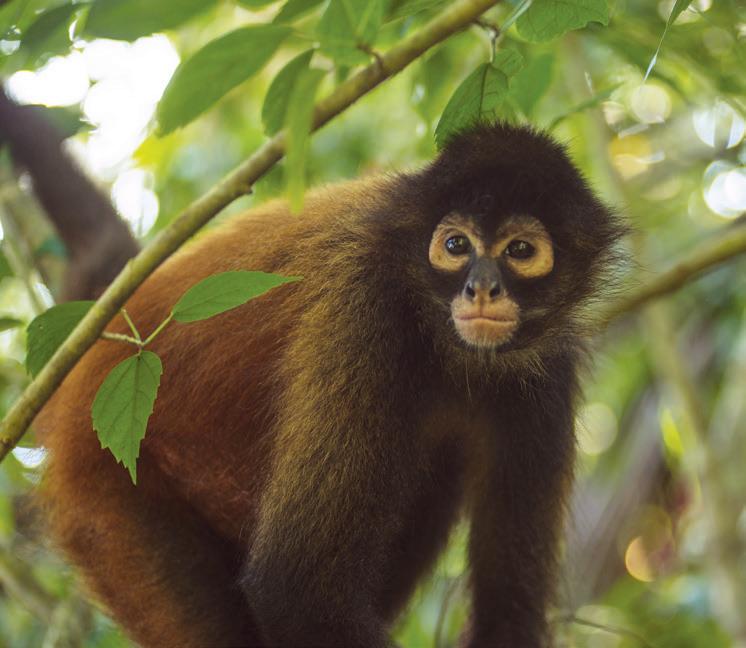
Costa Rica is home to some of the most famous surf spots in the world, like Playa Hermosa and Jaco. These beach towns are popular choices for those just learning to surf or for those who have been doing it their whole lives. But surfing is not the only thing to do on Costa Rica’s beaches; snorkeling, horseback riding and yoga are also popular activities. Each town has its own standout features. Manuel Antonio National Park, which has beaches inside the park, is known for its white-faced capuchin monkey sightings. Playa Negra in Guanacaste is another popular surf spot famous for its distinctive black sand.
A visit to the Basilica de Nuestra Señora de los Ángeles in the city of Cartago is a must. The church is dedicated to the patron saint of Costa Rica, “La Negrita,” named for a small statue of the Virgin Mary. If they visit in the beginning of August, groups can see Costa Rican Catholics participate in La Romeria, a traditional pilgrimage where they walk from near and far to honor the patron saint.
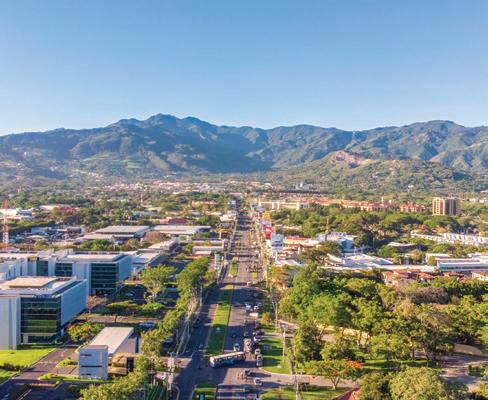
Known as Costa Rica’s architectural jewel, the National Theater is open for tours and performances. Guided tours highlight the theater’s history, art and cultural significance. Inside, the “Alegoría del Café y el Banano,” a mural depicting two of Costa Rica’s biggest exports, was painted on the main foyer ceiling by Aleardo Villa in 1897, and it remains one of the most iconic artworks in the whole country.
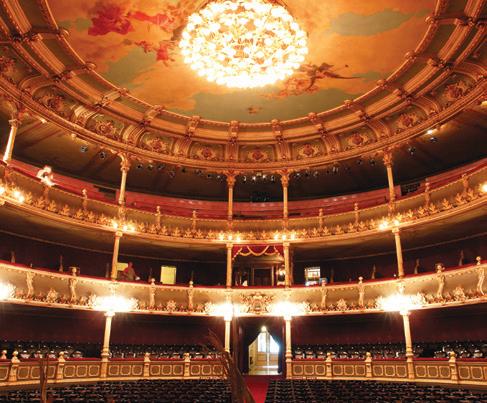
Travelers in Costa Rica will be hard-pressed to find any restaurant without casado on the menu. Casado means “married,” and some theorize the dish got its namesake from the marriage of all the flavors on the plate. The dish typically has rice, black beans, plantains, salad, a protein, an egg and a tortilla. A staple of many “sodas,” small, open-air mom-and-pop restaurants, this dish is a favorite throughout the country and can include regional ingredients.
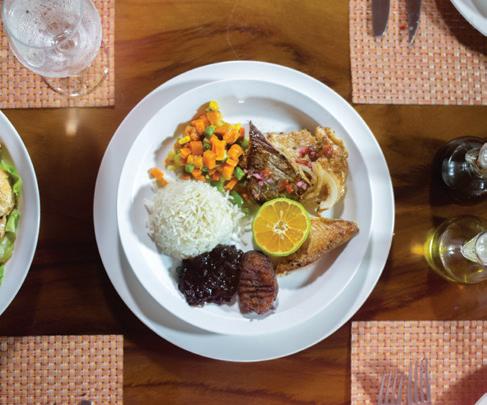
Coffee is Costa Rica’s top export and is produced across eight of the country’s regions. Visiting a coffee plantation is more than just learning how it’s made; the experience also teaches about the role coffee plays in local history, culture and the economy. Groups can learn how it’s grown, harvested, roasted and sold, and they can sample some of freshest coffee around during a tasting.
BY PAULA AVEN GLADYCH
There’s a reason so many holiday movies are set in small Northeastern towns. They radiate warmth and characterize coziness, with holiday decorations lining Main Street, fluffy snow blanketing rooftops and a classic Christmas tree in every town square. The Northeast and Mid-Atlantic regions of the United States are known for their quaint towns, holiday traditions and community spirit. Faith groups traveling for the holidays will find a plethora of festive lights, spiritual music, hometown festivals, holiday shopping and beautifully decorated historic homes at these five holiday attractions.
NOVEMBER 2026–JANUARY 2027
KENNETT SQUARE, PENNSYLVANIA
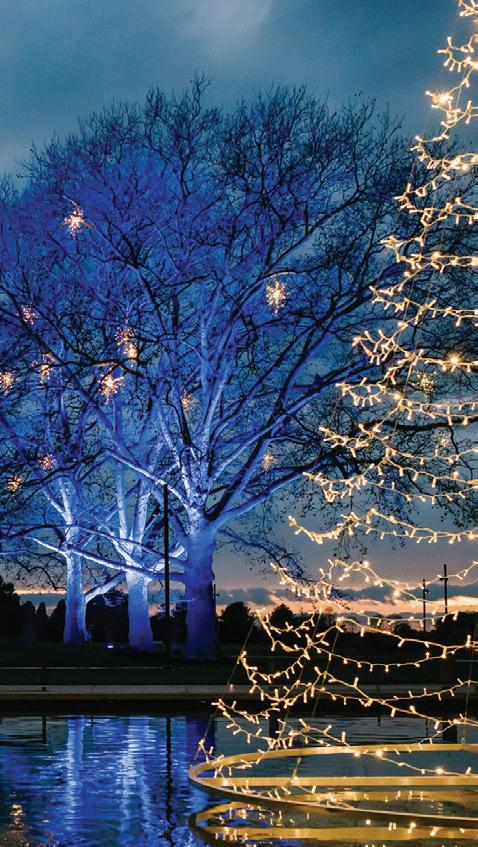
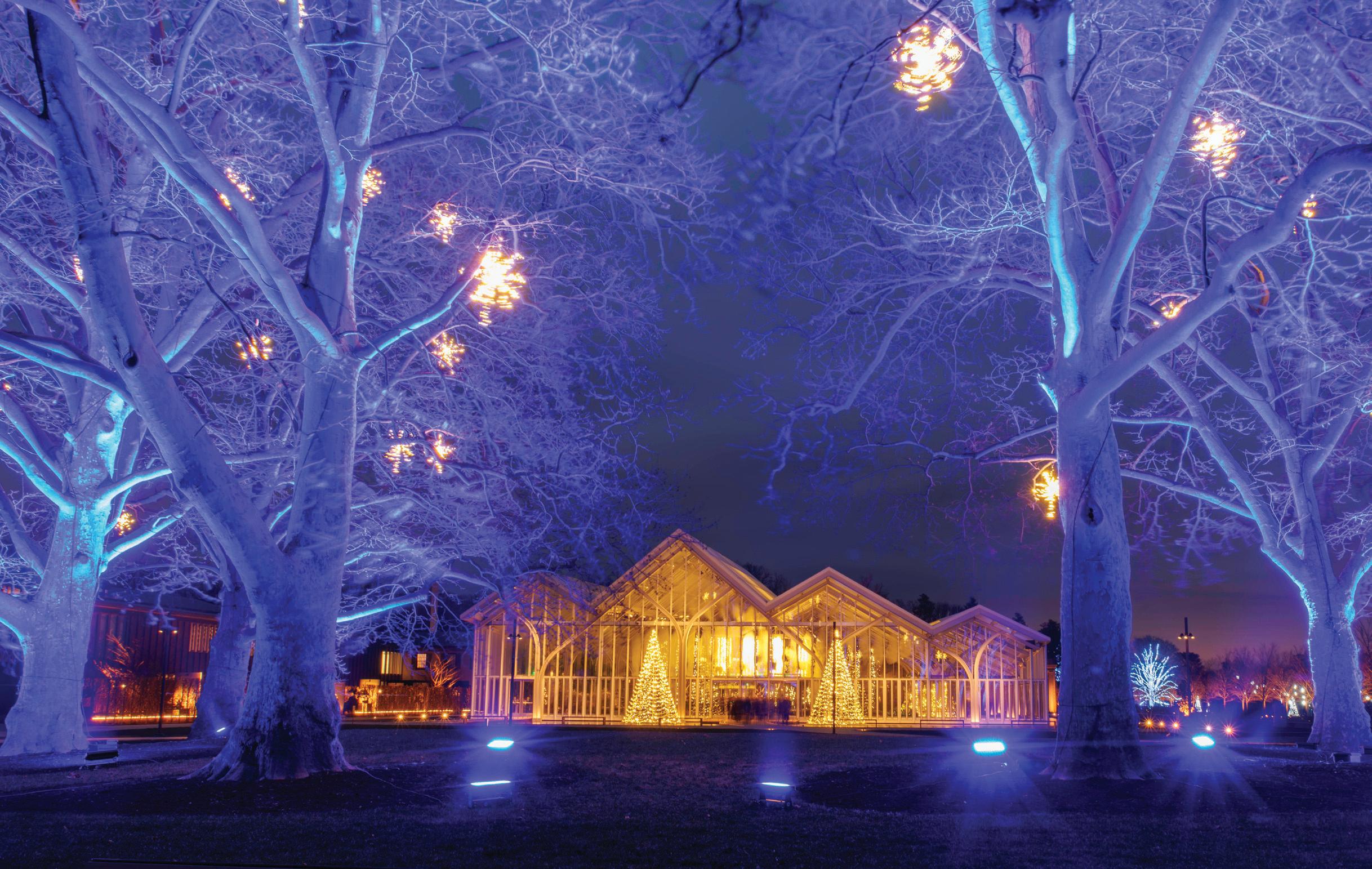
Every year, Longwood Gardens near Philadelphia hosts A Longwood Christmas, which transforms the property into a holiday wonderland with twinkling lights that accent the many themed gardens. Inside the conservatories, majestic trees glimmer with decorations in shades of red, green, blue and gilded metallics.
A 12-foot-tall, jewel-encrusted tree sparkles in the Music Room, which is set up for a grand holiday banquet. The Silver Garden features a living tree and living wreaths. Christmas trees decorated by local art centers dominate the Ballroom, and the Acacia Passage glows with red and gold fabrics draped with crystal strands.
Outside, more than half a million lights illuminate the gardens, including gem-inspired forms that float on Large Lake and lights that dance to holiday music in the Italian Water Garden. The Wildlife Tree is covered in faux pearls and gilded oyster shells, along with millet and other grains to attract native birds and wildlife. Visitors can stroll Flower Garden Drive, which is alive with lights, or gaze upon the Garden Railway, which features miniature trains chugging past Longwood landmarks. Longwood’s Open Air Theatre delights guests with fountain shows set to holiday music every 15 minutes, beginning at 12 p.m. Timed reservations are required for visitors, and Longwood recommends that groups book their tickets early.
LONGWOODGARDENS.ORG
DECEMBER 2026
KENNEBUNKPORT, MAINE
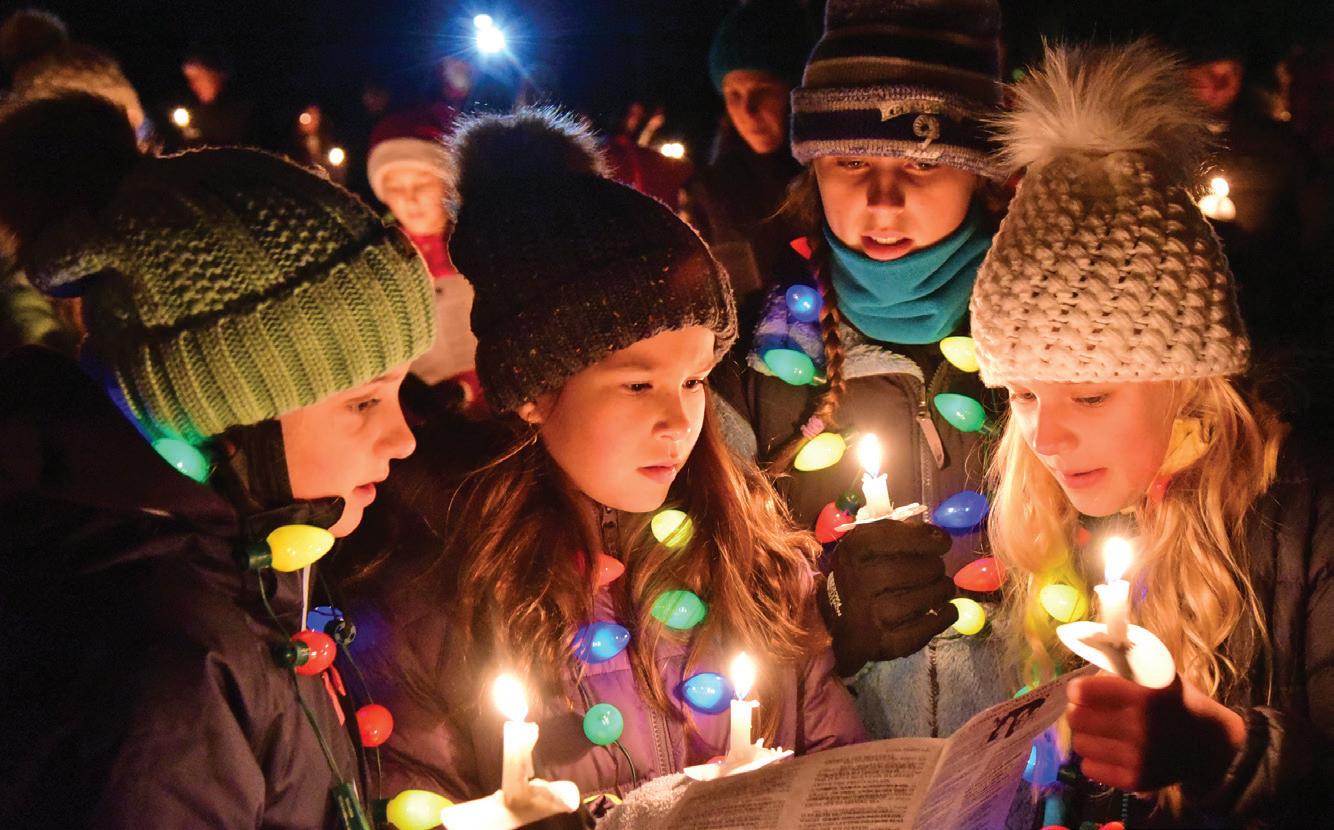
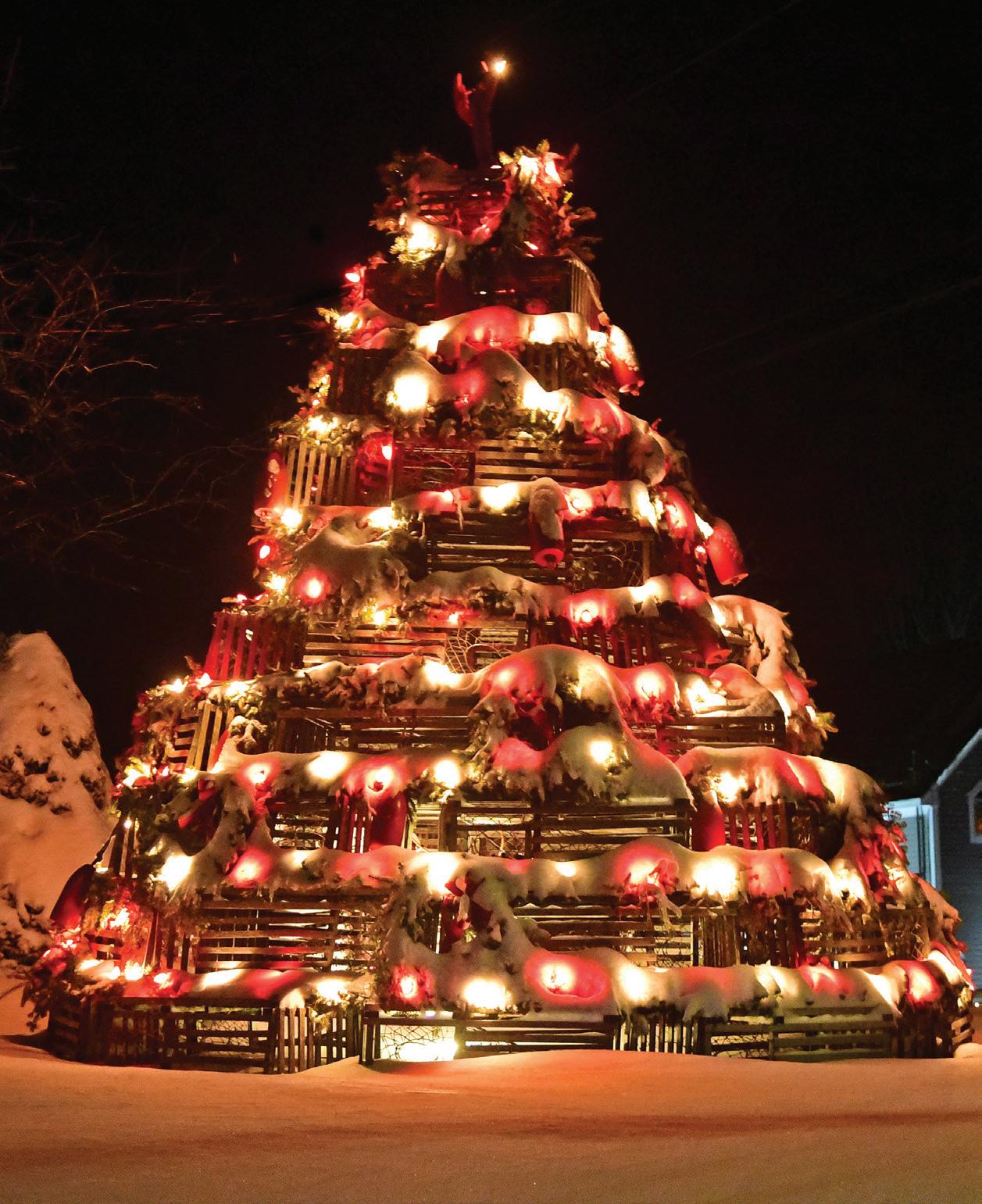
World renowned as a Christmas destination, Kennebunkport, Maine, dresses up its small-town charm during its annual Christmas Prelude. Founded 44 years ago, the Christmas Prelude is a way for the Kennebunkport business community to show appreciation to the locals for hosting the hordes of tourists who descend on the town every summer. The 10-day holiday celebration kicks off the first Friday night of December with a tree lighting ceremony in Dock Square, featuring Christmas carols by the Kennebunk High School Chamber Choir. In Cape Porpoise Square, groups can join in the Christmas carols at the lighting of the lobster trap tree, a beloved Cape Porpoise tradition.
The rest of the weekend involves shopping, craft fairs, a hat parade and Christmas Candlelight Caroling at the Franciscan monastery, St. Anthony, where Christmas songs are interspersed with the story of Jesus’ birth.
Groups can catch a glimpse of Santa Claus as he travels upriver on a lobster boat and docks at The Nonantum Resort. Families can meet Santa and Mrs. Claus at the resort, create holiday crafts and enjoy warm beverages. During the second weekend, the town hosts a street festival with live music, ice carving and a fireworks display. Upper Ocean Avenue also hosts a brand-new street festival with entertainment, food, a firepit, holiday shopping and a fire juggler.
Several properties can accommodate groups, including The Nonantum Resort, The Colony Hotel, Rhumb Line Resort and King’s Port Inn.
CHRISTMASPRELUDE.COM
MYSTIC SEAPORT MUSEUM
LANTERN LIGHT VILLAGE
DECEMBER 2026
MYSTIC, CONNECTICUT
Mystic Seaport Museum in Mystic, Connecticut, is a maritime museum and living replica of an 1800s whaling community. It is nestled on the Mystic River in the southeast corner of Connecticut, just before the river empties into Fishers Island Sound.
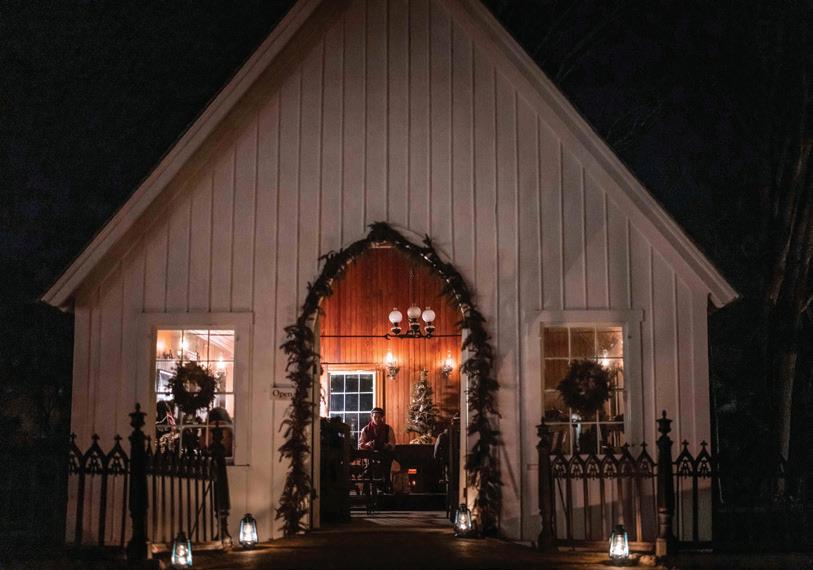
Every year, Mystic Seaport hosts Lantern Light Village, an immersive holiday experience that takes guests back in time. When guests arrive, they enter a modern holiday world with Christmas trees and twinkling lights, and children can visit Santa Claus. Heading toward the museum’s waterfront village, groups can participate in a theatrical tour where they move from building to building, picking up parts of a storyline.
Visitors are asked to dress warmly and bring flashlights as they wander through the lantern-lit streets of the seaport. Several maritime trade spaces are open so that visitors can learn more about blacksmithing and shipbuilding. The Charles W. Morgan, the last wooden whaling ship in the United States, will also be open for tours.
Guests can take horse and carriage rides around the village green and warm up at firepits throughout the grounds. Games and craft projects engage younger visitors, and the tavern is open for food and drinks. Groups of 10 or more are eligible for discounted tickets to the event.
MYSTICSEAPORT.ORG
CHRISTMAS IN ST. MICHAELS
DECEMBER 2026
ST. MICHAELS, MARYLAND
Christmas in St. Michaels is a four-day event that first began 39 years ago. Today, the money raised at the event supports numerous charities in the area.
The 2025 event kicks off with a Gingerbread House Preview Cocktail Party at the community center. On Friday, a holiday Marketplace and Sweet Shoppe featuring handmade goods runs from noon to 3 p.m. On Saturday. At 10:30 a.m., a parade winds through town with floats, marching bands and, of course, Santa Claus.
By Richard Bodorff
The holiday marketplace is open all day, but the signature event is the Tour of Homes. Historic homes are decked out for the holidays and within walking distance of each other. The Tour of Homes is a ticketed event, and there is a charge for services at any of the church-sponsored events.
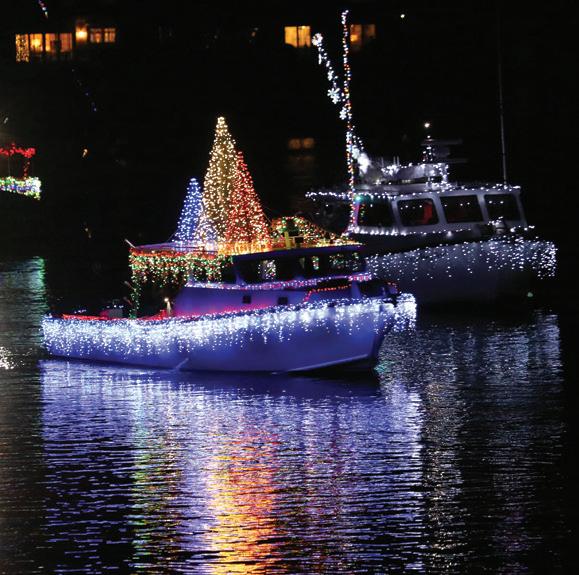
The Lighted Boat Parade wends its way around St. Michael’s Harbor, beginning at 6 p.m. The gingerbread houses, tour of homes and marketplace are all open on Sunday, and the evening finishes off with a free choir concert at Union United Methodist Church at 5 p.m.
CHRISTMASINSTMICHAELS.ORG
HOLIDAYS AT THE NEWPORT MANSIONS
NOVEMBER 2026–JANUARY 2027
NEWPORT, RHODE ISLAND
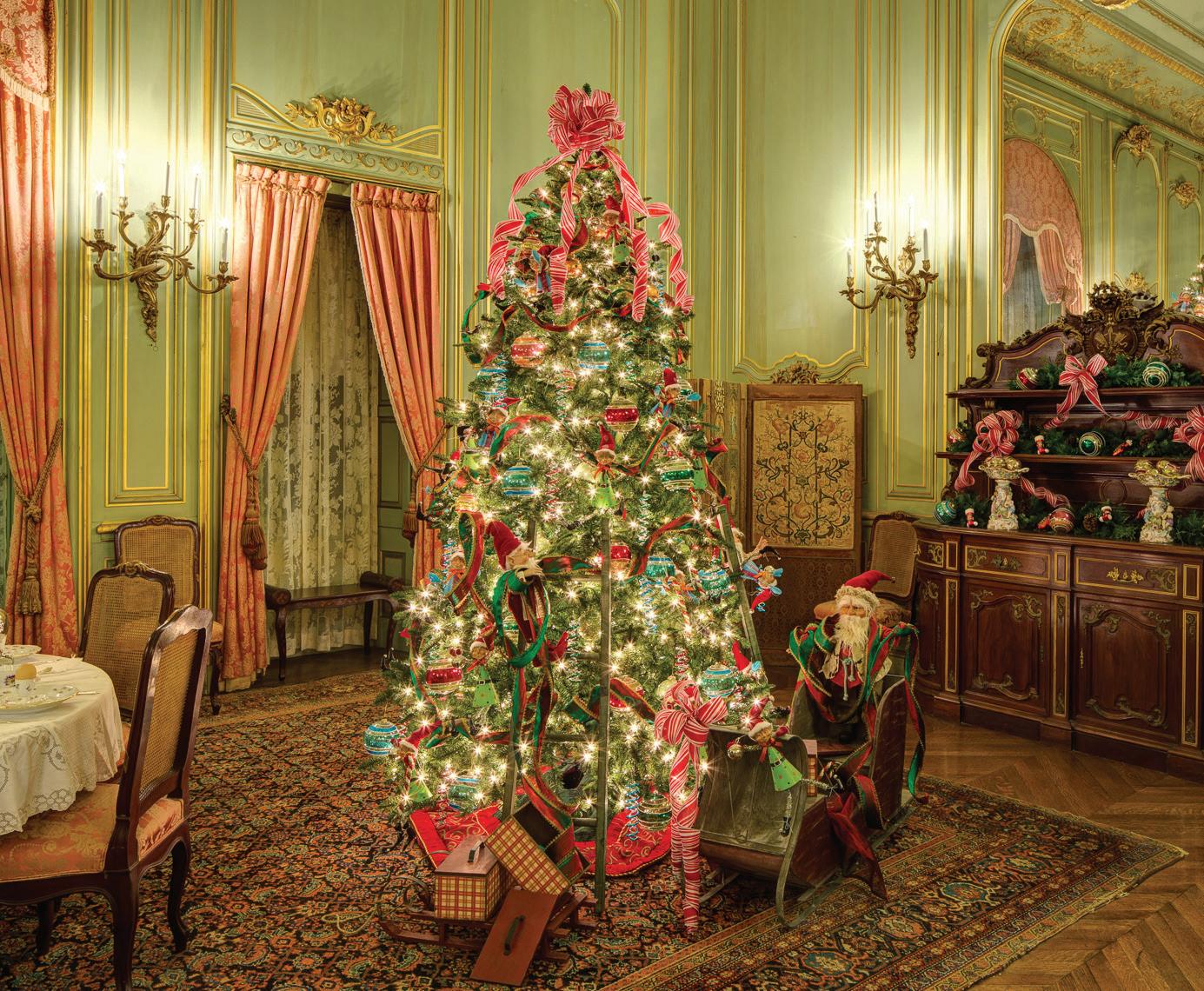
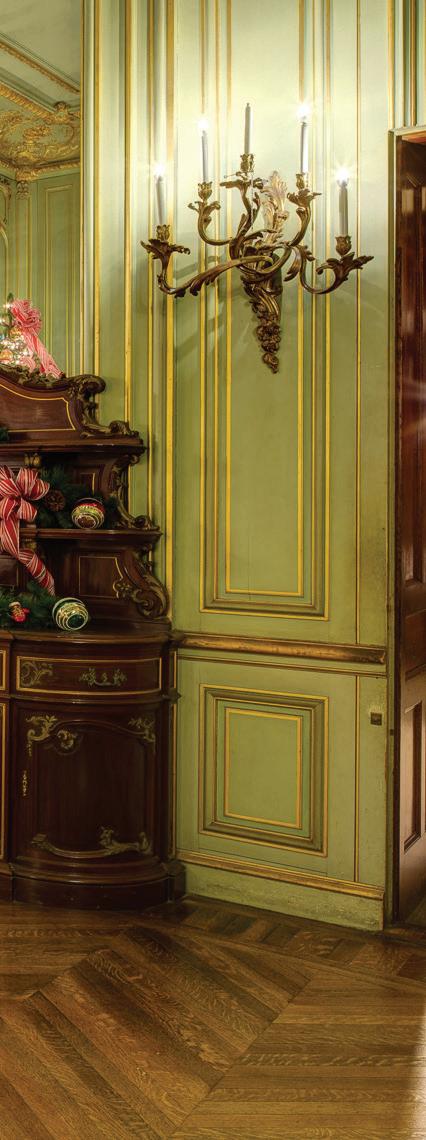
A playground of the rich and famous during the Gilded Age, Newport, Rhode Island, attracted many wealthy industrialists who built summer “cottages” there. During the holidays, The Preservation Society of Newport County goes all out decorating the Newport Mansions for Christmas.
This year’s event includes The Breakers, Marble House, The Elms and Chateau-sur-Mer.
The Breakers is the largest and most opulent of the Newport Mansions. Built in 1895 by the Vanderbilt family, the home — which covers about one full acre of the 14-acre estate — sits on the cliffs overlooking Easton Bay. At night, Sparkling Lights at The Breakers offers a wonderland of holiday lights spread throughout the mansion’s grounds. Tickets to the light display include entrance to the mansion.
Chateau-sur-Mer was built in 1852 and was considered the most palatial residence in Newport until the Vanderbilt houses were built in the 1890s.
Nearly 30 Christmas trees are decorated to complement the decor and theme of each room of the Newport Mansions, such as Mr. Vanderbilt’s tree in The Breakers, which is decked out with trains and top hats. Hundreds of poinsettias, garlands, wreaths and fresh floral arrangements add color and warmth to the homes. Made up of 150 poinsettia plants, the 15-foot-tall poinsettia tree in the Great Hall of The Breakers makes a perfect holiday photo spot.
Groups can listen to a self-guided audio tour by downloading it from the Newport Mansions app.
NEWPORTMANSIONS.ORG












BY BRIONA LAMBACK
WANT A GREAT WAY FOR YOUR GROUP TO EXPLORE BLACK CULTURE, PAST AND PRESENT? CONSIDER GOING BACK TO SCHOOL.
Historically Black colleges and universities, or HBCUs, are a treasured pillar of African American history and culture. From Pennsylvania’s Lincoln University, considered the first HBCU in the U.S., to Howard University, Washington, D.C.’s beloved school that has educated countless Black politicians and entertainers, there is no overlooking the influence and legacy of these institutions in Black culture.
There are more than 100 HBCUs in the country, but these are some of the best known. Campus tours offer prospective students an insider’s look into the schools’ rich histories, including their important roles in abolition and the Civil Rights Movement.
Lincoln University was the first degree-granting HBCU in the country. Located in Chester County, Pennsylvania, the university has been a pillar in the community since 1854. Civil rights lawyer and Supreme Court justice Thurgood Marshall and Harlem Renaissance poet Langston Hughes and are some of the university’s most recognizable alumni.
On the 422-acre campus, groups can participate in Lion Campus Tours, traditional walking tours led by student ambassadors who guide groups through Lincoln’s history, programs and resources. Plan to book at least 14 days before your group’s visit, especially if dining on campus is on the itinerary, as advance coordination is required in partnership with Dining Services.
Kennett Square, a borough located about 13 miles east of the university, was an epicenter of the Underground Railroad. In 2018, the school partnered with a local organization, Voices Underground, to create The Lincoln University Center for Public History, a research and teaching center whose mission is to provide a home for ongoing research of Pennsylvania’s African American history.
Chester County’s Brandywine Valley tourism board suggests the Kennett Underground Railroad Center as an ideal experience for groups looking to learn more about the area’s connection to abolition and important African American history along the Underground Railroad. lincoln.edu
NEW YORK CITY
Known colloquially in African American culture as “The Black Mecca,” Howard University was founded in 1867 and is one of the most popular HBCUs in the country. Its notable alumni include public figures like former Vice President Kamala Harris and author Toni Morrison.
The university offers student ambassador-led tours for groups of 10 to 55 people. Highlights of the campus tour include Thirkield Science Hall, where Omega Psi Phi Fraternity was founded on November 17, 1911, making it the first Black fraternal organization established on an HBCU campus.
The best time to visit is in the spring during cherry blossom season. Howard’s campus has five cherry blossom trees that the National Cherry Blossom Festival gave to the university in 2018. In the fall, homecoming season is full of unique peeks into student life, including a pep rally, parade and Greek Step Shows.
Howard is located in Shaw, a historically Black community once known as “Black Broadway.” In the 19th century, jazz legends like Cab Calloway performed in neighborhood theaters. Today, it’s full of buzzy restaurants like Doro Soul Food, headed by Michelin-starred Chef Elias Taddesse. Doro serves diasporic-inspired dishes that combine traditional African American soul food flavors with Ethiopian spices.
There's a reason getting a seat at New York City's Tatiana isn't easy. Renowned chef Kwame Onwuachi opened the Afro-Caribbean restaurant in 2022. The restaurant celebrates Onwuachi's youth and the flavors that shaped him growing up in the Bronx. The chef's palette reflects NYC's culinary diversity, from Caribbean roti shops to Chinese takeout spots.
Menu highlights include crispy okra served with honey, mustard and “peppa” sauce. The black bean hummus is made with berbere (a traditional Ethiopian spice blend) and comes with spiced lamb, sweet pickled sultana and M'semen, a flaky flatbread from Morocco. Large plates like short rib pastrami suya and Mom Duke's shrimp also steal the show. Wrap up the must-have meal with a New York-inspired dessert called the Bodega Special, which includes a cosmic brownie, powdered sugar donut ice cream and sorrel.
Tatiana partners with the Lincoln Center for the Performing Arts and Restaurant Associates to support the Public Housing Community Fund's beautification and culinary arts programs.
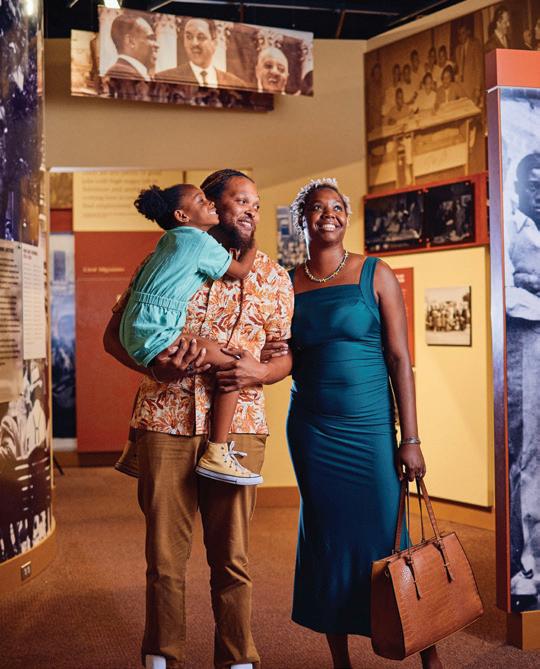
Baltimore’s Reginald F. Lewis Museum
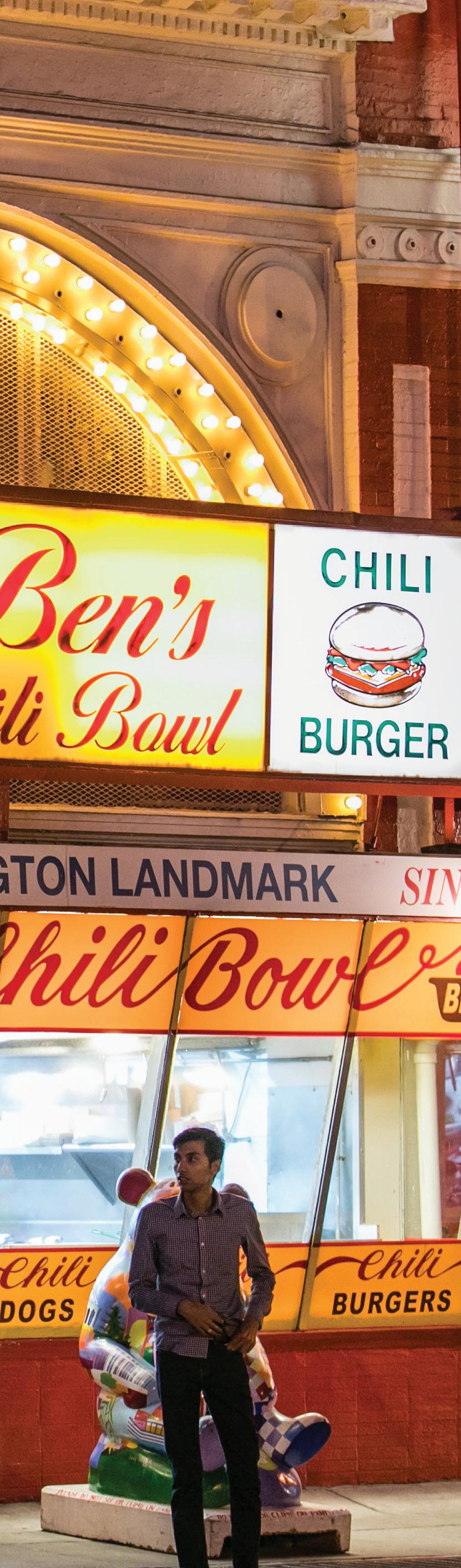
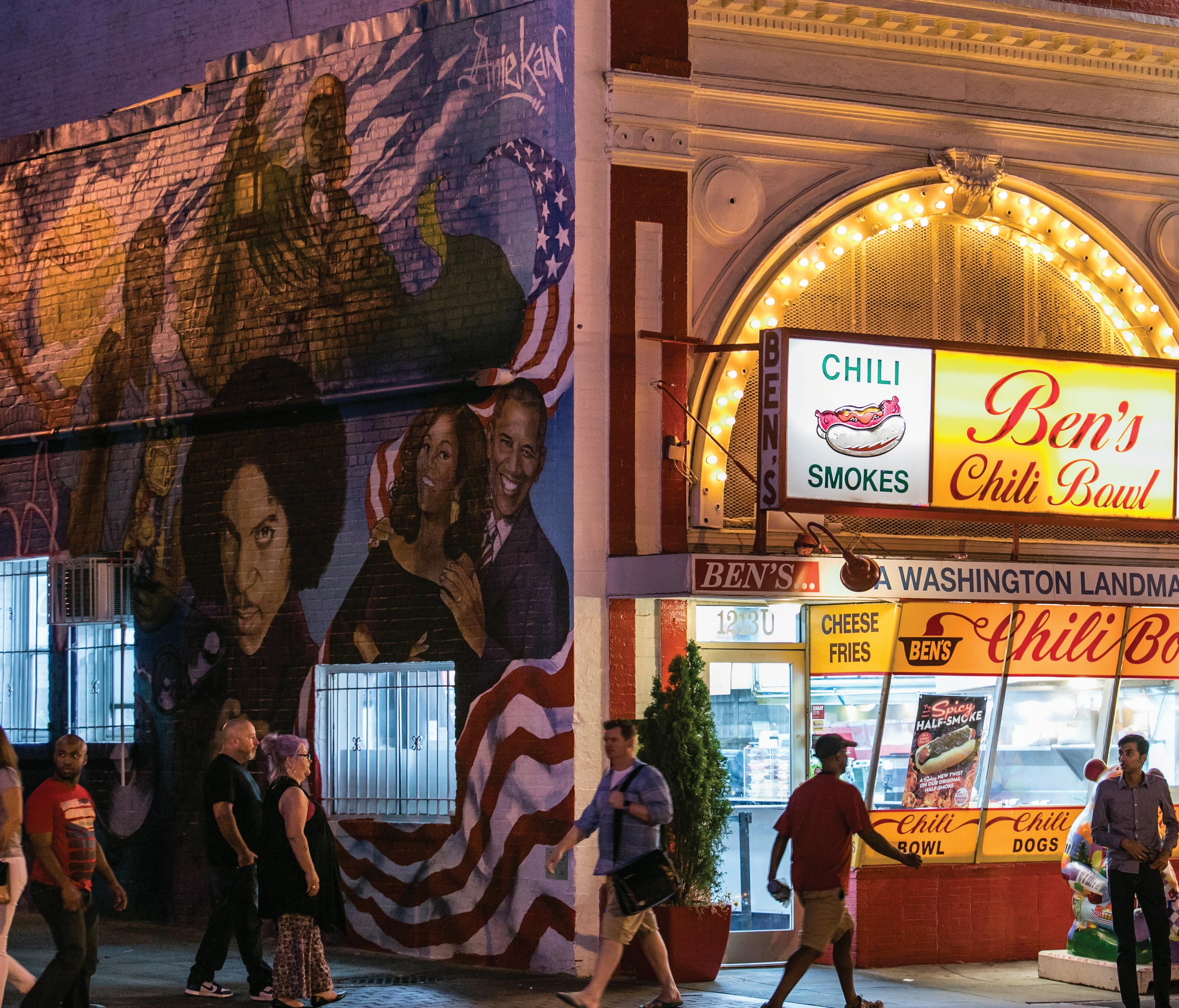
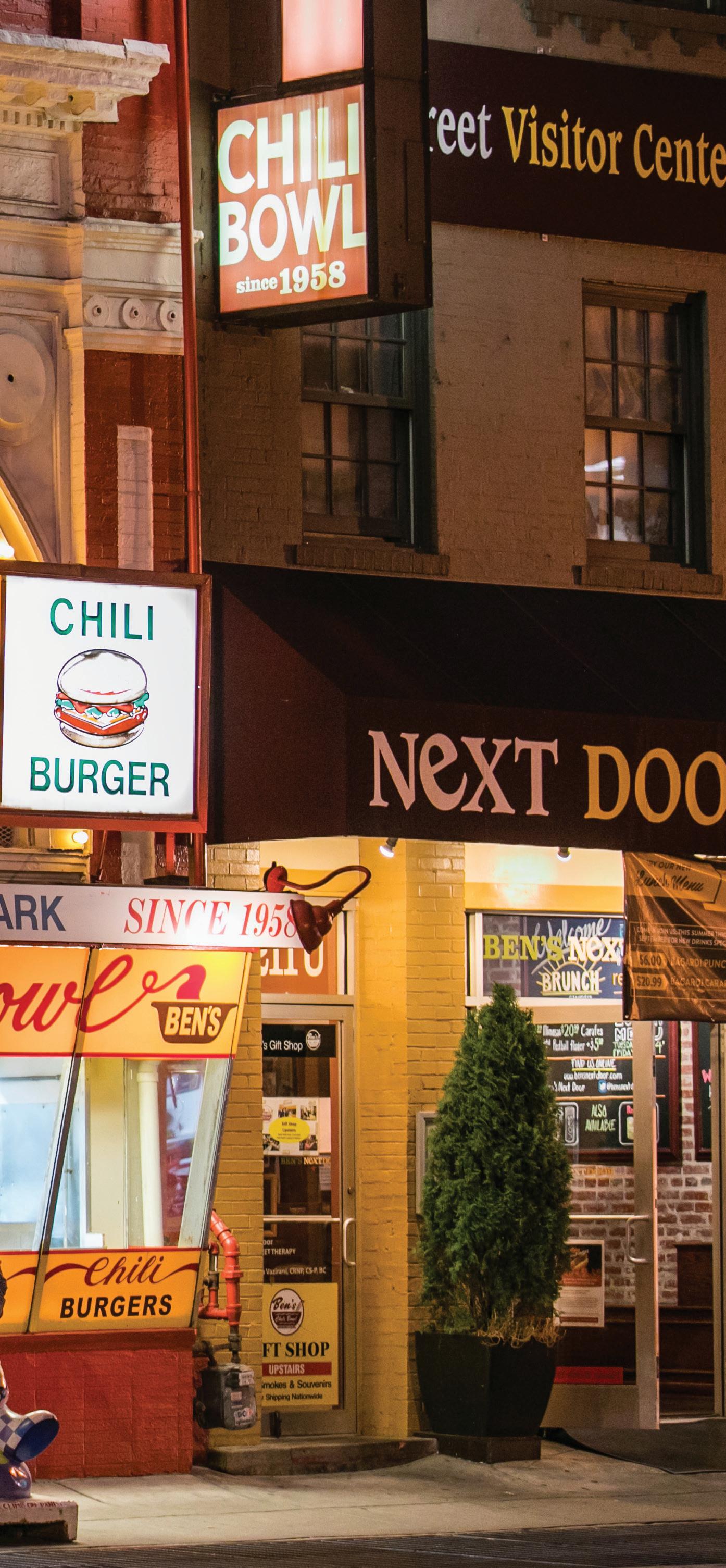
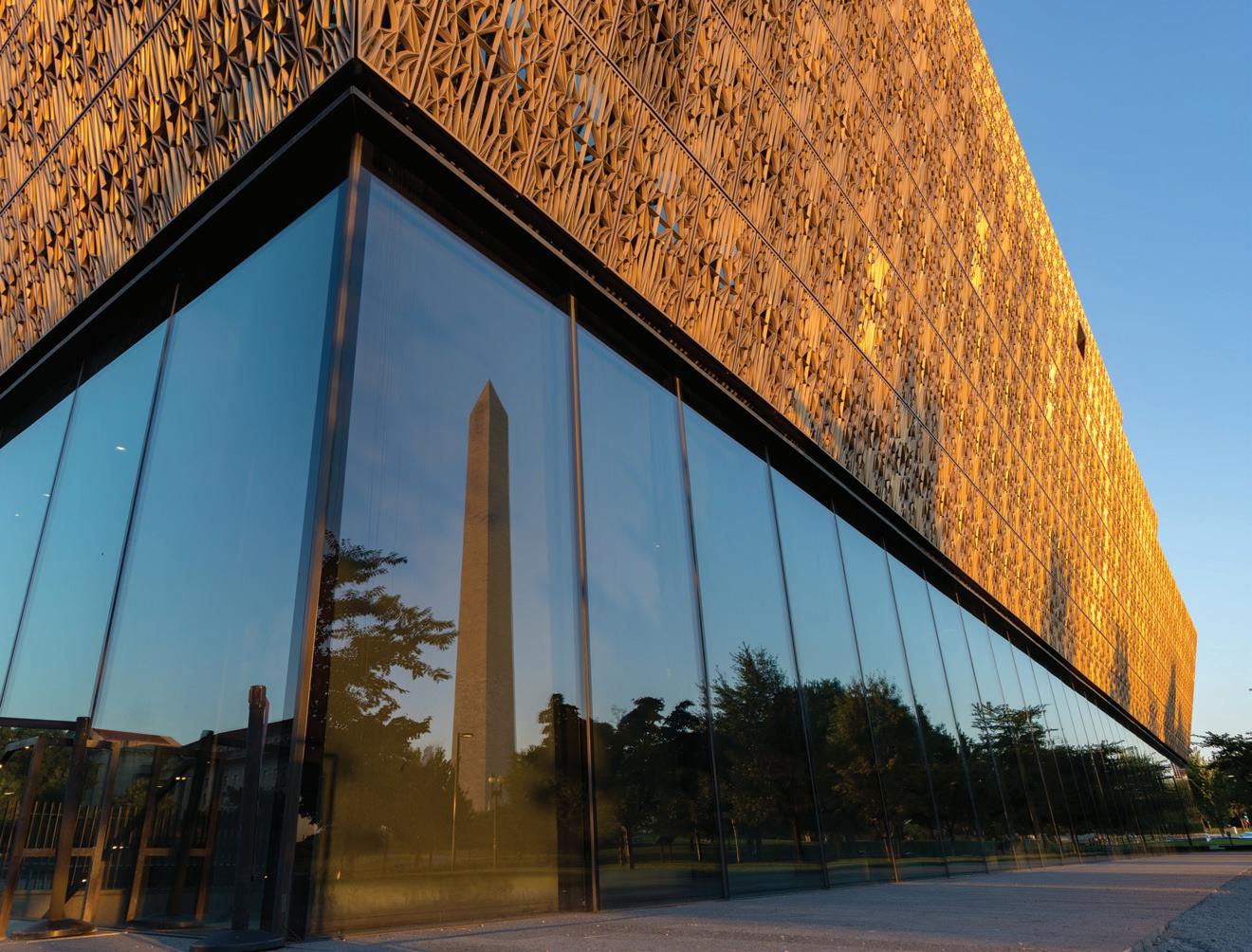
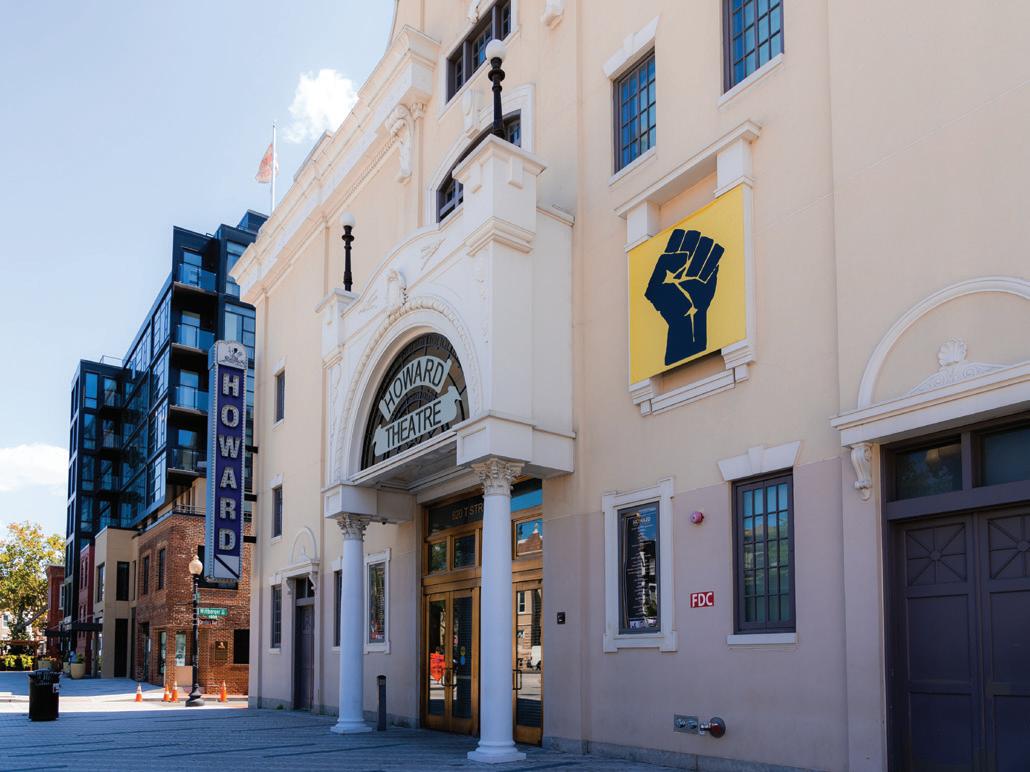
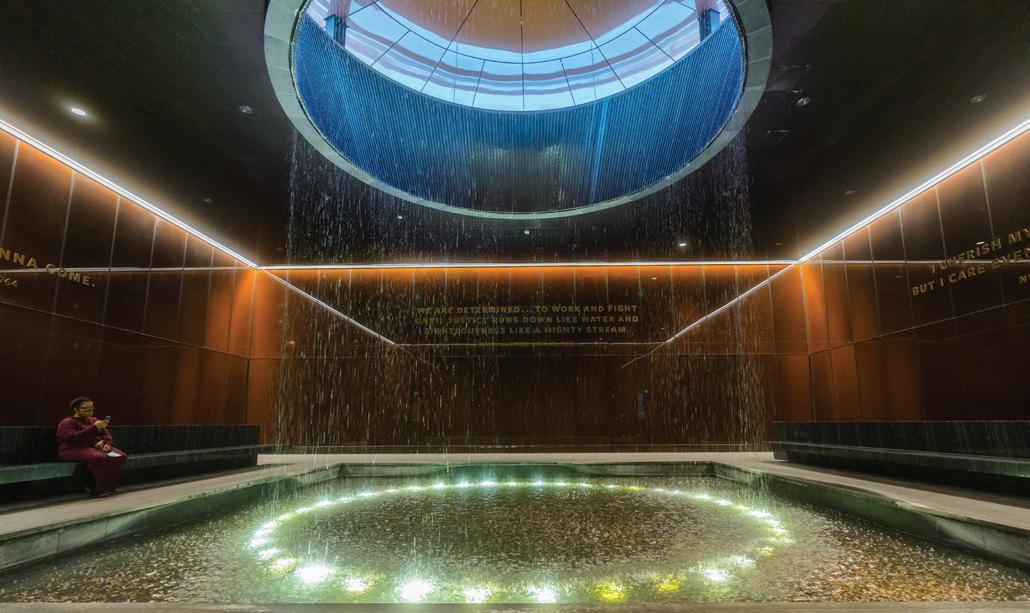
“As we celebrate America’s 250th anniversary next year, D.C. has an excellent opportunity to share with visitors the rich Black culture that is ingrained in the city,” said Elliott Ferguson, president and CEO of Destination DC. “Museums like the National Museum of African American History and Culture and the Go-Go Museum are must-sees. Engaging with D.C.’s culture by eating a half-smoke at Ben’s Chili Bowl or listening to a live show at The Howard Theatre lets you experience the history for yourself. There is so much more D.C. has to offer than meets the eye.” howard.edu
Baltimore
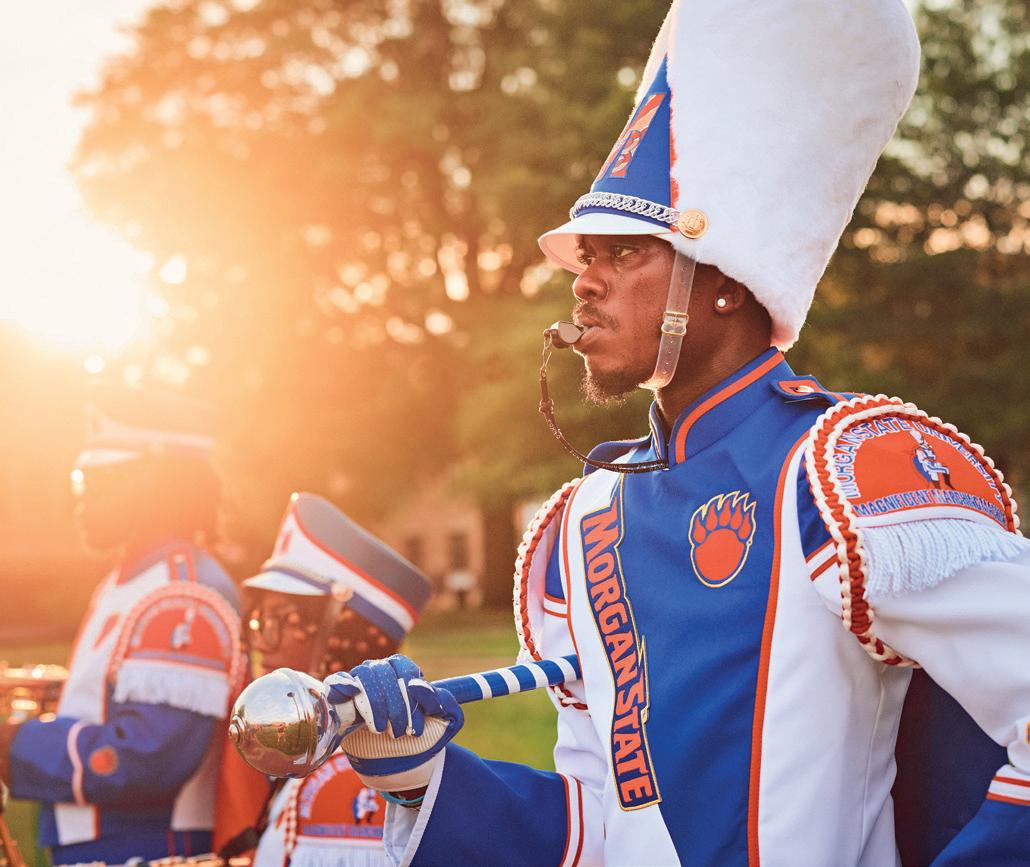
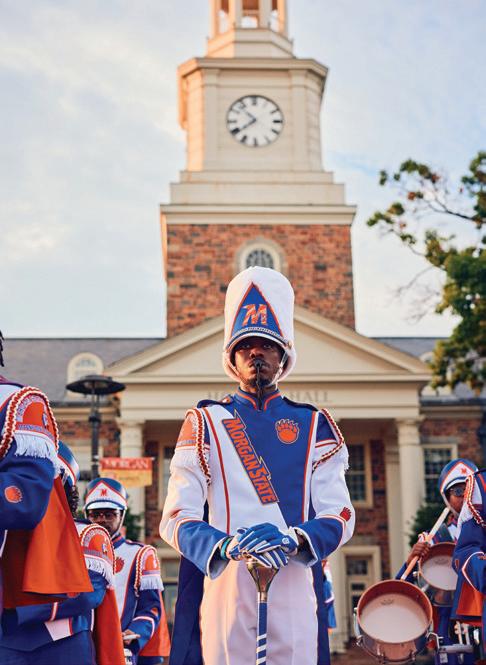
Maryland’s largest HBCU, Morgan State University, is located in Baltimore, a city long known for its charm. Groups touring Morgan will be surrounded by incredible Black-owned businesses and cultural experiences in the city, like the Reginald F. Lewis Museum of African American History & Culture. The Lillie Carroll Jackson Civil Rights Museum, owned and operated by Morgan State, is located about 12 minutes from campus in Marble Hill, a neighborhood that was crucial to the Civil Rights Movement. A 90-minute campus tour at Morgan explains the university’s history and mission. The experience ends with a student-led walking tour highlighting places like the Earl S. Richardson Library and the student center. As an added touch, groups can download the Morgan State Mobile App ahead of time for access to a virtual campus map, news, events and more. Morgan State University

“Baltimore is a city rooted in innovation, community and culture, and Morgan State University is clearly part of that experience,” said Kireem Swinton, interim president and CEO at Visit Baltimore. “While the campus is always great to visit, two standout events that showcase its vibrancy are Morgan’s homecoming weekend in early fall and the CIAA men’s and women’s basketball tournament in late February. Both events offer a unique opportunity to connect with alumni and feel the energy HBCUs bring to our city.
“While on campus, be sure to visit the historic Read’s Drugstore lunch counter, a powerful symbol of the Civil Rights Movement and a reminder of the university’s role in shaping history,” Swinton said.
After touring, groups can plan to dine at locally loved restaurants like Rooted Rotisserie, a French-inspired restaurant owned by a husband-wife duo serving delicious rotisserie chicken, or The Urban Oyster, the first Black woman-owned oyster bar in the U.S. morgan.edu
Founded in Atlanta in 1881 as the Atlanta Baptist Female Seminary, Spelman College became a well-known institution for women of African descent in 1924.
Groups visiting can take tours, which typically last 45 minutes to an hour. Tours are led by Spelman Student Ambassadors, an organization of more than 100 Spelmanites representing a wide variety of majors, interests, hobbies and backgrounds. During the tour, ambassadors share

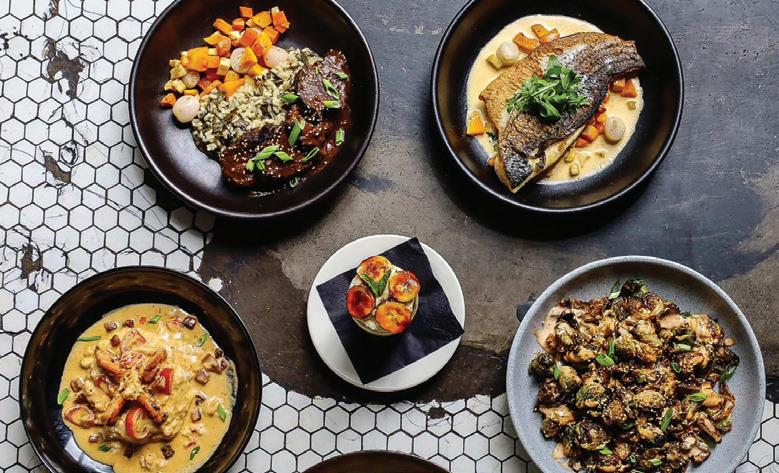
A staple in downtown Richmond, Virginia, Lillie Pearl is a culinary cornerstone in River City whose menu pays homage to ownerchef Michael Lindsey’s Gullah Geechee grandparents. Lindsey grew up picking peas, shucking corn and eating watermelons with his grandparents while listening to them share family stories. His family lived a true farm-to-table lifestyle by growing fresh fruits and vegetables and raising animals like chickens and cattle, a legacy that inspired his restaurant recipes.
Plates at Lillie Pearl use heirloom ingredients from West Africa and mix them with Southern African American cuisine, an ode to Lindsey’s Eastern North Carolina roots, for standout dishes like the lobster plus shrimp and grits made with cheesy grits, sausage, heirloom tomatoes and a lobster cream sauce. For flavors straight from the African continent, order the braised lamb shank cooked in a West African tomato and bell pepper sauce and served with jollof rice.
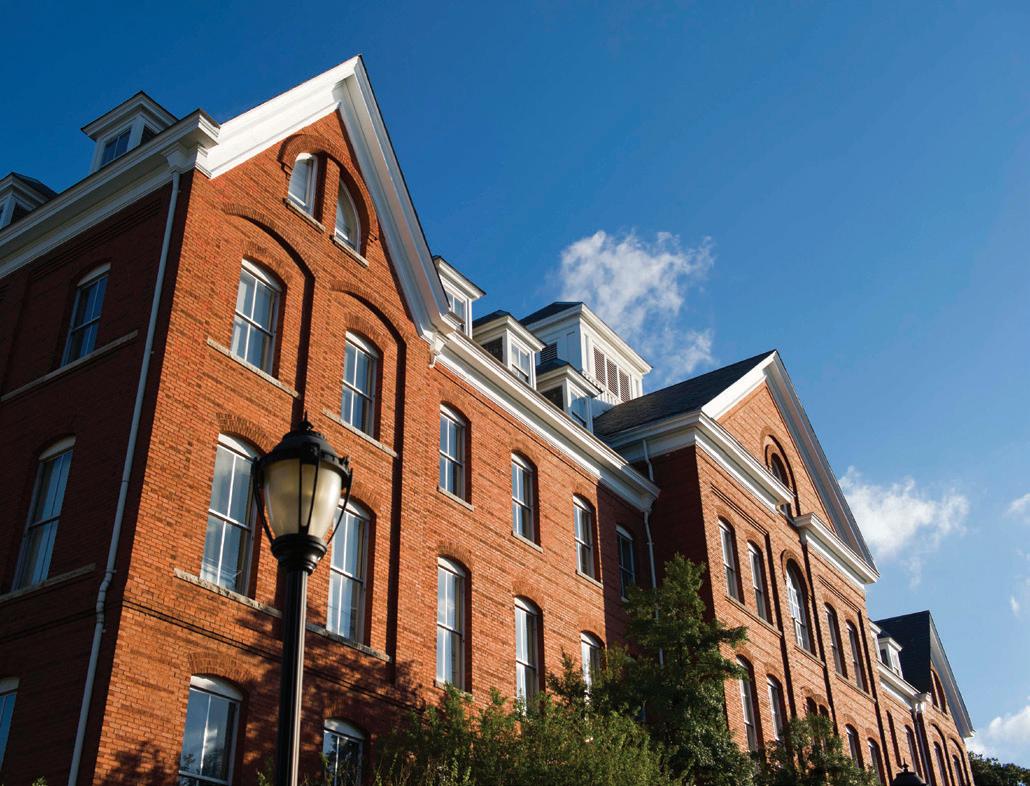
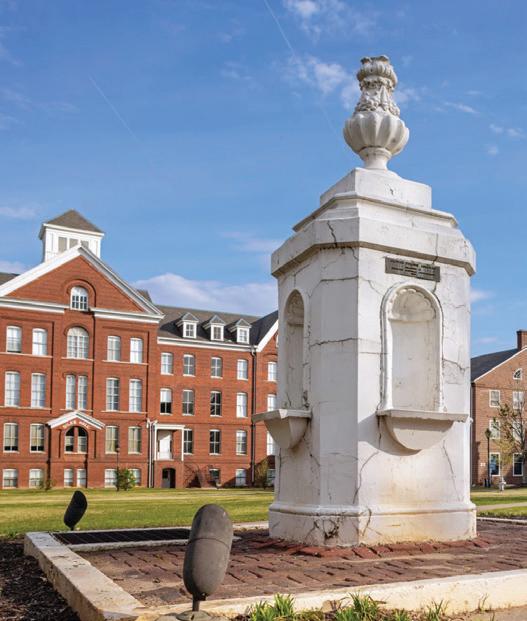

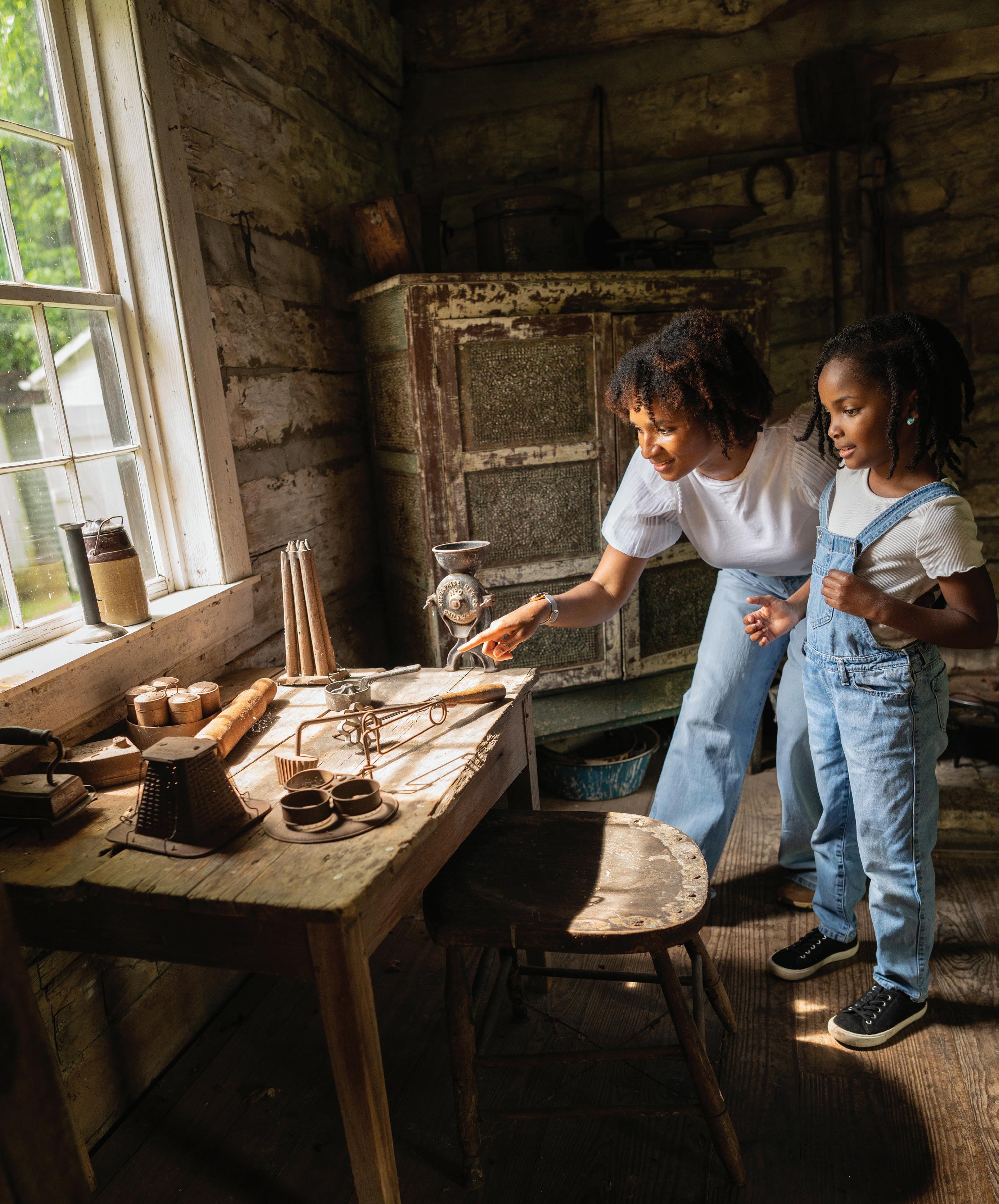
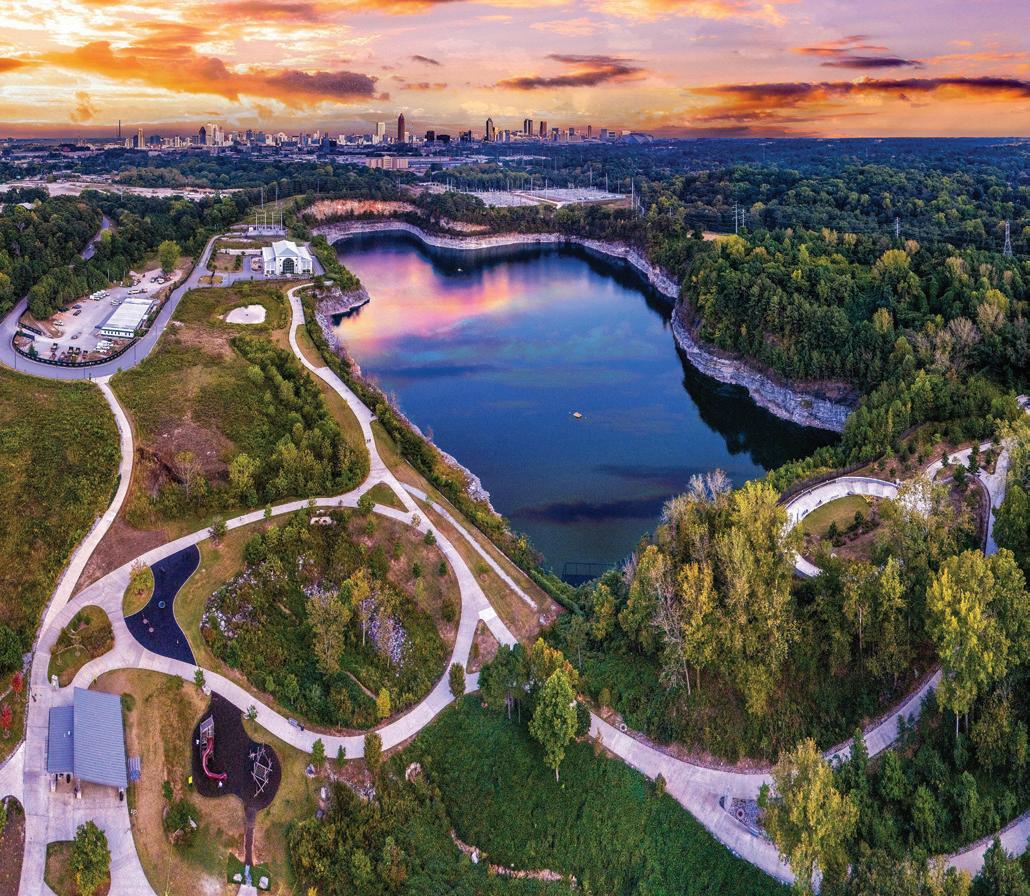
Kentucky’s African American Story is America’s Story This is a story of resilience, achievement, and transformation. From the frontier era to the Civil Rights Movement and beyond, Black Kentuckians helped shape the Commonwealth — and the nation. Today, this history is alive in museums, neighborhoods, and cultural sites that welcome visitors to explore, learn, and be inspired. Come experience it for yourself. kentuckytourism.com/things-to-do/culture/black-travelers
personal stories and insights that bring the Spelman experience to life. Throughout the tour, guests see key landmarks and community spaces on campus, including Sisters Chapel, the Mary Schmidt Campbell Center for Innovation & the Arts, the Alumnae Arch and more.
Groups can align travel plans with some of the college’s fine arts performances and lectures that are open to the public to connect with current students, faculty and staff while gaining a deeper understanding of Spelman’s academic and social environment. spelman.edu
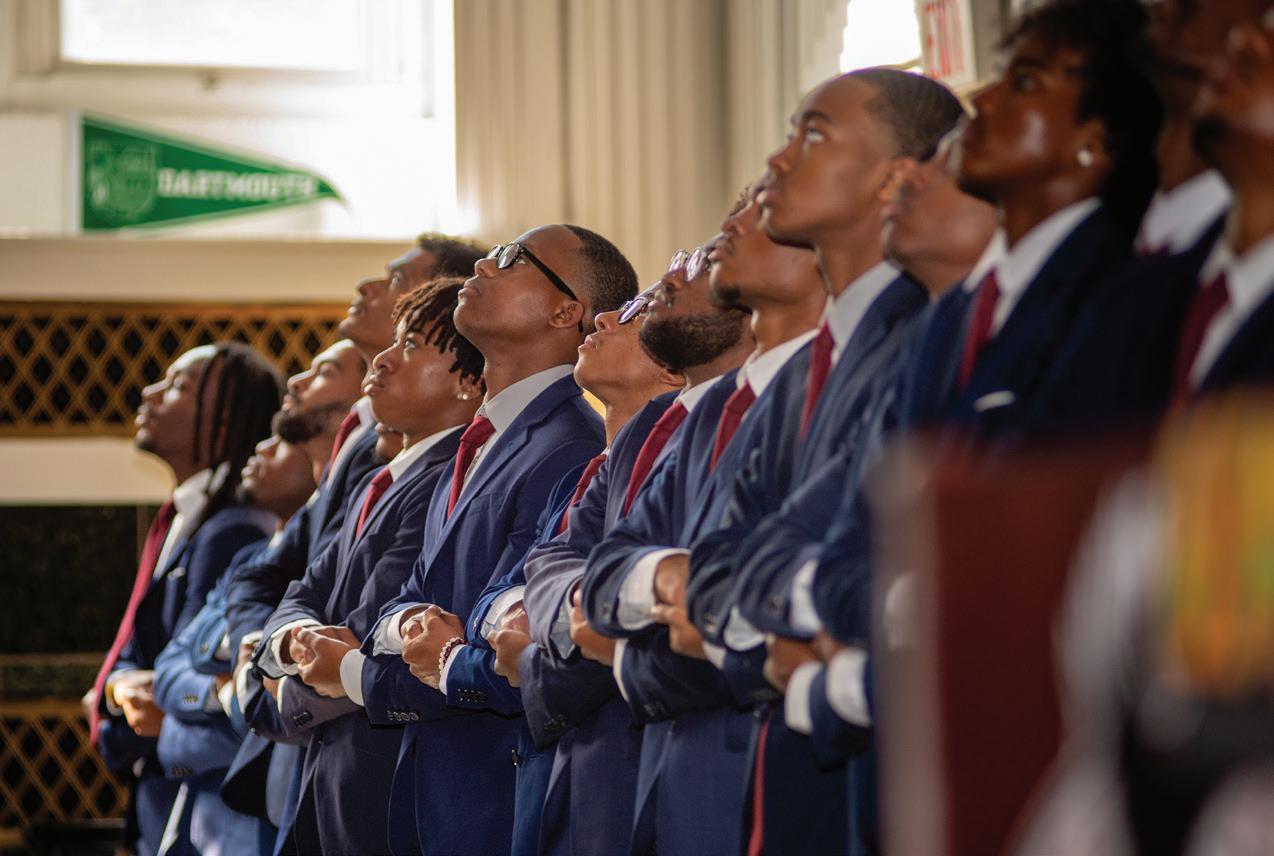
Spelman’s neighbor, Morehouse College, is an all-men’s institution known for producing the highest number of Black men who earn doctorate degrees. For group leaders planning a visit, Morehouse offers reservations for 75-minute guided campus tours.
Logan Doctson, assistant manager of public relations at Discover Atlanta, suggested that groups visiting Spelman and Morehouse plan lunch at Busy Bee Cafe. Located on Atlanta’s Westside, the restaurant once served as a gathering place for the city’s Civil Rights leaders and remains a beloved local spot today.
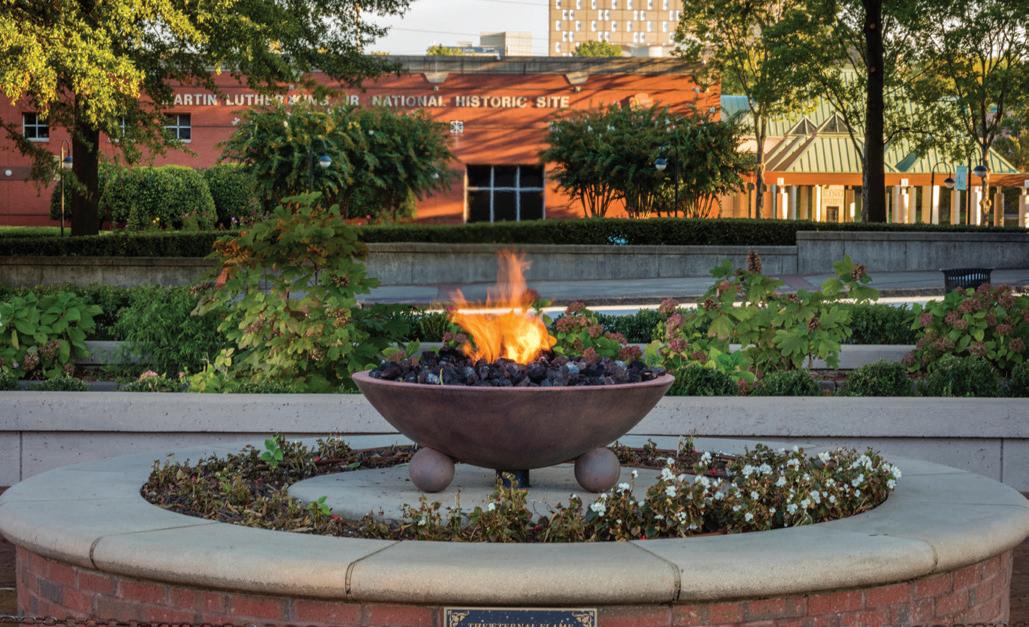
“Following lunch, groups should explore Martin Luther King, Jr. National Historical Park, which features several landmarks, monuments and exhibits honoring Dr. King, a proud Morehouse graduate,” Doctson said. “To round out the itinerary, a stop at the APEX Museum offers powerful insight into the often-untold stories of African and African American history and culture.” morehouse.edu
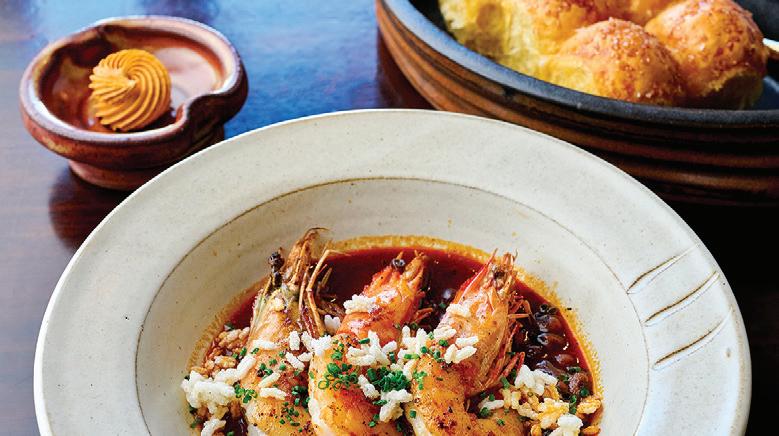
Dakar NOLA is a new staple in the Crescent City. It was recently awarded the Best New Restaurant at the 2024 James Beard Foundation Awards. In 2025, it ranked sixth on North America's 50 Best Restaurants list. Owned by Chef Serigne Mbaye, the Senegalese restaurant is known for its pescatarian tasting menu.
Mbaye was born in Harlem but was partially raised in Senegal. Dakar NOLA's seasonal 17-course tasting menu highlights the connections between Senegambia and New Orleans through food. While the offerings change, a sample menu begins with welcome tea (likely Ataya, a traditional tea found in Senegal), followed by a bread course, a shrimp course, a salad, a Louisiana rice course, a fish course and a dessert. Mbaye sometimes creatively reimagines Southern dishes like shrimp and grits by using West African ingredients.
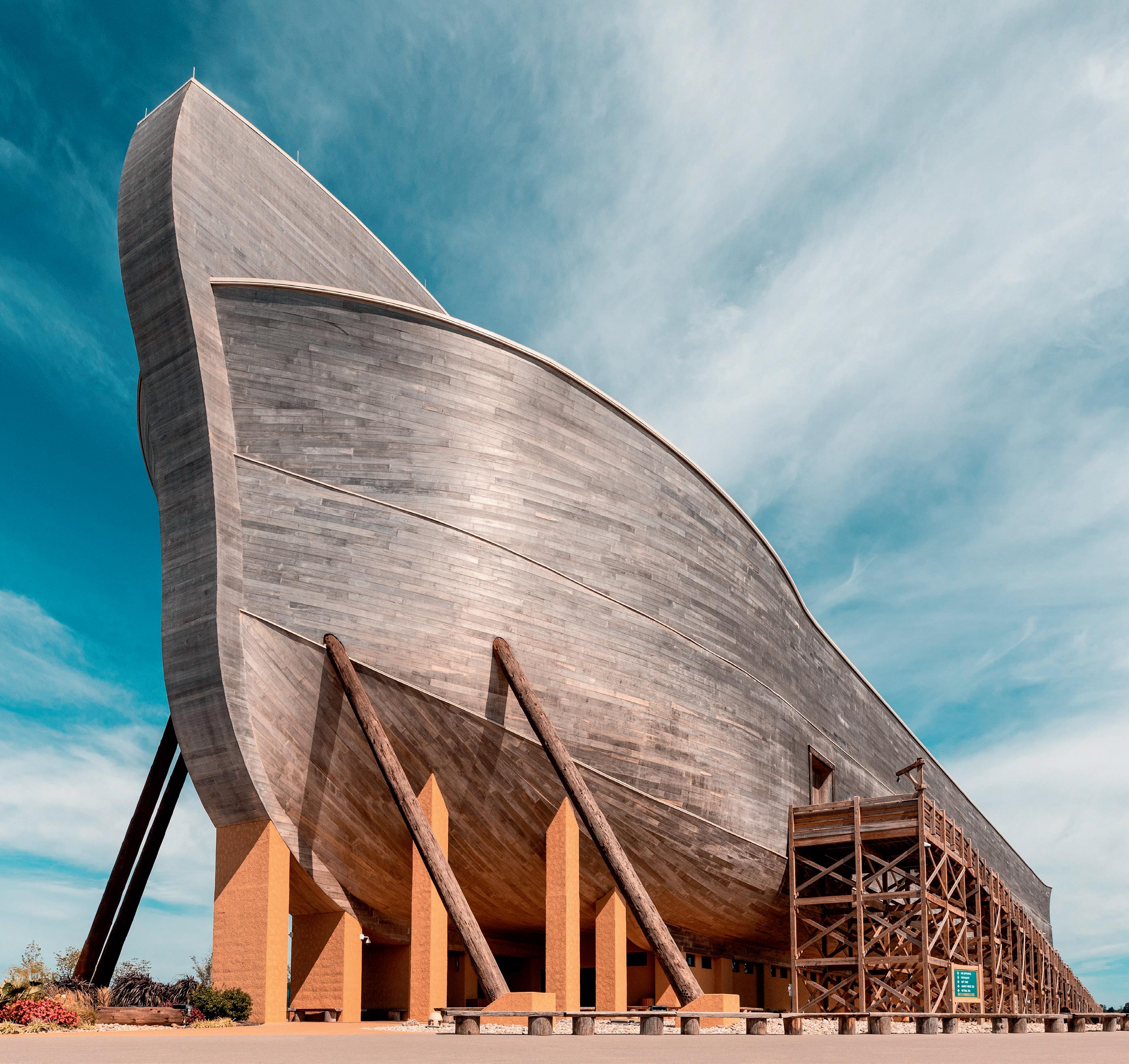
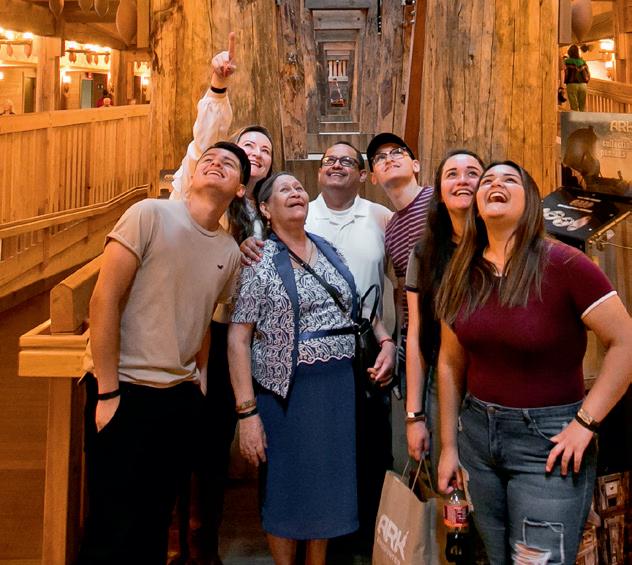
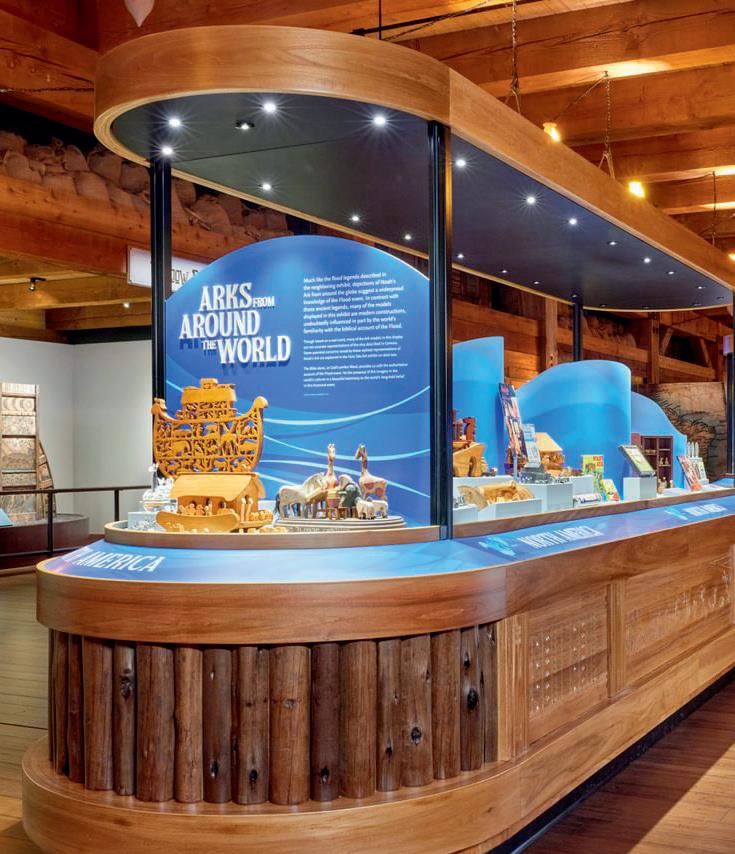
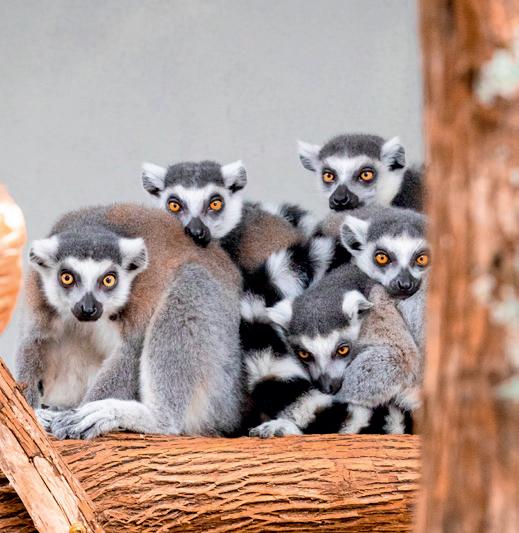
Add an unforgettable destination to your tour. Prepare for a thrilling adventure through biblical history at our life-size Noah’s Ark, located just south of Cincinnati.