
GREAT MINDS WIT & WISDOM® K GRADE MODULE 2 ONCE UPON A FARM
Great Minds® is the creator of Eureka Math® , Wit & Wisdom® , Alexandria Plan™, and PhD Science® .
Published by Great Minds PBC greatminds.org
© 2023 Great Minds PBC. All rights reserved. No part of this work may be reproduced or used in any form or by any means—graphic, electronic, or mechanical, including photocopying or information storage and retrieval systems—without written permission from the copyright holder.
Printed in the USA A-Print
979-8-88588-708-3
Handout 1A: Question Corner Signs
Handout 4A: Animal Actions
Handout 7A: Seasons’ Weather
Handout 10A: Seasons Cards
Handout 13A: Story Stones
Handout 13B: Three Little Pigs Character Puppets
Handout 16A: High-Frequency Word Resource
Handout 19A: The Little Red Hen Character Puppets
Handout 19B: Shared Narrative Characters and Setting Handout 20A: Shared Narrative Problem
Handout 21A: Shared Narrative Resolution
Handout 23A: Story Match Puzzle Pieces
Handout 23B: Listening Response Cards
Handout 23C: High-Frequency Word Resource
Handout 24A: Sequence Cards
Handout 26A: Shared Narrative Response to the Problem
Handout 31A: End-of-Module Task Checklist
Volume of Reading Reflection
Wit & Wisdom Family Tip Sheet




Directions: Cut out the shape below and fold on the dotted lines. Tape along the edges to form a cube. Roll the cube and form a question using the resulting word.

Directions: For each word, draw a picture showing an animal moving that way. strut gallop waddle








Directions: Choose a piece of evidence from the Evidence Organizer Chart and use this card to verbally expand a sentence about the evidence.

Problem Response to the Problem © 2023 Great Minds PBC

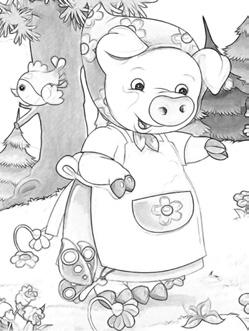
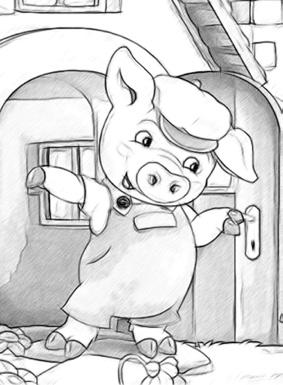
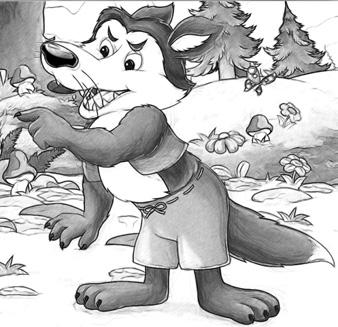
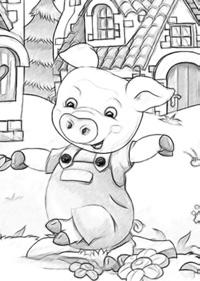
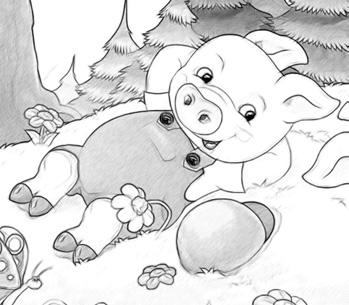
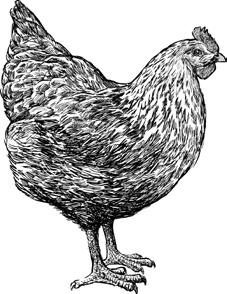
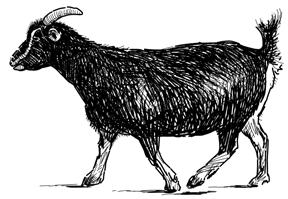
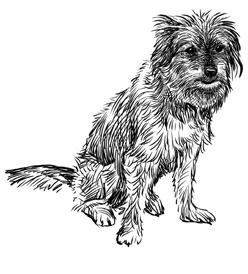
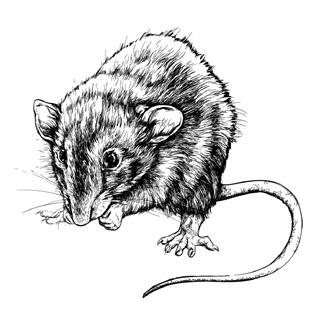
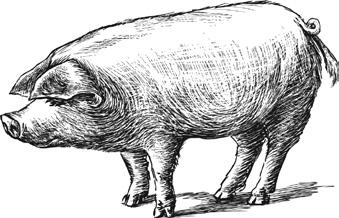

Directions: Write the sentences created by the class on the lines at the bottom of the page. Draw an illustration to support the sentence.
Directions: Write the sentences created by the class on the lines at the bottom of the page. Draw an illustration to support the sentence.
Problem
Directions: Write the sentences created by the class on the lines at the bottom of the page. Draw an illustration to support the sentence.
Directions:





Directions:
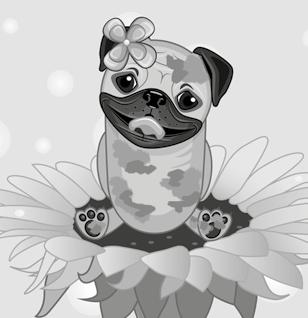
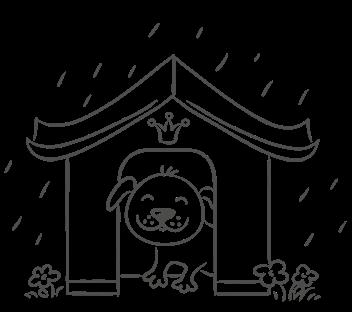
Directions: Use one card to provide a reaction to a peer’s comment to engage in a group discussion.
I like that you said .
I like that you said .
I like that you said .
I like that you said .
I like that you said .
I like that you said
Directions: Place these images in the correct sequence.

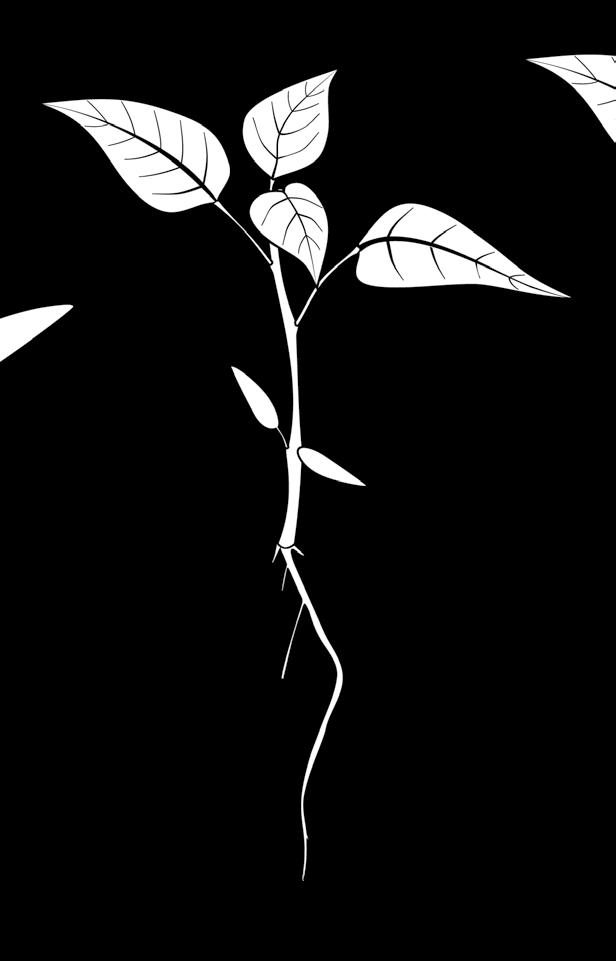
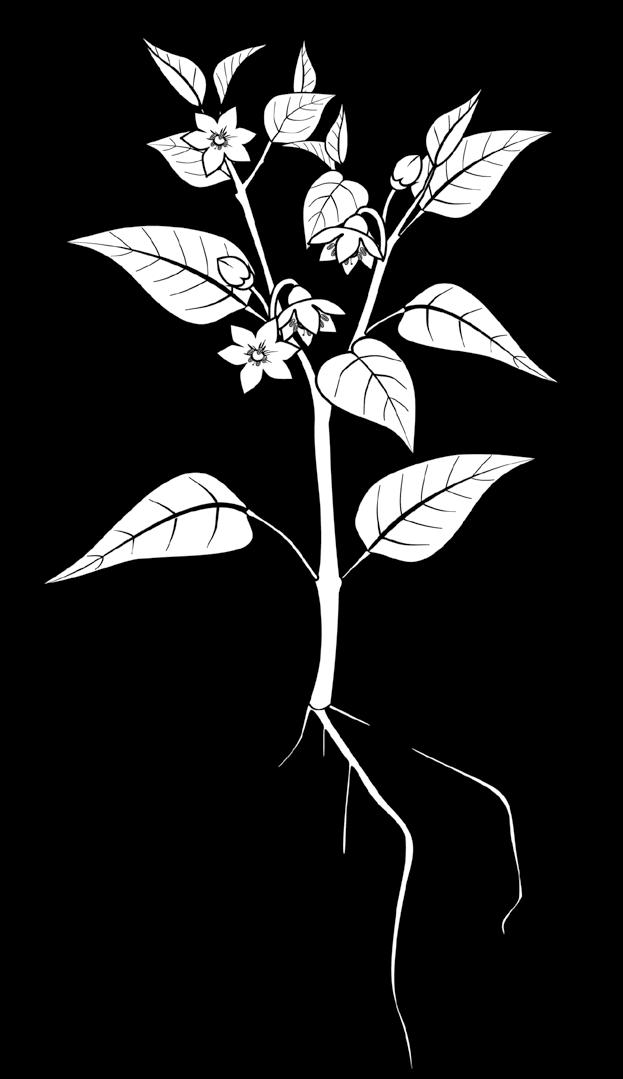
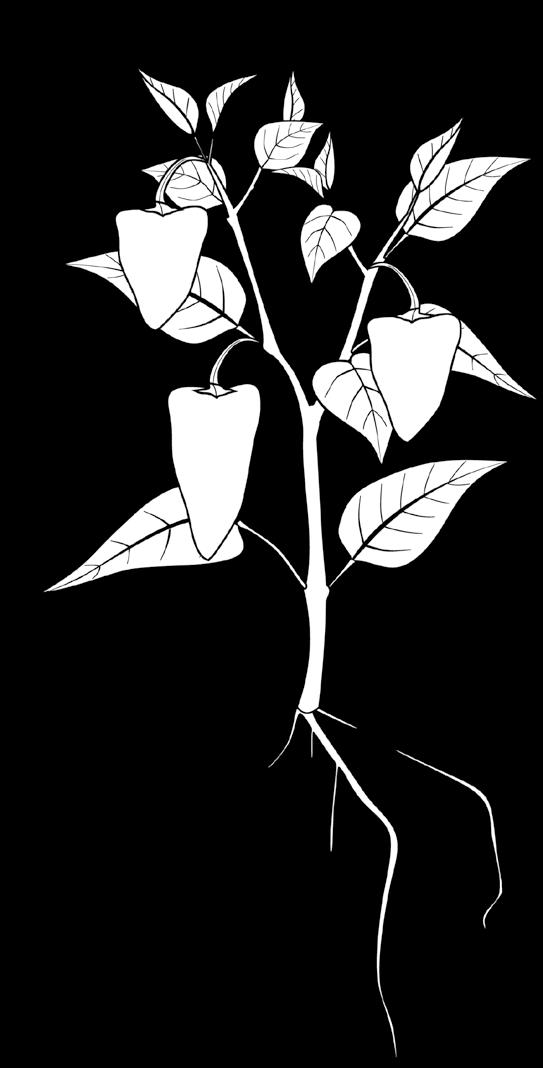

Directions: Write the sentences created by the class on the lines at the bottom of the page. Draw an illustration to support the sentence.

Directions: Choose Yes or Not Yet to answer each prompt.



I draw and write about a problem. Yes Not Yet Yes Not Yet Yes Not Yet
I draw and write about a response to the problem. Yes Not Yet Yes Not Yet Yes Not Yet
I draw and write about a resolution. Yes Not Yet Yes Not Yet Yes Not Yet






I answer all the prompts. Yes Not Yet Yes Not Yet Yes Not Yet
I tell a story. Yes Not Yet Yes Not Yet Yes Not Yet
I tell the events in order. Yes Not Yet Yes Not Yet Yes Not Yet
I tell what I think about the story. Yes Not Yet Yes Not Yet Yes Not Yet

I write with all the letters I know.
Yes Not Yet Yes Not Yet Yes Not Yet
I use an Alphabet Strip to write more letters. Yes Not Yet Yes Not Yet Yes Not Yet
I use the texts to write words. Yes Not Yet Yes Not Yet Yes Not Yet

I use the texts to get ideas. Yes Not Yet Yes Not Yet Yes
Yet
I plan my sentence first. Yes Not Yet Yes Not Yet Yes Not Yet
Once Upon a Farm, Kindergarten, Module 2
Student Name: Text: Author: Topic: Genre/Type of Book:
Share what you know about life on a farm after reading your book. Draw a picture or tell your teacher your answer to each question.
1. Wonder: What do you notice about farms on the front and back cover of the book? What might you learn in the book?
2. Organize: What important things happen on a farm? Point to the key details that you noticed.
3. Reveal: What do the illustrations in this book teach you about farms? Point to a picture in the book and explain what you learned from looking closely.
4. Distill: Do you think the author and illustrator of this book liked farms? Why or why not?
5. Know: What new information do you now know about farms or farm animals? Share the new information that you learned.
6. Vocabulary: What are three words that you can use to describe life on a farm? Chose one word and draw a picture that shows how this word describes life on a farm.
Literary Text
1. Wonder: What are you wondering about this story?
2. Organize: What happened in this story? Draw a picture of one thing that happened.
3. Reveal: What do the events in the story show you about what happens on a farm?
4. Distill: Did any of the characters in this story learn a lesson? What lesson did they learn?
5. Know: What have you learned about farm life by reading this book?
6. Vocabulary: What are three words that you can use to describe a farm setting? Choose one word and draw a picture that shows how this word describes a farm.
Wit & Wisdom is our English curriculum. It builds knowledge of key topics in history, science, and literature through the study of excellent texts. By reading and responding to stories and nonfiction texts, we will build knowledge of the following topics:
Module 1: The Five Senses
Module 2: Once Upon a Farm
Module 3: America, Then and Now
Module 4: The Continents
In this second module, Once Upon a Farm, we will study life on the farm. As we explore the familiar and vibrant farm, we ask the question: What makes a great story?
OUR CLASS WILL READ THESE BOOKS:
Picture Books (Informational)
The Year at Maple Hill Farm, Alice and Martin Provensen
Farm Animals, Wade Cooper
Picture Books (Literary)
The Little Red Hen, Jerry Pinkney
The Three Billy Goats Gruff, Paul Galdone
Three Little Pigs, Raina Moore; Illustrations, Thea Kliros
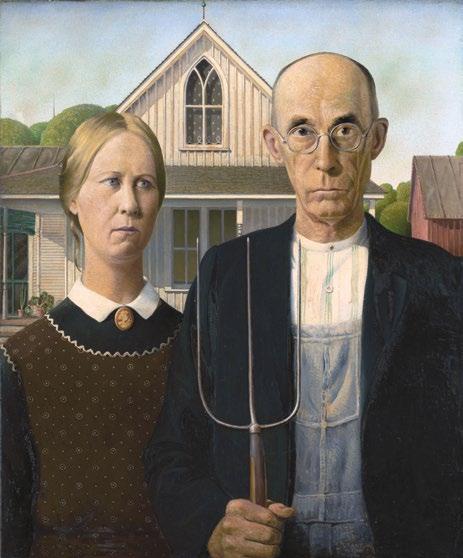
American Gothic, Grant Wood
The Cornell Farm, Edward Hicks
What is true about real farm animals?
How do authors create settings?
How do authors create characters?
How do authors create problems and resolutions?
How do authors sequence events? What makes a good story?
As you read with your Kindergarten student, ask:
What’s happening?
What does a closer look at words and illustrations reveal about this text’s deeper meaning?
On the Farm, David Elliott
Giggle Giggle, Quack, Doreen Cronin
The Little Red Hen, Paul Galdone
The Three Little Pigs, James Marshall
Farm, Elisha Cooper
The Little Red Hen, Diane Muldrow
Color Farm, Lois Ehlert
Fantastic Farm Machines, Cris Peterson
Big Red Barn, Margaret Wise Brown
Seed, Soil, Sun: Earth’s Recipe for Food, Cris Peterson
Visit a zoo or local farm together. Ask:
What do you notice and wonder about the animals?
How is life on this farm different from or similar to our lives?
Why do you think so many people tell stories set on the farm?
Great Minds® has made every effort to obtain permission for the reprinting of all copyrighted material. If any owner of copyrighted material is not acknowledged herein, please contact Great Minds® for proper acknowledgment in all future editions and reprints of this module.
All material from the Common Core State Standards for English Language Arts & Literacy in History/Social Studies, Science, and Technical Subjects © Copyright 2010 National Governors Association Center for Best Practices and Council of Chief State School Officers. All rights reserved.
All images are used under license from Shutterstock.com unless otherwise noted.
For updated credit information, please visit http://witeng.link/credits.
The following writers, editors, reviewers, and support staff contributed to the development of this curriculum.
Karen Aleo, Elizabeth Bailey, Ashley Bessicks, Sarah Brenner, Ann Brigham, Catherine Cafferty, Sheila Byrd-Carmichael, Lauren Chapalee, Emily Climer, Rebecca Cohen, Elaine Collins, Julia Dantchev, Beverly Davis, Shana Dinner de Vaca, Kristy Ellis, Moira Clarkin Evans, Marty Gephart, Mamie Goodson, Nora Graham, Lindsay Griffith, Lorraine Griffith, Christina Gonzalez, Emily Gula, Brenna Haffner, Joanna Hawkins, Elizabeth Haydel, Sarah Henchey, Trish Huerster, Ashley Hymel, Carol Jago, Mica Jochim, Jennifer Johnson, Mason Judy, Sara Judy, Lior Klirs, Shelly Knupp, Liana Krissoff, Sarah Kushner, Suzanne Lauchaire, Diana Leddy, David Liben, Farren Liben, Brittany Lowe, Whitney Lyle, Stephanie Kane-Mainier, Liz Manolis, Jennifer Marin, Audrey Mastroleo, Maya Marquez, Susannah Maynard, Cathy McGath, Emily McKean, Andrea Minich, Rebecca Moore, Lynne Munson, Carol Paiva, Michelle Palmieri, Tricia Parker, Marya Myers Parr, Meredith Phillips, Eden Plantz, Shilpa Raman, Rachel Rooney, Jennifer Ruppel, Julie Sawyer-Wood, Nicole Shivers, Danielle Shylit, Rachel Stack, Amelia Swabb, Vicki Taylor, Melissa Thomson, Lindsay Tomlinson, Tsianina Tovar, Sarah Turnage, Melissa Vail, Keenan Walsh, Michelle Warner, Julia Wasson, Katie Waters, Sarah Webb, Lynn Welch, Yvonne Guerrero Welch, Amy Wierzbicki, Margaret Wilson, Sarah Woodard, Lynn Woods, and Rachel Zindler
We are grateful for the many educators, writers, and subject-matter experts who made this program possible.
David Abel, Robin Agurkis, Sarah Ambrose, Rebeca Barroso, Julianne Barto, Amy Benjamin, Andrew Biemiller, Charlotte Boucher, Adam Cardais, Eric Carey, Jessica Carloni, Dawn Cavalieri, Janine Cody, Tequila Cornelious, David Cummings, Matt Davis, Thomas Easterling, Jeanette Edelstein, Sandra Engleman, Charles Fischer, Kath Gibbs, Natalie Goldstein, Laurie Gonsoulin, Dennis Hamel, Kristen Hayes, Steve Hettleman, Cara Hoppe, Libby Howard, Gail Kearns, Lisa King, Sarah Kopec, Andrew Krepp, Shannon Last, Ted MacInnis, Christina Martire, Alisha McCarthy, Cindy Medici, Brian Methe, Ivonne Mercado, Patricia Mickelberry, Jane Miller, Cathy Newton, Turi Nilsson, Julie Norris, Tara O’Hare, Galemarie Ola, Tamara Otto, Christine Palmtag, Dave Powers, Jeff Robinson, Karen Rollhauser, Tonya Romayne, Emmet Rosenfeld, Mike Russoniello, Deborah Samley, Casey Schultz, Renee Simpson, Rebecca Sklepovich, Kim Taylor, Tracy Vigliotti, Charmaine Whitman, Glenda Wisenburn-Burke, and Howard Yaffe
The following early adopters provided invaluable insight and guidance for Wit & Wisdom:
Bourbonnais School District 53 • Bourbonnais, IL
Coney Island Prep Middle School • Brooklyn, NY
Gate City Charter School for the Arts • Merrimack, NH
Hebrew Academy for Special Children • Brooklyn, NY
Paris Independent Schools • Paris, KY
Saydel Community School District • Saydel, IA
Strive Collegiate Academy • Nashville, TN
Valiente College Preparatory Charter School • South Gate, CA
Voyageur Academy • Detroit, MI
Design Direction provided by Alton Creative, Inc.
Project management support, production design and copyediting services provided by ScribeConcepts.com
Copyediting services provided by Fine Lines Editing
Product management support provided by Sandhill Consulting