w o m a n a l o g y .


t h e e v o l u t i o n o f w o m e n i n s o c i e t y
Welcome to the first edition of our feminist magazine, where we strive to amplify the voices and experiences of women from all walks of life
In a world that continues to grapple with gender inequality and systemic biases, our magazine stands as a platform for empowerment, education, and inspiration
Feminism, at its core, is the belief in the social, political, and economic equality of all genders
It is about dismantling oppressive structures and advocating for justice, inclusivity, and respect In this issue, we delve into a range of topics that are crucial to the feminist movement, exploring the many layers and intersections of gender, race, sexuality, ability, and more
Throughout the pages of this magazine, you will find articles that challenge societal norms, expose injustices, and celebrate the achievements of women around the world. We are committed to shedding light on the stories that often go unheard, highlighting the resilience and strength of women who have defied the odds and made their mark in various fields
In each issue, we aim to create a safe and inclusive space for dialogue and critical thinking We encourage you, our readers, to engage with the content, share your thoughts, and continue the conversations beyond the pages
Your voices matter, and it is through collective action that we can bring about meaningful change We firmly believe that feminism is not a monolithic concept but a dynamic and evolving movement that embraces diversity and intersectionality We strive to ensure that our magazine reflects this understanding by featuring a wide range of perspectives and experiences From thought-provoking essays to personal narratives, from interviews with trailblazing activists to spotlights on grassroots initiatives, we aim to foster a sense of community and solidarity among our readers We are proud to be part of a feminist movement that has achieved significant milestones, yet we recognize that there is still work to be done. As we continue to navigate the challenges and triumphs of feminism, we invite you to join us on this journey of growth, reflection, and transformation.
Thank you for being a part of our community. Your support and engagement inspire us to push the boundaries and amplify the voices that deserve to be heard. Together, we can create a world that is truly equitable, inclusive, and just
Aanya Khandelwal, Editor-In-Chief









-Maroua Tika









Malak Abedalthagafi is a molecular genetics pathologist and neuropathologist, but most importantly, she is a Saudi woman. As a child in the 1980s, she was admitted to the hospital due to a genetic condition. After undergoing surgery in London, her parents insisted on bringing her to the most qualified genetic expert in Saudi Arabia. That was where she met the inspiration for her career, which she acknowledged in the February 2018 issue of the science journal Nature Middle East.
“When the specialist arrived, I was shocked. She led a group of doctors around the clinic; she dictated while they scribbled furiously. She was strong and serious and did not wear a headscarf”, she described. “I later learnt that Nadia Awni Sakati had established one of the first genetics departments in Saudi Arabia. It was clear that she had won the respect of her peers and in the lab was treated as equal to any man. Sakati was a fixture in my life growing up”.
A powerful female presence is an important part of cultivating a generation of young women who will pursue scientific discovery and the advancement of our civilization, bridging the age-old gender gap Now, more than ever, women are a thriving part of the ecosystem that is the STEM field, thanks to a gradual shift in scientific society influenced largely by the strides taken by women of the past From Marie Curie to Ada Lovelace, the impact women have had on our understanding of the modern world is astounding
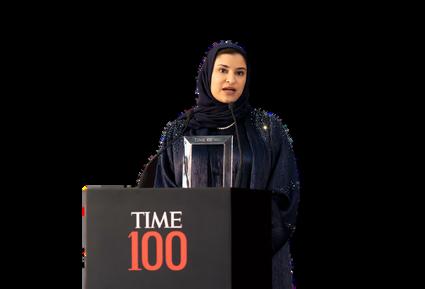
One of the most influential and decorated figures in the MENA academic field is UAE’s Sarah Al-Amiri. She has been the Minister of State for Advanced Technology of the United Arab Emirates since 2017 and Deputy Project Manager of the Emirates Mars Mission, among an array of other titles. As the chair of the UAE Space Agency, Al-Amiri headed what could be considered as the nation’s greatest achievement in the STEM field, the Hope Probe.
The size of a small car, the 1,350kg satellite was launched aboard a Japanese Rocket, where Al-Amiri received the news she was selected as the chairwoman of the United Arab Emirates Space Agency (UAESA) essentially, the parallel of NASA Administrator.
Following this, Hope arrived in Mars orbit on February 9, 2021, in line with the ambitious goal set forward by the UAE in 2014: to send a probe to Martian orbit by the country’s 50th anniversary. The UAE Space Agency had a tight schedule of only seven years to organize a mission that typically requires a decade or longer of planning
Al-Amiri was appointed as the deputy project manager and scientific lead for the project, becoming the face of the first Middle Eastern (and only the fifth worldwide) nation to successfully orbit a probe around Mars
Her involvement and leadership were a huge step forward for women in the field, especially for the women in countries with developing space programs.
The Hope Probe Project was aspirational in a myriad of ways, aiming to map Mars’s complete atmosphere in the span of one Martian year (687 Earth days), and more importantly, a team where women were at the forefront of scientific accomplishment.

Eighty percent of the Hope Probe Mission’s scientists are women, an unprecedented number in the field of interstellar exploration. With dedication like no other, Al-Amiri has blazed a path to the top of the scientific world. In her own words, “I grew up to be and continue to be deaf to the challenges pertaining to gender.”
However, Al-Amiri acknowledges the difficulties that women face in pursuing careers in science. As the Minister of State for Advanced Technology, she has created a team that concentrates on supporting women in science, particularly to address the problem of women leaving STEM programs before they start their careers. “It’s something that exists, and something that you need to acknowledge exists, and by acknowledging it, you’re able to treat it.”
Contrary to popular media narratives about nations in the MENA region, statistics regarding female higher education, specifically in STEMrelated degrees, reveal that a significant proportion, sometimes exceeding 50%, of STEM students at the university level are women They obtain degrees in STEM fields from universities at rates that are frequently higher than those of their counterparts in Europe and the United States
The trends in the number of women studying STEM in the Middle East and North Africa cannot be solely attributed to national wealth This is evident from the fact that both high- and lowincome countries in the region have a substantial number of women pursuing STEM fields. One possible explanation for the gender parity in STEM education in these countries, despite their relatively lower gender equity and science. This creates an environment that does not exert the same level of social pressure and self-doubt on girls and women in STEM as is commonly observed in places where STEM is perceived as a more “masculine” discipline.
In spite of the stronger female presence, women are not immune to the phenomenon that has been dubbed the “leaky pipeline.” Everywhere in the world, female students demonstrate interest in science and constitute the majority of bachelor's degree recipients in science. Women also outnumber men at the master's level. However, there is a significant decline in the number of women pursuing PhDs, and this discrepancy increases even more at the researcher level. Even when women are employed in science, they face significant obstacles to advancement. For instance, only 13% of management positions in science and technology are held by women in the UK.
This trend is also observed in academia, where a study found that despite 61% of postgraduate students in bioscience being women, only 15% of professors in the same field were female Additionally, there is evidence indicating that women are usually awarded less funding in research grants and face more difficulties in obtaining venture capital for science and technology start-ups
If we really want to encourage women to pursue a path in STEM, we need to start by implementing changes where we can see more immediate results We should address the problem at its core, by targeting the younger demographic in school, yet to make their career decisions The curriculum already enforces STEM learning, however, it cannot capture the nuance that comes from the experience of a seasoned professional an opportunity that should be given to every confused, curious young woman Hearing from female experts in their respective fields could provide young girls with a new connection to the subject, something from the perspective of someone just like them that could be an inspiration, opening up doors to options they may have believed did not align with them
Nevertheless, complete equality is still far from achieved. And the solution to that issue is a long battle, where a gradual shift in societal conventions and roles will translate into greater parity for women across every field. According to UNESCO, there is a “persistent bias that women cannot do as well as men,” that can often be a self-fulfilling prophecy, that conditions women to undervalue and underestimate the importance of the work they produce.
One day, when every woman will be rid of the internalized bias she feels, when the change reaches the deepest level and alters our mindset from within, women will finally be able to walk on the same page as men. We are closer and closer, thanks to the efforts of passionate women around the world, rising up and fighting for a spot at the top.
-Tia Parekh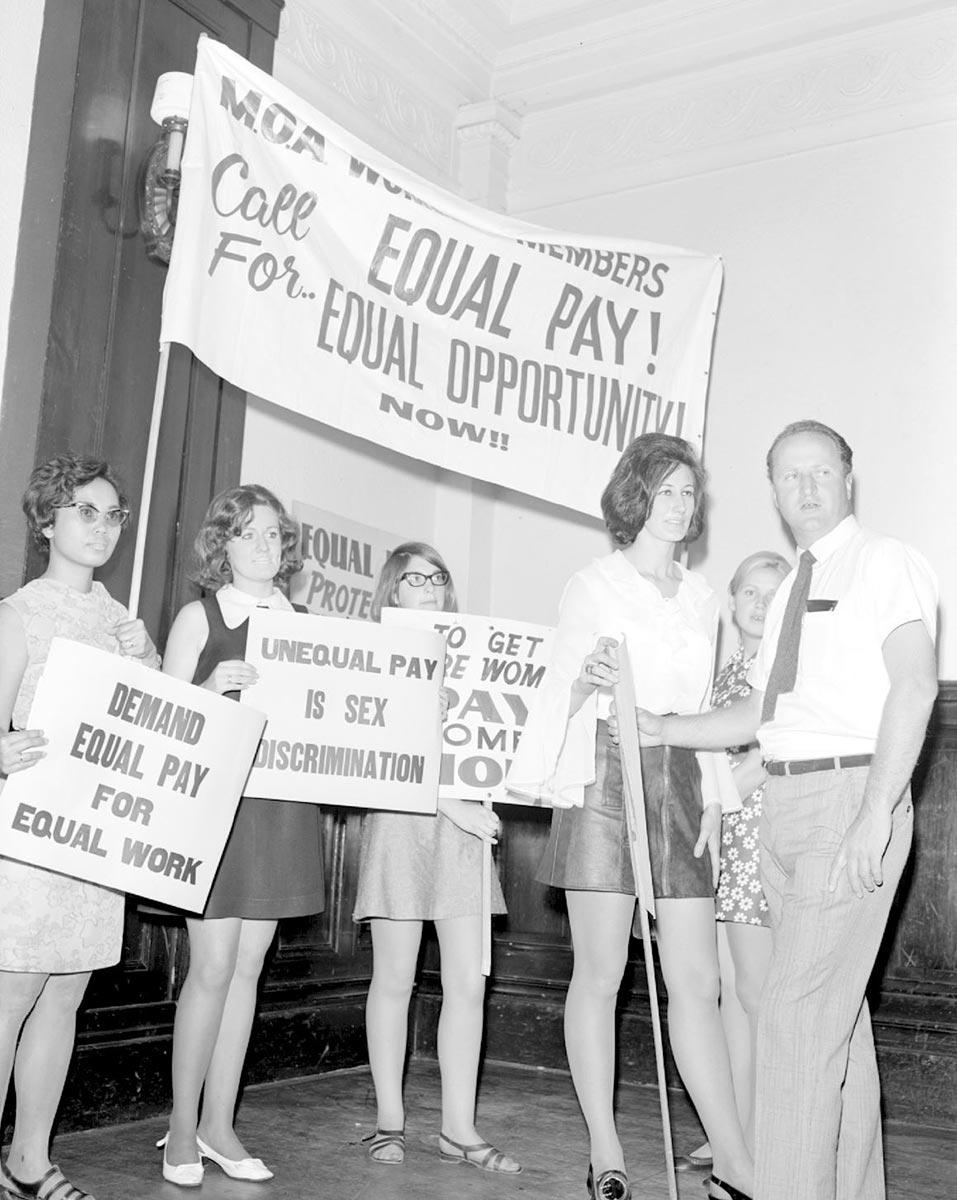
Evolving, changing, expanding. The corporate world of women still has a long road ahead to equality but, this article will highlight some of the latest advancements Firstly, to address a common but harmful stereotype, the MENA region oftentimes has been claimed to be oppressing women because of Islamic laws However, the first businesswoman to be documented was from Northern Iraq, Ahaha around 1870 BC Ironic, isn’t it?
Although women in the corporate world did exist back then it was only possible through persevering through unfair struggles that men were exempted from. Less than 35 years ago, women were excluded from loans and credit cards unless they had their male husbands co-sign on the loan Even if the women were able to provide plentiful assets and her income as collateral It was only in 1988 that women gained the right to opt for a loan and credit card without dependence on their husbands
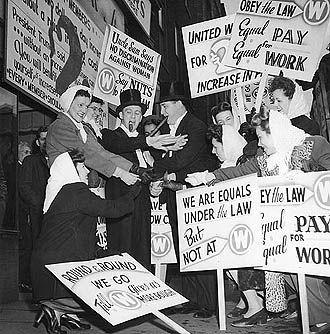
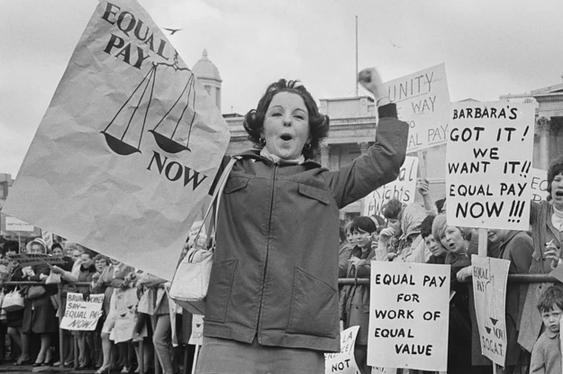
Another growing issue at the time was the unequal pay gap that resulted from lack of opportunities to higher education. Women were often times discouraged nor given guidance to gain greater or the same qualifications as their male counterparts and this very reason was used to justify the lower pay they received
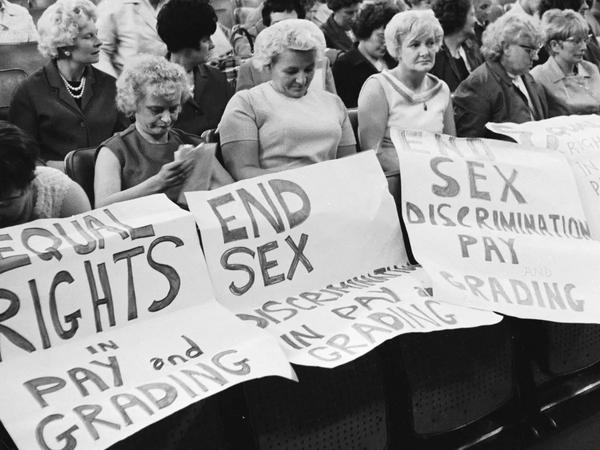
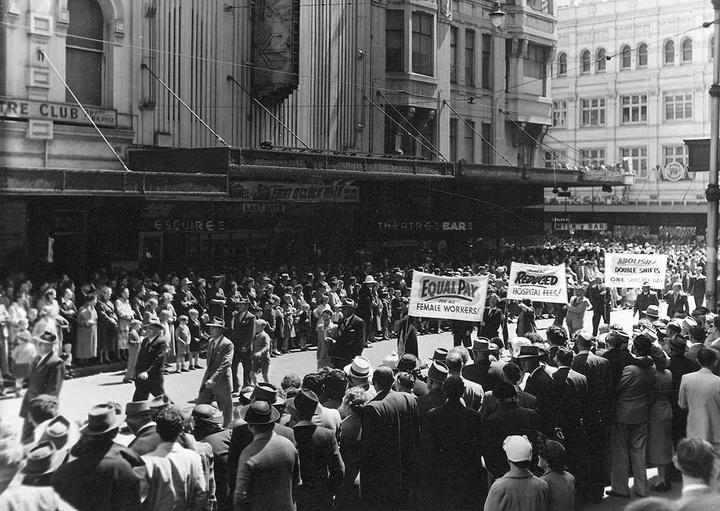
Women realized the unfair inequality and therefore this led to a drastic drop in the number of women in the workforce Half of the women’s population were working compared to 80% of men! Incomes of working wives fell in relation to working husbands from 40 to 38%!
The only other option that would be rewarding women for their honest work was if they were to own their own business; however, the right to a business loan was taken away from single women without a male presence in their life
It was only in 1972 that the inclusion of women was seen in education codes making it official that not granting access to higher education and professional schools would be against the law After introducing this law, we can observe more and more women participating in the workforce with higher if not the same qualifications as their coworkers and earning higher than before There is still a debate on the pay gap between men and women to this day which is why there’s still a long road ahead to go
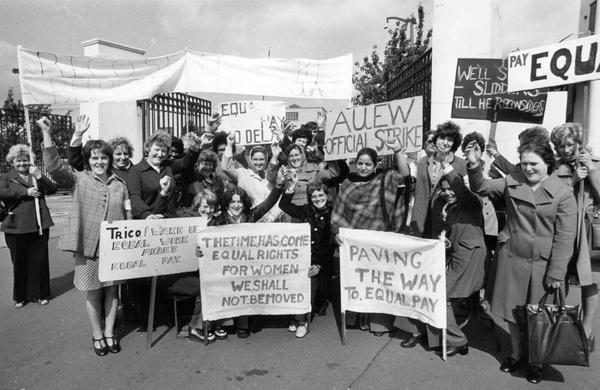
Many may argue that the 20thcentury pay gap is a reflection of the unequal work of men and women as men tend to work more hours, have better experience, or go for far more riskier jobs However, let me debunk this with the 2012 Yale John and Jennifer study, proving unequal pay exists in corporations despite fulfilling the abovementioned categories This study confirmed that women that are just as qualified for the same job and willing to work around the same hours as their male counterparts were offered lower pay simply because of their gender
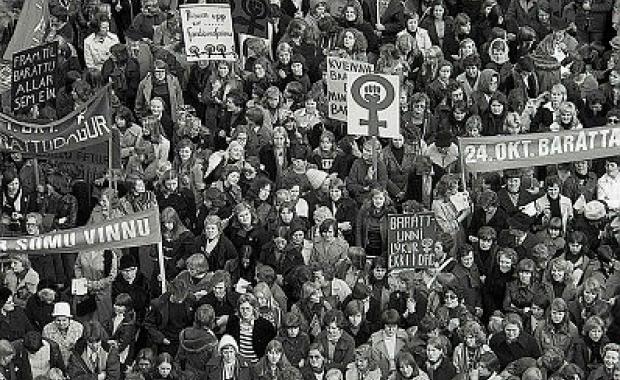
Corrine Moss Racusin thought of the genius idea to submit two fictional student’s applications for a lab managerial position with identical qualifications and content but, to separate the two by their names: John and Jennifer Participants (faculty scientists) were asked to rate the student’s competence and hiring ability, as well as the amount of salary and amount of mentoring they would offer the student
The study produced not-sosurprising results as Jennifer was rated lower than John in every single category with a considerable difference in ratings.
Jennifer was judged to be less competent, and less likely to be hired and faculty members were less likely to offer mentoring to her despite having the same credentials. In addition, Jennifer’s starting salary was offered at 4,000 dollars per annum, 13% lesser than the amount offered to John UAE recognized that women in workplaces need to be protected from similar cases that imitate the Jennifer and John experiment UAE has taken the first steps to equality by encouraging and recognizing honest work despite gender through Article 4 of the UAE labour law in 2018
This way, UAE strives to empower and promote the social inclusion of all in the process of national development. This has also led to UAE being ranked 1st among all Arab countries in the World Economic Forum's Global Gender Gap Report of 2022 More countries are recognizing and passing acts as women’s perceived role in society has expanded beyond just being caretakers to being more than capable of holding powerful managerial positions Statistics show that back then only 38% of the workforce in the US were women but, recently it has increased to 46 2%
Another addition is that for the first time, female CEOs run more than 10% of Fortune 500 companies, which is around 53 women in total These statistics point to a progressive, promising, bright future ahead for more business aspiring women though, it can be argued that more should be done as only 53 out of 500 is still quite a shockingly small proportion.
The phrase ‘body image’ is has been prevalent in society for generations, though taking numerous formsovertime.Itreferstothewayoneperceives their own appearance, perhaps negatively or positively & typically is influenced by social and environmental factors. The beauty standard has seeped into everyone ’ s life from childhood to adulthood, from subtle comments to billboards andhasproventoimposetheirimpactonwomen ten-fold As these expectations evolve, so do the roles of women to fit the standard through culture, fashion and behaviour. Just as any society, Middle Eastern culture has displayed thisevolutionanditsbig-pictureimpact.
Historically, Middle Eastern culture has encouraged a larger body for women which has been considered a symbol of womanhood compared with a thinner body being seen as undesirable Itevenappearsthattherehavebeen aspects of Middle Eastern culture woven into daily practices that act as preventative against a harmful body image This is supported by a 2013 study comparing Jordanian and North American culture on body image, media consumption and internalization, religiosity, modesty, nicotine, eating and exercise behaviors. Here, Jordanian participants were more likely to report a higher appearancesatisfaction(Kingetal.,2013).
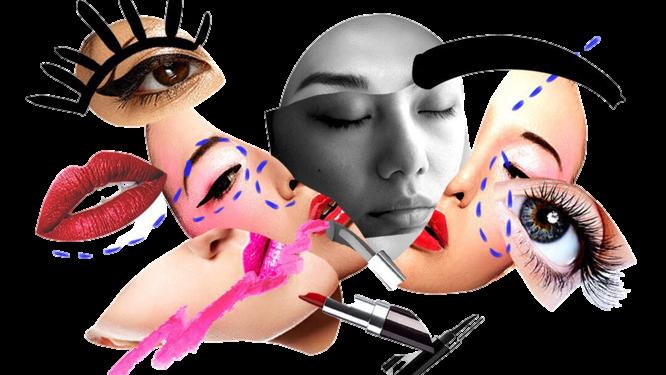
More recent studies have shown developed results One in 2021 explored body image dissatisfaction among youth in the UAE and indiciated that 36.7% of participants are dissatisfied with their body image (Alharballeh and Dodeen, 2021). Specialists in the UAE have also noticed that eating disorders among teens are a prevalent problem in recent years (Al Arabiya English, 2023). This shows an evolving expectation for women ’ s appearance, beauty and their role in maintaining it This can be attributed to a global influence that has impactedwomenvisiblyinotherwaysaswell
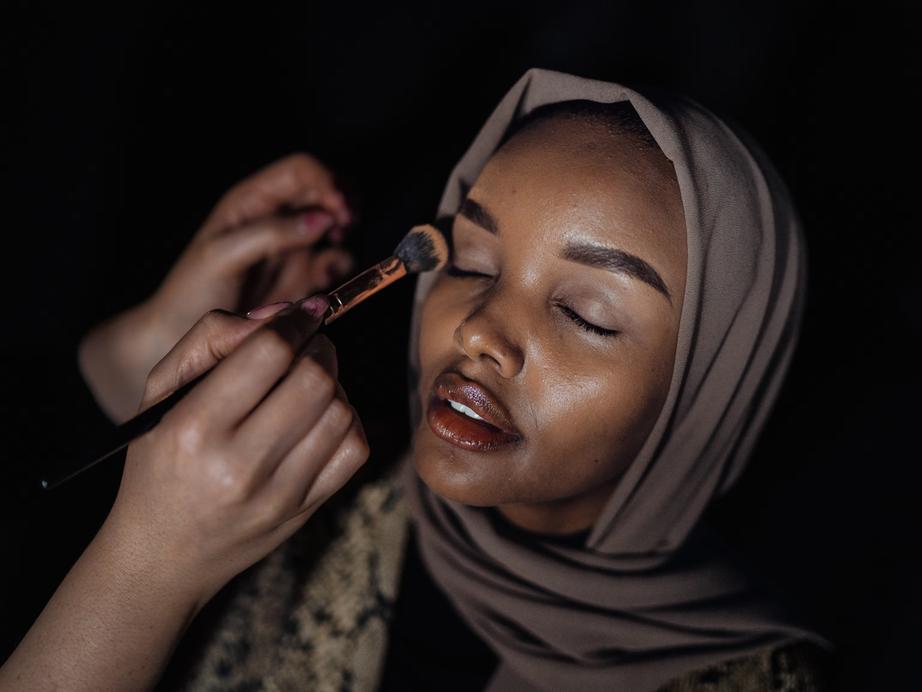
Similarly, Lebanon followed a style of lighter makeup in the early 20th century which evolved into use of heavier makeup leading to the 60s where the trend is more Western influenced with brighter eyeshadow and lipstick. This also shifted the beauty standard to be more Westernised by the 80s (Arab America, 2020) This visible influence from the West on women ’ s fashion in the Middle East can likely be attribted as a partial reason for the shifting in body expectations as the beauty standard changed. Influence from the West often goes hand in hand with the changes in fashion and cosmetics around the world, then seepingintothesocietalbeautystandardofthe
The evolution of makeup in Middle Eastern culture is also a great signifier for how the view of ‘ideal beauty’ changes for women at a culturallevel Forexample,Kuwaitheldatrend of minimal makeup for women for most of the 20th century until the 60s. Here, a transformation began that encouraged heavier makeup, particularly eyeliner and lipstick. The Westernisation of fashion followed suit. This led to the 1980s where the beauty standard shifted, influenced by the West focused on blouses,brightlipstick,andjeans.
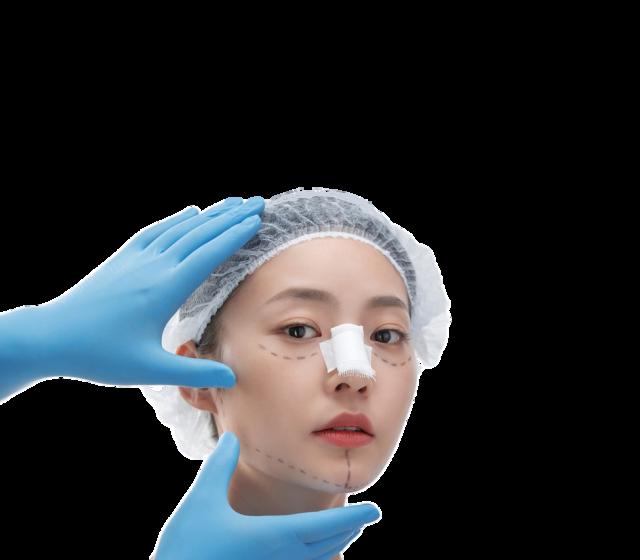
There ar ts to these factors in Middle Eastern society, particularly for women ’ s body image and their supposed role to follow the standard The most significant one we can see is the drastic increase in cosmetic surgery especially in the UAE With the near doubling rates of cosmetic surgery from 2020 to 2022, 75% of those who had a procedure were women (Webster, 2023) There is also a clear increased acceptability of them as indicated by this study in 2021. Nearly 63%ofparticipantsviewedcosmeticsurgeryas acceptable or becoming socially acceptable which is a positive viewpoint. However, there is a disparity when looking at the gender difference in these views. 48% felt that men who undergo cosmetic surgery would be negatively viewed in UAE culture while only 10.7% felt women would be viewed similarly (Amirietal.,2021).














While the increasing acceptance is positive step, it does still show the growing assumption that those who don’t fit the beauty standard must alter themselves. While these are personal choices, it is an important consideration that societies beauty expectations are a large factor on these personal choices. The disparity between men and women ’ s acceptance also shows how the societal pressures are more strongly exerted on women in the UAE. It is becoming more normalised for them to surgically alter themselves to reach the requirement of This displays the growing expectation of women to partake in roles and behaviour to adjust to society’s expectationforthem
While Middle Eastern culture has had its traditional views of women and their supposed ‘perfect’ body, this standard is constantly changing Even through the Western influences that have impacted the culture, there are constant global fluctuations in what women are expected to look like making it near impossible to always assume the role as society expects. There are several steps to be taken, but progress is being made and can be furthered in dismantling these setbacks for women inMiddleEasternsociety.
 -NamyaRaman
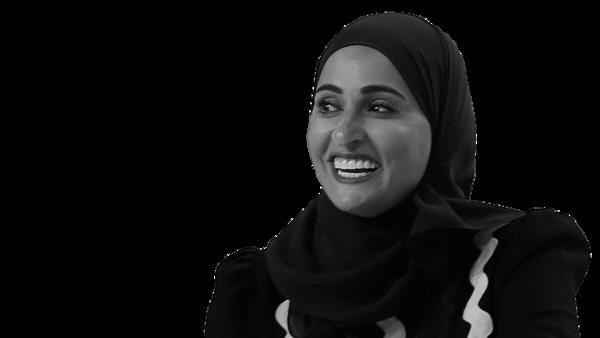
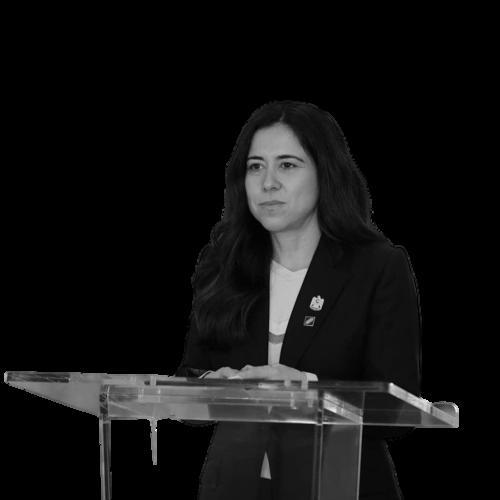
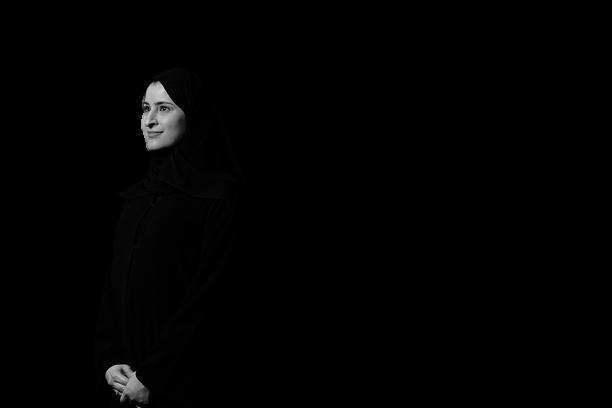
Sheikh Zayed once cleverly said, "The woman is half of the society; any country which pursues development should not leave her in poverty or illiteracy" In pursuit of development, the UAE followed his words, leadingthecountrytomonumentalsuccess.
From the discovery of oil in 1962 and the discarding of oyster buckets came a growth in both modern technology and thinking in the UAE. Oil was the catalyst for a growing economy, but it also happened to be the catalyst for female empowerment In 1972, Shaikha al Maskari became the first female petroleum engineer in the GCC, and from thenon,lifeforwomenwasever-changing.
Historically, women in the UAE, like women worldwide, had limited opportunities to participate in politics. Traditional societal norms and cultural beliefs often relegated women to the role of caregivers and homemakers, with minimal involvement in public affairs However, the landscape changed dramatically with the UAE's visionary leadership and commitment to empoweringwomen
In 2006, the UAE Cabinet decided to allocate 22.5% of the Federal National Council (FNC) seats to women, thereby creating a platform for women ' s representation in the highest legislative body in the country. Subsequently, in 2019, the UAE increased women ' s representation in the FNC to 50%, setting a global benchmark for gender balance in politicalrepresentation
The Gender Balance Council in the United Arab Emirates (UAE) has proven its significance for advancing women in UAE politics. Since its establishment in 2015, it has been influential in enhancing women ' s involvement in politics and gender equality. The council has established an inclusive environment that fosters women ' s involvement in politics through various initiatives, which include policies and campaigns As a result of the council's work, there are now more women serving in important political positions, including cabinet ministers, ambassadors, and representatives in international forums. Due to this contribution of women ' s distinctive viewpoints, the political scene in the UAE is nowmorediverse.
The UAE took bold steps to promote gender equality and women ' s empowerment, including in the political realm. The Gender Balance Council'sunwaveringcommitmenttopromoting gender equality has paved the way for women to hold influential positions, thus enhancing their powerinUAEpolitics
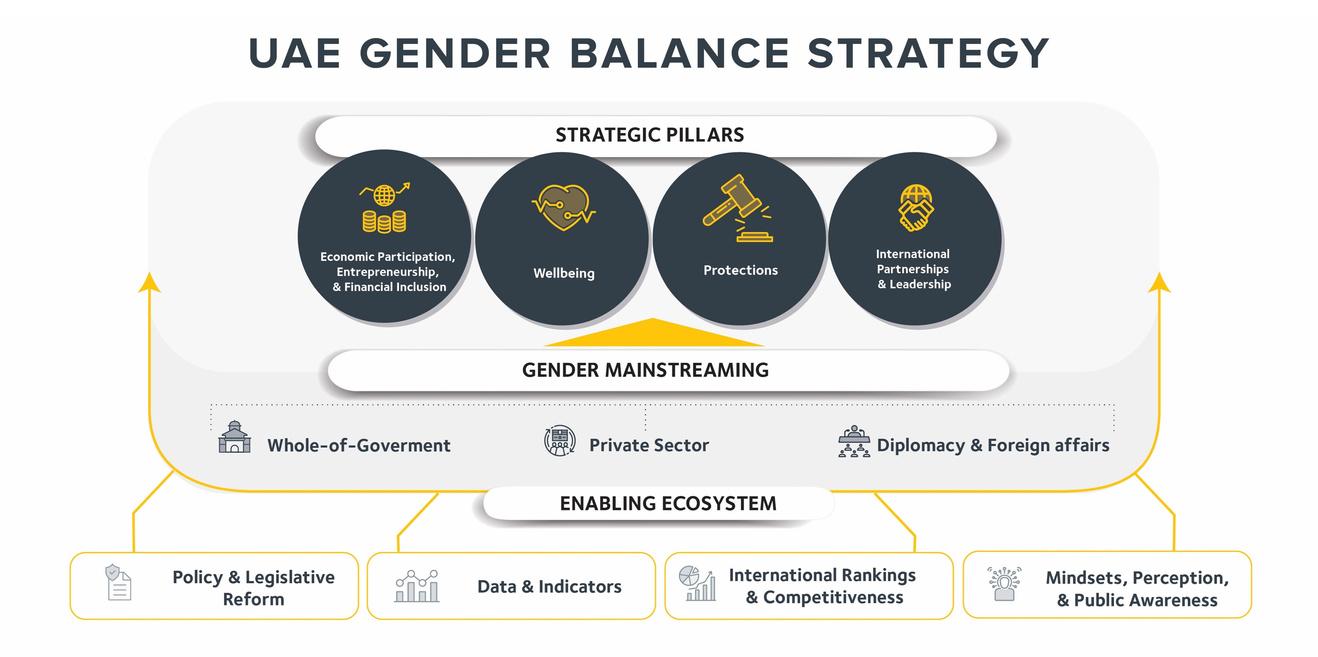
These measures resulted in a remarkable increase in women ' s participation in politics in the UAE. Today, Emirati women hold key positions in various government bodies, ministries, and diplomatic missions, actively contributing to policy-making and decisionmaking processes Women have also risen to leadership roles in education, health, and social welfare, significantly contributing to the UAE's development and progress One woman of inspiring importance is Sheikha Fatima bint Mubarak- often called the "Mother of the Nation" She held various key positions, including the Chairperson of the General Women's Union (GWU), President of the Supreme Council for Motherhood and Childhood, and Chairperson of the Family Development Foundation, playing a pivotal role inshapinggenderpoliciesintheUAE
The UAE's approach towards gender equality in politicsisnotjustlimitedtonationaleffortsbutalso extends to the international arena. The UAE has been a global advocate for gender empowerment, promoting women ' s participation in various international organizations and initiatives. Emirati women have assumed leadership roles in international organizations, contributing to the advancementofwomen'srightsonaglobalscale Dr Amal Al Qubaisi, the first woman elected as the Speaker of the Federal National Council, was actively involved in various international forums to advancewomen'srights
Women's progress in politics in the UAE is a testament to the country's unwavering commitment to gender equality and women ' s empowerment. It reflectstheUAE'sprogressivevisionanditsbeliefin the potential of women as valuable contributors to the nation's development. Women have overcome cultural barriers, shattered stereotypes, and proven their capabilities in not only the political arena but taken their willpower to space- Sarah Al Amiri, the MinisterofStateforAdvancedTechnology,playeda crucial role in shaping the UAE's space program, inspiring young women in stem nationwide to continuepushingagainstthestatusquo
However, challenges still exist, and more work must be done We continue to face barriers such as gender biases, social norms, and stereotypes that limit our political participation. There is a need to continue to create an enabling environment that promotes women ' s participation and leadership in politics, including addressing structural and cultural barriers and fostering a gender-inclusive mindsetatalllevelsofsociety.
In conclusion, the evolution of women ' s role in politics in the UAE has been a remarkable journey toward achieving gender equality The UAE's visionary leadership, combined with the determinationandresilienceofEmiratiwomen, hasresultedinsignificantprogressinwomen's
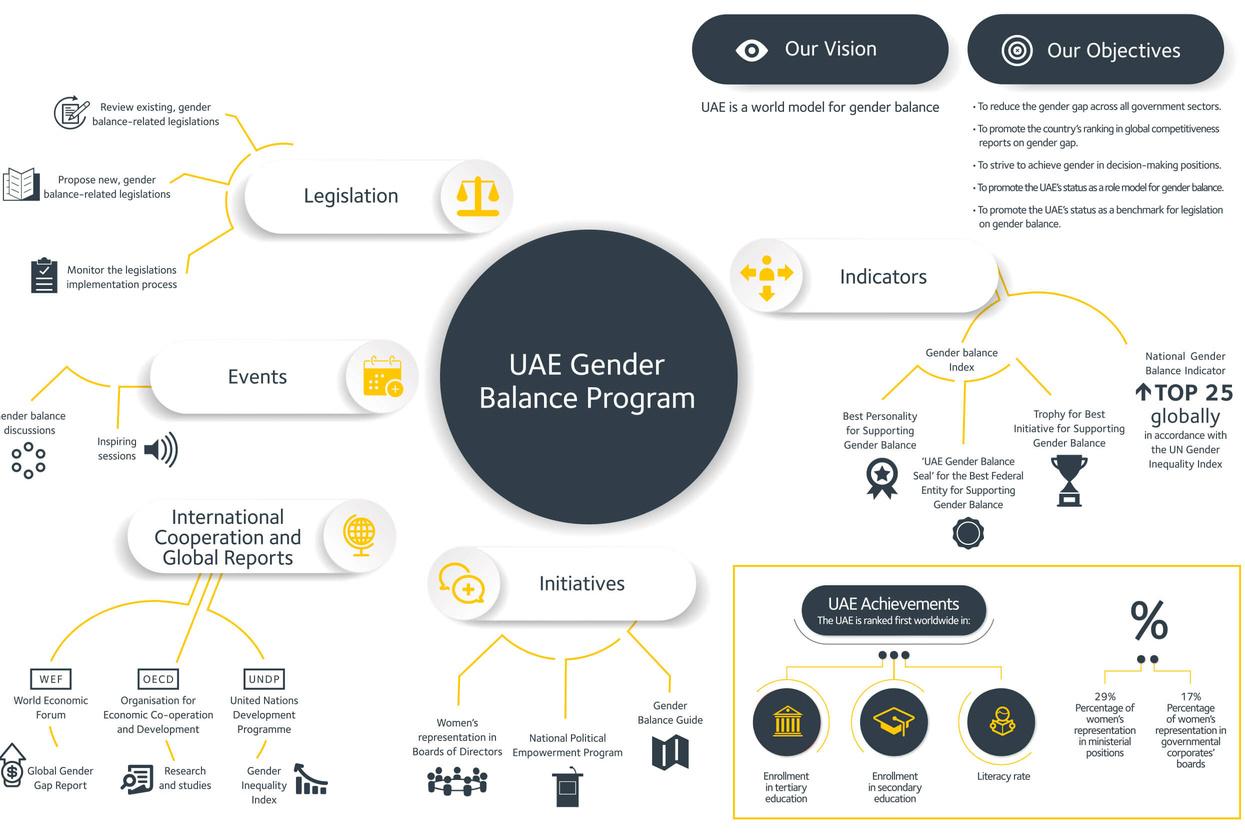
political representation, leadership, and advocacy The initiative taken by the once male-dominated political sphere of the UAE to include more women has instilled confidence and faith in me as a young woman hoping to work in politics myself Perhaps the real catalyst all along wasn't the oil- but the willpower of women to continue spearheading nationalinitiatives.
A new generation is set to come forth, and of this will be born several more solid female figures which I am confident will undoubtedly make the UAE political sphere one of the most inclusiveandeffectivesystemsinternationally.
-JahnaviMenon

The allure of the media is undeniable, captivating audiences with its tantalizing imagery and sensational narratives. However, beneath the glossy surface lies a troubling undercurrent: the relentless sexualization of women. In this essay, we delve into the murky depths of this issue, exposing the consequences of this insidious practice. From objectification to perpetuating harmful stereotypes, the media's portrayal of women fuels a toxic culture that diminishes their worth and perpetuates inequality. It is high time we shed light on this pervasive problem and challenge society to embrace a more empowering and respectful representation of women. The media's sexualization of women reduces them to mere objects, marionettes whose strings are pulled to satisfy the male gaze. Their voices, thoughts, and ambitions become secondary to their physical attributes.
The camera lens becomes a voyeuristic eye, stripping away their agency and reducing them to passive vessels of desire. This objectification not only erases their individuality but also perpetuates a culture of entitlement, where women are seen as commodities rather than equals. Step onto the stage of media representation, and women find themselves trapped within the suffocating confines of stereotypes. The seductress, the damsel in distress, the submissive sidekick—these tropes perpetuate harmful expectations and limit the breadth of women's experiences. By pigeonholing women into one-dimensional archetypes, the media stifles their diverse identities and contributions, eroding the progress made in dismantling gender roles. It is time to shatter the mask of stereotypes and allow women to reclaim their multi-faceted narratives.
The media's portrayal of sexualized women poisons the well of body image, leaving women drowning in a sea of self-doubt and insecurity. Unrealistic beauty standards become the benchmark of desirability, leaving women feeling inadequate and perpetuating a cycle of self-loathing. The pursuit of unattainable perfection breeds eating disorders, mental health issues, and an endless quest for validation. We must dismantle these destructive standards and champion a celebration of diverse bodies, nurturing self-love and acceptance.
Behind the scenes, the sexualization of women in the media serves as a cog in the patriarchal machine, reinforcing power imbalances and perpetuating inequality. It perpetuates a society where men hold the reins of influence and control, while women are relegated to the sidelines, their worth determined solely by their sexual appeal. By breaking free from the suffocating grip of patriarchal norms, we can pave the way for a more equitable society that values women for their intellect, accomplishments, and inherent worth.
The sexualization of women in the media is a pervasive and detrimental force that continues to shape societal perceptions and perpetuate gender inequality. It is imperative that we challenge this practice and demand a transformation in the portrayal of women. By reclaiming agency, rejecting stereotypes, embracing body positivity, and dismantling patriarchal structures, we can pave the way for a media landscape that empowers and celebrates the multifaceted brilliance of women. It is time to unveil the veil, exposing the true potential of women beyond the confines of sexualization and ushering in an era of respect, equality, and liberation.
In this battle, we must stand united, amplifying our voices and pushing against the currents of misogyny. Let us seize the pen, seize our power.
A RESURGENCE OF
Seldom is the case that a society/culture takes major steps backwards AFTER revolution that spans decades and perhaps even centuries However, with the rise of the virtual public sphere, we not only have seen a new wave of mainstream contrarianism, but a return to public attitude akin to pre-19th Amendment times.
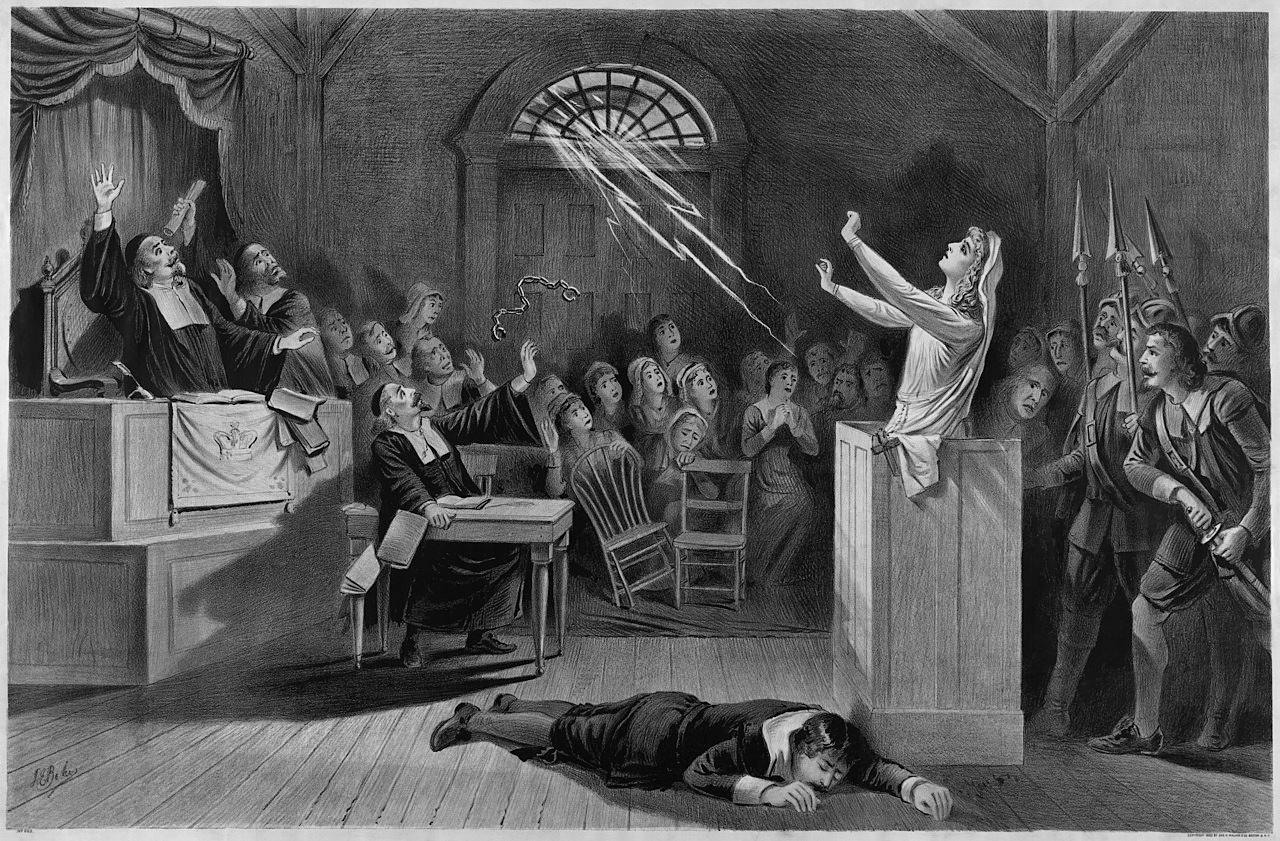
The irony in mainstream conservative politics is not only that they often run their campaign(in a metaphorical sense) on the notion of a decadent society, it is conservative rhetoric, which is now compelling a new generation to unwittingly demand a social attitude akin to the era of Jim crow and the Salem trials.
Progressivism, or for the sake of contextual accuracy, intersectional advocacy is what has led to reliable social change in the past century Since institutionalised racism, sexism and other forms of bigotry are often byproducts of our patriarchal, hyper-capitalist structure, it is a collective effort of economic and political activists, along with suffragettes and anti-racist protesters which bent and broken the beams of our inherently exploitative system
When we discuss modern racism and sexism, we must always remember that the bigotry is scarcely propelled for the sake of actually bigoted views, but as camouflaged euphemisms to propel exploitation of the lower, secondary classes with only the progress of the “central” group in mind When Simone de Beauvoir refers to women as “Le Deuxième Sexe” (The Second Sex), she characterises not only the social position of women, which she believed to have been derived from men, but rather, the economic position they tended to serve as, which was a derivative of male-centric industrial/economic progression This sentiment is beautifully characterised by her in this quote:

“**[T]he whole of feminine history has been manmade. Just as in America there is no Negro problem, but rather a white problem; just as anti-Semitism is not a Jewish problem, it is our problem; so the woman problem has always been a man problem.**”
2015 served as an immensely critical year for the progressive movement. It was the first USA presidential election fought where online platforms stood alongside classical TV news and newspaper journalism as modes for the presidential candidates to reach their audiences. 2015 is also around the same era of the internet where social politics became mainstream topics, with the advent of Buzzfeed, Twitter and N-chan style forums, contrarianism /anti-progressives went from being the overt Goliath that social justice warriors (SJWs) were fighting against, to fooling the newly politically active moderates by identifying as as the Dave’s being unfairly grouped against by the social progressivists.
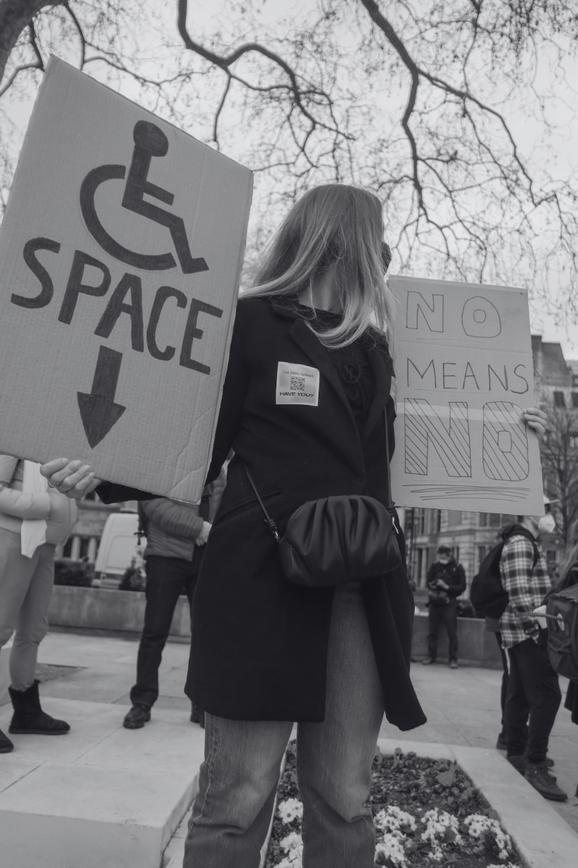
The Trump victory in 2016 was accompanied with quite a lot of buyers remorse for the moderate Republicans, but the real shift was felt by the chronically online political sphere For the social conservatives and bigots, the election, even though it was fought on facetious grounds, gave credibility to their rhetoric of “conservative oppression”(conservative here referring to the political assignment) Even though the popularity of mass appeal “Anti-SJW” content eventually died down (in part due to the suppression of all political content by Alphabet & Meta), a vacuum was left unfilled, which would be eventually filled by the new age contrarians
Progressive achievement comes at a cost to higher class. The rise of feminism is often irresponsibly misconstrued with a “crisis of masculinity” and racial rights associated with economic decline in minority major territories. This is because when we reach a tipping point of change, where facetious virtue signalling can no longer prevent real change, we see the supports of the pyramid crack, which oscillates to the top. A concept prevalent in sexism(and even racism) is of “central constituents”.
For feminism, the first major battle fought was a breakaway from the social expectation of “trad-wife”. The trad-wife represents the tool of the central constituent, the Husband, his ideal woman, one that cooks, cleans, tends to the spawn, and on “request” supplies sexual release Whilst the role and character of the husband may differ with class and profession, the construct of the trad-wife is near universal across economic class, and in certain times, even across cultures In the early 1900s, while the coal shoveler and the banker couldn’t fathom their selves in the others’ garment, the only difference between their wives would be whether she cooked with cheap peat or natural gas
This delineation of women not only suffice’s De Beauvoir’s description of reality of men being designated as the unjustified default, and the woman to be the accessory of the male “class”, but also describes why society could function under Social Contract Theory despite not assuming the “free system” in its entirety When freedom is only afforded to some, then that freedom is built off the backs of the slaves, both literal and social
**Men are going through a crisis.** The rightful upliftment of our women has led to young men and teenagers feeling neglected, in this transitional era of change. Imagine consuming media from only 10-20 years ago, filling your mind with the unconscious misogyny and bigotry that you may not even realise as sexism, then growing up and finding out that the ideal life that your had been promised, one where society revolved around you , is not an option. You lived in a deeply patriarch dominant household, and that’s the life you envisioned for yourself. In such a scenario, the rapid social change of society is such that this generation simply cannot keep up. Adding to this the immense pressures offered academically and in the job market, festering resentment against society and any form of “change” is an incorrect, but emotionally validated reaction.
Feeding this resentment of new men is precisely what these new age misogynists fill. The rhetoric of Jordan Peterson and Andrew Tate does very well in identifying the crisis of masculinity, but offer a solution that not only entails undoing decades if not centuries of social progress, but in an ironic sense, their alternative encourages their target audience to become cogs in the very machine they criticise In a post-covid world where social anxiety, depression and a general sentiment of melancholy is prevalent in society, especially the youth, irrational alternatives to issues can seem extremely compelling to endorse, especially when they absolve you of personal responsibility
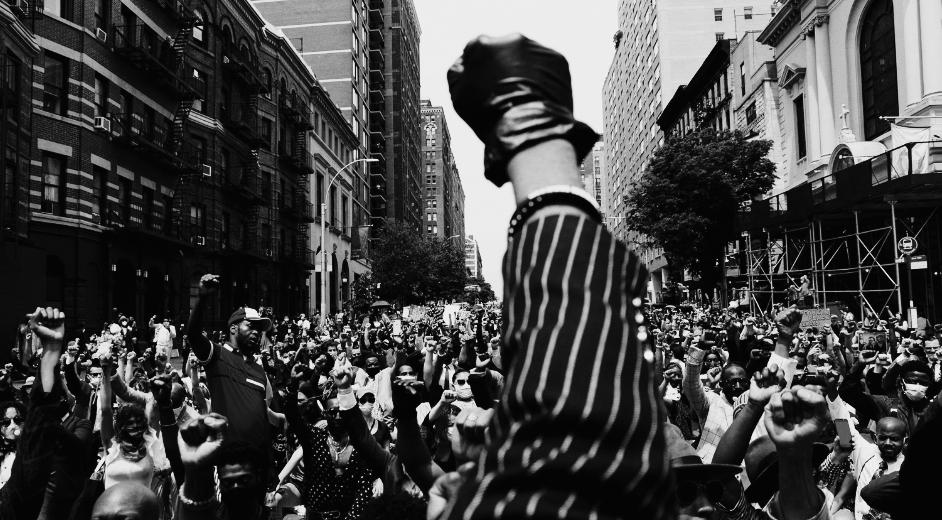
Tate’s truisms about working out and thinking critically package more dangerous ideas about patriarchy and women ’ s roles in society in relation to men The defence many “red-pilled” folk employ is that criticisers of Tate want men to continue to wallow in their misery, invoking his advice about fitness, and extrapolating it as his entire body of content, when any rational person would know that “ go to the gym ” is not the idea being criticised What we need today is a more robust social system which allows for more flexible social roles, one which doesn’t scrutinise you for being you
Nietzche’s idea of *Ressentiment* was not merely a way to describe morality of the bygone times, it was a head shake towards how society had constructed itself, by tearing down those which were higher up, and reinterpreting morality to flip the social paradigm and why we need a more robust system Any social progress cannot be truly for the best, as long as it strives towards a comparison to another class We need practical idealism The position of the woman must not be raised according to the position of the man, all classes must strive towards an ideal of contentment, for basic humanity cannot be denied on the grounds that it is afforded to none When two classes hitherto were on different heights, one must fly to match the other, and as the Zarathustra spoke:
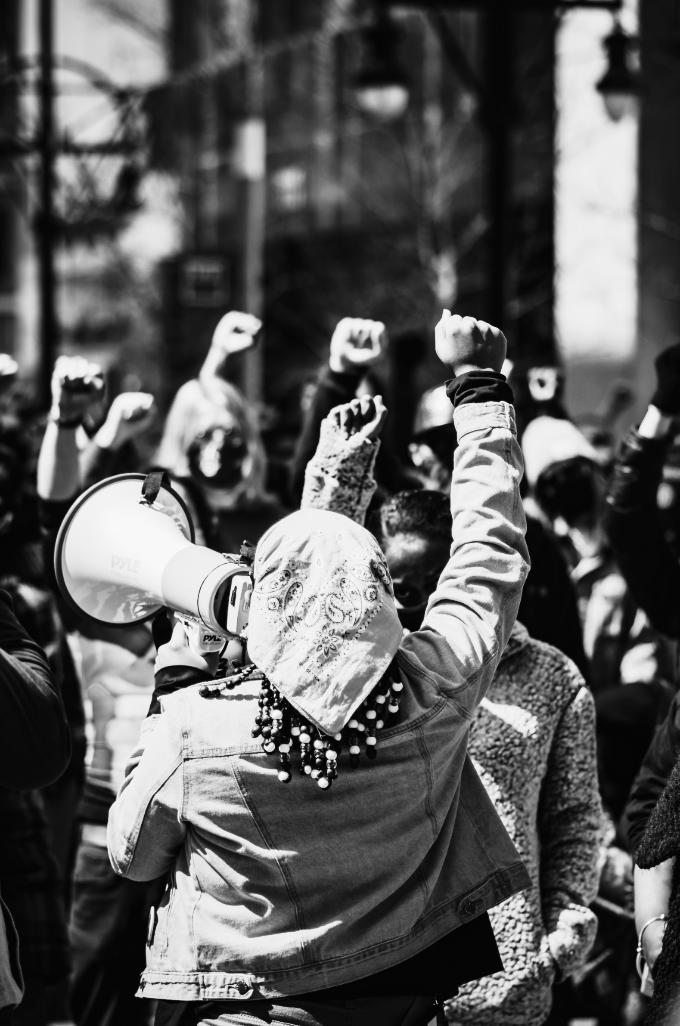
“The higher you ascend, the smaller you appear to the eye of envy. But most of all they hate those who fly.”
Friedrich Nietzsche, Thus Spoke Zarathustra
True progression comes with the cost of positive perception , nevertheless, we must strive, not to equality, but to an ideal deserved by all.
The **19th Amendment** to the U.S. Constitution granted women the right to vote in 1920.
**Mainstream contrarianism** refers to the act of opposing or rejecting popular or widely accepted views, often for the sake of being different or independent.
The **Salem Witch trials** were a series of hearings and prosecutions of people accused of witchcraft in colonial Massachusetts in the late 17th century. The trials resulted in the execution of 20 people, mostly women, and are often cited as an example of the dangers of mass hysteria and persecution.
**Jim Crow** refers to a system of racial segregation and discrimination against African Americans that existed in the United States from the late 1800s to the mid-1960s. The term "Jim Crow" comes from a character in a minstrel show who was portrayed as a stereotypical, racist caricature of a black man.
**Conservative politics** refers to a political ideology that emphasizes traditional values, limited government intervention, and free market principles. It is generally associated with right-wing politics.
**Intersectional** refers to the interconnected nature of social categories such as race, gender, sexuality, and class, and how they overlap and intersect to create unique experiences of discrimination and privilege.
**Progressivism** is a political philosophy that emphasises social and economic reform, often advocating for government intervention to promote fairness and equality in society
**Simone de Beauvoir** was a French feminist writer and philosopher, best known for her book "**The Second Sex**" which is considered a seminal work in the field of feminist theory
**N-chan** style forums refer to an imageboard or discussion forum that uses the N-chan software, which is a popular open-source platform for creating forums and imageboards, often places for political discourse and radical advocacy
**Anti-SJW** stands for "anti-Social Justice Warrior" It refers to a person who opposes or criticises the social justice movement, which aims to promote equality and fairness in society
**Trad-wife** is a term used to describe a woman who adheres to traditional gender roles in marriage and family life
**Social Contract Theory** is a political theory that suggests that individuals give up some of their natural rights to a government or other authority in exchange for protection and security
J**ordan Peterson** is a Canadian clinical psychologist, cultural critic, and professor of psychology at the University of Toronto He gained notoriety for his views on political correctness and free speech, and has authored several books, including "12 Rules for Life: An Antidote to Chaos"
**Andrew Tate** is a British-American social media personality offering paid courses and memberships through his website and rose to fame as an internet celebrity, promoting an "ultra-masculine, ultraluxurious lifestyle". A self-described misogynist
"**Red-pilled**" is a term used to describe a person who has had a change in their worldview, often through exposure to information that challenges their previously held beliefs. In internet parlance, it refers to anti-feminist contrarians.
**Truisms** are statements that are obviously true and do not provide any new information or insight.
Nietzsche's idea of **Ressentiment** refers to a feeling of resentment or bitterness arising from a sense of powerlessness or injustice. It is often associated with the idea of the "slave morality" in contrast to the "master morality", which Nietzsche believed was a healthier approach to life