Welcome to the July 3rd, 2024 issue of Radio World




Welcome to the July 3rd, 2024 issue of Radio World

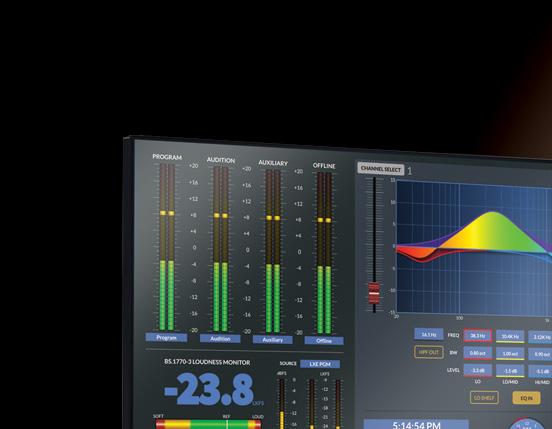
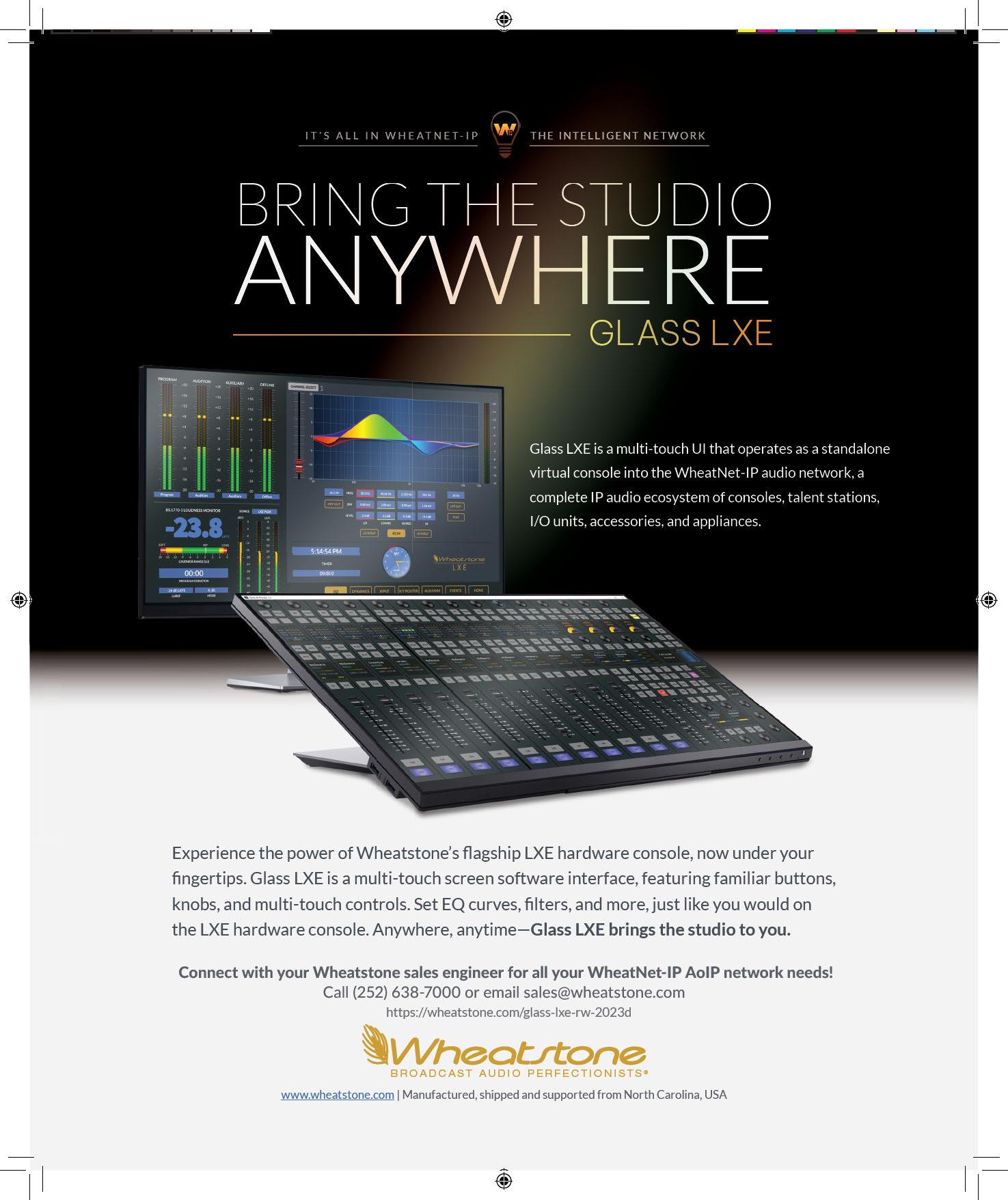
Glass LXE is a multi-touch UI that operates as a standalone virtual console into the WheatNet-IP audio network, a complete IP audio ecosystem of consoles, talent stations, I/O units, accessories, and appliances.



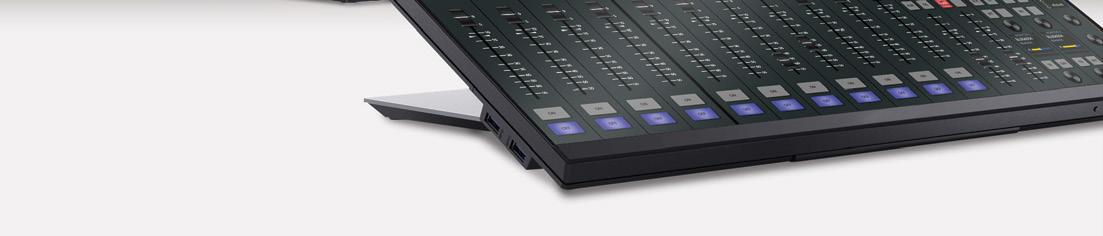

Experience the power of Wheatstone’s flagship LXE hardware console, now under your fingertips. Glass LXE is a multi-touch screen software interface, featuring familiar buttons, knobs, and multi-touch controls. Set EQ curves, filters, and more, just like you would on the LXE hardware console. Anywhere, anytime—Glass LXE brings the studio to you.
Connect with your Wheatstone sales engineer for all your WheatNet-IP AoIP network needs! Call (252) 638-7000 or email sales@wheatstone.com
https://wheatstone.com/glass-lxe-rw-2023d

We asked experts about the implications of the “pillar to pillar” trend in cars.

Vol. 48 No. 14 | July 3 2024 www.radioworld.com
FOLLOW US
www.twitter.com/radioworld_news
www.facebook.com/RadioWorldMagazine www.linkedin.com/company/radio-world-futureplc
CONTENT
Managing Director, Content & Editor in Chief Paul J. McLane, paul.mclane@futurenet.com, 845-414-6105
Assistant Editor & SmartBrief Editor Elle Kehres, elle.kehres@futurenet.com
Technical Advisors W.C. “Cris” Alexander, Thomas R. McGinley, Doug Irwin
Contributors: David Bialik, John Bisset, Edwin Bukont, James Careless, Ken Deutsch, Mark Durenberger, Charles Fitch, Donna Halper, Alan Jurison, Paul Kaminski, John Kean, Nick Langan, Larry Langford, Mark Lapidus, Michael LeClair, Frank McCoy, Jim Peck, Mark Persons, Stephen M. Poole, James O’Neal, T. Carter Ross, John Schneider, Gregg Skall, Dan Slentz, Dennis Sloatman, Randy Stine, Tom Vernon, Jennifer Waits, Steve Walker, Chris Wygal
Production Manager Nicole Schilling
Senior Design Director Lisa McIntosh
Senior Art Editor Will Shum
ADVERTISING SALES
Senior Business Director & Publisher, Radio World John Casey, john.casey@futurenet.com, 845-678-3839
Publisher, Radio World International Raffaella Calabrese, raffaella.calabrese@futurenet.com, +39-320-891-1938
SUBSCRIBER CUSTOMER SERVICE
To subscribe, change your address, or check on your current account status, go to www.radioworld.com and click on Subscribe, email futureplc@computerfulfillment.com, call 888-266-5828, or write P.O. Box 1051, Lowell, MA 01853.
LICENSING/REPRINTS/PERMISSIONS
Radio World is available for licensing. Contact the Licensing team to discuss partnership opportunities. Head of Print Licensing Rachel Shaw licensing@futurenet.com
MANAGEMENT
SVP, MD, B2B Amanda Darman-Allen VP, Global Head of Content, B2B Carmel King MD, Content, Broadcast Tech Paul J. McLane
VP, Head of US Sales, B2B Tom Sikes
Managing VP of Sales, B2B Tech Adam Goldstein VP, Global Head of Strategy & Ops, B2B Allison Markert, VP, Product & Marketing, B2B Scott Lowe Head of Production US & UK Mark Constance Head of Design, B2B Nicole Cobban FUTURE US, INC.
Future US LLC, 130 West 42nd Street, 7th Floor, New York, NY 10036

All contents ©Future US, Inc. or published under licence. All rights reserved. No part of this magazine may be used, stored, transmitted or reproduced in any way without the prior written permission of the publisher. Future Publishing Limited (company number 02008885) is registered in England and Wales. Registered office: Quay House, The Ambury, Bath BA1 1UA. All information contained in this publication is for information only and is, as far as we are aware, correct at the time of going to press. Future cannot accept any responsibility for errors or inaccuracies in such information. You are advised to contact manufacturers and retailers directly with regard to the price of products/services referred to in this publication. Apps and websites mentioned in this publication are not under our control. We are not responsible for their contents or any other changes or updates to them. This magazine is fully independent and not affiliated in any way with the companies mentioned herein.
If you submit material to us, you warrant that you own the material and/ or have the necessary rights/permissions to supply the material and you automatically grant Future and its licensees a licence to publish your submission in whole or in part in any/all issues and/or editions of publications, in any format published worldwide and on associated websites, social media channels and associated products. Any material you submit is sent at your own risk and, although every care is taken, neither Future n or its employees, agents, subcontractors or licensees shall be liable for loss or damage. We assume all unsolicited material is for publication unless otherwise stated, and reserve the right to edit, amend, adapt all submissions.
Radio World (ISSN: 0274-8541) is published bi-weekly by Future US, Inc., 130 West 42nd Street, 7th Floor, New York, NY 10036. Phone: (978) 667-0352. Periodicals postage rates are paid at New York, NY and additional mailing offices. POSTMASTER: Send address changes to Radio World, PO Box 1051, Lowell, MA 01853.
Please recycle. We are committed to only using magazine paper which is derived from responsibly managed, certified forestry and chlorine-free manufacture. The paper in this magazine was sourced and produced from sustainable managed forests, conforming to strict environmental and socioeconomic standards. The manufacturing paper mill and printer hold full FSC and PEFC certification and accreditation.
 Paul McLane Editor in Chief
MNC Software and SuiteLife Systems, two companies that provide network monitoring, control and asset management systems, recently merged and now do business as Leeward Software.
SuiteLife, in Signal Hill, Calif., was owned by Nigel Brownett, who launched it in 2012. MNC, based in San Diego, was owned and operated by David Allen and James Bloomfield, who founded MNC in 2008. Leeward is owned and managed by all three and based in Signal Hill. Its systems are used to monitor and control networks, infrastructure, buildings and systems. Product lines include Axess, Mosaic and Tessera software and GPX Pro hardware.
I spoke with Nigel Brownett.
How did these two companies come together?
Nigel Brownett: MNC has been around in its current form for about 16 years now. I formed SuiteLife in 2012 after Statmon Technologies got out of the business; I’d worked there for nine years, and they were looking for someone to take over support contracts and maintain the software in the broadcast market.
Joining SuiteLife and MNC together makes us more interesting to venture capital and private equity firms.
You’re based in California.
Brownett: In Signal Hill, just down the road from LAX. MNC was based out of San Diego; now that we’ve merged, our business runs out of the office here in Signal Hill.
Am I right that the two companies both have been more active on the video side than in radio?
Brownett: That’s correct. MNC is found in teleports. Their biggest client is DirecTV, running uplinks in El Segundo and Long Beach, Calif. They have more international clients than SuiteLife does; my installations have mostly been in North America and in Australia, where I’m from originally.
What would you want a radio engineer or manager to know about your company’s offerings?
Brownett: We offer control and management tools that are primarily used at transmitter sites. These were borne of an engineer who got sick of waking up at 3 o’clock in the morning because they were off the air and then having to drive to the transmitter site. Older systems would give you an alarm but didn’t tell you much more than that.
From the Editor 5 Can radio keep its home between the pillars?
A sticky solution to help you organize keys
What to know about the new non-compete ban
GUIDE
LXE manages live radio for “Reset”
Georgia station embraces Arrakis H10 console
Noise on AM? Where the heck is the FCC?
 Nigel Brownett
As technology at transmitter sites has gotten more complicated, diagnosing has gotten harder. A lot of manufacturers are putting more intelligent monitoring interfaces into their products.
Transmitters now have SNMP, so we go from a simple, general-purpose I/O type device to something that needs to speak serially or needs to talk SNMP.
And SNMP in turn now is starting to be replaced by REST APIs. Things are going in that direction, not just in broadcast, but in day-to-day everything.
Can you expand on that trend?
Brownett: As younger people come out of school, they understand REST APIs more than anything else. So, I think that as more manufacturers employ the younger generation and because modern remote control systems aren’t equipped that way off the shelf, there will be a need for upgrades.
Brain drain has been a problem in our industry and it’s difficult to get young people interested. So, we need to embrace their ways of thinking and understand how they’ve worked since they were children — they’re learning things in an IT-centric way.
I’m sure you’ve had conversations with directors of engineering of radio groups who have been a part
of trends toward virtualization and centralization of resources. Is this affecting your business and the installations that you do for broadcasters?
Brownett: It hasn’t to date. Our products are generally installed in a building on a remote mountaintop or in a swamp somewhere. You’d find it very difficult to virtualize that building.
Certainly what’s feeding the transmitter site can be virtualized. In our merger, MNC products lend themselves more to living at the studio end, managing on-prem and cloud-based resources that generate the source material before it is sent to the site.
What else are you hearing from clients that we should know about?
Brownett: During COVID we had to continue to make television and radio, and we had to do it in a safe way, which was to get as much of it as possible into the cloud.
But the industry now seems to be rethinking that because of cost. Some clients are saying, “Cloud costs are killing us. Do we really need to put it in the cloud? Is this something we can put on metal in our facility? Or in a datacenter that we own?”
To me, that was a key part of what I heard at NAB this year: How do we operate more efficiently and more effectively while trying to get our operational costs down?
 Writer
 Randy J. Stine
RW’s lead news contributor wrote recently about the first applicants for ZoneCasting.
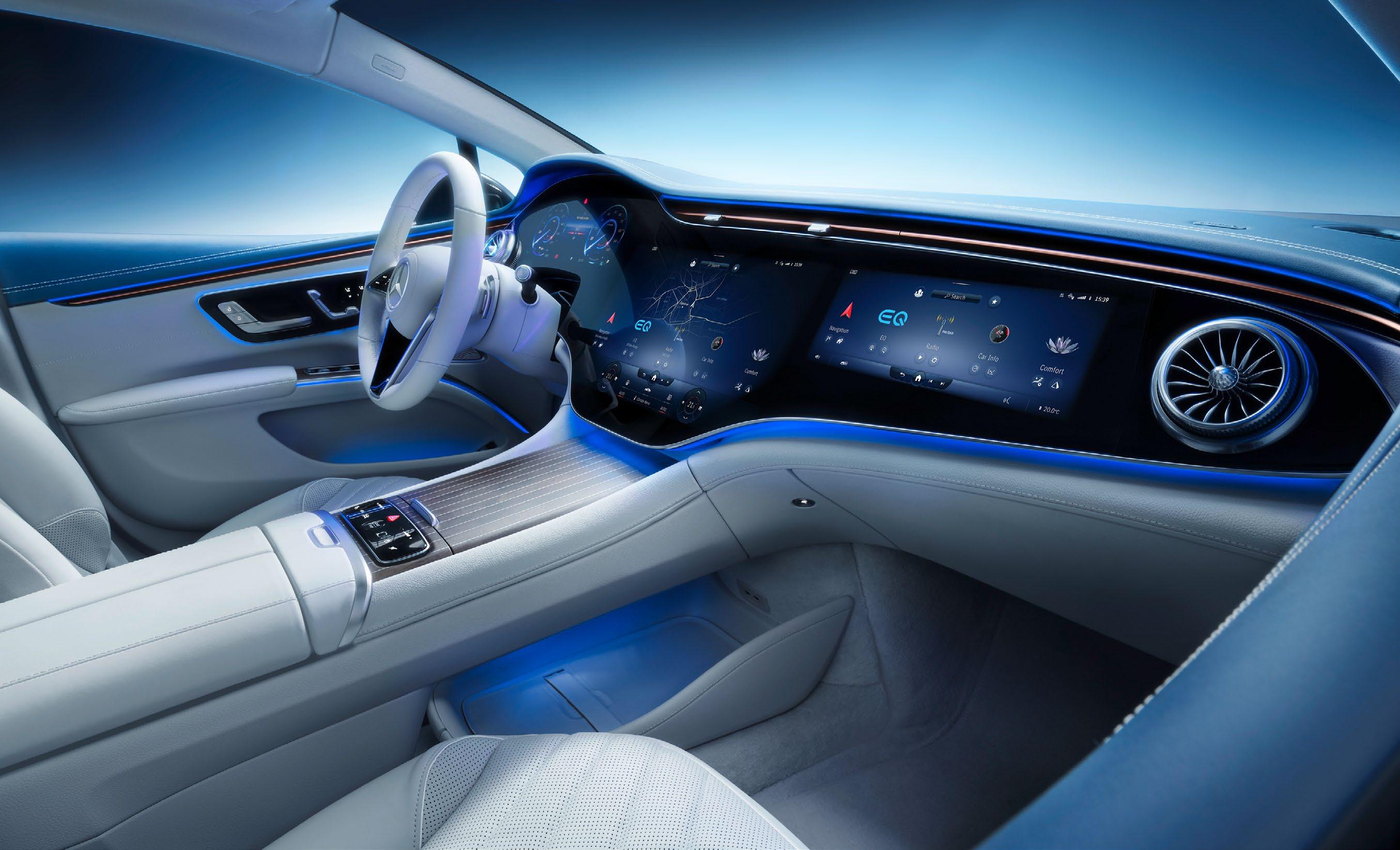
Monster “pillar to pillar” dashboard screens and other large displays are raising the stakes for broadcasters
Big sleek screens in the dashboard are set to dominate the in-car media experience, as knobs and buttons continue to disappear.
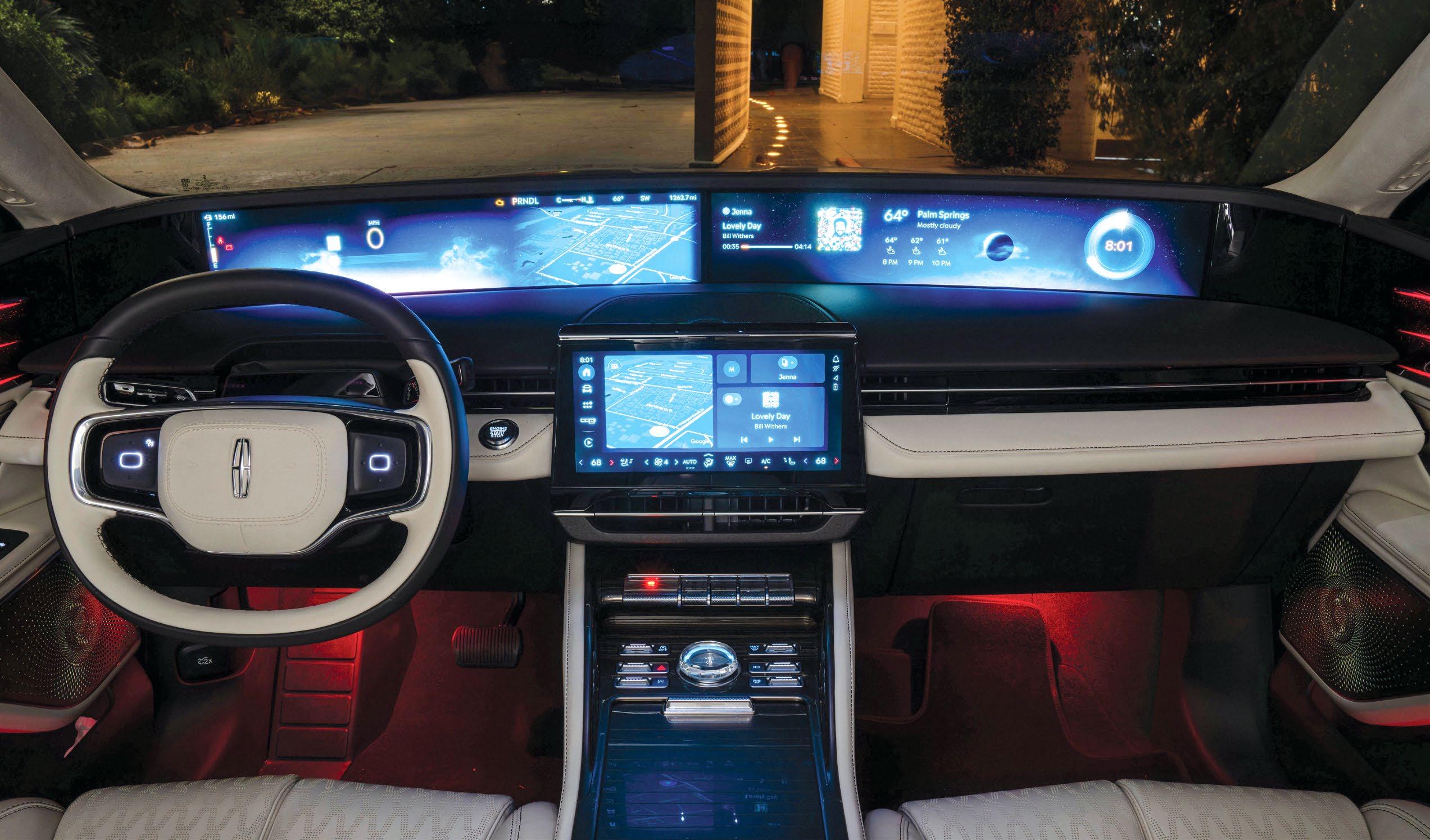
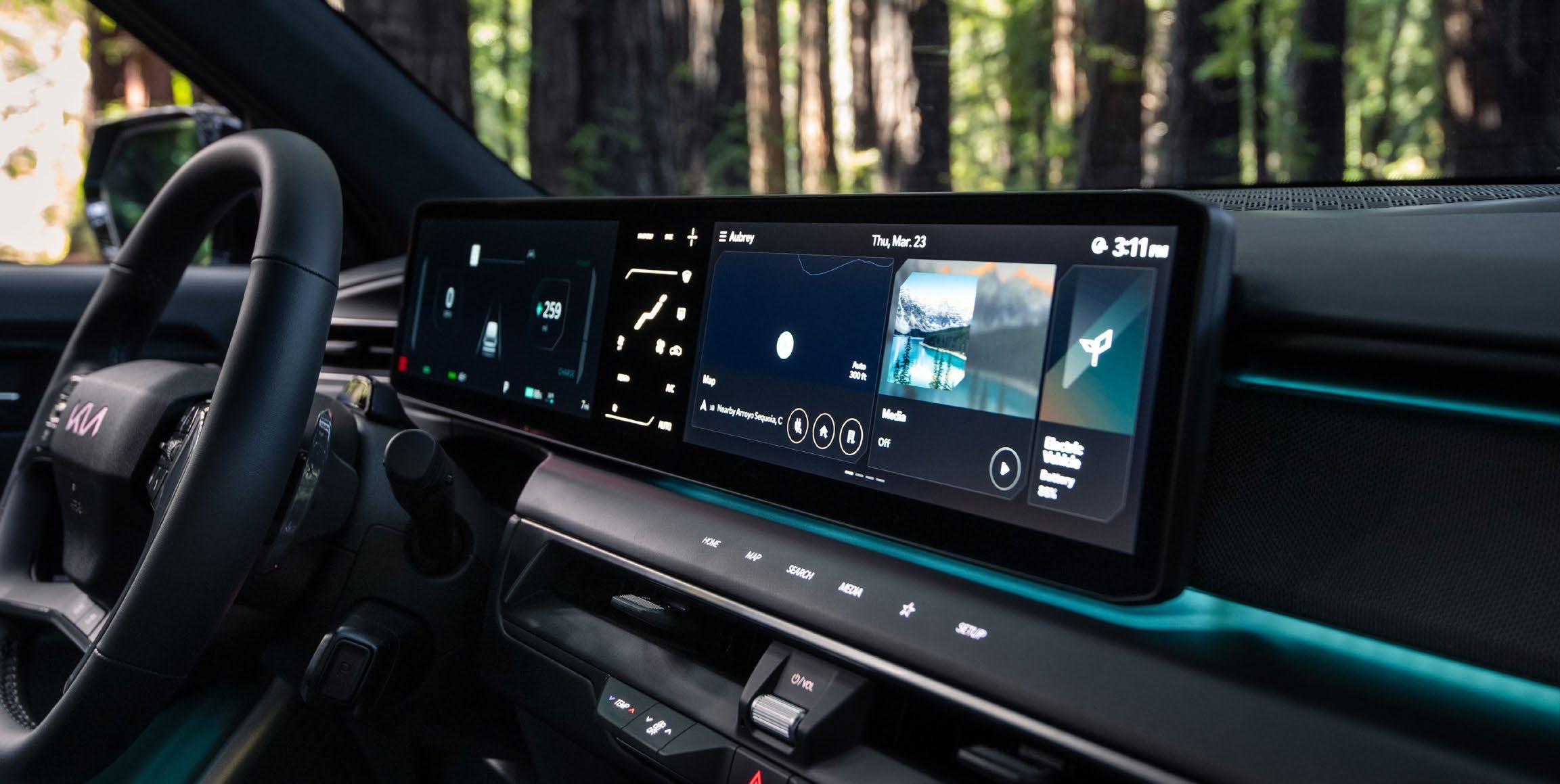
New car makers are embracing the long stretch of screens like the pillar-to-pillar Mercedes-Benz MBUX Hyperscreen, the Lincoln Nautilus immersive panoramic display and the combo digital cockpit screen in a Kia EV9. But how will broadcast radio fit into this dash ecosystem?
Even putting aside the question of whether broadcast radio will even remain a standard feature in vehicles (reflected in the current debate over AM legislation in Washington), the level of competition for eyes and ears in this space is unprecedented.
Big tech companies like Apple, Meta, Amazon and Google, not to mention traditional rival SiriusXM, have a
lot of muscle in what has been radio’s domain, as do the growing number of streaming options.
The screenification of new cars and trucks is not new, but at events like this year’s Consumer Technology Show, the expansion of this trend has been on full display, raising questions about the implications for radio companies.
“Big screens mean radio has to look as good as it sounds,” said David Layer, vice president of advanced engineering for the National Association of Broadcasters.
“Those experiences are going to evolve beyond audio; they already have to a degree. The car is its own platform with rich experiences and has to be considered as such.”
The wider screens provide automakers with more dashboard real estate for display, function and monetization. But consultant Fred Jacobs, president of

The 2024 Lincoln Nautilus has a center-stack touchscreen and a 48-inch panoramic display that spans the dash and can be personalized. SiriusXM with 360L is embedded. When parked, users can surf the web and stream movies. Drivers can even choose their own cabin scent.
Jacobs Media, says carmakers also are creating unique experiences with better sound, higher resolution and accent lighting.
He notes that some Mercedes Benz vehicles with “monster screens” include a function that lets a person create experiences like “Date Night,” featuring a romantic playlist, mood lighting and an intimate ambience.
Jacobs says the size of dashboard screens will continue to grow, creating or providing more personalized and customized experiences for drivers and passengers.
“The same trend is happening with big-screen TVs. From puny to big, bigger, biggest. And of course, AI will play a greater role in predicting and responding to the driver’s habits and tendencies.”
Radio’s dominance in the dash will continue to be challenged, Jacobs says, though for now broadcast radio remains a top audio choice. (Jacobs Media’s latest Techsurvey found that among respondents, more than half of all audio consumption in the car is to AM/FM radio stations — though the survey focuses on preferences of active radio listeners by definition.)

David Layer said that we should expect more attention to be paid to the experience of people in the car who aren’t driving.
“With more screens we’ll have more personalized experiences for passengers based on the screen nearest or in front of them. The 2024 Lincoln Nautilus pillar-to-pillar dash offers a good example of what’s in store,” he said.
“We have to think about experiences beyond just the drivers. Think of it as entertainment zones throughout the vehicle. Driver distraction isn’t as much of a problem if you’re not the driver.”
Steve Koenig, vice president of research at the Consumer Technology Association, says the expanded screens in new cars present opportunities for radio.
“Screenification allows radio to redefine itself from an audio-only experience to one that is visual as well. This dynamic creates new opportunities for station branding and enables visual elements like album art to music, which aligns radio with the look and feel of streaming audio services,” he said.
In addition, more screenification can bring an entirely new visual dimension to radio advertising, which could mean more ad revenue for broadcasters, he says.
In the United States, hybrid radio technology platforms like Xperi’s DTS AutoStage and SiriusXM’s 360L are helping radio entities weave their medium into this evolving environment.
DTS AutoStage, launched in 2020, provides integrated artist images, cover art, song lyrics, events, artist bios,
podcasts and catch-up catalogs. It recently added personalization and recommendations to keep the audience engaged with radio content.
“From a car manufacturers standpoint, as we move to increased levels of automation, you have the opportunity to do more with entertainment and information in the vehicle,” said Jeff Jury, senior vice president and general manager for connected cars at Xperi.
“Research shows consumers want to do more in their car, a third space if you will, in addition to home and office. To do that you need more screen space for interaction.”
Young people want the car to be more than a mirror of the smartphone, Jury said, so the trend is for the car industry to create a better and more immersive experience.
“Those large screens create a large pallet for automakers to provide those experiences, and that certainly includes digital terrestrial and streaming radio.”
Radio needs to be present and discoverable, Jury says, which means getting its metadata right.
“You have to make (radio) easier to get to and easier to find. That’s the challenge for broadcasters. It is competing with a lot of other entertainment options now. We obviously think radio will remain a critical part of that in-car entertainment landscape.”
Jury noted that Xperi now also offers DTS AutoStage’s video service powered by TiVo to OEMs and that the company is expanding its work in the gaming arena.
“AutoStage for us means audio, video and gaming.”
The sources interviewed for this story say screenification is just one aspect of how car media are changing. Technologies such as 5G connectivity, greater on-board
Peek Inside
For an interesting look at trends in 2024 car interiors, visit www. wardsauto.com/ program/10best-interiors-ux.
compute power and AI have yet to make their impact felt fully. Expect voice to become the standard interface for car systems. AI assistants, connected services, customizable interiors and possibly self-driving features will continue to reshape the experience.
GM, Ford and the Alliance for Automotive Innovation did not reply to Radio World’s requests for comment. But observers expect carmakers to use the widening screen space to sell suites of features. So while tech companies like Apple and Google will try to take advantage of larger screens, GM has announced it has stopped supporting Apple CarPlay and Android Auto in future EV models, and Toyota is expected to expand its use of built-in streaming apps. Enormous sums of money are at stake via add-ons and services. Accenture estimates that such offerings will represent about 40% of global automotive revenue by the year 2040.
“Screenification allows radio to redefine itself from an audioonly experience to one that is visual as well.
John Bisset
CPBE
The author is in his 34th year of writing Workbench. He handles western U.S. radio sales for the Telos Alliance and is a past recipient of the SBE’s Educator of the Year Award. Send your tips Workbench submissions are encouraged and qualify for SBE recertification credit. Email johnpbisset@ gmail.com.
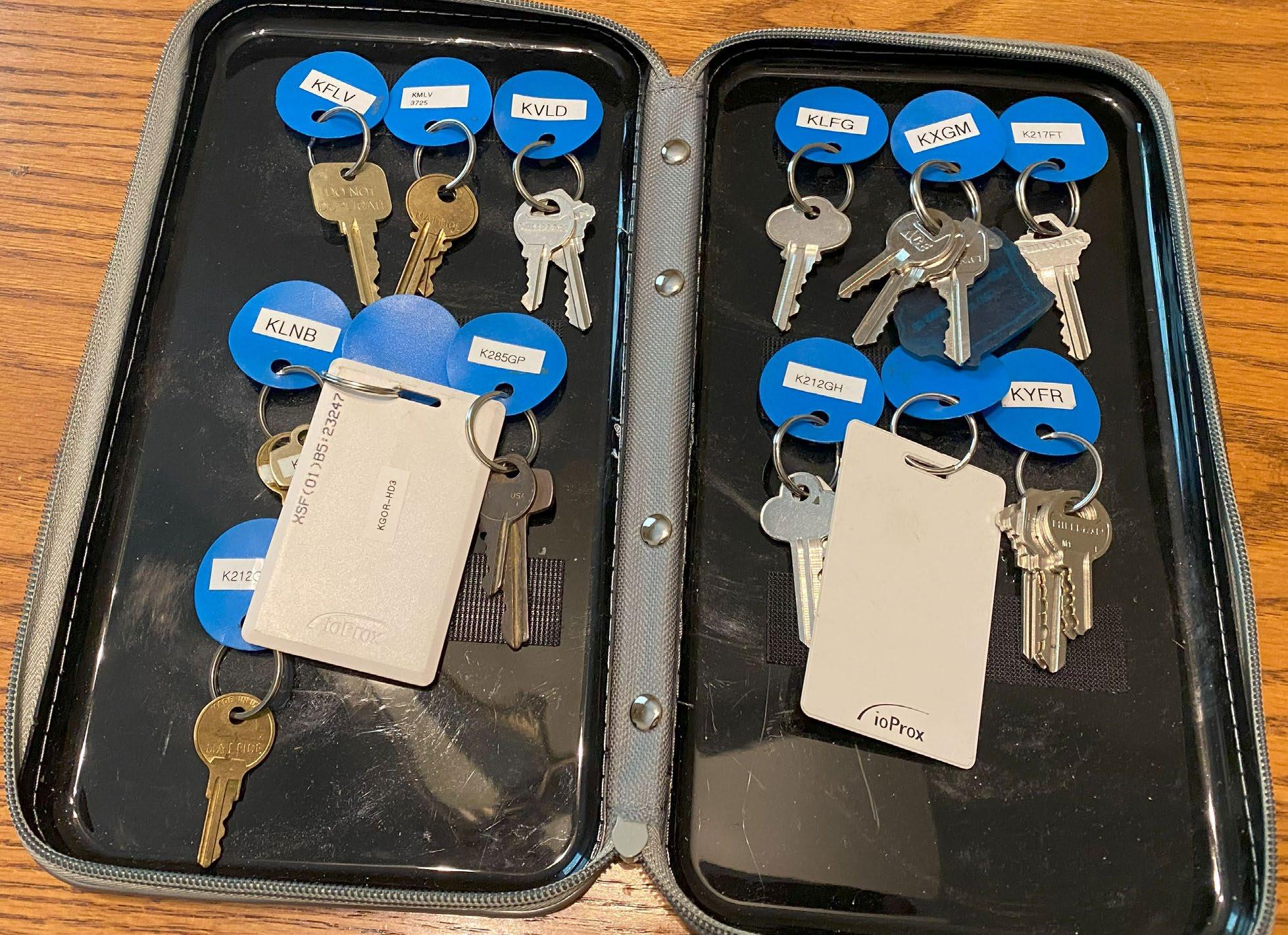
Ken Beckwith saw our article about key management and shared an approach that may help fellow broadcast engineers.
Ken purchased a CD/DVD case and stripped out the sleeves. He bought some Velcro brand hook-and-loop fasteners and lined the case with the “loop” half of the tape; he then placed the “hooks” side on the backs of station key tags, labeling the fronts with call letters and other pertinent information like security system entry codes.
Ken keeps the case in his vehicle, secure and out of sight. His suggestion is a good one, especially for contract engineers who deal with lots of keys. When I was contracting I used a plastic mic case with the keys just tossed in the case. Ken’s tip keeps your sets organized so you are able to make sure that each client’s keys have their spot in the case, less likely to get misplaced.
DIY tank coil
David DeSpain, P.E., worked at CBS Radio’s KMOX in St. Louis in the 1970s. At the time, the station used a Westinghouse 50-HG transmitter, with push-pull 5973s, modulated by another pair of 5973s, also in push-pull configuration.
The transmitter’s plate tank coil was made of silver-plated 1/4-copper tubing, but it always ran hot.
Chris Sarros W0SAP, Murrel Perry W0QAC, Jim Scott and David replaced the tank coil with 1/2-inch copper tubing. They formed the coil around a welding gas cylinder of carbon dioxide (used for the fire suppression system). Bill McCarren from CBS Network Engineering in New York assisted, using the first Hewlett-Packard HP-35 calculator David had seen.
Bill designed a replacement for the low-pass “T” network and impedance-matching network. The original tank coil
Above
Solve
had a link-coupled output, and this was copied for the replacement. The new network that Bill designed consisted of two low-pass Pi networks, with each successive “C” leg to ground also being series-resonant (via a very small coil at the second, third, fourth and fifth harmonics).
David reports that it worked like a charm and tuned up with no problems. The new coil put an end to the overheating.
The same transmitter also would “fuzz up” the audio. It wasn’t heard on the air but was audible on the modulation monitor. A scope showed the “fuzz” to be approximately 32 kHz.
David showed them how to use a signal generator with a 10 k-ohm resistor in series with its output, and a scope for a detector, to search for resonances. They found the problem to be the PA grid tank coil resonating with the bypass capacitors. David doesn’t take credit for the cure; he believes it was Jim Scott who came up with the simple idea of doubling up one of the bypass capacitors. The “fuzz” was never heard again.
By the way, David donated the left PA plate current meter, which normally read 3.15A, to the Texas Broadcast Museum in Kilgore, Texas.
Jerry Snaper, KG6FDM, is a retired chief from KVMR(FM) and KMYC(AM) in California. After dining at an Asian restaurant recently, Jerry opened his fortune cookie to read a message that relates to our engineering efforts: “The expedient thing and the right thing are seldom the same thing!”
Truer words have never been printed.
Michael Baldauf, a fellow Radio World contributor known as the Technoguy, is a semi-retired broadcast engineer in southern Colorado.
He notes that the nuances of analog audio can be overwhelming, especially if an installation demands the perfect interface between balanced and unbalanced signals, various audio levels or different types of connections.
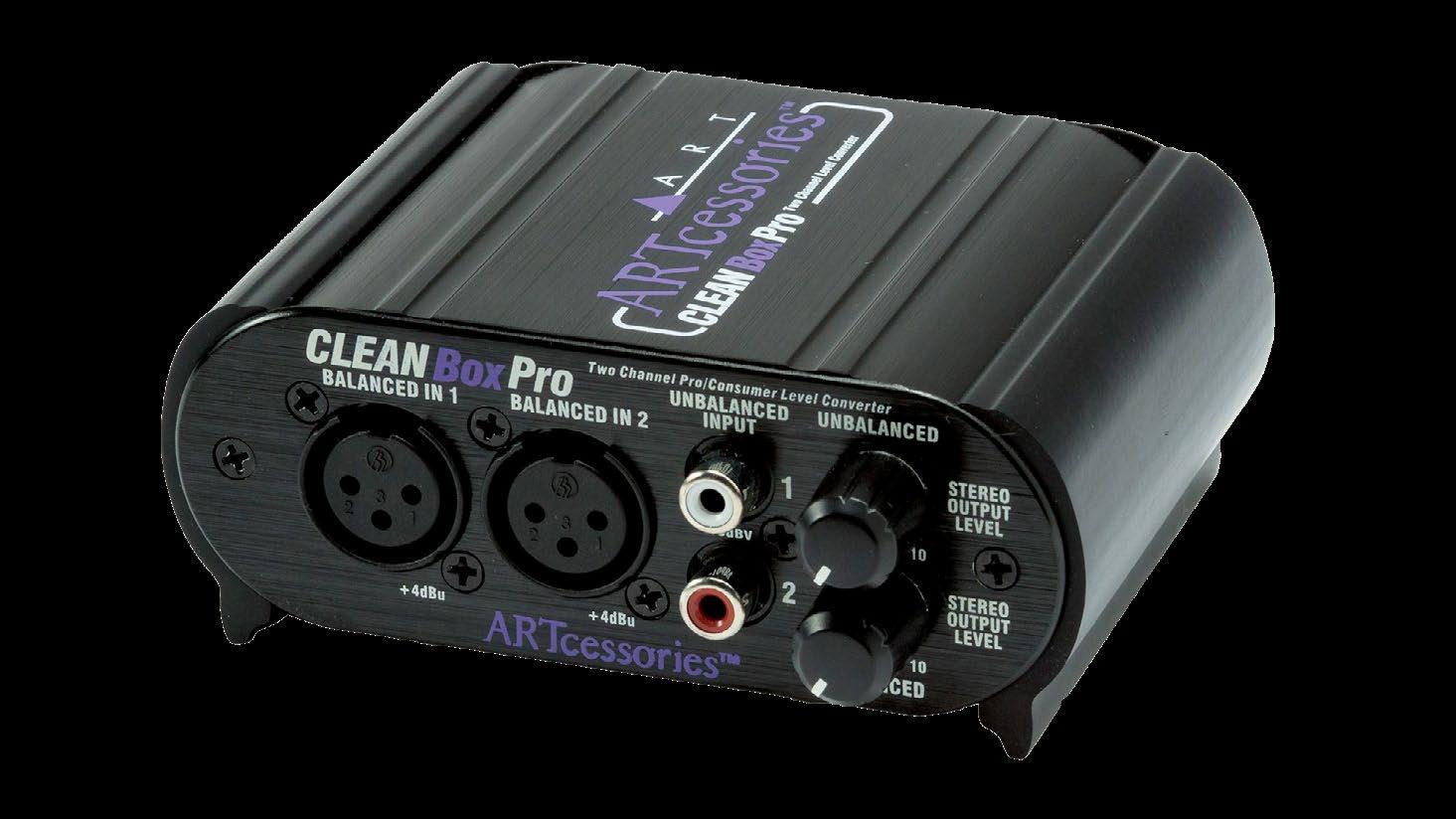
He calls our attention to the ARTcessories CleanBox Pro. It comes in several variations.
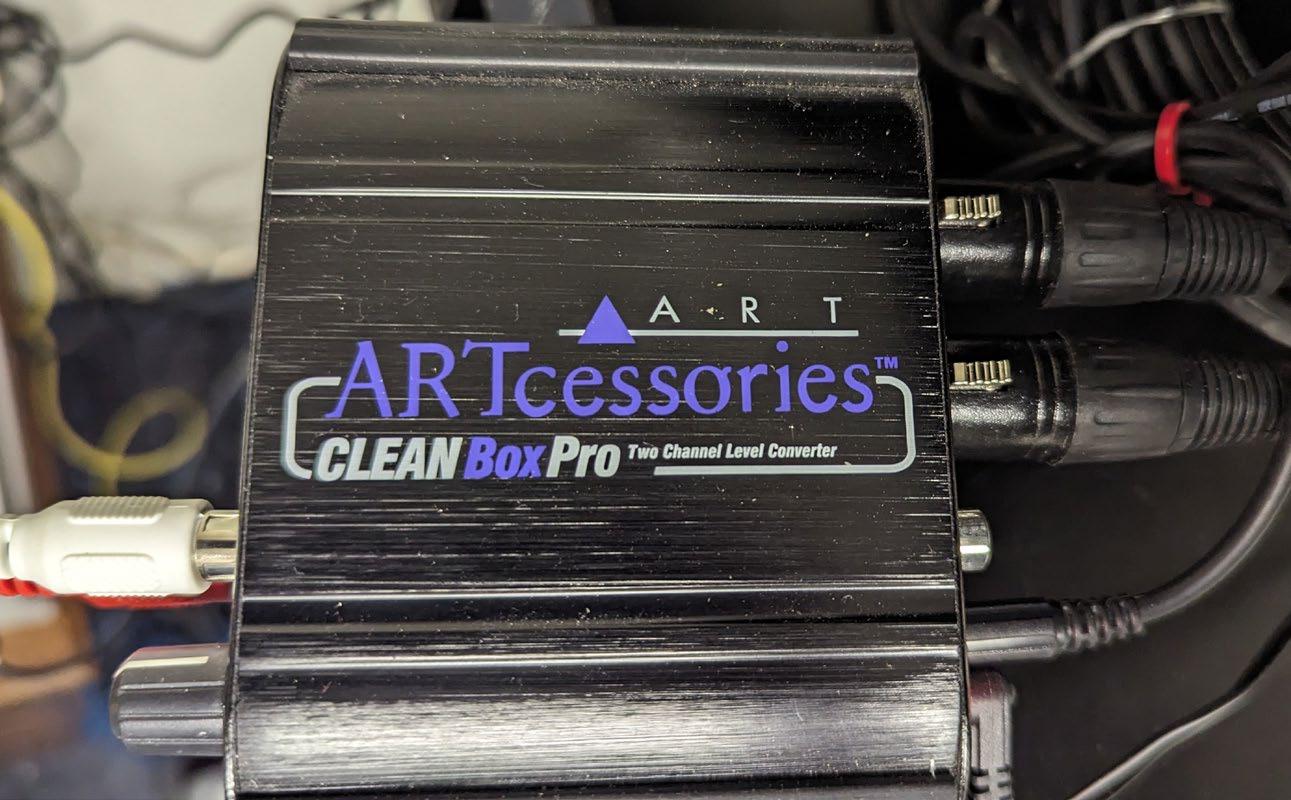
In his photo, unbalanced RCA inputs from the studio are interfaced to the balanced XLR outputs for the audio chain, and the 1/8-inch unbalanced stereo output is used for the streaming computer. Two small controls on the front set the levels individually for balanced and unbalanced outputs.
You can set audio levels quickly using the level knobs, rather than muddling through menus and configurations of the various devices to which it interfaces. It is also good for quick setup and matching to equipment at venues where a temporary sound system is needed. You can accomplish quick matches between devices that may only need to work together for one event, rather than building custom cables. It is sold by broadcast equipment suppliers and companies like B&H Photo Video; we see it online for under $90.
Strive as we do to guard against typos, they creep in.
In our May 22 column we mentioned Sheldon Daitch, a friend and contributor to Workbench, but we misspelled his last name.
Sheldon, now retired, remains a fan of the Western Electric 111C audio transformer. He provided a link to David Gleason’s website to download a copy of the Bell Labs Transmission Transformers Application Note, which includes data, index tables and pictures of the transformers. Go to www.worldradiohistory.com/ArchiveCatalogs. Near the bottom of the page click on Western Electric, then scroll to find “WE-Transformers_1958.pdf.”
analog audio issues with the ARTcessories CleanBox Pro. Above right Michael Baldauf’s CleanBox shown with connections.

Radio program and sales teams have a particular interest in this rule change
Nearly two years ago, President Biden issued an executive order calling on the Federal Trade Commission to ban or limit non-compete agreements, stating that workers should be free to take a better job if someone offers it and that an employer should have to make it worthwhile for the employee to stay.
The move was based on a Treasury Department study that concluded non-competes reduce wages by an average of 1.4% and that job switching is generally associated with substantial wage increases. SAG and AFTRA welcomed the order, saying non-competes are “a major problem” for its broadcaster members.
On April 23, the FTC announced it had issued a final rule banning non-competes nationwide, with limited exceptions. It determined that non-competes are an unfair method of competition and therefore are a violation of the Federal Trade Commission Act.
Thus, after Sept. 4, 2024, the effective date of the new rule, employers will be prohibited from entering into non-compete clauses with employees, and existing noncompetes for most workers and employees will no longer be enforceable.
Employers will be able to continue to enforce existing non-competes for senior executives, but they will be unable to enter into new ones with senior executives after Sept. 4.

Sheet
Read a fact sheet from the FTC about the new rule at tinyurl.com/ rw-compete.
The FTC maintains that the rule will promote competition nationwide, protect the fundamental freedom of workers to change jobs, increase innovation and foster business formation.
The Treasury Department study claimed that the change would increase American workers’ earnings between $250 billion and $296 billion per year and promote dynamism, innovation and healthy competition. The FTC also found that the rule ensures that employers cannot exploit their outsized bargaining power to limit workers’ opportunities and stifle competition.
Employers will be prohibited from entering into and enforcing non-compete clauses as follows:
• For non-senior executive employees, employers will be prohibited from both entering into and enforcing existing non-competes after the effective date. This means that, for all workers and employees that were not in “policymaking positions” and made less than $151,164 in total compensation in the preceding year, employers will be
typically has a strong role in developing the station sales and salespeople. There is therefore a need to protect the character of the show, the on-air “personalities” developed for it and the advertiser and customer lists of the station. And, unlike some state-level non-compete bans, the FTC federal prohibition includes almost no exemptions, essentially allowing non-competes only for “C-Suite” executives or when selling a business.
In today’s environment of voice tracking and audience research, skilled employees continue to be valued not only for what they bring to the station but for the damage they can do if hired away by the local competition. A key sales employee can be worth her weight in gold, literally. And, while many stations are seeking to control costs by moving away from live talent, the key to many stations’ success is the promotion of local on-air talent and the on-air characters they create. Indeed, a popular local personality, particularly in smaller and medium-sized markets, may be the ticket to ratings success and represents a substantial capital investment by the station in local promotion.
So, given the new rule, owners will be looking for new
“Unlike some state-level non-compete bans, the federal prohibition includes almost no exemptions, essentially allowing non-competes only for “C-Suite” executives or when selling a business.
prohibited from enforcing non-competes.
• For senior executive employees, defined as workers who were in a policy-making position and made at least $151,164 in annual compensation in the preceding year, employers will be prohibited from entering into new non-competes but are allowed to enforce those noncompetes that were in effect prior to the effective date of the new rule.
• Employers are required to provide notices to employees with non-compete provisions or contracts that state that the employee’s non-compete clause “will not be, and cannot legally be, enforced against the worker.”
More than most industries, broadcasters are sensitive to these issues given the investment often made in on-air talent development of “on-air personalities” and the effort made to “brand” a show. Management also
strategies to protect their “personality” and sales strategy investments against stations that might try to “steal” the talent (and the capital investment that went into her promotion), or against the talent’s attempt to capitalize on his popularity with an offer from another local station. Key sales staff develop close relationships with advertisers. Management frequently tries to keep that salesperson and advertiser relationships tied to the station with covenants not-to-compete and confidentiality clauses that claim the sales list as intellectual property or a trade secret.
So stations must look to other concepts for protection. Here are some ideas not dependent on non-competes that have worked in the past.
As the FTC’s own fact sheet states, “Employers have other ways to protect trade secrets and other valuable investments.” Good broadcasters know that it is wise to invest in and promote good talent who will relate to the community, promote the public service value of the station, and cause the community to relate to the station, and that can be expensive. So, it is not unreasonable that, if done
successfully, the station will want to and should seek to protect its “personality” investment against another station that might try to “steal” the talent. After all, station number two didn’t have to spend that capital.
One method that has sometimes worked is to replace the non-compete with a compensated consulting period following termination of the active employment for a reasonable period, with or without actual consulting taking place. As a consultant, the employee would not be able to work for a competitor while on salary to its former station. This places a period of time, say three or six months, between the end of employment and the ability to bring the old personalities or sales lists to a new station. It cannot be overemphasized that this is a difficult area and should be undertaken only with the advice and guidance of a skilled professional knowledgeable in this area of employment law.
Several examples drawn from court cases illustrate alternative methods of protection. For-on air talent, program producers and others, management can protect the station with provisions in employment agreements that establish that the identifiable on-air character developed at
the station is the property of management, not the on-air talent. The station can also establish the identity of the show and document that the show name and other unique characteristics of the show are also being developed for the station, not the talent.
Sales managers can document in writing that lists and prospecting are done for the station and that the lists and product of these efforts are the confidential property of the station.
One example occurred when a successful radio sales executive of a Cumulus Connecticut station moved across the street. The company lost its effort to enjoin the salesperson from visiting its advertisers or soliciting any more of its employees to move to the new station. But the court required the employee to return certain materials alleged to be confidential and enjoined her from soliciting other employees to jump ship.
A Florida lawyer who writes a noncompete blog followed the case and concluded that Cumulus basically lost but said the lesson for departing employees is “Leave it behind. Documents, customer lists, confidential files. Leave all of it behind. Do not attempt to take it with you for use at your new employer.”
Broadcasters can ensure this by including provisions in their employment agreements to specify that all customer lists, sales lists and sales data comprise confidential
employer trade secret property and cannot be used or accessed for any purpose other than to generate sales for the station or employer.
Similarly, as programs develop an “identity” and talent create “characters,” station policy and employment agreements should state clearly that the show and character identities were created for the benefit of the employer, are the intellectual property of the employer, and may not be used outside of the station without the explicit permission of the employer.
To the extent possible, stations should register trademarks or service marks associated with on-air talent as the intellectual property of the employer. Such registration ensures that even if talent leaves, the phrases, taglines, shows and segments, as well as fictional identities and nicknames the station has invested time and resources in promoting and associating with the station will remain with the station, not the talent.
For example, New York’s state legislature banned non-compete clauses for on- and off-air broadcasting employees that extend beyond the term of employment in what it called the Broadcast Employees Freedom to Work Act. When the contract of Cumulus morning team Hunter Scott and Josh Grosvent ran out, they took their gig across town. Cumulus sued for violation of the post-employment non-compete and violations of various intellectual property

low-power FM stations. Radio World contributor Dan Slentz is on his third LPFM project and provided tips; this
manage a radio station, involving
easy enough to play a song on listening to it; but creating a station that will stay on the themselves; so it’s just you and that listener. Radio also involves a lot of psychology. …
Your LPFM station is superior to a big full-power station in a significant way: When you talk about something local, it will apply to about 99% of your listeners. When I was on the air in Denver, Cleveland or Columbus, a station covered dozens and dozens of
rights, including titling their program as “The Show” and using various fictional characters in their sketches.
While a New York judge ruled that the non-compete did not prevent the team from moving to a competitor station, the agreement did ban them from referring to their program as “The Show,” finding that the title belonged to Cumulus, since it had been created there. The team was also banned from using the fictional characters and named program segments.
Once more, the lesson is: They can go if they want to, but they must leave the station property behind.
Non-compete agreements have always been a risky bet; while the FTC has now banned non-competes on a national level, many states have limited or banned non-compete clauses for years. With or without them, the better bet is to examine what information and promotional identities can be protected, and broadly and promptly act to protect the station’s intellectual property rights.
This column is for general information purposes only and should not be relied upon as legal advice pertaining to any specific factual situation. Consult with a legal professional of your choosing.
Gregg Skall is a member of Telecommunications Law Professionals (http://tlp.law). He is a veteran telecom lawyer who advises broadcasters and telecommunications companies in their FCC regulatory matters and their business dealings.
communities. If I talked about Anytown, the people of Somethingville couldn’t have cared less. But on an LPFM station, when you talk about a pothole at the corner of Third and Walnut, you can be fairly certain every listener in your coverage area knows exactly what you mean. Make it local, make it relevant, be there for your listeners 24/7/365, and you’ll give your LFPM station the best chance to succeed. Read the free ebook at http://radioworld.com/ebooks.
This section appears in every other issue, focusing on a particular category of equipment and services. It is intended to help buyers know what’s on the market and gain insight into how their peers are using such products.
Wheatstone surfaces are used throughout Chicago Public Media’s new facility
Chicago Public Media’s “Reset” with Sasha-Ann Simons is as live as a show gets in broadcasting, covering beats from local events to political discussions with plenty of switching between venues and interviews inside and outside the studio.
This is all managed live through an LXE console surface and WheatNet IP audio networking, part of a new studio facility that the NPR station cut over to in December.
“I can communicate with my guests or reporters straight through the board,” said Ethan Schwabe, the master control engineer for “Reset,” aired middays on WBEZ 91.5.
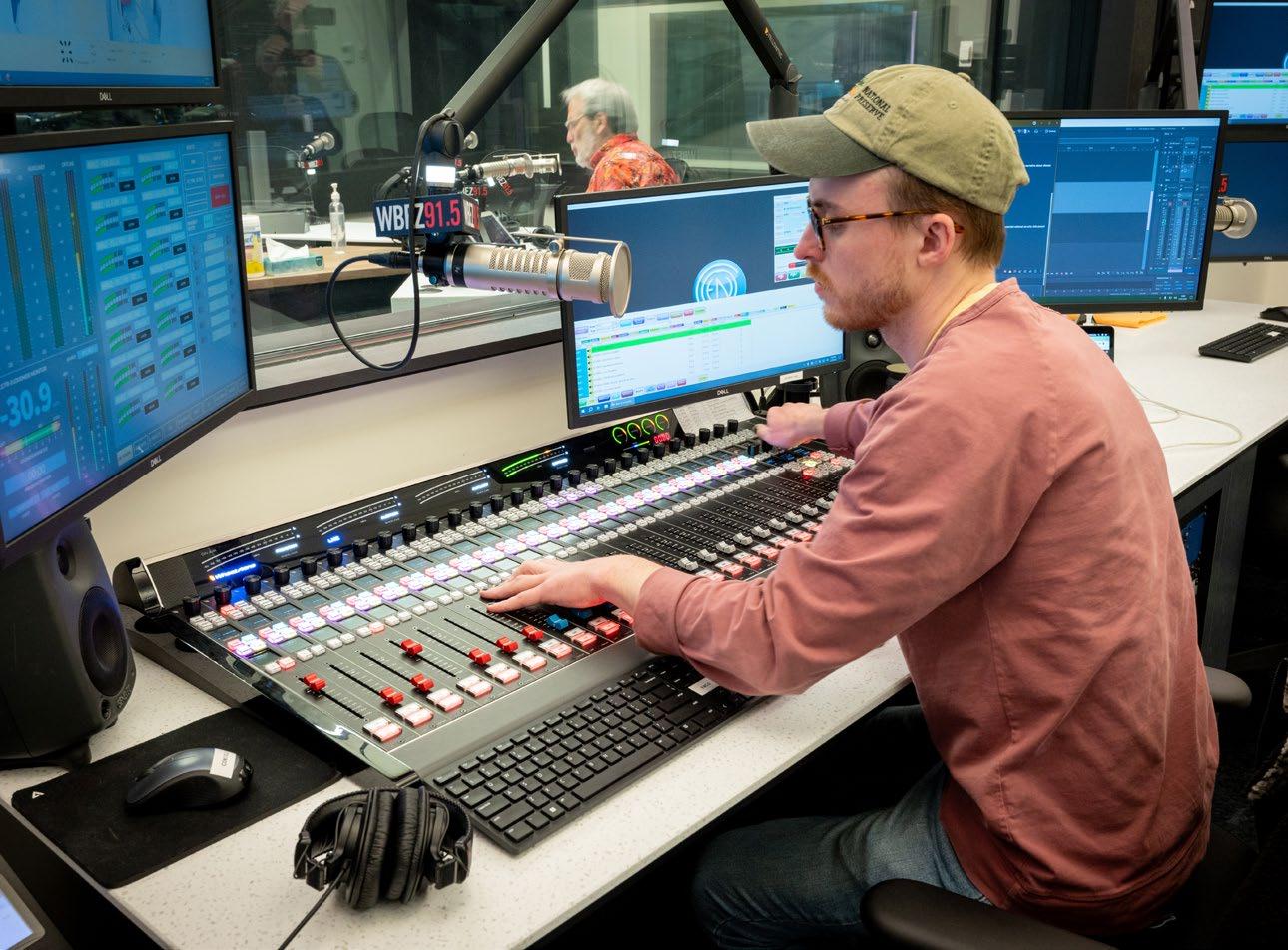
“I can set up and communicate with our Comrexs and Tielines directly through the faders. There’s no separate interface I have to go through. It makes mix-minuses fast and easy, and we even set that up with our DAW system too, so we can do that with Zoom or Google Meet.”
LXE console surfaces are throughout Chicago Public Media’s new studio facility. They share common controls and coloring schemes so staff can move between studios easily.
the studio, showing up in the headphones or cue speaker as needed.
Eventide delay control and status is extended from the TOC to SS-8 panels by way of custom scripting. Additionally, users can take studios live to each air chain through an “arm-take” interface, with feedback enabled by the fullcolor button displays.
Above
Fader knobs are color-coded by source, and the same color coding follows from the studio to the rack room. All resources, event triggers and mix-minus and mic settings share the same positions on the console yet are universally available at any console position in the 12 studios plus the control room to the WBEZ Performance Studio.
Programmable SS-8 button panels were scripted and added to LXE console surfaces by Inrush Broadcast Services engineers to provide intercom and other functions. Scripts run locally on the button panel itself, part of distributed intelligence in WheatNet IP to eliminate single points of failure. Intercoms are routed intelligently based on state of
Visual radio can be tied directly into the console surfaces via the WheatNet IP audio network. When one mic turns on, a camera can capture the presenter. When all guest mics are turned on, cameras can capture a room shot of the guest positions or combine multiple camera angles into one video feed. These can be AoIP networked into WBEZ’s green room and video and audio production studio.
Producers and technicians can remote into the console to view what the talent sees on the board, down to individual meter displays on each fader.
The LXE console surfaces with WheatNet IP replace WBEZ’s analog Wheatstone consoles that had been in service for more than two decades. “Our old [Wheatstone] board was on the air for some time, which was an accomplishment in itself,” Schwabe said.
Ethan Schwabe is master control engineer for “Reset” on WBEZ.AEQ is highlighting expanded remote capabilities of its Capitol IP and Forum IP consoles.
“Virtual Capitol or Virtual Forum show an exact representation of the control surface,” AEQ states. That includes the controls available on the physical surface, as well as most functions including fader control and audio channels, EQ adjustment, gain, balance/panorama, save or load memories,
selected as desired and required by the user. From a remote location, the technician now can listen to different signals from the studio, either as a summed signal or in ‘split (L–R) mode,’ and also adjust the gain for the different signals using the Virtual Capitol/ Forum software.”
For example, talkback channels from a remote location can be sent to the console using any input channel previously selected with the configuration software; for example a signal from an IP codec can be used as a talkback channel.
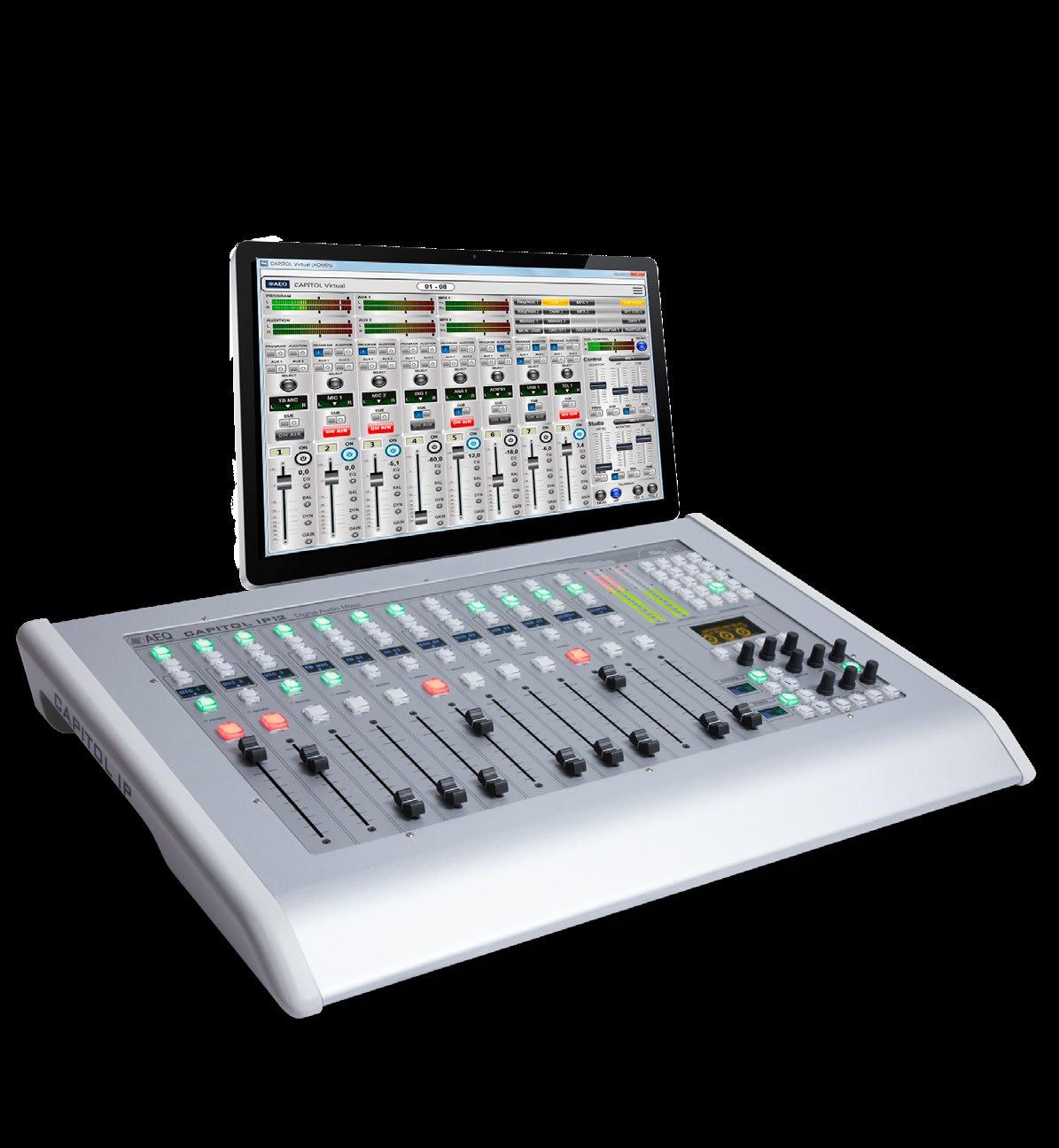
“This new Remote Production functionality is activated and deactivated through a programmable button and allows the console to change working mode with a single keystroke,” AEQ states.
In Remote Production mode, certain virtual controls are automatically modified to allow for level control of the signals sent to the technician for remote monitoring. “For example, in the control room section of the Capitol/Forum virtual software, when the remote production mode is activated, they act on the monitoring and pre-listening levels that have been previously sent to the location of the remote control.”
www.aeqbroadcast.com


LPFM station likes its remote connectivity and software control features
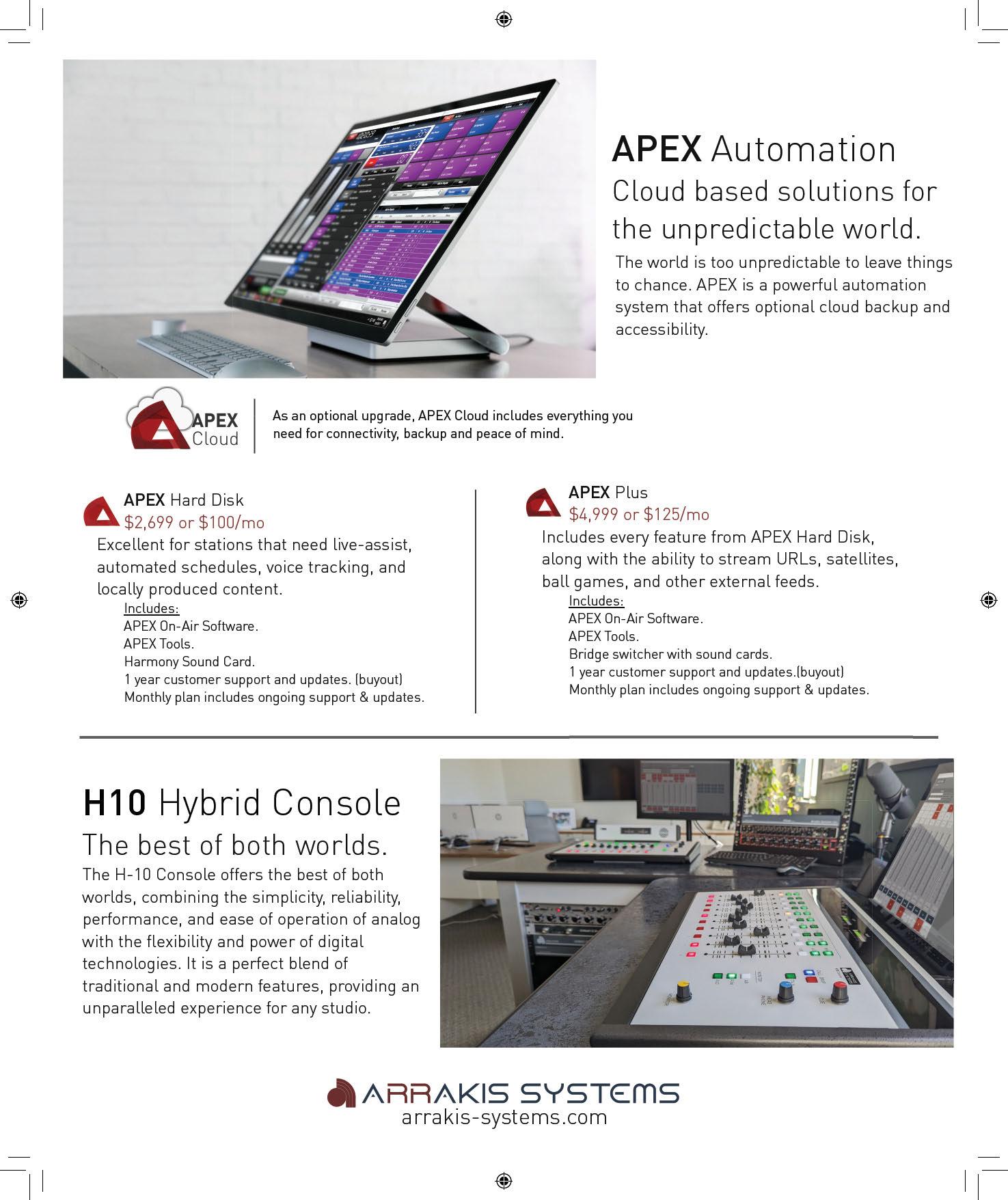
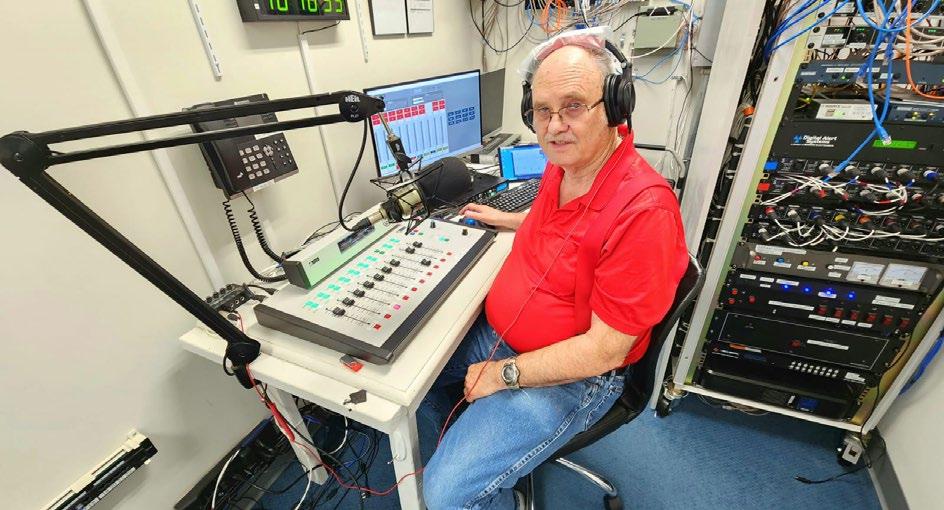
Carroll Baker is general manager and engineer of WYAW, a low-power FM station in Savannah, Ga. He recently purchased and installed the new H10 console from Arrakis Systems.
“Mostly, I operate the station remotely. At least 90% of everything is handled remotely, which is a game-changer for me,” he said.
The console’s ability to be run remotely allows him to control broadcasts, make adjustments and monitor performance without being physically present at the station.
“What good is a fancy console if you have to be in front of it to operate it? The H10 saves me a lot of time, money and general frustration.”
He likes that the H10 has balanced and unbalanced (RCA) inputs, analog meters as well as USB and Bluetooth features. The console is used for a live call-in talk show, automated
More Info www.arrakissystems.com
programming, production and remote-controllable source switching.
“I also appreciate that the software has channel labels for easy identification. These capabilities ensure that our station can operate seamlessly across various formats and needs, providing a consistent and high-quality listening experience.”
This is an analog board that offers software control. Baker finds the software easy to navigate through settings and functions. “Even if you are someone who isn’t particularly tech-savvy, the learning curve is minimal.” This simplicity means he can train his team quickly and efficiently.
AxelTech has updated its web interface for the Oxygen 3000 Plus. In the past the interface had been limited to use in configuration setup; now it embeds a fresh GUI that includes features of the company’s Oxygen Remoter tool.
Features include a new home page, showing the master display and the output levels in real time, and a new dashboard, shown.
“The Oxygen Remoter Features were integrated into the web interface, so it is now possible to control any Oxygen 3000 Plus surface from it. It is now possible to receive the streaming-out from the monitor
and listen to it from the web page.”
Baker is pleased with the audio quality and the H10’s connectivity other equipment. “Overall, the Arrakis H10 has been a vital asset to my station.”
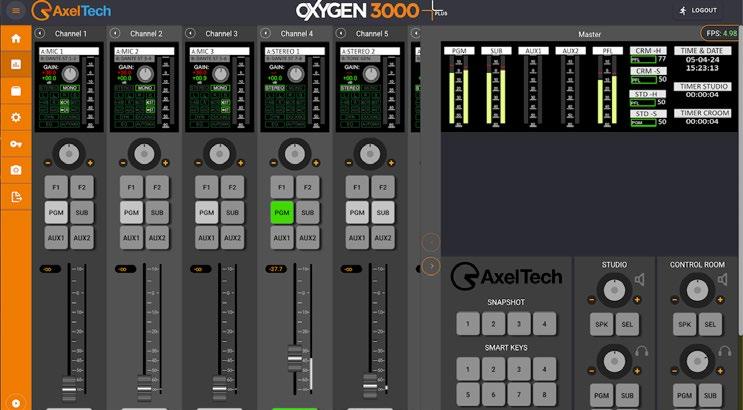
The firmware update is available from the web interface and through Service Configurations. it’s possible to manage all Oxygen Series consoles on a network. You can copy and paste the console’s configuration from one console to the other, directly from the web interface. The same is true for presets, smart keys and other functions.
The Oxygen 3000 Plus lineup is available in eight, 12 or 16 faders. Configurations are customizable, with one or two Audio I/O Boards plus 16+16 or 32+32 Dante I/O.
AxelTech said that at the IBC show it will present a new a new talk show and contact center manager feature for the Oxygen 3000 Plus consoles.
Info: www.axeltechnology.com
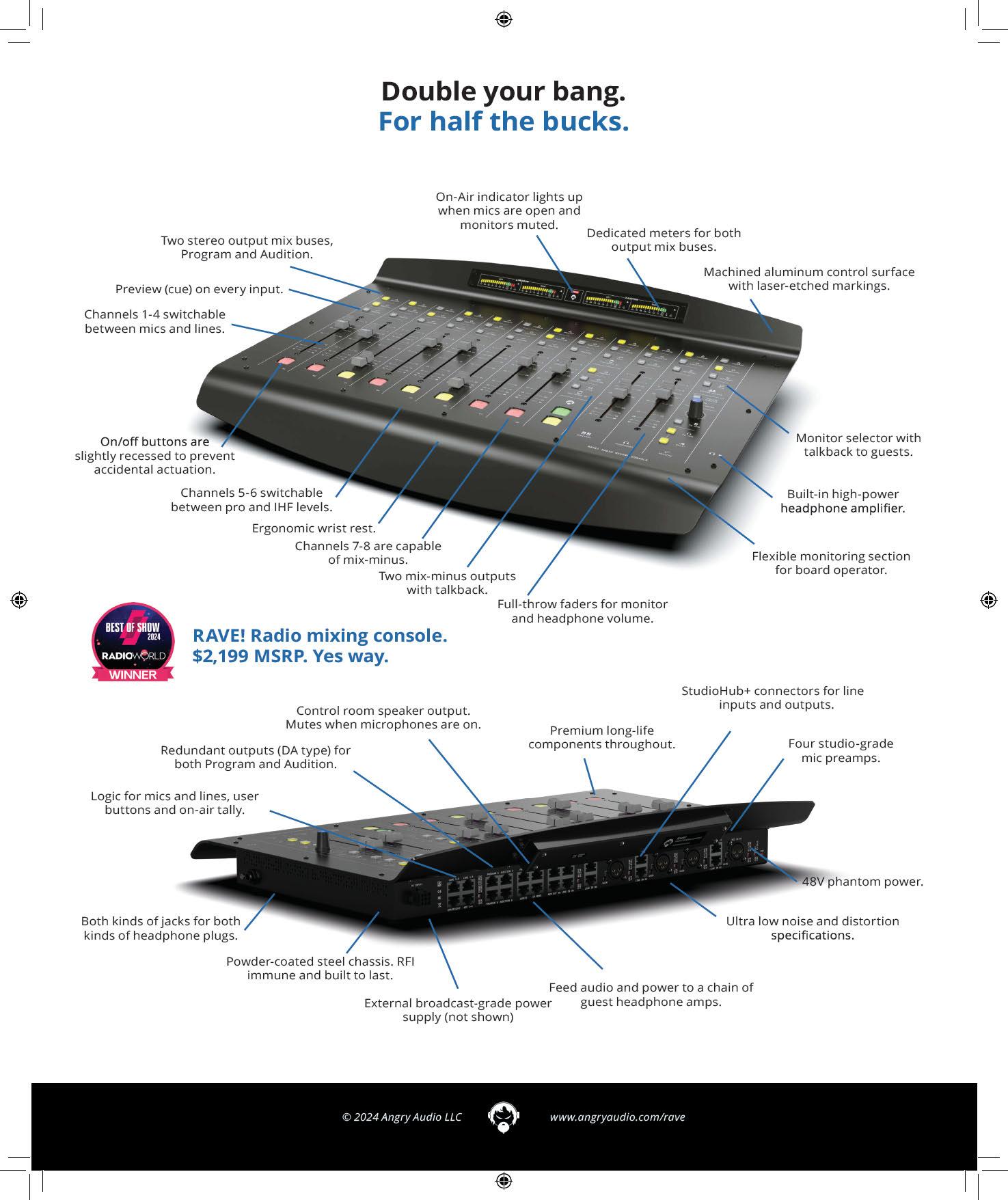
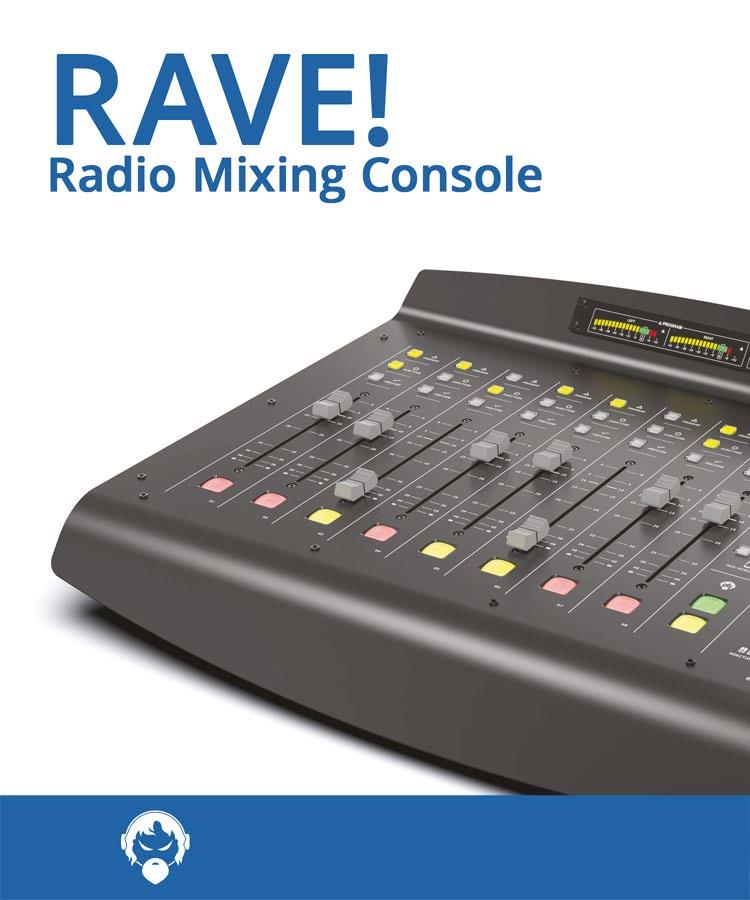
The Rave! Audio console from Angry Audio, a recipient of the Radio World “Best of Show” Award at the NAB Show, offers eight input faders that can be configured to suit multiple applications.
Channels 1-4 offer switchable mic/stereo line inputs, with selectable phantom power for condenser microphones. Channels 5 and 6 feature adjustable input sensitivity to allow direct connection of equipment with either professional +4 dBu output levels, or –10 dBu IHF.
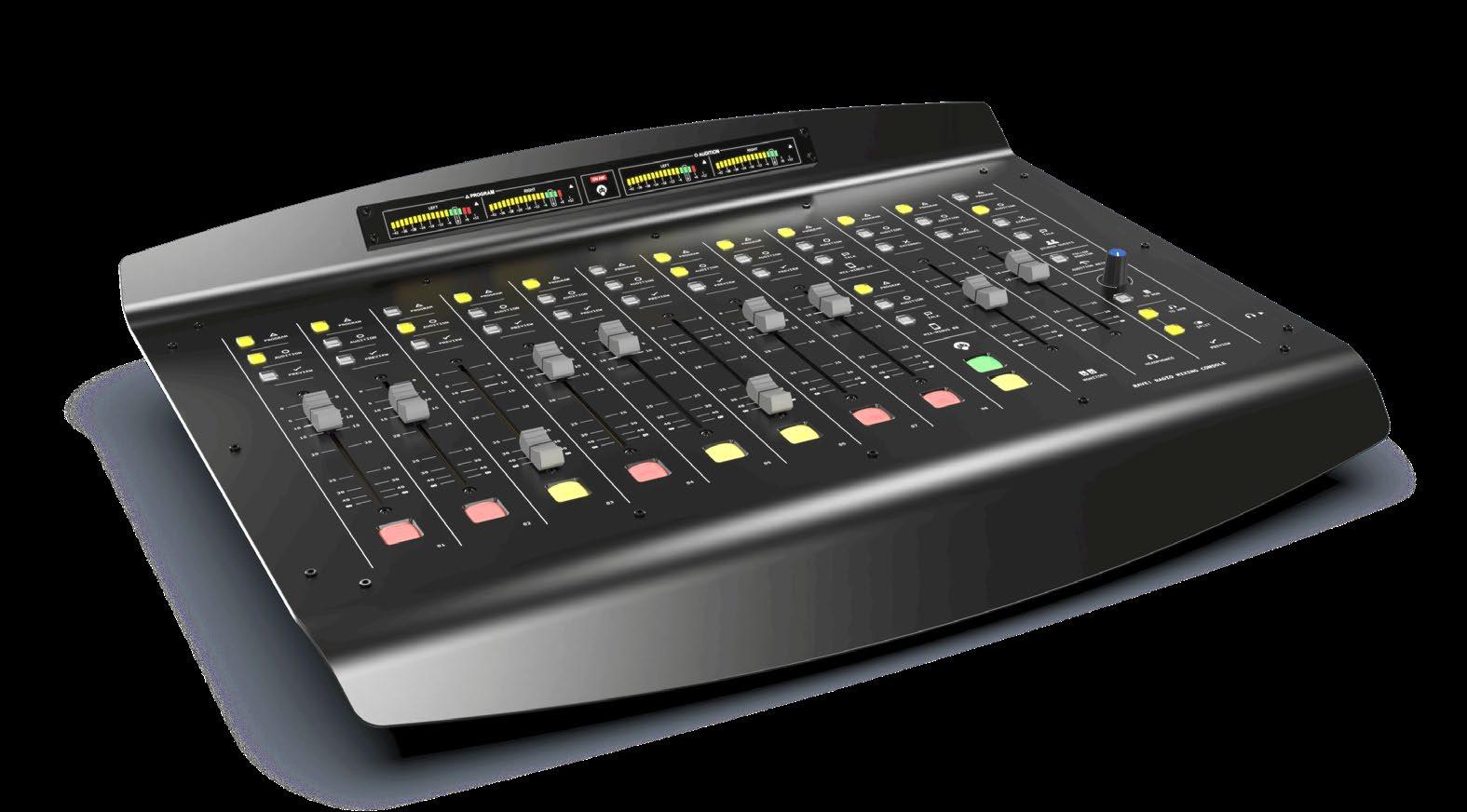
Channels 7 and 8 each feature a dedicated mix minus output (with talkback) for use with telephone hybrids, codecs or PC-based applications.
All inputs feature a dedicated cue function. Each fader also features a lighted and recessed on/off pushbutton, with remote control logic.
On the output side, the console features two stereo mix buses, each with DA outputs and dedicated metering. A flexible monitoring section includes full-length faders for speaker and headphone


volume, a high-power internal headphone amplifier, as well as talkback facilities for guest headphones.
The board is built from sturdy aluminum with laser-etched markings for durability. I/O connections are provided on StudioHub+ compatible RJ-45 connectors, along with XLR inputs for microphone preamplifiers. An external half-RU power supply with status LEDs can be rack- or surface-mounted.
Info: https://angryaudio.com/















































Telos Alliance has released v3.0 software for its Axia Quasar XR and SR AoIP surfaces and mixing engines.
The update introduces processing and routing features to give users more control over their audio. Additions include DSP-based processing with the ability to apply filters, dynamics processing and True Peak limiting on Program 1–4, Record and Phone busses, with Telos describes as a comprehensive toolkit for audio manipulation.
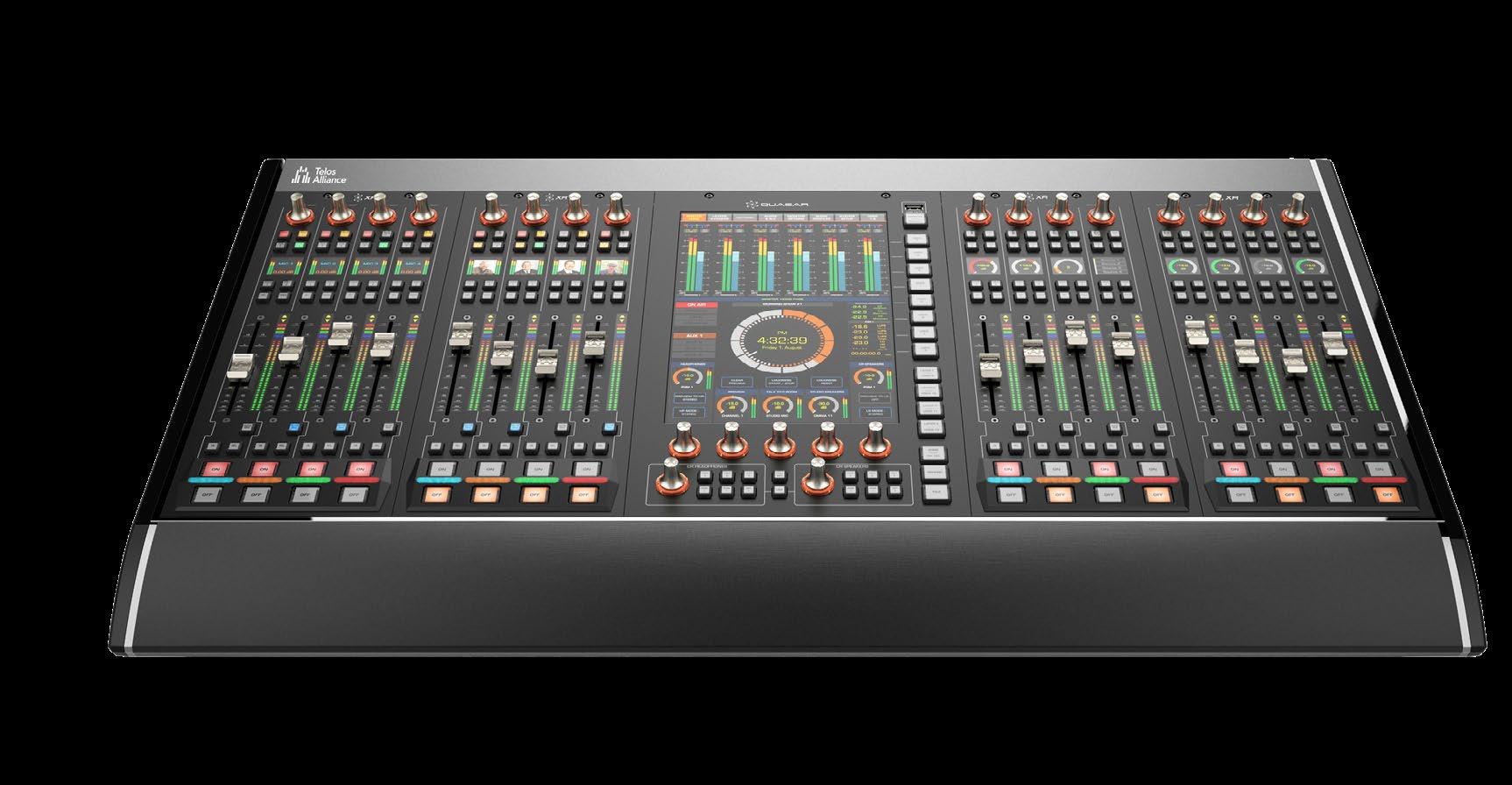
Additionally, v3.0 software provides a dedicated low-latency peak limiter for every input channel.
“Variable position Insert Sends are also a part of the Quasar v3.0 package, offering greater flexibility in applying pre-fader/postprocessing, external effects, post-fader direct sends to codecs, or creating custom mix-minuses,” it said.
“Input channels now have Variable position Insert Returns, adding yet another layer of versatility to audio routing options.”
The update also adds more tools to Quasar Virtual Mixer functionality, which allows virtualized mixing of audio channels without occupying physical fader positions. Each of the five inputs on a VMIX instance now includes phase and pan controls, while a new
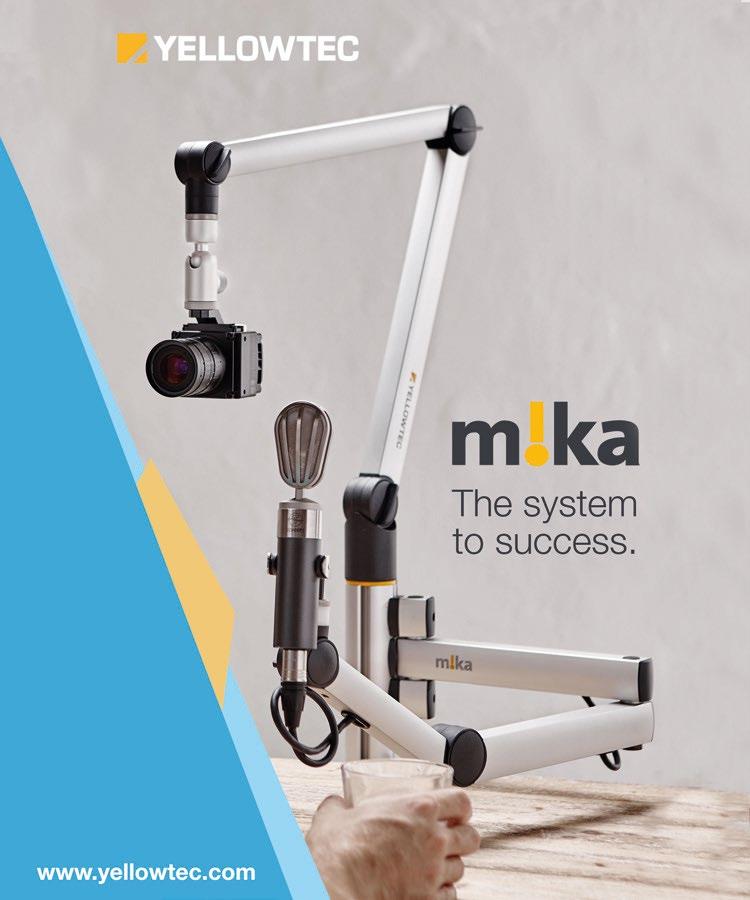
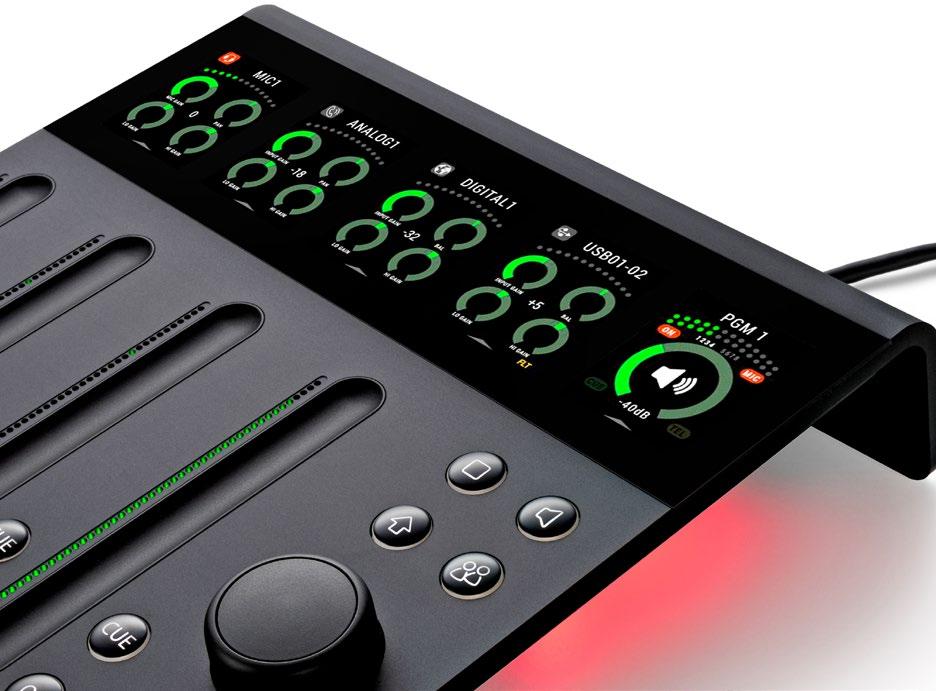
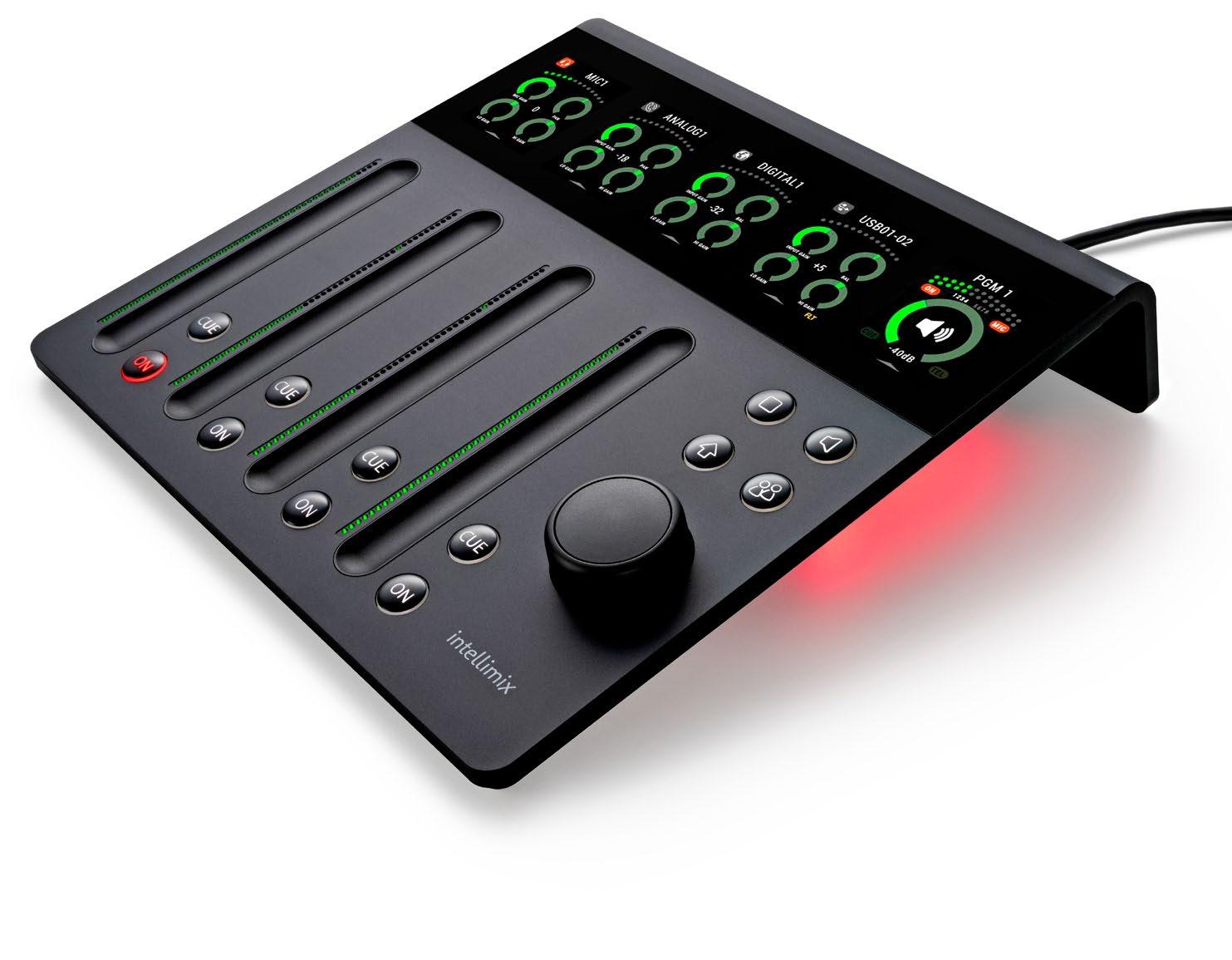
The new Intellimix Neo from Yellowtec was introduced at the NAB Show and began shipping in May. This model expands the company’s line of Intellimix Desktop Mixers by adding an eightchannel mixing console without AoIP connectivity.
“The all-black Intellimix Neo bridges the gap between the current models Intellimix Focus and Intellimix Pro,” Yellowtec states.
The company highlights its extended I/Os and settings to handle complex wight-channel mixing tasks. “Thanks to remote control options, admin mode and an unlimited amount of user profiles, Intellimix Neo is the ideal desktop mixer for shared workplaces used for multiple different workflows that do not require AoIP connectivity.”
Features include a multitouch widescreen display; four G-Touch Faders; sealed hard keys; and rotary control.
VMIX control from the mixing surface.
Other new features include a new multiline Soft Call Controller for Telos VX phone systems, and support for backup control surfaces to ensure uninterrupted operation during emergency situations.
Telos highlights Quasar consoles for their ergonomics, audio shaping tools, sophisticated workflow features, dynamic visual surface cues and low-profile design.
The v3.0 software is shipping on new Quasar XR and SR mixing consoles. Users with existing Quasar consoles can obtain v3.0 via the Downloads link at the website.
Info: www.telosalliance.com
convenient area.”
Info: www.yellowtec.com/intellimix
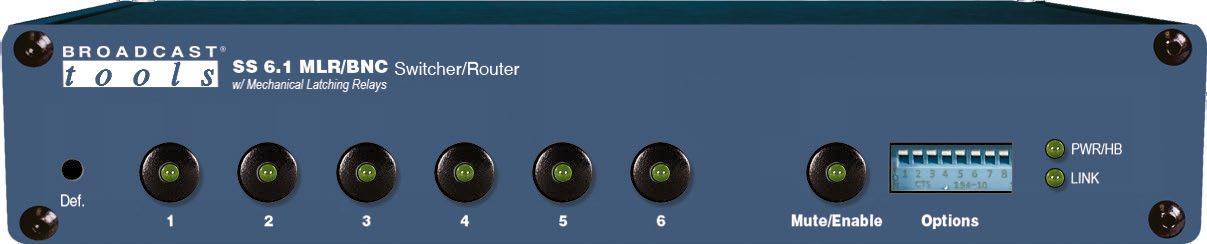
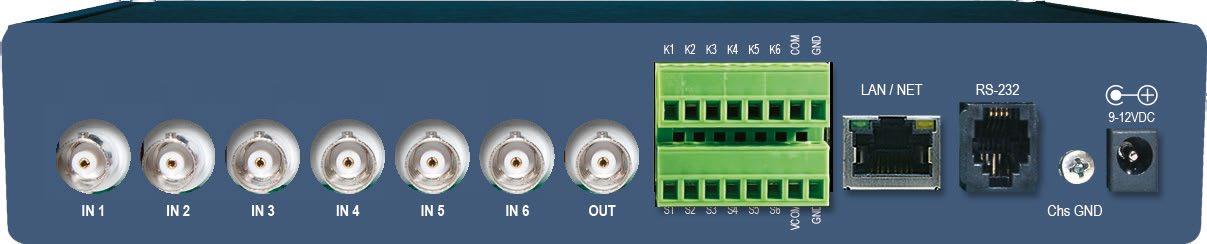
At the NAB Show, Broadcast Tools Inc. announced two matrix audio switchers for broadcast automation and other applications.
The ACS 8.4 G2 is a 8x4 balanced analog stereo switcher with eight RJ-45 audio input and four RJ-45 audio output connectors.
The ADMS 44.22 G2 is an analog/digital hybrid switcher with builtin analog to digital (ADC) and digital to analog (DAC) converters. It has four RJ-45 analog inputs, four XLR AES inputs, two RJ-45 analog outputs, and two XLR AES outputs. Matrix switching allows any/or all inputs to be assigned to any/or all outputs.
Both switchers occupy a single 19-inch rack space and feature front-panel push-button controls as well as 16 remote control/PIP
trigger inputs compatible with contact closures, open collectors and logic outputs. Sixteen SPST relay outputs are provided to interface with external equipment.
The switchers can be controlled via built-in multi-drop RS-232 serial and/or Ethernet (TCP/UDP). Built-in Ethernet eliminates the need to purchase a separate serial-to-Ethernet device server.







Other features include three audio switching modes: interlock, overlap and mix. Internal silence sensors that monitor each output and provide front-panel LED silence indicators, serial string outputs and silence alarm relay outputs. Silence sensor trip level, silence delay and restore duration timing are configurable. Audio monitoring is via front-panel stereo LED VU meters and front-panel stereo headphone output and level control for output monitoring. The ADMS 44.22 G2 includes digital input error/ sample rate monitors with LED indicators and serial string outputs for all four AES inputs.
Info: www.broadcasttools.com








































Continued from page 30
inspector visited your station? All of those problems I mentioned about WMIN were violations.
Naysayers speak about the higher noise floor. They’re right, but lay the blame in the right place.
There are rules relating to incidental radiation, but if you ask the typical FCC employee about this today, they don’t even know what it is. Every computer, microwave or other device that radiates RF noise should also shut down. Take your field strength meter and go to your local Wal-Mart on a busy day when all the checkout lanes are open. You can read a signal from that building sometimes a mile away. Then stack in every gas station that installed electronic pumps and computers — you don’t have to wonder why you have noise.
What can you do?
1. Make sure your station is working at its fullest potential.
2. If possible, increase your power on your current frequency.
3. Change the frequency to an alternate channel that is less cluttered and allows you more power.
4. Bite the bullet! If necessary, build another tower or two to increase your radiation to your key market.
I’ve done all these things. I made up my mind in the 1980s to never build an AM station with less than 10,000 Watts. I’ve erected three 10 kW AMs to beat the noise floor. I built a 50 kW station that overcomes noise nicely. If the FCC ever comes to its senses and redraws


that noise floor, it will be like a jackpot on a slot machine for all AM owners.
But the commission tries to appease you with low-power FMs. You know what that does: It sends listeners to FM and further decimates the AM band.
When I was a youngster, I would listen at night to AM stations thousands of miles away with no problem. Ask an old-time truck driver, he’ll tell you how great AM was.
Quit listening to pundits blaming the band itself. Lay the problems at the FCC’s doorstep:
The FCC refused to enforce incidental radiation and type acceptance of microwaves, computers and numerous electronic devices like Allison Transmissions that wipe out AM radios even in their vehicles.
The FCC refused to hold AM owners to its standards.
The FCC approved Motorola, one of the most flawed stereo systems.
The FCC took more listeners from the band by giving AM stations low-powered FMs.
Can we fix it? Probably not. What I heard just the other day from an AM owner made my blood run cold. He said, “If the FCC would let me, I’d shut the AM off and only run the translator.”

Many broadcasters have already turned off the AM. They did not have translators, just a high-power FM, and then they moved their customers.
Well, before you shut that off, give me a call. I just might







 Writer
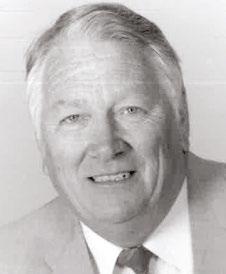 Ed De La Hunt
The author is co-founder of De La Hunt Broadcasting in Park Rapids, Minn., and an inductee of the Minnesota Broadcasters Hall of Fame.
Here’s why I put problems of the band at the doorstep of the commission
Ijust had to write after digesting everyone’s ideas about what the problems of AM radio.
Number 1 is electrical storms, which God gave us, so we must live with them. There are, however, steps you can take to balance that out, such as higher power and better maintenance on tower systems to be sure your radiation is as it should be. Also make sure your audio system is cleared and functioning. I don’t mean loud, I mean clean and delivering quality sound. This to some degree can beat lightning bangs.
I’ve been knocking around this business for 68+ years. As my first job out of school, I was chief engineer of WMIN(AM) in St. Paul and Minneapolis. When I walked in the place was a disaster. Radiation was not a concern to the previous
engineer, who was constantly asked by management why no one could hear them.
Well, that was simple. After evicting a mouse family and cleaning all connections, we replaced the base current meter, which had been reading 1 amp higher than it should. We replaced the audio processor, which had outlived its life by 20 years, and re-tuned the transmitter, which was so far out of resonance that they were burning up tubes every 90 days.
This experience is still real for many stations, leading people to jump on the Dump AM Bandwagon.
When someone asks “What’s wrong with AM?” I answer, “Where the hell is the FCC?” When was the last time an
Continued on page 29
Ryan McVay/Getty Images