
Frankston City Council acknowledges the Bunurong people of the Kulin Nation as the Traditional Custodians of the lands and waters in and around Frankston City, and value and recognise local Aboriginal and Torres Strait Islander cultures, heritage and connection to land as a proud part of a shared identity for Frankston City.
Council pays respect to Elders past and present and recognises their importance in maintaining knowledge, traditions and culture in our community. Council also respectfully acknowledges the Bunurong Land Council as the Registered Aboriginal Party responsible for managing the Aboriginal cultural heritage of the land and waters where Frankston City Council is situated.
This Plan was adopted by Council in October 2021.
Vibrant and inclusive play spaces improve community connections and help us learn about ourselves and the world we live in. We are committed to improving play opportunities across Frankston City to encourage the community to be healthy and active to improve overall wellbeing.
Increasingly, the importance of access to parks and open spaces has been highlighted as essential for health and wellbeing particularly in the declining prominence of suburban backyards and increasing higher density living in Australia. While play is especially important for children and their development, it is also important to provide play and recreational opportunities for people of all ages and abilities to facilitate an active, healthy and engaged lifestyle.
Through extensive consultation, our community helped shape and inform this Play Strategy.
The Play Strategy Action Plan sets out a clear direction for how Council intends to improve play spaces over the next 15‐20 years. It provides a basis and direction for Council to prioritise projects to ensure our community has equitable access to play in high‐quality and valued spaces. Play spaces and local parks across the municipality have been assessed and action plans developed to guide future play and local park improvements.
The priorities outlined within this Play Strategy summarise the core areas of Council’s focus for improvement including:
• Safe and well maintained play spaces
• Inclusive and accessible experiences
• Diverse play
• Sustainable facilities
• Valued open space
• Flexible community infrastructure
• Community awareness
By improving our play spaces, we can create desirable places for the whole community to come together and enjoy.

Cr Kris Bolam Mayor, Frankston City
Play is mostly experienced through being and doing.
Play is about activity, participation and exploration; it contributes to physical development, by testing boundaries and learning new skills and information. Play develops confidence in self, collaborations with others and situation judgment.
Play involves interaction with others, an opportunity to communicate feelings and intentions, negotiate and compromise.
Play can be a chance to let off steam and energy, or imagine and create. The value of play to our physical and emotional wellbeing is immeasurable, tackling contemporary health issues of all kinds.
Some of the key community benefits for municipal play and research that supports them are outlined below:
• Only 1 in 10 young people in Australia meet the physical activity recommendation of 60 minutes per day
• Less than 30% of young people (5‐17 years) in Australia meet the recommended no more than 2 hours screen based entertainment per day
• Research shows that presently only 1 in 3 children in Australia engage in ‘free play’ outdoors daily
• 1 in 4 young people in Australia are obese or overweight
• Anxiety related problems are increasing amongst children with an incidence 10 times that of diabetes
• Contact with the outdoors and nature is extremely valuable for stimulating full‐body engagement and recovery from fatigue and stress
• Active adolescents in Australia report the importance of walkability, including ease of movement within an area to get to parks
• Access to parks and open space is increasingly important given the declining prominence of the suburban backyard and increasing higher density living in Australia
• [Greater] Melbourne’s internationally acclaimed parks, gardens and waterways aren’t just picturesque, soothing and cooling, but central to efforts to attract visitors who will spend an estimated $25 billion by 2027
• In [Greater] Melbourne, the amenity value for some 12,000 residents immediately adjacent to metropolitan parks alone is estimated at $21–28 million a year
• Green space amenities like urban parks, gardens or community gardens also provide neighbours with an opportunity to build community by facilitating interaction through chance encounters
• The quality of public space (shaded areas, public seating, connected pedestrian walkways, etc.) also contributes to social cohesion and building community
• Most people will only come to care for the environment if they come to love nature through personal experience
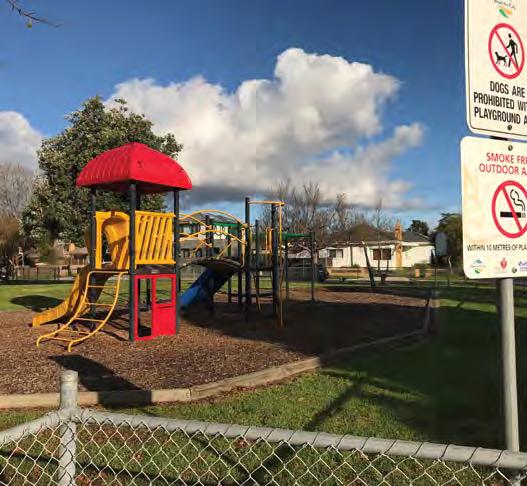
The term playspace refers to the broader landscape environment in which sits play equipment, nature play elements, paths and undersurfacing, shade, furniture, planting and sometimes art elements and fencing. It replaces the older term playground, which is typically associated with modular play equipment and undersurfacing.
Council currently manages 123 playspaces, 5 skate facilities, 2 BMX facilities and 15 youth spaces (including ball courts and scootering) across Frankston City. There are also 2 main aquatic centres, PARC in Frankston and The Pines in Frankston North.
The Play Strategy is one of several strategic documents guiding a new approach to open space improvements in Frankston City. The Frankston Open Space Strategy 2016‐2036 is the overarching document and is supported by the Frankston Play Strategy and the Local Park Action Plan. The Frankston Play Strategy 2021 provides an overview and recommendations for
all open space containing playspaces, including local parks. The Local Park Action Plan provides a framework for open space improvements for Local Parks that don’t contain playspaces. An outcome of the development of the Play Strategy and Local Park Action Plan, Council are changing the way they deliver open space improvements.
Frankston Open Space Strategy 2016 - 2036 Local Park Action Plan
Frankston Play Strategy 2021
Since Council last prepared a strategy the purpose and design for play in Frankston City has changed. There has been a shift from settings being mostly modular play equipment providing for physical activity, to more complex spaces that welcome, include and provide better amenity for the ‘whole’ community.
Furthermore, the impacts of the Covid‐19 Pandemic during 2020 / 21 and the resulting lockdown restrictions have highlighted the necessity of good quality ‘local’ access to open space and play for the health and wellbeing across the whole community, regardless of age or ability.
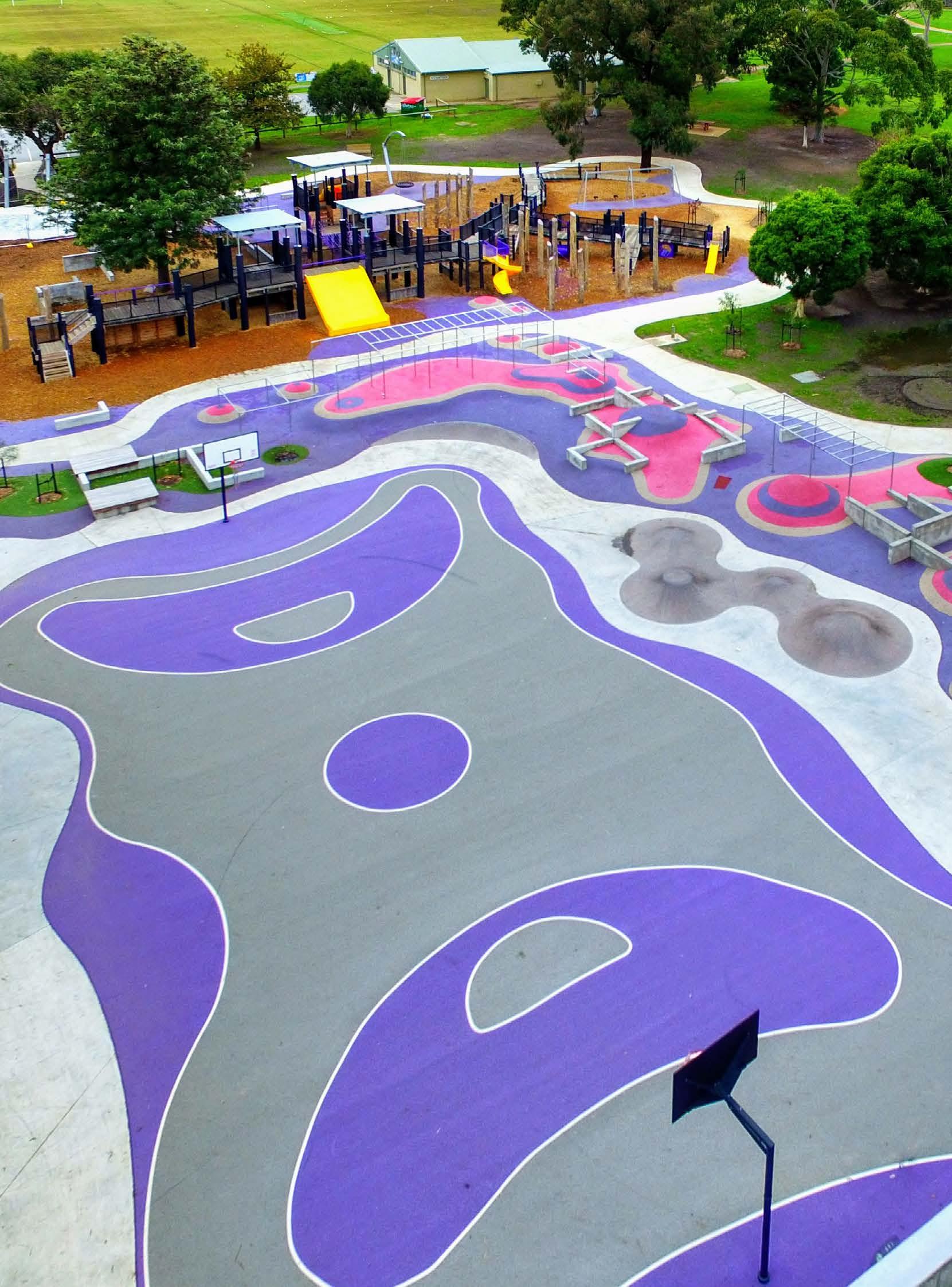
A more diverse range of play types and settings are now trending globally. Alongside more traditional play equipment this includes; destination playspaces, nature play, adventure play, water play, digital play and more inclusive, intergenerational play.
‘Our playspaces will be fun, engaging and inspiring places for everyone’
The purpose of the strategy is to articulate a vision for the future of play in Frankston City and determine what is required to achieve that vision and meet the needs of the community over the next 15‐20 years. Seven guiding principles and associated key objectives have been developed as guidance:
Initiatives:
• To maintain playspaces and open space so that they comply with safety standards and they are clean, attractive and welcoming
• To design playspaces and open space with a considered application of CPTED (Crime Prevention through Environmental Design) principles
Initiatives:
• To improve path networks at existing parks to enable safe and easy access to play equipment and other amenities linking playspaces into the residential neighbourhood
• To improve disability access requirements compliant with Australian Standards in the redevelopment or creation of new playspaces; this includes both pathways and access to a range of play activities
• To improve the range of accessible features at regional and district playspaces to not only support people with physical or ambulant disabilities, but also cognitive and vestibular disabilities, hearing and vision impairment, social‐emotional disabilities, chronic health conditions, multiple and sensory disabilities
Initiatives:
• To increase the diversity of play experience available at individual playspaces and across each neighbourhood precinct
• To increase the diversity of play experience for all ages and abilities across all district and regional playspaces, enabling more opportunity for intergenerational play
• To increase the range and diversity of age groups that playspaces cater for
• To create new playspaces where landscape features and play equipment complement and integrate with each other
Initiatives:
• To specify sustainable materials and surfaces (where appropriate) in all playspace design
• To support local procurement of materials, equipment, furniture and plants (where appropriate)
• To improve the life‐span of play equipment (existing and new) and amenity
• To consider sustainable use of resources (in particular water) and energy
• To improve the natural shade cover and micro‐climate of playspaces
• To choose water‐wise, hardy and diverse plants for garden areas in playspaces
Initiatives:
• To connect playspaces with surrounding vegetation, parklands and waterways / coastal environments
• To increase awareness, knowledge and care of the local, natural environment through design for play
• To introduce various types of complementary water play to the play network
Initiatives:
• To extend flexible use of playspaces with connection to community facilities (such as libraries, community centres etc.), by introducing a new classification of Community Level playspaces
• To create spaces that allow for inclusive social gathering and participation in varied recreation activities
• To create playspaces that build confidence within the community to access other support or recreation services
Initiatives:
• To consult and inform the community during the planning process for play and when there are multiple projects undertake precinct planning for better community engagement
• To advocate the health and wellbeing benefits of play to the community
• To inform the community about the range of playspaces available to them for play and recreation and how to access these playspaces
• To empower the community to make informed choices about where they play, in particular supporting community members with a disability or seniors to participate
Frankston City is located in the outer southern suburbs of Melbourne, about 40 kilometres south of the Melbourne CBD and it also borders to the west on Port Phillip Bay. The municipality is made up of 9 key neighbourhoods (Seaford, Carrum Downs, Sandhurst, Frankston North, Skye, Frankston, Langwarrin, Frankston South and Langwarrin South) and these are used for planning purposes in this strategy. Adjacent local government authorities include: Kingston; Greater Dandenong; Casey; and Mornington Peninsula Shire councils.
The municipal context is predominantly suburban and peri‐urban, with a larger commercial zone in Frankston central and industrial zones in Frankston, Seaford and Carrum Downs. The natural environment is coastal (bay foreshore) to the west with pockets of open space, bushland reserve and waterways throughout. A north‐south rail and freeway corridor dissects the city.
Current playspace provision in the Frankston City
The following is a list to date of the current Frankston City’s playspaces by neighbourhood:
Seaford
1. Armstrong Reserve
2. Austin Reserve
3. Centenary Playspace (Belvedere Bushland Reserve)
4. Belvedere Reserve
5. Bruce Aitken Reserve
6. Brunel Reserve
7. Crystal Pool Park
8. East Seaford Reserve
9. Kananook Reserve
10. Keast Park
11. Lorna Reserve
12. McCrae Reserve
13. Park Reserve
14. Pimpala Reserve
15. Prince Reserve
16. RF Miles Reserve
17. Riviera Reserve
18. Seaford North Reserve
19. Weatherston Reserve
20. Wisewold Reserve
Carrum Downs
21. Allied Reserve
22. Banyan Reserve
23. Botany Park
24. Brolga Reserve (North & South)
25. Carrum Downs Recreation Reserve
26. Clifton Reserve
27. Gamble Reserve
28. Jacana Reserve
29. Lavender Hills Reserve
30. Laurel Crescent Reserve
31. Orama Reserve
32. Oakwood Reserve
33. Paras Reserve
34. Polaris Reserve
35. Richmond Reserve
36. Rotary Park
37. Sandfield Reserve
38. Shearwater Reserve
39. Tucker / Wattlewoods Reserve
40. Wilton Reserve
Skye
41. Darnley Reserve
42. Heritage Reserve
43. Heysen Reserve
44. John Monash Reserve
45. Lady Emily Reserve
46. Rangeview Reserve
47. Skye Valley Park
48. Adib Reserve
49. Armata Park
50. Eric Bell Reserve
51. Manna Reserve
52. Monterey Reserve
53. Rosemary Reserve
54. Telopea Reserve
55. Tilia Reserve
56. Ballam Park Junior Playspace (East)
57. Ballam Park Senior Playspace (West)
58. Beauty Park
59. Bruce Park
60. Dunsterville Crescent Reserve
61. Ferndale Reserve
62. Fingal Reserve
63. Franciscan Reserve
64. Frankston Waterfront Playspace
65. George Pentland Botanic Gardens
66. Havana Reserve
67. Joy Reserve
68. Jubilee Park
69. Kareela Reserve
70. Kashmir Reserve
71. Lindrum Reserve
72. Lipton Reserve
73. Lucerne Reserve
74. Mincha Reserve
75. Montague Park
76. O’Grady Reserve
77. Orwil Reserve
78. Peninsula Reserve
79. Raphael Reserve
80. Roberts Reserve
81. Victoria Park
82. Whistlestop Reserve
83. Willow Park
84. Wingham Park
85. Witternburg Reserve
86. Wolsley Reserve
Langwarrin
87. Athol Reserve
88. Bayport Reserve
89. Beckenham Reserve
90. Burgess Reserve
91. Cavill Reserve
92. Dunn Reserve
93. Elisabeth Murdoch Arboretum
94. Flame Robin Reserve
95. Fernwood Reserve
96. Granite Reserve
97. Illawong Reserve
98. Langwarrin Pump Track & Skate (Lloyd Park)
99. Long Reserve
100. Maria Reserve
101. Monique Reserve
102. Myrtle Reserve
103. Northgateway Reserve
104. Pindara Playspace (Lloyd Park)
105. Southgateway Reserve
106. Wahgunyah Reserve
107. Yarralumla Reserve
South
108. Abram Reserve
109. Eliza Heights Reserve
110. Baxter Park
111. Casuarina Reserve
112. Delacombe Reserve
113. Escarpment Reserve
114. Manor Reserve
115. Marama Reserve
116. Overport Park
117. Pratt Reserve
118. Fleetwood Crescent Reserve
119. Sycamore Reserve
120. Kars Street Playspace
121. William Hovell Reserve
122. Woodside Park
123. Yamala Reserve
Sandhurst
124‐129. These 6 playspaces were not assessed as part of council’s network, but are currently shown as public playspaces that are, privately managed.
Between the 2016 Census Data and the Australian Bureau of Statistcs ‘Estimated Resident Population we can build a picture of our community:
By suburb we have the following density of population and playspace distribution per person: Carrum Downs
Frankston (including Frankston Central, Frankston Heights & Karingal)
*It is generally considered that 1 playspace for every 1000 people is suitable distribution in metropolitan Melbourne.
A snapshot of the age of our community now in 2020 and what it will look like in 2040:
years
years
years
*forecasts by .id, the population experts in September 2018.
The population of Frankston City is getting older. In 2016 Frankston City’s population had a slightly higher % of 0‐17 year olds and a considerably lower % for 18‐24 year olds, than the Greater Melbourne average. Future projections indicate an 11% increase in residents aged 12‐24 years and a 2.4% increase in residents aged 0‐11 years by 2041. Of increasing importance is the projection that indicates a 40% increase in residents aged over 60 years by 2041.
The development of new dwellings is seen as being the largest driver in population growth. The followin map outlines projected development growth in Frankston City in the next 25 years.
715-1513
1514-2345
2346-3755
Number of Projected New Dwellings 2016‐41
The SEIFA (Socio‐Economic Indexes for Area) Map below indicates in 2016 the least disadvantaged suburbs to the most disadvantaged suburbs in Frankston City. The higher the score less disadvantaged, the lower the score more disadvantaged. SEIFA is assessed on the following criteria: education, occupation and economic resources.
PHILLIP
*It is important to note that in 2016 Frankston City was amongst the 10 median councils in Australia as defined by an overall municipal SEIFA index score of 1000.
.id, the population experts in September 2018.
The Community Vision 2040 was developed by the Frankston City community in 2020‐21 to articulate long‐term vision and aspirations for the future of our City. The Community Vision 2040 provides an aspirational description of what our community wants for the future of our municipality, in terms of its look, feel and liveability.
The Community Vision 2040 forms part of Council’s strategic planning and reporting framework, to ensure that the community’s vision for the future of Frankston City is considered in all of Council’s planning and decision‐making, including this Play Strategy.
“Frankston City 2040 is the place on the bay to learn, live, work and play in a vibrant, safe and culturally inclusive community. Our City is clean, green and environmentally responsible.”
The Community Vision 2040 identifies 6 themes and outlines key priorities for our Community. It also outlines Council’s role in the implementation of the vision and how it can make it happen. A summary of Council’s role in delivering open space and play improvements identified in the Community Vision 2040 is outlined below:
1. Healthy families and communities
“…Council will work as a direct service provider and partner in the provision of … open spaces to enhance community wellbeing, now and into the future.”
“Our community will be encouraged to be healthy and active through access to open green space, play spaces, shared paths and recreation facilities … Over the next 20 years, Council will continue to maintain and improve our open spaces and infrastructure to meet the changing needs of the community so that everyone is able to enjoy the important health and wellbeing benefits they provide.”
2. Vibrant and inclusive communities
“Vibrant and inclusive communities are socially connected and welcoming places where people feel accepted, engaged and able to participate in community life”
“Council is committed to principles of access, inclusion and cultural safety to ensure that everyone has the same opportunities to participate in community life”
“Council … works to provide and maintain accessible and inclusive community infrastructure that takes
the needs of all into account, including residents with a disability, older people and families with young children as well as culturally and socially diverse community members.”
“Council will maintain, protect and enhance our open green spaces, coastal areas and waterways to ensure that the community can continue to enjoy our City’s unique and highly valued natural environment.”
“Council will adopt a range of environmental policies, strategies and community education programs with the aim of protecting and sustaining our natural and built environment, avoiding and reducing greenhouse gas emissions, sustainably managing our natural resources and increasing our resilience to climate change.”
“Council provides a range of public spaces across the municipality that are well designed, safe and clean. Council will ensure that the community can continue to enjoy these spaces through enhancements and ongoing maintenance, and regulatory control of the environment to prevent and manage unsafe behaviours. Council will also work in partnership to provide urban design solutions and place‐making initiatives that enhance the accessibility and vitality of our public spaces, improving the overall liveability of the municipality.”
Council will continue to take a collaborative approach to improving the connectivity of our natural environment and enhancing biodiversity for the benefit of our wildlife, flora and future generations.”
5. Industry, employment and education
“Continue to promote Frankston City as a tourism destination and lifestyle capital.”
The 20‐minute neighbourhood is all about ‘living locally’—giving people the ability to meet most of their daily needs within a 20‐minute walk from home, with safe cycling and local transport options. In January 2018 the Victorian Minister for Planning launched the 20‐Minute Neighbourhood Pilot Program. This has been a framework in local network planning for playspaces in this strategy.
When planning for play an understanding of access to playspaces within that 20 minute neighbourhood is important to making equitable and appropriate planning decisions for communities. A range and complementary balance of play experiences for all ages and abilities should be provided across each local neighbourhood play network.
“Access to and uptake of more sustainable forms of transport in 2040 will be influenced by Council’s investment in walking and cycling infrastructure, policies that promote behaviour change to reduce reliance on private vehicles and advocacy to improve our public transport system… This includes balancing the need for an efficient road network with more opportunities for active travel through a responsive public transport system and better connected walking and cycling network.”
The Frankston Play Strategy 2021 has been developed through 5 key phases involving council, community and an external consultant, which are as follows:
A variety of stakeholder consultation and community engagement activities were undertaken between June and August 2020 to gather information for the Frankston Play Strategy 2021.
Feedback from 757 local residents has been considered, in addition to customer requests over a 2‐year period. The 14 separate engagement sessions, activities and information sources have been used to provide an evidence base for the strategy.
Phase 1
Background Analysis/ Precendent Study
Phase 2
Community Consultation
Phase 3
Play Value Assessments
The Draft Strategy was exhibited online for a period of 5 weeks between August and September 2021 with feedback received considered in preparation of the final Strategy.
All 123 existing playspaces were assessed on site in July 2020. The playspace assessments were undertaken using a rated checklist and prepared using a combination of additional information including: aerial and site photography, maps, open space strategy assessments and Australian Standards compliance audit reports.
The playspaces have been rated across several areas of importance as to the quality of experience at each site. These include play value, play type, age range suitability, access and inclusion, open space quality, amenity and the strength of complimentary play found in local areas.
Phase 4
Draft Play Strategy & Exhibition
Phase 5
Final Play Strategy
“Could you include book exchanges at more play spaces like the one in Kars Street?”
“Please use recycled materials, e.g. recycled plastic furniture or panels or recycled wood / plastic composites in playspaces.”
“Being able to walk to local play spaces improves health and wellbeing and helps to build stronger relationships among the community.”
“Include interactive sound play like pulse tennis or tempo equipment; sensory play in playspaces.”
“Provide spaces that spark the imagination.”
“Develop more paths to connect residential areas to play spaces”
“ Make sure that paths are wide enough for people and their guide dogs or wheelchairs and include turn around areas.”
“Upgrade equipment to accommodate for older primary school aged children.”
“Could you provide more age appropriate equipment needed for under 5 year olds?”
“Please build play equipment that it suitable for both young and older children in parks.”
“Make playspaces as interactive as possible. Lots of water play and trees to climb and hide in!”
“Consider locating play spaces next to community centres (as this is a space that people from CALD communities generally feel safe and welcome)”
“I would like circular type seating to enable people to engage in conversation with one another”
“I would love a playspace where I could host birthday parties.”
“I like opportunities to go for a walk around playspaces”
“It would be great to have more spaces where girls can hang out.”
“You should have spaces designed by young people.”
“Could we include outdoor bicycles that charge devices in playspaces?”
“Skate parks should be located close to schools.”
“An ideal playspace has play equipment that has more than one way of using it.”
“I think this space is perfect (Seaford North Reserve).”
“This playspace is boring and there are not many things to do there.”
“Please consult children where possible and use their voice in planning.”
“It would be good to turn this area into a playground area. It’s a natural meeting spot for the neighbourhood. (Seaford Library).”
The following key observations were made during the site assessment phase of the project:
• The need to address (where possible) any gaps, where playspace are not within a walkable distance of 400m from residences
• The need to provide a broader range of types of play
• The need to improve universal design in existing playspaces including; wide accessible sealed paths, furniture and a more diverse and interesting range of inclusive play
• The need for suitable fencing / boundary treatments for playspaces that address safety concerns, but don’t inhibit valuable play
• The need for improved natural tree shade in and around playspaces
• The need to connect playspaces better with shared trails and provide better supporting amenity to ride (bike parking)
• The need for improvements in the development and distribution particularly of District Level playspaces
As a result of these observations we have developed tools to assist future planning for play in Frankston City that are equitable and meet community needs. These include; a range of play types, a hierarchy of spaces, development standards and design guidelines.
Play types can simply be described as the different behaviours we can see in play. There are many different ways to categorise these so we have used illustrative examples below:
Learning about the physical world
Creative Play Exploring Play Deep / Risky or
Learning about myself and how to be in the world
Communicating Play
Learning about my body and limits
Rough and Tumble Play
/ Locomotor Play
Learning about what it is to be human
Having a palette of types of play enables Council to provide local communities with a diversity of experience within easy access. Whilst the predominant type of play will continue to be playspaces, over the next 15‐20 years additional types of play in specific and suitable locations will be introduced in Frankston City.
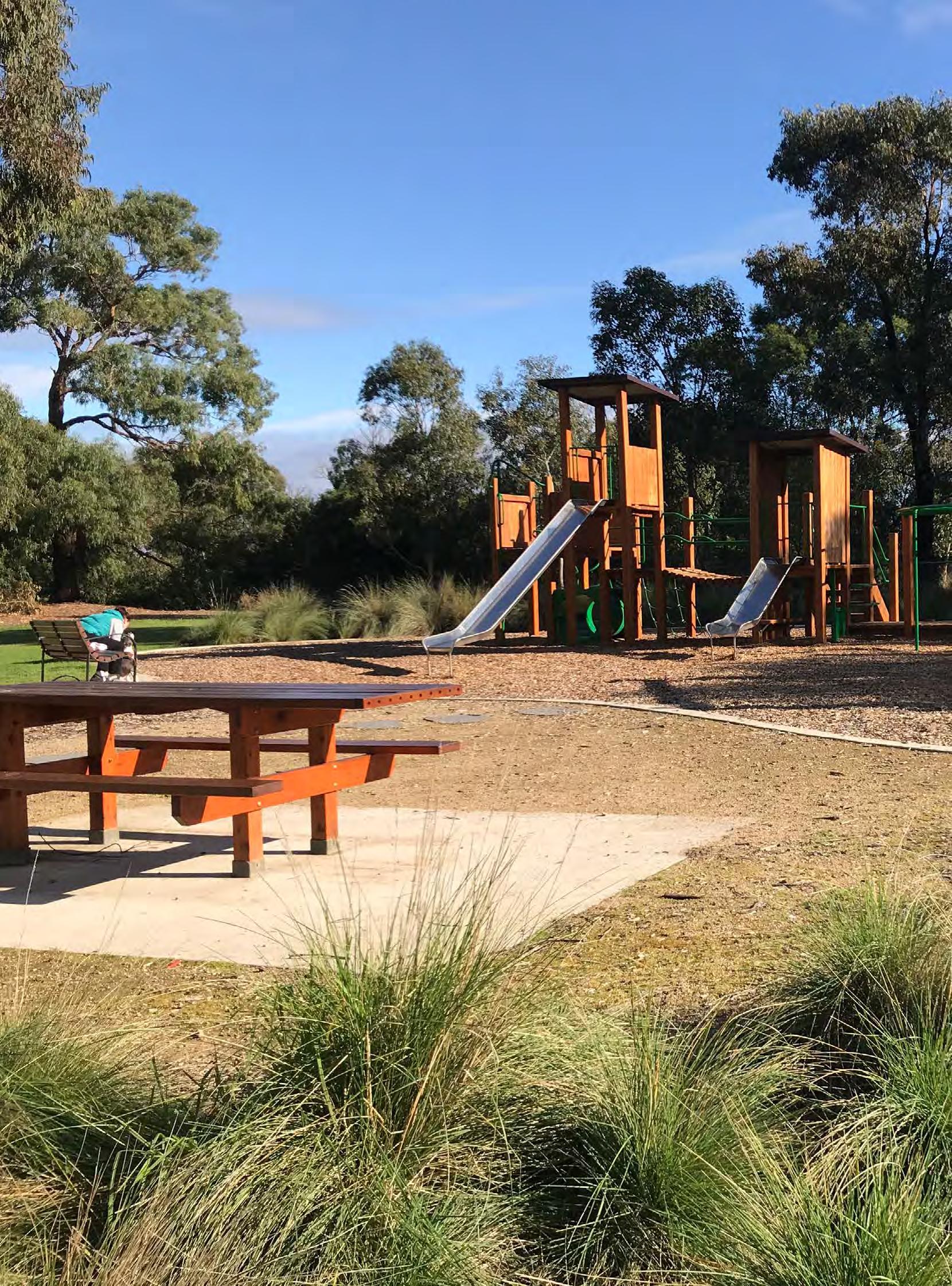
A Playspace may vary in scale and complexity, but is typically made up of a range of fixed play equipment, varied surfaces, paths, landscaping, seating, picnic tables and shelter.
Centres play around social connection through play provided. Community use and activity is typically an outdoor extension of the facilities, services or clubs adjacent or nearby to the space.
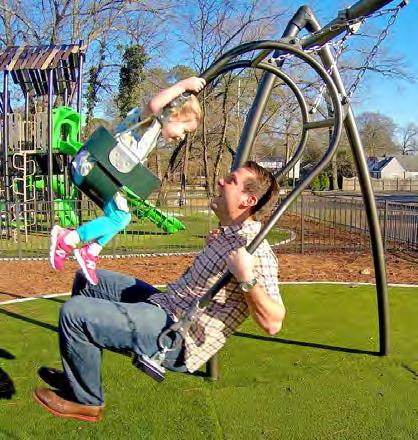
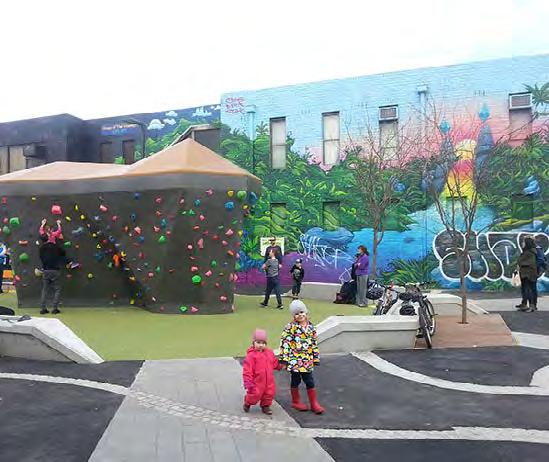
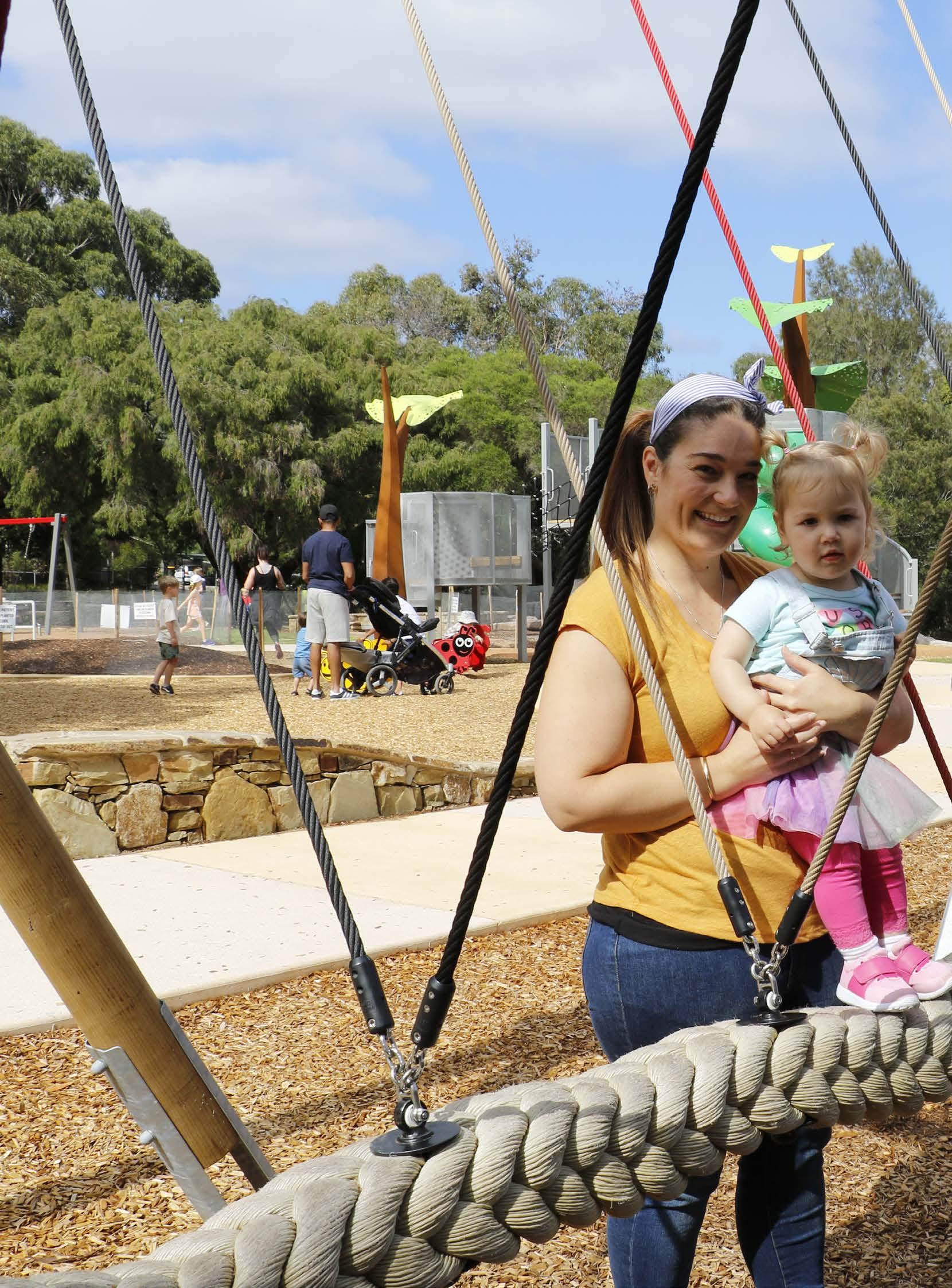
Intergenerational Play is play that enables different age‐groups to play and interact together within a playspace, meaning that some equipment and activities are designed to accommodate use for adults and children together. This type of play is typically found in regional and community playspaces.
A Youth Space can be quite diverse in scale and structure, but will typically include activities suitable for teenagers and young adults, such as adventure play, ball courts and spaces to hang out with friends. This type of space may or may not be associated with sports, skate or BMX.
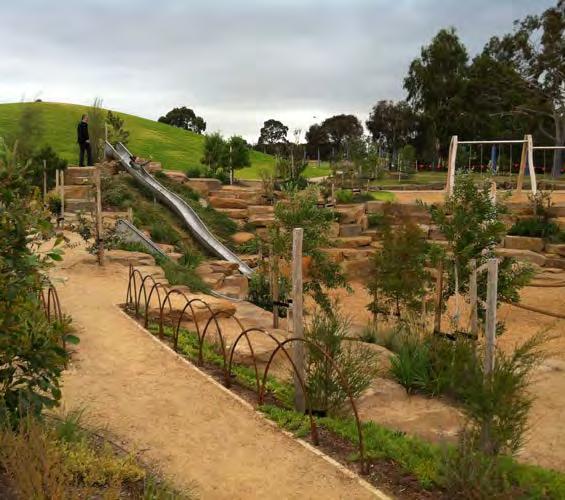
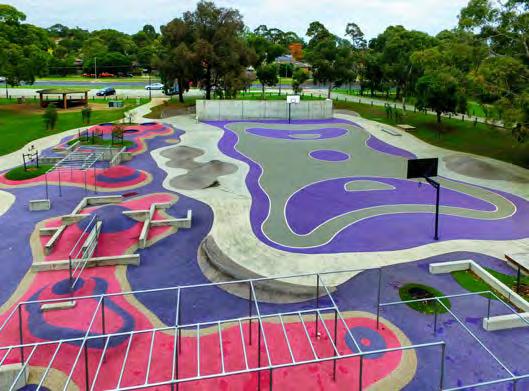
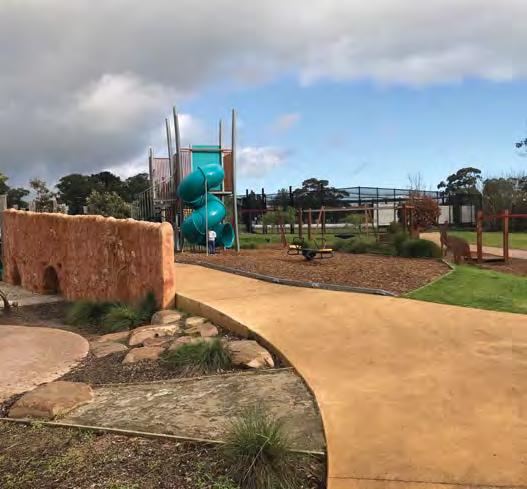
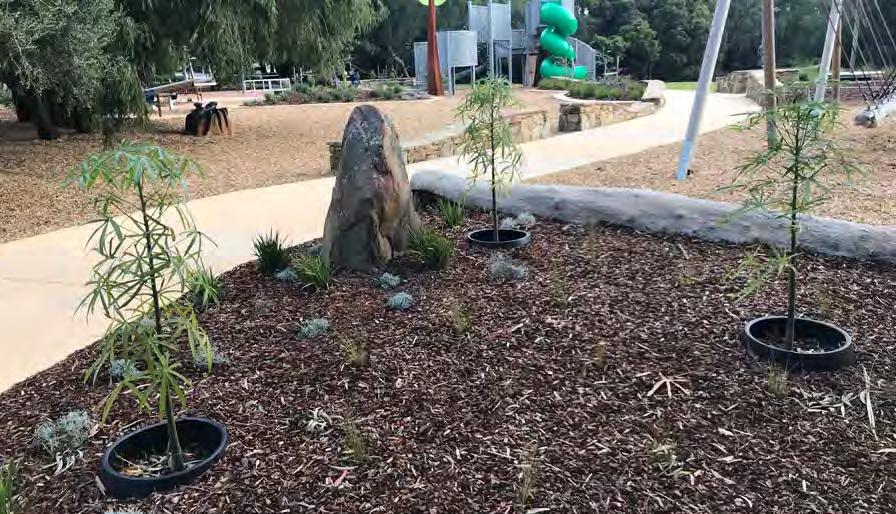
Nature Play typically includes fixed natural elements such as logs, branches and rocks that are arranged in a way that provides similar movement and activity as equipment. This may be integrated with modular equipment, and sometimes include sensory activity such as water or sand play.
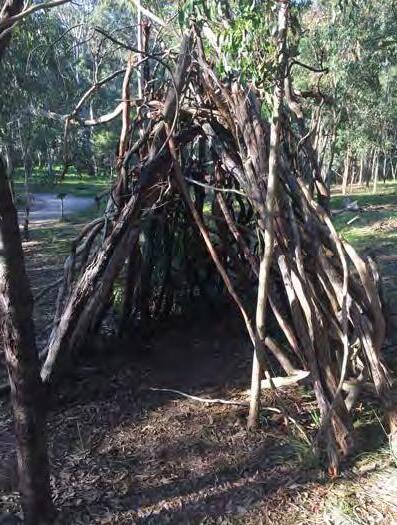
Unstructured Nature Play typically uses existing outdoor environments and associated natural loose materials (seed pods, leaves, branches) for play. Space and mini‐mal guidance are provided to allow children to build their own structures to guide their own play. This may also in‐clude sensory activity such as water and sand play.
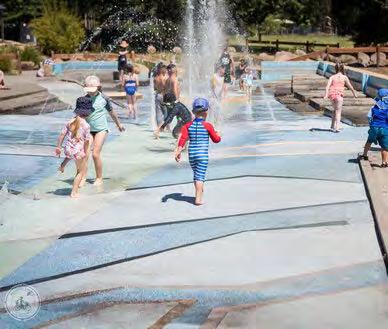
Water Play typically includes different types of play experiences involving water that range in scale and complexity. This may be a stand‐alone splash park or pad (with jets and interactive elements), civic water play (sculptural fountain), ephemeral water play (channel with seasonal water), and integrated water play (hand pumps, sluices, trays) for integrated use in a playspace.
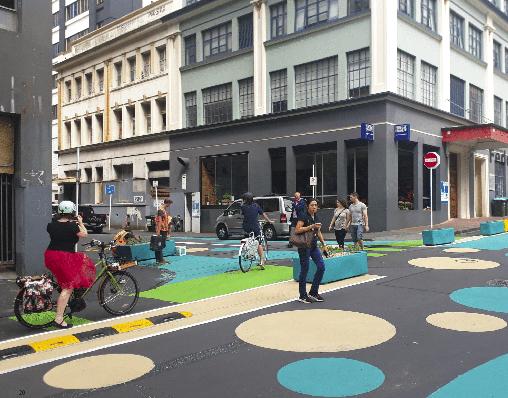
Play Experiences typically include treatments and interventions in the everyday urban fabric (pavements, roads, walls, steps, signage or lighting) that encourages the community to react and interact in a fun, playful way.
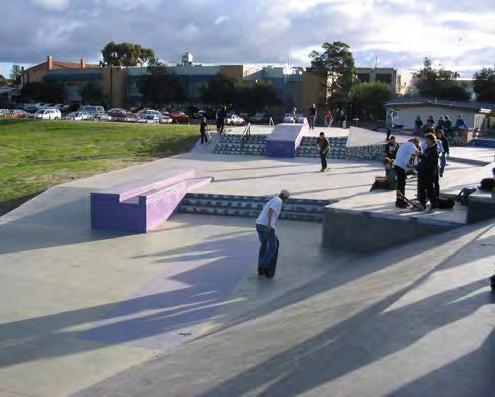
Spaces for Skating and Scootering typically include complex designed and engineered planes, mounds, slopes and features that enable movement and tricks to be performed by riders.
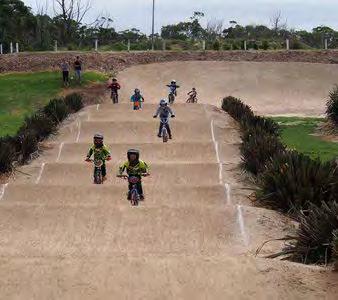
BMX (Bicycle Motor Cross) is a cycling activity performed on BMX bikes in a competitive or free‐style capacity on a constructed, off‐road course.
Council uses different playspace levels of development to plan across local areas equally. This ensures that a range of suitable activities and settings are provided to all communities across the municipality matching population density, available open‐space and budgets.
Catchment:
Not defined
Purpose:
Catchment:
Catchment:
400m radius 400m radius
Purpose:
Services broader municipality Services its immediate locality and young families for regular short term stay (up to an hour)
Context:
Typically located alongside major shared trail or in urban centres
Can be walked to from home
Context:
Typically located within a small Local Reserve
Purpose:
Services the immediate locality and young families for regular short term stay (up to an hour)
Can be walked to from home
Context:
Typically located within a Local Reserve
Can be a secondary playspace within a District or Regional Reserve
Can be a playspace in a Local Activity Area or Environmental Reserve
Minimal Play Provision: Minimal Play Provision: Minimal Play Provision:
Small integrated play interventions, treatements or elements that work in conjunction with shared trail or urban / civic area
Small playspace for pre‐school & junior ages
1‐2 pieces of standard equipment
Small playspace for pre‐school and junior ages / may also sometimes be focused on older ages (senior / young people / adults) depending on context
Mostly modular equipment, but depending on setting could also have custom elements or nature play
Should have some access ‘to’ the playspace (accessible pathway connection from street to playspace) Should have some landscaping, in particular trees for natural shade
Play Experience
Local (Minor)
Local (Major)
Play Opportunities: Play Opportunities:
Focused on pre‐school & junior ages mostly
Focused on pre‐school and junior ages mostly
A moderate level of physical play opportunities and variety including: balance, upper body, swinging, sliding and climbing
Places to gather, view out and participate
Props and loose materials for imaginative play
Grassed space to run around (kick‐about area)
Complementary Amenities:
Seating (2‐3 pieces)
Natural Shade (Tree Planting)
Main Concrete Footpath
Complementary Amenities:
Activities for Young People, Adults or Seniors
Seating and Picnic Tables (for 3‐4 pieces)
Bins (Site Dependent)
Drinking Fountain
Bike Hoops / Parking
Natural Shade (Tree Planting) / Structural Shade
Main Concrete Footpath ‐ accessible pathway connection from street to playspace
Maintenance:
Reserve Size:
0.5‐2ha
Catchment:
2km radius
Reserve Size:
2ha+
Catchment:
2km radius
Reserve Size:
20ha+ (or in high profile location)
Catchment:
Municipal wide and beyond
Purpose: Purpose: Purpose:
Services the immediate locality for all ages for regular short term stays (up to an hour)
Is compatible with adjacent community facilities (such as Community Hubs, Libraries or Aged Care Facilities) to support outdoor programs, activities and social gatherings
Can be walked to from home, but may also have supported car parking for community facility use
Has (where possible) direct, easy public transport and active transport connections
Context:
Typically located within a Local Reserve
Can be a playspace in a Local Activity Area
Services entire suburb
Can still be walked to but may be further away and accessible by car or public transport
Longer regular visitation (1hour+)
Broader range of activities associated
Services municipality (and possibly beyond)
Planned visitation / group outings / come by car or public transport from further away Longer stays / all day
Broader range of activities associated
Context:
Usually larger, more significant community hub or open space (District Reserve) / often associated with sporting facilities (varied activity) with large canopy trees
Context:
Larger, more prominent, destination open space with large canopy trees
Minimal Play Provision: Minimal Play Provision: Minimal Play Provision:
Small playspace for all ages, may have a more specific age focus depending on context
A combination of ‘off‐the‐shelf’ equipment and features and some custom elements or art/ sculptural pieces to create clear identity related to local area and community culture
Should have some access ‘to’ the playspace (pathway connection from the street to playspace) and within the playspace
Should have some landscaping, in particular trees for natural shade
Medium sized playspace for all ages (simple intergenerational)
Mostly standard equipment, but depending on setting could also have custom elements or nature play
Nature play opportunities to be integrated
Accessible play activities ‘within’ the playspace
Large & diverse play structures & elements for all ages (intergenerational)
High level of custom structures and elements, with some standard equipment
Integrated sensory elements
Community District Regional Play Opportunities: Play Opportunities: Play Opportunities:
Intergenerational use
A focus on social gathering and flexible use, rather than just physical activity
Possible technology use (play and amenity)
Sensory elements (colour, sound and tactile) and planting
Path circuits and seating at regular intervals
Grassed space to run around (kick‐about area)
A variety of play types ‘across’ different range of ages
A high level of physical play opportunities – with variety across balance, upper body, swinging, sliding and climbing and some graduated challenge built in
Sensory elements integrated
Places to gather, view out and participate
Props and loose materials for imaginative play
Grassed space to run around (kick‐about area)
Complementary
Art / Sculpture and Interpretation
Fitness Equipment (Adults / Seniors)
Seating and Picnic Tables (for 3‐4 pieces)
Bins
Drinking Fountain
Bike Hoops / Parking
Natural Shade (Tree Planting) / Structural Shade
Main Concrete Footpath ‐accessible pathway connection from the street to playspace
Main concrete footpath ‐accessible pathway connection the from street and car park to playspace (multiple directions)
Activities for Young People, Adults or Seniors
Seating and Picnic Tables (4‐6 pieces)
Bins
Drinking Fountain
Bike Hoops / Parking
Landscaping and Natural Shade (Tree Planting) / Structural Shade
Public Toilets, Typically associated with community hall / sports pavilion (with accessible facilities)
Providing a diverse range of play for all age groups (complex intergenerational)
A high level of physical play opportunities – with risky play / graduated challenge built in Elements that encourage creative, social and imaginative play as well (i.e. water)
Places to gather, view out and participate
Props and loose materials for imaginative play
Grassed space to run around (kick‐about area)
Maintenance:
Serviced fortnightly (or more frequently as required by volume of use)
Maintenance:
Serviced weekly
Main concrete footpath ‐ accessible pathway connection the from street and car park to playspace (multiple directions)
Activities for Young People, Adults or Seniors
Seating and Picnic Tables (6 pieces+)
Bins
Drinking Fountain
Bike Hoops / Parking
Landscaping and Natural Shade (Tree Planting) / Structural Shade
Public Toilets, Typically associated with community hall / sports pavilion (with accessible facilities)
Maintenance:
Serviced weekly (or more frequently as required by volume of use)
Classification Level:
Playspace Focus
Features for younger children
Features for older children
Features for young people
Features for adults & older persons
Play Features
Play equipment; swings
Play equipment; slide/s
Play equipment; climbing frames / upper body
Play equipment; rocking equipment
Play equipment; balance activities
Level change
Opportunities for imaginative play
Manipulative activities
Sand play
Natural Play Elements; rocks, logs etc.
Natural Play Elements; trees, shrubs, groundcovers etc.
Sensory Elements
Water Play
Hand Pumps / Ephemeral Play (No Electrometrical)
Integrated, Sculptural Play Features
Stand Alone ‐ Splash Park or Pad (electro‐mechanical functioning)
Classification Level:
Other Elements
Hard surfaces for scooters, bikes and basketball / netball
Open grassed spaces for running and ball games
Bushland features for exploring
Connection to trails / bike paths
Skate Facilities
BMX / Pump Track
Table tennis and / or similar equipment
Hit Up / Climbing walls
Parkour / Agility courses
Digitally interactive play
Intergenerational features / equipment
Site Amenities & Features
Shade trees
Shelter Structures
Individual Seating
Social Gathering Spaces (including seats and tables)
Drinking Fountains
Barbecues
Toilets
Bins
Bike Racks / Hoops
Co‐located Outdoor Fitness Equipment
Designated (disabled) car parking
Digital features (charging points etc.)
Inclusive Features
Wide sealed pathway access to playspace from street (at max 1:20 grade)
Circulation path / paths (1.5m min) access within playspace (at max 1:20 grade / 1:14 for ramps)
In ground, concrete edging
Rubber surfacing to provide access to specific play activities
Accessible furniture with accessible paths to them
Fencing (as required)
Inclusive play equipment or activities
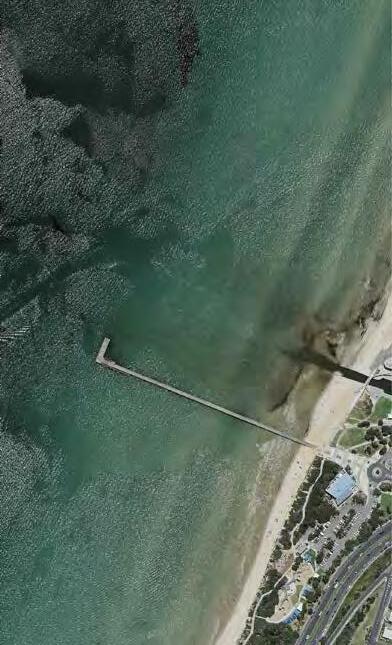
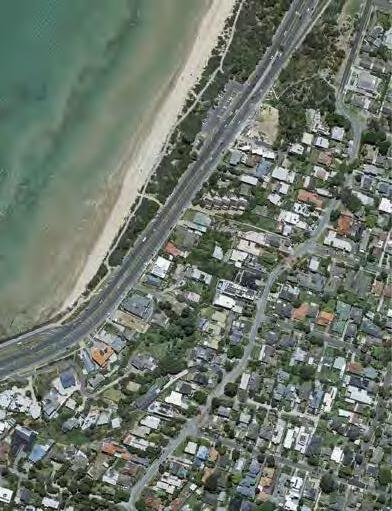
Design guidelines are laid out in this section as a ‘best practice’ case study example using the award winning playspace at George Pentland Botanic Gardens in Frankston. Whilst the scale and complexity of these guidelines may vary across different playspace levels, consideration to these aspects should always be part of the planning and design process.
Residents to generally have access to a playspace within 400m to encourage the use of active transport (walking or cycling) to travel to them
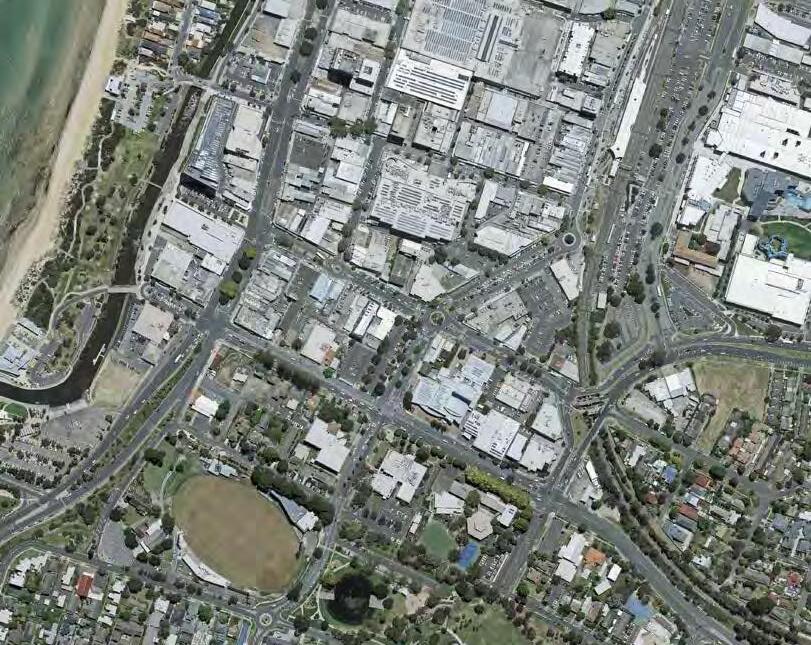
Playspaces are connected to broader walking and cycling networks, and if possible connected with public transport services
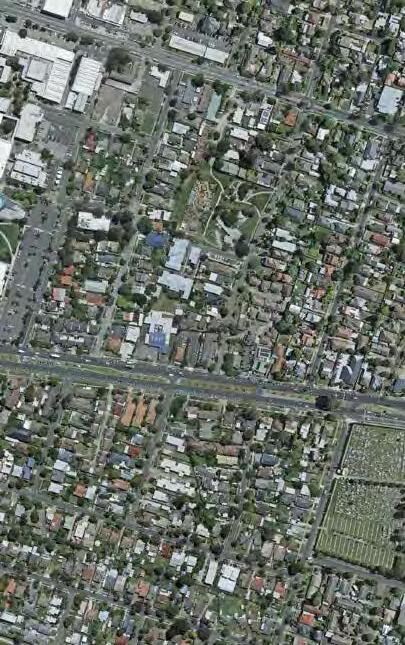
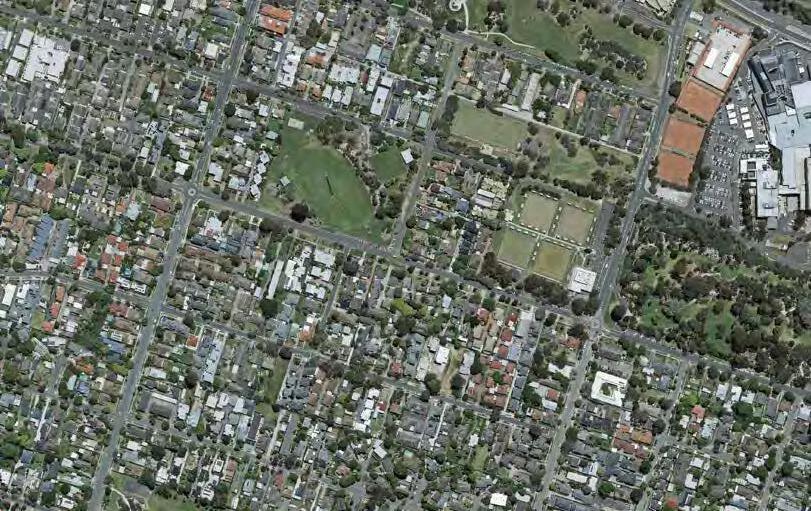
A range of playspace levels, types and experiences are accessible within the local area ‐ complementing the playspace at George Pentland Botanic Gardens
The density of population in the local area means that the level of development at George Pentland Botanic Gardens is suitable and that it will be actively used
The playspace at George Pentland Botanic Gardens is located with easy connection to other community facilities such as the hospital and local schools, providing a clear catchment for use
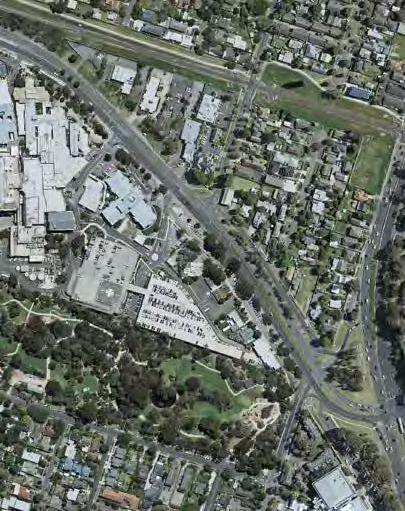
The playspace at George Pentland Botanic Gardens is well sign posted and easy to find
Site Planning Level
Activities are arranged so that they flow intuitively in use from one to the other
The play is separated, but adjacent to the grassed kickabout area avoiding conflict between quieter play activites like sand play and more active noisy ball play
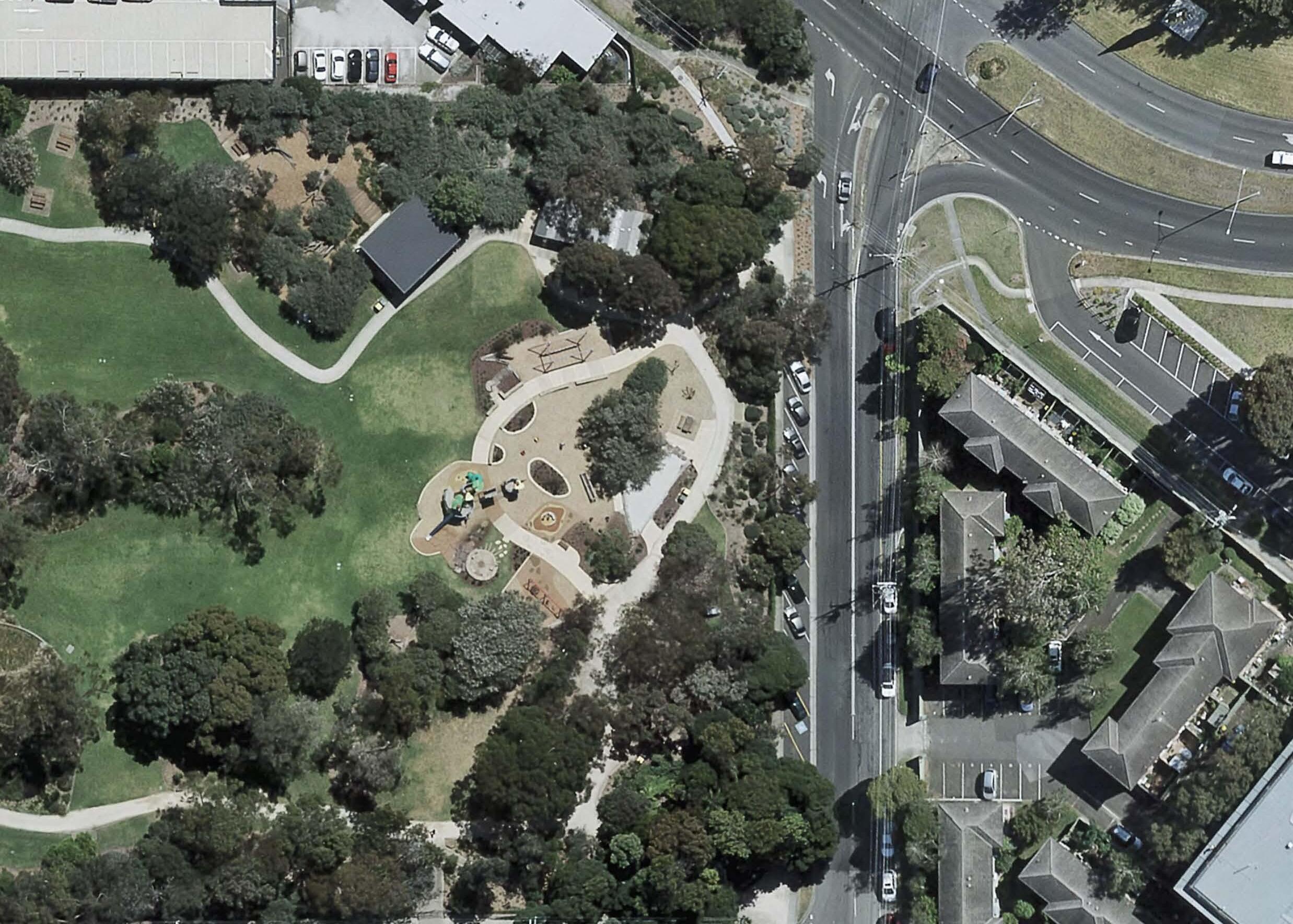
Existing natural features are incorporated into the playspace
Fencing is to the boundary of the site, not around the playspace to allow for more play within the broader landscape
There is close connection to other facilities such as picnic shelters, barbecues and toilets
There are nearby accessible car parking bays with continuous path access to play and facilities
Playspace Planning Level
The arrangement of different swings allow for equal and flexible use by everyone
The equipment is designed so the multiple children of different abilities can play together
The generous space around the swings allows for an easy approach to use
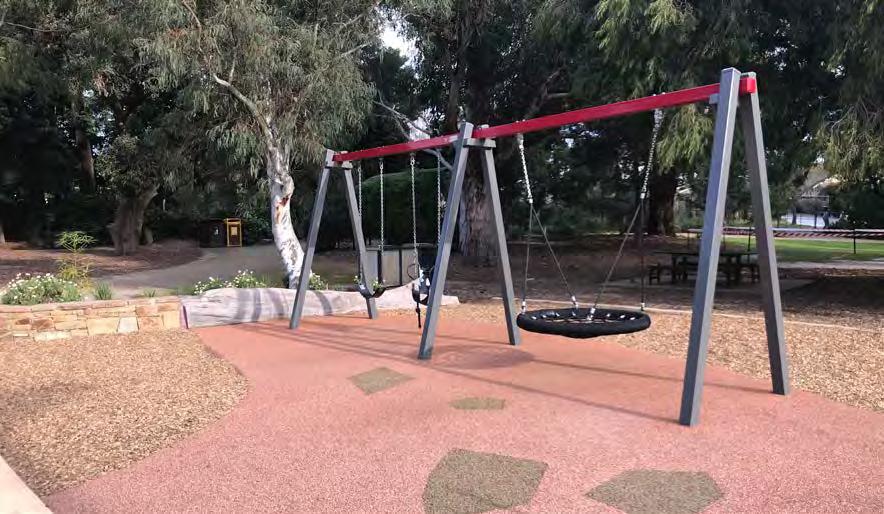
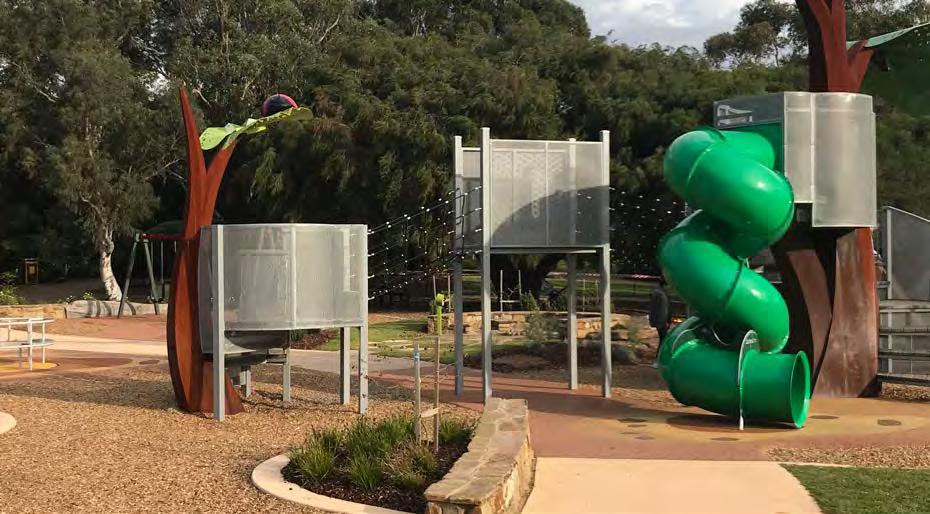
There are increasing levels of challenge for different ages and abilities
There is consideration of different needs for different abilities, including sensory activities and art at ground level
There is a wide, flat path around and within playspace
The established tree shade is used for protection and shelter over seating and sand play
The mixed‐use of surfacing and equipment, including natural elements such as timber and stone mean that the space doesn’t get as hot in summer
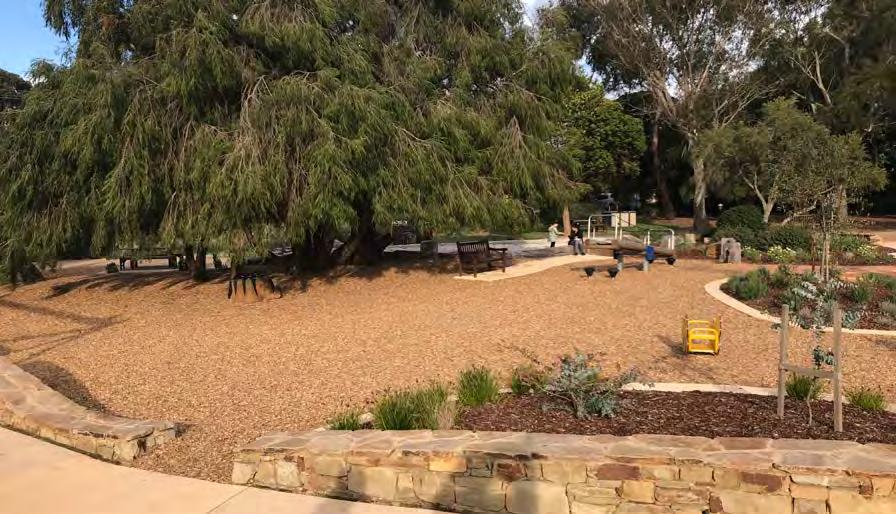
The seating and picnic tables have overhead shelter as protection from the weather, which will encourage longer stays
The toilet (with accessible facilities), picnic and seating are within close distance of play for easy supervision
There are paths connecting all facilities and the playspace
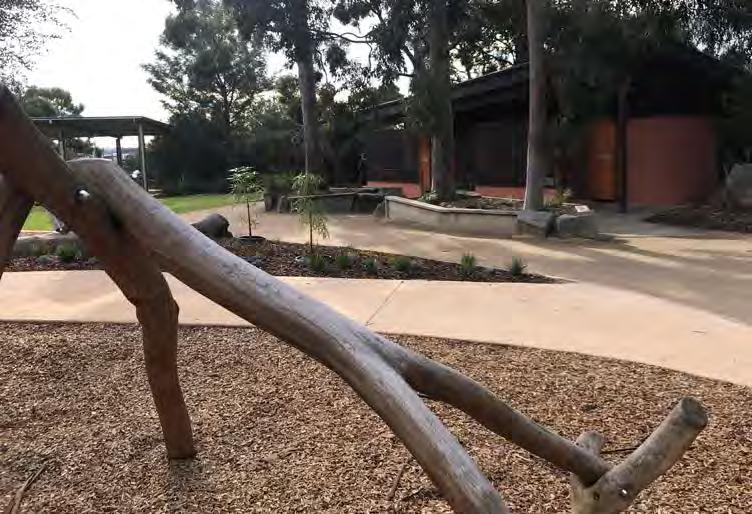
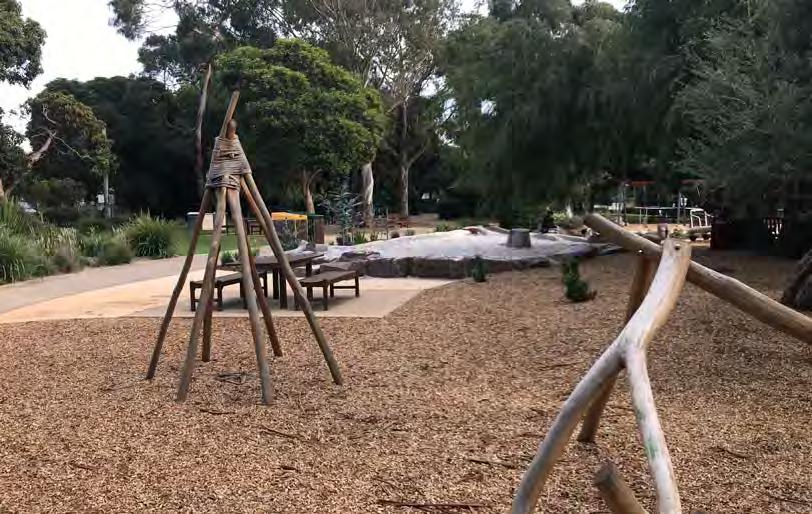
The playspace can’t be read from one location ‐ it needs to be uncovered and explored
There are open‐ended elements and access to loose materials that can be used for play in different ways
The playspace connects with its environment, encouraging play in the broader landscape
Natural Timbers are treated for durable, in‐ground use
Local, waterwise, native plants are planted for play and amenity, giving character to the playspace and building connection with natural environments
Provide better information for the community on play
Council will develop, distribute and promote mapping and information on play facilities in Frankston City.
Plan holistically for play
Council will plan and design prior to the delivery of all new, upgraded and renewed playspaces. This may also sometimes involve an integrated approach at multiple sites across local areas to provide better outcomes for the community.
Renew 15 existing playspaces
Council will replace existing playspaces as guided by the priority action plan.
Upgrade 103 existing playspaces
Council will improve the play equipment, amenity and environment of existing playspaces as guided by the priority action plan.
Build 16 new playspaces and play experiences
Council will build new playspaces or play experiences in identified locations of need, where no playspace currently exists within a 400m walking distance of surrounding residences.
Connect communities better through play
Council will continue to improve shared paths that connect to existing or proposed playspaces. Where suitable council will co‐locate playspaces with existing or proposed community facilities.
Provide better integrated, inclusive and accessible playspaces
As Council renews, upgrades or builds new playspaces it will integrate play and environment better. Council will improve the accessible function of paths, furniture and play in all community, district and regional playspaces, and some local playspaces. Council will also incorporate structural shade and fencing at suitable identified locations.
Provide more diverse and better distributed playspaces
Council will introduce new play types including; informal nature play, intergenerational play (including adult and older persons play), digital play and water play in consultation with the local community at suitable locations.
Introduce new types of play
Council will introduce new play types including; informal nature play, intergenerational play (including adult and older persons play), digital play and water play in consultation with the local community at suitable locations.
Improve the flexibility of playspaces to allow them to grow with communities
Council will continue to improve the range and diversity of facilities at each playspace so that they provide for different ages and abilities to use them.
Develop a consistent level of amenity
Council will respond to the development standards outlined for each playspace level in the Play Strategy 2021 to improve the consistency and quality of amenity at all playspaces. This includes; toilets, shade / shelter, fencing, seating, and other park furniture.
Improve the design, delivery and maintenance of playspaces
Council has developed processes to assist with a consistent quality of approach for each project from community engagement to ongoing maintenance. Council will meet regularly to review and revise these as needed.
The following describes municipal or general actions proposed and supported within the Frankston Play Strategy’s 15‐20 year program. These actions are prioritised High (1‐7 years), Medium (8‐10 years) and ongoing for implementation:
Prepare a 15‐20 year capital works program for renewal, upgrade and consolidation of Council’s existing playspaces.
Review current funding levels for playspace renewal, upgrades, design and master planning inline with strategy recommendations. Where possible consolidate funding programs.
Review existing maintenance practices, service levels, capacity and budgets inline with proposed development standards, design guidelines and priority action plan.
Prepare a feasibility study for the introduction of Water Play to Council’s play network including; types, function and issues, costs, technical and maintenance requirements and potential locations for consideration.
Prepare a feasibility study for the introduction of additional skate and Pump tracks/BMX to Council's play network with consideration to potential sites identified in the following Neighbourhood recommendations.
Develop a policy for the long‐term acquisition of open space for future playspace development in local areas without access to open space or play.
Seek additional external funding to support identified new projects.
Municipal High
General High
General High
Municipal High
Municipal High
Municipal Medium
General Ongoing
Railway Main Road
Water Body
Open Space
Existing Playspace
New Playspace
Water Play
Play Experience
Local Minor Playspace
Local Major Playspace
Community Playspace
District Playspace
Regional Playspace
Privately Owned
Return to Open Space
400m Access (Local Walkability) Catchment
New Playspace
400m Access Gap (Local Walkability)
Conservation
Industrial Education
Business
Keast Park
Riviera Reserve
Armstrong Reserve Crystal Pool Park Park Reserve
Seaford North Reserve McCrae Reserve Brunel Reserve
SEAFORD STATION
Seaford Library & Community Centre
LATHAMS ROAD
Brunel Road (Peninsula Link)
Seaford Reserve RF Miles Reserve Weatherston Reserve
Playspace Belvedere Reserve
SEAFORD ROAD
Kananook Tennis Club (Milne Avenue)
Kananook Reserve
Reserve Lorna Reserve Wisewold Reserve
KLAVER STREET
KANANOOK STATION
The Seaford local neighbourhood play network has recently had some upgrades and new playspaces installed at Seaford North Reserve, Keast Park, RF Miles Reserve and Wisewold Reserve. These changes and more are needed to bring this neighbourhood precinct up to a level of suitable quality and walkable provision, as there are still several playspaces requiring major improvements. The challenges with this neighbourhood precinct are the road, rail and creek corridor barriers that make accessing open space for play difficult. Several local areas only have one playspace; therefore it is important that the quality of play, access and amenity at these sites is of a high standard ‐ even for local level playspaces.
Age Range Suitability and Amenity improvements are needed for this neighbourhood precinct’s playspaces.
FE – Fitness Equipment / MUC – Multi‐Use Court / SK – Skate / Scooter
Precinct: Seaford
Recommendation:
Design and develop new play experiences to close current local walkability gaps
Design and develop new playspaces to close current local walkability gaps
Develop water play suitable to site
Action:
Consider new integrated play experience at:
• Brunel Road ‐ Peninsula Link (Local Minor)
Develop broader precinct plan that includes new play opportunities / playspace at:
• Seaford Library & Community Centre (Community)
Consider new unstructured nature play at:
• Kananook Tennis Club / Milne Avenue (Local Minor)
Expand existing integrated water play at:
• Keast Park (Community)
Investigate future opportunities to introduce water play at:
• Seaford Library & Community Centre (Community)
Renew playspaces to existing development level
Design and upgrade playspaces for improved play, amenity and accessibility
Renew playspaces at:
• Keast Park (Community)
• RF Miles Reserve (District)
• Weatherston Reserve (Local Major)
• Wisewold Reserve (Local Major)
• Seaford North Reserve (District) FE / MUC / SK
Develop a broader precinct plan to investigate play and other recreation opportunities (such as multi‐use courts and BMX / Pump Track) for open space at:
• Austin Reserve, Belvedere Reserve & Centenary Playspace
Design and upgrade playspaces at:
• Armstrong Reserve (Local Major)
• Austin Reserve (Local Major)
• Belvedere Reserve (Community)
• Bruce Aitken Reserve (Local Major) MUC
• Brunel Reserve (Local Major)
• Crystal Pool Park (Local Major)
• East Seaford Reserve (Local Major)
• Kananook Reserve (District) MUC
• Lorna Reserve (Local Major)
• Pimpala Reserve (Local Minor)
• Prince Reserve (Local Minor)
• Riviera Reserve (Local Minor) – consider alternative location
Precinct: Seaford
Recommendation:
Consolidate playspaces and return to open space or re-purpose use
Address local walkability gaps
Action:
Consolidate playspaces at:
• Park Reserve (Local Minor) – after upgrade at Crystal Pool Park
• McCrae Reserve (Local Minor) – after new playspace developed at Seaford Library & Community Centre
• Centenary Playspace (Local Minor) – pending Belvedere precinct plan
Current walkability gaps in provision to be addressed through:
• New play experience at Brunel Road will address existing walking gap to north
• Lorna Reserve to upgrade to Local Major as area isolated from access to other playspaces
• New playspace at Seaford Library and Community Centre will address gap to central‐west
• Investigate future opportunity to provide Local (Minor) play at Kananook Tennis Club / Milne Avenue pending finalization of Frankston City Tennis Action Plan recommendations
Shade provision
Address fenced playspace provision
Provide for, retain or improve structured shade for higher level playspaces at:
• RF Miles Reserve (District)
• Weatherstone Reserve (Local Major)
• Seaford North Reserve (District)
• Kananook Reserve (District)
• Belvedere Reserve (Community)
• Keast Park (Community)
• Seaford Library & Community Centre (Community)
Provide suitable natural tree shade at all other playspace locations
Retain or provide barrier fencing (with universal access) to site or part site for higher level playspaces at:
• Bruce Aitken Reserve (Local Major)
• Kananook Reserve (District)
• RF Miles Reserve (District)
• Seaford North Reserve (District)
• Wisewold Reserve (Local Major)
Consider fencing options for new playspaces at:
• Seaford Library & Community Centre (Community)
• Kananook Creek (Kananook Tennis Club / Milne Avenue)
Railway Main Road
Water Body
Open Space
Existing Playspace New Playspace Water Play
Play Experience
Brunel Road (Peninsula Link)
Local Minor Playspace
Local Major Playspace
Community Playspace
District Playspace
Regional Playspace
Privately Owned
Return to Open Space
400m Access (Local Walkability) Catchment
New Playspace
400m Access Gap (Local Walkability)
KLAVER STREET LATHAMS ROAD
Green Wedge / Conservation
KANANOOK STATION
Industrial Education Business
LATHAMS ROAD
The Carrum Downs play network is wide ranging in terms of quality. Open space in the area tends to lie to the east of the Frankston‐Dandenong Road, with only one playspace on the western side. There are a couple of pockets on newer subdivision development, but most areas are of a similar era ‐ with mostly residential housing in the west, commercial and industrial to the east and undeveloped small rural lots to the north.
Playspace quality for the neighbourhood precinct, needs overall improvement, however there are some exceptionally good recently built playspaces (Tucker/ Wattlewoods and Paras Reserves)
Amenity, Age-Range Suitability and Accessibility improvements are needed for this neighbourhood precinct’s playspaces.
FE – Fitness Equipment / MUC – Multi‐Use Court / SK – Skate / Scooter
Precinct: Carrum Downs
Recommendation:
Design and develop new playspaces to close current local walkability gaps
Develop water play suitable to site and catchment
Renew playspaces to existing development level
Action:
Design and develop new playspaces at:
• Paddington Reserve (Local Minor)
• Laurel Crescent (Local Major) MUC
Design and develop a new community playspace at:
• Lyrebird Community Centre (Community)
Consider integrated water play at:
• Carrum Downs Recreation Reserve (District)
• Rotary Park (District)
Renew playspaces at:
• Paras Reserve (Local Major)
• Polaris Reserve (Local Major)
• Orama Reserve (Local Minor) MUC
• Tucker / Wattlewoods Reserve (Local Major)
• Wilton Reserve (Local Minor)
Design and upgrade playspaces (including fitness equipment, skate / scoot, BMX and multi-use courts) for improved play, amenity and accessibility
Develop broader precinct plan for:
• Botany Park, Brolga Reserve and Shearwater Reserve Develop feasibility plan for BMX and Bumps investigate potential of sites at:
• Carrum Downs Recreation Reserve, Rotary Reserve (Greenwood Drive) and Banyan Reserve
Design and upgrade playspaces at:
• Allied Reserve (Local Minor)
• Banyan Reserve (Local Major) BMX / FE
• Botany Park (Local Major) MUC / FE
• Brolga Reserve (Local Major)
• Carrum Downs Recreation Reserve (District) FE / MUC
• Clifton Reserve (Local Minor)
• Gamble Reserve (Local Major)
• Jacana Reserve (Local Minor)
• Lavender Hills Reserve (Local Minor)
• Oakwood Reserve (Local Minor)
• Richmond Reserve (Local Minor)
• Rotary Park (Community)
• Sandfield Reserve (District) MUC / FE / SK
Precinct: Carrum Downs
Recommendation:
Consolidate playspaces and return to open space or re-purpose use
Address local walkability gaps
Action:
Consolidate playspaces at:
• Brolga Reserve (Local Minor)
• Shearwater Reserve (Local Minor) – after upgrade at Botany Park
Current walkability gaps in provision to be addressed through:
• Proposed new playspaces at, Paddington Reserve (Local Minor) and Lyrebird Community Centre (Community)
Shade provision
Fenced playspace provision
Provide for, retain or improve structured shade for higher level playspaces at:
• Carrum Downs Recreation Reserve (District)
• Banyan Reserve (Community)
• Botany Park (Local Major)
• Lyrebird Community Centre (Community)
• Polaris Reserve (Local Major)
• Rotary Park (Community)
• Sandfield Reserve (District)
• Tucker / Wattlewoods Reserve (Community)
Provide suitable natural tree shade at all other playspace locations
Retain or provide barrier fencing (with universal access) to site or part site for higher level playspaces at:
• Banyan Reserve (Community)
• Carrum Downs Recreation Reserve (District)
• Gamble Reserve (Local Major)
• Sandfield Reserve (District)
Consider fencing options for new playspaces at:
• Lyrebird Community Centre (Community)
Railway Main Road Water Body
WEDGE ROAD
Open Space
Existing Playspace
Reserve John Monash Reserve
Carrum Downs Recreation Reserve Orama Reserve
New Playspace
Water Play
Play Experience
Clifton Reserve Banyan Reserve Oakwood Reserve
Local Minor Playspace
Local Major Playspace
Tucker / Wattlewoods Reserve Lavender Hills Reserve Jacana Reserve Rotary Park
Community Playspace
District Playspace
Regional Playspace
Privately Owned
Laurel Crescent Reserve
Return to Open Space
Wilton Reserve
HALL ROAD
Lyrebird Community Centre
400m Access (Local Walkability) Catchment
New Playspace
Botany Park
400m Access Gap (Local Walkability)
Brolga Reserve
Sandfield Reserve
Shearwater Reserve Allied Reserve Gamble Reserve Paras Reserve
Green Wedge / Conservation Education
Darnley Reserve Rangeview Reserve
WEDGE
MUC – Multi‐Use Court / BMX
The neighbourhood precinct of Skye covers quite a large area from north to south on the eastern fringe of the municipality, with Green Wedge Zone to the west. The area is not recent residential development, but newer than other suburbs in the municipality and the playspaces in the local network appear (apart from Darnley Reserve) to be of a similar era.
The settings for all playspaces is good, with larger tracts of open space, however the playspaces and supporting infrastructure are small and under‐developed, needing improvement as playspaces in this neighbourhood precinct are spread out.
Age Range Suitability and Amenity improvements are needed for this neighbourhood precinct’s playspaces
Precinct: Skye (and Sandhurst)
Recommendation:
Retain playspaces and fitness equipment
Design and develop new playspaces to close current local walkability gaps
Action:
Retain six privately owned / managed playspaces and fitness equipment in the Sandhurst Estate
Invesitigate feasibility for play and other recreation opportunities (including potential new BMX pump track and multi‐use courts) at:
• Lisa Beth Mews (Community) BMX / MUC
Design and develop a new playspace at:
• Skye Recreation Reserve (Local Major)
Design and upgrade playspaces (including fitness equipment, skate / scoot, BMX and multi-use courts) for improved play, amenity and accessibility
Address local walkability gaps
Design and upgrade playspaces at:
• Darnley Reserve (Local Major) MUC
• Heritage Reserve (Local Major) MUC
• Heysen Reserve (Local Major)
• John Monash Reserve (Local Major)
• Lady Emily Reserve (Local Minor)
• Rangeview Reserve (Local Minor)
• Skye Valley Park (Local Major) MUC
Current walkability gaps in provision to be addressed through:
• Proposed new playspace at Lisa Beth Mews (Community)
Address shade provision No existing shade provision in Skye. Provide for structured shade for higher level playspaces at:
• Heysen Reserve (Local Major)
• John Monash Reserve (Local Major)
• Lisa Beth Mews (Community)
• Skye Valley Park (Local Major)
Provide suitable natural tree shade at all other playspace locations
Address fenced playspace provision
Playgrounds in Skye are located away from major roads or water bodies. Suggest no need to fence playspaces
Reserve
East Seaford Reserve
Lorna Reserve
Reserve
Joy Reserve
Centenary Playspace Reserve
Botany Park
Bruce Aitken Reserve
Prince Reserve Austin Reserve
Pimpala Reserve
Armata Park
Manna Reserve
Eric Bell Reserve
Peninsula Reserve
Jubilee Park
Reserve
Monterey Reserve
Rosemary Reserve
Paddington Reserve
Shearwater Reserve Gamble Reserve
Brolga Reserve Richmond Reserve
BALLARTO ROAD
Teleopea Reserve
Tilia Reserve
Adib Reserve
Paras Reserve
BALLARTO ROAD
Railway Main Road
Water Body
Open Space
Existing Playspace
New Playspace
Water Play
Catchment KEY
Play Experience
Local Minor Playspace
Wingham Park
Local Major Playspace
Community Playspace
District Playspace
Regional Playspace
Privately Owned
Dunsterville Crescent Reserve
Whistlestop Reserve
Fingal Reserve
Havana Reserve
Kashmir Reserve
Return to Open Space
400m Access
(Local Walkability)
Kareela Reserve
New Playspace
400m Access Gap
Lindrum Reserve
(Local Walkability)
Conservation
Education
Business
Gretana Reserve
Wolsley Reserve
Lucerne Reserve
Ballam Park North
Ballam ParkSenior
Ballam ParkJunior
Willow Park Ferndale Reserve
Lipton Reserve
Myrtle Reserve
Elisabeth Murdoch Aboretum
Flame
Reserve
Gamble Reserve
Paras Reserve
Darnley Reserve
Heysen Reserve
The Frankston North local play network is in need of improvement. It is a small residential area, which is quite independent of easy access to surrounding suburbs making the quality of the network even more important.
Lady Emily Reserve
There are some very old playspaces present, well overdue for upgrade such as Rosemary and Tilia Reserves. There are also some good examples of more recent upgrades such as Armata Park and Teleopea Reserve, which represent good
Skye Recreation Reserve
Age-Range Suitability, Amenity and Accessibility improvements are needed for this neighbourhood precinct’s playspaces.
FE – Fitness Equipment / MUC – Multi‐Use Courts / SK – Skate / Scooter
Skye Valley Park
Precinct: Frankston North
Recommendation:
Develop water play suitable to site
Design and upgrade playspaces (including fitness equipment, skate / scoot, BMX and multi-use courts) for improved play, amenity and accessibility
Action:
Consider integrated water play at:
• Teleopea Reserve (Community)
Consider (through development of Monterey Reserve Master Plan) for an outdoor splash pad at:
• The Pines Aquatic Centre / Monterey Reserve (District)
Develop new master plan to review current location of playspace, investigate opportunities for improved facilities for skate or BMX (depending on community support) and incorporate new fitness equipment for:
Maria Reserve Pindara Playspace (Lloyd Park)
Consolidate playspaces and return to open space or repurpose use
Langwarrin Skate & BMX
Address local walkability gaps
Long Reserve
Eric Court Reserve
Beckenham Reserve
Athol Reserve
• Monterey Reserve (District) SK or BMX / FE
Develop broader precinct plan for:
• Eric Bell Reserve (Community)
Design and upgrade playspaces at:
Illawong Reserve Granite Reserve
• Armata Park (Local Major)
• Eric Bell Reserve (Community) MUC
• Manna Reserve (Local Minor)
• Rosemary Reserve (Local Major)
Yarralumla Reserve
• Monterey Reserve (District) SK or BMX / FE
• Teleopea Reserve (Community) MUC / SK
• Tillia Reserve (Local Minor)
Northgateway Reserve
Consolidate the playspace at:
Burgess Reserve
• Adib Reserve (Local Minor) – after upgrade at Rosemary Reserve
Fernwood Reserve
Current walkability gaps in provision to be addressed through:
• Proposed upgrade of the playspace at Teleopea Reserve to Community Level will provide better quality facilities and address northern gaps
Southgateway Reserve
• Some small central gaps remain along Dandenong Road
• There is an opportunity to review the location of the playspace at Monterey Reserve (District) during master plan development which should close some of the small central gaps along Dandenong Road
Monique Reserve
North Road / Stringybark Reserve
Precinct: Frankston North Recommendation:
Shade provision
Fenced playspace provision
Action:
Provide for, retain or improve structured shade for higher level playspaces at:
• Armata Park (Local Major)
• Monterey Reserve (District)
• Teleopea Reserve (Community)
Provide suitable natural tree shade at all other playspace locations
Provide barrier fencing (with universal access) to site or part site for higher level playspaces at:
• Eric Bell Reserve (Community) – need to review this in precinct plan
• Monterey Reserve (District)
The neighbourhood precinct of Frankston (including Frankston Central, Frankston Heights, and Karingal) has the highest quality of play provision throughout the municipality. Whilst the Frankston Central area is lacking in playspaces, other local play network areas to the east of the Moorooduc Highway and to the south of Hastings Road are well supported for quality play.
The neighbourhood precinct contains three regional playspaces and four district level playspaces with good play value and inclusion. Parks and reserves on the whole have high environmental value.
Age Range Suitability and Amenity improvements are needed for this neighbourhood precinct’s playspaces.
FE ‐ Fitness Equipment / MUC ‐ Multi‐Use Court / SK ‐ Skate / Scooter / BMX
Precinct: Frankston
Recommendation:
Design and develop new play experiences to close current local walkability gaps
Develop water play suitable to site and catchment
Renew playspaces to existing development level
Action:
Design and develop new playspaces at:
• Medical Precinct / Clarendon Street (Local Minor)
• City Park (District)
• Gretana Reserve (Local Minor)
Consider unstructured nature play at:
• Wallace Reserve (Local Minor)
• George Pentland Botanic Gardens – West (District)
Consider stand alone (user‐activated) splash park at:
• Ballam Park East – Junior (Regional)
Consider integrated water play at:
• Frankston Waterfront (Regional)
• George Pentland Botanic Gardens – East (District)
• Jubilee Park (District)
• Whistlestop Reserve (Local Major)
• Willow Reserve (Local Major)
Consider civic waterplay feature at:
• Long Island (location TBD)
Renew playspaces at:
• Bruce Park (Community)
• George Pentland Botanic Gardens – East (District)
Precinct: Frankston
Recommendation:
Design and upgrade playspaces (including fitness equipment, skate / scoot, BMX and multi-use courts) for improved play, amenity and accessibility
Action:
Investigate feasibility for location of MUC at:
• Bruce Park or Peninsula Reserve or Wingham Park
Investigate feasibility for location of BMX / Pump Track at:
• Ballam Park or Croquet Club (Yuille St / Spring Lane)
Design and upgrade playspaces at:
• Ballam Park East – Junior (Regional)
• Ballam Park West – Senior (Regional) SK / FE
• Beauty Park (District) FE
• Dunsterville Reserve (Local Minor)
• Franciscan Reserve (Local Major)
• Frankston Waterfront (Regional)
• Frankston Skate Park (Regional)
• Ferndale Reserve (Local Major) MUC
• Fingal Reserve (Local Minor)
• Havana Reserve (Local Major)
• Joy Reserve (Local Major)
• Jubilee Park (District) MUC / FE
• Kareela Reserve (Local Major)
• Kashmir Reserve (Local Minor)
• Lindrum Reserve (Local Minor)
• Lucerne Reserve (Local Major) MUC
• Mincha Reserve (Local Minor)
• Montague Park (Local Major) MUC
• O’Grady Reserve (Local Minor)
• Orwil Reserve (Community)
• Peninsula Reserve (Community) FE
• Raphael Reserve (Local Minor)
• Roberts Reserve (Local Minor)
• Whistlestop Reserve (Local Major) MUC
• Willow Park (Local Major)
• Wingham Park (Community) FE
• Witternberg Reserve (District) MUC
• Wolsley Reserve (Local Minor)
Consolidate playspaces and return to open space or re-purpose use
Consolidate the playspaces at:
• Lipton Reserve (Local Minor) ‐ following upgrade at Willow Reserve
• Victoria Park
Precinct: Frankston
Recommendation:
Address local walkability gaps
Shade provision
Fenced playspace provision
Action:
Current walkability gaps in provision to be addressed through:
• Proposed new playspace at Balmerino Square (Local Minor) to address gap north of Witternberg Reserve
• Investigate options to provide a new playspace (Local Minor) within the Medical Precinct / Clarendon Street
• Proposed new playspace at Gretana Reserve to address existing walkability gap
• There is an existing gap around Skye Road, McMahons Road, Beach Street and the Frankston Freeway. Council to consider short and long term options around future land acquisition
Provide for, retain or improve structured shade for higher level playspaces at:
• Bruce Park (Community)
• Ballam Park – East & West (Regional)
• Beauty Park (District)
• Ferndale Reserve (Local Major)
• Frankston Waterfront (Regional)
• George Pentland Botanic Gardens – East & West (District)
• Havana Reserve (Local Major)
• Joy Reserve (Local Major)
• Jubilee Park (District)
• Montague Park (Local Major)
• Orwil Reserve (Community)
• Peninsula Reserve (Community)
• Whistlestop Reserve (Local Major)
• Wingham Reserve (Community)
• Witternberg Reserve (District)
Provide suitable natural tree shade at all other playspace locations
Retain or provide barrier fencing to site or part site (with universal access) for higher level playspaces at:
• Bruce Park (Community)
• Frankston Waterfront (Regional)
• Kareela Reserve (Local Major)
• Orwil Reserve (Community) – improve access from community centre
• Montague Park (Local Major)
The local play network in the neighbourhood precinct of Langwarrin is fair in terms of play value. There are some older and underdeveloped playspace, however newer upgrades Southegateway and Bayport Reserves improve the overall provision.
Playspaces in area range in size and give opportunities for bike riding and scootering, as well as basketball courts and hit up walls. The environmental context in most reserves provide good opportunity for nature play and some spaces have close connection to local community facilities and shared pathways.
Age Range Suitability and Amenity improvements are needed for this neighbourhood precinct’s playspaces.
FE – Fitness Equipment / MUC – Multi‐Use Court / SK – Skate / Scootering / BMX
Precinct: Langwarrin
Recommendation:
Design and develop new playspaces to close current local walkability gaps
Renew to existing development level
Design and upgrade playspaces (including fitness equipment, skate / scoot, BMX and multi-use courts) for improved play, amenity and accessibility
Action:
Undertake broader precinct planning within Lloyd Park and the broader precinct for play, multi‐use courts and fitness equipment at:
• Lloyd Park & Pindara Precinct MUC / FE
Undertake broader master planning at:
• North Road Reserve to further investigate opportunities for potential Adventure Play, BMX or Pump Track and Fitness Equipment as well as potential use for indigenous and environmental education
Design and develop new playspaces at:
• Eric Court Reserve (Local Minor)
• North Road / Stringybark Reserve (Local Major)
Renew playspaces at:
• Bayport Reserve (Local Major)
• Southgateway Reserve (Local Major)
Design and upgrade playspaces at:
• Athol Reserve (Local Minor)
• Cavill Reserve (Local Major)
• Beckenham Reserve (Local Minor)
• Burgess Reserve (Local Major)
• Dunn Reserve (District) MUC
• Elisabeth Murdoch Arboretum (Local Minor) –add complimentary unstructured nature play
• Fernwood Reserve (Local Minor)
• Flame Robin Reserve (Local Major)
• Granite Reserve (Local Major)
• Illawong Reserve (Local Minor)
• Langwarrin Skate & BMX (District) SK / BMX
• Lloyd Park & Pindara Precinct (Community) FE / MUC
• Long Reserve (Local Major)
• Maria Reserve (Local Minor)
• Monique Reserve (Local Minor)
• Myrtle Reserve (Local Major)
• Northgateway Reserve (Local Minor)
• Southgateway Reserve (Local Major) MUC
• Yarralumla Reserve (Local Major) MUC
• Wahgunyah Reserve (Local Minor)
Precinct: Langwarrin
Recommendation:
Address local walkability gaps
Shade provision
Fenced playspace provision
Action:
Current walkability gaps in provision to be addressed through:
• Proposed new playspace at Eric Court Reserve to close walkability gap south‐east of Cranbourne Road
• Proposed new playspace at North Road / Stringybark Reserve to close gap to south‐west
• Upgrade level at Flame Robin Reserve as no other suitable open space available
Provide for, retain or improve structured shade for higher level playspaces at:
• Dunn Reserve (Local Major)
• Granite Reserve (Local Major)
• Lloyd Park ‐ Pindara Playspace (Community)
• Southgateway Reserve (Local Major)
• Yarralumla Reserve (Local Major)
Provide suitable natural tree shade at all other playspace locations
Playspaces in Langwarrin are generally located away from major roads or water bodies, therefore there is no identified need to fence playspaces. This however should be considered within the Lloyd Park Broader Precinct Plan, as there is value with providing considered fencing for playspaces with a higher level of accessibility and inclusion.
George Pentland (West) Medical Precinct / Clarendon Street Long
Derinya Drive Reserve Baden Powell Reserve
The Frankston South neighbourhood’s local play network is characterised by reasonable quality, older playspaces and walkability barriers between some local areas owing to a significant network of creek corridors and open space reserve (Frankston Reservoir), as well as more complex topography than in other suburbs.
Playspaces such as Yamala Reserve demonstrate an excellent approach to Inter‐generational play, however many of higher level playspaces such as Overport and Baxter Parks are undeveloped in terms of play diversity ‐ really only catering for younger children.
Age Range Suitability, Amenity and Accessibility improvements are needed for this neighbourhood precinct’s playspaces.
FE – Fitness Equipment / MUC – Multi‐Use Courts / SK – Skate / Scooter
Precinct: Frankston South
Recommendation:
Design and develop new playspaces to close current local walkability gaps
Develop water play suitable to site
Renew playspaces to existing development level
Design and upgrade playspaces for improved play, amenity and accessibility
Action:
Design and develop new playspaces at:
• Baden Powell Reserve (Local Minor)
• Derinya Reserve (Local Major)
Consider integrated water play at:
• Baxter Park (District)
Renew playspaces at:
• Sycamore Reserve (Local Minor)
• Yamala Reserve (Local Major) SK
Design and upgrade playspaces at:
• Abram Reserve (Local Minor)
• Baxter Park (District)
• Casuarina Reserve (Local Minor)
• Delacombe Reserve (Community)
• Eliza Heights Reserve (Local Major) MUC
• Escarpment Reserve (Local Major)
• Fleetwood Crescent Reserve (Local Minor)
• Manor Reserve (Local Minor)
• Marama Reserve (Local Minor)
• Overport Park (District) MUC
• Pratt Reserve (Local Major) MUC
• William Hovell Reserve (Local Major)
• Woodside Reserve (Local Minor) MUC
Consolidate playspaces and return to open space or re-purpose use
Address local walkability gaps
Consider retaining fitness equipment only or consolidate the playspace at:
• Kars Street Reserve (Local Minor) FE
Current walkability gaps in provision to be addressed through:
• Proposed new playspaces at Derinya and Baden Powell Reserves
Precinct: Frankston South
Recommendation:
Shade provision
Fenced playspace provision
Action:
There is no structural shade currently in Frankston South. Provide for structured shade for higher level playspaces at:
• Baxter Park (District)
• Delacombe Reserve (Community)
• Overport Park (District)
Provide suitable natural tree shade at all other playspace locations
Retain or provide barrier fencing to site or part site (with universal access) for higher level playspaces at:
• Baxter Park (District)
• Fleetwood Crescent Reserve (Local Minor)
• Manor Reserve (Local Minor)
• Overport Park (District)
• Pratt Reserve (Local Major)
Playspace renewals, upgrades and new playspaces will be delivered according to a prioritised need of high, medium and low. This is determined by a combination of age, compliance, local need and municipal distribution.
Suburb
Seaford
Carrum Downs
Skye
Frankston North
High = 1-7 years
Medium = 8-13 years
Low = 14-20 years
*New Playspaces / Play Experiences
Austin Reserve Local Major
Brunel Reserve Local Major
*Brunel Road – Peninsula Link Play Experience
Bruce Aitken Reserve Community
Crystal Pool Park Local Minor
East Seaford Reserve Local Major
Kananook Reserve District
Banyan Reserve Community
Brolga Reserve Local Major
Carrum Downs Recreation Reserve District
Jacana Reserve Local Minor
*Paddington Reserve Local Minor
Rotary Park Local Major
Sandfield Reserve District
John Monash Reserve Local Major
*Lisa Beth Mews Community
Heritage Reserve Local Major
Heysen Reserve Local Major
Lady Emily Reserve Local Minor
Rosemary Reserve Local Major
Eric Bell Reserve Local Minor
Monterey Reserve District
Frankston
Langwarrin
Frankston South
Ballam Park East (Junior) Regional
*Medical Precinct / Clarendon Local Minor
*City Park District
Ferndale Reserve Local Major
Franciscan Reserve Local Major
Kareela Reserve Local Major
Lucerne Reserve Local Major
Orwil Reserve Local Major
Montague Park Local Major
Willow Park Local Major
Witternberg Reserve District
Wolsley Reserve Local Minor
Athol Reserve Local Minor
Burgess Reserve Local Major
Cavill Reserve Local Major
Monique Reserve Local Minor
Granite Reserve Local Major
Lloyd Park / Pindara Precinct Community
Myrtle Reserve Local Major
Yarralumla Reserve Local Major
Eliza Heights Reserve Local Major
*Baden Powell Reserve Local Major
Baxter Park District
Delacombe Park Community
*Derinya Reserve Local Major
Overport Park District
William Hovell Reserve Local Major
Suburb Locations Level
Seaford
Carrum Downs
Skye
Armstrong Reserve Local Major
Centenary Playspace (Belvedere Bushland Reserve) Local Minor
Lorna Reserve Local Minor
*Kananook Tennis Club / Milne Local Minor
Pimpala Reserve Local Minor
Prince Reserve Local Major
*Seaford Library & Community Centre Community
Allied Reserve Local Minor
Botany Park Local Major
Clifton Reserve Local Minor
Gamble Reserve Local Major
*Laurel Crescent Reserve Local Major
Lavender Hills Reserve Local Minor
*Lyrebird Community Centre Community
Oakwood Reserve Local Minor
Richmond Reserve Local Minor
Darnley Reserve Local Major
Skye Valley Park Community
Frankston North Manna Reserve Local Minor
Tillia Reserve Local Minor
Frankston
Langwarrin
Frankston South
*Ballam Park (North-East) Local Minor
Beauty Park District
Fingal Reserve Local Minor
*Gretana Reserve Local Minor
Havana Reserve Local Major
Joy Reserve Local Minor
Kashmir Reserve Local Major
*Long Island (Civic Water Play) Play Experience
Lindrum Reserve Local Major
Mincha Reserve Local Minor
Raphael Reserve Local Minor
Roberts Reserve Local Minor
*Wallace Reserve Local Minor
Wingham Park Community
Beckenham Reserve Local Minor
Elisabeth Murdoch Arboretum Local Minor
Fernwood Reserve Local Minor
Flame Robin Reserve Local Minor
Long Reserve Local Major
Maria Reserve Local Minor
*Eric Court Reserve Local Minor
Northgateway Reserve Local Minor
*North Road / Stringybark Reserve Local Major
Wahgunyah Reserve Local Minor
Abram Reserve Local Minor
Escarpment Reserve Local Major
Marama Reserve Local Minor
Manor Reserve Local Minor
Woodside Reserve Local Minor
Suburb Locations Level
Seaford
Carrum Downs
Skye
Frankston North
Frankston
Belvedere Reserve Local Minor
Keast Park Community
RF Miles Reserve Local Major
Riviera Reserve Local Minor
Seaford North Reserve District
Weatherston Reserve Local Major
Wisewold Reserve Local Major
Orama Reserve Local Minor
Paras Reserve Local Major
Polaris Reserve Local Major
Tucker / Wattlewoods Reserve Local Major
Wilton Reserve Local Minor
Rangeview Reserve Local Minor
*Skye Recreation Reserve Local Major
Armata Park Local Major
Telopea Reserve Local Major
Ballam Park Senior Regional
Bruce Park Community
Dunsterville Crescent Reserve Local Minor
Frankston Waterfront Regional
George Pentland Botanic
Gardens ‐ East District
*George Pentland Botanic Gardens – West District
Jubilee Park District
O’Grady Reserve Local Minor
Peninsula Reserve Local Major
Whistlestop Reserve Local Major
Suburb
Langwarrin
Frankston South
Bayport Reserve
Dunn Reserve
Fernwood Reserve
Illawong Reserve
Southgateway Reserve
Casuarina Reserve
Major
Minor
Minor
Major
Minor
Fleetwood Crescent Reserve Local Minor
Pratt Reserve
Major
Sycamore Reserve Local Minor
Yamala Reserve Local Major
• Age / useful life.
• Condition.
• Proximity to walkable transport and / or local activity centres
• Responding to population changes that may impact on the level or type of use of play spaces in a neighbourhood (i.e. an increase in housing development) in the area.
• Where the playspace is on a site with demonstrated high use or can be co‐located with other complementary community facilities.
• Where renewal will result in more use.
• Providing playspaces in areas where there currently aren’t many or they aren’t within a walkable distance from home.
• Improving the condition and offering of surrounding playspaces in the local play area.
• Enhancing the quality and variety of a local play area in line with the play space design guidelines.
• Achieving the greatest benefit for the cost.
• Addressing risk management and risk mitigation issues.
• Improving the attractiveness of play spaces.
• Where they can be delivered inline with other Council capital projects.
• Equal distribution across the municipality.
• Sustainability.
The life of a playspace varies, depending on design, frequency of use, materials, environmental conditions, quality of construction and maintenance levels. Benchmarking indicates that most local governments depreciate their play spaces over 15-20 years.
Currently Frankston City’s budgets and processes do not adequately meet many of the criteria listed above or meet the community’s aspirations. To remedy this, a ‘whole of life’ investment is proposed as part of this strategy, to allocate suitable funding to playspaces.
A ‘whole of life’ investment in Frankston City’s playspaces over the next 20 years, includes: design, community involvement, construction / installation (delivery) and ongoing maintenance and will ultimately result in reduced costs for renewal, as playspaces remain fit for purpose across the 20 year lifecycle. Further and most importantly, investment will return greater community satisfaction and activation, and local ownership of playspaces.
Improvements will be made to council processes for playspaces including an integrated delivery model involving a design process in Year 1, followed by construction / installation in Year 2. This enables suitable time for Council to plan effectively and engage with communities to improve outcomes.
Priorities will be reviewed annually by Council to ensure that they are kept in‐line with budgets and changing needs on the ground.
Finally the Play Strategy 2021 will be a valuable tool in advocating for additional external funding where suitable to further support the priority program. This may include: state government funding programs and partnerships with schools and the private sector.
will we know that it’s been successful?
Measures of success for the strategy will be based around the following:
• Annual council review
• Community satisfaction surveys (post upgrade or new playspace)
• Post occupancy assessments of delivered playspaces
• Visitation activity counters (Regional and District playspaces only)
• Reduction in maintenance requests
Council has already formed a cross‐council working group that will meet annually and in advance of budget allocations to discuss the progress of the strategy in‐line with funding allocations and fine‐tune the priority program as required.
Every 4 years Council will undertake a broader process of consultation, research and review to monitor the progress of the Play Strategy and make recommendations. In 2034 the development of a new strategy for play in Frankston City, should be undertaken inline with current trends, budgets and community expectations.
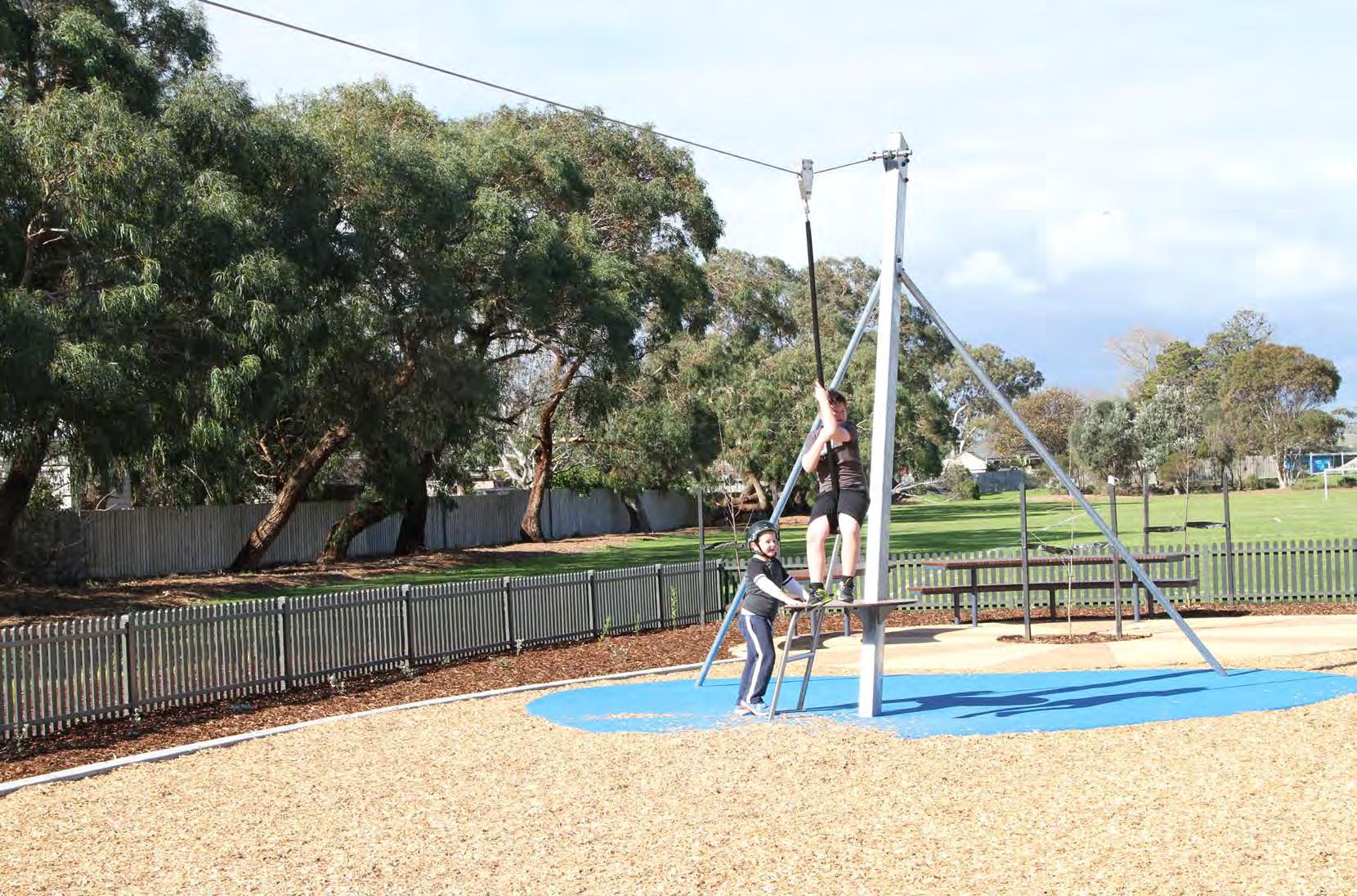
To find out more about the Frankston Play Strategy 2021 and what’s happening in your local area visit:
www.frankston.vic.gov.au
If you have any questions about the strategy or want to request more information you can also contact us at:
info@frankston.vic.gov.au or phone 1300 322 322