IMPACT REPORT 20 25

IMPACT REPORT 20 25
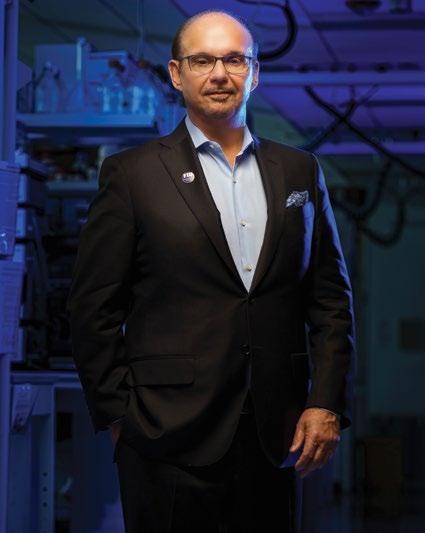
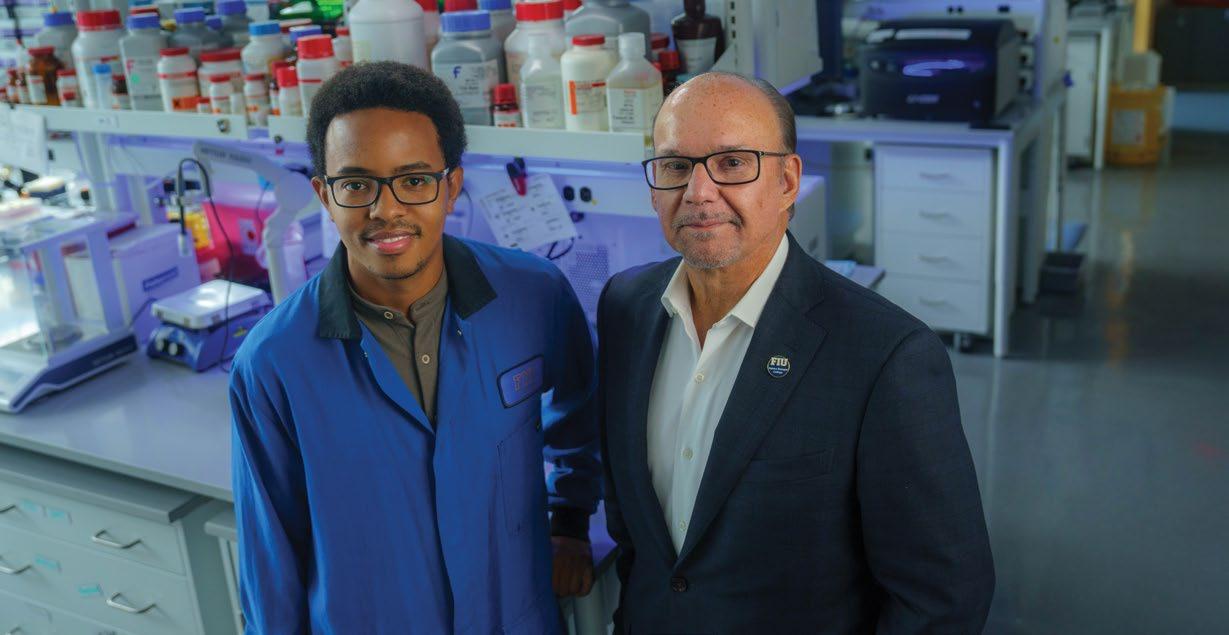
Looking back on this year, I am reminded of the enduring strength that comes from a community bound by shared purpose. Throughout the year, Stempel College faculty, students, and staff remained focused on changing lives for the better through research and education. Their dedication enabled us not only to stay the course but to achieve significant progress toward our goals.
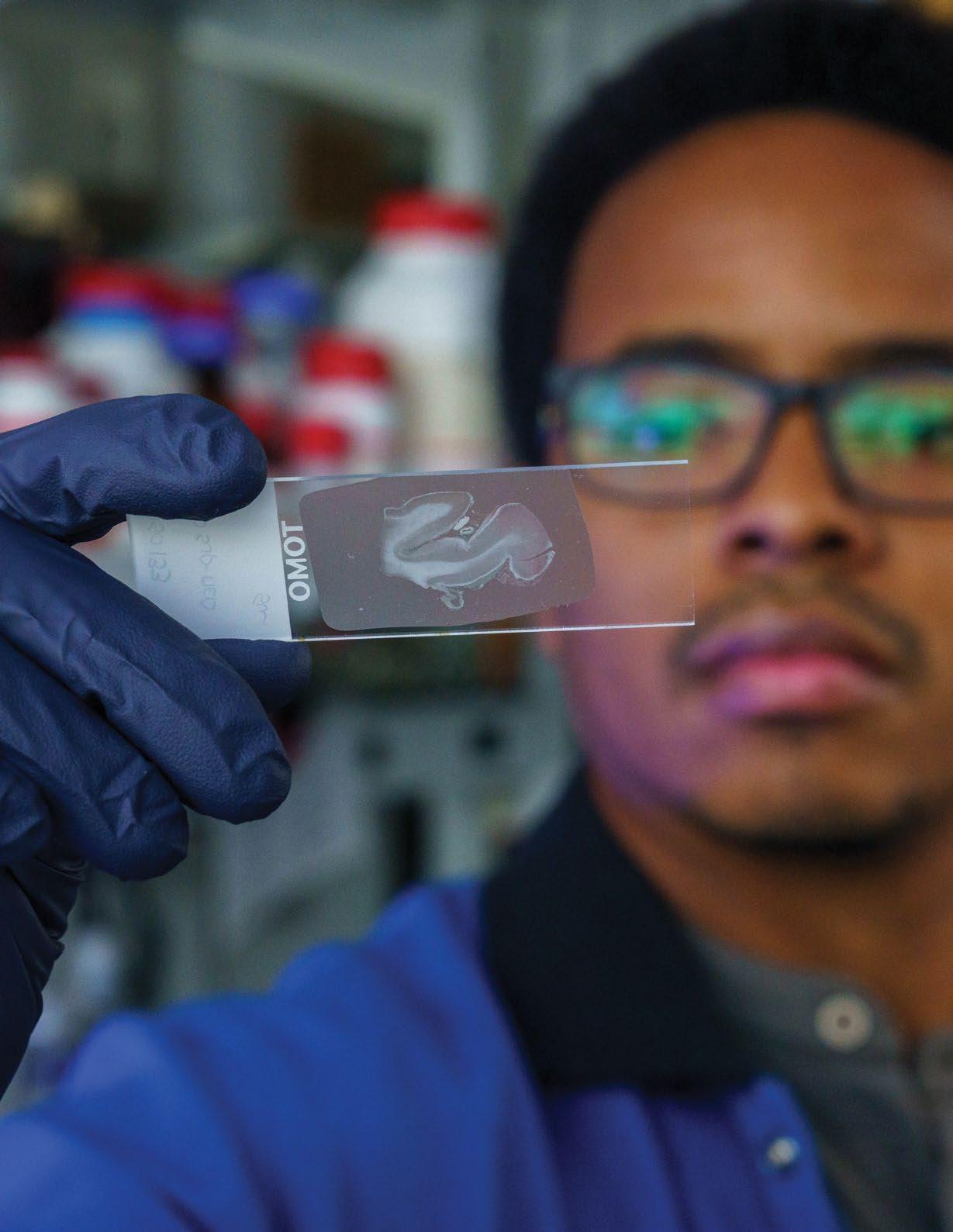
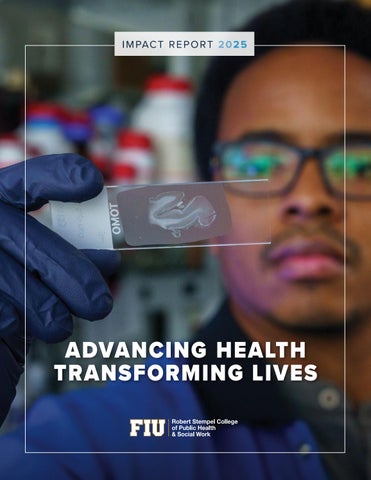
In this issue, you’ll read about the work of Ph.D. candidate Daniel Martinez-Perez (pictured on the front cover), who has worked in my lab on research that reveals a promising new target to thwart Alzheimer’s in its tracks. You’ll learn that members of our Student Dietetics Association are conducting nutrition education sessions at local library branches, and that students in our Academy for International Disaster Preparedness participated in a two-day disaster field exercise. Each of these endeavors is meaningful and contributes in its own way to a healthier, more resilient world.
Our faculty continue to expand the limits of what is possible. With a $6.6 million National Institute of Environmental Health Sciences Revolutionizing Innovative, Visionary Environmental Health Research (RIVER) grant, professor and researcher Dr. Kim Tieu is collaborating with Scripps Research to identify FDA-approved compounds that target the protein Drp1 for new Parkinson’s disease therapies. Tieu has spent years studying Drp1’s role in Parkinson’s, a disease marked by tremors, stiffness, and the loss of brain cells.
Central to our ability to keep moving forward is our partners, alumni, and friends. Your trust, engagement, and willingness to invest in our work reflect what can be accomplished when people work together. Readers can learn more about one of our newest collaborations in this issue — a $2 million donation from the Casey DeSantis Florida Cancer Innovation Fund to support the work of cancer researcher Dr. Diana Azzam.
What makes Stempel College a remarkable place goes beyond our buildings and labs. It’s our people — our students, faculty, staff, and alumni — who walk these hallways intent upon building opportunity, strengthening communities, and creating lasting impact.
Looking ahead, I am filled with optimism. Our foundation is strong, our community connections deep. Together we have turned moments of uncertainty into opportunities for growth. The future holds tremendous promise, and I have no doubt that our extraordinary Stempel community will continue to lead with vision, heart, and purpose.
With gratitude,

Dean,
Robert Stempel College of Public Health & Social Work Professor, Department of Environmental Health Sciences Professor, Cognitive Neuroscience & Imaging Director, Brain, Behavior & the Environment
SCHOOL OF PUBLIC HEALTH #36
among public universities
U.S. News & World Report
SCHOOL OF SOCIAL WORK
TOP 100
among public universities
U.S. News & World Report
BIOSTATISTICS PROGRAM
TOP 50
among public universities
U.S. News & World Report
DIETETICS MAJOR #15
U.S. News & World Report
EMERGENCY MANAGEMENT #9
U.S. News & World Report
DEMOGRAPHICS
Environmental Health Sciences
Epidemiology
Generalist (Online MPH) Global Health
Dietetics and Nutrition
Social Work International Disaster Preparedness
76% of bachelor’s or master’s graduates were employed or continuing their education within one year of graduation
100% of Ph.D. graduates were employed within one year of graduation
Center for Research on U.S. Latino HIV/AIDS and Drug Abuse (CRUSADA)
Center for Statistical Consulting and Collaboration (FIU-STATCONSULT)
Community-Based Research Institute (CBRI)
Global Health Consortium (GHC)
Brain, Behavior and the Environment Cancer
Child Welfare
HIV/AIDS
Mental Health
Neurological Diseases
Obesity
Substance Abuse and Tobacco-Related Diseases
FIU Stempel College now ranks No. 15 among public schools of public health receiving National Institutes of Health funding, according to The Blue Ridge Institute for Medical Research.
We are No. 2 in Florida and No. 24 in the U.S. among all private and public universities for NIH funding.
43 tenured or tenure-track faculty
60%
Proposal success rate of grant applications (NIH national average success rate is < 20.9% for RPG and R01 equivalent during FY2024)
$
28.9M in award actions FY2024-2025
RESEARCH REVEALS A PROMISING NEW TARGET TO THWART ALZHEIMER’S IN ITS TRACKS
Aperson will have Alzheimer’s disease years before ever knowing it. The disorientating erasure of memories, language, thoughts — in essence, our unique sense of self — is the final act of this disease that spends decades disrupting vital processes and dismantling the brain’s delicate structure.
Once symptoms surface and doctors make a diagnosis, it can often be too late. Damage is widespread, impossible to reverse. No cure exists.
Attempts to develop drugs that clear away toxic accumulations of amyloid-beta and tau proteins — hallmarks of the disease that cause neurons to die — have ended in hundreds of failed clinical trials. Some scientists are skeptical over whether removing amyloid plaques is enough. Others have a hunch that the best line of attack will target many aspects of the disease, all at once.
Dr. Tomás R. Guilarte, dean of Stempel College and the leader of a brain health research group at FIU, is looking at one of those targets: TSPO. It may not only be among the earliest Alzheimer’s biomarkers — detectable before memory loss or cognitive decline — but a promising pathway to thwart chronic, damaging inflammation, according to the team’s latest study published in top neurology journal Acta Neuropathologica.
“Neuroinflammation is a very early event in Alzheimer’s that influences its onset,” says Guilarte.
“If we can use TSPO to detect it early, right at the beginning stages of the disease, it could mean slowing progression or delaying symptoms by five or six years. That’s five or six years where someone has a better quality of life.”
Normally, in the brain, TSPO (or translocator protein 18 kDa) is present at very low levels.
But when the brain’s delicate balance is thrown off, like when there is neuroinflammation, it increases and keeps on increasing. And it spreads.
On PET scans, TSPO shows up as a fiery red-orange hue.
Guilarte has a long history with TSPO — he’s among a handful of scientists who helped validate it as a biomarker of neuroinflammation. This work started in the 1990s when he was at Johns Hopkins University. Now, clinicians and researchers around the world rely on TSPO to track neuroinflammation in neurodegenerative, neurological and psychiatric diseases.
This latest study provides a never-before-seen look at TSPO. With the help of state-of-the-art imaging technology, Guilarte’s team was able to pinpoint where and when TSPO initially appears in the brain. They found it coincides with the first appearance of small scatterings of amyloid plaques in the subiculum, part of the hippocampus, a brain structure critically important for learning and memory.
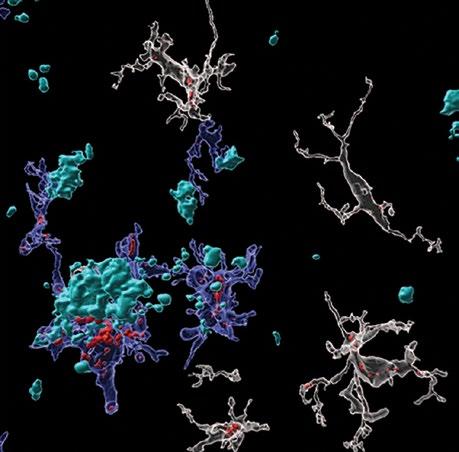
When the team investigated what specific glial cells — including microglia and astrocytes, which are responsible for protecting neurons – were giving off the TSPO signals, they found that microglia in closest proximity to amyloid plaques had the highest concentration or volume of TSPO.
Those cells expressed TSPO as early as one-and-a-half months of age in a mouse model of Alzheimer’s disease — the equivalent of an 18-to-20-year-old human. Female mice had higher TSPO levels, mirroring real-world statistics: two-thirds of Alzheimer’s patients are women. Declines in cognition happened five months later as plaques spread into other brain areas and TSPO levels continued to skyrocket.
“We didn’t see any TSPO increase in the other glial cells, like the astrocytes, which reveals the microglia are driving the majority of the inflammatory response,” Guilarte says. “What we believe is happening is something goes wrong with the
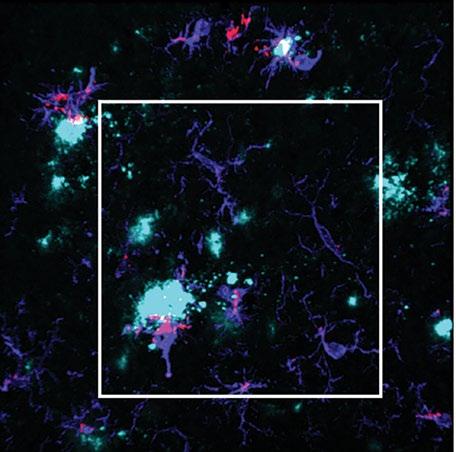
microglia. They stop doing their job in removing the plaques and just keep sending out TSPO signals. This constant signal of neuroinflammation is like adding wood to a fire.”
Human brain tissue from Alzheimer’s subjects showed the same pattern.
Samples were donated by patients from Medellin and other mountain villages in northwest Colombia, where an estimated 1,200 have inherited a rare form of Alzheimer’s disease. Typically, those impacted show symptoms as early as their 30s and 40s, and die in their 50s.
The late Dr. Francisco Lopera — a pioneering neurologist who identified the genetic cause of the extended family’s disease — collaborated with Guilarte’s team on this study.
“This work and our future projects would not be possible without our collaborators in Colombia, the patients and their families that make an essential contribution to study Alzheimer’s,” says Daniel Martinez-Perez, first author of the study and a doctoral candidate in Guilarte’s research group. “Dr. Lopera was really interested in finding ways to prevent this disease, among them the role of neuroinflammation and other mechanisms of Alzheimer’s, so we are so proud to carry on the legacy of his life’s work with this study.”
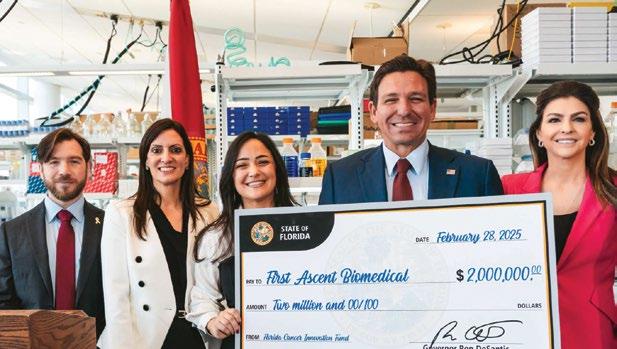
Florida Gov. Ron DeSantis announced $2 million in funding from the Casey DeSantis Florida Cancer Innovation Fund to increase patients’ access to Stempel College cancer researcher Dr. Diana Azzam’s innovative functional precision medicine treatment approach. Azzam is currently carrying out personalized cancer treatment clinical trials for both children and adults. The $2 million grant to First Ascent Biomedical, the company that Azzam co-founded to bring this technology to market, will generate critical clinical data to support the U.S. Food and Drug Administration’s (FDA) approval of highly individualized treatment planning technologies that integrate Azzam’s functional precision medicine platform with artificial intelligence to accelerate insurance coverage and nationwide adoption.
As rates of dementia continue to climb — and with growing concern for maintaining life-long brain health — researchers are turning their attention to everyday habits that may help protect against cognitive decline.
Dr. Shanna Burke in social work and Dr. Sabrina Sales Martinez in dietetics and nutrition are leading an NIH-funded study examining how sleep, diet and stress interact to influence Alzheimer’s disease risk. The Tri-Sleep Study investigates how these modifiable lifestyle factors affect both the development and progression of the disease, with the goal of identifying practical, science-based interventions that target risk factors associated with the development and progression of Alzheimer’s disease.
The research team shares evidence-based recommendations to help reduce dementia risk and enhance overall well-being:

1. Prioritize sleep: Aim for 7-8 hours of solid sleep. Your brain cleans up while you power down.
2. Manage stress: Chronic stress shrinks brain power.
3. Nourish your gut: A healthy gut means a happier brain. Ditch the junk, fuel the focus.
4. Eat well, sleep well: Nourishing your body may support restful, restorative sleep.
5. Stay active: Regular exercise keeps both your muscles and memory in shape.
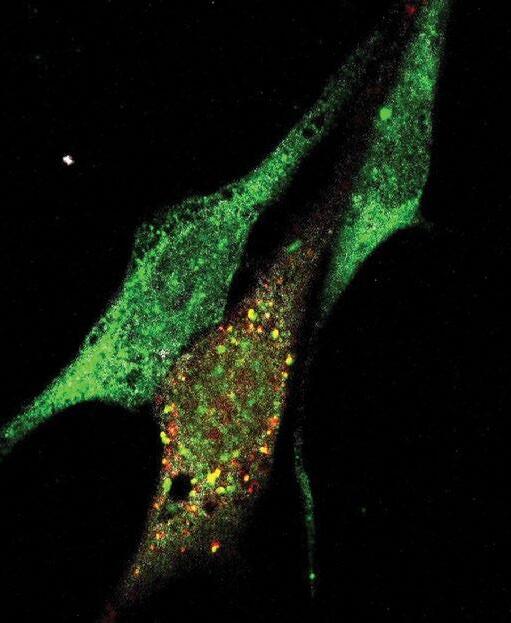
The dopamine neuron in the cell model pictured here was full of trash. Autophagy, the built-in cellular house cleaning system, wasn’t working as it should to dispose of damaged, misfolded proteins. Too much alpha-synuclein had accumulated. This is the problematic protein involved in Parkinson’s disease that clumps together, disrupts cell-to-cell communication and triggers neuronal death.
Dr. Kim Tieu, professor of environmental health sciences, and researchers in his lab had doused cells with different concentrations of manganese (exposure to high levels is a risk factor for developing Parkinson’s- like neurological symptoms). Even small amounts impaired autophagy, according to the study’s results published in Molecular Neurodegeneration — suggesting chronic exposure could contribute to neurodegeneration.
Then they made a discovery with clinical implications: A partial block of dynamin-related protein-1 (Drp1) coaxed the cell’s clean-up process to take out the trash again, regardless of manganese exposure.
With funding from a $6.6 million National Institute of Environmental Health Sciences’ Revolutionizing Innovative, Visionary Environmental Health Research (RIVER) grant, Tieu’s lab is collaborating with Scripps Research to identify FDA-approved compounds that target Drp1 for new Parkinson’s therapies. They’re currently testing these drugs.
Obesity researchers from across Florida gathered at the FIU Obesity Research Workgroup’s 4th Annual Symposium, a day dedicated to sharing their funded projects, exchanging ideas and building new collaborations.
More than 100 participants attended the event, including faculty, post docs, and graduate and undergraduate students from six Florida universities. Representatives from the Florida Department of Health, Nicklaus Children’s Hospital and Borinquen Health also took part in the symposium.
Speakers from the University of Florida, University of South Florida, University of Miami and FIU presented their latest research on childhood obesity — an important focus area given that children with obesity are more likely to experience obesity as adults.
Doctoral students impressed the audience with dynamic speed-round presentations, while graduate and undergraduate students from multiple universities showcased their research posters, highlighting the depth and breadth of obesity research being conducted around the state.
With nearly half of the adult population in the U.S. predicted to be obese by 2030, the urgency of this field of research continues to grow. The long-term goal of the FIU Obesity Research Workgroup is the establishment of a National Obesity Research Center (NORC) in Florida. Currently, only 11 such university-based centers exist nationwide — and none are located in Florida.


Dr. Nicole Fava, an associate professor in social work, was named Miami-Dade County’s 2025 National Association of Social Work’s Educator of the Year. The award recognizes a social work educator who has demonstrated excellence in the field. Over her decade-long career, Fava has led research in areas including healthy adolescent and young adult development; sexual health among people who have experienced trauma; and human trafficking. She teaches students the importance of trauma-informed care, especially when working with children and teens who have experienced adversity. She is also an affiliated faculty member at the FIU Center for Children and Families, where she directs the TraumaInformed Screening and Treatment Program.
Dr. Adam W. Carrico, a professor of health promotion and disease prevention, was inducted into the Academy of Science, Engineering and Medicine of Florida. The honor recognizes Carrico as a leading national scholar whose research has benefited society. In making the announcement, the academy hailed Carrico for “being a dynamic psychologist leading the integration of biomedical and behavioral approaches targeting the intersection of methamphetamine use and HIV.”
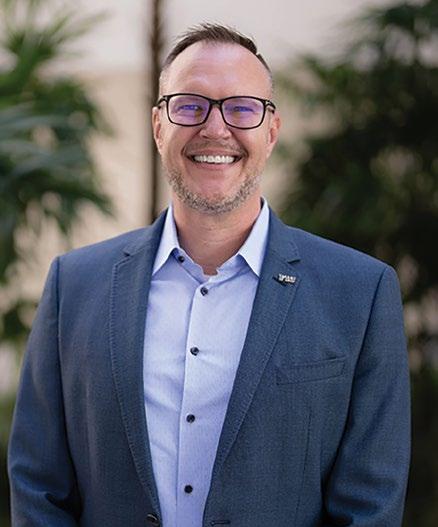
Dr. Catherine Coccia and Dr. Nadine Mikati assumed 2025-2026 leadership roles in the Florida Academy of Nutrition & Dietetics (FAND). Established in 1935, FAND is the state’s largest association of dietetics and nutrition professionals who are at the forefront of health and nutrition information and education.
Coccia, associate professor of dietetics and nutrition, is serving as FAND president. In this role, she helps support FAND’s goals to advance the dietetics and nutrition profession and support membership initiatives. Her research focuses on childhood obesity and improving community health outcomes through proper nutrition.
Mikati, an assistant teaching professor of dietetics and nutrition and director of the Didactic Program, is serving as president of the South FAND district. In this role, she oversees the district’s strategic direction and collaborates with the statewide board to plan professional development events, community outreach initiatives and student engagement activities. Her research focuses on obesity prevention.
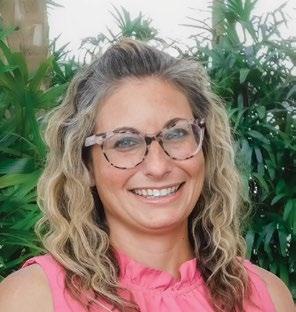
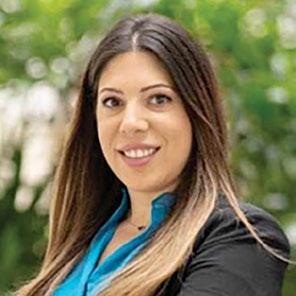
Dr. Shed Boren, clinical assistant professor of social work, was honored with the Distinguished Alumni Humanitarian Award from Southwestern University.
Dr. Rajiv Chowdhury¸ chair and professor of global health, was honored with the Faculty Leader in Global Health Innovation Award by the Velji Family Foundation and the Consortium of Universities for Global Health (CUGH). Chowdhury has spent 20 years developing innovative global health teaching modules and delivering them to students in universities around the world.
Dr. Tomás R. Guilarte, professor and dean of Stempel College, was recognized by ScholarGPS as being among the world’s top 0.05% scholars – the top nine researchers — in the world studying lead neurotoxicology. The rankings recognized researchers who are both most productive in terms of publications and whose work has high impact and quality.
Dr. Jacqueline Hernandez, assistant professor of dietetics and nutrition, and Dr. Cristina Palacios, professor and chair of dietetics and nutrition, wrote an article for The Conversation that was picked up and republished in The Washington Post. The article highlighted vitamin D’s important roles in keeping bodies healthy.
MORNING SESSION
1st Place
Simanta Roy
The Prolonged Effect of E-cigarette Use on Pulmonary Function: A Within-Subject Controlled Trial
Ph.D. student in epidemiology School of Public Health
2nd Place (tie)
Daniel A. Martinez-Perez
Amyloid β-Plaque-Associated Microglia Drive TSPO
Upregulation in Alzheimer’s Disease
Ph.D. student in environmental health sciences
School of Public Health
2nd Place (tie)
Alexandra Briceño
Associations Between Dietary Carotenoids and Anxiety Symptoms in Hispanic/Latine Adults
Ph.D. student in nutrition
Department of Dietetics & Nutrition
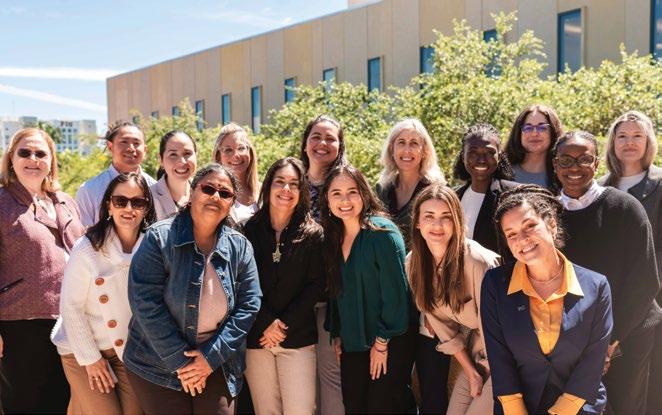
In March 2025, the annual Stempel College Research Day showcased the outstanding work of graduate students across public health, dietetics and nutrition and social work.
The day-long event featured oral and poster presentations, with each session allowing attendees the opportunity to pose questions to the students. Judges, who were Stempel College faculty, rated the students using criteria that included methodology, integration of the literature review and the presentation itself.
AFTERNOON SESSION
1st Place
Sarah Hardin
Effects of Early Life Lead Exposure on the Cardiovascular System and Amyloidosis in a Transgenic Mouse Model of Alzheimer’s Disease
Ph.D. student in environmental health sciences School of Public Health
2nd Place
Natasha Shaukat
Pictorial Health Warning Labels are Effective in Reducing Subjective Measures, Behavioral Responses and Toxicant Exposure: A Crossover Study
Ph.D. student in epidemiology
School of Public Health
3rd Place
Sharika Ferdous
The Effect of Pictorial Health Warning Labels Placed on the ENDS Device on Young Adult Smokers’ Subjective Experiences: A Crossover Study
Ph.D. student in epidemiology
School of Public Health
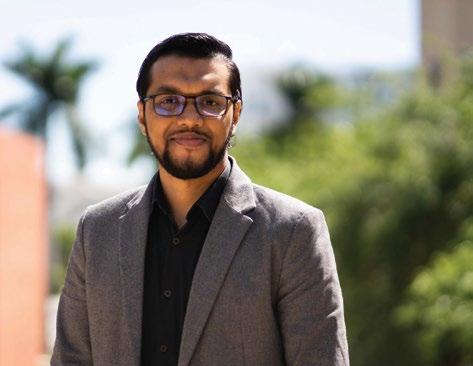
“They not only helped me grow as a researcher, but also encouraged me to pursue opportunities outside of academia, like this internship. Their mentorship helped shape the way that I approach challenges and opportunities.”
As a doctoral student in the biostatistics program, Dr. Kazi Tanvir Hasan completed an internship at Johnson & Johnson, where he worked closely with the company’s clinical pharmacology and pharmacometrics teams.
His responsibilities included analyzing real-world data to support regulatory and clinical decisions. He built predictive models, conducted statistical analyses and created data visualizations to communicate insights to crossfunctional teams. He enjoyed the mix of technical work and collaborative problem-solving, as well as the opportunity to apply what he was learning as a Ph.D. candidate.
“My Ph.D. program gave me a strong foundation in both statistical theory and practical data analysis. Everything from survival analysis to machine learning methods came into play during my internship,” he says. “But more than that, the program taught me how to approach complex problems systematically, how to collaborate effectively, and how to communicate findings clearly, skills that were essential at Johnson & Johnson.”
Hasan credits his Ph.D. advisors Dr. Boubakari Ibrahimou and Dr. Gabriel Odom with having a major impact on his academic and professional journeys.
“They not only helped me grow as a researcher, but also encouraged me to pursue opportunities outside of academia, like this internship,” he says. “Their mentorship helped shape the way that I approach challenges and opportunities.”
After graduating with his Ph.D. in public health with a concentration in biostatistics and data analytics, Hasan joined the Department of Psychiatry at Yale School of Medicine as a postdoctoral researcher. His research focuses on geneticallyinformed studies of substance use disorders (SUDs), psychiatric conditions and related behavioral and lifestyle traits that impact human health.
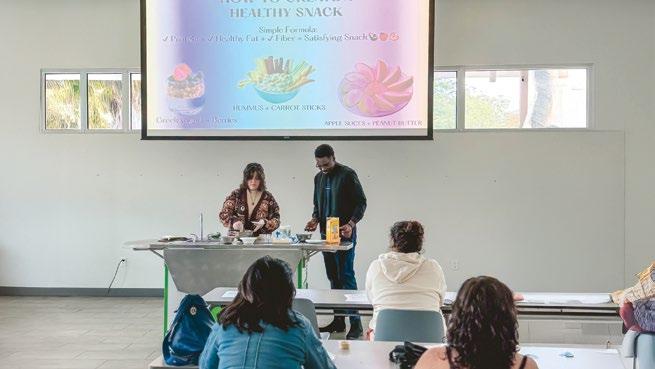
Student Dietetics Association (SDA) members host nutrition education sessions at local libraries in collaboration with the Miami-Dade Public Library System.
“Literary Bites” covers all areas of balanced nutrition, from daily exercise to hands-on culinary demos of nutritious meals. Participants learn about the importance of food groups, portion sizing and how to read nutrition labels, among other key takeaways.
Approximately 60 students responded to the needs of two fictional countries devastated by a Category 5 hurricane as part of FIU’s 10th annual disaster field exercise, marking a decade of preparing students for careers in disaster management. Offered through the Academy for International Disaster Preparedness (AIDP), the two-day event included more than a dozen emergency agencies collaborating with disaster management students to simulate a real-life disaster response operation. More than 250 volunteers from FIU and participating agencies roleplayed as response coordinators and support staff. AIDP students collaborated with agencies on rapid damage assessment, shelter and site planning, food aid distribution and other important relief efforts.
New this year was the participation of Food Network personality and restaurateur Guy Fieri’s foundation. The Guy Fieri Foundation has served over 200,000 meals during natural disasters through its mobile food trailer. During the exercise, foundation personnel taught students from FIU’s Chaplin School of Hospitality & Tourism Management how to run a disaster field kitchen.

At Stempel, our enduring legacy is found in the successes of our alumni, who are shaping a healthier world.
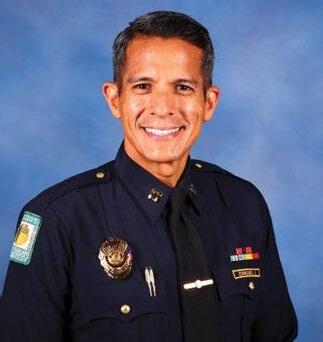
Social work alumnus Captain Ivan Osores of the Pinecrest (Florida) Police Department serves with Miami-Dade County’s Multi-Agency Peer Support Team. Individuals in the group commit to being available to colleagues going through personal problems caused by or made worse by professional pressures. A licensed clinical social worker, Osores is able to diagnose mental health conditions and provide treatments backed by science. In addition to assisting police department personnel, he offers support to local residents in the aftermath of an involuntary detention of someone experiencing a mental health crisis to connect them with services and resources on the way to recovery.
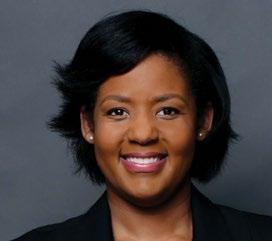
Dietetics and nutrition alumna
Dr. Shanté Jeune is an assistant professor at the University of Central Florida’s Department of Health Sciences and president of the Central Florida Academy of Nutrition & Dietetics (CFAND) District 3. In this role, she sets the district’s strategic goals.
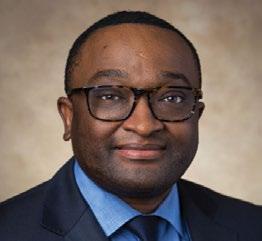
Public health alumnus
Dr. Abraham Enyeji is an assistant professor at Mercer University’s School of Medicine. His research focuses on primary and secondary cardiovascular disease prevention with a special emphasis on promoting cardiovascular health among youth and young adults.
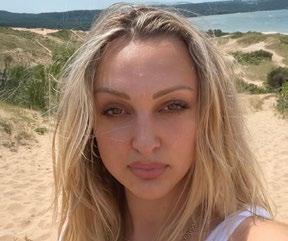
Disaster management alumna
Emily Garland is the U.S. program lead for the Global Empowerment Mission, where she helps coordinate programs that support disaster survivors. Garland was a volunteer and paid intern with the organization prior to being offered a full-time job.