
CO OP BEET
MESSAGE FROM THE BOARD
In our last Coop Beet, we were glad to introduce our new General Manager, Anthony Egan. Unfortunately, Tony chose to leave his position at the end of July with very little notice. Since then, the board has met frequently (often weekly) to address both the immediate need for in-store leadership and the longer-term task of hiring a new General Manager. Thanks to the dedication of our staff, store leadership, and board, we are proud to share that strong progress has been made on both fronts!

THE INTERIM GENERAL MANAGER COMMITTEE
Anne Wright (Accounting Manager), Dag Gonzalez (HR Manager), and Lodie DeAlba (Front End Manager) came together to form an Interim General Manager Committee (IGMC), stepping in as a team to share the responsibilities of the General Manager. Working collaboratively, they have carried forward important initiatives begun under our previous GM, deepened the board’s understanding of the store’s operations, and taken on the day-to-day duties of the GM role. We are deeply appreciative of the way they joined forces, as their teamwork has been essential to keeping the store steady and supporting every employee during this transition.
Having an in-house IGMC also means meaningful savings for the co-op, since hiring outside interim managers can be very costly. More importantly, it gave us the chance to put our trust in people who already know the store and its community. Because Anne, Dag, and Lodie were willing to step up, the board could turn its attention to finding the next General Manager with confidence that the store was in good hands. With their leadership keeping things steady, we are now excited to share news about the next step in our journey.
WELCOMING ROB DRAKE AS OUR NEXT GENERAL MANAGER
We are pleased to announce that we have selected Rob Drake as our next General Manager. Rob is in the process of relocating with his family from across the country, and while a definitive start date has not yet been set, our shared goal is for him to be in place before the holidays.
Rob was a finalist in our initial search and visited the store and Ukiah in the spring. We are fortunate that he was still interested in the GM position when it suddenly became vacant. Rob brings over a decade of management experience in the natural foods sector. With a strong background in category and pricing management and his recent work as General Manager of an East Coast cooperative, we are impressed by Rob’s experience and dedication, as well as his passion for the cooperative sector.
When we began our original search for a new General Manager, the board outlined the qualities we believed were most important: someone who could build strong teams, work collaboratively, solve complex challenges, and guide the co-op through change, while also bringing fresh ideas for the future of Ukiah Natural Foods. Rob stood out in that process as a finalist, and the vision, energy, and experience he shared with us then are just as relevant now. We are confident in his ability to lead the co-op forward, and the board is committed to supporting him as he steps into this role and builds on the positive changes already underway in the store.
THANK YOU
We are grateful for the continued support of our members throughout this transition. Your commitment to the co-op makes everything we do possible, and we look forward to the exciting future ahead with Rob’s leadership and our dedicated staff.
With appreciation,
Gideon Burdick, President Ukiah Natural Foods Board of Directors
A natural foods cooperative since 1976
OPEN EVERY DAY TO EVERYONE
Store hours 7:00am - 8:00pm
Organic Espresso & Juice Bar
7:00am - 6:00pm
Soup & Salad Bar
10:30am - 7:00pm Hot Bar
10:30am - 6:00pm
Burrito & Taco Bar
10:30am - 7:00pm
Bagel Bar
7:00am - 2:30pm
721 South State Street
Ukiah, CA 95482
707 462-4778
www.ukiahcoop.com
email: UNF@ukiahcoop.com
UNF Management
Interim General Managers
Dagoberto González, Anne Wright & Lodie DeAlba
Facilities
Dan Thompson-Sagehorn
Finance
Anne Wright
Food Service
Chance Breen
Front End
Lodie DeAlba
Interim Grocery
Ezra Motley-Hurn
Human Resources
Dagoberto González
Information Technology
Tasha Jelen
Marketing & Outreach
Yvonne Boyd
Produce
Libee Uhuru
Wellness / Health & Beauty
Katie McClure
Co-op Beet
Editor
Yvonne Boyd
Design & Production
Nicole Martensen - Tierra Design
Cover Photograph
Yvonne Boyd - Ranchomatic Studios
Contributors
Yvonne Boyd, Gideon Burdick, Brooke Toland
Views expressed in the Co-op Beet are the writers’ opinions and are not necessarily the views of Ukiah Natural Foods Co-op.


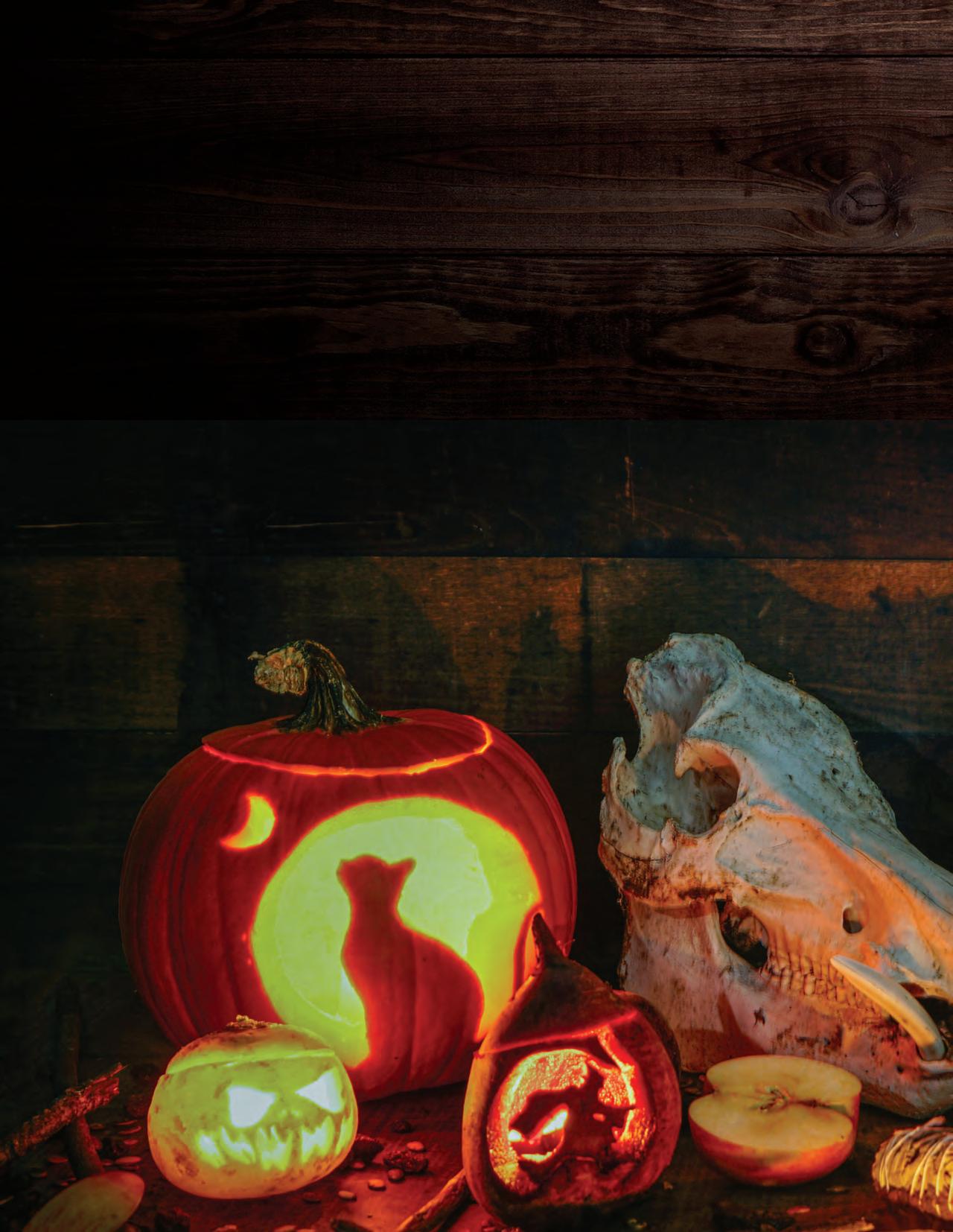
Long before glowing pumpkins and bags of candy, there was Samhain (pronounced sow-in), the ancient Celtic festival that gave birth to Halloween. Over two thousand years ago, as the last crops were gathered and the days grew darker, the Celts marked the turning of the seasons with a night unlike any other. They believed that on Samhain, the veil between worlds grew thin, and the spirits of the dead could wander freely among the living.
To honor their ancestors—and to keep troublesome spirits at bay—villagers lit great bonfires that blazed against the chill of autumn. Families set places at the table for loved ones who had passed, leaving food and drink as offerings. At the same time, they disguised themselves in animal skins and masks, hoping that if restless spirits roamed nearby, they would pass unnoticed.
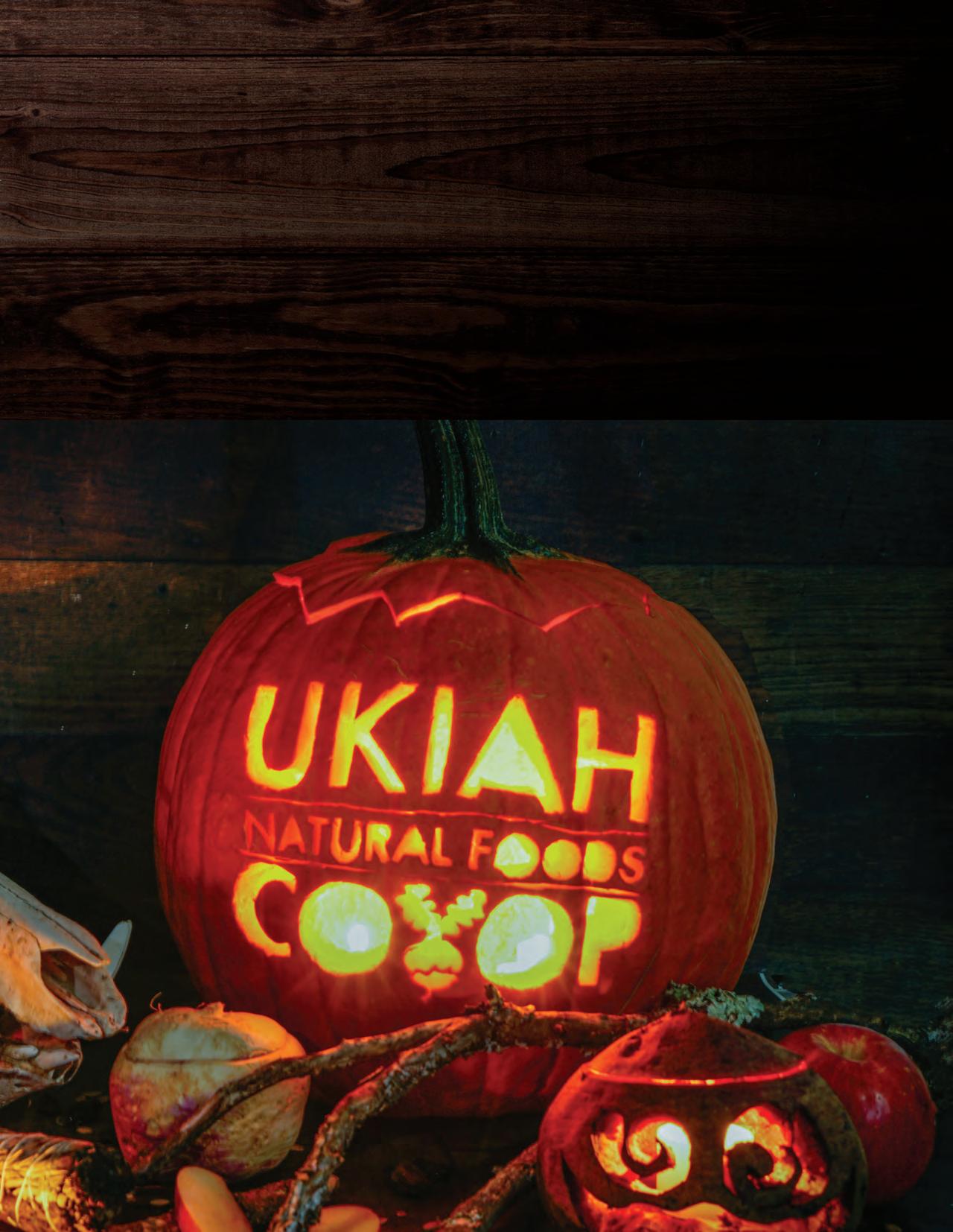
Flickering lanterns, carved from turnips and beets, glowed in the darkness, protecting homes from malevolent forces. These eerie faces would, centuries later, transform into the familiar jack-o’lanterns carved from pumpkins.
ALL SOULS
As time passed, Christianity swept across Europe, weaving its own traditions into the fabric of Samhain. November 1st was named All Saints’ Day—or All Hallows—and the evening before became All Hallows’ Eve. Old and new customs blended together, carrying forward the practice of dressing in disguise, lighting lanterns, and sharing food.
When Irish and Scottish immigrants brought these traditions to America, the holiday evolved yet again. Trick-or-treating, pumpkin carving, and neighborhood celebrations grew out of these ancient rituals, reshaped into the festive Halloween we know today.
Still, the heart of Samhain remains. On Halloween night, when the wind rustles leaves and shadows lengthen, it’s easy to imagine those early fires burning bright, keeping watch as the boundary between worlds grew thin.
SOULSWhere HALLOWEEN Began
words and photography by
YVONNE BOYD
Marketing & Outreach Manager
recipe styling by BROOKE TOLAND Outreach Coordinator
HALLOWEEN
SAMHAIN RECIPES
INGREDIENTS:
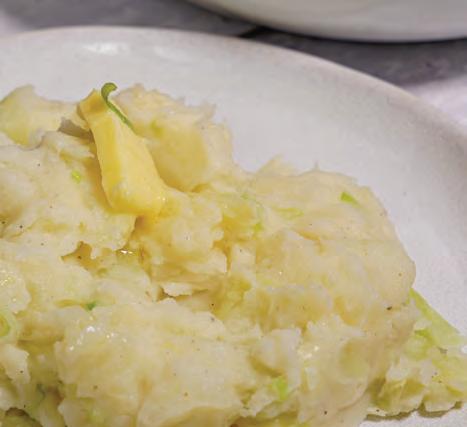
Colcannon Soul Cakes
• 4 russet potatoes (2 to 21/2 pounds), peeled and cut into 1½ inch pieces
• Salt, to taste
• 5 to 6 Tbsp unsalted butter, plus more for serving
• 3 lightly packed cups of cabbage
• 3 green onions, minced (about ½ cup)
• 1 cup milk or cream
INSTRUCTIONS:
1. Put the potatoes in a medium pot and cover with cold water by at least an inch. Add 2 tsp of salt and bring to a boil. Boil until the potatoes are fork tender, 15 to 20 minutes. Drain in a colander.
2. Return the pot to the stove and set over medium-high heat. Melt the butter in the pot and once it’s hot, add the cabbage. Cook the cabbage for 3 to 4 minutes, or until wilted. Add the green onions and cook for 1 minute more.
3. Pour in the milk or cream, mix well, then add the potatoes. Reduce the heat to medium. Use a fork or potato masher and mash the potatoes, mixing them up with the cabbage and green onions. Add salt to taste and serve hot, with a knob of butter in the center.
INGREDIENTS:
• 6 oz butter
• 6 oz sugar
• 3 egg yolks
• 1lb white flour
• 2 tsp mixed spice (allspice, nutmeg, cinnamon, cloves)
• 4 oz currants or raisins
• A little milk to mix
INSTRUCTIONS:

Note:
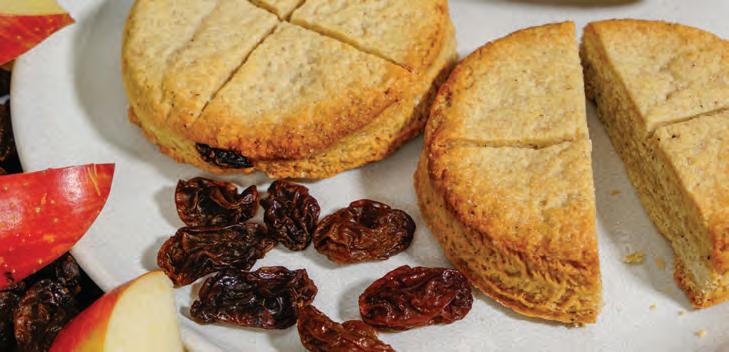
These little cakes are a cross between a biscuit and a scone and are traditionally made for All Soul’s Day, which is on the 2nd of November. Packed with currants and mixed spice, these lovely little cakes are delicious with an afternoon cuppa. This recipe is adapted from “Cattern Cakes and Lace”.
1. Pre-heat oven to 375F. Cream the butter and sugar together and then beat in the egg yolks.
2. Sift the flour into another bowl with the mixed spice and then add them to the butter, sugar and egg yolk mixture.
3. Stir in the currants or raisins and add enough milk to make a soft dough, similar to scones.
4. Roll the dough out and cut out little cakes with a biscuit cutter. Mark each cake with a cross and then place them on a greased and/or lined baking sheet.
5. Bake the cakes for 10 to 15 minutes, or until golden brown.
6. Cool on a wire rack and the store in an airtight tin for up to 5 days.
NOVEMBER FIELD DAY SALE!!!
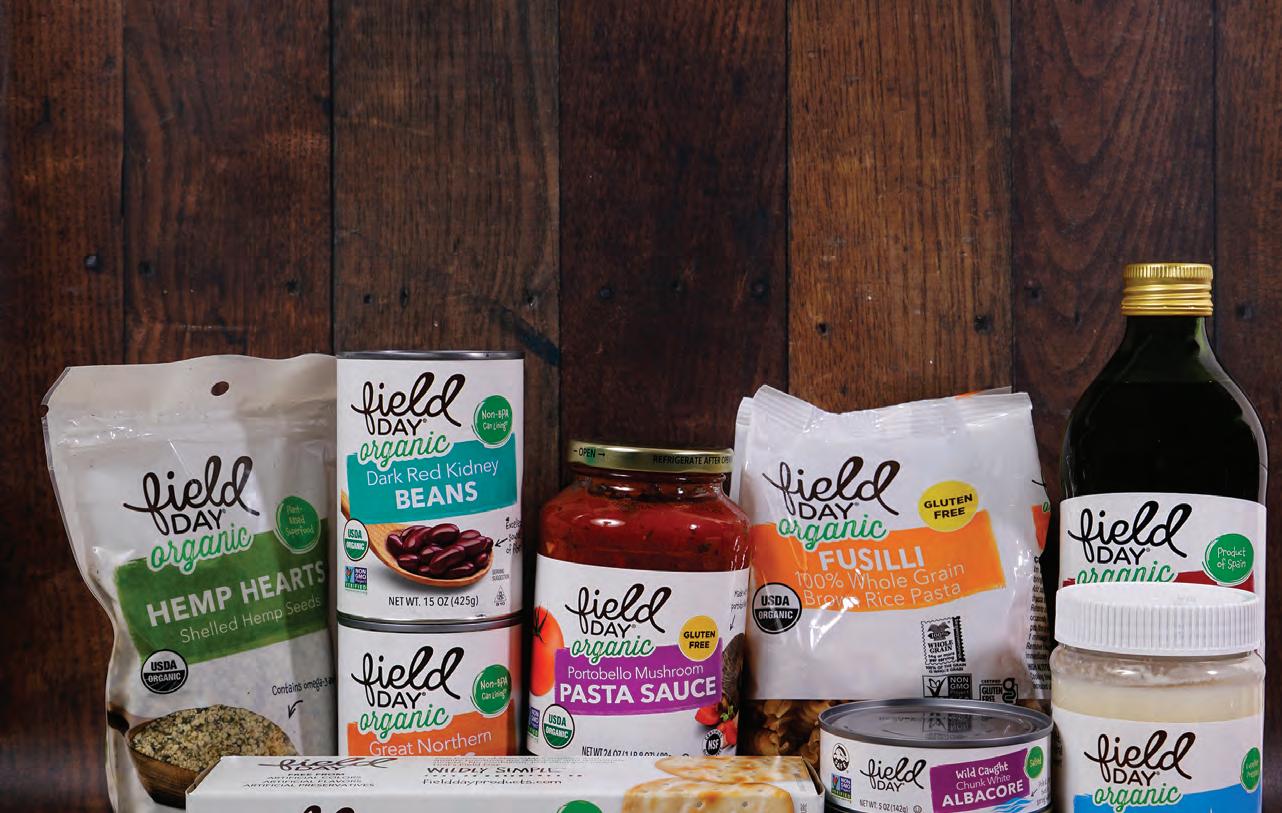
This November, Ukiah Natural Foods Co-op, in partnership with National Cooperative Grocers (NCG), is excited to present a special promotion on all Field Day products. Throughout the month, enjoy great savings on Field Day’s high-quality, organic products while making a difference. For every Field Day product you purchase, NCG will donate 5 cents to the North American Traditional Indigenous Food Systems (NATIFS), supporting their mission to revitalize Native foodways and promote indigenous food sovereignty. Stock up on your favorites and help support this important cause!
North American Traditional Indigenous Food Systems (NĀTIFS) is a non-profit organization that is dedicated to addressing the economic and health crises affecting Native communities by re-establishing Native foodways. The Indigenous Food Lab is an education and training center that serves as the heart of NATIFS’ work establishing a new Indigenous food system that reintegrates Native foods and Indigenous-focused education into tribal communities across North America.
LAND ACKNOWLEDGMENT
We respectfully acknowledge that we live, learn, and work on the traditional homelands of numerous Indigenous peoples. We honor the deep and enduring connection these communities have to this land— their ancestral past, cultural traditions, and continuing presence.
We recognize and give thanks to the Northern Pomo Tribes, who have cared for and stewarded this land for generations. We also acknowledge the presence and significance of tribes that are no longer federally recognized or whose homelands are now classified only as state-recognized lands. Their histories, contributions, and cultural legacies remain deeply woven into the fabric of this region.
We extend our respect to both federally and nonfederally recognized tribes, including all Indigenous peoples present with us today, and to the ancestors whose lives and traditions have shaped this land.
We recognize the forced displacement and the enduring challenges faced by Indigenous communities. As an institution and as individuals, we are committed to fostering meaningful relationships with local Tribal nations through collaborative partnerships, educational efforts, and cultural engagement.
This land acknowledgment is a gesture of respect and gratitude, and a commitment to truth and ongoing learning. We believe that recognizing the past—and the continued presence of Indigenous peoples—is a vital step toward justice, understanding, and reconciliation.

words and photography by
YVONNE BOYD
Marketing & Outreach Manager

The Art of Making Bread
There’s something deeply comforting and timeless about making bread. The simple combination of flour, water, salt, and yeast has fed humanity for thousands of years. But beyond nourishment, breadmaking is an art—a slow, mindful process that invites us to connect with tradition, patience, and creativity.
A HUMBLE LOAF, A RICH HISTORY
Bread is one of the oldest prepared foods in human history. Archaeological evidence suggests that Neolithic people were making a crude flatbread over 14,000 years ago, long before the invention of agriculture. From the Egyptian sourdoughs and Roman panis quadratus to the French baguette and the Indian naan, bread has been a staple across cultures, often regarded as sacred.
What makes bread so universally revered? It’s not just the taste or the texture—it’s the ritual. In a world that often moves too fast, breadmaking asks us to slow down. To wait. To trust.
THE INGREDIENTS: SIMPLE, YET TRANSFORMATIVE
At its core, bread is made of four essential ingredients:
• Flour: Most often wheat, though rye, spelt, and other grains offer their own flavors and textures.
• Water: The solvent that brings everything together and activates the gluten.
• Salt: Enhances flavor and controls fermentation.
• Yeast or Starter: The leavening agent—either commercial yeast or a natural sourdough culture— that makes the dough rise.
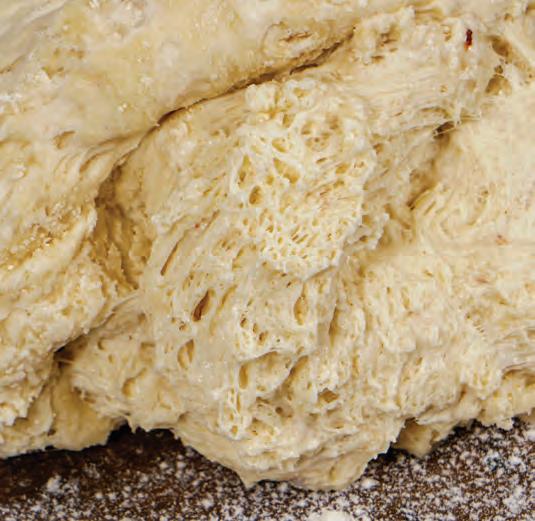
The magic lies in the transformation. As the yeast feeds on sugars in the flour, it releases carbon dioxide, causing the dough to rise. Gluten forms a stretchy network, giving bread its chewy texture. With heat, the dough springs into its final form—crusty, golden, aromatic.
THE PROCESS: A MEDITATIVE CRAFT
There are many methods to make bread, from the noknead style to complex sourdough routines. But the core stages are generally the same:
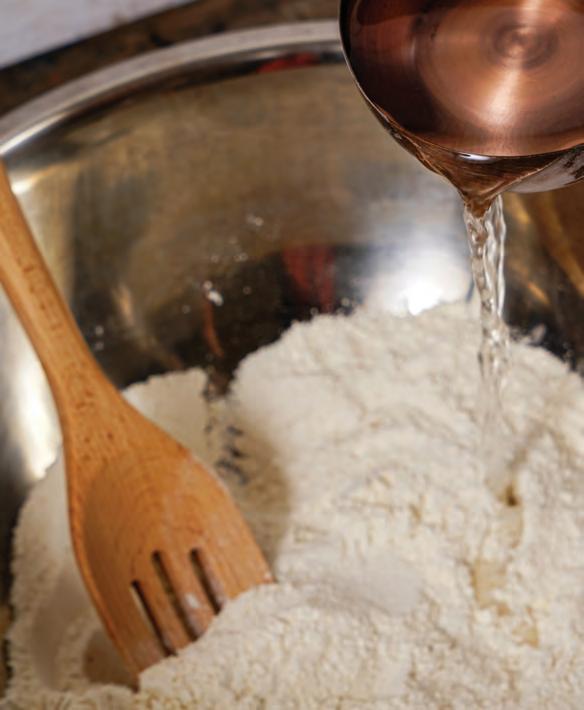
1. Mixing: The ingredients are combined until a shaggy dough forms.
2. Kneading: This develops the gluten—either by hand, machine, or time (as in no-knead doughs).
3. Fermentation: The dough is left to rise, often in a warm spot, allowing flavors and structure to develop.
4. Shaping: Once risen, the dough is shaped into loaves or rolls.
5. Proofing: A final rise before baking, this stage is crucial for texture.
6. Baking: Heat transforms the dough into bread, creating the crust and locking in flavor. Each step carries opportunities for creativity and nuance. The feel of the dough, the timing of the rises, the scoring of the surface before baking—all of these can affect the final loaf.
SOURDOUGH: A LIVING TRADITION
In recent years, sourdough has made a strong comeback. Made without commercial yeast, sourdough relies on a “starter”—a living culture of wild yeast and bacteria. This method, ancient and natural, produces bread with a tangy flavor, deep crust, and improved digestibility.
Maintaining a sourdough starter can feel like having a pet. It must be fed regularly and kept healthy. But in return, it becomes a unique, ever-evolving part of your kitchen—a connection to both the past and the present.
WHY WE MAKE BREAD
There’s a reason so many people turned to breadmaking during times of crisis or isolation. It’s grounding. It reminds us that we can still create something beautiful and nourishing with our hands. It teaches patience, resilience, and joy in small things— like a warm loaf cooling on the counter, or the scent of fresh bread filling the home.
Breadmaking is also a form of sharing. A handmade loaf, given to a friend or neighbor, carries more than calories. It carries care, time, and a slice of your own story.
A FINAL WORD
Making bread is more than following a recipe— it's entering a conversation with history, nature, and yourself. Whether you're baking for the first time or the hundredth, each loaf is a quiet triumph. In the act of making bread, we knead not just dough, but a little more meaning into our daily lives.

TIPS FOR THE HOME BAKER
• Use high-quality flour. The better the flour, the better the bread.
• Be patient. Don’t rush the rise—good bread takes time.
• Practice scoring. A sharp razor or lame can help you create beautiful patterns and better oven spring.
• Experiment. Try adding herbs, seeds, dried fruit, or whole grains.
• Learn from each bake. Keep a bread journal. Even “failed” loaves teach something.
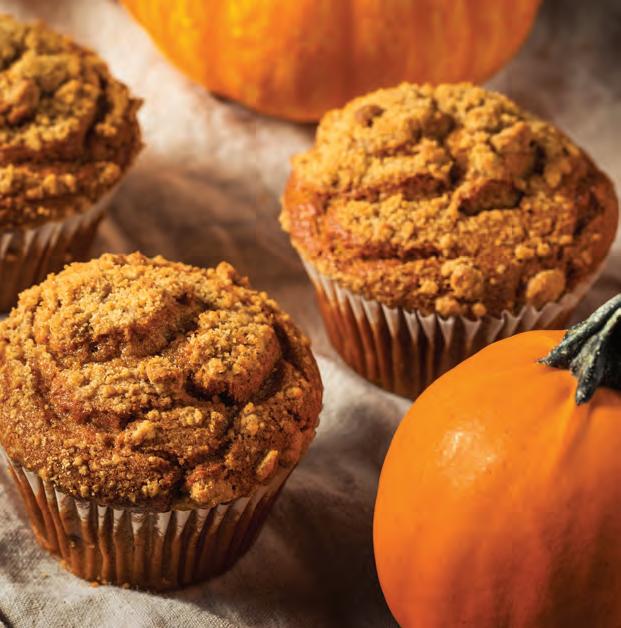
PUMPKIN MUFFINS
shared by Theresa Overlin
Ingredients
• 3 cups sugar
• 1 cup canola, vegetable, or avocado oil
• 4 eggs beaten
• 1 - 16oz can pumpkin
• 3 ½ cups flour
• 2 tsp baking soda
• 2 tsp salt
• 1 tsp baking powder
• 1 tsp nutmeg
• 1 tsp cinnamon
• 1 tsp cloves
• 1 tsp allspice
• 2/3 cup wáter
Preparation
Mix all ingredients together in large mixing bowl. Bake at 350 degrees in muffin tin 15-20 minutes or a loaf pan for 1 hour.
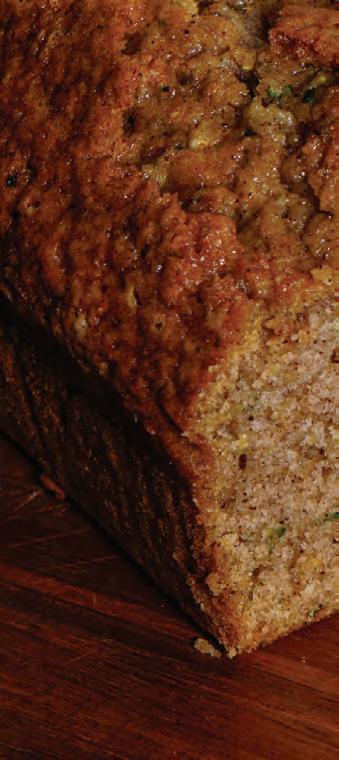
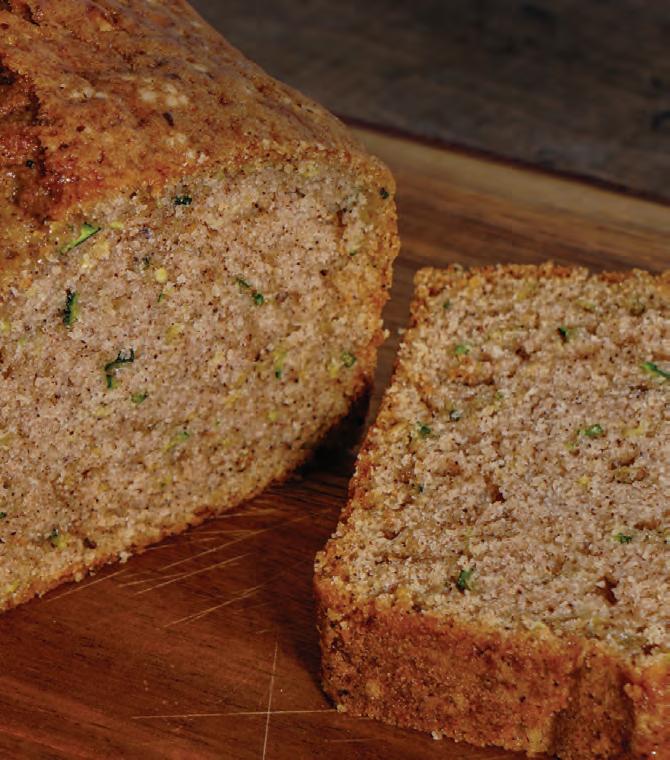
ZUCCHINI BREAD
shared by Lodie DeAlba
Ingredients
• 2 cups sugar
• 1 cup canola oil
• 3 eggs
• 1½ tsp vanilla
• 2 Tbsp cinnamon
• 1 tsp salt
• ½ tsp baking powder
• 1 tsp baking soda
• 3 cups all purpose flour
• 3½ cups grated zucchini
• 1½ cups chopped nuts (optional)
Preparation
Mix ingredients together and bake in loaf pan at 350 degrees for 25-30 minutes.

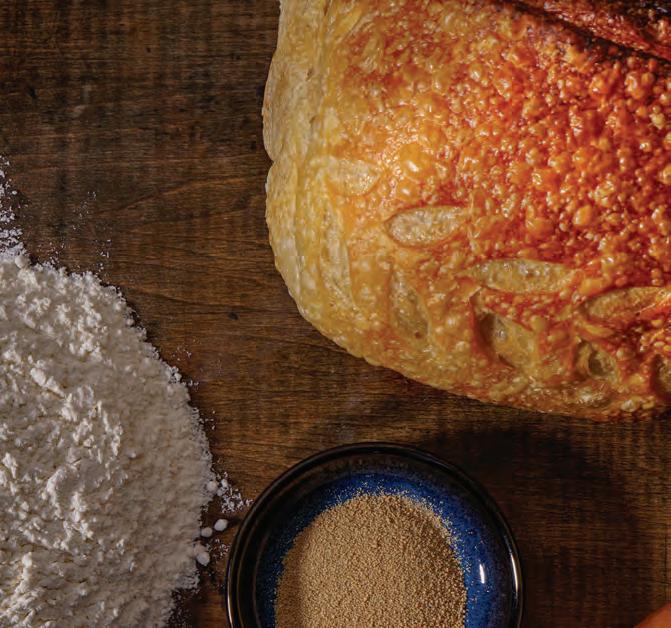
ARTISAN BREAD
Ingredients
• 3 cups (450g) flour ( bread or all purpose)
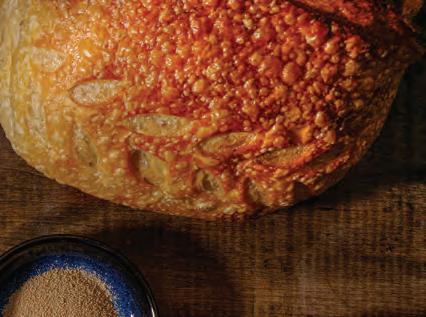
• 2 tsp instant or rapid rise yeast
• 2 tsp Kosher salt, NOT table salt
• 1 1/2 cups (375 ml) very warm tap water, NOT boiling or super hot (ie. up to 55°C/130°F)
Preparation
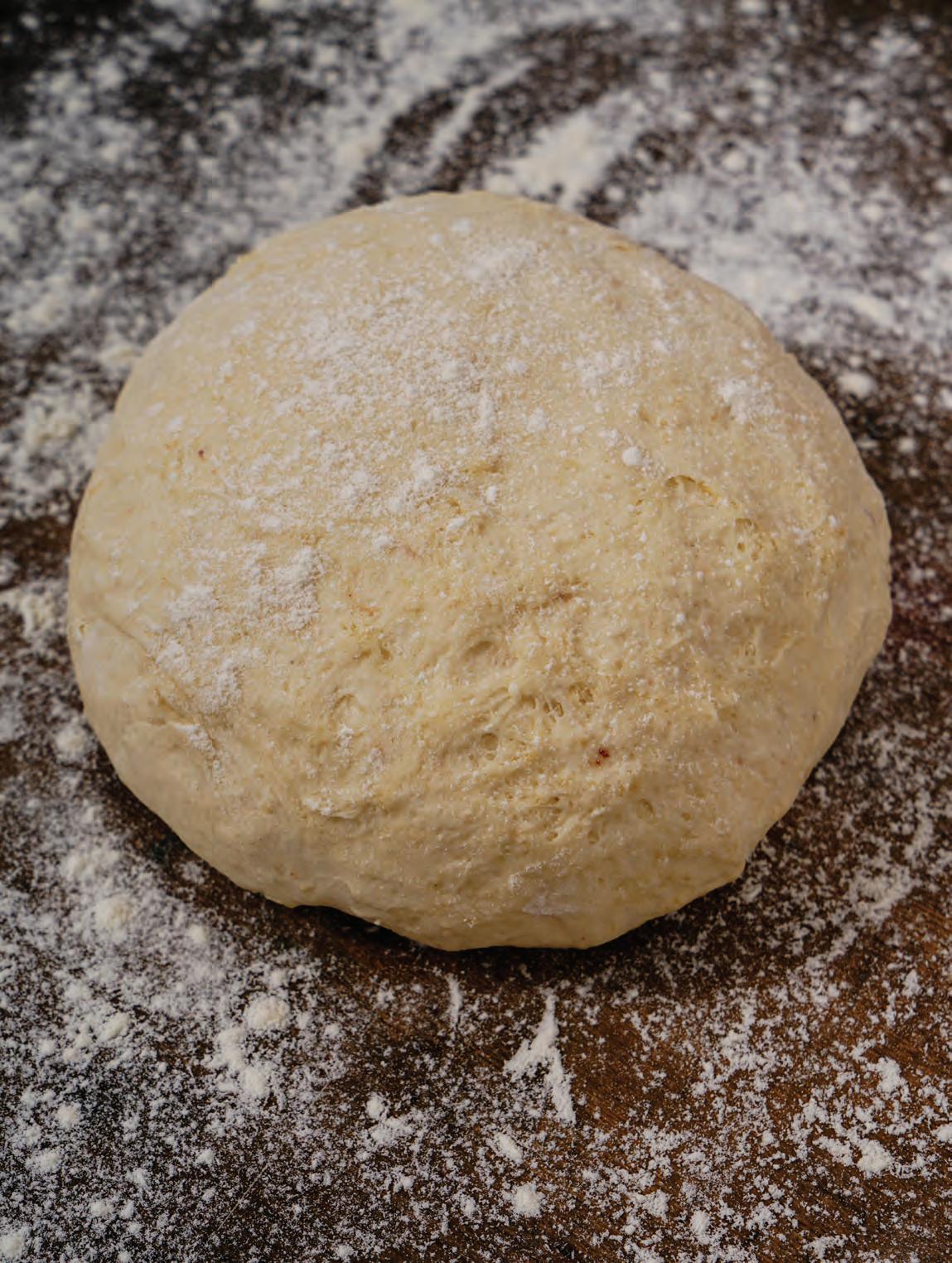
1. Mix Dough: Mix flour, yeast and salt in a large bowl. Add water, then use the handle of a wooden spoon to mix until all the flour is incorporated. Dough will be wet and sloppy –not kneadable, but not runny like cake batter. Adjust with more water or flour if needed for right consistency
2. Rise: Cover with cling wrap or plate, leave on counter for 2 – 3 hours until it doubles in volume, it’s wobbly like jelly and the top is bubbly. If after 1 hour it doesn’t seem to be rising, move it somewhere warmer
3. Optional – refrigerate for flavor development At this stage, you can either bake immediately (move onto Step 5) or refrigerate for up to 3 days.
4. Take chill out of refrigerated dough – if you refrigerated dough per above, leave the bowl on the counter for 45 – 60 minutes while the oven is preheating. Cold dough does not rise as well.
5. Preheat oven –Preheat to 450°F, Place dutch oven in oven to let rise
6. Shape dough: Sprinkle work surface with 1 tbsp flour, scrape dough out of bowl. Sprinkle top with 1/2 tbsp flour. Using a dough scraper or anything of similar shape fold the sides inwards to roughly form a roundish shape. Don’t be too meticulous here – you’re about to deform it, it’s more about deflating the bubbles in the dough and forming a shape you can move.
7. Transfer to paper: Slide a large piece of parchment/baking paper (not wax paper) next to the dough, then flip the dough upside down onto the paper
8. Dough in pot: Remove piping hot dutch oven from oven. Use paper to place dough into pot, place lid on.
9. Bake 30 minutes covered, then 12 minutes uncovered or until deep golden and crispy.
10. Cool on rack for 10 minutes before slicing.

TURKEY ORDERS
ORDERS CAN BE MADE BY PHONE, 707.462.4778, OR AT THE CUSTOMER SERVICE DESK STARTING NOVEMBER 1ST.
Mary’s Turkeys’ high-protein diet provides the optimal amount of nutrients for them to grow into bigger and more flavorful turkeys than those typically found at the supermarket.
MARY’S ORGANIC TURKEYS
These turkeys have the freedom to move about and receive a premium diet of USDAcertified organic ingredients.
8-11 lbs
12-15 lbs
16-20 lbs
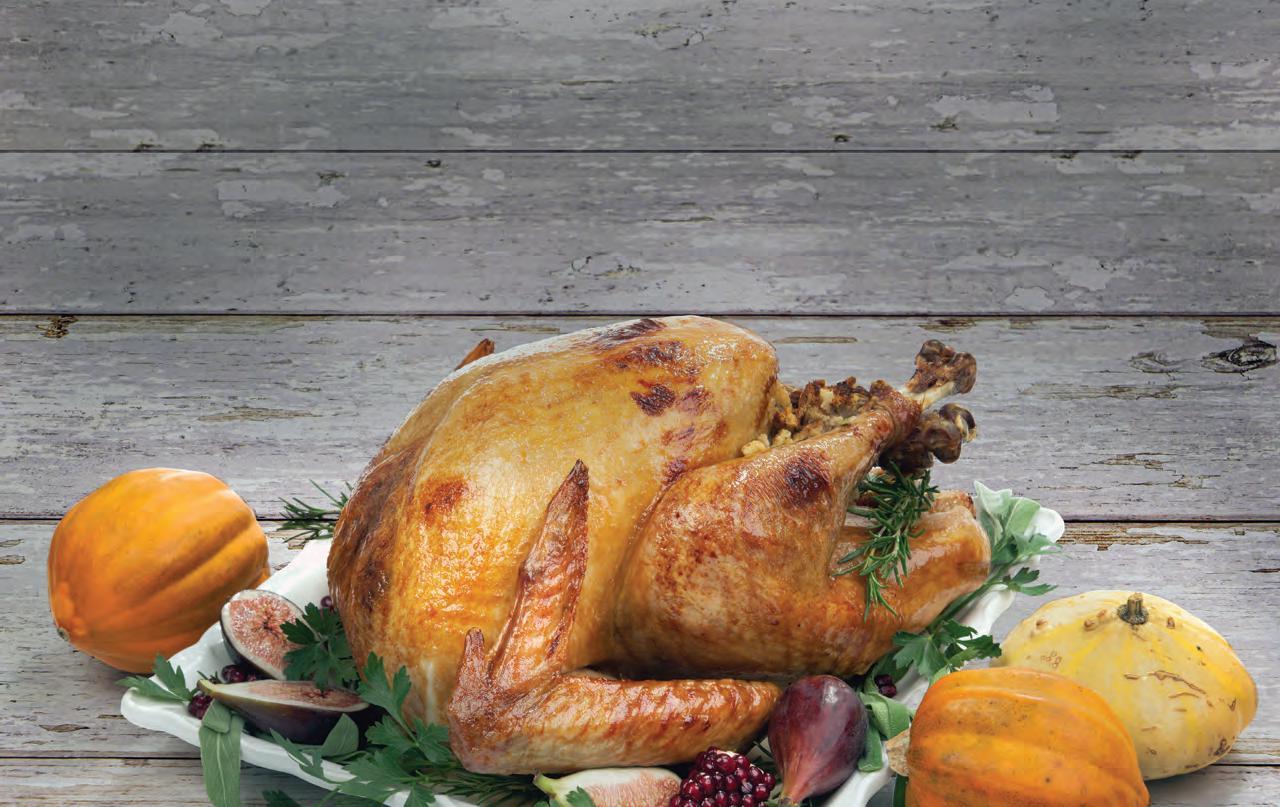

MARY’S NON-GMO TURKEYS
Mary’s non-GMO turkeys are raised on healthful grains and allowed to roam in areas four times the size of areas provided by the average commercial turkey ranch.
8-11 lbs
12-15 lbs
16-19 lbs
20-25 lbs





BREAD
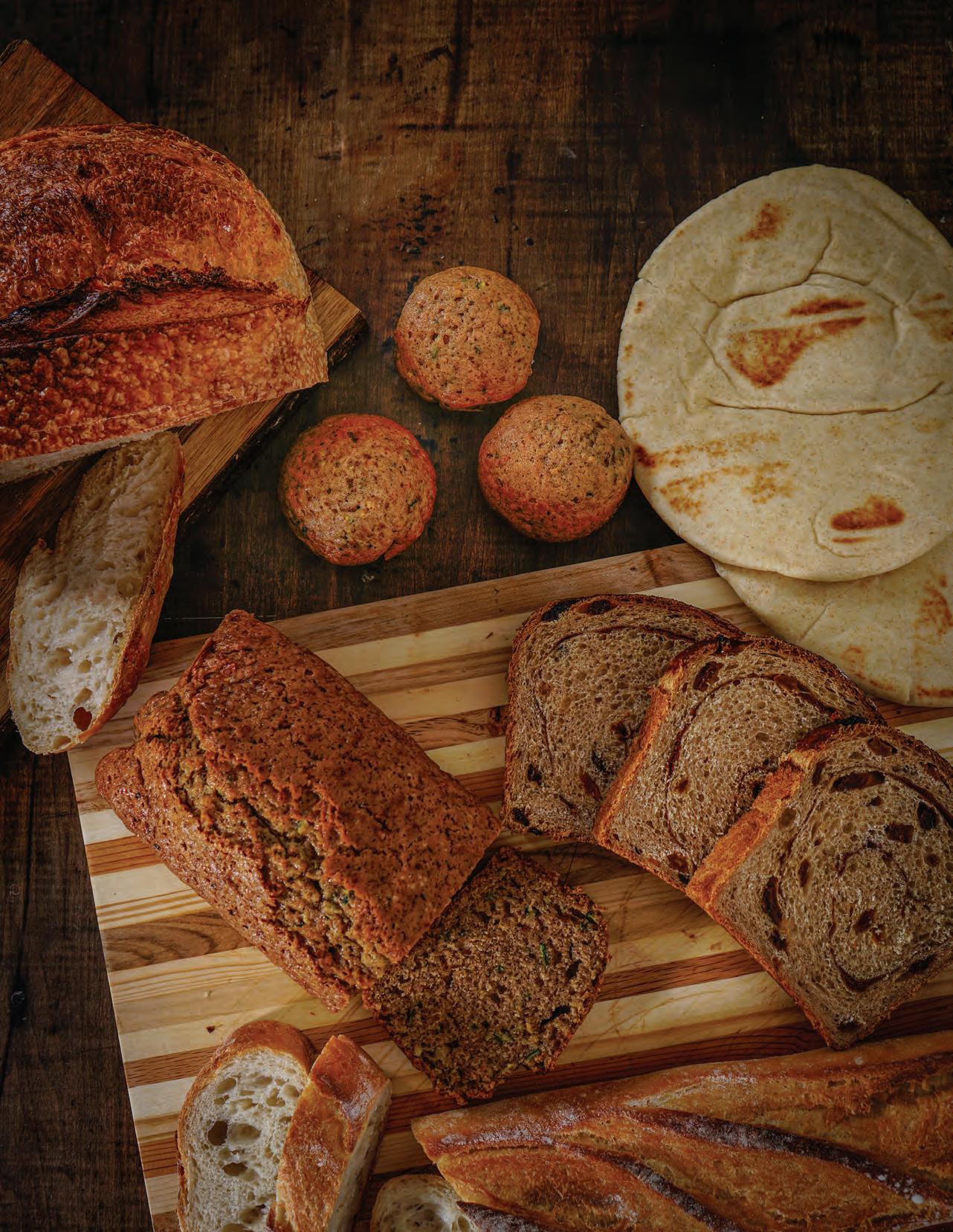
The smell of freshly baked bread filling a room is a smell I’ll never get tired of. The loaf being pulled from the oven, steam pouring from the crust. The bread crumbling under the knife because it still needs to cool, but I cut it anyway, so I can have it at the perfect temperature, where the butter immediately melts when the knife touches the bread. After the initial taste, I’d sit there watching from afar, going back for slice after slice till it was about gone. This routine brings me back to being a kid on any holiday impatiently waiting for my main course, the rolls. My mom’s famous rolls. Not only my main course, but also anyone else at the table. We all may have eaten more rolls than any other dish. We knew it was only until the next holiday that we’d be able to have them again – it was a moment that needed to be savored.
With every loaf of bread I make, I enjoy a piece of the puzzle of memories surrounding these rolls. I may remember who I was surrounded by, a particular outrageous joke, or learning from my mother how to make them. The process reminds me of these times I wish I could just return to for a moment, and the rolls that brought me warmth. Bread comes in many forms: a roll, a sandwich loaf, a baguette. The process is always similar – flour, water, yeast, salt, one rise or two, a slow, delicious process. No matter what the way it is made, it always yields the same result. A reason for everyone to gather in the kitchen.
Baking a loaf of bread is something anyone can accomplish. It may feel intimidating at first, as it did to me. But once you try it you’re surprised by the simplicity of the process. Then you won’t be able to stop yourself from making it. Bread is especially enjoyable when you are able to share it with the people you love. Most of everything is better when done together. Try one of the Co-ops’ favorite bread recipes. Experience the rewarding process of creating bread and enjoy the memories that accompany it.


words by BROOKE TOLAND Outreach Coordinator
photography by
BOYD
HAPPENINGS Fall
DEPARTMENT SALES
Bulk Sale
15% off
20% off when you bring your own container
Friday, October 24 Wine, Beer & Cheese Sale
November 24
December 22 Sparkling Wine Sale 10% Off
Monday, December 29
Tuesday, December 30
Wednesday, December 31
WELLNESS WEDNESDAYS
15% Off All Wellness, Health & Beauty + 15% Off Select Produce
Wednesday, October 8
Wednesday, November 12
Wednesday, December 10
BOARD OF DIRECTORS MEETINGS
5:30pm All members invited to attend. Email board@ukiahcoop.com for the online link.
Monday, October 20
Monday, November 17
Monday, December 15