Portfolio of the Selected Work
Elif Akman
(+49) 152 25486852
(+39) 348 3743136
Elif Akman
(+49) 152 25486852
(+39) 348 3743136
I am an architect based in Berlin, with a journey that began in Istanbul and took me through Grenoble and Venice before settling in Germany. Through my diverse experiences, I have developed a deep passion for the relationship between people, their habits, and the spaces they inhabit.
My work focuses on the intimate scale of architecture—interior projects, exhibition design, and art installations where details and spatial narratives shape emotions and interactions. Inspired by the cities I have lived in and the wisdom of many masters, Luis Barragán’s words perfectly capture my approach to architecture: "Architecture is an art when one consciously or unconsciously creates aesthetic emotion in the atmosphere and when this environment produces well-being."
2021-2024
Universita Iuav di Venezia MA in Architecture, Venice/Italy
october 2023 & present
Architecture Intern & Freelance Architect Studio Tomas Saraceno Berlin/Germany
Buildner Microhome Europan 2025
akmanelif@hotmail.com
adobe suite
2D and 3D softwares
Professional email rendering softwares
Conversational address Beginner
adobe photoshop adobe illustrator adobe indesign
rhinoceros + grasshopper revit archicad autocad sketchup
twinmotion enscape
LANGUAGES
Turkish
English
Italian (B2)
French (B1) Berlin, Germany German
Ecole Nationale Superiore d’Architecture de Grenoble Erasmus+, Grenoble/France
Mimar Sinan Fine Arts Uni. Bachelors in Architecture Ranked 1st, Istanbul/Turkey
Galatasaray High School Equivalent de Baccalaureat Istanbul/Turkey
june 2022 july 2022
Workshop W.A.VE, Workshop Architettura Venezia
november 2019 april 2019 august 2018
Workshop Introduction to Parametric Design
Workshop The Behavioural Pasts & Places: in Braço de Prata/Lisbon Lisbon Technical University
Workshop Depo Pergamon: Conservation Workshop in Bergama/Turkey
july 2023 september 2023 & present april 2023 may 2023
Architecture Intern & Freelance Architect Scaworks Architettura Vicenza/Italy
Production Assistant Biennale di Architettura di Venezia Pavilion of Turkey Venice/Italy
march 2023 august 2020 july 2021
Voluntary Architectural Work Prefabricated Community Center for February 2023 Earthquake in Turkey
Junior Architect Yılmaz Değer Architecure Design Istanbul/Turkey
march 2020 june 2020
Research Participant AURA Istanbul Publication: “Understanding Life Through Apartment and Street Sections: Kadıköy”
june 2019 august 2019
Architecture Intern We’re Architecture Istanbul/Turkey
august 2014 august 2018 september 2018
Construction Site Intern Inanlar Insaat Residential Building Istanbul/Turkey
Conservation & Interior Design Intern Soho House Istanbul Istanbul/Turkey
Reuse Italy Featured in the Book
Competition for Turkish Pavilion of the 18th Biennale di Architettura di Venezia Design Proposal
Istanbul Municipality Social Centers Competition Eyupsultan+Kadikoy Design Proposal
Buyukada Phaeton Square Urban Design Competition Honorable Mention Prize
Bursa Carsibasi Square Urban Design Competition Team Member
Purchase Prize
Kadikoy Square Urban Design Competition Team Member
Finalist
Taksim Square Urban Design Competition Assistant Team Member
Finalist
Design with Fibrobeton Competition - Concrete Innovative Competition Team Member - 1st Prize
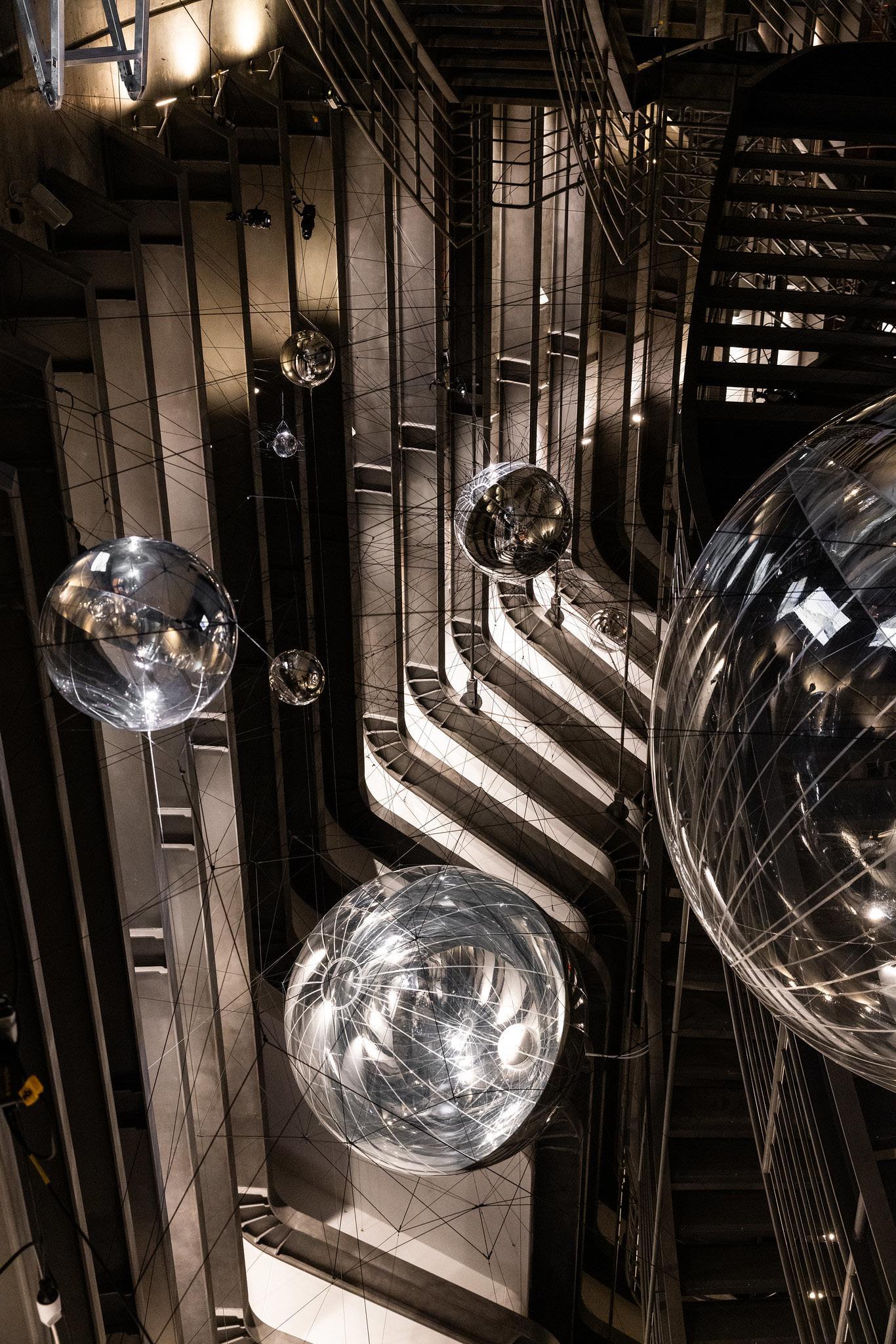
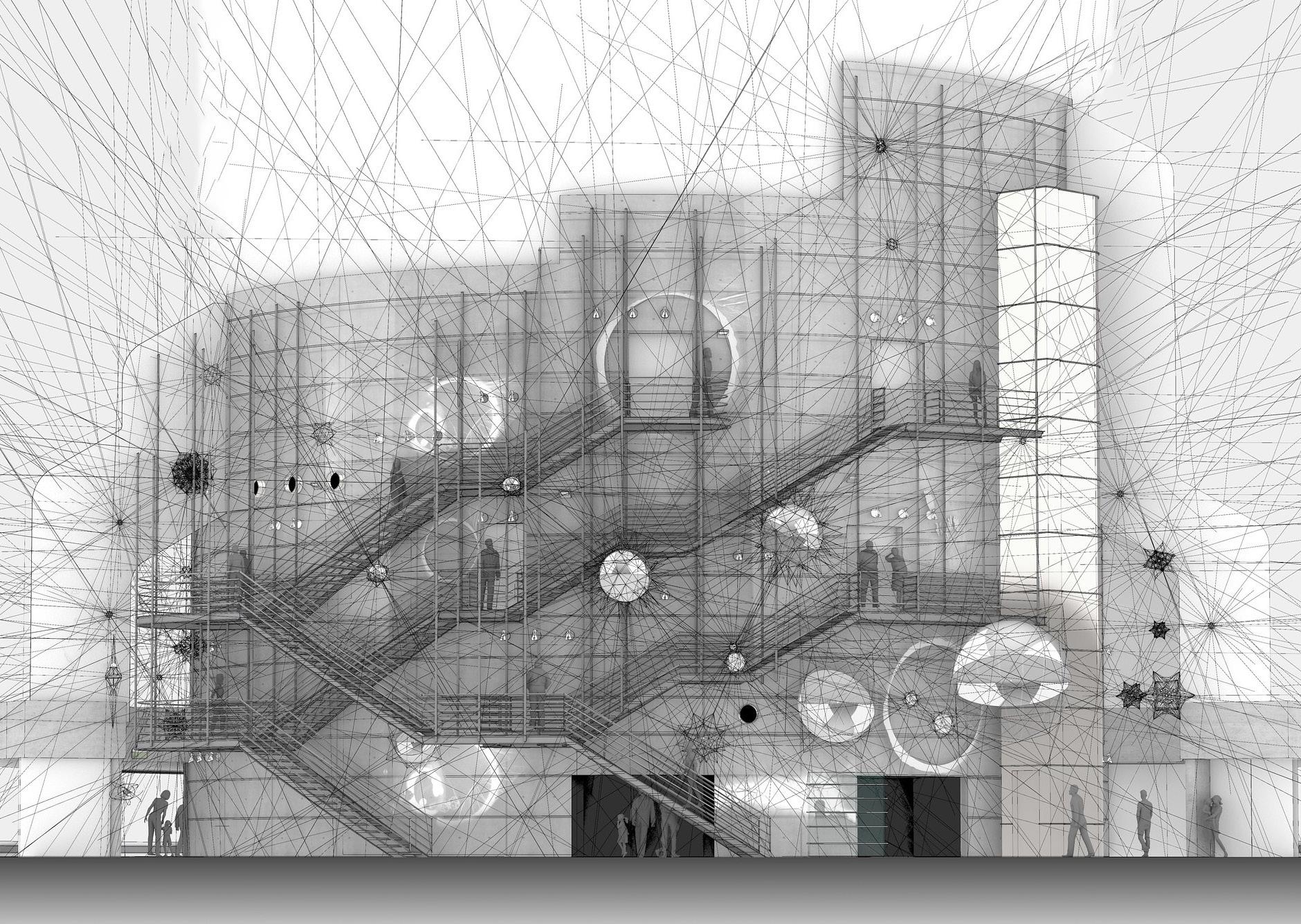
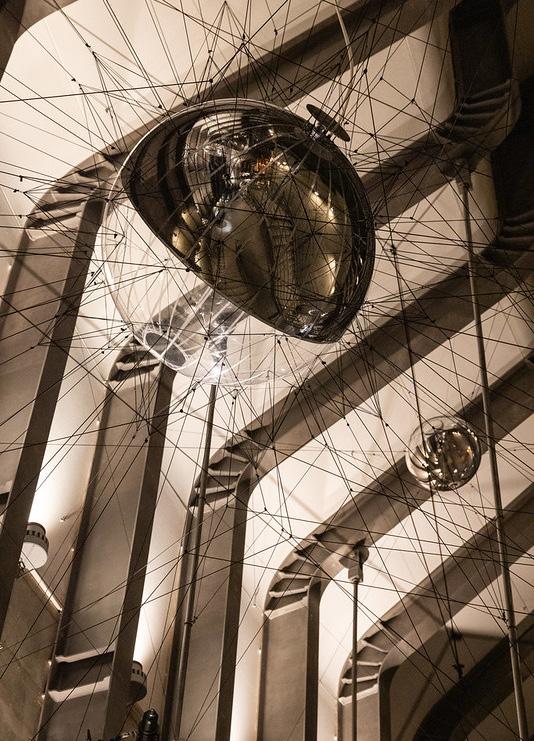
Permanent Installation of Tomás Saraceno at the Planetarium Copenhagen
Professional - Studio Tomás Saraceno - Intern + Freelance Architect
(Worked on the 3D modelling of the Planetarium, 3D modelling of artwork proposals, presentations, and preparation/manual of final installation phases within the team of Studio Tomás Saraceno)
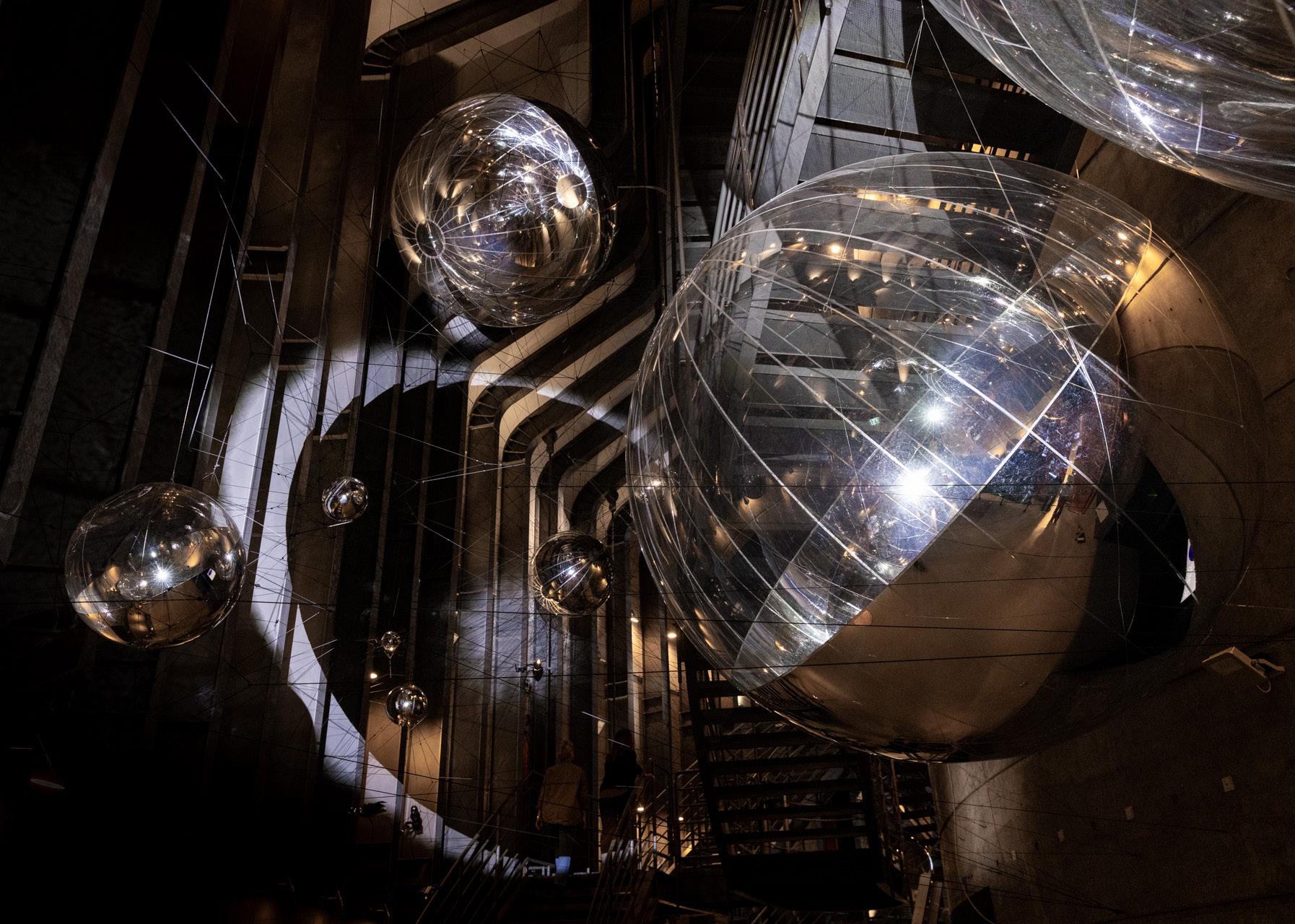
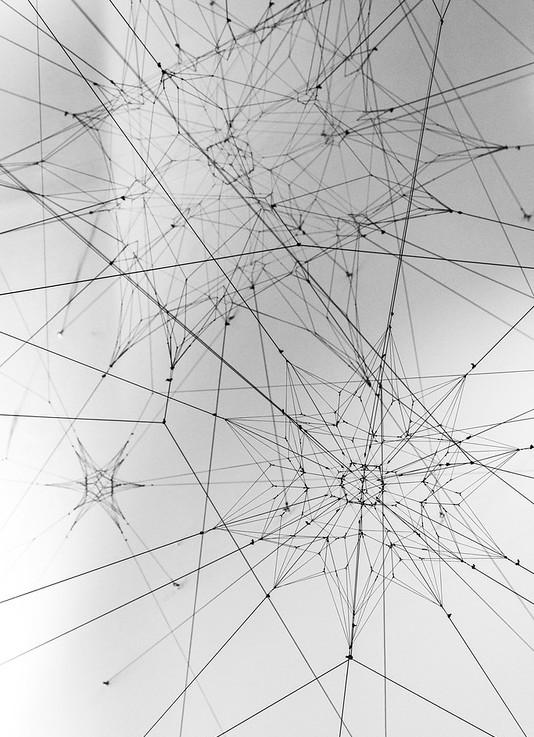
…like Galaxies Forming along Filaments, Like Droplets along the Threads of a Spider’s Web…Activating the Planetarium’s unique staircase gallery through forty-two meters of interwoven threads and spheres that rise through the full height of the building, Cosmic Threads invites visitors to contemplate the inter(dis)connected mysteries of the universe with the multiplicity of living cosmovisions, questioning: what if the overview effect is not only at the edge of space?
Echoing the speculative similarities between the spider/web and the filaments of the ever-emerging cosmic web, the artwork’s intricate network—strewn with spheres made of glass and foil—reaches out like the Spiderweb Galaxy [MRC 1138-262], a galaxy cluster with an active galactic nucleus, surrounded by filaments and smaller galaxies, resembling social and solitary spiders on their webs.
These sculptures, hovering as drops of water, will be able to circle the planet using only the heat of the sun and infrared radiation emitted from the Earth’s surface in the Aerocene era—another era that brings back the dream of flying, and other possibilities to reach space without rockets and explosions. Follow the river of the wind free from fossil fuels and dare to decolonize space. Can we learn how to feel other orbits while floating at the bottom of an ocean of air and entangle ourselves with terrestrial, aerial and cosmic web(s) of life?
Pavilion of Turkiye for the 18th Architecture Biennale of Venice
Professional - IKSV - Production Assistant
(with SO? Architecture and IKSV. Worked on the physical exhibition installation stage, suggesting local solutions to site specific problems, and being the bridge as a team member (part of IKSV) between the Venice team: WeExhibit, and the Curators: SO? Architecture)
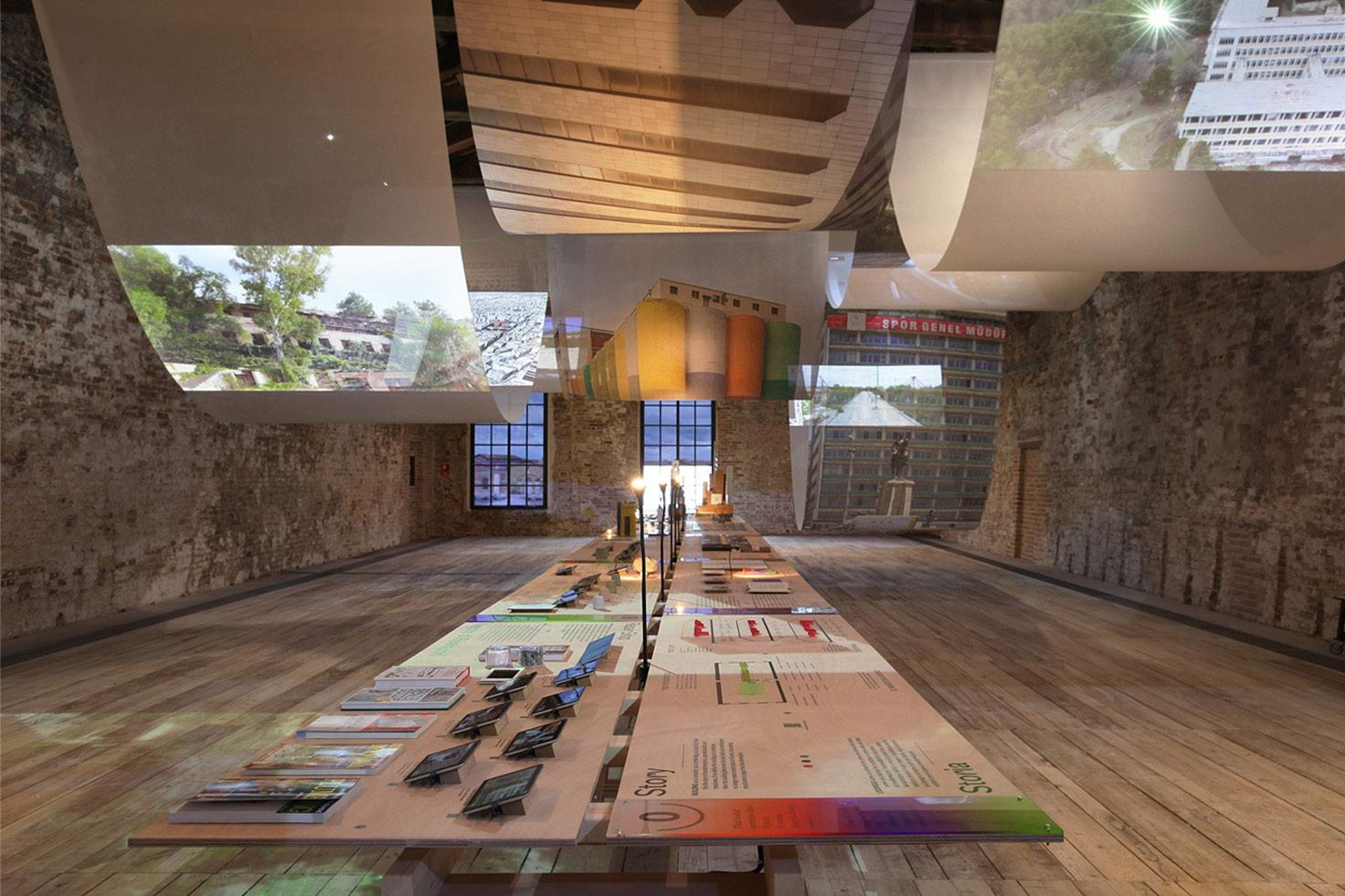
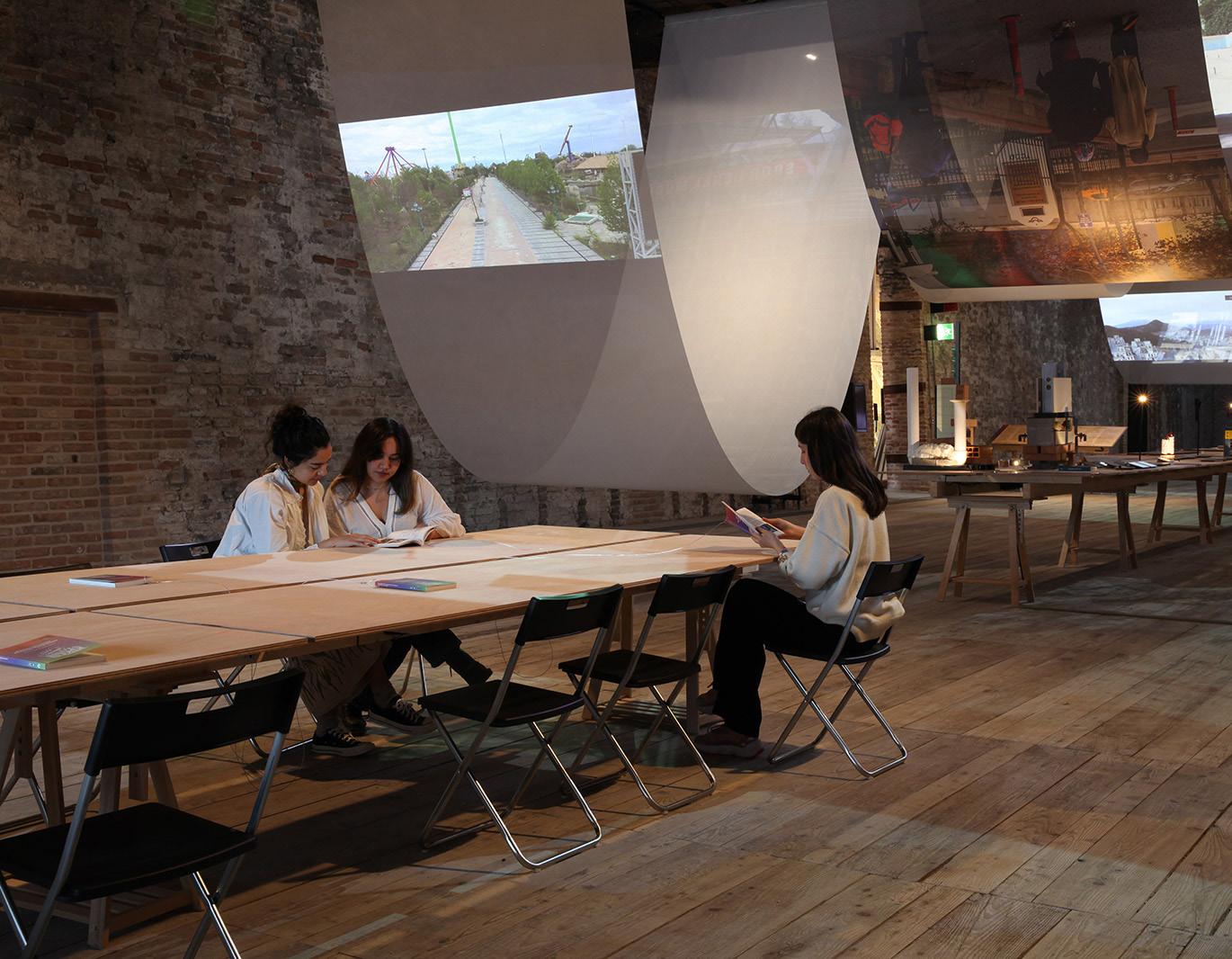
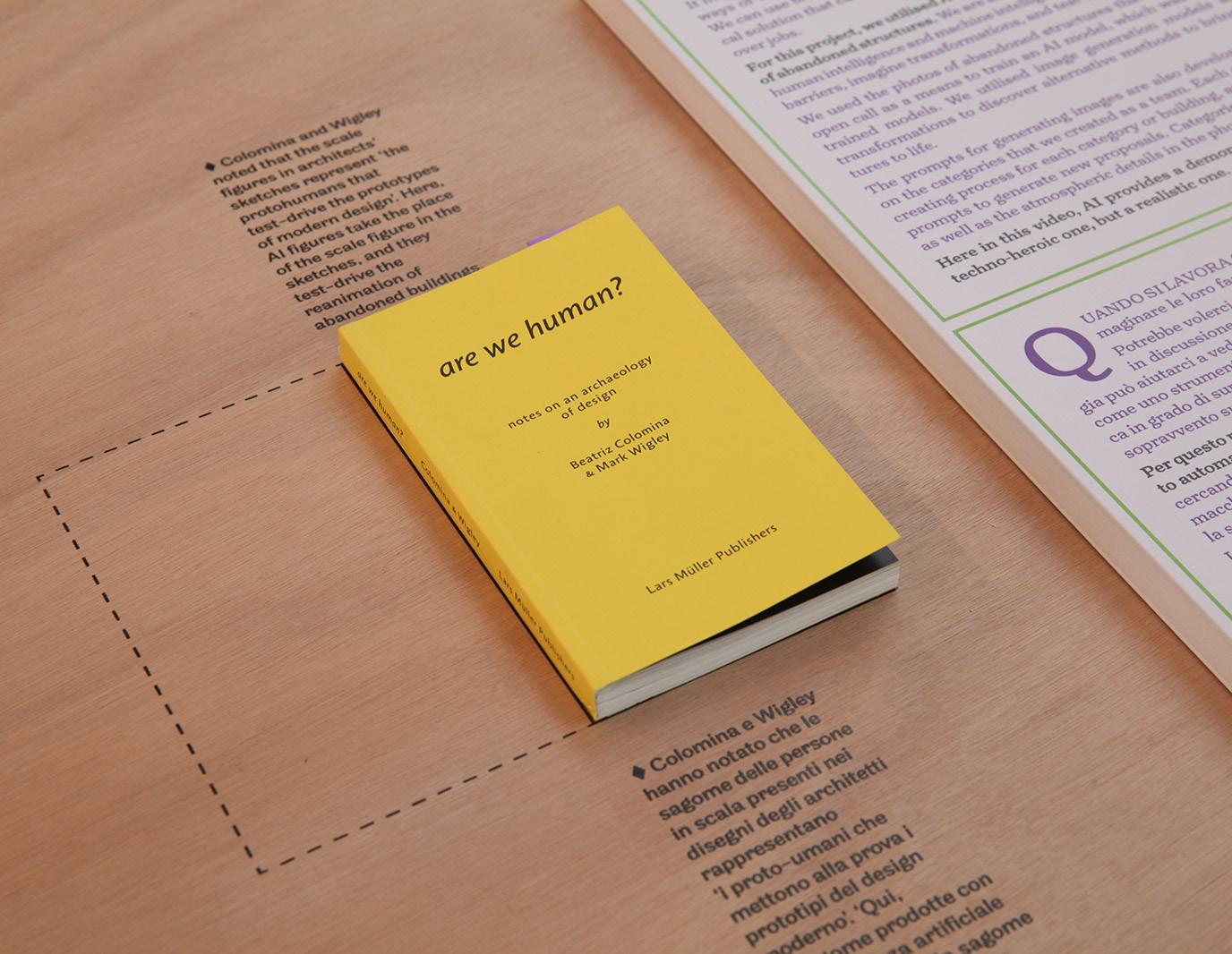
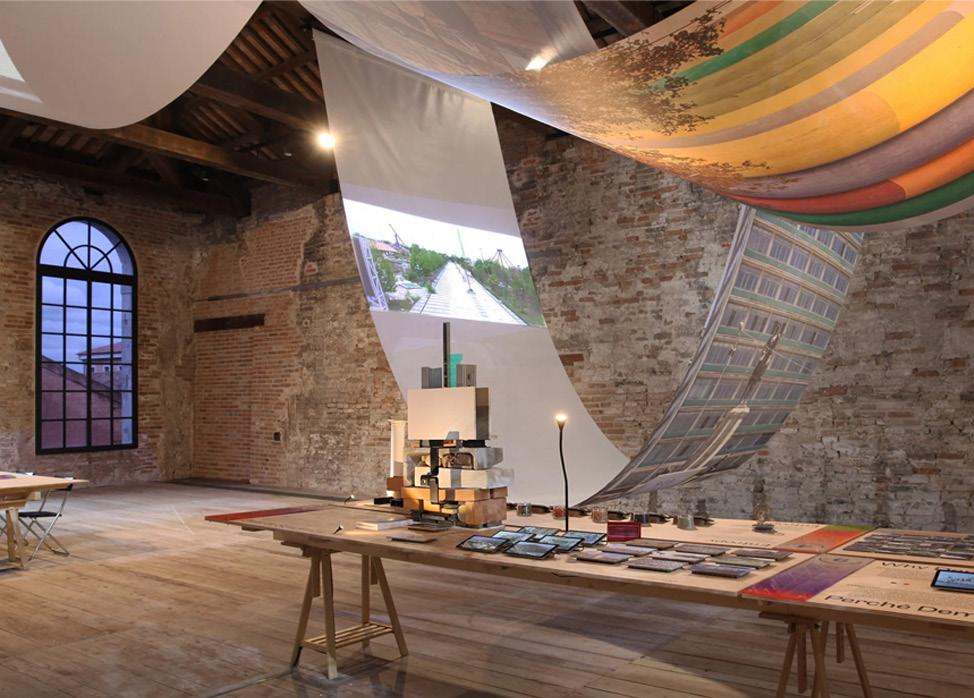
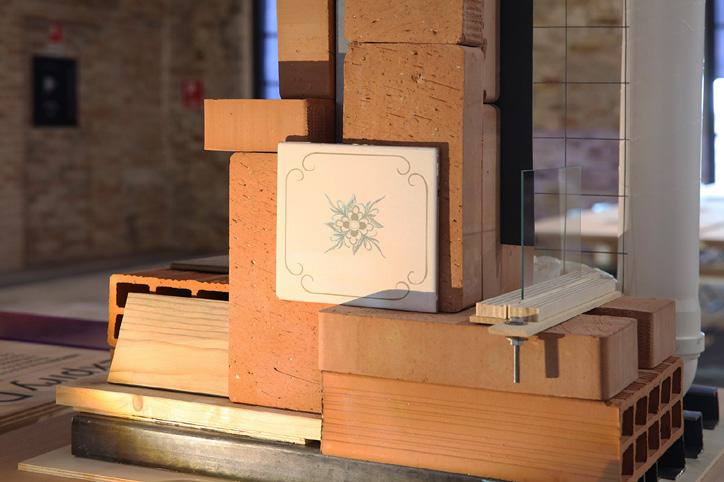
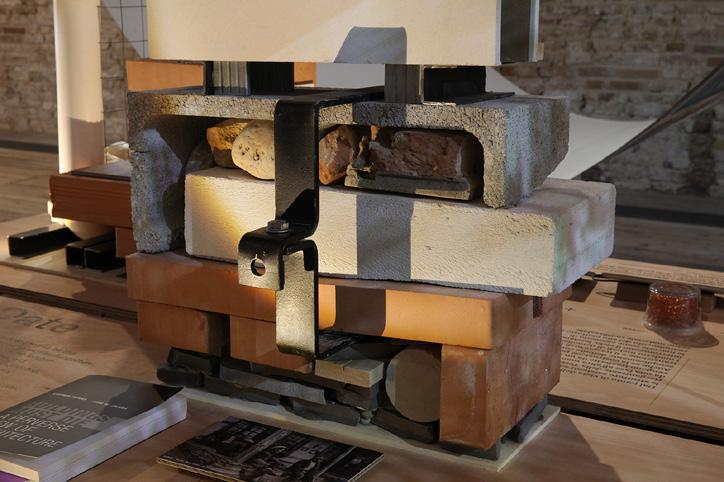
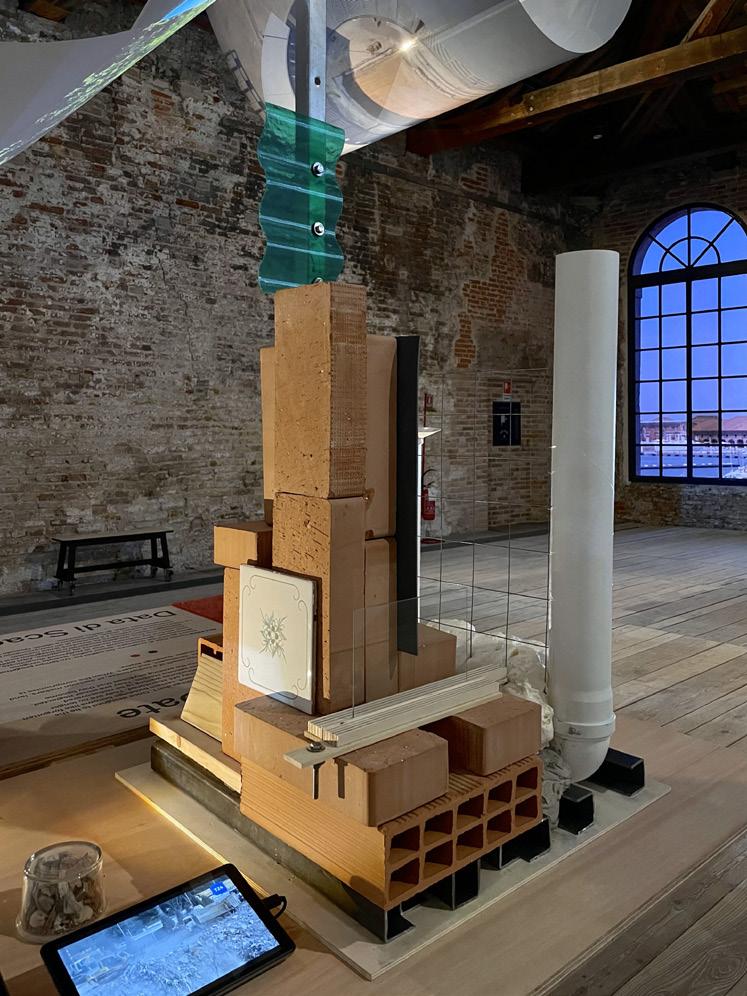
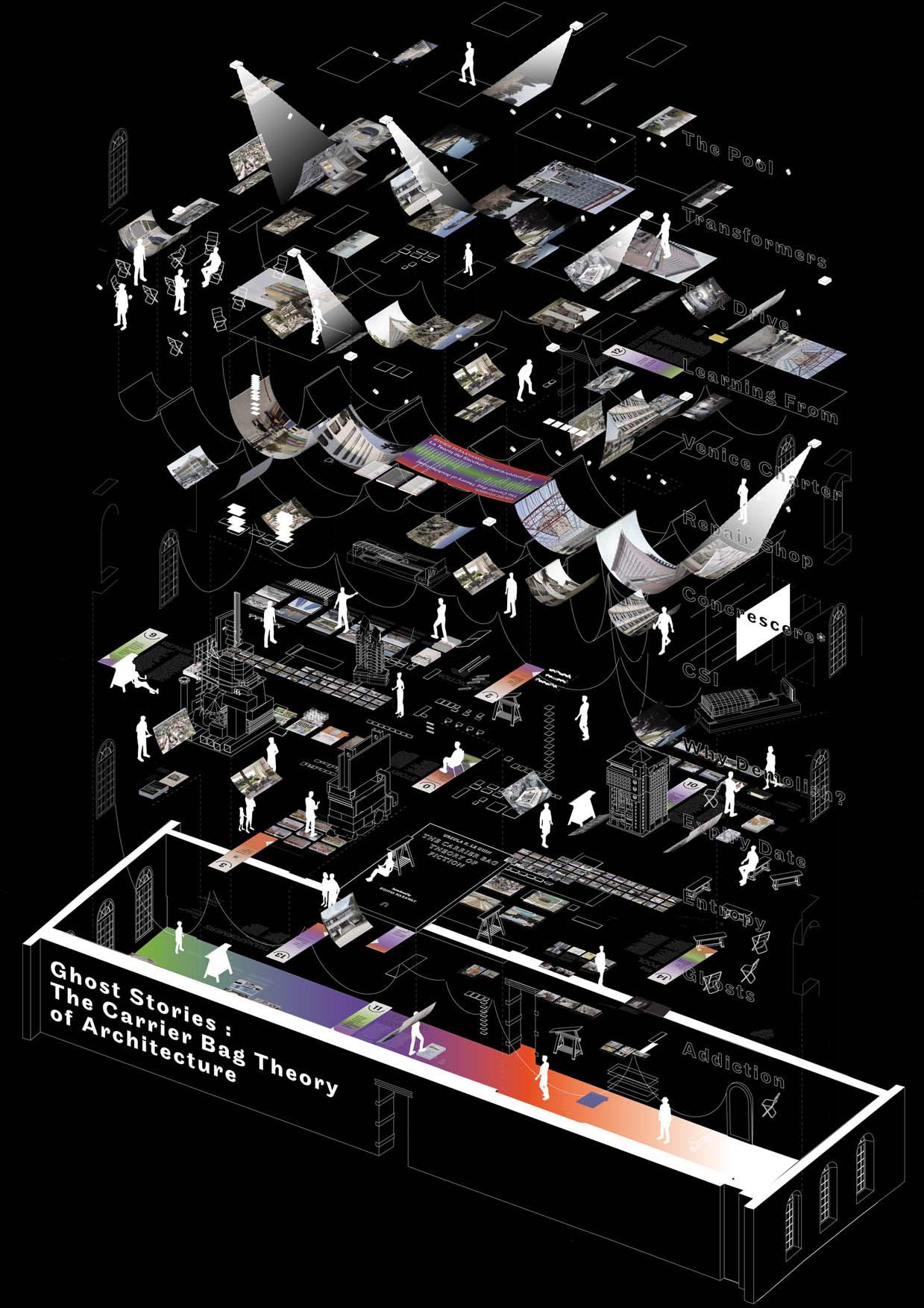
Ghost Stories: The Carrier Bag Theory of Architecture questions the accepted perceptions of and approaches to buildings to reveal more hopeful proposals for the future. Elizabeth Fisher’s Carrier Bag Theory of Evolution argues that, rather than hunting tools, the first cultural device used by humans was probably a carrier bag, which allowed them to transport the vegetables they gathered. Ursula K. Le Guin’s 1986 essay, “The Carrier Bag Theory of Fiction,” expanded this idea, moving away from the notion of the weapon-wielding hero. Based on this, the exhibition suggests listening to and understanding the stories of abandoned buildings, rather than focusing on more heroic, successful examples.
The adaption of carrier bag theories, from evolution to architecture, brings a radical change to the images we have inherited, whether through the paintings on the walls of prehistoric caves, in stories, or in the modern cityscape. When these images start to change, this requires a shift in our way of doing things. Thus the shift from focusing on the image of a weapon to that of a carrier bag eventually transforms the whole scene from a heroic story of destruction to a collaborative, unfamiliar life story.
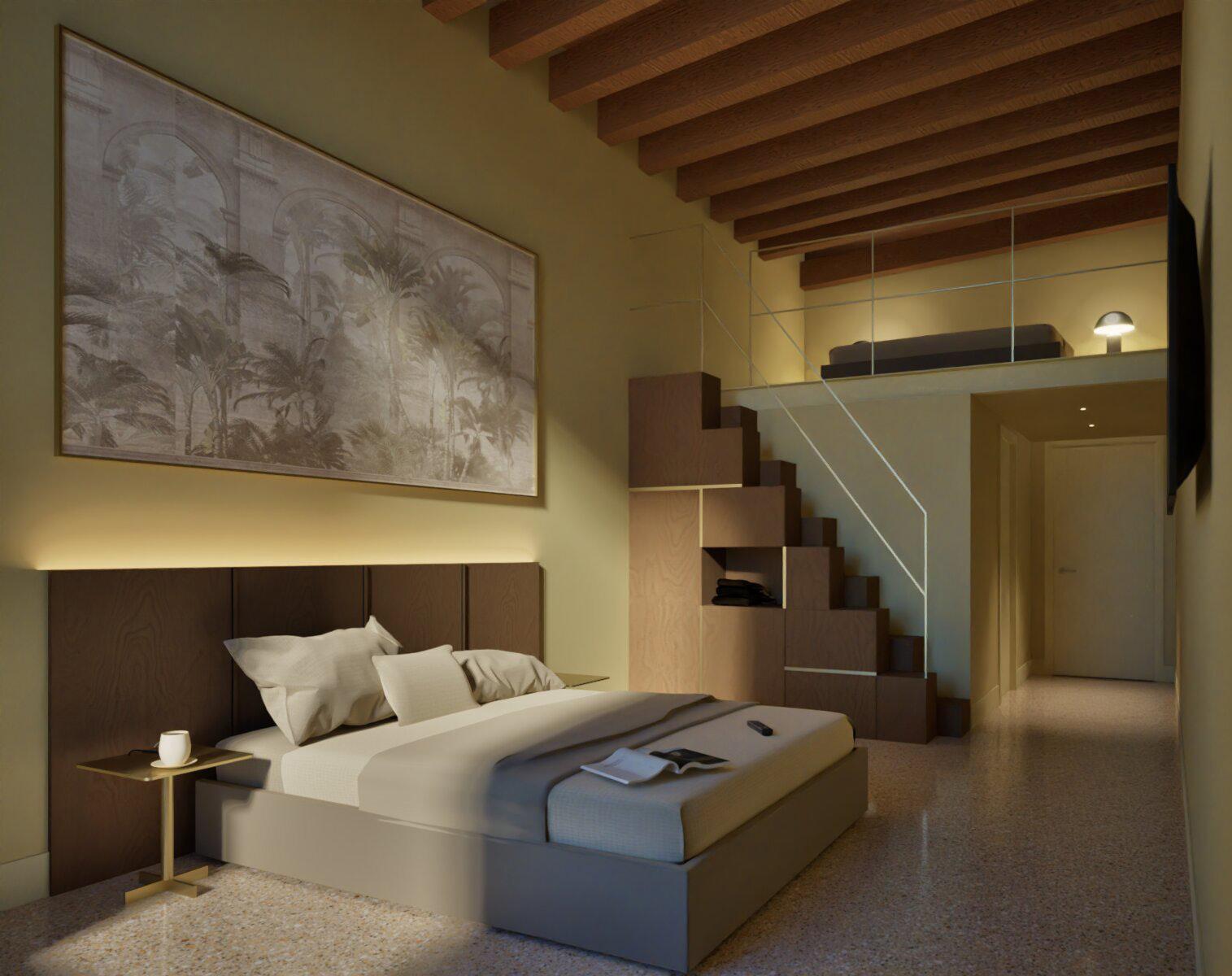
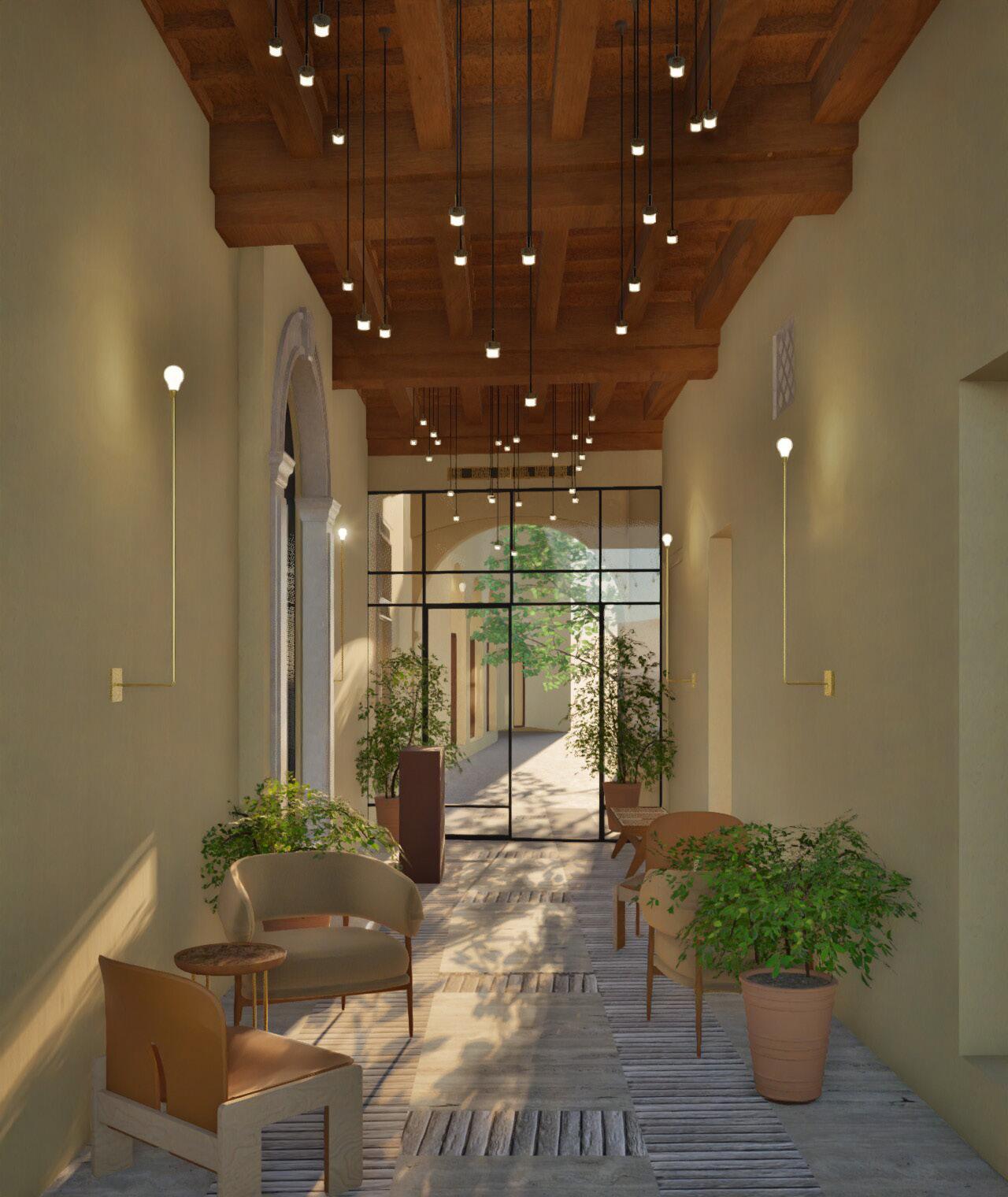
Adaptive Reuse of an Historical Building in Vicenza Center
Professional - Scaworks, Arch. Silvia Casarotto- Freelance Architect- Ongoing (Working on the stages of interior 3D modelling based on client reviews, design choices on furnishes and finishes and rendering)
This hotel project, set in the heart of Vicenza’s historic center, breathes new life into a heritage building while honoring its architectural legacy. The design masterfully combines modern elements with the building’s original features, drawing inspiration from the rich materials of the Veneto region. Gold accents, a symbol of the city’s historical wealth and a prominent color in the region, are used throughout to enhance the sense of luxury and refinement.
The flooring and select furniture pieces feature a modern adaptation of traditional terrazzo, paying homage to the Venetian craftsmanship while adding a contemporary twist. Wooden elements are carefully chosen to match the color and texture of the building’s original beams, ensuring a seamless blend of old and new. The walls, too, are designed to reflect the textures and tones of the original surfaces, creating a sense of continuity throughout the space. This thoughtful fusion of heritage and modernity creates a unique hotel experience that reflects both the cultural richness of Vicenza and the timeless elegance of the building’s historical roots.
Construction Site of a Rental House Interior Refurbishment of a Venetian Palazzo
Professional - Scaworks, Arch. Silvia Casarotto - Internship (During my internship had the opportunity to be on the site to report and control the construction.)
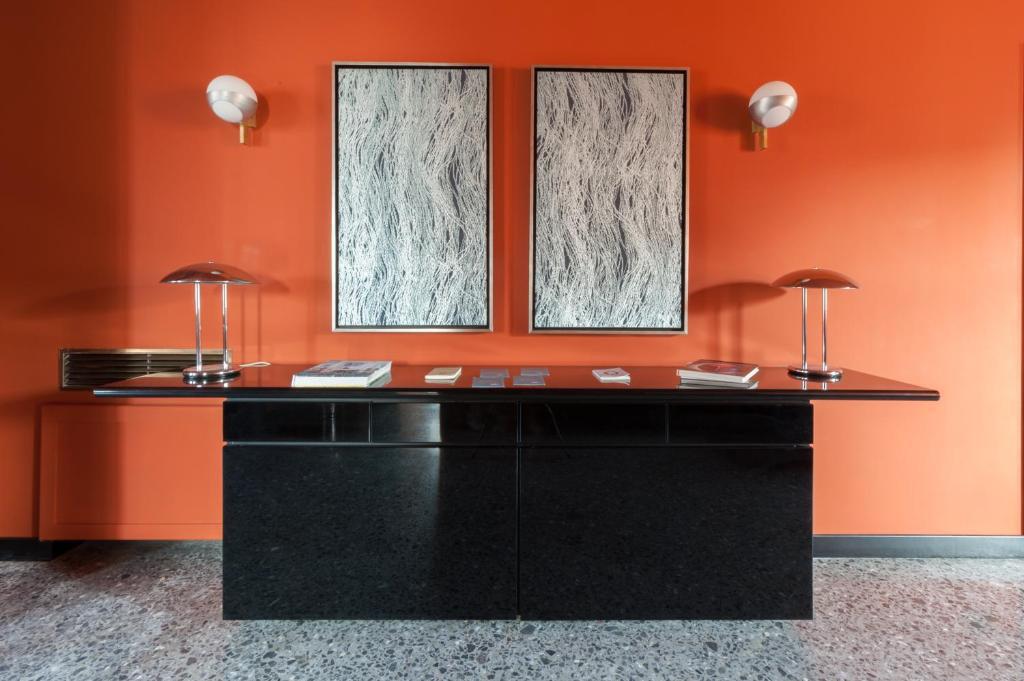
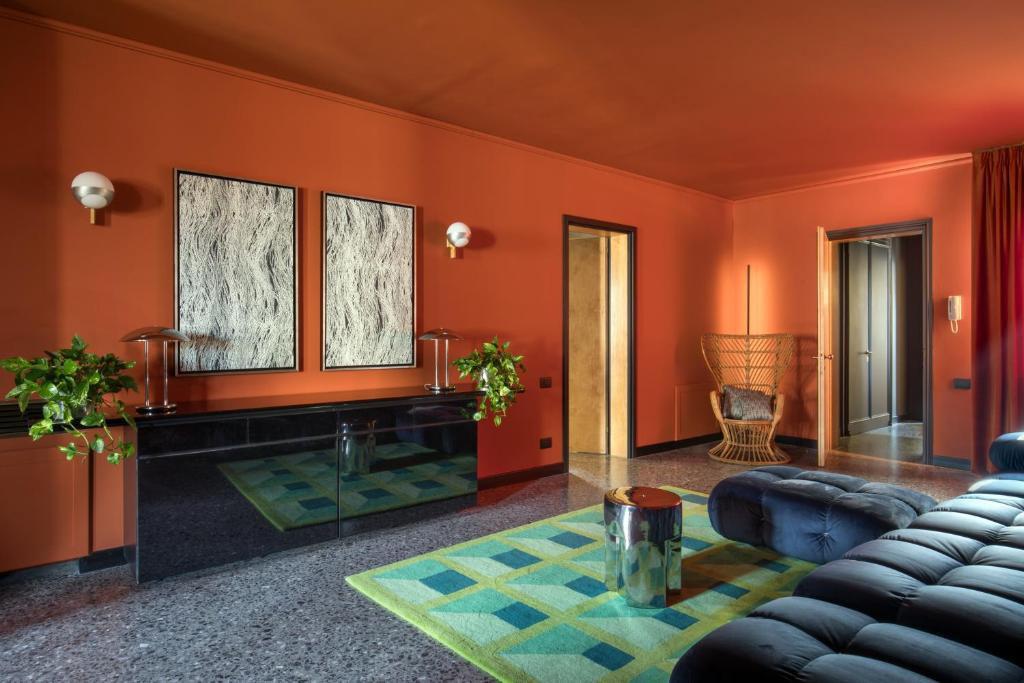
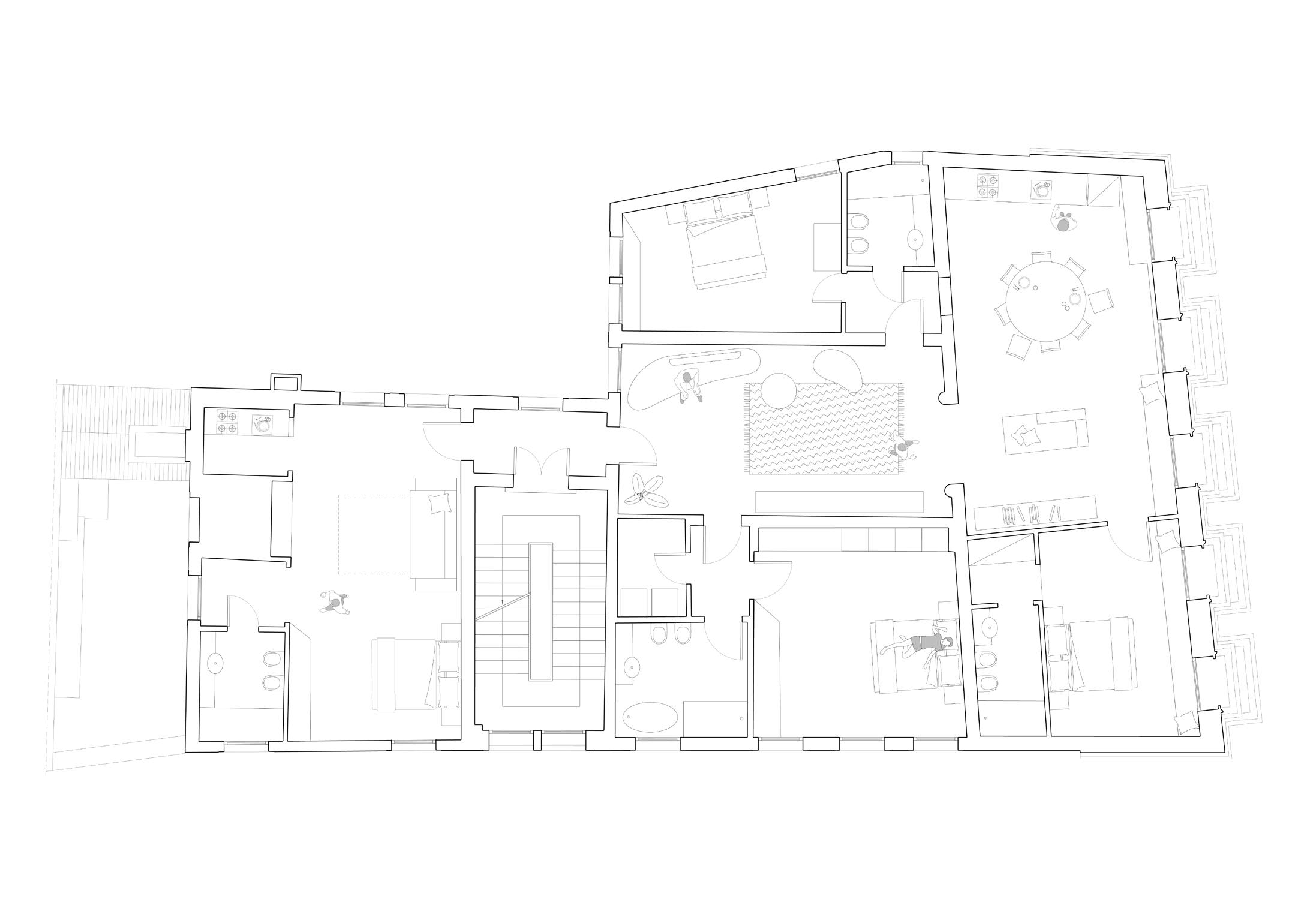
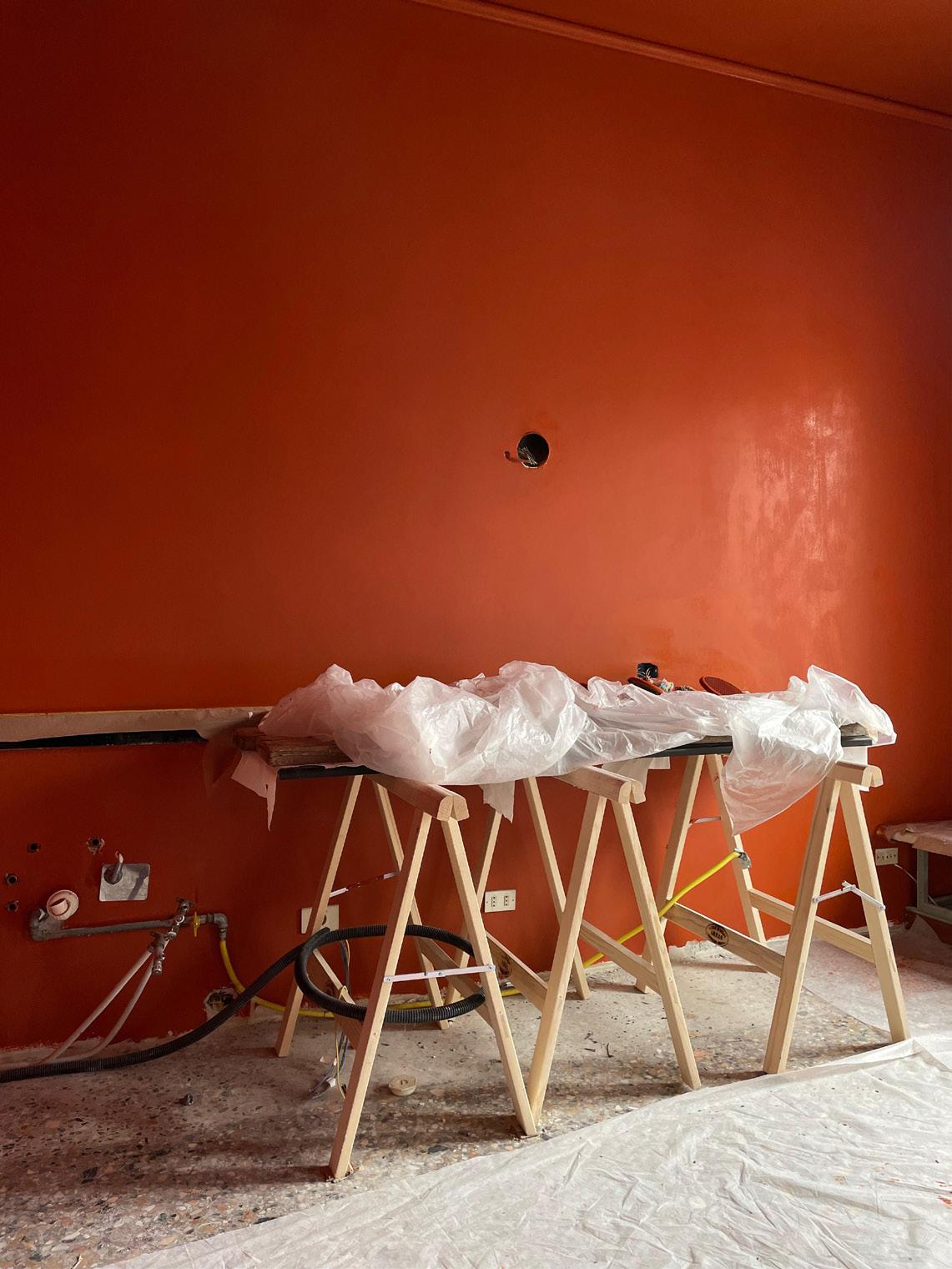
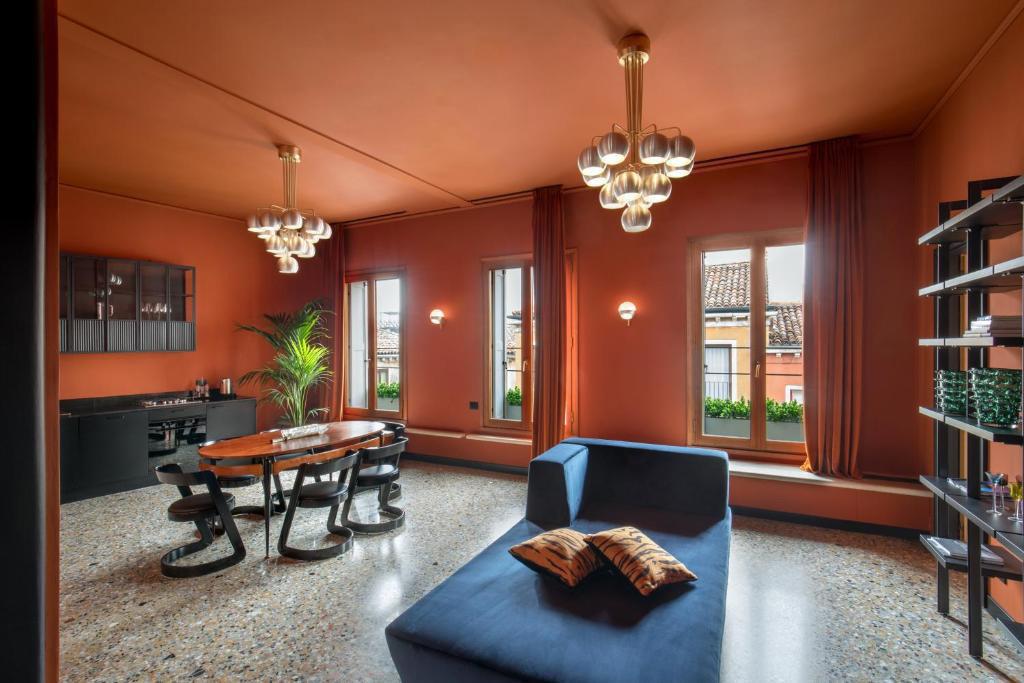
This Venetian flat, nestled within a historic palazzo, is a refined tribute to the golden age of Italian design and craftsmanship. The original terrazzo flooring has been carefully preserved, anchoring the space in its architectural past while allowing a dialogue with the curated mid-century furniture that animates each room. Iconic pieces by Luciano Frigerio, Silvio Cavatorta, Gio Ponti, Willy Rizzo, and Acerbis, many awarded and emblematic of Italy’s design heritage, imbue the apartment with a nostalgic yet timeless character. Textiles from the esteemed Venetian house Rubelli, founded in 1780 and long celebrated for its exquisite weaving, elevate the interiors with layers of texture and story. In the living rooms, Peter Marino’s lagoon-inspired silver-threaded canvases shimmer gently, while in the bedrooms, dreamy fabrics by Luke Edward Hall reinterpret fragments of Italian history. Together, these elements create an immersive experience, an intimate journey through the elegance of twentieth-century Italian design, seamlessly woven into the historic fabric of Venice.
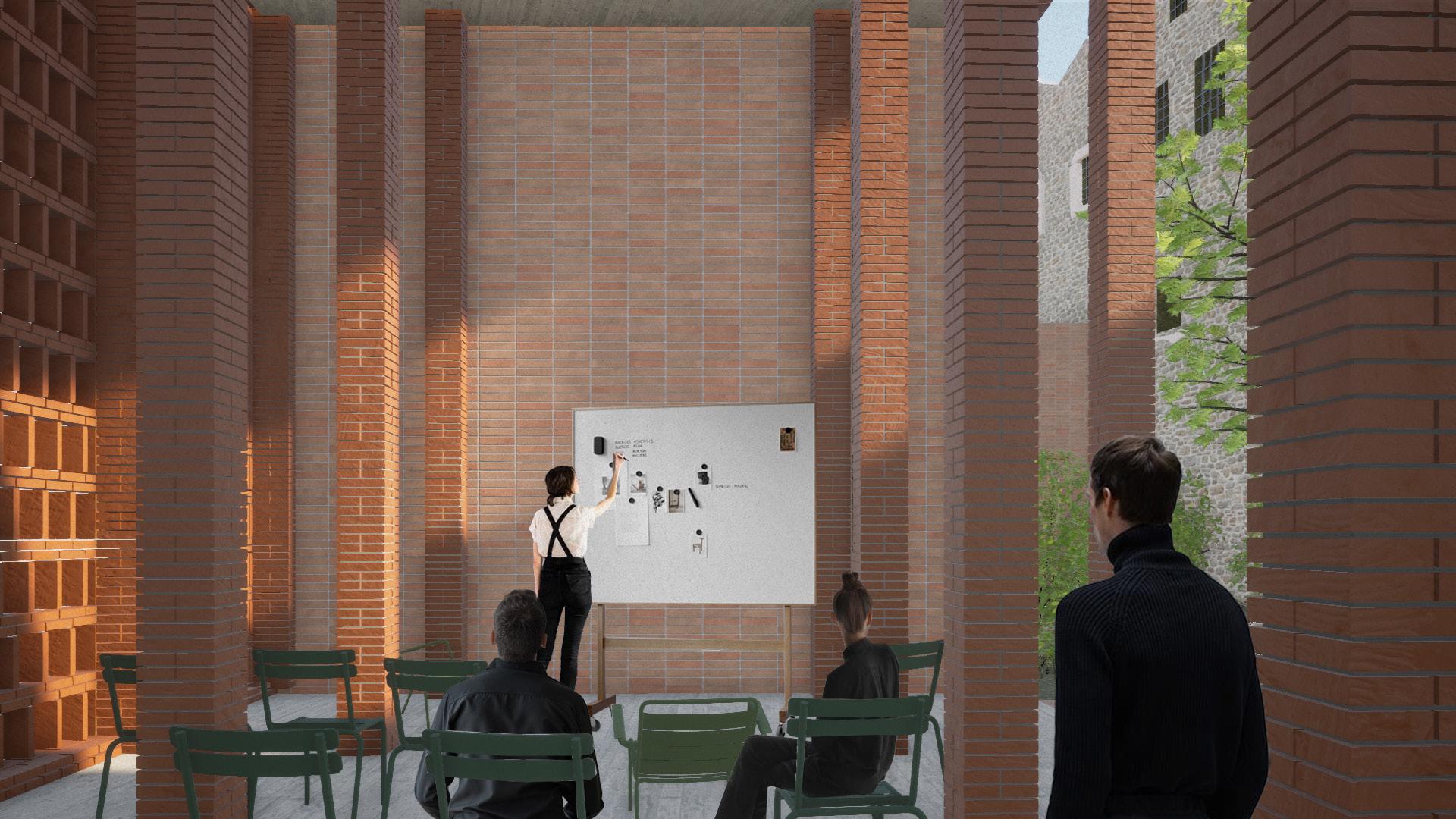
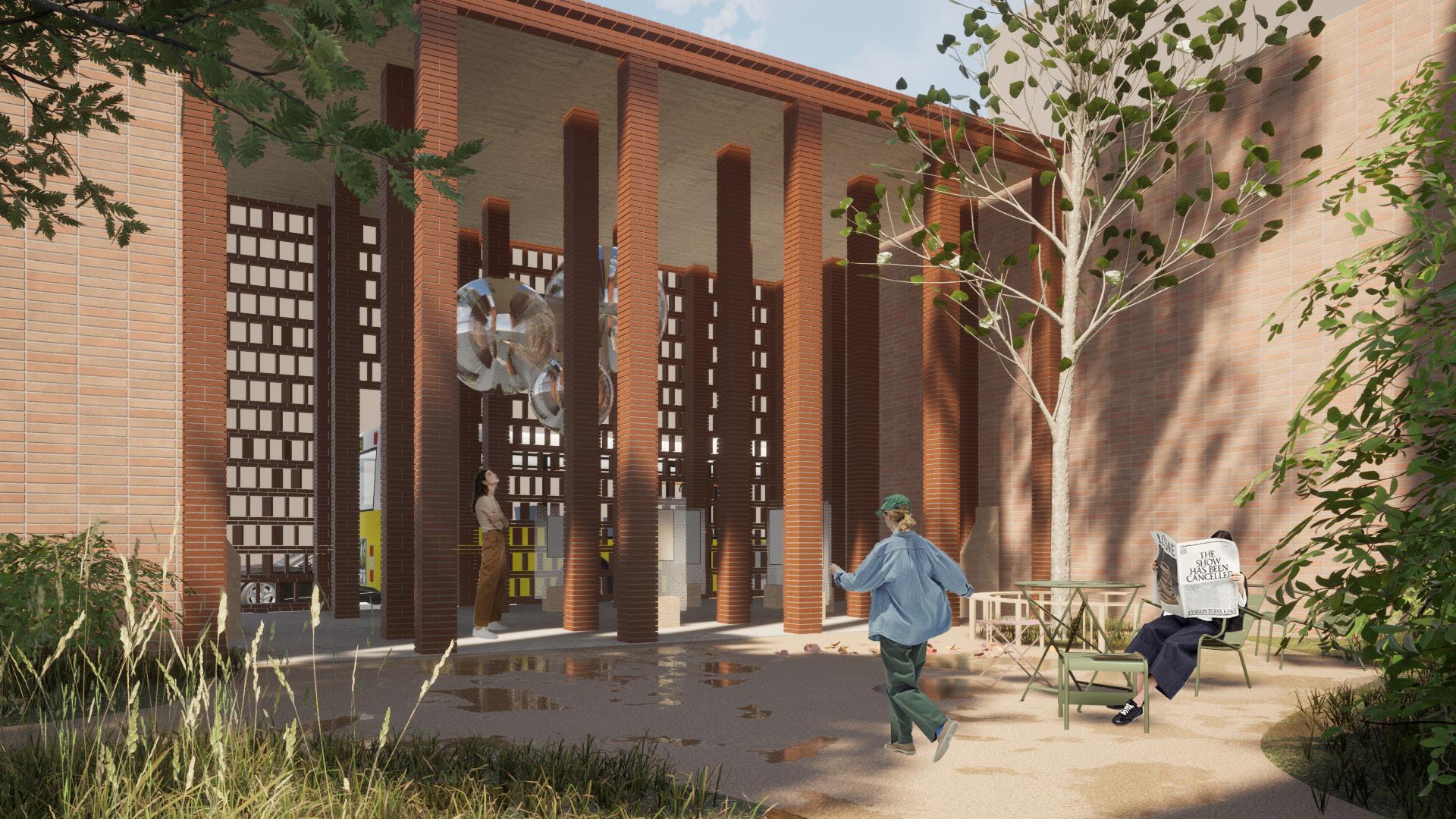
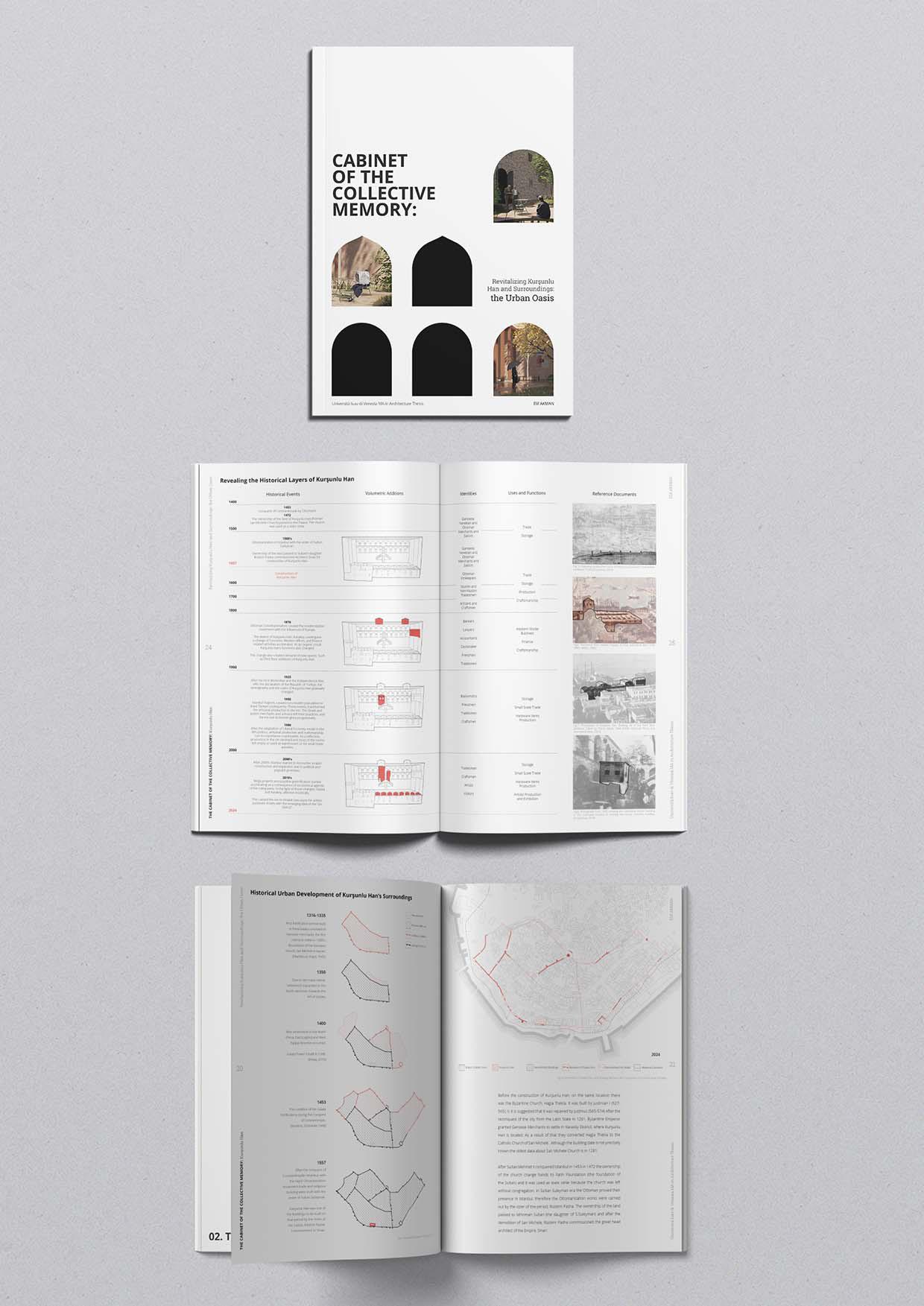
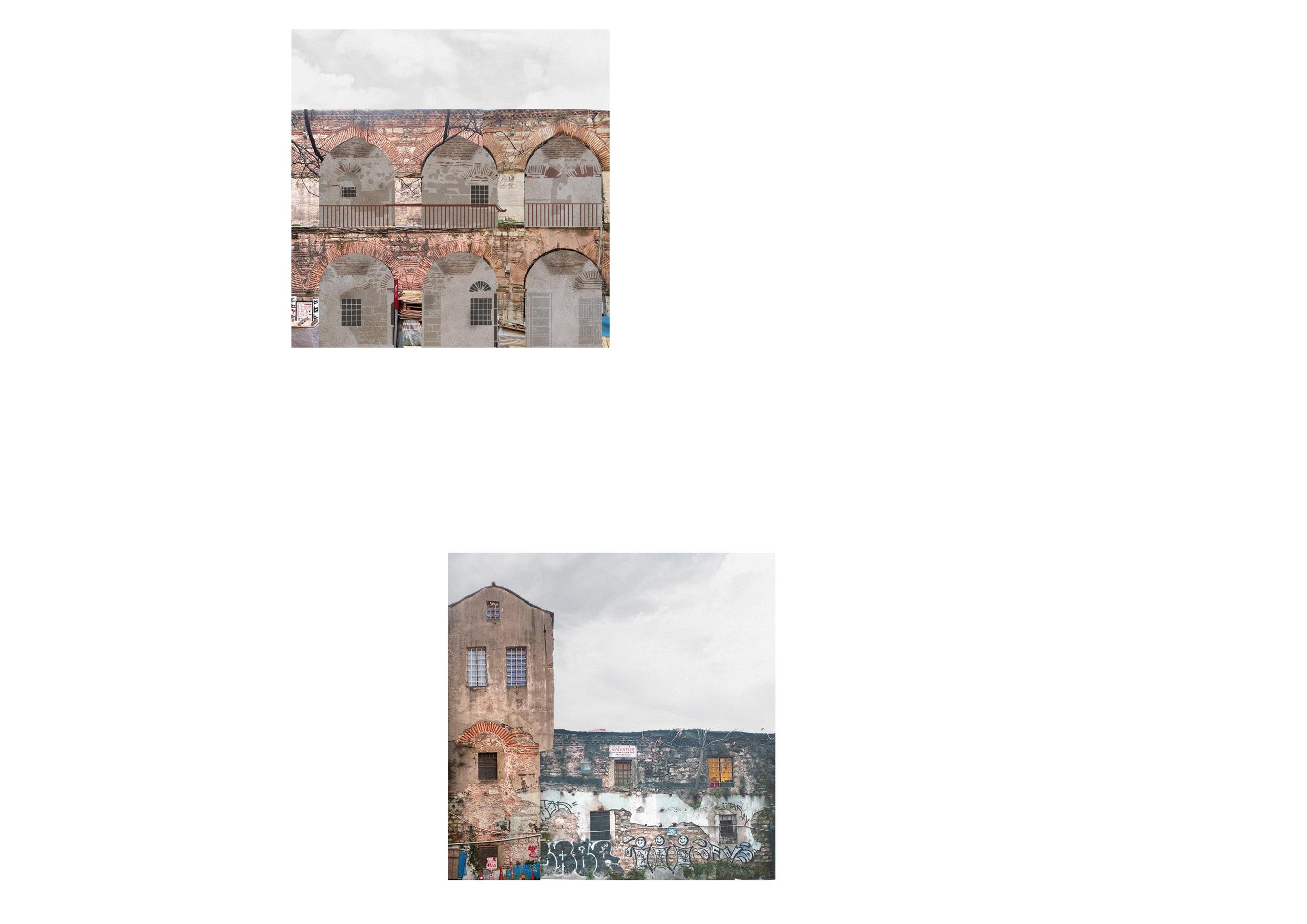
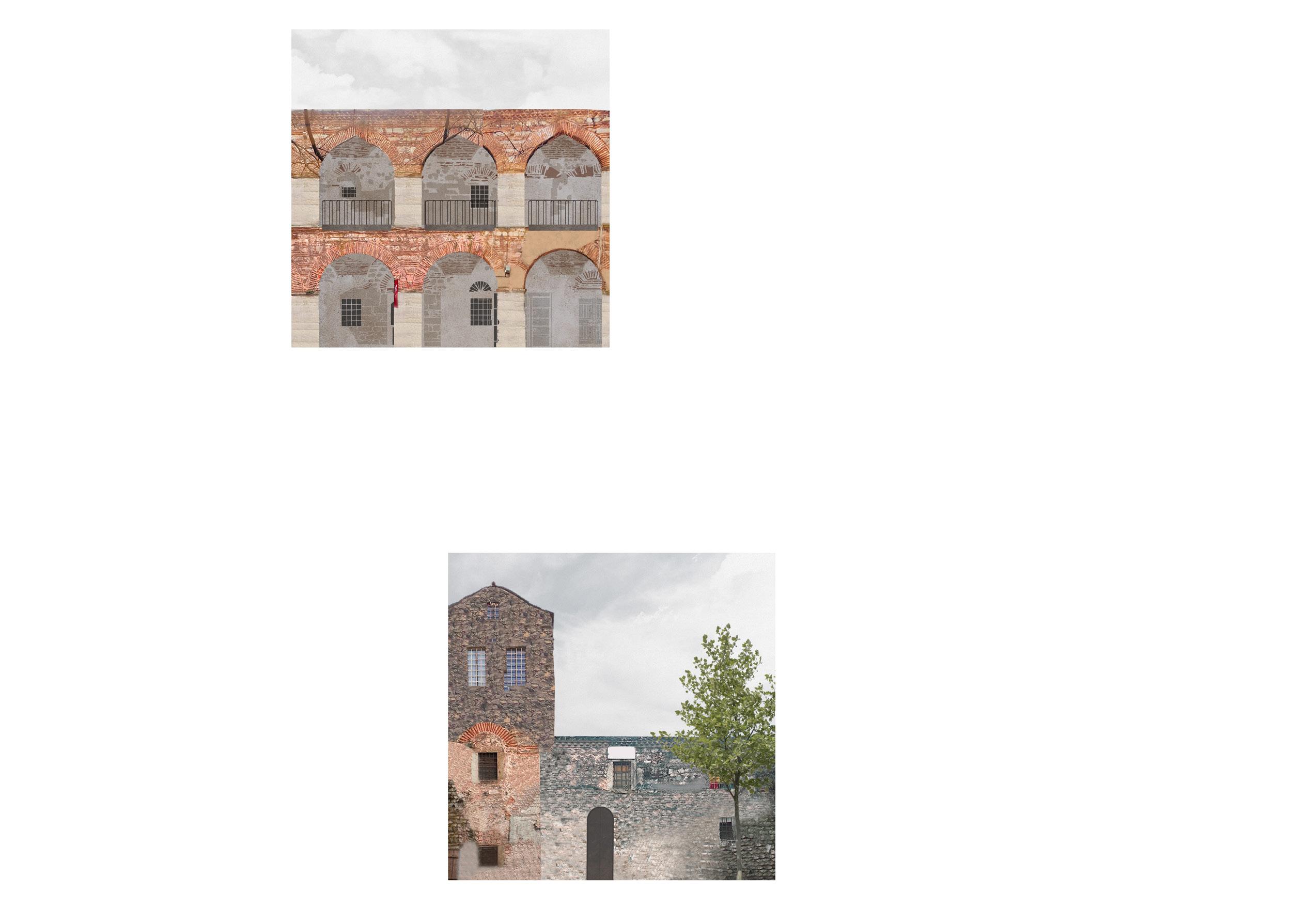
This thesis explores Kurşunlu Han as a cabinet of curiosity, wunderkammer by undertaking a thorough analysis of the unintentional collection of material and non-material layers. Over the centuries the inn accumulated those layers by different actors and uses. Each actor added their own layer to the Han, mainly and almost always for the practical reasons, creating a chaotic order, meaningful for their users.
Being one of the most significant historical structures in the Karaköy district, Kurşunlu Han has consistently adjusted to the evolving dynamics of the central area, showcasing resilience and persevering to the present day. In the current phase of Karaköy’s transition towards its designation as “the new art district,” the consequential prospect of gentrification emerges. The situation poses potential risks to both the authenticity of the building and its occupants. Rethinking what we can learn from Kurşunlu Han, and taking consideration the current change of Karaköy district, this thesis aims to propose a resilient intervention against the gentrification of the district, being impacted by the urban significance and architectural elements of the inn.

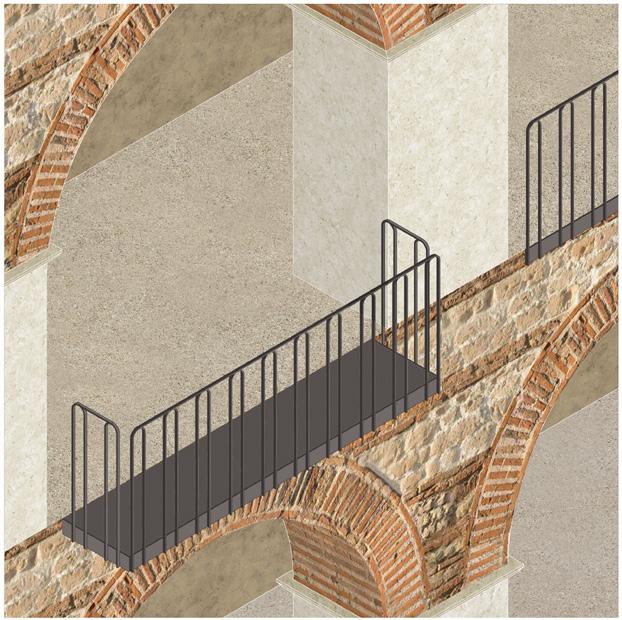
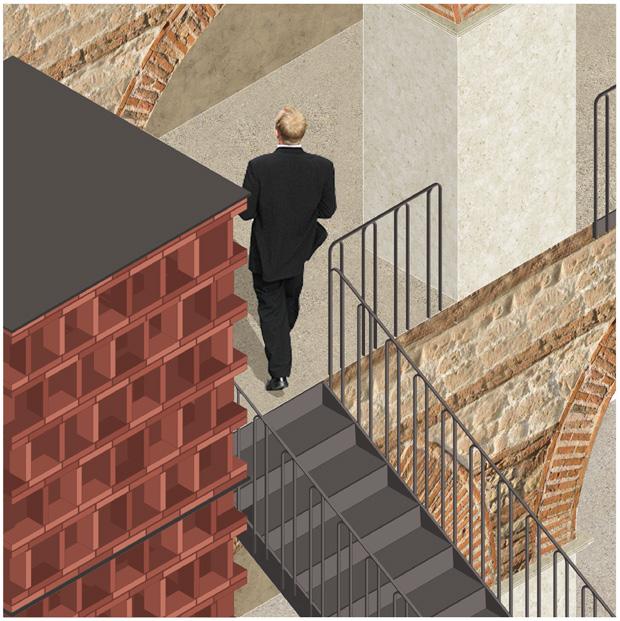
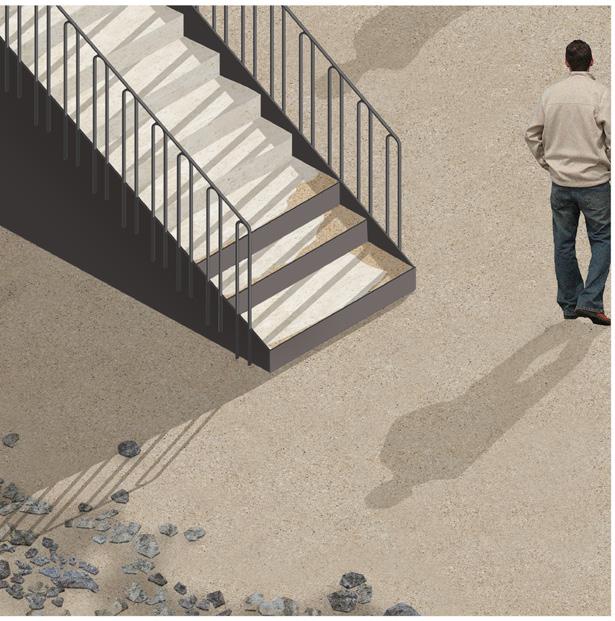
Suggested balconies
Proposed steel structured elevator wings
Metal railing as a substitute for the deteriorated existing railing
Perforated brick coated elevator
Venice's Housing Crisis: Can Reinterpretation Of Sotoportego Offer A Sustainable Solution For Local Living?
sotoportego (n.) [Venetian] (etym.) From Venetian soto (under, from Italian sotto) + portego (covered passageway, from Italian portico).
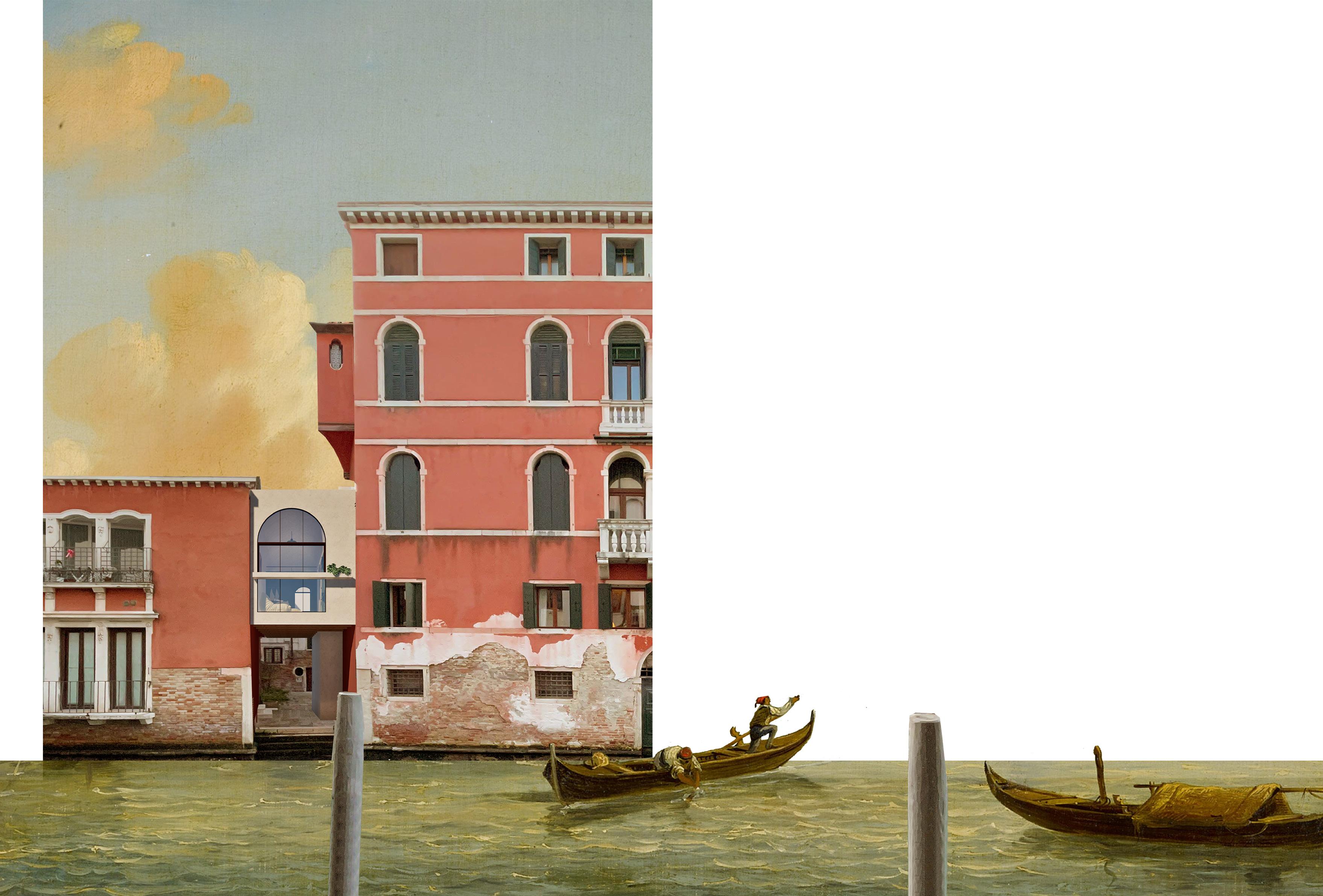
Venice has always faced the challenge of limited land and high density, yet it has historically adapted through architectural solutions. One such example is the sotoportego, a covered passageway that maximizes space efficiency while enhancing urban connectivity. Drawing inspiration from this ancient typology, this proposal reinterprets the sotoportego as a contemporary response to Venice’s ongoing housing crisis. By integrating this spatial strategy, the design seeks to create spaces that address modern density challenges while respecting the city’s rich architectural heritage.
The objective is to develop sustainable architectural solutions that prioritize local communities, offering them a sense of refuge and continuity. This involves creating an example model for the reinterpretation of an ancient typology, adapting historical spatial strategies to meet contemporary housing needs.
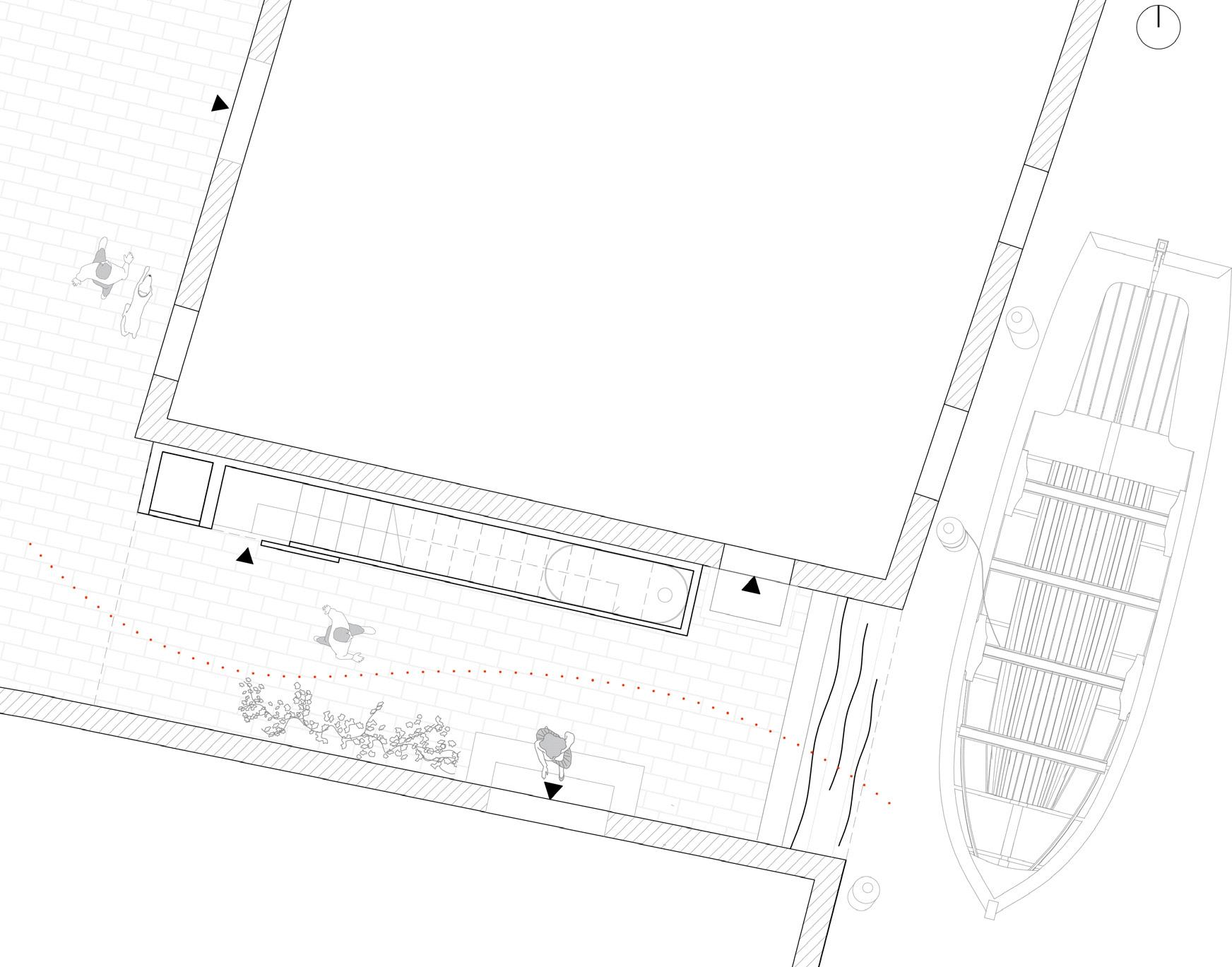
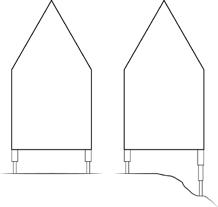
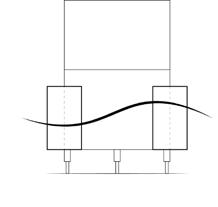
The accessibility of the site is a key factor in its functionality and urban integration. The sotoportego typology ensures that circulation at street level remains uninterrupted, allowing easy access to the water and boats for daily chores of the locals. By elevating living spaces above these passageways, the sotoportego provides a smart and efficient use of space for housing without compromising movement along the canals or pedestrian routes. Besides that it creates a resilient relationship with possible tides. This historical solution demonstrates a thoughtful approach to optimizing housing crisis while preserving Venice’s essential connectivity and relationship with the water.
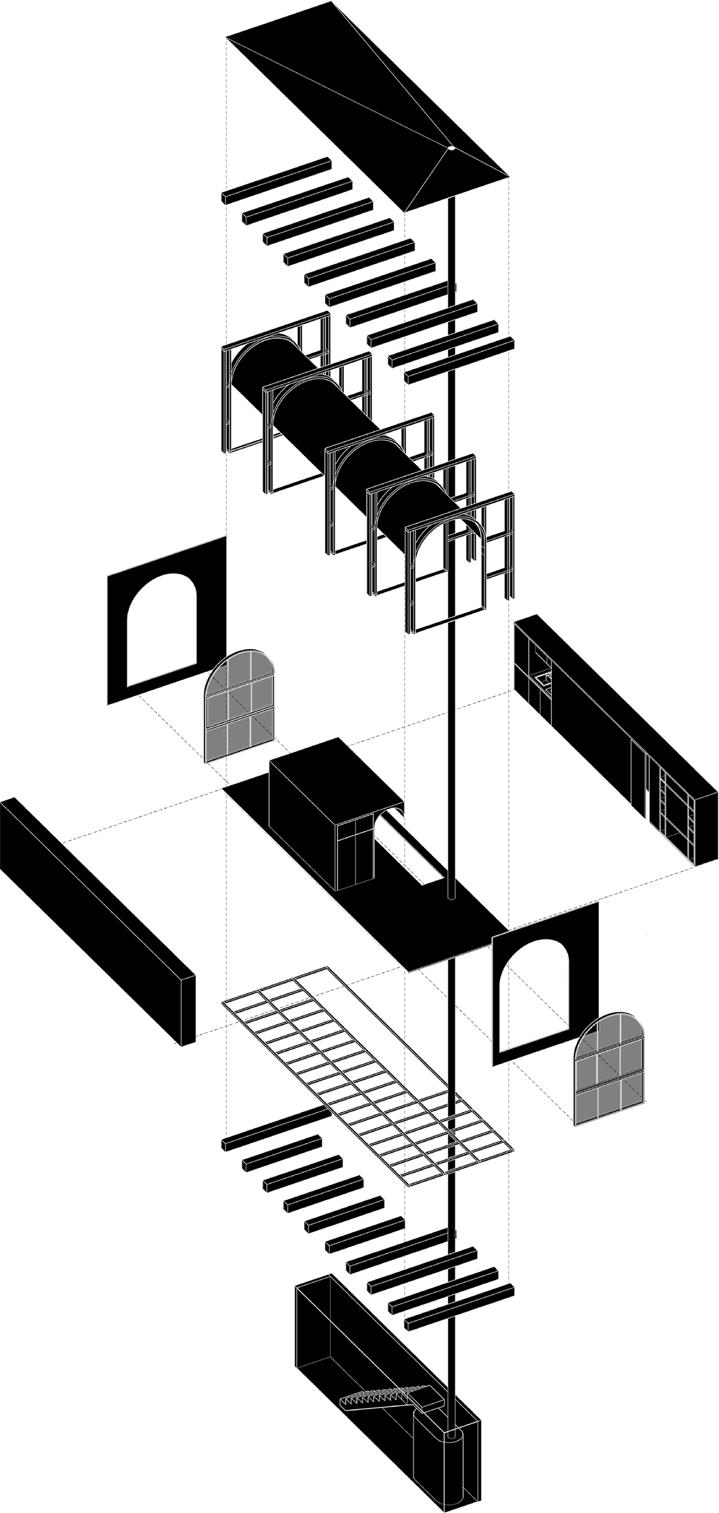
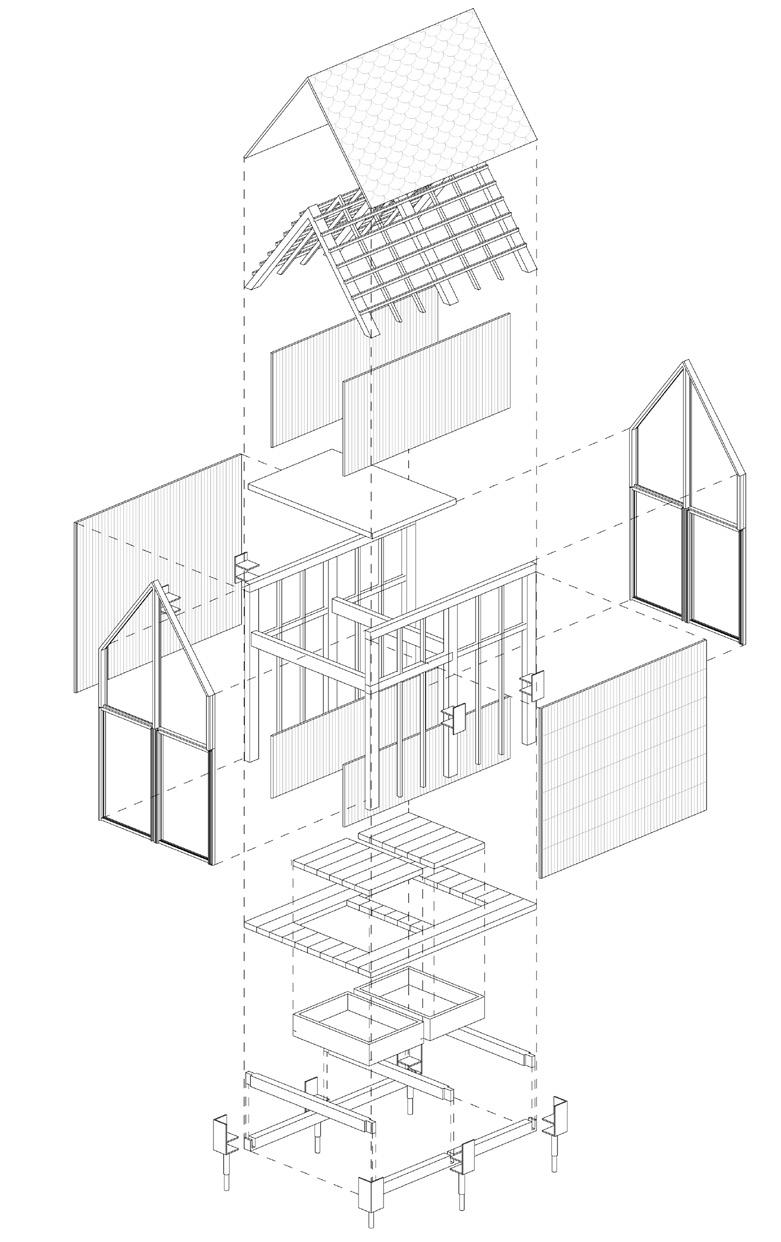
Slanted Roof for Rainwater Harvesting
Drawing inspiration from historical Venetian wells, the design reinterprets the historical water management system for efficient rainwater collection. By embracing this approach, the project ensures selfsufficiency and environmental responsibility, echoing the resourceful spirit of Venetian engineering.
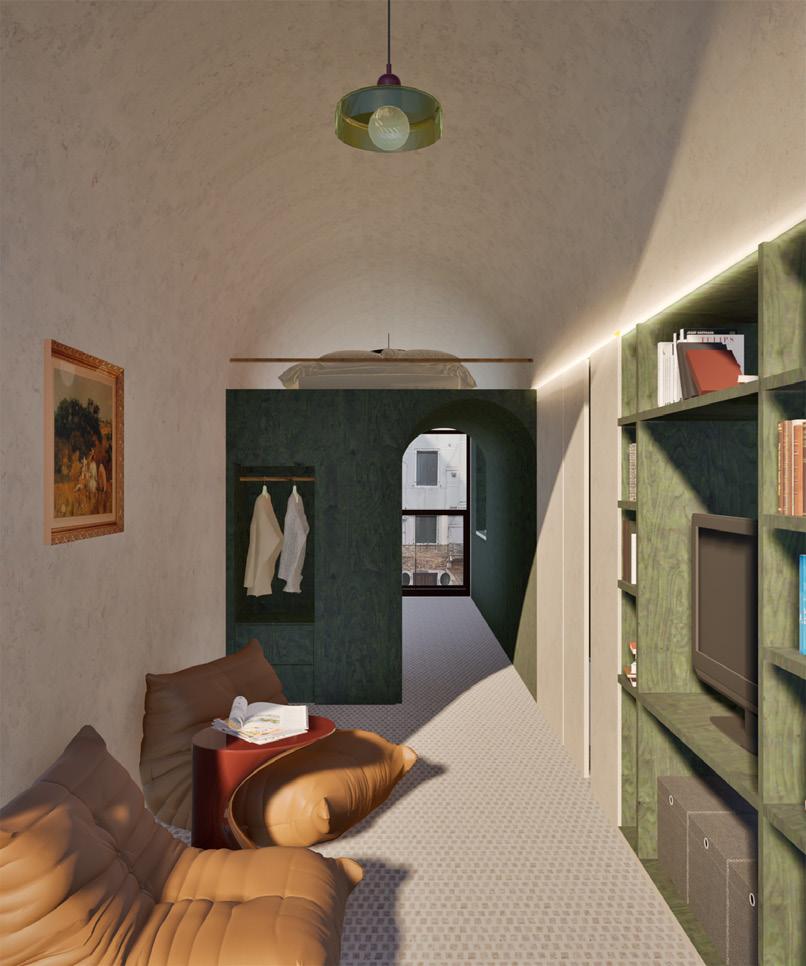
Arched Ceiling
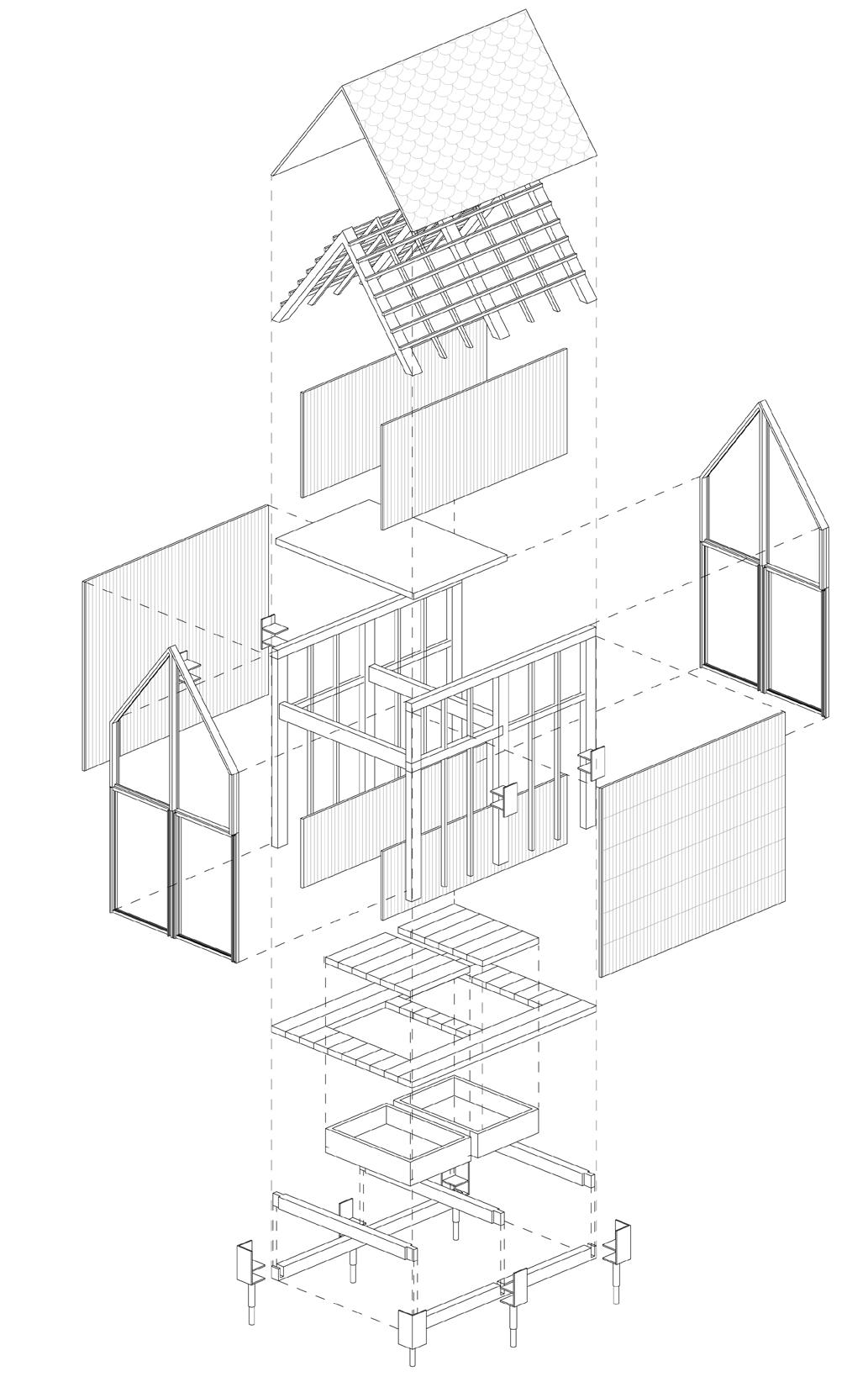
Timber Framework of the Main Design Elements
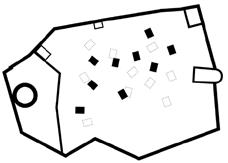
Built-In Interior Elements: Kitchenette, Cabinet, Staircase and, Library
Bathroom, Laundry, Storage and Sleeping Unit
Kingspan - Slimline Water Tank for Storaging the Rainwater
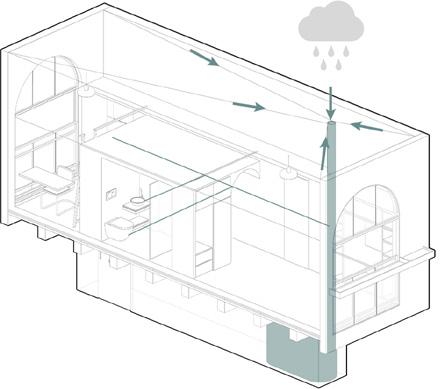
Inspired by historical Venetian wells, the design incorporates a water tank alongside a slanted roof to facilitate efficient rainwater collection. This modern adaptation pays homage to Venice’s traditional water management systems while integrating contemporary sustainable solutions, ensuring a self-sufficient and environmentally conscious approach to water usage within the project.
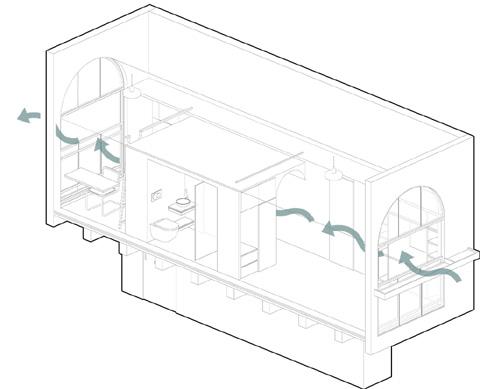
The design embraces cross ventilation through vertical sliding windows, allowing the fresh sea breeze of Venice to flow naturally through the space. This passive cooling strategy enhances indoor air quality while reducing reliance on mechanical systems. By channeling the coastal airflow, the design ensures a comfortable and refreshing living environment, staying true to Venice’s connection with its maritime climate.
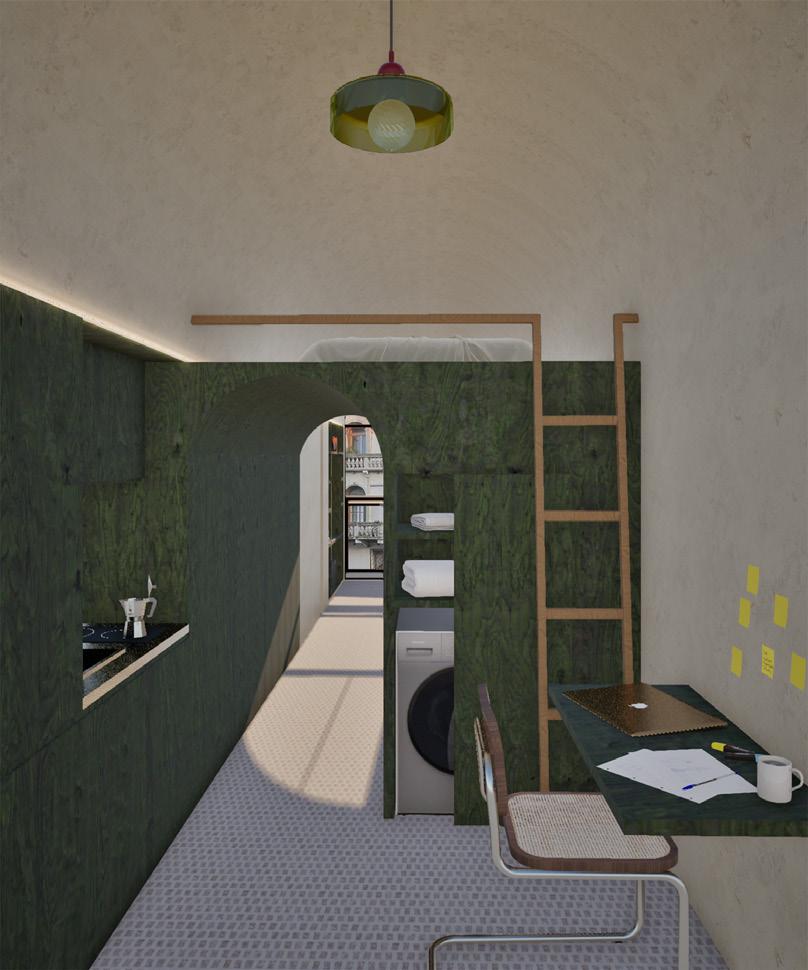

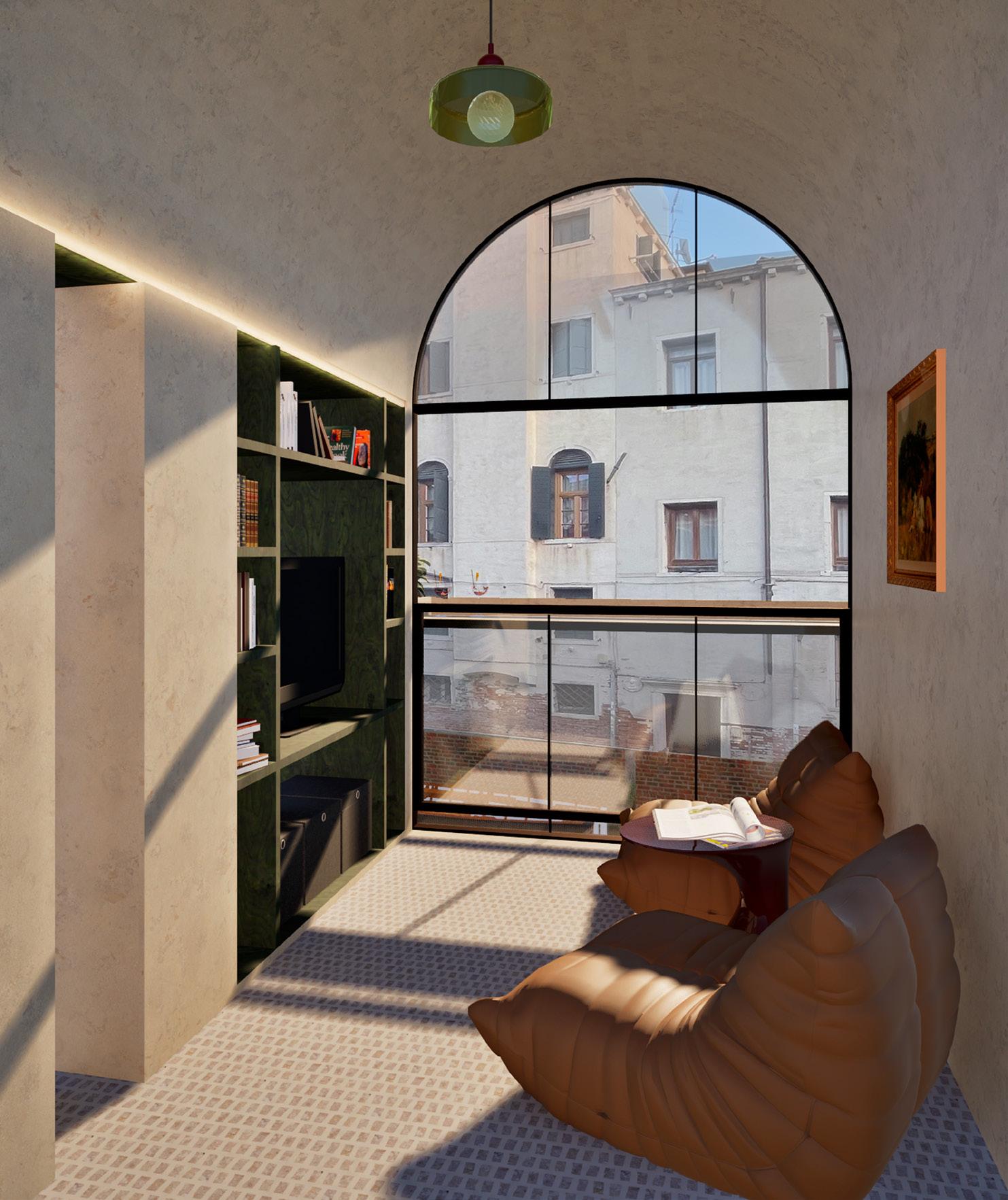
The distinctive green color of Venetian window shutters is reinterpreted in the design through built-in wooden furniture, of the library, kitchenette, storage, and bathroom units. The use of wood not only enhances warmth and tactility but also reinforces a connection to Venice’s traditional craftsmanship.
Arches have undeniably been a defining feature of many historical structures in Venice. To maintain harmony between the old and the new, the design incorporates a prominent arch, serving as a focal element that emphasizes continuity with the city's architectural heritage while introducing a contemporary reinterpretation.

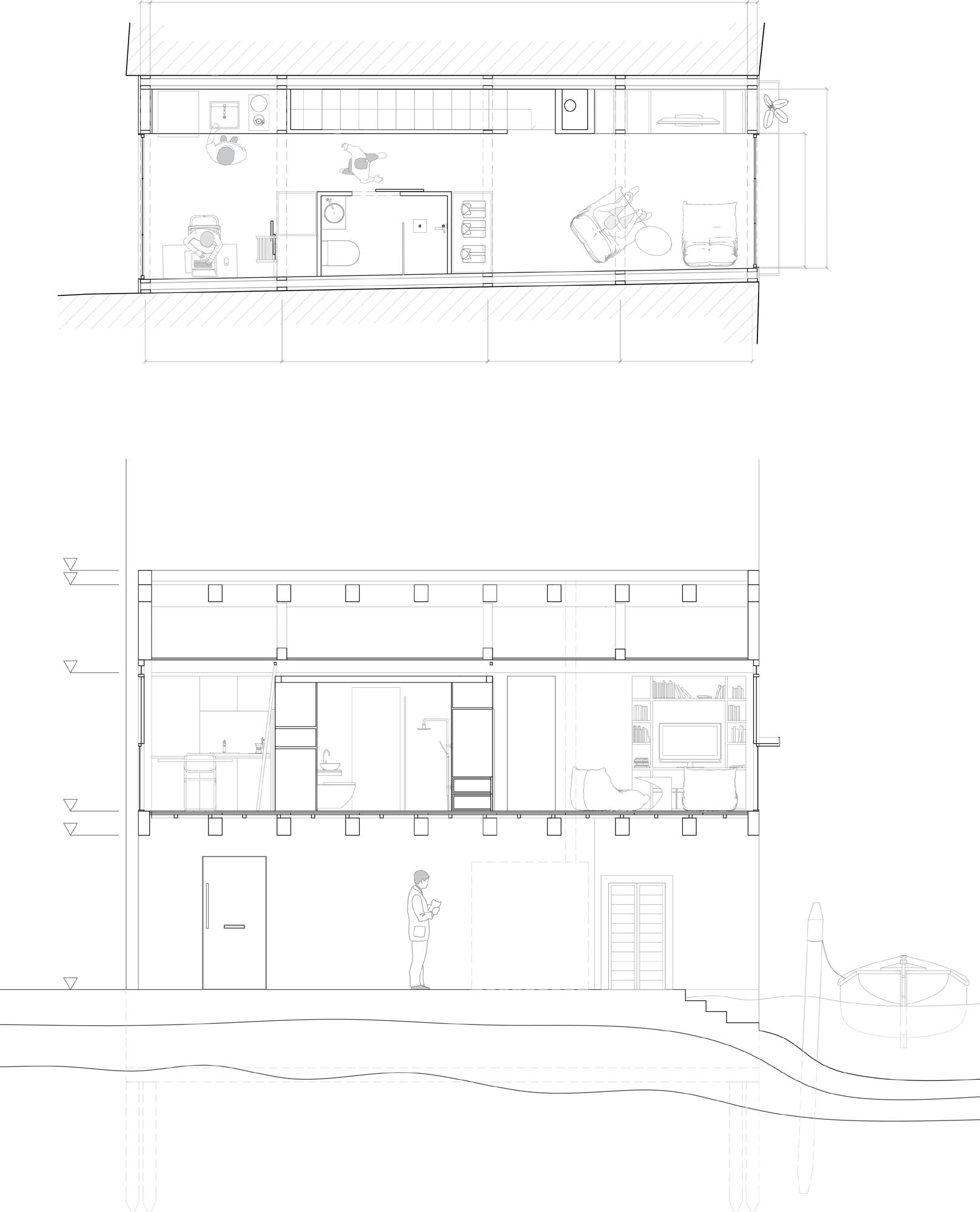
The north wall efficiently integrates a staircase, library, and kitchenette into a single furniture line. The central volume provides storage for clothes, laundry, and daily items, connecting to the ground-floor bathroom with a sleeping area above. The northwest area hosts the kitchen and office, benefiting from even
and a
for the optimized working during work hours, while the
features a
area overlooking the canal, maximizing direct sunlight for a comfortable and pleasant atmosphere.
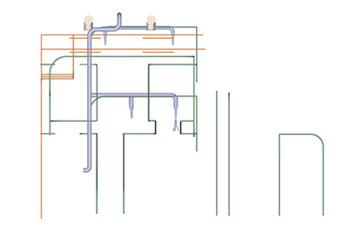
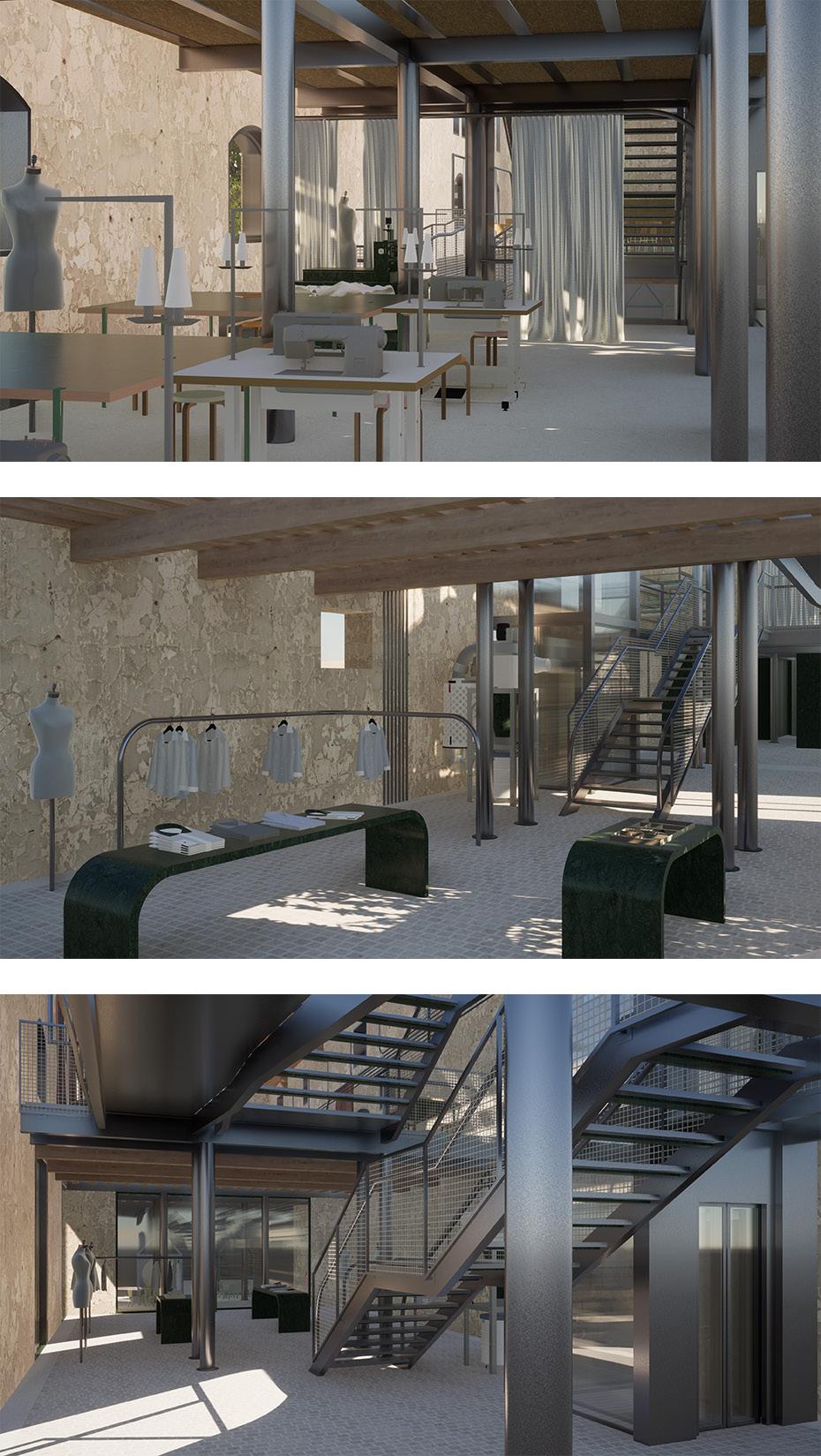
“Scena Della Moda”: A Fashion Hub in Schio/Vicenza
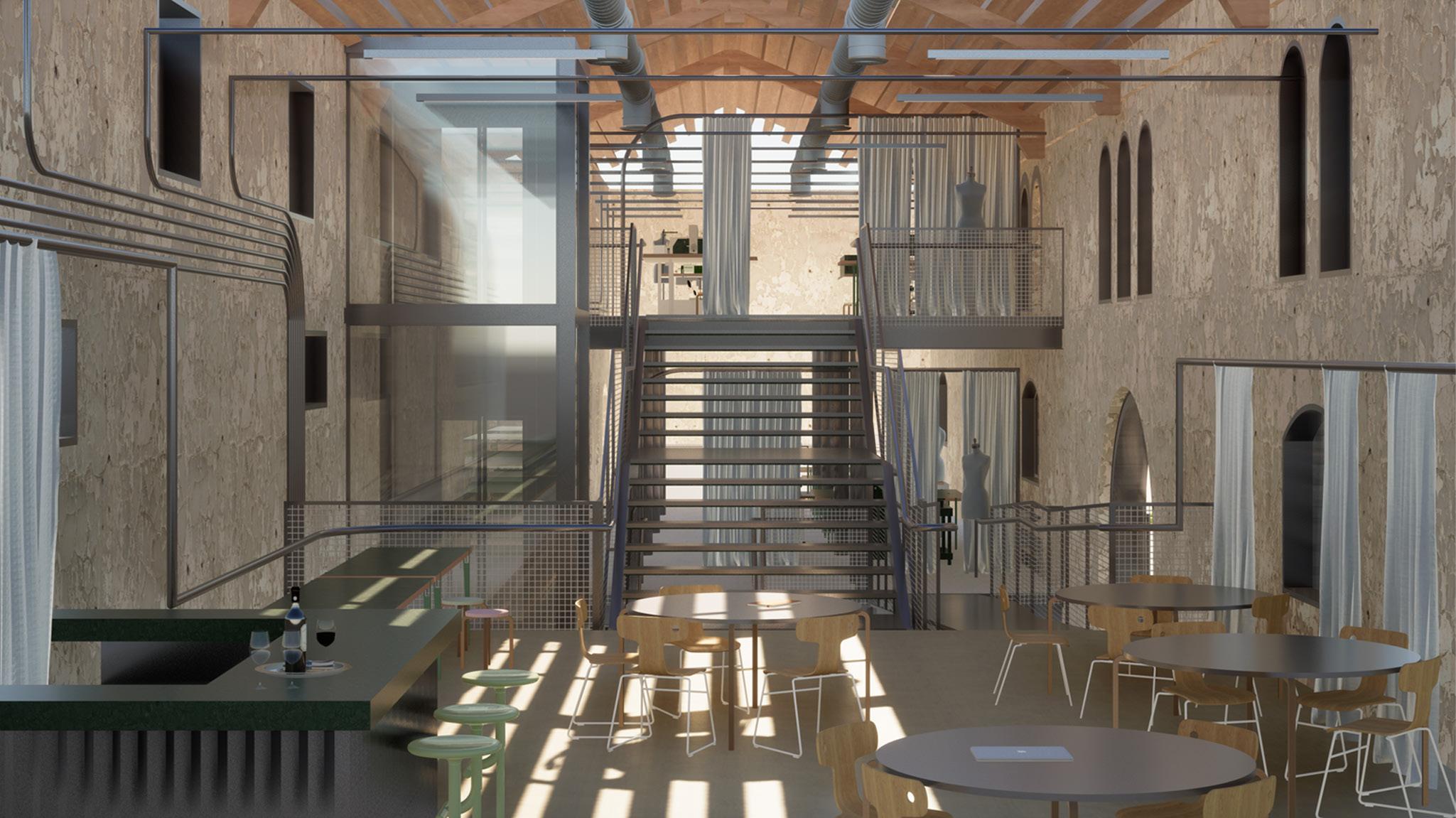
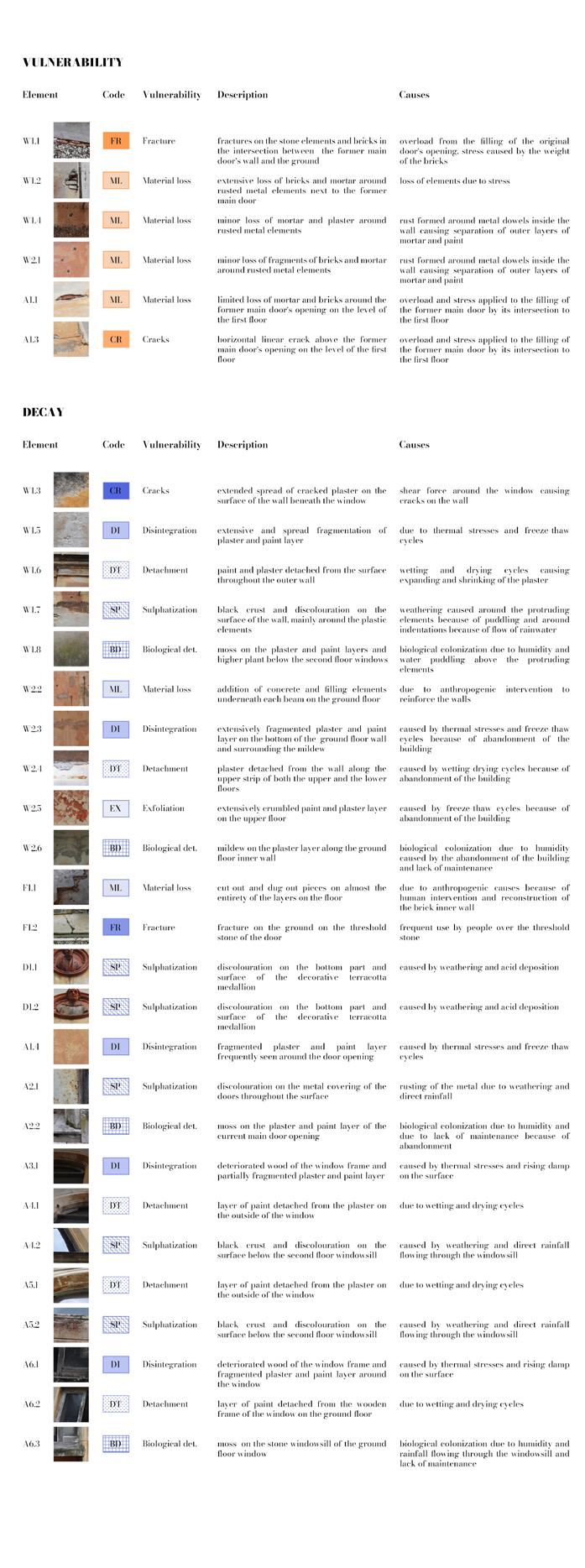
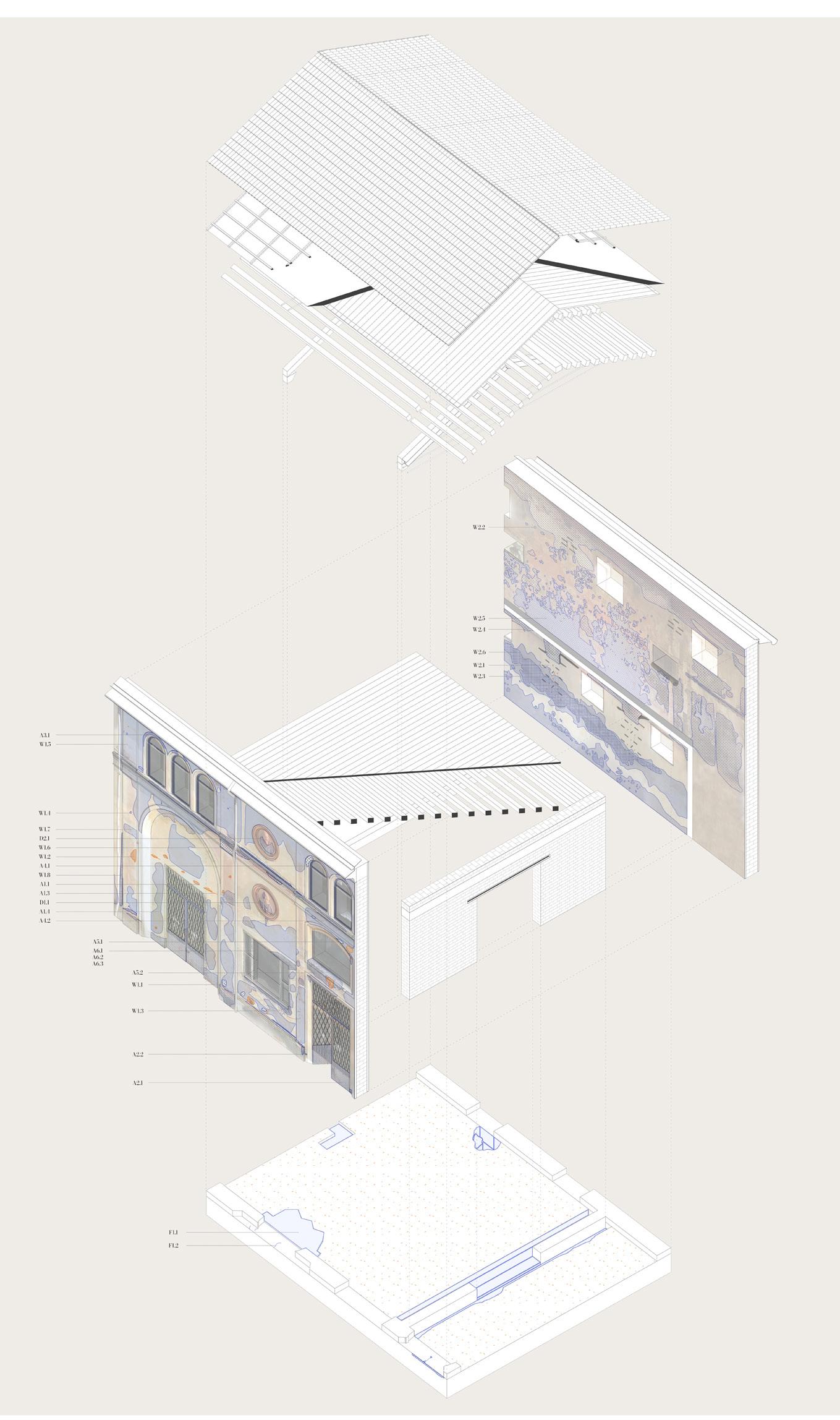
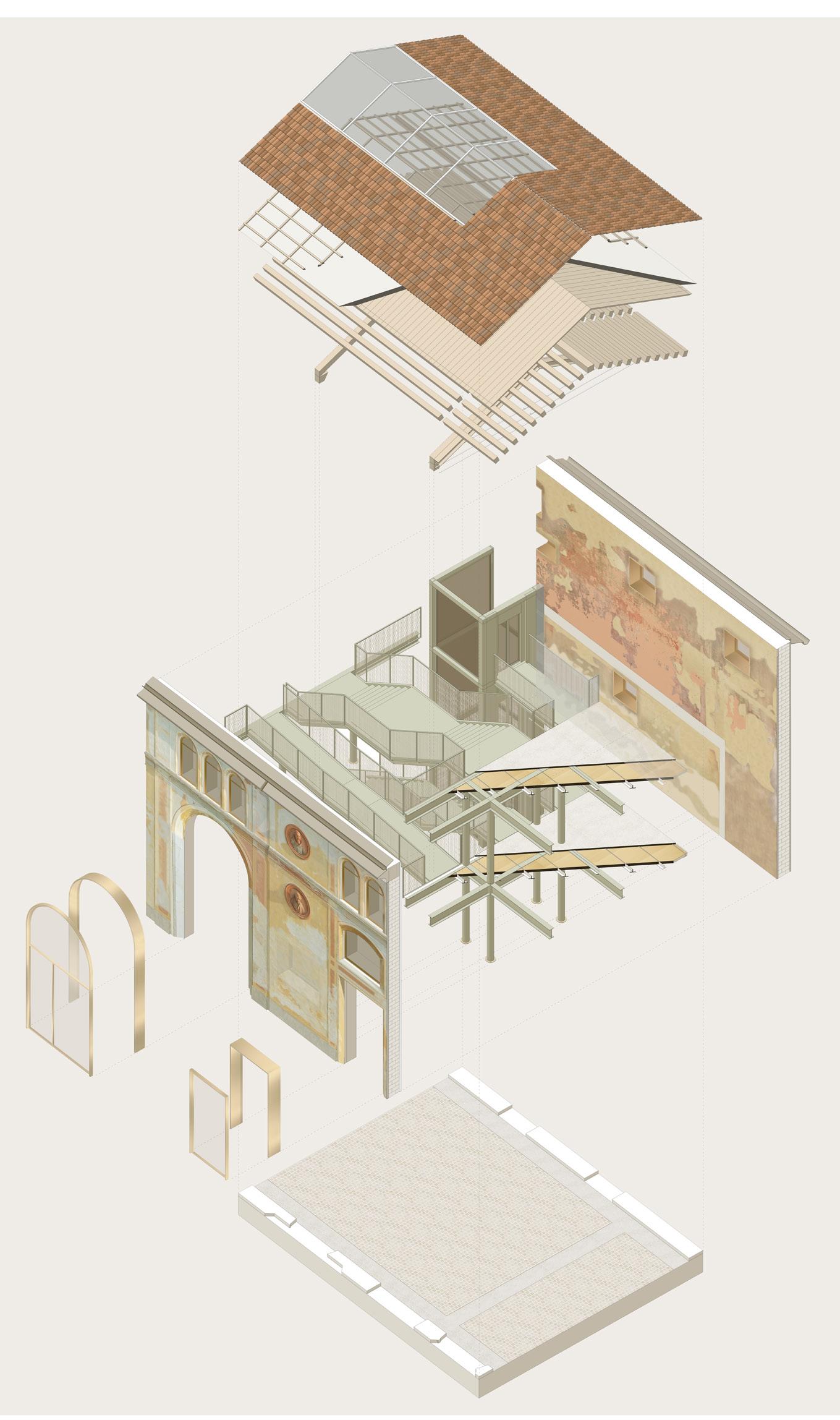
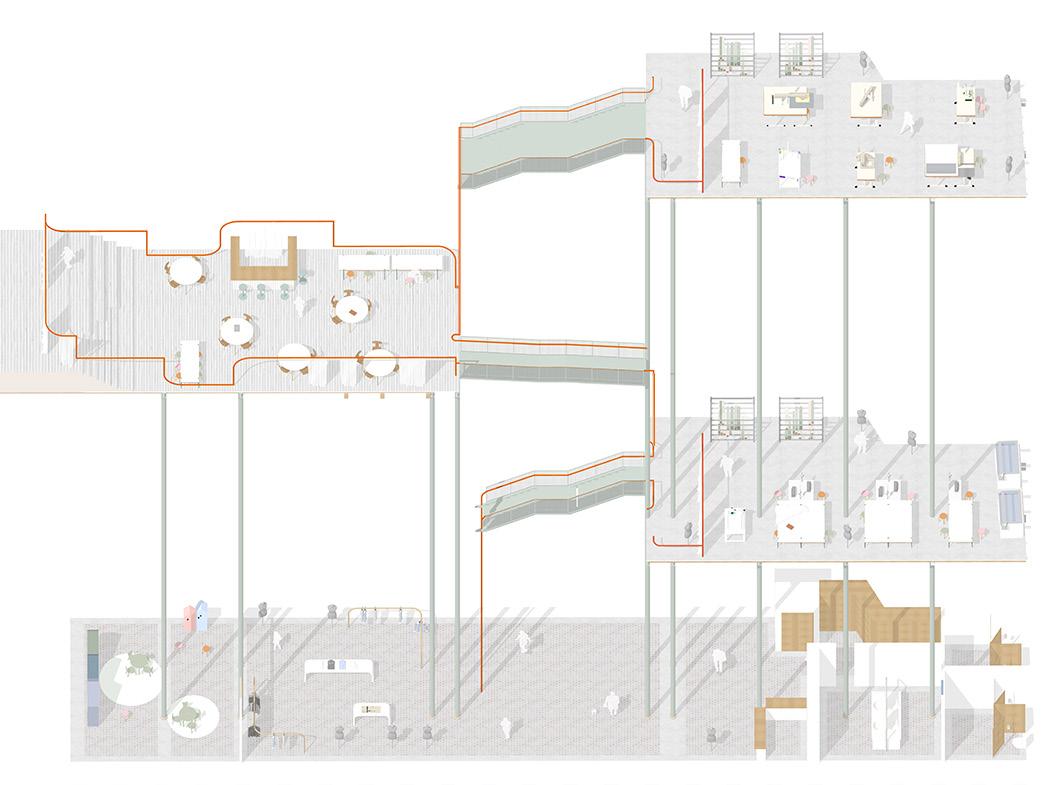
Located in the Veneto region, the town of Schio was once home to Italy’s largest wool factory, Lanerossi, as well as other important social facilities such as a kindergarten, the Jacquard Gardens, and a theatre within the garden, which is the focus of our project. During the 19th and 20th centuries, these buildings played a crucial role in shaping the life and development of Schio, serving as vital hubs for both industry and community. However, in the present day, many of these structures, including the theatre, stand abandoned. The primary objective of this studio is to conduct a thorough historical investigation of the site, analyze the current state of damage to the theatre, identify its structural vulnerabilities, and propose a critical restoration approach that respects its historical significance while adapting it to contemporary needs.
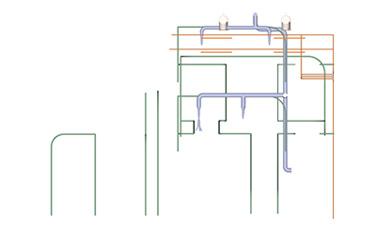
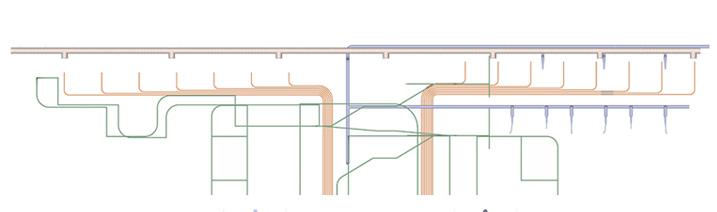
For the adaptive reuse of the theatre, we envision repurposing the space into a dynamic fashion hub that offers flexible spaces adaptable to various uses. This new function would cater not only to the fashion industry but also to the daily needs of local residents. To support local sustainable production, we have incorporated fashion workshops and a multifunctional exhibition and shop area on the ground floor. This would provide a space for the local community to engage with sustainable fashion practices, while also fostering a sense of continuity between the town’s rich industrial heritage and its future development.
Venice Architecture Exhibition - Terese Church
IUAV
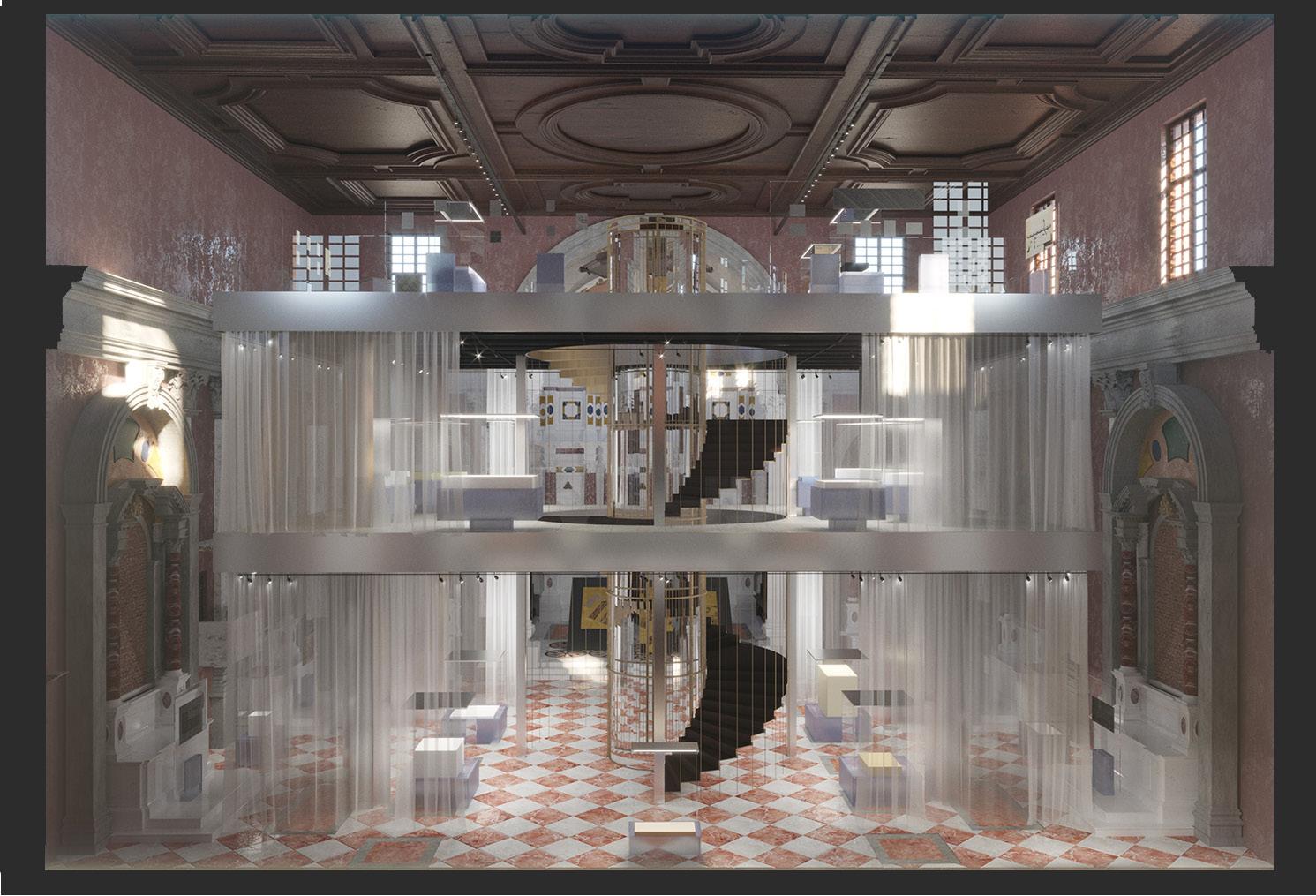
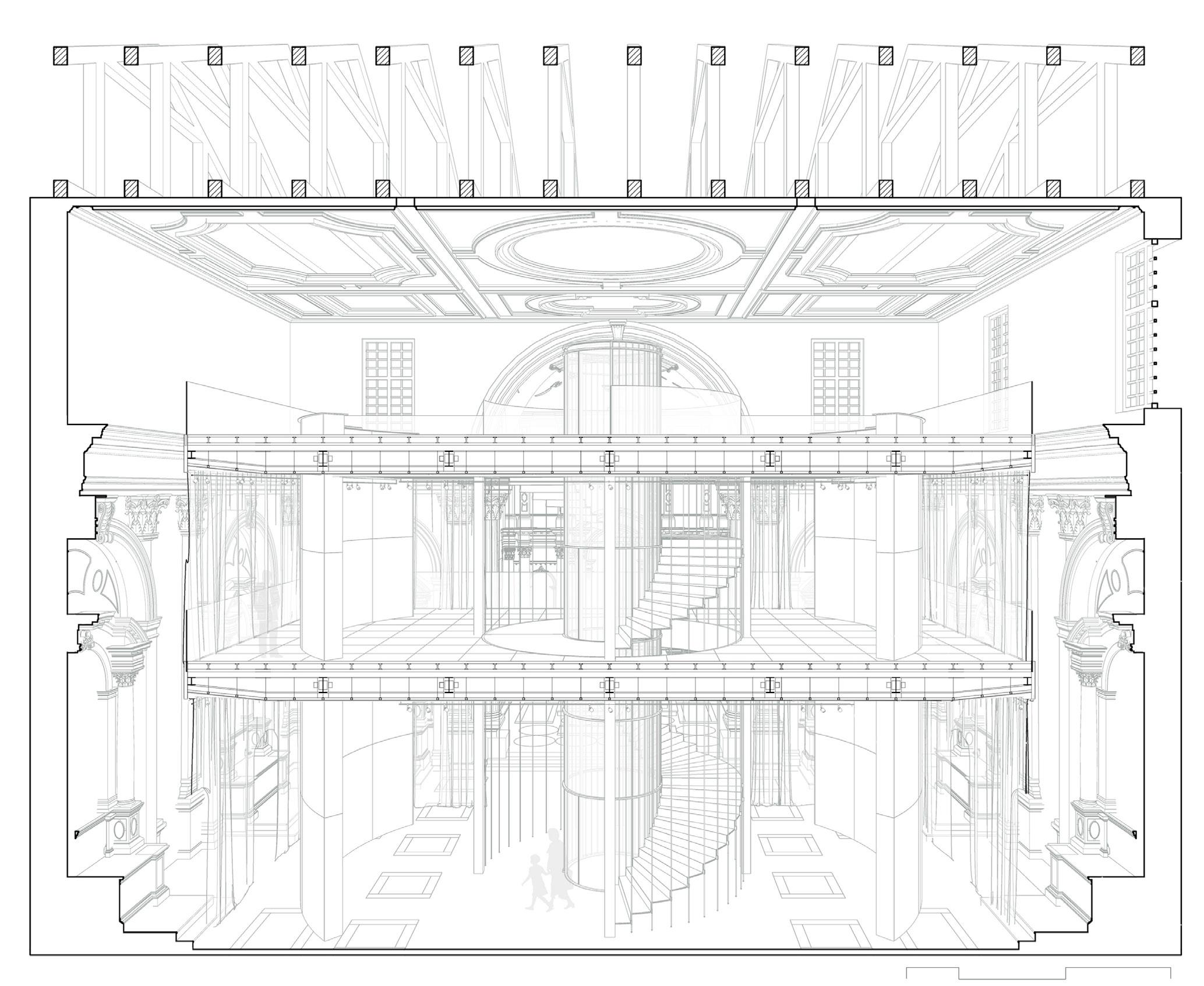
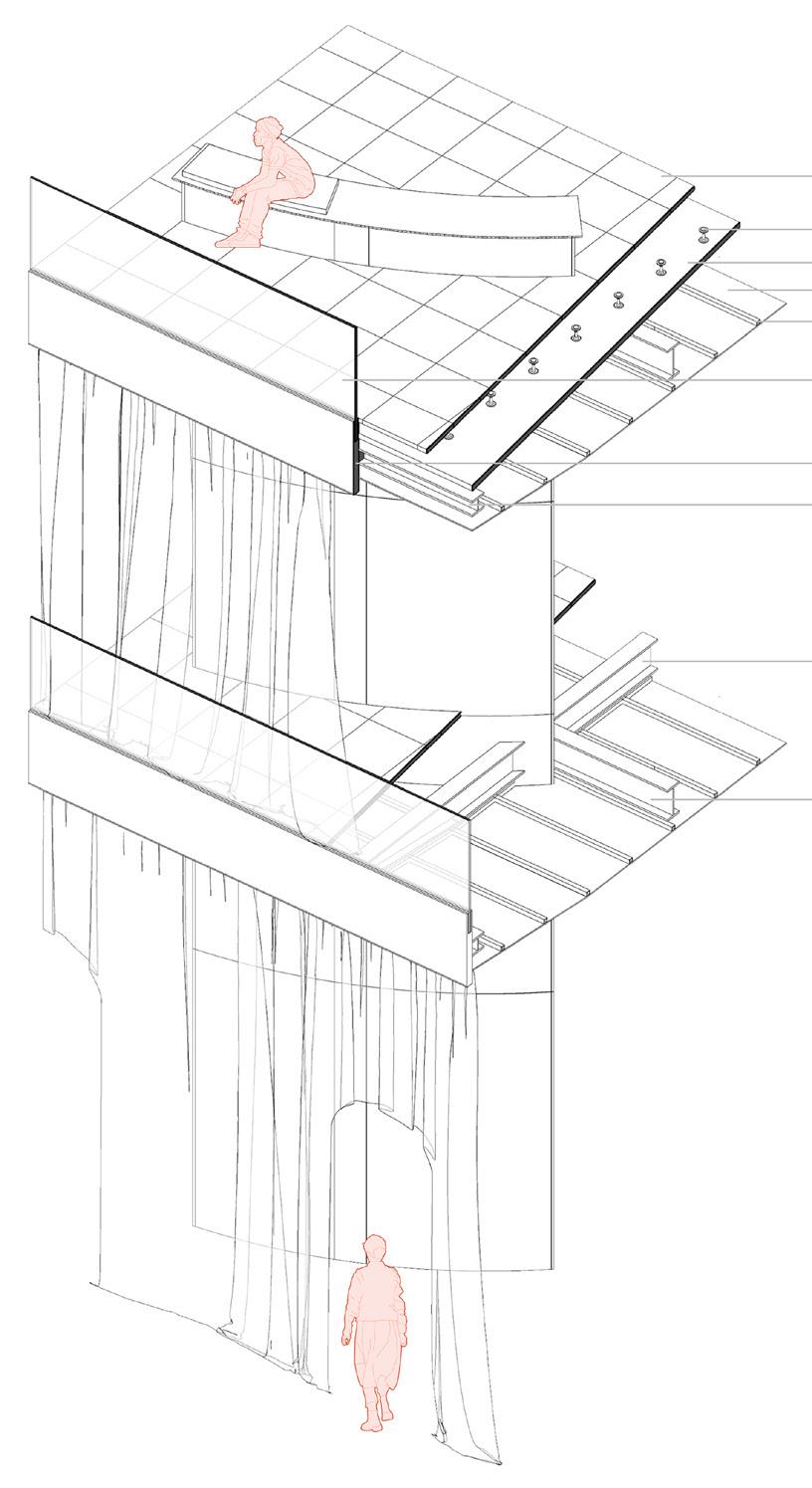
The exhibition of architecture provided by IUAV University’s collection was decided to take place in the abandoned church of Terese which is located few hundred meters from IUAV’s Cotonificio campus. Our design approach was deeply inspired by the distinctive qualities of Venice, a city rich in historical and architectural significance. As we explored and experienced the city firsthand, we drew upon various elements that stood out to us, including the play of reflections on water, the intricate use of fabrics, and the prominence of vertical structures that define Venice’s skyline and spaces.
The exhibition project requirements was based on the list of the exhibit pieces (models, drawings, books, sketches etc.) and how it can be placed inside of the church in order to provide a comfortable experience. For that goal it is decided to build a structure inside of the church, in other words, a box in a box. Although being abandoned for many years, the church itself has really important features that we would like to include into our design. We take into consideration the modulation of the wooden ceiling decoration and we referenced its center for the circular staircase. This harmonious blend of historical and modern elements ensured that the exhibition honored the church’s past while providing a fresh, immersive experience for visitors.
Reuse the Fortress: Villeneuve
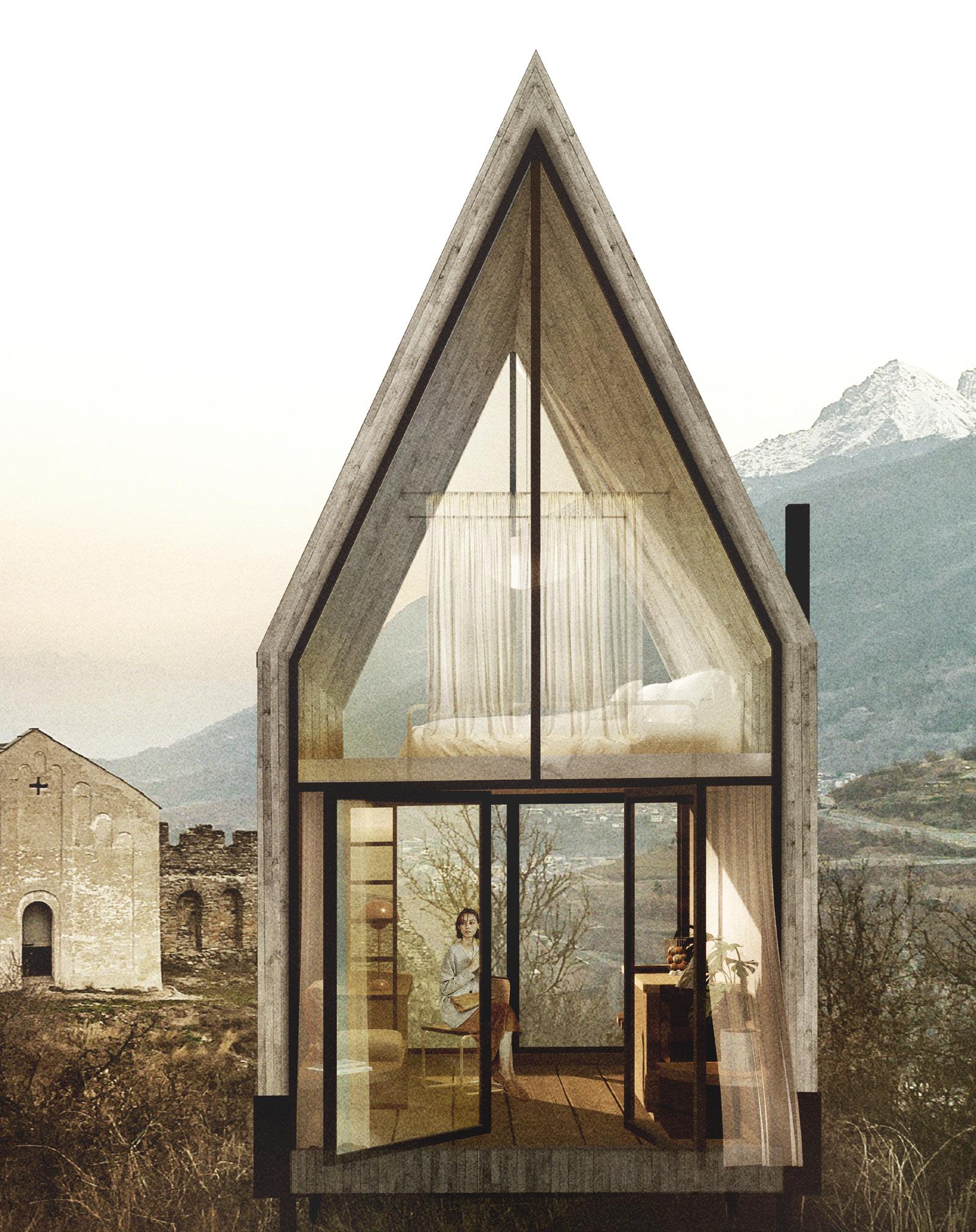
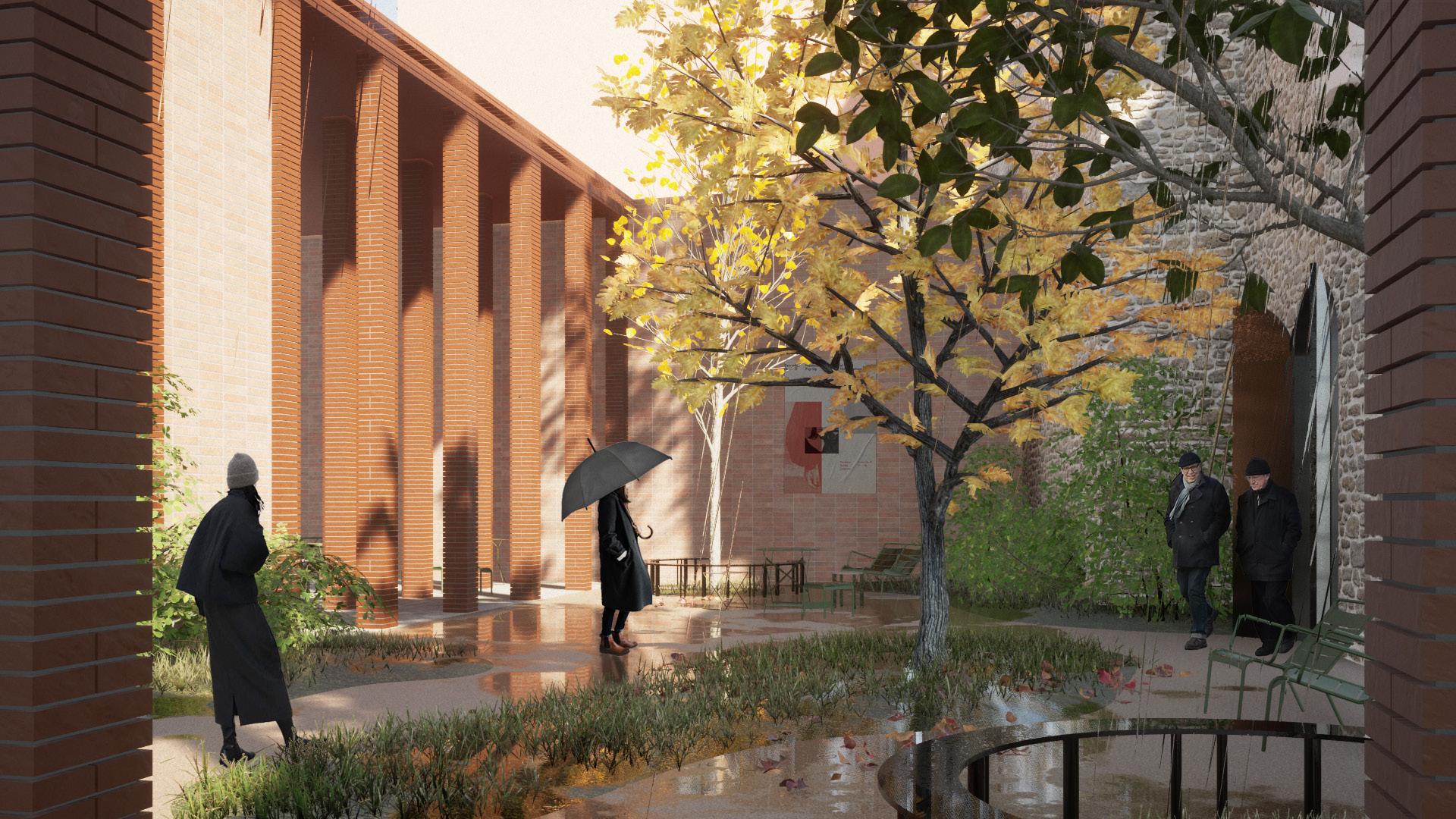
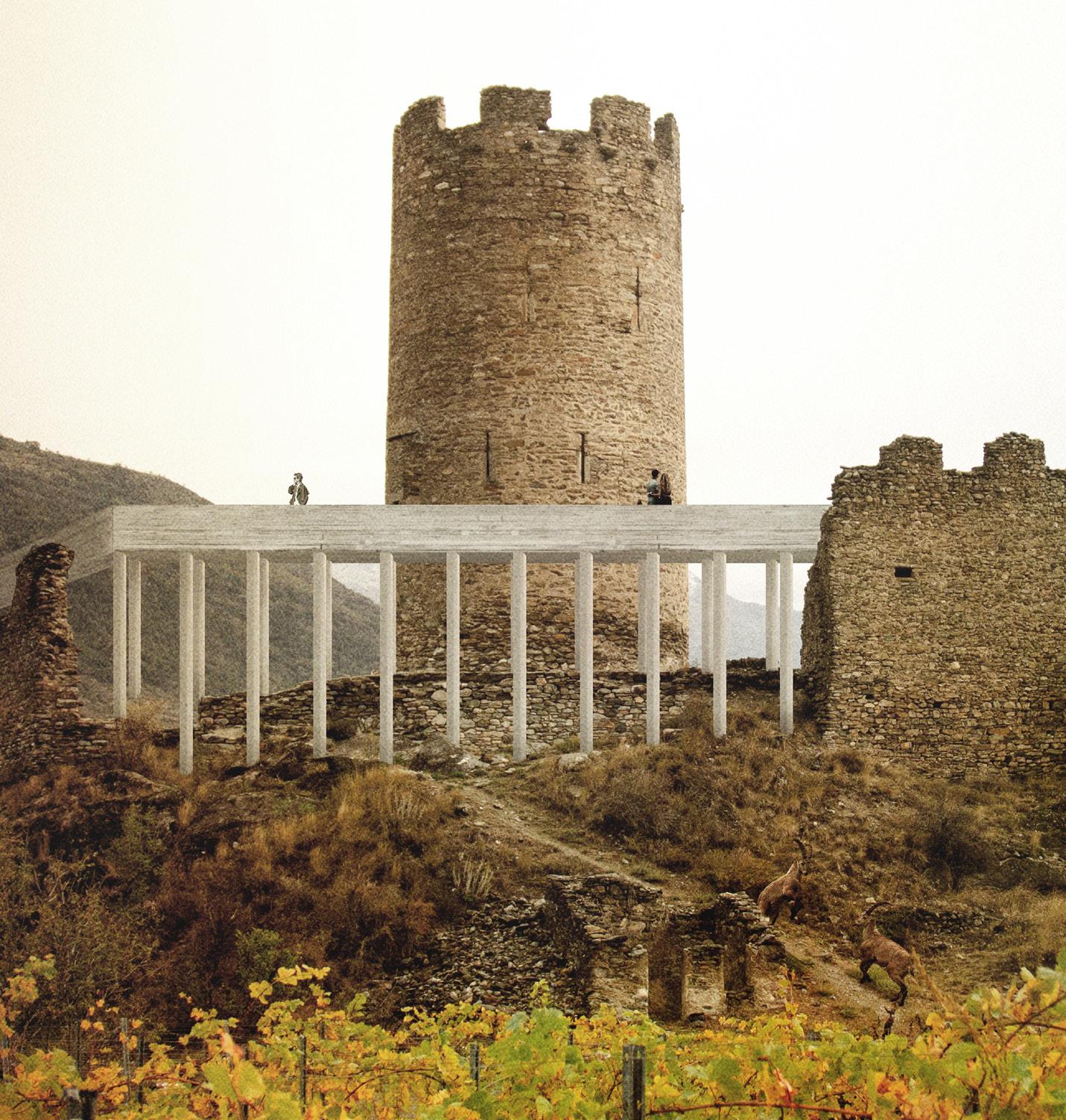
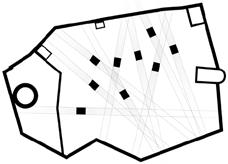
The Silver Citadel represents a revival of the fortress which through minimal contact tries to re-establish a forgotten footprint only present in old written records. By allowing this revival to occur the guests of the hiking shelters can pass along the castle walls that have now adapted to a newly morphed terrain. We have positioned the proposed bridge to preserve the visual lines towards the mountainous part of the Gran Paradiso National Park and allowed a continuous walk around the perimeter of the fortress. The Passarella connects all communal areas of the fortress as well as the ruins of old walls that stood isolated on the site.
Our aim was to offer an intervention whose monumentality only exists in its scale - for the scale of the fortress is such. The shelters themselves are to be both reminiscent of a fortified village and give meaning to the fortress itself and an homage to the traditional houses of the Aosta Valley. They are designed to be completely movable and detachable when necessary, as well as adjustable for level changes of the terrain. The tower, naturally a closed and introverted space, has been transformed into a library and reading room lit through a zenital opening and connected to the passarella via a southern window opening. The chapel, traditionally a place of commune, has preserved its open spatial properties and used as a dinning hall which together with the tower and the residential units forms the fortress.
The Silver Citadel represents a revival of the fortress which tablish a forgotten footprint only present in old written records. the guests of the hiking shelters can pass along the castle morphed terrain. We have placed the proposed passerella to preserve the visual lines towards the mountainous Park and allowed a continuous walk around the perimeter of the fortress. The passerella connects all communal ruins of old walls that stood isolated on the site. Our aim was to offer an intervention whose monumentality only fortress is such. The shelters themselves are to be both reminiscent of a fortified village and give meaning to traditional houses of the Aosta Valley. Through the use of insulated facade walls with a light wooden finish the ruin, the cabins can be placed anywhere within the fortress. They are designed to be completely movable as adjustable for level changes of the terrain. The tower, naturally a closed and introverted space, has been room lit through a zenithal opening and connected to the passerella via a southern window opening. The chapel, has preserved its open spatial properties and used as a dining hall which together with the tower and the residential

tries to re-esrevival to occur adapted to a newly Paradiso National as well as the the scale of the homage to the complement necessary, as well and reading of commune, fortress.
Paradiso National as well as the the scale of the homage to the complement necessary, as well and reading of commune, fortress.
The Silver Citadel: Reuse of the Fortress
tries to re-esrevival to occur adapted to a newly Paradiso National as well as the the scale of the homage to the complement necessary, as well and reading of commune, fortress.