
The Age of Your Heart
Your heart’s age is not based on calendar age, but the condition of your heart and blood vessels.
Backed by research. Recommended by Dr. Joel Kahn, MD, FACC
Introducing the Experts
Dr. Joel Kahn
Meet our brand ambassador, Dr. Joel Kahn, MD. FACC, otherwise known as “America’s Healthy Heart Doctor”.
He is one of the world’s leading cardiologists, a clinical professor of medicine, an integrative medicine practitioner and promoter of plantbased nutrition. He is a holistic cardiologist who strongly believes in the power of nutrition and supplements to help reduce disease risk, improve markers of heart health, and balance out dietary insufficiencies.
Dr. Joel Kahn has been an enormous asset to Xtendlife and continues to support our mission in many ways. Together, we share an unwavering commitment to good heart health advice, practices and supplements, so everyone can live a healthier, happier and longer life. That shared mission is precisely why we’ve come together to design this informative guide to help you on your way to better health for many years to come.
Enjoy!

Dr. Joel Kahn, MD, FACC of Detroit, Michigan, co-host of Reversing Heart Disease Naturally Summit by DrTalks. Dr. Kahn is a practicing cardiologist and Clinical Professor of Medicine at Wayne State University School of Medicine. He has a triple board certification in Internal Medicine, Cardiovascular Medicine and Interventional Cardiology. He was also the first physician in the world to certify in Metabolic Cardiology with A4M/MMI and the University of South Florida.
Ivor Cummins
Ivor Cummins completed his BE (Chem) at the University College Dublin in 1990. He started his career in the development and optimization of medical devices and has since spent the last 30 years in corporate technical leadership positions. Ivor Cummins has been a valued contributor to the Xtendlife research and development team.
He continues his research on the root causes of modern chronic disease. Co-author of “Diabetes Unpacked: Just Science and Sense. No Sugar Coating”. Co-author of “Eat Rich, Live Long: Mastering the Low-Carb & Keto Spectrum for Weight Loss and Longevity”. Chief Program Officer for Irish Heart Disease Awareness.

Health Impacts of an Aged Heart
Do you know the age of your heart? Here’s a hint: it may not be the same as your biological age. Your heart’s age is actually determined by the condition of your blood vessels¹, and it can be significantly older or younger than you are. For example, if you’re 47, your heart could be functioning like that of a 40-year-old, or a 60-year-old. The difference comes down to your cardiovascular health.
The reality is sobering. The CDC estimates that around 69 million American adults who have never suffered a heart attack or stroke have a heart age at least 5 years older than their biological age.
That’s approximately the same number of people living in the largest cities in the US combined!
So what contributes to an older heart age? A lot, as it turns out.
One way to understand your risk for a heart attack or stroke is by learning your ‘heart age,’ because poor heart condition plays a critical role in many health issues.
It’s important to know that some risk factors are beyond your control, like getting older or your family history.
However, there are many things you can change. For example, if you smoke regularly or have high blood pressure, your heart age will be significantly higher than your actual age.
Common Reasons for Higher Heart Age That Can Be Managed or Changed:
• High cholesterol
• High blood pressure
• Smoking
• Obesity
• Unhealthy diet
• Diabetes
• Physical inactivity
• Sleep and stress management
The most important thing to remember is that no matter your age, you can make your heart younger through simple lifestyle changes. Here are some steps to get started:
• Learn your heart age and explore ways to improve it
• Choose one risk factor to focus on first, whether it’s smoking, high blood pressure, or something else
• Talk to your doctor about heart-healthy choices that can lower your heart age
• Remember, it’s never too late. You can improve your heart health at any stage of life
Heart Disease Risk by Age and Gender
Age and Gender
Ages 20 to 39 - men
20 to 39 - women
40 to 59 - men
40 to 59 - women
60 to 79 - men
60 to 79 - women
Ages 80 to older - men
Beyond Age and Gender, Other Contributing Risk Factors Include:
Functional
• Excessive alcohol use
• Smoking or tobacco use
• Insufficient exercise (aim for at least 150 minutes of moderate exercise weekly, even a daily brisk walk counts)
• Poor diet (eating excessively or choosing unhealthy foods has a direct impact on your heart and overall wellbeing)
• High blood pressure
• Genetics, especially inheriting high Lipoprotein(a) cholesterol levels
• High stress levels

Cholesterol Level:
The good and the bad
When it comes to heart conditions, cholesterol is one of the biggest risk factors to consider. But not all cholesterol is bad. It’s all about maintaining the right balance.
So what is cholesterol? It’s a waxy, fat-like substance found in your blood that is actually essential for good health²’³. The key is understanding the difference between good cholesterol and bad cholesterol.
A common misconception is that cholesterol levels are driven entirely by diet. In reality, your diet plays a relatively small role. Upwards of 80% of blood cholesterol is actually produced by your liver.
There Are Two Types of Lipoproteins That Carry Cholesterol to and From Your Cells:
1. Low-Density Lipoprotein (LDL) - known as the “bad” cholesterol, it contributes to fatty build-up in the arteries, putting you at greater risk for heart attack and stroke.
2. High-Density Lipoprotein (HDL) - traditionally known as the “good” cholesterol because maintaining a healthy level helps protect you against heart attack and stroke. However, emerging research suggests that both very low and very high levels of HDL-cholesterol may pose risks to your heart and arteries, so the full picture is still evolving.
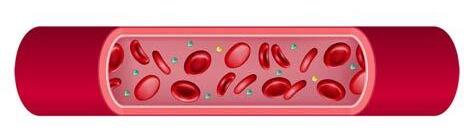
High-Density Lipoprotein

Low-Density Lipoprotein
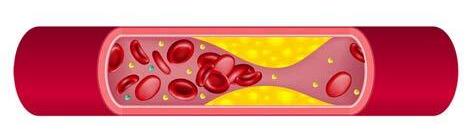
Here’s how it works: in optimal conditions, HDL (good) cholesterol carries LDL (bad) cholesterol away from the arteries and back to the liver, where it can be broken down and removed from the body.
However, HDL can only eliminate around one-third to one-quarter of LDL cholesterol, making it all the more important to maintain the right cholesterol balance. In some cases, HDL cholesterol may even accelerate artery aging.
Ideally, you want your HDL score to sit in a healthy mid-range and your LDL score to be low, relative to the condition of your arteries.
If you’re unsure about your cholesterol levels, consider getting tested or speaking with your doctor about how to maintain a healthy balance and lower your risk for heart attack and stroke. It’s also worth asking for a Lipoprotein(a) test.
Calcification - The Silent Killer
Calcium is a mineral found naturally in your body. While it is mainly stored in your bones and teeth, a small percentage also circulates in your blood. Calcium is essential for many bodily functions, including heart function.
However, calcium deposits can also cause serious health problems.
Coronary artery calcification occurs when calcium builds up in the arteries that supply blood to your heart. This can lead to coronary artery disease and increase your risk of a heart attack. The condition is most common in older adults and typically begins around age 40.
Researchers estimate that by age 70, upwards of 90% of men and 67% of women have some degree of coronary artery calcification. Men tend to develop it 10 to 15 years earlier than women, which researchers believe may be due to the protective effects of estrogen against calcium deposits.
The good news is that measuring calcification is straightforward. A coronary artery calcium score (CACS) is an inexpensive, safe, and quick CT scan of your heart. Discuss getting a CACS at least once with your doctor.
Chronic Medical Conditions That Increase Your Risk:
• Obesity
• Chronic kidney disease
• Diabetes
• Hypertension
• Metabolic syndrome
• High LDL-cholesterol and high Lipoprotein(a) cholesterol
• Genetics like 9p21 gene
Another coronary artery calcification concern is that it is a precursor for atherosclerosis - a buildup of plaque that has a profound change in the effectiveness of blood flow. This plaque can also rupture like a volcano, leading to a heart attack or stroke.
And while calcification is detectable, it is usually only after there is already a significant amount of calcium and soft non-calcified plaque buildup in the coronary arteries.

That’s precisely what makes coronary artery calcification the silent killer⁴.
What’s alarming is the number of people who have experienced artery calcification without knowing it. That’s exactly what happened to Warren Matthews, founder of Xtendlife Natural Products.
Warren had enjoyed a healthy, active life for 70 years with a clean bill of health. Then at age 71, he was completely blindsided by a build-up of calcification in his cardiovascular system, most specifically in his aortic valve, which required open-heart surgery.
Despite doing everything he thought was right for his health, Warren had been unaware of this invisible threat. After surviving the procedure, he set out to understand how it could have been avoided. He knew that if there was calcification in his aortic valve, it was likely present elsewhere in his cardiovascular system, and it would only be a matter of time before another issue arose.
That journey eventually led to the development of CX8 (more on CX8 later), a product that helped him reduce his artery age⁵
Calcified Artery Normal Artery
Five Ways to Reduce Your Heart Age
1. Improve Circulation
Our body has approximately 60,000 miles of blood vessels that, along with the heart and muscles, form the circulatory system. These vessels pump blood throughout the body. Poor circulation can slow or block blood flow, limiting oxygen and nutrient delivery to cells and leading to health complications6. Maintaining good circulation is essential for overall well-being.
2. Good Blood Pressure
Proper blood pressure management helps prevent damage to blood vessels and organs, supporting overall cardiovascular health and reducing the likelihood of complications like heart attack and heart failure.
3. Rebalance Cholesterol
Balancing cholesterol is crucial because high LDL cholesterol raises the risk of heart attacks and heart disease. While medications can help, lifestyle changes are also essential for improving cholesterol levels. Reducing chronic inflammation can play a key role in this process.
4. Reduce Inflammation
Inflammation plays a crucial role in heart health but is often overlooked. While it’s a natural response that helps the body heal, chronic or uncontrolled inflammation can lead to serious health issues. Persistent inflammation can contribute to heart disease by damaging blood vessels and increasing the risk of plaque buildup in arteries.
5. Increase Adult Stem Cells
Stem cells serve as raw materials from which all specialized cells are derived7. Research suggests that these stem cells have the potential to create various types of heart cells, which could help repair and regenerate damaged heart tissue8
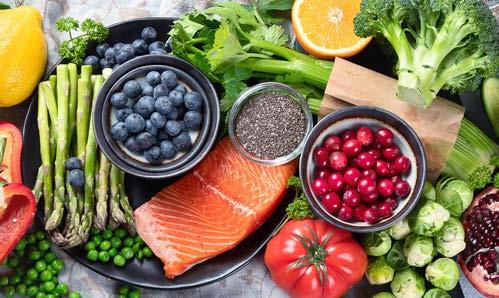
Lifestyle factors play an enormous role in maintaining optimal heart health - use these helpful tips to start protecting your heart today9,10,11
• Start a heart healthy diet: dark leafy greens, berries, omega-3 rich fatty fish, grains, cruciferous vegetables like broccoli, are all good choices.
• More plants and less meat: as recommended by our advisor, Dr. Kahn.
• Avoid inflammatory foods: Sugars, refined carbohydrates, and processed foods are known to be highly inflammatory.
• Stay hydrated: Adequate fluid levels prevent blood from thickening, reducing clot risk and ensuring efficient delivery of oxygen and nutrients to tissues and organs.
• Maintain healthy weight - Exercise daily and get restorative sleep. Being active also helps with blood circulation.
• Address unhealthy habits: Quit smoking, limit alcohol intake and reduce stress.
• Monitor your blood pressure regularly
Support Circulation and Calcification Naturally
Maintaining a healthy heart is essential. In addition to a healthy diet and regular exercise, our cardiovascular health supplement range are formulated with clinically studied ingredients to help balance cholesterol, blood pressure, manage inflammation and arterial plaque/calcification.
Vitamin K2 (MenaQ7®)
Discovered in 1929 as an essential nutrient for controlling blood coagulation (blood clotting), this powerhouse nutrient plays a key role in several aspects of health. Many researchers believe vitamin K2 may be a missing link between diet and chronic disease prevention.
Vitamin K plays a key role in the following:
• Blood coagulation
• Calcium metabolism

• Heart health
However, one of the most important functions of Vitamin K is in regard to calcium deposition - it promotes proper bone calcification and prevents blood vessel and kidney calcification¹³.
Omega-7 (CardiOmegia™)
The risk of developing cardiovascular disease is significantly increased by metabolic syndrome. In the US alone, about one-fourth of the adult population has at least 3 out of 5 syndromes associated with metabolic syndrome.
Omega-7 is clinically proven to improve metabolic syndrome.
Health Benefits of Omega-7:
• Cholesterol balance
• Weight management
• Inflammation management
• Blood sugar and insulin resistance

• Blood pressure
Sourced from 100% Organic Wild Sea Buckthorn grown in the Tibetan Plateau, CardioOmega™ offers up to 45% Omega-7 in triglyceride form - which is 4.5X higher compared to other sources¹⁴.
CoQ10
CoQ10 is the powerhouse of your cells, playing a key role in ATP synthesis. It’s essential for your body, particularly your heart. CoQ10 is naturally found in the body, however, with age, your body produces less of it. Fortunately, CoQ10 can also be obtained through supplements or food. Ubiquinol, a bio-identical form of CoQ10, is often recommended by doctors for its cardiovascular benefits.
Health benefits of CoQ10 include:
• Support mitochondrial health
• Support cardiovascular health
• Support healthy aging
Nattozimes
Nattozimes® is an advanced alternative to nattokinase, known for its effectiveness in promoting healthy circulation. Research suggests that it may support the natural breakdown of fibrin, a key factor in blood clot formation, potentially reducing the risk of clots. Nattozimes® is particularly beneficial for individuals with high blood pressure.
Health benefits of nattokinase come mainly from its ability to “thin” the blood.”
Health benefits of nattokinase:
• Healthy circulation support
Vitamin D3

• Blood vessel function support • Cognitive support
Vitamin D3 is a vitamin our bodies naturally produce through the skin following sun exposure, and has many important functions in the body including bone growth, bone remodeling, muscle contraction regulation, and converting blood sugar into energy.
Recent studies also suggest that vitamin D3 may play a key role in lowering blood pressure in people with hypertension¹⁵
According to a study conducted by Dr. Tadeusz Malinski, a professor of chemistry at Ohio University, vitamin D3 has a revitalizing effect on the cardiovascular system, repairing damage from hypertension and reducing the risk of heart attack¹⁶ .
Red Spinach
An important nutrient that has recently gained a lot of attention is inorganic nitrate (NO3-) which can be found in leafy vegetables like spinach and rocket, as well as root vegetables such as beetroot.
Nitrate is a precursor for nitric oxide (NO) - which is the bio-active form of nitrate, and has many functions17.

Nitric oxide (NO) plays a vital role in the body:
• Supports neurotransmission, immunity and blood flow
• Alters oxygen consumption
• Promotes both physiological and cognitive health and performance benefits
Black Garlic
Garlic has been shown as an all-star player when it comes to cardiovascular protective and immunomodulatory properties.
Research shows that garlic supplements have the potential ability to lower blood pressure in people with hypertension as well as regulate slightly raised cholesterol levels and stimulate the immune system.

In a study examining aged garlic extract, it was shown to not only lower blood pressure, but also pulse pressure and arterial stiffness, which are important predictors18 .

• Manage arterial calcification
• Support healthy blood pressure and circulation
• Manage cholesterol and inflammation
• Heart and artery support from a cellular level
• Manage arterial calcification
• Healthy cholesterol balance
• Support muscle health and cellular function
• Support CoQ10 production and cholesterol synthesis
• Recommended for statin users
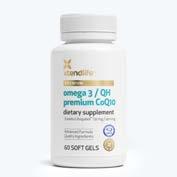
•
• Premium ubiquinol CoQ10
• Support heart and brain health
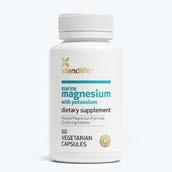
• Highly bioavailable form of magnesium.
• Support cardiovascular and muscle health
• Promote sleep and brain function
Supplements for Your Heart
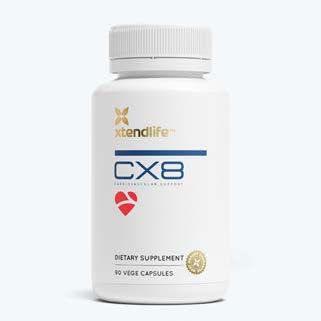
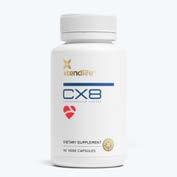
CX8
Manage Arterial Calcification
CX8 is a supplement for your heart, formulated with a synergistic combination of clinically proven ingredients to support the cardiovascular system.
✓ Heart and artery support from a cellular level
✓ Manage arterial calcification
✓ Healthy cholesterol balance
✓ Inflammation Management
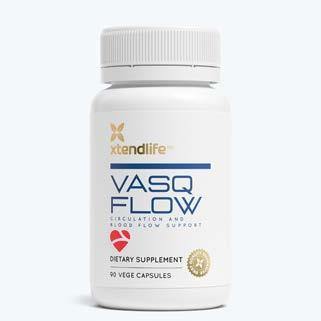
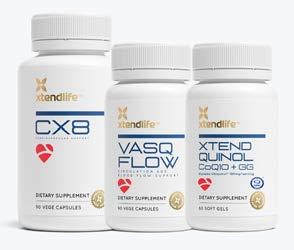
VasQFlow
Oxide Booster
VasQFlow is a powerful natural heart health supplement, featuring red spinach and black garlic to support nitric oxide—an essential molecule for optimal blood circulation.
✓ Supports normal levels of nitric oxide
✓ Supports healthy blood flow
✓ Supports healthy blood pressure
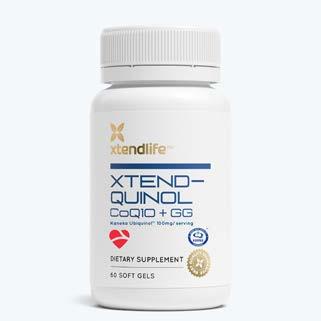
Xtend-Quinol
High-strength Bioactive CoQ10
Xtend-Quinol is an advanced CoQ10 for Heart Health. It fuels the body with ubiquinol, the active form of CoQ10 to revitalise cells and restore natural energy levels.
✓ High Dose of bioactive CoQ10
✓ Support heart health and healthy aging
✓ Recommended for statin users
Lydia N. | Verified buyer
“Excellent supplement! I have been consuming it for a while... I believe 3 bottles already, and I feel my health Is even more energetic and clear as well... I am also taking it in conjunction with other supplements to enhance the general benefits. I am truly satisfied with the quality and it’s components as well.”
Talal K. | Verified buyer
“I am a first time user of VasQFlow, and have been taking 3 tabs daily (as recommended) for only 2 weeks now. I can share that I did feel a positive change in my overall energy levels after only one week, which is a very promising sign.”
Phil. | Verified buyer
“I have been taking XtendQuinol and GG Pure for 2 months now. Initially I didn’t think about it but gradually I noticed that the pain especially in my leg along the shin had gone. I put this down to these two products and am very happy.”
About Xtendlife: Who We Are
Xtendlife is a New Zealand-based supplement company built on 26 years of wellness and innovation. We focus on developing high-quality supplements using carefully selected ingredients and evidence-based research. Every batch is made in a GMP-certified facility with independent lab testing.
Xtendlife products are endorsed by ‘America’s Healthy Heart Doctor,’ leading cardiologist Dr. Joel Kahn¹⁹

In 2022, Xtendlife was named one of the 10 Best Companies in the Nutraceutical Market.
Our mission is to provide people with the foundation for better health that enhances their quality of life, using the power of science and nature alongside our core values: Integrity, Purity, Innovation.



Built on 26 Years of Wellness Innovation, Made in New Zealand
https://www.cdc.gov/vitalsigns/heartage/index.html
https://www.heart.org/en/health-topics/cholesterol/hdl-good-ldl-bad-cholesterol-and-triglycerides
https://www.xtend-life.com/blogs/health-articles/what-do-my-cholesterol-results-mean
https://www.healthline.com/health/coronary-artery-disease/calcified-coronary-artery-disease#causes
https://www.xtend-life.com/blogs/health-articles/the-invisible-threat-to-heart-health-part-1
https://www.webmd.com/dvt/ss/slideshow-dvt-improve-circulation
https://www.mayoclinic.org/tests-procedures/bone-marrow-transplant/in-depth/stem-cells/art-20048117
https://www.health.harvard.edu/heart-health/repairing-the-heart-with-stem-cells
https://www.cdc.gov/high-blood-pressure/prevention/
https://www.mayoclinic.org/diseases-conditions/high-blood-cholesterol/in-depth/reduce-cholesterol/art20045935
https://www.livestrong.com/article/13767681-how-to-reduce-inflammation/
https://www.heart.org/en/health-topics/heart-failure/treatment-options-for-heart-failure/lifestyle-changes-forheart-failure#:~:text=Eat%20an%20overall%20healthy%20dietary,sweets%20and%20sugar%2Dsweetened%20 beverages
https://www.healthline.com/nutrition/vitamin-k2#functions
https://cdn.shopify.com/s/files/1/2714/9960/files/Cardi_Omegia-Modified.pdf?v=1584492494
https://www.verywellhealth.com/vitamin-d3-5082500
https://www.healthline.com/health-news/vitamin-d-may-improve-cardiovascular-health
https://www.ncbi.nlm.nih.gov/pmc/articles/PMC5707643/
https://www.frontiersin.org/articles/10.3389/fnut.2018.00122/full
https://insightscare.com/xtend-life-natural-products-a-natural-scientific-way-to-xtend-quality-healthy-living/
Disclaimer: This