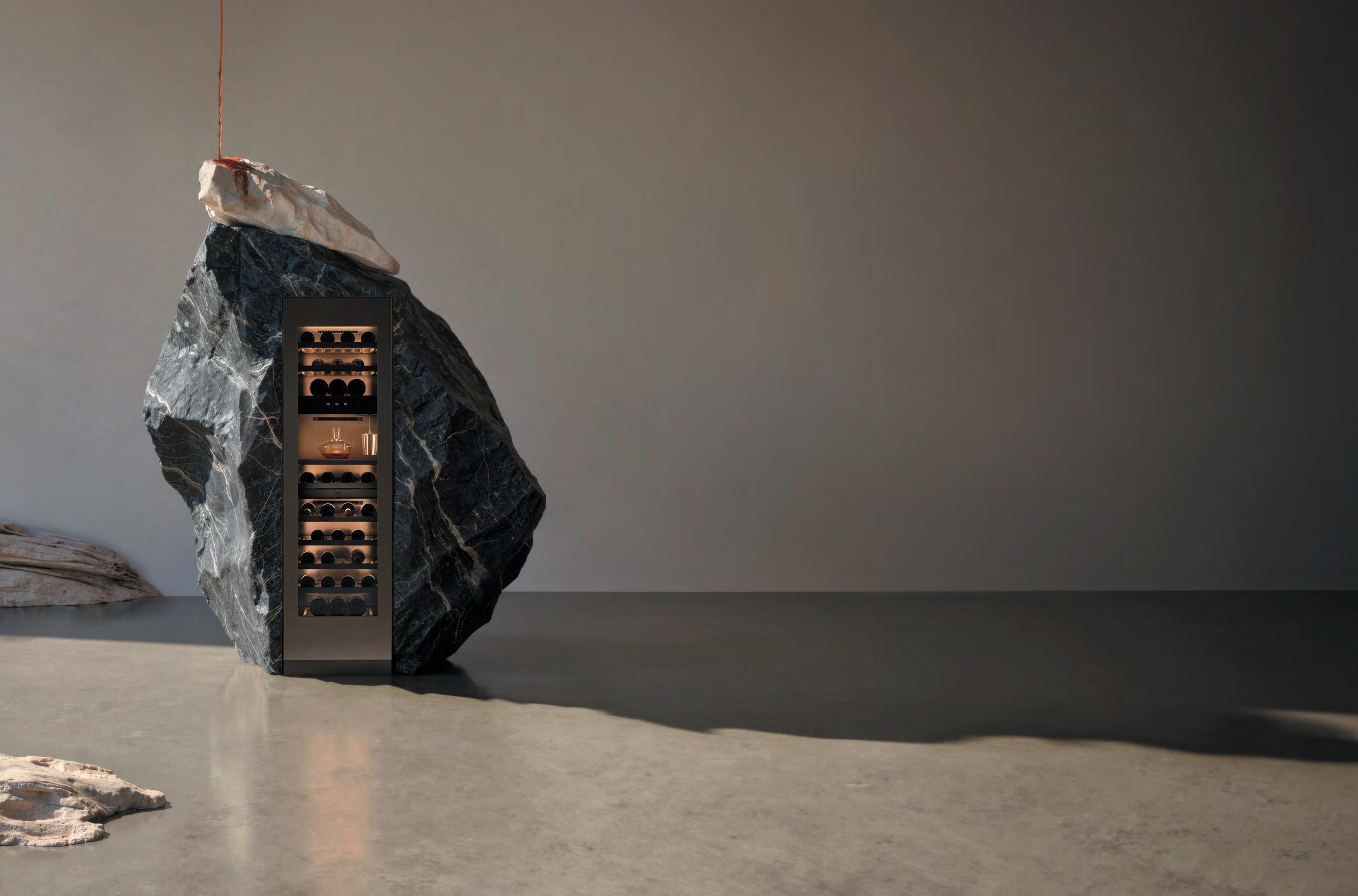
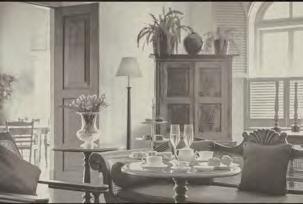
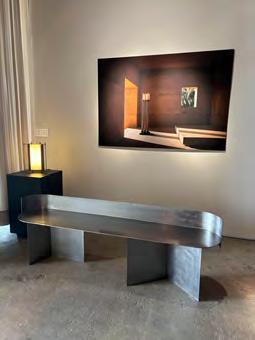
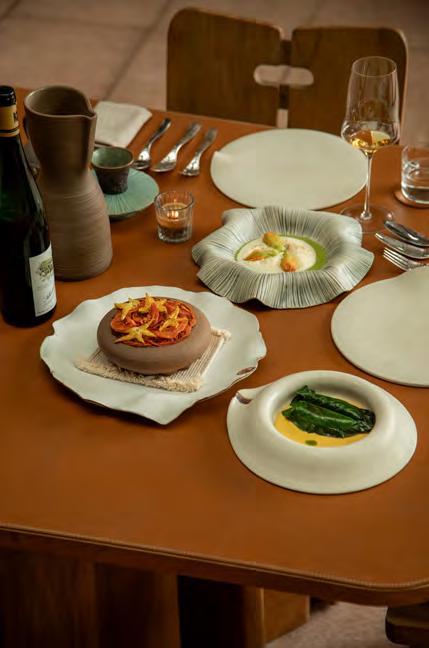
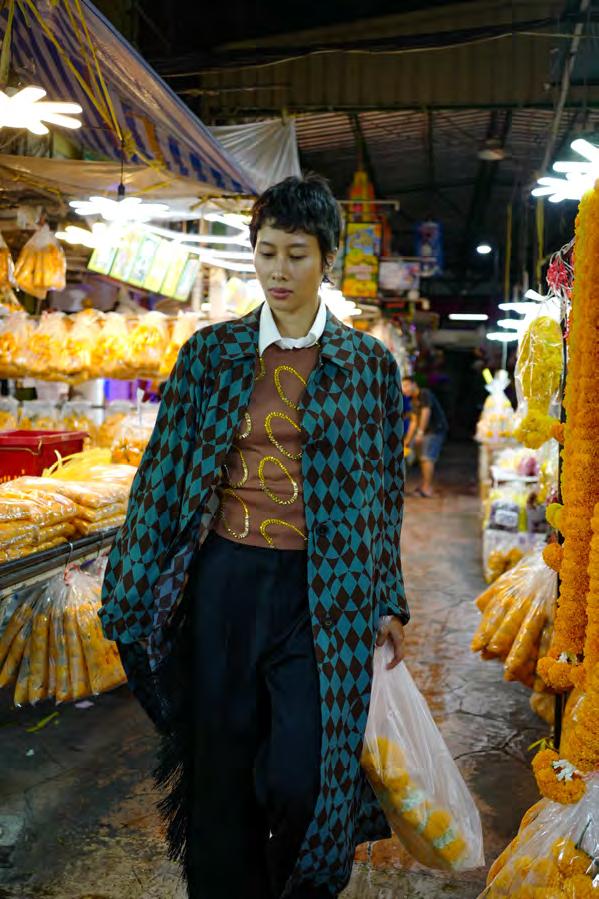
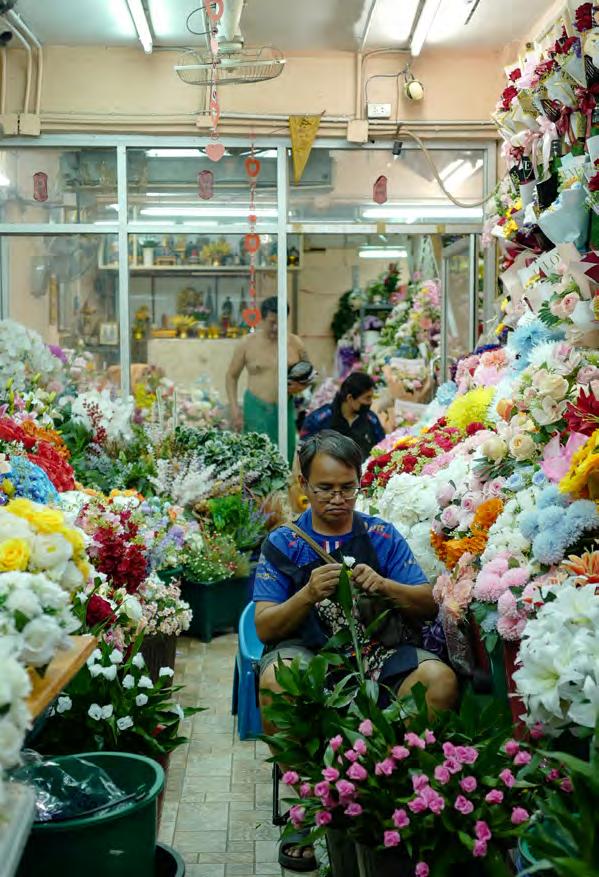
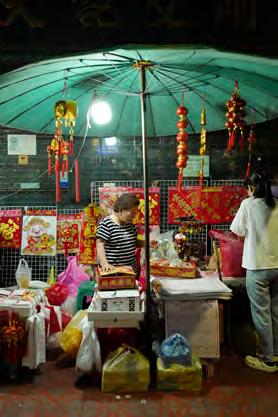
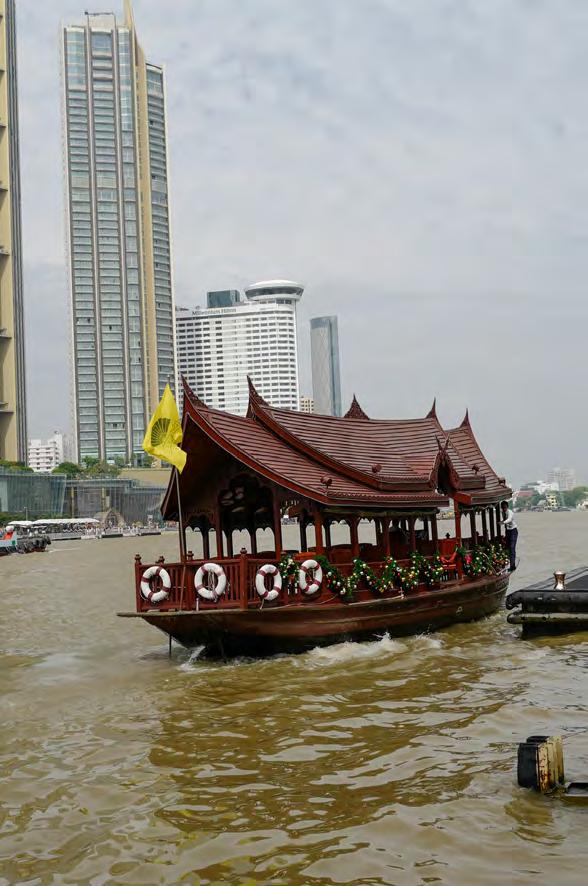
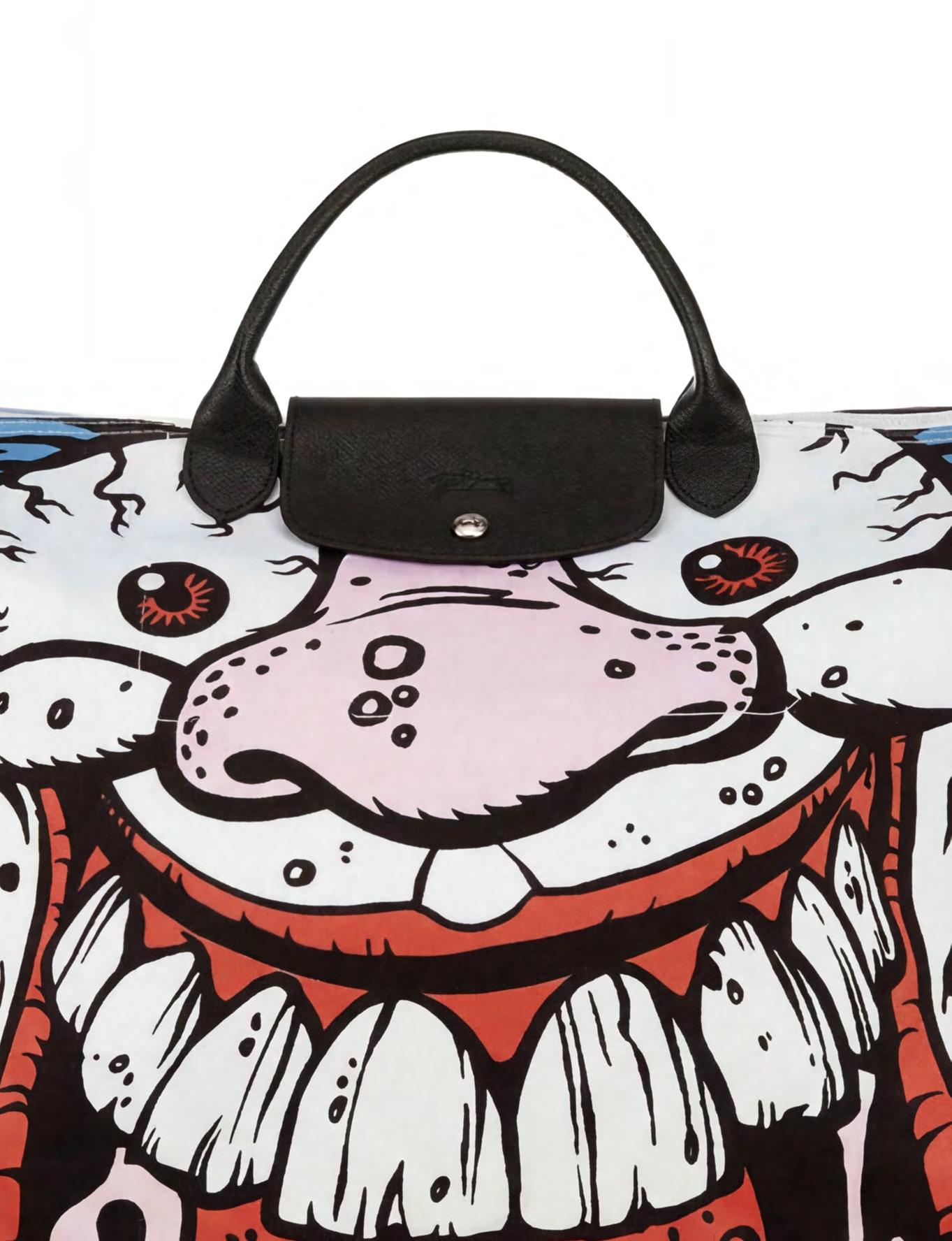
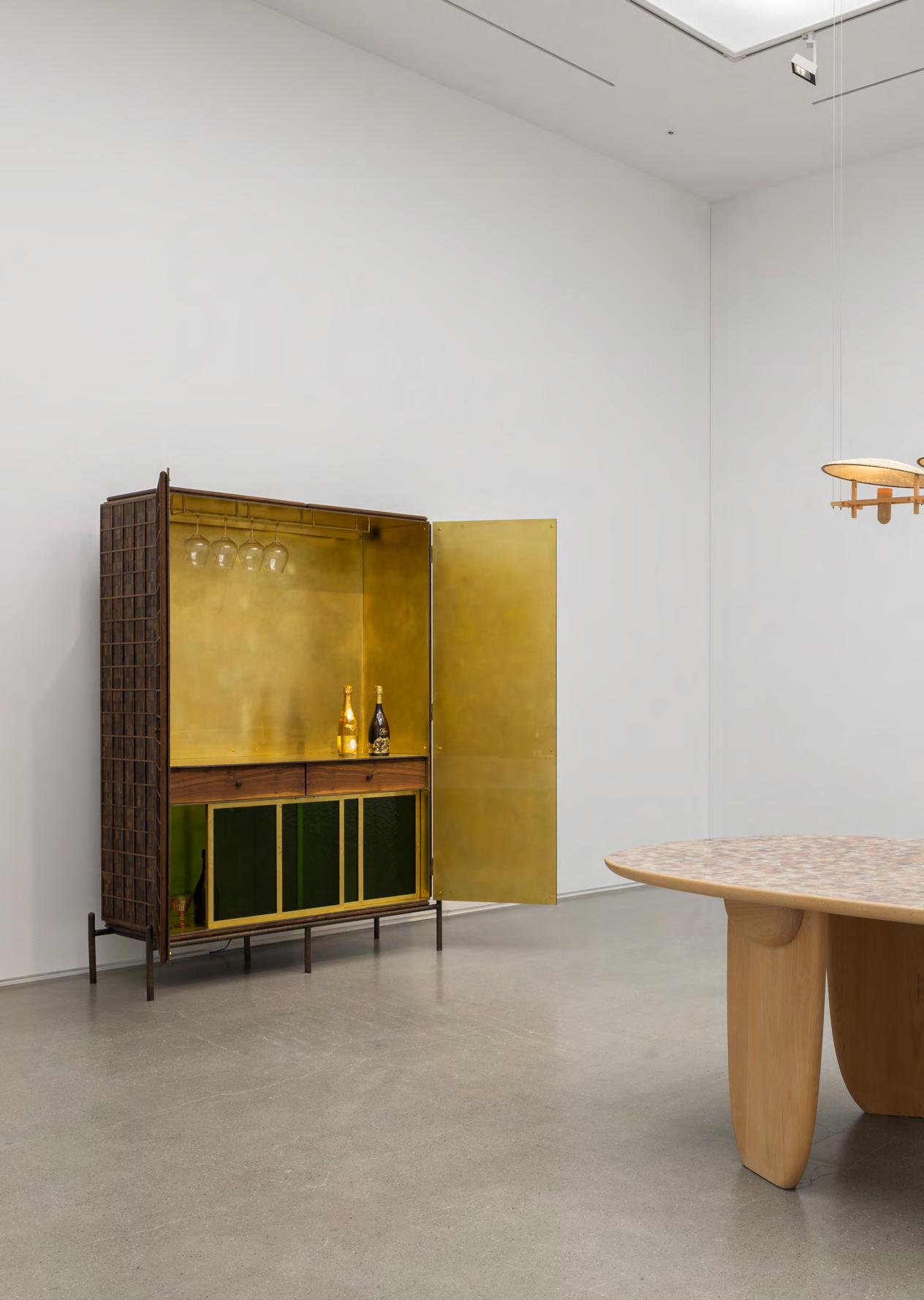
Set the stage for the extraordinary. Introducing the Vario wine climate cabinets Expressive series.
The difference is Gaggenau
cd: ROBB AARON GORDON
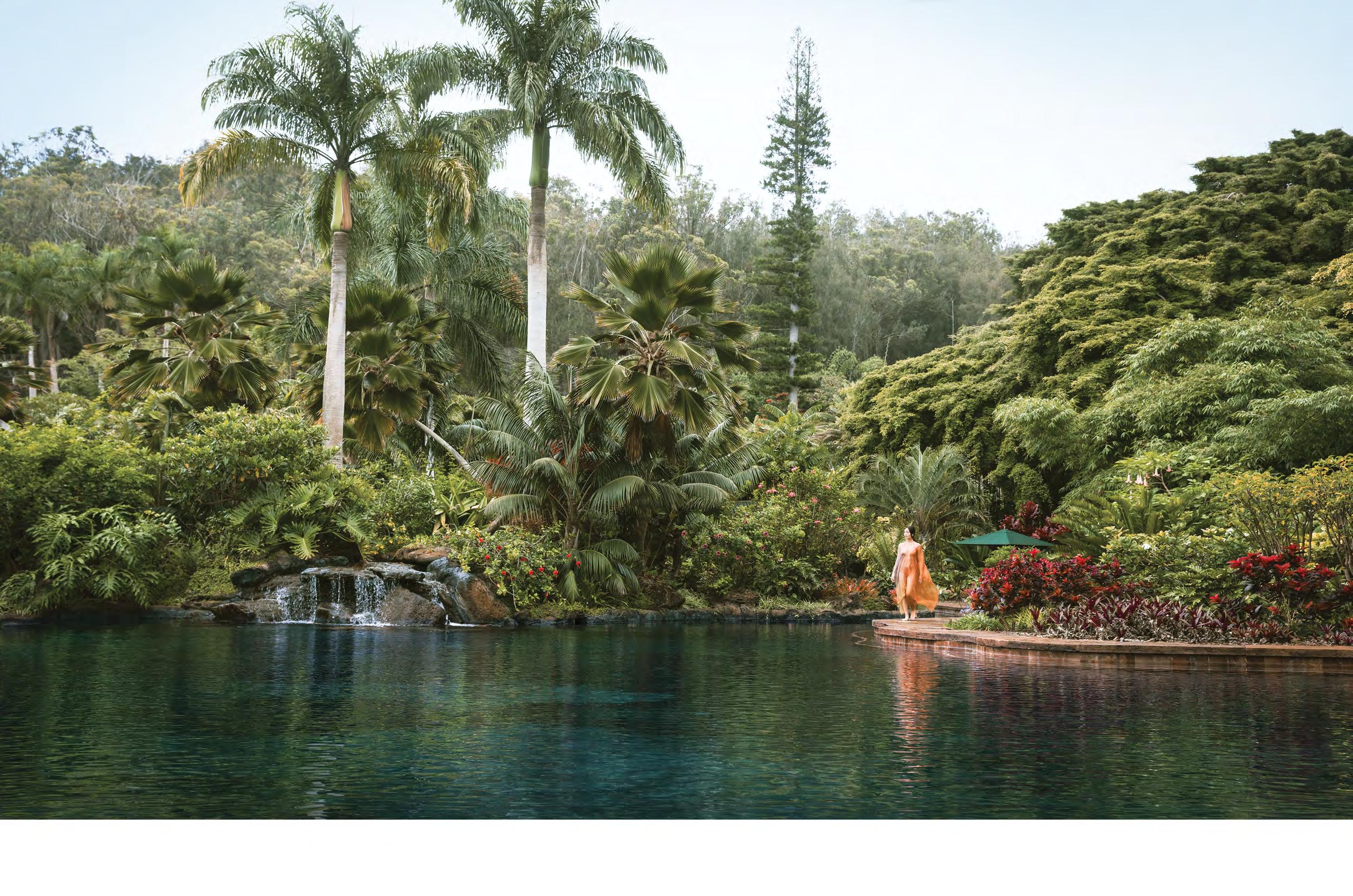
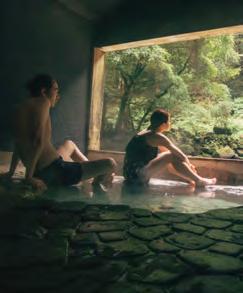
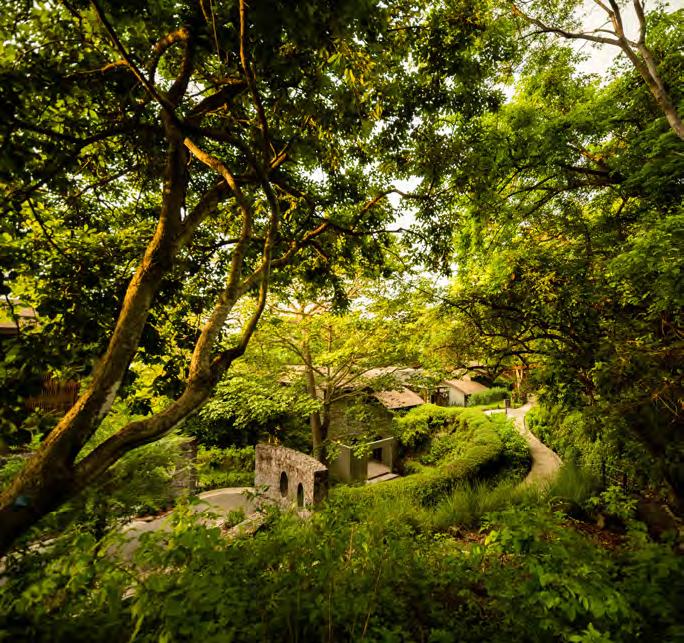
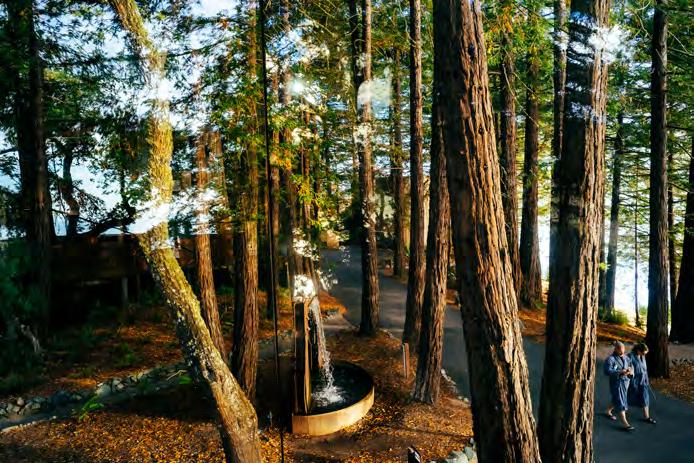
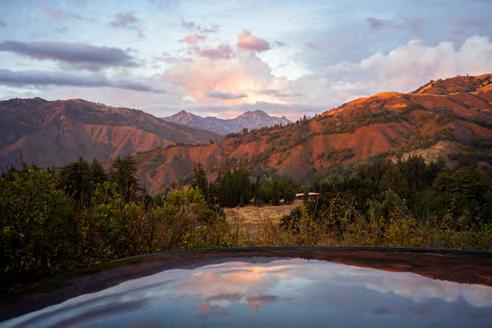
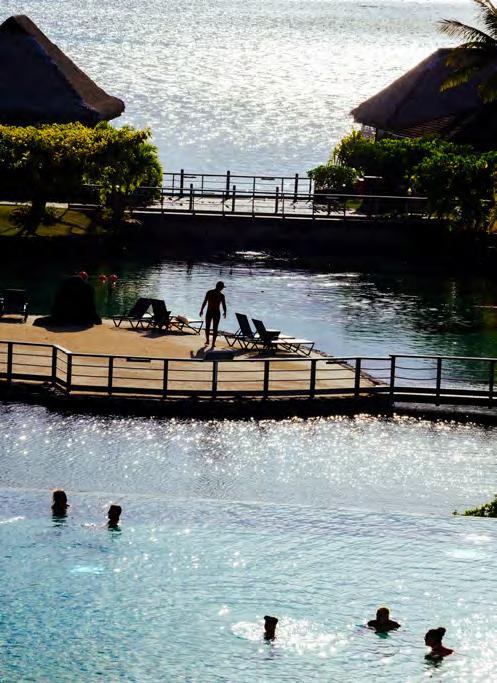
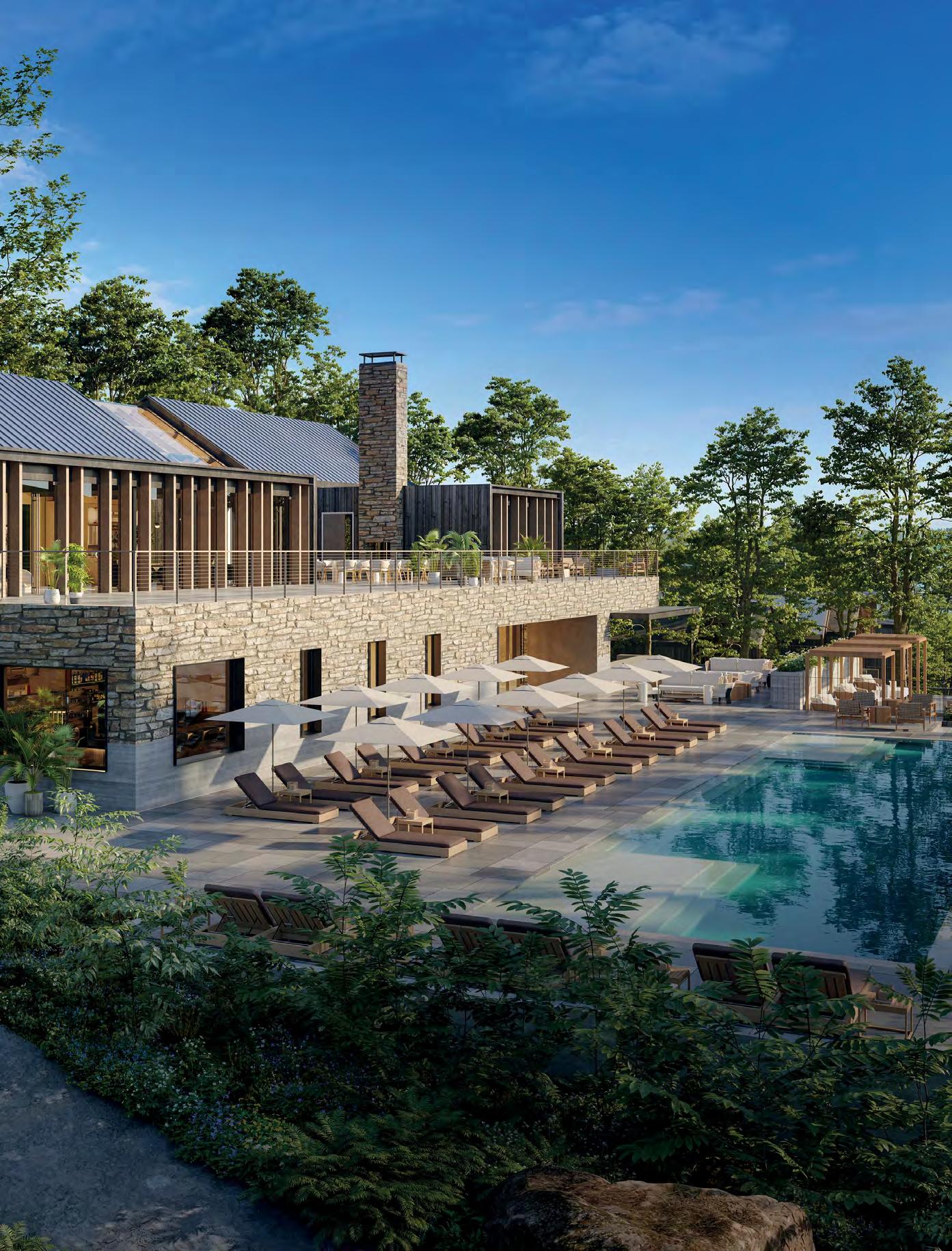
- Enhance your wellbeing upcountry at Koele
YOUR CHARTER, YOUR CHOICE
UNIQUE YACHTING EXPERIENCES AROUND THE WORLD, TAILORED FOR YOU WITH THE FINEST IN PERSONALIZED SERVICE. IF YOU CAN IMAGINE IT, WE CAN MAKE IT HAPPEN.
$1M-50M PROPERTY VALUE
100+ COUNTRIES REPRESENTED
100K+ HOME EXCHANGES
23K+ 5-STAR REVIEWS
WITH YOUR SECOND HOME
Turn vacant weeks in your vacation home into luxury global adventures. Join our exclusive home exchange network to enjoy luxury villas, private islands, yachts, and resorts worldwide - all at a fraction of what you would pay to rent.
Scan here to start your application
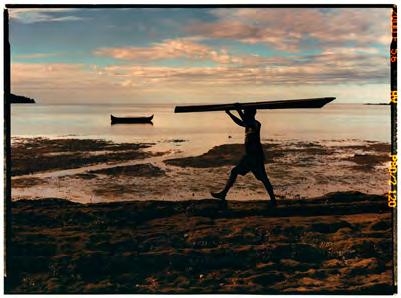
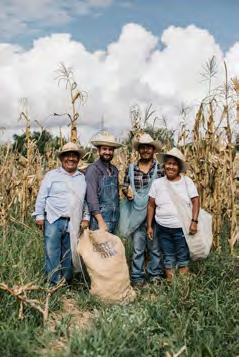
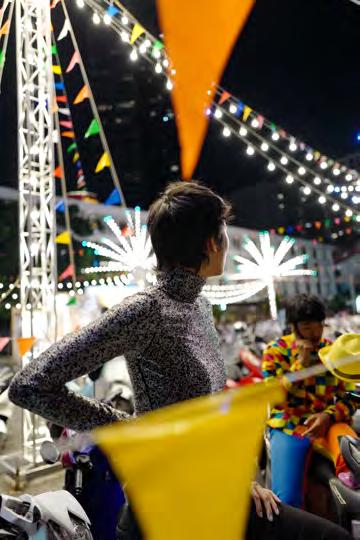
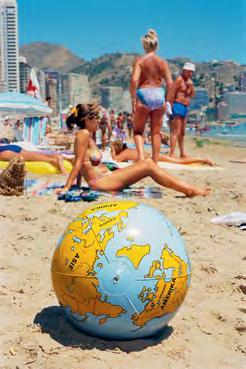
If you look closely, most places are more alike than they are different.
We work very hard to make each print edition of Dossier something you’ll want to save. As such, we focus on evergreen stories that will still feel relevant when you pick up the magazine months, or even years, after it’s published. Our weekly newsletter, meanwhile, gives us a complementary space to cover particularly timely events, exhibitions, and destinations. (If you aren’t yet on our mailing list, you can sign up via the QR code below.)
Due to the ever-increasing cadence of natural (and man-made) disasters, we have also put together several newsletters over the past few years focused on places in need of support, to which members of our team have close connections: Los Angeles, Jamaica, Hawai‘i, and, most recently, Mexico. Our goal is to inspire interest that will aid their recovery, a process that continues long after the news cycle has moved on.
Recently, I wrote a piece for our newsletter celebrating Mexico, a country I love deeply. My family and I spent two years living in a small town there, and the experience changed me profoundly, both personally and in terms of shaping my worldview. I carry a huge debt of gratitude for all that it gave us during that time, including the ways it broadened my perspective and how I am able to understand the places I travel to. Having had the chance to visit more than a quarter of the countries in the world, one thing I now notice is that if you look closely, most places are more alike than different.
I grew up in a big, messy city, so I could always see the ways all cities are similar. I find it easy enough to situate myself in a new urban jungle, to navigate the subway, to understand what kind of neighborhood I’m walking through. Now, when I travel to small towns in far-flung corners of the world, I also find they are familiar in a way they weren’t before I lived somewhere similar. I may not know the specific town, but I can still recognize its features: I can see the differences between where the tourists go and where people live, and the gulf between those places. I can clock the corrugated tin-roofed mini-mart in rural Laos as a meaningful location for locals because I have bought my groceries in a tienda that looked very similar.
One parallel between many destinations is their reliance on tourism, which, especially in remote places, often constitutes the core of a local economy. This is important to remember when these places we love for their beautiful weather experience a terrible tropical storm or societal unrest. Not visiting them after the situation passes creates a secondary impact. When tourists don’t come, those who already live close to the economic edge suffer: The guy who offers fishing boat tours has no trips, the taxi driver has no rides, and the cleaning lady has no tips.
Every place is a real place: not just somewhere to visit but somewhere people actually live after tourists go home. It’s worth remembering the next time a destination has some challenges that, once the crisis has passed, the decision to visit can actually help to lift it back up.
—Skye
Parrott, editor-in-chief
Founded in St-Tropez in 1971
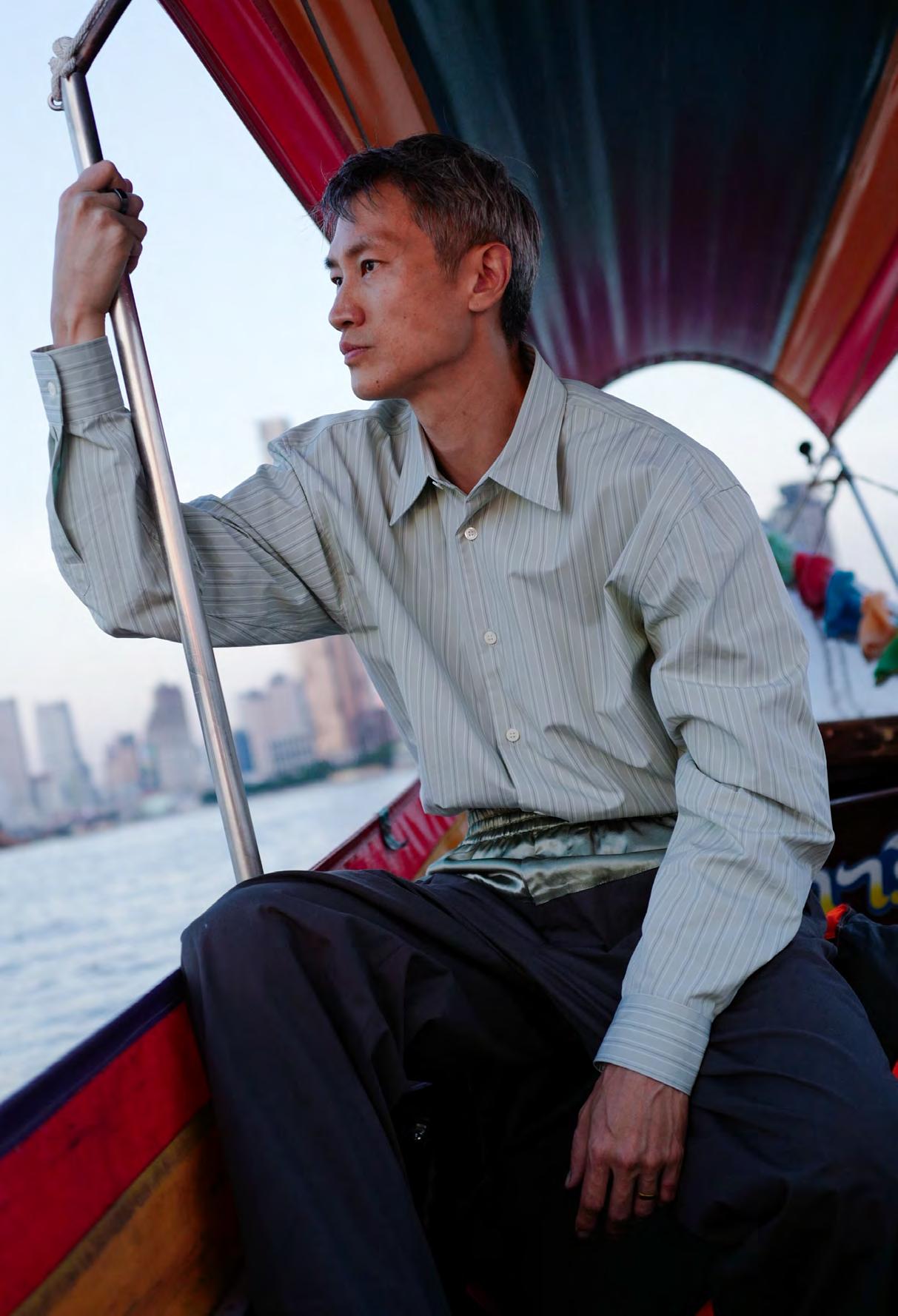
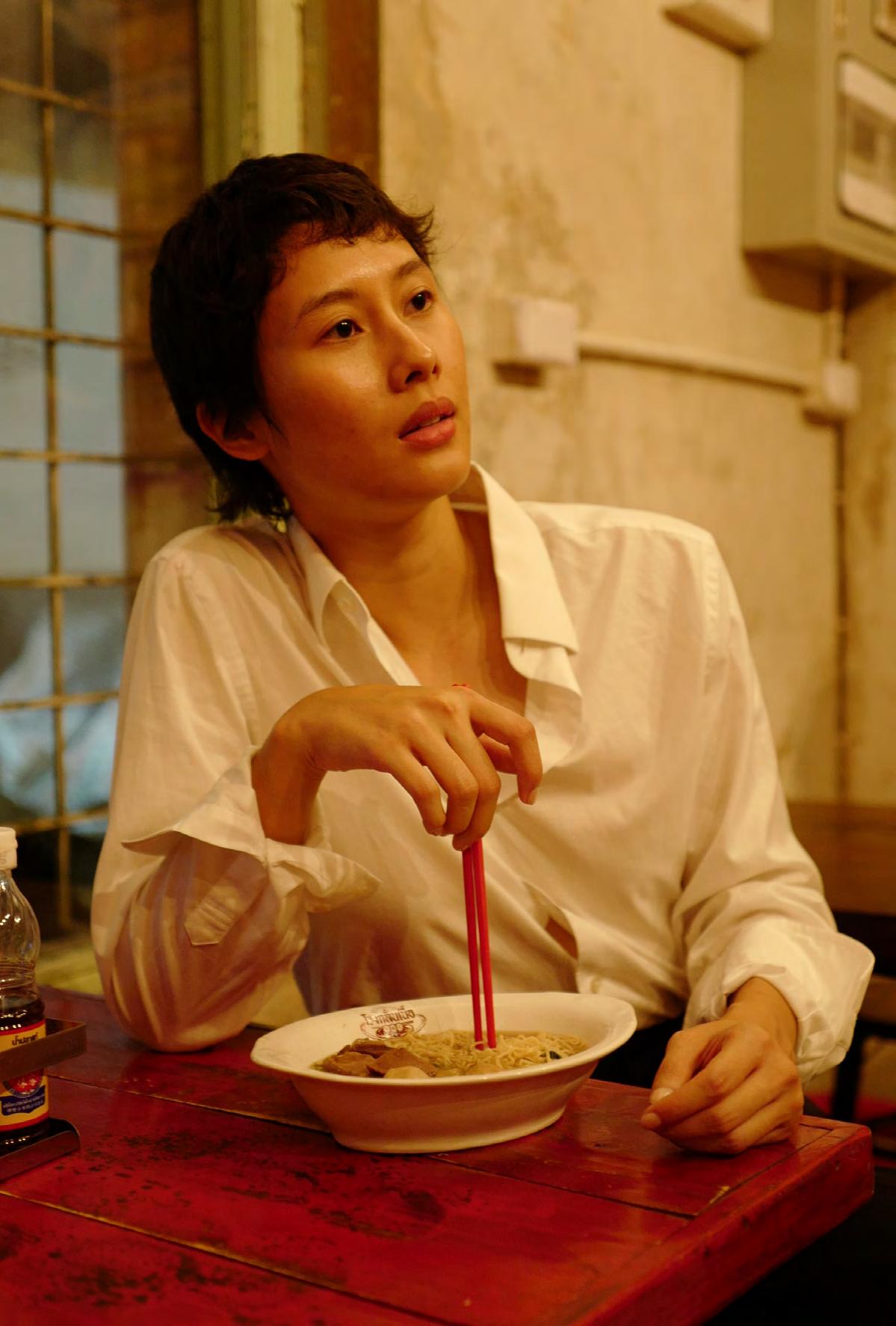
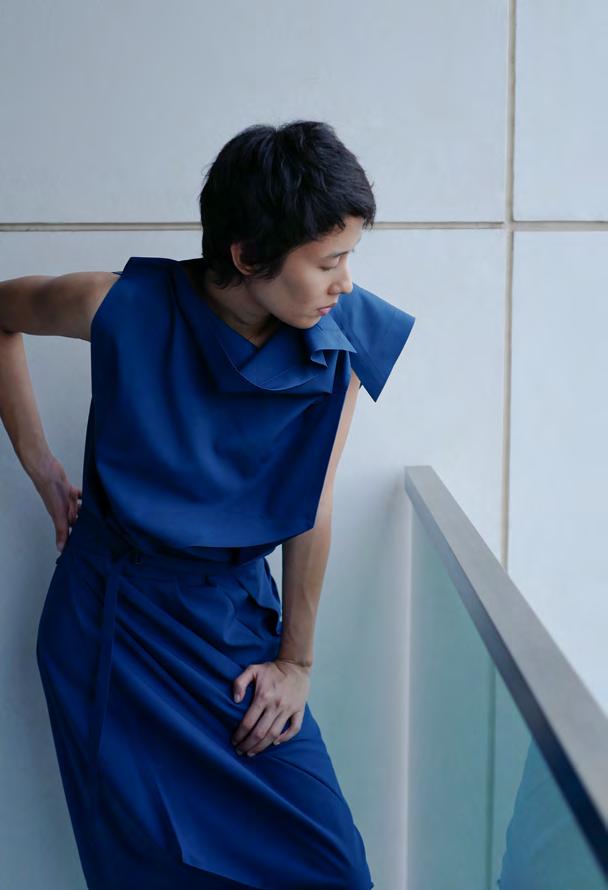
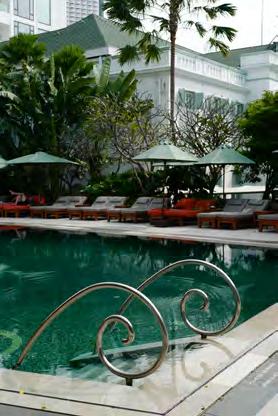
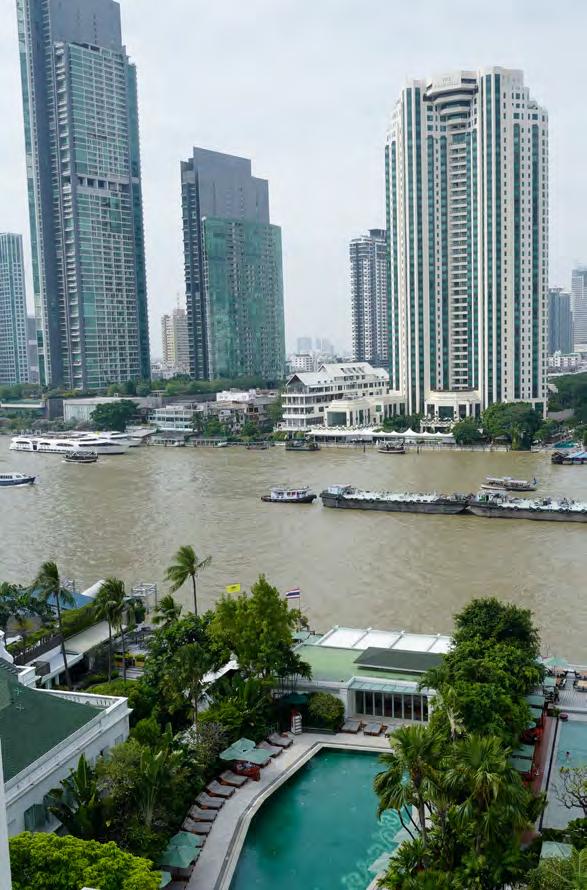
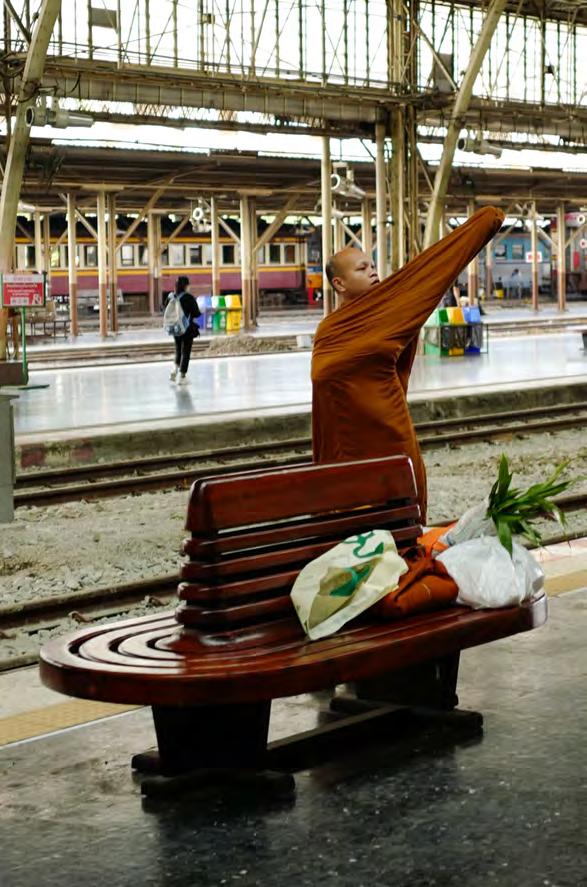
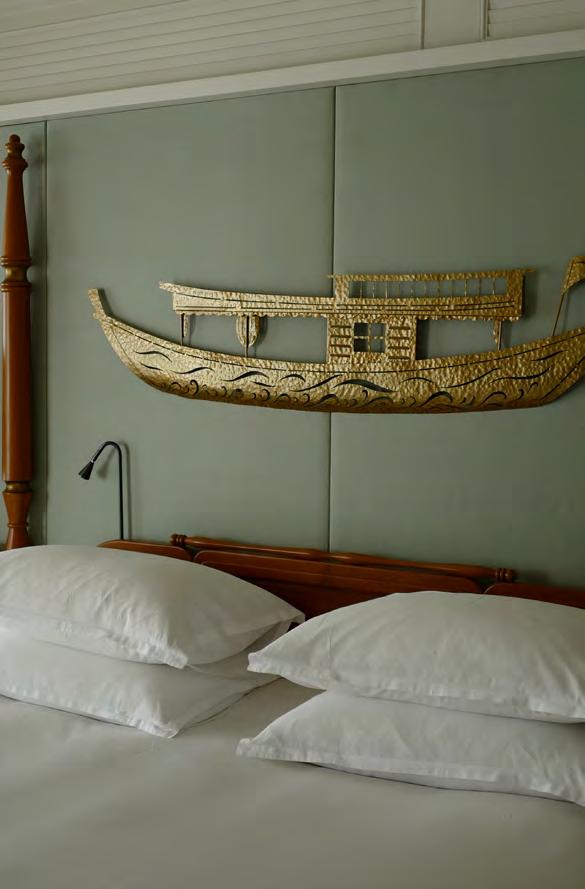
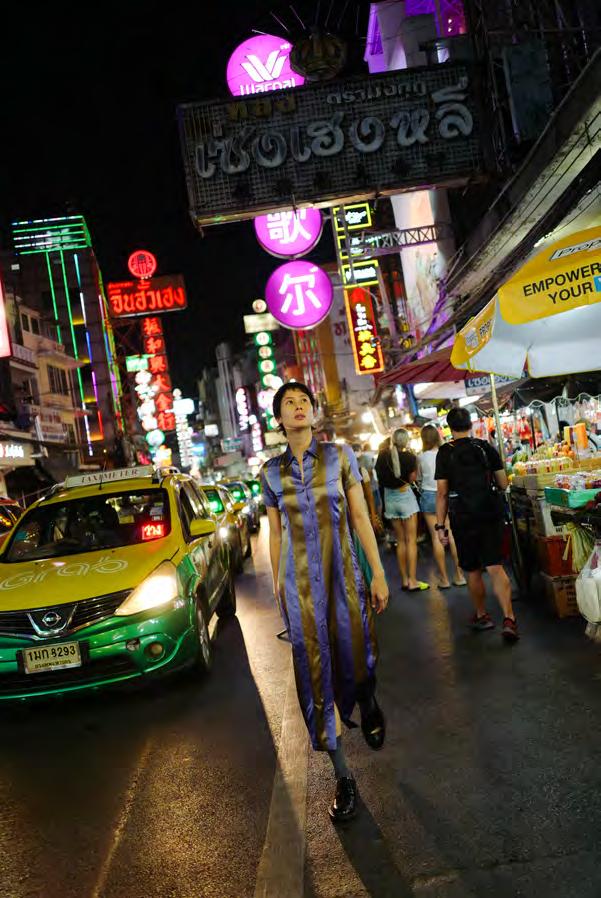
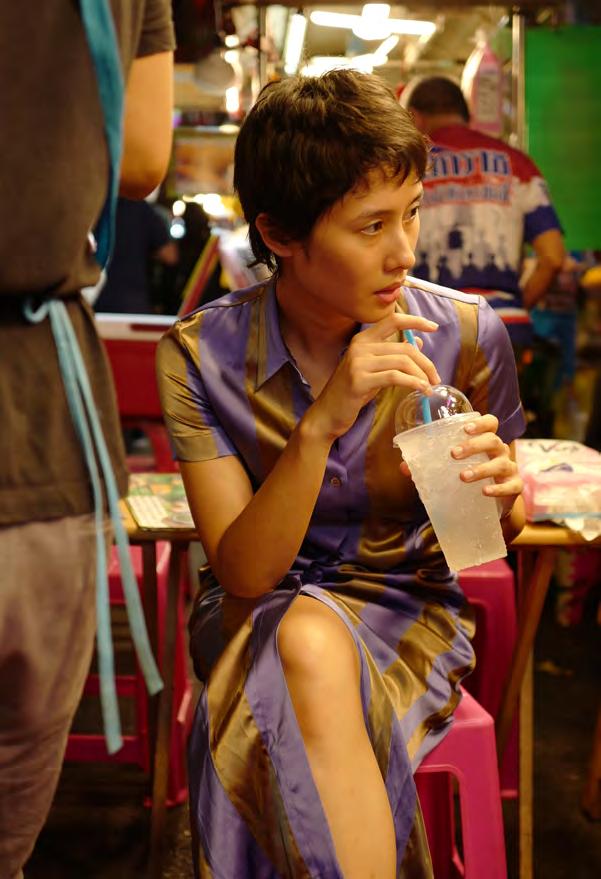
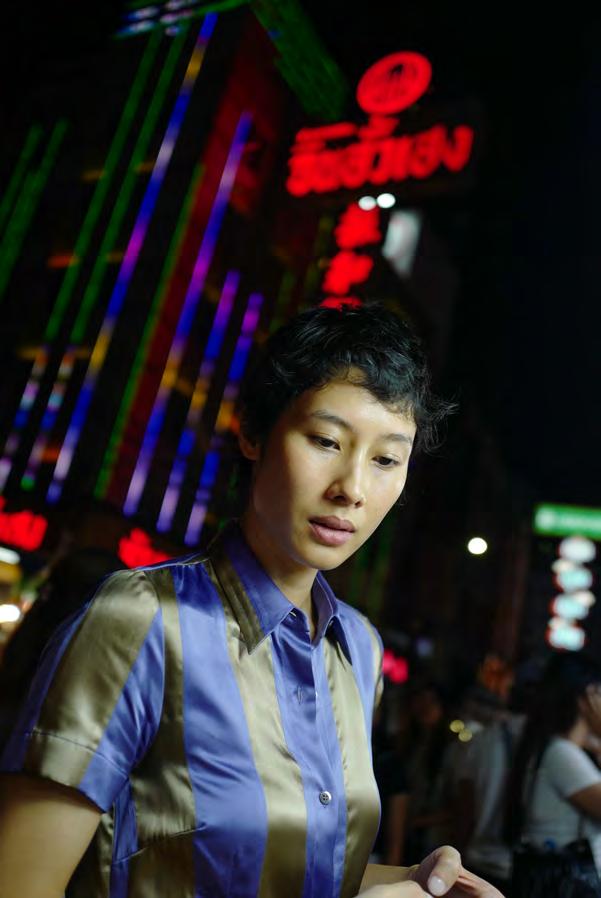
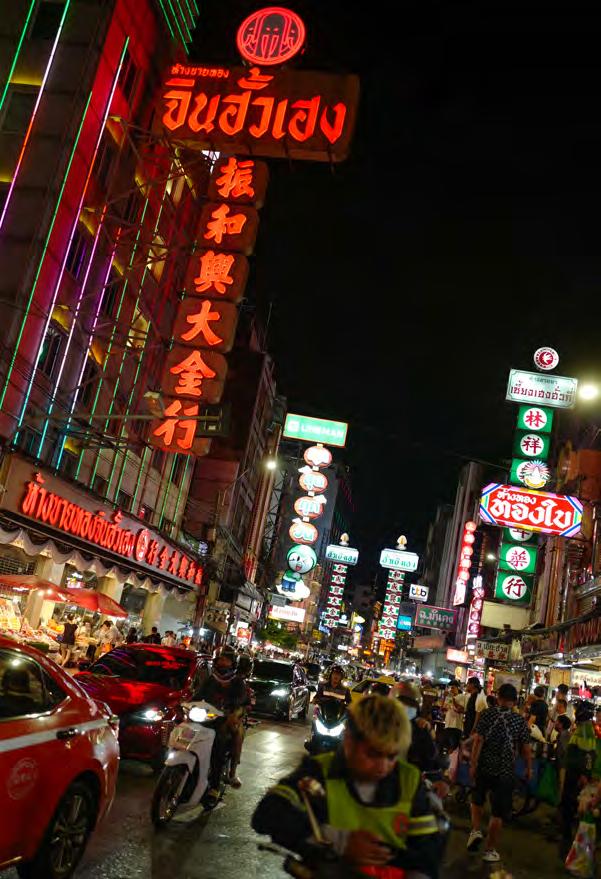
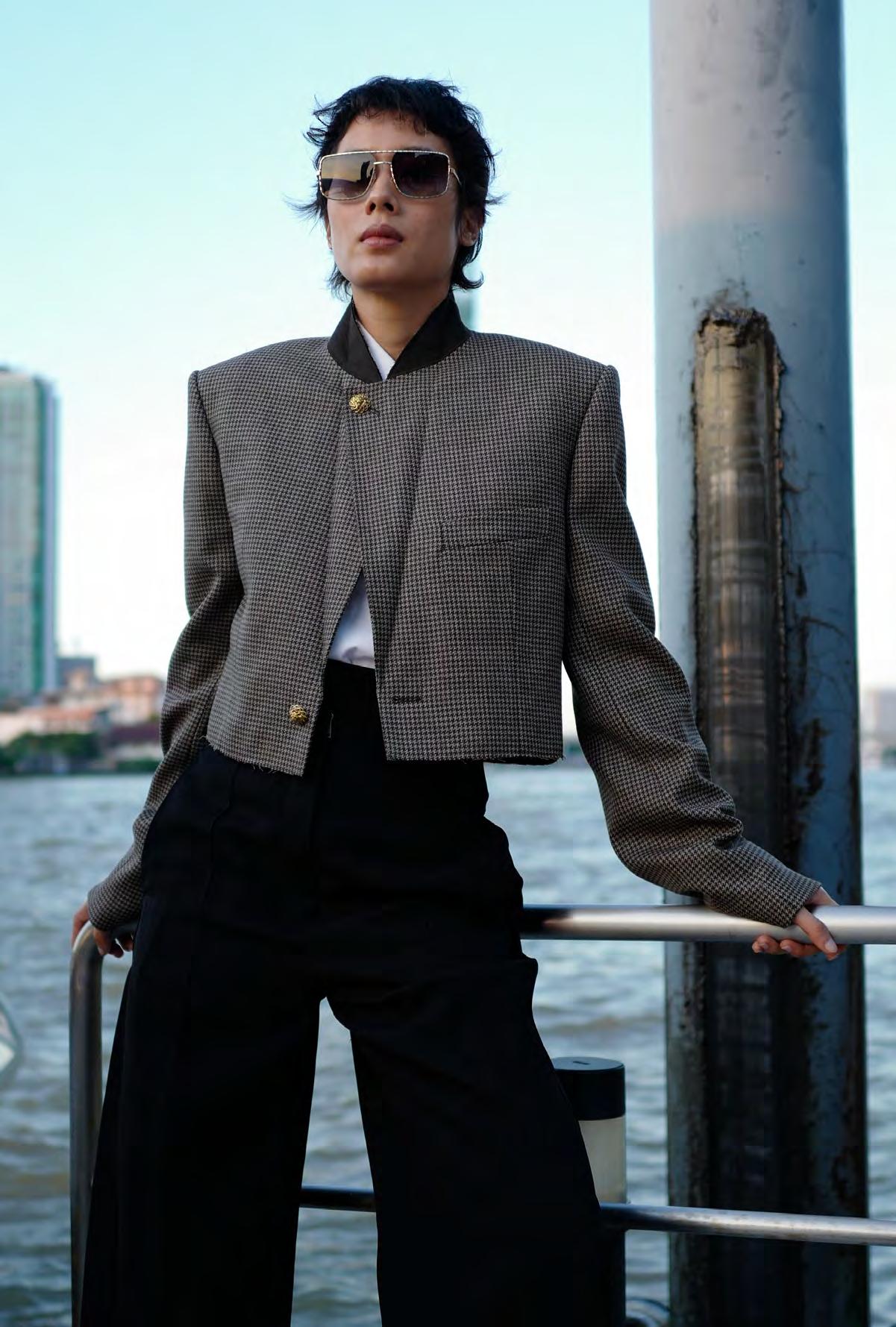
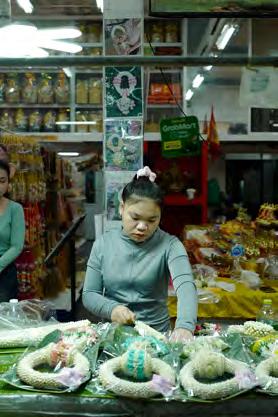
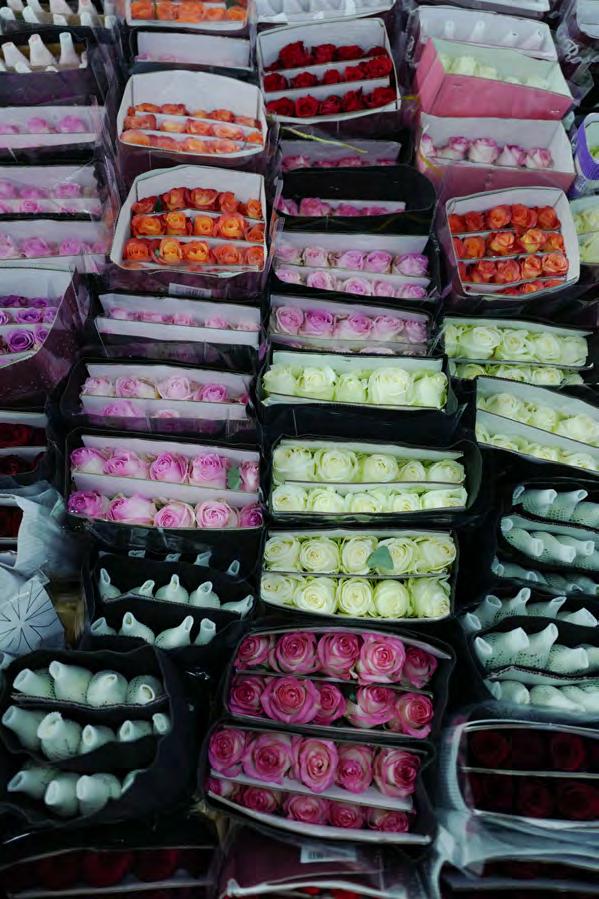
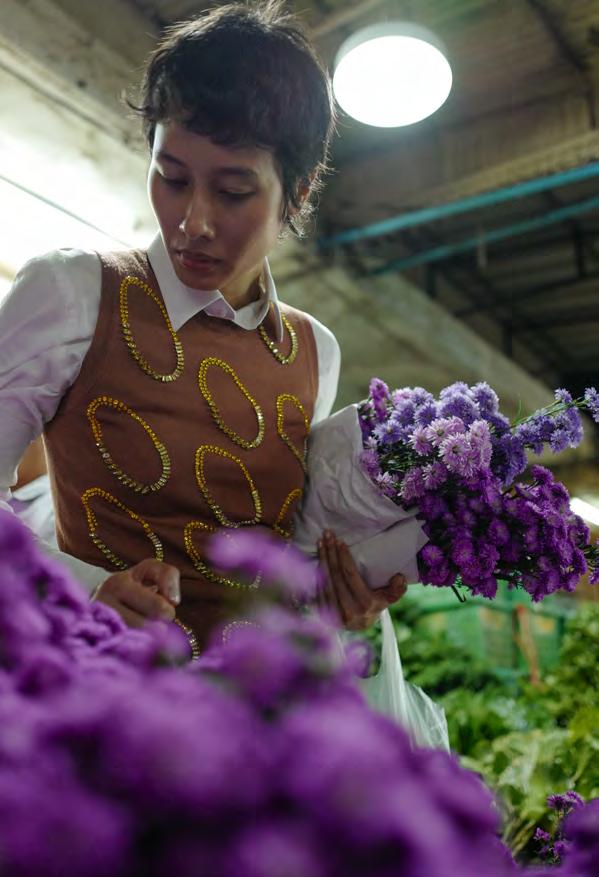
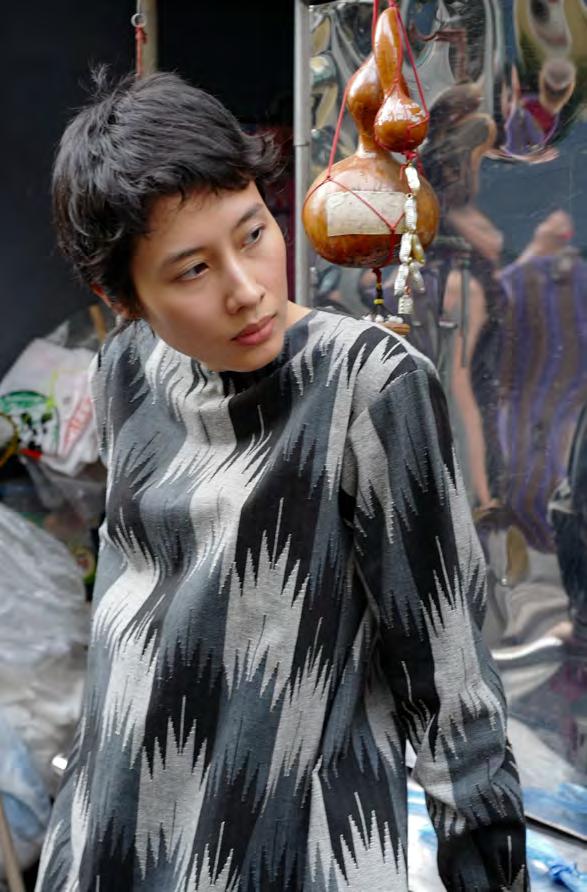
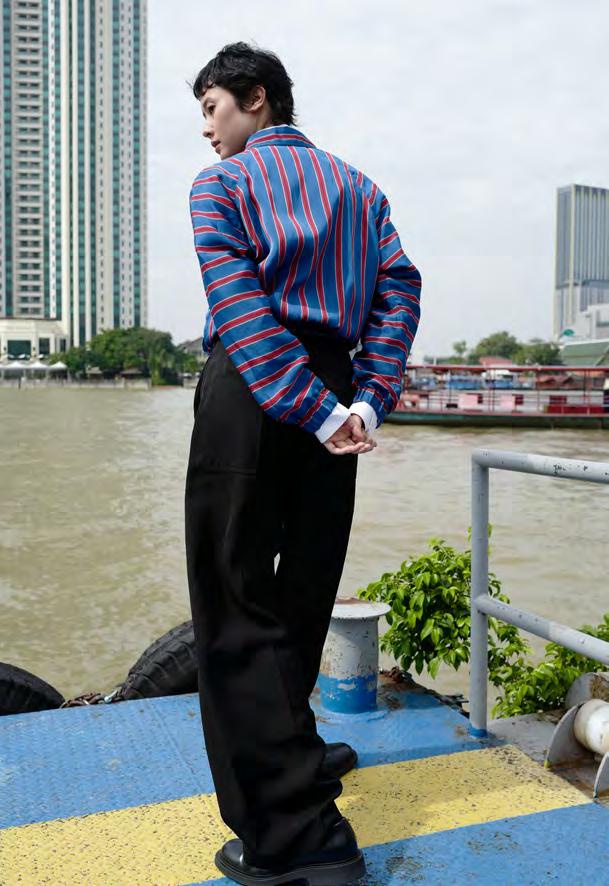
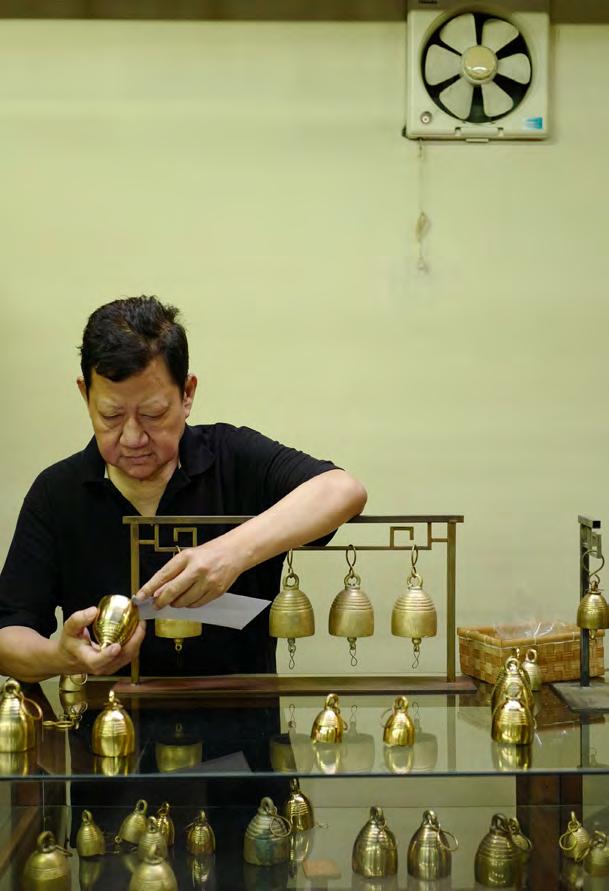
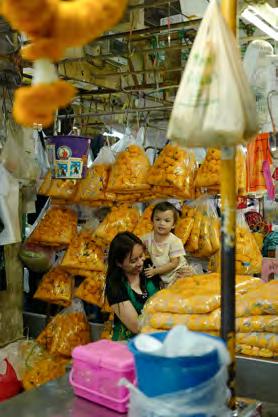
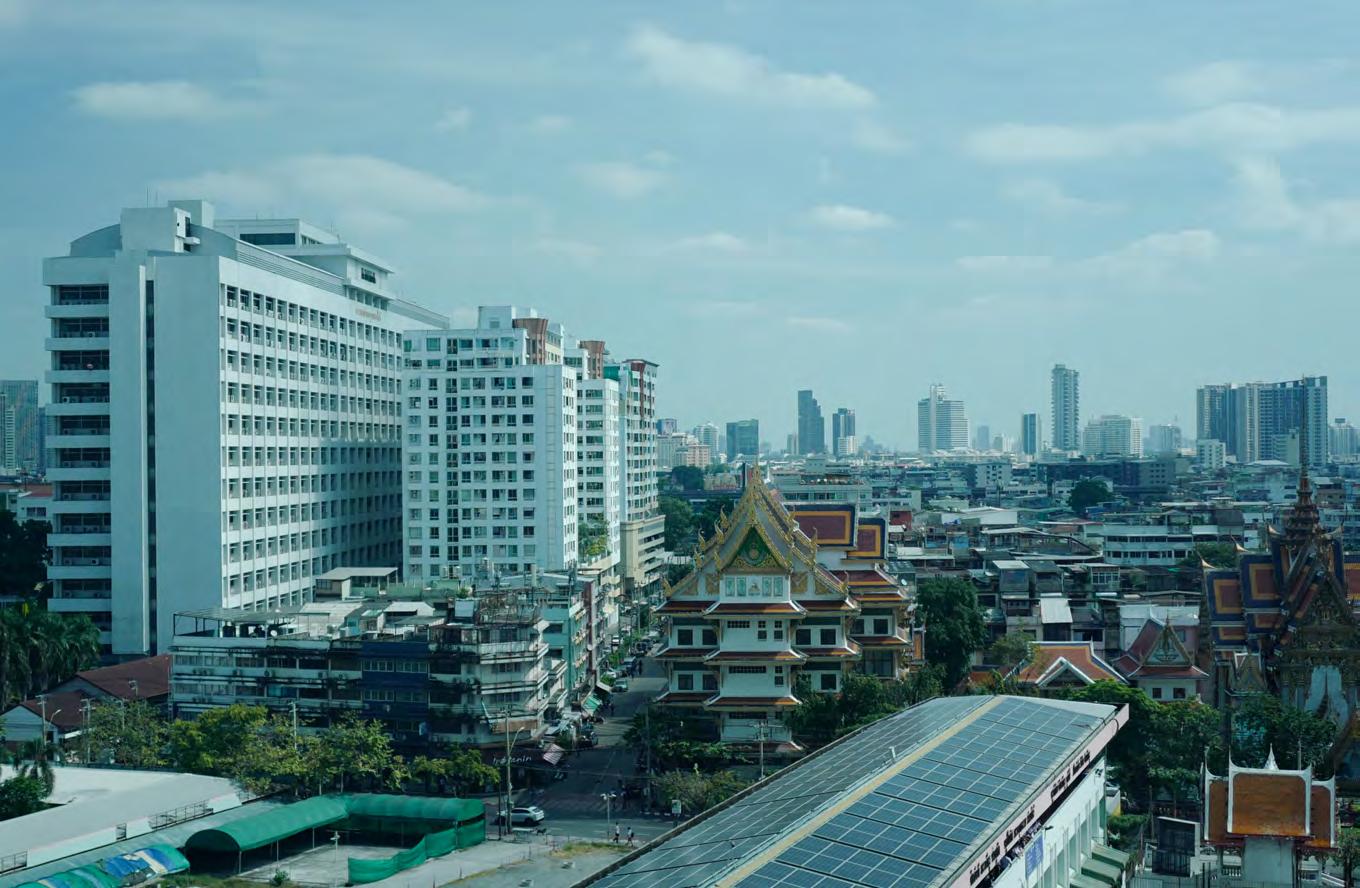
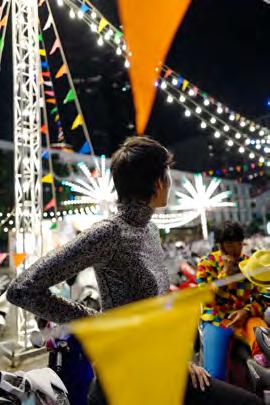
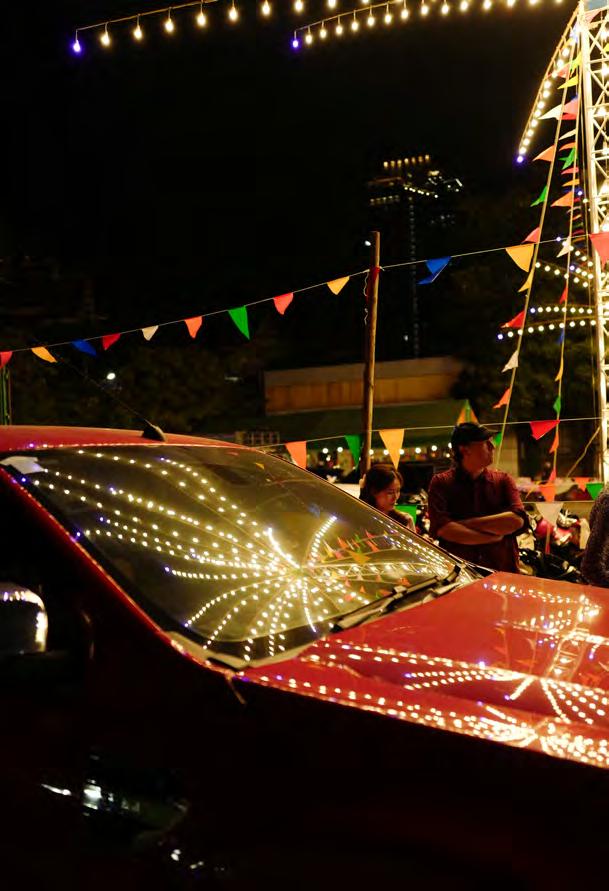
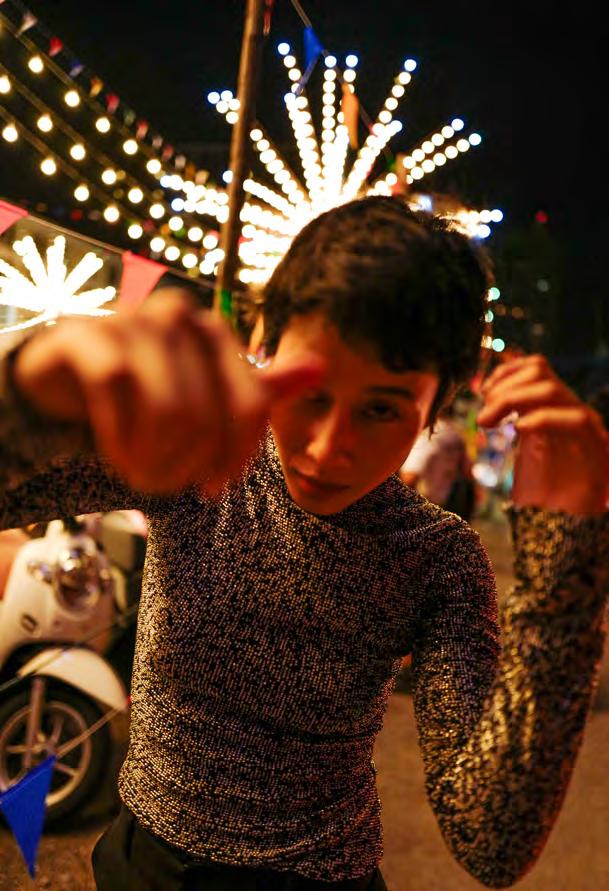
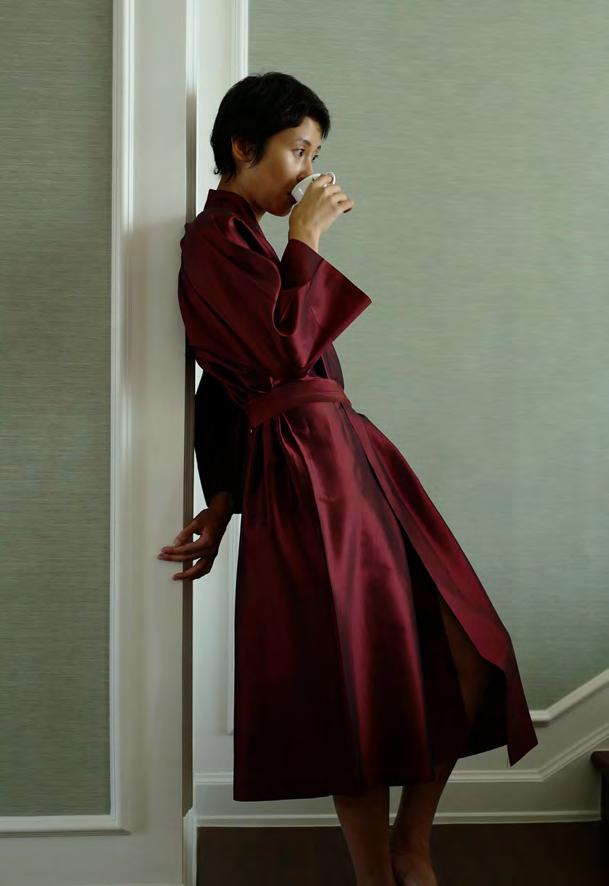
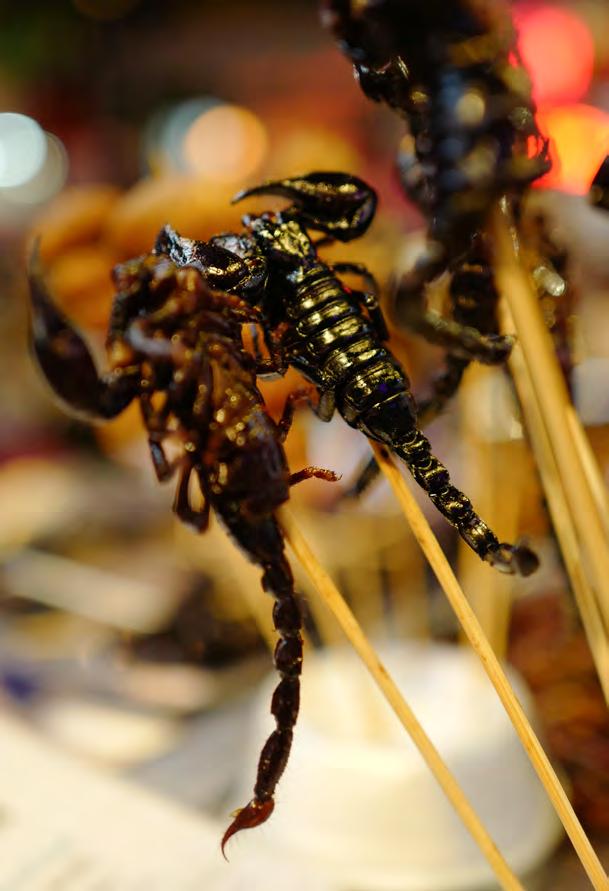
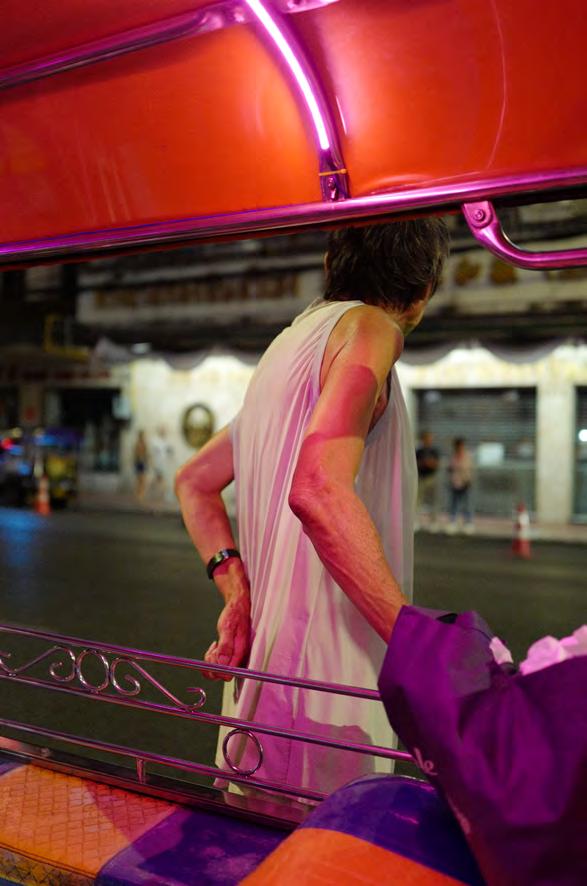
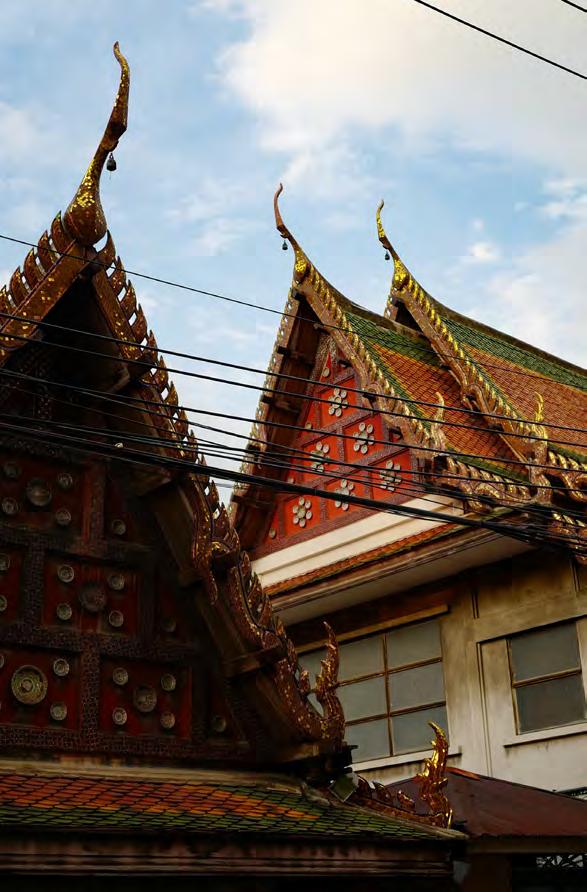
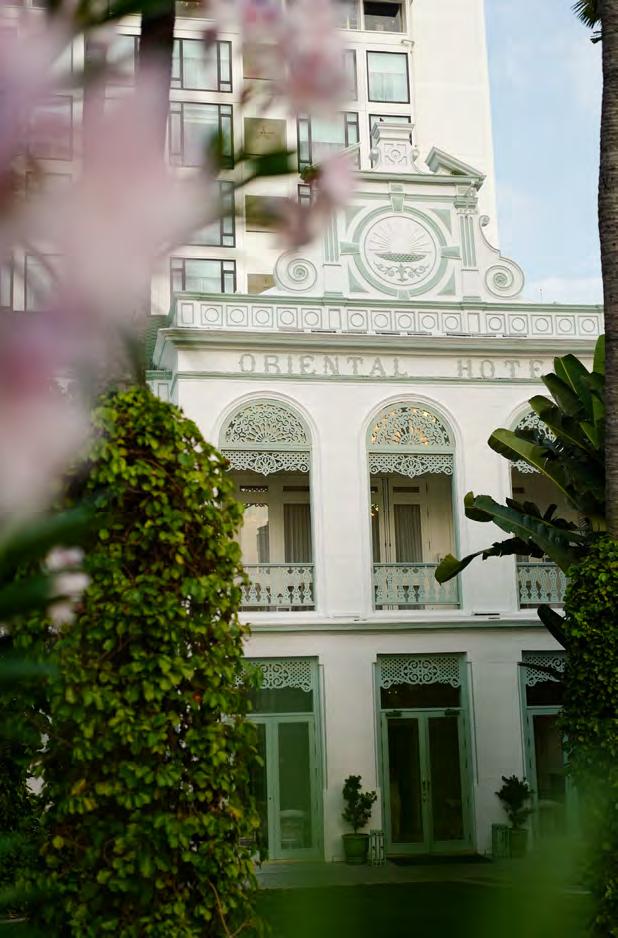
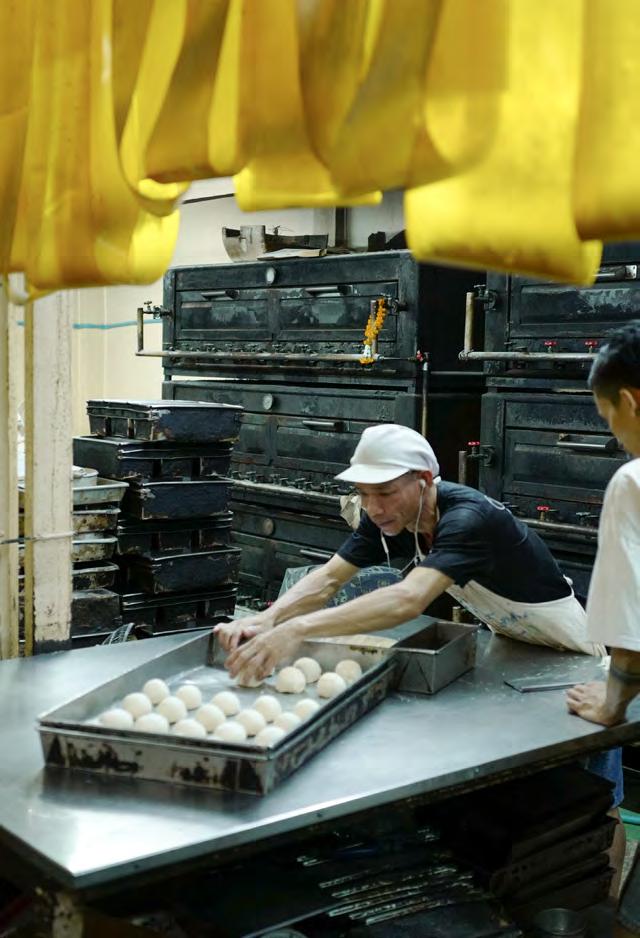
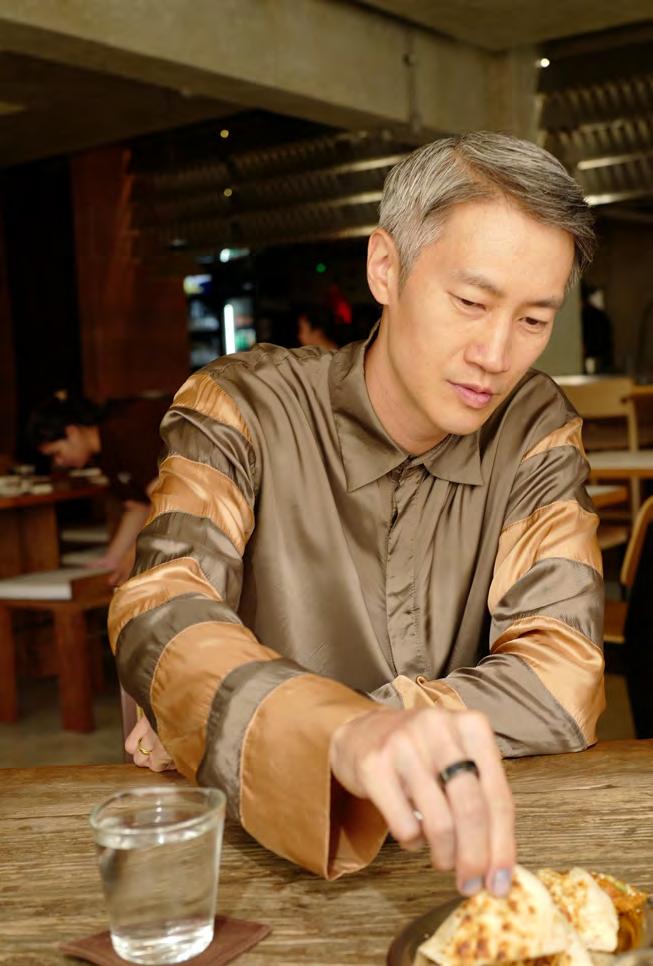
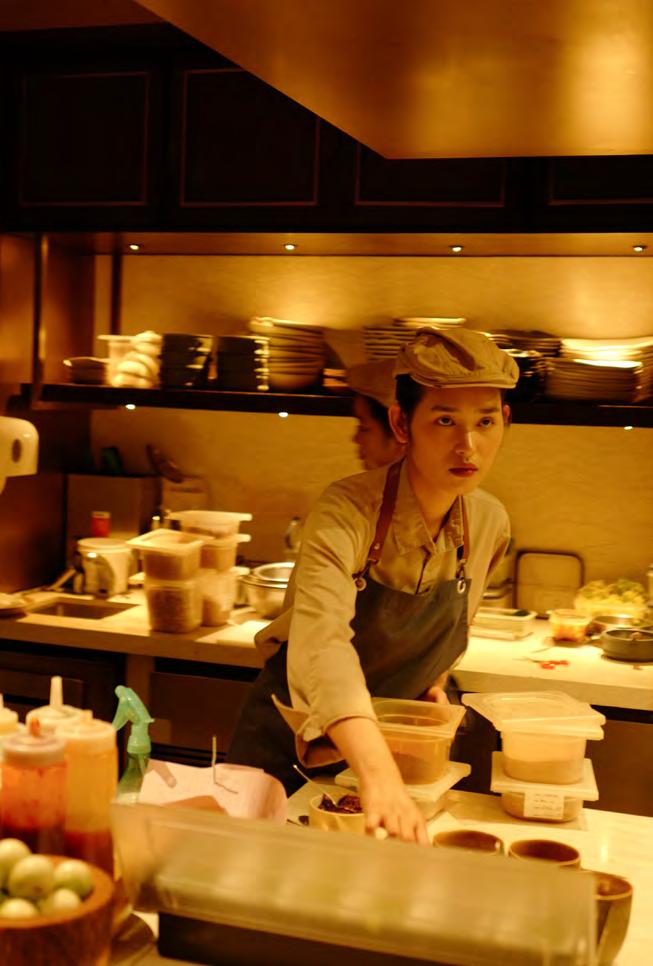
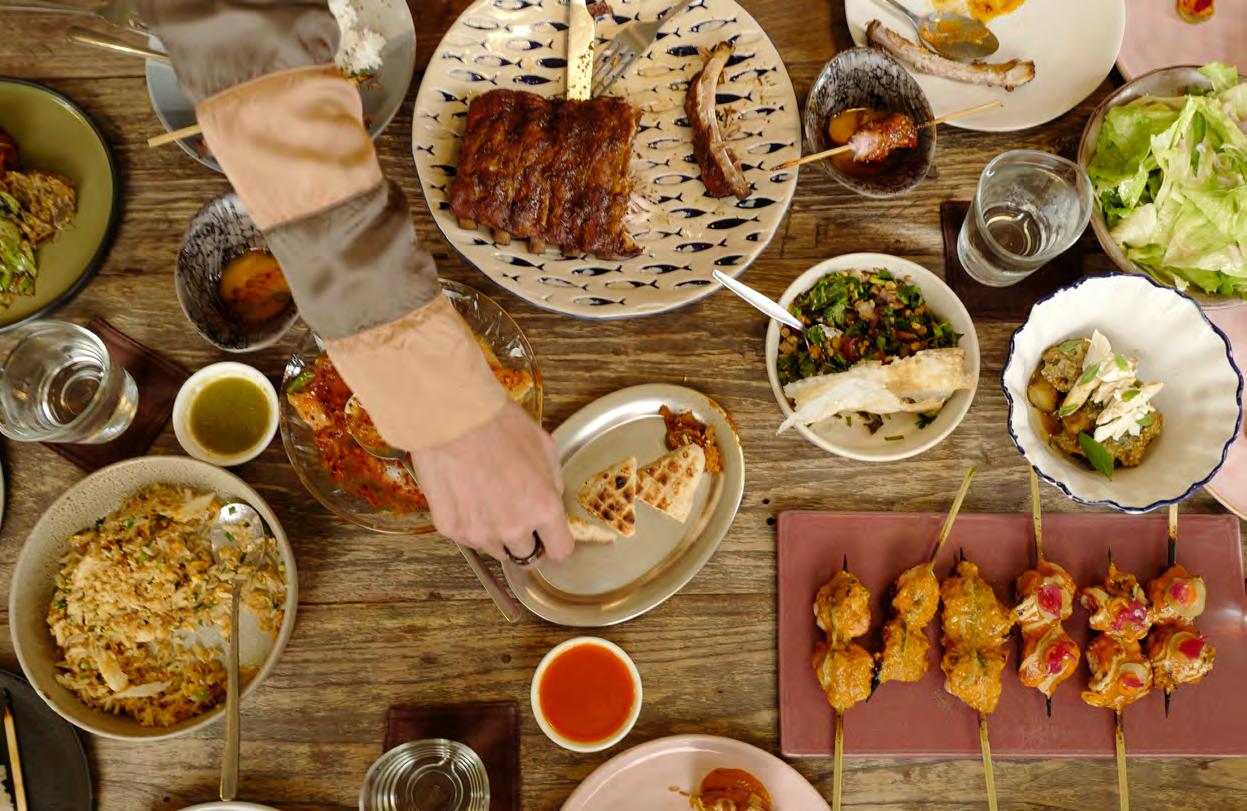
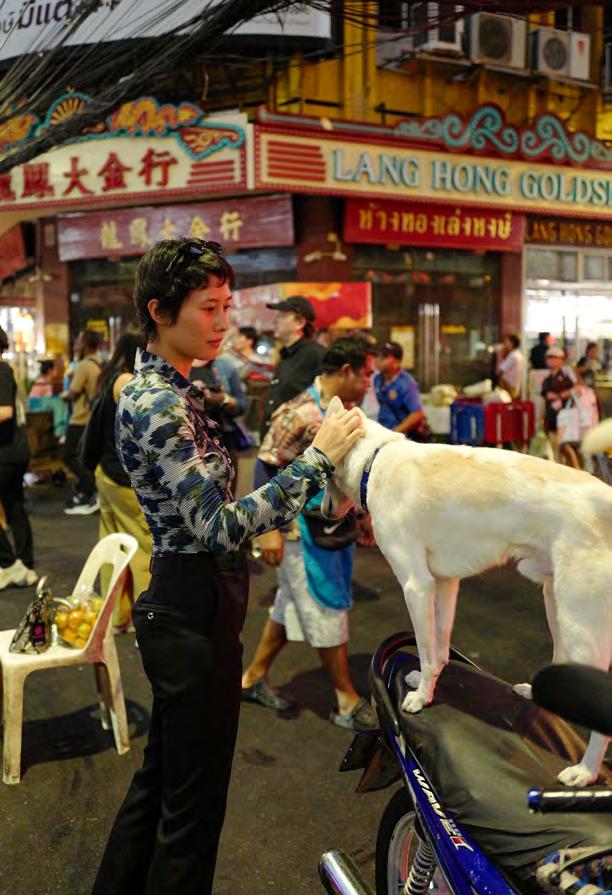
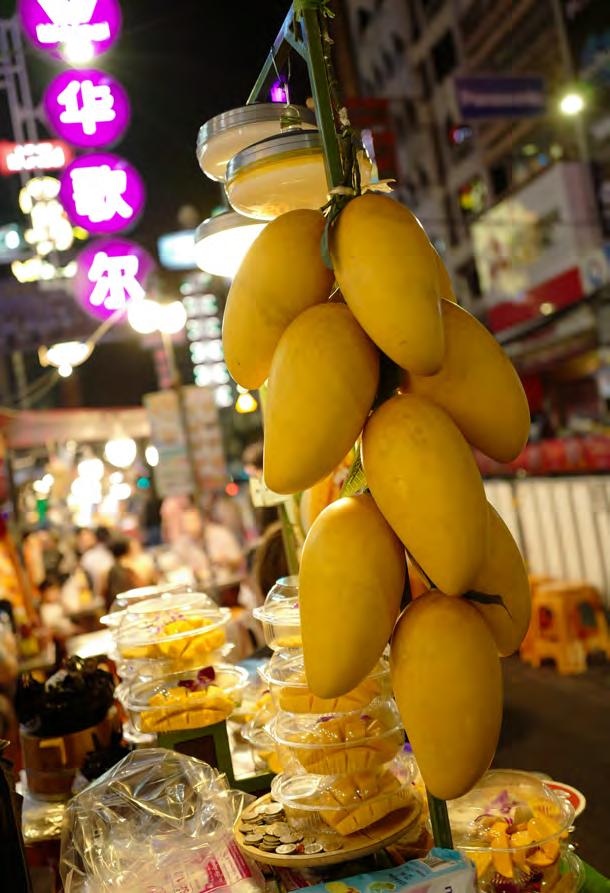
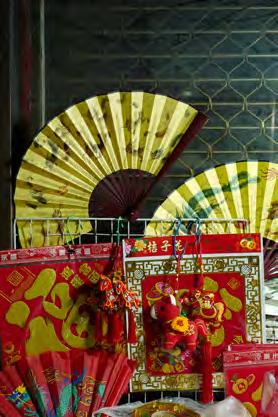
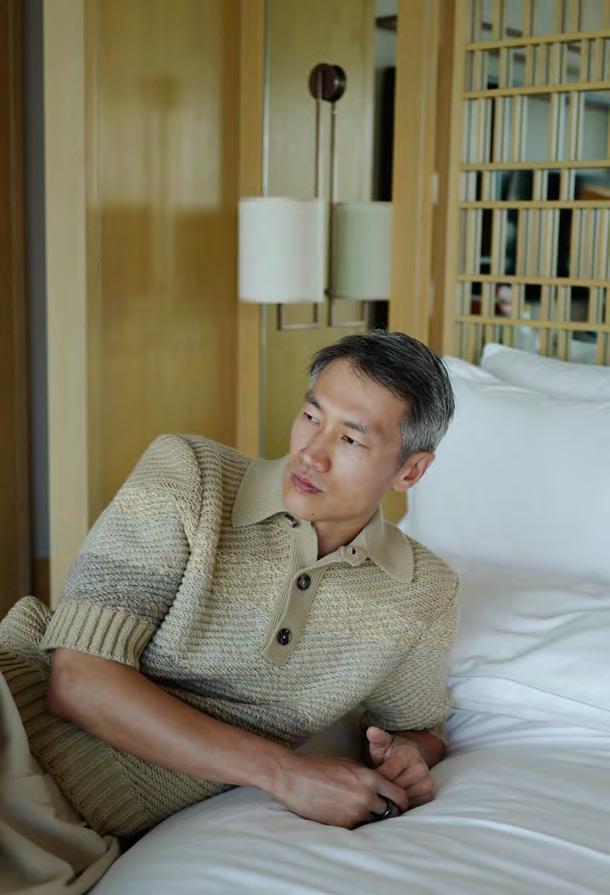
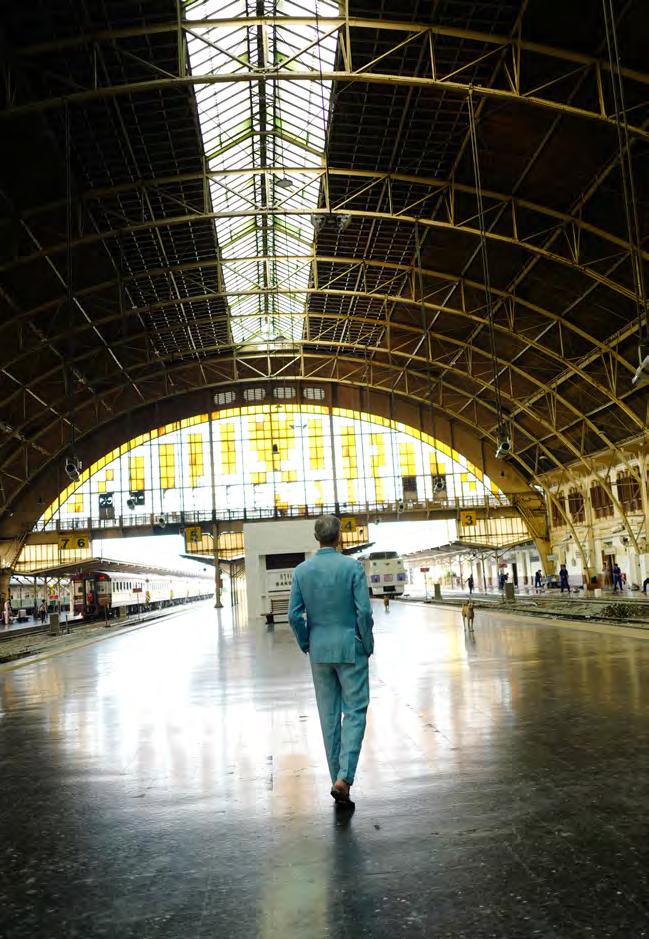
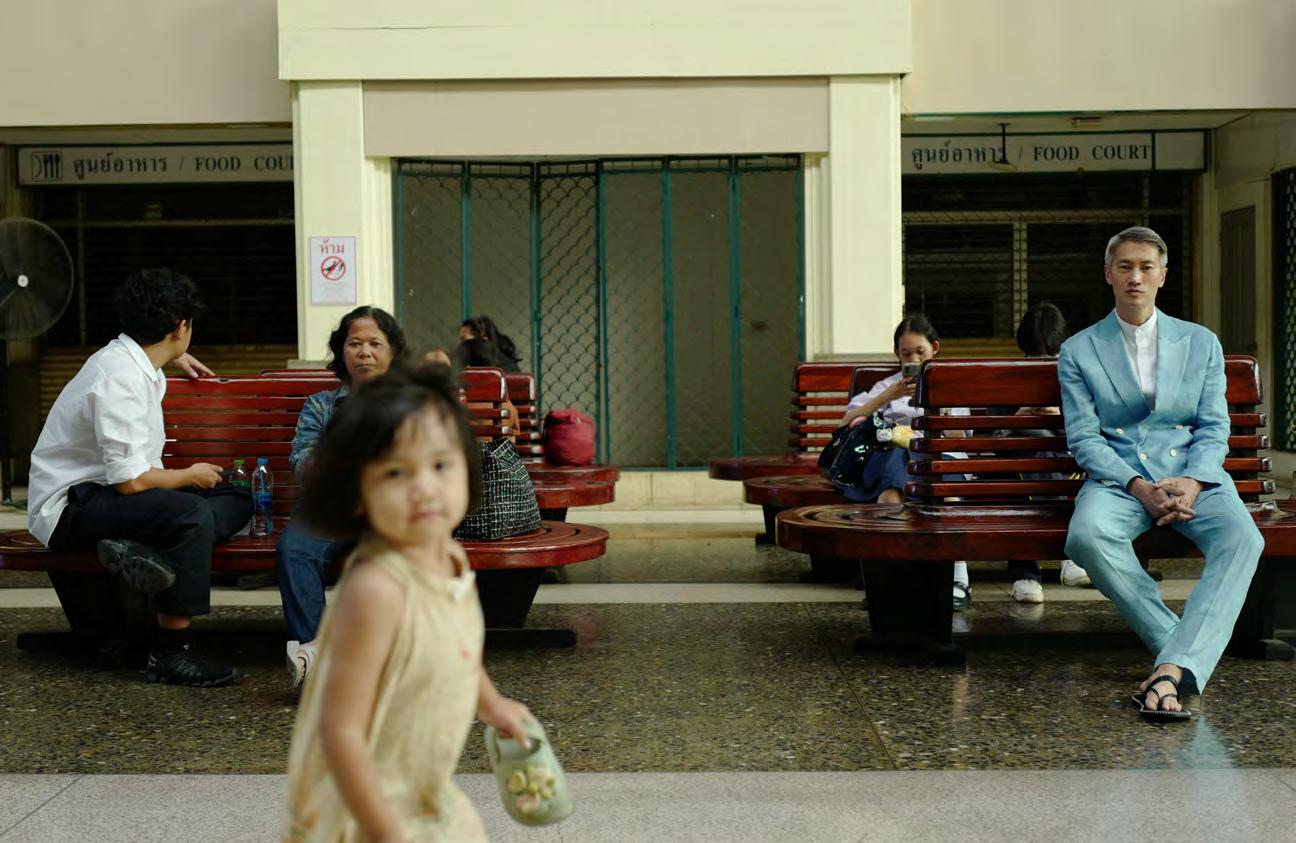
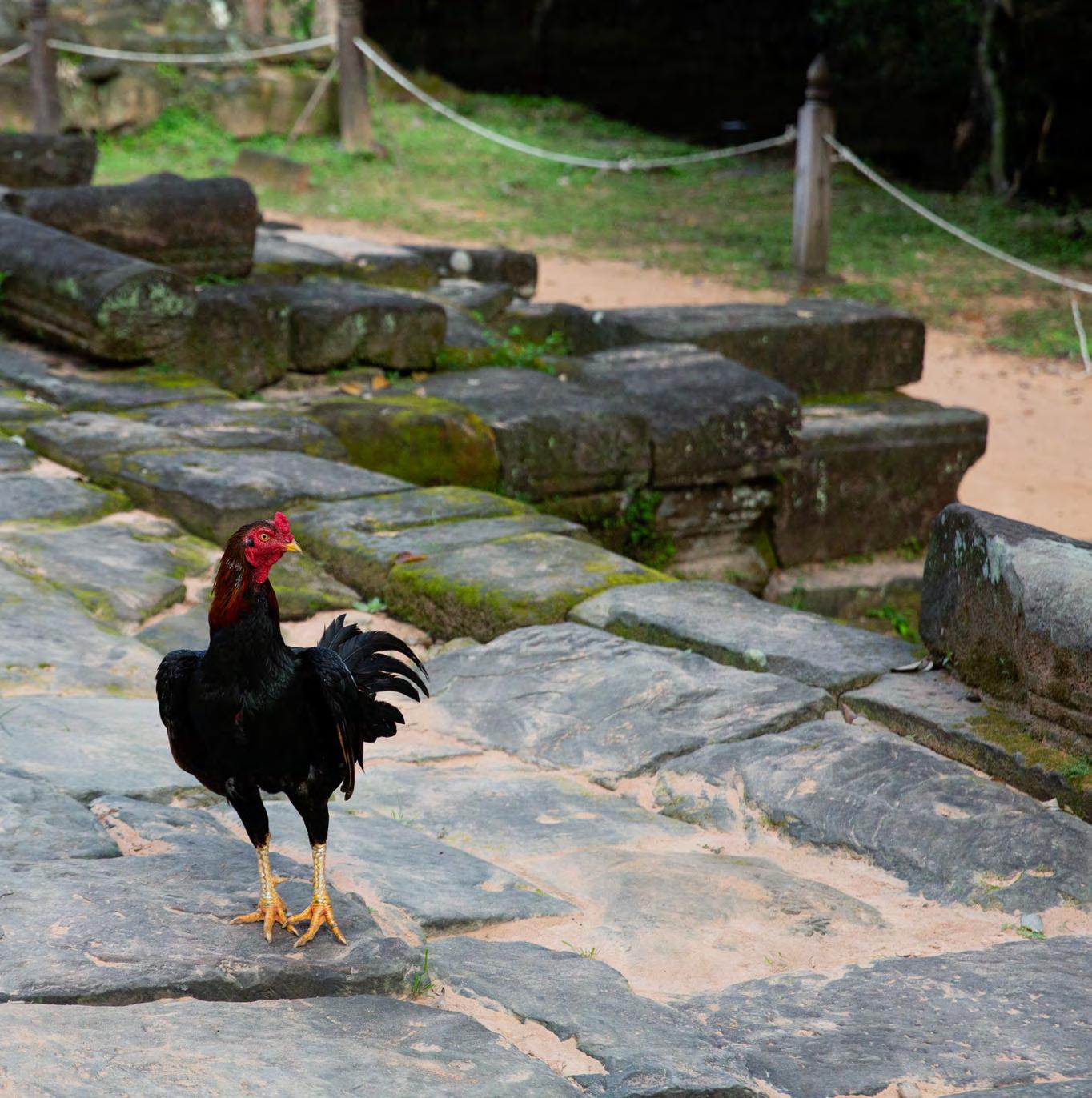
The Magic Elixir: Slip into the intoxicating cacophony of Bangkok, between scenic canals, speeding tuk-tuks, and bursting markets, through a prismatic mosaic that defies definition and embraces evolution, upward, inward — at all hours.
108
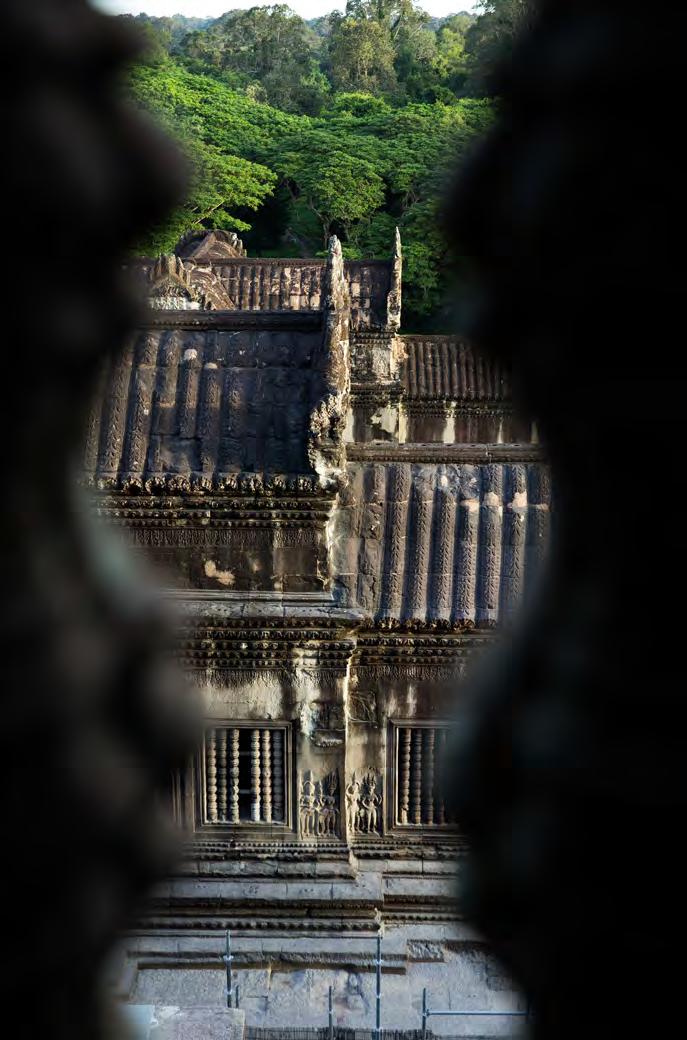
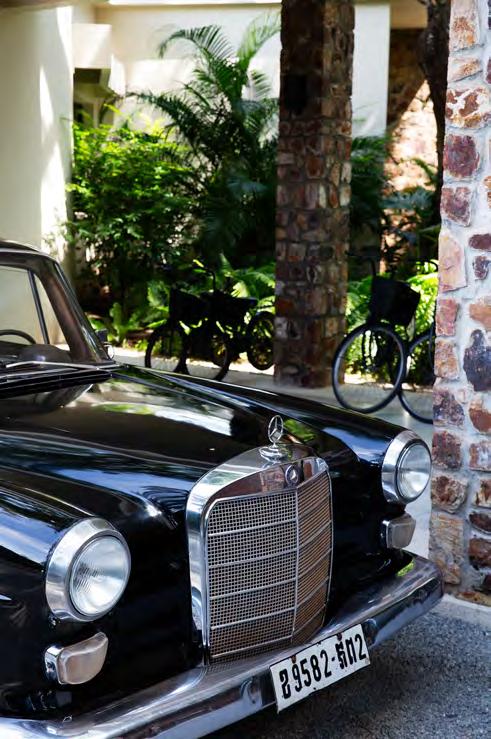
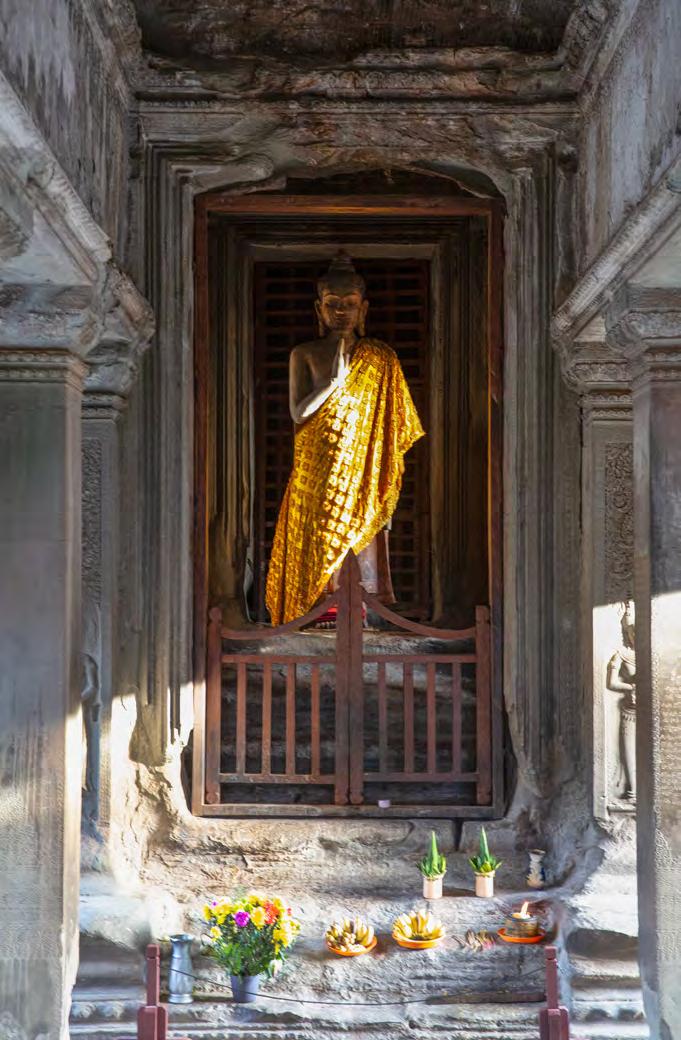
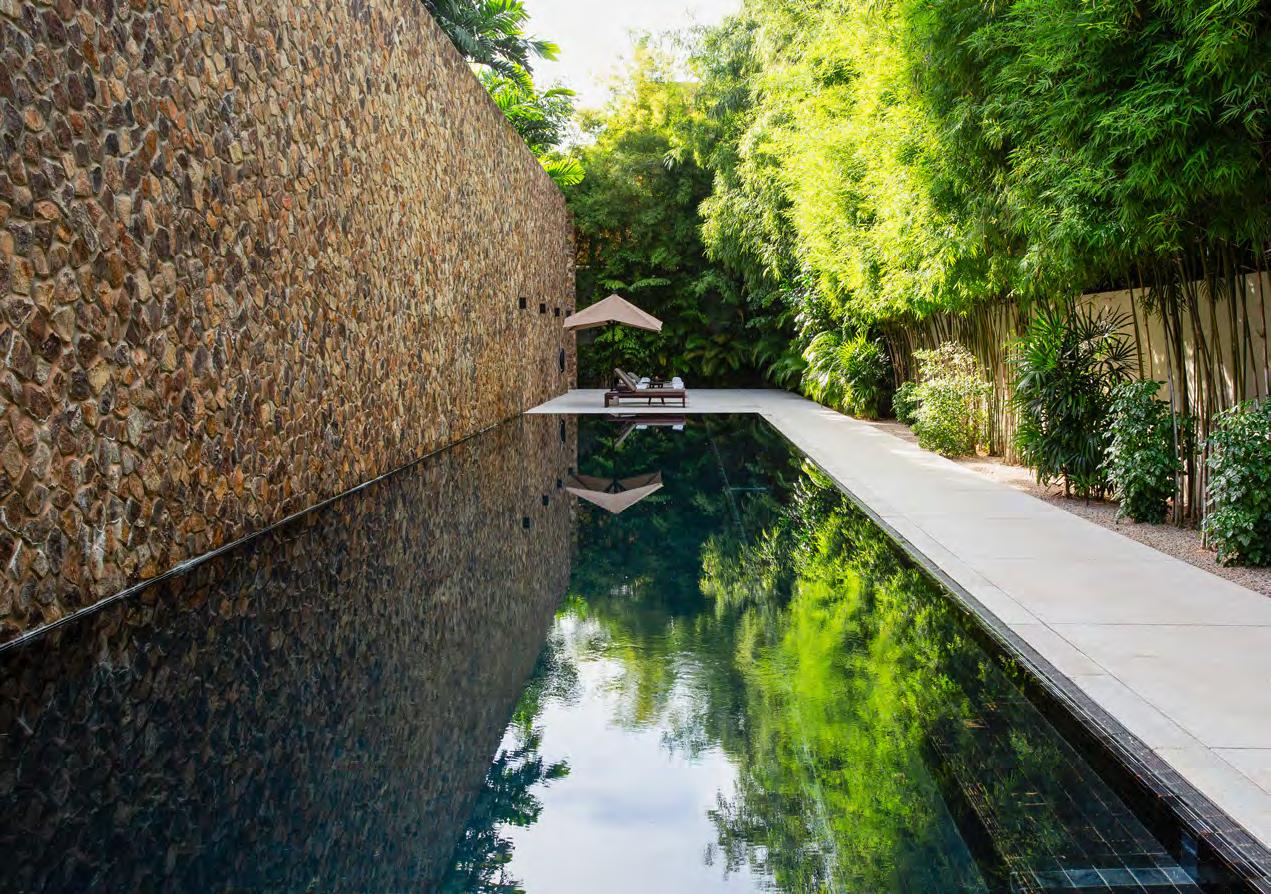
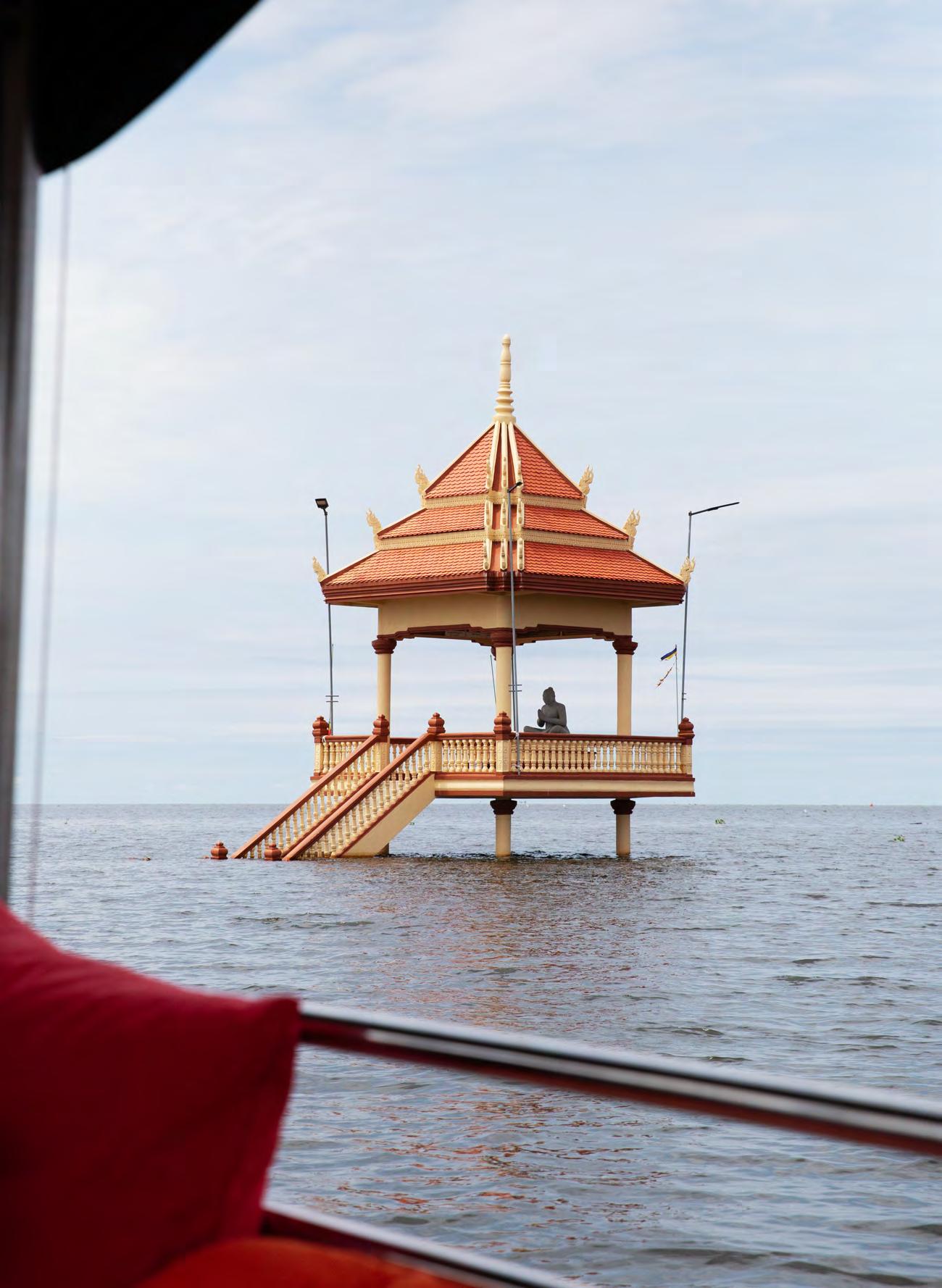
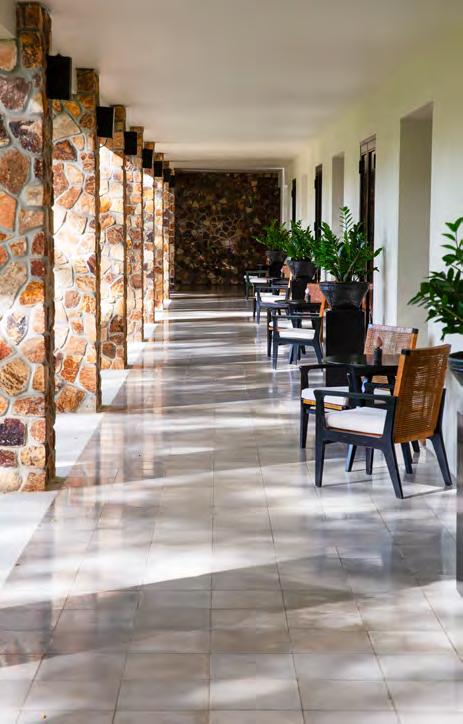
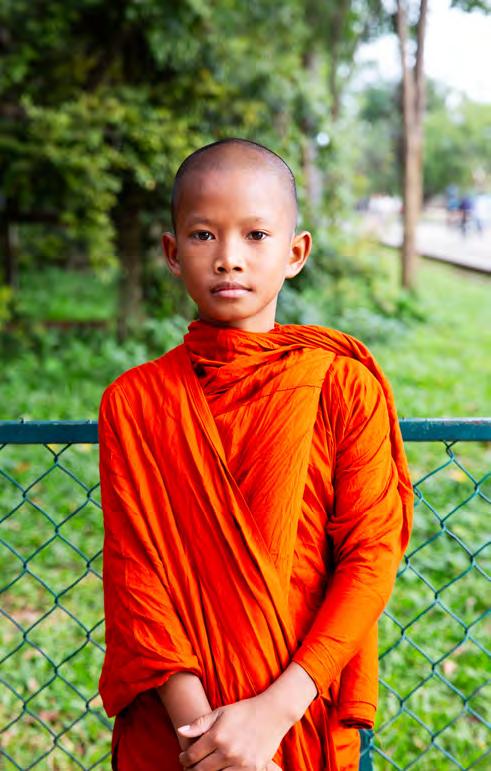
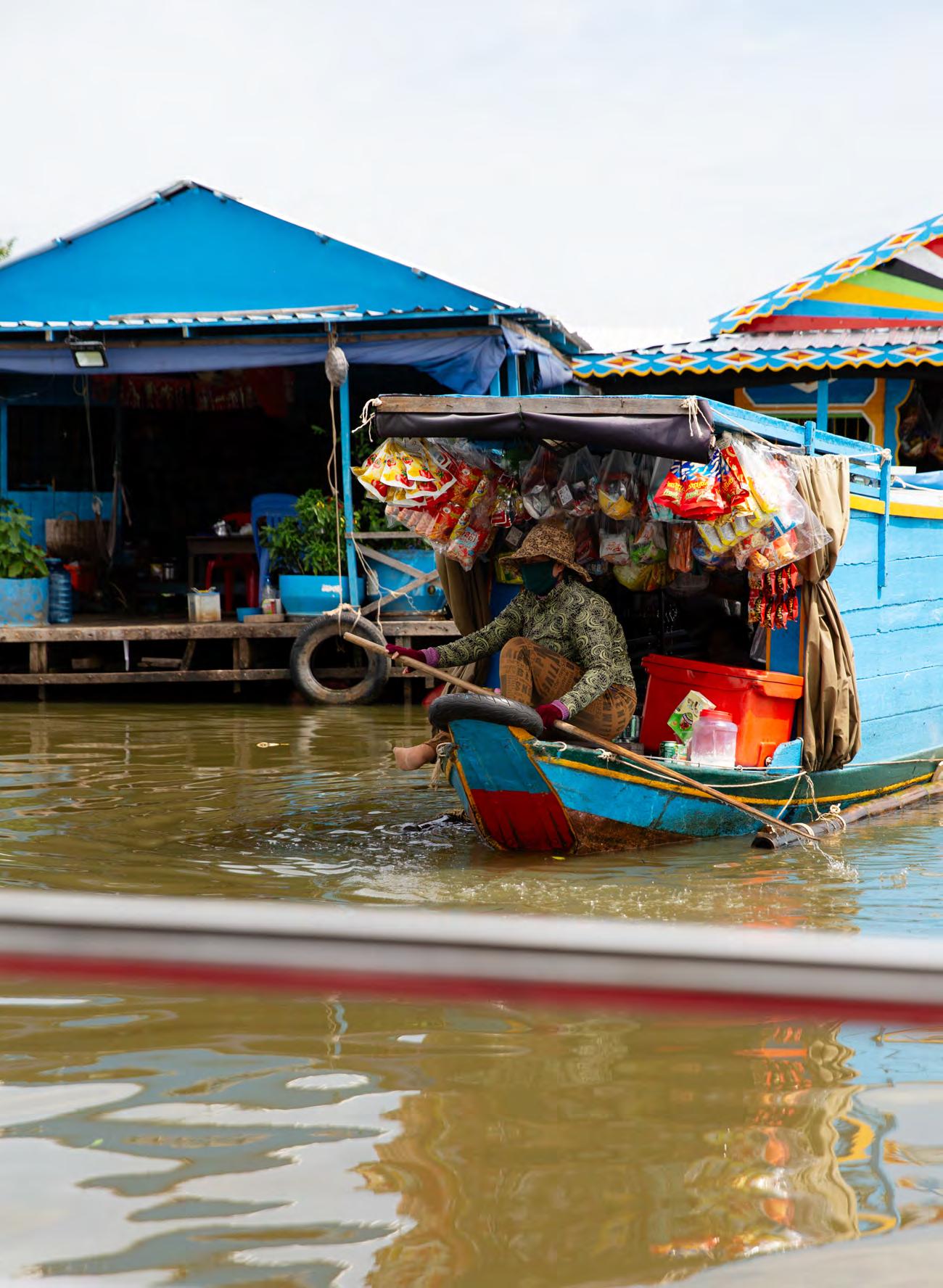
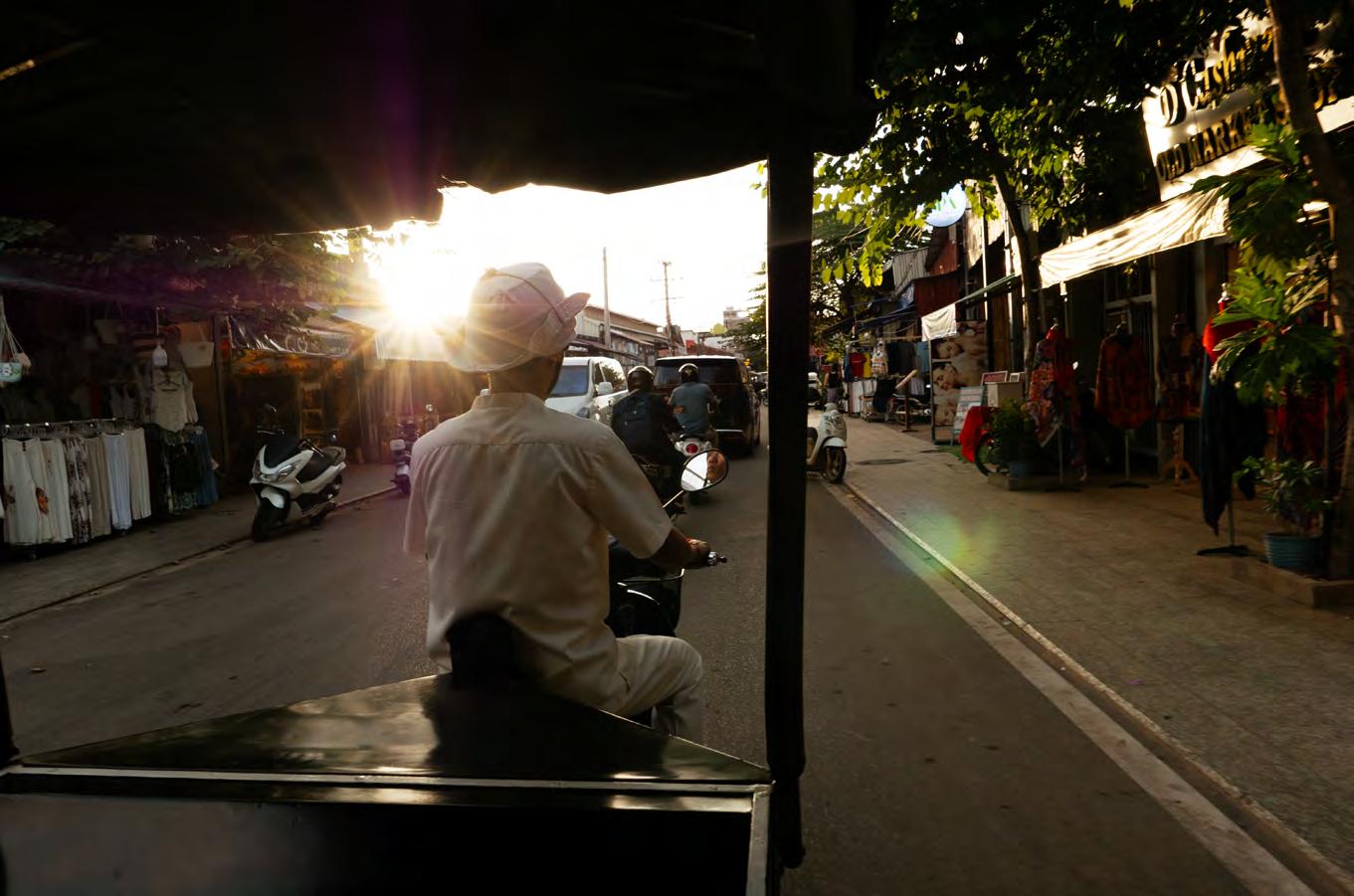
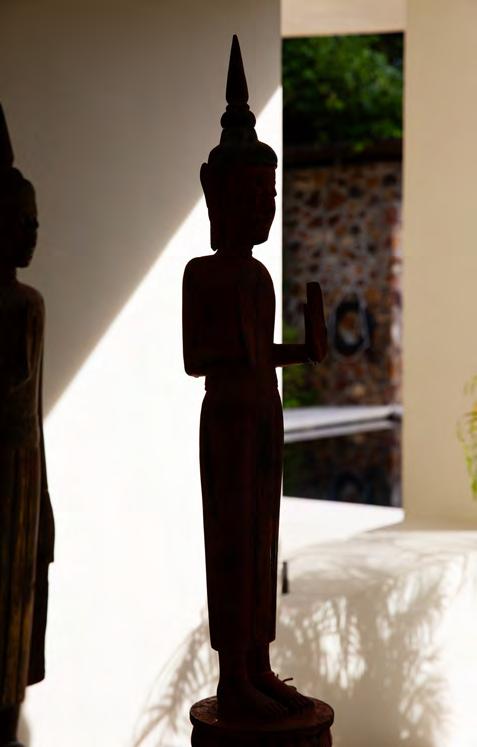
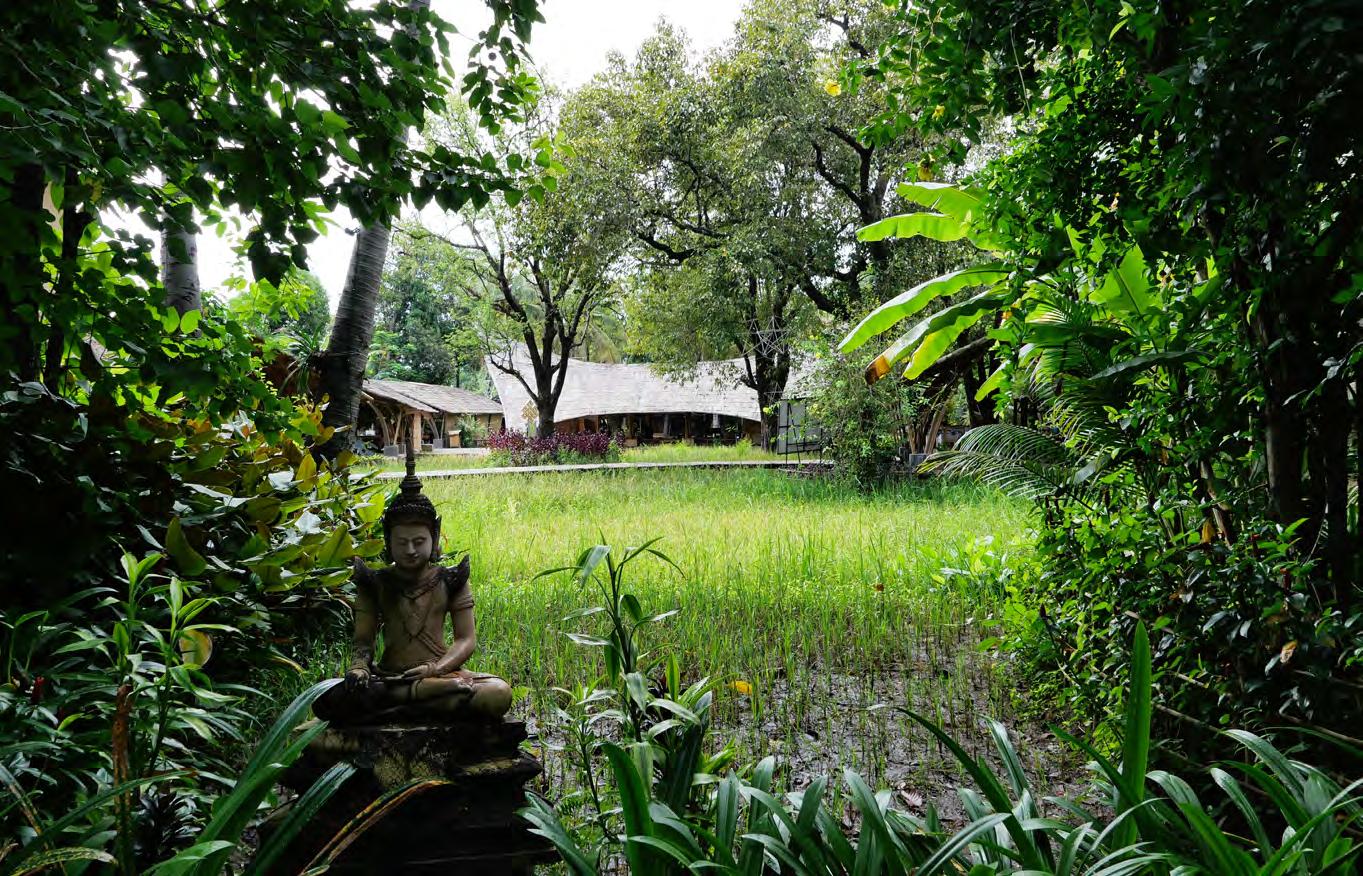
Strong Currents: A stay in Siem Reap reveals the nuanced layers and complex tides of the city’s traditions.
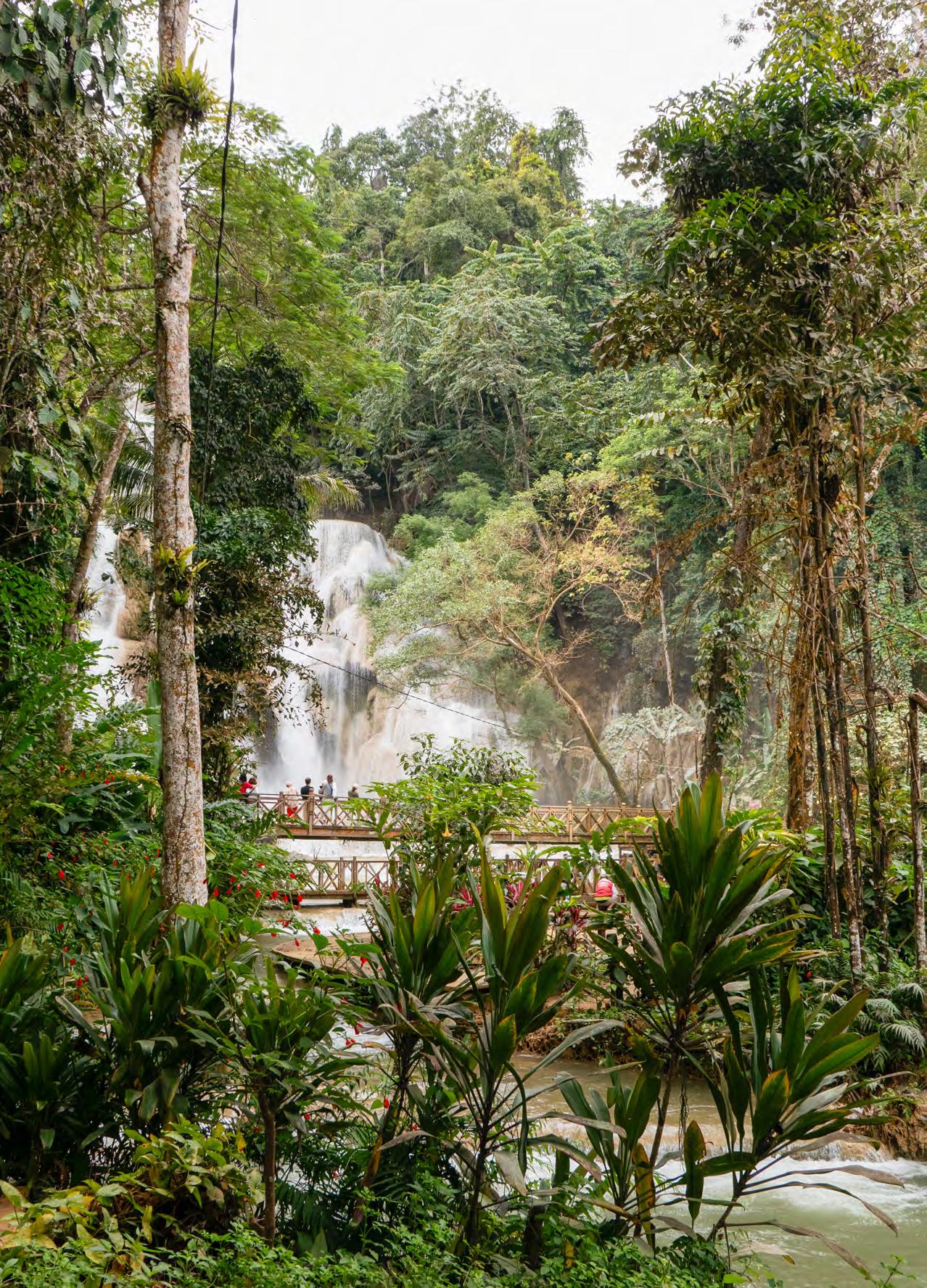
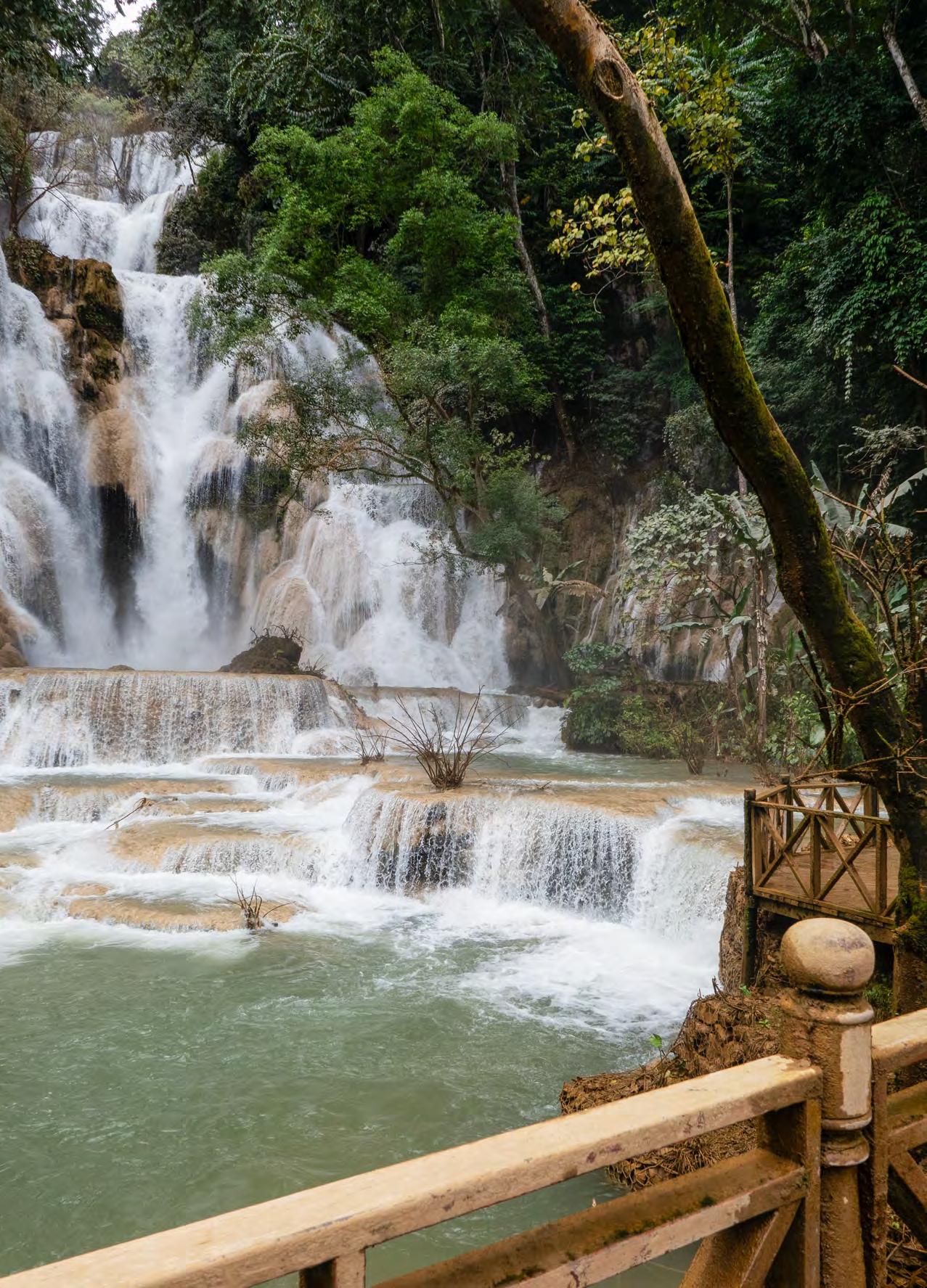
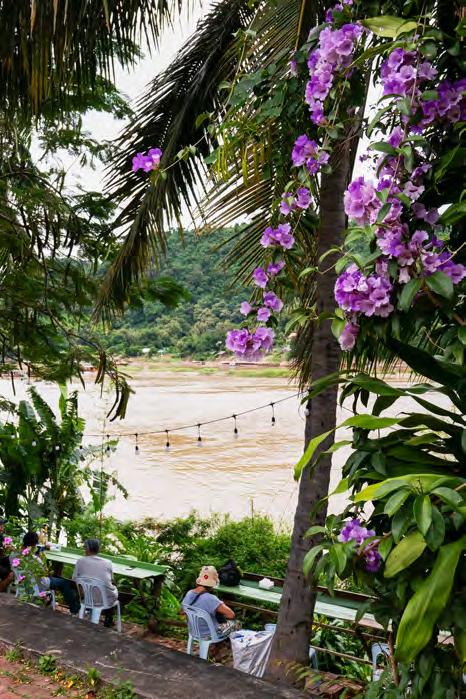
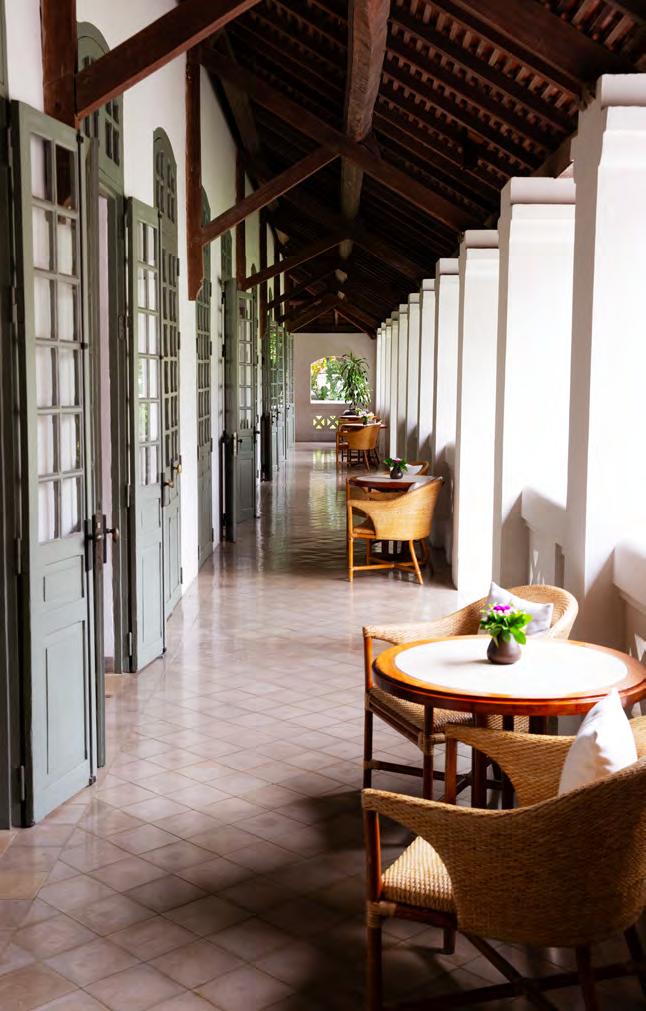
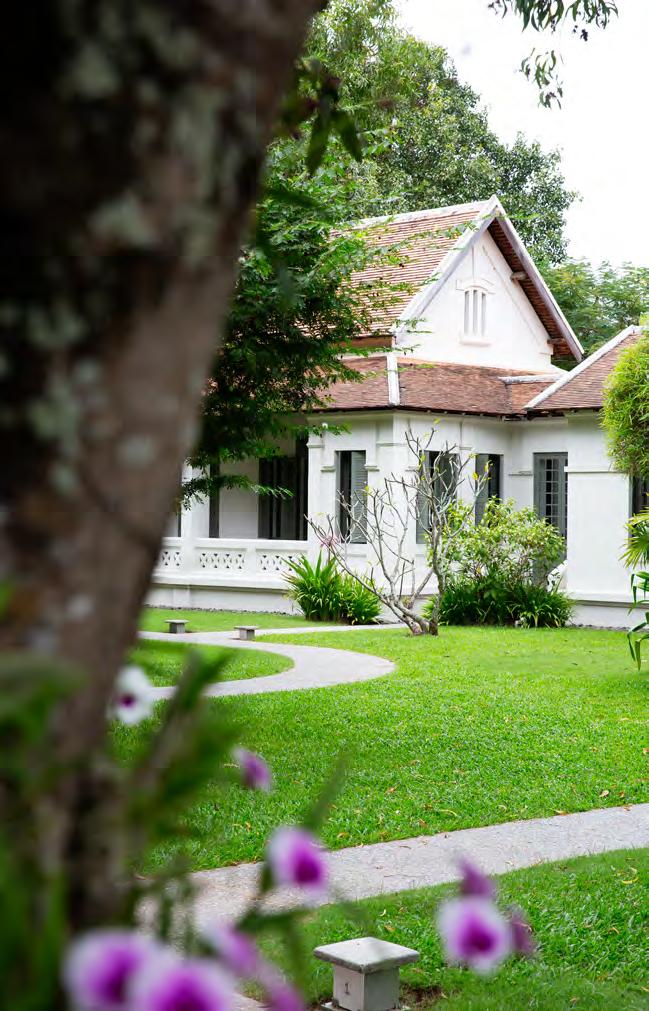
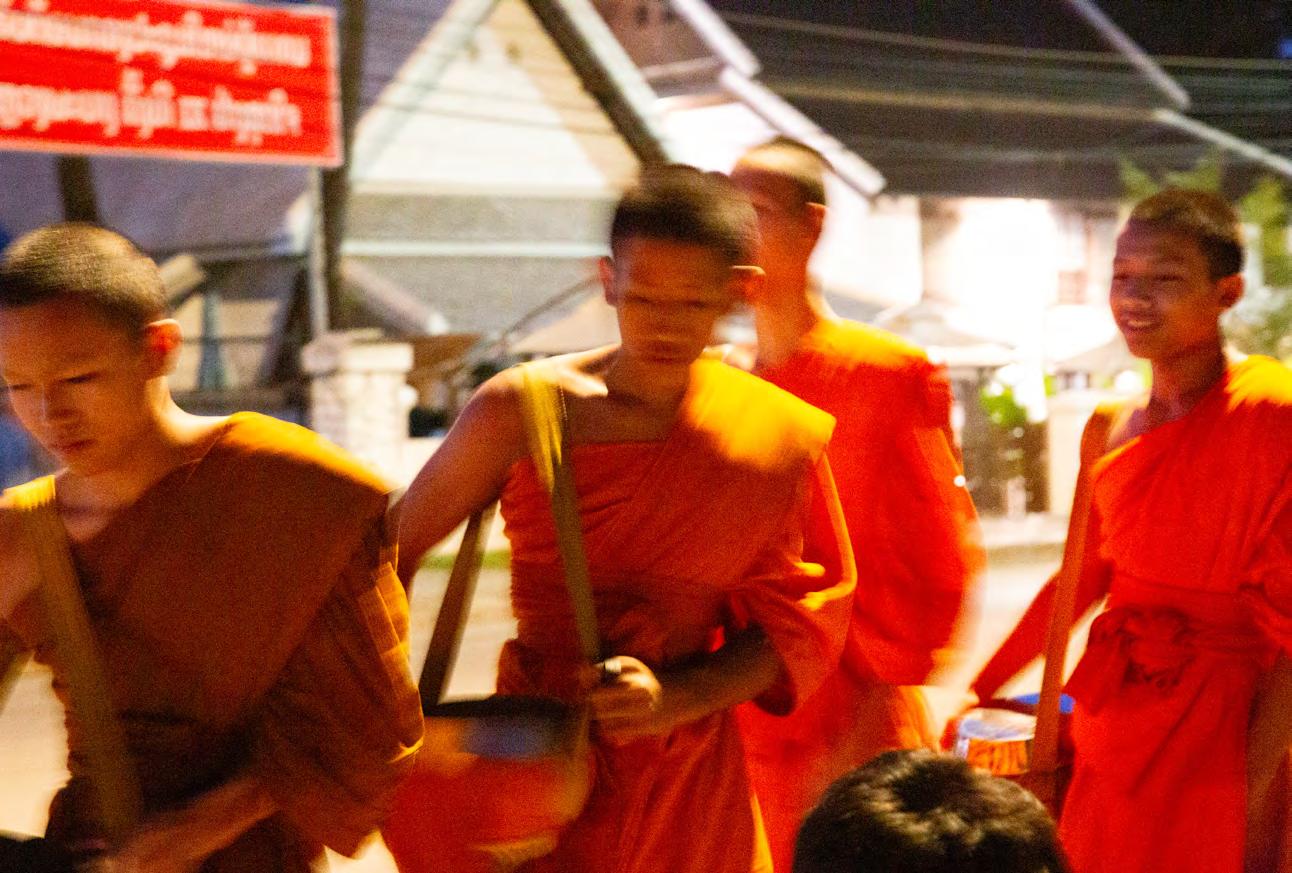
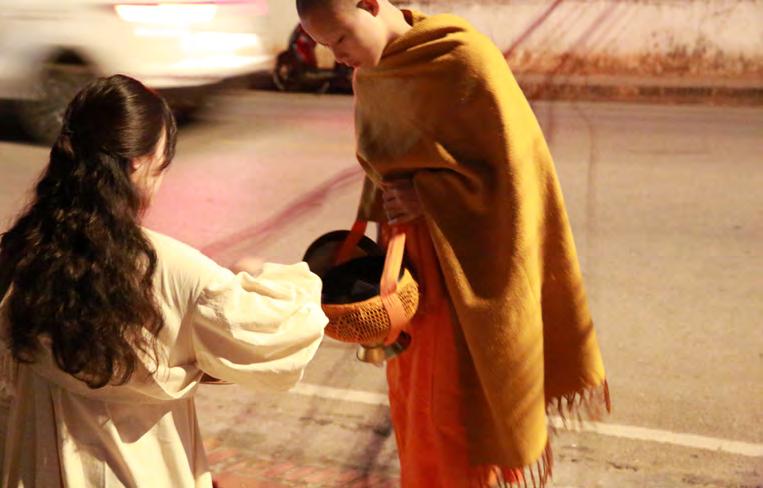
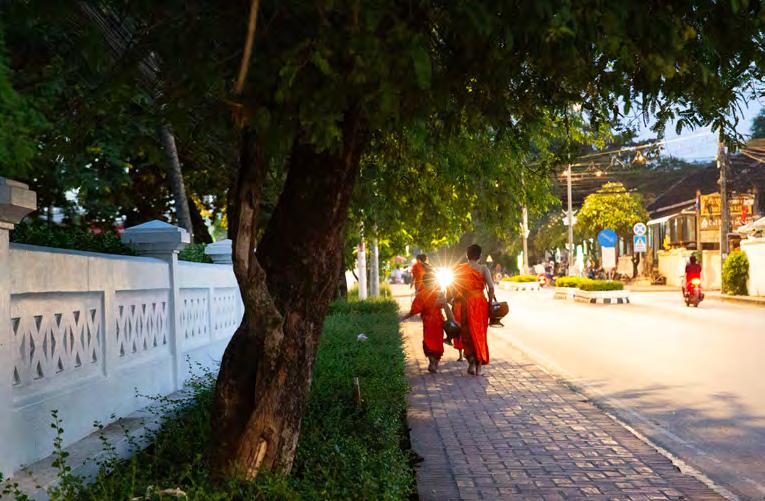
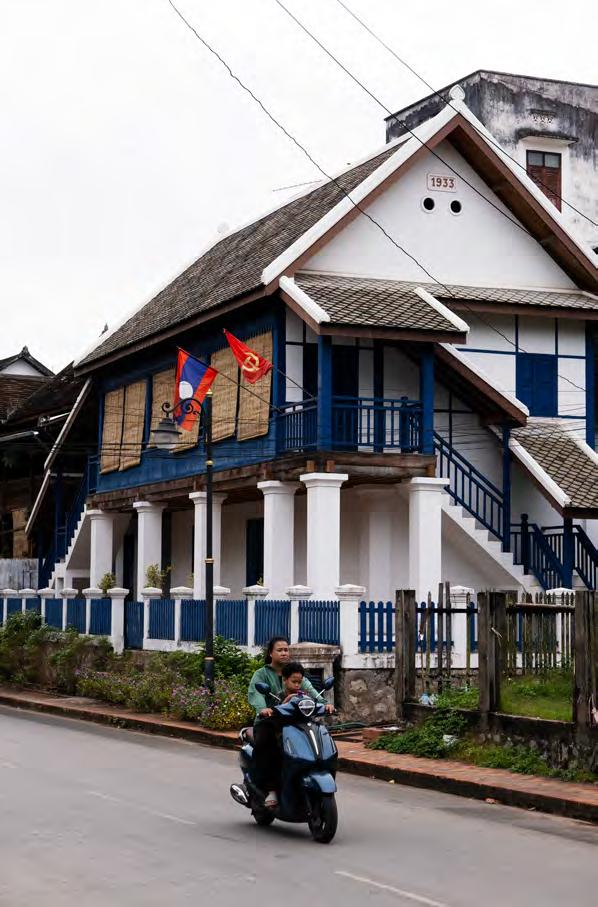
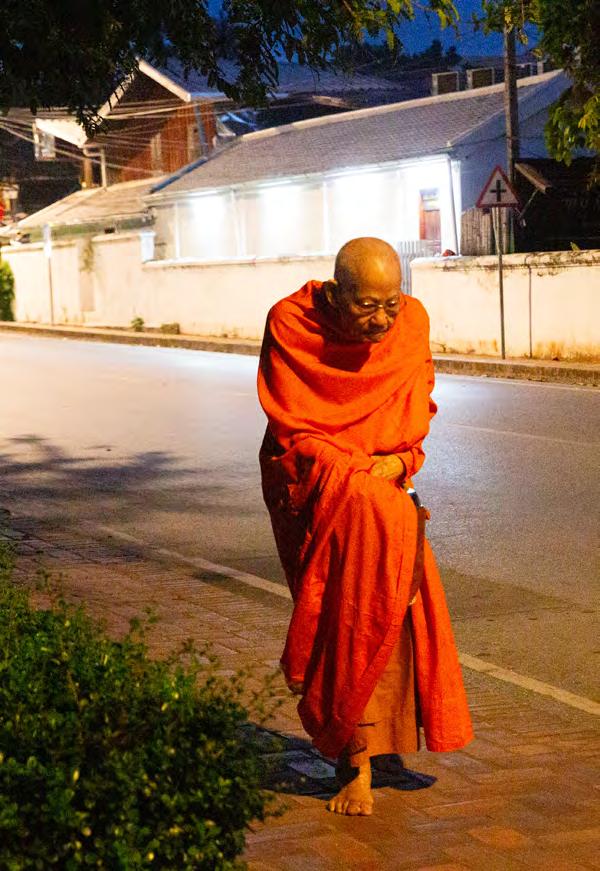
Culture Rush: The colonial city of Luang Prabang offers a lush medley of natural and man-made wonders.
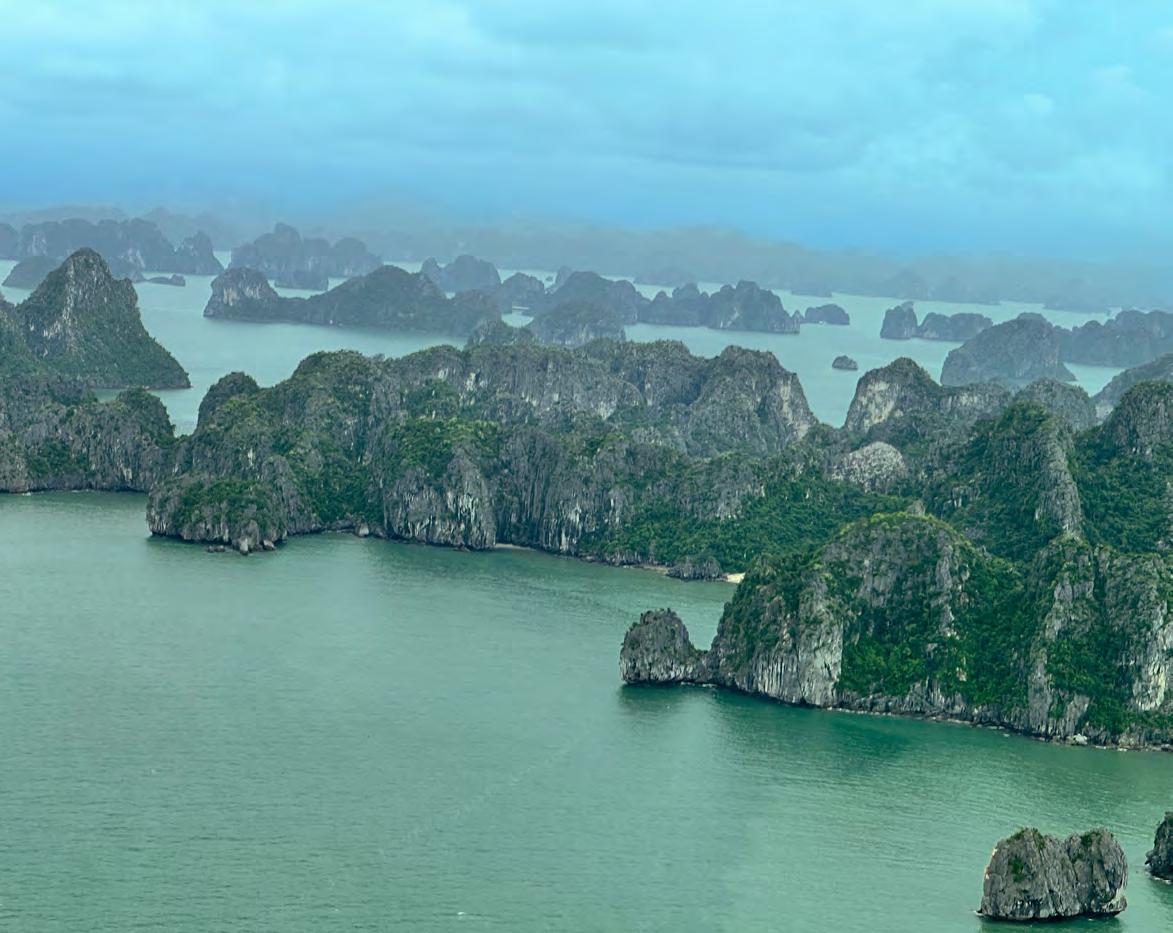
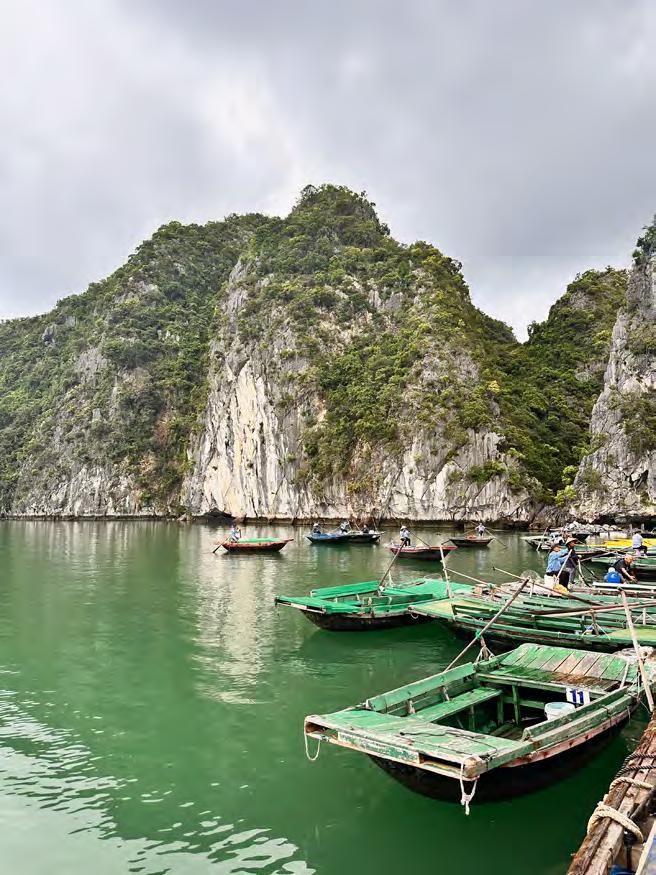
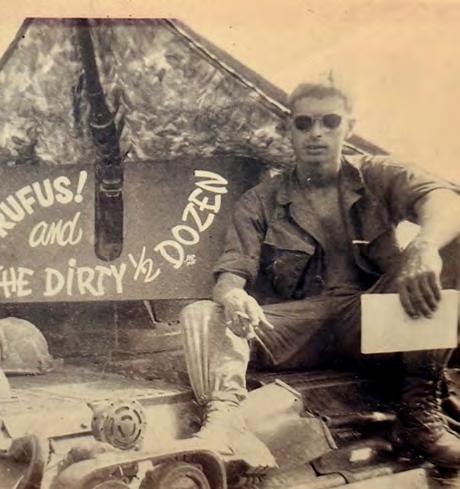
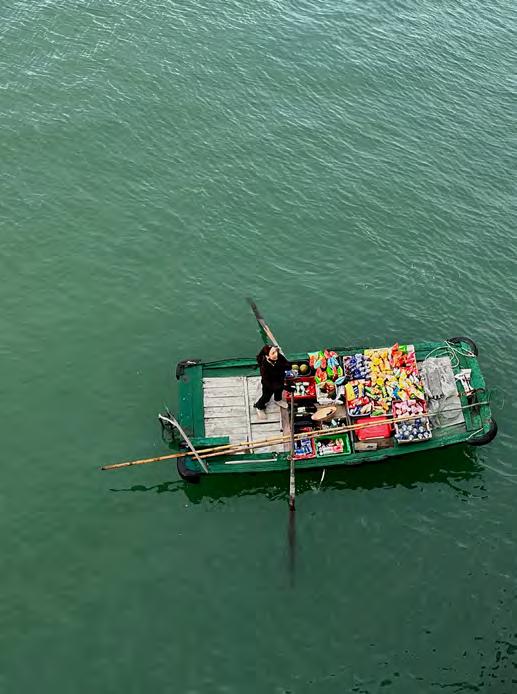
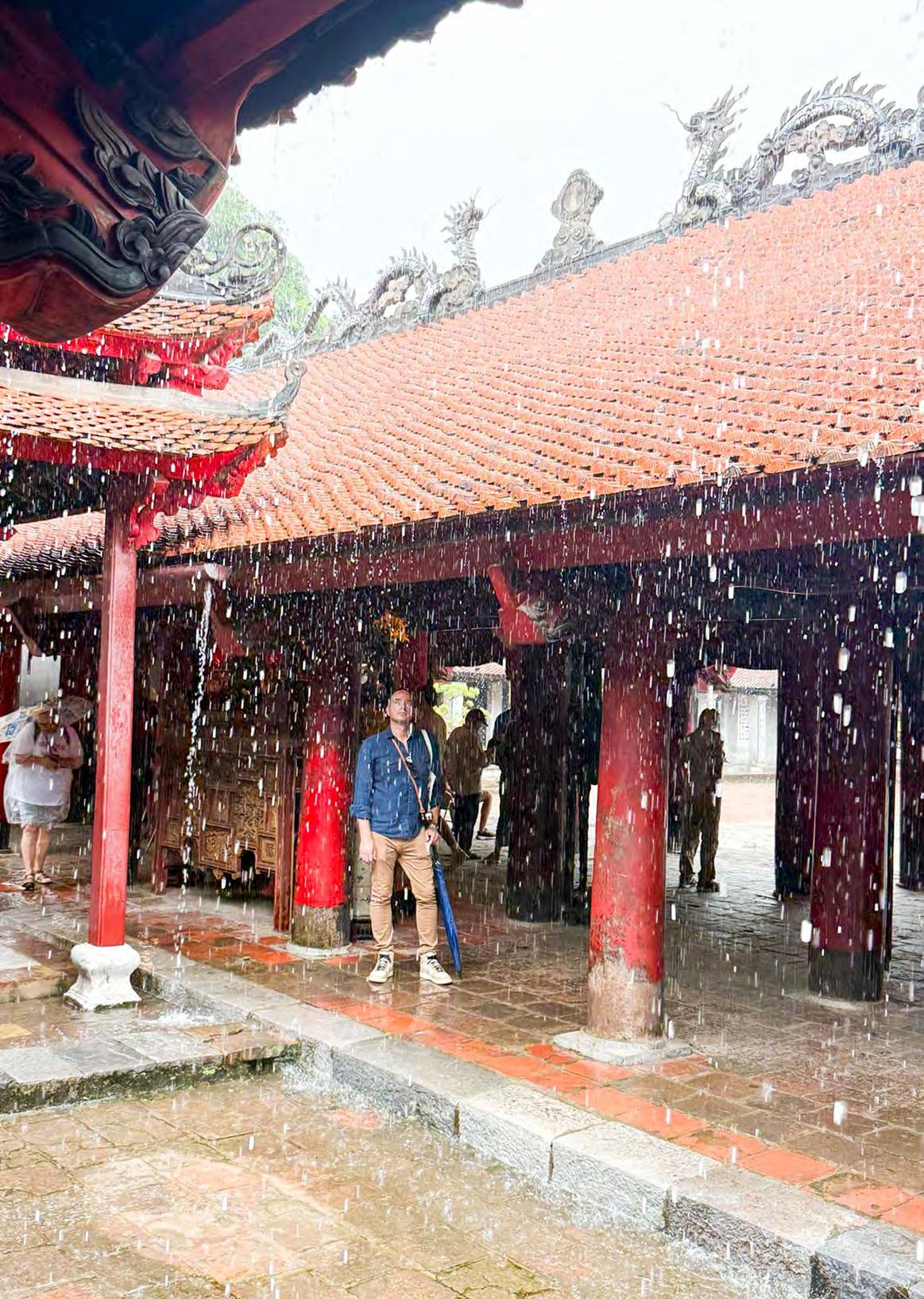
The Fourth Dimension: An action-packed trip to Vietnam collapses time and space.
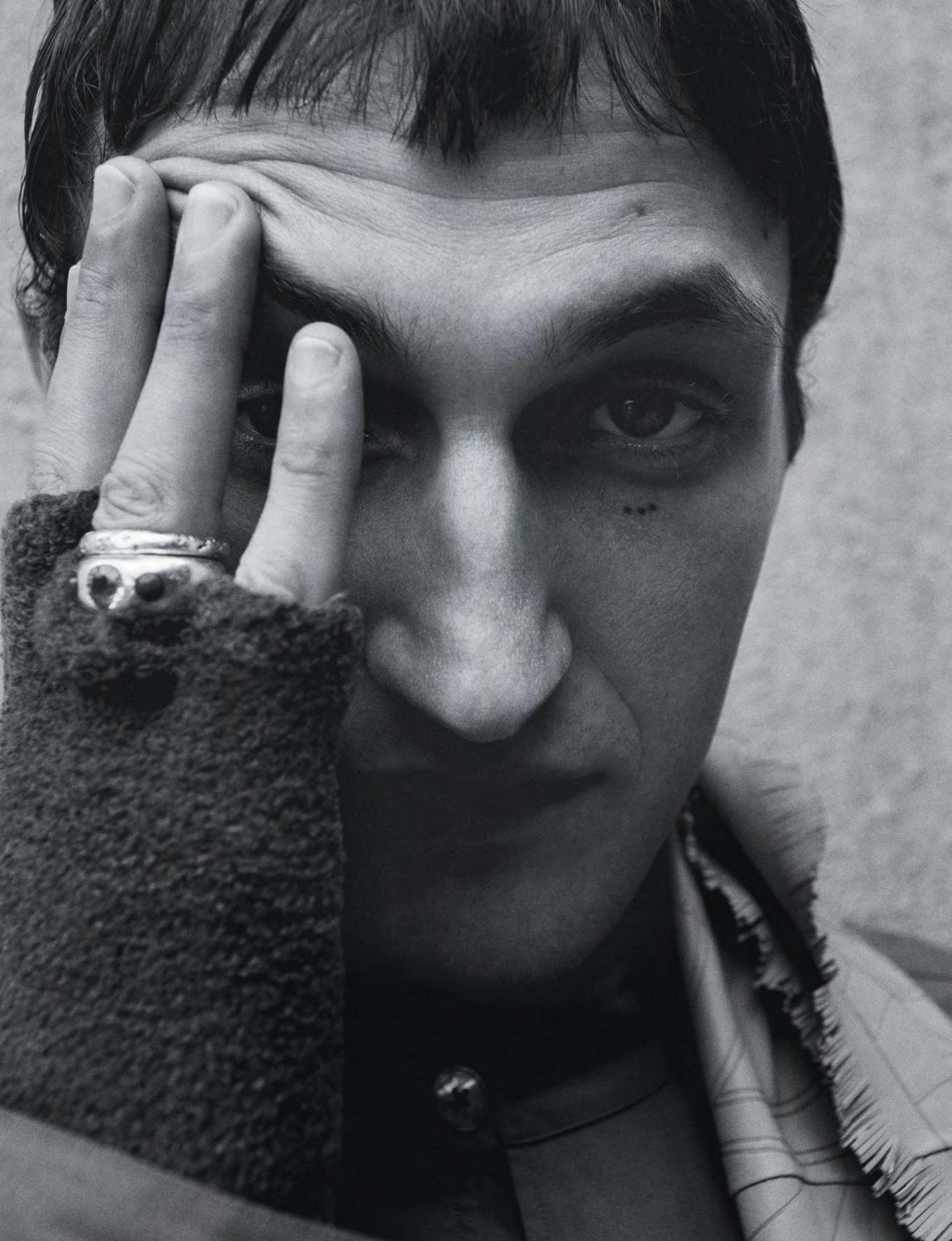
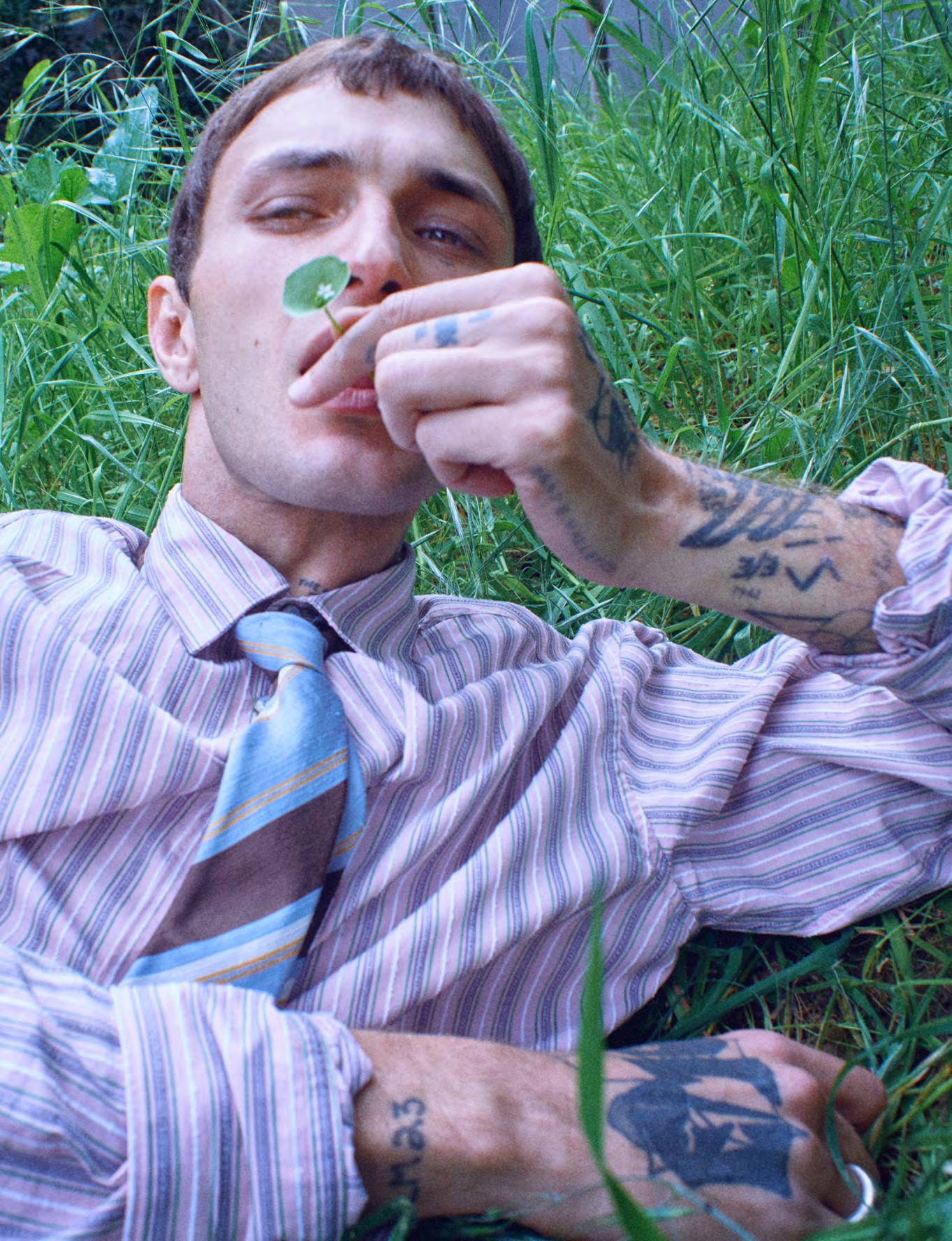
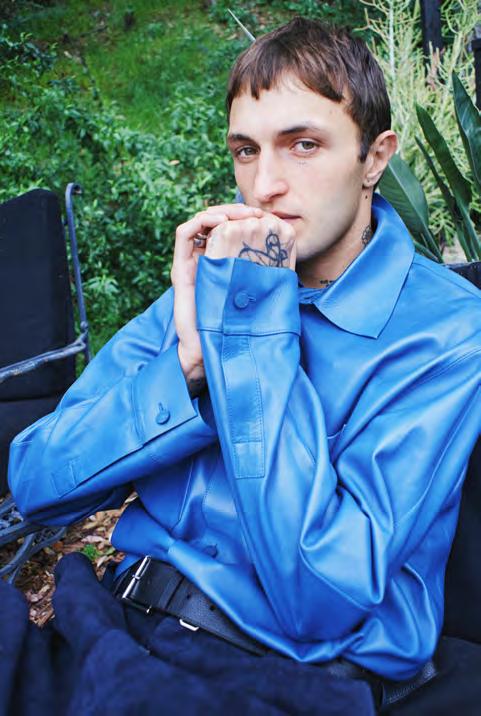
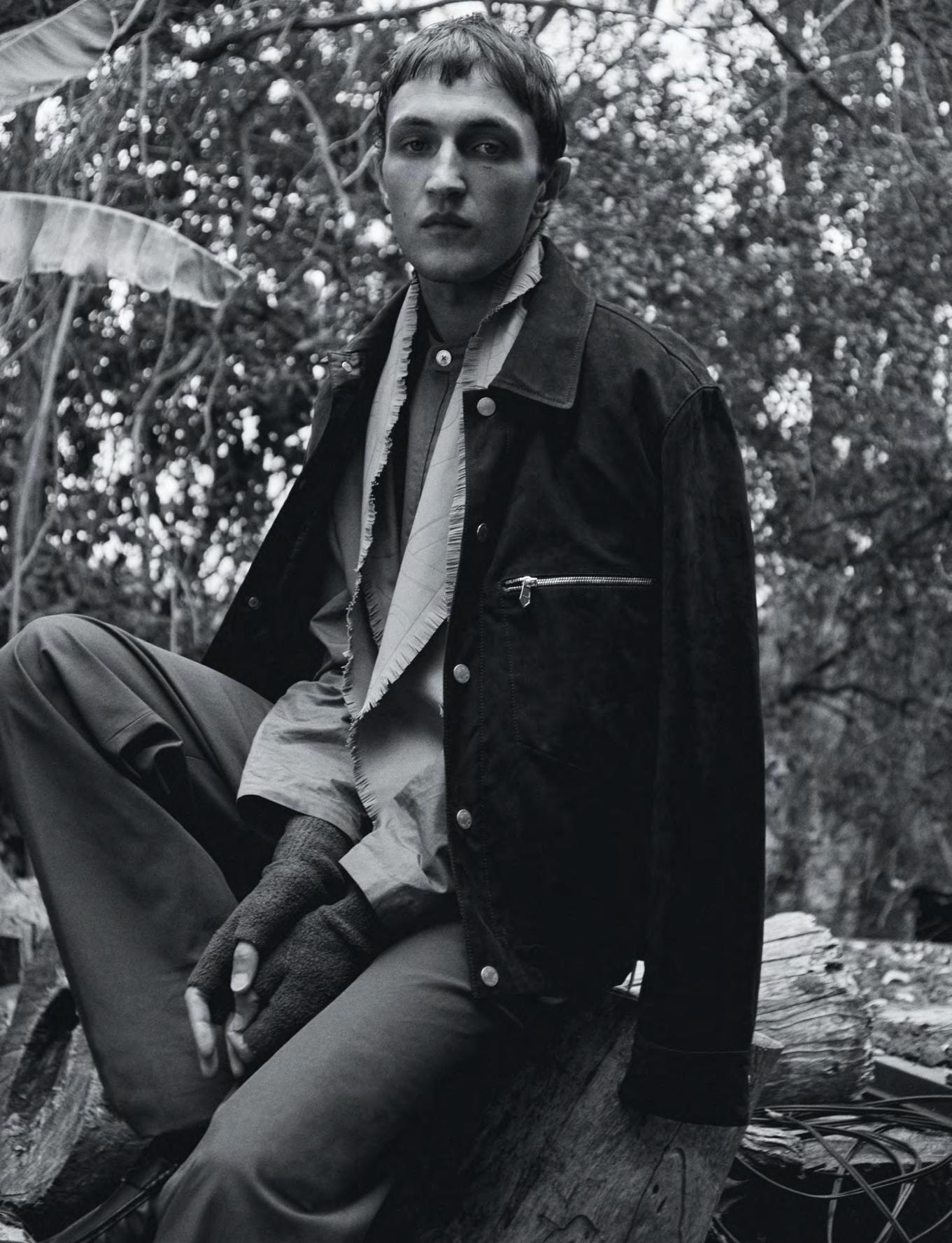
Subjective Reality: There’s much more to fashion’s (and now music’s) bright young thing Anwar Hadid than meets the eye.
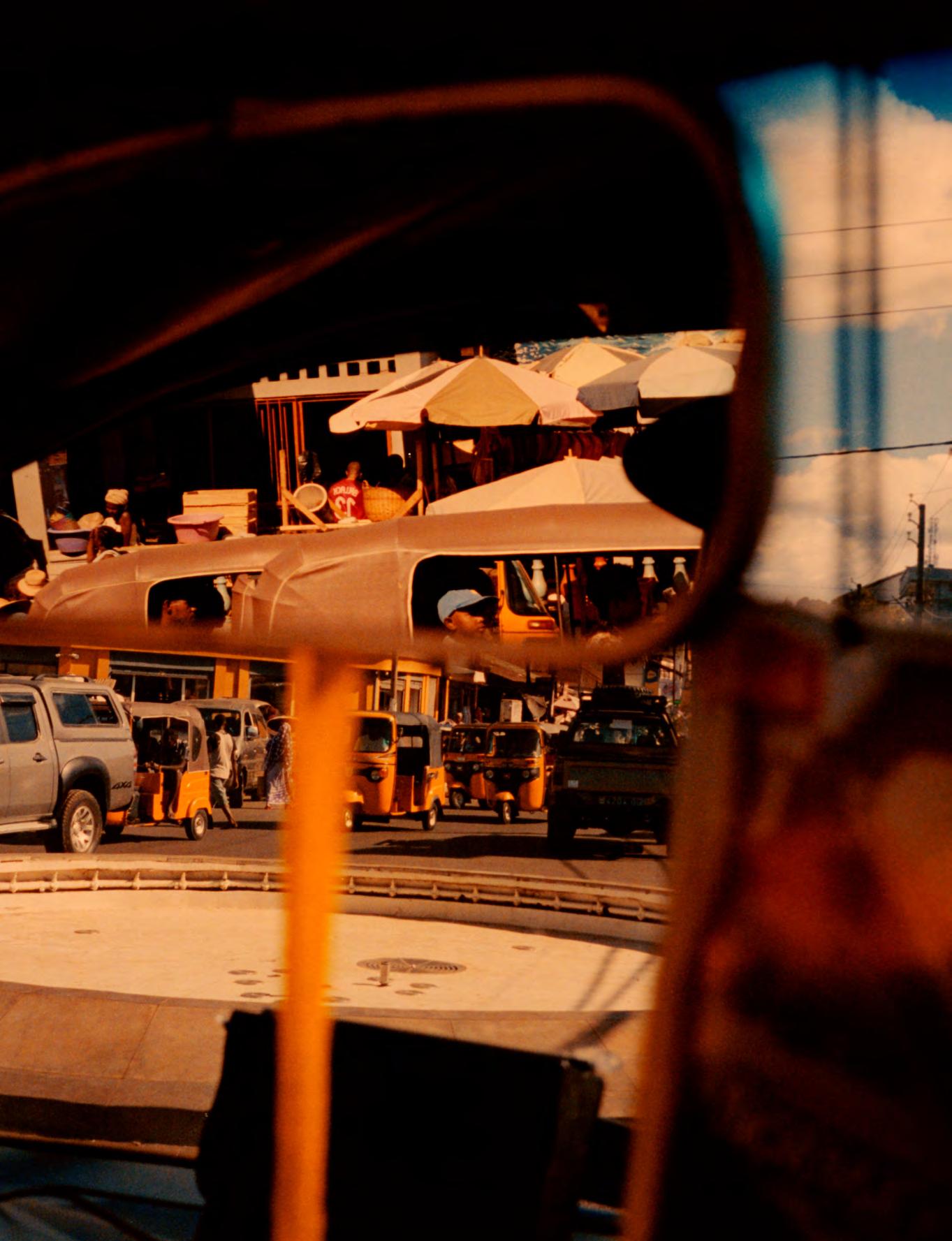
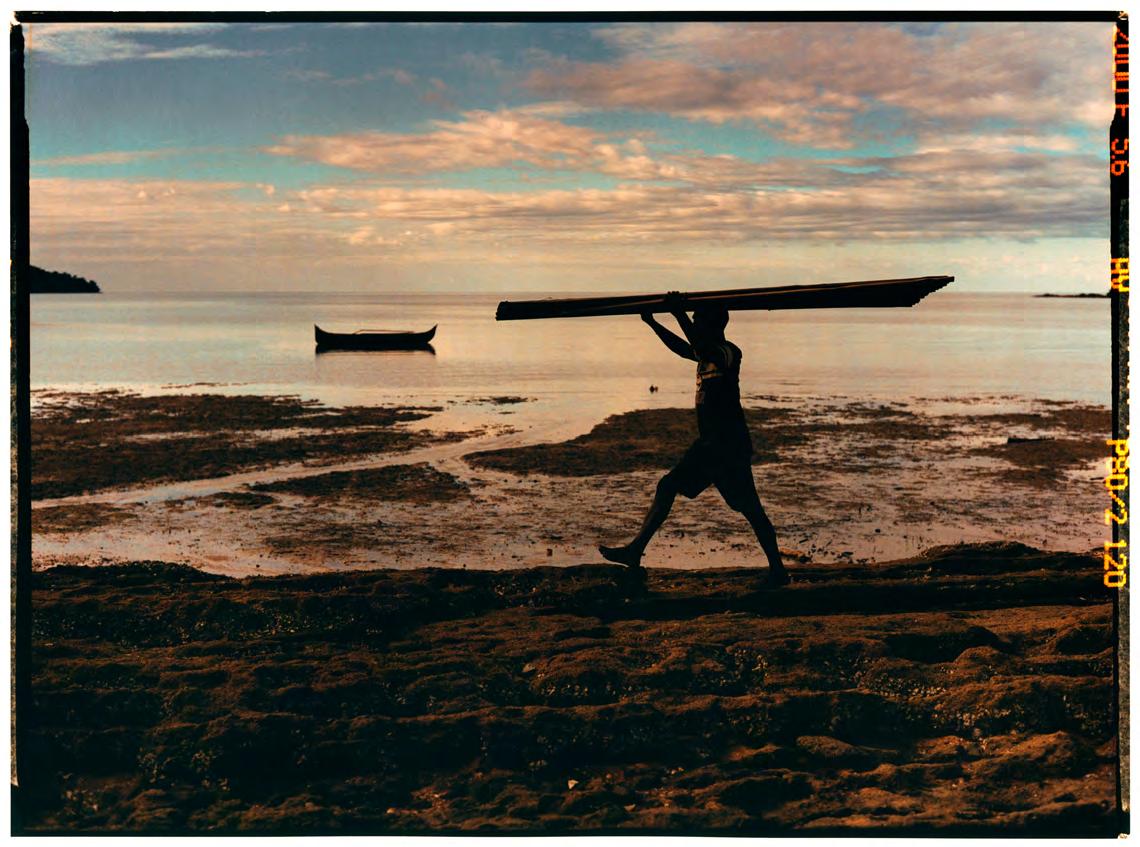
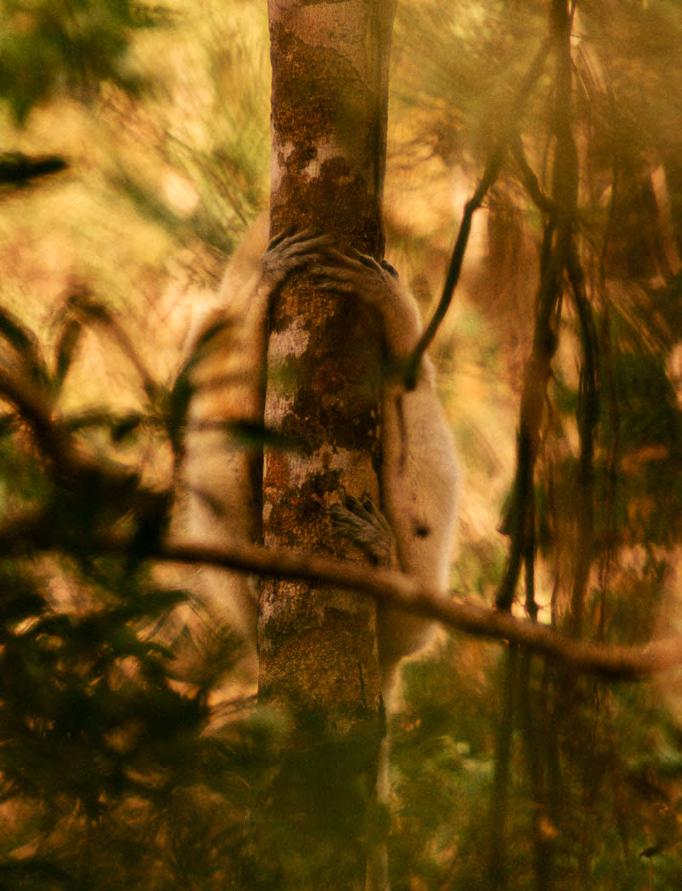
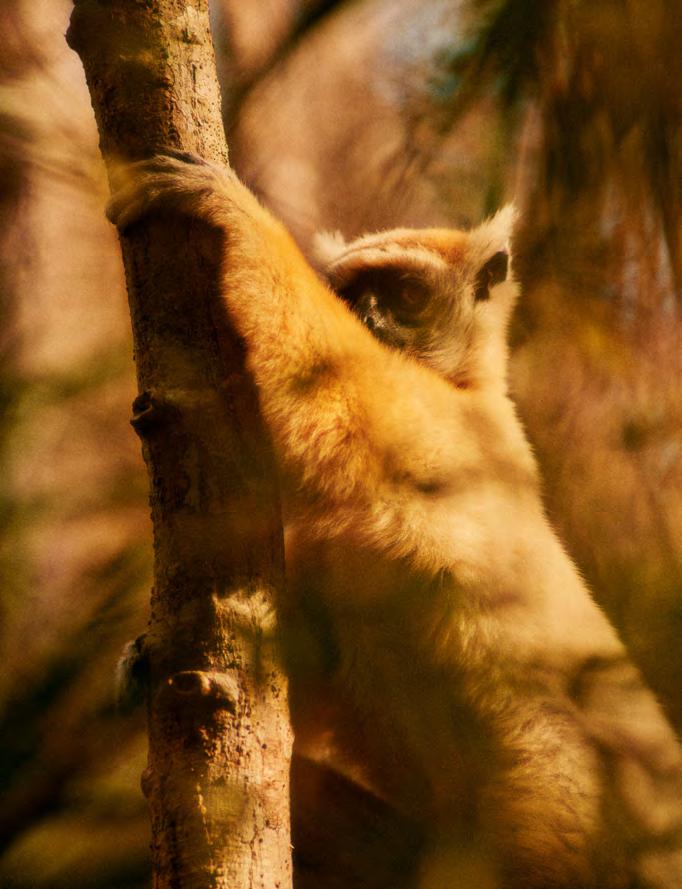
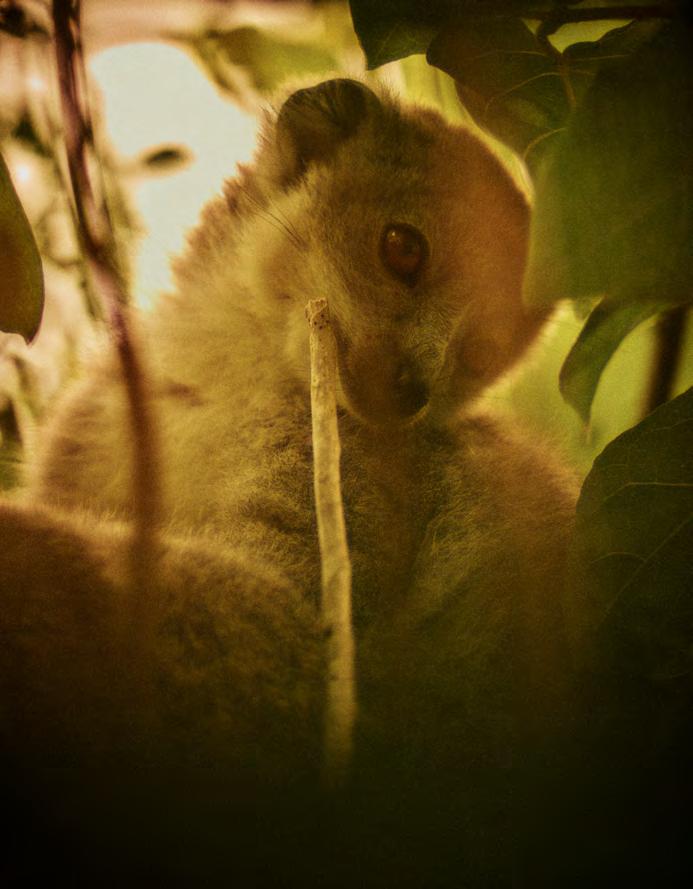
Nowhere Like Here: A photographic safari through Madagascar offers a hypnotizing case study in biodiversity.
Give and Take: The relationship between French design and American culture is a long-standing and colorful affair.
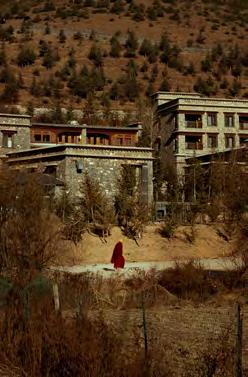
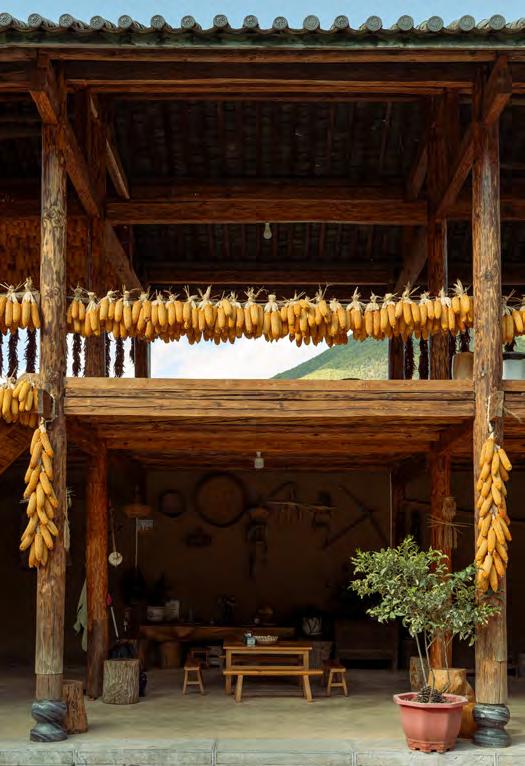
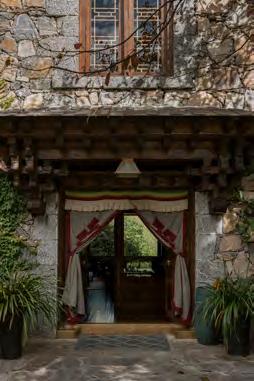
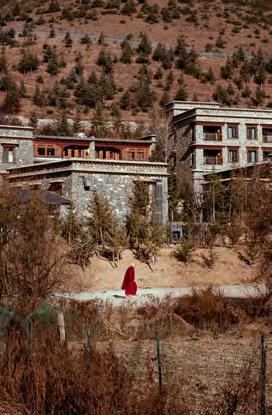
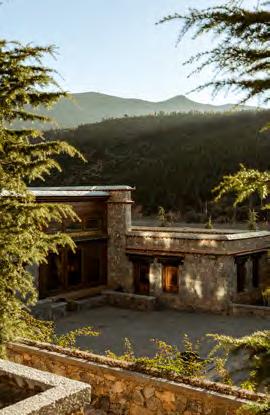
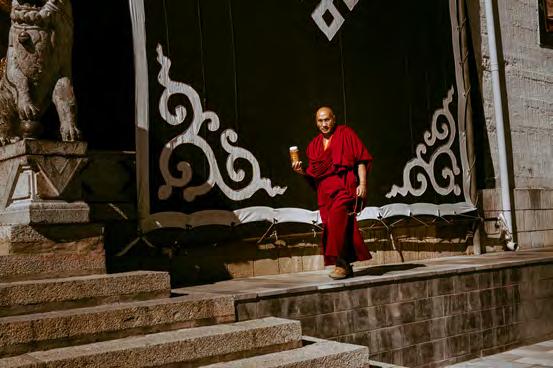
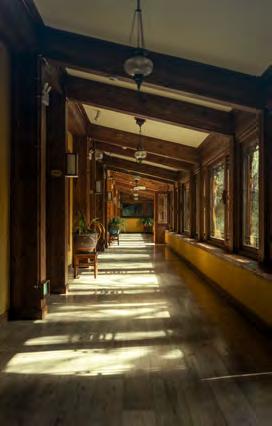
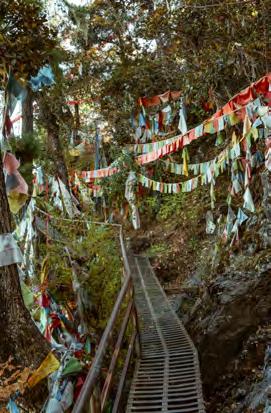
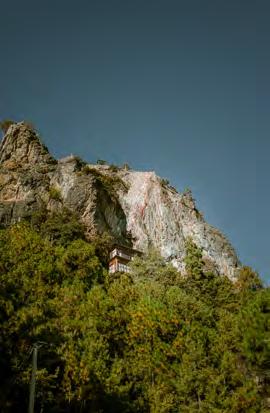
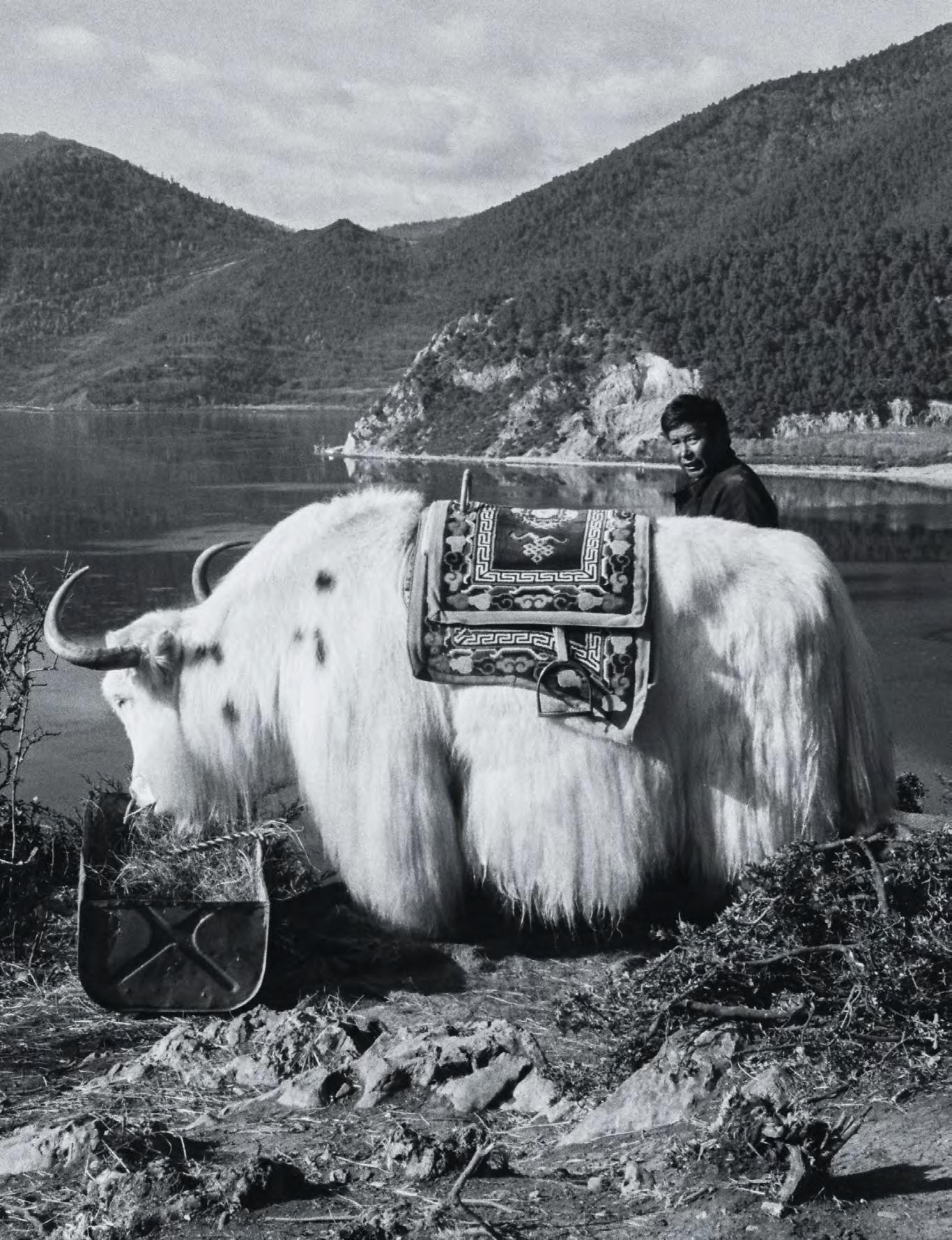
Knockin’ on Heaven’s Door: An expedition through China’s Yunnan province leads a traveler toward Tibet and to a higher place.
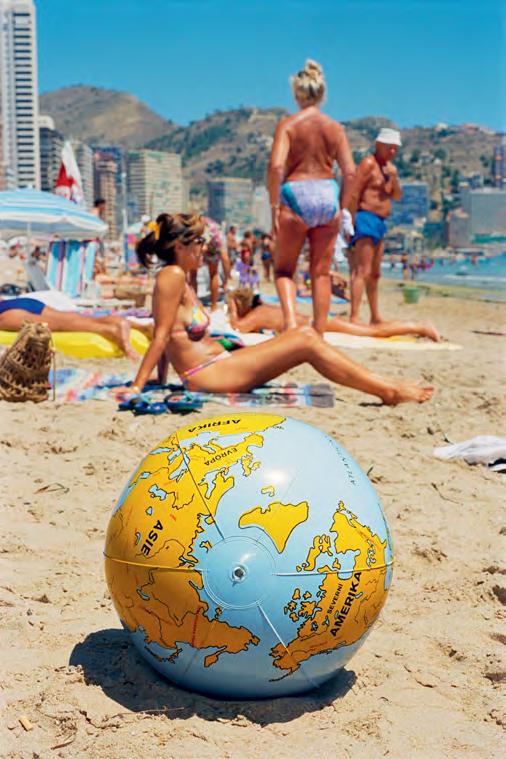
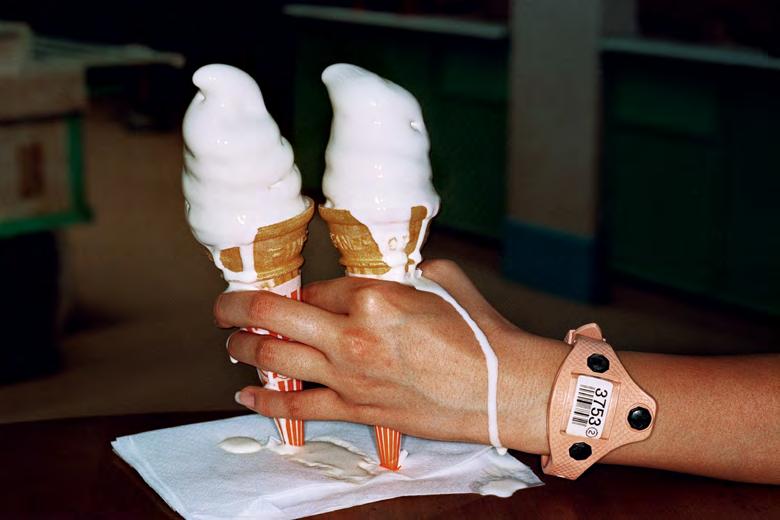
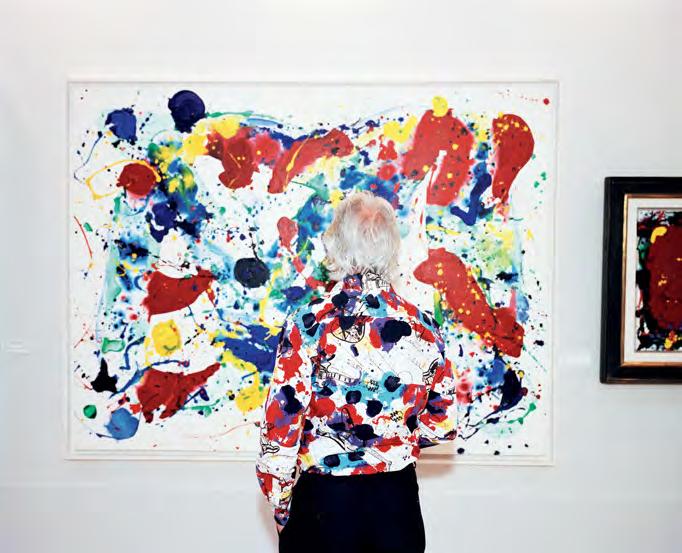
The Scenic Route: Martin Parr’s absurdist photographs offer a vivid portrait of class ambition, cultural norms, and mass tourism.
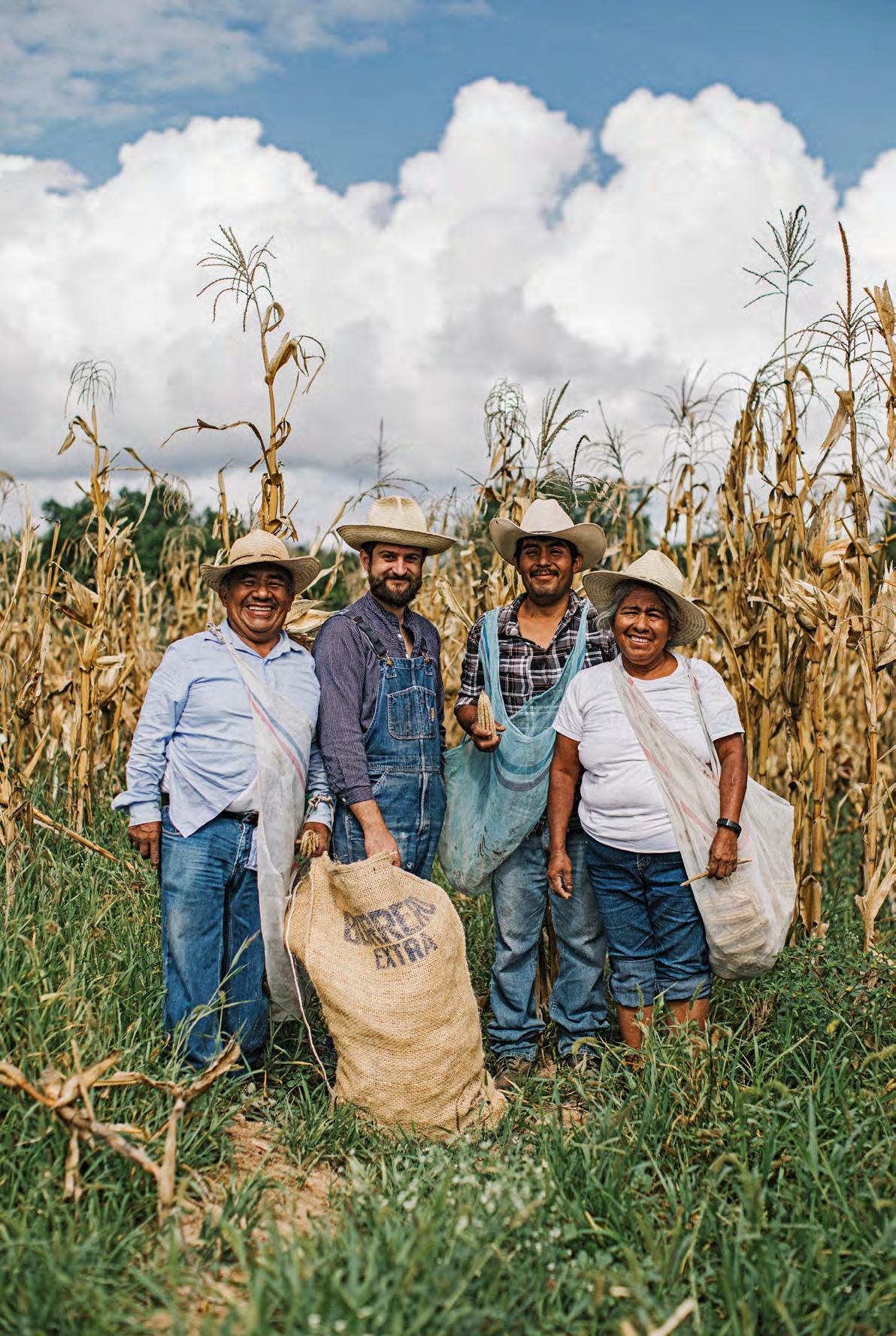
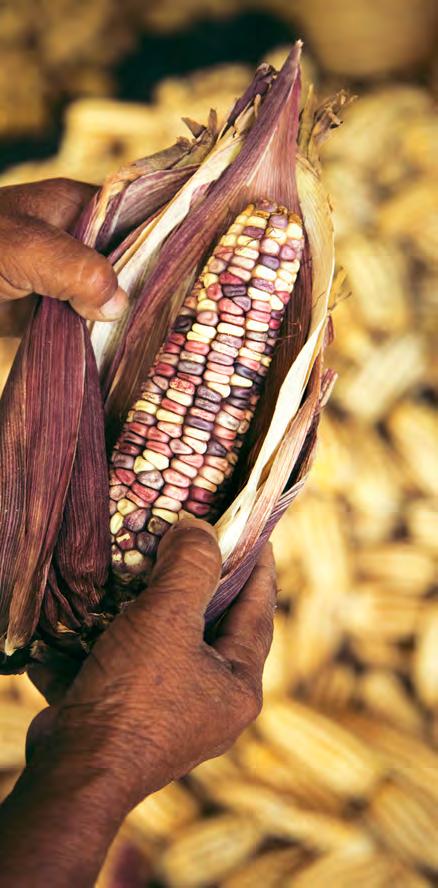
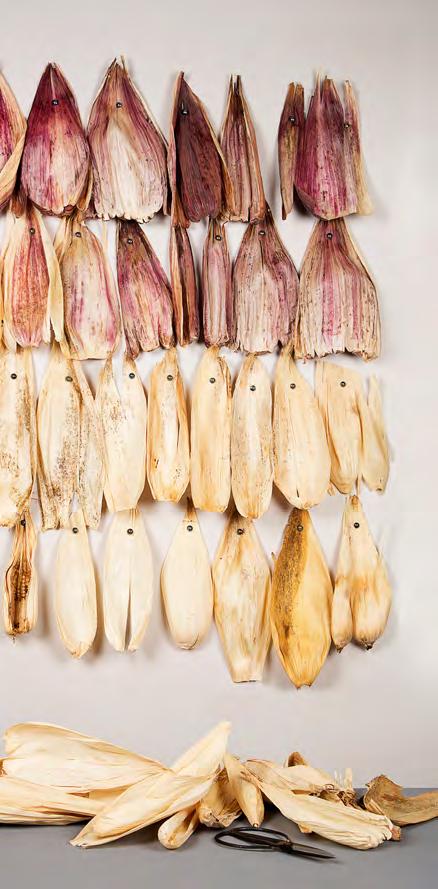
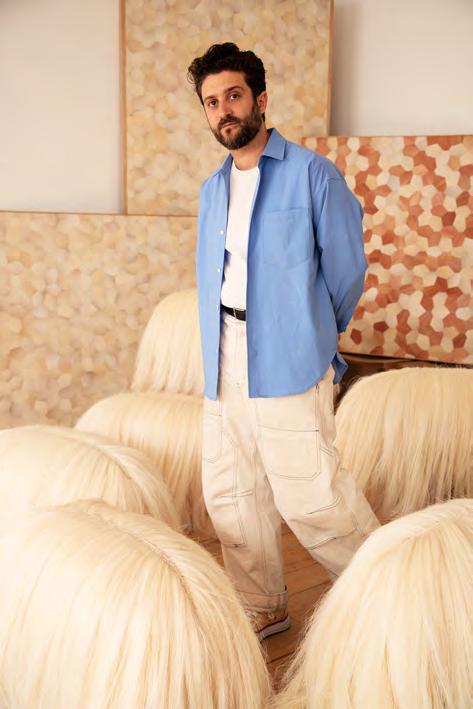
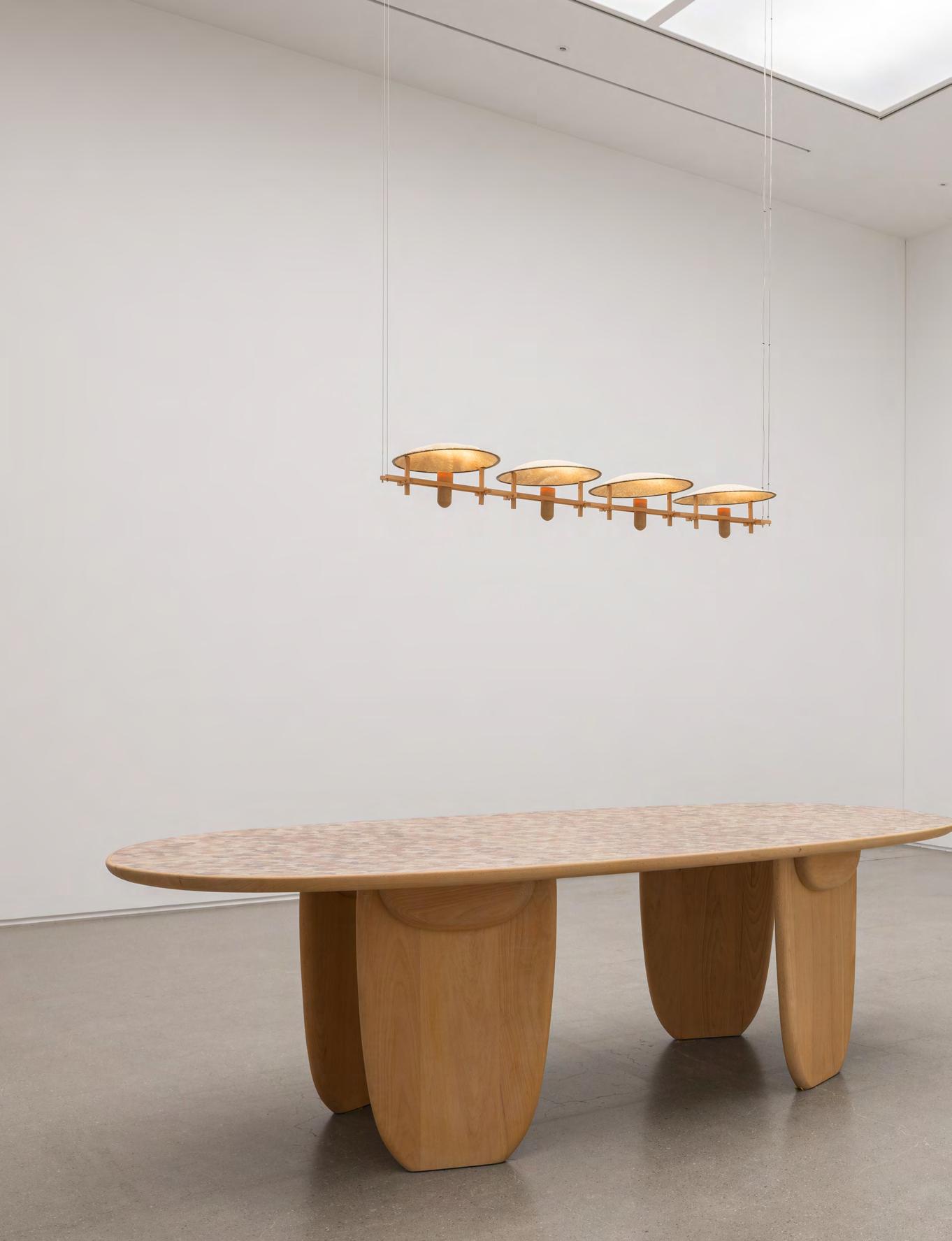
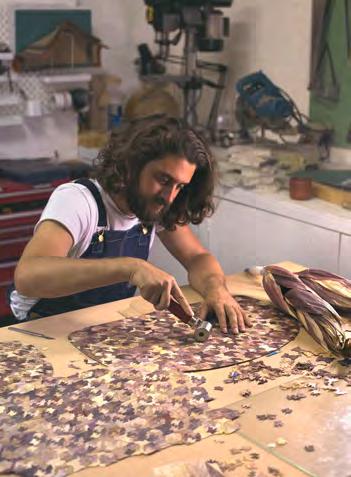
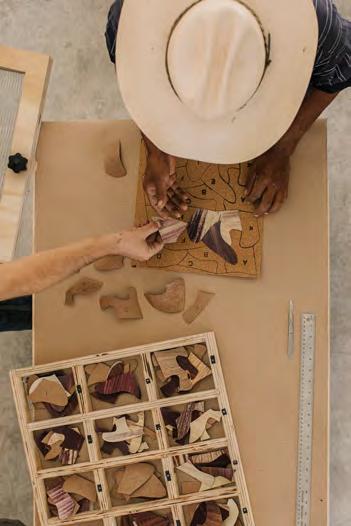
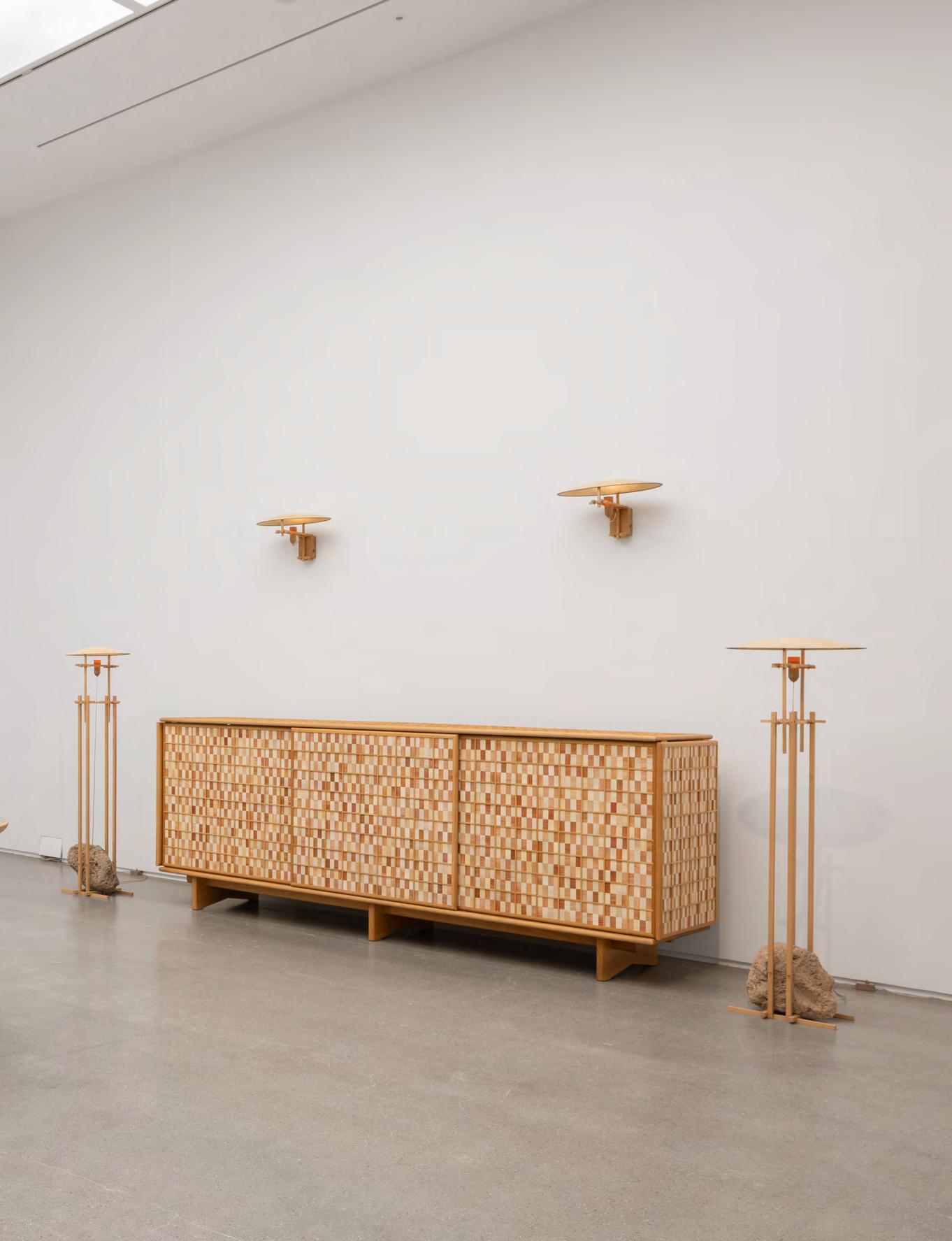
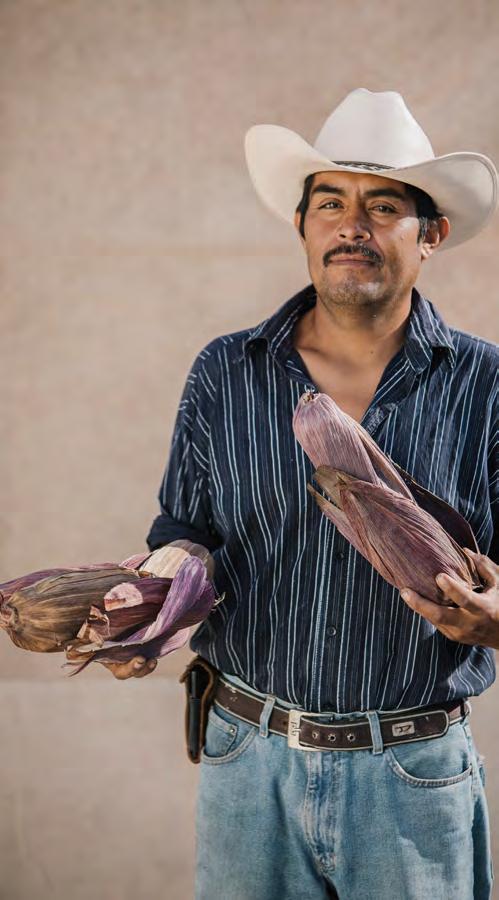
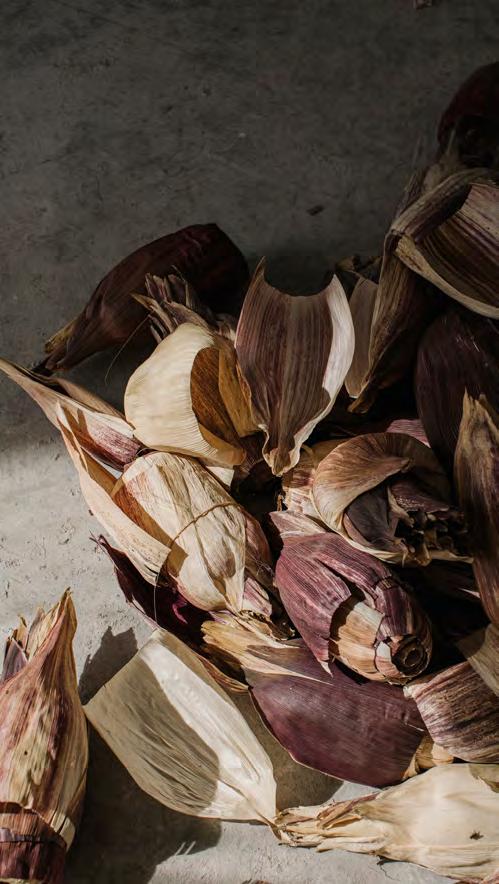
Earth Matters: Fernando Laposse is rebuilding agricultural processes and challenging expectations of Mexican design.
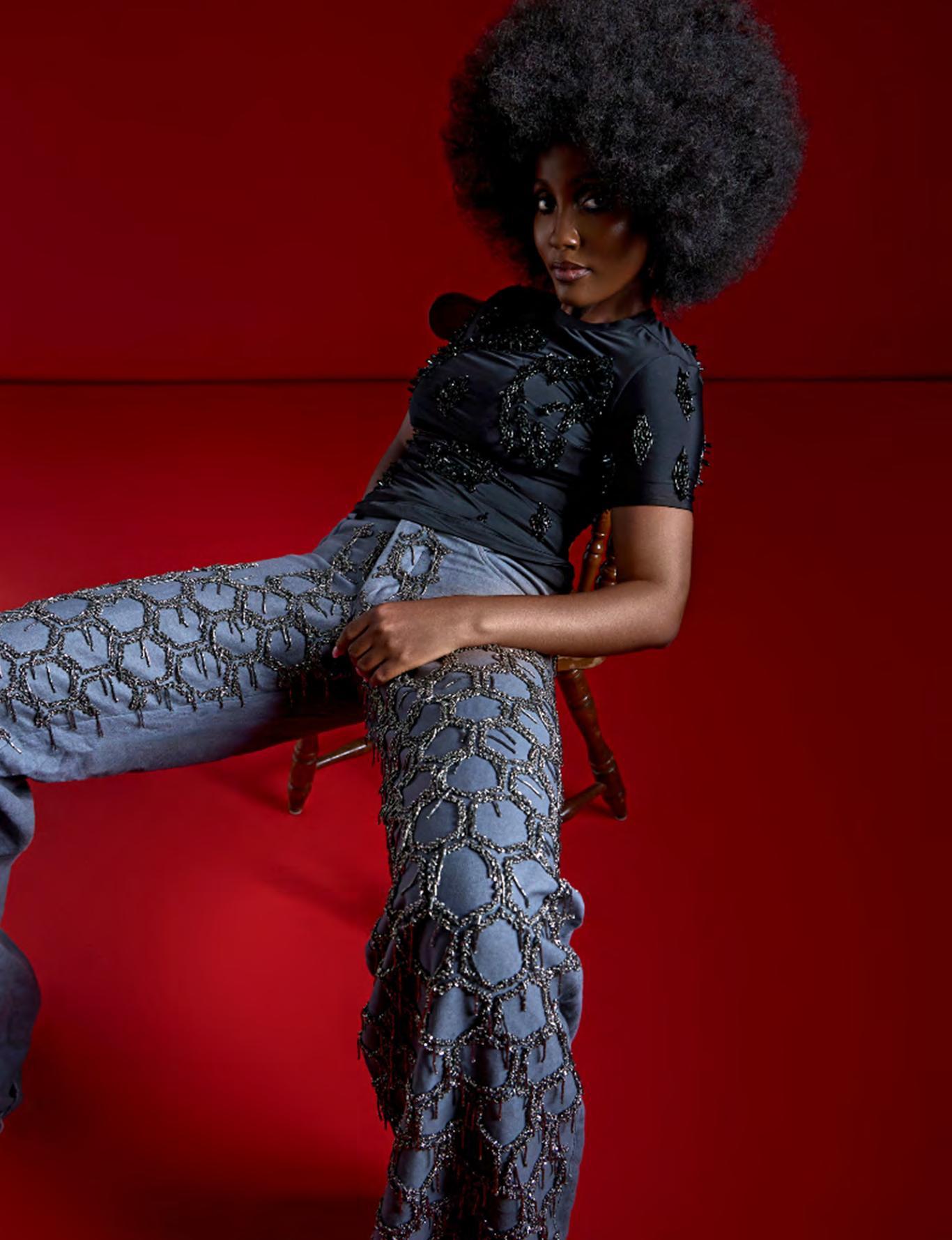
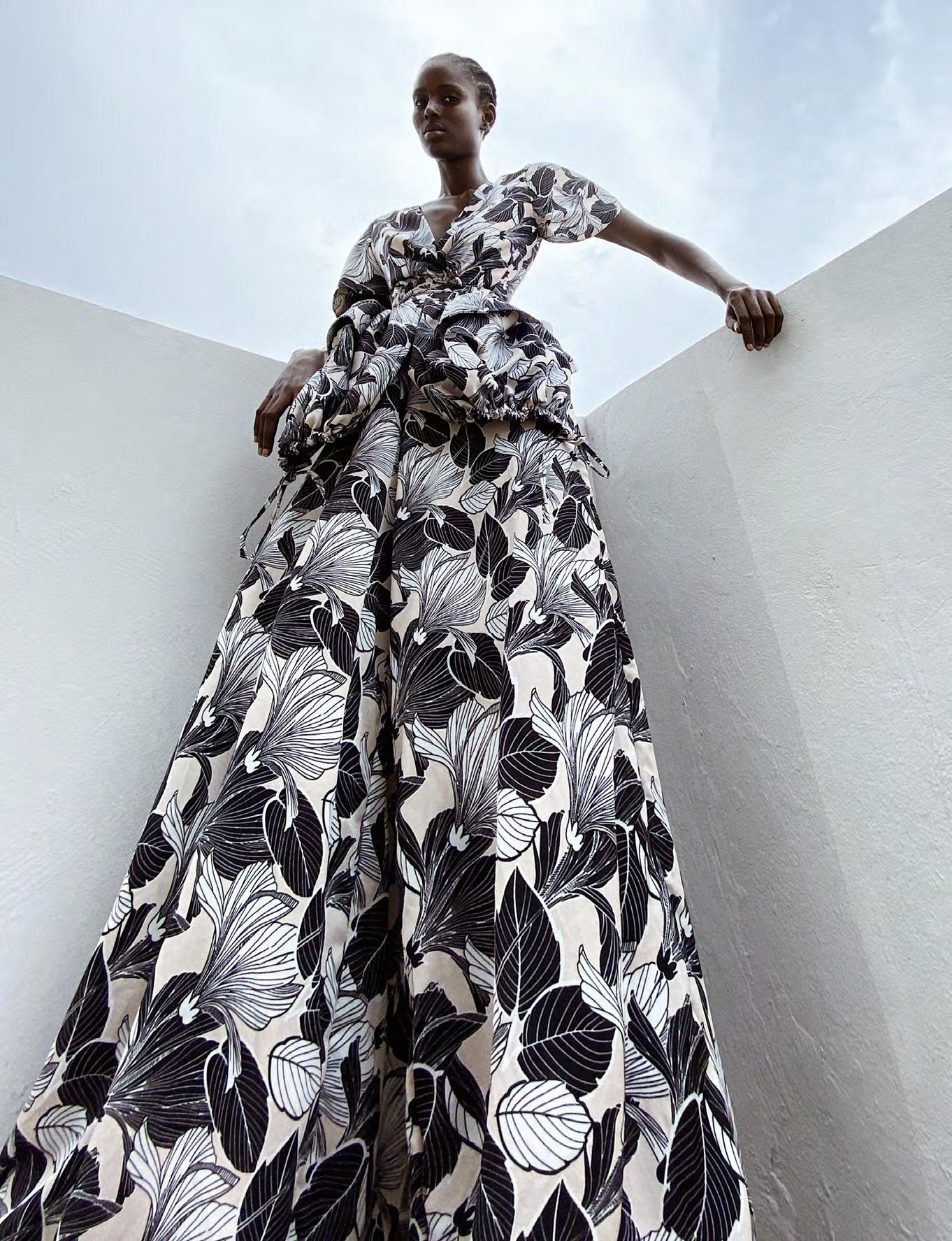
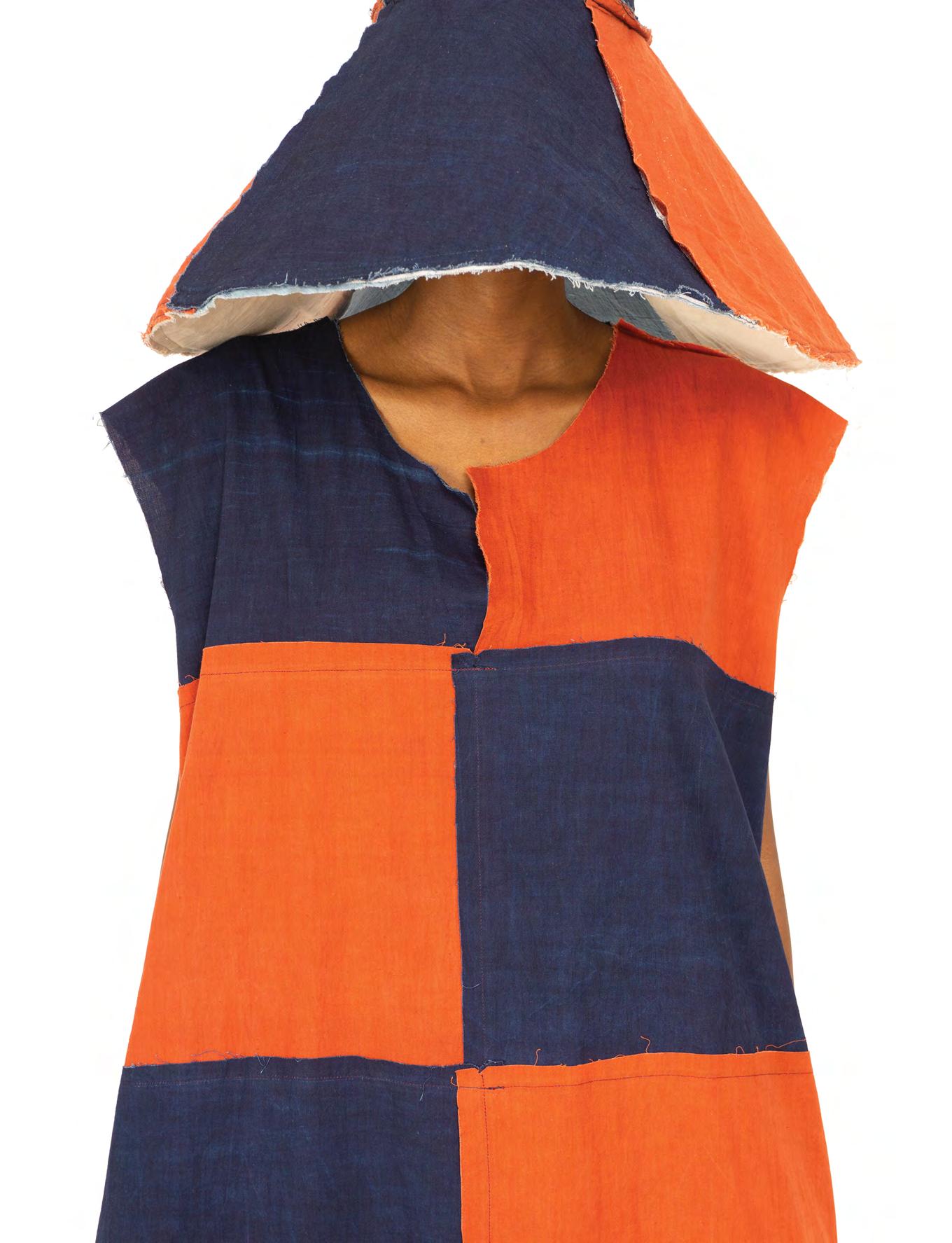
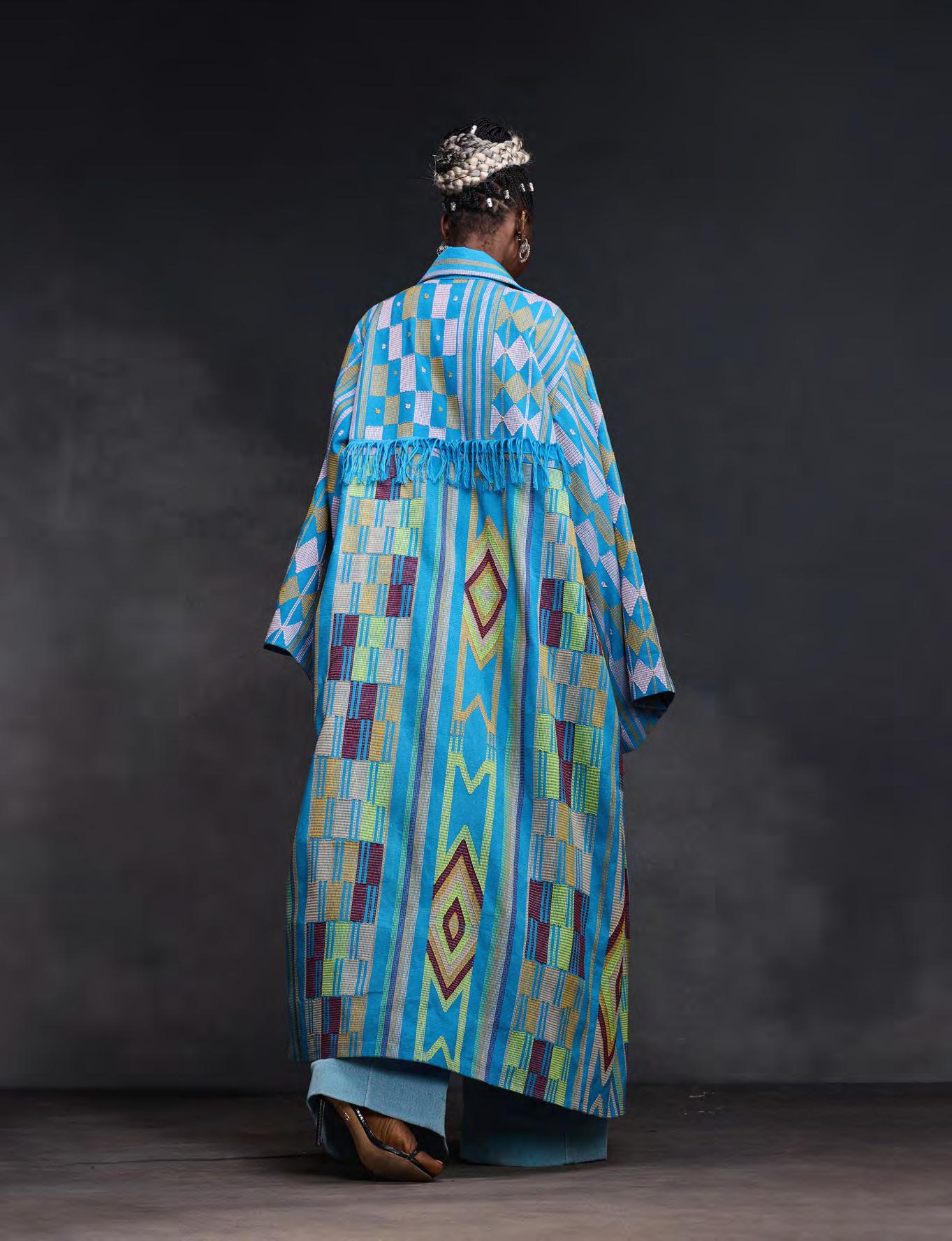
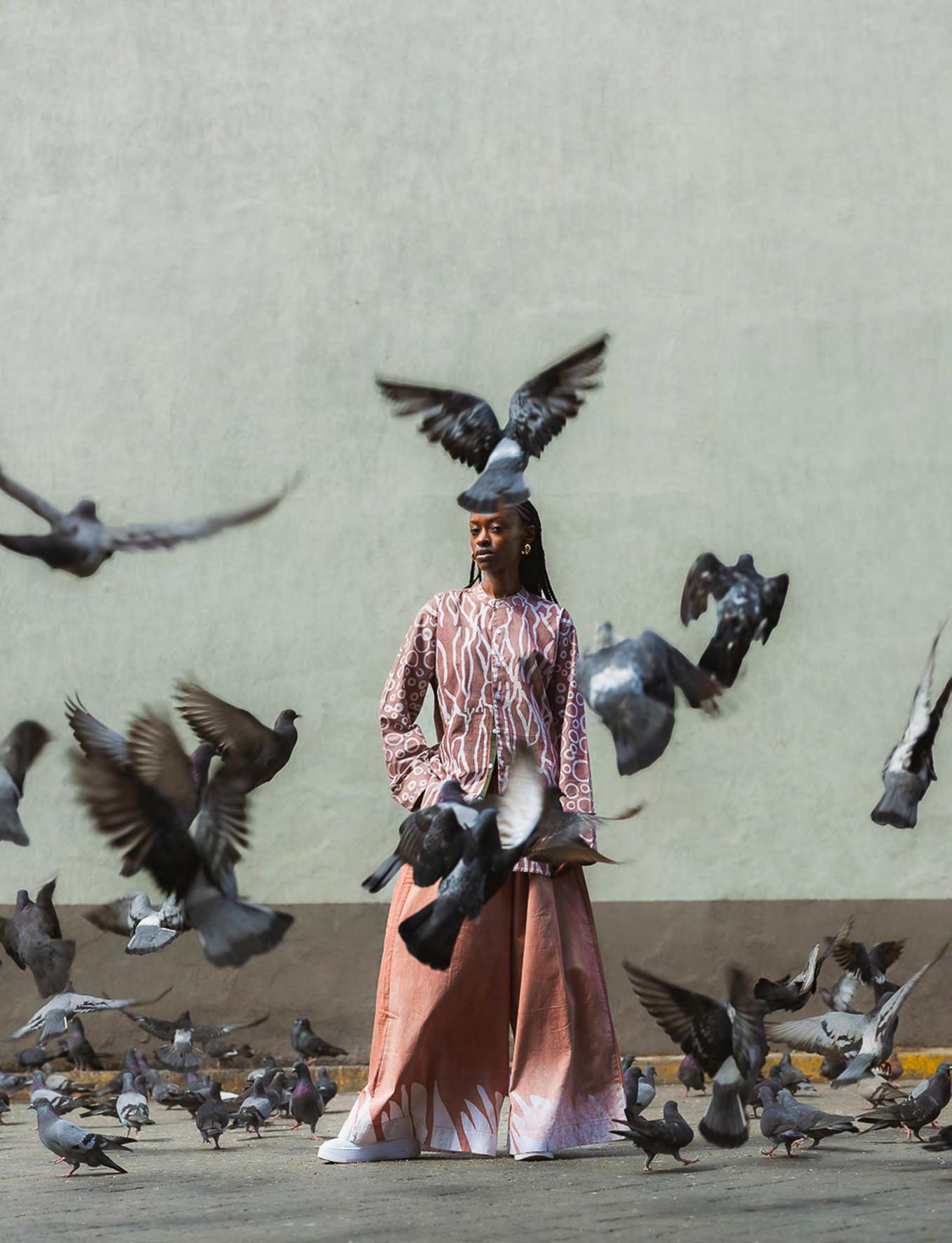
Going Deep: Industrie Africa is replacing expected paradigms with an elastic, dynamic proposal that reflects the continent’s vast creativity and cultural breadth.
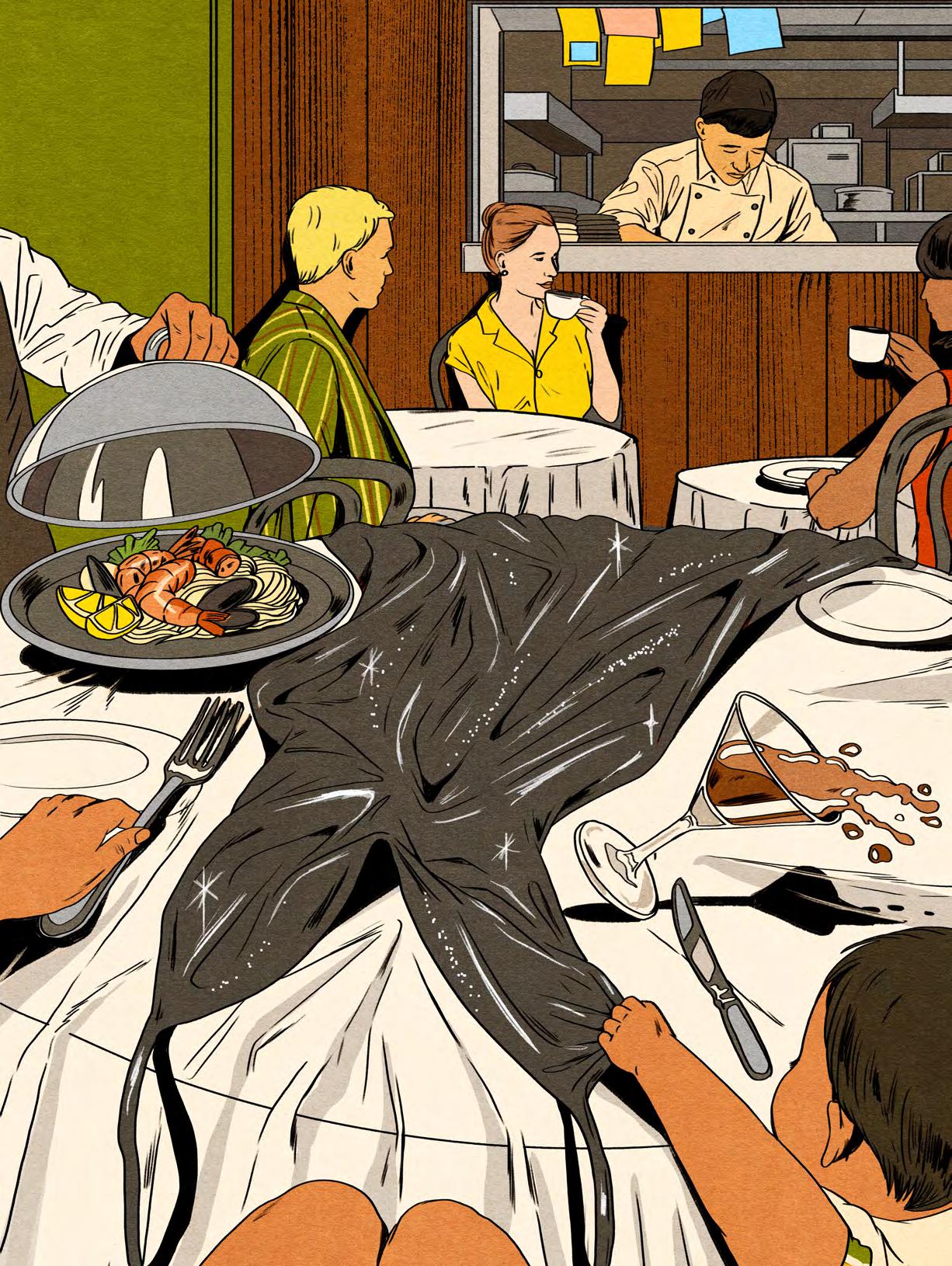
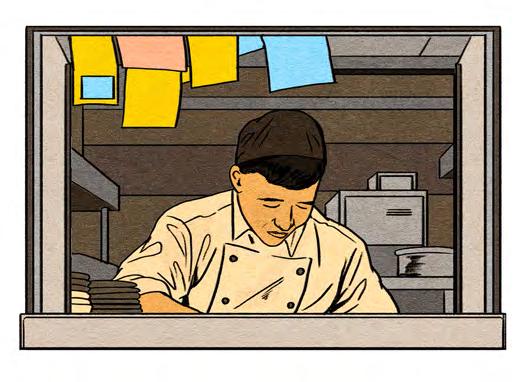
The Dress: A short story by Eddie Huang.
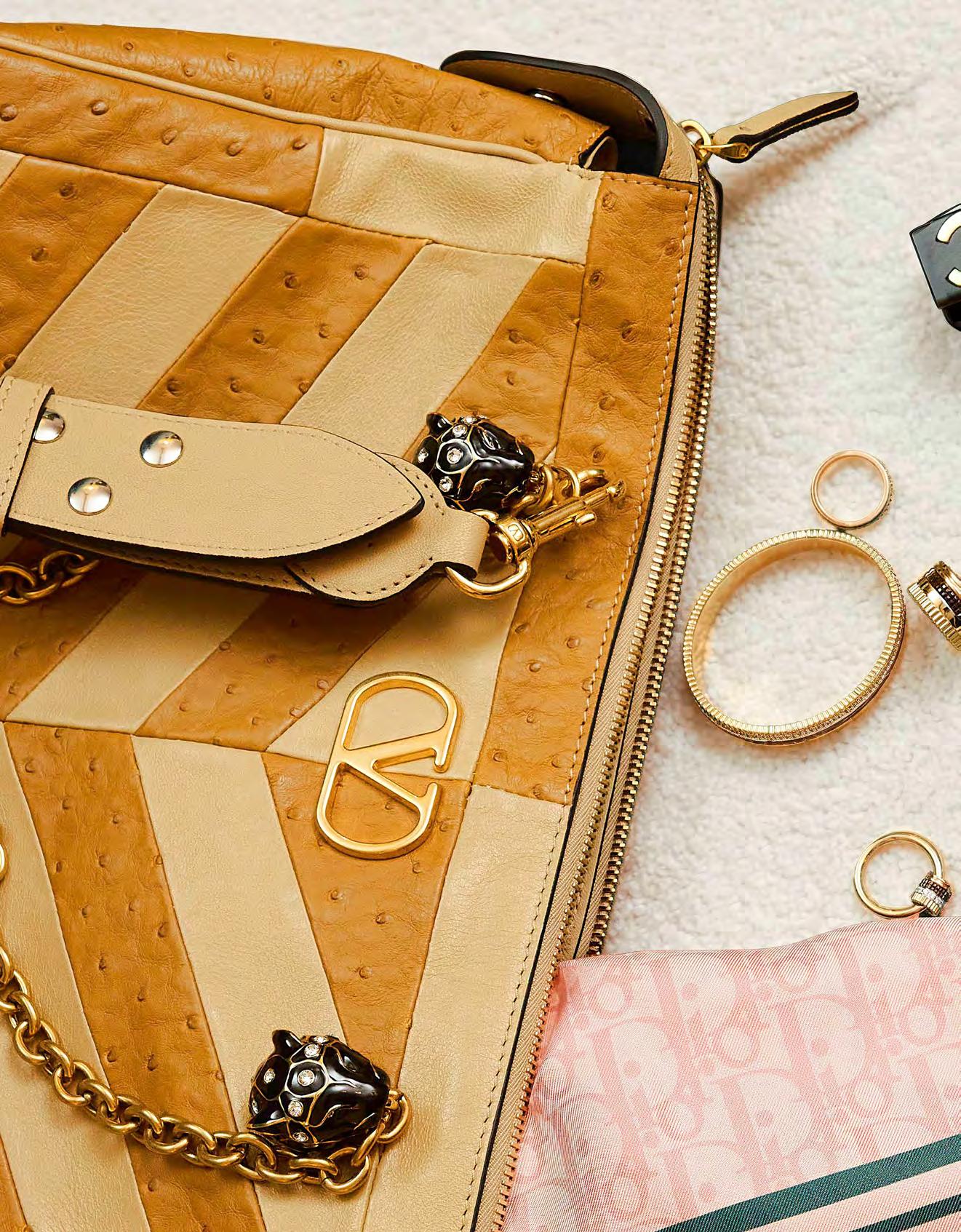
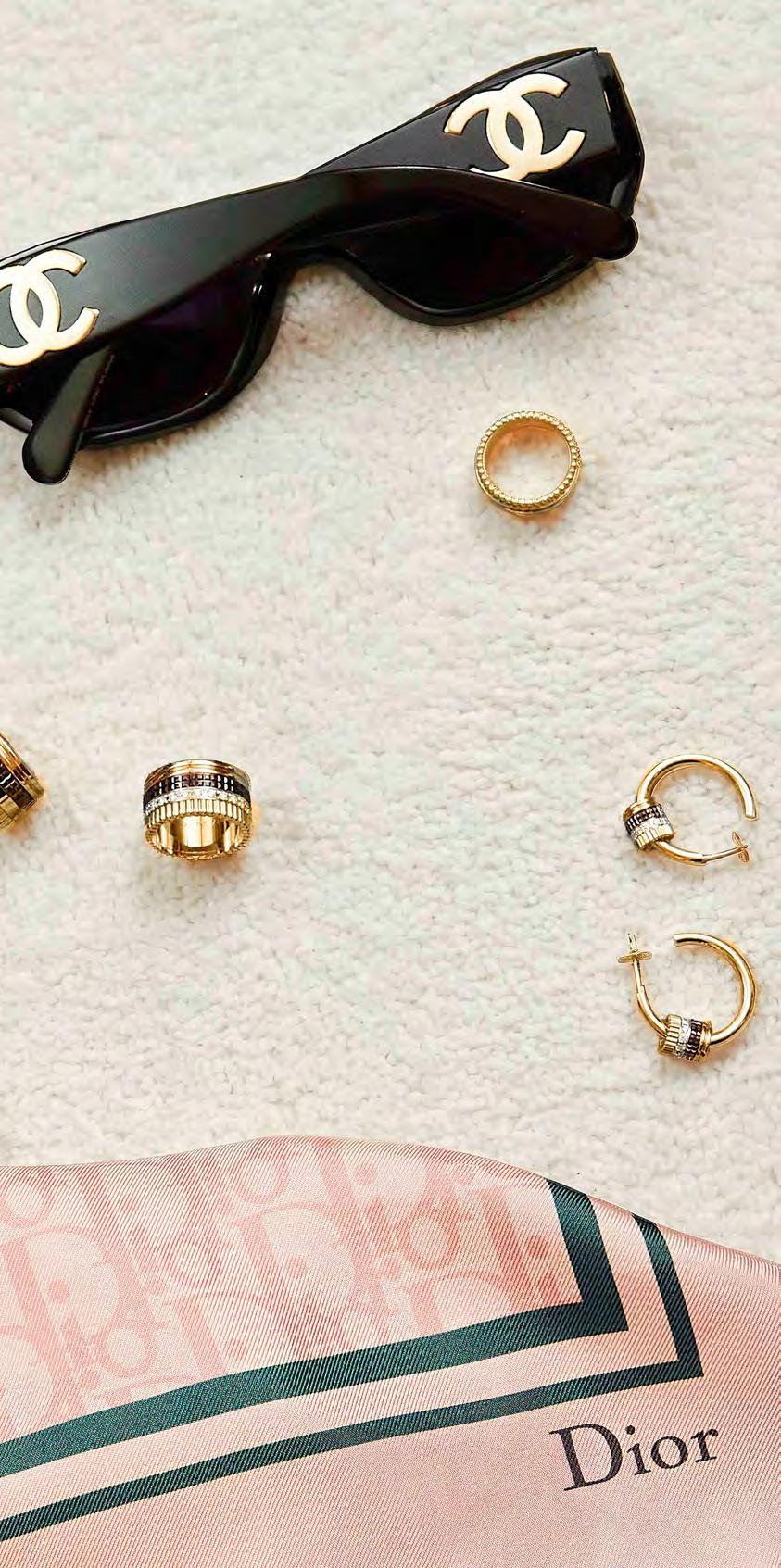
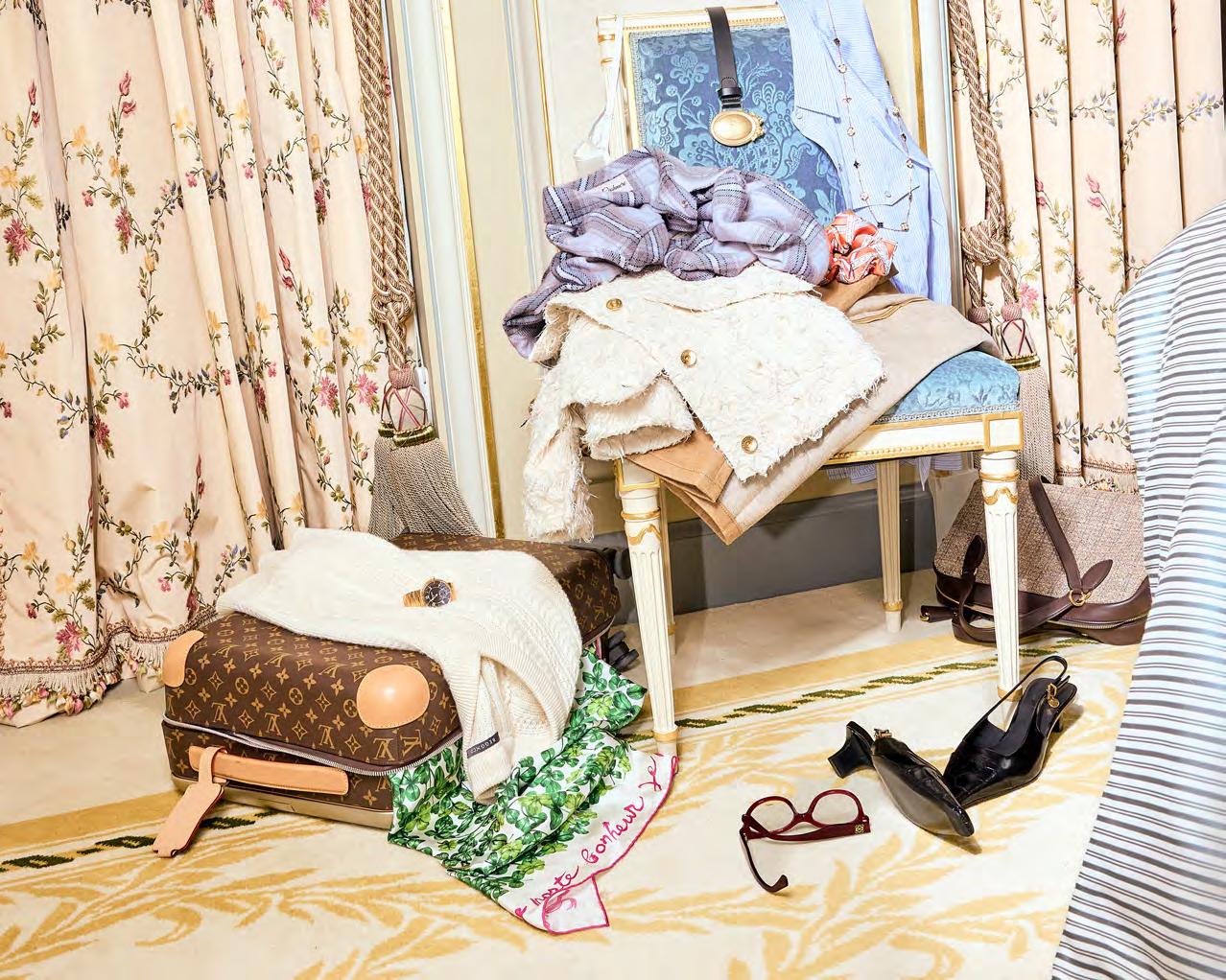
Checked In: This season’s styles get a room at the Ritz Paris.
Think Again: Dr. Ellen Langer’s more than 50 years of research into the power of perception to shape our experience consistently reveals one truth: The path to well-being lies in our mind.
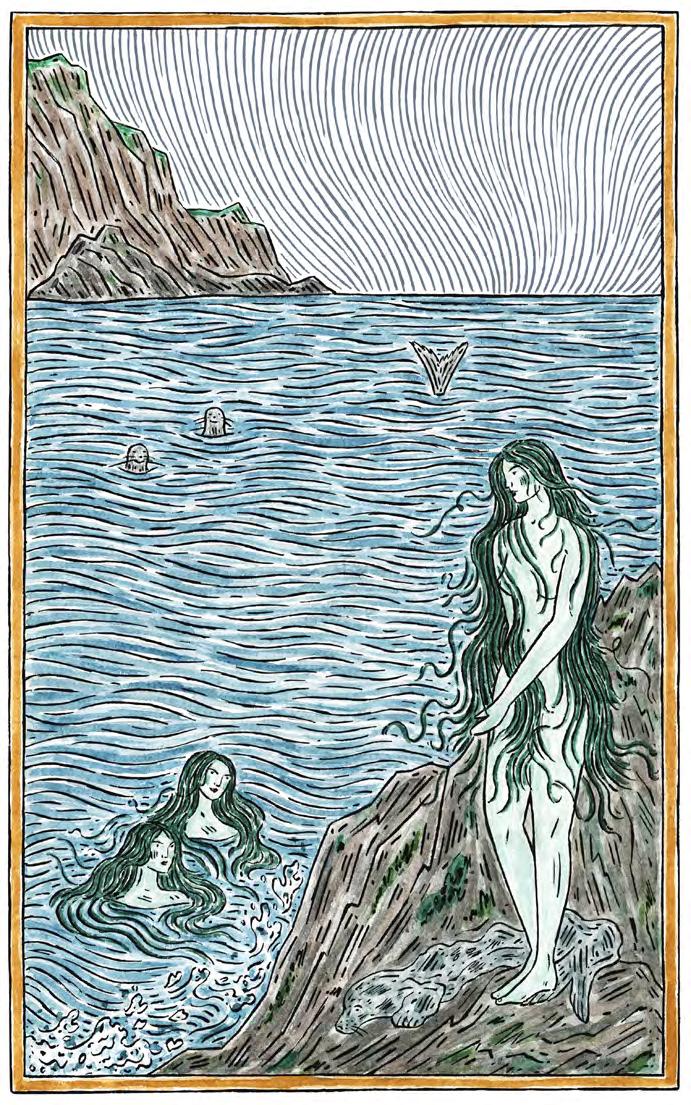
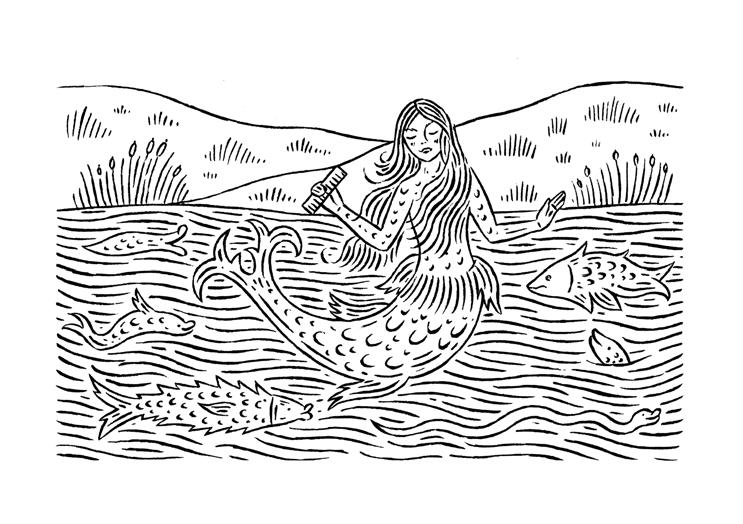
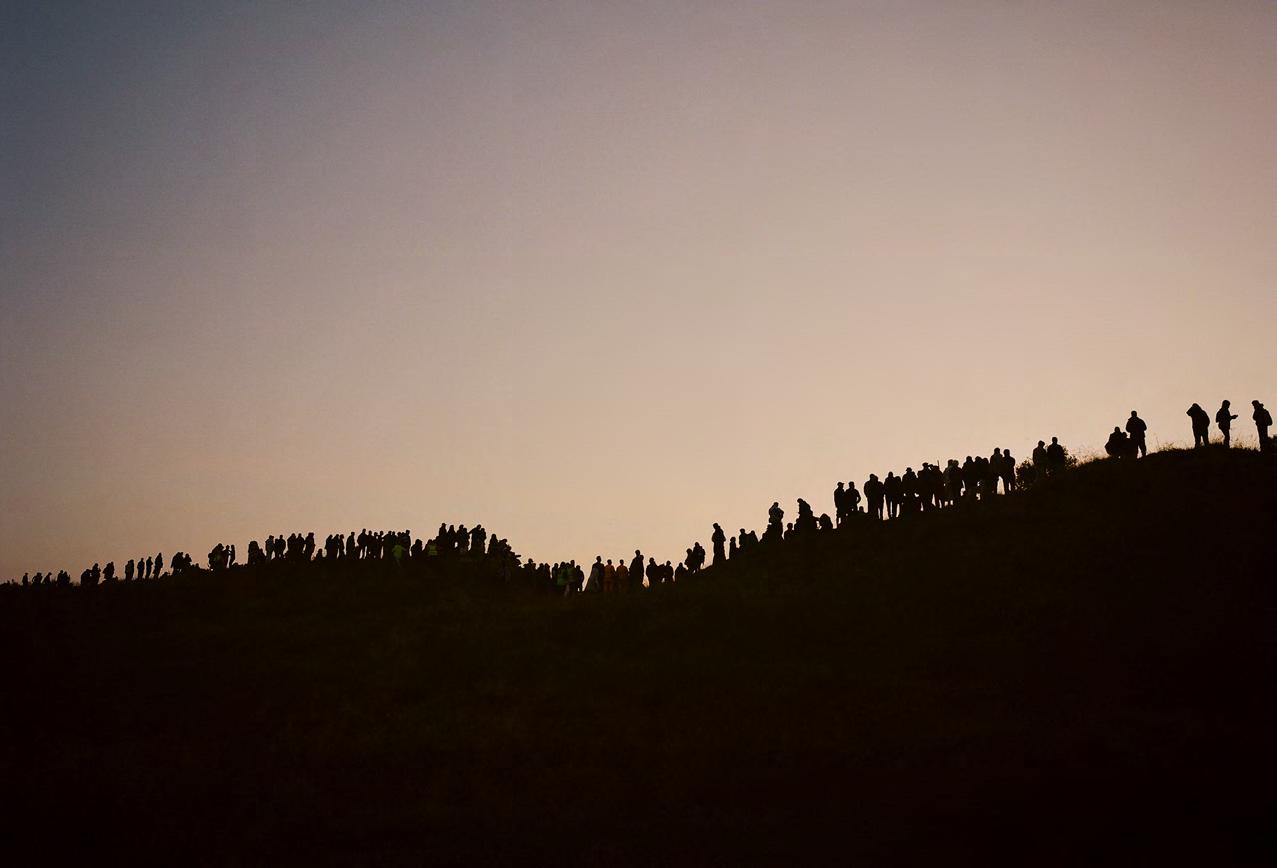
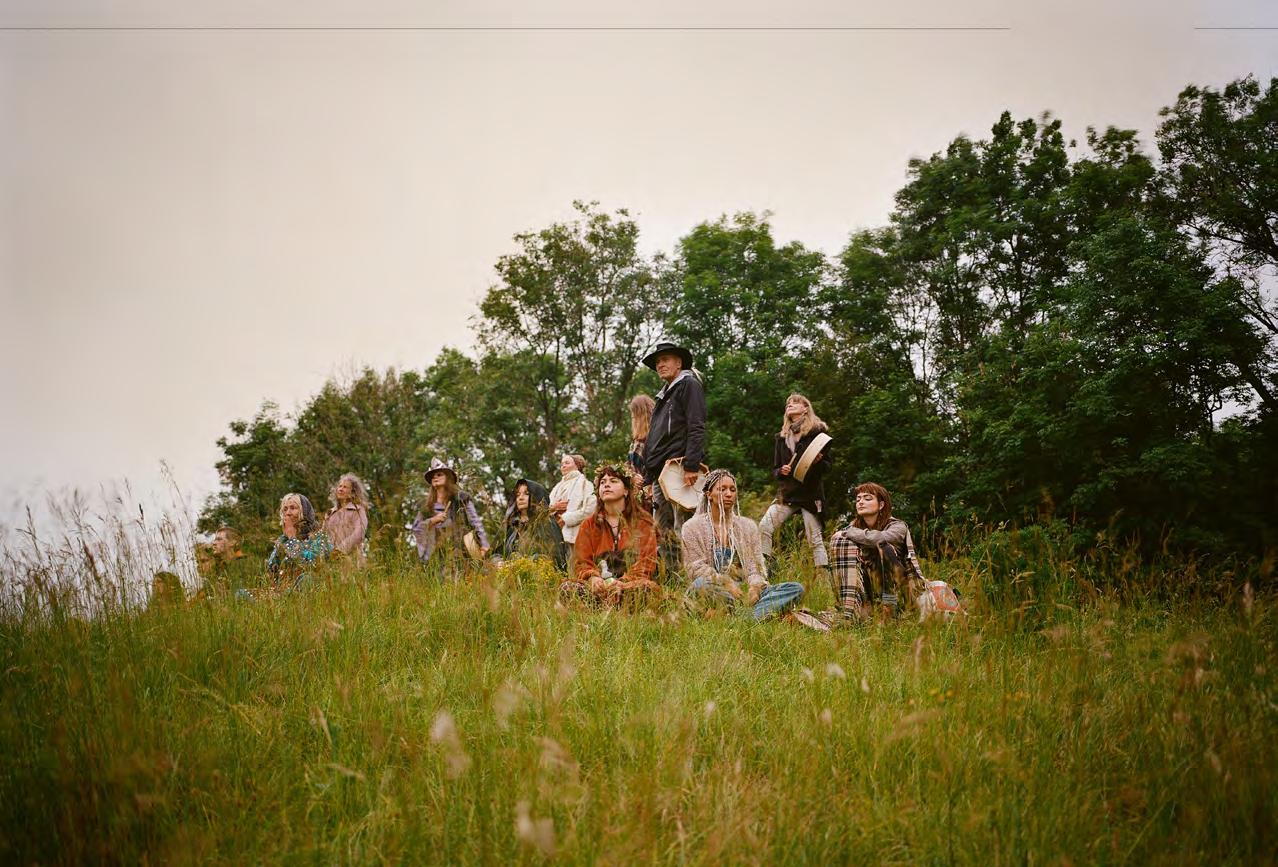
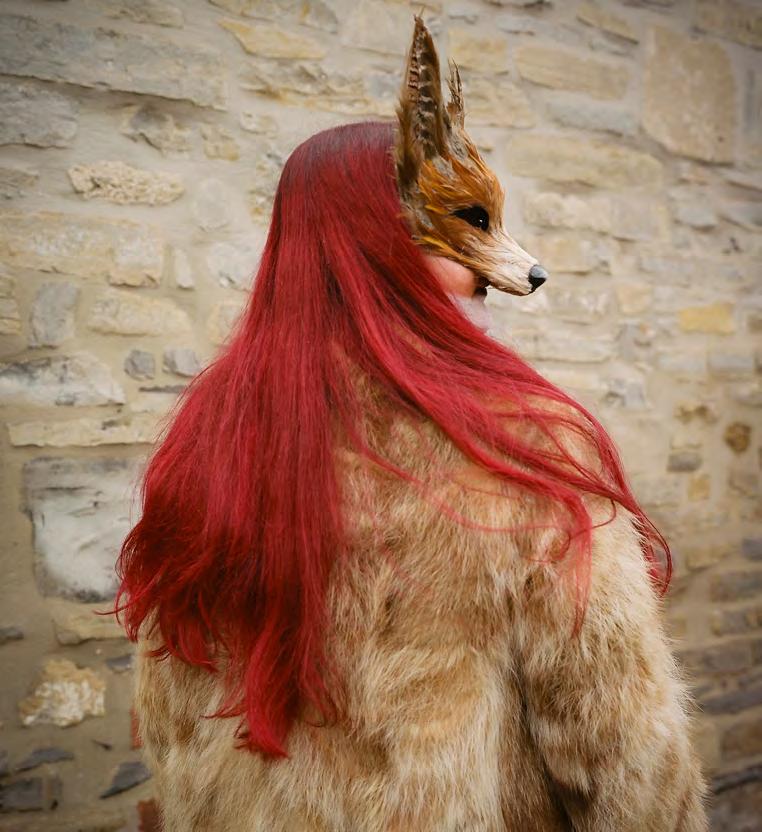
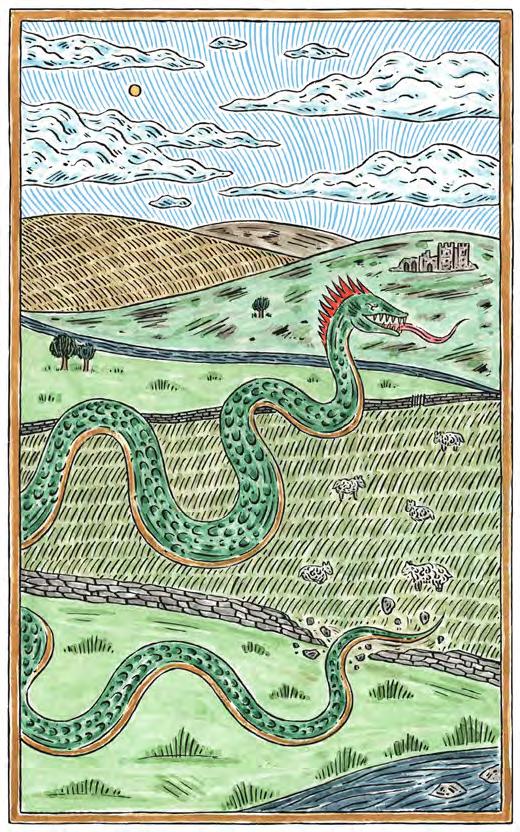
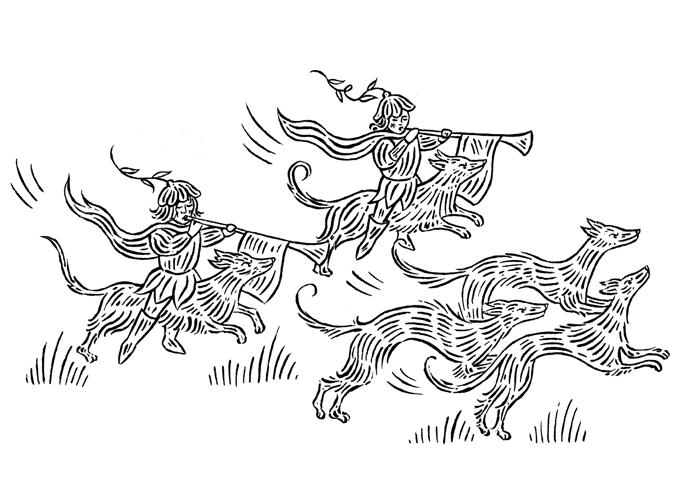
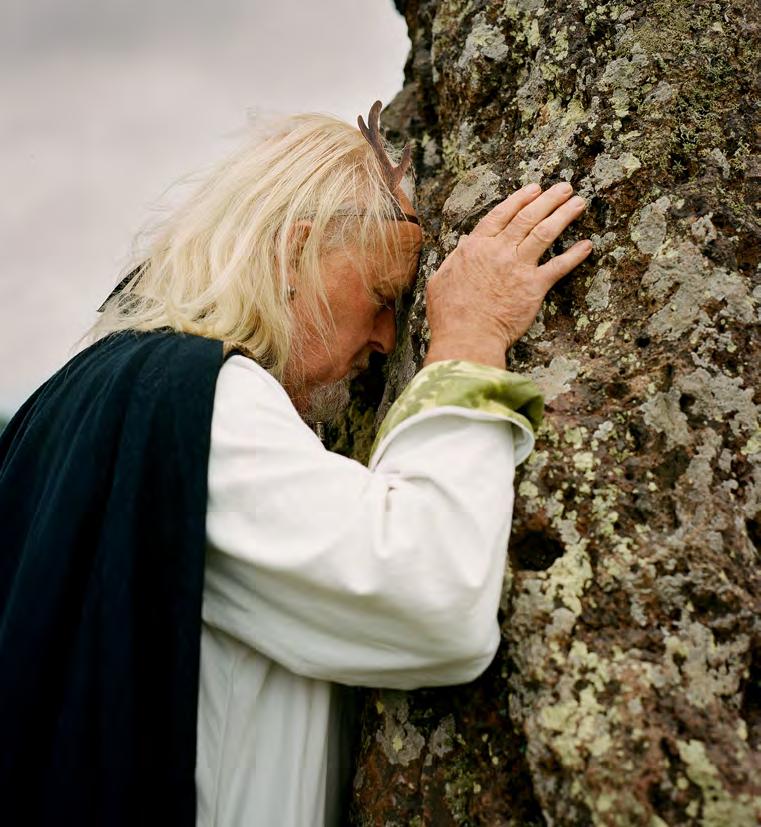
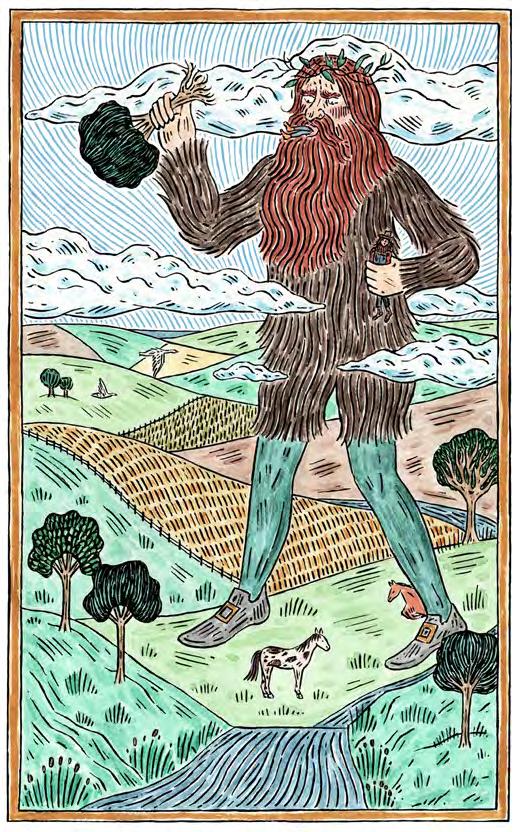
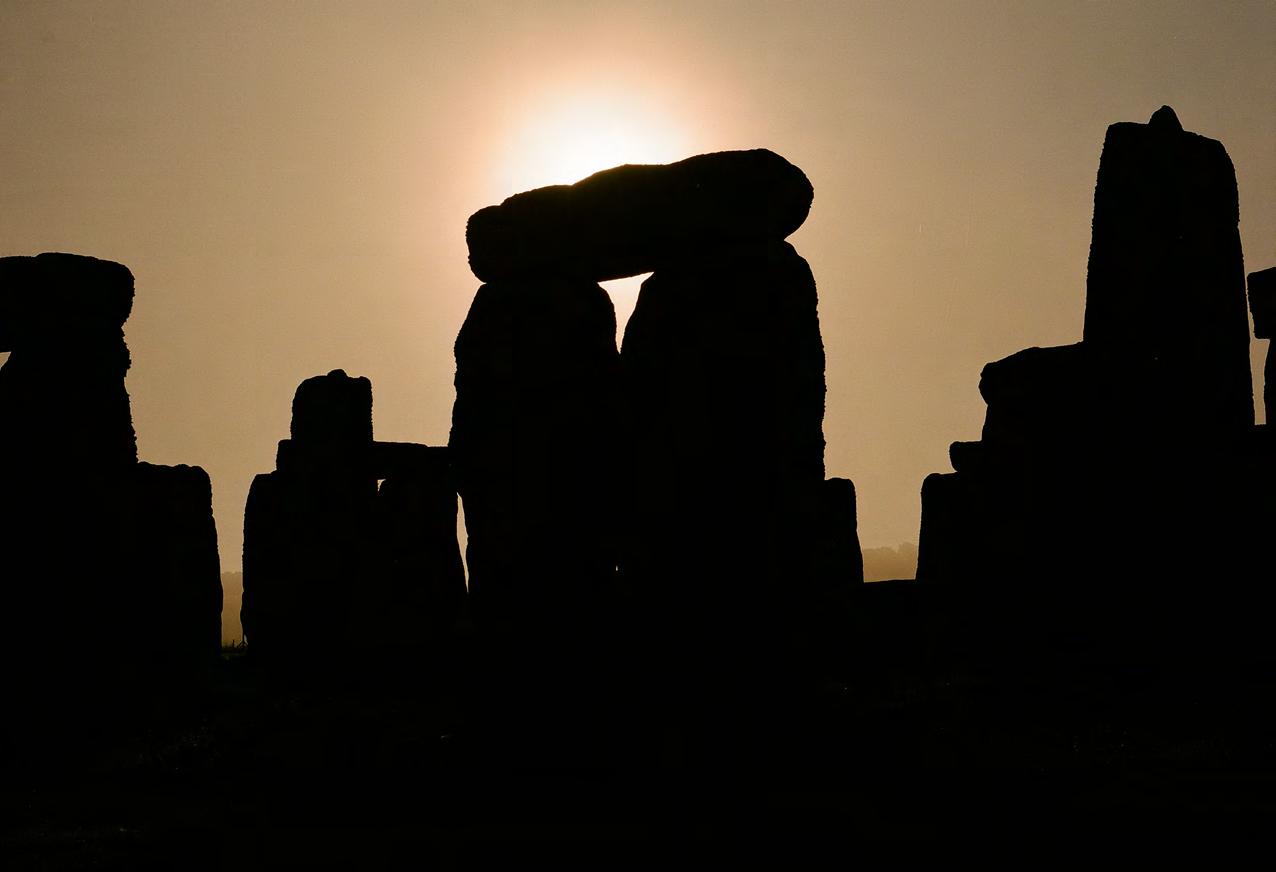
What Came Before: The persistence of ancient folklore in the British countryside carries with it modern life lessons, including an appeal for living in the now.
PENINSULA PERSPECTIVES
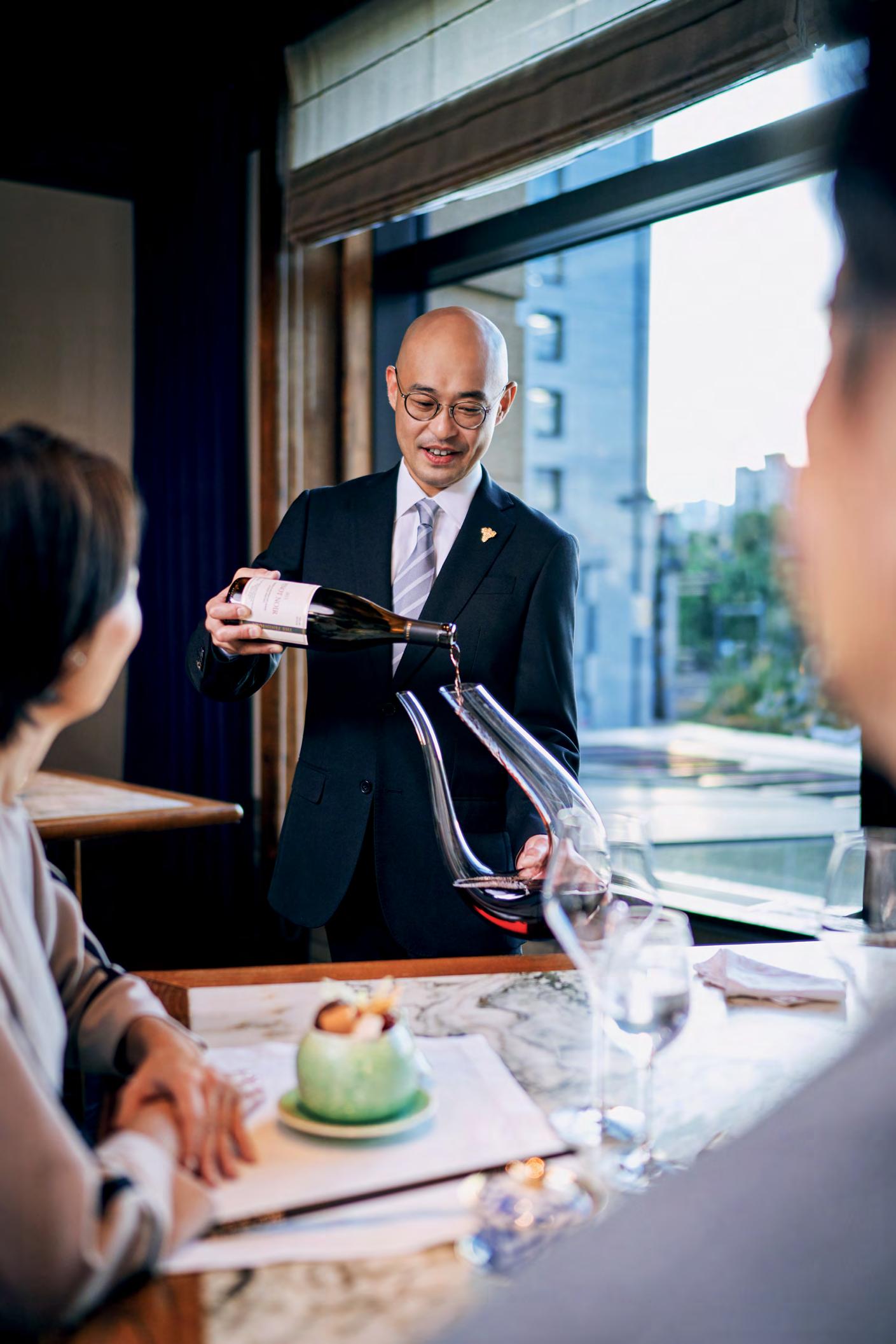
“I pour wine but also moments of
Hiroaki Kawano, Head Sommelier, Hei Fung Terrace, The Peninsula Tokyo Experience Tokyo from our perspective at peninsula.com/perspectives
The Dossier: A collection of thoughts, ideas, recommendations, and discoveries from all over the globe.
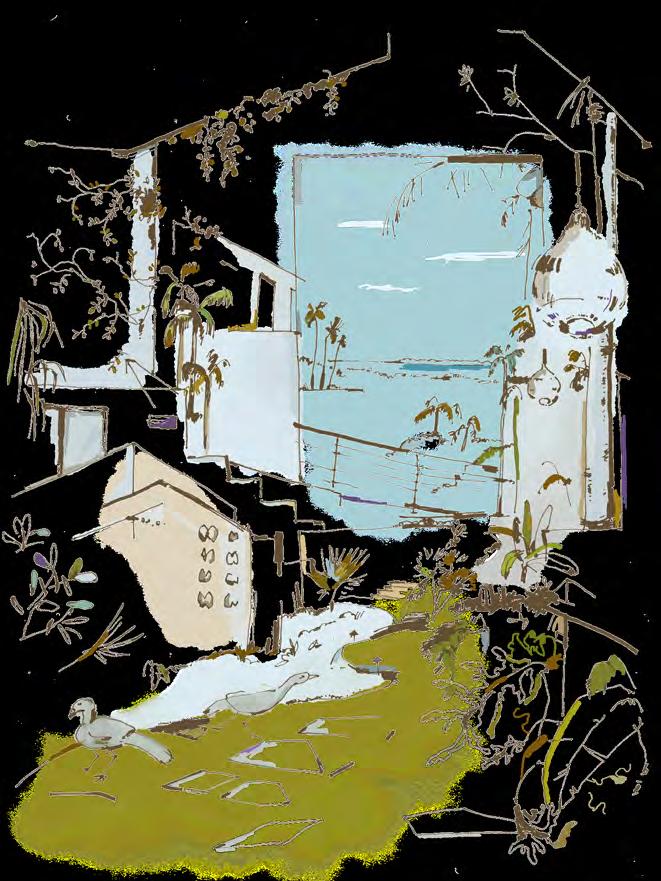
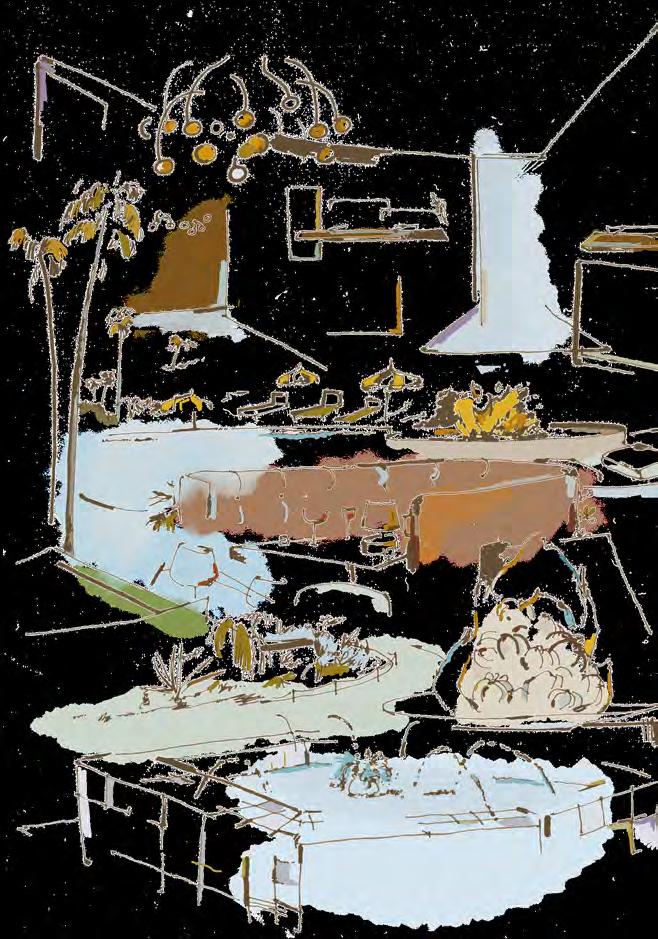
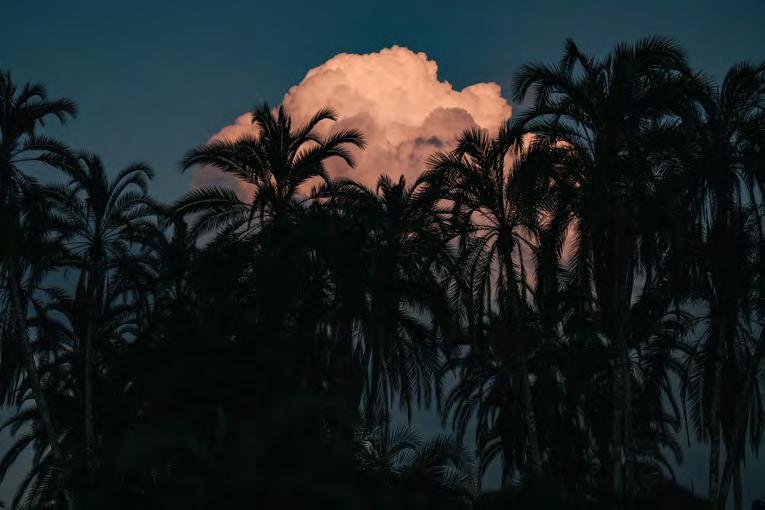
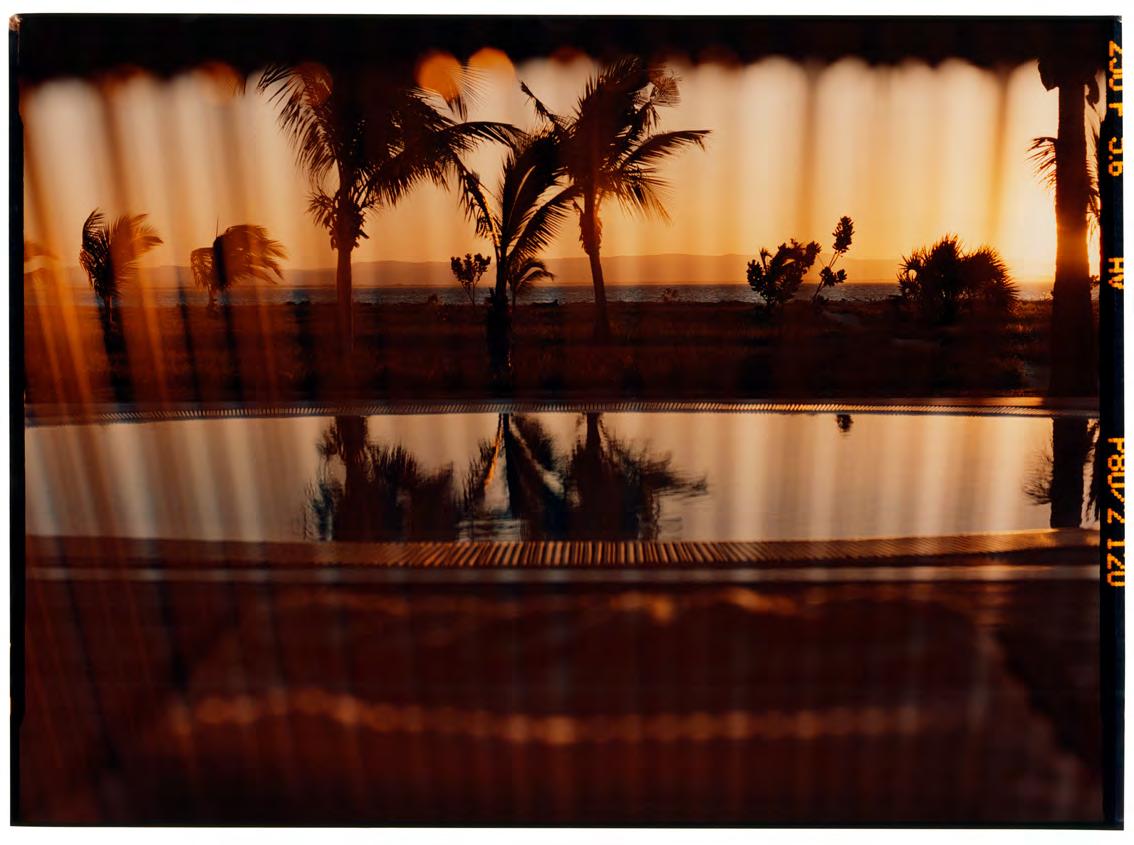
Just Like Heaven: From Marrakesh to Palm Springs to Mexico’s Pacific Coast, these characterful hotels are renowned for palm trees and pools, but that’s where their similarities end.
People Make the Place: At Hotel del Coronado in San Diego, passion, pride, and heartfelt hospitality characterize the iconic property’s vibrant present.
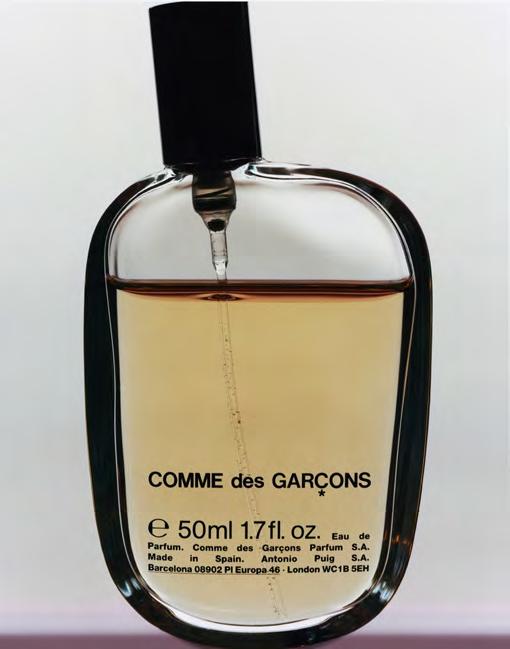
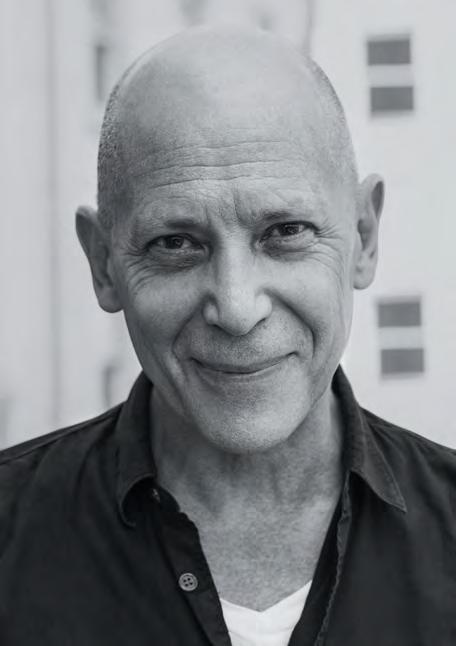
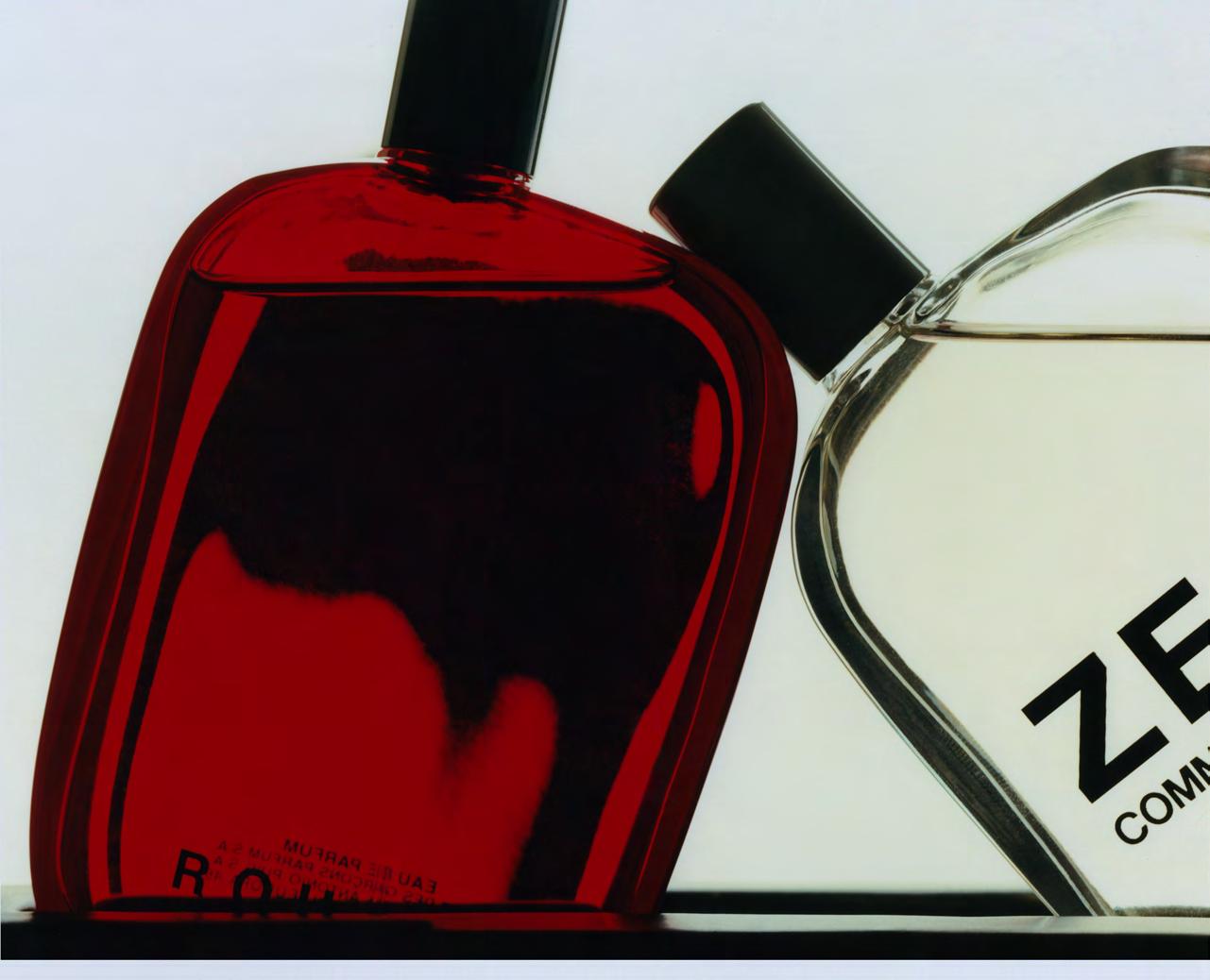
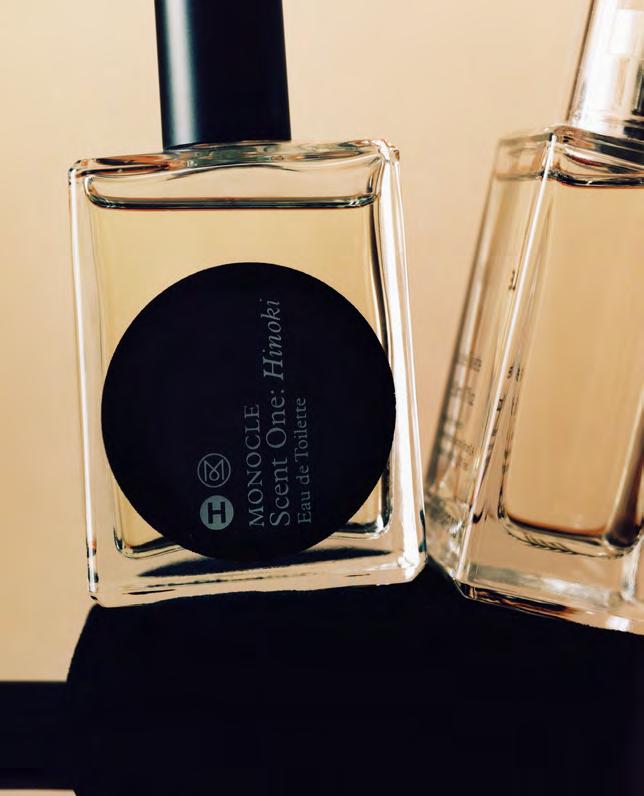
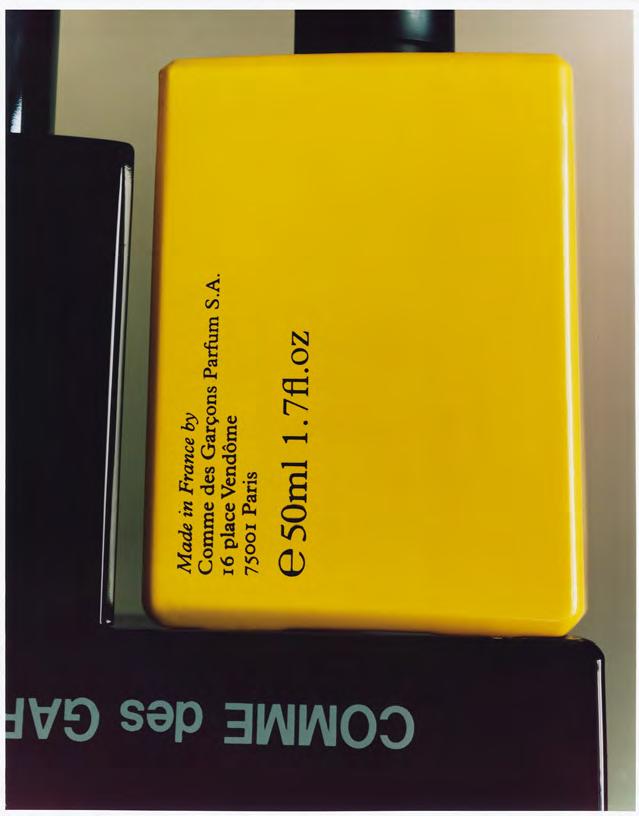
Off the Cuff: Adrian Joffe, president of Comme des Garçons, talks anti-perfumes, alien anthropologists, and the brand’s subversive beauty ambitions.
Book Marked: Musician Lucy Dacus considers the books that have shaped her movement through the world.
On the Fly: Legendary restaurateur Keith McNally sets aside his second morning espresso to share early morning musings.
Table Talk: The locally rooted sustainability principles of New Nordic cuisine inspire meaningful dialogue when examined on a global scale.
Fortune’s Favor: At Rubra, Daniela Soto-Innes manifests a culinary and communal dream.
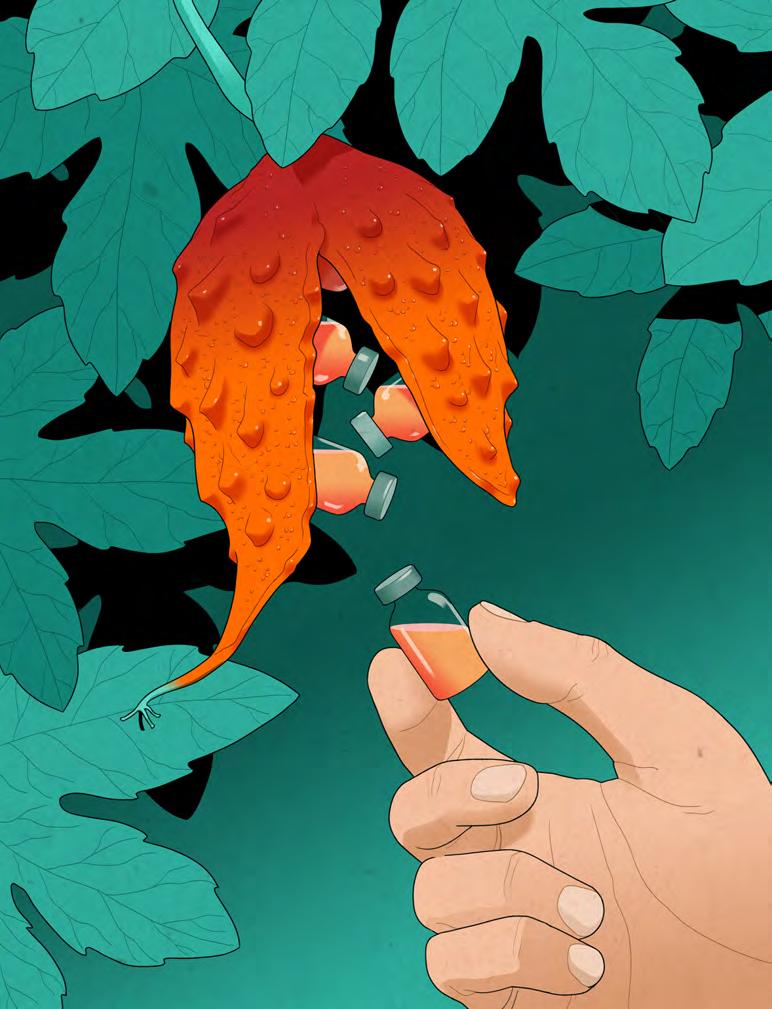
Planting Seeds: A madcap encounter with Crocodile James on the Caribbean island of Saba grows into a lived examination of the biology of bush medicine.
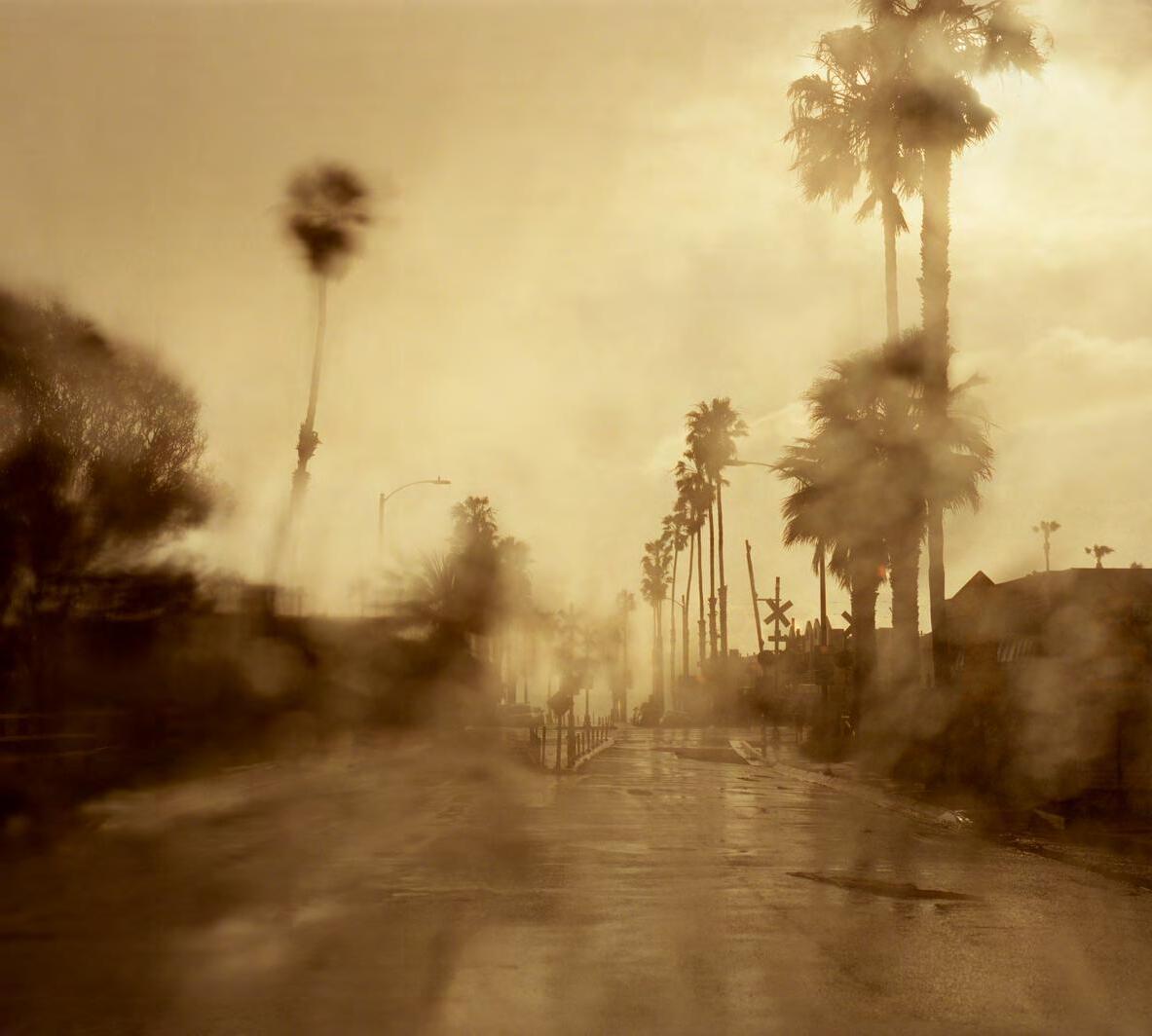
The Land of Little Rain: Chiara Barzini shares an exclusive excerpt from Aqua: A Story of Water and Lost Dreams, a restless, literary journey through California and the American West.
Material Worlds: Mara Hoffman explores the tangible and spiritual threads that bind a father and daughter.
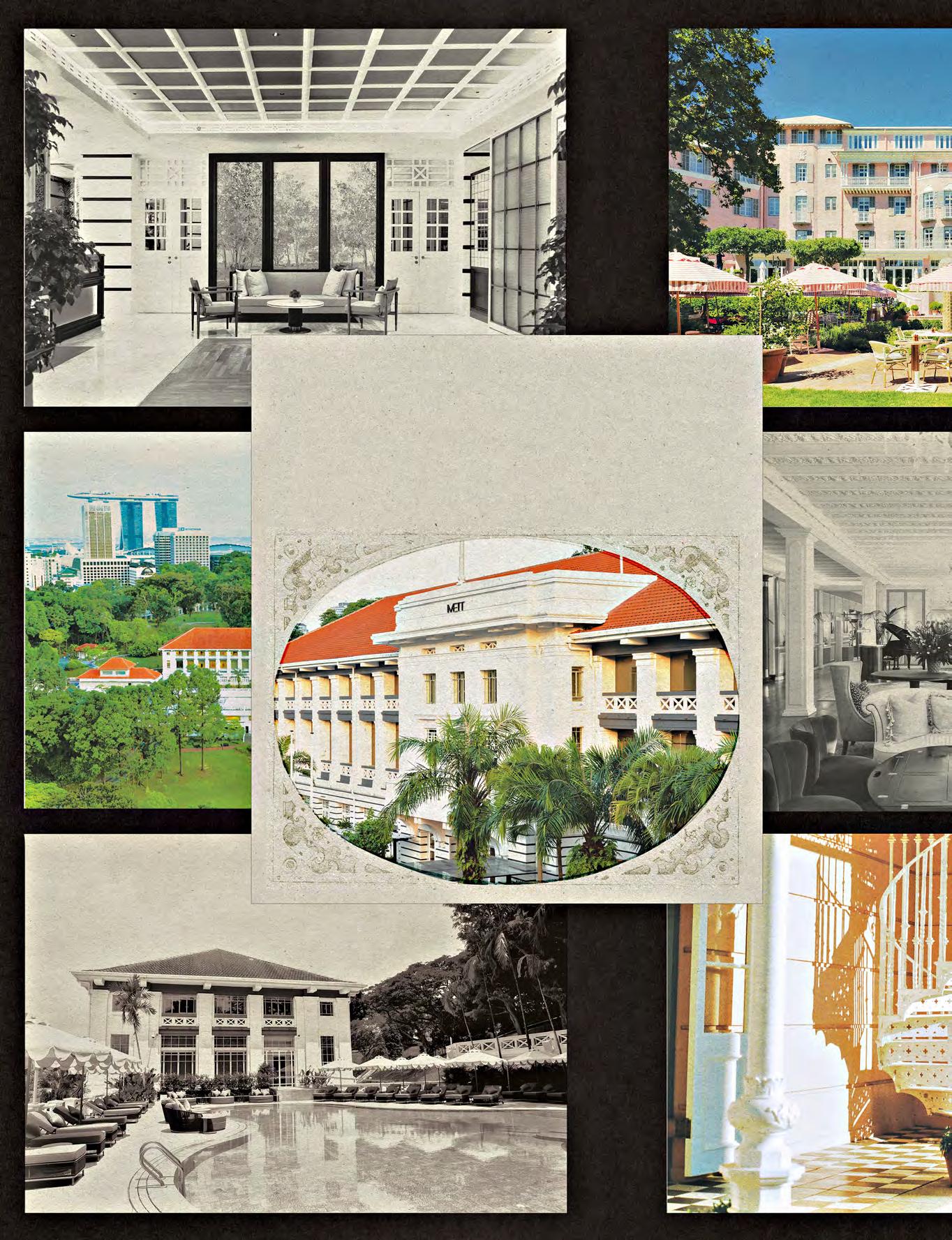
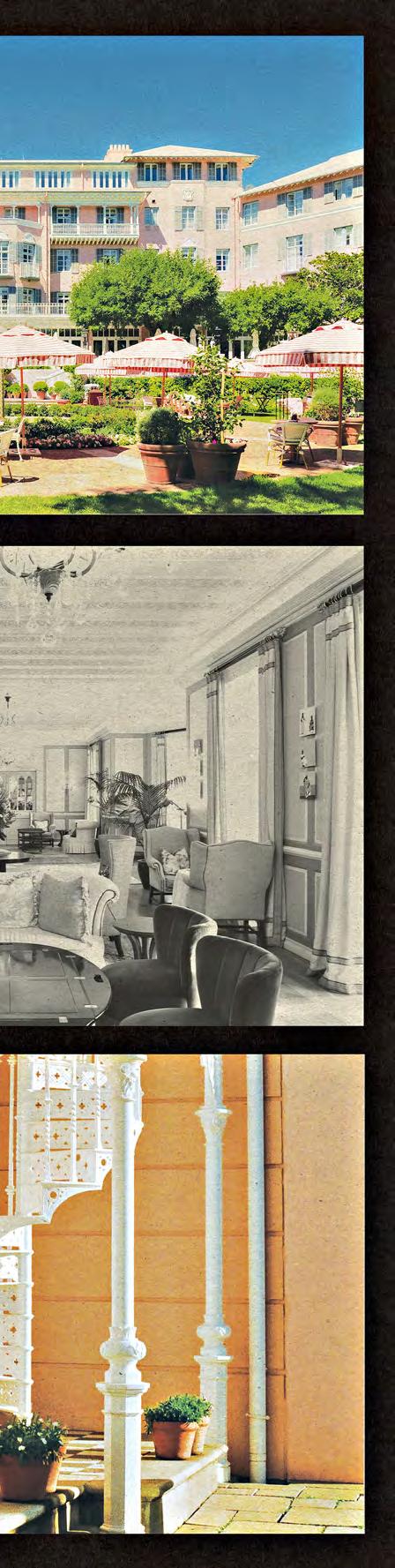
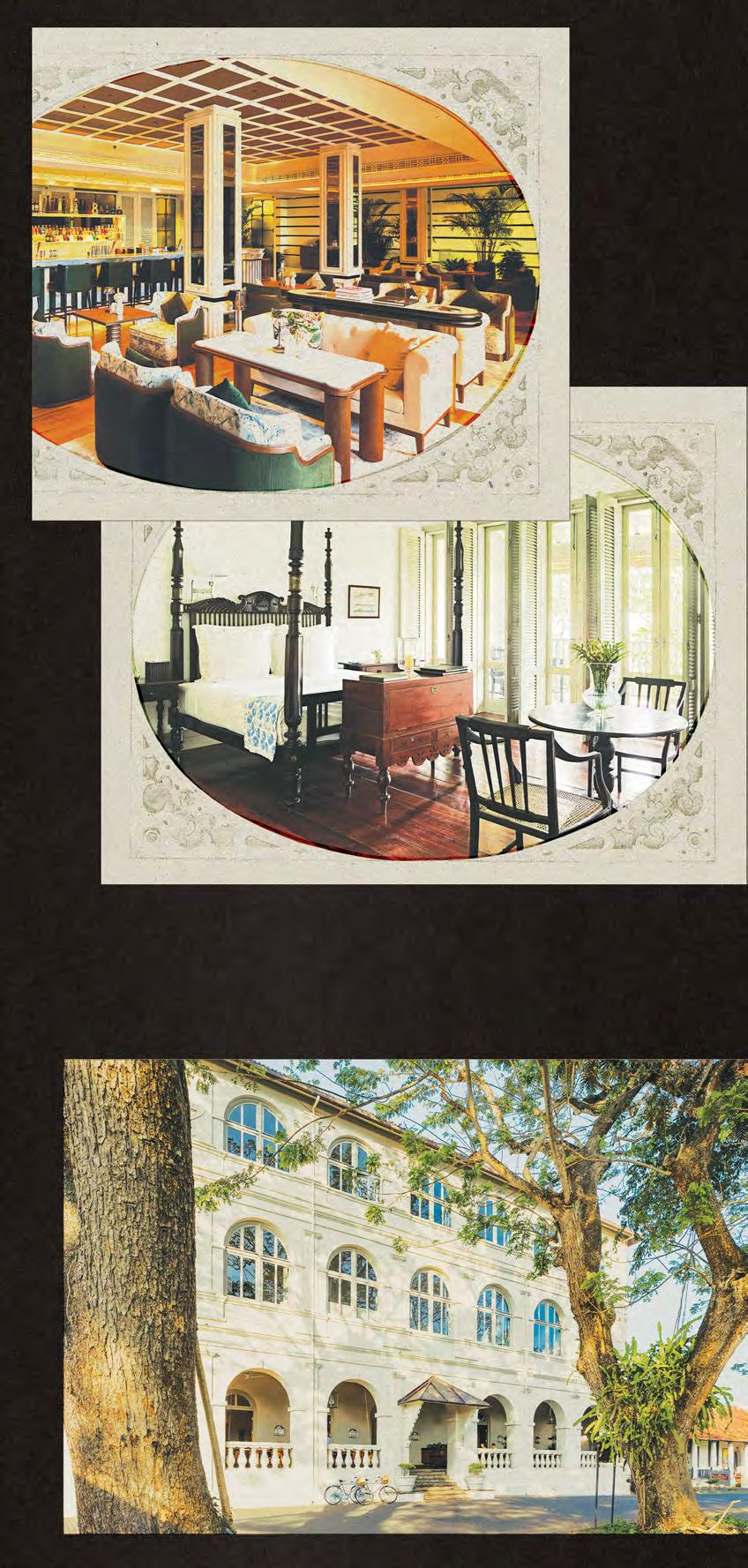
Isn’t It Ironic: In an era with an evolved worldview, the domain of colonial hotels has been flipped on its head.
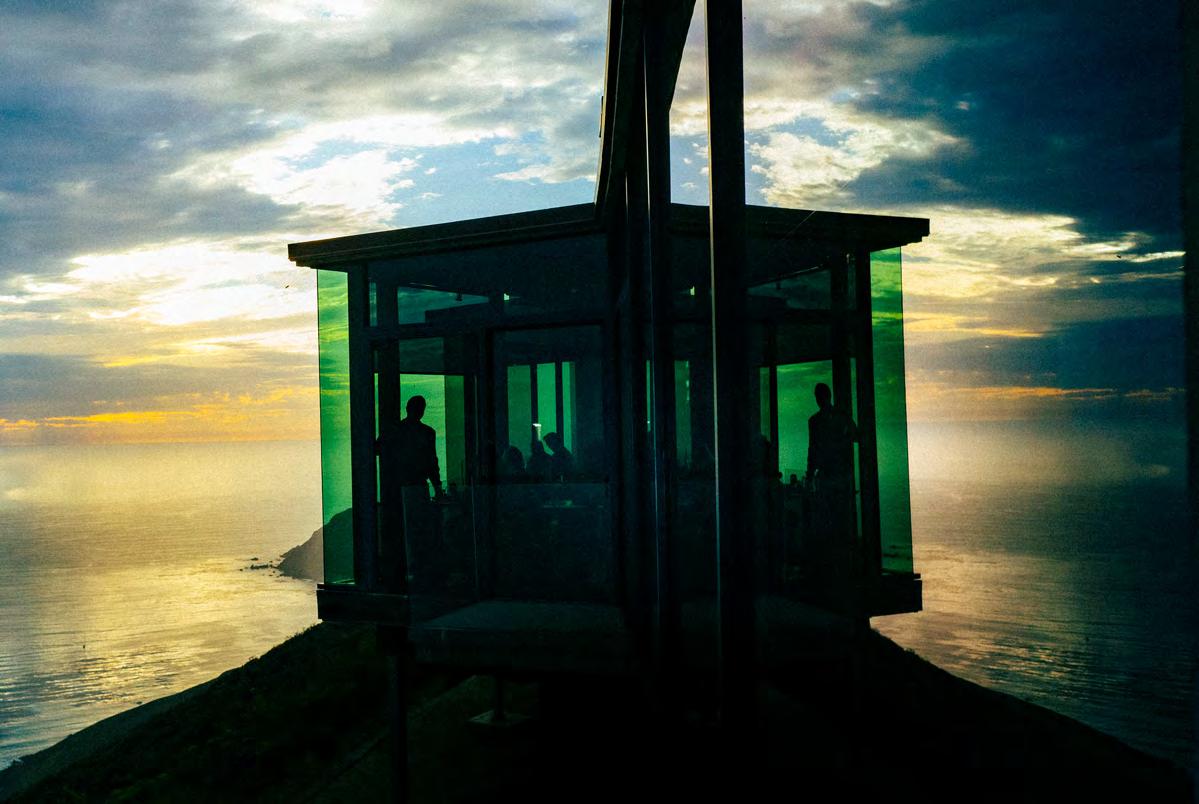
The Score: Future-forward definitions of legacy and sustainability ground Beyond Green properties from Tetiaroa to Big Sur.
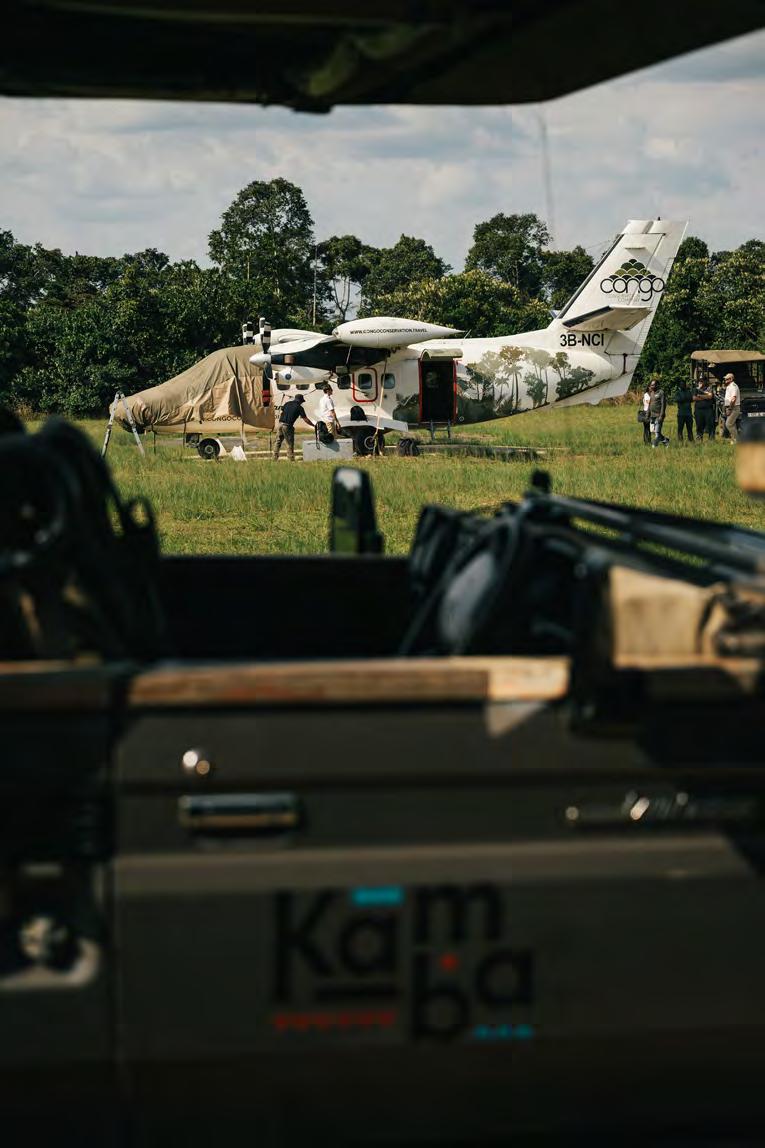
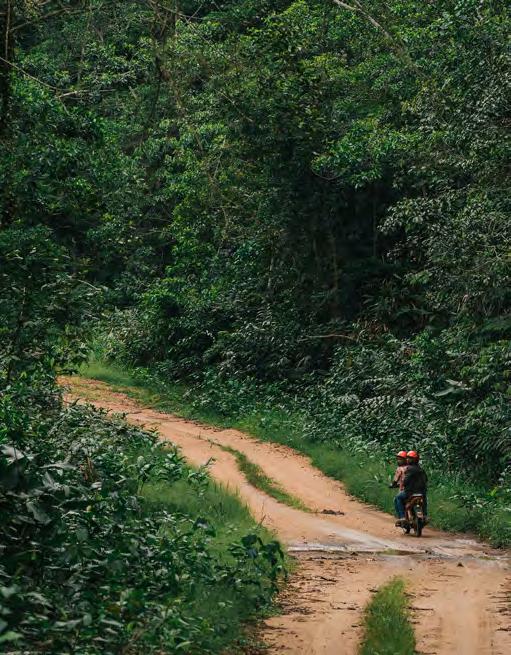
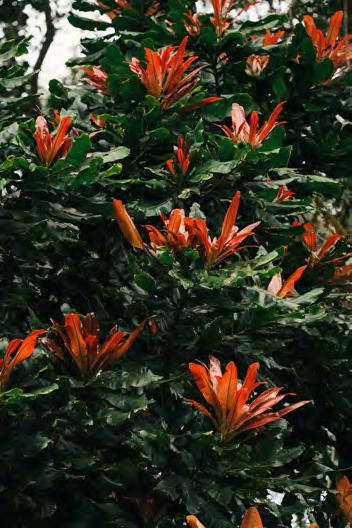
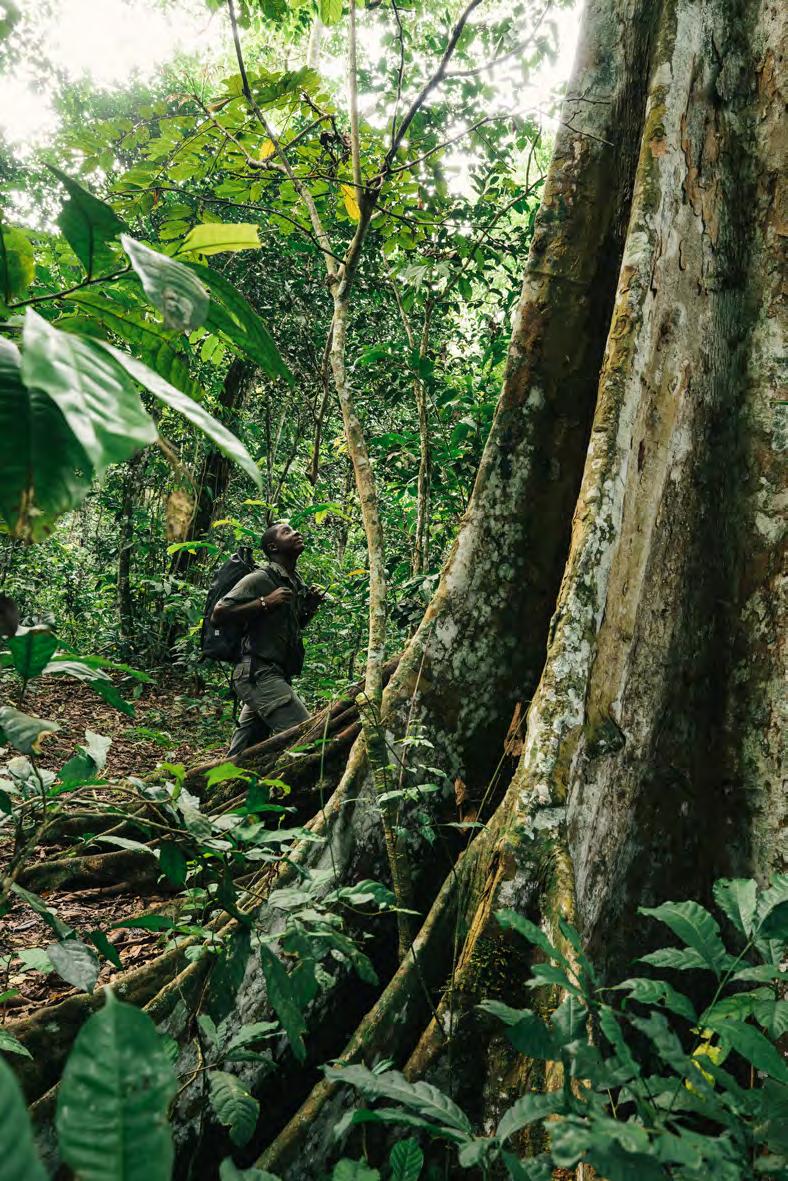
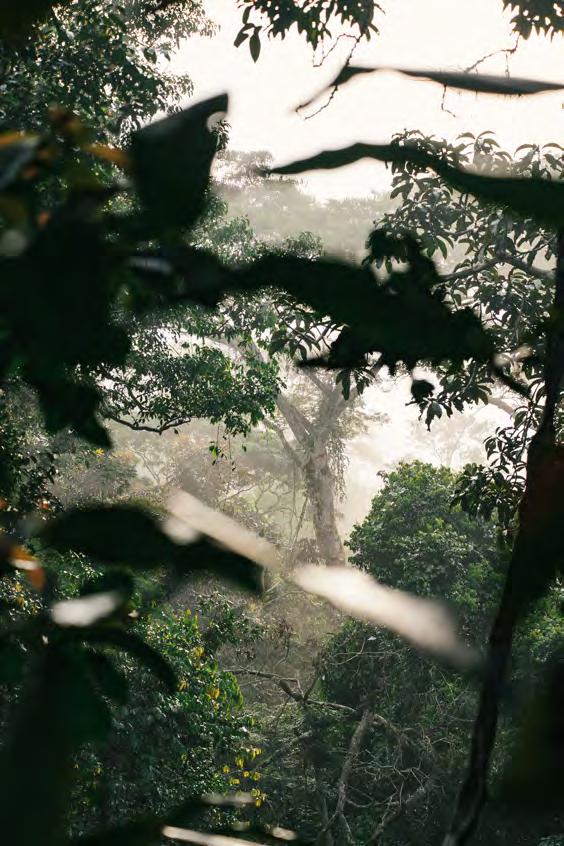
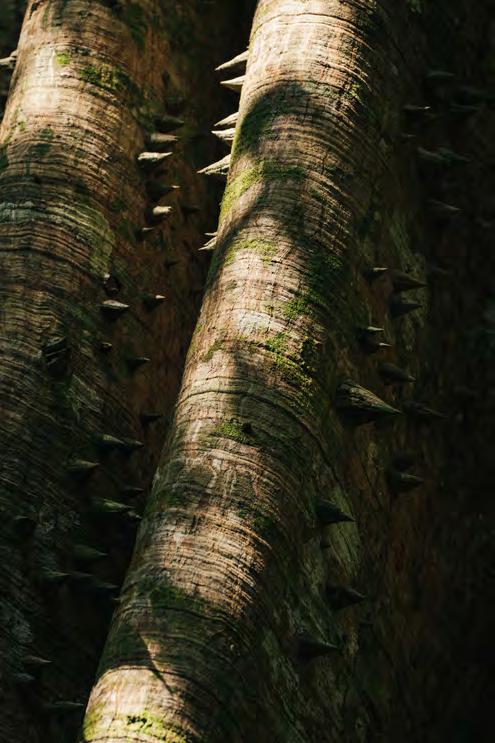
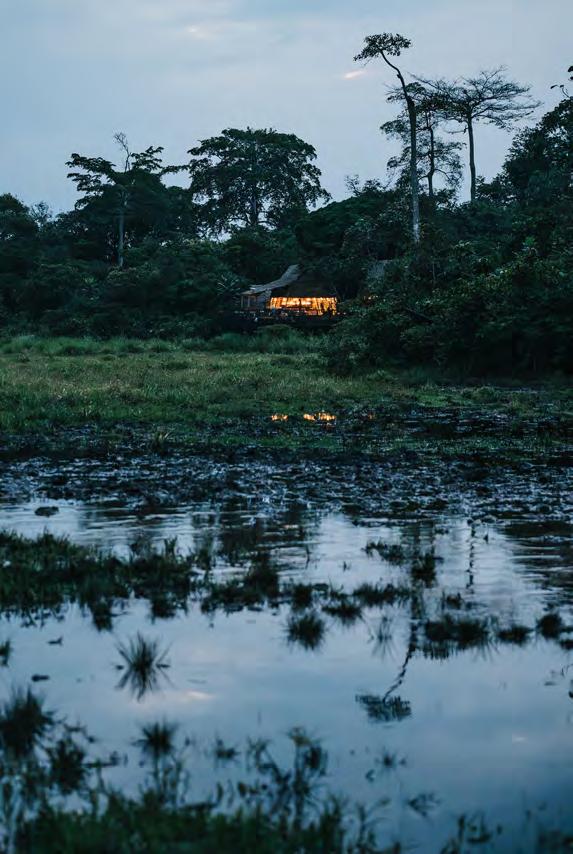
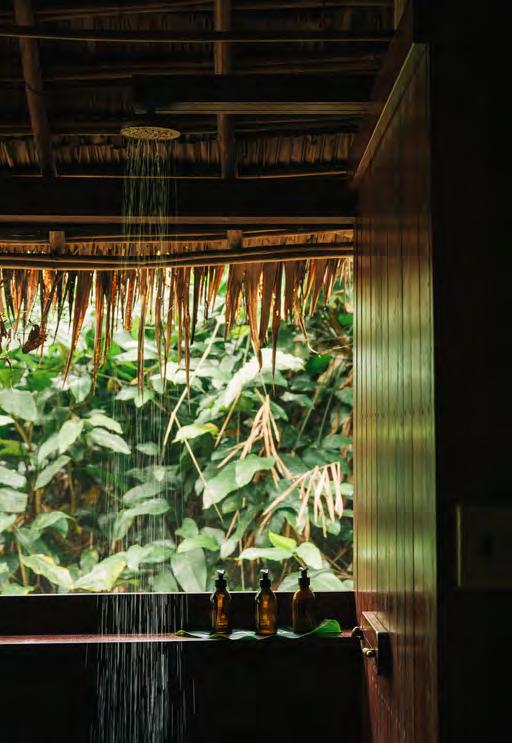
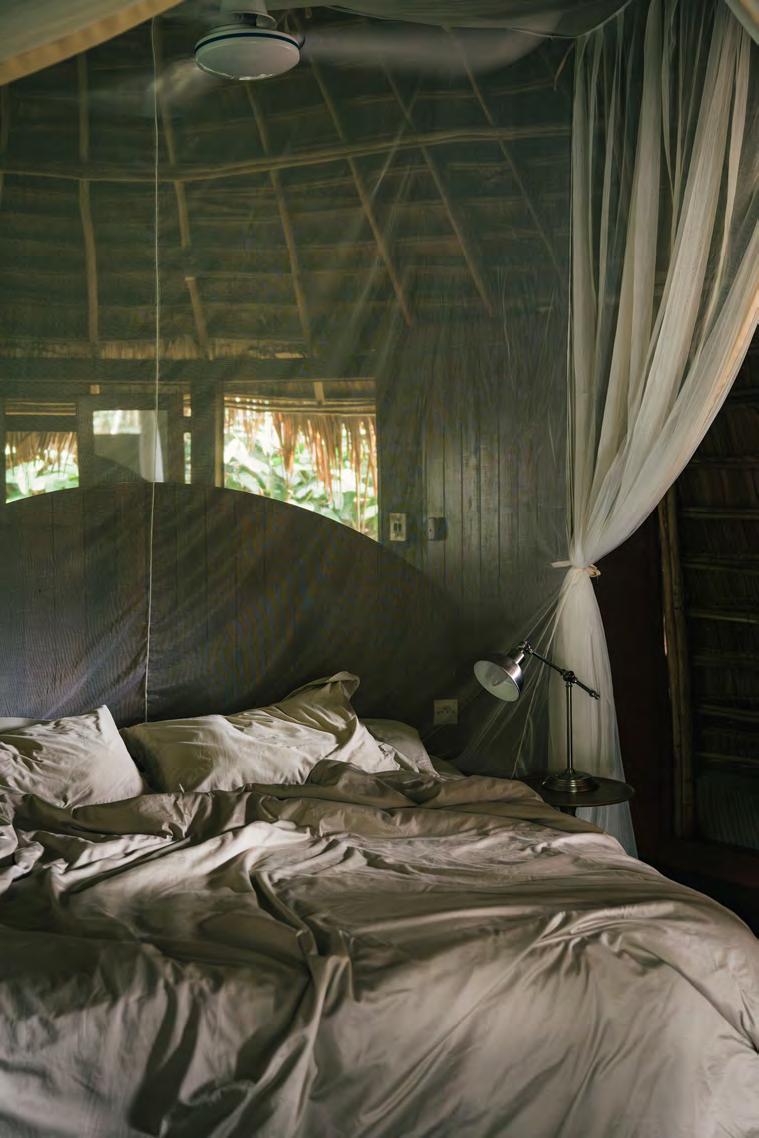
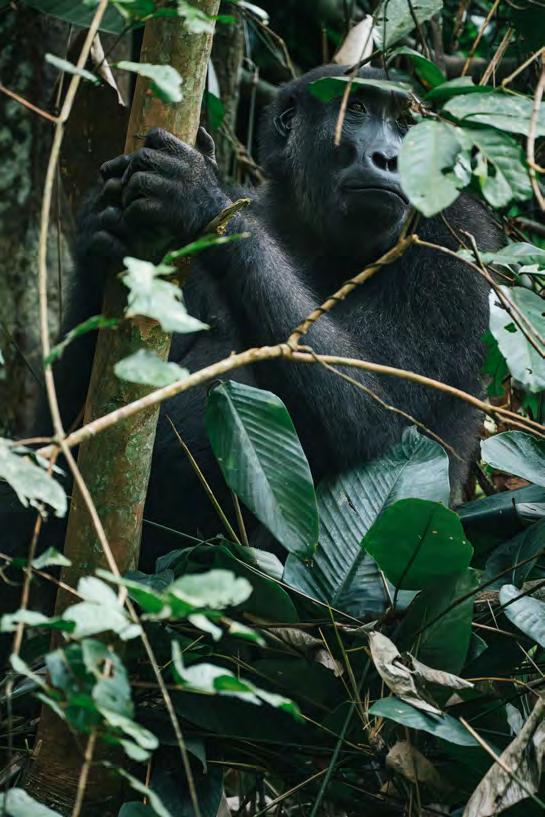
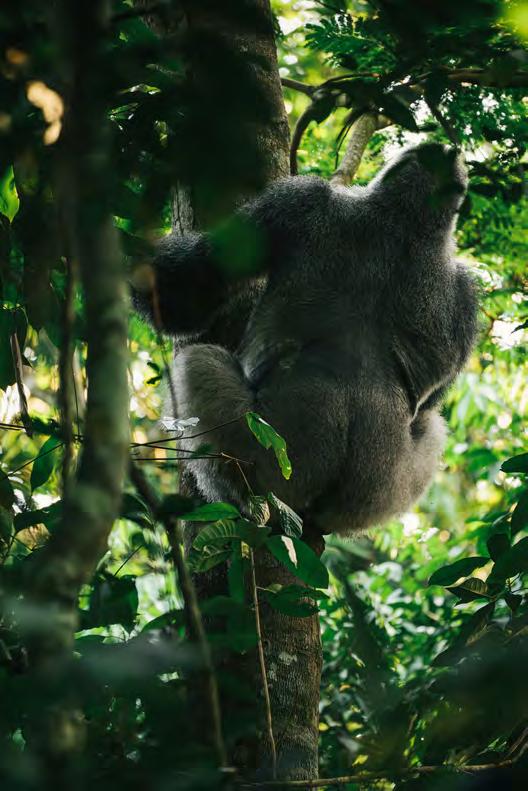
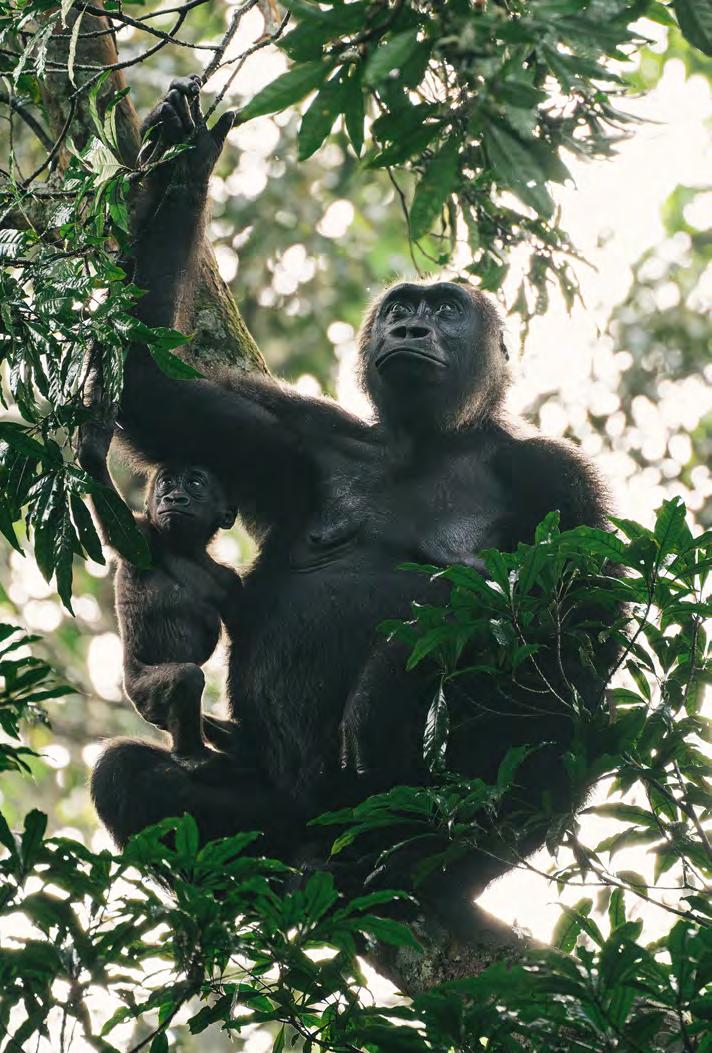
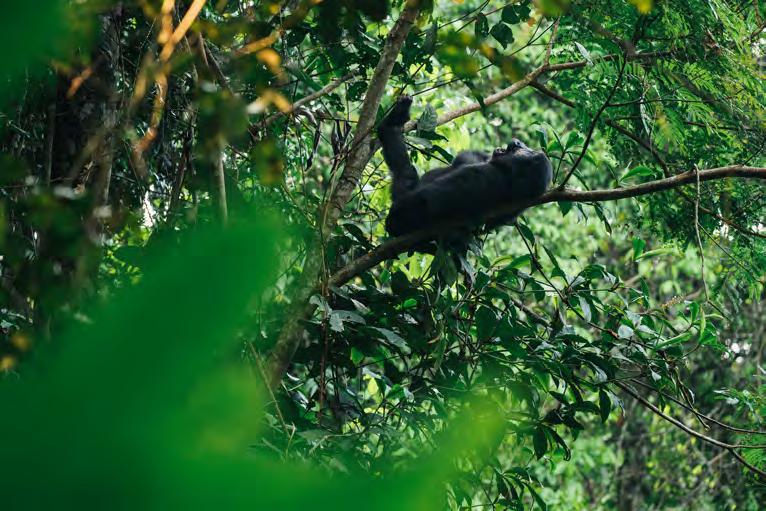
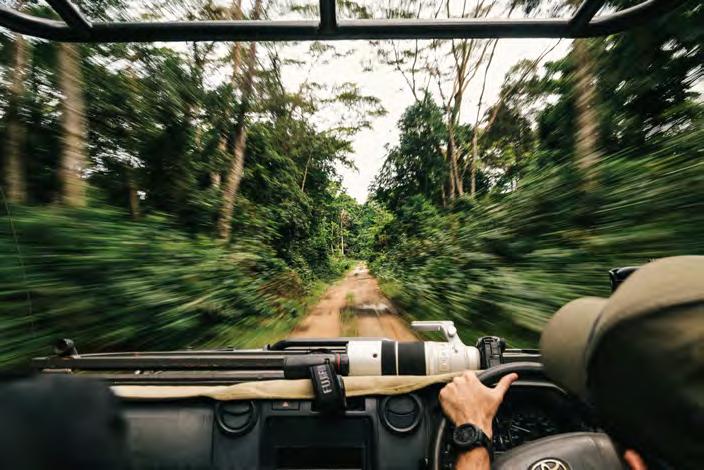
Still Waters Run Deep: The Republic of the Congo remains a lesser-known, yet enchanting destination in a well-traveled world.
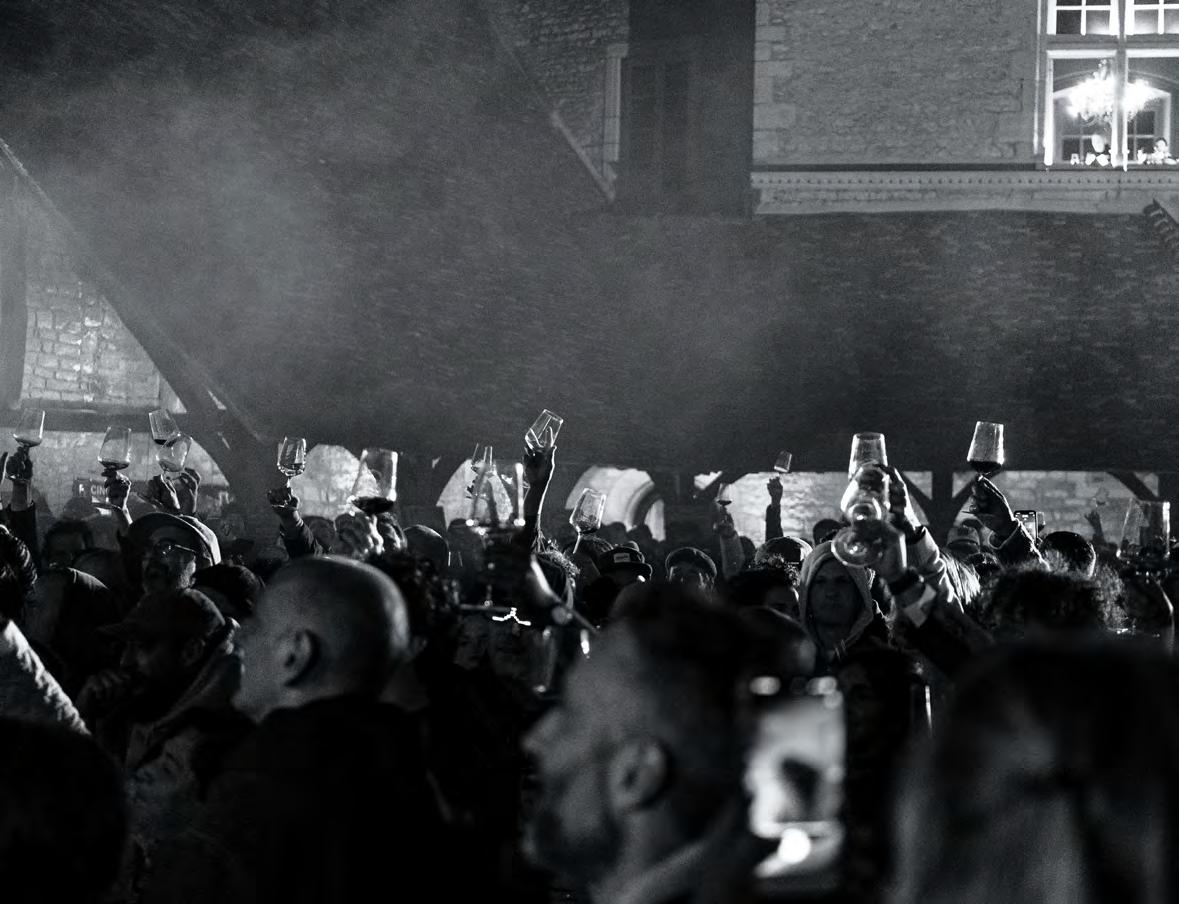
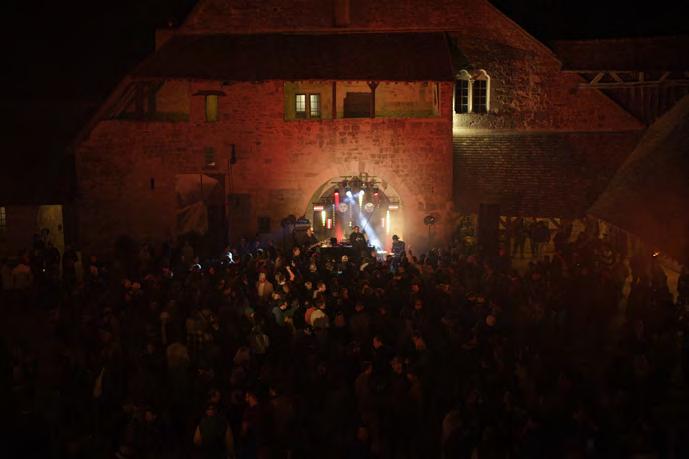
In the Flow: Vin et Hip Hop in Burgundy, France, dispels deeply rooted myths and reflects a changing wine world.
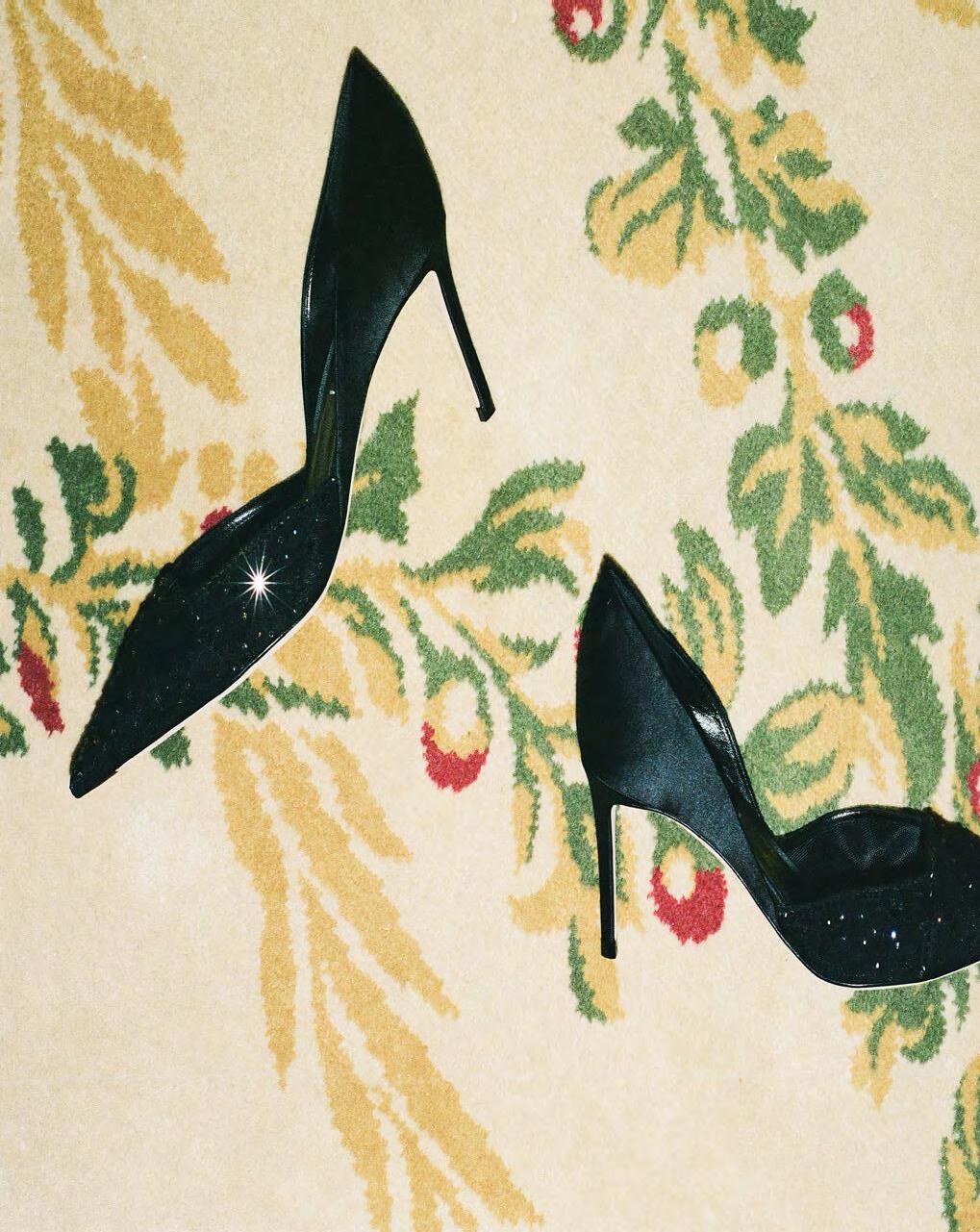
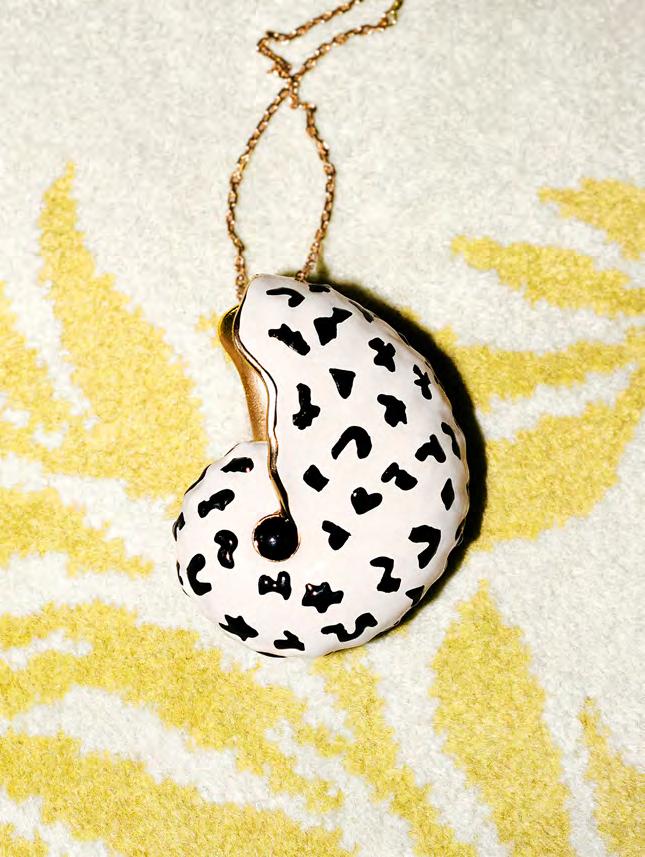
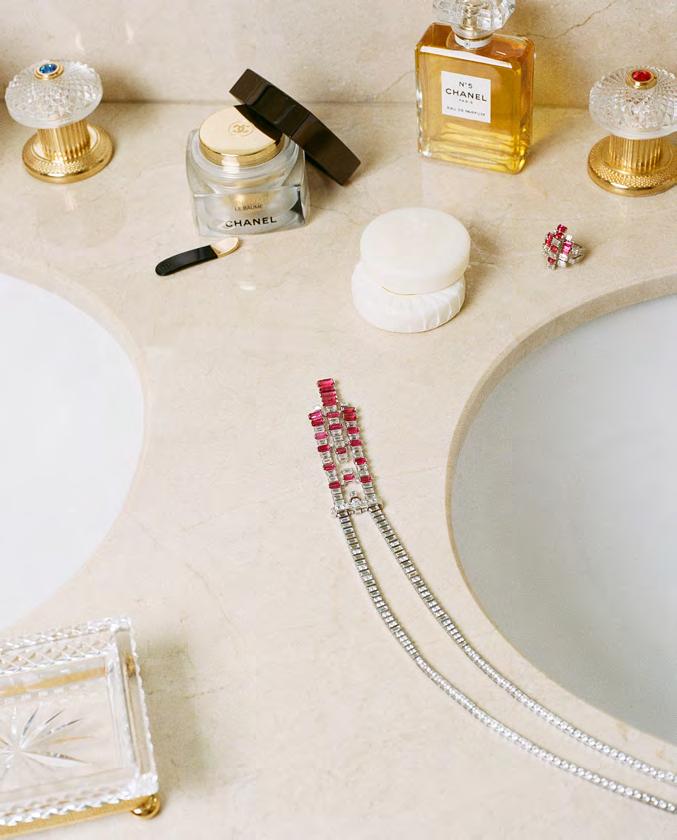
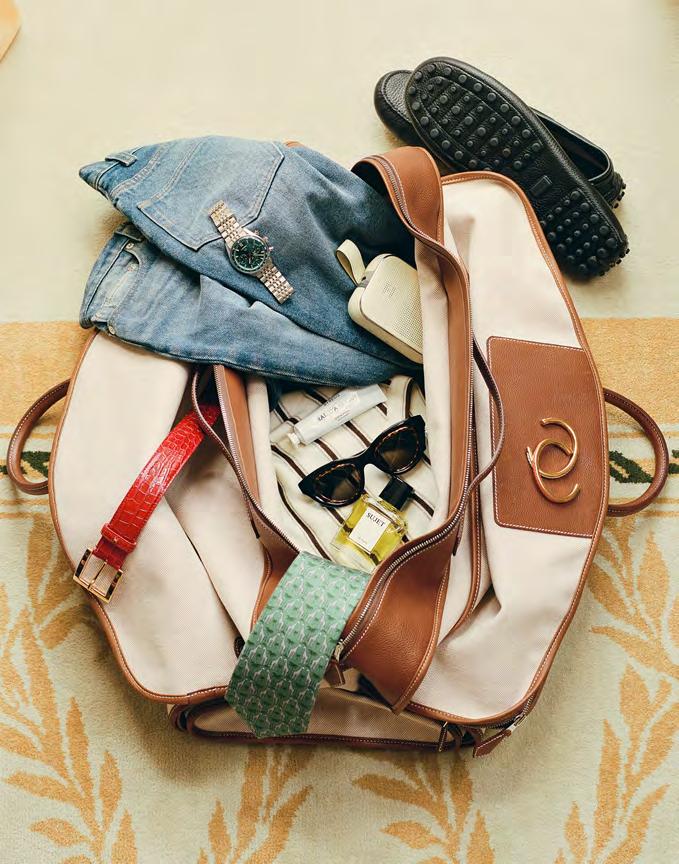
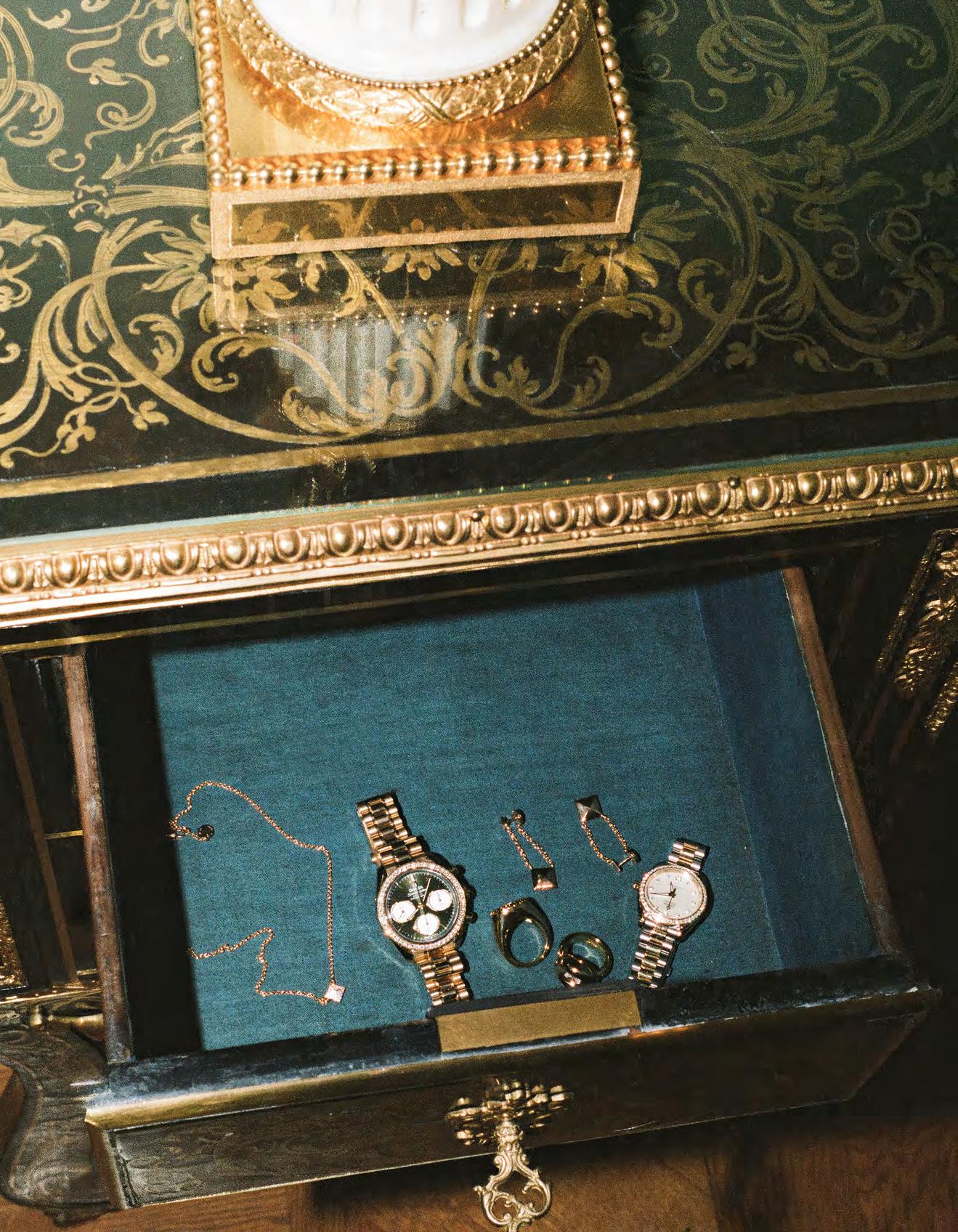
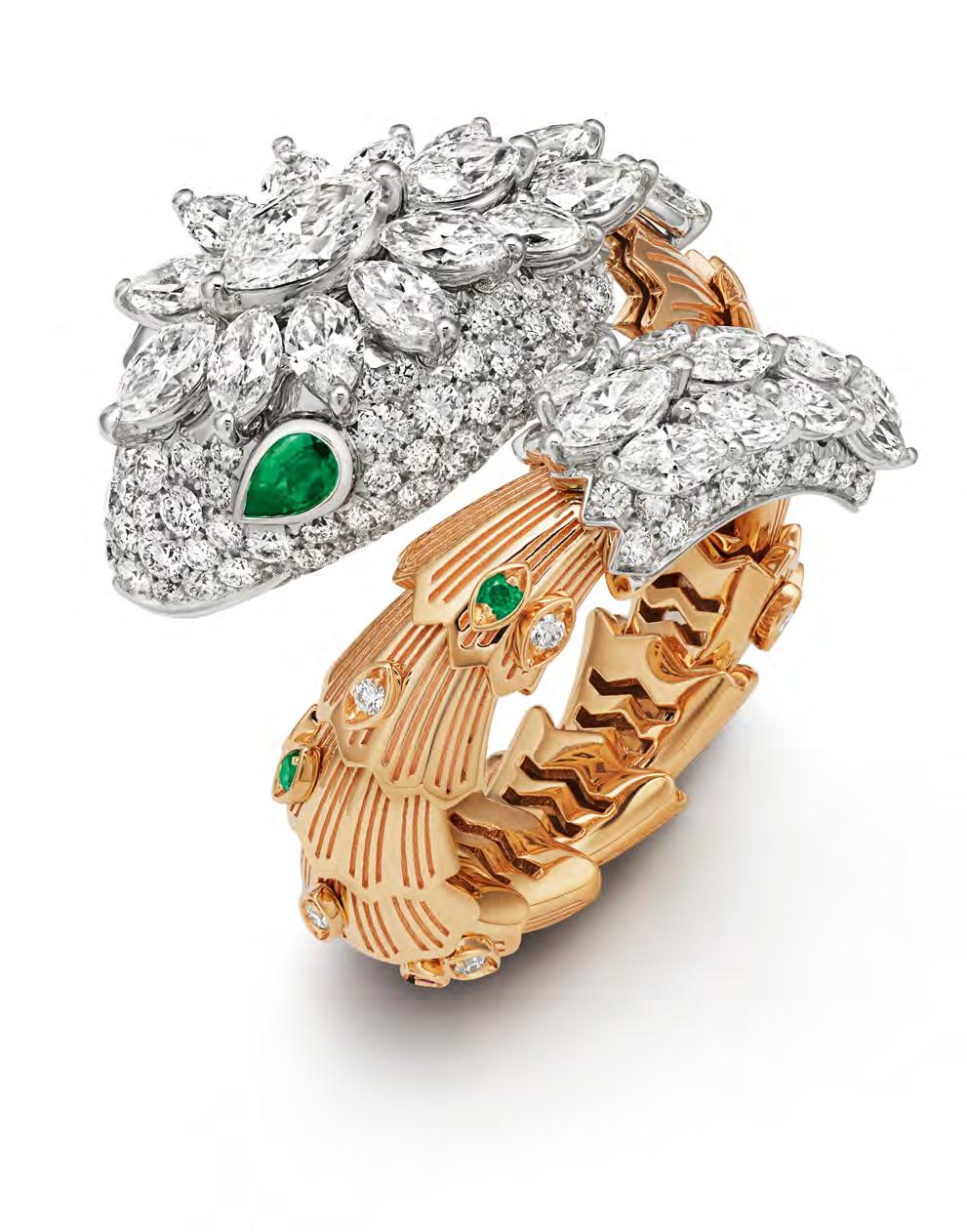
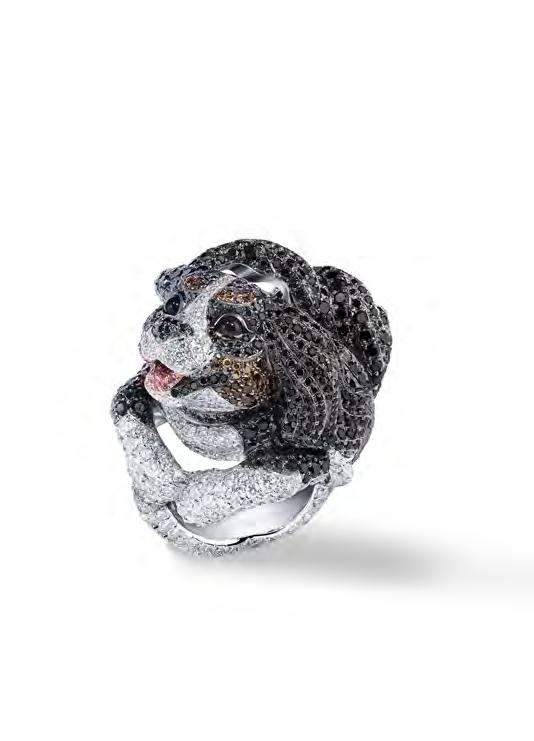
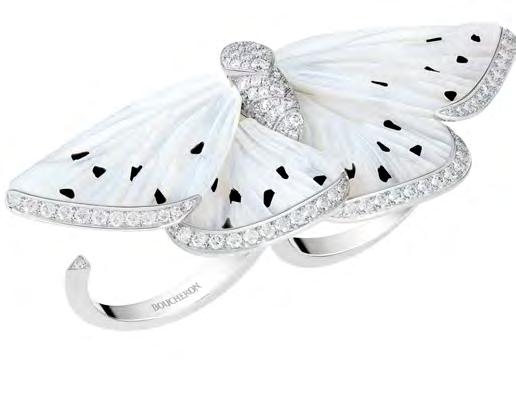
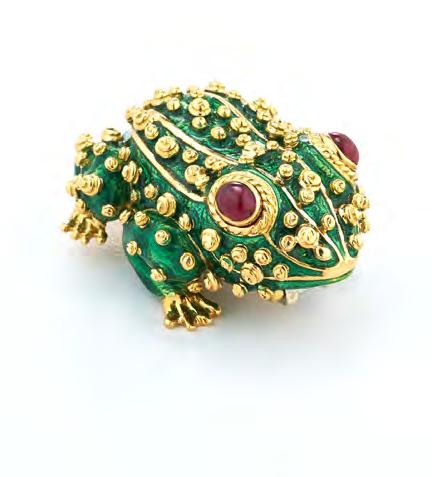
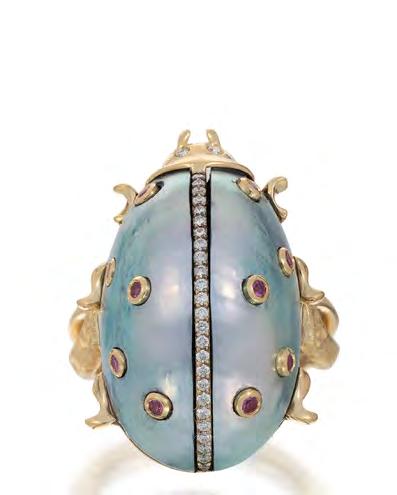
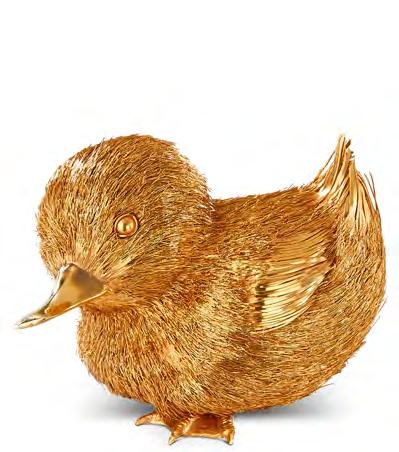
True Character: From fine jewelry that glitters like nature to watches with svelte silhouettes to pretty games primed for alfresco fun, this season’s objects are packed with personality.
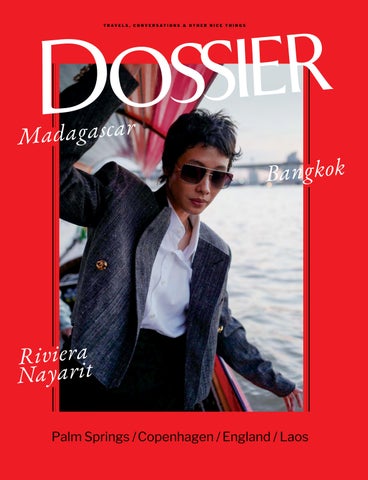
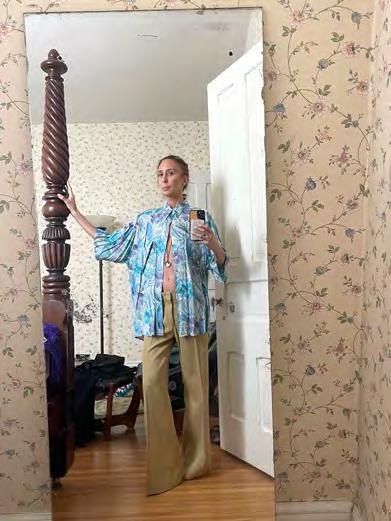
Cover: Shirt, Pye. Pants, vintage Celine. Jacket and sunglasses, Chanel. Photography by Rafik Greiss
Styling by Hannes Hetta Model: Eknaree Wachirabunjong
María Jesús Contreras illustrator, The Dress
What is your favorite city in the world?
Rafik Greiss photographer, The Magic Elixir
Kyoto is my favorite city. It feels like it embraces the old and cares for its legacy with respect, which is something we should continue to do as humanity evolves. It humbles you and is necessary. I live there for part of the year, and my favorite place to go is Yamashita Coffee to eat a tamago sandwich with our neighbors, who just so happen to own the cafe.
For many years I was paid to travel, but there’s still nowhere I’d rather be than the Russian and Turkish Baths on 10th Street in New York City. I’m not into modern wellness, surge pricing, or curation when it comes to saunas. I don’t want branded robes or monogrammed towels. I just want to hang out with grumpy, old Russian people swinging towels around their heads, chastising groups of young people with newly minted sauna hats for sullying the communal water well.
My favorite place in the world is Yamagata prefecture in Japan. It feels so magical and secluded, and the terrain is really breathtaking. I go there to visit the Hagurosan Gojunoto (Five-Story Pagoda) and to stay at Saikan, a former Buddhist temple on top of Mount Haguro that still provides accommodations to Yamabushi mountain monks, as well as to travelers.
Chiara Barzini writer, The Land of Little Rain
My favorite city might be Palermo, Italy. Whenever I pass through, I take a small detour up Monte Pellegrino to the cave church of Santa Rosalia, the city’s patron saint. The sanctuary is carved directly into the rock — half grotto, half chapel, open to light and air. I love it because Palermo itself feels that way to me: luminous, generous but layered with centuries of other lives just beneath the surface.
stylist, Subjective Reality
Hydra, Greece, is my favorite place in the world. The island runs on an older logic: no cars, just boats, donkeys, and stone paths that force you to walk everywhere. Being there makes it easy to put your phone away and forget about work. Days become about swimming in the Aegean Sea, reading a good book, and noticing how things were once made by hand. It reminds me of the ancient Greek idea of scholē: time meant for reflection.
Recently I spent two months in Kyoto, which has become my favorite city, alongside Paris. They have a lot of similarities: Both are weighed down by beauty and history, with residents who don’t care much for tourists. The way to explore Kyoto is to find a local to take you around, then a lot of magic doors open up.
Eddie Huang writer, The Dress
Turner
Hannes Hetta stylist, The Magic Elixir
Spaciously Intimate All-Suite, All-Balcony Ships
Welcoming No More Than 822 Guests
Nearly One Dedicated Crew Member Per Guest
Exquisite Fine Dining, Wines and Spirits
Sailing the World with Over 3,400 Included Excursions
One All-Inclusive Fare
Rory Payne photographer, Nowhere Like Here
What is your favorite city in the world?
London is my favorite city in the world. It’s my home, and the rhythm and textures of the city continue to define my perspective and creativity. Its parks and green spaces hold a special significance to me. My youth was spent exploring Richmond Park and wandering around Kew Gardens. Now, I trace new paths with my son through Highgate Wood and across Hampstead Heath, watching the city reveal itself to him as it once did to me.
Ana Lorenzana
My favorite city in the world is Mexico City. It’s not where I was born, but it welcomed me like nowhere else and has treated me incredibly well. My favorite spot within it is La Montejo restaurant. Whenever I’m sad, overwhelmed, or in the mood to celebrate, it’s where I go for cochinita tacos or a Milanesa torta, a Montejo beer with Clamato, and flan Napolitano for dessert.
Mara Hoffman writer, Material Worlds
At the core of it, my favorite city is New York City, maybe because it’s home. It is not a city without flaws, but at its heart it is as real as they come. I would argue it has the most diversity when it comes to culture, style, and people. It is a city to build worlds in, to live in — a city to leave and to maybe, one day, return to. It demands you take breaks from it, but it always welcomes you back.
Katharine K. Zarrella writer, Off the Cuff
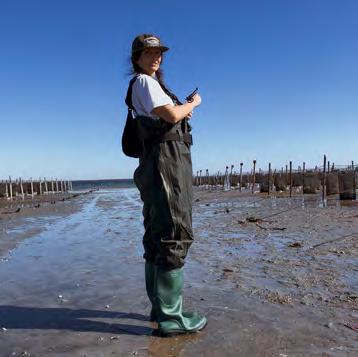
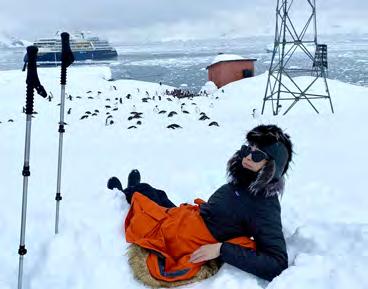
This isn’t a city. … It’s actually a continent, but my favorite place in the world is Antarctica. It’s like Narnia but with penguins. So many penguins! I loved watching the gentoo species waddle around their colony at Neko Harbor. Come to think of it, the glaciers in that area weren’t bad, either.
Chiara Rimella writer, In the Flow
Iceland has a very special place in my heart. Its capital, Reykjavik, is all too often snubbed in a rush to get out into the wild. It feels like a fishing town with a brilliant, eccentric, irreverent, creative spirit. A dip in one of the city’s many naturally heated thermal swimming pools is the best way to understand the Icelandic spirit. I’m a recent convert to Vesturbæjarlaug pool. Come in the evening, soak in the scorching tubs for hours, leave a different person.
Todd Cole photographer, Subjective Reality
My favorite city is Marfa, a one-stoplight town in far-west Texas, holding the primal tension of everything I am: the American West, the mythology of the cowboy, the deep ochers and violets of Texas skies — and my adult life as an artist drawn to avant-garde outsiders. At the center of it all, at The Chinati Foundation, is my favorite work of art: Robert Irwin’s untitled (dawn to dusk), 2016, a meditation on light in which impermanence is the work.
photographer, Fortune’s Favor
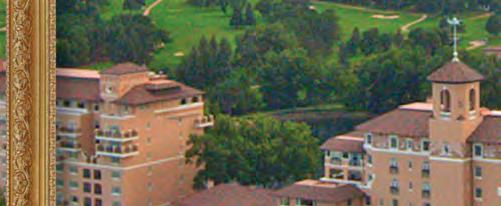
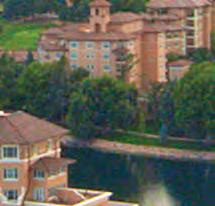
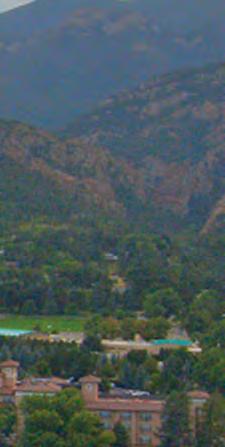
Art comes in many forms. Whether it’s our picturesque mountain setting or our legacy of longest running Five-Star, Five-Diamond service, The Broadmoor is sure to take your breath away. Offering an array of award-winning restaurants, a Five-Star spa, championship golf courses, and adventurous activities like zip lining, The Broadmoor is an experiential destination like no other. Find your inspiration today at broadmoor.com.
EDITOR-IN-CHIEF
Skye Parrott
EXECUTIVE EDITOR
Erin Dixon
EXECUTIVE CREATIVE DIRECTOR Alex Wiederin
HEAD OF PARTNERSHIPS & COMMISSIONING EDITOR
Elysha Beckerman
DESIGN & VISUALS DIRECTOR
Lisa Lok
ART DIRECTOR, PRINT
Michael Ricardo
HEAD OF PRODUCTION
Elissa Polls
EDITOR-AT-LARGE
T. Cole Rachel
DEPUTY EDITOR, PRINT
Sophie Yun Mancini
SENIOR EDITOR, JEWELRY & ACCESSORIES
Shannon Adducci
SENIOR PRODUCER
Alexandra Brodsky
DESIGNER
Nishi Patel
ASSOCIATE EDITOR
Anna Kaplan
DEPUTY EDITOR, DIGITAL Jackie Risser
SENIOR EDITOR
John Chuldenko
EDITOR, ARTS & CULTURE
LaTonya Yvette
SOCIAL MEDIA MANAGER
Alessandra Berge
NEWSLETTER CONTENT MANAGER
Hassan Ali
COPY EDITOR
Leah Angstman
CONTRIBUTING EDITORS
Philip Andelman, Annelies De Rouck, Alex Frank, Eddie Huang, Khira Jordan, Jeremy Malman, Maggie Morris, Karen Yu
CONTRIBUTORS
Prod Antzoulis, Nina Renata Aron, Chiara Barzini, Daniel Boulud, Aya Brackett, Léo Champmartin, Christopher Churchill, Michael Colbert, Todd Cole, María Jesús Contreras, François Coquerel, Joséphine Dorval, Matt Dutile, April Gargiulo, Olympia Gayot, Ashley Gellman, Fee Greening, Rafik Greiss, Benoît Guenot, Portia Hart, Mark Hartman, Balarama Heller, Hannes Hetta, Mara Hoffman, Sakshi Jain, Timothée Lambrecq, Fernando Laposse, Alexander Lobrano, Mike Lopez, Ana Lorenzana, McGuire McManus, Madison Minton, Pepe Molina, Sinna Nasseri, Michelle Ospino, Martin Parr, Rory Payne, Erwann Petersen, Angelika Pokovba, Chiara Rimella, Yasmin Sewell, Annie Shi, Anuj Shrestha, Mehr Singh, Katharine Sohn, Brad Torchia, Turner, Ochi Vongerichten, Hana Waxman, Molly Woodward, Katharine K. Zarrella, Alice Zoo
ADVERTISING DIRECTOR
Guglielmo Bava
VICE PRESIDENT, PARTNERSHIPS Caren Kabot
ADVISORY BOARD
Soraya Benchaouch, Shira Sue Carmi, Geoff Cottrill, Steven DeLuca, Tristan Dowell, Ginger Puglia, Demetria White
The DOSSIER : A collection of thoughts, ideas, recommendations, and discoveries from all over the globe.
Outside the Frame
Timothée Lambrecq, photographer
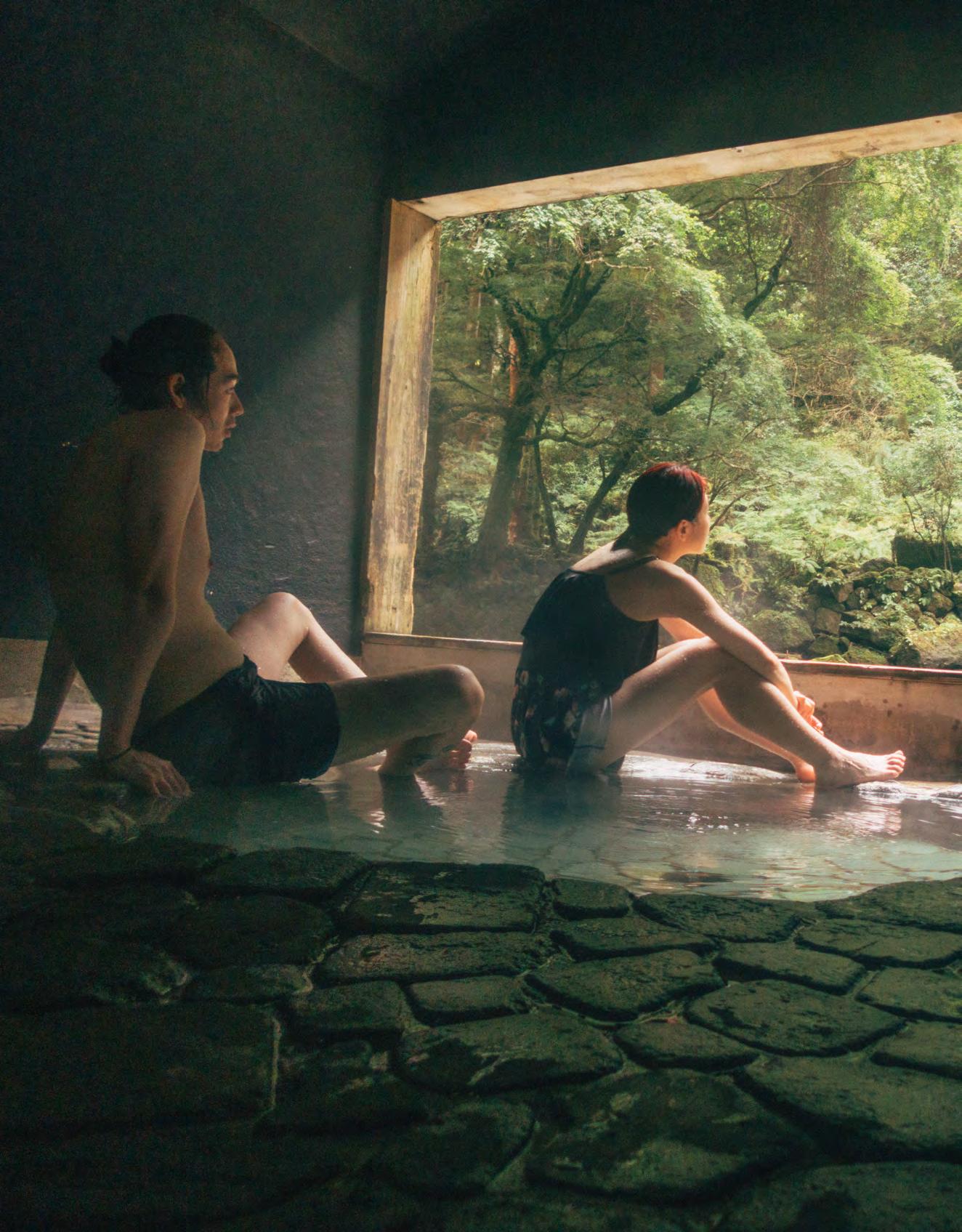
Hidden in the middle of Japan’s Izu Peninsula, Amagiso’s onsen is one of my top three onsens — and I have visited many across the country. The journey to the ryokan that houses the onsen is, itself, worth the trip, winding as it does through deep forests, wasabi farms, and a curious spiraling road. Then, you
reach Amagiso, a magical place where the environment is the main character and where each season gives the landscape a very different look and feel. My favorite thing about this photo is that it doesn’t show the crowning feature of Amagiso: the waterfall, which is right next to the onsen baths.
Looking Back
John
Chuldenko,
senior editor of Dossier
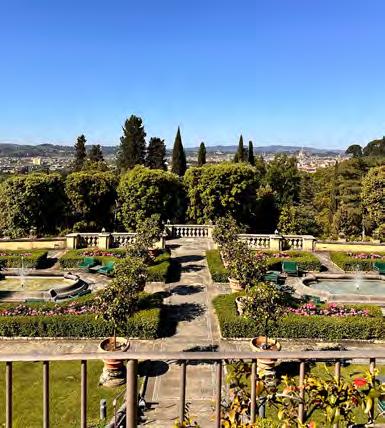
Astrophysicists theorize that time behaves differently in relation to one’s position in the universe. Gazing out onto Florence, Italy, as the sky turns pink and the sun drops behind the Duomo, I feel as though space-time has shifted, that I might be in the 15th century, when Il Salviatino was constructed — but that’s probably just the second Negroni talking.
It is the opposite. The structure is flooded with greenery, color, and vibrance — not unlike Il Salviatino’s owner, Alessandra Rovati Vitali, who rushes to greet me. “I don’t consider myself the owner;
I’m more of a caretaker,” she quickly corrects.
Sign of the Times
Molly Woodward, photographer
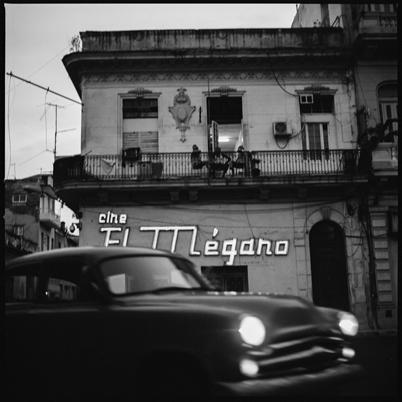
I’d stood on this Havana street corner almost 20 years ago to the day that I took this picture. And now, like a typographic madeleine, the jagged letters spelling out the name of an old movie theater immediately transported me back.
Cuba
the city’s streets by relighting its decaying neon signscape.
Il Salviatino sits just outside of the city center, and here, elevated above the Florentine fray, it’s easy to experience temporal confusion. The beautifully restored, 39-room property was once frequented by Salvador Dalí, and just up the road, I’m told, Leonardo da Vinci first tested his flying machine. Italy’s strict preservation laws could have resulted in an aesthetic suffocation that might have made Il Salviatino feel like a museum.
Exploring the property, I’m struck by her creativity despite the constraints.
Design choices that reflect Vitali’s eclectic style make you feel a little like you’re staying in her home. In fact, some of the pieces in the hotel are her own.
“I love materials. When I see a painting, the first thing I notice are the fabrics,” Vitali shares. Settling into my room, the parquet floors and a gigantic fireplace serve as centerpieces, but the view of the landscape is the star.
The only visible difference was that the neon sign (broken and dark for decades) glowed, even though the theater had closed. These subtle subversions have popped up all over the city, part of a local artist’s years-long effort to take back
Morocco
On this hot, sticky night in late August, the air heavy with an oncoming storm and fumes from rumbling cars outfitted with makeshift parts, the former theater’s bent neon tubes bathed the sidewalk below in a cool blue light, welcoming me back to a time and place that no longer exist.
When in Sicily , always take a last-minute getaway to Pantelleria because you can have the dreamiest lunch of your life by the beach at La Vela. Order the grilled gambero rosso (red shrimp) and linguine alle vongole (clam pasta) with a glass of wine from Donnafugata, a local producer.
Annie Shi, restaurateur
Guiding Lights
Prod Antzoulis, photographer
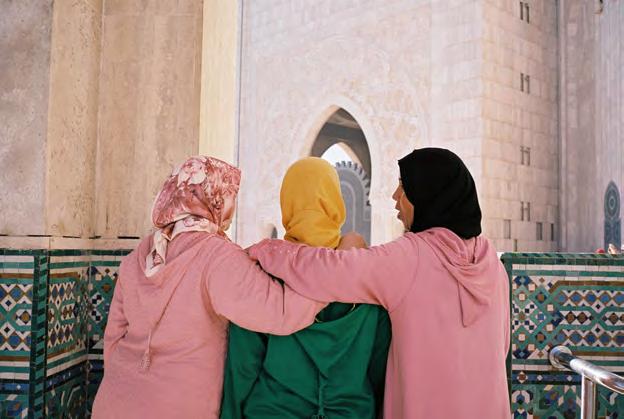
The November sun warmed Casablanca as though it were summertime. My first stop in the city was at this mosque, still and majestic in its symmetry. The scene was muted, almost monochrome, until these three women appeared — their warm hues contrasting the cool marble.
In Good Company
Sophie Yun Mancini, deputy editor of Dossier
You notice the scent first. Walking into J.K. Place Roma,
one is met with the fragrance of something cool. It’s a bit green, but sweeter, like the juiciness of ripe citrus, and it sets the tone for the whole stay: fresh, discreet, and understated. Tucked off a
The Lion’s Den Alex Frank, contributing editor of Dossier
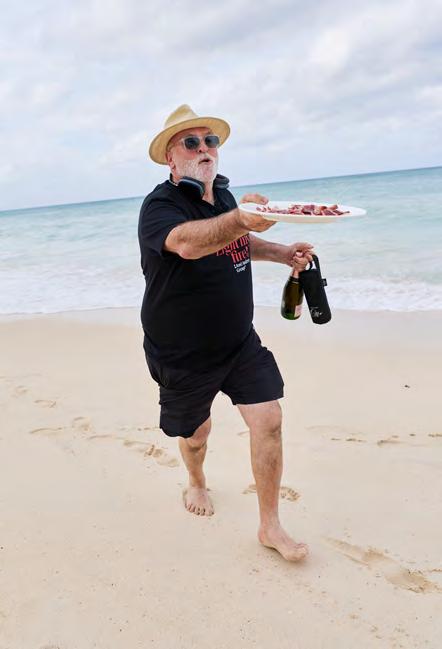
It’s 9 a.m., and the shallow part of the Caribbean is the color of cyan. Our group has assembled for one of José Andrés’ favorite rituals: scuba diving and, more thrilling still, spearfishing, followed by the immediate pleasure of cooking whatever the sea yields.
After casting off into the ocean, the James Beard Award-winning chef explains that we’re here to hunt lionfish, a wildly invasive species whose voracious appetite is devastating local marine life. With no natural predators, a single fish can release tens of thousands of eggs every few days, then set about vacuuming up everything smaller than itself, hollowing out the reef from the inside. “It’s kinda like cutting grass. You go fishing every day and do what you can,” says Jason
quiet cobblestone backstreet in the historic Campo Marzio district, this 27-room townhouse hotel sits just steps from Rome’s most coveted treasures: It’s minutes on foot from the Spanish Steps, the Trevi Fountain, the Pantheon, and Piazza Navona.
Rome
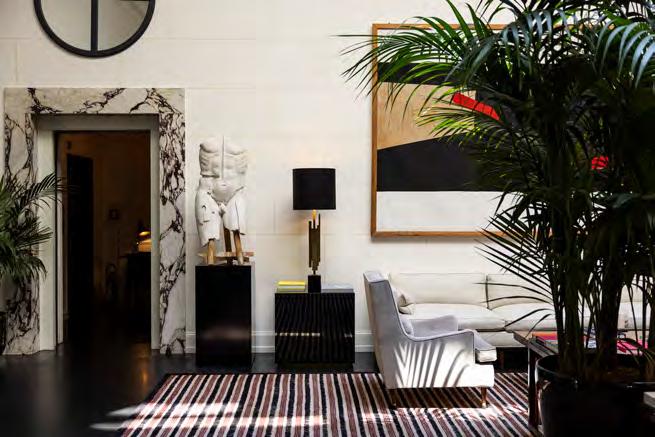
marble bathrooms. The library downstairs is a popular place for sartorial Romans to gather for an aperitivo, colluding in little groups somewhere on the spectrum between business and pleasure. The floors, which also run through the restaurant and bar, are jet-black, highpolished wood, gleaming like the River Styx.
Interiors by Florentine designer Michele Bönan blend midcentury modern with classical touches. Rooms are light and soft, with carpeting in dove gray, four-poster beds draped with an ivory canopy, and bright
One of my favorite moments at the hotel — distinct in our modern app hellscape — was having the highly attentive and discerning staff present me with an actual paper map, having marked their favorite roads and sites in ballpoint ink. Analog, and ever elegant.
Washington, a local diver who pioneered this environmental spearfishing practice. “We protect what we love.”
Andrés first heard about Washington’s efforts years ago when the chef was on the island for the Cayman Cookout, a long-standing culinary festival started by his friend, the iconic French chef Eric Ripert. Held at The Ritz-Carlton, Grand Cayman, with title sponsorship from private-aviation company Wheels Up, the event has become an annual pilgrimage for foodies, with chefs such as Ripert, Andrés, and Gregory Gourdet hosting demos, multicourse dinners, and moderated conversations about the world of restaurants and wine.
In many ways, the cookout’s mission is a consummate Andrés pursuit — part food, part philanthropy. The Spanish American chef and restaurateur is as famous for his gourmet cuisine as he is
for his work as the founder of World Central Kitchen, a nonprofit that provides food relief for people living in the wake of disaster: the 2010 earthquake in Haiti, the wars in Gaza and Ukraine, hurricanes and tsunamis all over the world.
Today, Andrés, Washington, and friends are going on two dives. The first dive comes up short, so Washington drives the boat a bit farther out. Andrés grabs his spear and swims down; within 30 minutes, he’s captured a whole barrelful of lionfish, which he brings to the surface with glee. On the boat, the fish flap against the barrel’s clear-plastic insides. Washington euthanizes the catch in ice, then carefully de-spines each ani-
mal to extract its venom. Alongside chef Thomas Tennant, Andrés chops up the fillets to make a beautiful ceviche, and — on a pair of portable burners he’s brought — a rich, auburn stew. “It’s fish and love,” Andrés says of the primary ingredients.
Grand Cayman
Lost and Found
Michelle Ospino, photographer
My home for 20 years in New York City was called Little Colombia, so when I moved to Medellín, Colombia, two years ago, it felt a bit like a homecoming. The familiar warmth of Paisas (people from regions in the northwest of Colombia, including Antioquia, in which Medellín is located) and waking up to distant notes of salsa music mingling with the smell of coffee drifting through my windows bring me a deep sense of comfort and nostalgia. But living in a place different from where you grew up sparks a new kind of curiosity; it’s been a powerful catalyst for my creativity.
One of my favorite ways to experience the city is by exploring its vibrant markets, where you can find everything from fruit and flowers to kitchen supplies, candles, and secondhand clothing. I recommend going on an empty stomach and tasting your way through the stalls. In Colombia, they say you can eat a different fruit every day of the year. Some even joke that if you can’t find what you are looking for in La Minorista, one of Medellín’s largest markets, then it doesn’t exist.
Sea Change
Anna Kaplan, associate editor of Dossier
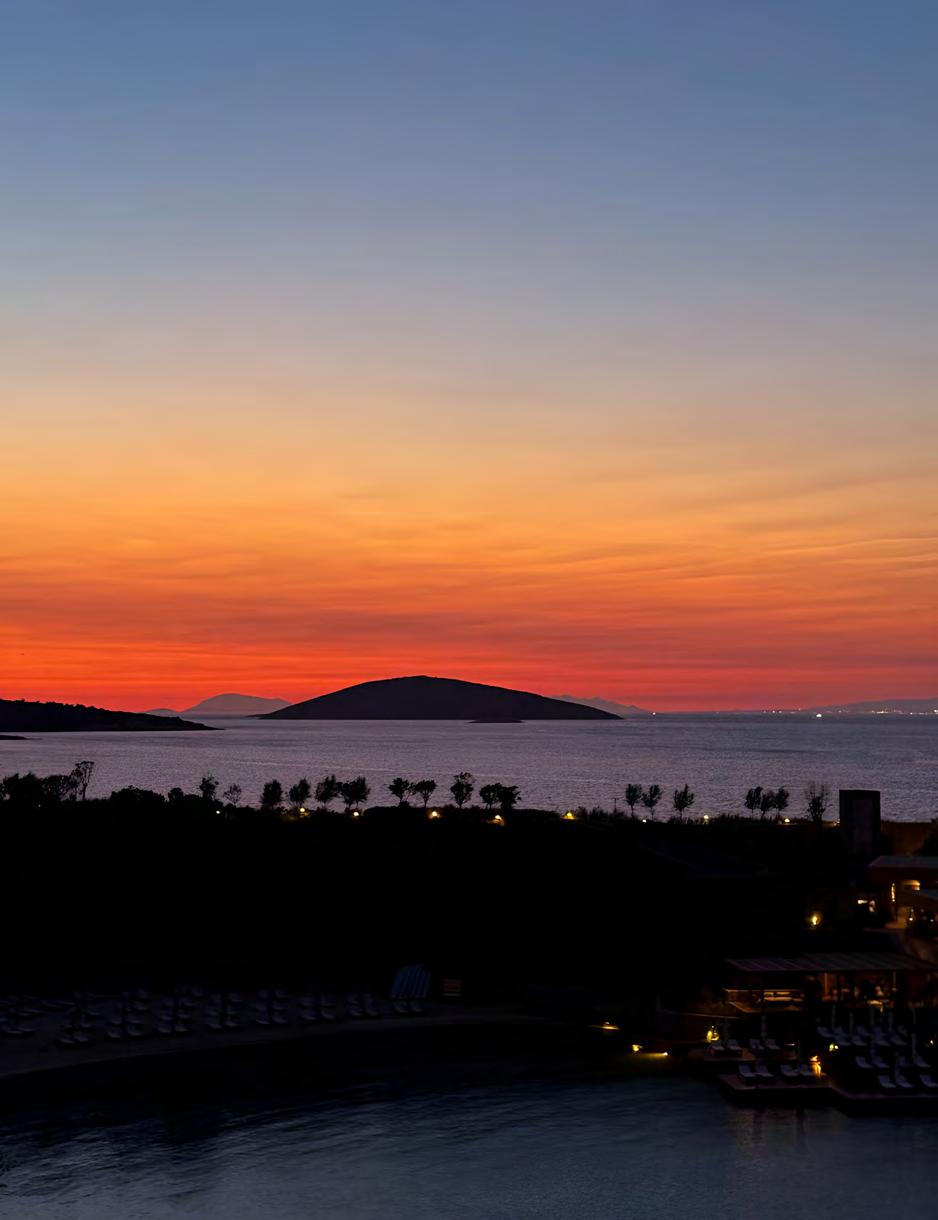
When I was 13, my family took a holiday to Paros. The island’s warm, calm Aegean waves were a heavenly foil to the icy Atlantic surf we frequently visited; the Greek isles became my paradigm of a sun-drenched paradise. But it took me more than a decade to discover that the Turkish side of the sea offers natural gifts in equal measure.
I arrived at Maxx Royal Bodrum Resort, located in southwestern Turkey on the Bodrum Peninsula, in the middle of the night, a soft salt- and pine-scented
Bodrum
breeze stirring memories of that first Cycladic summer. Yet, the panorama I found the next morning was markedly different: The Turkish Riviera’s lush emerald hills encircled the property, which hugs the coast of a private bay, its cobalt waters melting into the similarly hued sky.
The resort is among the best expressions of the peninsula’s growing global popularity, rooted in ancient history and vibrant, all-hours culture. Its culinary offerings — ranging from Latin, French, and sushi to Spago by Wolfgang Puck and an outpost by heritage Parisian restaurant Caviar Kaspia — underscore this worldliness. But it was Oro by Alfredo Russo that served up the most profound meal of my stay. Over 1,000 miles from his hometown of Turin, the Michelin-starred chef employs local ingredients to craft audacious takes on Italian classics. Tomato and mozzarella was served with a bowl of “tomato water,” a spin on the juice that typically remains on your plate after the classic salad is gone, begging you to soak your bread in its fresh flavor. Then, there was the 100-hour candied lemon, citrus cooked until its skin became soft, its center filled with limoncello cream. The dish was much like Maxx Royal Bodrum itself: familiar, comforting, and unexpected all at once.
April Gargiulo, founder of Vintner’s Daughter skin care
Between the Canals
Elysha Beckerman, founding partner of Dossier
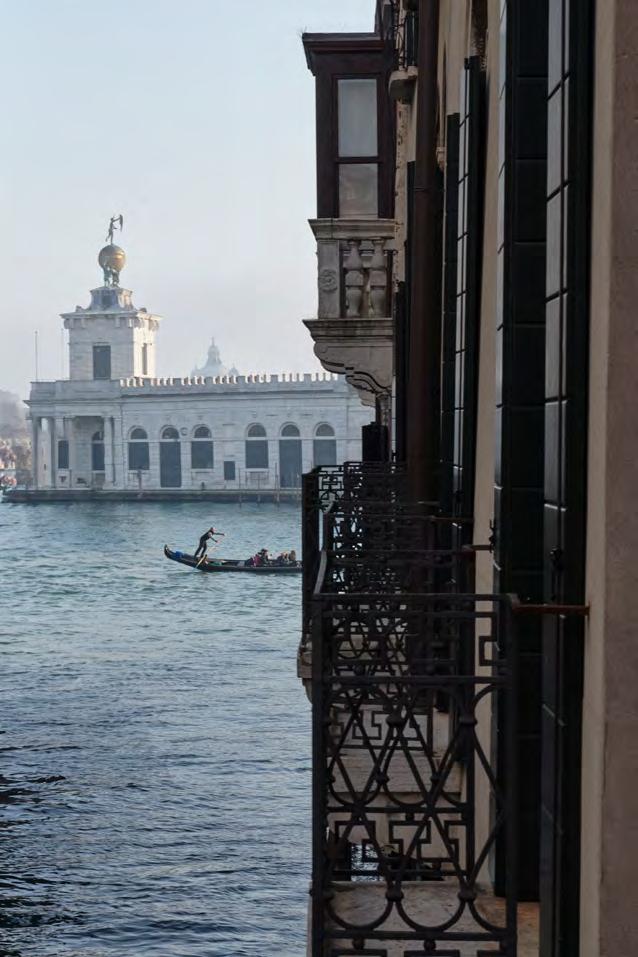
Even though I’ve been coming to Venice for over 16 years, my favorite things about the city haven’t changed. I love the way it moves: Venetian limousines (water taxis) are driven by autisti whose families have navigated the canals for generations. Shops are still tucked beneath the homes of artisans who carry their legacy crafts forward into the future. Cicchetti (bitesized snacks) remain central to Venetian social life — and were critical to my visit. I
Venice
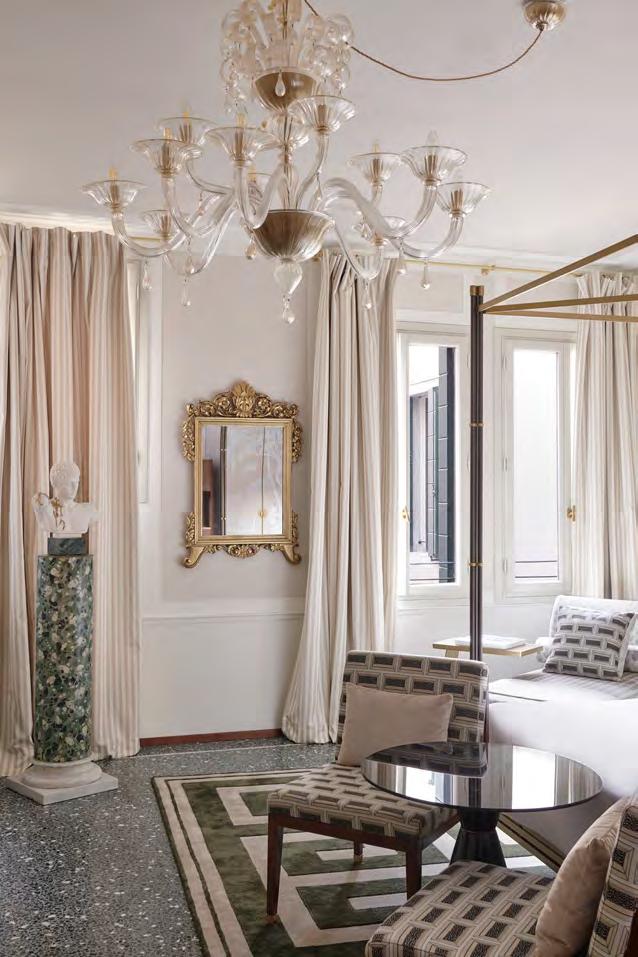
lingered over them for hours with a spritz, returning afterward to Hotel Violino d’Oro. A boutique property that opened in 2023, it’s the latest project from Sara Maestrelli and her aunt, Elena Maestrelli, of Collezione Em, which also has properties in Florence and Forte dei Marmi. At Violino d’Oro, they entwine the city’s vivid history with its contemporary currents, creating a hotel that feels more akin to a refined, inviting Venetian residence. Below are the CliffsNotes. Violino d’Oro’s most unique feature … Interiors
featuring craftwork from local Veneto artisans: Rubelli textiles, hand-laid terrazzo tile, Murano glass. The property’s wallpaper, tableware, and leather key holders are also created by legacy or emerging artisans, who have been curated by Sara.
The best view from the hotel … My room had a balcony outfitted with a bistro table for two. Just before heading down to the hotel’s Il Piccolo Bar, when the sun was still warm, we’d pause on the balcony to take in the city’s sounds: vaporetto
motors, gondolier shouts, seagull and pigeon squawks, the din of pedestrians, and the clangs of merchants unloading wares.
A dish I’d recommend … The prosciutto-topped polenta cake at Il Piccolo served on Ginori 1735 plates and well-accompanied by a Campari Rosemary Spritz — or any of mixologist Francesco Adragna’s seasonal creations.
A local tip … The Violino d’Oro team’s favorite local spots: Vino Vero, Micheluzzi Glass, Antiche Carampane, and Cantine del Vino Già Schiavi.
Behind Closed Doors
Elysha Beckerman, founding partner of Dossier
The first time I visited Monte Carlo was at the start of its sun-drenched summer season. Returning during the festive period, what Monegasque consider the “offseason,” provided an entirely different experience, one that invited a slower pace. Instead of cycling from room to beach to pool to casino, I had time to linger. And Hôtel Métropole MonteCarlo is exactly the kind of place you want to sink into. The hotel is set behind stone walls, wrapped in a manicured garden. Its interiors (recently redone by Jacques Garcia) unfold in moody layers, with shadowed corners, an atrium-style
Monte Carlo
Lobby Bar, a cigar lounge, and a breakfast restaurant that opens onto a terrace with views of the Mediterranean Sea.
A dish I’d recommend
… At breakfast, order the French toast. It was fluffy, light, and served with pure maple syrup. And don’t miss the truffle cashews at aperitivo hour, perfectly paired with a classic Negroni.
Something not to miss
… Yoshi, the hotel’s sushi restaurant, is located in a standalone building that opens onto a Japaneseinspired garden. It’s like an entirely different world. Menu highlights included vinegar cucumbers, tuna sashimi, and miso cod — all garnished with freshly grated wasabi.
The best thing about the spa … My Imperial Face Sculpt facial at Spa Métropole by Guerlain concluded with a stop at the Guerlain personal fragrance bar, a perfect extension of the treatment that ultimately led me to Musc Outreblanc, a musk scent with a floral heart.
Divine Signs
Balarama Heller, photographer
A local tip … Le Dressing, Monte Carlo’s finest resale boutique, is not to be missed.
A song that embodies the property … “Je T’Aime … Moi Non Plus” by Serge Gainsbourg and Jane Birkin. It’s unhurried, intimate, and distinctly European, just like Hôtel Métropole Monte-Carlo.
India
Born into the Hare Krishna movement in America, I grew up inside a charged landscape of devotion and ritual, shaped equally by ecstatic collective worship, instability, and rupture. Returning in 2019 to Vrindavan, India — the spiritual heart of the Hare Krishna tradition — I undertook both a physical journey and an interior reckoning. Guided by Joseph
Campbell’s notion that sacred places allow “eternity shining through time” to become momentarily visible, I constructed an alchemical tapestry in which ancient archetypes intersect with contemporary consciousness. The work sifts through the accumulated magnetism of a site shaped by millennia of pilgrims, gestures, prayers, and longing for the divine.
Well Served
Mehr Singh, writer
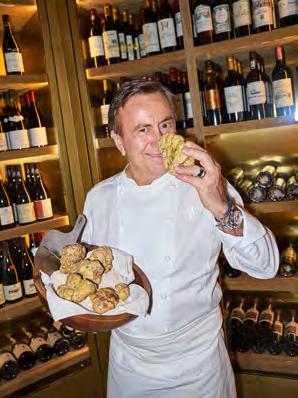
It’s hard to overstate Daniel Boulud’s impact on French dining in America. The Lyon native arrived in New York in 1982, at age 26, and quickly galvanized diners with his mischievously precise, sauce-driven cooking at Le Cirque, which went on to earn a four-star New York Times review. Since then, Boulud has opened some of the city’s most storied restaurants, including Le Pavillon, Daniel, and his newest, La Tête d’Or, a Frenchman’s take on the American steakhouse.
With nine cookbooks and a
Autumn in New York Skye Parrott, editor-in-chief of Dossier
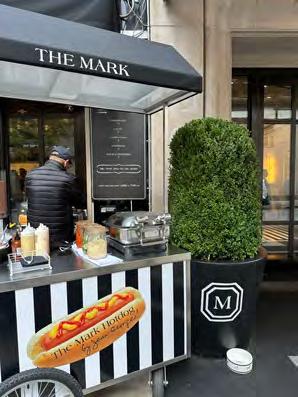
There are many things to recommend The Mark, but my favorite part of the hotel may be its hot-dog cart. Located in the historic district of the Upper East Side, the independently owned property is all about placing the traditional and the new in conversation. The balance is felt as soon as you step through the doors of its landmarked building into the lobby, with its high-gloss,
Bahamas
shelf of James Beard Awards, Boulud now owns more than a dozen restaurants, cafés, and épiceries worldwide. Among them is Café Boulud The Bahamas at Rosewood Baha Mar in Nassau, where I sit with him under palm trees as he prepares to host his annual truffle dinner. Here, he prefers to keep things “a little more gentle.”
“In the Bahamas,” he clarifies, “you don’t bring your New York attitude or your New York energy.” Still, the ever-restless chef remains in motion, which is why I ask him to share five culinary destinations worth traveling for — and what to order when you get there. Troisgros in Ouches, France. I’ve been coming here since I was 16, maybe. It’s a fourthgeneration restaurant on the outskirts of Lyon, just a few minutes from Domaine des Ouches. Troisgros has had three [Michelin] stars for almost 60 years, yet it’s still soulful and creative. It’s
current with our times, yet totally connected with the past. And I think, well, that’s what I love about food. In the 1960s, [the current owner] César’s grandfather created a revolutionary dish: salmon seared on one side without any fat and served with a simple sorrel sauce. It was both quintessentially French and strikingly modern.
Steirereck in Vienna, Austria. I had such a wonderful experience here. Chef Heinz Reitbauer has had this dish for a long time: He puts roomtemperature [arctic] char in a little square tray and pours hot beeswax over it to cook the fish. He removes the wax after it sets and serves you the fish. It’s a delicate, fantastic dish.
Core in London, England. Clare Smyth is an incredible, incredible chef [who] has really risen to the top. In 2018, I invited Clare, along with an all-female team of chefs, to cook with me at the 21st Annual Citymeals on Wheels Sunday Supper. We then hosted Core at the Centurion New York in 2023
Manhattan
black-and-white striped floors. In guest rooms, similar black-and-white striping offsets mint-green bathroom cabinets, evoking both the checkerboard floors of prewar New York City bathrooms and the familiar stripes of a crosswalk. The spaces manage to be both classic and fun, a tightrope The Mark walks impeccably.
The aforementioned hot-dog cart is parked in front
for a collaborative dinner featuring iconic dishes from Core, such as Clare’s Lamb Carrot and, of course, the lifelike Core Apple dessert.
Odette in Singapore. I’ve known chef Julien Royer for 15 years. Just like Claude Troisgros went to Brazil, and I made my name in America, Julien — after great stints at some of the top restaurants in France — went to Singapore and created Odette, which is one of the best restaurants in Asia. A signature dish is the Kampot Pepper Pigeon, where the breast is pan-fried rare, the leg is confited, and the heart and liver are pureed to fill dumplings. There’s also the pho-inspired Jeju Abalone With Foie Gras.
Enigma in Barcelona, Spain. I would go see Albert Adrià and his brother, Ferran [Adrià], at Enigma in Barcelona. It’s high on my list because I’ve been to El Bulli [on Cala Montjoi bay] and Tickets, their tapas spot [both now closed], but not their latest place, which is a whole other adventure — think minimalist cuisine like bites of koji marshmallow with caviar.
of the hotel, right next to the doorman. What it serves is not your everyday street dog, but rather the ultimate hot dog. Created by chef Jean-Georges Vongerichten, it has a perfect crunch on the skin, which is topped with sauerkraut and pickles. I took mine to go so that I could eat it in Central Park on a crisp fall day. The experience was not unlike the property: quintessentially New York but just a little bit better.
On the Pulse
Erin Dixon, executive editor of Dossier
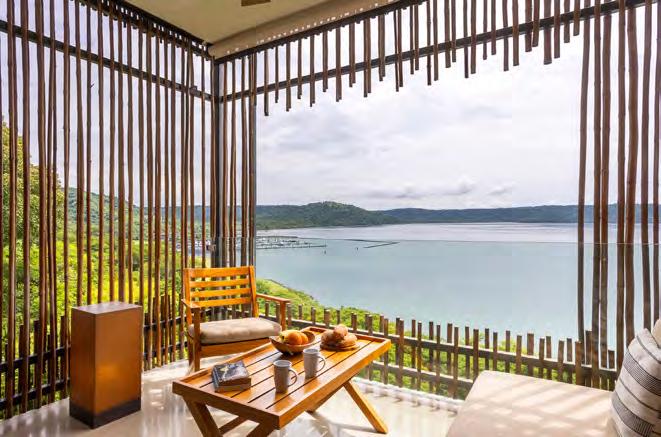
“Leaves have heartbeats,” my naturalist guide from Papagayo Explorers explained as we paddled through the mangroves of Palmares in Costa Rica’s Guanacaste region. It’s how the comején (termites) know to eat only the dead wood in the forest, he elaborated. With his guidance, I also spotted a baby boa constrictor wrapped around
a tree; observed fiddler crabs skitter over exposed tree roots, evading snapping fish mouths below; and saw birds circling and screeching overhead. When we stopped paddling, the silence became so complete that we could hear the pop of feeding jingle shell clams.
The Schumann resonances are a set of electromagnetic waves considered to be the Earth’s heartbeat. The Awakened Brain — a nonfiction marvel tracing the neuroscience of spirituality — explores research suggesting that the
When in Jakarta , I always make time for Padang at Pagi Sore. It’s our favorite spot for the Indonesian tradition wherein a vibrant array of communal dishes is served at once for sharing. The bold flavors and spirit of abundance are ever-inspiring to our menus back at home.
Ochi Vongerichten, chef
human mind slows to this frequency when connected to something larger than itself, be it nature, deities, or fellow beings. Nearly every moment at Andaz Peninsula Papagayo Resort supported the hypothesis, dropping me into the pulse of the destination, deeply attuning me to its natural world.
Costa Rica
Hummingbirds (there are 53 documented species of them in the country) whizzed between flora, one persistently hovering in front of my hillside Penthouse Villa, where a rooftop pool overlooked Culebra Bay’s silky cerulean waters and dramatically shifting skies filled with birdsong, electric at sunset. Every morning at Gaio restaurant, white-faced monkey clans attempted to swipe mangoes from the sprawling breakfast buffet before a keen-eyed staff member shooed them off. A grandfather iguana calmly surveyed
the cacophony from a rocky perch in the middle of the resort, alternatively sleeping and peeping, rarely moving. In the outdoor Mind & Body dome, surrounded by the jungle with howler monkeys overhead, Yari — the resort’s resident yoga and energy practitioner — actively channeled the universal frequency with a sound bath and a yoga session, crystallizing within me the transformative vibration that emanates throughout the enchanting property and region.
Istanbul
Yasmin Sewell, founder of Vyrao perfumes
I love Karaköy Lokantası because it’s one of Istanbul’s amazing “shopkeepers’” restaurants, where locals meet to have beautiful everyday food and where you look at the old pier and smell the sea, too.
Strong Expressions
Hana Waxman, interior designer
My relationship to Mexico is long-term and lived. Twenty years ago, I came here with curiosity and a sense of adventure, not knowing this would become my permanent home. Over time, it became the foundation of my life. My children were born and grew up here. My friendships, routines, and work are rooted here. Mexico has shaped how I see beauty, how I design, and how I understand community.
The country’s creative language feels deeply connected to land and history. There is a strong relationship to material: stone, clay, wood, woven fibers, folklore, and handcrafts. What makes this language distinctive is its confidence. The ancient and the contemporary do not compete. Color is used naturally. Craft is taken seriously. Imperfection is valued. Beauty is never separated from daily life.
Ago Projects. A gallery for collectible design and art, Ago Projects is a strong introduction to the country’s current creative voice. It represents contemporary Mexican designers who are working closely with heritage craft and material, with an emphasis on the handmade.
Masa Galería. Sitting somewhere between art and design, this gallery caught my attention with its bold, thoughtful sculptural work, each piece carrying its own story.
Estudio Difane. I often order from this beautifully curated showroom. Its founders, Fernanda Salamanca and Andrea Gadsden, champion both emerging and established talent in Mexican contemporary design, often cultivating community through collaborations.
MexicoEvery year, I attend the Zona Maco art fair in Mexico City to see how these values are explored by designers and galleries, both well-established and up-and-coming. Below are a few of my top finds. All respect process and material, working with local artisans to translate traditional techniques into something more contemporary.
Golden
Hour
Brad Torchia, photographer
New York
When I was growing up in upstate New York, my family would spend most weekends at our small cottage on Seneca Lake in the Finger Lakes region. My parents worked for Kodak, so they would bring me disposable cameras. I ran around with the cameras, taking photos — an instrumental step in my path to becoming a photographer. I feel a powerful mix of memories when I’m there, and I’ve made an effort to
return each summer for a few days — to spend time with my family and make a few photos. This one came as I was driving down the road to our cottage one evening at sunset. Out of the corner of my eye, I saw a deer. I grabbed the Mamiya RZ67 in my passenger seat, quickly focused it, and shot one frame before I even came to a stop. It felt perfect, like I was exactly where I was meant to be, exactly when I was meant to be there.
Angela Damman. Mexican textiles carry memory through generations. Nowhere is this more true than at Angela Damman, a sustainable luxury brand that works with native plant fibers and artisans in Yucatán to preserve ancient weaving traditions.
Azotea Studio. This is the ideal destination for seeing how younger designers are driving Mexican aesthetics forward, experimenting with form and material, particularly through upcycling, resulting in pieces that are rooted in heritage yet feel entirely new.
When in Tokyo , I always visit A.Presse, whether I’m shopping for myself or my husband. I’m drawn to the precision of the craftsmanship, the considered retail environment, and an aesthetic that feels both enduring and contemporary.”
Olympia Gayot, J.Crew creative director of women’s and children’s design
Inside Out
Skye Parrott, editor-in-chief of Dossier
There are two distinct sides of Marrakesh. One is the energetic bustle of the medina; the other is the calm of the oases that lie behind its walls. On my recent visit in the city, I was told that the outsides of riads are deliberately plain and unassuming, but behind those humble walls, you never know what you will find.
Opening the door that led into our two-bedroom villa at Mandarin Oriental, Marrakech, my children gasped. It showcased one
Marrakesh
of my favorite aspects of riads (and their architectural progeny, haciendas), the way they allow you to be both inside and outside at the same time. These riads create that beautifully: They’re constructed of standalone structures encircling a massive swimming pool, including two living rooms (the outdoor one features a fireplace), a dining room, and a bathroom with a steam room and plunge pool as spacious as the outdoor whirlpool.
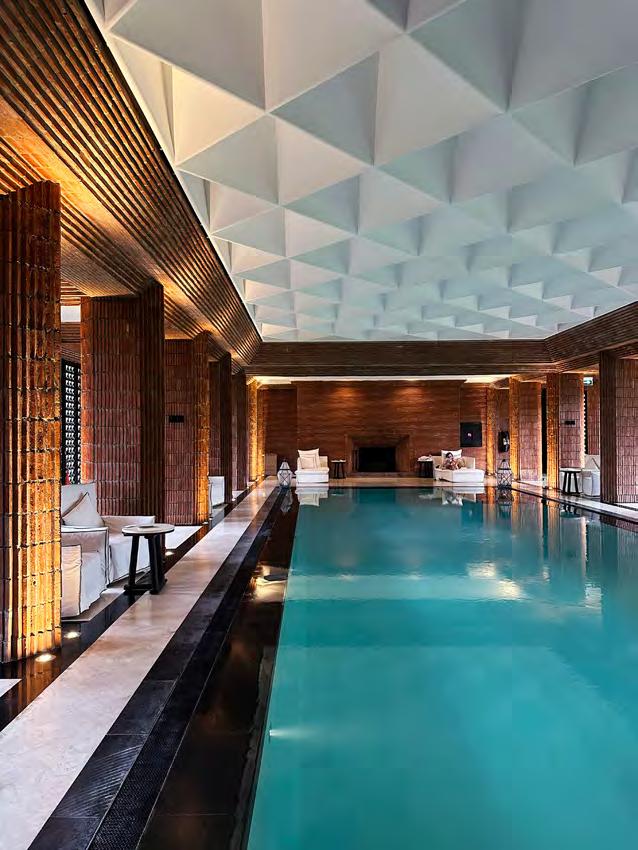
The whole property echoes this delightful feeling of being both outside and contained, set as it is on 49 acres of gardens, 10 minutes from the city center. Once we arrived, my kids didn’t want to leave. They explored the grounds — which include a beautiful vegetable garden and farm with goats — by bicycle while my husband and I had massages in the spa, which was constructed using thousands of the city’s traditional red bricks. Since we
were visiting during Ramadan, we also got to experience the nightly iftar, a lavish, celebratory buffet that hosted (mostly local) families breaking their fast.
As soon as we left, my youngest daughter began talking about returning, beginning her musing with, “The next time we go to The Mandarin in Marrakesh. …”
Then she’d stop and check for confirmation.
“We’re going to stay there again, right?”
Nothing Compares
John Chuldenko, senior editor of Dossier
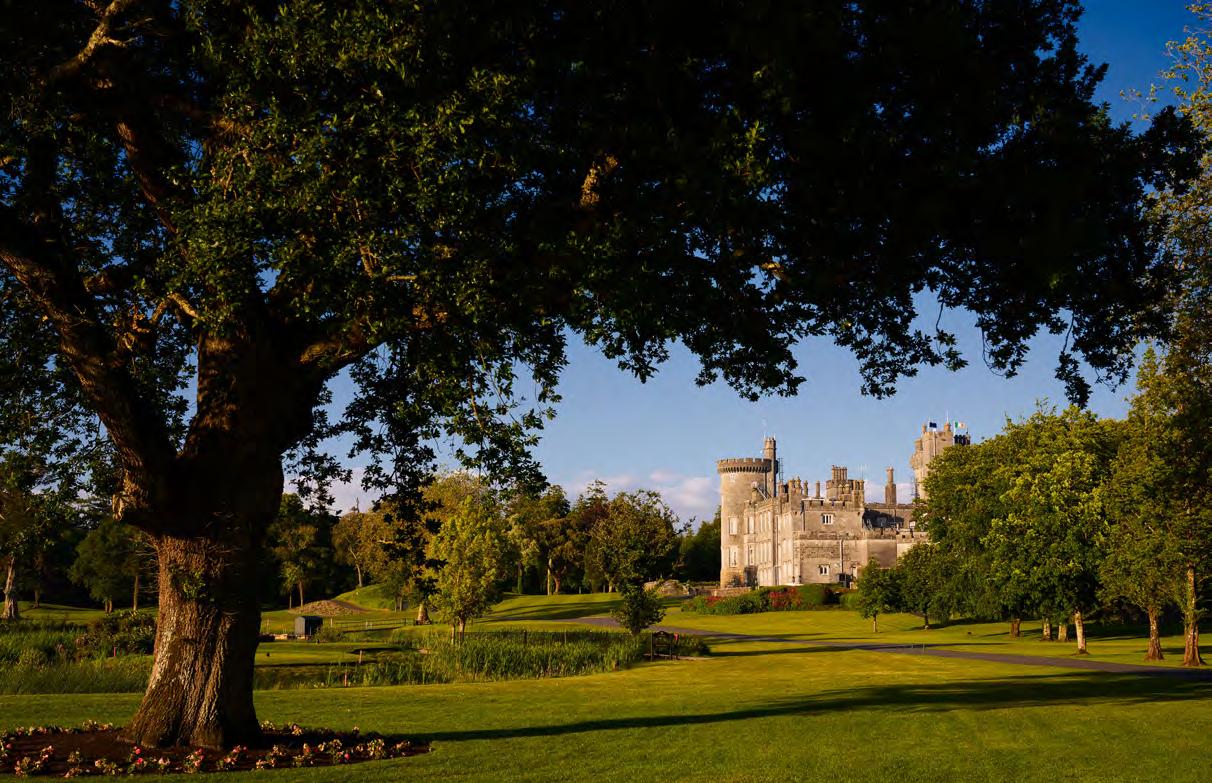
“Are we staying here?” my 11-year-old, Charlotte, asked as we arrived at golden hour to Dromoland Castle. A treasure of County Clare for hundreds of years, Dromoland has every excuse to be stuffy — and is
Ireland
anything but. Endearing and warm, the property and its staff unlocked a childlike wonder in all of us. We felt as though we were at a kind of 16th-century summer camp, hurtling arrows and rowing across the lake. Charlotte seemed to dance herself back into early childhood in the walled garden.
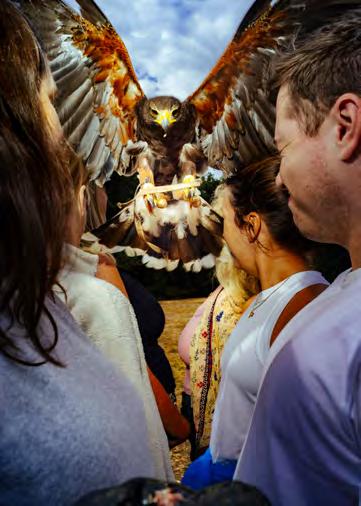
The next day, we quickly identified our falconry instructor, Jack, by his piercing eyes and the Harris’ hawk clutching his fist. Jack led us through the quiet of the property’s vast grounds, sending the hawk soaring to the trees, then back onto our hands, articulating the ancient, delicate partnership
When in Cartagena , visit Tierra Bomba Island. You’ll find gastronomy and wellness-focused beach clubs, horseback tours, mountain biking, and scuba diving. The island has it all, and yet people always
Portia
Hart, founder of Hart Hospitality and Nuestra Cartagena
between the birds and their falconers. Holding the hawk, I marveled at the efficiency of nature and the proximity to power before Jack gently reminded me to raise my hand higher to deter the hawk from perching on my head.
After dinner on our final night at Dromoland, my wife and I worked our way through the castle’s extensive whiskey collection as an Irishman playing a guitar sang traditional songs in the castle’s living room. Guests got up and danced as if they lived there, and the staff hosted like they did as well. Charlotte curled up with my wife on an antique sofa. Then, as if reading my mind, the musician played a beautiful version of the Pogues’ “A Rainy Night in Soho.” I watched, transfixed. The soul of Ireland doesn’t reside solely in its literature and music; its charms percolate, like the bubbles in Guinness, through the warmth of its people.
Susurros del Corazón, Auberge Collection
Words by Erin Dixon
Along Mexico’s Riviera Nayarit, once you pass the Walmart, Home Depot, and general commerce of Puerto Vallarta, the jungle takes hold. Its tangled, formidable barrier and dark caverns are broken only by concrete walls that obscure more manicured worlds, displacing the native landscape, thick with perching iguanas and squawking chachalacas — one of more than 530 bird species that inhabit the coast. Within these groomed enclaves, the wildness is often tamed, relegated to corridors split by golf cart paths. But Susurros del Corazón is different.
At the airport, a resort representative greets you with an ojo de Dios, a traditional craft originating from the Indigenous Huichol people, that represents the power of seeing and understanding beyond the physical realm. Upon arrival at the resort, you receive a glass of fresh tepache (spiked with tequila if you’d like) before being led to your guest room, framed by a wall of windows that opens to an ocean-facing terrace. The room’s interior is populated with locally made handcrafts and amenities, including lotion that smells of the steamy tropical flora outside.
Cinnamon-laced coffee is delivered each morning in a woven basket, inviting you to sip it while you watch the waves crash — or mama and baby humpback whales frolic and breach, as I witnessed while savoring papaya spiked with lime at Casamilpa, one of the resort’s three restaurants.
Other fantastic creatures who made themselves seen during my stay included dawn swallows; afternoon hummingbirds; mammoth moths, which emerged as darkness fell; and a golden gecko the span of my hand, whose outsized-forits-stature, rhythmic click reminds you who’s really in charge. Then there were those that appeared on plates: just-caught tuna, shrimp, and scallops in leche de tigre sauce, aguachile, and tacos. Octopus at the property’s Beach Grill night was crisp, supple, and salty all at
once, and served alongside other sea and land dwellers, native vegetables, and fresh salsas. The resort’s attention to distinctive details extends from its cuisine and intuitive, generous team to its spa, Onda (which delivers soul-and-body restoring massages), and the gifting of a beadwork heart, placed bedside. The design is rooted in the spiritual practices of the Indigenous Huichol, or Wixárika, people from the Western Sierra Madre mountains. It is also a nod to the resort’s name, which means “whispers of the heart,” an apt summation of its philosophy. Susurros del Corazón’s intention is not to dominate its environment nor impose itself on this enchanted landscape but, rather, to honor it as unobtrusively as possible — to create an environment in which guests, too, fall in love with its wild alchemy.
Illustrations by Sakshi
La Mamounia
Words by Jeremy Malman
I remember the first time I walked into a certain Midtown hotel in New York City. It was the early ’90s, and my friend Marci was trying to help me get a job as a barback. I had never seen anything like it. The property had just been reimagined by a French designer and a Jewish nightclub promoter, which sounds like the start of a joke, but these guys weren’t kidding. What they created was perfect, the gold standard, the hotel that all other hotels were measured against. While aesthetics change, the feeling that space elicited will be forever.
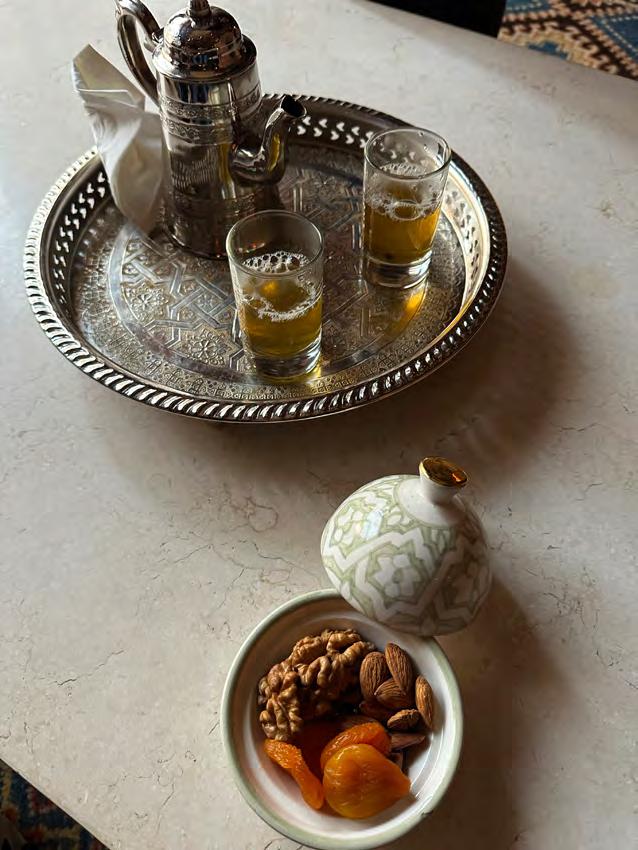
This is what it felt like to step inside La Mamounia in Marrakesh. But instead of filling out a W-4 tax form, I was waiting for my room keys in one of the red, low-slung banquettes of the Alcoves lounge, sipping a drink made of almond milk and orange-blossom water. Starting to decompress, I looked across the Grand Hall toward Le Chandelier du Centenaire, a dizzying three-story installation made of 3,000 handblown glass pieces and almost 1,000 feet of braided red cord, hanging just 3 feet over a reflecting pool. It looked like the room was wearing a necklace.
My wife and I were in one of the Park Executive Suites, and my kids had a deluxe room. We would eventually be able to move between the two by way of a hand-painted Moorish arched doorway, equipped with period-specific locking mechanisms that would allow me to keep my children out. Unfortunately, because their room wasn’t ready, I couldn’t do that yet. So, instead of isolating them in their space, everyone piled into mine. I was considering the intricate zellige tile work, impossibly ornate and playful, creating elaborate geometric star patterns, but then noticed that the kids had eaten all of my cookies. I tried to appreciate that, for the first time today, they seemed happy, but I couldn’t get past the crumbs on my floor.
Without snacks, we had to venture off-site for lunch, a decision that upset the children.
“Where are we going?” the oldest one asked, contemptuously.
The 14-year-old added, without making eye contact, “I don’t understand why we have to go anywhere.”
I half-heartedly tried to communicate
something about pushing yourself to venture outside the comfort of the walls … but I agreed with them.
Why would anyone ever leave this place?
Set on nearly 20 meticulously manicured acres, lined with hundreds of orange and olive trees, the hotel houses four restaurants and four bars, not including its two tea rooms; an old-timey game room; a private, 20-seat cinema with snacks provided by pastry chef Pierre Hermé; a massive outdoor pool clad in Murano glass tile; a second, equally enchanting indoor pool; an expansive, perfectly appointed gym; multiple hammams; a spa; and a padel court. Everything was considered, and nothing was out of place.
En route to lunch, I asked my kids why they thought Winston Churchill described La Mamounia as “the most lovely spot in the whole world.”
They responded with the only positive feedback I received from them all weekend.
“Ugh, Dad, you’re so annoying. Because it
Parker Palm Springs
Words by Erin Dixon
On this (incongruously for Palm Springs) rainy day, the lobby of Parker Palm Springs is the only place to be, given its fireplace and fuzzy seats, the environment further warmed by a Negroni and Koop’s “Summer Sun” looping in the background: Stars in the sky, you never mind. Happy or sad, you always shine. It’s one of those liminal spaces that keeps all troubles at bay, casting the world in a rosy glow that leads you to believe that everything might always be okay, if you could return here whenever life outside becomes too ugly.
The feeling persists even after the city’s Modernism Week propels me into soggy reality, more precisely to the Palm Springs Art Museum for a series of lectures that prompt a secondary reflection on time suspension: Modernism projected a utopian future that never arrived, yet it endures in the city’s architecture and aesthetics, generally, and specifically in Jonathan Adler’s maximalist take on it for Parker. His interiors, I learn via the lectures, nod to Evelyn and Jerome Ackerman’s tactile works (figurative tapestries and biomorphic ceramics that intentionally foiled Frank Lloyd Wright’s clean lines) and Gio Ponti’s considered material collisions. Ponti’s influence is also apparent in the floating wall that characterizes Parker’s acclaimed entrance, a threshold welcoming me back into the hotel’s shelter, where modernism’s idealism appears, once again, within reach.
My optimistic shine gets brighter the following day, buoyed by the sun’s return and a tour of Sunnylands. The magnificent former estate of Walter and Leonore Annenberg has hosted heads of state, including eight U.S. presidents, over the past 60 years for “meetings that mattered,” a legacy the Sunnylands Trust upholds by inviting leaders and experts from diverse backgrounds to engage in impactful discussion, in pursuit of a better world. This prospect seems entirely possible as I splash in Parker’s gleaming adult pool, a scene that reads like a David Hockney painting, with canary-yellow striped umbrellas silhouetted against a surrealist blue sky.
At Mister Parker’s that night for dinner, it’s as though time has actually
collapsed, and we’re in a betwixt dimension. The hotel’s fine-dining restaurant is tucked behind a velvet curtain, with dim lighting and low ceilings, its walls chockablock with eclectic modern artworks. A convivial hum accompanies flickering flames, and the menu features picturesque American classics: bone-marrow butter in candle form that melts into a rich pool for bread dipping; jumbo lump crab cakes; filet mignon paired with a glass of Gigondas selected by Victor, the dignified resident sommelier; and Baked Alaska flambéed at the table. The cultured atmosphere and Rat Pack-era cuisine make it easy to imagine dining with the Annenbergs, alongside politicians such as Gerald Ford and celebrities like Bob Hope and his wife Dolores, who famously described Sunnylands as “A return to Heaven.”
Waking up in my villa the next morning to birdsong and sunbeams, I feel exactly the
People Make the Place
At Hotel del Coronado in San Diego, passion, pride, and heartfelt hospitality characterize the iconic property’s vibrant present.
by Mark Hartman
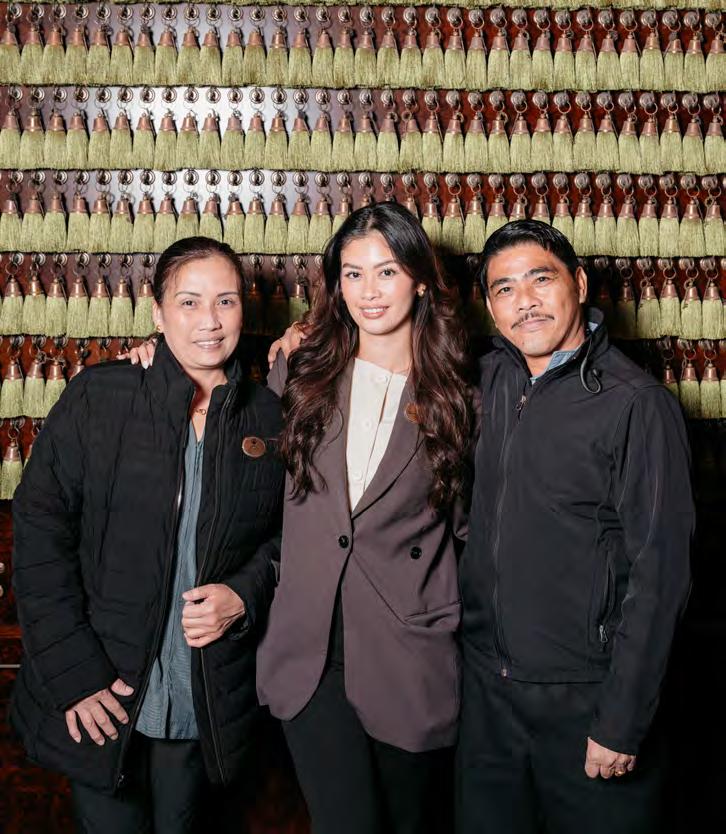
Hotel del Coronado in San Diego, California, has been renowned for more than 130 years as the Grand American Resort, a beachside escape for some of the world’s most famous faces — from Charles Lindbergh and the Prince of Wales in its early days to a long list of U.S. presidents and movie stars who began visiting in Benjamin Harrison’s and Charlie Chaplin’s eras and haven’t stopped since. But it’s not only such celebrated names that characterize The Del. Its team members are the life force of the resort, imbuing it with a signature magic that’s felt by every guest, every day. At any turn, across all departments, these passionate individuals combine their unique expertise with a shared pride for this iconic place. They welcome new and returning guests with a heartfelt hospitality that makes each arrival feel like family. To the point: Working at The Del is often a family affair, with a number of team members joining their relatives at the hotel, many of them spending decades of their careers within its storied halls.
Kailee Castillo, Front Office Manager
My parents have always been very supportive. They’ve encouraged me in my career as I’ve grown from Housekeeping Coordinator to Front Office Manager. I know they’re very proud of me, and I love seeing them at The Del — at first I had to remember not to call them “Mom” and “Dad” at work! I also love meeting the guests. Maybe they’re tired from traveling, but the more I connect with them, the more I make them feel welcome. It makes a big difference. I once had a guest call me three times just to thank me.
Manny Castillo, Houseperson
My family works here, so The Del feels like my second home. When I see my daughter and my wife, it gives me strength. When I make the room beautiful, make sure everything is perfect, I’m very happy. For special occasions, when I’m asked to arrange flowers or create a swan from a towel, it makes me happy because I share my talent with the guests, and I make them smile.
Janette, Kailee, and Manny Castillo
Chef
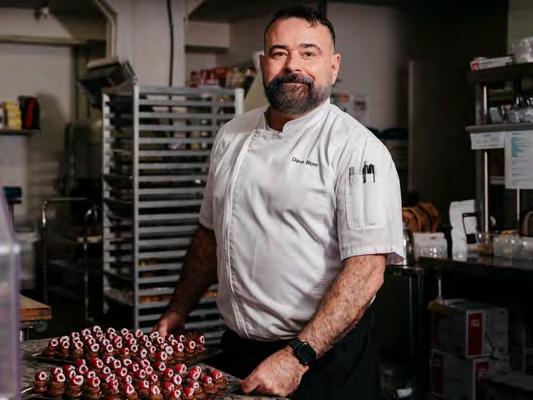
Dave Blom,
Executive Pastry Chef
Most of the time I’m behind the scenes, but when I get to be out in the dining room with the guests and see their reactions to the food, that’s fun. I especially enjoy seeing them encounter the Dragon’s Breath: We dip the dessert in liquid nitrogen, drizzle it with chocolate, and pass it to them. Then I say, “Okay, crunch down, and blow air out your nose like a dragon.” They have such a good time.
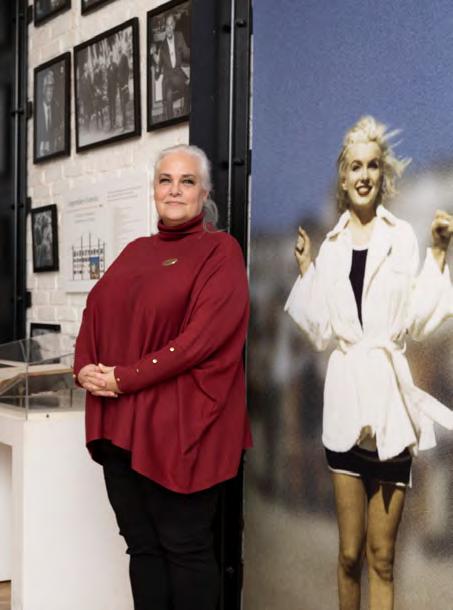
Gina
Petrone,
Heritage Manager
I love making connections with guests who are visiting, making them feel like they’re part of the continuum: They’re part of a story that keeps evolving. I let guests know that they’re walking the same halls where Thomas Edison, Henry Ford, and Marilyn Monroe walked. I have the best job because it’s always changing. I’m always hearing new stories, and I learn something new every day.
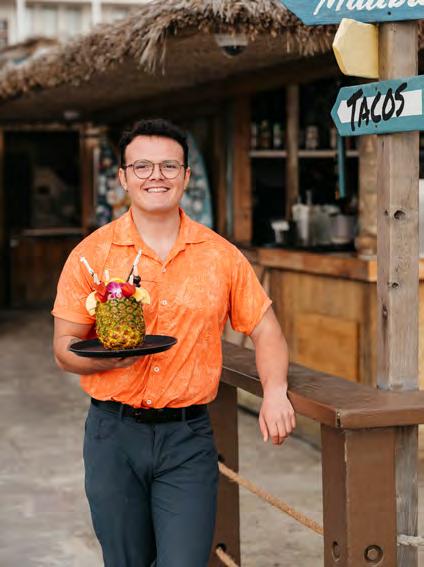
Sky Molina, Server
I started working at The Del when I was 16 years old. In a way, I grew up here. You get to meet so many amazing people working in the hotel — co-workers, managers, guests. I think that’s been the most fun: seeing guests year after year and meeting new faces. My biggest priority is making a memorable stay. Since my name is Sky, something I love to say is, “If you need anything at all, the sky’s the limit!” So anything in my power, I got you. I say it to every single guest, and I mean it.
Corey Menotti, Membership Experience Ambassador
It’s the energy of life that makes this place special for me. It’s hard to pin down what it is — architecture, space, the beach … It’s all great. When I connect with a family, it’s sincere. I get to learn about what brought them here. Maybe it’s their first time, maybe it’s their 50th time. It’s my job to make their stay, from the moment they arrive until they leave. The one thing that I can do is guarantee my devotion to them.
Book Marked
Musician Lucy Dacus considers the books that have shaped her movement through the world.
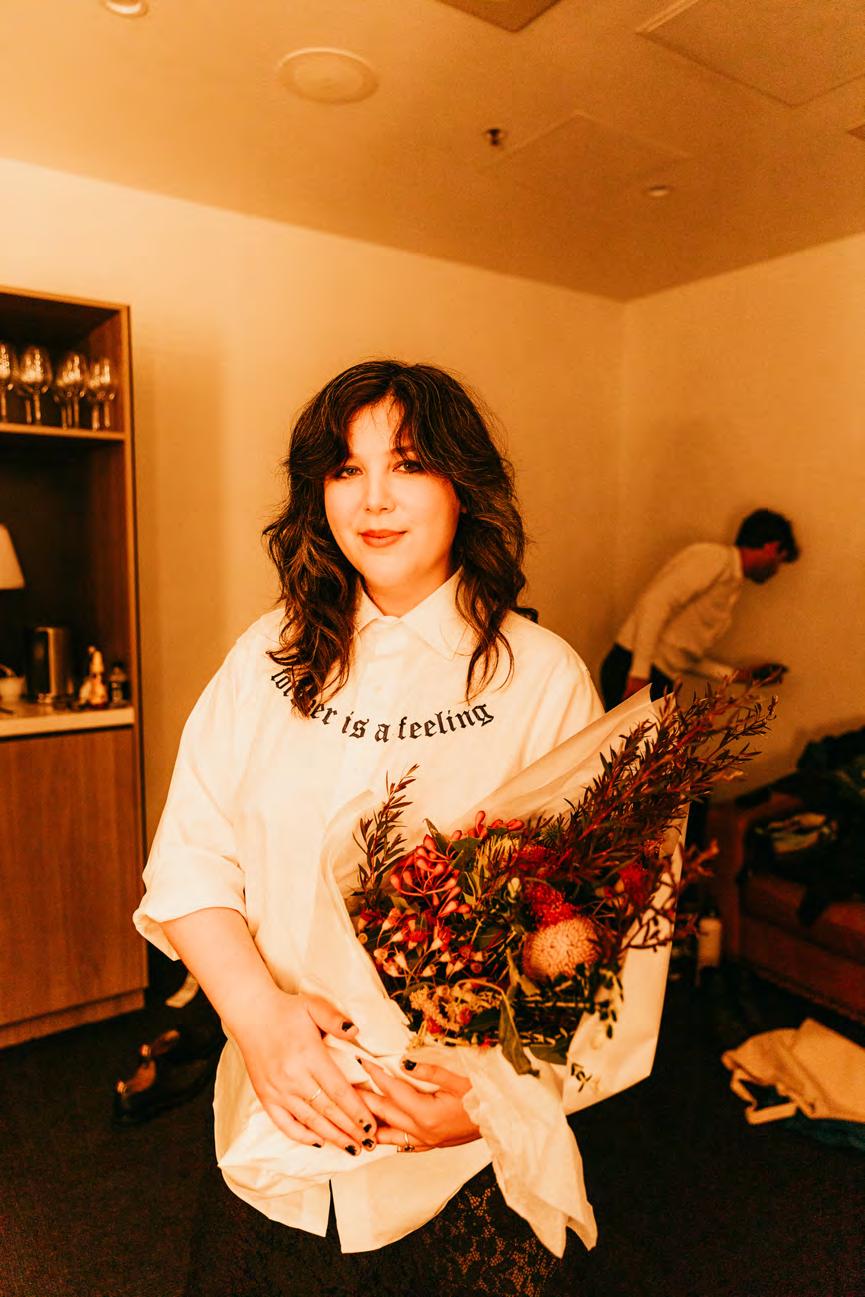
On her remarkable 2025 album, Forever Is a Feeling, musician Lucy Dacus examines the complexities of falling in love, balancing the giddy rush with the tempered view of someone who knows all too well that even our biggest feelings are often only temporary. “Nothing lasts forever, but let’s see how far we get / So when it comes my turn to lose you, I’ll have made the most of it,” she sings, showcasing the emotional astuteness that is a hallmark of her songwriting. Over the course of four solo albums — and one blockbuster album as a part of alt-rock supergroup Boygenius — Dacus has emerged as one of her generation’s most thoughtful artists, exploring the complexities of human connectivity and emotional longing. It makes sense, then, that the artist, who recently popped up in New York City to perform “Bread and Roses” at the inauguration of mayor Zohran Mamdani, would welcome the chance to talk about some of the books that have not only helped shape her worldview but have helped her better understand the connection between the personal and the political.
titles that were really formative for me as well. I saw this list and thought: I know this person!
Lucy Dacus: Thank you. I had to think about it for so long. There are probably some books that are more important to me or some books that I like better, but these are books I knew I would love to talk about.
TCR: Do you remember how old you were when you first read The Fire Next Time by James Baldwin?
And I was an English major!
LD: Oh my gosh, you’re so lucky to be able to read it for the first time. I say first time because that is a book that I’m probably going to reread every 10 years till I die. It’s just the best book I’ve ever read. And I know that’s annoying to hear because it seems like such a colossal project to recommend to anyone. It’s like, “Oh, go read War and Peace,” like, “Go run a marathon.” It’s a lot. But a book that long, with a writer that skilled … I just felt like the characters were more real than the people in my actual life. I started reading it when the lockdown started. I was like: Oh, we’re going to be here for two months. I’ll read 50 pages of War and Peace a day. I’ll get it done.
TCR: I had the same experience recently, but with something perhaps not quite as classic — the massive Barbra Streisand autobiography.
LD: She’s so important.
Photograpby by Ashley Gellman
T. Cole Rachel: I’m looking through the list of books you shared, which includes so many Words by T. Cole
LD: I would’ve been about 19. It was a gift from a friend. I felt like Baldwin was speaking to me personally, and I imagined that anyone who read it would feel that way. He really communicates pain in such a beautiful and poetic way. There’s something in the book where he talks about how he would never want to be a white man, that it must feel like a kind of prison. I was so struck by the compassion he showed in the face of his obvious awareness of how much damage and harm white men had done to him and people he’d loved. Recognizing that all that horrifying behavior comes from a place of sickness of the heart was really eye-opening.
TCR: You have Leo Tolstoy’s War and Peace on your book list. Can I admit something vulnerable? I’ve never read it.
TCR: Shifting gears now. Braiding Sweetgrass by Robin Wall Kimmerer is a lovely book about plants and Indigenous wisdom and botany.
LD: This was another Covid read for me. I would wake up and read one essay per day, and it would be kind of like anxiety medication. It helped me love the world and not hate myself. There’s a lot of rhetoric that humans are only
a detriment to the planet. This book helped me see and appreciate all life a little more animatedly. And I just love the marriage of science and folklore and personal experience and poetry. It’s rare for a person to be so smart in one field and also so skilled in another.
TCR: You’ve included Sister Outsider by Audre Lorde, another book that was super important to me. I did an MFA in poetry, so I would always tell people to read the “Poetry Is Not a Luxury” essay from that book. I revisit that essay from time to time when I need something to sort of reset my brain.
LD: I love that essay. I have to remember that all the time, too. I sub out poetry for music and try to believe that this work is important. “The Uses of the Erotic,” essay shifted something inside me. That’s a before and after essay for me. It’s like a health essay — a reminder to connect back to your body and a way of widening the dichotomy of art versus porn.
TCR: Other than The Color Purple, I can’t think of another epistolary novel that worked as well as Gilead by Marilynne Robinson. You get everything through the prism of this one person, whose voice evolves over the course of the book.
LD: I read Gilead when I still called myself a Christian, and I was thinking a lot about what that really meant. I related so much to the narrator and his confusions and hopes and real desire to keep God in his life and be a good person. He knows that he is likely going to die before his son can grow up and really know him, so that is the pretext of the book. He’s writing it for his son to read later on, but as he goes on writing things, it becomes clear that it’s really for himself.
TCR: Another of your choices, Written on the Body by Jeanette Winterson, is also a pretty formative text for a lot of folks. I feel like everyone I know read this book at some point.
LD: I read it kind of recently, actually. It’s so passionate and visceral … but it’s passionate in a way that doesn’t even feel romantic sometimes. I appreciated that. It’s not just courtship and sweetness;
it’s a little destructive or obsessive and layered. And the narrator is not hesitating to portray themselves as unloving. This new love they’ve found makes them reflect on everything that they have done before as kind of a failure. Plus, you have a narrator who is genderless, which adds a whole other layer.
TCR: It dovetails nicely with another book you chose, Wittgenstein’s Mistress by David Markson. It’s ostensibly a book about a woman who has come to believe she is the last person on Earth.
LD: I had an English teacher who would often recommend books to me or give me cool music to check out. He gave this book to me when I was 16. It was probably the first truly “experimental” book I had ever read. I have a dissociative streak and, in reflection, I think part of what captivated me so much is the way that this woman feels as if she, the last woman on Earth, is trying to tend to her memory because once she forgets things, then they’re gone from the universe forever. It married my fear of losing my memory and my experience of feeling completely alone.
TCR: You don’t have any other memoirs or biographies on your list, but Widow Basquiat by Jennifer Clement is a pretty fascinating addition. It’s a sort of a hybrid.
LD: The format was so moving to me. It is a book about a woman that was written by her best friend. I appreciated that Suzanne Mallouk would trust her friend to put her experience into words and poeticize things — that it was maybe easier to let her friend say it than to say it herself. A lot of people probably
read it simply as [Jean-Michel] Basquiat fans, but the book is about this woman who was his partner. I’m sure it’s a very particular experience to go through life and for your main descriptor to other people to be about your proximity to this famous artist. To be able to have this book and really center the story on your own experience, I imagined it was really healing for her.
TCR: Well, last but certainly not least, Stone Butch Blues by Leslie Feinberg. For people unfamiliar, this is a novel from 1993 about the experience of a butch lesbian in the ’60s and ’70s, who must sometimes try to pass as a man in order to survive. It’s a brutal book but also very beautiful.
LD: Oh my God. I finished it only a couple days ago. And I was like: I’m putting this on the list. I don’t care. It is immediately in my top 10.
TCR: This book was published in the early ’90s, but it was so far ahead of its time in regard to what it says about gender and sexuality and identity. I feel like it couldn’t be any more important or relevant for our current moment.
LD: I couldn’t believe when it was written and the era that it’s written about — the ’60s and ’70s. Oh, I cried at every page. I feel so lucky that I don’t experience violence every day. You know, I’m very publicly in a specific relationship with a woman. And that, for the most part, is celebrated. There are bigots who threaten us, but they’re mostly online, and I can live my life without constant fear. I was reading a lot on planes and having to stop and weep. I have tons and tons of queer friends, and our reality is still very complicated, but also so much has changed.
“It’s
just the best book I’ve ever read. And I know that’s annoying to hear because it seems like such a colossal project to recommend to anyone. It’s like, ‘Oh, go read War and Peace,’ like, ‘Go run a marathon.’”
On the Fly
Legendary restaurateur Keith McNally sets aside his second morning espresso to share early morning musings.
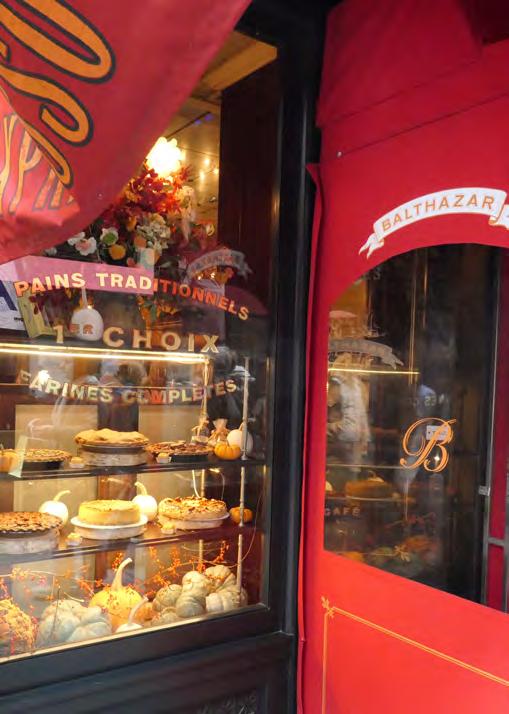
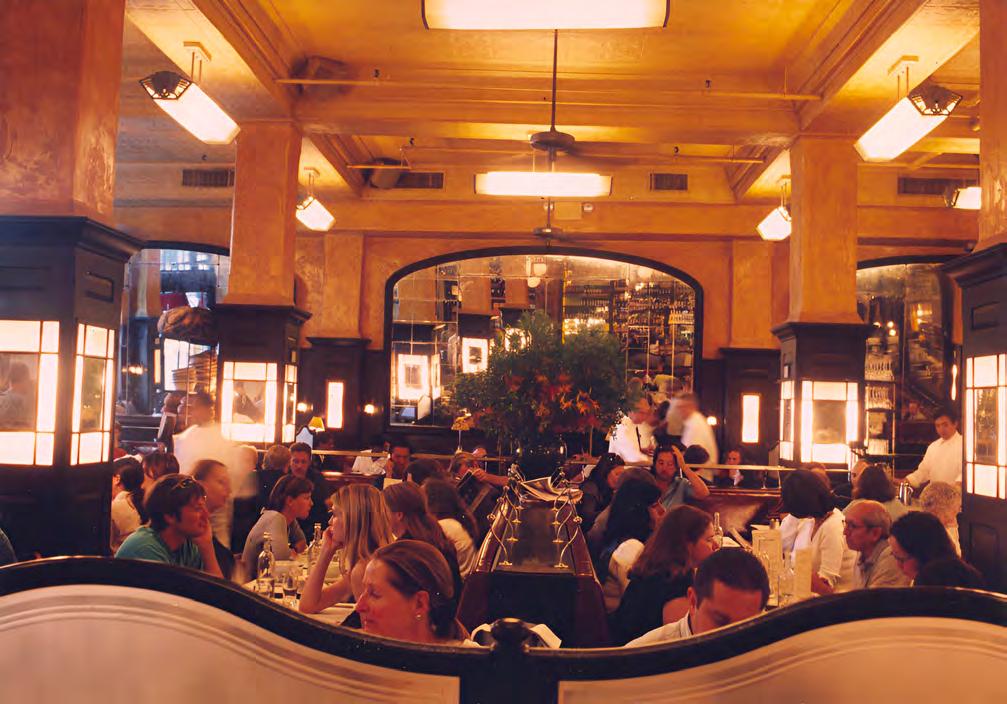
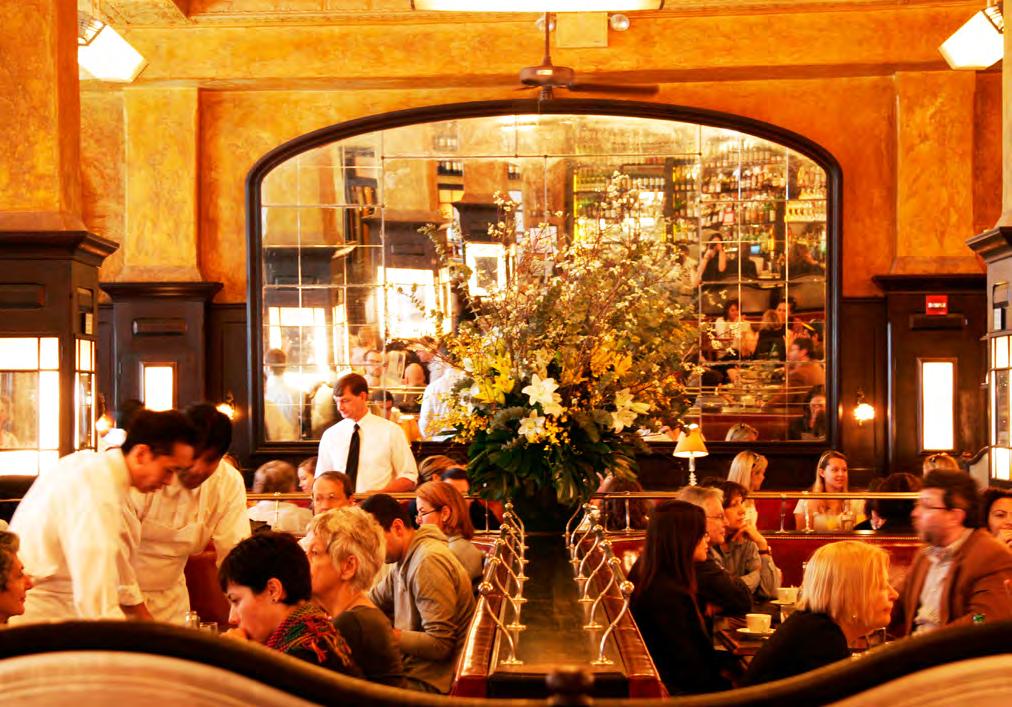
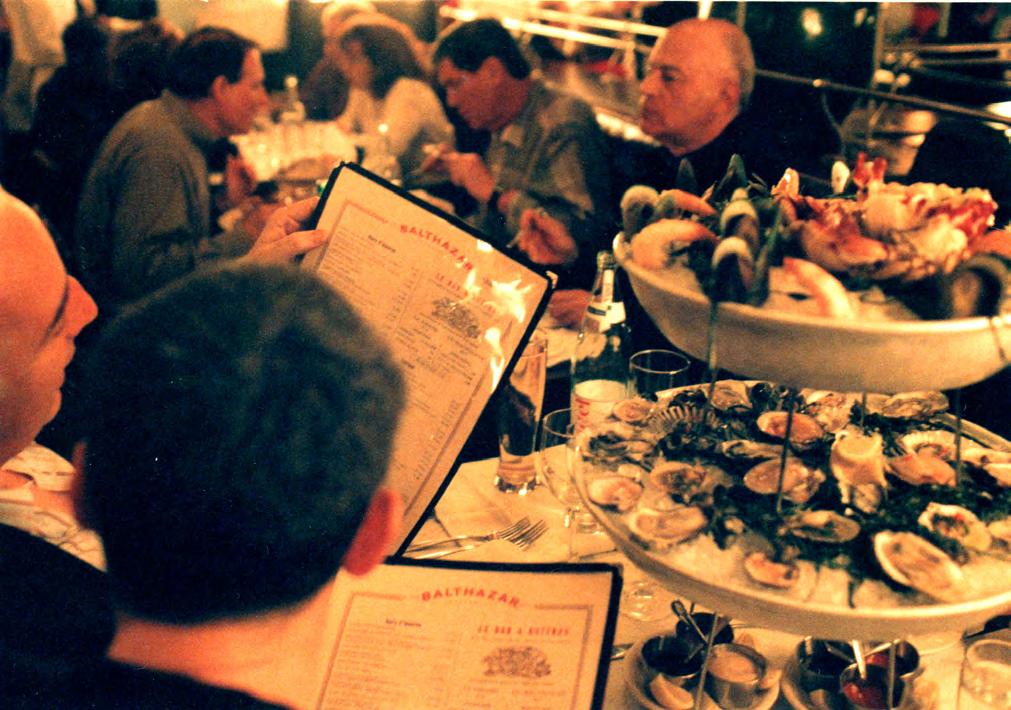
I have had two standout dinners at Balthazar, the storied downtown New York City brasserie. The first, a few years ago, was with my father. We had oysters, steak, and Champagne. Our table was excellent. I don’t recall us having a reservation, either; winning the lottery can look like many things. The second time was with the man I hope to die beside, though undoubtedly he will go long before I do. My people are from Korea, and we outlive everyone. Salad and duck confit for me. Onion tart and burger for him. We shared the sticky toffee pudding for dessert, which allegedly arrived late. (Someone apologized for the wait, and it was nixed from the bill.) We didn’t notice because I was sipping an amaro, the man I’ll watch die had come sit beside me on the banquette, and we were staring up at the restaurant’s enormous pressed-tin ceiling — quiltlike, lustrous as eggshell. You don’t notice a dawdling dessert on nights like these.
In the back of the restaurant, working on his laptop, sat founder and restaurateur Keith McNally, the glow of his screen a white-blue dot in the space’s famously warm lighting. For whoever has not been to Balthazar — or any of McNally’s restaurants (Minetta Tavern, Pastis, Morandi, to name the current; The Odeon, Café Luxembourg, Nell’s, Lucky Strike, Pravda, Schiller’s Liquor Bar, Augustine, Pulino’s and its second act as Cherche Midi, to name the past) — the lighting is akin to sitting inside of a snowglobe while thick
curtains of honey drip down the sides. “There’s no such thing as an ugly person,” McNally once posted on his notoriously candid Instagram, “only bad lighting.”
McNally’s Instagram reads like a diary. Self-deprecating, irreverent, and sometimes poignant, his captions pull back the curtain on the inner workings of New York hospitality and his personal life in equal measure. After McNally’s stroke in 2016, which critically impaired his speech, the platform became a way for him to reclaim his voice. Alongside home-interior photos, a 2025 post reads: “This was the beautiful house I owned in Notting Hill, London, from 2011 to 2018, before my stroke, suicide attempt, and divorce. Even though I paid 6 million pounds for the house (and then spent another 3 million renovating it), I never ‘owned’ this gorgeous house. Ultimately, nobody ‘owns’ anything. Everything in life is Leased. Even our own bodies.”
In 2025, McNally’s words were given a more formal platform. He released the memoir I Regret Almost Everything, now a New York Times bestseller. In one passage, he writes, “Correspondence has always been a major part of my life, but since my stroke it’s become crucial, because writing is the only time I feel I’m not being pre-judged on appearance. Consequently, it’s the only time I feel normal.” So, one morning, I texted McNally.
Sophie Yun Mancini: Good morning, Keith. It’s Sophie Mancini, the journalist from Dossier magazine. Is now still an ok
time for you to chat?
Keith McNally: Yes.
SYM: Wonderful. What have you been up to this morning?
KM: I wake at 6 every morning, make an espresso and try to devise ways of canceling my days’ without causing offense. And then I begin writing. Since early July I’ve been revising and rewriting my memoir, I Regret Almost Everything, for the paperback.
SYM: I just finished your memoir. It’s remarkable.
KM: my days’ meetings is what I meant to write.
SYM: i understand. i try and cancel my meetings as well.
(without causing offense, as well)
KM: I really wanted to cancel this meeting.
SYM: because you’re busy? tired? or just couldn’t be fucked to text a stranger? all are understandable.
KM: I’m always behind with things. Ideally I would stay home all day and think about what I should be writing.
I’m a colossal procrastinator.
SYM: where do you think that comes from?
KM: Let me delay answering that until I’ve had a second coffee.
SYM: [haha emoji reaction]
There’s a quote in your book I really want to ask you about this: “Charm played a more important role than competence in America.”
Do you still believe this?
KM: Unfortunately, yes.
SYM: Who is the most charming person you know?
“No one should be beyond criticism. I believe this more every day.”
KM: He just died: Tom Stoppard who was a friend of mine. Tom was exceptional. He possessed charm, grace, wit and enormous ability.
What’s your favorite Stoppard play?
SYM: I could google something and lie, but to be completely honest, I’ve never experienced a Stoppard play. Does that make you think less of the very little you know of me?
KM: Yes.
No, of course not!
Do you go to the theater much?
SYM: I don’t, embarrassingly. Even though I grew up in New York, which has so much access to them. Sometimes I feel like the more access one has, the less they take advantage. I’ve never been to the Statue of Liberty.
Which of course is not a play, but just to illustrate the point of not embracing what’s right in front of you.
I read a lot of Shakespeare growing up though.
Yet have only seen one Shakespeare play in real life.
KM: Me neither. In fact, I’ve never met anyone who’s actually been to the Statue of Liberty.
Which one Shakespeare play have you seen?
SYM: Hamlet, at The Globe, in London.
It was haunting.
All lit by candles, no electric light
KM: Who played Hamlet?
SYM: I can’t remember. It was a while ago. An ex boyfriend surprised me with tickets. It was very thoughtful.
The relationship did not last but my impression of the night stayed with me
as so very magical.
KM: Was it in the indoor theater attached to the Globe, the Sam Wanamaker theater?
SYM: Hm. I remember it feeling semi outdoors actually. Is that possible? My memory is so unreliable when it comes to facts and plot. I can always remember how I felt but never what actually happened.
KM: Between 18 and 40 years of age I saw about 35 Shakespeare productions without understanding a fucking word.
SYM: Did that make you enjoy them less?
KM: I didn’t enjoy them at all. I couldn’t wait for each one to end. I’d be watching Measure For Measure and be thinking about what main course I should order in the restaurant I planned to go afterwards.
I was watching great productions of Shakespeare because I’d read they were ‘great’ productions not because I found them great. I was completely faking it. Then, at 42 or 43 I got fed up faking it and sat down and ‘studied’ about 17 Shakespeare plays over the course of 3 years. Slowly, line by line until I understood the language.
SYM: This reminds me of a moment in your memoir when you read Don Quixote, pretending to like it… Is there anything you’ve pretended to like for so long, you’re now unsure what your actual feelings are? Or, your feelings unconsciously changed through the act?
Have you ever tricked yourself into believing something?
KM: All of the above. I also think it’s
“I don’t really believe in ‘pivotal’ moments. Meaningful change occurs imperceptibly most of the time.”
possible to hold two opposing views on something at the same time. I know I do.
SYM: What’s an example of this paradox^ you’ve felt recently?
An opposing view you hold within yourself currently?
KM: The play Waiting For Godot. On the one hand I think a revolutionary play, on the other hand I think it’s a tiresome play that has nothing to say.
There are certain things - plays books, people - we’ve been conditioned to think of as “Untouchable”. And the playwright Beckett is one of them.
SYM: Conversely, who do you think hasn’t received enough credit for their work? Who should be more “untouchable” in your opinion?
Who or what?
KM: No one should be beyond criticism. I believe this more every day.
SYM: This reminds me of a line in your book: “Never trust certainty.”
What is the most recent thing you’ve changed your mind about? Or have been compellingly challenged on?
KM: Mamdani. When I began reading about him 9 months ago, I was quite skeptical. But last June I totally changed my mind.
I now think Mamdani’s terrific.
SYM: Because of one specific pivotal moment or a series of behaviors you observed?
KM: I don’t really believe in “pivotal” moments. Meaningful change occurs imperceptibly most of the time. ‘Eureka’ moments are rare, and mostly said for effect.
By the way, try to see the play Oedipus on Broadway. It’s terrific.
I must go now.
SYM: I will. I’m actually in London currently, but I’ll be sure to check it out when I return.
KM: [heart emoji reaction]
SYM: Thank you for your time and thoughts, Keith.
KM: [heart emoji reaction]
Thank you.
All original chat grammar and punctuation has been maintained to preserve the nature of the conversation.
Table Talk
The locally rooted sustainability principles of New Nordic cuisine inspire meaningful dialogue when examined on a global scale.
Before Denmark was one of the bestknown food destinations on Earth, it was a place where dinner might consist of “fatty cheap meat, margarine, and decade-old frozen vegetables.” At least, that’s how Claus Meyer, an architect of the New Nordic food movement and co-founder of famed restaurant Noma, described the meals of his 1960s and ’70s youth. He was speaking to a roomful of international chefs and food and beverage leaders from The Luxury Collection (TLC) properties who’d come to Copenhagen to learn how Denmark changed its culinary approach and its place on the world stage.
The program, which took place over four misty days, was a collaboration between TLC and MAD Academy, a nonprofit devoted to giving food-industry professionals the knowledge and tools they need to make their kitchens more sustainable. ( Mad , pronounced “mel,” is the Danish word for “food.”) And the bespoke agenda was a who’s who of the Copenhagen food scene. In addition to Meyer’s talk, there was a visit to his culinary business Meyers Madhus, which operates a cooking school, owns bakeries, sells retail products, conducts research and development, and feeds thousands of Danes a day through its workplace canteens. The 17 members of the TLC cohort also enjoyed a workshop with Matt Orlando — chef and former owner of famed Copenhagen dining establishment Amass, who’d just opened his new restaurant, Esse, in a renovated 19th-century warehouse in the Nordhavn neighborhood — as well as behind-the-scenes visits to Kadeau and Noma.
For TLC, the partnership with MAD Academy was a no-brainer. The two entities “share a conviction
that meaningful change happens through people — through education, exposure, and the confidence to question how things have always been done,” explained Bruce Rohr, vice president and global brand leader for TLC. This confidence to question and to push back against the status quo came up again and again — during a presentation on sustainable fisheries at Kadeau, for example, and while eating a “green umami”forward lunch at Meyers Madhus. (“Green umami” is a brighter, grassier, plant-based take on the traditionally deep umami flavor.) The Copenhagen chefs encouraged the TLC cohort to challenge suppliers who say they cannot use more sustainable methods.
MAD Academy experience galvanizing. “What’s happened in Denmark is so important,” he said, “and the sharing of knowledge the program makes possible is incredible.” Just taking a break from the day-to-day demands of working as a chef and seeing how others approach their food is exciting,” he added. But Sepúlveda was already using the bountiful local produce of Los Cabos in his kitchens. “The soil and weather here [in Los Cabos] is similar to California,” he explained, “so you can grow pretty much all year round.” He knows many of the farmers whose produce he uses and the local fishery whose totoaba features prominently on his menus.
“In a business built on relationships, they pointed out, chefs have more power than they might think.”
In a business built on relationships, they pointed out, chefs have more power than they might think.
Denmark’s food scene is vibrant, and its model for pursuing sustainability is inspiring. But when it comes to making lasting change in kitchens (and among the suppliers they rely on), one size won’t fit all. As Rohr stated, the MAD x TLC program is about bringing “more sustainable thinking to life in ways that feel authentic to their local communities and aligned with the spirit of The Luxury Collection.” And the chefs who take part in this collaborative curriculum are embedded in their local economies, often already working closely with suppliers they trust.
Chef Elihú Sepúlveda at Solaz, a TLC property in Los Cabos, Mexico, was part of an earlier cohort and found the
What the MAD x TLC program really made him think about was the marriage of tradition and innovation on the plate, and how important this duality is to the continued evolution of national cuisines. He was inspired by the creative spirit of the chefs he met in Copenhagen, who go the extra mile to source the highestquality ingredients, then use them to reinvent the foods that diners think they know. It’s what Sepúlveda did with a recent dessert at Al Pairo, one of the resort’s restaurants. The elegantly composed dish combined fresh cantaloupe sorbet with chili, a nod to the Mexican taste for Tajin sprinkled on fruit. When chefs apply contemporary technique to Indigenous ingredients or put an haute-cuisine spin on everyday foods, Sepúlveda clarified, they’re offering diners familiarity and novelty. He sees how this combination makes diners light up — and argues that it’s a recipe for a sustainable business. Meyer made a similar point when revealing the questions he asked himself at the beginning of the New Nordic food movement: Could the staples we take for granted — and don’t always enjoy — form the basis of sought-after dishes? Or, in his words, “Could luxury be a potato, or a beet?”
Chef Daniela Soto-Innes at her signature restaurant Rubra on the Riviera Nayarit.
Fortune’s Favor
At Rubra, Daniela Soto-Innes manifests a culinary and communal dream.
Every star chef has a secret — an ingredient or style, maybe a philosophy, that has accelerated their ascendence — but Daniela Soto-Innes’ secret isn’t what I expect. “There is this quote from the Dalai Lama that I like to say to myself every morning,” she reveals. “‘Remember that sometimes not getting what you want is a wonderful stroke of luck.’”
by Erin Dixon
Words
Ana Lorenzana
by
It’s a surprising viewpoint for the youngest woman ever to win World’s Best Female Chef by the World’s 50 Best Restaurants, in 2019 at the age of 28 — for someone who started her career at the age of 15, working after school at a Houston, Texas, hotel, having convinced its chef to let her intern in his kitchen; who parlayed another internship, in Enrique Olvera’s 2-Michelin-starred Mexico City restaurant Pujol, into opening the acclaimed chef’s first United States restaurant, Cosme, in New York City, when Soto-Innes was 23. Helming it won her the aforementioned award. Now, at 35, Soto-Innes is more than a year into running her own signature restaurant, Rubra, on the Riviera
Photography
“And one day I woke up and said: I need to be centered. I need to be in nature. I’m going to start over.”
Nayarit in her native Mexico. It seems that she has pursued exactly what she wanted and has gotten it. But the difference between appearance and reality is precisely her point.
“When I got the [World’s Best Female Chef] award I had, like, the most difficult time of my life because my grandma had just passed away, and I didn’t believe that a single person deserves to be called the ‘best of.’ I didn’t want to accept the award, but all the other people on my team were like: Do it for us. It was the first time that something like this had ever happened for [a Mexican woman] and the second time [for a woman based] in the U.S.,
but it was really difficult for me to cope with that type of attention. We were busy before, and then all of a sudden, we were busier. We were opening a restaurant in LA, and we had the two restaurants[. ...] And I knew in the bottom of my heart that my dream was to come back to Mexico because that’s where I felt more connected to my grandma. It was the height of my career, where I was on every magazine cover, but when I would see the magazines at the airport, I would hide them. I couldn’t sleep. I was like, ‘Oh, this is what being successful is like.’ People think that when you’re successful and people know you that you are the happiest. That’s definitely not true. Then the pandemic hit. And one day I woke up and said: I need to be centered. I need to be in nature. I’m going to start over. I don’t have a plan, but I believe I can do it.”
Rubra is a manifestation of that dream, down to its name, which Soto-Innes says means “to start again”: “It’s the name of the flower, but it’s also the name of a cycle.” Plumeria rubra, also known as red frangipani, is a deciduous shrub native to Mexico, with highly fragrant, vibrant blooms of red, yellow, and pink. Native flora also sits at the core of Rubra’s menu. Its market garden — tucked into the upper corner of W Punta de Mita, where the restaurant also resides — bursts with Mexican medicinal plants such as chaya and hoja santa, as well as vegetables and fruit: papaya, mango, cacao, guava, acacia, and jackfruit, which appear in the restaurant’s Edenistic dishes.
Briny banana flower is cured like an
artichoke (escabeche style) and plated like an ofrenda , served with rice cakethick plantain tostadas and nori butter. Lobster salpicón gaznate with avocado and herbs offers a textural explosion: crisp shell against tender shellfish, and it looks like a tiny sculpture. Plush Sonora wheat sourdough paired with cultured butter tastes ancestral and fresh at once — to name just a few of my favorite flavors in meals that unspool artfully, their parade of the plates winding me up in a jubilant spell. As the tagline on Rubra’s website accurately reads: Envision yourself entering a new world.
The morning after my second meal at Rubra — sense memories of the first night make it impossible not to return the next — I meet Soto-Innes at the Rubra coffee shop. She looks fresh and polished in a white T-shirt, black bolero hat, and statement jewelry, with the magnetic air of a celebrity. People tend to circle her like she’s the sun. She, in turn, bathes them in undivided attention — a discipline she carries into her kitchens.
“I believe that everybody should have their own voice[, but] it’s a lot easier to have a military style where everybody just listens,” she says. “The biggest challenge is to create self-expression [by] making sure that everybody has their time to shine. When you create a system like that, you also create a little bit of chaos because everyone wants to shine. But if you encourage them to do their best all the time, then you get all these amazing ideas and this familylike environment.”
Rubra’s (all-female) leadership team is her proof of concept. Most of the women
“The biggest challenge is to create selfexpression [by] making sure that everybody has their time to shine. ”
on it have been with her the better part of a decade, moving alongside her from New York to Nayarit, including a few pit stops in between. There’s Elisa Zubia, the general manager; wine director Andrea Hernandez Corona; Estefanía Brito and Valentina Brito (Soto-Innes’ “left and right hands”); and Wanda Anzaldo, the head of public relations. “I always tell the girls, I have no idea what I want to do in my life,” Soto-Innes says. “What I know is the people I want to do it with.”
The Dalai Lama quote clicks. It doesn’t only speak to the failure to attain one’s own desires. Sometimes it’s about ceding the wants of the “I” for the needs of “we,” about lifting everyone up, together. As for that stroke of luck: “Yesterday, we just got in a panga, a little fisherman boat, and we were in the most magical place in Mexico, by ourselves,” she recalls. “I was just laughing, like, I can’t believe we live here. Some people save their entire lives to have vacations like this. We are rich. We’re very lucky.”
Rubra’s market garden is tucked into the upper corner of W Punta de Mita, where the restaurant also resides.
Planting Seeds
A madcap encounter
with Crocodile James on the Caribbean island of Saba grows into a lived examination of the biology of bush medicine.
When a man called Crocodile James tells you about the time he caught a goat, how he did it with his bare hands, how the goat had jumped a gate and was charging two women so he swooped in, how a group of Canadian trail hikers watched it all, and how they ate curried goat all weekend after, your attention is thoroughly piqued.
I’m on the top of a mountain in Saba when James Johnson delivers his hircine caper. The so-called “Unspoiled Queen” of the Caribbean, Saba rises from the sea like a stone cast from a child’s rock collection. The flight to the island from Sint Maarten on a 19-seater plane takes only 15 minutes, before landing on the shortest commercial runway in the world. On the descent, I think vaguely of King Kong, how my dad brought me and the boy I had a crush on to see the Naomi Watts remake when I was in sixth grade. Over the ensuing days, I find that my King Kong read is apt: Saba’s dramatic landscape inspired Skull Island in the original 1933 film, and there’s a palpable wild undercurrent to the place. Tropical forests slope down a rockface to the sea, and angry iguanas lurk along my hotel’s narrow pathways. While snorkeling, I encounter a shark. And, notably, I meet Johnson.
The septuagenarian Saban is a local (and increasingly global) legend, renowned for the bravado that accompanies his encyclopedic knowledge of the island’s ecology. When I meet him, he’s wearing a blue baseball cap, slight brown mustache, and Saba Conservation Foundation T-shirt that speaks to the 31 years he’s spent working with the island’s government to maintain and preserve its world-class hiking trails, which span the island’s 5 square miles and five different microclimates, from desert to cloud forest. Johnson quickly moves from conservation lessons to personal reflections. He says Pirates of the Caribbean took inspiration from his family, 17th-century Saban pirates (a number of the island’s residents of Dutch heritage claim such a swashbuckling lineage). He says he’s “famous on TikTok” (he doesn’t have his own account but appears on others’ to talk about the island’s ecosystem). He says he’s “onto his second wife” (he passes around his phone for us to see her picture). I find myself charmed, but as we set off for Mas’Cohones, a short hike to a lookout partway up Mount Scenery, the island’s national park, it’s his enthusiasm for bush medicine that hits home.
Under a canopy of massive elephant ears, Johnson rips the leaves off trees and shrubs for us to smell. He finds a balsam apple split open on the ground. Looking like a
spiky, Dr. Seuss-esque orange, the balsam fruit almost seems to blush through its deep-red seeds. This fruit, Johnson says, can help with constipation. As we climb higher, he rattles off more plants: Stinging nettle is said to aid prostate health, piper plant fights inflammation. I hold bay leaf in front of my face. Hot air wafts its cinnamon aroma into my nose. This should stave off flu come winter.
My interest in the tradition is more than incidental. At the age of 30, I discovered that my Italian side had passed on more to me than just my grandmother’s gravy recipe. Crohn’s disease and ulcerative colitis lace through my genealogy, a Neapolitan heredity that my grandfather discovered too late, passing away from complications within a year of his diagnosis. As a child, I watched my mother try manifold treatments and adjust her diet to exclude certain foods with a keen attunement to her internal weather.
My diagnosis brought with it a tidal wave of uneasy feelings about my relationship to my body and a bitterness toward fad diets or sidebars from, say, a yogi friend about his pseudoscientific notions of nutrition. What I was facing felt permanent and intractable. But I was also skeptical of biologics, the pharmaceuticals effusively praised by others with my condition. By preventing the immune system from attacking the patient’s body, biologics would also make me immunocompromised. I asked my gastroenterologist about lifestyle changes and diet: I already practiced yoga daily. I ate healthy, whole foods. Couldn’t turning up the volume on those habits shift the balance for me? He calmly shook his head no. For him, there was nothing solemn to this decision, just the science to which I should surrender.
Two months after beginning medical treatment, I was in Saba, captivated by Johnson’s talk of the potential power locked within local flora. From the lookout, he indicated Sint Eustatius. Pointing to St. Kitts, he said Caribbean cilantro grows both there and on Saba. Put it in a salad to help an upset stomach. He interspersed tales of catching iguanas and his travels through Colombia with more plants. Blue vervain for asthma and bronchitis. For diarrhea, cultivate sea grape leaves, or, if you’re feeling daring, climb a cashew tree, shave bark off the highest branches, and make a tea.
Listening to his tales, a concert of inquiries began dinging around my brain: What might we learn from looking back in time? Could these remedies help me instead of the meds, or together with them? Returning home, I dug deeper. Across the Caribbean,
bush medicine marries ancient Indigenous and African traditions. Africans who were enslaved by European colonizers carried with them plant medicine rooted in West Africa that, once in the Caribbean, evolved with the region’s ecology and biodiversity. These traditions were passed down orally and inform the practices that folks such as Johnson now uphold. A National Institutes of Health study describes how lime, castor bean, and wild licorice are used to treat irritation, inflammation, fevers, and toothaches from Jamaica to Cuba to the Virgin Islands. In Barbados, where the Ministry of Health reports that 1 in 4 Barbadian adults lives with a chronic, non-communicable disease, bush medicine can assist with symptom management in an approachable, affordable way. Most people learn about these traditions from friends and family, and many people gather medicinal plants in their own backyards.
Johnson began his education in bush medicine as a teenager, working on a farm with his father. His family has passed down Saba’s spin on the Caribbean tradition since they reached the island in 1665. For centuries, Sabans were self-sufficient
by necessity, and the island’s diverse biomes enabled people to fulfill their medical needs. Over the past 60 years, though, he’s watched the tradition slowly fade, a change he dates to the airport, when farmers began working construction, and the island became more reliant on the outside world.
Crocodile James carries the torch. He makes tea with snake apple for hypertension, and if he gets a cough, he’ll brew another with cinnamon bush or iguana bush. To steward Saban bush medicine, he takes kids on field trips to teach them about the island’s plants, the names specific to Saba, and the healing potential of each shrub and leaf. Yet, he sees that the local practices are better documented in Jamaica. Saba needs its oral traditions to be preserved too. “It should be done before it fades away,” he declares. While I certainly can get behind the cost efficiency of bush medicine — I received an explanation of insurance benefits last year that included a dizzying sum of more than $37,000 — I also see immense cultural value in learning from ancient practices, which people have developed from the earth, and in finding relief and healing within those practices. Yet, I reluctantly begin biologics treatment, reporting to appointments in sterile, air-conditioned rooms, where I watch Couples Therapy on my laptop while receiving IV infusions. Once I leave, with no daily pills to swallow, I can all but forget about the drugs that hum through me until my next visit.
At the end of the year, I receive a call from my doctor reporting that my disease is officially in remission. Incidentally, I’m in Portugal for a yoga retreat on a small farm in Alentejo, where, in addition to daily yoga sessions, I eat organic meals, take walks past the neighboring sheep farm, sleep nine hours a night, and drink copious amounts of tea, piled high with ginger and lemon slices. And while I know that the biologic is the basis for my remission, I’ve come to believe that health and human wholeness include these simpler practices too.
It can be easy to look at oral traditions, draw a connection to folklore, and misinterpret its efficacy, but I can’t help but see more biology in bush medicine than in biologics — my medication is a monoclonal antibody produced in Chinese hamster ovary cells. Stewarding these plants both supports the local ecosystem, provides medical care where access and resources are limited, and preserves knowledge and culture. I’m familiar with how easily it’s lost.
My grandfather’s mother, a quiet woman from outside Naples, made mouthwatering ravioli by hand, a secret recipe she never shared with anyone. My mom still dreams of them, but they’re something I’ll never know.
The Land of Little Rain
Chiara Barzini
shares an exclusive excerpt from Aqua: A Story of Water and Lost Dreams, a restless, literary
journey through California and the American West.
“Not the law, but the land sets the limit.”
—Mary Austin, The Land of Little Rain
Some say that you can follow the intended path of [William] Mulholland’s aqueduct by tracing the trail of whiskey bottles left behind by him and [Frederick] Eaton. I like to think there was something a little more sanctified about their march across the desert. As we drive out of the Mojave, I imagine their first trip to the Owens Valley, the steady progress toward a mysterious and bountiful world. I think about the barren crevices they saw as they moved north across gigantic sand dunes and ancient lava flows. The dry trunks, the sneaky animals darting across the land. The devilish yucca trees with their tortured, twisted air appearing in front of them like bad omens. Alone in the silence of the night, their bodies burned after the long days in the sun. They drank booze, ate beans, and listened to the ground in search of answers. The yucca leaves were spear-pointed, and in the moonlight, they appeared like soldiers protecting the land. Who knows how many times things must have appeared too big or too distant to be conquered, how often they felt their feet getting swallowed into the earth. It required a lot of strength not to be dissuaded by those ghostly presences, not to want to turn around, go home, and forget about their grandiose water plans.
At the end of each day, dust spirals flew toward the sky. A southern breeze blew over Mulholland and Eaton’s cheeks as the sun disappeared behind the rocks. That’s when doubt crept in. What an act of faith to move across this stark land that gave you nothing but solitude and vastness. This was a time when people died crossing the desert, looking for shallow wells. Sun-dried mummies of
other brave souls who had gone out in search of fortune before them appeared scattered on the ground. An [Indigenous woman] was found dead next to a stream of water, her 2-day-old baby still suckling her breasts. It was a region so wide that whoever traversed it could have no sense of where it started or ended.
Before Mulholland and Eaton went looking for water, a woman passed through this region with no intention of building or taking anything. Later, she would become one of the most ardent fighters for the Owens Valley’s rights during the water wars, as fierce and protective as the spear-pointed yucca-tree leaves Mulholland and Eaton found on their path.
Her name was Mary Austin. She was a novelist and early feminist who moved to the Owens Valley from Illinois and fell in love with it 14 years before construction began on the aqueduct. She wrote about the land and its uncontainable nature. She wandered through sheep camps and cowboy corrals. She made friends with miners, immigrants, Shoshones, and Paiute. She spent time with them, drew their portraits, weaved baskets with them, and listened to their stories. Her experiences were collected in a book called The Land of Little Rain. Posthumously, the book became a classic of environmental literature, one that rivals the works of the great naturalist John Muir.
At the time, Austin was a pioneer, a desert flaneuse who chose to study the Mojave. She traveled the open country alone. She hiked through forests and crossed the riverbeds of the Sierra Nevada. She took rides with strangers and got off in places she didn’t know. If, in 1890, you saw a lone woman in a white bohemian dress with long, wild hair, following coyote tracks and
Photography by Christopher Churchill
“Who knows how many times things must have appeared too big or too distant to be conquered, how often they felt their feet getting swallowed into the earth.”
taking notes, it was her. She charted creeks, swamps, and rivers.
She knew the risk and sacrifice it took to cross the Mojave. That scorching land had a hidden force moving under its crust, “chang[ing] means and direction without time or season.” The heat in the soil was an invisible entity that crept to the surface and brought people down with it. Desert land had many traps. It was its only form of defense. It would be accessible only to the few who understood its edges. Mary Austin was one of them. She was mystical, connected to otherworldly planes. She predicted droughts and earthquakes and, most importantly, the fact that Eaton and Mulholland would build an aqueduct here.
I’ve been haunted by her appearance. There’s one picture of her in particular that I’ve been drawn to. It’s a close-up of her in a Rough Rider hat. She gazes at the camera with a confrontational air. Her long, unruly hair gives her the look of an outlaw, reminiscent of characters like the stagecoach robber Pearl Hart or Ellen Liddy Watson, known as “Cattle Kate.” Most of Austin’s peers found her to be too wild and unconventional, too unfearing and determined for her time, often incredibly sad and lonely. To me, she is one of the most beautiful women I’ve ever seen.
Austin screamed at people and felt ill when she was trapped in cities. She never found solace in love. She was so unhappy in her relationships that, more than once, she found herself contemplating suicide. She suffered from atrocious postpartum depression and had trouble taking care of her disabled daughter. She didn’t want to be a wife or a mother. In nature she found company and a sense of purpose. Something about her deeply misunderstood persona resonated with me. This wild, wayfaring woman, with her aches and woes quelled as soon as she was in the company of coyotes and yucca trees. Her ailments fizzled away and she became whole again.
ward only intolerable weariness,” she wrote. The animals would lie down, stretch their necks along the ground, and roll up their eyes at longer intervals. When their breathing patterns changed, the predators began their rounds, waiting for the final breath to be exhaled.
C. Boyd Smith’s nature drawings illustrate Austin’s book. An essay called “The Scavengers” features a haunting image of huge, black birds circling above a man who has been lost for three days in the desert. The birds are displayed in a disturbing choreography over his head. They hover, in no rush, waiting for him to die. There is something menacing in the drawing. One of the birds is extremely focused, in that primal way of knowing how close it is to its next meal. In the background, fading into a mirage, a dying saddled horse lies on the ground, staring into the void.
The illustration was inspired by the real story of a man named Timmie O’Shea who got lost on Amargosa Flats for three days without water.
“She wrote about the land and its uncontainable nature. She wandered through sheep camps and cowboy corrals. She made friends with miners, immigrants, Shoshones, and Paiute.”
Long Tom Basset found him, not by any trail, but by making straight away for the points where he saw buzzards stooping. He could hear the beat of their wings, Tom said, and trod on their shadows [...]. [Their sound was strident and primitive, getting stronger and stronger,] raucous and elemental. There is a short croak of alarm, and the same syllable in a modified tone to serve all the purposes of ordinary conversation.
Austin wrote about drought in 1903 with uncanny prescience, depicting scenes of dead cattle with “heads toward the stopped watercourses.” She observed vultures flying above the ground, “as black as the plague all across the mesa and up the treeless, tumbled hills.” She described the way scavengers circled over dead animal carcasses with a “stately” predatorial flight. They could smell a tired living being on the verge of surrendering. They knew how long to wait and when to get close. Their patience was more terrifying than their aggressiveness, their communication a “rare, horrid croak.” Did Mulholland fear them when he saw them skim above the sage bushes, sweeping down, getting close and swinging back up above?
In The Land of Little Rain, Austin described the way animals died of thirst in the desert in the same dry style [Joan] Didion used to write about nature in California many years later. The process was agonizing; it took days, and it happened in phases. “There is fear in their eyes when they are first stricken, but after-
This was a cursed land, one that everyone wanted to run from, yet for some reason, miners and cattlemen couldn’t help but return to it. Yearning for lost gold mines was a tradition, embedded in the snow and mountain lakes of California. There is a sense of promise in the crisp air here. The mountain breeze incites lucid thinking. Altitude has a solemn, religious feeling about it, and water can be a hallucinogenic potion. When you drink it, you no longer see “fact as naked fact, but all radiant with the color of romance,” as Austin wrote. Everyone who crosses into the Owens Valley needs to believe their illusions. “They could have preferred getting bitten by rattlesnakes than to give up their dreamy self-deceptions.” I’ve been bitten too.
Toward the Sierras, the air gets colder, and it feels like we’re crossing into a different kind of silence. The appearance of creosote shrubs marks the passage from desert to mountain. We’re getting closer to the water. I imagine Mulholland and Eaton’s relief when these mountains finally appeared, the respite of getting pushed out of the furnace toward the snow-covered peaks. Bit by bit, a new form of blue emerged, not just the voracious sky above their heads. After so much hard travel, the sudden gleaming lake of the Owens Valley must have felt like a miracle, “jade green, placid, unwinking, also unfathomable,” as Austin said.
Mulholland’s granddaughter, Catherine, remembered her grandfather’s face when he returned home after this trip, filled with uncontainable enthusiasm: “You know I have seen something here, water that will last us into the next century!” he announced. He had seen it. It was real. He instantly recognized the work that lay ahead. He became “a convert” and an “empire builder” overnight, as Marc Reisner wrote. How strange to have such a huge dream and have it be about transportation, about transferring something vast and liquid to a completely different place. Austin’s nature descriptions were alarming and awesome and made you feel like you were part of that alpine world every step of the way. She joined forces with nature and wrote about birds and mysteries. Mulholland wrote about the costs of building dams.
We keep driving up the 395 until the Sierras tower above us. We turn on the heat and change into winter clothes. Heavy sweaters, hats, and jackets are flung around our mobile teenage bedroom. The back seats of our SUV resemble the disarray of the Santa Cruz studio I shared with Kate. We’ve stopped caring about any form of grown-up dignity. The car’s covered in banana peels, crumpled pretzel bags, crumbs, empty coffee cups. Travel is bringing us closer to our true messy selves.
There’s no coherence to the landscape we’re encountering, in the same way that Los Angeles has no coherence, with its Tudor mansions perched on dry hills next to Bavarian-inspired castles, in the same way that the desert meets the ocean with a sudden sense of alarm, and the red rocks of Topanga Canyon spring out from a forest of oak trees. After the golden rusty light of the Mojave, everything is white and blue. That the snow can coexist with desert, that the low points and high peaks can inhabit the same narrow corridor, seems like a miracle in itself. In these mountains, when the rains are abundant, they fill the hollow spaces of the valleys and create dark lakes like the cenotes of Mexico. But when water evaporates, it leaves mineral deposits on the edge of the basins, like Lake Mead or the Salton Sea, except under snow. The land that feeds Los Angeles its water is full of contradictions. Springs can be wild torrents or “slow dribbles in a thirsty soil.” The sweltering basins look for frosty clean air. Breathing can be impossible one minute and revitalizing the next.
We don’t know that we’re walking toward a mirage. We don’t know that the lake has drained away, that the city has sucked it dry, that dust storms sometimes make it impossible to see from one side of the highway to the other. That swirling clouds of alkaline dust, sulfates, and mining chemicals are swept off the dry bed every winter, causing bloody noses, watery eyes, and irritated lungs. We don’t know there has been a surge of cancer, lung disorders, and lowered immunity to diseases in the area. That the people of Owens Valley have been living a slow death, that many of them sleep with oxygen bottles. We don’t know how polluted it all is, so much so that the City of Los Angeles has agreed to transfer some water back into the lake bed, so the dust won’t get blown away. It has been poured in merely to keep the soil moist, heavy enough not to fly into people’s homes and lungs. That’s the tinge of blue we are seeing. It’s just a murky lake bottom that reflects the color of the sky. There’s no lake in reality, just its ghost, a faded copy of what it used to be. Still we keep walking toward it. Some part of us keeps thinking the original might still be there, somewhere between the folds of the land, in the hazy bluish mist. Maybe the lake is there even if it isn’t jumping out at us, even if it isn’t made of water. Magari.
Kevin Starr wrote about Los Angeles as a vampire connected to “a major artery of the Owens Valley.” He described the angry ranchers who were told that the city would be a friend, how they felt when they realized their water would be stolen, and their fertile fields would become parched and unproductive. Now we can see what a bloodless artery looks like. The lake has a swampy, spectral feel, yet the past is so close you can almost touch it.
In The Faraway Nearby, Rebecca Solnit writes about how the blue tint of distant mountains has the power to create forms of suspended desire, a longing for the unreachable. The colors of the valley this afternoon fit the description of Solnit’s visionary glow, but the longing is even more desperate here because the blue light refracting off the lake bed represents a place that can never be reached, as it doesn’t exist.
We are so close to Owens Lake now. I want to see the sudden gleam, to imagine it the way Mulholland and Eaton did, as “the Switzerland of California,” the tender bluish mist, the luminous radiance Austin wrote about. A wide dirt track appears to the side of the road. It looks like it’s directed to the lake. It leads to a vague splash of blue. We pull over and begin to walk down the path toward the water, but after each step, the vision of the lake fades into the background, farther and farther from us.
We stop walking down the track. A bunny scurries across the white dirt path, but it has nowhere to hide. It turns out that the hall of mirrors Simone de Beauvoir wrote about when describing her impression of Los Angeles had a geological source. It is this blue evanescent mirage, this strip of high desert, lodged between the Sierra Nevada and the White and Inyo mountains. This place, 200 miles from the city, is the primordial well of illusions. When our shoes begin to get damp, we stop. We don’t mention the fact that there is no lake, that we know we won’t get anywhere if we keep walking downhill. We just know it’s the right moment to turn around and go back.
Material Worlds
Mara Hoffman explores the tangible and spiritual threads that bind a father and daughter.
My dad, Monte Hoffman, lived in a big, ivy-covered, red-brick Victorian house in Buffalo, New York. He lived there from the time he joined the Buffalo Philharmonic Orchestra as a classical concert cellist in the 1960s until he died, in May of 2024.
The house has nine closets between three floors. Each was packed with the clothes he wore through every decade, through every version of his body, every trend, every aesthetic he adopted. Because of his profession, he had an impressive collection of tuxedos, with their accompanying cummerbunds, bow ties, and small vests. Beyond the tuxes, his taste really ranged, depending on the decade: Italian shirts and pants, Tommy Bahama “Caribbean wear,” Coogi sweaters, Dockers, Versace jeans and hand-embroidered
tunics, and multicolor-striped bell-bottoms from his “hippie” era. Hundreds of pieces were crammed into the closets, all on wire hangers.
For many years before he died, I would rummage through his closets and drawers to find decades-old gems. I was always so delighted that these pressed, cotton, tailored, button-down shirts, with French cuffs and a monogrammed MKH over the heart, fit me. I loved imagining that my father (at one point in his life, as a grown man) had been my same size. I have a very slim frame, and the father I knew growing up and as an adult was never close to my build. But his clothes tell another story.
Each trip home to see him was like a visit to the gift shop of an impressive museum of someone’s very eclectic life, of someone
who held on to everything. It gave him great pleasure when I would find things of his that I wanted, a validation as to why he held on to it all. He would brag about its designer or value. He loved that his fashion-designer daughter wanted to wear the garments that had defined his aesthetic over the years of his life.
My dad was my person. He adored me. He drove me crazy. He challenged me. He was so proud of me. We’ve passed lifetimes with each other, and this last one as father and daughter was sweet and complicated and deeply bound to a contract around care and love and timing.
About three months before he died, I told him I was closing my brand. He was so scared for me, beside himself at first, perhaps terrified that I wouldn’t make it any other way — or maybe that I would disappear. He eventually came to his senses and remembered who I am, remembered that I am an artist who creates from my heart for purpose, for the absolute alchemy of it all. I will always find a way to make meaning, to make beauty from anything, everything. Death and all.
On the morning of May 25, 2024, I went to his house to shower and change. After spending the previous nights in a recliner beside him in hospice, I was exhausted, aching, and in the final stretch of walking him home. It was a role that I knew was also part of our contract, a job I had always prayed I would be lucky enough, have the honor to fulfill — to hold him through his very last exhale, to deliver him lovingly with grace and dignity to his next celestial incarnation. After showering, I went through his closet and found one of his concert shirts. It was a cotton-and-polyester blend, something I would not usually wear, but today it was okay. It was right. It wasn’t a shirt for a tuxedo but for a concert that required a black suit. It was still pressed and stiff. It felt appropriate. I had a strong knowing that today would be the day, and it was important that I was dressed for it. For him, his life, for us.
slip on whenever the mood struck him.
We sat in that room — waiting, praying, serious — until we realized it was almost 7 p.m.: Wheel of Fortune time. If we knew anything about this man, we knew he would be very upset to miss a show. So we watched Wheel of Fortune, then Jeopardy!. We screamed answers at the TV the way he always did. We laughed. We got the joke. It was the gift of levity, the letting go. Jeopardy! ended. We turned off the TV. And very shortly after, Monte took his final bow.
Since his departure, my father’s closets have been my sacred space, my way to keep returning to him.
We aim to sell his house this spring, and clearing it out has been a sizable task. He always told me to hold onto the house for at least a year after he died. I think he couldn’t bear the idea of his personal museum being dismantled, and, in some way, whether he were conscious of it or not, he wanted to stay there for as long as possible, even in nonphysical form. No question: He had his haunt planned out.
“What an outstanding thing it is to carry each other, literally on our backs, on our bodies, for lifetimes, through threads.”
We’ve made five trips back to the house so far, each making a larger dent in the emptying. On this last one, I dedicated my time to the closets. I made piles of what should go to Goodwill, what will go to our local recycling center, and what will become a part of my permanent “Monte K. Hoffman” collection. I also started documenting myself in these pieces. It was wild to see how these different articles of clothing — spanning years, waistlines, and trends — all had a way of working together. His oversized white tux jacket (early 2000s) paired with slim, bell-bottom-esque pants from the late ’70s made for a very runway-ready silhouette. The concert vest, worn with nothing underneath, and a pair of “casual” pleated pants from the ’90s, his white tux vest and oversized black tux pants, the printed vacation shirt combined with ’60s hip-huggers … they almost looked as if they were made for me.
My sister and I sat on either side of his bed in that hospital room, waiting. It all felt so serious. In so many ways, my father had lived many parts of his life very seriously: his exceptional talent and accomplishments through his music, his prestigious collections of art and objects. A few nights before, two of his dear friends and fellow cellists from the Buffalo Philharmonic came to the hospice to perform for him. One of them played my father’s cello, the one he had performed with for decades. He lay unconscious, but all of us knew he heard and loved every note of Bach’s “Cello Suite No. 1,” which filled that room, the hallways of that hospital, and the cavities of our hearts, throats, eyes. It was beauty and heartbreak and ending and life, all at once.
My father also had a very salt-of-the-earth side to him. He was a man who watched Jeopardy! and Wheel of Fortune every evening, had family-sized packs of Twizzlers and Little Debbies hidden under the piles of papers on his bedside table. He was a man who fell asleep every night to Shark Tank and was known to carry a pair of plastic, fake Billy-Bob rotted teeth in his pocket to
There are a few of his button-downs circa late 1960s — cotton, a perfect shade of light blue, very slim cut, monogrammed — that I have had since way before he died. I have set limits on how much I wear them because the thought of not being able to wear “him” for the rest of my life is just too sad. Even though I have washed these shirts, I can still smell him on them. It is subtle, deep, the way I imagine an animal can forever smell its owner through the fibers.
What an outstanding thing it is to carry each other, literally on our backs, on our bodies, for lifetimes, through threads. No wonder I have spent the greater part of my life creating wearable articles. Our clothes are artifacts that, ultimately, serve as tools of preservation. They carry our essence, our smell, our fear, our love.
This dressing series feels like a beginning, something I’ve just scratched the surface of. It feels like Monte and I found a secret material phoneline we can use to co-create. He’s loving this. I can feel it in my bones — his pleasure in seeing the actual material of his life continue living, being reinterpreted, reworn, reintroduced. Perhaps something will be reborn in me through this too.
Post Ranch Inn in Big Sur, California, was built to blend into the environment, with guest rooms — such as this 9-foot Tree House — constructed with mostly natural materials and designed to work with, rather than impose upon, the natural habitat.
The Score
Future-forward definitions of legacy and sustainability ground Beyond Green properties from Tetiaroa to Big Sur.
As legend has it, the actor Marlon Brando was in Tahiti filming the 1962 historical drama Mutiny on the Bounty when he first spied the atoll Tetiaroa. In the movie, a fictionalized recount of an 18th-century British Royal Navy voyage, the crew spends six months in Tahiti, a blissful break from their rough life at sea. Brando viewed French Polynesia similarly, considering it a reallife paradise far from Hollywood’s spotlight, but his relationship to the collectivity was longer term than that of his character’s — to the point that his obsession with the destination played a foundational role in the 2024 biographical drama Waltzing With Brando.
Brando purchased Tetiaroa in 1966 and spent his ensuing years either living on the atoll or regularly visiting it. His ashes were scattered there after his passing in 2004, but the legacy he left wasn’t limited to making the just-over2-square-mile isle world-famous.
Tetiaroa’s beauty inspired within Brando a foresighted fascination with living in harmony with the environment, which grew into a vision to transform Tetiaroa into a resort grounded in sustainability and stewardship that educates its visitors about French Polynesia, the planet’s ecology, and the ways we can and must protect them all. Five years after Brando’s death, the dream materialized,
with the Brando Family Trust approving the construction of the actor’s namesake resort in 2009.
I arrived at The Brando after a 20-minute flight from Papeete, Tahiti, on a tiny plane that landed on a private airstrip just outside of the resort. The exquisite 35-villa property is still run by the Brando Family Trust, and, in accordance with the actor’s wishes, it works in partnership with the Tetiaroa Society, which was developed to protect Tetiaroa. The society’s research and educational center studies the isle’s environment and ecology, continuously exploring innovative forms of conservation and alternative energy. As a result, the resort is solar powered, which also provides flow battery storage. Additionally, deepsea water is used for air-conditioning; a massive organic garden generates fresh produce, pineapples, and vanilla beans for the resort’s restaurants; drying trays produce sea salt; coconut oil is used as biofuel in generators and in vehicles throughout the property (there are also electric vehicles and bicycles for on-site transportation); and a rigorous recycling program aims to sort, break down, and reuse everything possible.
Which isn’t to say the resort compromises on experience. The Brando is astoundingly beautiful. Each villa is a tiny home, complete with a private plunge pool and its own small stretch of beach, connected to the rest of the property via paths that
can be explored by bicycle (each villa comes with a pair) or golf cart. There’s also one large private residence suitable for a family (the Obamas were past guests). Not only are the villas immaculate, the common areas — a beach bar named after Marlon Brando’s film assistant, Bob; three separate finedining venues; plus an elevated (literally) cocktail bar that is built like a treehouse — are also all just a few steps away from a jaw-dropping stretch of white sand beach. A spa tucked away in the middle of the island features treatment rooms resembling large, inverted bird nests, and one of the restaurants, Les Mutinés, boasts a dining concept based on Mutiny on the Bounty, complete with a sublime tasting menu that charts each course on a map that mirrors the travels of the titular ship.
The combination of luxury hospitality and continuous innovation takes The Brando beyond the paradigms that have heretofore defined sustainable tourism, a term that has become diluted and inscrutable due to pan-industry greenwashing. It also explains the resort’s decision to join Beyond Green, a global leadership portfolio of hotels, resorts, and lodges that combines elevated guest experiences with transparent sustainability practices to empower travelers to find truly responsible places to stay while helping to scale positive impact across the travel industry through collaboration, education, and global advocacy. To be considered for membership, properties must meet criteria based on 54 sustainability indicators, and they are subject to review every two years thereafter. Members must also be committed to delivering on the three established pillars of sustainable tourism: environmentally friendly practices that go beyond the basics, protection of natural and cultural heritage, and contribution to the social and economic well-being of local communities.
Spending a day with The Brando’s staff, cycling around the property, I saw firsthand how these markers come to life. I was impressed by not only the extreme tenacity with which the resort approaches sustainability but also the hyperefficient and relatively seamless system it has created. It represents a functional model of what a modern-day “luxury” experience should look and feel like.
California’s Post Ranch Inn, another property in the Beyond Green portfolio, offers a very different but equally convincing case study. Situated high atop the cliffs above Big Sur, the inn was one of the area’s first settler homesteads, claimed in 1867 by the Post family, who first developed it into a ranch and farm. In 1992 it opened as an inn. Its current footprint was built to blend into the environment, with tree clearing minimized and guest rooms — such as its earth-sheltered Ocean Houses and 9-foot Tree Houses — constructed with mostly natural materials and designed to work with, rather than impose upon, the natural habitat. This commitment to preserving the landscape extends to experiences, with guests encouraged to engage with the environment in ways that change their understanding of it, through falconry, garden tours led by the resident chef, forest meditation, and guided nature walks, which were initially hosted by Billy Post, a loyal, fourth-generation steward of his family’s land for 90 years, until his passing in 2009.
Like The Brando, Post Ranch Inn is an example of legacy in action, with both rooted in the humility that personal legacy is only part of the composite. As Beyond Green’s mission highlights: The legacy of our era (if not our entire species) is bound up in our ability to urgently preserve the land that sustains us. And in order to be remembered at all, we need to take action today. Put another way, by Brando himself, “All we have is now.”
“The legacy of our era (if not our entire species) is bound up in our ability to urgently preserve the land that sustains us.”
On Tetiaroa in French Polynesia, The Brando realizes its namesake Marlon Brando’s dream of a resort that educates its visitors about French Polynesia, the planet’s ecology, and the ways we can and must protect them all.
Adrian Joffe. Photograph by Thomas Lohr.
Off the Cuff
Adrian Joffe, president of
Comme des Garçons, talks anti-perfumes, alien anthropologists, and the brand’s subversive beauty ambitions.
Perfume has been quite the busy bee since its inception at least 4,000 years ago. Over the past four millennia, it’s been deployed to embalm pharaohs, honor various deities, ward off the Black Death and its associated stench (unsuccessfully), signify social status, hide putrid body odors, and entice and intoxicate lovers. However, one thing has long united most perfumes: They’re meant to be universally appealing. That’s among the reasons fashion brands so often launch their own — fragrance is a nearly foolproof moneymaker. But for Comme des Garçons, the enigmatic fashion powerhouse created by designer Rei Kawakubo in 1969, popularity is emphatically not the point.
“The first criterion is that not everybody likes it,” says Adrian Joffe, the brand’s president and founding father of its fragrance division. “Rei’s always worried when something sells too much.” Of course, he adds, “We want some people to love it. But we don’t want everybody to love it.”
However counterintuitive, the strategy has served the brand well, and its latest launch, a collaboration with artist Meg Webster and the Dia Art Foundation, follows suit. CDG has been producing atypical fragrances — or, as Joffe prefers to call them, “anti-fragrances” — for more than 32 years, during which the brand has launched 127 scents with such unorthodox names as ERL Sunscreen, Dry Clean, and Snowing, and equally unorthodox notes, including fresh pencil shavings, gunpowder, and volcanic rock. CDG’s 30th-anniversary perfume, Odeur 10, launched in 2024, is inspired by hydrogen peroxide, an effectively odorless chemical associated with cleaning products. As is the case with so many CDG perfumes, the first whiff is a jarring punch to the nose, but as it lingers, it transforms into an alluring, post-apocalyptic musk.
Words by Katharine K. Zarrella
Photography by François Coquerel
Hailing from South Africa, Joffe began working for CDG, which is headquartered in both Paris and Tokyo, in 1987. He temporarily left in 1991 (“For reasons I don’t think we need to get into,” he says) and returned a year and a half later under the condition that he could launch
the fragrance range. “Rei said, ‘Why would we do a perfume? I don’t know anything about smells, and it’s not a Japanese thing.’ And I said, ‘It’s just one more way of expressing your values,’” he explains.
It’s worth noting that, around this same time, Kawakubo and Joffe wed in a ceremony at Paris’ city hall. The bride donned a black skirt and white shirt — an enduring uniform of sorts — which should tell you a little something about the essence of the empire she and Joffe have built. They turned what started as a disruptive fashion brand into an international phenomenon that encompasses multiple Dover Street Market department stores, countless high-profile collaborations, myriad affiliated lines designed by Kawakubo or her protégés, and, obviously, fragrances.
What each of the brand’s fragrances aims to express, says Joffe, “are the inherent values of CDG: to do something that didn’t exist before, to create new ways of doing things, and to ignore established industry norms.” Along with the late Christian Astuguevieille, the brand’s original creative perfume director whom Kawakubo met in the early ’90s and commissioned to make rope sculptures of imaginary trees, Joffe has religiously adhered to those tenets from day one. Consider the brand’s debut fragrance, Eau de Parfum, a scent made in collaboration with perfumer Mark Buxton. It combines the comforting spice of cinnamon and cardamom with cedar, sandalwood, pepper, and incense (to name a very few notes in this complex concoction) to create an olfactory experience that’s somehow rich, soothing, and eerily clinical.
“The most important thing is to make the customer feel stimulated,” says Joffe. “We’re here to excite feelings, stir up emotions, raise the spirit and the desire to live intensely.” That mindset inspired Kawakubo to conceive Eau’s slogan: A perfume that works like a medicine and behaves like a drug. “It makes you feel good; it makes you feel better,” Joffe says. “And she thought that once you would smell it, you wouldn’t be able to do without
it.” So, a bit like Adderall. Except it’s “much, much healthier,” Joffe quips when presented with that comparison.
Indeed, every aspect of Eau defied convention. The bottle, designed by Kawakubo, is modeled after a pebble. It follows the contours of a hand, seemingly melts in your palm, and sits in a supine position. Unless you’re jonesing for a cracked vanity, do not attempt to force it upright. “It was very uncommercial to have a bottle that didn’t stand up,” says Joffe. Equally uncommercial was the packaging.
Kawakubo abhorred typical fussy, fancy, overwrought perfume dressings, so she darted in the other direction. Eau came vacuum-packed in clear plastic and encased in a stark white box — a sharp, antiseptic approach that echoes the clean, Stanley Kubrick-esque minimalism of CDG’s retail stores.
The advertising, too, scorned industry norms. While most perfume ads starred an impossibly flawless model writhing on a beach or intensely posing half-nude while holding a chrysanthemum, Eau’s early ads featured close-ups of various winged insects feasting on spindly orchids. “She’s getting sustenance from the orchid,” Joffe explains, staring at the photo of what he thinks could be a bee clinging to the flower. “She needs it. She is probably addicted to it, and it’s going to make her feel good.” That insect, he adds, was the CDG equivalent of a pouty model on a beach. “Eau wasn’t about seduction,” he continues. “It was about feeling good in yourself. Rei always says that if you feel good in yourself, and you feel excited and motivated, stimulated and confident, then seduction will follow.”
The debut anti-perfume, launched in 1998, was Odeur 53, so named because 5 and 3 make 8, an exceptionally lucky number in Japanese culture. “Anti-perfume was the idea from the beginning,” says Joffe, but Odeur 53 was the first scent based on aromas not found in nature: printer ink, hot metal, laundry drying on a clothesline. It was also the first scent made using Headspace technology, a process that effectively negates the need for natural ingredients. The technology is able to analyze a scent and, no matter how odd or obscure it may be, recreate it chemically. In other words, it’s a way to clone smells.
“We want some people to love it. But we don’t want everybody to love it.”
Eau remains one of the brand’s most popular scents. But despite its success — or perhaps, because of it — a few years after its launch, the CDG crew took pause. “We said, ‘Maybe we’re not going far enough,’” recalls Joffe. But how does one surpass supermodel bugs and fragrance addiction? With anti-perfume, naturally.
“Anti-perfume is 100% not natural,” Joffe says. Unsurprisingly, that makes some people cringe — it doesn’t jibe with the greenwashing and organic-speak that run rampant in today’s fashion and beauty industries. “They’ll say, ‘Oh my god, it’s not sustainable!’” Joffe jokes. “But it’s the most sustainable way of making perfume.” He notes that popular ingredients such as Indian sandalwood have been overharvested, are classified as vulnerable species, and are in danger of extinction. “Not only did we want to make a perfume with everyday smells from things like photocopiers and light bulbs, but we also wanted to not touch nature. So we leave nature alone and recreate the smells [synthetically].”
Much like the CDG world, with its sprawling ecosystem, gallimaufry of sartorial experiments, and cult of superfans, the Parfums division exploded, offering odd and exquisite parallel universes in artfully atypical bottles. One design is a defective version of Eau’s original pebble bottle that had been plucked out of the trash. “Rei said, ‘Go to the factory, see where they make the bottles, and look in the dust bin for all the rejects,’” Joffe recalls.
Other memorable vessels include those for 2005’s Comme des Garçons 2 Love Hurts (a heart-shaped bottle covered in a silver Brillo pad), 2008’s 8 88 (a gilded pebble bottle
for a perfume made to conjure the smell of pure gold), and 2017’s Concrete (this one’s self-explanatory). The beauty of the brand’s perfumes is that there are no limits, no rules, no guidelines other than don’t be mass, obvious, or boring. That is, in part, what makes Parfums such a fertile playing ground for a diverse roster of collaborators that includes the artist KAWS, milliner Stephen Jones, fashion designer Hussein Chalayan, and composer Max Richter.
The latest union, which debuted in March, is with the Dia Art Foundation and sculptor Meg Webster, who has, for decades, created works composed of natural materials prone to decay or disintegration — a spiral of various sticks and twigs, a wall of beeswax, a king-mattress-sized bed of moss. “The smell of the earth materials is part of the experience, along with the primary form and the making of the shape,” says Webster of scent’s role in her work. Titled [ ] Dia x Meg Webster, the collaborative fragrance, which aims to evoke the essence of wet earth, was initially inspired by such words as “forest,” “eagle,” “flesh,” “soil,” “sound,” and “light.” The result is an appropriately earthy bouquet, featuring notes of geranium, mushroom accord, and sandalwood. She hopes the fragrance stirs a feeling of “gentle yet complex nature. And an innocence.”
of their annual profits.
But CDG’s beauty revenue might be heading for a boost. Joffe divulges that he and Kawakubo are considering expanding their beauty division beyond perfumes and one shower gel. “We’re very interested in makeup and really good creams and other kinds of auxiliary things,” he says. “We are open to the idea of expanding the business into other beauty categories.” Joffe notes that there’s nothing specific in the works — yet. But, he adds, “Our thinking caps are fully on, and discussions and explorations are taking place. … We are excited about the potential.”
“Rei said, ‘Go to the factory, see where they make the bottles, and look in the dust bin for all the rejects.’”
Often when a fashion brand launches perfume, it’s something of a money grab, or a signal that it’s headed toward mass commercialism and duty-free shop kiosks. “That’s not what happened with us. Selling and making money was not the first objective,” stresses Joffe. He adds that CDG will not work with collaborators who cite profit as a primary objective. “We had to at least break even, but the number-one concern was to keep the values and image of CDG. Parfums only accounts for 7-to8% of the company’s annual earnings. For comparison, many luxury brands rely on fragrance and beauty for upward of 30%
One hundred and twenty-seven fragrances in 32 years is quite the accomplishment. Comparatively, it’s on pace with historic mega brands such as Saint Laurent, Christian Dior, and Chanel. No, not every formula is still on offer, but the brand does retain an olfactory library, so no eau is ever truly retired. Even for niche scents such as Garage and Dry Clean, “There’s a cult following,” says Joffe. The library allows CDG to produce limited runs of any perfume from the past 30 years. “So if you’re a die-hard fan, you can still get it.”
And what about posterity? When asked which perfume he’d want alien anthropologists to unearth thousands of years from now, Joffe replies, “I would imagine alien anthropologists would have all the different tastes human beings have — different sexuality, different everything,” he says. “And so it is not just one perfume that I would like them to find. I would like them to find the collection and see how they feel. Everything matters. Everything counts.” However, when pressed for a single selection, he chooses the original fragrance, Comme des Garçons Eau de Parfum. “Eau is basically the only one Rei’s ever liked,” he admits. Take that with a grain of salt. By Kawakubo’s own reasoning, if everyone loved each perfume, the whole project would be a bust.
Still Waters Run Deep
The Republic of the Congo remains a lesser-known, yet enchanting destination in a well-traveled world.
Short, chirping hoots interspersed with barking grunts filtered through the thicket of marantaceae leaves. The emerald stalks were so tightly packed that I could barely discern the silhouette mere feet away. Still, the organic screen was a flimsy barrier between our small group and a 350-pound silverback gorilla.
“Happy sounds,” our guide Dylan Smith whispered, to our amazement and no small measure of relief. The tender marantaceae shoots are a dietary staple of the western lowland gorillas of the Congo. For Neptuno, the dominant silverback of this family, such vocalizations are a sign of gorilla gastronomic delight, an understanding that easily crosses species.
It was our second morning in the expansive tropical rainforests known
as the “lungs of Africa,” just south of Odzala-Kokoua National Park, in the northern Republic of the Congo. Our group of four, accompanied by Smith and a Congolese tracker from the nearby village of Mbomo, were guests at Ngaga Lodge, a concession northeast of the Lossi Gorilla Sanctuary, now operated by Kamba African Rainforest Experiences.
Neptuno’s family is one of three that has been habituated, a process that can take five years, in quite possibly the most peculiar way: with garden shears. To the gorillas, the snips of the shears register as just another animal grazing on the foliage. Our Congolese tracker clipped a few branches as we tried for a peek at the elusive Neptuno, who continued to feast, unperturbed. Faster and far more arboreal than mountain gorillas, their shaggier, larger cousins to the east, the gorillas around
Ngaga have been habituated primarily for science, not tourism. They were studied here for over a decade by famed Spanish primatologist Magdalena Bermejo. Our encounter felt wild, untamed — a rare opportunity to encounter the iconic primates in their natural environment, largely uninterested in our presence.
After our hour-long observation of Neptuno, we followed the dirt path that would lead us to our camp at Ngaga Lodge. A juvenile suddenly crossed in front of us; up ahead, the rest of the silverback’s family foraged safou fruit from the trees. We watched a mother and child cling to each other, feeding high in the canopy, and rambunctious children chase one another up and down trunks, blocking our way. Our return would have to wait until the jungle traffic jam cleared. Raising my camera, I thought: This delay is no trouble at all
Lango Lodge Perched at the edge of the baï, the eponymous lodge and its six bungalows are connected by elevated walkways that offer sweeping views of the clearing, while also providing some distance from the spotted hyena, forest buffalo, bongo, and other wildlife that roam the area from dusk to dawn. I woke before dawn each morning to catch a glimpse of lingering elephants before they shyly vanished into the forest, and to absorb the silence. At night, James, a curious rainforest tree frog, would lurk about the bar, hoping to catch a buzzing snack. One memorable evening, we sampled a flavor-packed offering of Congolese delights — pondu, fufu, and maboké fish cooked in marantaceae leaves — with the lodge’s towering chef, Kamano Ansoumane, a man who offered each of us a bear hug when we departed (to no one’s objections).
A Walk in the Baï. Kayaking on the Lekoli River turned out to be but the opening act for the true splendor of Lango, where we took hourslong walks through the understory paths created by forest elephants. In the wee hours of the morning, we’d march single file in total silence through waist-high water channels, past towering strangler figs, and across flowercovered savannas. Our guides Dylan Smith and Stive Massala Boukongo had us regularly pause to listen, with cupped ears, for wildlife. Walking a few miles in an elephant’s “shoes” grounds you in this unique ecosystem — as confirmed by a heart-racing encounter with one of the great pachyderms that appeared on a trail before us, only to slip back under the canopy at Smith’s gentle encouragement.
Lango Baï As we paddled the Lekoli River in near silence, turning upstream into the shallow channels that met the Lekoli, an area known as Lango Baï, we kept our eyes peeled for the lone bull hippo that frequented the area. Baïs are swampy forest clearings that nurture a panoply of life: water-filled channels that zigzag through grassy tufts cut by generations of forest elephants. Aptly known as the “gardeners of the forest,” the great pachyderms create roadways like the one we followed to Lango Lodge. At night, they emerge from the canopy into the clearings, returning day in and out to mine the baï’s high-salt concentrations, plunging their trunks into the muck and stirring up the nourishing minerals. A carefully positioned infrared camera allowed us to observe them on even the darkest nights.
Guardians of the Forest. A team of 11 rangers leads Kamba’s conservation and anti-poaching efforts around Ndzehi. Known as the Guardians of the Forest, these rangers — who all hail from the surrounding communities — have produced dramatic results. In a single day in 2023, over 352 small snares were removed. These days, the rangers find only a few snares a week thanks to conservation education and enforcement done in partnership with African Parks. “We take care of all the forest, not just around the lodge area,” Martin Alex Mpoko, head of the Guardians, explained. “Our main job is to keep all the animals safe. Big trees, too. That’s why we are here.” Notably, Kamba also works with the local communities of Mbomo and Ombo to provide employment opportunities at Ngaga Lodge, which has further helped reduce illegal poaching and safeguard the fragile environment.
Lodge. The six thatchedroof bungalows and long, elevated lodge at Ngaga provide an ideal home base for gorilla treks through the Ndzehi concession, Kamba’s private reserve. The smartly appointed bungalows seamlessly blend with the native flora, and western lowland gorillas encircle the property, sometimes even appearing in camp. Sitting on my veranda after our daily outings, with a Congolese iced tea, I’d watch the great blue turaco — large, crested birds surely descended from velociraptors — as they hopped in the canopy.
Ngaga
Odzala-Kokoua. After a few days with the gorillas at Ngaga, we drove for a few hours along a single dirt road, deeper into the heart of Odzala-Kokoua. One of Africa’s oldest national parks, it’s part of the expansive Congo basin that makes up the world’s second-largest tropical rainforest. It’s also home to savanna, winding rivers, and mineralrich swamps, which support an incredible diversity of fauna, particularly primates. We spotted white-throated bee-eaters, mantled guereza colobus monkeys, gray-cheeked mangabeys, palm-nut vultures, and the tracks of a chimpanzee pressed into the soft sand of the road. By afternoon we were on the Lekoli River.
Diversity of Life. Though Odzala’s megafauna thrilled with each encounter, it was often the smallest plants and animals that provided the most unexpected delights. Our silent walks allowed us to be keen observers of an ecosystem revealed in grass and granule. Neon green spiders, snowy white moths, and leaf-shaped katydids were as fascinating as antelope and hyena. On a walk through Mbouebe Baï, we sat still, bathing in the social chatter of a flock of gray parrots as they circled above the canopy. On a gin-soaked evening sail down the Lekoli River, we floated under pink cumulus clouds, past trees filled with white cattle egrets.
Cartology Travel offers a 7-night immersion at Kamba African Rainforest Experience, a luxury, low-impact ecotourism in the Congo Basin, a rainforest second in size only to the Amazon. The immersion spans accommodations, domestic charter flights from Brazzaville, gorilla permits, daily guided activities, tours, meals, and more.
Mboko Lodge. The last of Kamba’s lodges is its most spacious. Mboko sits in an open stretch of savanna dotted by the husks of 10-foot-tall termite mounds. At night, the mounds’ chimneys appeared to stretch toward a blanket of stars. Prior to Kamba’s arrival in the Republic of the Congo, only a few hundred visas were issued to visitors annually. Today, the country remains a lesser-known destination in a well-traveled world. Lucky for those of us who choose to experience it.
Isn’t It Ironic
In an era with an evolved worldview, the domain of colonial hotels has been flipped on its head.
“Can, and should, the trope of the colonial hotel survive in the 21st century?”
It was the pith helmets that made me queasy. Worn by the porters at the front doors of a hotel in George Town, Malaysia, the hats might have been waved away as a harmless tongue-incheek pastiche of the past. But last year on a sweltering August afternoon when all I wanted was a cold shower and a colder drink, the social prompt suggested by the doormen’s uniforms — the hats, but also their white cotton knee socks and impeccably pressed khaki shirts and shorts — embarrassed me. I received it as an invitation to share a subconscious nostalgia for an era in which the only brown and yellow people welcome on these premises would most likely have been there to serve.
Ultimately, I loved this hotel for its history, its moody sense of place, and the fact that it hadn’t been subjected to the dulling uniform modernity of an international hotel chain. But the pith helmets did bother me. Finally I spoke up, politely suggesting to the duty manager at the front desk that the sartorial symbolism of the doormen’s garb was heavy-handed. He smiled.
“A surprisingly large number of people have said the same thing,” he replied. The remark led me to a lot of rumination during recent trips to Cape Town, Singapore, and Ha Long Bay in Vietnam: Can, and should, the trope of the colonial hotel survive in the 21st century?
Lobrano
by Alexander
Words
In the dream-weaving argot of the world’s luxury hotel trade, the word “colonial” has long been bandied about as a synonym for charm. In reality, the emotional and psychological resonances of this word vary enormously from one country and culture to another. The great modern age of colonization in the Americas began with the discovery and destruction of the native
Illustrations by Nishi Patel
American civilizations by the Spanish, Portuguese, French, and English. It continued over the course of the next five centuries, as the European powers carved up most of the world into colonial empires flying their flags.
Today, in countries where the economy was once based on slave labor, the word colonial often provokes revulsion and rage. In other formerly colonial countries, a deep contempt for the preceding overlords has led to the wanton destruction of Europeandesigned and -constructed buildings that once gave these locations a sense of place, at least through occidental eyes. Cities where the colonial past has been razed include Kinshasa, formerly known as Leopoldville when it was the capital of the Belgian Congo; Saigon, where the booming local economy has made the land under the low-slung, mustard-yellow French government buildings too valuable for them to be preserved or repurposed; and Alexandria, where the mansions of the cotton merchants, who made this Egyptian port a wealthy city, have been knocked down or fallen into disrepair.
In many colonies, hotels were vital as venues for expat social life as much as they were lodgings for transient visitors. This idiom includes many of the world’s greatest hotels, including Raffles in Singapore, Metropole in Hanoi, the Eastern & Oriental in Penang, and Mount Nelson in Cape Town, which I recently revisited after a long absence.
When I arrived at the front desk of Mount Nelson, A Belmond Hotel, in late January, a smiling clerk who looked like a young Harry Belafonte stepped out from behind his counter to roll an elastic bracelet of tiny multicolored glass beads onto my wrist as a gesture of welcome. The message it conveyed was obvious: Welcome; you’re in Africa now.
What made this little ritual so powerful was that it took place in one of the world’s most famous colonial hotels, Mount Nelson, also known as the “Pink Lady” after its strawberry moussecolored facade. When it opened in 1899, Mount Nelson was a place where white locals went to escape from Africa.
Strictly segregated, it was a genteel bolt-hole with plump settees upholstered in chintz with patterns of the favorite flowers of Anglos such as tulips, roses, peonies, and hydrangeas. There were proper silver-plated, threetiered stands of sandwiches, scones, and pastries at afternoon tea with a piano playing beyond the noise of a spattering fountain. Mount Nelson was a meticulously studied and staged version of England, with better weather, superb local wines, and a multitude of affordable domestics.
The last time I stayed here more than 30 years ago, I’d found the atmosphere rather wilting, between the relentless formality of the service and the thrum of whispered gossip and petit-point colonial snobberies obliquely brandished in defense of propriety. To be sure, the views of Table Mountain from the hotel are lovely, as are the beautifully tended gardens. But rightly or wrongly, I also perceived the hotel as an ambivalent bulwark of tradition in a country that was convulsed by the agony and the ecstasy of forging a new identity after apartheid.
Now, though, it seems as if Mount Nelson has wholeheartedly embraced the cosmopolitan identity of South Africa, which is becoming ever more joyously legible in the country despite ongoing political and economic challenges. The sincere metamorphosis proves that something immensely complicated can be accomplished with the essential tool of a harrowing institutional honesty. To wit, how does one respect the history of a great institution when chapters of its past reflect an outdated, unacceptable worldview?
“Art, fashion, gastronomy, history, and hospitality are Belmond’s DNA, and we’re putting them at the heart of a new era at the Mount Nelson,” I was
“How does one respect the history of a great institution when chapters of its past reflect an outdated, unacceptable worldview?”
told by Ottavia Palomba, Belmond’s London-based global head of brand communications, when I met her for a drink before dinner.
This leaning into the cutting-edge creativity of contemporary South Africa is the wick of the venerable hotel’s refreshed identity for the 21st century. Not only has Mount Nelson been sponsoring Confections x Collections, a small, carefully curated collection of fashion shows in the hotel’s lounge, but Vicky Gurovich, the hotel’s pastry chef, also invents a pastry that expresses each designer’s personality and adds the item to the lounge’s famous afternoon tea.
Mount Nelson has also just debuted a moody and intensely African new suite created by Thebe Magugu, the Johannesburg-based designer representing South Africa’s fashion industry. “This project means so much to me,” Magugu told me, “because it puts African aesthetics at the heart of one of the world’s great hotels.”
To be sure, as a middle-aged American WASP, I could never even begin to conjure the daily horror of being Black in Apartheid-era South Africa. But growing up in a New England suburb during the 1970s, as soon as a first surge of testosterone transformed me from a shy child into a wry adolescent, I developed a loathing for the colonial imprint that was omnipresent on the fixtures of my daily life: our Ethan Allen furniture; cloying pastiches of the American past, such as Old Sturbridge Village in Massachusetts; restaurants in old barns or water mills with “OldeFashioned Bills of Fayre” (hello, popover girls in mob caps and Indian pudding); and town monuments of Minutemen.
Ultimately, I disliked American colonial style for the same reasons Magugu rejected South African colonial style — it uses self-righteous sentimentality to whitewash the complexity of history.
And yet, I’m not immune to the intrigue of these storied colonial hotels, which is why I was recently curious to visit a new one, the 84-room Mett Hotel in Singapore. Located in Fort Canning Park, the former British military barracks built in 1926 were the British Far East Command Headquarters during World War II. Now they’ve been transformed into a five-star luxury boutique hotel by Dubai-based Sunset Hospitality Group. Kuala Lumpur-based Canadian designer Jeffrey Wilkes has given the rooms an understated elegance with a color scheme of oats and oysters, caramel-colored hardwood floors, and marble baths with separate showers and oversized soaking tubs.
Aside from the pleasure of being in the middle of a bower of tropical greenery in the very heart of Singapore, what pleases most at the Mett is the subtlety of the renovation. The atmosphere is intriguingly redolent of the building’s history without any overt colonial feints. Instead, the young international staff has been trained in the art of individually empowered hospitality, i.e. just be yourself. The Mett also has great amenities, including a complimentary hotel car available for local trips on a first-come, first-served basis; an adults-only swimming pool (with another one for families); and the excellent cooking of Italian chef Daniele Sperindio at L’Amo Bistro del Mare.
I thought I’d pretty much covered the waterfront in terms of how colonial hotels are operating during the 21st century — falling somewhere on the spectrum between Stuck, Evolving, and Subtle. And then, during a trip to the new 275-room InterContinental Halong Bay Resort, I found an unexpected coda that put things in another perspective. With an annual growth rate of 8%, Vietnam is rapidly becoming an affluent middleclass country; among its new rich, Ha
Long Bay has become a stylish holiday and second-home destination, like a subtropical version of the Hamptons but with better food.
The topaz-colored bay is dotted with dozens of hive-shaped karsts that surge out of the sea and are thickly covered with tropical vegetation. Its popularity as a destination boomed after it was named a UNESCO World Heritage Site in 1994, with Koreans, Indians, and Malaysians among the top nationalities for selfie-stick-wielding visitors. This is why InterContinental decided Ha Long was ripe for a top-drawer luxury hotel, an opening that’s been a boon for travelers wanting to contemplate the ethereal beauty of the bay away from the tourboat throngs.
Arriving at the hotel after a long flight from Paris, my spacious bedroom immediately felt familiar for its classic Gallic moldings, giving this glass-andsteel tower a cozy sense of place. The following day, I was astonished to see that the architecture of the vast townhouse projects being constructed on reclaimed land by the bay was very obviously inspired by the Haussmann style, named for the baron who rebuilt Paris as a modern city from 1853 to 1870.
When Jesper Larsen, the Danish general manager of the hotel, introduced himself in the bar before dinner, I mentioned my surprise at the apparent popularity of imitation French colonial architecture in Ha Long.
“The newly rich, younger generation of Vietnamese have no memory of the wars — the first one with the French and the next with the Americans — that wrecked their country,” he replied. “Instead, they find Vietnam’s French connection chic and romantic.”
So I understood that in Asia, it will be the Asians who decide the future of the colonial hotel. I have a hunch the idiom is not only going to survive but thrive, too. Because, in an epic role reversal, today it’s Old World Europe that now looks as quaint, antiquated, and exotic to the Asians as Asia once did to its Western colonizers.
In the Flow
Vin et Hip Hop in Burgundy, France, dispels deeply rooted myths and reflects a changing wine world.
The sunset’s rosy halo envelops neat rows of vines around the Clos de Vougeot as we make our way into a sand-colored chateau. This 16th-century castle — standing on a vineyard originally built by 12th-century monks — sits in the heart of Burgundy, surrounded by plots producing some of France’s most hallowed reds. Tonight, though, the beats emerging from the amps in the stately courtyard sound more mixtape than Gregorian chant, and the stream of people filing through the entrance sports hoodies and baseball hats. The moment they step through the door, they’re handed dainty stemware.
“Hello, Burgundy. What’s up?” says Jermaine Stone in his allblack outfit, bouncing around the small stage, a platform sitting underneath the building’s steep, fairy tale-like roof. “Let’s hear it for the winemakers in the building. Are y’all drinking some terroirdriven shit tonight?” Stone — a wine consultant and entrepreneur known as the “Wolf of Wine” in his native New York City — has traveled to this rural region to be the MC of tonight’s Vin et Hip Hop event, aptly named for combining wine tasting with hip-hop performances. It’s a disciplinary intersection Stone has long been exploring on his podcast Wine and Hip Hop, and he is proudly wearing his show’s merch tonight.
In principle, tonight’s festivities aren’t so different from any other occasion bringing together music and drink, and yet everyone who is here knows that there’s a deeper layer of meaning to this pairing. According to popular song lyrics of the hip-hop lexicon, a rapper’s
drink of choice might be Hennessy — occasionally gin and juice. Alizé, Moët, Dom Pérignon, and Cristal also got some airtime. The sublime pinot noirs made in the domaines around Chambolle-Musigny, Morey-Saint-Denis, and Vosne-Romanée weren’t name-checked until DJ Khaled’s “Top Off,” in which Jay-Z recites “Dujac by the mag — that’s how we do wine.”
Jeremy Seysses knows the lyric well. “I think it’s at around minute 1.27?” he posits, when we meet earlier in the afternoon at the winery he leads, the Domaine Dujac, which produces said magnums. While this historical maker’s bottles were already well-respected in the industry, the mention made them even more sought after. It also planted the seed for a new idea: Why not organize an event combining these two worlds? Seysses met Stone when the latter was in Burgundy filming an episode of his show, Tasting Notes From the Streets. At the end of 2022, the pair joined forces with Loïc Lamy and Milena Berman, who run the boutique travel and event production company Hautes Côtes, to organize a wild end-of-harvest party. The idea took off, transforming into a one-night festival each October that draws around 700 guests — many of whom come from the surrounding region, Paris, and even the United States.
The occasion feels like a chance to dispel myths and reflect a changing wine world. “People don’t just want to sit at a formal dinner and be told about wines while wearing a tie,” says Seysses. “They’re young. They want to get together.” When you meet the area’s vignerons in person — pouring their bottles for informal tastings around barrel stands at the beginning of the
night, as “Gangsta’s Paradise” and “Sound of da Police” play in the background — they are dressed in attire typical to countryside work: plaid shirts, fleeces, and padded vests. All take their time to explain their processes, chatting at length to anybody who’s curious.
In many of the historical domaines, a generational shift is also afoot. As 30- or 40-somethings are taking the reins, some are sticking faithfully to time-honored traditions while others are allowing broader industry currents (such as a shift toward organic and biodynamic practices) to change a wine-making approach that’s been largely untouched for decades. As for the audience, they’re drawn by the unique chance to see artists perform live while enjoying free tastes of special bottles paired with barbecue brisket and grilled-Comté sandwiches.
Burgundy isn’t particularly accustomed to hosting such casual gatherings to promote its wines. The previous night, the event’s VIP dinner (which the organizers call “The Pregame Dinner”) was staged inside the august Hospices de Beaune, an ornate 15th-century former almshouse that hosts a famous wine auction every November. The dinner was set up pauléestyle, like a vignerons’ potluck, where everybody brings a bottle to share with others: Tapestries hung on the walls as a hiphop DJ set rang out under the vaulted ceiling; burgers were served but eaten with knife and fork, dusty bottles of Meursault from the 1970s were liberally poured, and it was hard to tell who had the most impressive jeroboam in the room. Even a wine novice could determine that some of the juicy reds and complex, floral whites were out of the ordinary; soon the guests were so impatient to try (and showcase) all the wines around the room that placements were abandoned, and the evening turned into a boisterous stand-up mingle and catch-up. “Judging by the bottles on the tables, we have some crazy people here tonight,” declared Lamy. There was a playfulness to the evening, a sense of self-awareness in the breaking of formal rules and the embracing of different cultural codes, without ever straying into gimmick.
A lot of this is thanks to Stone, who is fervently passionate about wine but also very conscious of all the stereotypes, connotations, and associations — from class to race — that accompany Brooklyn and Burgundy. “I grew up in the Bronx, I didn’t even know Burgundy was a place; I thought it was a color,” he says,
smirking, when we sit down to chat. Growing up, Stone’s friends and family expected him to become a rapper, but he decided to enroll in business school as a professional plan B, working at wine auction house Zachys to fund his studies. There, a whole new scene opened up. “All the stuff that rappers are bragging about — these wine collectors I was around were actually doing!” he says with a laugh. “The reason I started doing what I do is that I saw how people treated me because of my background. I realized I had a great opportunity to change the way that Black men are perceived in America. Wine is a social equalizer.”
During Vin et Hip Hop, an exhibition of work by Brooklyn-based Brandon Foushée, organized by art platform Good Black Art on the upper floor of the Clos, reminds attendees of where much of the music they’re listening to was born — and a percentage of the profits are donated to The Roots Fund, a nonprofit helping underrepresented communities enter the wine industry.
Wine and hip hop have lots in common, Stone says, noting that both are cultural expressions that are fundamentally terroir driven. “It’s about a sense of place, understanding what it tastes like, feels like, smells like. When I listen to Nas’ ‘N.Y. State of Mind,’ that’s what it felt like being in New York in the early ’90s on a cloudy day,” he explains. “Winemakers are also artists expressing themselves and the land.” The parallels continue in both disciplines’ cults of personality, evident in the crowd’s excited murmurs when “Burgundy royalty” shows up to the party. The arrival of 87-year-old Aubert de Villaine — in his signature sage-green cap — draws incredulous gasps: The co-owner of the legendary Domaine de la Romanée-Conti, he is responsible for arguably the world’s most illustrious reds. “This is basically their LeBron James,” says Stone. “Imagine — it’s like getting to play basketball with LeBron James!”
After a sample-heavy set by French performer Eklipse, darkness descends as ’90s boom bap legends Smif-N-Wessun take the stage. The packed, hypnotized crowd rushes to the front and sways their half-full glasses in the air. Stone’s eyes are glinting — and his tone breaks from laid-back composure — when he excitedly asks the duo for an encore of “Bucktown.” After all, as he later explains, boom bap is the perfect pairing for Burgundy wine. “It’s about the rawness of it — raw but refined at the same time,” he concludes. “This event, doing it here, brings the wall down: It allows people to really see one another.”
“I grew up in the Bronx, I didn’t even know Burgundy was a place; I thought it was a color.”
THE MAGIC ELIXIR
Slip into the intoxicating cacophony of Bangkok, between scenic canals, speeding tuk-tuks, and bursting markets, through a prismatic mosaic that defies definition and embraces evolution, upward, inward — at all hours.
Photography by Rafik Greiss
Styling by Hannes Hetta
On the Chao Phraya River in shirt and pants, Dries Van Noten.
On the Chao Phraya River in shirt, Pye. Pants, vintage Celine. Jacket and sunglasses, Chanel.
“It was like discovering a color I never knew existed before.”
— Anthony Bourdain
Shirt, Pye. Pants, Dries Van Noten.
At Capella Bangkok in top and skirt, Issey Miyake
Set on the banks of the Chao Phraya River, the Mandarin Oriental, Bangkok has been a defining presence in the city’s hospitality scene since its 1876 opening. Today, the landmark property (the namesake of the Mandarin Oriental Hotel Group) comprises more than 300 rooms and suites across several wings, including the historic Authors’ Wing, where white colonnades, teak floors, and rattan furnishings evoke the hotel’s colonial-era roots. Interiors balance polished marble, silk textiles, and soft creams and golds with contemporary Thai accents, while river-facing terraces, lush gardens, and passing longtail boats reinforce its enduring Old World sense of place.
Mandarin Oriental, Bangkok
In The China House by Chef Fei at Mandarin Oriental, Bangkok in dress, Torishéju.
“I can’t get to the bottom of Bangkok, and I never will.”
— Lawrence Osborne
In Chinatown on Yaowarat Road in dress, Dries Van Noten.
“Bangkok is unpredictable, and it delivers if you give it a chance. Even the small adventures are memorable.”
—Stirling Silliphant
At the Chao Phraya Estate pier in shirt, Pye. Pants, vintage Celine. Jacket and sunglasses, Chanel.
At Yodpiman Flower Market in shirt, Pye. Coat and vest, Dries Van Noten. Pants, Beautiful People.
“Bangkok, though, is a rejuvenating tonic; the people seem to have found the magic elixir. Life, a visitor feels, has not been wasted on the Thais.”
— Bernard Kalb
At Mandarin Oriental, Bangkok in shirt, Pye. Pants, vintage Celine
“Bangkok
is the queen of 3 a.m., the spiritual home of those hours that are dead in most places of the world but lit up here with a carnival intensity.”
— Pico Iyer
On Charoen Krung Road in shirt and pants, Coperni.
Dressing gown, Mandarin Oriental, Bangkok.
“Those who can’t dance blame it on the flute and the drum.”
—Thai proverb
Dress, Beautiful People at Mandarin Oriental, Bangkok.
“I landed in 1980 in Bangkok, and I stopped to
eat
10
times between the airport and the hotel. It was all lemongrass and ginger and chilies.”
—
Jean-Georges Vongerichten
At Aunglo by Yangrak restaurant in shirt, Dries Van Noten.
Capella Bangkok Capella Bangkok offers a quiet, contemporary take on riverside luxury. Opened in 2020 with 101 rooms, suites, and villas, the low-slung property steps gently toward the Chao Phraya River with a series of ivory stone terraces and glass-fronted facades framed by lush palms and gardens. Meanwhile, its serene interiors layer pale woods, linen, and bronze accents in a palette of soft taupe and eggshell. Many accommodations open onto private plunge pools or daybeds overlooking the flowing water, its hues undulating with the setting sun. The property’s spirit is one of tranquility and, above all, discretion.
In Chinatown on Song Wat Road in shirt and pants, Coperni. Sunglasses, Gentle Monster.
At Capella Bangkok in top and pants, Hermès.
At Hua Lamphong Railway Station in shirt, Pye. Suit, Philip Huang. Sandals, Dries Van Noten.
Angkor Archaeological Park, located in the jungle outside Siem Reap, houses 72 major temples. Its main event is Angkor Wat, which dates from the 12th century and covers 400 acres, making it the largest known religious complex in the world. To stay ahead of the park’s 5,000 daily visitors, arrive before dawn, when you’ll also discover a haunting view of the temples as the sun begins to rise.
King Norodom Sihanouk, who guided his country out of French colonial rule, commissioned Villa Princière as a personal retreat, where he hosted heads of state and notable guests, from Charles de Gaulle to Jackie Kennedy to Peter O’Toole. Sihanouk’s 1965 Mercedes limousine is still parked at Amansara’s entrance and can be reserved for city tours.
While Angkor Wat was originally built as a Hindu temple, the shifting religious affiliations of the area’s ruling class are etched into its walls: Hindu gods have been modified into sitting Buddhas and, in some cases, modified a second time to return them to their original forms.
Amansara has numerous pools and fountains, a signature feature of New Khmer modernist architecture. The largest pool is tucked at the back of the hotel, in an extension that also houses the gym, offering privacy and shade thanks to the lush greenery.
Words and Photography
STRONG CURRENTS
A stay in Siem Reap reveals the nuanced layers and complex tides of the city’s traditions and waters, including and beyond Angkor Wat.
by Skye Parrott
Originally built in 1962 by French architect Laurent Mondet, Amansara was restored in 2002, staying true to its bones. The hotel now stands as one of the few remaining examples of midcentury New Khmer Architecture, which blended modernism with Angkorian influence.
Abercrombie & Kent offers several private excursions in and around Siem Reap, accompanied by knowledgeable local guides. Along with numerous temple and city tours, there are curated itineraries, such as a half-day experience that begins with a holy water blessing at a Buddhist temple, followed by a private boat tour of the floating villages of Tonle Sap lake. After lunch at a traditional restaurant, the final stop is Satcha, a sustainable Cambodian handicraft center.
On Tonle Sap, Southeast Asia’s largest freshwater lake, fishing families build their communities on floating barges, allowing homes and shops to be moved in response to annual changes in the lake’s water levels. During the monsoon season, flooding on the Mekong River can cause the lake to rise up to 25 feet, overflowing temples and other permanent structures.
Siem Reap is built around tourism. Its streets are lined with pubs; souvenir shops (best avoided); and massage parlors offering affordable, excellent Thai massages (not to be missed). While the town is eminently walkable, Amansara has remork — modified, three-wheeled motorcycles, the area’s answer to tuk-tuks — on standby for guests.
Traditional carved statues are available for purchase all over Cambodia, but understanding their origins is important both for authenticity and ethical exportation. The grounds of Amansara are decorated with these heritage treasures in varying sizes.
Several organizations in Siem Reap offer the opportunity to engage meaningfully with the local community and its history. Satcha serves as an incubator for local artisans, while APOPO showcases the work of “hero rats,” giant African pouched rats trained to detect land mines and munitions in former combat zones.
Abercrombie & Kent’s cultural excursions in and around Luang Prabang include a halfday walking tour of the city, featuring the Royal Palace Museum and its temples, Wat Xieng Thong and Wat Khili, led by a local guide. Visits can also be arranged to Living Lands Organic Farm for the rice harvest and to Kuang Si waterfall.
CULTURE RUSH
The colonial city of Luang Prabang offers a lush medley of natural and man-made wonders — from landmark architecture to a junglewrapped waterfall.
Kuang Si waterfall is located in a park an hour outside of Luang Prabang, with paved paths offering easy exploration under the jungle canopy and designated swimming areas for cooling off. The park also houses a center that rescues and rehabilitates Asiatic black bears, which can be seen playing in their enclosures, an improvement from their days living on bear bile farms.
Luang Prabang is a UNESCO World Heritage Site, protected due to its mix of traditional wood-framed Lao homes dating from the 19th century and early 20th century European colonial architecture. Built on a peninsula, the town is ringed with waterfronts, where brick colonial-era buildings with wooden porches overlook the Mekong and Nam Khan rivers.
The buildings that now house the hotel once made up Luang Prabang’s provincial hospital. Built in 1923, they were in medical use until 2005, when Aman took over and renovated the property, reopening it in 2009. The rooms’ proportions and simplicity have been preserved, maintaining a formality that recalls the property’s previous institutional incarnation.
The grounds of Amantaka, 30 acres in the center of the city, feature wide lawns and gardens landscaped with orchids, plumeria, and magnolia trees. City sounds drift faintly through them, a tiny reminder that you are still right in the middle of everything.
Sai Bat is an ancient ritual that takes place each morning in Luang Prabang. Just before dawn, monks and novice monks leave their temples and walk through town carrying baskets, into which locals drop balls of rice. The rice serves as alms offerings and also constitutes the monks’ morning meal, which they eat after returning to the temple.
Novice monks are distinguished from monks who have taken their vows by their robe ties. Novices are boys between the ages of 8 and 20, who make a temporary commitment to monkhood for a preset time period; all boys in Laos are expected to spend time as a novice at some point.
Luang Prabang’s Traditional Arts and Ethnology Center’s small museum offers a peek into the cultures of Laos’ 50 distinct ethnic groups (with 160 subgroups) — an incredible level of diversity for a country the size of Utah. Its museum shop offers a beautifully curated selection of textiles and handicrafts, all labeled with their cultural origins.
Ock Pop Tok is a 25-yearold social enterprise co-founded by a Brit and a Lao to highlight and preserve local traditions of silk weaving. Situated on the edge of town, it invites visitors to watch master weavers at work and participate in weaving and natural dyeing classes, departing with a scarf of their own making.
THE FOURTH DIMENSION
An action-packed trip to Vietnam collapses time and space, examining personal and cultural histories.
My dad never expected to make it out of Vietnam. Drafted in 1968 from his Pennsylvania steel town, he led a five-man ambush team through intense combat in the jungles just north of Saigon. Dad rarely spoke about his experience, but when he did, his stories came in vivid, visceral bursts of violence and ferocity. The name “Vietnam” held tremendous emotional gravity in our house, a one-word explanation for why Dad would jump at the slightest of noises. Like much of America, we associated Vietnam with profound trauma. Research suggests that trauma can be epigenetically passed through DNA. This might explain why my heart was pounding when I recently touched down in Hanoi.
Dad died earlier this year, his illness a latent effect of his exposure to Agent Orange during the war. Soon after his passing, I received an email from Abercrombie & Kent asking if I’d like to experience their Vietnam: Cultural and Culinary Adventure. I stared at the message, taken by the timing and shaken by the personal significance of the trip. Dad was a gourmand. He taught me about demi-glace and the critical importance of good bread. He packed swordfish in my school lunch.
I was curious if I could shake the personal stigma this country carried and experience Vietnam in a way Dad couldn’t. I wondered if the food I would encounter could not only nourish but also heal. I accepted the invitation and packed the most valuable object I own: the stainless steel Zippo lighter my dad carried during the war.
restaurant’s dark wood, hand-carved antique furnishings, and tight quarters make it feel like a family home, a sensation amplified by our family-style meal. “This is how we’d eat if the mother were a very good cook,” Chinh explained, passing me a clay pot of thit kho tau: braised, caramelized pork with egg, a celebration of depth and richness. Fried hemibagrus catfish with turmeric and dill followed, served with a pungent shrimp paste that, initially jarring, quickly became addictive.
That afternoon, as the rain intensified, Thang and I found shelter in Hanoi’s Temple of Literature. He told me how his father had fought for the Viet Cong at the same time that my dad was here, how the experience had also shaped his childhood. Later that night, we arrived at Hanoi’s Chapter restaurant to sample its 12-course tasting menu. The experience flows with a vibrant, organic narrative inspired by the Northern Vietnamese harvest season. A first burst of oyster and caviar segued to delicate pickled myoga, paired with an iridescent local fish. We waited with anxious curiosity for the scallop with fragrant water bug, only to discover joyfully that it’s just the male bug’s essential oil that is drizzled on the dish. A selfconstructed duck banh mi, paired with a beer and accompanied by a fermented chili sauce, delivered endearing midmeal simplicity. Each dish arrived thoughtfully plated and meticulously composed. Dad would have wholeheartedly approved.
Words and Photography by
John Chuldenko
I arrived just days after the 50th anniversary of Vietnam’s independence; the city was still draped in scarlet flags emblazoned with the communist hammer and sickle. Hanoi retains remnants of the countries that invaded it over the years. Chinese and French influences are everywhere; the scars of the American War (as it’s known here) remain. My guides, Chinh and Thang, shuttled me to Hanoi’s Ba Dinh district and down a rainy alleyway to the Michelin-starred Tam Vi. The ornate
There’s a peace to Hanoi’s Old Quarter. Underneath the cacophony, beneath the unrelenting buzz of motorbikes, there is a respect, a flow, a sense of community. I found myself moving at a slower pace as I cruised to Dong Xuan market via cyclo bicycle taxi. Vietnam: Cultural and Culinary Adventure is curated with a thoughtful contrast that celebrates both street stalls and fine dining. I’d barely finished a fried shrimp cake from a nearby cart before I was ushered into an unassuming storefront, where an intently focused woman rolled dozens of banh cuon: crepelike rice cakes filled with minced pork and mushrooms. Ducking into a nearby tile-lined establishment, I climbed a tight staircase
John Michael Chuldenko sits atop an armored personnel carrier in Vietnam, circa 1969.
Ha Long Bay from the seaplane.
Temple of Literature in Hanoi was built in 1070 as a tribute to Confucius and served as the country’s first university.
Photograph by Susmita Baral.
to discover a plexiglass-shielded table bearing the dinnerware and chopsticks used by its last guests: former U.S. president Barack Obama and the late chef Anthony Bourdain.
The bun cha is spectacular; a savory, fermented fish-sauce broth with tender, grilled pork patties, served with requisite rice noodles, a glorious clash of freshness and fishiness that cemented my suspicion that the best food in Vietnam is served under harsh lighting, atop modest stainless steel tables. Later, over glasses of Hanoi’s wildly creative coffee (I tried egg, banana, and coconut variants), I expressed my desire to enjoy a beer, preferably seated on one of the tiny plastic footstools that line the city’s sidewalks. My guides were eager to accommodate. That humid night, Thang led us to his afterwork hangout, where a woman arrived bearing a tray of crisp, locally brewed draft beers. I snapped a photo with Thang, cognizant that, while 50 years ago our fathers had tried to kill each other, we were now sitting together, sharing photos of our children.
The next morning, thunder boomed in the skies above Ha Long Bay as I hesitantly boarded a seaplane. As it buzzed between the storm clouds and limestone towers rising from the bay, the view through my window recalled a cinematic title sequence. I was silent: awestruck and feeling grateful. Trading the aircraft for a tender, I boarded the Lyra Grandeur, a luxury vessel that would be my accommodation for the night. After a swim, I relaxed on my stateroom’s balcony, staring at the rock formations illuminated by the whitehot lights of a squid fishing boat in the distance, wondering if this beauty could ever become commonplace.
1969.” I thought about that word, “appreciation,” and the stark contrast of our experiences landed hard and all at once, what he had to endure, and how much I didn’t. As the sheets of rain pounded the corrugated metal above, I shook and cried right there in the street.
If I were to escape the weight of these emotions, I would do so on a Vespa. That night, I climbed atop a vintage scooter from Vespa Adventures and took to the streets as if mainlined into the circulatory system of Saigon. The putter of the twostroke engine, the chorus of horns, the smell of exhaust, ripping through the city at night recalled my reckless youth. Hopping the curb onto the sidewalk, I arrived at Banh Xeo 46A to find the open kitchen buzzing with activity, serving savory crepes filled with mung beans, pork, and shrimp, garnished with fresh greens and fish mint. After several servings, I noticed, tacked to the wall, a well-deserved Michelin Bib Gourmand plaque. “Want a roadie?” my guide asked, extending a cold beer. She didn’t have to ask twice. Maneuvering through the city, chasing the traffic, my scooter driver, Long, headed for Oc Phat in District 4 as I took swigs from the can. Zipping under the flashing LED displays, past communist posters and portraits of “Uncle Ho,” I accelerated into the surreal, electric night. When my head finally hit the pillow, I was still vibrating.
“I was certainly not a local, but I strangely didn’t feel like a tourist.”
I arrived in Ho Chi Minh City the following night. Saigon (as many locals still call it) feels like Hanoi’s younger, vibrant, casual, carefree sibling. Skyscrapers tower over teenagers sprawled on the sidewalk, enjoying street food. Here, I met Linh Phan. Her family left Vietnam in 1977 as refugee “boat people”; she later returned and founded Hidden Saigon, leading tours that tap into Saigon’s burgeoning creative community. Phan ordered us bun rieu cua oc, a light, flavorful, tomato-based broth, packed with crab and snails, and balanced with the snap of fresh herbs and, of course, rice noodles. As we chatted about the local music scene, the empty snail shells quickly accumulated.
Throughout the week, I grappled with my relationship to Vietnam. I was certainly not a local, but I strangely didn’t feel like a tourist. I felt a weighty connection to Vietnam, albeit a dark one: My dad had killed people here, a fact not easily forgotten. I took an afternoon to roam the streets of Saigon, casually looking for a tailor but mostly searching for clarity. Unprepared for the sudden rainstorm, I ducked into an alleyway and found a small stool across from a bodega. Cracking a can of Bia Saigon, I took Dad’s lighter from my pocket and stared at the words engraved into its surface: “With appreciation, Viet Nam,
My final day was spent floating through the Mekong Delta, visiting local farmers and fisheries. Like an outtake from Apocalypse Now , a woman in a conical hat steered me silently through thick vines lining a narrow river. In the quiet, I remembered something Thang had shared with me in Hanoi. “In the north,” Thang said, “we bury our dead twice.” Known as boc mo, it’s a sacred, terribly emotional ritual still common in Northern Vietnam. When an ancestor passes, the family buries their loved one. Then, years later, the son is obliged to return to the grave, dig up the bones, and carefully, painstakingly clean them. They do this as a final gesture to the deceased, a kind of farewell. I understood why I was here, why I felt so raw and vulnerable during my visit. I’d been unearthing the bones of my dad’s experience and, in a way, cleansing them, so I could establish my own relationship with this country. Having done that, I could see Vietnam for what it is today — joyful, captivating, breathtakingly beautiful, a country very much at peace. Dad would have loved it here.
Abercrombie & Kent’s luxury travel experiences extend around the globe to more than 100 countries. The tour operator’s eight-day Vietnam: Cultural and Culinary Adventure is part of its Flavors of the World series, which comprises small group journeys that also extend into France and India, each designed to showcase the vibrant flavors and rich cultural traditions of its respective country.
Shirt and scarf, Hermès. Gloves, model’s own.
SUBJECTIVE REALITY
There’s much more to fashion’s (and now music’s) bright young thing Anwar Hadid than meets the eye.
Words by Sophie Yun Mancini
Photography by Todd Cole Styling by Turner
Anwar Hadid has bite marks on his hand and wrist. They look like stigmata. The dark pricks match his tattoos, which graze his knuckles, coat his arms, and crawl up his throat. Below his left eye lie three inky dots. A few days ago, his dog was hit by a car while they were on a walk. As Hadid ran him to the vet, the animal gnawed into Hadid’s skin from the pain. Hadid has no feeling in his thumb right now.
He’s different from the Anwar Hadid I see around New York City. The face of Valentino’s current fragrance campaign alongside South Sudanese-Australian model Adut Akech, Hadid peers out from bus-shelter ads and towering billboards across the city, through those same lynx eyes as his supermodel sisters Bella and Gigi Hadid. The youngest of the three, he also models for houses such as Versace and Moschino. His off-duty style — gritty, grungy, punky — is an even greater source of media fascination. It filters through his two brands, clothing line Obsidian and jewelry line Martyre, though his band, HowVanish, is perhaps the most unadulterated expression of this spirit.
It’s a still, balmy afternoon in Los Angeles when I get to Hadid’s house. I watch him float down to open the gate, lithe, in black baggy pants and a black waffle shirt with a hole on the shoulder. Everything is faded, more dusty-charcoal upon closer inspection. He greets me with a hug. Between his large wingspan and the graying billows of cotton, it’s like walking into a gentle fog.
Even inside his house, we’re surrounded by trees; through each floor-to-ceiling window, dappled light filters between the leaves. I sit on an L-shape of cushions on the floor. He sits on a beanbag with his knees hunched up, elbows perched on top. Next to us is an enormous cluster of metallic rock — cubic pyrite, also known as fool’s gold. Two magnetic orbs nestle within its crevices. I take one. He takes one. We roll them around in our hands. I ask about his dog. His name was Dexter.
“I rescued him from a shelter,” Hadid shares. “He had this thing on his chest, a number seven.”
He pulls out a photo of a small, achingly adorable black dog, with a patch of white fur in the shape of a seven on his chest. Hadid then reveals a seven tattooed behind his ear.
“I already had this tattoo. I was going through a really tough time when I found him. He came to get me back on track.”
The number seven is highly symbolic, Hadid explains. Indeed, the figure has been said to appear over 700 times in the Bible. “That dog reminded me every day of the higher power. I knew his birth into my life had meaning. I know his death had that too.”
Hadid has been keenly aware of energy his whole life.
“When I was little, I used to think that inanimate objects had feelings. I used to collect door stoppers. I would feel bad for them that they were getting hurt. I would always throw away Skittles in pairs, because I thought they’d be lonely. I was super weird. Always sensitive.”
In my pre-interview stalking, I found images of Hadid to be quite swaggering — an imposing bad boy with a hardness in the eyes. In person, he is soft-spoken and well-mannered. He listens keenly and moves gently.
“I’m super shy in a lot of ways. … When I was little, I used to cry when people took pictures of me. I didn’t like to be in front of a
Shirt and tie, Louis Vuitton.
camera. I didn’t like the attention. But finding music … it made me learn how to be confident in showing up as myself.”
HowVanish is a gritty alternative rock group with roots in lo-fi punk and ’90s-inspired, hard-edged guitar work. The band has spent the past year and a half writing and recording, completing two albums that they’re set to unveil live, with no backing tracks. Their new single, “Cinnamon,” is a reverb-soaked wail through a night dripping in acid.
“In my friend group, music is like a lifeline for us. I’ve had friends pass away this year. Music is beyond making worlds. Music can help you cry. Can help you feel angry, help you feel sad … You end up writing your own story.”
Throughout our conversation, Hadid is quick to acknowledge his luck. He feels thankful for his mother’s love, fortunate to make music — the guy’s been doing his gratitude exercises. But blessings aside, it seems he’s had a rocky stretch, I note.
“Yeah, I have had a bit of a hard year,” he says, laughing. He looks down at his little magnetic orb. “But it’s okay, you know? I come from a Palestinian father and a hardworking, farm-raised Dutch mother. So I’m just hard on myself to try to be better. I’m always the last one to let go. I’m the last one to give up hope.”
I turn our attention to the giant metallic formation on the floor beside us, so lustrous and large it can no longer be ignored. Beside it, another Tolkienian treasure: a pistachio-hued globe the size of a grapefruit.
“It’s calcite,” he explains of the globe. “And my sister Bella got me this,” he says of the metallic crustacean. “My sisters grew up riding horses. They would be in the barns, and I would always be digging for stones. I told you that I liked inanimate objects. ... It’s continued.”
tattoo. The world gold, it reads.
He continues. “There’s a part of me that has no fear in a way. But also … I was raised by all girls. I could be very, I don’t want to say small, but I don’t want people to look at me. I can be very nonconfrontational.” Hadid pulls out a mangled bit of cloth, the color of pig’s skin. “I’m feeling like I want to wear my pink hat,” he mutters. He drags it over his skull, leaving his ears to stick out on either side. He looks like Dobby the elf.
We go rapid-fire. Does Hadid have a big appetite? No. He appreciates food but often retains a mindset of food as fuel. How does he recharge? Walking, sunlight, showering, fruit. Is he afraid of dying? He finds it ignorant to say no, but not generally. He has faith that things happen when they’re meant to.
Hadid does not have a favorite stone (“All of them have beauty and different magical powers.”); rather, he uses a variety in his jewelry making. His brand Martyre, launched in 2019 with musician Yoni Laham, fuses quietly gothic silhouettes with faith-inspired iconography — sculpted cherubs, clasped hands, and engraved phrases such as “Every sinner dies a saint.” Today, he dons two silver rings he made. One is chunky with three stones: green kornerupine, pink sapphire, and dark-blue lapis lazuli. The other is a leaner piece, organically textured as if pulled from the earth. Later, I look into the stones’ meanings. Kornerupine is believed to enhance creativity, alleviate stress, and foster self-compassion. Pink sapphire symbolizes emotional healing. Lapis is known as a stone of truth and wisdom. While Hadid looks away, my eyes dart to his neck, where I can finally make out the frontal jugular
“I believe in reincarnation. I also believe in heaven.” He believes many things lie beyond the human map of knowledge. Above all, he believes grieving serves a purpose.
“Grief is the other side of love. … Death is so prevalent in this world. There’s a lesson in keeping death close to you, as a remembrance. It makes you cherish this shit more.”
The sun is shining from both angles into my glass corner. It has a greenhouse effect, and I’m getting quite warm. Light bounces off the pale wood floor, casting an ethereal glow around Hadid’s face. I tell Dobby I’m getting a lot of feminine energy from him.
“For sure,” he replies, placid and matter of fact. “I have a lot of female teachers, amazing female teachers that I do spiritual practices with. Mentors that have given me a lot of female perspective. I was also raised by my mother and my two big sisters. I have five sisters total. I’m the only son.”
Sweat is beginning to prickle on my back. I press for more about his family.
“I’m very similar to my sister Gigi. We have a calmness. We can just sit for hours and not talk. We protect each other. Bella, we have a similar eye; we find beauty in the same things. My sister Alana is very politically sound. So we have that in common. My family is like the queens. They rule.”
I tell him I’m too hot to continue sitting here, and he leaps up like a coiled spring.
“Switch with me!”
He runs to get me water. I pad behind him to the kitchen, woozy and damp. Hadid has another conversation scheduled after this one, I learn. He’s meeting with a pet medium.
In my heart of hearts, I hope his friend is waiting for him on the other side.
Shirt, pants, and belt, Givenchy by Sarah Burton.
“When I was little, I used to think that inanimate objects had feelings. I used to collect door stoppers. I would feel bad for them that they were getting hurt.”
All clothing, Hermès. Shoes, Louis Vuitton. Gloves, model's own.
by Rory Payne
NOWHERE LIKE HERE
A photographic safari through Madagascar, Africa’s largest island, offers a hypnotizing case study in biodiversity — through rainforests rife with ylang-ylang and lemurs; serene coral reefs teeming with turtles; and arid, barren deserts — all illuminated by the southern hemisphere’s warm, golden light.
Photography
was everywhere and much of the landscape seemed untouched by humans.
Traversing Madagascar by helicopter to Miavana by Time + Tide was a spectacular way to understand where I was in the world. We flew close to mountain ranges, over river basins and villages. Biodiversity
The lemurs felt very human at times. They seemed comfortable having their picture taken and regularly looked straight down the barrel of the lens. I often shoot fashion and advertising, where I have some control over my subject’s gestures and expressions, so it was liberating to photograph wildlife. I was no longer making pictures — purely capturing moments.
The in-between moments — traveling between destinations, waiting for a boat, or looking through a taxi window, watching the world pass by — are when you really get a sense for a place, culturally.
Time + Tide Tsara Komba is on Nosy Komba, a volcanic island with stunning sandy beaches and crystal-clear waters, a truly tropical paradise.
We visited Miavana’s (Nosy Ankao’s) sister island Nosy Manampaho to see the sooty tern’s annual migration. The noise was something I’d never experienced. You could hear it from a distance, but when you got up close, you couldn’t hear anything else. Thousands and thousands and thousands of birds were flying right overhead.
Snorkeling felt quite meditative, and being under water was so peaceful. It was both dramatic and exciting to see the manta rays and turtles in the wild, despite their slow, serene movements.
There was incredible biodiversity in Madagascar, in the water and on land — though huge parts of the landscape we flew over were dry and arid.
Miavana by Time + Tide, a 2,500-acre private resort, felt like a desert island, with pristine sandy shores and palm trees.
This picture doesn’t really do justice to the experience of swimming with a sea turtle. You’re doing this weird, little dance: They can sense that you’re there, and they probably think you’re some kind of threat, so they’re constantly swimming away. In turn, you’re always trying to maneuver in front of them so you can capture their personality.
Time + Tide is a familyowned luxury safari and island business offering experiences across Africa, dedicated to responsible tourism and focused on community, conservation, sustainability, and local economies.
GIVE AND TAKE
The relationship between French design and American culture is a long-standing and colorful affair.
Words by Erin Dixon
The Supreme saxophone (c. 2021) reflects the legacy of Henri Selmer Paris, whose instruments shaped American jazz, from
Coleman Hawkins and Lester Young to John Coltrane, Stan Getz, and Sonny Rollins.
“French things are classy,” my 8-year-old son declared the other day, apropos of nothing. “Or as we like to say: classique,” he continued. His unintentional conflation of the words “classy” and “classic” highlighted a pervasive American assumption of French design: that it’s classically beautiful, which makes it classy. The precocious assertion also underscored how deeply French aesthetics are embedded within American culture. This dialogue stretches back to the 17th century, when French craftspeople arrived to the British American colonies to help shape their physical creation; France’s 1886 gifting of the Statue of Liberty to the newly formed nation punctuated the importance and expected continuation of the friendship. This juxtaposition of symbolic object with relationship is an apt summation of my own early adult understanding of French savoir faire, informed as it was by Marcel Proust’s In Search of Lost Time (in which madeleines became memory keepers),
Fred Astaire singing and dancing for the GIs at the Palace of Versailles after Liberation Day, on September 10, 1944.
read in close succession with Diane Johnson’s tempestuous Le Divorce , a novel that proposes Hermès icons as amorous expressions. Beautiful French things, each story confirmed, play a central role in a well-lived life. The idea kicked off an enduring emotional affair with French creations, one that a recent two-wave study of American purchasers of French products confirms is not unique to me, as personal as my own Francophilia may feel. Over 60% of the polled individuals placed their loyalty to French products above that to any other nation.
“For this broader audience, ‘Frenchness’ is not perceived as an unattainable ideal but, rather, as an accessible form of sophistication that enhances their everyday lives,” explains
1969
Cartier Lunar Excursion Module replica, commissioned in 1969 by Le Figaro newspaper and gifted to the Apollo 11 astronauts during their visit to Paris.
2001
The Louis Vuitton Monogram canvas has been an enduring emblem since its introduction in 1896, its expressions including this 2001 collaboration with Stephen Sprouse, when the maison was under the creative direction of American designer Marc Jacobs.
1955
Marilyn Monroe applying Chanel N°5 perfume at the Ambassador Hotel in New York City on March 24, 1955, before attending the premiere of Cat on a Hot Tin Roof at the Morosco Theatre on Broadway.
The original manuscript of A Moveable Feast by Ernest Hemingway was forgotten at the Ritz Paris in 1928 and rediscovered in 1956. Hemingway later gave his name to the hotel’s iconic Hemingway Bar.
A bag from the Longchamp retrospective Greetings From Paris collection (c. 2014), created in collaboration with American fashion designer
Jeremy Scott.
Comité Colbert, the French collective behind a new exhibition. Hidden Treasures, 250 Years of Franco-American Luxury Stories showcases exceptional items from 65 French maisons and cultural institutions to “reveal French luxury as an evolving companion to American history, illuminating moments of aspiration, transformation, and connection, showing how the two nations have continually influenced and reimagined one another.” Opening in New York City, it’s a lively survey of undeniably classy items that have, since their debut, in fact, come to be defined as classics.
Hidden Treasures, 250 Years of Franco-American Luxury Stories will be on view at The Shed at Hudson Yards, New York City, from May 26-31, 2026.
In 1948, Baccarat opened its first U.S. boutique on East 57th Street in New York City, featuring its Georges Chevalier-designed Horloge Soleil Héritage clock in the window.
In June 2001, Diptyque’s Baies candle appeared in several episodes of season 4 of Sex and the City. 2001
visit
On her official
to France in June 1961, Jacqueline Kennedy wore this coat from the Givenchy Fall/Winter 1959 haute couture collection.
KNOCKIN’ ON HEAVEN’S DOOR
An
expedition through China’s Yunnan province leads a traveler toward Tibet and to a higher place.
Words and Photography by Philip Andelman
For my 21st birthday, my parents offered me a trip to the base of K2, buried deep in Pakistan’s Karakoram Mountains. I imagined a month of trekking along the Baltoro Glacier, unlocking a greater maturity within myself, a confrontation with the adult I was to become, a wisdom gleaned from a combination of altitude and solitude as I soldiered over snow and across crevasses. This didn’t manifest. The trip was incredible, but the hours of hiking in silence did not lead to higher consciousness. They resulted, rather, in endless daydreams about being the guitar-wielding force that would reunite Guns n’ Roses, playing to sold-out stadiums around the globe.
It was with incredibly lowered expectations of enlightenment that I signed on to spend a week road-tripping through the Yunnan province of China, along the Ancient Tea Horse Road leading to Tibet. The intervening two decades had dimmed what I’d hoped four weeks could accomplish.
While my spiritual self had been softening, Baima Duoji was hard at work in his native Tibet, trying to distill the passion he had for his country into documentary films. He soon discovered that crafting cinematic stories was not enough to convey all the emotions and traditions he wished to share with the world. So, he set about creating a humble lodge on the grounds of his home in Yunnan, which borders Tibet. This hotel still exists, but Duoji has superseded it by building another, five times the size, in the same city, Shangri-La. Both act as launch pads for custom adventures, designed by the hotel, taking you across mountain ranges and along snaking rivers until you reach Lhasa, the capital of Tibet. Along the route, Duoji has erected more than a dozen Songtsam properties, ranging in size from 10 to 50 rooms, which offer myriad activities from cultural tours to culinary lessons.
I opted to focus on daily hikes and temple visits. Accompanied by a fearless driver who weaved across dizzying mountain switchbacks and a guide who recounted endless geographical, historical, and social details, I set off on a four-day road trip. (An additional five days would have allowed us to travel from that first lodge to the final one in Lhasa.)
Within 20 minutes of leaving Shangri-La, with its buses and their tourists in ersatz local garb, and driving along northern reaches of the Mekong River (known locally as Lancang Jiang), the noise began to melt away. No immediate attainment of nirvana arrived but, rather, an entrancement with the soaring landscapes surrounding me. Four hours later, arriving at Tacheng Lodge, a serene property nestled in the eponymous lush, green farming village near the banks of the Yangtze River, a powerful feeling set in. Going back through tattered pages of notes, scribbled during early-morning reflections from the balcony of
“No immediate attainment of nirvana arrived but, rather, an entrancement with the soaring landscapes surrounding me.”
my room, overlooking terraced fields, I realize nothing I jotted down will ever capture the sensations I felt in the moment.
As a teenager, I was a card-carrying devotee of all things Beat Generation. I dutifully toted around broken-in volumes by Allen Ginsberg and Jack Kerouac and passionately quoted Alan Watts at every opportunity, appropriate or not. Now, in the jet-lagged, muddy, predawn stillness, I found myself staring up from a diary to witness the looming mountain on which Bodhidharma had sought refuge centuries ago, supposedly meditating for nine years before reaching enlightenment and spreading the Dharma philosophy across China.
Those texts, which I feigned to grasp fully at that younger age, came flooding back now — not literally, but in spirit. The sense of wanderlust that Kerouac set down in The Dharma Bums, that I chased in cross-country college trips across the United States, crystallized into a torrent of emotion as I looked back on my entire life leading to this moment. I sipped a cup of hot tea, closed my eyes, and began to understand just how far I had come.
When we eventually made the pilgrimage to the cave where the Buddhist monk had spent nearly a decade — after winding our way in a clockwise trace around the deserted mountain top, past endless streams of weather-beaten prayer flags haphazardly crisscrossing the enchanted woods — I was in an absolute stupor. Reaching the temple enshrouding the beatified site, we found a lone monk tending the grounds. Running my hands over the cool, damp rock, looking right into the scowling eyes of the golden statue embodying Bodhidharma, I realized that everything I had hoped to achieve in a month of soul-searching at the start of adulthood came to me within the first 48 hours of this life-changing adventure.
Martin Parr, one of Britain’s most prolific and celebrated photographers, passed away this past December at the age of 72. He produced more than 120 books and countless global exhibitions, picking up his first camera as a young teenager before honing his vocation at Manchester Polytechnic. His photographic style profoundly influenced generations of photographers, ranging from Alec Soth and Nick Waplington to Nadia Lee Cohen and Sinna Nasseri.
Parr initially worked in black and white; when he began taking pictures in the 1970s, only commercial photographers or amateurs worked in color. Discovering the works of Stephen Shore, Joel Meyerowitz, and John Hinde’s vivid postcard photographs were revelatory for Parr, galvanizing his definitive shift to color in the 1980s with The Last Resort, his seminal 1986 book on the working‑class British at leisure. The anthropological study employed a medium‑format camera (with its tremendous
descriptive power) and flash to explore the contradiction and humor between aspiration and lived experience. He would continue to mine this tension throughout his career.
Some saw Parr’s saturated colors, intense light, and close ups as a critique or satire of his subjects. In his book Small World, for example, the image “Las Vegas, Nevada, USA, 2000,” memorializes tourists soaking up international monuments in the middle of the American desert. In “Kleine Scheidegg, Switzerland, 1994,” skiers trudge across a barren landscape while a postcard carousel in the foreground carries images of dreamy alpine vistas. Parr’s interpretation of such scenes illuminates the absurd, sometimes tawdry intersection of class ambition, cultural norms, and mass tourism. Yet, these images express his empathy too, describing unrealized hopes, universal fantasies, and yearnings that often lurk beneath the shiny surfaces.
Fernando Laposse is rebuilding agricultural processes and challenging expectations of Mexican design.
Words by Angelika Pokovba
Photography by Fernando Laposse and Pepe Molina
Furry monsters, hairy benches, and intricate marquetry tell a striking tale, but these fantastical creations represent only the surface of Mexico City-based designer Fernando Laposse’s work. The real labor happens elsewhere — in the soil, in planting systems, and in the redesign of local agriculture itself.
His practice does not preserve craft in amber, nor does it stylize it for the mass markets. Rather, it treats craftsmanship as a system to be rebuilt, shaped by the agricultural and political conditions that determine material long before it enters a workshop.
“What I want to do with my work is redefine what ‘Made in Mexico’ signifies,” he says. “Unfortunately, craft here is still very linked to poverty. And yes, there’s beautiful vernacular craft with a kind of wabi-sabi aesthetic [a Japanese concept that celebrates handmade imperfection and natural aging] that’s very appealing. But that association is something I want to challenge.”
Over the past decade, Laposse has developed methods for working with corn husks, avocado skins, agave fibers, and even loofah — dehydrating and shaping them into panels and patterned surfaces that form the foundation of his furniture and object design. “My goal is to innovate without sacrificing tradition and without piggybacking on existing craft,” he says. “That’s a self-imposed challenge.”
Laposse assembling marquetry.
The First Gold Is Green, 2025. Photography by The Page Gallery.
In his studio in the Guerrero neighborhood of Mexico City, vaulted ceilings filter light across a steel picnic table that doubles as his desk. He wears a bright-orange wool cardigan. Cochineal-tinted silk panels glow soft bubblegum pink nearby. A pink plate from La Lagunilla flea market rests among collectible design pieces in the open kitchen. Several furniture pieces await shipment to Qatar. At the edge of the space, a meditation garden forms a quiet threshold. In one corner, a sauna fitted with an Estonian heater is fueled by leftover wood from his furniture production. Across the warehouse, a disco ball turns slowly against wood-paneled walls. His bedroom sits just upstairs. Sometimes he wakes in the middle of the night to adjust a wall panel, arranging laser-cut pieces one by one.
To understand Laposse’s practice, you have to let go of the idea that he designs furniture. Fernando Laposse works alongside farming communities, rethinking crops, planting patterns, and water management in rural Mexico. The object actually comes last.
He is familiar with the realities of farming, speaking in detail
about how each season unfolds on the ground. Over years of conversation, farmers have made clear that soil erosion and rainfall shifts make each year harder; when nothing anchors the land, it disappears. Agave, resilient in near-arid conditions, has become part of the solution. Laposse and local communities designed green barriers along hillsides, planting agave in precisely leveled trenches that slow erosion, capture rainwater, and replenish underground wells.
“It’s not the agave that’s the problem,” he says, referring to the global popularity of tequila and mezcal. “It’s the extractive nature of the industry,” he adds, pointing to how extraction has intensified drought and deepened poverty in local communities when the industry should be supporting locals. In response, his design practice became infrastructural, reshaping the landscape and its systems before reconsidering how those materials might take form in his pieces.
Some of Laposse’s projects offer direct solutions; others operate as commentary. His avocado works trace the environmental implications of global consumption, most notably
in Conflict Avocados, a monumental 131-foot textile tapestry that unfolds like a social mural. Dyed with pigments made from avocado seeds and marigolds, the stitched scenes map the entangled story of the global avocado trade — from plantations in Michoacán to the forces of international demand that fuel the trade, including events as distant as the Super Bowl. Along the length of the textile, images of forests, monarch butterflies, protests, and local communities appear side by side, revealing how a seemingly simple fruit connects far-flung consumers to deforestation, violence, and resistance in Mexico.
Totomoxtle , his veneer made from heirloom corn husks, embodies a balance between precision and advocacy. Applied as a surface to cabinets, benches, and other pieces of furniture, the material transforms dried corn leaves into intricate marquetry. Each husk is flattened, cut, and assembled into mosaiclike compositions that form a continuous skin across the object. The resulting riot of color — deep purples, rusts, ochers — visualizes biodiversity. Where industrial corn elsewhere appears a uniform yellow, Laposse’s shades overwhelm the eye. The material becomes an argument for genetic diversity.
Recently, he adapted totomoxtle for a jewelry stand at the newly renovated Hermès store in Mexico City. “I’ve been doing this for a decade,” Laposse says, “and in that time, I’ve really only worked with three materials.” The restraint is deliberate. His work follows the logic of the crop. “I like limitations. They’re dictated by the material.” In the early years, a full harvest might yield only two bags of corn. Production was seasonal, uncertain. Today, the designer has more stock, but the discipline remains. Corn husks and avocado shells are pressed into flat planes. Agave fiber behaves like hair, and he lets it stay that way — knotted, not spun. The forms swell, animalistic and voluminous.
Humor remains present too. Giant, tactile forms and titles such as Hair of the Dog for a bar cabinet soften what could otherwise read as didactic. “Not everyone has to have a big epiphany about their consumption or about global politics,” he says. “Sometimes I like to keep it light. It’s a negotiation of perspective.” That same negotiation shapes how he thinks about collectibility. For Laposse, it is not about exclusivity but about documentation. “I like to think of my work as an indicator of where we were in a specific moment,” he says. “Something worth keeping because it speaks to a particular time and place.”
It is a subtle but important distinction in a country where material culture is constantly at risk of being aestheticized. Mexico has no shortage of raw material. Yet, the intelligence behind those materials is often flattened into shorthand. What begins as land-based knowledge becomes commodity. With art fairs such as Zona Maco drawing international attention, global demand can harden local craft into repetition — polished heritage streamlined for export.
“I’m really interested in craft,” Laposse confirms. “But craft isn’t static. It can always be pushed in different directions. For me, the role of a designer right now is to push the needle without just appropriating an existing craft.”
“What I want to do with my work is redefine what ‘Made in Mexico’ signifies.”
The First Gold Is Green, 2025. Photography by The Page Gallery.
GOING DEEP
Industrie Africa is replacing expected paradigms with an elastic, dynamic proposal that reflects the continent’s vast creativity and cultural breadth.
Onalaja
Onalaja designs by Kanyinsola Onalaja are meticulously handcrafted and finished with intricate beading, crystals, and ornate embellishments. “They’re incredibly opulent,” says Kanabar. “They have this couture-like beading element, using patterns that have ancient symbolism, or certain motifs that are really unique.”
Too often, our fashion imagination runs narrower than it should, especially as it pertains to geography. Paris, Milan, New York City, and London have long been treated as the immovable global pillars of luxury. But what Nisha Kanabar, born and raised in Tanzania, understands — and what anyone who has spent time in any of Africa’s many bustling cultural capitals can intuitively feel — is that across her continent’s 54 countries, a vast and dynamic community of designers is reshaping how fashion is imagined and made, one garment at a time.
In 2018, Kanabar launched the first iteration of Industrie Africa, a digital showroom dedicated to showcasing and supporting this extraordinary creative ecosystem. “When we launched, I could feel things bubbling, simmering, getting a little more confident. There was a pulse. But I also realized that there was a gap in the way the rest of the world was able to find the clothes — it wasn’t so much a lack of talent but a lack of translation,” recounts Kanabar. “I wanted to make the conversation around African brands feel inevitable and contemporary and cool and fully part of the global language — a fashion language.” This goal led Kanabar to add e-commerce to her website in 2020.
has been to reflect the true breadth and complexity of contemporary fashion across the continent, globally — the company has shipped to more than 200 countries and championed a wide swath of African designers (more than 50) who represent an incredible diversity, such as AAKS’ raffia accessories rooted in Ghanaian weaving traditions; Asantii’s Rwandan, artisan-led approach to contemporary wardrobe staples (think oversized wrap coats, long kimonos, and maxi caftans); and Nkoté’s refined jewelry inspired by Western African heritage. “There’s a creative elasticity, a push and pull, a tension that is super unique to the continent: street-style aesthetic mixed with a sense of ceremony, the idea of diaspora and the idea of home, simultaneously raw and refined, really innovative and unique but also deeply rooted in craftsmanship, maybe a minimal silhouette but an excess in the textiles,” Kanabar says. “I’ve seen fashion from the continent be flattened into reductive tropes, but there’s so much originality here. We just want to do justice to the depth.”
by Alex Frank
In Tanzania, Kanabar had experienced firsthand how multifaceted society could be within just one small slice of African life. “In the Horn of Africa, there’s a multitude of cultures: Arab, Indian, Swahili. That shaped how I read clothing,” she says. “It was more about expression, a representation of who you are, your unique story, how you view the world, your identity, a reflection of your place. This upbringing is perhaps why I balk at the idea of singularity, because I don’t know what that really means, especially when it comes to identity. The pluralistic view on life trained my eye to look for nuance.”
A central part of Kanabar’s mission with Industrie Africa
This dynamic in mind, taking the five-plus years of firsthand insight into the structural realities of operating global fashion retail from Africa that she has gained, Kanabar has just announced the next evolution of Industrie Africa: She is closing the brand’s online shop and replacing it with IA+, an advisory that collaborates with luxury partners — from hospitality brands to cultural institutions to retail partners. The new division’s debut project: SoLA (Society of Luxury Artisanship), a concept boutique on Zanzibar’s Bawe Island, provides a peek into this vision. It also evidences an ongoing global shift toward lifestyle brands that collapse fashion and travel — and reflects the evolution of Kanabar’s objective to carry African fashion and culture beyond the digital realm into physical spaces. Here, she spotlights five designers who are doing the same.
Industrie Africa founder Nisha Kanabar.
Tongoro
Made in Senegal, Sarah Diouf’s Tongoro sources materials across the continent and collaborates with local tailors, with a long-term goal to help build a stronger Africa-based manufacturing ecosystem. “Tongoro was a pioneer in this space,” Kanabar says. “It was built — marketed itself from the very beginning — as a ‘Made-inAfrica’ brand. It’s been worn by Beyoncé, by an incredible following of celebrities. Tongoro has almost a resort sensibility — in a very organic and interesting and fresh way.”
This Is Us
Founded in 2016 by Oroma Cookey-Gam and artist Osione Itegboje, This Is Us is made entirely in Nigeria. Produced through a hyperlocal process, its fabric is grown and woven in Katsina before being hand-dyed at the centuries-old Kofar Mata dye pits in Kano, in the north of the country. “As a designer from the continent, it is really difficult to hit a certain price point in your production because of the lack of economies of scale,” Kanabar explains, “but This Is Us really nails creating the building blocks of your wardrobe.”
Derived from the Yoruba title “Otunba,” Hertunba is a sustainable brand founded by Florentina Agu that employs local women in sewing, weaving, and threading, while also ensuring that 90% of excess materials are repurposed into handcrafted decor, such as rugs and pillows.“The construction, the textile work, the marketability of the product — it’s just magic,” confirms Kanabar. “It’s really trans-seasonal.”
Hertunba
Dye Lab
Dye Lab by Rukky Ladoja specializes in àdìre , a traditional hand-dyed textile indigenous to the Yoruba people of Nigeria, created using batik wax to produce vibrant colors and prints. The label is known for its modern take on the agbada, reimagining the traditional garment in whimsical patterns and playful details. “Dye Lab has gained this cult momentum and cult status for how uniquely it utilizes hand-dyeing, the batik, and patchwork techniques,” Kanabar elaborates, “their use of color, the way they mix and match patterns.”
THE DRESS
Dakota could have been with anyone. Men were always lingering by the host stand, leaving her letters, asking for her Instagram. A year before Chef Nelson took over the kitchen, a solo diner chatted her up and, after staring into her eyes for a few minutes, offered a million dollars for one of her eggs. She turned him down.
It’s not that Dakota wasn’t financially self-interested — she’d sell foot pics like any hot girl when she was bored or between relationships — but the motivating factor in her natal chart was a romantically inclined Venus in Pisces. This led her to choose the funny, Oriental, ottoman of a man sweating away in the kitchen with flat feet.
To be fair, Chef Nelson was a clever man. Beneath the cherubic mask that he wore in the kitchen, however, he was also a serious man. But he didn’t lead with seriousness, and everyone underestimated him, especially when it came to Dakota.
The common refrain among men at the restaurant was that Chef Nelson had “outkicked his coverage.” But Dakota knew what she wanted and got it with Chef Nelson. Over the years, her faith paid off. They were married and had a daughter, Anna. Nelson received two stars from the New York Times. But what made him truly happy was Dakota. Loving her required no work. Soon enough, however, Nelson was poached by a rival group to rescue their restaurant — leaving Dakota to parent alone.
***
The dysfunctional restaurant that Chef Nelson was charged with saving was Parlor, a New American spot in Dimes Square with an Alsatian bent. After opening to much fanfare due to their take on choucroute de la mer
utilizing local Montauk red shrimp, the original chef left because the owner would not allow him to cook seasonally.
Since the restaurant was working, the owners figured they could get by simply promoting Victor — the kitchen manager, who barely spoke English and rarely ever worked the line at night — to the position of head chef. His only task was to keep everything in place as-is, which he did, but the passion was gone, the food became static, and the customers grew bored. Things in the restaurant began to sour.
When a restaurant falls ill, the owners are usually the last to find out. In most cases, the illness is first diagnosed by the diner, who in turn informs the server.
“There’s something off about the Montauk red shrimp this evening.”
People send back food, complain about the decrease in quality, notice you’re serving seafood out-of-season, and ask why the old chef left. Servers then inform the general manager, who then starts to look for work elsewhere. Once the GM moves on, so do the regulars, until the only people left are the bartender’s friends who pop in every other night for bar snacks and free drinks. The owners don’t realize their folly until it hits their books, but by then, there’s nothing to do. Your restaurant has died.
That’s what Nelson walked into: a dead restaurant.
Ownership was in triage mode trying to stop the bleeding as the restaurant went from $15,000 nights to $2,000 and lost approximately $700,000 over two months. In their minds, the bones of a successful restaurant were there! How could this happen with the departure of one chef?
What they didn’t understand is that a restaurant is either getting better or getting worse; there is no such thing as a static
restaurant. The moment you accept stasis, the dying begins. The operators gave employees a small raise, diluted everyone’s shares, and made Nelson a partner.
Then, a funny thing happened.
In the two months prior to Nelson’s arrival, when everyone was paid and the restaurant was bleeding, the staff got comfortable. They put out three-course family meals, had multiple shift drinks at the bar, and threw their own little fiesta each night with whatever was left open by-the-glass. The only people frustrated in that period were the servers, Phoebe and Tiffany, who depended on diners for tips and weren’t necessarily in the mood to party with the porters and runners like it was 1999.
The first day Nelson arrived, he established a new rule: no idling.
“If you’re on the clock, you’re moving. I don’t want to see anyone standing, looking at their phones. If you’re here, you’re working.”
The statement, which had elicited a decisive, “Yes, chef,” in Nelson’s kitchens before, was met with silence, blank stares, and one smirk — from Ronald, the replacement general manager.
“I feel like I’m on an episode of Kitchen Nightmares!” Ronald flatly laughed.
When Nelson pulled out the low boys and shelves revealing months of residue, there was a collective groan and a subsequent new checklist that required cooks to wipe down each drawer and shelf.
down the street, 30 minutes late for his shift.
“Where’s Victor?” asked Ronald.
“Victor’s gone,” shouted Nelson over his shoulder, deep into prep with his friend, G, who’d come in on his day off to lend a hand.
“What do you mean ‘gone’?” asked Ronald.
“Brother, if you’re not going to help, I need you to shut the fuck up and do whatever it is you do as the GM here because we’re facing eight hours of prep short two pairs of hands with the work due in half the time.”
“I’m just trying to see what’s going on, man. You don’t need to be hostile towards me.”
By the end of the first hour, everyone was on their hands and knees scrubbing drawers, shelves, and appliances. Once Nelson walked off to use the restroom, a phrase was uttered that echoed throughout the restaurant: “mala chino.”
On the third day of work, Nelson came into the kitchen around lunch time and saw the entire prep team having lunch, but none of the tasks on their prep list were completed.
“Why hasn’t anyone done the tasks on the prep list?” asked Nelson.
Victor smiled, took a bite of his torta, and replied, “You’re the chef now. Why don’t you do it?”
The rest of the kitchen stared at Nelson, figuring he couldn’t fire all of them.
“Everyone out.”
“Everyone out? How you open for dinner if you fire everyone?” said Victor, laughing.
“Get out,” repeated Nelson.
Around 3:30 p.m., Ronald sauntered over from the jujitsu gym
“Actually Ronald, someone needed to be hostile towards you a long time ago.”
The next day, Ronald put in his two weeks.
He’d never been spoken to like that in his life. He told them he was going to sell life insurance, but everyone knew he was going to find another job where he could hide in an office and eat manager meals while watching football.
After hiring and training new prep cooks, Nelson turned his attention to the line cooks, porters, and runners, who were still loyal to Victor. Throughout the first month, the staff would let Victor know when Nelson wasn’t in the kitchen so that Victor could come remove any small wares or equipment essential to the new menu. There was a belief that, if Nelson failed, there would perhaps be an opening for Victor to come back, and the fiestas would return.
The woman leading this charge was Martina, the head porter whom Victor had brought from his previous job. Everyone loved Martina, who spoke English and Spanish, because she was lovely, charming, and brought homemade tamales for the staff on Fridays. Even so, every third dish she put up for service was dirty, and almost all the gossip in the restaurant found its genesis with her.
Nelson’s new cooks complained about Martina; she’d walk through the line on her phone, carrying water past the fryer, but anyone who spoke up was quickly silenced because of her relationship with the head bartender, Joseph, who went by the nickname “Sweets.” It was that perverse relationship between co-workers who clearly wanted to have sex but instead settled on calling each other “big brother” or “little sister,” thinking they were fooling everyone.
Nelson saw the dynamic. Instead of taking it head-on, he simply flipped Martina’s hours from night to morning and split them up that way.
This gutted the team, but the writing was on the wall. Nelson was not for play, and the feeling settled in that Mala Chino was here to stay.
One slow Tuesday night, Dakota came in for dinner with Anna and sat at table 3.
Tiffany, the happy-go-lucky, 24-year-old server who enjoyed styling herself with layered outfits, waited on them, wearing hand warmers and a skirt over tights. “Hey! We’re all so excited you’re joining us tonight. Nelson talks about you all the time,” she said, despite the fact that Nelson typically worked mute.
“Aw, thank you. We meant to come in sooner, but without childcare it’s hard to do anything.”
Tiffany sweetly nodded, removed from the woes of motherhood. She let Dakota know with a placid smile that Nelson had already planned what to send out.
Between the table greeting and the first course, Sweets spotted Dakota and decided to greet her with an espresso martini — his signature drink.
“Hello, madam. My name is Sweets. I am the head bartender here.” He paused for effect.
“Hello. Pleasure to meet you, Sweets.”
“We all knew Nelson had a wife, but he never told us how tall and beautiful she was.”
Dakota smiled. Men were always making snide remarks about her short king. “Oh, thank you.”
Nelson wouldn’t notice their absence until someone ran the food to an empty table. ***
A week later, there was a daytime photo shoot for a fastfashion brand that liked the rustic aesthetic of Parlor. Nelson had to come in with the prep team at 5 a.m. to get their work done before the shoot and then leave at 12 p.m. when the shoot began since it required a quiet set.
“I’ll be back around 5 p.m., but Joseph will be here at 3 to assist with your load out. He goes by Sweets, but by all means, call him Joseph,” Nelson told the producer of the shoot. Everything went smoothly with the shoot, but, as Tiffany set up the dining room for service, she noticed a black dress that had been left behind. She brought it to Sweets’ attention.
“I would like to welcome you this evening with my famous espresso martini,” said Sweets in a tone he must have learned watching reruns of As the World Turns
“Thank you so much, but I can’t really drink with my daughter here. She’s going to require everything I have this evening,” replied Dakota as Anna crawled across her lap reaching toward the espresso martini in his hand.
Sweets lowered the espresso martini, dark, viscous liquid filled to the brim. “Oh, don’t be silly. This is my signature drink. You will change your mind.”
“I’m so sorry. Thank you for the drink, but I don’t think we can have it at the table.”
At that moment, Anna promptly knocked the espresso martini onto the floor. Dakota burst into tears, tears that had been building up inside her all week. They left the restaurant.
Sweets watched her walk out, eyeing her long, bronze legs peeking out from under her trench coat. As the door shut, Sweets looked back toward the kitchen where Nelson was locked in on the labyrinth of tickets.
“Hey, Sweets, should we let those photo people know that one of the models left a dress?”
Sweets took a look at the dress. The fabric was sheer, and the cut was alluring. “Hmmm, sure, I’ll let them know,” he said.
Tiffany handed him the dress and went back to setting up the dining room.
Sweets turned toward the office to put the dress in lost and found but stopped when he saw the wall where everyone hung up their work bags. Staring at him on the middle rack was a cherry-red L.L.Bean tote with the name “Nelson” on it. Sweets decided it was time to serve Nelson a little something off-menu.
***
“Do you have something to fucking tell me?” screamed Dakota into the phone three days later.
“What could I possibly have to tell you? There are 90 covers in the book, and I’m 30 minutes late with family meal. Just tell me what’s wrong.”
“Don’t fucking lie to me! Who are you fucking?”
“Who am I fucking? I’ve barely seen my right hand since I started working here.”
“This isn’t a joke! Whose fucking dress is this?”
“What dress?”
“I went to do your laundry and found another woman’s dress in your bag!”
Nelson was floored. He was existentially satisfied in his relationship to the point where he constantly told Dakota that he loved her more than their daughter, Anna. “Babe, I don’t know whose dress that is, and I don’t know how it got in my bag, but you have to know that I don’t go anywhere besides home and work.”
“There is another woman’s dress in your bag. If you don’t tell me how it got here, I am going to assume you’re cheating on me.”
Nelson sent Phoebe a photo of the dress and asked her to hit the front-of-house group chat, which he wasn’t part of, to see if anyone had lost a black dress.
It was inside my bag. And my wife found it, read his text.
Within minutes, Tiffany was FaceTiming Phoebe.
“Oh my god,” breathed Tiffany.
“No,” said Phoebe, covering her mouth.
“No what?”
“No, this cannot be yours.”
“Oh no! It’s not mine!” shouted Tiffany.
“Oh thank god.”
“No, god, no. I’m not that type of person. Also, Nelson, ew.”
“I know. I know. Okay, so why ‘oh my god’?”
“I found that dress after the photo shoot a few days ago and gave it to Sweets. He said he was going to ask the people from the shoot if one of the models left it.”
“Stop.”
“I think he did. I mean, I know he did because I gave it to him.”
“This is so bad.”
“Should I tell Nelson?”
The next day Nelson came into work geeked. He’d bumped Adderall to stay positive and make it through the day.
defunct Alsatian restaurant.”
“It doesn’t make sense to you because you’ve never respected my work! Anything that takes me away from providing childcare is stupid to you, but if you had any sort of ability to be objective, you would see that people fucking hate me here because I care too much! That’s why they’re out to get me.”
“I never respected your work? A customer offered me a million dollars for an egg, and I stupidly chose you! I gave my life to you! Put yourself in my shoes for one second. I was doing your laundry and found another woman’s dress. If you don’t have an explanation, then I am taking Anna to my mother’s house, and you will never see us again!”
“Hey, Nelson, how are you?” asked Phoebe gently.
“I’m alright. Did anyone respond about that dress?”
Phoebe bit her lip and shook her head. “No. I’m sorry.”
Nelson’s head hung limp as he slumped toward the kitchen.
Tiffany shot Phoebe a look from the dining room as both of them held the line, hoping it would all blow over without throwing Sweets under the bus.
“Babe, I know this looks bad, but there has to be some trust between us. I cannot explain what happened here, but you and I both know the people at work hate me. It’s not beyond the realm of possibility that somebody did this to hurt us,” Nelson whispered into his phone from the walk-in. He had been calling Dakota 35 times a day for the past week.
“Decenter yourself, Nelson! Nobody gives a fuck about you or me. Just be a man and admit it if you’re fucking someone!”
“I’m not fucking anyone, but everyone has had to work a lot harder since I got here. I’m intense; I’m unlikeable! It makes all the sense that someone would set me up!”
“Decenter yourself! No one is plotting a coup against you in a
Once Dakota hung up, Nelson threw his phone and headbutted the walk-in. He walked out of the fridge back onto the line, pulled a ticket off the printer and resumed. “Sausage, sauerkraut fish, chicory salad!”
The cooks stood still, staring at him.
“Fire, please. Let’s go.”
Arturo spoke up. “Chef, your head is bleeding.”
“My head?” Nelson touched his forehead and looked down onto the pass. His forehead was dribbling blood onto the steel.
“Phoebe, this is so bad,” whispered Tiffany at the corner of the bar.
“I know. I saw on Dakota’s stories that she’s already in Connecticut at her mom’s house.”
“I feel like I have to say something.”
Phoebe pulled Tiffany into the vacated manager’s office since there still wasn’t a GM. “You do! You have to say something, Tiffany.”
“But what about Sweets?”
“You don’t even have to mention Sweets.”
“He’s going to know it’s Sweets.”
“Honestly, Sweets dug his own fucking grave on this one. He’s messing with family. This whole thing is so disgusting to me. I can’t believe you haven’t said anything yet!”
“This isn’t my fault! Sweets was in charge of load out.”
“It’s not your fault, but you have to say something!”
“But Sweets will lose his job.”
“He sabotaged someone’s relationship and family! They are not the same!”
Tiffany let out a grunt as she closed her eyes and tilted her head back to scratch her neck.
***
That night, Nelson went home, put some Neosporin on his
bloody forehead, and duct-taped it. For a moment he considered hurting himself but quickly discarded the thought and took a deep breath. As he exhaled, an overwhelming feeling of resignation took over. The restaurant wasn’t worth it. And while he had no idea how he would get Dakota and Anna back, he knew that he no longer wanted to work at Parlor. Perhaps with time and space, he would figure out the rest, but for now he had to quit so that things would stop falling apart. He sat down on his couch and texted the owner, Mark.
Mark. I appreciate the opportunity at Parlor, but due to extenuating personal issues, I must resign from my position as executive chef effective immediately. Apologies.
Nelson tossed his phone toward the corner of the couch, got up, and let out one of those barbaric yawps. He walked to the coat closet and dug out the old Knicks bong that he’d stashed away when Anna was born. Then, he went to his desk and scraped together whatever weed was left from an old Altoids tin.
His phone vibrated.
Mark FaceTime Video
Nelson hesitated, then picked up.
“Nelson, how are you? Bro, is that duct tape on your head?”
“Yeah, I … I hit my head.”
There was some static and noise. The signal scrambled.
“Look, Nelson, I want to talk to you, but I’m at the Crane Club right now. Why don’t you come down for a drink and we talk face-to-face?”
and kissed him on his duct-taped forehead.
“Brother, you should be sucking my dick right now because I’m about to get you out of jail.”
Nelson looked up at him, confused.
“That’s my ex-wife’s dress!” screamed Mark.
Nelson furrowed his brow. “Why was your ex-wife’s dress in my bag?”
Mark downed the rest of his martini, rubbed his hands together, and sat back down. “Look, I was gonna break up with this model I was hooking up with, but felt bad, and it dragged on. One night she said a producer for her shoot wanted to do something at Parlor, so I let them use the space for free. I figured she couldn’t be so mad when I broke up with her. The night before the shoot, she came over but didn’t bring a bag, so I just gave her my ex-wife’s dress to wear to the set — and told her to leave it at Parlor, so I didn’t have to see her again.”
“Mark, I got duct tape on my head. I don’t think I’m getting into the Crane Club.”
“Don’t be silly. I’m not just a member — I’m an investor! I’ll leave your name at the front. Take your time. I’ll be here for a while.” ***
The members’ club was dark, with elegant red accents and gorgeous individuals slinking around. Mark leaned back in a plush club chair nursing a dirty gin martini. Nelson drank a glass of Yamazaki over an ice cube. He recounted everything that had happened. When he finished, Mark wrinkled his nose and leaned his head forward inquisitively.
“Let’s have a look at this dress, chief.”
Nelson reluctantly pulled out his phone for Mark, who seemed to want a visual for his spank bank or something. Nelson didn’t want to show him, but loneliness will have you lowering your walls for any shot at intimacy.
He showed him the dress.
“You’re kidding me. That’s the dress your wife found.”
“Yeah.”
Mark got up with pursed lips, took Nelson’s face by the hands,
“But how did that dress end up in my bag?”
Mark cocked his head incredulously at Nelson. “Everyone at the restaurant hates you!” he howled with laughter.
“Who do you think did it?”
“I don’t fucking know, but it doesn’t matter. You’re the chef. Everyone is supposed to hate you.”
“But I want to know who did it. They almost broke up my family!”
“It doesn’t matter who did it. Just fire the person you want to believe did it.”
“But I want to know the truth.”
“The truth doesn’t matter.” Mark waved a server down for another drink, sucking on the olive from his last. “Just do what makes you happy.”
“That’s how you do it, huh?” asked Nelson, quietly.
“That’s how you do it, brother,” said Mark as he put a hand on Nelson’s shoulder.
In that moment, Nelson realized a very unfortunate truth: He would never be happy. “Mark. I really appreciate the advice, but I’m sticking with my decision. I’m done. I’m sorry.”
Mark smiled, nodded, understood. He extended his hand, and Nelson shook it. Mark meant to be a good guy. He wanted to leave it at that, he really did. But Nelson’s choice, his resolve — it pissed him off. “You know, Nelson. I think a lot of people are always curious about you and Dakota, but I get it now. You two belong together.”
“Why do you say that?”
“I offered that woman a million dollars for an egg once, and she turned me down.”
Clockwise from top: Bag, Valentino. Sunglasses, Chanel Quatre Classique collection jewelry, Boucheron Scarf, Dior
CHECKED
The Ritz Paris is renowned for its gravitational pull, which prompted Coco Chanel to move in for 34 years and Marcel Proust to use it as his de facto clubhouse. Even settling into the hotel for a long weekend inspires unpacking with a certain domestic abandon.
Photography by Erwann Petersen
Styling by Joséphine Dorval
Clockwise from center: Belt, Dior. Shirt and jeans, A.P.C. Necklace, Louis Vuitton. Hair tie, Hermès. Shirt, God’s True Cashmere Bag, Loro Piana. Jacket, Brunello Cucinelli. Shoes, Tod’s. Sunglasses, Loewe. Scarf, Dior. Suitcase and watch, Louis Vuitton. Sweater, Begg x Co. Bra, Eres
Shoes, Giorgio Armani
Clockwise from top: Bag, Chanel Bag, Hermès Suitcases, Rimowa. Blanket,
Euphoria necklace and ring of rubies, diamonds, and platinum, Cartier Haute Joaillerie Chanel N°5 perfume and Sublimage La Crème, Chanel
Bag, tie, and bracelets, Hermès Shoes, Prada Watch, Tag Heuer Sweater, Brunello Cucinelli Sunglasses, Loewe Perfume, Sujet Belt, Chanel Hand cream, Byredo Jeans, A.P.C.
Hermès Bag, Giorgio Armani
Necklace, Loro Piana
Clou d’H necklace and earrings, Hermès Watches, Omega. Ring (left), Gucci Ring (right), Dior
THINK AGAIN
Dr. Ellen Langer’s more than 50 years of research into the power of perception to shape our experience consistently reveals one truth: the path to well-being lies in our mind.
Words by Skye Parrott Illustrations by Nishi Patel
Often referred to as the “mother of positive psychology,” Dr. Ellen Langer was the first woman tenured in the psychology department at Harvard, back in 1981. Her pioneering research into the impact of mindfulness comes from an ability and willingness to think wildly, far outside the box — so much so that she often ends up questioning why the box is there.
To get a sense of Langer’s creativity, one only has to look to the design of her groundbreaking “Counterclockwise” study from 1979, devised to test how personal perceptions impact aging. To do so, she retrofitted a retreat space with period furnishings, music, and media, creating an environment that reflected the world of 20 years earlier. A study group of elderly men spent a week in the space, with instructions to behave, talk, and live as though it were 1959. At the end of the week, Langer
found that the experience had all kinds of positive impacts on the participants’ minds and bodies. They showed measurable improvements in diverse markers of aging, from flexibility, gait, and posture to cognitive tests. This experiment has been replicated, with similar results, and followed by a lifetime of equally mind-bending work into the consequences of perception.
The message at the core of Langer’s work is simple: Our mind and our body are not separate, but rather “a single entity.” What we perceive impacts what we experience. As such, approaching life mindfully can produce myriad benefits related to health, stress, longevity, and happiness. It’s a strong conclusion backed by convincing research, but ultimately what I find so appealing about it is its universality. While health and longevity can often seem like luxury propositions requiring biohacking, peptides, or IVs, Langer presents a powerful, accessible path to improved health, achievable by adjusting our mental landscape.
“People don’t understand that absolutes lead us to be no different from robots, and robots can’t be happy.”
speaks in full paragraphs. As I listened, again, to the laser clarity of her messages, I found myself returning to the experience of watching her teach undergraduates. Her class takes place in a hybrid format, with many students attending in person, and others, such as I, remotely. My virtual vantage point afforded me a bird’s-eye view of the room. Watching this diminutive, septuagenarian powerhouse lecture to a room full of kids, I often found myself wondering how many of them could truly understand the profundity of her lessons. How many of us could have when we were 19? Certainly I wouldn’t have been able to truly absorb it. But at my age, I have lived enough to appreciate the depths of wisdom she conveys and to understand what serious business it is to choose paths that make us happier.
On the Mind/Body Connection
I encountered Langer last spring, in a class she was teaching at Harvard’s Faculty of Arts and Sciences. It was in a lecture hall full of undergrads, and I was one of them. I left college when I began my creative career in my early 20s, and, while I had mulled over finishing my degree more than once over the years, I never felt like I had enough time — until lockdown, when I couldn’t go anywhere, when all I had was time.
It was scary and humbling to return to school and, frankly, not something I approached particularly mindfully. It was just a response to a feeling. Probably I was looking for a sense of closure, or completion. What I truly never considered was how much I would learn along the way.
It is an enormous privilege to engage in this kind of study at this phase of life, to be in spaces where the expectation, the goal, is to think deeply. It has impacted every area of my life, from my relationships to how I think about my work and business to my health. Since I can, generally, only manage one class each semester, I choose carefully. The class I took with Langer last spring may have been the best pick yet.
Following the semester, I couldn’t wait to interview Langer. Our conversation, which took place over the course of an hour, is organized here by subject, which is easy to do because Langer
Everybody has had experiences of knowing that their thoughts affect their bodies, even if they didn’t know how to talk about it. As I say in The Mindful Body, there are two that were very instructive for me. One, I was married when I was obscenely young. I was 19, and I went to Paris on my honeymoon and was in a restaurant and ordered a mixed grill. And on the mixed grill was pancreas. I asked my then-husband, which of these things was the pancreas? He pointed to it. I ate everything else. Now the moment of truth: Can I eat the pancreas? I go to eat it, and I literally get sick. He starts to laugh. “Why are you laughing?” Because I had eaten the pancreas a lot earlier. What made me sick was chicken.
Years later, my mother had breast cancer that had metastasized, which is supposed to be the endgame, and then magically, it was gone, spontaneously remitted.
And so here I had made myself sick; she had made herself well. What was going on? Because the medical world couldn’t explain either one.
The medical world believed that our thoughts were irrelevant. I’m sure medical people wanted us to be happy, but their belief was the only way to get sick was the introduction of an antigen. And now I’m pleased to say that a lot of that has changed.
We have a notion of mind and body as separate, and then I
realized that these are just words: mind, body. Let’s put them back together as one unit. We did many, many studies testing this idea of mind/body unity. This began in 1979, and I know I’ve had a positive influence, but still, people talk about “mind/body connection,” which is wrong. It’s one thing.
I can tell you about one of the several other studies that we did to test this mind/body unity. We inflict a wound, a minor wound, but a wound nonetheless. People are in front of a clock. Unbeknownst to them, the clock has been rigged, so for a third of the people, it’s going twice as fast as real time. For a third of the people, it’s going half as fast. For a third of the people, it’s real time. Now, most people are going to assume that that wound heals when the wound heals, but no, that wound heals based on clock time, based on your beliefs about how much time has passed. Study after study, we find the same thing.
In a study with type 2 diabetics, we had people sit in front of a computer playing games. We have a clock next to them, and, to ensure they look at the clock, they’re told to change the game they’re playing every 15 minutes. What we find is blood-sugar levels follow, again, perceived time, not real time. We have so many studies showing this, with so many different measures.
On the Power of Uncertainty
All of our facts that come from science are just probabilities. Something can be true sometimes, and not true others. I’m most fond of asking people: How much is one plus one? We’ve all been taught one plus one is two, but it’s not always two. If you take one pile of laundry, and you add one pile of laundry, one plus one is one.
Mindlessly thinking one plus one is two means you no longer have choices. People don’t understand that absolutes lead us to be no different from robots, and robots can’t be happy. Robots have typically been programmed by other people, but we are unintentionally programming ourselves. So what we have to do is learn how to exploit the power of uncertainty. Now, it’s scary not to know when you think you should know — but if nobody knows, then it’s easier. Nobody knows. Not knowing is fine. In fact, the posture that I think is most effective for all of us is to
be confident but uncertain. When you think you know, you don’t pay attention. When everything is new, you’re holding the world still in your mind, in this act of noticing.
The essence of being mindful is noticing new things, which is what you’re doing when you’re happiest. So it’s not a practice. It’s not something you have to endure or learn. It’s the very thing you’re doing when you’re having fun. If you were doing a crossword puzzle, if you enjoyed that, and you just completed it so you knew all the answers, it wouldn’t be fun. It’s the not knowing that makes it fun.
On Rules
Even though some see me as an iconoclast, I don’t just, for the hell of it, violate rules. And I don’t tell anybody else to. I simply ask them to think about whether, right now, that rule makes sense, and to ask: Who made this rule? Who are these people? Did they have your best interest in mind?
Whenever I’m talking to a woman, I point out that many of these rules, instructions, and directions were made by men, of course, and the more different you are from the person who wrote the rule, the more important it is for you to question whether you should blindly follow it.
“You have to see that these rules that we blindly follow weren’t handed down from the heavens.”
Oftentimes, if I’m giving lectures in public, I’ll ask if there’s somebody in the audience who’s very tall. There’s always somebody there, a guy, so I invite him to the front or up to the stage, and we just stand there. I’m 5-foot-3-inches. He’s 6-foot-5-inches. We look ridiculous. Then I ask him to put his hand up. I put my hand next to his. You can see that his hand is 3 inches larger than mine. And then I raise the question: Should we do anything physical the same way? Should we hold a tennis racket, a golf club, anything the same way?
You have to see that these rules that we blindly follow weren’t handed down from the heavens. When you’re told a group of people have decided this, then, all of a sudden, you think: Well, maybe other people would have come up with different answers. So when we put people back in the equation, as I’m fond of saying, choices open up for us.
On Creativity
When I first wrote Mindfulness, I could have called it Creativity because creativity is noticing and doing new things. I didn’t go that route because we had such a mindless notion of what creativity is. People believe that creativity is about the product that one is producing. Mindfulness is sort of like mundane creativity. It’s all about the process. So, every time you’re being mindful, you’re being creative in that you’re noticing for yourself the ways the world is new, even if everybody around you already saw it.
“People believe that creativity is about the product that one is producing.”
When I started painting, at one point, I dipped the paintbrush into what I thought was magenta, and it was an oak color. I made this mistake, so I started rubbing it out, and I found it made the product more interesting. It occurred to me that mistakes are actually good things. When you’re proceeding mindlessly, you’re not there. You’re not making any errors or deviating from whatever you had originally intended, but that’s not exciting. As soon as you make a mistake, now you have a choice. You can correct that mistake and go forward, or you can reconsider what you originally intended. If you use that point where you make a mistake, start from there. Now you’re present.
On Stress
As soon as you experience yourself being stressed, you should know that you’re mindless, because events don’t cause stress. What causes stress are the views we take of events. Once we’re more mindful, we can see things in multiple ways.
When I teach about stress, there’s so many one-liners. The one that people seem to put on their refrigerators is: “The next time you’re stressed, ask yourself: Is it a tragedy or an inconvenience?” It’s almost never a tragedy. I missed the appointment, I banged the car, I burned the food — these are not tragedies. As soon as you realize that, then you breathe the sigh of relief, and you can go forward.
The other thing that people can do is think about the last three times they were stressed. And my guess is that the thing you were worried about never even happened. So, if you think about it, if an event hasn’t happened, and you’re worried about it happening, you’re wasting precious time being obsessed.
That seems a pity. If you don’t worry, and the event doesn’t happen, that’s perfect. And if you don’t worry, and it does happen, then deal with it. Most of our worrying is about things that never happen.
Recently, I was interviewed by a woman, an Iranian living in Paris, and she said she believes everything I say, but she can’t wrap her head around this concept, because in Iran, so many people have recently been killed. When she can’t reach her family, she worries something has happened to them. We can agree that’s potentially a tragedy, rather than just an inconvenience, but she doesn’t know what has happened to her family. By presuming they’ve been killed, all she’s going to do is have to experience all these negative feelings. If, instead, she thought of all of the reasons they may be okay, she’d be able to get through the day more easily. If she finds out they are okay, she wouldn’t have wasted all that time worrying. If it turns out they’re not okay, that’s the time to grieve.
On Wisdom
I lost my mother when I was very young. I was divorced before most people were married. I had a major fire that destroyed 80% of what I owned. And that’s just a handful of some of the things that I have gone through. There is a way of being that assumes whatever happens is, you know, good. Certainly, if I went to the doctor tomorrow and found out I have cancer, my first reaction wouldn’t be: Oh, well, who cares. But shy of those sorts of things, most things don’t matter.
As we get older, this is what we call wisdom, and my goal has always been to impart this wisdom to younger people. When you’re young, and you go to your first cocktail party and think: Oh my God, what should I wear? And Oh my God: I said this. It feels like the world is coming apart. And then you get older, and you see these things are not so important. And the wiser you are, the more you hesitate to assign importance to things that really are reasonably trivial. The important things in life are available to all of us in equal measure, and all of us only have moments. That’s all life consists of. If you make the moment matter, you end up with a life that feels good and matters. That is what we should be doing all of our lives, because it’s so easy — all you need to do is notice.
Words by Katharine Sohn
by Alice Zoo
WHAT CAME BEFORE
The persistence of ancient folklore in the British countryside carries with it modern lessons, including an appeal for living in the now.
Illustrations by Fee Greening
Photography
“Do you want to go wassailing?” my friend Kate asked me out of the gray, on a wet, scrunchy January walk a few years ago. When I admitted I had no idea what she was talking about, she launched into a deep dive of the British midwinter orchard tradition: a gathering on Twelfth Night to sing to bare apple trees, blessing them for a good harvest and driving away bad spirits. It was around then that I first came across the Apple Tree Man — a quiet figure said to watch over orchards, rewarding care and punishing neglect, more a presence than something ever clearly seen. A story that carries its own moral — about hard work, restraint, and what happens when either is forgotten — settles somewhere in the background.
The Apple Tree Man appears in the work of Katharine Mary Briggs, the 20th-century folklorist who spent decades collecting Britain’s supernatural beliefs, seasonal customs, and rural superstitions. Her A Dictionary of Fairies, first published in 1976, has a newly illustrated edition released in 2025, threaded with drawings by English artist Fee Greening. Greening’s illustrations are steeped in medieval magic — faces gathered in curls of bark, creatures hovering in hedgerows, dragons breathing flame through the page. For Greening, a self-proclaimed West Country witch, folklore is part of the everyday. “You can really feel the past here,” she says of her Dorset home. “I’ve discovered various enchantments and protections within the house. […] I’m not dancing around a fire naked on the full moon or making corn dolls, but I do think it’s common sense to have rosemary by the front door and stick hag stones and snail shells in the corners of my house.”
I live in rural Oxfordshire, in a part of England currently renowned for its celebrity residents, but the region is deeply tied to its land through seasonal traditions that
still shape life. I moved here after leaving London in the messy aftermath of the pandemic. In those early days, I got lost on muddy footpaths, drifting past honeyed stone churches and crop fields, tuning in to decidedly far-from-London details. I’d bump into neighbors on village walks who mentioned annual rituals or spot pub newsletters announcing folk nights. Shows on BBC iPlayer shifted from crime dramas to myths of the United Kingdom. Slowly, subconsciously, this world and its legends became part of my own rhythms.
Country living has rearranged my life in ways I didn’t notice at first. Evenings once spent in underground bars are replaced by midsummer gatherings at the Rollright Stones — a cluster of Neolithic and Bronze Age megalithic monuments where we might pass homemade mulberry wine and walk around the circle three times in the hope a wish will come true on a blood moon. A quick Saturday pastry run in Bradford-onAvon once dissolved into a day at the Green Man Festival, dedicated to an ancient figure of rebirth, the emblem of which still peers from medieval church carvings across Britain, layering pagan and Christian symbolism. Two nights before my wedding last September, I paid an Etsy witch to cast a good-weather spell. It rained everywhere except our village.
“Folklore and myth seem to be a way of making sense of place. They give you a way to sit inside time differently.”
The relationship between myth and everyday life is visible across the South West. On the Ridgeway, the Uffington White Horse — a 3,000-year-old chalk figure spanning 360 feet — is carved into the hillside. Dartmoor in Devon
holds Iron Age settlements, stone rows, and abandoned villages, including Hound Tor, ancient field systems that still score the moor. Ley lines around Stroud in Gloucestershire — long believed to connect sites of spiritual energy — continue to shape how people think about and move through the landscape. It was while walking through this ancient hill that I met artist Alex Merry, who co-founded the all-girl collective Boss Morris in Stroud in 2015.
Morris dancing dates back to the 15th century, when it marked seasonal shifts and village celebrations. Merry was drawn to it for its sense of community and continuity. “Folklore and myth seem to be a way of making sense of place. They give you a way to sit inside time differently,” she says. Boss Morris reshapes the tradition, creating new dances and colorful beast costumes for performance at solstice gatherings and beyond. The dances themselves are rhythmic and percussive — sticks striking, steps stamping, bells sounding at the shins. Patterns loop in an almost hypnotic way.
For Man in the Woods, a visual artist documenting the British landscape, arriving at folklore happened through walking. After moving from London to Wiltshire, he began recording his hikes every Friday in an unbroken line across the countryside, building a following by sharing what he encountered along the way. “In those early days, I was confronted with a land that was chockablock with weirdness:
ancient standing stones, giant hill figures, and lots of rural traditions that were thriving against the odds.” His work attempts to hold the full experience of the British landscape. “It’s an attempt to communicate both ends of the spectrum: medieval parish churches and angry handmade signs about dog poo, mysterious ancient burial mounds and the village pub advertising its Elton John tribute night. This mixture of the magical and the mundane, the silly and the special, describes what it is to be human in a way that I find quite beautiful.”
Over in Cornwall, illustrator Tabby Booth returns to tales such as the Mermaid of Zennor — a disguised sea creature who had slipped into the village church to listen to the choir, eventually luring a young singer out toward the sea. Neither was seen again. A mermaid carving in a bench at St. Senara’s Church preserves their story. It’s a tale that carries a sense of wonderment and intrigue — something that gives a strange tangibility to a place and, more dauntingly, to our temptations. There are others: the Owlman, a winged figure said to appear near a church tower, kept alive through sightings and retellings — the eerie, half-believed gossip of local chatter.
“It’s a tale that carries a sense of wonderment and intrigue — something that gives a strange tangibility to a place and, more dauntingly, to our temptations.”
They are bizarre, slightly unsettling stories, but they last, offering a different way of understanding and relating to the world. Folklore redirects your attention to the natural world — toward the age of a tree, the shape of a hill, the weight of a place. It invites you to ponder phenomena beyond the material, which science increasingly discovers is merely one dimension of reality’s greater story.
The orchard is now my centerpiece. Walks through it are acts of noticing the season, the light, the place. The Apple Tree Man feels less like a story now and more like a reminder: to stay connected to something beyond the immediate. It’s not a retreat into the past but a way of being more present.
TRUE CHARACTER
Call of the Wild
When Oscar Wilde proclaimed that “Life imitates art far more than art imitates life,” he failed to take into account these sparkling fauna-inspired designs. Whimsical, cartoonish, eccentric, refined, or all-out fantastical, the distinct personalities of the untamed creations put a fine point on, specifically, their artistry.
Bulgari Serpenti yellow and white gold ring in diamonds and emeralds.
Chanel High Jewelry Timeless brooch in a lion motif featuring white gold and diamonds.
Chopard gold, diamond, and ruby ring, inspired by artistic director Caroline Scheufele’s dog, Byron.
Verdura Honeybee earrings in yellow gold and black enamel, based on a 1943 design.
Boucheron Papillon de Nuit white gold ring with carved mother-of-pearl wings, diamonds, and black lacquer.
David Webb Frog brooch in green enamel and yellow gold with cabochon ruby eyes.
Cartier Panthère de Cartier brooch in white gold with emeralds, onyx, and diamonds.
Silvia Furmanovich Fauna beetle ring in gold, mother-of-pearl, and rubies.
Furry Duck object in sterling silver and vermeil.
Buccellati
Girard-Perregaux
a design originally created in 1975, updated in diamonds and stainless steel in
Patek Philippe Ref 7340/1R-001 Twenty~4
Perpetual Calendar in rose gold with a satin-finish dial, hand-applied numerals, a self-winding movement, and 36 mm case.
Rolex Oyster Perpetual, a stainless steel watch in the brand’s Oystersteel metal link bracelet, with a beige dial and 36 mm case.
Audemars Piguet Royal Oak self-winding watch in 18-karat yellow gold with a malachite dial and 37 mm case.
Omega Constellation Observatory in platinum gold with an alligator strap, a 39.5 mm case, and a Pie Pan dial reminiscent of the original 1952 constellation’s dodecagonal facets.
Jaeger-LeCoultre Reverso Classic Monoface in pink gold with a black leather strap and a 35.78 by 21 mm size of the brand’s classic rectangular shape.
Laureato,
a 34 mm case.
Vacheron Constantin Traditionnelle Perpetual Calendar self-winding watch with a precision moon phase, in white gold with diamonds and a 36.5 mm case.
Piaget Polo, a stainless steel watch with polished gadroons, diamonds, and a tan rubber strap, in a 36 mm case.
Just Right
In Lewis Carroll’s 1865 Alice’s Adventures in Wonderland , Alice’s many size changes reflect the shifting identities and awkward instability of adolescence — but they might have also been a broader commentary on the power of uncertainty to alter self-perception. In their own way, watches have gone through an Alice in Wonderland journey, recently landing on slimmer, small silhouettes that reflect a growing appreciation for vintage collectibles while appealing to a universal sensibility.
,
makes it easy to tote around the globe — from the beaches of Santa Barbara, California, to Bibione, Italy, to Camps Bay, South Africa, and beyond.
Fun and Games
There’s nothing quite like the siren call of rising mercury and blue skies to impel you to unplug and go outside. Along with sharpening your mind and boosting your creativity, the analog time paired with fresh air carries with it a welcome dose of bygone simplicity and childlike joy — whether you’re shuffling for clarity, peddling for energy, or engaging in a sporting rivalry.
Prada Volleyball
complete with a nylon tape carry case that
Suzie Kondi Backgammon, a contemporary take on the ancient game, this handcrafted table and chairs pair a natural rattan base with a hand-painted cork game board and removable tempered-glass top.
Technogym Artis Bike in Sand Stone, a stationary bike backed by more than 40 years of research, with a new aesthetic inspired by nature and Mediterranean sandstone, perfectly apt for a sunny outdoor ride.
Louis Vuitton Soft Pétanque Set, a revival from the French maison’s archives that features a red jack and two sets of three pétanque balls (with differentiating team markings), packaged in a go-anywhere Monogram canvas bag.
Pamela Love The Infinite Door, a tarot deck and guide book crafted in collaboration with artist Krys Maniecki that provides a gateway to higher consciousness — or entertaining picnic blanket fodder.
Sophie Yun Mancini
by
Words
DOSSIER // the cocktail
Golden Ratio opened in late 2025 in the Clinton Hill neighborhood of Brooklyn. The bar is the latest project from Piper Kristensen and Steve Wong of Redwood Hospitality, the team behind beloved neighborhood eateries Place des Fêtes, Cafe Mado, and Laurel Bakery. This new venture treats cocktails like seasonal cooking, building tipples from hyperlocal produce and kitchen byproducts from the group’s other restaurants (they have a zero-waste policy) to create beverages that live up to the establishment’s namesake.
Each cocktail begins with a hero ingredient, such as parsnip or quince, which is explored two ways: in an alcoholic version and its nonalcoholic sibling. Note the use of “sibling,” not “twin.” Golden Ratio doesn’t serve the same drink minus the spirit. Rather, it creates a unique, differentiated mix with as much depth as its alcoholic expression — two distinct takes on one note.
A stirred, aperitivo-style N/A drink built around a clarified radicchio extraction, balanced with verjus and citrus oils.
1.5 oz radicchio extract
1 oz verjus
0.5 oz orange oleo saccharum
0.75 oz chilled water
0.1 oz coriander hydrosol
This drink is stirred and served up, finished with a small pink radicchio garnish.
The Dossier // with alcohol
A sparkling aperitivo built around Castelfranco-infused gin with Faccia Brutto Centerbe Giallo as the bitter herbal modifier.
1.5 oz Castelfranco-infused Menaud Gin
0.75 oz Faccia Brutto Centerbe Giallo
0.35 oz clarified lemon juice
0.15 oz simple syrup
2.75 oz cold filtered water
The drink is force-carbonated and served in a collins glass over an ice spear with a Castelfranco leaf garnish.
Sipping these creations within the bar’s soothing, restrained interiors (think matte walls evoking velvety concrete; a moss-colored, tiled bar; airy wood accents) becomes a meditation on good taste in all forms and a celebration of mixology’s fresh recalibrations.
Here, Golden Ratio presents The Dossier — its exclusive drink(s) inspired by the spirit of this magazine.
“We’ve centered both drinks around radicchio as the hero ingredient. It’s in season right now, with a fresh, clean bitterness and a sculptural quality that feels very much aligned with the aesthetic sensibility of Dossier,” says Kristensen. Cheers.