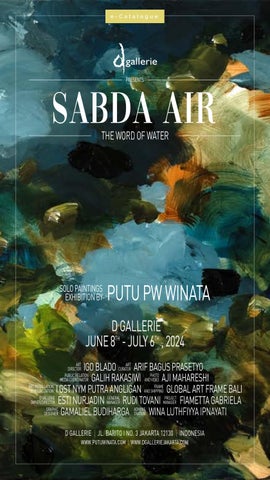
THE WORD OF WATER
PUTU PW WINATA’S SUBAK PAINTING SERIES
Arif Bagus Prasetyo
Nature serves as an endless wellspring of creative inspiration for Putu Winata. Throughout his artistic career, it has remained his primary muse. His paintings consistently explore nature’s multifaceted essence, delving into both its physical beauty and its deeper spiritual significance. Winata’s works embody the aesthetic, intellectual, and moral vision of a Balinese artist with a profound love for nature. This love shines through in an era dominated by anthropocentrism and a world increasingly at odds with the natural environment.
In his solo exhibition, The Word of Water, Putu Winata showcases a selection of works from his latest painting series centered on subak. This isn’t the first time these subak paintings have been exhibited, as other works from the series were previously on display at the Focus Art Fair New York 2024.
Subak is a farmer-managed irrigation system that has sustained Bali’s rice fields for nearly a millennium. The subak ecosystem encompasses rice fields and water channels, villages, temples, and forests that safeguard the water supply. This harmonious integration of agriculture, religion, and nature reflects traditional Balinese wisdom, promoting a sustainable and environmentally friendly way of life.
Subak embodies the Hindu-Balinese philosophy of Tri Hita Karana, meaning “three paths to happiness in life,” which emphasizes harmony between God, nature, and humans. This philosophy is reflected in subak’s practices: ceremonies in rice fields and water temples promote harmony with God, regulations among farmers foster harmony between people, and crafting rice fields to fit the land exemplifies harmony with nature.
Subak was inscribed on the UNESCO World Heritage List in 2012. This recognition highlights subak as a cultural landscape of Bali that manifests the Tri Hita Karana philosophy. UNESCO recognizes the subak system as a democratic and egalitarian system focused on water temples and the control of irrigation that has shaped the landscape of Bali over the past thousand years. Since the 11th century, the water temple networks have managed the ecology of rice terraces across entire watersheds. This unique system provides a sustainable solution for supporting a dense population on a rugged volcanic island, and is only found in Bali.
Subak transcends a mere water management system; it is a cultural tradition rich with rituals. Unlike typical irrigation systems, subak incorporates rituals held in rice fields and temples. These rituals, promoting harmony with God, aim to ensure bountiful harvests. Individual subak members perform a series of 16 rituals, starting with the ritual of fetching irrigation water and concluding with the post-harvest ritual. Additionally, collective rituals involve all members of a subak, while others involve multiple subaks at temples near water sources.
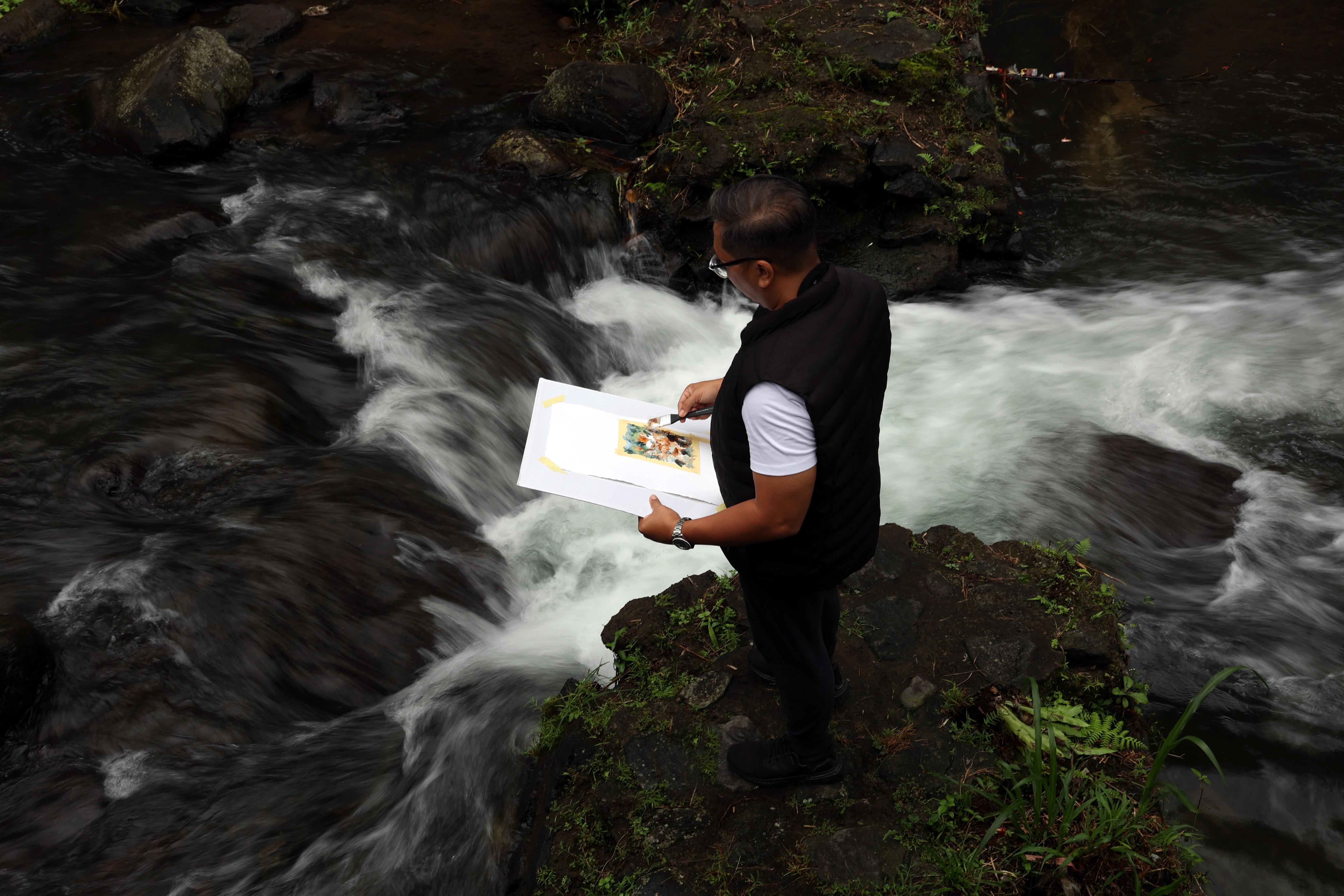
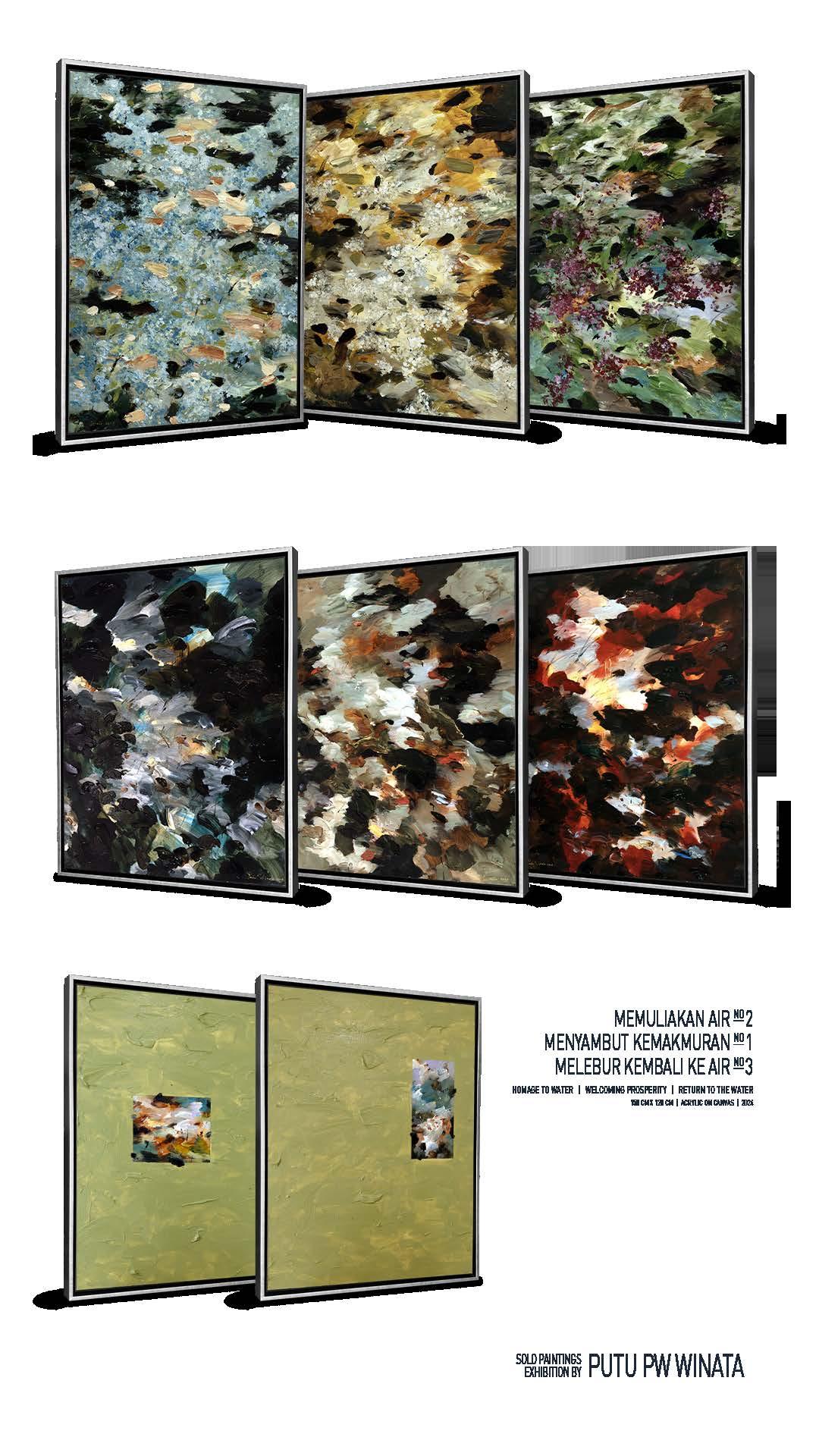
The subak ritual has been a recurring subject in Putu Winata’s works. His painting series “Memuliakan Air” (Homage to Water) draws inspiration from the first ritual in subak’s cycle of 16 rituals. This ritual, known as Mendak Toya or Mapag Toya (meaning “fetching water”), marks the collection of water for subak irrigation channels. Through this ceremony, farmers seek blessings to ensure their fields receive the water needed for bountiful harvests.
The painting series reflects the profound reverence farmers hold for water. For Balinese farmers, water is not just a vital resource, but also a sacred object, revered as the embodiment of God Vishnu. The subak system acts as a mechanism for sharing this sacred resource fairly, ensuring harmony and preventing conflicts that might arise due to competition.
The “Memuliakan Air” series transcends a mere depiction of a subak ritual. It serves as a powerful call to action in the face of global climate change. As freshwater resources dwindle, we are reminded of the urgency to celebrate and use water wisely and responsibly.
The conclusion of the subak ritual cycle also ignited Putu Winata’s creative fire. The final ritual in the cycle of 16 subak rituals is Mantenin, a post-harvest ceremony held after the rice is safely stored. This ceremony expresses profound gratitude to the deities for ensuring the rice can be stored well.
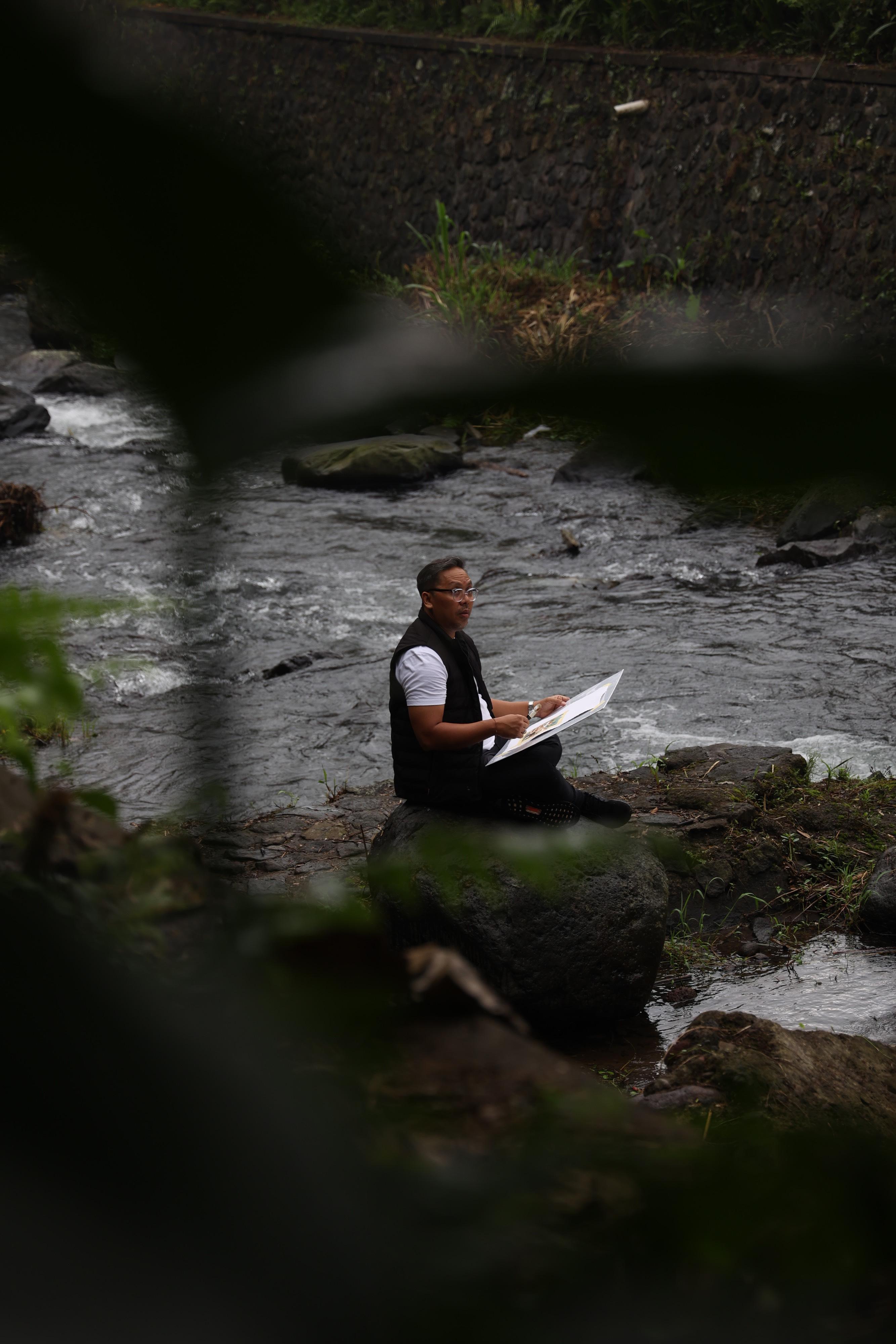
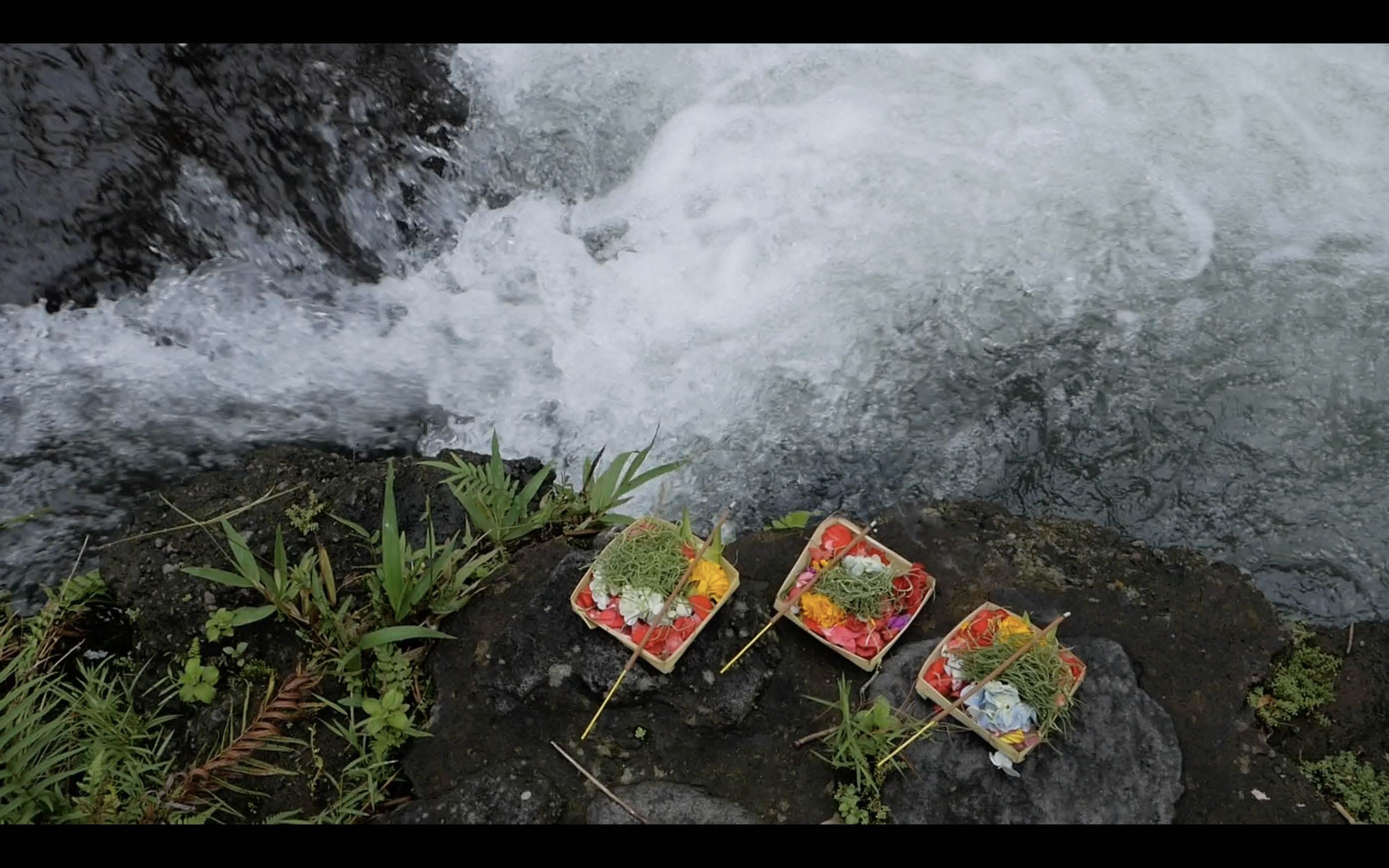
Following the Mantenin ritual, farmers perform a symbolic act before using the stored rice. They carefully select a small amount, pound the grains, and cook them as an offering to express gratitude and seek continued blessings. The remaining husks are burned at the edge of rice field water channels. The ashes are scattered into the flowing water, symbolizing the return of nutrients to the land and a prayer for fertility in the next cycle. Only after this ritualized first taste can rice from the barn be consumed or sold.
The ritual act of returning the husk ash to the flowing water inspired Putu Winata’s painting series “Melebur Kembali ke Air” (Return to the Water). In this series, water transcends its physical form, transforming into a powerful metaphor for liferegenerating natural power.
Carrying out the subak ritual is an important part of farmers’ efforts to secure the best possible harvest. After all, bountiful harvests are the foundation of prosperity for farmers. In that sense, the subak ritual can be seen as a form of hope for prosperity.
material and economic well-being of farmers.
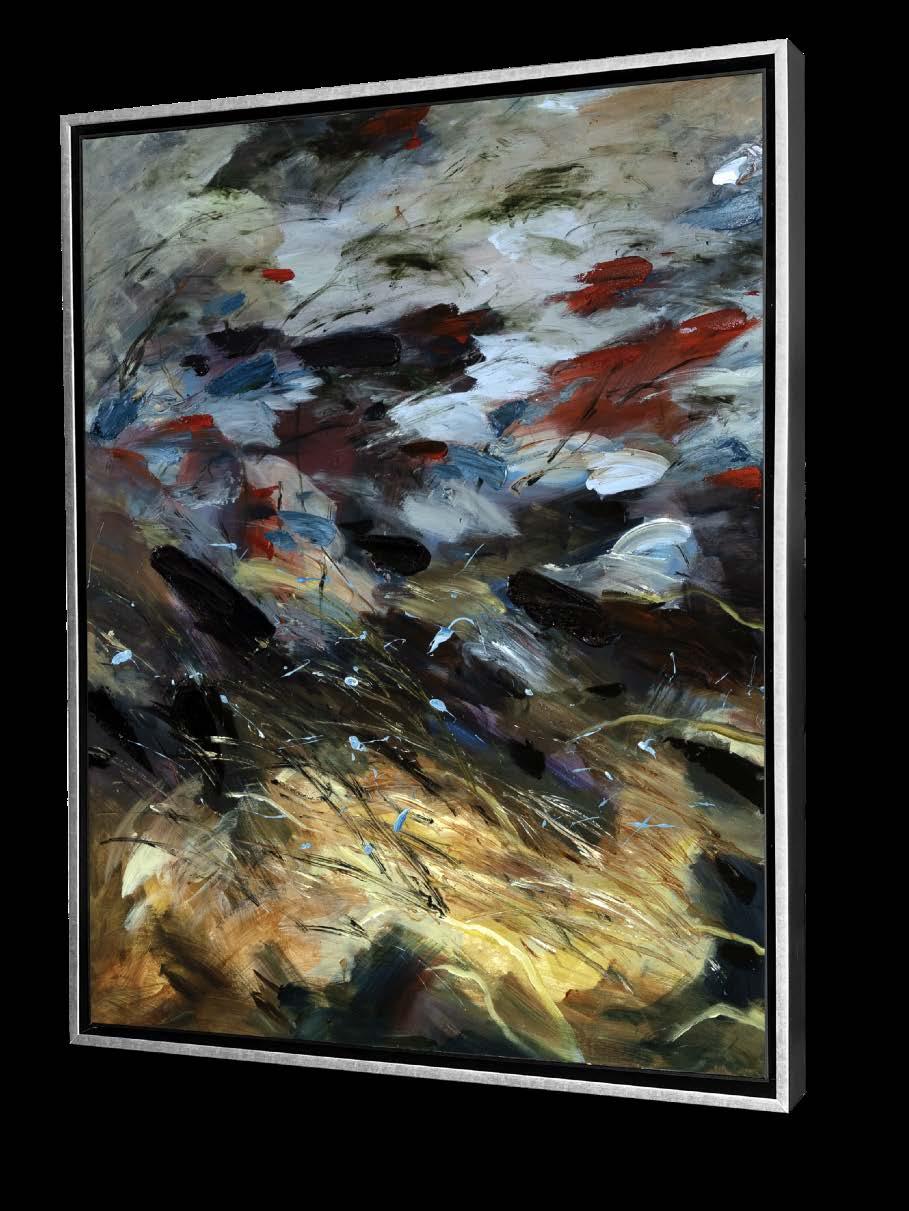
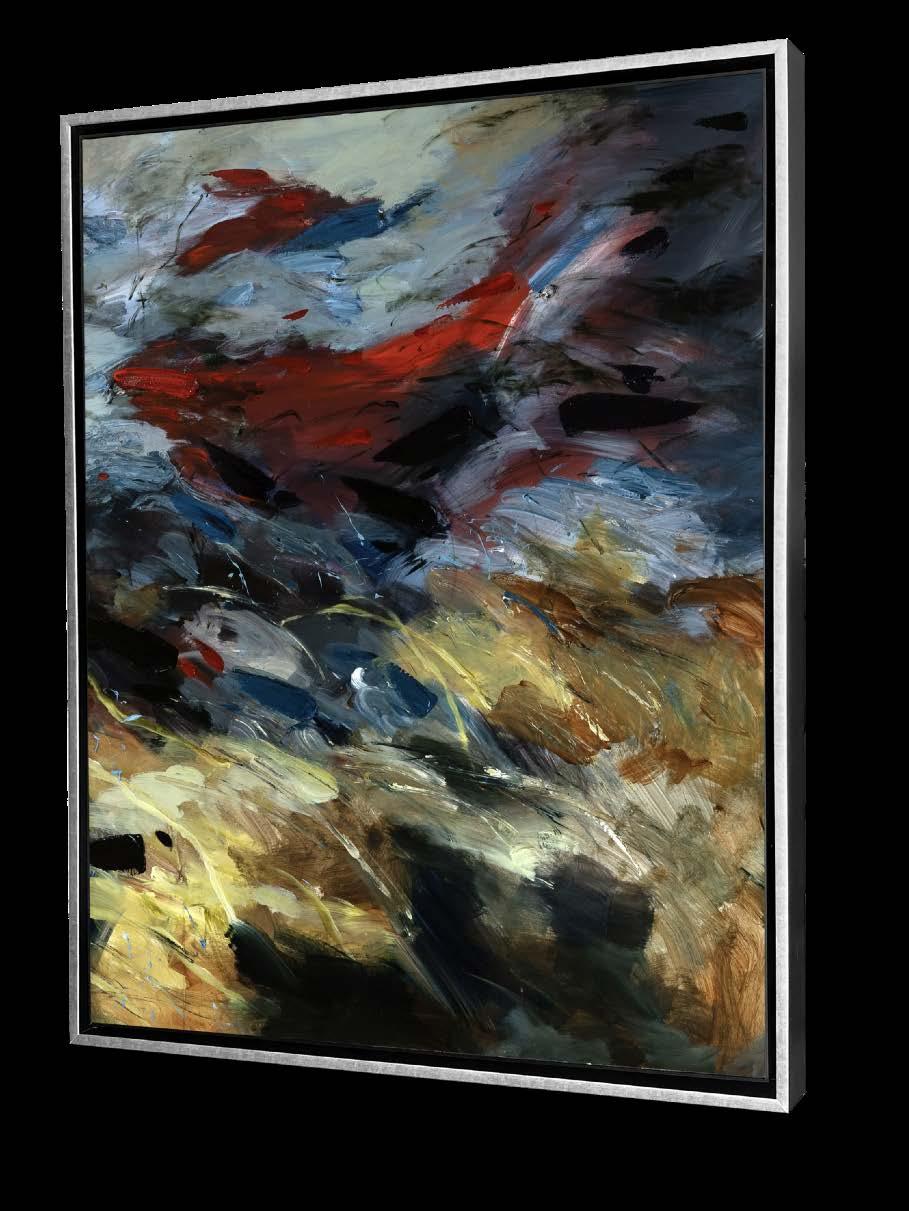
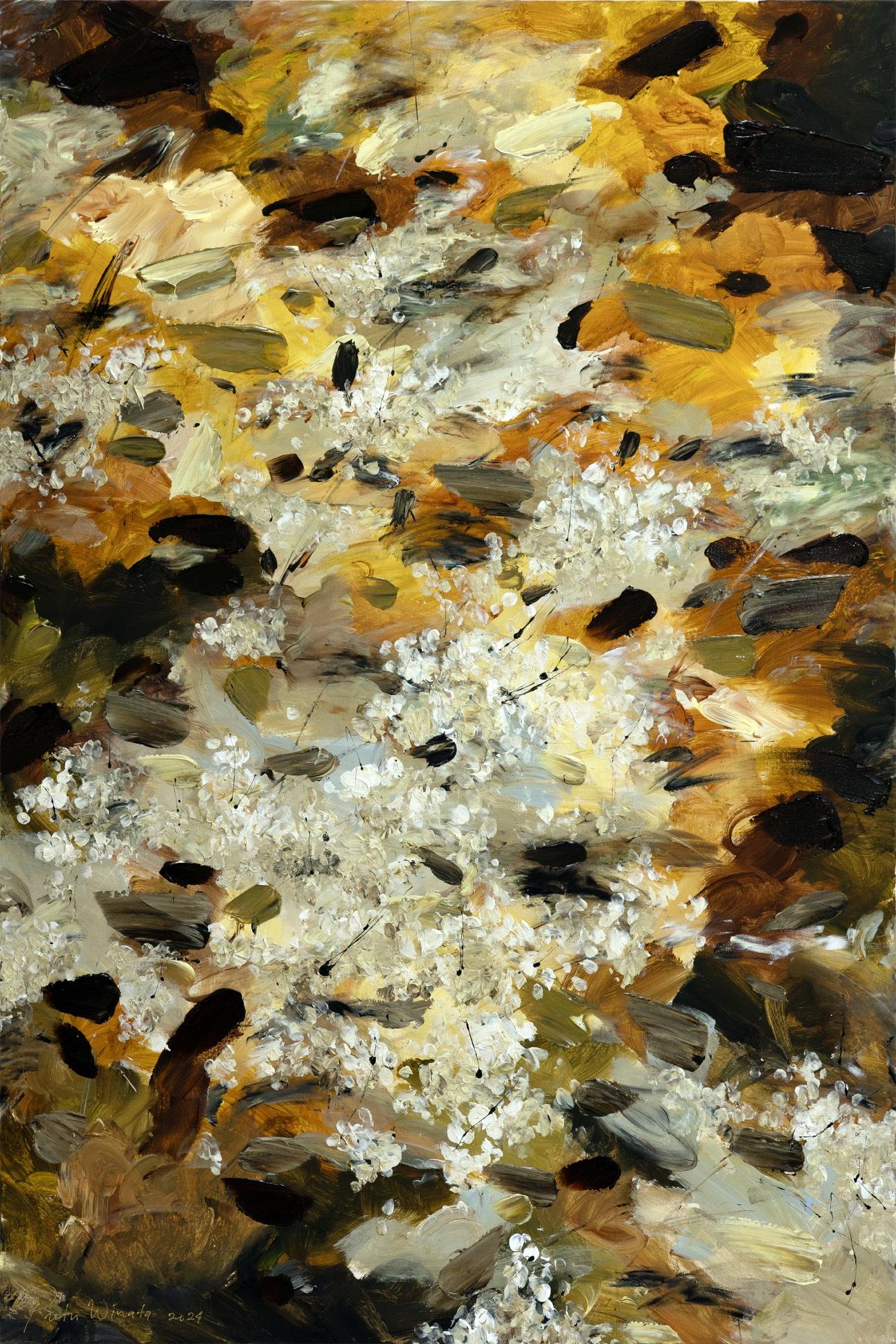
Putu Winata highlights the material and economic aspects of the subak discourse in his painting series “Karunia Panen Raya” (Gift of Harvest). This series centers on the theme of rice harvest, a crucial economic product cultivated through the subak irrigation system. The paintings burst with yellows, ochres, and golds, evoking images of ripening rice fields, ready for harvest. The vibrant atmosphere and colors convey a sense of celebration and joy. However, the spiritual significance of the harvest is not entirely absent. The abstract imageries at the top of the paintings hint at the sky, subtly acknowledging the rice harvest as a divine gift.
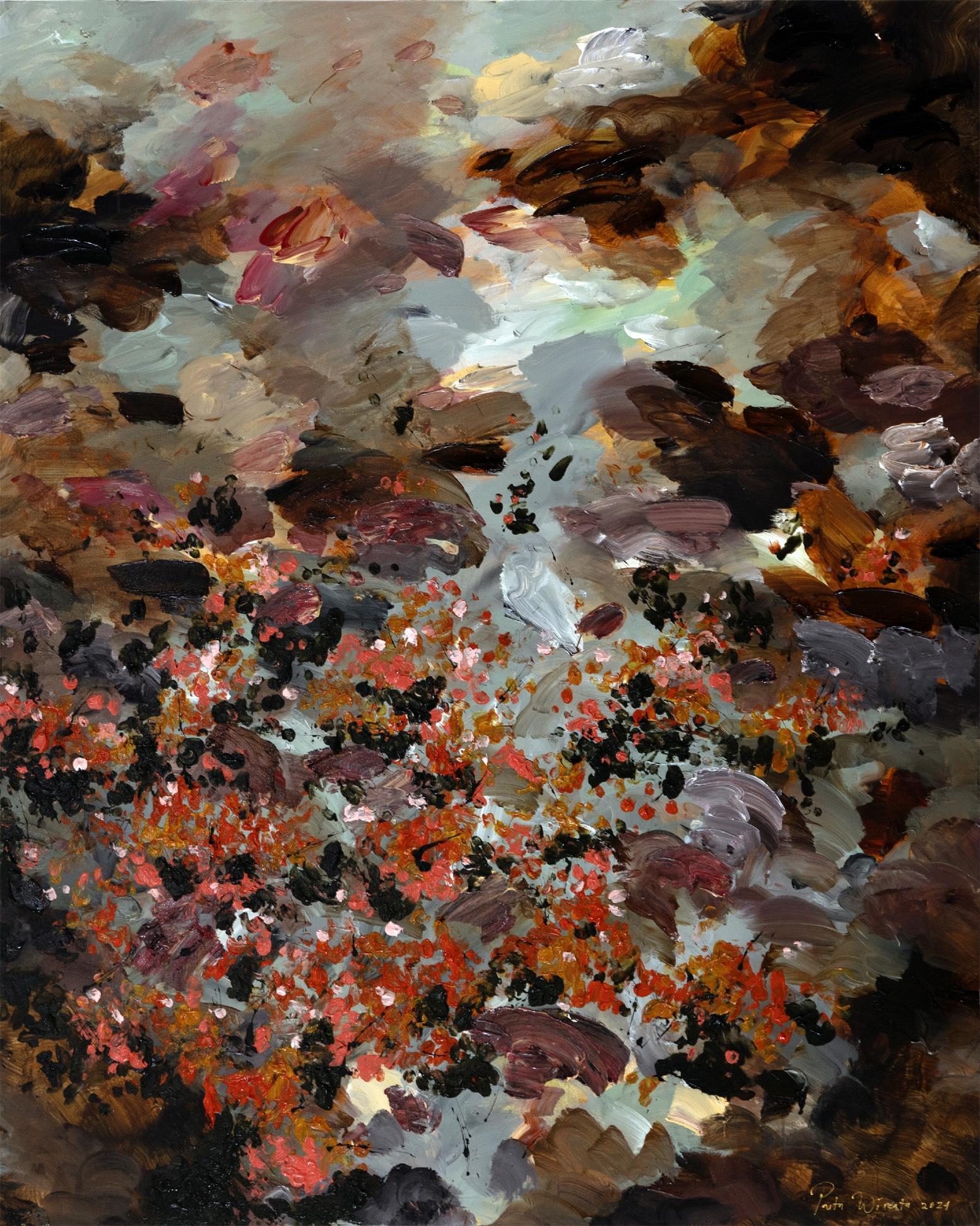
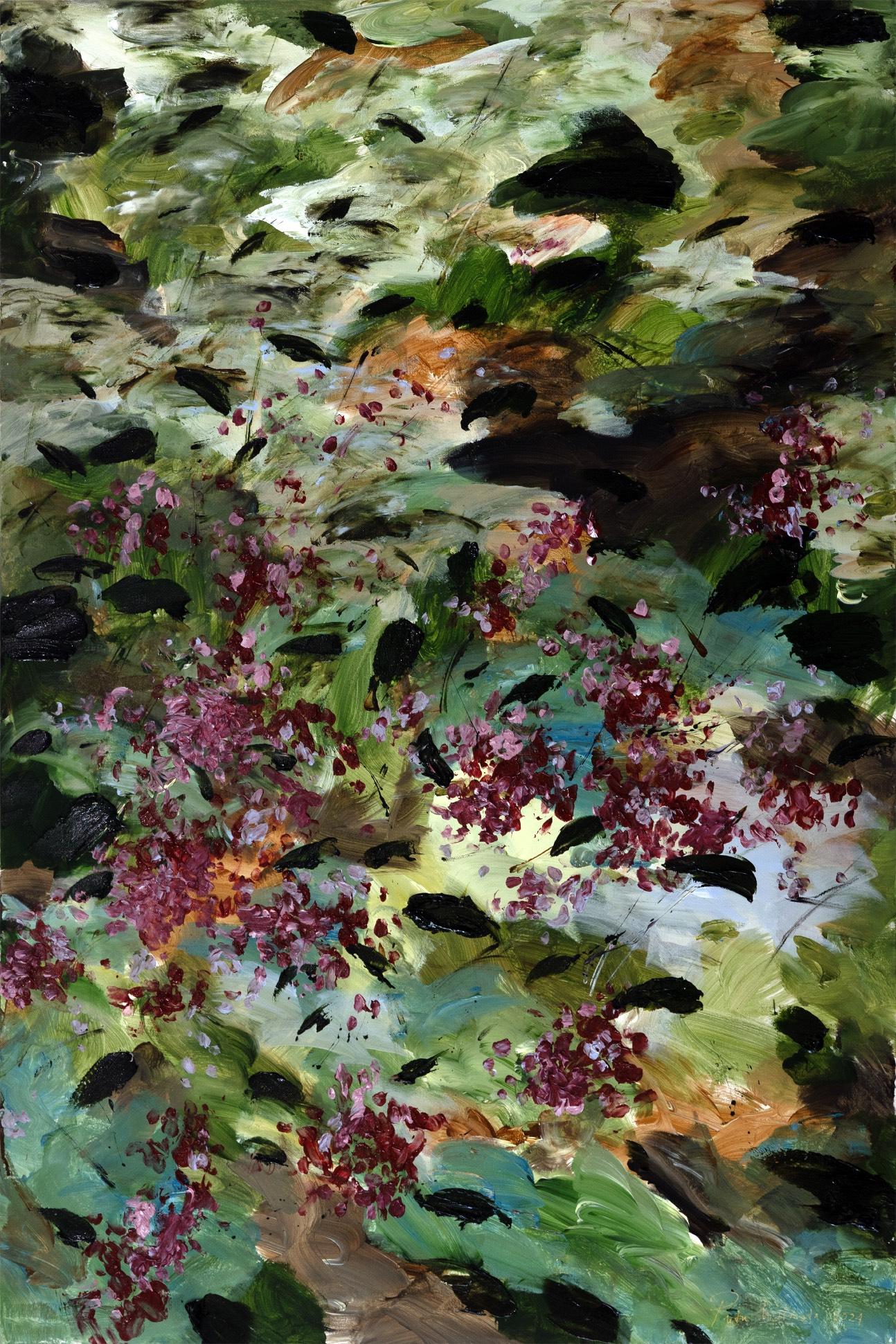
Putu Winata also expresses the spiritual significance of subak through a unique symbolic language in his painting series “Senandung Bunga Pacar” (Song of Balsam Flower). Unlike his other works that focus on water and rice, the central elements of subak, this series features balsam flowers. In Balinese Hinduism,
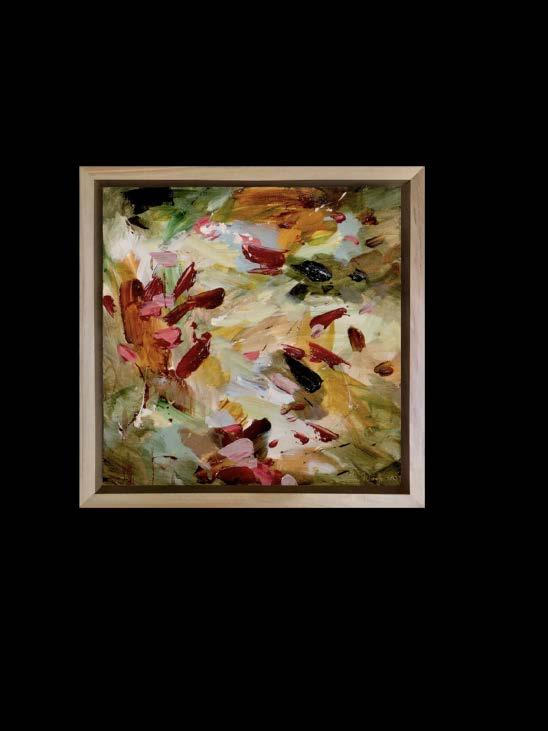
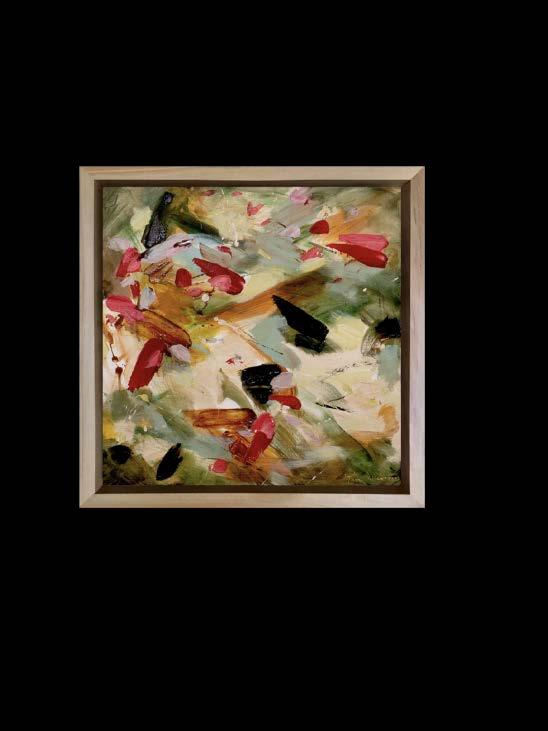
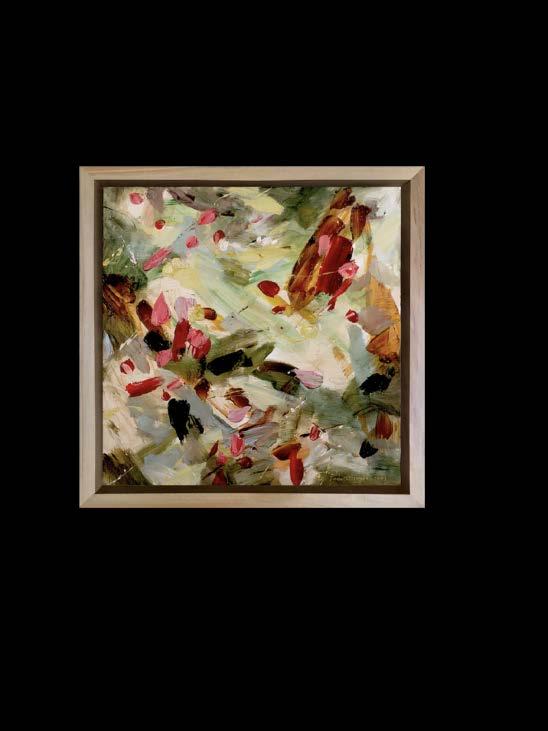
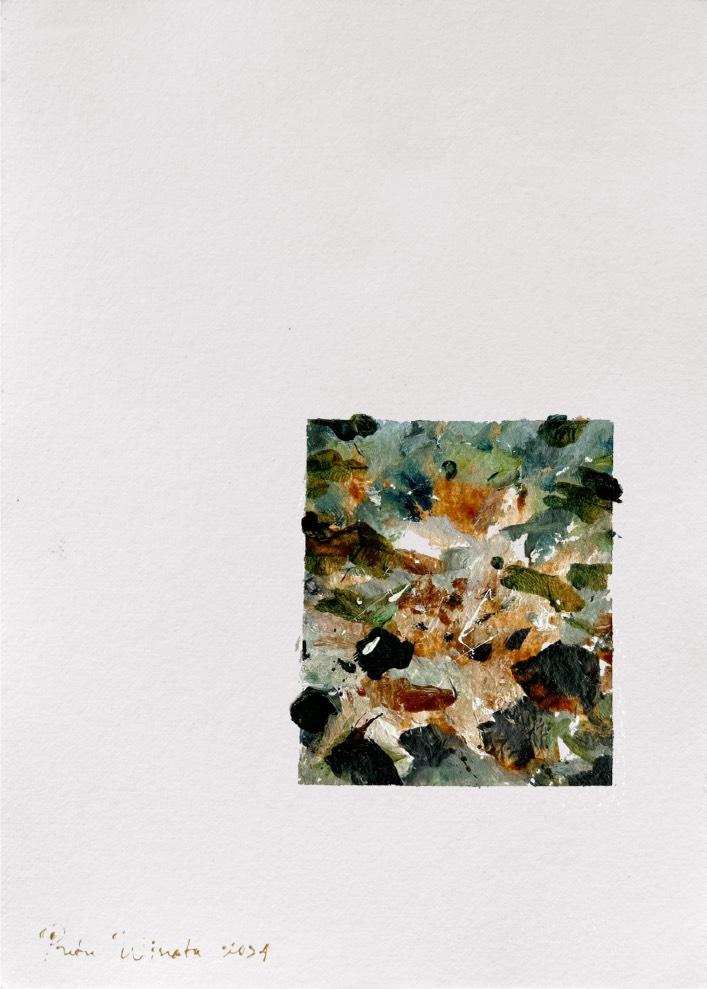
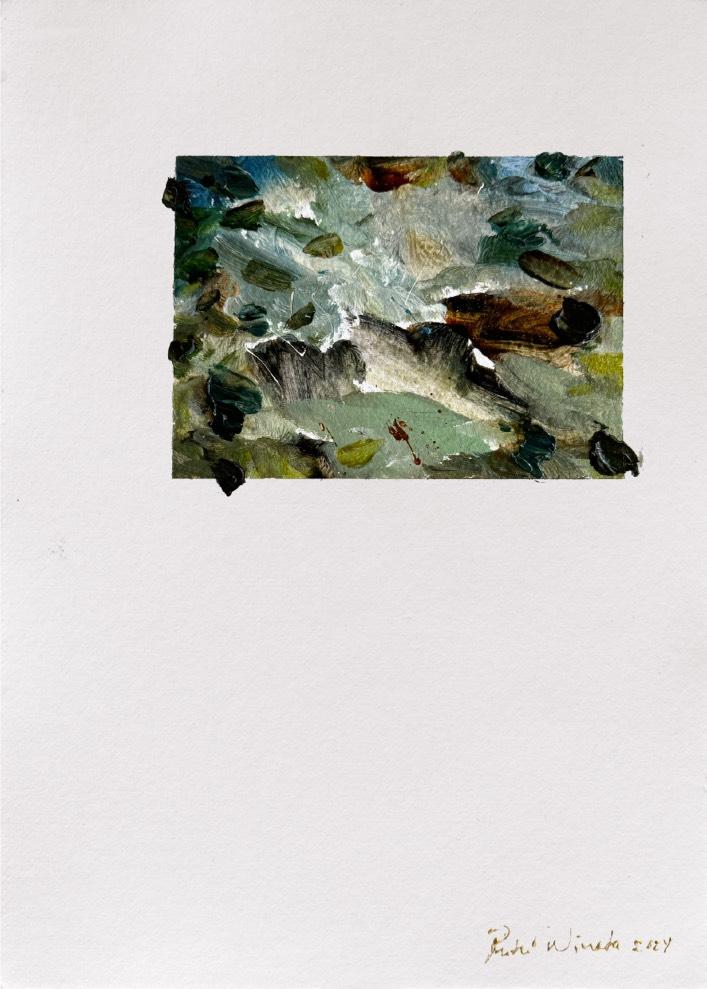
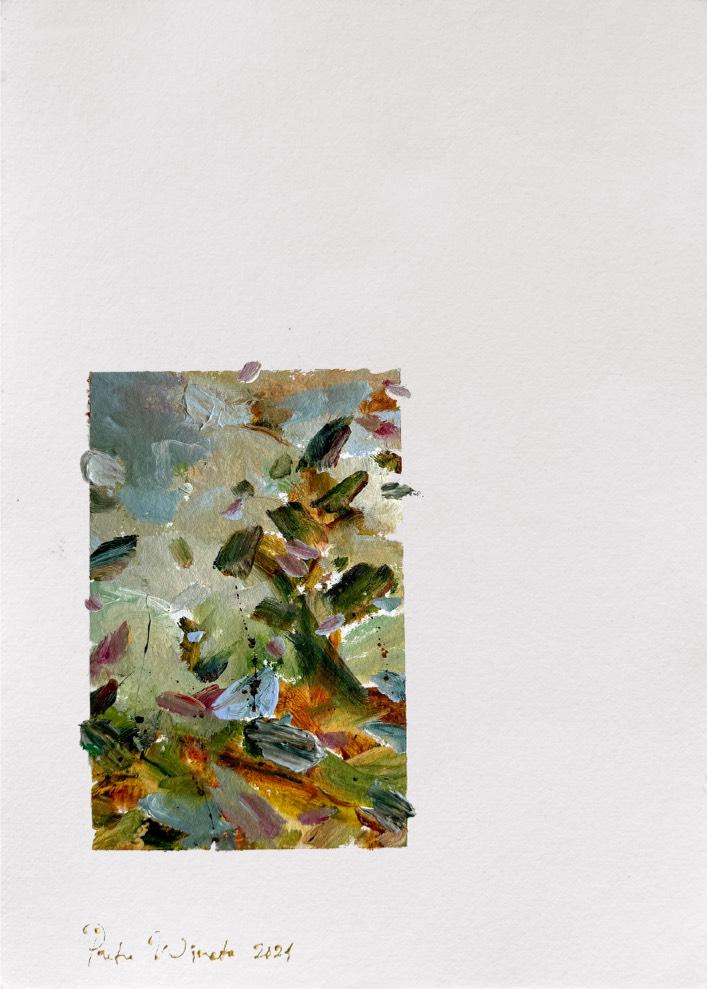
Putu Winata’s “Kidung Puja Semesta Series” (Hymn to the Universe Series) sparks the imagination, inviting viewers to envision flower petals soaring skyward. Flower is a central element in offerings used throughout Hindu-Balinese religious ceremonies. The lyrical dance of shapes and colors in the paintings transforms into a prayer, carried aloft by the ethereal wings of flowers and wispy plumes of incense smoke ascending towards the heavens.
Symbolically, the series underscores the centrality of subak’s spiritual significance. Subak has temples and integrates rituals into water management practices across the landscape. Through rituals and offerings, subak fosters a harmonious relationship between humans, nature, and the spiritual world.
Putu Winata’s entire series of subak paintings originated from his research conducted in Jatiluwih, an internationally renowned subak area. Jatiluwih is part of the Subak Landscape of Catur Angga Batukaru, one of the sites that form the entire UNESCO-recognized subak system in the cultural landscape of Bali. The terraced rice fields within this landscape hold a deep historical significance. Mentioned in an inscription dating back to the 10th century, they are among the oldest in Bali.
Jatiluwih exemplifies the enduring traditions of subak. Here, subak members meticulously uphold the entire series of 16 rituals. This dedication to tradition sets Jatiluwih apart, as not all subak communities in Bali still perform all 16 rituals in their entirety.
In Jatiluwih, farmers are required to plant traditional Balinese rice (Jatiluwih red rice) twice a year, relying minimally on chemical fertilizers and pesticides. The Jatiluwih landscape remains imbued with a deep sense of sacredness. Violation of traditional taboos and prohibitions is believed to bring spiritual sanctions in the form of misfortune.
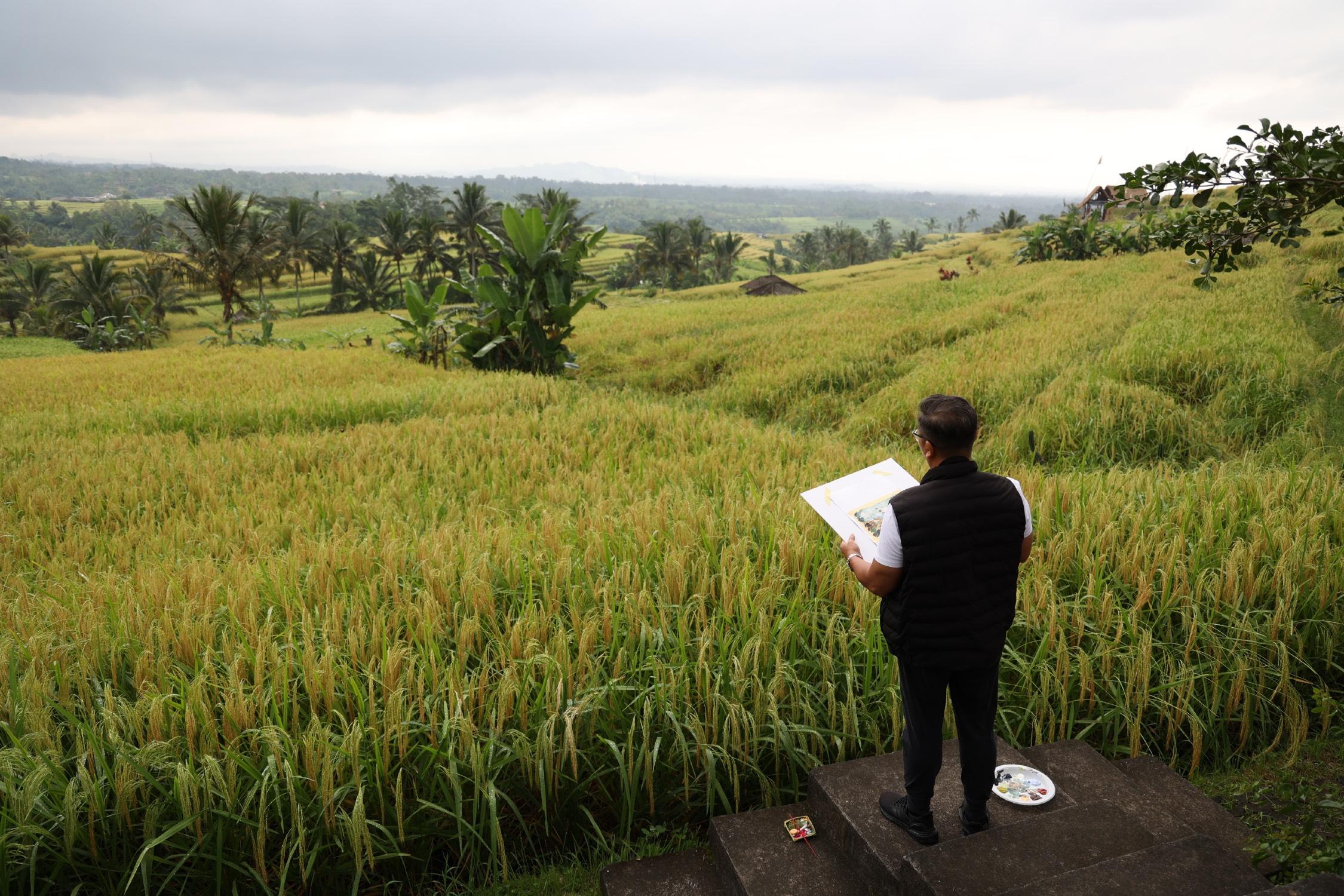
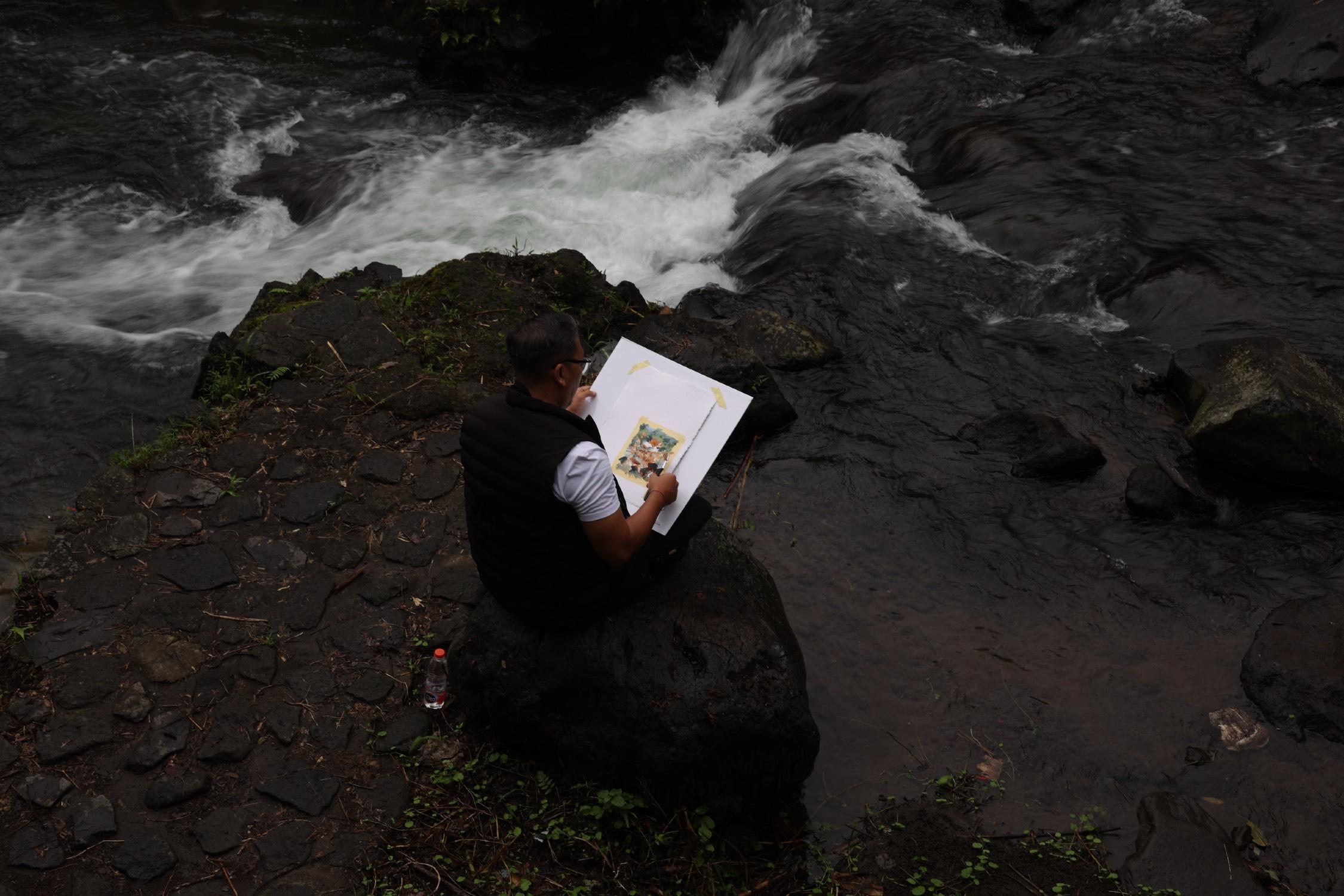
response to the natural beauty, vibrant culture, and community life he encountered around the rice terraced area. The visuals in a number of paintings echo the breathtaking vistas of Jatiluwih. Nestled on a densely forested mountain slope, Jatiluwih unfolds a captivating blend of beauty and mystery.
However, Putu’s Jatiluwih-themed paintings go beyond mere landscapes. These works reflect his complex engagement with Jatiluwih, encompassing not just the physical and visual aspects, but also the spiritual and intellectual. Putu’s interactions with the farmers, their stories, and their struggles all find expression in the elements of his abstract paintings. Putu isn’t just painting Jatiluwih; he’s engaged in a close dialogue with it, capturing its essence through his art.
The subak painting series marks a significant shift in Putu Winata’s artistic journey. Whereas his previous works explored themes related to nature in a more general sense, this latest series delves deeply into the specific subject of subak. This shift is reflected not only in the subject matter, but also in Putu’s creative process. For the subak series, Putu embarked on intensive fieldwork, immersing himself in the subak environment and practices. He engaged in discussions with farmers and stakeholders, savored local agricultural products, and delved into subak literature.
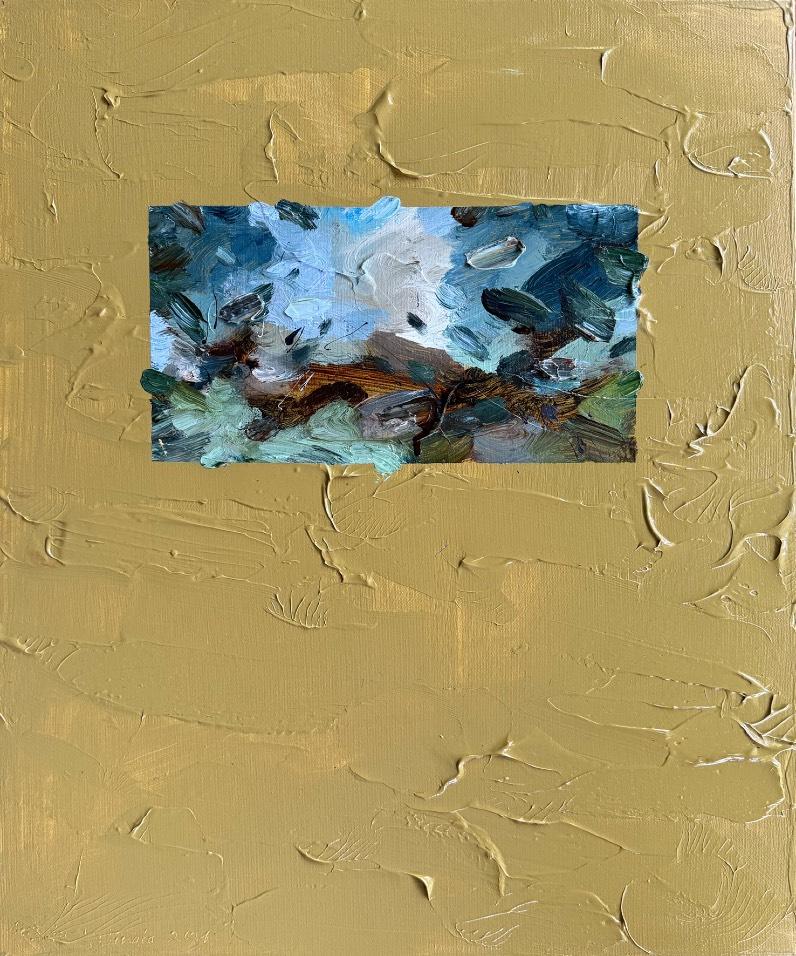
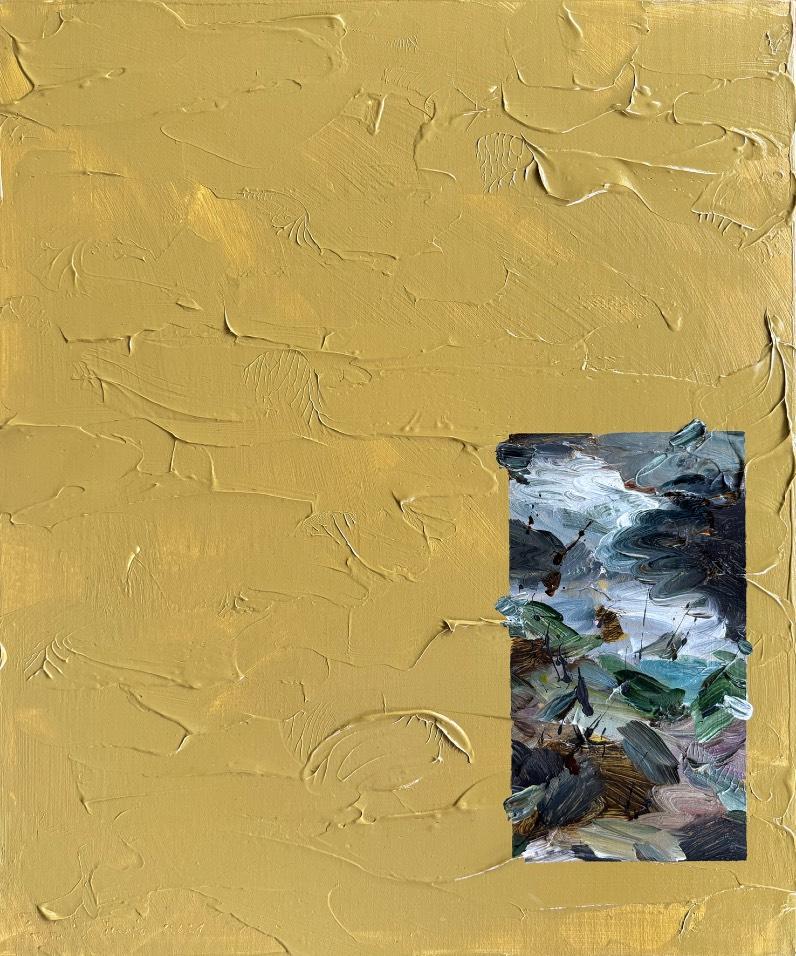
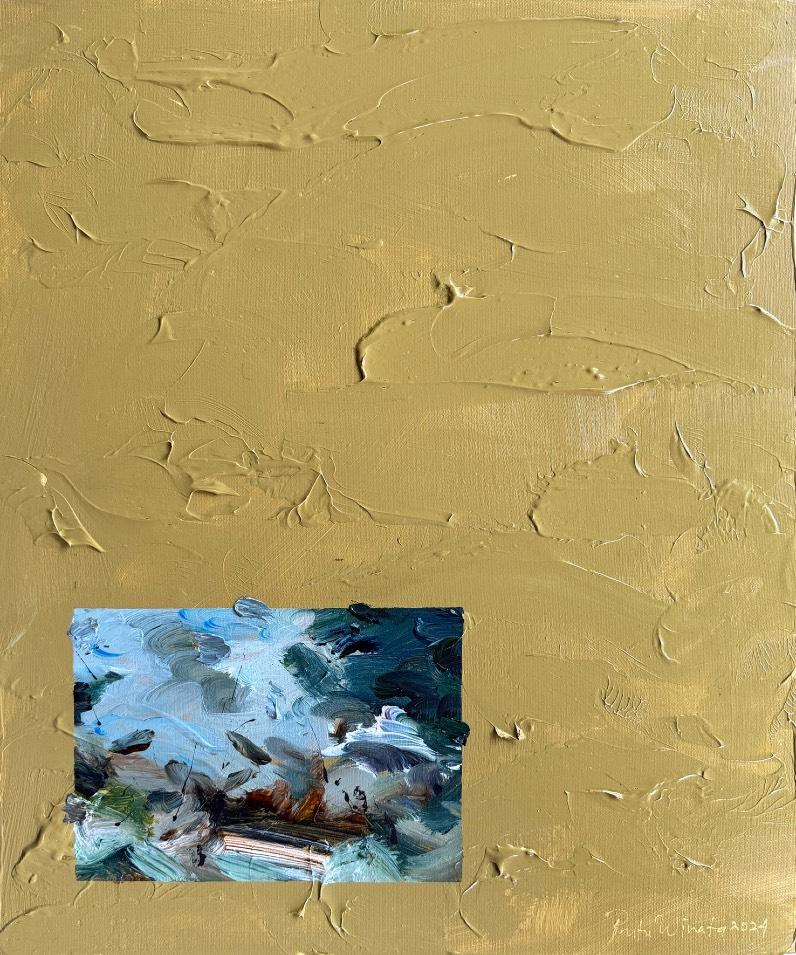
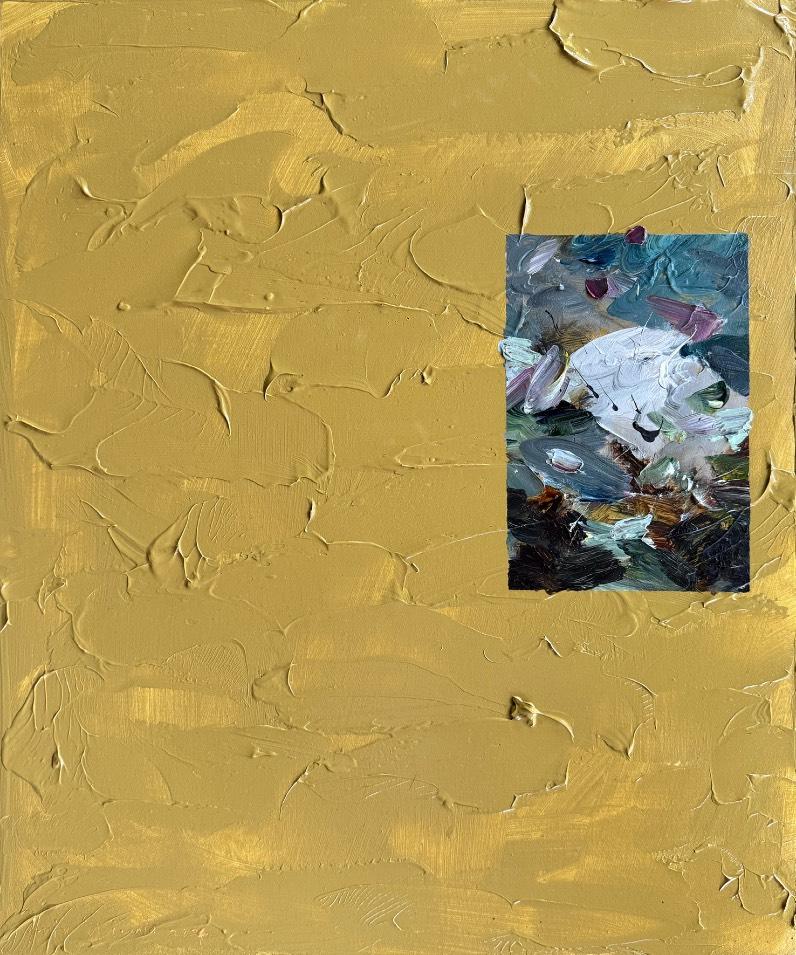
Putu Winata’s artistic journey extends beyond thematic exploration; it also embraces experimentation with form. His “Jatiluwih Series” and “Kidung Puja Semesta Series” present bold compositions. These works feature stark, framed areas reminiscent of empty walls with windows, challenging the traditional notion of a painting. Is a painting defined solely by the image within, or does the empty space surrounding it also play a role?
Through this simple yet elegant approach, Putu underscores the essence of painting as a matter of framing and a way of looking.
In his subak painting series, Putu Winata delves into a rich ancient cultural heritage, reinterpreting its timeless values for a contemporary audience. This series extends beyond the local context, prompting viewers to contemplate the importance of protecting nature and upholding spiritual values in a world grappling with ecological challenges and humanitarian crises. By drawing inspiration from a local treasure, Putu creates works that resonate with a global audience, inspiring a deeper connection with nature and a renewed appreciation for our shared humanity.
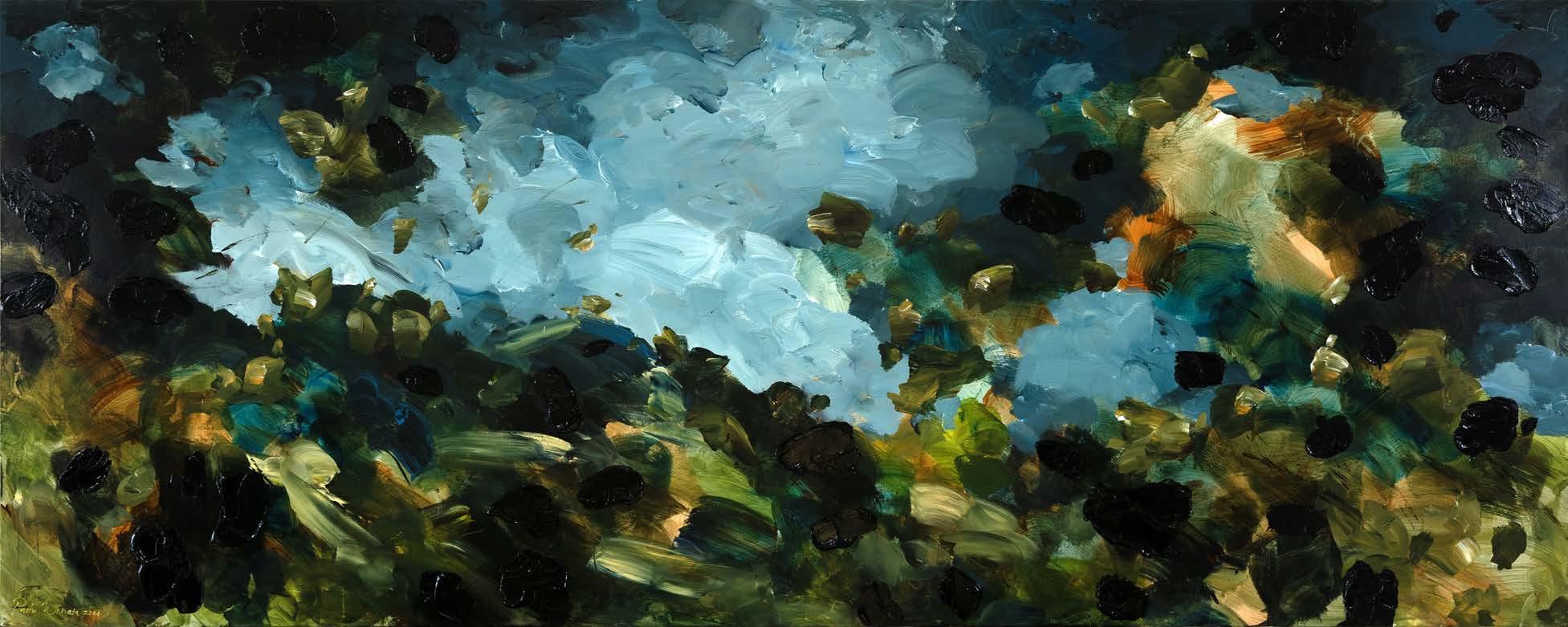

TALE OF JATILUWIH 120 CM x 300 CM | ACRYLIC ON CANVAS | 2024 TUTUR JATILUWIH NO 1
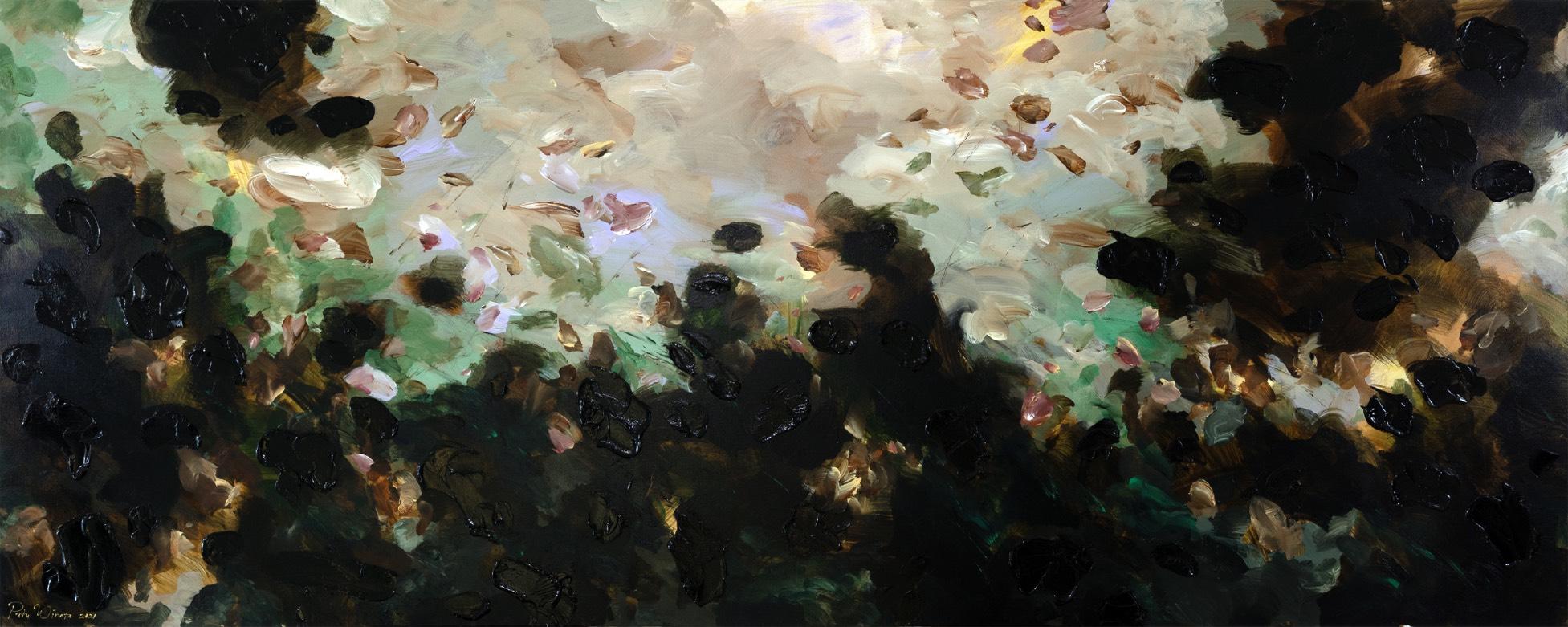

JATILUWIH
2
TALE OF JATILUWIH 120 CM x 300 CM | ACRYLIC ON CANVAS | 2024 TUTUR
NO
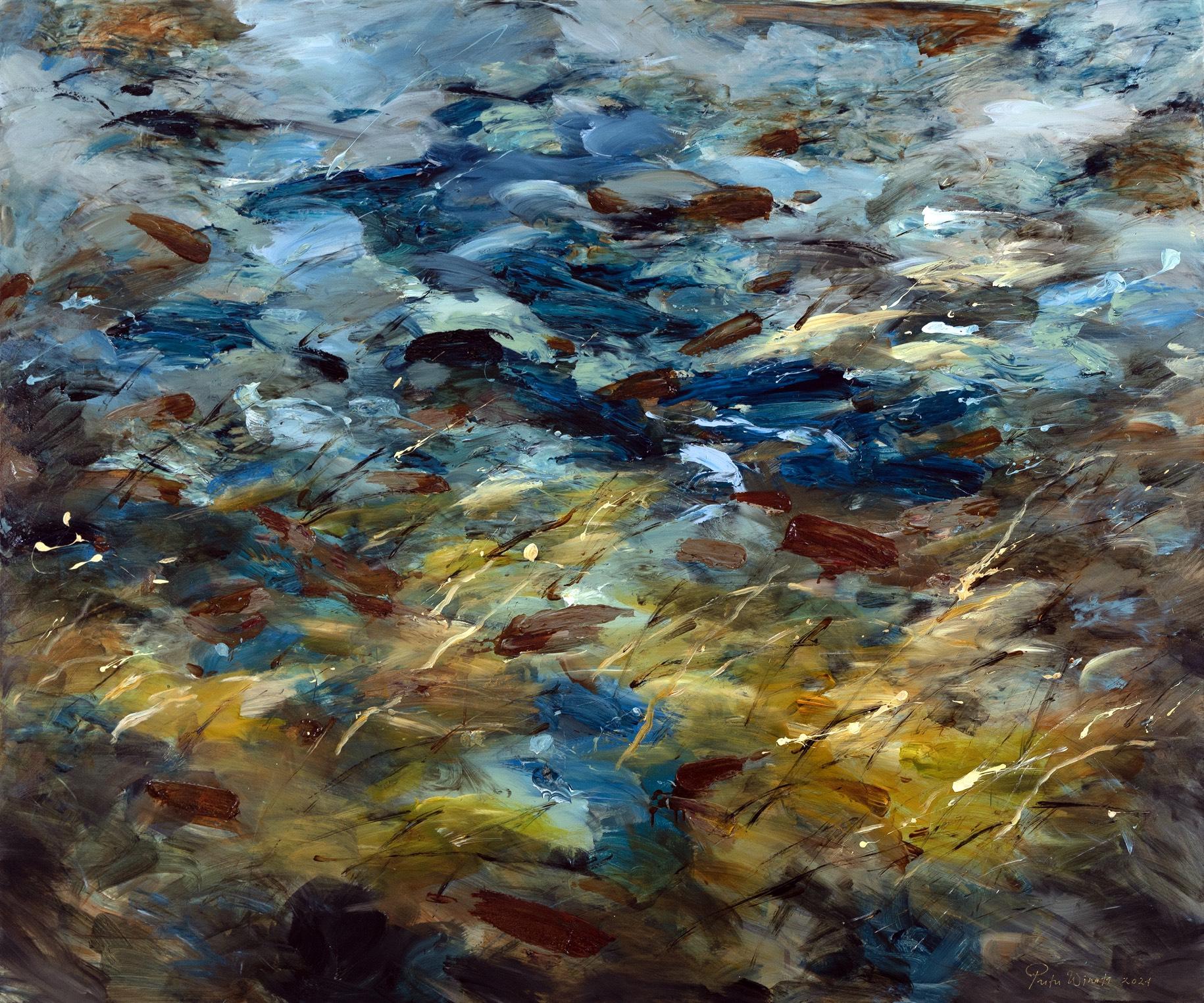

OF HARVEST
CM x 180 CM | ACRYLIC ON CANVAS | 2024
GIFT
150
KARUNIA PANEN RAYA NO 1
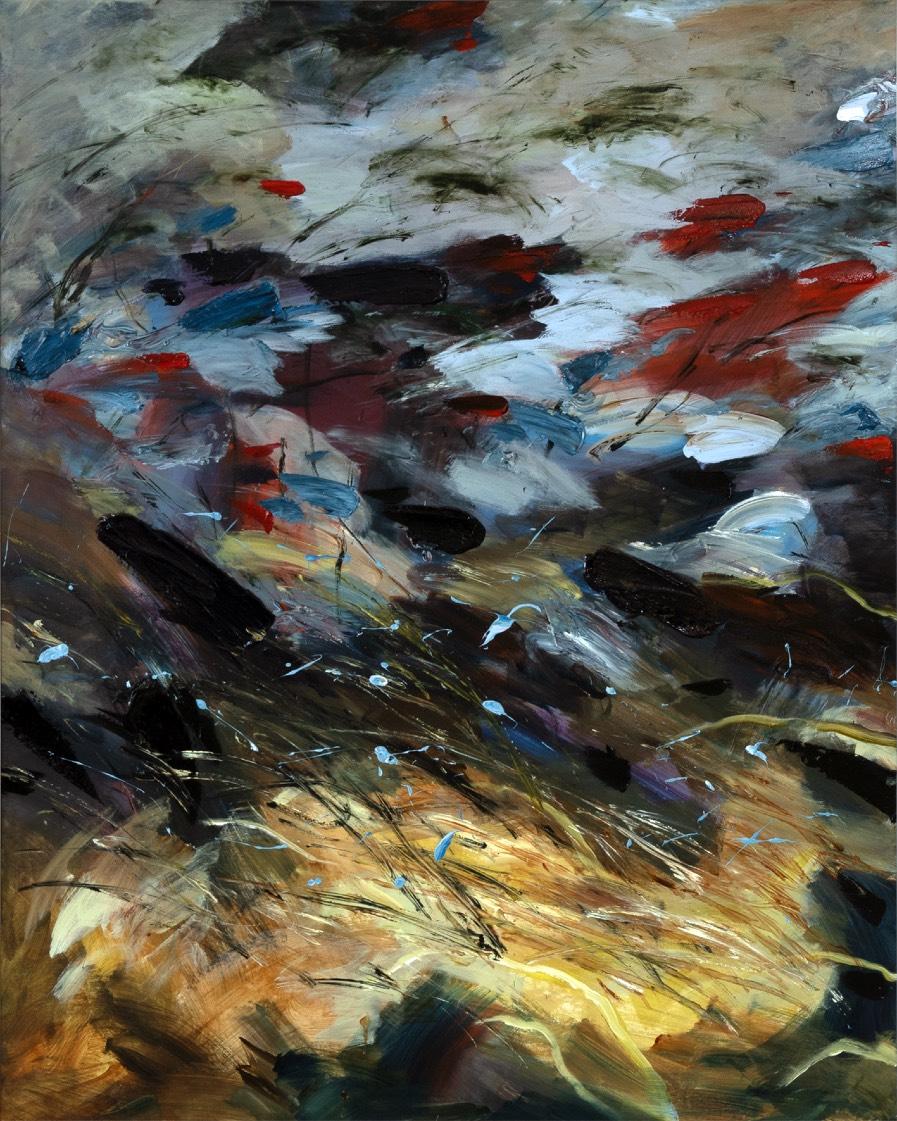
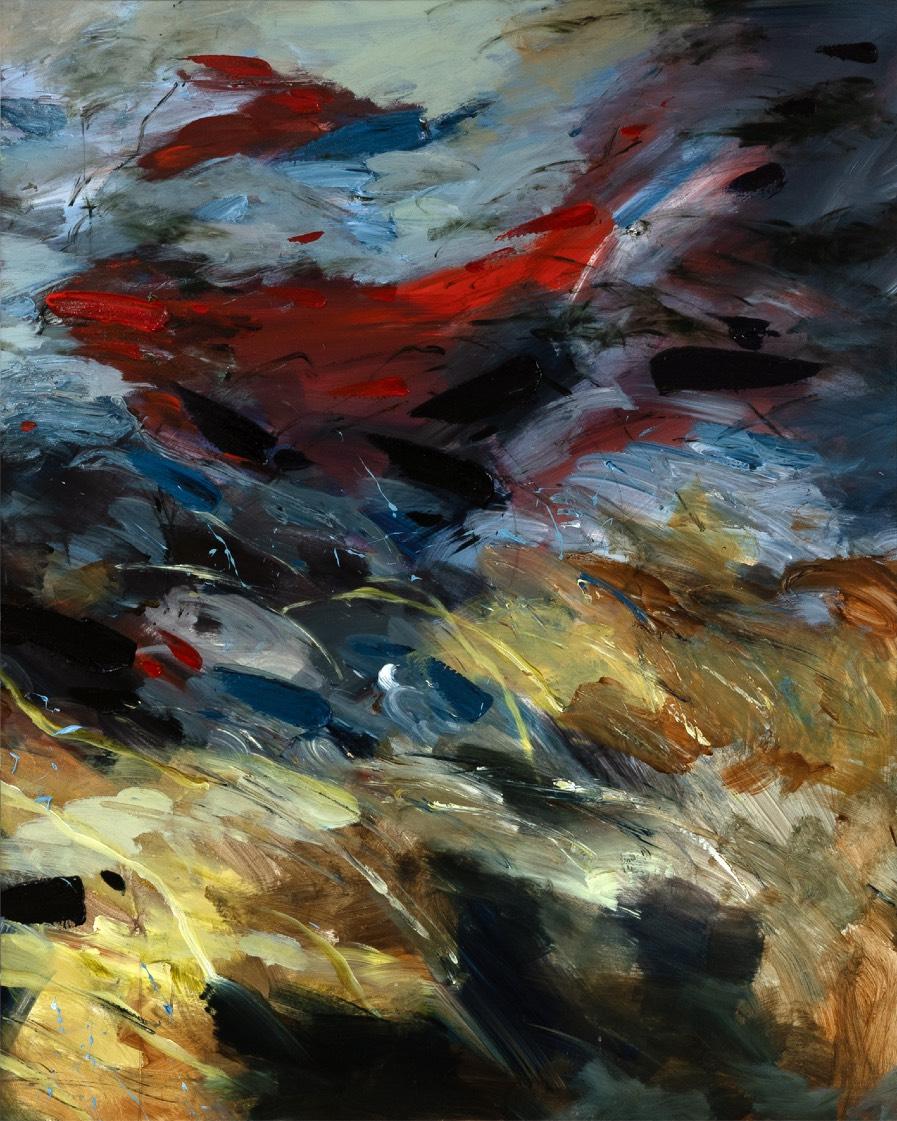

GIFT OF HARVEST DIPTYCH 150 CM x 240 CM | ACRYLIC ON CANVAS | 2024
KARUNIA PANEN RAYA NO 2
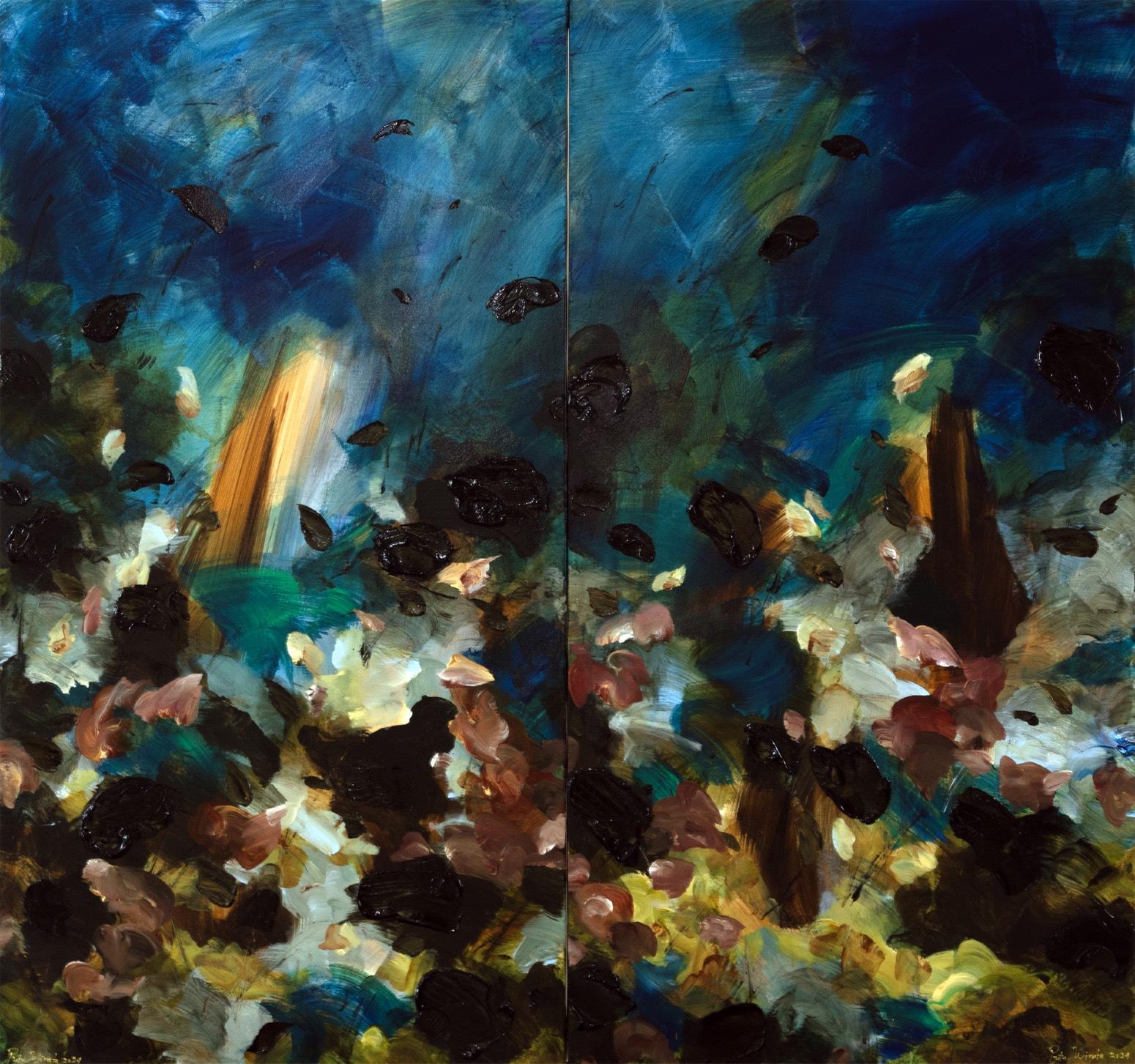

GIFT OF HARVEST DIPTYCH 150 CM x 160 CM | ACRYLIC ON CANVAS | 2024
KARUNIA PANEN RAYA NO 3
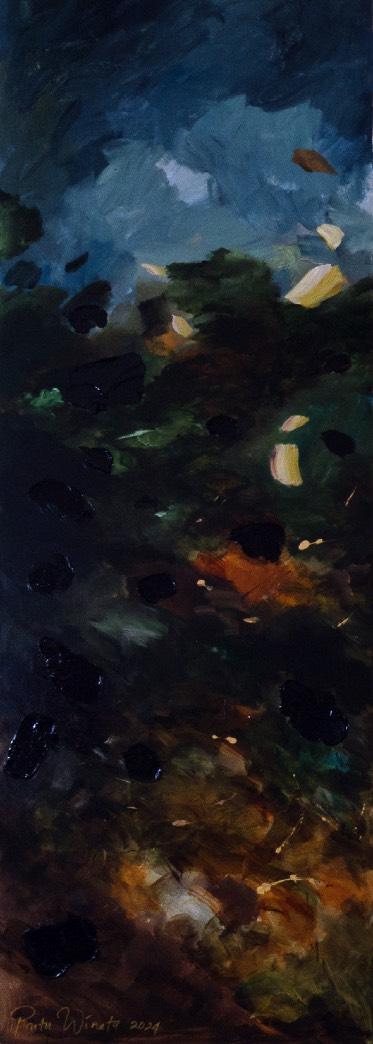

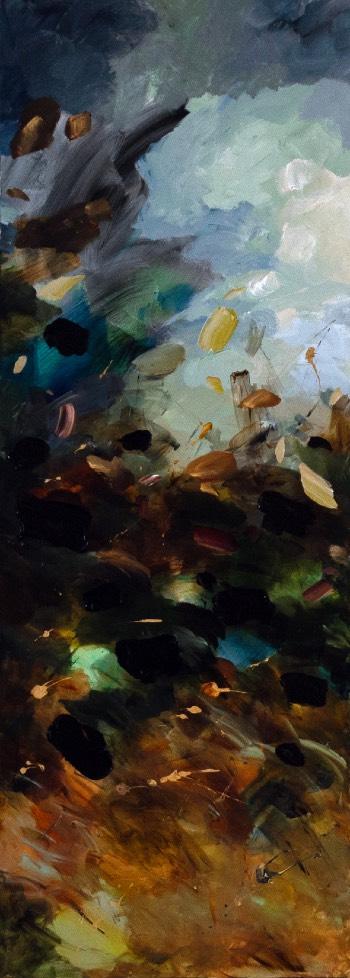

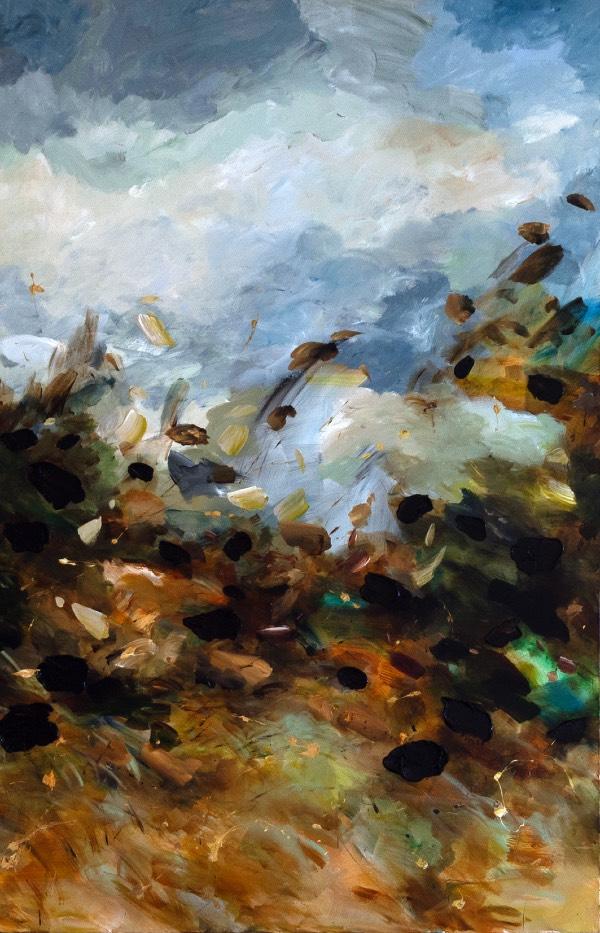

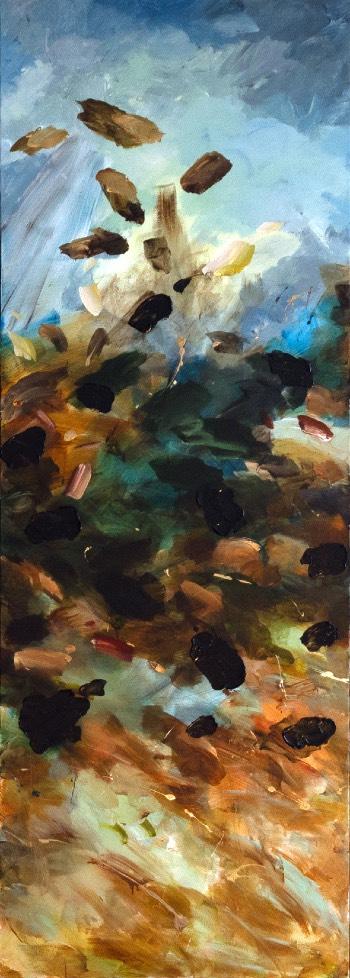
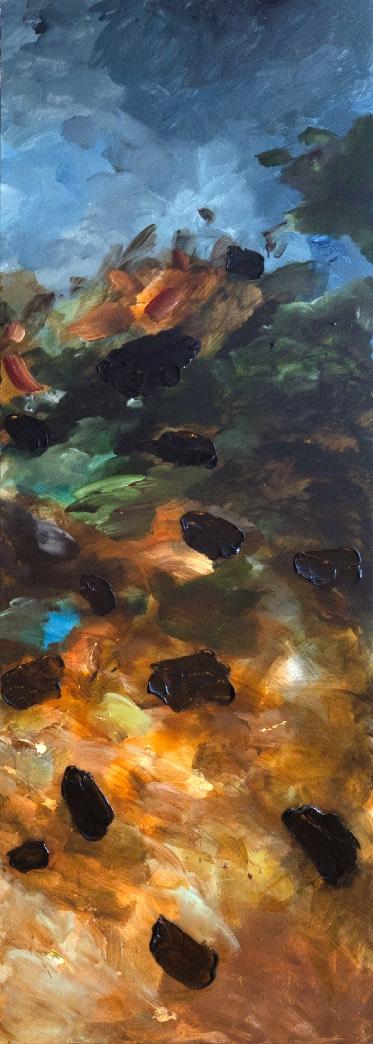
GIFT OF HARVEST POLYPTYCH 280 CM x 580 CM | ACRYLIC ON CANVAS | 2024
KARUNIA PANEN RAYA NO 5
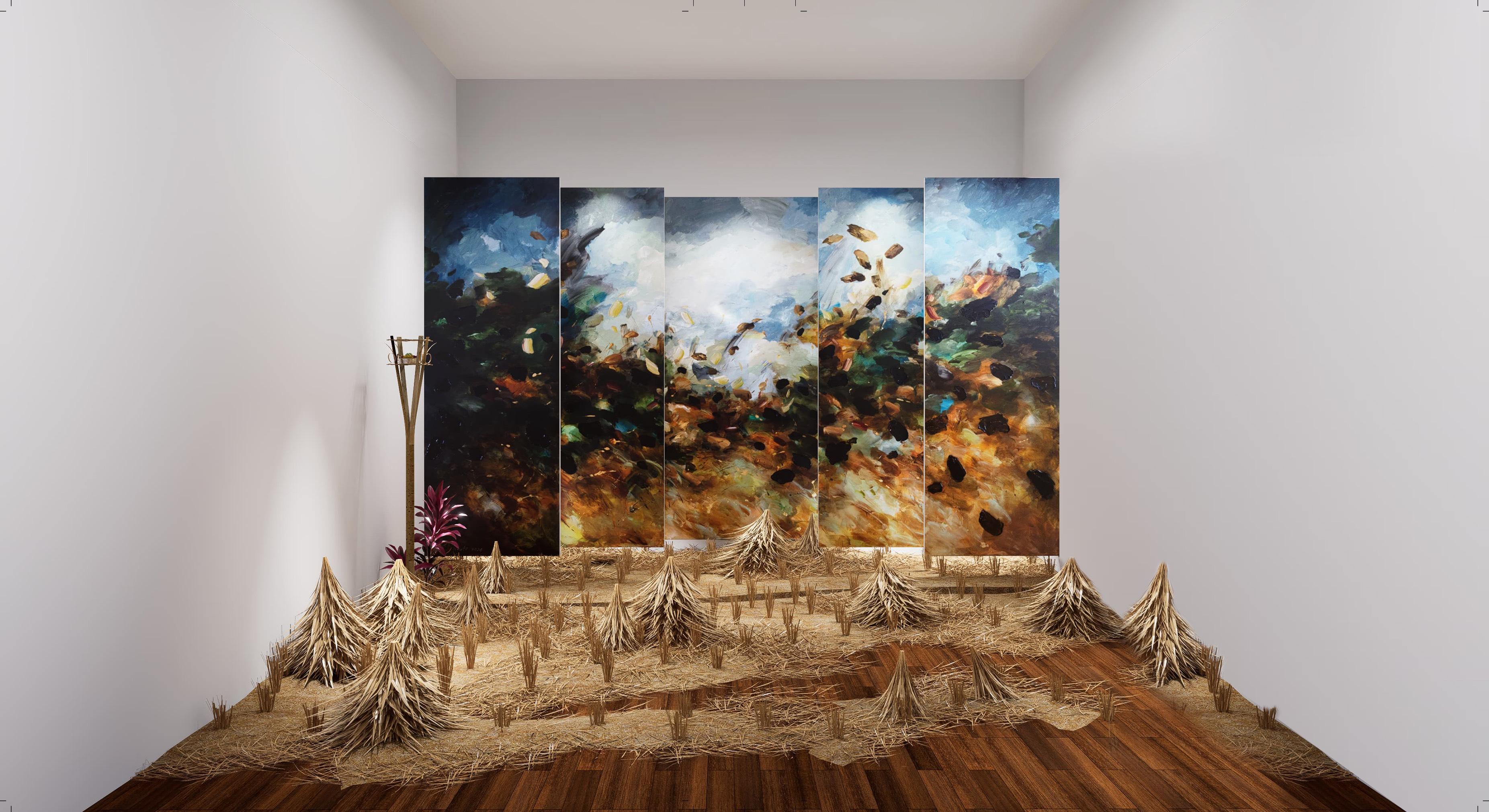
GIFT OF HARVEST POLYPTYCH 280 CM x 580 CM | ACRYLIC ON CANVAS | 2024 KARUNIA PANEN RAYA NO 5 Installation Preview
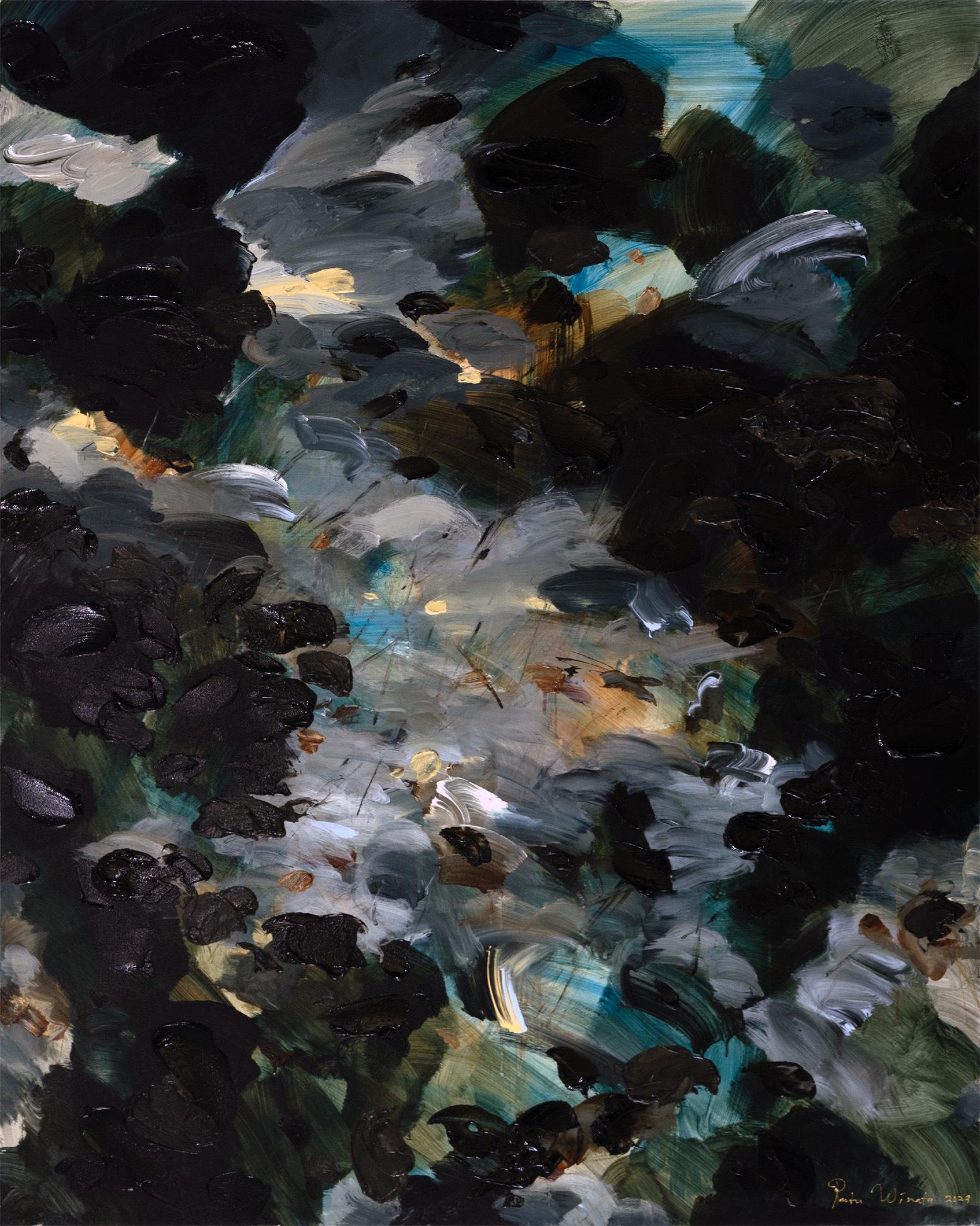

HOMAGE TO WATER 150 CM x 120 CM | ACRYLIC ON CANVAS | 2024
MEMULIAKAN
AIR NO 2
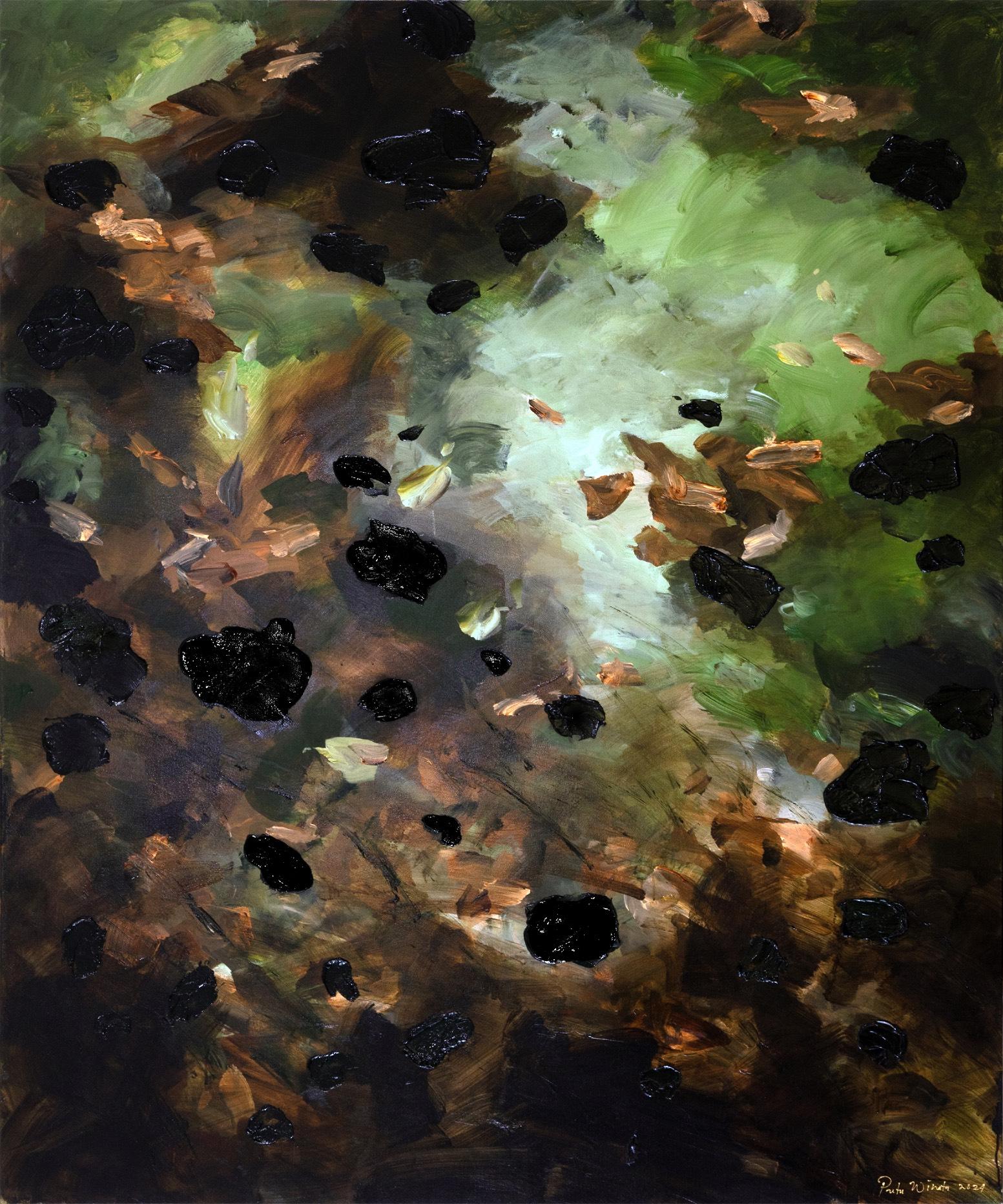
HOMAGE TO WATER 180 CM x 150 CM | ACRYLIC ON CANVAS | 2024
MEMULIAKAN AIR NO 3
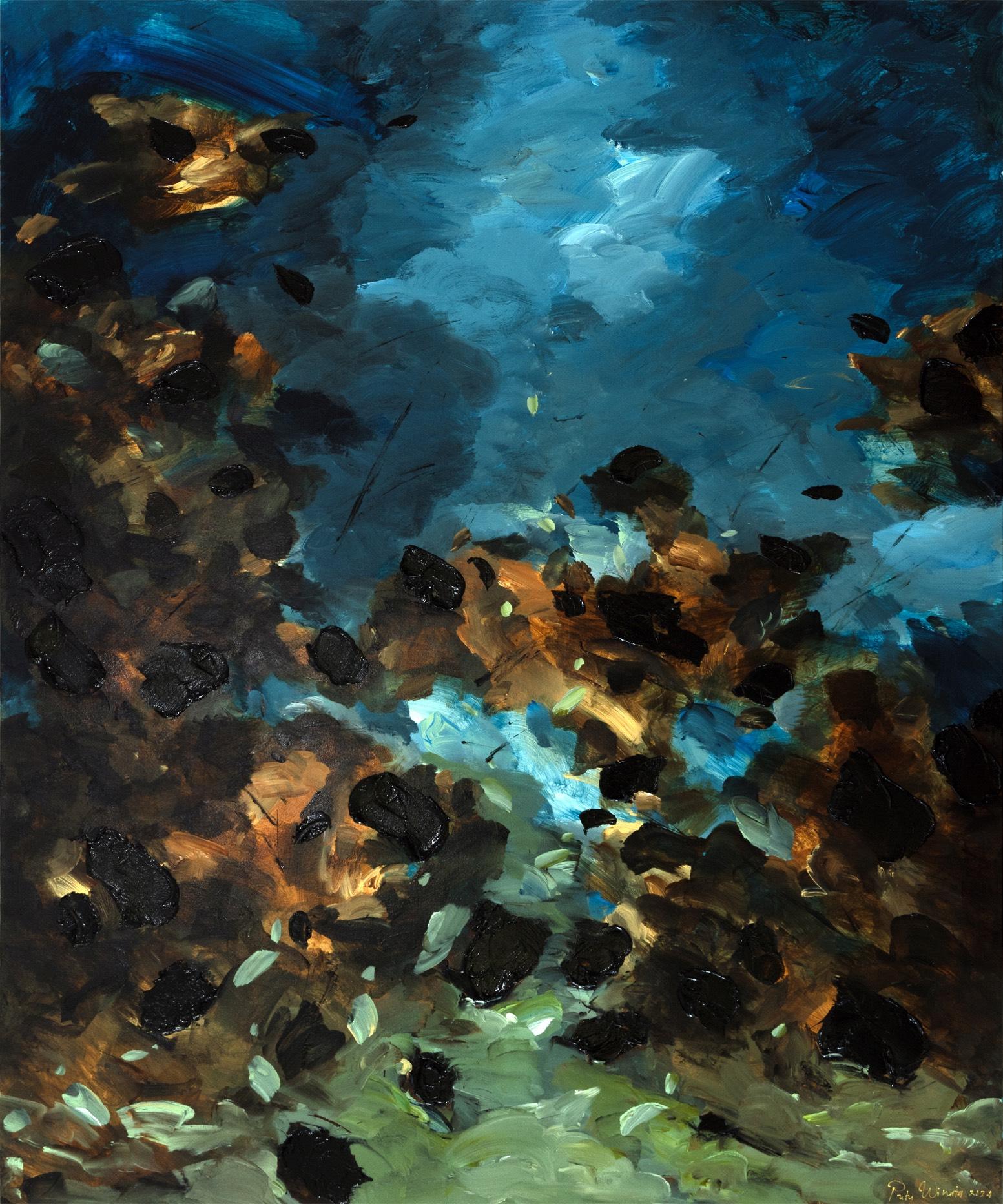
CANVAS
2024
HOMAGE TO WATER 180 CM x 150 CM | ACRYLIC ON
|
MEMULIAKAN AIR NO 5
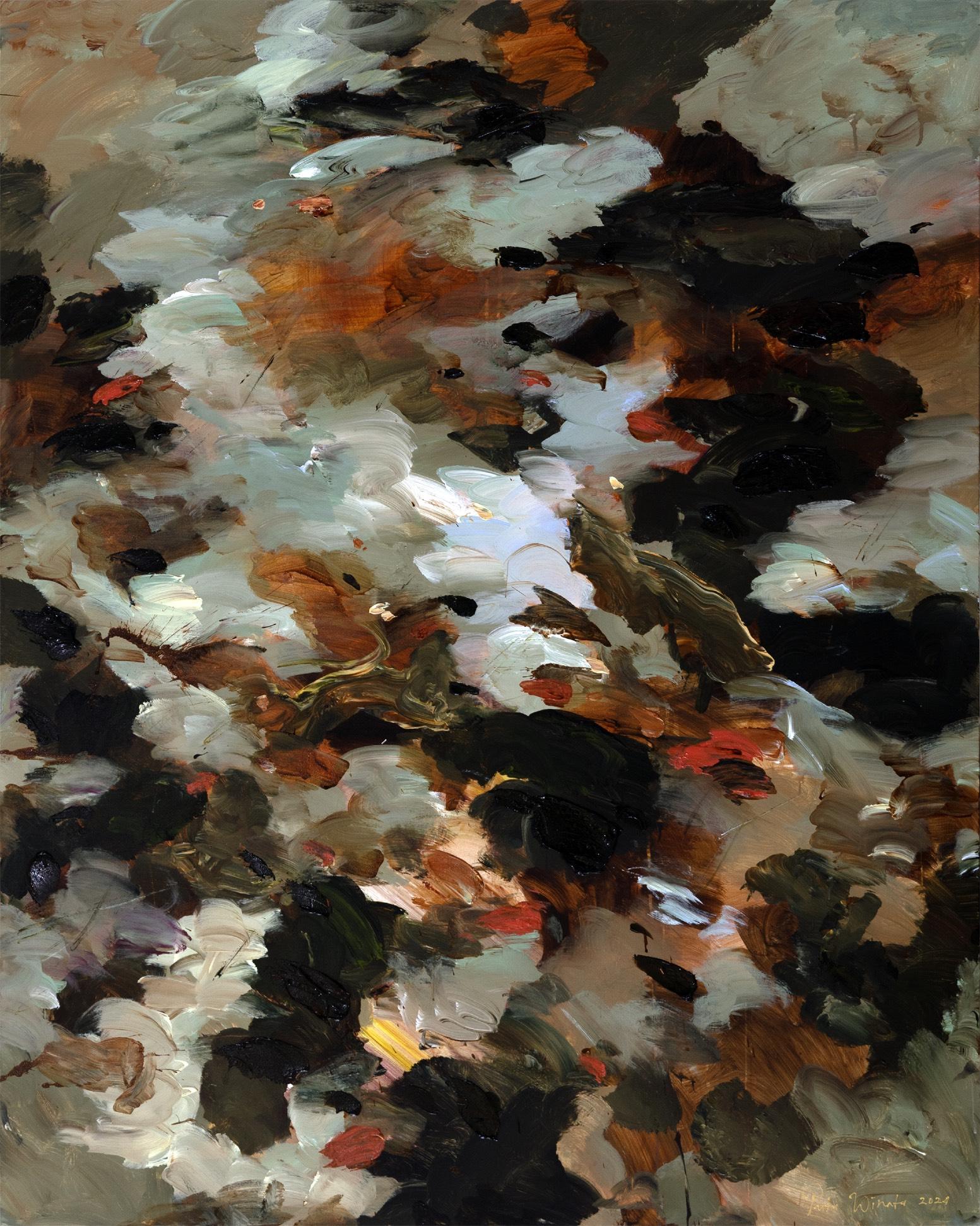
WELCOMING
ACRYLIC
CANVAS
2024 MENYAMBUT KEMAKMURAN NO 1
PROSPERITY 150 CM x 120 CM |
ON
|
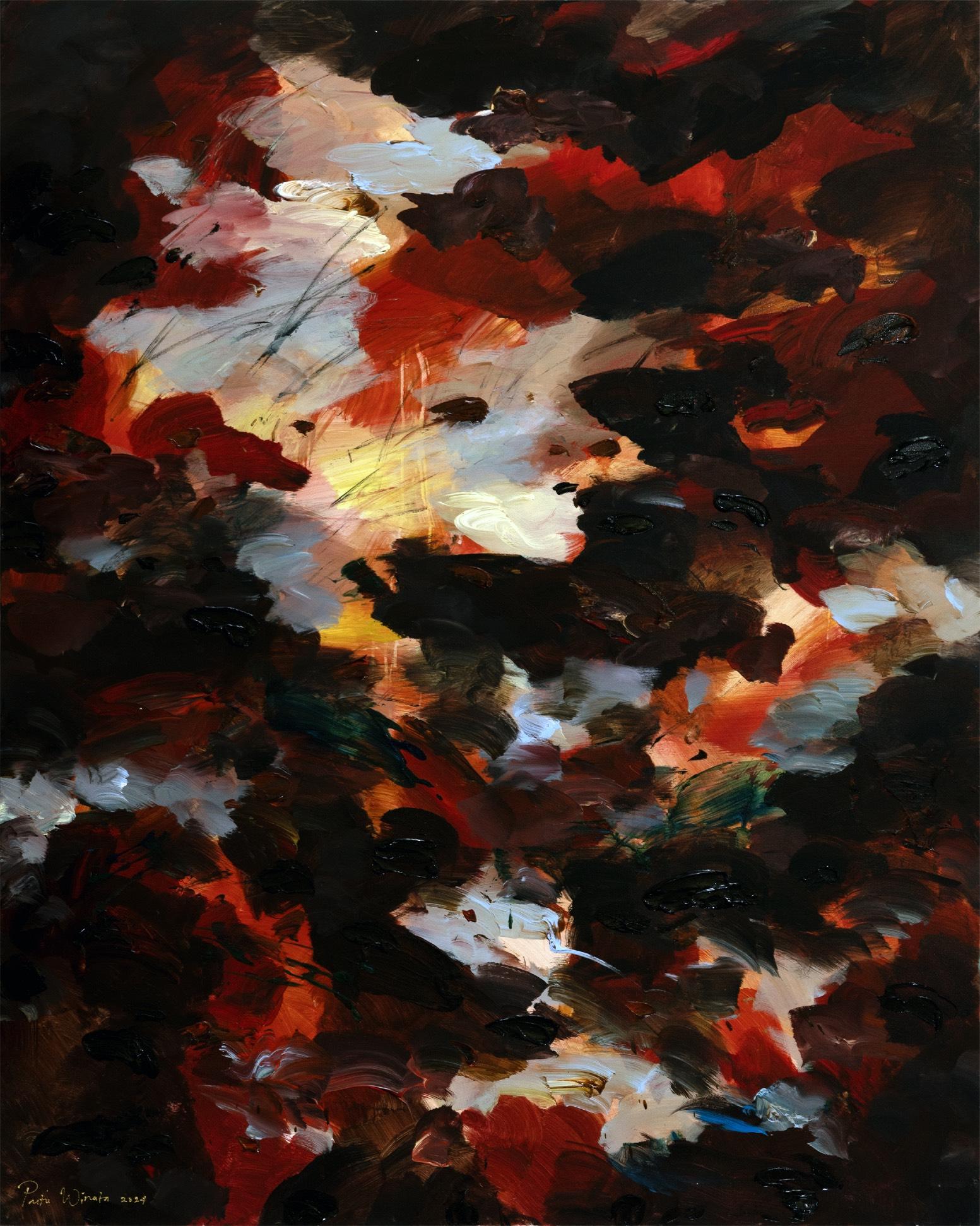
RETURN TO WATER 150 CM x 120 CM | ACRYLIC ON CANVAS | 2024 MELEBUR KEMBALI KE AIR NO 3
ACRYLIC
2024
SONG OF IMPATIENS BALSAMINA ROSE 150 CM x 120 CM |
ON CANVAS |
SENANDUNG PACAR AIR NO 1
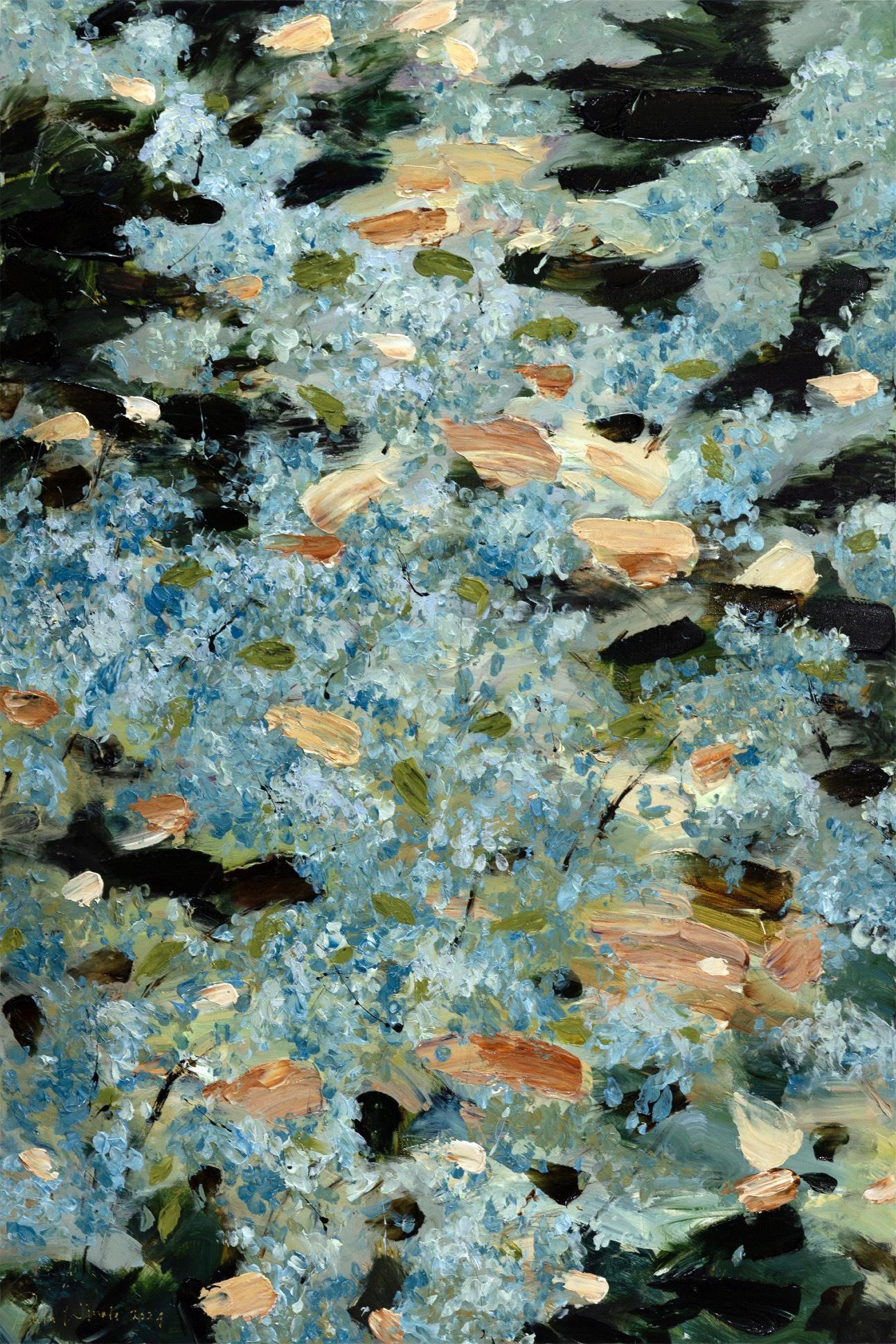

SONG OF IMPATIENS BALSAMINA ROSE 150 CM x 100 CM | ACRYLIC ON CANVAS | 2024 SENANDUNG PACAR AIR NO 2
IMPATIENS BALSAMINA
100 CM | ACRYLIC ON CANVAS | 2024
AIR NO 3
SONG OF
ROSE 150 CM x
SENANDUNG PACAR
IMPATIENS BALSAMINA
100 CM
ACRYLIC
CANVAS
2024
AIR NO 5
SONG OF
ROSE 150 CM x
|
ON
|
SENANDUNG PACAR
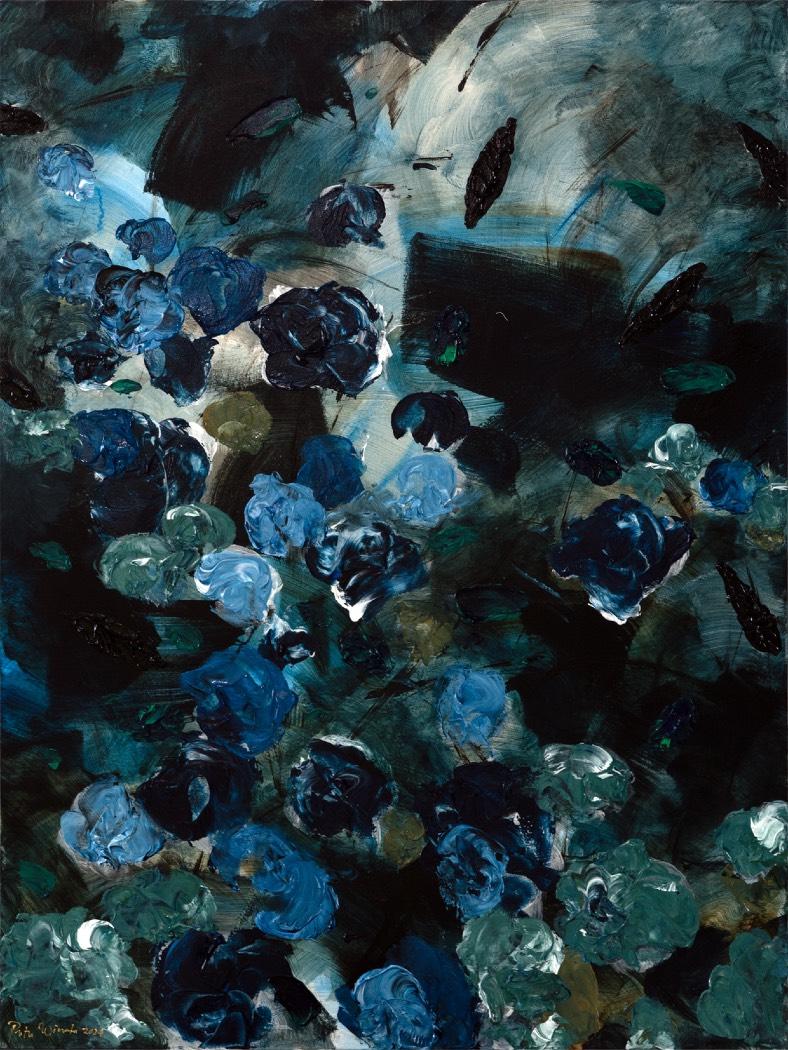

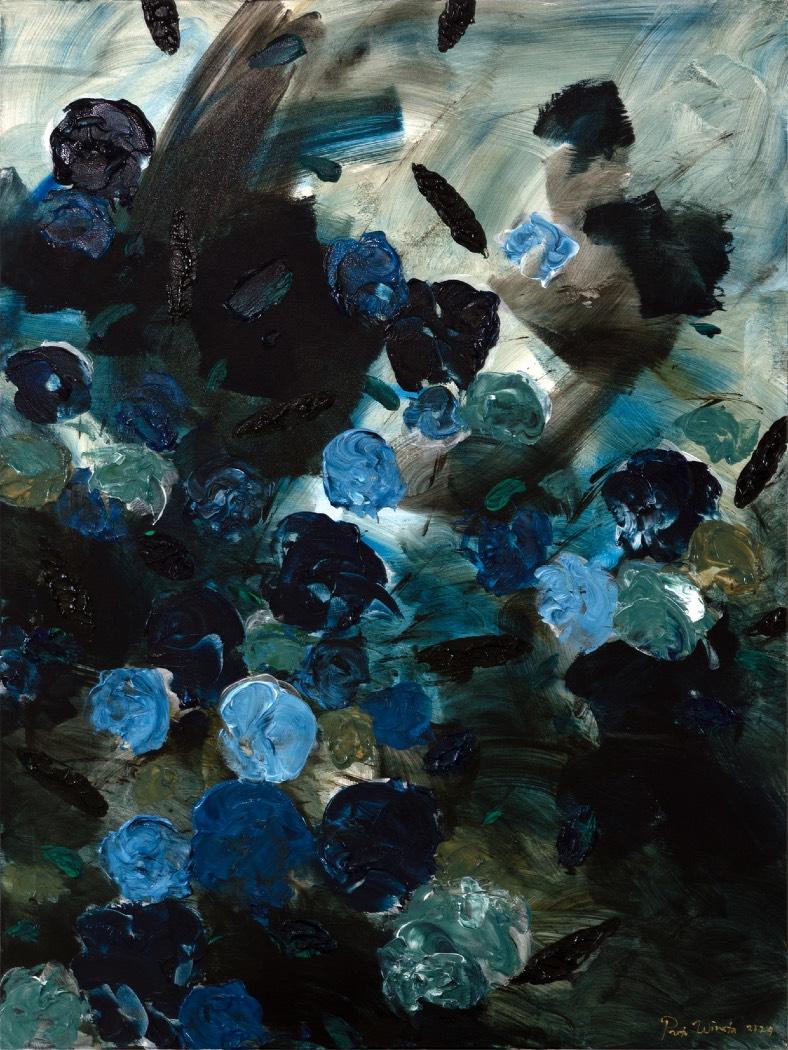
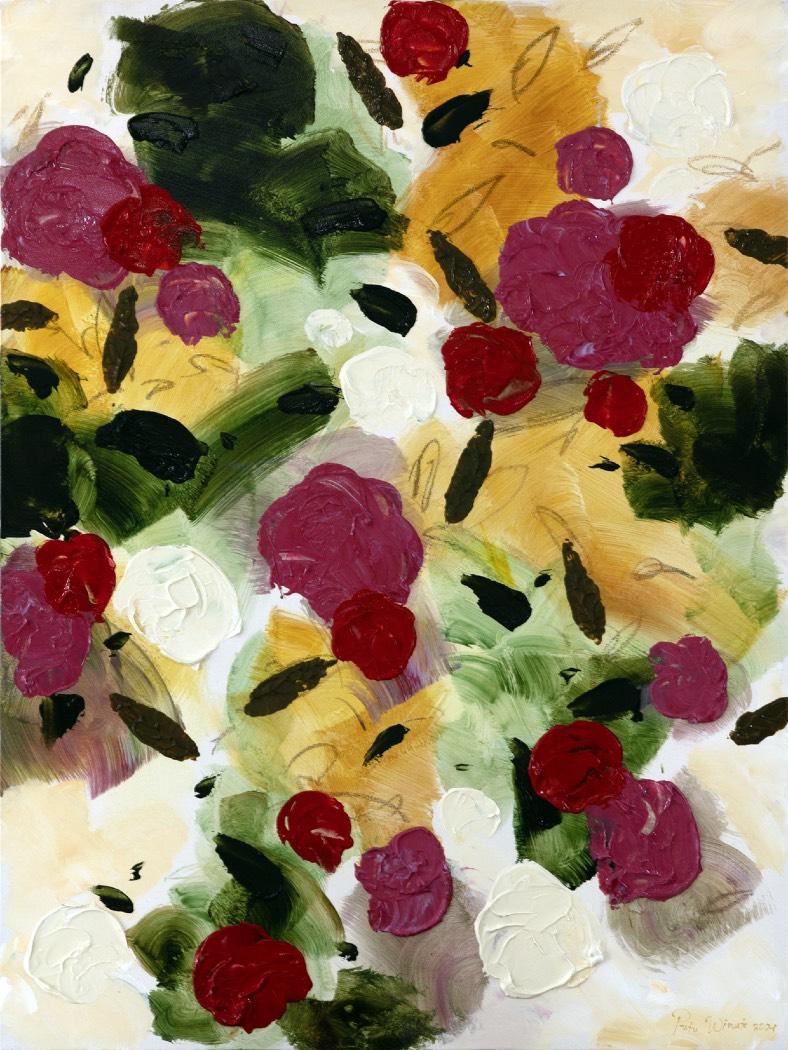
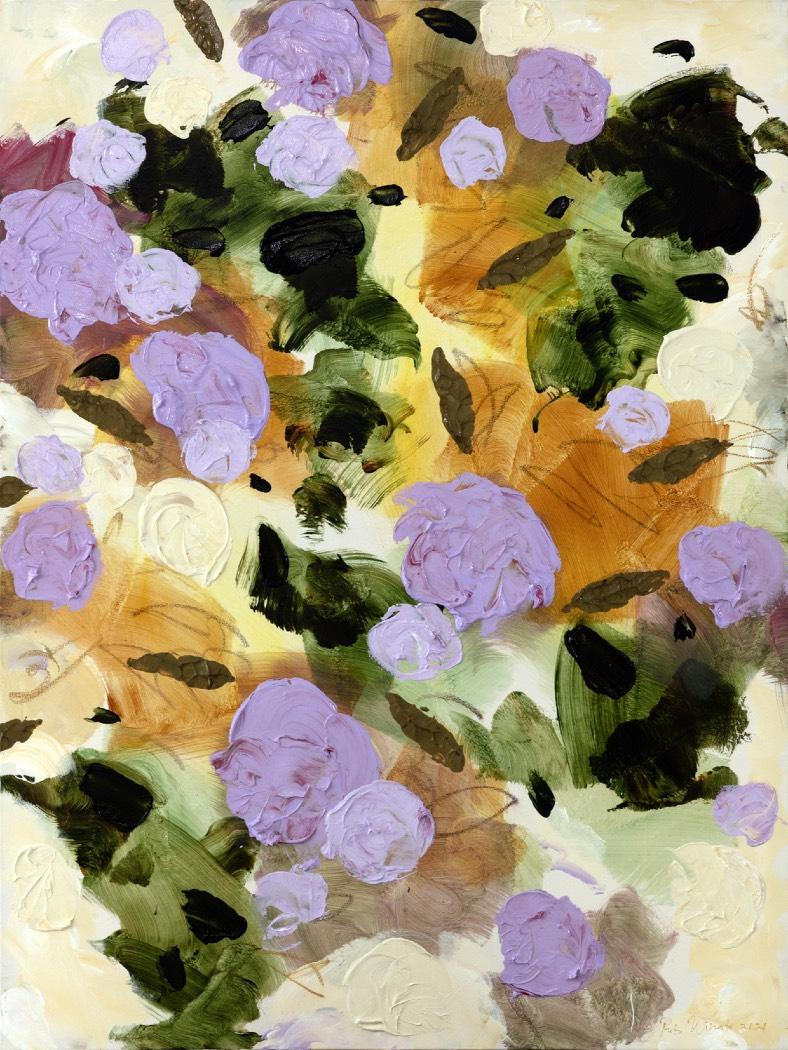
no 6 no 7 no 8 no 9 SONG OF IMPATIENS BALSAMINA ROSE 120 CM x 90 CM | ACRYLIC ON CANVAS | 2024 SENANDUNG PACAR AIR SERIES
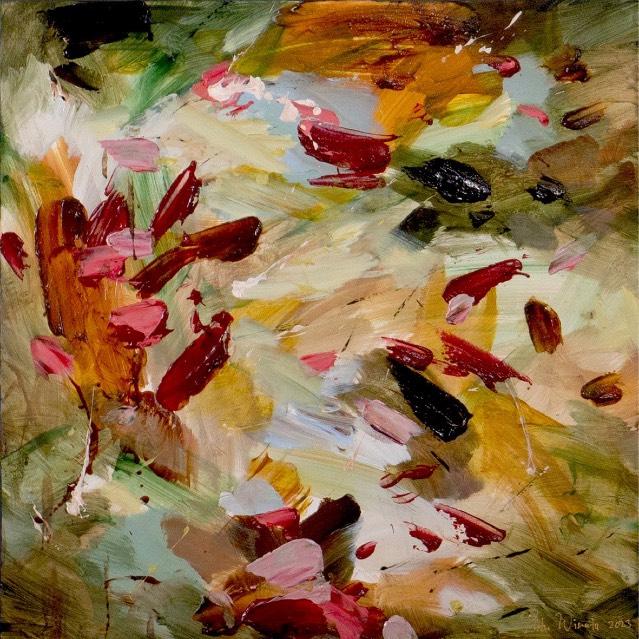
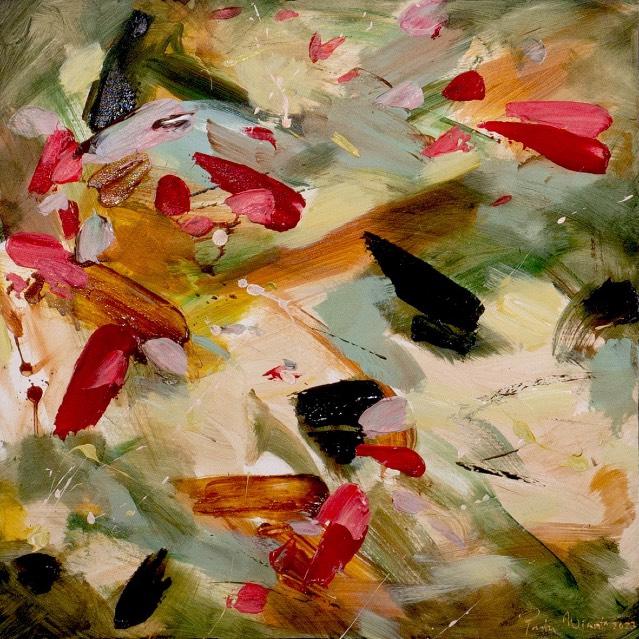

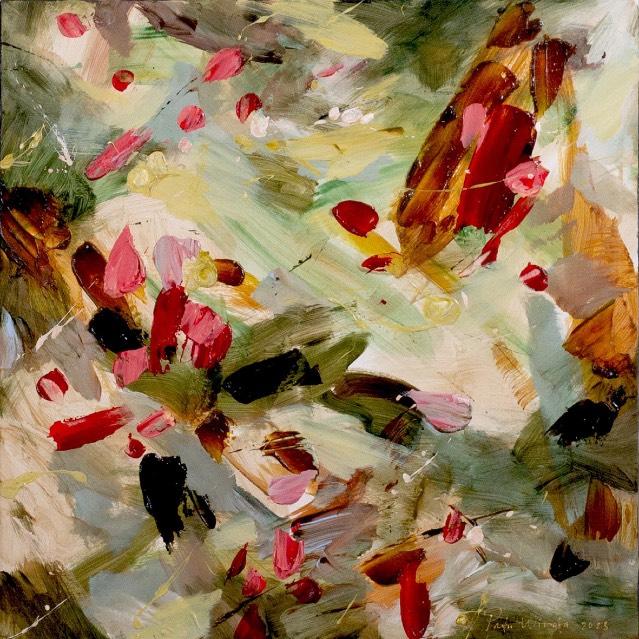
OF IMPATIENS BALSAMINA ROSE 60 CM x 60 CM | ACRYLIC ON CANVAS | 2024 SENANDUNG PACAR AIR SERIES no 10 no 11 no 12
SONG
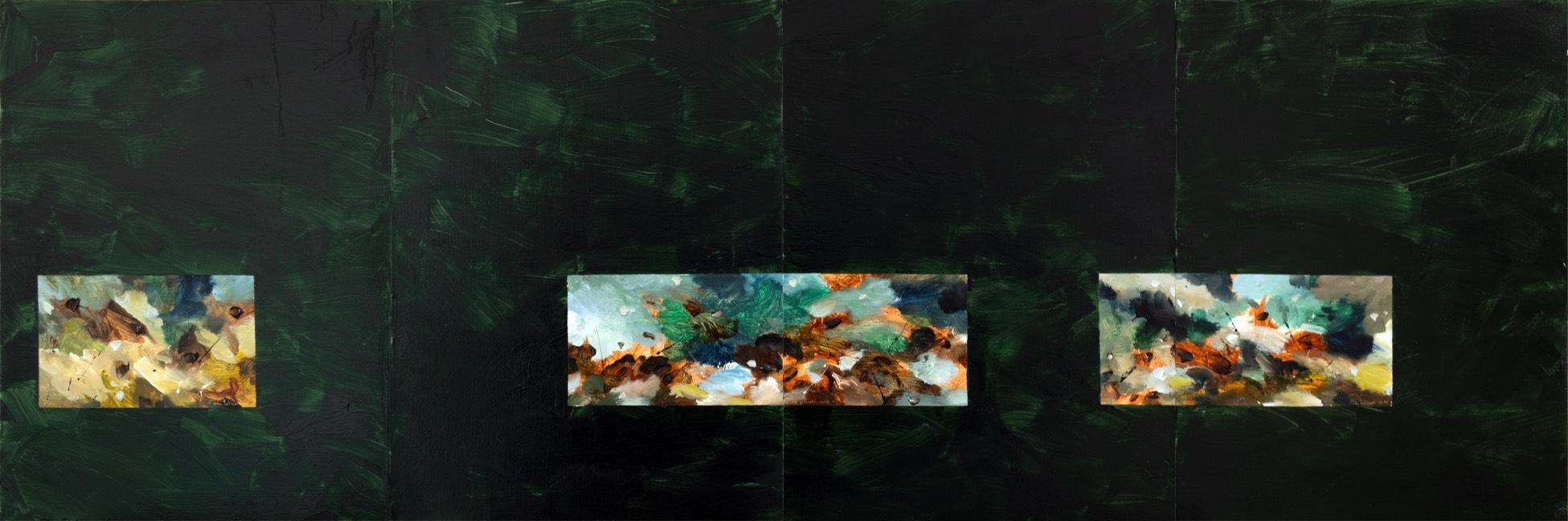
JATILUWIH VILLAGE SERIES QUADRIPTYCH 80 CM x 240 CM | ACRYLIC ON CANVAS | 2024 JATILUWIH NO 15
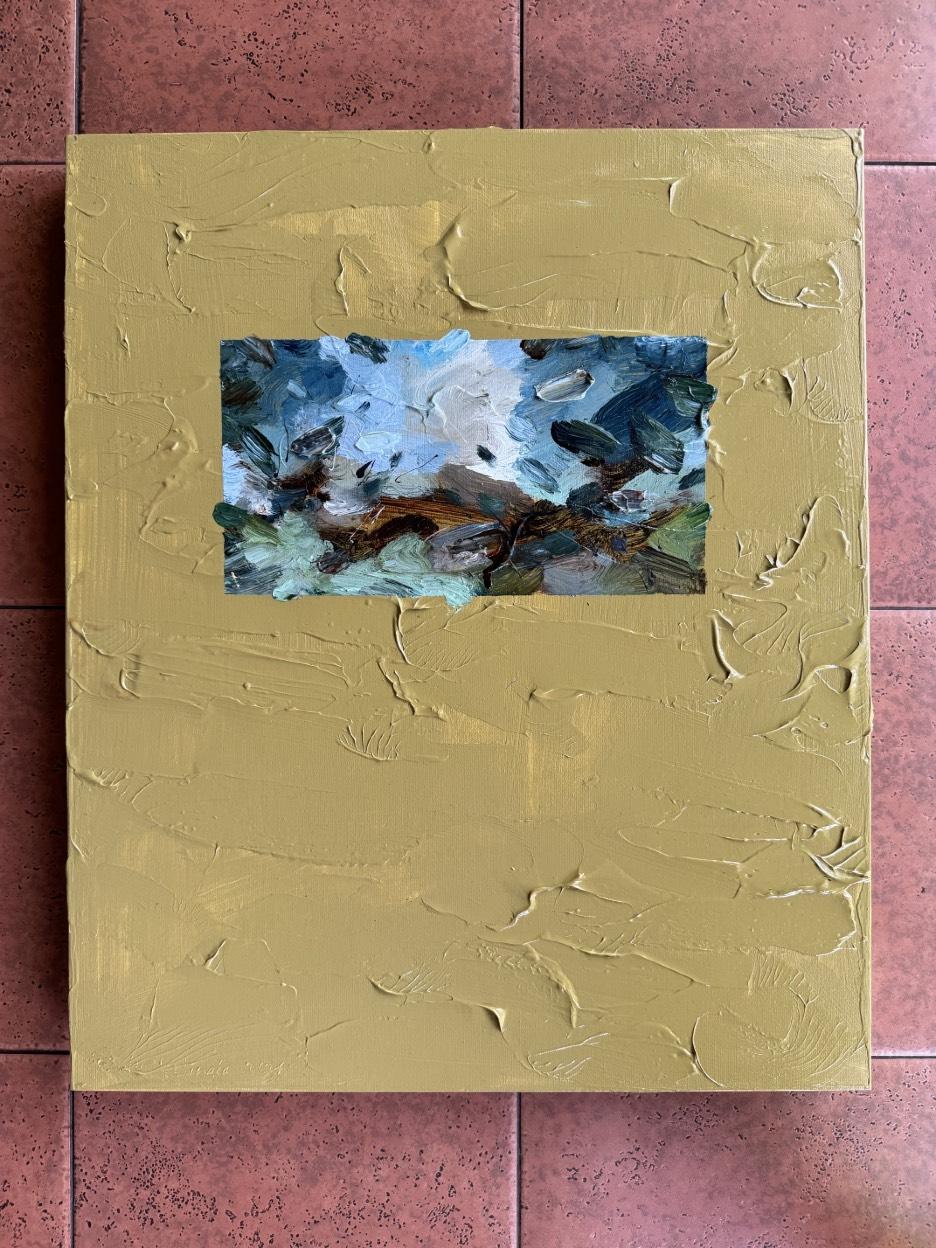
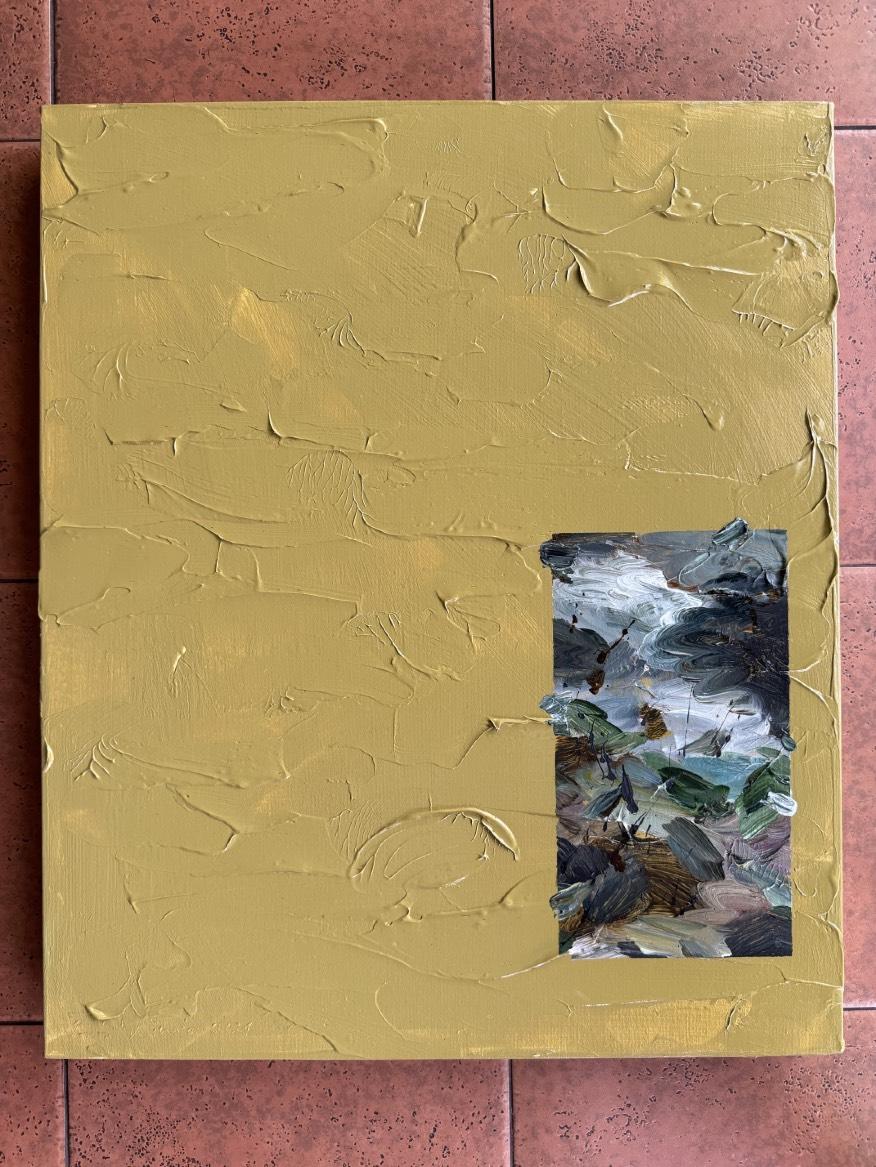
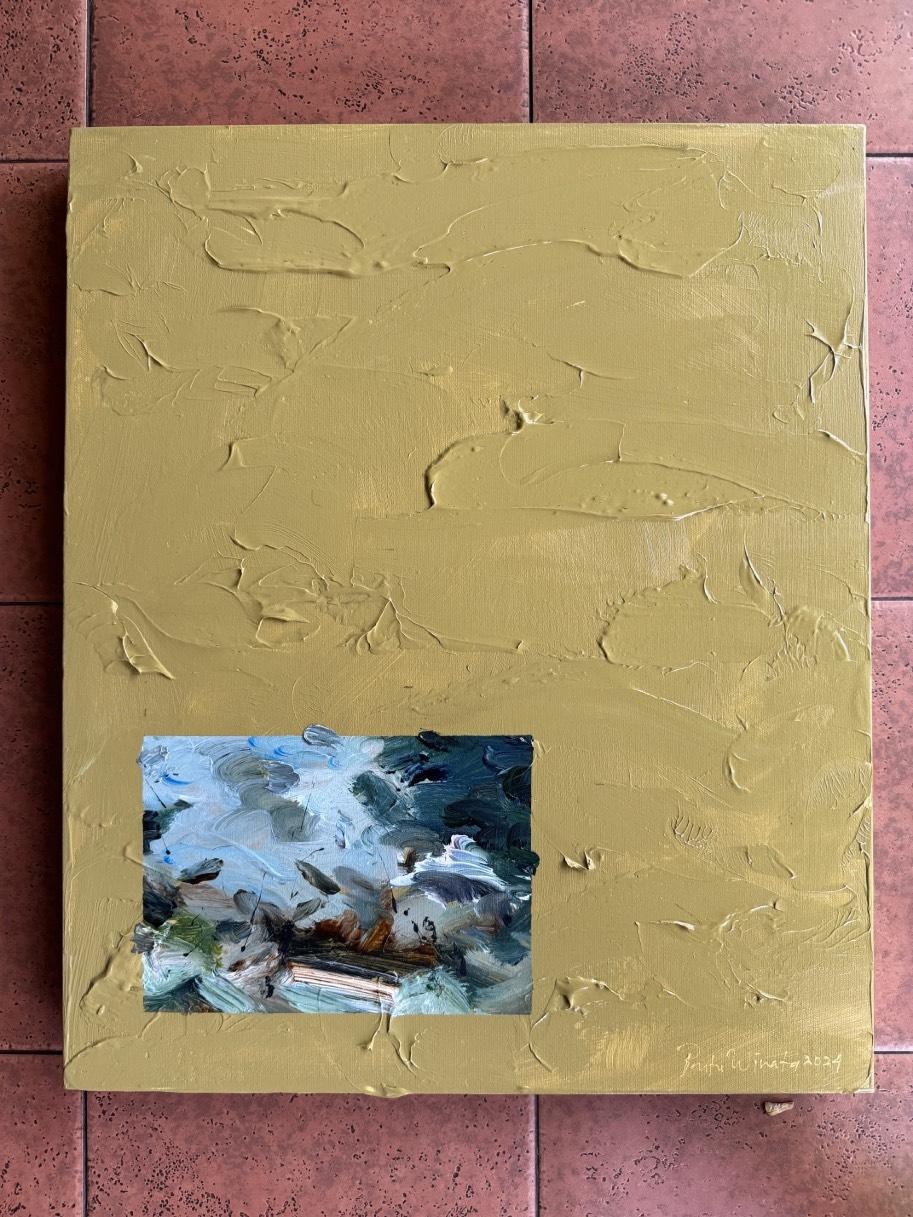
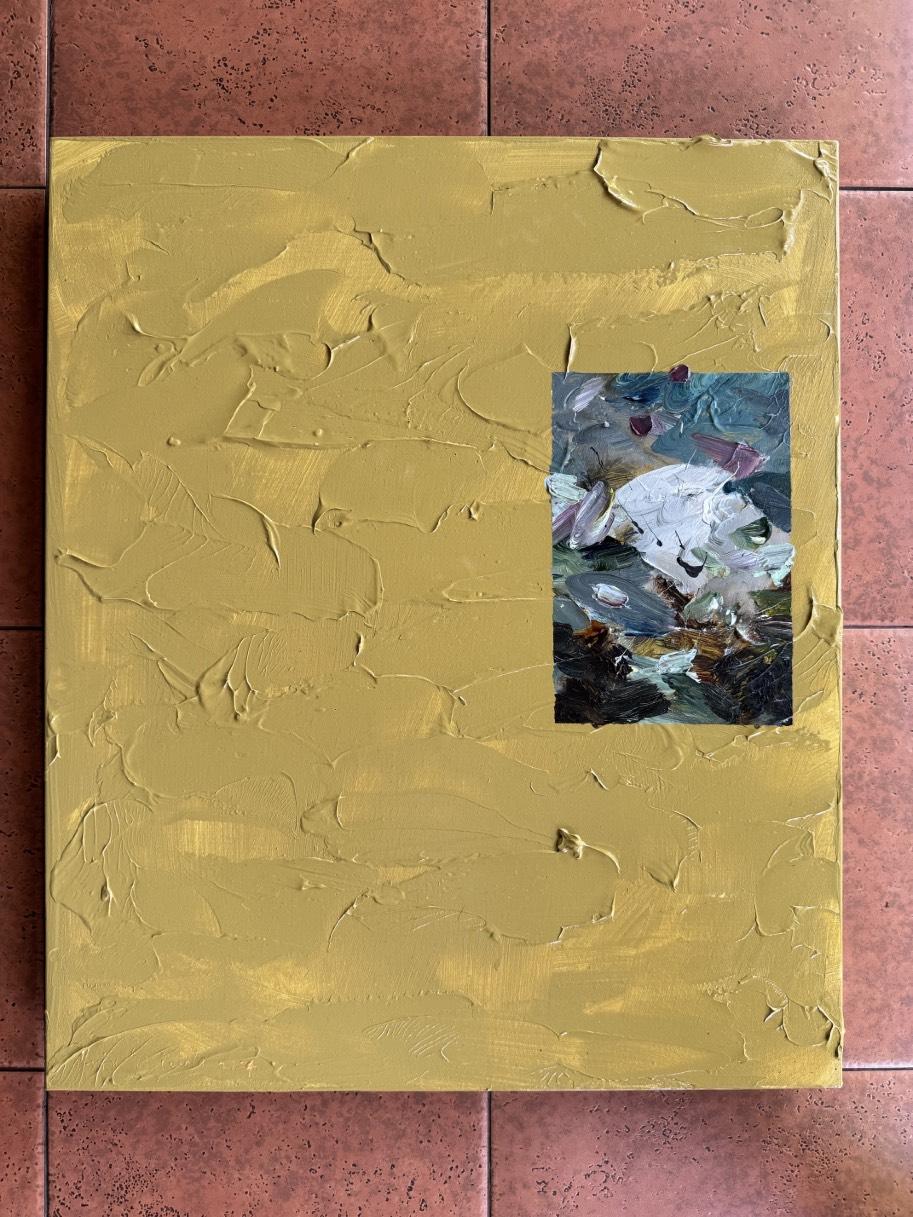
VILLAGE SERIES 60 CM x 50 CM | ACRYLIC ON CANVAS | 2024 JATILUWIH SERIES
JATILUWIH
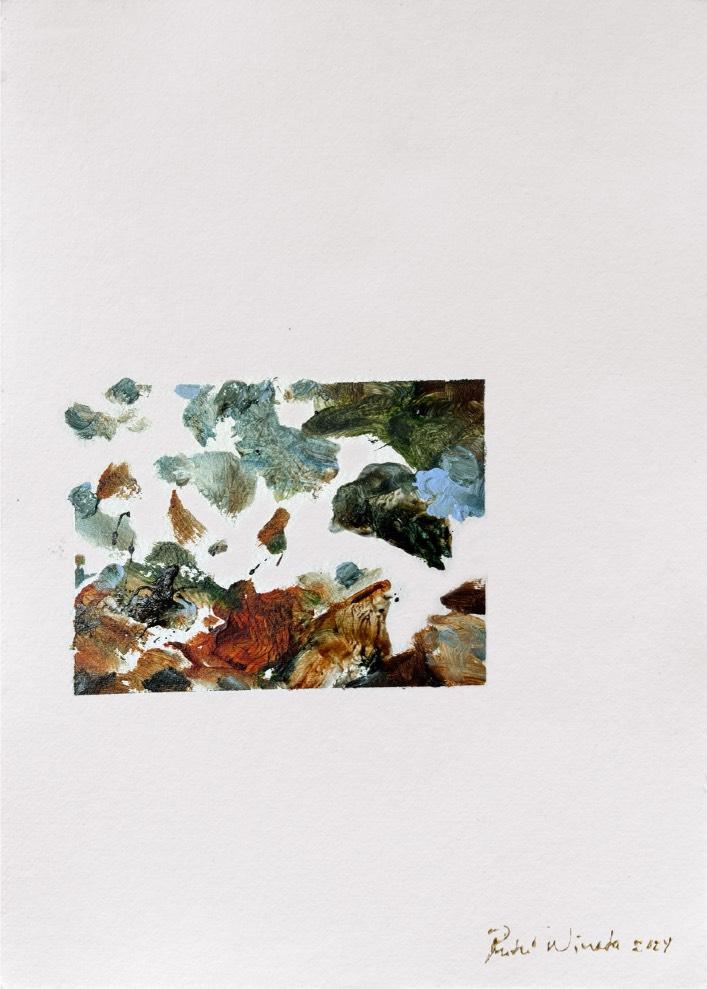

PUJA SEMESTA SERIES
42 CM x 30 CM | ACRYLIC ON 100% COTTON RECYCLED PAPER | 2024 KIDUNG
HYMN TO THE UNIVERSE SERIES
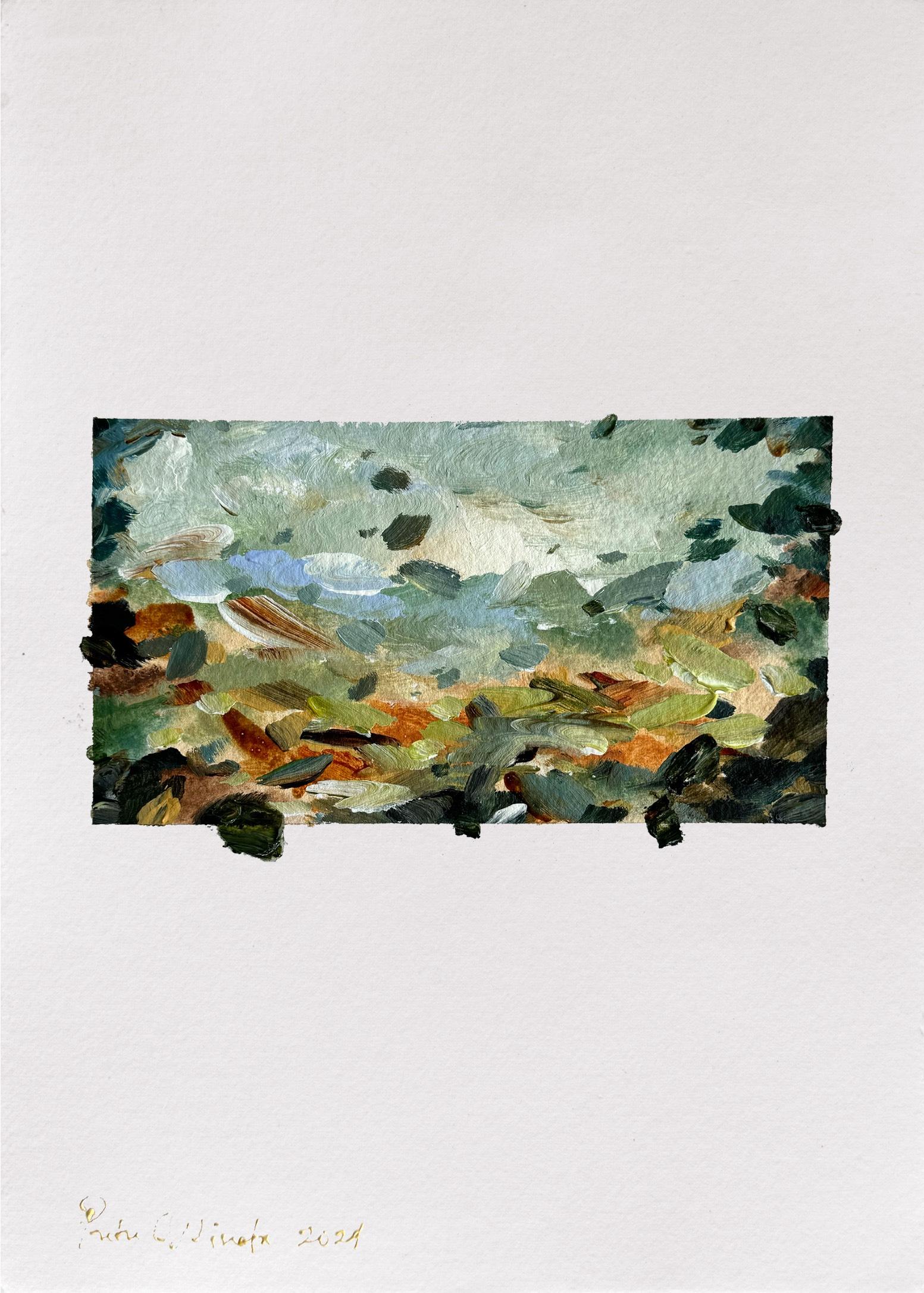
42 CM x 30 CM | ACRYLIC ON 100% COTTON RECYCLED PAPER | 2024 KIDUNG PUJA SEMESTA SERIES NO 13
HYMN TO THE UNIVERSE SERIES

“SABDA AIR”
The Word of Water
Solo paintings exhibition by Putu PW Winata at D Gallerie, Jakarta, Indonesia
8 June - 6 July, 2024
presented by D Gallerie, Jakarta, Indonesia
All artworks by Putu PW Winata
Art Director igo blado
Art Curatorial Arif Bagus Prasetyo
Photo & Video Aji Mahareshi
Frame by Global Bali Art Frame
3D Visualization I Gusti Nyoman Putra Angligan
D GALLERIE
Owner/Director Esti Nurjadin
General Manager Rudi Tovani
Project Manager Fiametta Gabriela
Graphic Designer Gamaliel Budiharga
Administration Wina Luthfiyya Ipnayati
D Gallerie
Jalan Barito I No.3 Jakarta 12130, Indonesia
Copyright ©2024 PutuWinata. All Rights Reserved
No part of this publication may be reproduced, store in retrieval system, or transmitted in any form or by any means, electronic, mechanical, photocopying, recording or otherwise, without permission of the producer.

Tuhan Yang Maha Esa
Ibu tercinta dan adikku Made Nur Kartika sekeluarga
Keluarga tercinta:
Ni Made Jayantari, Keni, Damar, dan Sami
Sanggar Dewata Indonesia
Bpk. Harun Hajadi
D Gallerie: Esti Nurjadin
Rudi Tovani, Fiametta GabrielaWina
Luthfiyya Ipnayati, Gamaliel Budiharga
I Putu Ery Hardika Bc. Kn
Perbekel Desa Jatiluwih: I Nengah Kartika, S.Sos
Pekaseh Subak Jatiluwih: I Wayan Mustra
Manager DTW Jatiluwih: I Ketut Purna
Sekretaris DTW Jatiluwih: I Putu Eka Saputra
Arif Bagus Prasetyo
Igo Blado, Galih Rakasiwi
Aji Mahareshi, Kibo Moto
Ida Bagus Made Gede Wicaksana
I Gusti Nyoman Putra Angligan
Global Art Frame Bali

Jl. Barito I No.3, RT.10/RW.7, Kramat Pela, Kec. Kby. Baru, Kota Jakarta Selatan, Daerah Khusus Ibukota Jakarta 12130, Indonesia @dgalleriejakarta | www.dgalleriejakarta.com
Copyright ©2024 PutuWinata. All Rights Reserved No part of this publication may be reproduced, store in retrieval system, or transmitted in any form or by any means, electronic, mechanical, photocopying, recording or otherwise, without permission of the producer.