





















































When you fight breast cancer with Texas Oncology, your care is shaped by the collective experience of hundreds of oncologists, surgeons, and support staff. It’s shaped by access to the latest clinical trials, leading-edge surgical approaches, genetic risk evaluation, and advanced treatments for both cancerous and non-cancerous breast conditions. And it’s driven by our commitment to innovation.
Every patient we’ve treated, every lesson learned, helps us focus on improving your quality of life throughout treatment, making us the leader in fighting your cancer.
TURN TO TEXAS ONCOLOGY FOR TOMORROW’S CANCER BREAKTHROUGHS TODAY.
MOST WOMEN KNOW WHAT THEY SHOULD DO TO stay healthy, as they have been hearing about the importance of diet, exercise, and routine screenings for decades. However, this doesn’t mean they will actually put those good habits into regular practice—usually because they are too busy making sure everyone else in their family stays healthy. By not prioritizing their own health, women will continue to push their own medical appointments further down the list. Being too busy is usually the top reason a woman provides to her doctor for putting off medical appointments. However, this delay could bring her busy schedule to an abrupt halt should she become sick. Taking time out for physical, emotional, and mental health is essential, doctors say, and women will start noticing the benefits once they start prioritizing themselves, guilt-free.
BY JENNIFER SANDER HAYES
“Women are the cornerstone of the family unit,” says Dr. Allison Kramer, an OB/GYN with Vernon & Waldrep Ob-Gyn Associates. “More women have entered the workplace, and I don’t think we have done the best job adjusting the delegation of all the work that a family requires. Society expects moms to do it all. Women’s own needs so often get overlooked, yet this is something that is under their control to adjust.”
Dr. Rina Mauricio, an assistant professor in the department of internal medicine at UT Southwestern Medical Center and director of the Women’s Cardiovascular Health program, says there are two groups of female patients who may prioritize others’ healthcare needs above their own—younger women who feel too busy with their children and careers to take time out for their health, and the sandwich generation. These are older women, usually empty nesters who are
“I
push patients to advocate for themselves because they know their own bodies better than anyone else.”
RINA MAURICIO, M.D., UT SOUTHWESTERN MEDICAL CENTER
still helping their young adult children launch, who have transitioned from caring for young children at home to a caretaker role for their aging parents.
“For many women, there is very little time or space available that allows them to think about their own health, and they don’t consider that they, too, need to be healthy in order to take care of the people they love,” Dr. Mauricio says. “It’s appropriate for women of all ages to consider their own health.”
Some women skip annual exams and screenings because, for years, they haven’t felt heard by doctors when they address their health concerns. They begin to wonder if adding something else to the calendar is worth it. Dr. Wesley Brady, a board-certified gynecologic surgeon with Women’s Wellness Institute of Dallas, says she sees new patients every year who come to her after years of getting the basic recommended check-ups and screenings from other doctors, but still don’t feel like they are getting comprehensive care.
“Many women know they should go each year for a well-woman exam and a mammogram, but they don’t always know that some symptoms they experience are abnormal and should be addressed with a doctor,” she says. “They find asking questions about certain aspects of their health embarrassing, such as urinary incontinence, bleeding during intercourse, or intimacy concerns. Many gynecologists, because of insurance, can only give about 15 minutes of their time to each patient, so women wind up feeling rushed and unheard. In today’s health system, many aspects of a woman’s health are not always appropriately prioritized.”
From a nagging cough to a concerning skin change to chronic headaches or new chest pains, when it comes to women’s health, nothing should be overlooked or dismissed.
“Historically, the medical community probably hasn’t been listening to women as well as it should when they bring up their concerns,” Dr. Mauricio says. “I push for my patients to advocate for themselves because they know their own bodies better than anyone else. Patients often tell me they wish they had said something earlier. But they also tell me they didn’t because they had too much on their plate. Early detection is key, as are taking early disease prevention measures. If you feel ‘off’ or are experiencing worrisome symptoms, find a provider who takes the time to listen.”
“The
most powerful drug is exercise. As
women age, they must establish good habits with a healthy diet and a consistent exercise program.”
ANN LUTICH, M.D., UT SOUTHWESTERN MEDICAL CENTER
Anyone who suffers from migraines knows one can stop you in your tracks, creating disruptions in work and daily life due to unrelenting pain.
Dr. Shamin Masrour, a neurologist and adjunct faculty at UT Southwestern Medical Center, founded Texas Headache and Facial Pain Center to effectively address headache and migraine. After completing her neurology training, she pursued advanced fellowship training in headache and facial pain at UT Southwestern, making her one of the few specialists in the Dallas area. Her direct pay model practice means there is little to no wait to be seen, and each patient receives plenty of time with a headache specialist to receive targeted, individualized treatment.
“Headache disorders, especially migraine, are the most common and disabling neurological conditions in the world,” Dr. Masrour says. “More than 39 million Americans suffer from migraine, but women are three times more likely to suffer than men and are most often misdiagnosed. It’s a very common issue that women deal with, and often, they don’t get the appropriate care for their needs. Women tend to ignore the symptoms and try to work through them, but they don’t have to.”
and menopause can play a role, as can genetics and environmental factors. “Many women have told me their headaches were dismissed by other healthcare professionals, but migraine is more than just a headache,” she says. “Patients can experience other symptoms, such as nausea, vomiting, light and noise sensitivity, visual disturbances, and numbness, which can all be quite disabling.”
Relief is well within reach at Dr. Masrour’s clinic. Nerve blocks and Botox administered in office can alleviate most symptoms right away, and daily medication, monthly injections, or Botox can help patients with chronic migraines manage their symptoms.
“Women should begin cervical cancer screening by age 21, breast cancer screening by age 40, colon cancer screening by age 45, and bone density screening at the time of menopause.”
ALLISON KRAMER, M.D., VERNON & WALDREP OB-GYN ASSOCIATES
For women, headaches can be the result of hormone fluctuation, Dr. Masrour says. Puberty, pregnancy,
“When it comes to headaches, we talk about acute treatment options most often, but there are preventive treatments to decrease frequency of headaches, such as pharmacologic options and vitamins and minerals for a well-rounded approach,” she says. Suffering from headache and migraine is a disorder. Headaches can be dormant, but they may return because for most people, it’s a lifelong condition. When addressed and treated properly, they are manageable disorders.”


























































































Heart disease remains the No. 1 cause of death for women, and family history is only one of the risk factors. Lifestyle habits also play a big role in this statistic, and Dr. Rina Mauricio, director of the Women’s Cardiovascular Health program at UT Southwestern Medical Center, says there is new research to suggest that how well cardiovascular risk factors are controlled in mid-life plays a role in the risk of heart disease later in life.
“In your early to mid-30s, you usually aren’t thinking much about heart disease,” she says. “However, this is when you should start taking preventive measures and living a heart-healthy lifestyle. Rates of obesity and a sedentary lifestyle, unfortunately, are increasing. Having higher cholesterol or
unmanaged obesity at a younger age can manifest as cardiovascular disease later in life.”
Other new research suggests that women who have complex pregnancy issues, such as preeclampsia or gestational diabetes, may have a higher risk of heart disease in the future—one to two times more than those who do not have these
“Women should value themselves as much as they value those around them. Don’t wait for things to slow down to address your health. You could reach a point where you no longer have that opportunity.”
















“Time is finite. Find ways to make your life as efficient and meaningful as possible while dedicating yourself to overall health and wellbeing.”
–Susan Matulevicius, M.D., UT Southwestern Medical Center
In a busy, onthe-go world, experiencing stress is inevitable, and when not managed properly, stress can lead to adverse health effects, including heart disease. Women are particularly prone to stress from, not surprisingly, trying to do it all.



“In the U.S., women are usually the primary caregivers to their children and, often, their aging















pregnancy complications. Similar studies show that women who experience menopause in their early to mid-40s may have increased risk for heart disease later in life, too. “This is helpful information to give to your doctor because it gives us better insight on your potential risk factors,” Dr. Mauricio says.
The takeaway for all women, Dr. Mauricio says, is that it is never too early to take steps to prevent heart disease, particularly if you have a family history. “Cholesterol screening should begin in your 20s, and blood pressure should be taken annually,” she says. “Know your family history of heart disease. If your dad had a heart attack below age 55, or your mom had a heart attack below age 60, that is a family history of premature heart disease. And ask about your grandparents’ heart health history as well. Once I have information from several generations, I can get a good sense of a patient’s genetic history and make recommendations with that data in mind.”
According to Dr. Mauricio, women who are determined to be at risk for heart disease can take these steps early to prevent heart disease.
• Lower cholesterol and get blood pressure to target. “Improve diet and exercise and if that’s not working, we will begin using medical therapy to lower both.”
• Quit smoking. “If you are smoking in the year 2025, stop. And that includes vaping.”
• Follow a Mediterranean diet. “Thus far, this is the only diet with evidence that it effectively reduces the risk of heart disease.”






parents— sometimes even their grandchildren,” says Dr. Susan Matulevicius, a preventive cardiologist with UT Southwestern Medical Center. “Stress also comes along with most jobs, and the inevitable effects of menopause can cause stress as well. We tend to have compensatory behaviors, such as having an extra coffee or energy drink, overeating, and sacrificing sleep to get it all done. These unhealthy habits can increase blood pressure, which leads to additional stress. If women don’t take care of their mental health with stressreducing behaviors, they can place their health at risk.”










• Exercise. “This doesn’t mean you have to go to the gym for an hour a day. In general, people just need to move more and sit less.”

Get off your phone. Connect with other people and choose activities that align with what you value. Swap your daily soda with lemon water and see how much better you feel.








Get 150 minutes of moderate intensity exercise each week. Walk fast enough to hold a light conversation with a few words, but not much more.
Source: Susan Matulevicius, M.D., UT Southwestern Medical Center
Break up exercise into manageable sessions, such as 30 minutes five times a week. This can be 15 minutes each morning and 15 minutes each evening.
Bargain with yourself. Promise yourself you will relax and watch your favorite TV show after you take a 10-minute walk outside and get some fresh air.




Meal prep. Choose recipes from the Mediterranean diet. Subscribe to a healthy meal delivery service if you are too busy to cook.











Set a goal. Do you want to walk without pain or try to come off certain medications? Prioritize the things that help you become healthier to reach those goals.









When you need surgery for breast approach that gives you confidence
difference. As a breast surgical oncologist, Dr. Bokhari offers advanced options and a targeted moving forward. She’ll partner with you to personalize your care throughout your treatment.











Early detection and new treatment advances are saving lives.
Even with the latest advances and treatments, cancer remains the second leading cause of death among women, after heart disease. Cancer incidence rates in women have been rising. In fact, women under 50 are now experiencing cancer at an 82% higher rate than men in the same age group, a significant increase, according to the American Cancer Society.
Personalized surgical care centered around you. From preventive screenings to advanced treatment options, Baylor Scott & White Health offers holistic support.
When it comes to health, knowledge is power. Today, more women are learning about their personal risk for cancer earlier. And now, with more advanced treatment options than ever before, many are moving forward to full, healthy lives after a diagnosis. Dr. Catherine Davis, a surgical oncologist with Baylor Scott & White Health, says there are more advances in treatment for cancers, such as pancreas, liver, biliary, adrenal, and gastric cancers, as well as melanoma and sarcoma. “This is an exciting time to be practicing medicine, as we have so many tools and resources available to help our patients through medical challenges,” Dr. Davis says.
Still, a cancer diagnosis can feel overwhelming. The rush of information, follow-up visits, and treatment decisions can be a lot to take in. That’s why having the right team by your side makes all the difference. Here in Dallas, quality care is close to home, and so is the support you need. As a breast surgical oncologist with Baylor Scott & White Health, Dr. Kaitlin Bokhari partners with women through every step of their journey. She knows a diagnosis isn’t just medical—it’s personal.
“Many women identify their breasts and breast contour as part of their feminine identity,” she says. “After hearing a breast cancer diagnosis, some patients assume they will have















“Breast cancer is such a survivable disease if caught early.”
to have a mastectomy and lose that component of their identity. I also think women are afraid they will only be seen as their diagnosis, and not a person. As a surgical oncologist, my goal is to treat the cancer while helping preserve who they are as a person.”
If surgery is the best option, Dr. Bokhari says today’s techniques offer more choices and better outcomes:
• Precision procedures that minimize impact on healthy tissue
• Nipple-sparing options that preserve natural shape
• Advanced breast contour techniques
• In some cases, surgery and full reconstruction in the same procedure
Dr. Bokhari says surgery for the treatment of breast cancer is recommended as a part of a combination of treatments. “Every treatment decision is deeply personal,” Dr. Bokhari says. “Some women choose to preserve as much natural breast tissue as possible, while others feel more at peace choosing a mastectomy for the lowest risk of recurrence. My role is to listen, guide, and help create a plan that feels right for them.”
Dr. Bokhari also encourages women to take a proactive approach to managing their health, starting by learning their family history, and then considering if genetic testing is right for them. “Only 10 to 15 percent of breast cancers stem from a genetic cause,” Dr. Bokhari says. “But understanding your personal risk factors can help us make important decisions as a team. Some women who have genetic risk factors will decide to be proactive, opting for surgery to decrease their risk of developing cancer. Other times, medication is a good next step. Either way, understanding genetic risk factors also allows us to monitor these patients more closely so if cancer does develop, it can be caught in its earliest, most intervenable stage.”




















WHAT TO KNOW ABOUT GYNECOLOGIC







Baylor Scott & White helps patients take control of their health through its medical genetics program. Highly skilled genetics experts use advanced and minimally invasive tests, informed by innovative research. Next-generation sequencing enables thousands of genes to be sequenced in a short period of time, usually through a simple blood or saliva sample. Other tests can screen for a single gene or group of genes. Once complete, genetic counselors and specialists help patients understand the results and what they mean. Some patients are then referred for personalized care and support groups.
“Breast cancer is only one of the diseases to genetically screen for,” Dr. Bokhari says. “Patients can also learn if they are at risk for colon cancer, heart disease, and dementia, among other diseases.”
Whether a patient comes in with a new diagnosis or elevated genetic risk, Dr. Bokhari says the goal is to create a treatment plan that fits their life. “Surgery may be the right choice on its own, or part of a broader plan that includes radiation or other therapies,” she says. “It all starts with understanding the whole picture, including the biology of the tumor, the imaging, the genetic data, and most importantly, the patient’s preferences. There’s no one right answer for everyone, just the right next step for each person. These are very individualized decisions.”
“My message to women is to make sure to have a primary care physician other than your OB/GYN, and if you are more comfortable with a female physician, make finding one a priority,” says Dr. Davis, who works closely with the Association of Women Surgeons and mentors other female surgeons. “Stay
99% of cervical cancers are caused by the HPV virus. “The HPV vaccines are incredibly effective, and in theory, cervical cancer is something we could eradicate through proper screening and vaccination.”
There is no official screening for ovarian cancer. “Symptoms tend to be non-specific, such as bloating, constipation, or getting full quickly when eating. They often manifest as GI issues. Talk to your doctor about family history and concerning symptoms.”
No bleeding after menopause is normal. “Whether it’s spotting or heavy bleeding— once it’s abnormal, you should be evaluated immediately.”
Uterine cancer is treatable if caught early. “Often, it can be cured with surgery alone or a combination of surgery and radiation.”
Report abnormal symptoms to your doctor. “Start with talking to your OB/GYN who can order imaging, tests, or in-office biopsies. If something is found, they can refer you to a gynecologic oncologist. Outcomes are better when we can intervene early.”
Source: Jessica Gillen, M.D., Texas Oncology
on top of screenings and be aware of your family history of cancer. Find a doctor you feel comfortable with to talk to about any concerning symptoms and ask questions. Together, you and your provider can develop a plan to keep you on the right track.”
A closer look: Ask your doctor about enhanced screening for breast cancer. Having dense breasts can play a role in the elevated risk of breast cancer as well as the need for enhanced screening options. It is now required for breast density to be included in mammogram reports. This notation may be the only way a woman knows she has dense breasts. Having this information will help women learn more about additional screening needs so that nothing suspicious is missed. Dr. Lucy Wallace, a breast surgical oncologist with Texas Oncology, says this knowledge, plus knowing lifetime risk through other screening measures and family history, has helped women take better control over their breast health.
“We have really good guidelines now,” she says. “If you have greater than a 20 percent lifetime risk of cancer, you are entitled to additional or enhanced screening and should be referred to a breast specialist. Women should talk to their primary care physician about doing a Tyrer-Cuzick risk assessment to get their risk level score. In this world of advanced screening and prevention, knowing the risk of breast cancer is something every woman should be educated about.”
Dr. Wallace sees her role as a breast surgeon as more of a quarterback in a woman’s care team. Typically, women are diagnosed at an imaging center and called back for diagnostic screening. If a biopsy is performed and the result is determined to be cancer, the patient is then sent to a breast surgeon. This is when Dr. Wallace runs through the treatment choices with her patients and discusses the pros and cons of each. “Obviously, we must get the cancer out, but some choices fall back on patient preference,” she says. “When there are options, I go over each one, so patients feel empowered in their choice.”
Dr. Wallace says there is still a segment of the population who fears surgery because they believe that if they have surgery, the cancer will spread. “If taking cancer out made it spread, then we wouldn’t have so many survivors,” she says. “Fortunately, in 2025, women have more options for treatment than ever before. Breast cancer is a survivable disease if caught early.”

STEVEN J. WHITE, M.D. whiteplasticsurgery.com
One of the most common reasons for revision breast augmentation is to change implant size. Many want to be bigger, some prefer to be smaller. Wouldn’t it be better to ‘optimize’ the size the first time?
If you’re trying on implants in a bra or choosing your implant size based on measurements alone, you might be considering a size change later.
Why? Because the secret to creating the ‘prettiest’ breasts for you is to match the implants to your tissues. Obviously, this is best done during surgery using


tester implants or ‘sizers’ to see what the implants look like under your breast tissue before selecting your implants.
Dr. White is then able to customize the size to best fit your body and your desires. Choosing your implant size before going to the operating room is simply guessing. Don’t you deserve better?
Learn more about Dr. White’s 7 step Optimized, Rapid Recovery Breast Augmentation at usaplasticsurgery.com. See hundreds of photos. Read hundreds of reviews. Discover why USA Plastic Surgery is WhereSurgeryBecomesArt.™








fountain of youth,” she says. “It doesn’t cure all the ails of menopause, but it is certainly a tool we can use to improve quality of life and potentially promote healthy, more productive post-menopausal years.”



New research offers hope to women who want a safe way to manage symptoms.

“New treatments are coming out. Don’t lose faith that just because there wasn’t an answer last year, there won’t be a new insight your doctor has this year.”

ALLISON KRAMER, M.D., VERNON & WALDREP OB-GYN ASSOCIATES








Dr. Allison Kramer, an OB/GYN with Vernon & Waldrep Ob-Gyn Associates, says she is glad to see a renewed interest in the effects of menopause on aging, from both her patients and in medical research efforts.


THE EVER-CHANGING NEWS ABOUT THE SAFETY and efficacy of hormone therapy during the past two decades has made the medical management of menopause symptoms confusing for women who simply want a safe solution.

This, of course, is understandable, says Dr. Ann Lutich, a Menopause Society certified practitioner with UT Southwestern Medical Center. In practice for 35 years, she has a special interest in hormone therapy and evidence-based guidelines so that her patients can confidently approach or be in menopause without sorting through confusing myths on their own. Yes, menopause is more than hot flashes and mood swings, and no, women don’t have to just live through it, she says.
“Relative to the number of people who are affected by menopause—and all women will go through menopause—the amount of research done on this is seriously lacking,” Dr. Kramer says. “We are learning more and more about the benefits of hormone therapy, such as maintenance of bone health, brain health, and sexual function—yet insurance coverage of medications that treat this state is poor, even though these hormones have been around for decades. Thankfully, we are seeing a renewed interest in the effects of menopause on aging with the onset of longevity medicine.”
“Since 2002, when studies about the risks of hormone therapy were released, there has been confusion among patients about what is and isn’t safe,” Dr. Lutich says. “In 2017, the Menopause Society released a position statement, after looking and worldwide literature, stating that for young, healthy women within 10 years of the onset of menopause, the benefits of hormone therapy outweigh the risks—which contracted what the Women’s Health Initiative originally said about it being linked to breast cancer. A follow-up from the WHI study came out in 2020 that that reaffirmed that not only does hormone therapy not increase the incidence of breast cancer, but it also significantly decreases the risk. Women then had more confidence seeking treatment, knowing that that estrogen itself wasn’t going to cause them to develop breast cancer. The National Institutes of Health has also confirmed that, based on newer studies, the long-term, continuous use of hormone therapy is safe, which is has been very reassuring for women who had been told it was safe only in smaller doses for shorter durations.”


Now that myths about the safety of hormone therapy have been settled, the next challenge many women is face is determining which types of hormone therapy medications work—and which don’t—and what are the most effective combinations? With insurance covering only a fraction of hormone therapy treatments, it’s easy for women to become frustrated by trying an array of options—from pills and creams to patches and injections—that can potentially leave them feeling depleted both physically and financially.


As with most health issues, not everyone will experience the same menopause symptoms, and no single treatment is right for every woman. “I get a lot of consult requests for hormone therapy from patients who have been shut down by other practitioners when they raise these concerns,” Dr. Lutich says. “They are led to believe their symptoms are normal and just part of aging—accept it and go on. This has been a hard issue to address in our society.”

According to Dr. Lutich, educating women about the benefits of hormone therapy and updating them about the latest research is important. These new studies have given women a starting point to initiate discussions with their doctors.
Dr. Lutich says she has seen an uptick in older patients who were denied hormone therapy when these older studies came out who want to know if they are still candidates. They are still looking for better ways to manage their menopause symptoms. “Hormone therapy has been approved for hot flashes, night sweats, and as a prevention of osteoporosis—but it is not a

“If they aren’t getting answers, for the first time, they feel it is appropriate to ask for second opinions,” she says. “If a woman lives long enough, she will become menopausal, but there is no need to suffer through it. Symptoms could be mild to significant, as there is no cookie cutter, one-size-fits-all therapy. It is important that doctors take time to evaluate each woman’s situation and tailor a treatment regimen that works for her. In my experience, there is a solution for most women, and they will feel better.”























7777 Forest Lane, Building D-570 | Dallas, TX 75230 972-566-4660 | VernonWaldrep.com
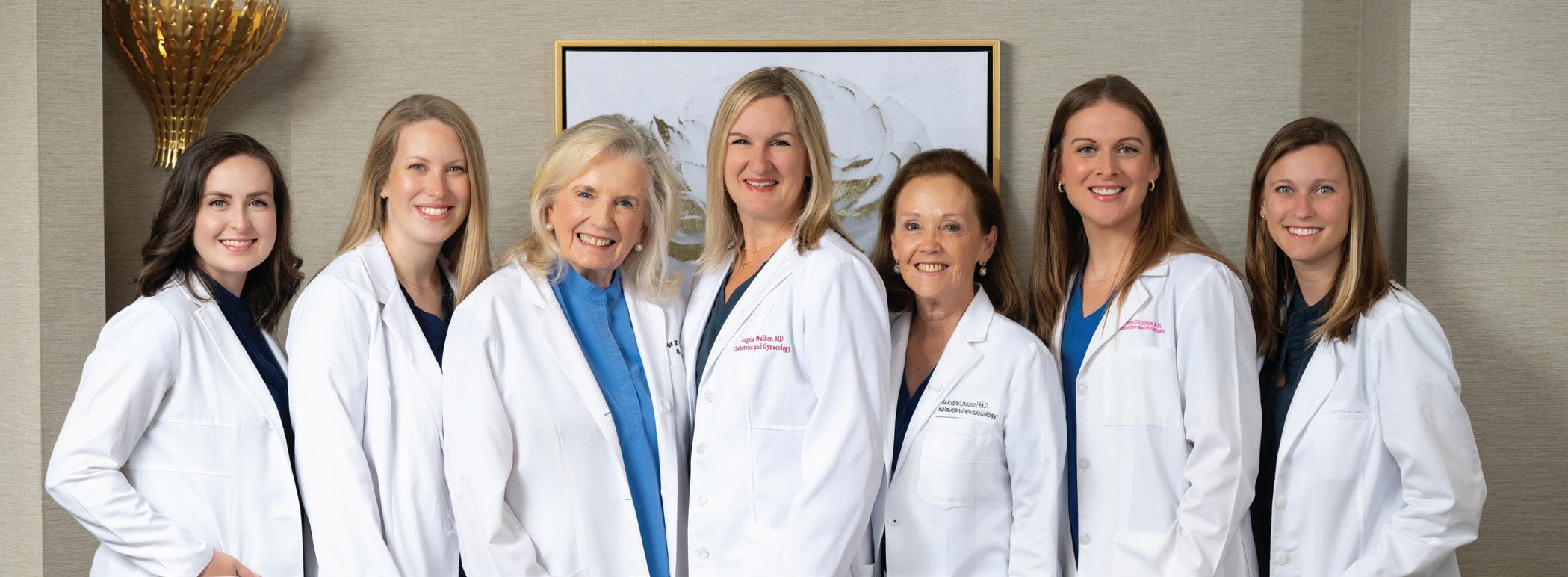
Vernon and Waldrep Ob-Gyn Associates has provided compassionate, high quality medical care to women of all ages for over 40 years. This fall we are thrilled to welcome Dr. Chloe Cooper to our practice. We are certain that she will enhance the cornerstones of our practice and will continue to promote outstanding care for our patients.
More women are talking about it, and doctors are paying attention.
AFTER YEARS OF HEARING ABOUT ANTIaging, hormone therapy, intimacy issues, and sexual wellness concerns from her patients, Dr. Wesley Anne Brady, a board-certified gynecologic surgeon, knew there had to be a way to address these concerns outside of routine gynecology appointments. She recently opened Entice Intimate Wellness + Aesthetics, a boutique, physician-directed practice dedicated to helping women feel confident, vibrant, and in control of their health at every stage of life.
Entice has redefined the standards of women’s intimate health. It’s a one-ofa-kind destination where women can access solutions for intimate wellness, aesthetic rejuvenation, hormonal balance, and medical weight loss under one roof. Here, Dr. Brady and her staff address the most personal aspects of their patients’ health and wellness. Vaginal dryness, urinary incontinence, painful intercourse, and diminished sexual function can deeply affect quality of life, she says, and for years, women have felt these issues have been dismissed or misunderstood.
“For so long, these topics have been taboo, but doctors are finally beginning to listen to their patients and encouraging them to discuss it with them,” Dr. Brady says. “There is a new generation of patients who are not going to put up with these symptoms, and they’re not scared to talk about vaginas, sex, and orgasms. Women who are in perimenopause and menopause are looking more closely at the safety and efficacy of hormone therapy as well. I have so many patients who come in and have never talked about any of this with a doctor before. They are relieved to hear they aren’t the only one who feels this way.”
The most common topics Dr. Brady hears are concerns about sexual health, such as decreased libido and vaginal looseness after having children, as well as urinary incontinence and gynecologic cosmetic concerns, such as excess labial tissue. At Entice, patients receive innovative, nonsurgical treatments using the latest advances in laser and radiofrequency technology, as well as injectables designed for intimate rejuvenation and sexual wellness—all with minimal downtime and maximum results.
“I tell my patients Hollywood isn’t real,” Dr. Brady says. “But there are things that can improve your intimate life by addressing sexual health, such as the PRP O-Shot, testosterone optimization, and Votiva radiofrequency to treat urinary incontinence. VTone and Morpheus8 can treat organ prolapse, and we can address general menopause symptoms such as hot flashes, night sweats, and mental fog, with hormone therapy. For years, there have been so many treatment options for men when it comes to sexual wellness, and finally, women have solutions, too.”























Board-Certified



































The latest plastic surgery options keep Dallas women looking as good as they feel.
• Body contouring. Tummy tuck (abdominoplasty) paired with Lipo 360, which targets stubborn fat around the midsection, flanks, and back for a smoother, hourglass shape.
As part of the Mommy Makeover journey, all of Dr. Burns’ patients are referred to JOLA Aesthetics, an on-site medical spa. JOLA is led by Laura Stelk, DNP, APRN, FNP-C, a board-certified nurse practitioner with extensive expertise in aesthetic medicine.








ALTHOUGH MOMS WILL OFTEN say that motherhood is the best part of their life, they are quick to add that pregnancy resulted in dramatic changes to their body. Many women who are finished having children opt for a Mommy Makeover, a comprehensive cosmetic procedure designed to reverse the physical changes that accompany pregnancy, particularly affecting the breasts and abdomen after childbirth and breastfeeding. Board-certified plastic surgeon Dr. John Burns specializes in Mommy Makeover surgery and is known for delivering transformative results while prioritizing safety, precision, and a personalized approach in his boutique-style plastic surgery practice and AAAASF-accredited surgery center.
A typical Mommy Makeover combines procedures that restore a woman’s youthful silhouette: • Breast procedures. Breast augmentation, breast lift (mastopexy), or a combination of both for volume restoration and lift.
JOLA offers a full spectrum of advanced skincare and wellness treatments including injectables, laser resurfacing, microneedling, chemical peels, and medicalgrade skincare regimens to complement and maintain your surgical results. Some of the most popular treatments include Sculptra or Radiesse for collagen stimulation and volume restoration, microneedling with PRP, ClearLift Pro or DyeVL lasers to target pigmentation and dullness, Botox and Dysport injectables, hydrafacials, and medical-grade skincare.
“As an aesthetic nurse practitioner who works closely with women through every stage of life, I’ve seen firsthand how motherhood can transform not just the body, but how women feel about themselves,” Stelk says. “Our goal is to support each woman with treatments that feel aligned, intentional, and truly effective. When you’ve invested in yourself through surgery, you deserve to protect those results and feel amazing in your skin every step of the way.”
“A facelift should involve ‘lifting’ the face up—not back.”
STEVEN J. WHITE, M.D., USA PLASTIC SURGERY
When it comes to plastic surgery, not all procedures are performed the same, and the outcomes will vary based on the individual patient’s needs. This is why the plastic surgeon you choose is such an important decision.
Education, experience, and board certification matter, and it is critical to verify each before having a procedure done. Dr. Denton Watumull, a board-certified plastic surgeon with Regional Plastic Surgery Center, offers the following criteria to look for when you are researching plastic surgery options.
Board certification.
Please be careful, as only certain board certifications are accredited. For example, the American Board of Plastic Surgery and American Board of Facial Plastic Surgery are recognized by the American Board of Medical Specialties.
“American Board of Cosmetic Surgery” is not ABMS certified, and most “A-list” surgeons do not list this “nonrecognized board” on their certification credentials.
Experience: Ideally, for a facial procedure, you want to choose a surgeon who has at least 10 years of practice experience (not just residency)
in the types of procedures you want.
Surgical volume:
Ask how many of your desired procedures your potential surgeon performs each year. If the answer is fewer than 10, this surgeon may not be the best choice. Be discerning, because for sales purposes, surgical volume can be inflated by an office or provider.
Reputation. Research the surgeon’s reputation among other physicians and recommendation by reputable publications, such as peer voting.
Review beforeand-after photos. If they cannot show you at least four before-andafter photos of results you think are impressive and match your situation, look elsewhere.
Research reviews: Check the surgeon’s good and bad reviews and make sure the good ones are detailed, recent, specific, and heartfelt.
Follow the surgeon’s social media: Does the surgeon show humility and a sense of humor, or is it all bravado?
This person is someone you will likely see at doctor appointments for a year or more, so it is important that your personalities mesh.






























































Refresh your look with innovative facelift procedures.
WHEN YOU LOOK BETTER, YOU FEEL BETTER. THIS IS SOMETHING women have always known because it’s what they have long experienced. “Self-esteem soars when you feel confident in your appearance,” says Dr. Steven J. White, a board-certified plastic surgeon with USA Plastic Surgery. “The greatest reward for me as a plastic surgeon is not only seeing the physical transformations after surgery but also seeing the huge impact in how patients see themselves. I believe this is truly the essence and magic of cosmetic plastic surgery.”
Although patients are often focused on the jowls and neck, Dr. White says most patients will first benefit from rejuvenation of the upper face with a brow lift and upper and lower eyelid lift (blepharoplasty). “Since the eyes are the windows to the soul, erasing the tired, angry look from drooping brows and heavy eyelids can take years off your appearance in a single day,” he says. “No one wants a ‘spooked’ look with over-elevated brows, hollow eyes, or a wind-swept or pulled face. Gravity pulls the face down over time. Why then do so many plastic surgeons pull the face back, instead of up? A facelift should involve ‘lifting’ the face up—not back. The goal in facelift surgery should be a natural, refreshed appearance with a defined neck and jawline with imperceptible scars without distortion of the earlobes or hairline.
Dr. White is often sought after for his results in breast augmentation, breast implant removal, and tummy tucks, as well as facelifts. Because he places an emphasis on beautiful, natural results, he developed the Elegant Precision™ Facelift. By lifting the drooping face up, sculpting the neck, and re-draping and removing the excess loose skin (without tension), natural results can be achieved. Recovery after Dr. White’s Elegant Precision™ Facelift is usually surprisingly fast and easy with minimal pain and swelling and little, if any, bruising.
Source: Denton Watumull, M.D., Regional Plastic Surgery Center