






JT Magen, a national construction firm specializing in preconstruction, construction management, design-build, and general contracting across a variety of industries, announces the completion of a new office space for BRR Architecture at 3218 Manor Road in Austin, Texas.
JT Magen served as construction manager for the 4,117-square-foot buildout, overseeing all aspects from budgeting and scheduling, procurement of materials, managing subcontractors and conducting the final handover. JT Magen collaborated with the rest of the project team – architect / interior designer BRR Architecture and MEP engineer Salas O’Brien –to deliver a functional, collaborative space that met BRR Architecture’s needs.
“We enjoyed partnering with BRR Architecture to build out its new Austin office space,” said Dan Longshore , Southwest Regional Director at JT Magen.

The name Page has had a storied presence in the world of Texas architecture for more than 125 years. In 1898, Charles Henry Page and his brother Louis Page formed Page Brothers, a firm specializing in courthouses and other civic buildings, and quickly established themselves as leading voices for architecture in the state. By 1904, their reputation had already grown to the point that they were selected as architects for the Texas State Pavilion at the St. Louis World’s Fair. Page Brothers and its successor firm, C.H. Page and Son, created significant works around the state including county courthouses in Fort Bend
“It was a unique experience working with the architect, who, in this case, is also the tenant, the result being a welcoming work environment that supports productivity and collaboration.”
BRR Architecture is a national architectural design firm with more than 60 years of experience designing spaces that elevate the everyday experience. The company collaborates with clients across multiple sectors, including retail, hospitality, industrial, mixeduse, multifamily, and office environments. BRR opened their Austin office in 2016. After almost a decade, the firm was ready to expand into a larger space to accommodate its growing team.
The open plan office space spans one floor of the building and features a mix of workstations and private offices, a flex room, a plot room for large-scale drawings, meeting and conference rooms, and a breakroom. A custom hand-painted mural that blends

and Anderson Counties and city hall buildings in Mexia and Eagle Lake. Their work was especially impactful in Austin, where they designed downtown landmarks like the Littlefield Building (1910), Travis County Courthouse (1930), and the U.S. Federal Courthouse (1935)—all of which remain prominent historical treasures today.
In 1935, Louis Page’s son, Louis Jr., partnered with his MIT college roommate, Louis Southerland, to form Page and Southerland, establishing the next generation of architectural leadership and influence. They got their first big break in 1938, during the depths of the Great Depression, when they were selected to
community and office culture and a full kitchen breakroom make the space inviting and unique.
“We’re thrilled to move into a larger, purpose-built space that reflects both our culture and our growth here in Austin,” said Ryan Rosche , Vice President and Austin office leader at BRR Architecture. “JT Magen was an exceptional partner throughout the process, pulling a few rabbits out of their hat when faced with challenges along the way. They listened to our needs and delivered a space that not only supports how our team works today but also gives us room to grow and continue serving our clients for years to come.”
JT Magen’s recent projects in the Texas region include Uniqlo retail stores in Arlington, Dallas, Houston and Sugar Land, renovations at University of St. Augustine for Health Sciences, and office fitouts for J.B. Goodwin Realtors, OakPoint, and Owlchemy Labs.


design Rosewood Courts (initially called the Negro Housing Project) for the federal Public Works Administration.
When Louis Page’s younger brother, George Page, joined the firm in 1939, the name was changed to Page Southerland Page, and the project types they pursued diversified to include commercial buildings, churches, public schools, and medical facilities. In the 1950s, the firm ramped up its profile, in part by becoming campus architect for the University of Texas and by participating in the design of the U.S. Embassy in Mexico City. Louis Southerland and others in the firm took pride in their personal interactions with
national leaders in design such as Eero Saarinen and Richard Neutra. They were avowed modernists with a passion for creating an American architecture fully attuned to a new postwar culture.
The firm’s Business-Economics Building for UT (1962)—the first fully modernist building on that campus—was very well received in the progressive 1960s. Alcalde, a popular alumni publication, admired the “strikingly modern building,” crediting the “innovative look of the new place” with provoking advancements in the business curriculum that emphasized modern “systems, models, and solutions.”
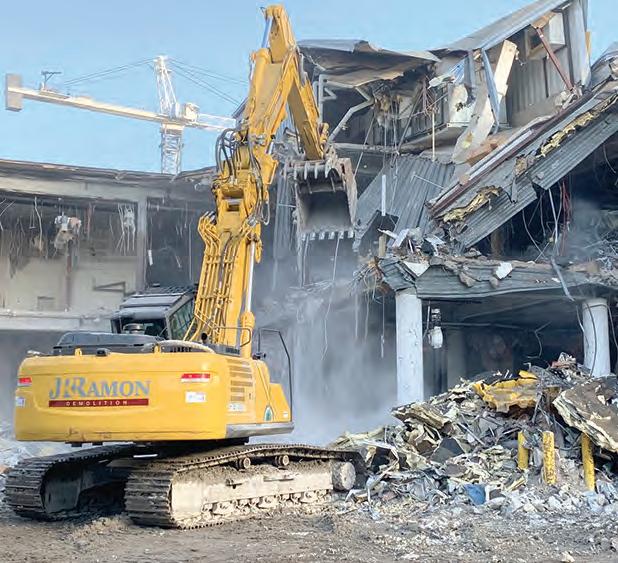
As 2025 comes to an end and construction activity naturally slows, JR RAMON Demolition is taking time to reflect on its progress and its purpose. Over the past twelve months, the company successfully completed projects across Texas— ranging from schools and bridges to historic structures—while also navigating internal shifts and broader economic challenges. This period of transition encouraged JR RAMON to reassess its operations and reaffirm the core values that guide every decision: honesty and integrity, humility, competency, and resourcefulness.
These values remained central throughout the year. Even as the company underwent internal restructuring, employees demonstrated resilience, adapting to change while continuing to uphold JR RAMON’s high standards of excellence.
For Bryan Barrar, Project System
honest, constructive feedback, the company gained valuable insight into areas that could be strengthened. This initiative required humility from the leadership team, who took the feedback to heart and made meaningful adjustments. As a result, JR RAMON saw boosted morale, improved communication between departments, and clearer support systems that provide employees with the tools they need for efficient operations.
The company also invested in enhancing its office environment by reorganizing seating, adding greenery, and showcasing new portraits and artwork. While still evolving, the refreshed workspace has helped employees feel more comfortable, motivated, and connected to their surroundings, reflecting a workplace shaped by their input.
Controller Beatriz Gonzalez commented, “The change has brought a new outlook to both our office operations and atmosphere.” She also expressed her anticipation for ongoing feedback, highlighting her commitment to maintaining core values and holding the company to high standards. “I look forward to seeing these values reflected across JR RAMON, creating a welcoming environment for everyone—both
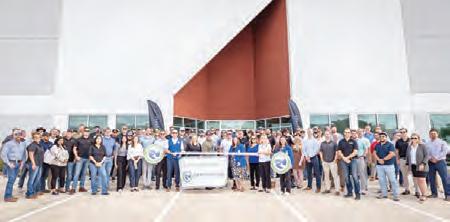
Nox Group, an industrial construction enterprise specializing in building infrastructure like data centers and semiconductor facilities across the country, has opened its first Texas office and local prefabrication facility in San Marcos. The new location at 328 Barnes Dr., Bldg. 1, Suite 140, will support Central Texas’ accelerating demand for industrial infrastructure and advanced manufacturing projects.
On Oct. 23, Nox Group leaders joined the San Marcos Area Chamber of Commerce for a ribbon-cutting ceremony, bringing together employees, partners and community leaders who welcomed Nox Group’s investment in the local workforce and economic development. Nox Group’s Texas operation employs more than 600 people, reflecting both the region’s growing need for skilled
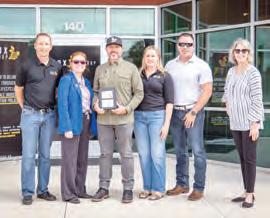
construction talent and the strength of its industrial sector.
“This office means so much more than just putting up a sign – we’re joining the community and creating a home base for our Texas teams,” said Justin Martin, CEO of Nox Group. “San Marcos sits at the center of incredible growth, and we’re proud to be part of the momentum, investing in local talent and partnerships that move the region forward.”
Founded 50 years ago, Nox Group comprises four specialized operating companies to manage the full lifecycle of hyper-scale projects: Corbins, an electrical subcontractor; RMCI, a self-perform water and wastewater general contractor; Nox Innovations, a virtual construction and design firm; and Construction Labels, a tagging and labeling solutions provider.


As JR RAMON looks toward the new year, these improvements serve as a strong foundation for the future. The company remains committed to building a more cohesive, efficient organization rooted in the values that have defined it
Page Southerland Page was among the first architectural firms in the U.S. to incorporate in-house engineering into its practice. A high degree of technical acumen became a calling card for the company as it began to do work in Austin for national corporations like IBM beginning in 1961. The firm positioned itself early and strategically for the advanced technology and microelectronics boom that was coming to Texas, and would later attract longstanding clients like Motorola, Texas Instruments, and Samsung.
During the mid-1970s, Page Southerland Page expanded with new offices in Dallas and Houston, creating opportunities for work in the oil and gas industry (including international projects in the Middle East) and in healthcare. As the design-oriented senior principals—Louis Southerland and Louis Page—reached retirement age, the firm took on a more corporate and national/international character. Page Southerland Page rebranded itself as PSP with a slick logo that fit nicely into the world of big business that was dominating midcentury America at the time. The firm became known for its project management, technical precision, and quality control but was receiving far less recognition for design expertise than in its prior history.
A counterreaction to this emphasis came in the late 1990s as the 100th anniversary of the founding of Page Brothers approached. Leadership in the three Texas offices at the time—Jim Wright in Dallas, Matt Kreisle in Austin, and John Cryer in Houston—saw the value of design in attracting a more diversified clientele, especially in the public sector, academia, and commercial building. They dropped the PSP name and returned to Page Southerland Page, crafting a new direction for “the next 100 years.”
This is where I came in. I had my own firm in Austin for 20 years, during which time we had been in several joint ventures with PSP where my office contributed heavily to design and PSP handled management and production. We were a good complement to each other. In the late 1990s, I became a part of Page Southerland Page, joining the other six members of the Board of Directors in ownership of the firm.
We were interested in design that was generated by the character of its place. At Rough Creek Lodge (1999) we drew the architecture from the topography, vegetation and dramatic vistas of an 11,000acre ranch in the Texas Hill Country. For the U.S. Federal Courthouse in Alpine (2008), we created a very different building character—one rooted in the distinct highdesert geography, landscape, and building traditions of West Texas. The architecture of the projects came directly from the ethos of their very memorable places.
Building on Page Southerland Page’s historic roots as a practice committed strongly to its place, we set out—at an urban scale—to become a national example of the powerful difference architects can make over time in building cities and communities. The Austin office, in particular, became deeply involved in downtown revitalization through civic participation and community activism as well as through professional projects.
We worked with multiple mayors and city councils and were active in a wide range of organizations related to design. During his term as president of the Heritage Society of
Austin, Matt Kreisle used the millennium year in 2000 as an opportunity to convene a group of urban design professionals to reassess historic plans for the future of Austin, learn from past initiatives, and set a direction for new growth.
Page Southerland Page became the firm of choice (often in partnerships with others) for many landmark civic projects in Austin, including various master planning efforts for the city, the state, and the University of Texas; a new convention center; a new airport terminal; a major state office complex at the foot of the Capitol Building; and a new six-block mixed-use district centered on City Hall. The firm’s individual projects for private developers contributed substantially to the cohesive, lively downtown for which Austin became known.
Several extraordinary opportunities for high impact arose when we were first hired to create a master plan for a district and were subsequently selected to design multiple buildings to substantiate that plan. This occurred both at the 30-plus-block tract master planned for the Dell Medical School at the University of Texas at Austin—where our work led to four building projects—and at the adjacent 40-block State Capitol Complex, where we served as master architect for the first three buildings. In the same era, the Houston office began playing an active role in the revitalization of that city’s downtown, beginning with the adaptive reuse of derelict older buildings in the urban core. The Rice Hotel project converted a grand old landmark into condominiums, bringing badly needed residents into downtown. Seven similar adaptive reuse conversions to residential occupancy followed over the next decade.
A mixed-use project for Christ Church Cathedral (2007) integrated a center for the homeless into a very complex bit of city fabric and received all the top awards the community had to offer. The 12-acre Discovery Green Park, completed with Hargreaves Jones, landscape architects, became a critical seed project that sparked a transformation of the east side of downtown, while Buffalo Bayou Park, designed with SWA Group, and The Cistern provided similar civic amenities and arts venues on the west side.
Discovery Green was conceived with strong urban design intentions. It was envisioned not just as a park, but as a citybuilding project. What had once been a sea of weedy surface parking lots was transformed into a vibrant mixed-use district focused on activated open space. As The New York Times noted, Discovery Green became a powerful symbol of Houston’s future.
As Kreisle and Cryer were approaching retirement, multiple suitors sought to purchase Page Southerland Page. One, in particular, made an offer in 2012 that would have been extremely rewarding financially to board members who held the largest number of shares. Very much to their credit, the top shareholders, Kreisle and Cryer, backed rejecting the deal because of the value they placed on the history and culture of the firm and the loyalty they felt to the next generation of leaders who were rising at the time.
After these two longstanding leaders retired in 2013, we, the seven remaining board members, rebranded the firm to simply “Page” and completely restructured how shares were distributed. Overnight, ownership flattened radically, from a handful of board members owning almost all the shares to 65 key leaders across all the
offices gaining “skin in the game.” Along with ownership and participation in profits, this much larger group got greater responsibility and influence. In addition, the new board established an Employee Stock Ownership Plan (ESOP) so that everyone in the firm had a financial stake.
This radical diversification of both responsibility and rewards paid off handsomely. The firm became a magnet for talented, entrepreneurial architects and engineers who took great pride in the firm they were building and the quality of the diversified work they were doing.
The more longstanding design initiative continued to pay off as well, with Page winning 13 TxA Design Awards and 34 local AIA awards over a 25-year period. Projects ranged from a tiny elementary school in a disadvantaged neighborhood to the Austin airport. Page’s work was published in Texas Architect 61 times. The longstanding legacy of the firm as a strong and positive design force in Texas had been re-established.
Page’s national reputation grew exponentially as well. The firm won 82 national/international design awards, and its work was featured in U.S. and global design publications 153 times from 1995 to 2020, including features in every major U.S. journal as well as periodicals in far-flung places like Turkey, Brazil, China, and South Africa.
I sold my shares and rolled off the Board of Directors in 2020 after 21 very exciting and rewarding years in leadership at Page, but continued project design work, which had always been my first love. Two years later, James Wright, another 20+ year veteran of the board, made a similar shift. In 2023, Bob Burke and Michael Mace, both from the Austin office and each on the
board for more than a decade, followed suit.
The board did not fill two of the four vacancies these transitions left, reducing its membership to five, only three of whom were architects. On April 3, 2025, they announced that they had signed a definitive purchase agreement to sell Page to Stantec, a global firm with over 450 locations worldwide and approximately 32,000 employees. Stantec is based in Canada and is publicly traded on the New York Stock Exchange.
At a retrospective moment like this, it is instructive to remind ourselves of the incredible impact firms can have on their communities, their culture, and on the lives of, not only the people who work for them, but also the ones who inhabit the places they design.
Too often, as architects, we refer to individuals as the building blocks of our discipline—heroes to be revered and emulated. In fact, architecture is created by teams of people working together, and the building blocks of our discipline are, more accurately, our firms.
Firms like Page engender powerful attachment, loyalty, and even affection. They are places where people work for decades—sometimes even their entire careers. They are “built to last,” to use the phrase coined by business guru and Stanford professor Jim Collins. They are guided by “core values” and are about “more than profits”—two key characteristics, according to Collins, of organizations that stand the test of time and thrive decade after decade.
The name Page and the legacy of architectural design and practice it has stood for over the last century and a quarter will be sorely missed.

Some of the Memco team went out and supported the American Heart Association at the Heart Walk! Memco is proud of their colleagues who represented the company at this meaningful event. Their enthusiasm and dedication exemplify company values both inside and outside the workplace.


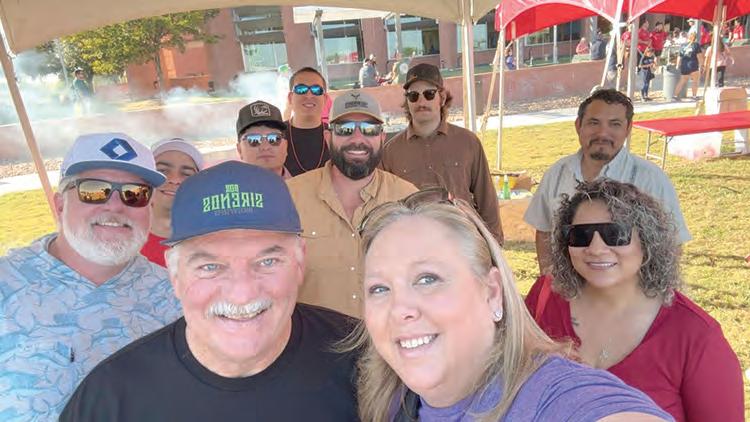

Woolsey Design Build was excited to be a part of the Hill Country’s newest destination!
Neon Armadillo, a cult Wimberley food truck is shedding its wheels to open a 30,000 square foot brick-and-mortar Tex-Mex barbecue joint and has transitioned into its permanent home at 9595 Ranch Road 12, within what locals call “The Junction” — where highways 12 and 32 meet — about four miles east of Wimberley and eight miles west

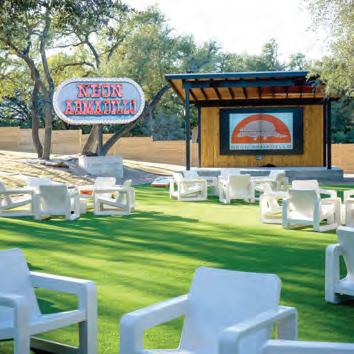
of San Marcos.
WTX Investment Group, a collective of Hill Country families led by Wimberley locals Molly and Micah Bowen , retains ownership. Molly is also responsible for the design, an aesthetic she calls “vintage country cool.” The turf lawn outside will incorporate a sports court, a kids’ playscape, and a live music stage. For more information, visit neonarmadillowtx.com and follow @ neonarmadillow on Instagram.


Julie Ollis Customer Service Supervisor Beyer Air Conditioning & Heating
San Antonio, TX
One of the gems of Beyer Air Conditioning & Heating is Julie Ollis, a talented smalltown girl with an exploding personality.
Bulverde, TX with its long dirt roads, post office, courthouse and a couple of classic small-town necessities is where Julie was born and raised. She went to school with the same people K-12 with teachers that knew her family and taught her siblings, making things interesting the small tight knit community.
After graduating from Smithson Valley High School, Julie’s passion for learning, growing, and teaching led her pursue a degree in Early Childhood Education. Unfortunately, that pursuit was interrupted when Julie got swept up in the HVAC industry with Beyer Air Conditioning & Heating.
Her small town, good nature, and friendly demeanor brings the ultimate value to Beyer Air Conditioning & Heating as their customer service supervisor.
“I met Pat Beyer through a friend of a friend when I was living in Corpus Christi. I needed a job and he was hiring a receptionist at the time. Although we joked about me needing a job so desperately, I would’ve cleaned the toilets.”
Celebrating five years with Beyer Air Conditioning & Heating, Julie began working for Beyer as a receptionist in December of 2020 and has been rising ever since and never

stops asking for more to do. Today, as their customer service supervisor, she oversees Beyer’s customer service department and assists with the ins and outs of their service department.
“I love learning more about the industry and growing with the company, and collaborating with all of my coworkers.”
Single with no children, Julie has a dog named Zero who has been with her since she graduated from high school. Zero is a blue heeler/lab mix and Julie’s bestie.
Julie’s high energy, strong work ethic and giving personality is a trait she got from her mother who is her biggest inspirator. “She is the most hardworking woman I know and does not quit going after the next best thing, learning more about her field, and being the most helpful she can to everyone around her.
When she is not hard at work, volunteering, or going the extra mile when needed, Julie enjoys going on walks with her boyfriend and their dogs, watching Survivor, and kicking it back with her family, talking and playing games. -cwr



In 2007, USAF combat controller with multiple combat deployments, Ben Hubbert , left the Air Force and founded Champion AC , nurturing it into one of the largest residential HVAC companies in Texas.
In an effort to grow his company, Hubbert, identifying the importance of digital marketing before its popularity, decided to do away with advertising in the Yellowpages and instead built effective digital strategies that led him to launching Leadhub in 2011, a marketing agency designed for home services.
At the end of 2020, Hubbert sold Champion AC and uses his energy at Leadhub full-time, assisting their clients in growing their businesses.
In 2012, Hubbert hired Integrator and CEO Aaron Watters, a graduate of Texas State University with a degree in Communication Studies and a minor in Business Administration.
“We help with the lead flow all the way from the start to the follow-up sequencing,” says Watters. “We have an in-house web developing team, an in-house SEO team, an in-house pay-per-click team.”
With 32 employees locally in San Antonio, Leadhub offers creative design, builds websites, integrates field service management tools, develops brand strategies, executes service engine optimization, deploys content marketing, handles social media and email marketing, and manages pay-per-click, OTT, Yelp, and cost-per-lead advertising channels, helping
their clients eliminate waste from their marketing budget.
“It’s all about the leads,” adds Watters. “But our clients are either trying to build a business to pass onto their children or are trying to build a business to exit at a high multiple. We coach our clients on building a business that can make an exit, including storing their database of customers into a field service management tool. If they ever were to exit, they’re set up for success to sell at a higher multiple.
“We think about more than just delivering leads and matrix, we want to focus on return on ad spend and bringing more revenue into the client’s business. It’s all about trust in an industry that is very hard to trust. It’s a very difficult industry to be in, and we’ve been in it for 13 years.”
Starting in the HVAC industry, Hubbert’s background, Leadhub expanded to service the plumbing, electrical, roofing, pest control, windows, water softening and foundation repair trades. -cwr

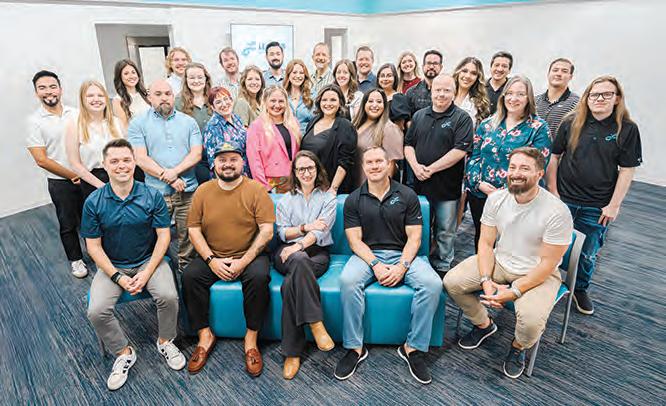
Front row (L–R): Ryan Schilling (CXO), Dennis Ayotte (COO), Maria Gil (Chief Performance Officer), Ben Hubbert (Founder), Aaron Watters (Integrator/CEO)
Middle row (L–R): Katie Stone (SEO Team Lead), Victor Hernandez (Development), Brenda Courtney (SEO Specialist), Jenna Carroll (Content Coordinator), Nessa Rodriguez (Content Specialist), Bianca Garcia (Social Media Specialist), Rich Haagenson (Development), Stefanie Young (Account Executive), Ethan Parker (Development Support)
Second to last row (L–R): Sydney Lamoureux (Content Team Lead), Lydia Buchanan (Junior Art Director), Ashleigh Doan (Account Services Lead), Carson Ingram (SEO Specialist), Alyssa Bunting (Account Executive), Albert Salinas, Taylor McAllen (Account Coordinator), Austin Hill (Growth Coordinator)
Last row (L–R): Cristian Saldivar (PPC Specialist), Ashley Boudler (Account Coordinator), Austin Pence (Executive Assistant/Finance Lead), Brendan McBrien (Senior Media Specialist), Colby Doyal (Senior Media Specialist), Doug Stratton (Senior Account Executive), Jeff Hayden (Director of Sales), Kelly Morris, Edric Martinez (Development Lead)





Since 1981, Ken Milam has been guiding fishing trips for striped bass on Lake Buchanan in the Texas Hill Country.
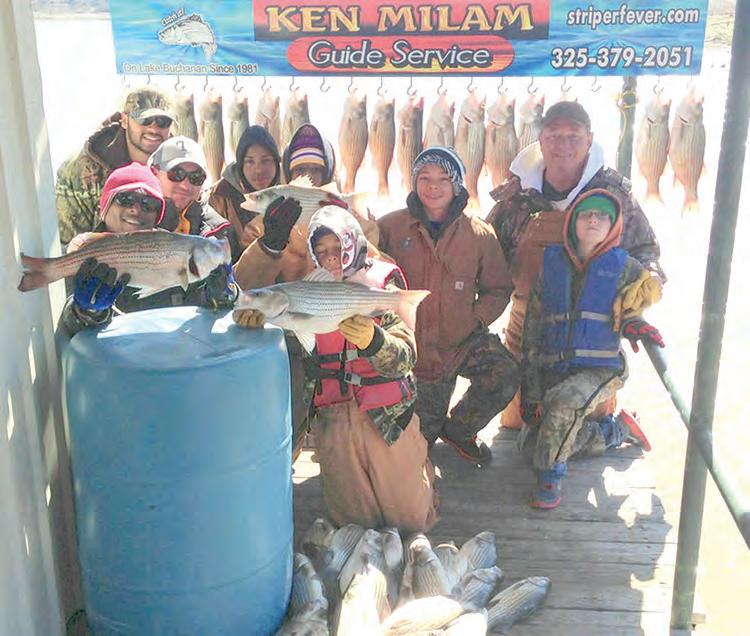

Winter is almost here, or at least what passes for winter in Texas. The weather forecasters are saying that we are in for a generally warmer and drier winter this year, with a few little cold hiccups here and there. That means we are in for a lot of nice fishing weather the next few months.
If you read up on stripers or have fished for them very much, you know how important water temperature is to their behavior. The “perfect” water temperature for them is 55 – 68 degrees. This explains why things go bad for the stripers when we get to the end of summer and sometimes see water temps in the high 80’s or low 90’s. That’s over for now and we are back in cool water again. Cool water gets the stripers back to feeding well again and schooling up. They are all about getting fat and sassy ready to spawn next spring. We also get into some really nice bluecats in cool winter water.
We have been doing striper fishing charters for many years and have noticed that while the winter fishing is still just as good as ever, we aren’t seeing as many people taking advantage of it. Between hunting season and the Holidays, we all get busy, but we do still get some nice days to fish, and the fall and winter sunrises and sunsets are the best of the year!
Winter fishing can be a little iffy because of the frequent “cold” fronts that pump through, but we
also have some of our best fishing of the year. We encourage fishermen to get their trip on the books and cross their fingers that the weather will cooperate. If all goes well, they are in for a treat. Sometimes the weather can fool even the most experienced fishing guide. I remember one afternoon when the weather turned off really bad. We had 31 degrees and 25 mph winds and pelting sleet. We also had a fishing trip scheduled but never could reach the folks to cancel the fishing trip. Long story short, the fishermen showed up at the dock and piled out of their pickup looking like the little brother from the Christmas Story movie. They were so bundled up with a mix of camo hunting coveralls and snow skiing gear they could hardly bend their arms and legs. We loaded up and pointed the bow of the boat into that icy wind and went fishing. In 45 minutes, we were back at the dock…LIMITED OUT!
The moral of this story is that winter fishing can be awesome! It may not be a shorts and flip flops and sunscreen kind of trip, but I promise the fish won’t laugh at you fishing in your camo hunting clothes. In fact, you’ll be the one laughing and having a good time.
If you are in the Hill Country to go hunting or have out of town guests to entertain for the Holidays, give us a call and we can get you on the water. Some time on the water followed by a nice fish fry might fit just fine into your plans this winter!



hite-tailed deer hunters heading to blinds for the archery-only season should experience another great opener this year. Bucks during this time of year gather in bachelor groups and provide plenty of hunting opportunities before the rut kicks off.
Texas began the growing season under drought conditions in March, but much of the state received abundant rainfall later in the spring. The vegetation growth from these rains boosted antler development and allowed does to pack on reserves for fawning and lactation, and those regions should expect an excellent season.
“Historically good fawn recruitment over the last several years will provide archery hunters plenty of opportunities to bag a quality buck,” said Blaise Korzekwa, White-tailed Deer Program Leader.
Forbs (weeds and flowering plants), which are a critical component of a deer’s diet, became abundant during late spring and offered essential nutrients to boost antler development in much of the state. However, hunters in portions of the Edwards Plateau and South Texas ecoregions may see average to belowaverage antlers on bucks this season, as rainfall wasn’t received in these regions until the summer months.
While the archery-only and Managed Lands Deer Program seasons begin Sept. 27, the general season opens more than a month later, on Nov. 1. The general season runs through Jan. 4, 2026, in the North Zone and Jan. 18, 2026, in the South Zone. A youth-only deer season is set in both zones for Oct. 24-26 and Jan. 5-18. For additional late season deer hunting opportunities, county specific regulations and information on how to properly tag and report a harvest, consult the 2025-26 Outdoor Annual.






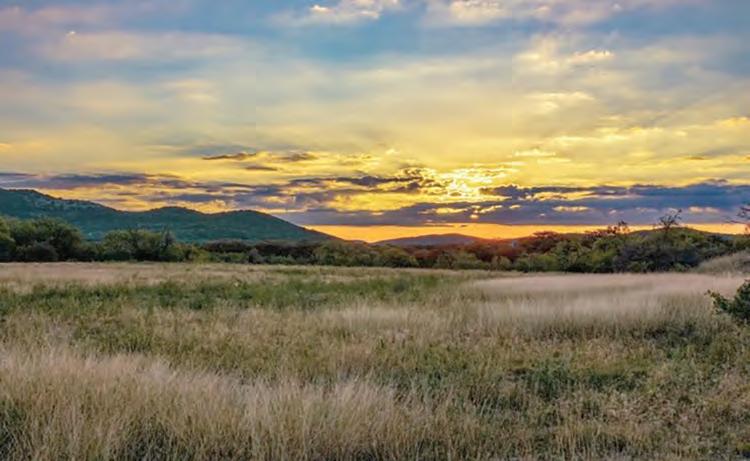
Anew state park roughly the size of the city of Plano is one step closer to reality. On Thursday, the Texas Parks and Wildlife Commission voted to begin taking possession of the 54,000-acre Silver Lake Ranch, a vast stretch of Hill Country wilderness in Kinney and Edwards counties about 125 miles west of San Antonio.
The Moody Foundation, which owns the majority of the ranch, announced plans this week to gift its 87.5 percent ownership interest to the Texas Parks and Wildlife Department (TPWD). The transaction, one of the largest private land donations in Texas history, still requires surveys, title work and final documentation before it can close. No date has been announced for the transfer.
“Silver Lake Ranch has been a special place for generations of our family, and we’re proud to see it become a public space where Texans can connect

Hwith nature and help preserve our state’s remarkable landscapes,” said Ross R. Moody, trustee of the Moody Foundation. “Partnering with Texas Parks and Wildlife to conserve Silver Lake Ranch ensures that this land will endure—protected, appreciated, and enjoyed by generations of Texans to come.”
Once the state takes full ownership, Silver Lake Ranch will become the second-largest park in the Texas system, behind only the 300,000-acre Big Bend Ranch State Park. It would also be the first major acquisition supported by the $1 billion Centennial Parks Conservation Fund, created by voters in 2023 to expand and develop new state parks across Texas.
The property features a 30-acre spring-fed lake, 7.5 miles of the West Nueces River, and a mix of canyons, cliffs and rolling terrain that support native vegetation such as live oak, juniper and piñon pine. Wildlife includes deer, turkeys, javelinas and doves,
opefully everyone has had a wonderful Thanksgiving, putting on a little slow wade mid day to work off that turkey is never a bad thought. We’ve been fighting weather all winter. Looking for the colder temps to line up fish in all the original spots we know them to be in. Keep in mind with the tide out we can play the tide. Near its lowest for the day we can take advantage of guts and edges

and biologists have identified parts of the ranch as potential habitat for the endangered goldencheeked warbler.
TPWD said it was “grateful for our partnership with the Moody Foundation and appreciate their long-standing commitment to conserving some of the most beautiful places in Texas for use by future generations.”
The agency plans to open the park in phases once the transfer is complete. Initial public access could begin within a year through guided tours and limited day use, followed by the addition of trails, restrooms and parking. A full buildout with camping and visitor facilities is expected within four years.
When it opens, Silver Lake Ranch will join several new additions to the state park system, including Bear Creek and Post Oak Ridge state parks and expanded lands at Enchanted Rock State Natural Area.
up against flats that are empty or almost empty of water. The old channels from oil and gas wells that feed into the flats are great territory to work with low water. Reds and drum should be stacked up waiting for the water to rise so they can get back into the flats.
After the 2 weeks off on ducks hopefully we are staring at dark skies littered with birds. With the warmer days constantly in the mix it’s always up in the air if we are gonna have good numbers all over to work. Don’t be afraid to change up spreads, coot decoys never hurt, small spreads, small holes, and if all else fails call a guide and see which days they have canceled or open still! Good luck out there and stay safe!







s the temperatures are dropping and leaves are changing colors, mother nature doesn’t know what to do here in central and south Texas. If you’re like me, your vehicle is probably loaded with coats and foul weather gear of various thicknesses. I can’t say I’m a big fan of this time of year (I’m not a fan of cold weather), but it sure beats full on winter. Even though I prefer those 90 plus degree days, the fish sure don’t. And that’s the one thing I can look forward to during the fall.
The fall fishing can be some of the best fishing for the whole year. The fish are constantly on the move, transitioning from their summer haunts to their winter destinations. It’s like they are on a road trip stopping for food and rest stops along the way. And just like us, they don’t stay for long. Where you found them yesterday, doesn’t always mean they will be there today or even tomorrow.
So where do start? For me it’s usually a pretty simple task. Depending on the species that I’m targeting, I usually start with flats, creek channel swings, tapering points, deepwater access areas, and rock. But none of these areas are worth a darn if the bait fish aren’t present. You see that’s the key to fall fishing. Its finding the baitfish. As the predators migrate they will need energy... they need food. Simply put, follow the bait fish and you’ll likely find your target species.
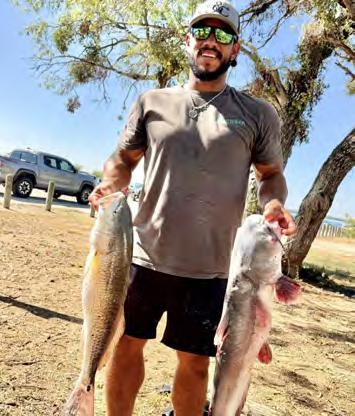
Due to the lake levels, I’ve been limited on where I can fish. Normally I’m going full speed on Choke Canyon this time of year, but lately my main focus has been on Calaveras Lake. Chasing freshwater redfish as they spawn and filling the cooler with blue and channel

Pcatfish. The fishing has been phenomenal, and the action has been nonstop.
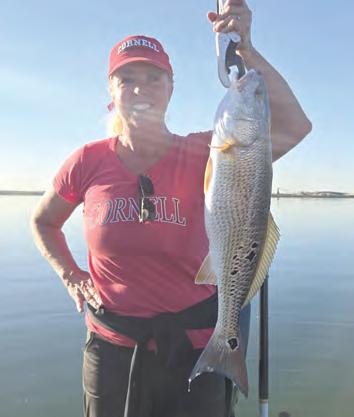
The redfish tend to migrate towards the deep water near the dam. In the morning and late afternoon, they will push bait fish up on the flats and rock along the dam gorging themselves in big schools. As the day goes on, the reds will pull back out to deeper water and suspend while they roam. This time of year, they tend to be extremely aggressive, but they can also be quite fickle. Once they get locked into spawn mode, they can care less about eating. You can hit them in the head with a bait and they won’t bite. It can be both frustrating and rewarding all at the same time. In the beginning of the spawn, I prefer to target them with shrimp either freelined or on the bottom with a Carolina rig. Depending on my clients skill level we will also cast lures to them. Either swimming it in the water column or bouncing it off the bottom. Mainly using paddle tail swimbaits in white, chartreuse, or a baitfish pattern, silver and gold spoons, and rattle traps in chrome or gold variations. As the spawn progresses I’ll switch to slip cork rigs with live tilapia or shrimp , suspending the bait at the depth the bait fish are that day. Once the spawn is in full swing, the reds tend to pull off the flats and focus more on roaming the deep water around the dam. Here is where it gets frustrating and limits are harder to come by as the reds have one thing on their mind. But when this happens we seem to get limits quicker by ditching the live/ dead bait and chasing the reds by casting lures to them.
The catfish on the other hand tend to move much more than the reds as the water temp drops. I tend to focus on deeper water this time of year for the blue cats

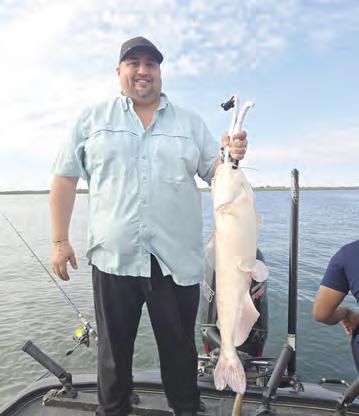
and stay somewhat shallower for the channels. But they can be caught deep as well. As far as bait choices, I stick to punch and dough baits this time of year. In particular I use my brand called Unicorn Shit. This is a cheesebased punch bait that has been gaining some serious traction among the locals around the lake. Boating lots of big blues up to 24 lbs. thus far. I use a Carolina rig with a 1/2 oz weight and a #6, #8, or #10 4x strong treble hook. I usually use a 1-foot leader of 30 lb. mono. I fish this bait 2 different ways. You can cast it out or you can drop it below the bait and suspend the bait off the bottom at the depth the fish are at. I focus on creek channels this time of year. Swings, points, or ledges that are associated with the channel. For the blues, I target between 14 to 25 foot or 30 to 45 foot deep. For the channel catfish I will usually fish from 3 to 16 foot of water.
If you’re interested in getting in on some of this action and filling the cooler or just purchasing some of our new bait, contact C&C Guide Service at 210-831-4679. Go early, stay late, and tight lines y’all.


Captain Clendon Taylor C & C Guide Service 210-831-4679 or find me on my social platforms C&C Guide Service castingandcatchingguideservice

Sponsored by:
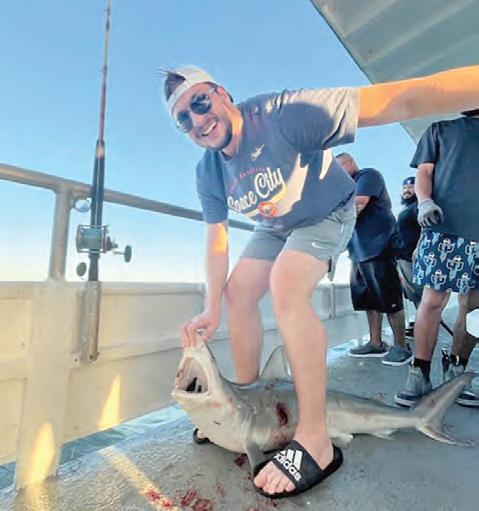
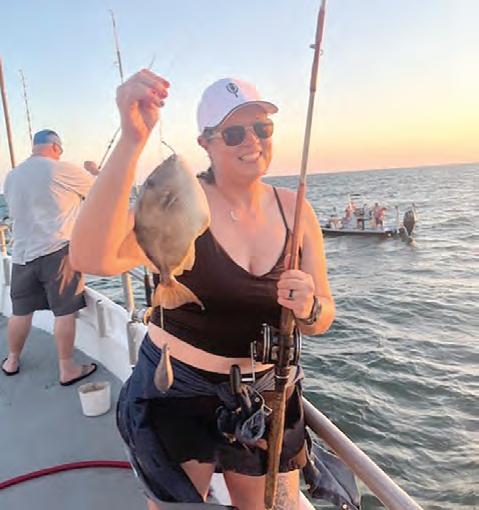
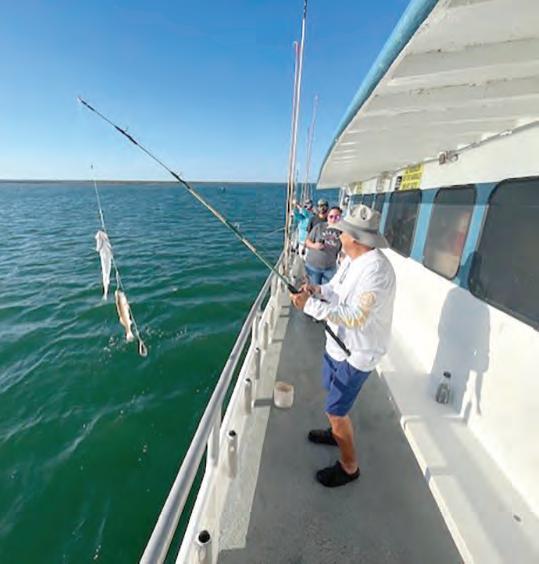
MI Pipe, Steel & Supplies recently gathered team members from all seven South and Central Texas branches for its 15th Annual Fishing Trip in Port Aransas. Set against the backdrop of the Texas coast, the event offered employees a well-deserved opportunity to connect outside of work and enjoy a day by the water. Friendly competition, great company, and plenty of coastal charm made for another memorable year of this valued tradition—one that continues to strengthen relationships and celebrate the teamwork that drives PMI forward.

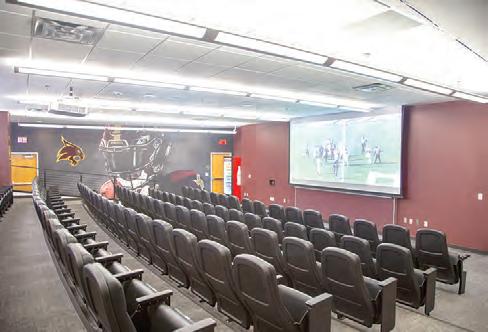

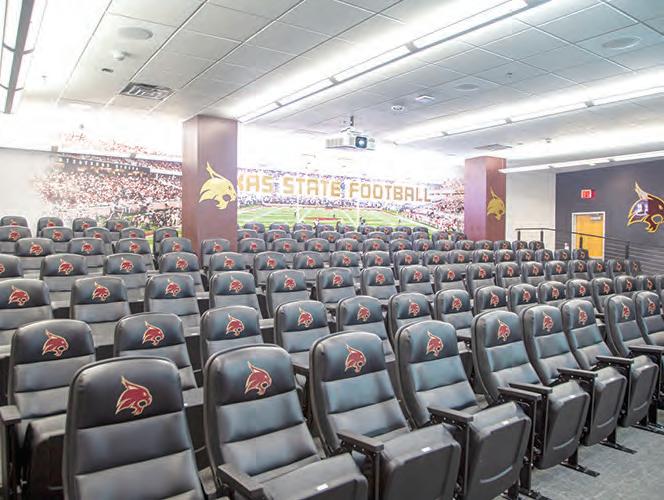
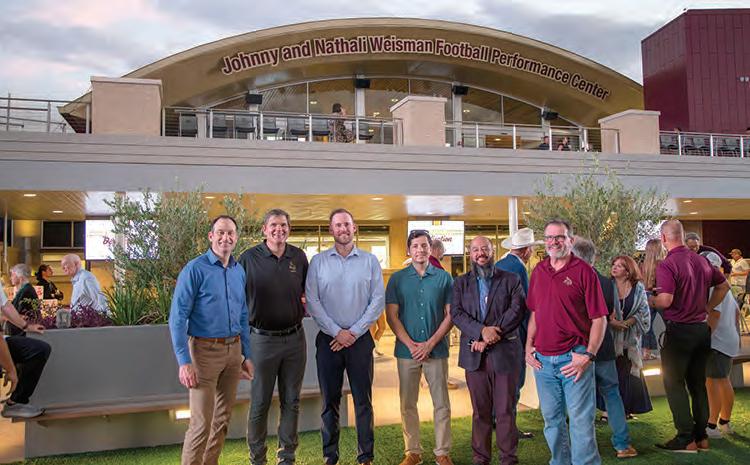
Texas State University in San Marcos, Texas, recently unveiled renovations and additions to the Bobcat Stadium End Zone Complex, now named the Johnny and Nathali Weisman Football Performance Center, an 85,000-square-foot expansion to enhance player development and the fan experience.
Designed by Pfluger Architects and built by White Construction, the facility includes a new upper-level hospitality, banquet space, and exterior concourses, plus major upgrades to the field house, including an 8,000-square-foot weight room, 3,000-square-foot training room, and more.
Built in 1981, Texas State University’s Bobcat Stadium has been the site of the hit NBC TV show “Friday Night Lights,” the Texas Special Olympics and the NCAA Division I Bobcat football team. But for Texas State University, the existing 20-year-old End Zone Complex needed an upgrade to compete for player and coaching talent. Texas State University’s football program is quickly ascending, as indicated by the university recently joining the Pac-12 Conference, and a modern facility was needed to enhance player performance, recruit and retain top coaches and athletes, and elevate the fan experience.
Completed in time for the first home game kickoff, the Pfluger Architects-designed End Zone Complex now

includes major features for player development and wellness, such as in-ground hydrotherapy and coldplunge pools, meeting spaces, locker room enhancements, and a barber shop. The modern training facility focuses on player recovery and wellbeing, with a complete suite of physical care spaces where student athletes can be at their best, from practice to game day and beyond. The expansive new facility completes circulation for the 30,000-capacity stadium with exterior concourses connecting indoor lounges directly to the stadium and a new elevator providing upper-level access – creating a unique fan experience that rivals other institutions.
“The university’s vision to have a facility to help student-athletes reach their full potential drove our design, putting player and team wellness at the forefront,” said Chris Lammers, AIA, project manager and Higher Education Practice Director for Pfluger. “Everything in the space planning, design, and programmatic needs was driven by efficiency and maximizing every minute to make Texas State’s players better athletes. We designed the stadium addition to fit seamlessly into the rest of campus and the existing stadium, unifying elements across the board.”
In addition to the new weight room and training area for player development, the space includes a
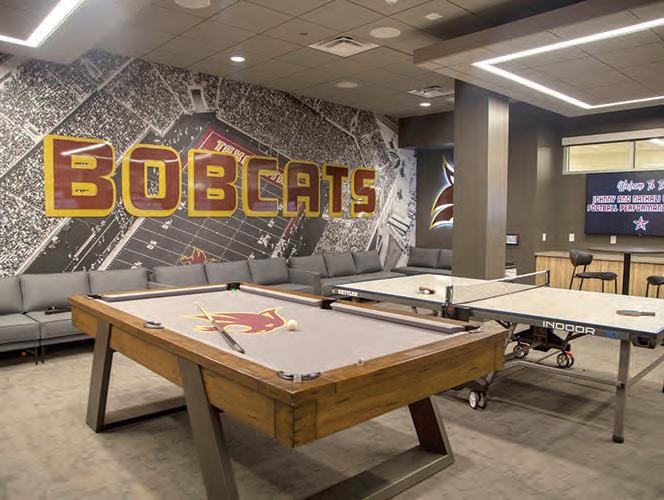

players’ lounge and lobby/community area with interactive and digital displays. The most notable feature is the stunning hospitality suite opening onto a rooftop terrace with sweeping stadium views, enhancing the fan and alumni experience. The Grand Central hallway connects the complex with the other stadium facilities and provides branding opportunities and displays ideal for player recruitment and boosting alumni and fan spirit. An expanded concourse bridge connects to the shaded outdoor terrace, where fans can cheer for the players as they run onto the field from the weight room below. A hospitality suite and concessions bar directly behind the goal post offers prime views of the on-field action, giving fans an intimate game experience. The hospitality suite also doubles as a space for team meals and gatherings on non-game days, further building team camaraderie and player development.
The project began in 2020 with architecture partner Perkins + Will as a feasibility study for player wellness enhancements and resulted in an expansive renovation and addition to the complex, completed in time for the Fall 2025 football season. Pfluger’s design is intentionally built to receive future enhancements as Texas State University plans additional facilities and future stadium additions to complement the growth of the Pac-12 Conference football program.
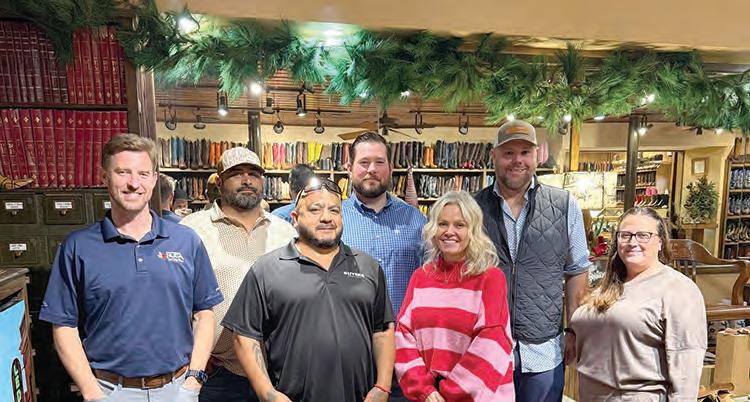
The Buyers Barricades executive team had a great time taking Agustin to be fitted for his custom boots to celebrate 15 years with Buyers. A well-earned milestone for someone who’s been with the company every “step” of the way.
Cokinos Young enjoyed a day at the range for the Design-Build Institute of America Southwest Region Central Texas Clay Shoot! They took their best shot with great weather and even better company. A perfect day to break a few things along the way!


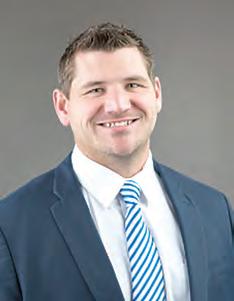


The Lumbermen’s Association of Texas (LAT), a trade association representing Texas’ building materials industry, today announced the election of Cason Shrode as President of its Board of Directors. In addition, Jammy Pate and Charles Pool, assumed roles on LAT’s Executive Committee as First and Second Vice President.
“I’m honored to step into this role and serve our members,” said Cason Shrode, CEO at Jones Legacy Ventures. “As market conditions, technologies, and customer expectations continue to change, our industry is navigating a rapidly changing landscape. The collective strength provided by LAT is more important than ever.”
Shrode will serve a two-year term as President and will lead the Association as it prepares to celebrate its 140th Convention in 2026 and to identify an agenda for the 2027 session of the Texas legislature.
“Our history begins with independent dealers, and we have used that strength to unite the Texas building materials industry in advancing LAT’s mission,” said Jammy Pate, President at Pate’s Hardware Inc. “With Cason’s leadership, we will continue expanding the industry sectors represented in our membership and engage leaders in tackling the most significant challenges and opportunities ahead.”
“It is an important time to engage in LAT’s work,” said Charles Pool, General Manager at Main Street Lumber. “I look forward to working with the Executive Committee and our board to ensure LAT remains the place where industry challenges are addressed—serving as both a strong advocate for our members and a driving force for progress.”
“The election of these leaders underscores the strength of our membership and LAT’s ability to evolve with the changing needs of our industry,” said Mireya Zapata, Executive Director at LAT. “Cason brings an undeniable energy and passion to this role, and that momentum will help us navigate change and better serve our members.”
The LAT Board of Directors also approved two new Directors: Carmen Busceme, Regional Sales Director at DW Distribution and Chris Jones, President at Framing Square Lumber. LAT’s Board of Directors elected Shrode and the slate of 2025 – 2026 Directors during its Fall meeting.




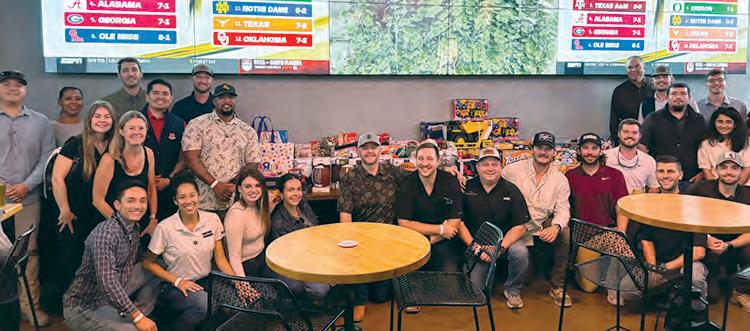
The Construction Leadership Council (CLC) Austin Chapter held their annual Toy Drive happy hour and everyone is thrilled to share that they collected 50+ gifts and contributed over $250 in monetary donations to support Austin Police Operation Blue Santa. Your Christmas spirit and generosity will help bring joy to families in need this holiday season. A huge thank you to everyone who attended, donated, and helped make this event possible.



Content submitted by Associations to Construction News
ACEA
Greater Austin Contractors & Engineers Association
Dec. 4: Holiday Happy Hour, 4:306:30pm, The Flats, 112 E. Main, Roundrock
Dec. 5: North - Coffee Chats, 7:309:30am, Rocket Coffee ATX & Pastries, 8701 W. Parmer #2127, Austin
Dec. 18: South – Coffee Chats, 7:309:30am, DKS Associates, 305 Camp Craft Road, Ste. 525, West Lake Hills
AGC
Associated General Contractors Austin
Dec. 3: Holiday Party, 5-8pm, The Loren Hotel, 1211 W. Riverside Dr., Austin
AIA
American Institute of Architects Austin
Dec. 10: Holiday Party, 6-9pm, Distribution Hall, 1500 East 4th St., Austin
CTRCA
Central Texas Roofing Contractors Association
Dec. 11: Holiday Networking Party, 4-6pm, EVO Entertainment Schertz + EVX, 18658 I-35 N, Schertz


BHBA
Home Builders Association
Greater Austin
Dec. 10: Holiday Happy Hour Presented by: Selva, 4:30-6:30pm, Bouldin Acres, 1806 W. Braker Ln., Austin
TXAPA
Texas Asphalt Association
Dec. 11: Women of Asphalt Ideas Christmas Party, 12-6:30pm, 219 Commercial Drive, Buda
UCATX
Utility Contractors Association of Texas
Dec. 11: Holiday Edition Cornhole Tournament, 4-8pm, Willie’s Joint Bar & Grill, 824 Main St., Buda

ankler Partners would like to extend a warm welcome to Allen Martinez, CPA!
“As our new Tax Manager, Allen provides comprehensive tax planning and compliance solutions aimed at helping family-owned and closely-held businesses and owners navigate complex tax regulations and optimize their financial strategies.”
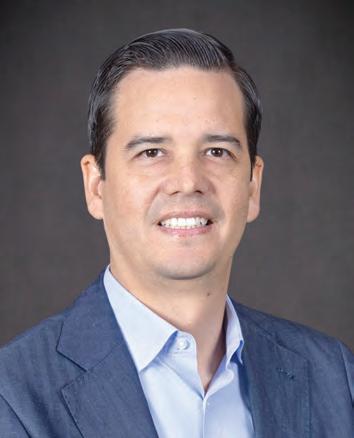



Order from the Courts: A uniform approach begins to emerge on the Texas AntiIndemnity Act’s effect on an additional insurer’s duty to defend.
Brown Principal Cokinos
he Texas Legislature passed
Subchapter C of Chapter 151 of the Texas Insurance Code, the Texas AntiIndemnity Act (the “TAIA”), effective January 1, 2012, which applies exclusively to “construction contracts,” as that term is defined in the statute. Broadly speaking, Section 151.102 of the TAIA voids indemnity provisions to the extent they require an indemnitor to defend or indemnify an indemnitee for the indemnitee’s own negligence or fault. Unlike previous anti-indemnity statutes, such as the Texas Oilfield Anti-Indemnity Act, the TAIA also expressly prohibits additional insured coverage, “the scope of which is prohibited under [Section 151.102].”
Before the TAIA, a carrier’s duty to defend a party seeking additional insured coverage was determined by two questions: (1) is the party an additional insured under the policy based on the additional insured requirements in the construction contract and the provisions in the
insurance policy addressing additional insured status; and (2) if so, is there even a single allegation in the pleading that potentially states a claim covered under the policy? If the answer to both questions was ‘yes,’ the CGL carrier owed the additional insured a defense against the entire lawsuit.
However, following the passage of the TAIA, with its prohibition on “additional insured” coverage for the additional insured/indemnitee’s own fault, many insurers argued that rather than having to defend the entire lawsuit if there was a single covered allegation, they were now entirely relieved of their duty to defend (even covered allegations) if there was a single allegation for which providing a defense or indemnity would violate the TAIA.
Until recently, there was little guiding case law to resolve this recurring dispute. However, a recent series of Texas federal district court cases have clarified the issue. A uniform approach emerges from these cases where courts first evaluate

whether the contractual-indemnity and additional insured provisions comply with the TAIA. If they do, courts readily find a duty to defend the entire suit, irrespective of any allegations of the additional insured’s own fault for which, standing alone, a defense would be prohibited under the TAIA.
The first of these cases, BNSF Railway Co. v. Jones Lang Lasalle Americas, Inc. (N.D. Tex. Feb. 24, 2022), was not an additional insurance case. But the Court expressly rejected the indemnitor’s more moderate argument that, because of the TAIA, rather than a defense to the entire lawsuit, the indemnitor could only owe a defense to those claims involving the indemnitor’s own negligence. The court disagreed, noting that if the underlying complaint “includes even one covered claim, the insurer must defend the entire suit.”
In Knife River Corp. – S. v. Zurich American Insurance Co. (N.D. Tex. Mar. 8, 2022), decided a few weeks later, the court did not specifically address the issue of whether the duty to defend applied to the “entire lawsuit,” but the court did establish the proper order of the analysis, evaluating the issue of compliance with the TAIA before turning to an “eight corners” analysis of the allegations in the pleadings.
In Phoenix Insurance Co. v. Knife River Corp. S. (S.D. Tex. July 27, 2023 & Sept. 11, 2023), the court adopted this same order of the analysis. Id. (citing Knife River and following that court’s approach of “assessing whether insurance policy violated TAIA prior to conducting the duty to defend analysis.”). That case tied the concepts from BNSF and Knife River

together, first evaluating whether the contract provisions complied with the TAIA and, finding that they did, holding there was a duty to defend the entire lawsuit in face of mixed allegations of both the indemnitor’s and indemnitee’s negligence.
At first glance, the most recent case, Allied World Assurance Co. (U.S.) Inc. v. Acadia Insurance Co. (E.D. Tex. Sept 9, 2024), would seem to contradict the cases above and revive the argument that a single allegation of the indemnitee’s negligence excuses the additional insurer from its defense obligation. The court appeared to reference an insurer’s duty to defend “the entire suit” as a basis for holding that there could be no duty to defend when there were allegations of the additional insured’s fault. But in fact, the court conducted the analysis in the same order as the cases above, first finding the additional insured provision invalid because it provided coverage for bodily injury “caused, in whole or in part, by” the indemnitor’s negligence— meaning it expressly provided coverage for bodily injury that was also caused in part by the indemnitee’s negligence, violating the TAIA.
Considering these recent opinions, general contractors building in Texas should evaluate the indemnity and insurance provisions of their subcontracts to ensure compliance with the TAIA. They might also consider adding language to those insurance provisions requiring additional insured endorsements the Insurance Services Office has recently promulgated specifically to comply with various state anti-indemnity acts, like the TAIA.











Melanie Geist Partner
Aprio Advisory Group, LLC
San Antonio & Austin, TX
The End of QuickBooks Desktop: What’s Changing?
As of September 2024, new subscriptions for QuickBooks desktop solutions are no longer available, and existing users on older versions cannot upgrade. Only those on versions 2023 or newer may renew but should expect only essential updates and bug fixes— no new features. Prices are expected to rise as Intuit encourages users to transition to cloud-based platforms.
For many construction companies, the desktop environment has been a familiar foundation. However, remaining on these legacy systems means missing out on the innovation, automation, and security enhancements that are now standard in cloud-based solutions. The future of accounting technology is in the cloud, and construction companies that adapt will be better positioned to thrive.
Why Cloud-Based Accounting Is a Game Changer
Transitioning to platforms like QuickBooks Online or Intuit Enterprise Suite isn’t just about following a trend. Cloud solutions provide real-time data access, letting project managers and owners make informed decisions from any job site or office. This flexibility is vital for construction firms juggling multiple projects and teams.
Automation and AI: Saving Time and Reducing Errors
Cloud accounting harnesses automation and artificial intelligence (AI) to streamline repetitive tasks. Features like Intuit Assist can auto-



generate bills from PDFs, drastically cutting manual entry and minimizing errors. Automated workflows—from invoicing to payroll—free up your team to focus on higher-value tasks like project management and client service.
AI-powered reminders and dashboards improve cash flow and provide real-time insights, helping leaders spot trends or issues before they impact business. For construction companies, predictive analytics can be especially helpful in forecasting project costs and profitability.
Security and Collaboration—Built for Modern Construction Teams
Cloud platforms offer robust security protocols, including encryption and multi-factor authentication, to protect sensitive financial data. With a single source of truth, your teams can collaborate more efficiently, whether working from the office, job site, or remotely. This supports productivity and business continuity, even in times of disruption or tight deadlines.
Migrating to the Cloud: Addressing Common Concerns
Change can be daunting, especially for firms accustomed to QuickBooks Desktop. Common concerns include data migration, learning new systems, integration with existing tools, cost, and data privacy. Aprio specializes in helping businesses transition smoothly to QuickBooks Online and Intuit Enterprise Suite. The migration process includes a thorough assessment, a tailored plan, and proven tools to ensure data integrity
Managing Director, Technology Advisory Aprio Advisory Group, LLC Atlanta, GA
and minimize downtime.
Beyond migration, Aprio works with clients to optimize their technology stack, streamline processes, and unlock automation benefits—helping construction companies get the most value from their investment.
The Bottom Line: Cost and ROI
While there may be upfront costs for migration, many firms find that cloud solutions offer long-term savings. Subscription pricing eliminates large capital expenditures for hardware and software, and maintenance costs are generally lower. Efficiency gains from automation and improved collaboration can deliver a strong return on investment.
QuickBooks Online Advanced and Intuit Enterprise Suite offer features tailored for construction firms, including custom roles, permissions, and multientity management for consolidating financials across projects. Automated workflows and custom reporting provide insights by industry and business needs, helping leaders manage operations more effectively.
For example, a regional construction firm used QuickBooks Online Advanced to automate billing and payroll, reducing administrative overhead and improving cash flow. By integrating with project management tools, they gained realtime visibility into costs and profitability, leading to better forecasting and decision-making.



Intuit’s new AI agents act as intelligent partners, automating day-to-day accounting tasks, payments, bookkeeping, and payroll. These tools make it easier to run your business and give you more time to focus on growth and client relationships. Companies report faster payments, cleaner books, and more efficient project management thanks to these innovations.
Aprio’s Support for Construction Firms
Aprio offers migration planning, training, and ongoing advisory services to help your team succeed with new cloud tools. Our experts guide you in selecting solutions that fit your firm’s size, needs, and long-term goals, ensuring technology investments support business continuity and growth.
Key Takeaways and Next Steps
• Assess your systems: Review your reliance on QuickBooks Desktop and evaluate areas where cloud solutions can add value.
• Engage stakeholders: Involve project managers, finance, and IT teams early for a smooth transition.
• Invest in training: Ensure your team is equipped to use new tools effectively.
Embrace change: Use this transition as an opportunity to improve processes, collaboration, and growth. By proactively planning for QuickBooks Desktop’s phase-out construction companies can modernize their operations, reduce risk, and position themselves for future success.
Jordan Foster Construction has broken ground on the Texas Department of Transportation’s (TxDOT) State Highway 71 improvement project at Tucker Hill Lane, a federallyfunded effort aimed at increasing safety and mobility in one of Central Texas’ fastest-growing corridors.
The project will construct a new overpass at Tucker Hill Lane, along with upgrades to the main lanes and frontage roads. Bridge work, drainage improvements, grading, and paving are also included in the scope. To serve a wider range of travelers, the design adds bicycle and pedestrian accommodations, supporting safer non-motorized connections along a route that links Bastrop, Austin-Bergstrom International Airport, and Austin Metro.
Traffic volumes on SH 71 continue to climb, reflecting the corridor’s role as a critical east-west connection. TxDOT recorded about 33,000 vehicles per day in 2017, with projections of more than 66,000 by 2037.By eliminating the atgrade crossing at Tucker Hill Lane and streamlining flow, the project will significantly reduce major bottlenecks, making daily commutes more reliable and efficient.
The design was led by CP&Y, a Dallasbased engineering and consulting firm specializing in transportation and infrastructure, now part of STV Group Inc. Together with TxDOT, the team focused on blending capacity improvements with multi-modal safety measures to deliver a project that addresses both current demand and future growth.
To minimize disruption, construction is being phased so traffic can continue to move throughout the project. The work
also includes retaining walls and embankments to address elevation changes, extending the roadway’s durability and performance. Because the project does involve federal funds, it carries Disadvantaged Business Enterprise (DBE) participation goals, creating opportunities for minority- and women-owned subcontractors.
“SH 71 is a high-volume corridor that can’t simply be shut down, so our crews are sequencing the work in a way that keeps people moving while we build the overpass safely and support infrastructure,” said Matt Gold, Operations Manager for Jordan Foster Construction. “At the same time, we’re planning for the future, making sure what we build today can handle the traffic demands we know are coming.”
By combining expanded lanes, a new overpass, and improved pedestrian and bicycle features, the SH 71 project provides a balanced approach to mobility. For local residents, that means a safer and more predictable commute, better access to regional destinations, and infrastructure designed to support steady growth.
“For us, success isn’t just about completing construction; it’s about giving the community confidence in the safety and reliability of this roadway once it’s finished,” said Gold.
For Jordan Foster Construction, the project reflects its ongoing partnership with TxDOT to deliver complex infrastructure across Texas. With an emphasis on collaboration, precision, and safety, the team is advancing improvements that will leave a lasting impact on Bastrop County and the broader Central Texas region.


Gradiant Technology Park (GTP) spans 120 soccer fields, supporting semiconductor, battery firms near Samsung’s Texas plant
A Korean-style industrial complex will be established in Taylor, Texas, marking the first time an industrial park systematically supporting Korean companies’ local production and settlement has been developed in the U.S. iMarketKorea, a B2B industrial materials distribution specialist with annual sales of 3.4 trillion Korean won, has entered the development and operation of the industrial complex. Founded in 2000 through an investment by a Samsung Group affiliate, iMarketKorea was incorporated into the Interpark, now Gradiant, group in 2011.
iMarketKorea announced that it held a groundbreaking ceremony for the Gradiant Technology Park (GTP) in Taylor City. Located just a 10-minute drive from Samsung Electronics’ Taylor semiconductor plant, scheduled to begin operations next year, the complex is expected to attract semiconductor suppliers, secondary battery, and bio companies, among others. The company explained that inquiries from businesses seeking to establish local production due to the imposition of reciprocal tariffs between South Korea and the U.S. have been increasing.
GTP spans 860,000 square meters (approximately 260,000 pyeong), equivalent to about 120 soccer fields, and will be developed in three phases. The first phase, covering 290,000 square meters, includes a logistics center and rental office buildings on 120,000 square meters, set for
completion in the fourth quarter of next year. The entire first phase is targeted for completion in 2027, with the second and third phases following in 2029 and 2031, respectively.
Beyond mere land provision, GTP offers a package of infrastructure services— material procurement, logistics, transportation, and more—to enable companies to begin operations immediately. By addressing complex U.S. permitting procedures and utility challenges at the industrial park level, the project aims to reduce barriers for Korean firms. Williamson County, which approved the complex, and Taylor City are providing incentives such as wastewater pipe expansion, road and transportation network improvements, water supply rights, and sales and use tax exemptions on construction materials.
Over 100 key figures, including Gradiant Chairman Lee Ki-hyung, iMarketKorea CEO Kim Hak-jae, Williamson County Judge Steven Snell, Taylor Mayor Dwayne Ariola, and Terry Zrubek, Deputy Director of the Texas Economic Development Office, attended the groundbreaking ceremony.
Chairman Lee stated, “GTP is not just an industrial complex but a platform for building future industrial ecosystems. It will present a new model of sustainable infrastructure and eco-friendly architecture.” County Judge Snell added, “We highly anticipate iMarketKorea’s investment and innovation, as well as future collaborations with Korean companies entering Texas. We will continue to provide full support at the county level.”



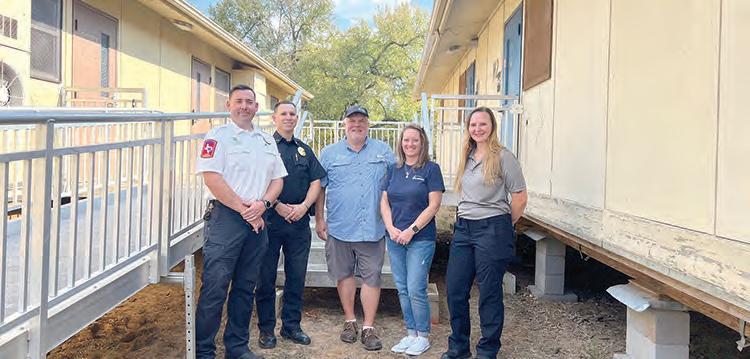
The Texas Public Safety Training Academy (TPSTA) in Bastrop, Texas, is strengthening its ability to train the next generation of first responders thanks to GAF, North America’s largest roofing and waterproofing manufacturer, local contractor Mpact Roofing, and building materials distributor QXO
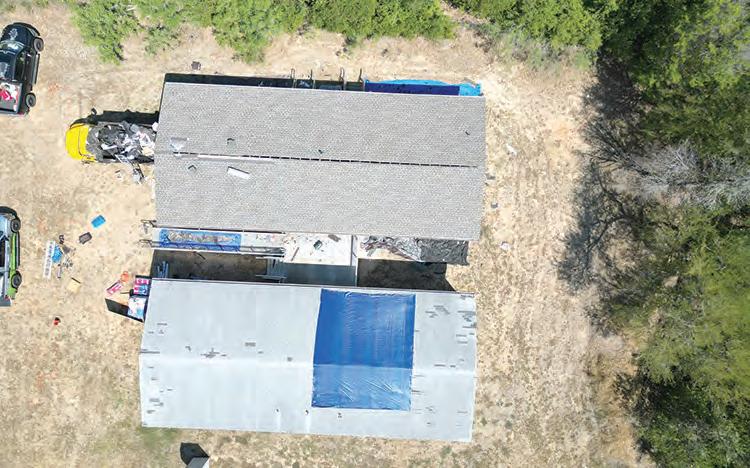
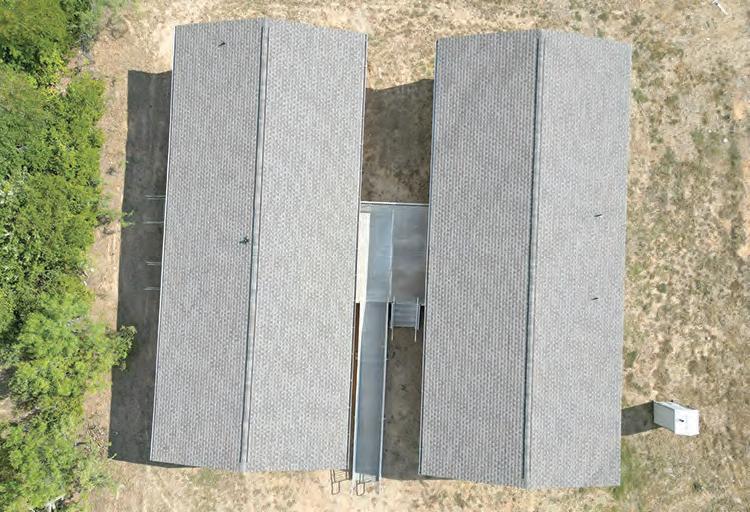
TPSTA, an emergency services training organization preparing emergency medical technicians (EMTs), firefighters, and other first responders in Bastrop, Caldwell, Fayette, and Lee Counties, recently purchased ten acres of land to expand its on-site courses and facilities. As part of this growth, two double-wide classroom trailers used for EMT and firefighter training were in need of new roofs due to years of leaks and wind damage.
The new campus represents a
milestone built on sustained effort and strong community partnership. Earlier in its development, TPSTA experienced a costly setback when the classroom buildings were vandalized, delaying progress and stretching already limited resources. Even with those challenges, the organization has continued to move forward, thanks in part to local partners like Mpact Roofing, GAF, and QXO, who stepped in to help create a safe, functional learning space for first responders.
Mpact Roofing re-roofed both classroom buildings at no cost to TPSTA using GAF materials, including Cobra Ridge Vents, Pro-Start, FeltBuster, StormGuard, and Timberline HDZ shingles in Weatherwood. GAF donated the shingles for the project, while QXO contributed the roofing accessories and delivery needed to complete the system.
This collaboration is part of GAF’s


social impact initiative, GAF Community Matters, which is focused on making a positive difference as neighbors and partners in the community by leveraging roofing expertise, resources and products to help build resilient communities.
“GAF is committed to helping build more resilient communities,” said Jeff Terry, VP of CSR and Sustainability at GAF. “We are proud to collaborate with Mpact Roofing and provide quality, trusted roofing materials to ensure the Texas Public Safety Training Academy has safe, reliable facilities to train the first responders who protect our neighbors in Texas every day.”
The project allowed the Academy to focus resources on continuing development of its new campus and expanding hands-on training opportunities for first responders across Central Texas.
“When we heard that the Texas Public Safety Training Academy had nothing but a tarp protecting one of its roofs, we knew we had to step in,” said Kevin Pakenham, Founder of Mpact Roofing. “This project is much more than a roof. It’s our way of honoring the people who put their lives on the line for our community, an effort we couldn’t complete without the partnership of GAF and QXO.”
“At QXO, safety and customer service are at the heart of everything we do,” said Michael Thomas, Branch Manager at QXO. “We strive to deliver exceptional service at every stage – from sales to delivery – building strong, lasting relationships with our customers. Together with our partners, like Mpact Roofing, we bring these values to life by supporting and giving back to communities in need.”


Texas is in the midst of a construction boom. From housing demand to infrastructure projects, contractors are scrambling for labor. Yet, the challenge isn’t a lack of willingness—thousands of eager Texans are seeking work. The real problem lies in converting that interest into licensed, skilled talent. Without bridging that divide, growth will stall, costs will surge, and quality will suffer.
Plenty of job seekers can perform basic construction tasks from day one on the job site, but roles requiring licensing or specialized trade skills remain vacant. A 2025 survey by the Associated General Contractors of America (AGC) found that 76% of Texas contractors reported difficulty filling hourly craft positions, and 78% struggled to staff salaried roles. The Texas Workforce Commission (TWC) lists multiple high-wage construction occupations: electricians, HVAC technicians, and general contractors among them, as “in-demand but undersupplied” due to licensing and training requirements that most applicants have yet to meet. Even with a steady pipeline of workers, the pool of people who are ready to step into licensed positions remains too small to meet statewide demand.
Traditional training programs are struggling to scale. Texas’s population has increased by more than 5 million people since 2010, according to U.S. Census Bureau data, fueling an urgent need for new housing units across the
state over the coming years. Yet, apprenticeship programs, community colleges, and trade schools face instructor shortages and funding constraints, particularly outside major metros. The Texas Higher Education Coordinating Board reports that enrollment in construction-related programs has risen only modestly, far below what’s needed to meet projected demand.
Some contractors try to fill the gap by hiring unlicensed or underqualified workers and training them on the job, but this comes with compliance and liability risks. It’s one thing to know how to build; it’s another to manage a business, adhere to regulations, and deliver consistent quality at scale. According to the U.S. Small Business Administration, more than 20% of new construction firms fail within the first two years, often because contractors with strong trade skills lack experience in estimating, budgeting, and management. The absence of business and leadership training in most traditional programs limits upward mobility for skilled tradespeople who aspire to run their own firms.
Solving the skills gap requires rethinking how training is delivered. Modular and stackable credentials, which allow workers to build qualifications over time, can make it easier for job seekers to progress toward full licensing without leaving the workforce. Programs that can be delivered online, tailored to each learner’s individual pace and learning style, can greatly extend access in areas
lacking trade schools. For example, Contractor Training Center has had great success with our “access-until-you-pass” guarantee, where a learner’s course access and support is extended free of charge until they pass their exam.
Beyond broadening access to training programs, training providers should also ensure they are delivering a well-rounded education that goes beyond technical skills and safety compliance. Integrating modules such as business management, marketing and financial literacy, helps contractors develop the comprehensive skill sets required to grow and sustain their businesses. Many of our learners highly value the business consulting and coaching program that we offer, which has helped them to develop the business skills needed to scale their companies.
Flexibility at the policy level is equally important. Streamlining licensing pathways and enabling reciprocity between Texas and neighboring states would help qualified workers relocate to meet project demand.
The U.S. Chamber of Commerce estimates that the country faces a shortfall of around 650,000 construction workers nationwide, and Texas, home to some of the fastest-growing housing and infrastructure markets, is among the hardest hit. If the state fails to produce enough licensed contractors, project delays and cost overruns will ripple through its economy.
The path forward will require

collaboration between contractors, educators, and policymakers. Contractors can partner with training providers to offer jobsite apprenticeships and continuing education. Educators can modernize curricula to emphasize applied, scalable skills, while policymakers can incentivize training in high-demand trades. Together, these efforts can transform the state’s labor surplus into a workforce capable of meeting Texas’s extraordinary demand for new construction.
Texas doesn’t have a shortage of people, it has a shortage of pathways to help them become qualified.