Connectivity acknowledges and respects the Traditional Aboriginal and Torres Strait Islander Custodians / Owners of the land on which we work, live and build our lives, families and communities. We pay our respects to the First Peoples of this country, their cultures and Elders past, present and emerging.
From the Chair
In last year’s report, I flagged Connectivity’s intention to become a traumatic brain injury (TBI) point of reference in Australia as well as a facilitator of communication between all TBI stakeholders.
The past 12 months has seen the management team really deliver on this task, with Connectivity now widely recognised as the leader in the provision, education and dissemination of best-practice, evidencebased information about TBI. We also lead the way in facilitating communication amongst the various TBI stakeholders throughout Australia, as well as like-minded organisations internationally. You will read more about these efforts in the report from our CEO, Prof. Melinda Fitzgerald.
Strategic Plan
The Board once again met in person, this time in March 2024 in Melbourne, to discuss the progress Connectivity has made over the past few years and strategic priorities moving forward. There has indeed been significant progress since the inception of Connectivity, with close connections and contacts having been established with State and Federal Government departments, industry and various organisations across Australia.
The recommendations from the Senate inquiry into Concussions and Repeated Head Trauma in Contact Sports initiated many discussions between the Connectivity management team and interested stakeholders, many of which are ongoing.
Three members of Connectivity were also invited onto the Expert Advisory Panel for the MRFF Mission in TBI, which is undergoing an update to ensure the Mission
implementation plan is current with outcomes of any relevant enquiries. It is pleasing to see that Connectivity has gained that national recognition.
In terms of the strategy moving forward, the Board approved a new Strategic Plan 2024-2027 that is focussed on Community Awareness and Education, Improving Outcomes, Connecting Community and Responsible Resourcing. Details of the new Strategic plan can be found on the Connectivity website.
The Director skills matrix was also updated, recognising the need for lived experience, marketing and fundraising expertise on the Board. While the funding situation for Connectivity is currently healthy, there are significant challenges ahead, particularly in relation to establishing ongoing support for the operations of the company. This will become even more important as more organisations with a focus on mild TBI enter the space.
Board Changes
The Hon. Judi Moylan AO has been with the Connectivity Board since its inception and after 5 years of outstanding service to the organisation, has elected to step down from the Board.
Judi was the inaugural Deputy Chair of the Board and has been instrumental to the Board’s early success, particularly with respect to implementing many of the governance, finance and audit processes as well as making numerous introductions to key stakeholders. On behalf of all members, I sincerely thank Judi for her wonderful contribution.
I am also delighted to welcome Prof. Brad Murphy OAM to the Board. Brad is a proud Kamilaroi Aboriginal man and rural General Practitioner from Bundaberg in Queensland. Having trained as a medic in the Royal Australian Navy and working with the NSW Ambulance Service and Royal Flying Doctor Service at Uluru, he currently Chairs the University of Queensland First Nations Working Group, Regional Medical Pathway. He also brings to the Board a wealth of senior administrative experience with the Royal Australian College of General Practitioners. Welcome to the Board, Brad!
A quick note of thanks also to Ms Julie Tomas who resigned as Business Manager and Company Secretary. Julie was exceptional when it came to ensuring appropriate governance procedures and we wish her all the best in her endeavours. Ms Naomi Fuller, who members will know as the Executive Officer in the management team of Connectivity, has agreed to join the Board as the Company Secretary and Public Officer. Naomi’s enthusiasm is contagious and her impact on the Board is already being noticed!
Finally, I welcome two external members to the Nominations and Remunerations Committee, Mr Bryan Cooke and Mr Warren Land. The inclusion of external members to the various committees reporting to the Board ensures that we not only follow best practice in governance, but also that we remain up to date with contemporary business practice.
Both Bryan and Warren have extensive industry experience in the implementation of Board, Executive and employee remuneration and reward solutions. They join the existing external member of this committee, Mr Martin Wandmaker, and it is
indeed a privilege to have them all donate their time to Connectivity. Thank you!
Ambassadors
It is my pleasure to welcome Kai Sakakibara as a Connectivity Ambassador. Kai is well known as an international BMX cyclist who suffered a TBI while preparing for the Tokyo Olympics. Kai joins Matthew Pavlich as one of our athlete Ambassadors who promote the activities of Connectivity.
With thanks
My sincere thanks to our external independent Chair of the Finance, Risk and Audit Committee, Mr Dennis Goldner, who continues to donate his extensive industry experience to Connectivity in this role. I would also like to sincerely thank Prof. Peter Reilly who continues in his role as the Chair of the Expert Committee that gives advice regarding all our education offerings.
Finally, I cannot thank the Board enough for their continued efforts to promote Connectivity amongst their extensive networks, the donation of their valuable time to Board and committee meetings and most importantly their enthusiastic support of Connectivity and its mission.
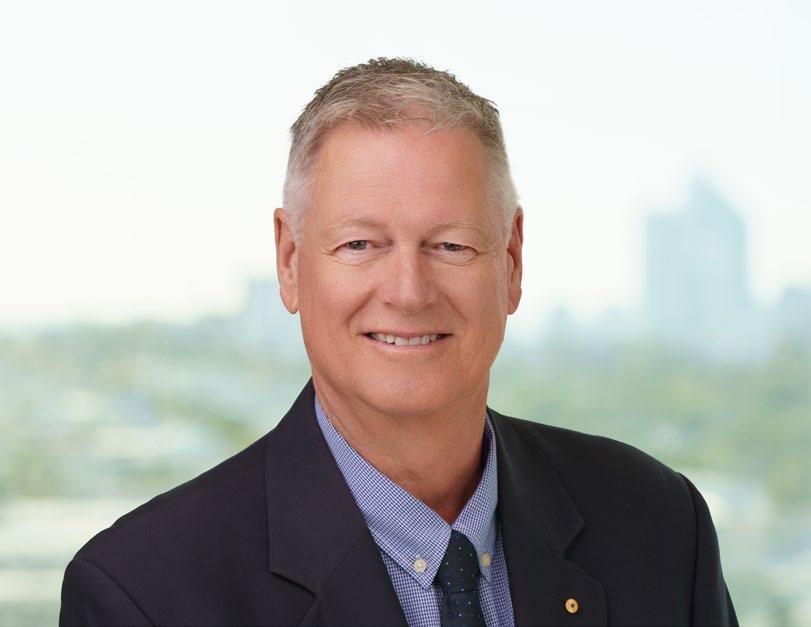
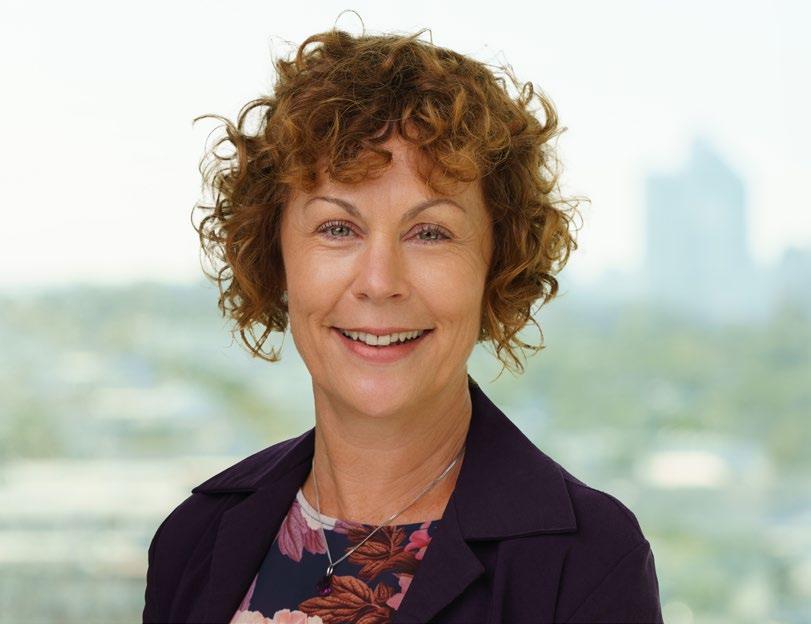
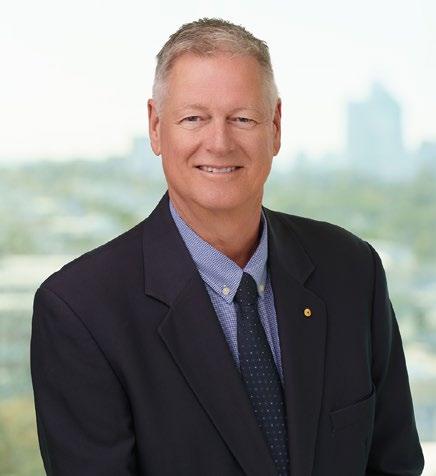
Professor Robert Vink AM, FAHMS Chair of the Board
From the CEO
A year of connections and consultations.
In 2023 Connectivity Traumatic Brain Injury Australia has gained in maturity as an organisation. We began five years ago with key foundational support from Curtin University, Monash University and shortly thereafter from the Transport Accident Commission.
This foundational support took the form of annual contributions to support Connectivity’s strategic plan to establish the organisation as the national leader in education and raising awareness of traumatic brain injury (TBI) including concussion.
Connectivity is now the nation’s leader in the provision, education and dissemination of consistent, trusted and reliable information of best-practice, evidencedbased information about TBI.
This year saw the completion of our first four-year strategic plan, and the creation of our new 2024 – 2027 plan, in effect from July 2024.
The Connectivity team continued to have great success in raising awareness and educating our community on TBI.
Our Sport-Related Concussion Short Course and Concussion Short Course continued to educate thousands of people. We delivered our Concussion in Older Adults Course to Arcare.
We created multiple fact sheets and downloadable information, including for concussion from falls and concussion
from family and domestic violence that were translated and distributed in 10 languages.
Our website continues to provide a wealth of information with more than 154,000 users having now accessed it since commencement.
Ambassadors Matthew Pavlich and Kai Sakakibara proudly promoted messages and information on concussion and TBI and we worked with other high-profile sporting identities on social media to raise awareness of TBI.
Consultations, especially with Aboriginal and Torres Strait Islander People and organisations were key areas of activity. We travelled to rural and remote areas of Western Australia to increase awareness and understand the landscape of TBI in these regions.
With the direct help of these communities, we further developed our education materials for Aboriginal and Torres Strait Islander People.
We progressed our research project with the Rehabilitation, Ageing, and Independent Living Research Centre at Monash University to identify gaps in knowledge and levels of awareness on concussion from community and healthcare perspectives. Work on this project is continuing, with results to be released next year.
We prioritised and created close connections and contacts with State and Federal Government Departments, industry and organisations across Australia. We submitted a pre-budget submission to the Federal Government. Whilst unsuccessful, we have
continued conversations with various departments for the delivery of TBI education and awareness raising across multiple sectors.
The last five years have seen an evolution in the funding landscape for not-forprofit organisations. Funders require clear evidence of impact and specific project outcomes. Therefore, Connectivity has evolved to meet these requirements.
Working with multiple partner organisations, Connectivity is now preparing adaptable funding proposals to address specific areas of need for people with TBI.
These projects include concussion education for GPs and allied healthcare providers, education for victim/survivors and workers in family and domestic violence, as well as culturally appropriate education on TBI for Aboriginal and Torres Strait Islander People.
Connectivity will continue to connect people with TBI and their communities with bestpractice evidence-based resources and access to cutting-edge research.
We are supporting local area networks, researchers across the country, and working with communities and people with TBI to raise awareness of TBI of all severities.
I would like to thank the volunteer Board and Committees of Connectivity for their time and commitment in assisting us to achieve our mission and goals.
Thank you to the team that is Connectivity. The diversity in skills ensures we create and disseminate all of our resources in-house. This collective output of the Connectivity team far exceeds its size.
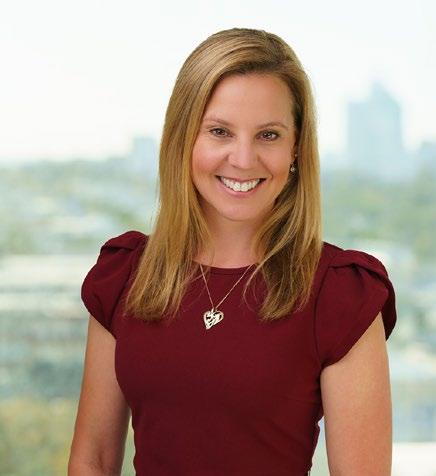
Professor Melinda Fitzgerald Connectivity CEO
Sources
1.McKinlay, A. et al. Prevalence of traumatic brain injury among children, adolescents and young adults: Prospective evidence from a birth cohort. https://doi.org/10.1080/02699050801888824 22, 175–181 (2009).
3. Stephens, S., Campbell, R., Chaseling, R. & Ma, N. Traumatic brain injuries in a paediatric neurosurgical unit: A Queensland experience. Journal of Clinical Neuroscience 70, 27–32 (2019).
4. Kendall, E. & Marshall, C. A. Factors That Prevent Equitable Access to Rehabilitation for Aboriginal Australians With Disabilities: The Need for Culturally Safe Rehabilitation. (2004) doi:10.1037/0090-5550.49.1.5.
5. Nelson, L. D. et al. Recovery After Mild Traumatic Brain Injury in Patients Presenting to US Level I Trauma Centers: A Transforming Research and Clinical Knowledge in Traumatic Brain Injury (TRACK-TBI) Study. JAMA Neurol 76, 1049–1059 (2019).
6. Valera, E., & Kucyi, A. (2017). Brain injury in women experiencing intimate partner-violence: Neural mechanistic evidence of an invisible trauma. Brain Imaging and Behavior, 11(6), 1664–1677. https://doi.org/10.1007/s11682-016-9643-1
Snapshot
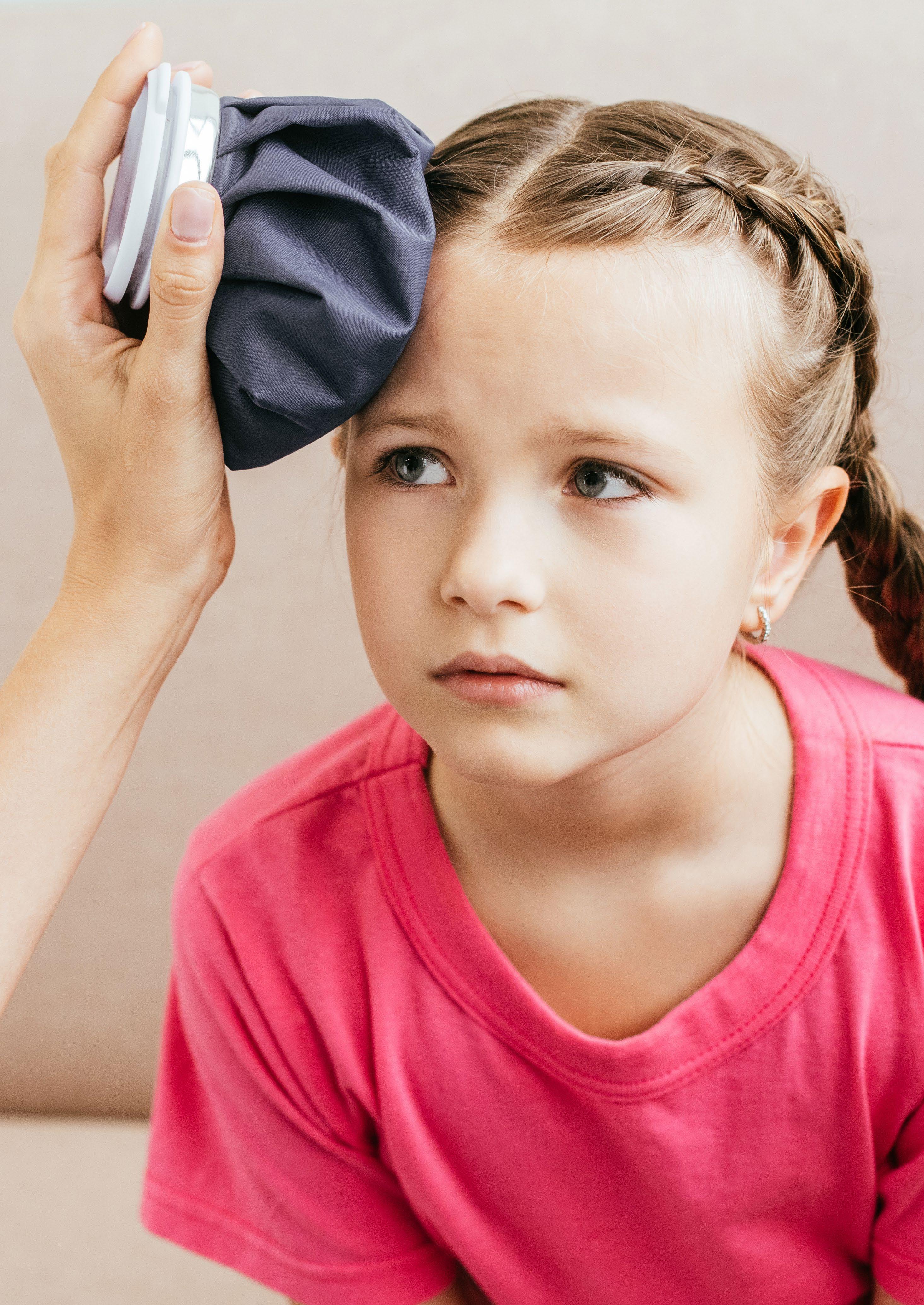
Up to 1 in 5 children will sustain a traumatic brain injury by the time they turn 16
Victim-survivors of Family and Domestic Violence are likely to have experienced more than just one TBI
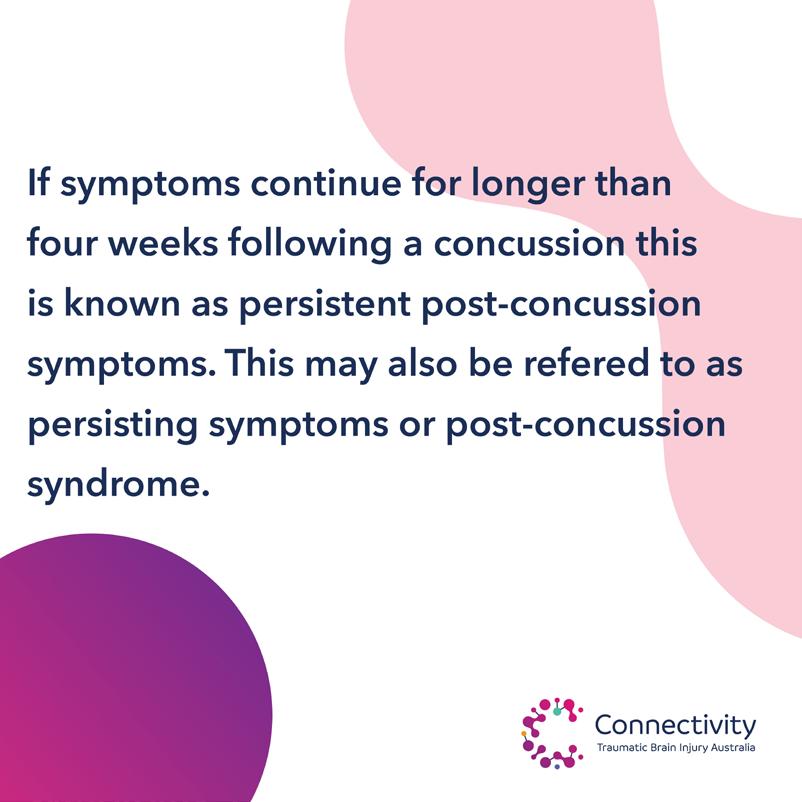
Up to 50% of people will experience persisting postconcussion symptoms following injury
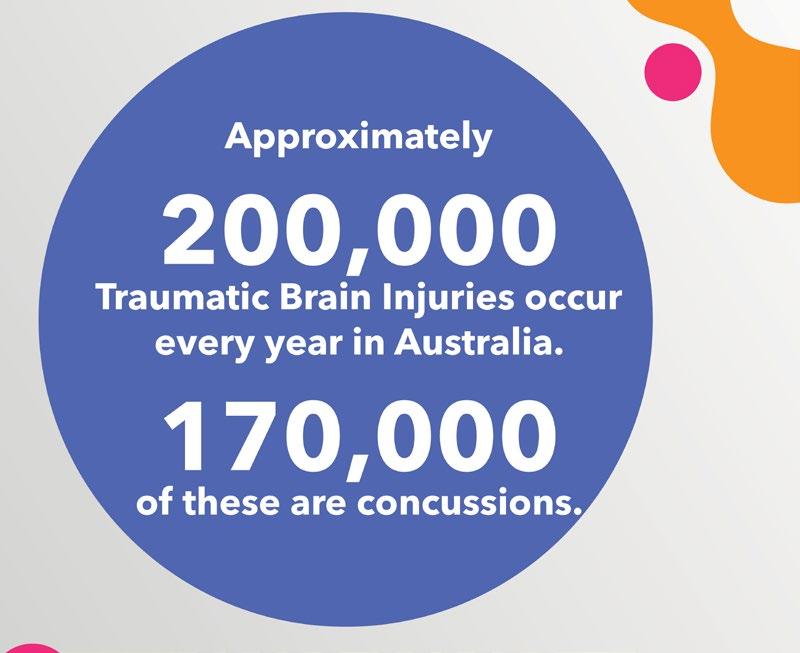
There are around 180,000 concussion incidents each year in Australia
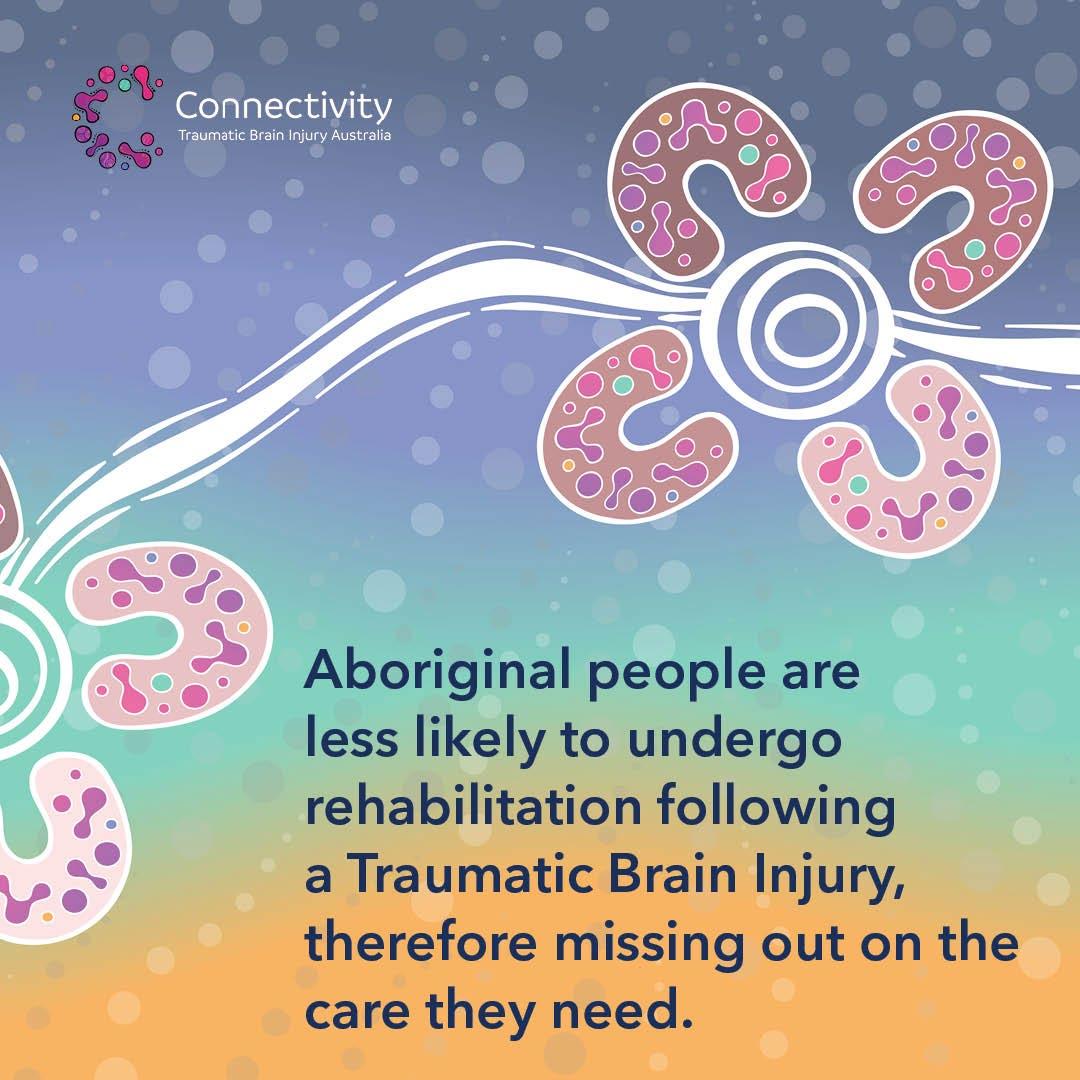
Falls and traffic accidents are the most common causes of TBI in children Aboriginal people are less likely to undergo rehabilitation following TBI, missing out on the care they need to recover well
About Connectivity
About Us
Connectivity Traumatic Brain Injury Australia (Connectivity), is an Australian-wide not-forprofit organisation working to raise awareness of traumatic brain injury (TBI) including concussion in the community.
A TBI can range in severity from mild, to moderate to severe. Symptoms can be quite mild and quickly resolving or debilitating and lifechanging. As such, a TBI can dramatically impact the lives of both the person involved and the people around them.
O ur Goal
The core goal of Connectivity is to improve the lives of people and their families following TBI of all severities, including concussion.
Our Purpose
To promote the prevention and control of diseases and disease processes experienced by people with TBI, including from a physical, mental, neurological and functional perspective.
What we do
Connectivity links together people with lived experience, carers, researchers, clinicians and health care providers to build the evidence base and improve outcomes for people following TBI of all severities.
By supporting research and translating outcomes, Connectivity provides relevant and evidencebased information to people with TBI, their carers and clinicians to help improve the lives of people with TBI.
Our Governance
Connectivity is incorporated as an Australian Public company limited by guarantee, and is registered as a charity with the Australian Charities and Not-for-profits Commission (ACNC).
Connectivity is governed by an independent Board of Directors who provide the experience and skill sets required to deliver the needs of the organisation and its governance.
The Executive of Connectivity is the Chief Executive Officer, the Business Manager, the Executive Officer and the Marketing & Communications Manager.
The following committees also contribute to the successful running of Connectivity:
• The Expert Committee
• The Finance, Risk and Audit Committee
• The Nominations and Remunerations Committee.
The company is independently audited by: Hall Chadwick WA Audit Pty Ltd
Who we are
OUR TEAM
Prof. Melinda Fitzgerald Chief Executive Officer
Julie Tomas Business Manager
OUR BOARD
Prof. Robert Vink am Chair of the Board
Naomi Fuller Executive Officer
Aleksandra Gozt Research Associate
Holly MacNeil Marketing & Communications Manager
Shenane Hogg Business Support Officer / Community Liasion Officer
Judi Moylan ao Deputy-Chair of the Board
Prof. Elizabeth Kendall Board Member
Dr. Anthony Filippis Board Member
Jamie Shine Board Member
John Higgins ao Board Member
Prof. Jeffrey Rosenfeld ac obe Board Member
Our Strategic Deliverables
Raising Awareness
We work to raise awareness of TBI of all severities in the community.
Connecting Community
We connect researchers, people with TBI and their carers to improve recruitment, enable co-design and empower people with TBI.
Improving Outcomes
We source and disseminate best-practice advice to clinicians and health care workers caring for people with TBI.
Supporting People
We source and disseminate information designed for people with TBI and their carers.
Standardised Care
Promote best-practice management of mild TBI through recommended practices for clinics.
Sustainable Research
Develop a financial structure that ensures the capacity for long-term research and improved understanding of the consequences of TBI.
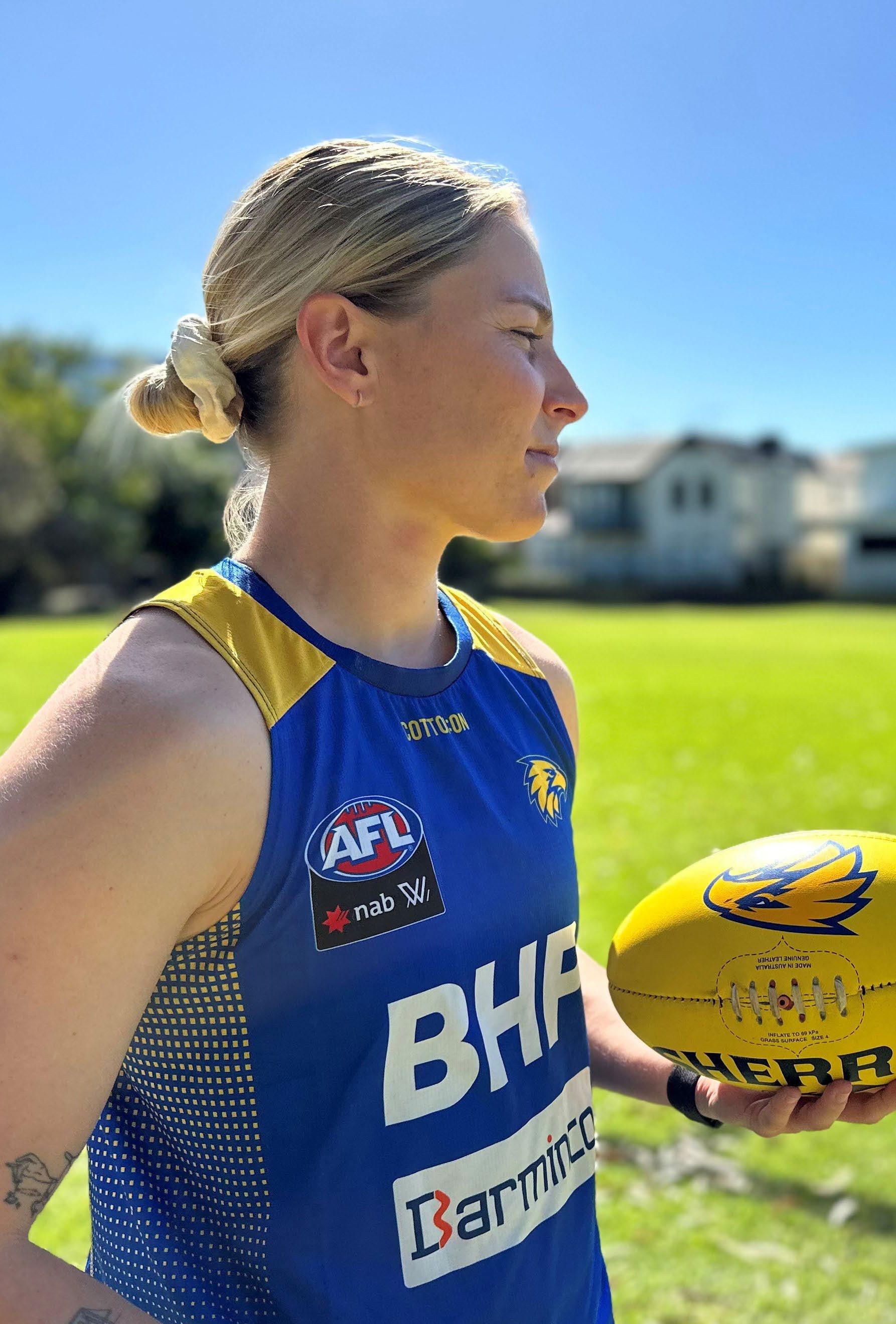
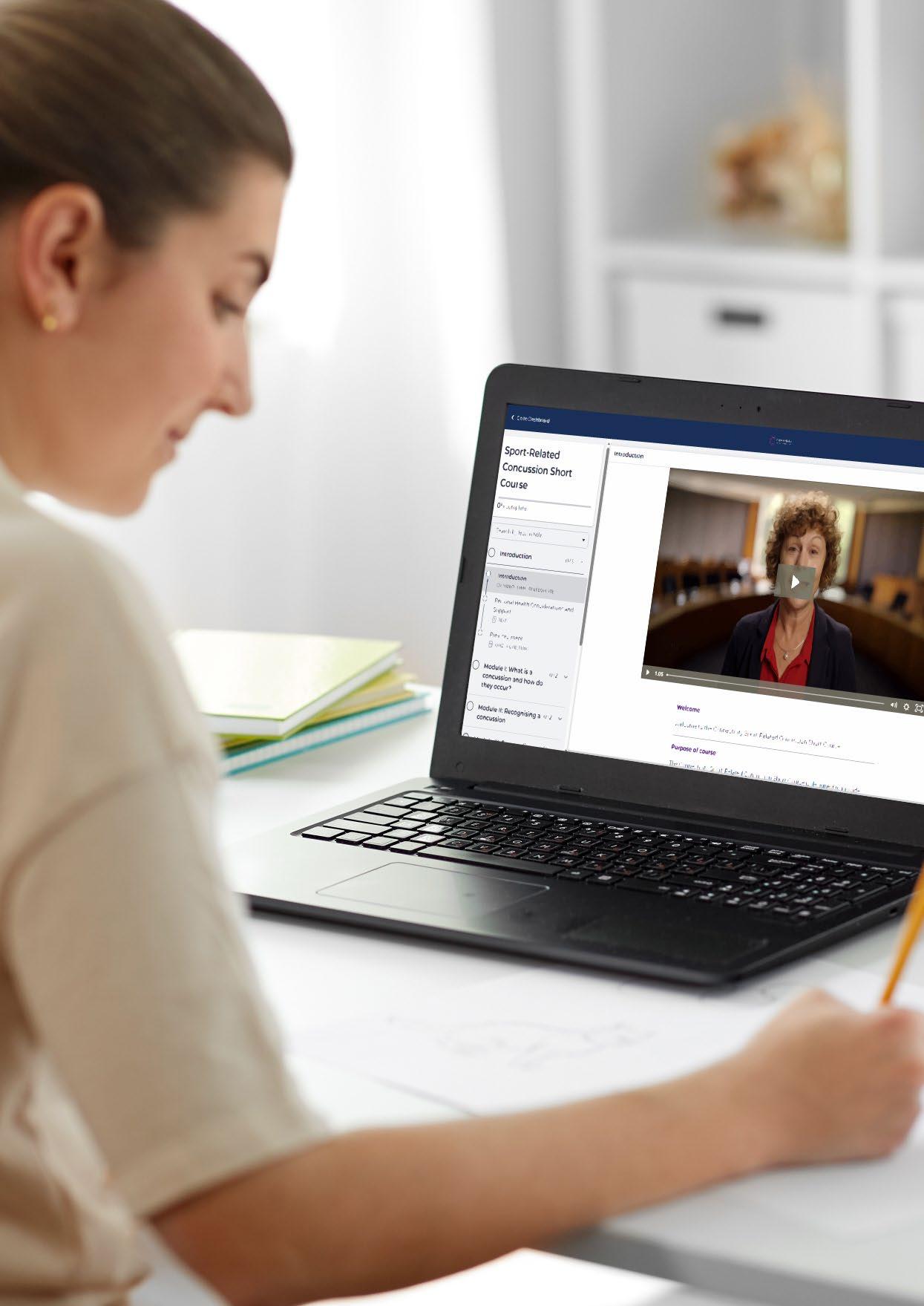
Photo: AFLW player Kellie Gibson in the Connectivity Sport-Related Concussion Short Course
The Website
81,000 users visited the Connectivity website. An increase of almost 50%
The Connectivity website had 3,177 downloads
The Sport-Related Concussion Short Course page had 45,356 visitors
Social Media
1.4 million were reached through Facebook 126k through Instagram
There were 4.9K of content interactions - an increase of 94.8%
Over 70k people clicked through to the Connectivty website from our social accounts
The Connectvity YouTube channel had over 108 hours of watchtime
Courses
2,916 people enrolled in the Sport-Related Concussion Short Course
The Concussion Short Course had 2,816 enrolments
Raising Awareness
The key strategic deliverable to which most of Connectivity’s efforts were directed in the 20232024 year, was Raising Awareness.
With a specific focus on concussion, the team managed multiple projects and marketing initiatives to raise the profile of Connectivity and create heightened awareness of concussion.
We continued to use social media as the main form of marketing and promotion, running advertising for general brand awareness, as well as to promote both the Sport-Related Concussion Short Course, and the Concussion Short Course
Connectivity worked with Media Tonic, on behalf of NewsCorp, to create a digital advertising plan to promote the Sport-Related Concussion Short Course, and moderate to severe traumatic brain injury through our new relationship with ambassador Kai Sakakibara.
This included a mixed media campaign utilising pre-roll and tru-skin advertising, social media and a native article on news.com.au featuring both Kai Sakakibara, and Connectivity Expert Committee member Dr. Sarah Hellewell.
In addition to working with Media Tonic, Connectivity also engaged Hunter Communications for a strategic and targeted media push. This resulted in four key national media pieces including:
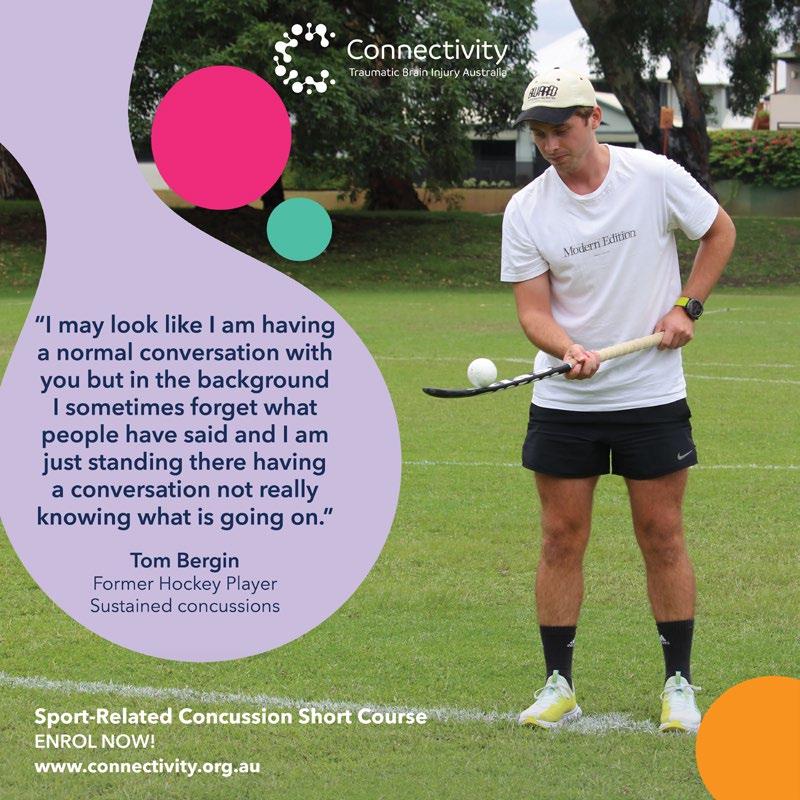
Channel Seven with advocate Tom Bergin and Connectivity EO Naomi Fuller KidSpot with advocate Tom Bergin Hello Leaders with Connectivity EO Naomi Fuller 6PR with Connectivity EO Naomi Fuller
Key highlights from the 2023-2024 year are:
• 81,000 people visiting the Connectivity website to learn more about traumatic brain injury (154,000 users all time)
• Almost 3,200 downloads of information from the Connectivity website
• A combined total of 1,526,000 people reached through social media
Our Google Ads grants also continued with $17,112.32 spent, amounting to 26,185 impressions and 4,844 click throughs.
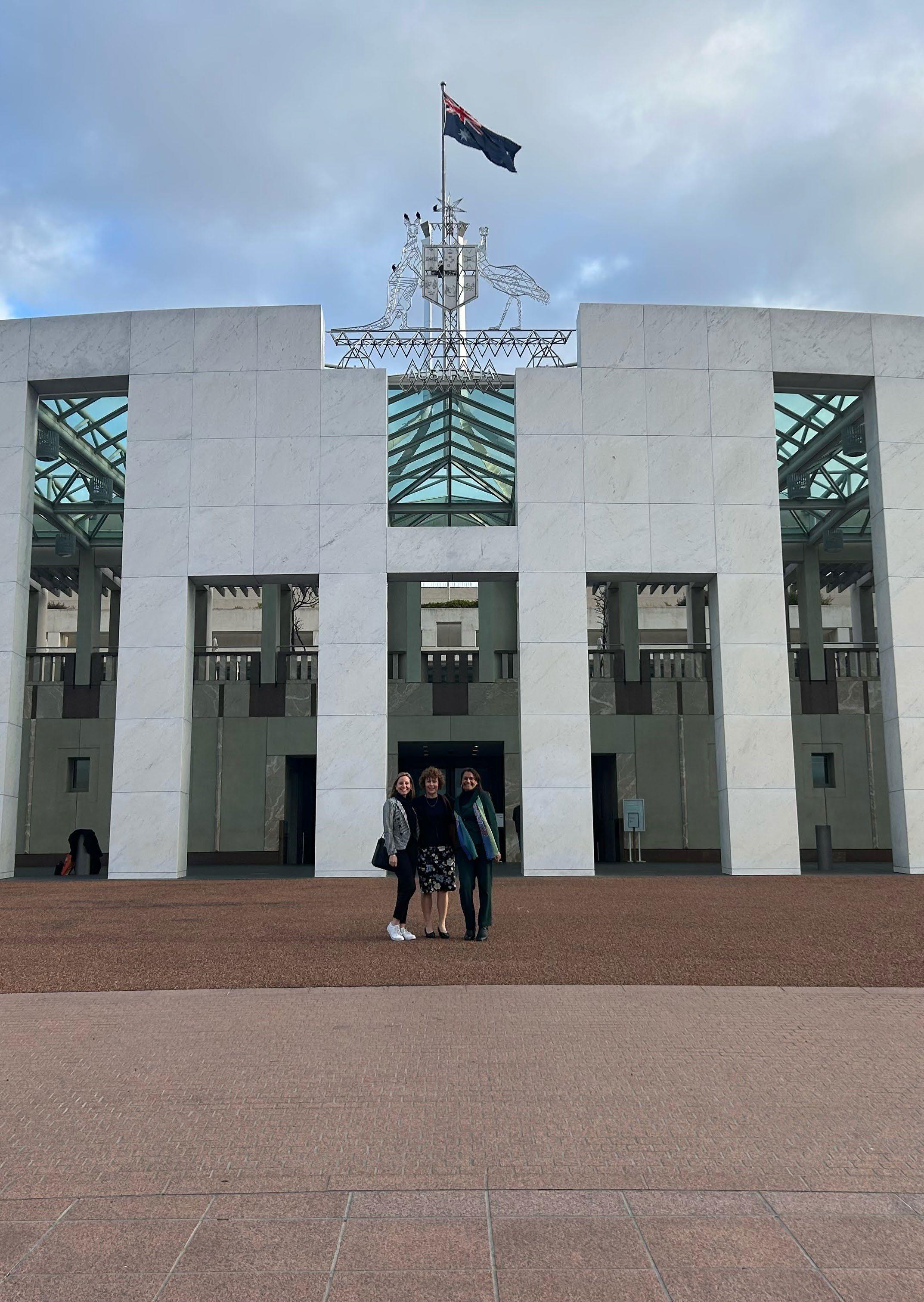
Photo: Connectivity’s Naomi Fuller, Melinda Fitzgerald and Shenane Hogg visit Parliament House in Canberra
Raising Awareness
Ambassadors
Throughout the year, Connectivity utilised new ambassadors and partnerships to promote and raise awareness of traumatic brain injury of all severities.
Social Media Marketing Partnership - Pickstar
The initial partnership took place using the Pickstar platform to find three athletes with lived experience of concussion. Connectivity worked with these athletes to run a social campaign to promote the Sport-Related Concussion Short Course using the athletes own experience.
The athetes Connectivity collaborated with were:
Casey Dellacqua (Tennis)
Robbie McEwan (Road Cycling)
David Campese (Rugby Union)
The results of the campaign were:
• Over 161,000 views of Casey’s reel
• Over 87,000 views of Robbie’s reel
• Over 136,000 views of David’s reel
Matthew Pavlich
Matthew Pavlich (Former Fremantle Dockers captain - AFL) was additionally signed for a period of eight months to film and shoot promotional content for the Sport-Related Concussion Short Course. Matthew shared his experience of suffering numerous concussions throughout his playing career, and this was promoted via the Connectivity website and social media channels.
Kai Sakakibara
The final ambassador signed was former BMX pro, Kai Sakakibara. Kai suffered a moderate to severe TBI prior to the Tokyo Olympics in 2020. Kai faced a long road to recovery following his life changing crash during the BMX World Cup, and has now turned his passion for sport to para-rowing.
Working alongside Kai, Connectivity received national media coverage with Channel Seven, a native article on news.com.au and filmed content to use across the Connectivity digital platforms including the website and social accounts.
To date the results of working alongside Kai have seen:
• Over 63,000 views on Instagram collaborations
• Over 7 days worth of watch time and 1.5K reel interactions on Instagram
• 500 interactions with the Connectivity website article
• Over 700 views of Kai’s video on the Connectivity YouTube page
Photo: Kai Sakakibara
Aboriginal and Torres Strait Islander Communities
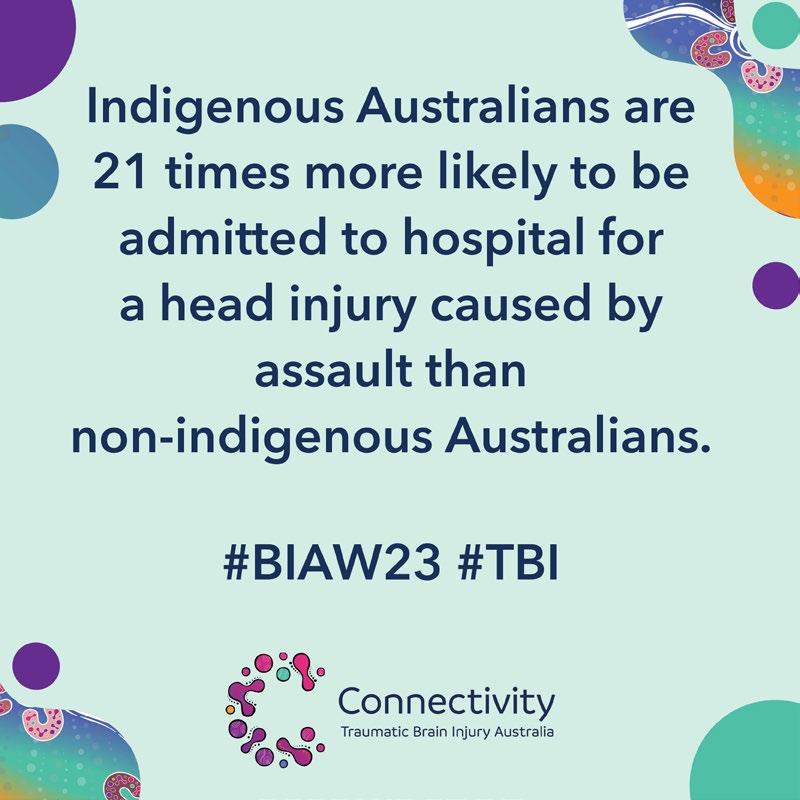
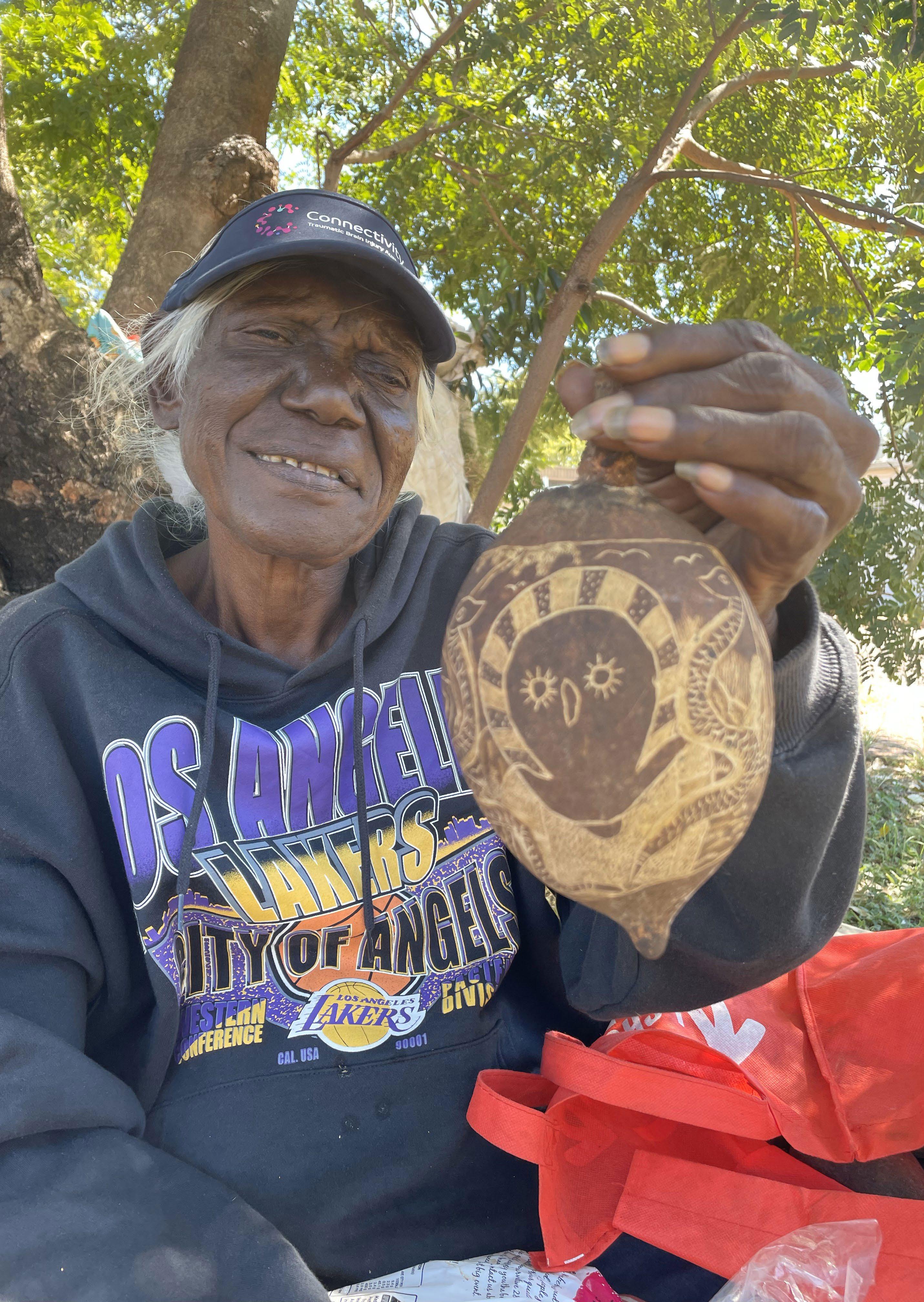
Our Community Liaison Officer, Shenane Hogg, participated in a community outreach program in Kununurra, educating the local Aboriginal and Torres Strait Islander community on traumatic brain injury. TBI is a major cause of disability and death for Aboriginal and Torres Strait Islander people in Australia. The rate of TBI amongst Aboriginal and Torres Strait Islanders in some communities is almost twice as high as that of the non-Indigenous population.
The observations from the outreach included feedback from Aboriginal Health Workers and Community members on the urgent need for support and education. This feedback included:
• TBI information and education is urgently needed due to rising numbers of FDV incidents relating to TBI injuries
• Hospital staff feel there is lack of information for both staff and patients when it comes to TBI
• Co-design is needed to help educate Aboriginal and Torres Strait Islander communities on the long-term dangers of TBI
• Moderate to severe TBI is prevalent and some community members were visibly struggling with speech and coordination
• Health workers do not feel confident in identifying a concussion or head knock signs and symptoms.
Consultation
Connectivity has been working to create a number of fact sheets for Aboriginal and Torres Strait Islander communities around the country. These fact sheets include:
• Concussion
• Persisting Post-Concussion Symptoms
• Healing from Concussion
• Spotting TBI in Bub
Following extensive consultation with community groups, Connectivity engaged Coolamon Creative - an Aboriginal owned and operated graphic design company based in Alice Springs to create a number of icons and illustrations for these fact sheets. With the consultations and graphic design under way it is expected that the fact sheets should be ready for distribution later in 2024.
Connectivity additionally commissioned Coolamon Creative to create two educational animations for Aboriginal and Torres Strait Islander people. These include one on ‘Family and Domestic Violence’ and one on ‘Concussion’. These are expected to be ready at the beginning of 2025.
Concussion Courses
Concussion Short Course
Our flagship course continued to do well over the course of the 2023 - 2024 year with enrolments steadily increasing.
To 30 June 2024 the Concussion Short Course has had:
4,827 enrolments
721 certificate purchases
Sport-Related Concussion Short Course
The Sport-Related Concussion Short Course has done extremely well over the course of the 2023 - 2024 year, with the certificate numbers now exceeding that of the flagship Concussion Short Course.
The course saw some additional updates made following the release of the ‘6th Consensus Statement on Concussion in Sport 2023’ and the new ‘Concussion and Brain Health Position Statement 2024’ from the Australian Institute of Sport.
To 30 June 2024 the Sport-Related Concussion Short Course has had:
4,551 enrolments
819 certificate purchases
Concussion in Older Adults Short Course
The Concussion in Older Adults Short Course was originally created for and delivered to Arcare. The course has now launched publicly and is available for purchase through the Connectivity website for those who work in an aged care setting. The course is available at a cost of $25 per user.
The Concussion in Older Adults Short Course has also been created as a SCORM package that aged care providers can purchase for their LMS platforms to assist their staff with ongoing professional development.
Supporting People
An ongoing key area of impact for Connectivity is Supporting People. This includes the creation of content to help people understand, recognise and manage traumatic brain injury, and to provide access to the latest research taking place around Australia.
Website
The Connectivity website is continually reviewed and updated throughout the year, with a number of new articles created. These include:
Persistent Post-Concussion Symptoms
Sexual Functioning following Traumatic Brain Injury
To improve accessibility for all, Google Translate was installed converting all website articles into 48 other languages.
The ’Connecting to Current Research Projects’ section of the website was updated throughout the year to add over ten new research projects which are taking place around the country.
Fact Sheets
New fact sheets were created and produced. These are now available to download for free from the Connectivity website and include the following topics:
Concussion
Persistent Post-Concussion Symptoms
Chronic Traumatic Encephalopathy
Concussion in Infants and Toddlers
Concussion in Children and Teenagers
Driving after Concussion
The two fact sheets translated into ten languages through ISHAR, a West Australian multicultural women’s group, on Domestic Violence and Falls have been finalised and are now available to download free of charge on the Connectivity website.
Events
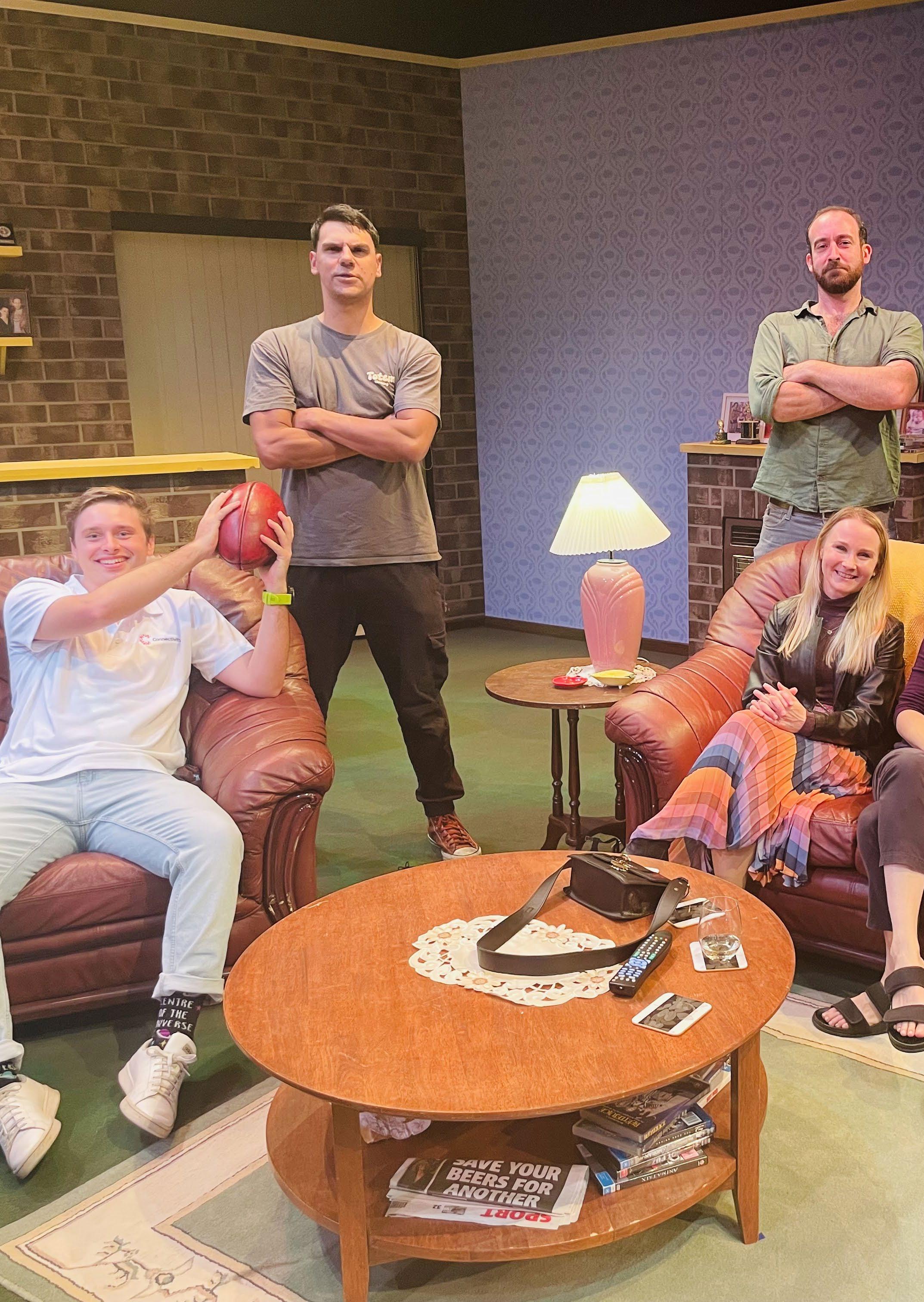
Connectivity supported the Black Swan Theatre Company in Western Australia, with their production ‘Barracking for the Umpire’. The production followed the experience one family had with concussion, and its far reaching effects. The production showed at the Subiaco Arts Centre before travelling to different areas in regional Western Australia.
Photo: Barracking for the Umpire
Connecting Community
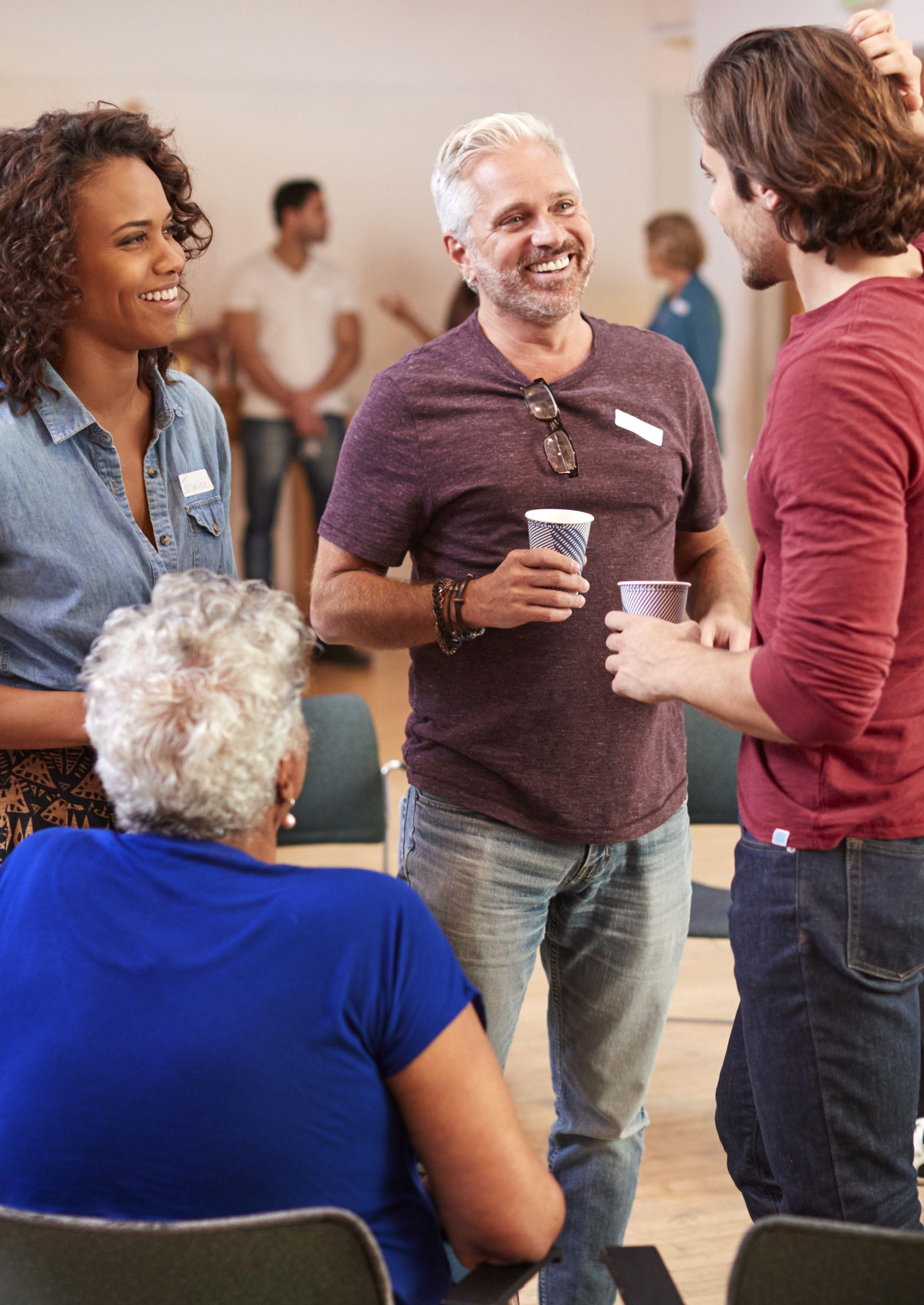
Connectivity continues to connect researchers and their research projects with people with lived experience. This year we worked with our Consumer Focus Group – now called our Lived Experience Advisory Group (LEAG) to connect them with 20 traumatic brain injury (TBI) research projects happening across Australia.
We worked to deliver presentations on concussion which were specifically requested by the local community. These were delivered to:
• Professional Golf Association (PGA) – October 2023
• Serco Acacia Prison – November 2023
• Narembeen SOCK Week – June 2024
Under our Local Area Network initiative, we supported the Australasian Neurotrauma Symposium 2023. Held in Queensland, this two-day in person meeting brought together leading neurotrauma researchers, clinician-scientists and research students.
Work is expanding in this space through Connectivity’s Research Associate Dr. Aleksandra Gozt, who is increasing our contacts with the Australian research community, creating more awareness of the availability to promote research on the Connectivity website as well as connect with people with lived experience of traumatic brain injury.
Sustainable Research
Data on concussion awareness is currently lacking. We commissioned Monash University’s Rehabilitation, Ageing, and Independent Living Research Centre to work on two national research projects that seek to understand levels of community and clinician/GP education, awareness and management of concussion, as well as moderate to severe TBI. The outcomes will identify gaps in knowledge that need to be filled.
This research will establish a benchmark from which Connectivity can continue to deliver significant impact and will be important in quantifying the benefit Connectivity is bringing to the Australian traumatic brain injury community.
The data obtained will also be a valuable contribution that Connectivity will share with the Australian traumatic brain injury research community.
Standardised Care
Work in this area is ongoing with Connectivity facilitating conversations and introductions between various stakeholders nationally.
Financial Summary 2024
STATEMENT OF PROFIT OR LOSS AND OTHER COMPREHENSIVE INCOME FOR THE YEAR ENDED 30 JUNE 2024
For the year ended 30 June 2024
The accompanying notes form part of these financial statements.
Financial Summary 2024 Statement of Financial Position
As at 30 June 2024
Contact Us
www.connectivity.org.au
connect@connectivity.org.au
/ConnectivityTBI
/connectivityTBI
@ConnectivityTBI
/ConnectivityTBI
/connectivitytraumaticbraininjuryaustralia
How to get involved
Support us - donate or fundraise
Speak up - join our lived experience advisory group
Leave a legacy - include a gift in your will
Cover yourself - check your brain health during health check ups
Stay informed - subscribe to our newsletter
Help with progress - connect to Australian TBI research projects